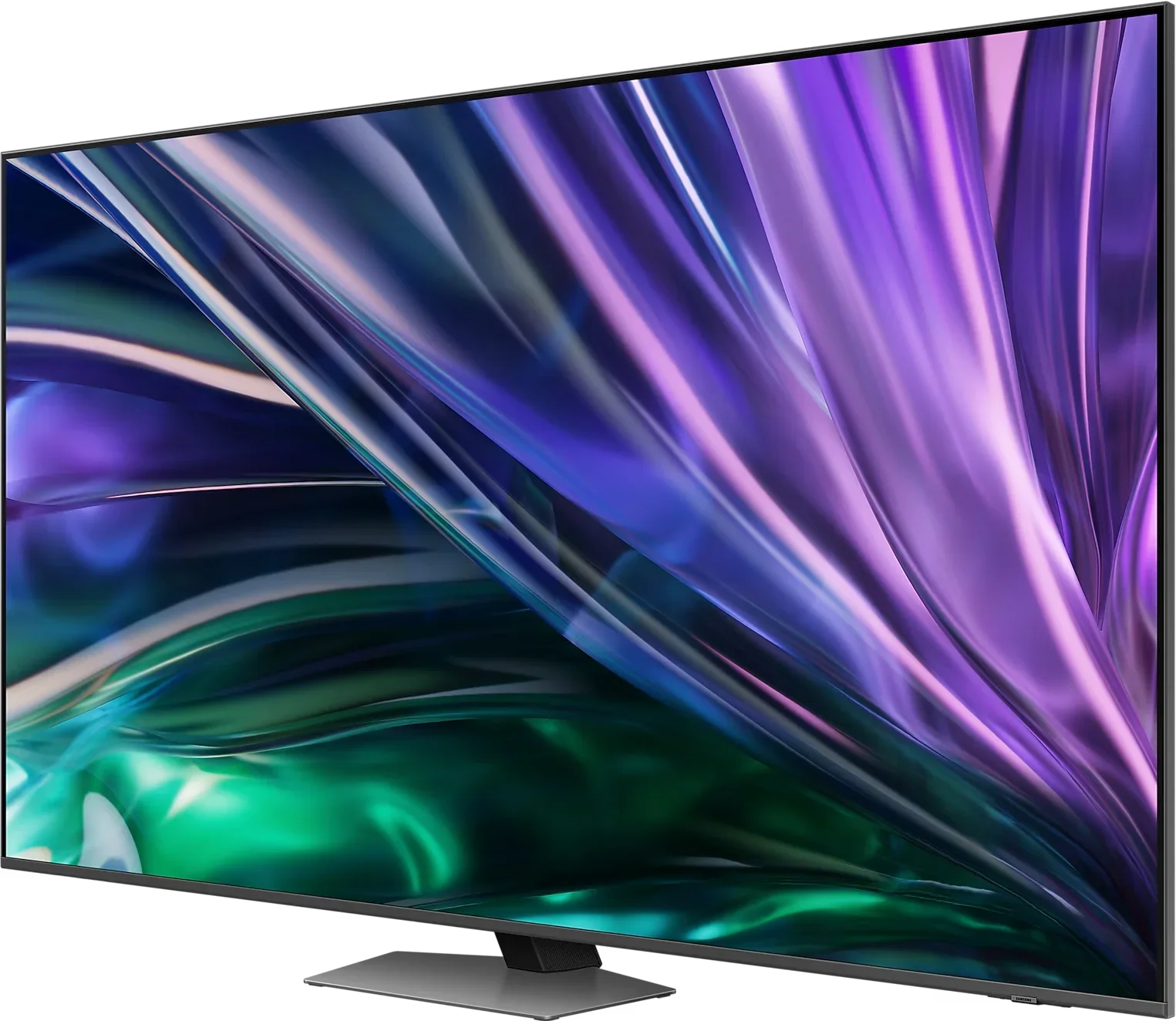
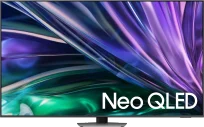
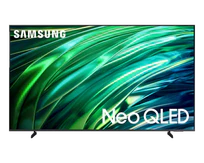
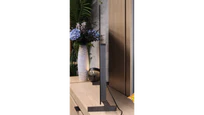
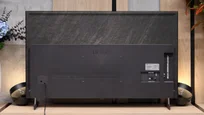
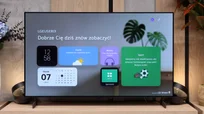
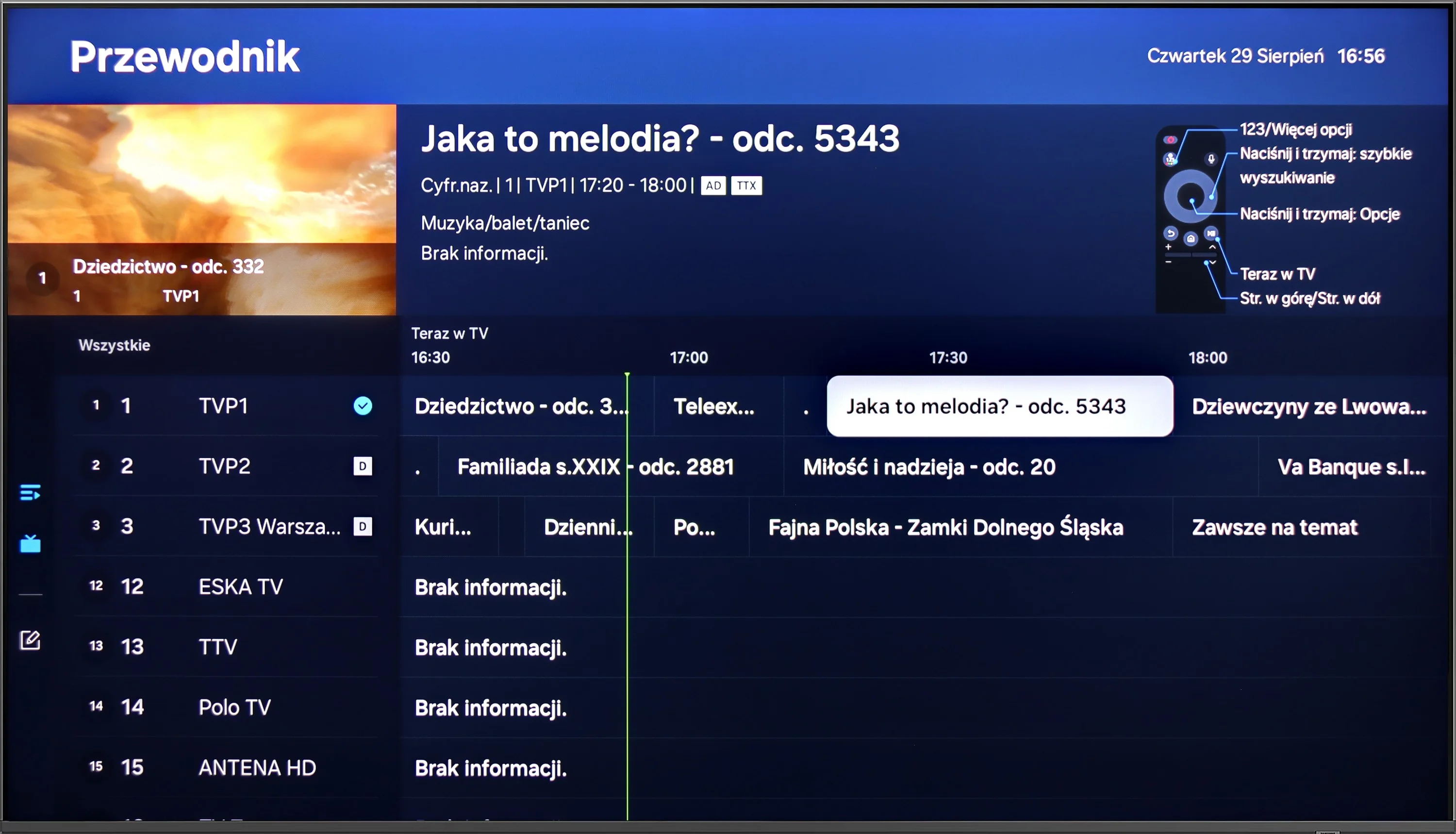
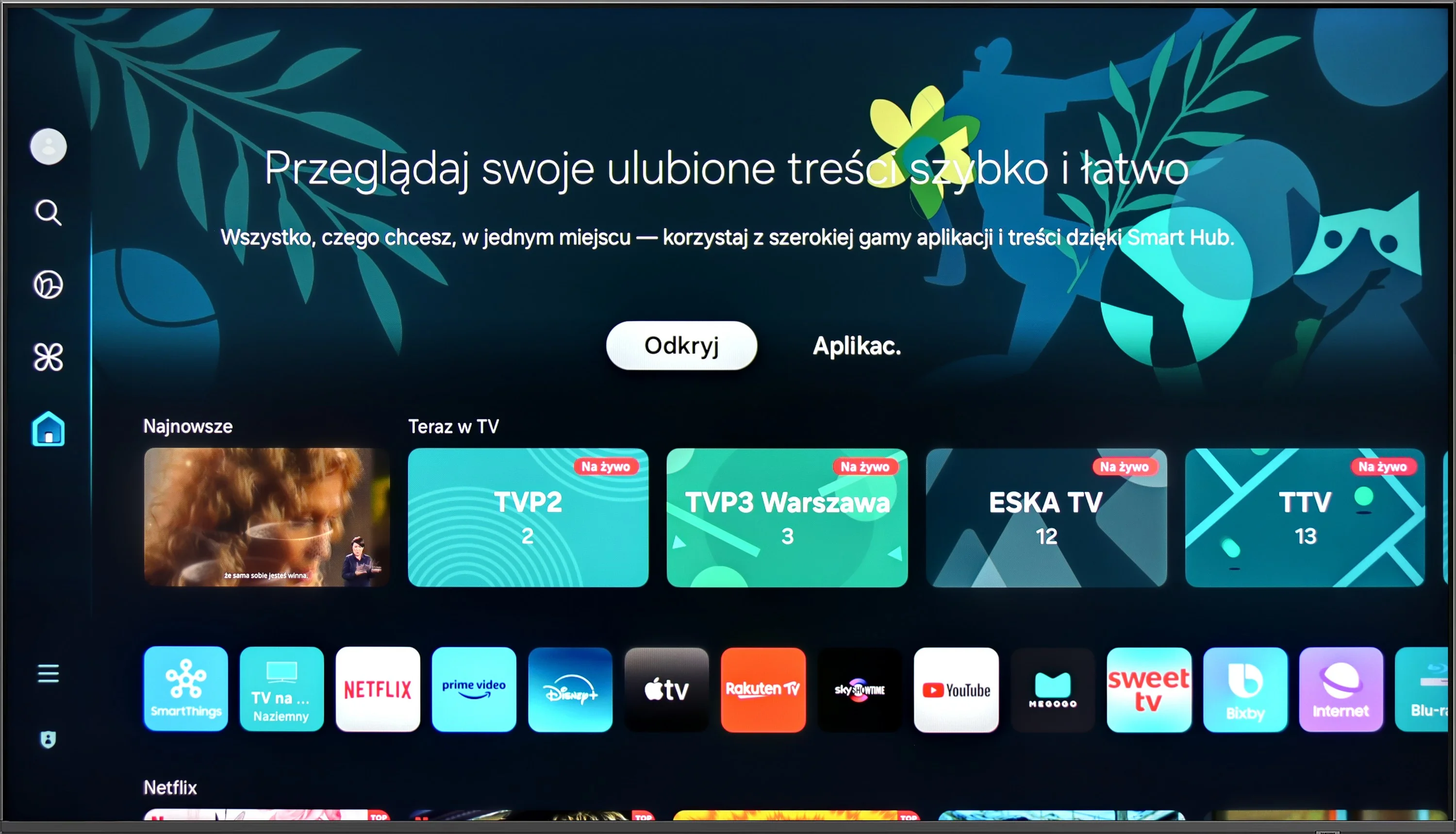
The Samsung QN85D is the entry-level model in Samsung's 2024 Mini LED – Neo QLED lineup, offering a well-balanced mix of modern smart features and impressive picture quality. Running on the Tizen platform, the QN85D provides extensive support for Samsung's SmartThings ecosystem, enabling seamless integration with other smart devices in the home, regardless of brand. Apple users benefit from AirPlay compatibility, making content sharing from Apple devices straightforward, while the Daily+ feature adds an extra layer of engagement by delivering daily curated content, enhancing everyday use.
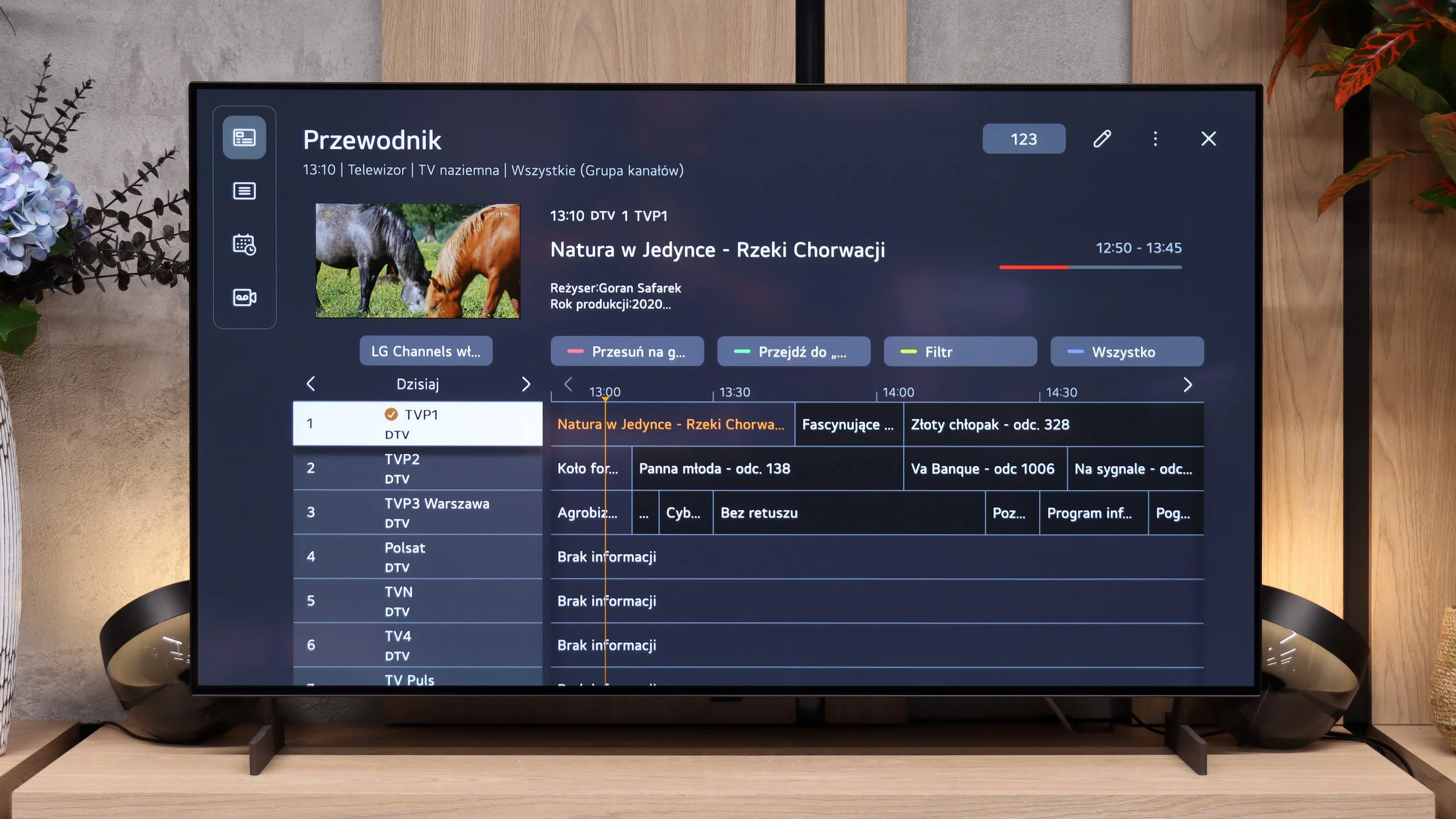
For regular viewing, the QN85D performs commendably. Its high brightness level allows it to easily handle well-lit rooms, and the central stand offers stability and aesthetic appeal. Though it lacks a recording function, the QN85D includes several practical features, such as a solar-powered remote that also controls Canal+ decoders, along with Picture-in-Picture (PiP) mode, enhancing versatility in various viewing situations.
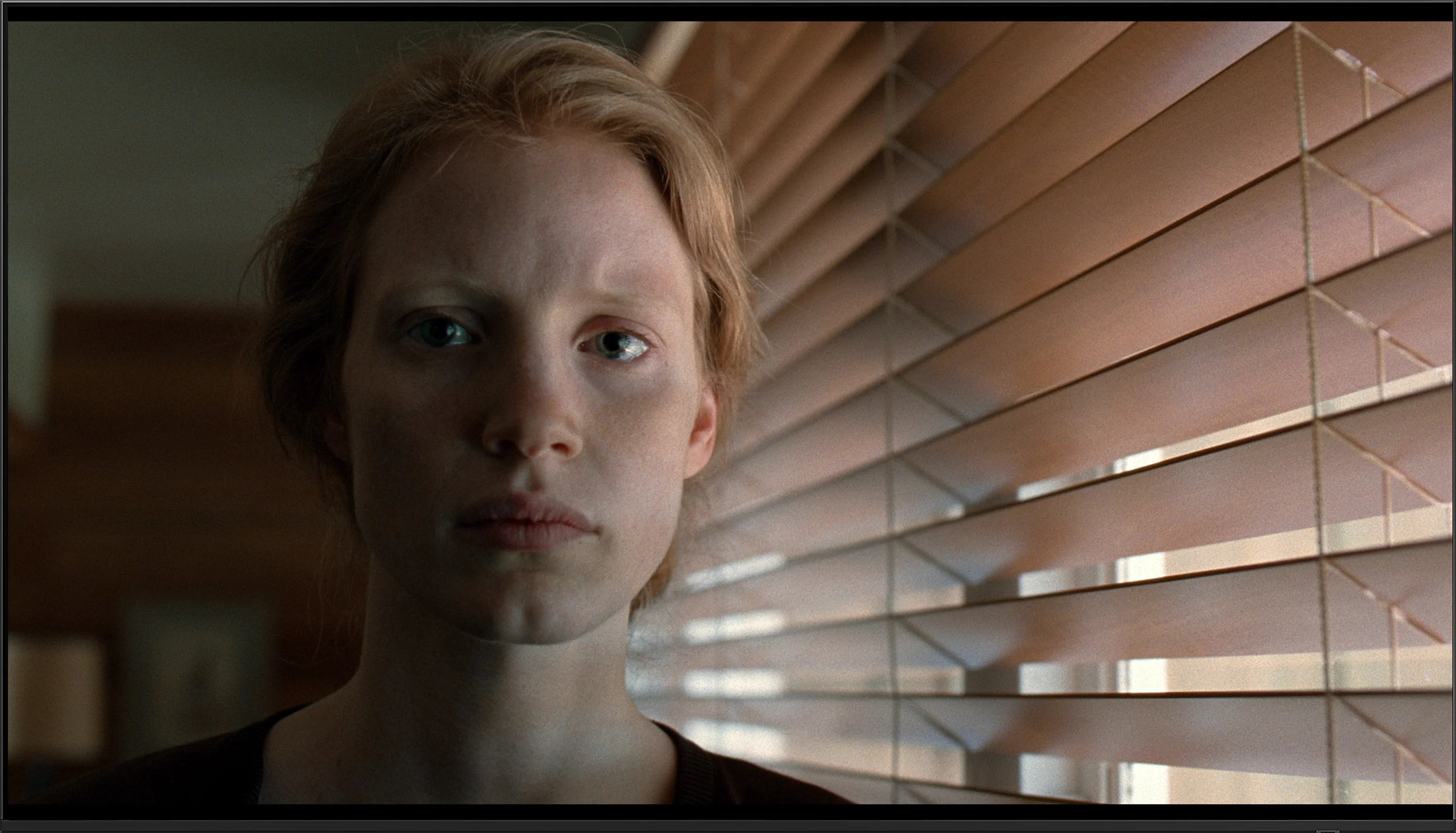
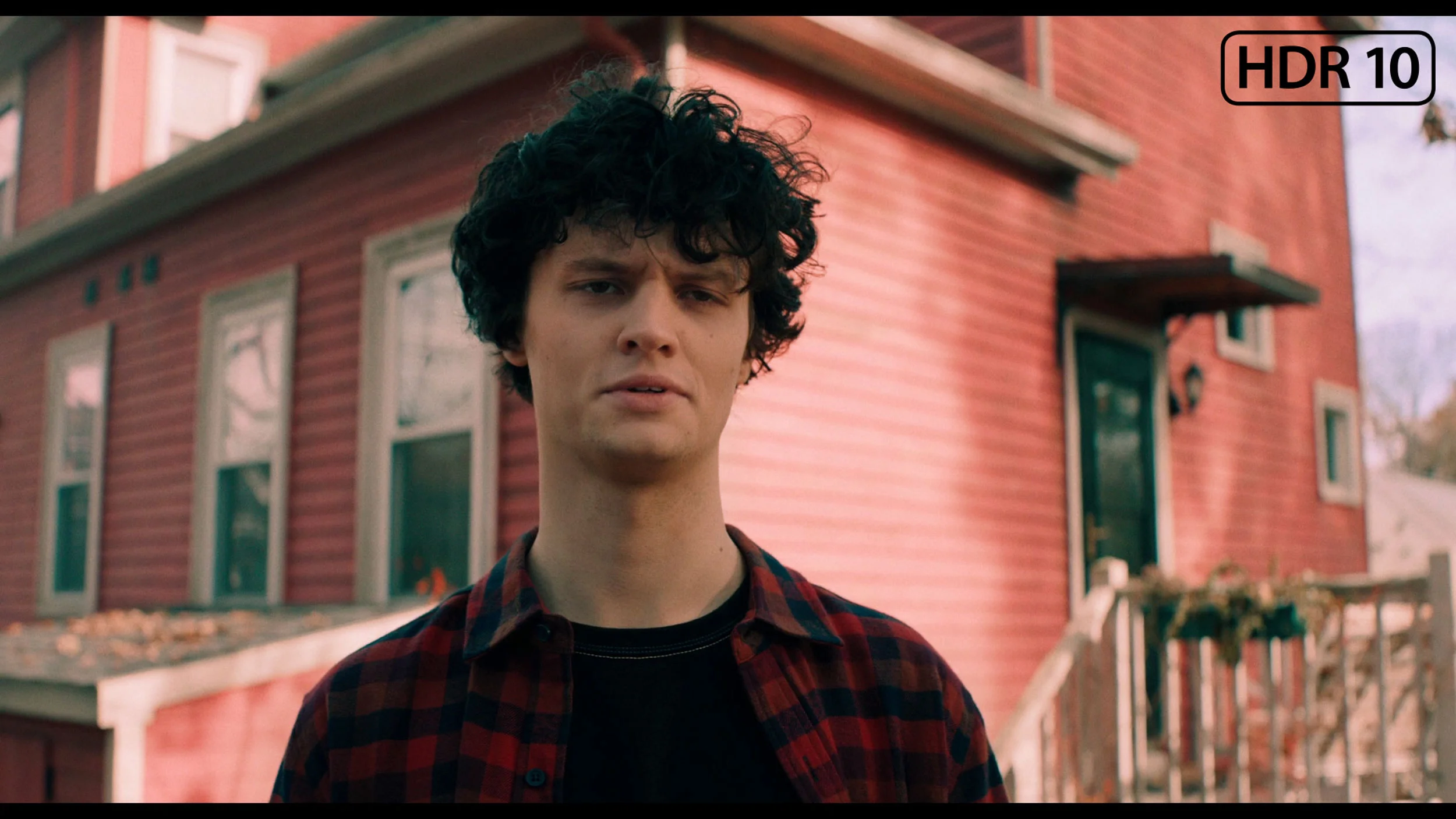
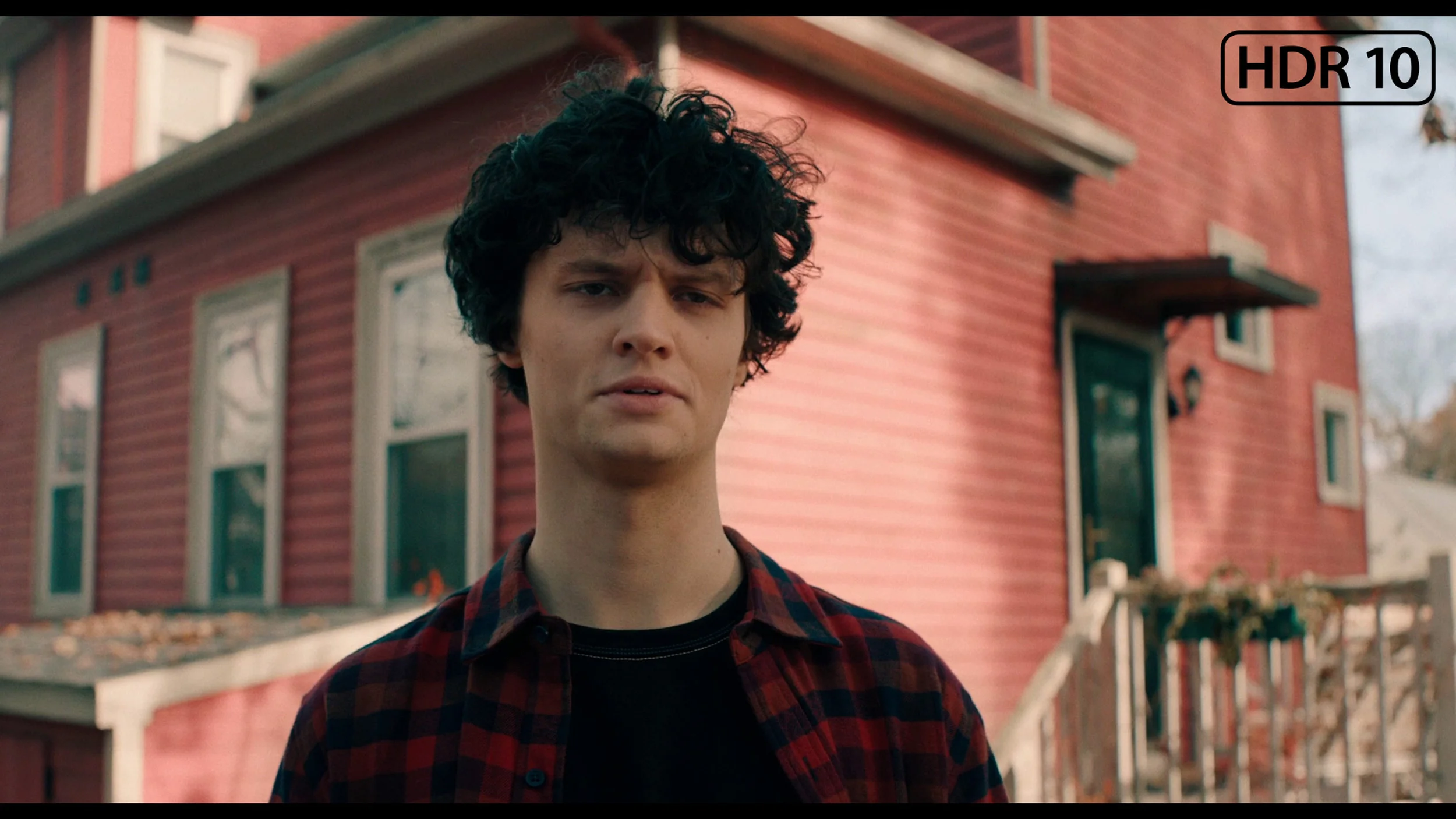
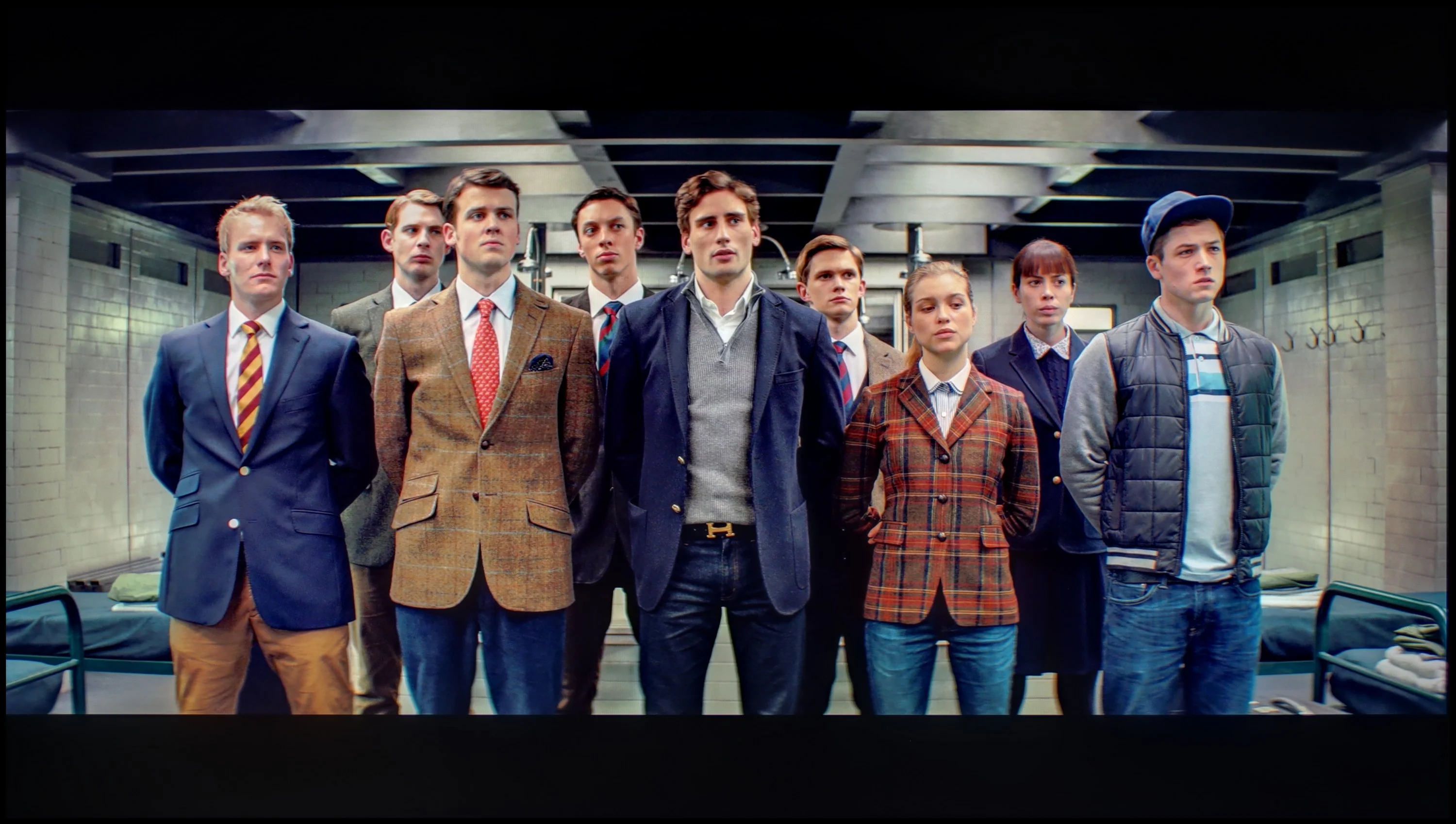
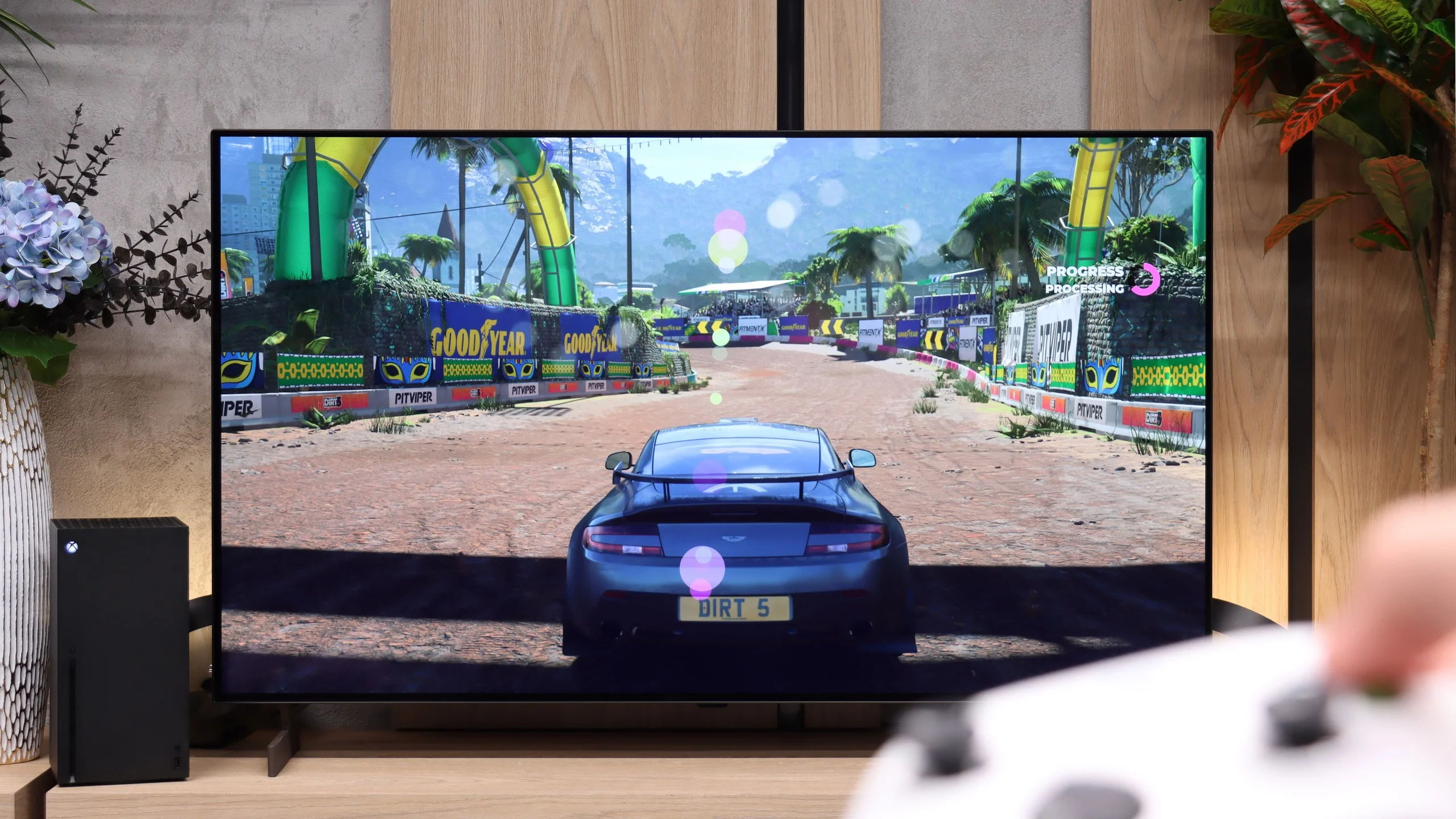
When it comes to picture quality, the QN85D excels in contrast and brightness. Its VA panel delivers deep blacks when viewed directly, and the Mini LED technology provides improved backlight control (with some limitations), which is particularly effective in dark scenes. A refresh rate of 120 Hz ensures smooth handling of fast-paced scenes, while low input lag makes the QN85D an excellent choice for gamers and sports fans alike.
Overall, the Samsung QN85D stands out in 2024 as a robust, feature-rich TV with high picture quality and advanced smart capabilities, making it ideal for both everyday viewing and more demanding movie or gaming sessions.
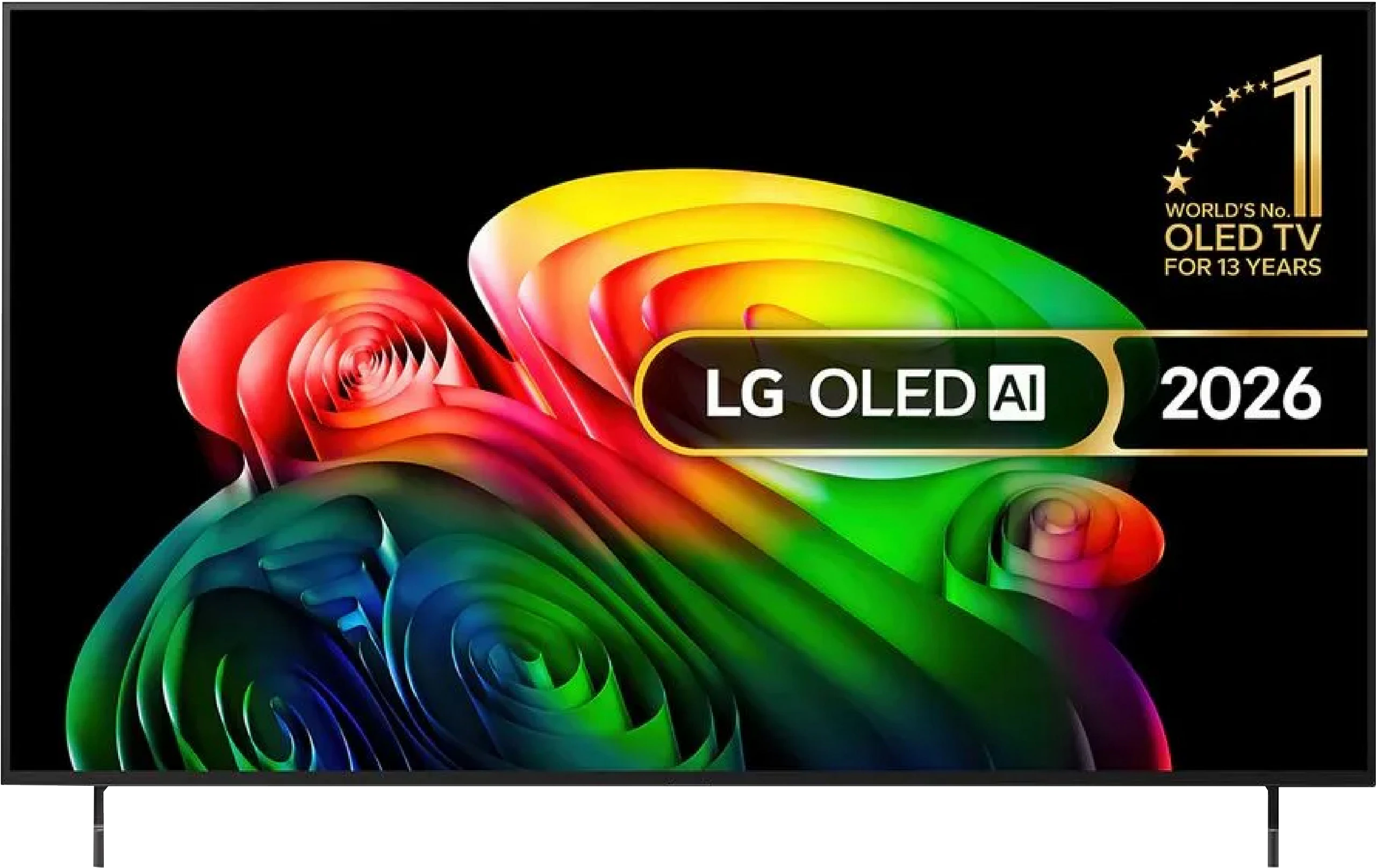
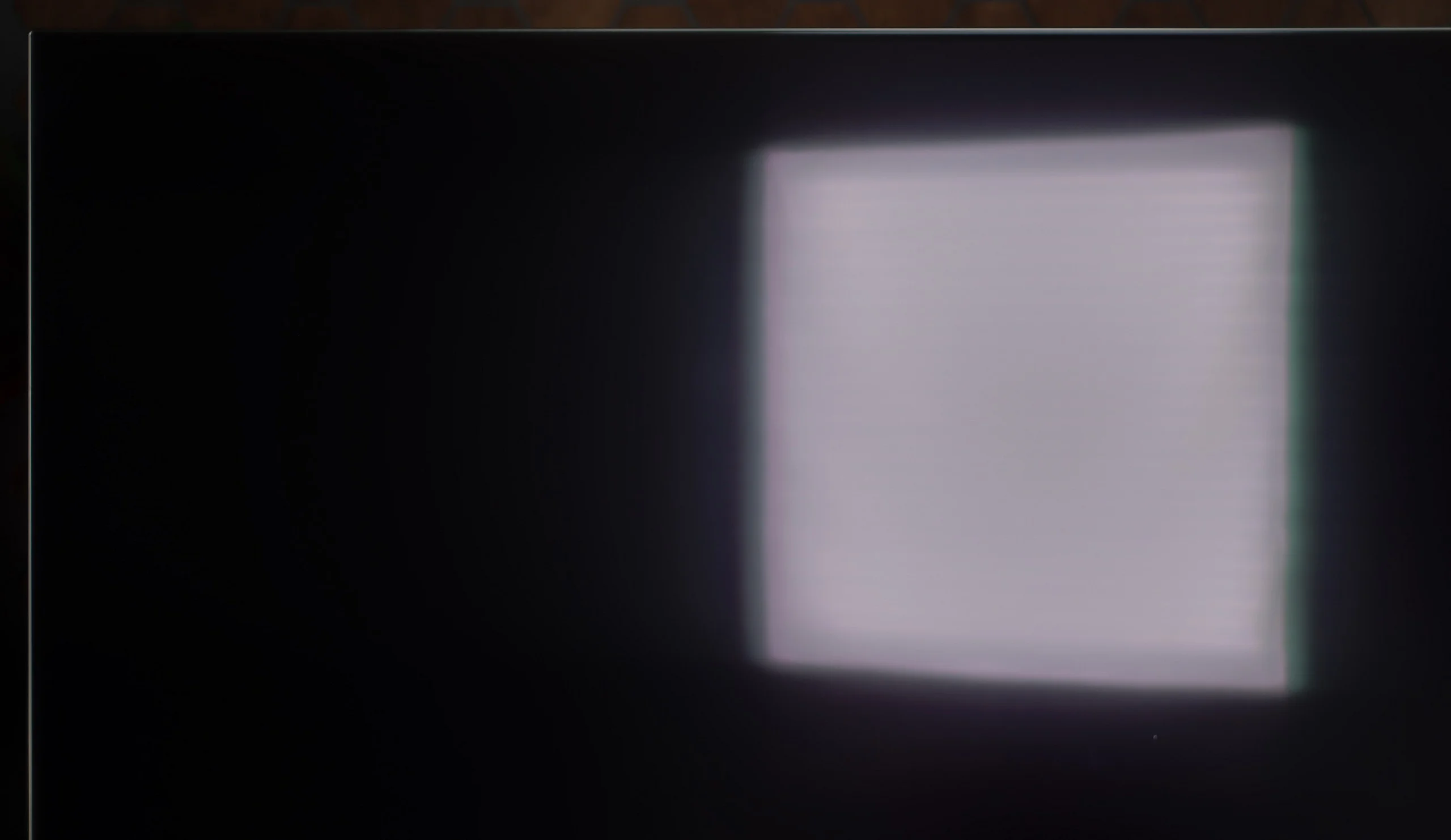
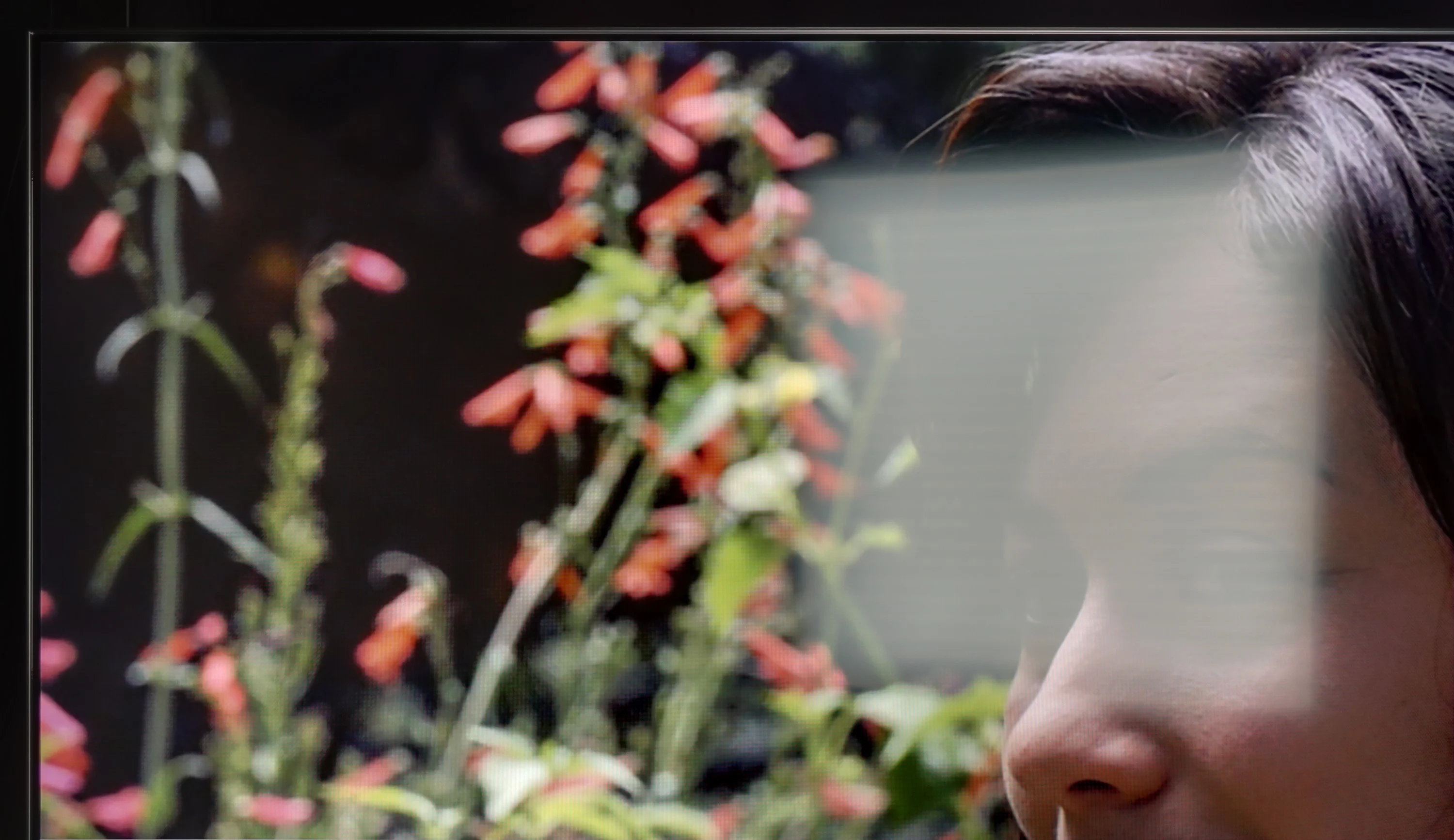
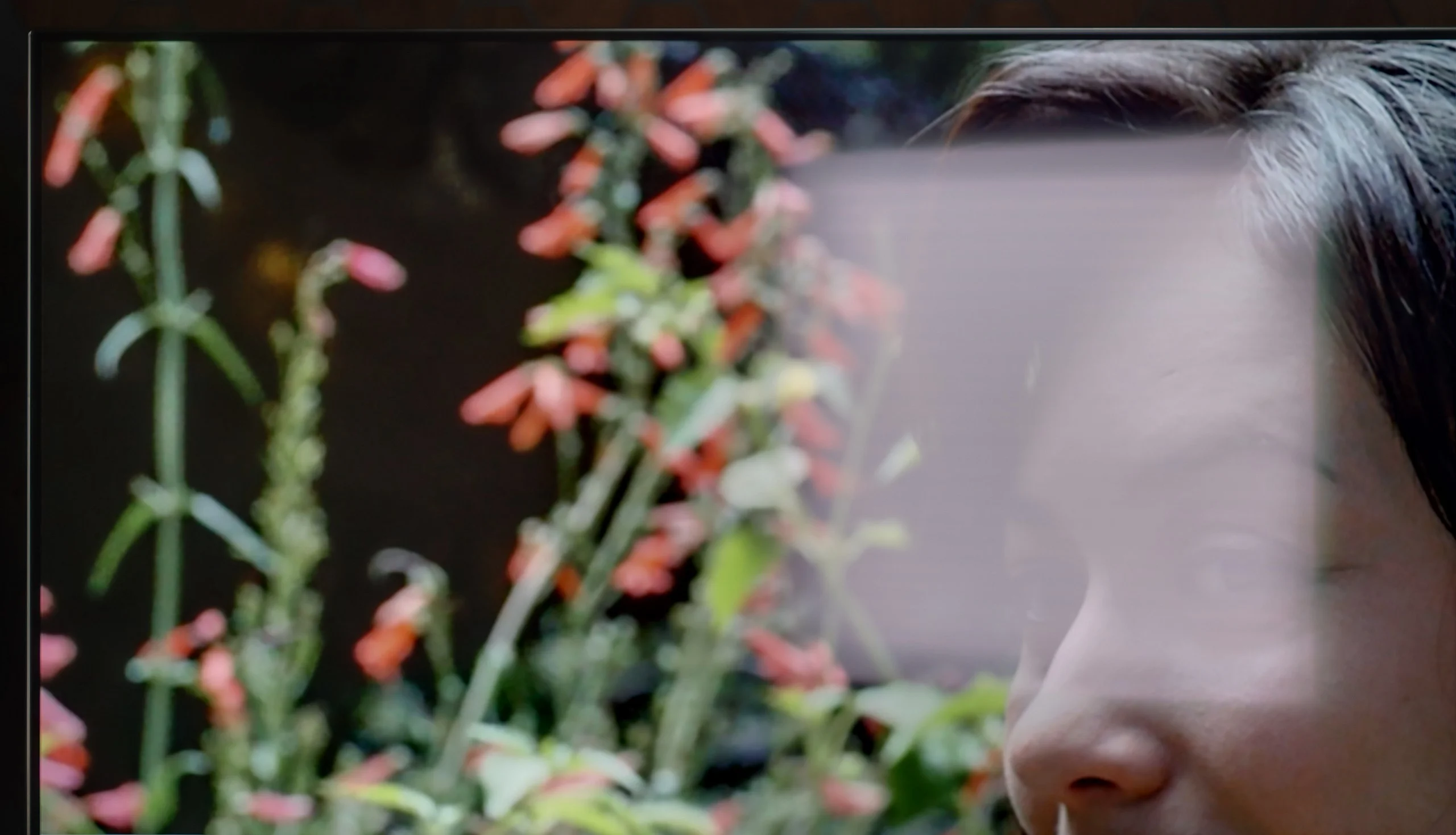
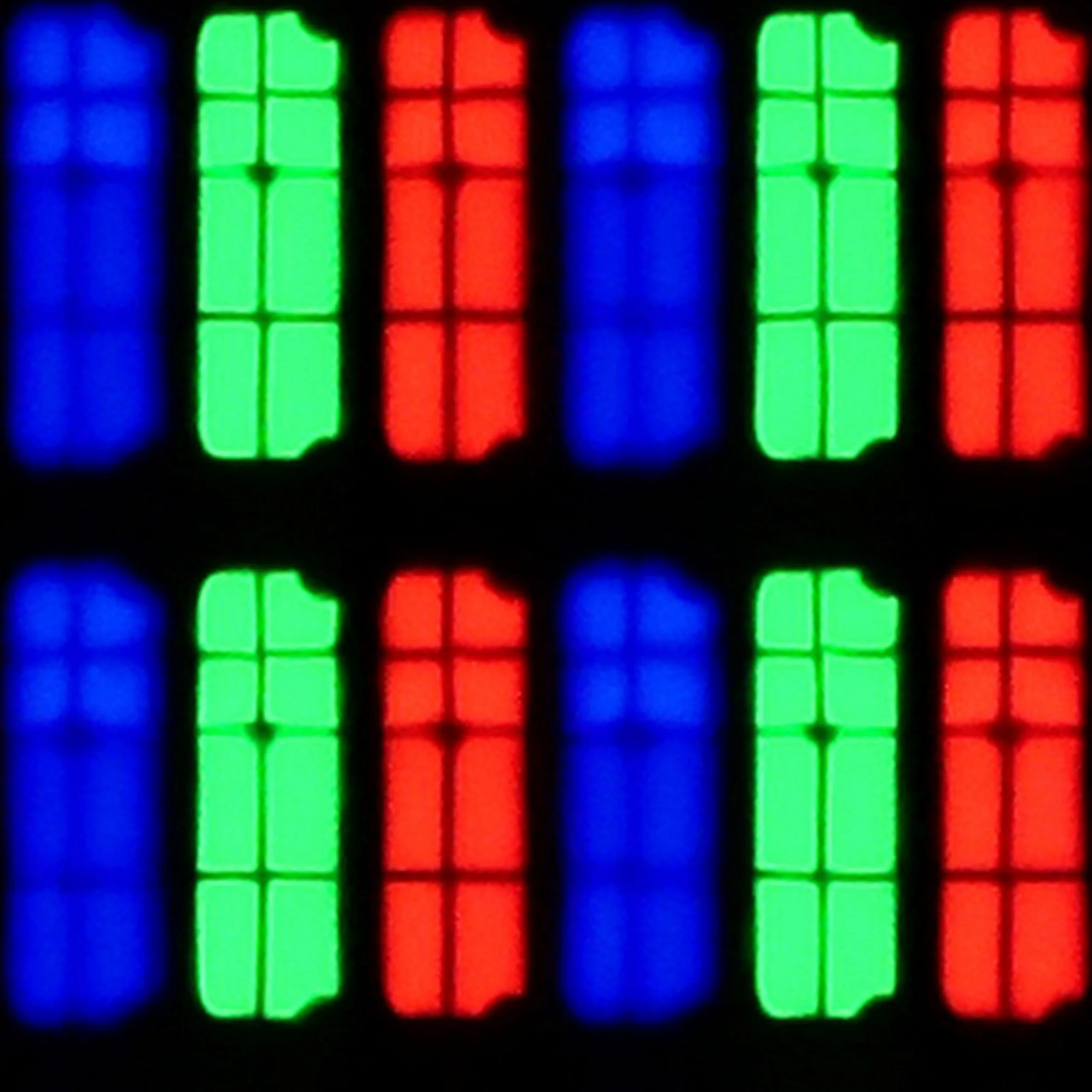
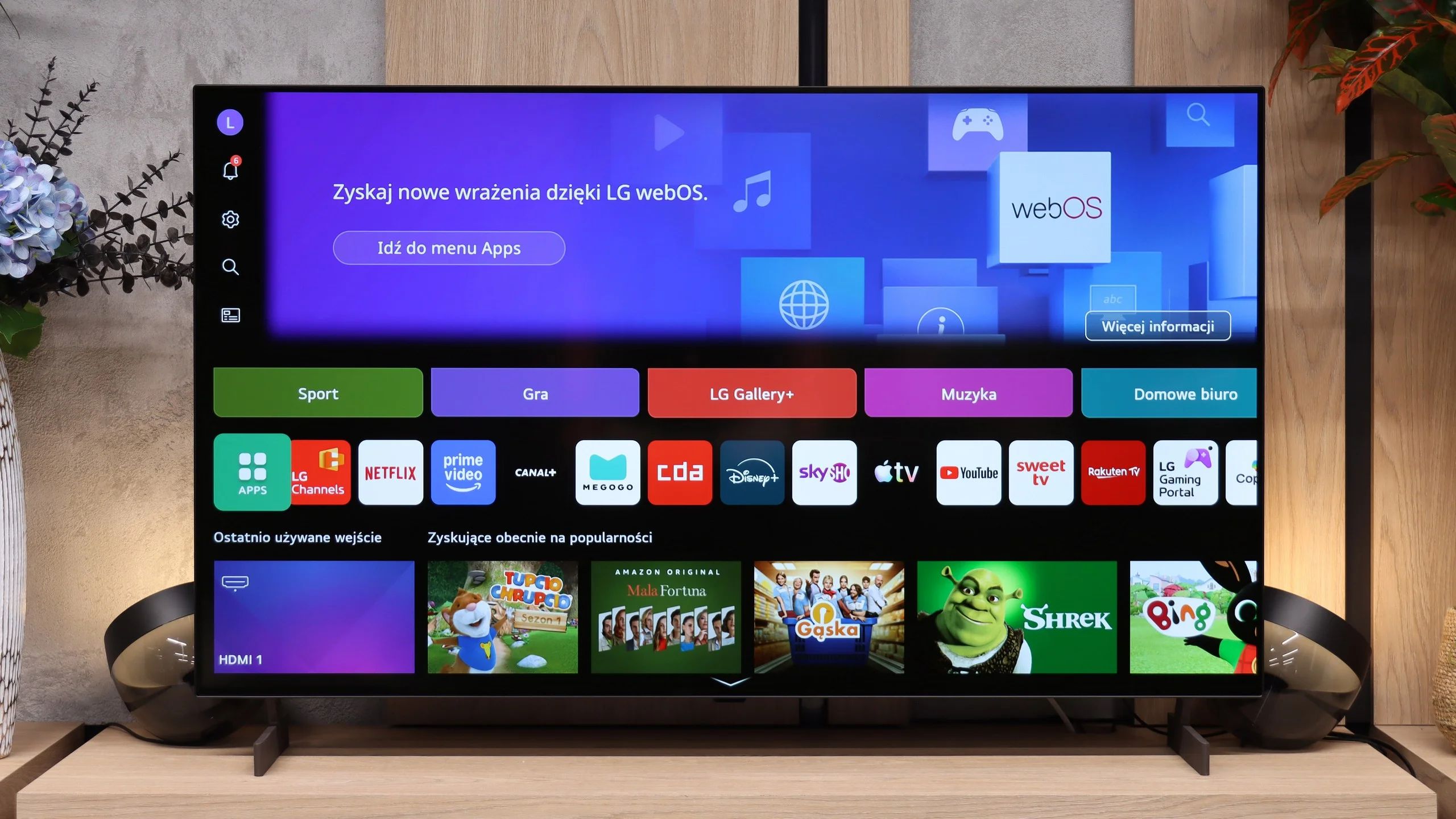
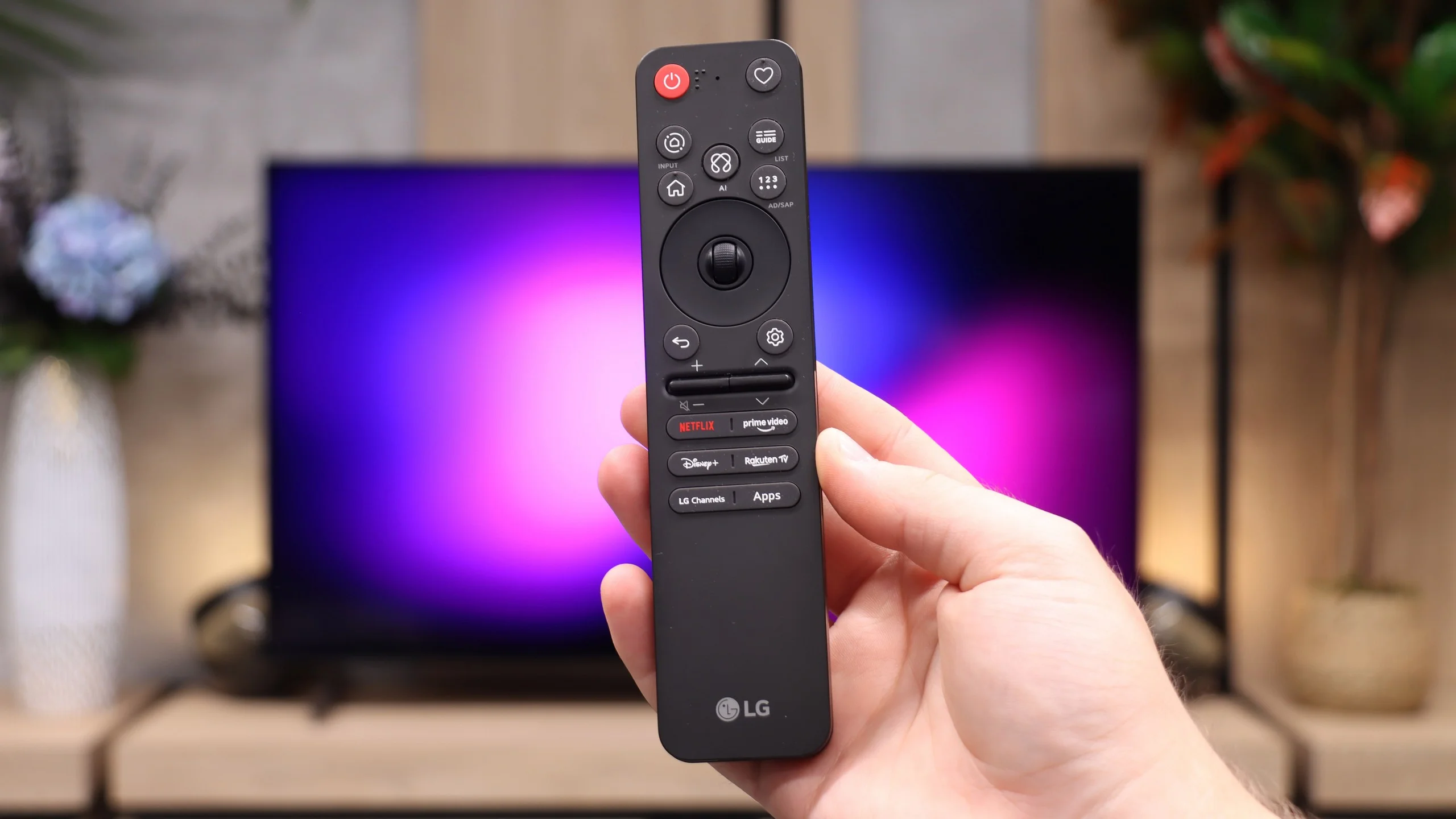
The LG OLED B6 is a very successful continuation of the B series and a TV that makes a lot of sense as a first step into OLED. It doesn't try to compete with the most expensive models in every respect, but on the most important points it still delivers exactly what many people choose the technology for: perfect black, very high contrast, and a picture that can simply look spectacular in movies. This is largely thanks to the new budget WOLED panel, called OLED SE. Thanks to it, LG's cheapest OLED is now noticeably brighter than a few years ago, and around 800 nits in HDR is a level you can actually notice while watching. Bright elements have more punch, the picture handles more demanding scenes better, and combined with OLED blacks the whole thing can look really impressive. Movies and series from streaming platforms fare especially well, particularly those available in Dolby Vision. That's when the B6 makes the most of its capabilities and can produce a picture that will be a big step up for someone moving from a typical LCD TV. However, it's not a model without compromises. Our biggest reservation is how the screen handles reflections. The lack of a classic polarizer means the TV fares much worse when placed opposite a large window or a strong light source. Reflections are more noticeable than on other WOLED panels, and the black itself loses some of its character in a bright room. In controlled viewing conditions this won't be an issue, but for a very bright living room you should approach this purchase with some caution. The operation of webOS also leaves something to be desired. It is still very good overall, with a rich app library, a convenient Magic Remote, and pretty much everything you'd expect from a modern smart TV. The problem is that on the B6 it doesn't always run as smoothly as it should. At times you can tell the new version of the system is more demanding and a bit "heavier" than before. Despite these notes, the LG B6 still performs very well. It's a TV that delivers all the key advantages of OLED while not costing as much as the higher-end models. It makes the most sense when it turns up on a good sale, because that's when it can be one of the most interesting choices for people who want to get into OLEDs without overpaying.
 Direct comparison