 Direct comparison
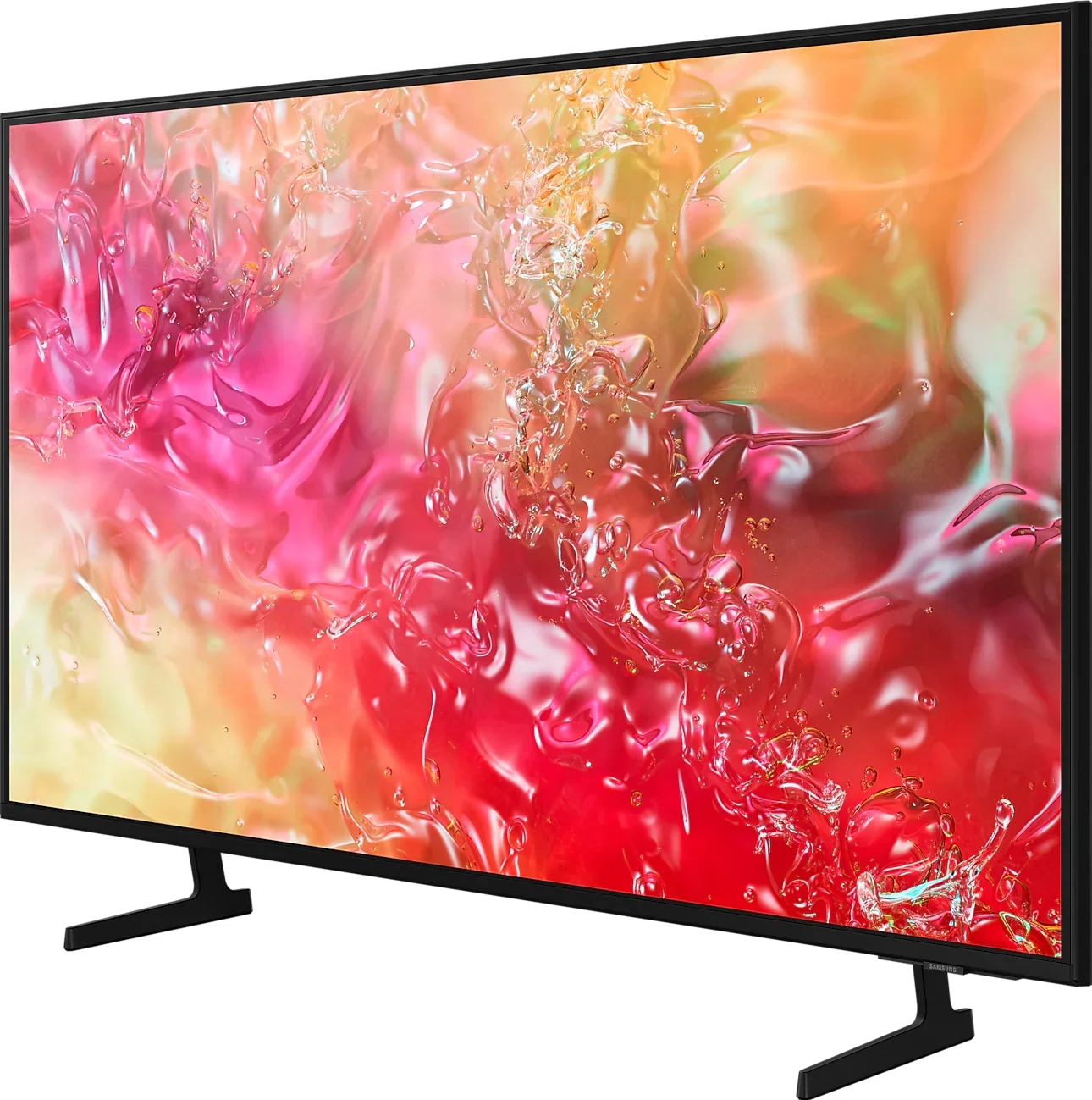
Samsung DU7192 is a simple and affordable television that will perform well for everyday use. Thanks to its VA panel, it stands out with good contrast. This is particularly important for evening movie watching. The black is deep, and details in dark scenes are well visible. In subdued light, it makes a really good impression. With the right adjustment of color settings, the image becomes even more natural, and tonal transitions look smooth. For everyday tasks, the television does quite well. Tizen, Samsung's operating system, is easy to use and offers access to many popular applications, such as Netflix and YouTube. Everything runs smoothly, although sometimes some applications have limited functionality. A nice addition is the support for AirPlay, which allows for quick screen mirroring from Apple devices to the large screen. As for working as a monitor, the DU7192 also performs well. The low input lag (11 ms) makes gaming smooth and responsive—even in dynamic action games. Fonts when connected to a computer are legible thanks to the well-functioning chroma feature, which means the television is suitable for simple office tasks. However, it is not a model without drawbacks. The brightness level of 274 nits is average, so in brightly lit rooms, the screen can look washed out. With HDR content, it is clear that it lacks power, and the absence of Dolby Vision is another downside if we care about full HDR capabilities. The VA panel also has limited viewing angles—if we sit to the side, the colors lose intensity, and contrast deteriorates significantly. Samsung DU7192 is a good choice for those looking for a simple television for watching movies, series, or occasional gaming. Excellent contrast and an intuitive operating system are its strengths that make up for the shortcomings in brightness and viewing angles. It is a piece of equipment that will perform best in evening use or in rooms with controlled lighting.
- Matching (Score) |
- Our verdict |
- TV appearance |
- Where to buy |
- Contrast and black detail |
- HDR effect quality |
- Factory color reproduction |
- Color reproduction after calibration |
- Smoothness of tonal transitions |
- Image scaling and smoothness of tonal transitions |
- Blur and motion smoothness |
- Console compatibility and gaming features |
- Input lag |
- Compatibility with PC |
- Viewing angles |
- Daytime performance |
- Panel details |
- TV features |
- Apps |
- Playing files from USB |
- Sound

Check prices in stores:
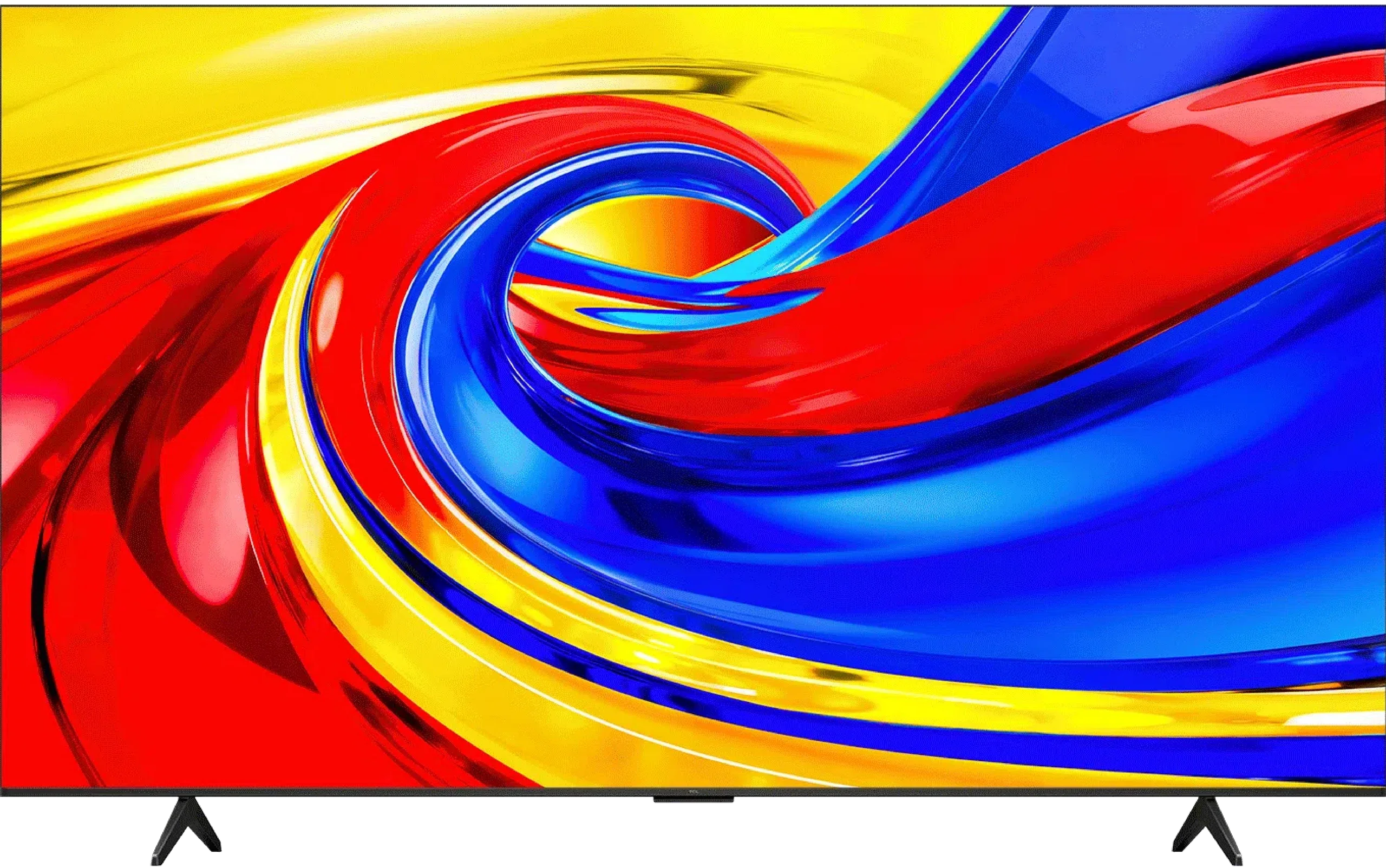
Samsung DU7192 (VA)(paid link)P7L / P79L

Panel type: LCD VA
Resolution: 3840x2160
System: Tizen
Model year: 2024
Panel type: LCD VA
Resolution: 3840x2160
System: Google TV
Model year: 2026
Check how well they match your needs
Take the surveyOverall rating
5.4
6.3
 Movies and series in UHD quality
5.4
5.8
 Classic TV, YouTube
5.3
6.0
 Sports broadcasts (TV and apps)
4.8
5.7
 Gaming on console
6.7
7.3
 TV as a computer monitor
6.0
5.8
 Watching in bright light
3.2
5.2
 Utility functions
5.2
7.0
 Apps
9.3
9.6
 Sound quality
5.4
6.2
Complete the survey to find out what fits your preferences
Advantages

Developed Tizen operating system
High native contrast - VA panel
Low input lag
Accurate color reproduction after calibration
Good contrast thanks to a VA panel
Rich colors, QLED (PFS)
Supports Dolby Vision and HDR10+
Supports audio formats: Dolby Atmos and DTS:X
Advanced gaming features: VRR and ALLM
Low input lag
120Hz support at lower resolutions
Google TV with a wide selection of apps
Disadvantages

No Dolby Vision
Low brightness
Poor viewing angles
Low brightness
Poor viewing angles
Average sound quality
Our verdict
The TCL P7L is a successful budget TV that shows you can get more than just a basic screen for not much money. It doesn't match pricier Mini LEDs or OLEDs, but in its class it has a lot to offer. The VA panel delivers decent black levels and contrast, so during evening viewing the picture doesn't look as flat as on many cheap IPS models. Colors also perform well after calibration. For watching movies and TV shows it's a solid foundation, and Google TV provides access to a wide range of apps and streaming services. The biggest surprise is its gaming capabilities. The P7L responds quickly to controller input, supports VRR and automatically switches to game mode. It even offers Dolby Vision Gaming and a Game Bar with settings at hand. What's more, by lowering the resolution to 1080p or 1440p you can play at 120 Hz. In 4K you’re limited to 60 Hz, so you have to choose between more detail and smoother motion, but it's good that at this price you even have that option.
TCL also handles lower-quality sources quite well. Lower-resolution content looks acceptable, and the gradient-smoothing feature actually helps reduce visible banding between shades. The way it displays HDR is also commendable. The TV sensibly adapts content to its capabilities and tries to preserve detail in bright areas instead of turning them into blown-out white patches. Dolby Vision helps here, often producing noticeably better results than HDR10. That doesn't mean the HDR effect itself is breathtaking. The P7L's biggest limitation is brightness. Small highlights and reflections don't have the same punch you'd see on pricier screens, even if their detail remains visible. For the same reason the TV fares worse in a very sunlit living room. It performs much better in a moderately lit room.
So the P7L has its limits, but it's hard to argue with its value for money. It's suitable for everyday viewing, doesn't limit app choice, and offers surprising freedom for gaming. If you're looking for an affordable TV and can accept its flaws, the TCL P7L is a model worth considering.
TV appearance
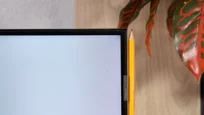
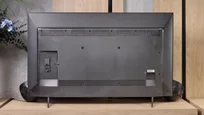

Contrast and black detail
5.7/10
6.1/10
Local dimming function: No
Local dimming function: No
Contrast:


Result
4,400:1

Result
5,200:1

Result
5,250:1

Result
5,250:1

Result
4,650:1
Result
7,550:1
Result
7,350:1
Result
5,150:1
Result
6,600:1
Result
4,250:1
Halo effect and black detail visibility:
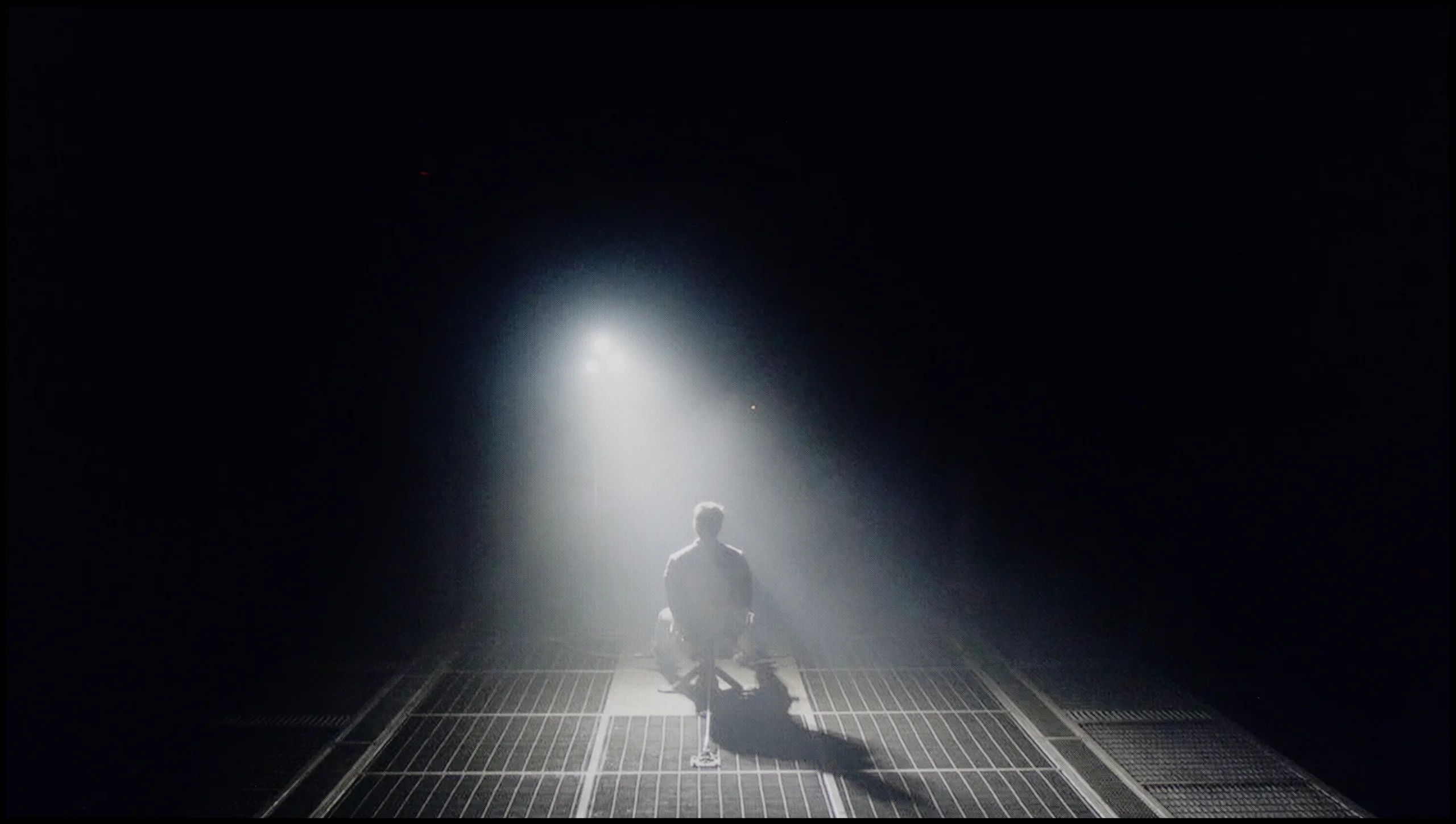
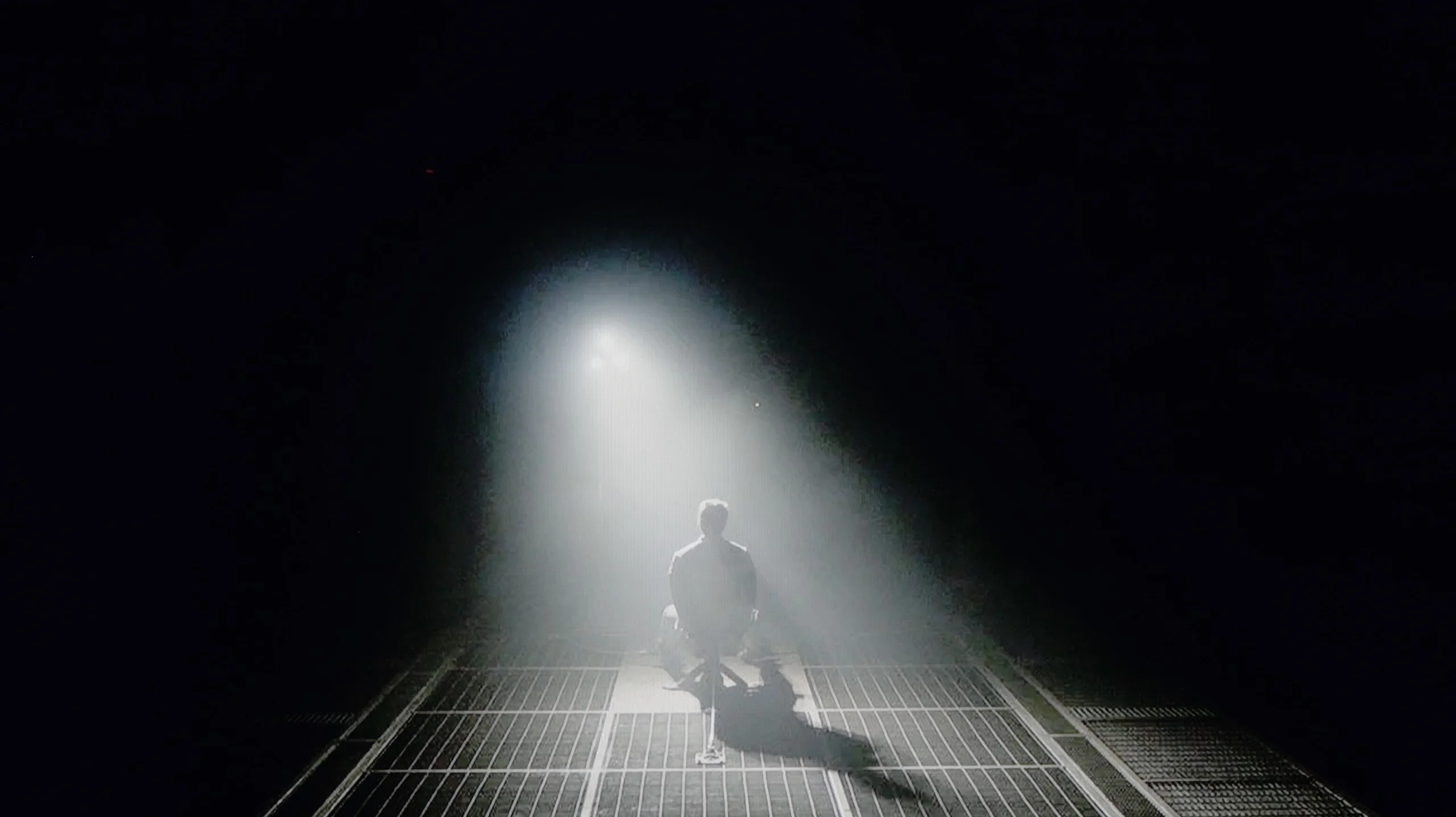
Check the visibility of bright lights on a dark background. Mini-LEDs often struggle with this. The photo does not compare black levels – that’s what the video below is for.
The Samsung DU7192 model, in this variant, is equipped with a VA matrix, which is definitely a plus in this class of televisions when it comes to blacks. As a result, the contrast is at a good level, and the test results reach around 5000:1. For this segment of televisions, it is a quite satisfactory result. Of course, the lack of local dimming - typical for this price range - means that the black in some scenes loses a bit of depth, taking on shades of navy blue. Such an effect can be observed, for example, in the movie Sicario 2 during demanding shots. Nevertheless, the overall quality of blacks remains satisfactory, especially for users who do not expect complete perfection in the darkest parts of the image.
The TCL P7L can surprise with quite respectable blacks, mainly thanks to its VA panel. The panel alone offers contrast around 4500:1, clearly better than typical IPS screens. The TV also uses global backlight control, which lets it push black levels even lower in darker scenes, and in our measurements it delivered results that exceeded the panel's native capabilities.
However, this is not the local dimming found in Mini LED TVs. The P7L cannot dim small areas of the image independently, so when a bright element appears on-screen, the entire backlight has to operate at a similar level. In more demanding scenes the difference compared with models that use zone dimming becomes apparent fairly quickly, and in a completely dark room blacks can tend to lean toward navy blue. Despite these limitations, we rate the P7L's overall contrast positively, especially given the segment it's in.
HDR effect quality
3.7/10
4.5/10
Luminance measurements in HDR:

Result
224 nit

Result
240 nit

Result
292 nit

Result
265 nit

Result
271 nit
Result
250 nit
Result
300 nit
Result
368 nit
Result
297 nit
Result
347 nit
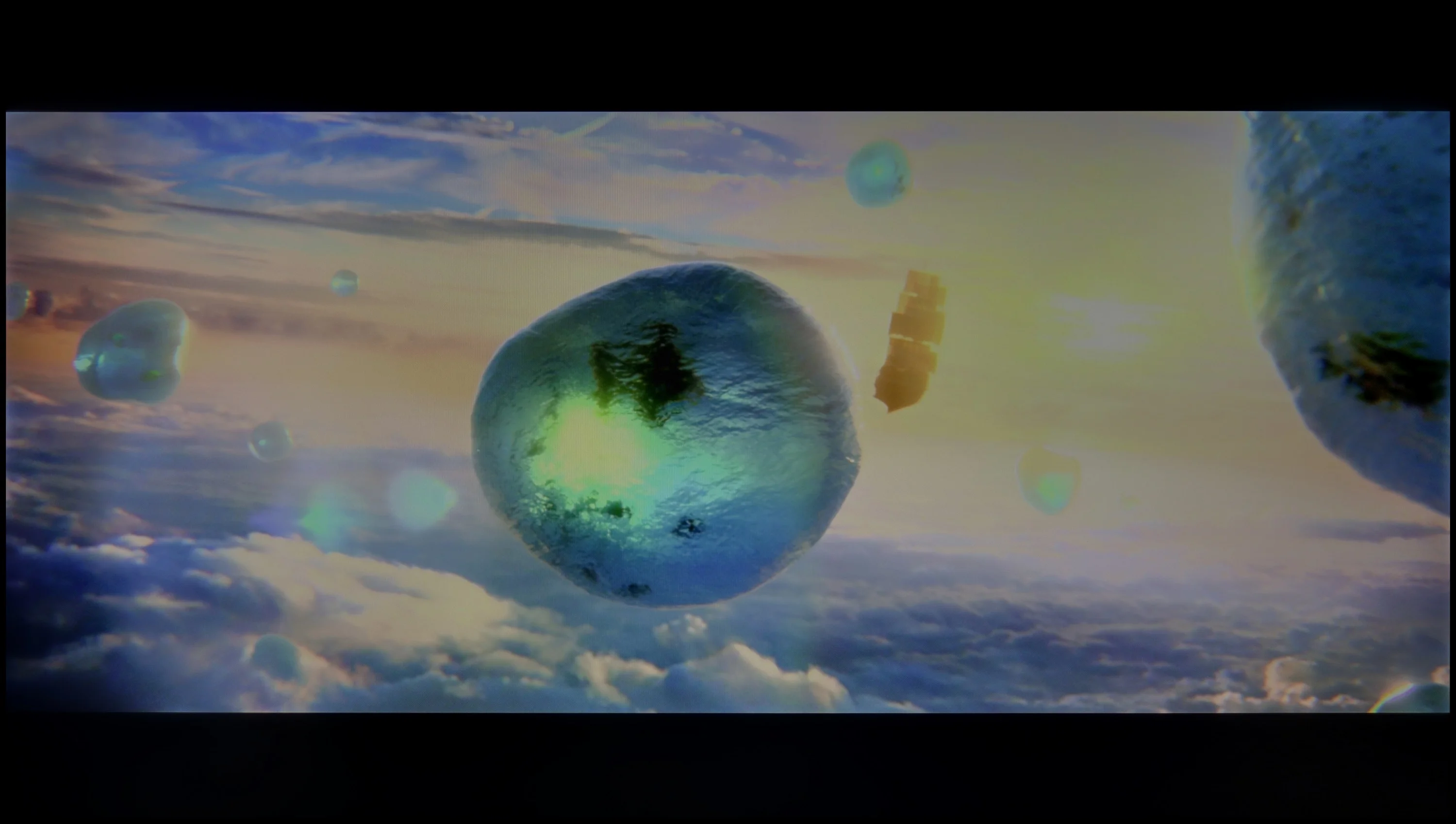
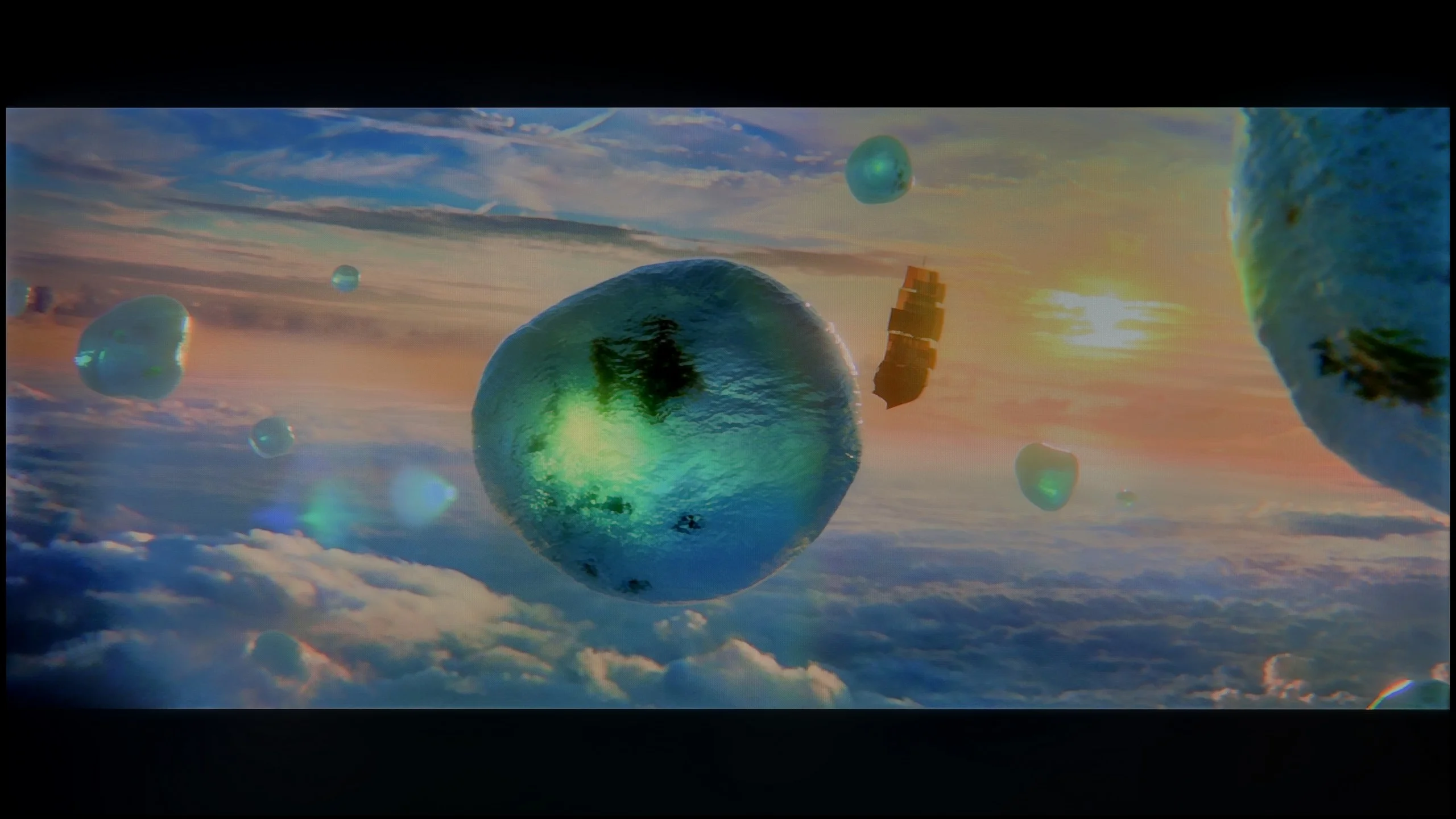
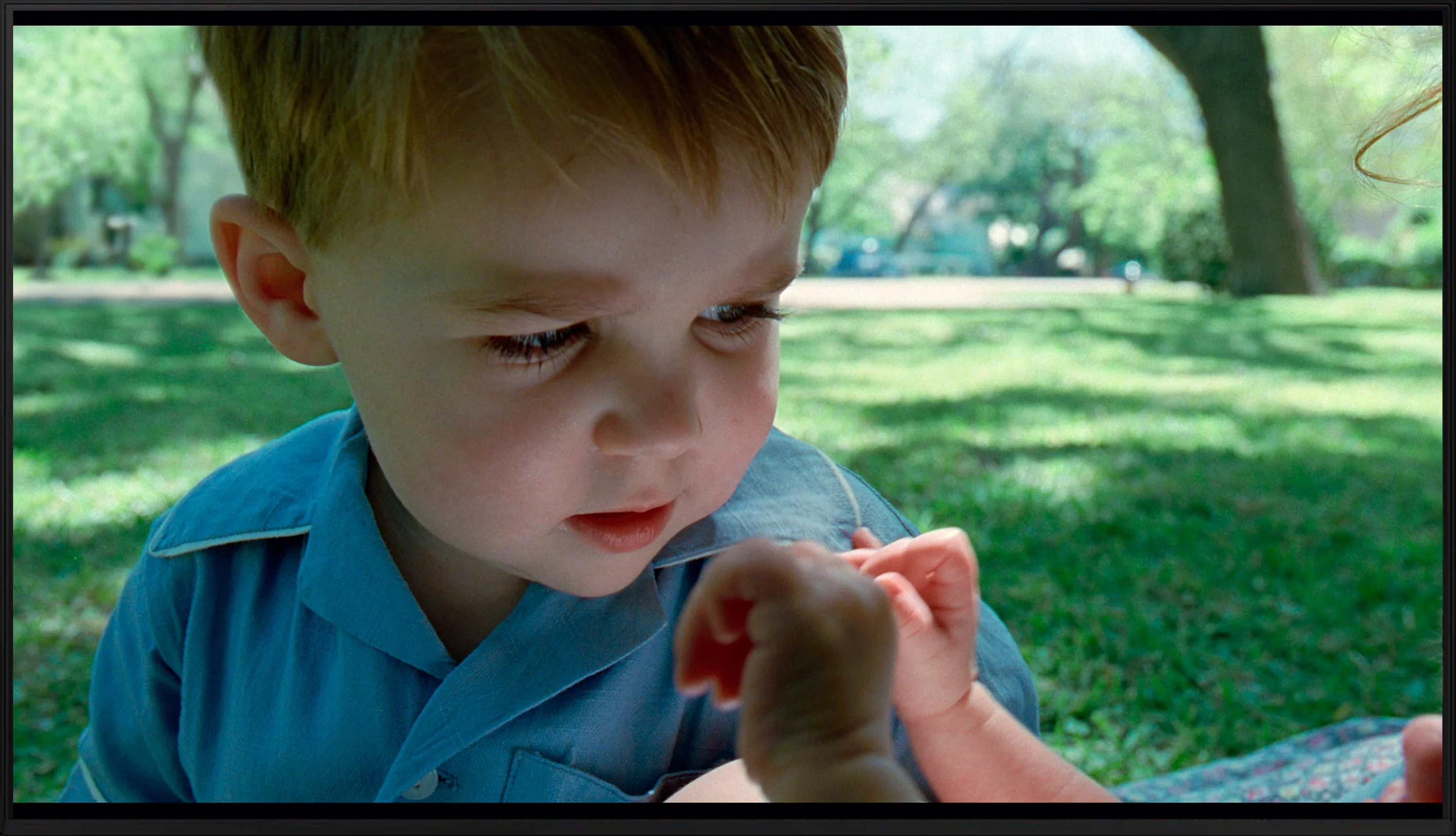
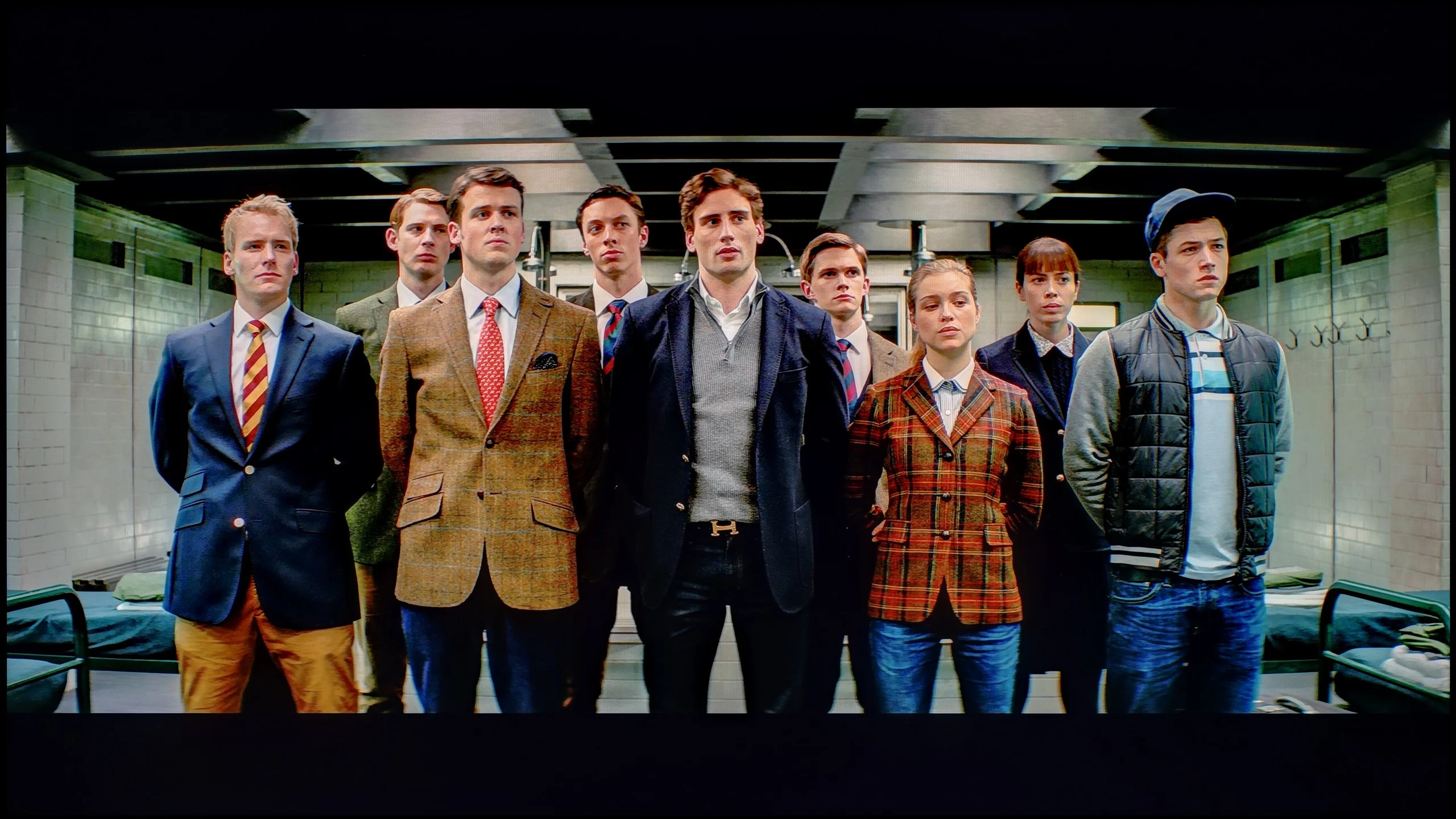
Scene from the movie “Pan” (about 2800 nits)
Scene from the movie “Billy Lynn” (about 1100 nits)
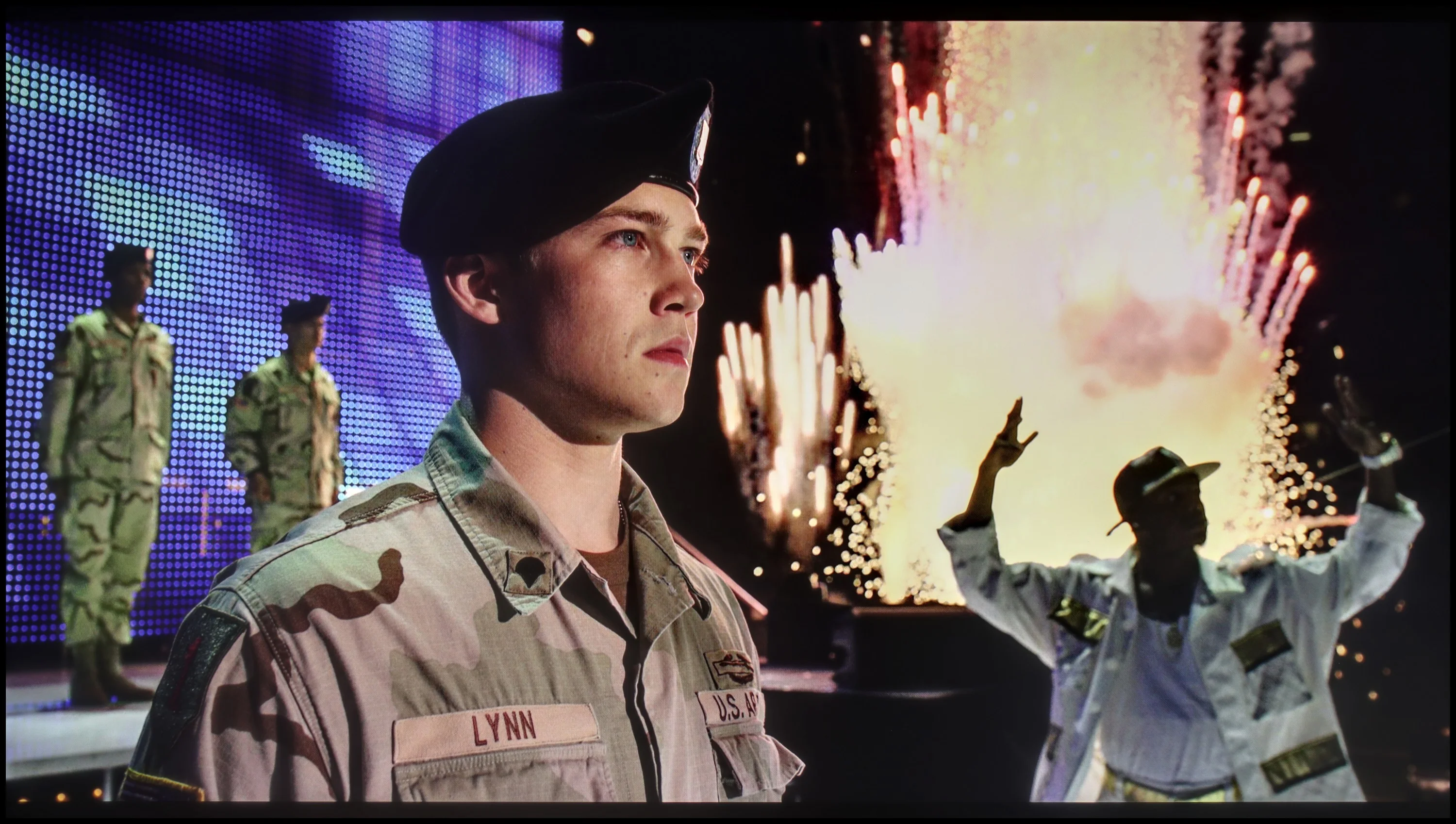
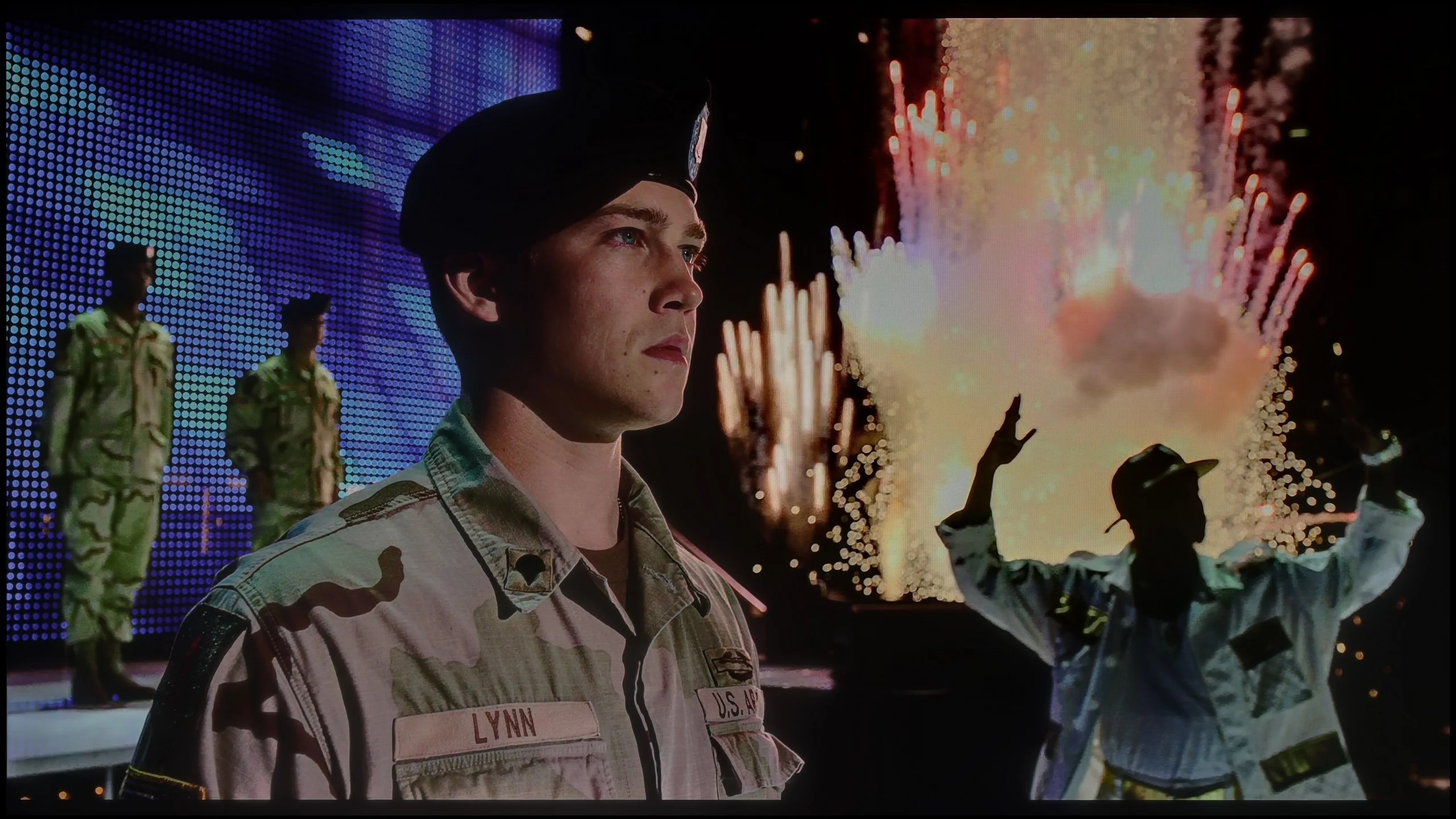
The photos show two HDR10 movies. 'Pan' is one of the brightest productions ever made, while 'Billy Lynn' (soldier) has brightness typical of streaming (Netflix, Prime, HBO MAX). Notice the intensity of effects and detail in whites.
Static HDR10
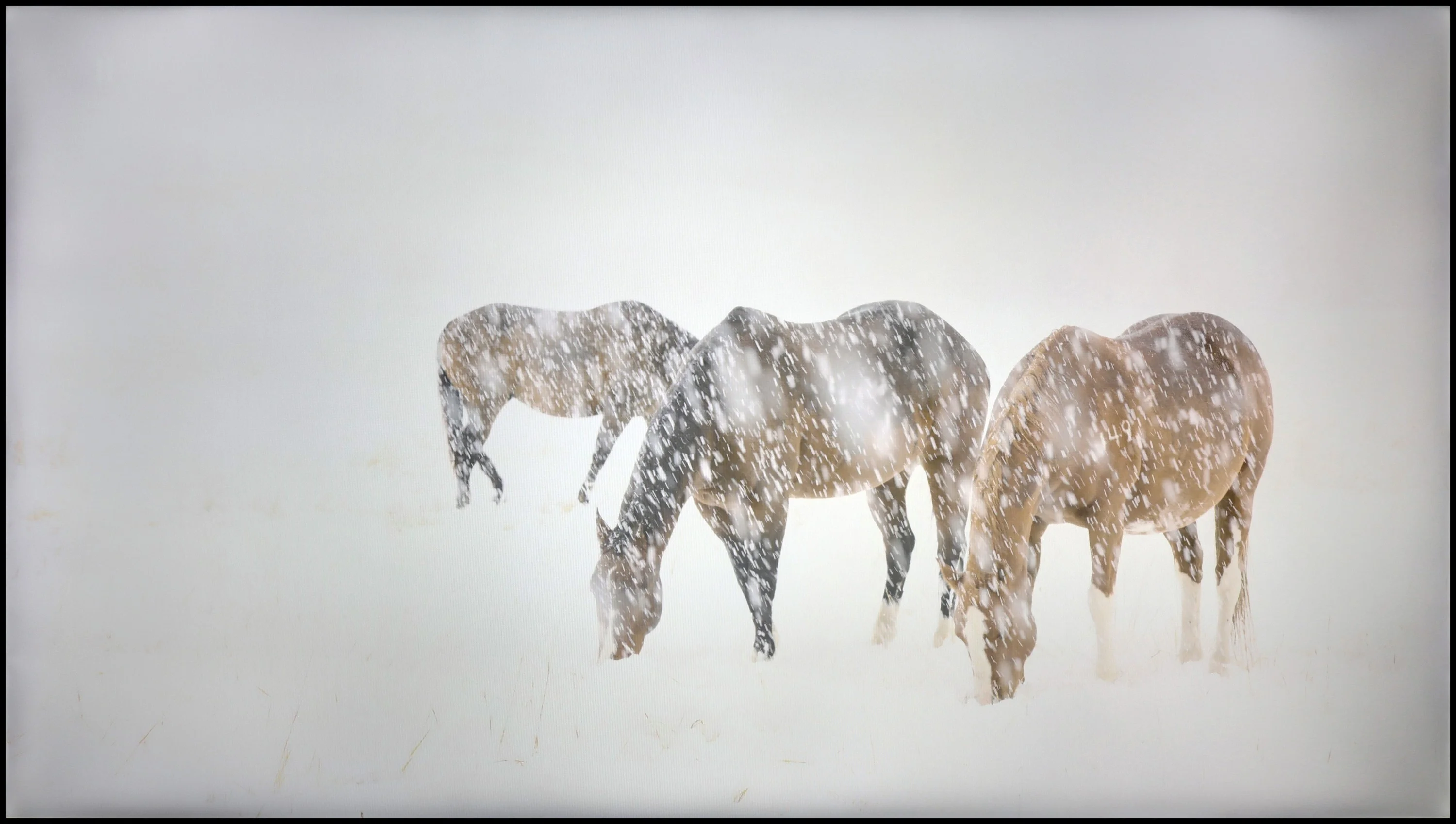
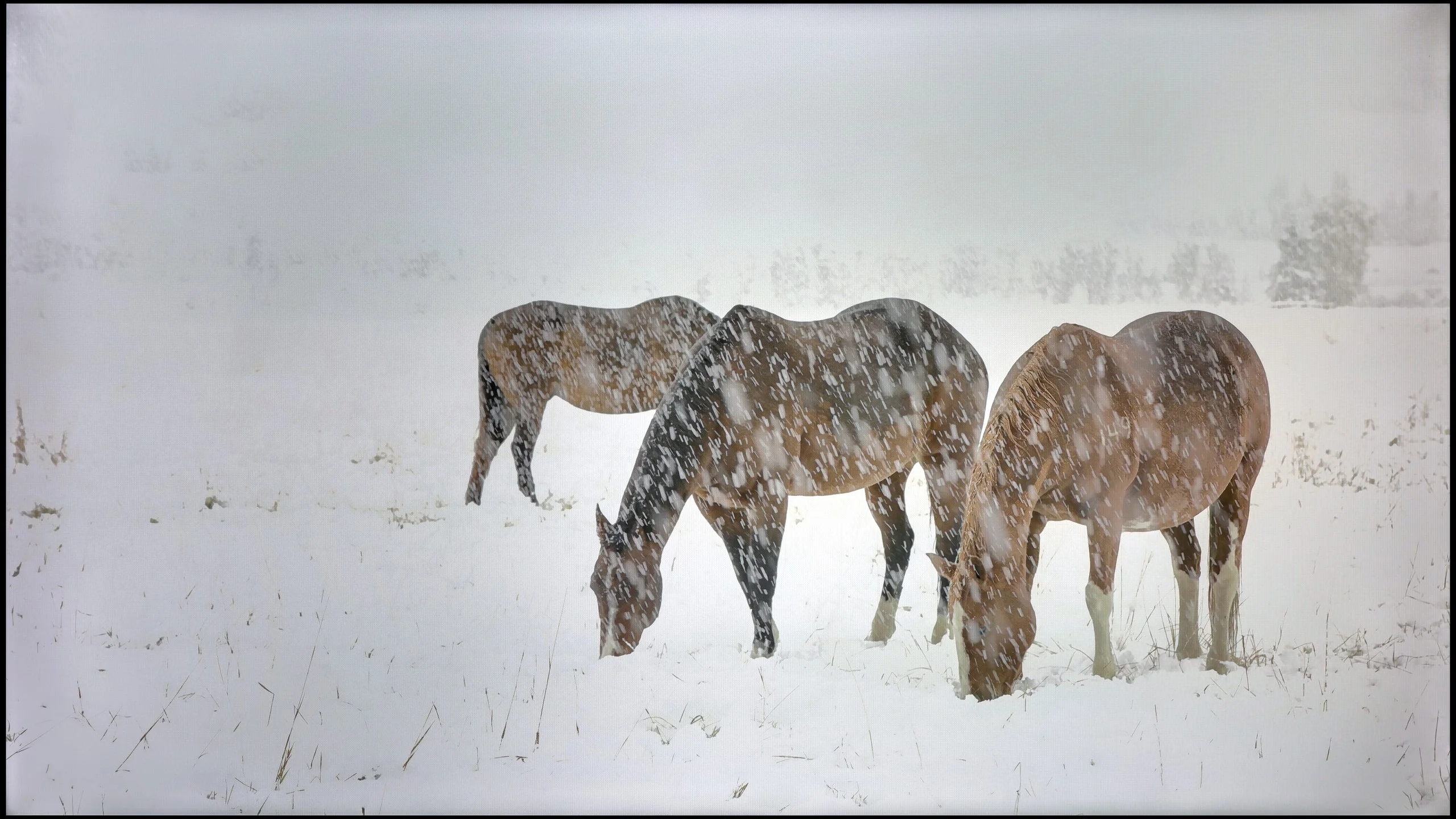
The photos present the visibility of white details in various HDR formats. They do not show brightness differences between TVs (these can be compared in the previous gallery).
Dynamic: HDR10+
Dynamic: Dolby Vision
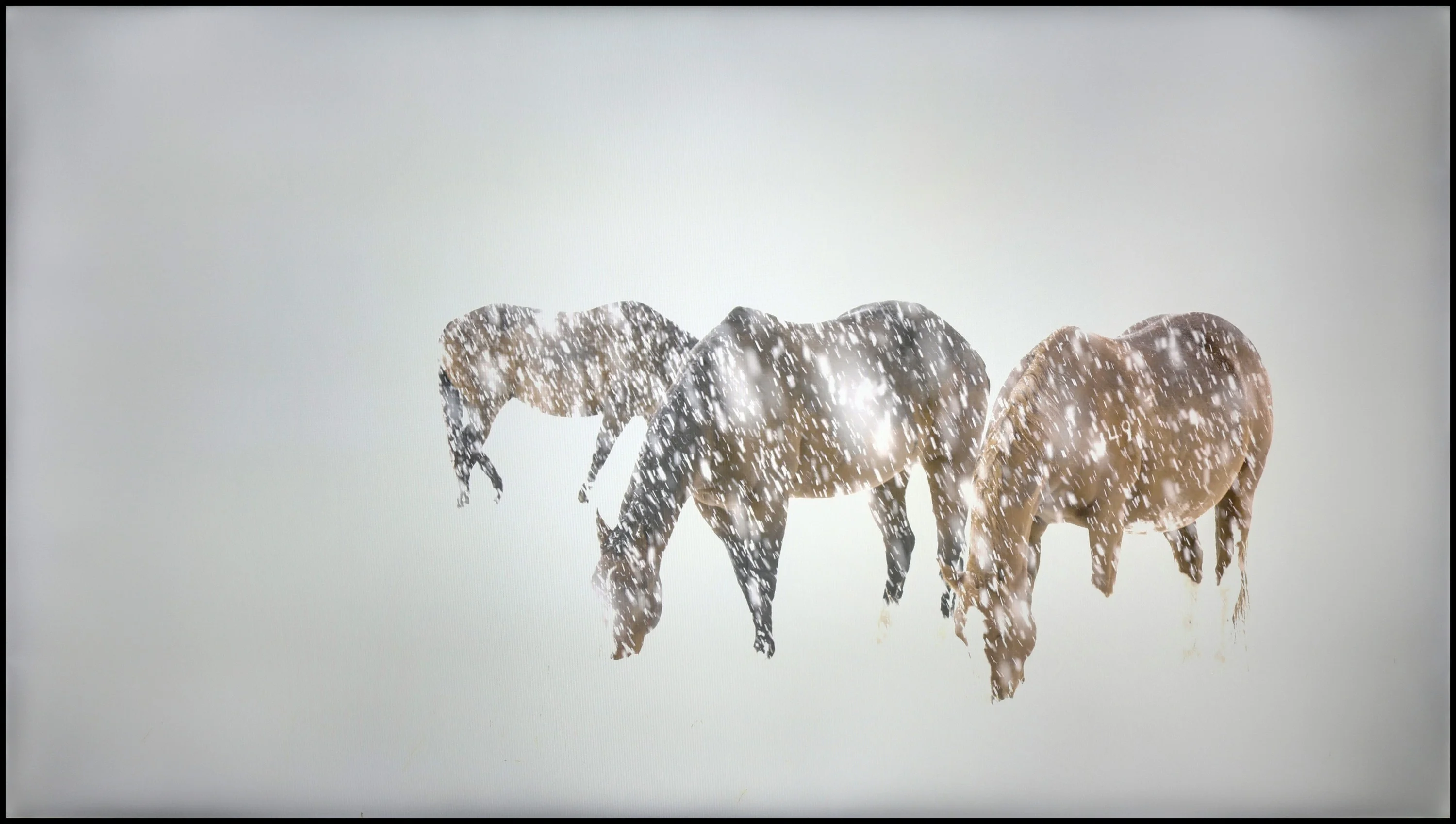

The photos present the visibility of white details in various HDR formats. They do not show brightness differences between TVs (these can be compared in the previous gallery).
HDR luminance chart:
TCL P7L / P79L
Samsung DU7192 (VA)
The peak brightness of the television is about 280 nits on the luminance charts. Unfortunately, this value is too low to fully enjoy the effects of HDR, which require significantly higher luminance. In the tested materials, such as The Meg or Gemini Man, the lack of adequate brightness significantly limits the magic of HDR, and the details in the brighter parts of the image are not sufficiently exposed. For users primarily consuming SDR content, this level of quality may be acceptable, but it is definitely insufficient when it comes to HDR. Additionally, the coverage of the DCI-P3 color palette at 82% does not favor the presentation of HDR content in its full glory. The limited color gamut makes it difficult for the television to reproduce vibrant and diverse colors, which is crucial for achieving a cinematic experience.
The biggest limitation of the TCL P7L in HDR is simply brightness. The TV doesn't have a large luminance headroom, so strong highlights, sunlight, or small light sources can't clearly "pop" out of the image. As a result, even well-produced HDR material looks fairly restrained and in terms of dynamic range is closer to good SDR than to what brighter models show. That doesn't mean the P7L can't handle HDR at all — the issue is mainly a lack of sufficient backlight power.
Looking at color, the situation is a bit better. The TV covers about 91% of the DCI-P3 gamut and about 68% of the wider BT.2020 color space, so for its price class the color range is quite decent. TCL markets this model as QLED, though the nature of the solution used is closer to a PFS phosphor-based backlight than a classic quantum-dot layer. What matters most to viewers, however, is the result: more saturated colors are available.
Factory color reproduction
4/10
5.4/10
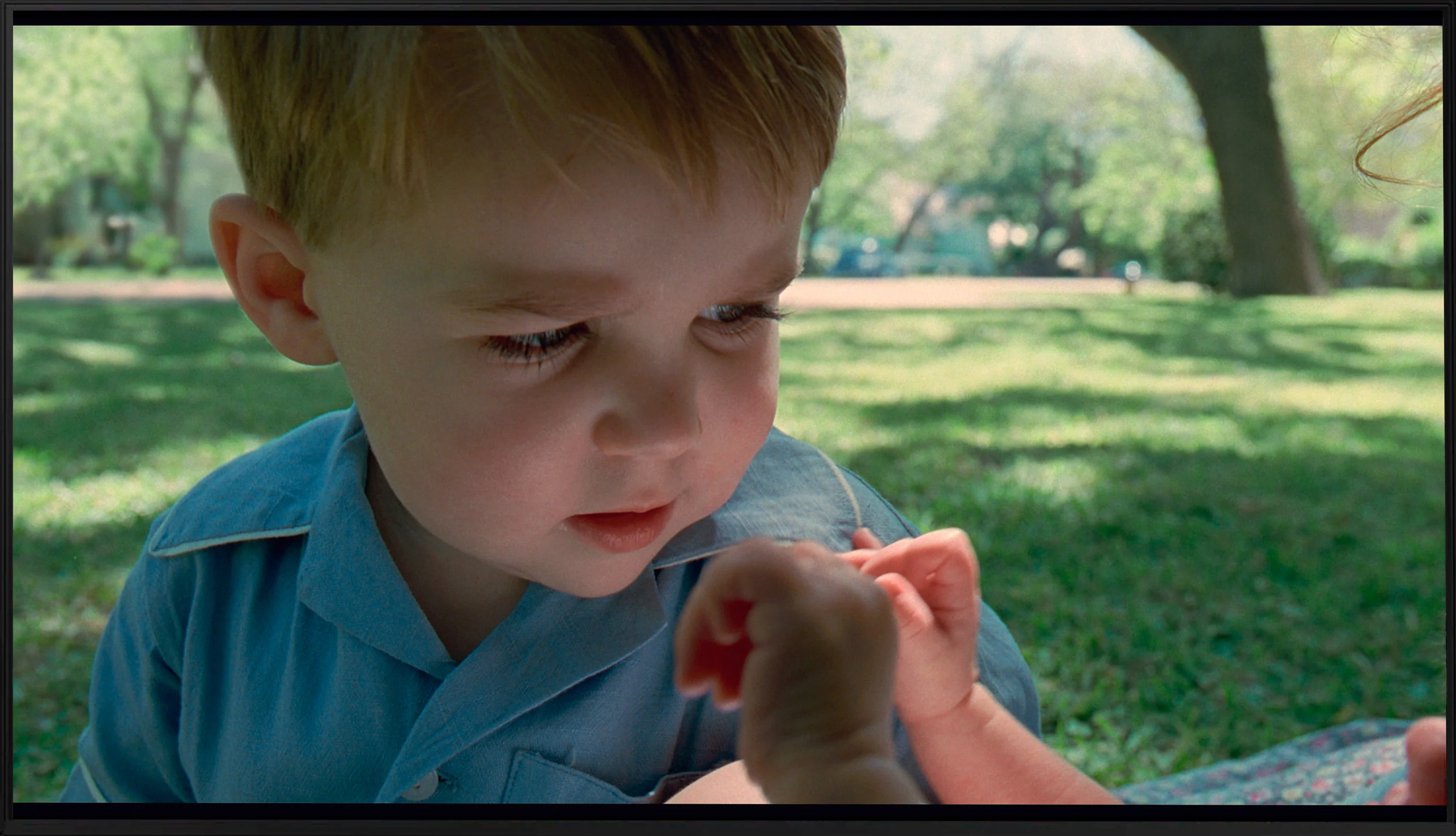
This illustrative image shows how colors change after professional calibration. If you can see the difference, you can order it from SkalibrujTV – it's our own service.
Factory mode
After calibration
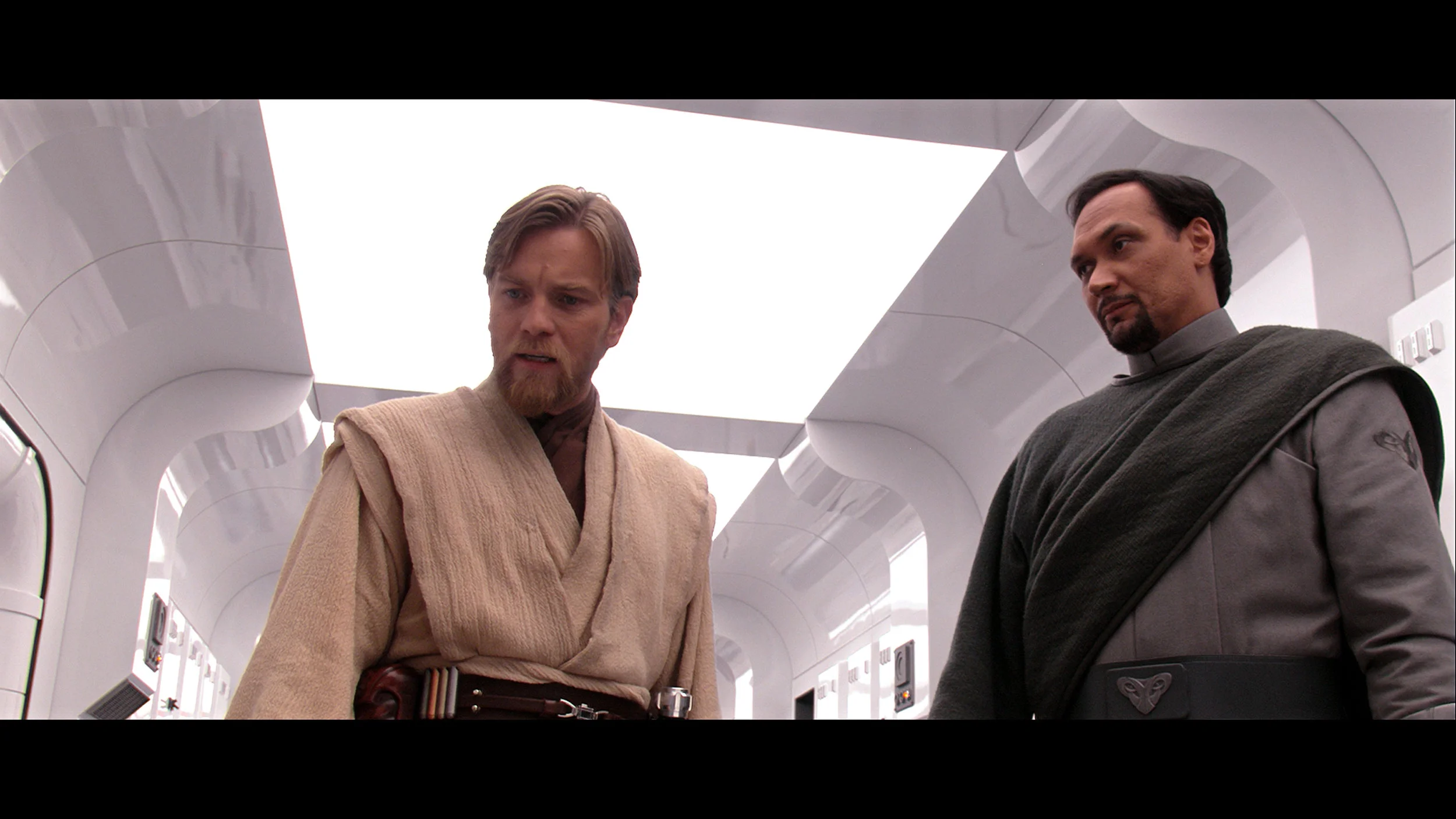
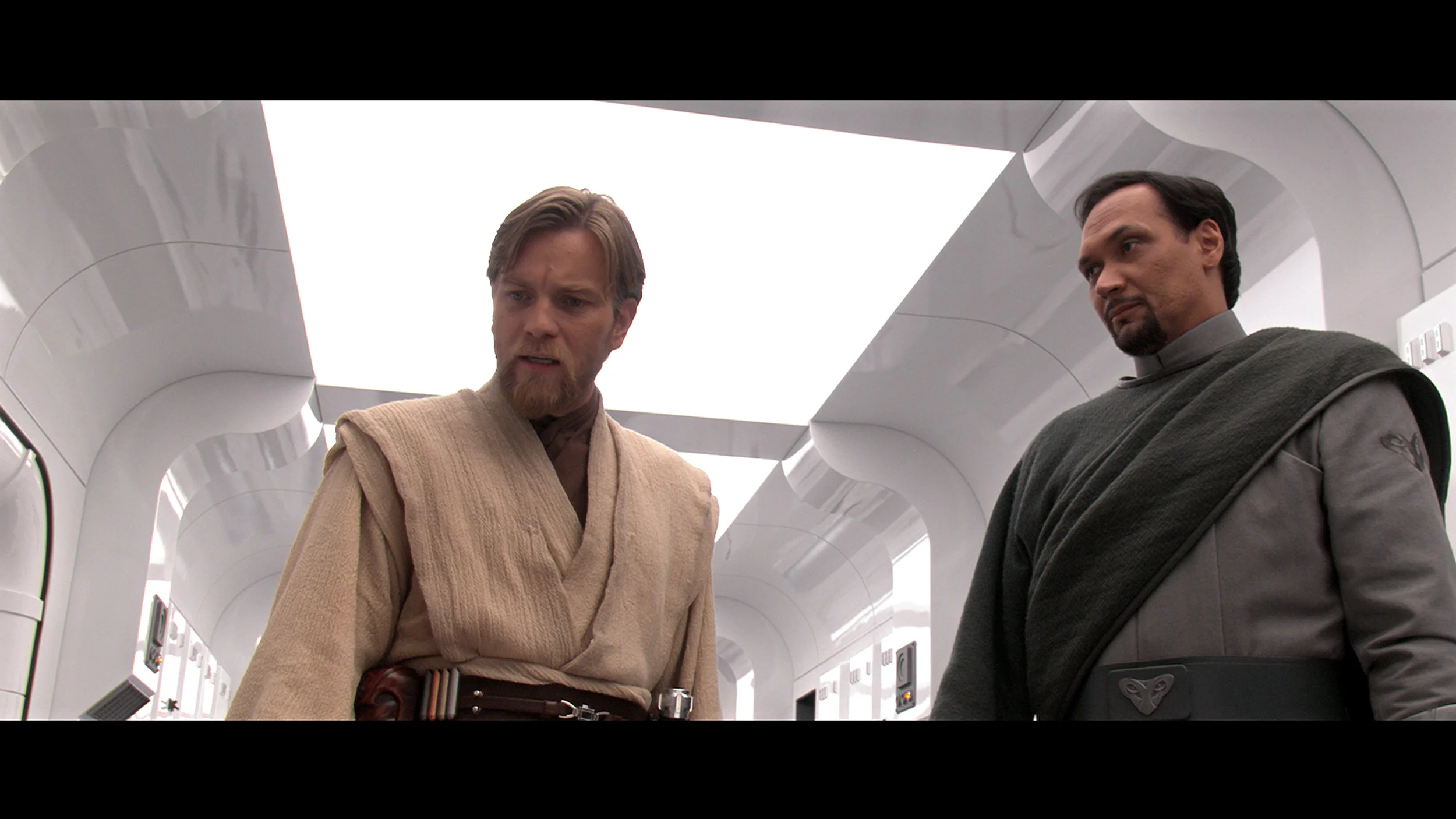
This illustrative image shows how colors change after professional calibration. If you can see the difference, you can order it from SkalibrujTV – it's our own service.
Factory mode
After calibration
The best factory mode we relied on during testing turned out to be "Filmmaker." Although this mode is the closest to the intentions of filmmakers, it is not without certain imperfections. The white balance chart shows a clear dominance of red in both SDR and HDR, resulting in significant yellowness, particularly noticeable in whites and on the actors' faces. In HDR mode, there is additionally a slight dominance of green, which, however, does not have as much impact on the overall perception of the image. The gamma, responsible for brightness in SDR materials, performed quite well, but with one serious caveat. In the darkest areas of the image, it was too low, leading to excessive brightness in those scenes, depriving the film of drama and contrast. In HDR, the white balance remains at a similar level, but the EOTF curve chart draws attention. At the beginning, the curve clearly bulges, leading to strong brightness in the darkest scenes. Then the result drops sharply below the reference line, resulting in an image that is too dark and a loss of dynamics in the brighter areas.
To summarize, the "Filmmaker" mode, despite its advantages, requires refinement – especially regarding white balance and proper management of brightness in the darkest and brightest areas of the image. In its current form, it may be acceptable for less demanding users, but for viewers expecting precise image reproduction, it may leave much to be desired.
In Film mode the TCL P7L performs fairly well without major adjustments, especially with typical SDR material. The white balance is relatively even, although as brightness increases there is a slight rise in red and blue and a bit of a shortage of green. This does not produce a strongly noticeable tint and most colors remain close to their reference points. The ColorChecker confirms this, with a large portion of errors falling below a level that would notably bother viewers during normal watching. We have more concerns about the gamma response. In the darkest parts of the image the TV runs it noticeably above the reference, so some shadow detail can be a little too dimmed. The curve then settles and for much of the range it is close to the intended target. As a result SDR generally looks natural, but in dark scenes the P7L can lose some subtlety. In HDR the factory setting is less precise. As brightness increases an excess of blue becomes more pronounced, making the image look cooler than it should. The number of larger color deviations also grows, particularly in brighter hues. The EOTF curve itself is handled fairly conservatively, with the TV showing the image darker than the reference over a large portion of the range. For a budget model, however, the factory Film mode settings are not bad.
Color reproduction after calibration
5.9/10
7/10
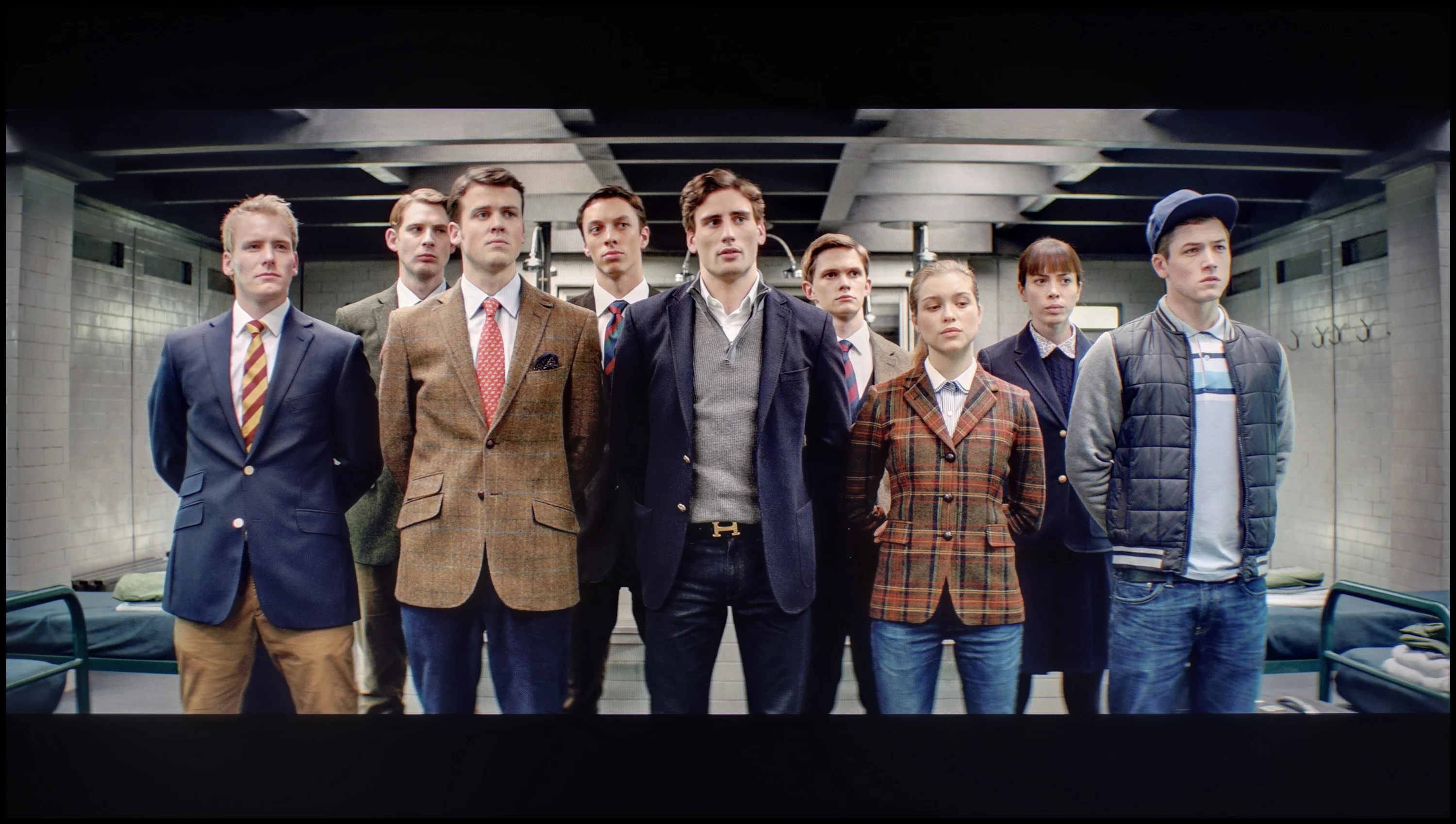
The photos show how movies look on the TV. Pay attention to black detail visibility, colors, and shadow tint.
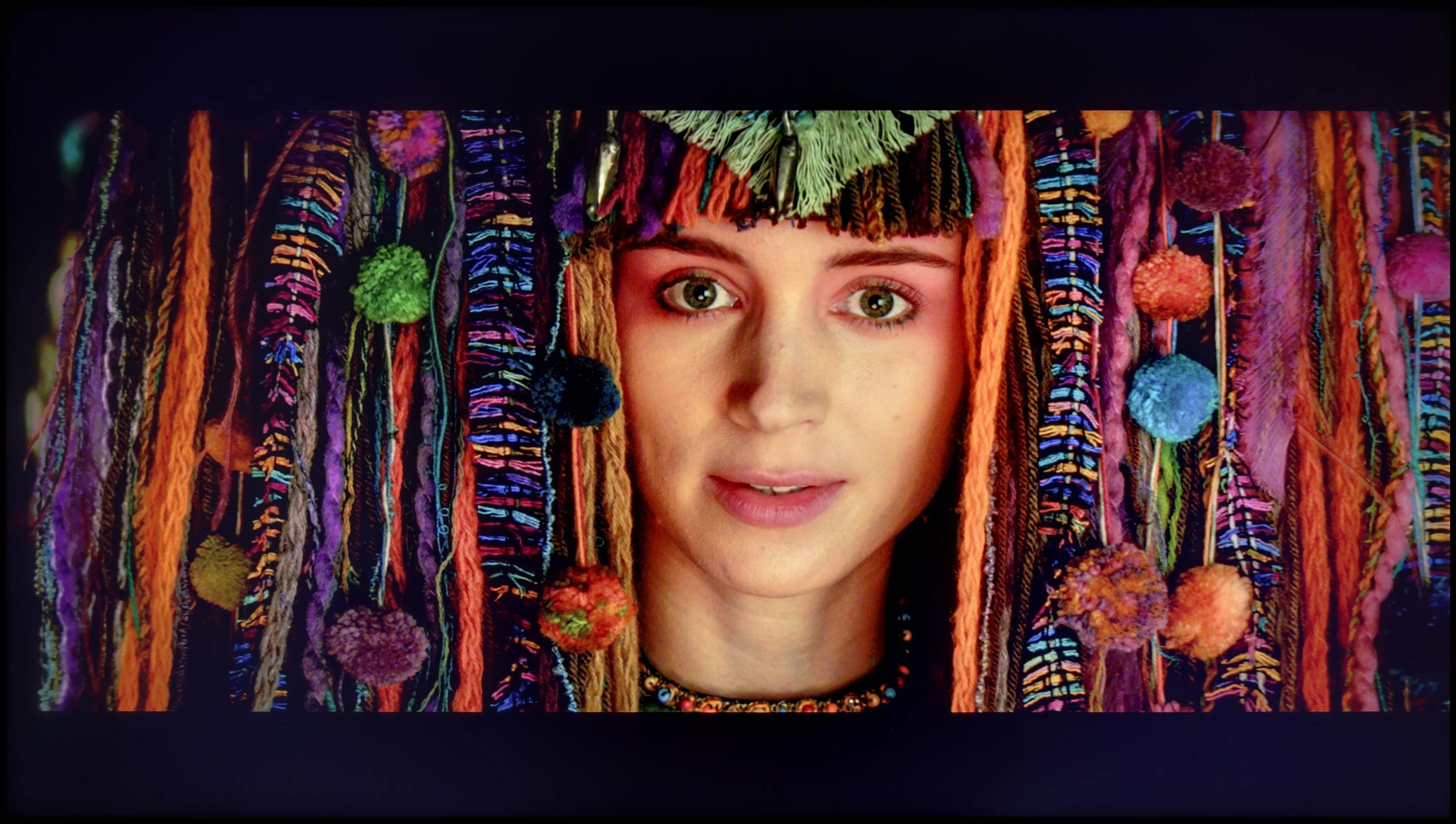
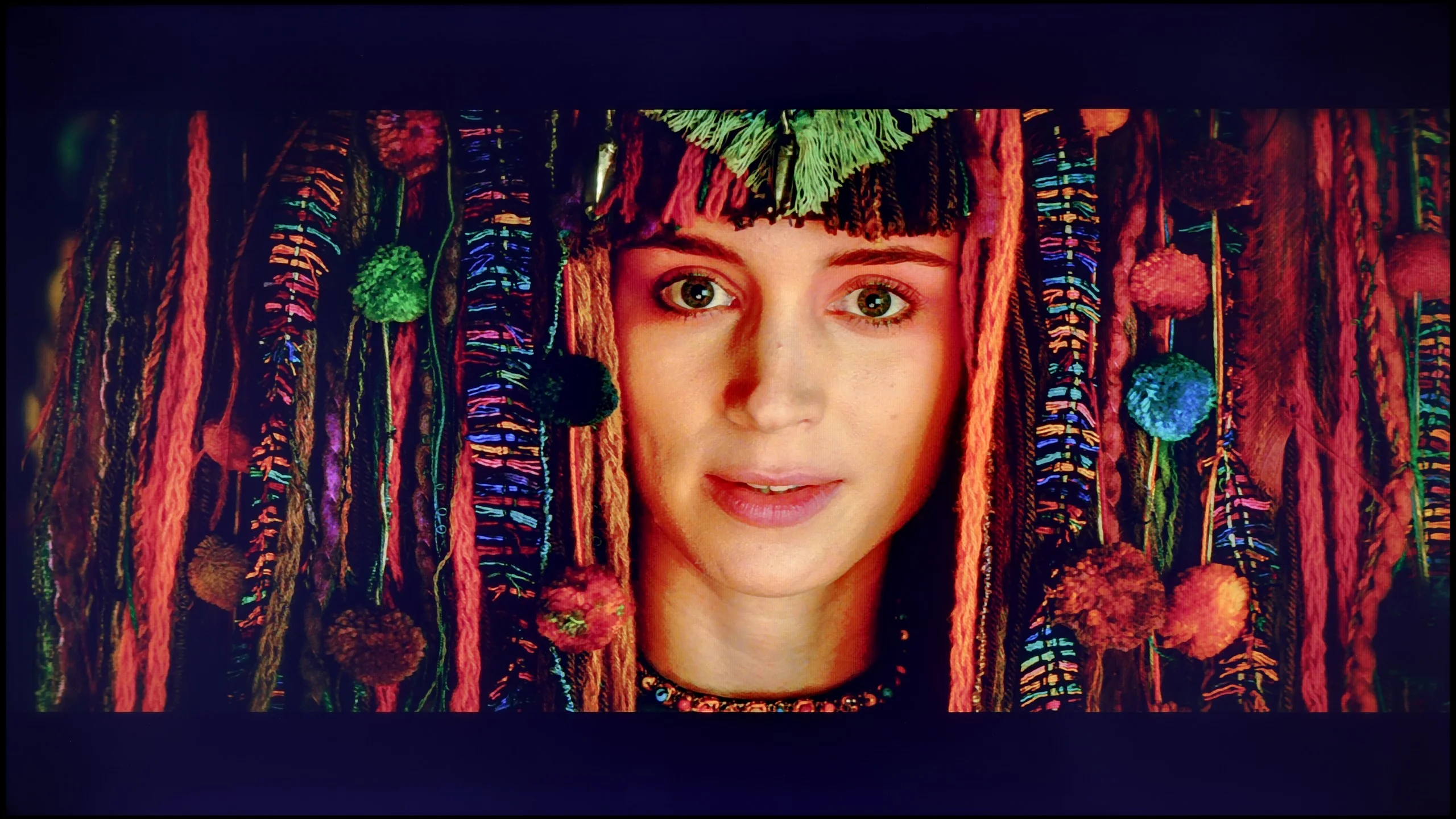
The photos show how movies look on the TV. Pay attention to black detail visibility, colors, and shadow tint.
Even with its lower models, Samsung offers extensive tools for image calibration, allowing for significant improvement of factory settings. We undertook this task, and the results proved to be more than satisfactory. The white balance, which previously exhibited strong yellowing in both SDR and HDR, has been significantly improved. Although minor deviations from the norm can be observed, the overall effect is much cleaner and more natural than before calibration. As a result, whites and skin tones look much better. We also managed to appropriately model the gamma in SDR materials, allowing for maximum contrast that this television can offer. The EOTF curve, responsible for HDR materials, has also been improved – the image is no longer brightened or darkened as drastically as it was before calibration. Despite these successes, HDR materials still struggle with high deltaE error values. The main cause lies in the limited brightness of the television, which does not allow for a full representation of HDR content dynamics. Nevertheless, after calibration, the picture is clearly better and more aligned with the creators' intent. For users seeking the best possible quality in this class of equipment, calibration is definitely recommended.
After calibration, the TCL P7L can deliver a really pleasant picture, especially with classic SDR material. We managed to very effectively even out the white balance, and the gamma curve now tracks close to the target value of 2.4. You can also see this in the color measurements, as most errors dropped noticeably, and in everyday viewing it's hard to find any strongly visible inaccuracies. Movies, series, YouTube, or regular TV therefore look more natural, without unnecessary warming or a cool cast. For a model in this price range, the result in SDR is really very good.
With HDR the situation gets more complicated. Calibration helped improve the white balance and tidy up some deviations, but here the panel's limitations become increasingly apparent. The P7L has relatively low brightness and can't maintain appropriate luminance for more saturated colors, so some errors remain even after careful tuning. In other words, settings can improve how the TV interprets the signal, but they can't overcome its physical capabilities. That's why calibration makes the most sense for this model primarily with SDR.
Smoothness of tonal transitions
7.7/10
7/10
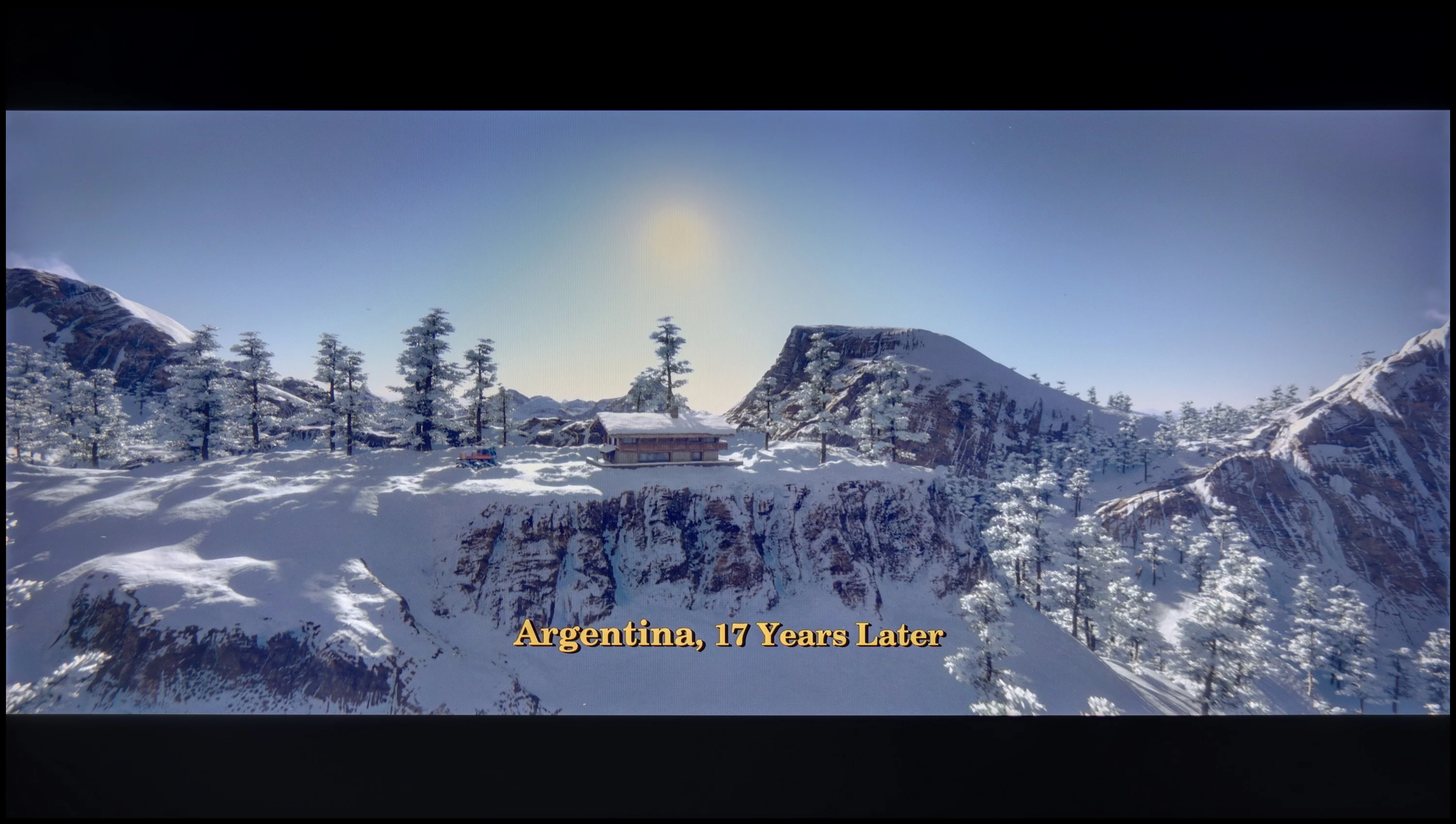
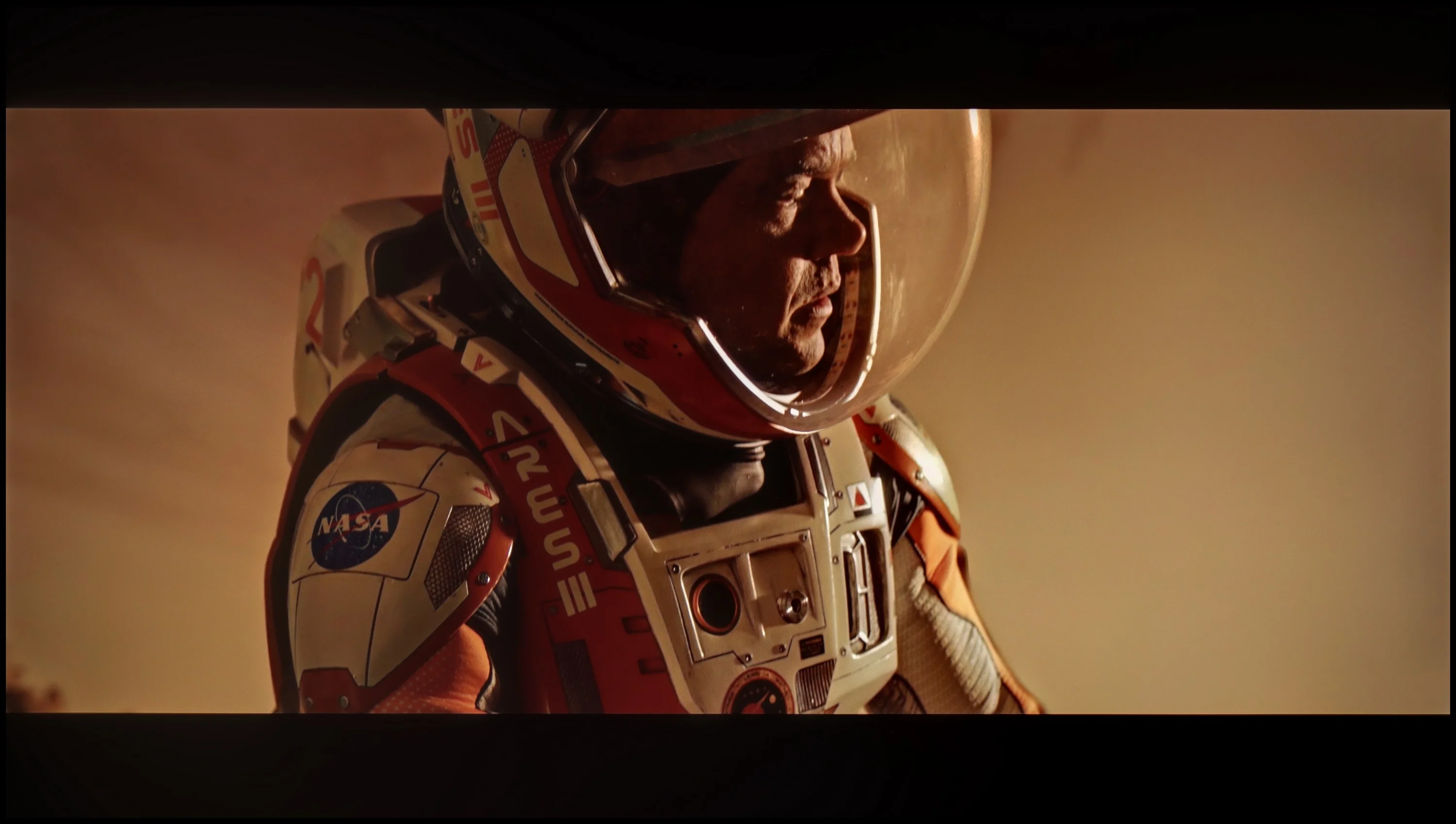
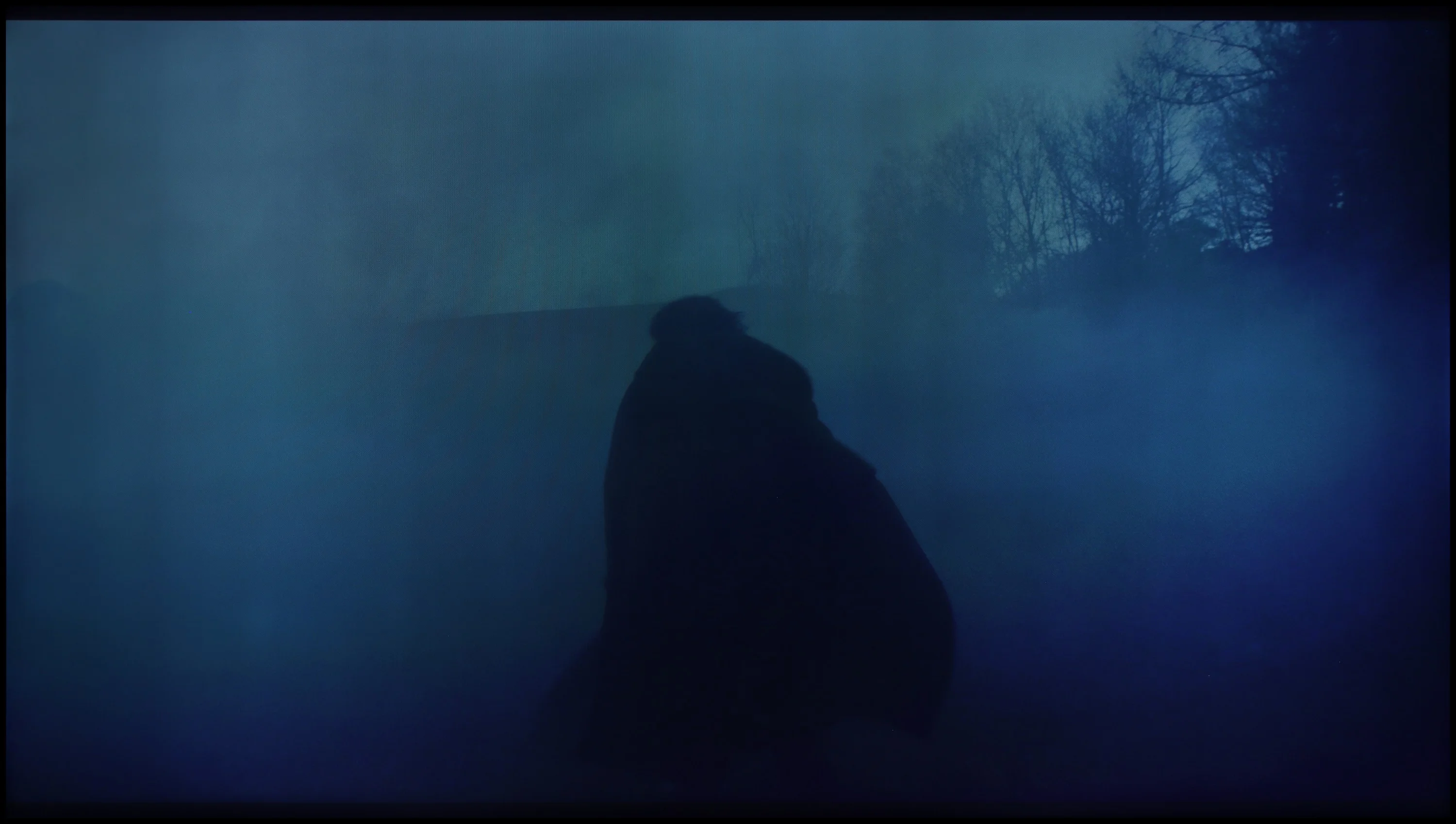
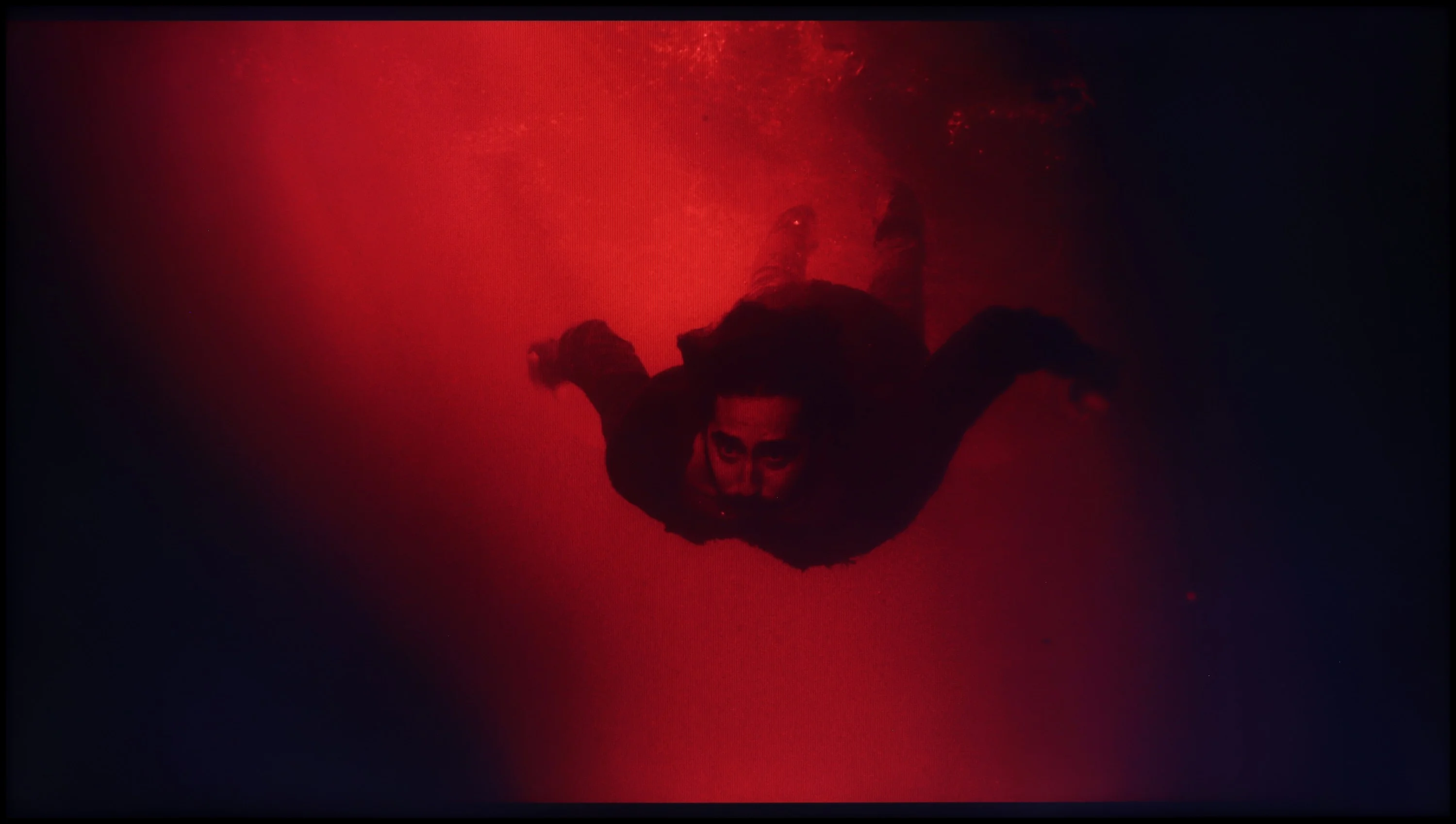
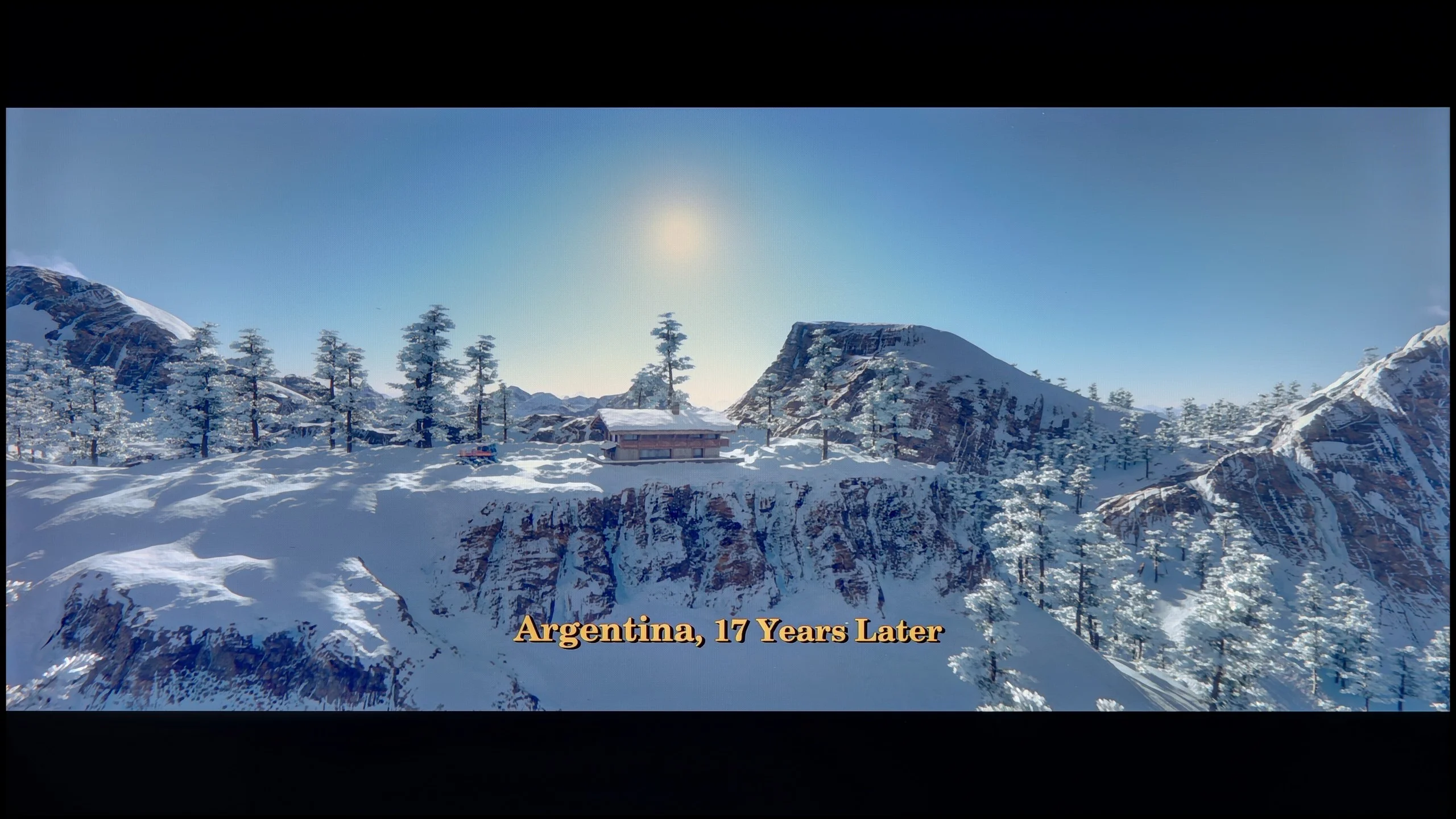
These are selected scenes that show smooth tonal transitions from one color to another. If you see distinct banding, it’s the TV panel’s fault.
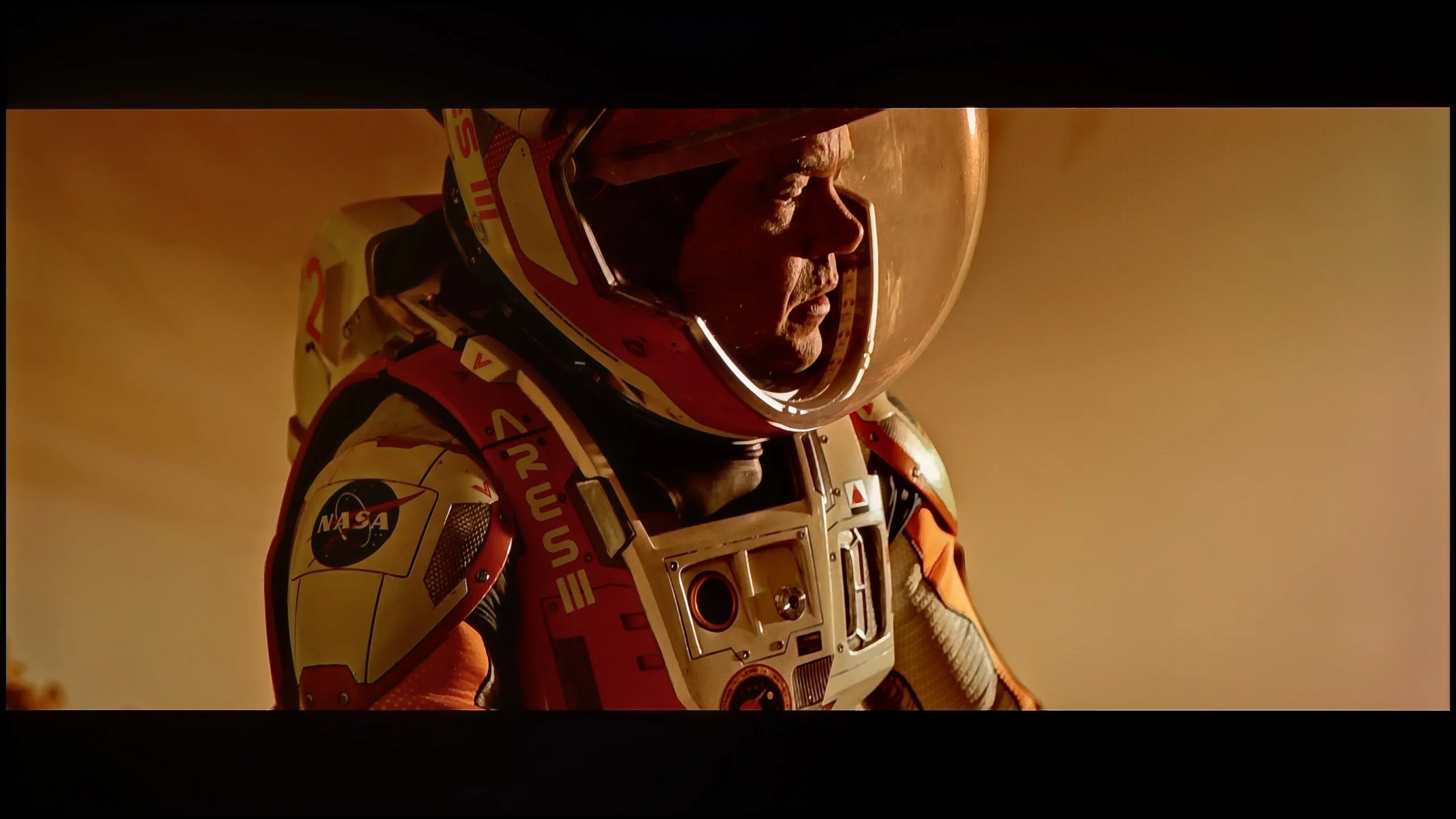
These are selected scenes that show smooth tonal transitions from one color to another. If you see distinct banding, it’s the TV panel’s fault.
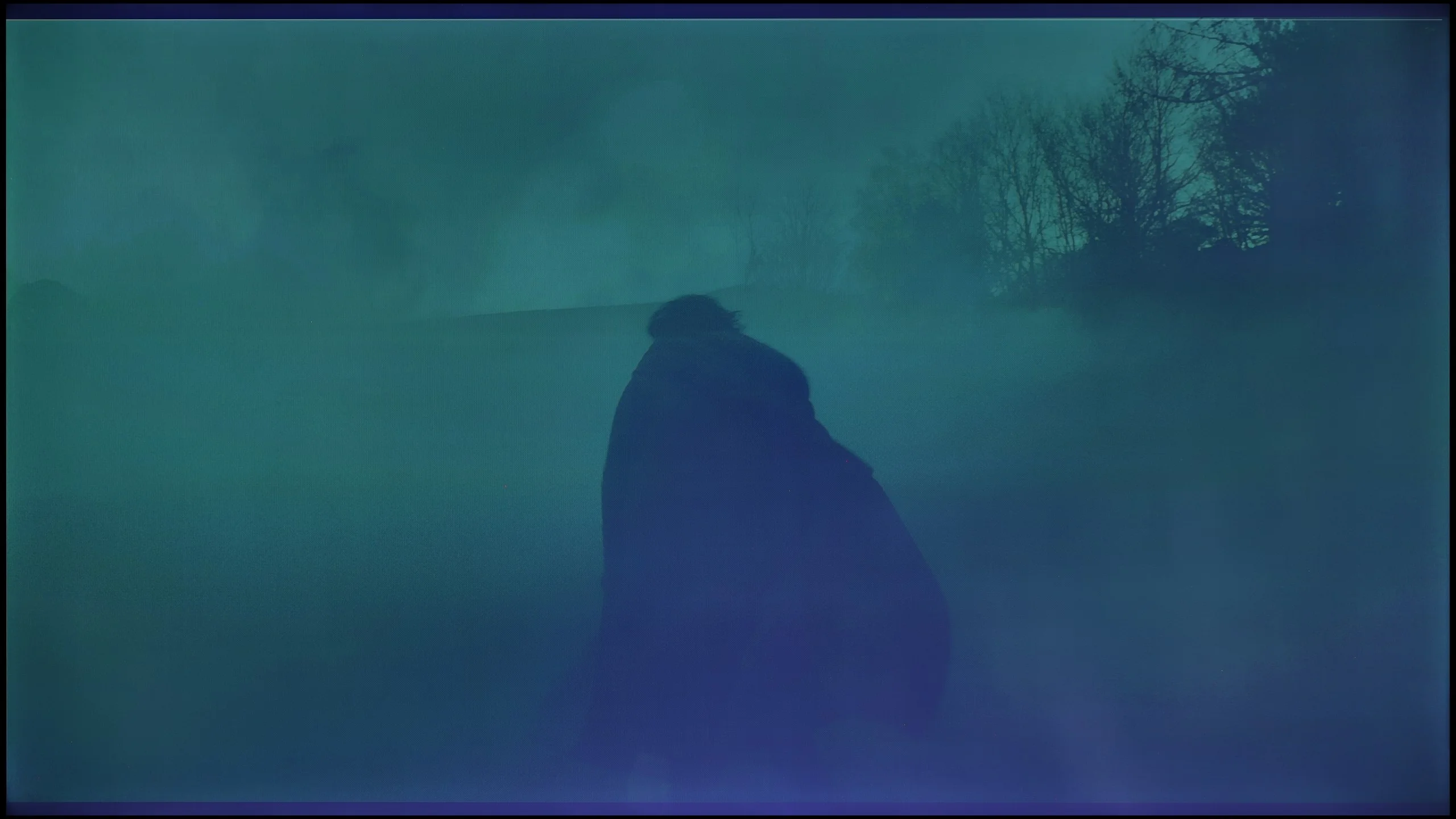
These are selected scenes that show smooth tonal transitions from one color to another. If you see distinct banding, it’s the TV panel’s fault.
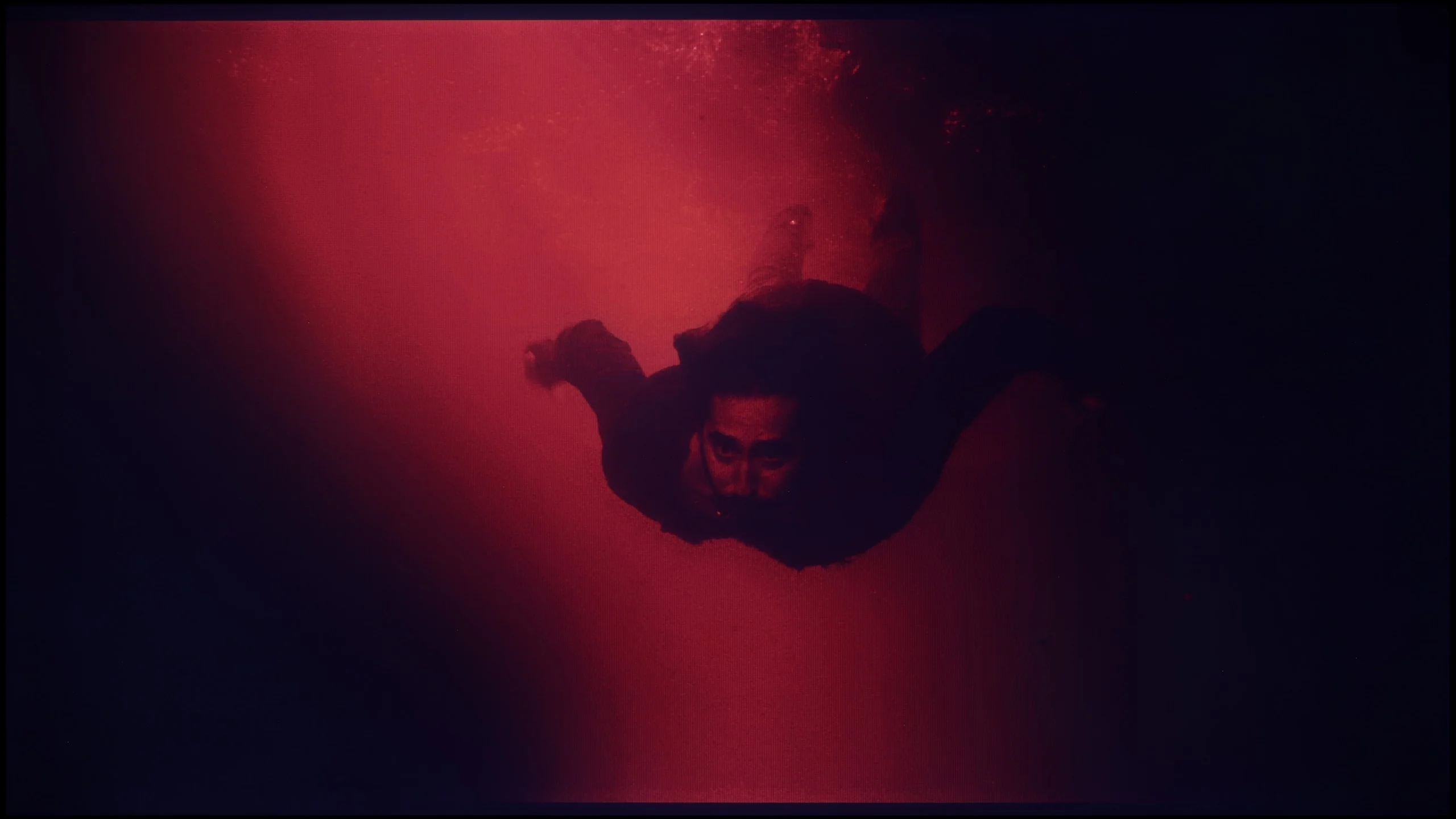
These are selected scenes that show smooth tonal transitions from one color to another. If you see distinct banding, it’s the TV panel’s fault.
The Samsung DU7192 TV deserves praise for its smooth transitions in tones. In our tests, this model performed very well, offering smooth and natural transitions between shades. In everyday use, it is difficult to notice any imperfections that could affect viewing comfort. The only exception is the final scene in our testing procedure, where a slight posterization was noticeable in the reds on the left side of the image. Although this is a minor flaw, for most users, it will be nearly unnoticeable during normal use.
The smoothness of tonal transitions on the TCL P7L is quite good, but not in every scene. In brighter scenes the TV performs really well — changes between consecutive shades are gentle, and in the sky, on light walls, or in subtle gradients it's hard to spot anything that would noticeably interfere with viewing. It gets worse in the darker parts of the image. That's where visible banding between colors and successive gray levels appears more often. In dark scenes you can notice characteristic bands or more pronounced steps where the transition should be smoother. It's not a constant problem, but with lower-quality source material or scenes that contain many midtones it can catch the eye.
Image scaling and smoothness of tonal transitions
3.2/10
7/10


Smooth transition function
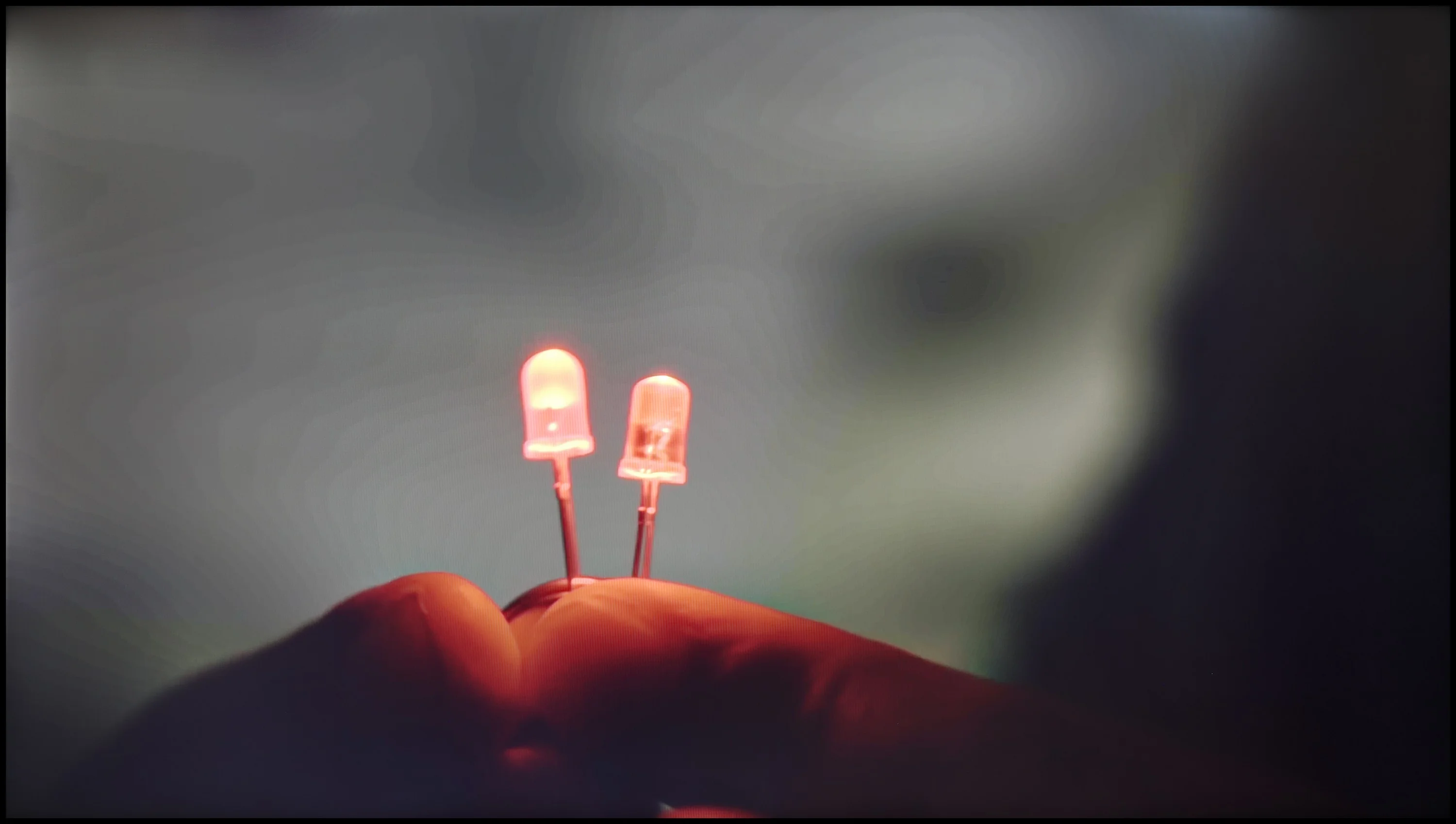
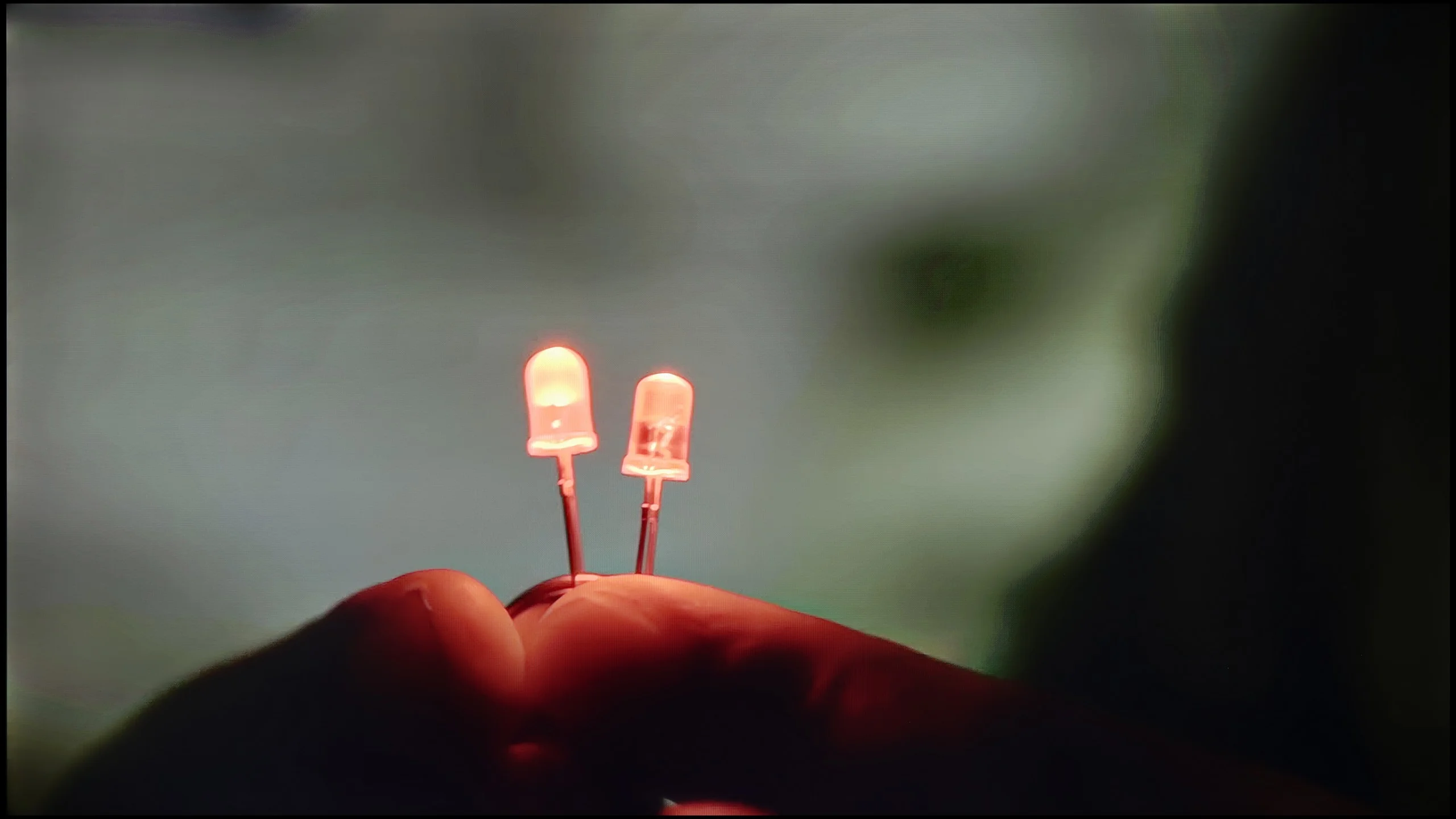
The match photo shows how the TV smooths weak tonal transitions in low-quality video.
Image scaling SD (576i)
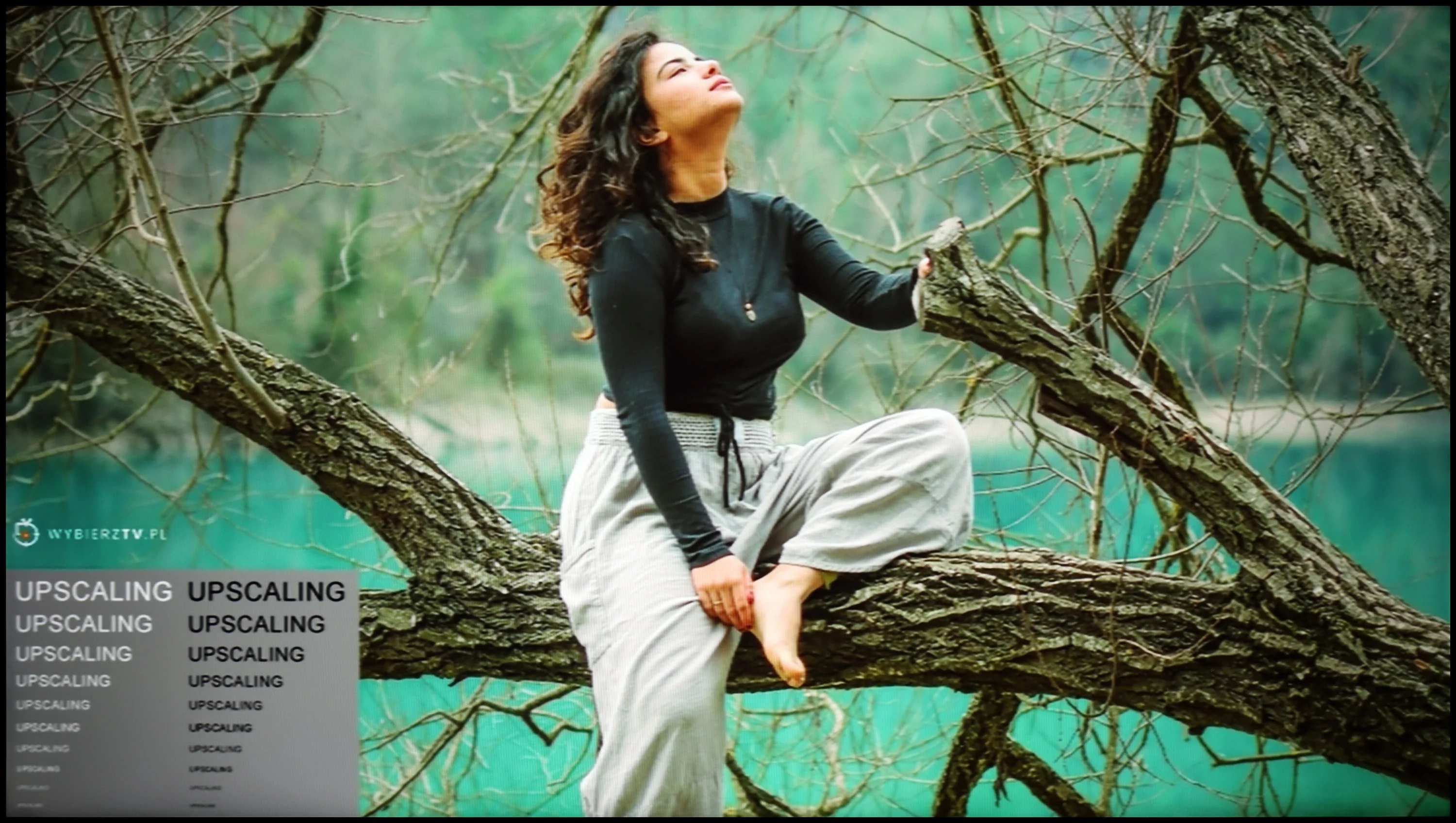
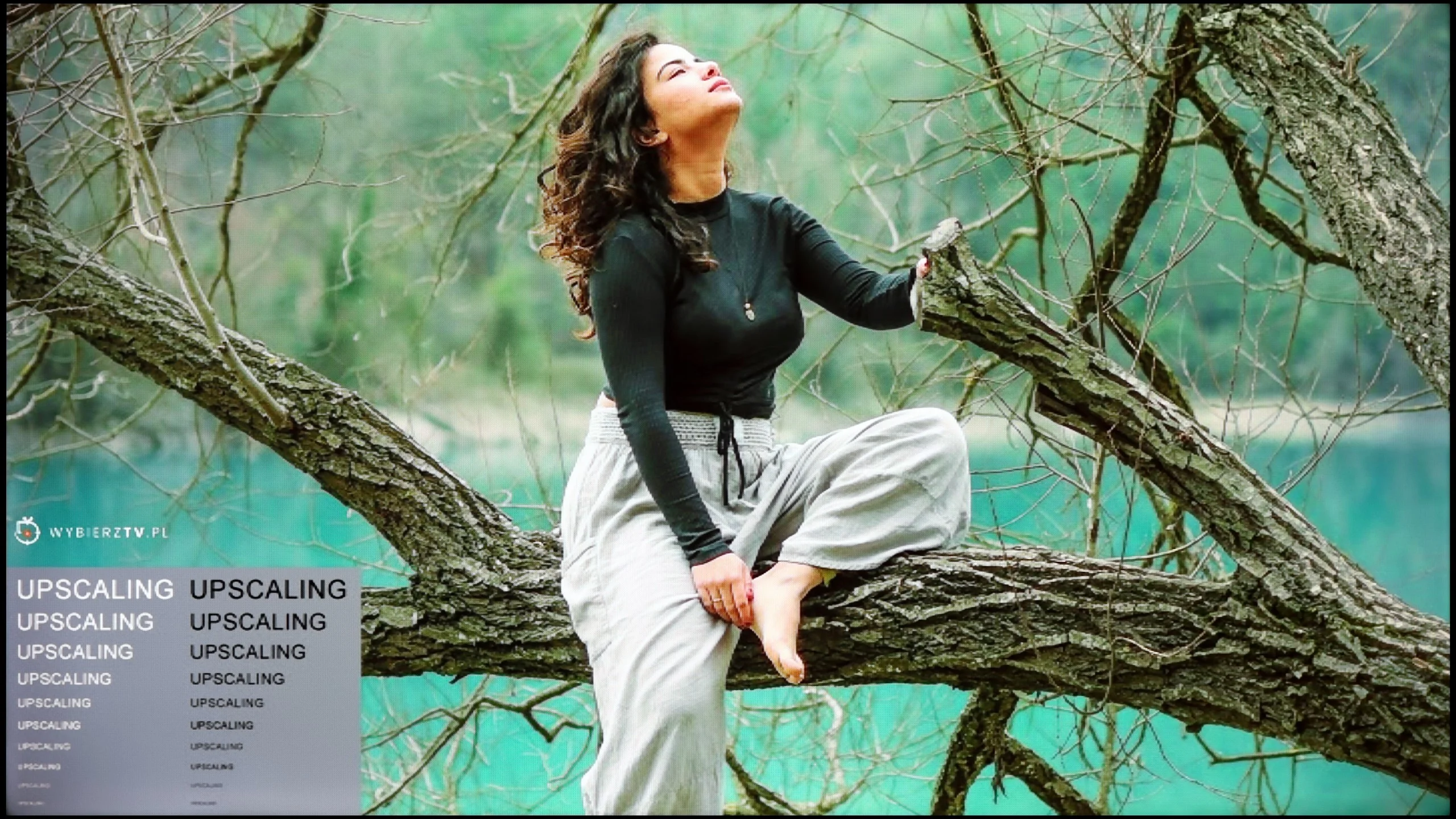
The model photo shows how it handles upscaling of SD material.
The tonal smooth transition function operates in two modes – "off" and "auto." Turning it off causes gradation issues, while the "auto" mode provides smooth transitions but at the expense of grain and details that are often blurred. Due to these limitations, we do not recommend using this function, as confirmed by our tests conducted with it turned off.
Scaling lower resolution materials in this model is not impressive. Details are blurred, and the edges of objects may contain artifacts. This limitation means that the television is better suited for higher resolution content.
In this regard the TCL P7L performs surprisingly well, especially for such an inexpensive TV. The tonal transition smoothing feature, which in many budget models does little or almost nothing, actually manages to improve the picture here. It doesn't remove all banding completely, but it can noticeably reduce posterization and make trickier gradients look more natural. At this price point that's a genuinely pleasant surprise.
Upscaling itself also performs well. Lower-resolution material is scaled correctly, without excessive sharpening or adding artificial outlines around objects. Of course the P7L won't turn a very poor source into 4K-quality footage, but for regular TV the result is simply solid. For a model in this class there is little to criticize.
Blur and motion smoothness
4.9/10
5.5/10
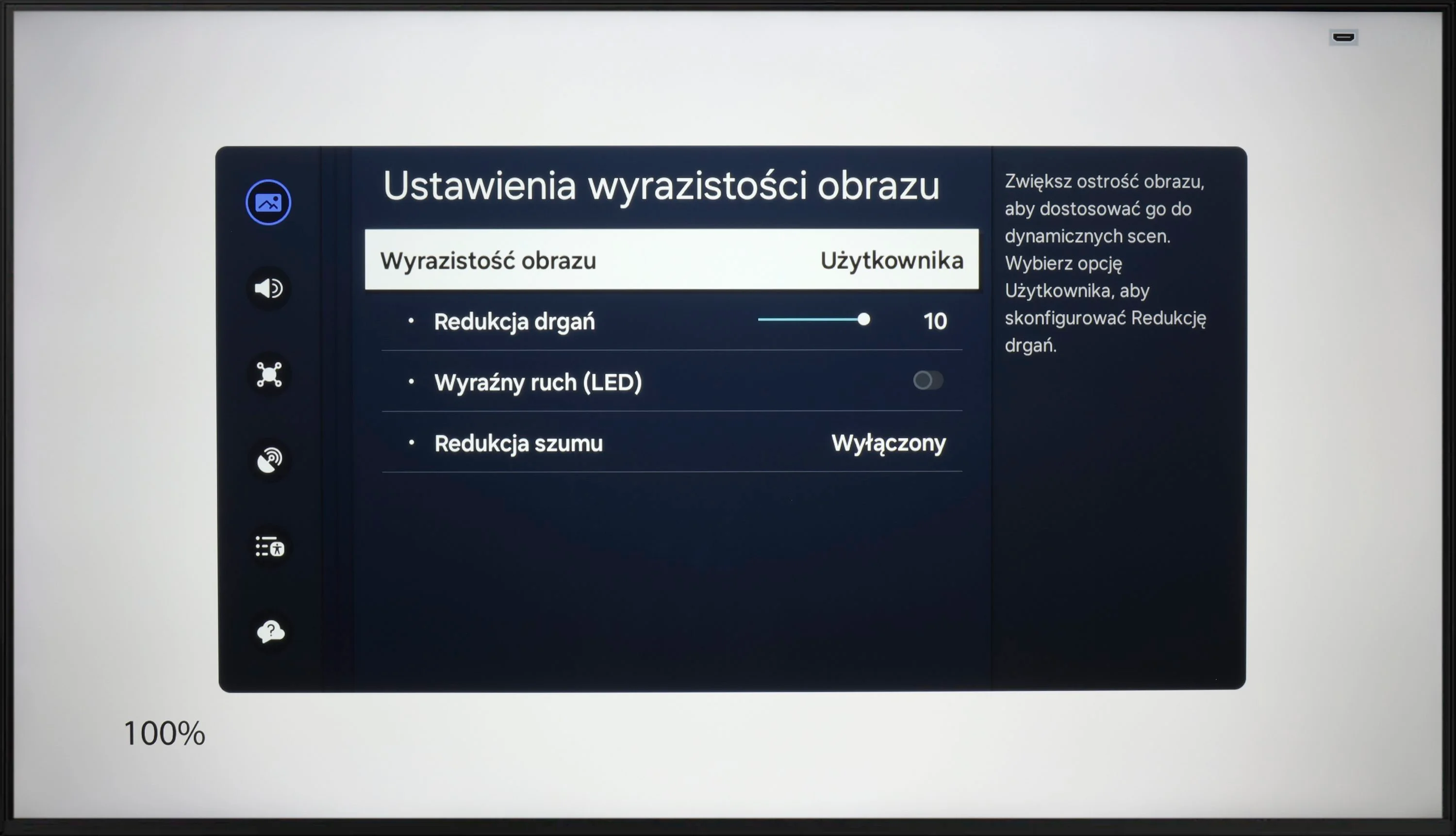
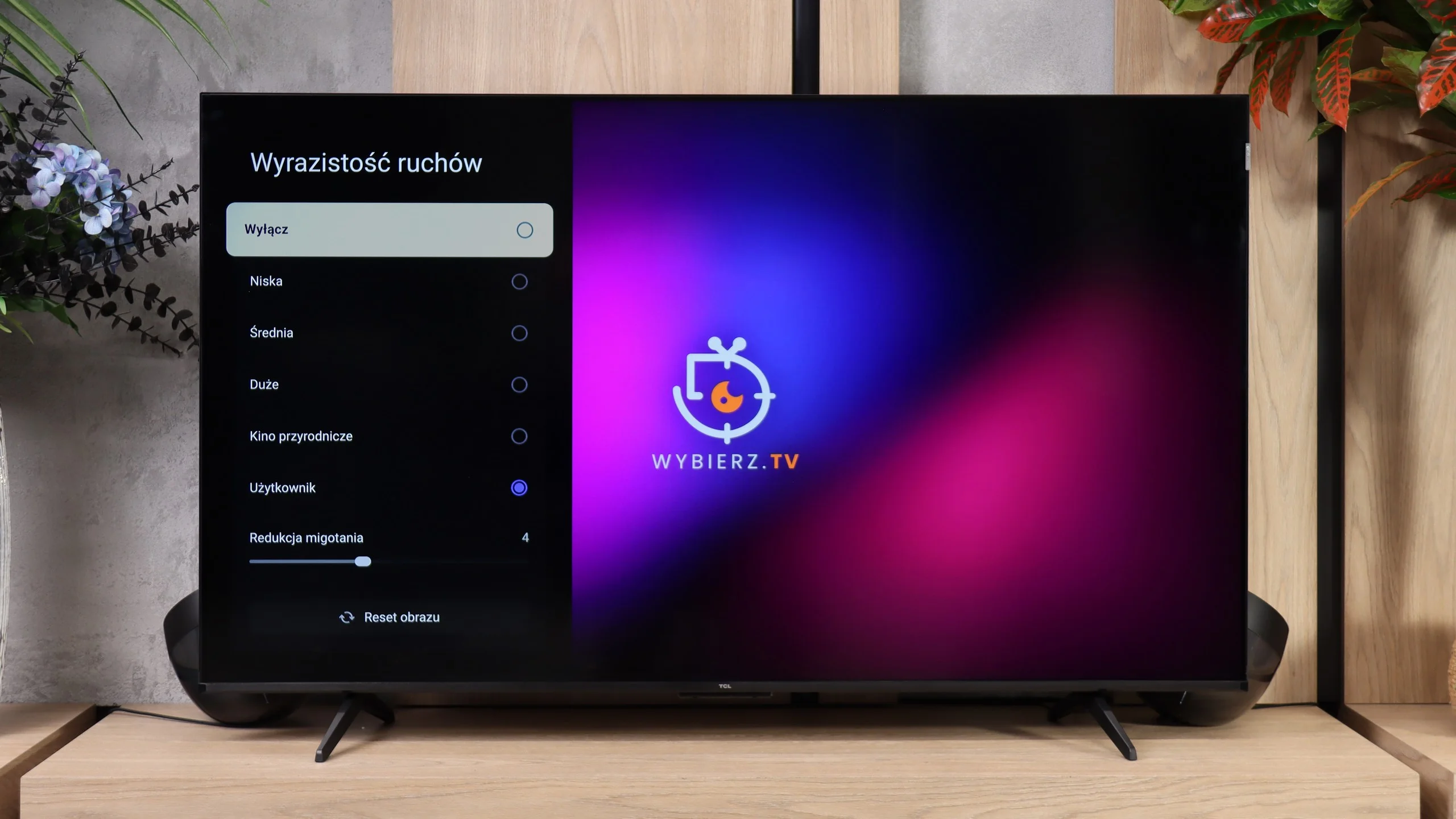
Blur (native resolution, maximum refresh rate):
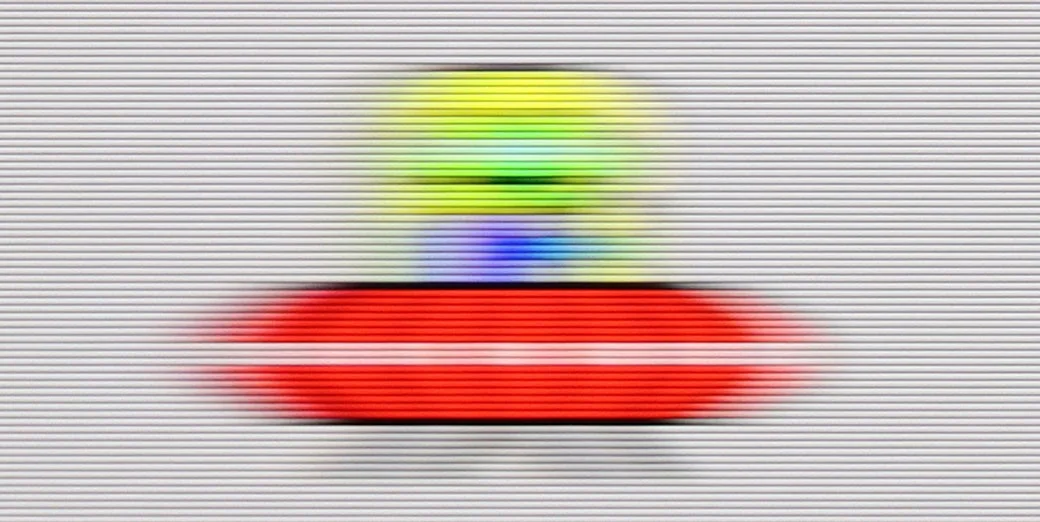
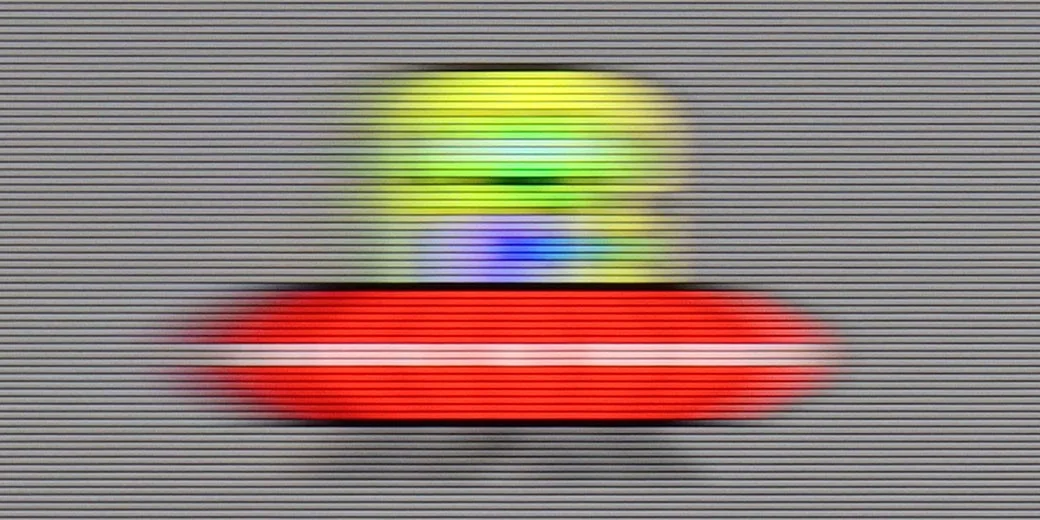
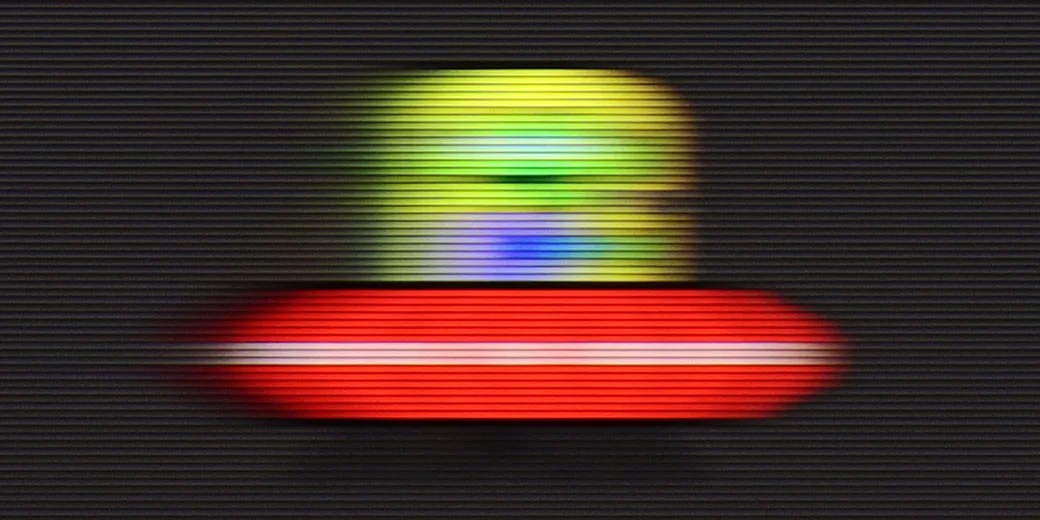
Blur ():
Blur (1440p@120Hz):
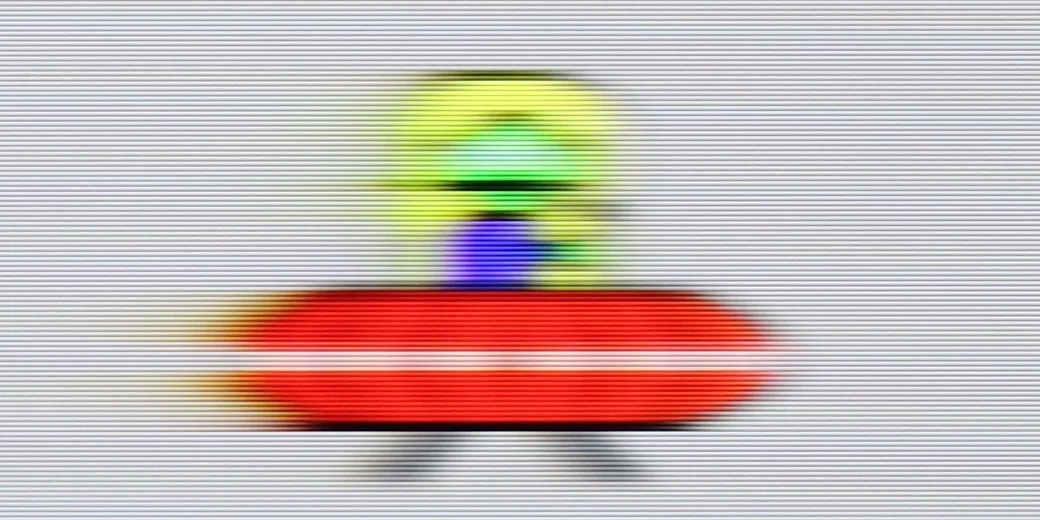
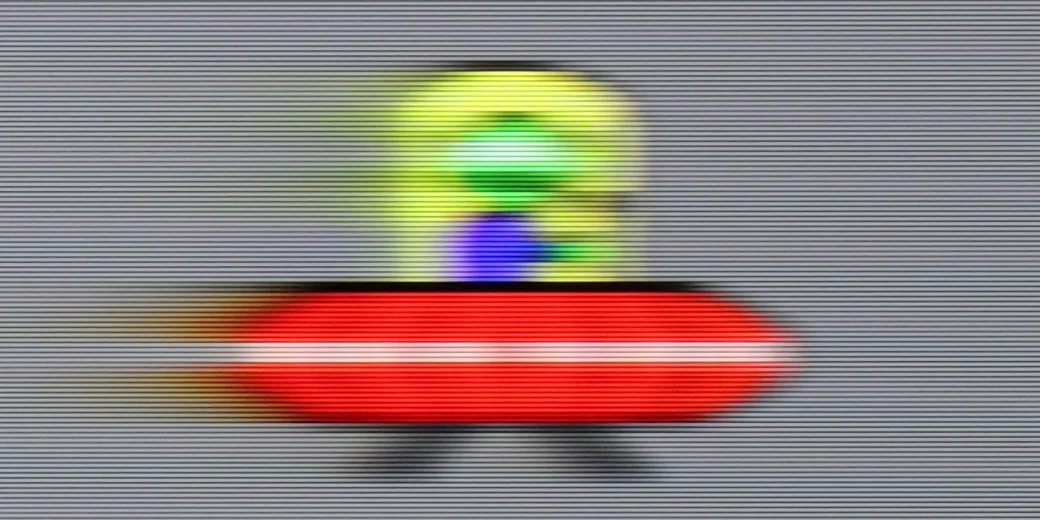
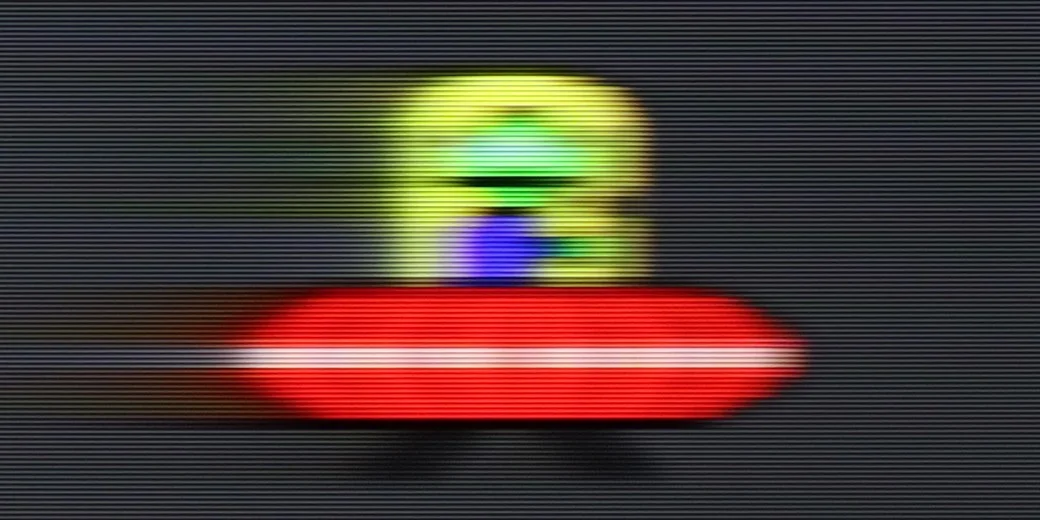
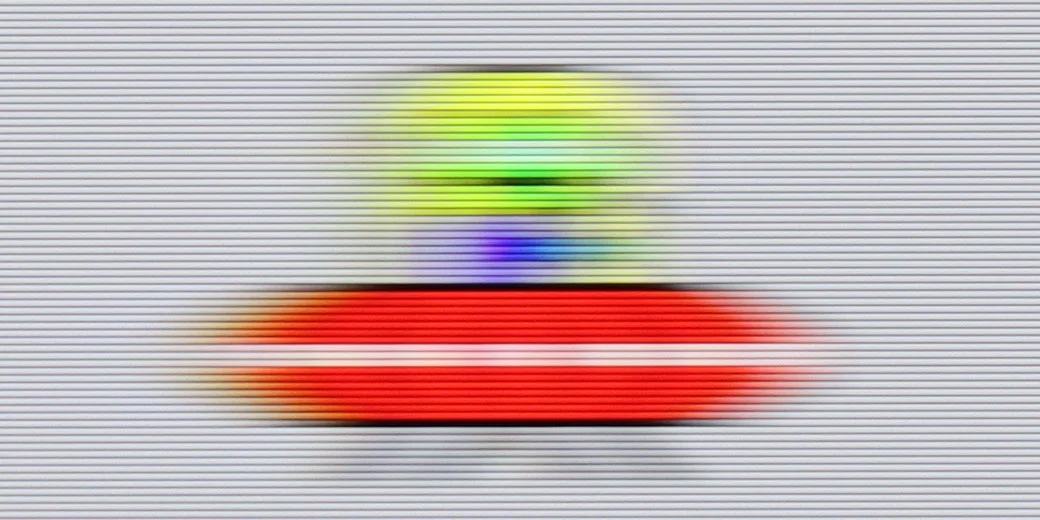
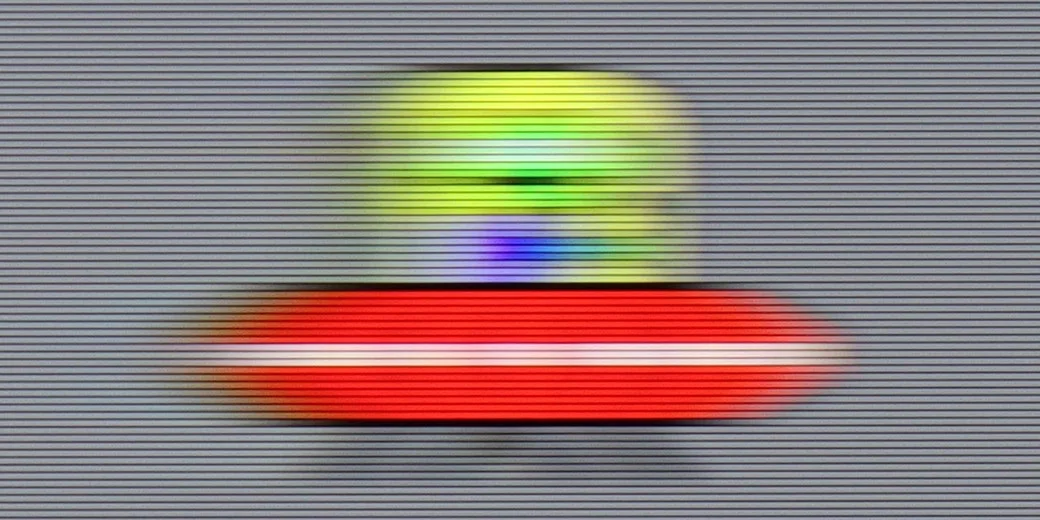
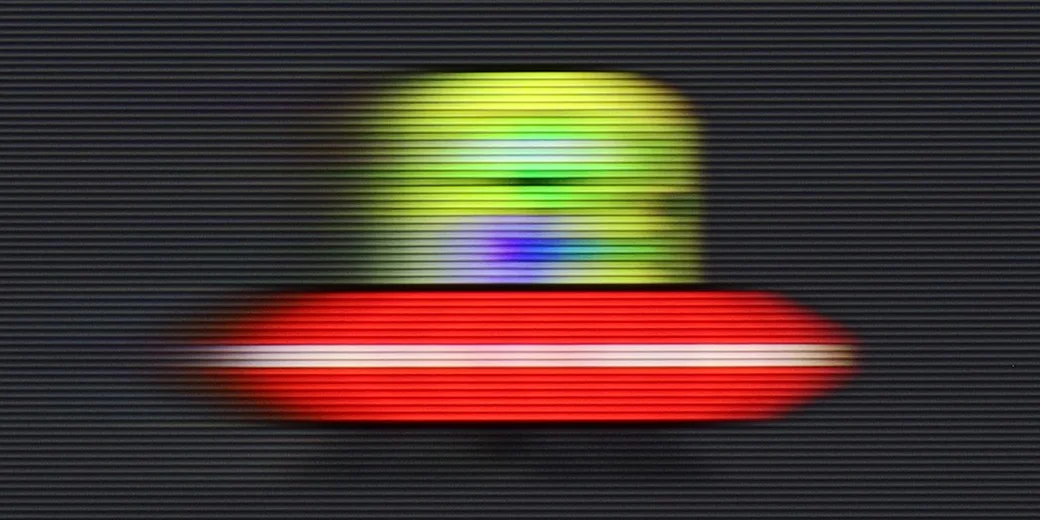
Although the Samsung DU7192 is the lowest model in the manufacturer's offer, it is equipped with a motion smoothing system. While the functionality of this solution is significantly limited compared to more expensive models, its mere presence distinguishes the television from competitors in this price range. The television supports a maximum refresh rate of 60 Hz, which is sufficient for comfortable viewing of movies and series, but may be inadequate for dynamic content such as sports. In the motion smoothing menu, we find, among others, the "Motion Blur Reduction" function. Unfortunately, its performance leaves much to be desired – regardless of the setting, the image exhibits characteristic stuttering known from material recorded at 24 frames per second, which makes this function practically fail to fulfill its role.
The TCL P7L uses a panel with a native 60 Hz refresh rate at 4K resolution, and that's how it should be treated in everyday use. For movies the TV mainly offers frame interpolation, so it can smooth motion and reduce the typical judder, but it does not deliver the smoothness of true 120 Hz panels.
Console compatibility and gaming features
4.2/10
6.7/10
- ALLM
- VRR
- VRR range 48 - 120Hz
- Dolby Vision Game Mode
- Correct implementation of HGIG
- 1080p@120Hz
- 1440p@120Hz
- 4K@120Hz
- Game bar
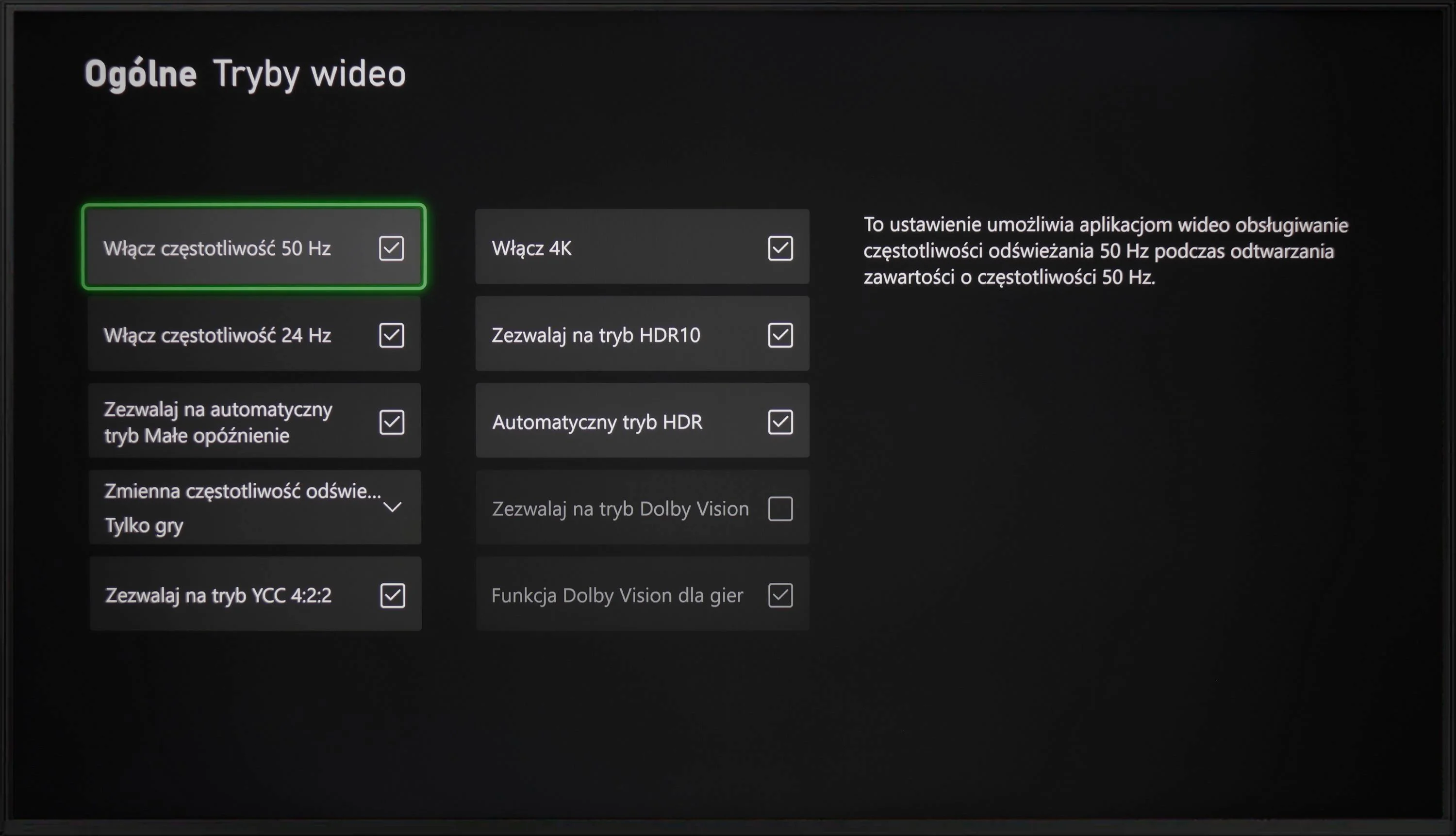
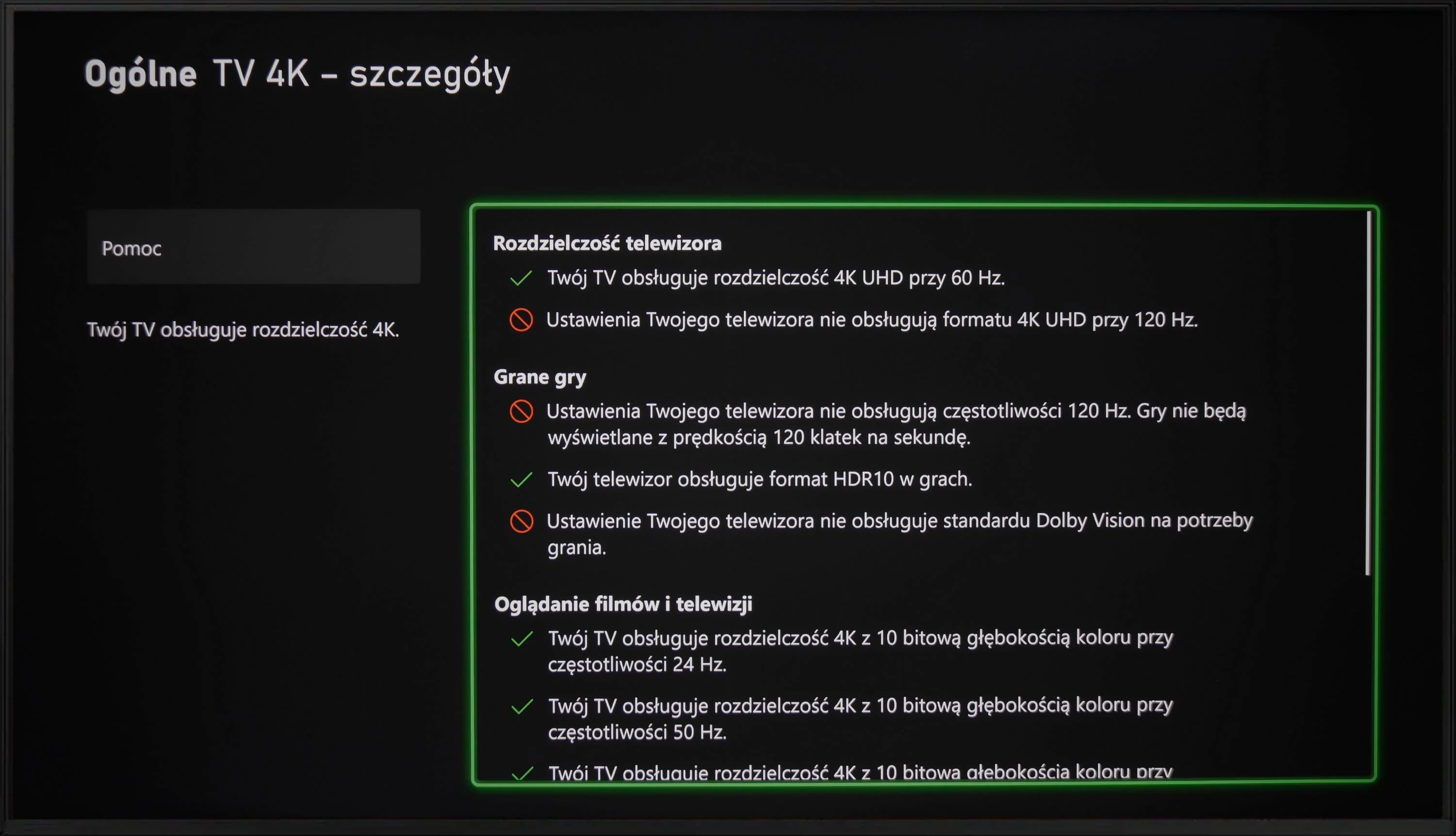
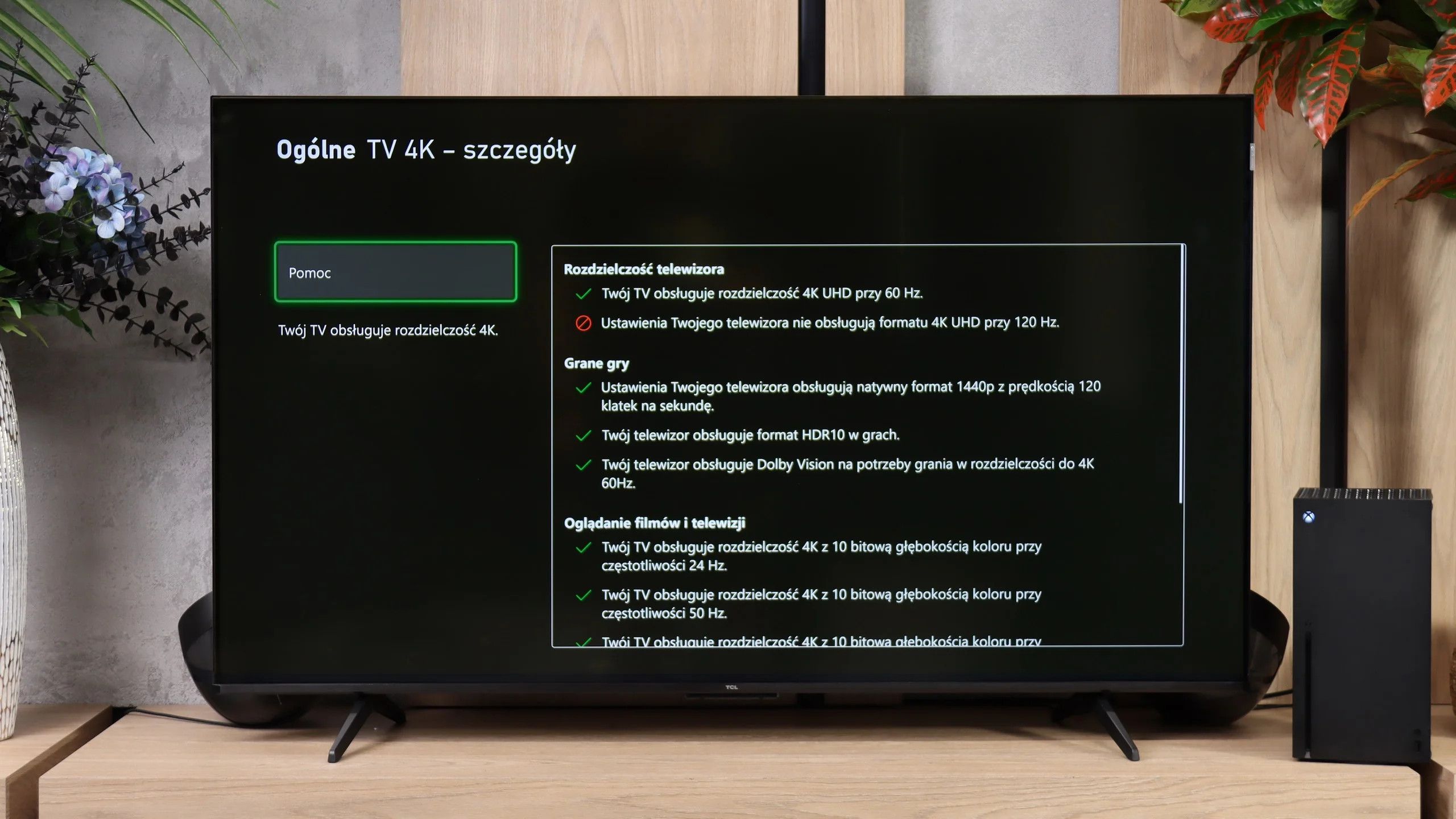
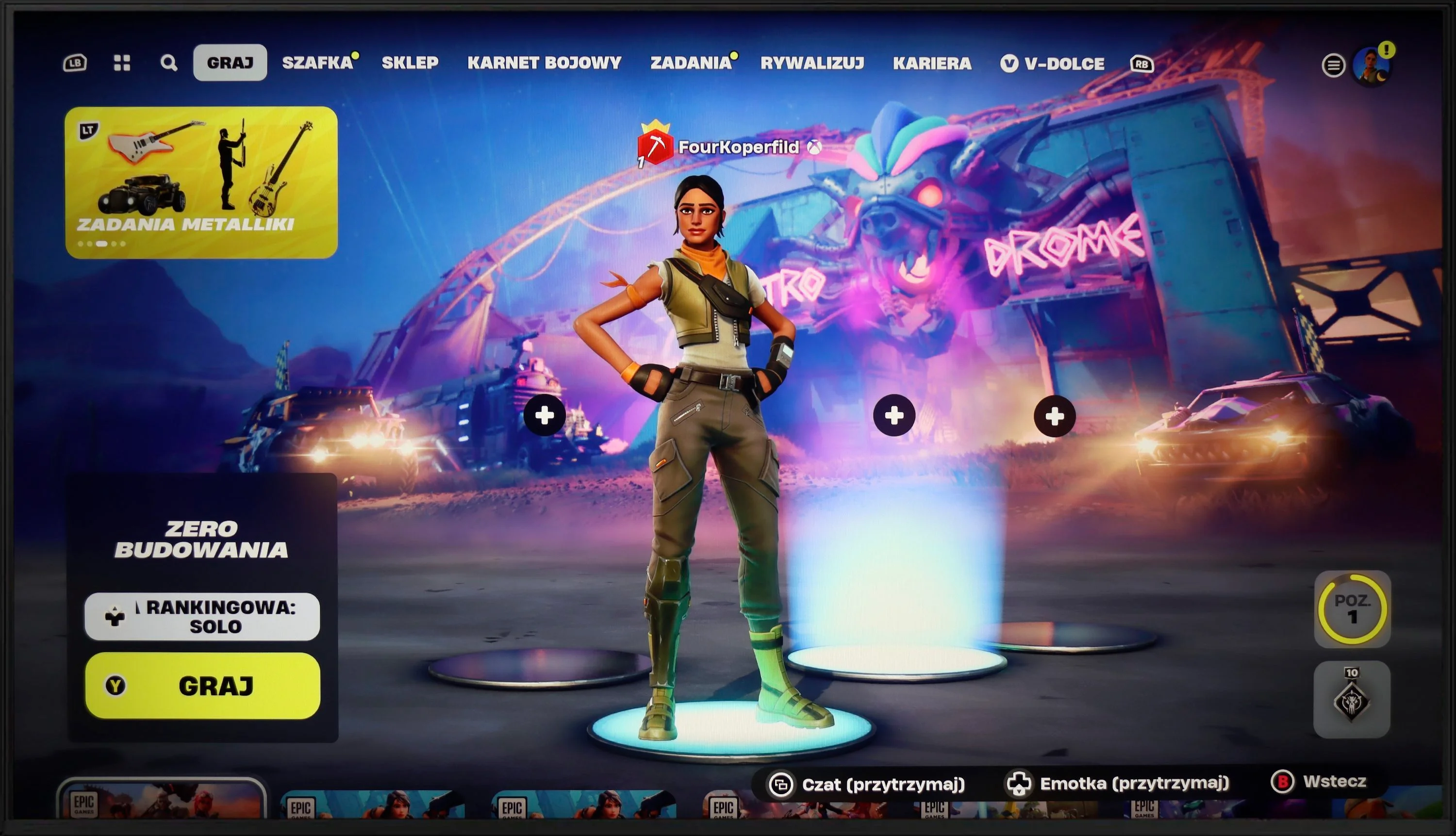
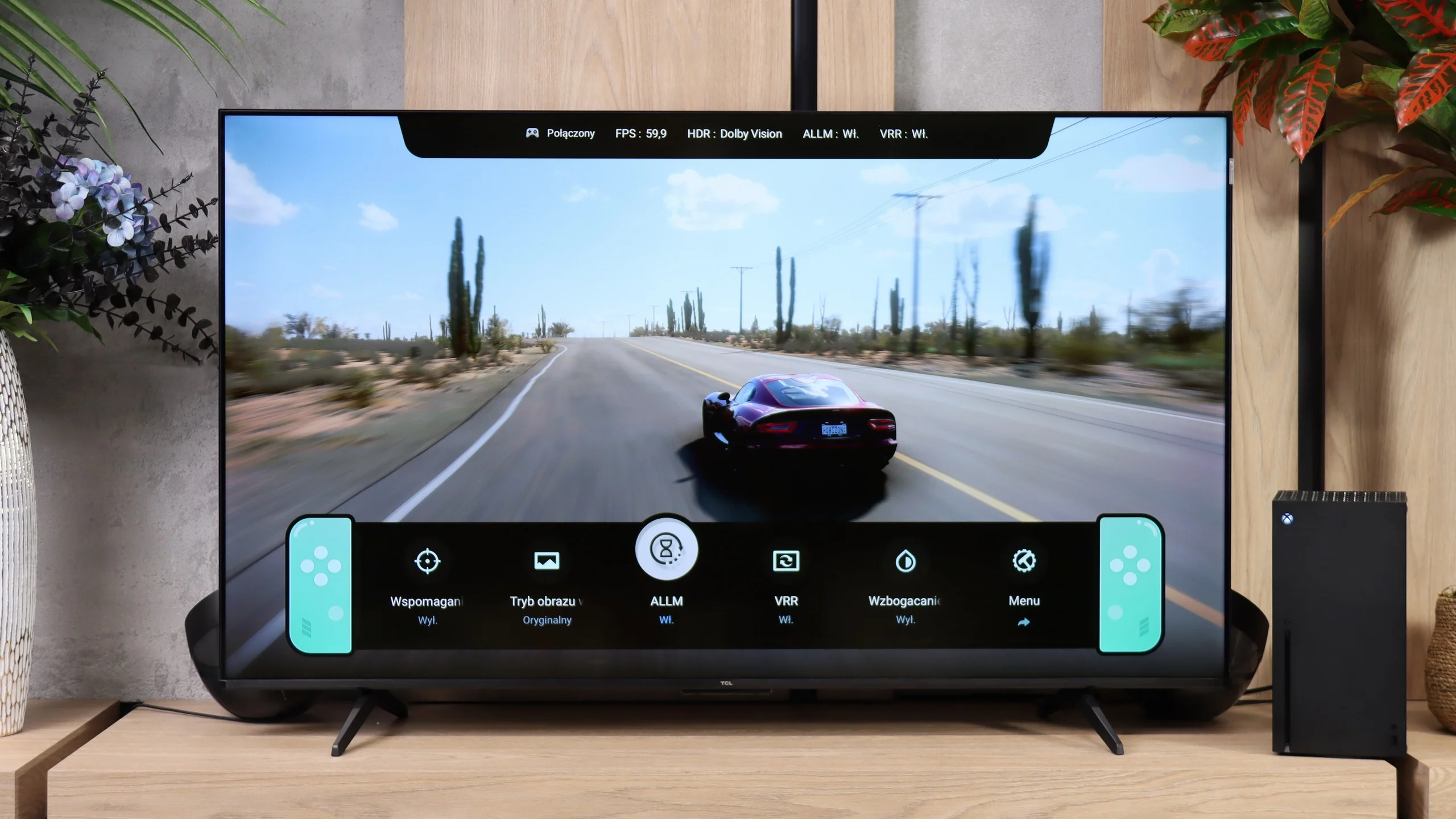
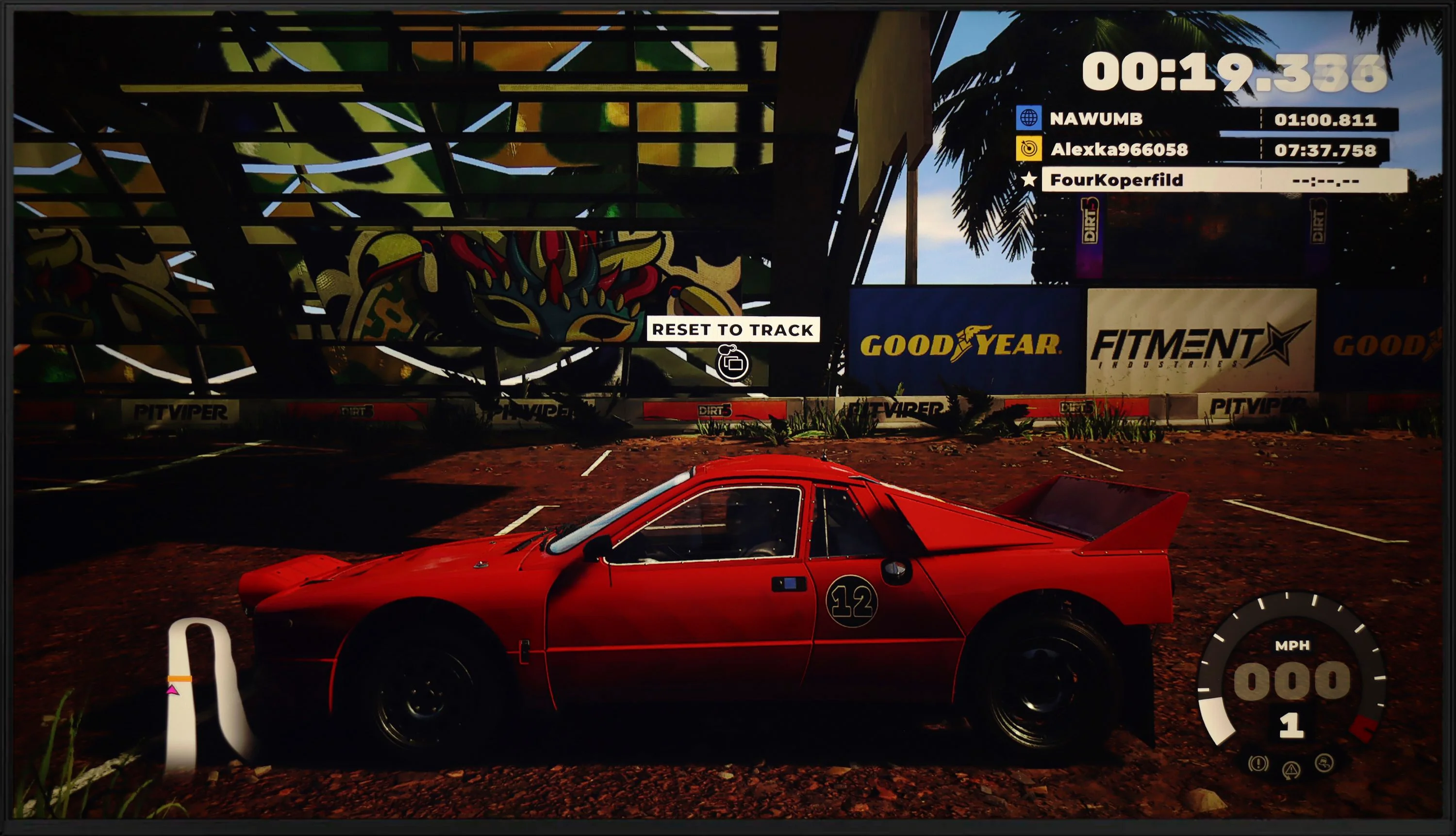
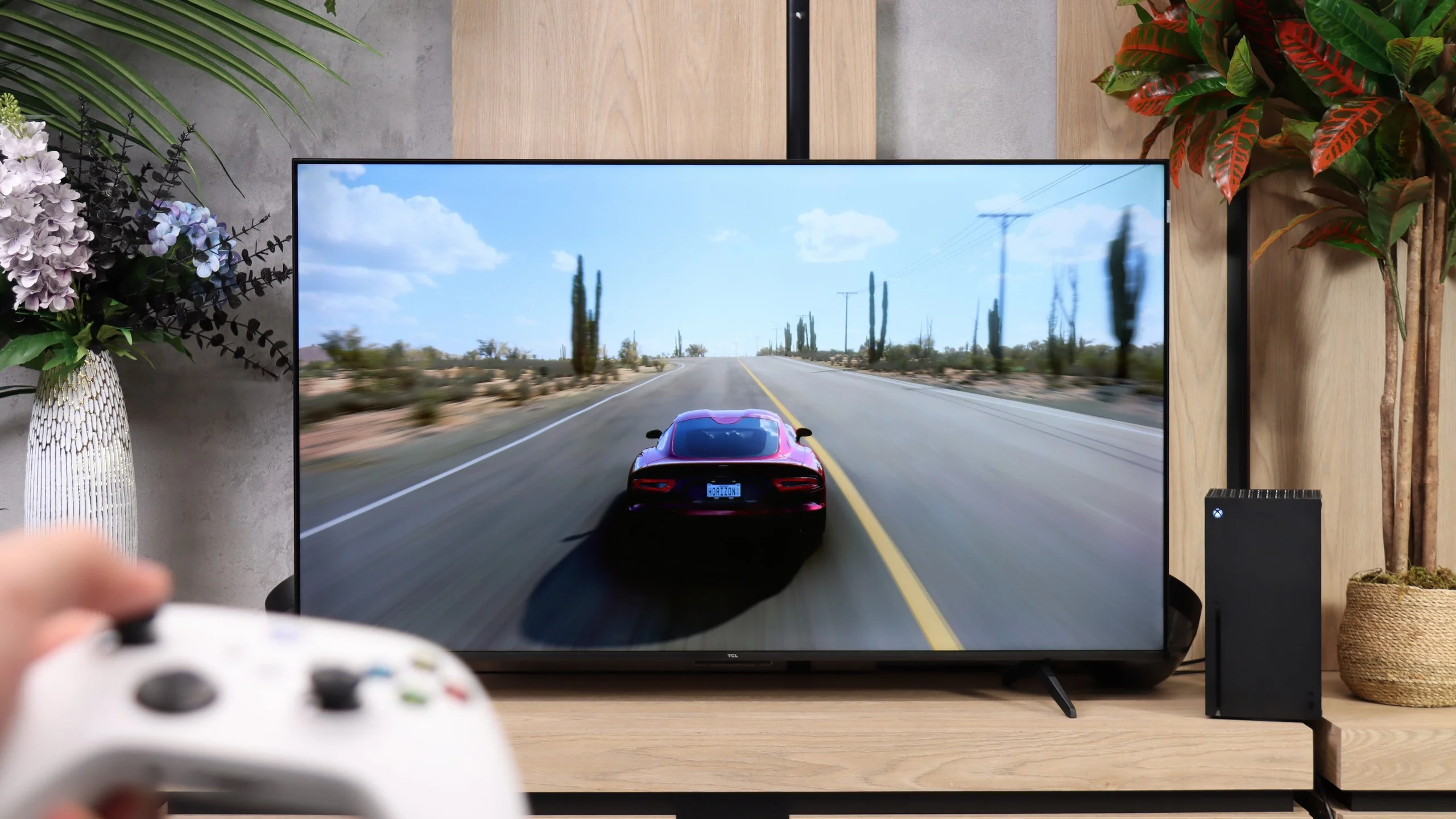
The Samsung DU7192 is equipped with HDMI 2.0 ports, which is expected in this price range. This limitation means a lack of support for the full capabilities of the latest generation consoles, such as VRR technologies. The television only offers basic features for gamers – automatic switching to low latency mode (ALLM) and support for basic HDR for games in the HGiG standard. HGiG allows for displaying HDR content in games according to manufacturers' guidelines; however, the limited brightness of the television does not allow for fully enjoying the effects that this standard offers. Unfortunately, there is a lack of conveniences such as GameBar, which is increasingly found even in cheaper models and greatly facilitates quick adjustments of settings for games. The presence of this feature could significantly enhance user comfort, especially among those who frequently change display modes.
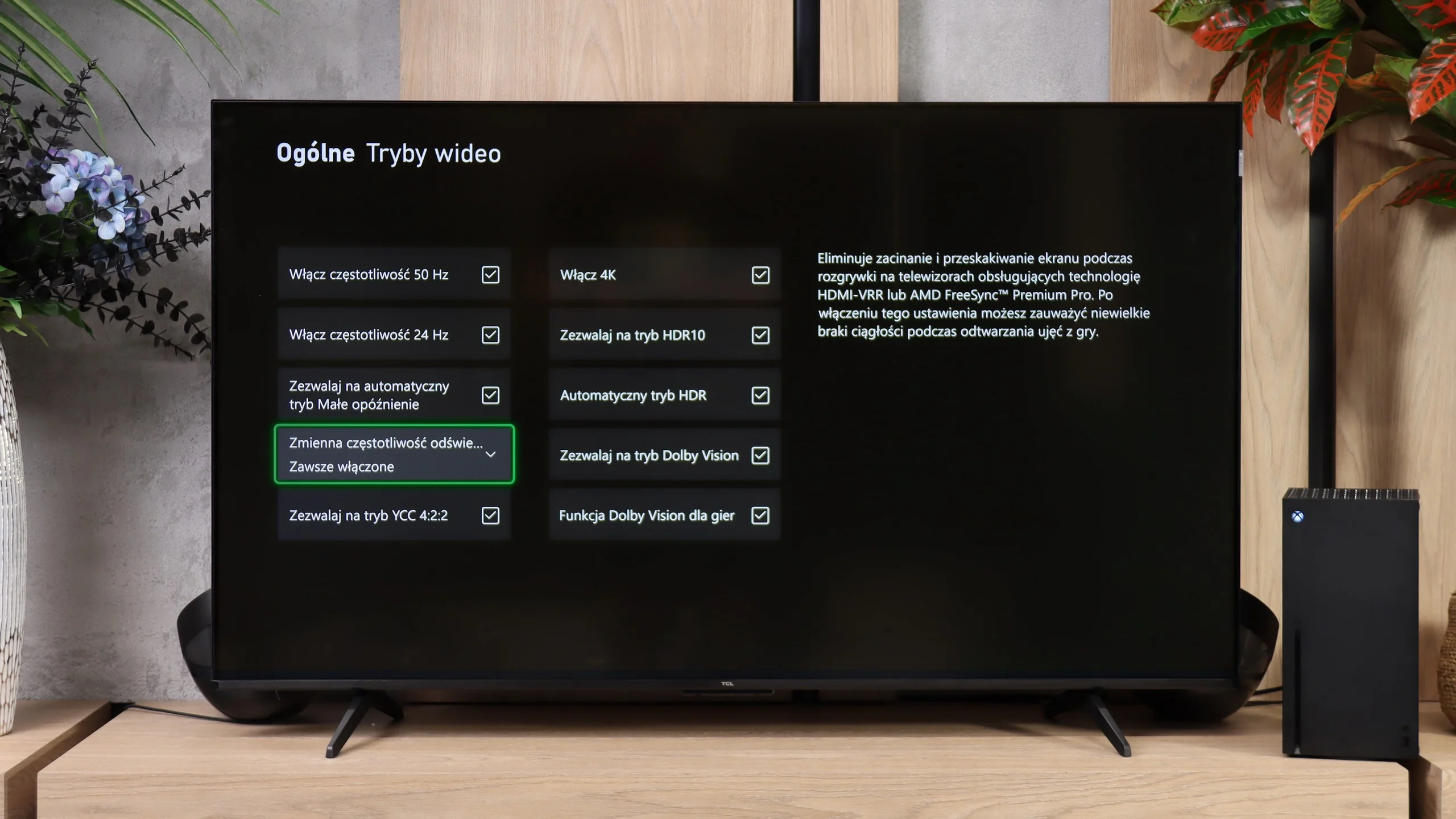
For such an inexpensive TV, the P7L has quite a lot to offer gamers. It has ALLM, VRR, Dolby Vision for gaming, and TCL adds its Game Bar, which lets you quickly view key information or change some settings without leaving the game. Not everything is perfect, though, because HGiG doesn't work here as it should, but at this price point it's hard to complain much about the feature set. The most interesting thing starts when you give up on 4K. At that resolution the TV runs at a maximum of 60 Hz, but at 1440p and 1080p it can already display at 120 Hz. And that's not just a spec-sheet curiosity. In fast-paced games that support that frame rate you can really notice the difference in smoothness, so if you care more about smoother motion than maximum image sharpness, that mode can make a lot of sense. Of course that doesn't make the P7L a true 120 Hz TV. Even so, it's precisely those extra modes that make the P7L perform really well for gaming.
Input lag
10/10
10/10
SDR
HDR
Dolby Vision
The results of input lag measurements in the DU7192 are at a high level, regardless of the signal or resolution. All gamers will certainly appreciate the manufacturer's efforts, thanks to which a game running at 4K 60 Hz with HDR will have only 11 ms of latency, which is practically imperceptible even in online games.
In terms of latency, the TCL P7L performs very well. With a 60 Hz signal, input lag is around 13 ms, regardless of whether you're playing in SDR, HDR, or Dolby Vision. That's already a level where the delay should be practically unnoticeable during normal gameplay. It gets even better when you switch the TV to 120 Hz mode at a lower resolution. Then input lag drops to about 9 ms, which nicely complements the modes described earlier. For gamers, it's another point in favor of the P7L—despite its budget nature, it's quite well prepared in this regard.
Compatibility with PC
6/10
5.8/10
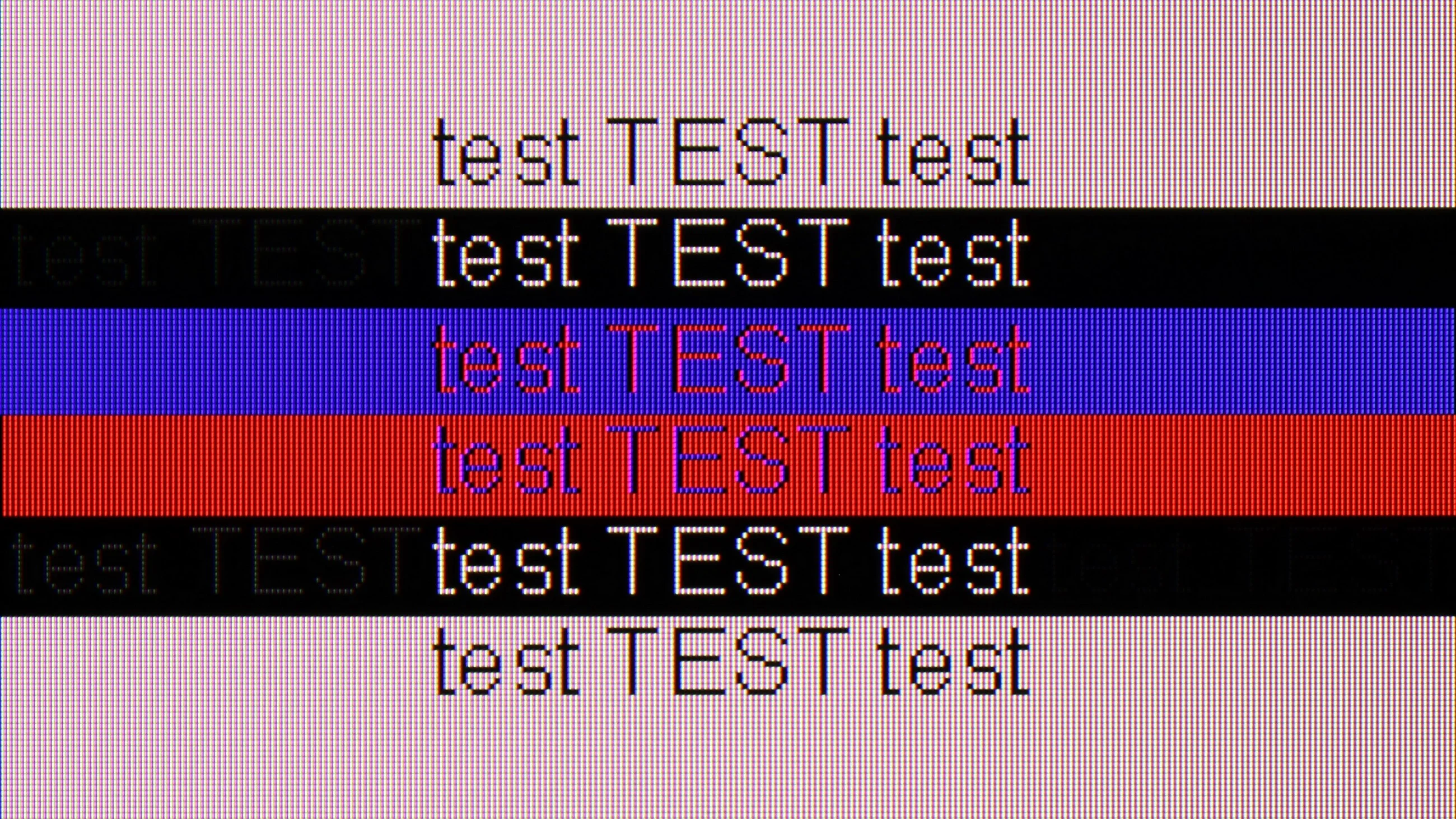
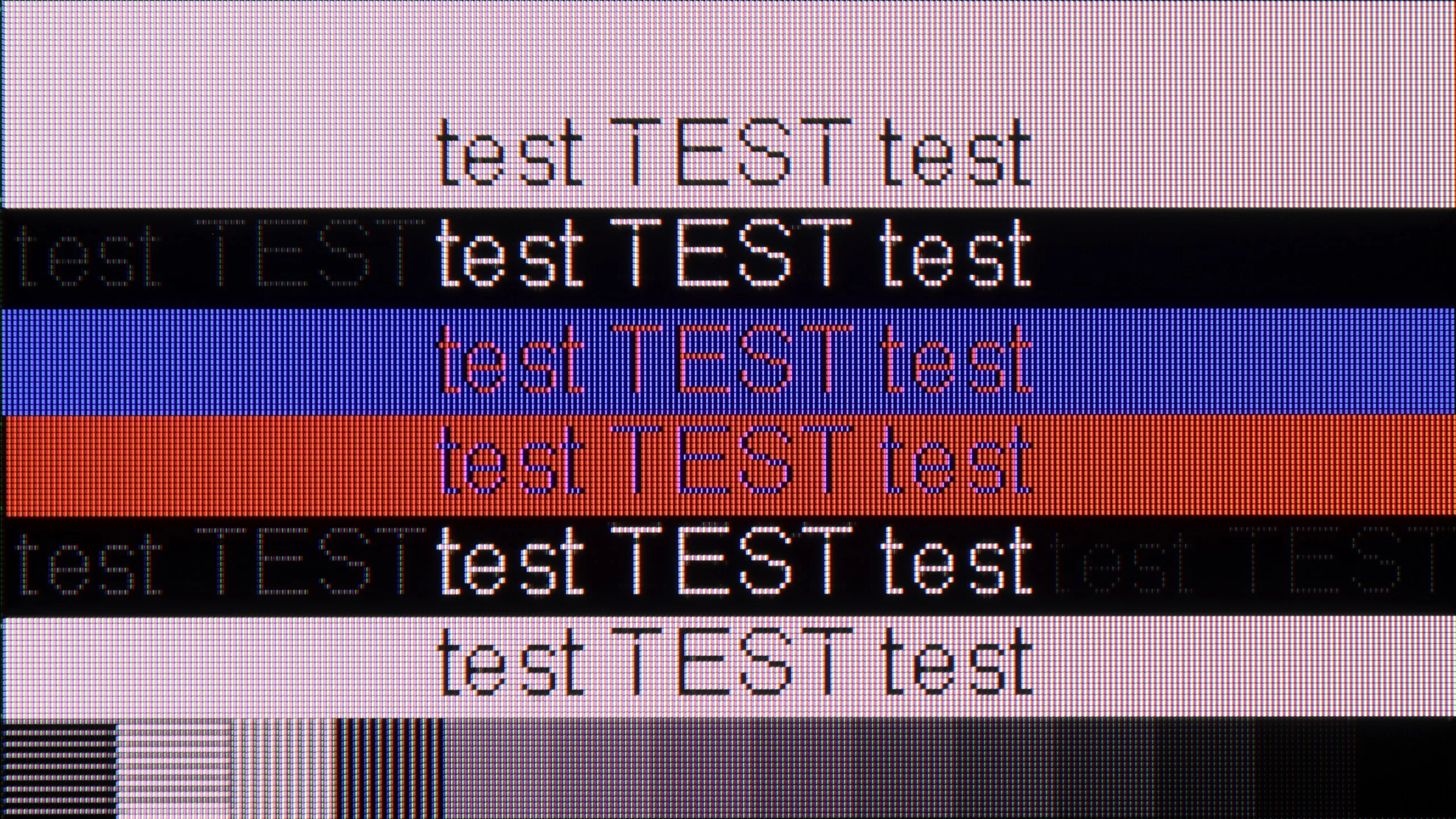
The photo shows the legibility of small fonts. Ideally, lines should be the same thickness on both light and dark text, with minimal pixel gaps.
By connecting the Samsung DU7192 TV to a computer, we can expect a low input lag of around 11 ms, which is practically unnoticeable and ensures smoothness in the mouse-screen-eye line. Additionally, thanks to the correct implementation of 4:4:4 chroma, the readability of fonts is at a high level, making this model a good choice for text work. The TV uses a BGR subpixel layout, which in practice does not negatively affect its performance as a monitor. Although operating systems are not optimized for this subpixel format, which can lead to slightly less sharp contours, it is a practically unnoticeable drawback and only perceptible by a few. When it comes to gaming on PC, the lack of support for G-Sync or FreeSync and the limitation of the refresh rate to 60 Hz may disappoint players who prefer dynamic titles requiring quick reactions. For this reason, as a gaming monitor, the DU7192 is average.
TCL P7L is unlikely to be the first choice for office work. The TV properly supports 4:4:4 chroma, so text itself remains fairly sharp, but the BGR subpixel layout causes some issues with how it looks. On the vertical edges of letters you can see small artifacts and characteristic "dots" that can be distracting when sitting close to the screen. For occasional web browsing or document use this isn't a big problem, but as a monitor for daily text work the P7L performs rather average.
It looks much better for PC gaming. Low input lag and support for G-Sync and VRR mean the TV plays nicely with a graphics card, and at lower resolutions you can also take advantage of 120 Hz. In 4K we're still limited to 60 Hz, but if the computer will be used mainly for gaming, the P7L makes a lot more sense for that purpose than as a typical work monitor.
Viewing angles
3.8/10
3.2/10
The viewing angles on the Samsung DU7192 television are average, which is due to the use of a VA panel. Compared to the previously tested model with an IPS panel, the picture quality when viewed at an angle is distinctly worse. Although the VA panel provides better contrast, a side effect is the limited viewing angles, causing colors to lose intensity and black to become clearly washed out when viewed from the side. Therefore, this model is best suited for settings where viewers can sit directly in front of the television.
Viewing angles on the TCL P7L are fairly poor, which is typical for a VA panel. It's precisely because of that that the TV delivers higher contrast and better blacks, but the trade-off is a noticeable drop in picture quality when you look at the screen from the side. Just move a little off-axis and colors start to lose saturation and blacks become grayer. That's why the P7L performs best when you sit directly in front of the screen. With a larger couch and several people watching, the seats at the edges will be noticeably less comfortable.
Daytime performance
3.2/10
5.2/10
Panel brightness
TCL P7L / P79L: 364 cd/m2
Samsung DU7192 (VA): 227 cd/m2
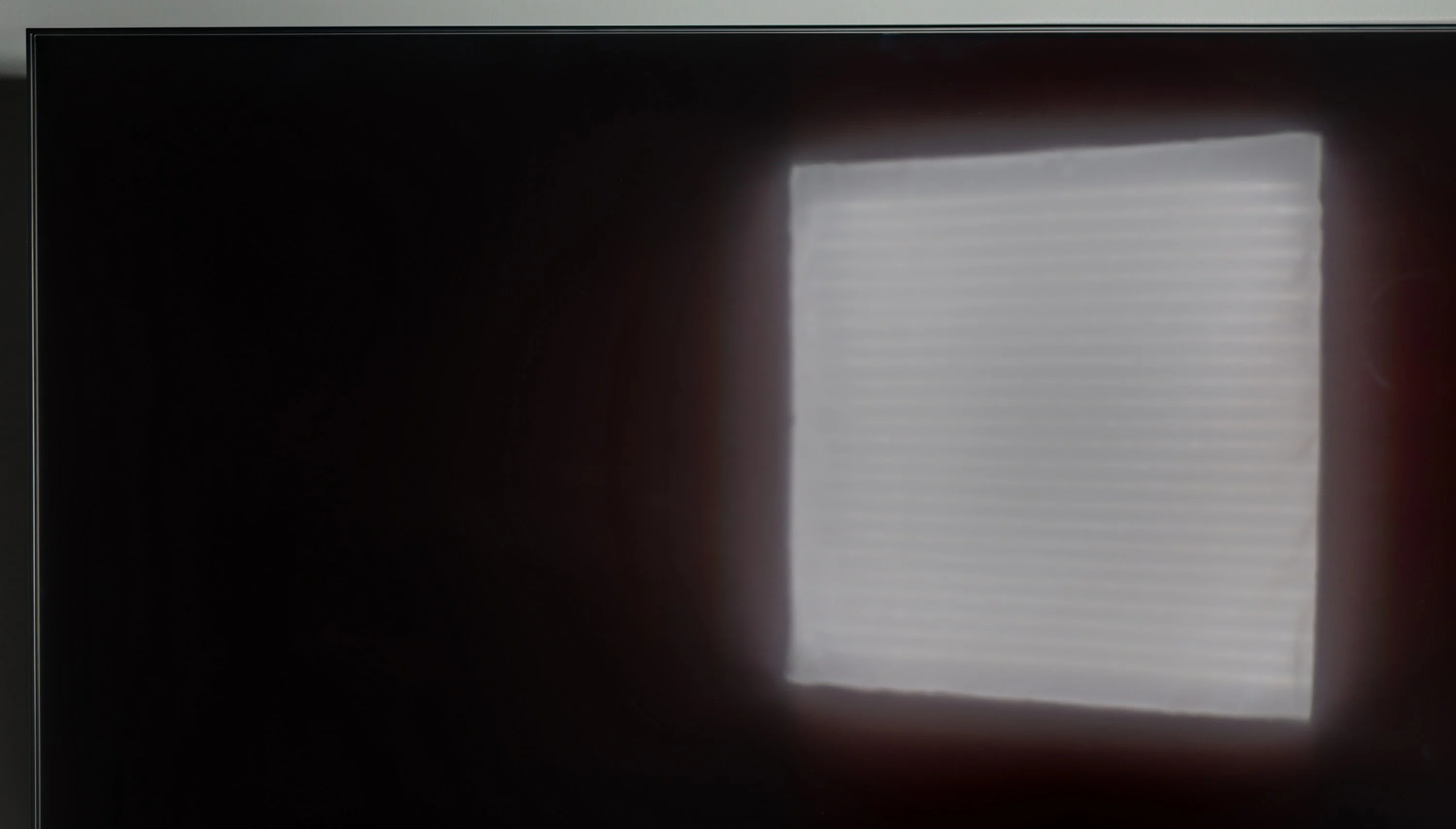
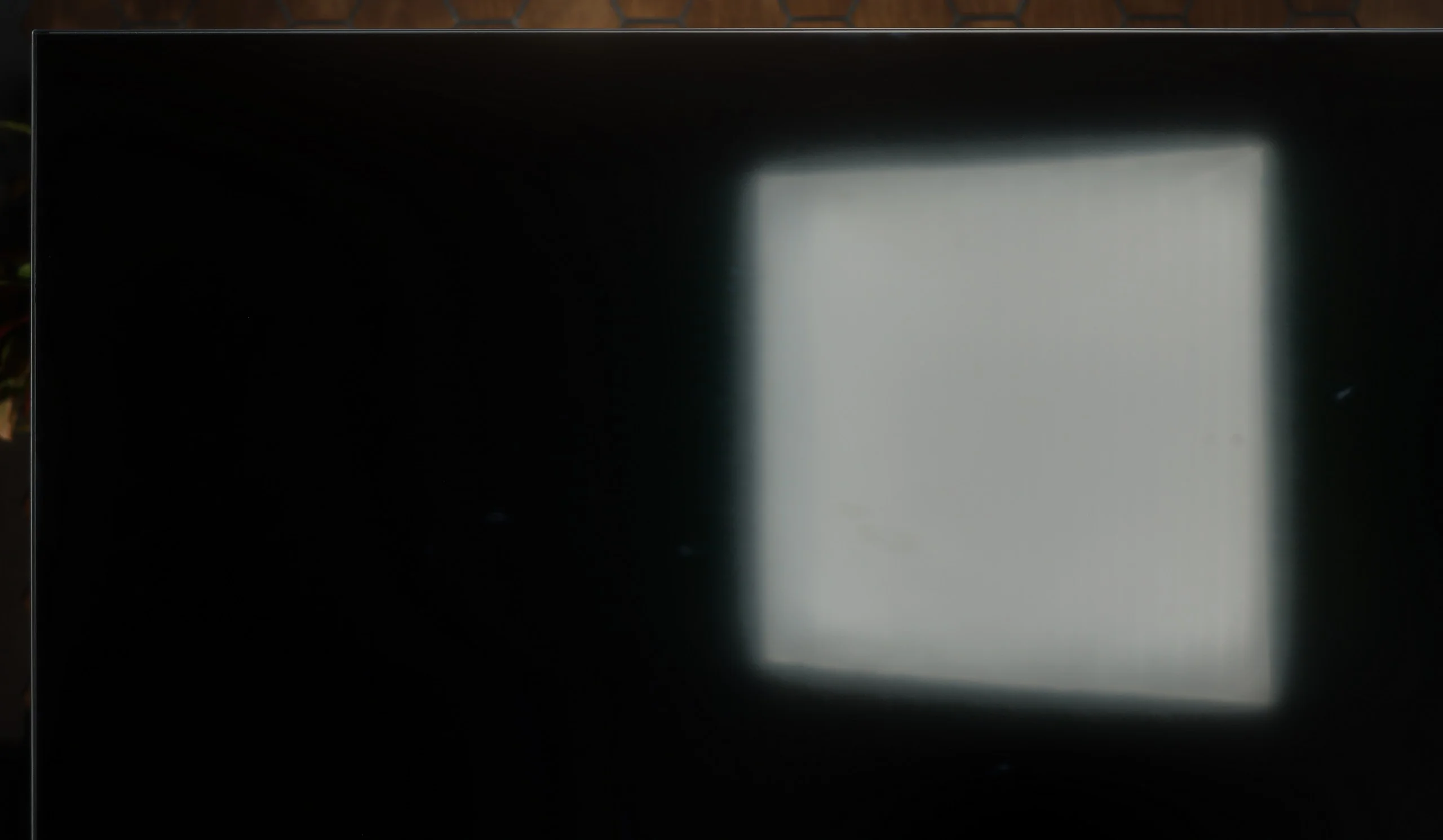
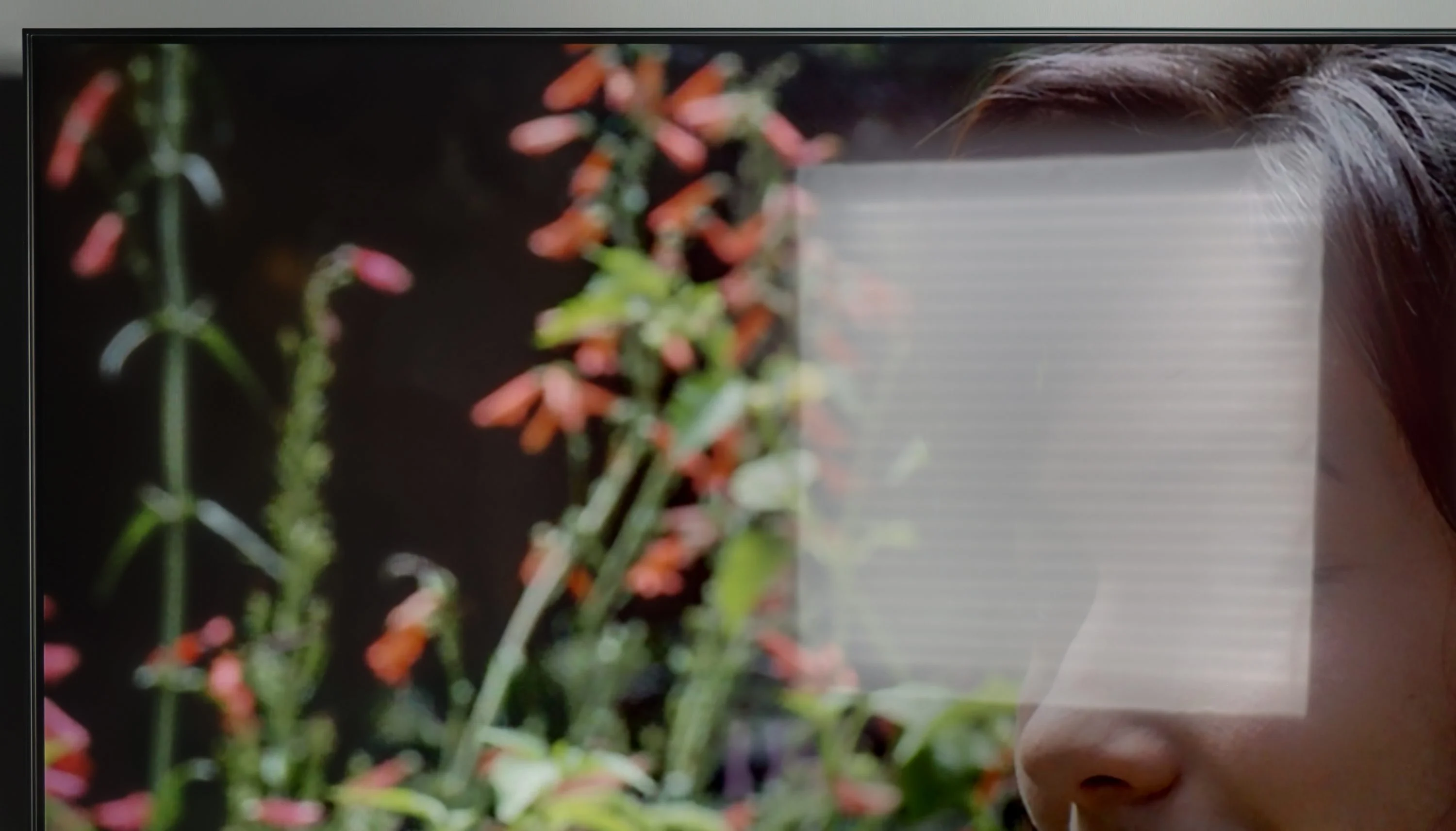
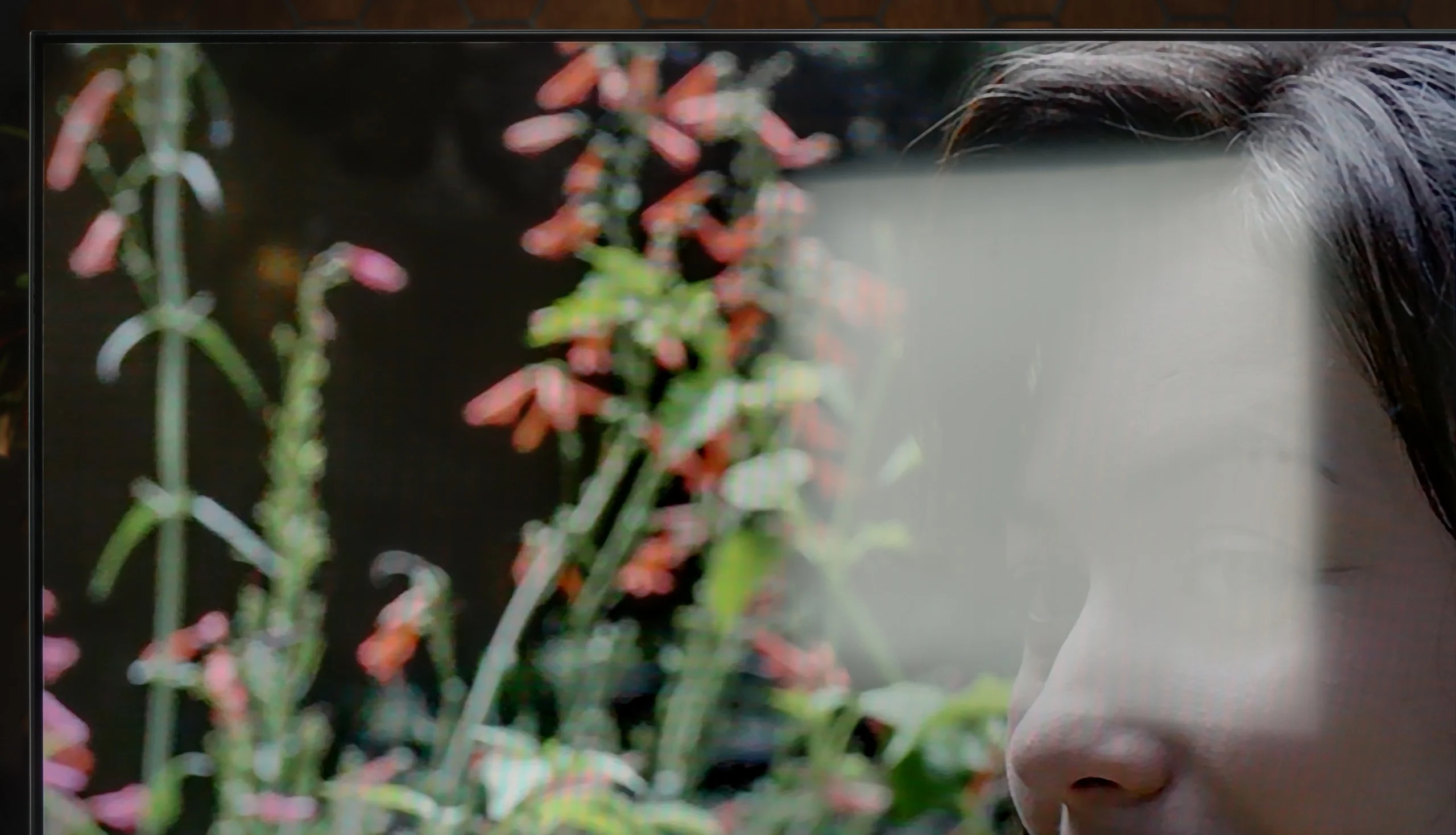
The Samsung DU7192 television panel finished in satin provides only average light reflection attenuation. Unfortunately, in practice, it does not perform very well in neutralizing glare, especially when light falls directly on the screen. Additionally, the maximum brightness of the panel in SDR materials, which is only 227 nits, does not help improve visibility in well-lit rooms. Therefore, the television will perform better in dimly lit conditions, as its performance is significantly limited during the day.
In daylight the TCL P7L performs quite well, although a lot depends on how the TV is positioned relative to windows. The screen's satin finish does a pretty good job of reducing reflections, so under normal living-room lighting the picture stays clear and doesn't immediately turn into a mirror. Black levels also look good and, in daytime lighting, don't lose nearly as much depth. The limitation, however, is brightness. About 360 nits is enough for normal viewing in a moderately bright room, but with strong sunlight hitting the screen directly the P7L starts to struggle noticeably against the ambient light. It will be fine for a typical living room, but if the TV will sit opposite a large window or you mostly watch in a very bright room, it's worth keeping that in mind.
Panel details
Subpixel Structure:
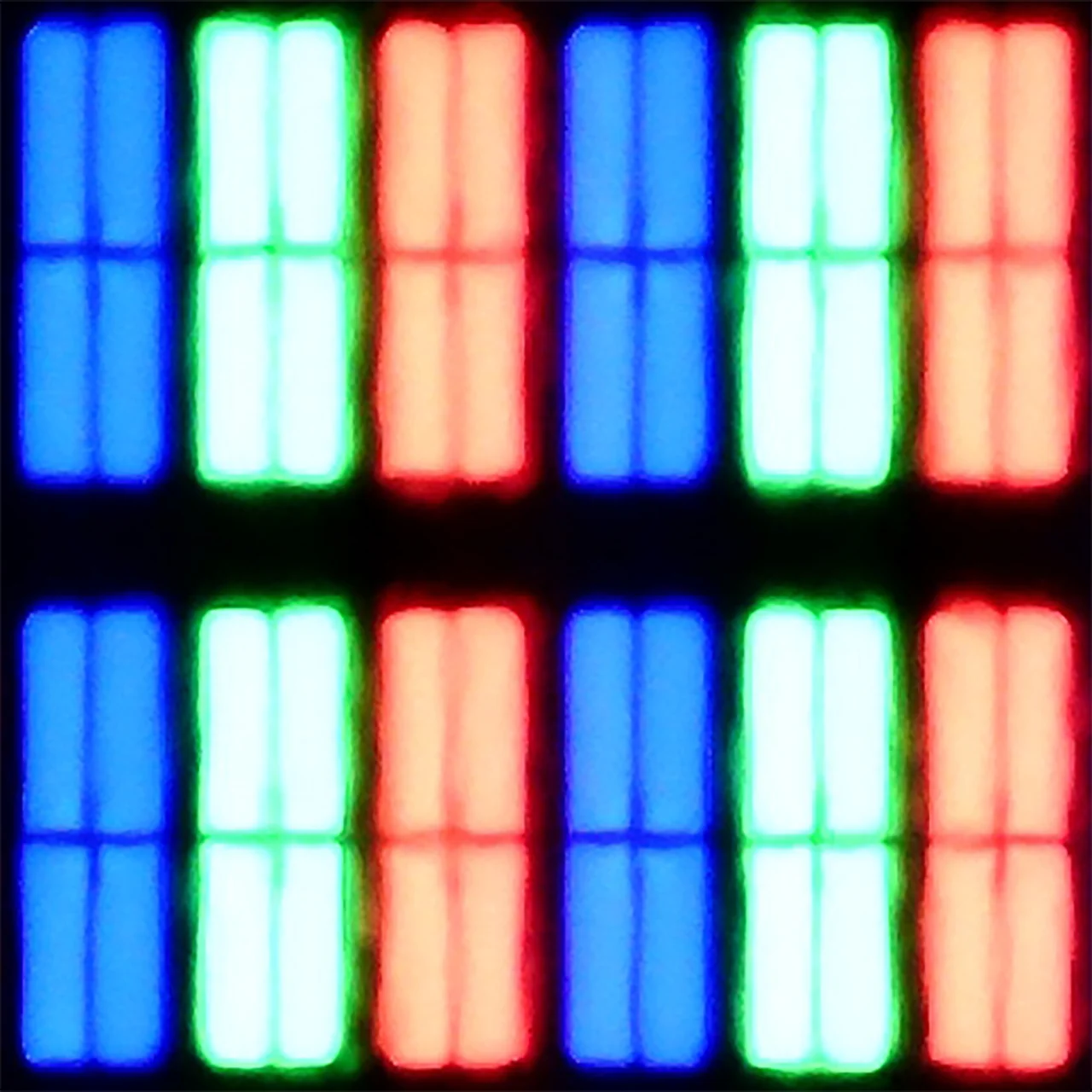
Panel uniformity and thermal imaging:
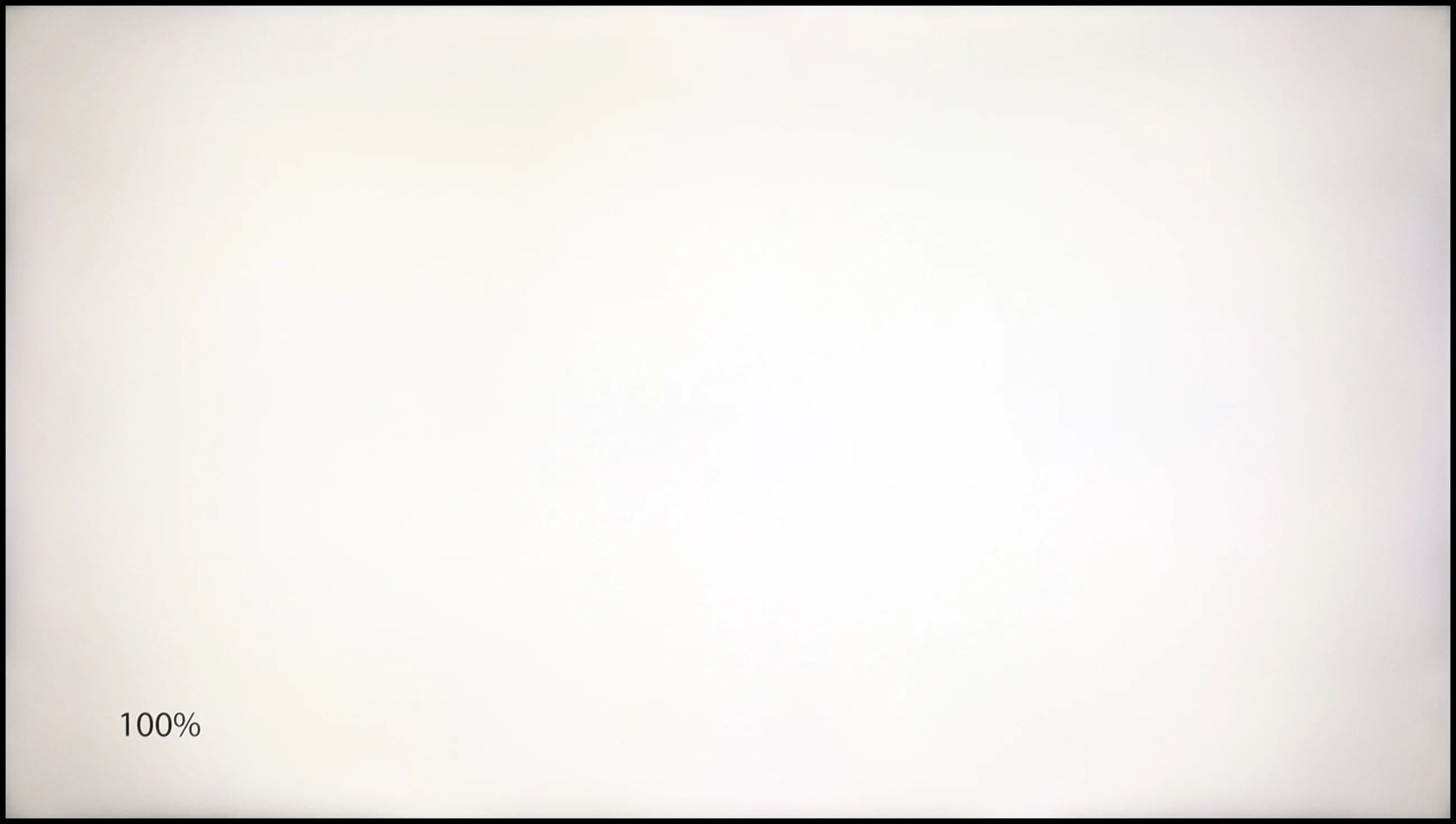
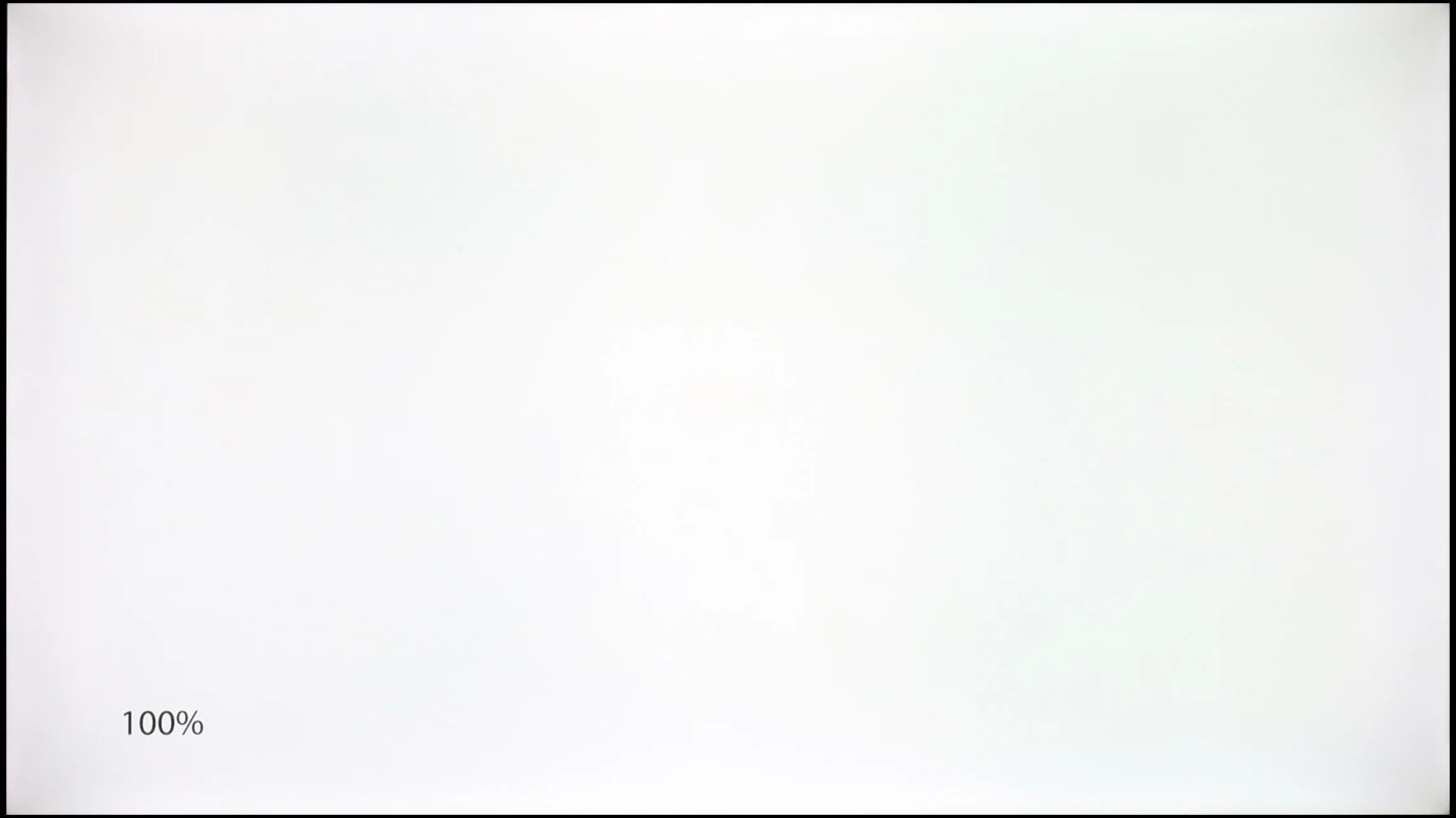
TV features
5.2/10
7/10
- SystemTizenGoogle TV
- System performanceAverageDecent
- HDMI inputs3 x HDMI 2.0, 0 x HDMI 2.13 x HDMI 2.0, 0 x HDMI 2.1
- OutputseARC (HDMI), ARC (HDMI)Toslink (Optical audio), eARC (HDMI), ARC (HDMI)
- Network InterfacesWi-Fi 2.4GHz, Wi-Fi 5GHz, Ethernet (LAN) 100MbpsWi-Fi 2.4GHz, Wi-Fi 5GHz, Ethernet (LAN) 100Mbps
- TV receptionDVB-T, DVB-T2, DVB-S, DVB-S2, DVB-CDVB-T, DVB-T2, DVB-S, DVB-S2, DVB-C
Classic features:
- Recording to USB (terrestrial TV)
- Recording programming
- Picture in Picture (PiP)
- RF remote control (no need to aim)
- Backlit remote control
- Teletext
- Audio only mode
- Bluetooth headphones support
- Simultaneous Bluetooth headphones & TV audio
Smart features:
- AirPlay
- Screen mirroring (Windows Miracast)
- Voice search
- Voice search in native language
- Ability to connect a keyboard and mouse
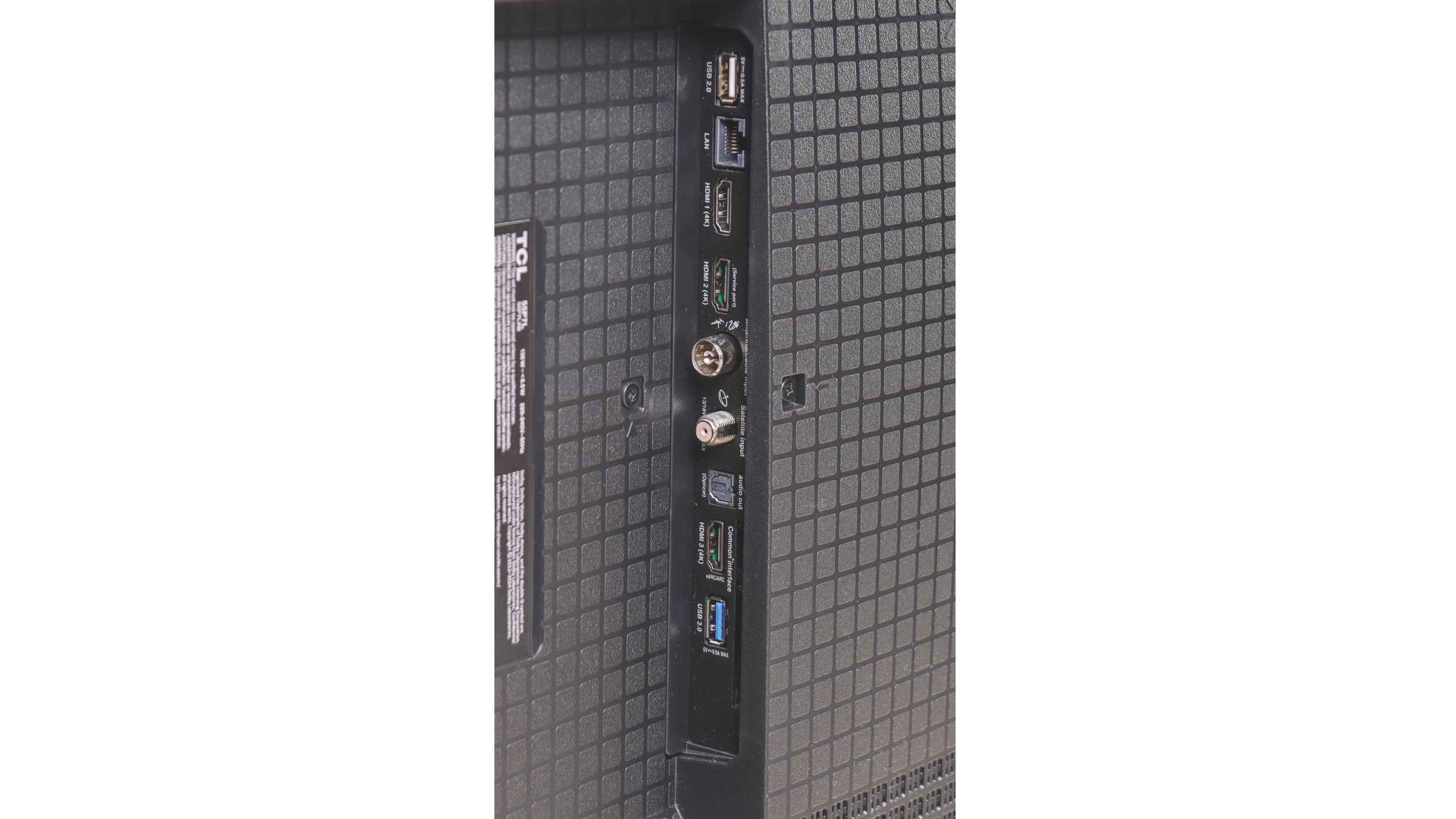
Sound connection options
- HDMI audioeARC (HDMI), ARC (HDMI)eARC (HDMI), ARC (HDMI)
- Other audio outputsToslink (Optical audio)
- Wireless audioBluetoothBluetooth
Supported audio formats (external HDMI eARC audio):
- Dolby Digital Plus 7.1
- Dolby True HD 7.1
- Dolby Atmos in Dolby Digital Plus (JOC)
- Dolby Atmos in Dolby True HD
- DTS:X in DTS-HD MA
- DTS-HD Master Audio
Senior accessibility
- Numeric keyboard on TV
- Font size adjustment
- Audio description
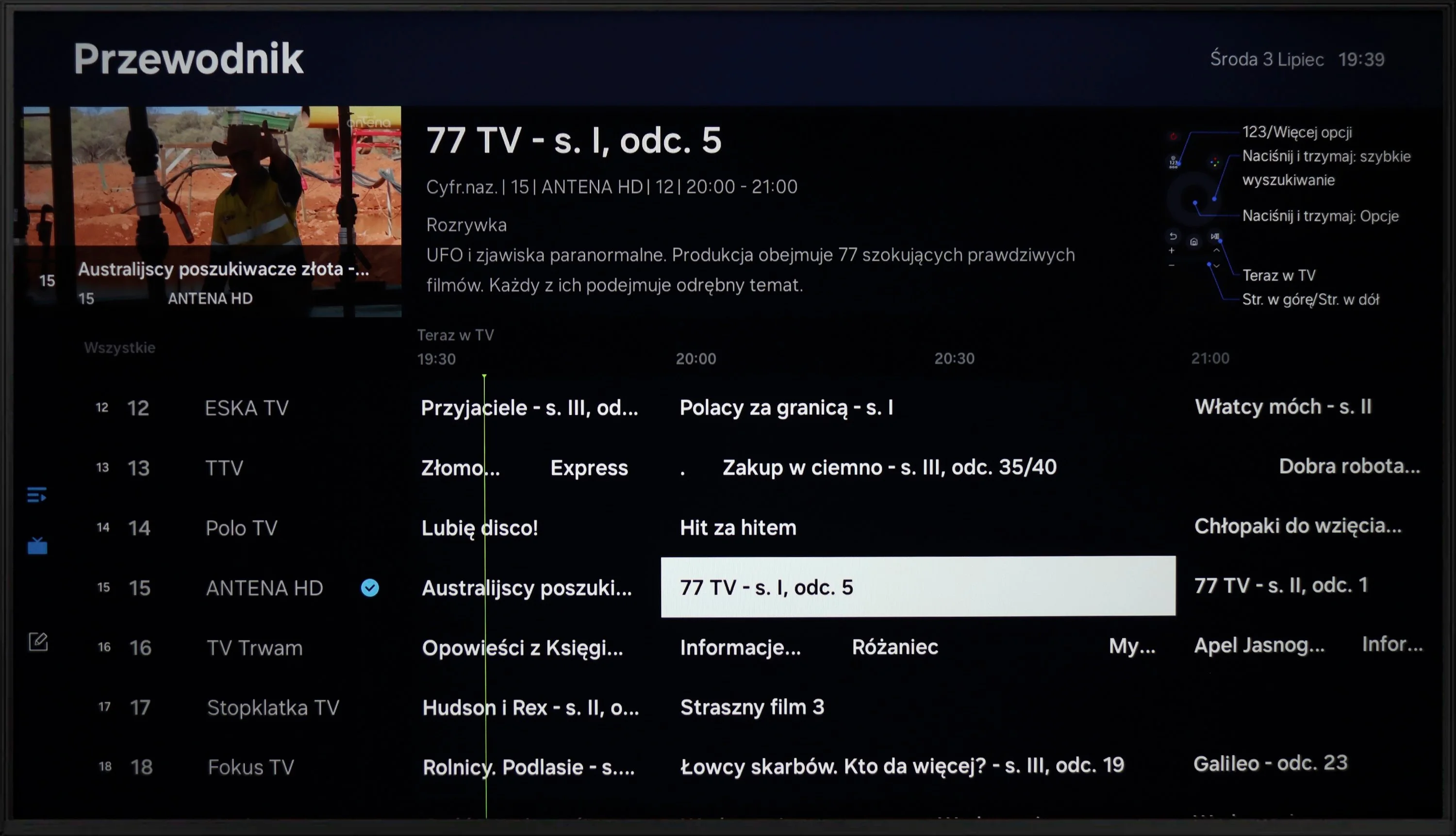
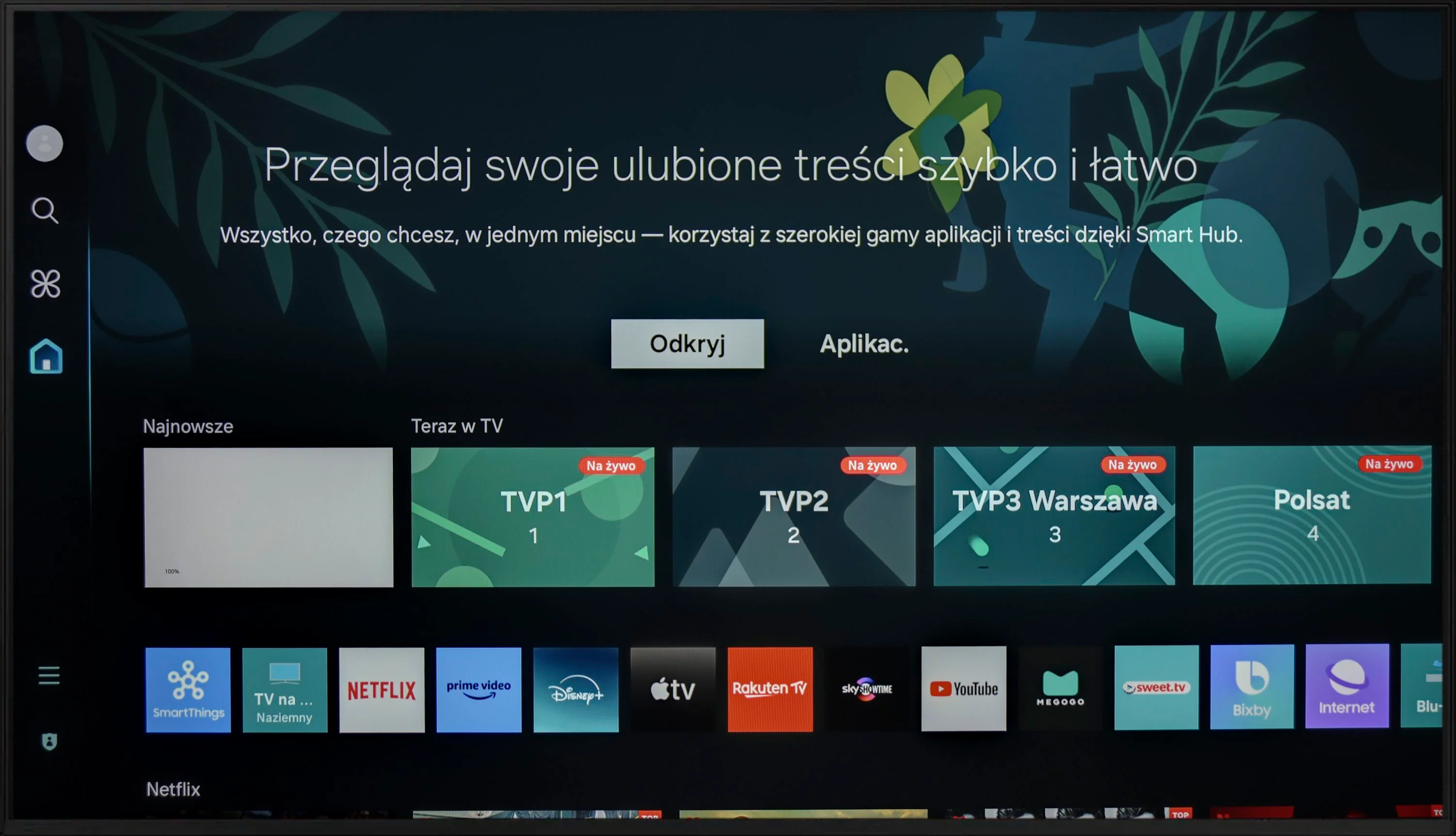
Samsung DU7192 uses the Tizen system, which has long been the foundation of software in televisions from this manufacturer. One of the biggest advantages of this system is its smooth performance – in our tests, we did not notice any freezes or other responsiveness issues. The interface is clear, and navigating through the menu is intuitive, especially with the help of the included Bluetooth remote, which allows for quick and convenient control.
The app store offers a wide selection of items, but the limitations resulting from the closed nature of the system may disappoint more advanced users. For example, there is no option to install apps from outside the official store, which can be felt when lacking support for certain services, such as Tidal.
However, the Tizen system stands out with excellent integration with external devices, such as set-top boxes or soundbars. The process of connecting them is quick and hassle-free. An additional advantage is the support for AirPlay, which will particularly please users of Apple devices, allowing for easy image sharing on the television screen.
Smart TV
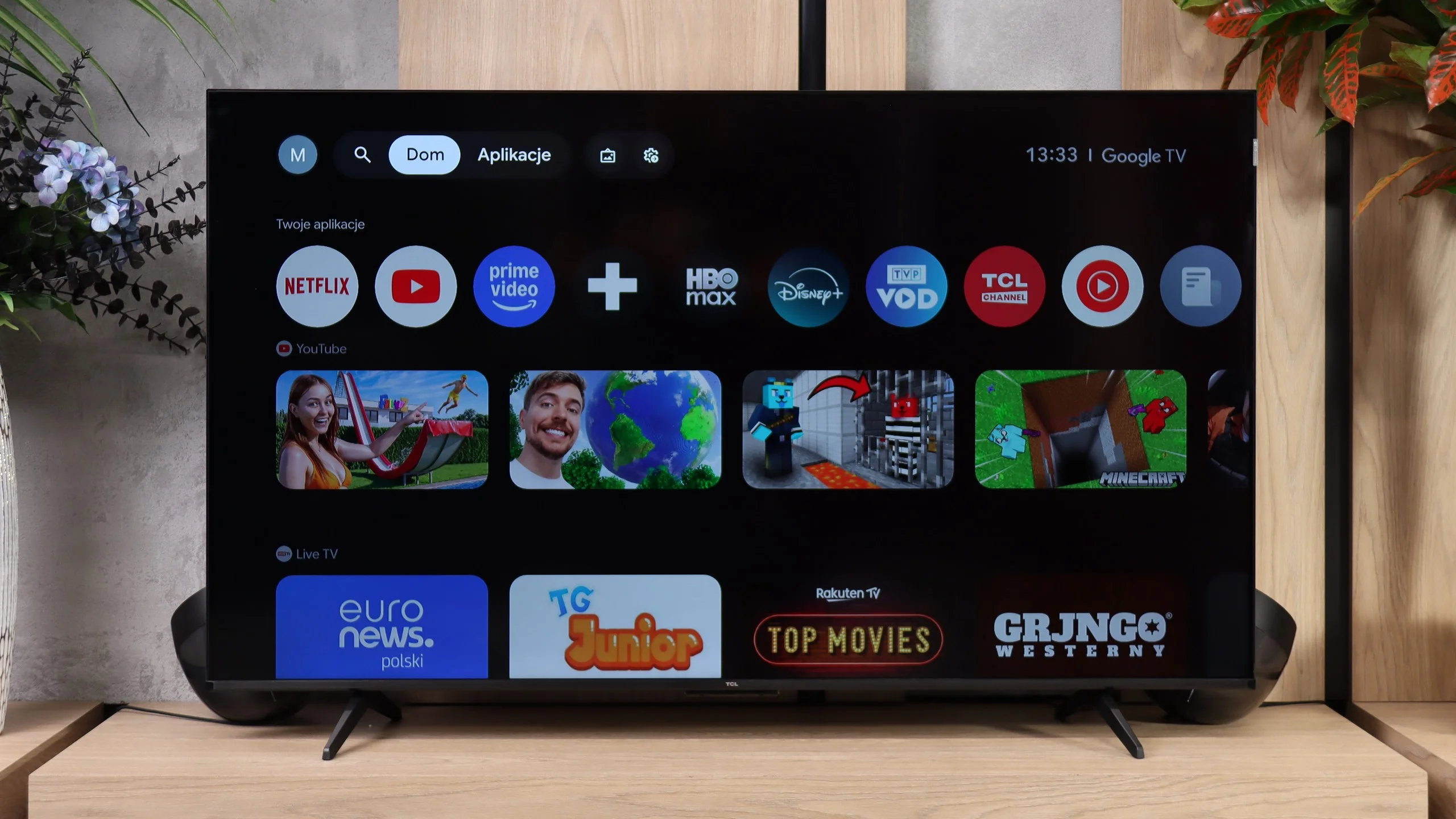
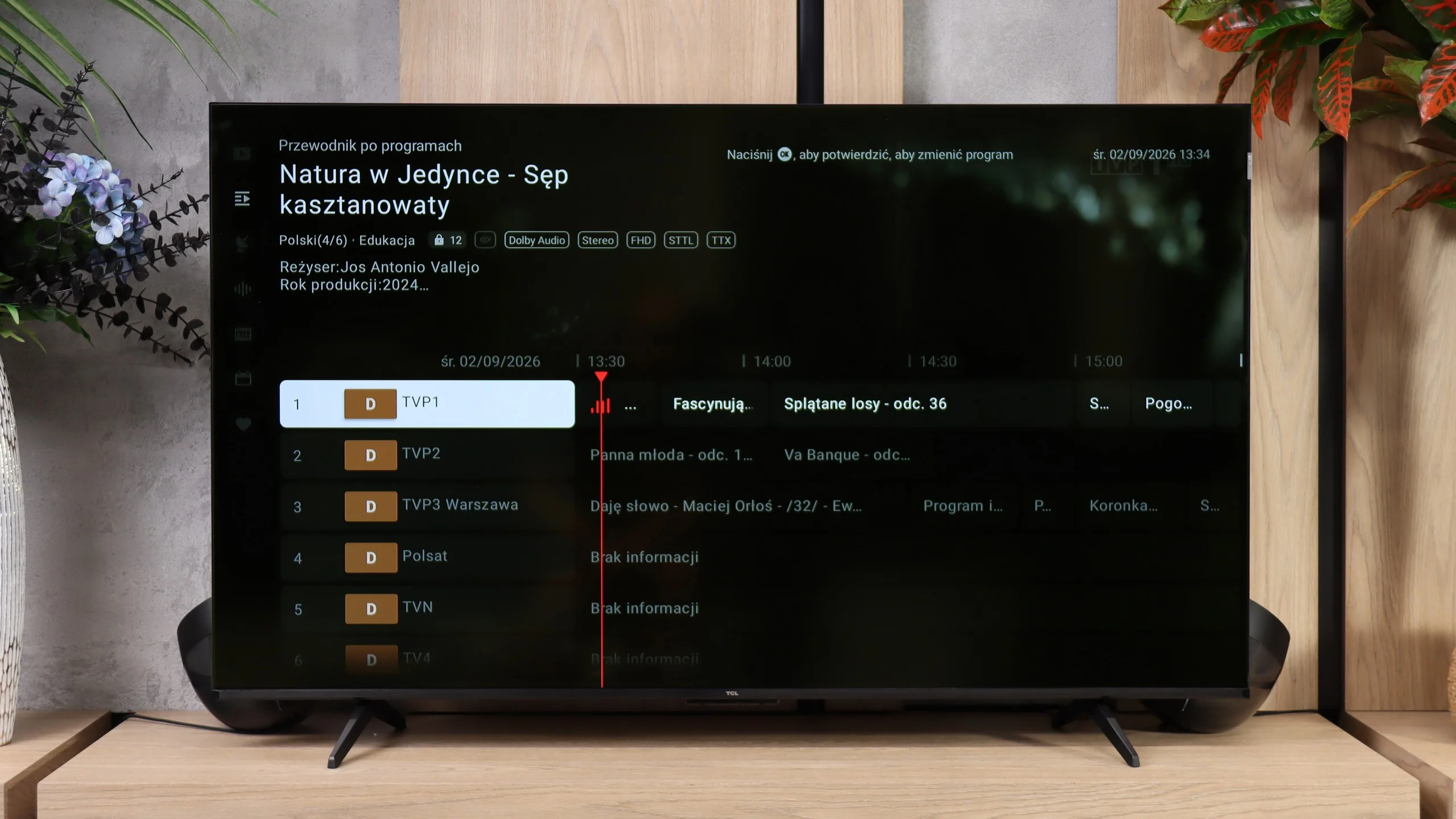
TCL P7L runs on Google TV, and that's definitely one of this model's strengths. The system provides access to virtually all popular streaming apps, and it also supports AirPlay, screen casting from other devices, and voice search, including in Polish. The interface itself works decently, not as fast as in more expensive TVs, but in everyday use it shouldn't be particularly annoying.
TV features
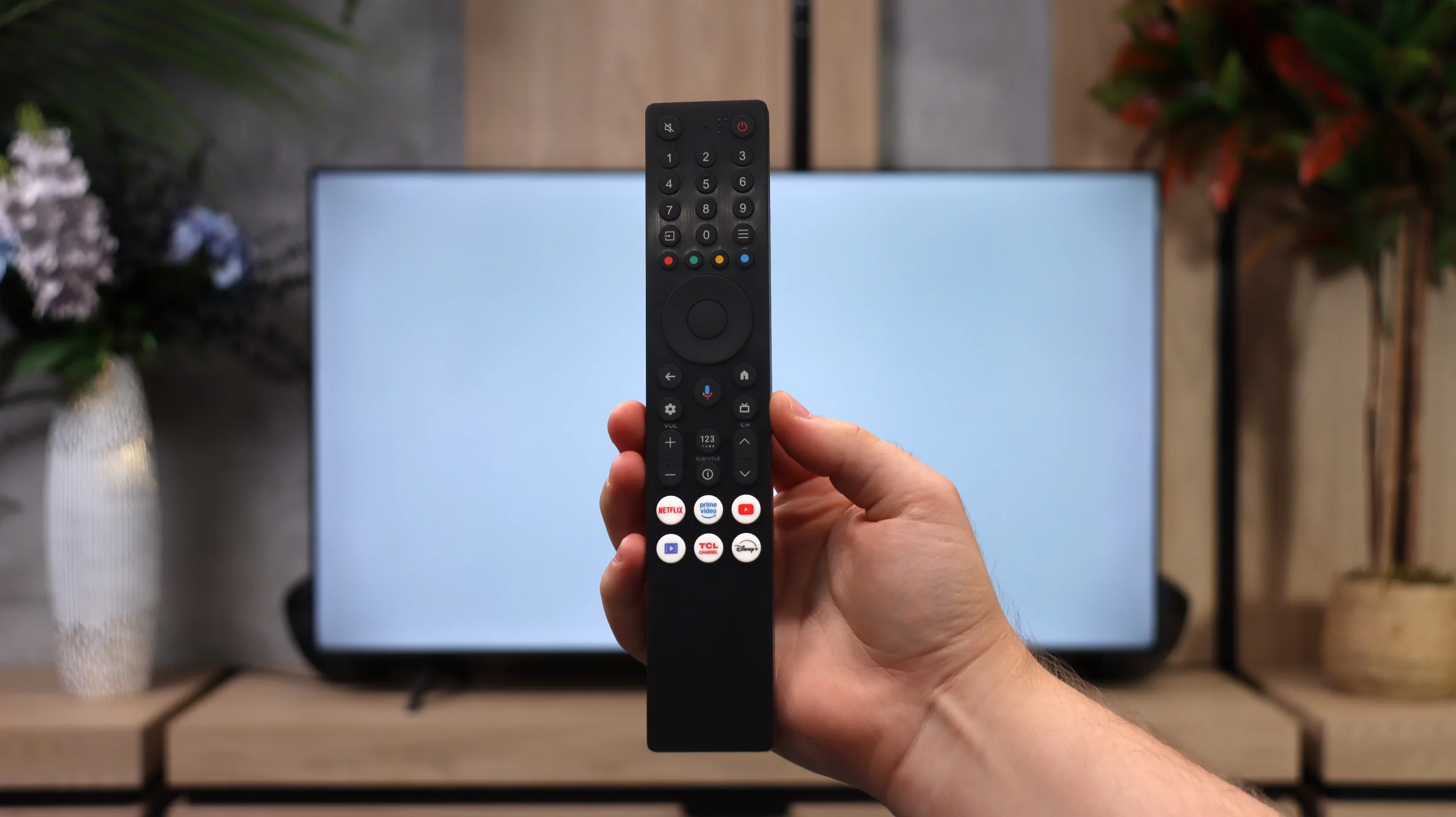
When it comes to more traditional features, the P7L is a noticeably simpler TV. It doesn't have USB recording, scheduled recordings, or picture-in-picture, so people used to those extras on older sets may miss them. The basics remain, though: teletext, audio-only mode, Bluetooth headphone support, and the ability to play audio simultaneously through the TV speakers and headphones. The remote works over radio, so you don't have to point it directly at the screen, which is simply convenient in everyday use.
Apps
9.3/10
9.6/10






















Playing files from USB
9.1/10
8.7/10
Supported photo formats:
Maximum photo resolution:
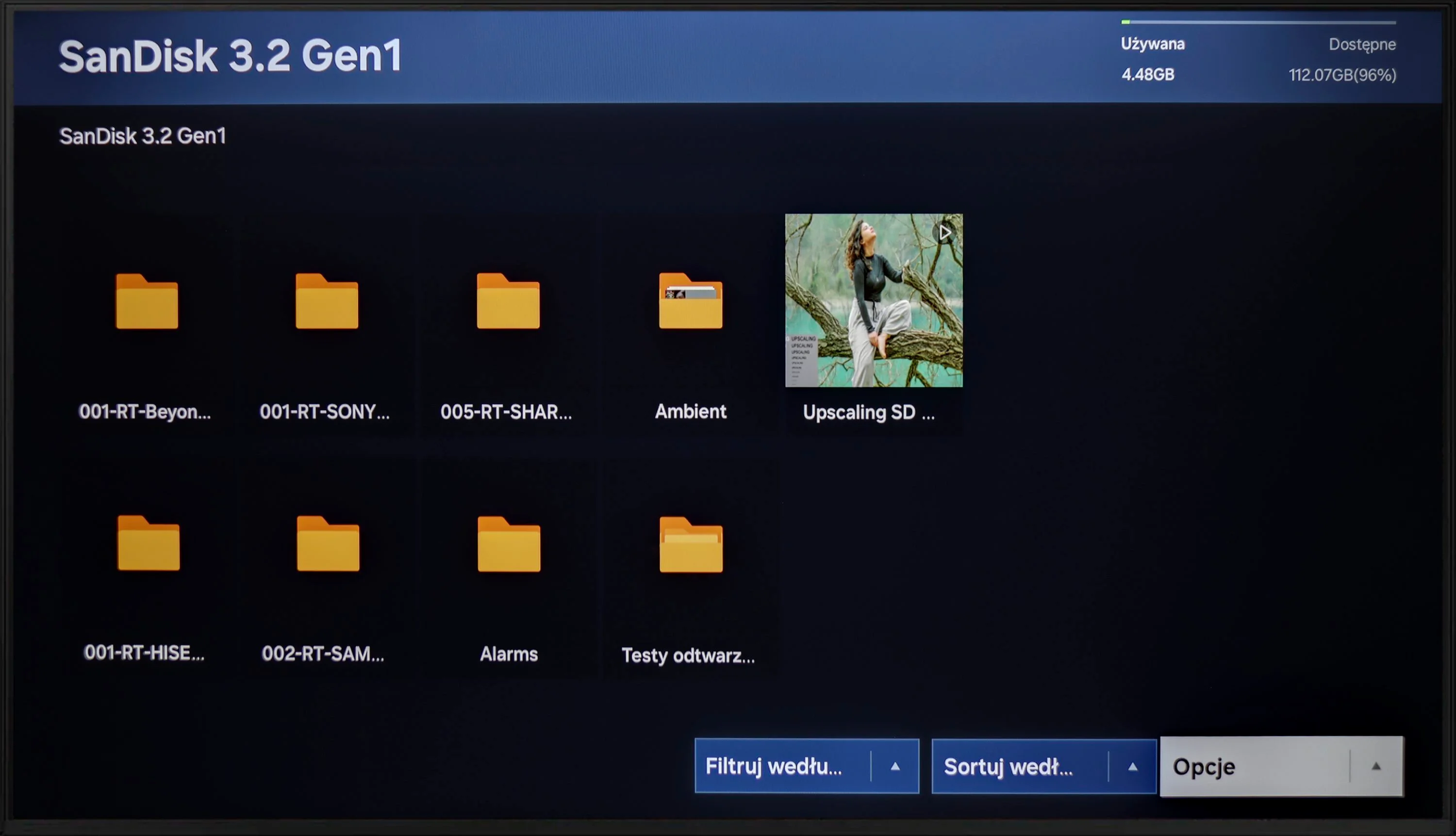
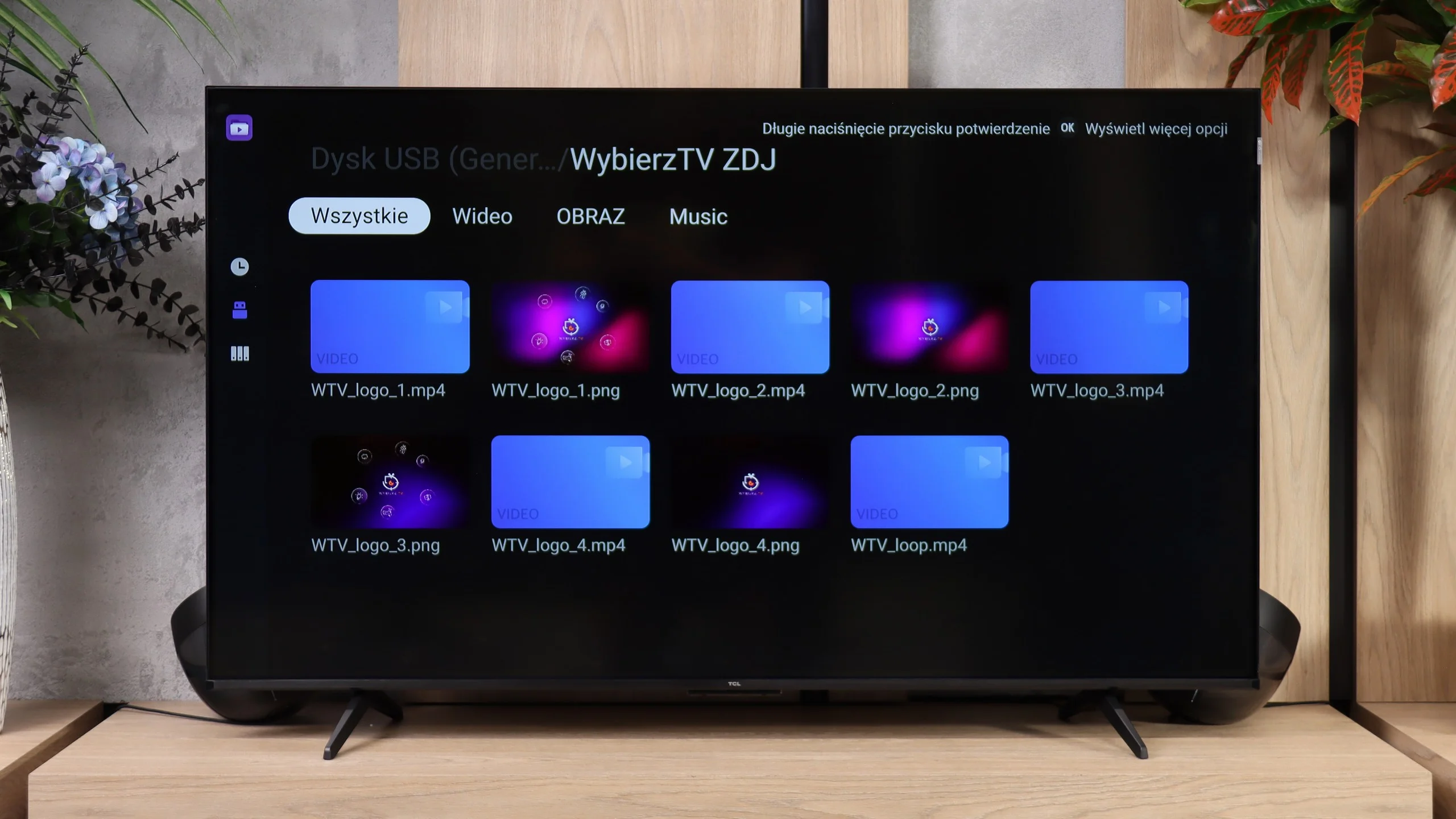
The built-in media player in the Samsung DU7192 television is definitely an advantage of this model. In our tests, the device handled almost all video and audio files without any issues, except for Dolby Vision formats and less popular codecs – which is understandable in this price range. It is also worth noting the support for Polish characters in subtitles and the ability to change font colors, which improves the viewing experience of movies with external subtitles. Unfortunately, in the case of photos, the player performs worse, supporting only the popular JPEG format.
The built-in media player in the TCL P7L performs quite well. The TV handles most popular video and subtitle formats and also plays 4K content encoded with newer codecs without any problems. It's perfectly adequate for occasional movie viewing from a USB flash drive or external drive, and in that respect it's hard to fault. What proved most annoying was photo viewing. The P7L didn't always open higher-resolution files correctly and was inconsistent: some large photos opened, others did not. So if you plan to frequently browse photos on the TV straight from a camera or phone, it's worth keeping that in mind.
Sound
5.4/10
6.2/10
- Maximum volume83dB89dB
- Dolby Digital Plus 7.1
- Dolby True HD 7.1
- Dolby Atmos in Dolby Digital Plus (JOC)
- Dolby Atmos in Dolby True HD
- DTS:X in DTS-HD MA
- DTS-HD Master Audio
Built-in converters offer basic quality, which at higher volume levels can lead to distortion. For this reason, we recommend using half of the volume scale to avoid distortion.
On the plus side, support for a wide range of audio codecs should be noted, including DTS-HD Master Audio and Dolby Digital Plus. These standards enable the transmission of high-quality surround sound to external devices such as soundbars or home theater systems. As a result, despite the limitations of the built-in sound system, users can enjoy significantly better audio experiences using additional equipment.
The sound on the TCL P7L is fairly conventional for a budget TV. The speakers can get quite loud and dialogue is clear, but they lack depth and, above all, bass. For regular TV, YouTube, or news this setup is perfectly adequate, but in movies and music you quickly notice the sound is quite flat and thin. On the plus side, it supports a wide range of formats, including Dolby Atmos and DTS. However, the TV itself can’t reproduce their full spatial effect, so if you want fuller, more powerful sound, especially in the low end, a soundbar will be a much better solution.
Sound Quality Test
No sound test video
Acoustic Measurements
No acoustic data
89dBC (Max)
75dBC
Reader comments
Comments are provided by the external service Disqus (Zeta Global). Once loaded, Disqus may set cookies and process data about your activity.
We will remember your choice on this device. Provider's privacy policy