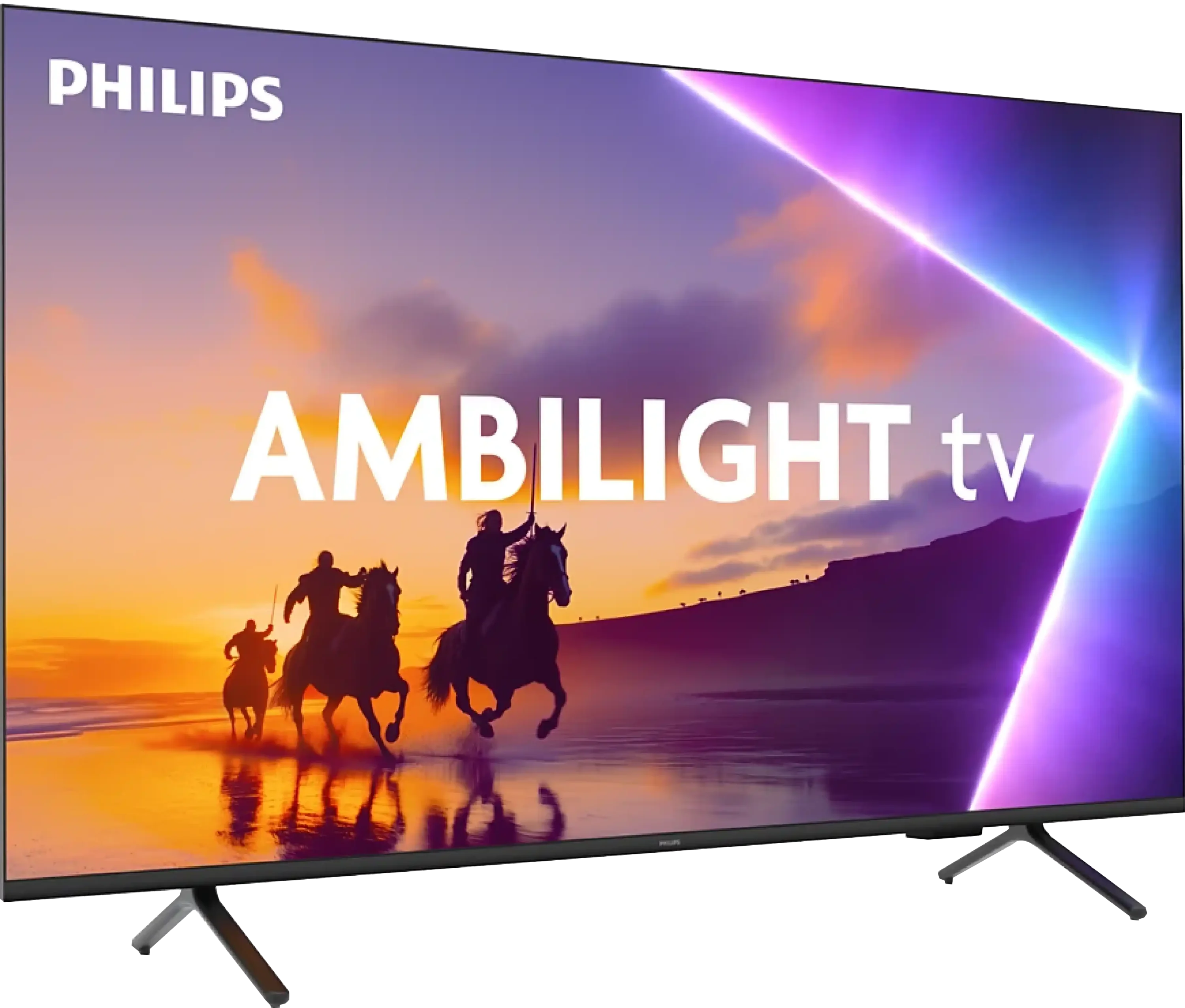
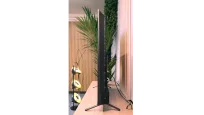
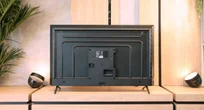
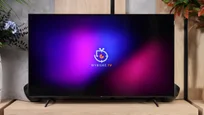
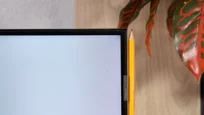
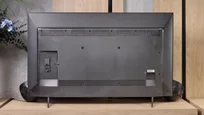
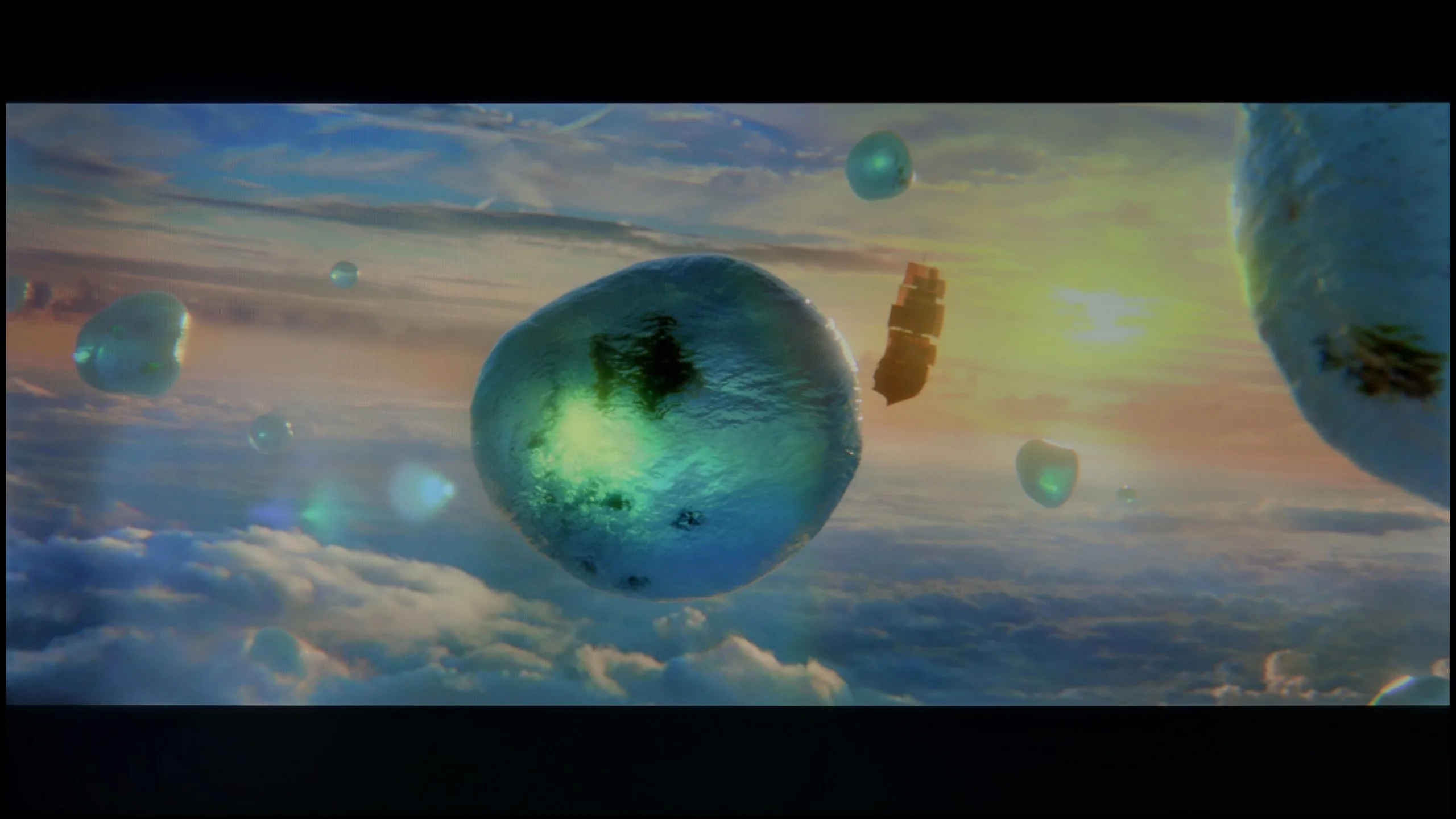
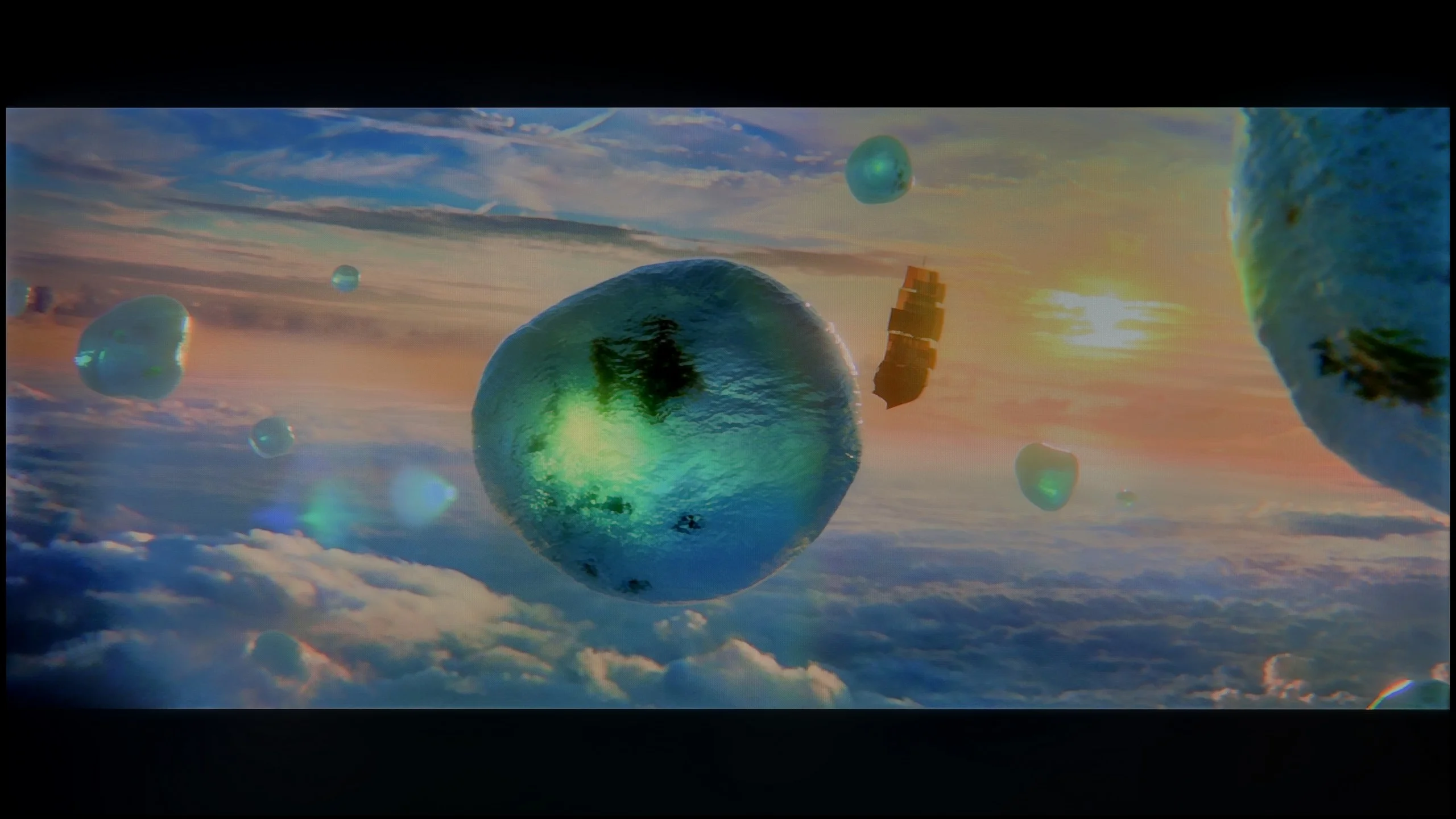
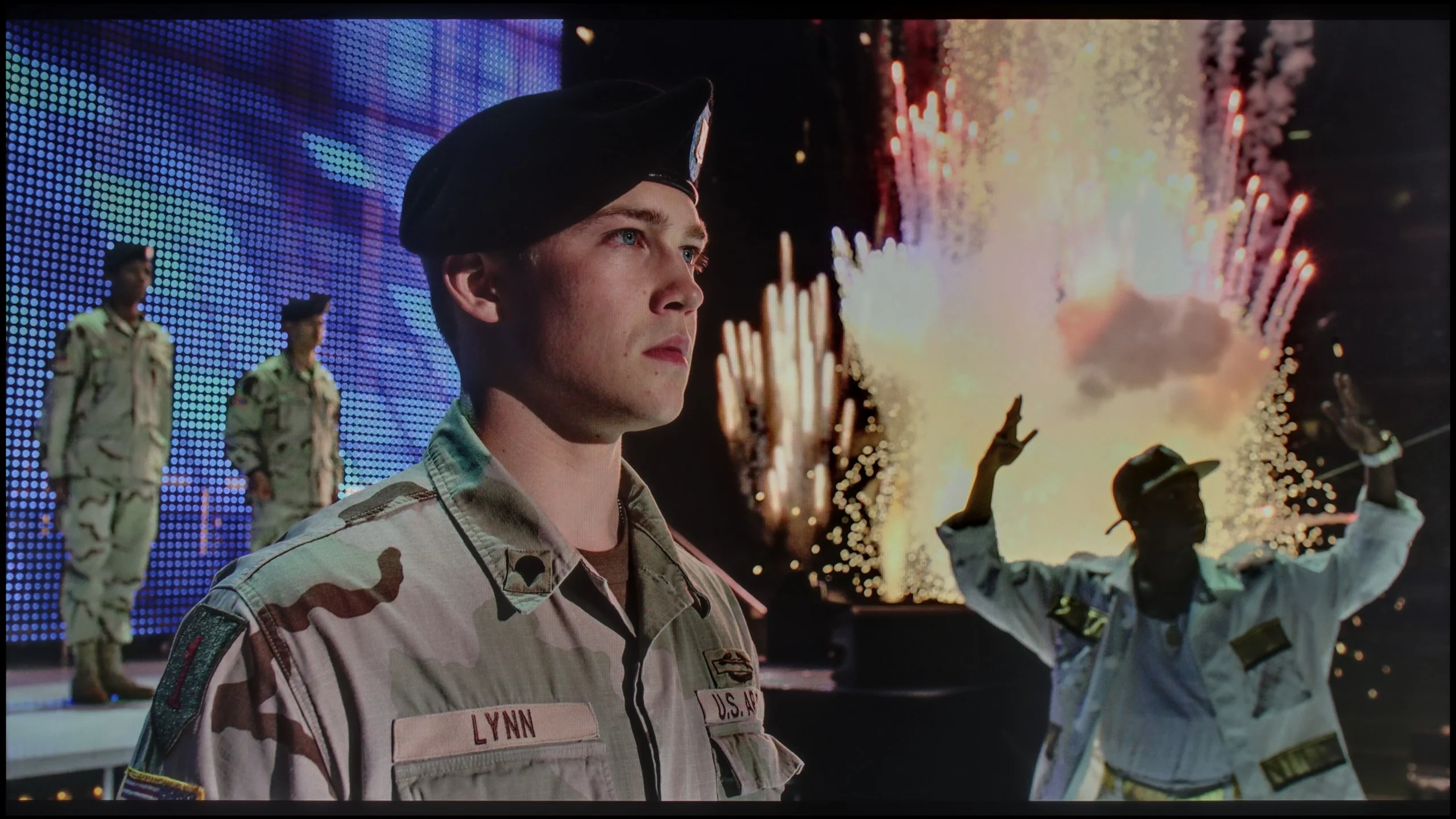
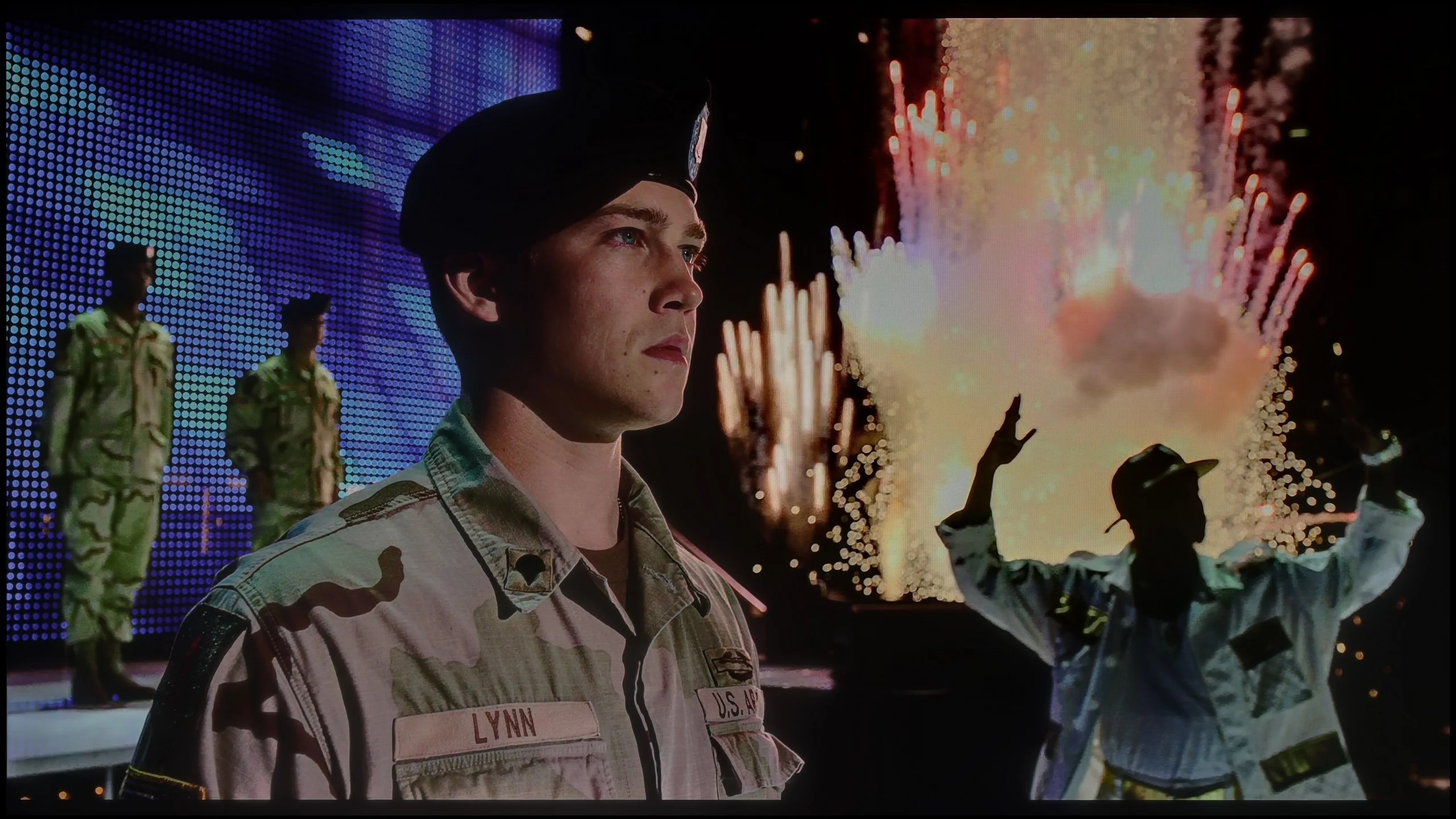
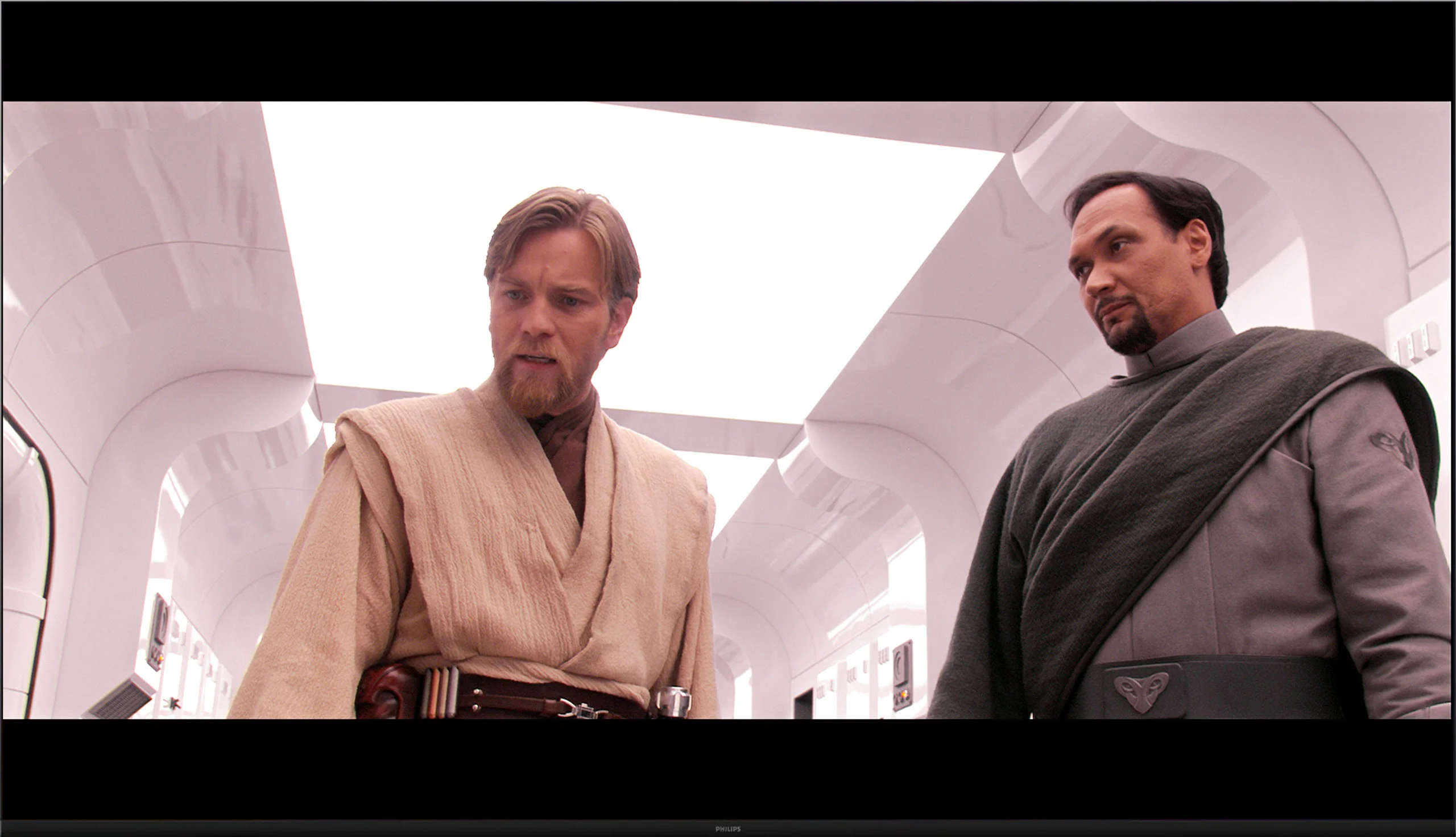
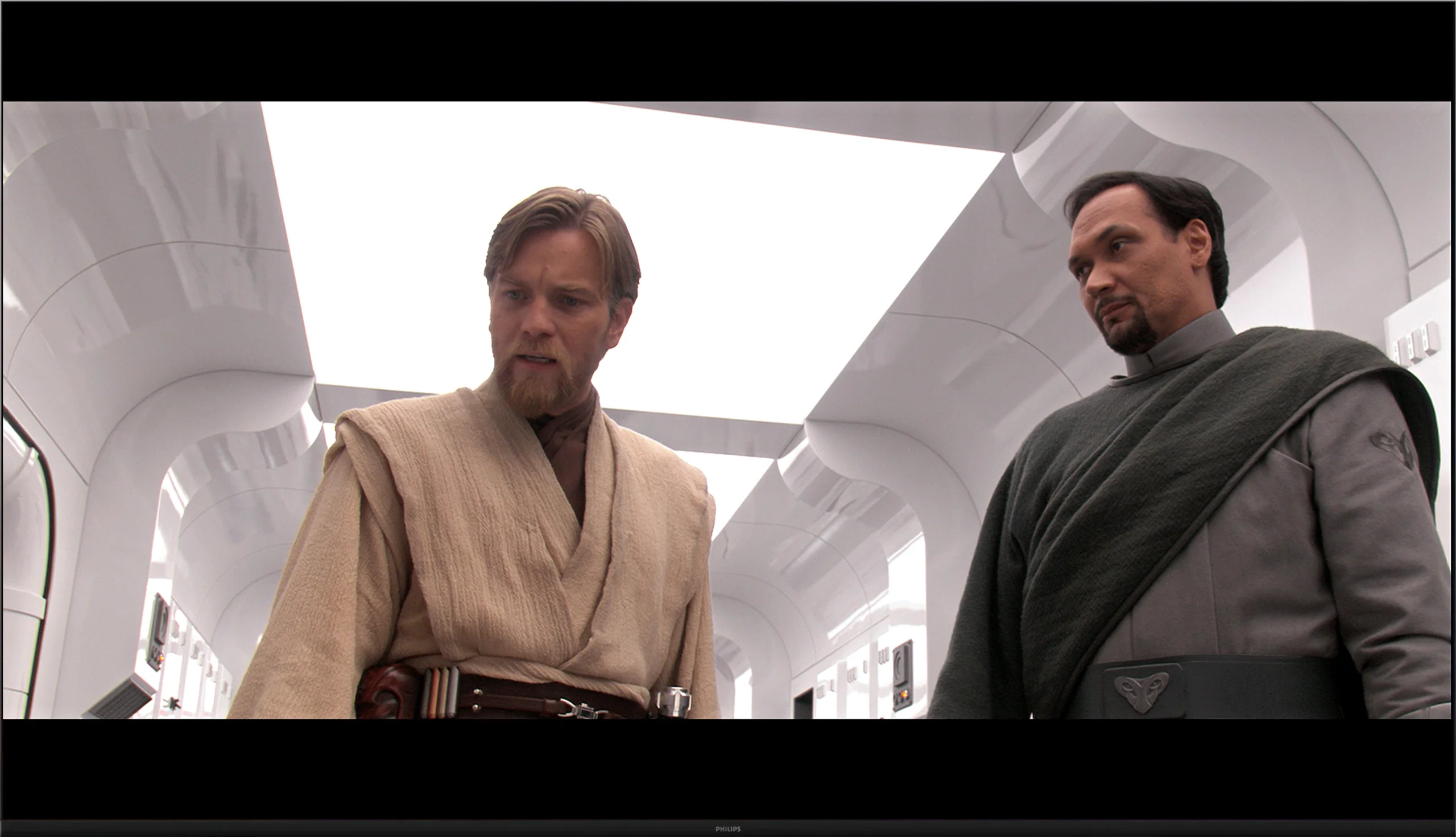
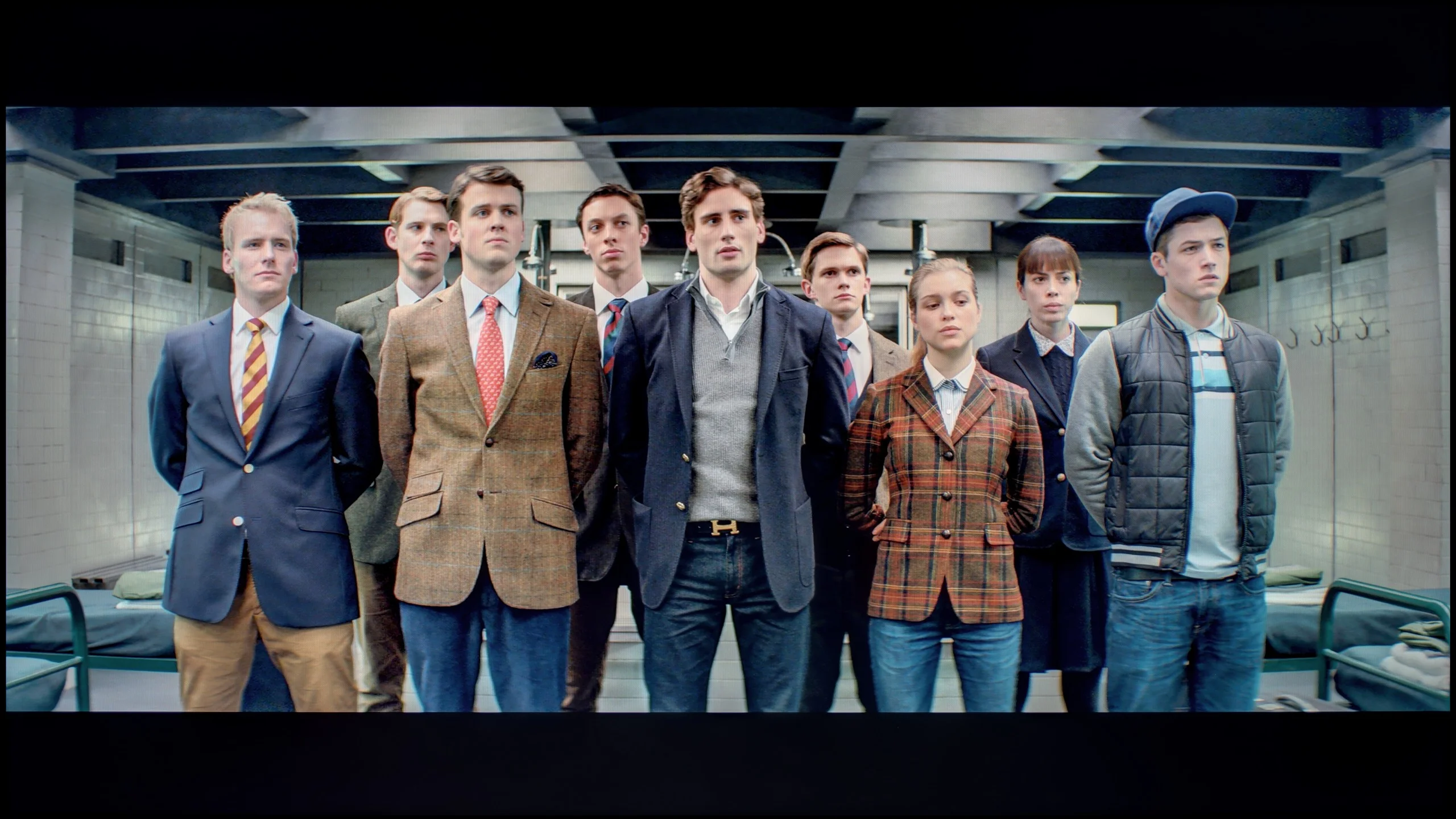
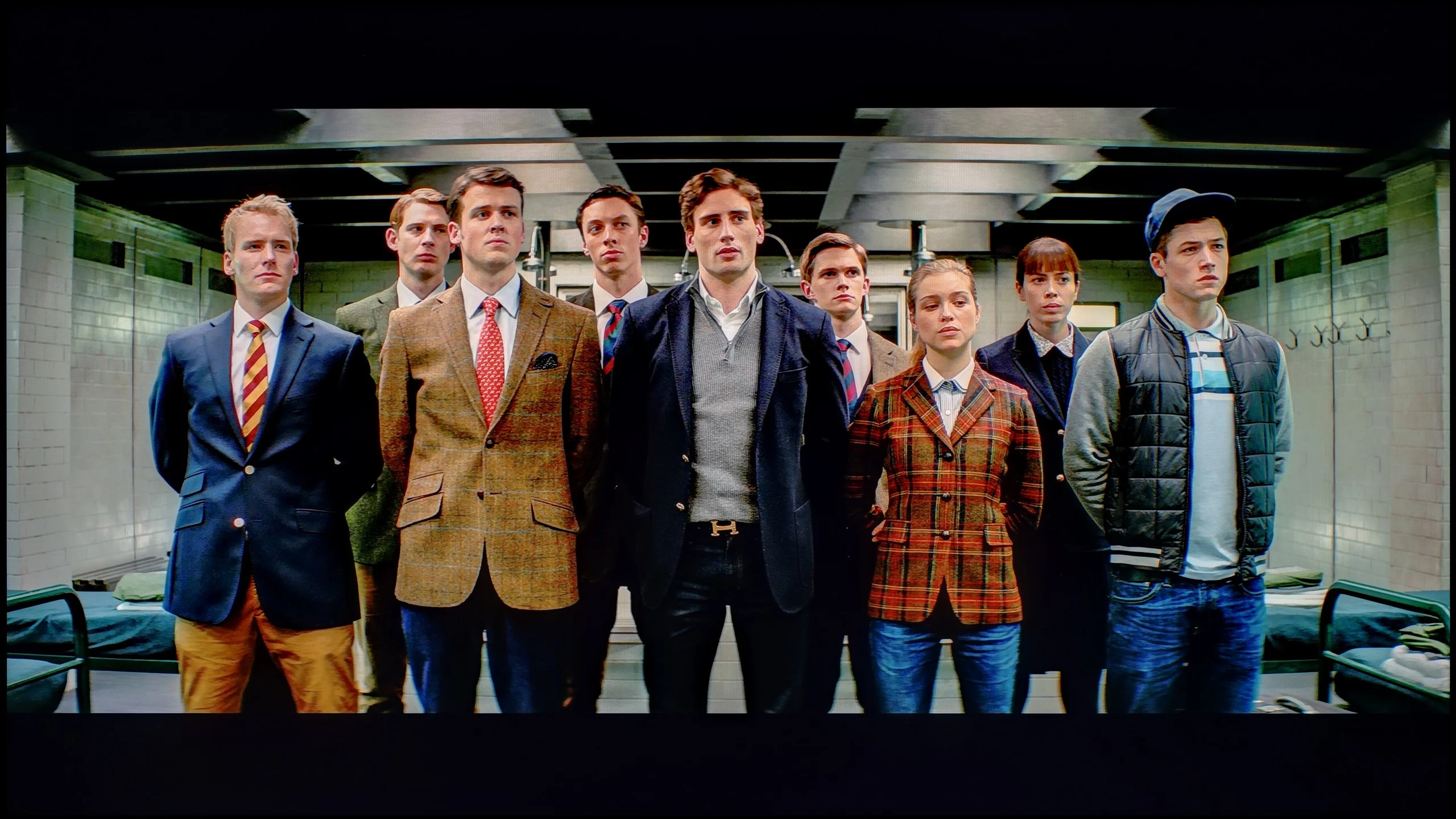
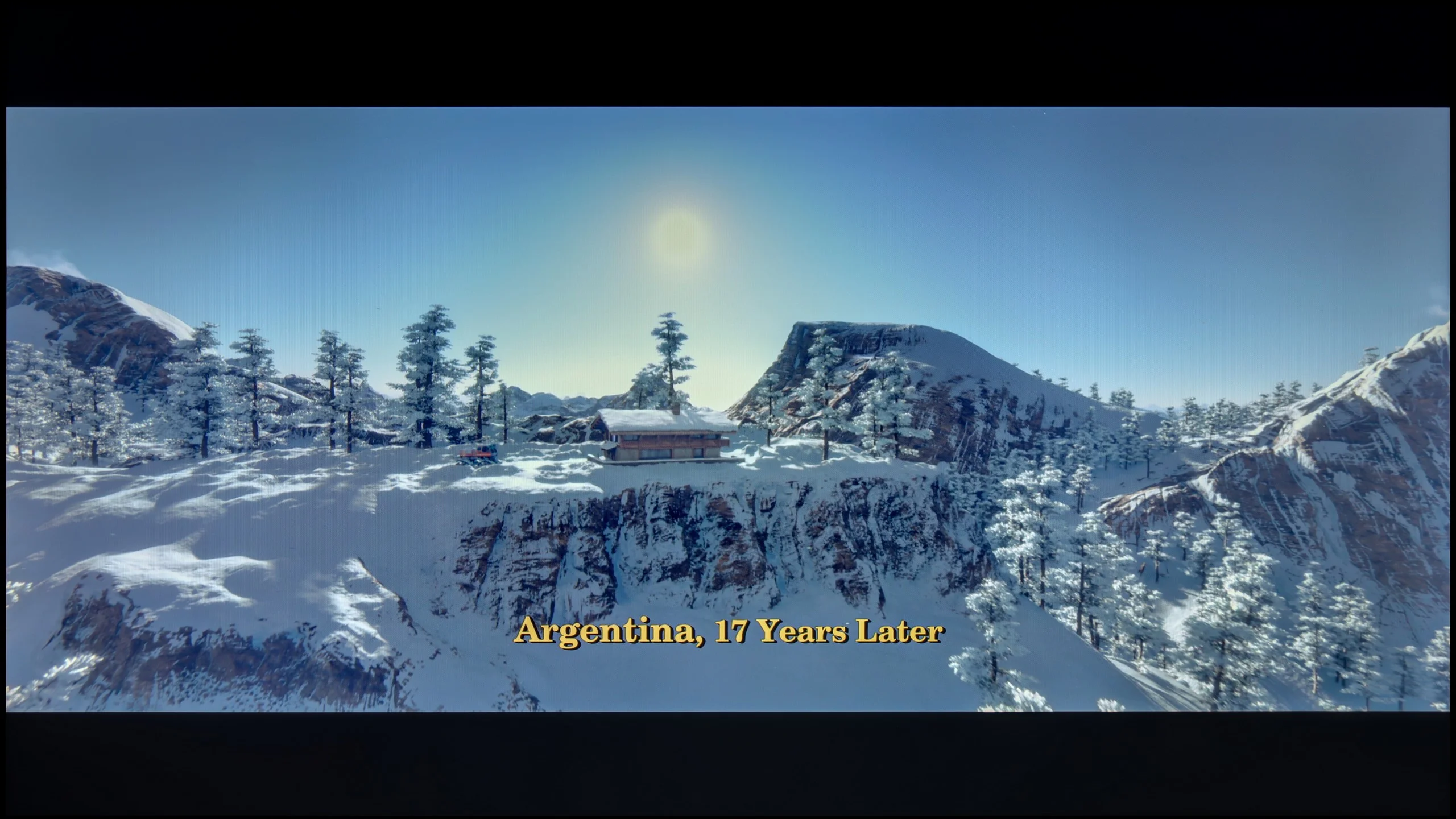
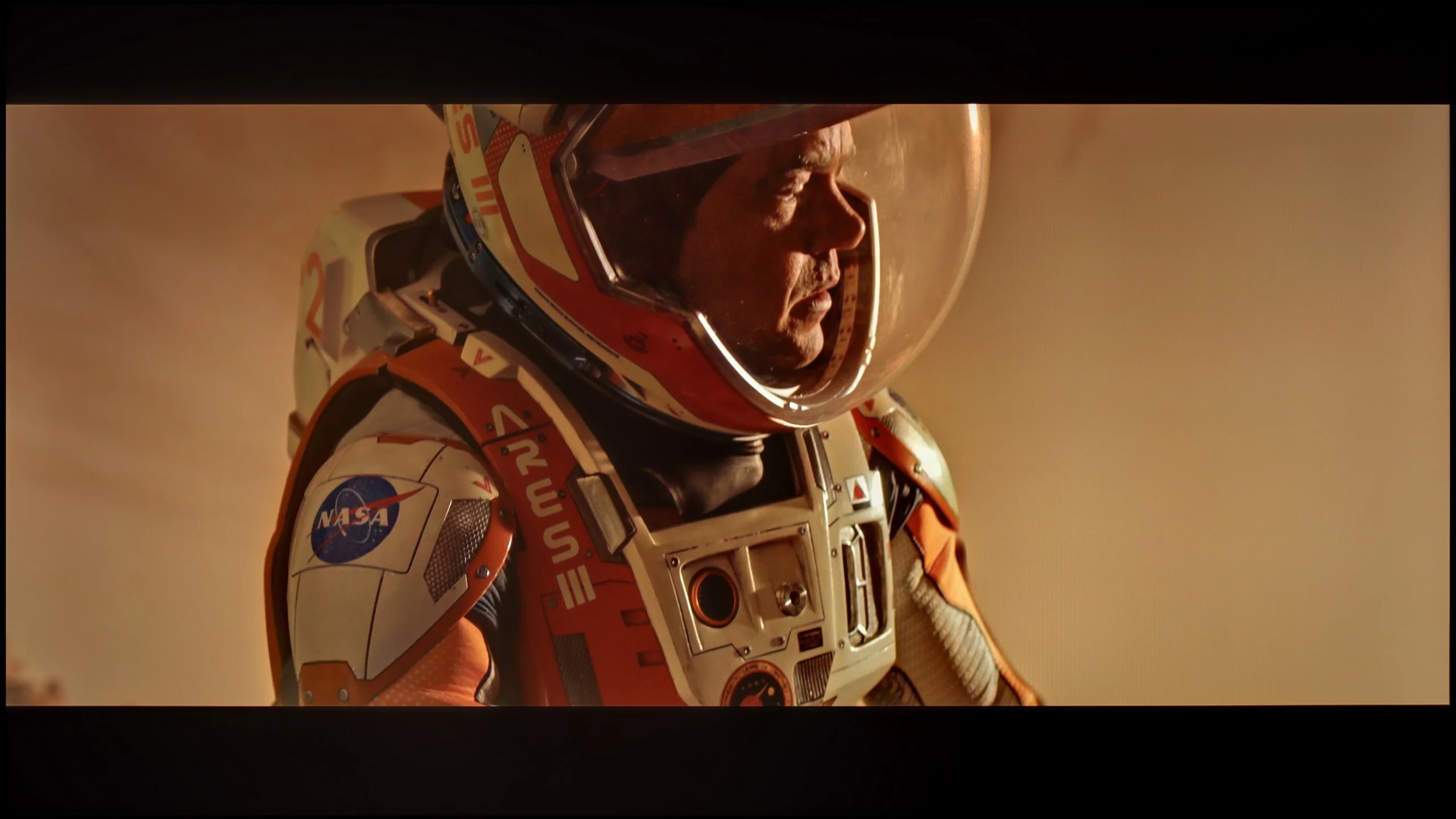
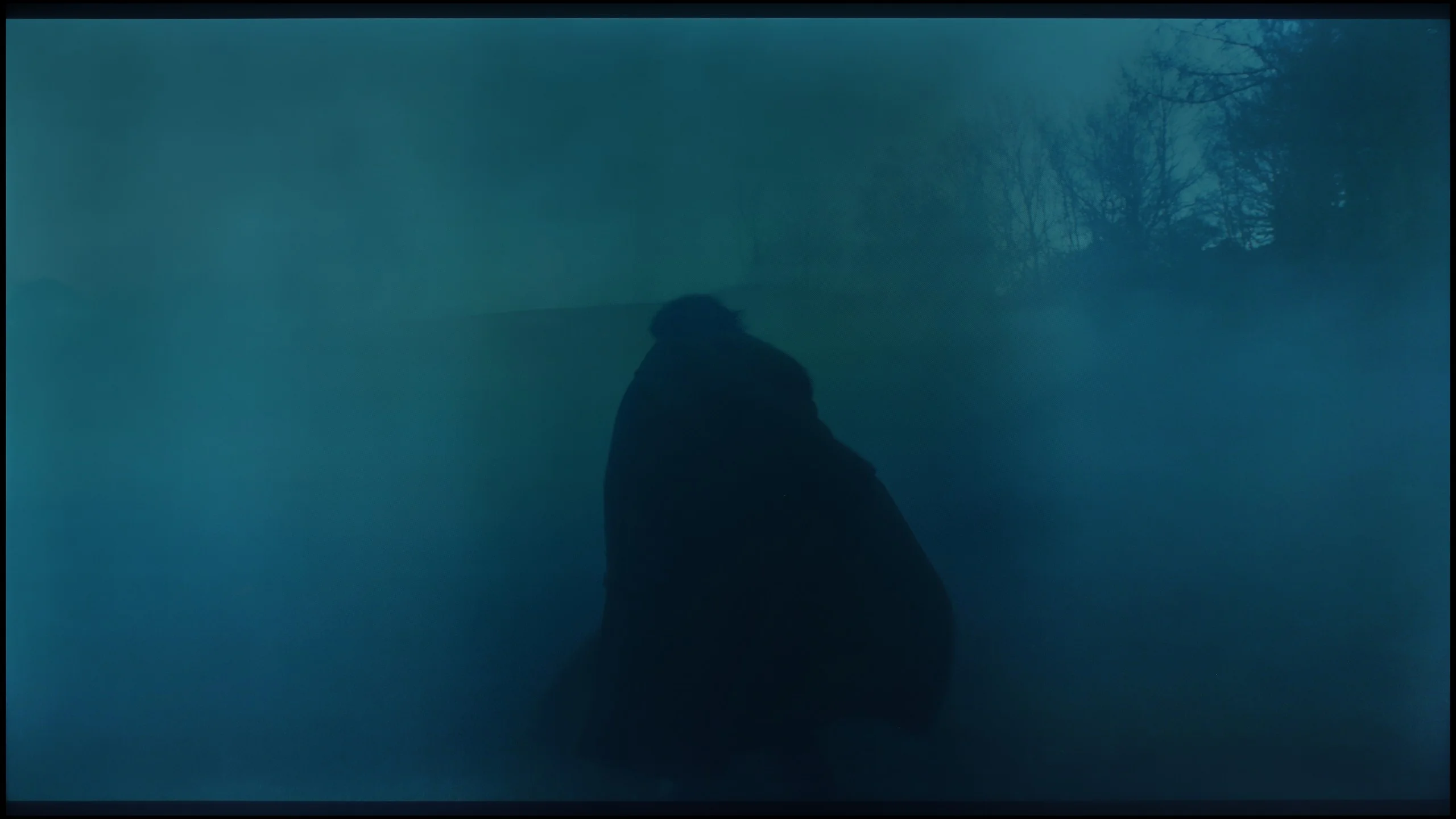
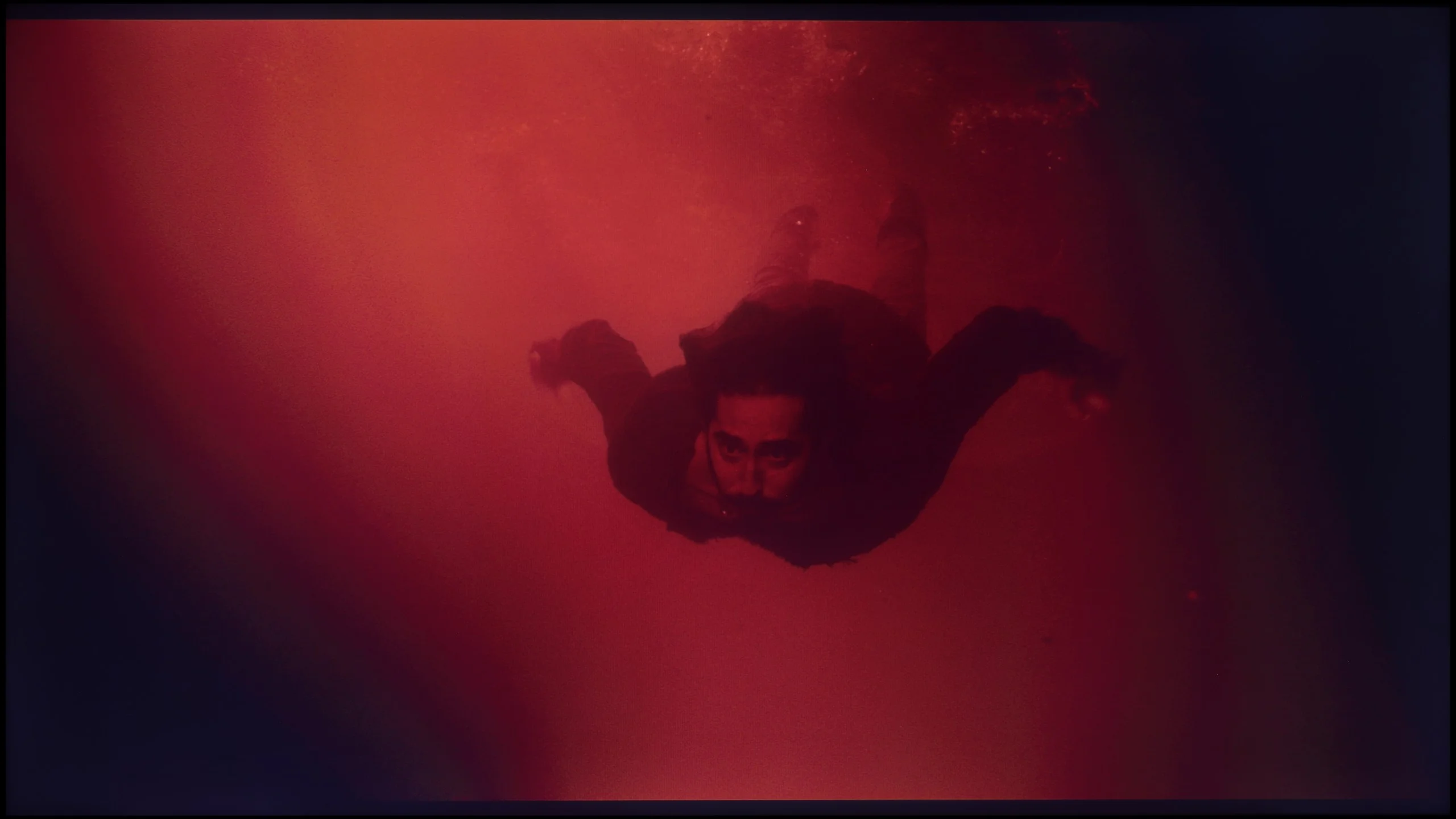
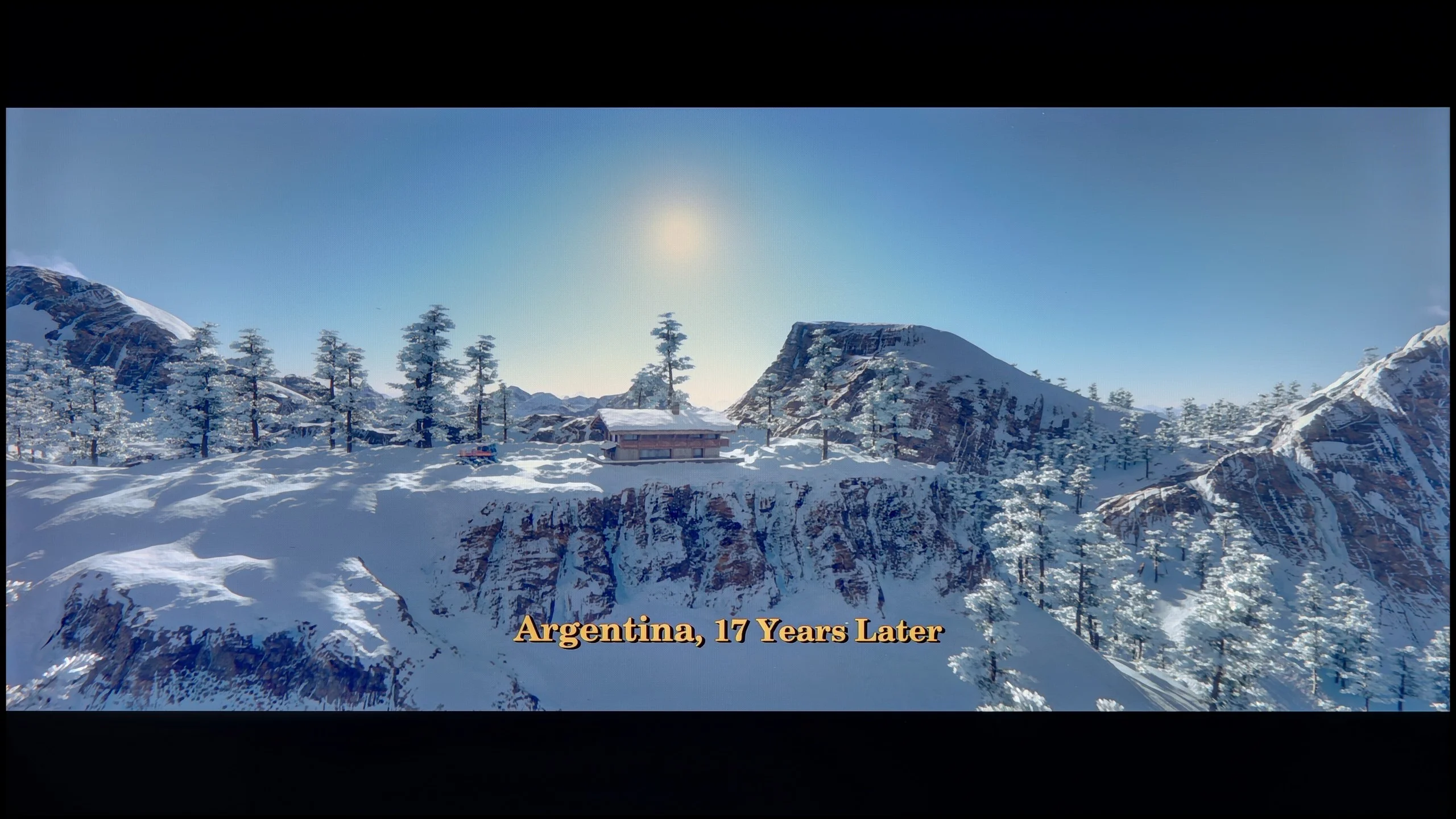
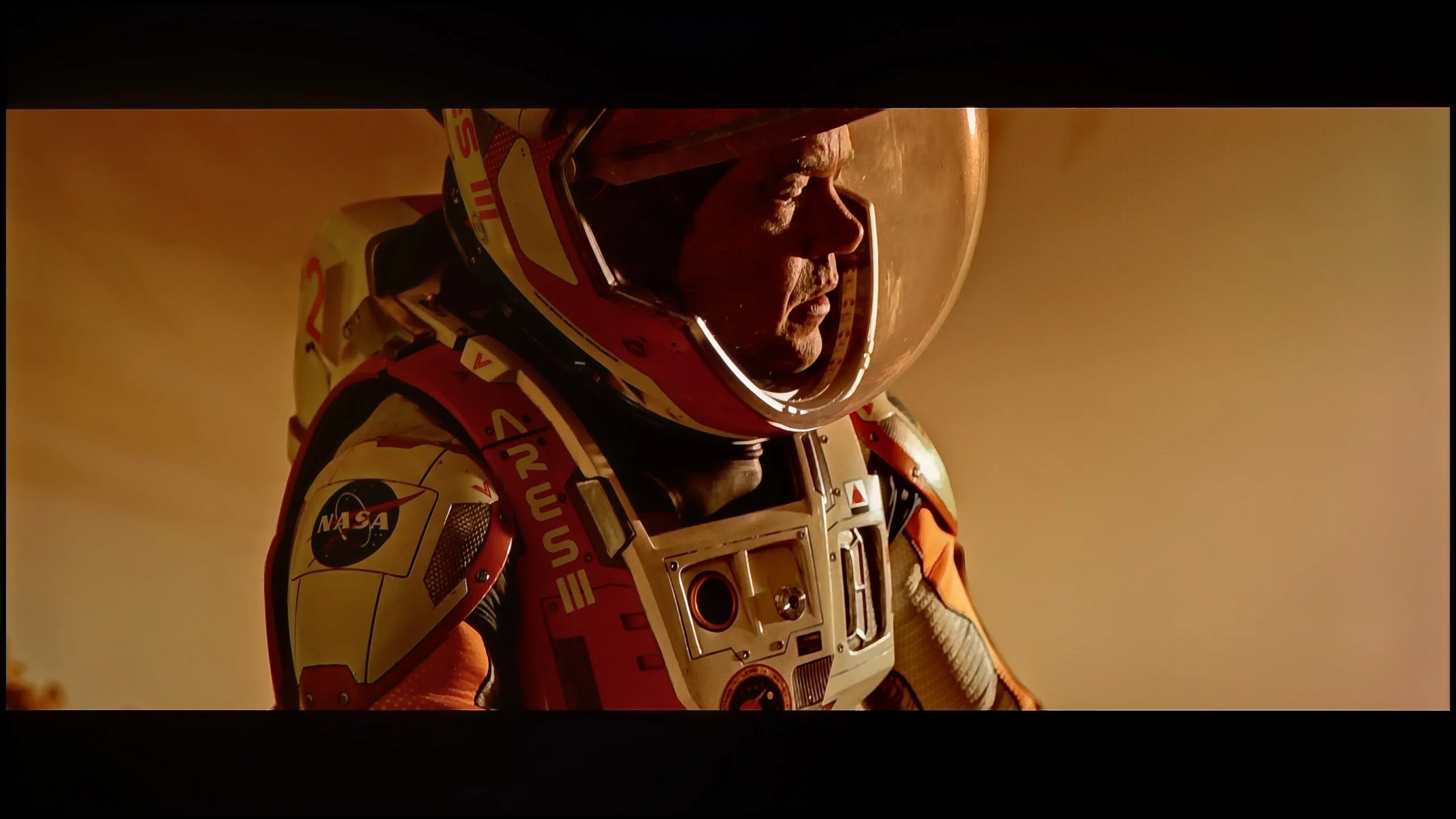
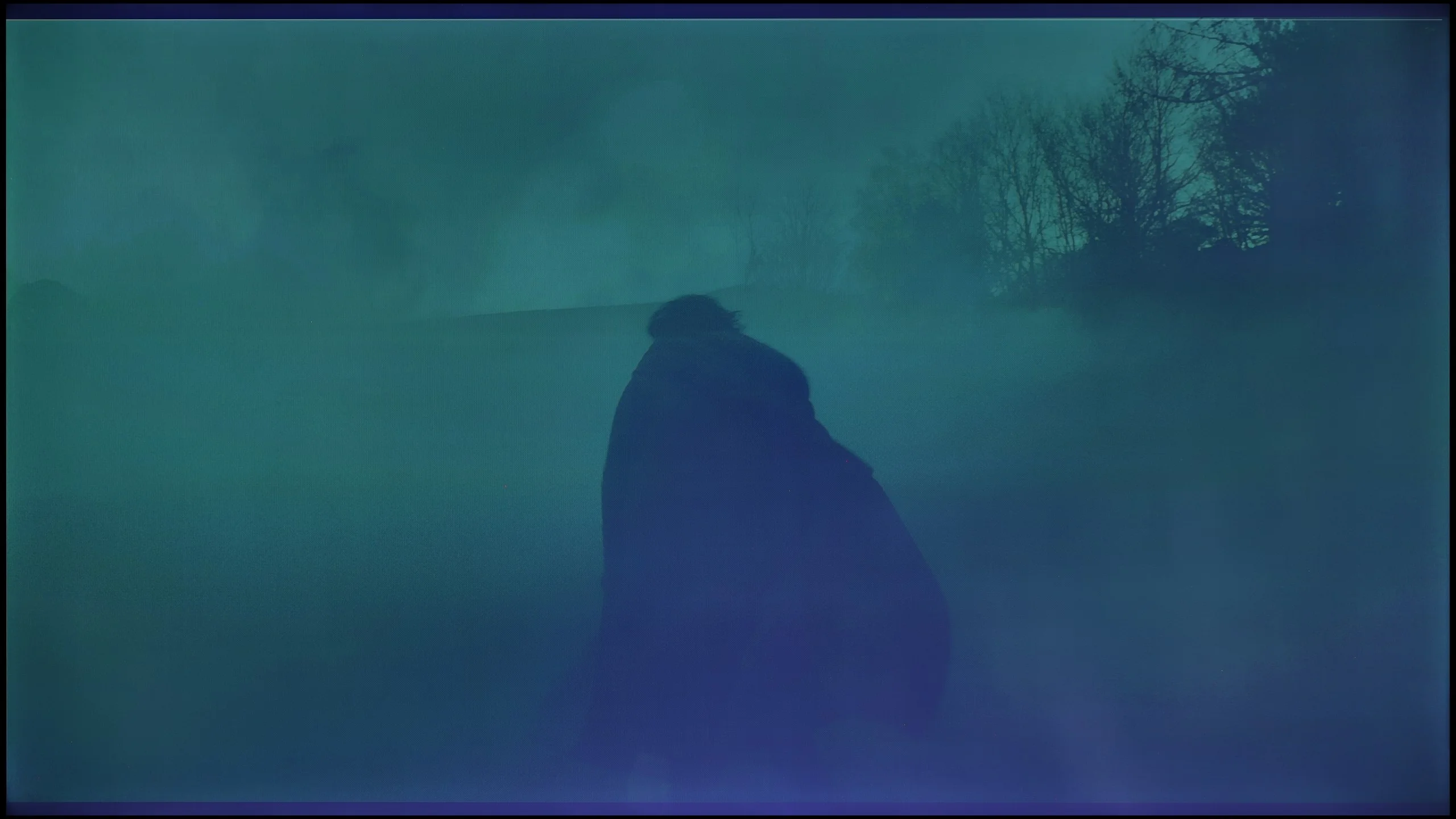
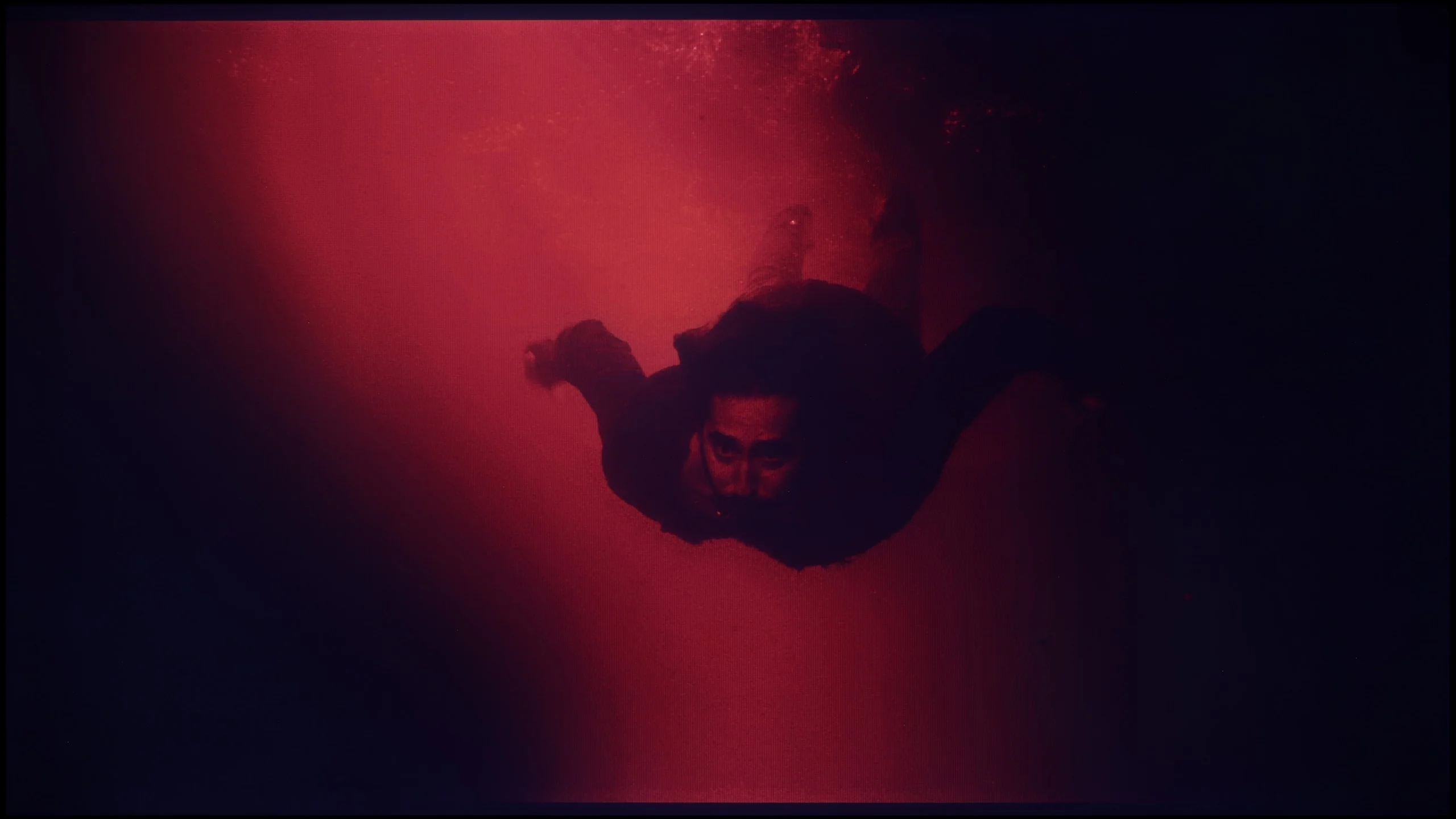
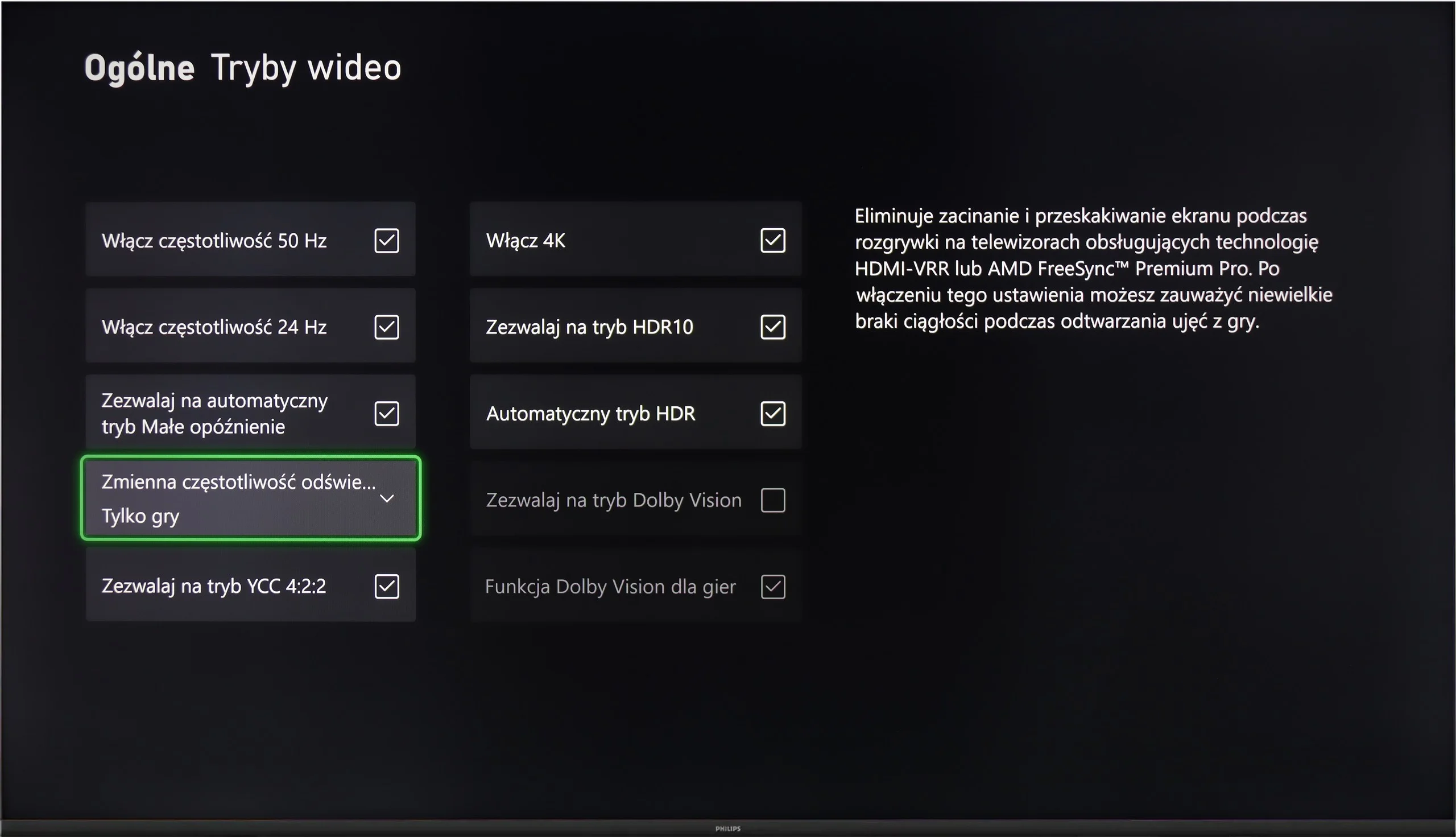
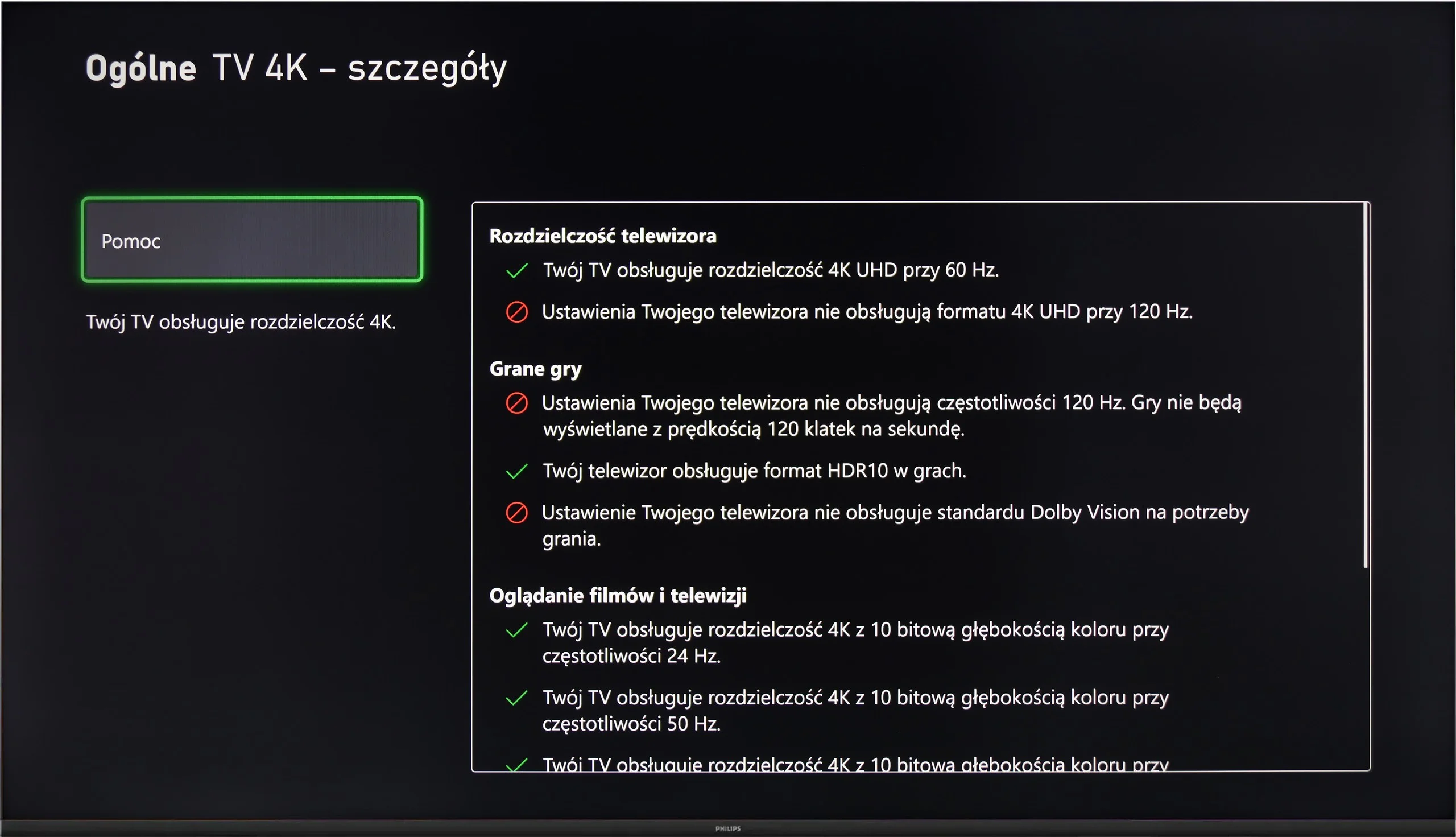
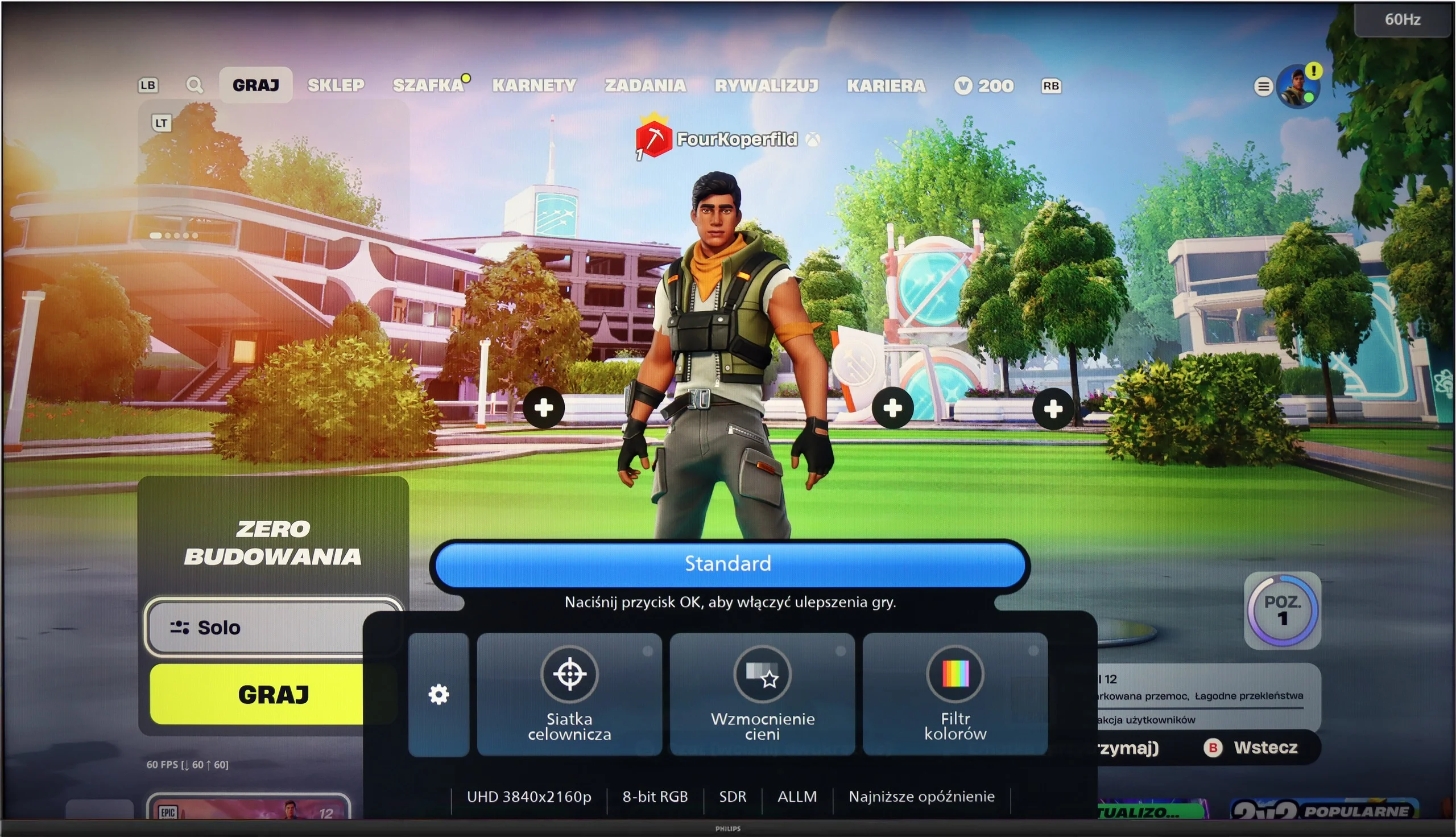
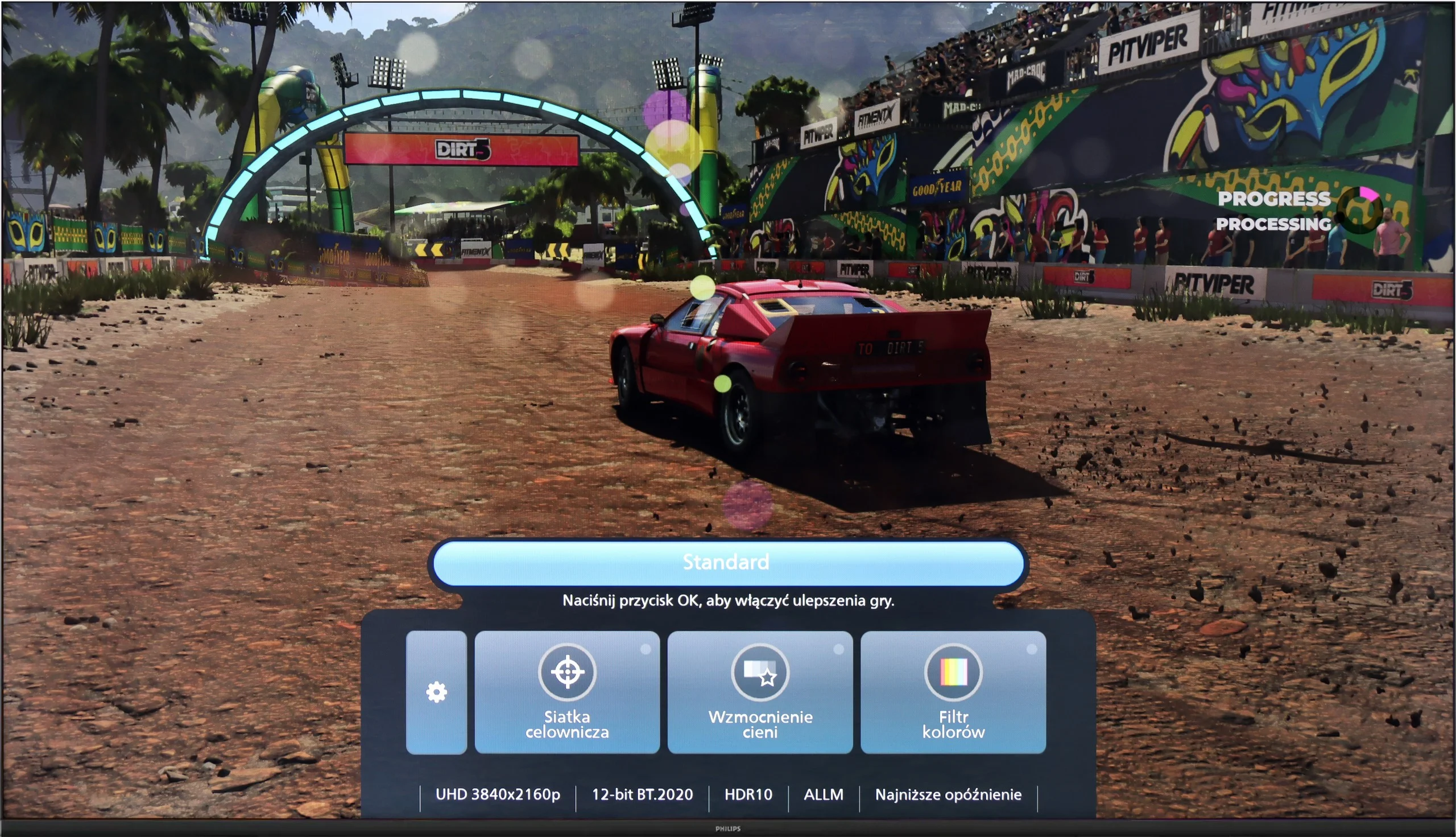
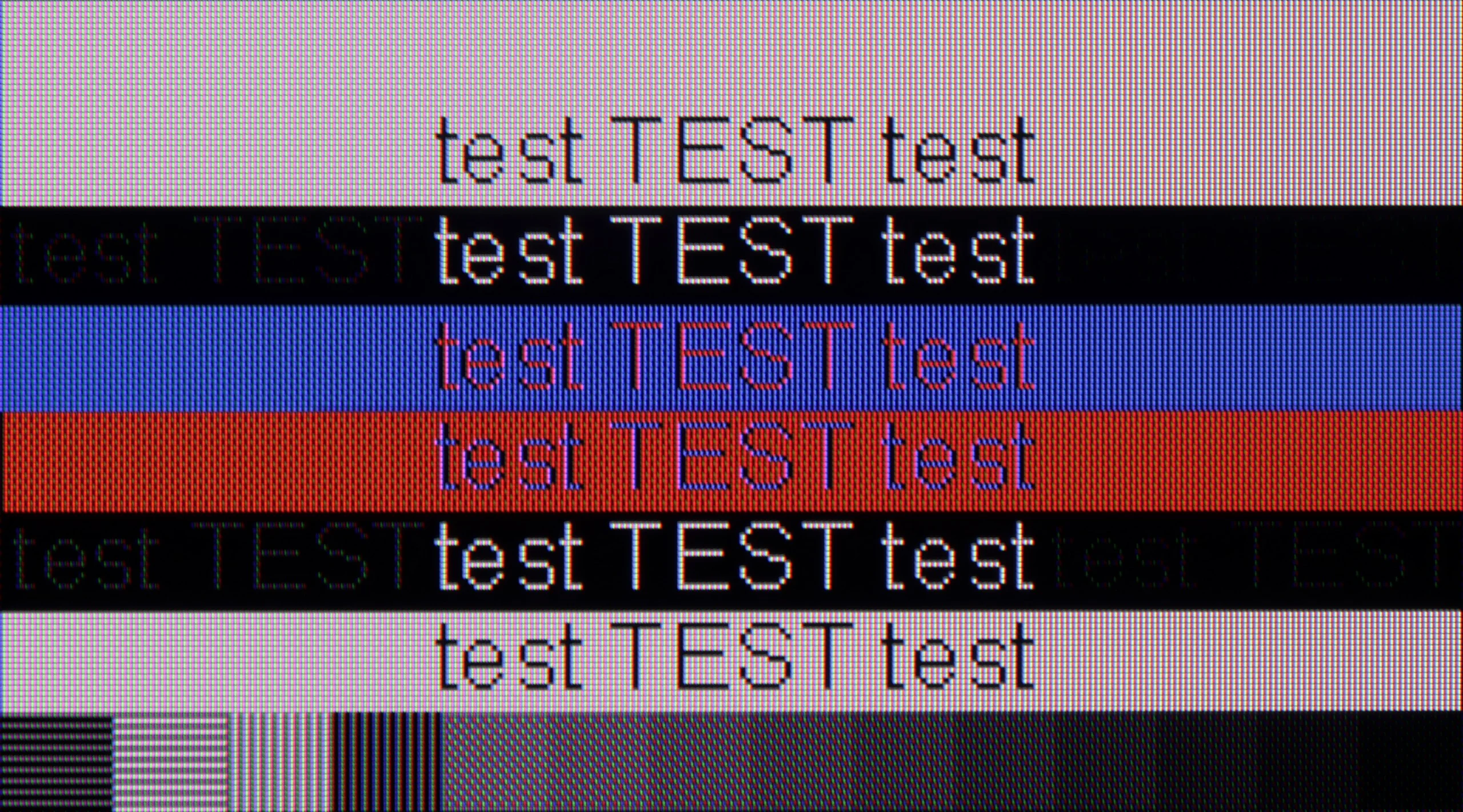
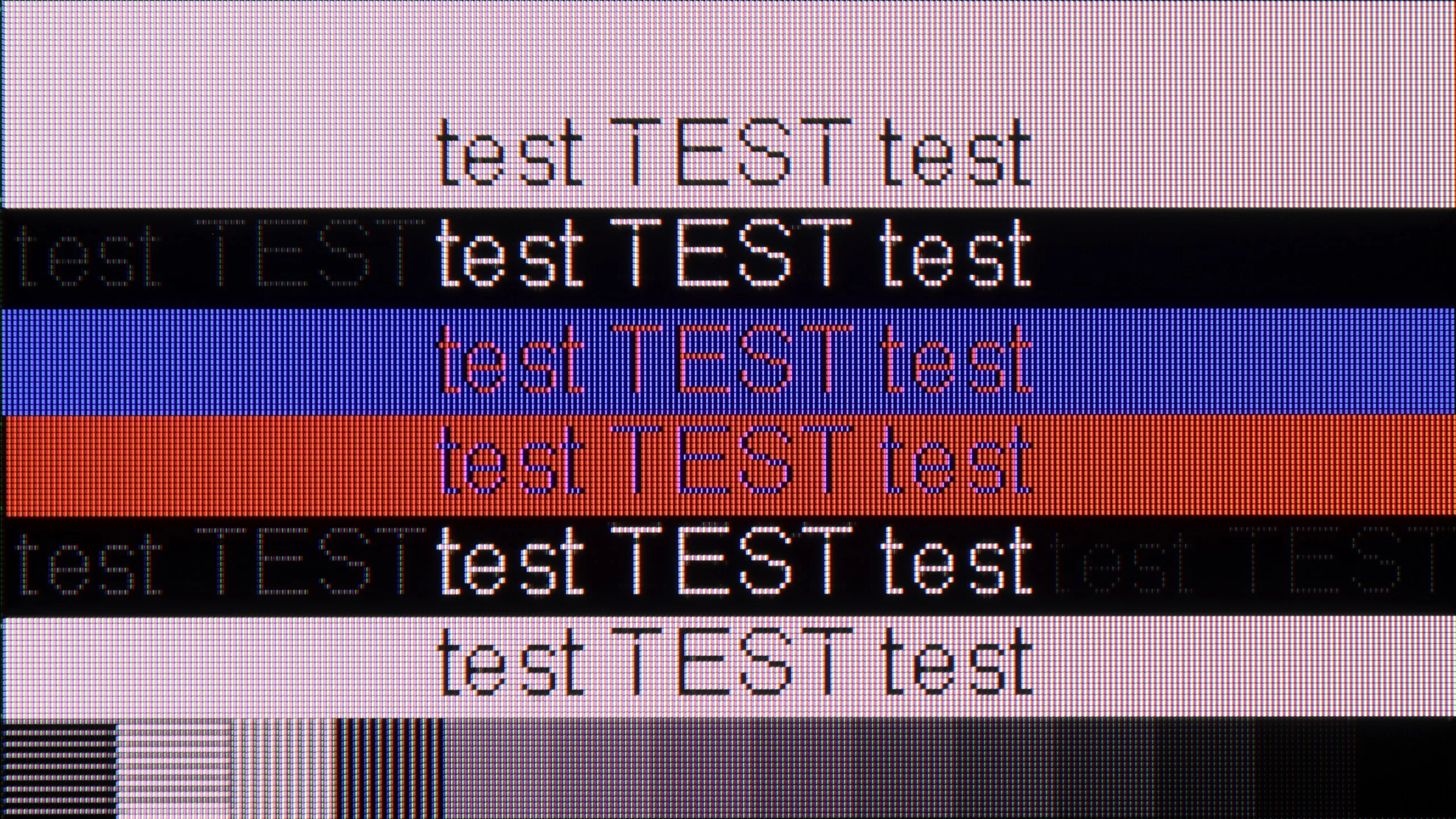
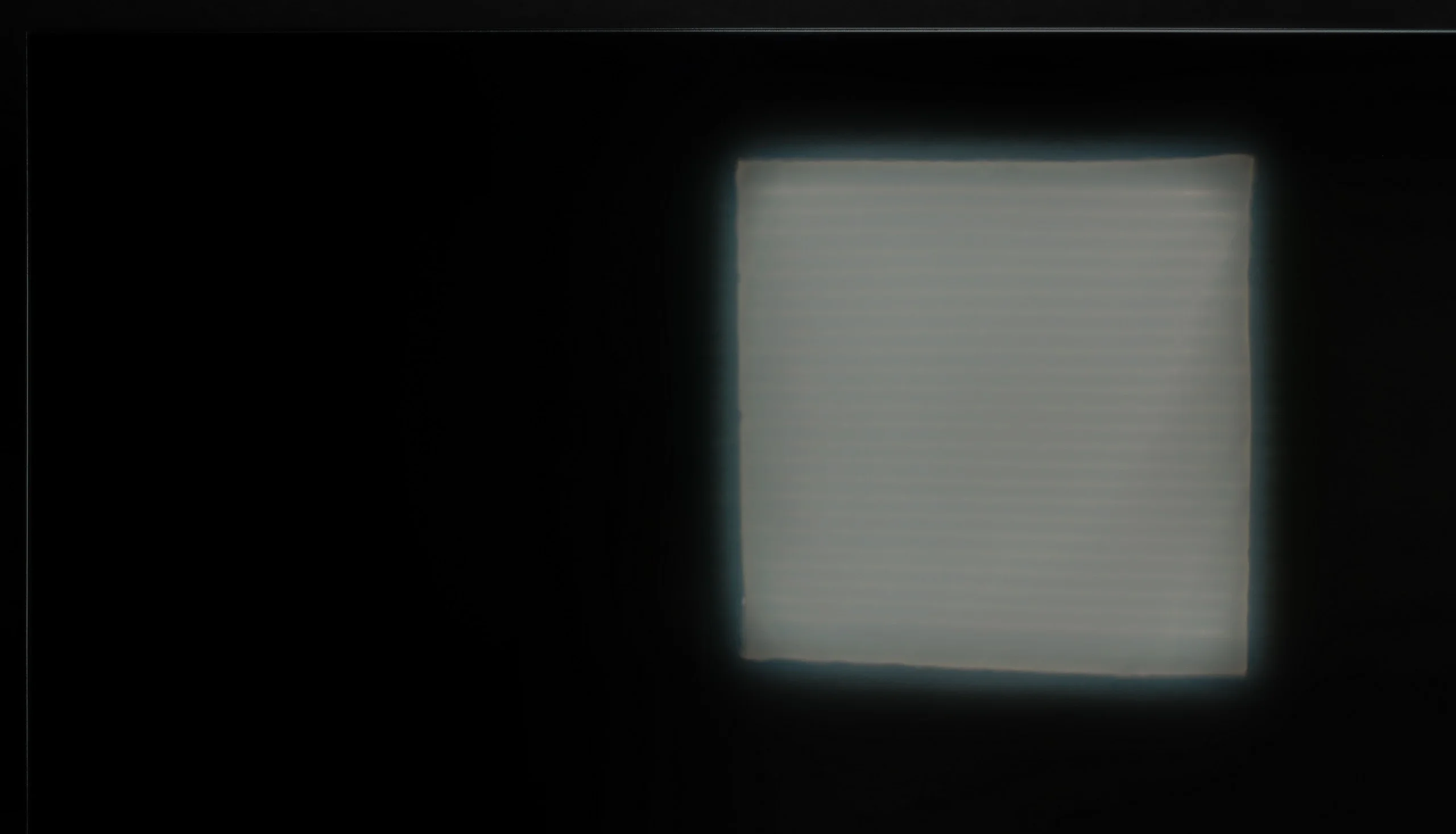
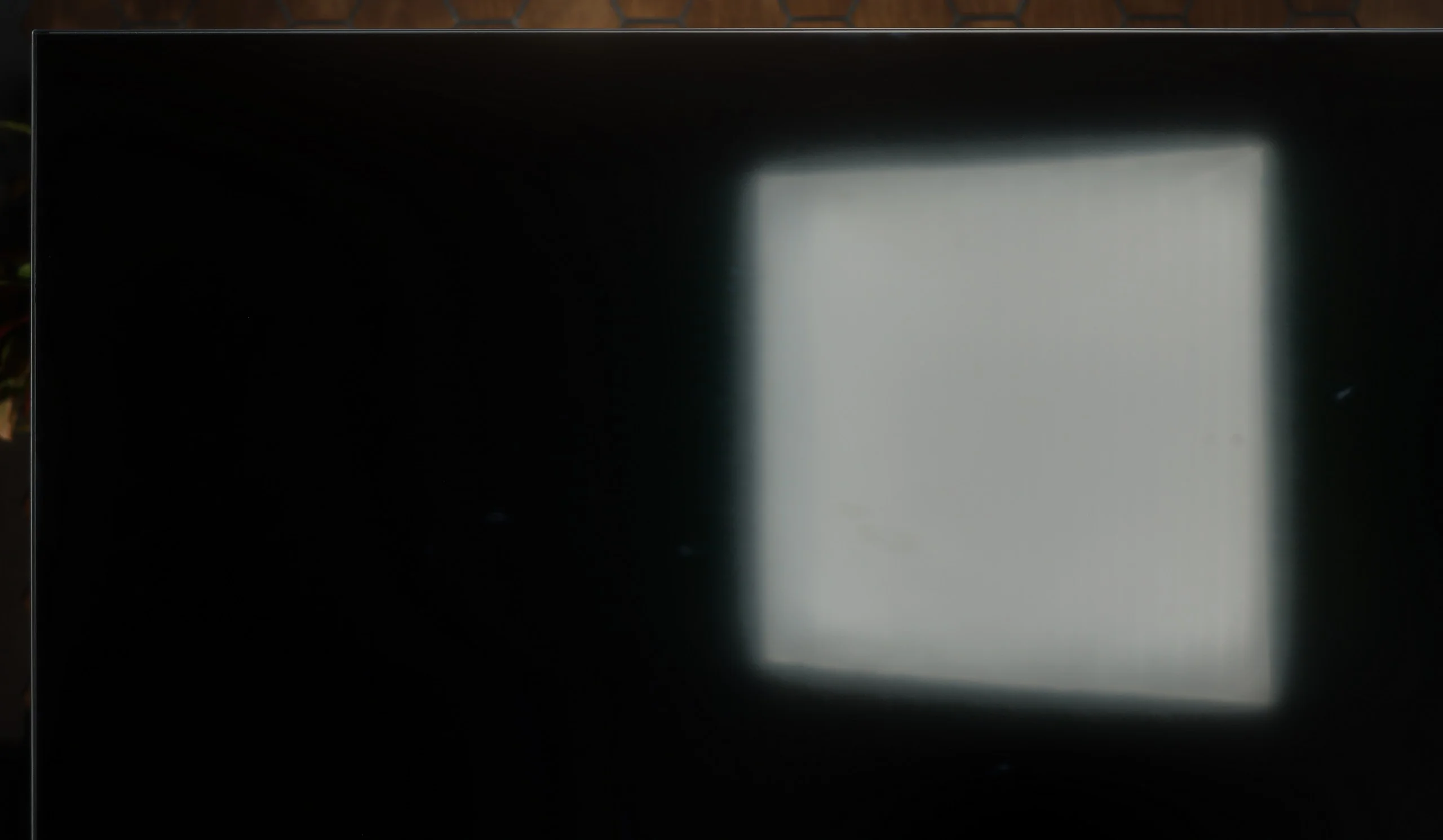
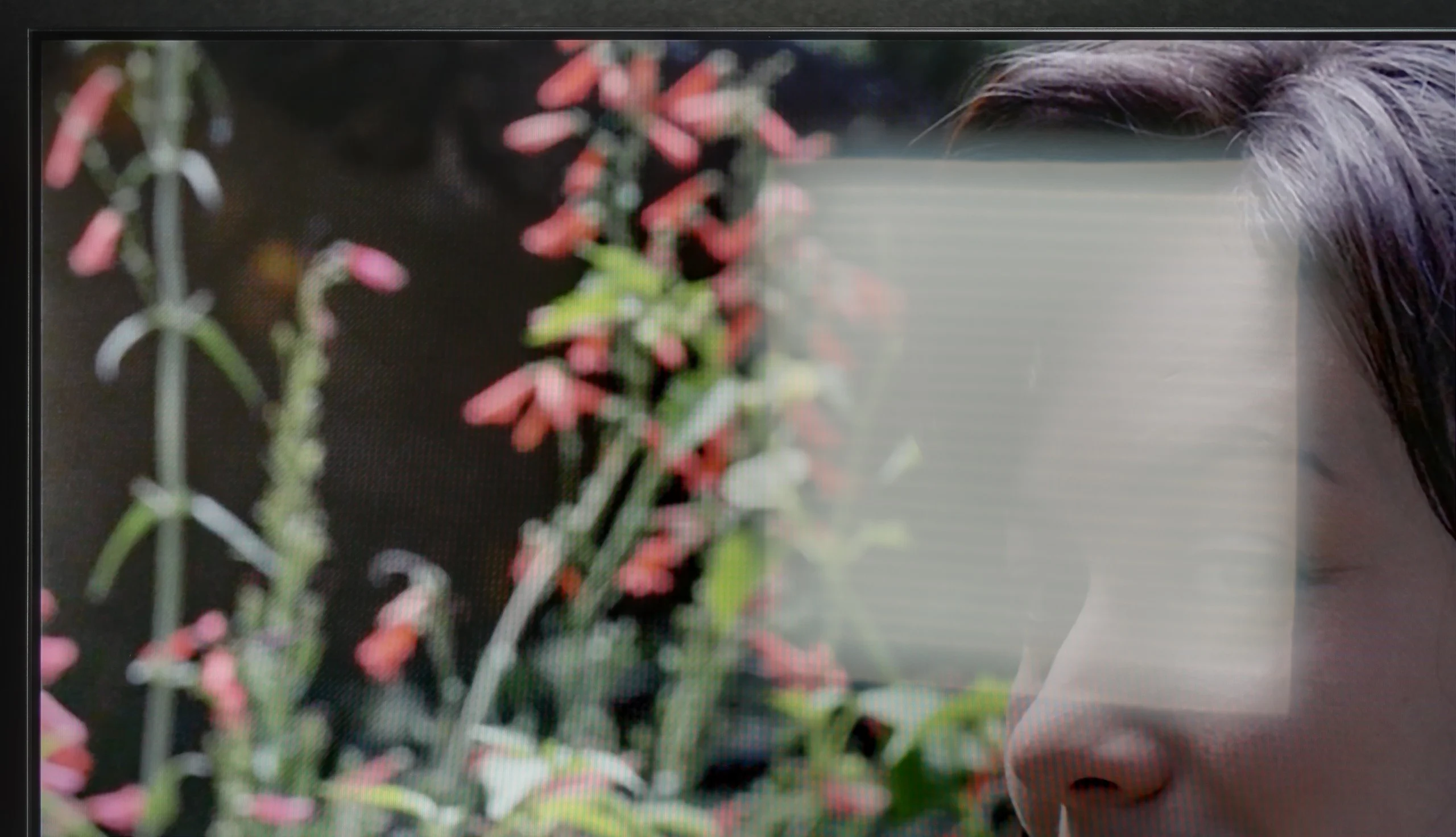
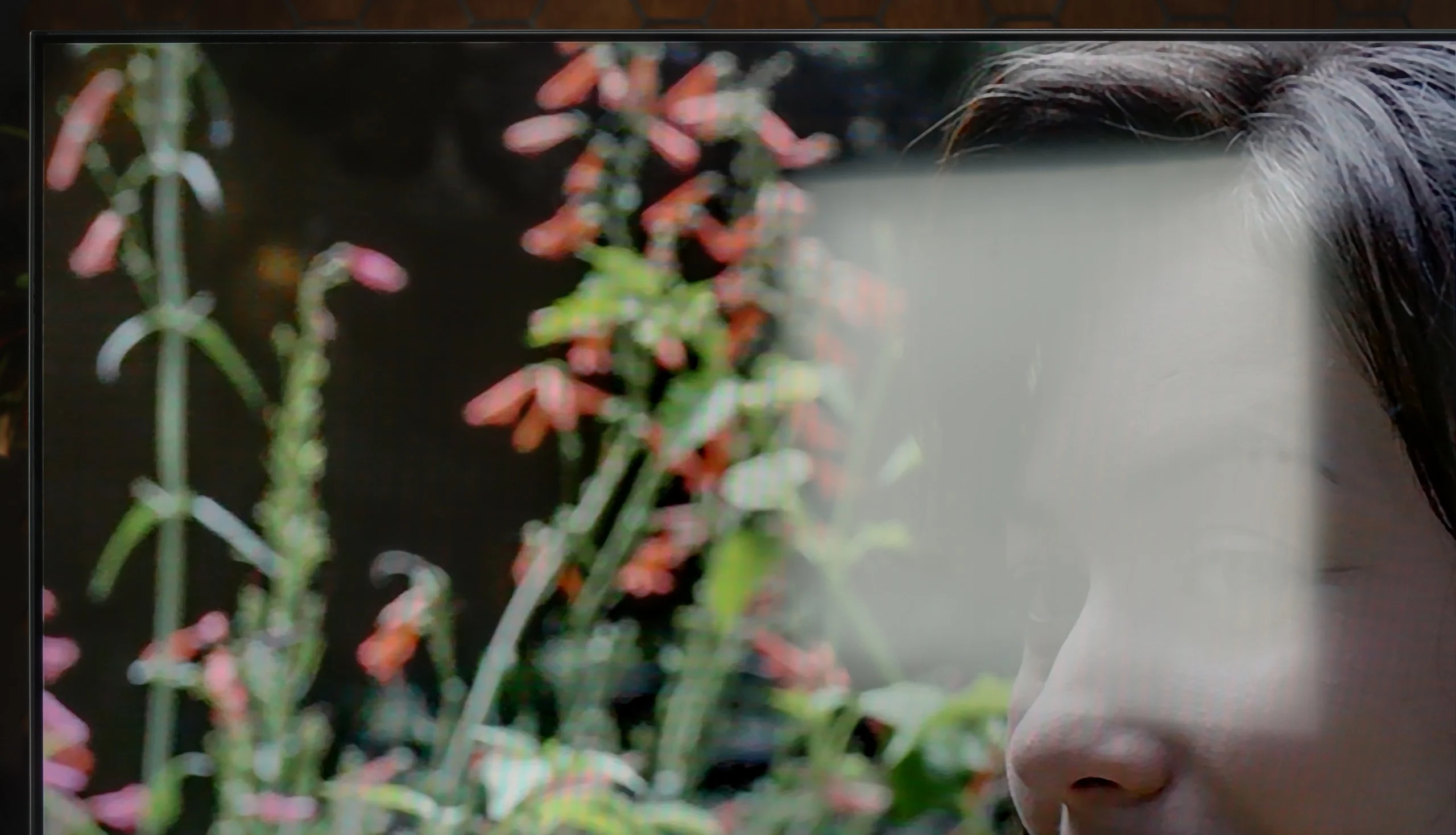
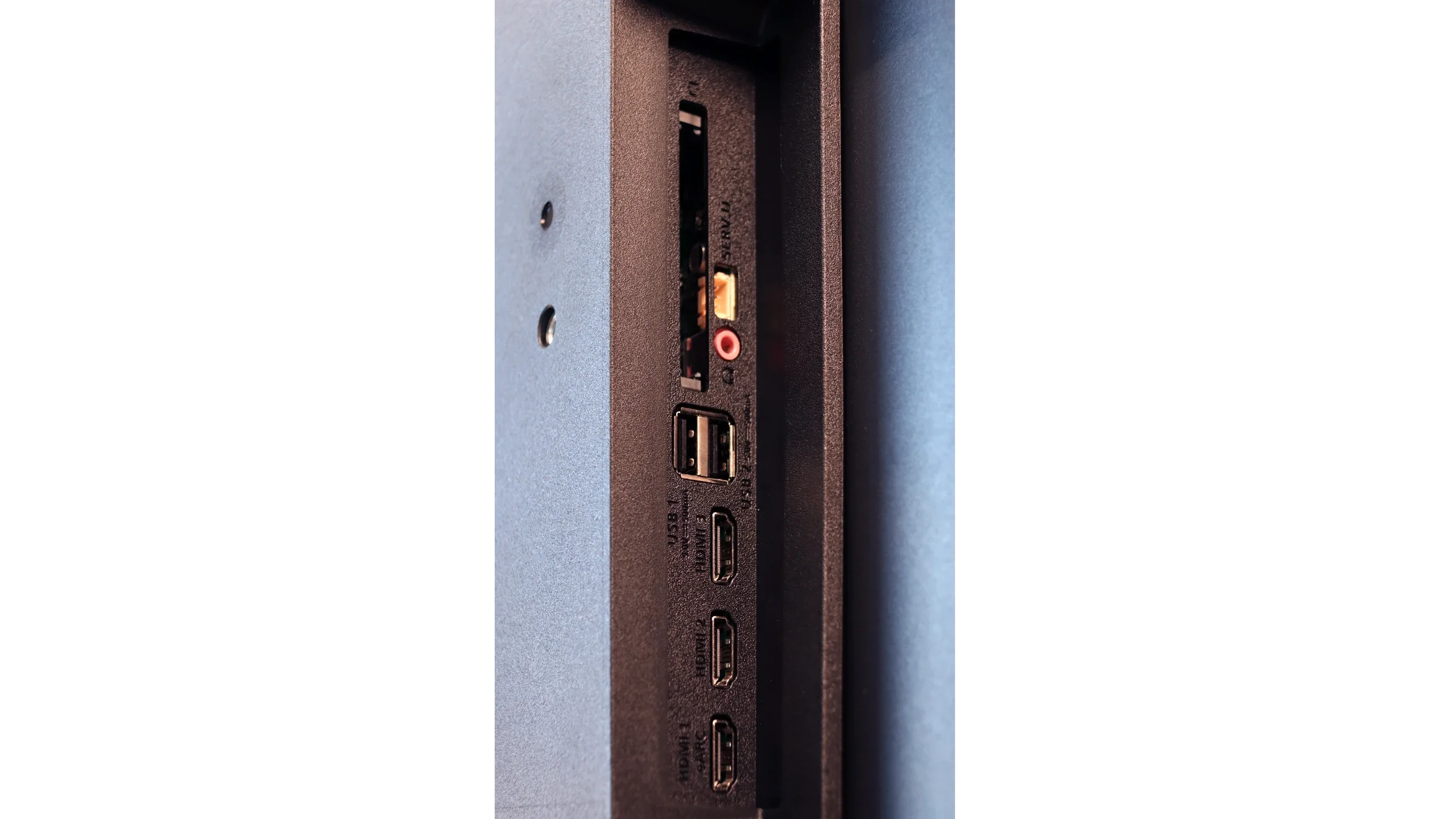
Ambilight because that's where we have to start, it's the biggest reason to buy the PUS8500. The three-sided backlighting of the TV looks great, especially in the evening. It creates an atmosphere, masks the imperfections of contrast, and makes the viewing experience simply more enjoyable. Even if the black levels aren't perfect, the native VA panel's high contrast is just fine. On top of that, there's really decent input lag and several gaming features like ALLM and VRR. Although there’s no HDMI 2.1 or 120Hz panel, casual gaming should be a pleasure. Especially since it's responsive and latency-free. Additionally, there’s full support for audio formats – both Dolby Atmos and DTS, so soundbar owners can rejoice too.
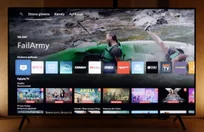
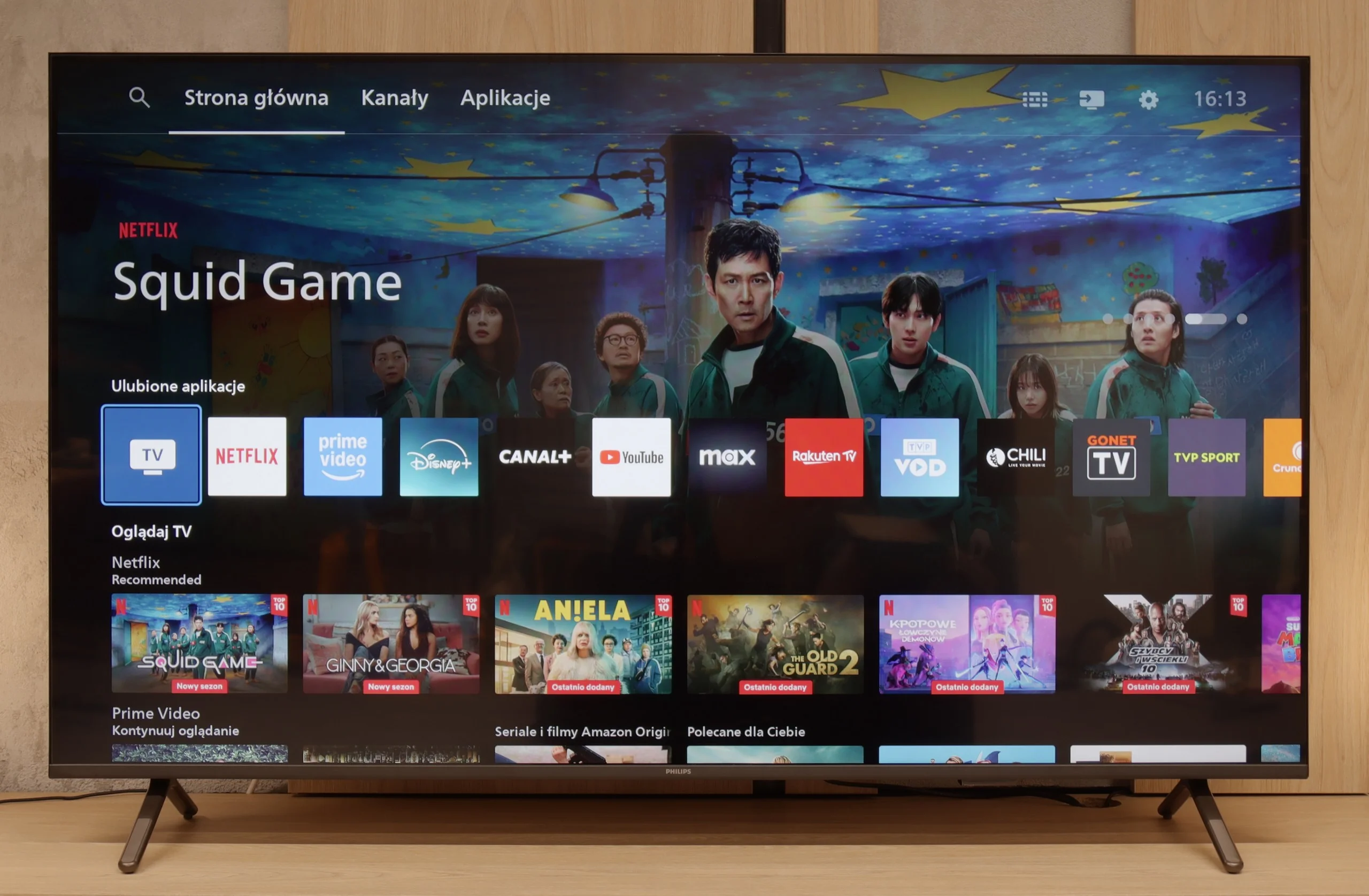
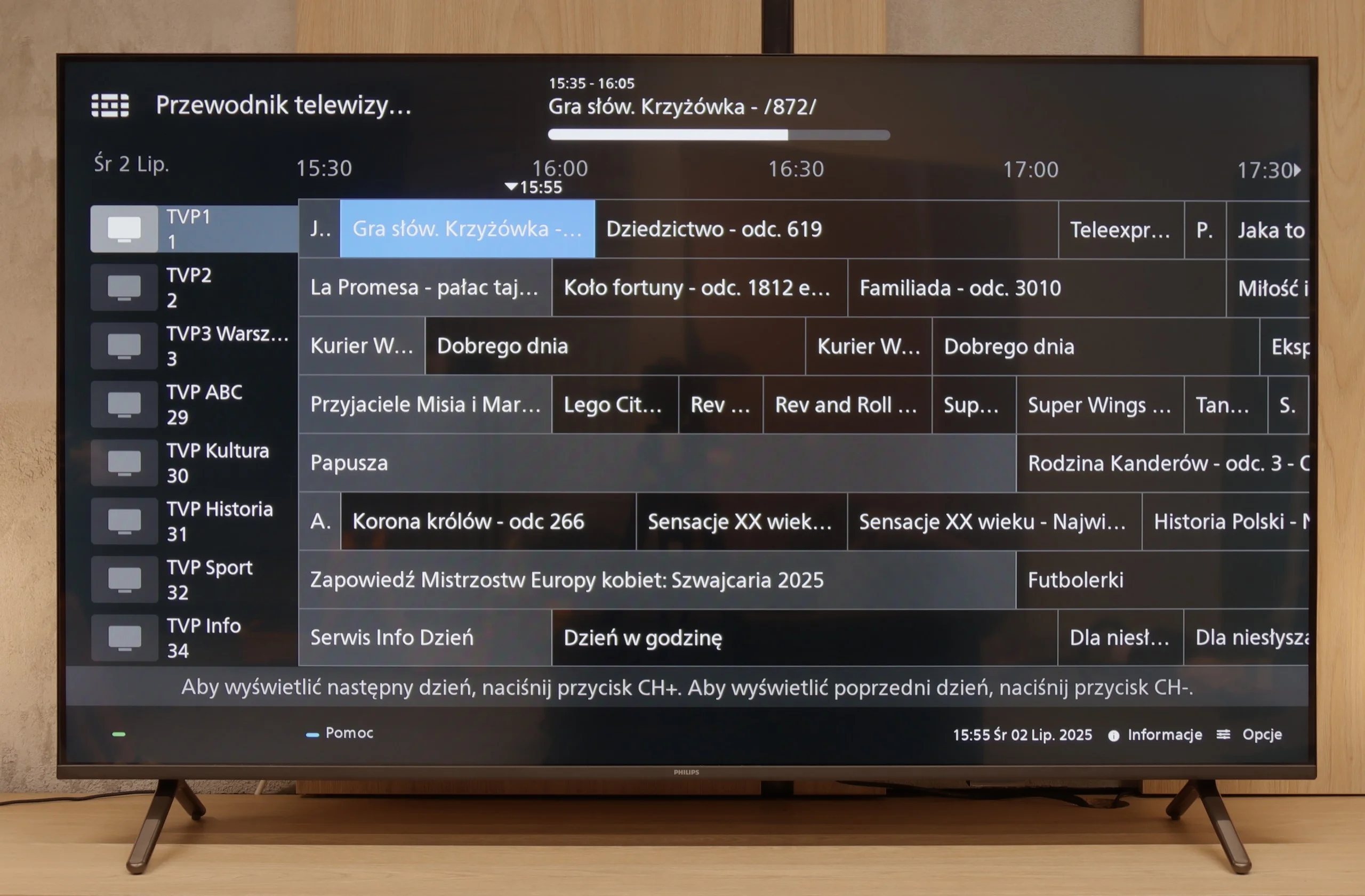
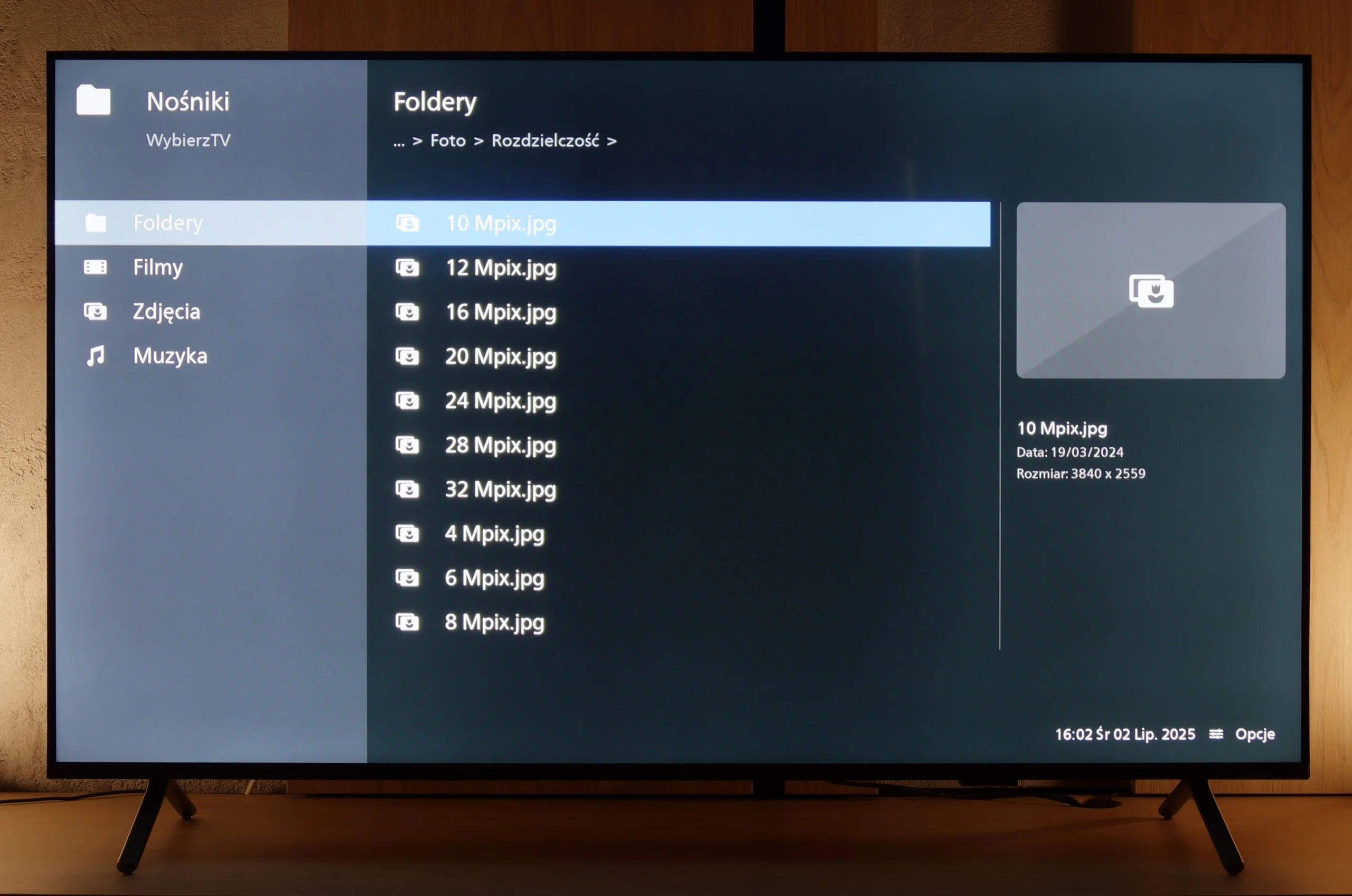
But let's not kid ourselves – this is still a budget TV, and at times it shows. Brightness is average – not weak enough to make viewing impossible, but if you hit a particularly sunny day, watching conditions without blinds can be problematic. However, in our opinion, the biggest disappointment with the PUS8560 is the operating system, Titan OS. Despite the system debuting some time ago, certain features simply wouldn't work – for example, screen mirroring from a phone despite the manufacturer's claims that such a feature is present here. There are fewer apps than with competitors, and the system itself runs a bit clumsily. Overall, it seems to have some capabilities, but clearly lacks refinement.
Of course, this is not a TV meant to compete with top models. But if someone is looking for something simple, with a nice atmosphere that the Ambilight system provides, it is a quite reasonable offer. You just need to know what to expect and accept the many compromises present here.
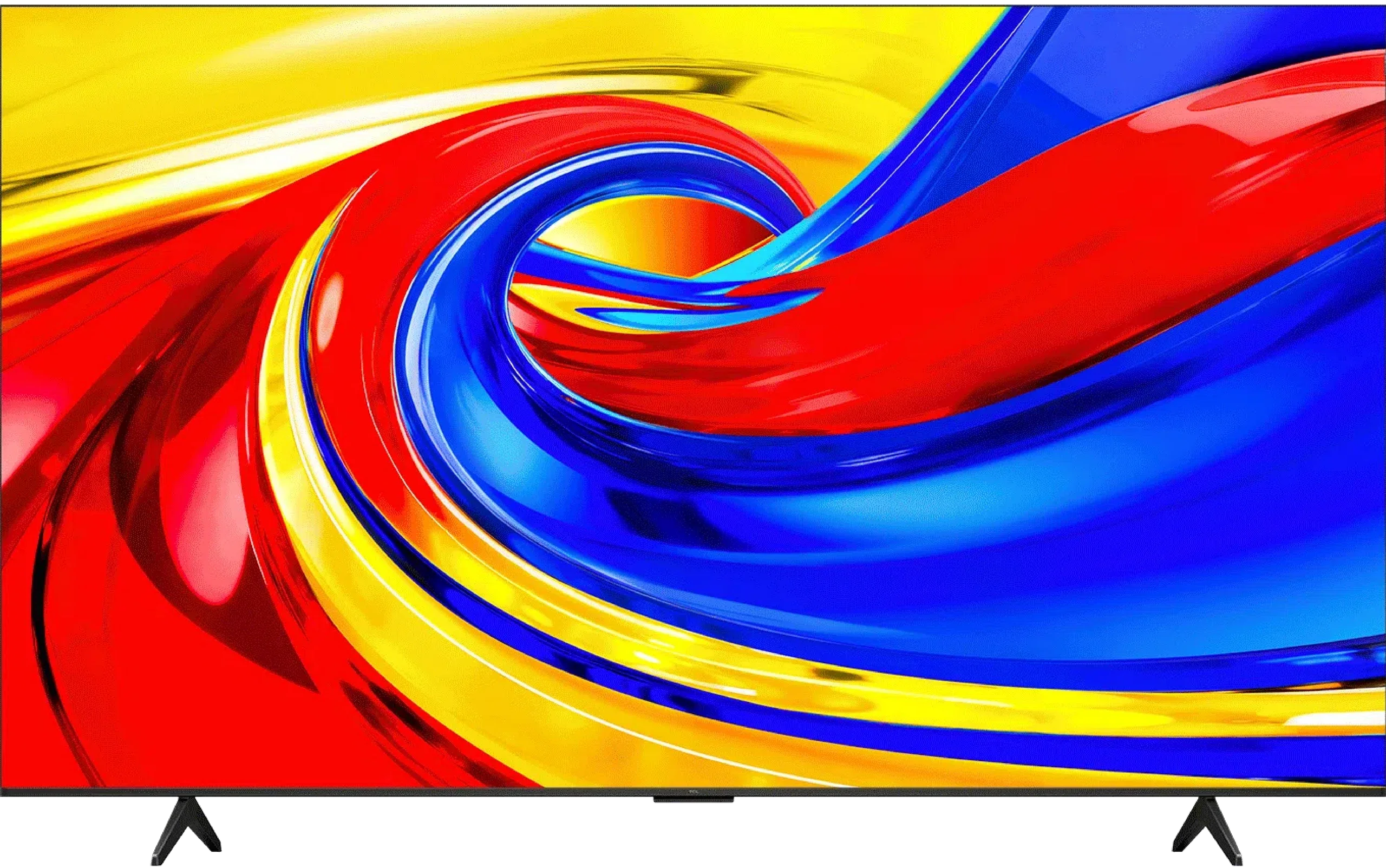
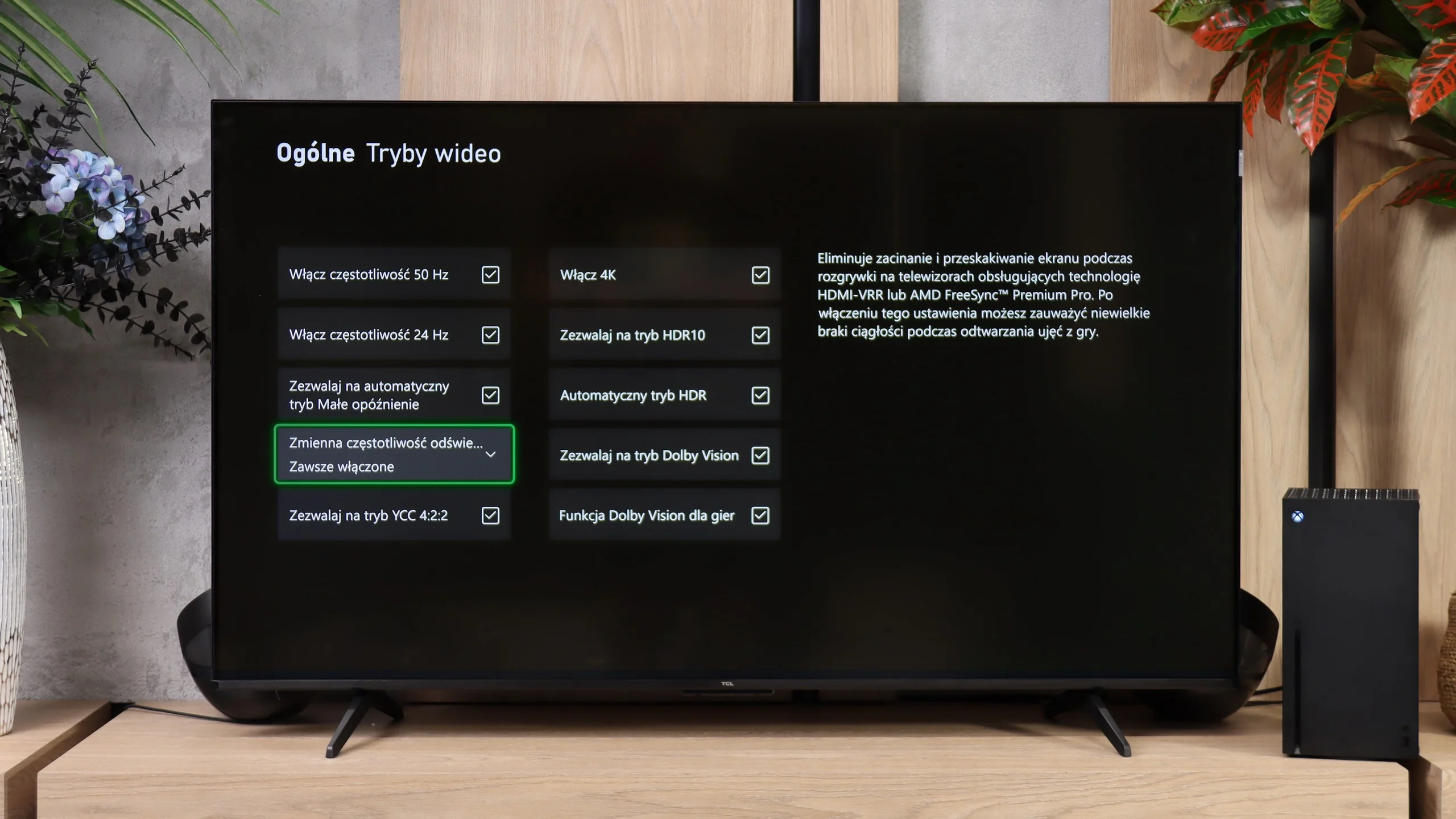
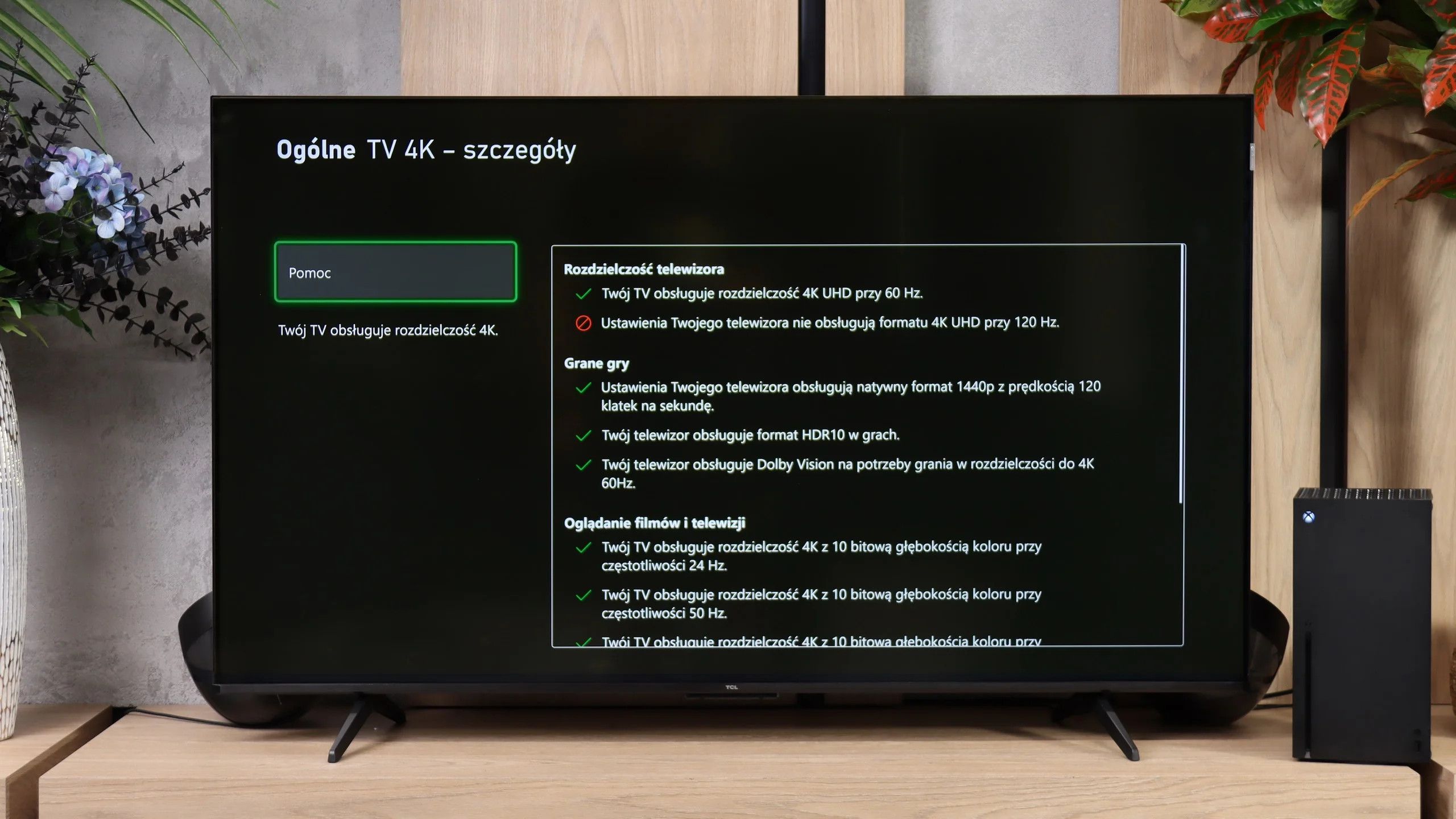
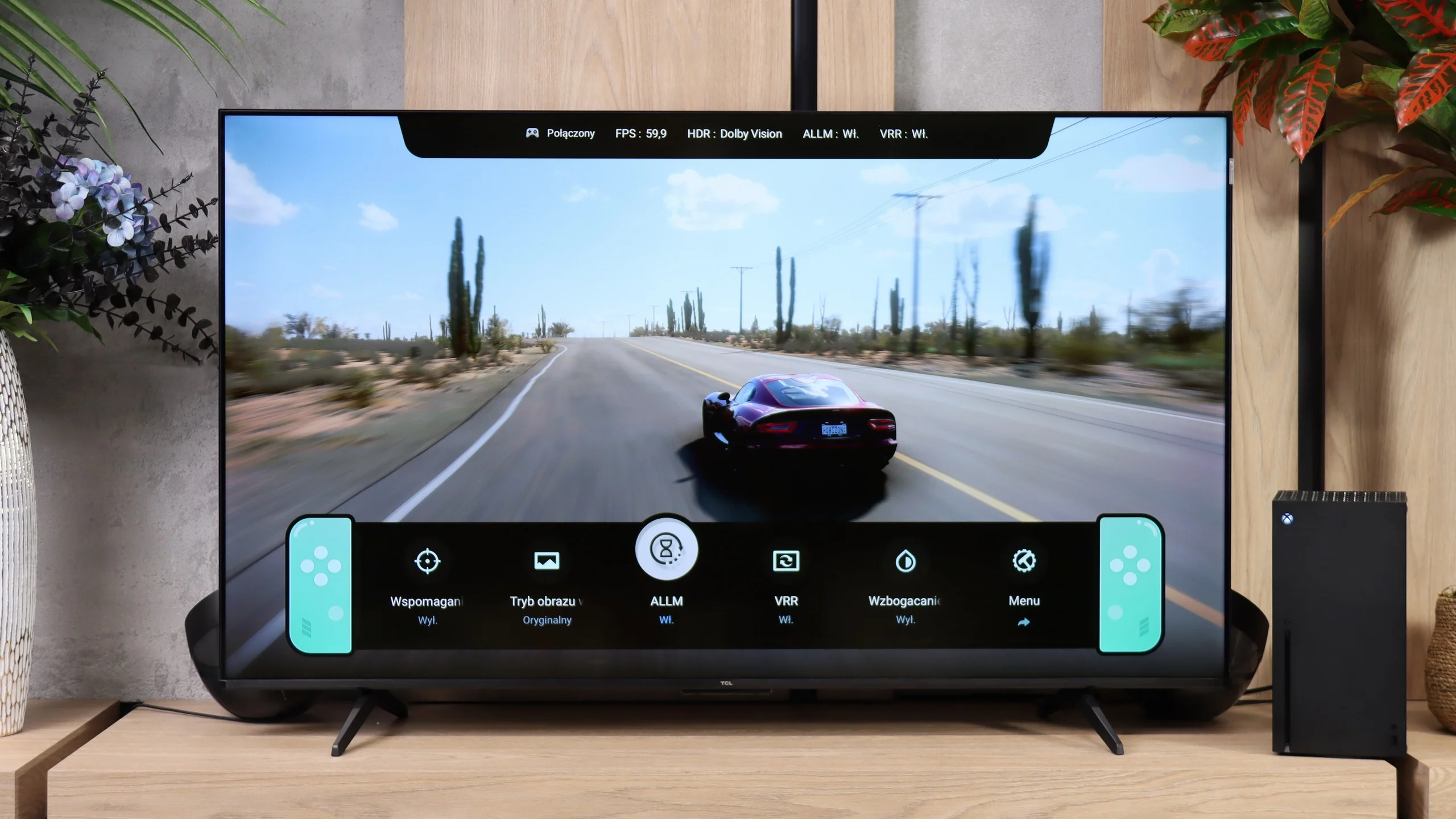
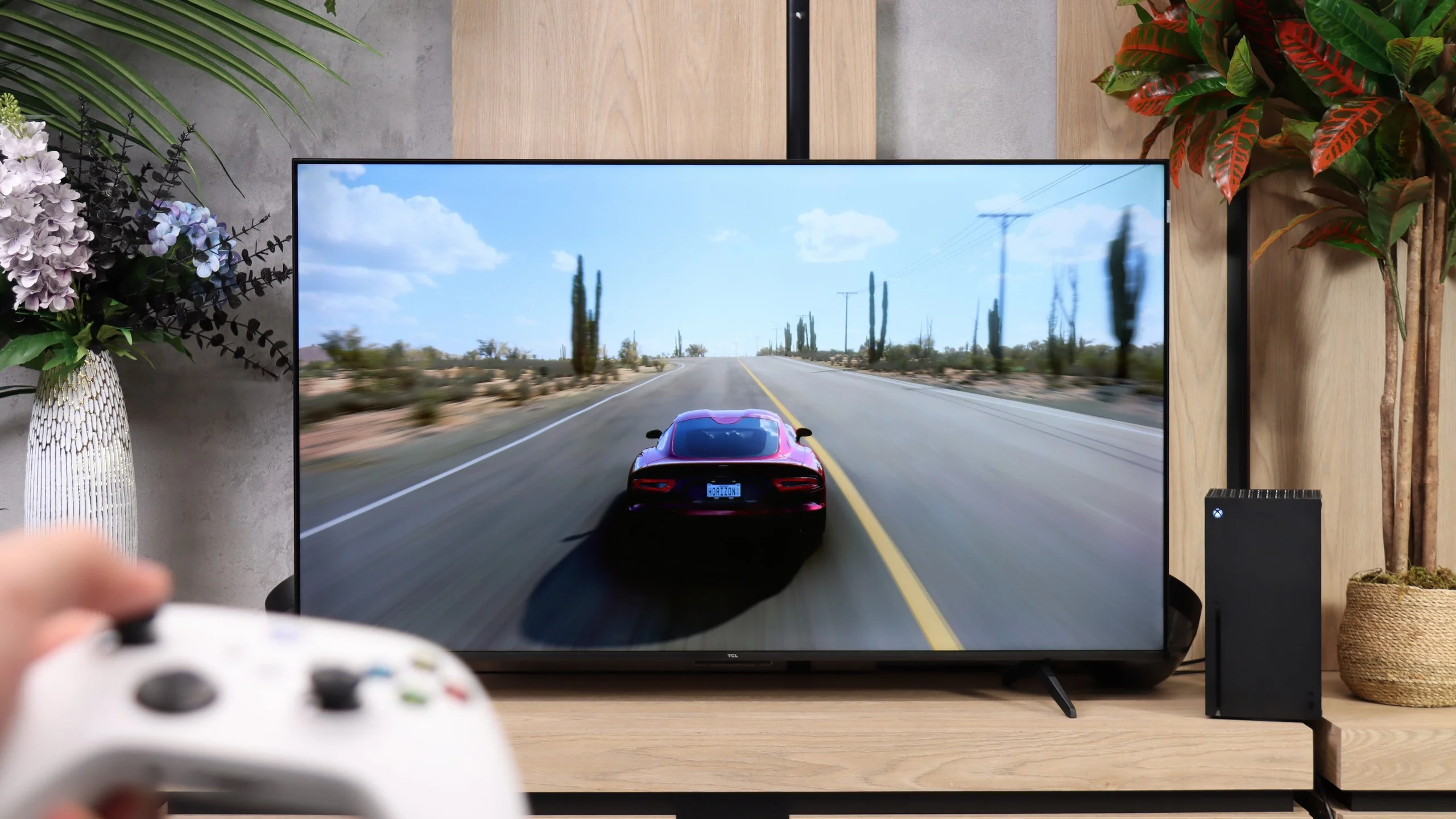
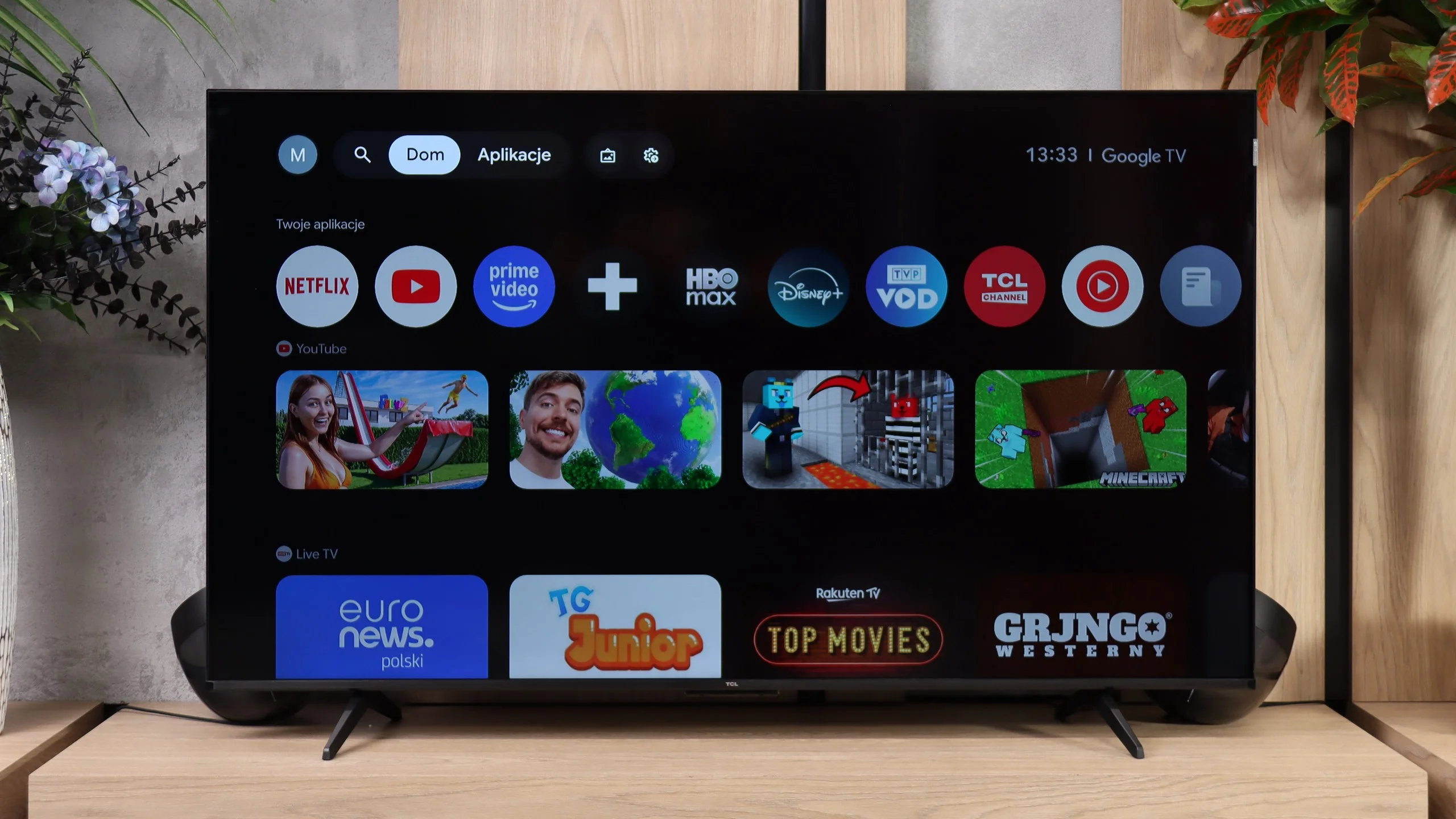
The TCL P7L is a successful budget TV that shows you can get more than just a basic screen for not much money. It doesn't match pricier Mini LEDs or OLEDs, but in its class it has a lot to offer. The VA panel delivers decent black levels and contrast, so during evening viewing the picture doesn't look as flat as on many cheap IPS models. Colors also perform well after calibration. For watching movies and TV shows it's a solid foundation, and Google TV provides access to a wide range of apps and streaming services. The biggest surprise is its gaming capabilities. The P7L responds quickly to controller input, supports VRR and automatically switches to game mode. It even offers Dolby Vision Gaming and a Game Bar with settings at hand. What's more, by lowering the resolution to 1080p or 1440p you can play at 120 Hz. In 4K you’re limited to 60 Hz, so you have to choose between more detail and smoother motion, but it's good that at this price you even have that option.
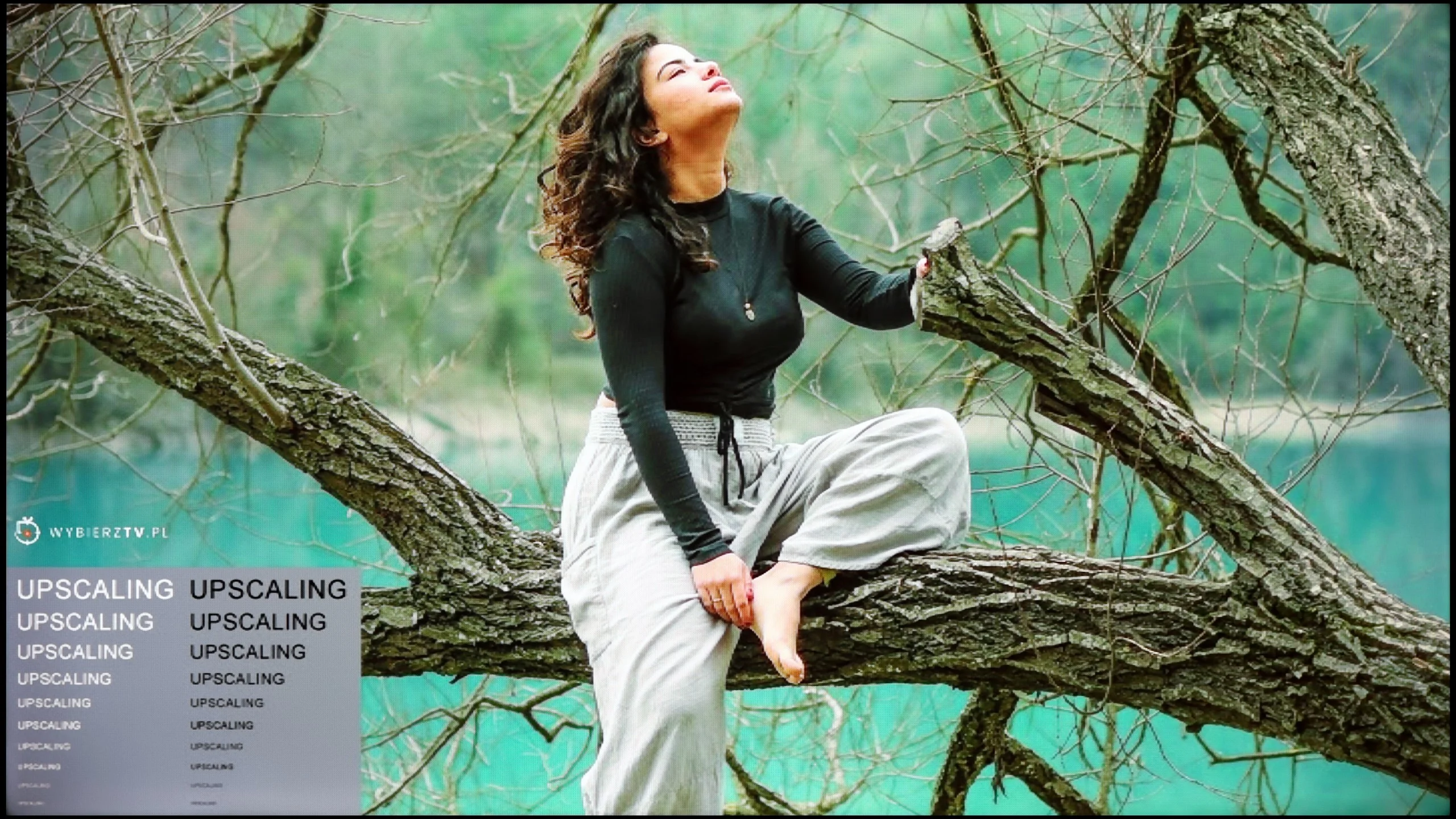
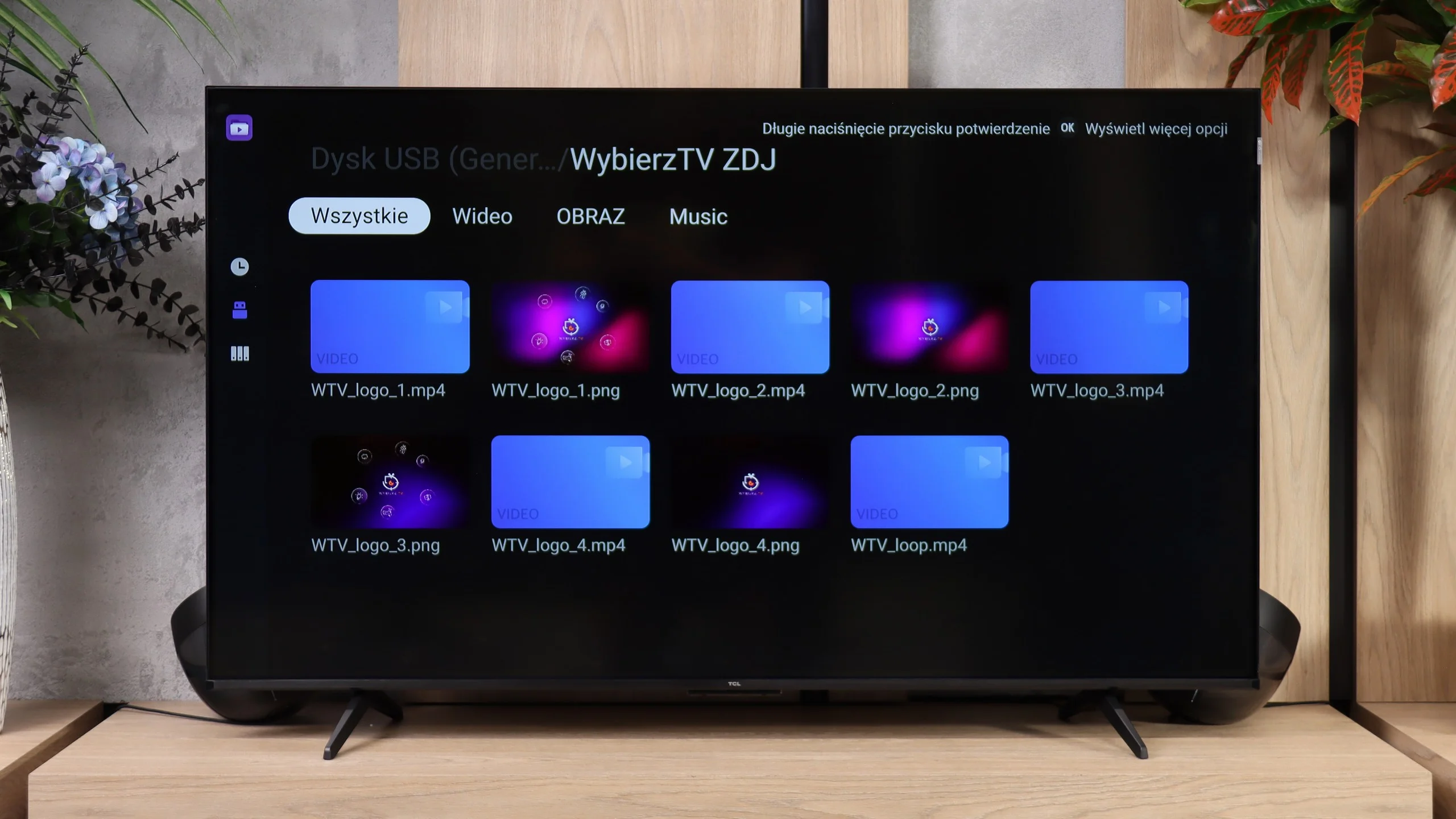
TCL also handles lower-quality sources quite well. Lower-resolution content looks acceptable, and the gradient-smoothing feature actually helps reduce visible banding between shades. The way it displays HDR is also commendable. The TV sensibly adapts content to its capabilities and tries to preserve detail in bright areas instead of turning them into blown-out white patches. Dolby Vision helps here, often producing noticeably better results than HDR10. That doesn't mean the HDR effect itself is breathtaking. The P7L's biggest limitation is brightness. Small highlights and reflections don't have the same punch you'd see on pricier screens, even if their detail remains visible. For the same reason the TV fares worse in a very sunlit living room. It performs much better in a moderately lit room.
So the P7L has its limits, but it's hard to argue with its value for money. It's suitable for everyday viewing, doesn't limit app choice, and offers surprising freedom for gaming. If you're looking for an affordable TV and can accept its flaws, the TCL P7L is a model worth considering.
 Direct comparison