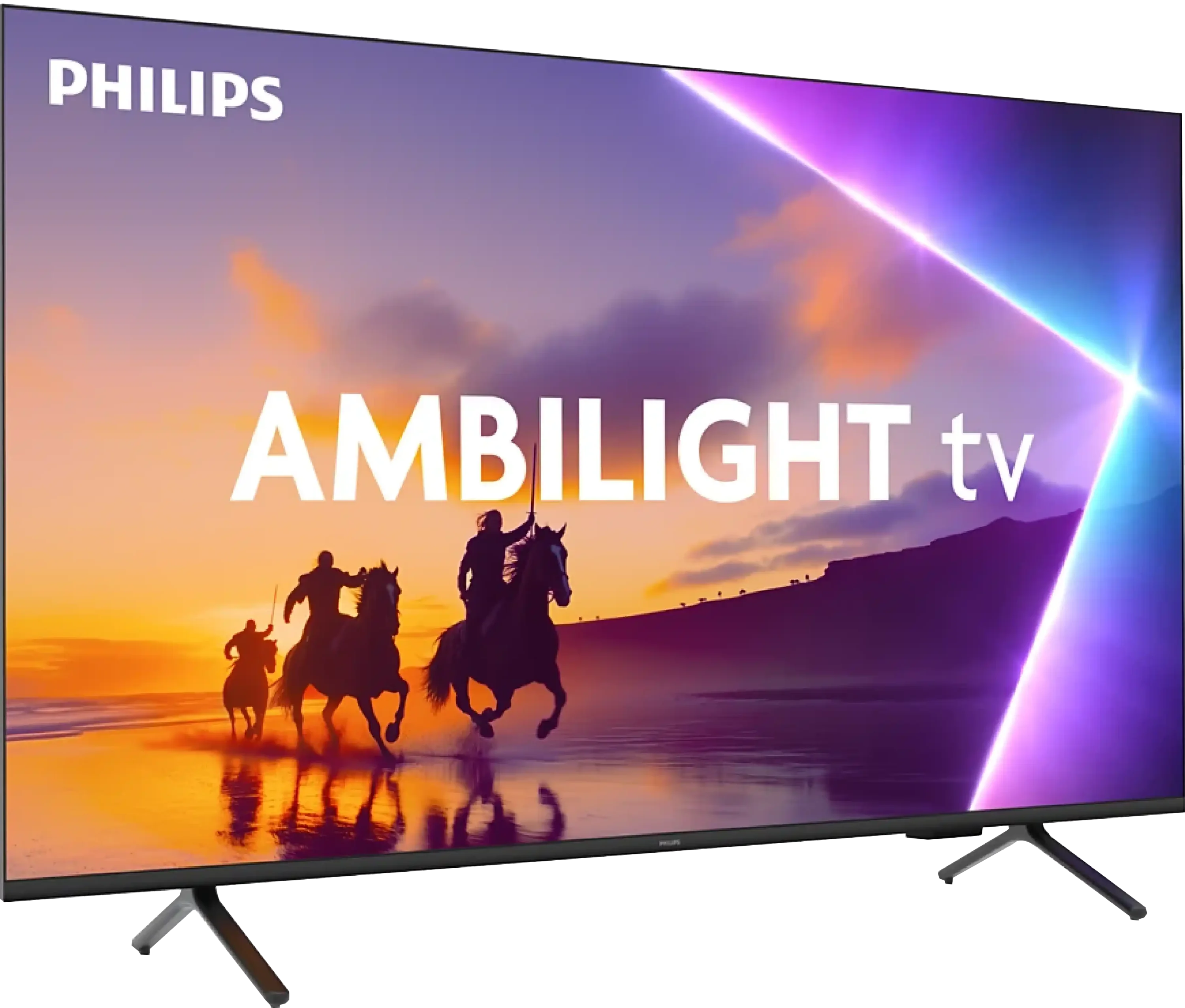
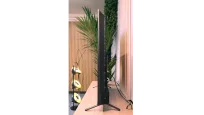
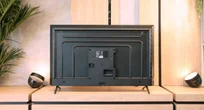
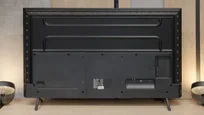
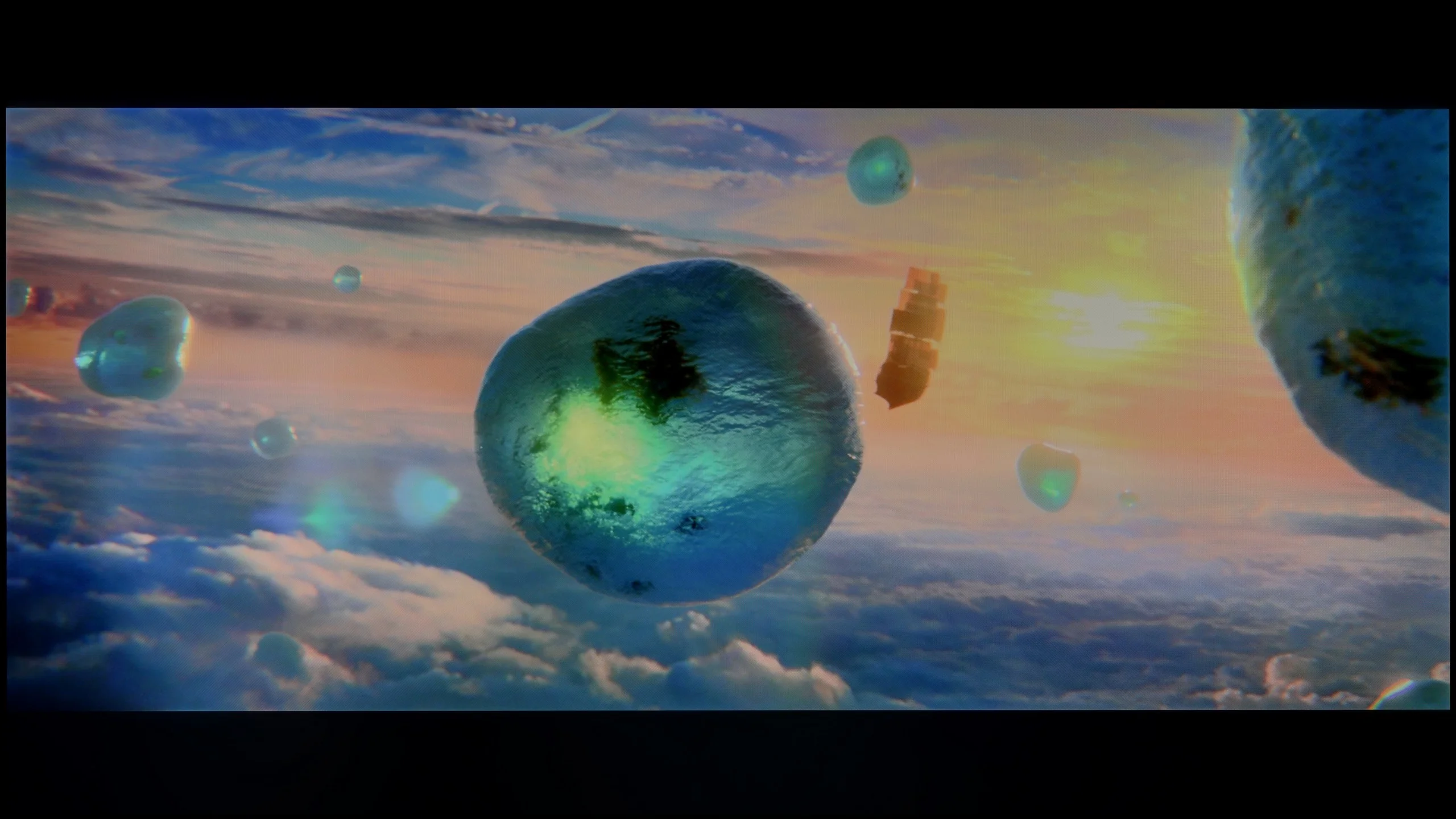
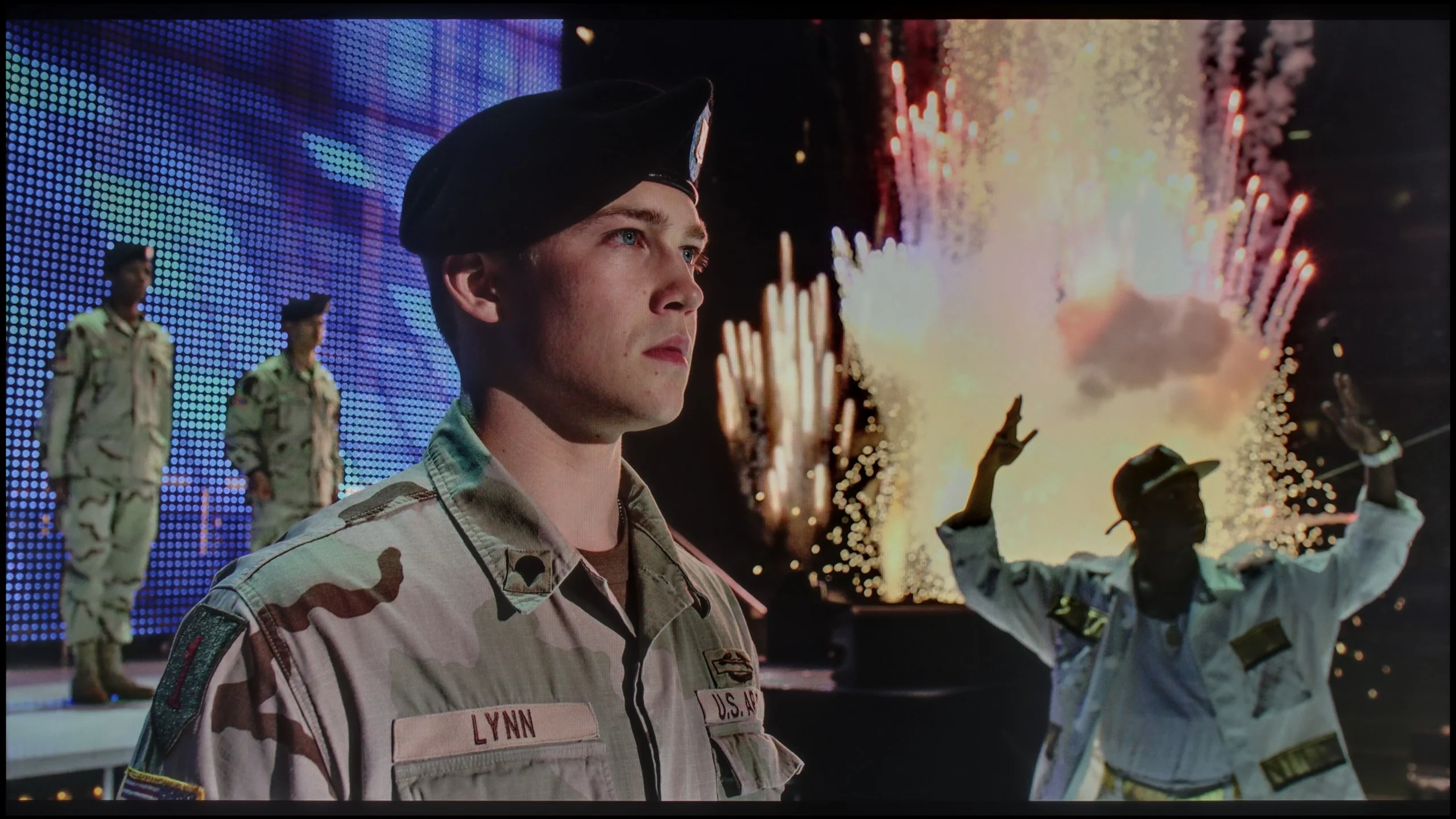
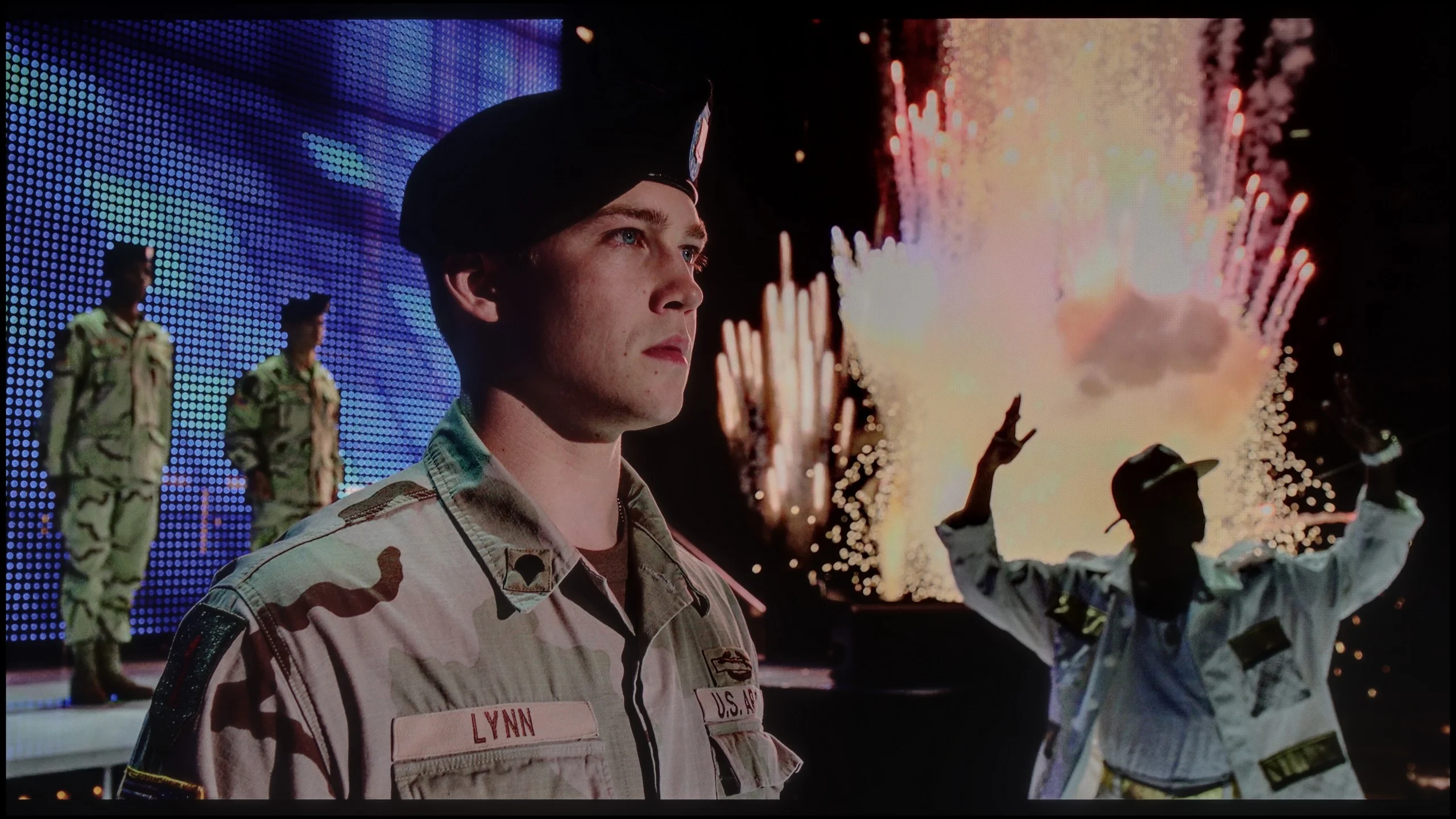
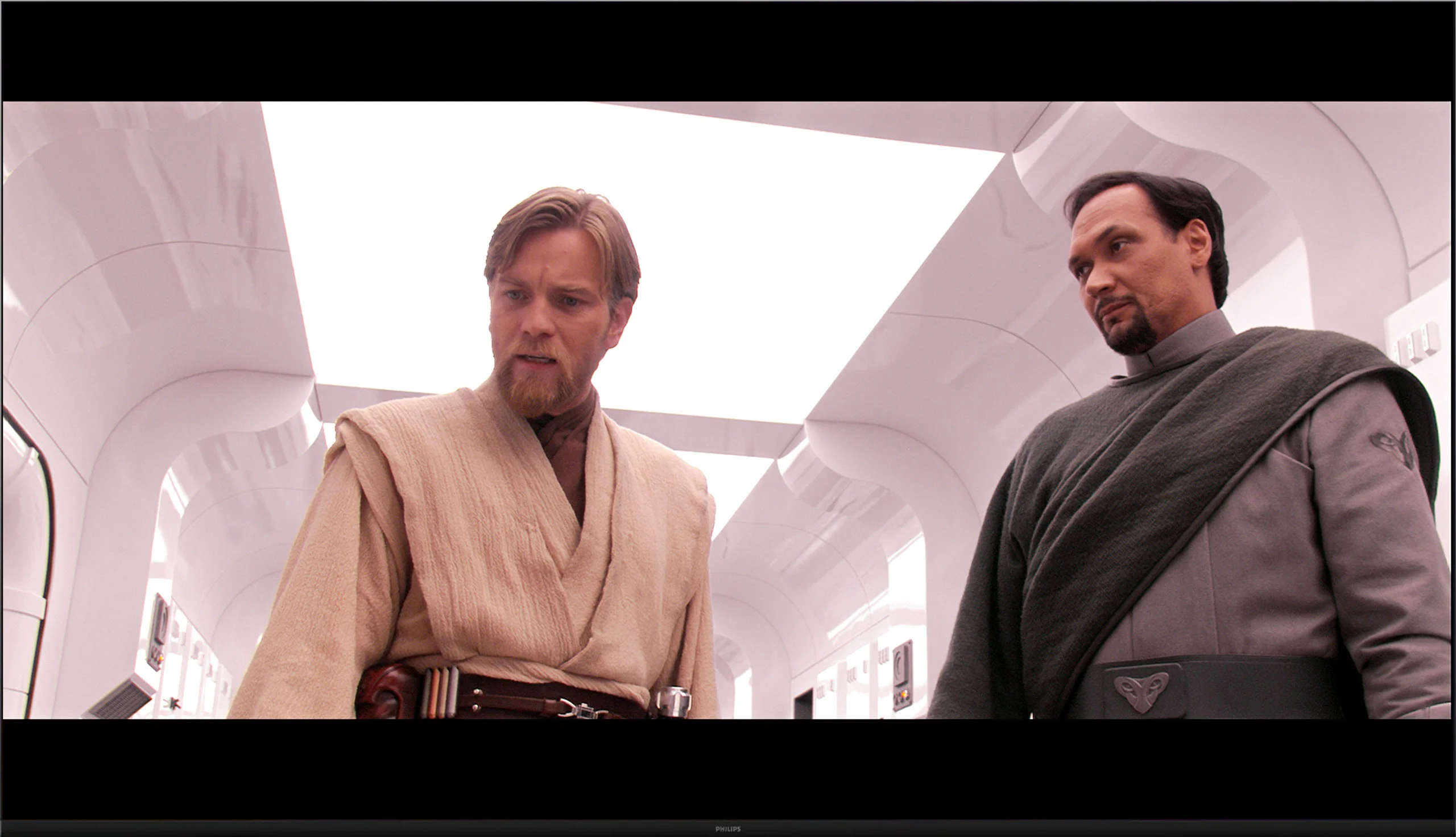
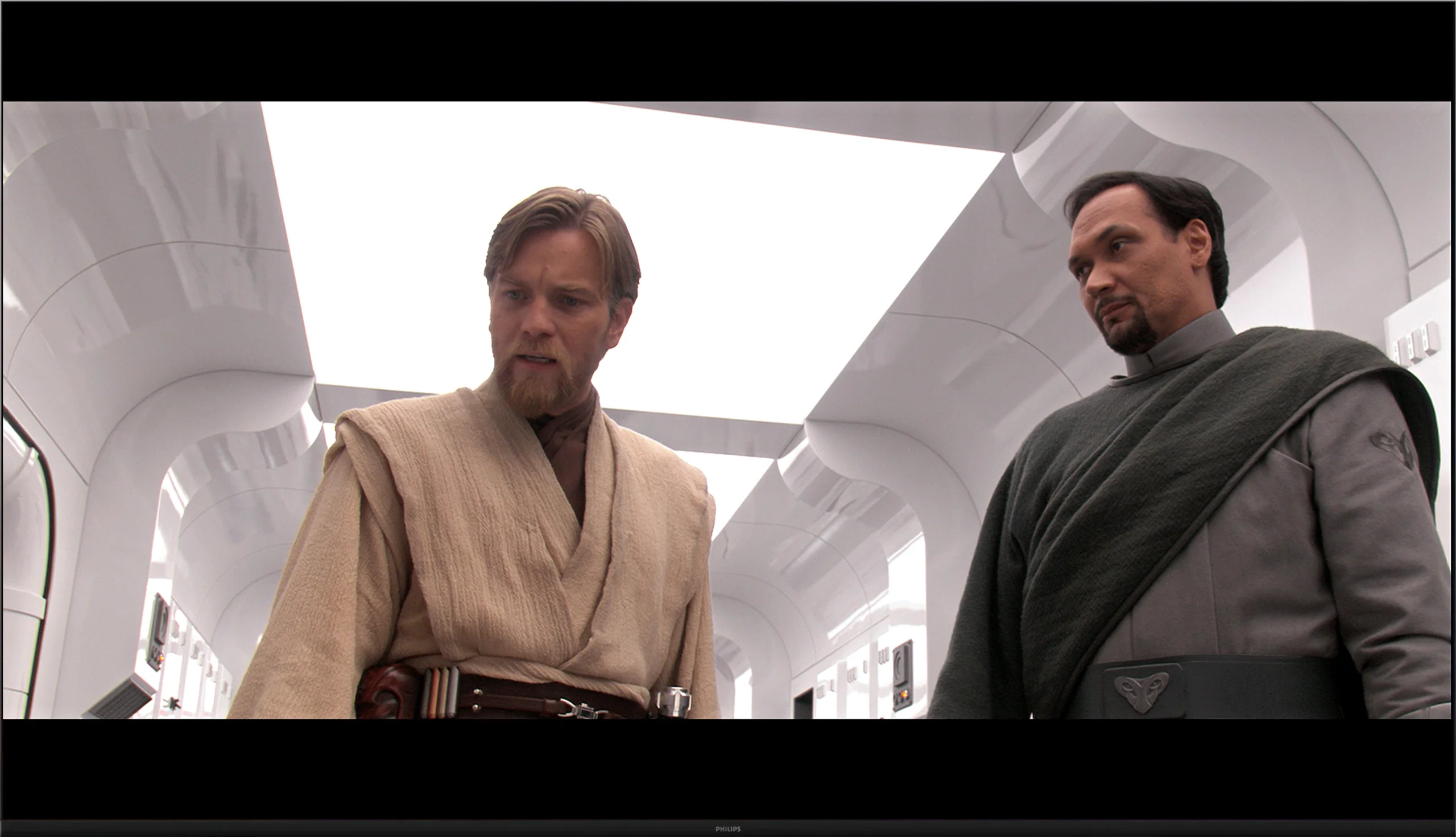
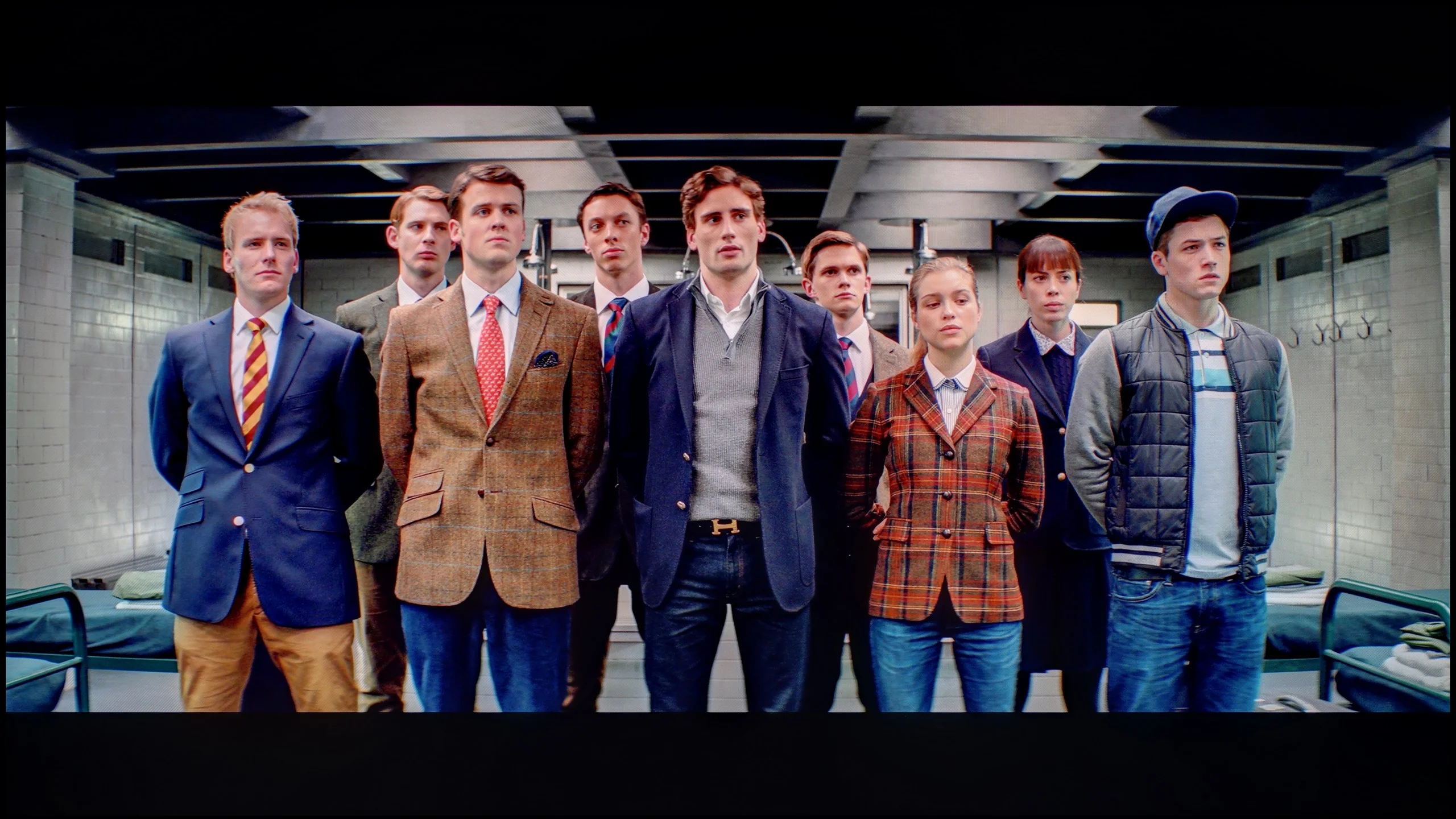
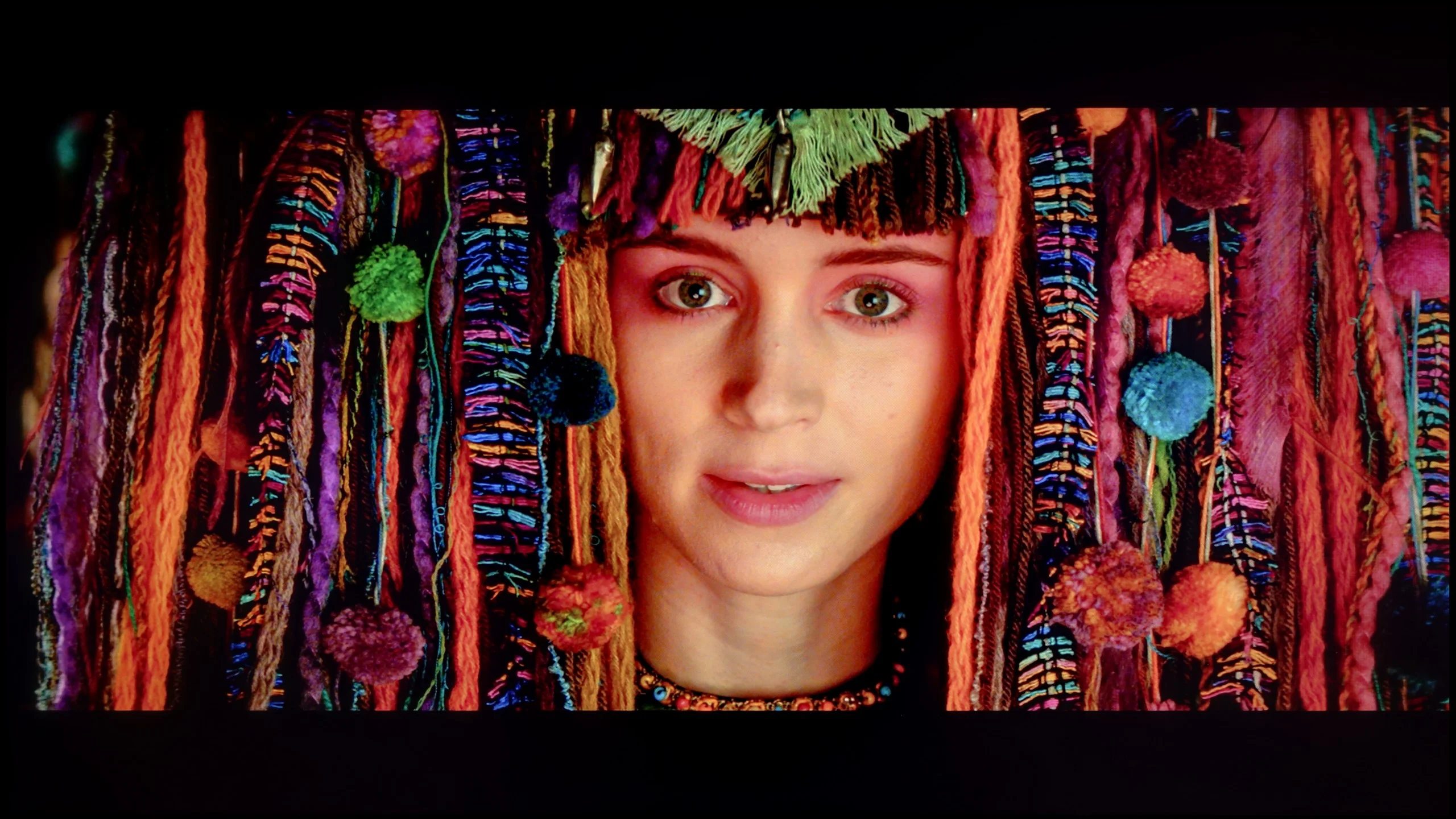
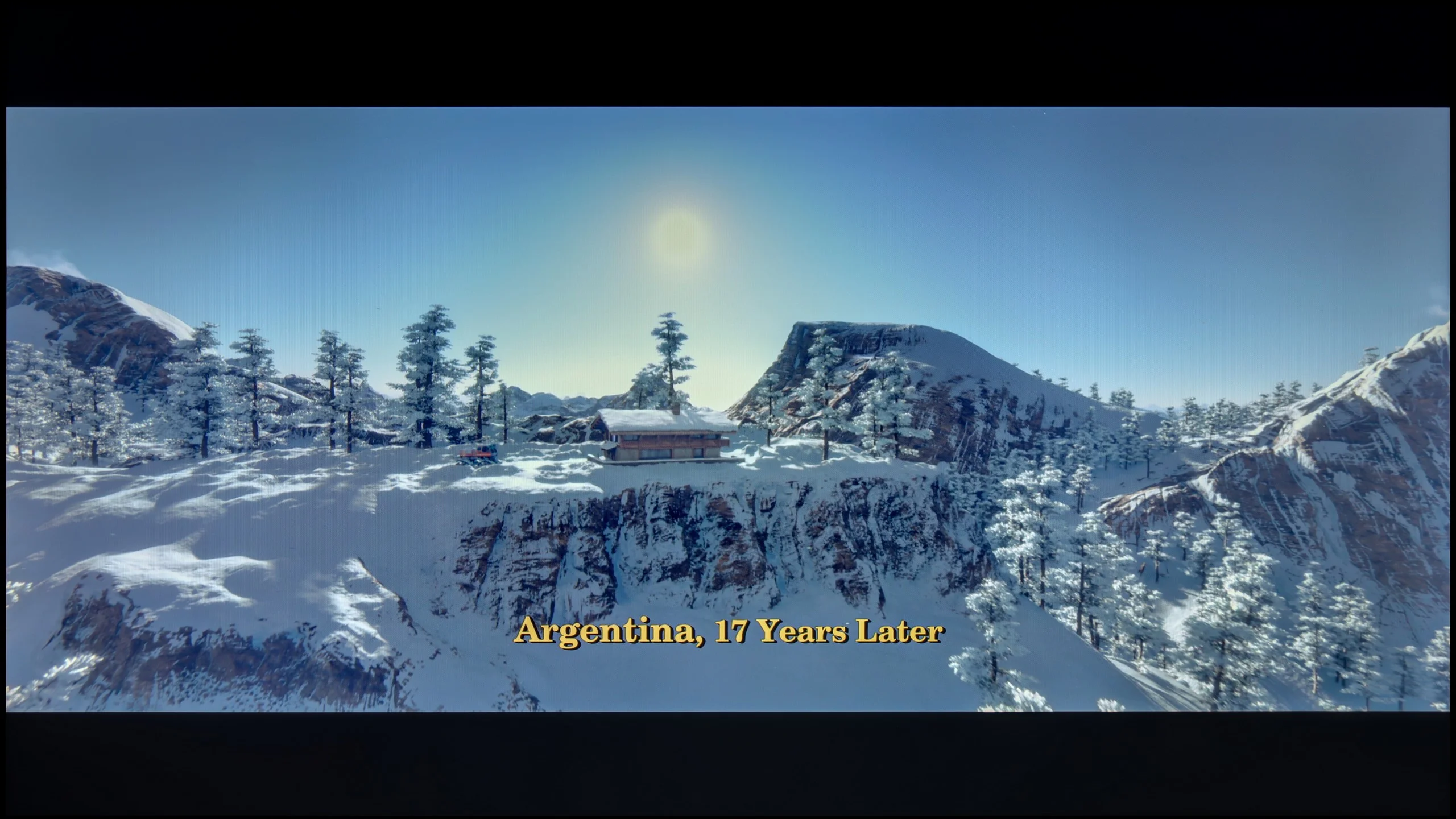
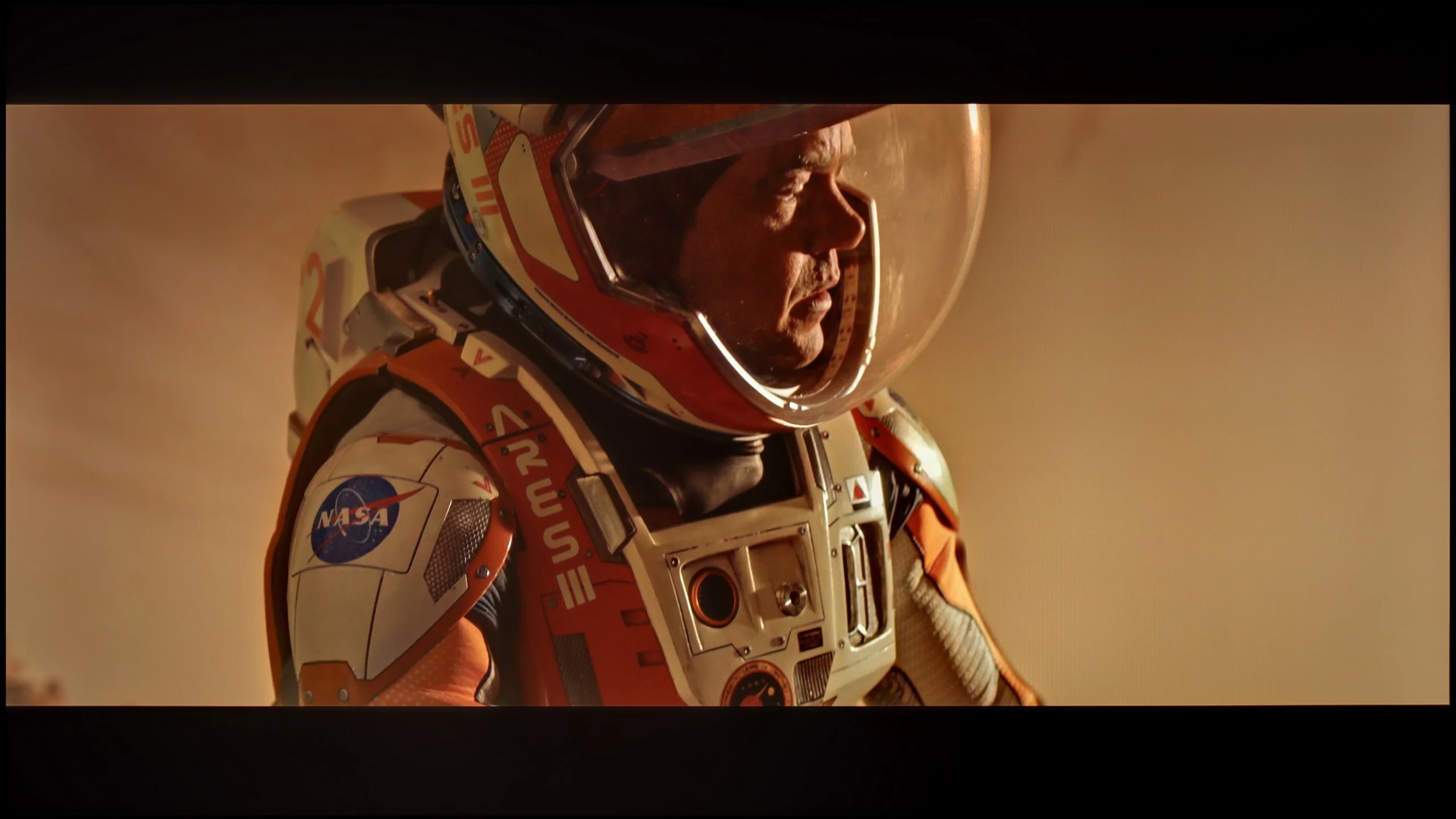
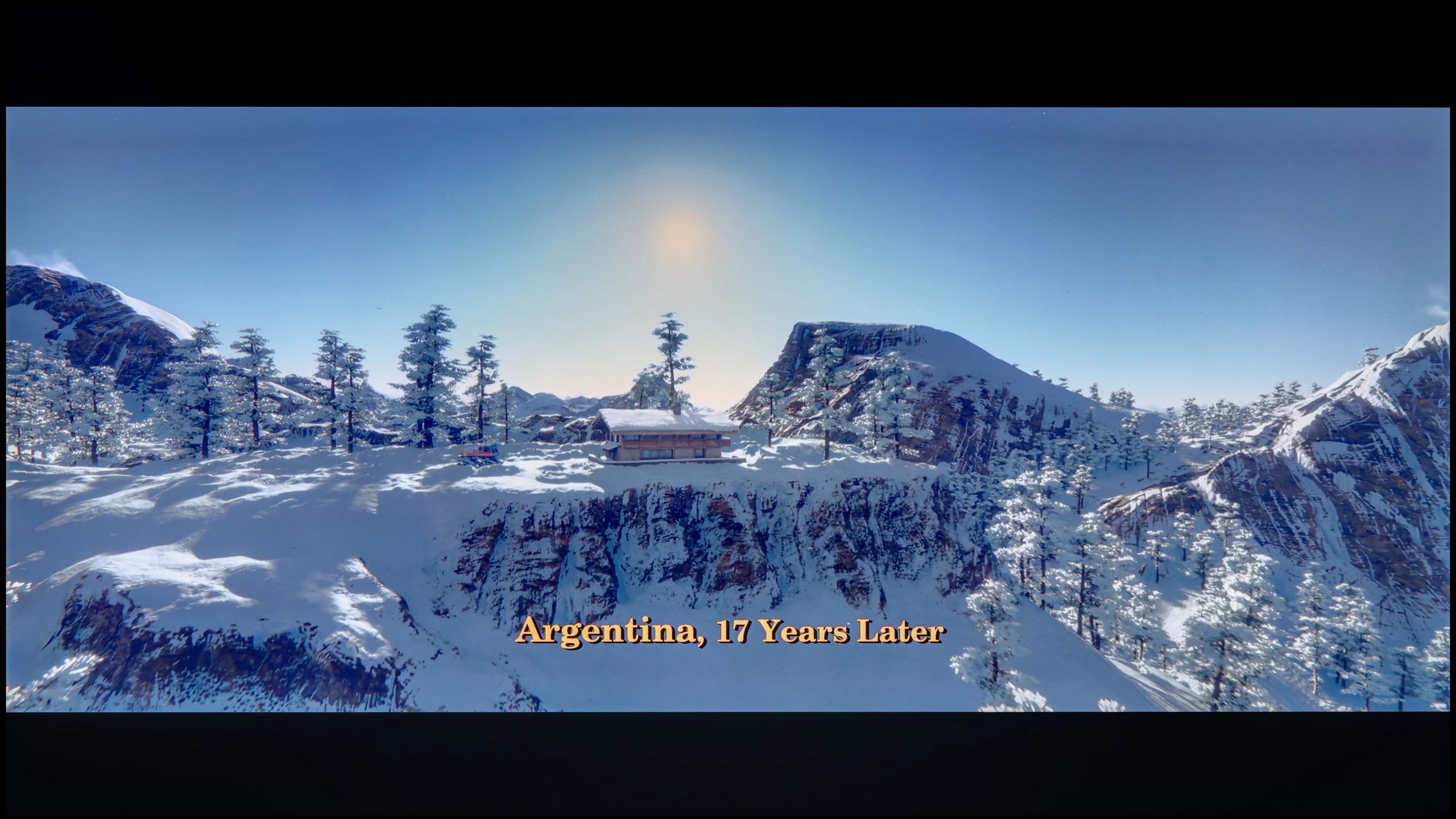
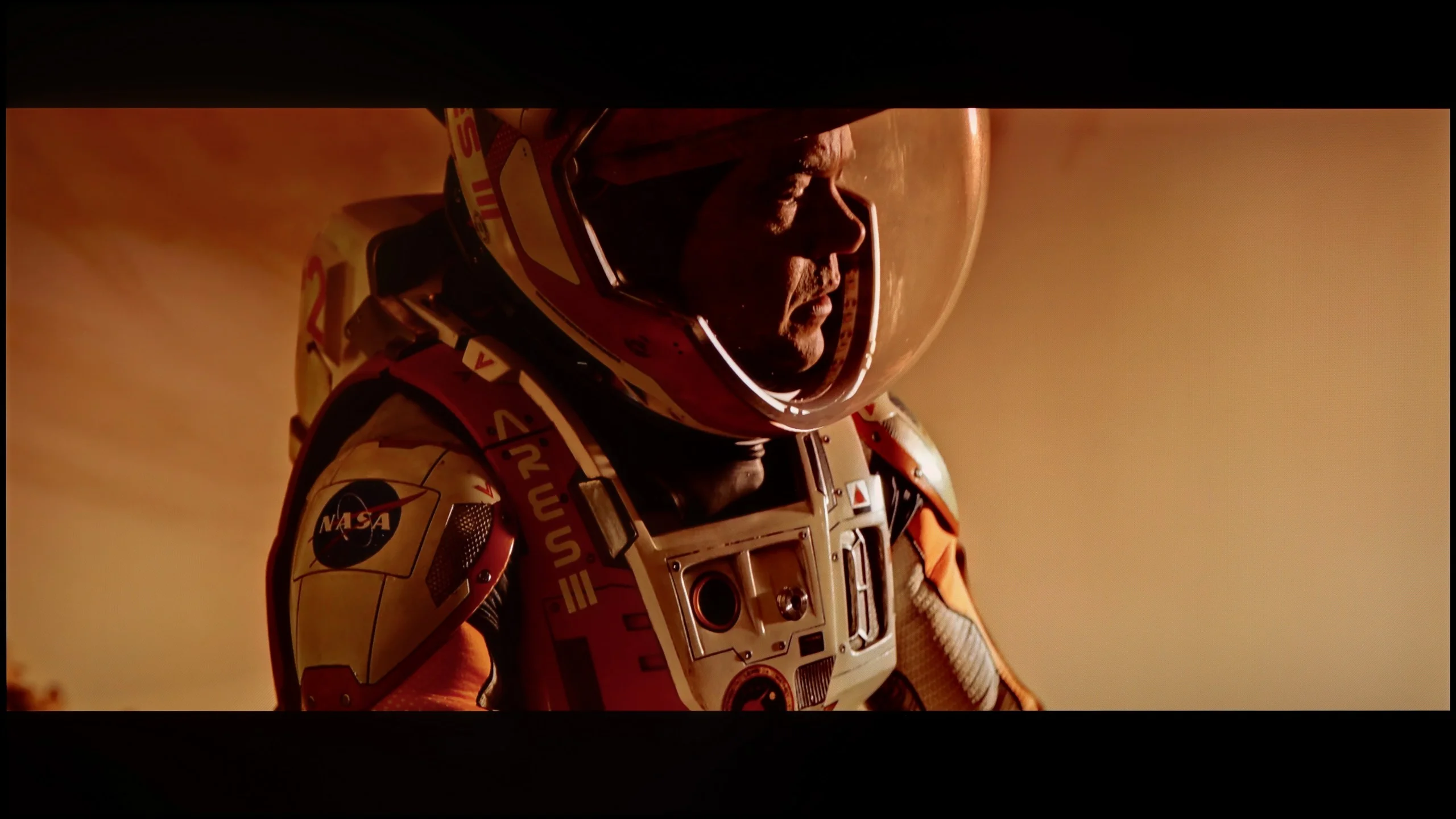
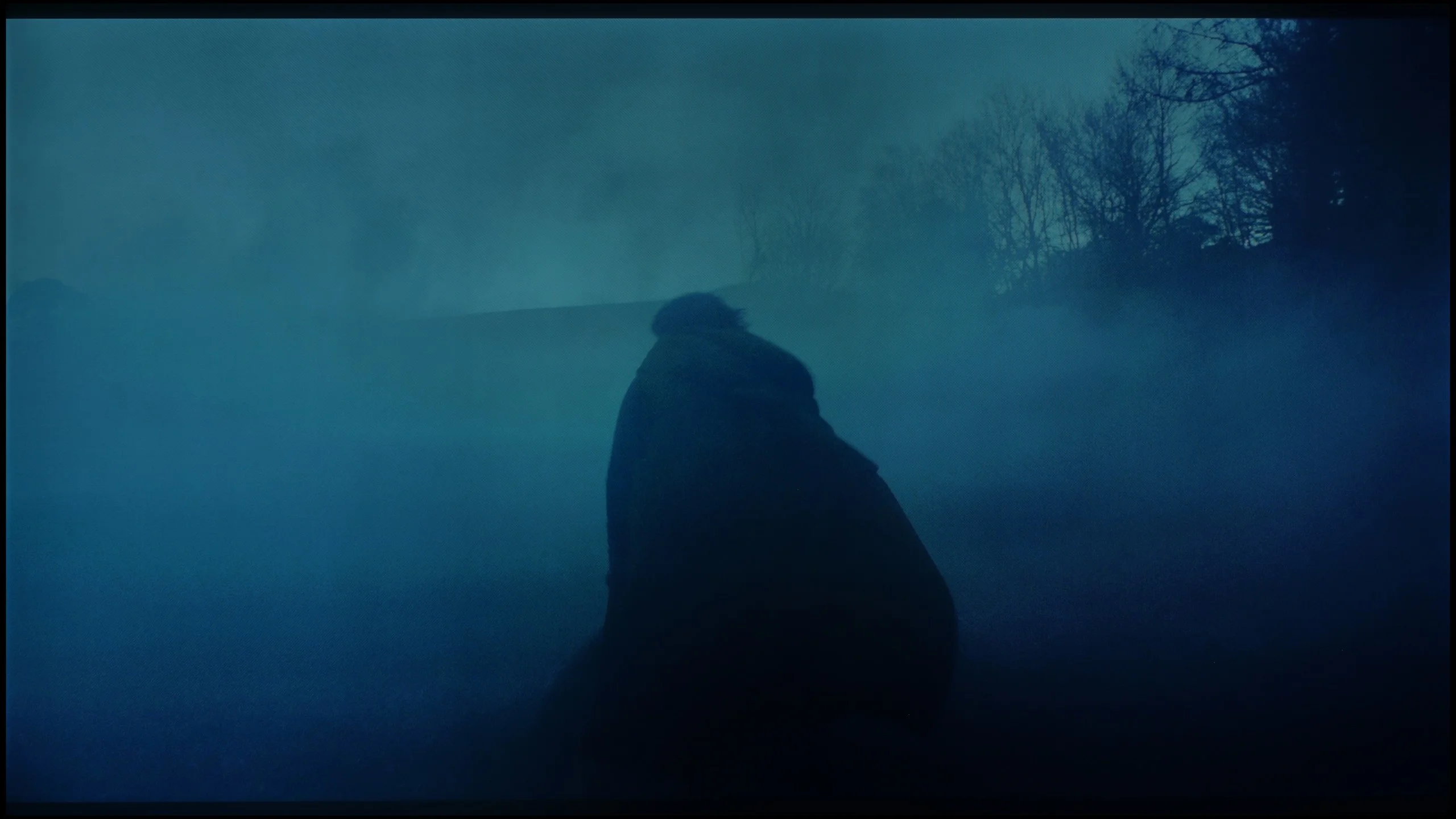
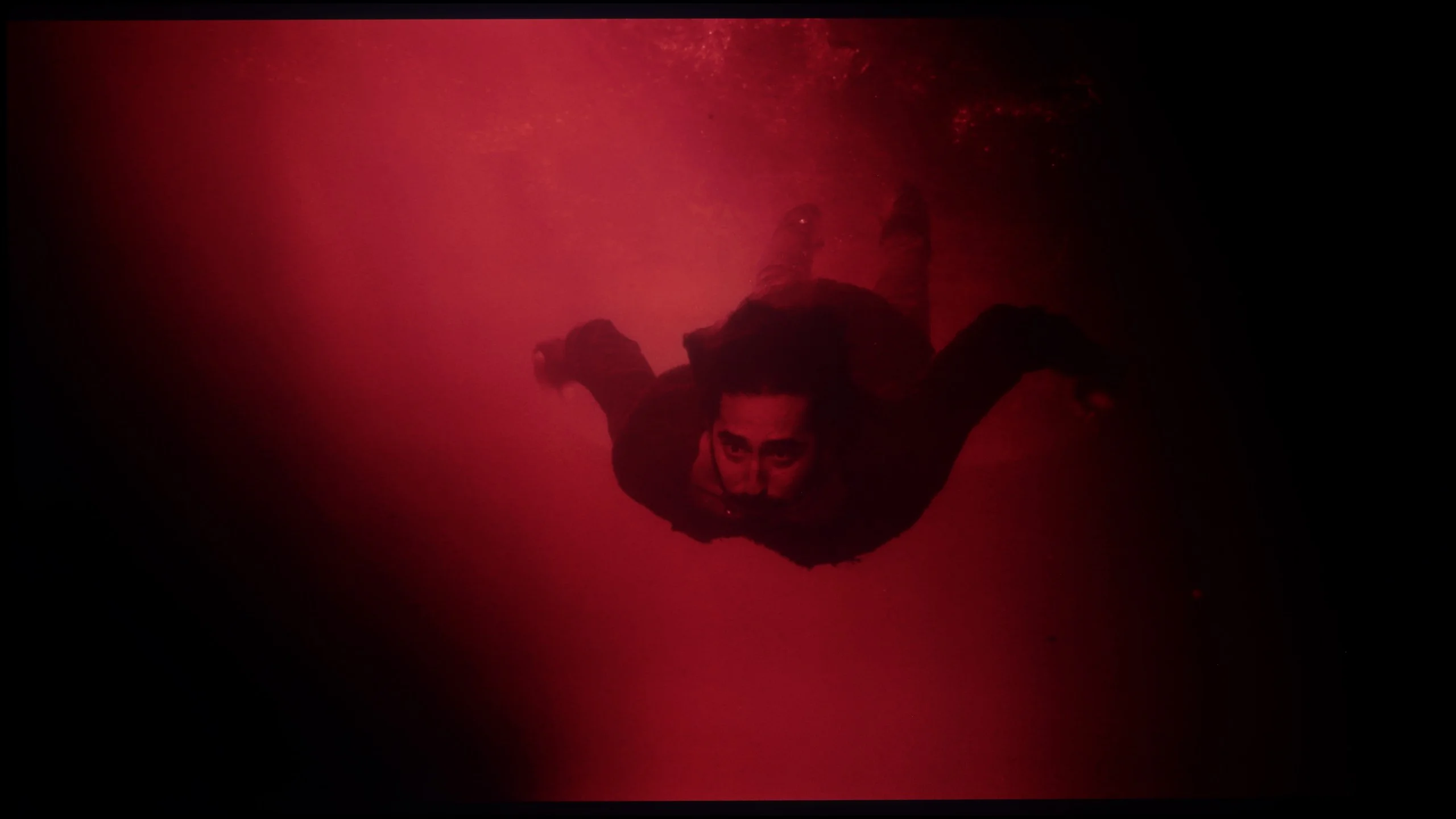
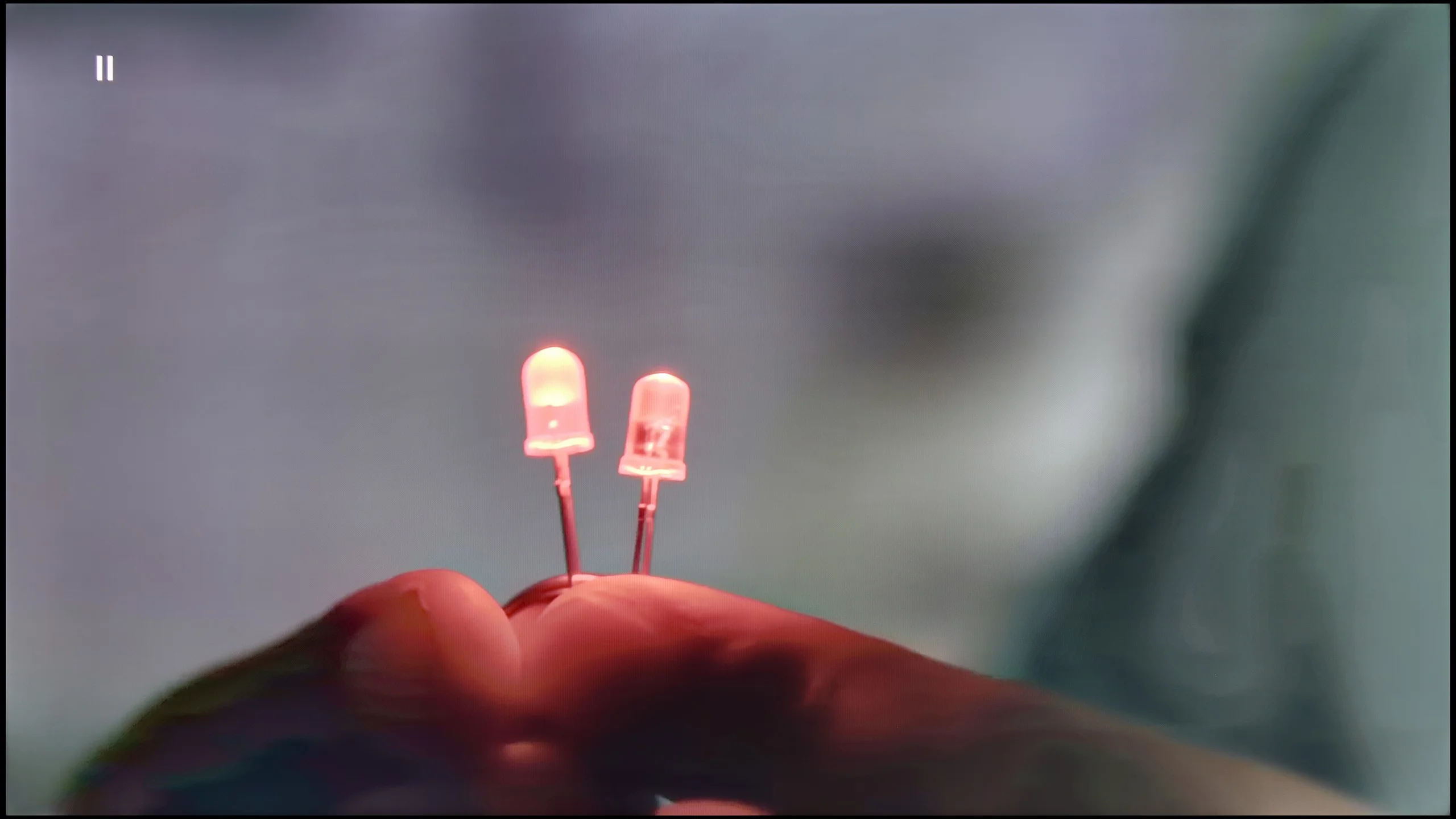
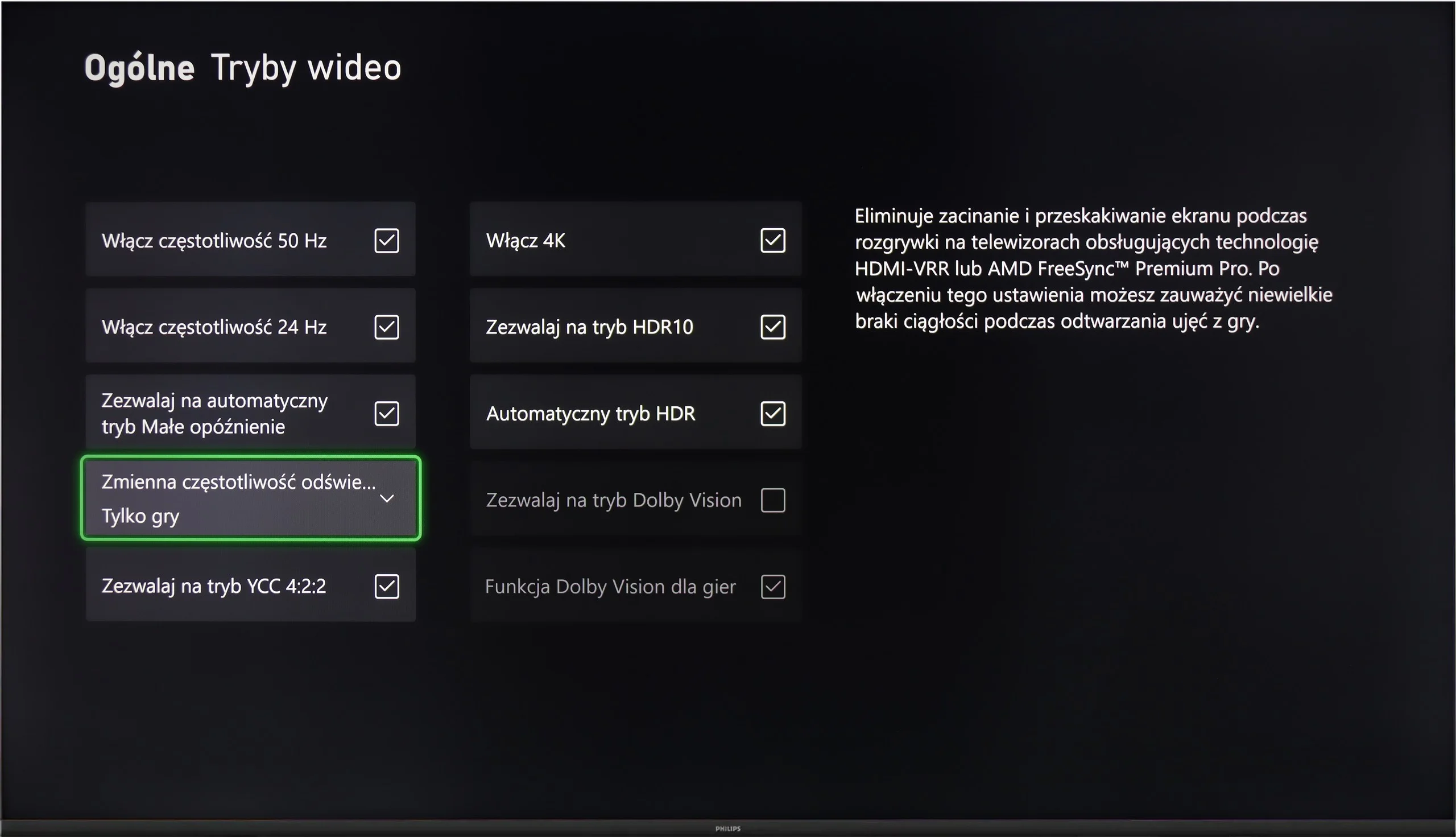
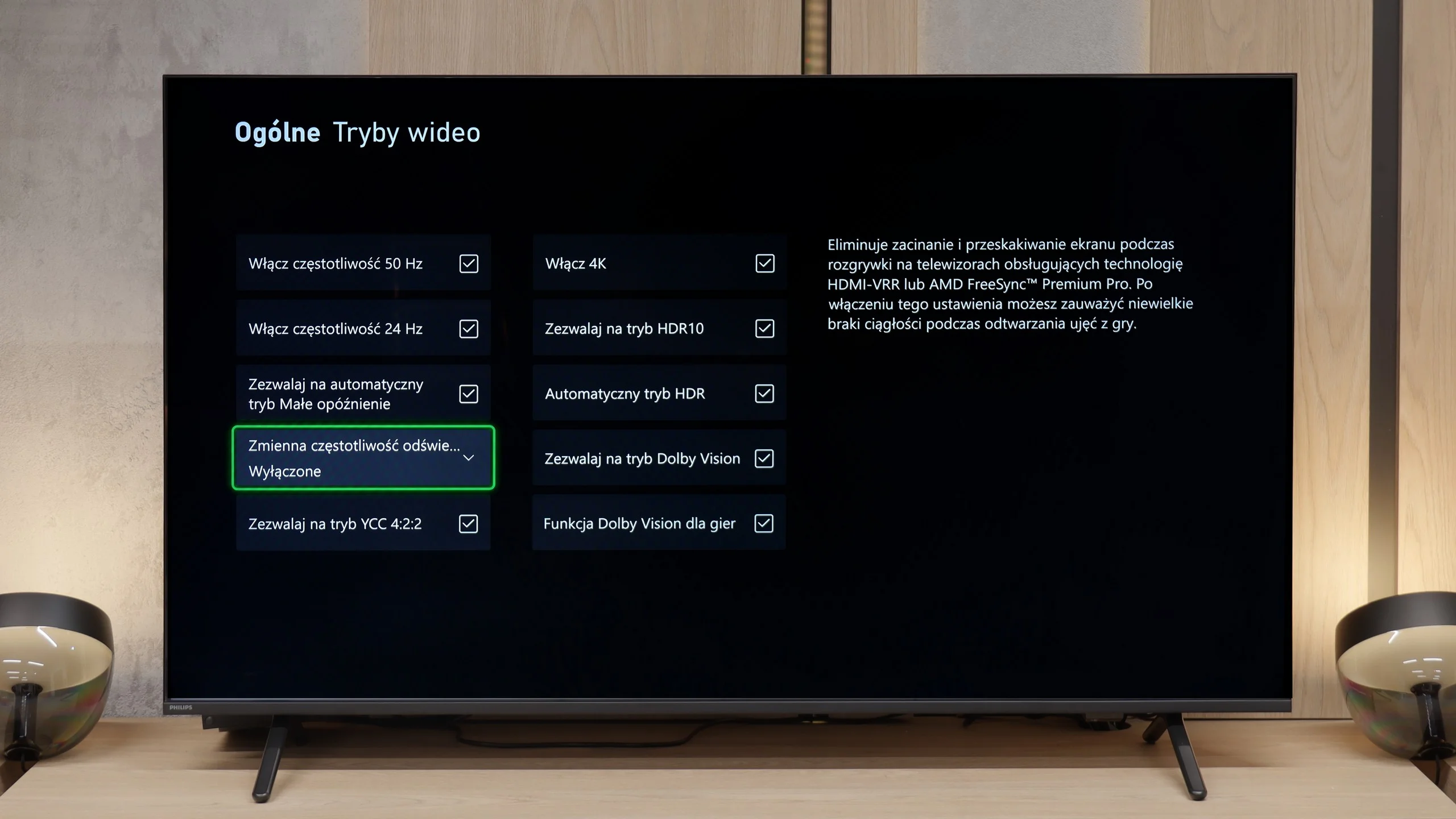
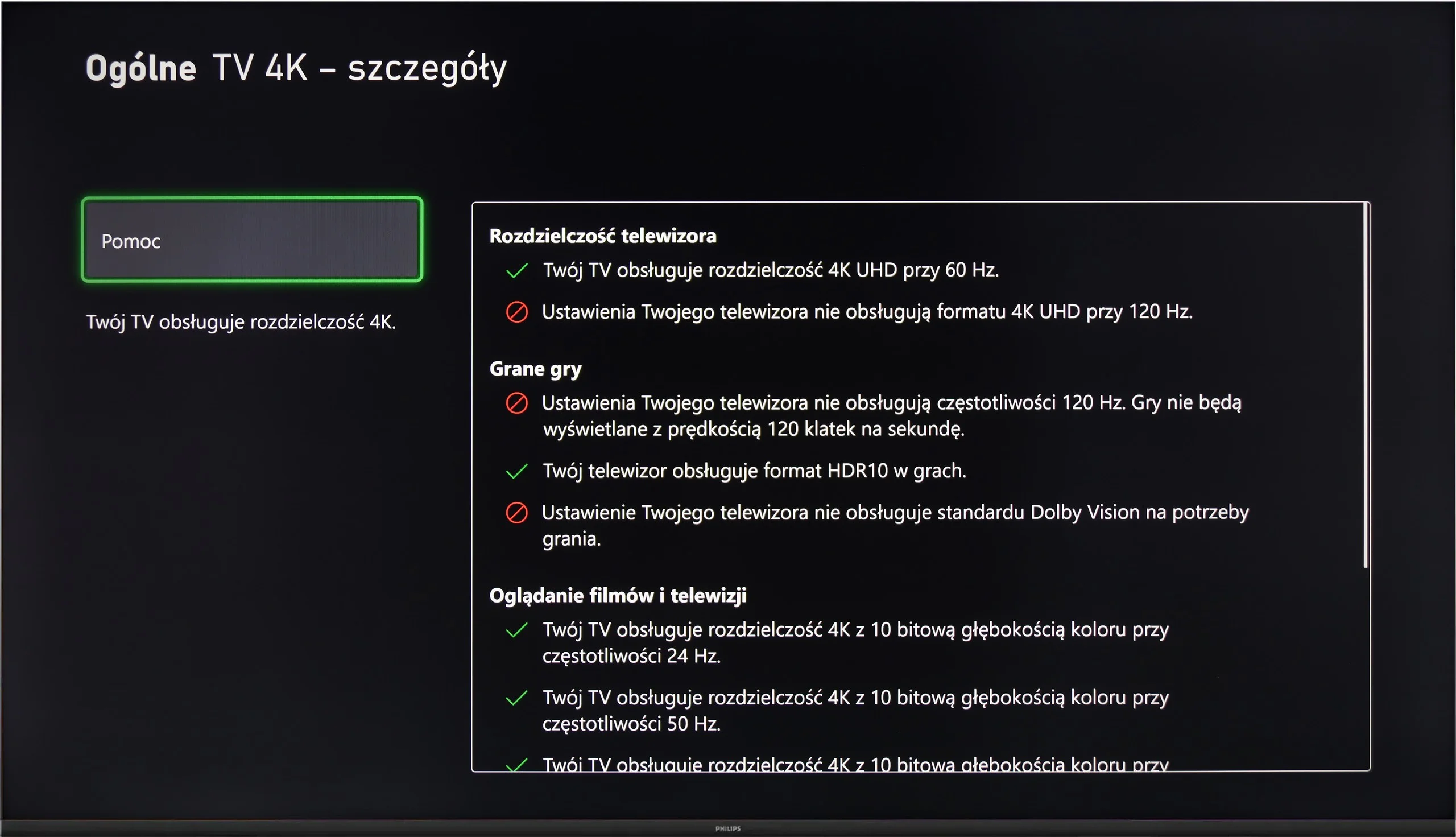
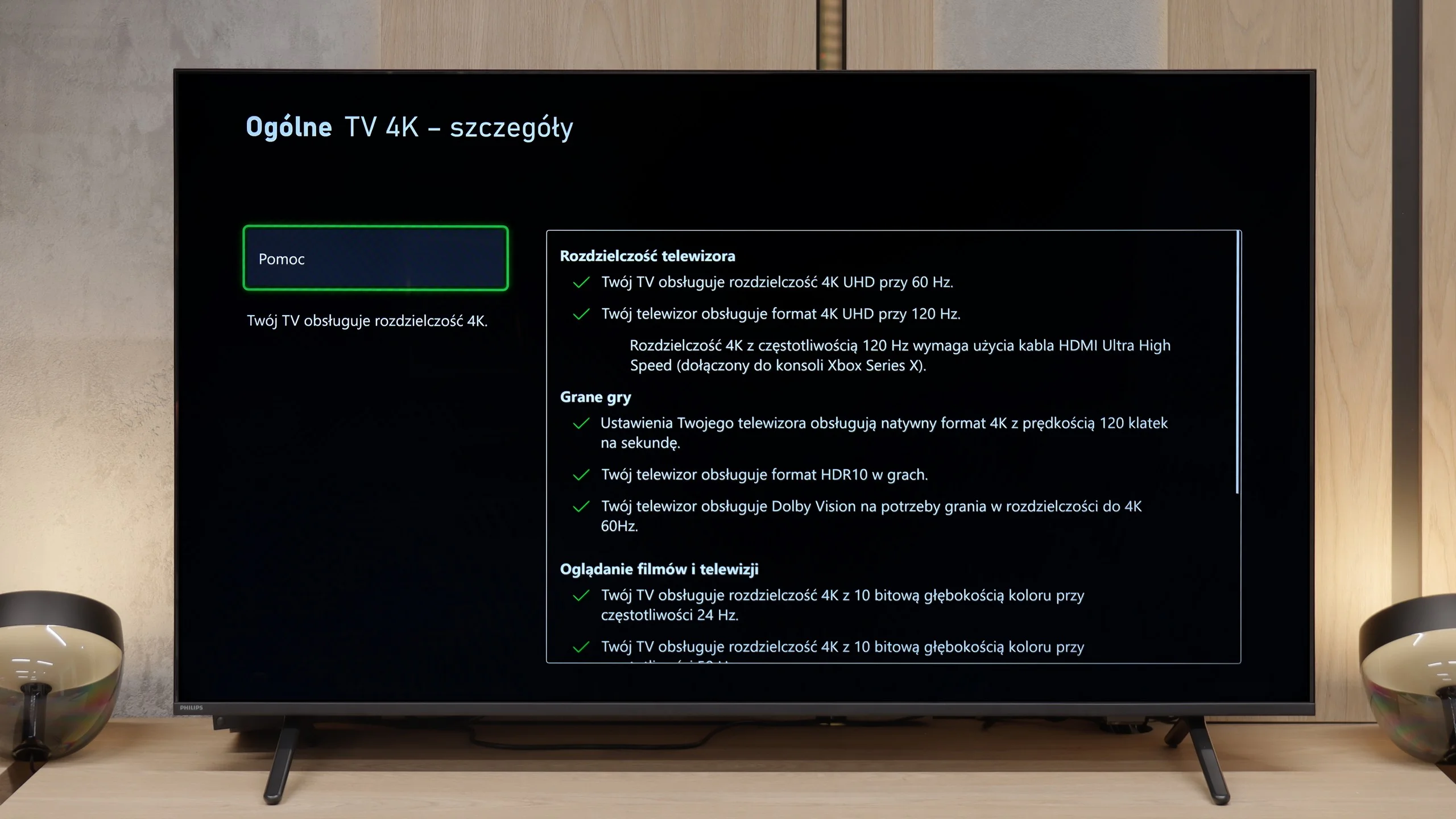
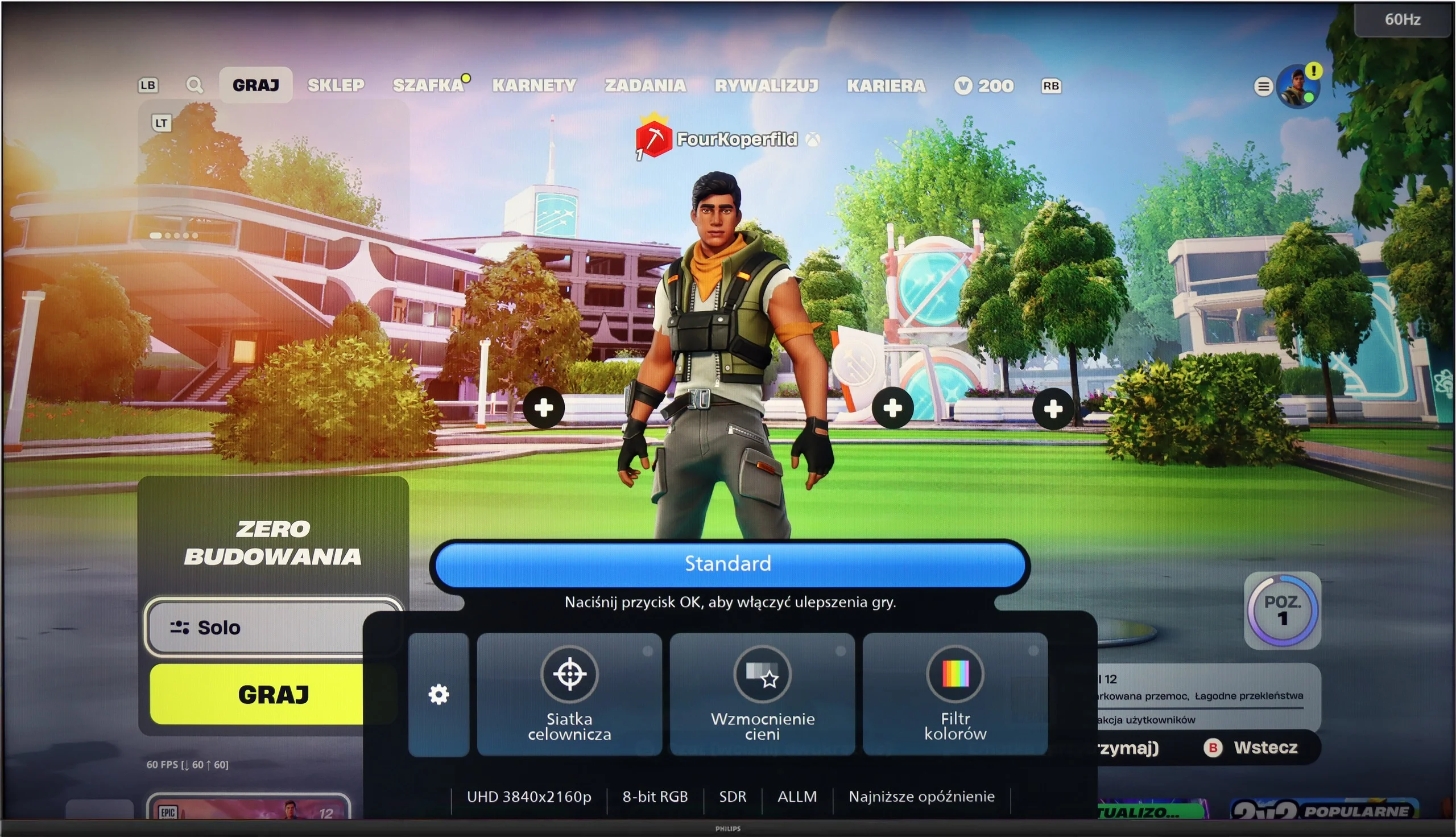
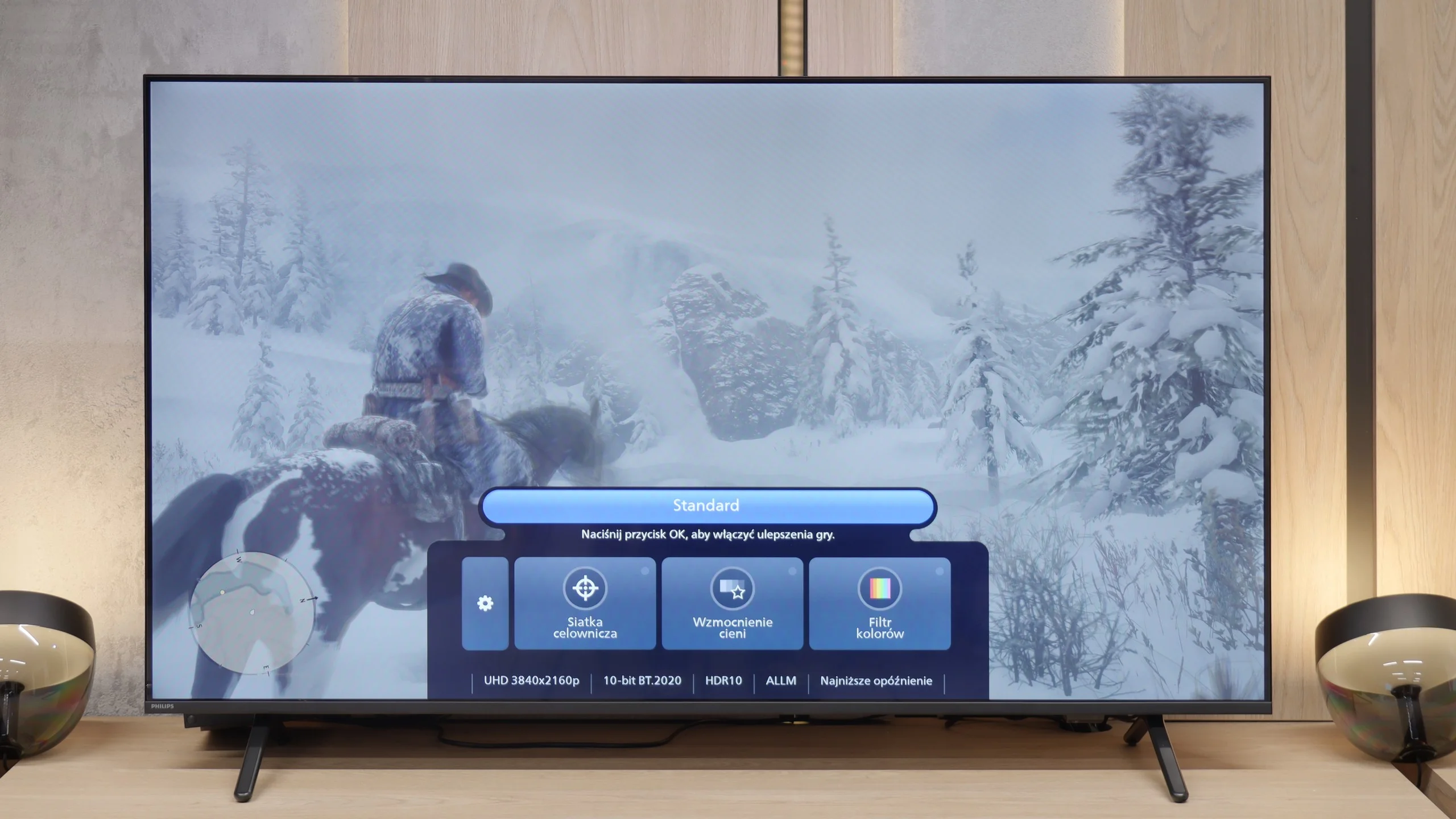
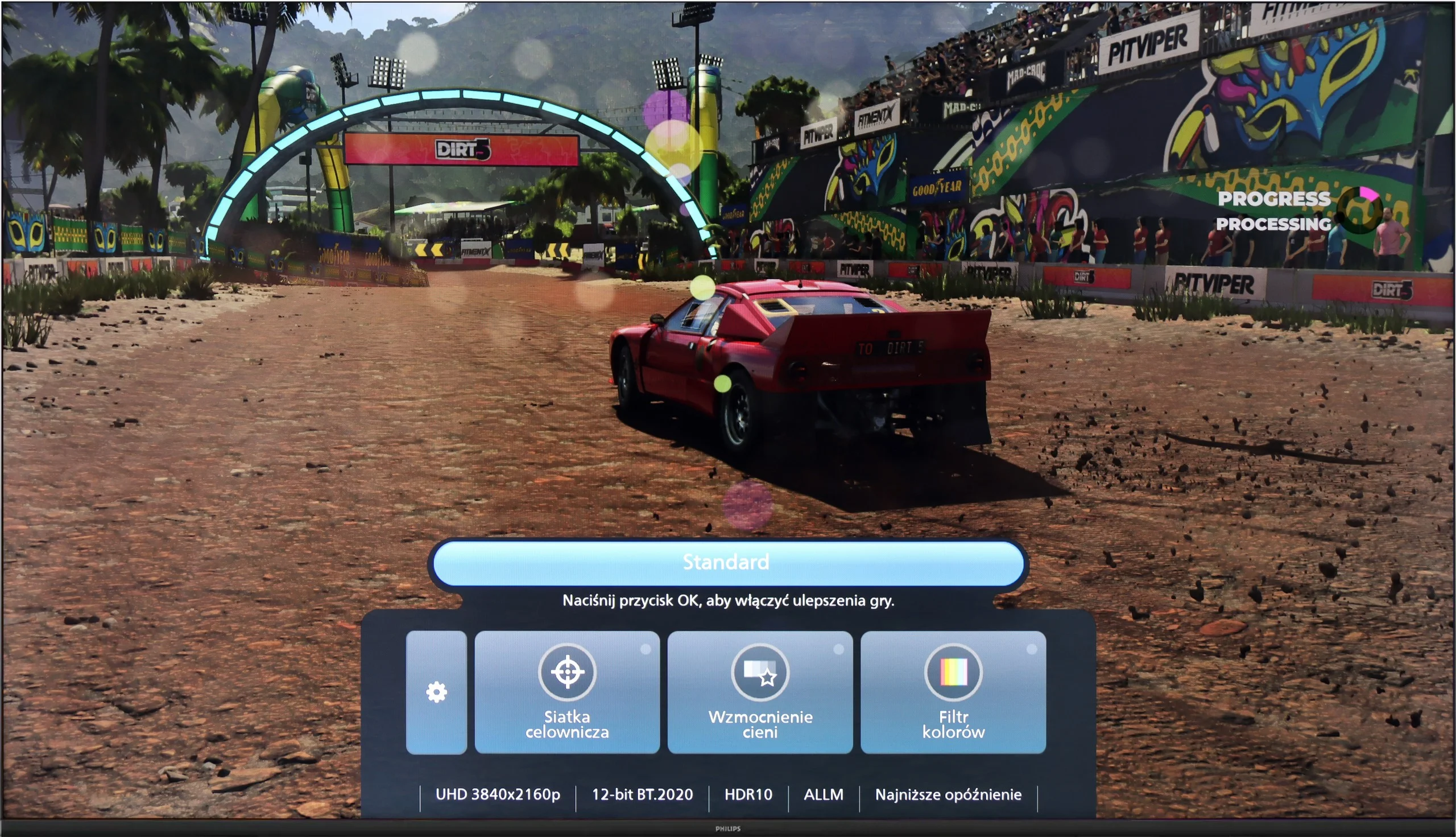
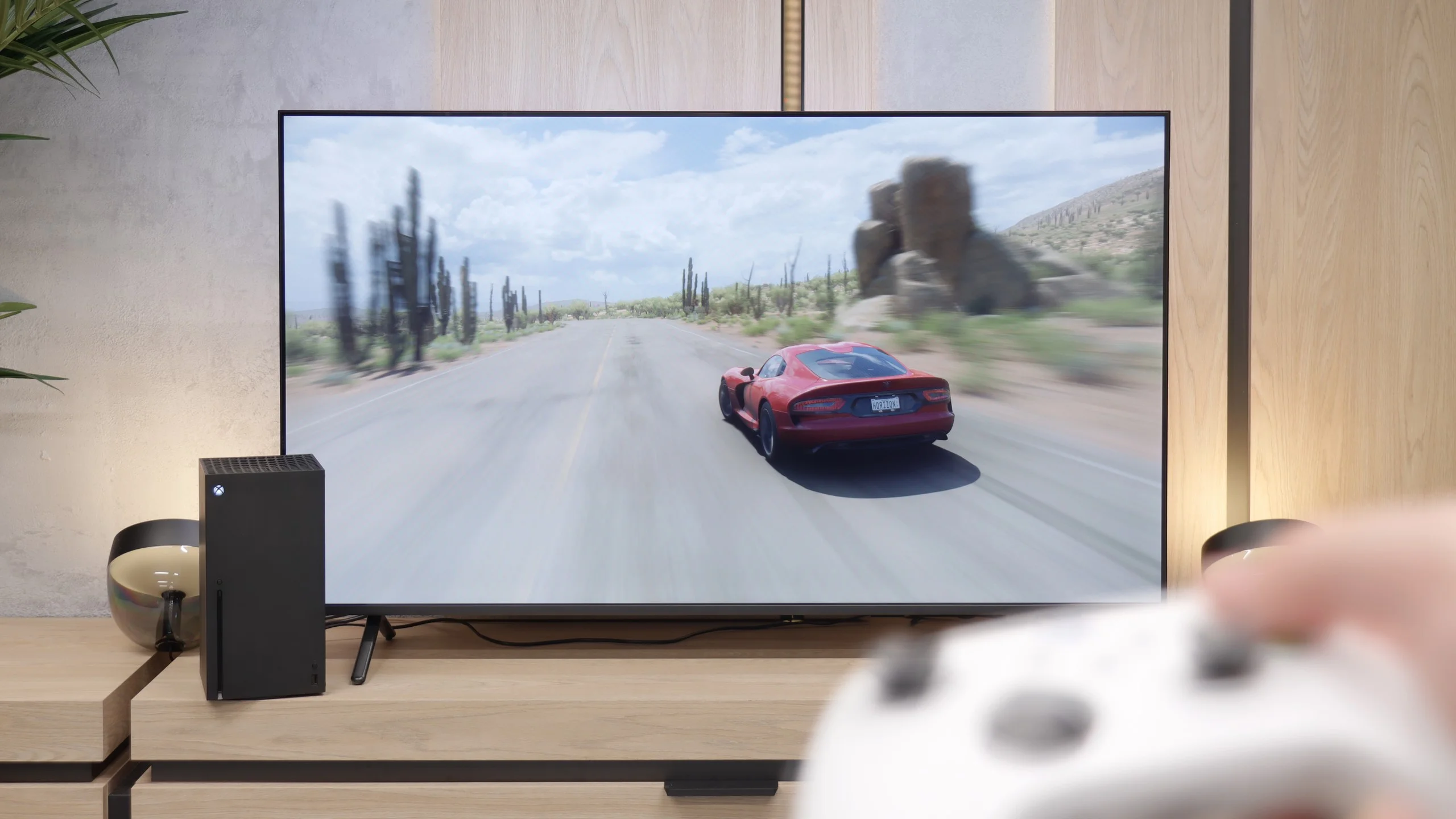
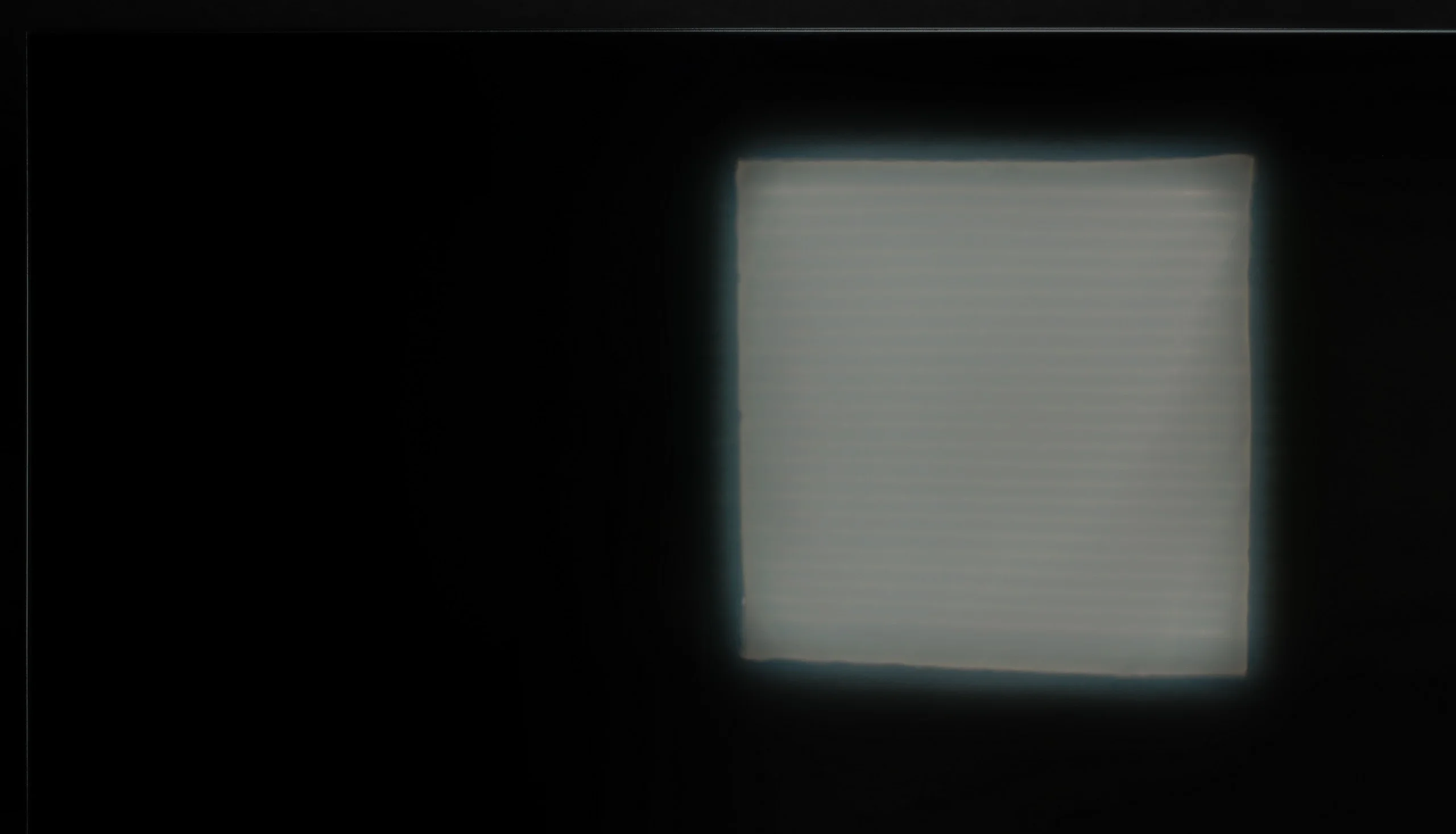
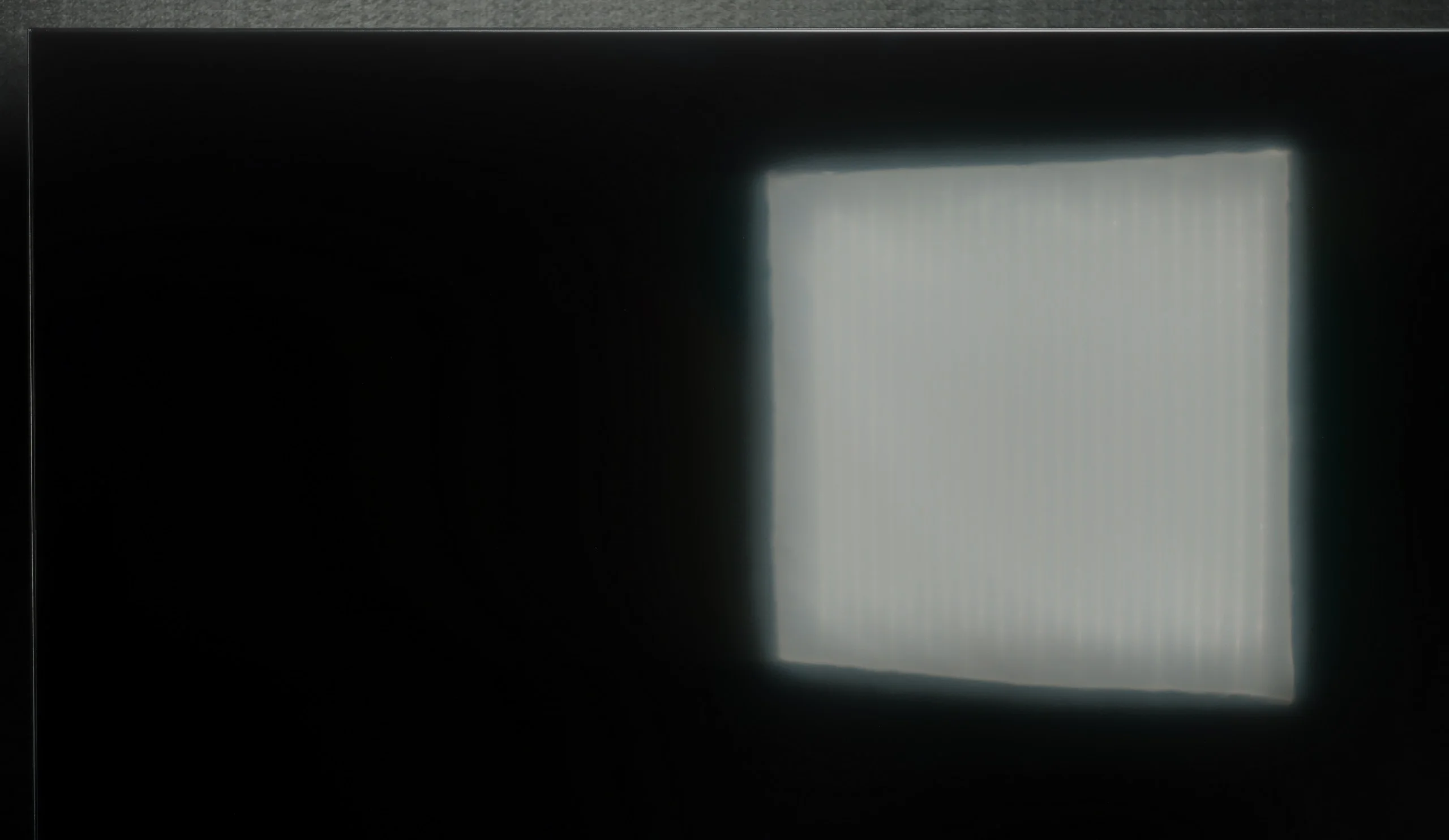
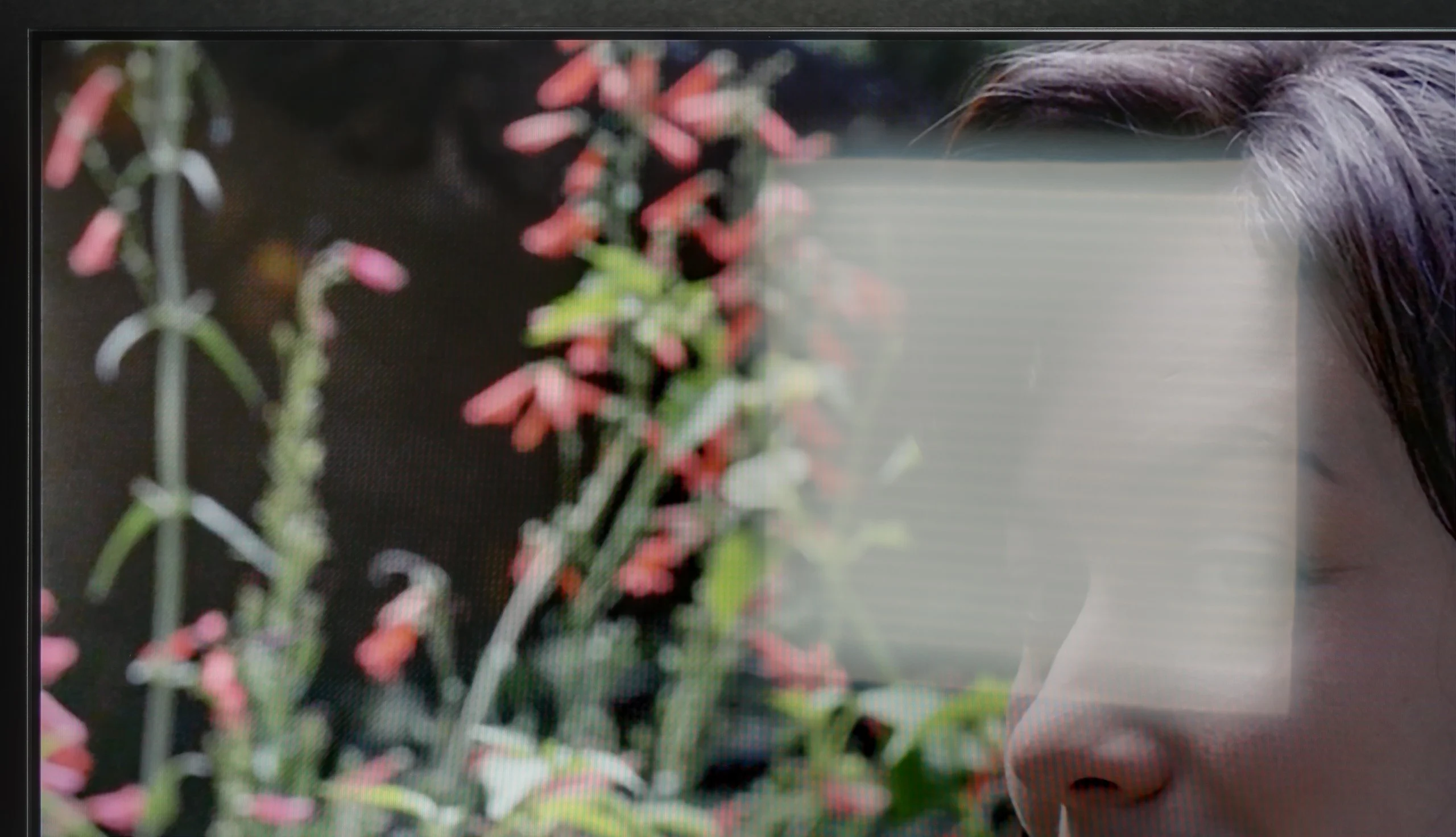
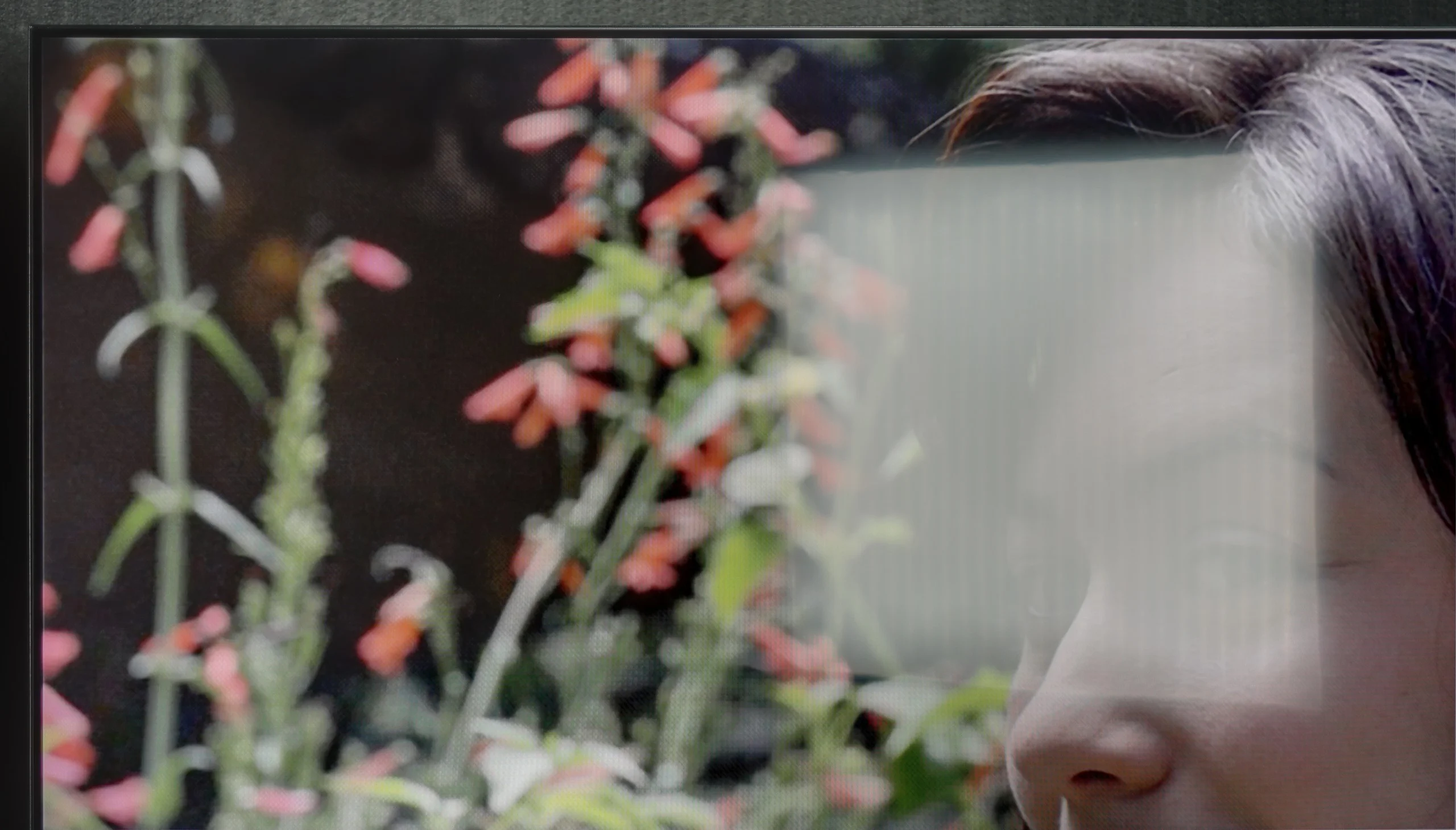
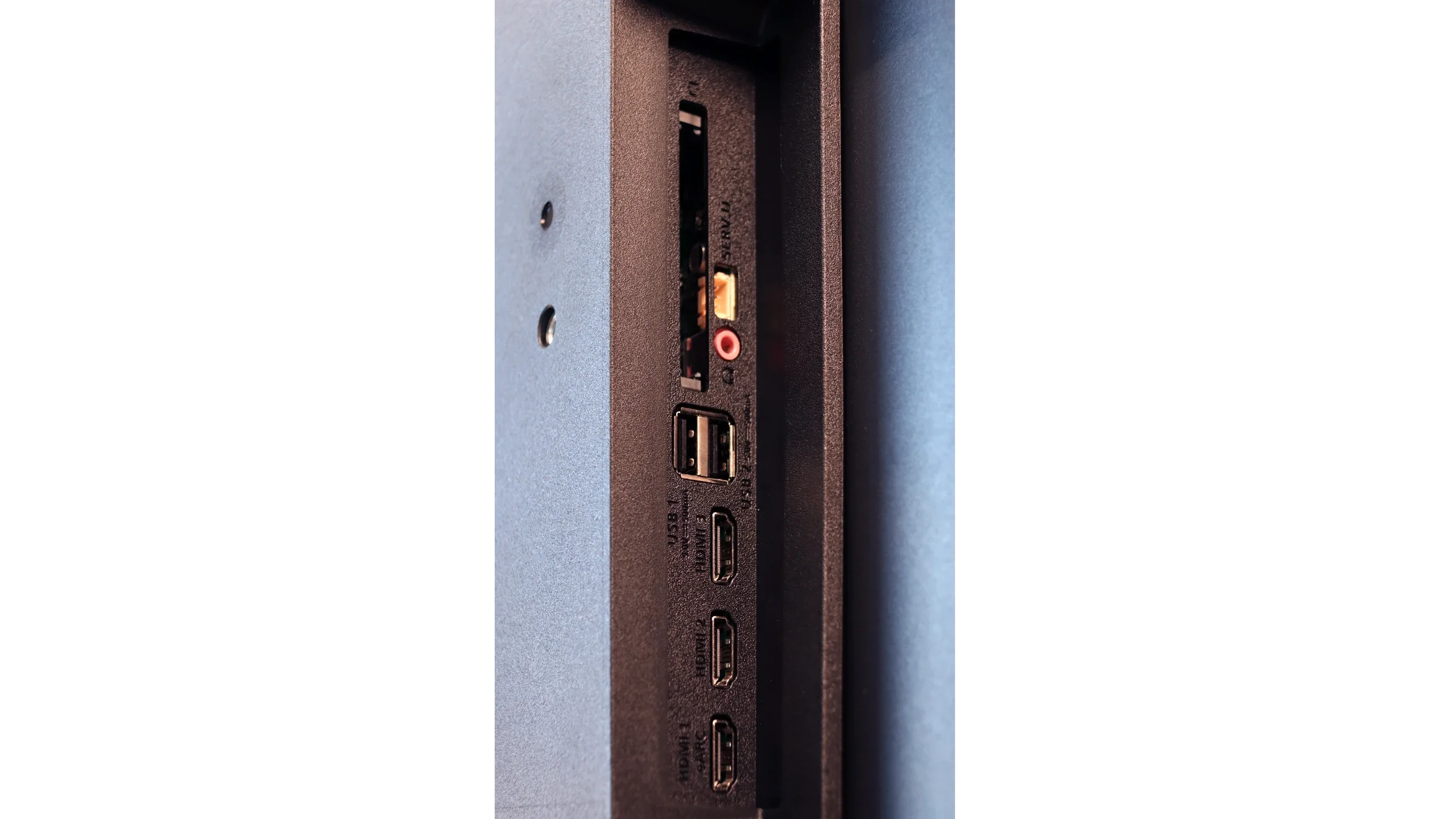
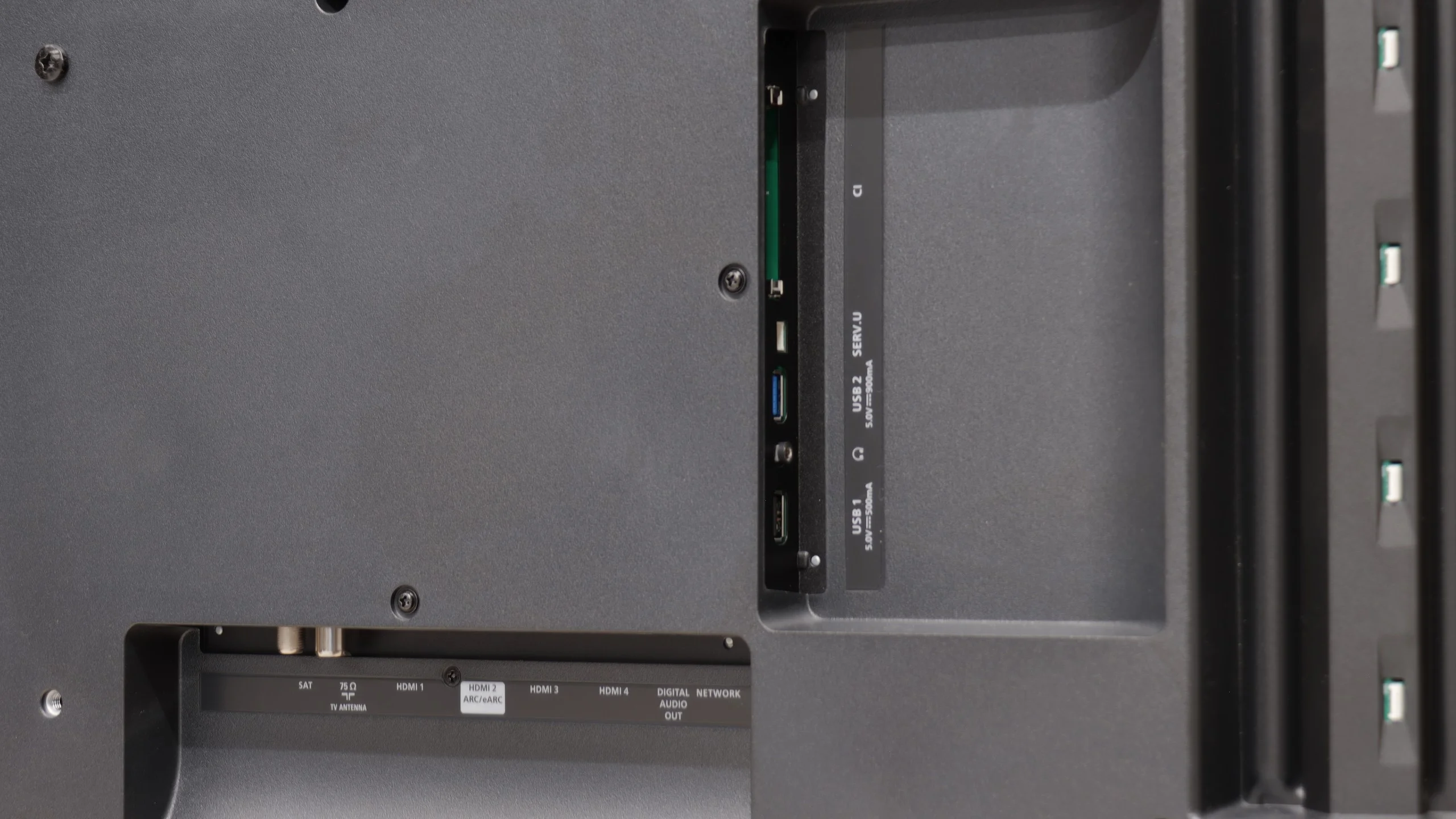
Ambilight because that's where we have to start, it's the biggest reason to buy the PUS8500. The three-sided backlighting of the TV looks great, especially in the evening. It creates an atmosphere, masks the imperfections of contrast, and makes the viewing experience simply more enjoyable. Even if the black levels aren't perfect, the native VA panel's high contrast is just fine. On top of that, there's really decent input lag and several gaming features like ALLM and VRR. Although there’s no HDMI 2.1 or 120Hz panel, casual gaming should be a pleasure. Especially since it's responsive and latency-free. Additionally, there’s full support for audio formats – both Dolby Atmos and DTS, so soundbar owners can rejoice too.
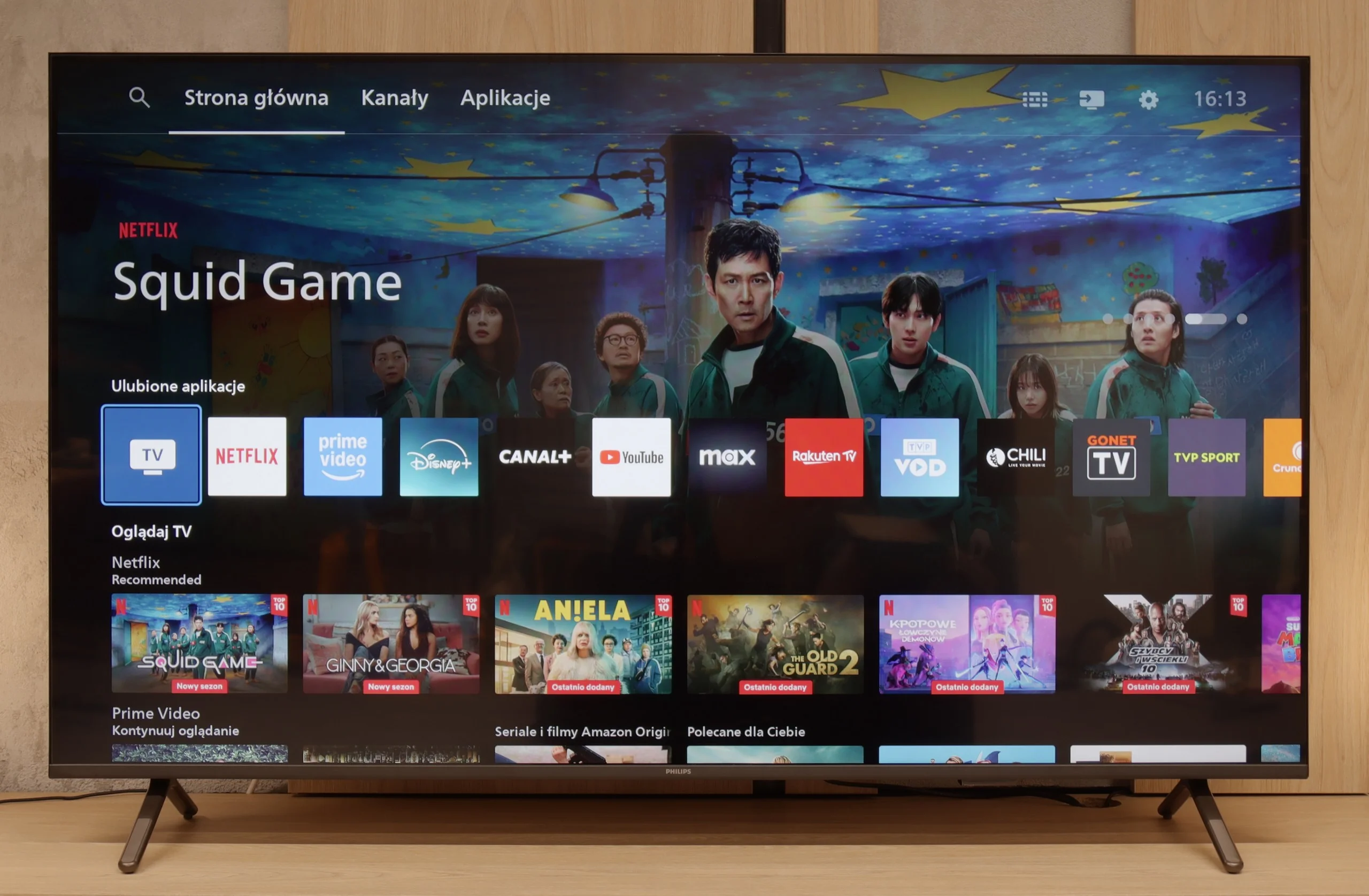
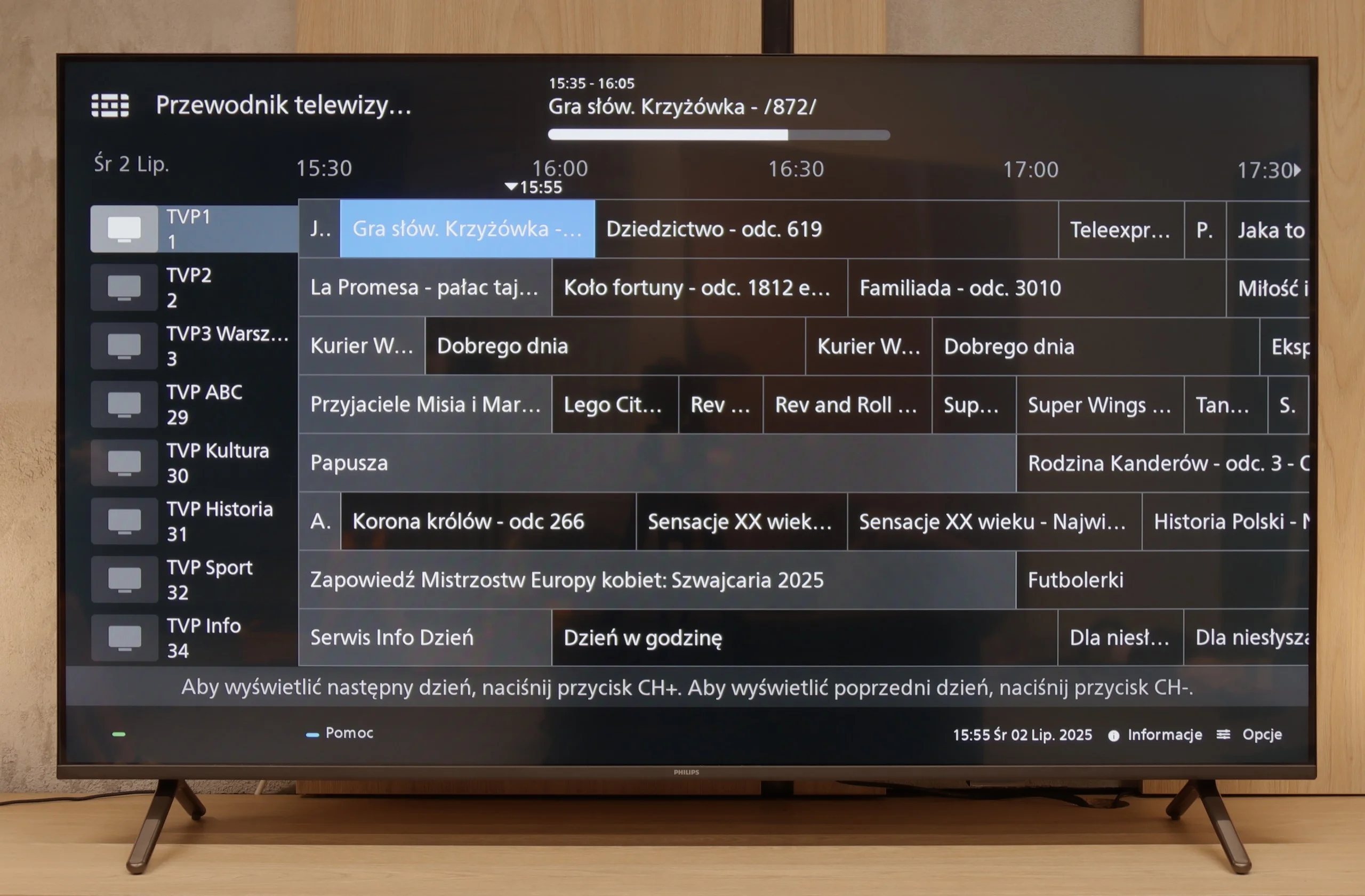
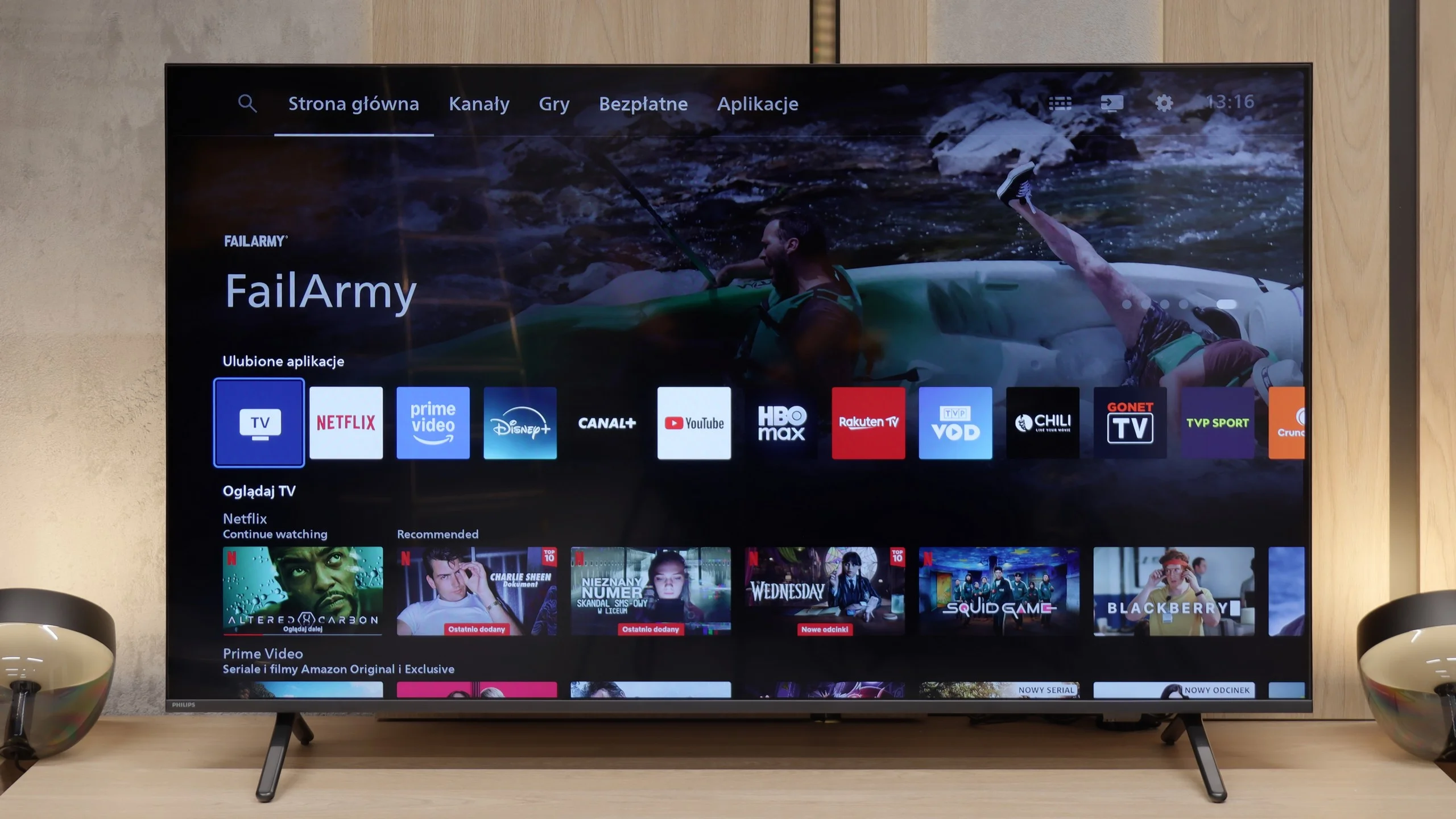
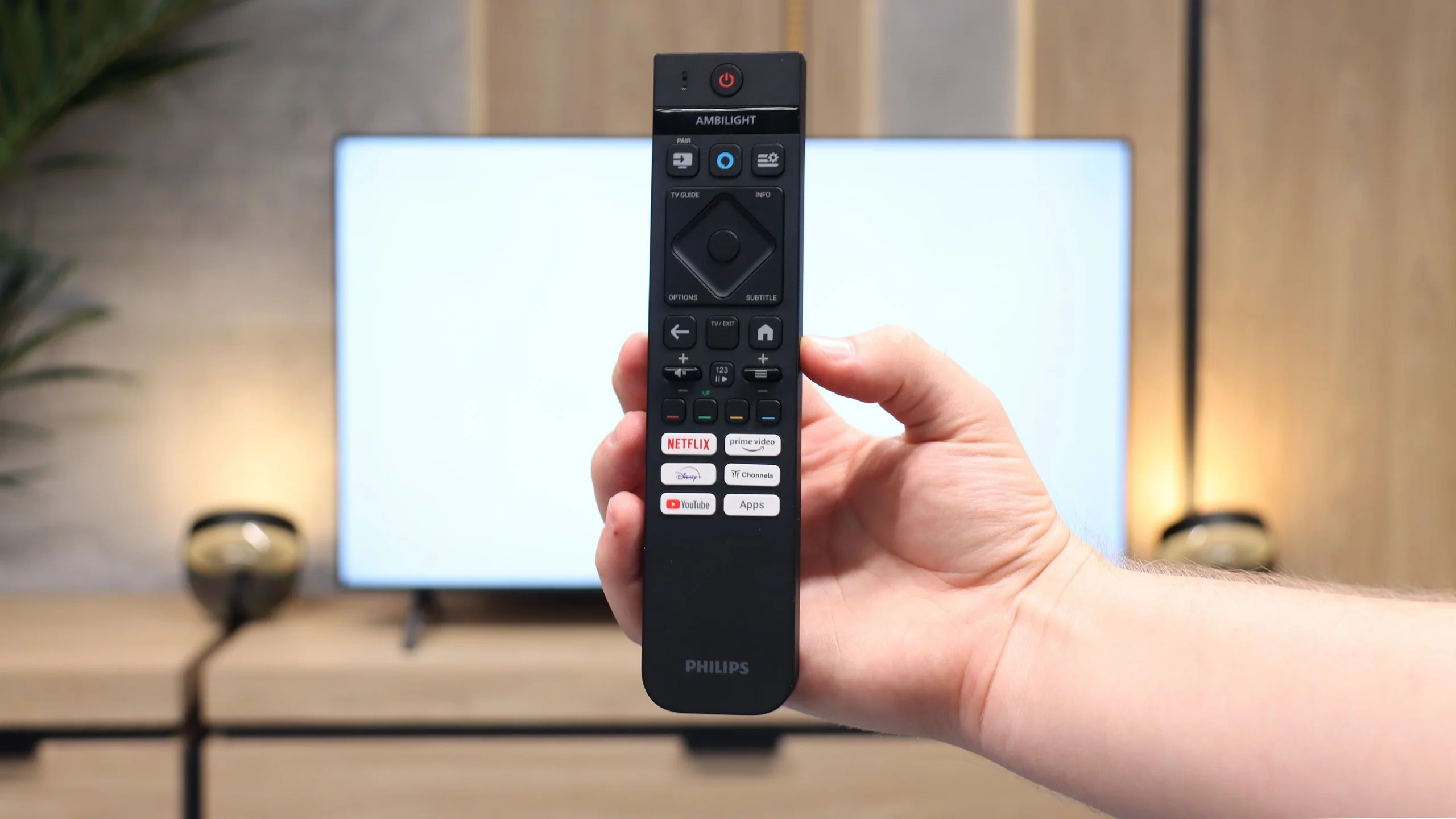
But let's not kid ourselves – this is still a budget TV, and at times it shows. Brightness is average – not weak enough to make viewing impossible, but if you hit a particularly sunny day, watching conditions without blinds can be problematic. However, in our opinion, the biggest disappointment with the PUS8560 is the operating system, Titan OS. Despite the system debuting some time ago, certain features simply wouldn't work – for example, screen mirroring from a phone despite the manufacturer's claims that such a feature is present here. There are fewer apps than with competitors, and the system itself runs a bit clumsily. Overall, it seems to have some capabilities, but clearly lacks refinement.
Of course, this is not a TV meant to compete with top models. But if someone is looking for something simple, with a nice atmosphere that the Ambilight system provides, it is a quite reasonable offer. You just need to know what to expect and accept the many compromises present here.
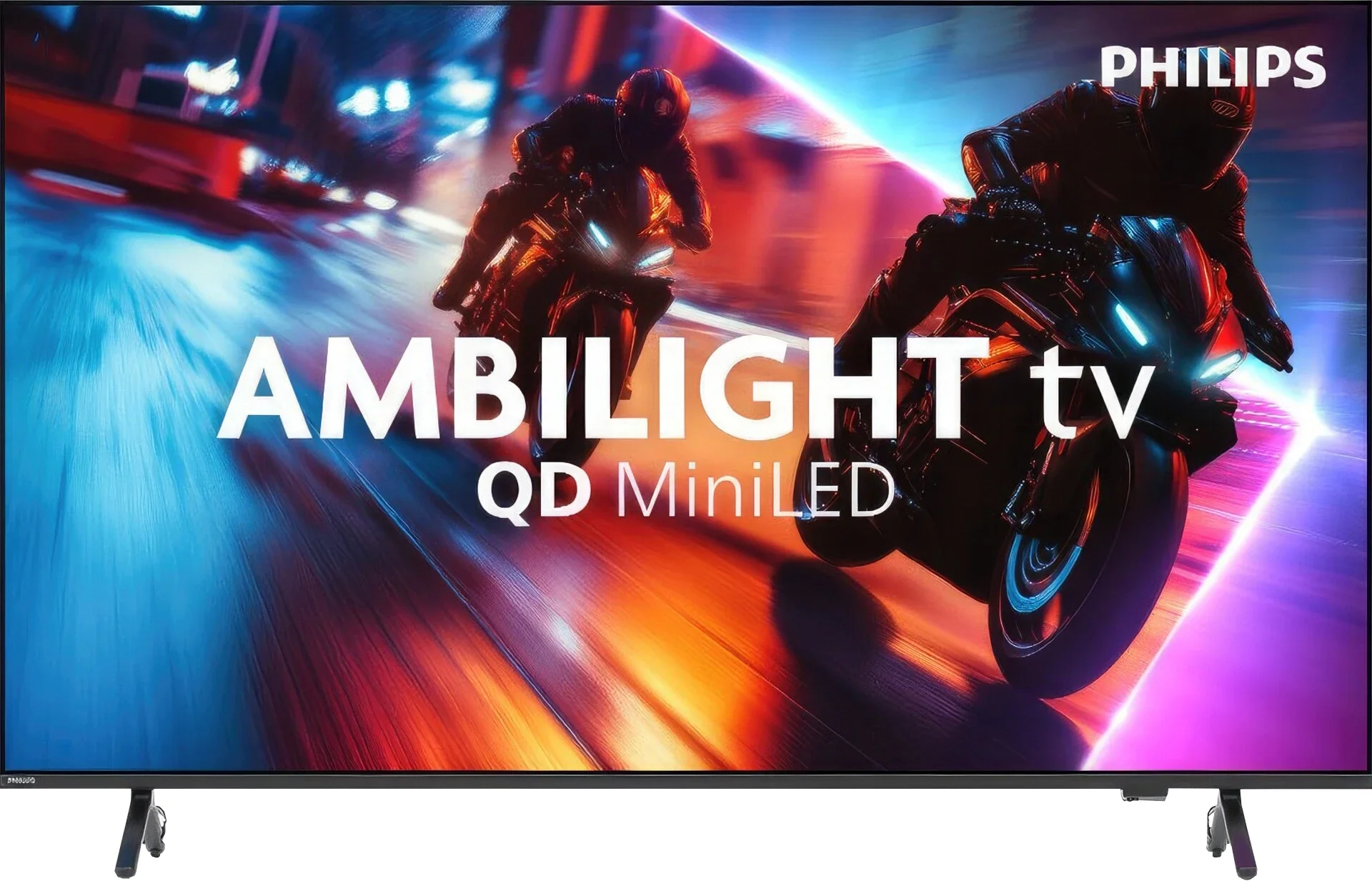
The Philips MLED920 is a natural continuation of last year's PML9000 model, but it's not a repeat performance. It's clear that the manufacturer has done its homework – first and foremost, the local dimming algorithms have been improved, which last year tended to significantly degrade the viewing experience. Now, the blacks and contrast look much better, and when combined with the Dolby Vision here, even HDR content looks really decent. The picture occasionally shines where it should, and it doesn’t strain the eyes in more challenging scenes. Undoubtedly, the biggest advantage of the MLED920 is its unique Ambilight system. The three-sided backlighting can give films and games a completely new atmosphere – the screen seems to extend beyond its borders, and the entire room becomes part of the viewing experience. This is something that will be appreciated not only by movie enthusiasts but also by gamers, who, in addition to the lights, get a whole set of features typical for modern gaming TVs: 144 Hz, VRR, ALLM, and Dolby Vision Gaming. In this regard, Philips has a lot to offer. However, there is a significant caveat – this brings us to the most difficult part of this verdict – it is still dual-purpose equipment. On one hand, we have strong picture quality and a unique Ambilight feature, while on the other, there are hardware limitations that are hard to ignore. Titan OS in its current form is a significant bottleneck, filled with bugs and shortcomings that make the television lag behind the competition. Additionally, the price is not low considering the offered capabilities. Therefore, it's hard to recommend it unequivocally to everyone. However, if you are looking for the brightest Philips screen at a reasonable price, with Ambilight, a full set of features for gamers, and basic applications – the MLED920 will be quite a good choice.
 Direct comparison