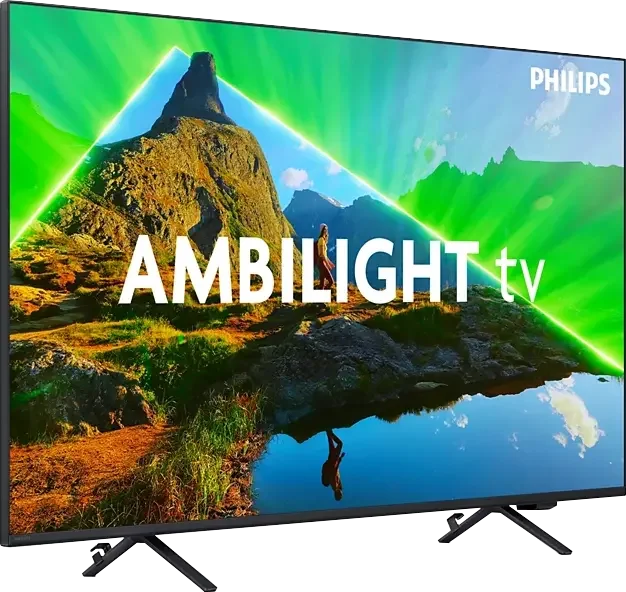
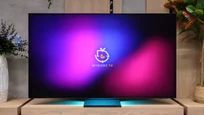
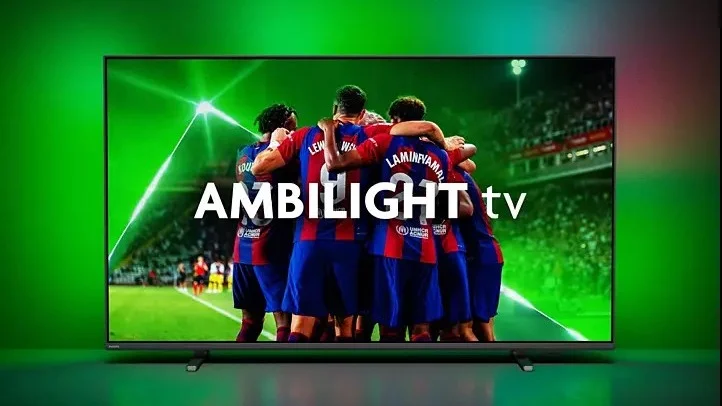
Philips PUS8359 in 50" is a straightforward television, but offers sufficient features to satisfy many consumers. Its most notable feature, which is common across the brand, is the Ambilight backlighting. At this price point, this addition is certainly valuable and may be a deciding factor for many buyers. While it’s unrealistic to expect a flawless picture in this price range, some models offer more, and in our view, this television is one of them.
In particular, the quality of tonal transitions, colour reproduction after calibration, and performance when connected to a computer stand out. With low input lag, casual gaming is quite enjoyable. However, the unit does have its drawbacks. The low luminance in HDR content and limited DCI-P3 colour gamut coverage are noteworthy issues. That said, the dynamic tone mapping feature works efficiently.
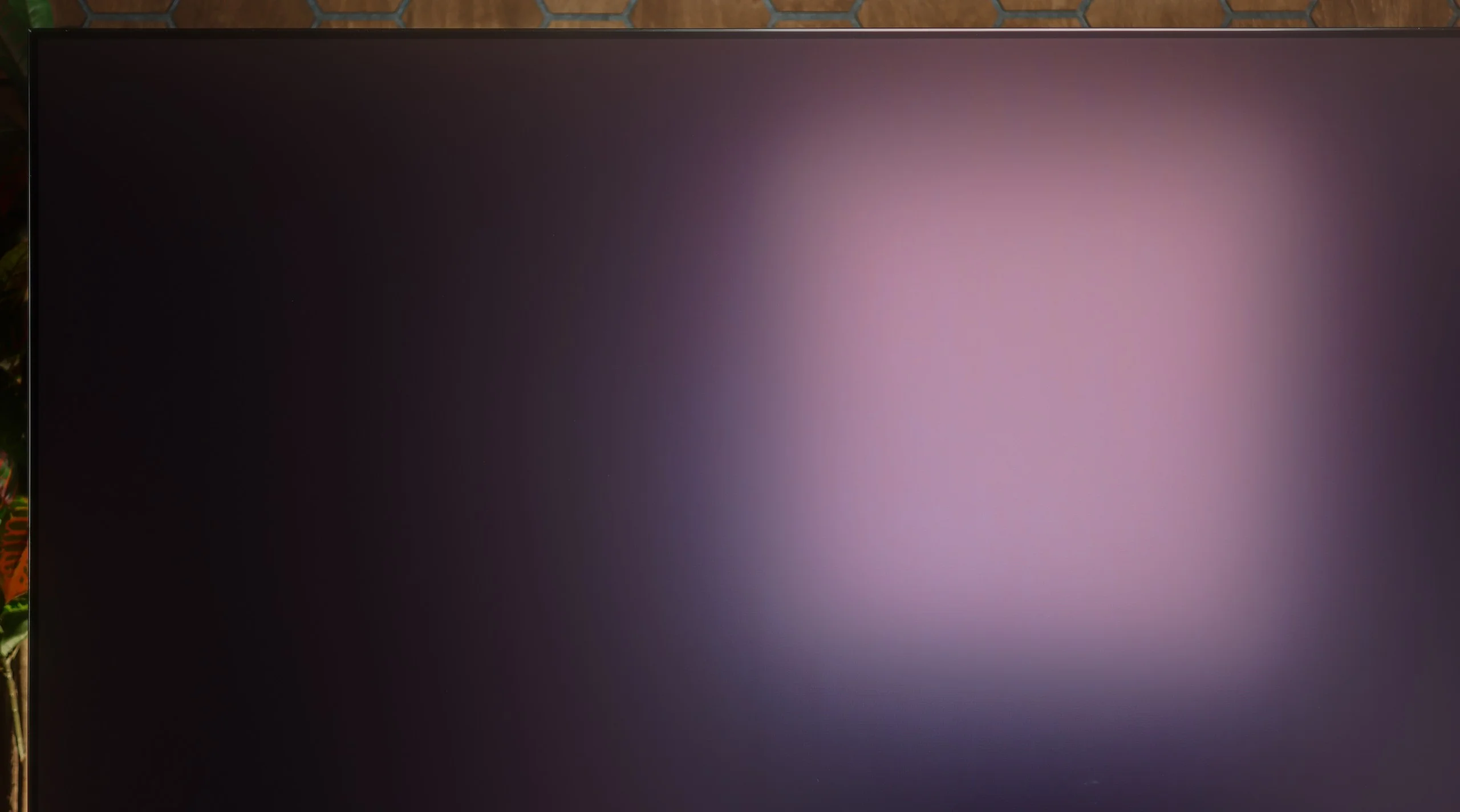
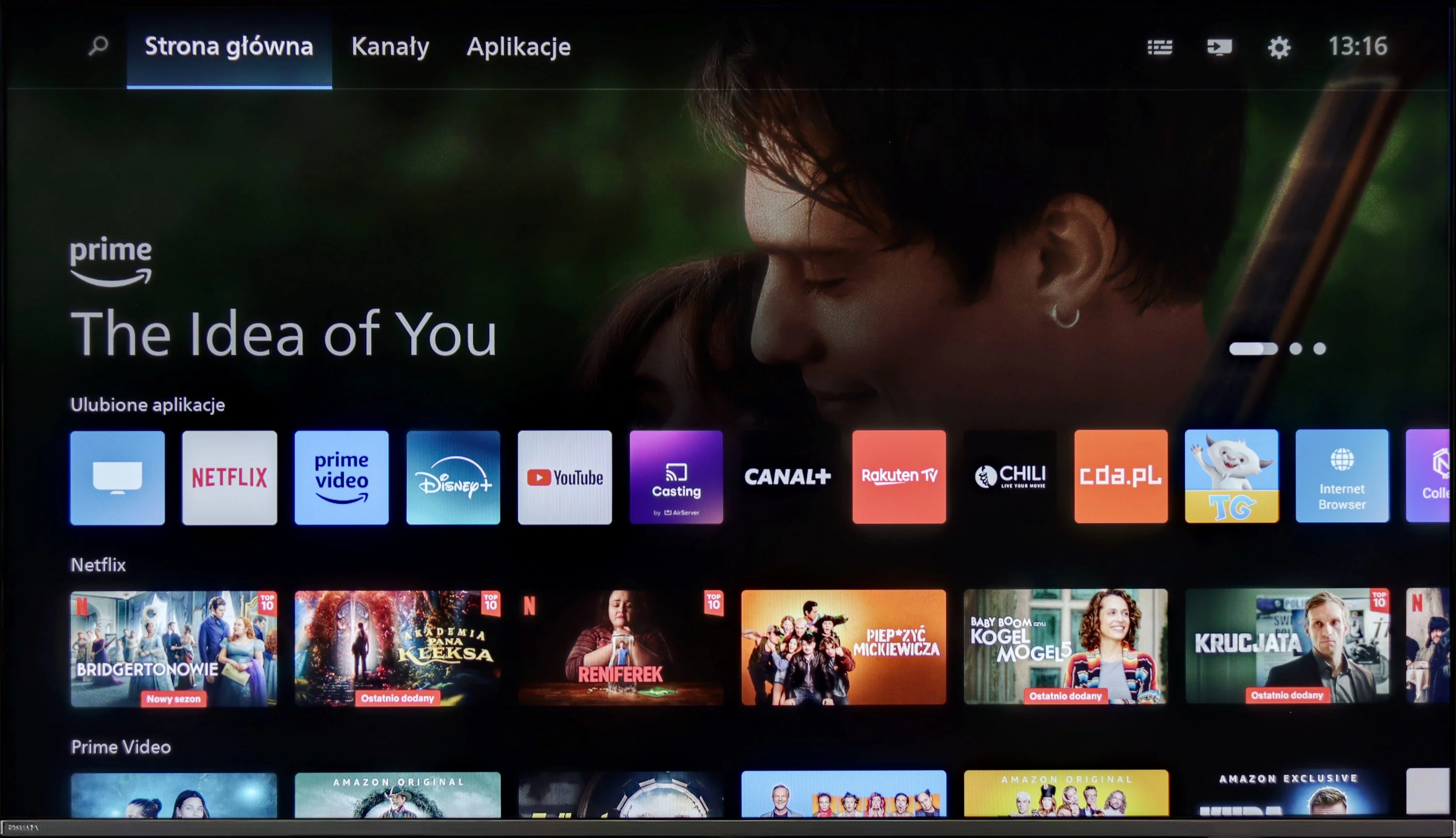
While the contrast and black levels are not exceptional, they are certainly better than those found in units with IPS/ADS panels. The operating system is one of the better ones, though it is still being developed and lacks many features, which we will address in a dedicated section. Additionally, it doesn’t offer as broad an app library as its competitors, though this should change soon.
Who is the PUS8359 for? It is suited for anyone seeking a balance between quality and price.
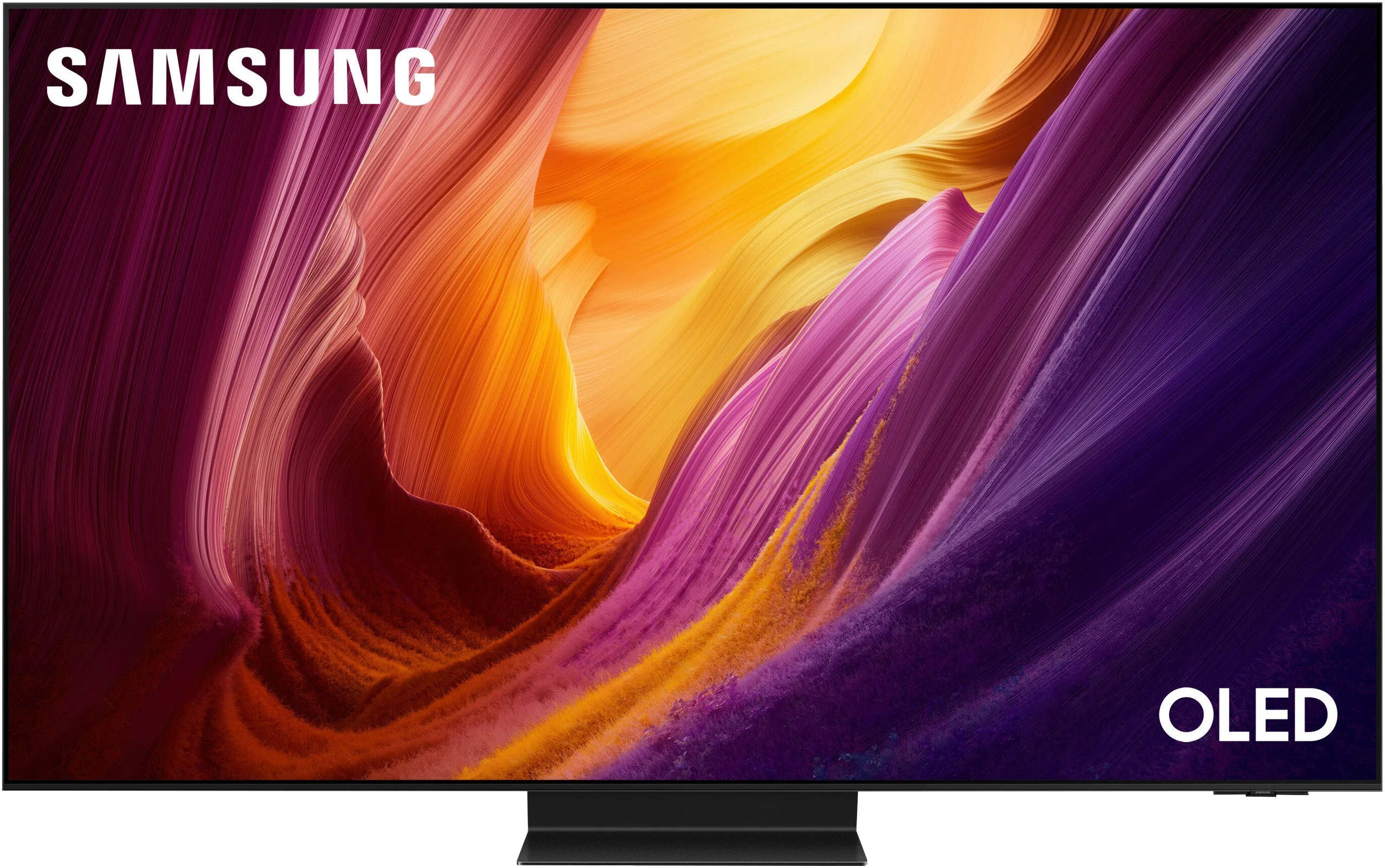
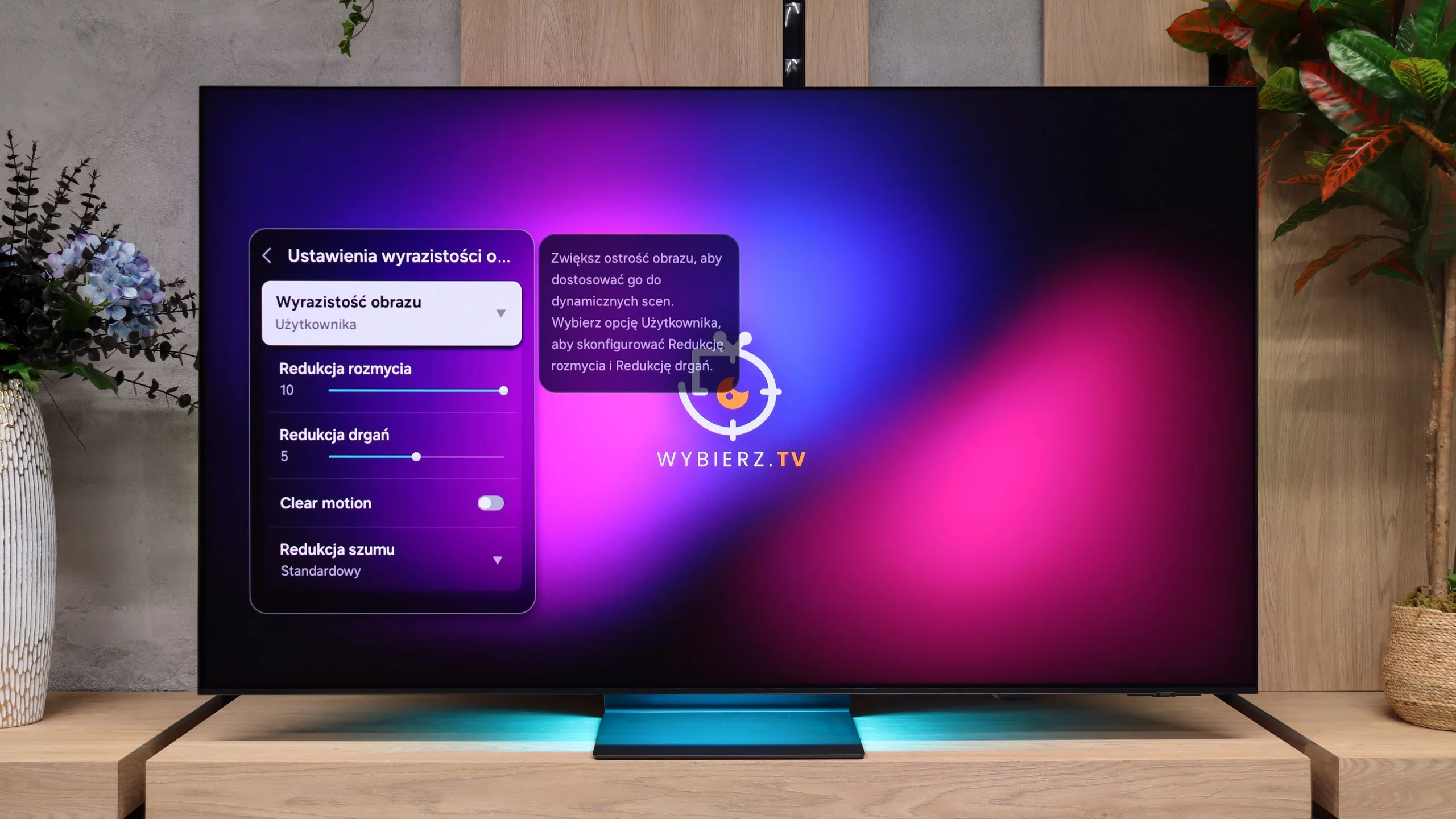
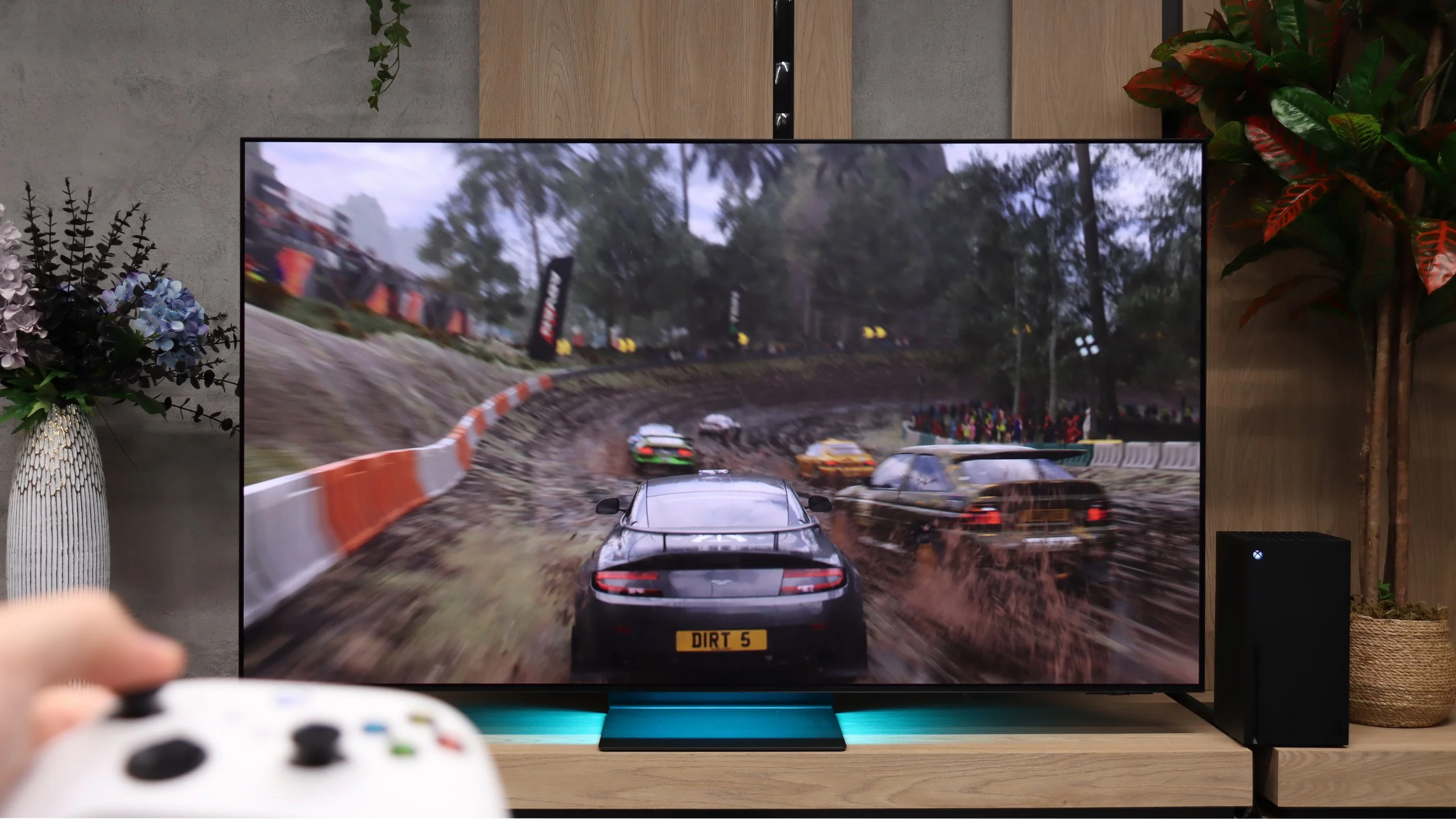
The Samsung S95H is, in almost every respect, a continuation of the S95F. During testing we often felt like we were watching the same TV. But... is that a bad thing? Not necessarily, because the predecessor set the bar very high. We still get a phenomenal picture and one of the best TVs we tested in 2026. HDR has huge impact, and the colors and blacks make a good movie really keep you glued to the screen. With a console or PC the S95H is just as enjoyable because it delivers what we expect from a flagship product.
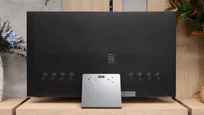
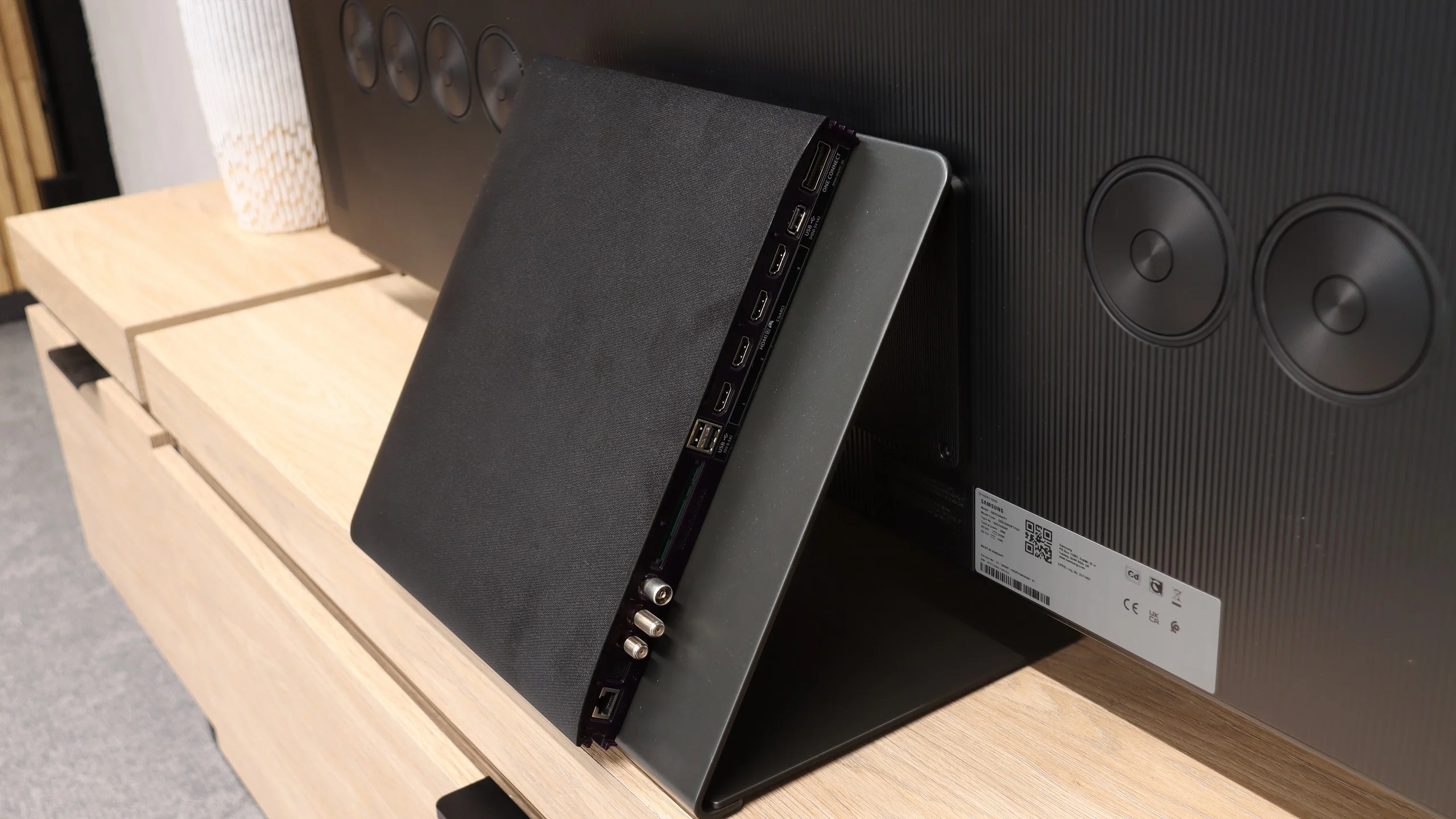
The strongest argument for this model may be its looks. It's aimed at people who want the slimmest, most minimalist TV possible. Especially when mounted on a wall the S95H looks excellent, and One Connect helps tidy up the whole setup. If the distinctive bezel of the S99H isn't to your taste, here you'll find a more discreet design. Brightness is admittedly lower than in the higher series, but still high enough that it's hard to call it a serious compromise for viewing.
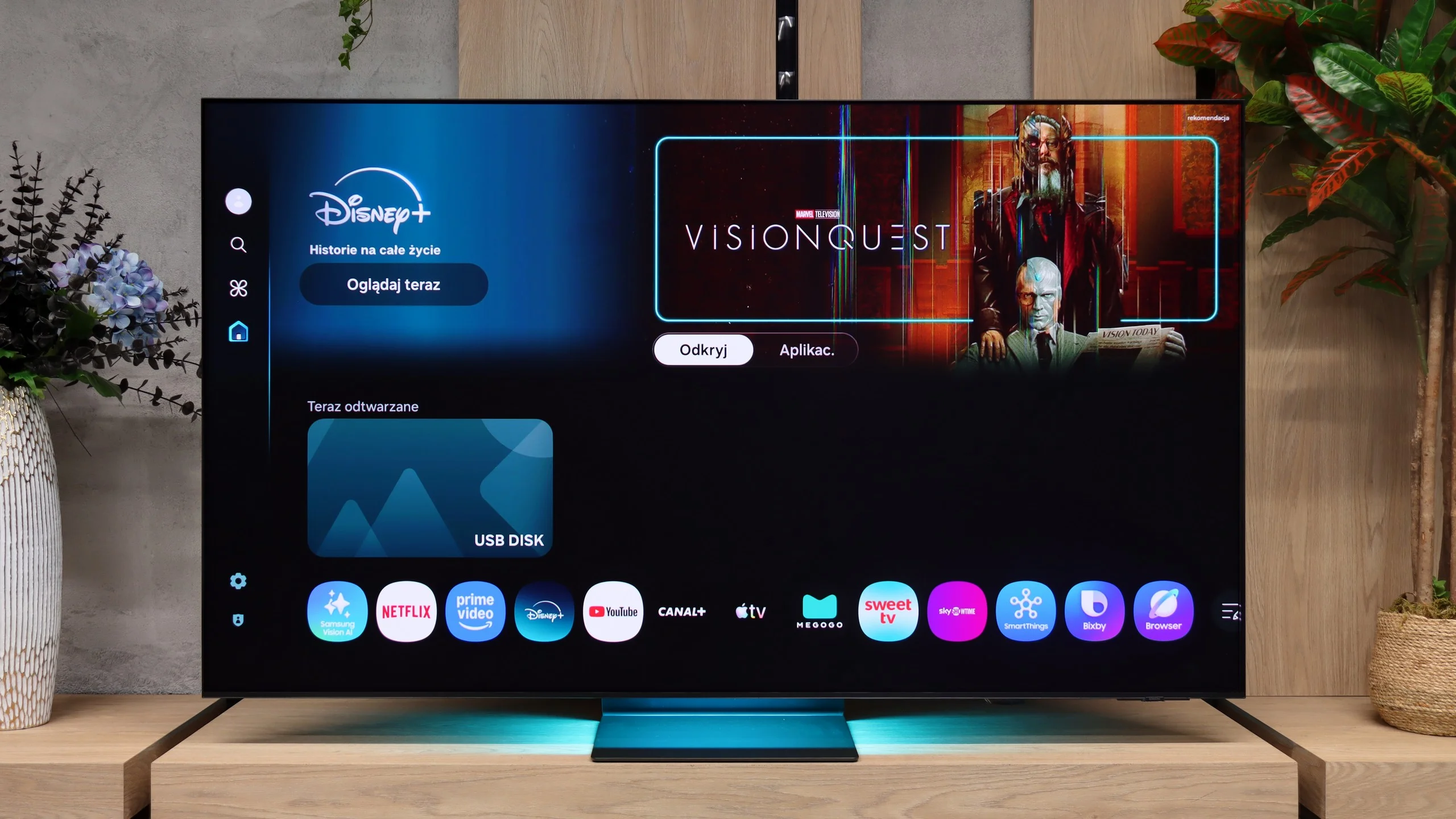
Not everything deserves praise, though. We were most disappointed by the presence of last year's version of Tizen. The system itself runs quickly, but this detail only underscores how little has changed compared to the S95F. Perhaps Samsung will release a suitable update soon.
Ultimately the S95H is a great choice for someone looking for top-tier picture in an exceptionally slim chassis. The Samsung S95H isn't revolutionary, but it's still a TV that, despite giving us a small déjà vu, left a huge impression.
 Direct comparison