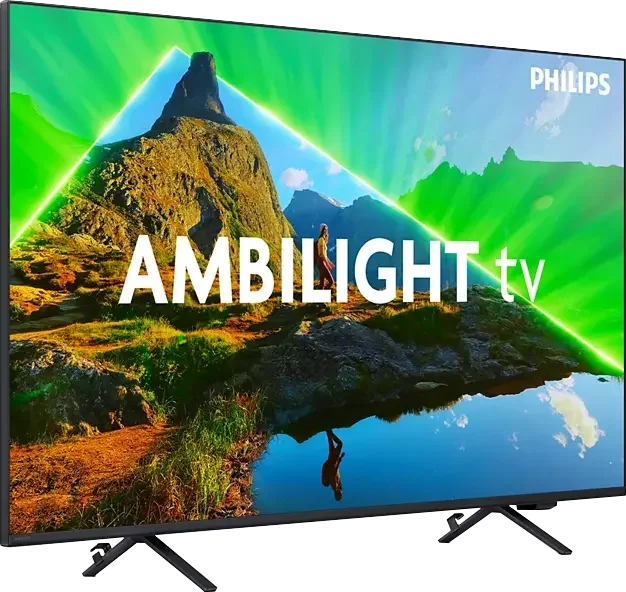
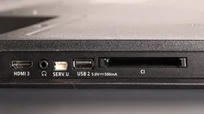
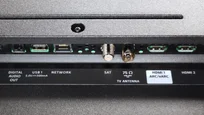
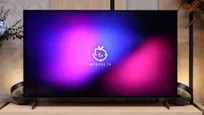
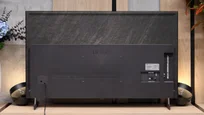
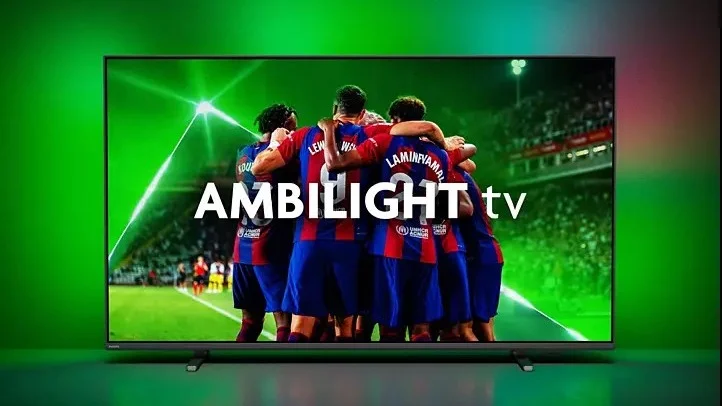
It is impossible not to first mention the most distinctive feature of the manufacturer's televisions: the multicoloured Ambilight backlighting. Positioned on the rear casing, this feature adjusts colours to match the on-screen content, often enhancing the immersive experience.
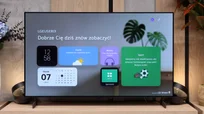
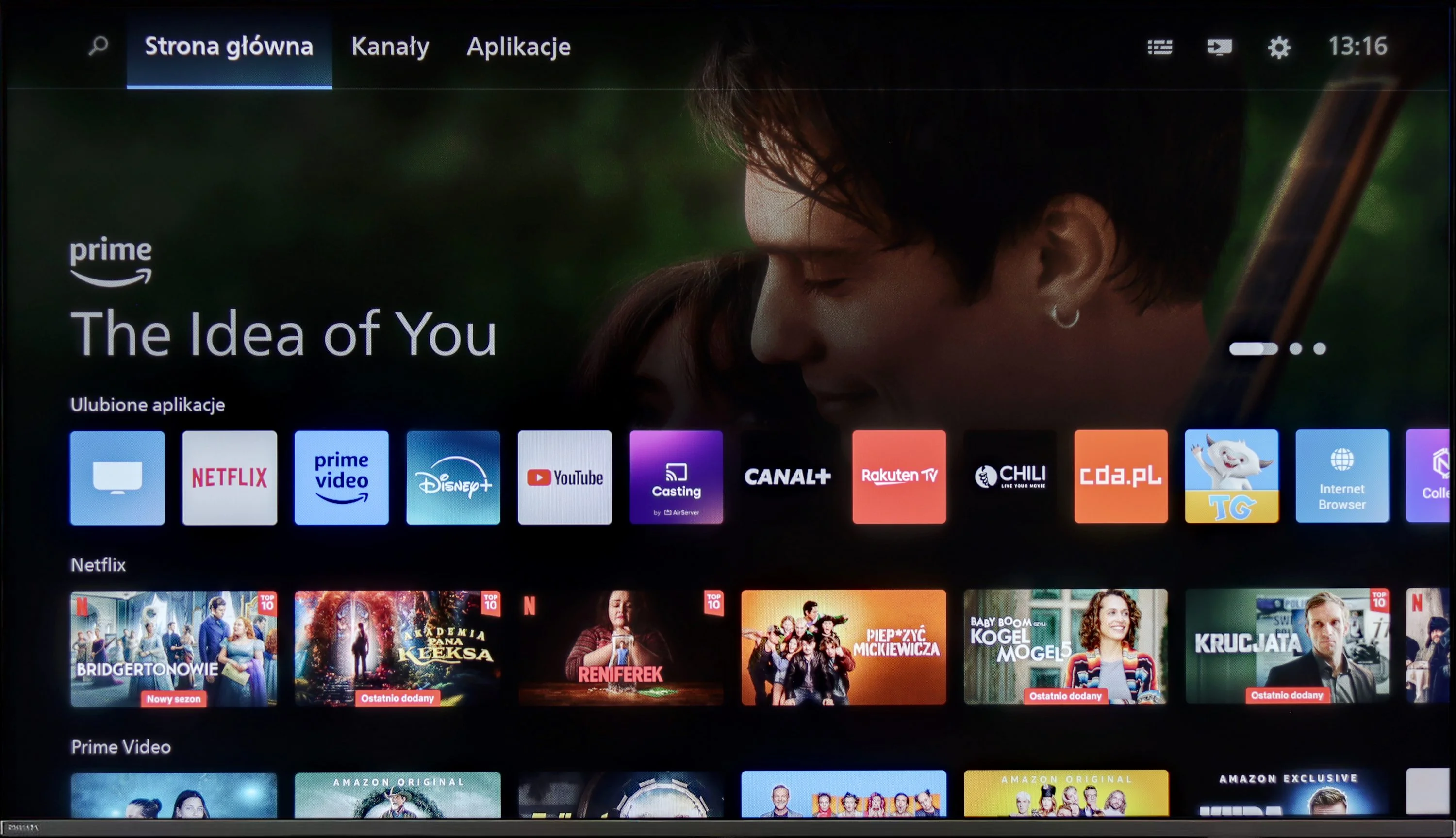
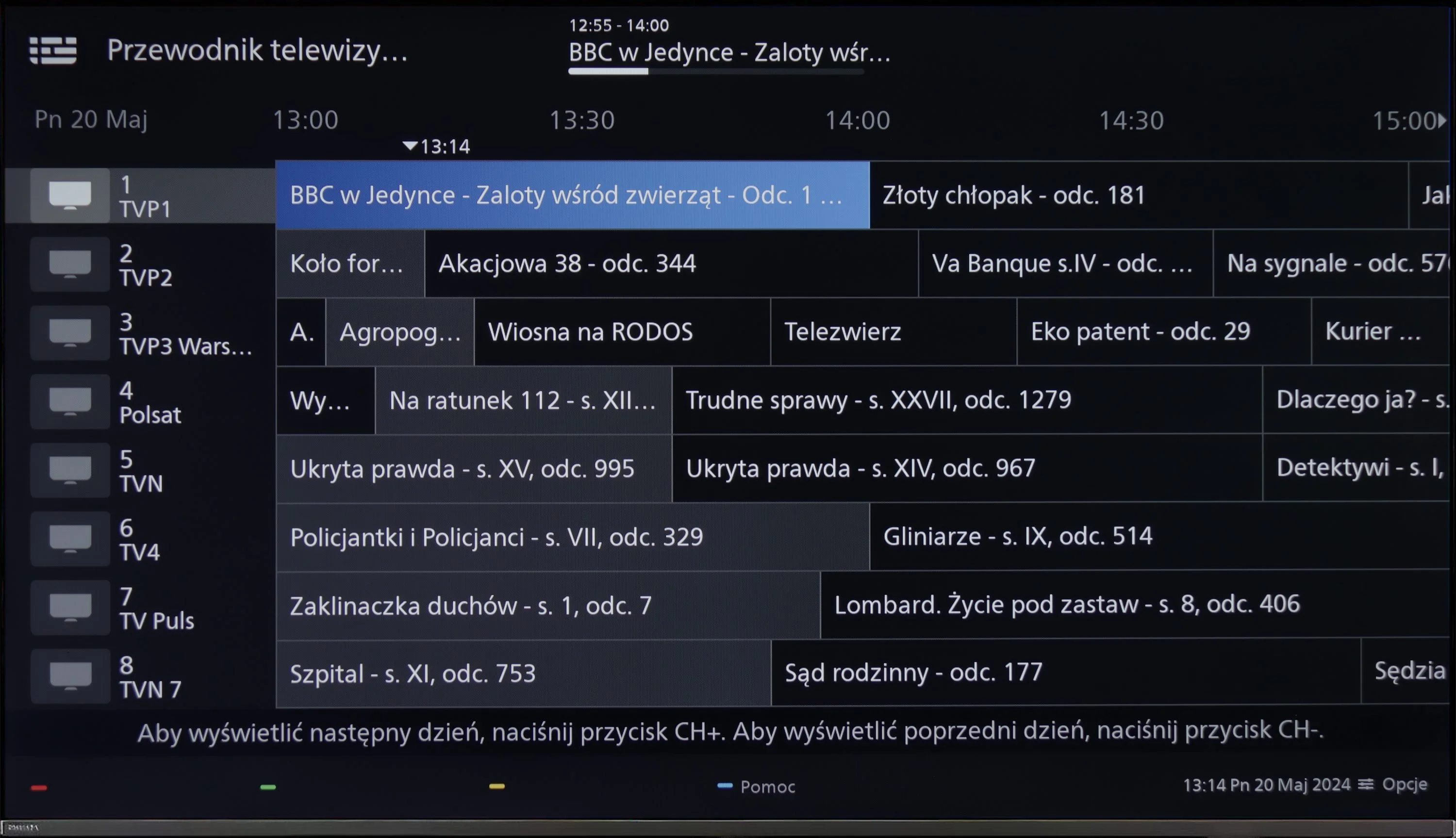
The operating system powering the Philips PUS8359/12 is Philips' proprietary TitanOs. Compared to the manufacturer's Google TV models, TitanOs is significantly more closed and limited in its application resources. For instance, important apps such as Apple TV, MAX, Canal+, and Player are absent. This closed nature also extends to basic functionalities; users cannot program recordings or record content to USB.
Apple device users may find the lack of AirPlay functionality disappointing, as it prevents seamless screen streaming. On the positive side, users can connect a keyboard and mouse for easier navigation of the TV menu. Wired headphone support is available, and audio can simultaneously play through the TV’s speakers when headphones are connected. However, the remote control uses IR rather than Bluetooth, which feels outdated.
In summary: TitanOs comes with several limitations, especially for users relying on a wide range of streaming platforms. It is better suited for those sticking to the "holy trinity" of Netflix, YouTube, and CDA.
Smart TV: webOS
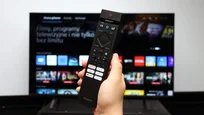
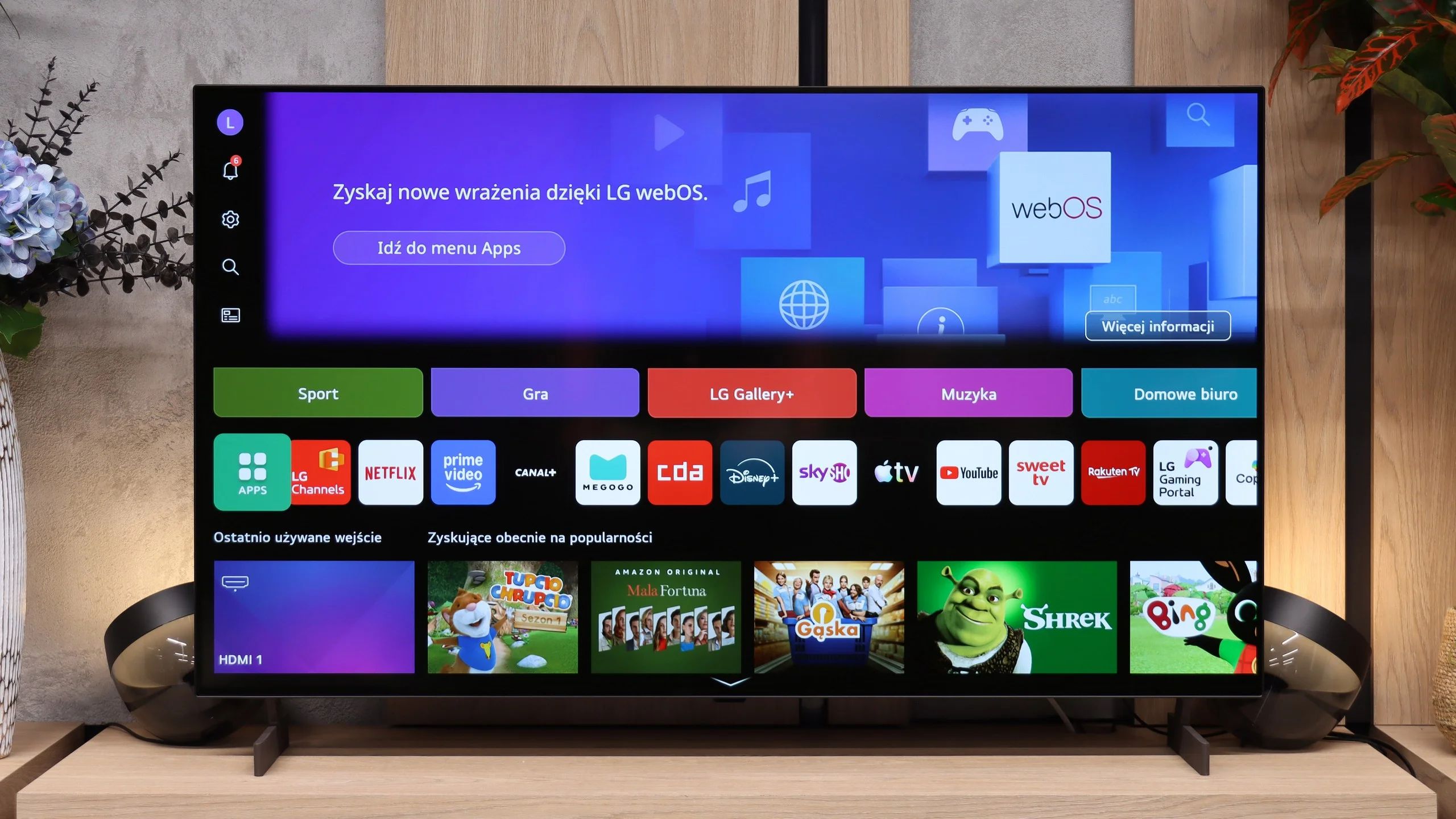
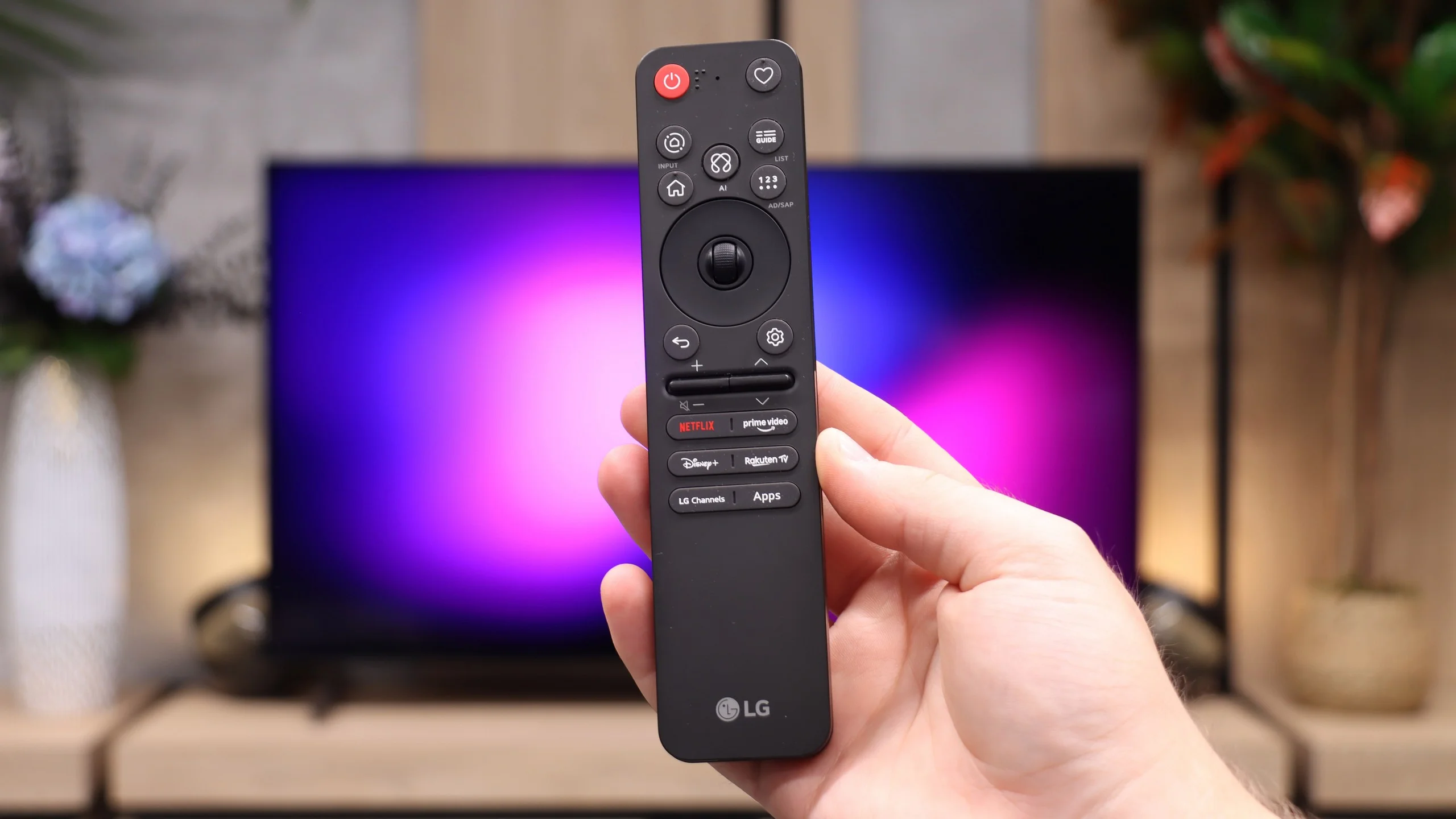
LG B6 runs webOS, LG’s proprietary platform. Its biggest strength remains the way it’s controlled. The included Magic Remote works like a mouse; just move your wrist to move the cursor across the screen and point at the items you want. It may feel unusual at first, but it quickly proves very convenient, especially when typing text, selecting apps, or navigating a complex menu. The remote itself is fairly minimalist and doesn’t offer many traditional buttons, but the cursor control largely makes up for that. On the other hand, if you don’t want to wave your hand to type letters, you can always speak the desired phrase into the remote and the AI voice assistant will suggest appropriate recommendations.
In terms of available apps, it’s hard to fault webOS. You’ll find practically all the major streaming services here, as well as extra features like AirPlay, screen mirroring, and Chromecast. The TV therefore works well with both Apple phones and Android devices. It’s just a pity that the system on the B6 doesn’t run as smoothly as on higher-end models. At times it can respond with a slight delay, and the home screen is heavily loaded with recommendations, tiles, and ads. That doesn’t make webOS unusable, but it could certainly be more organized.
Classic features
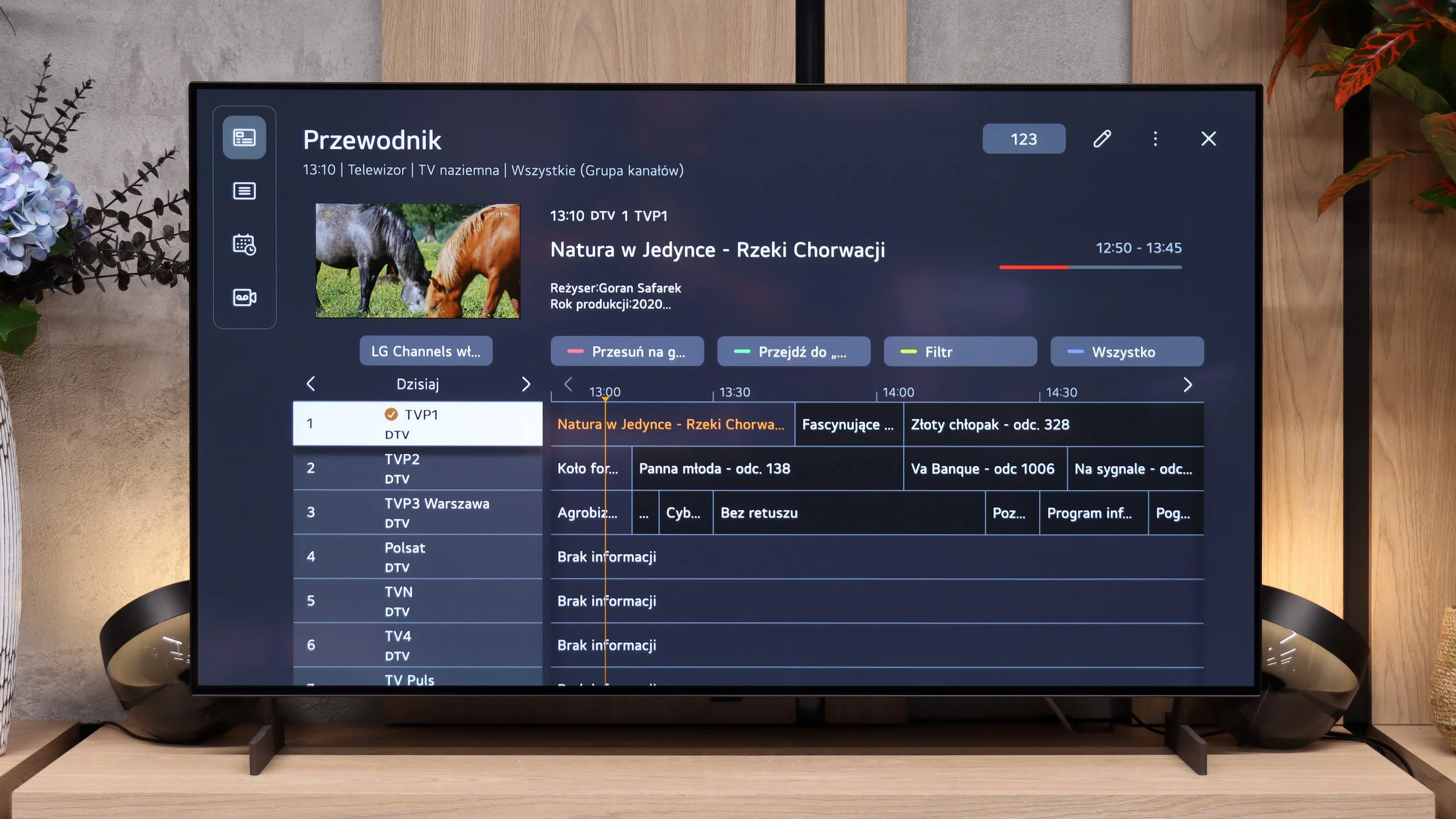
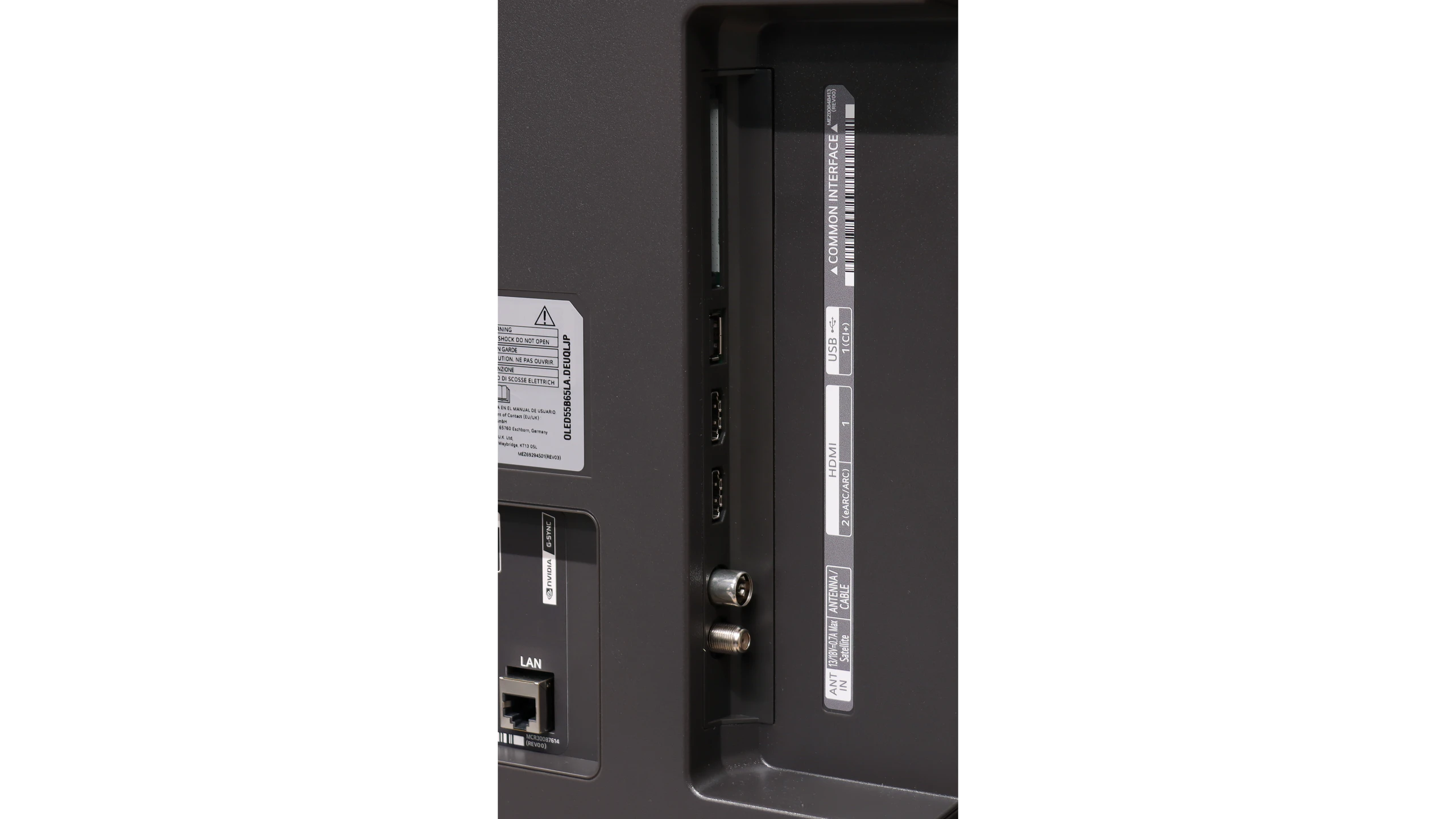
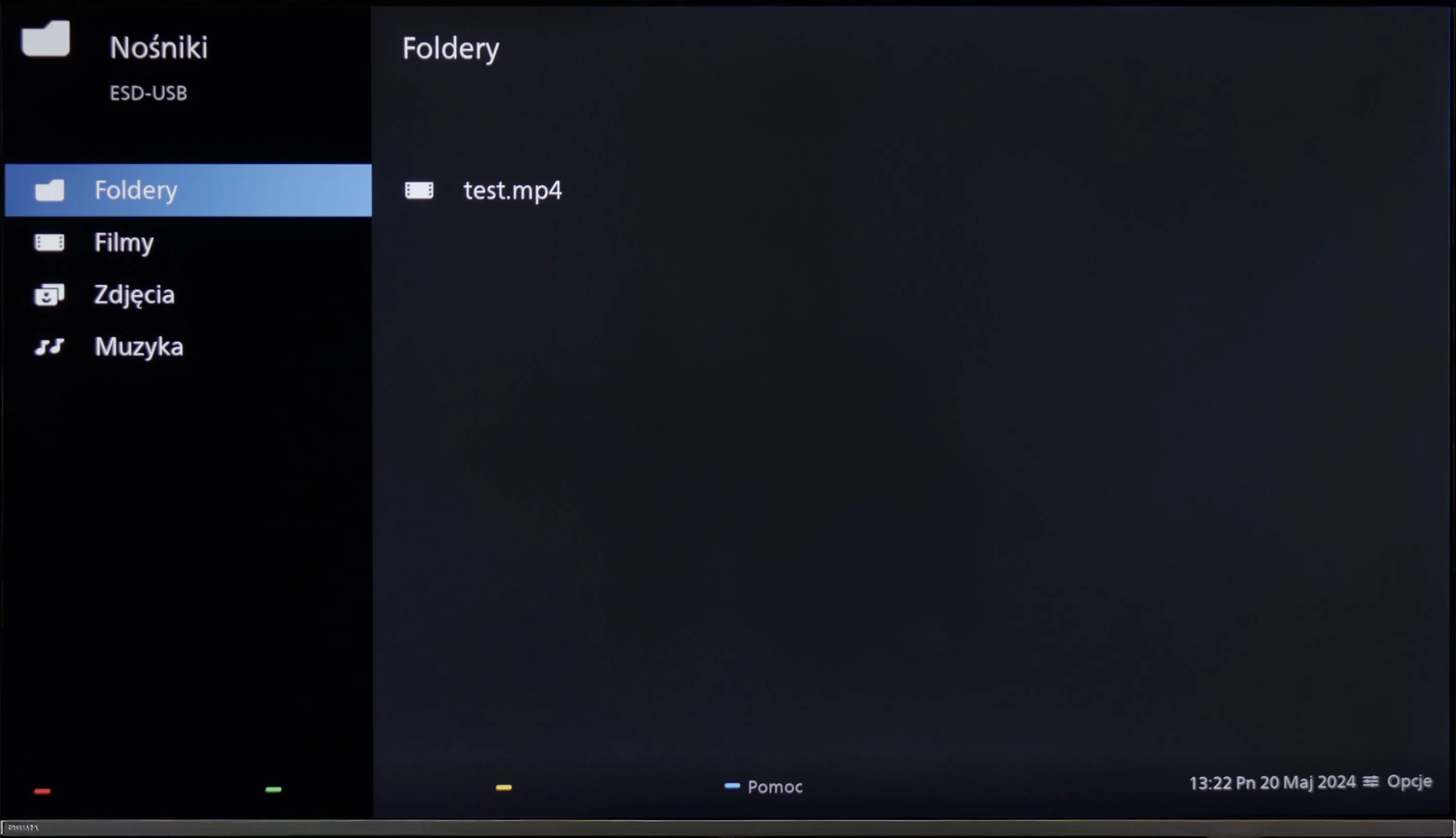
By contrast, the traditional TV features perform very well—features many manufacturers are starting to forget. The LG B6 lets you record programs to an attached hard drive or USB storage. The PVR function also supports scheduling, so you can program recordings in advance from the TV guide. This comes in handy when you want to save an episode, a match, or another event broadcast while you’re away. There’s also a clear channel guide and solid support for terrestrial, cable, and satellite TV. For people who still regularly use traditional television, the B6 is therefore a relatively complete device, provided the lack of teletext doesn’t bother you.
 Direct comparison