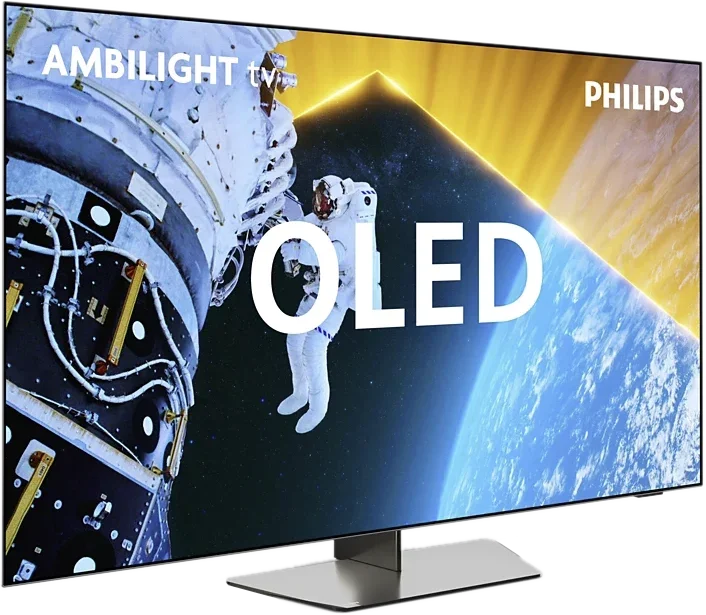
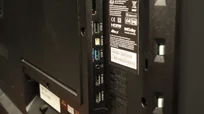
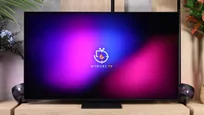
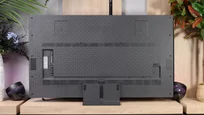
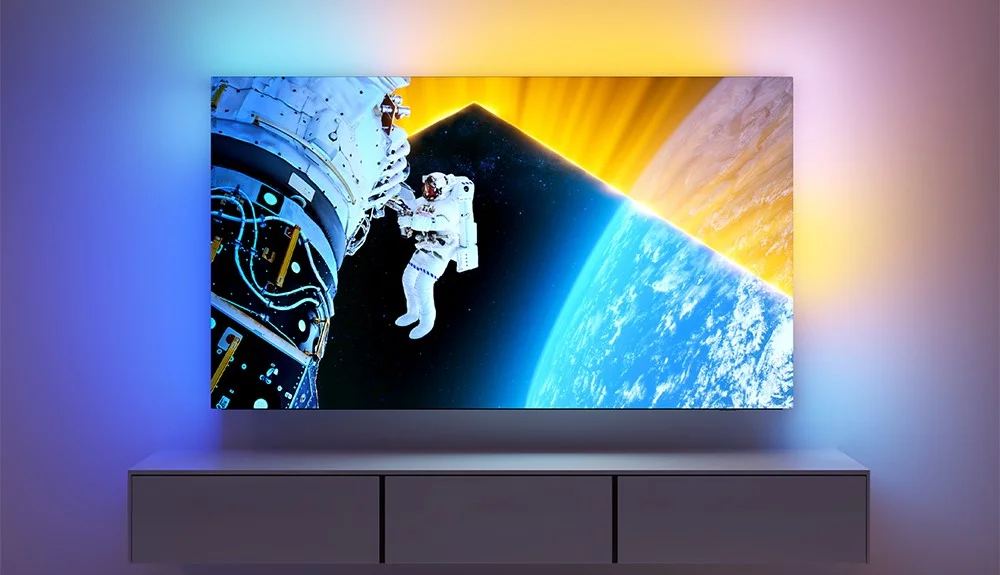
The Philips OLED 809 is a versatile television that caters to a wide audience. Its standout feature is the multicoloured Ambilight backlighting, which enhances immersion and engagement, particularly when watching films. As expected from an OLED TV, key aspects such as contrast, black levels, and colour reproduction are excellent, providing impressive visual quality.
However, the television has some drawbacks, such as the quality of tonal transitions and the inconsistent operation of the dynamic tone mapping function, which can occasionally distract more sensitive viewers. Despite these shortcomings, the Philips OLED 809 excels in two key areas: gaming performance and motion smoothing. Gaming performance is particularly noteworthy, with each implemented feature functioning seamlessly to create a highly immersive experience.
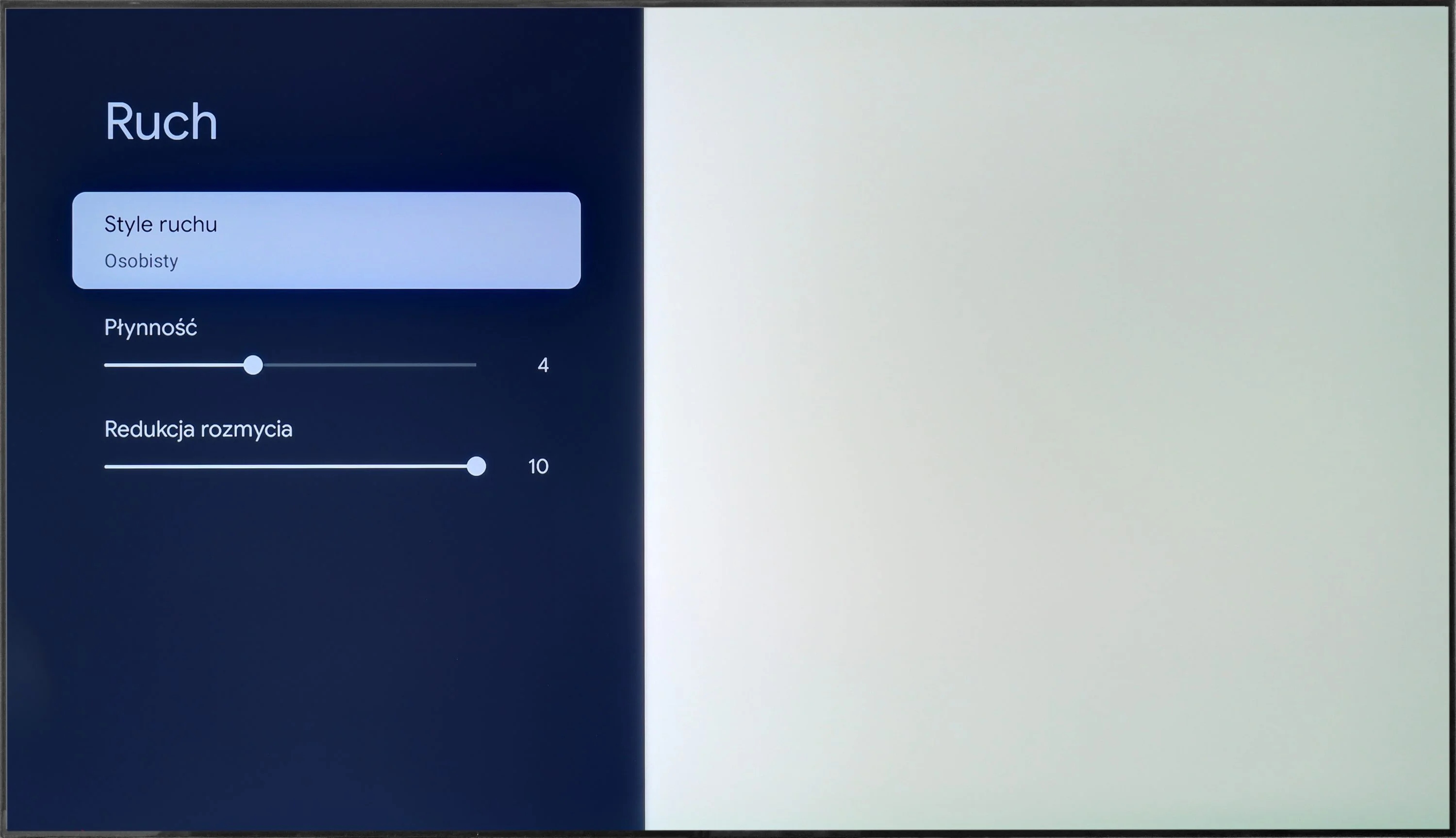
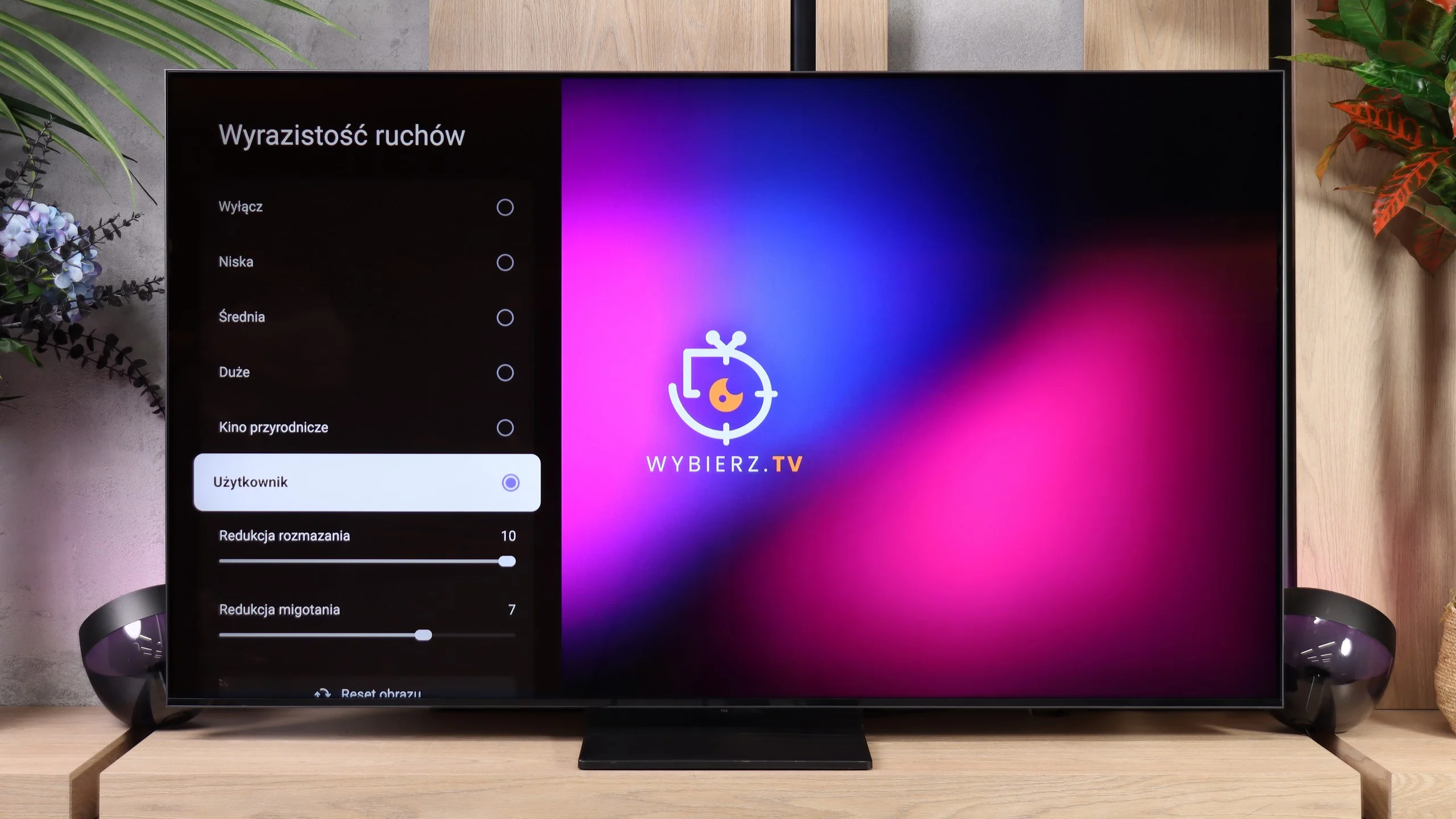
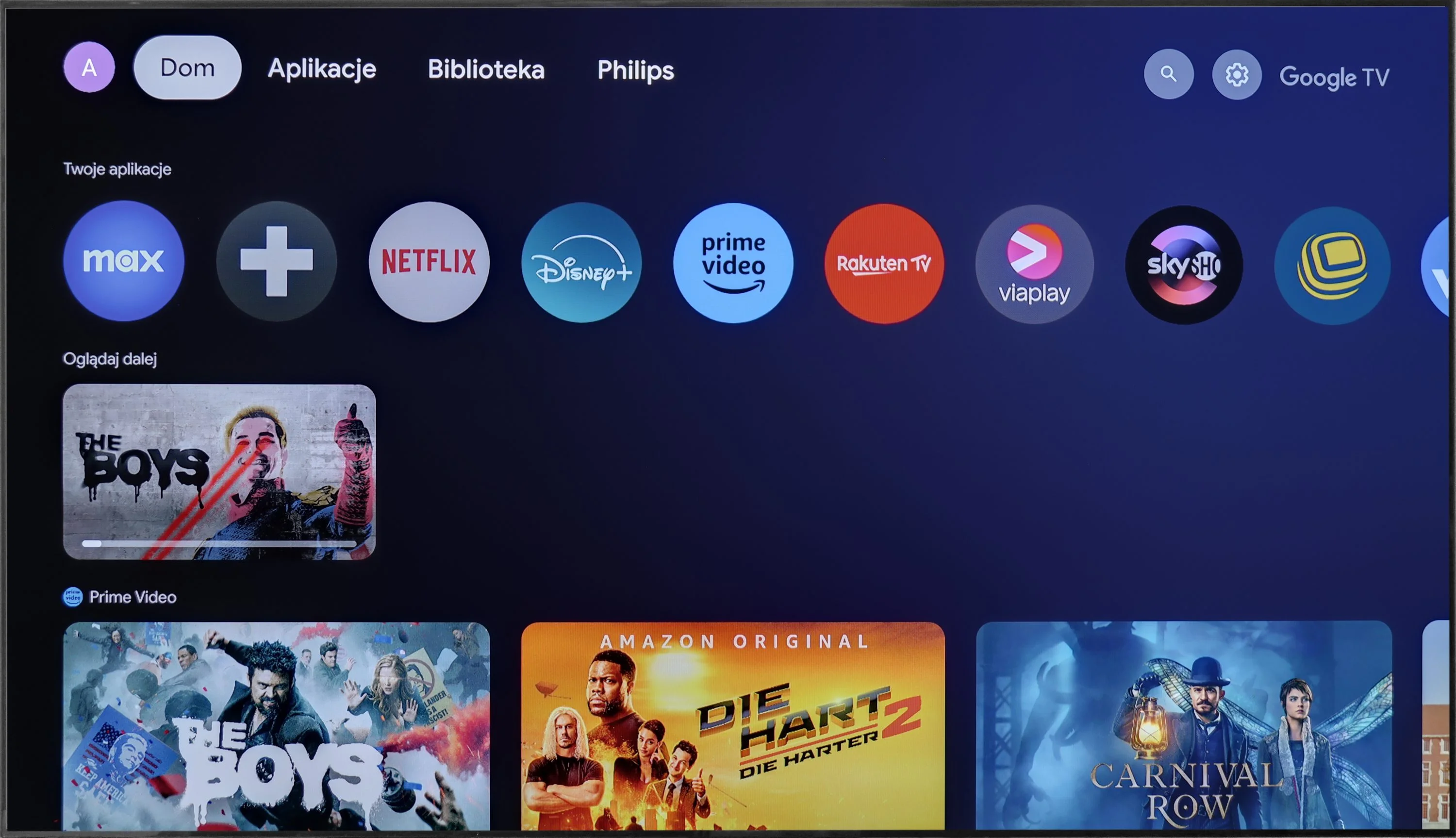
Motion smoothness is also impressive, with two effective sliders allowing users to customise the motion settings. The inclusion of the Google TV system further enhances the user experience, offering smooth and lag-free operation during tests. Overall, the Philips OLED 809 strikes a solid balance between its strengths and minor imperfections.
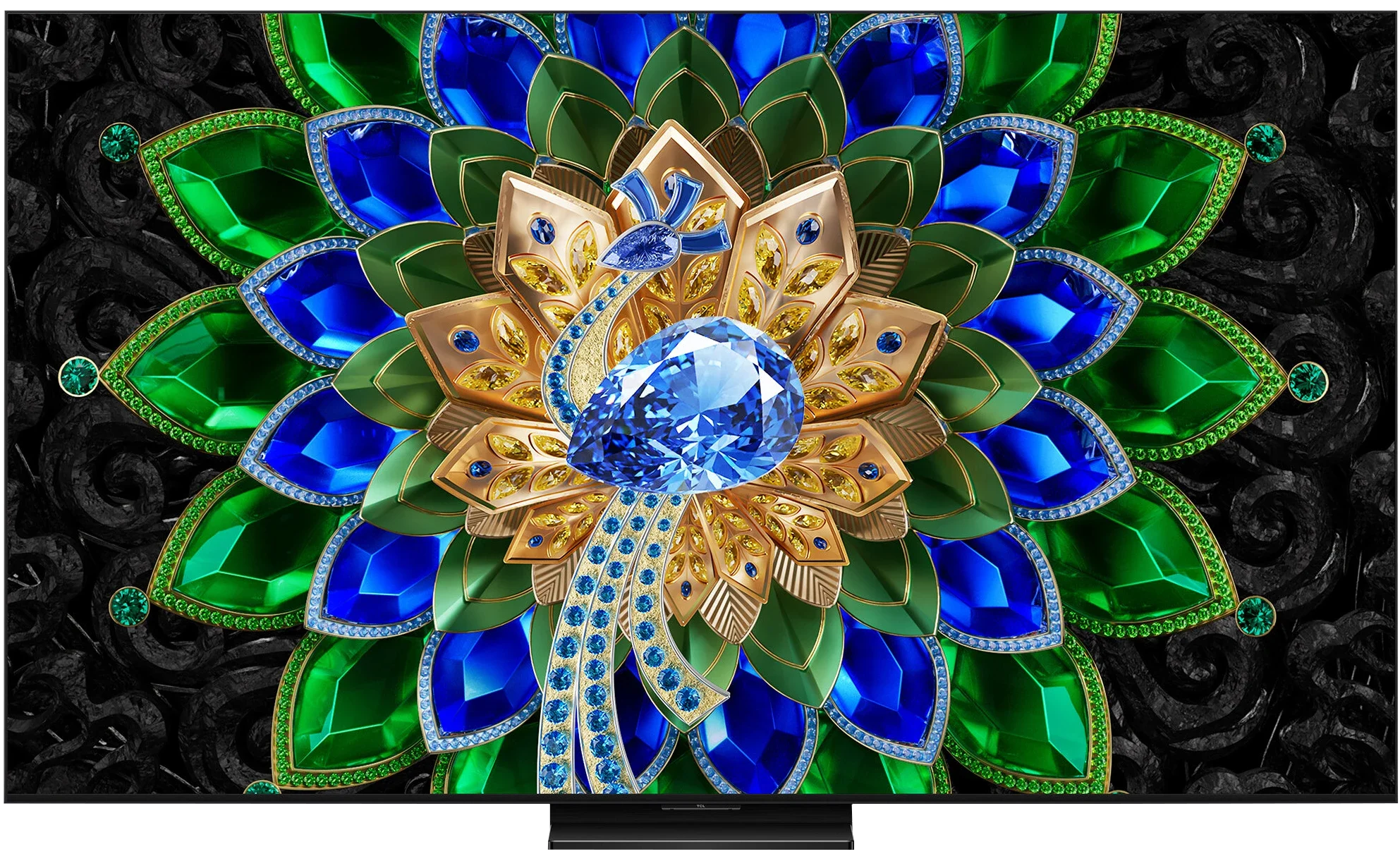
Is it worth buying the TCL A400U? Yes, because it’s one of those TVs where paying extra for a higher series doesn’t always make sense. In movies you get what you usually expect from a good TV: very good blacks, strong HDR impact and a natural image, especially after calibration. Brightness is also sufficient during the day, though because of the glossy panel it’s better not to place it opposite a large window. The whole package is completed by a slim, well-crafted chassis. The A400U doesn’t sell the picture-on-the-wall effect as convincingly as some “wallpaper” TVs, but as an elegant living-room set it looks very good.
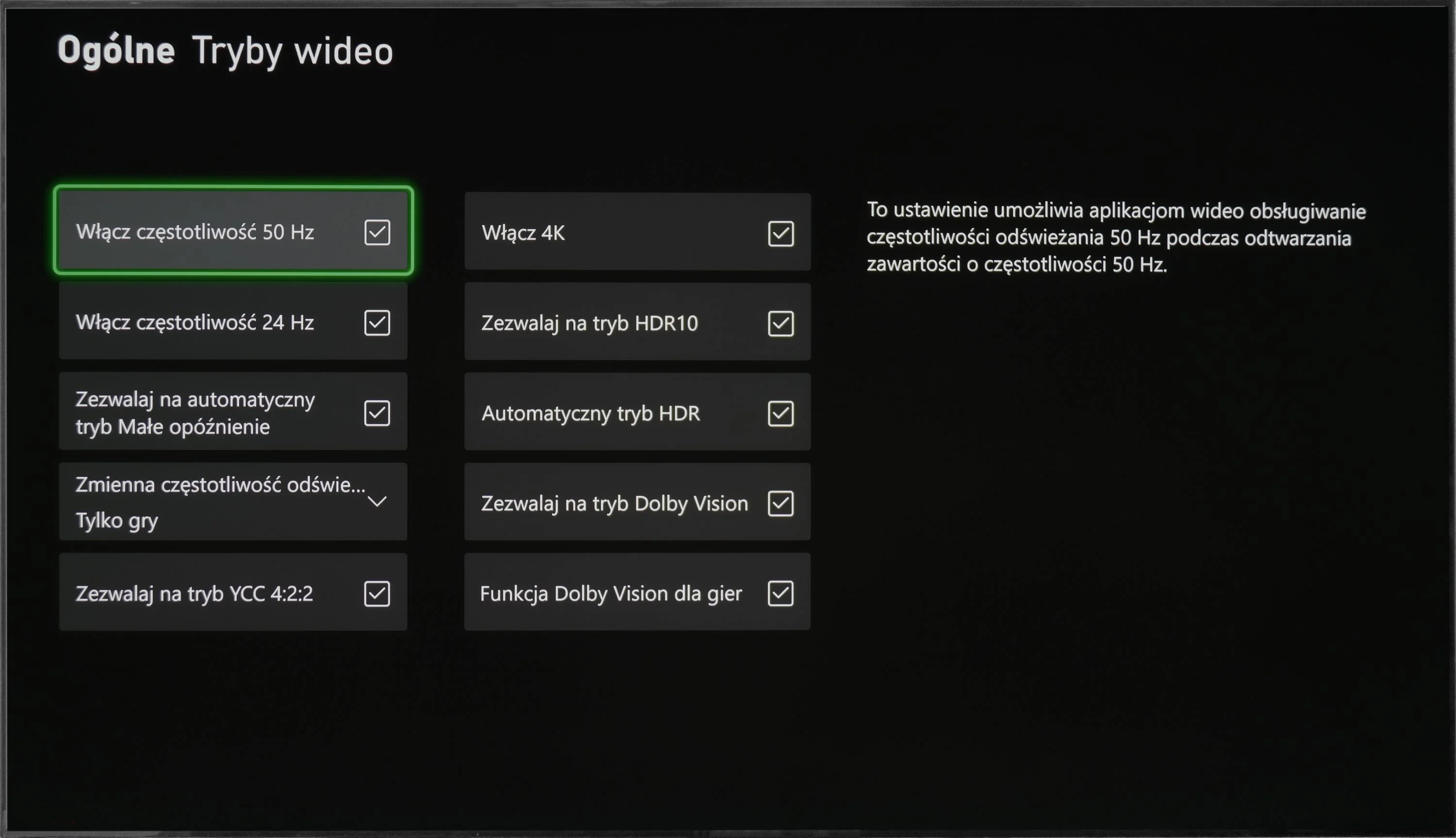
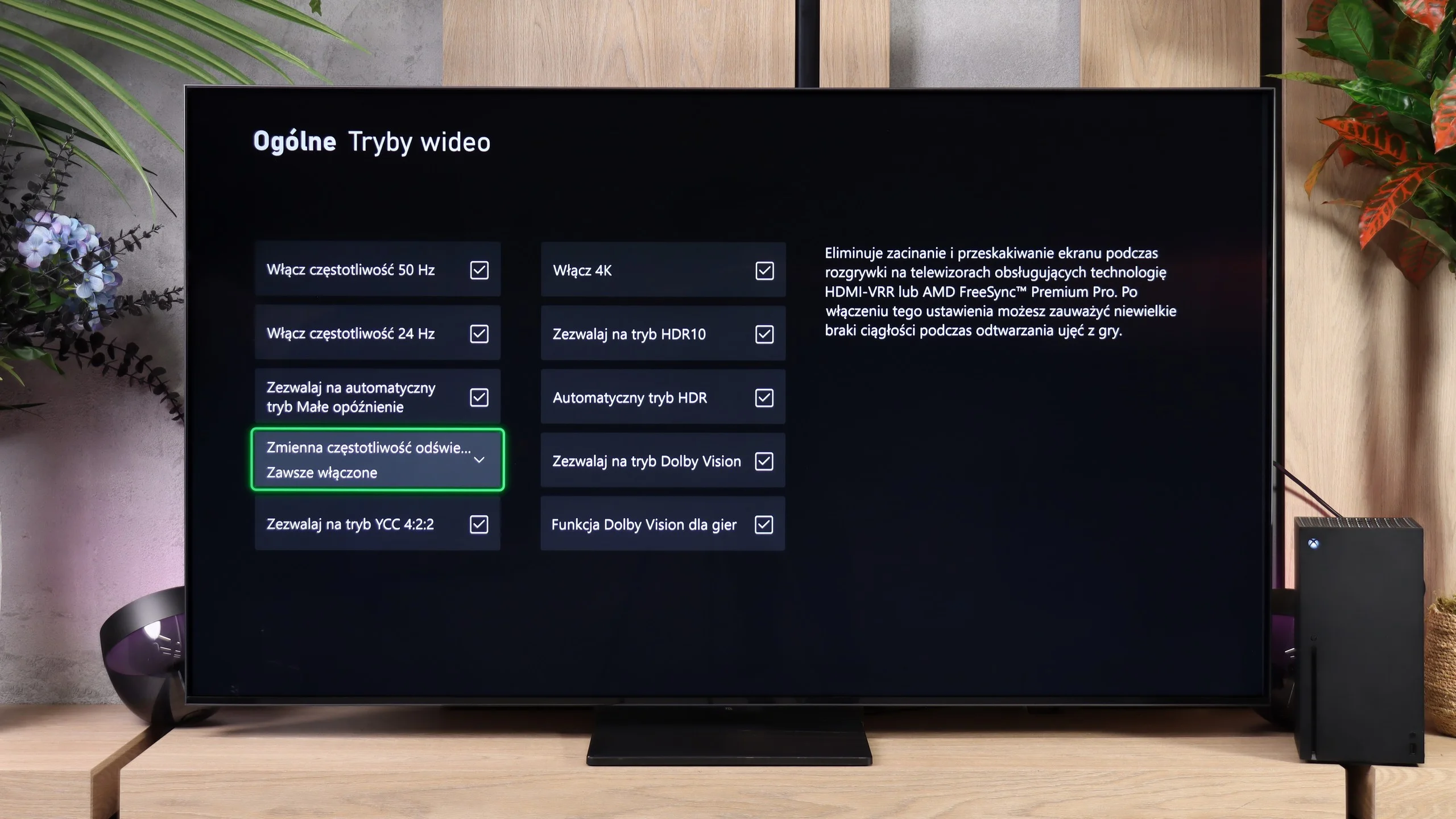
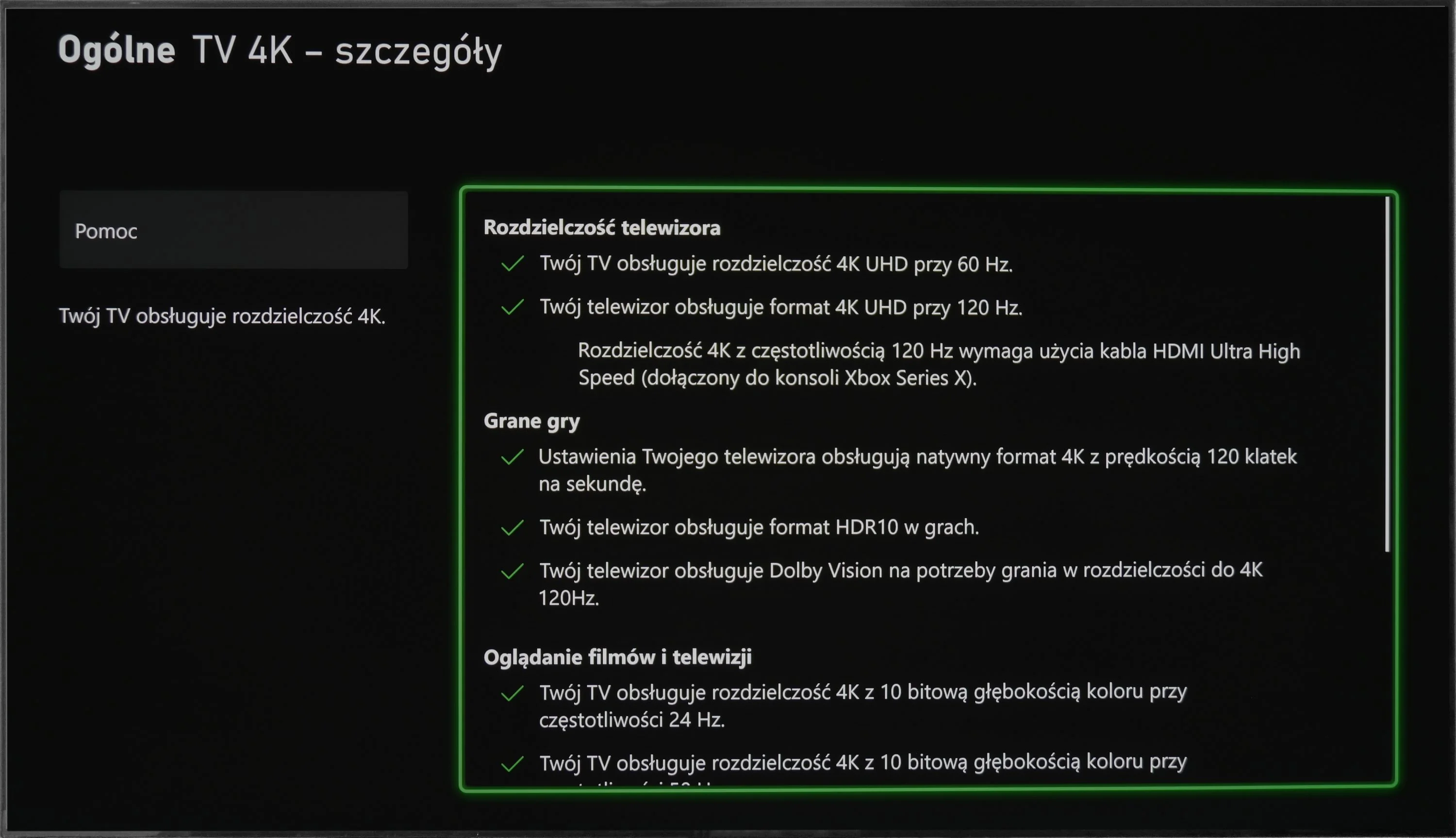
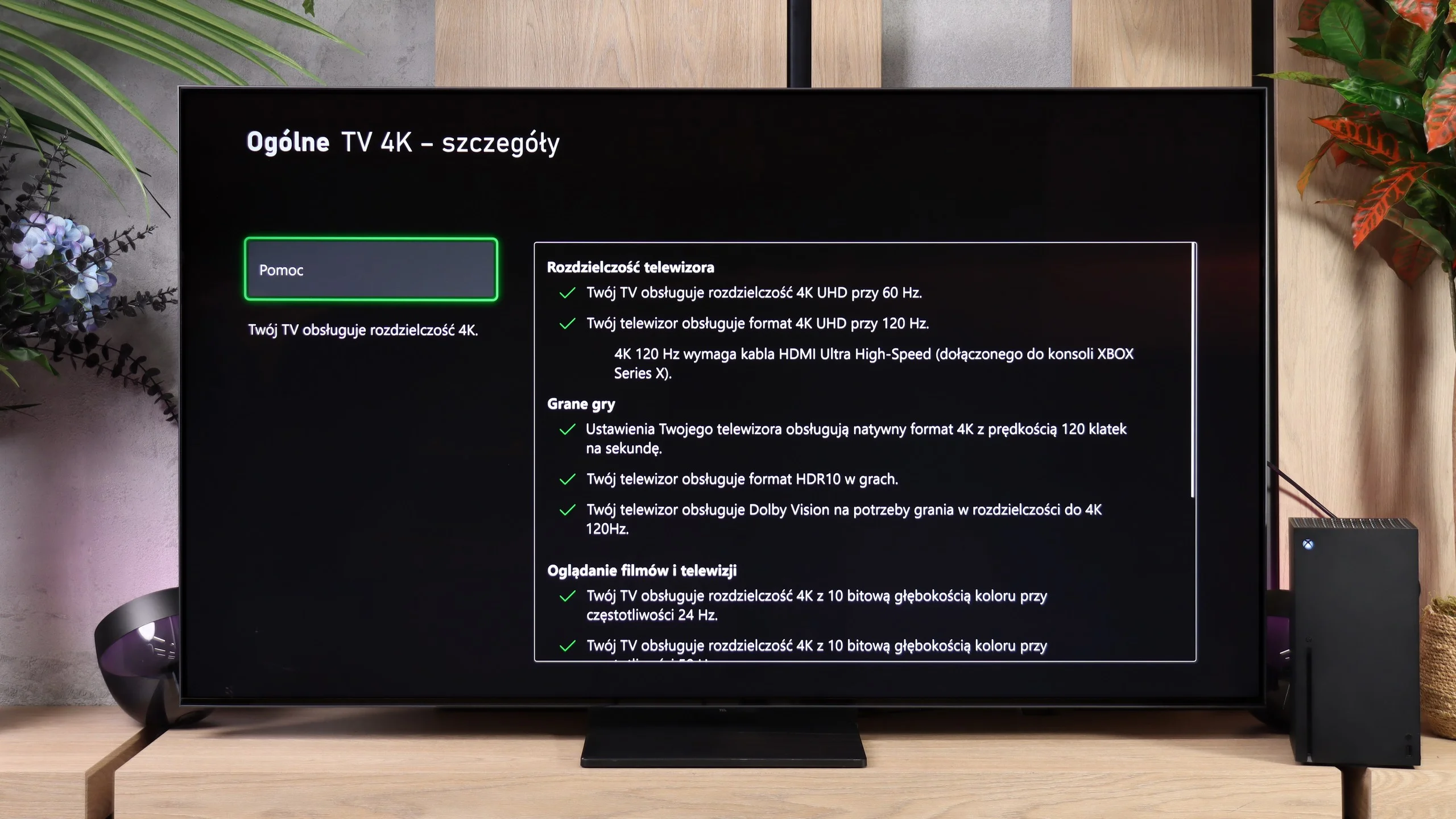
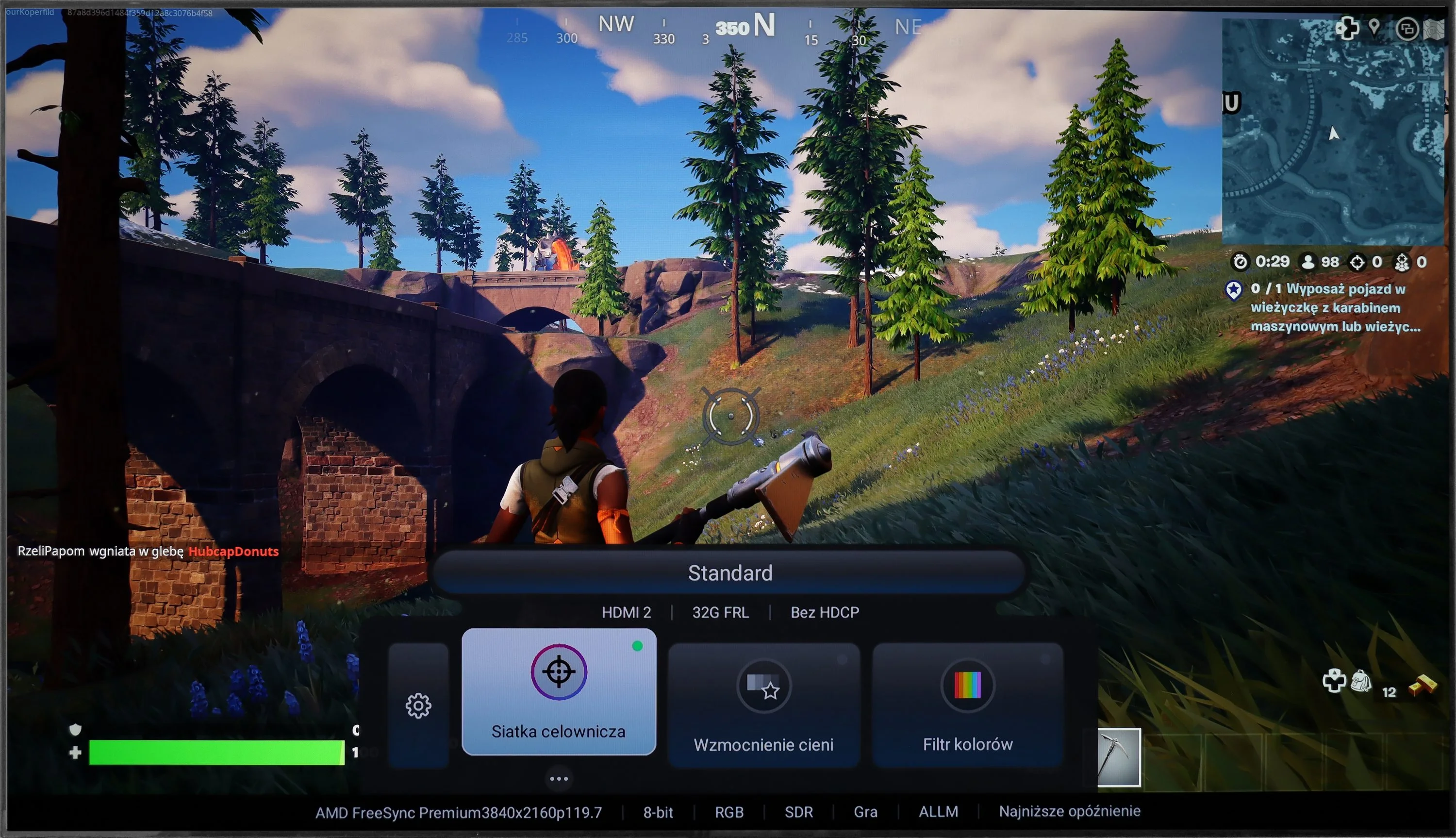
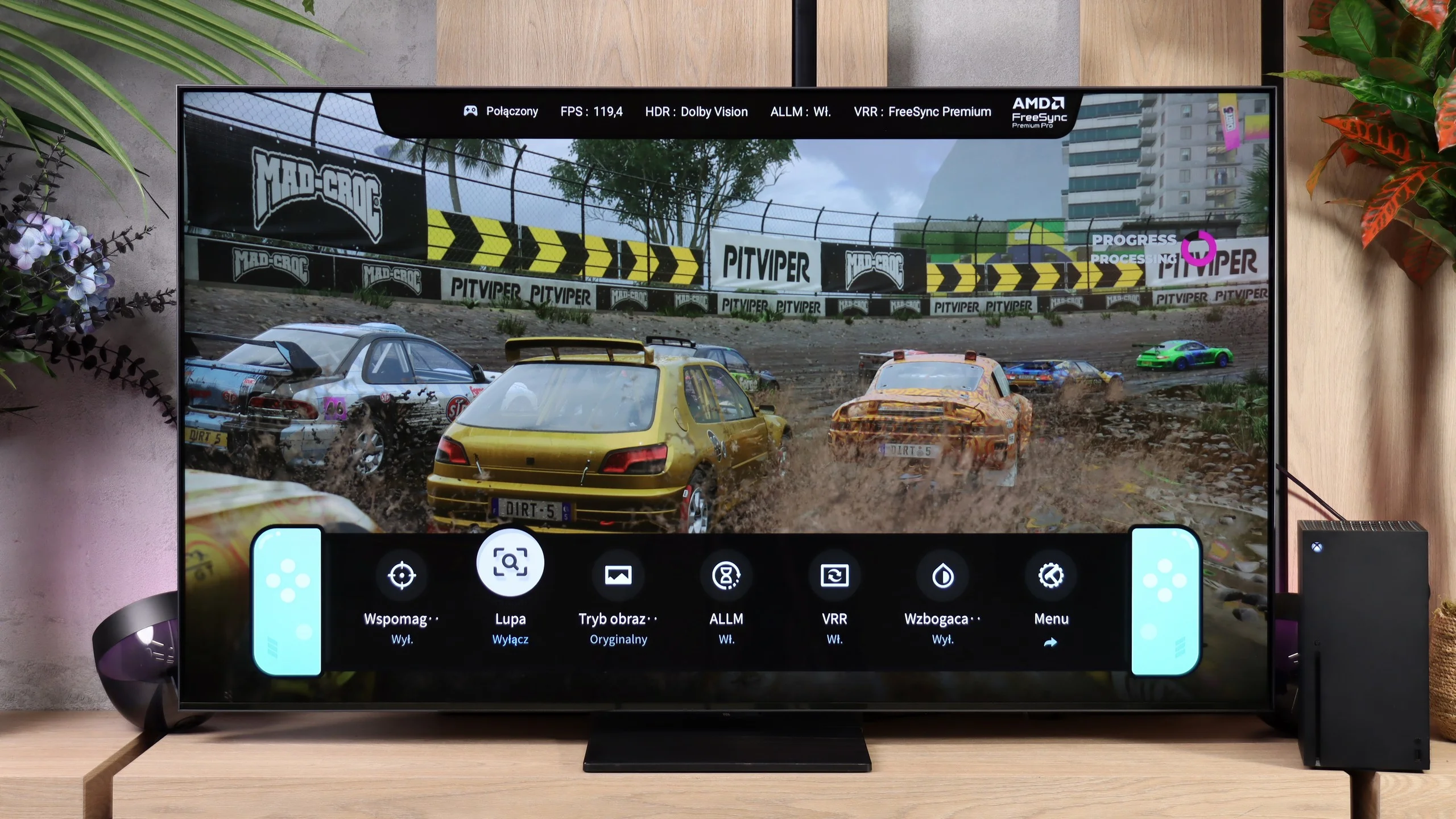
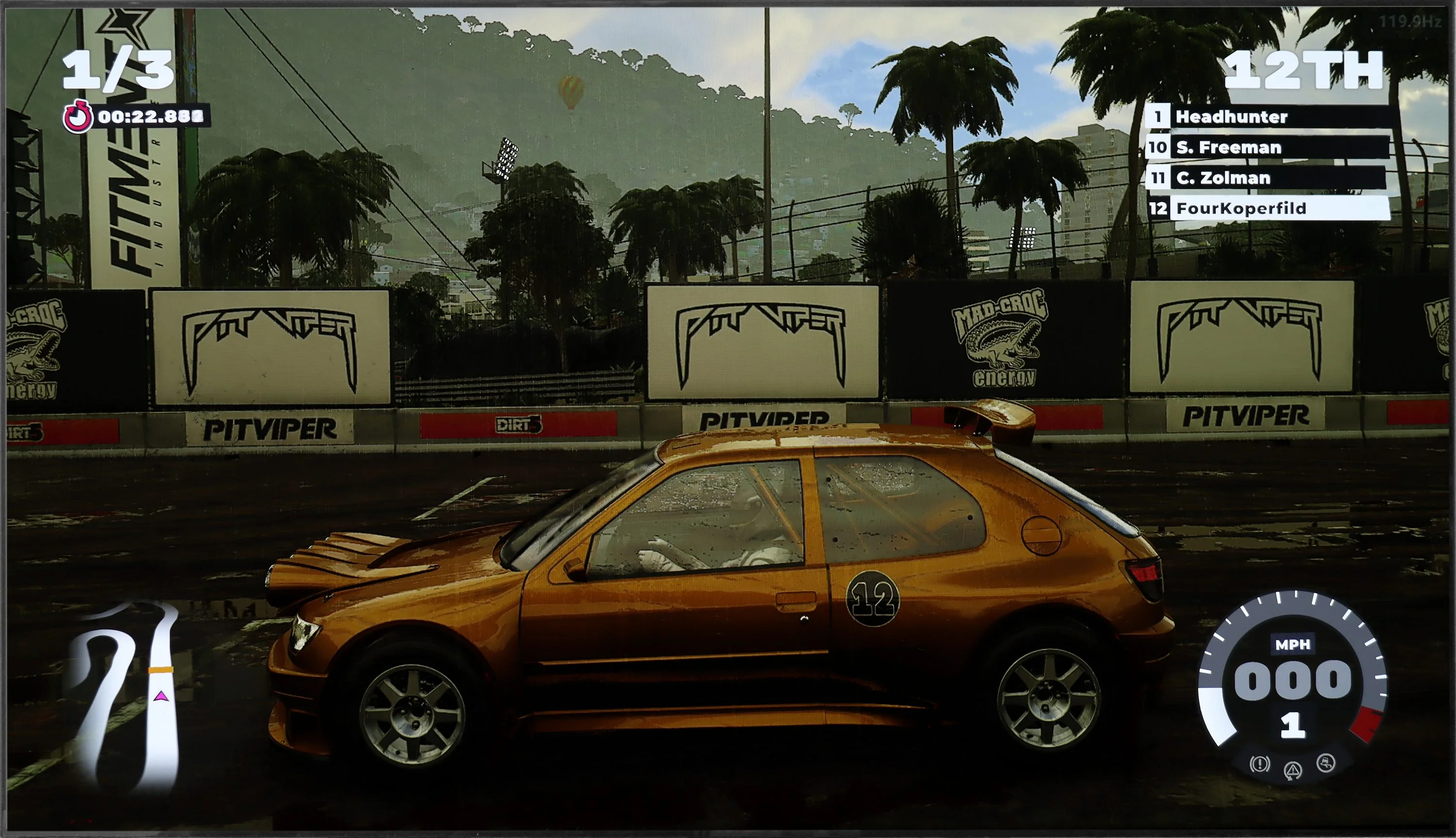
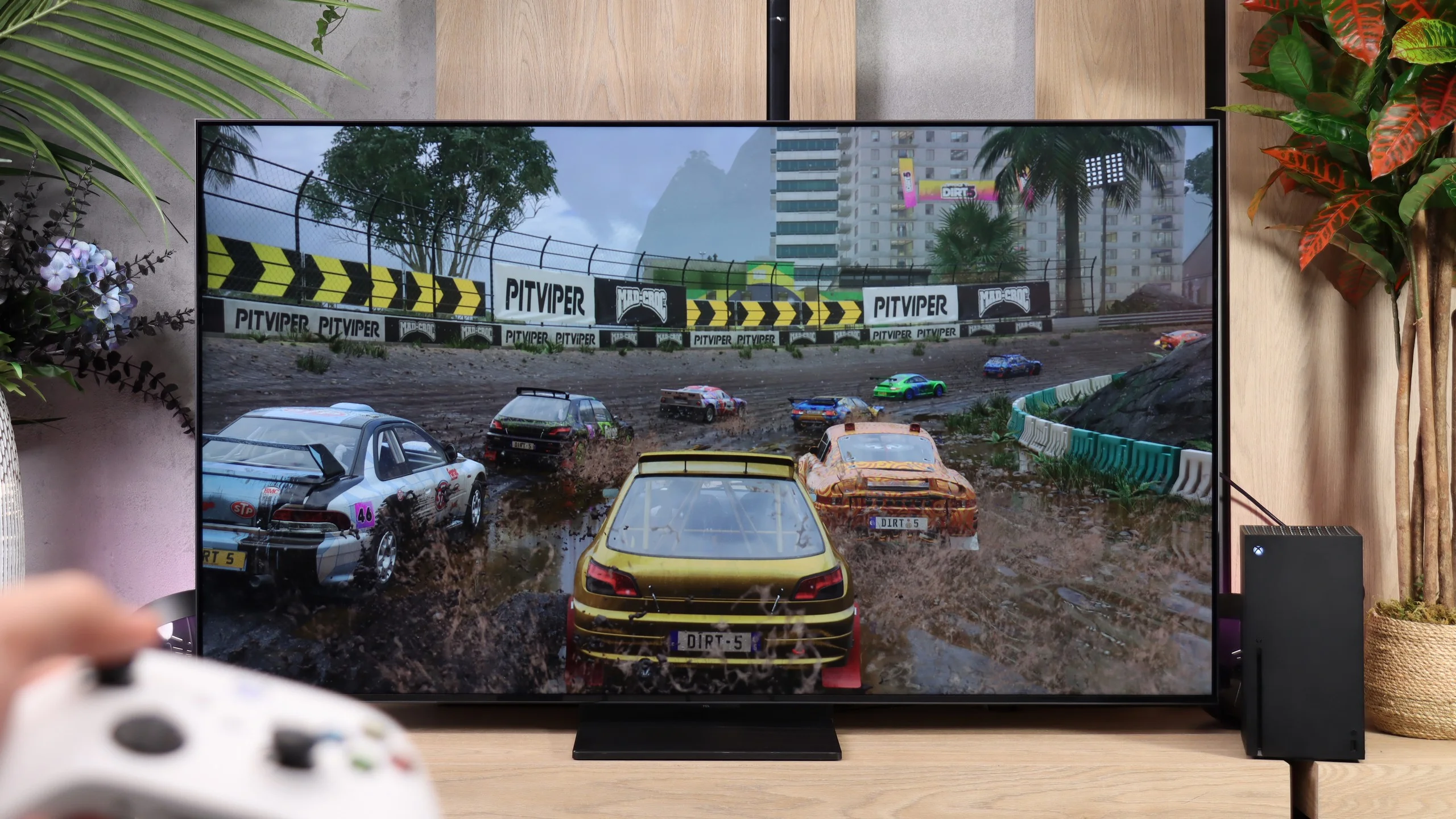
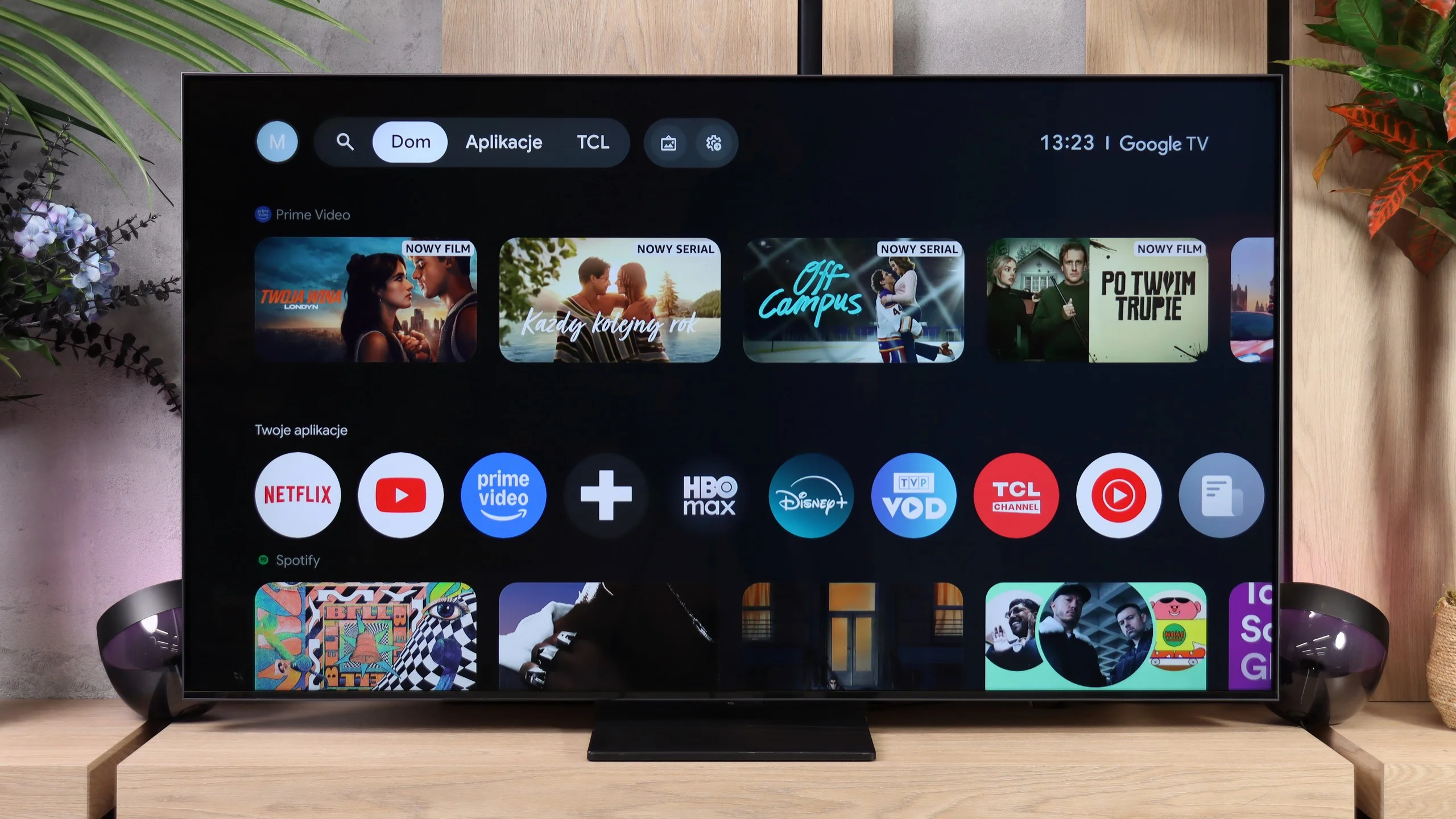
Buying it, you also don’t have to choose between a TV for movies and a screen for gaming. The A400U supports 4K at 120 Hz, including in Dolby Vision, and its low input lag keeps controls fast and responsive. On a PC you can even run 144 Hz at 4K or 288 Hz in Full HD. That level of capability makes it hard to justify paying more for a pricier model just for gamer-oriented features. In everyday use the TV also doesn’t disappoint. Google TV runs smoothly, apps launch without annoying delays, and using the device is simply convenient.
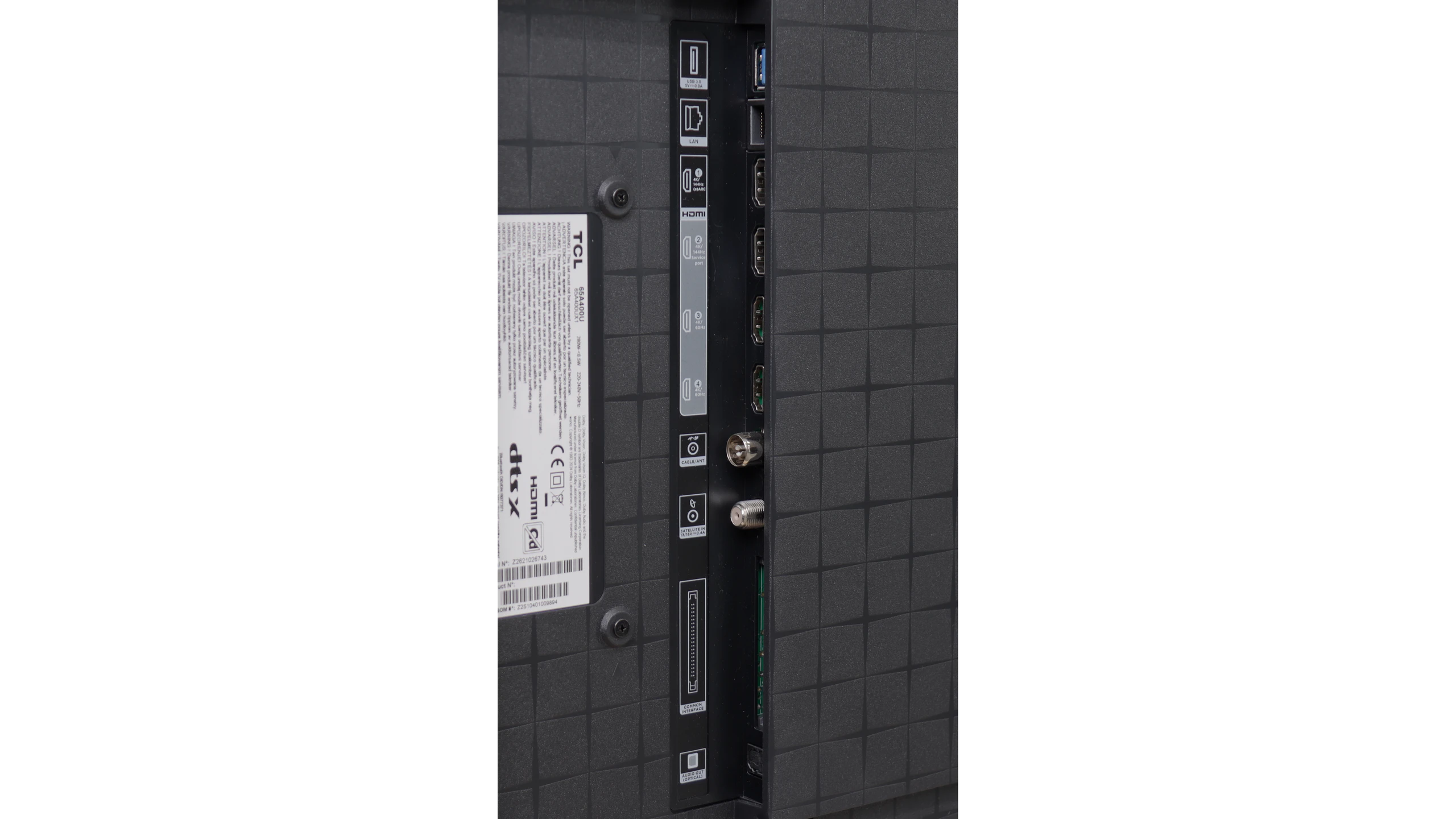
That doesn’t mean the A400U will fit every home. If you often watch regular broadcast TV or other lower-quality content, the Pentonic 700 processor won’t always improve it as much as you might expect. The slightly more expensive C7L has a similar limitation, so only moving up to a clearly higher series, like the C8L, brings a noticeable change in that regard. Before buying, check how many devices you want to connect. Two HDMI 2.1 inputs, one of which is taken by eARC, may prove insufficient if you have two consoles and a soundbar. It’s also wise to include a soundbar in your budget, because the built-in speakers clearly don’t match the capabilities of the picture.
However, if you’re looking for a TV primarily for movies, streaming and gaming, the TCL A400U is one of the most convincing buys in the midrange class in 2026. More expensive models can do more, but not every one of those advantages will matter in everyday viewing. Here you get a very good picture, extensive features and excellent build quality, without paying for functions you might never see. That’s why the TCL A400U is, in our view, one of the most cost-effective TVs of 2026.
 Direct comparison