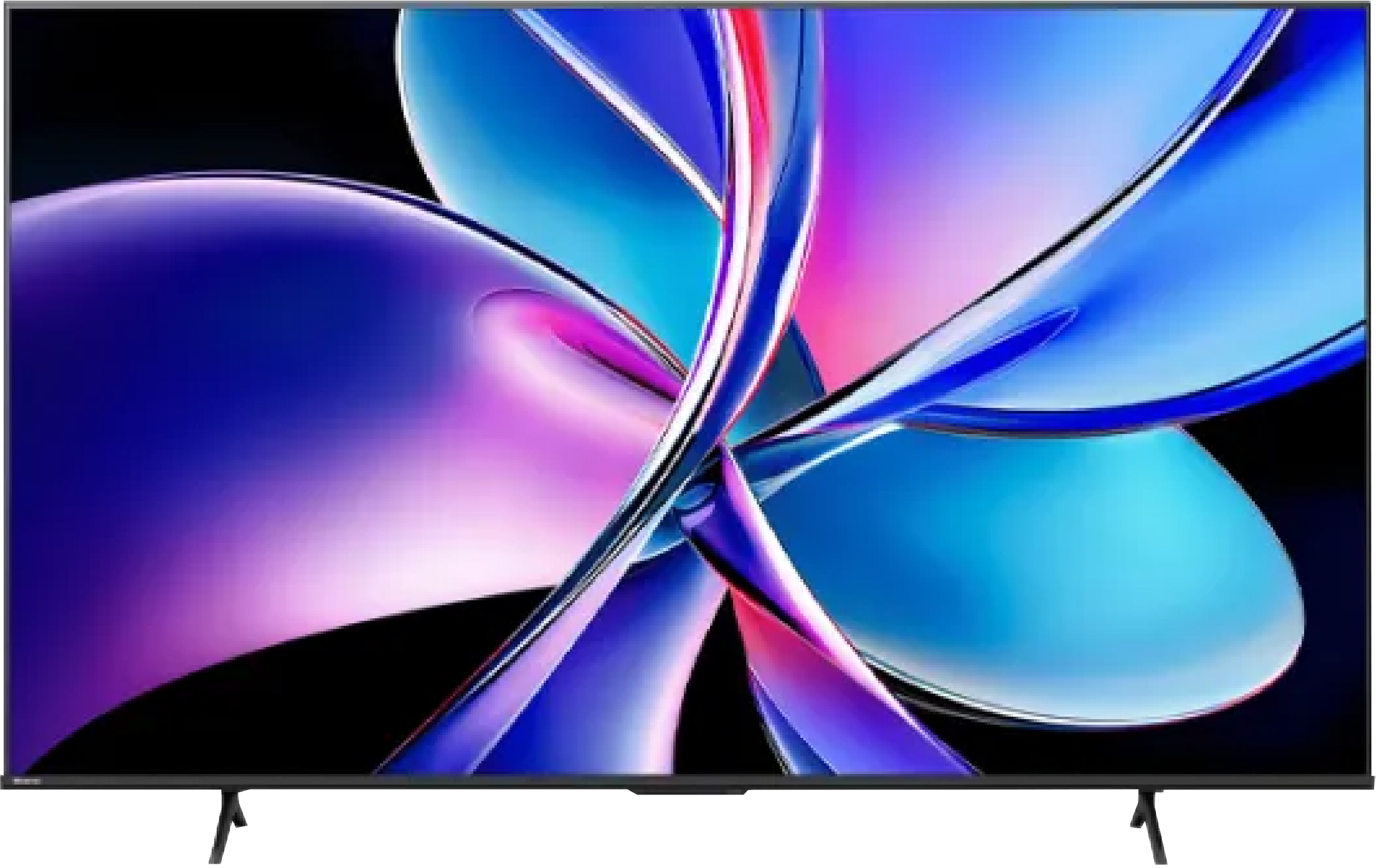
Philips OLED809/819 vs Hisense E7Q PRO / E79Q PRO

Direct comparison

OLED809 / OLED819 / AMIBLIGHT TV

Info

Available screen sizes: 48”55”65”77”

Available screen sizes: 43”50”55”65”85”100”

Panel type: WRGB OLED

Resolution: 3840x2160

System: Google TV

Model year: 2024

Complete the survey to find out the result

Panel type: LCD VA

Resolution: 3840x2160

System: VIDAA

Model year: 2025

Complete the survey to find out the result

Overall rating

7.6

6.6

  • Movies and series in UHD quality

    7.3

    6.4

  • Classic TV, YouTube

    7.9

    6.5

  • Sports broadcasts (TV and apps)

    8.2

    6.3

  • Gaming on console

    9.2

    7.9

  • TV as a computer monitor

    6.4

    8.4

  • Watching in bright light

    5.5

    4.7

  • Utility functions

    7.9

    7.8

  • Apps

    9.6

    7.7

  • Sound quality

    7.1

    6.4

Advantages

  • Advanced Google TV system with good app support

  • Very good cooperation with the console

  • Good image fluidity and an advanced system for its improvement

  • Multicolored Ambilight backlighting

  • High native contrast of the VA panel

  • Great smoothness of tonal transitions, no visible posterization

  • Good tone mapping in typical HDR streaming content

  • Support for Dolby Vision

  • 120 Hz panel, and even 144 Hz in PC mode

  • Highly developed features for gamers: HDMI 2.1, VRR, ALLM, G-Sync and FreeSync, Game Bar

  • Low input lag

  • The VIDAA system works quickly and reliably, voice search

  • Support for AirPlay

  • Support for multiple audio formats, including Dolby Atmos and DTS:X

  • *The 100-inch version effectively dampens reflections thanks to the matte panel

Disadvantages

No like
  • Poor factory color reproduction (can be fixed through calibration)

  • Strongly contrasting tonal transitions

  • Average readability of fonts when connected to a computer

  • No local dimming compared to the 2024 model

  • Low brightness

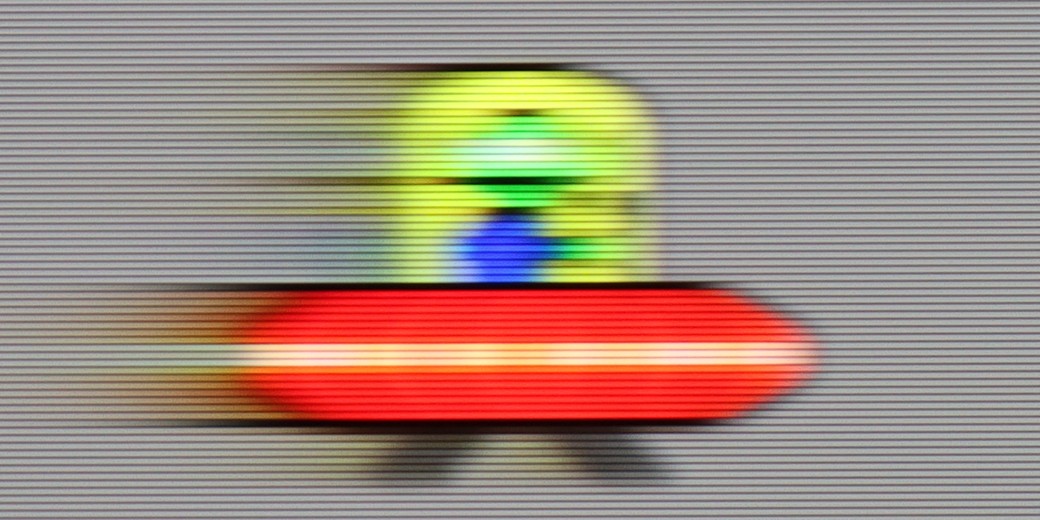
  • Quite strong trailing of fast objects

  • Issues with readability of thin, dark text when working with a PC

  • No support for HGiG format for gamers

  • No USB recording feature

Our verdict

The Philips OLED 809 is a versatile television that caters to a wide audience. Its standout feature is the multicoloured Ambilight backlighting, which enhances immersion and engagement, particularly when watching films. As expected from an OLED TV, key aspects such as contrast, black levels, and colour reproduction are excellent, providing impressive visual quality.

However, the television has some drawbacks, such as the quality of tonal transitions and the inconsistent operation of the dynamic tone mapping function, which can occasionally distract more sensitive viewers. Despite these shortcomings, the Philips OLED 809 excels in two key areas: gaming performance and motion smoothing. Gaming performance is particularly noteworthy, with each implemented feature functioning seamlessly to create a highly immersive experience.

Motion smoothness is also impressive, with two effective sliders allowing users to customise the motion settings. The inclusion of the Google TV system further enhances the user experience, offering smooth and lag-free operation during tests. Overall, the Philips OLED 809 strikes a solid balance between its strengths and minor imperfections.

The Hisense E7Q PRO is a television that clearly shows where the manufacturer has set its priorities. It is not a model focused on impressive HDR or cinematic fireworks in a dark living room. This is equipment tailored for universal use, with a strong emphasis on gaming and everyday streaming content viewing at a very attractive price. The biggest disappointment remains the abandonment of local dimming compared to the 2024 model. This is a decision that realistically affects the perception of black levels and contrast. On the other hand, the VA panel with high native contrast does everything it can to mask this loss, and in most everyday applications, it does quite well. The E7Q PRO shines where it is most expected today: in gaming. A 120 Hz panel, 144 Hz mode for PC, HDMI 2.1, variable refresh rate, low input lag, and a very good Game Bar make it one of the more interesting gaming choices in its price segment. Additionally, there is a reliably working VIDAA system, fast menu, and a sensible set of smart functions. It is not a perfect television. HDR brightness is clearly limited, motion blur is average, and viewing angles are typically poor for VA. However, if someone is looking for a television available in various sizes, whether for gaming, series, or everyday viewing, and is aware of its limitations, the E7Q PRO can provide a lot of satisfaction. It is not a step forward compared to its predecessor in any category. Rather, it is a different, more budget-friendly direction. Less cinematic, but cheap and very gaming-oriented. If this is what you're looking for, the Hisense E7Q PRO makes a lot of sense.

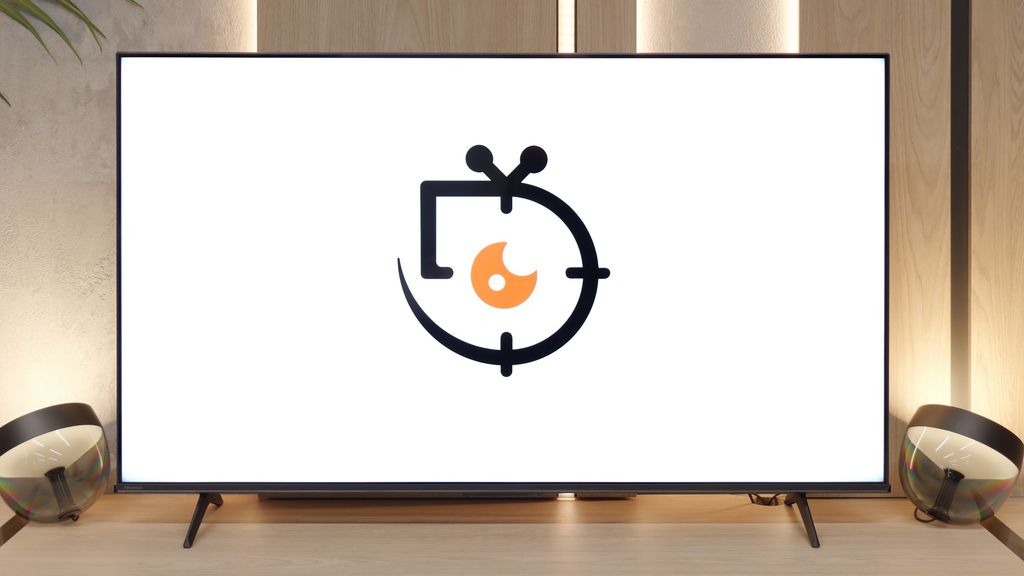
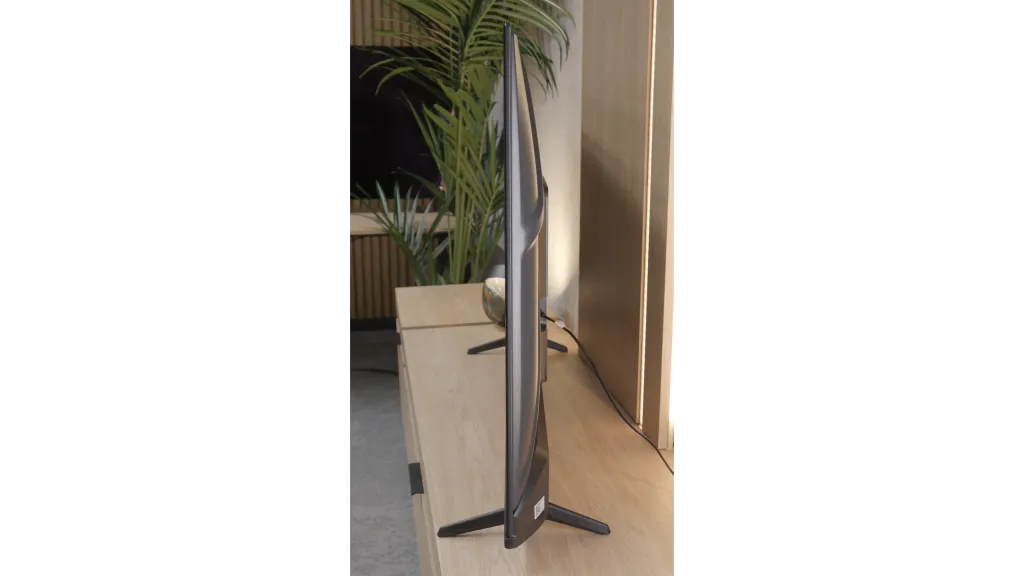
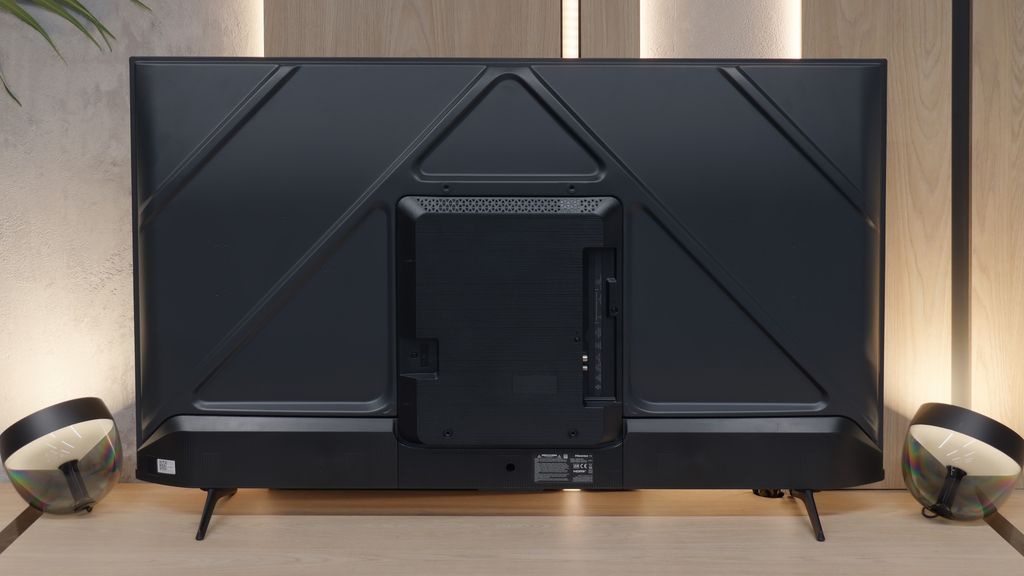
TV appearance

HDMI inputs
2 x HDMI 2.0, 2 x HDMI 2.1 (48Gbps)
1 x HDMI 2.0, 2 x HDMI 2.1 (48Gbps)
Other inputs
RCA (Chinch)
Outputs
Toslink (Optical audio), eARC (HDMI), ARC (HDMI)
Toslink (Optical audio), eARC (HDMI), ARC (HDMI), Mini-Jack (Headphones)
Network Interfaces
Wi-Fi 2.4GHz, Wi-Fi 5GHz, Ethernet (LAN) 100Mbps
Build quality
Premium
Average
Stand type
stand-type-
Legs
Bezel color
Silver
Graphite
Stand
Fixed
Accessories
Stand
Stand

Contrast and black detail

10/10

6.3/10

Local dimming function: No

Contrast:

Review Philips OLED809/819 Contrast and black detail

Result

:1

Review Philips OLED809/819 Contrast and black detail

Result

:1

Review Philips OLED809/819 Contrast and black detail

Result

:1

Review Philips OLED809/819 Contrast and black detail

Result

:1

Review Philips OLED809/819 Contrast and black detail

Result

:1

Review Hisense E7Q PRO / E79Q PRO Contrast and black detail

Result

6,850:1

Review Hisense E7Q PRO / E79Q PRO Contrast and black detail

Result

6,900:1

Review Hisense E7Q PRO / E79Q PRO Contrast and black detail

Result

7,300:1

Review Hisense E7Q PRO / E79Q PRO Contrast and black detail

Result

7,450:1

Review Hisense E7Q PRO / E79Q PRO Contrast and black detail

Result

5,950:1

Halo effect and black detail visibility:

Check the visibility of bright lights on a dark background. Mini-LEDs often struggle with this. The photo does not compare black levels – that’s what the video below is for.

The video accurately shows differences in contrast and black levels between TVs, as well as potential issues: halo around bright objects or Mini-LED zone operation visible as brightness jumps.

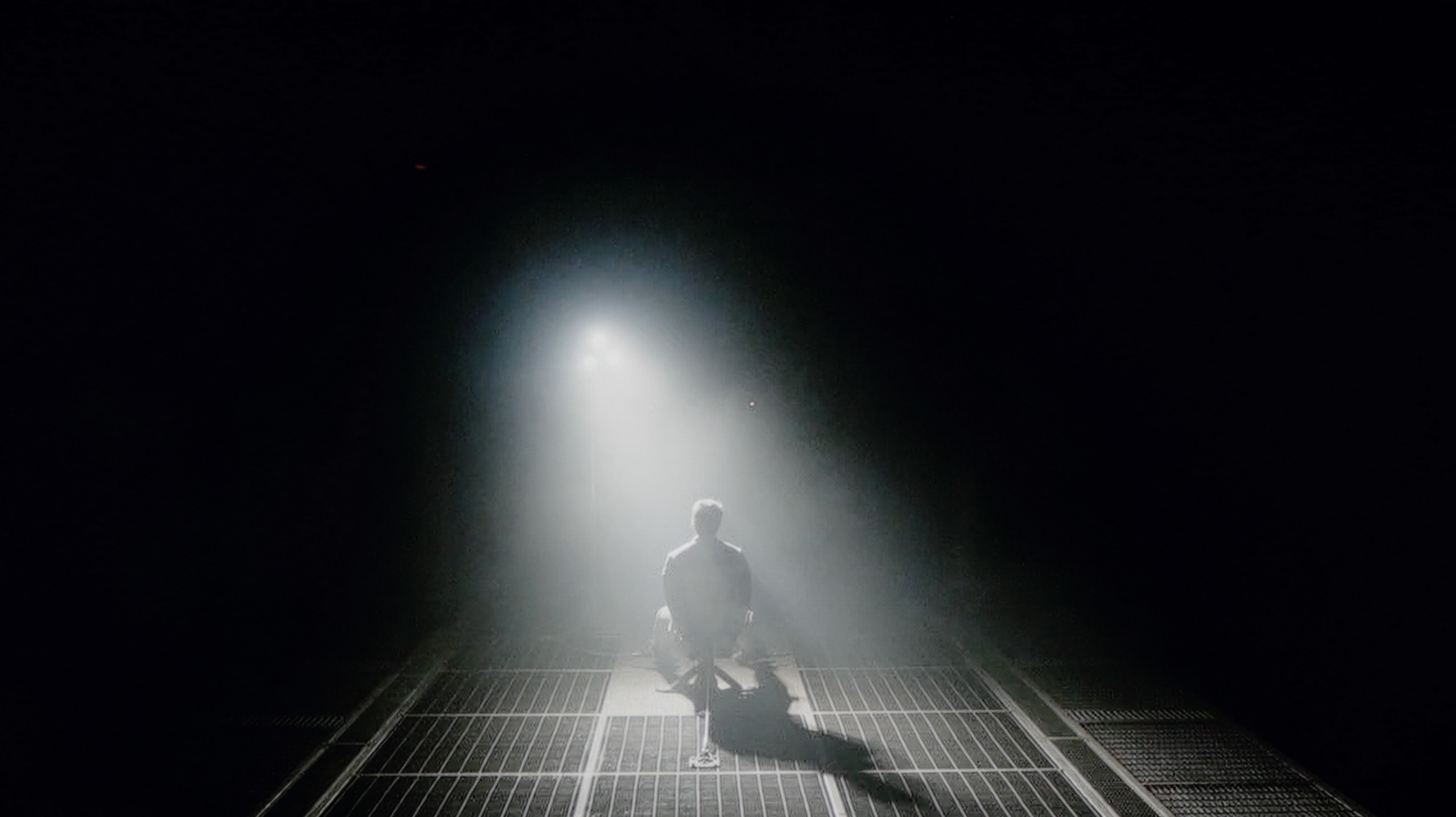
The Philips OLED 809, true to its name, uses an OLED panel sourced from LG Displays, a common choice among major brands like Sony and Panasonic. This advanced panel technology enables the television to achieve outstanding results in contrast and black-level tests. The image produced is three-dimensional and entirely free of the blooming effect often seen in TVs with local dimming, where bright text on dark backgrounds can appear hazy.

This exceptional performance is due to the panel's structure, crafted from conductive organic polymers and controlled by electrical impulses. Unlike LCD TVs with layered filters, OLED technology allows individual pixels to turn off completely, creating true black levels with a value of 0. This direct control ensures the precise separation of bright and dark elements in the image.

In tests, the Philips OLED 809 showcased its ability to render contrasts with exceptional precision, such as isolating bright elements like headlights against dark backgrounds. This capability is one of the TV's strongest advantages, elevating its performance in scenarios where contrast and black levels are critical.

In the category of blacks and contrast, the biggest change compared to the 2024 model unfortunately goes in the wrong direction. The Hisense E7Q PRO has lost local dimming technology compared to its predecessor, which immediately reflects on how the television handles blacks. In dark scenes, there is no longer as much control over the backlighting, resulting in the screen not being able to "cut off" black areas as effectively as the predecessor did. However, the 55-inch version defends itself with a strong point, which is the VA panel with high native contrast. In our measurements, the results reached around 7000:1, which translates to quite solid blacks and pleasant contrast during everyday viewing. However, it must be said plainly. Despite decent results, overall it performs worse than the 2024 model, precisely due to the lack of local dimming.

HDR effect quality

6.9/10

4.7/10

Supported formats
HDR10, HDR10+, Dolby Vision, HLG
HDR10, HDR10+, Dolby Vision, Dolby Vision IQ, HLG
Color gamut coverage
DCI P3: 99.0%, Bt.2020: 75.0%
DCI P3: 93.3%, Bt.2020: 68.1%

Luminance measurements in HDR:

Review Philips OLED809/819 Brightness measurement

Result

921 nit

Review Philips OLED809/819 Brightness measurement

Result

970 nit

Review Philips OLED809/819 Brightness measurement

Result

1039 nit

Review Philips OLED809/819 Brightness measurement

Result

1022 nit

Review Philips OLED809/819 Brightness measurement

Result

425 nit

Review Hisense E7Q PRO / E79Q PRO Brightness measurement

Result

241 nit

Review Hisense E7Q PRO / E79Q PRO Brightness measurement

Result

270 nit

Review Hisense E7Q PRO / E79Q PRO Brightness measurement

Result

317 nit

Review Hisense E7Q PRO / E79Q PRO Brightness measurement

Result

329 nit

Review Hisense E7Q PRO / E79Q PRO Brightness measurement

Result

326 nit

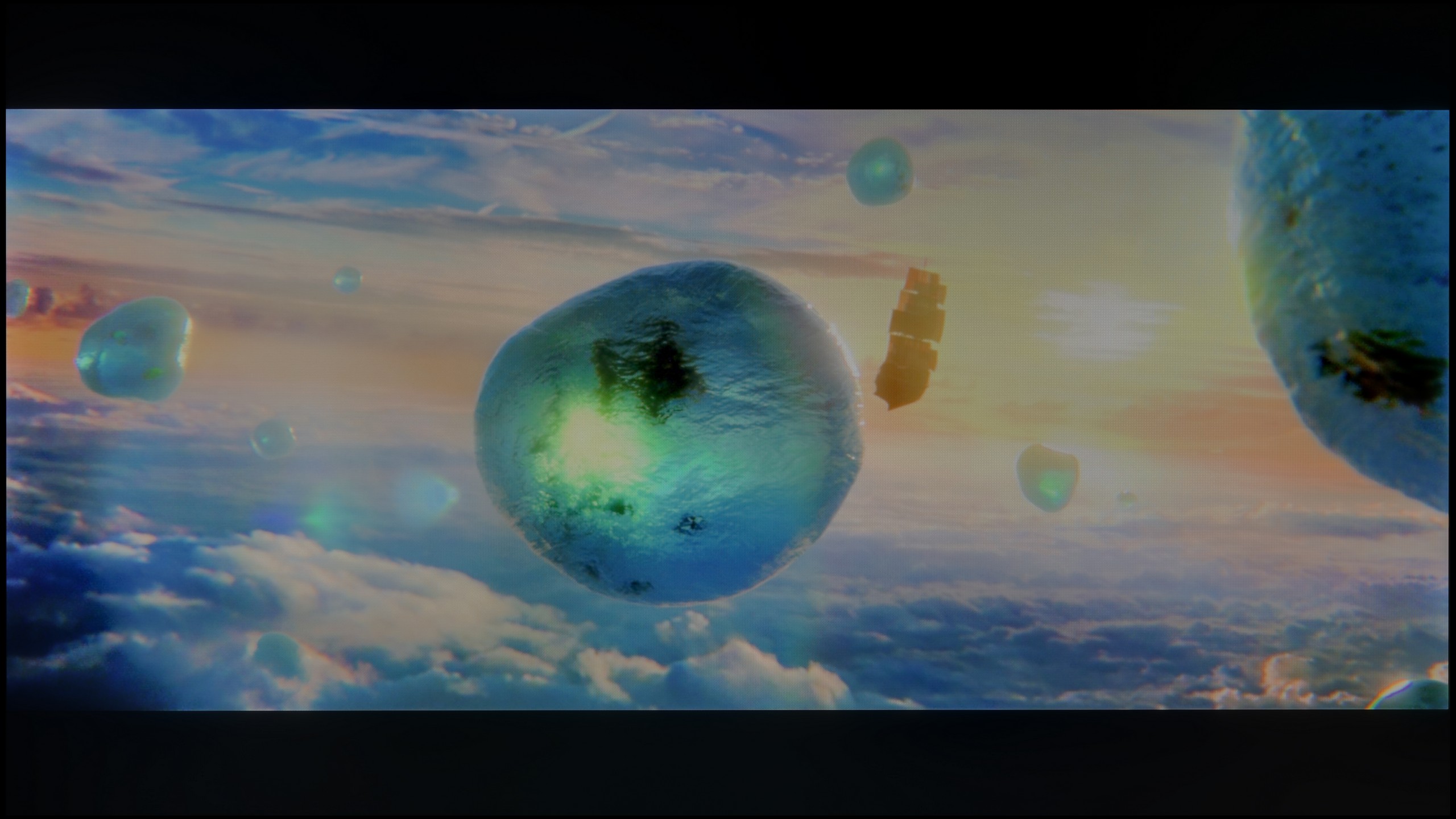
Scene from the movie “Pan” (about 2800 nits)

Scene from the movie “Billy Lynn” (about 1100 nits)

The photos show two HDR10 movies. 'Pan' is one of the brightest productions ever made, while 'Billy Lynn' (soldier) has brightness typical of streaming (Netflix, Prime, HBO MAX). Notice the intensity of effects and detail in whites.

Static HDR10

The photos present the visibility of white details in various HDR formats. They do not show brightness differences between TVs (these can be compared in the previous gallery).

Dynamic: Dolby Vision

Dynamic: Dolby Vision

The photos present the visibility of white details in various HDR formats. They do not show brightness differences between TVs (these can be compared in the previous gallery).

HDR luminance chart:

Hisense E7Q PRO / E79Q PRO

Philips OLED809/819

Luminance of RGB colors

The Philips OLED 809 delivers a highly satisfactory HDR effect. The television can reach luminance levels exceeding 900 nits in most scenes, and in some cases, even surpassing 1000 nits. This brightness ensures a rich and immersive experience for HDR content with a wide tonal range. The only exception occurs in a scene from the movie The Meg, where a large amount of bright white occupies most of the screen, preventing the TV from reaching higher brightness levels. However, this is not a significant issue, as the performance is still a considerable improvement over its predecessor.

Overall, these brightness levels, especially for an OLED panel not equipped with MLA technology, impress. Coupled with excellent coverage of the DCI-P3 colour spectrum, the Philips OLED 809 offers a truly spectacular HDR viewing experience.

If it comes to the quality of the HDR effect, the E7Q PRO is unfortunately not a television that can impress with brightness alone. In real film materials, we measured about 250–300 nits, which is simply too little for HDR to look spectacular. It lacks that "spark" in bright details, flashes, and light effects, and in many HDR scenes, it can resemble better SDR than true cinematic HDR. A consolation in all of this is the colors. We managed to confirm that the E7Q PRO is a PFS type television, meaning it has an additional filter that enhances color gamut coverage. As a result, even if the brightness doesn't deliver, the colors in HDR content can be adequately saturated and pleasant to the eye, without the feeling of a "faded" image.

Factory color reproduction

5.1/10

6.9/10

This gallery shows how colors change after professional TV calibration. If you notice the difference, we recommend ordering this service at SkalibrujTV.com.

Factory Mode

After calibration

This gallery shows how colors change after professional TV calibration. If you notice the difference, we recommend ordering this service at SkalibrujTV.com.

Factory Mode

After calibration

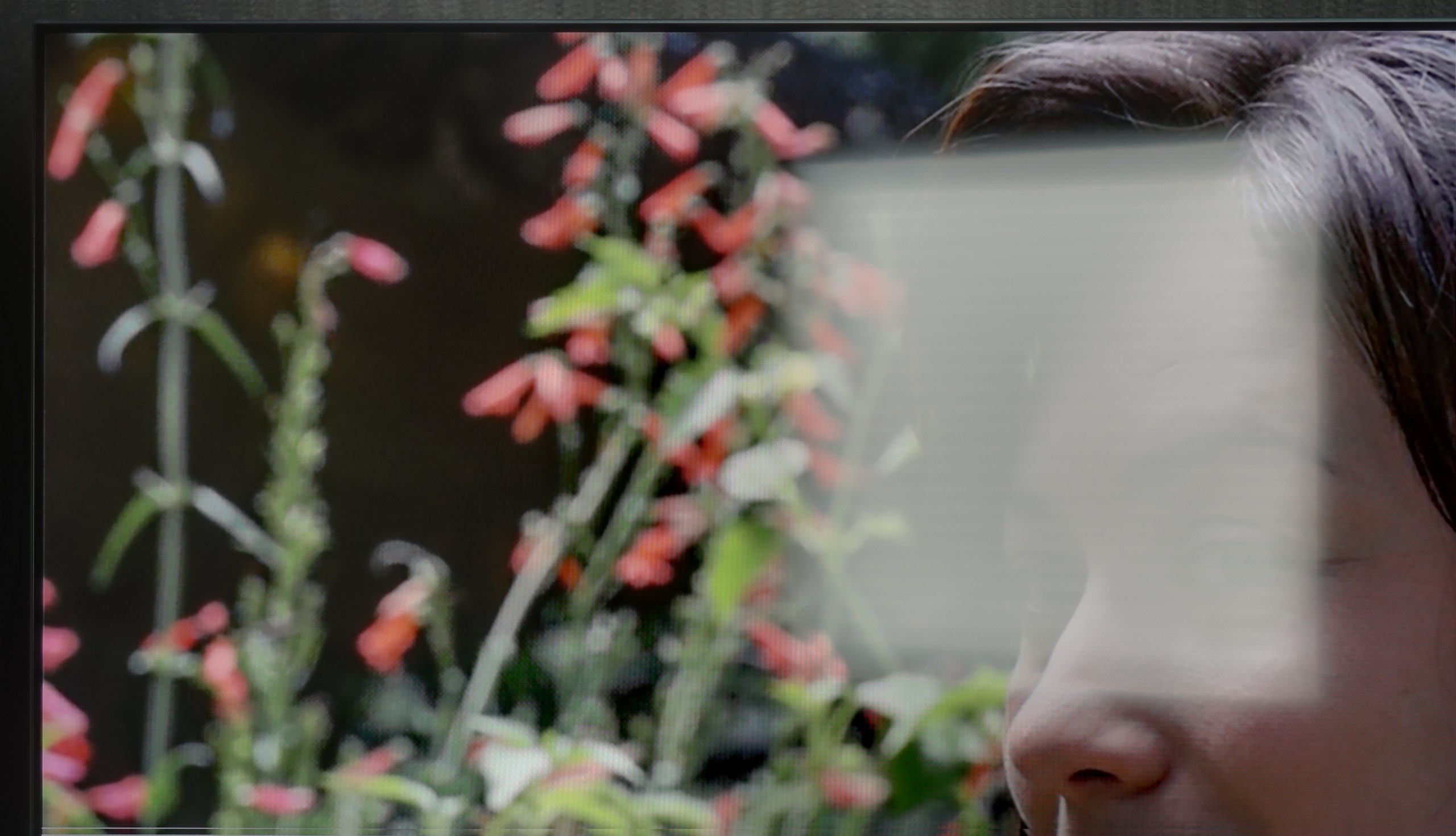
The best factory mode in which we performed all our tests was "Filmmaker," which is quite standard in televisions from this manufacturer. However, let’s first examine its characteristics before the calibration process. The first aspect we will focus on is white balance, as it is critical to ensuring the image remains free from any colour cast. The chart clearly shows that in both SDR and HDR materials, two colours dominated significantly: red and green, resulting in a strong yellow tint that affected the entire image. This was particularly noticeable on the "ColourChecker" palette, where all colours shifted towards their warmer counterparts.

The second aspect we will assess is what we consider to be the two most important charts for evaluating picture quality: gamma and the Electro-Optical Transfer Function (EOTF) curve. Both aim to maintain appropriate brightness and contrast. The first chart, which describes the brightness levels in SDR materials, shows that the brightness was significantly lower than the reference value marked by the orange line. This resulted in a sharp increase in brightness and a notable decrease in contrast, which was inconsistent with typical OLED television behaviour. The EOTF curve, on the other hand, showed greater "moderation," subtly brightening the overall image only up to 50% of the maximum brightness.

In terms of color reproduction, we tested the Hisense E7Q Pro in Movie mode, which proved to be the best built-in preset without a doubt. This mode, unlike the Eco, Standard, or Dynamic settings, offers the most natural colors right out of the box. Although no factory mode is completely free of flaws, the E7Q Pro deserves high praise for its color representation in standard SDR content. The color palette is very well tuned here, and errors in Color Checker tests often did not exceed a value of 3, which is an exceptional result rarely seen in such inexpensive TVs. The only drawback we noted in SDR is a tendency to darken some image elements, as indicated by a slightly raised gamma chart. The TV performs somewhat worse with colors in HDR mode. Here, color errors become noticeable to the naked eye, mainly due to a deficiency of blue in the white balance. This causes the colors on the screen to appear too warm, and for some viewers, they may seem “too cinematic.” Of course, to improve these parameters, we proceeded with professional calibration.

Color reproduction after calibration

9/10

8/10

The photos show how movies look on the TV. Pay attention to black detail visibility, colors, and shadow tint.

The photos show how movies look on the TV. Pay attention to black detail visibility, colors, and shadow tint.

Philips, like most leading manufacturers, has been providing advanced calibration tools for years. The inclusion of 2- and 20-point grayscale adjustments, along with an advanced CMS (Color Management System), has yielded extremely beneficial results and fundamentally improved the perceived image. Nearly every element previously mentioned has undergone a transformation and has been restored to its natural state. This is particularly noticeable in the "ColourChecker" palette, where the measured colour samples align harmoniously. Notably, the white balance has been excellently calibrated, ensuring a pure image free from unwanted tint in both SDR and HDR content. The previously problematic gamma has been well addressed, with only minor errors that do not impact the overall performance. Similarly, the EOTF curve has been refined, removing the subtle brightening effect, and now offers a truly reference-quality presentation.

In the case of materials with a standard color range (SDR), our efforts in Filmmaker mode turned out to be largely cosmetic 😉. We mainly focused on gentle white balance correction and gamma curve adjustment, which allowed us to recover details in the darker parts of the image that previously tended to get lost. It is worth noting, however, that the E7Q Pro unit we tested happened to be exceptionally well-made from the factory. We remind you that these parameters depend on the specific unit – with mass production, factory calibration can be random, so your unit may require slightly different adjustments. The biggest beneficiary of professional calibration was undoubtedly the HDR mode. This is where we did the most work, which yielded spectacular results. We managed to effectively tame the excessive warmth of the image, caused by a factory deficiency of blue color. After calibration, color errors were reduced to a significantly lower level, which will certainly please those who watch a lot of streaming content in HDR format, expecting faithful reproduction.

Smoothness of tonal transitions

2.4/10

9/10

These are selected scenes that show smooth tonal transitions from one color to another. If you see distinct banding, it’s the TV panel’s fault.

These are selected scenes that show smooth tonal transitions from one color to another. If you see distinct banding, it’s the TV panel’s fault.

These are selected scenes that show smooth tonal transitions from one color to another. If you see distinct banding, it’s the TV panel’s fault.

These are selected scenes that show smooth tonal transitions from one color to another. If you see distinct banding, it’s the TV panel’s fault.

Equally important as colour accuracy, black levels, and contrast in the context of image quality is its purity. This includes the quality of tonal transitions. Many viewers will be familiar with the "stepping" effect of colours on older displays—a frustrating issue that can significantly disrupt immersion in films or series. Unfortunately, the Philips OLED 809 suffers from such a problem, and while it might be tempting to overlook, it warrants examination.

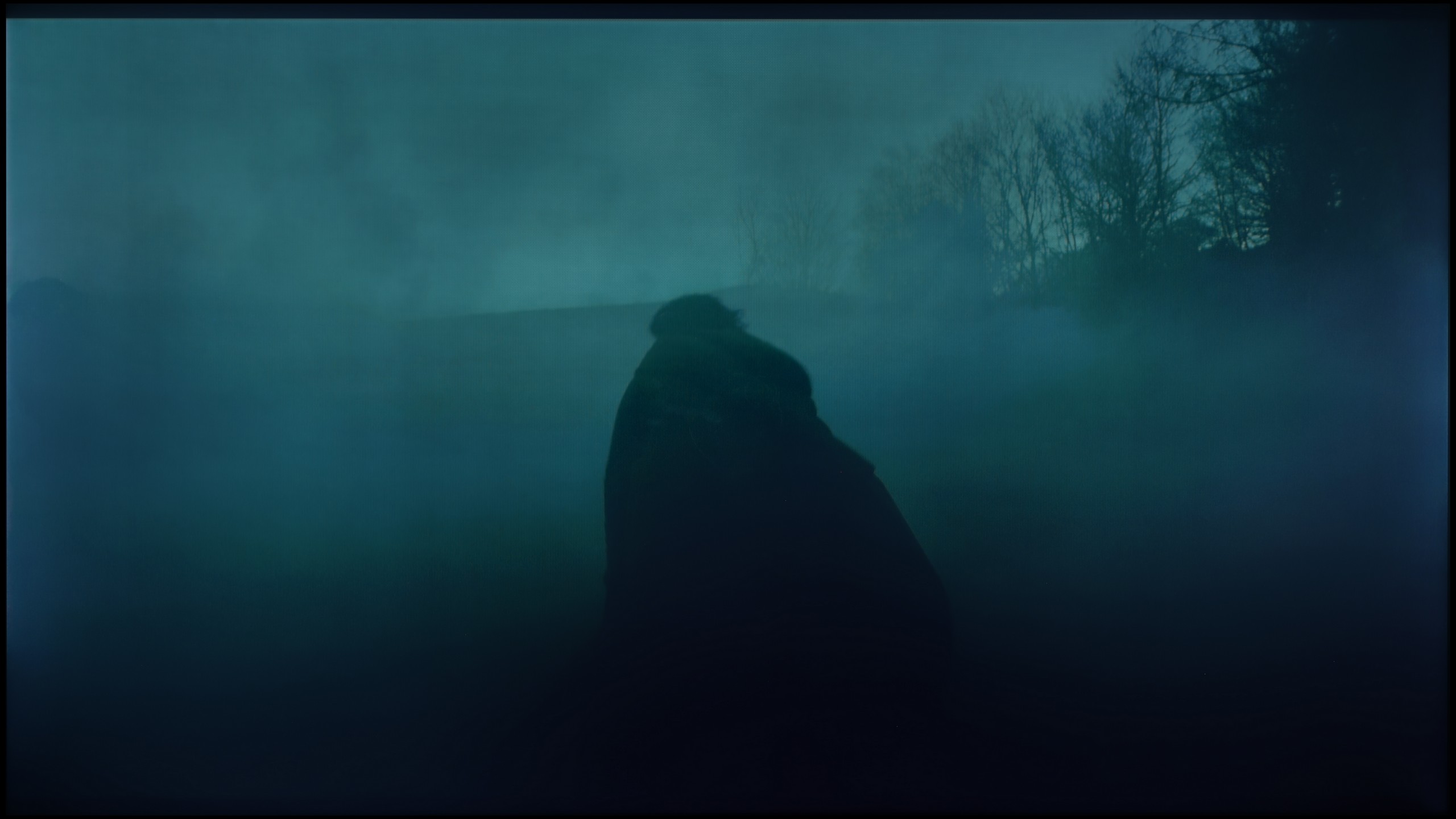
In almost every tested scene, a lack of fluidity between colours was evident. While this is somewhat acceptable in certain films, such as Kingsman, it becomes far more distracting in others, particularly in The Green Knight. In this film, the thick fog was rendered as horizontal stripes and indistinct geometric shapes rather than a smooth gradient.

Though some televisions handle tonal transitions with excellence, the Philips OLED 809 does not belong in that category. Tests revealed visible stepping effects in colours, especially in demanding scenes, which detract from the viewing experience. Even options designed to mitigate posterisation failed to deliver adequate improvements, making this a significant drawback of the model.

The fluidity of tonal transitions is one of those categories in which the E7Q PRO shows class. When it comes to color blending and gradation, the television performs phenomenally, just like many other Hisense models. In practice, it was difficult to find major issues with tonal transitions in almost every test scene, even in the most demanding shots, close to grays and darker shades. By choosing the E7Q PRO, one can have peace of mind in this regard. Posterization shouldn't be a concern here, and the image in gradients remains clear and very pleasant to the eye.

Image scaling and smoothness of tonal transitions

5.5/10

6.5/10

Image without overscan on the SD signal
No
OK
Smooth transition function
OK
OK

Smooth transition function

The match photo shows how the TV smooths weak tonal transitions in low-quality video.

Image scaling SD (576i)

The model photo shows how it handles upscaling of SD material.

Philips OLED 809 struggled significantly in the smooth tonal transitions test. Focusing on the TV's algorithms, particularly the feature responsible for removing posterisation, the results were disappointing. This function, which offers several adjustable settings, proved ineffective in practice. The highest setting, while it does mitigate inconsistencies, it simultaneously blurs the entire image, rendering it virtually useless.

When dealing with lower-quality content, the performance of image upscaling algorithms becomes crucial. In this regard, the algorithms implemented in the OLED 809 perform admirably. They enhance image quality effectively, with minimal visible artefacts. Although slight edge fraying can occasionally be observed, it is unlikely to be noticeable during typical viewing sessions.

When it comes to upscaling and digital image processing, the E7Q PRO deserves praise. The scaling performs really well here and does not fall drastically behind much more expensive, advanced televisions. Lower-quality materials can look clean and sensible, without the impression that the image is artificially "overdrawn." However, the smoothing function presents a bit worse. It can indeed be effective and improve tonal transitions in low-quality materials, but at the same time, it can introduce unwanted effects. Sometimes it removes film grain or adds unwanted artifacts, giving the image a more "digital" character. Therefore, we mainly recommend it to those who prefer a smoother, less cinematic style of image.

Blur and motion smoothness

8.5/10

6.9/10

Maximum refresh rate of the panel
144Hz
144Hz
Film motion smoothing option
OK
OK
Blur reduction option
OK
OK
BFI function 60Hz
No
No
BFI function 120Hz
No
No
Brightness drop with BFI
-%
-%

Blur (native resolution, maximum refresh rate):

Blur ():

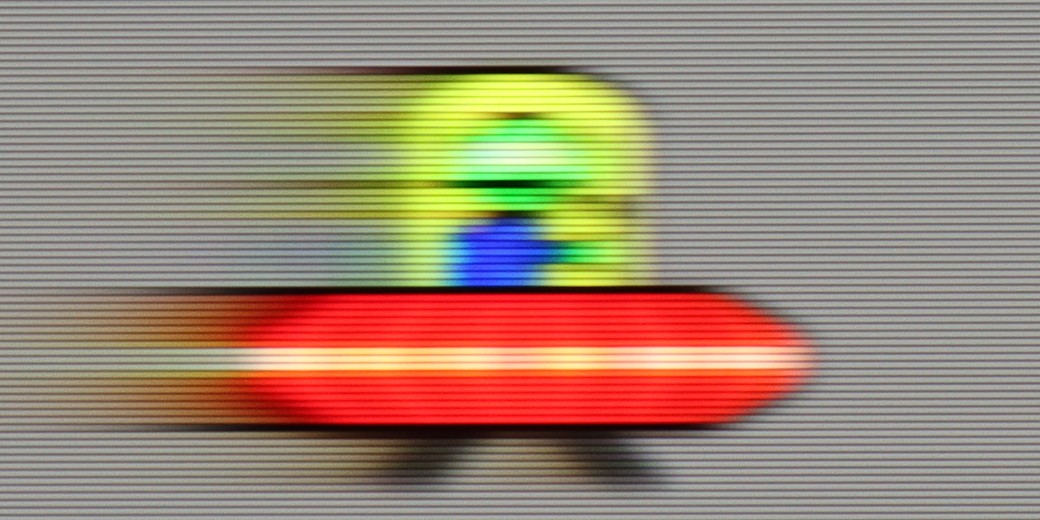
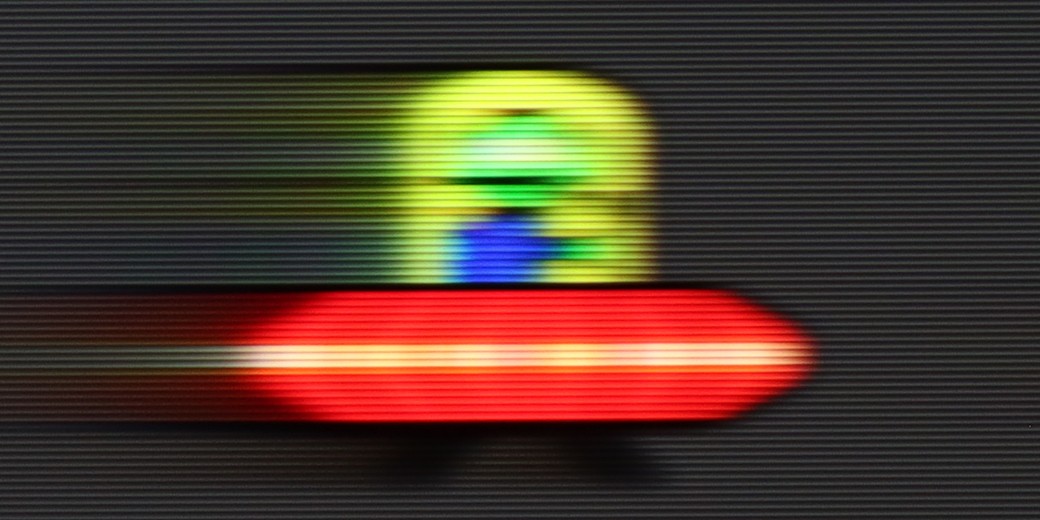
Blur (4K@144Hz):

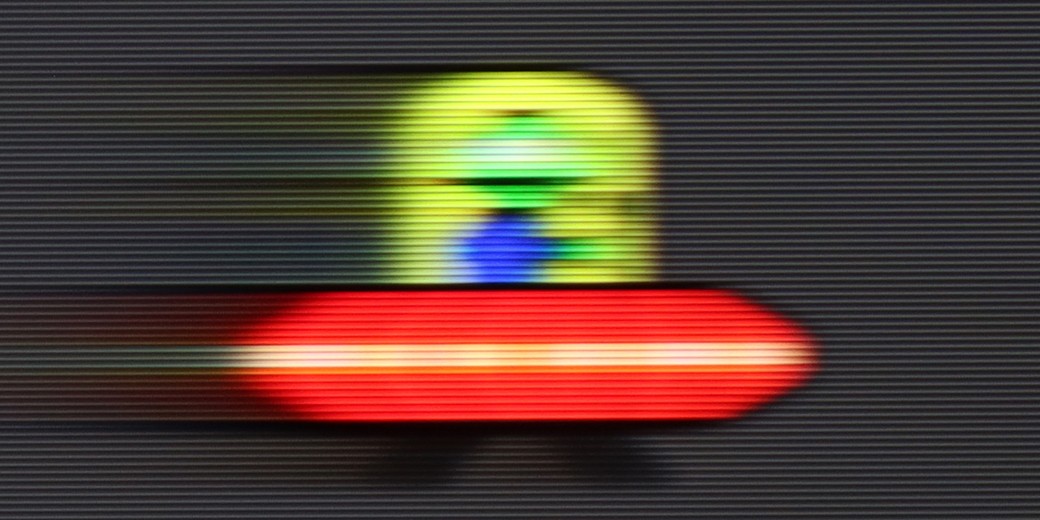
The maximum refresh rate achievable on the Philips OLED 809 is 144 Hz, a feature that can be fully utilised when connected to a high-performance PC. However, when connected to consoles or used for standard television viewing, the refresh rate remains at typical values. For users seeking enhanced motion fluidity or wishing to eliminate the characteristic choppiness of films shot at 24 fps, Philips provides a sophisticated motion-smoothing system.

In the settings menu, there is a "Smoothness" slider designed to reduce choppiness, along with a "Motion Blur Reduction" option to enhance the sharpness of fast-moving elements. These features perform impressively and allow for granular adjustments, ensuring that each setting has a tangible impact on motion perception. Notably, the system operates effectively at a refresh rate of 120 Hz, taking advantage of multiples of video frame rates. With this comprehensive range of options, users can easily fine-tune the settings to suit their preferences. For example, slight smoothing without inducing the soap opera effect offers a balanced viewing experience.

Motion clarity on the OLED 809 is further bolstered by the exceptional response time of the OLED panel, measured at approximately 0.1 ms. This surpasses the performance of IPS/ADS or VA panels, making OLED technology unrivalled in this area.

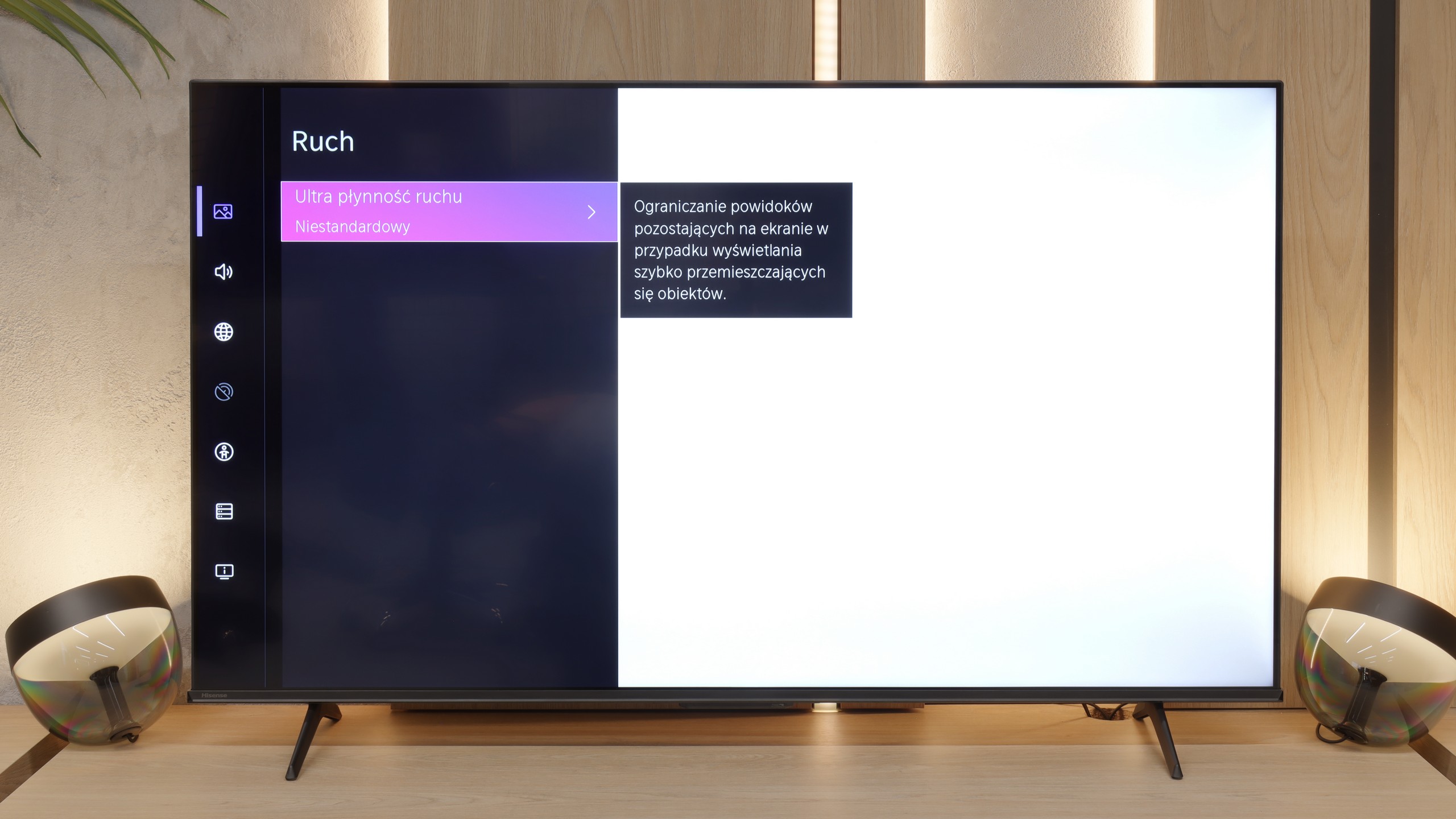
In the category of motion blur and fluidity of movement, the E7Q PRO has one very strong argument. At this price, Hisense has added a 120 Hz panel, and in PC mode, it can even operate at 144 Hz. This immediately provides greater possibilities in motion settings, as the menu displays more options for smoothing the image. Among other things, we have frame interpolation options, which allows us to adjust the fluidity for sports or for movies, depending on whether we prefer a more cinematic character or a "theatrical" smoothness.

Console compatibility and gaming features

10/10

8.5/10

  • ALLM
    Yes
    Yes
  • VRR
    Yes
    Yes
  • VRR range
    40 - 144Hz
    48 - 144Hz
  • Dolby Vision Game Mode
    Yes
    Yes
  • Correct implementation of HGIG
    Yes
    No
  • 1080p@120Hz
    Yes
    Yes
  • 1440p@120Hz
    Yes
    Yes
  • 4K@120Hz
    Yes
    Yes
  • Game bar
    Yes
    Yes

The Philips OLED 809 fully supports all technologies included in the HDMI 2.1 standard, and during testing, each activated without issue. This makes the TV an excellent choice for gamers, whether on console or PC. Notably, it features HGIG mode as a strong alternative to Dolby Vision, which is less ideal for gaming on this model due to its high input lag.

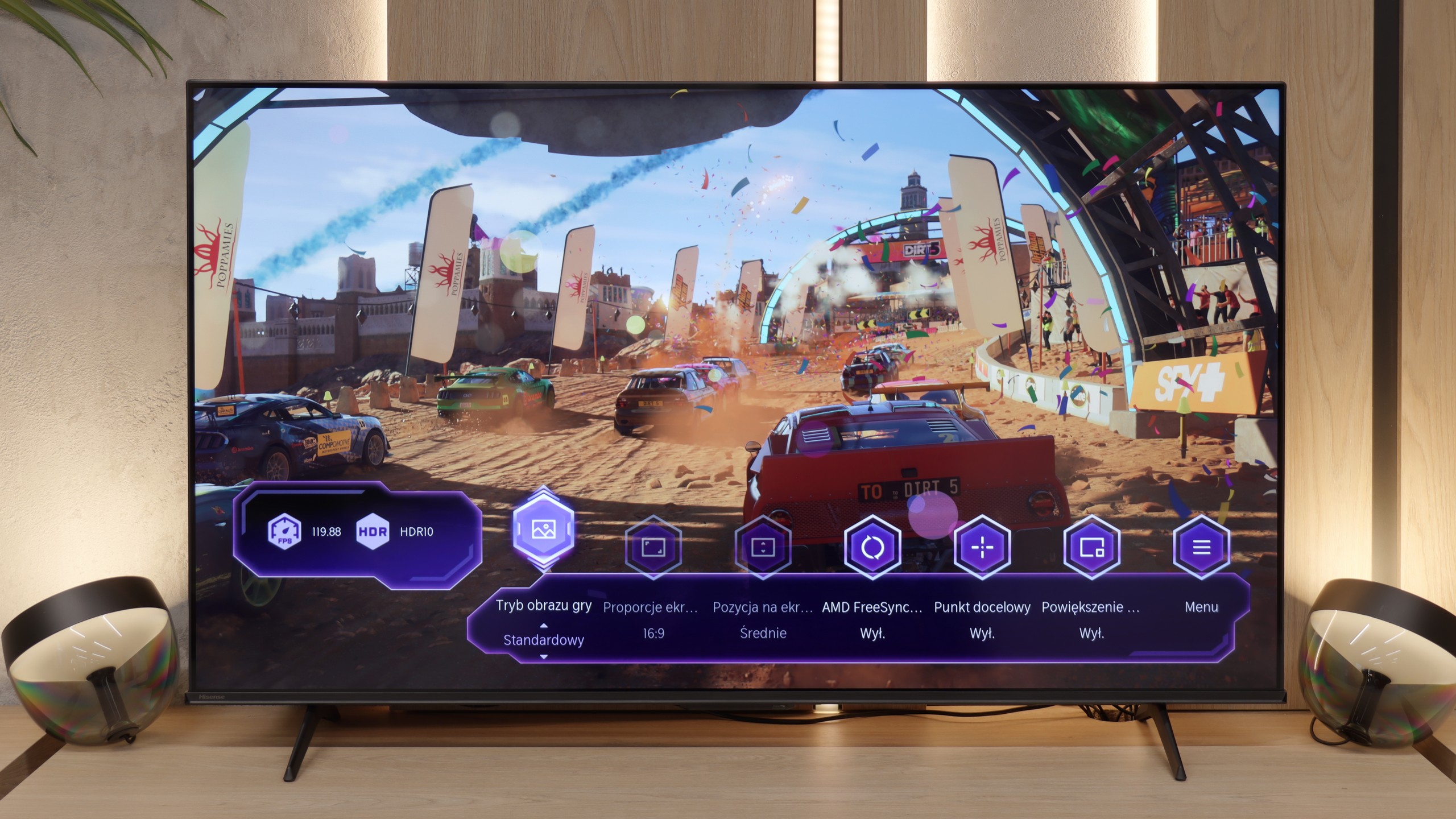
The TV also includes a dedicated GameBar for monitoring gameplay parameters and adjusting settings quickly. Features like a crosshair overlay for sniper shots, shadow enhancement for better visibility, and a colour filter for gamers with visual impairments further enhance its gaming appeal.

In summary, the OLED 809 is a fantastic choice for gaming, equipped with VRR, ALLM, G-Sync, FreeSync, and HDR Dolby Vision gaming for a deeply immersive experience. The only drawback is the artificial sharpness in game mode, which cannot be fully softened, regardless of settings.

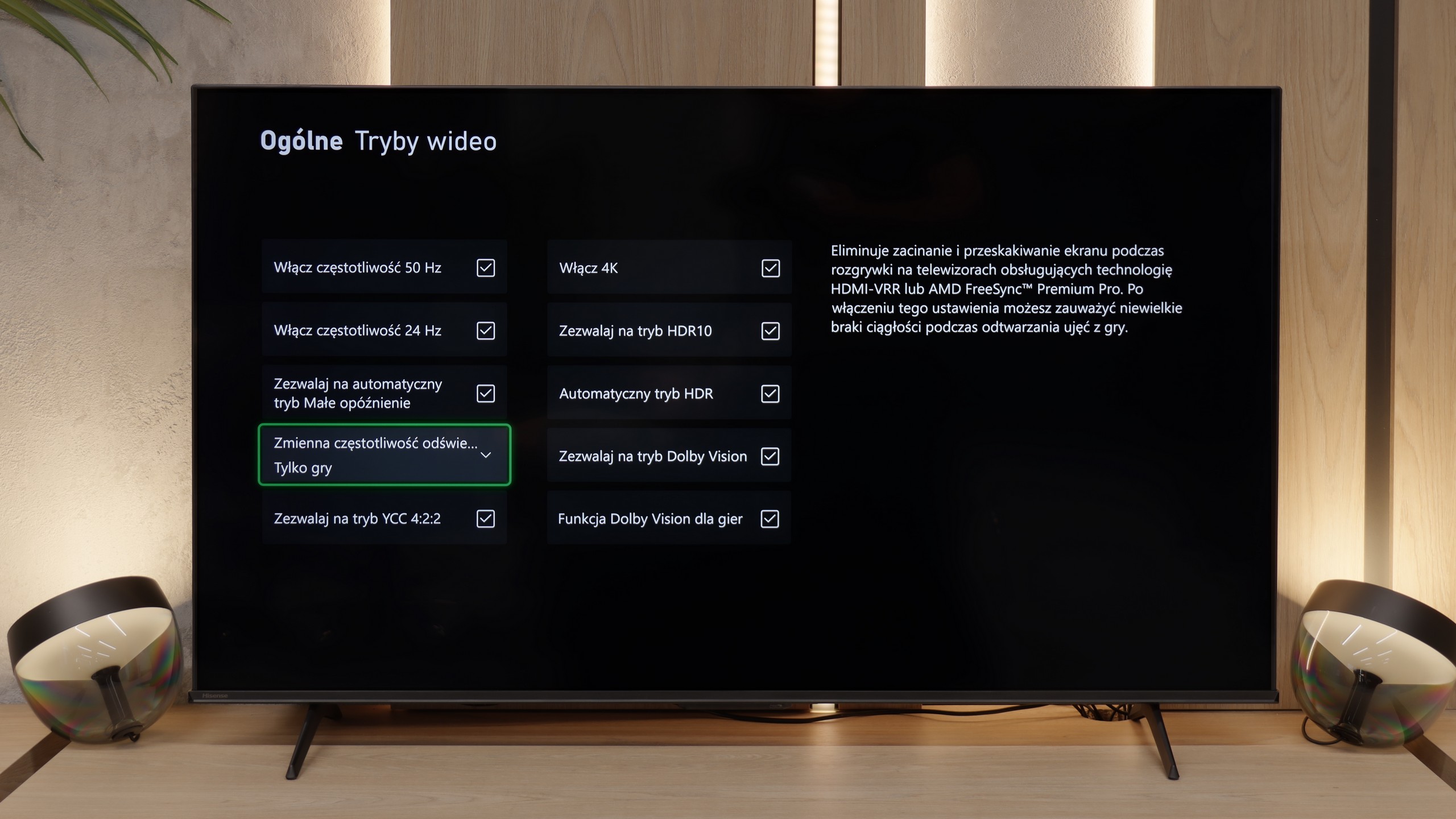
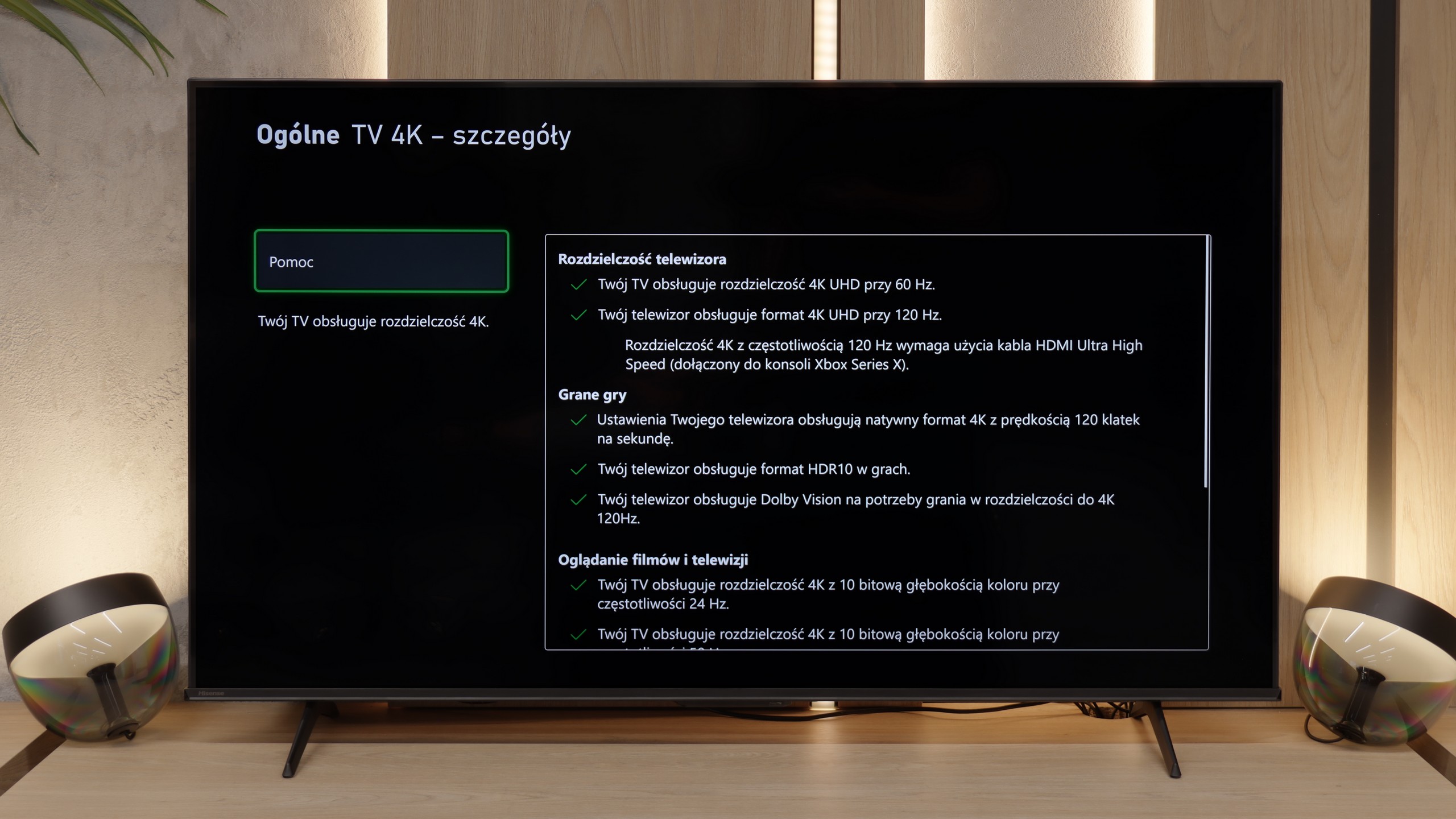
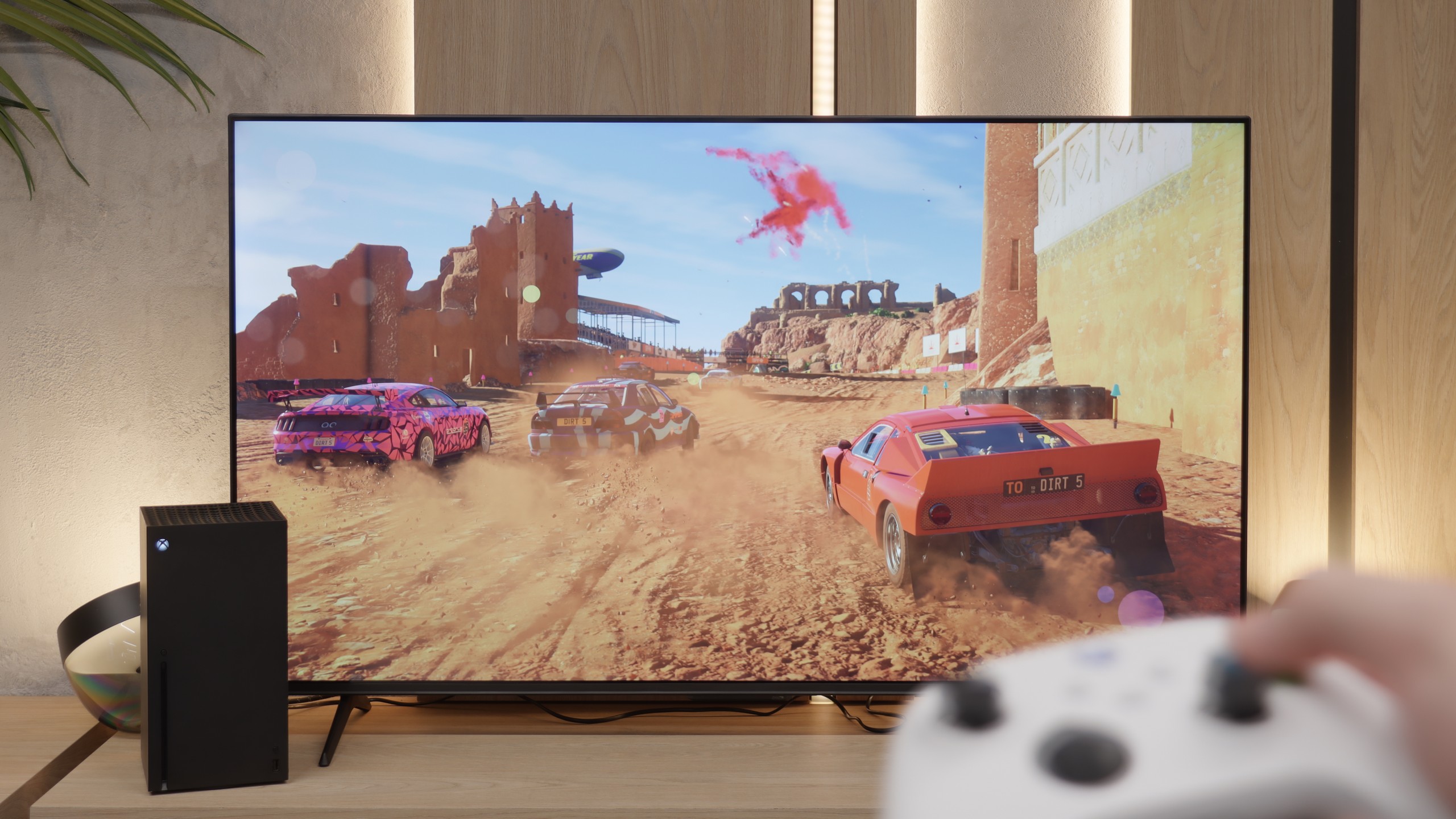
The E7Q PRO is a phenomenal screen for gamers. Aside from the typical "thorn" of Hisense, which is the lack of support for the HGiG format due to the constantly active tone mapping, we practically get everything one might expect from a television that is supposed to have a gaming label. There are two HDMI 2.1 ports, along with a full set of key features. We have variable refresh rates, automatic switching to game mode, and support for 4K at 120 Hz. On top of that, all the most important settings are at hand in a clear Game Bar. This tool not only looks modern but also has a distinctly "gaming" edge and actually makes life easier while playing.

Input lag

9.5/10

9.8/10

SDR

1080p60
13 ms
18 ms
1080p120
5 ms
9 ms
2160p60
13 ms
18 ms
2160p120
5 ms
9 ms

HDR

2160p60
13 ms
17 ms
2160p120
5 ms
8 ms
4320p60

Dolby Vision

2160p60 DV
13 ms
17 ms
2160p120 DV
57 ms
8 ms

The input lag measurements on the Philips OLED 809 are impressively low across all signals and resolutions. Gamers will undoubtedly value the manufacturer’s efforts, as a game running at 4K120Hz with HDR achieves a latency of just 5 ms—virtually imperceptible, even in online gaming. Additionally, the game mode with Dolby Vision deserves praise, delivering a comparable response time of 13 ms. In this regard, the Philips OLED 809 earns top marks.

Input lag performs very well. At 120 Hz, it drops below 10 ms, ensuring that the TV's response to our movements is practically instantaneous. In dynamic games, this is felt immediately; the controls remain responsive, and the delay does not hinder even in fast titles focused on reflexes.

Compatibility with PC

6.4/10

8.4/10

Chroma 444 (max. resolution and refresh rate)
No
Yes
Font clarity
Average
Very Good
Readability of dark text and shapes
Good
Poor
Input lag in PC mode (4K, max. refresh rate)
13ms
8ms
Matrix subpixel arrangement
RWBG
BGR
Max refresh rate
144Hz
144Hz
G-Sync
Yes
Yes

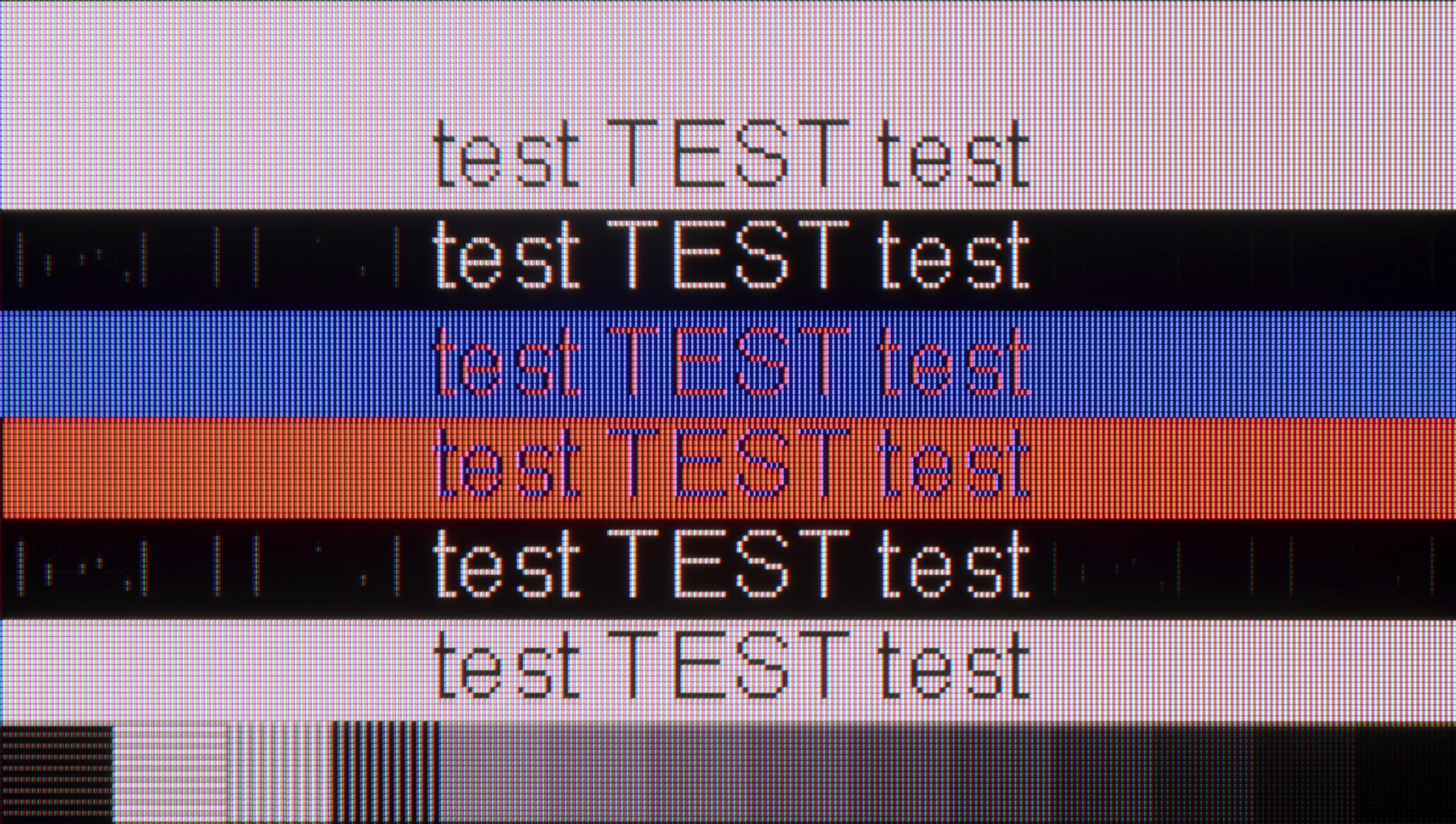
The photo shows the legibility of small fonts. Ideally, lines should be the same thickness on both light and dark text, with minimal pixel gaps.

As in gaming, the Philips OLED 809 delivers excellent performance, but its capabilities falter with everyday text work. Despite its impressively low latency, the issue lies in its lack of chroma 4:4:4 support, leading to noticeable font blurriness regardless of the refresh rate. While this is not a problem during gaming, it can significantly affect text work by making fonts less readable and more straining to the eyes.

Working with a computer on the E7Q PRO is really good, especially if we look at this TV as a large screen for gaming. We get support for variable refresh rate (G-Sync and FreeSync) and refresh rates up to 144 Hz, so in fast-paced titles, the image can look very smooth and stable – it’s hard to have bigger complaints at this price. However, there is one clear downside. Regardless of the set refresh rate, there are issues with the readability of very thin, dark text. On our unit, it sometimes happened that mainly vertical "strokes" of letters were visible, making some texts difficult to read, and sometimes even impossible to decipher. For gaming – great. For working with text on a dark background – it can be quite annoying.

Viewing angles

7.7/10

3.2/10

Brightness drop at an angle of 45 degrees
29%
74%

An advantage of OLED panels is their excellent performance at sharp viewing angles, with no noticeable drop in contrast or color saturation. However, a characteristic feature of panels produced by LG Display, which are not used in top models, is the appearance of a teal or cyan tint when viewed from a wide angle.

The viewing angles on the E7Q PRO are exactly what one would expect from a VA panel, and the 55-inch size we tested uses just that. This means one thing. Sitting directly in front is very good, but a slight shift to the side causes the image to start losing saturation and a noticeable amount of brightness. The E7Q PRO is no exception here; it behaves typically for this technology. It's simply the price to pay for the high native contrast that VA can offer in return. One could say that it is the opposite of IPS or ADS panels, which usually provide better angles but much weaker black levels and contrast.

Daytime performance

5.5/10

4.7/10

Panel finish
Glare
Satin
Reflection suppression
Good
Decent
Black levels during daytime
Very Good
Good

Panel brightness

Hisense E7Q PRO / E79Q PRO: 308 cd/m2

Philips OLED809/819: 322 cd/m2

For many years, the efficiency of OLED TVs during the day has been a topic of debate, with many still believing these screens aren't suitable for daylight use. While that may have been true for older models, current technology has advanced significantly. Today, there are no major objections to recommending an OLED TV for daytime use. Despite the glossy panel, which might seem like a drawback, the real-world results speak for themselves. One aspect to consider is contrast which remains higher during daytime use, unlike QD-OLED panels or OLEDs with MLA technology. This is due to the absence of excited quantum dots and micro-lenses.

The performance of the television during the day in the E7Q PRO has one clear advantage, which is the satin coating of the panel. Reflections are suppressed quite decently, and in practice, it is this feature that saves this model the most in brighter rooms. The problem is that the screen itself is not particularly bright, which means that in more difficult lighting conditions, the television may struggle to cut through the daylight. For this reason, we would not recommend the E7Q PRO as the first choice for very bright living rooms.

*However, it's worth adding an important exception. The 100-inch version performs significantly better here. It has been equipped with a matte panel and is noticeably brighter. So if someone is wondering how 100 inches compares to the smaller sizes of this model, the answer is simple. Definitely better, especially in daytime use.

Panel details

Backlight Type
PFS LED
Software version during testing
TPM231WW_R.101.0091.227.211
v0000.09.09P.PO930
Image processor
mt5896

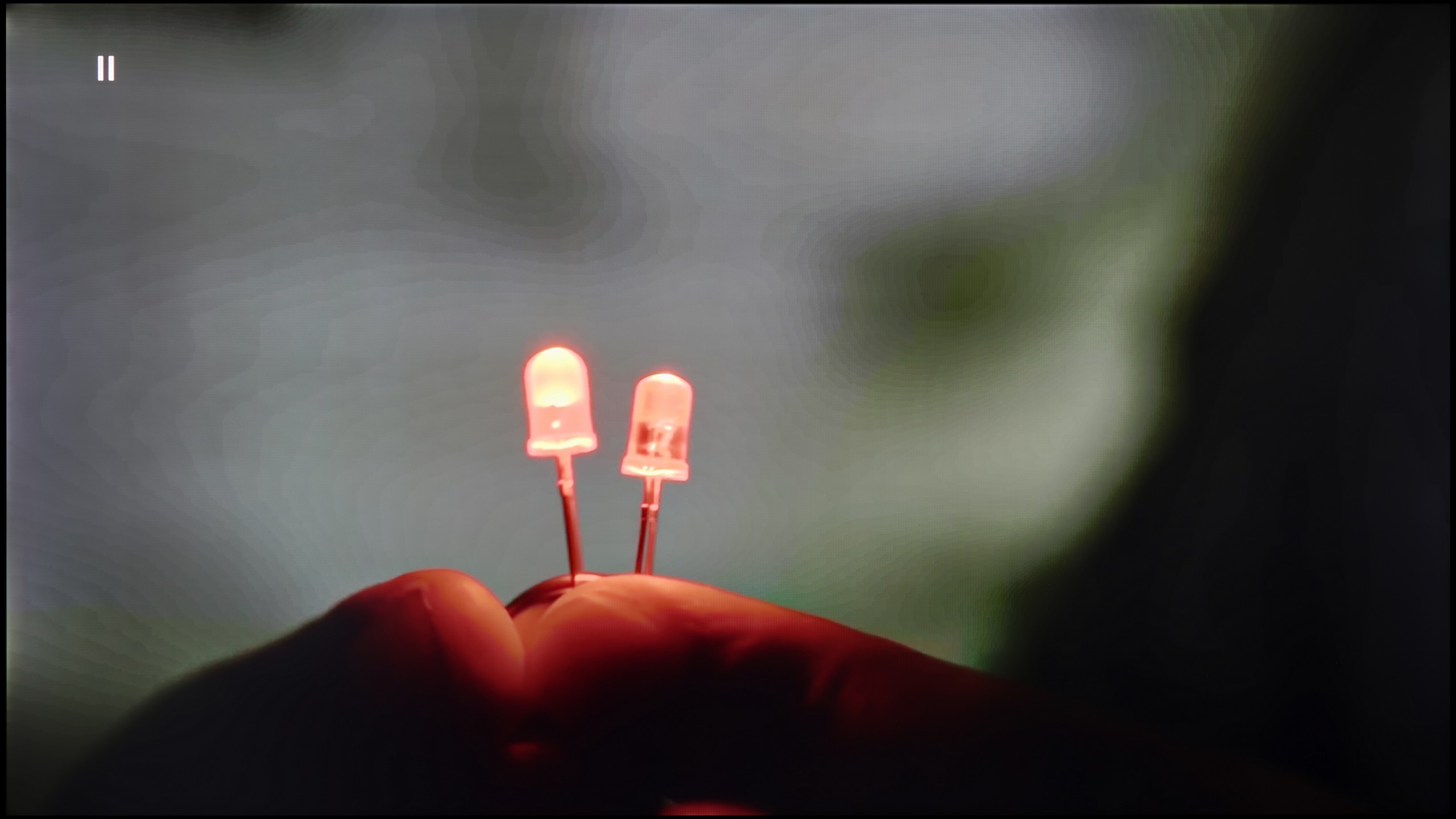
Subpixel Structure:

Panel uniformity and thermal imaging:

Philips OLED809/819

Hisense E7Q PRO / E79Q PRO

TV features

7.9/10

7.8/10

  • HDMI inputs
    2 x HDMI 2.0, 2 x HDMI 2.1 48Gbps
    1 x HDMI 2.0, 2 x HDMI 2.1 48Gbps
  • Other inputs
    RCA (Chinch)
  • Outputs
    Toslink (Optical audio), eARC (HDMI), ARC (HDMI)
    Toslink (Optical audio), eARC (HDMI), ARC (HDMI), Mini-Jack (Headphones)
  • Network Interfaces
    Wi-Fi 2.4GHz, Wi-Fi 5GHz, Ethernet (LAN) 100Mbps
    Wi-Fi 2.4GHz, Wi-Fi 5GHz, Ethernet (LAN) 100Mbps
  • TV reception
    DVB-T, DVB-T2, DVB-S, DVB-S2, DVB-C
    DVB-T, DVB-T2, DVB-S, DVB-S2, DVB-C

Classic features:

  • Recording to USB (terrestrial TV)
    No
    No
  • Recording programming
    No
    No
  • Picture in Picture (PiP)
    No
    No
  • RF remote control (no need to aim)
    Yes
    Yes
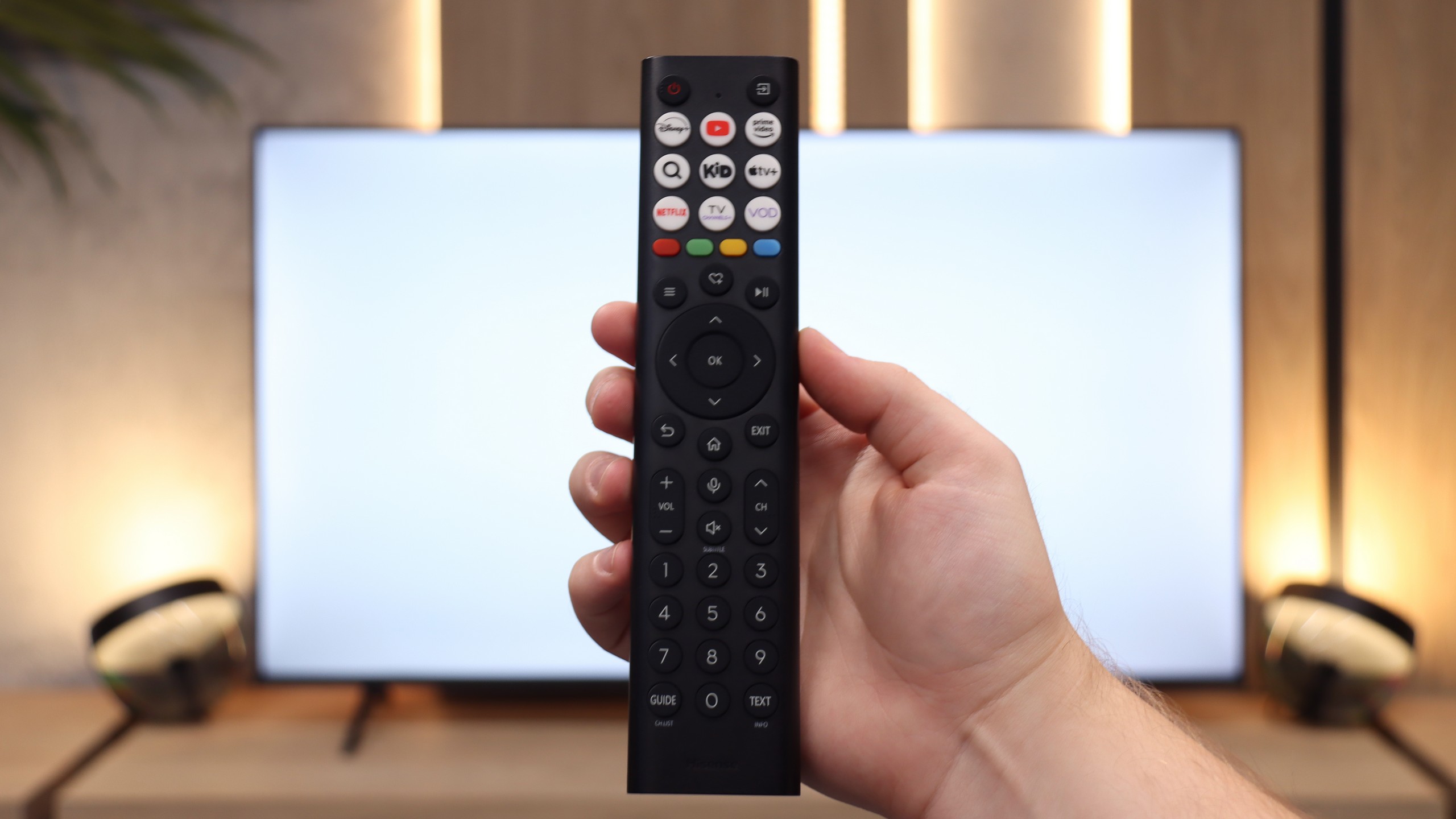
  • Backlit remote control
    Yes
    No
  • Teletext
    Yes
    Yes
  • Audio only mode
    Yes
    Yes
  • Bluetooth headphones support
    Yes
    Yes
  • Simultaneous Bluetooth headphones & TV audio
    No
    Yes

Smart features:

  • AirPlay
    Yes
    Yes
  • Screen mirroring (Windows Miracast)
    Yes
    Yes
  • Voice search
    Yes
    Yes
  • Voice search in native language
    Yes
    Yes
  • Ability to connect a keyboard and mouse
    Yes
    Yes
Review Philips OLED809/819 TV features
Review Hisense E7Q PRO / E79Q PRO TV features

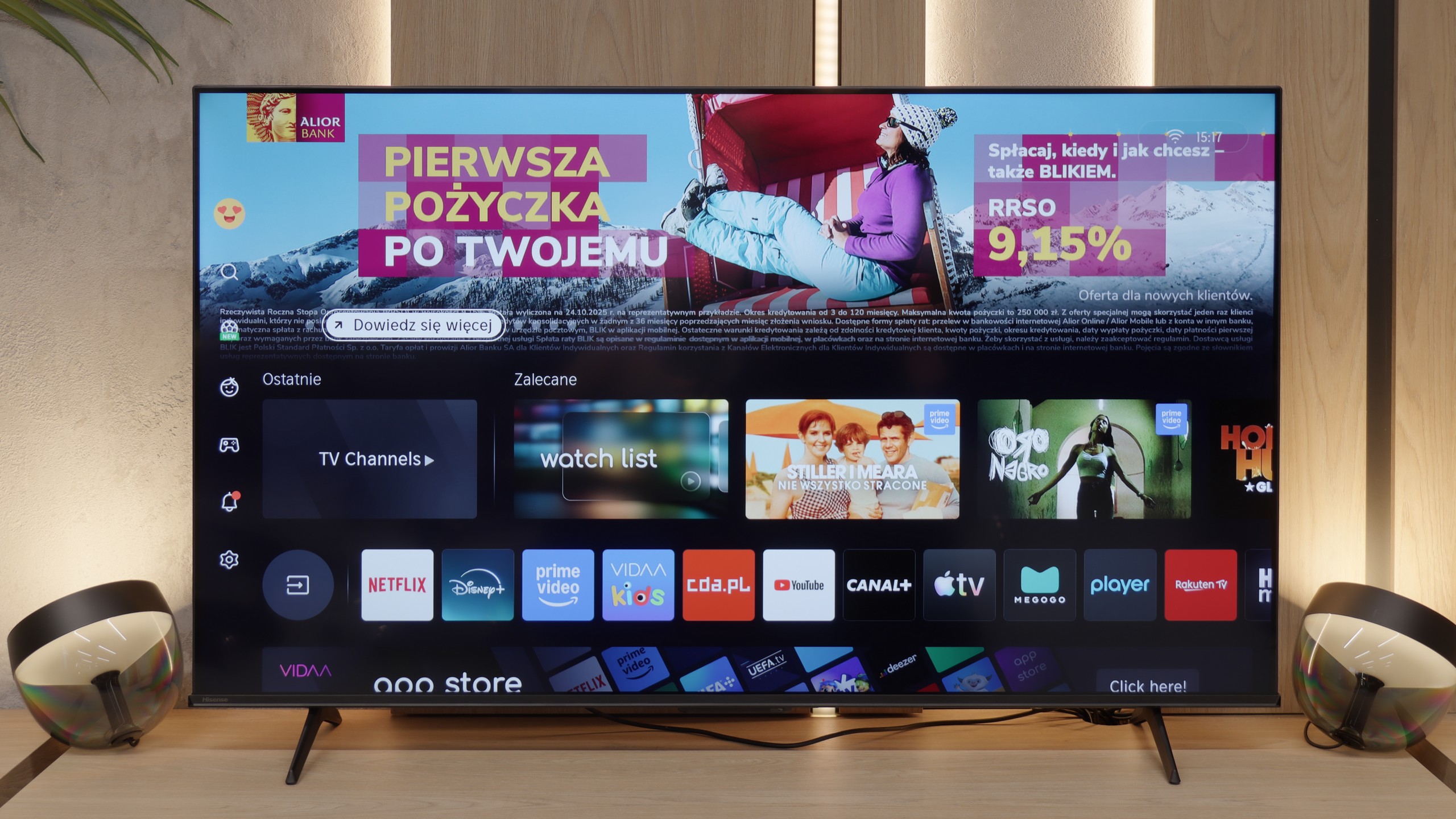
Before we dive into the software that controls the TV, it’s important to highlight one of the standout features of Philips OLED 809 is the multicoloured Ambilight. This unique system, positioned on the back of the device, adjusts its colours according to what's happening on the screen, enhancing immersion and overall viewing experience.

The Philips OLED 809 runs on the Google TV system, which is a significant advantage over some of the manufacturer's other models that use the proprietary TitanOS, a more closed system with fewer available apps. With Google TV, users can install virtually any application, from the store or via APK files directly from online repositories.

Additionally, Google TV offers convenient control options, such as easy integration with keyboards and touchpads for smoother typing and navigation. Voice commands can also be issued using the remote, with quick and accurate interpretation by the system.

In summary, Google TV is one of the most popular systems available today. Powered by a robust CPU, it operates smoothly and stably, without freezes or stutters. For those who want to make the most of their TV’s capabilities, Google TV offers the openness and versatility needed to enhance the overall experience.

Smart Features

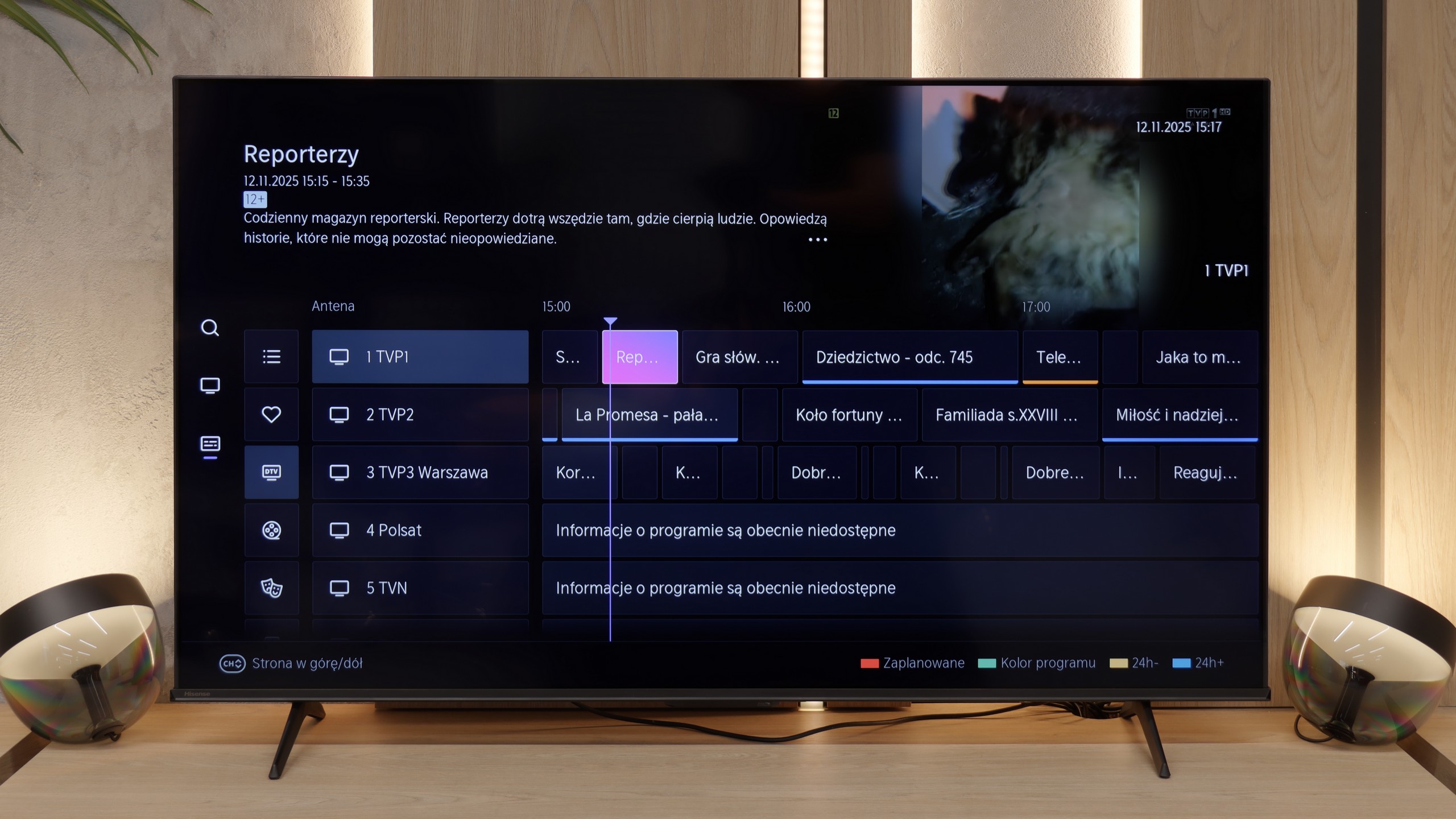
When it comes to the features of the TV and Smart TV system, VIDAA on the E7Q PRO operates quickly and stably. The menu responds smoothly, applications launch without annoying lag, and the whole experience feels polished. It includes all the essential smart features, such as AirPlay, screen mirroring, and even voice search that works in Polish. From the perspective of everyday use, it's hard to say there are shortcomings, at least at first glance. However, the biggest drawback of the VIDAA system remains the lack of music applications. This is something we are still waiting for, and we hope it will appear over time because then the system would be almost complete.

Classic Features

A significant surprise, and at the same time disappointment, is the lack of USB recording functionality. In the more expensive Hisense models from the 2025 lineup, such an option is already available, while the E7Q PRO has been deprived of it. A small consolation is the presence of analog audio inputs, which may still be useful for users with older equipment. However, one must keep in mind that in this version of VIDAA, available on the E7Q PRO, USB recording simply does not exist.

Apps

9.6/10

7.7/10

OK
Disney_Plus
OK
Amazon_Prime_Video
OK
Player_TVN
OK
Polsat_Box_Go
OK
Canal_Plus_Online
OK
TVP_VOD
OK
Apple_TV_Plus
OK
SkyShowtime
OK
Rakuten
OK
CDA_Premium_Browser
OK
Spotify
OK
Tidal
OK
Netflix
OK
YouTube
OK
HBO_MAX
OK
Kodi
No
Apple_music
OK
Eleven_sports
No
Xbox Game Pass
OK
GeForce Now!
No
Amazon Luna

OK
Boosteroid
OK
Steam Link
OK
Disney_Plus
OK
Amazon_Prime_Video
OK
Player_TVN
OK
Polsat_Box_Go
OK
Canal_Plus_Online
OK
TVP_VOD
OK
Apple_TV_Plus
OK
SkyShowtime
OK
Rakuten
OK
CDA_Premium_Browser
No
Spotify
No
Tidal
OK
Netflix
OK
YouTube
OK
HBO_MAX
No
Kodi
No
Apple_music
No
Eleven_sports
No
Xbox Game Pass
No
GeForce Now!
No
Amazon Luna
OK
Boosteroid
No
Steam Link

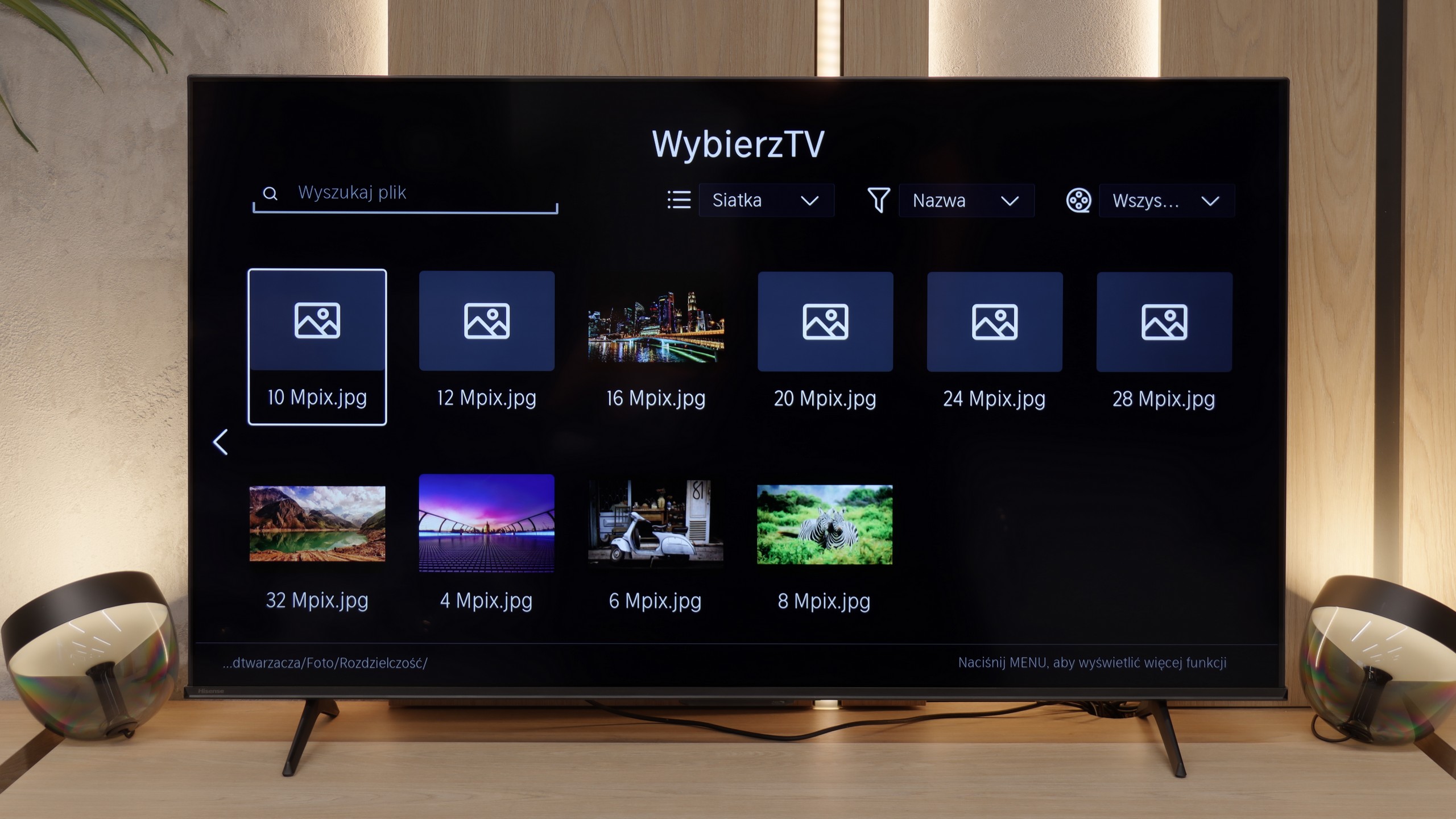
Playing files from USB

9.5/10

8.5/10

Supported photo formats:

JPEG
Yes
Yes
HEIC
Yes
No
PNG
Yes
Yes
GIF
Yes
Yes
WebP
Yes
No
TIFF
No
Yes
BMP
Yes
Yes
SVG
No
No

Maximum photo resolution:

4 Mpix
Yes
Yes
6 Mpix
Yes
Yes
8 Mpix
Yes
Yes
10 Mpix
Yes
No
12 Mpix
Yes
No
16 Mpix
Yes
Yes
20 Mpix
Yes
No
24 Mpix
Yes
No
28 Mpix
Yes
No
32 Mpix
Yes
Yes

The default media player on the Philips OLED 809 is of a high standard but has shortcomings. It excels in playing a wide variety of video files, with the exception of two less commonly used formats. A key advantage is the inclusion of options to confirm playback for various subtitle formats. The TV handles images of any resolution effortlessly, making it a great choice for browsing family albums or studio photos. In terms of supported photo and audio formats, the performance is satisfactory, with only a few outdated or rare formats being unsupported. However, this isn't a significant issue, as users can easily download an app from the store to handle those formats.

The built-in file player works quite well in the E7Q PRO. In everyday home use, it should be sufficient, as it opens most popular audio, video, and photo formats without major issues. If someone occasionally plugs in a USB drive with a movie or plays family materials, they are unlikely to have reasons to complain. The biggest surprise for us was the photo player. For some reason, it would not open certain files at specific resolutions. Therefore, when planning a slideshow of vacation photos from a USB drive, it’s worth ensuring in advance that the photographs are saved in a resolution that the TV accepts without issues.

Sound

7.1/10

6.4/10

  • Maximum volume
    -
    83dB
  • Dolby Digital Plus 7.1
    Yes
    Yes
  • Dolby True HD 7.1
    Yes
    Yes
  • Dolby Atmos in Dolby Digital Plus (JOC)
    Yes
    Yes
  • Dolby Atmos in Dolby True HD
    Yes
    No
  • DTS:X in DTS-HD MA
    Yes
    Yes
  • DTS-HD Master Audio
    Yes
    Yes

At the outset, it's important to note that sound quality is always subjective. In our opinion, the audio system in the Philips OLED 809 is of high quality. The bass is well-defined without overpowering the mid and high tones. From another perspective, considering the price range of this TV, most users will likely have an additional audio system. In this context, the television will not disappoint, as it supports nearly all major standards, including Dolby Atmos and, notably, DTS-HD Master Audio.

The sound on the E7Q PRO has one very big advantage. It plays evenly, cleanly, and understandably, especially when it comes to dialogue. When watching regular television, news, or series, you can be sure that the words do not get lost in the background, and you don't have to keep adjusting the volume. There are also downsides, typical of budget constructions. It lacks depth, and the bass is practically nonexistent, which means that films and music do not have the "weight" that better audio can provide. In return, the E7Q PRO compensates with compatibility. The TV supports most popular audio formats, including Dolby Atmos and DTS:X, so regardless of the source, it is easy to transmit sound to external equipment in the appropriate format, without unnecessary complications.

Sound Quality Test

No sound test video

Acoustic Measurements

No acoustic data

83dBC (Max)

75dBC