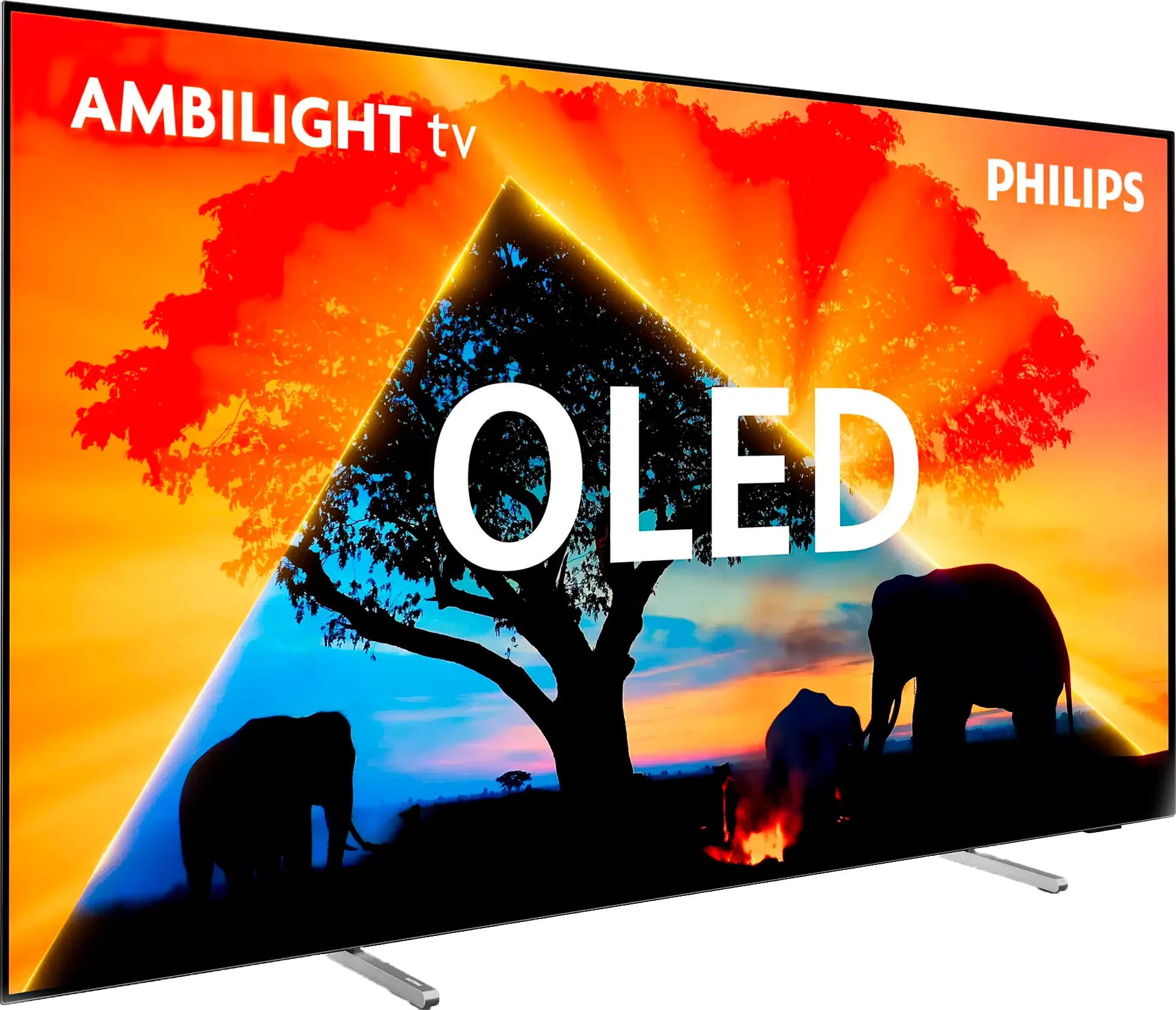
The standout feature of the Philips OLED769 is undoubtedly the three-sided Ambilight system. This innovative technology expands the screen's visuals onto the surrounding walls, creating an immersive experience and giving the impression of a larger display. Whether watching movies, gaming, or streaming, Ambilight adds a unique and atmospheric touch to the viewing experience.
Another noteworthy element is the updated remote control, included with models running the TitanOS system. While the backlit keys make it convenient to use in low-light settings, the hybrid design of its wireless functionality can be frustrating. Certain buttons require precise aiming at the TV, while others do not, leading to inconsistent operation.
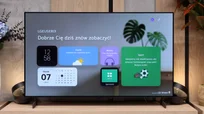
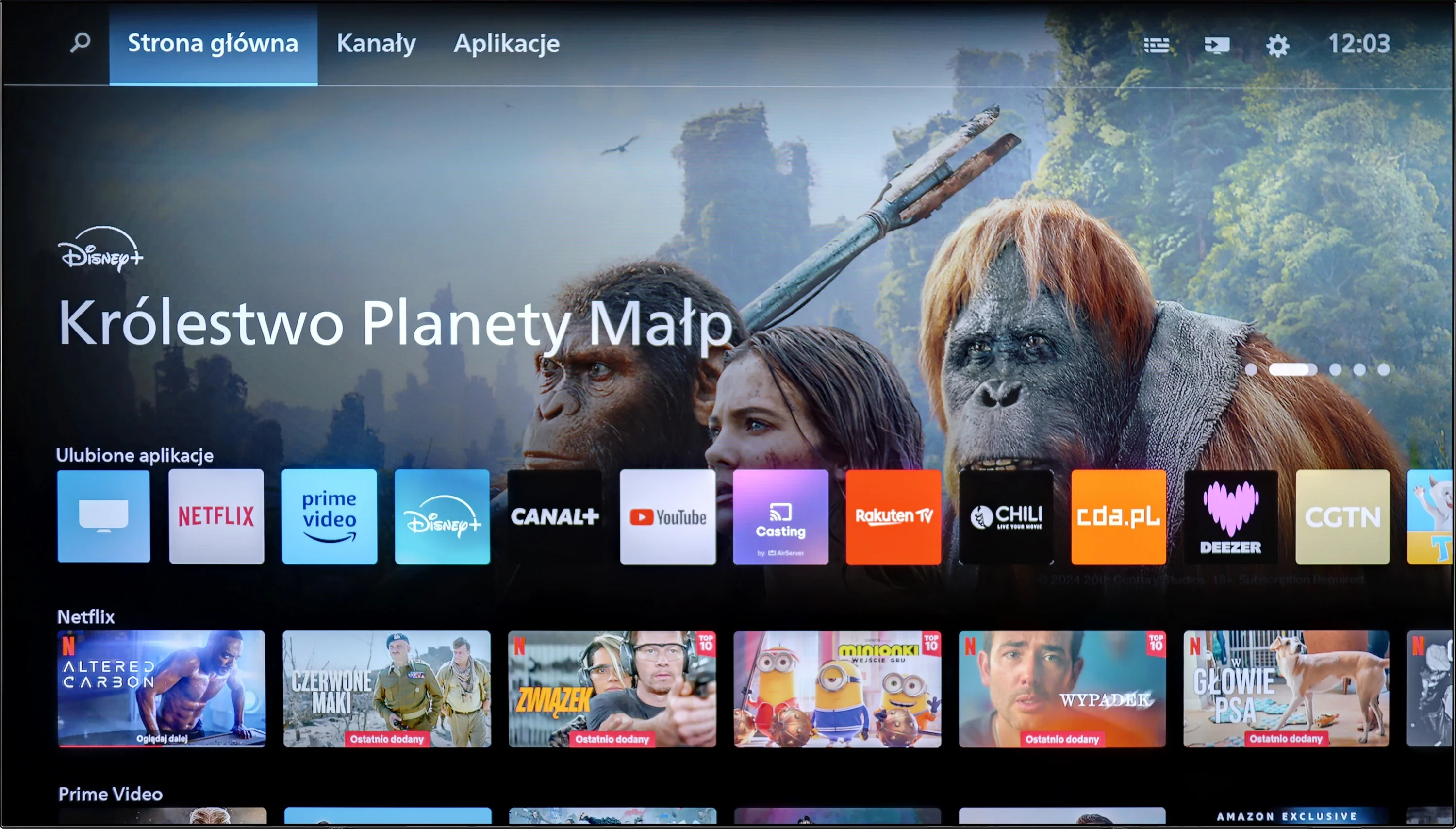
Philips has also introduced its proprietary TitanOS operating system this year, replacing the previously used GoogleTV platform. As with any new technology, TitanOS has some early limitations. The current app selection is basic, and the app store lacks variety, which could be disappointing for users expecting a rich library of options. Furthermore, the absence of AirPlay functionality and USB recording capability are notable drawbacks, potentially impacting the overall user experience.
Smart TV: webOS
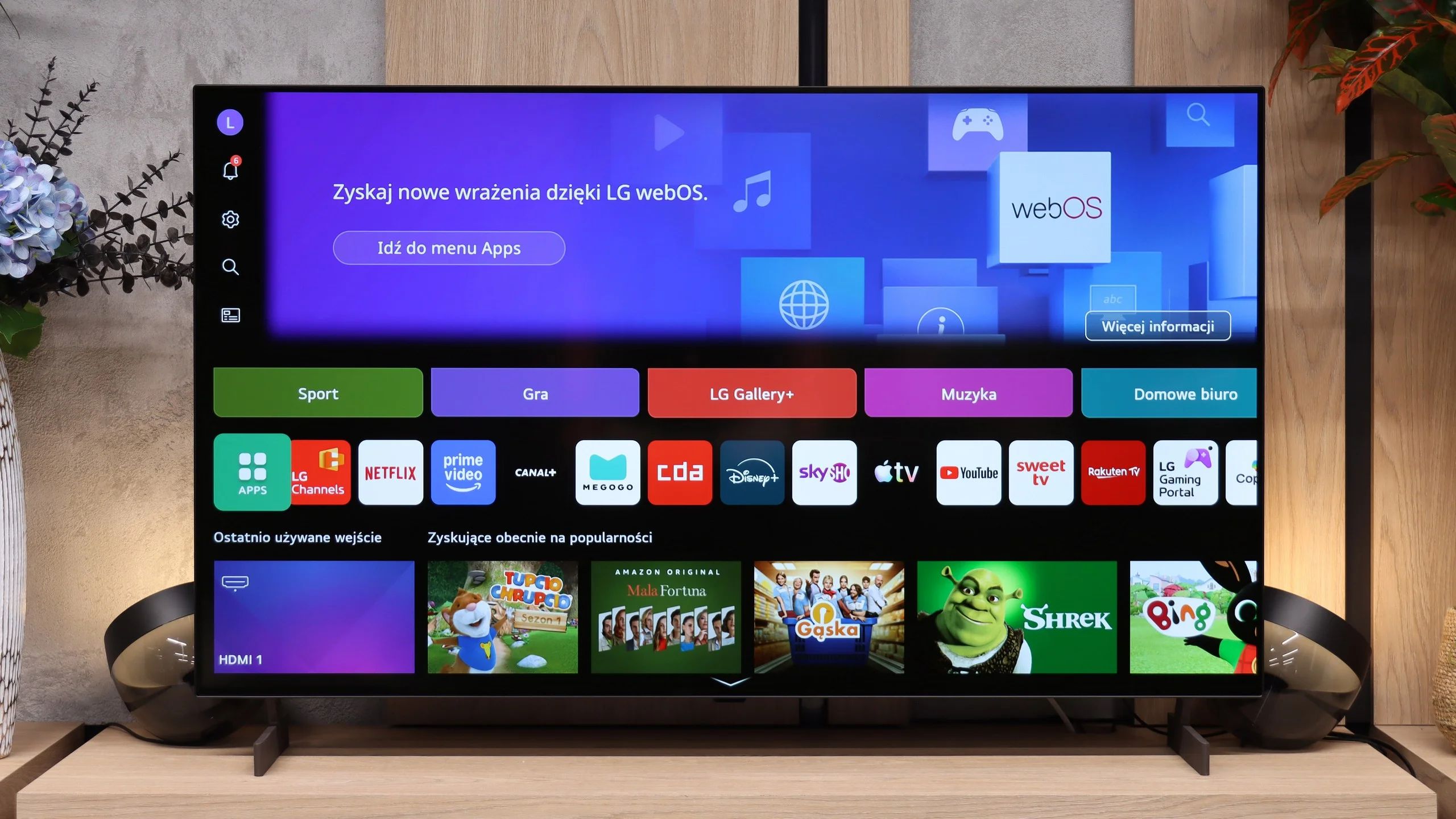
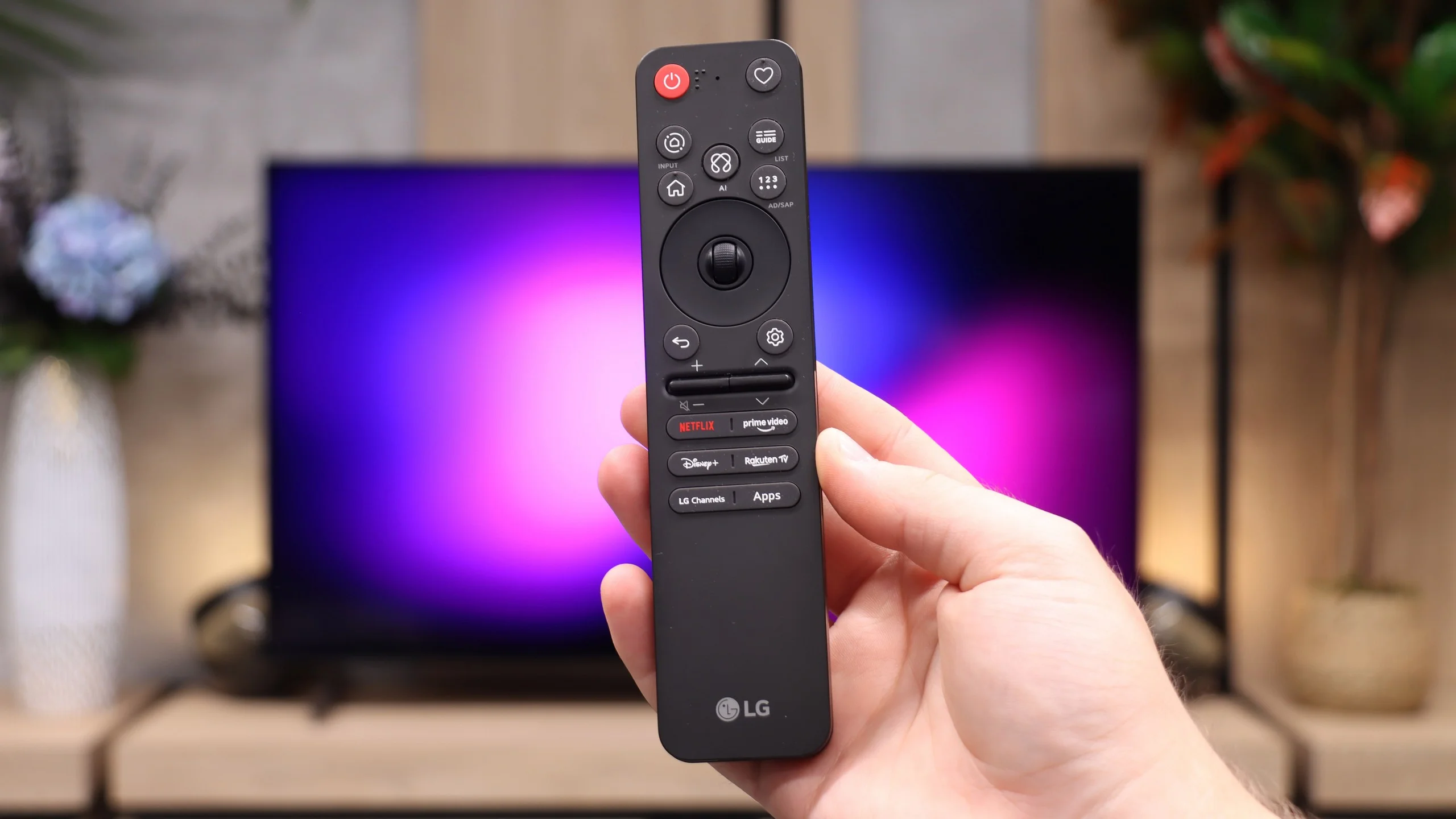
LG B6 runs webOS, LG’s proprietary platform. Its biggest strength remains the way it’s controlled. The included Magic Remote works like a mouse; just move your wrist to move the cursor across the screen and point at the items you want. It may feel unusual at first, but it quickly proves very convenient, especially when typing text, selecting apps, or navigating a complex menu. The remote itself is fairly minimalist and doesn’t offer many traditional buttons, but the cursor control largely makes up for that. On the other hand, if you don’t want to wave your hand to type letters, you can always speak the desired phrase into the remote and the AI voice assistant will suggest appropriate recommendations.
In terms of available apps, it’s hard to fault webOS. You’ll find practically all the major streaming services here, as well as extra features like AirPlay, screen mirroring, and Chromecast. The TV therefore works well with both Apple phones and Android devices. It’s just a pity that the system on the B6 doesn’t run as smoothly as on higher-end models. At times it can respond with a slight delay, and the home screen is heavily loaded with recommendations, tiles, and ads. That doesn’t make webOS unusable, but it could certainly be more organized.
Classic features
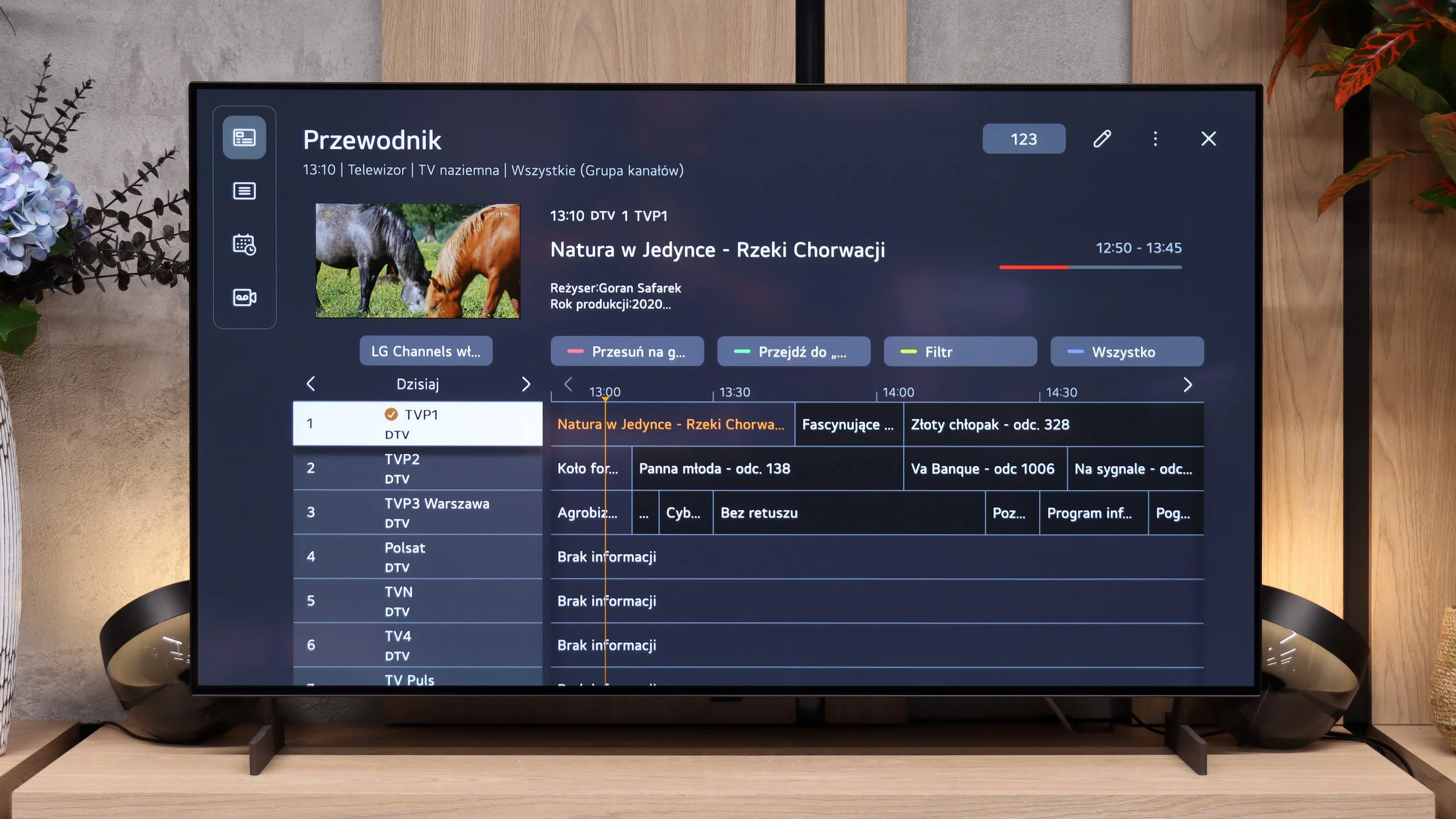
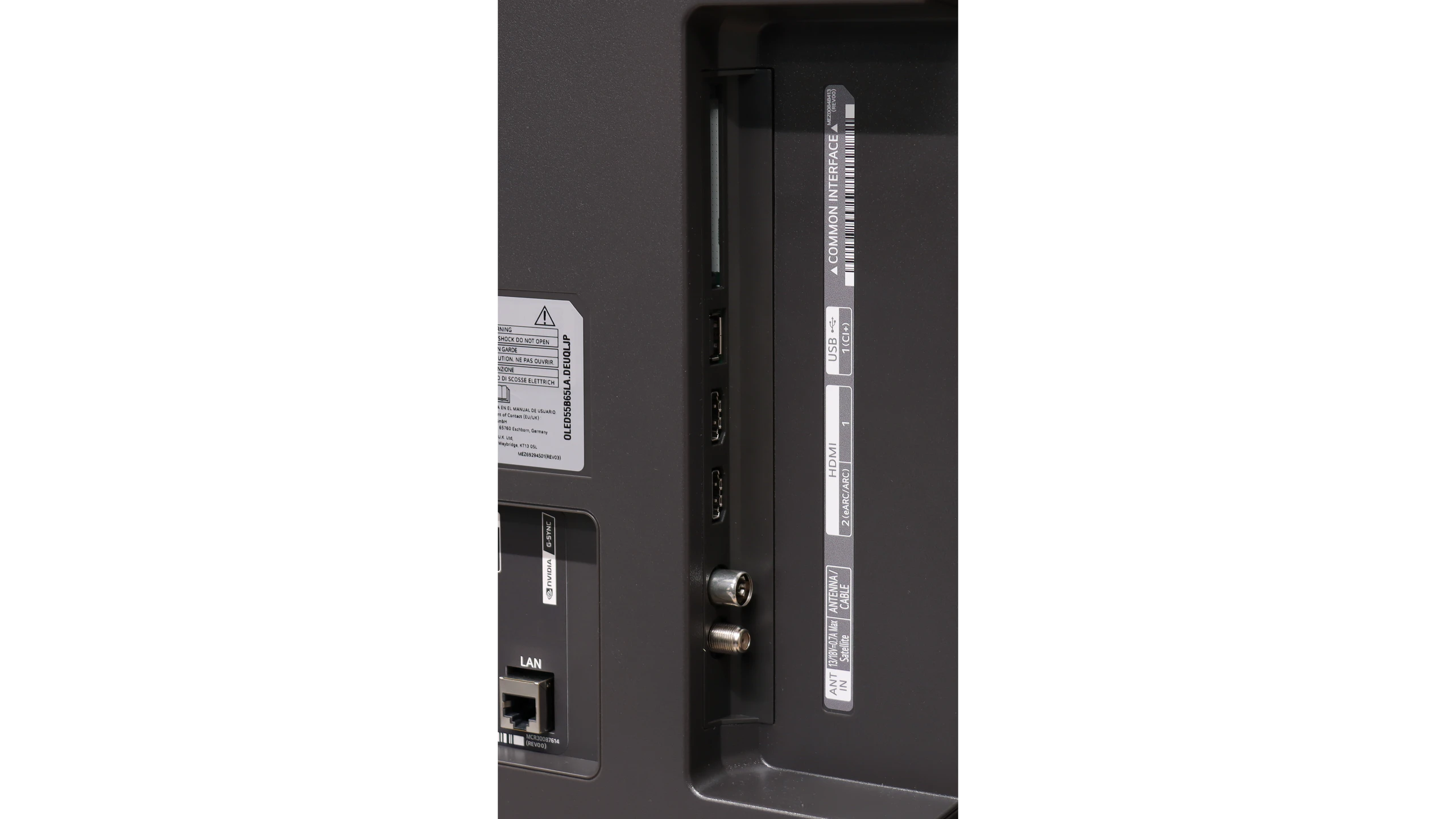
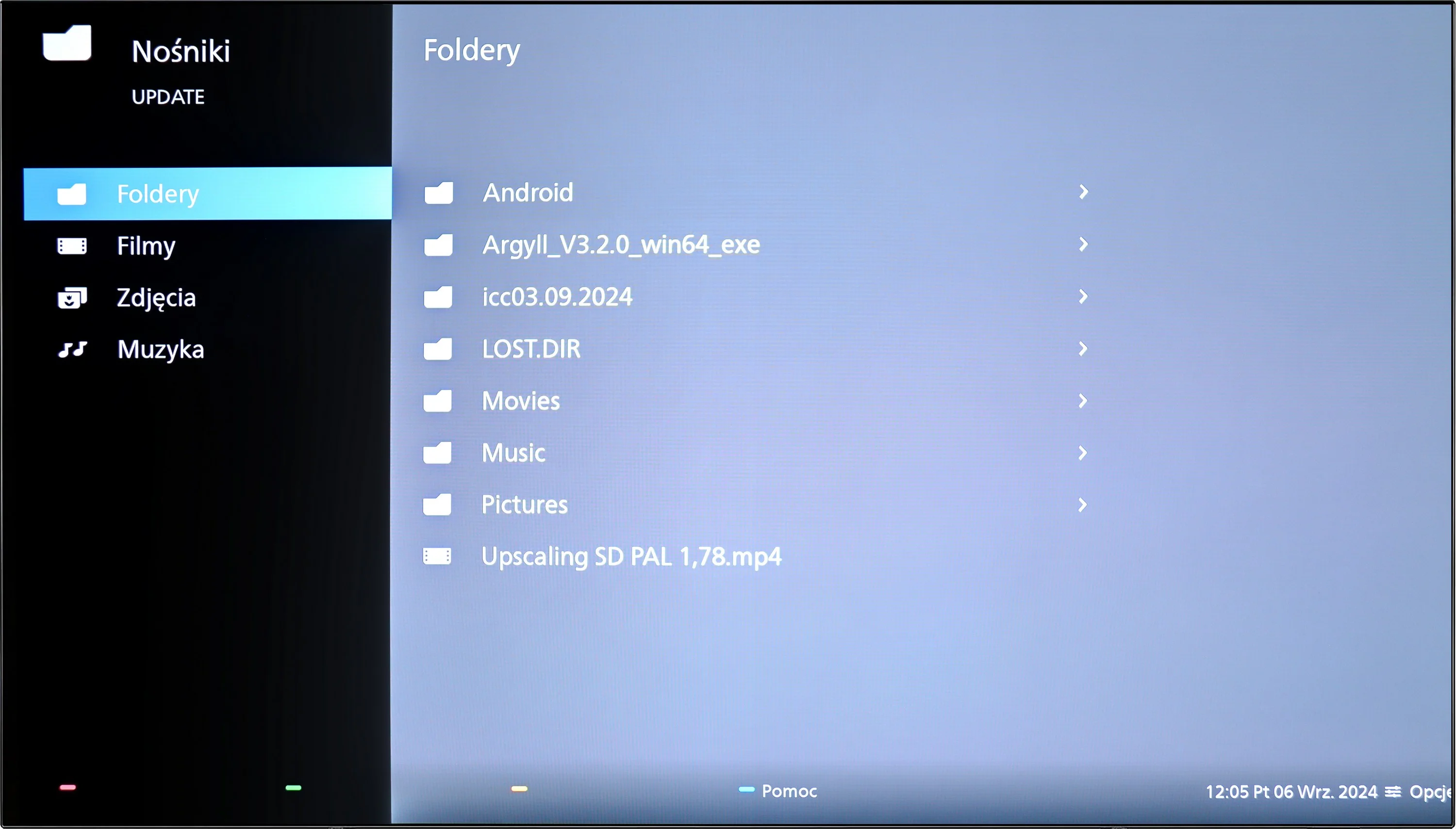
By contrast, the traditional TV features perform very well—features many manufacturers are starting to forget. The LG B6 lets you record programs to an attached hard drive or USB storage. The PVR function also supports scheduling, so you can program recordings in advance from the TV guide. This comes in handy when you want to save an episode, a match, or another event broadcast while you’re away. There’s also a clear channel guide and solid support for terrestrial, cable, and satellite TV. For people who still regularly use traditional television, the B6 is therefore a relatively complete device, provided the lack of teletext doesn’t bother you.
 Direct comparison