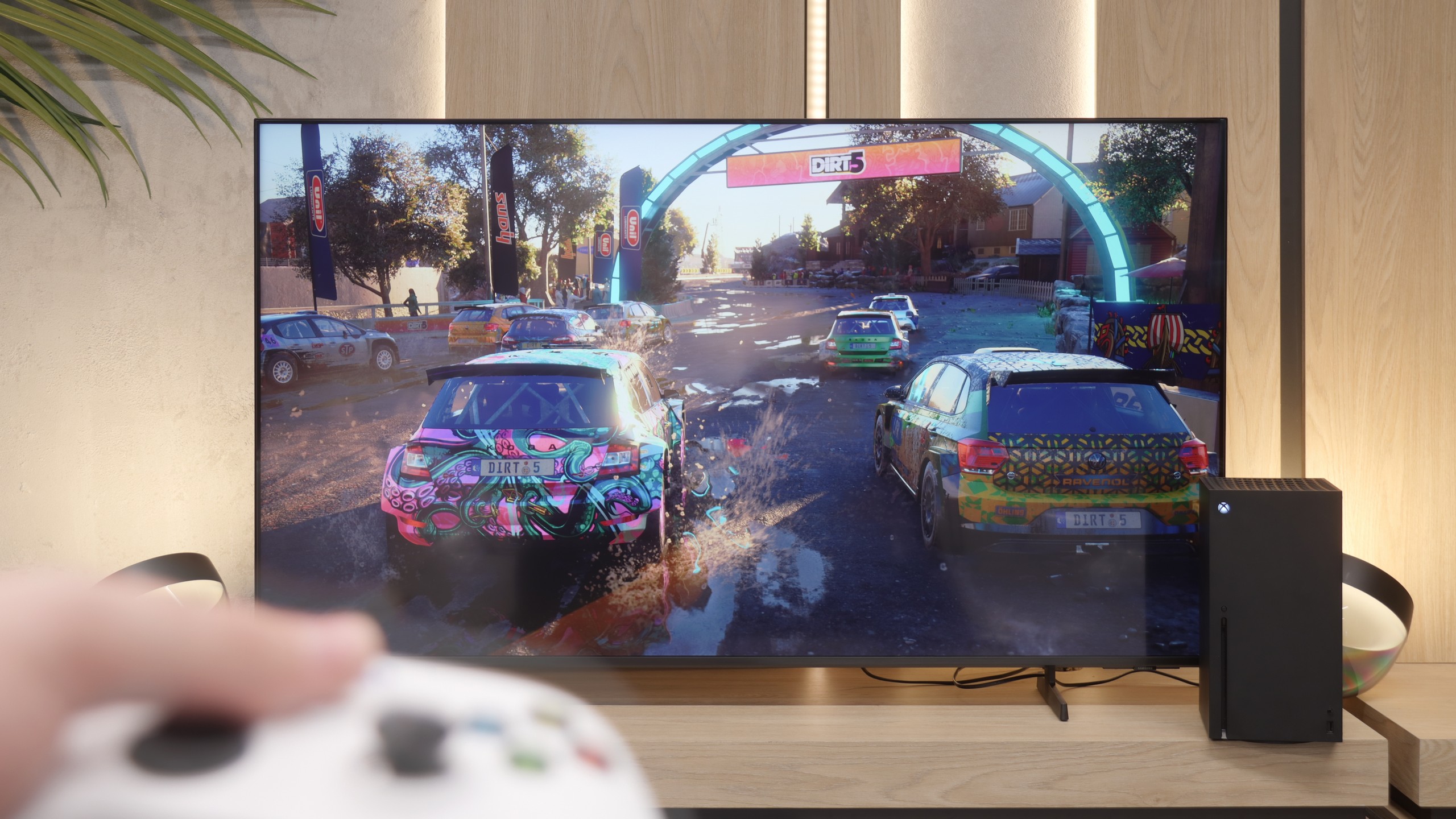
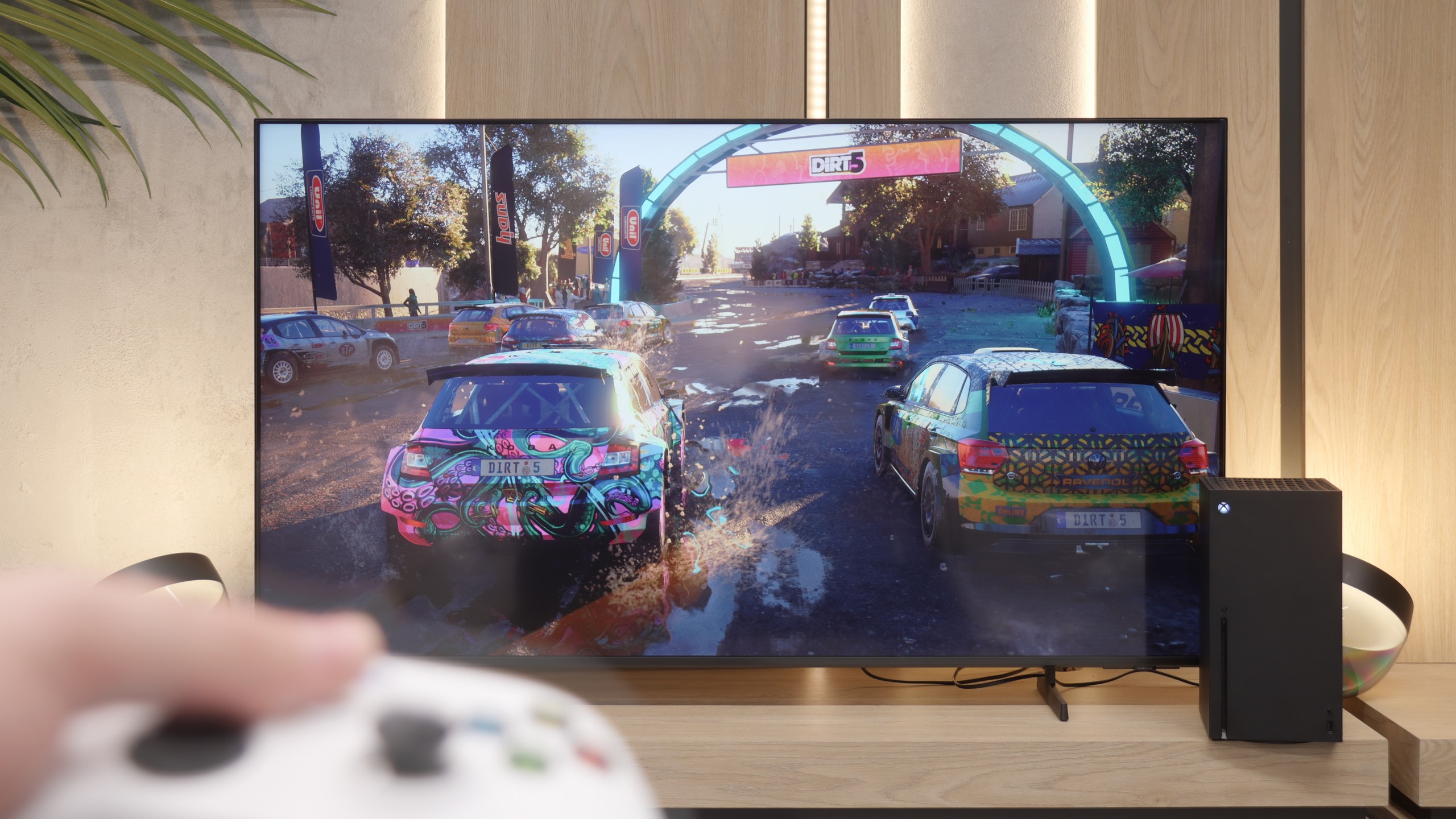
The LG QNED87T is a unique offering in the TV market, excelling in several key areas. Its excellent compatibility with consoles and PCs, along with impressive motion fluidity, makes it an appealing choice for gamers. The 120Hz panel, VRR, and ALLM ensure smooth and responsive gameplay, making it ideal for fast-paced games and sports viewing. The WebOS system, paired with the Magic Remote control, enhances daily convenience, providing an intuitive interface and access to a wide range of apps like Netflix, YouTube, and Amazon Prime Video.
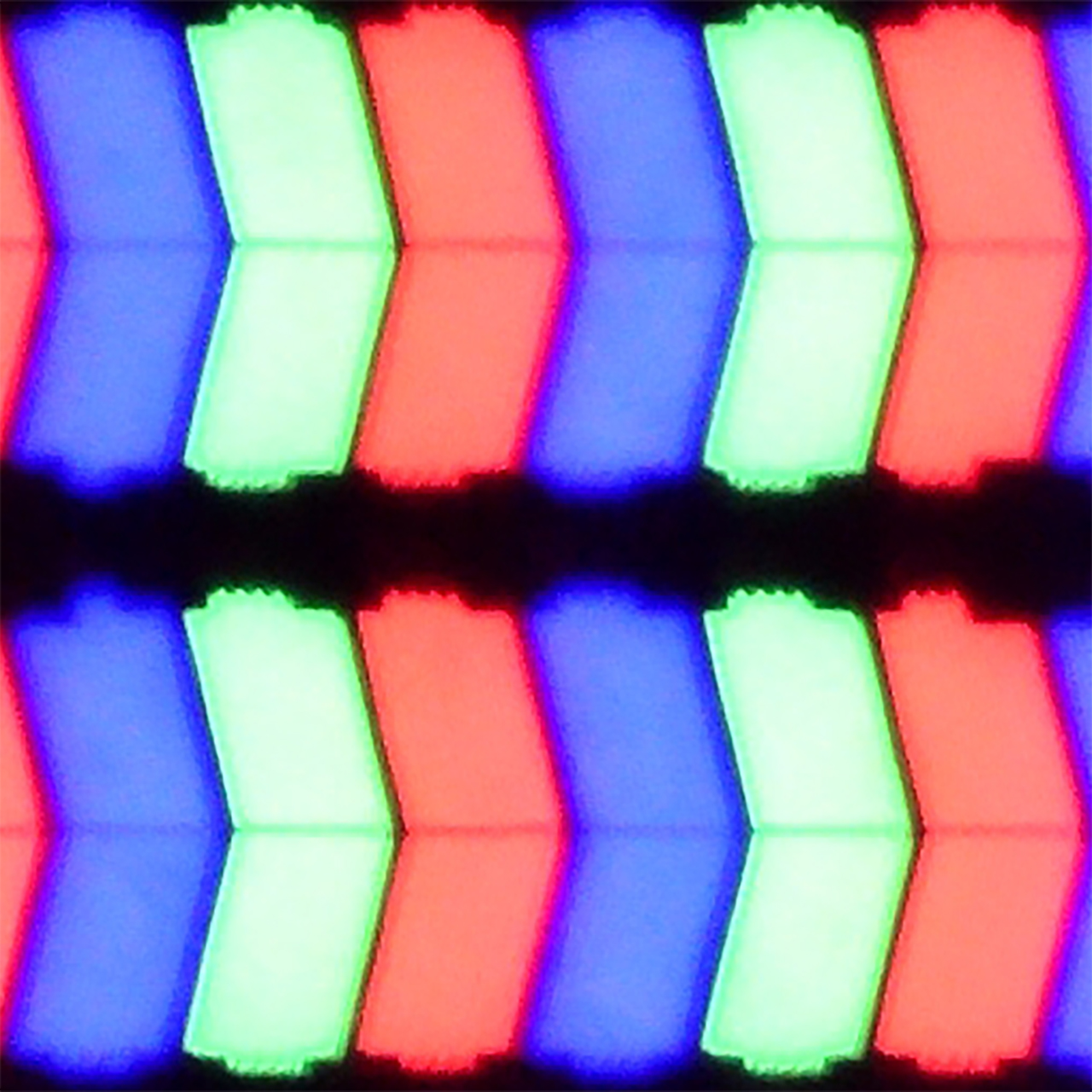
The TV's IPS panel offers wide viewing angles, ensuring good image quality even from side seats, which is perfect for group viewing. Features like USB recording, PIP (Picture-in-Picture), and Bluetooth connectivity improve user experience and convenience.
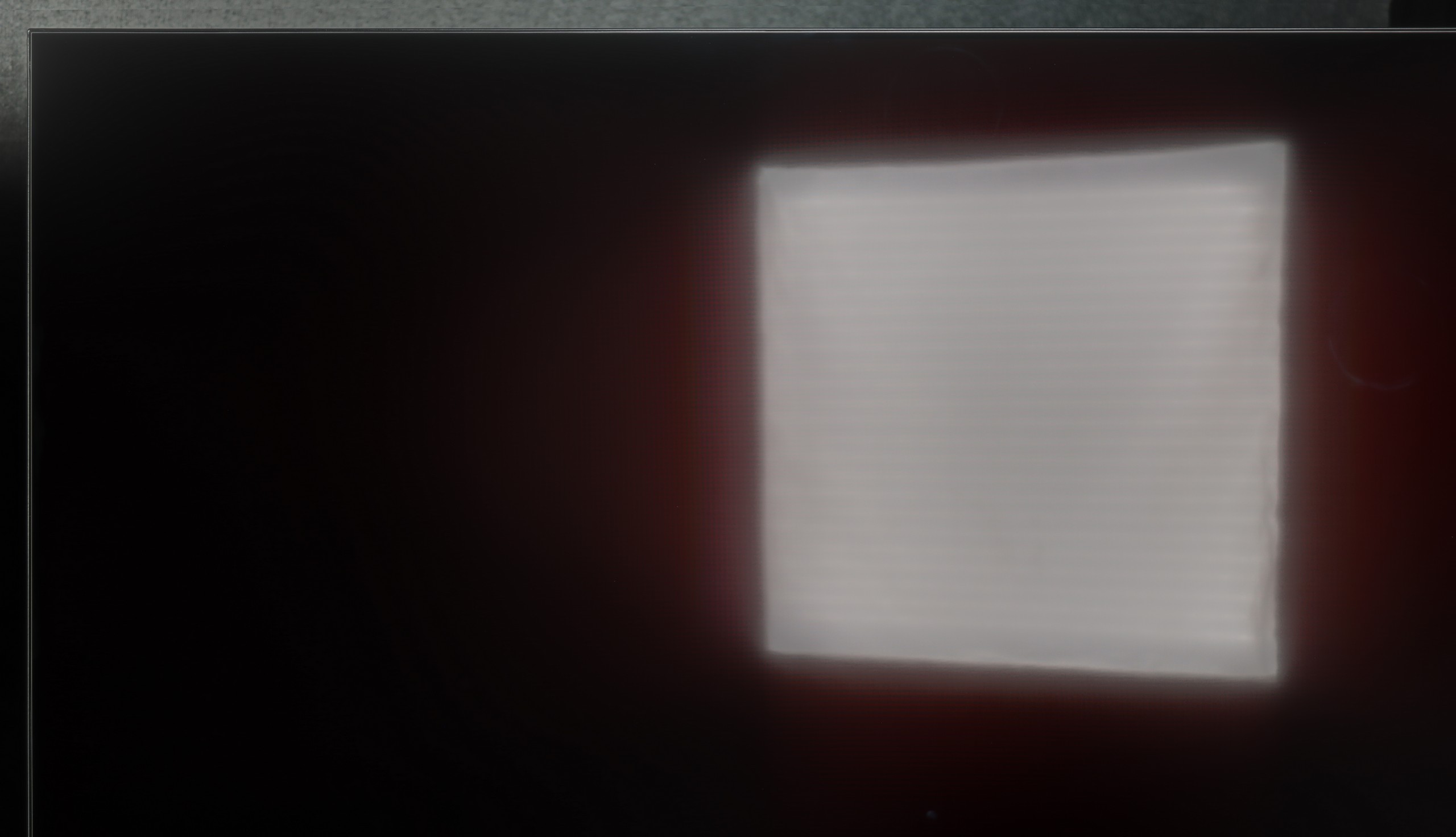
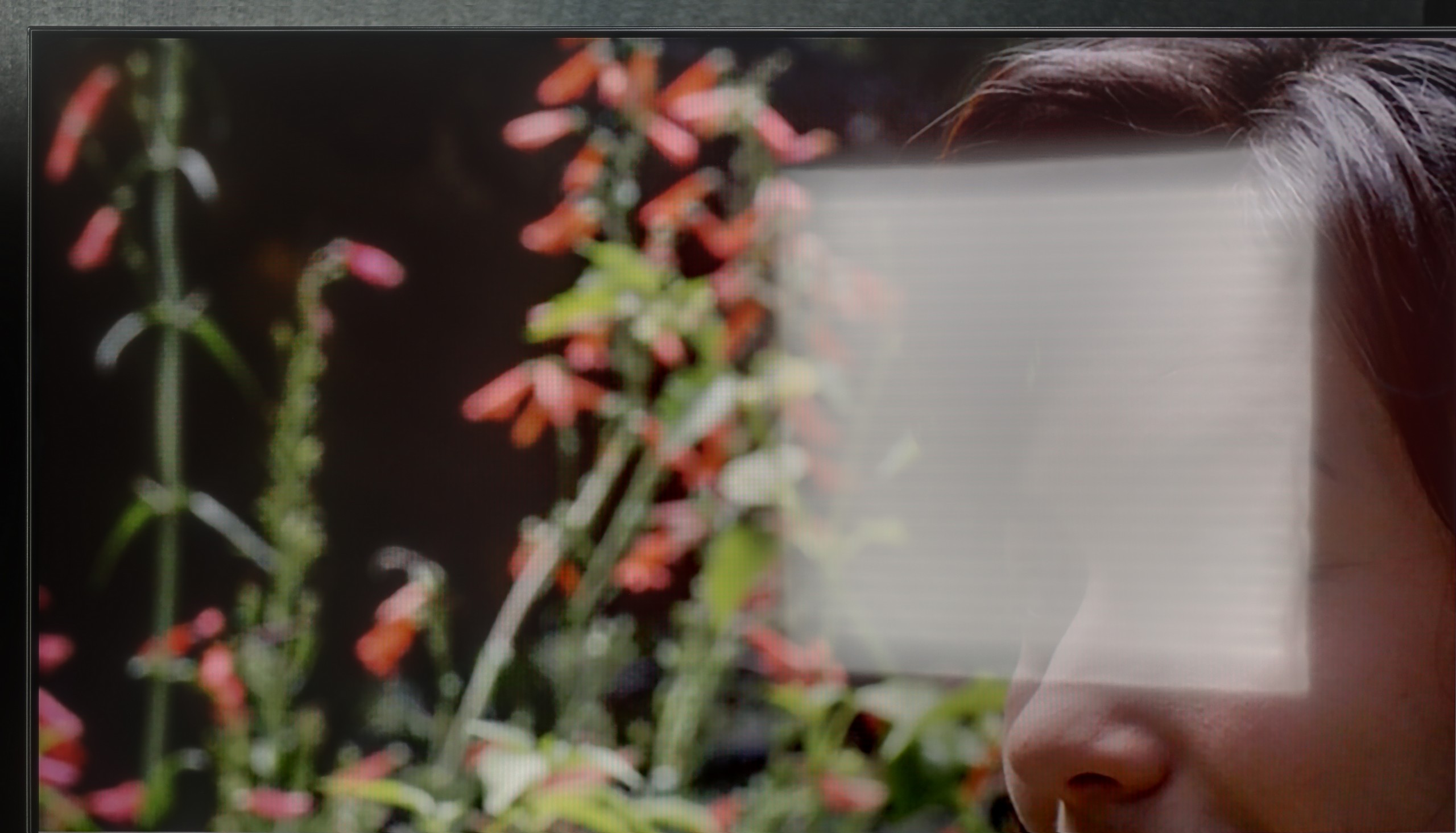
However, the LG QNED87T does have some limitations when it comes to high-quality content and home cinema use. Its contrast performance is weaker, and panel dimming issues can result in a lack of detail in dark scenes, particularly in low-light settings. While this may be less noticeable in bright or well-lit rooms, those seeking superior performance in dark environments may find these weaknesses more apparent.
Overall, the LG QNED87T is a versatile TV with modern features, making it a great option for everyday use and dynamic content, but it might not be the best choice for cinephiles or those seeking superior performance in dark rooms.
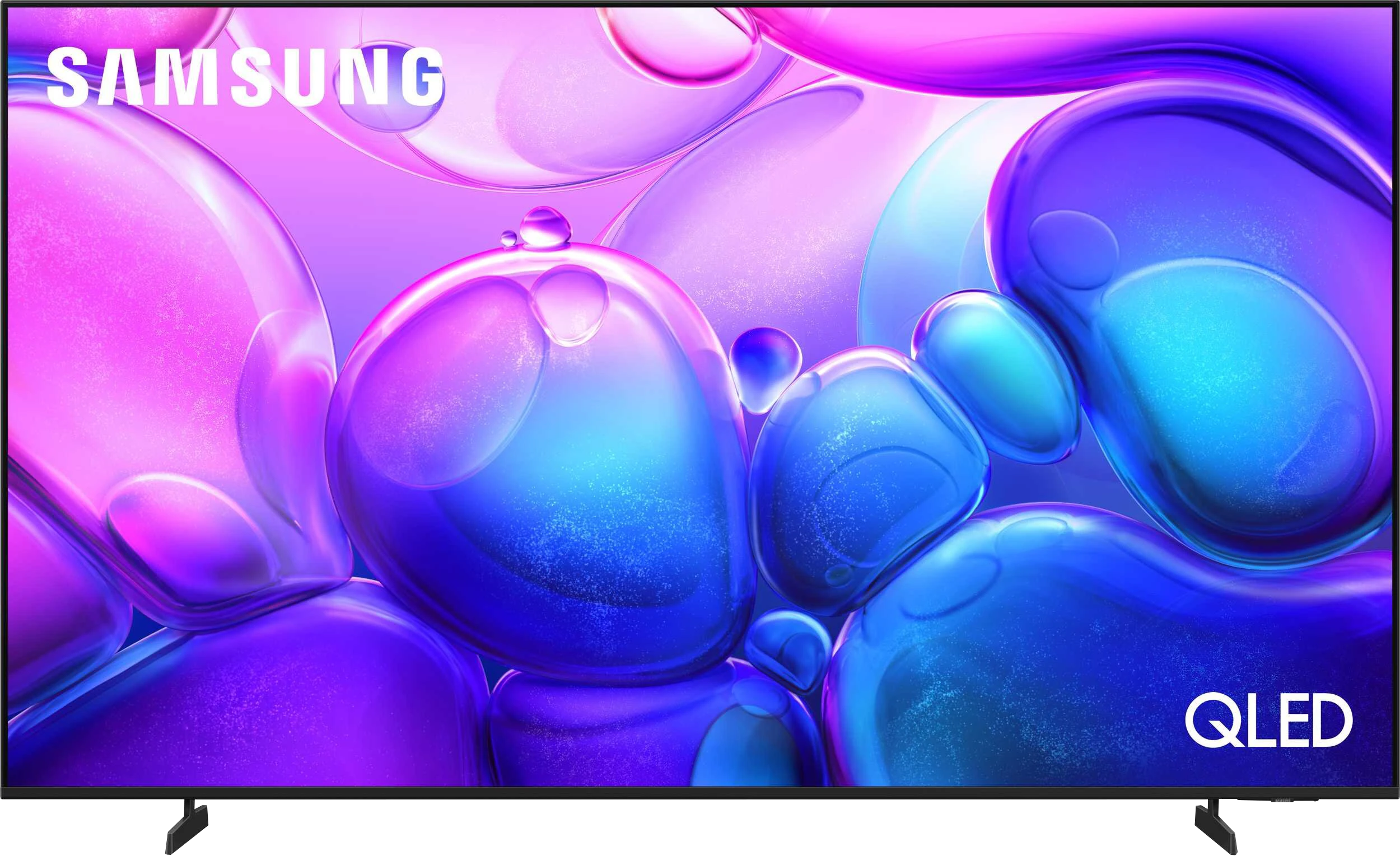
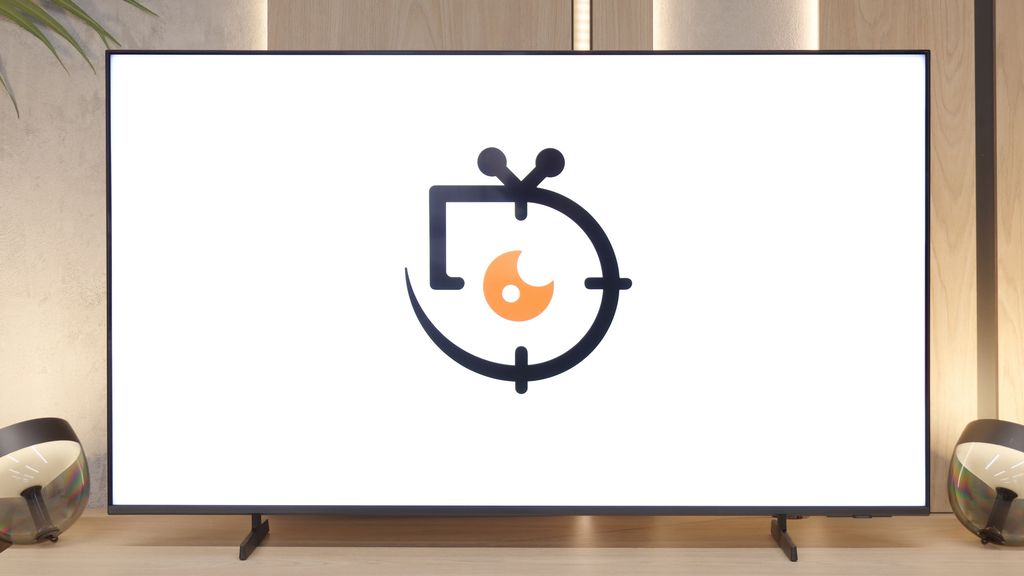
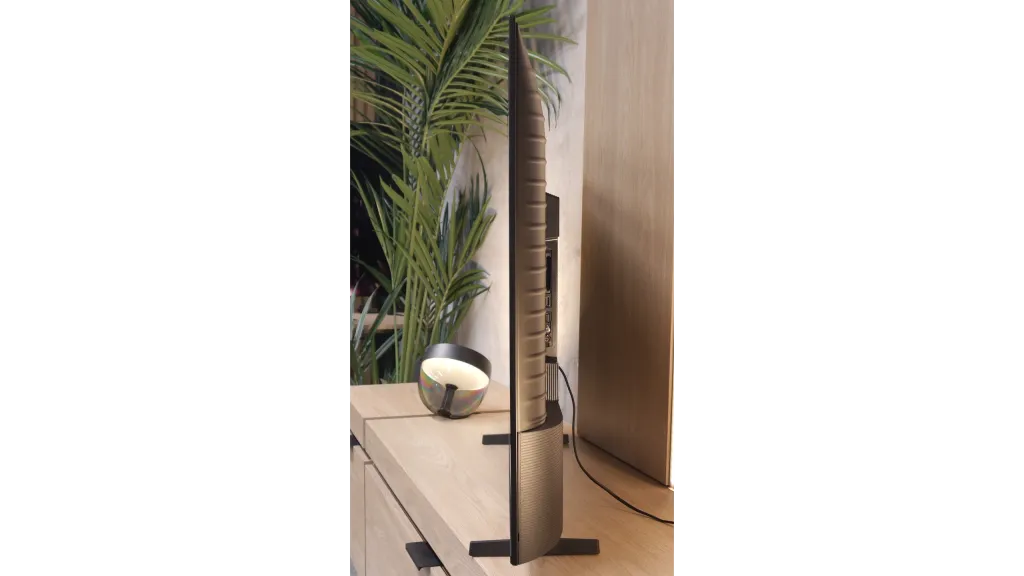
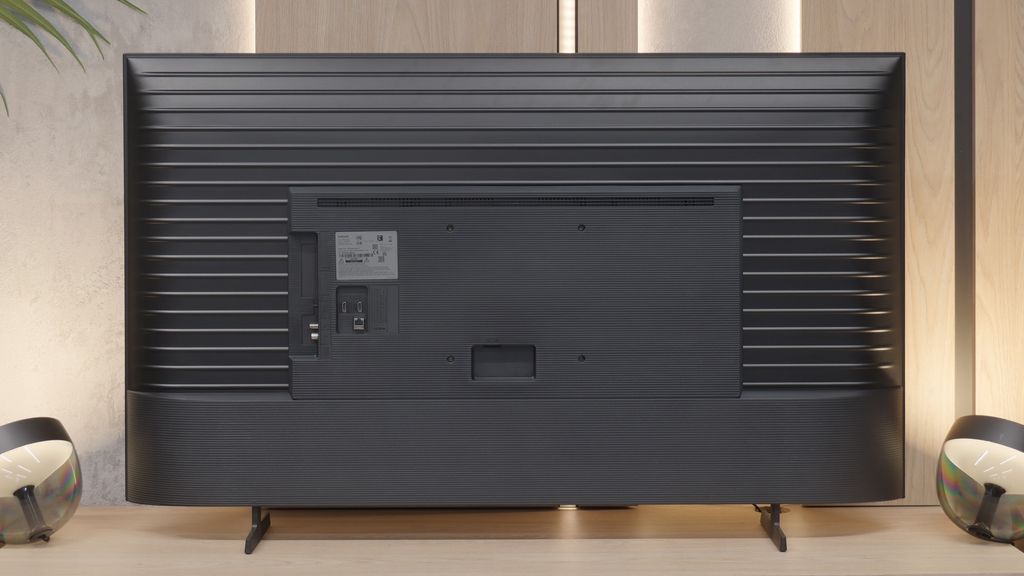
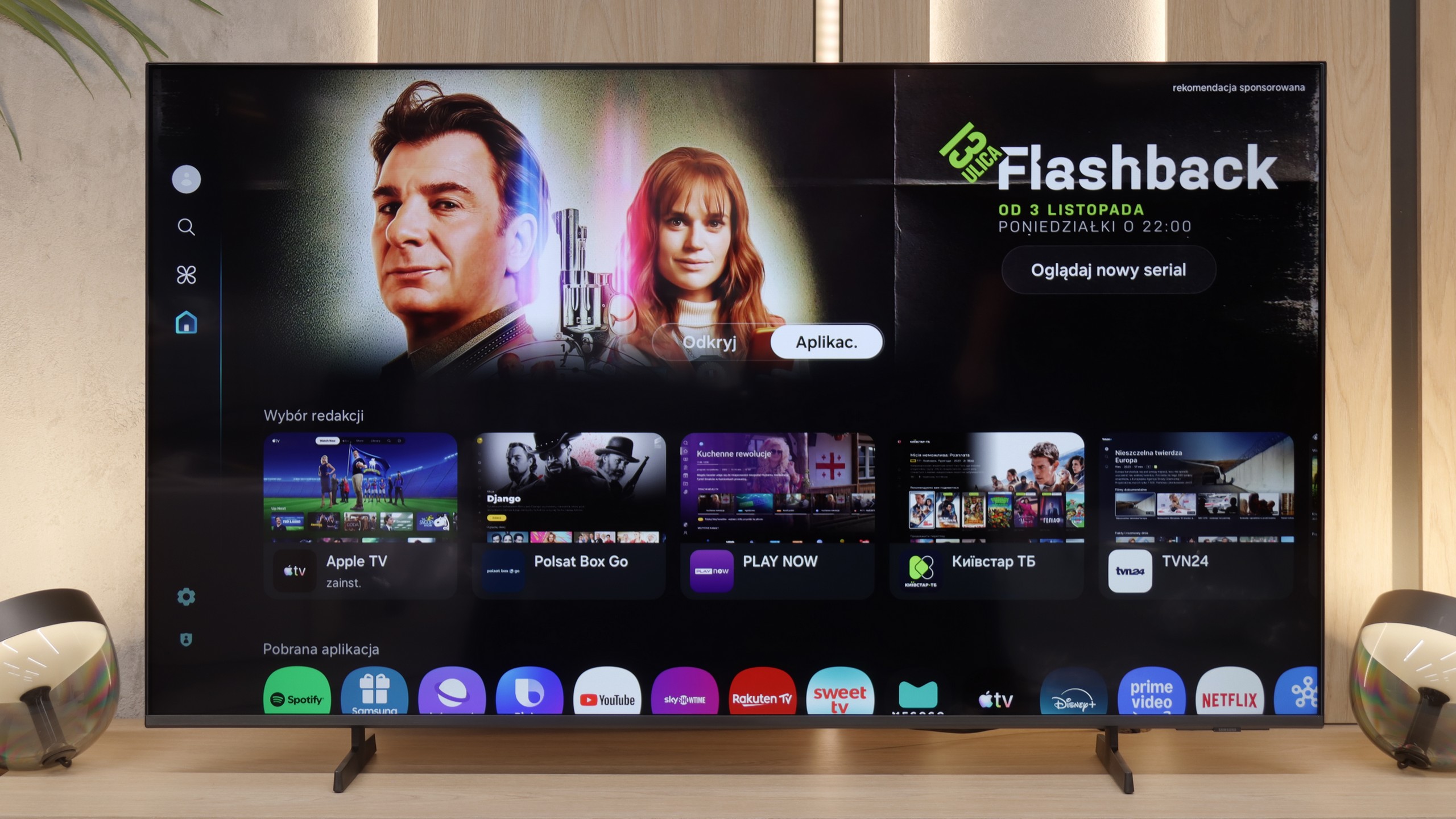
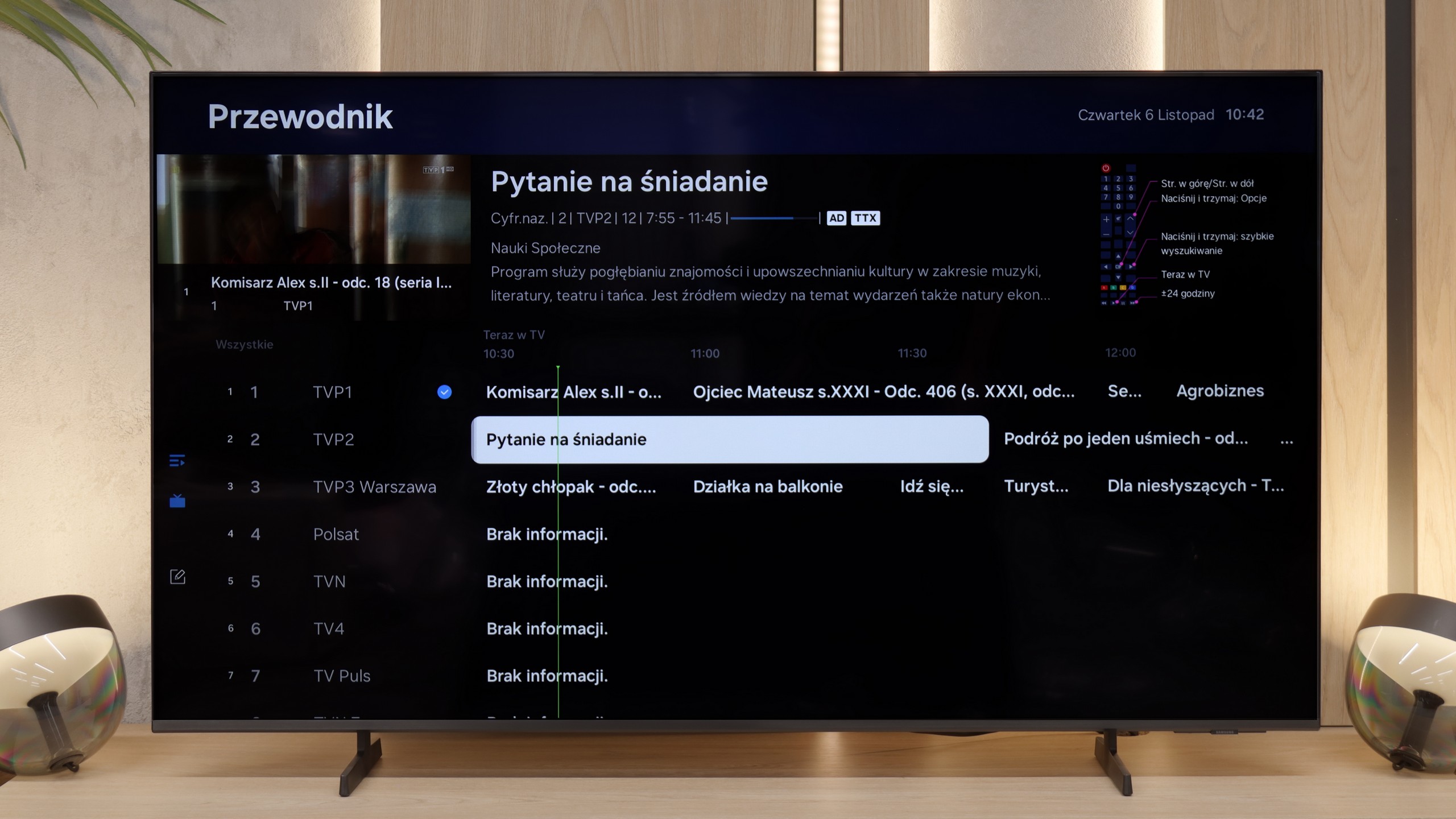
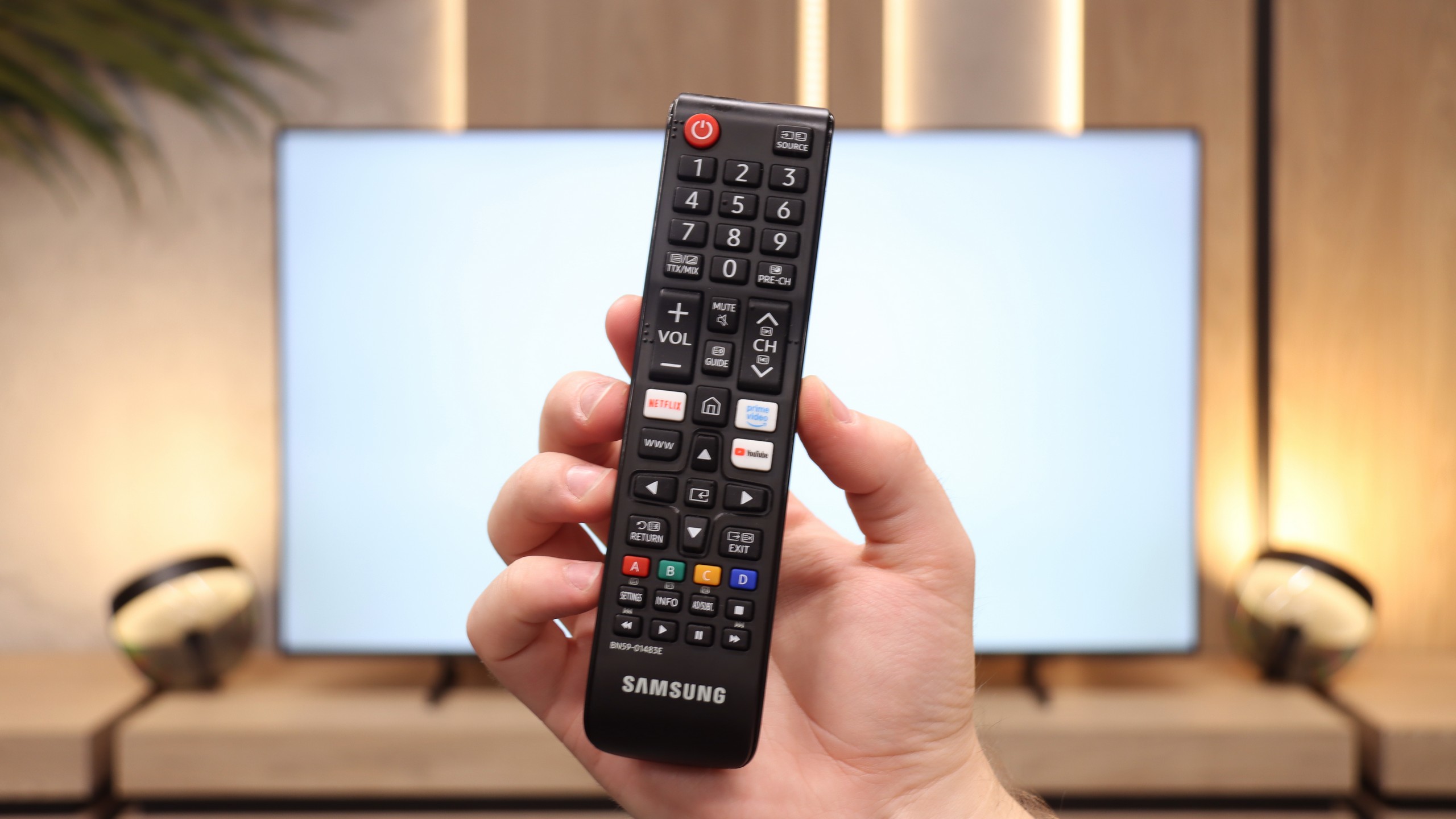
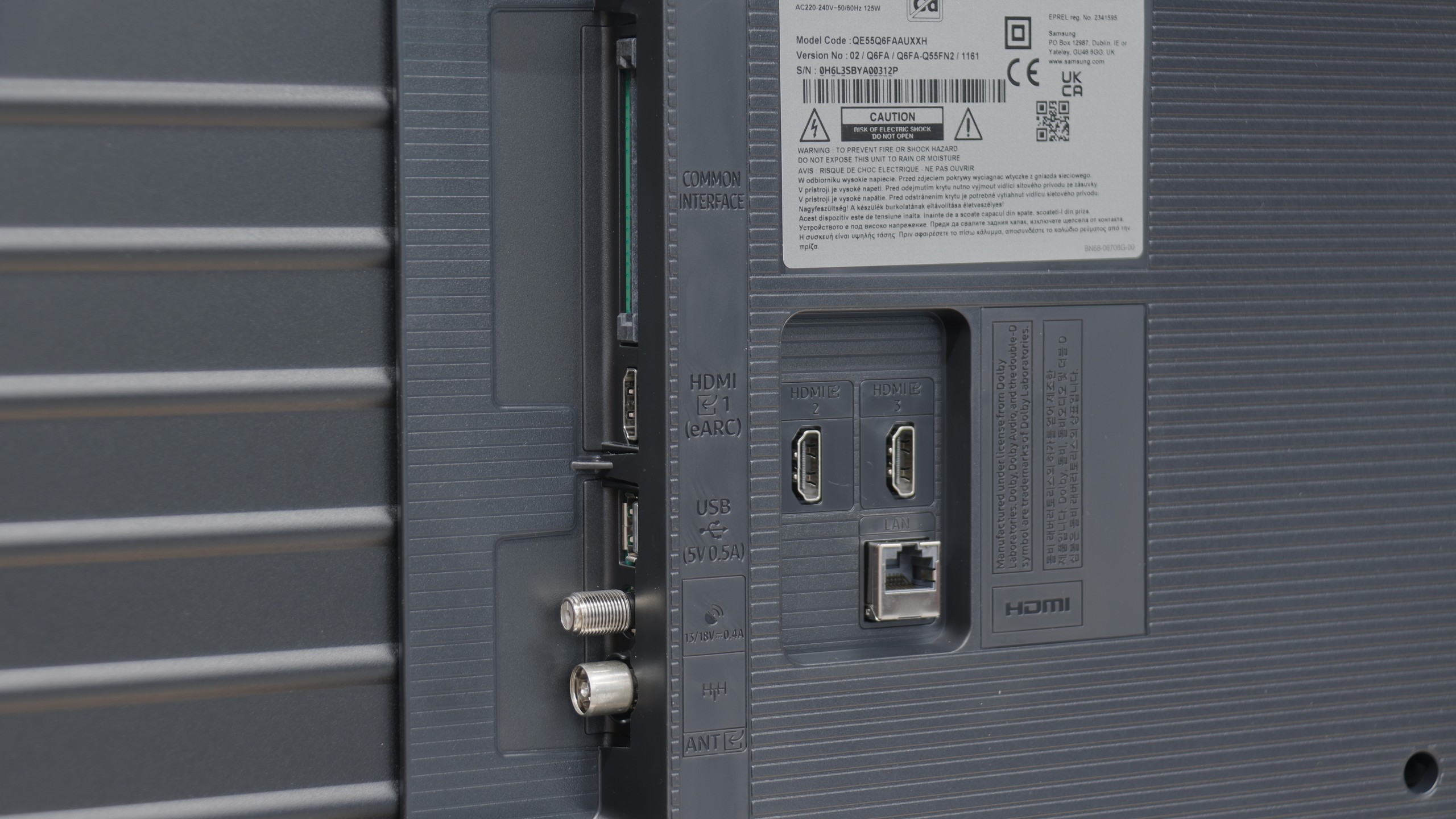
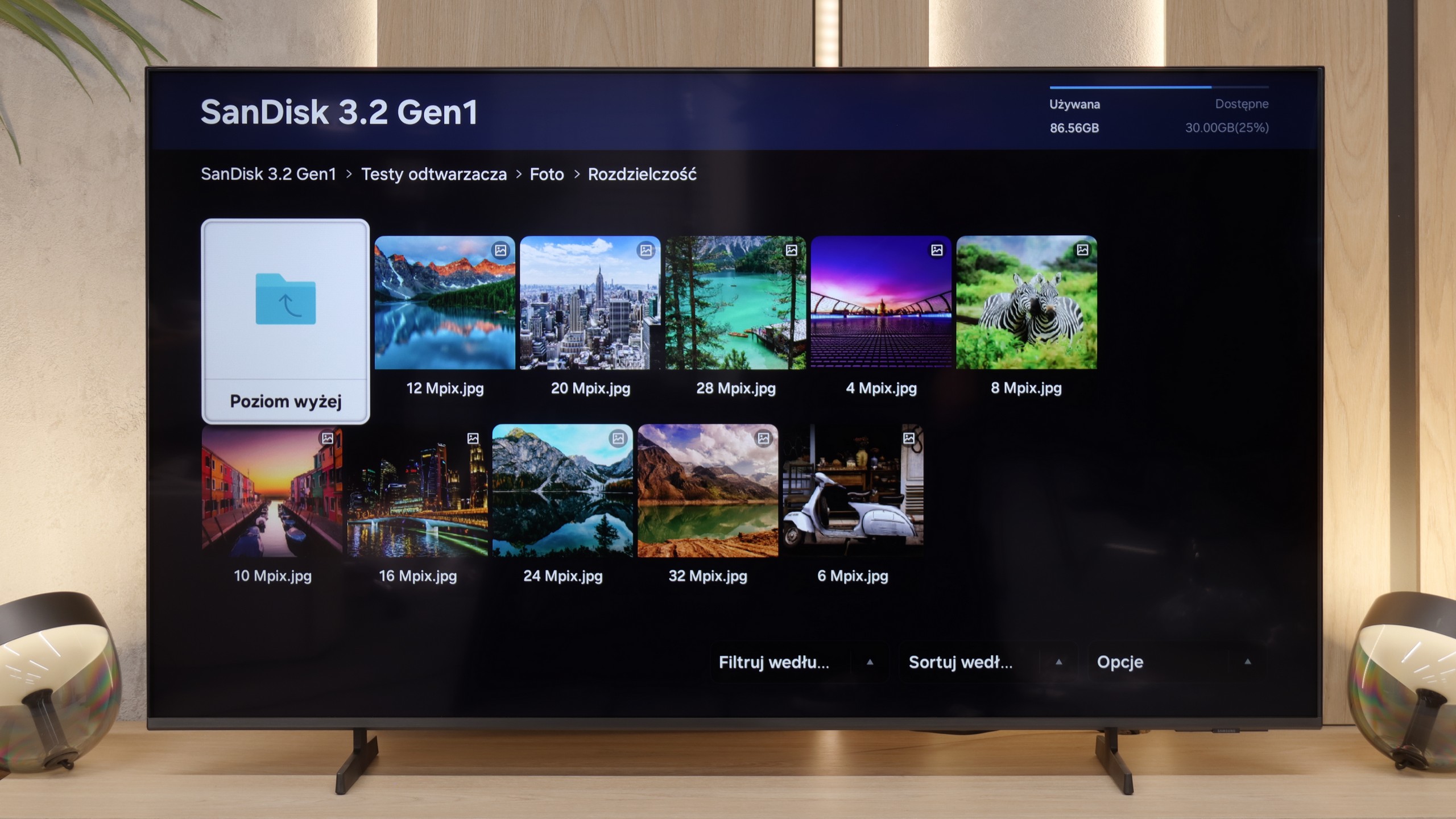
The Samsung Q6F is a television that is difficult to evaluate through the lens of typical QLED models. We must remember that we are dealing with a budget proposition aimed at a very specific audience. If you are looking for an inexpensive device with the logo of a well-known manufacturer that simply needs to work, display multimedia, and offer classic remote control operation with buttons – the Q6F might be an interesting option for you. It's a great choice for a senior or someone who needs a large screen "on the cheap" for daily television, where the IPS matrix and its good viewing angles really make a difference. However, we must be straightforward: the biggest drawback of this model is its very low brightness and poor black levels. These are two foundations on which image quality is built, and here they are simply very fragile. This is definitely not a television that we would recommend for watching HDR content – here, that format exists practically only in name. Although the Q6F has a QLED filter and belongs to the Quantum Dot family, utilizing the full potential of this technology is practically impossible, as the device is technically not suited for such content. We know that it tempts with its very low price and may appeal to many people with modest requirements. However, you should know that the label "QLED" suggesting a premium product is far from what Samsung has accustomed us to in recent years. It's a ticket to the world of Samsung, but in a very basic version.
 Direct comparison