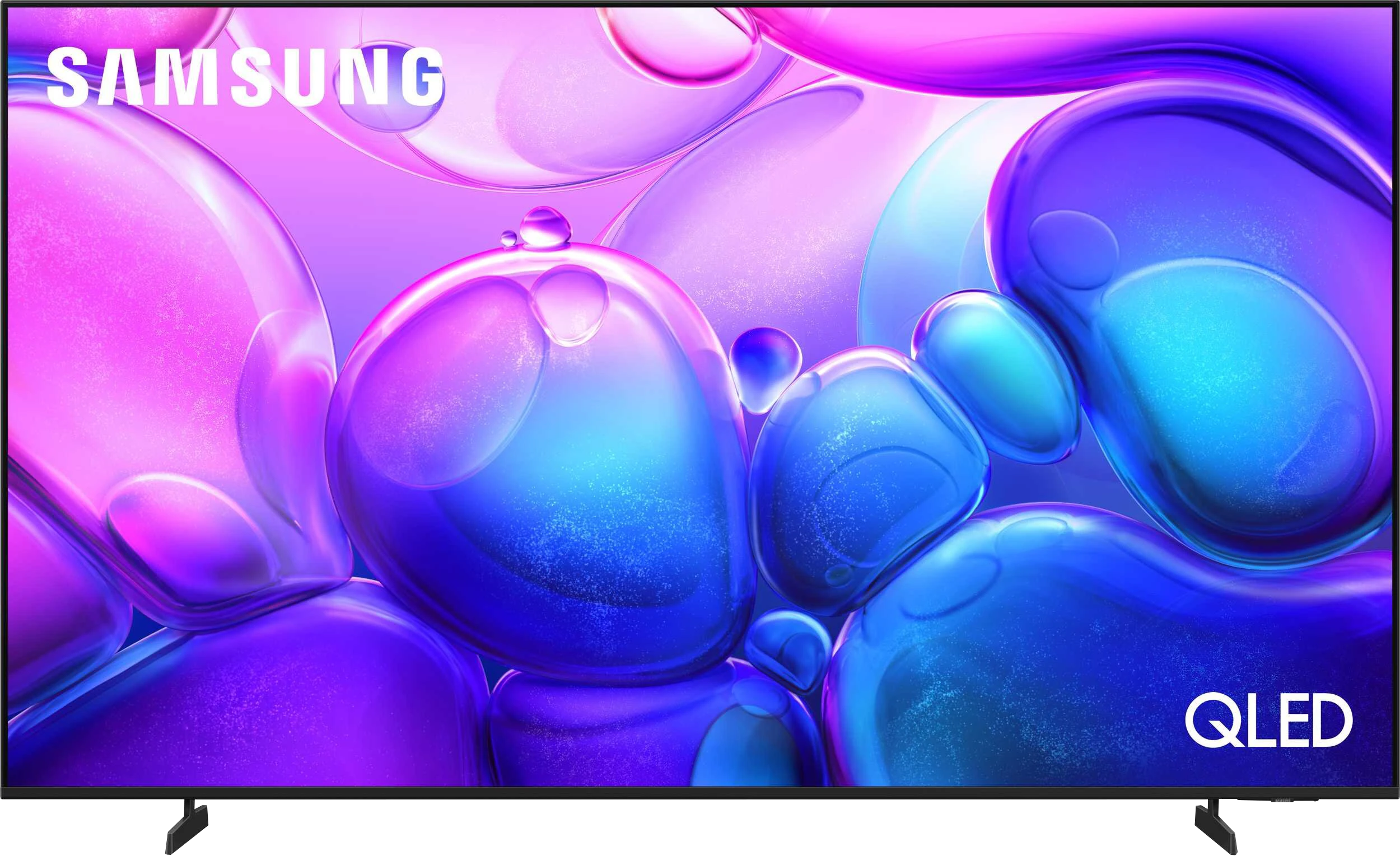
LG QNED87T6B vs Samsung Q6F (IPS)

Direct comparison

Check the best price offer:

LG QNED87T6B
$585

Q6F

Available screen sizes: 50”55”65”75”

Available screen sizes: 55”

Panel type: LCD IPS

Resolution: 3840x2160

System: WebOS

Model year: 2024

Complete the survey to find out the result

Panel type: LCD IPS

Resolution: 3840x2160

System: Tizen

Model year: 2025

Complete the survey to find out the result

Overall rating

6.8

5.1

  • Movies and series in UHD quality

    6.1

    4.8

  • Classic TV, YouTube

    6.1

    4.7

  • Sports broadcasts (TV and apps)

    7.2

    4.9

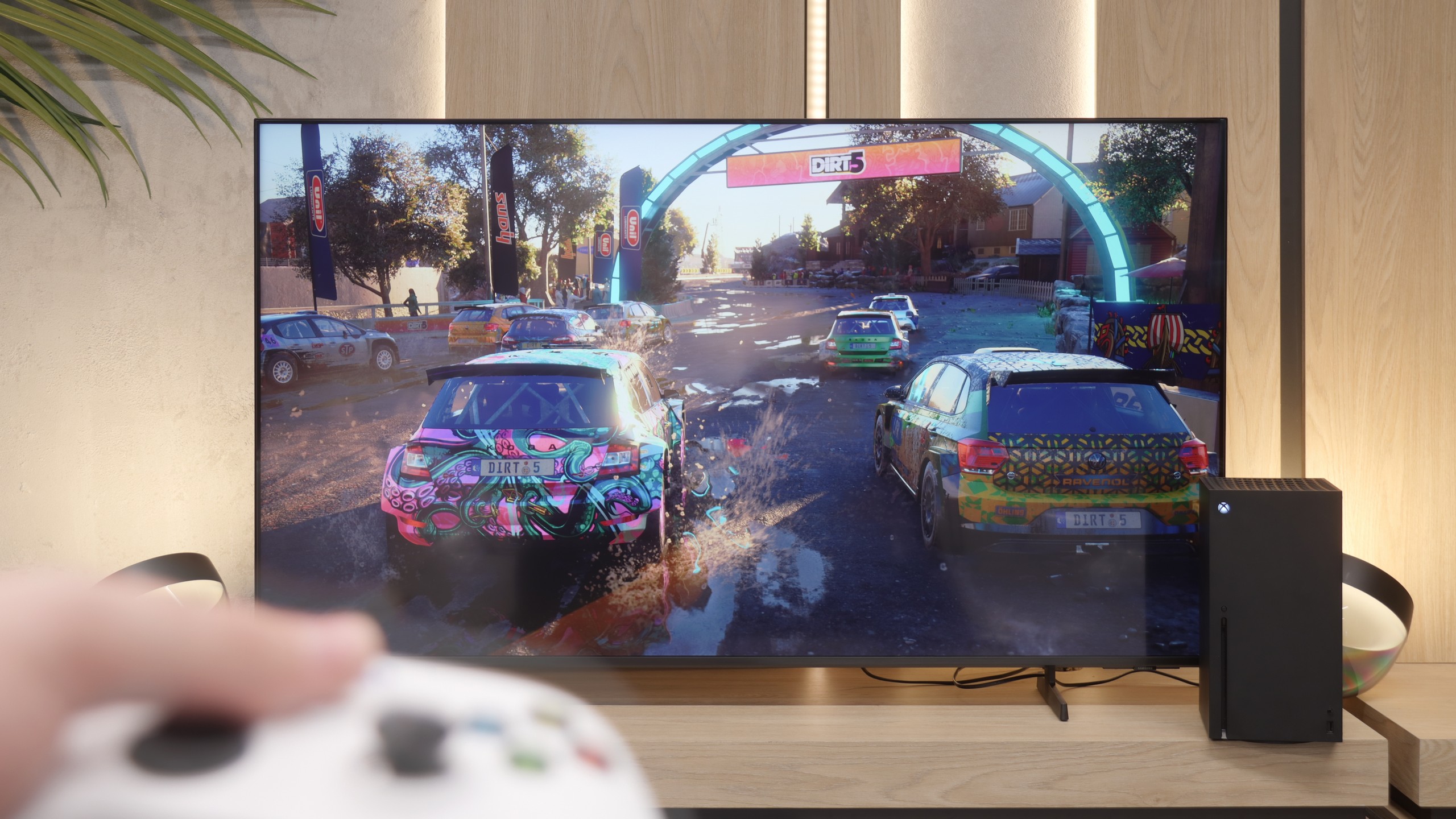
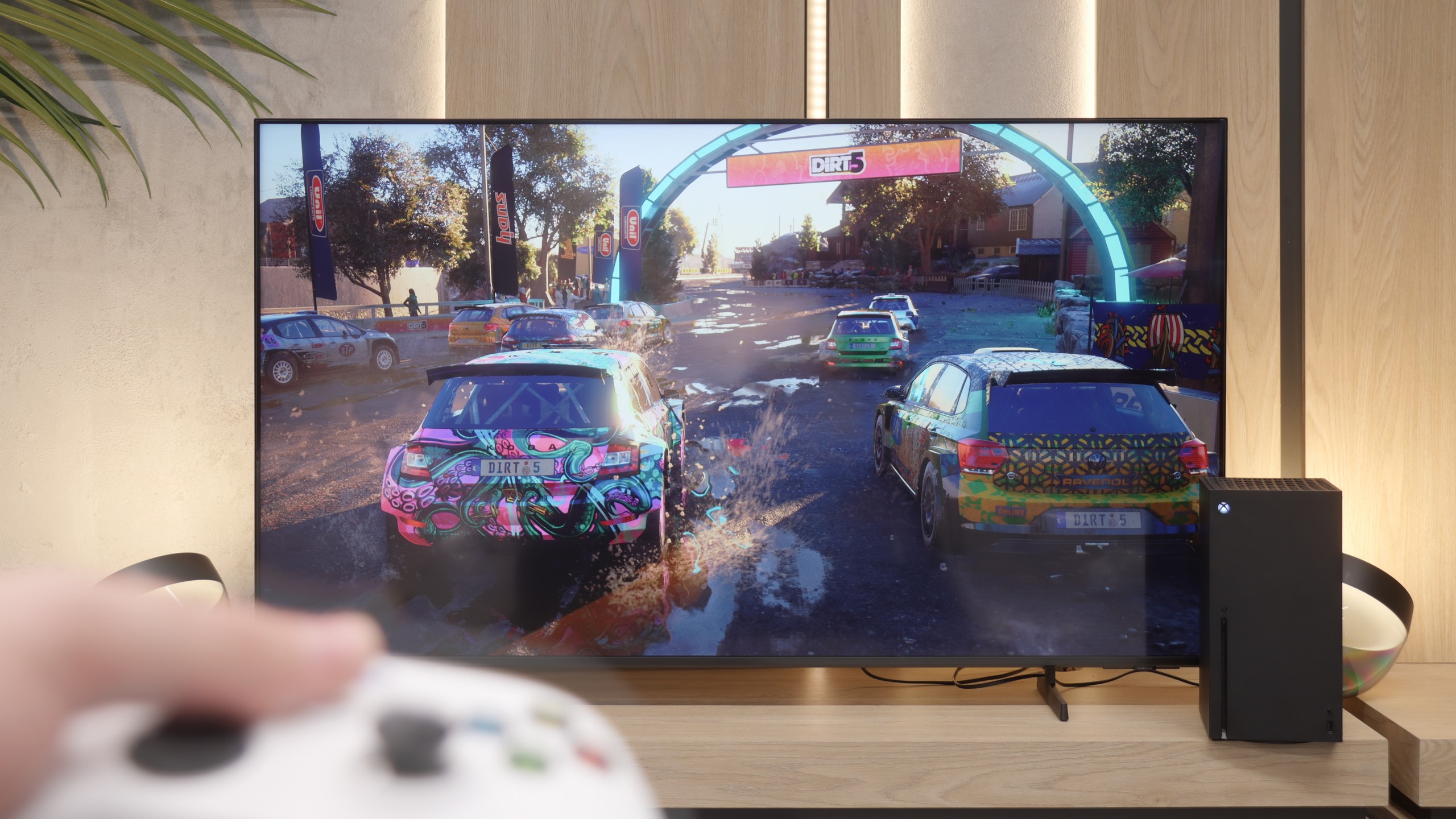
  • Gaming on console

    8.2

    6.4

  • TV as a computer monitor

    7.6

    6.0

  • Watching in bright light

    4.8

    1.8

  • Utility functions

    8.8

    5.9

  • Apps

    8.3

    9.3

  • Sound quality

    6.0

    5.8

Advantages

  • Great for gamers and sports - 120hz, HDMI 2.1

  • Wide viewing angles

  • Good choice for regular TV - excellent digital processing and extensive user features

  • One of the better choices as a PC monitor

  • Remote with cursor - Magic

  • Tizen System: Works quickly, doesn't lag and

  • Large application library (Netflix, YouTube, HBO, Disney)

  • IPS matrix provides good image quality even when you are not sitting directly in front

  • Great font readability – good as a large monitor for text work

  • Basic gaming features: VRR and ALLM

  • Very low input lag

  • Senior-friendly remote: Classic layout with numeric buttons

  • Very attractive price

Disadvantages

No like
  • Poor contrast

  • No Dolby Vision, HDR 10+

  • A brightness level of 250 nits is not enough to feel any difference in HDR mode

  • Low contrast of the IPS panel ruins movie nights

  • An average brightness level of 150 nits during the day means you can hardly see anything in a sunny room

  • Lack of optical output

  • Infrared remote control (requires aiming at the screen)

Our verdict

The LG QNED87T is a unique offering in the TV market, excelling in several key areas. Its excellent compatibility with consoles and PCs, along with impressive motion fluidity, makes it an appealing choice for gamers. The 120Hz panel, VRR, and ALLM ensure smooth and responsive gameplay, making it ideal for fast-paced games and sports viewing. The WebOS system, paired with the Magic Remote control, enhances daily convenience, providing an intuitive interface and access to a wide range of apps like Netflix, YouTube, and Amazon Prime Video.

The TV's IPS panel offers wide viewing angles, ensuring good image quality even from side seats, which is perfect for group viewing. Features like USB recording, PIP (Picture-in-Picture), and Bluetooth connectivity improve user experience and convenience.

However, the LG QNED87T does have some limitations when it comes to high-quality content and home cinema use. Its contrast performance is weaker, and panel dimming issues can result in a lack of detail in dark scenes, particularly in low-light settings. While this may be less noticeable in bright or well-lit rooms, those seeking superior performance in dark environments may find these weaknesses more apparent.

Overall, the LG QNED87T is a versatile TV with modern features, making it a great option for everyday use and dynamic content, but it might not be the best choice for cinephiles or those seeking superior performance in dark rooms.

The Samsung Q6F is a television that is difficult to evaluate through the lens of typical QLED models. We must remember that we are dealing with a budget proposition aimed at a very specific audience. If you are looking for an inexpensive device with the logo of a well-known manufacturer that simply needs to work, display multimedia, and offer classic remote control operation with buttons – the Q6F might be an interesting option for you. It's a great choice for a senior or someone who needs a large screen "on the cheap" for daily television, where the IPS matrix and its good viewing angles really make a difference. However, we must be straightforward: the biggest drawback of this model is its very low brightness and poor black levels. These are two foundations on which image quality is built, and here they are simply very fragile. This is definitely not a television that we would recommend for watching HDR content – here, that format exists practically only in name. Although the Q6F has a QLED filter and belongs to the Quantum Dot family, utilizing the full potential of this technology is practically impossible, as the device is technically not suited for such content. We know that it tempts with its very low price and may appeal to many people with modest requirements. However, you should know that the label "QLED" suggesting a premium product is far from what Samsung has accustomed us to in recent years. It's a ticket to the world of Samsung, but in a very basic version.

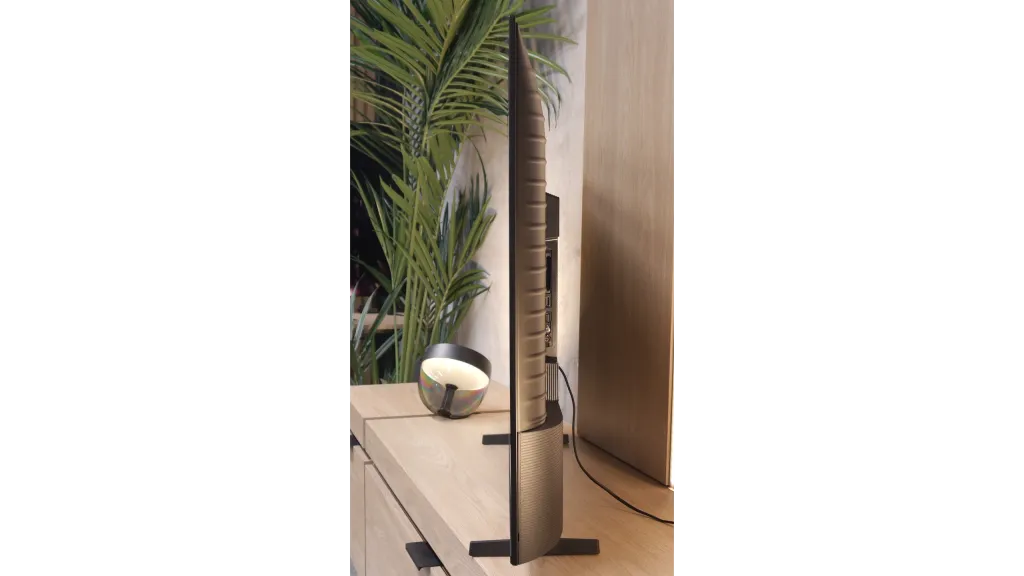
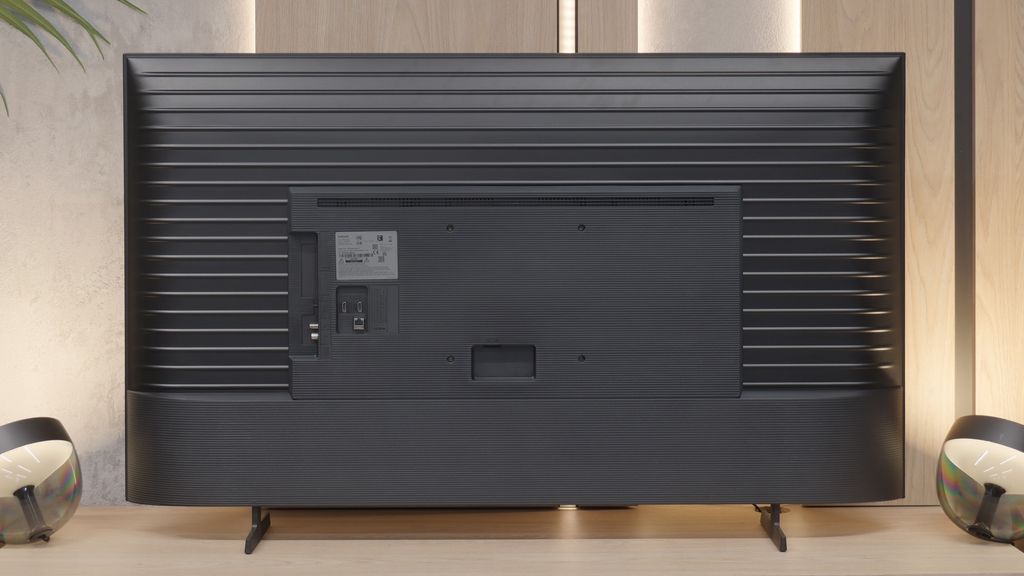
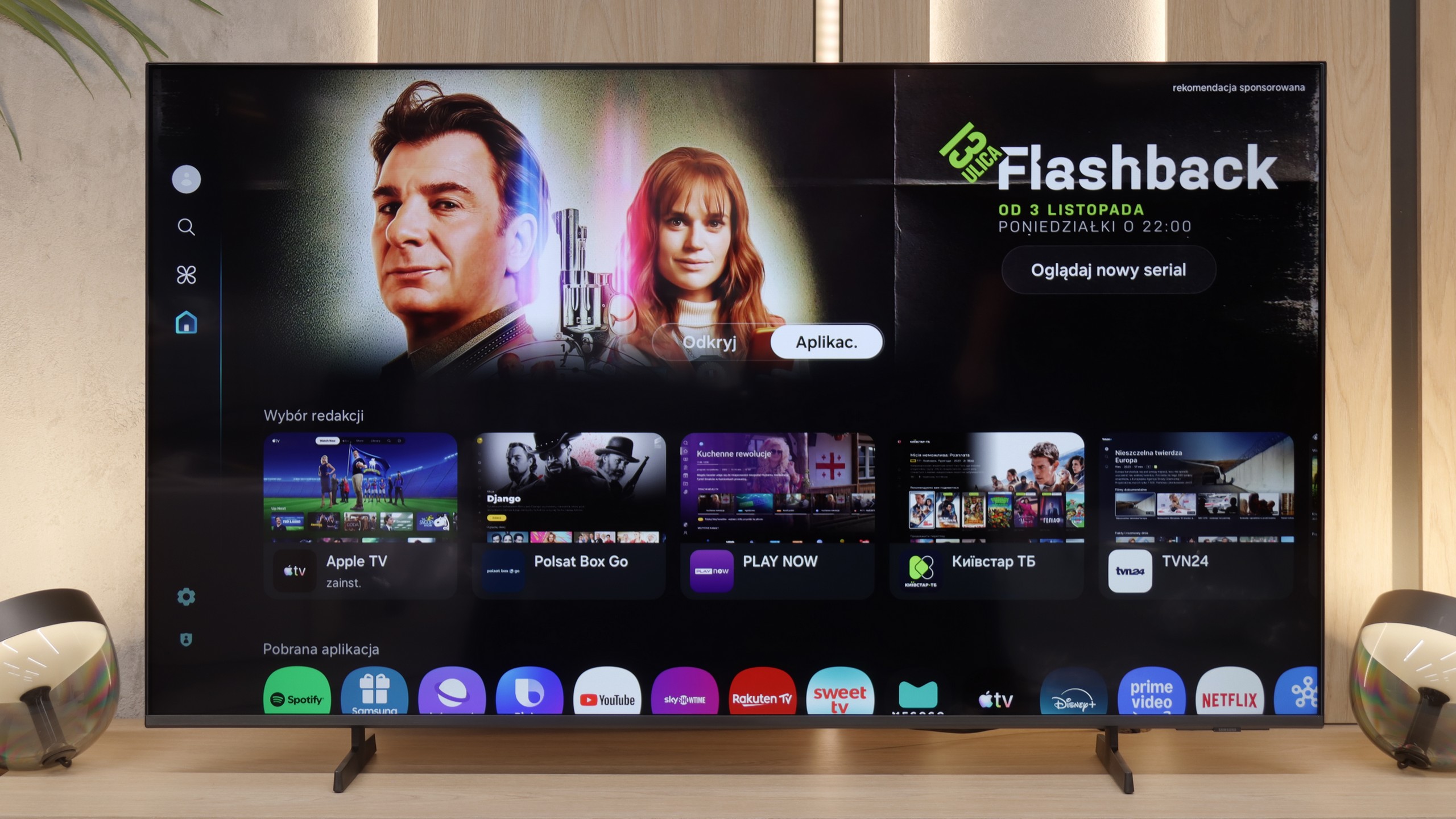
TV appearance

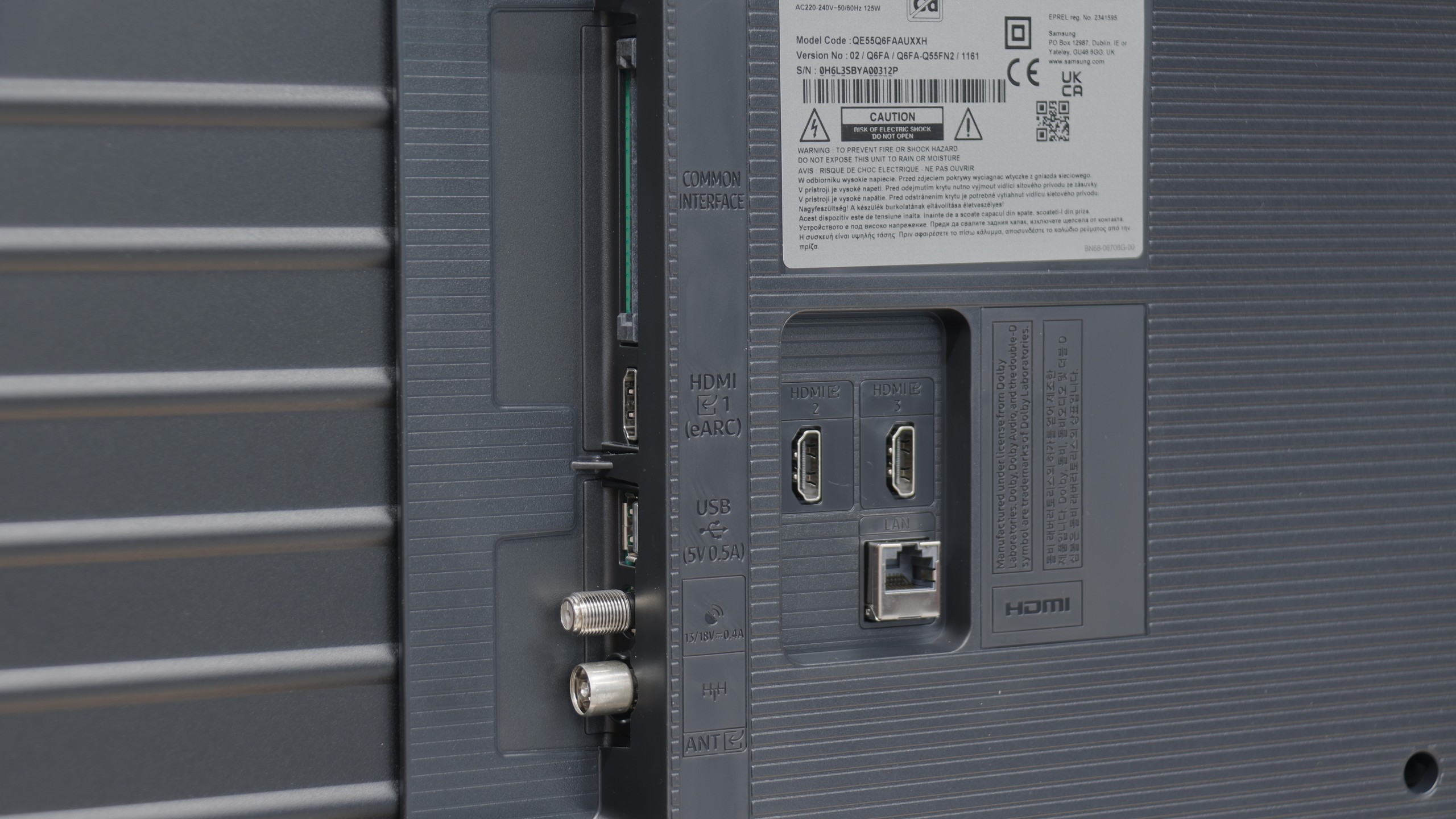
HDMI inputs
0 x HDMI 2.0, 4 x HDMI 2.1 (48Gbps)
3 x HDMI 2.0, 0 x HDMI 2.1
Other inputs
Outputs
Toslink (Optical audio), eARC (HDMI), ARC (HDMI)
eARC (HDMI), ARC (HDMI)
Network Interfaces
Wi-Fi 2.4GHz, Wi-Fi 5GHz, Ethernet (LAN) 100Mbps
Build quality
Good
Average
Stand type
Central
Legs
Bezel color
Graphite
Graphite
Stand
Fixed
Fixed
Flat design
Yes
No
Accessories
Stand
Stand

Contrast and black detail

3.3/10

1.9/10

Local dimming function: Yes, number of zones: 6 (6 x 1)

Local dimming function: No

Contrast:

Review LG QNED87T6B Contrast and black detail

Result

2,350:1

Review LG QNED87T6B Contrast and black detail

Result

1,250:1

Review LG QNED87T6B Contrast and black detail

Result

2,500:1

Review LG QNED87T6B Contrast and black detail

Result

1,450:1

Review LG QNED87T6B Contrast and black detail

Result

1,050:1

Review Samsung Q6F (IPS) Contrast and black detail

Result

900:1

Review Samsung Q6F (IPS) Contrast and black detail

Result

1,000:1

Review Samsung Q6F (IPS) Contrast and black detail

Result

1,050:1

Review Samsung Q6F (IPS) Contrast and black detail

Result

1,050:1

Review Samsung Q6F (IPS) Contrast and black detail

Result

900:1

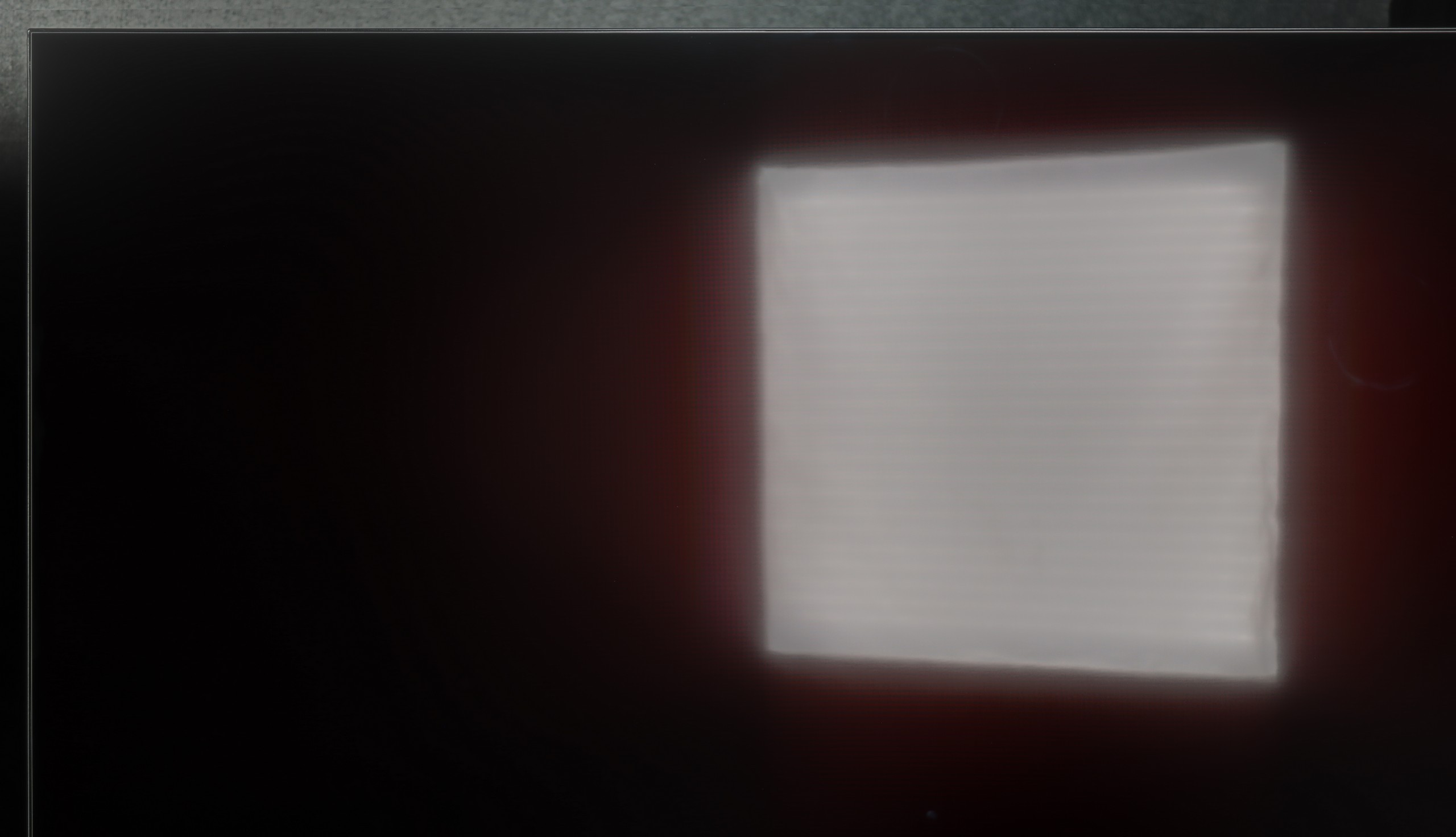
Halo effect and black detail visibility:

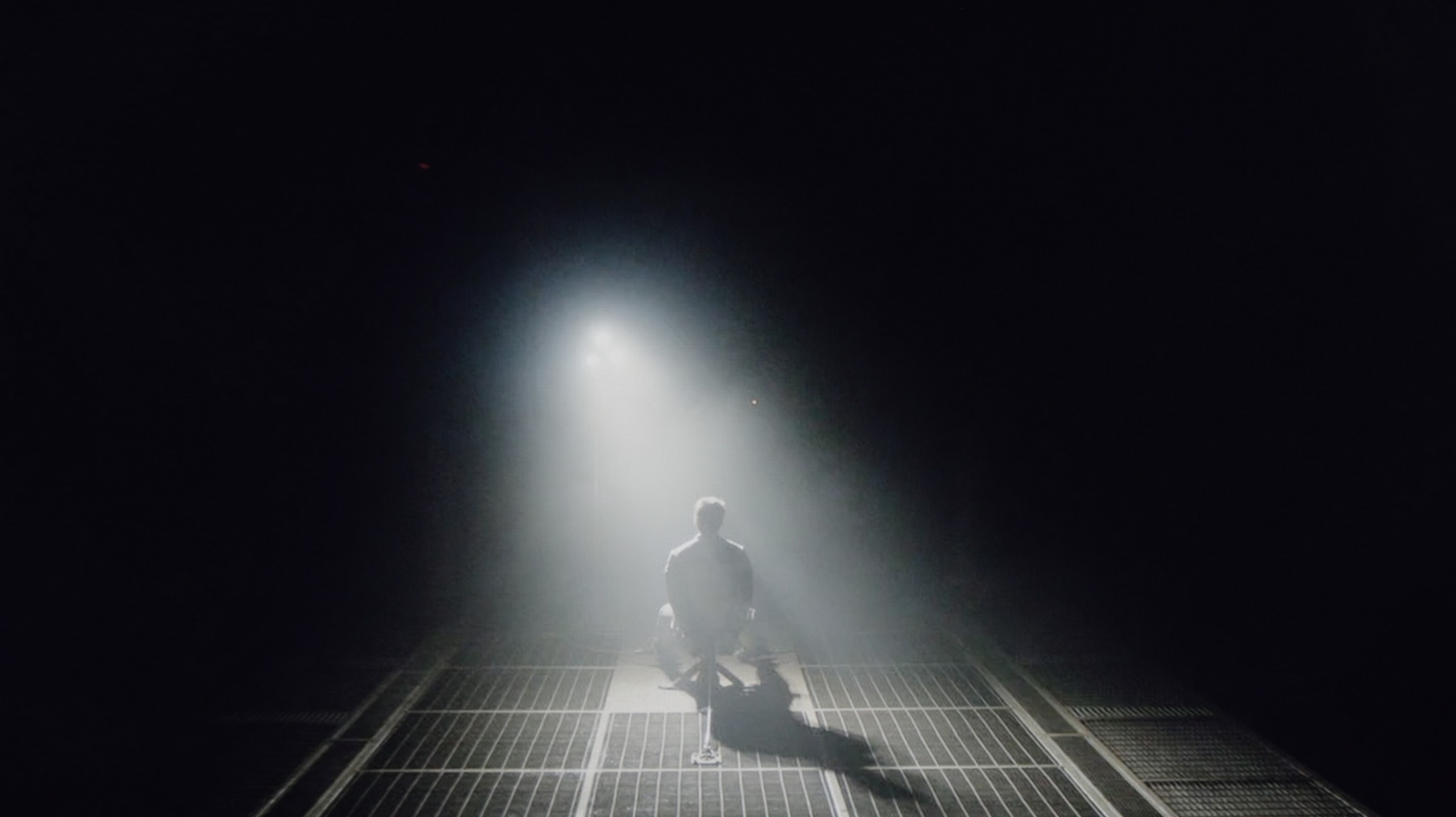
Check the visibility of bright lights on a dark background. Mini-LEDs often struggle with this. The photo does not compare black levels – that’s what the video below is for.
The video accurately shows differences in contrast and black levels between TVs, as well as potential issues: halo around bright objects or Mini-LED zone operation visible as brightness jumps.
The LG QNED87T6B struggles in the black and contrast categories, primarily due to its IPS panel. While IPS panels generally offer better viewing angles, they tend to fall short in contrast performance compared to VA panels, which excel in deep blacks and high contrast. Additionally, the TV’s edge dimming feature does little to improve this issue, as its effects are relatively weak.
In the 50-inch variant, which uses a VA panel, these issues are less pronounced. However, for larger sizes, the contrast performance is a noticeable drawback. Test patterns reveal the TV’s difficulty with maintaining deep blacks, and in scenes like the movie clip from The Revenant, the backlight struggles to keep the dark areas consistent, leading to noticeable blooming and poor black levels. This undermines the overall viewing experience, particularly in darker scenes where contrast is most important.

Here it is clearly visible where the manufacturer decided to save money. The IPS panel used, despite the support of QLED technology, highlights problems with the lack of image depth. Results at the level of 1000:1 speak for themselves – the black in this model unfortunately resembles gray. You can try to save the situation by turning on the light in the room, and it's best to place it directly behind the television, which allows you to somewhat trick our eyes. However, regardless of what one might say, the contrast in the Q6F with the IPS panel is simply weak and this will be noticeable in dark scenes.

HDR effect quality

5.3/10

3/10

Supported formats
HDR10, HLG
HDR10, HDR10+
Color gamut coverage
DCI P3: 96.4%, Bt.2020: 71.7%
DCI P3: 87.7%, Bt.2020: 65.7%

Luminance measurements in HDR:

Review LG QNED87T6B Brightness measurement

Result

409 nit

Review LG QNED87T6B Brightness measurement

Result

486 nit

Review LG QNED87T6B Brightness measurement

Result

574 nit

Review LG QNED87T6B Brightness measurement

Result

464 nit

Review LG QNED87T6B Brightness measurement

Result

439 nit

Review Samsung Q6F (IPS) Brightness measurement

Result

202 nit

Review Samsung Q6F (IPS) Brightness measurement

Result

152 nit

Review Samsung Q6F (IPS) Brightness measurement

Result

247 nit

Review Samsung Q6F (IPS) Brightness measurement

Result

93 nit

Review Samsung Q6F (IPS) Brightness measurement

Result

256 nit

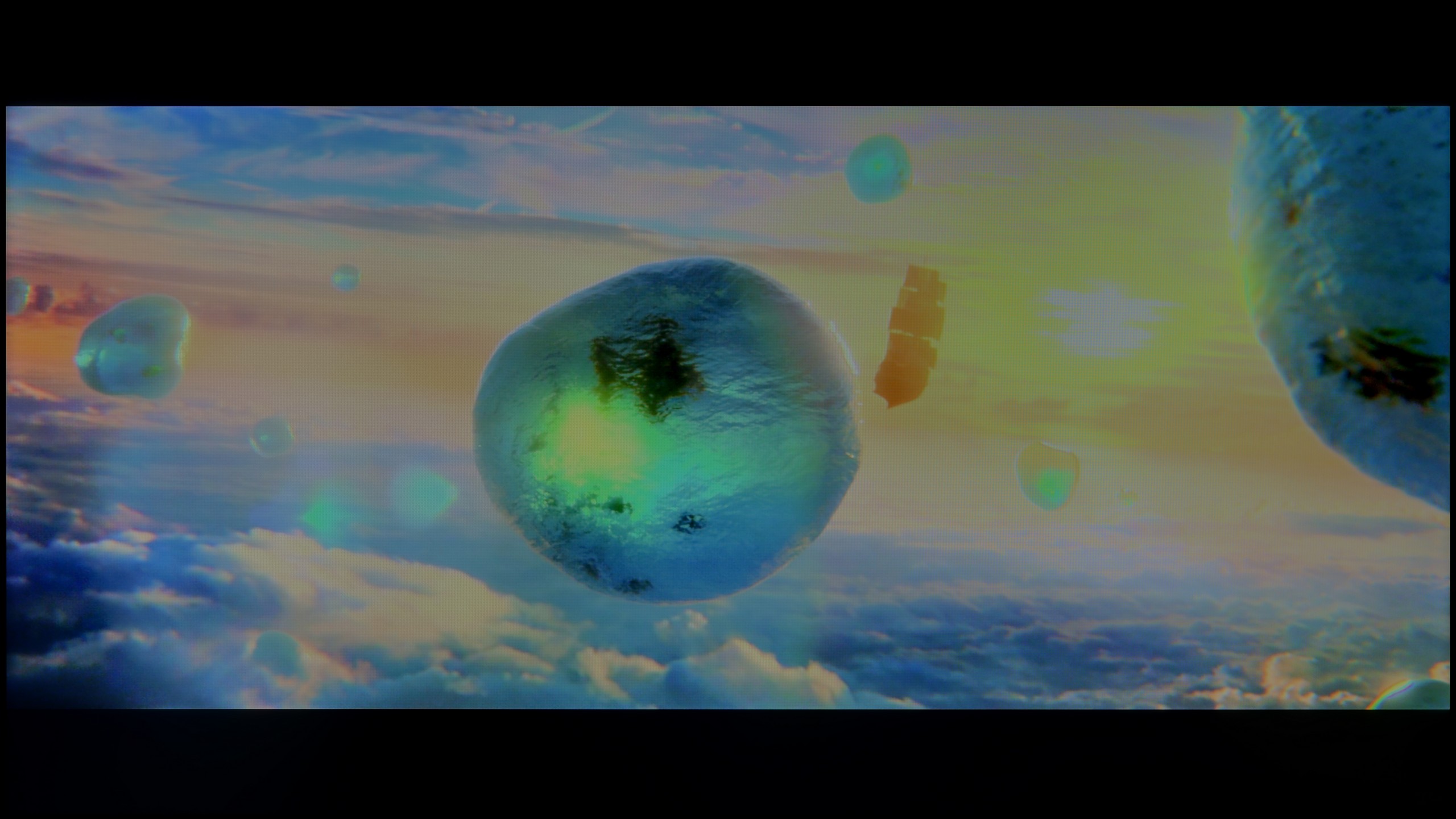
Scene from the movie “Pan” (about 2800 nits)

Scene from the movie “Billy Lynn” (about 1100 nits)

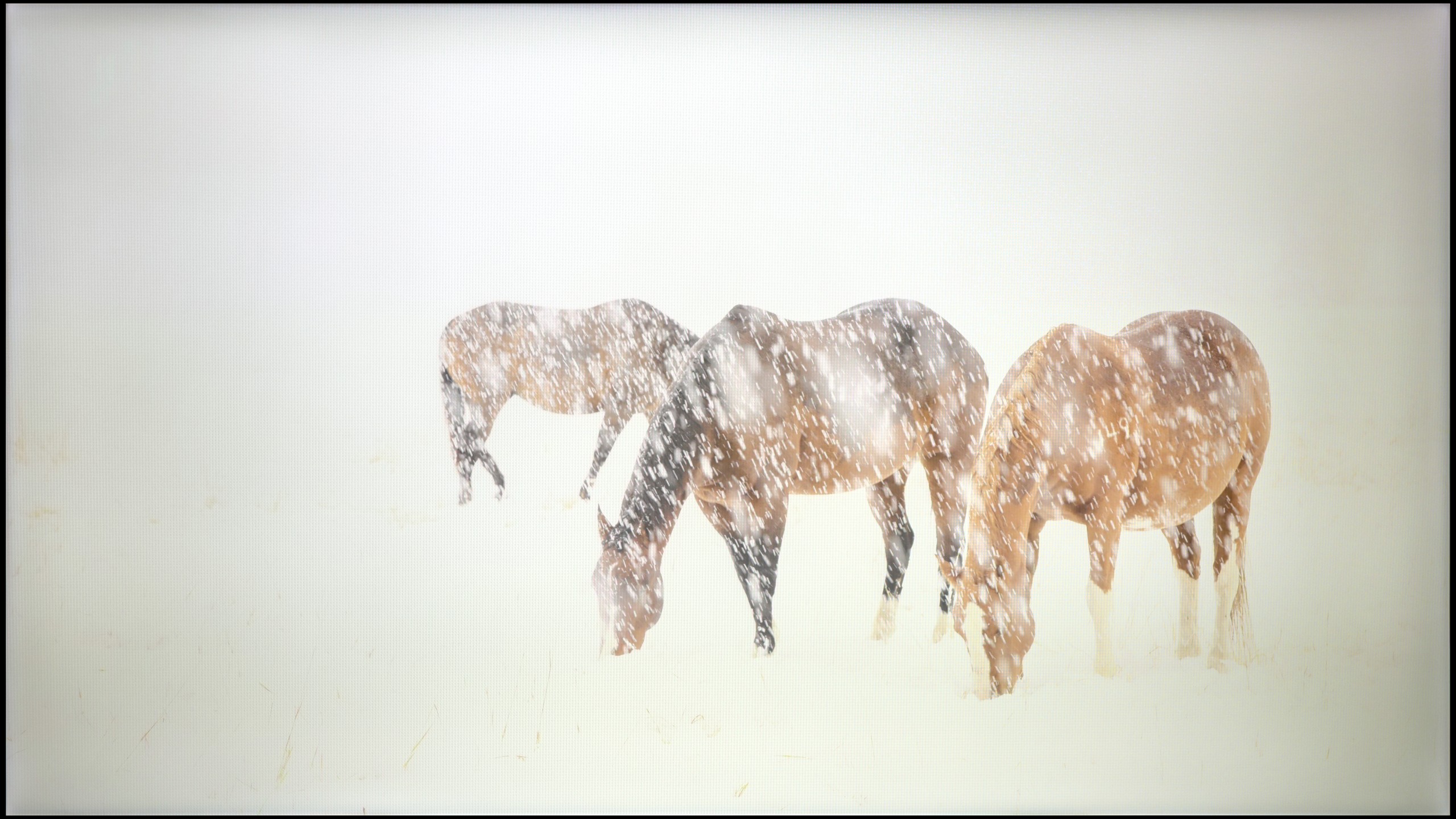
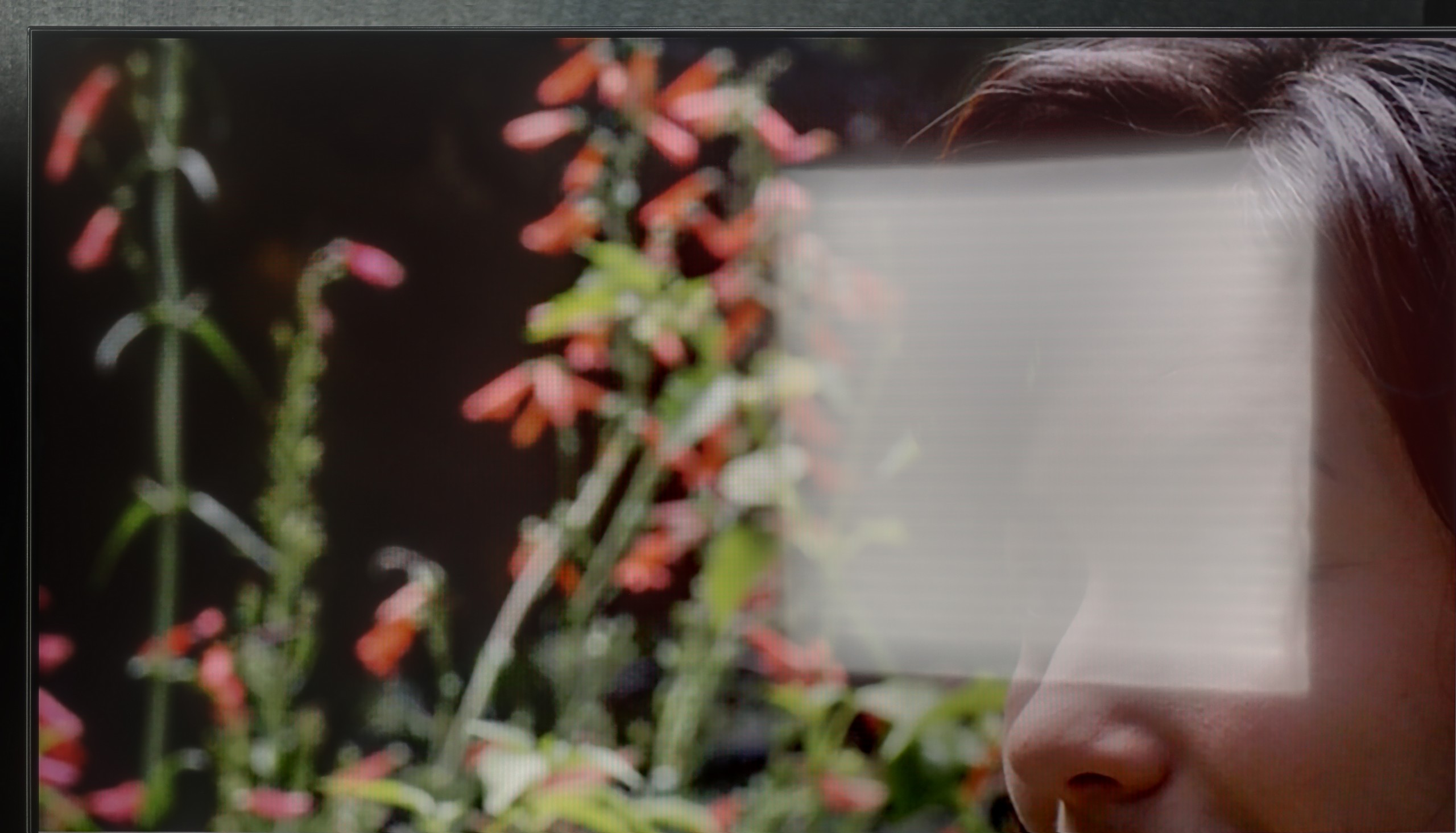
The photos show two HDR10 movies. 'Pan' is one of the brightest productions ever made, while 'Billy Lynn' (soldier) has brightness typical of streaming (Netflix, Prime, HBO MAX). Notice the intensity of effects and detail in whites.

Static HDR10

The photos present the visibility of white details in various HDR formats. They do not show brightness differences between TVs (these can be compared in the previous gallery).

HDR luminance chart:

Samsung Q6F (IPS)

LG QNED87T6B

The QNED87T6B provides a solid HDR performance, delivering an impressive visual experience in many aspects. With a brightness approaching 500 nits, it offers good visibility of fine details in high-dynamic scenes. Support for HDR10 and HLG ensures the content appears well on the screen, though the absence of more advanced formats like Dolby Vision or HDR10+ limits the potential for optimal brightness and detail in certain scenes. Without dynamic metadata, the TV may struggle to reproduce fine details in very bright areas, where these advanced standards would typically make a difference. However, its excellent coverage of the DCI-P3 colour gamut (96.4%) provides vibrant, natural colours, enhancing the overall visual quality of 4K content.

Unfortunately, the Samsung Q6F is a very dark model. Its peak brightness in HDR does not exceed 250 nits, which is definitely too low to even speak of any "high dynamic range" effect, or HDR. In practice, it's better to stick to content in SDR format, which simply looks more predictable on this TV. Another problem is the global dimming technique – in scenes with a lot of black, the TV drastically dims the entire panel to artificially improve the black levels. This causes the image to become even darker, and brightness can drop below 100 nits. The only consolation is the QLED technology, but even here it's average. The applied quantum dot layer is not top-notch, as the coverage of the DCI-P3 color gamut does not exceed 90%. As a result, colors in HDR content may just seem under-saturated.

Factory color reproduction

5.4/10

5.1/10

This gallery shows how colors change after professional TV calibration. If you notice the difference, we recommend ordering this service at SkalibrujTV.com.

Factory Mode

After calibration

This gallery shows how colors change after professional TV calibration. If you notice the difference, we recommend ordering this service at SkalibrujTV.com.

Factory Mode

After calibration

The LG QNED87T6B, even in its best factory setting, Filmmaker Mode, exhibits issues with colour reproduction. A significant problem is the white balance, where the blue colour tends to drop on the graph, causing a shift towards yellow. This results in a warmer hue than intended, which affects the naturalness of color reproduction, especially in scenes with white or neutral backgrounds. The Colour Checker test confirmed that certain colours are distorted and do not accurately reflect reality, which can make movie scenes seem less lifelike and distort details.

In terms of contrast, there are notable issues with the gamma graph, showing significant drops where the optimal value should be around 2.4. This results in the TV displaying darker areas brighter in some scenes, which reduces depth and dynamic range. Additionally, the EOTF (Electro-Optical Transfer Function) curve, which corresponds to brightness reproduction, shows an unnatural drop at the start, leading to lower accuracy in dark scenes. This diminishes the TV's ability to convey full black depth, causing details in darker areas to be lost. As a result, more demanding scenes may appear less realistic, with a noticeable loss of detail in shadows and dark areas.

We tested the television in Filmmaker mode, which showed us two completely different faces of this model. Looking at SDR content, we were honestly shocked at how good this TV looks straight out of the box. It was really hard to nitpick anything here. Despite a slight “haze” in the white balance or somewhat brightened details in the blacks (which directly results from the IPS panel's design), color errors hovered around the “2” level. This is surprisingly good, even outstanding, considering the price of this device.

On the other hand, what the Q6F displayed in terms of colors after switching to HDR mode was a very unpleasant surprise. The errors in color reproduction and palette were so huge that our charts literally ran out of scale. Of course, since Samsung even in such an inexpensive model offers very advanced calibration possibilities, we decided to approach the subject professionally and check what could be done about it during calibration.

Color reproduction after calibration

7.8/10

6.5/10

The photos show how movies look on the TV. Pay attention to black detail visibility, colors, and shadow tint.

The photos show how movies look on the TV. Pay attention to black detail visibility, colors, and shadow tint.

After calibration, the LG QNED87T6B delivers impressive results with SDR content. The white balance has been improved, resulting in natural, harmonious tones across various scenes. The precise gamma tuning allows for accurate reproduction of details in both dark and bright areas, making the TV perform excellently in everyday use. The overall image is vivid and well-balanced, with solid colour quality in HD. The contrast has also improved, with the gamma chart showing fewer significant errors, providing a more refined viewing experience.

In 4K HDR, the white balance continues to perform well, though some errors remain at the end of the chart. These might be linked to the TV's aggressive local dimming, which can affect colour accuracy in certain scenes. While the TV does not fully improve brightness as indicated by the EOTF curve, its inherent construction limitations prevent it from achieving perfection in this area. The Colour Checker test highlights an issue with colour saturation, as the TV, despite offering a wide colour gamut, cannot fully capture what the director intended.

Nevertheless, the overall picture quality after calibration is considerably better than before. The improvements in white balance and gamma tuning result in more vivid and realistic colours, enhancing the viewing experience despite the remaining shortcomings.

After our calibration, the colors in SDR mode looked even better – the result is quite surprising, as color errors at level "1" are something usually seen in devices costing several thousand dollars. In this regard, the Q6F is really a great screen for everyday television, less demanding series, or movies. Unfortunately, our interference in HDR mode did not bring about a noticeable improvement. The television, due to its poor black levels and low coverage of a wide color gamut, still has significant problems with proper color saturation, especially red. This is an example of a device where HDR mainly exists as a label on the box – for everyday use, we definitely recommend watching content in SDR format.

Smoothness of tonal transitions

8.6/10

9/10

These are selected scenes that show smooth tonal transitions from one color to another. If you see distinct banding, it’s the TV panel’s fault.

These are selected scenes that show smooth tonal transitions from one color to another. If you see distinct banding, it’s the TV panel’s fault.

These are selected scenes that show smooth tonal transitions from one color to another. If you see distinct banding, it’s the TV panel’s fault.

These are selected scenes that show smooth tonal transitions from one color to another. If you see distinct banding, it’s the TV panel’s fault.

The gradation in the LG QNED is quite good, despite minor issues with the dark colourful sky. These small flaws do not prevent the gradation from being one of the positive aspects of this model. Overall, the television handles smooth colour transitions well.

Samsung Q6F handles the phenomenon of posterization very well. In most scenes, the color transitions are smooth and there are no problematic "steppings" when blending colors. Only in very extreme moments, especially in scenes with brightness close to pure gray, can slight banding be noticed. Although, to be honest, we personally found the issue of slight clouding (uneven backlighting) and the poor contrast of the IPS panel to be much more bothersome than the tonal transitions themselves.

Image scaling and smoothness of tonal transitions

8/10

5/10

Image without overscan on the SD signal
OK
No
Smooth transition function
OK
OK

Smooth transition function

The match photo shows how the TV smooths weak tonal transitions in low-quality video.

Image scaling SD (576i)

The model photo shows how it handles upscaling of SD material.

When it comes to lower-quality content, the LG QNED87T6B performs admirably, with smooth gradation effectively addressing problematic areas in the image without negatively impacting the film grain. For optimal results, setting the "Smooth Gradation" feature to a low level delivers the best effect, significantly enhancing the viewing experience of lower-resolution materials by making them smoother and more visually appealing.

The TV handles digital processing well, ensuring the image is displayed without overscan or clipping. While slight jaggedness may be noticeable on certain fine details, such as branches against a background, the overall presentation remains impressive. Users will be satisfied with the quality of the image when watching lower-quality content, such as standard television, as the TV does an excellent job of enhancing the visual experience.

The Q6F handles upscaling lower resolution content to native 4K very well. The scaling is surprisingly good here, even for such a budget TV from the QLED series. The only downside is when we watch very low-resolution material, like 576p (typical for old DVD players) – then the image may be slightly cropped. This is because the TV does not allow for the Overscan feature to be turned off, which is a common issue with Samsung devices.

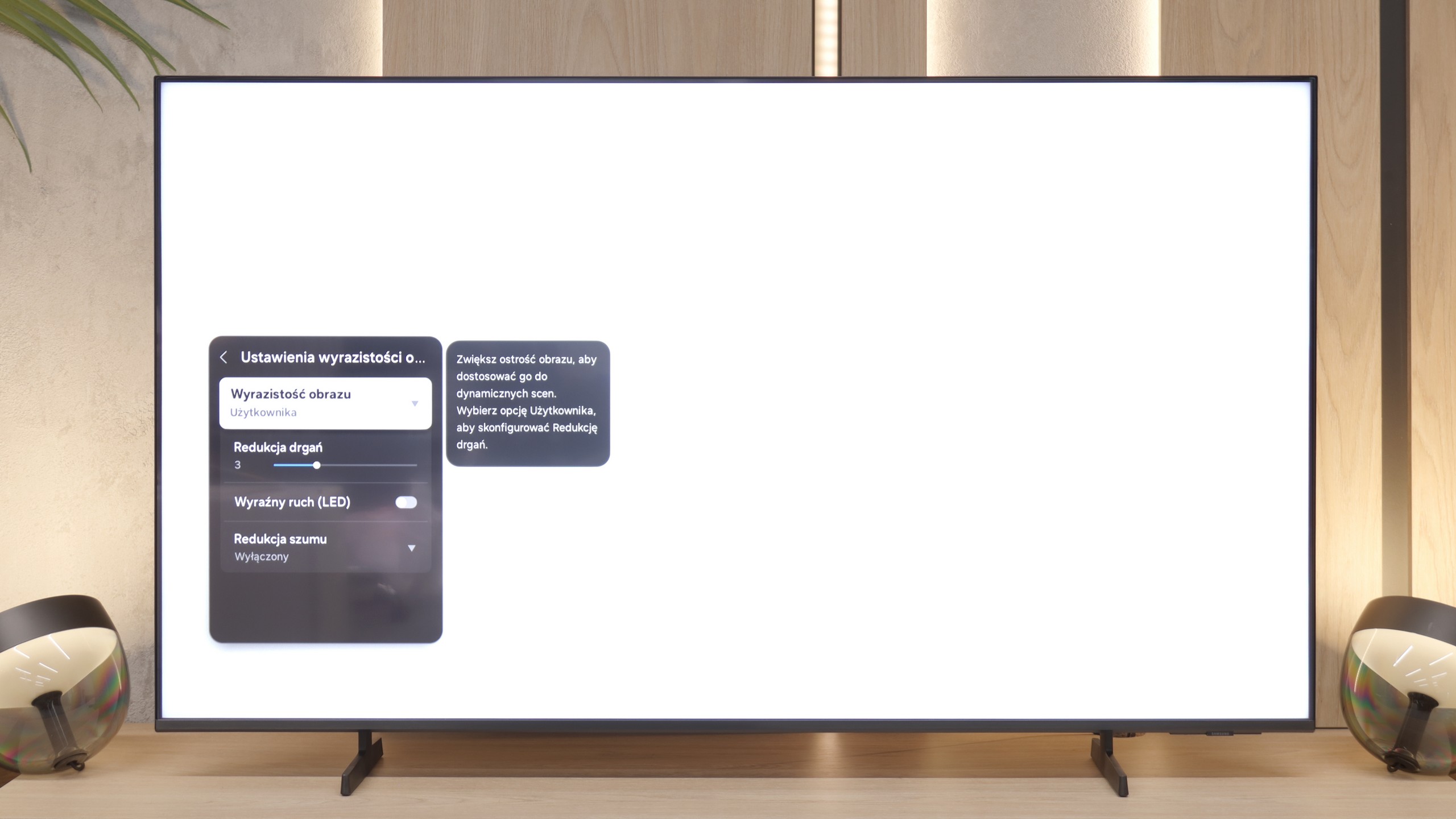
The situation is completely different when it comes to digital processing, which is the attempt to smooth the image from unwanted artifacts. Here, the TV completely fails. Although we find a function in the menu called "Noise Reduction", it yields no visible results regardless of the slider setting. The only thing it seems to do is introduce unwanted errors into the image. Despite its presence in the system, we definitely do not recommend using it.

Blur and motion smoothness

7.8/10

4.6/10

Maximum refresh rate of the panel
120Hz
60Hz
Film motion smoothing option
OK
OK
Blur reduction option
OK
No
BFI function 60Hz
Yes, 60Hz (image flickers)
BFI function 120Hz
Yes, 120Hz
-
Brightness drop with BFI
62%
49%

Blur (native resolution, maximum refresh rate):

Blur (BFI function enabled):

Image flickers in this mode

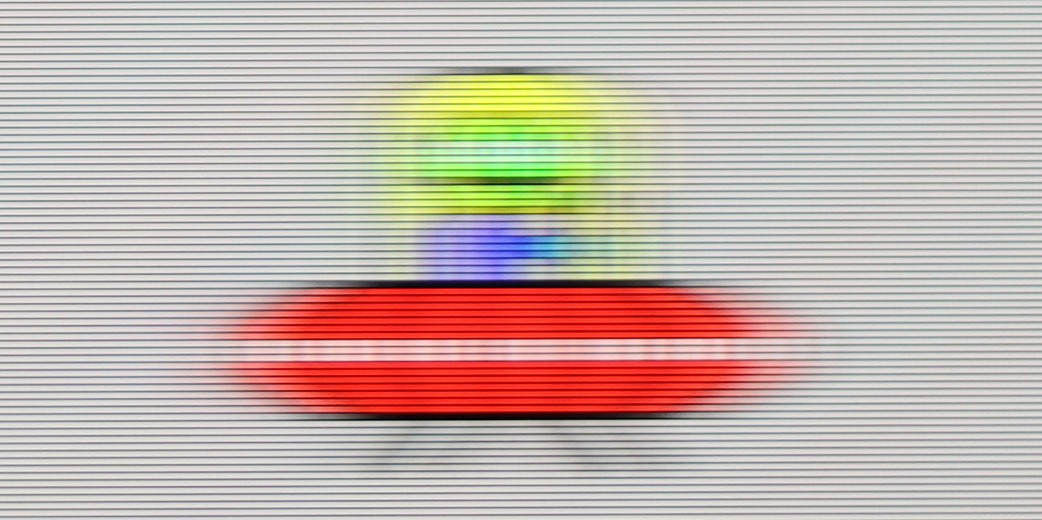
The LG QNED87T6B delivers decent motion smoothness, particularly with the "TruMotion" feature, which allows users to adjust motion smoothing on a scale from 0 to 10. The "De-Judder" setting helps regulate the smoothness of motion, while the "De-Blur" option enhances motion sharpness. This provides flexibility for users to choose between a more traditional cinematic effect with slight judder (lower settings) and a smoother, more theatrical image, which, while slightly deviating from the cinematic standard, can be appealing to many viewers.

For gamers and sports fans, the 120Hz panel ensures an immersive experience, while the IPS technology offers better response times compared to comparable VA panels at a similar price. This results in smoother gameplay and more dynamic viewing of fast-paced sports events, making the QNED87T6B an excellent choice for those seeking high-quality motion performance.

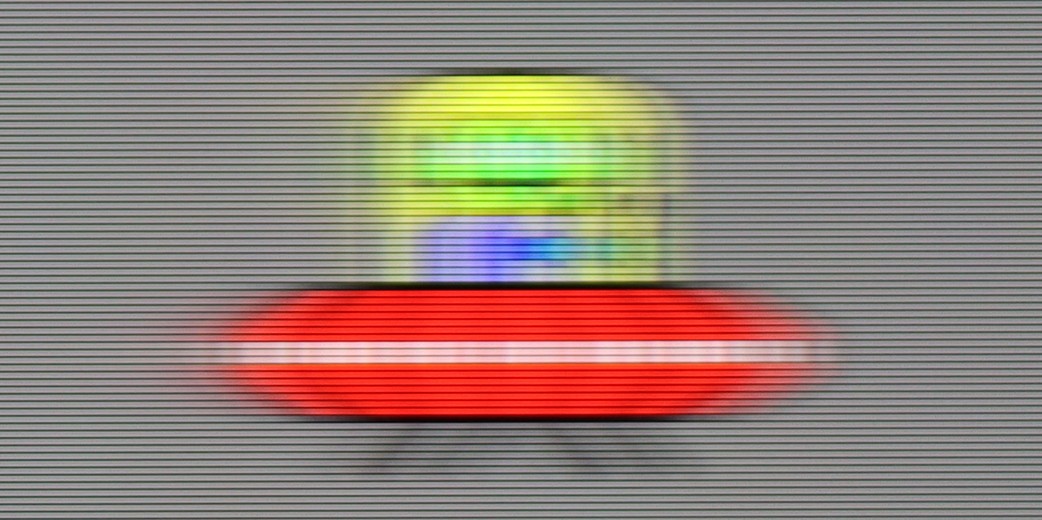
The 60 Hz panel in the Samsung Q6F is the standard in this price range, which makes it a rather average model for dynamic sports or gaming. However, in the case of movies, the TV performs quite well thanks to the smoothing feature. The "Motion Smoothing" option allows you to adjust the fluidity of motion to your own preferences – from maintaining a cinematic feel to full fluidity.

Console compatibility and gaming features

9.2/10

5.3/10

  • ALLM
    Yes
    Yes
  • VRR
    Yes
    Yes
  • VRR range
    48 - 120Hz
    48 - 60Hz
  • Dolby Vision Game Mode
    No
    No
  • Correct implementation of HGIG
    Yes
    Yes
  • 1080p@120Hz
    Yes
    No
  • 1440p@120Hz
    Yes
    No
  • 4K@120Hz
    Yes
    No
  • Game bar
    Yes
    No

The LG QNED87T6B is a top-tier choice for gamers seeking high-performance features. It is equipped with four HDMI 2.1 ports, allowing seamless connection to the latest consoles like the PlayStation 5 and Xbox Series X. This ensures full functionality, including support for Variable Refresh Rate (VRR) and Auto Low Latency Mode (ALLM), which provide a smoother and more responsive gaming experience. The Game Bar feature enables easy management of gaming settings, allowing users to adjust VRR, ALLM, Multi View, and monitor the frame rate without navigating complex menus.

Additionally, the TV supports G-Sync and FreeSync, which are crucial for gamers using Nvidia and AMD graphics cards. These technologies synchronize the TV's refresh rate with the graphics card, reducing screen tearing and stuttering. With a 120Hz panel, the LG QNED87 delivers exceptional motion smoothness and image clarity, while the Black Frame Insertion (BFI) feature, available at 60Hz and 120Hz, further enhances visual fluidity. Overall, the LG QNED87T6B meets the demands of even the most discerning gamers, offering a comprehensive range of features that elevate the gaming experience.

We won’t beat around the bush – the Q6F is not a television designed with gamers in mind. While it does have features like ALLM (Auto Low Latency Mode) and VRR frame synchronization for consoles, the list of benefits pretty much ends there. Besides these basics, the TV offers nothing more that might satisfy those who spend a lot of time in front of a console. It’s a real shame that such a useful tool as Game Bar is missing here, which in Samsung’s higher models allows for quick control of game parameters. In terms of gaming, this is an absolutely basic model and is only suitable for "casual" gamers.

Input lag

9.9/10

10/10

SDR

1080p60
15 ms
11 ms
1080p120
6 ms
2160p60
15 ms
11 ms
2160p120
6 ms

HDR

2160p60
14 ms
11 ms
2160p120
5 ms
4320p60

Dolby Vision

2160p60 DV
2160p120 DV

The LG QNED offers extremely low input lag, making it ideal for smooth and responsive gaming. At 120Hz, the input lag stays under 6 ms, while at 60Hz, it peaks at 15 ms. These results ensure that player reactions are almost immediately reflected on the screen, providing a seamless gaming experience with minimal delay. This makes the TV a strong choice for gamers who need precision and fluid motion, especially in fast-paced games.

As a consolation for the modest list of features for gamers, it's worth adding that the Q6F has absolutely no issues with input lag. The response to controller movements is instantaneous, and the television does not introduce any additional delays regardless of the resolution we are currently playing in. In this respect, the controls are very precise and comfortable, which is a significant advantage in this class of equipment.

Compatibility with PC

7.6/10

6/10

Chroma 444 (max. resolution and refresh rate)
Yes
Yes
Font clarity
Very Good
Very Good
Readability of dark text and shapes
Very Good
Very Good
Input lag in PC mode (4K, max. refresh rate)
6ms
11ms
Matrix subpixel arrangement
RGB
BGR
Max refresh rate
120Hz
60Hz
G-Sync
Yes
No

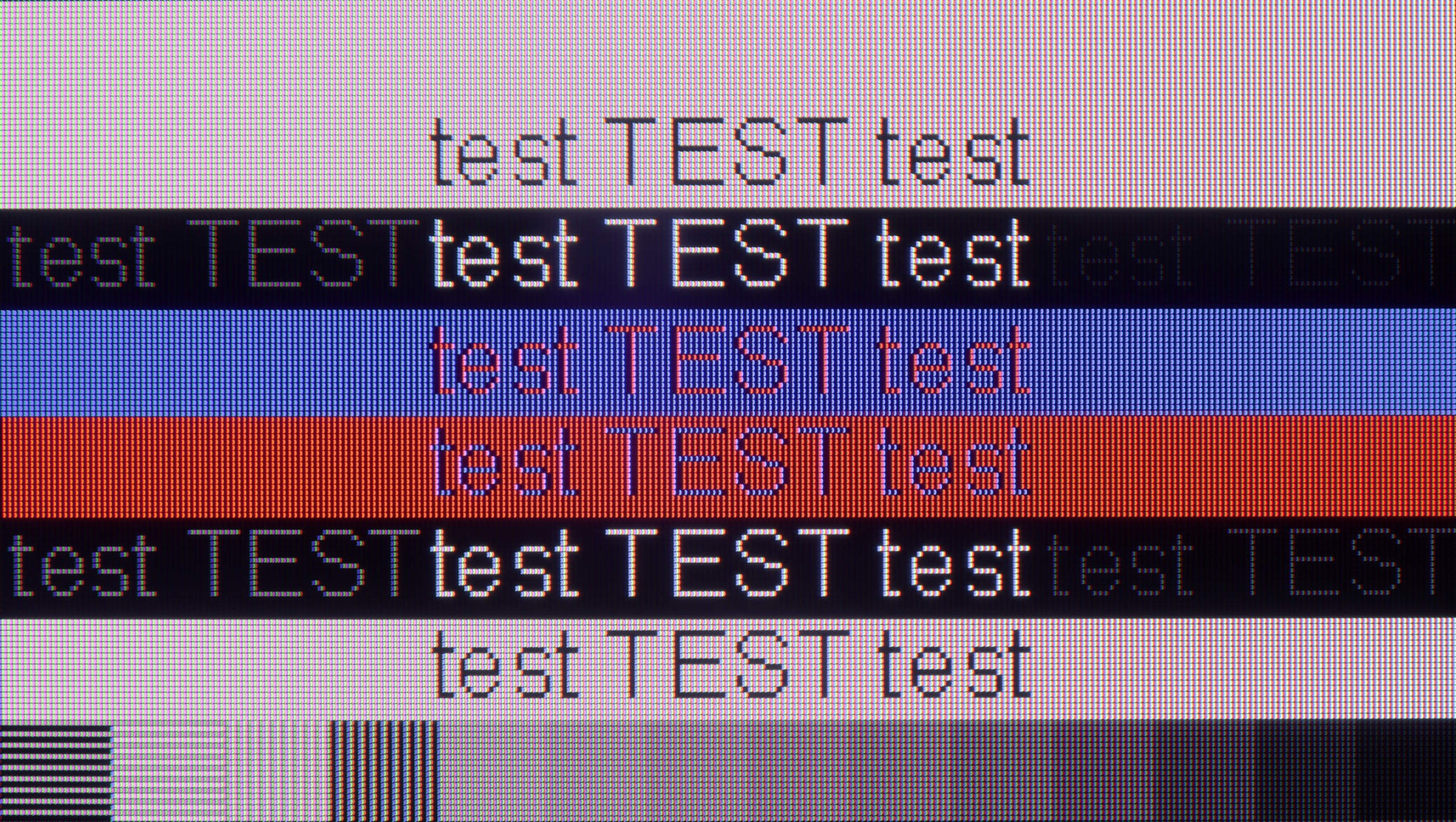
The photo shows the legibility of small fonts. Ideally, lines should be the same thickness on both light and dark text, with minimal pixel gaps.

The LG QNED TV excels when used with a computer, offering excellent font readability and a comfortable browsing experience, regardless of the background. The 120Hz refresh rate ensures a smooth and crisp image, making it an ideal choice for those seeking a large monitor with impressive fluidity. Combining a spacious display with high performance, it provides a truly enjoyable experience for work and content consumption.

Although the Q6F is not a screen specifically designed for PC gaming, it deserves praise for how it handles displaying fonts. As a monitor for text work, browsing websites, or daily news reading, the television performs exceptionally well. The readability of text is at a very high level, thanks to the proper implementation of the Chroma 4:4:4 signal and the use of an IPS panel. If you are looking for a budget-friendly, large screen for office work, the Q6F holds up quite well in this regard. Especially since Samsung offers very good integration with the Windows system and built-in Microsoft Office tools.

Viewing angles

7.1/10

5.6/10

Brightness drop at an angle of 45 degrees
59%
78%

The LG QNED87 performs well in terms of viewing angles, thanks to its IPS panel, which provides wider angles compared to VA panels. The image remains clear without significant quality loss, even when viewed from an angle. While it may not match OLED TVs in maintaining colour and brightness at all angles, the QNED87 excels within the LCD category, making it an excellent choice for larger rooms with multiple viewing positions.

Viewing angles are one of the better aspects of the Q6F model, which is directly attributed to the use of an IPS panel. They are much better than those found in televisions based on VA panels. As a result, the image viewed at an angle remains clear and does not become "washed out" or faded. However, it is worth noting that although the colors look really good, the brightness drop at a larger angle is quite noticeable. Nevertheless, this is a solid performance for those who do not always sit directly in front of the screen.

Daytime performance

4.8/10

1.8/10

Panel finish
Satin
Satin
Reflection suppression
Poor
Average
Black levels during daytime
Good
Good

Panel brightness

Samsung Q6F (IPS): 125 cd/m2

LG QNED87T6B: 428 cd/m2

The LG QNED performs adequately during the day, thanks to its satin panel and a brightness level of 430 nits. While the panel doesn't suppress reflections very well, which can be noticeable in bright rooms, the image remains readable and visible. Though reflections can be somewhat distracting, the overall brightness ensures a comfortable viewing experience in daylight.

There’s not much to say – aside from the satin coating of the panel, which dampens reflections only moderately, the Q6F is such a dark device that it’s not suitable even for moderately lit rooms. A brightness level of around 150 nits is simply astronomically low by today’s standards. With such a result, any larger light source in the room will make the picture hard to read. This is definitely not a model for a sunlit living room.

Panel details

Backlight Type
QLED
QLED
Software version during testing
03.11.10
T-KSU2EFDEUC-0090-1110.7
Image processor

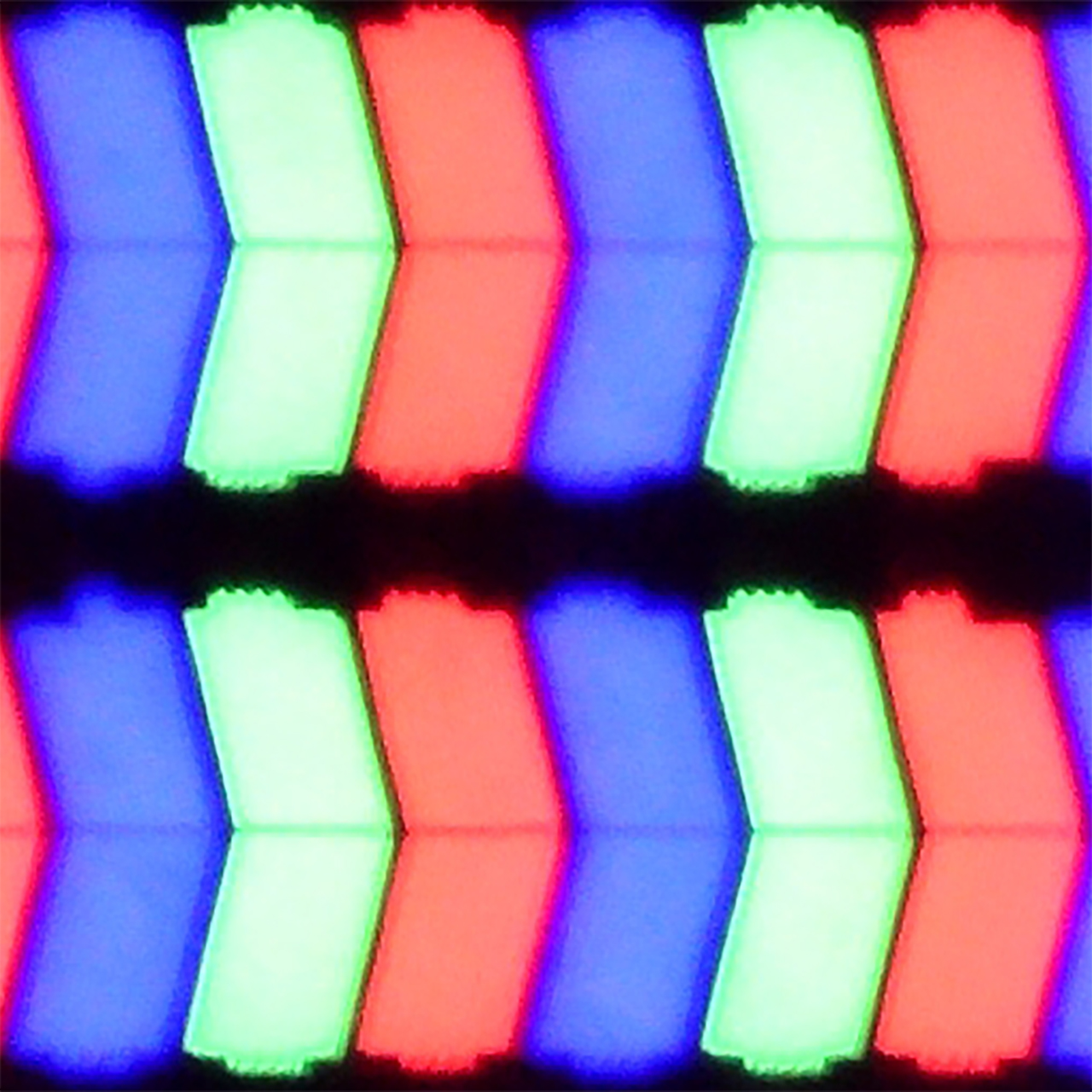
Subpixel Structure:

Panel uniformity and thermal imaging:

Review LG QNED87T6B TV Panel details
Review Samsung Q6F (IPS) TV Panel details

LG QNED87T6B

Samsung Q6F (IPS)

TV features

8.8/10

5.9/10

  • HDMI inputs
    0 x HDMI 2.0, 4 x HDMI 2.1 48Gbps
    3 x HDMI 2.0, 0 x HDMI 2.1
  • Outputs
    Toslink (Optical audio), eARC (HDMI), ARC (HDMI)
    eARC (HDMI), ARC (HDMI)
  • Network Interfaces
    Wi-Fi 2.4GHz, Wi-Fi 5GHz, Ethernet (LAN) 100Mbps
    Wi-Fi 2.4GHz, Wi-Fi 5GHz, Ethernet (LAN) 100Mbps
  • TV reception
    DVB-T, DVB-T2, DVB-S, DVB-S2, DVB-C
    DVB-T, DVB-T2, DVB-S, DVB-S2, DVB-C

Classic features:

  • Recording to USB (terrestrial TV)
    Yes
    No
  • Recording programming
    Yes
    No
  • Picture in Picture (PiP)
    Yes
    No
  • RF remote control (no need to aim)
    Yes
    No
  • Backlit remote control
    No
    No
  • Teletext
    Yes
    Yes
  • Audio only mode
    Yes
    Yes
  • Bluetooth headphones support
    Yes
    Yes
  • Simultaneous Bluetooth headphones & TV audio
    Yes
    Yes

Smart features:

  • AirPlay
    Yes
    Yes
  • Screen mirroring (Windows Miracast)
    Yes
    Yes
  • Voice search
    Yes
    No
  • Voice search in native language
    Yes
    No
  • Ability to connect a keyboard and mouse
    Yes
    Yes
Review LG QNED87T6B TV features
Review Samsung Q6F (IPS) TV features

The LG QNED87 television offers a range of features that greatly enhance user comfort. The WebOS system stands out for its user-friendly interface, complemented by the Magic Remote with a built-in gyroscope, making navigation intuitive and quick. WebOS also supports smart features like AirPlay for easy content streaming from Apple devices and a variety of streaming apps such as Netflix, YouTube, and Amazon Prime Video. The TV also includes USB recording for saving favourite programs and a PIP (Picture-in-Picture) function for viewing two programs simultaneously. Additionally, Bluetooth connectivity allows for easy connection of devices like mice, keyboards, or headphones, offering greater versatility. With these features, the LG QNED87 is a versatile, convenient device that meets the needs of demanding users.

It's really cool that in Samsung TVs – even the most budget-friendly ones – the Tizen system just "doesn't slow down." The speed of operation, while not on par with the most expensive models, is definitely better than in the case of Google TV at a similar price. Thanks to Tizen, we have access to a truly vast library of applications, AirPlay, and other Smart TV features.

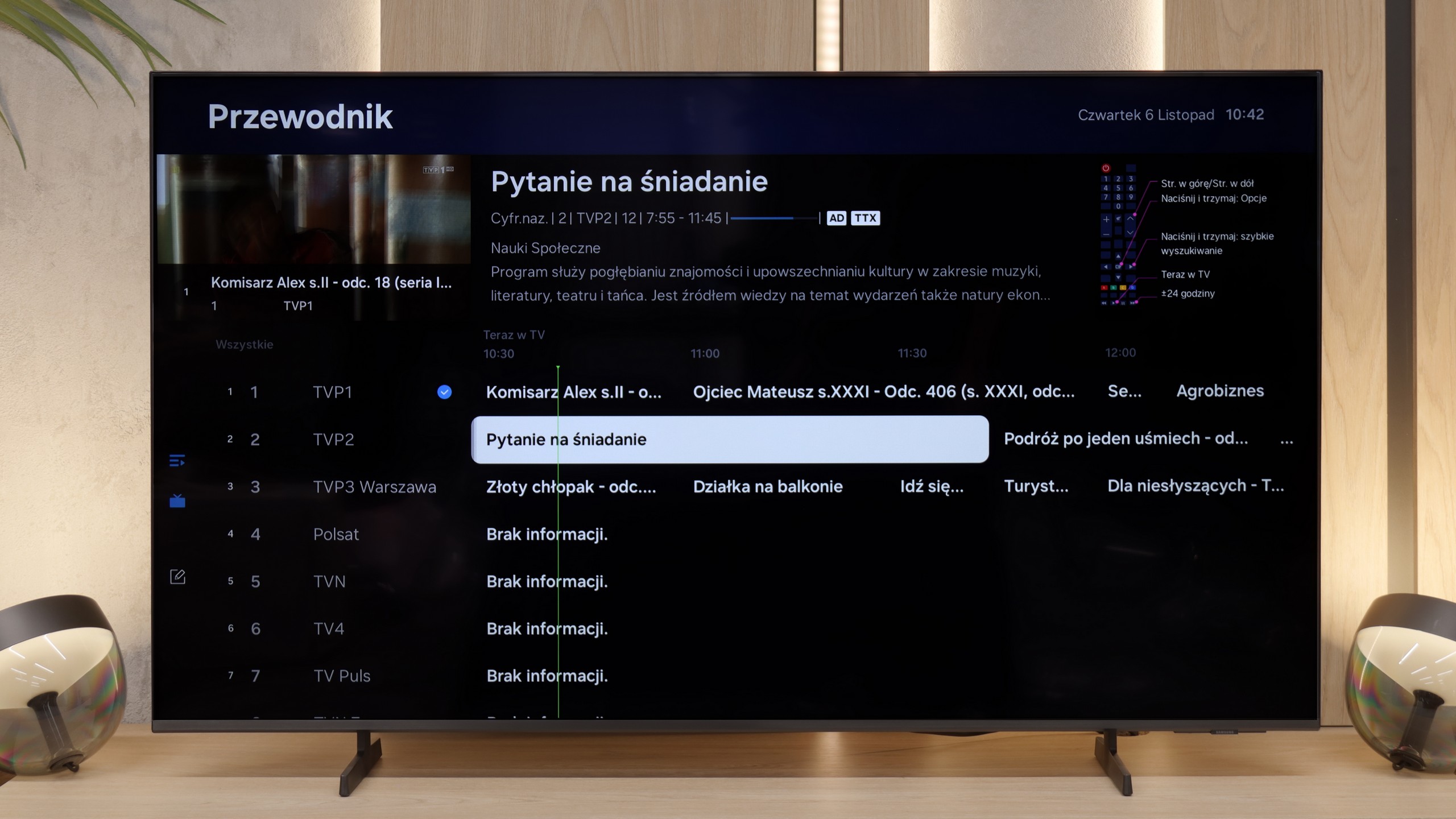
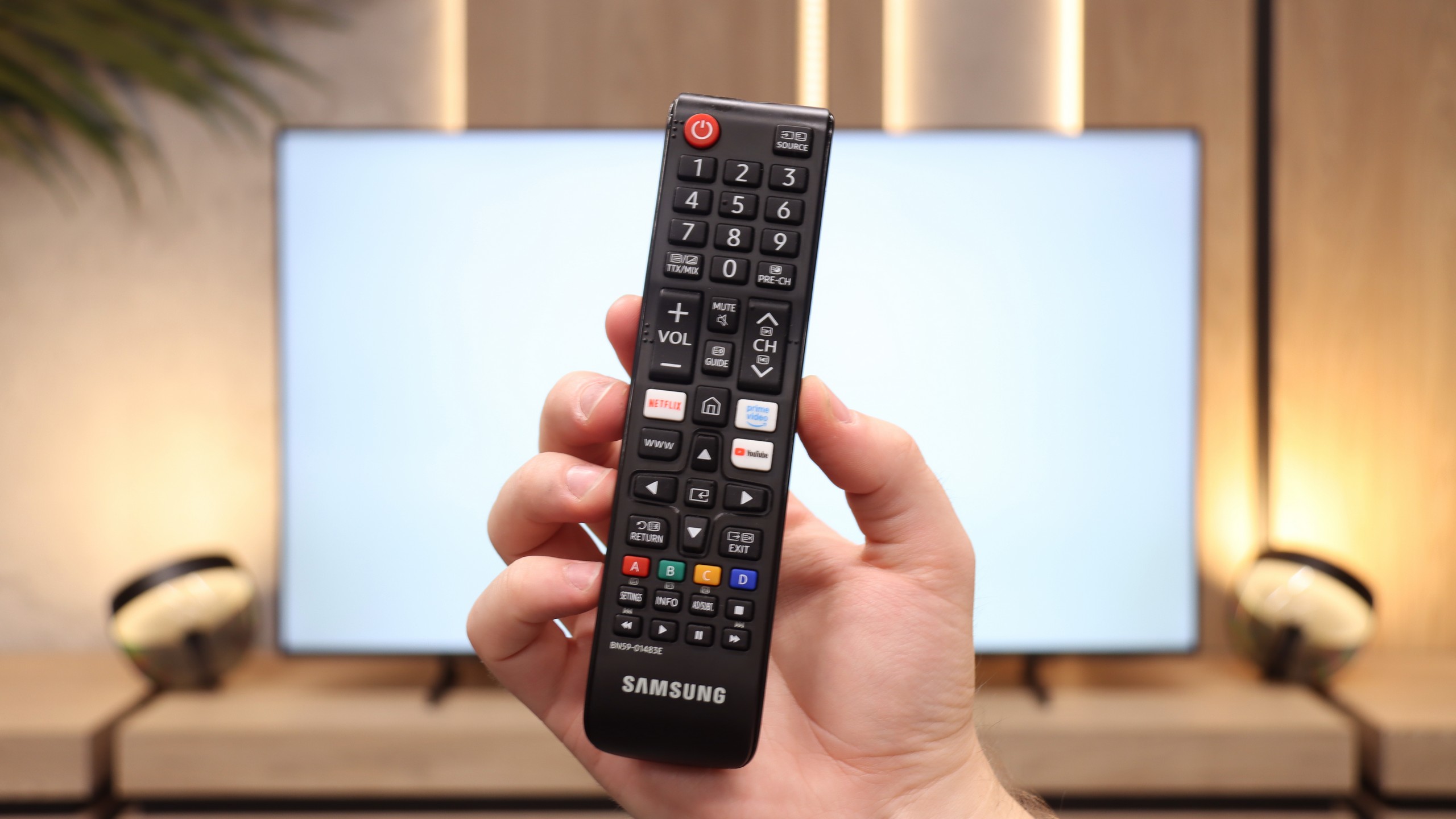
It's worth mentioning that the remote that comes with the Q6F is an older, yet somewhat modernized version of the classic Samsung infrared controller, equipped with a full numeric keypad. Even though it operates on infrared, it has a lot of buttons, which may appeal to older users watching traditional television – it simply makes channel switching easier. We will also find a clear EPG interface, teletext, and support for Bluetooth headphones. It sounds a bit like a senior's dream come true, and there really is something to it.

However, we must note a serious lack in terms of connections: this model does not have an optical output for audio devices. Only the HDMI eARC port is available, which can be quite a hindrance if we have an external audio system.

Apps

8.3/10

9.3/10

OK
Disney_Plus
OK
Amazon_Prime_Video
OK
Player_TVN
OK
Polsat_Box_Go
OK
Canal_Plus_Online
OK
TVP_VOD
OK
Apple_TV_Plus
OK
SkyShowtime
OK
Rakuten
OK
CDA_Premium_Browser
OK
Spotify
OK
Tidal
OK
Netflix
OK
YouTube
No
HBO_MAX
No
Kodi
OK
Apple_music
No
Eleven_sports
OK
Xbox Game Pass
OK
GeForce Now!
OK
Amazon Luna
OK
Boosteroid
No
Steam Link
OK
Disney_Plus
OK
Amazon_Prime_Video
OK
Player_TVN
OK
Polsat_Box_Go
OK
Canal_Plus_Online
OK
TVP_VOD
OK
Apple_TV_Plus
OK
SkyShowtime
OK
Rakuten
OK
CDA_Premium_Browser
OK
Spotify
No
Tidal
OK
Netflix
OK
YouTube
OK
HBO_MAX
No
Kodi
OK
Apple_music
OK
Eleven_sports
OK
Xbox Game Pass
OK
GeForce Now!
OK
Amazon Luna
OK
Boosteroid
No
Steam Link

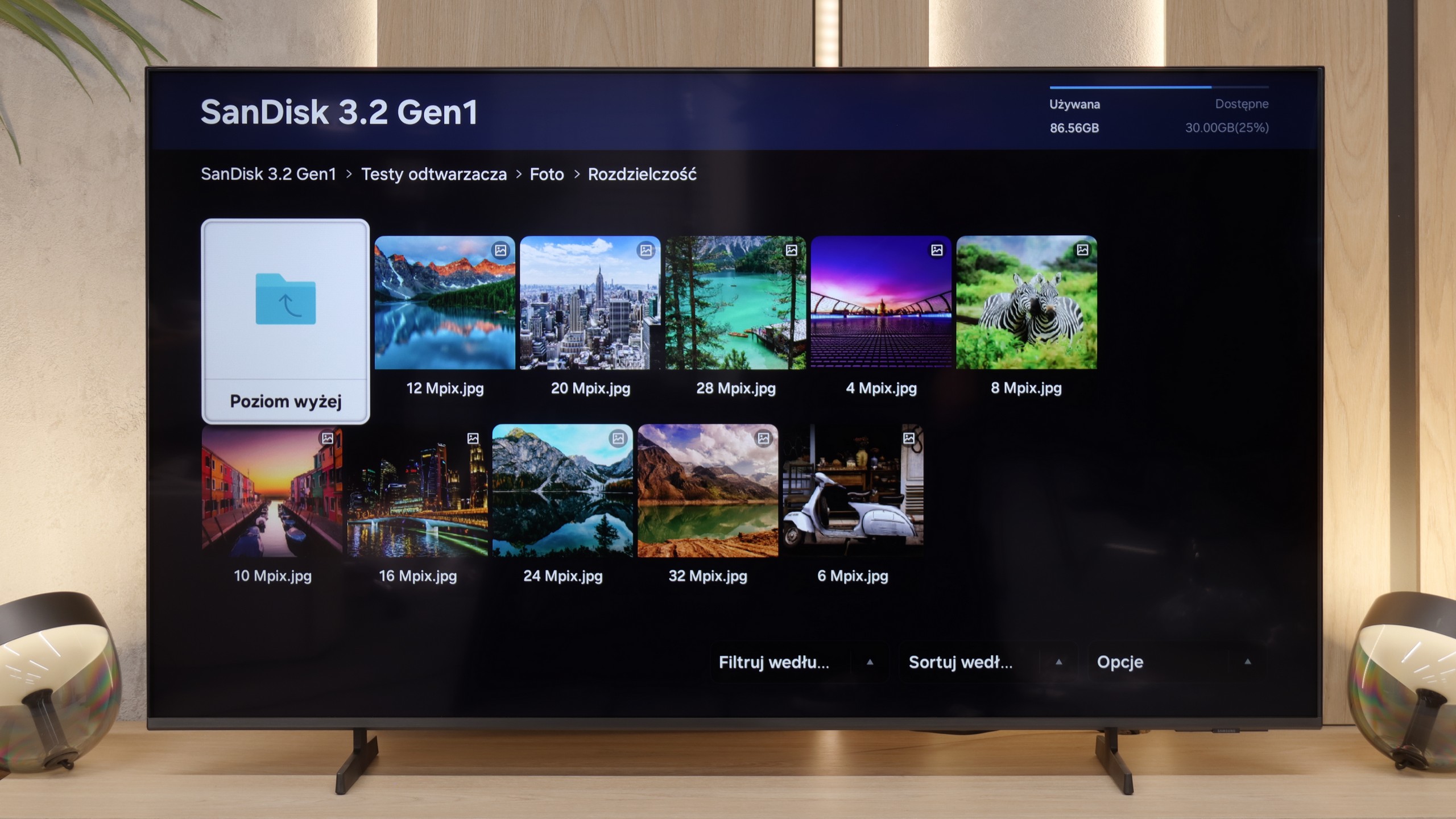
Playing files from USB

8.2/10

9.3/10

Supported photo formats:

JPEG
Yes
Yes
HEIC
No
Yes
PNG
Yes
Yes
GIF
No
No
WebP
No
No
TIFF
No
No
BMP
No
Yes
SVG
No
No

Maximum photo resolution:

4 Mpix
Yes
Yes
6 Mpix
Yes
Yes
8 Mpix
Yes
Yes
10 Mpix
Yes
Yes
12 Mpix
Yes
Yes
16 Mpix
Yes
Yes
20 Mpix
No
Yes
24 Mpix
No
Yes
28 Mpix
No
Yes
32 Mpix
Yes
Yes

The built-in media player in the LG QNED87 television offers impressive capabilities for playing video and audio files. It supports a wide range of popular formats, ensuring versatility and ease of use. The main drawback is the limited support for certain less common photo formats, but this is unlikely to affect most users. For everyday use and typical multimedia formats, the player performs excellently, meeting the needs of most viewers.

When it comes to multimedia support from external sources, the Samsung Q6F performs exceptionally well, especially considering that we are dealing with a closed system. The television has no issues with most popular video, audio, or image formats (EVEN HEIC!). The media player operates stably and quickly loads content from USB drives or network servers. It is a solid device for browsing your own movie archives or home photo galleries.

Sound

6/10

5.8/10

  • Maximum volume
    -
    -
  • Dolby Digital Plus 7.1
    Yes
    Yes
  • Dolby True HD 7.1
    No
    No
  • Dolby Atmos in Dolby Digital Plus (JOC)
    Yes
    Yes
  • Dolby Atmos in Dolby True HD
    No
    No
  • DTS:X in DTS-HD MA
    Yes
    No
  • DTS-HD Master Audio
    Yes
    No

When it comes to sound, the Samsung Q6F plays... well, flat. At the same time, however, the sound is clear and loud enough that it is perfectly suitable for listening to the news or regular television. The voices of the narrators are understandable and don’t fade into the background. However, if someone cares about at least decent experiences while watching movies, we definitely recommend purchasing a soundbar. Even the cheapest model from the Korean manufacturer's offering will make a huge difference here and save the situation.

Sound Quality Test

No sound test video

Acoustic Measurements

No acoustic data

0dBC (Max)

75dBC