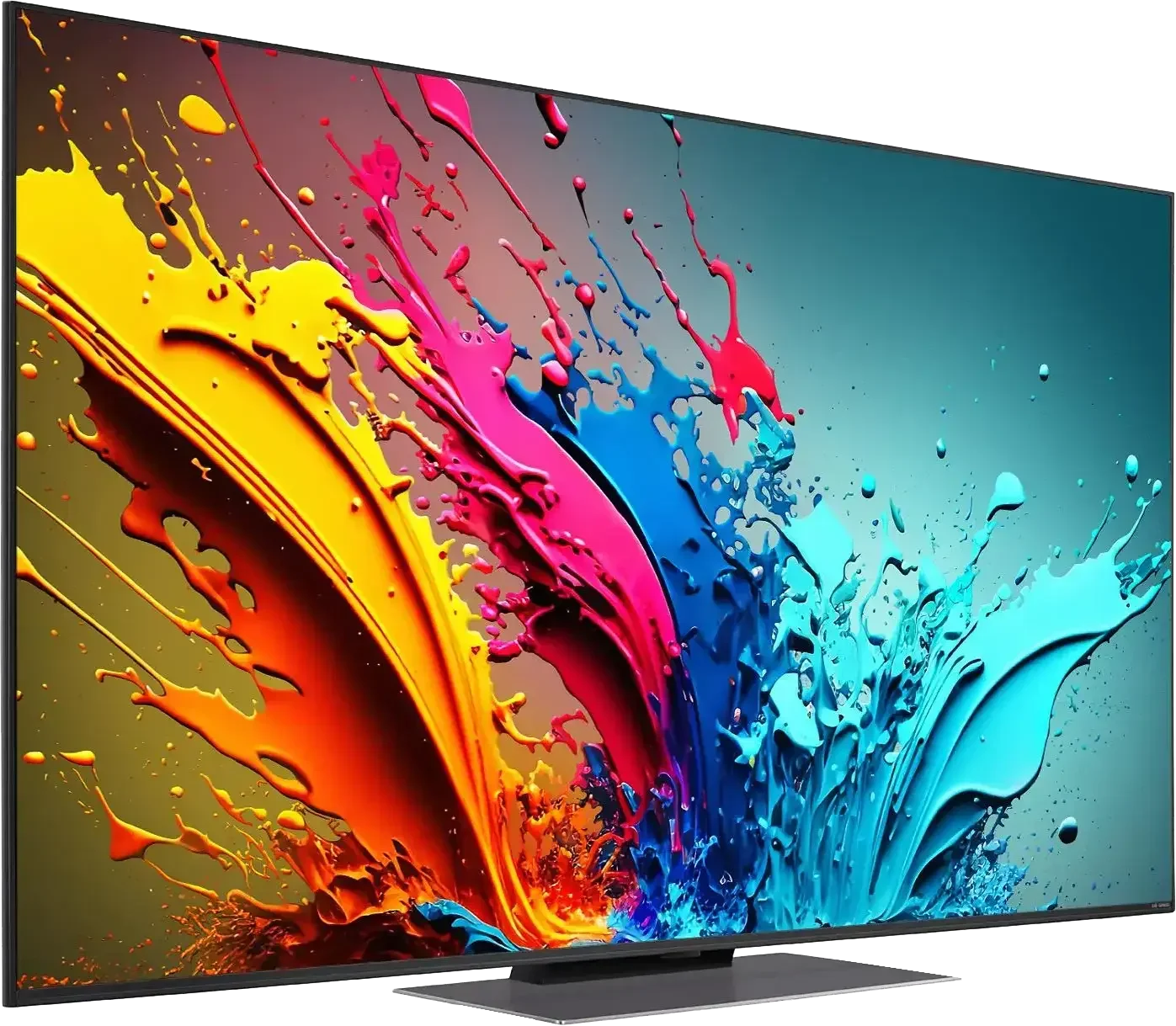
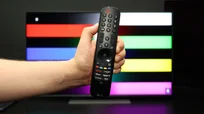
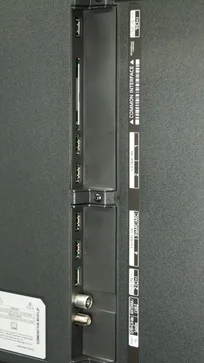
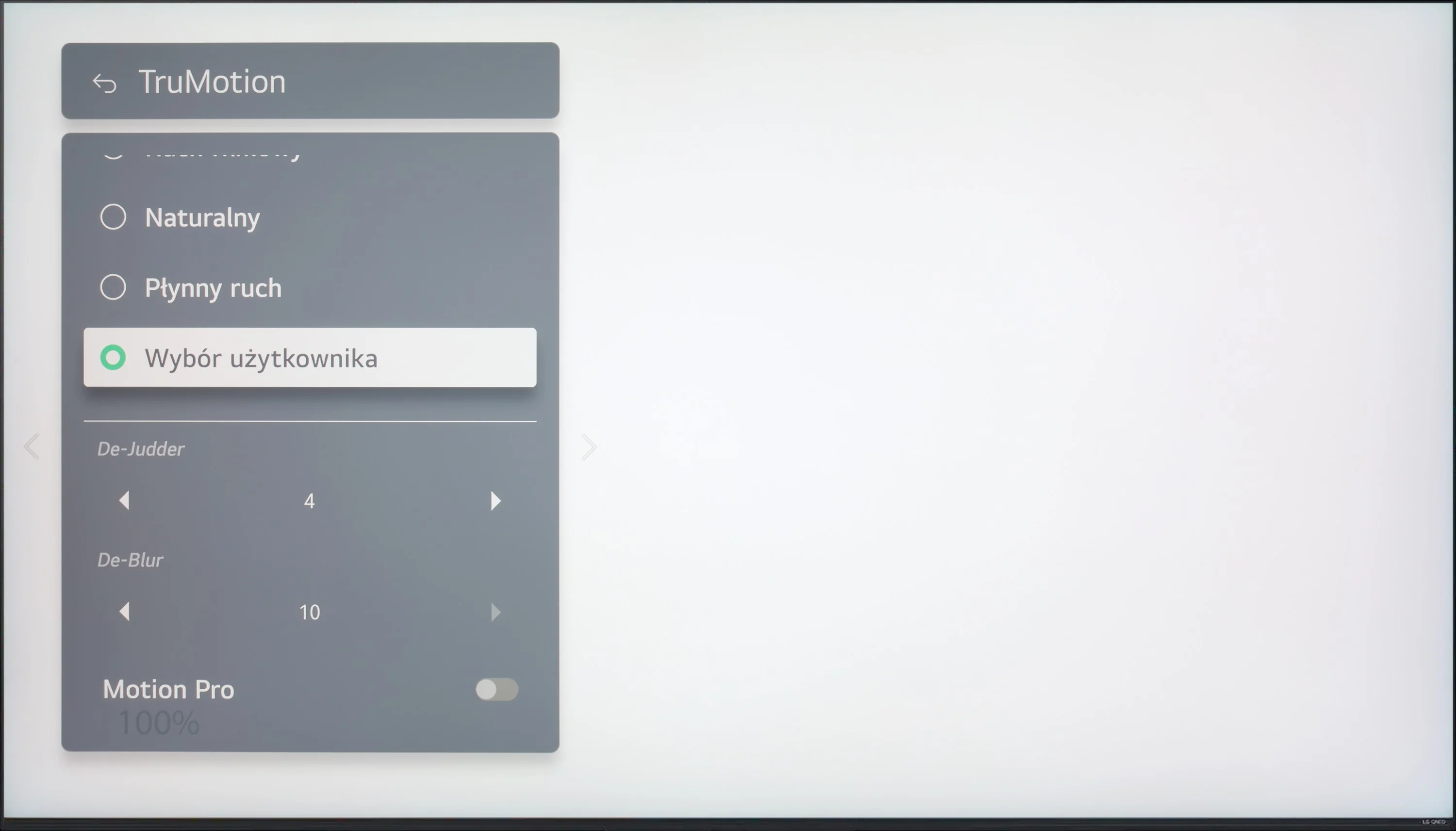
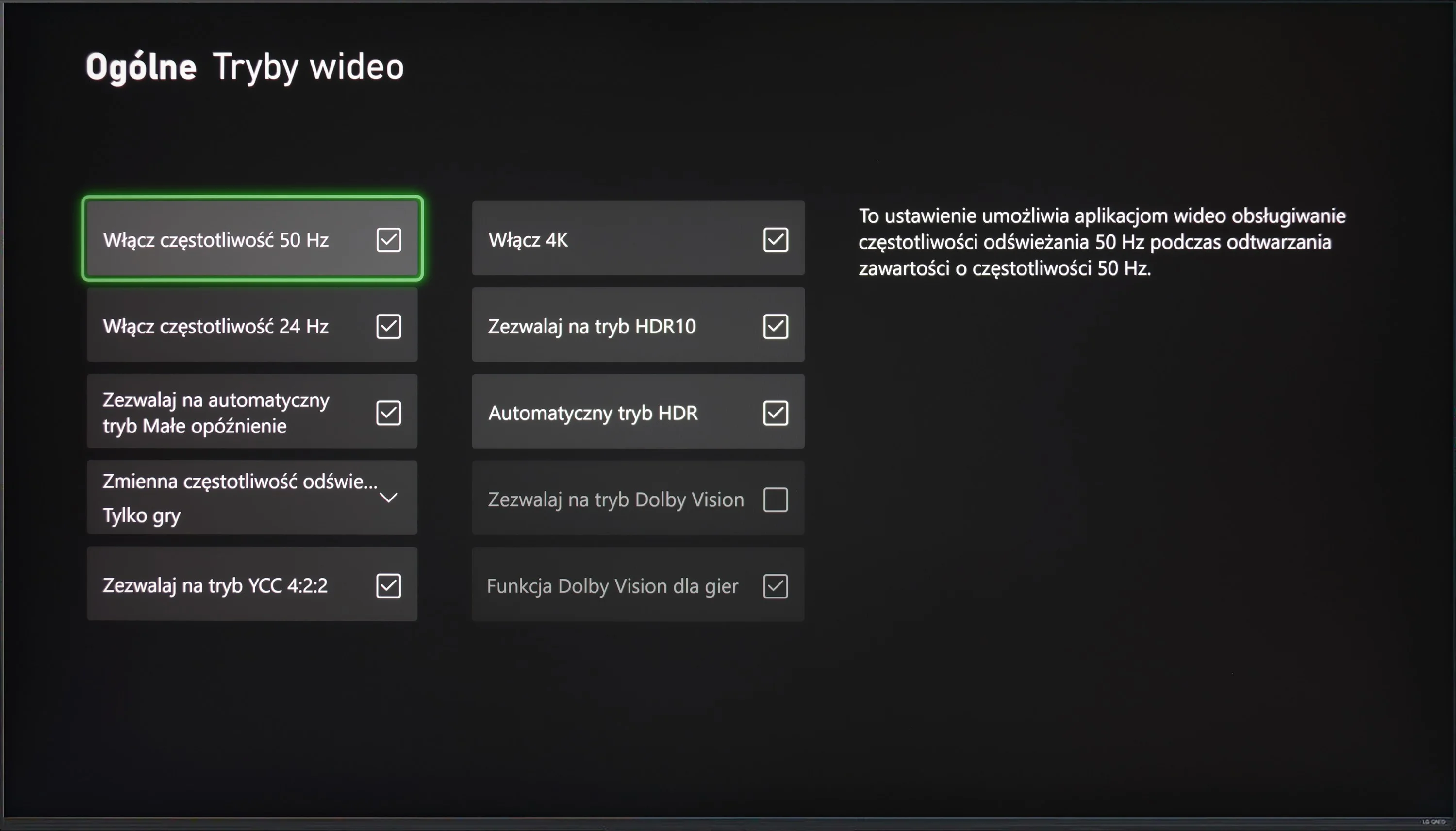
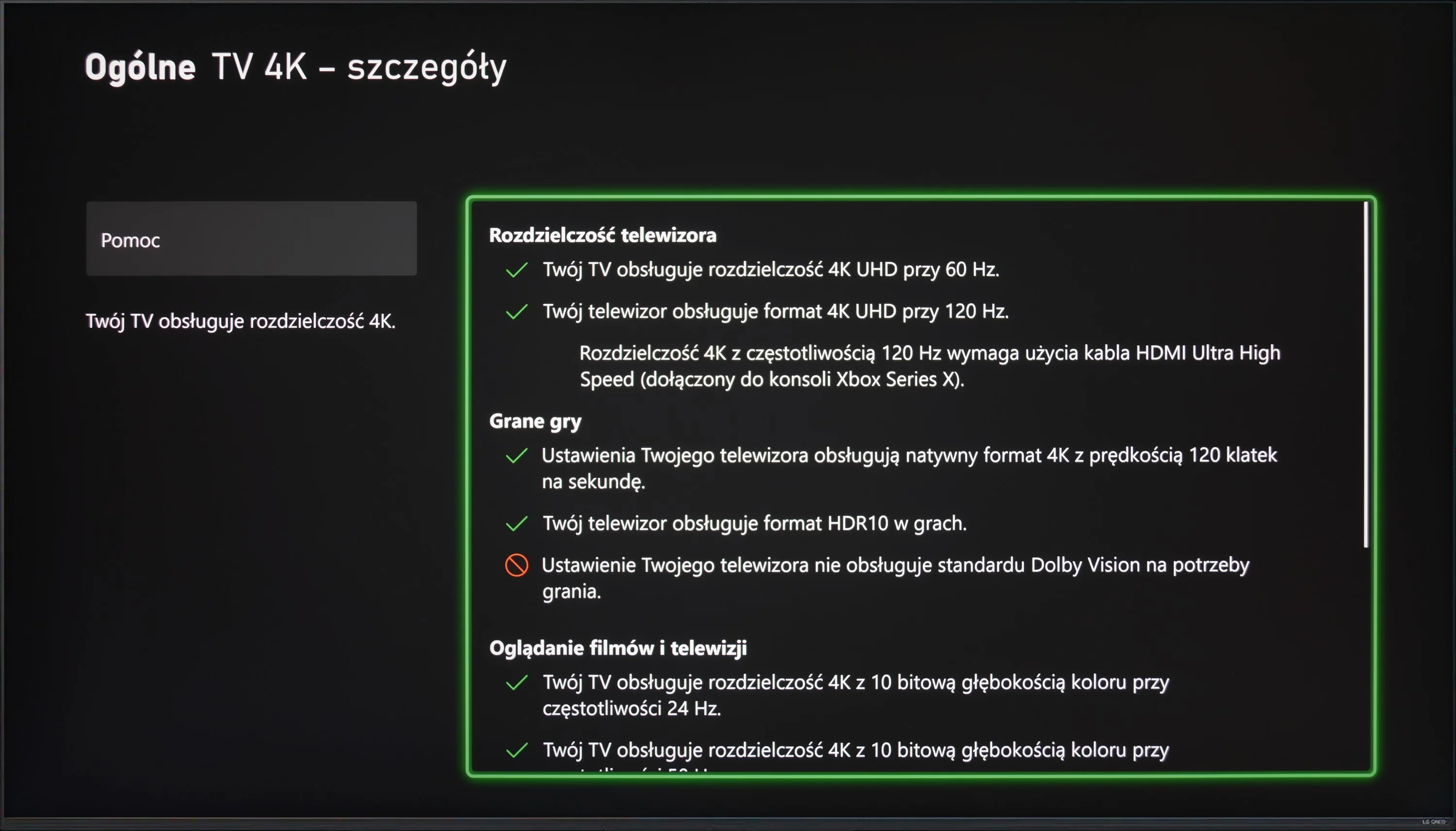
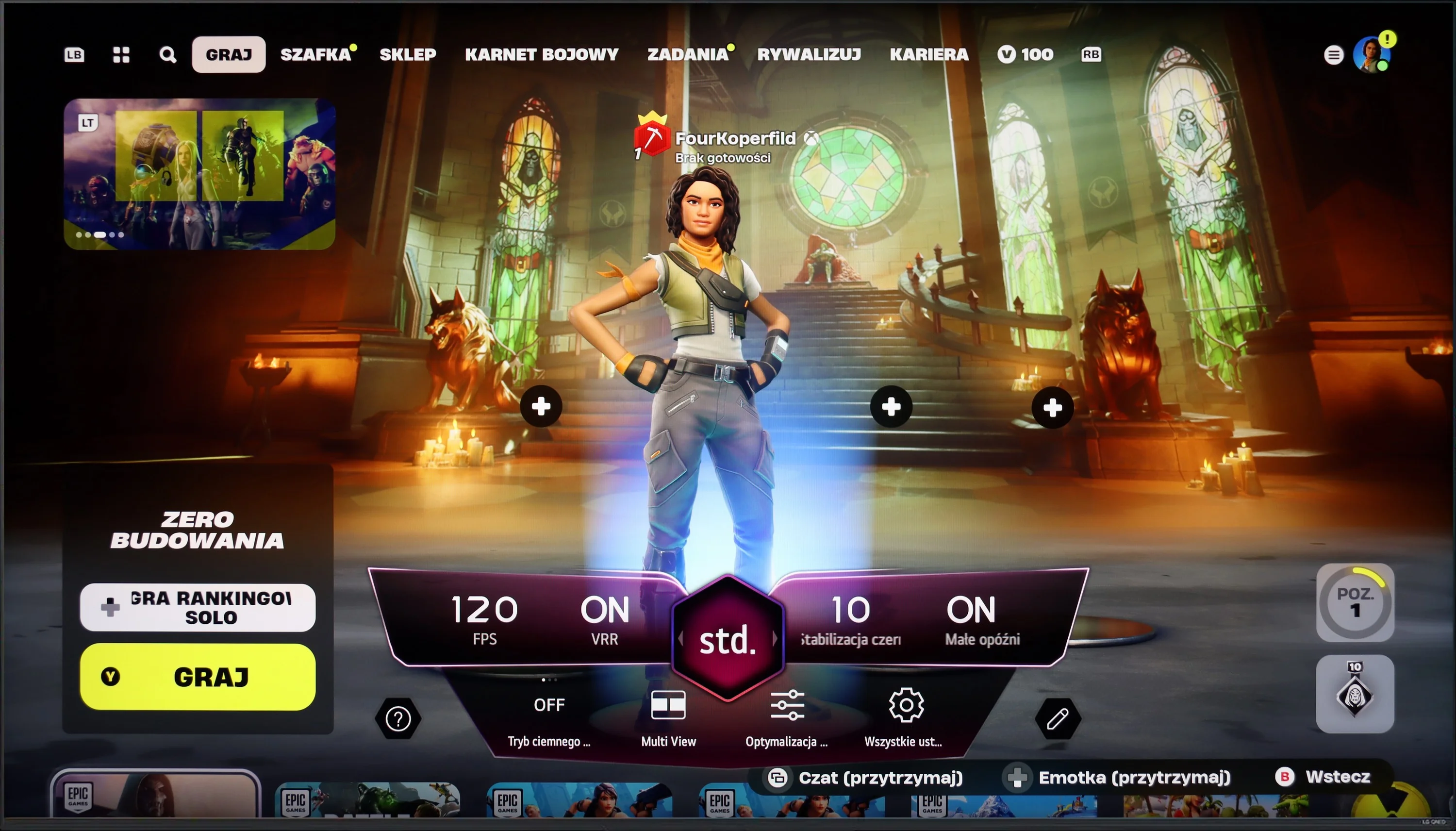
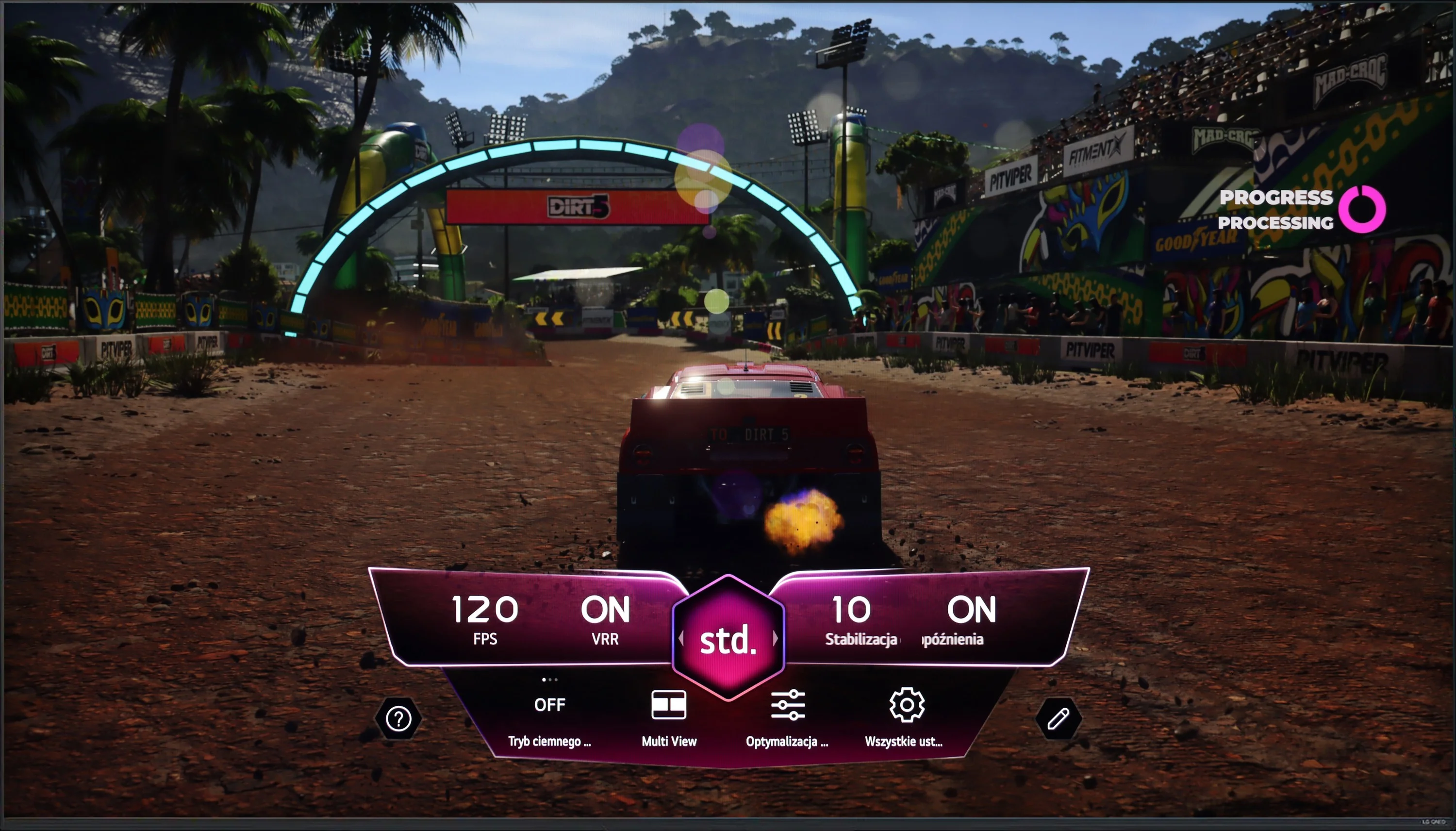
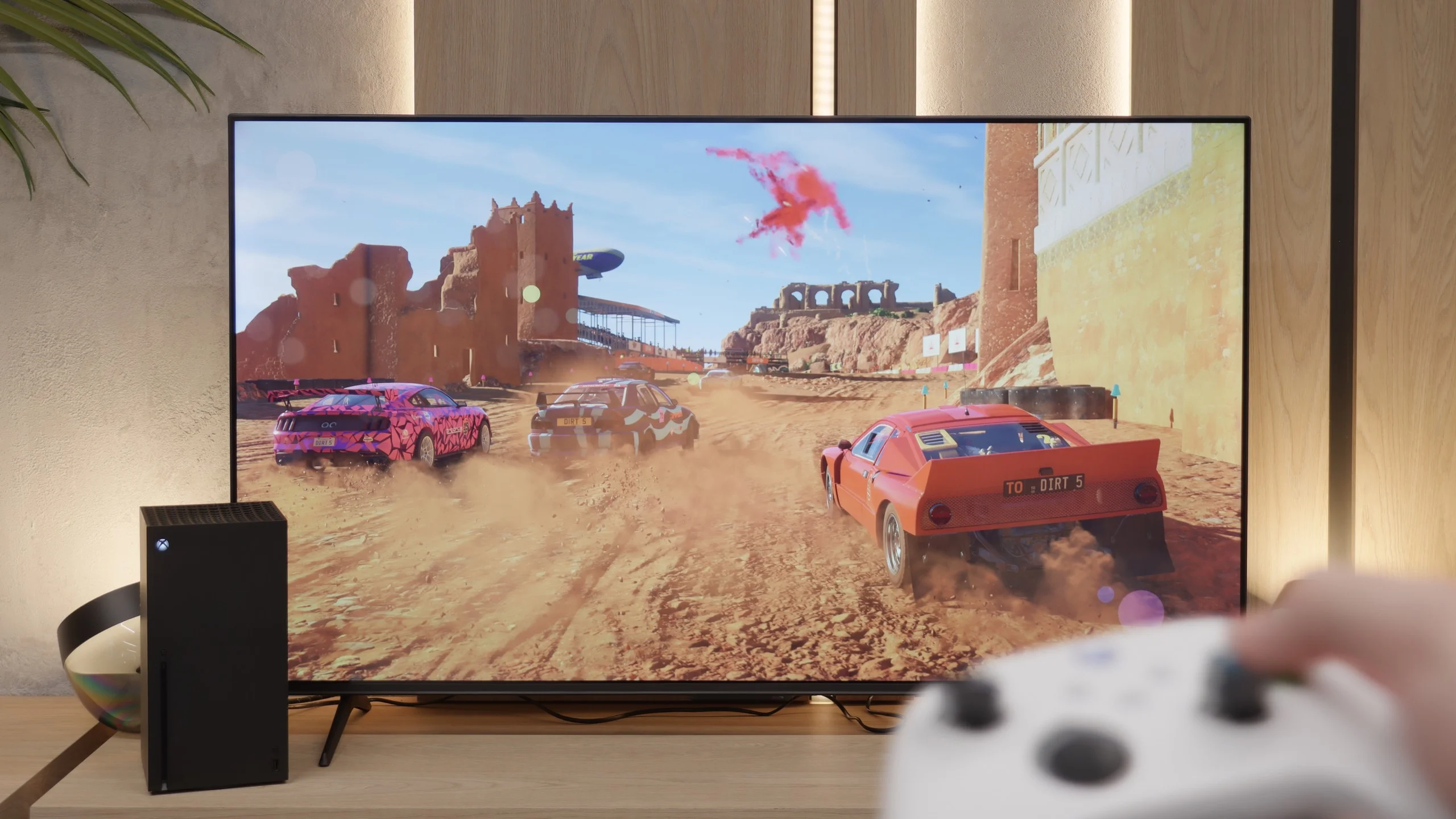
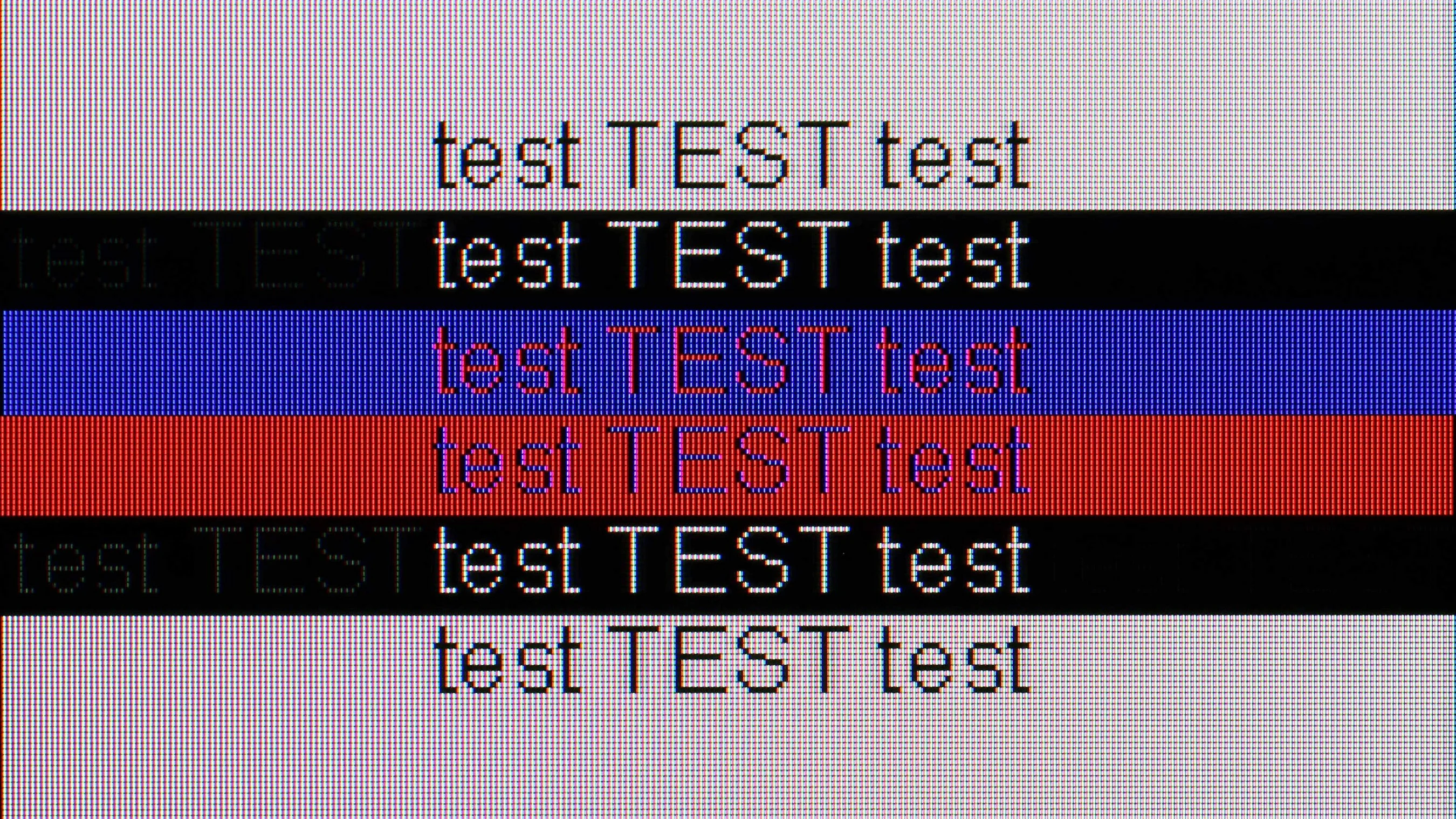
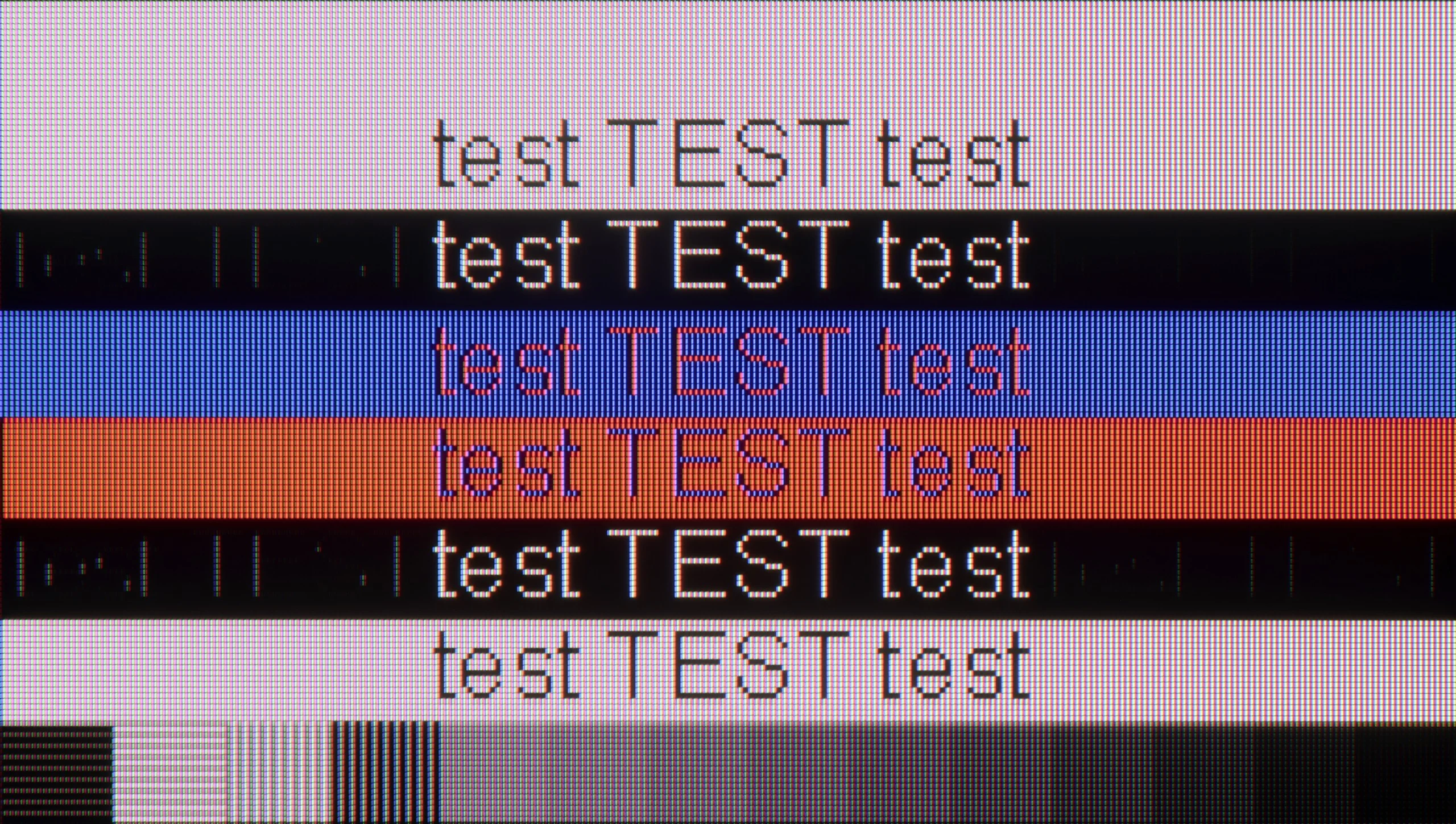
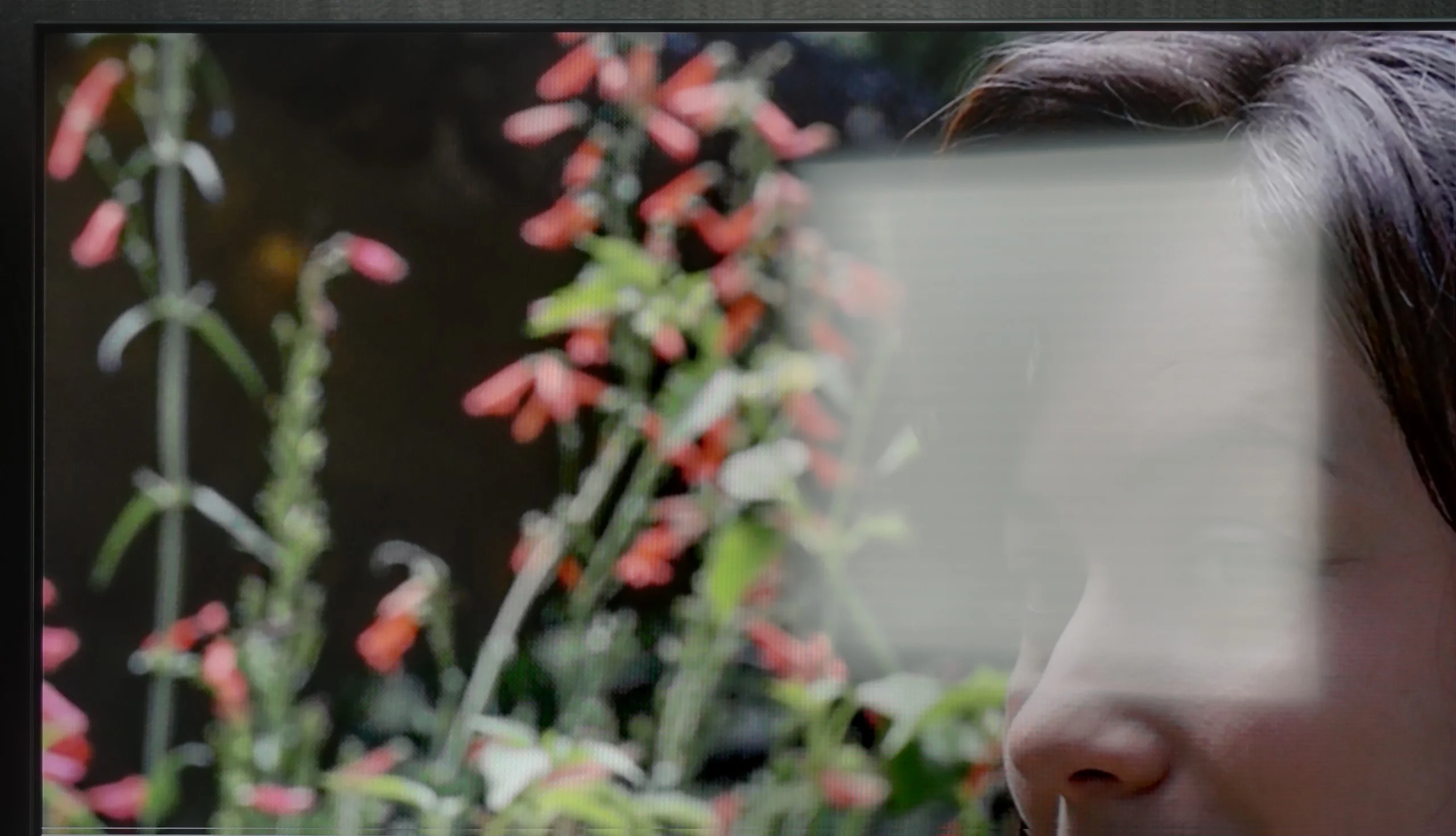
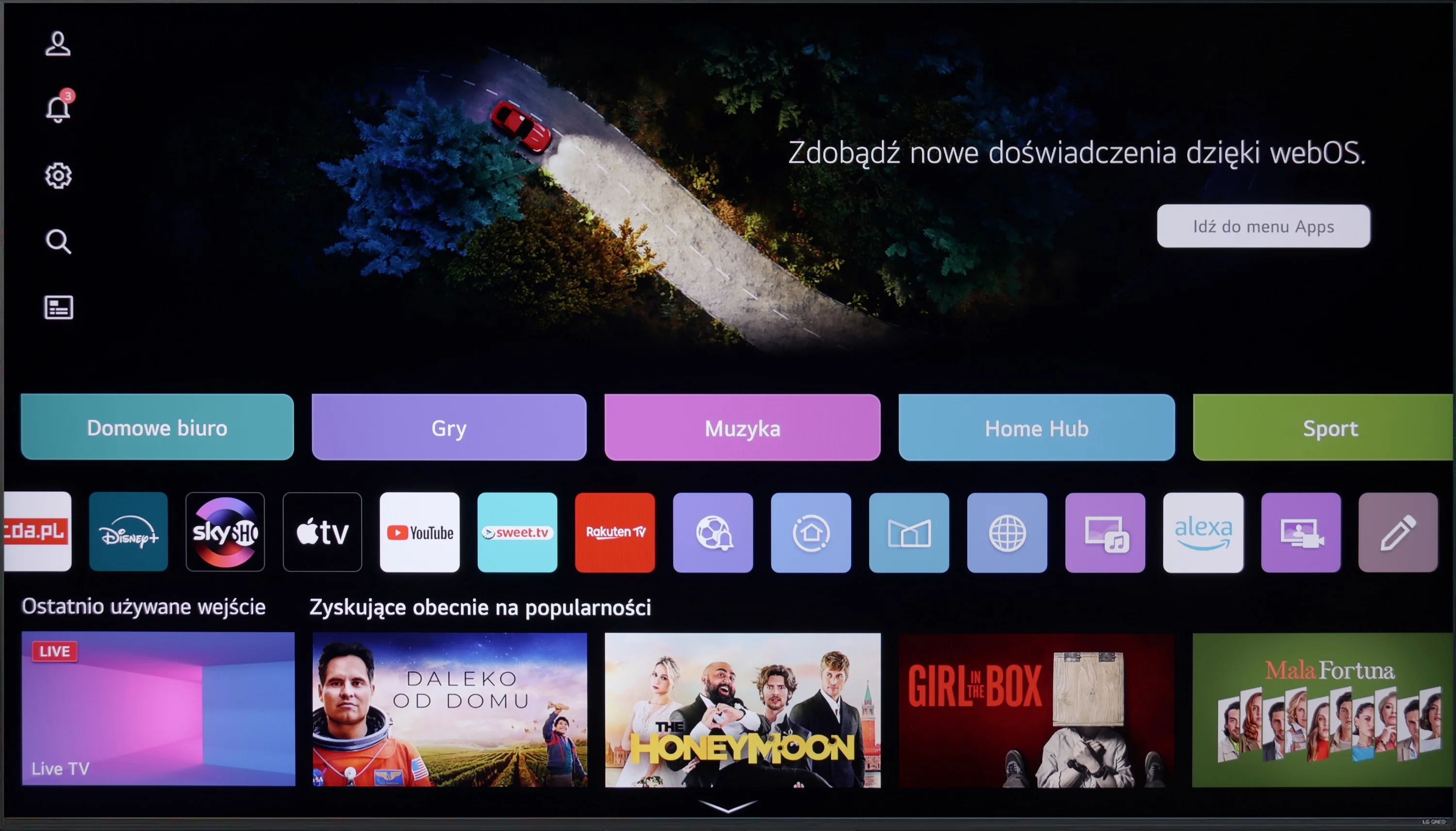
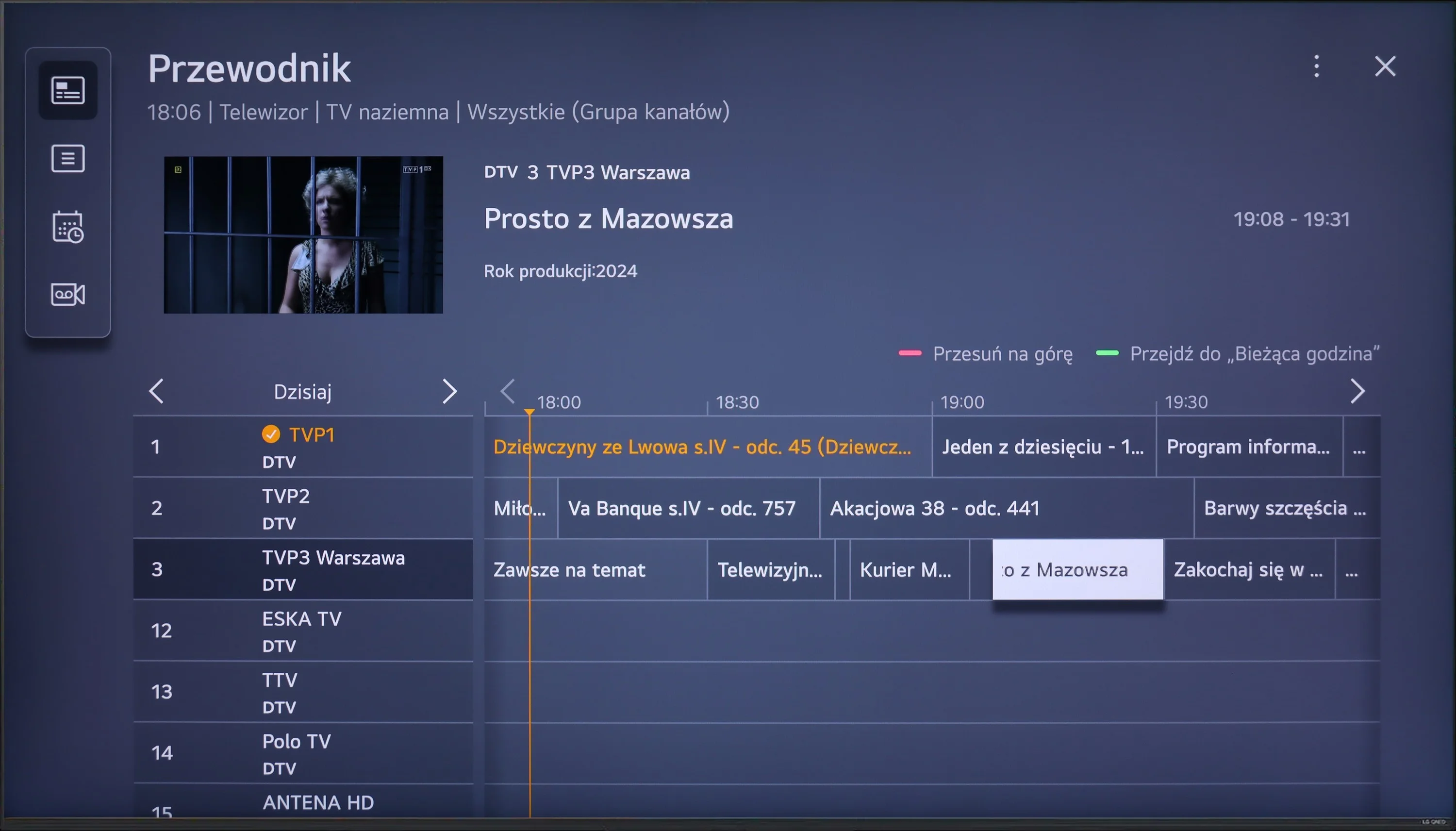
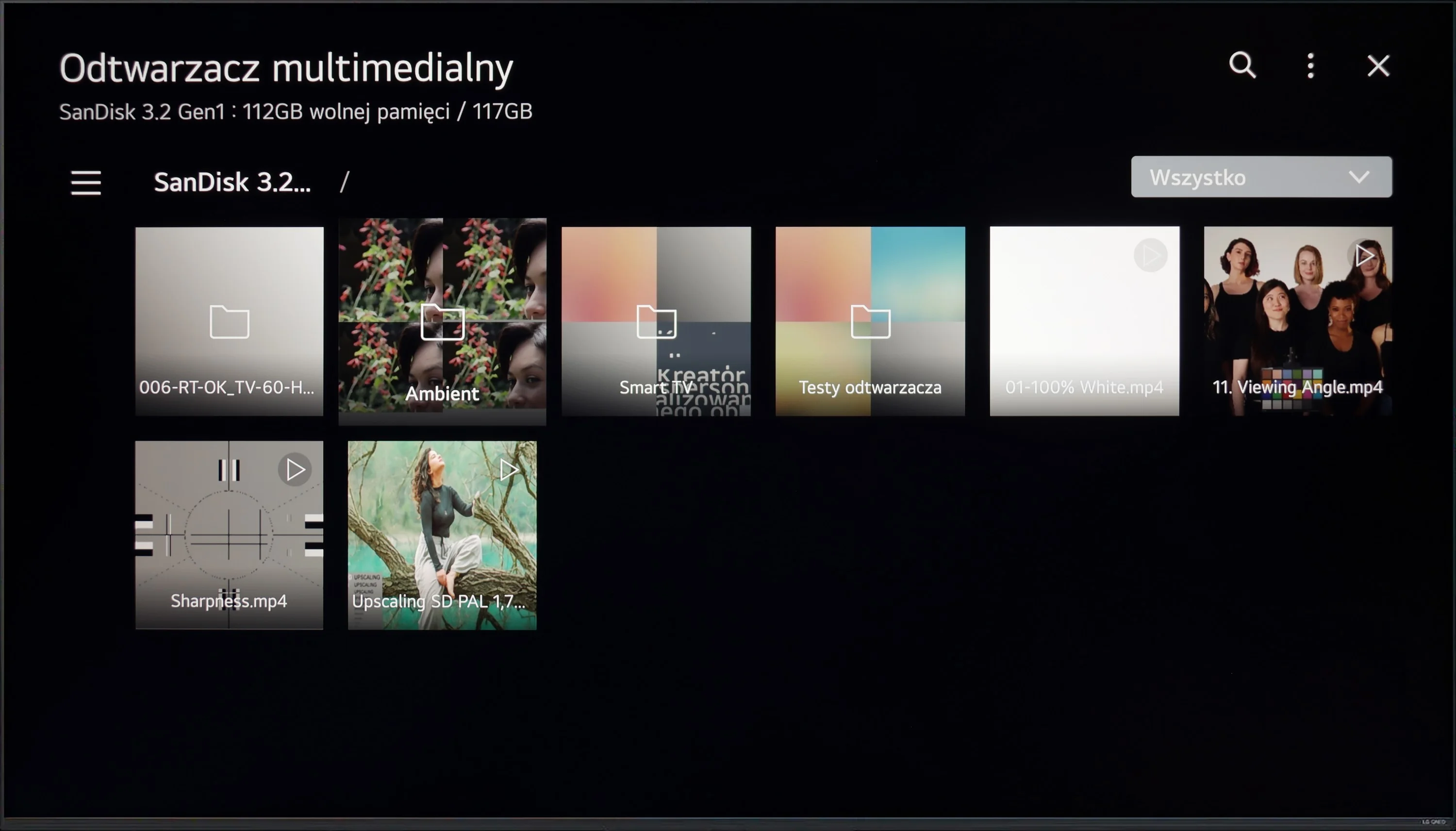
The LG QNED87T is a unique offering in the TV market, excelling in several key areas. Its excellent compatibility with consoles and PCs, along with impressive motion fluidity, makes it an appealing choice for gamers. The 120Hz panel, VRR, and ALLM ensure smooth and responsive gameplay, making it ideal for fast-paced games and sports viewing. The WebOS system, paired with the Magic Remote control, enhances daily convenience, providing an intuitive interface and access to a wide range of apps like Netflix, YouTube, and Amazon Prime Video.
The TV's IPS panel offers wide viewing angles, ensuring good image quality even from side seats, which is perfect for group viewing. Features like USB recording, PIP (Picture-in-Picture), and Bluetooth connectivity improve user experience and convenience.
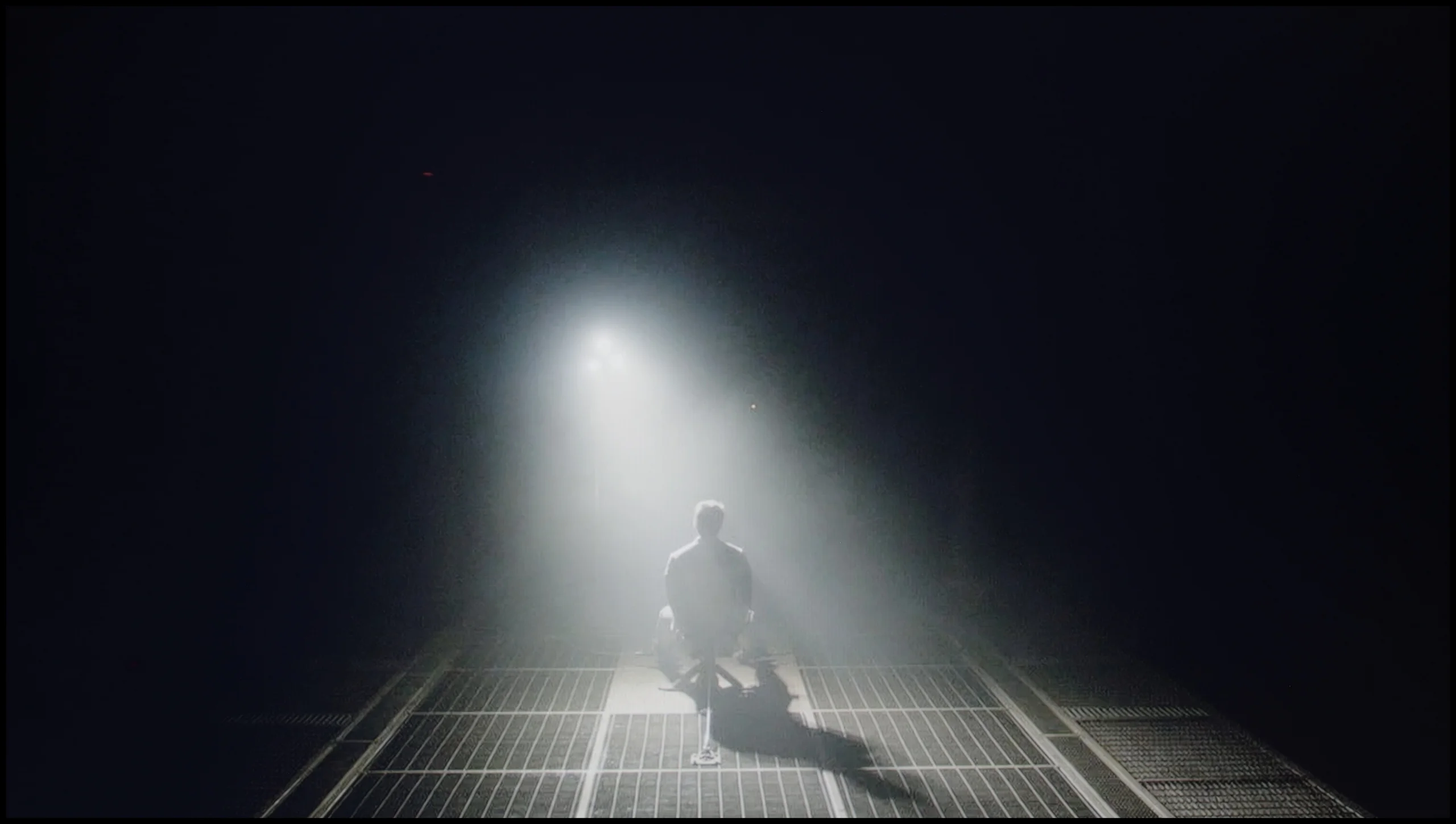
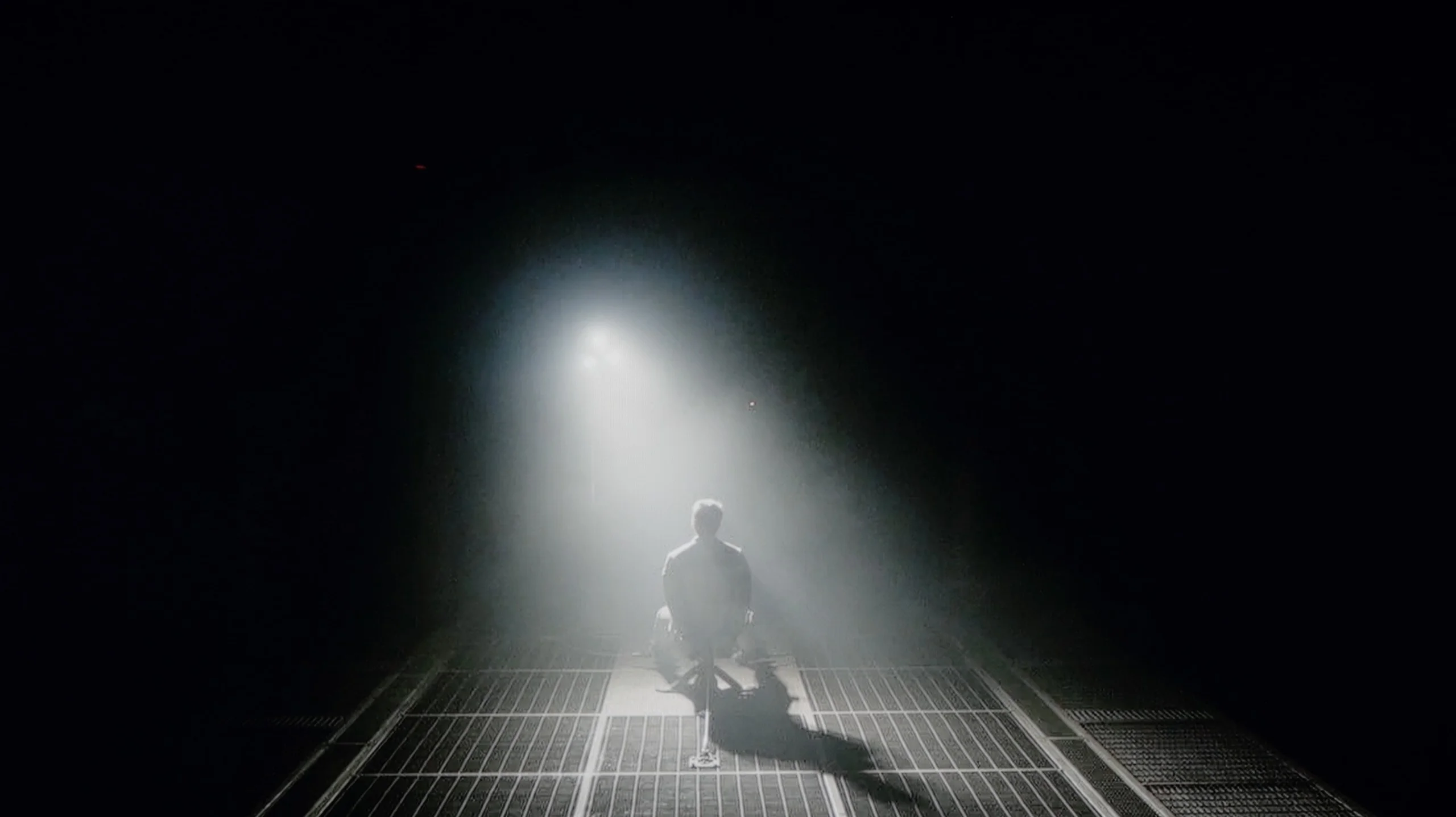
However, the LG QNED87T does have some limitations when it comes to high-quality content and home cinema use. Its contrast performance is weaker, and panel dimming issues can result in a lack of detail in dark scenes, particularly in low-light settings. While this may be less noticeable in bright or well-lit rooms, those seeking superior performance in dark environments may find these weaknesses more apparent.
Overall, the LG QNED87T is a versatile TV with modern features, making it a great option for everyday use and dynamic content, but it might not be the best choice for cinephiles or those seeking superior performance in dark rooms.
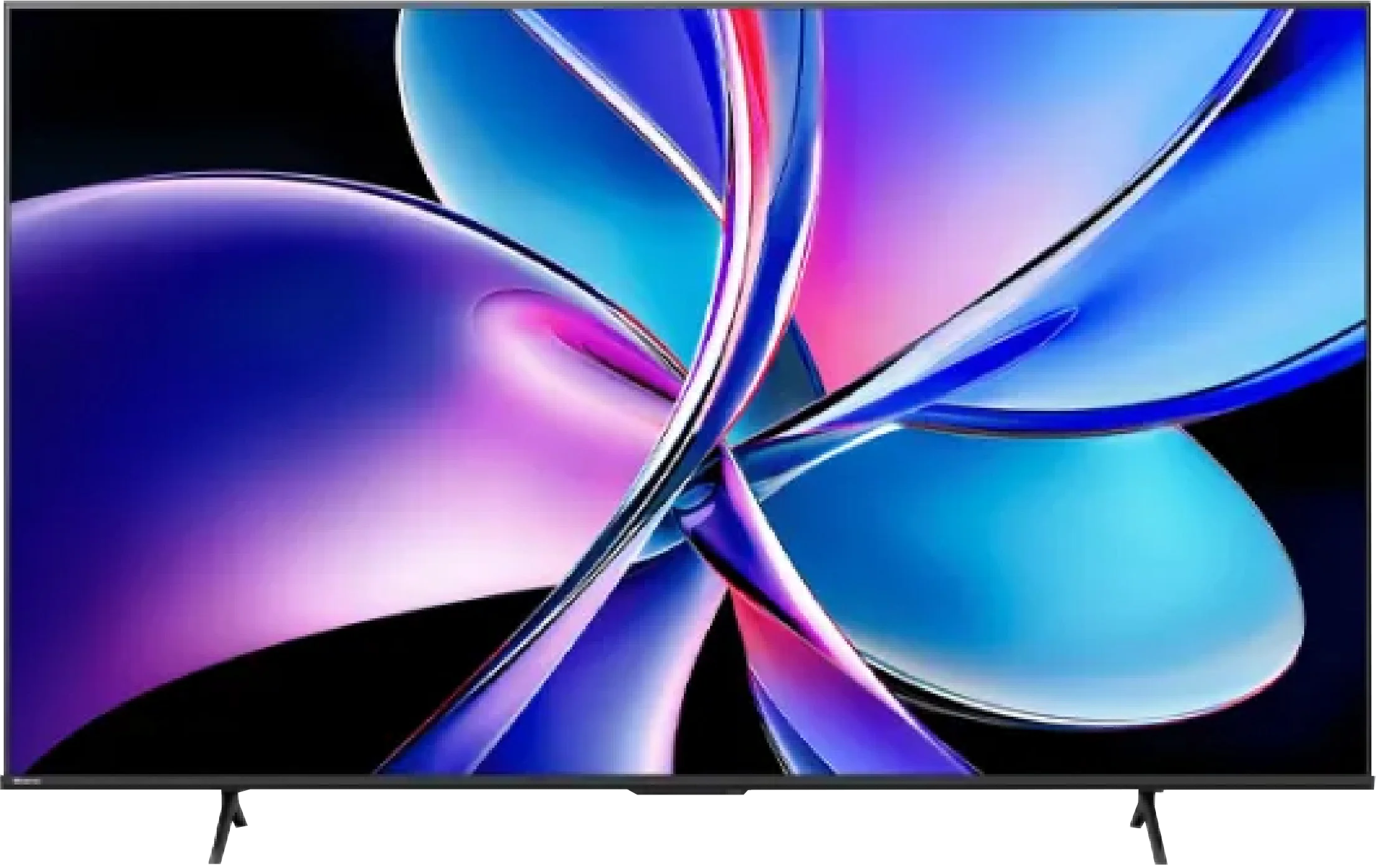
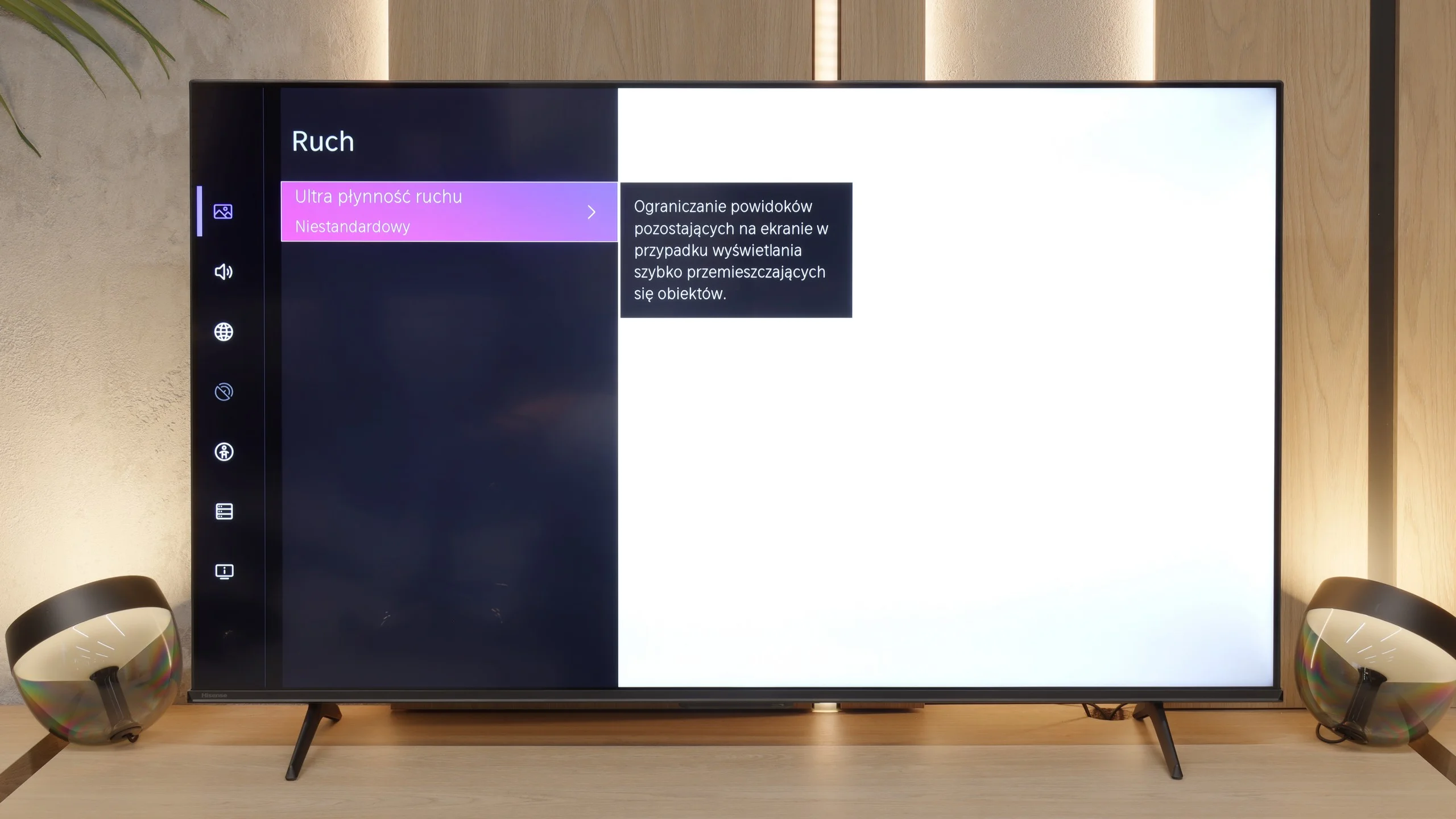
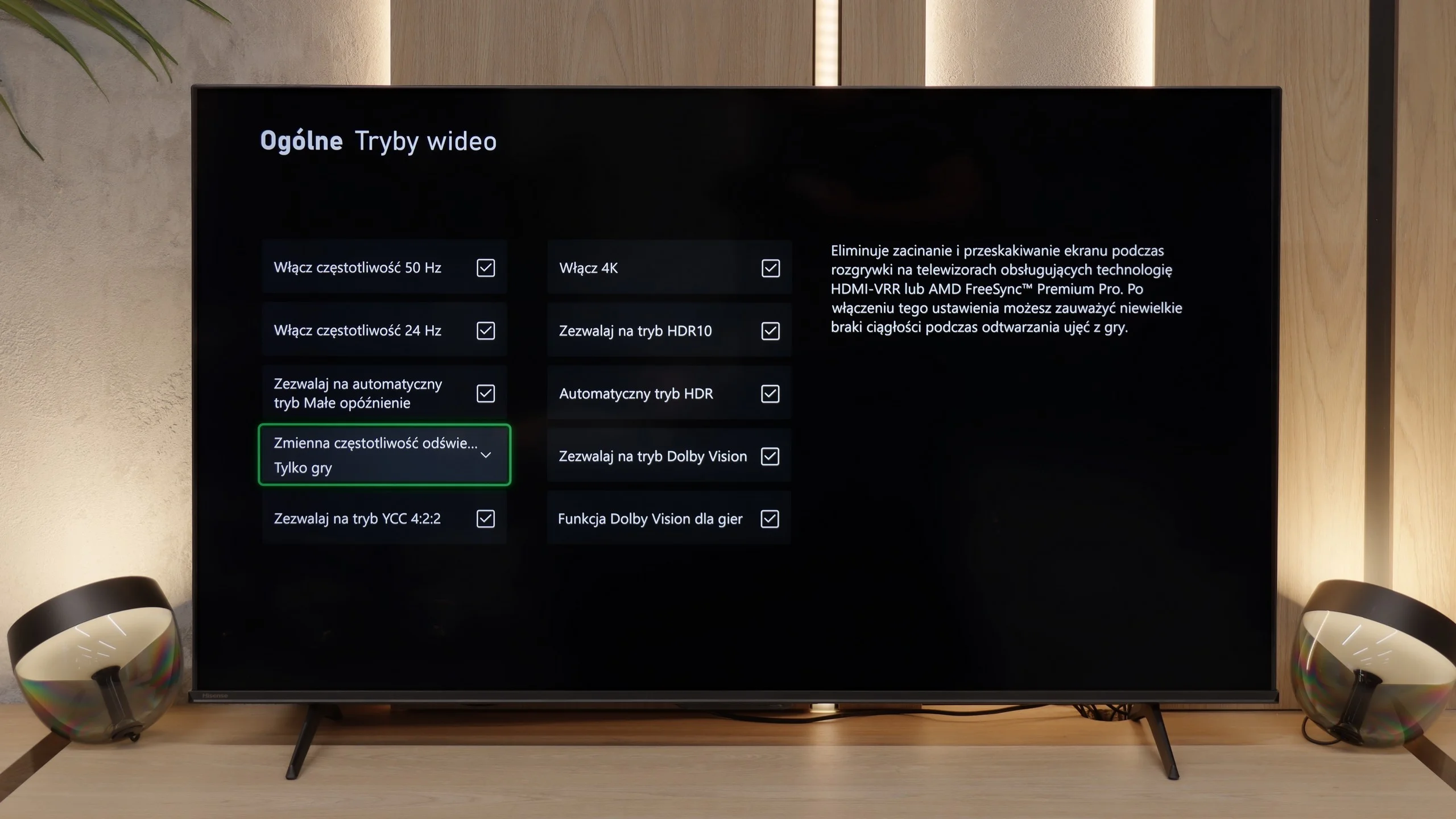
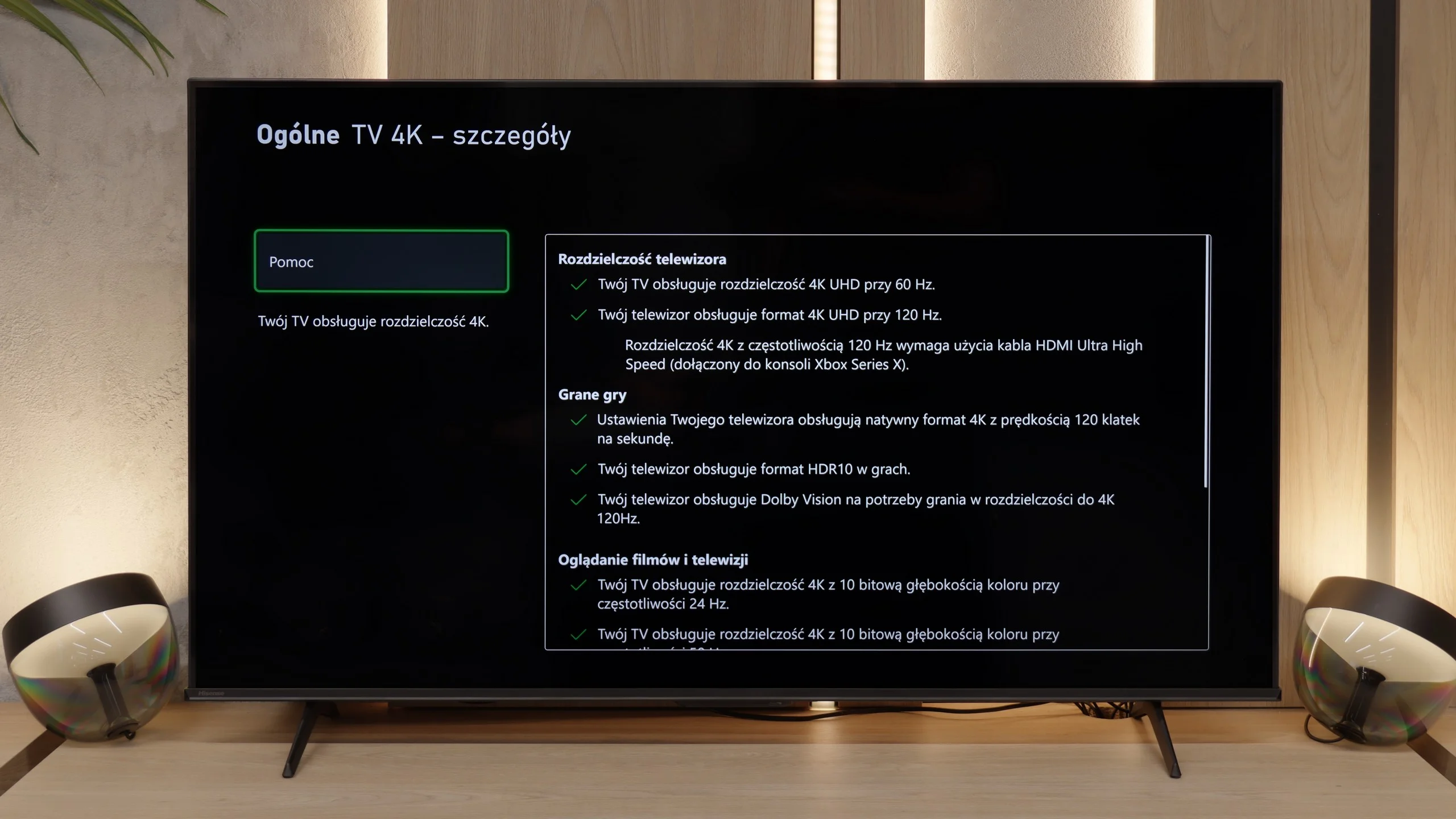
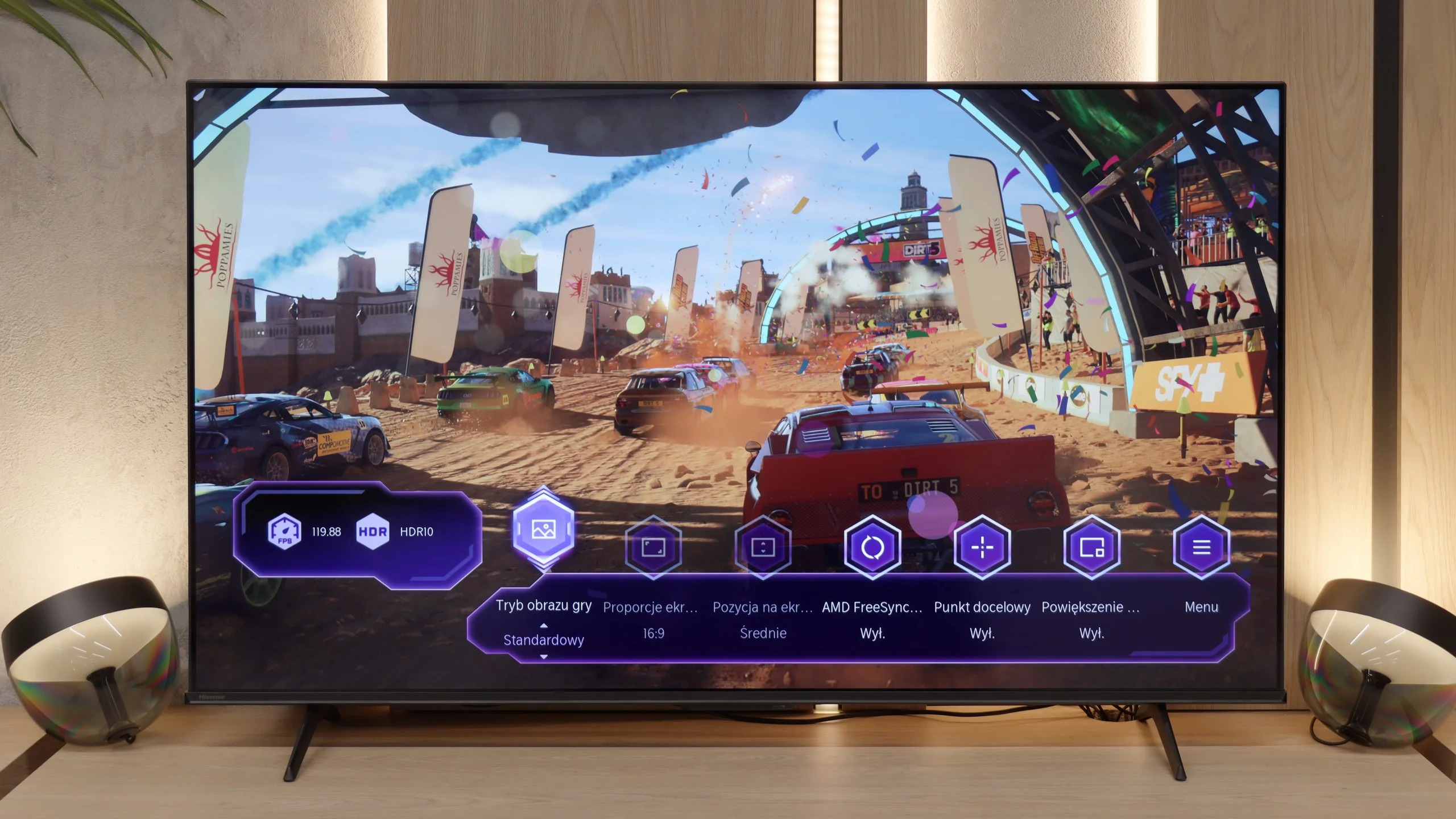
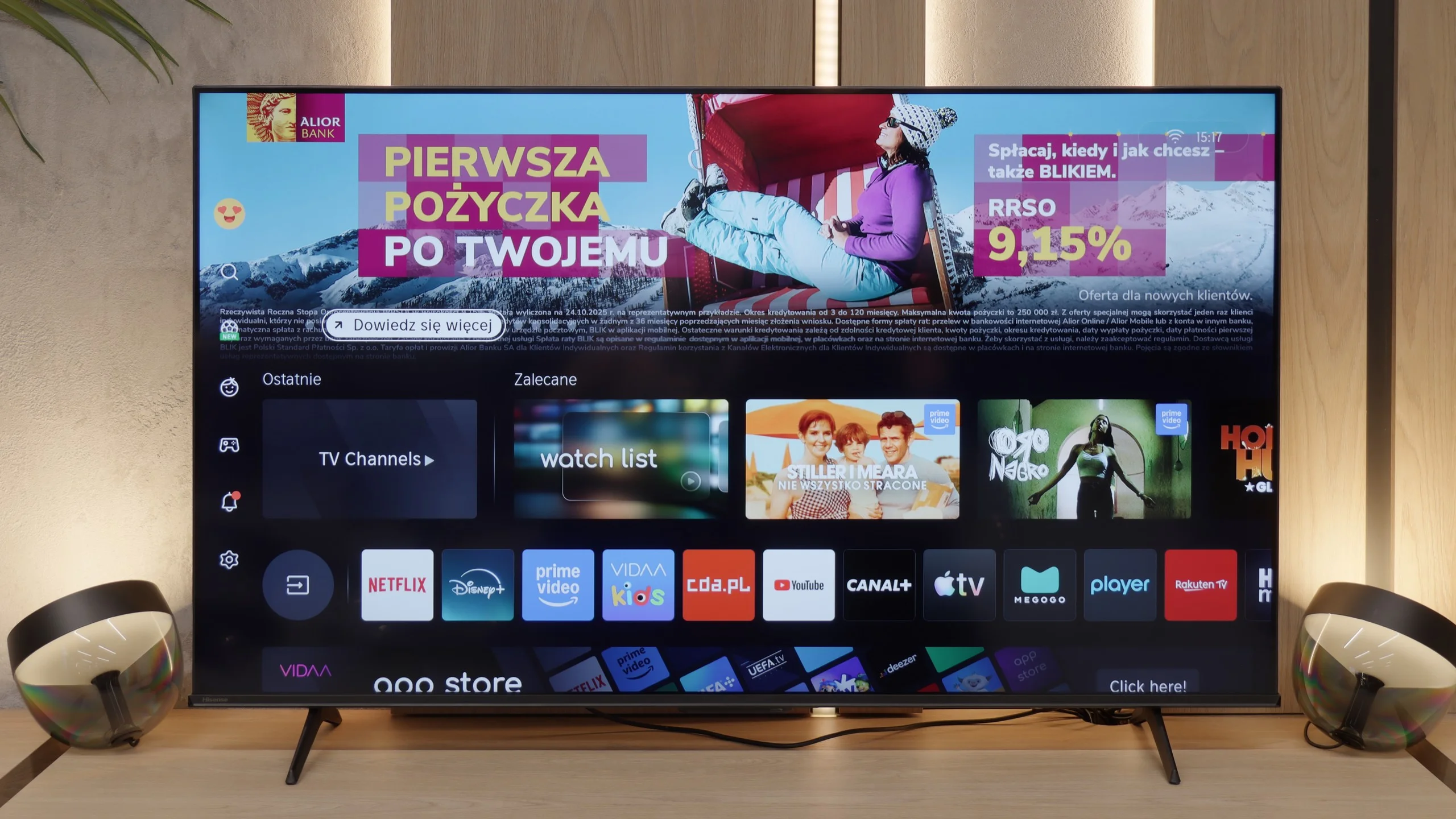
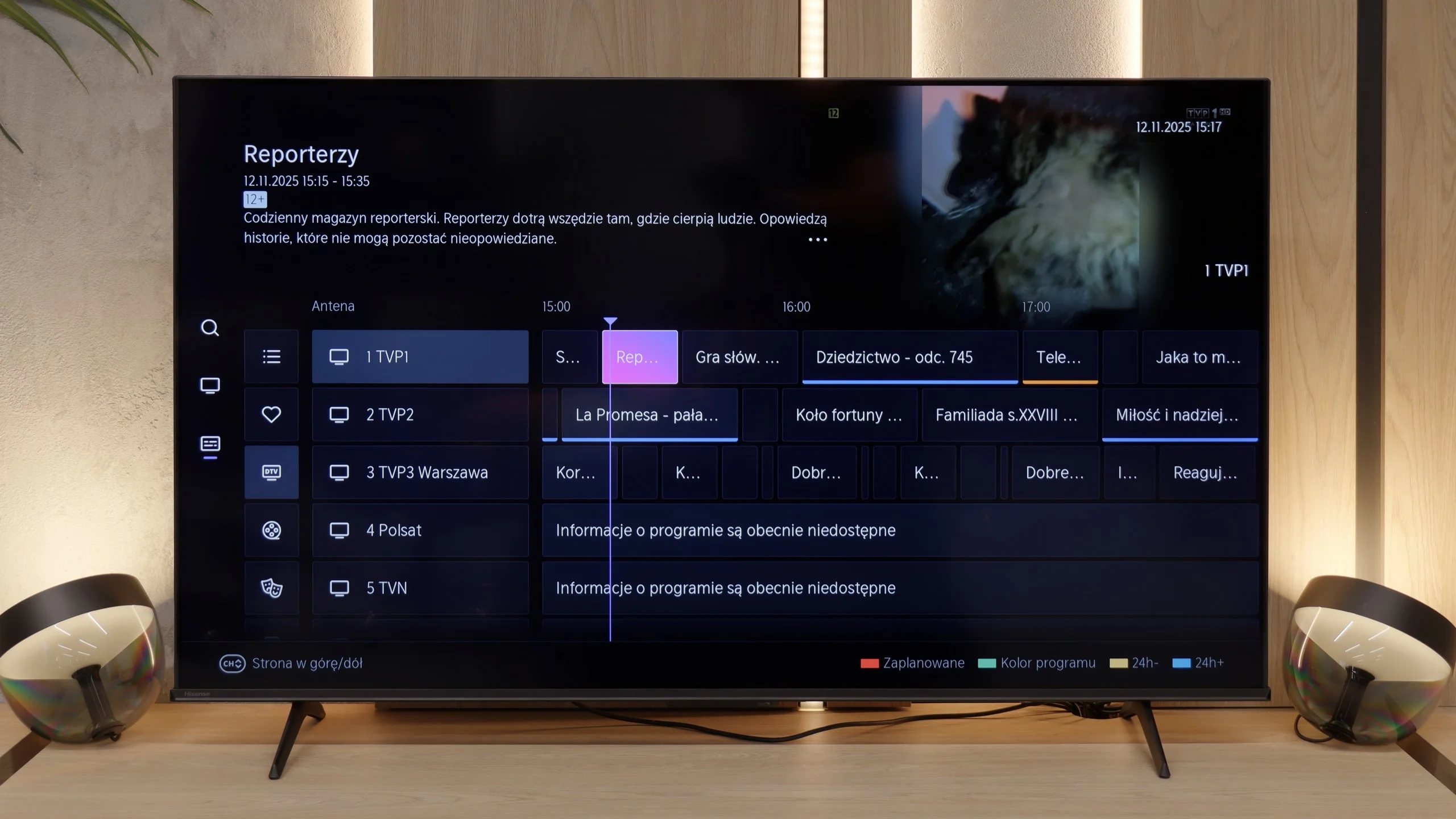
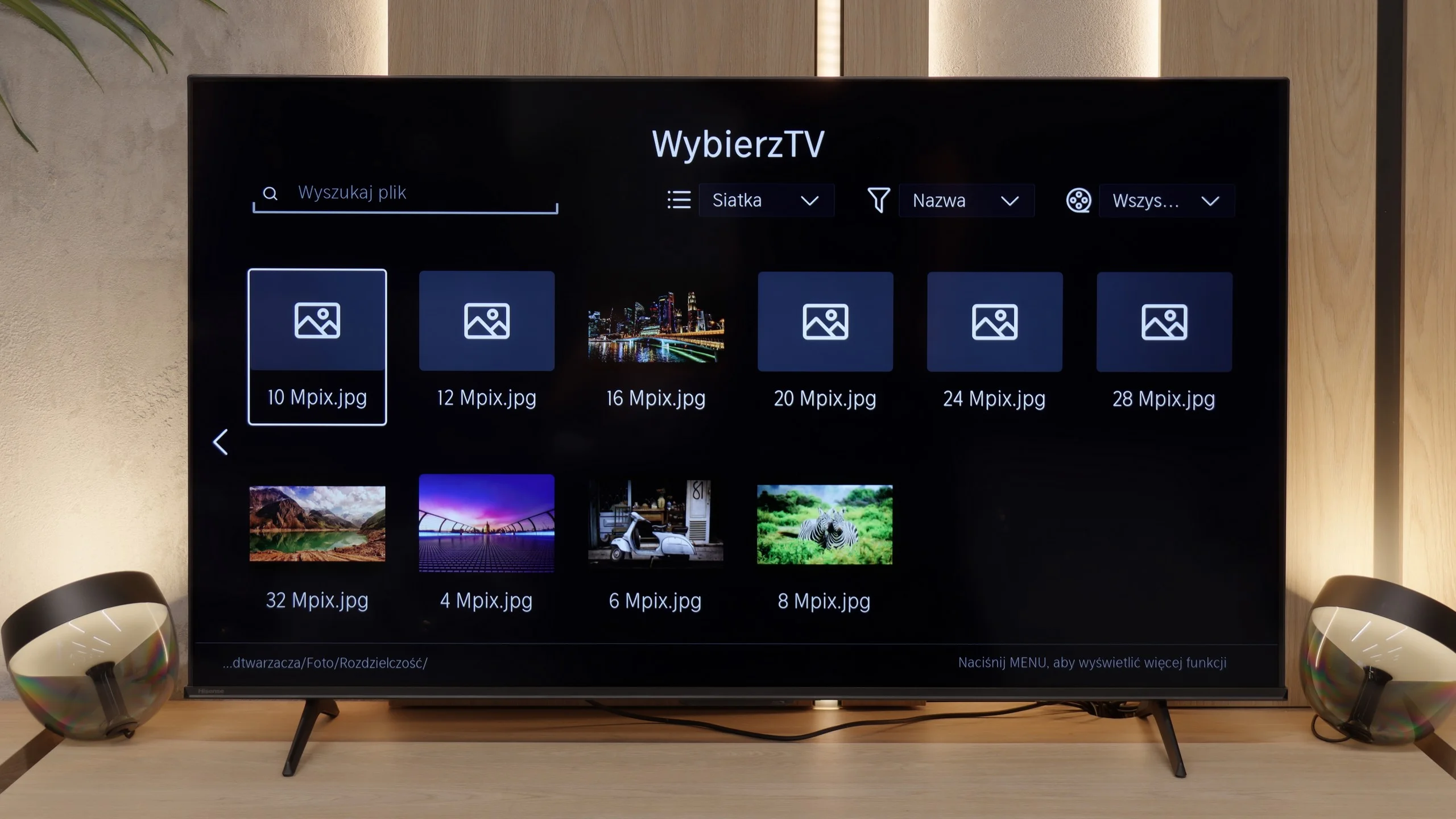
The Hisense E7Q PRO is a television that clearly shows where the manufacturer has set its priorities. It is not a model focused on impressive HDR or cinematic fireworks in a dark living room. This is equipment tailored for universal use, with a strong emphasis on gaming and everyday streaming content viewing at a very attractive price. The biggest disappointment remains the abandonment of local dimming compared to the 2024 model. This is a decision that realistically affects the perception of black levels and contrast. On the other hand, the VA panel with high native contrast does everything it can to mask this loss, and in most everyday applications, it does quite well. The E7Q PRO shines where it is most expected today: in gaming. A 120 Hz panel, 144 Hz mode for PC, HDMI 2.1, variable refresh rate, low input lag, and a very good Game Bar make it one of the more interesting gaming choices in its price segment. Additionally, there is a reliably working VIDAA system, fast menu, and a sensible set of smart functions. It is not a perfect television. HDR brightness is clearly limited, motion blur is average, and viewing angles are typically poor for VA. However, if someone is looking for a television available in various sizes, whether for gaming, series, or everyday viewing, and is aware of its limitations, the E7Q PRO can provide a lot of satisfaction. It is not a step forward compared to its predecessor in any category. Rather, it is a different, more budget-friendly direction. Less cinematic, but cheap and very gaming-oriented. If this is what you're looking for, the Hisense E7Q PRO makes a lot of sense.
 Direct comparison