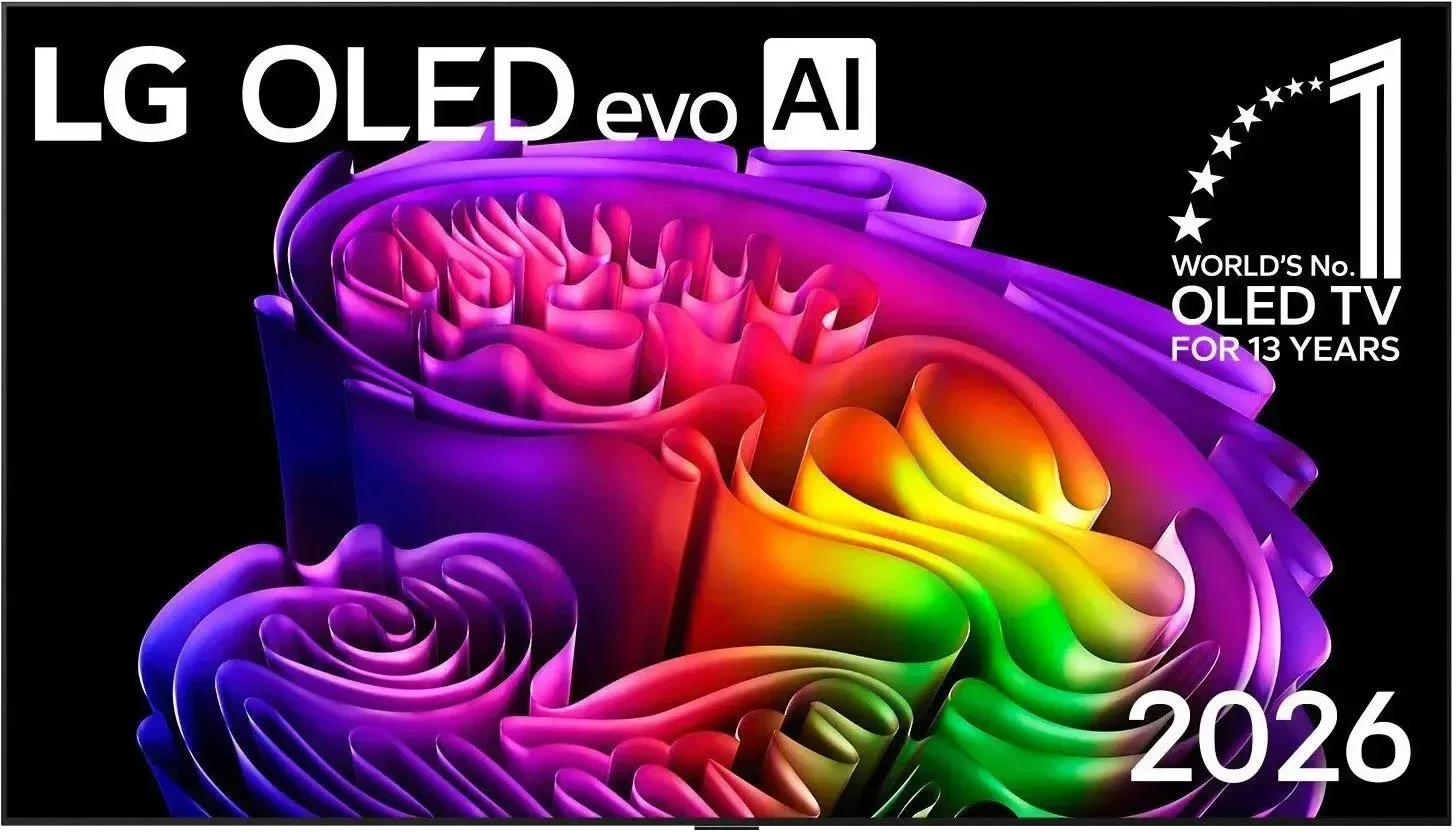
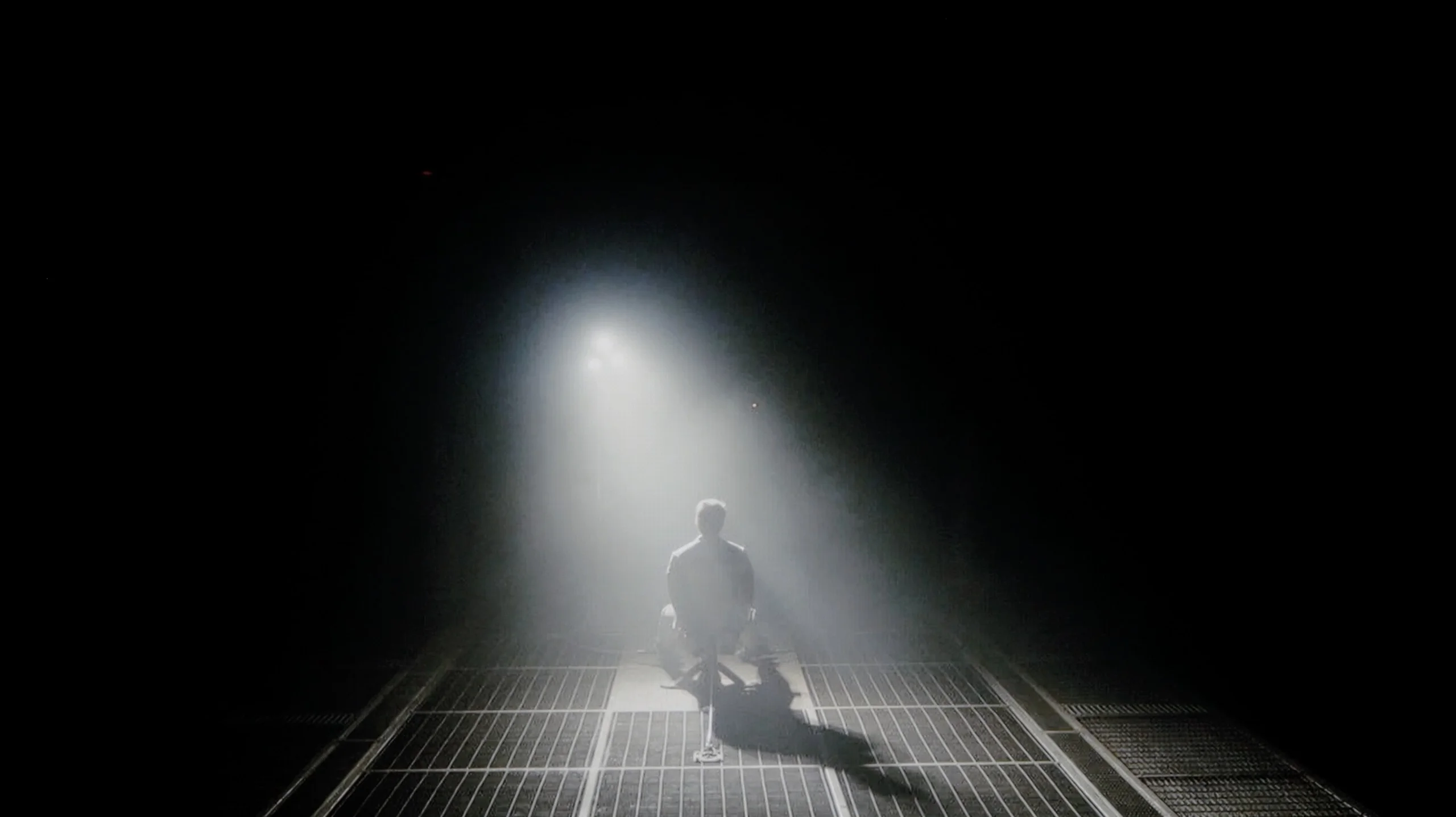
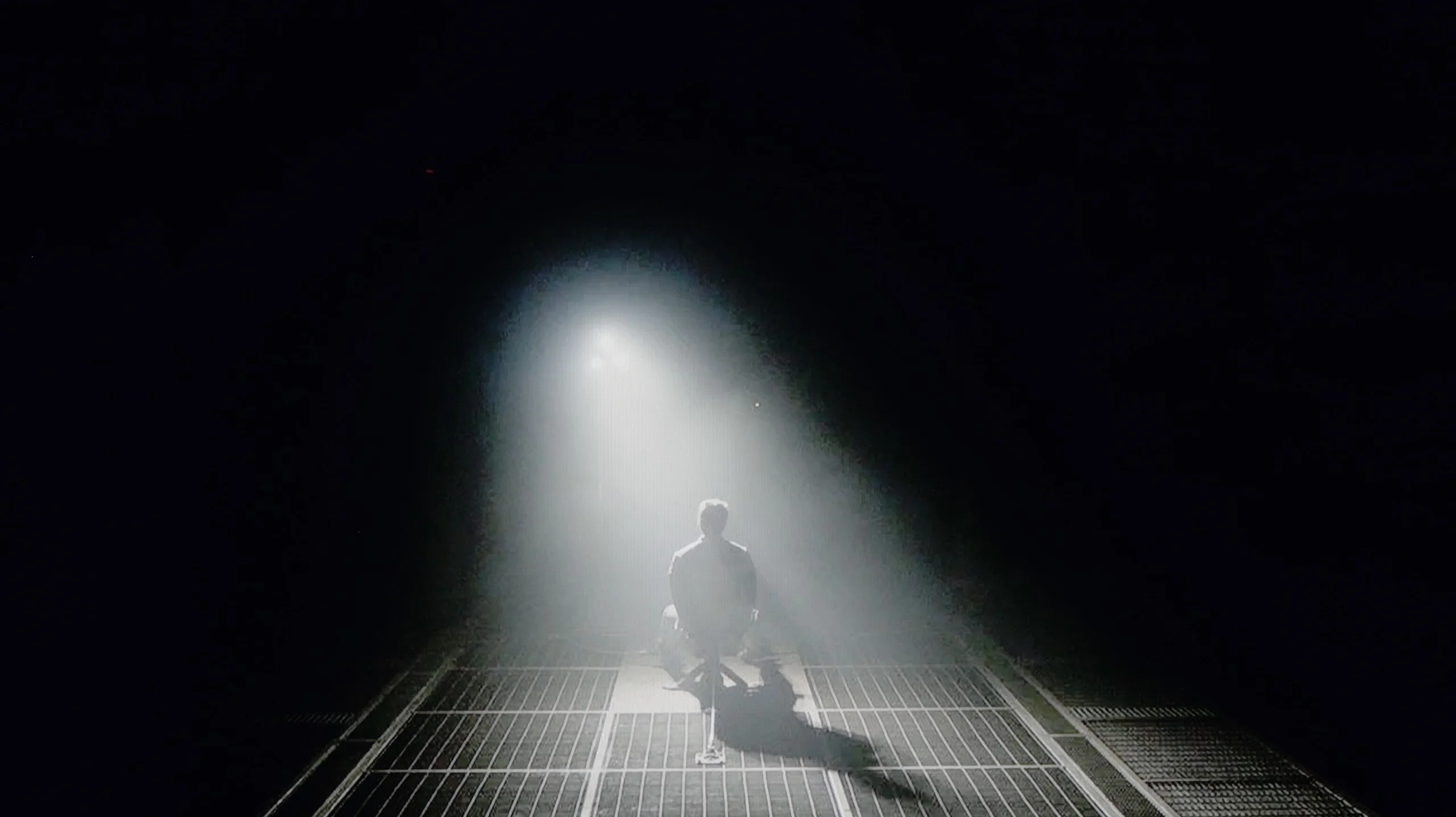
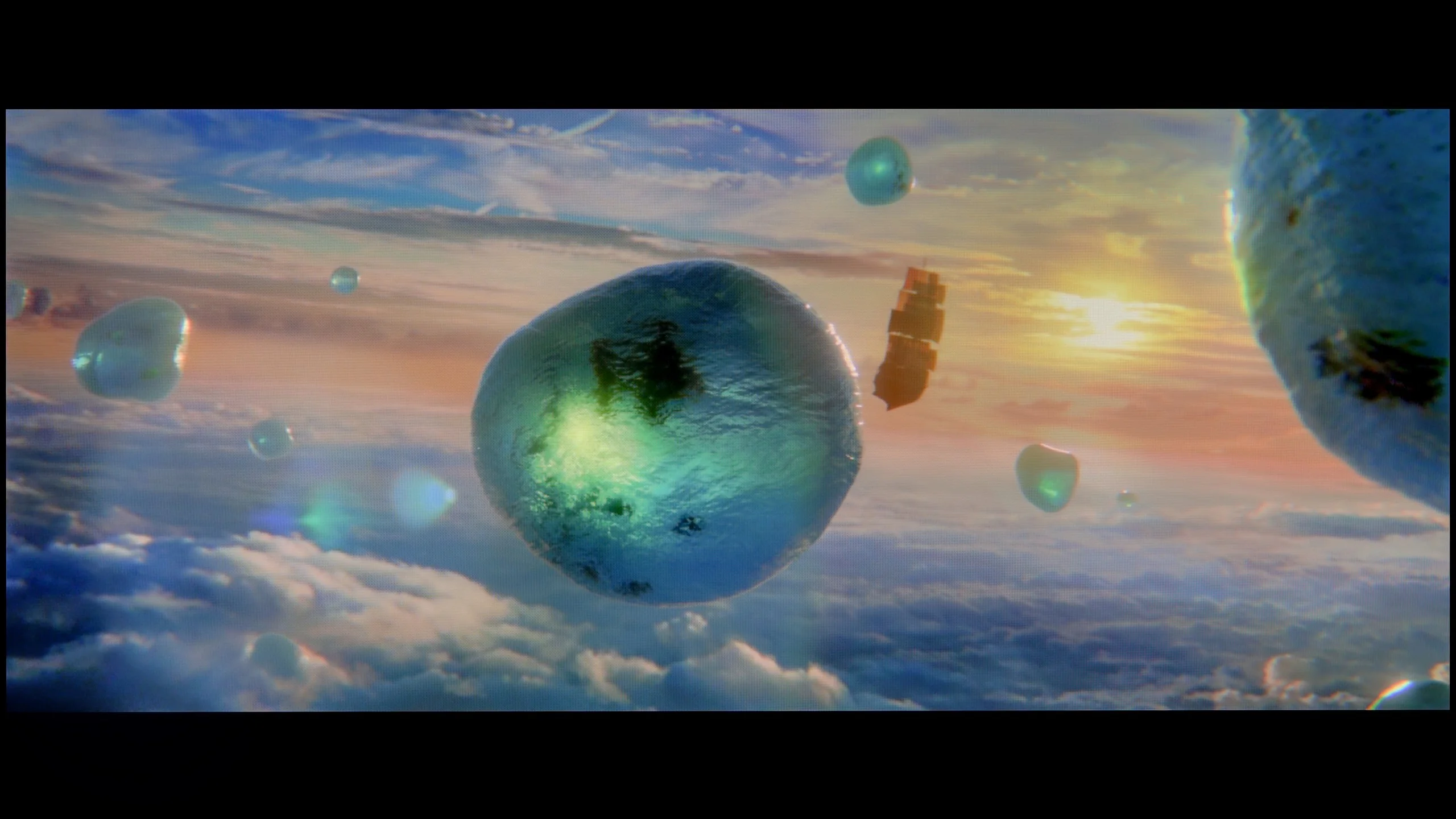
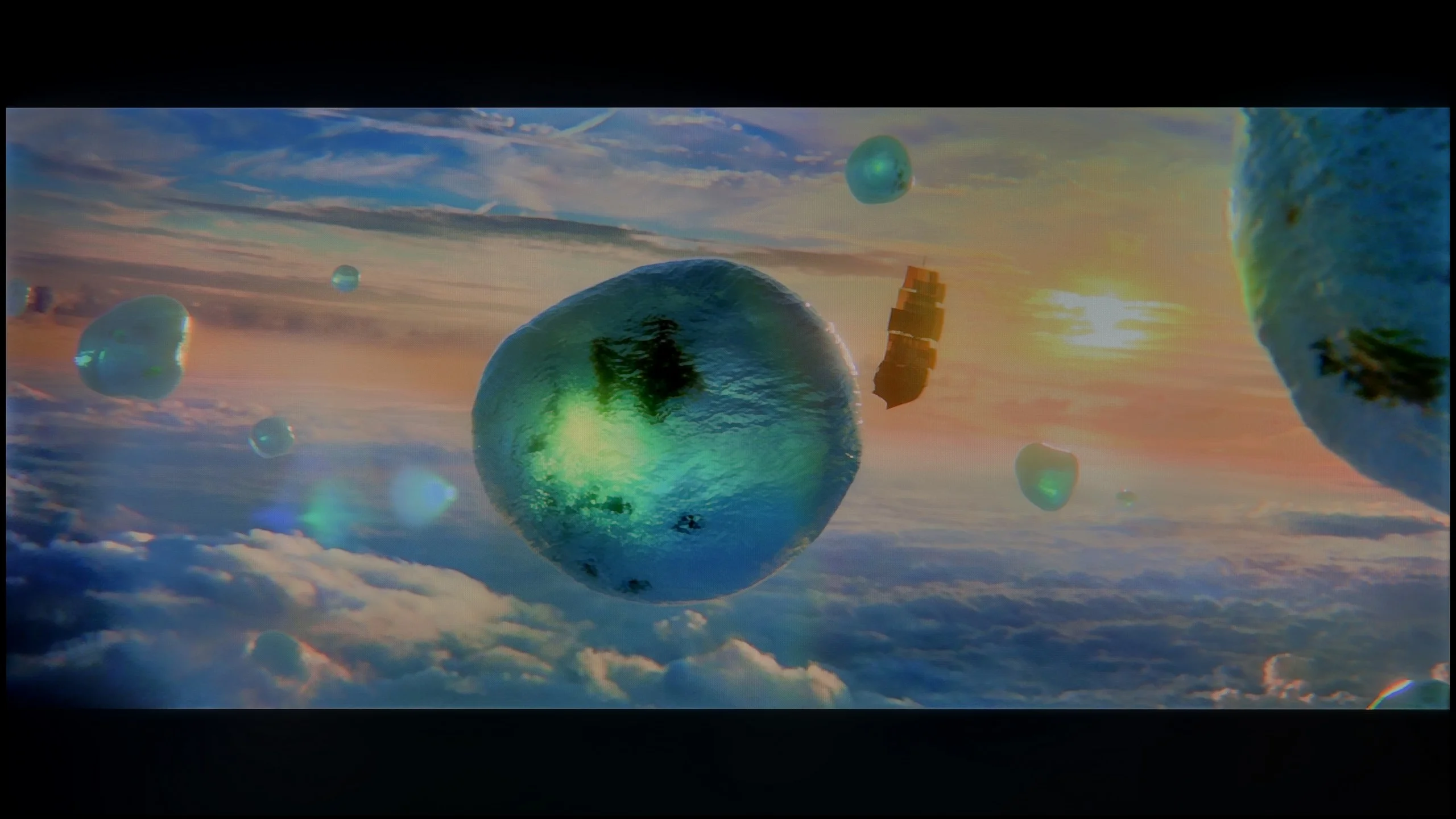
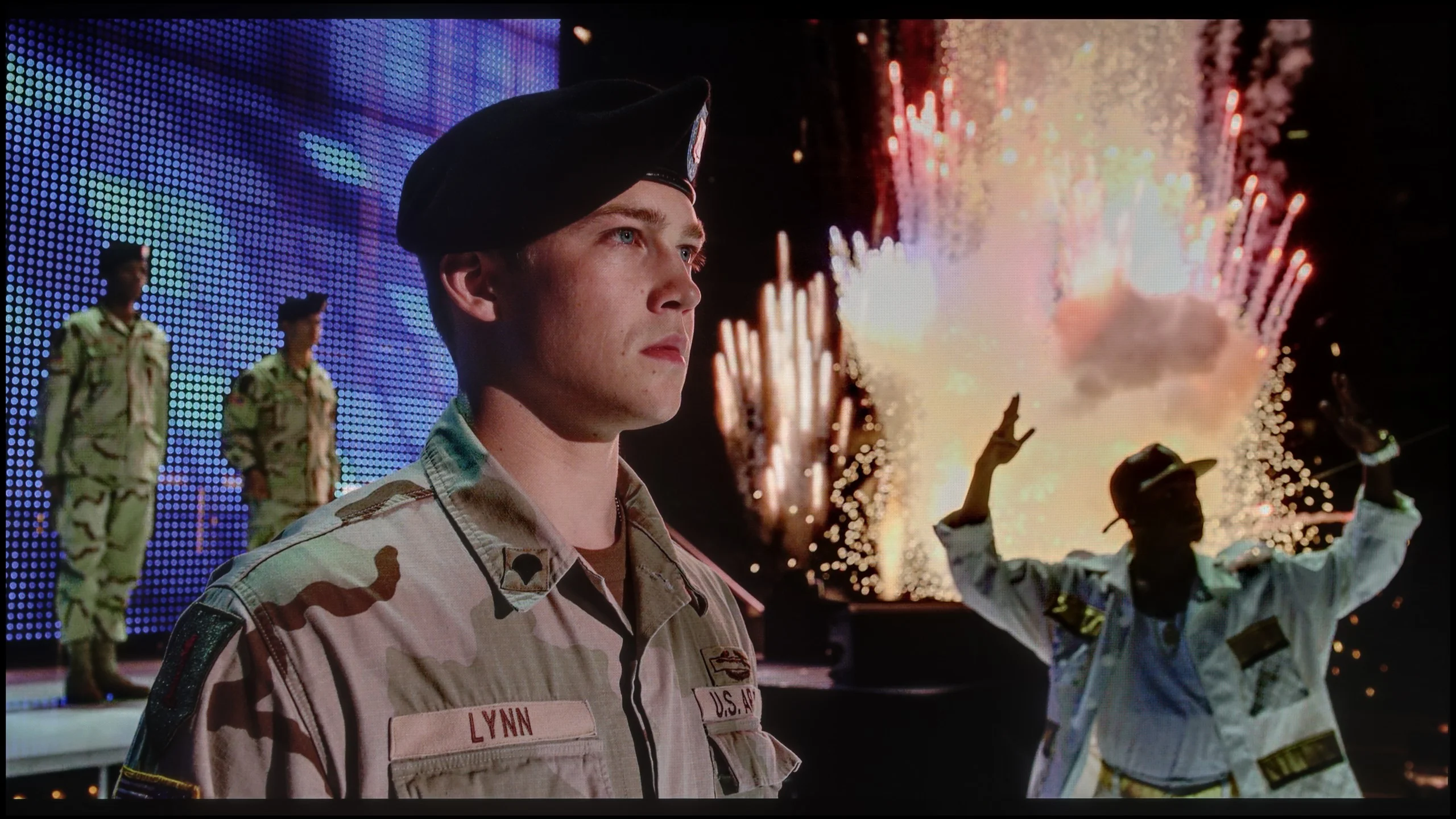
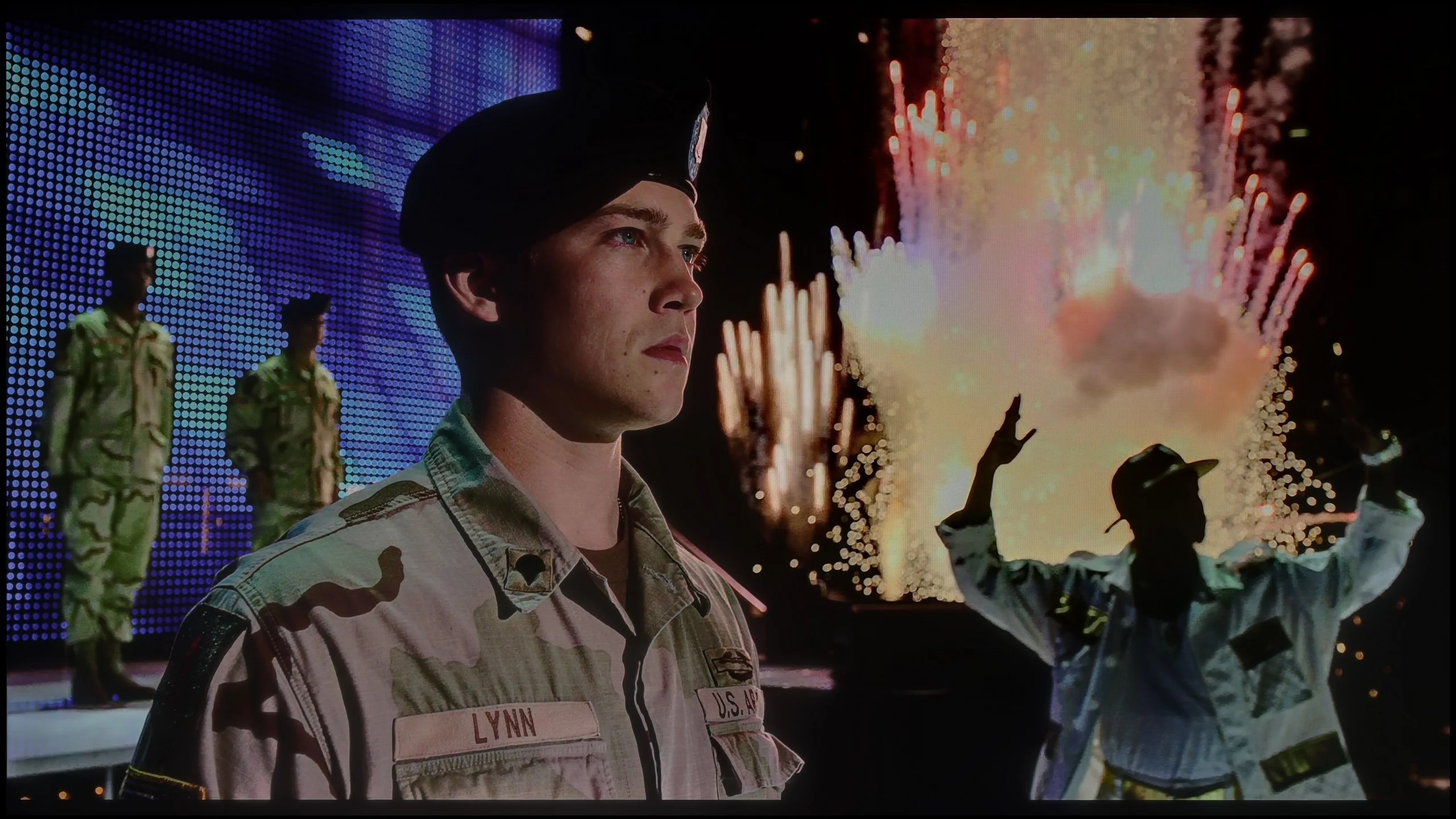
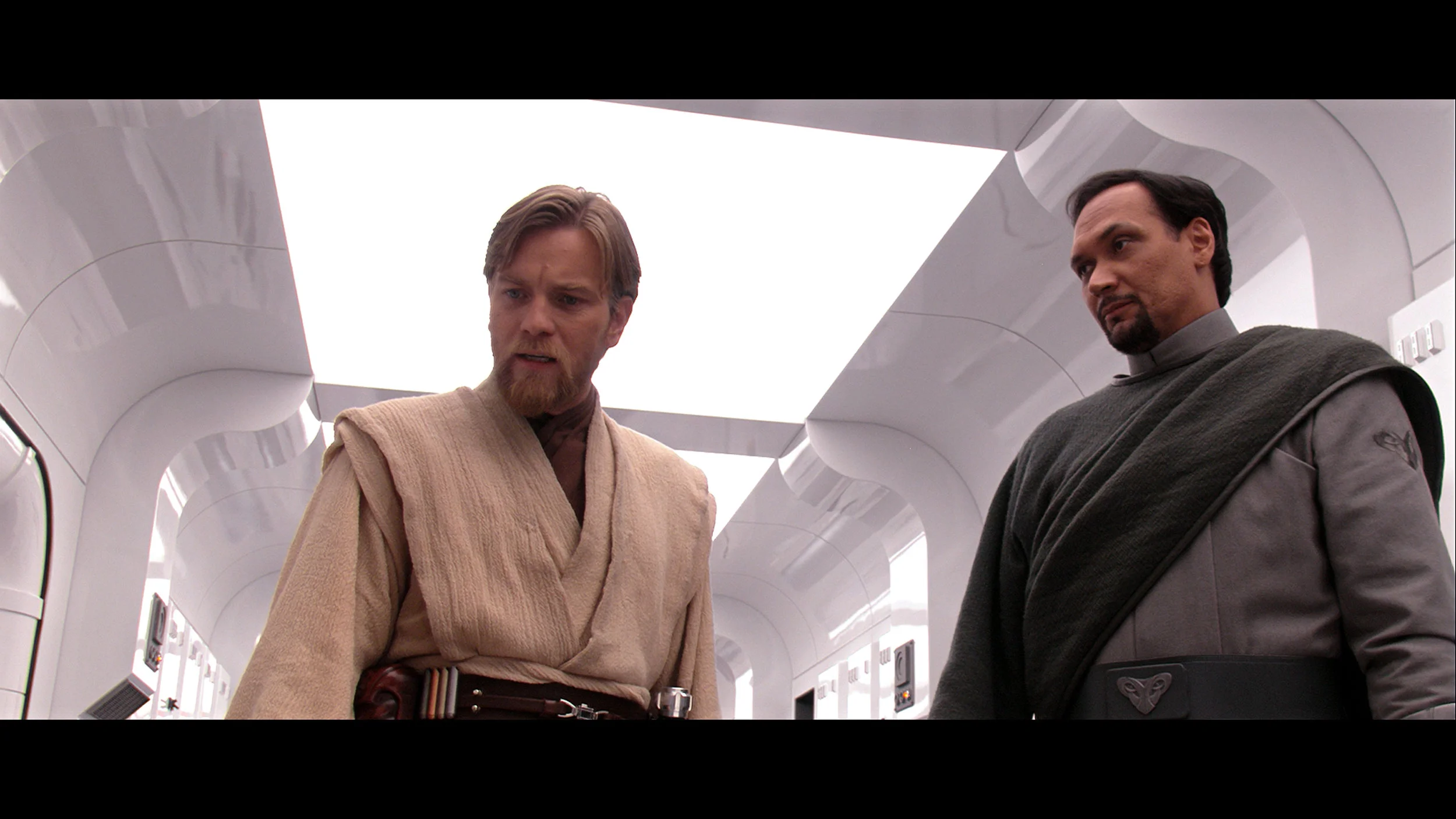
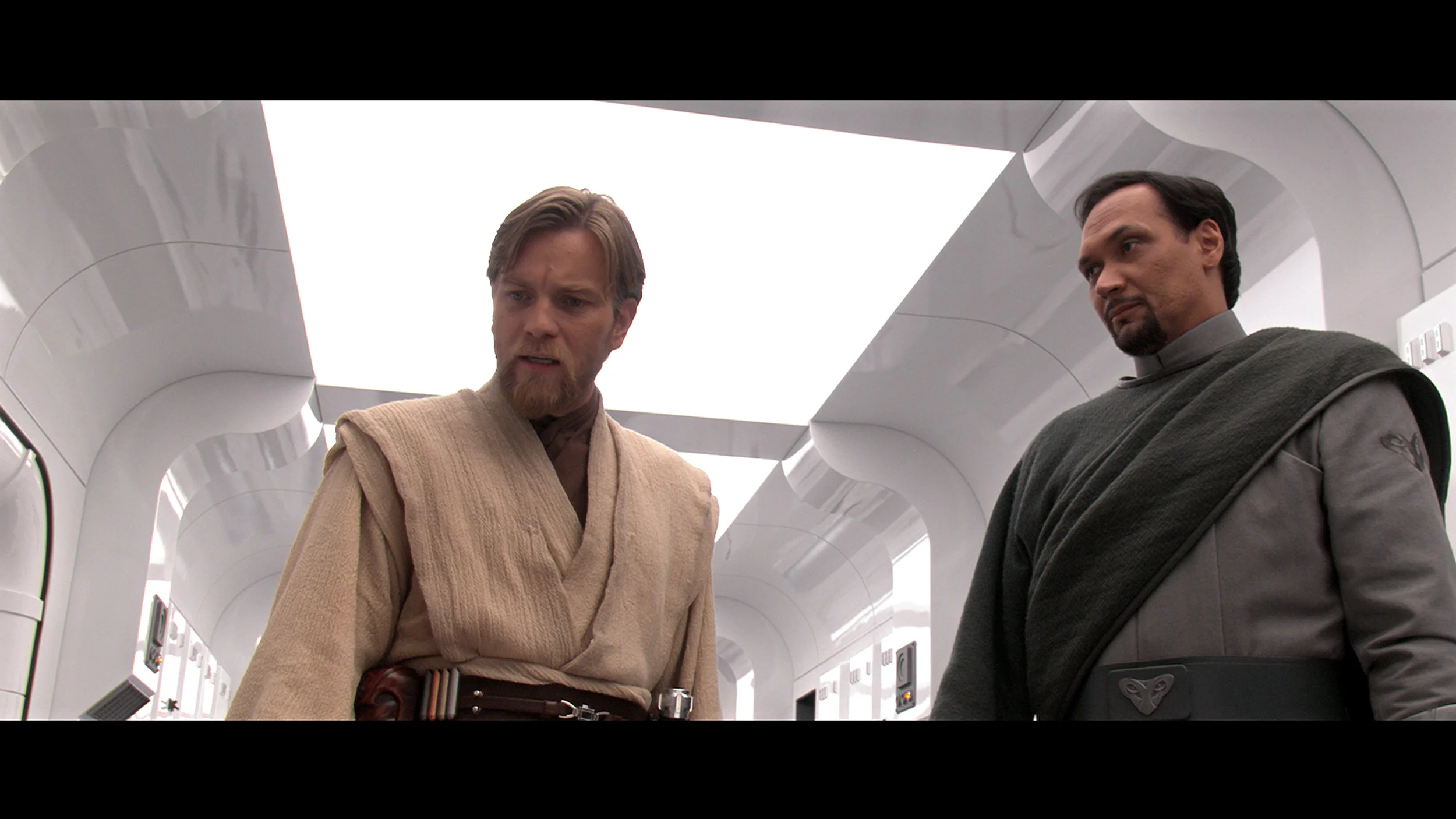
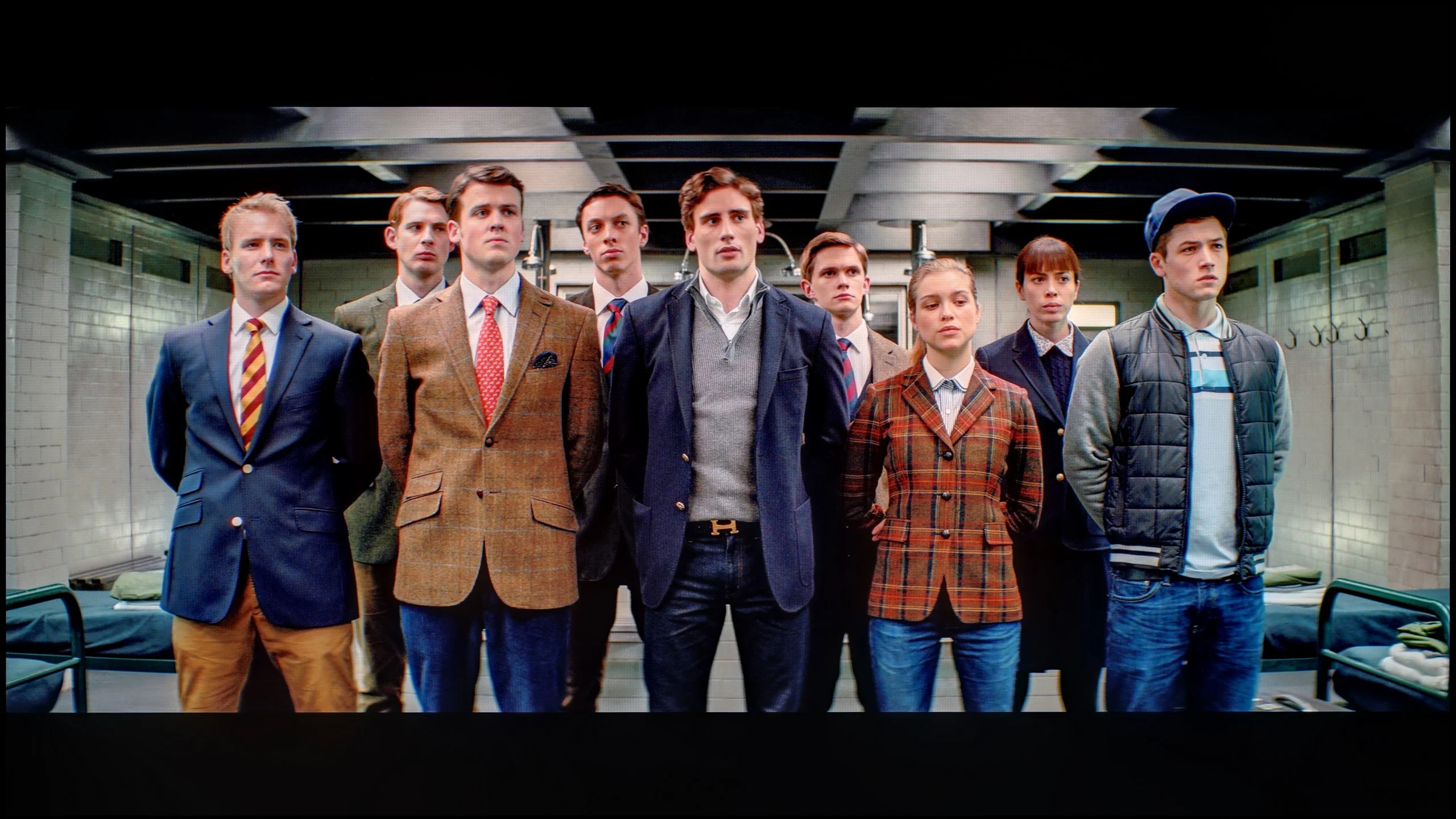
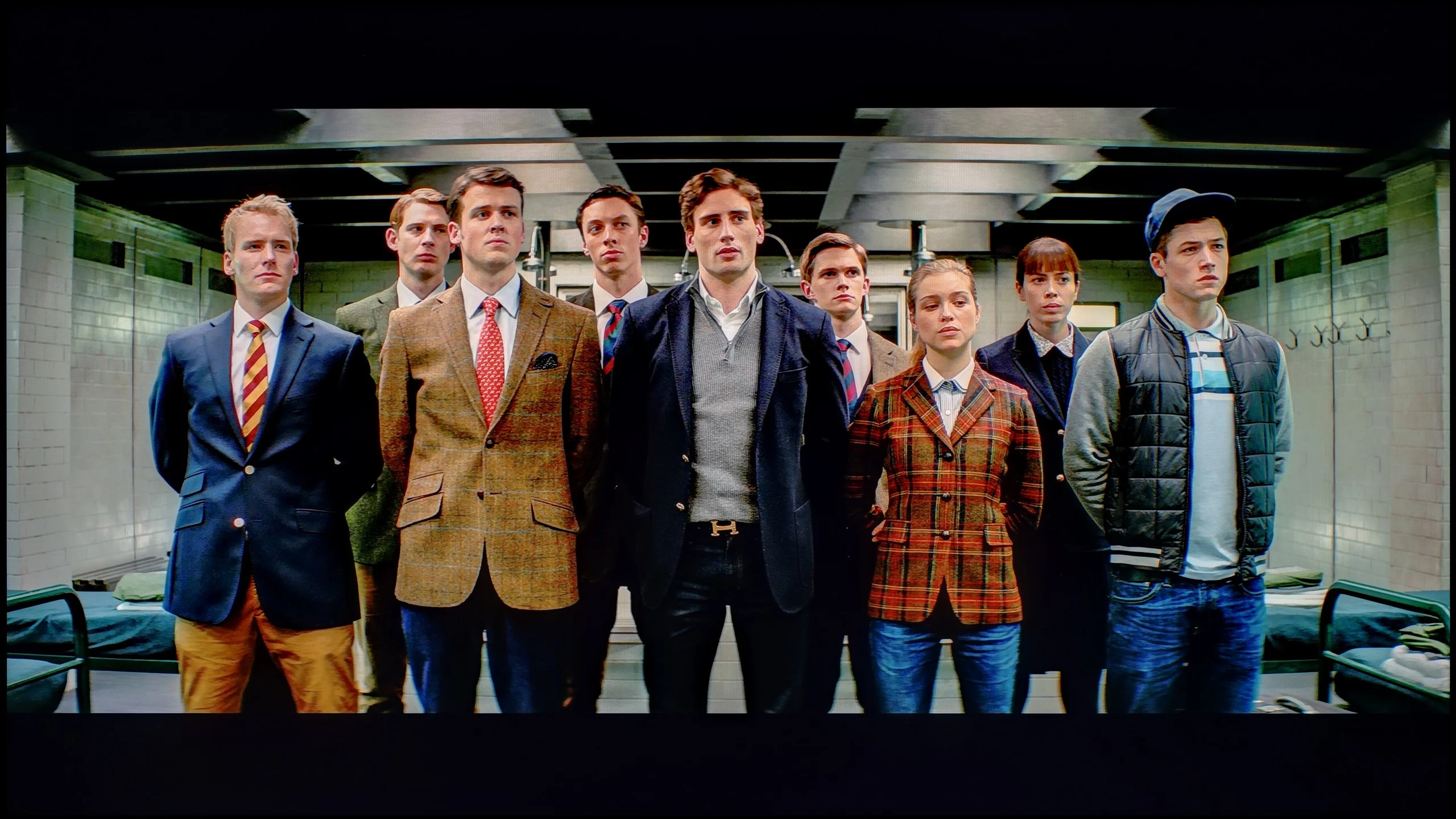
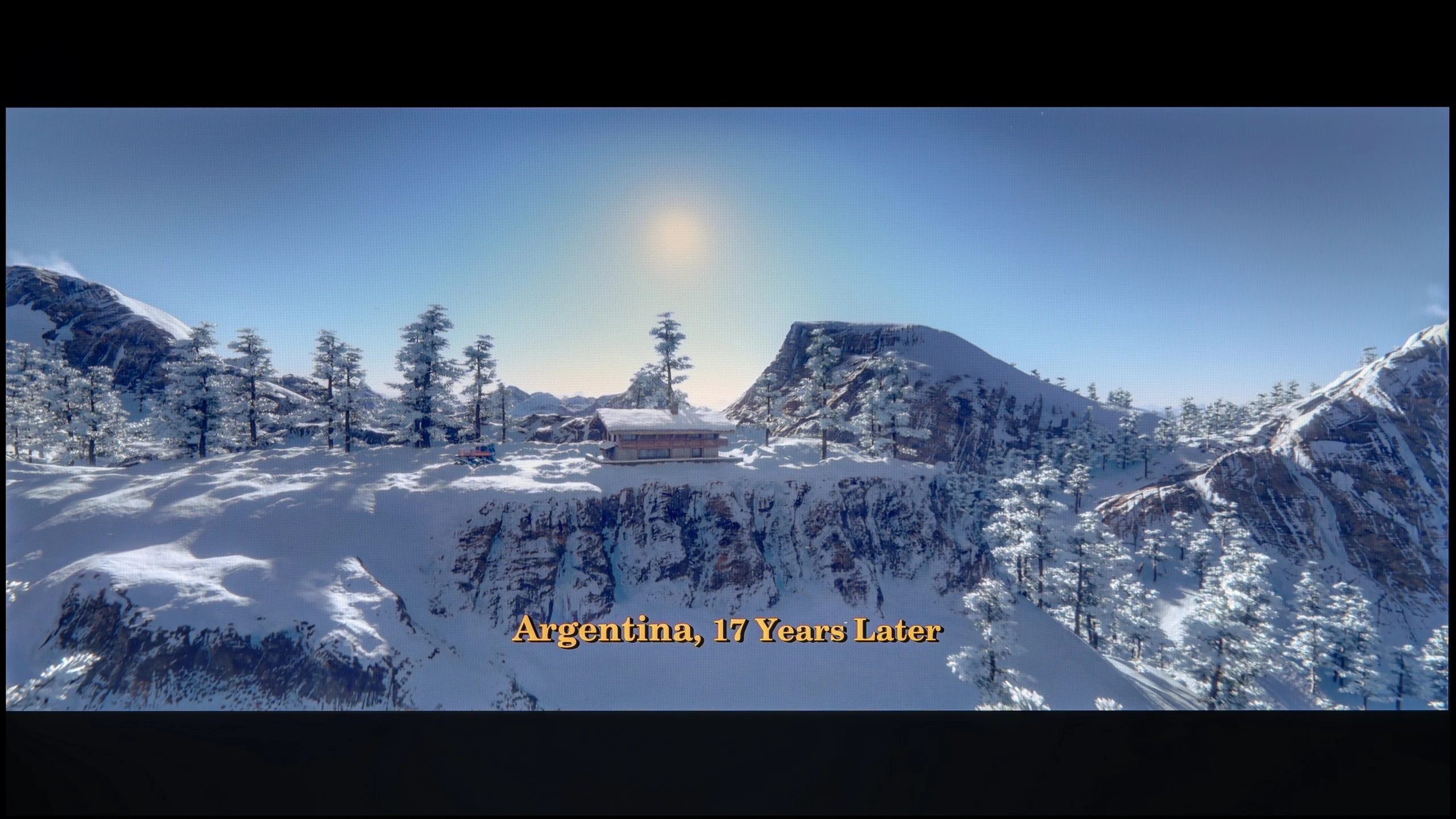
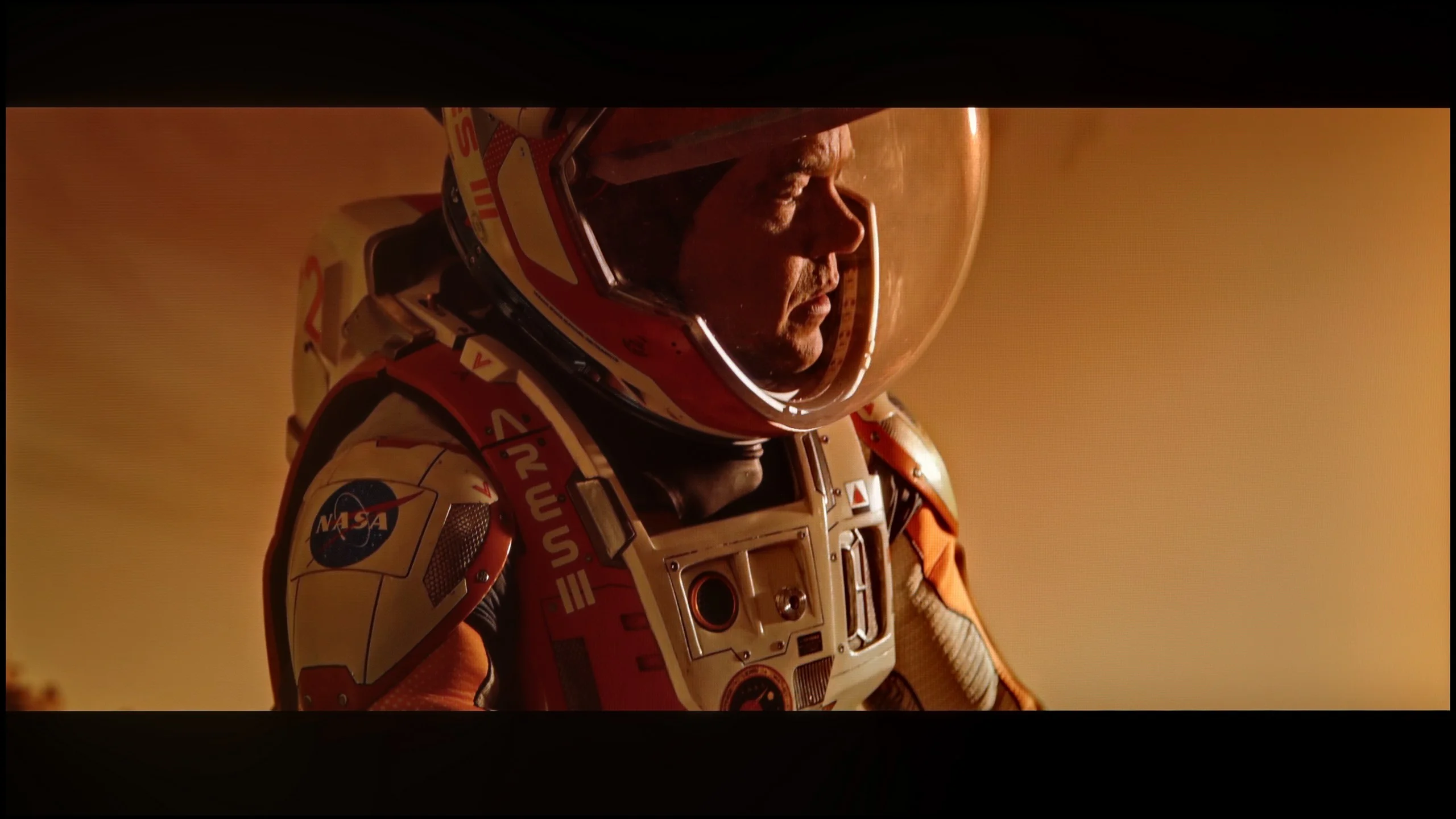
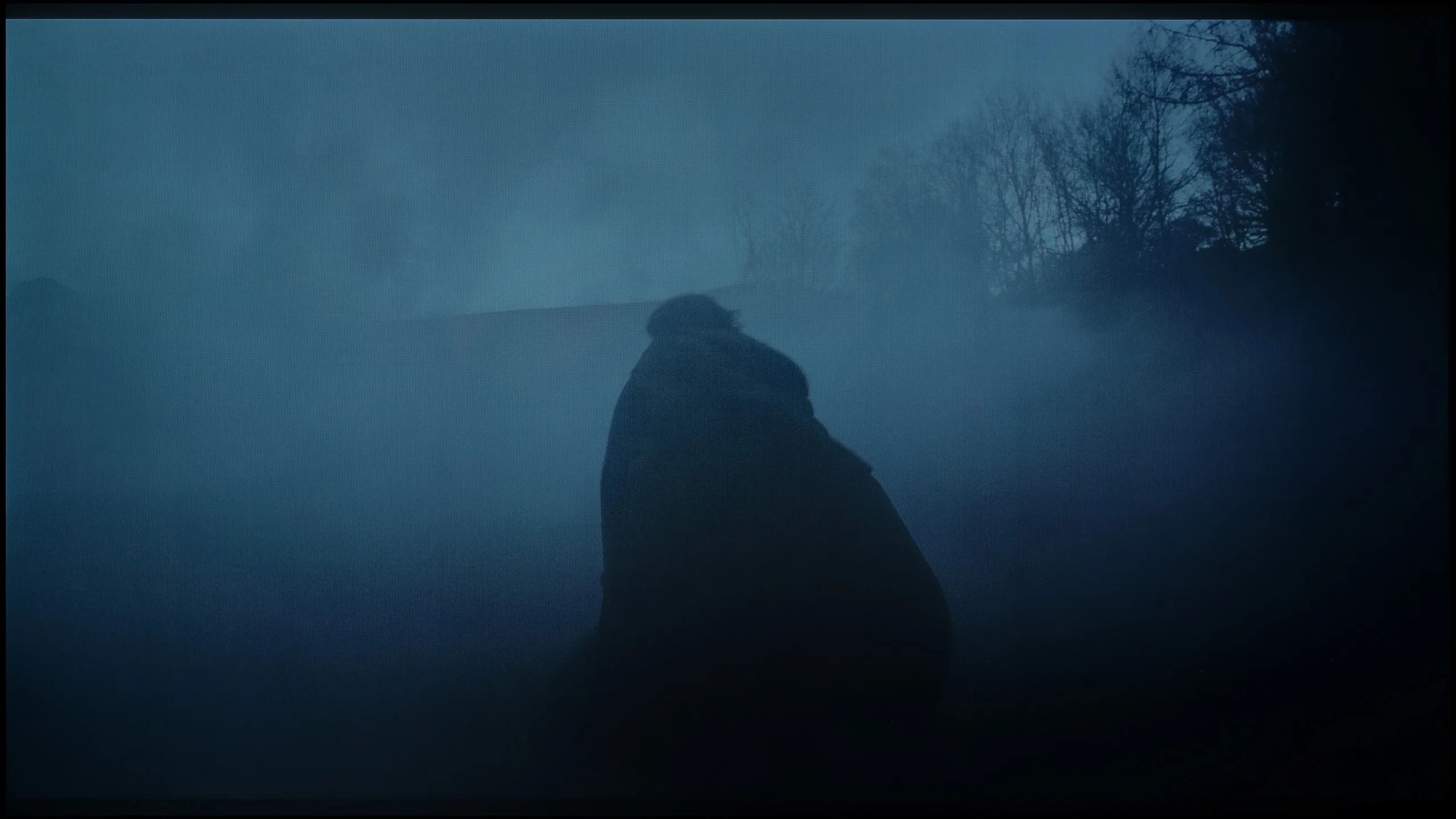
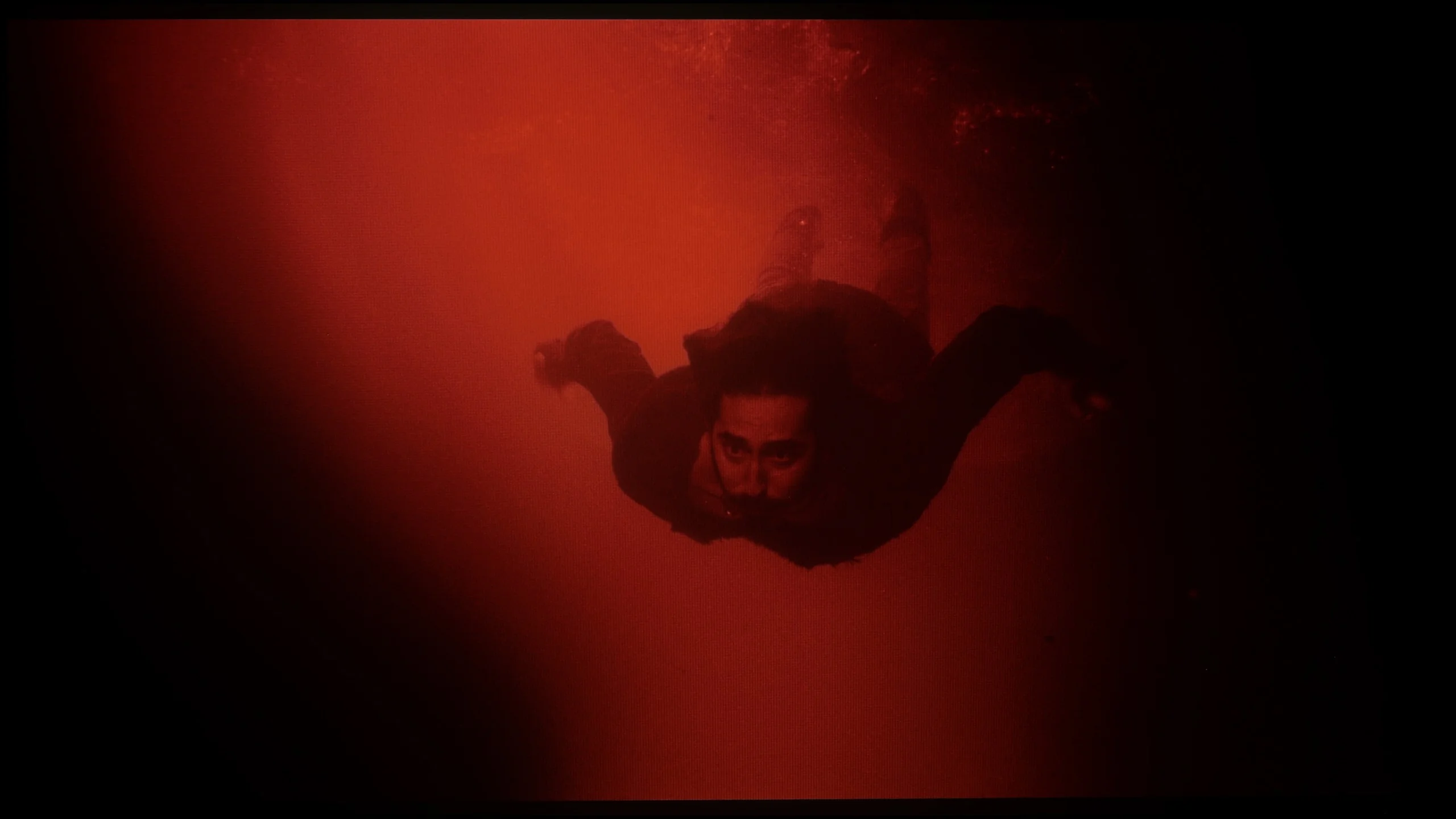
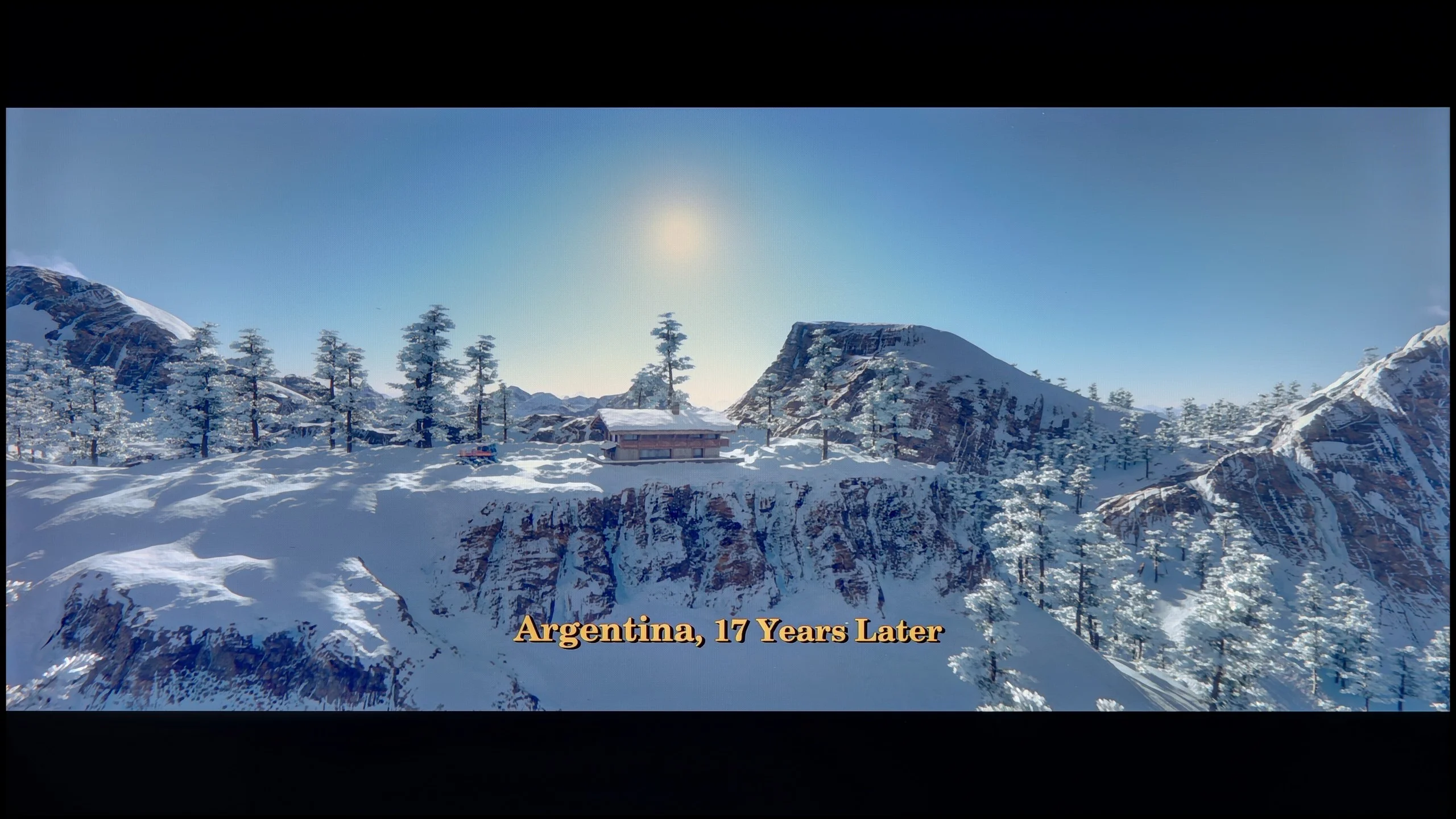
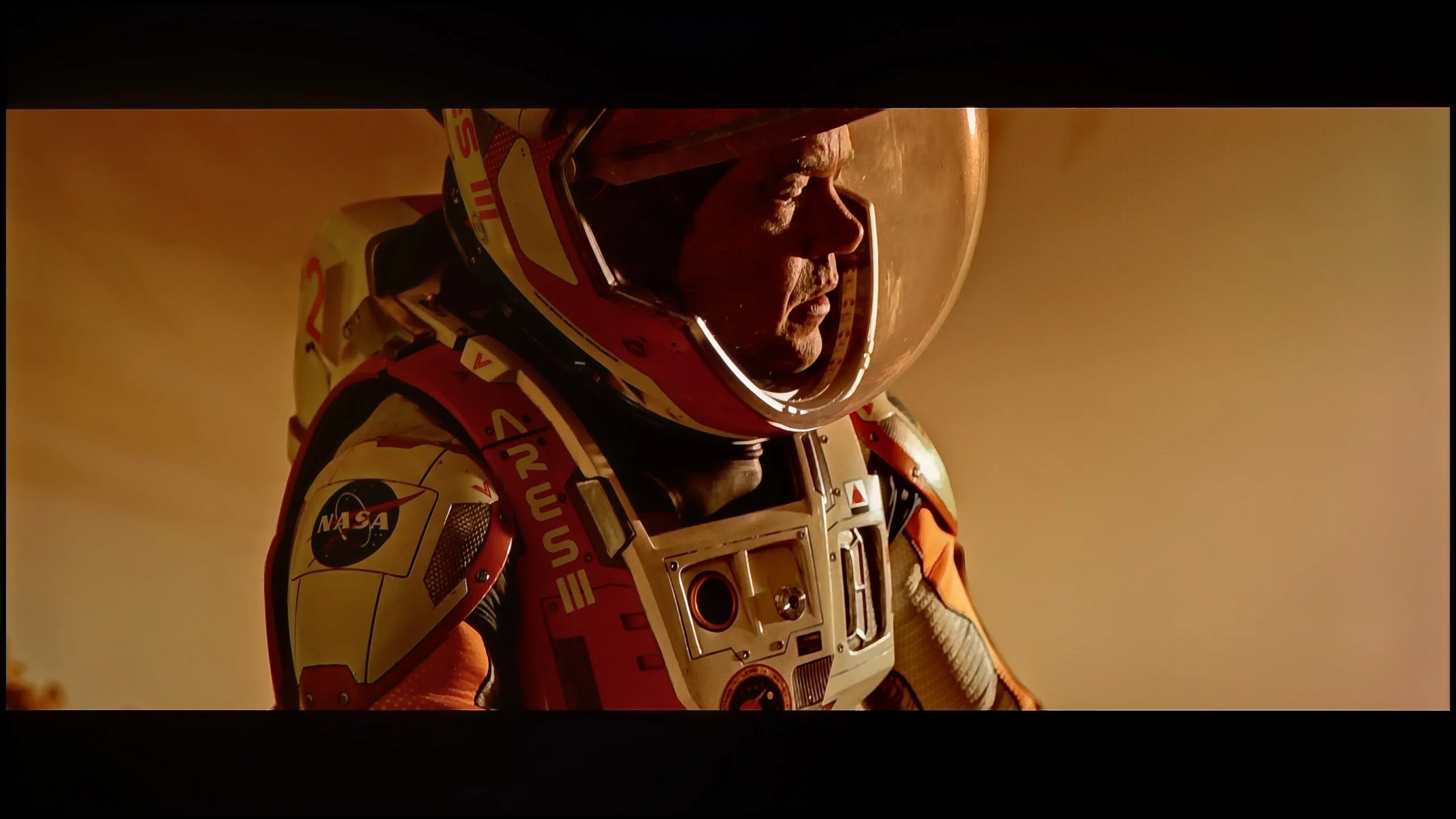
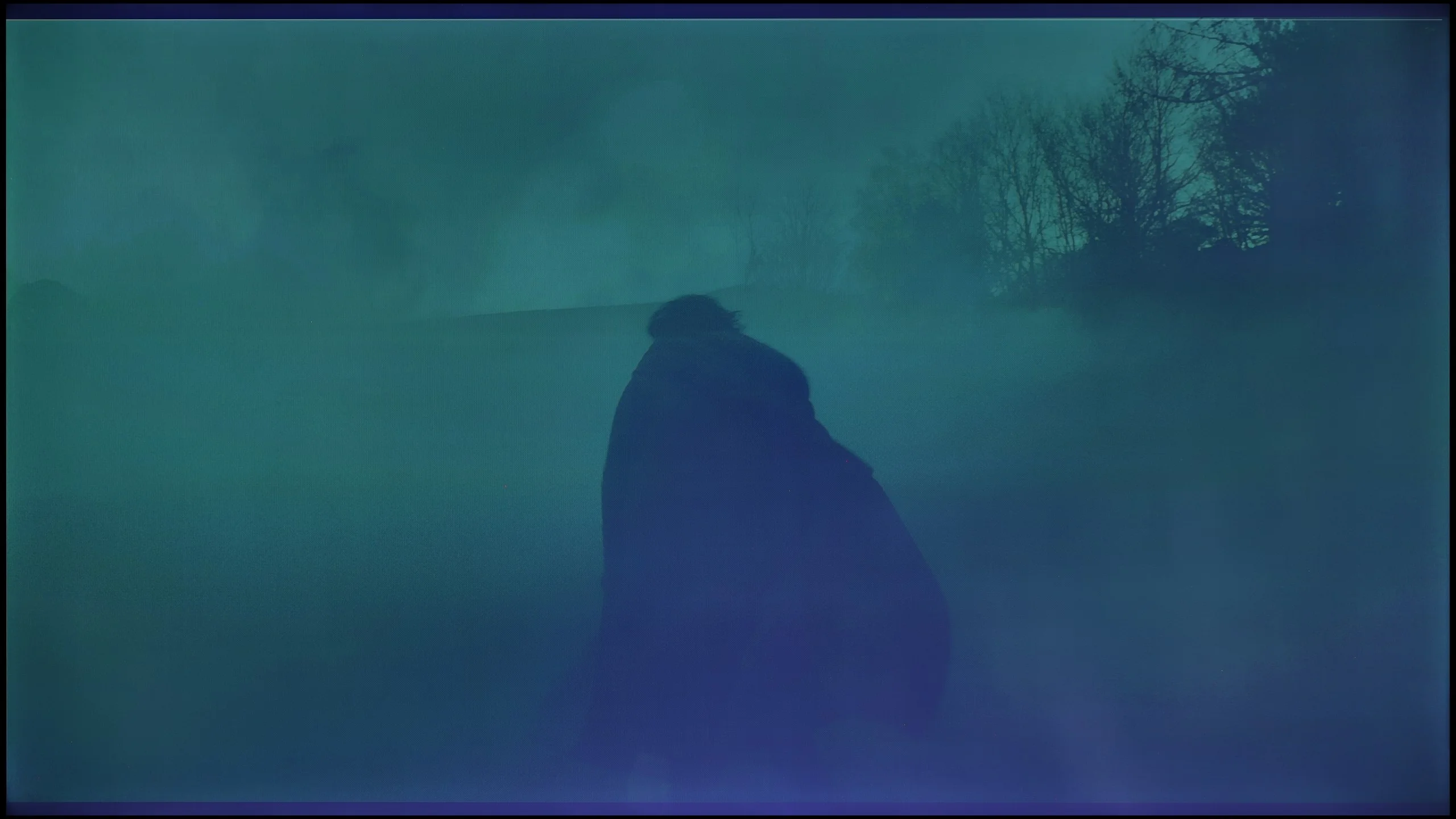
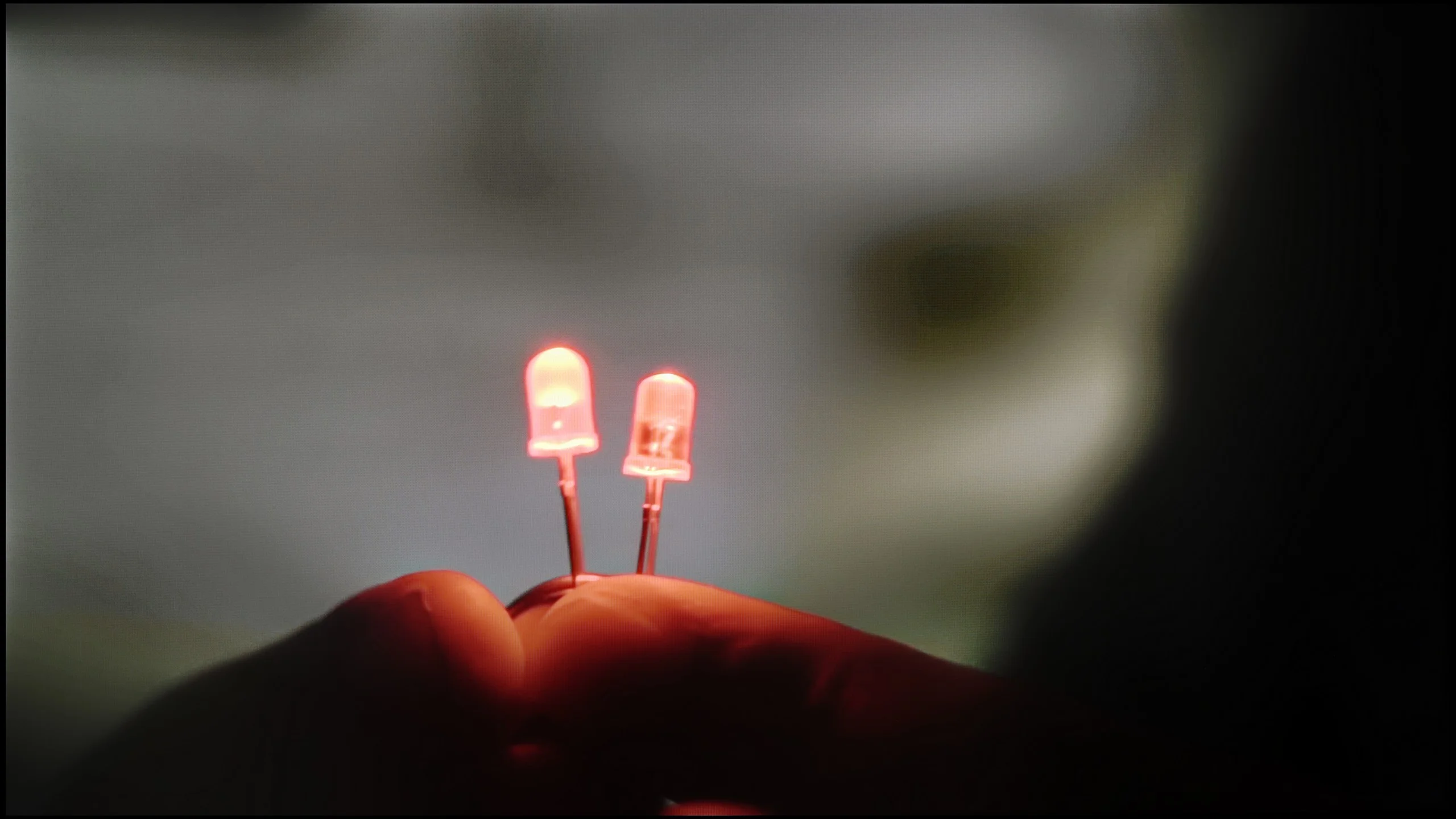
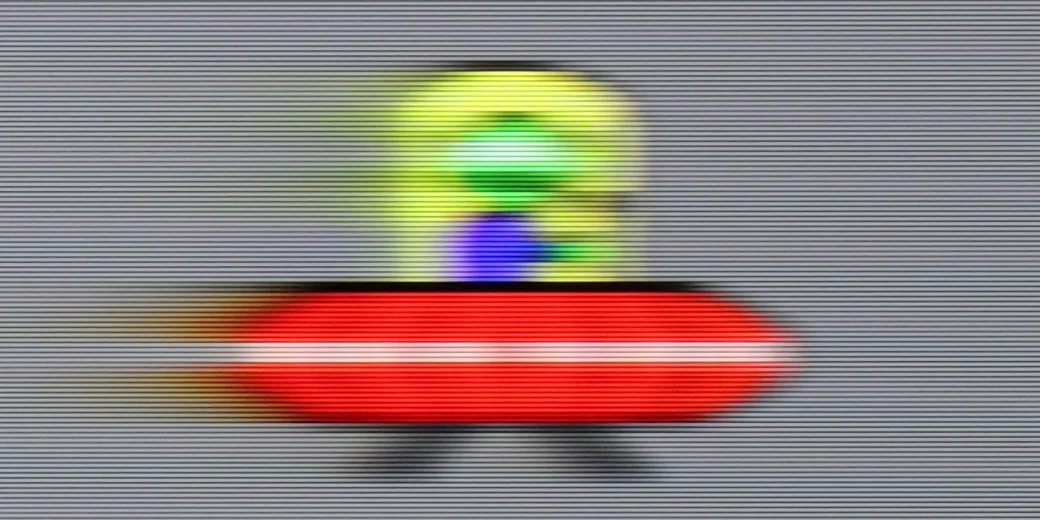
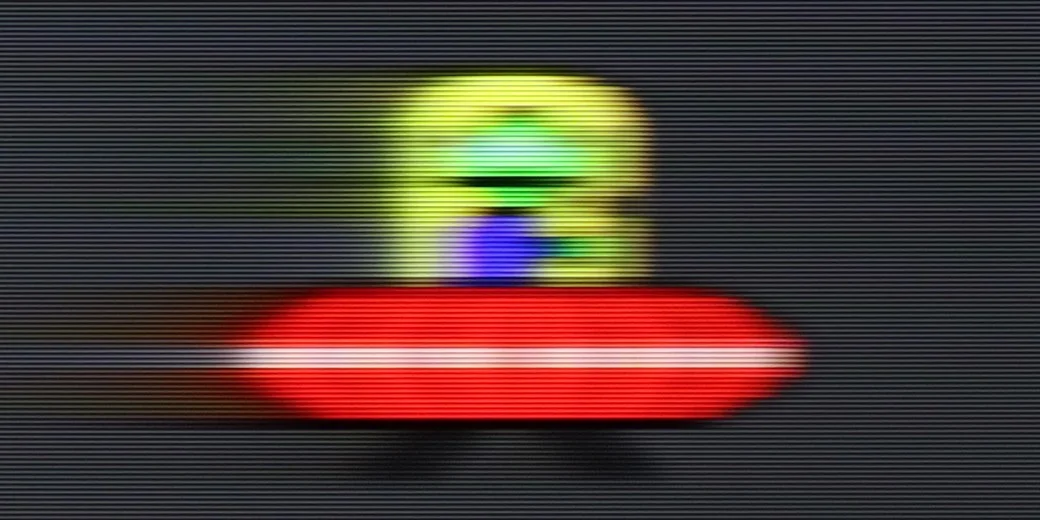
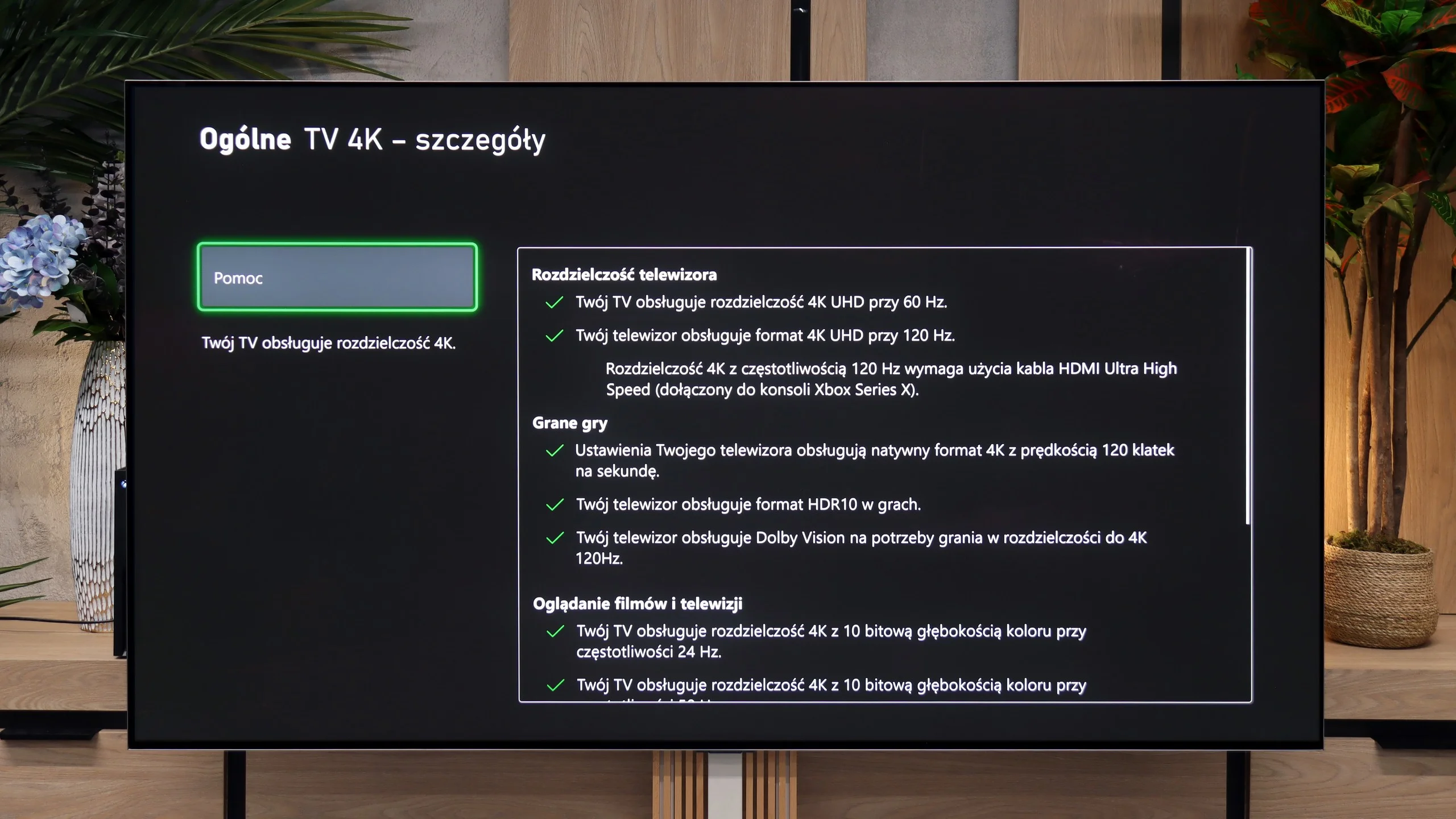
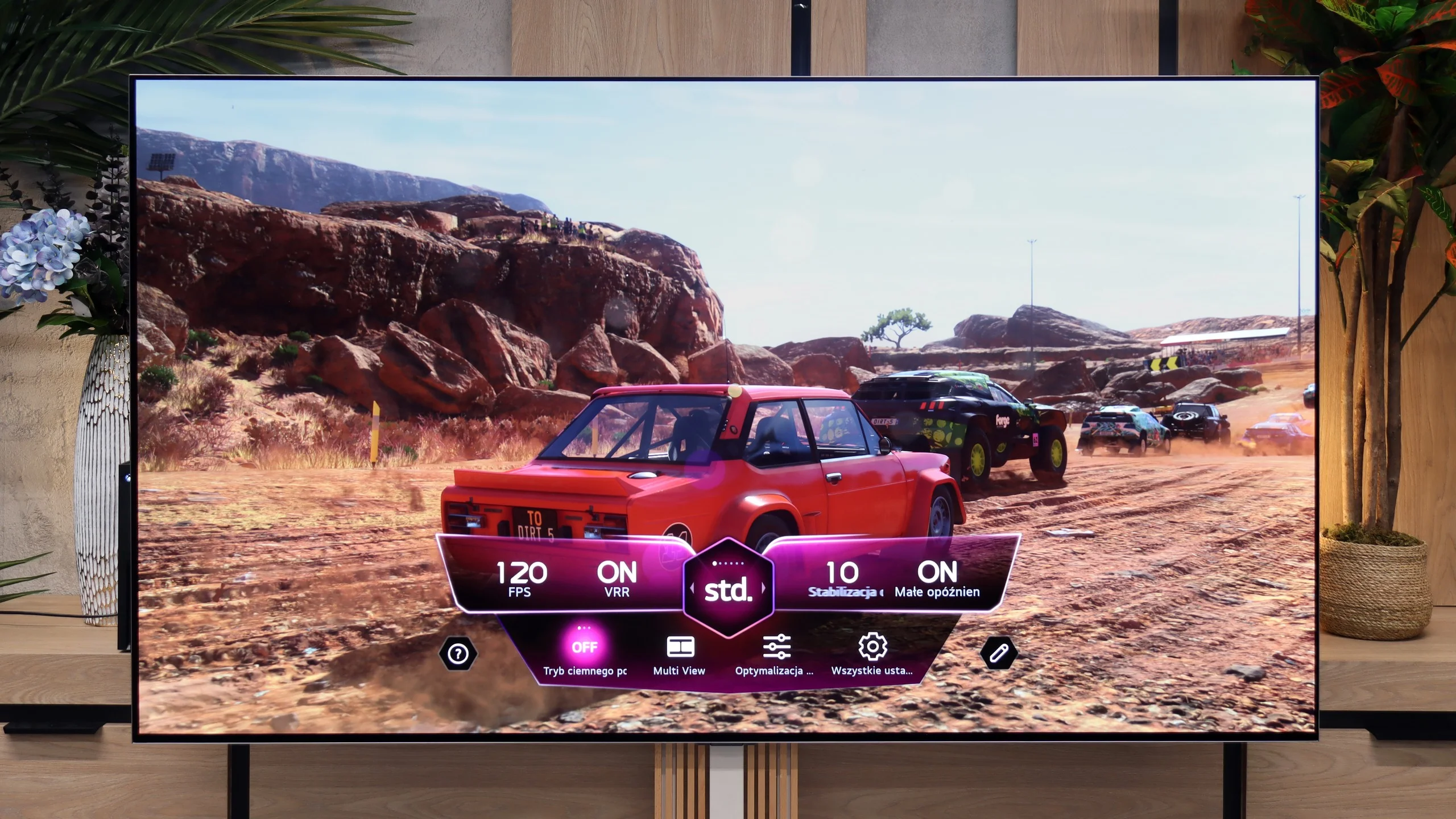
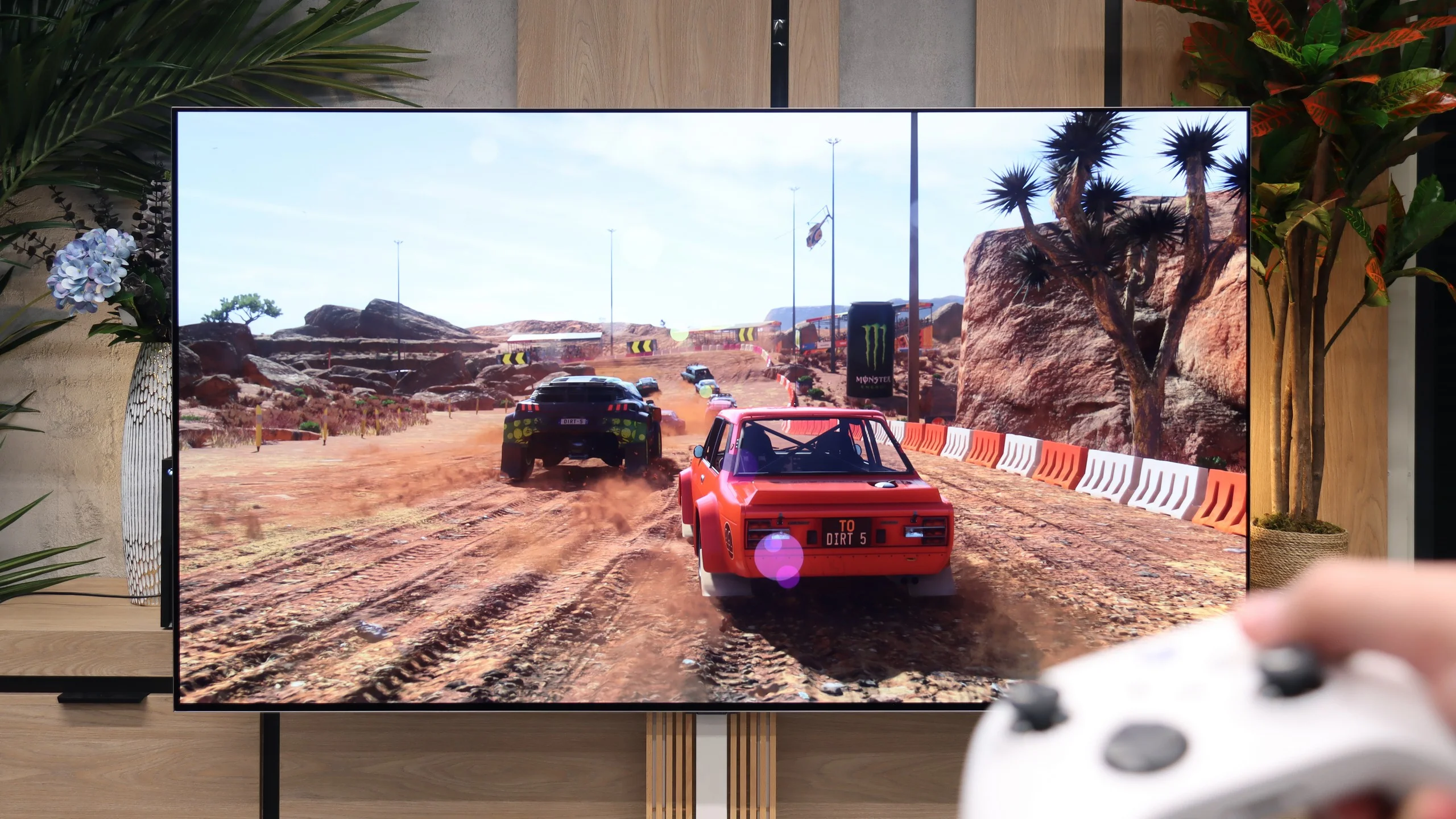
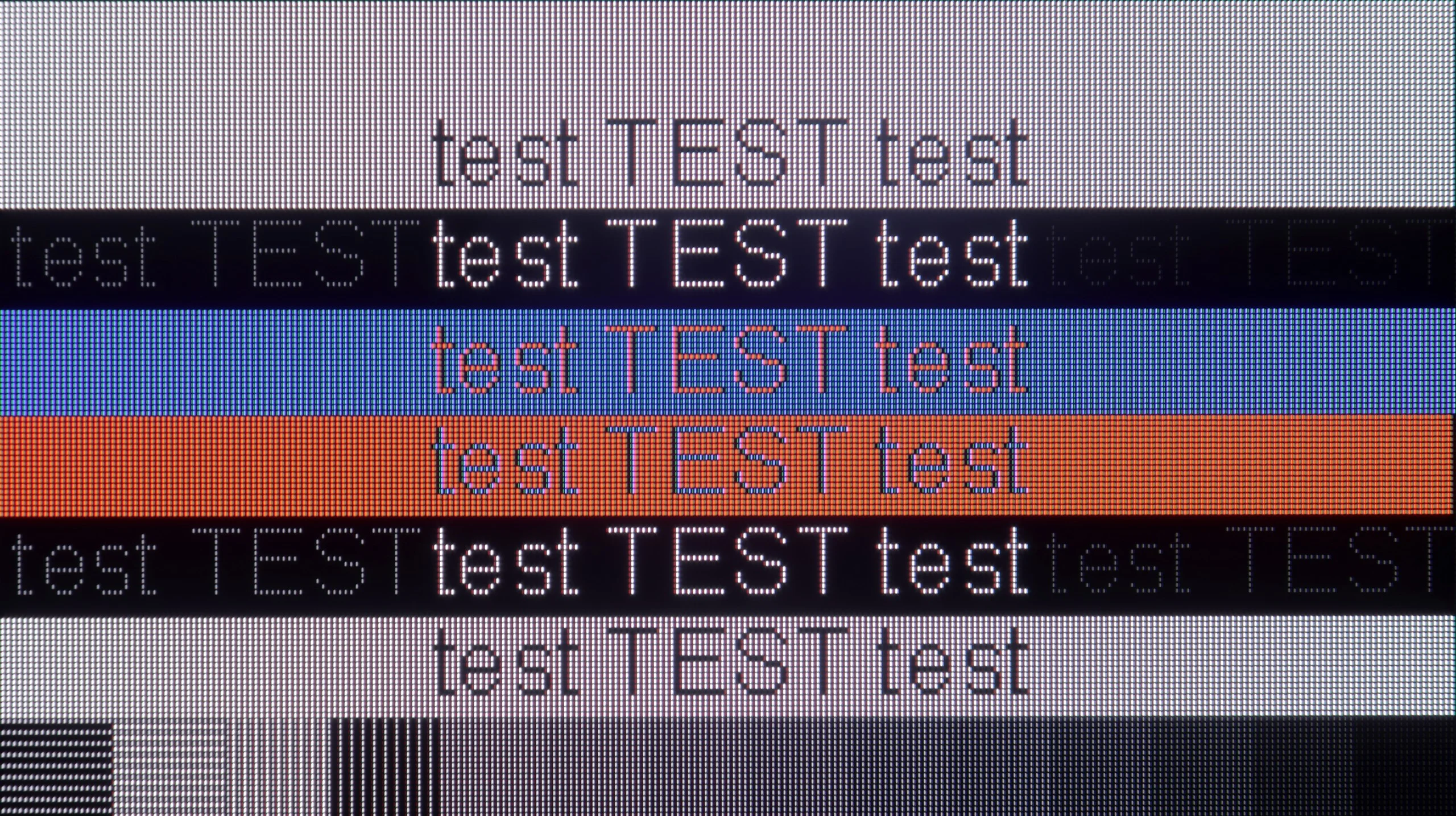
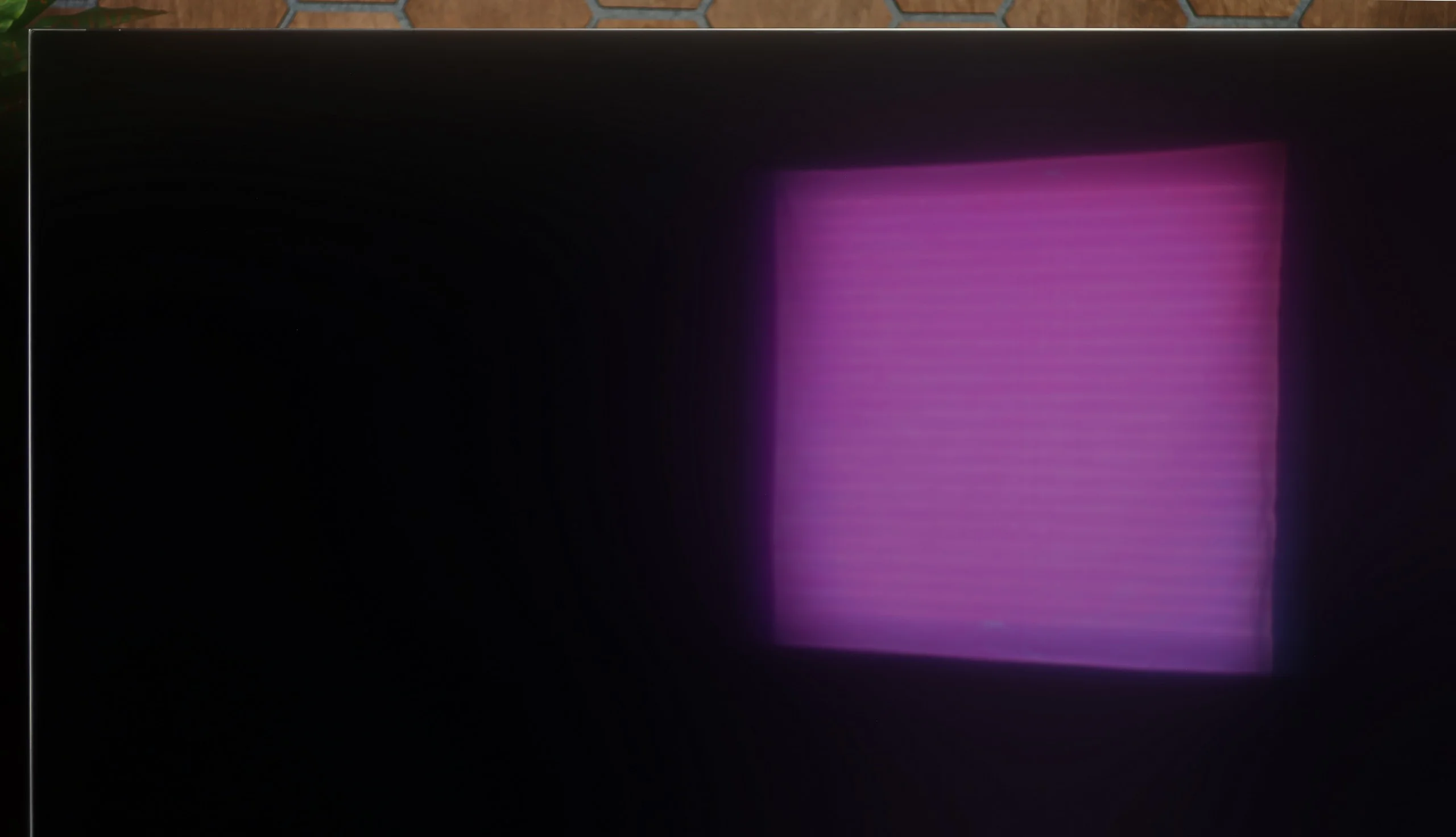
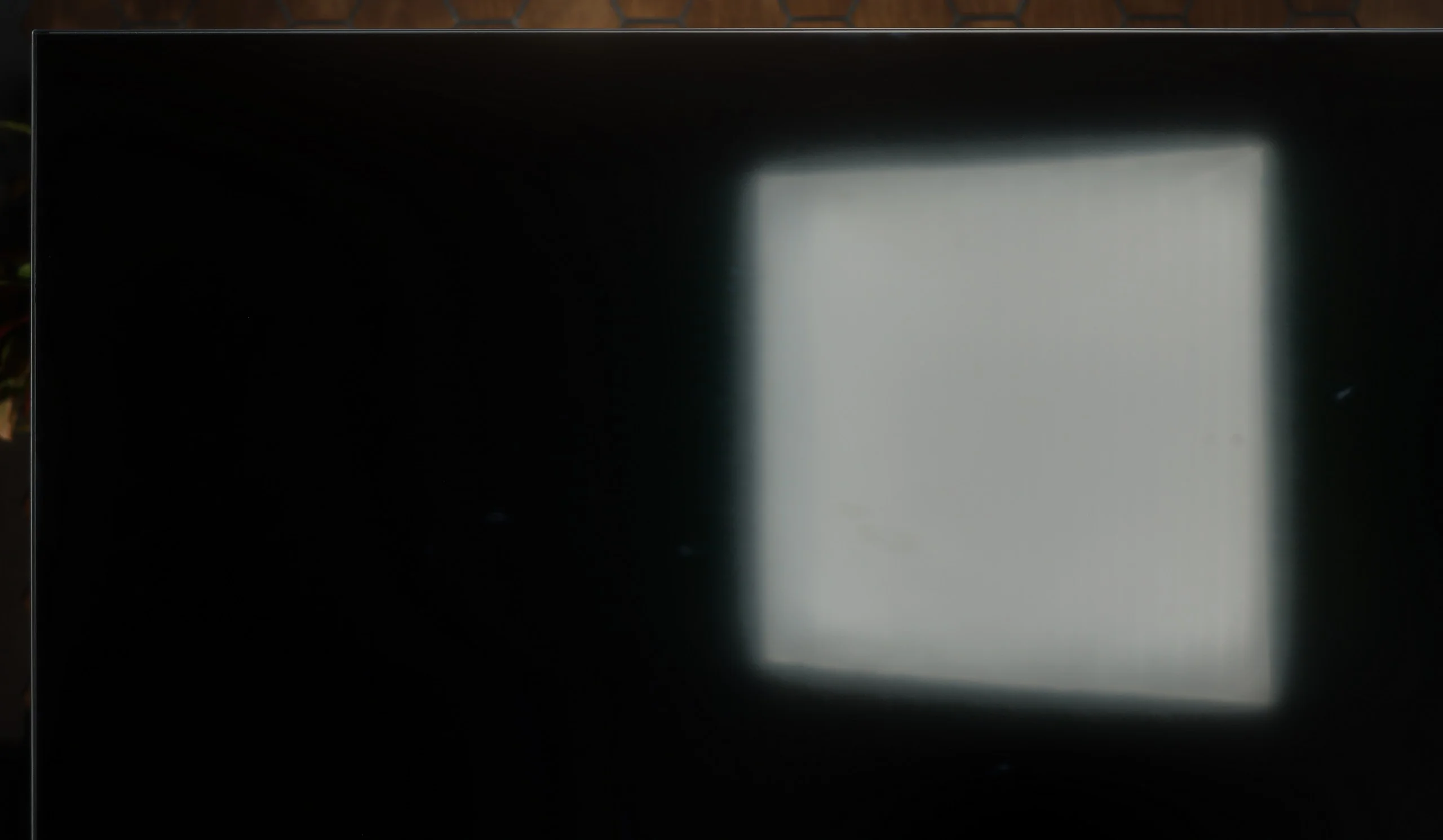
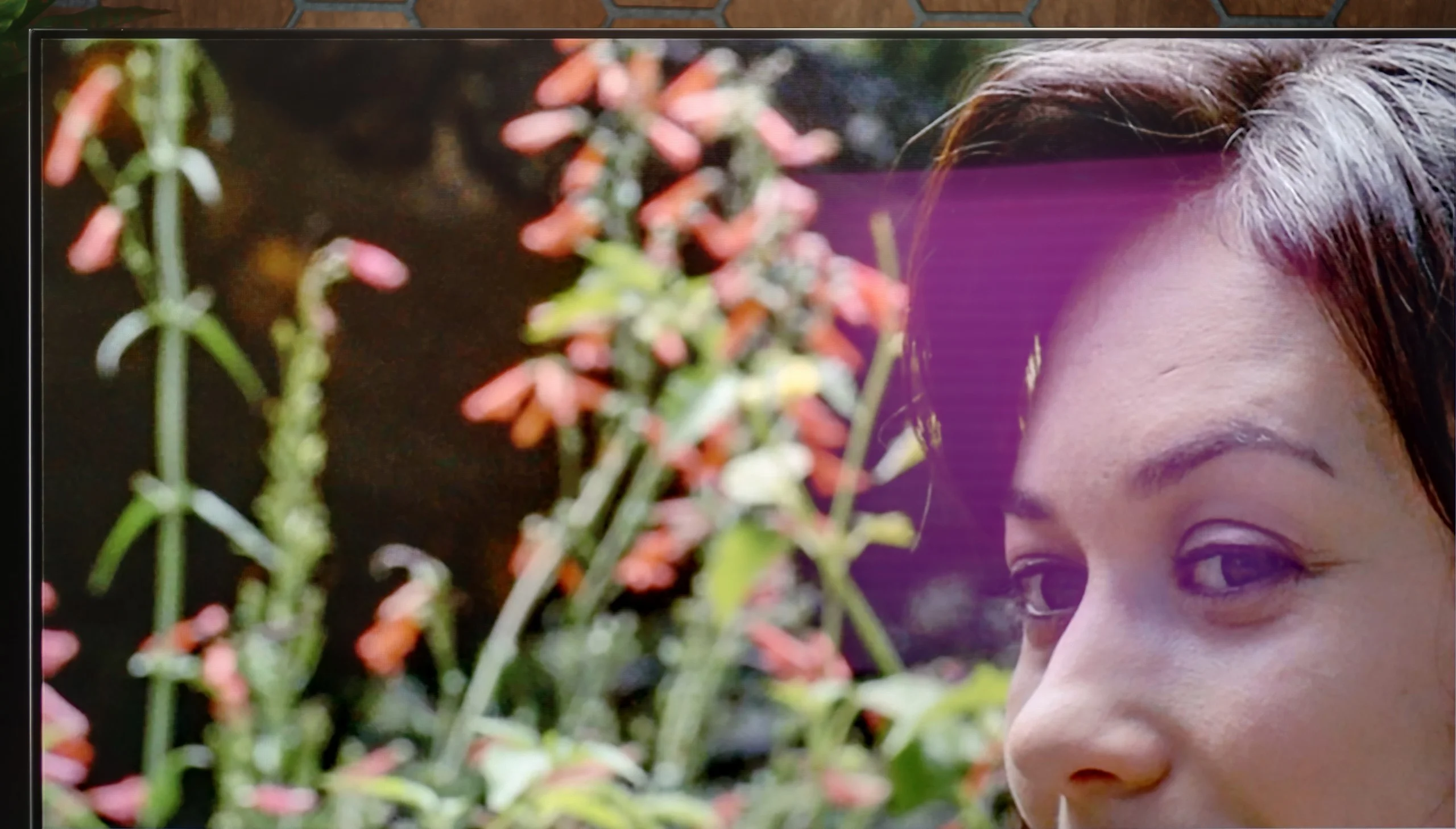
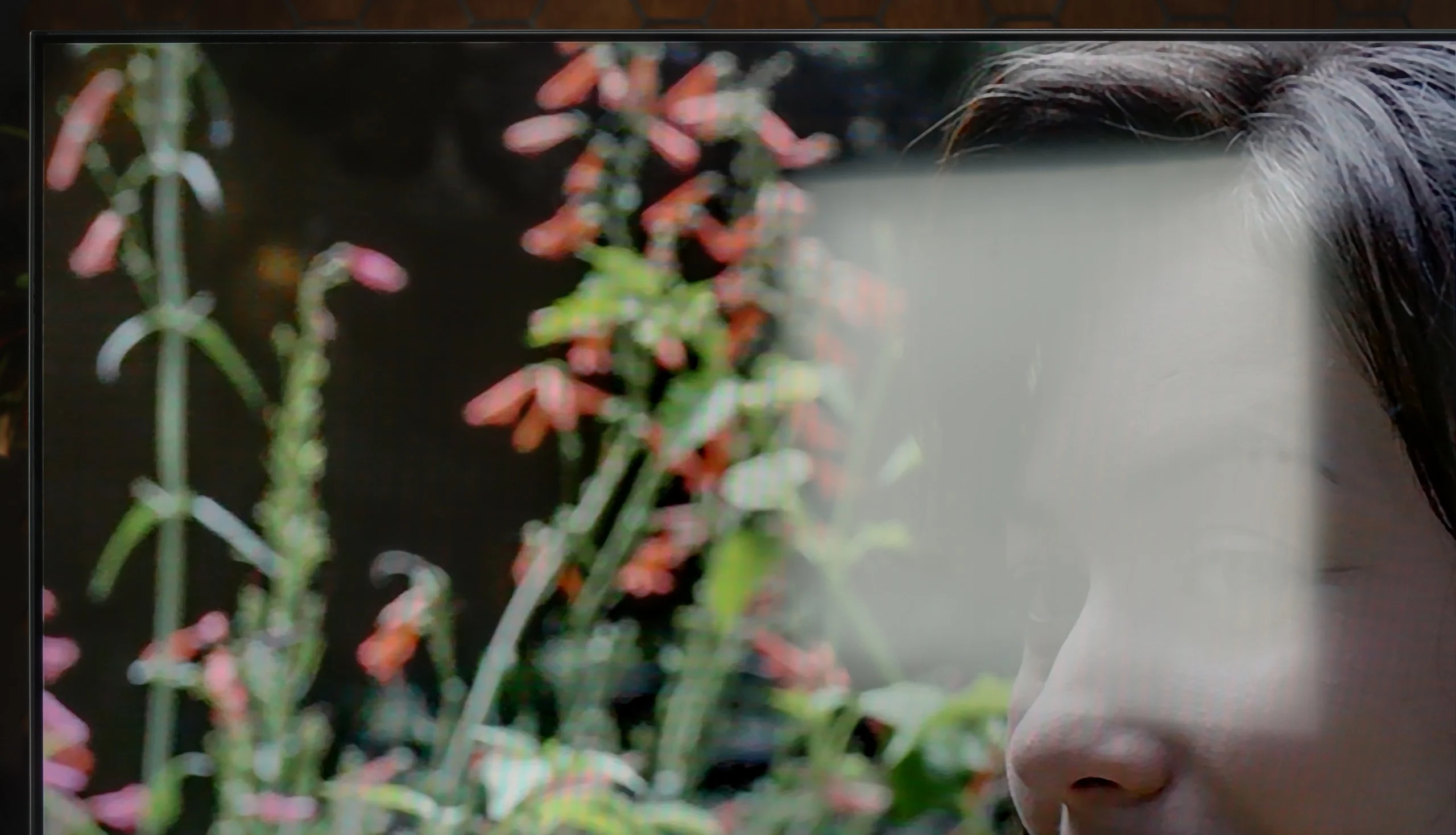
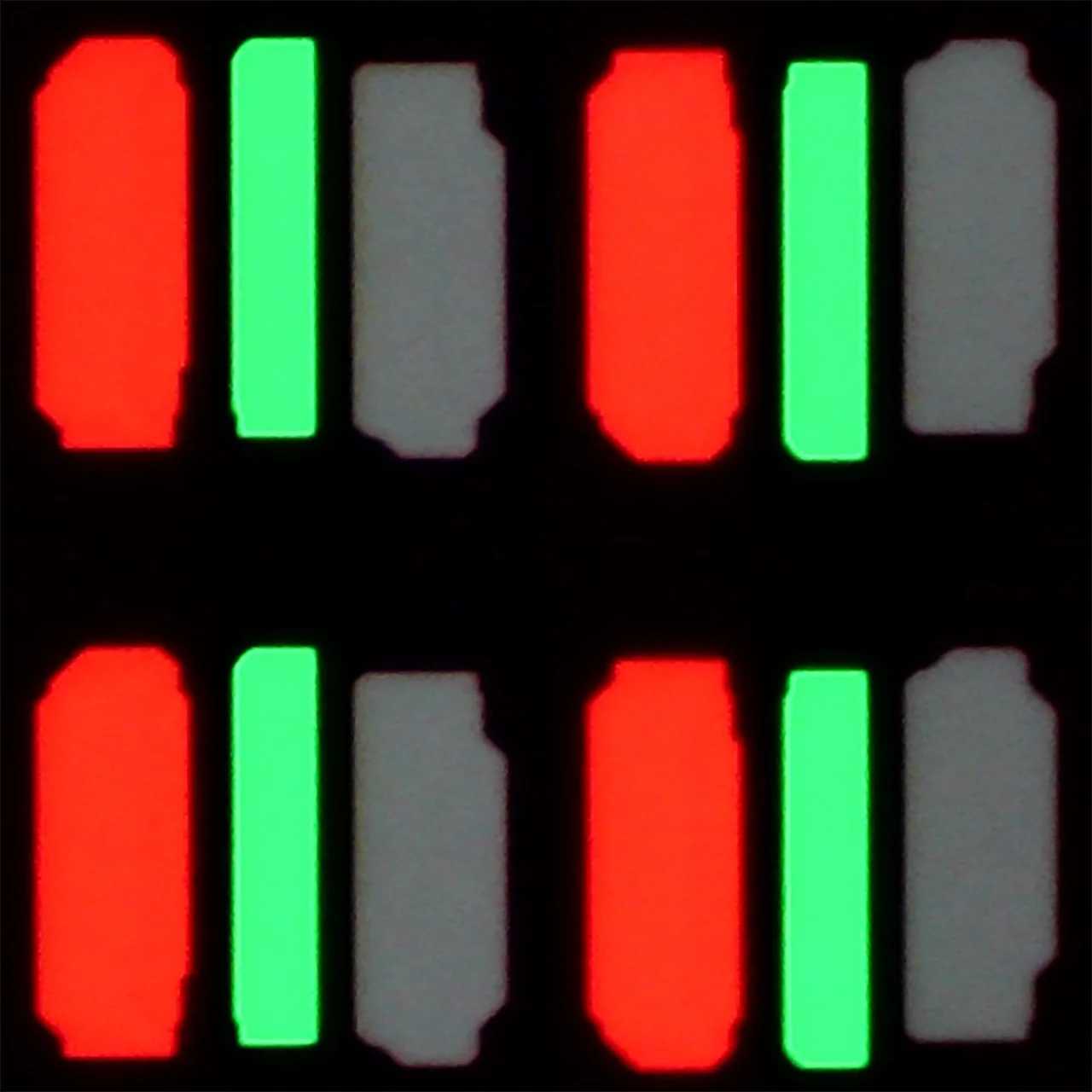
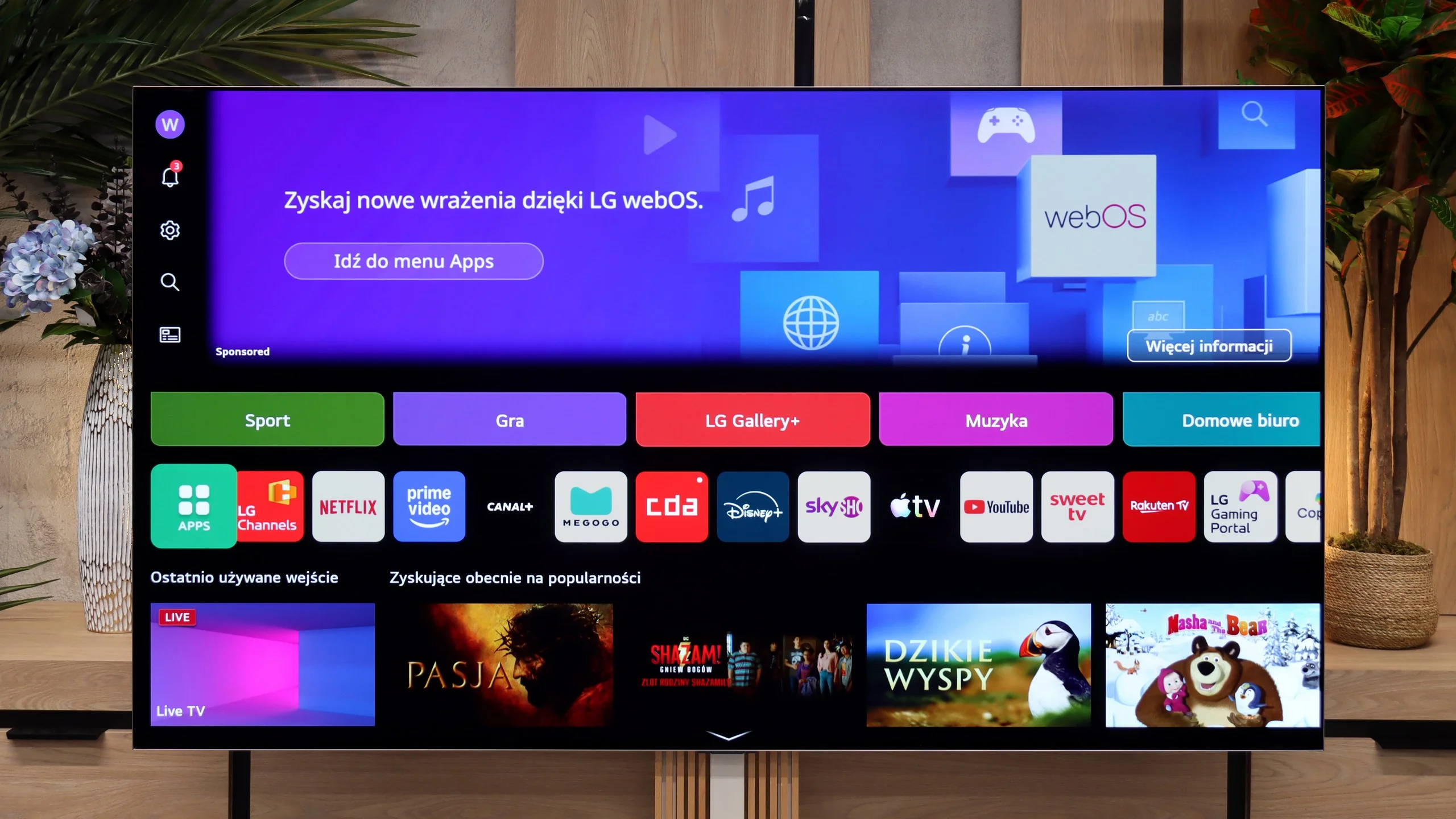
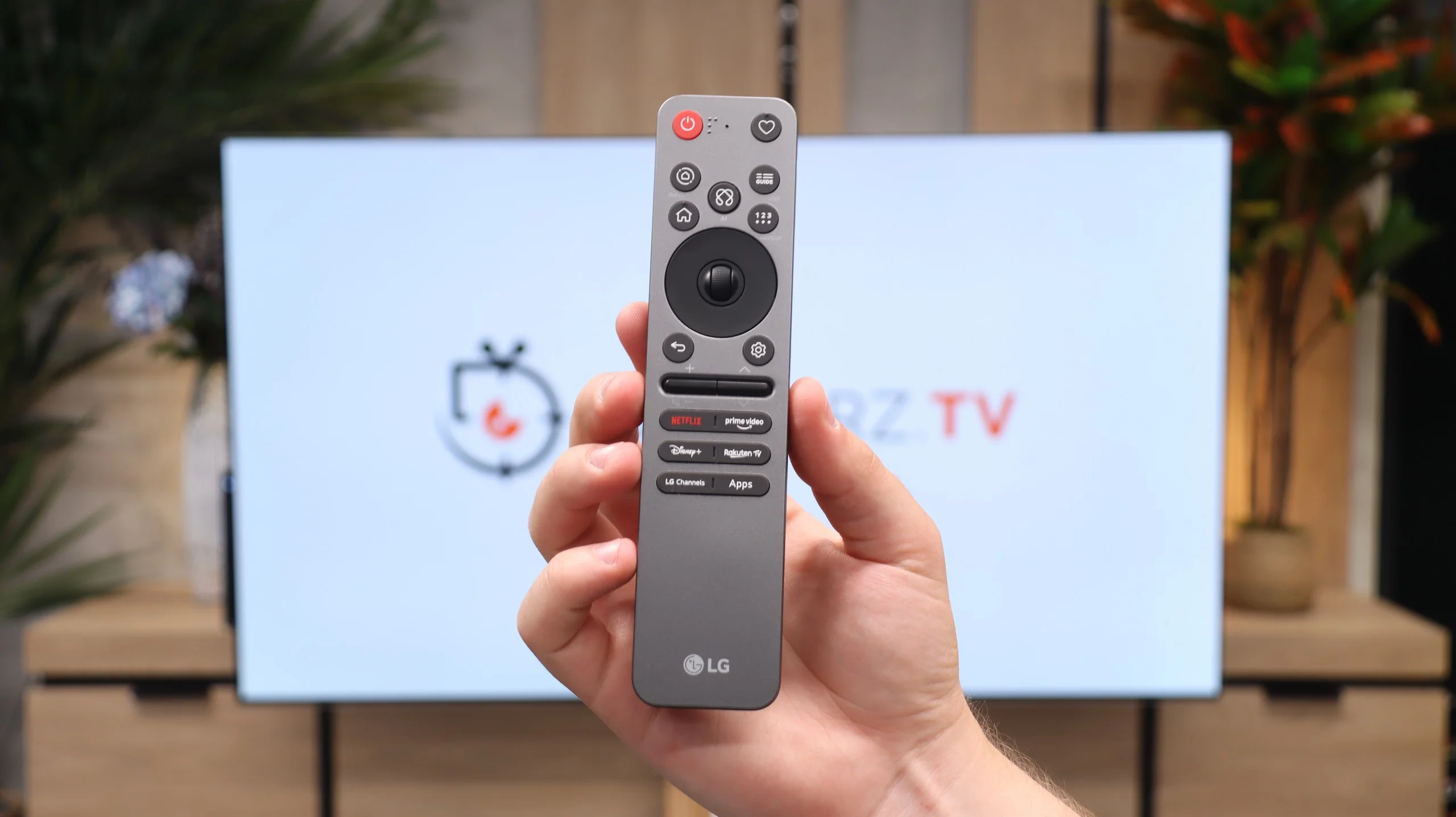
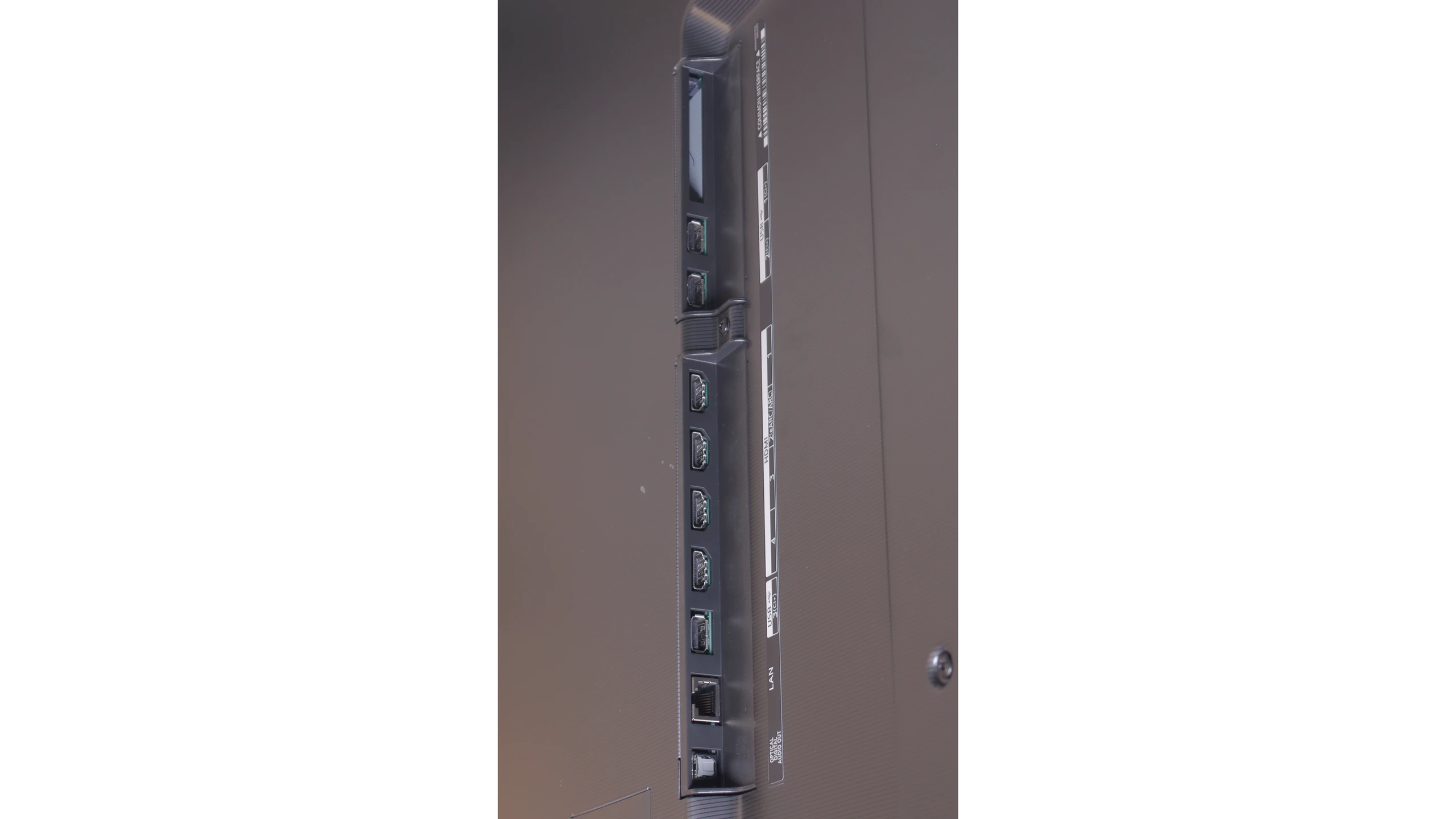
There’s no doubt the LG G6 is outstanding in places. Thanks to the new 2nd-generation Tandem OLED panel it does something no other glossy-screen display on the market has managed so far: it suppresses reflections brilliantly while keeping perfect, untouched picture quality. Add record brightness and the panel’s unique characteristics, and the G6 can produce images that at times literally knock you off your feet. The excellent webOS and gamer-oriented features only reinforce the impression that this is a worthy successor to the G5. But that’s only one side of the coin, since expectations for a device in this class are as high as they get. During detailed testing we ran into an issue with digital image processing in near-black scenes. We’re talking about overly aggressive grain (dithering) and slight flickering of details in dark sequences. While during normal couch viewing this flaw isn’t dramatically noticeable and doesn’t negate the overall wow factor of the contrast, a trained eye will readily see that LG’s engineers stumbled at the final stage of panel tuning. When you buy a fairly expensive flagship product right now, you simply expect perfection out of the box.
Despite this obvious slip-up, the LG G6 is still at the absolute forefront of the market and one of the most interesting TVs of the year. It has a solid foundation to become the ultimate display. We firmly believe the manufacturer will quickly diagnose the issue and release an appropriate software update. If that happens, the competition won’t stand a chance. We promise to monitor the situation closely, and as soon as a patch appears we will verify how well it performs.
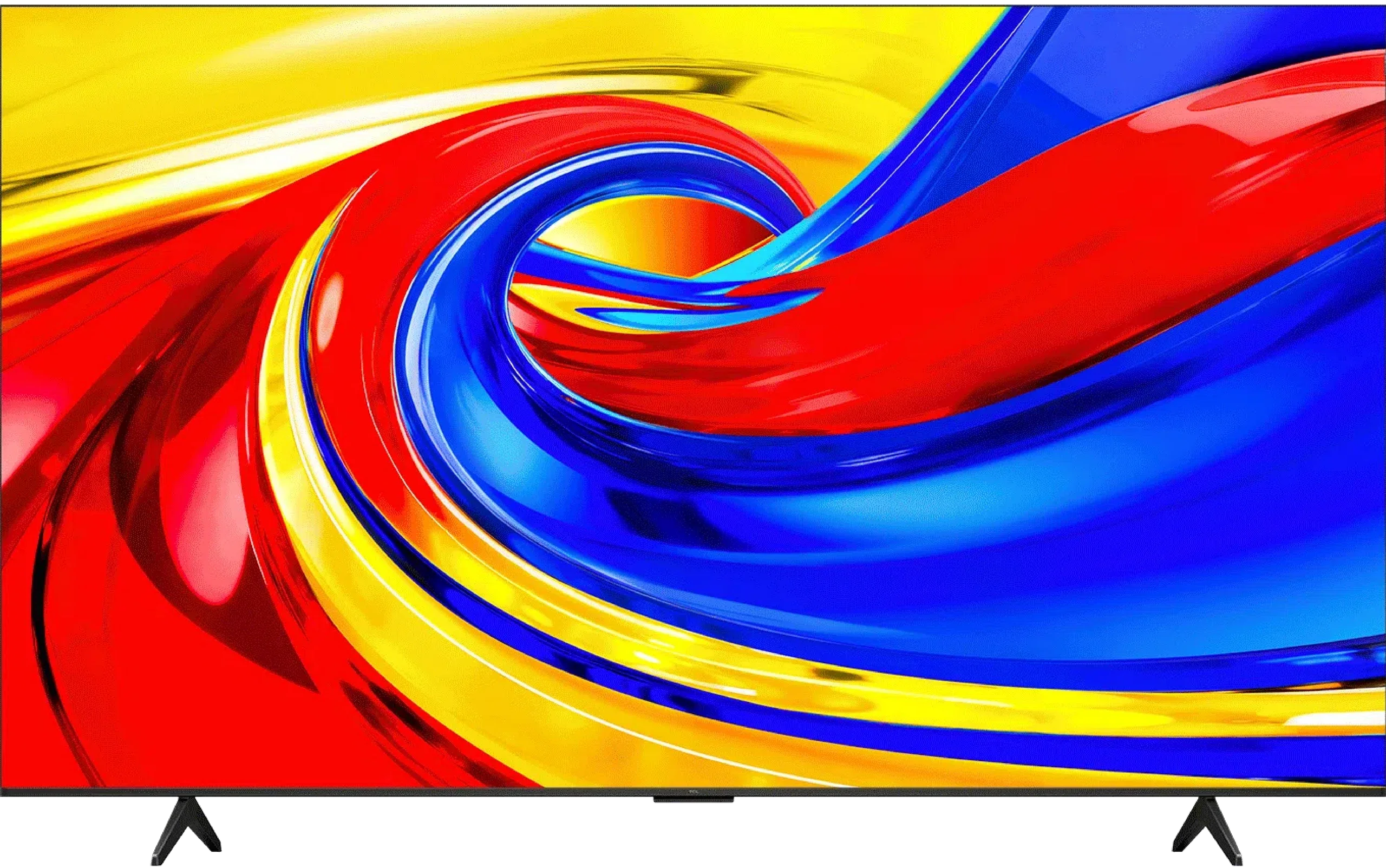
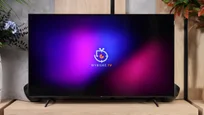
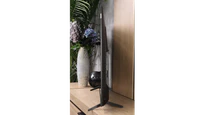
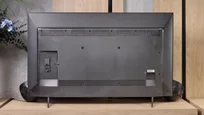
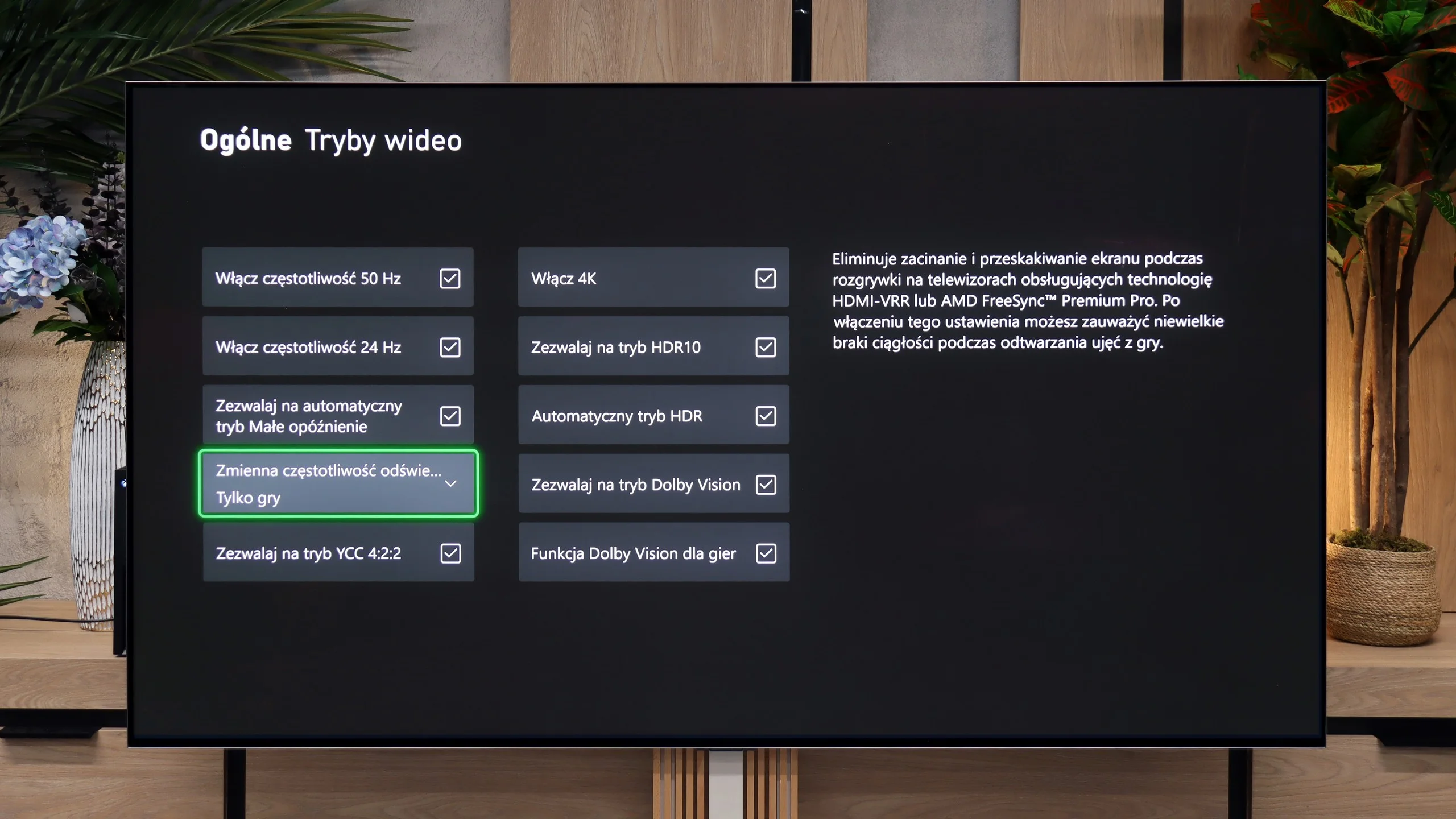
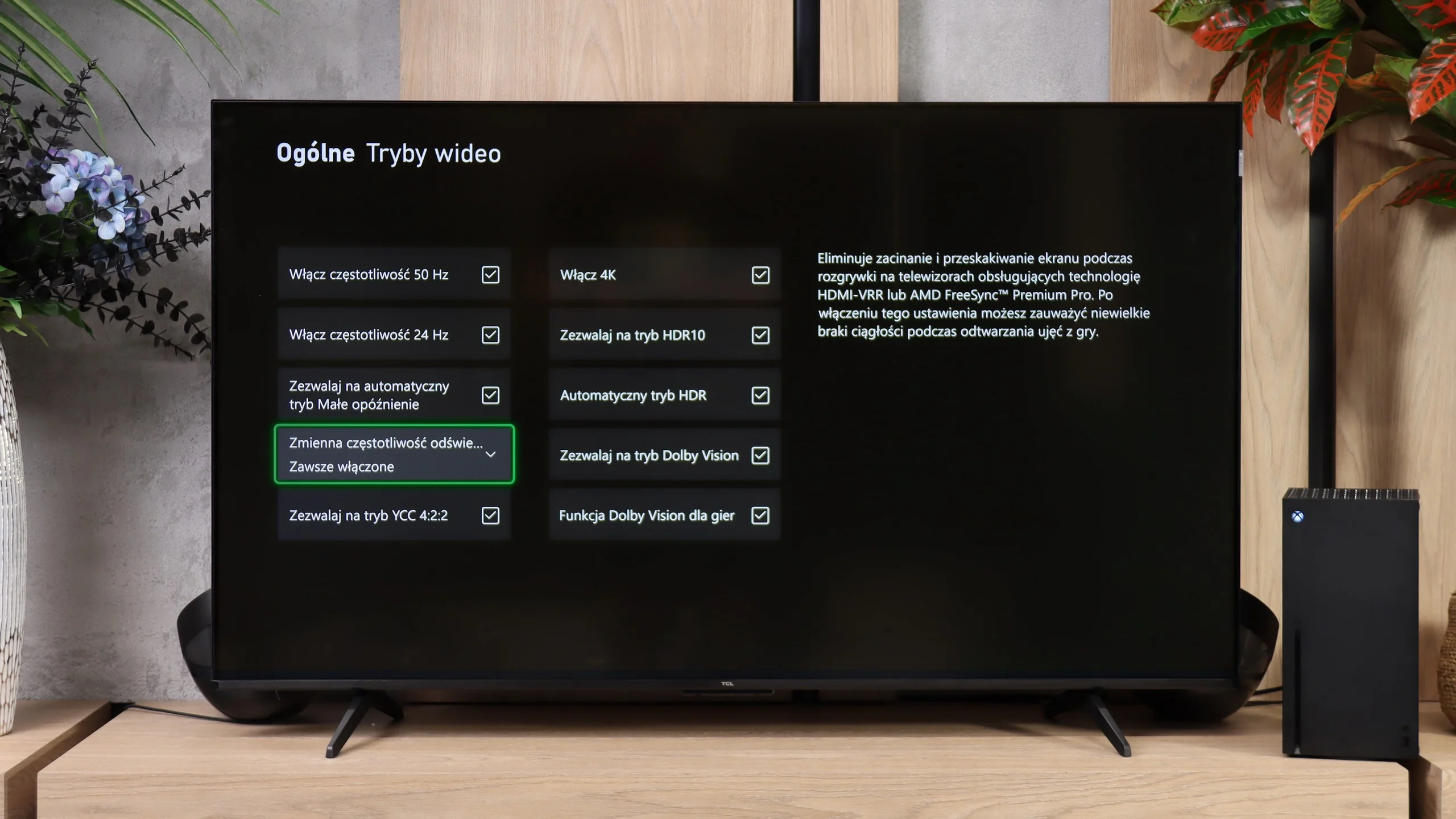
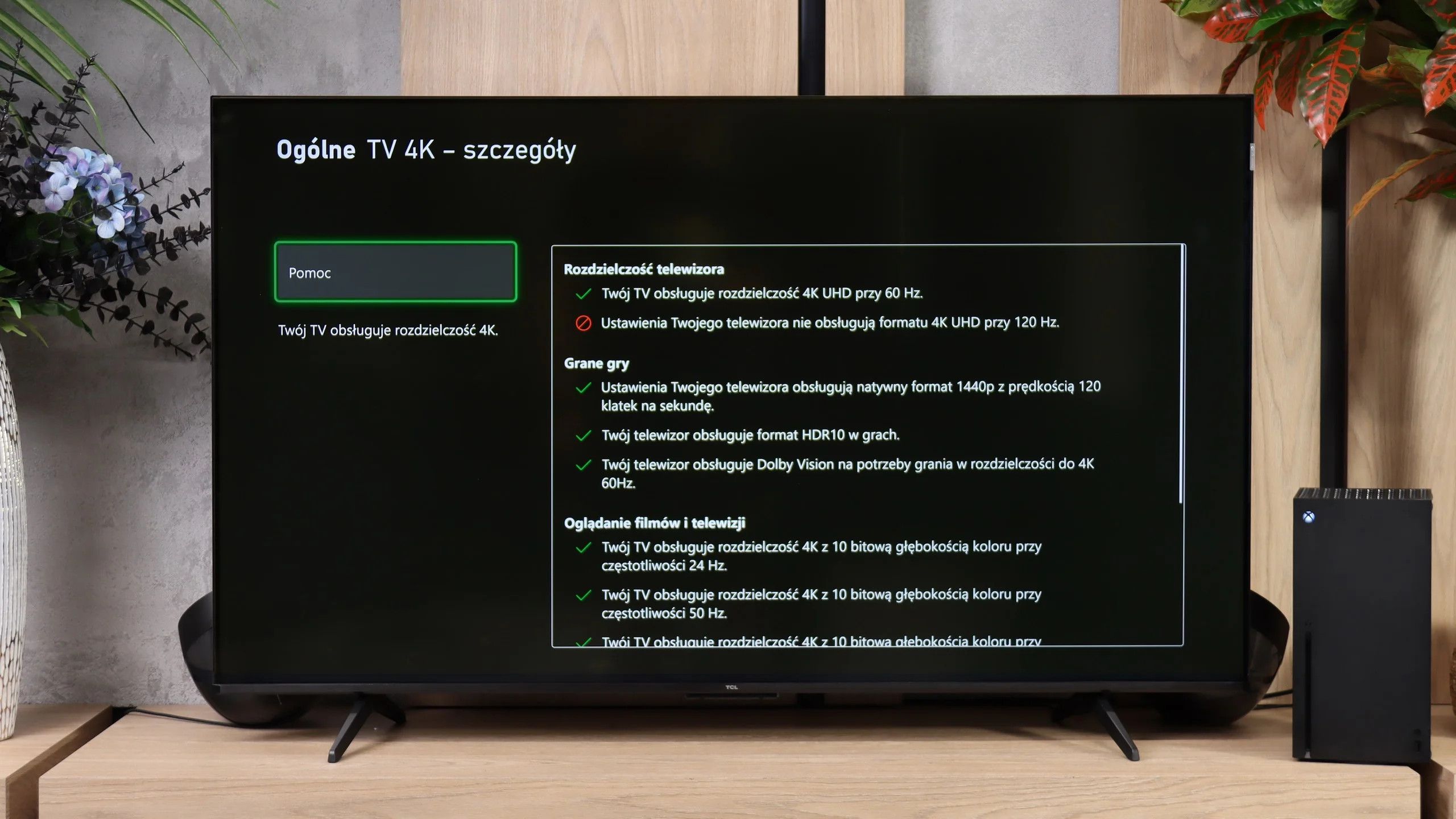
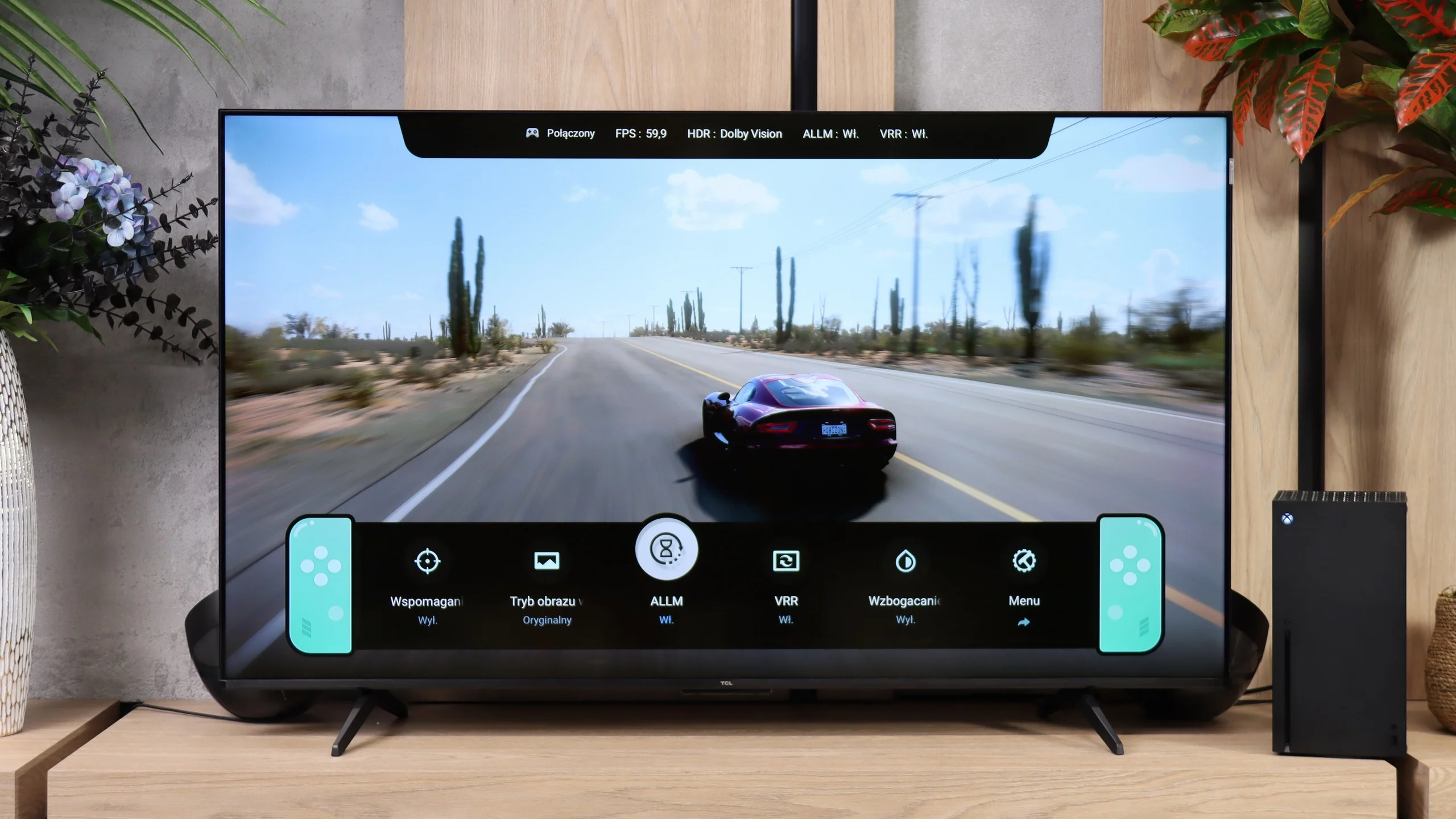
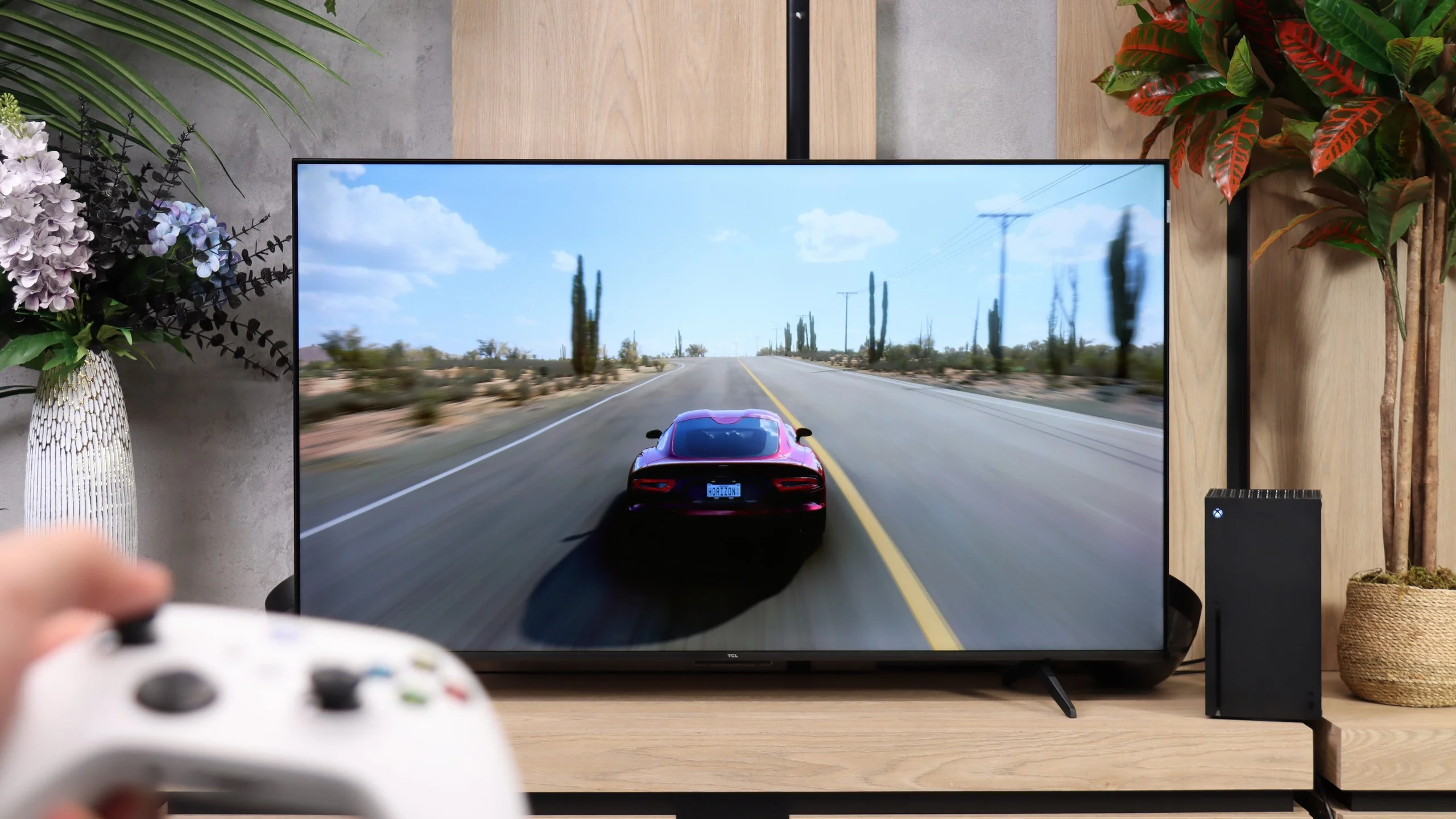
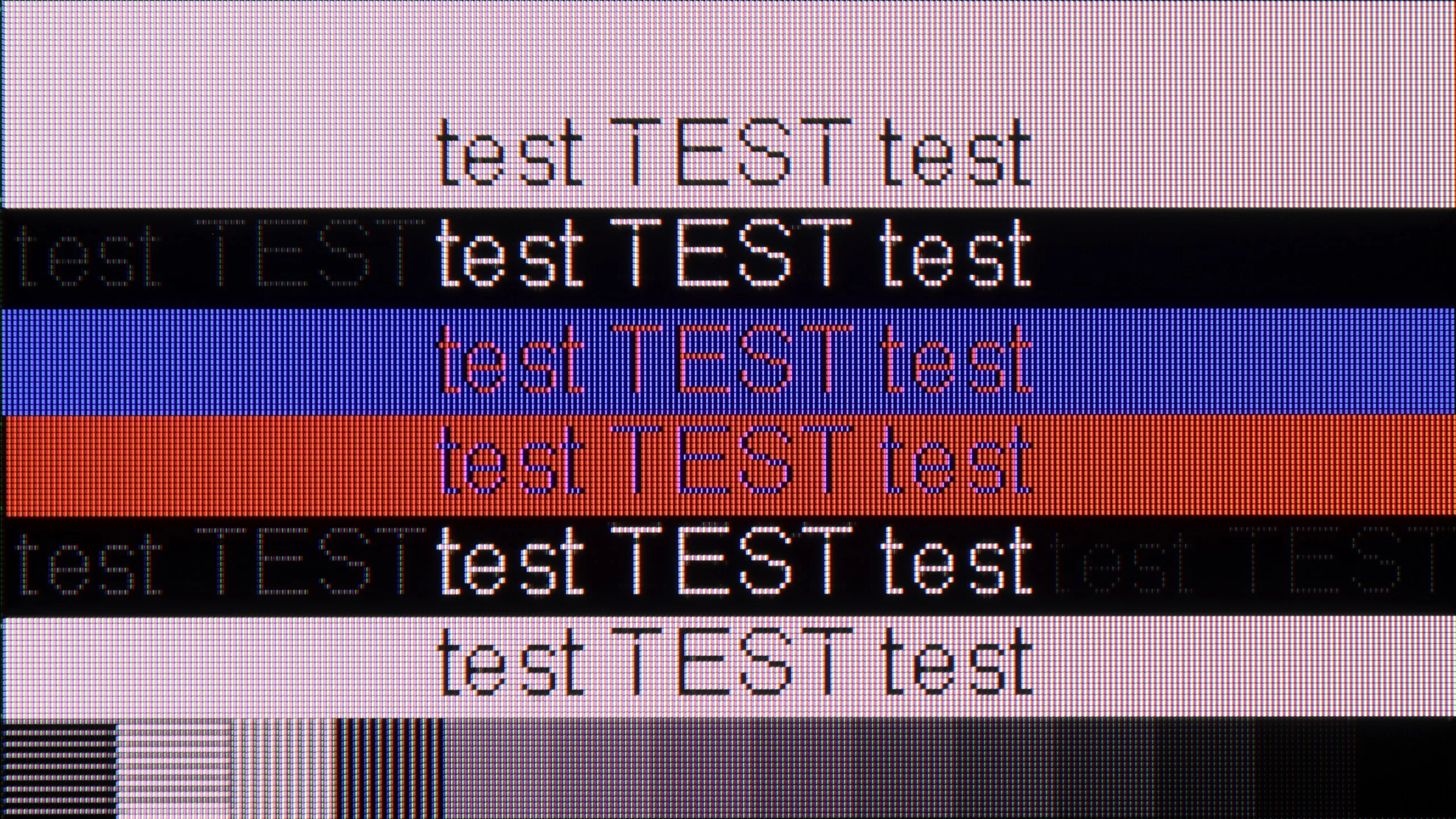
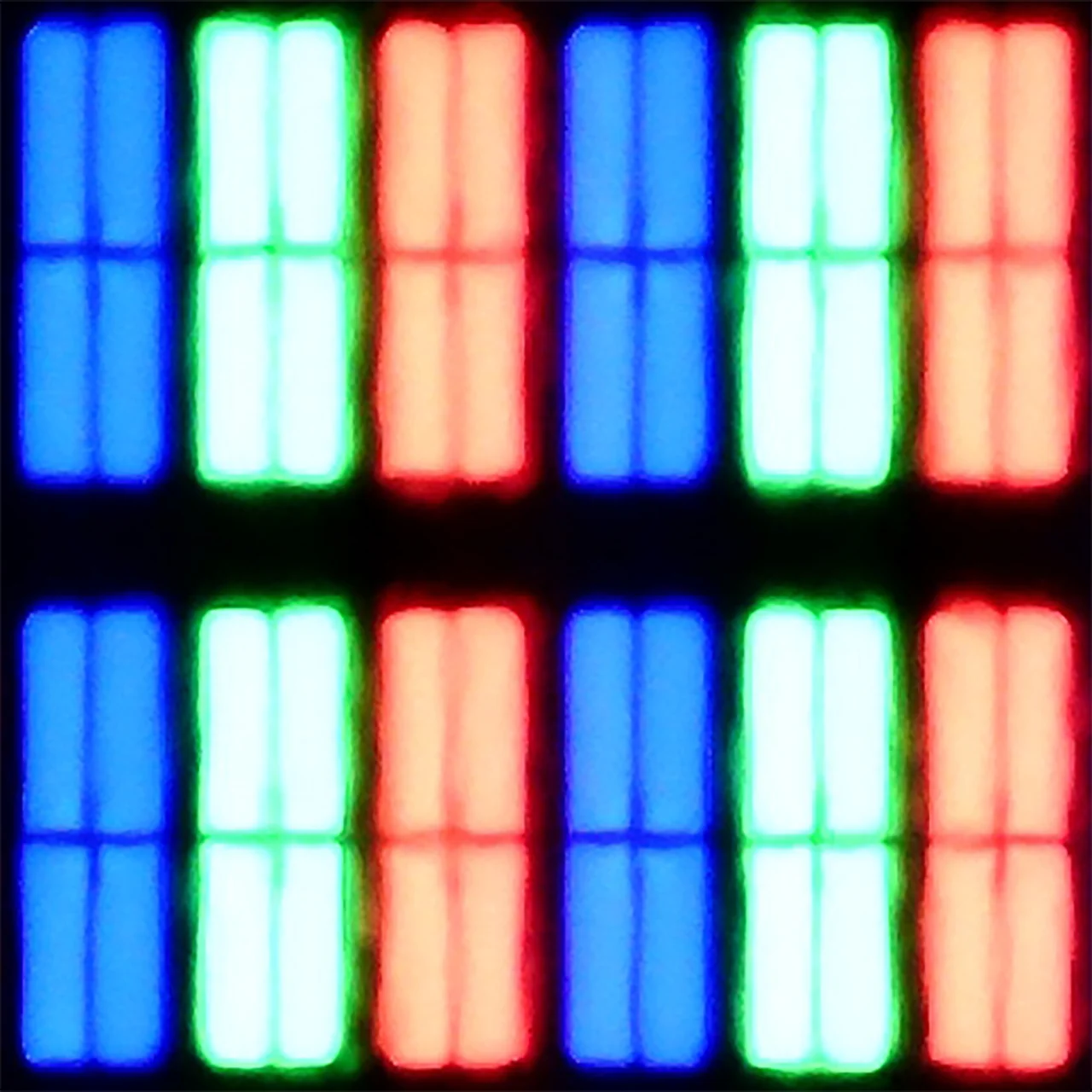
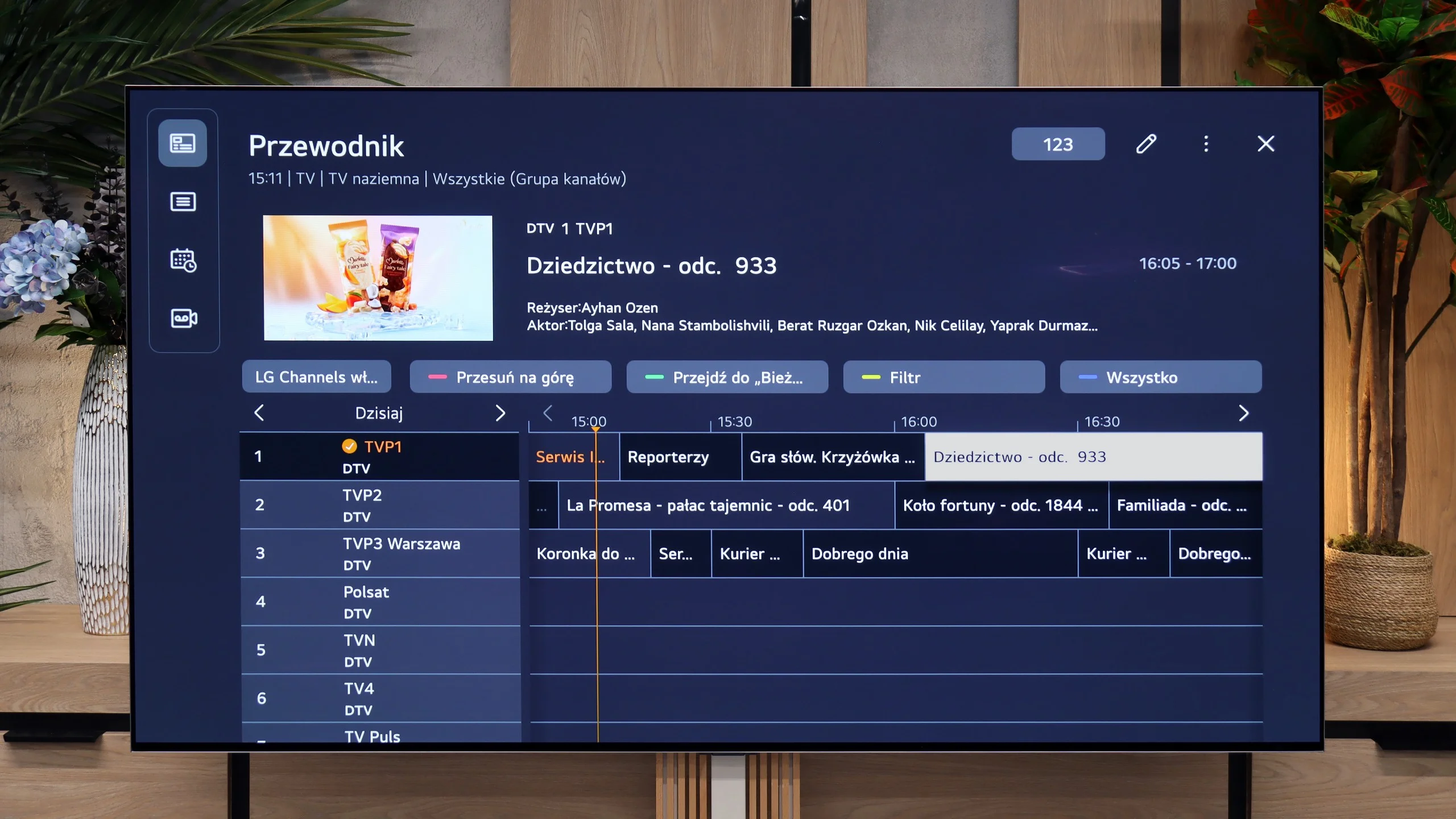
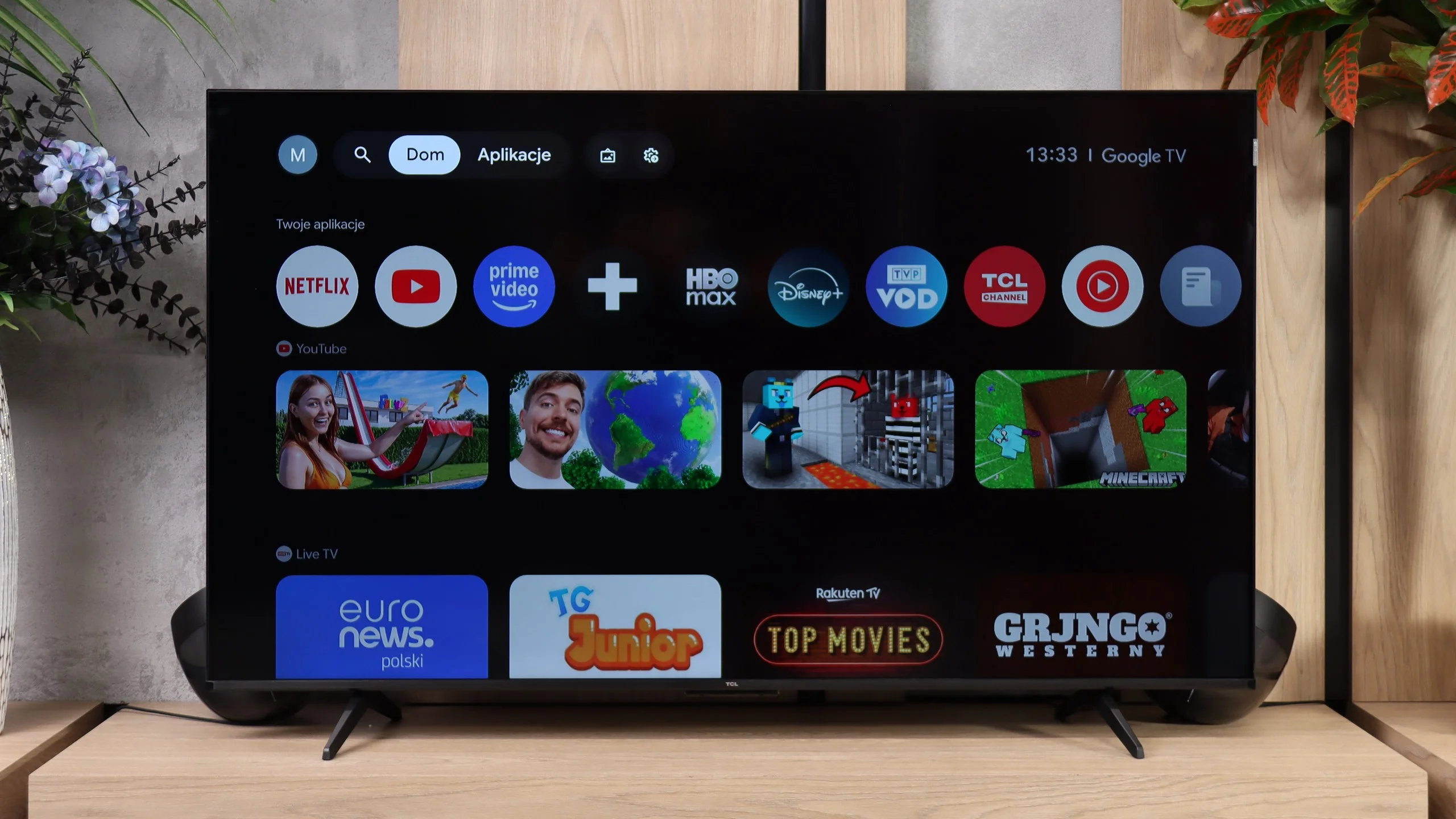
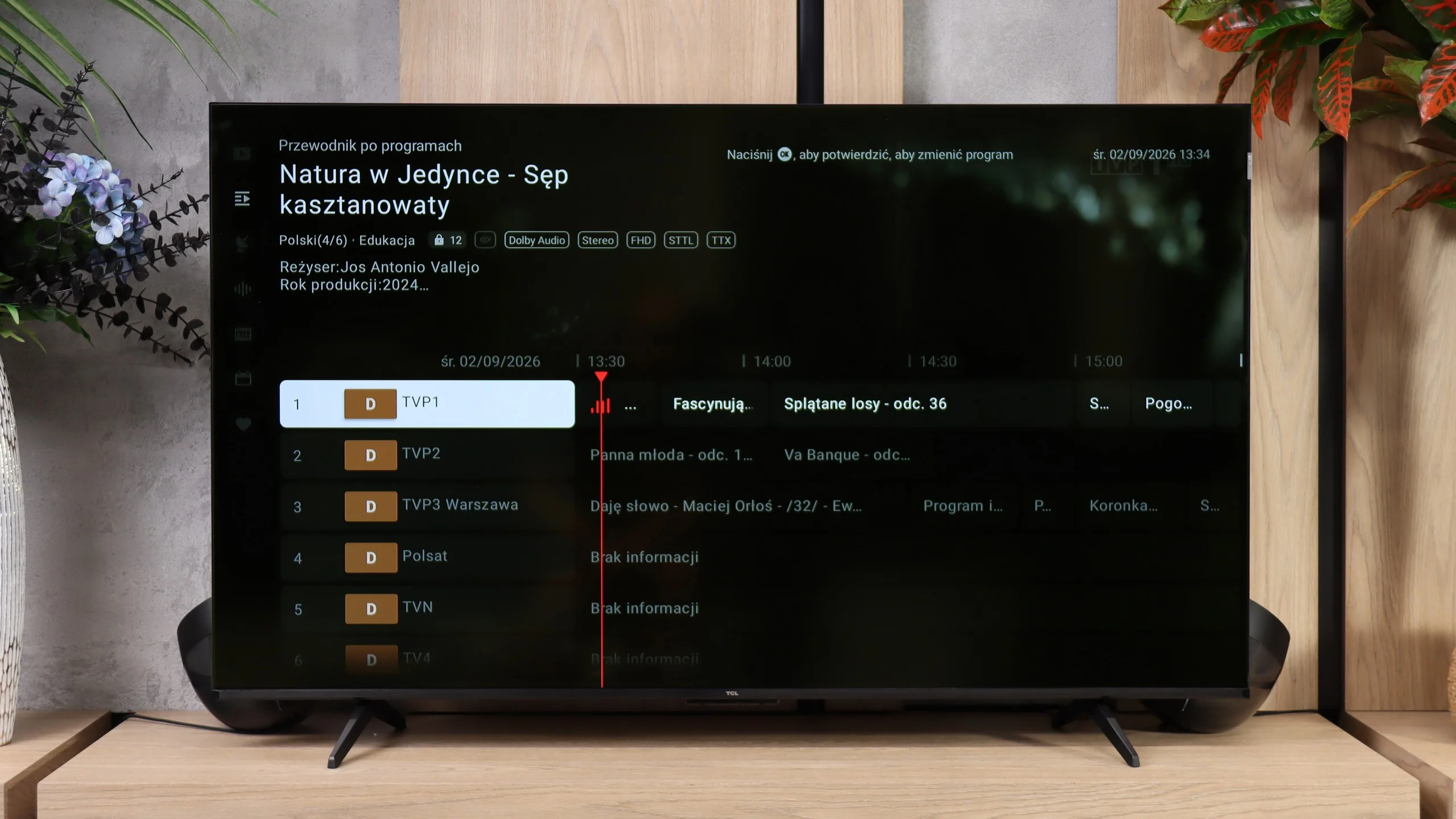
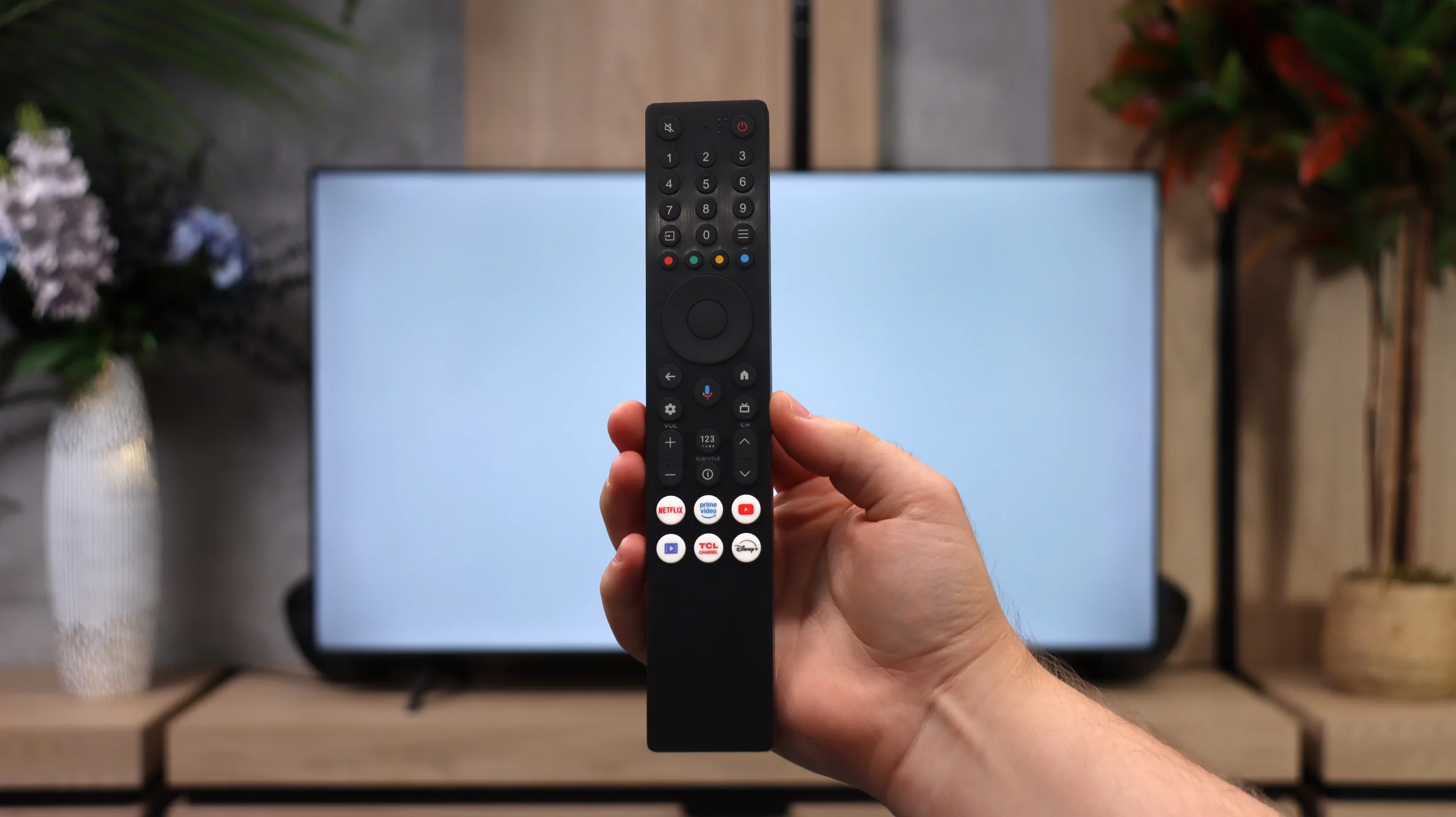
The TCL P7L is a successful budget TV that shows you can get more than just a basic screen for not much money. It doesn't match pricier Mini LEDs or OLEDs, but in its class it has a lot to offer. The VA panel delivers decent black levels and contrast, so during evening viewing the picture doesn't look as flat as on many cheap IPS models. Colors also perform well after calibration. For watching movies and TV shows it's a solid foundation, and Google TV provides access to a wide range of apps and streaming services. The biggest surprise is its gaming capabilities. The P7L responds quickly to controller input, supports VRR and automatically switches to game mode. It even offers Dolby Vision Gaming and a Game Bar with settings at hand. What's more, by lowering the resolution to 1080p or 1440p you can play at 120 Hz. In 4K you’re limited to 60 Hz, so you have to choose between more detail and smoother motion, but it's good that at this price you even have that option.
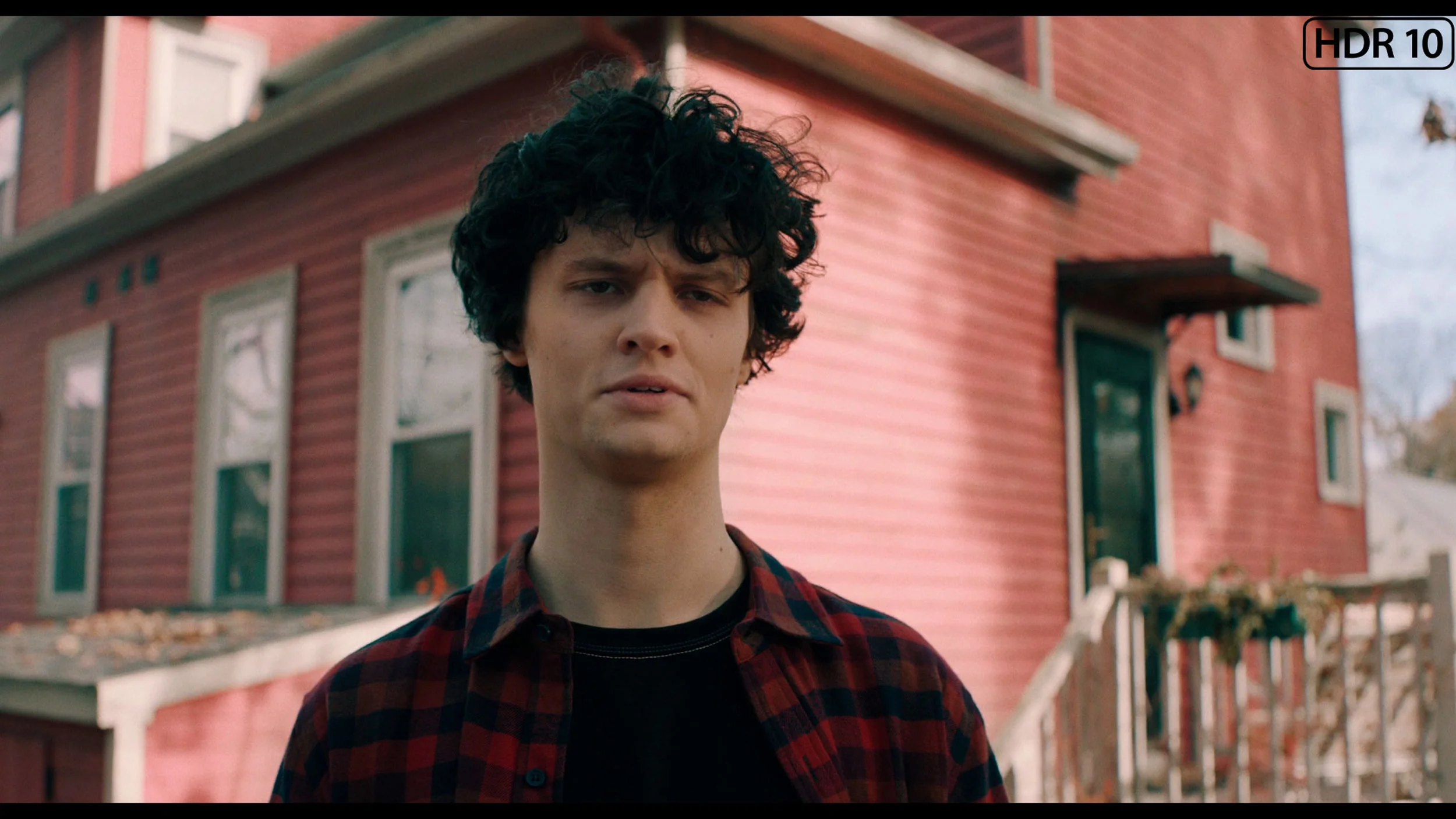
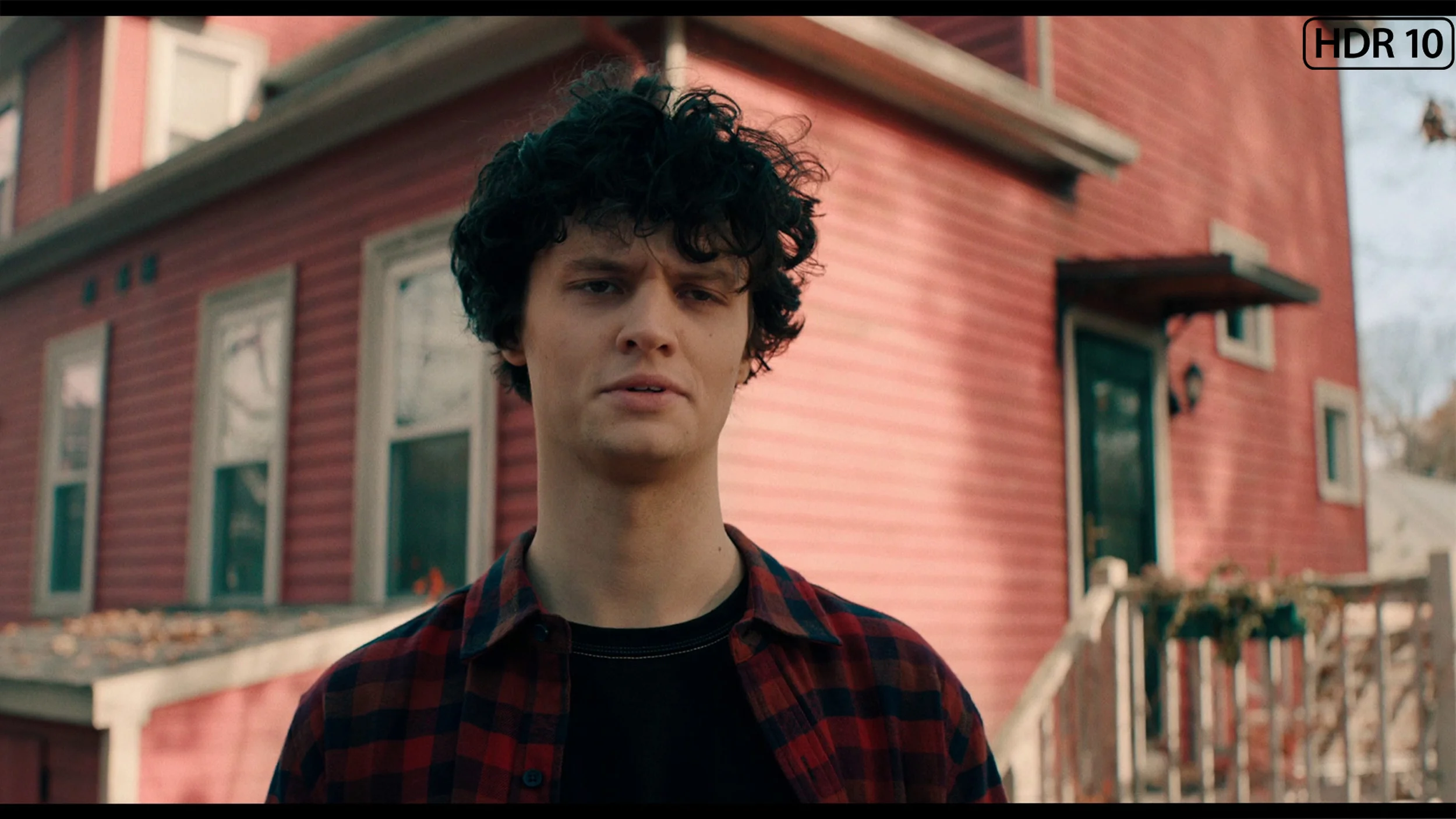
TCL also handles lower-quality sources quite well. Lower-resolution content looks acceptable, and the gradient-smoothing feature actually helps reduce visible banding between shades. The way it displays HDR is also commendable. The TV sensibly adapts content to its capabilities and tries to preserve detail in bright areas instead of turning them into blown-out white patches. Dolby Vision helps here, often producing noticeably better results than HDR10. That doesn't mean the HDR effect itself is breathtaking. The P7L's biggest limitation is brightness. Small highlights and reflections don't have the same punch you'd see on pricier screens, even if their detail remains visible. For the same reason the TV fares worse in a very sunlit living room. It performs much better in a moderately lit room.
So the P7L has its limits, but it's hard to argue with its value for money. It's suitable for everyday viewing, doesn't limit app choice, and offers surprising freedom for gaming. If you're looking for an affordable TV and can accept its flaws, the TCL P7L is a model worth considering.
 Direct comparison