webOS System and Smart Features
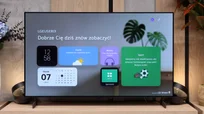
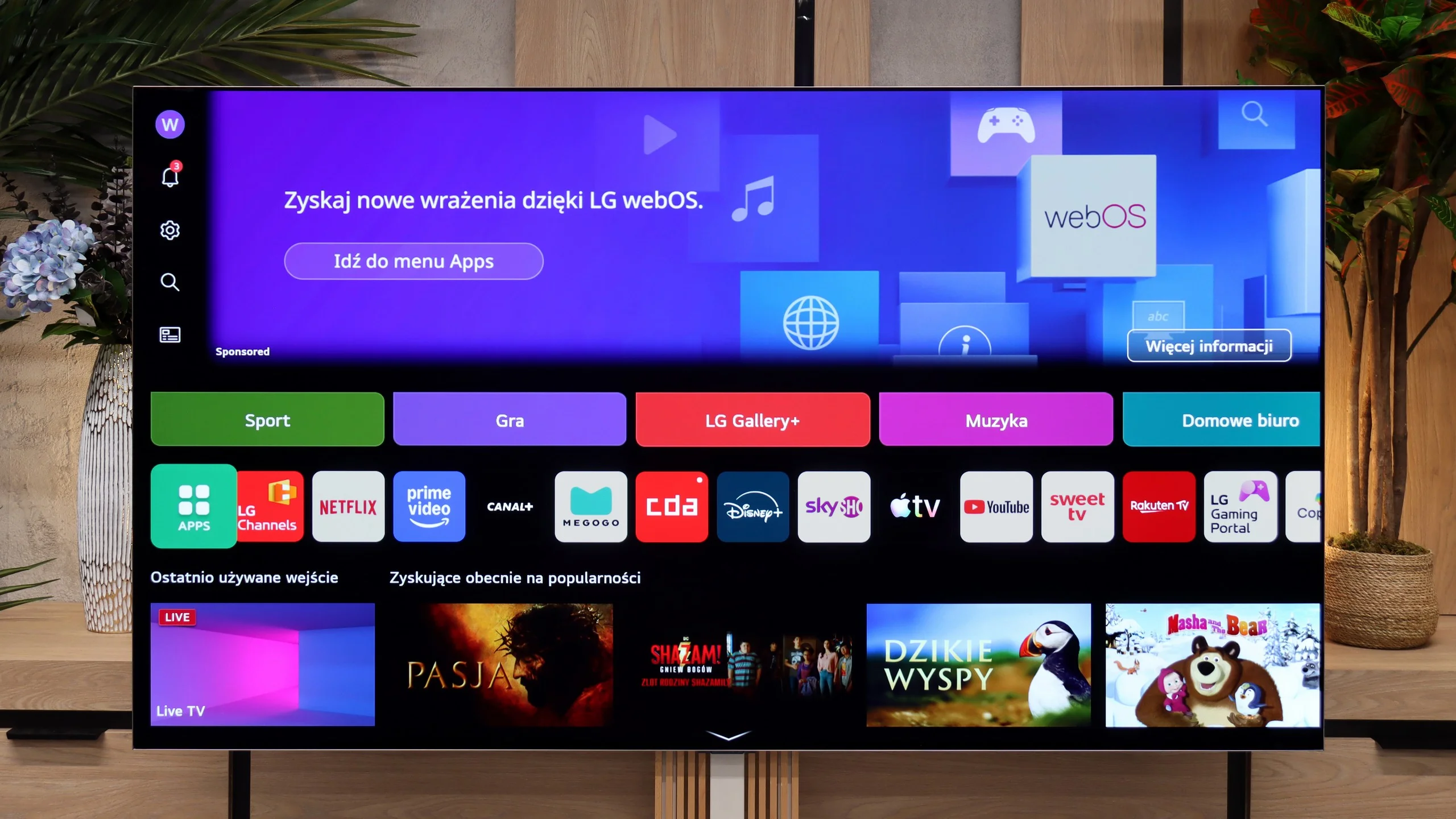
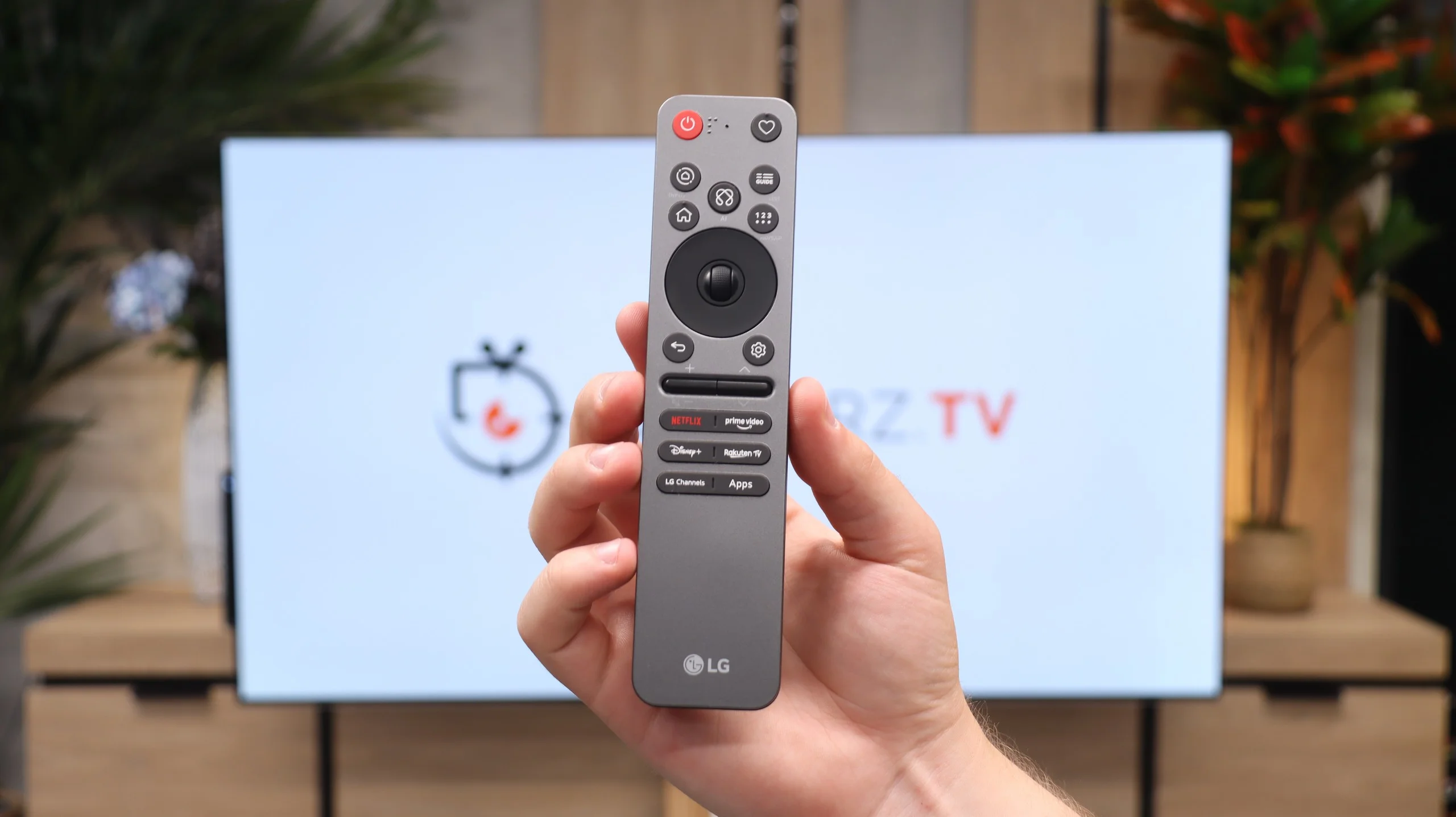
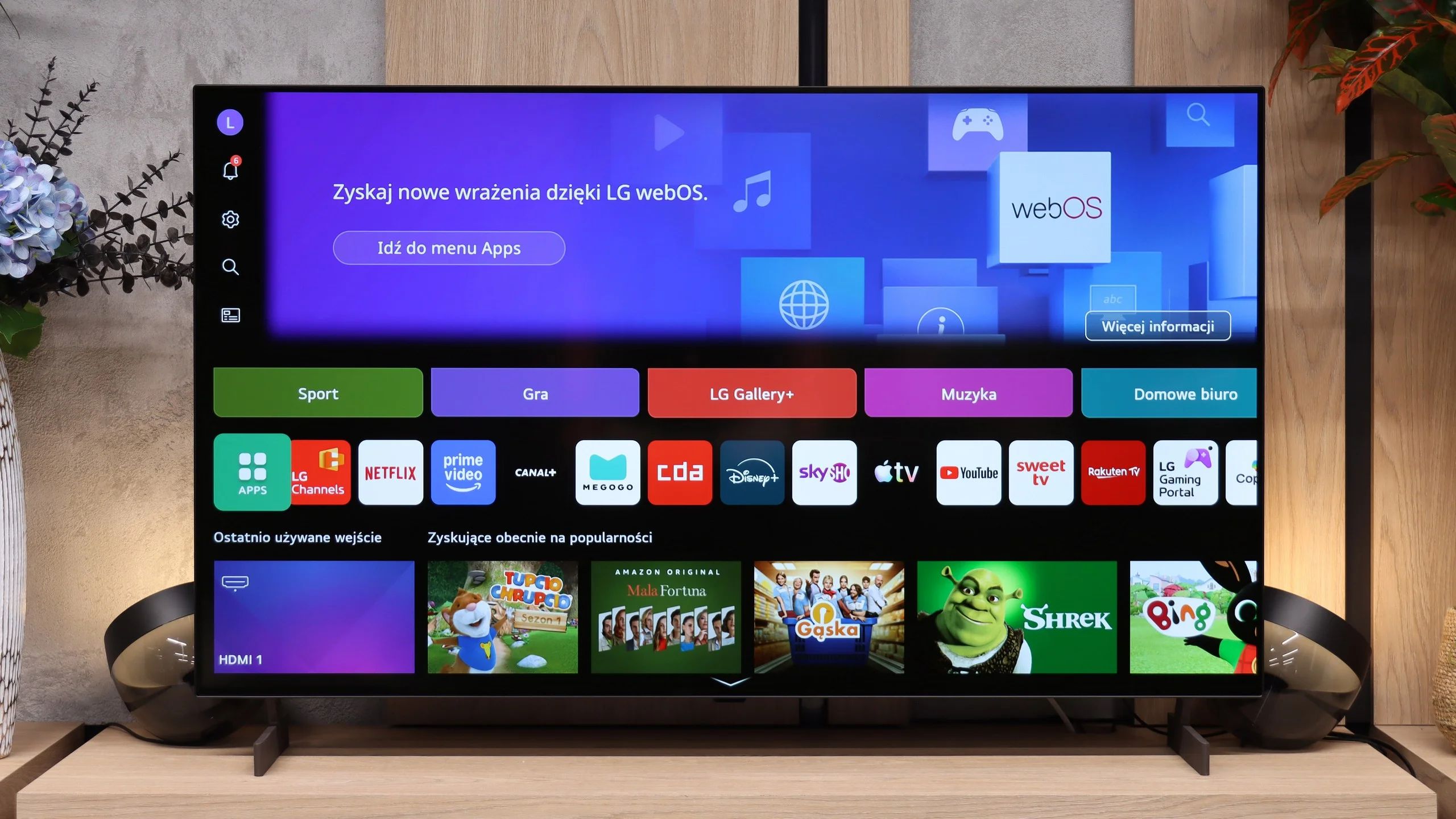
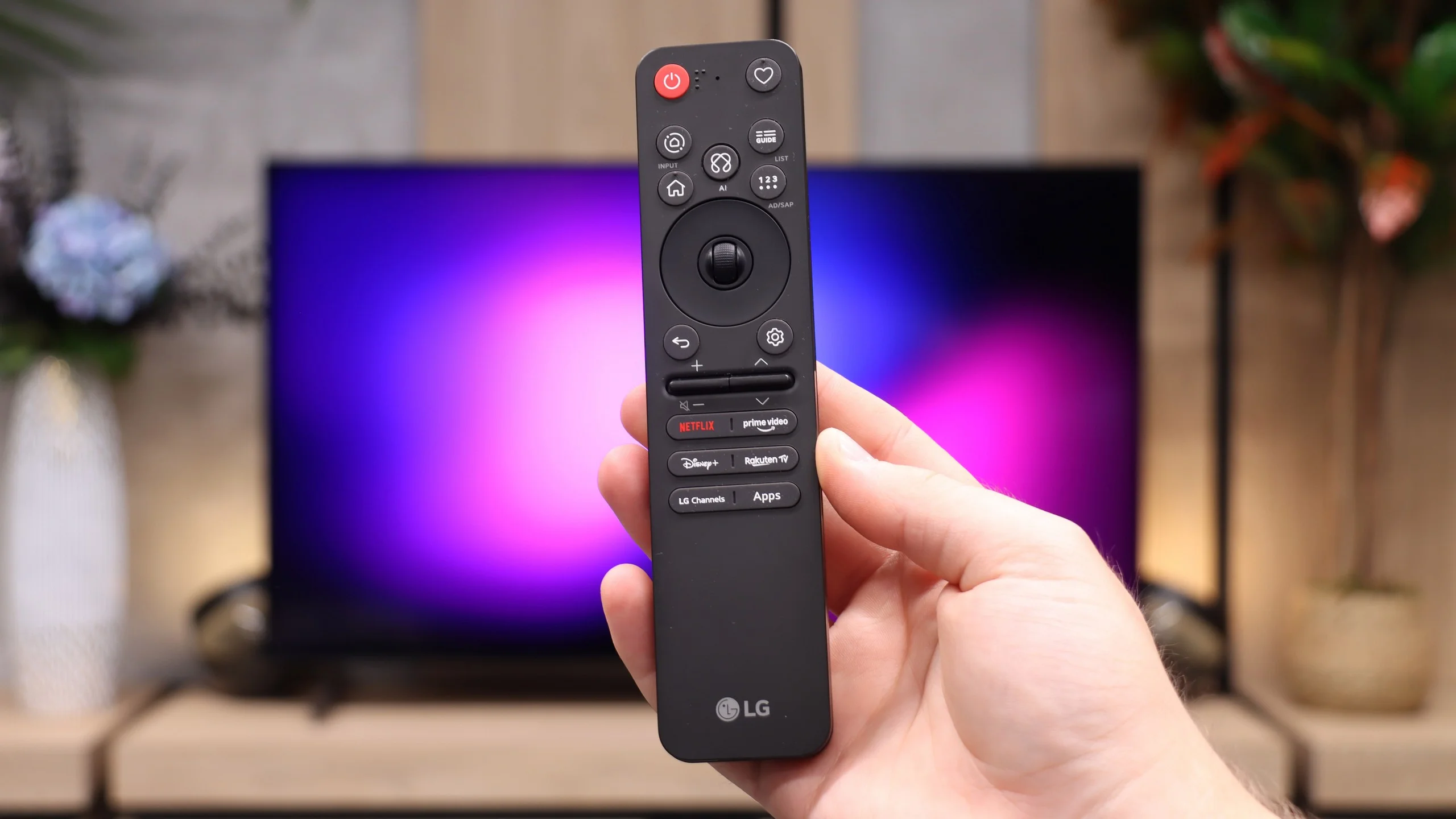
The TV runs on the latest version of the webOS system. Although it is a closed platform, it supports absolutely all the key streaming applications on the market. You can also easily access useful wireless connectivity features, such as built-in Chromecast, AirPlay, or classic screen mirroring. However, the biggest distinguishing feature of LG's platform remains the brilliant Magic remote. Although it is quite compact and lacks a physical numeric keypad, it does something that competitors still can't replicate – it works like a wireless mouse. It is equipped with a gyroscope, allowing us to move an intuitive cursor across the screen, which drastically speeds up password entry and navigation through the menu. Additionally, LG has one of the best voice assistants for device control, and this combination with the Magic remote offers great possibilities for smoothly navigating the system. The only thing that can be quite annoying here is the intrusive ads and sponsored tiles that LG increasingly clutters the main screen of the system with. Nevertheless, the absence of Google TV is no drawback for the G6 – given the smooth operation of webOS, it can even be considered an advantage.
Features for Traditionalists
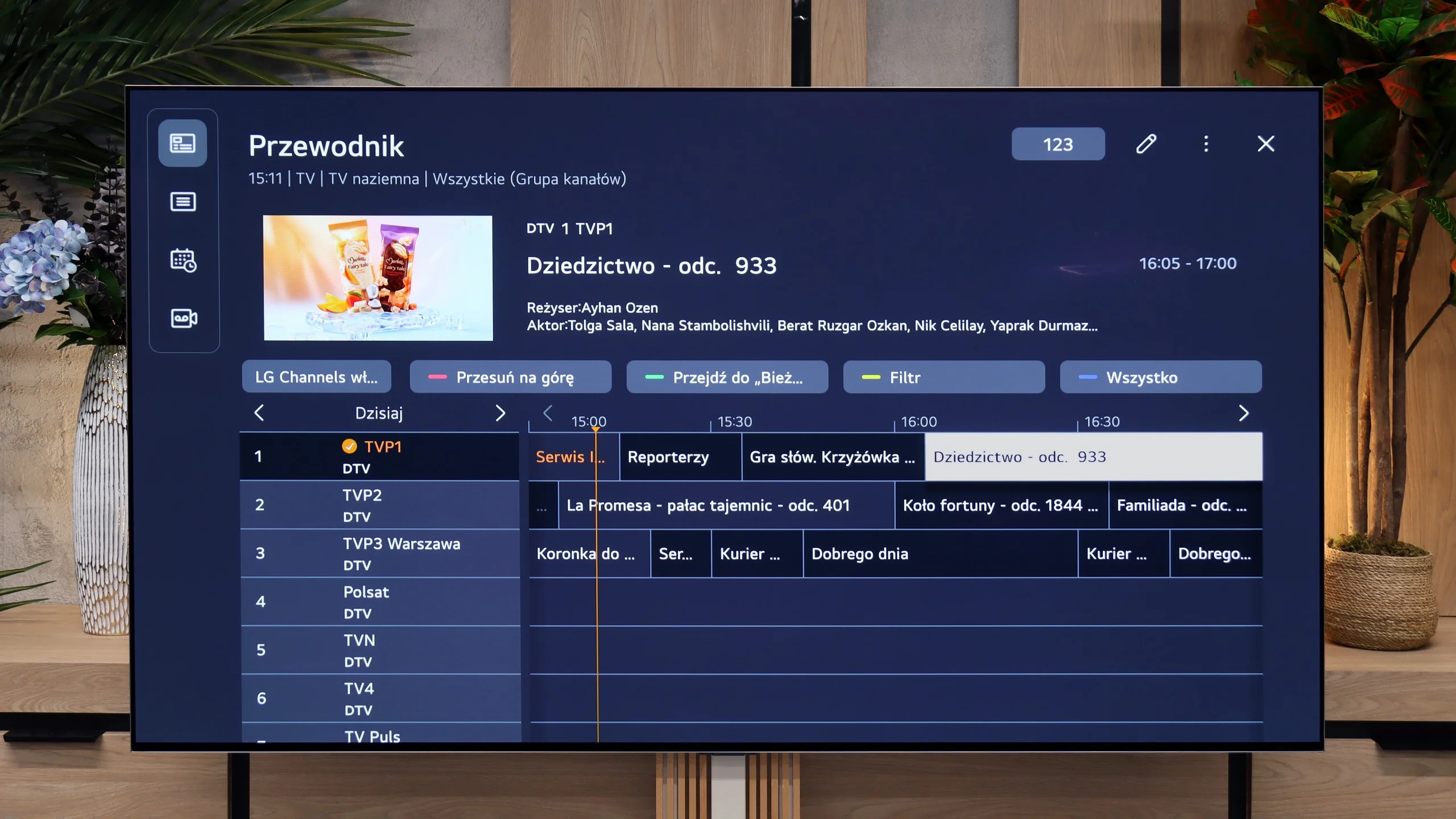
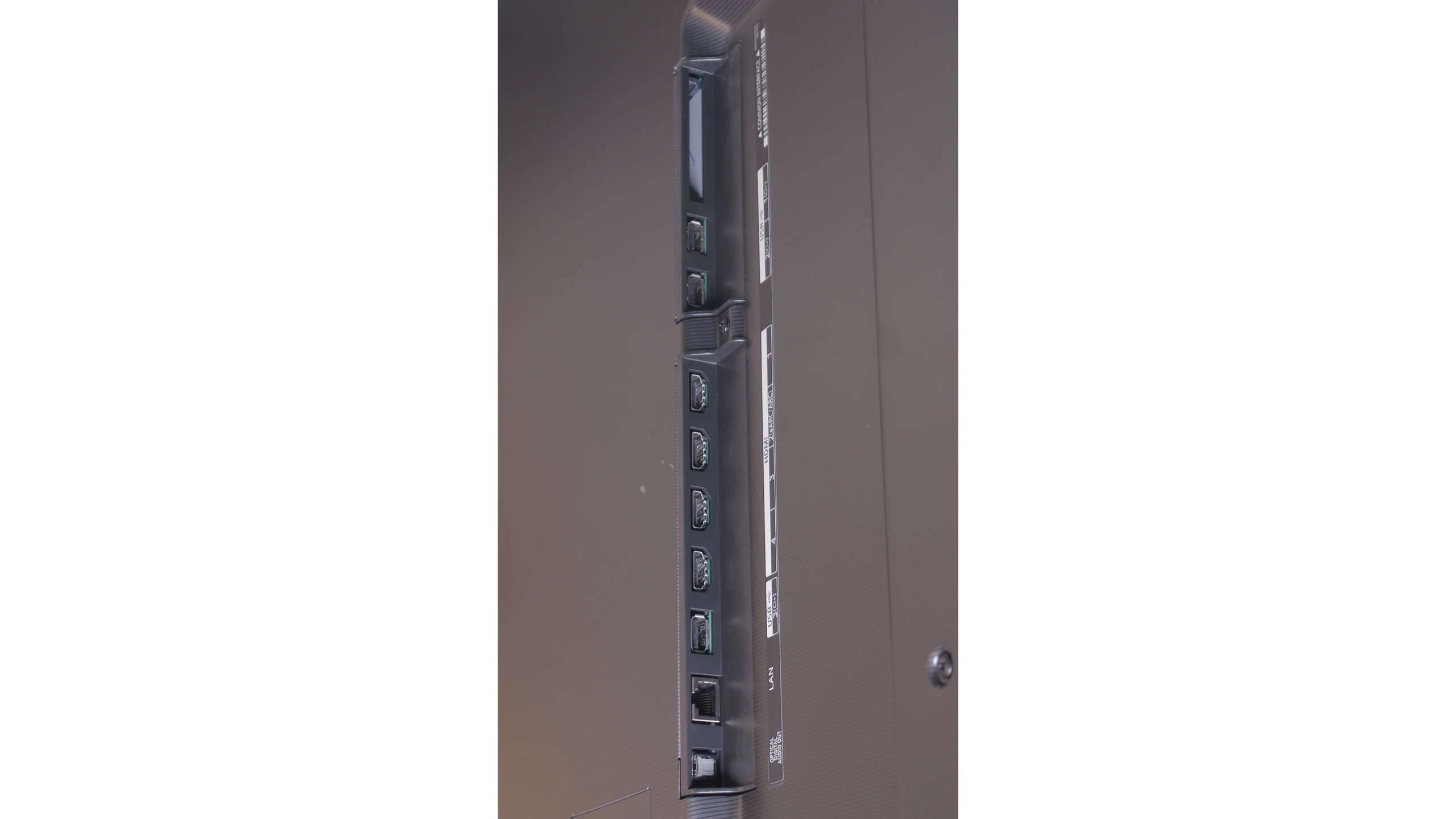
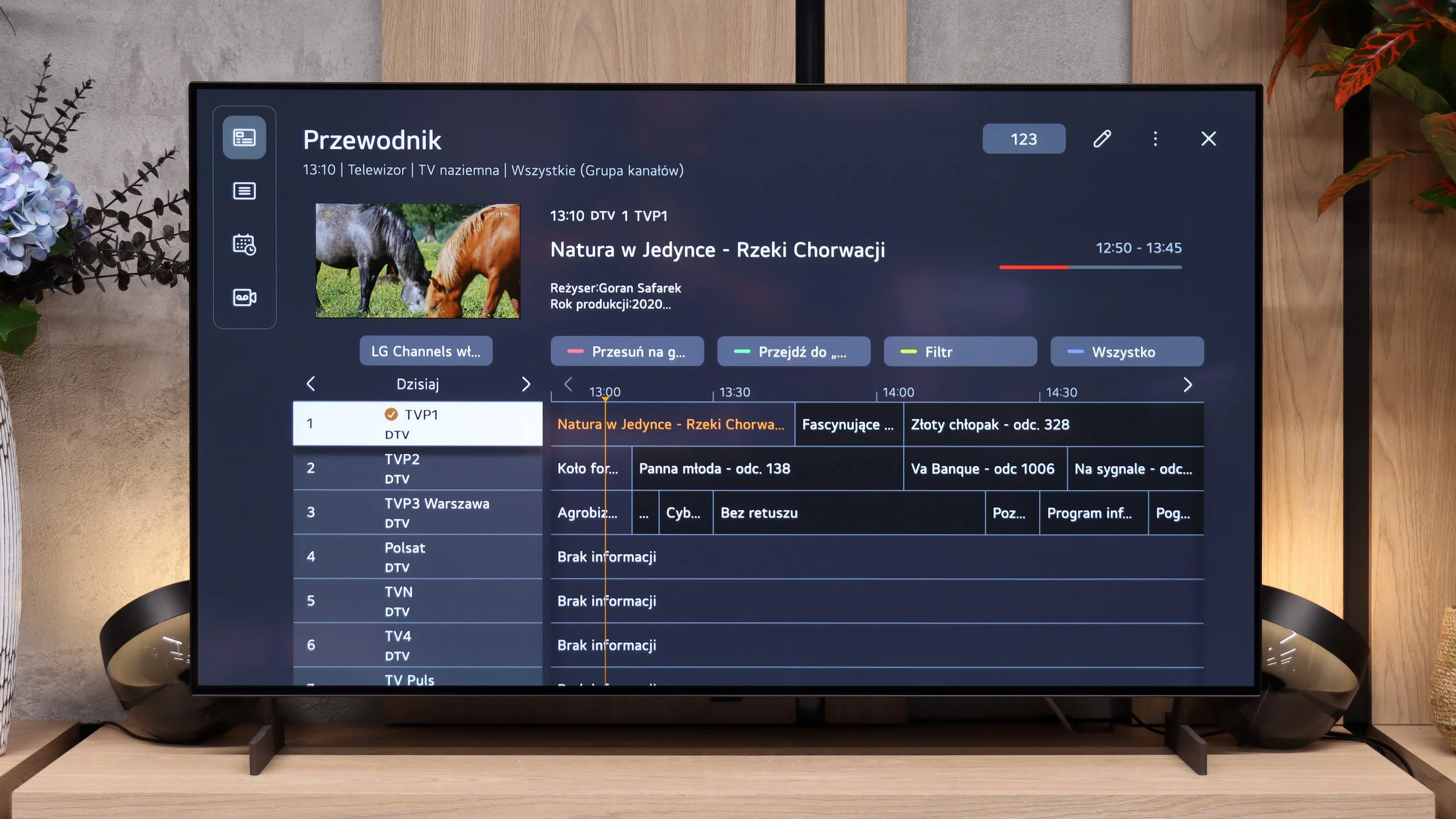
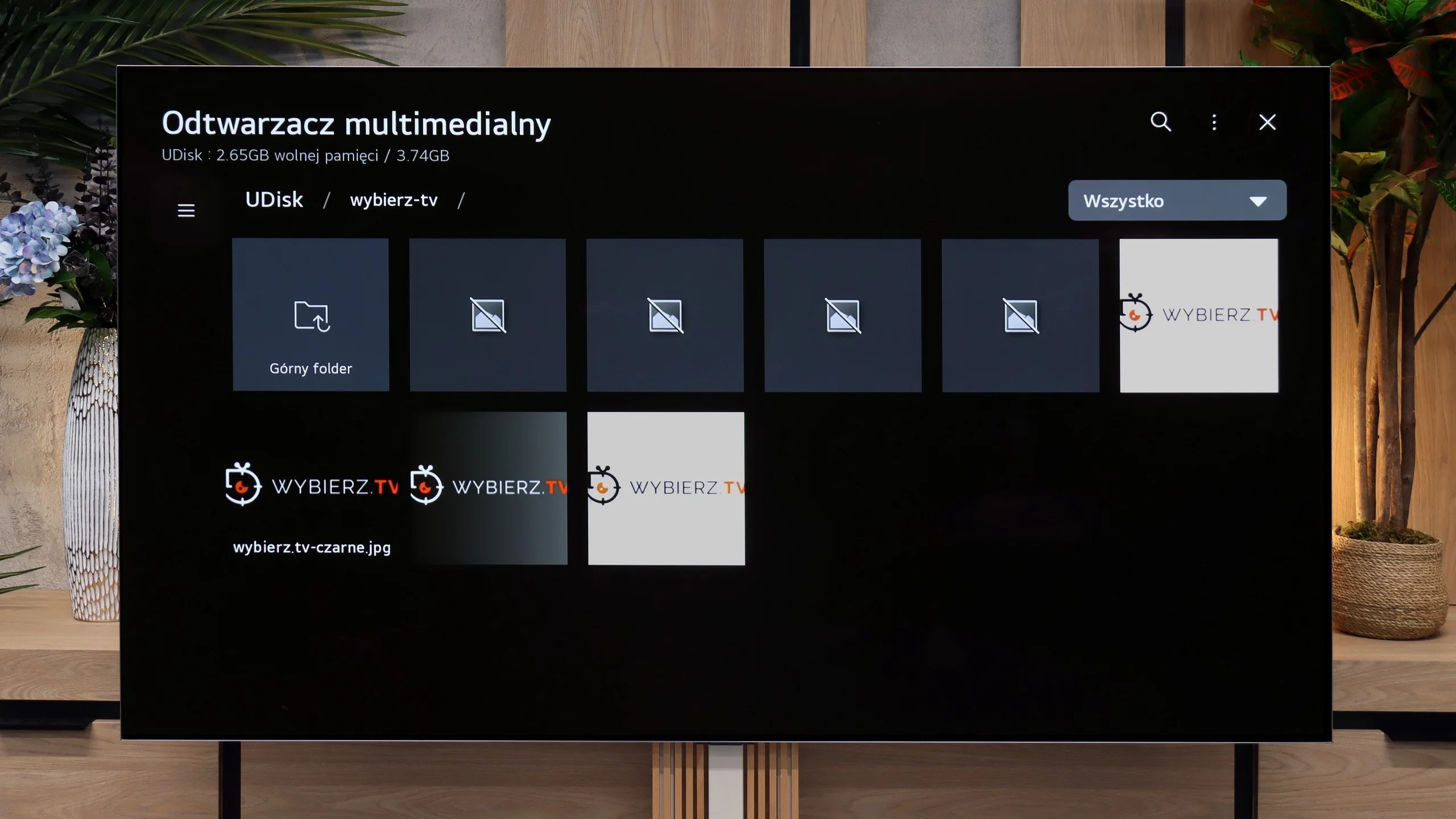
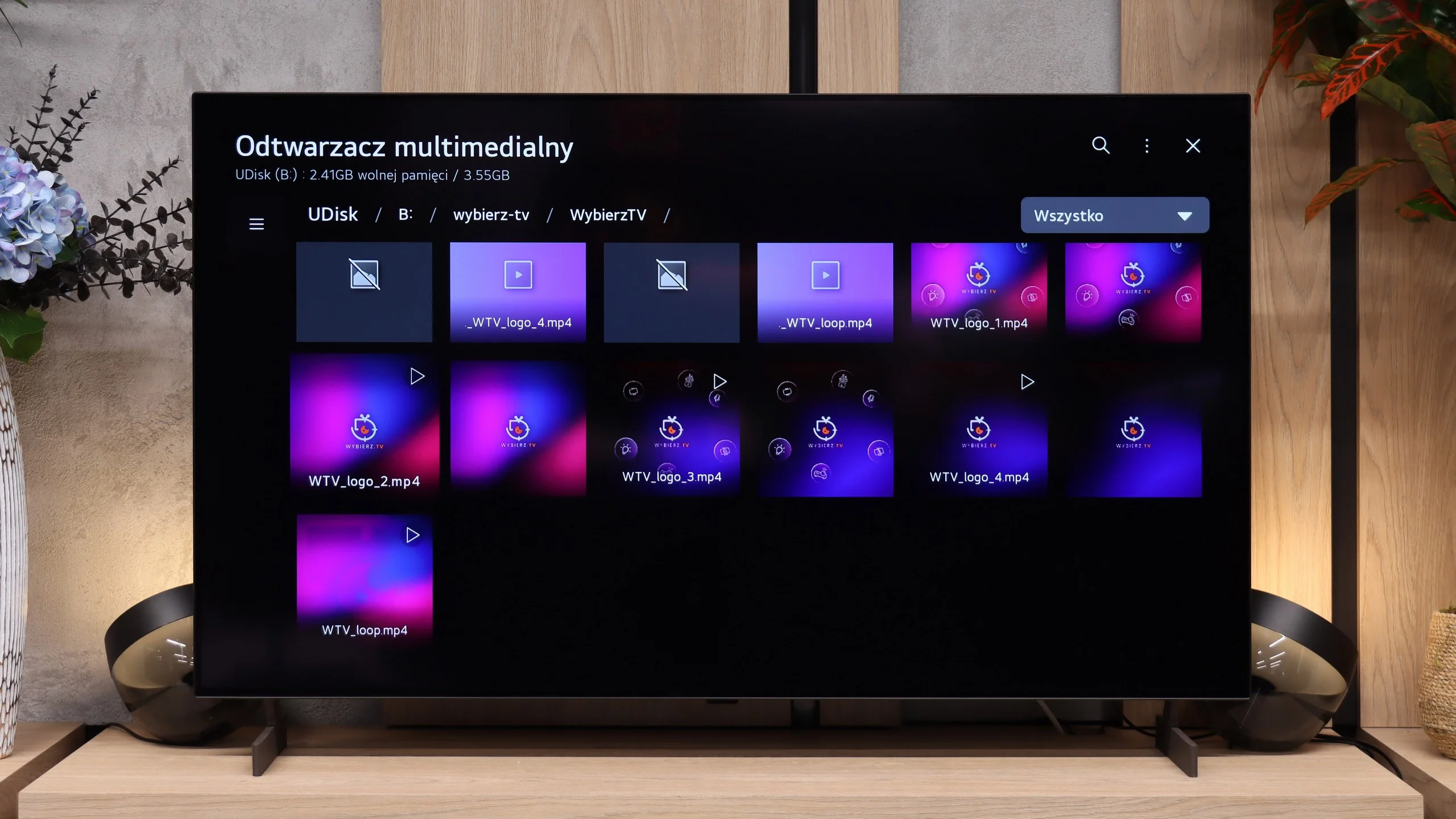
In terms of traditional television, the LG G6 also performs excellently and does not forget about traditional users. Despite the minimalist remote, there are plenty of useful solutions on board. The manufacturer has not given up on the PVR function, which allows for recording programs from built-in tuners directly to external USB storage or a hard drive. There is also an efficiently working TimeShift for pausing live television and the option to schedule recordings. These features may prove to be a perfect fit during the upcoming World Cup matches when games will be played late in the evening and we may not be able to watch them live. Of course, standard features are also included, such as the ability to connect wireless headphones via Bluetooth.
Smart TV: webOS
LG B6 runs webOS, LG’s proprietary platform. Its biggest strength remains the way it’s controlled. The included Magic Remote works like a mouse; just move your wrist to move the cursor across the screen and point at the items you want. It may feel unusual at first, but it quickly proves very convenient, especially when typing text, selecting apps, or navigating a complex menu. The remote itself is fairly minimalist and doesn’t offer many traditional buttons, but the cursor control largely makes up for that. On the other hand, if you don’t want to wave your hand to type letters, you can always speak the desired phrase into the remote and the AI voice assistant will suggest appropriate recommendations.
In terms of available apps, it’s hard to fault webOS. You’ll find practically all the major streaming services here, as well as extra features like AirPlay, screen mirroring, and Chromecast. The TV therefore works well with both Apple phones and Android devices. It’s just a pity that the system on the B6 doesn’t run as smoothly as on higher-end models. At times it can respond with a slight delay, and the home screen is heavily loaded with recommendations, tiles, and ads. That doesn’t make webOS unusable, but it could certainly be more organized.
Classic features
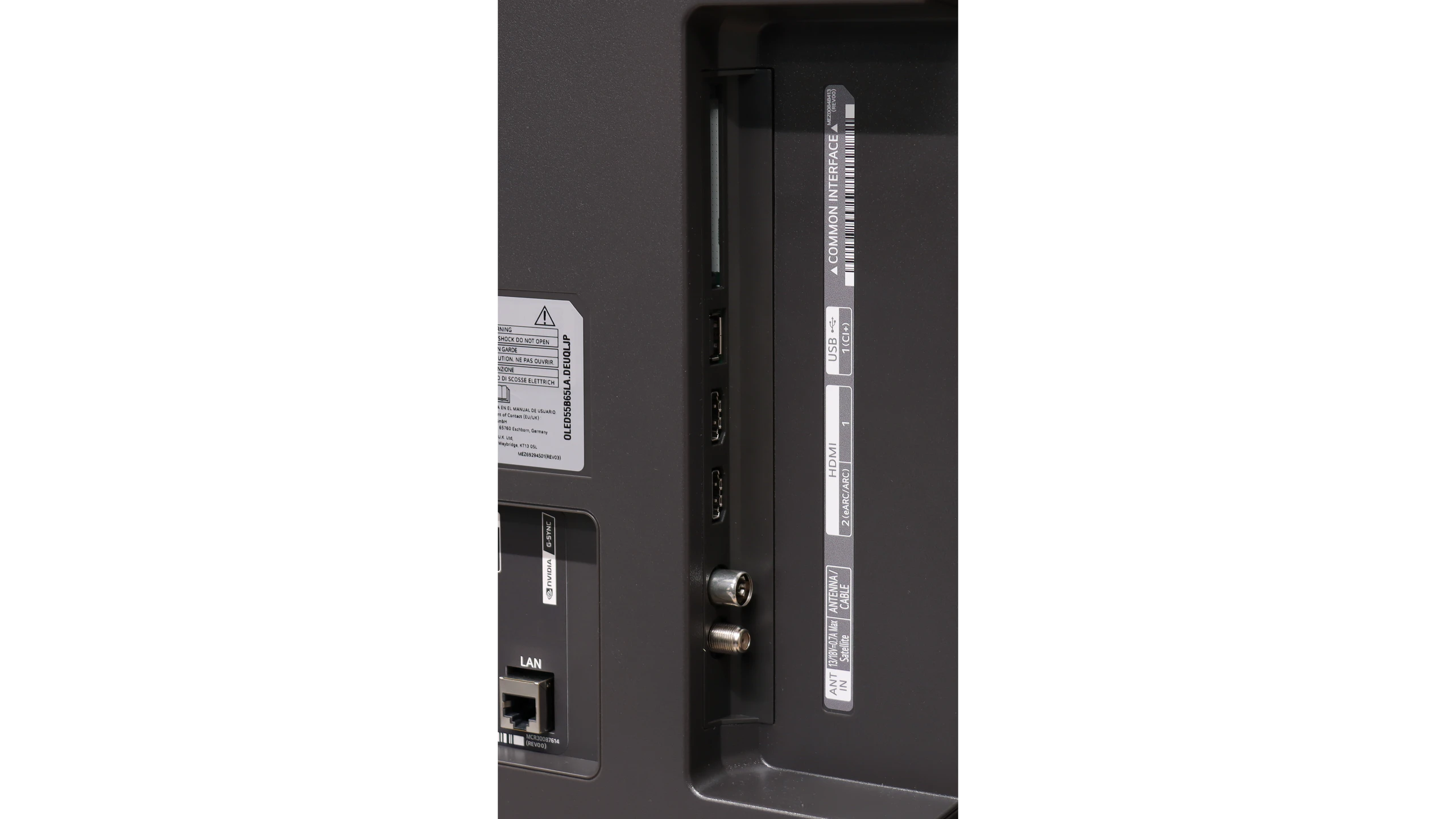
By contrast, the traditional TV features perform very well—features many manufacturers are starting to forget. The LG B6 lets you record programs to an attached hard drive or USB storage. The PVR function also supports scheduling, so you can program recordings in advance from the TV guide. This comes in handy when you want to save an episode, a match, or another event broadcast while you’re away. There’s also a clear channel guide and solid support for terrestrial, cable, and satellite TV. For people who still regularly use traditional television, the B6 is therefore a relatively complete device, provided the lack of teletext doesn’t bother you.
 Direct comparison