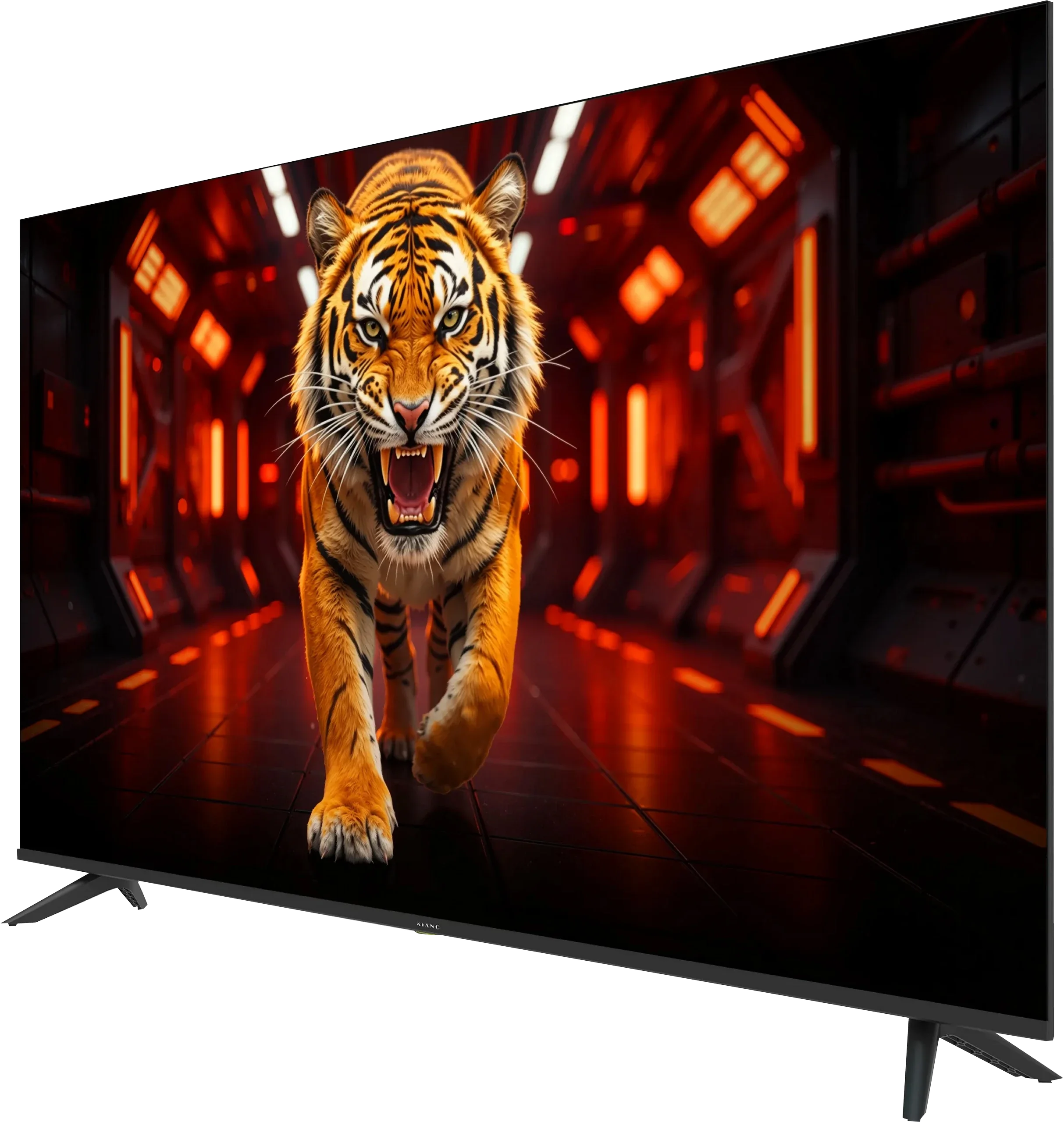
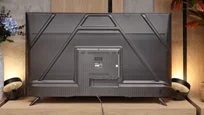
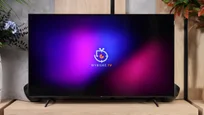
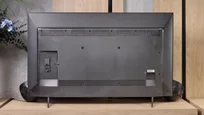
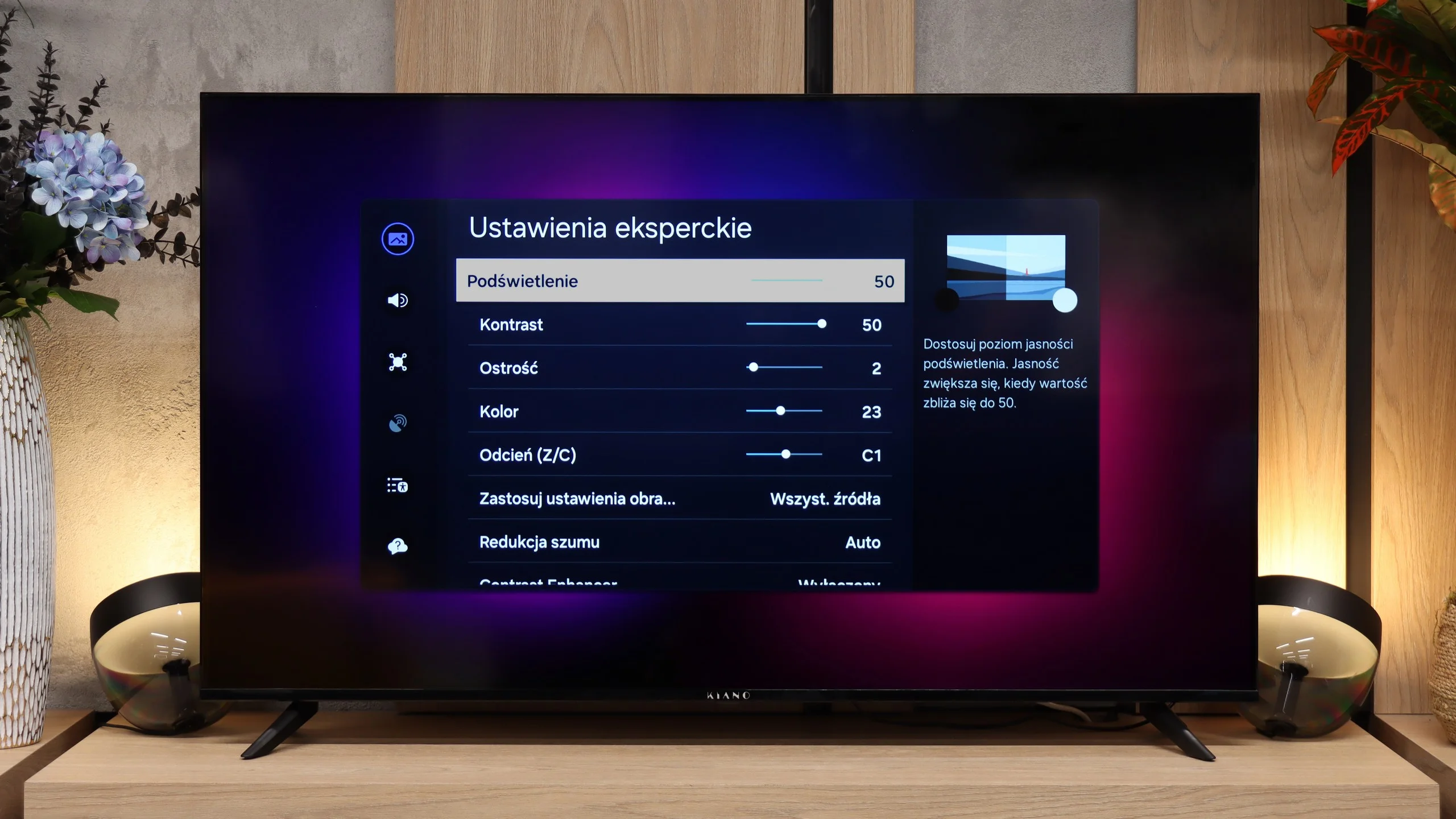
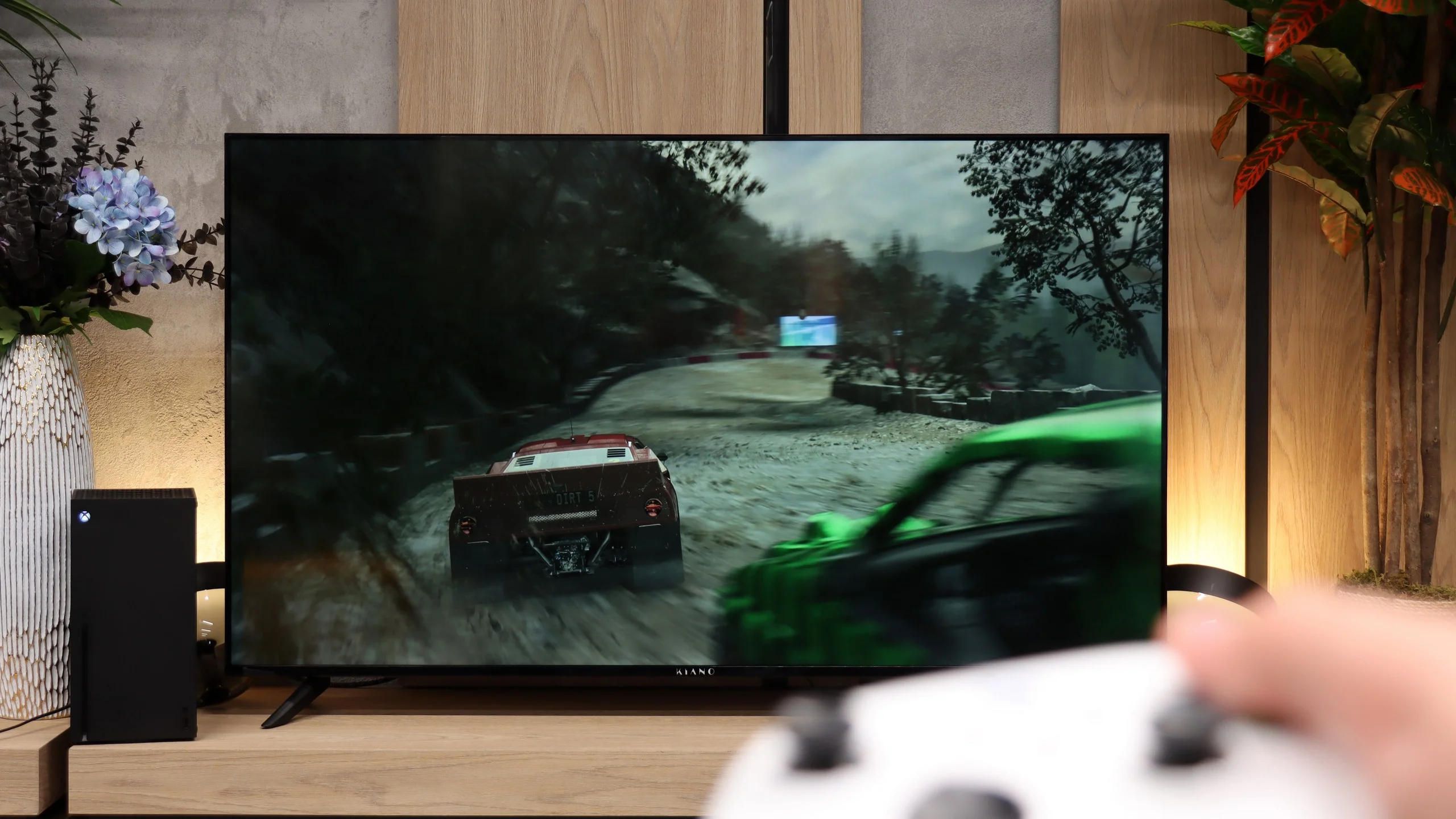
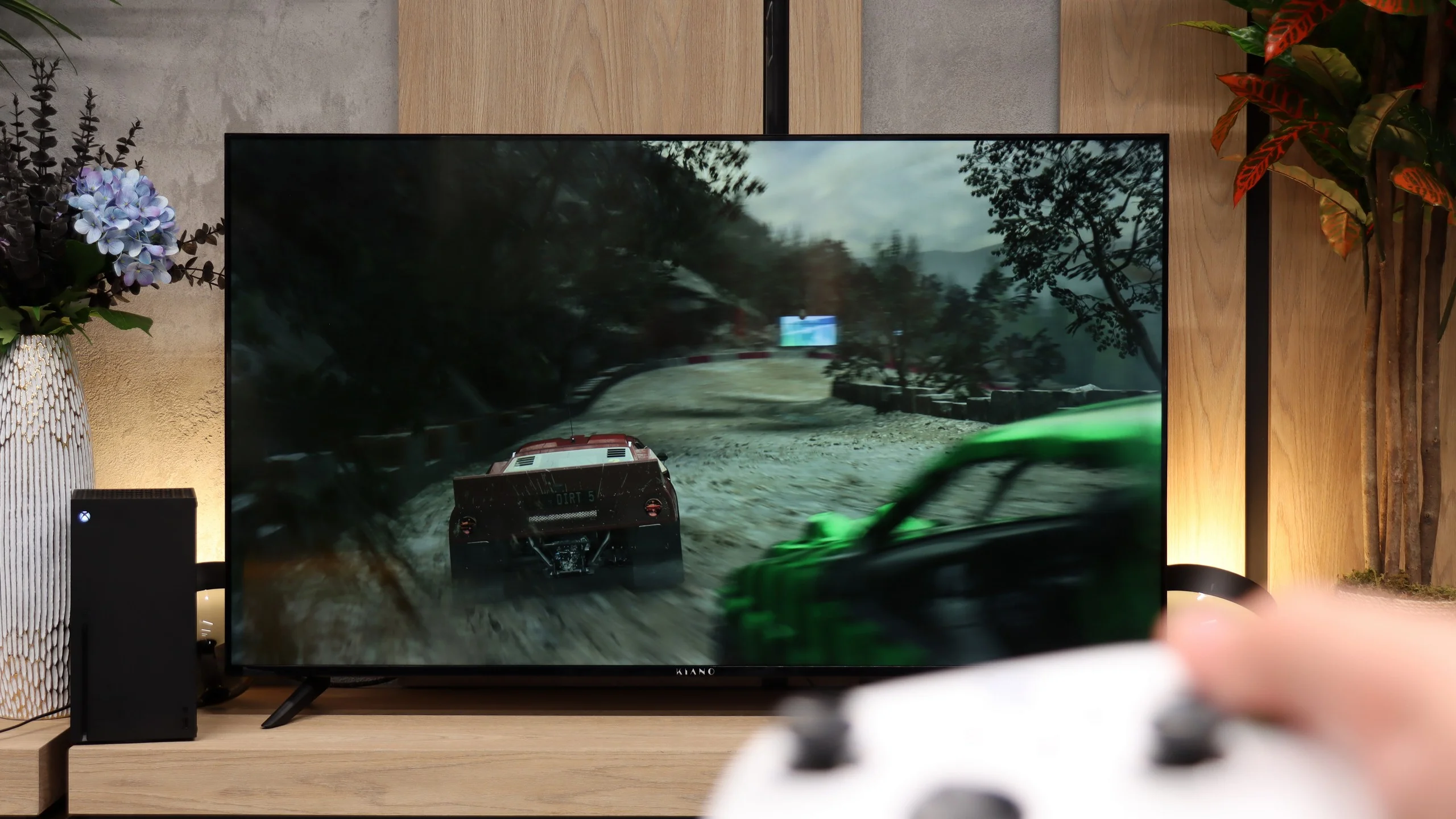
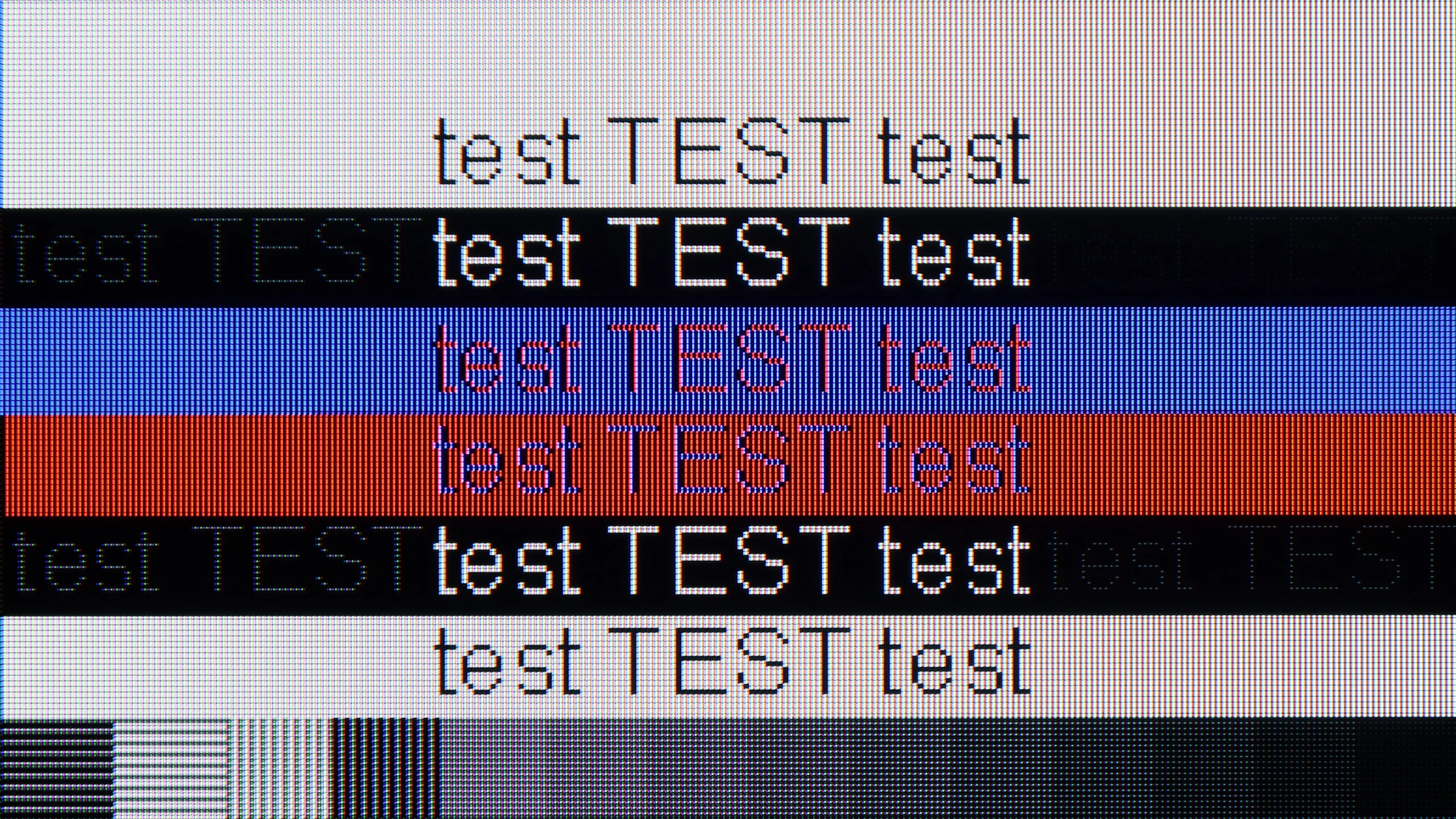
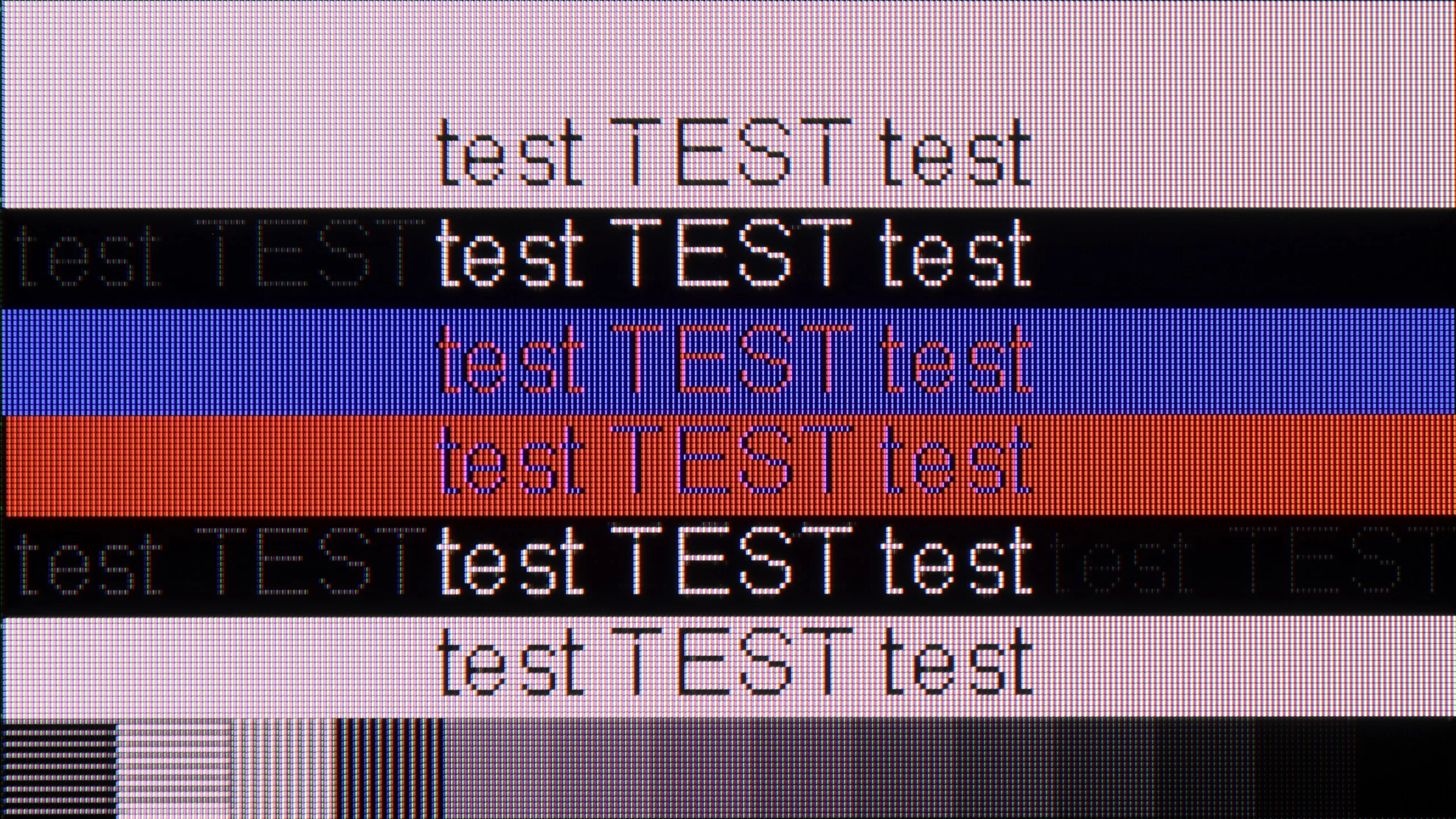
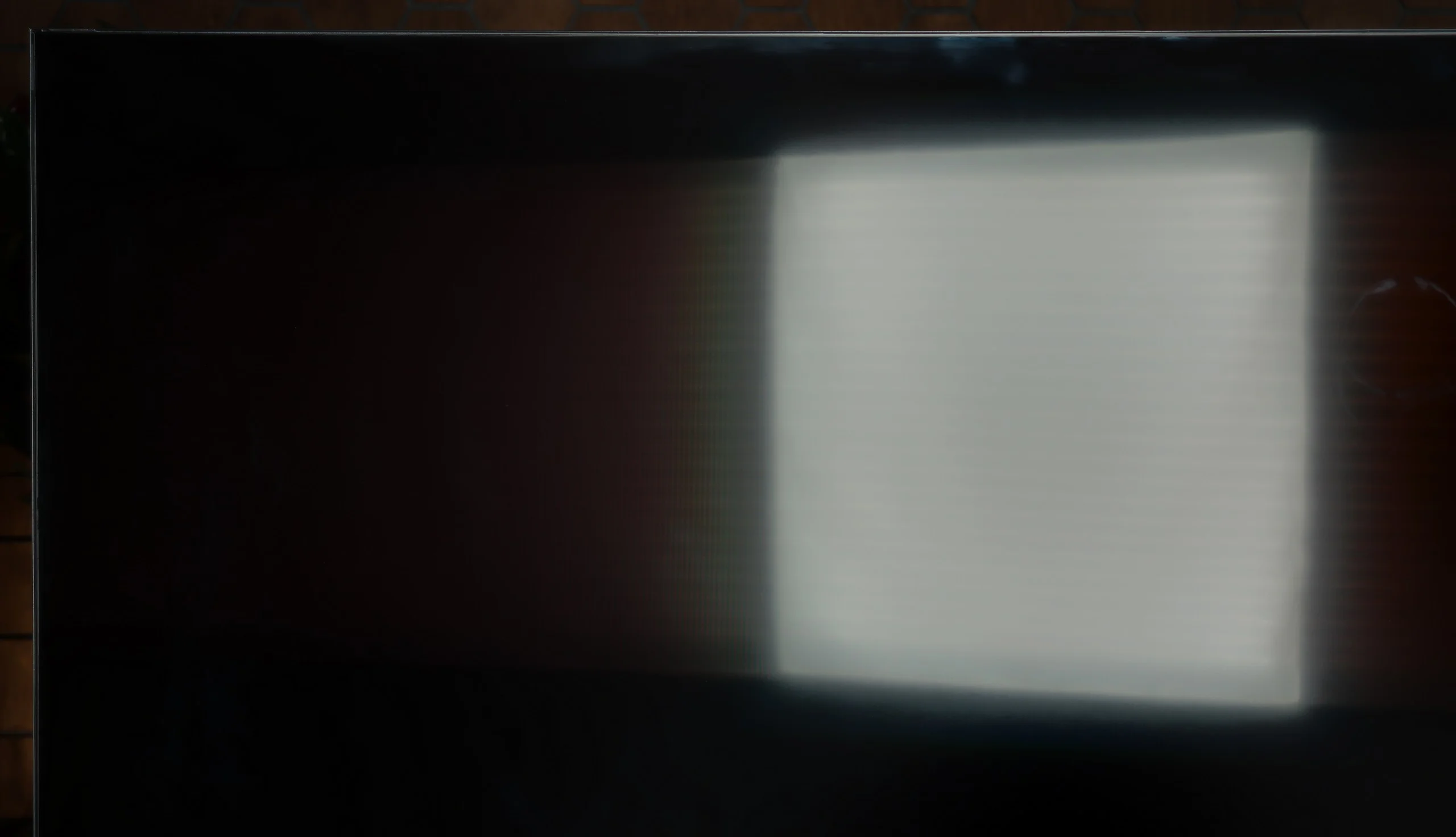
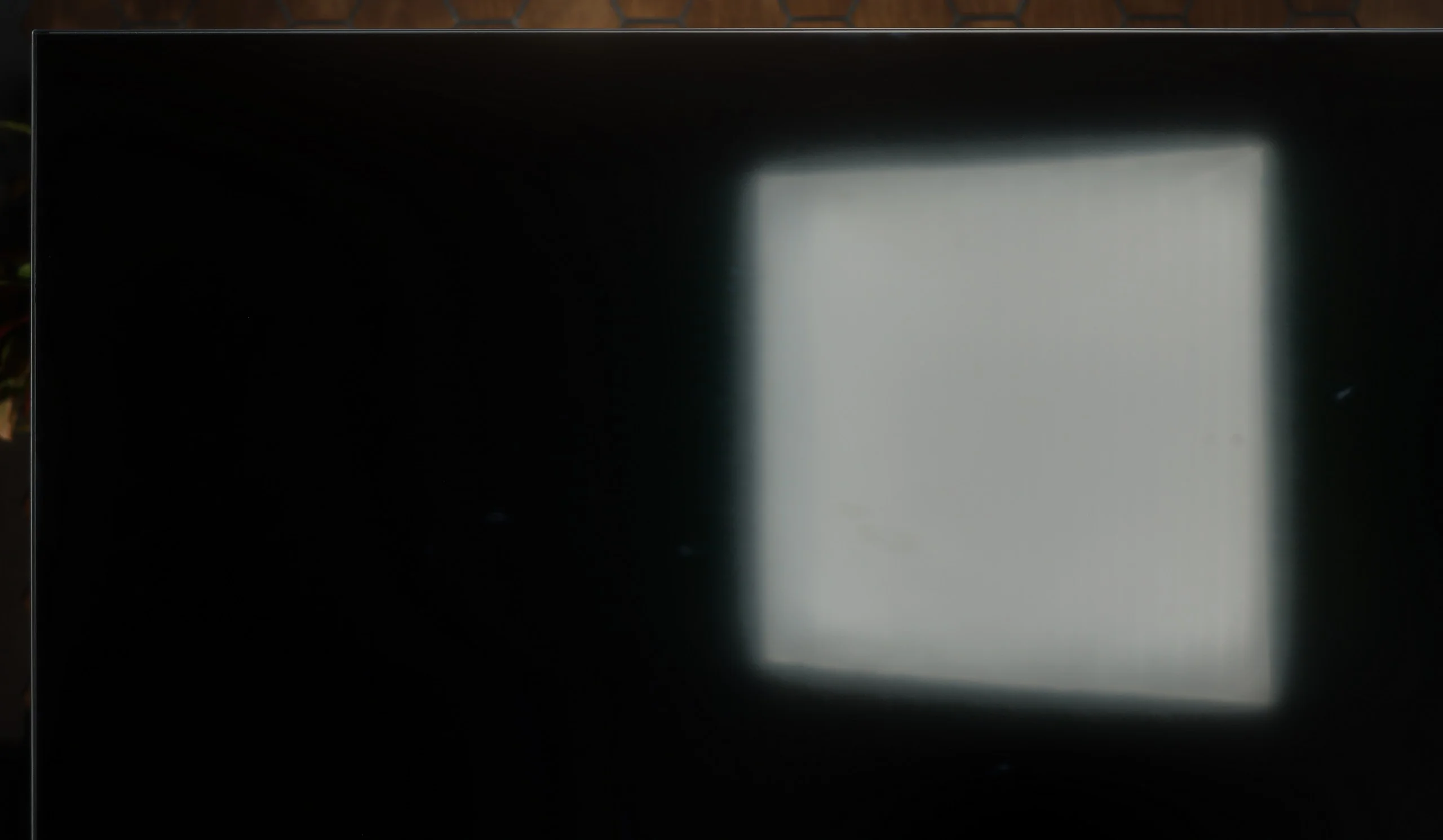
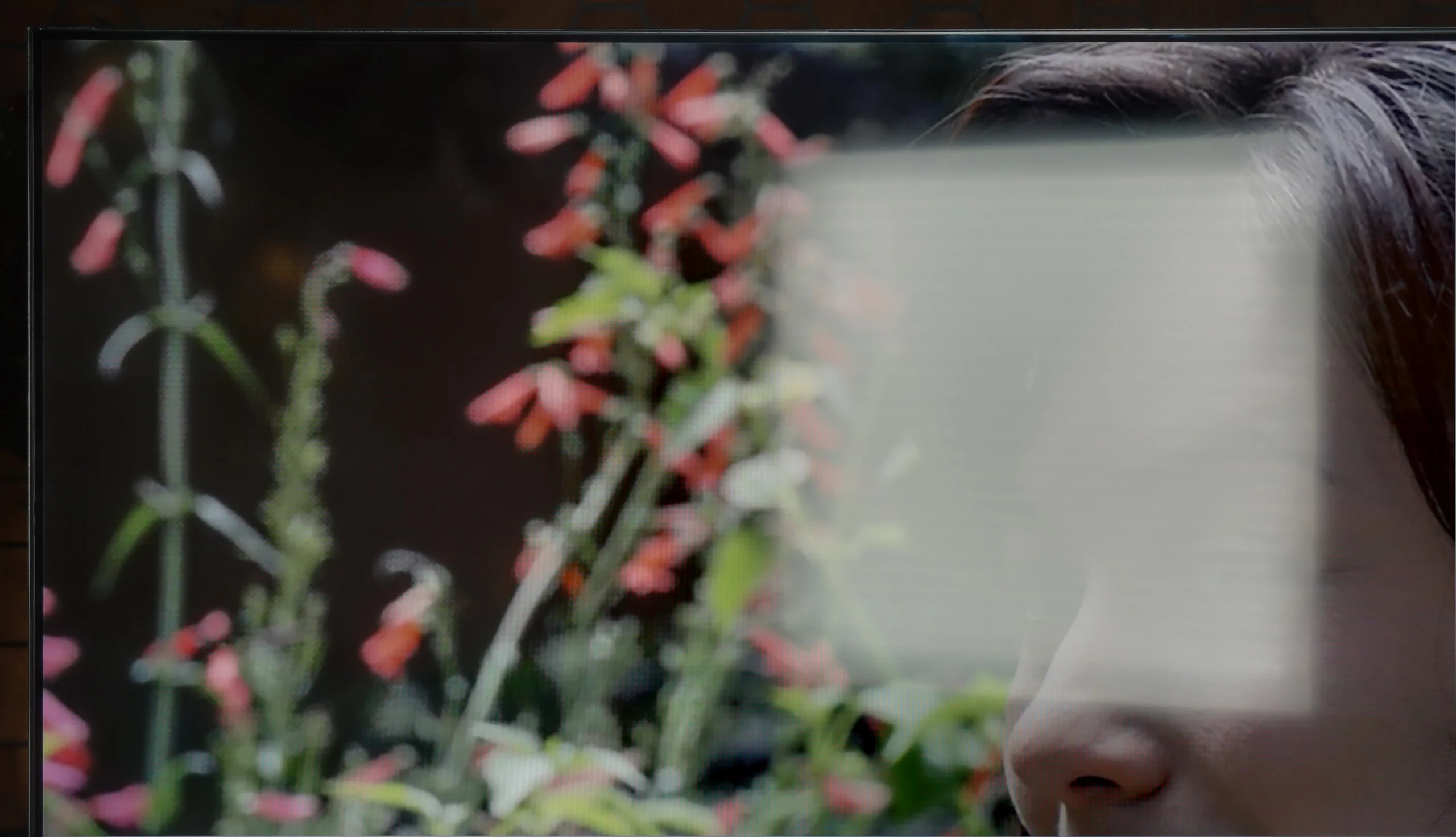
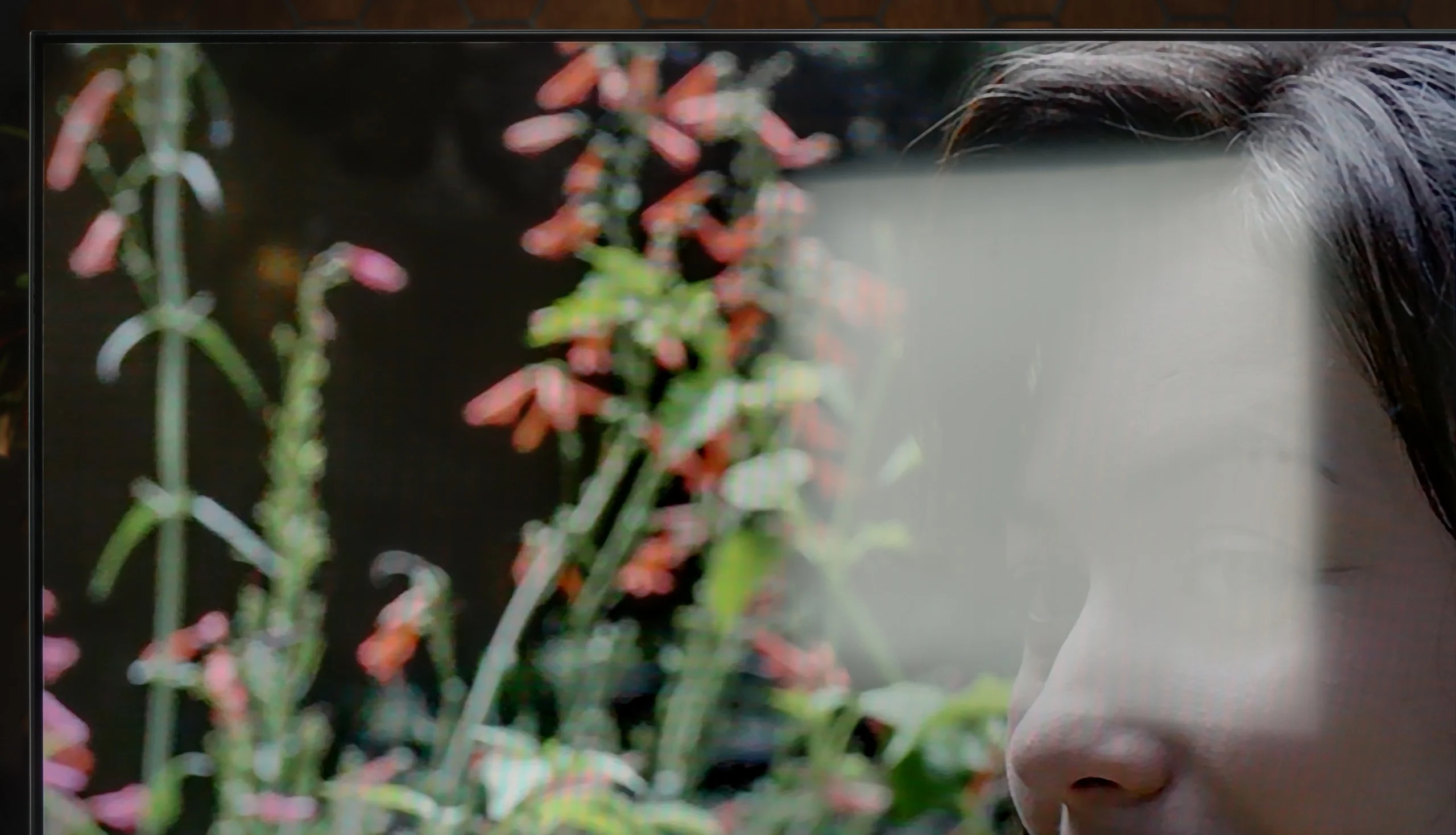
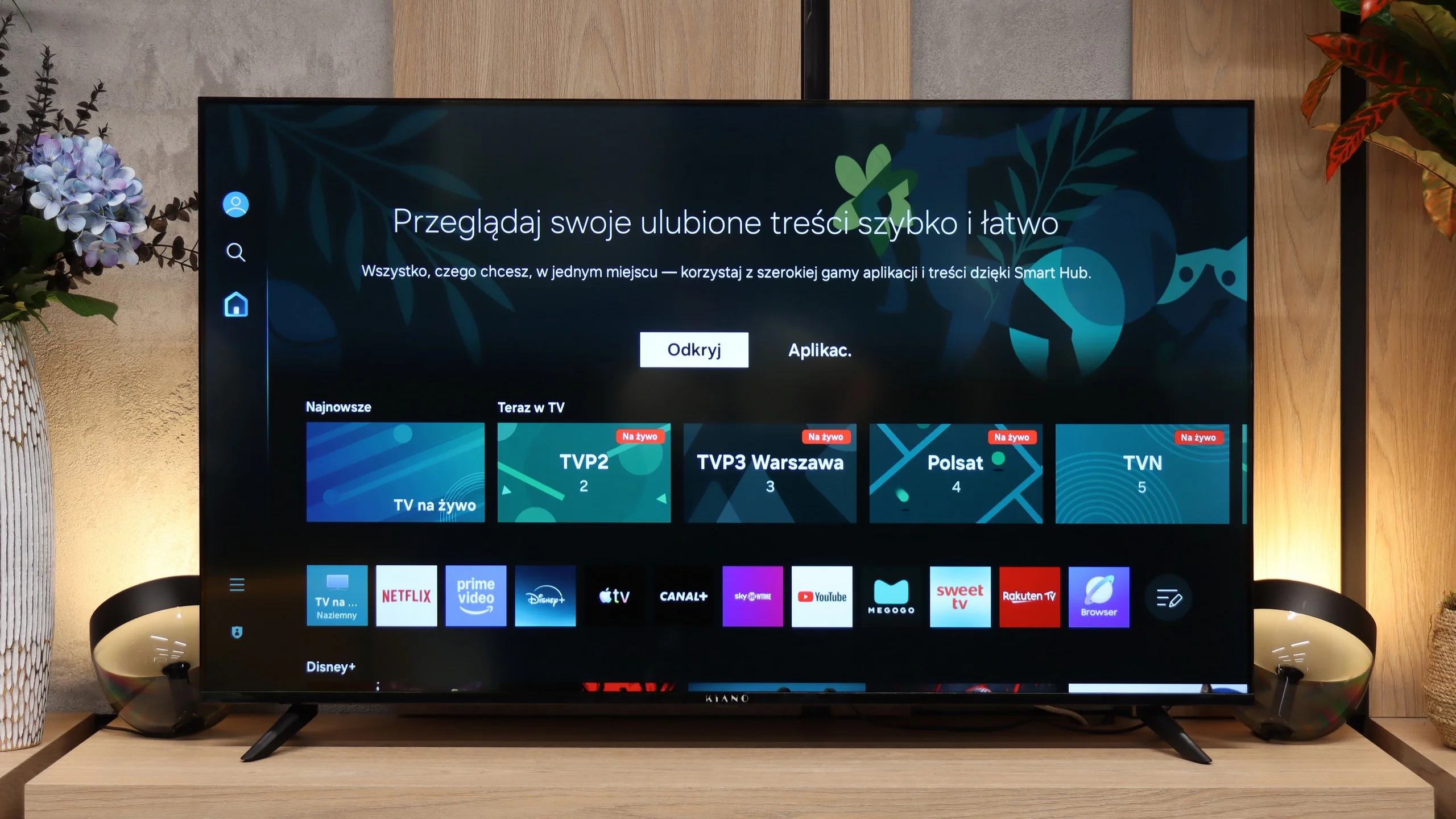
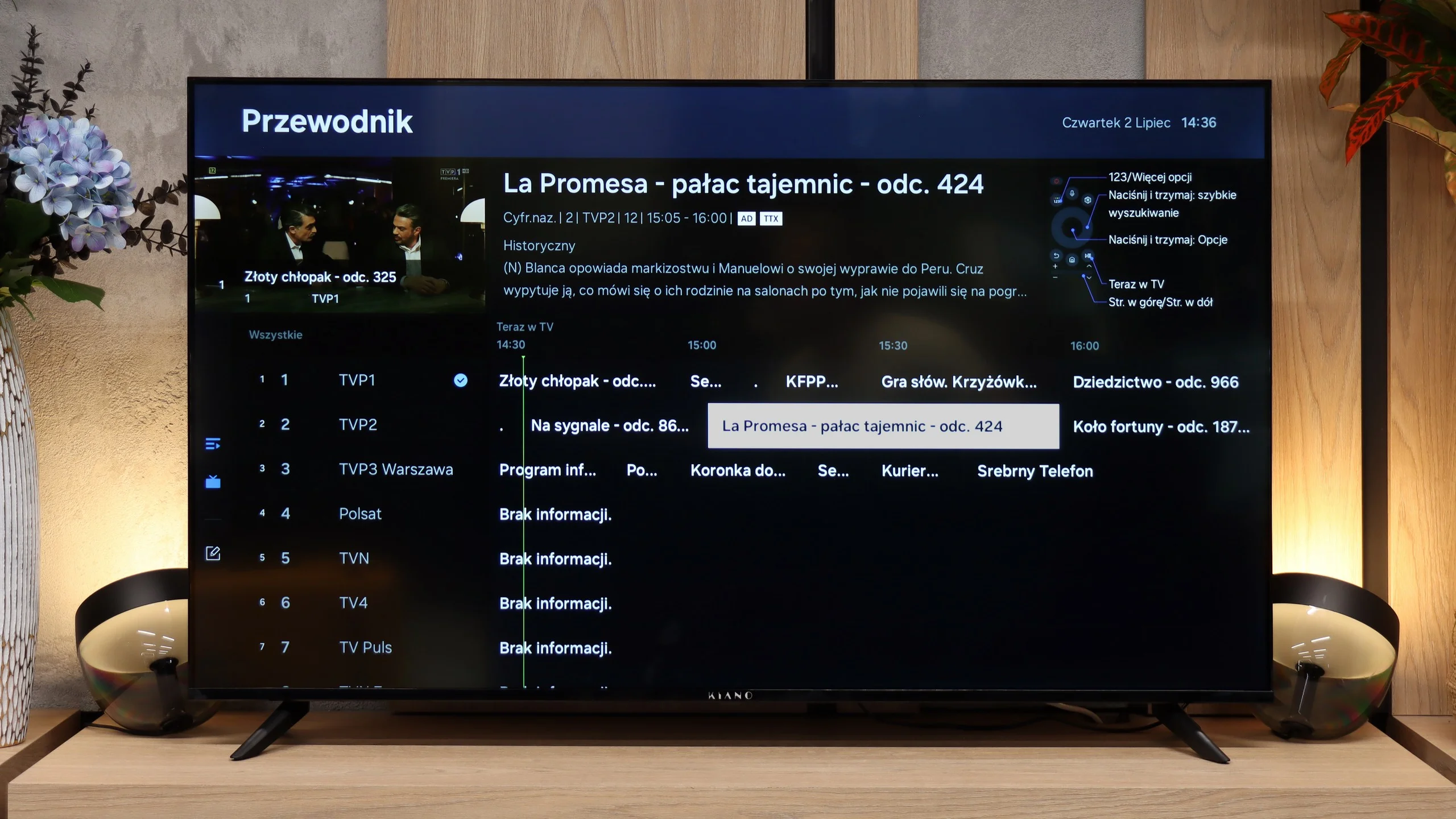
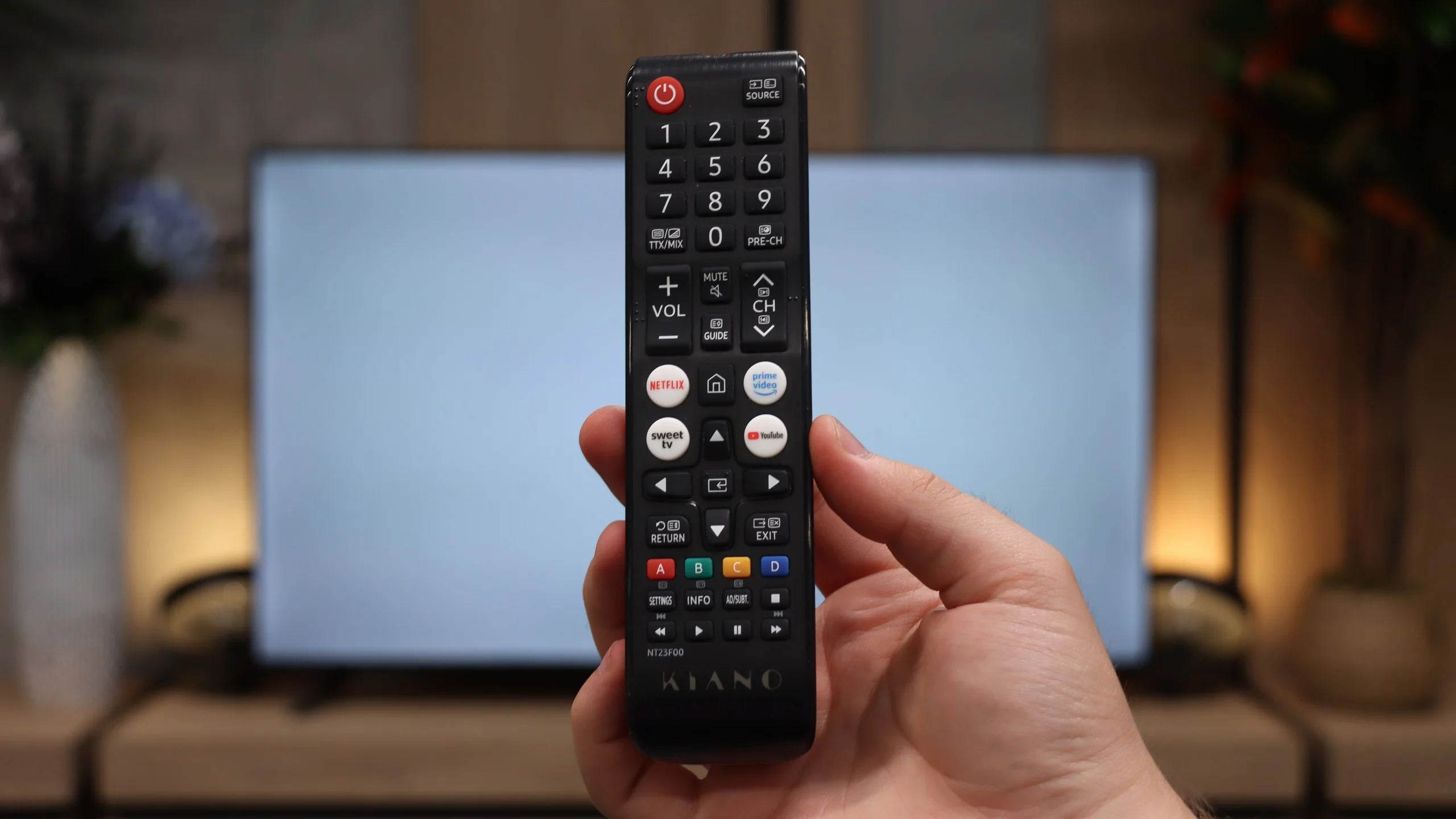
Kiano Elegance is primarily aimed at people who want to spend as little as possible on a TV while still having convenient access to popular apps. The use of Tizen is a big plus here, since you get the system known from Samsungs and don't have to immediately buy a streaming stick or set-top box to watch movies or shows. At a low enough price, that could be reason enough to consider this model. The digital picture processing also deserves praise; in its operation it resembles the solutions used in entry-level Samsung sets. Kiano quite effectively smooths unwanted color banding in poorer sources, so heavily compressed footage looks better. It's not perfect, of course, but remember how tight the budget is. The very fact that this feature actually helps is worthy of recognition.
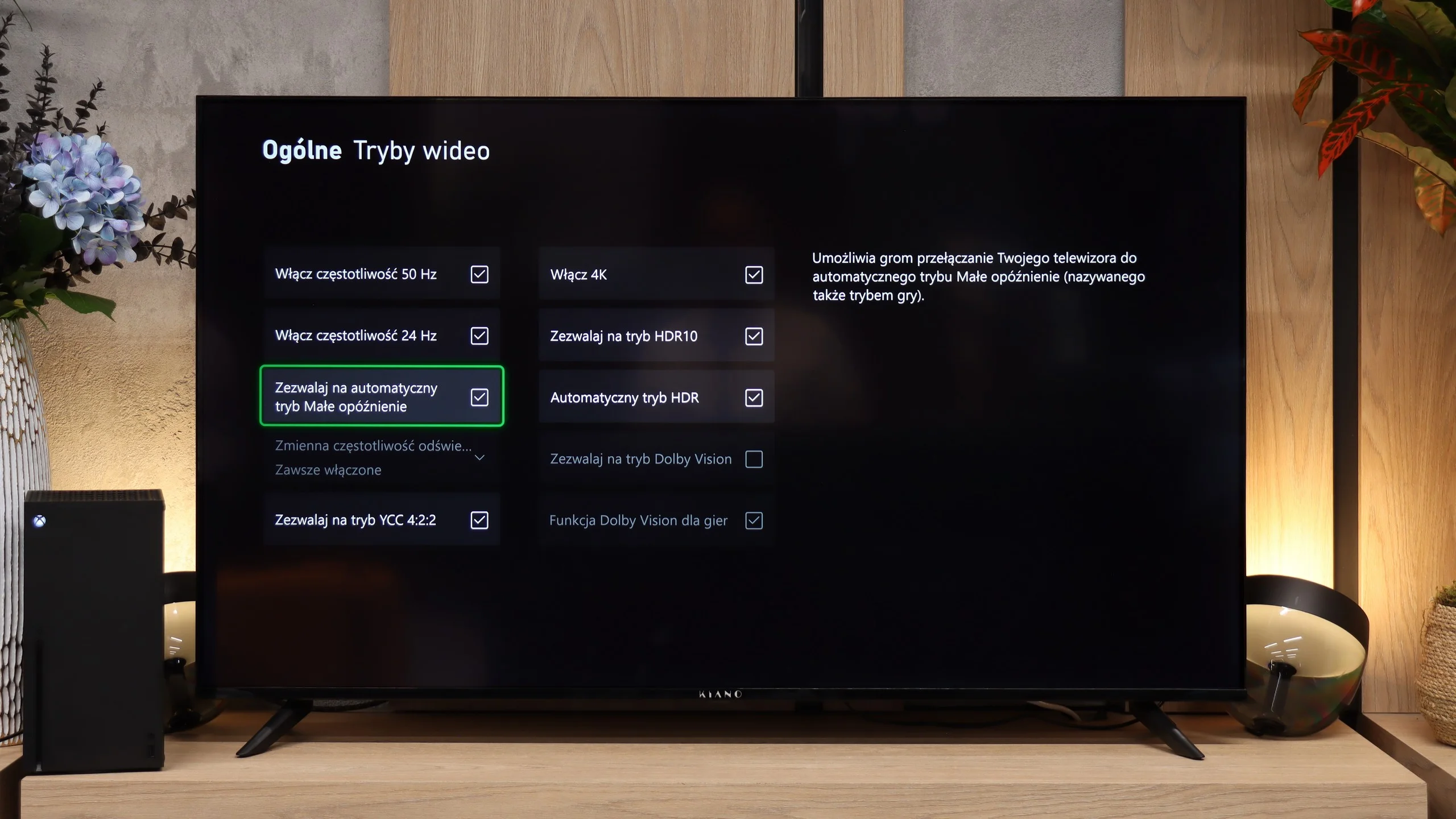
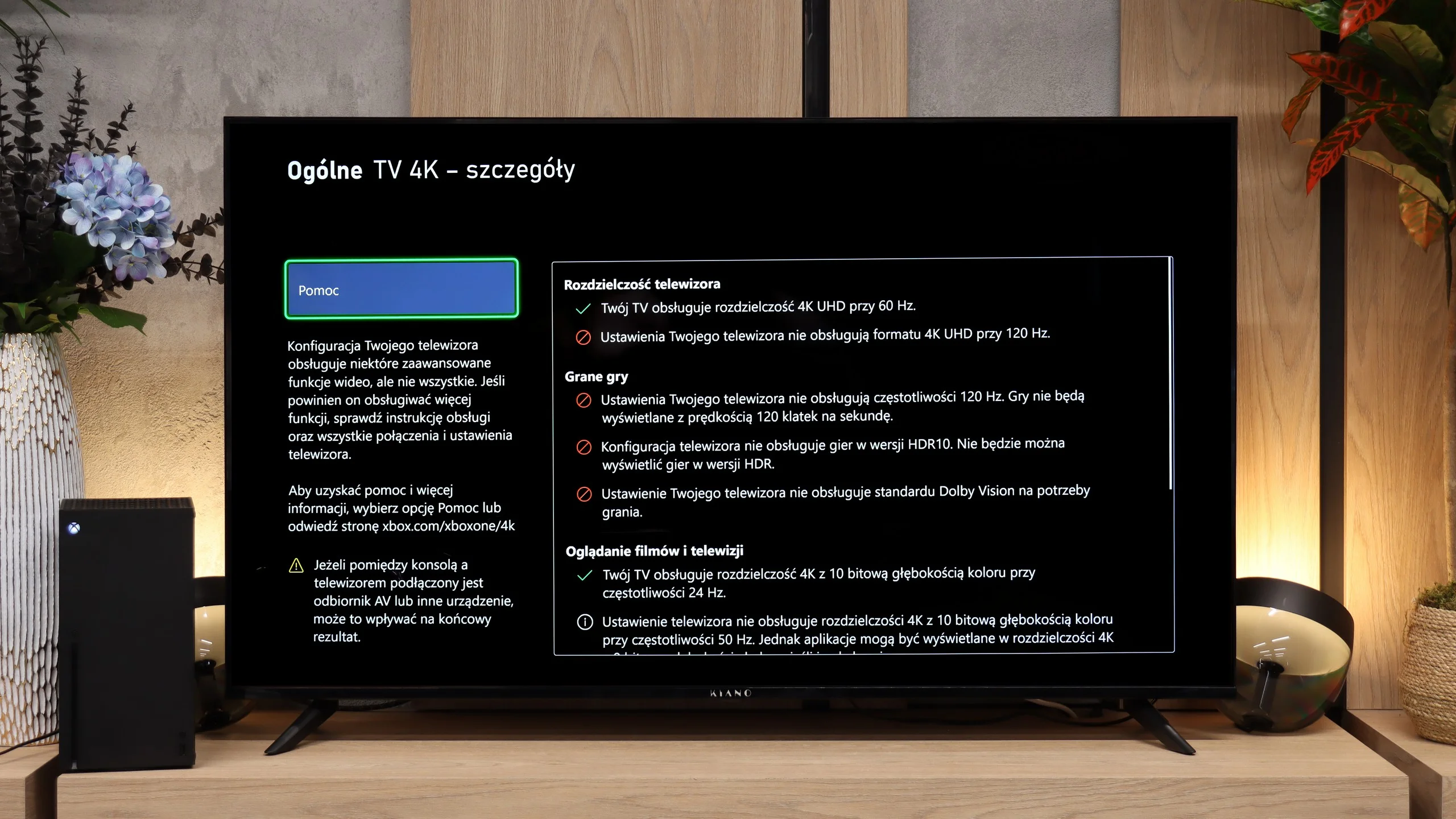
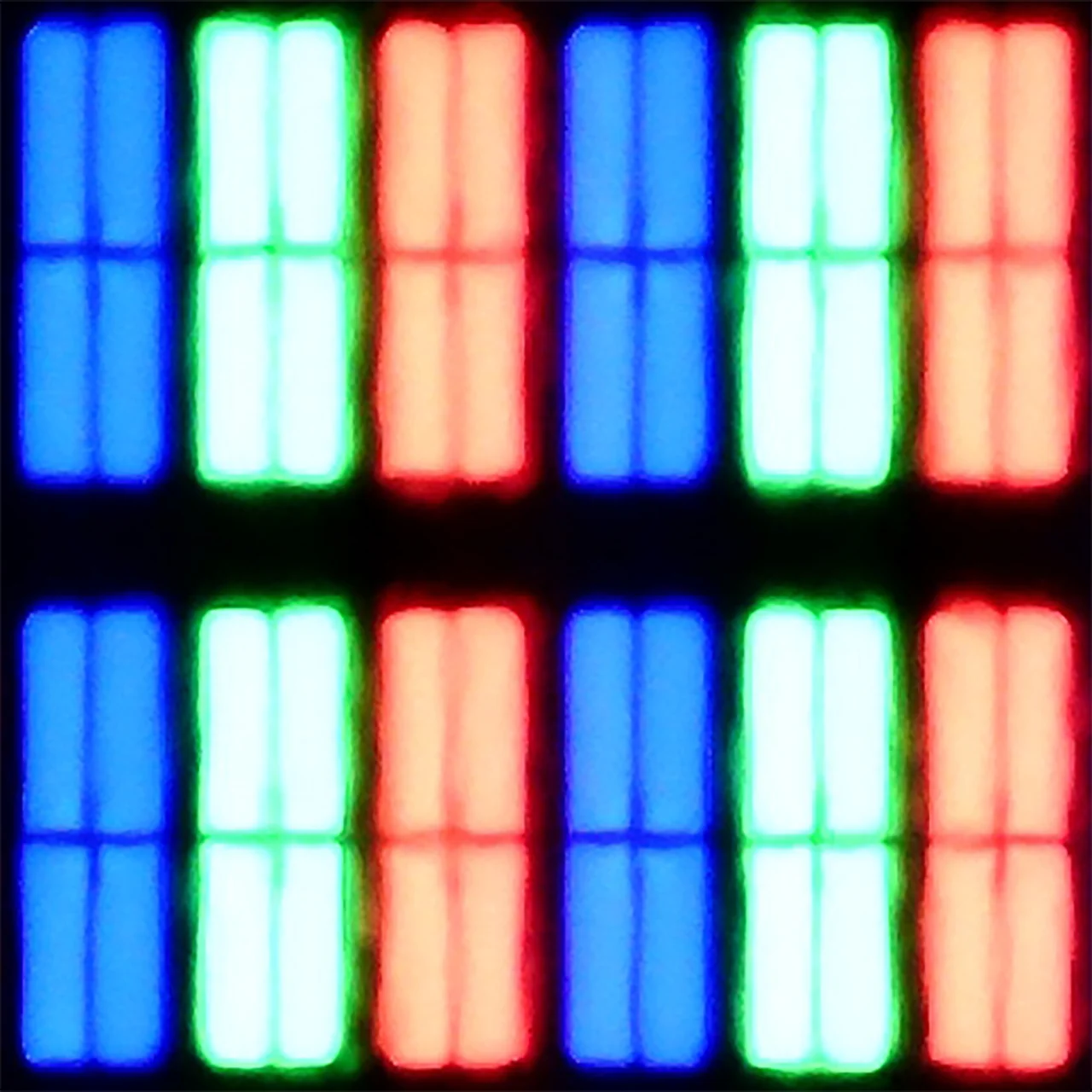
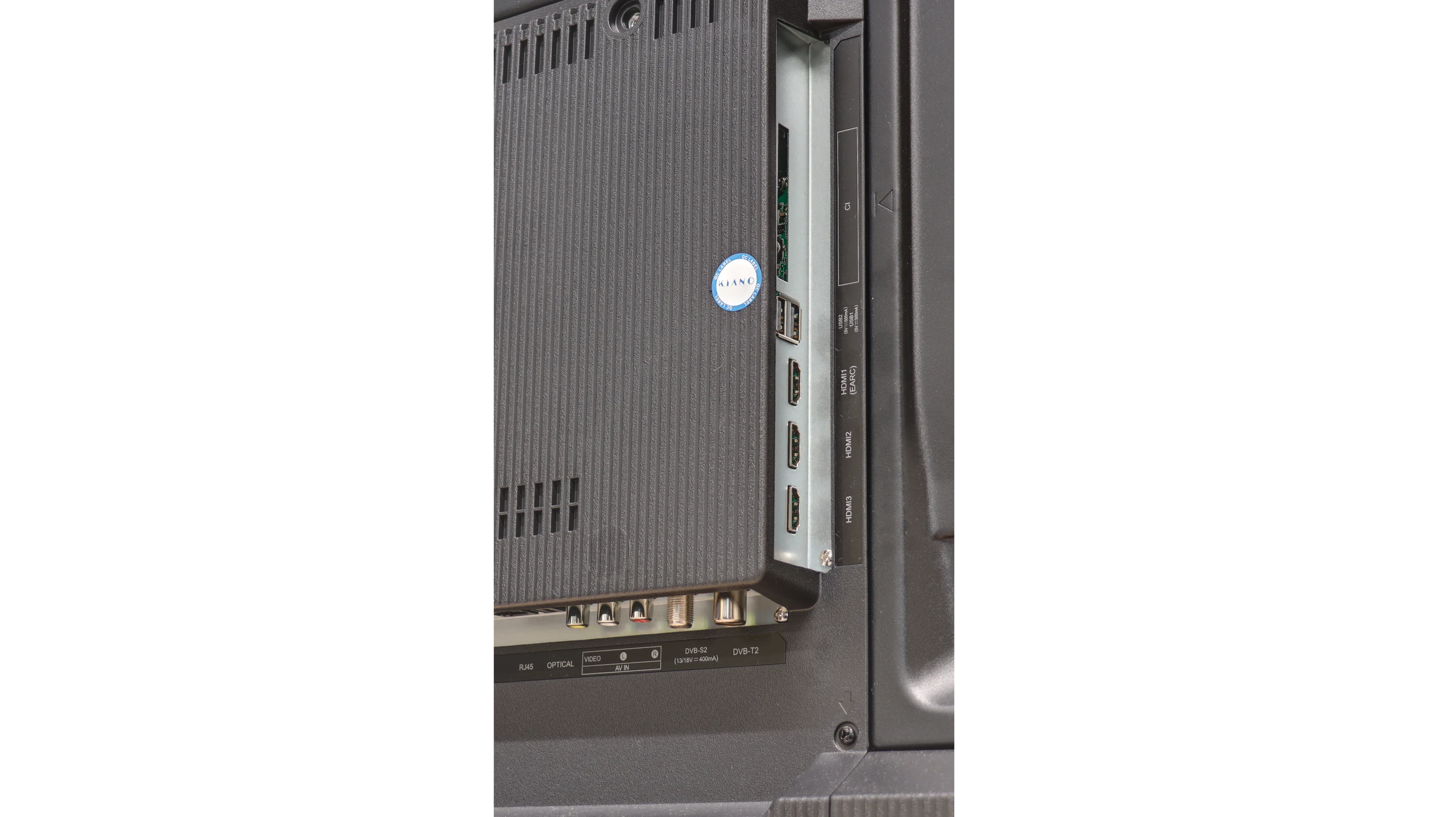
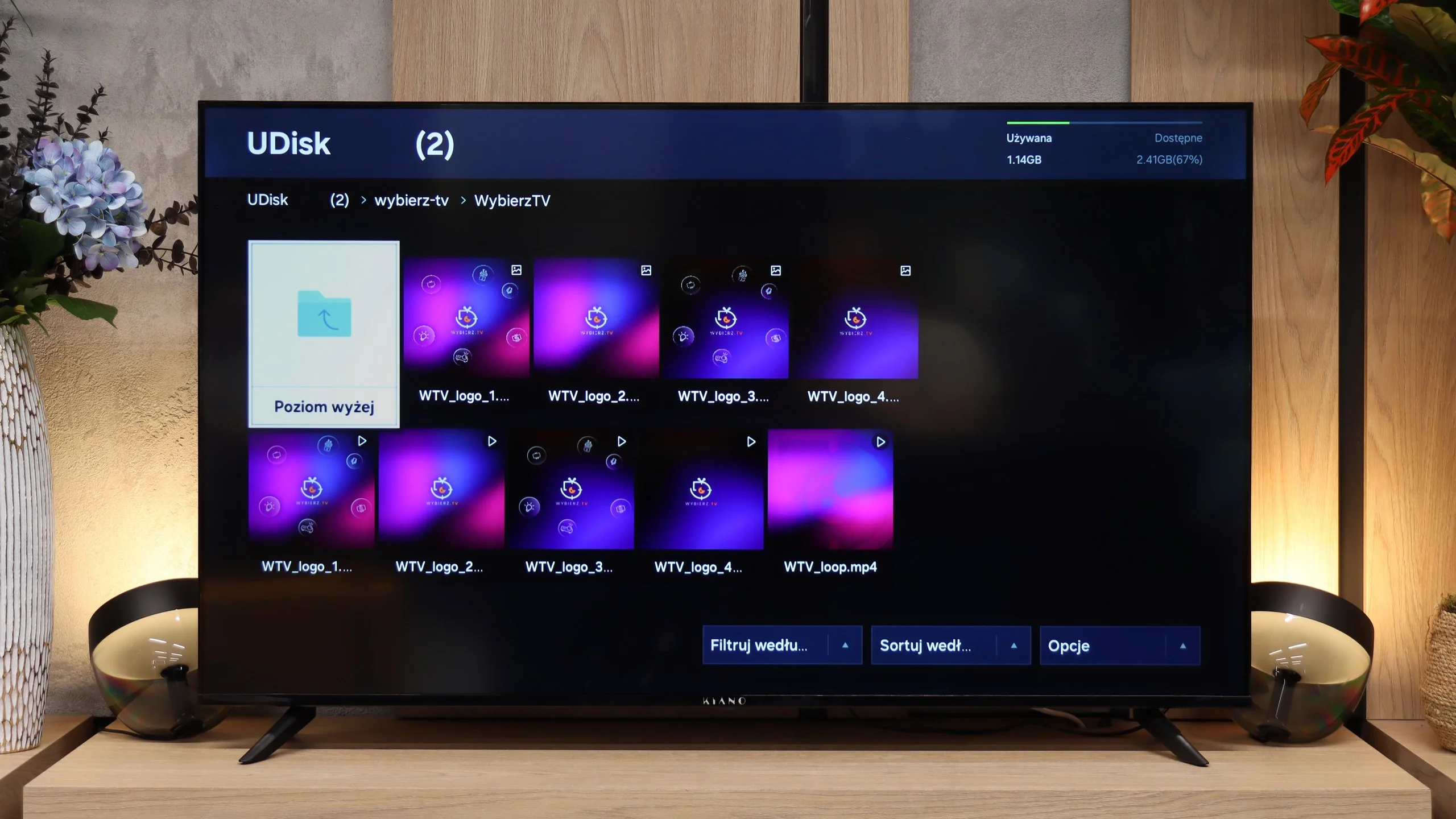
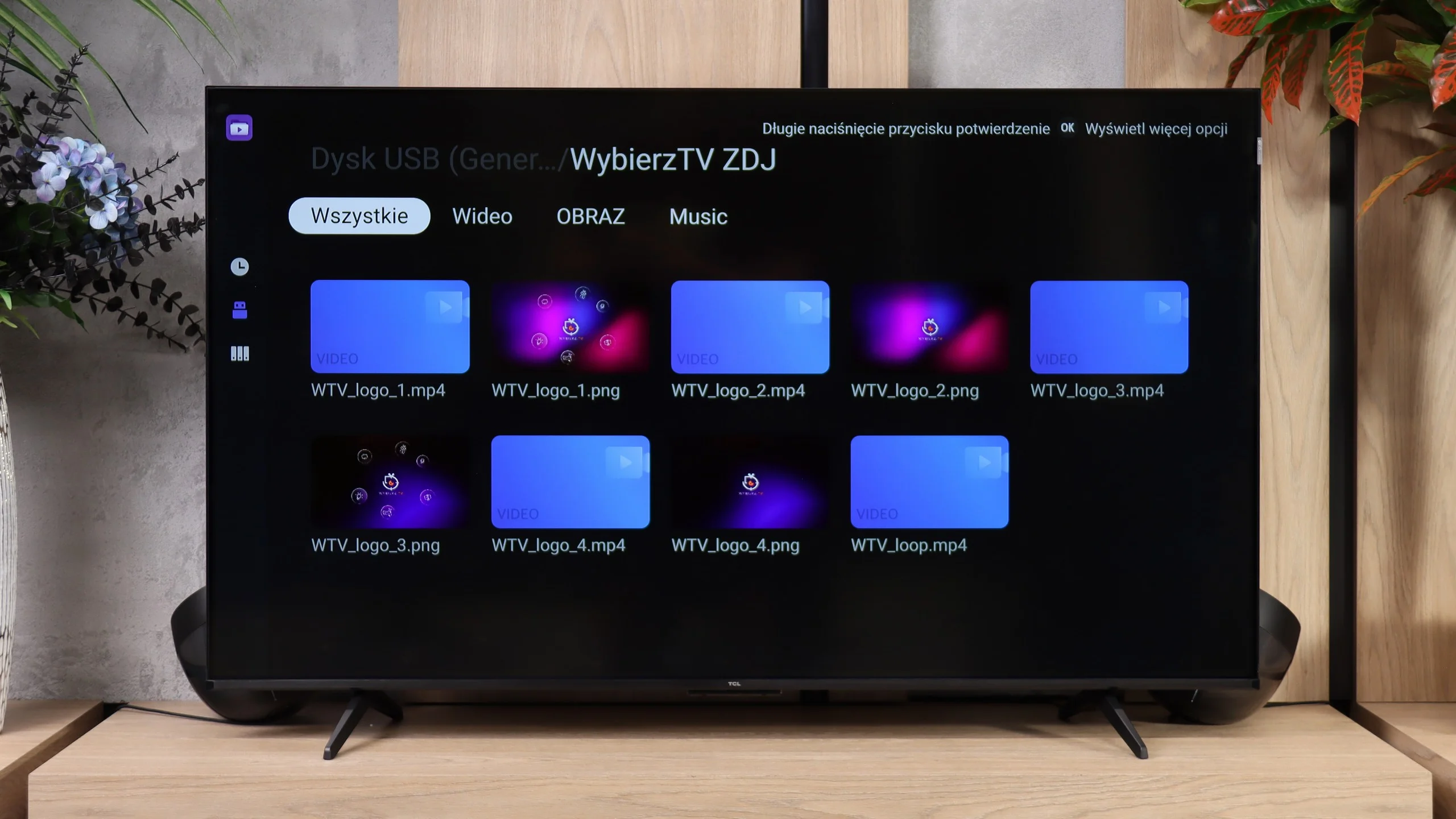
Unfortunately, the operating system doesn't make the Kiano run as smoothly as Samsung TVs. Sometimes you have to wait for a response, and the USB player can take a very long time to open files. The savings are also visible in the build quality and the panel's capabilities. Low brightness makes watching in a sunny room difficult and prevents HDR from looking impressive, while faster motion suffers from noticeable smearing. On top of that, the sound is weak, so buying separate speakers or a soundbar can quickly become another expense.
So Kiano Elegance mainly makes sense when it is clearly cheaper than the competition. It can be sufficient for daily channels or as a second TV in the home, but if only a small extra amount separates it from a basic model by a better-known manufacturer, we think it's worth paying the difference. Tizen and decent picture processing are strengths of this Kiano, but they don't make up for all the cutbacks. It's better to compare final prices than to assume that a TV with Samsung's system will provide the same level of user comfort.
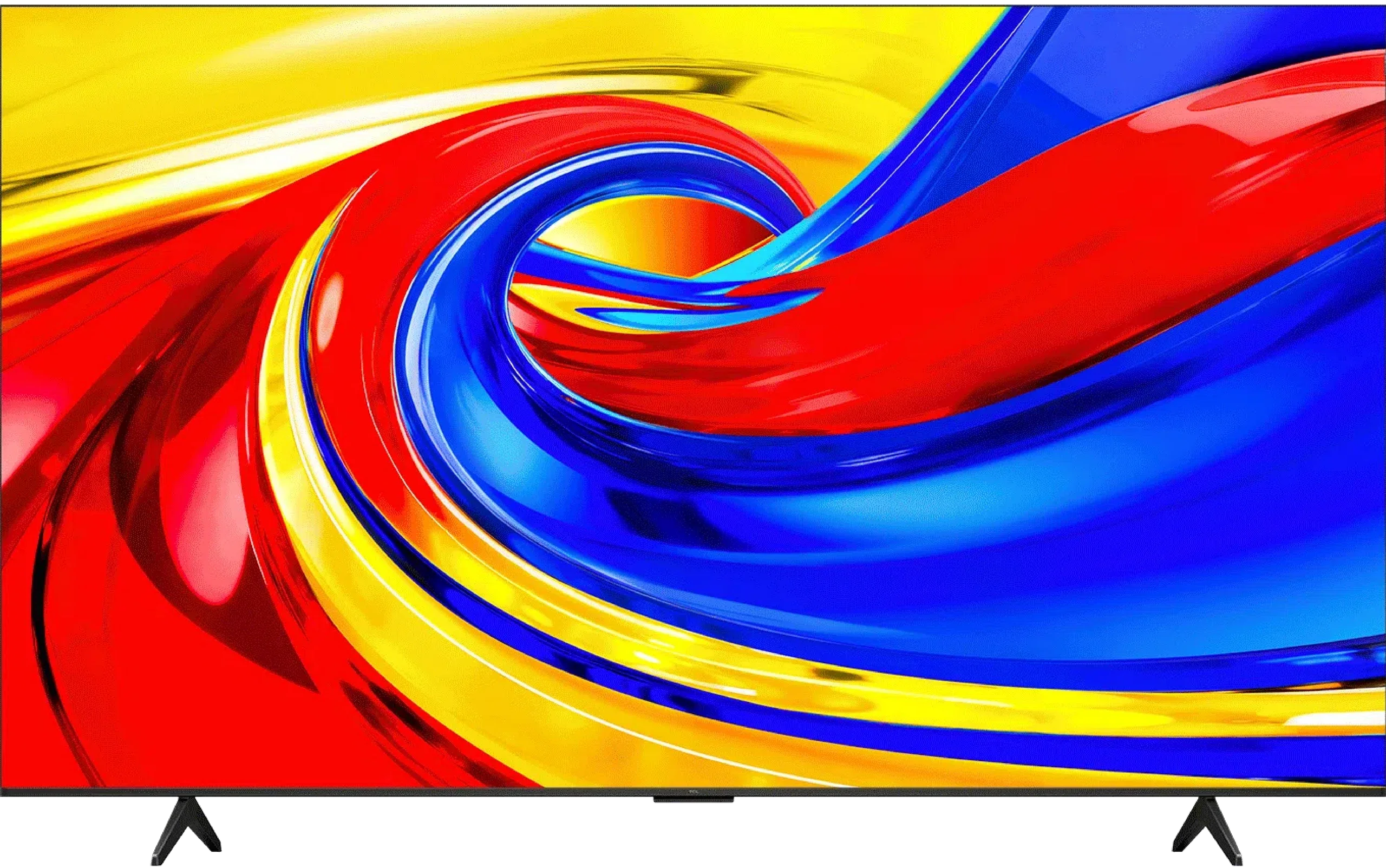
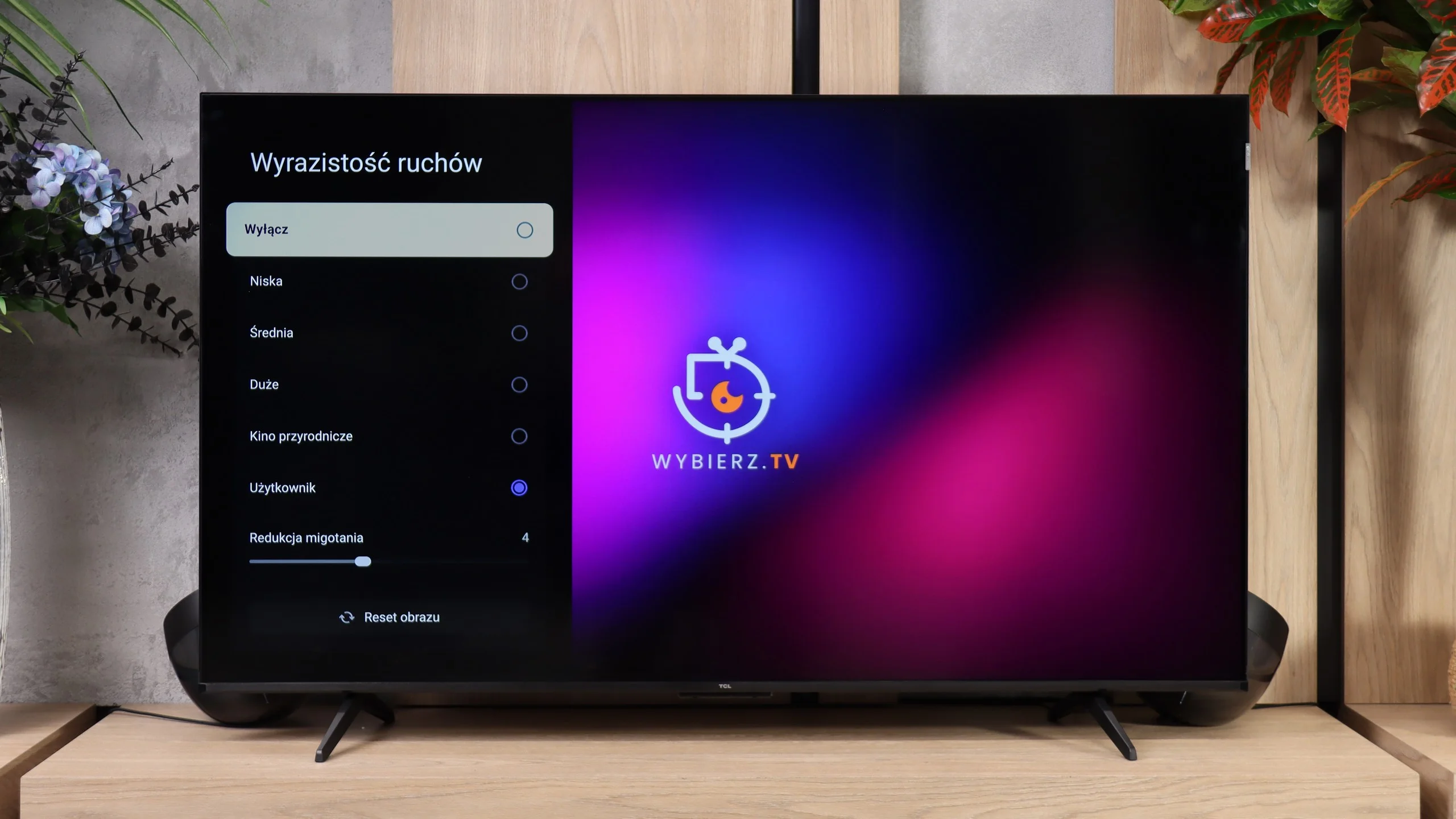
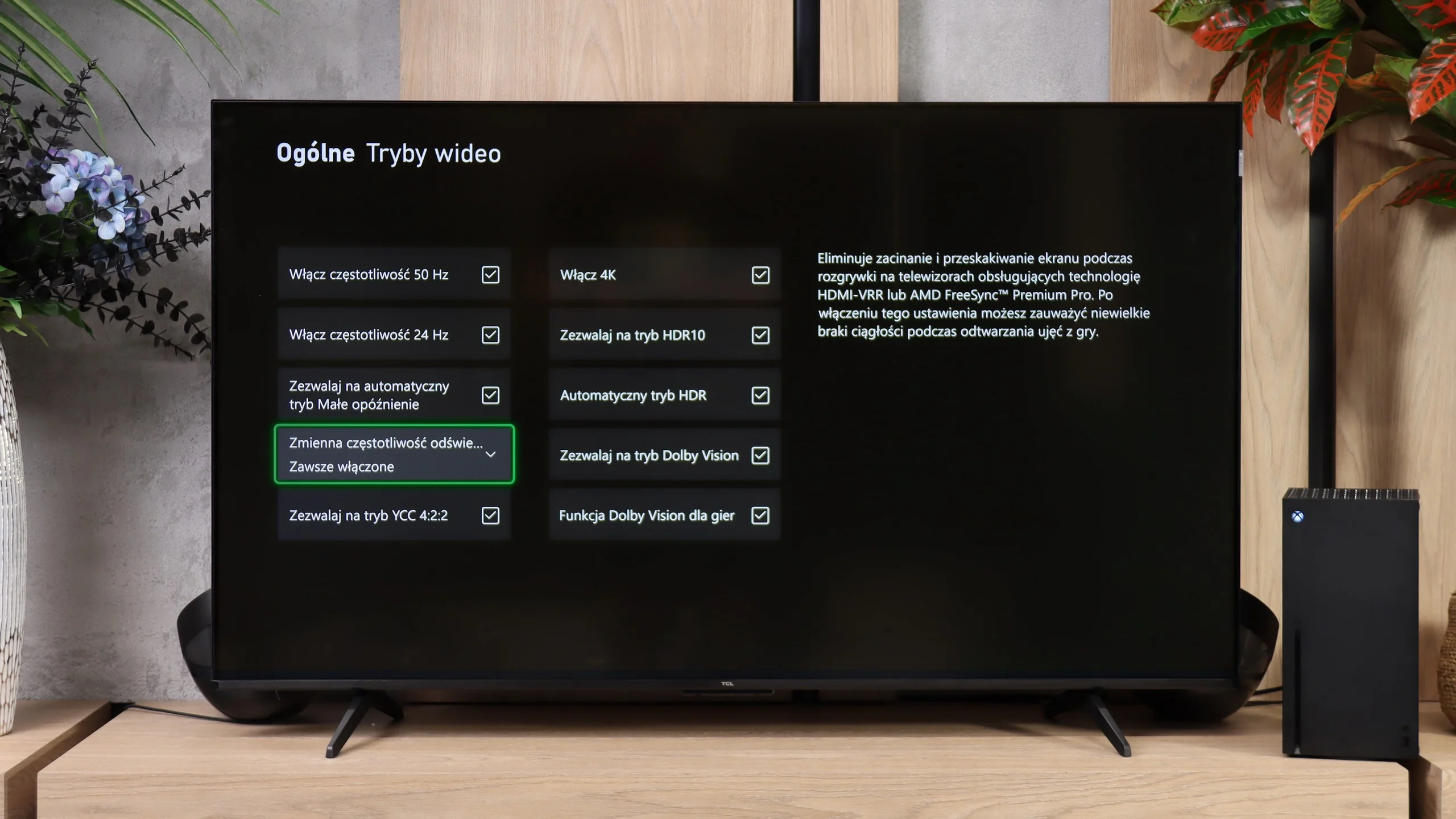
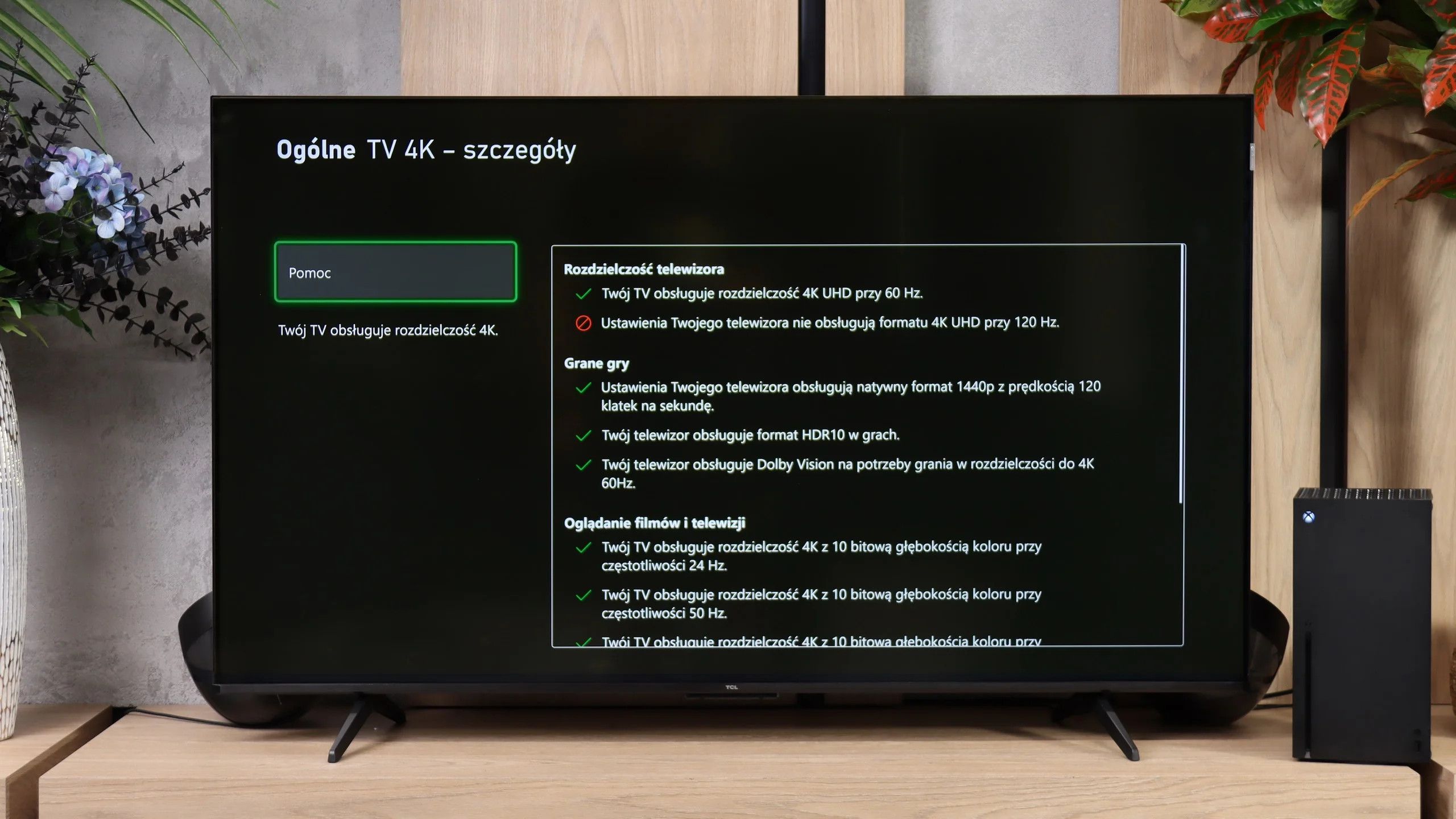
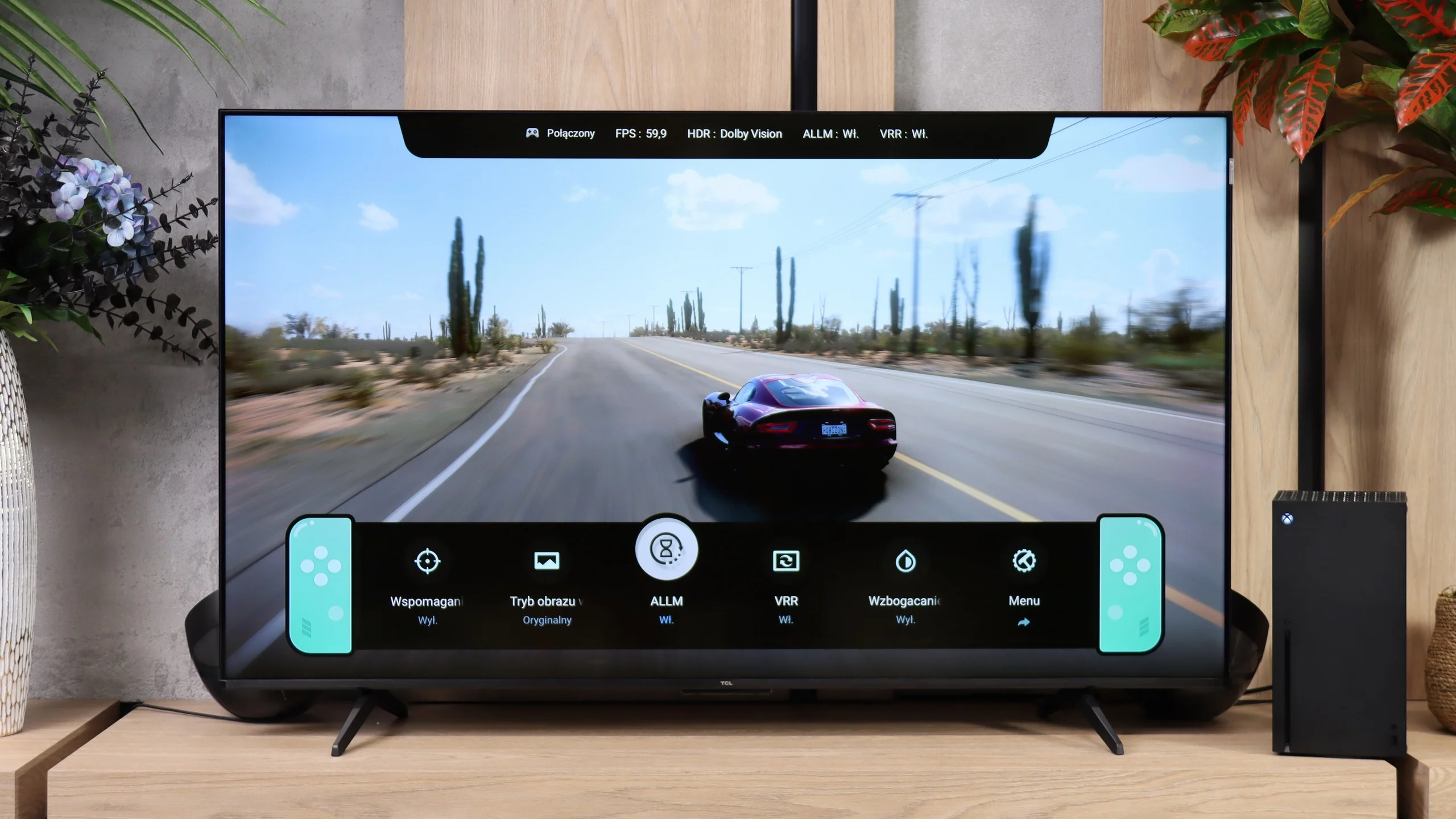
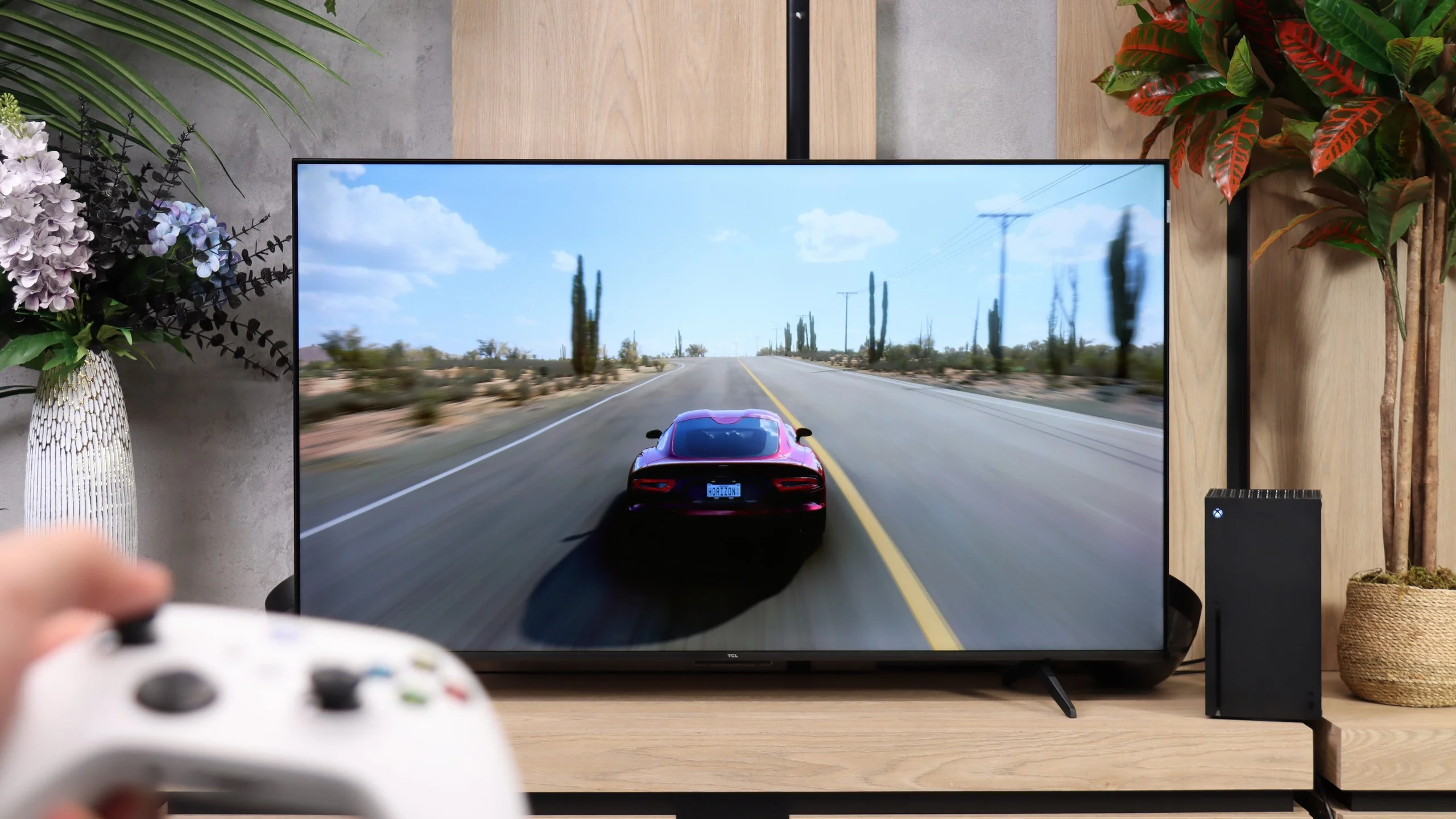
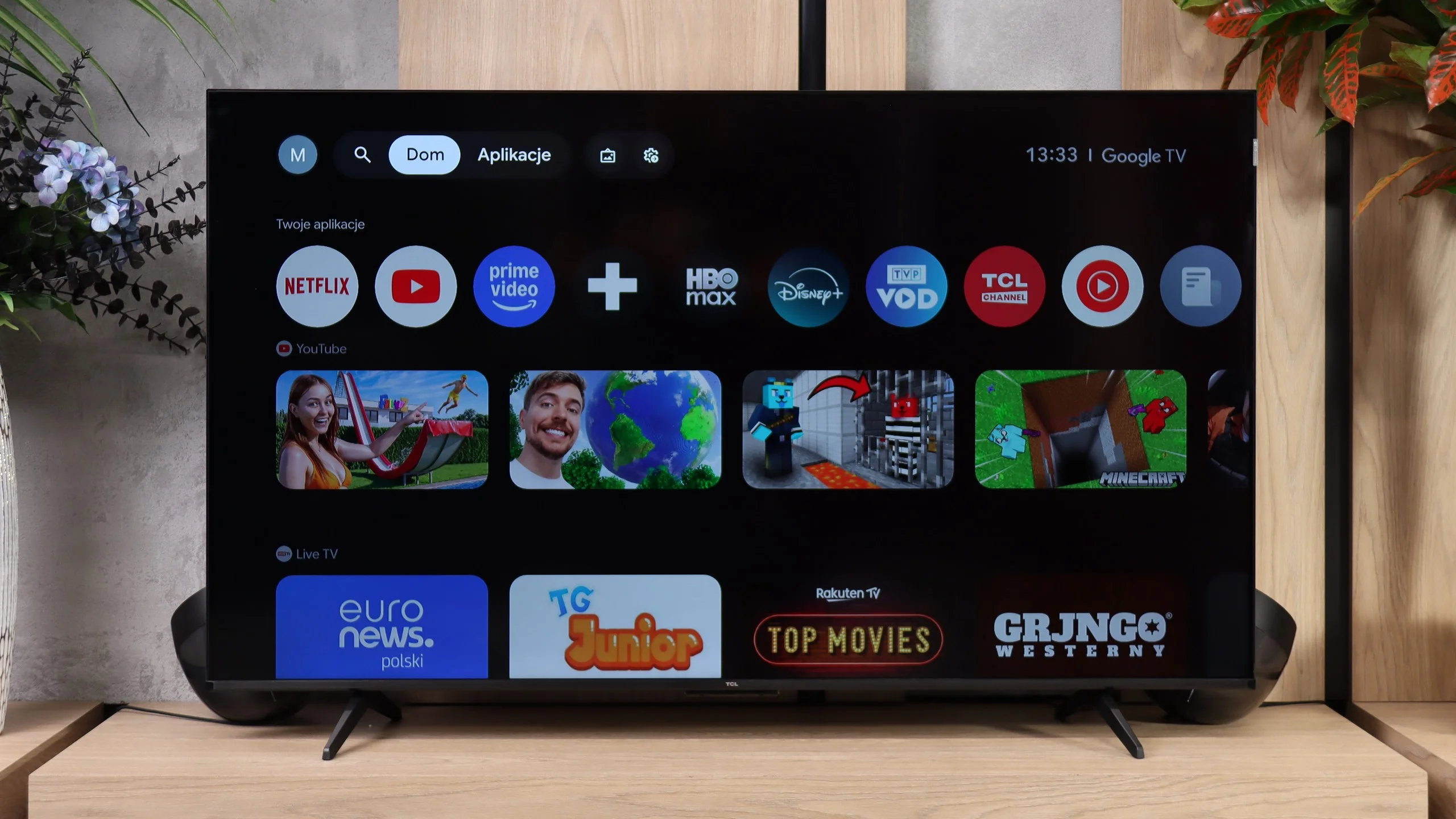
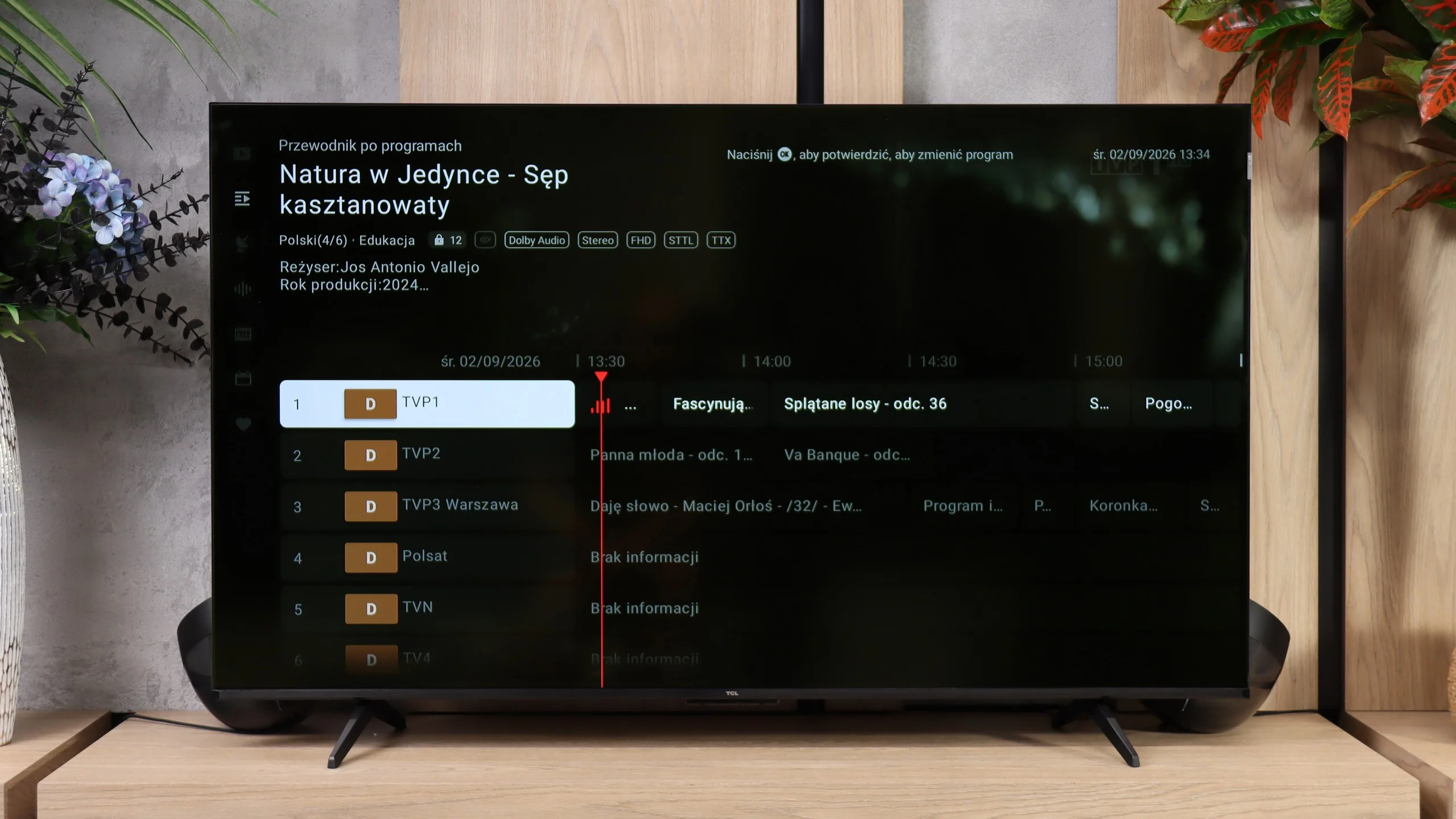
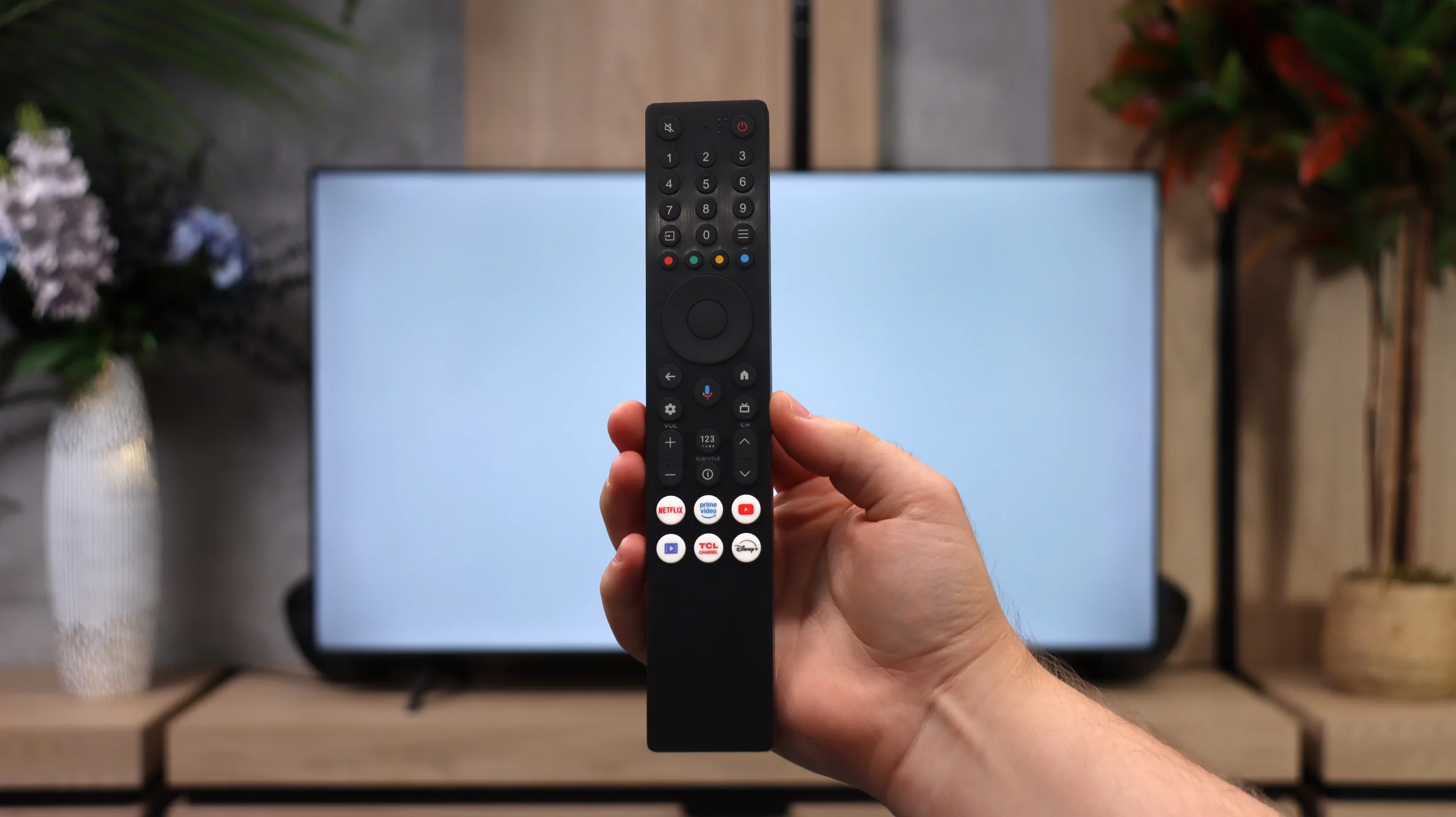
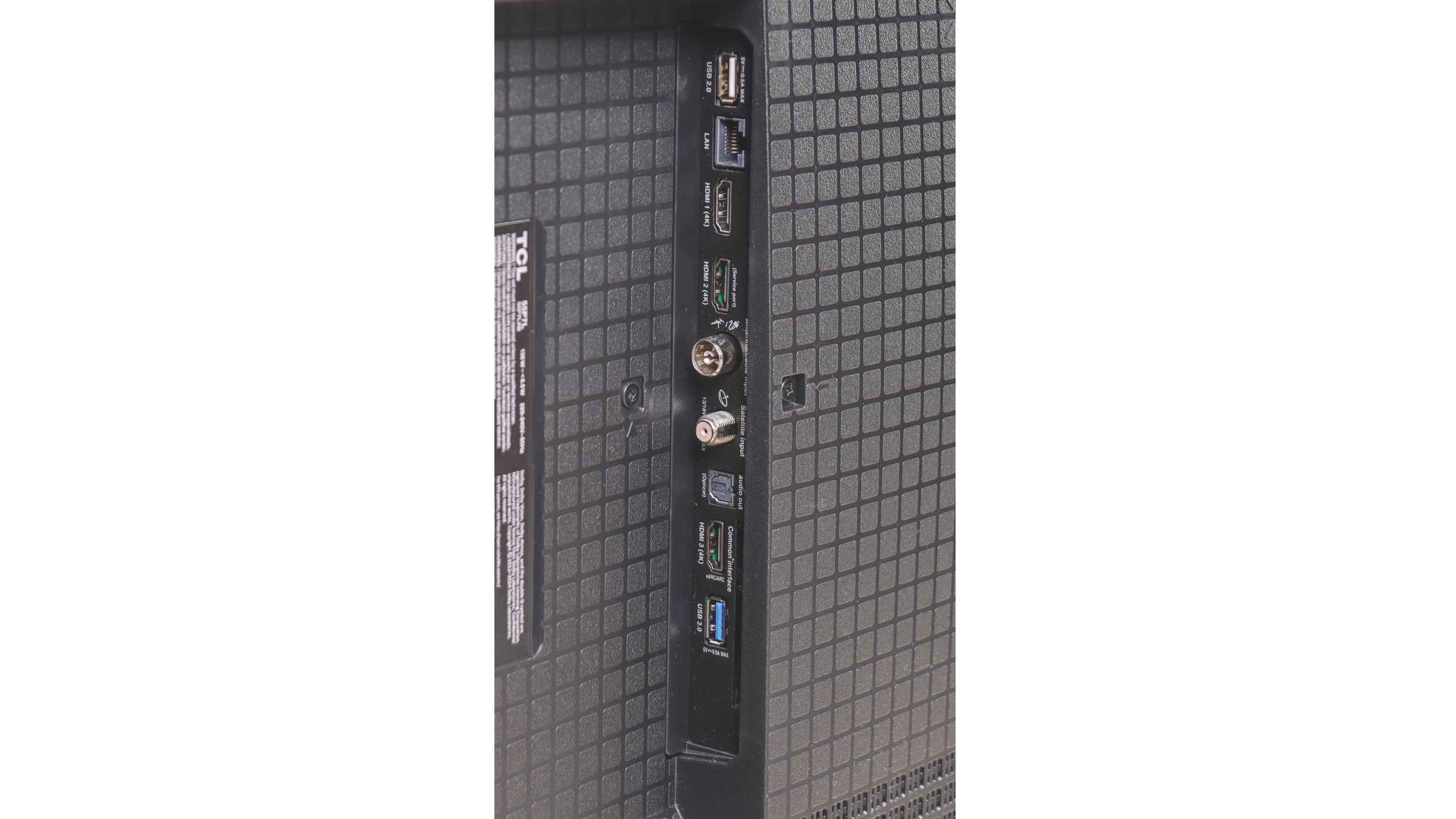
The TCL P7L is a successful budget TV that shows you can get more than just a basic screen for not much money. It doesn't match pricier Mini LEDs or OLEDs, but in its class it has a lot to offer. The VA panel delivers decent black levels and contrast, so during evening viewing the picture doesn't look as flat as on many cheap IPS models. Colors also perform well after calibration. For watching movies and TV shows it's a solid foundation, and Google TV provides access to a wide range of apps and streaming services. The biggest surprise is its gaming capabilities. The P7L responds quickly to controller input, supports VRR and automatically switches to game mode. It even offers Dolby Vision Gaming and a Game Bar with settings at hand. What's more, by lowering the resolution to 1080p or 1440p you can play at 120 Hz. In 4K you’re limited to 60 Hz, so you have to choose between more detail and smoother motion, but it's good that at this price you even have that option.
TCL also handles lower-quality sources quite well. Lower-resolution content looks acceptable, and the gradient-smoothing feature actually helps reduce visible banding between shades. The way it displays HDR is also commendable. The TV sensibly adapts content to its capabilities and tries to preserve detail in bright areas instead of turning them into blown-out white patches. Dolby Vision helps here, often producing noticeably better results than HDR10. That doesn't mean the HDR effect itself is breathtaking. The P7L's biggest limitation is brightness. Small highlights and reflections don't have the same punch you'd see on pricier screens, even if their detail remains visible. For the same reason the TV fares worse in a very sunlit living room. It performs much better in a moderately lit room.
So the P7L has its limits, but it's hard to argue with its value for money. It's suitable for everyday viewing, doesn't limit app choice, and offers surprising freedom for gaming. If you're looking for an affordable TV and can accept its flaws, the TCL P7L is a model worth considering.
 Direct comparison