 Direct comparison
Hisense U7S Pro is, without a doubt, a successful model, but built for specific tasks. Its absolute domain is bright, sunlit living rooms. Thanks to its massive brightness (over 2200 nits in HDR) and matte panel, during the day you can count on a comfortable picture, without squinting or fighting reflections. This great daytime form goes hand in hand with rich features. You get excellent upscaling of lower-quality sources (e.g., traditional broadcast TV), a brilliant remote, and sound tuned by Devialet. Importantly, this bright screen also delivers the maximum when it comes to gaming features. It has four HDMI 2.1 ports, VRR, ALLM, and refresh rates up to 330 Hz. All these traits make it a real beast for consoles or PC, provided you forgive its lack of HGiG support. While the TV shines (or should I say "mattes"?) 😉 during the day, some compromises show up after dark. Although the screen received a significant upgrade over last year’s model in terms of the number of Mini-LED dimming zones, the new generation does not show a marked improvement in black level. Overall it’s good, but sometimes it feels like the algorithms don’t quite handle such a large number of dimming points. It’s clear that, like any Mini-LED, the U7S Pro loses to OLEDs during nighttime viewing. In the final analysis it’s still a very versatile, well-equipped TV for everyday use. So if you’re looking for a TV that will give you a satisfying picture at any time of day and you don’t want to pay as much as for top-tier models, this one will be an excellent choice.
- Matching (Score) |
- Our verdict |
- TV appearance |
- Where to buy |
- Contrast and black detail |
- HDR effect quality |
- Factory color reproduction |
- Color reproduction after calibration |
- Smoothness of tonal transitions |
- Image scaling and smoothness of tonal transitions |
- Blur and motion smoothness |
- Console compatibility and gaming features |
- Input lag |
- Compatibility with PC |
- Viewing angles |
- Daytime performance |
- Panel details |
- TV features |
- Apps |
- Playing files from USB |
- Sound
U7S PRO / U77S PRO

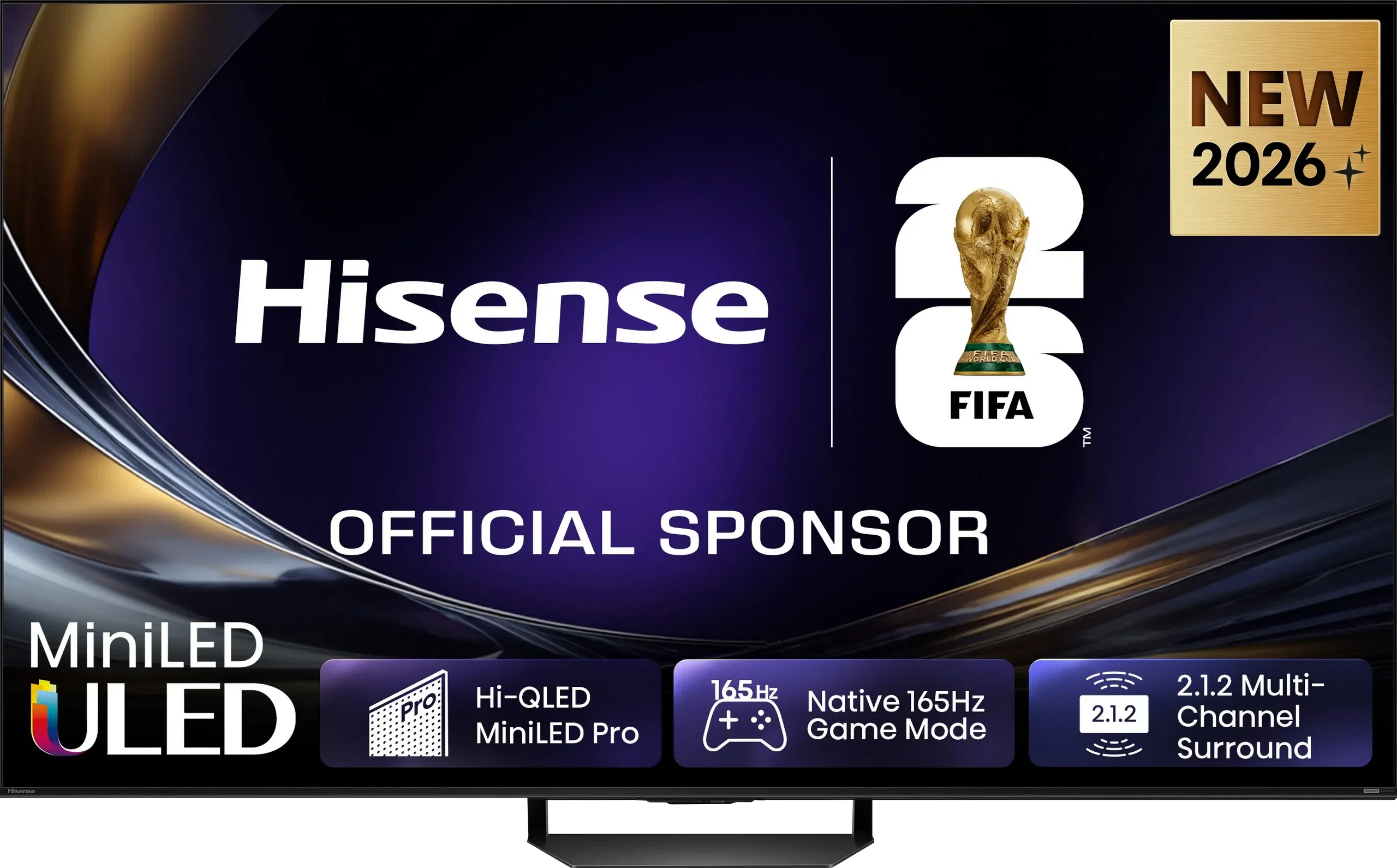
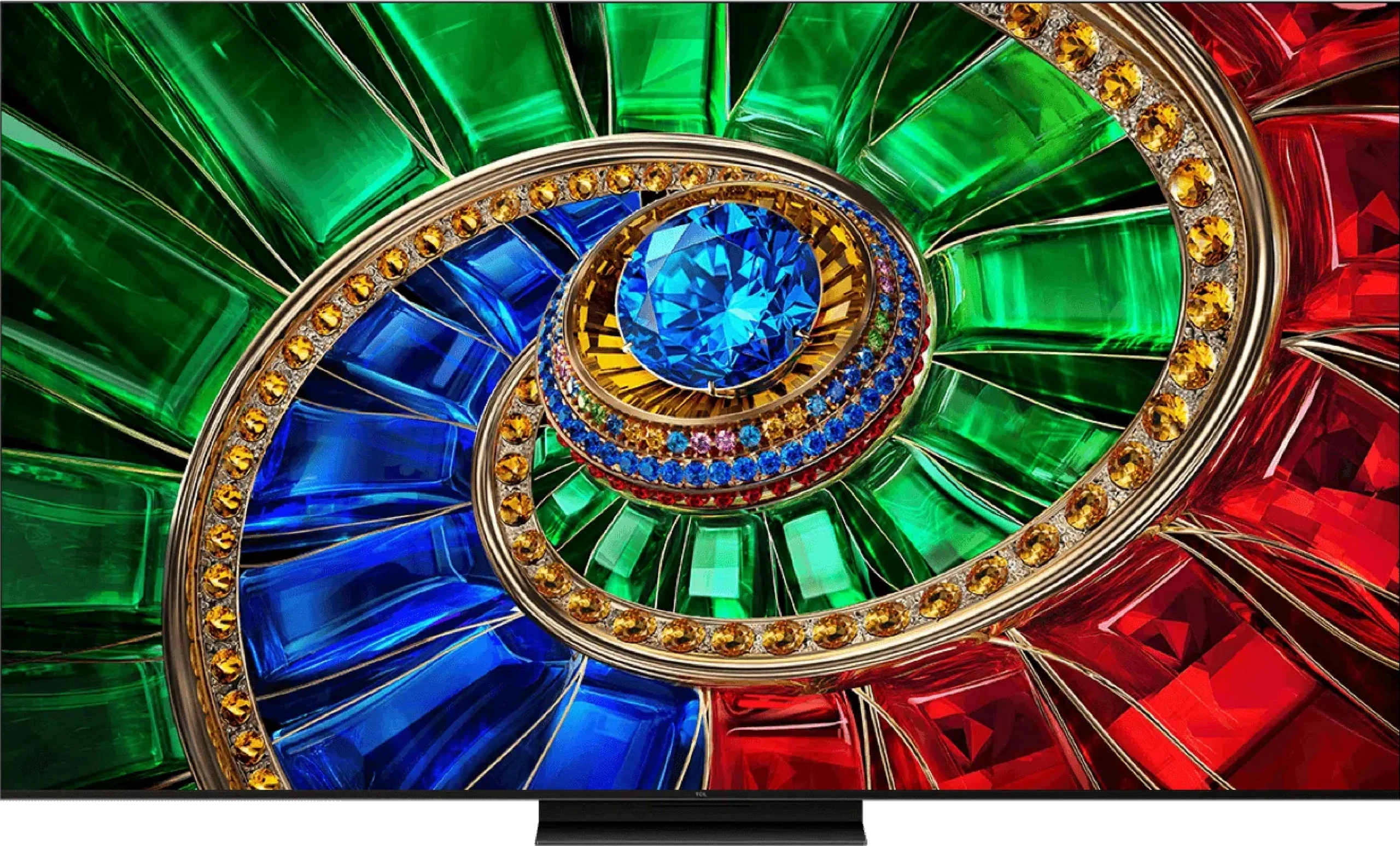
Panel type: LCD VA
Resolution: 3840x2160
System: VIDAA
Model year: 2026
Panel type: LCD VA
Resolution: 3840x2160
System: Google TV
Model year: 2026
Check how well they match your needs
Take the surveyOverall rating
7.8
7.8
 Movies and series in UHD quality
7.3
7.4
 Classic TV, YouTube
7.1
7.1
 Sports broadcasts (TV and apps)
6.8
6.9
 Gaming on console
8.3
8.8
 TV as a computer monitor
8.4
8.4
 Watching in bright light
8.1
7.8
 Utility functions
9.4
7.8
 Apps
8.3
9.6
 Sound quality
7.8
7.8
Complete the survey to find out what fits your preferences
Advantages

Very high brightness: Over 2200 nits in HDR
Good blacks and contrast: VA panel (65") + 960 Mini-LED zones
QLED: Wide color gamut coverage
Excellent upscaling: Very good processing of lower-quality sources
Ideal for a bright living room: High brightness + matte panel
Extensive format support: Dolby Vision, HDR10+, Dolby Atmos, DTS:X
Powerful gaming features: 4x HDMI 2.1 (48 Gbps), up to 330 Hz, low input lag, Game Bar
Above-average sound: Built-in subwoofer + Devialet tuning
Remote: Solar panel, USB-C, backlighting, numeric keypad
Recording programs to USB
Very high HDR and SDR brightness
Good black levels and contrast (VA panel + mini-LED)
Impressive picture
Full support for HDR formats, including Dolby Vision and HDR10+
Extensive gaming features (VRR, ALLM, HGiG)
Good motion handling with low blur (up to 288Hz)
Disadvantages

No HGiG support (consoles)
App limitations: Limited availability of some apps on HomeOS / VIDAA
Poor viewing angles: Additionally, the matte panel loses its ability to reduce reflections
Poor digital image processing due to the use of the older MediaTek Pentonic 700 processor
The glossy screen coating does little to reduce reflections
Only two HDMI 2.1 ports
Less stable colors, dependent on the dimming algorithm (a characteristic of RGB panels)
Our verdict
The TCL RM7L is a TV that can’t be fairly judged by measurements and charts alone. Although it isn’t uncompromising hardware, in everyday use it more than holds its own. It delivers a bright, dynamic, and saturated image, which makes it great for HDR content, gaming, or fast-paced movies. The RM7L doesn’t chase perfect “reference” performance. Instead it serves up a picture that simply pleases the eye. It’s also hard to fault in daily use. Google TV runs smoothly and provides access to a full suite of apps, and the comprehensive set of features for gamers means the TV handles being connected to a console or PC just as well as an evening session on the couch. It’s simply a versatile TV that will suit most home uses. The most interesting thing, however, is TCL’s approach to backlighting. Instead of chasing numbers and increasing the number of dimming zones (as in the C7L), they went with RGB Mini-LED technology. The result is really intriguing. While black levels and contrast are very good, in the toughest scenes — bright objects on a dark background — blooming can be a bit more noticeable than with the sibling model. Interestingly, the glow itself takes on the color of the displayed element, which makes it look much more natural and less distracting than on traditional Mini-LED screens.
And here’s the dilemma. Placing the RM7L next to the TCL C7L, it’s hard to reach a clear, objective verdict. Both models cost almost the same, but represent two completely different backlight design philosophies. The C7L wins on dimming precision thanks to a larger number of zones, while the RM7L makes up for it with the specific, extremely pleasing character of its RGB panel. Until recently the choice came down to a simple count of zones; today, as TCL shows, it’s much more interesting. If we had to choose between the two ourselves, we’d lean slightly toward the C7L because of the greater number of zones and equally impressive, saturated colors, but the final decision always depends on what an individual expects from their equipment.
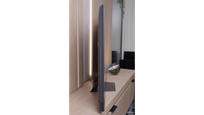
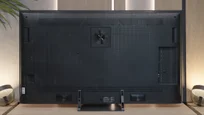
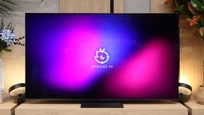
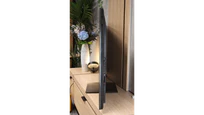
TV appearance
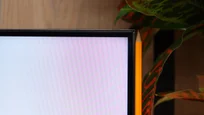
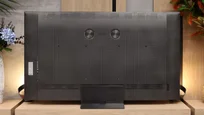

Contrast and black detail
7.5/10
7.7/10
Local dimming function: Yes, number of zones: 960 (24 x 40)
Local dimming function: Yes, number of zones: 448 (16 x 28)
Contrast:


Result
346,350:1

Result
13,500:1

Result
19,050:1

Result
9,950:1

Result
6,450:1
Result
258,450:1
Result
41,400:1
Result
18,800:1
Result
15,650:1
Result
8,350:1
Halo effect and black detail visibility:
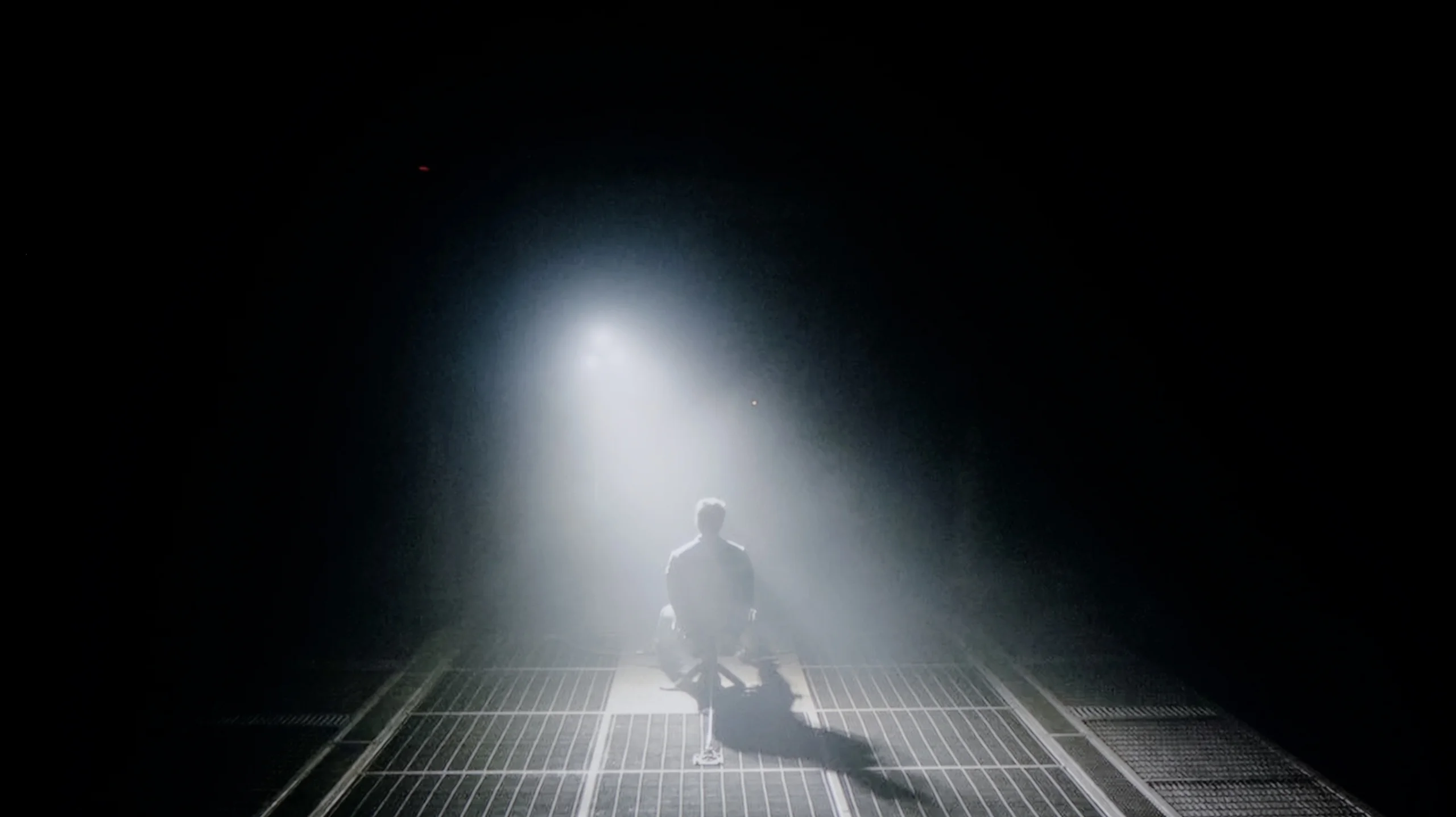
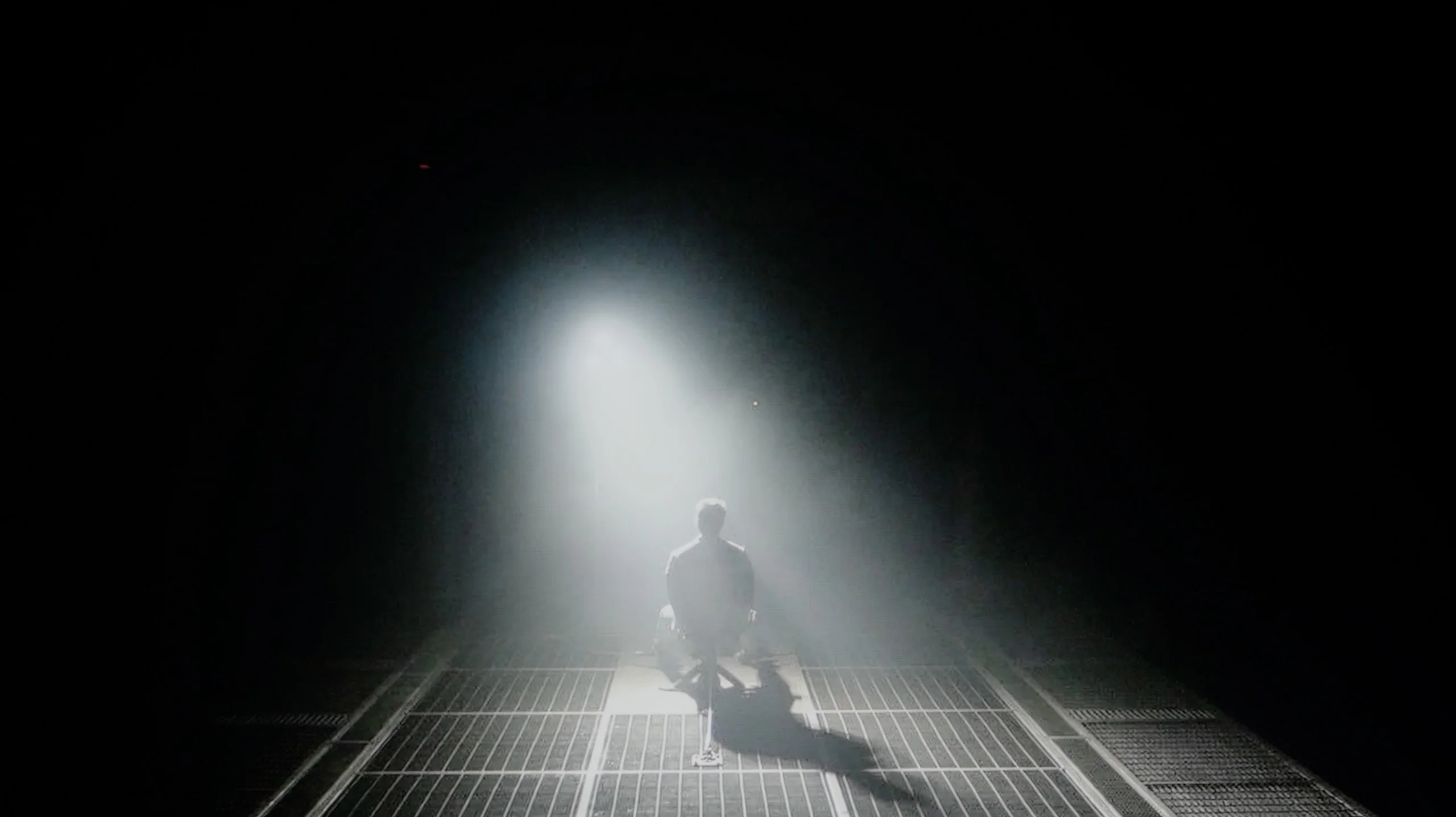
Check the visibility of bright lights on a dark background. Mini-LEDs often struggle with this. The photo does not compare black levels – that’s what the video below is for.
The video accurately shows differences in contrast and black levels between TVs, as well as potential issues: halo around bright objects or Mini-LED zone operation visible as brightness jumps.
The U7S Pro in the 65" variant we tested uses a VA panel and has as many as 960 local dimming zones. Thanks to the combination of that panel (i.e., high native contrast) and a large number of zones, blacks here are really very good. In dark scenes viewed with the lights slightly on, the effect can even resemble OLED TVs — which our first test scene from the film Oblivion demonstrated brilliantly. Unfortunately, when more small bright elements appear on a dark background, the local dimming algorithm starts to show its weaknesses. Contrast can then drop noticeably, and a halo effect becomes visible around bright objects, the characteristic glow (so-called blooming). This, however, is a natural trait of Mini-LED TVs resulting from the physical limits of the technology. The dimming zones, even though numerous, will always be fewer than the independent pixels in an OLED, so it’s physically impossible to completely avoid. Interestingly, although the new U7S Pro has nearly twice as many local dimming zones as last year’s U7Q Pro, in practice it brings no significant improvement in this area.
Black performance on the TCL RM7L is really good. The combination of a high-contrast VA panel with a zone-based RGB Mini-LED backlight allows the TV to achieve very high contrast figures. In most of the scenes we measured, the results were good enough that dark parts of the image looked deep and convincing. The RM7L performs best in less demanding shots where black occupies a large portion of the screen and bright elements are relatively small. In such conditions contrast can reach six-figure values. As scene complexity increases, results gradually fall off, but that is a natural characteristic of any LCD TV using local dimming.
However, the RM7L has noticeably fewer zones than its counterpart using an SQD Mini-LED backlight. In the 65-inch version the difference is more than twofold, so you more often see more pronounced blooming around bright elements on a dark background. In terms of pure dimming precision, the RM7L is therefore not as accurate as the C7L. RGB Mini-LED has its own advantage here though. The bloom is not simply white, it takes on the color of the displayed element. A good example is the helicopter cockpit scene from Sicario 2, where a greenish bloom appears around the green lights instead of the typical bright halo known from conventional Mini-LED TVs. The halo effect is still visible, but because its color matches the image it is less distracting and looks more natural.
Ultimately we rate the RM7L and C7L similarly for black-level performance. The C7L controls the backlight better thanks to a larger number of zones, while the RM7L makes up for it with the character of its bloom. The bloom is somewhat larger, but its color blends better with the displayed image.
NOTE: Naturally, as the TV size increases the number of zones grows, yet we expect similar contrast results across RM7L sizes. It’s also worth adding that TCL lists the number of "color zones" in its product brochures, not the actual dimming zones. Since each color zone consists of three RGB channels, the advertised number should be divided by three. Therefore 1,344 color zones in the 65-inch unit we tested mean 448 actual dimming zones.
Size | Dimming zones (actual) | Color zones |
|---|---|---|
65" | 448 | 1344 |
75" | 600 | 1800 |
85" | 720 | 2160 |
98" | 960 | 2880 |
HDR effect quality
6.7/10
6.6/10
Luminance measurements in HDR:

Result
1041 nit

Result
458 nit

Result
1104 nit

Result
528 nit

Result
897 nit
Result
914 nit
Result
538 nit
Result
653 nit
Result
494 nit
Result
1413 nit
Scene from the movie “Pan” (about 2800 nits)
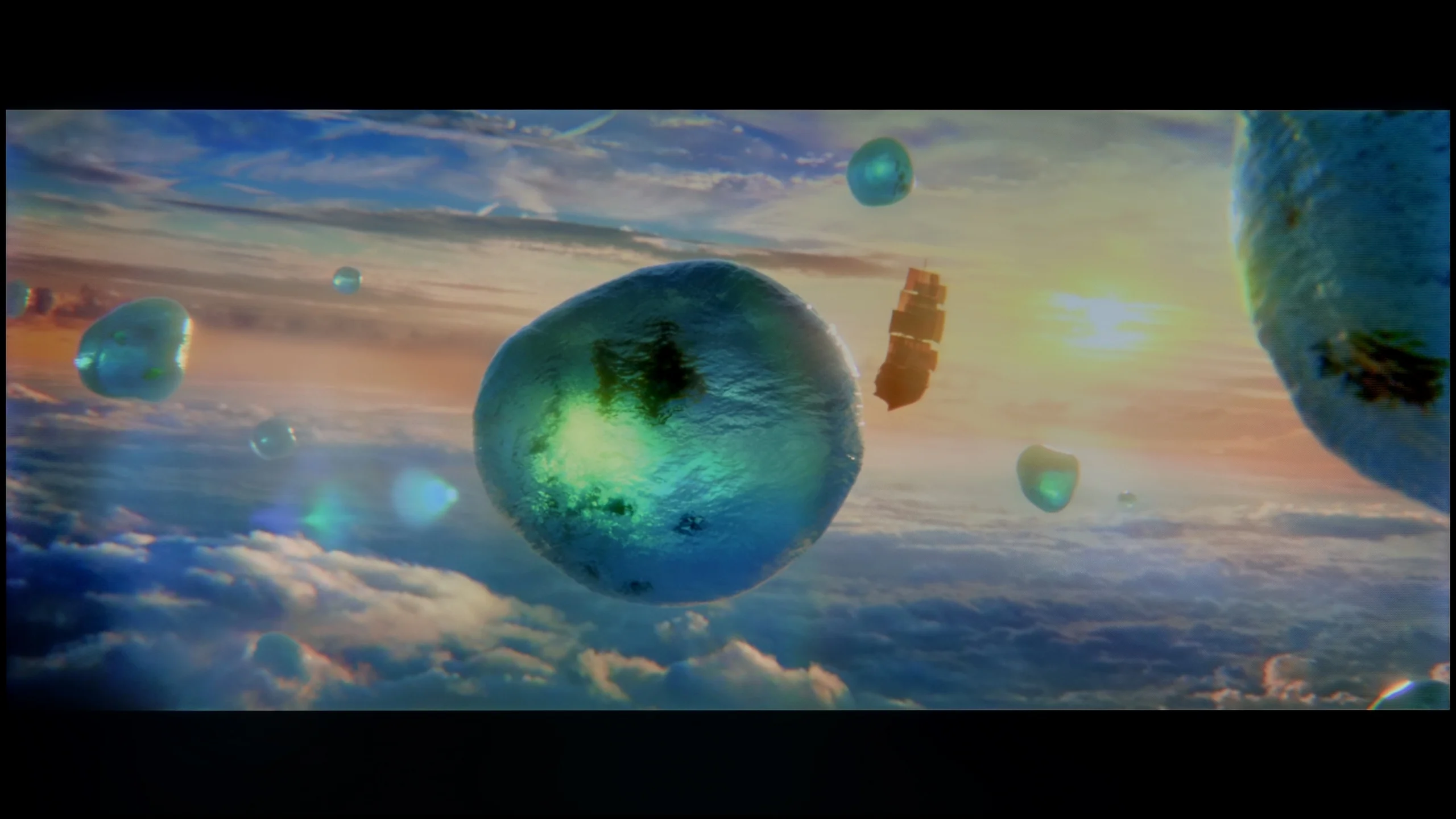
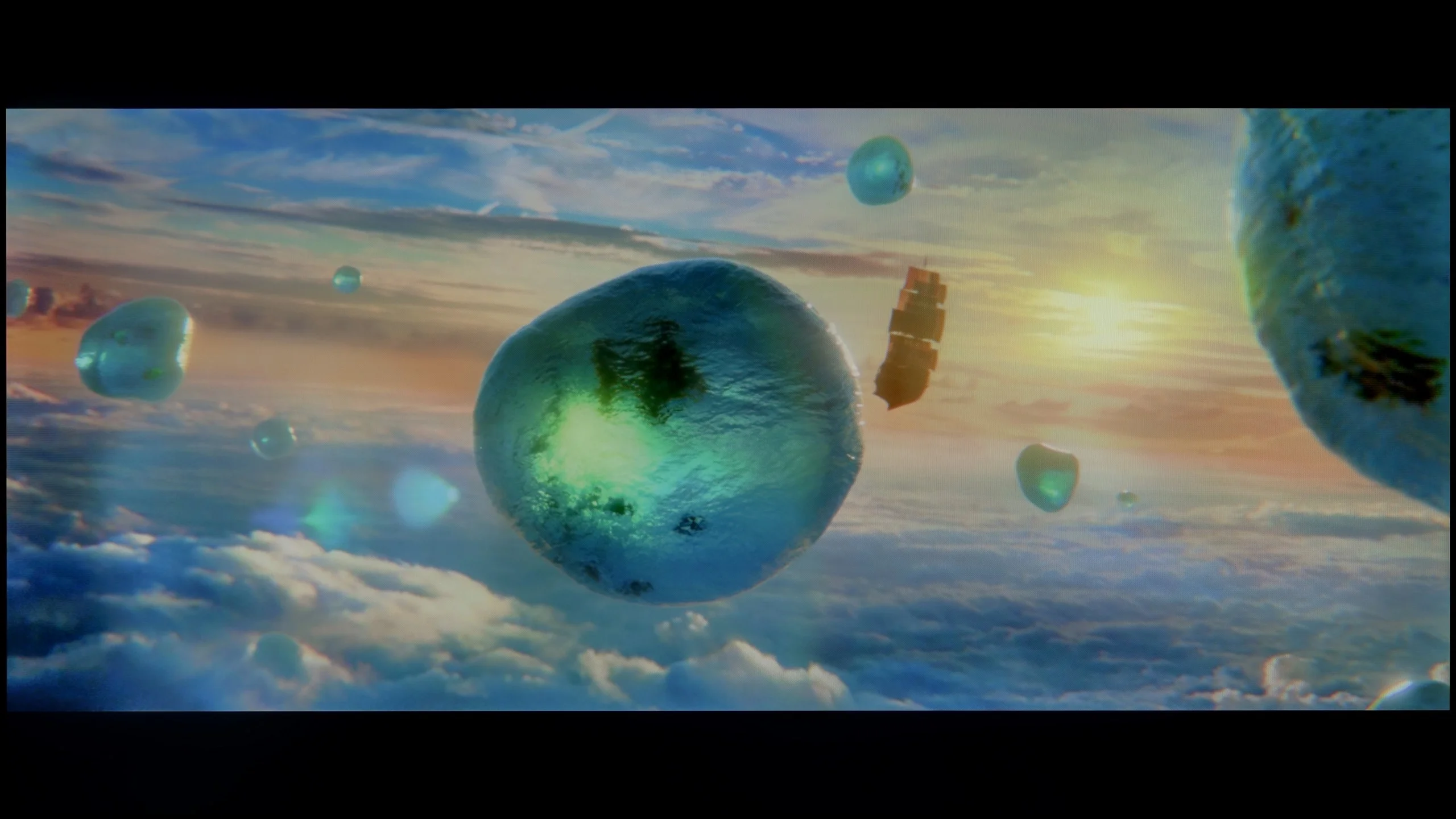
Scene from the movie “Billy Lynn” (about 1100 nits)
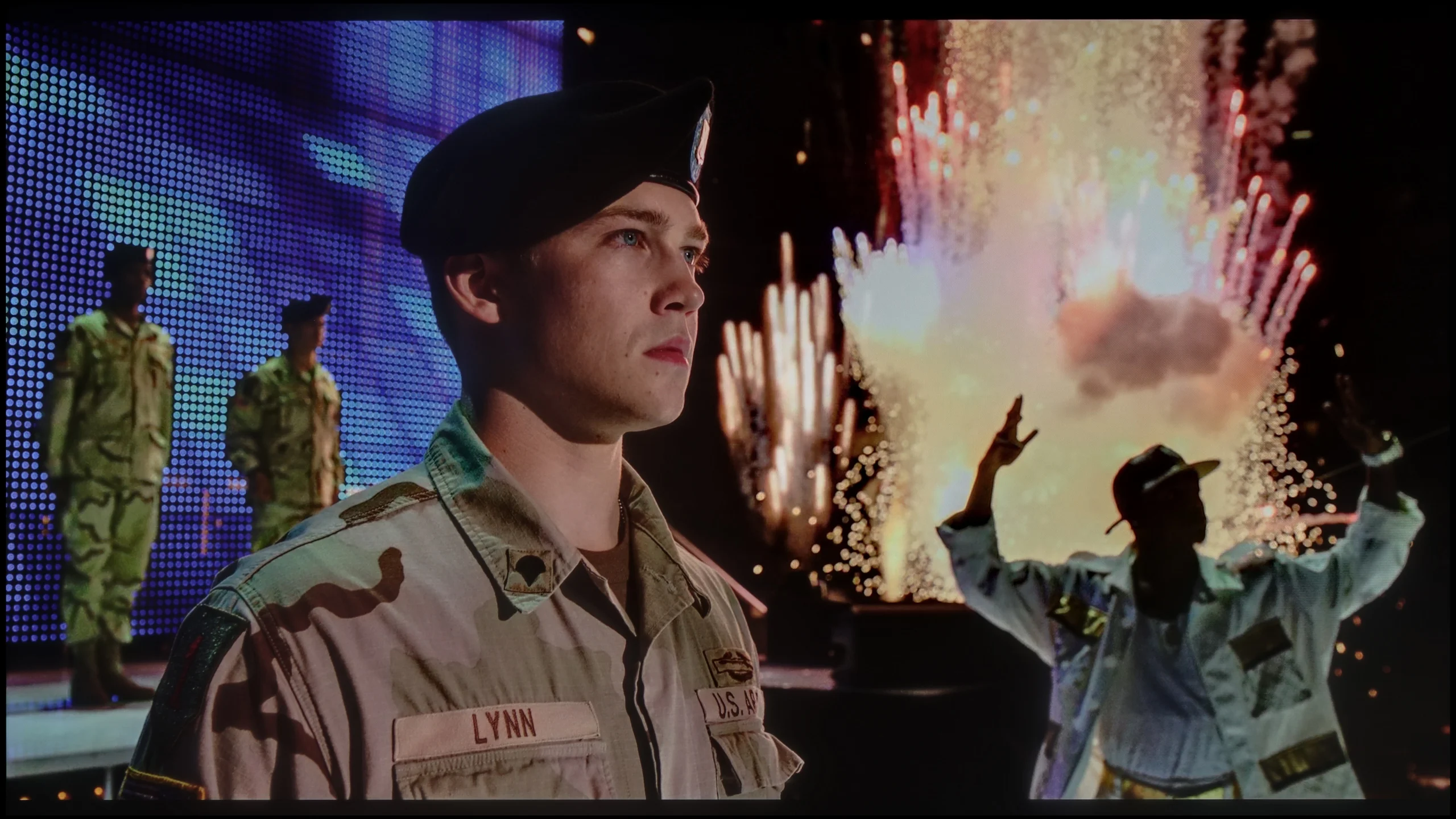
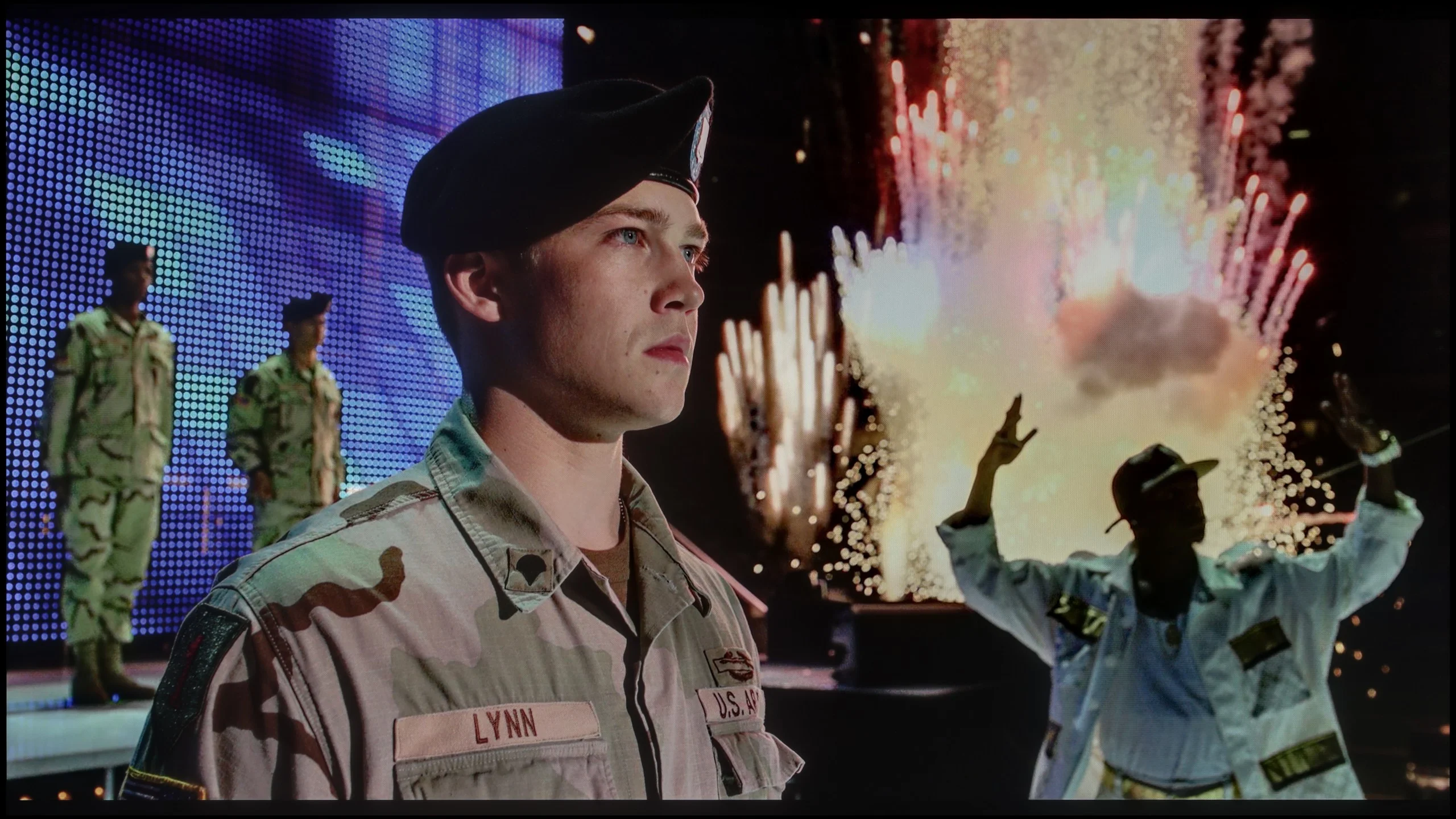
The photos show two HDR10 movies. 'Pan' is one of the brightest productions ever made, while 'Billy Lynn' (soldier) has brightness typical of streaming (Netflix, Prime, HBO MAX). Notice the intensity of effects and detail in whites.
Static HDR10


The photos present the visibility of white details in various HDR formats. They do not show brightness differences between TVs (these can be compared in the previous gallery).
Dynamic: Dolby Vision
Dynamic: Dolby Vision


The photos present the visibility of white details in various HDR formats. They do not show brightness differences between TVs (these can be compared in the previous gallery).
HDR luminance chart:
TCL RM7L
Hisense U7S Pro
Let’s start with the fact that the U7S Pro is an impressively bright TV — in calibrated mode our measurement equipment showed a staggering 2200 nits of peak brightness!
As we know, peak brightness on test patterns is one thing, and actual film scenes are another. Unfortunately, in real video material the backlight output drops noticeably. The TV can still exceed the 1000-nit mark in the most demanding moments — which is still a great result and fits the mastering standards of most HDR films — but the real challenge lies in the aggressively tuned local dimming algorithms. Because of them, small, bright details like stars or the moon in a night sky are noticeably dimmed. The TV tries at all costs to maintain deep black, which is understandable, but unfortunately this comes at the expense of HDR’s dynamic range and brilliance.
The color reproduction is worth praising. The new U7S Pro is a QLED design that provides very wide color gamut coverage. Unlike last year’s model (U7Q Pro), this year’s variant is a true QLED, not a solution based on a PFS filter. As a result, color saturation has increased noticeably, and coverage of the most demanding BT.2020 color space has topped 81%.
The TCL RM7L is a bright TV. In our measurements its peak brightness hovered around 1600 nits. That's clearly less than the C7L, which can approach 2600 nits, but in real movie scenes the difference between the two models isn't that big. In less demanding shots with many bright elements on screen, the RM7L can hold around 1000 nits, and sometimes a bit more, approaching 1500 nits. It performs worse in dark scenes with small highlights; then their brightness can fall to around 500 nits. However, this behavior is not accidental. The TV intentionally dims small elements to better control the backlight and maintain higher contrast. This comes at the cost of their intensity, but it's typical behavior for local-dimming TVs in a similar price bracket.
Color gamut coverage
In HDR it's not only brightness that matters, but also color. And here the RM7L has a lot to show. Colors are strongly saturated, and a wide color gamut is one of its bigger strengths. In measurements it reached about 96% of DCI-P3 and around 83% of BT.2020. It's worth remembering, though, that on a TV with this kind of backlight the result can vary depending on the scene. On test patterns colors look best, while in movies their saturation can be a bit lower than on SQD Mini LED or QD-OLED TVs. The backlight construction itself is also interesting. The RM7L doesn't use the classic red, green and blue diode set. TCL used two green diodes and one blue, and obtains the red color using a PFS phosphor. You can see this in spectrometer measurements, but it doesn't have a major impact on the picture. Colors are still produced correctly.
Factory color reproduction
4.7/10
5.8/10


This illustrative image shows how colors change after professional calibration. If you can see the difference, you can order it from SkalibrujTV – it's our own service.
Factory mode
After calibration
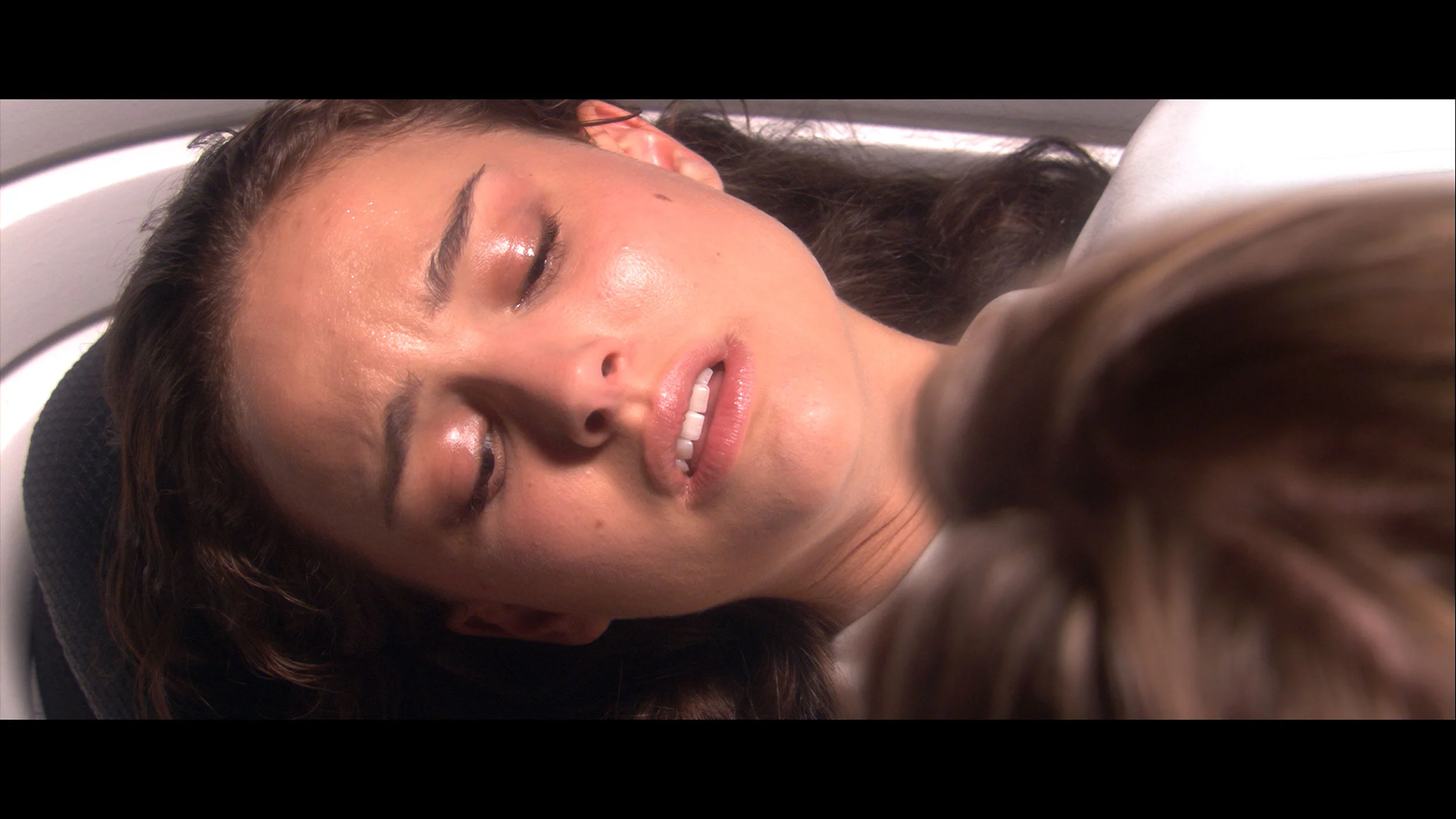
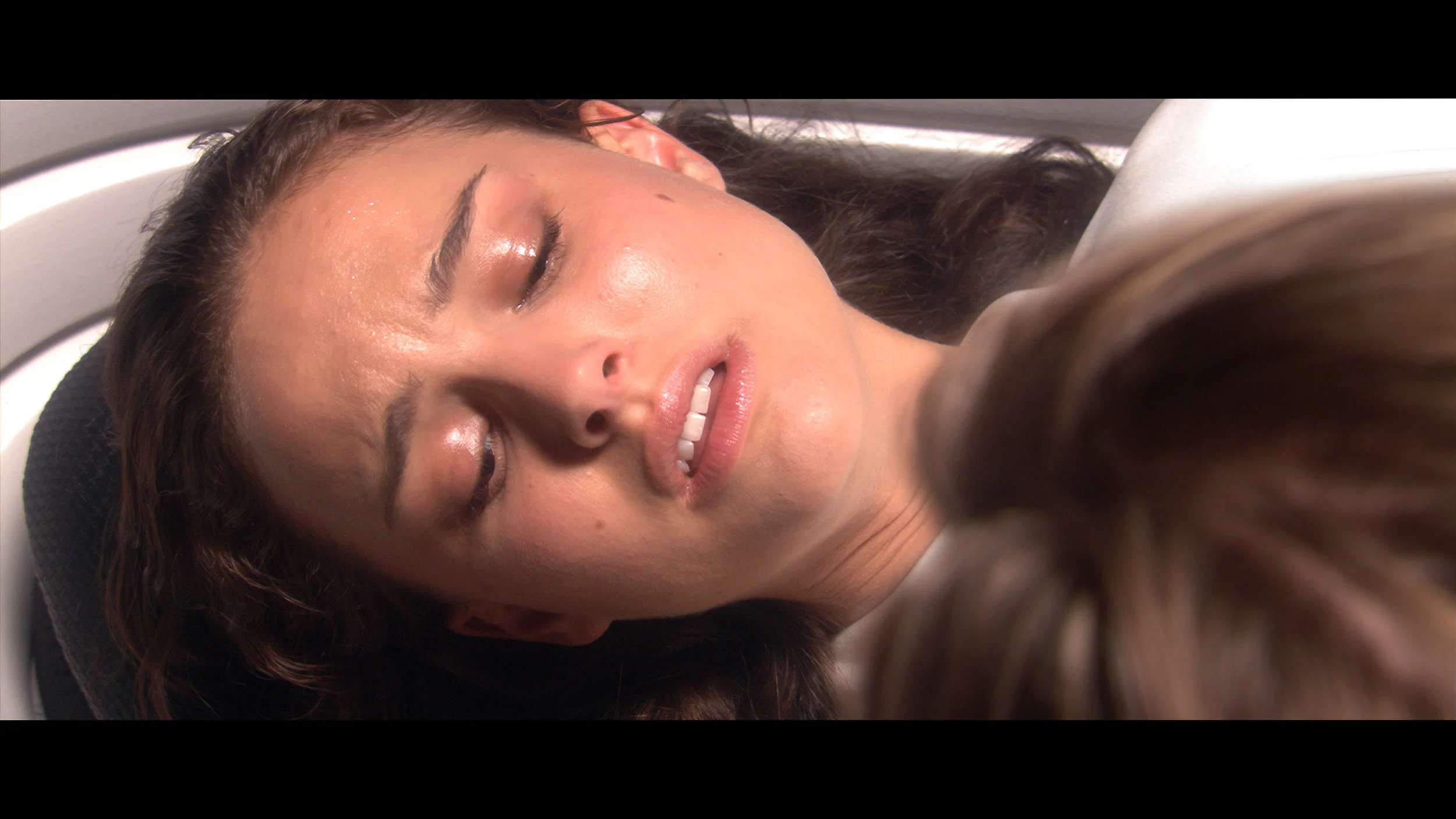
This illustrative image shows how colors change after professional calibration. If you can see the difference, you can order it from SkalibrujTV – it's our own service.
Factory mode
After calibration
We tested the U7S Pro, as we always do, in the best factory-tuned picture mode, Filmmaker Mode. The colors can be judged in two ways. The most disappointing was the profile intended for watching SDR content, i.e. traditional broadcast TV, YouTube, and other less demanding material. The image there was clearly yellowish, which turned out to be a direct consequence of a poorly set white balance. As our charts show, there's a large deficiency in the blue component, which drastically affected the overall color temperature. You can see this clearly on the ColorChecker charts and on the color gamut graphs themselves, where most samples shifted toward yellow. Fortunately, the factory HDR mode performed much better. There, color errors hovered around a Delta E of 3, which is a solid result.
We checked the factory colors in Filmmaker Mode, the best picture setting available to the user. TCL has been using it in its TVs for two years, and its purpose is to present the image as faithfully as possible in line with the creators' intent. On the RM7L this was indeed the best-calibrated mode, although it wasn't without flaws. The biggest issue was the white balance. An excess of red and blue caused the picture to take on slightly pinkish tones. This was visible in both SDR and HDR. Additionally, the luminance response was slightly boosted, which made the image appear a bit brighter but also less contrasty than it should have been.
Color reproduction after calibration
7.5/10
8/10
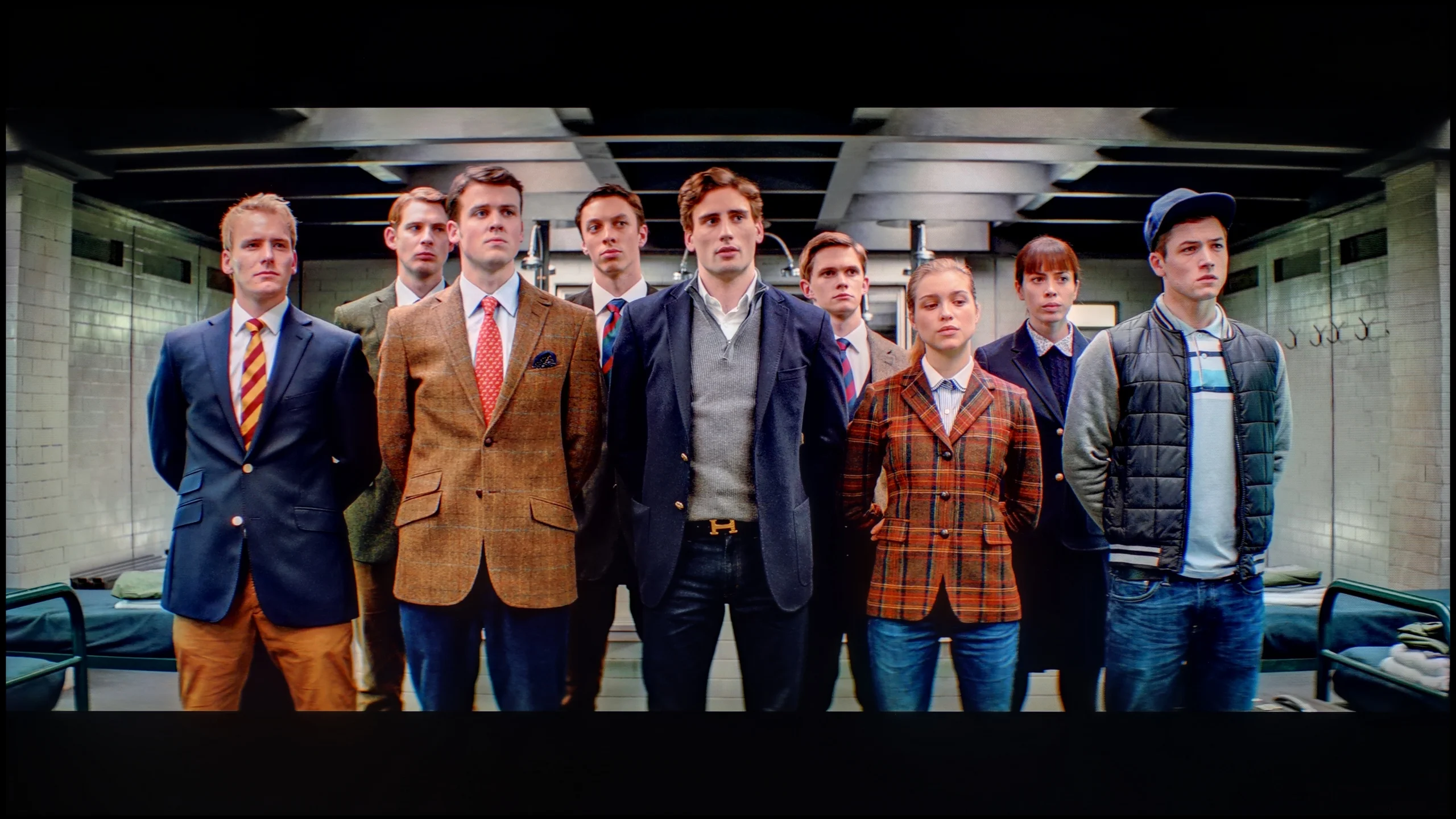
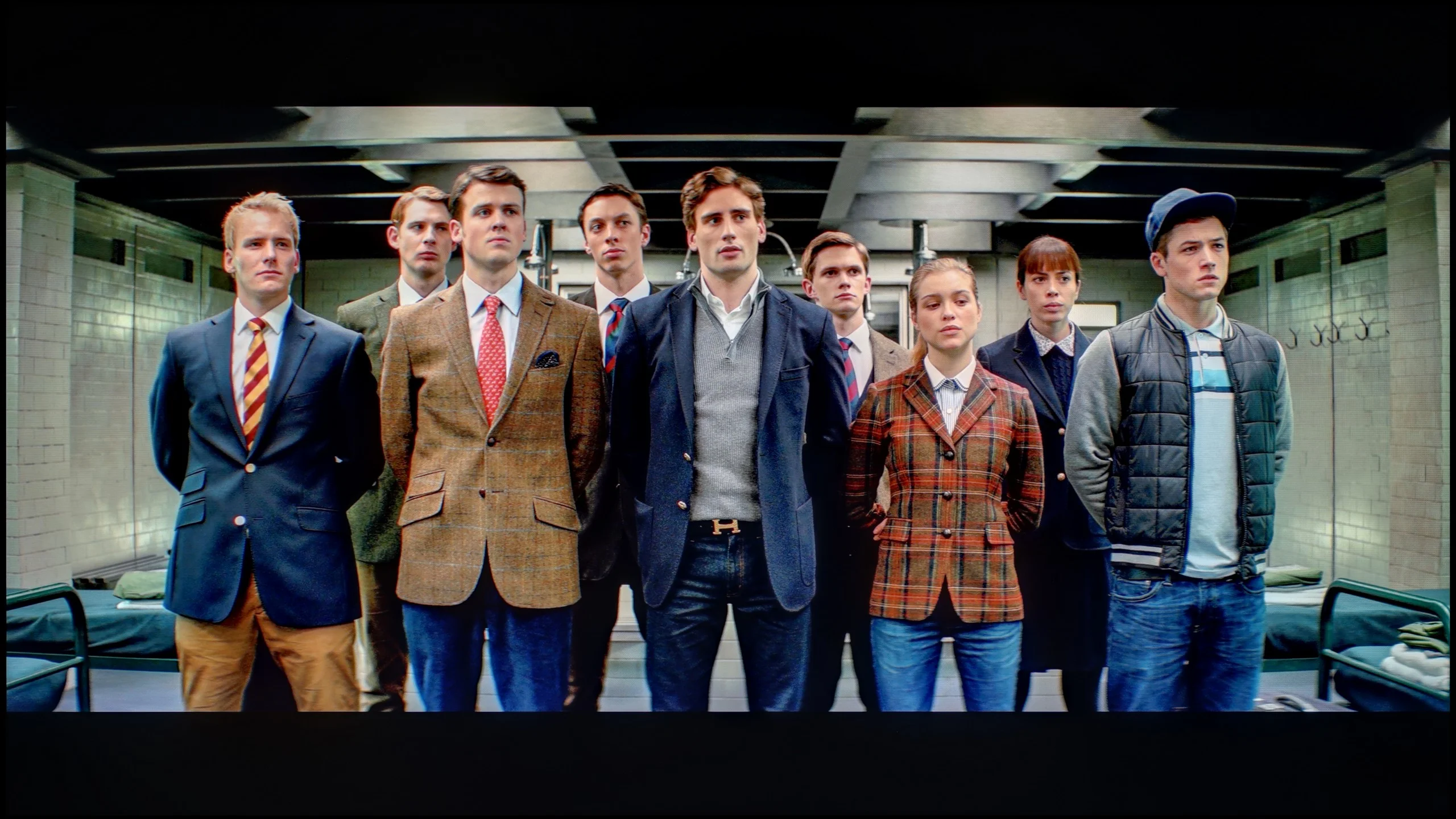
The photos show how movies look on the TV. Pay attention to black detail visibility, colors, and shadow tint.
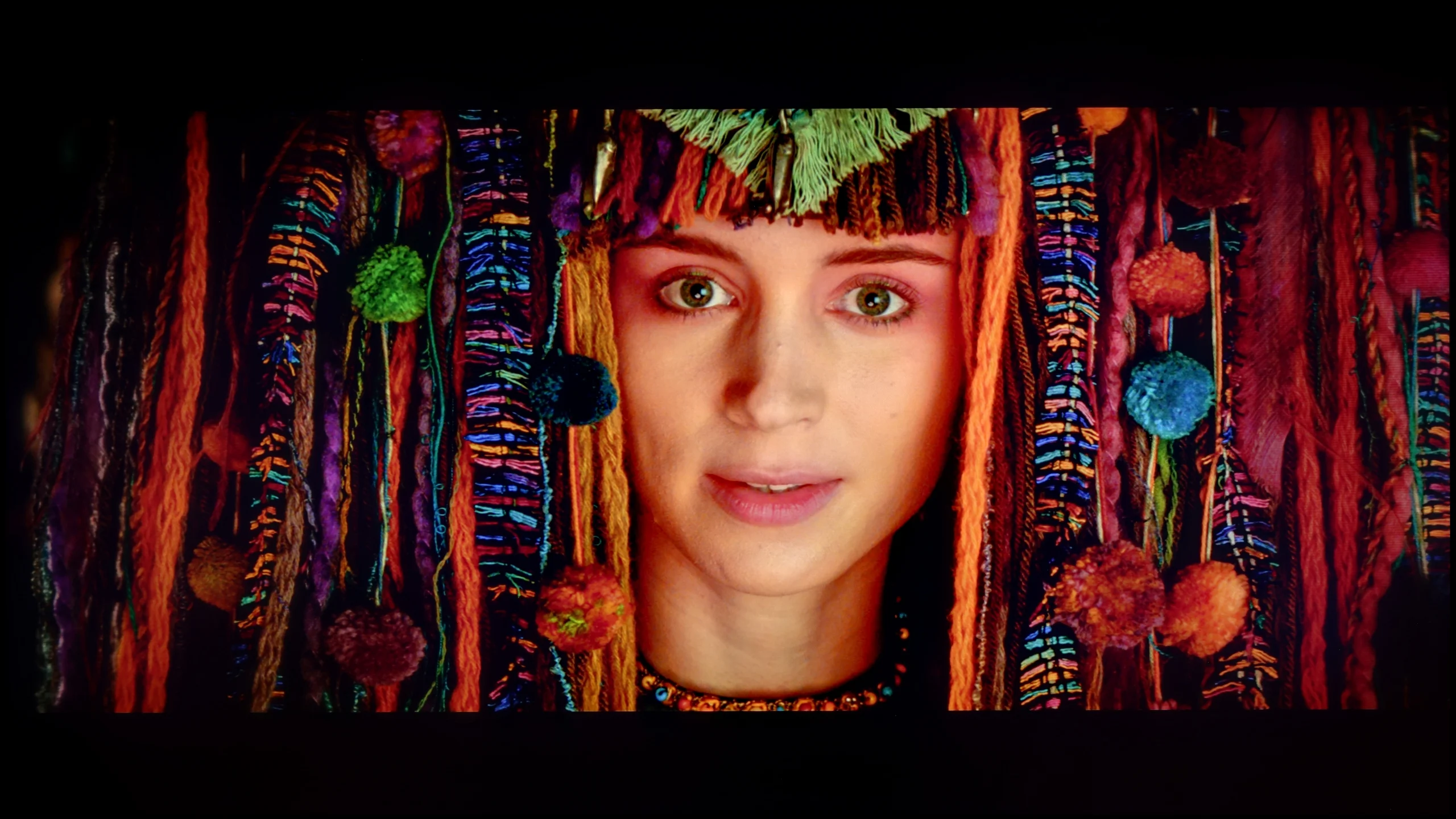
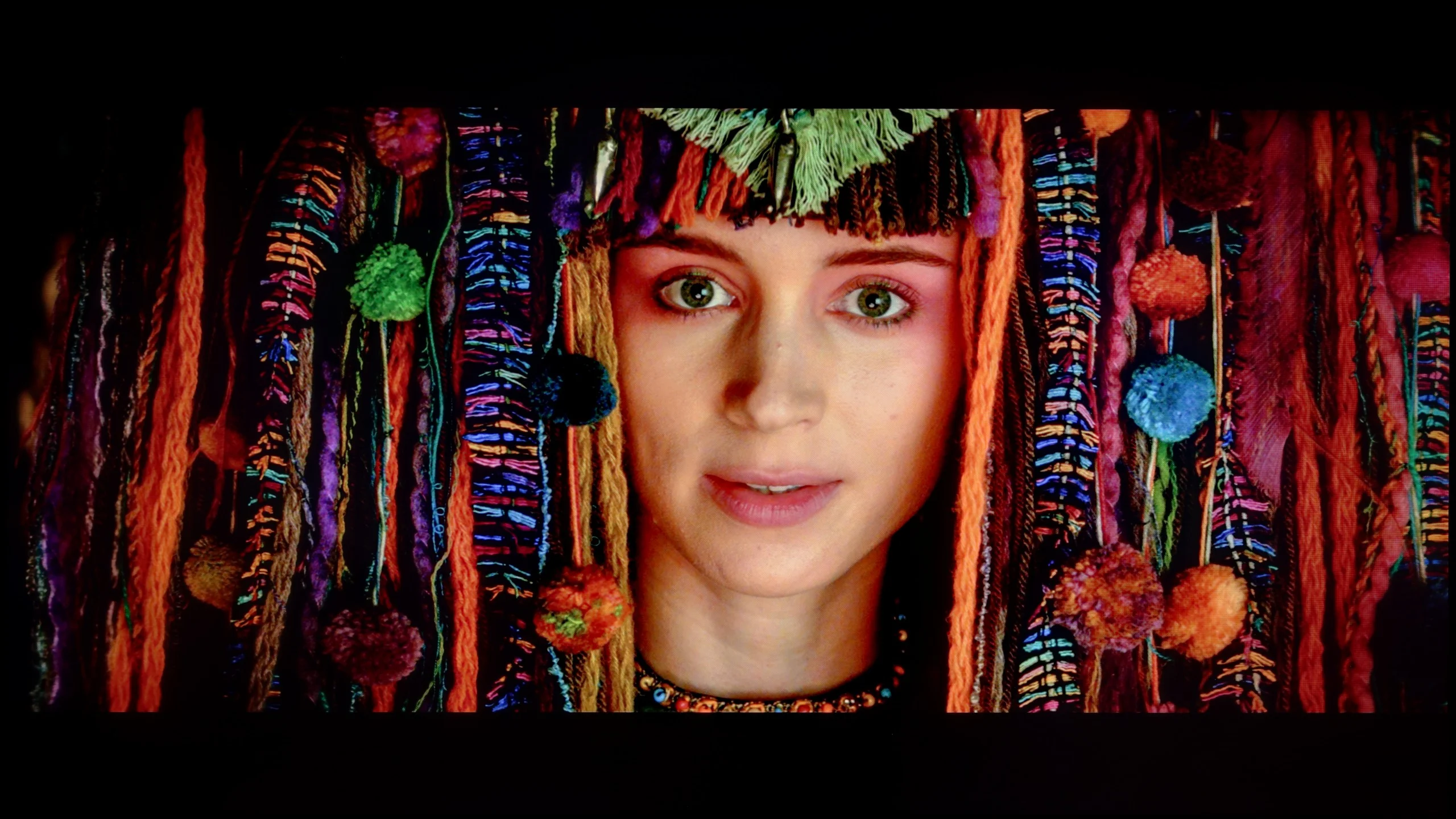
The photos show how movies look on the TV. Pay attention to black detail visibility, colors, and shadow tint.
We know, however, that Hisense is capable of much more, as previous generations have shown, so we simply couldn't leave the U7S Pro's factory flaws in everyday content as they were. As always in such cases, we had the TV professionally calibrated. The result? The process brought a massive change. After manually correcting the white balance and filling in the missing blue component, the annoying yellow cast vanished as if it had been wiped away. Whites became naturally clean, and skin tones gained a proper, healthy hue. Importantly, the calibration not only tamed the finicky SDR mode but also squeezed the maximum potential out of the panel, reducing average color reproduction errors to levels almost imperceptible to the human eye. The only thing we still have to fault after the whole process is the nature of Mini-LED backlighting and its specific interaction with the HDR signal. Aggressively tuned local dimming algorithms quite strongly interfere with the EOTF luminance curve. As a result, the backlight doesn't always align with the creator's intent — depending on the scene, the curve can run noticeably above or below the reference, which in places disrupts the ideal dynamics of the HDR picture.
Thanks to a fairly extensive calibration menu, we were able to correct the vast majority of the errors described earlier. The biggest change was to the white balance. After calibration it looks very good, so the image lost its pinkish cast and became much more neutral. The luminance response itself also improved. Both the SDR gamma and the HDR EOTF curve are now much closer to the reference values. The image is no longer unnecessarily brightened, and darker areas look more natural and have more depth. Better luminance accuracy also affected the colors, which after calibration are noticeably more accurate. Not everything could be set perfectly, though. In HDR material the RM7L still interprets part of the signal its own way and does not always follow the reference curve exactly. This is most apparent in some darker scenes, where the TV can either slightly lift the shadows or darken them completely. That was the source of the earlier impression of a slightly brightened, less contrasty image. Even so, the calibration delivers a very good result here. It removes the most visible errors and, above all, makes the image much closer to how it should look.
Smoothness of tonal transitions
9.5/10
8.9/10
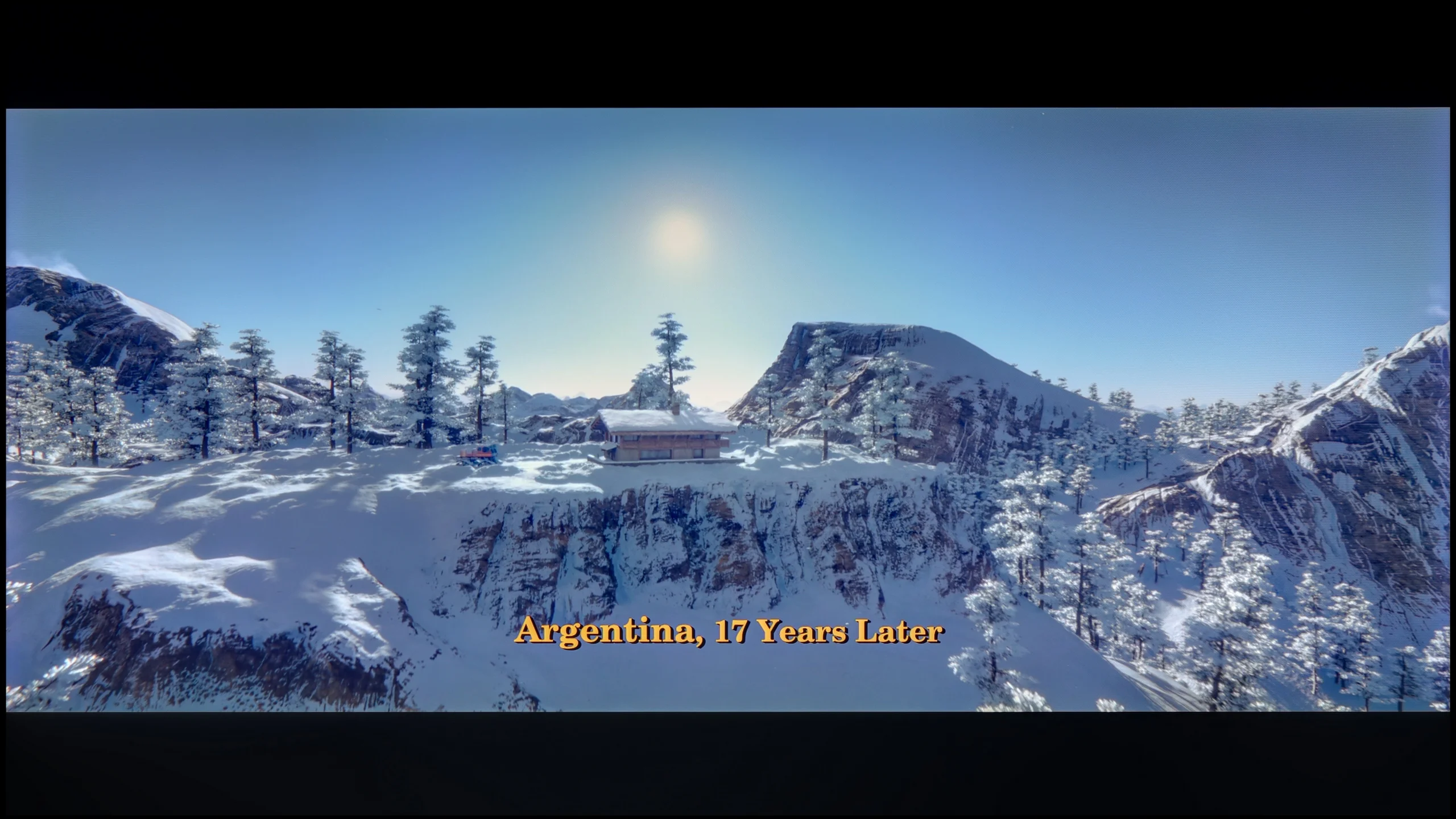
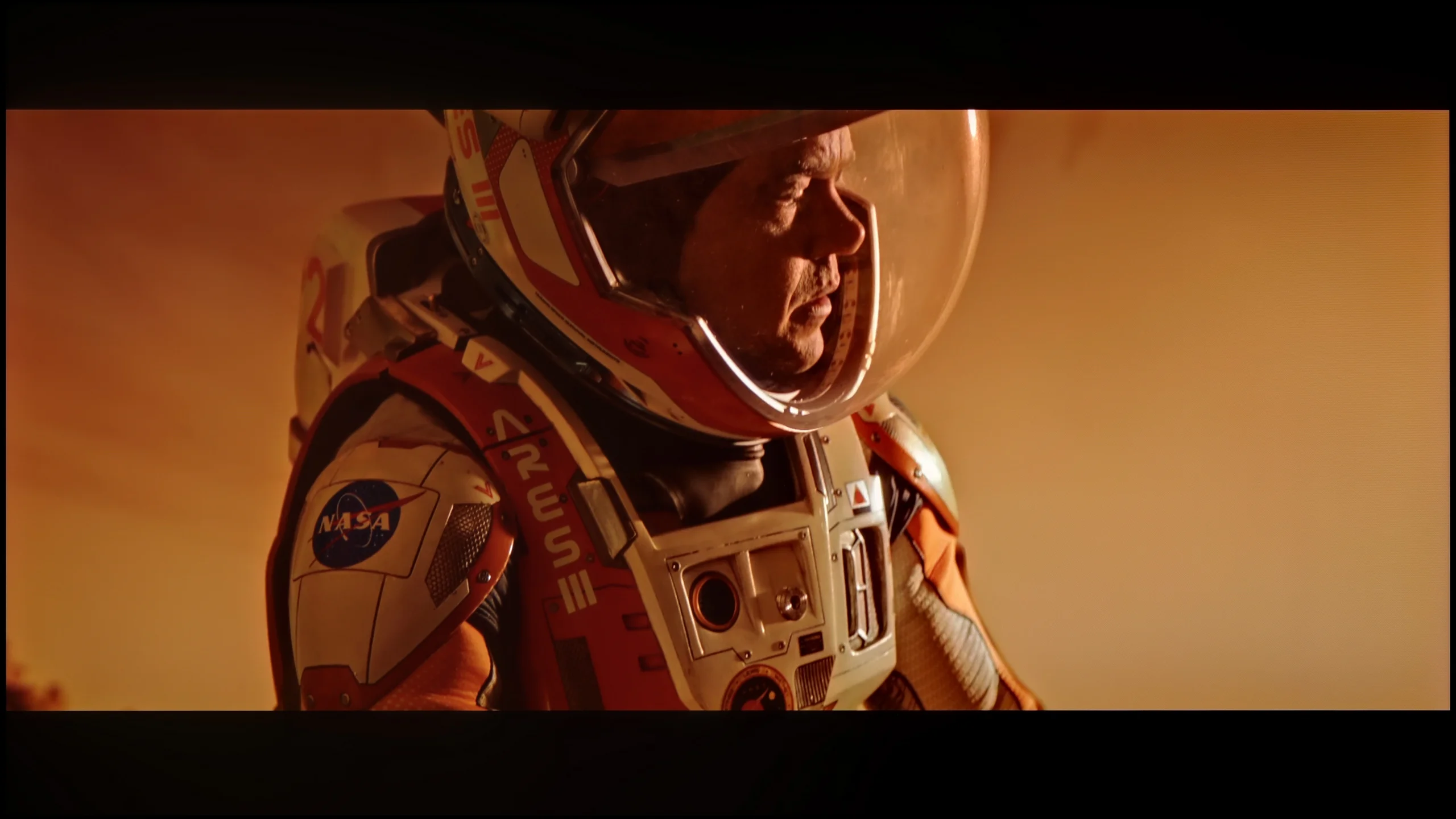
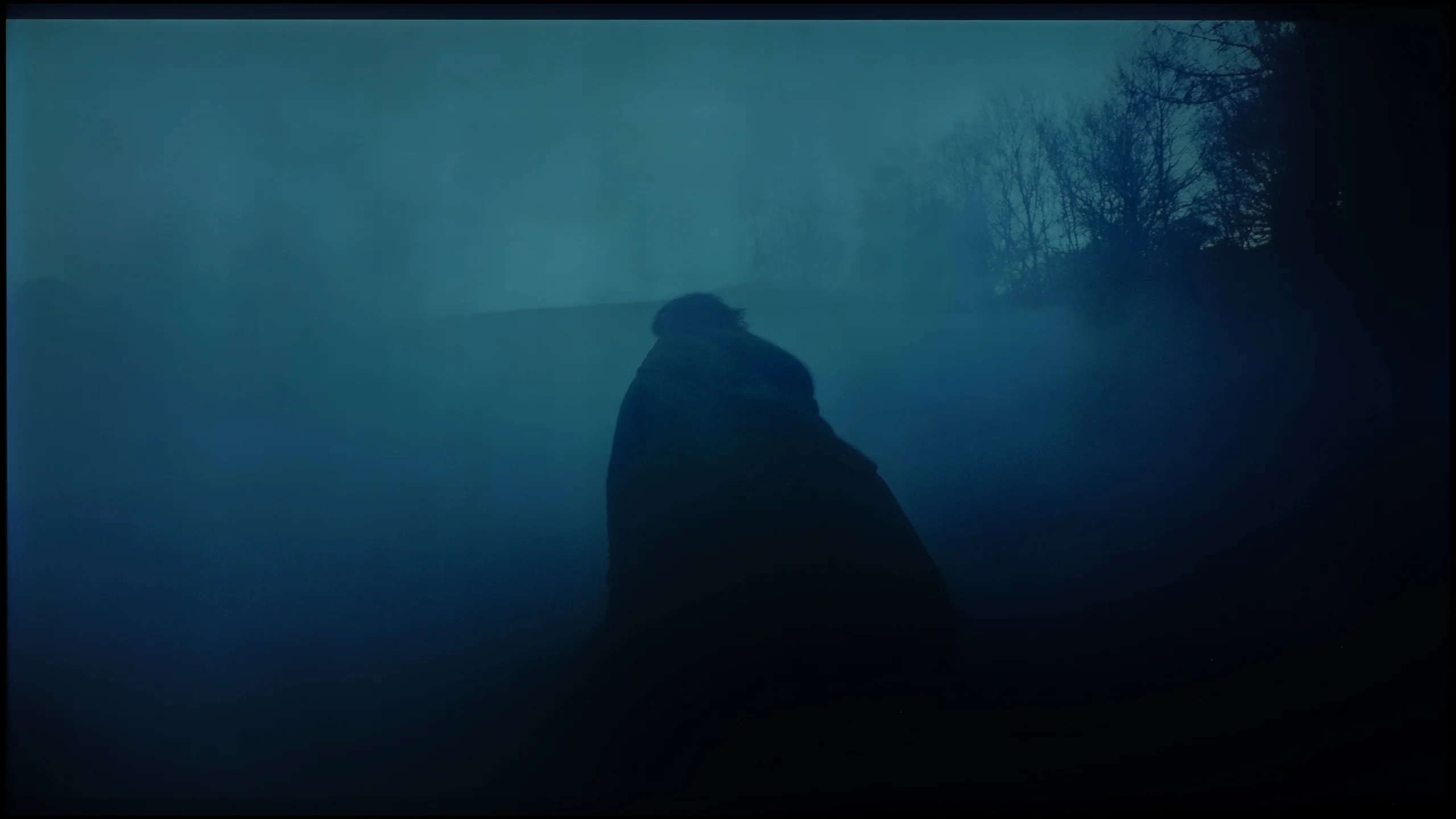
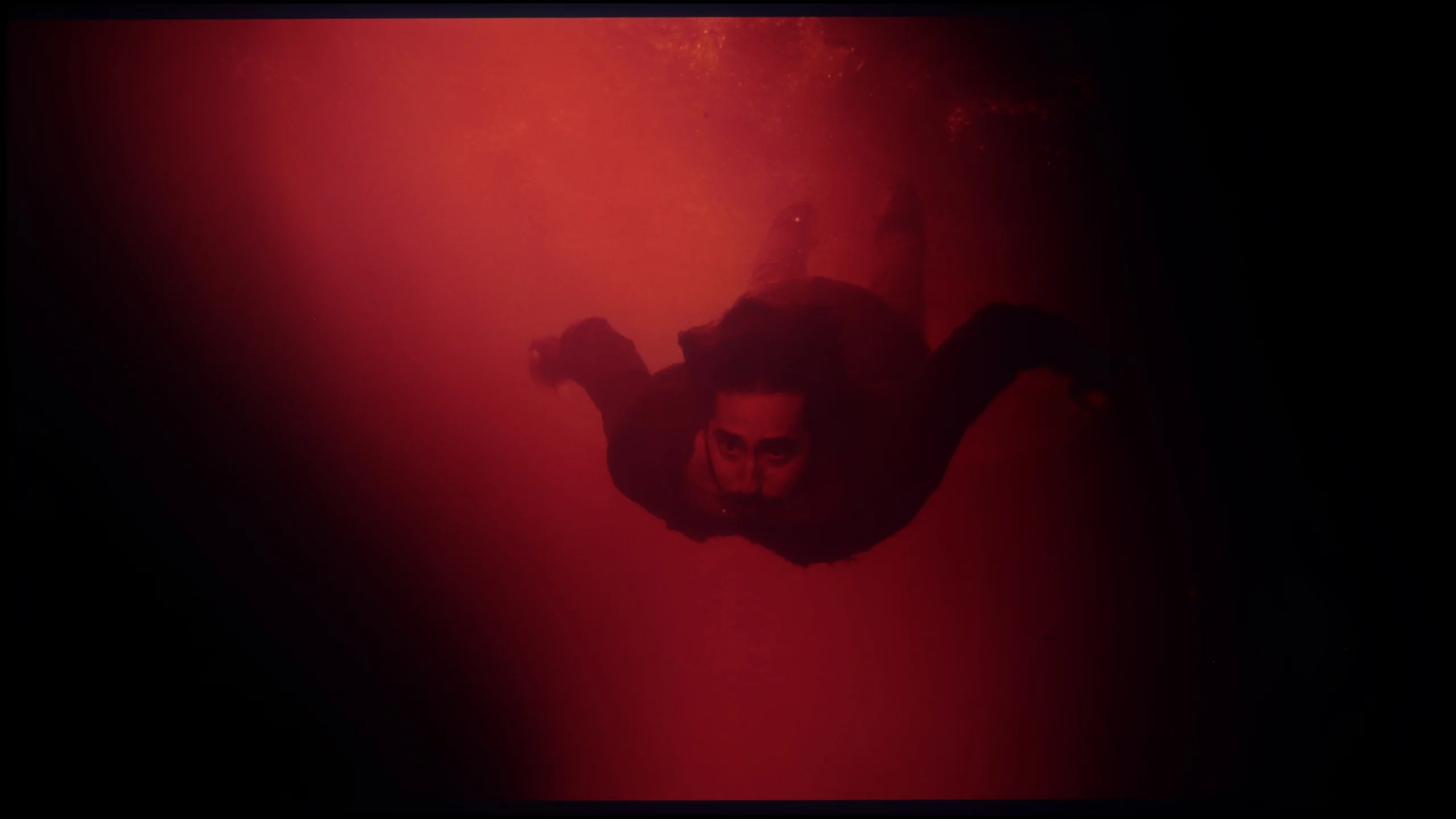
These are selected scenes that show smooth tonal transitions from one color to another. If you see distinct banding, it’s the TV panel’s fault.
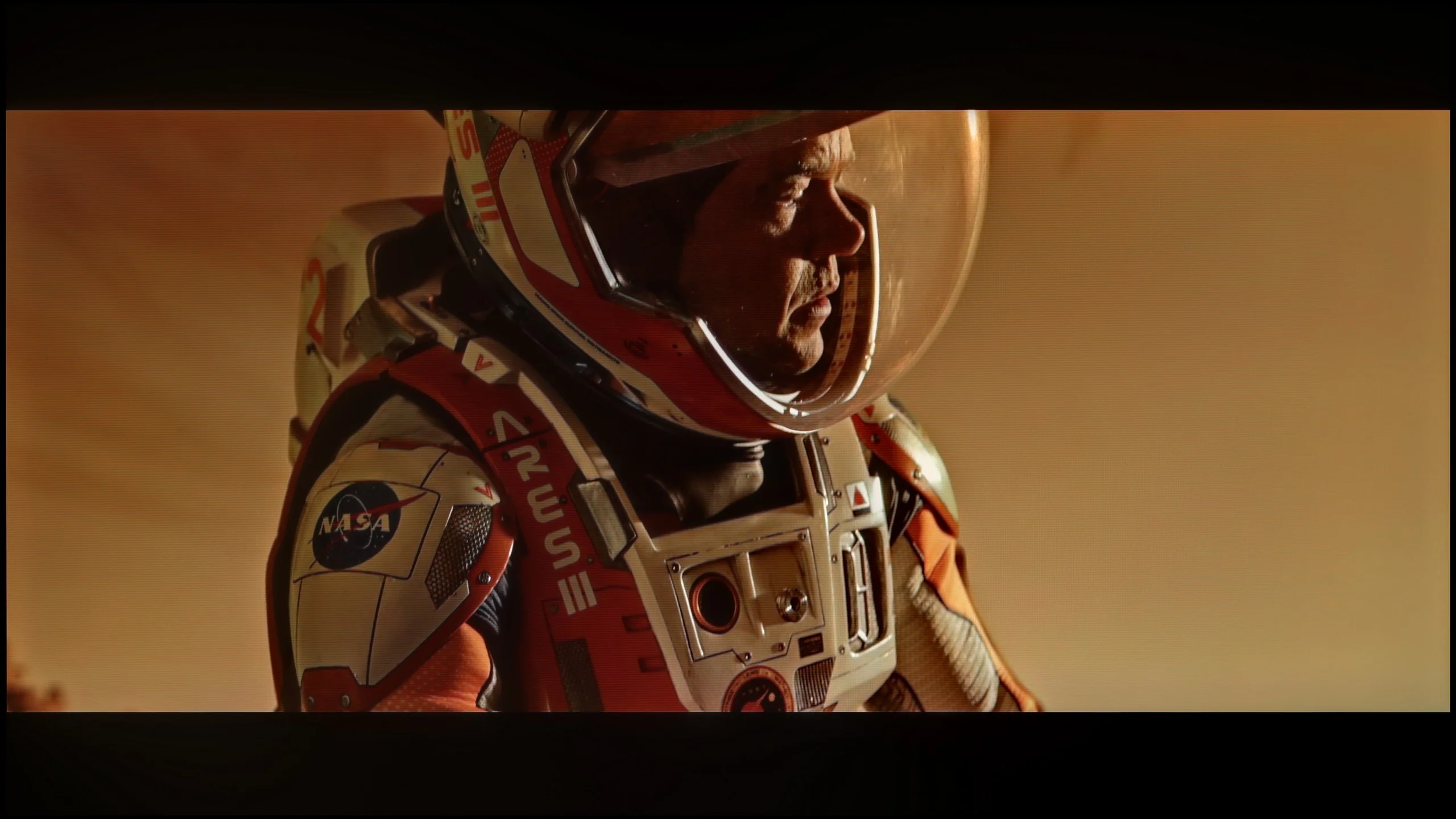
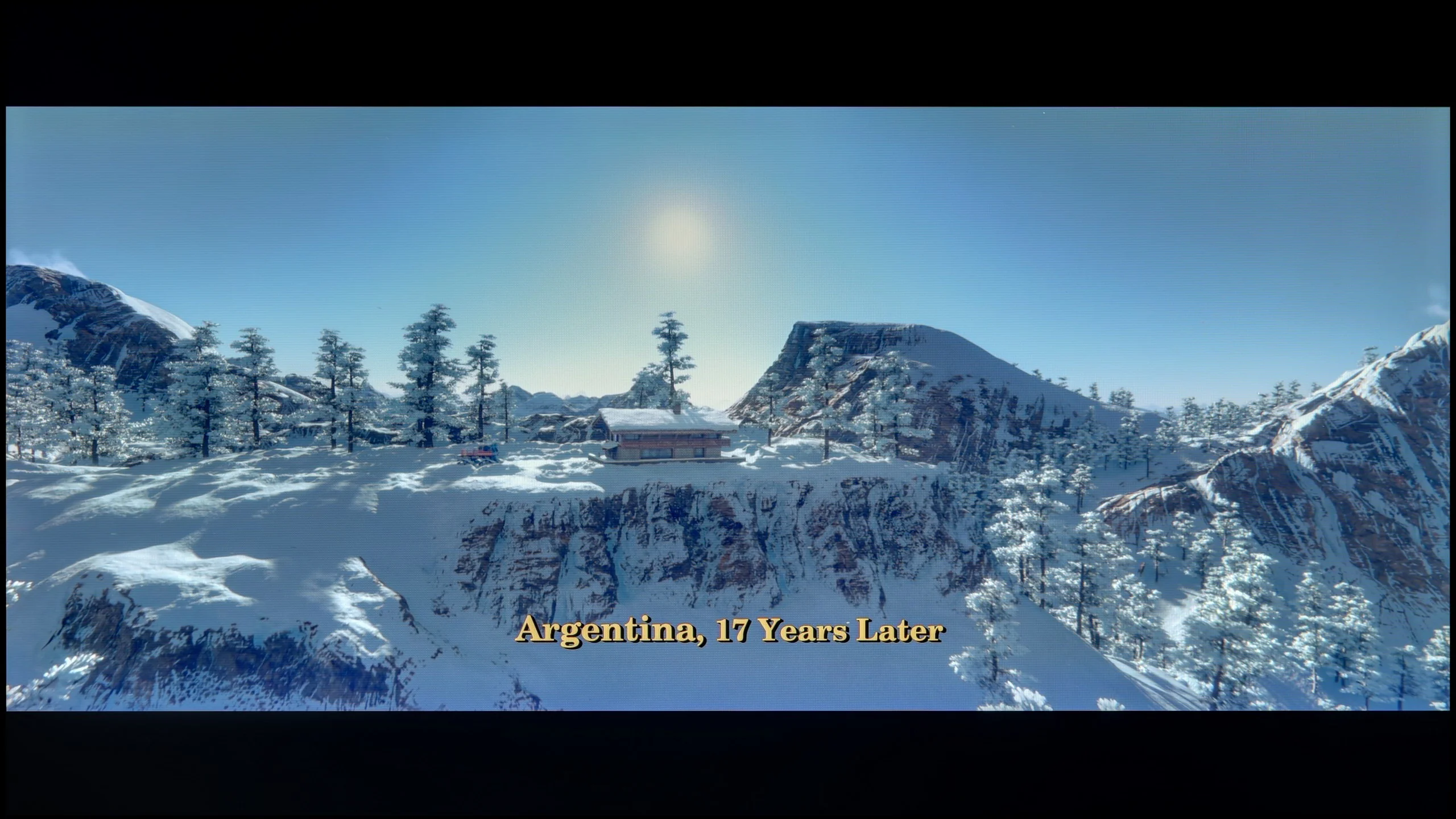
These are selected scenes that show smooth tonal transitions from one color to another. If you see distinct banding, it’s the TV panel’s fault.
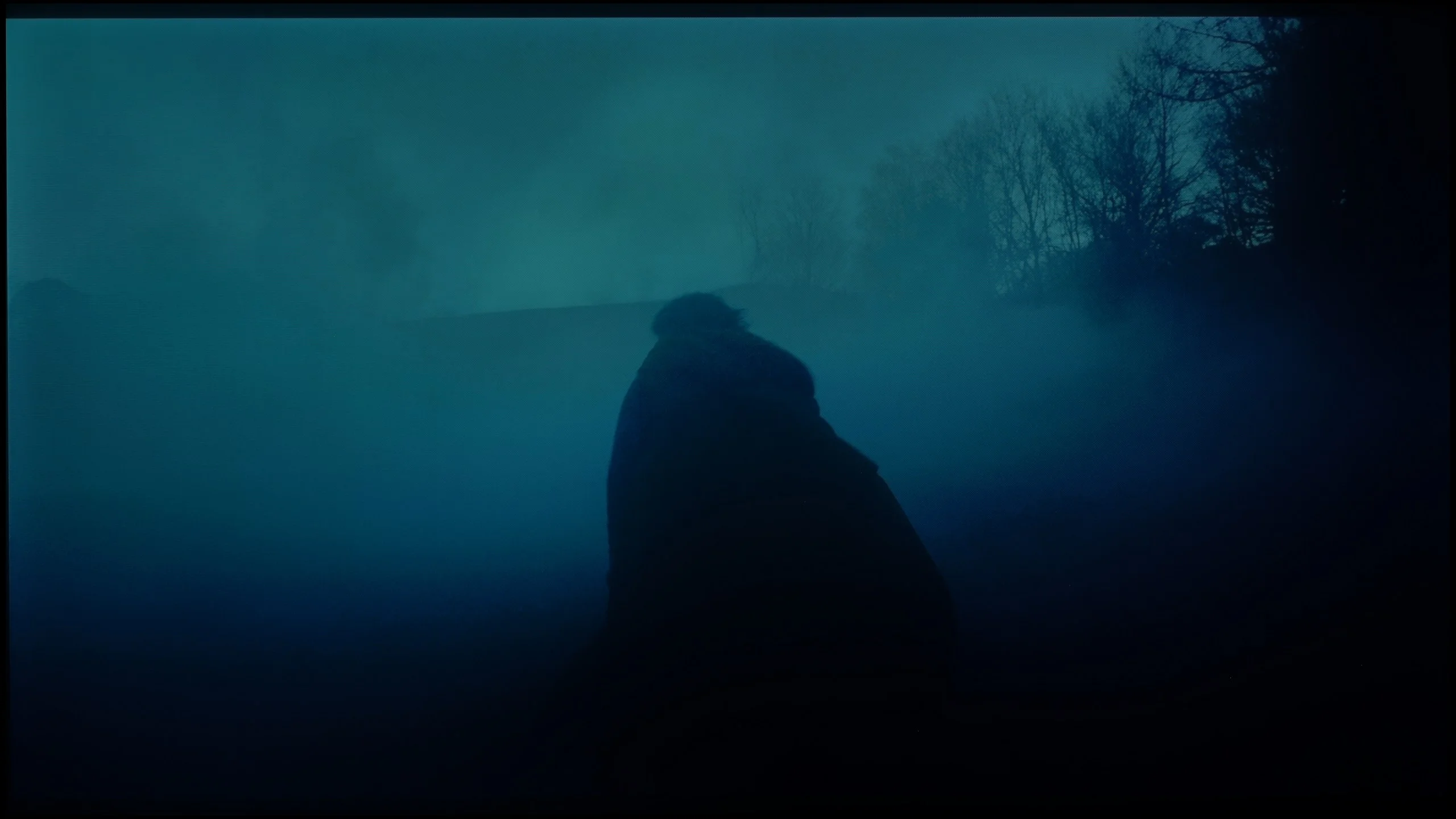
These are selected scenes that show smooth tonal transitions from one color to another. If you see distinct banding, it’s the TV panel’s fault.
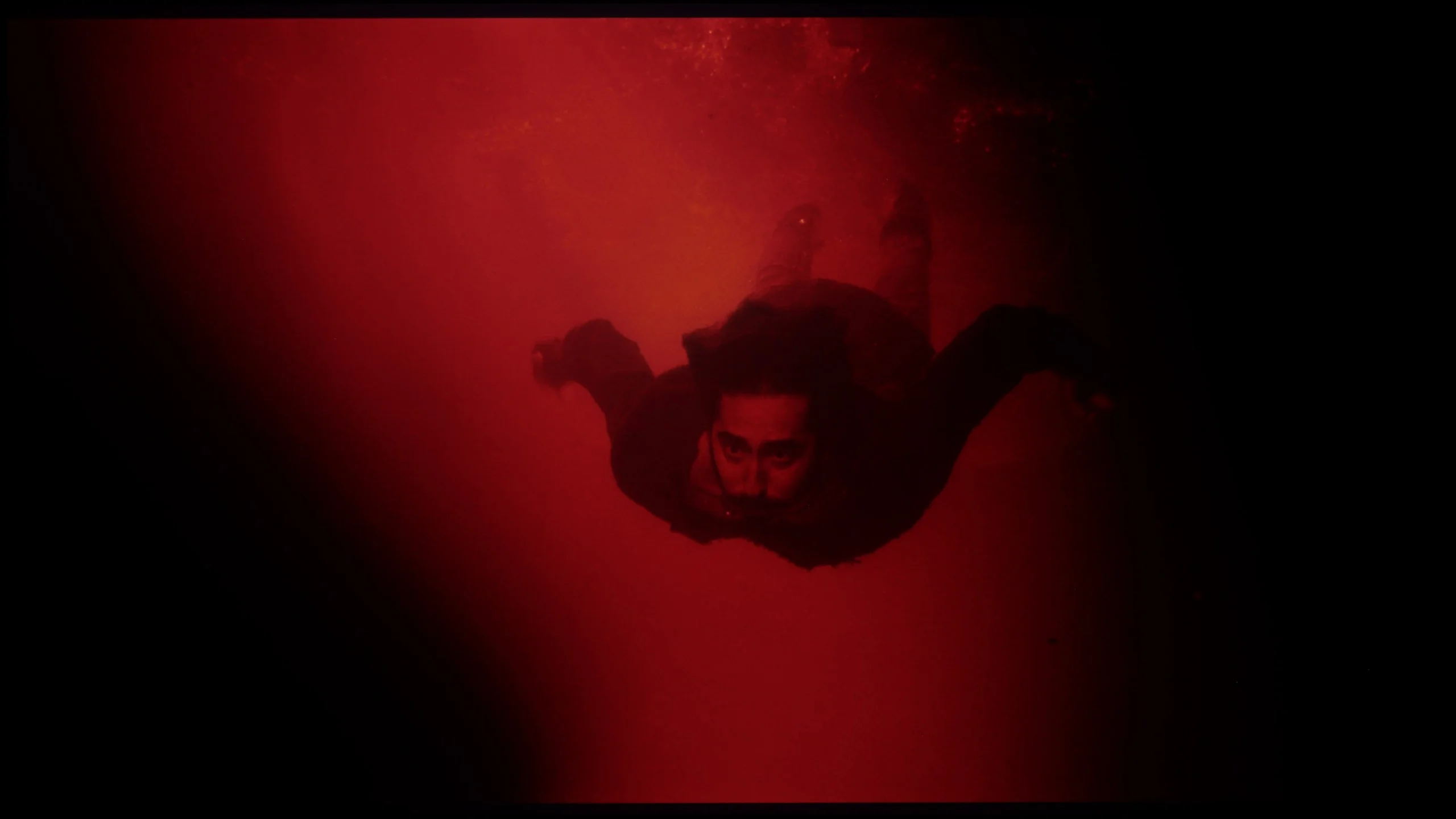
These are selected scenes that show smooth tonal transitions from one color to another. If you see distinct banding, it’s the TV panel’s fault.
Digital image processing has long been a signature feature of Hisense. In the U7S Pro model we didn't notice any serious issues with the so-called color banding, i.e., posterization. Individual shades almost perfectly and smoothly transition from one to another, without the annoying effect of jagged edges or visible "steps" in gradients.
The smoothness of tonal transitions on the RM7L is very good. In both bright and dark scenes the gradients are smooth and there is no obvious color banding. Minor issues only appear in exceptionally demanding material, such as our fourth test pattern with red water transitioning to black. It should be noted, however, that most TVs do not reproduce this scene perfectly. So in everyday use this should not be a major problem.
Image scaling and smoothness of tonal transitions
7.8/10
5.5/10

Smooth transition function
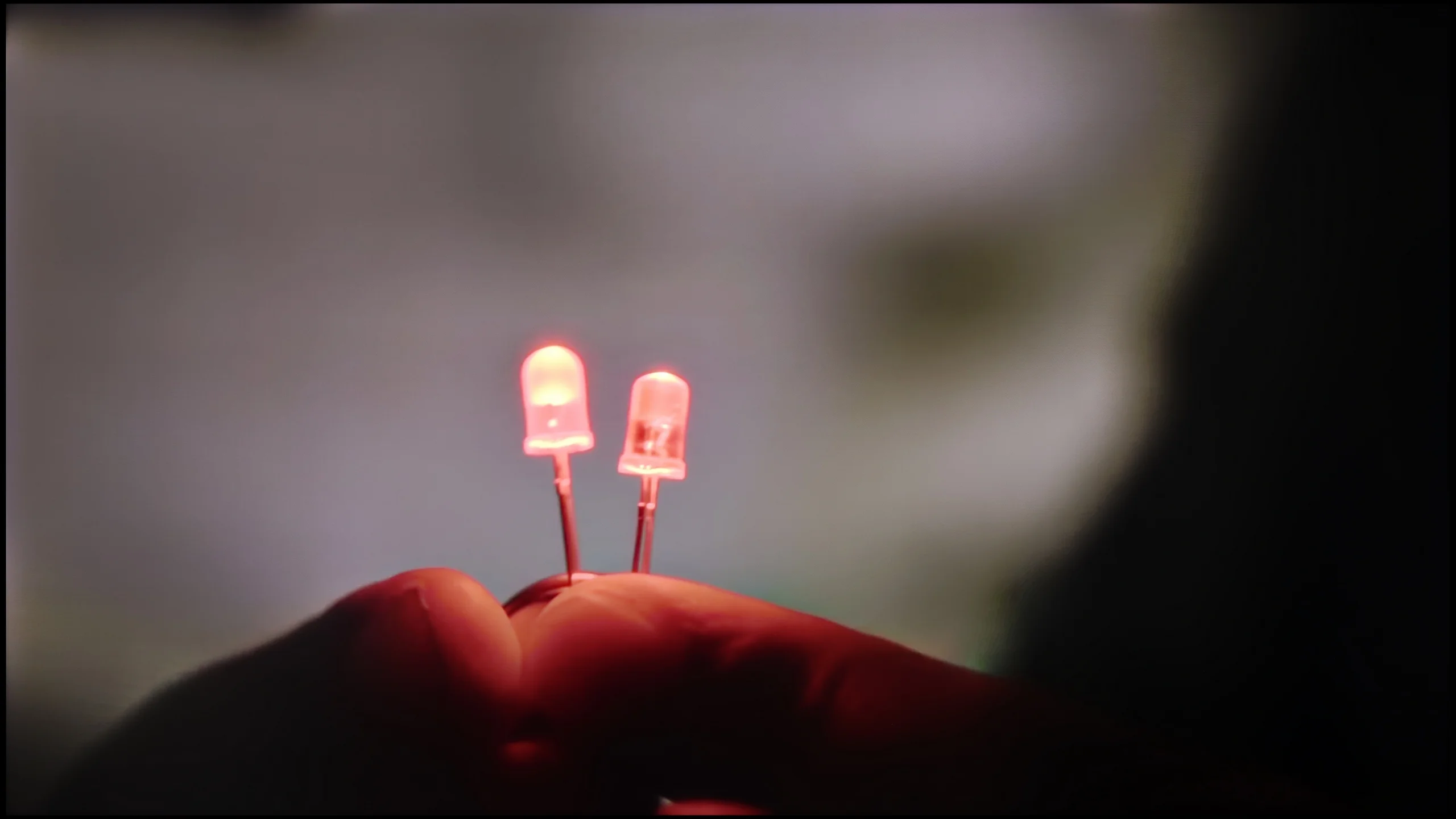
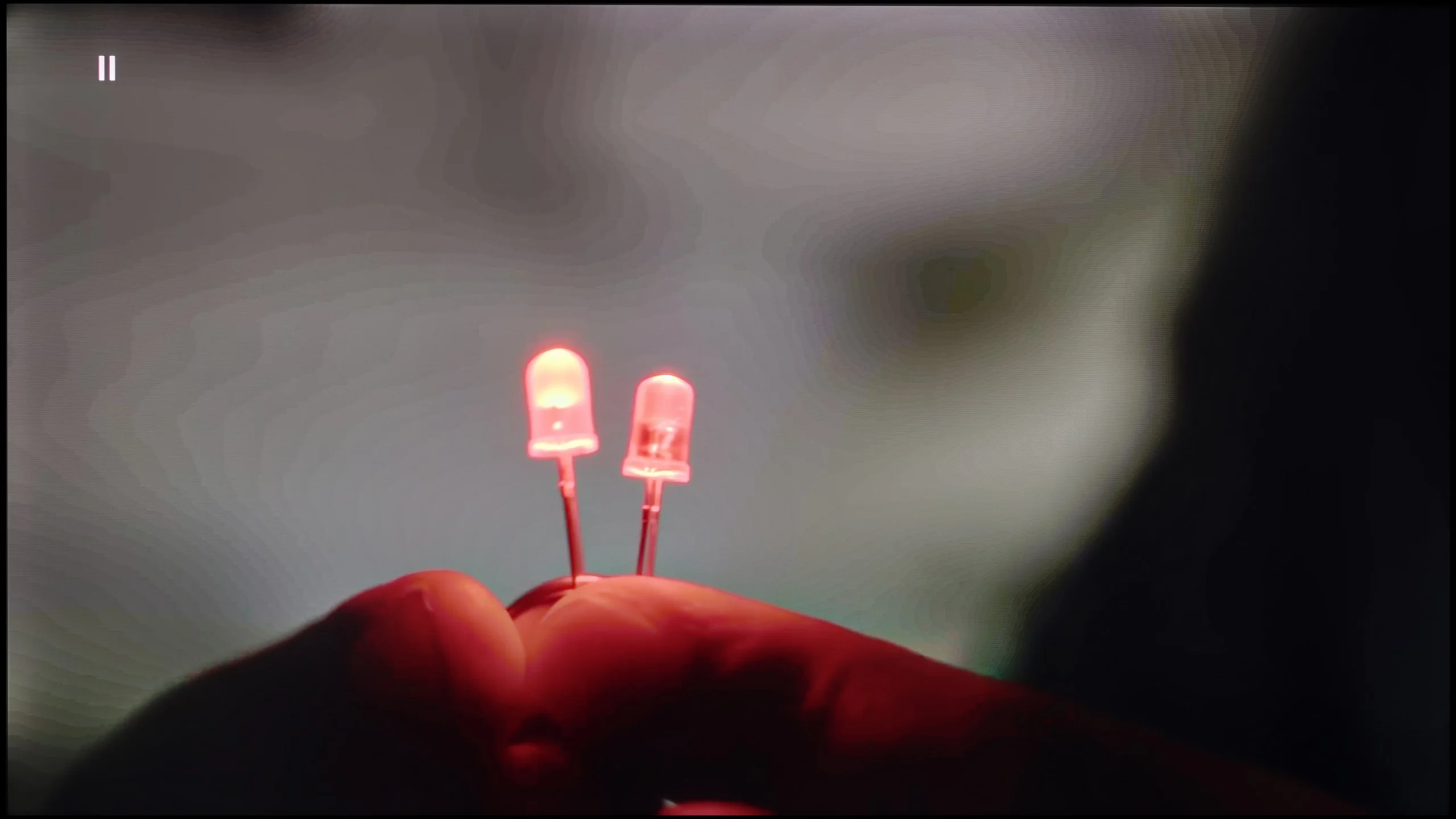
The match photo shows how the TV smooths weak tonal transitions in low-quality video.
Image scaling SD (576i)

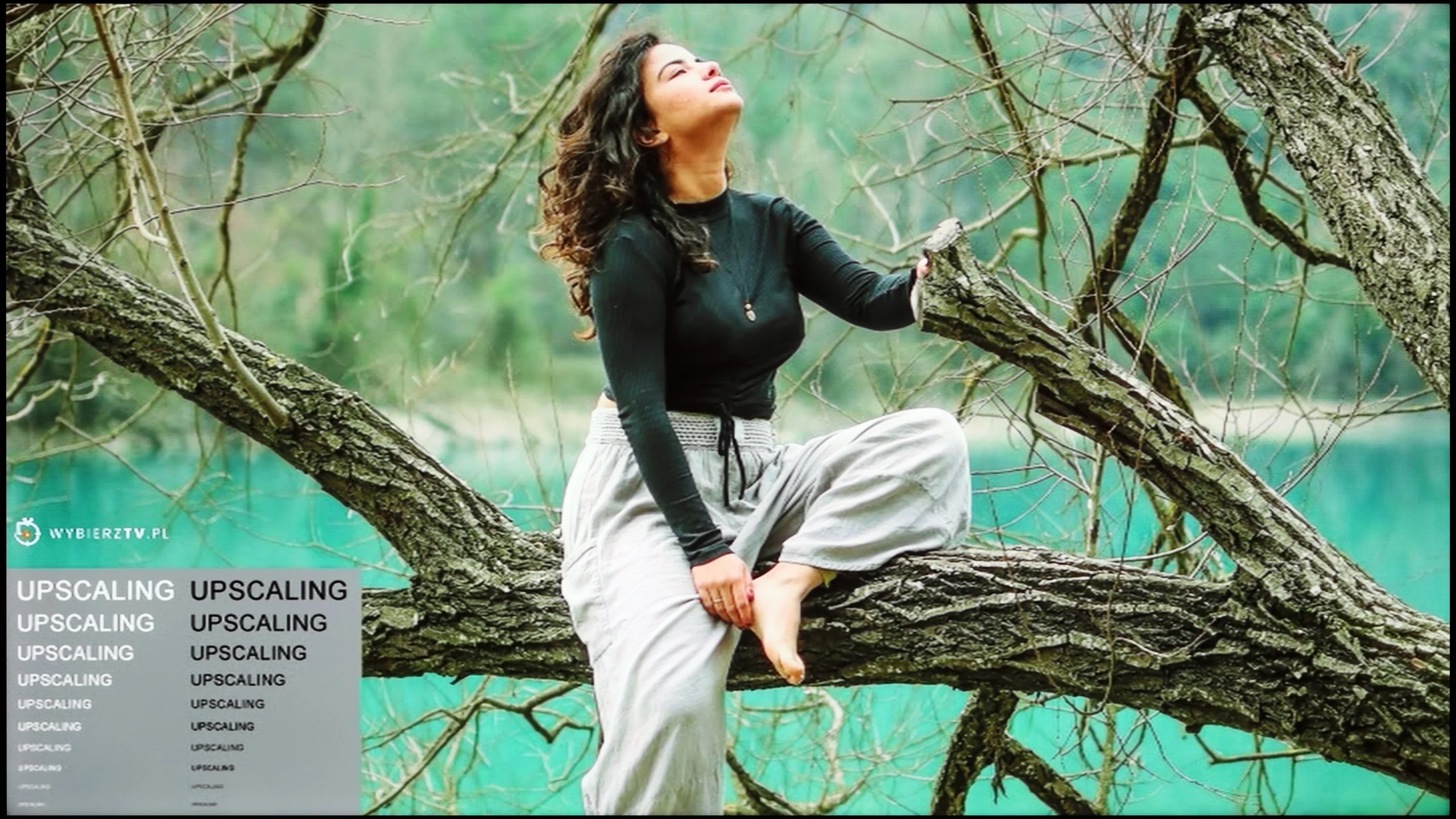
The model photo shows how it handles upscaling of SD material.
The digital processing of lower-quality signals is top-notch here, thanks to the MediaTek Pentonic 800 processor used in the U7S Pro. Upscaling, the TV's ability to pull lower-resolution content up to 4K, also performs well. We didn't notice any unnatural, sharp contours on screen, and our test image with the model simply looked attractive.
Upscaling and digital image processing are not the RM7L's strong suit. TCL used a MediaTek Pentonic 700 SoC here, designated MT5896, which isn't among the best processors at handling lower-quality content. The biggest problems show up with heavily compressed material from YouTube or regular broadcast TV. The processor can't effectively hide posterization and the characteristic color banding. The feature meant to smooth them does little here, and it often interferes too much with the picture, smoothing faces or fine textures, for example. For that reason, it's best to simply leave it off.
Straightforward upscaling to 4K looks better. Lower-quality sources remain reasonably sharp and retain enough detail. It's not on par with the best processors on the market, but for everyday viewing the result is entirely acceptable.
Blur and motion smoothness
7.4/10
7.8/10
Blur (native resolution, maximum refresh rate):
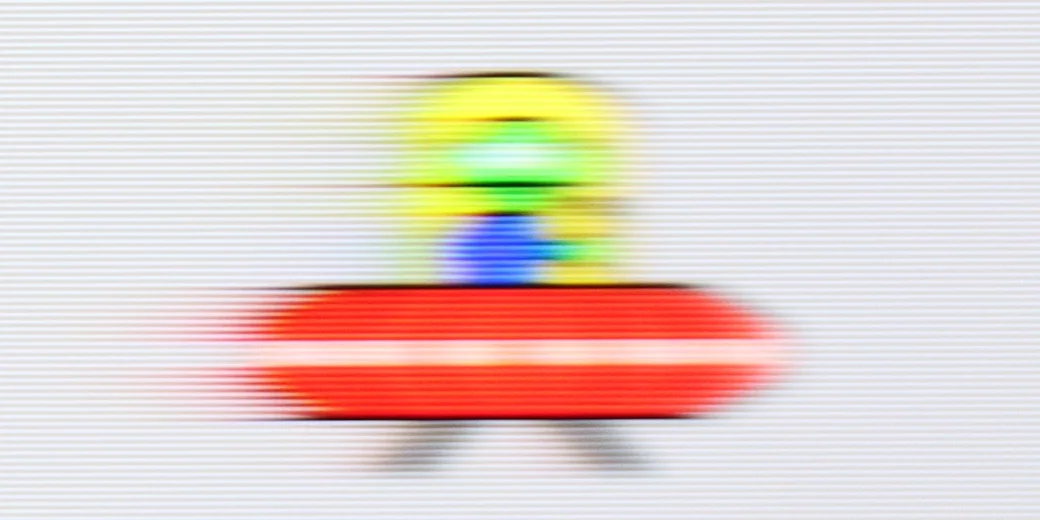
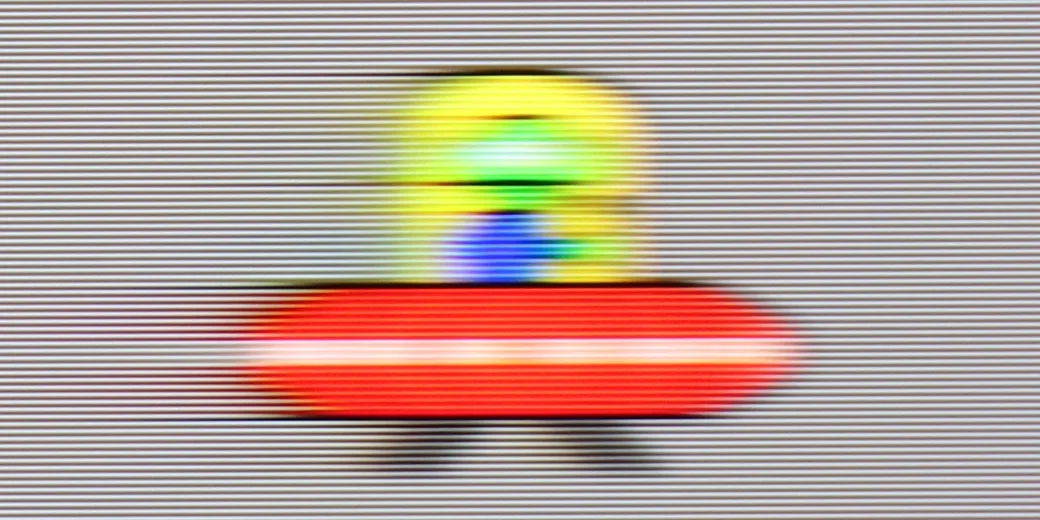
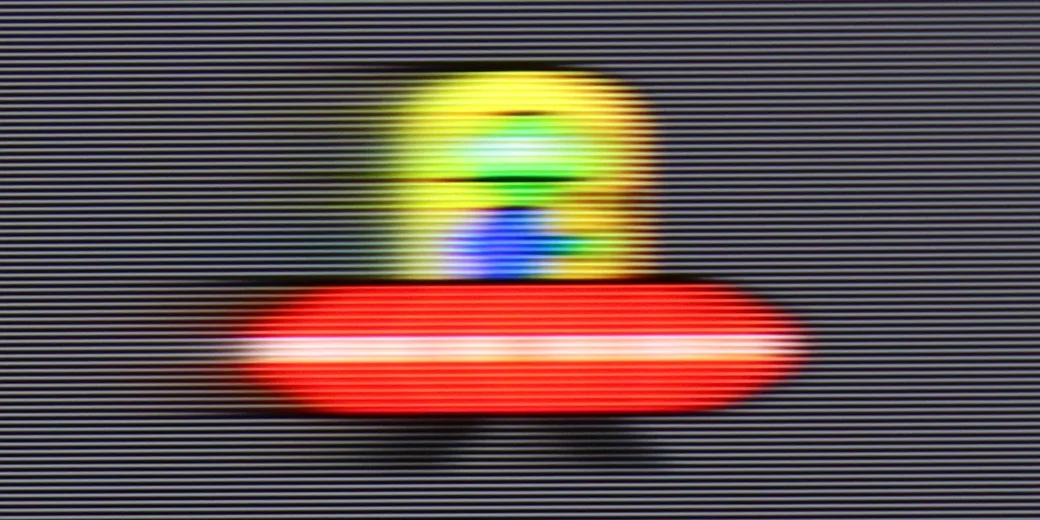
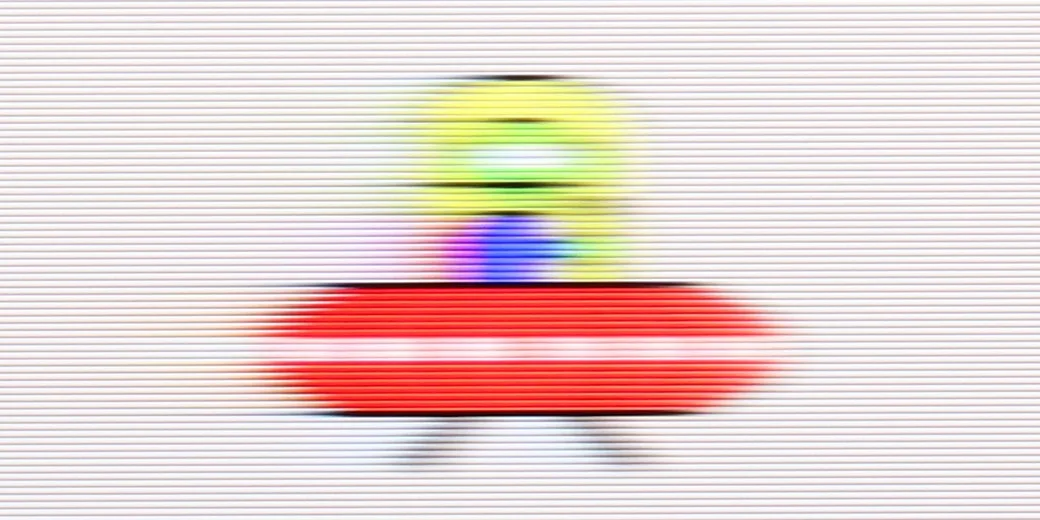
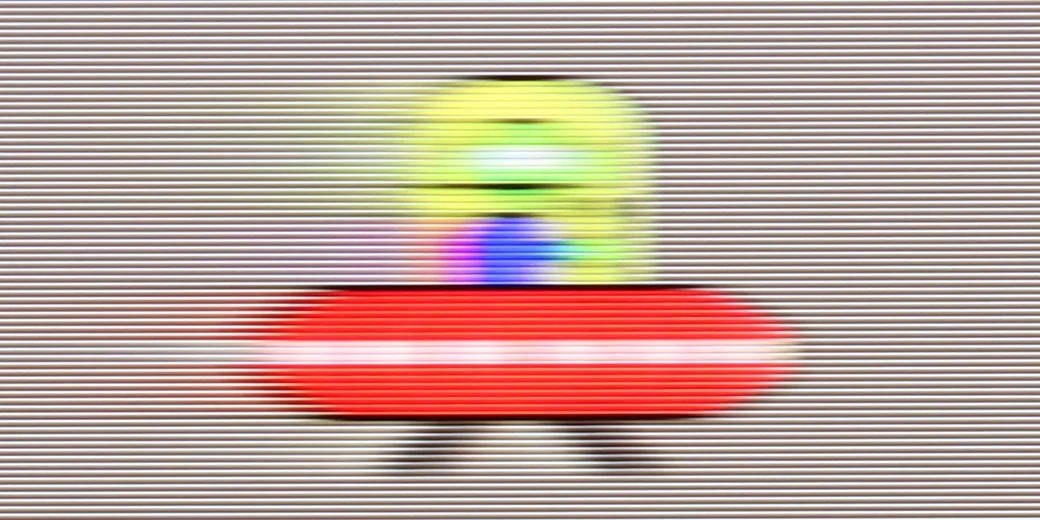
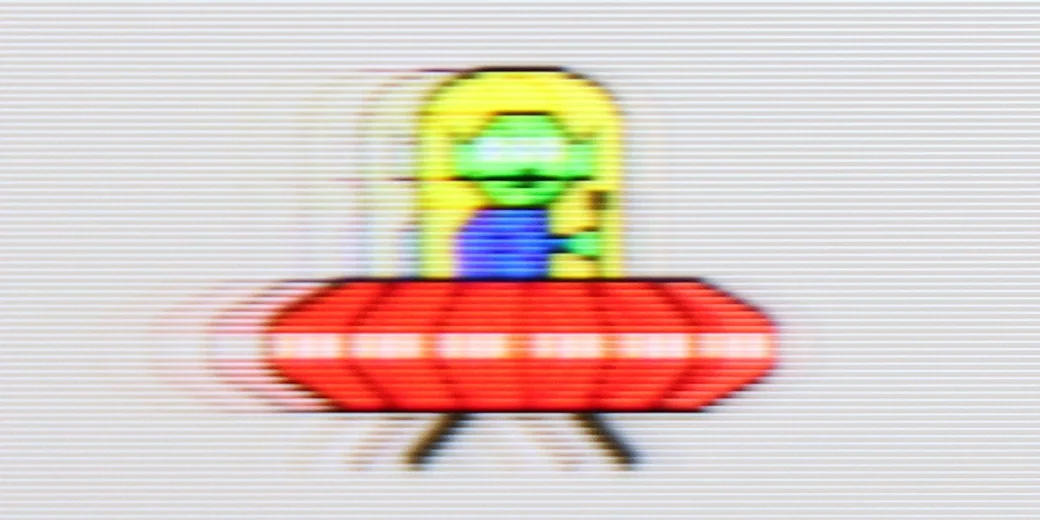
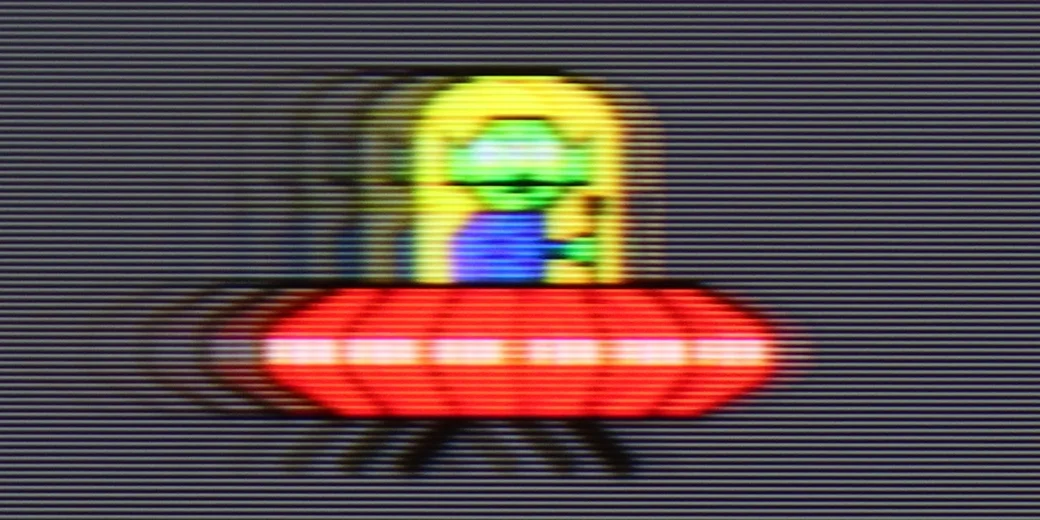
Blur (BFI function enabled):

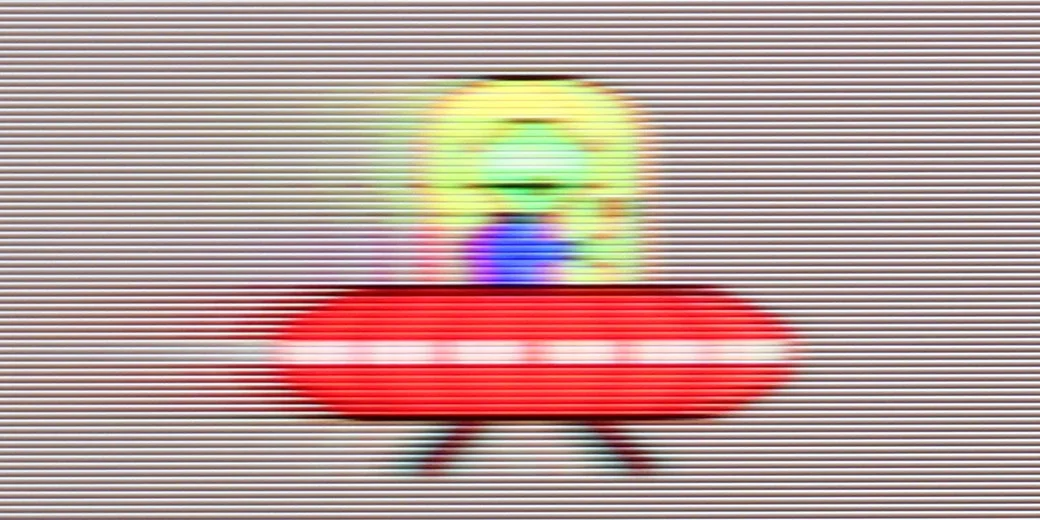
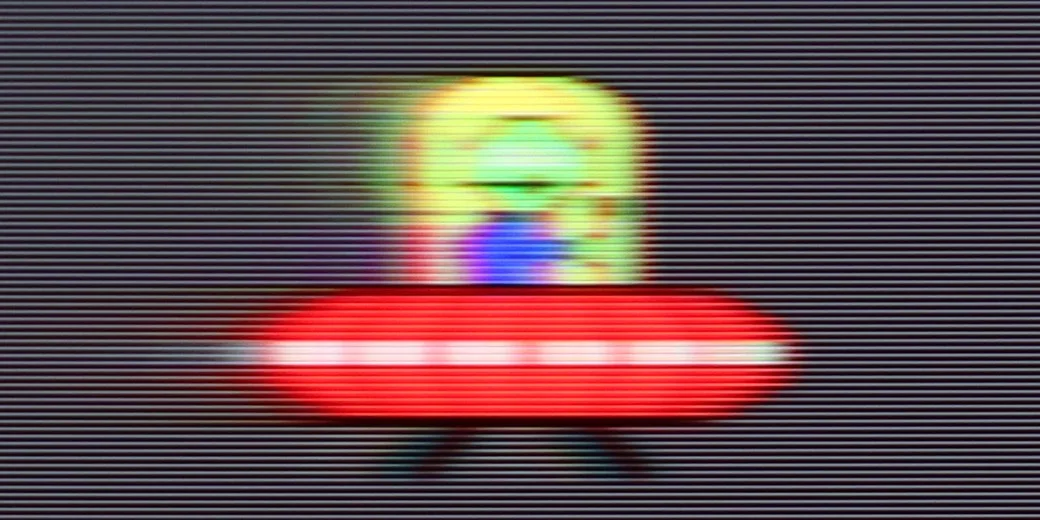
Blur (1080P@330Hz):
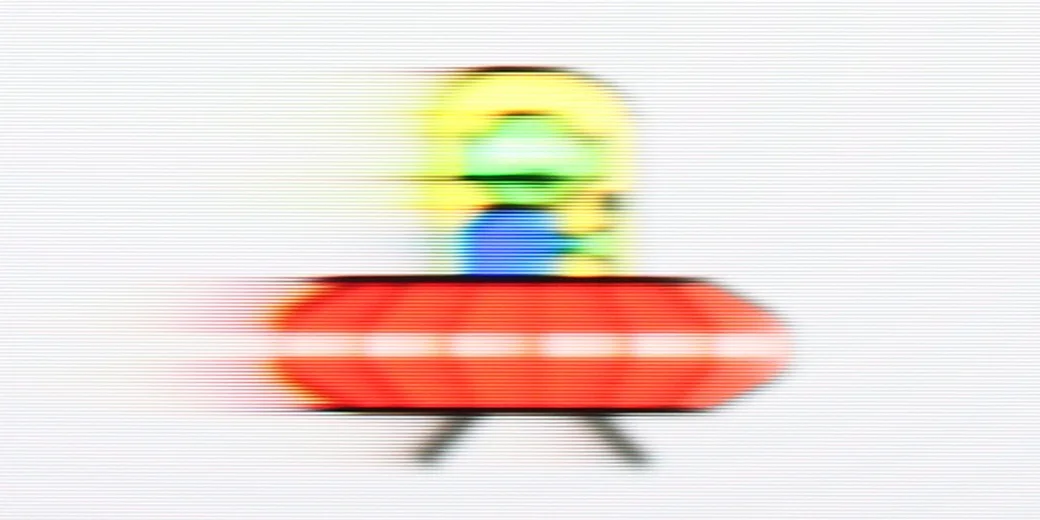
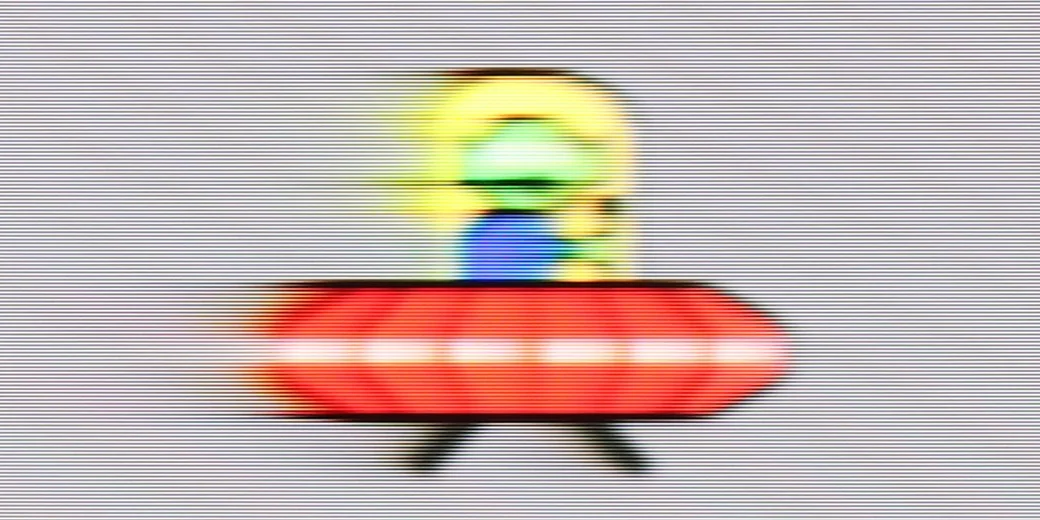
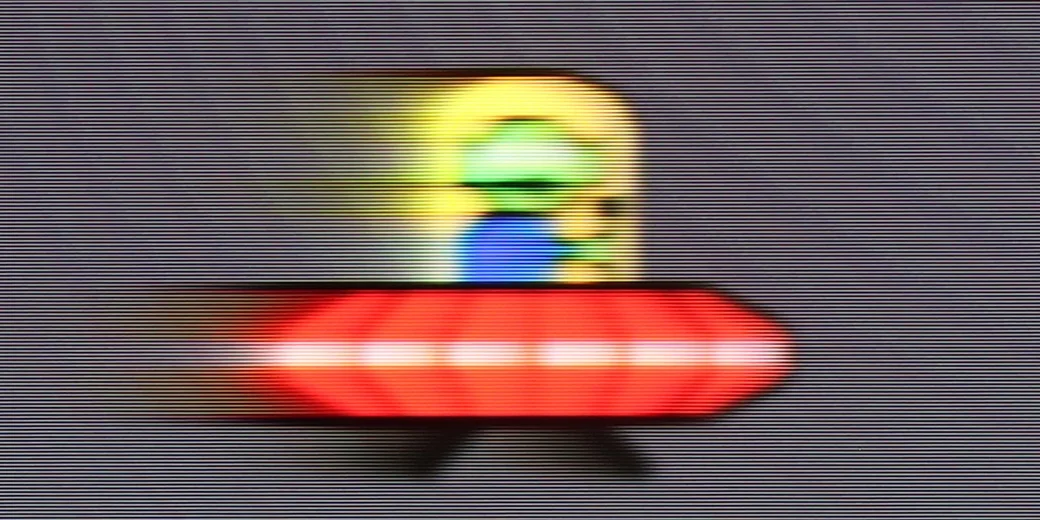
Blur (4K@144Hz ):

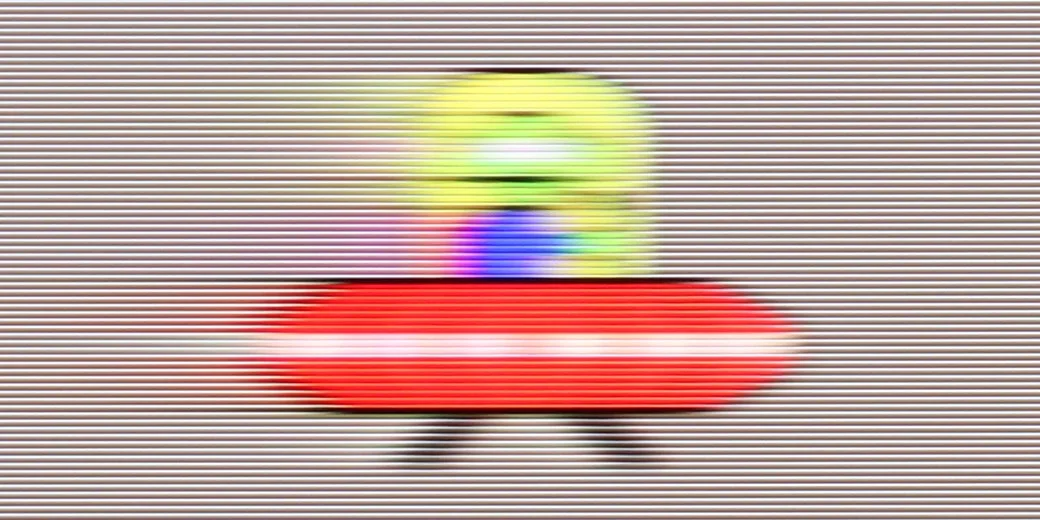
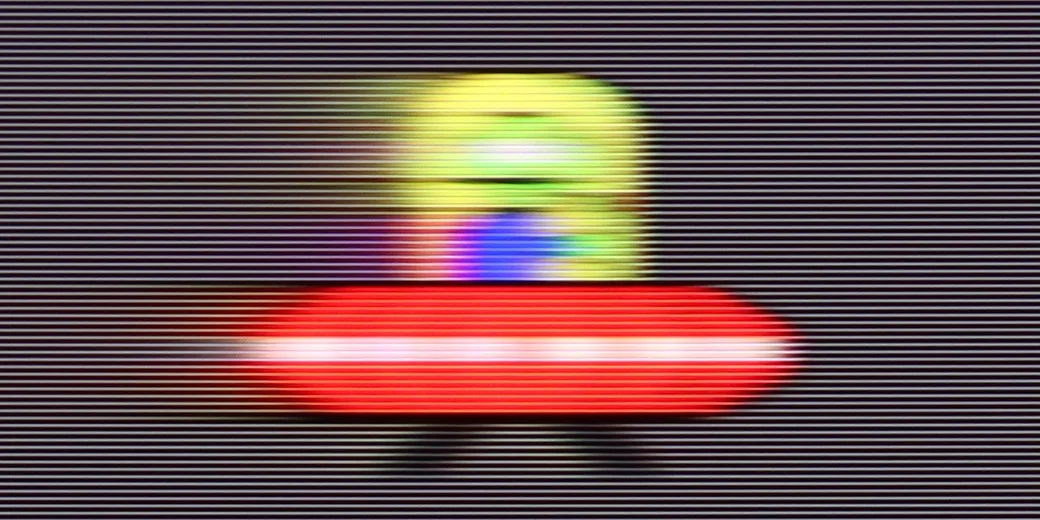
The Hisense U7S Pro uses a panel with a maximum 165 Hz refresh rate at 4K, and in game mode it can even reach 330 Hz at Full HD. However, it's worth remembering that those highest numbers don't matter much in everyday use, because most content still supports at most 120 Hz (for example when playing on a console). Even so, the TV handles motion quite well and performs well for an LCD design.
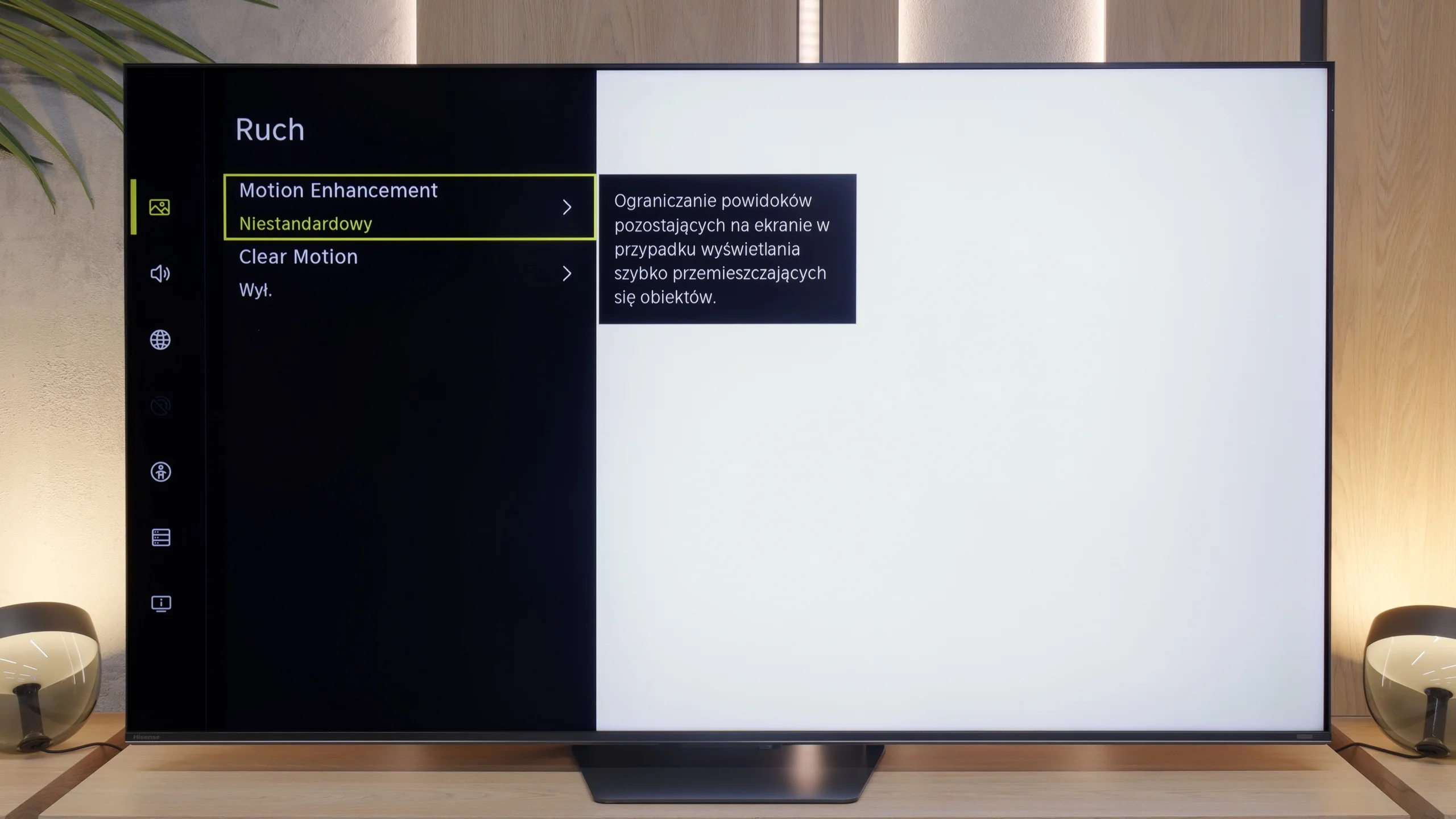
There's little to fault about the smoothness itself. In the menu you'll find a motion smoothing feature called "Motion Enhancement", which hides two sliders: blur reduction and judder reduction. They allow manual adjustment of the smoother, which works well for both movies and sports, effectively improving the raw TV signal.
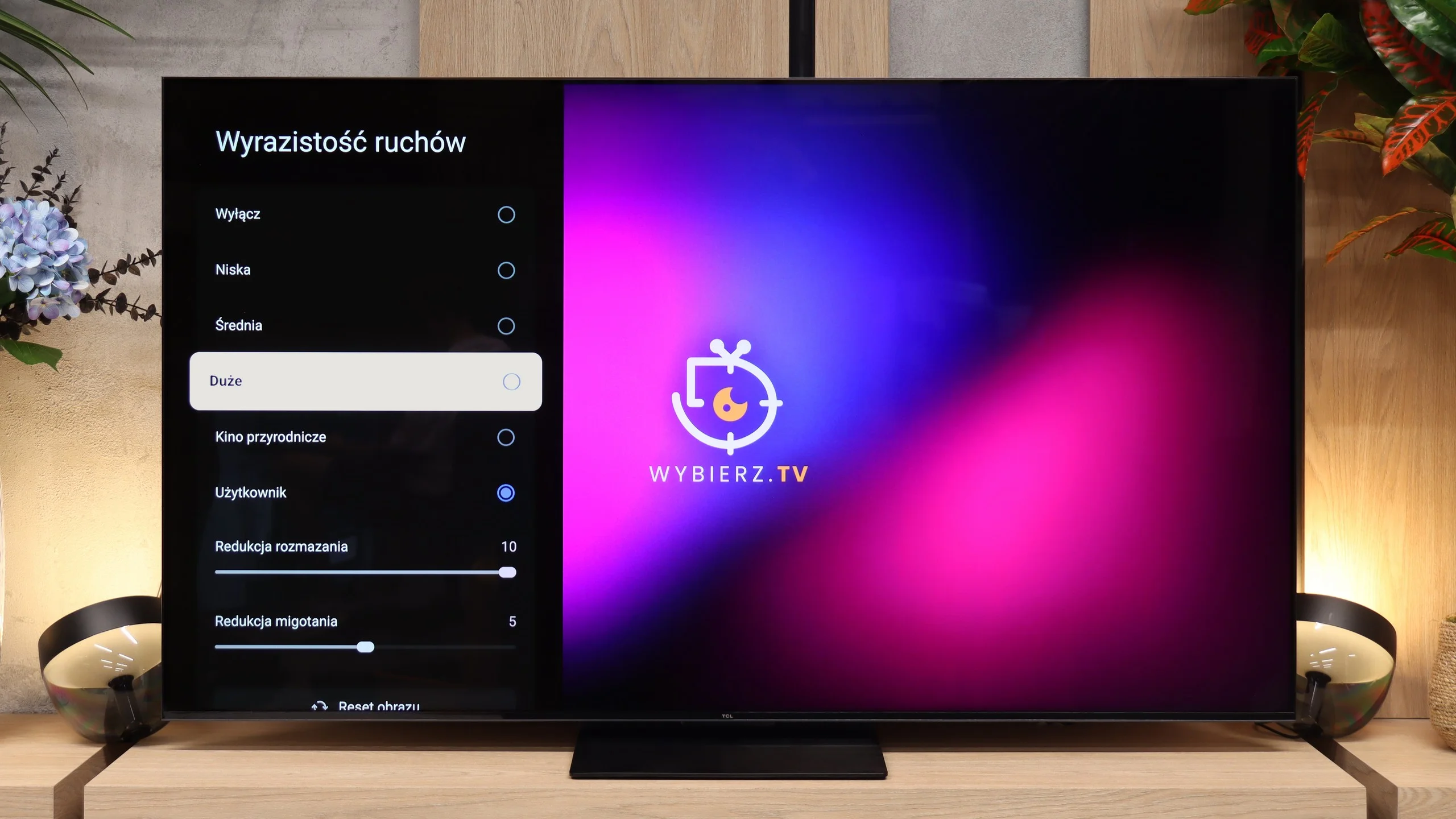
The RM7L uses a 144 Hz VA panel, so right out of the box it's a TV well suited for sports, gaming, and other fast-moving content. The high refresh rate also gives the motion interpolation engine more room to work, allowing it to generate extra frames. On the RM7L it works well, and with the right settings it can noticeably improve motion smoothness without causing an excessive soap opera effect.
Console compatibility and gaming features
8.5/10
9.8/10
- ALLM
- VRR
- VRR range48 - 330Hz48 - 288Hz
- Dolby Vision Game Mode
- Correct implementation of HGIG

- 1080p@120Hz
- 1440p@120Hz
- 4K@120Hz
- Game bar
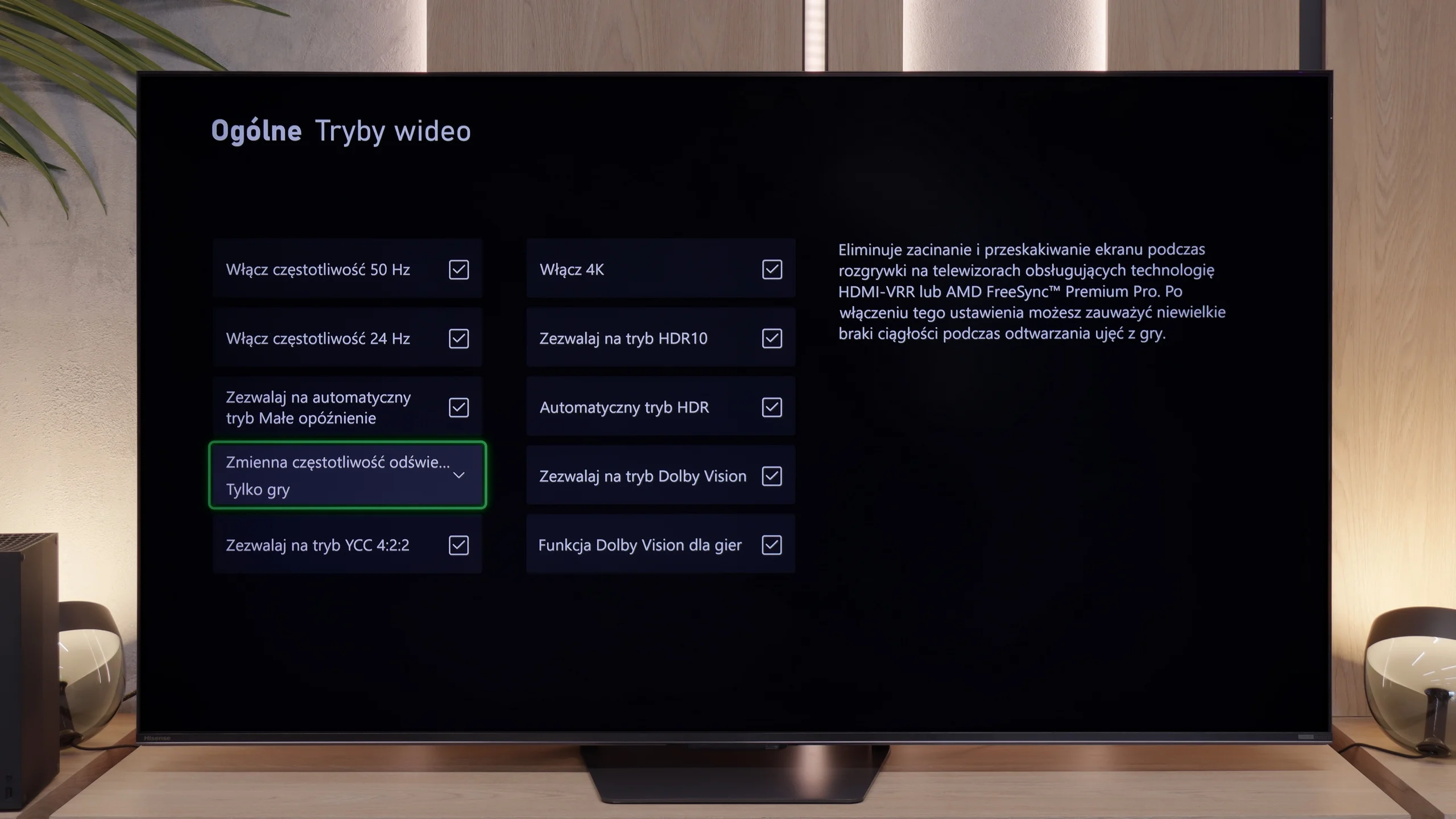
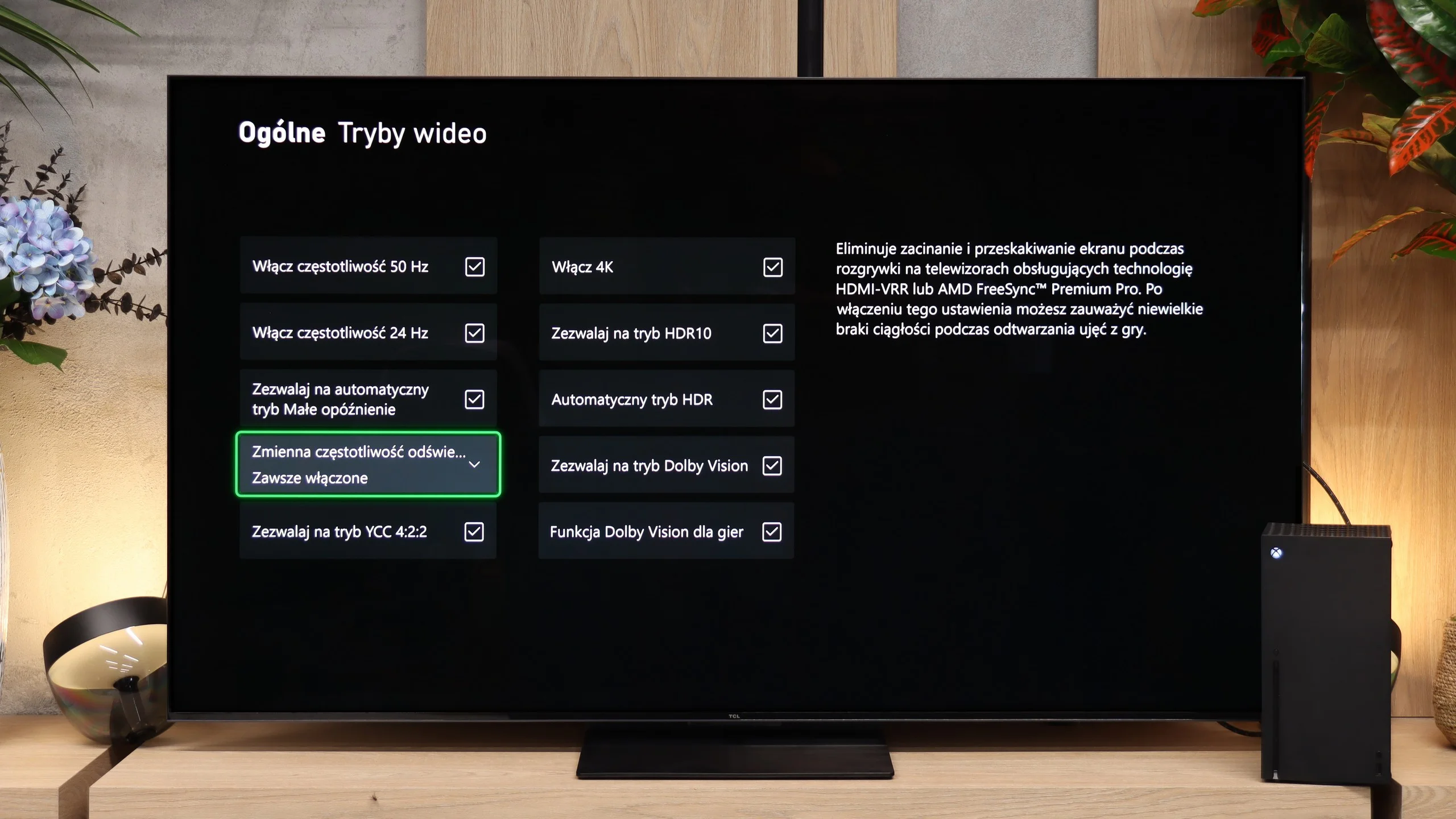
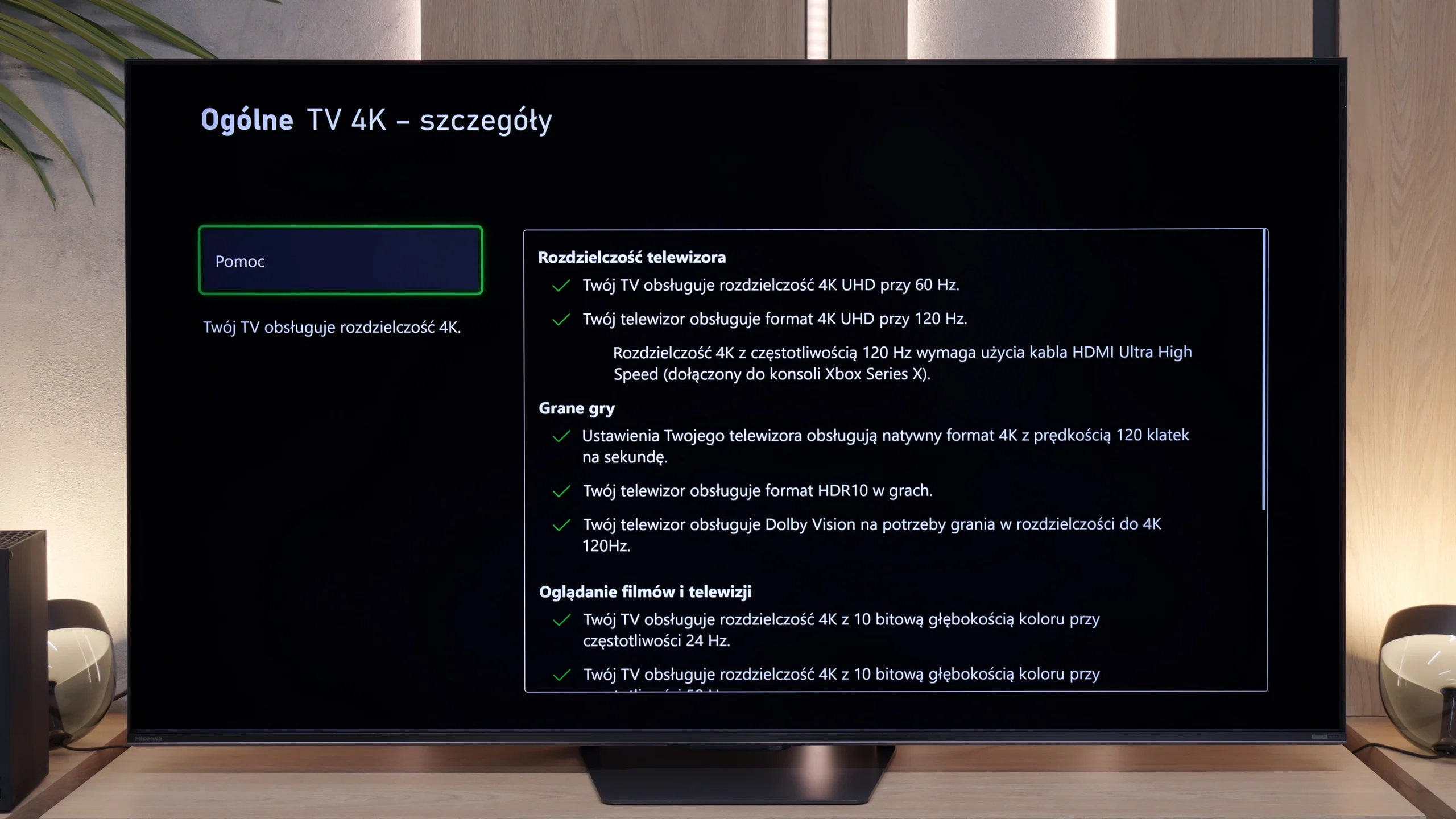
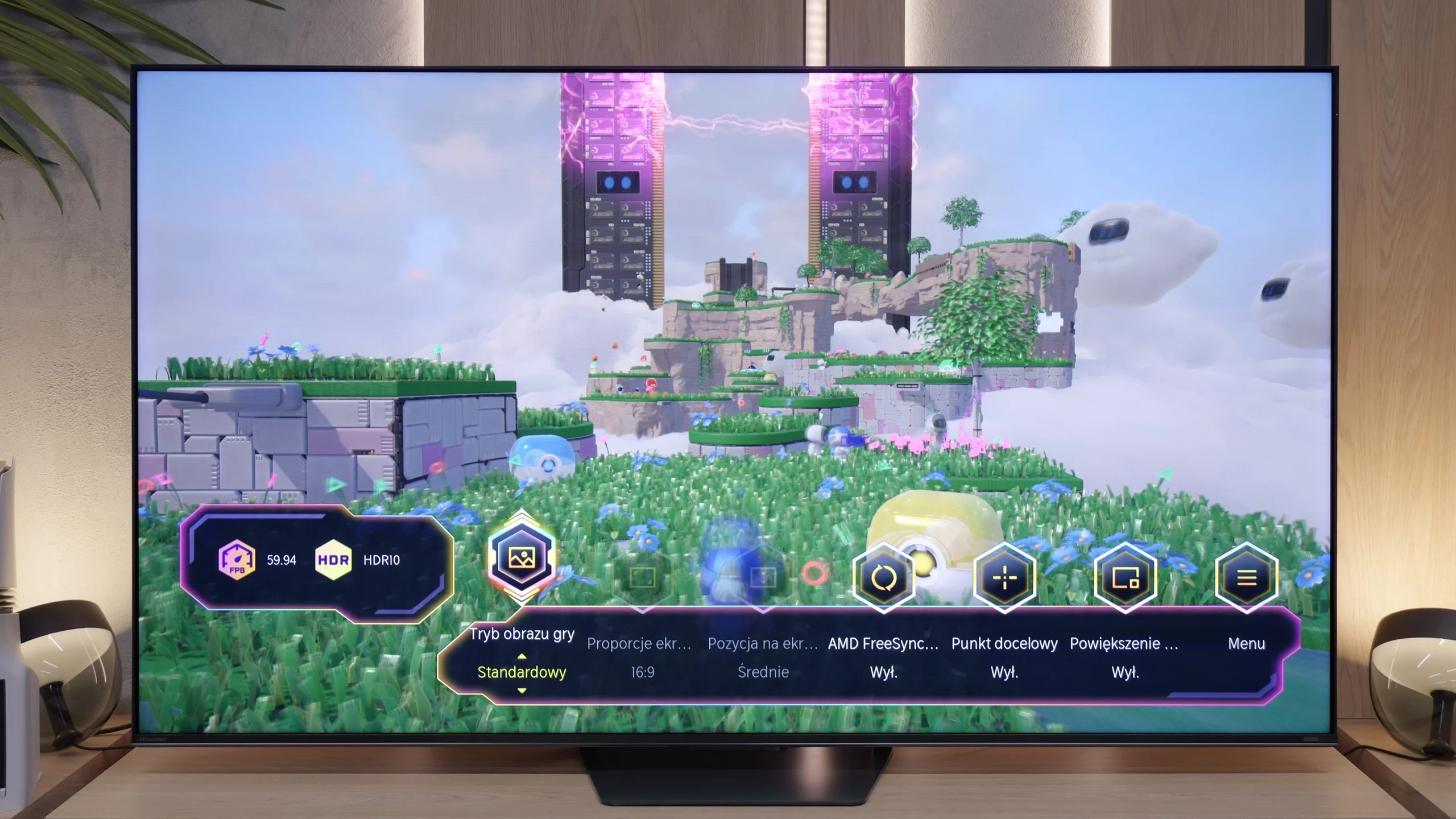
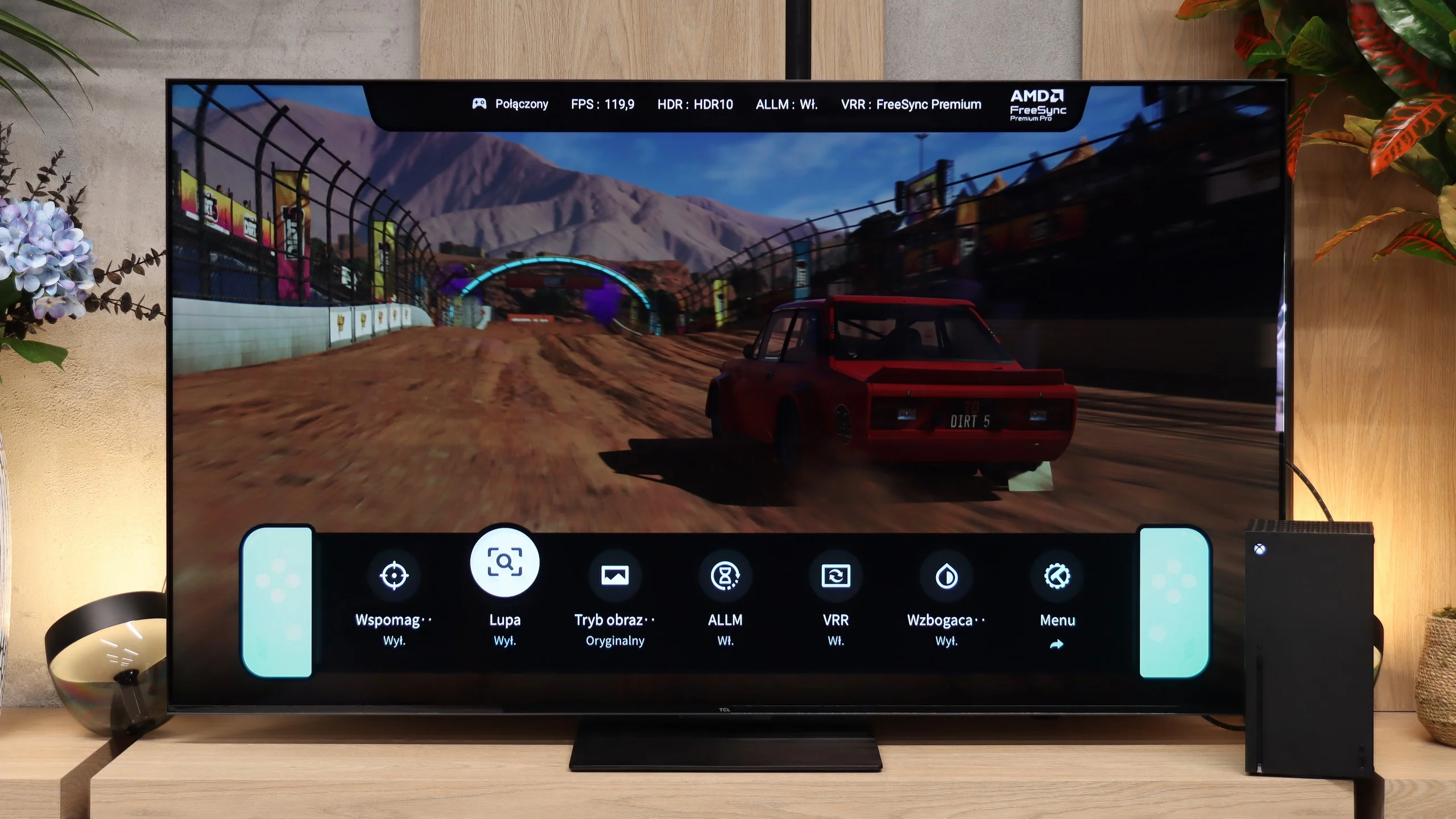
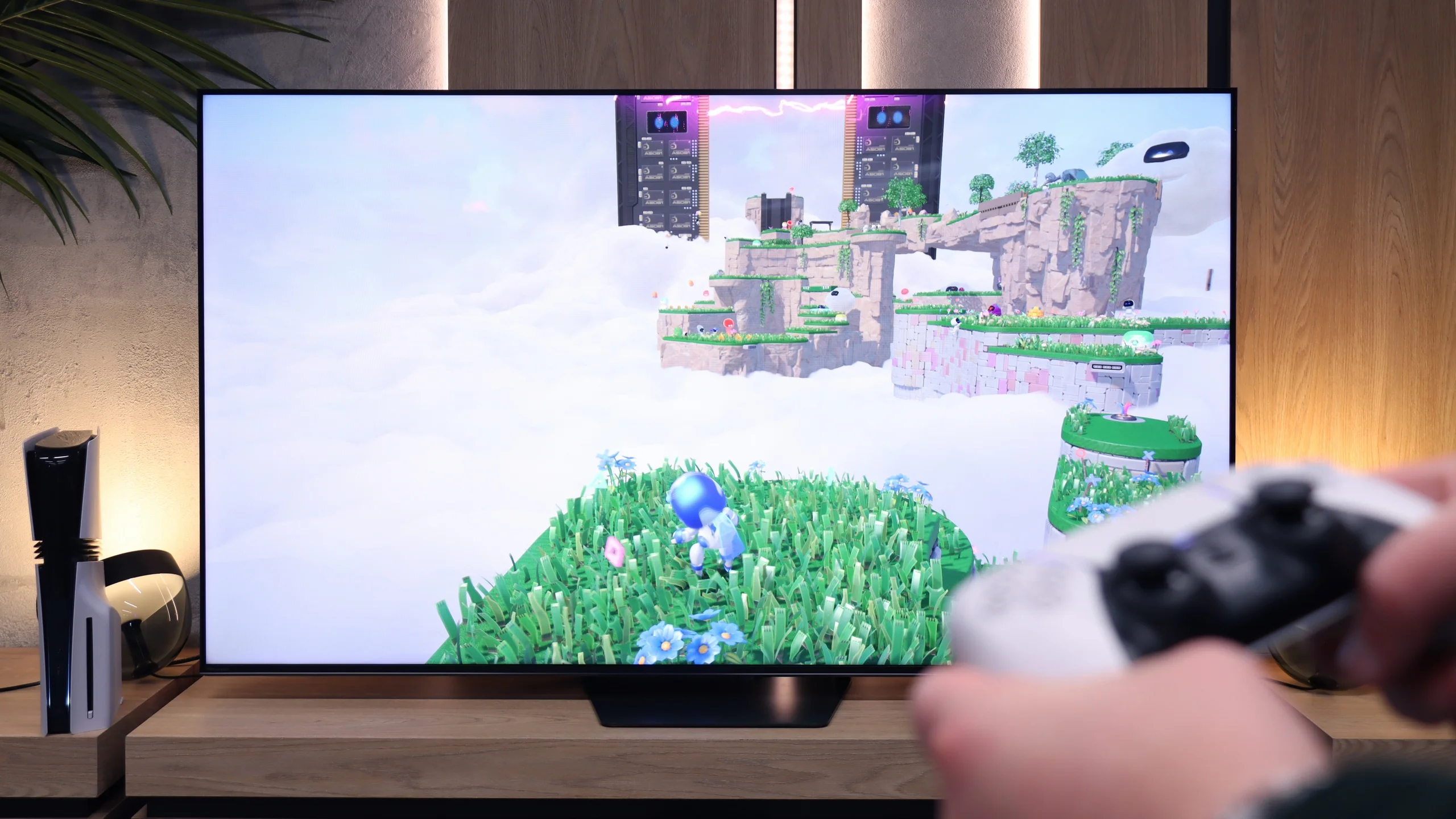
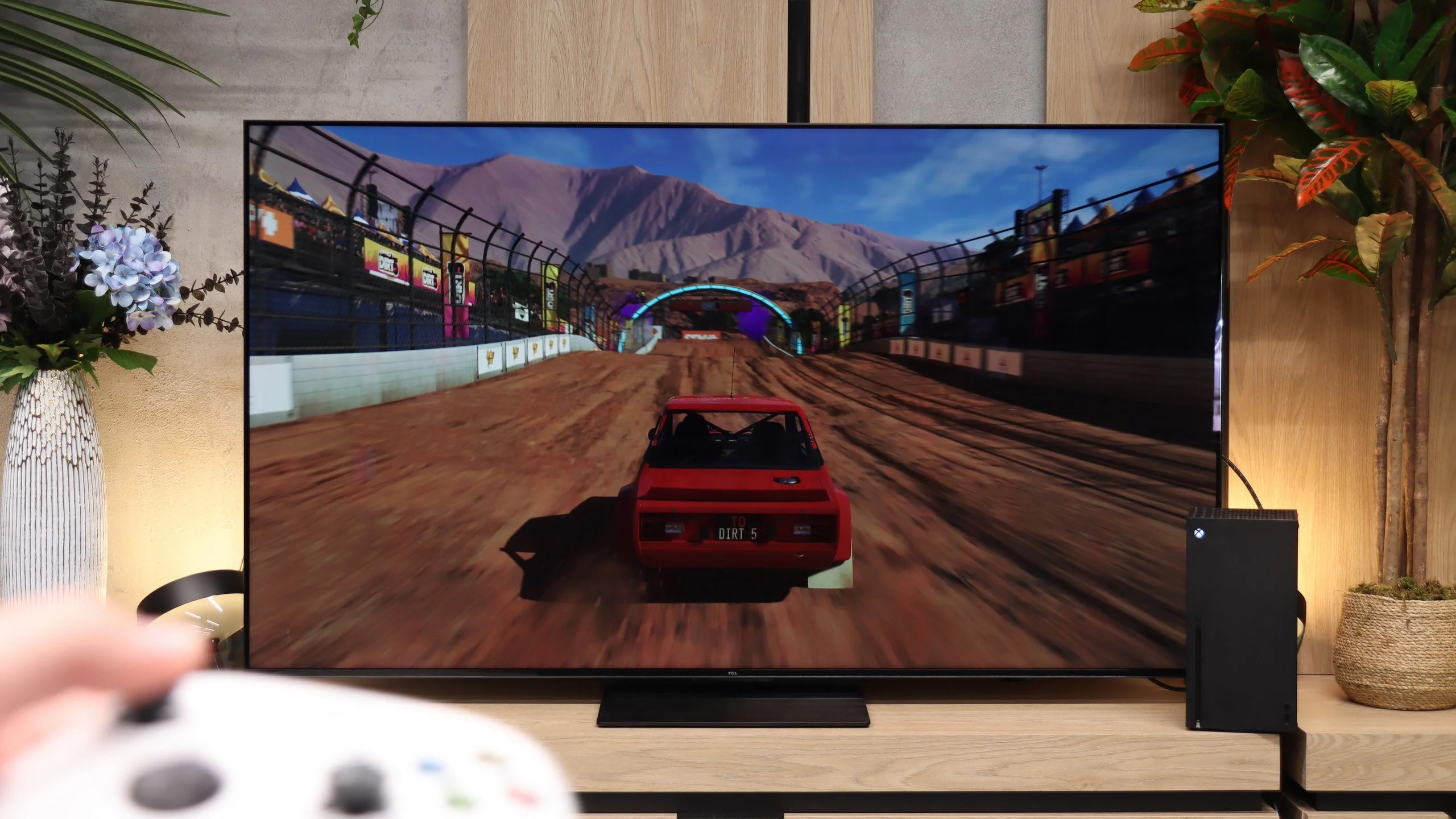
If you plan to connect a console or PC to the U7S Pro, you'll be more than happy – this TV is great for gamers. Hisense spared no expense and put in four HDMI 2.1 ports with full 48 Gbps bandwidth. So you won't have to juggle cables, since every port supports the full feature set. There's automatic low-latency mode (ALLM) and VRR, which works across a wide range from 48 Hz up to a cosmic 330 Hz. Of course that 330 Hz is for now a gimmick for owners of powerful PCs, because consoles are capped at 120 Hz anyway, but it's good to have that headroom for the future. The Game Bar is also really useful while gaming. It's a handy in-game menu where, without leaving the TV's main settings, you can quickly change the picture mode, enable a crosshair in the center of the screen, or even switch to an ultra-wide aspect ratio, which PC sim fans will appreciate. The only downside worth knowing about is the incorrect implementation of HGiG in games. The TV ignores the console's instructions for HDR10 output and keeps forcefully altering the image, trying to "improve" it its own way. Because of that, properly configuring HDR in the console menu (where you set brightness using the logo/checkerboard pattern) is a bit more difficult.
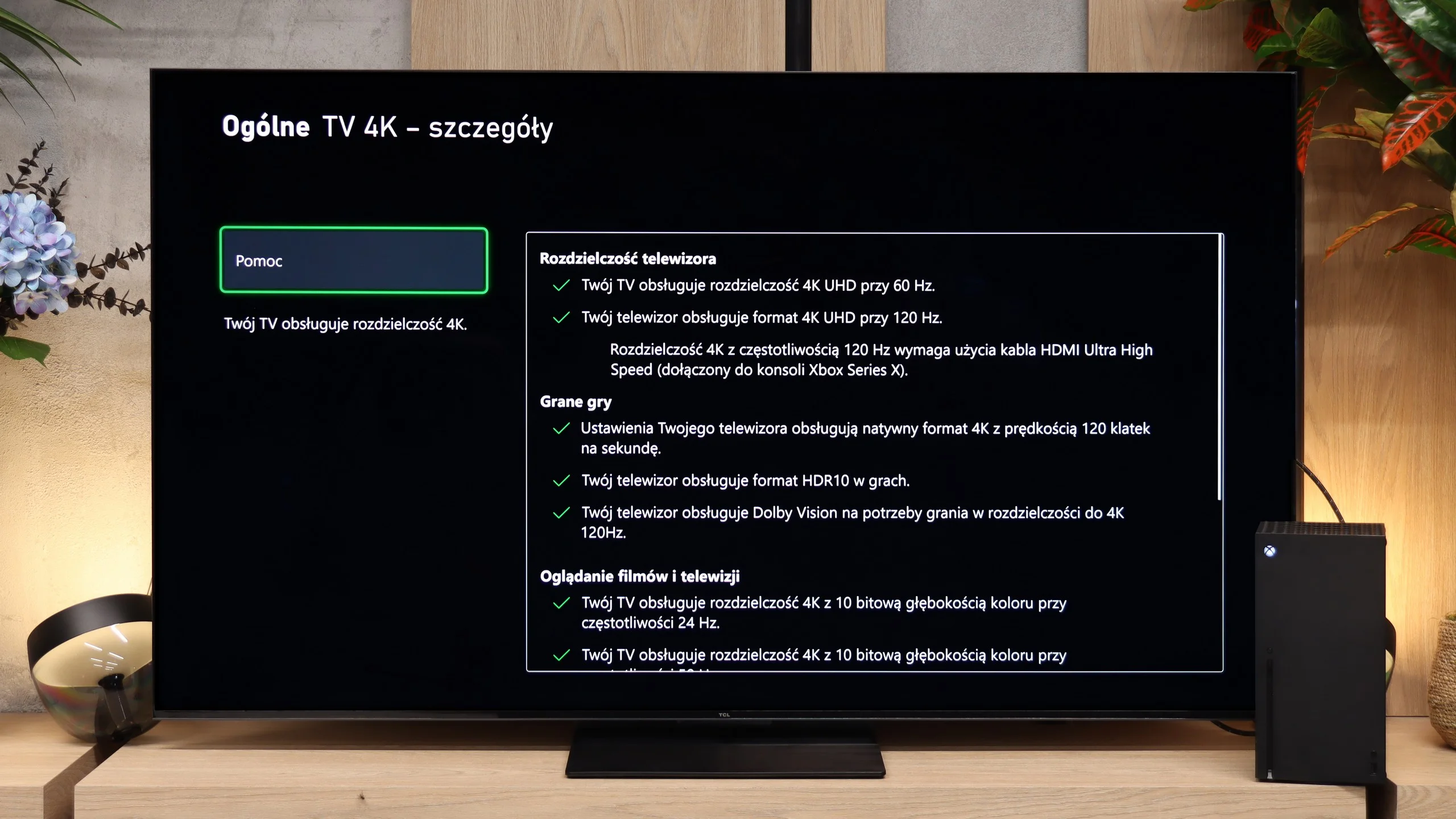
You can say almost nothing but good things about the RM7L when it comes to gamer features. The TV supports ALLM, VRR, Dolby Vision Gaming and works correctly with HGiG, so it’s hard to point out any major omissions in that area. In practice this means automatic switching to low-latency mode, a smoother picture with variable frame rates, and accurate brightness reproduction in HDR games. There’s also a handy Game Bar. From it you can quickly check the frame rate, VRR status, signal format, and aspect ratio, and change key settings without leaving the game. TCL also added a few extra options, like a crosshair and brightening of dark parts of the image, which can be useful in some titles. The biggest downside comes from the use of the Pentonic 700 processor. Only two of the four HDMI ports support the full HDMI 2.1 standard. With a single console this won’t matter much, but when connecting two consoles and a PC you may run out of space. Especially since one of those ports may also be needed for eARC and a soundbar.
Input lag
9.7/10
9.9/10
SDR
HDR
Dolby Vision
When it comes to latency, it's really good. Results below 10 ms for 120 Hz content are great news, because the response to moving the analog stick or pressing a button on the controller is virtually instantaneous. At the standard 60 Hz, latency rises to around 18 ms, which is still low enough that even a serious gaming enthusiast won't be able to notice it. The only thing you could nitpick is playing with Dolby Vision enabled. Then input lag can jump to around 30 ms. To be fair, those are still not values we'd consider bad or that would prevent comfortable gameplay.
Input lag in the RM7L is low. With a 120 Hz signal it falls below 10 ms, and at 60 Hz it’s just under 15 ms. In practice the response to inputs is instantaneous, and even the lower figures associated with OLEDs don’t give a clear advantage here. Dolby Vision Gaming also performs well. Input lag remains at the same level in this mode as in the other gaming modes, which still isn’t standard on every TV.
Compatibility with PC
8.4/10
8.4/10
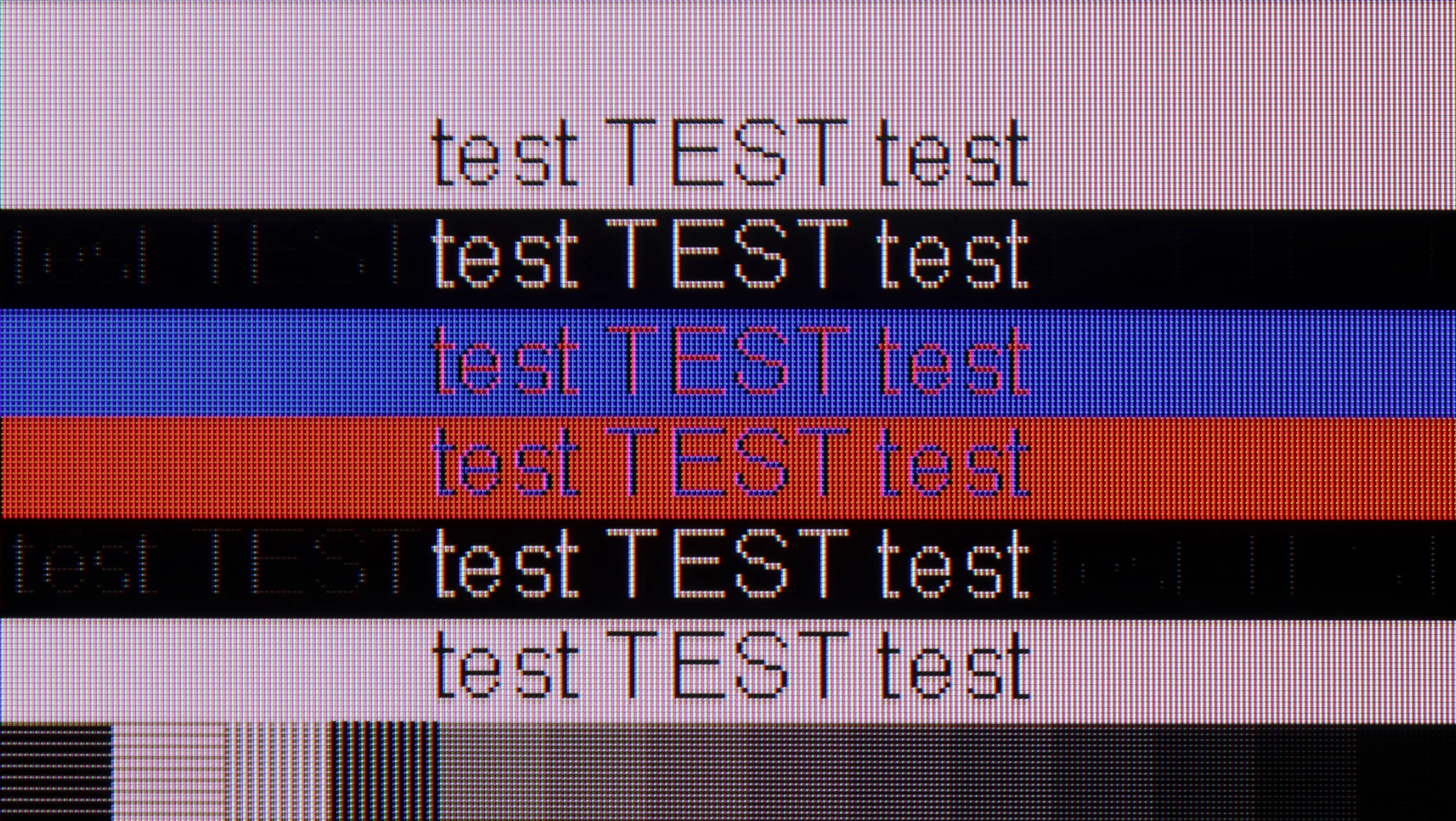
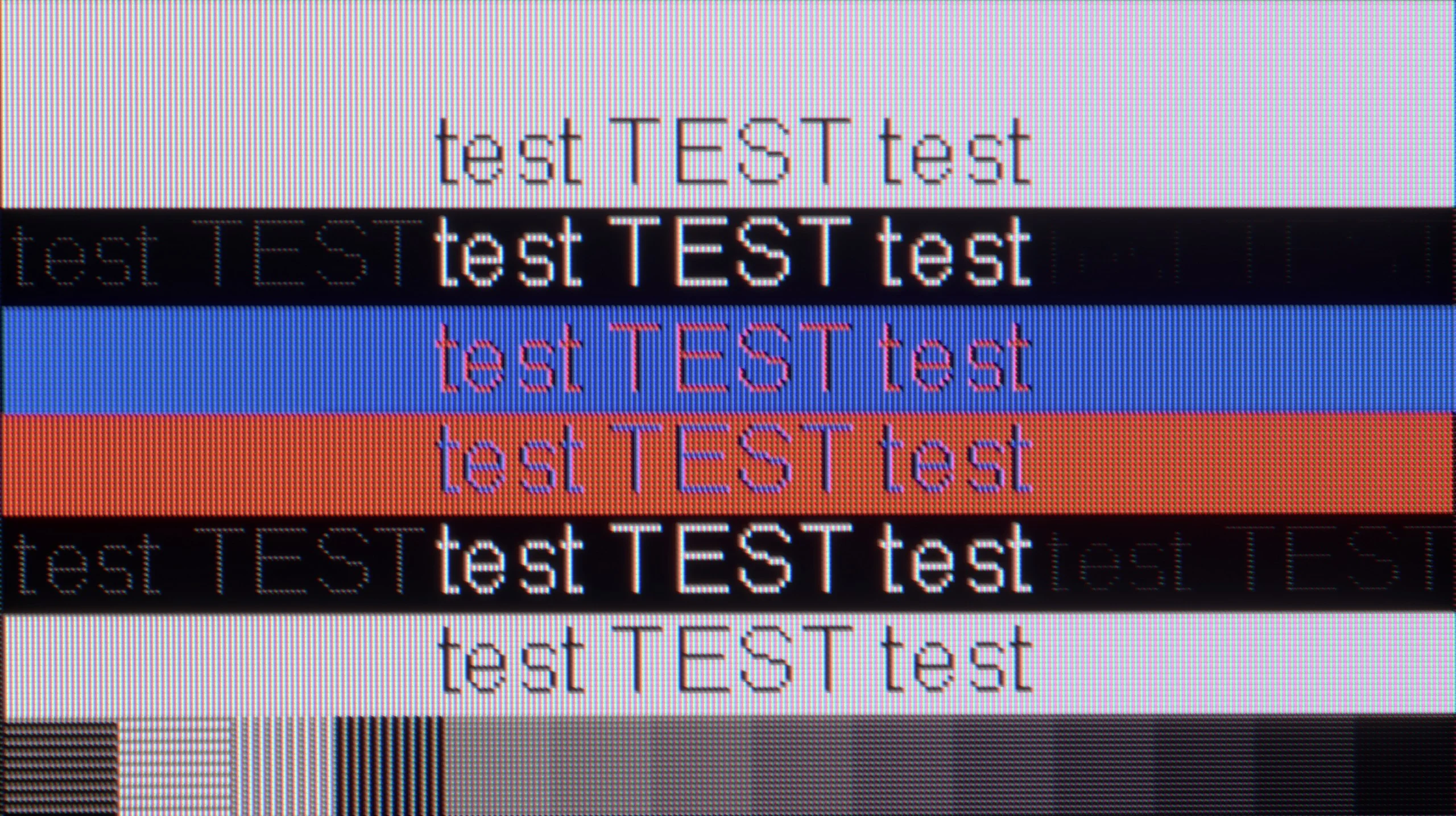
The photo shows the legibility of small fonts. Ideally, lines should be the same thickness on both light and dark text, with minimal pixel gaps.
U7S Pro, as we already mentioned, is great gear for gamers, including PC gamers. The TV can reach very high refresh rates: up to 165 Hz at 4K, and when you drop to Full HD it can even hit 330 Hz! Those are values you mainly see in monitors, not in TVs. On top of that, the TV works seamlessly with NVIDIA and AMD graphics cards thanks to G-Sync and FreeSync.
As for text readability on the desktop, it's pretty good — the TV supports full color sampling (Chroma 4:4:4), so fonts should be sharp and clear. However, there's a small catch: text readability worsens significantly when the TV runs at 165 Hz or 144 Hz. To fix this and get much crisper fonts, it's best to simply set the refresh rate in Windows to 120 Hz.
The RM7L works very well with a PC, especially when you see it as a gaming display. The TV supports 4K at 144 Hz, and lowering the resolution to Full HD can increase the refresh rate to as much as 288 Hz. It also supports G-Sync and FreeSync, so there's little to complain about in terms of smoothness. Working with text is a bit less good. At the maximum refresh rate, letters viewed from very close aren't perfectly sharp and you can notice a faint shadow behind them. Switching to 120 Hz improves the situation, though they still aren't perfect. However, it's hard to call this a major flaw, since the RM7L's available sizes mean it likely won't sit on a desk as a monitor for document work.
Viewing angles
3.2/10
4.5/10
Unfortunately, the U7S Pro doesn't offer the best viewing angles on the market. That's due to the VA panel used here, which, unlike IPS or ADS panels, shows much greater image degradation when viewed from the side. Colors lose their saturation and contrast drops noticeably. Interestingly, this applies not only to the panel itself but also to the screen's outer layer. The matte coating used here, at a steep angle, loses its matte qualities and begins to behave more like a glossy screen. Instead of diffusing light, it starts reflecting it more strongly, which can increase discomfort when used in a sunlit room. Therefore, to enjoy the best picture quality and avoid reflections, it's best to sit directly in front of the U7S Pro whenever possible.
Viewing angles on the RM7L are quite good and among the better ones you’ll find in TVs with VA panels. Even when viewing the screen from the side, colors don’t shift as much as in many classic designs of this type. In this respect the RM7L can be compared to the better WHVA panels used in higher TCL series, such as the C8L or X11L. There is, however, one clear drawback. As the viewing angle increases, brightness falls off very quickly. Colors and the overall character of the image remain relatively intact, but the screen itself becomes noticeably darker. At very large off-axis angles the difference is already large enough that the picture can simply look too dim. For that reason the RM7L is best watched as close to the center of the screen as possible.
Daytime performance
8.1/10
7.8/10
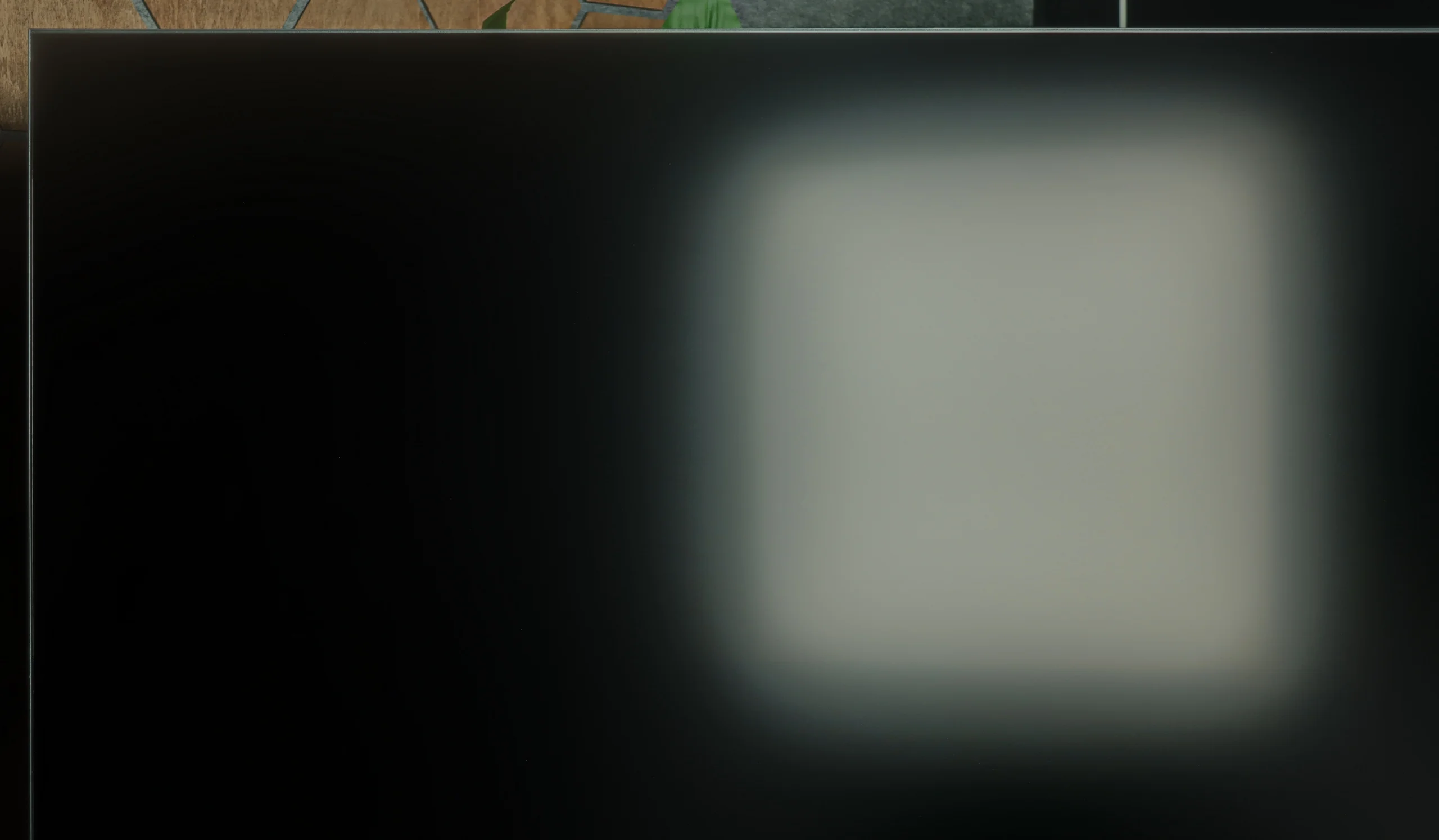
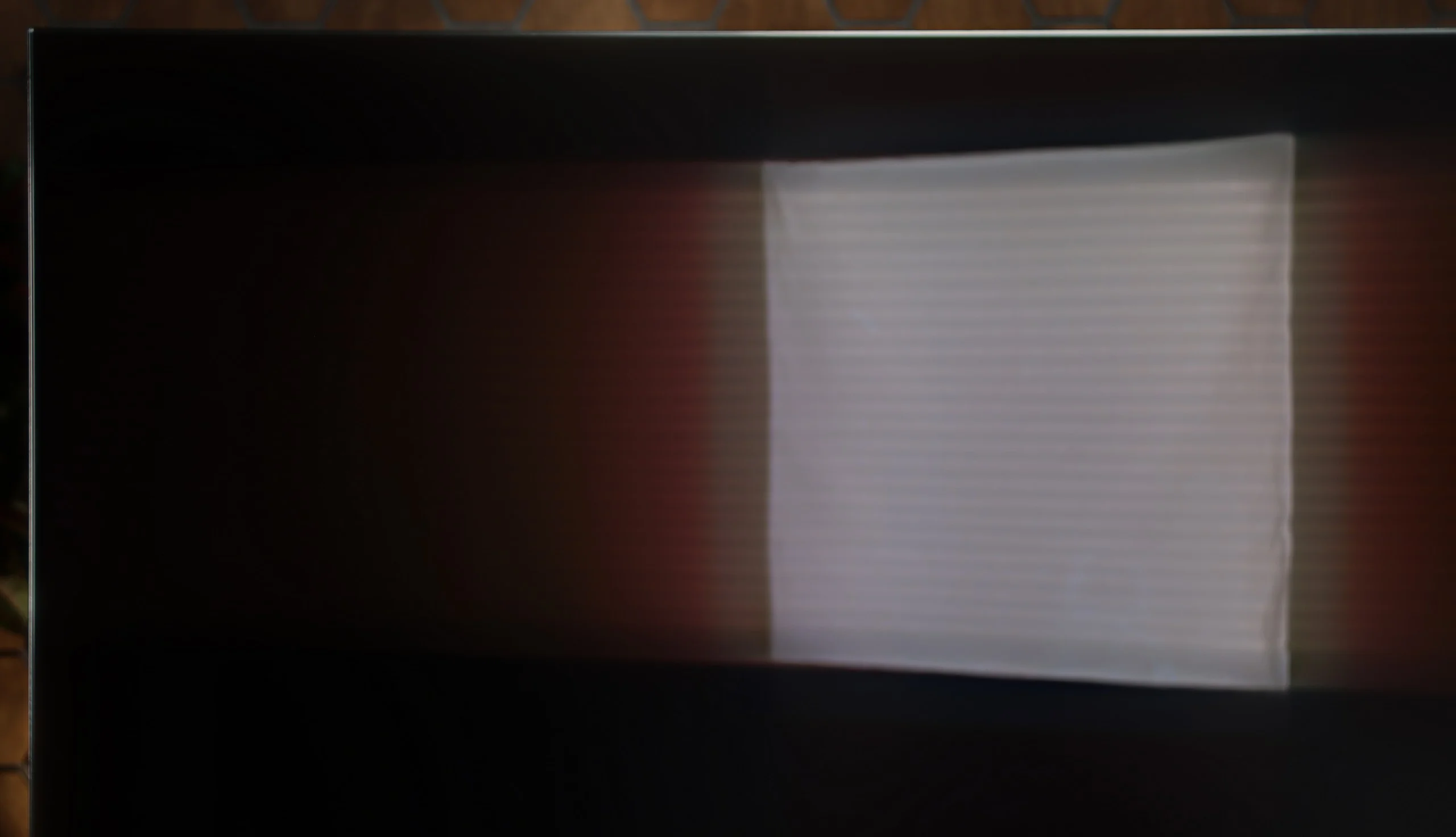
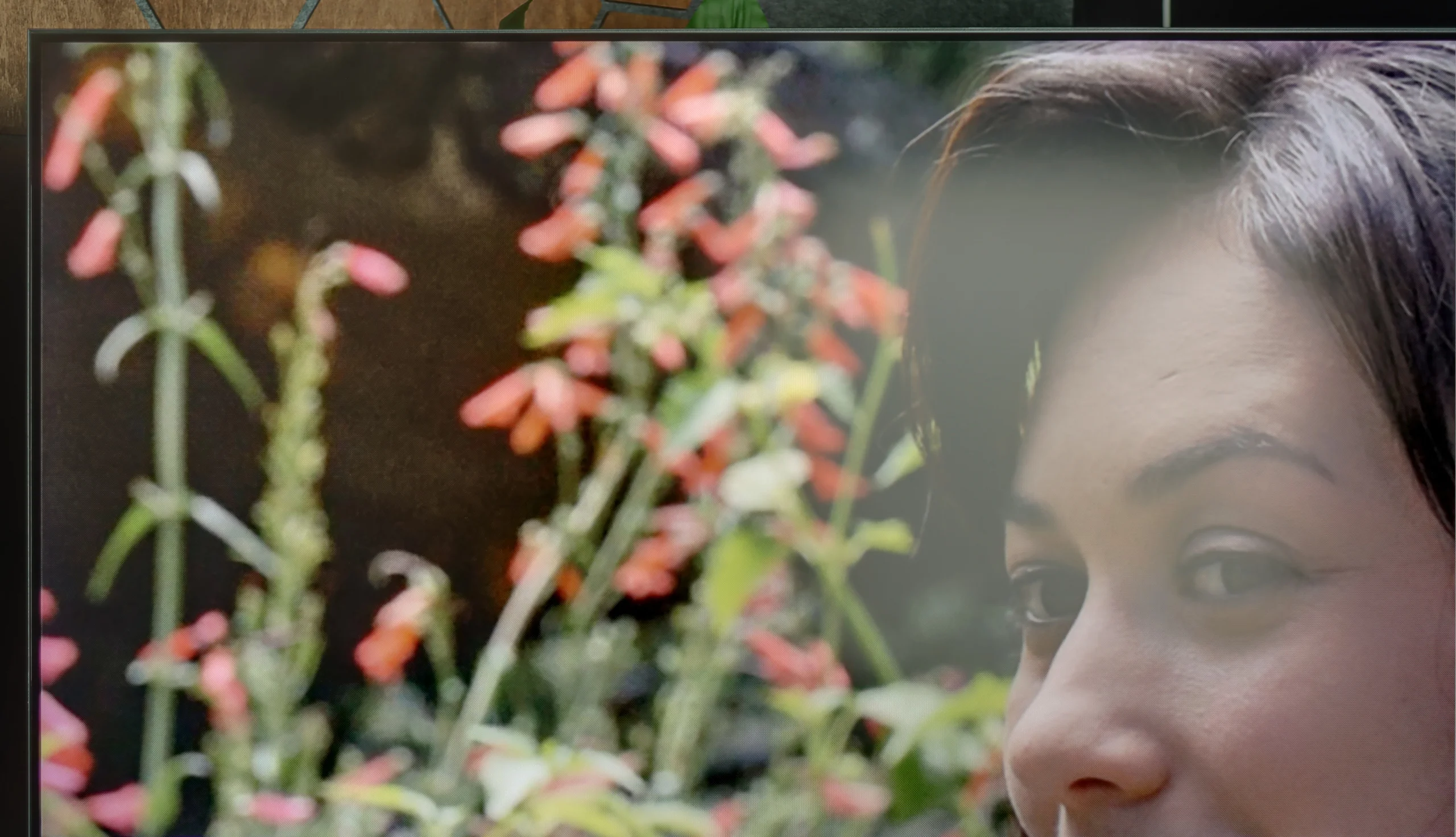
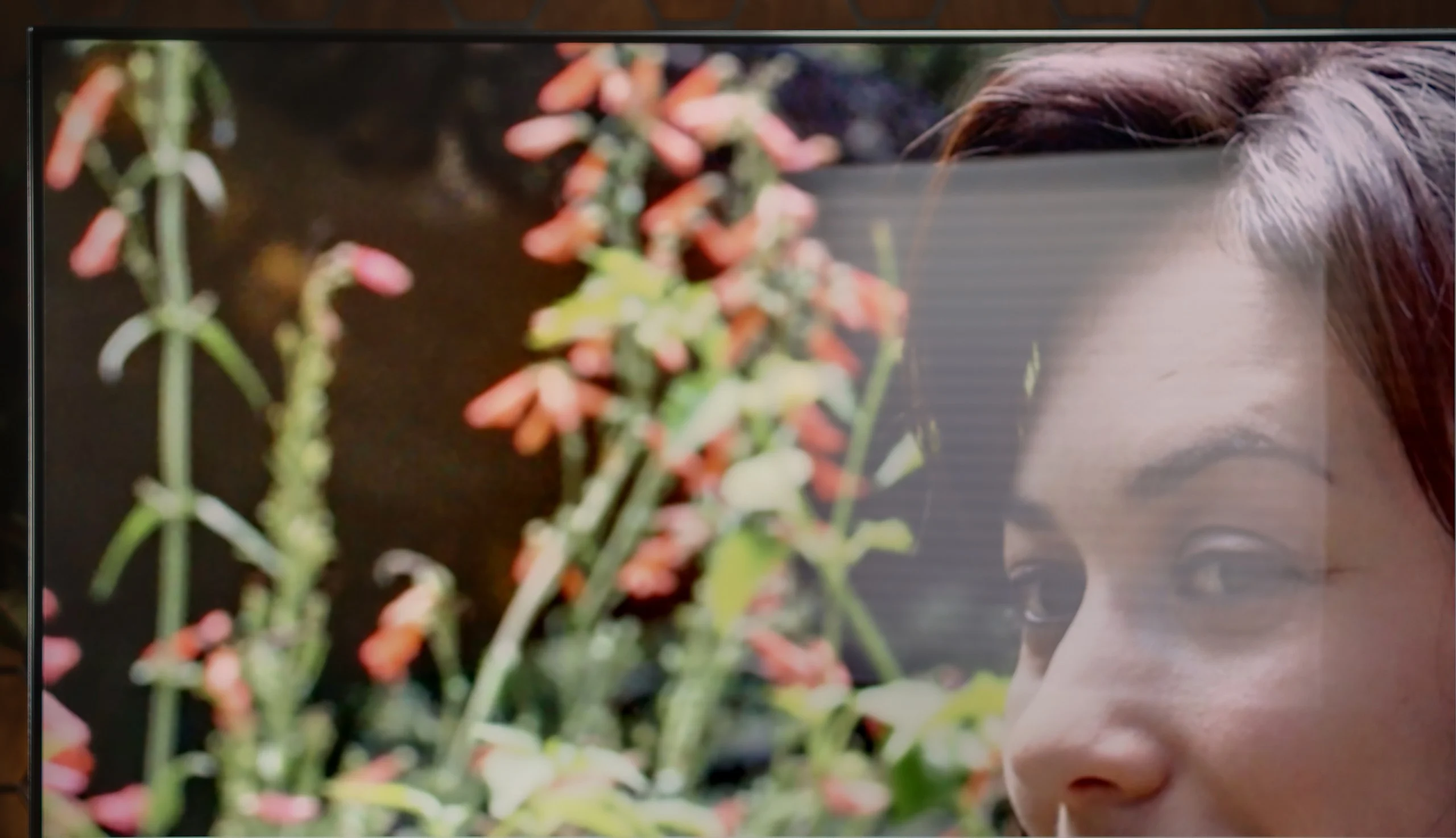
Panel brightness
TCL RM7L: 959 cd/m2
Hisense U7S Pro: 903 cd/m2
The U7S Pro works very well in heavily sunlit living rooms, thanks to its new matte screen coating. In this year’s model it suppresses reflections from light hitting the TV head-on very effectively. It’s not the deepest matte finish on the market, but in most scenarios it does the job. However, keep in mind the mentioned quirk: when you sit at an angle the coating drastically loses its anti-reflective properties and the screen starts to look satin-gloss. So if you have windows positioned at an unfortunate angle, people sitting on the side of the couch may struggle with noticeable reflections. Despite this minor drawback, the U7S Pro is still an excellent choice for a bright living room. Beyond the coating, its main weapon is extreme brightness. In typical TV content (SDR) the screen can reach an average as high as 900 nits. That’s an outstanding result that places this model among the market leaders.
RM7L should perform well in a bright living room, mainly thanks to its high SDR brightness. With everyday content the TV averages around 1000 nits, so it easily cuts through ambient light entering the room and keeps a readable picture during the day. A weak point is the panel's glossy coating. Direct reflections are quite noticeable on it, and stronger light sources can also spread across the screen surface. For that reason it's best not to place the TV directly opposite a window or a lamp. With proper placement, however, the RM7L will still be a very good choice for a heavily sunlit room.
Panel details
Subpixel Structure:
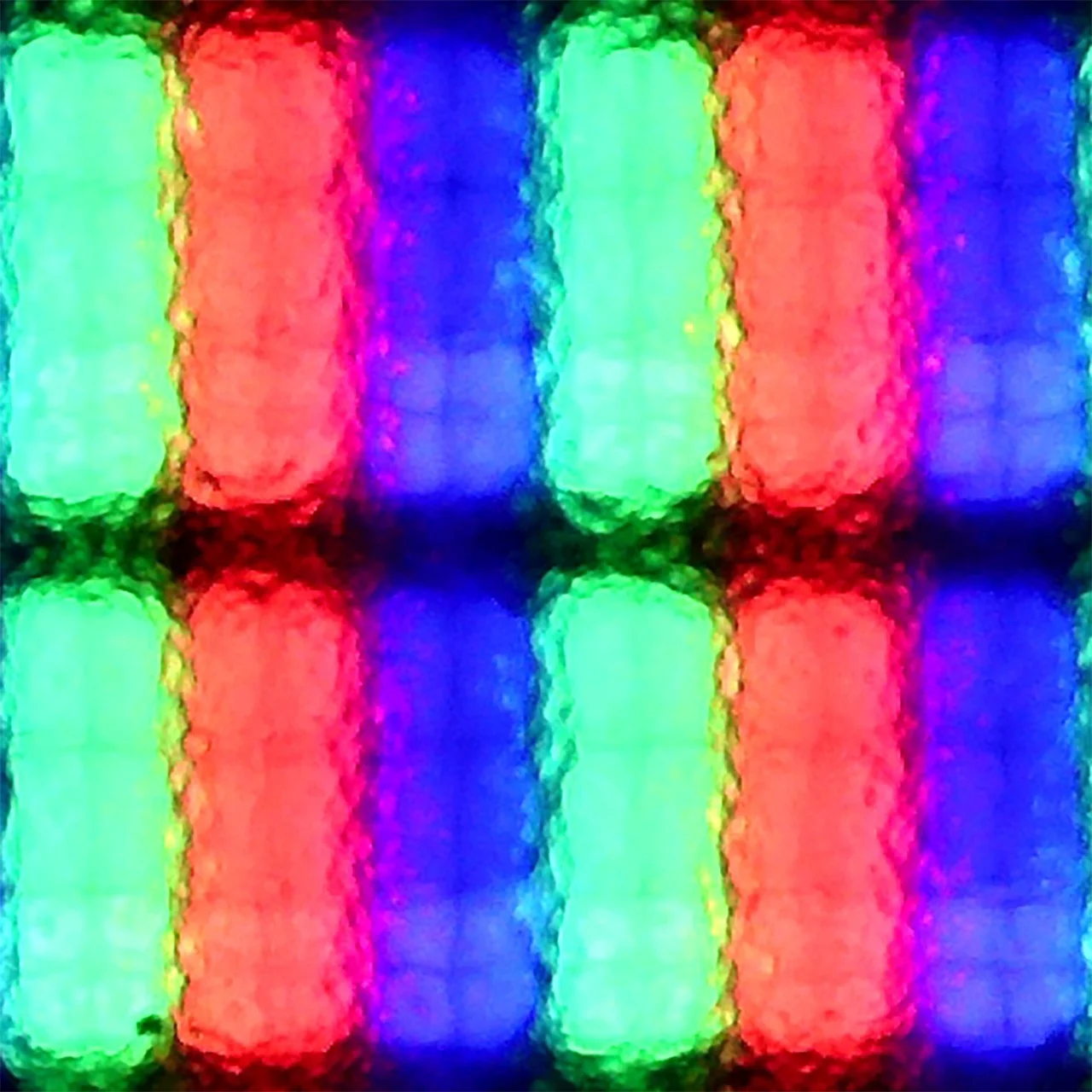
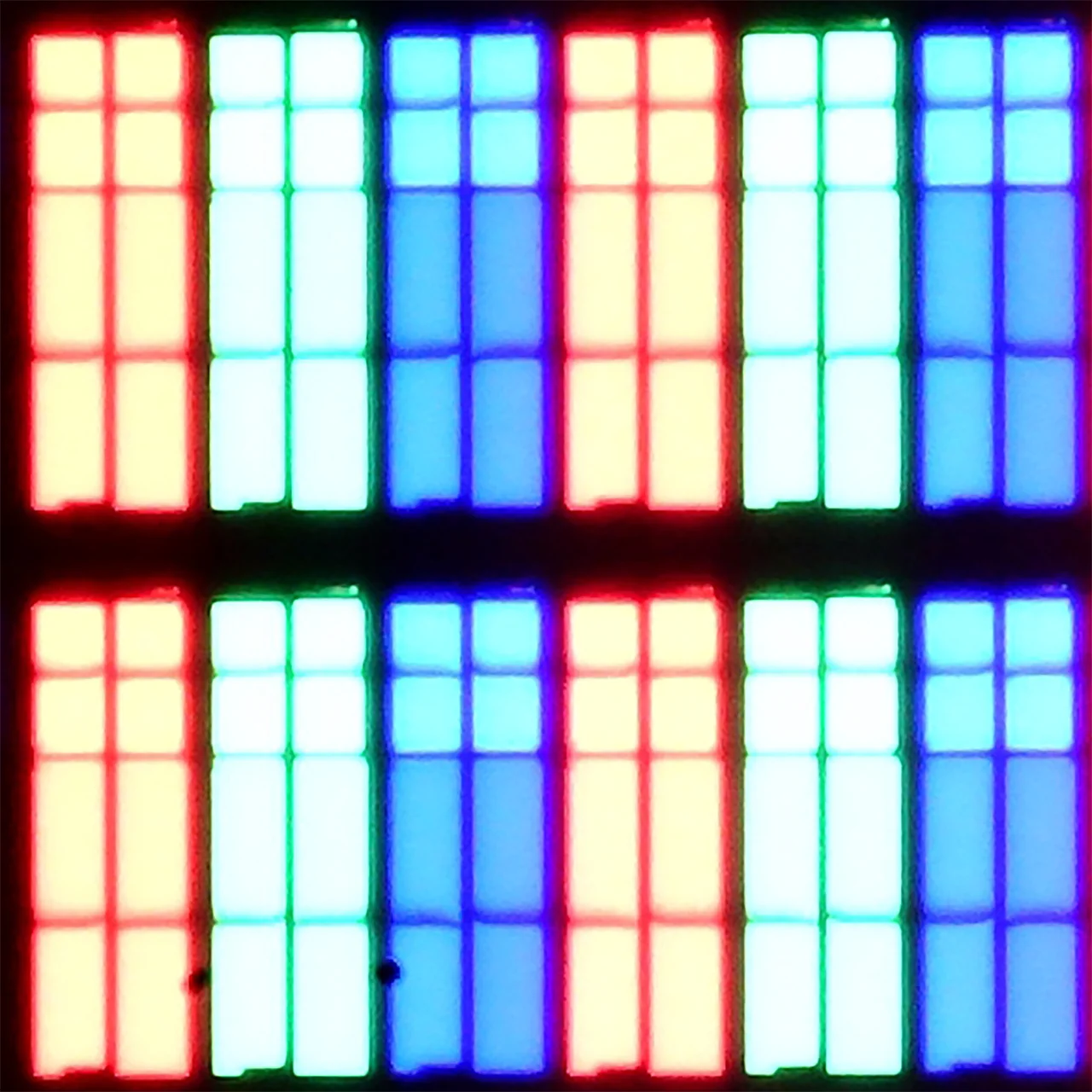
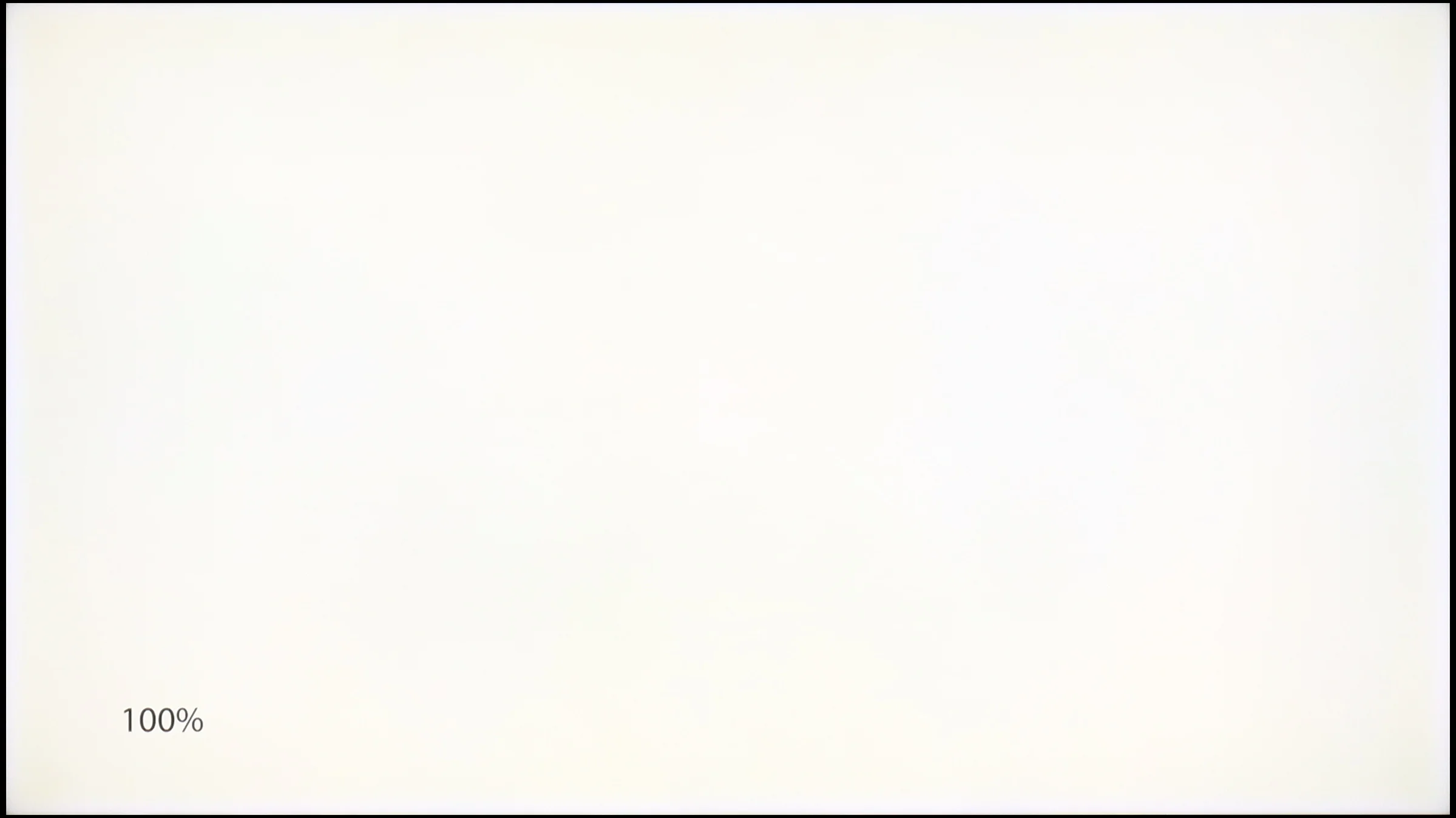
Panel uniformity and thermal imaging:
Hisense U7S Pro
TCL RM7L
TV features
9.4/10
7.8/10
- SystemVIDAAGoogle TV
- System performanceGoodGood
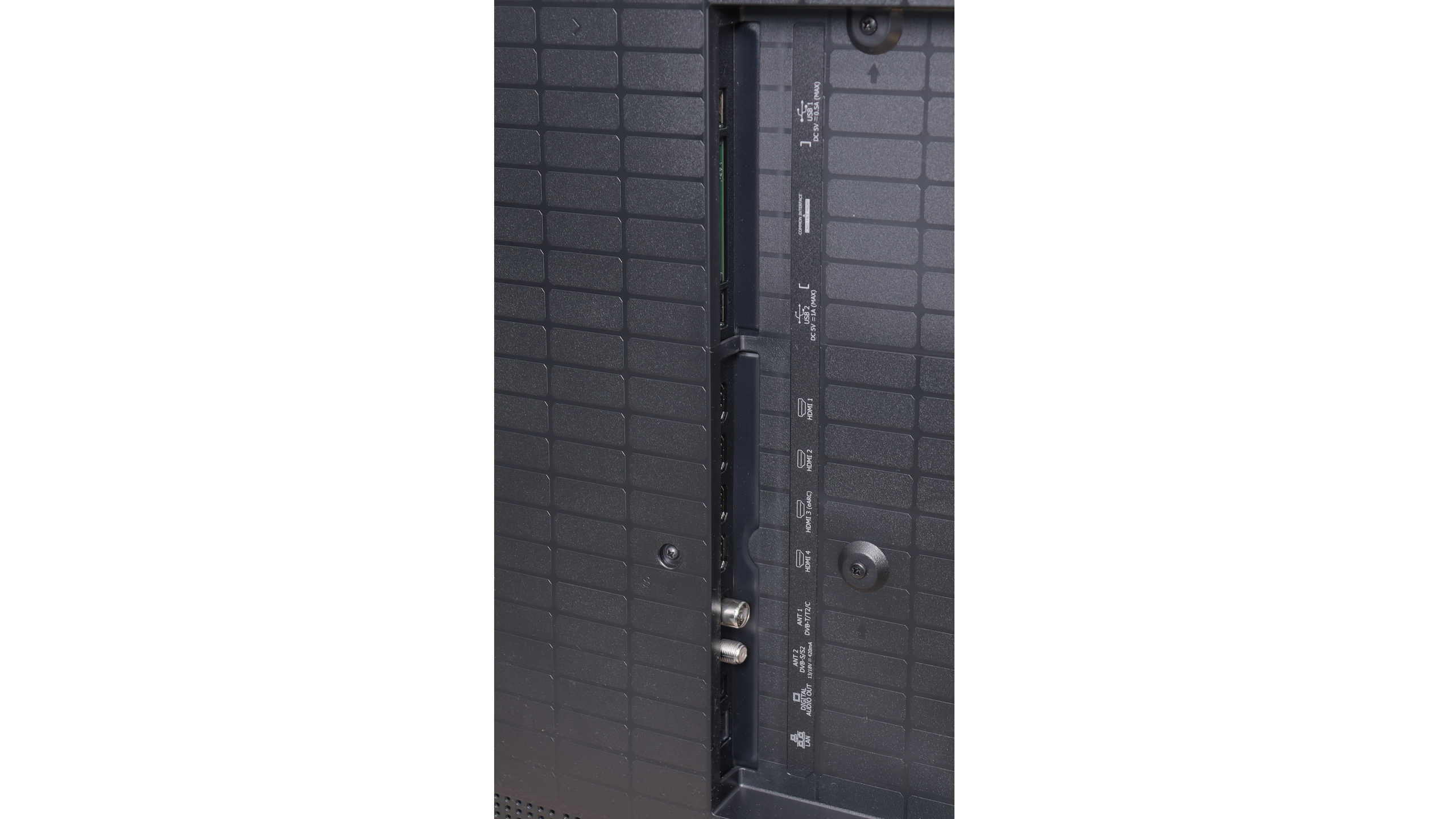
- HDMI inputs0 x HDMI 2.0, 4 x HDMI 2.1 48Gbps2 x HDMI 2.0, 2 x HDMI 2.1 48Gbps
- OutputsToslink (Optical audio), eARC (HDMI), ARC (HDMI)Toslink (Optical audio), eARC (HDMI), ARC (HDMI)
- Network InterfacesWi-Fi 2.4GHz, Wi-Fi 5GHz, Ethernet (LAN) 100MbpsWi-Fi 2.4GHz, Wi-Fi 5GHz, Ethernet (LAN) 100Mbps
- TV receptionDVB-T, DVB-T2, DVB-S, DVB-S2, DVB-CDVB-T, DVB-T2, DVB-S, DVB-S2, DVB-C
Classic features:
- Recording to USB (terrestrial TV)
- Recording programming
- Picture in Picture (PiP)
- RF remote control (no need to aim)
- Backlit remote control
- Teletext
- Audio only mode
- Bluetooth headphones support
- Simultaneous Bluetooth headphones & TV audio
Smart features:
- AirPlay
- Screen mirroring (Windows Miracast)
- Voice search
- Voice search in native language
- Ability to connect a keyboard and mouse
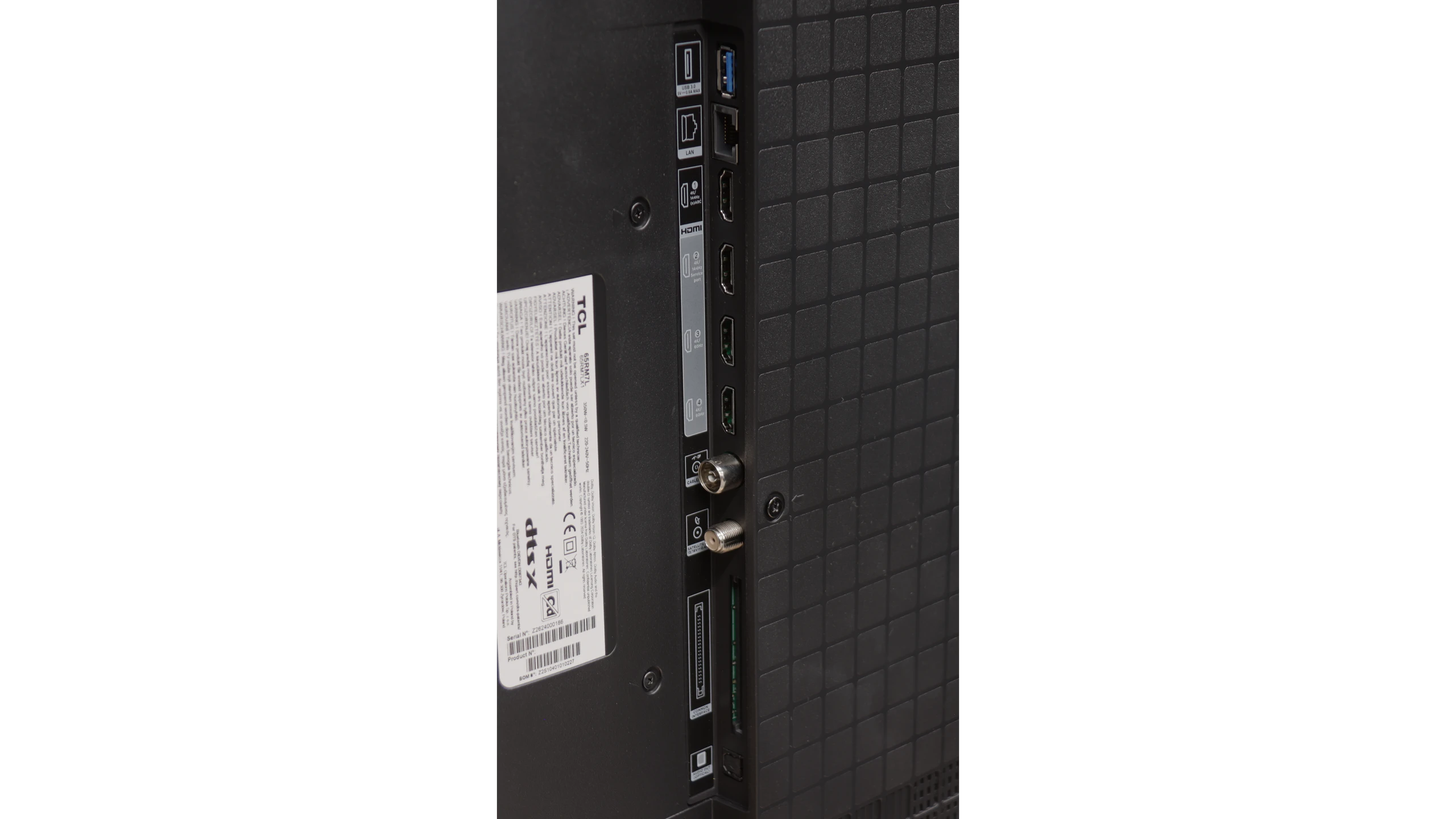
Sound connection options
- HDMI audioeARC (HDMI), ARC (HDMI)eARC (HDMI), ARC (HDMI)
- Other audio outputsToslink (Optical audio)Toslink (Optical audio)
- Wireless audioBluetoothBluetooth
Supported audio formats (external HDMI eARC audio):
- Dolby Digital Plus 7.1
- Dolby True HD 7.1
- Dolby Atmos in Dolby Digital Plus (JOC)
- Dolby Atmos in Dolby True HD
- DTS:X in DTS-HD MA
- DTS-HD Master Audio
Senior accessibility
- Numeric keyboard on TV
- Font size adjustment
- Audio description
SmartTV: Vidaa / HomeOS
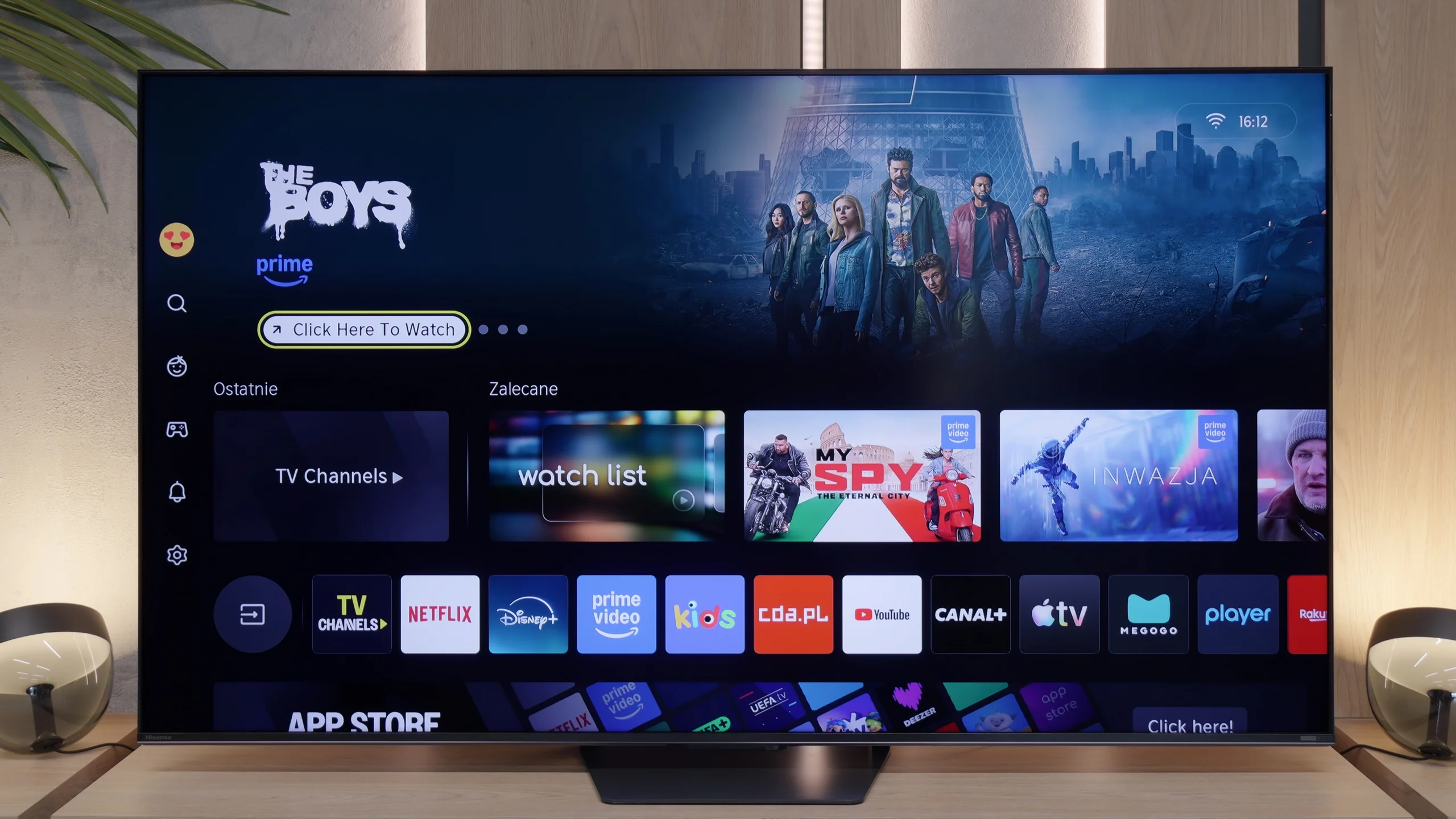
The Hisense U7S Pro, on our European market, conventionally uses its own proprietary system. This year Vidaa underwent a rebranding and changed its name to "HomeOS". As for the look of the system itself, there aren't any major changes; instead of purple accents there are simply yellow ones. The system itself runs really smoothly and is very responsive. The TV supports all the typical Smart TV features, such as AirPlay, screen mirroring, and voice search. Interestingly, the new voice assistant is based on artificial intelligence, so its answers are primarily AI-driven. The only fault you can find with Vidaa is that it doesn't offer the widest app library. At least that's the case at the time of writing this review, in May 2026. (App list at the bottom.)
TV "features"
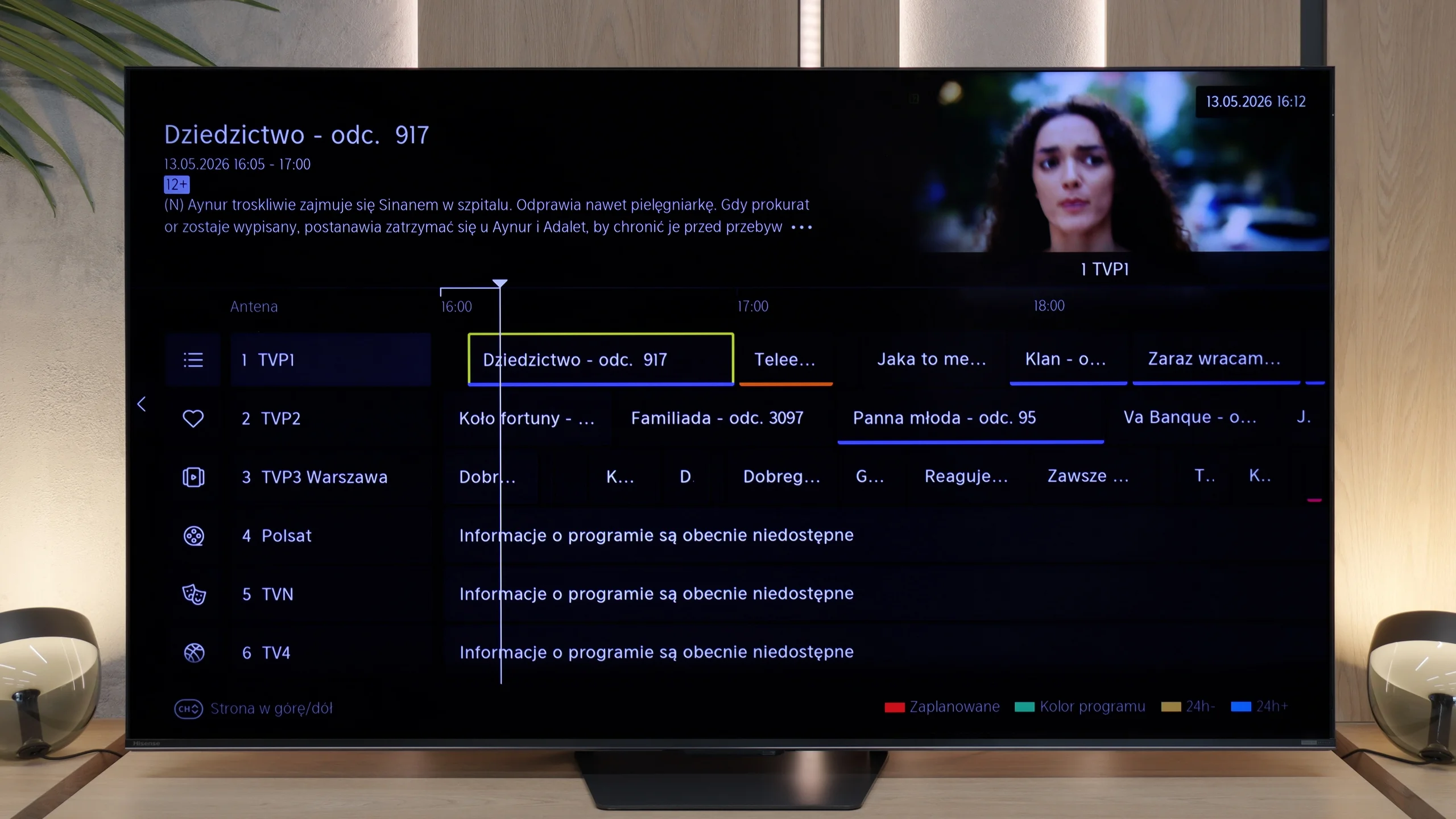
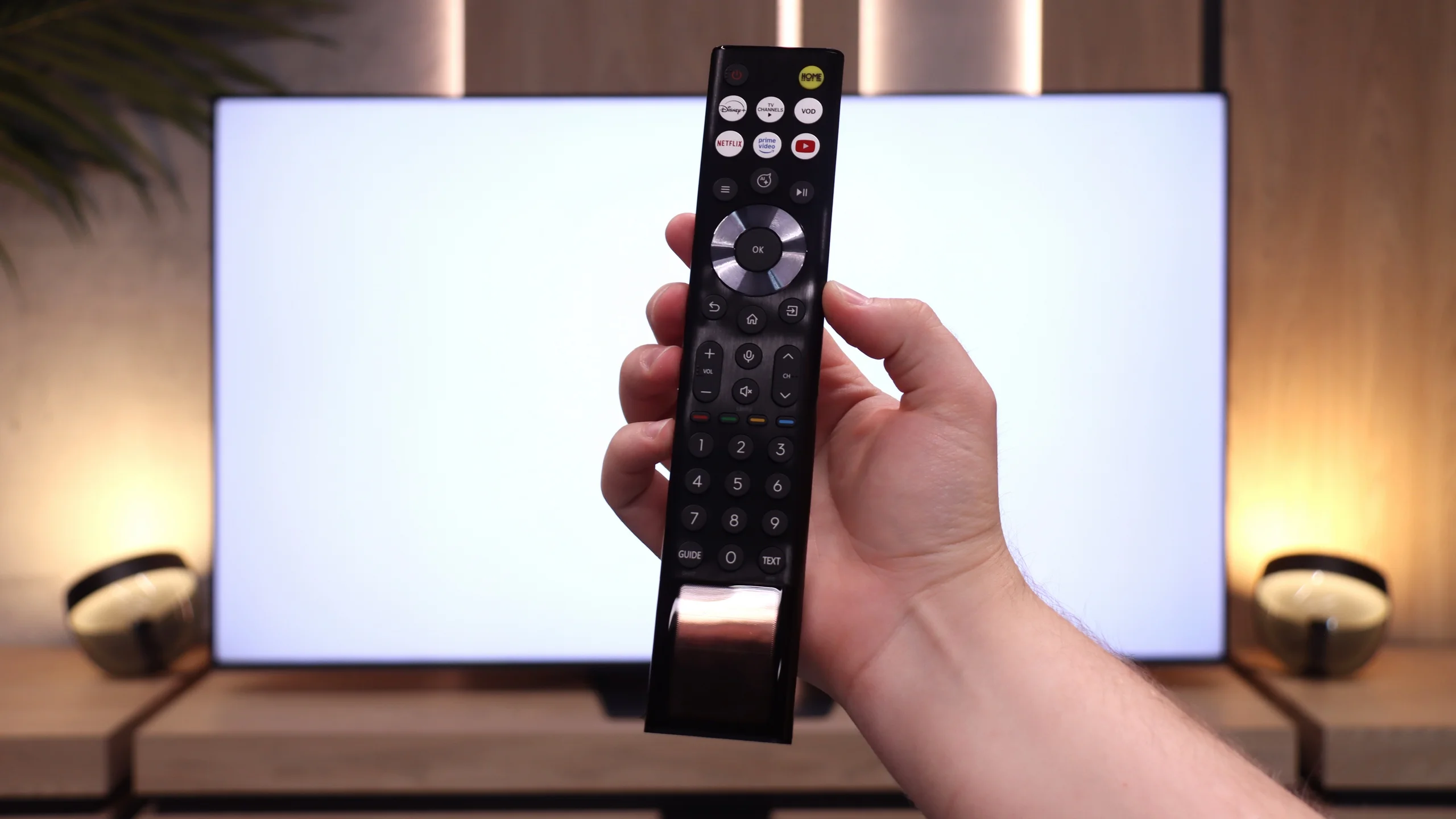
The U7S Pro also works well as a classic TV for watching traditional broadcasts, mainly thanks to the remote with a physical numeric keypad that's included. With it you can quickly and easily type in the number of the channel you're interested in. In the evenings you don't have to fumble around, because the main key area of the remote is backlit. You also don't have to worry about batteries. The remote is equipped with a solar panel, and if needed it can simply be charged with a cable via the USB-C port. It's also worth adding that the HomeOS system (that is, Vidaa) offers the ability to record programs from the built-in tuner directly to a USB-connected flash drive or disk, and also to schedule recordings. That's a big plus, because this feature is now fairly rare, and it will certainly please people who use over-the-air TV.
Smart TV features
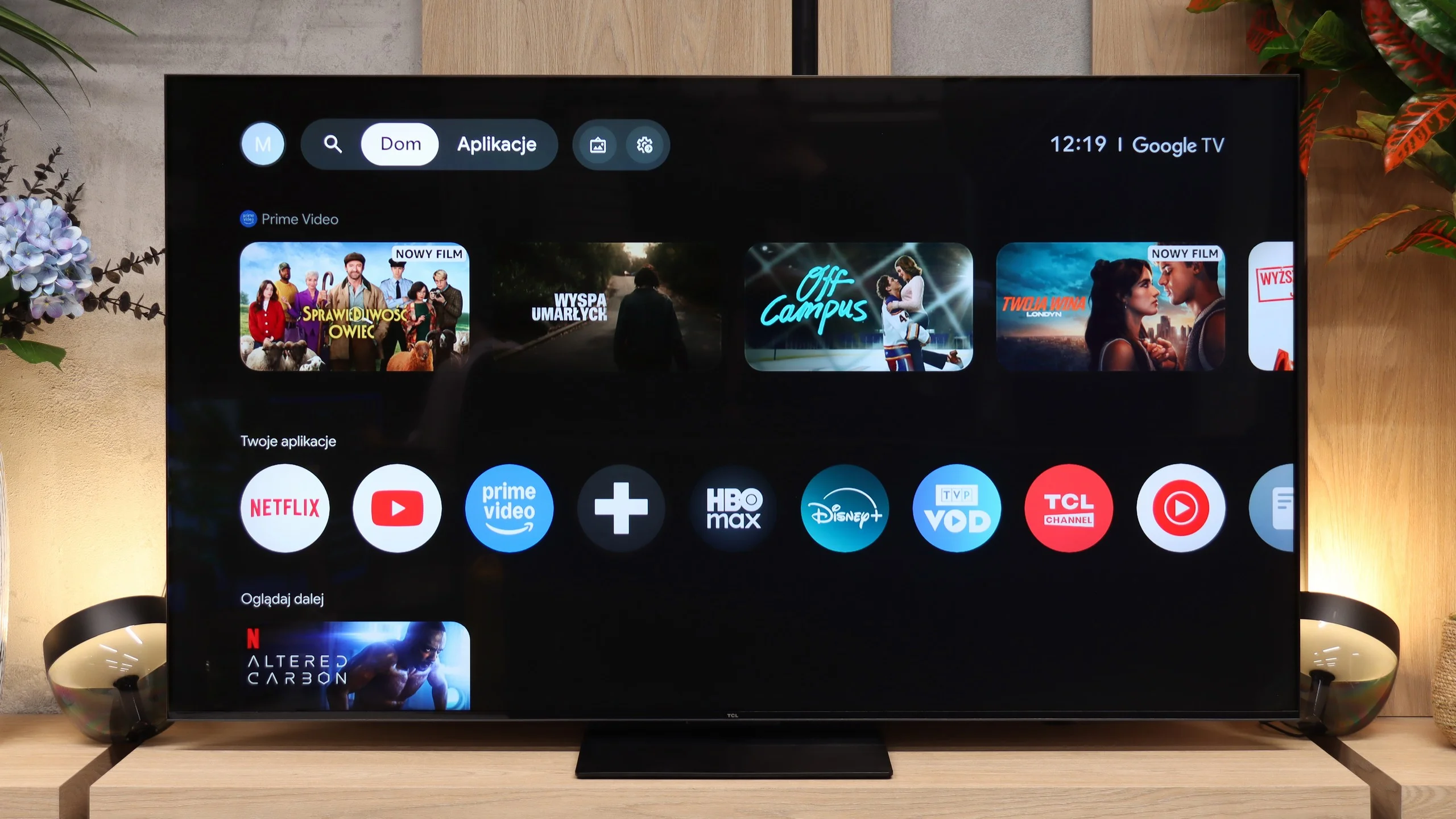
The RM7L runs on Google TV, and that's great news because it's one of the most polished systems on the market today. The store has pretty much everything: from major streaming platforms to lesser-known apps, so you really don't have to worry about a lack of content. On board we also have the classics, Chromecast and AirPlay, which let you easily cast your phone's screen to the big display. An interesting change is the replacement of the previous Google Assistant with Gemini. The new "artificial brain" better understands natural speech and can respond to questions much more sensibly. Everything runs smoothly and delivers exactly what we expect from a TV today.
Traditional TV
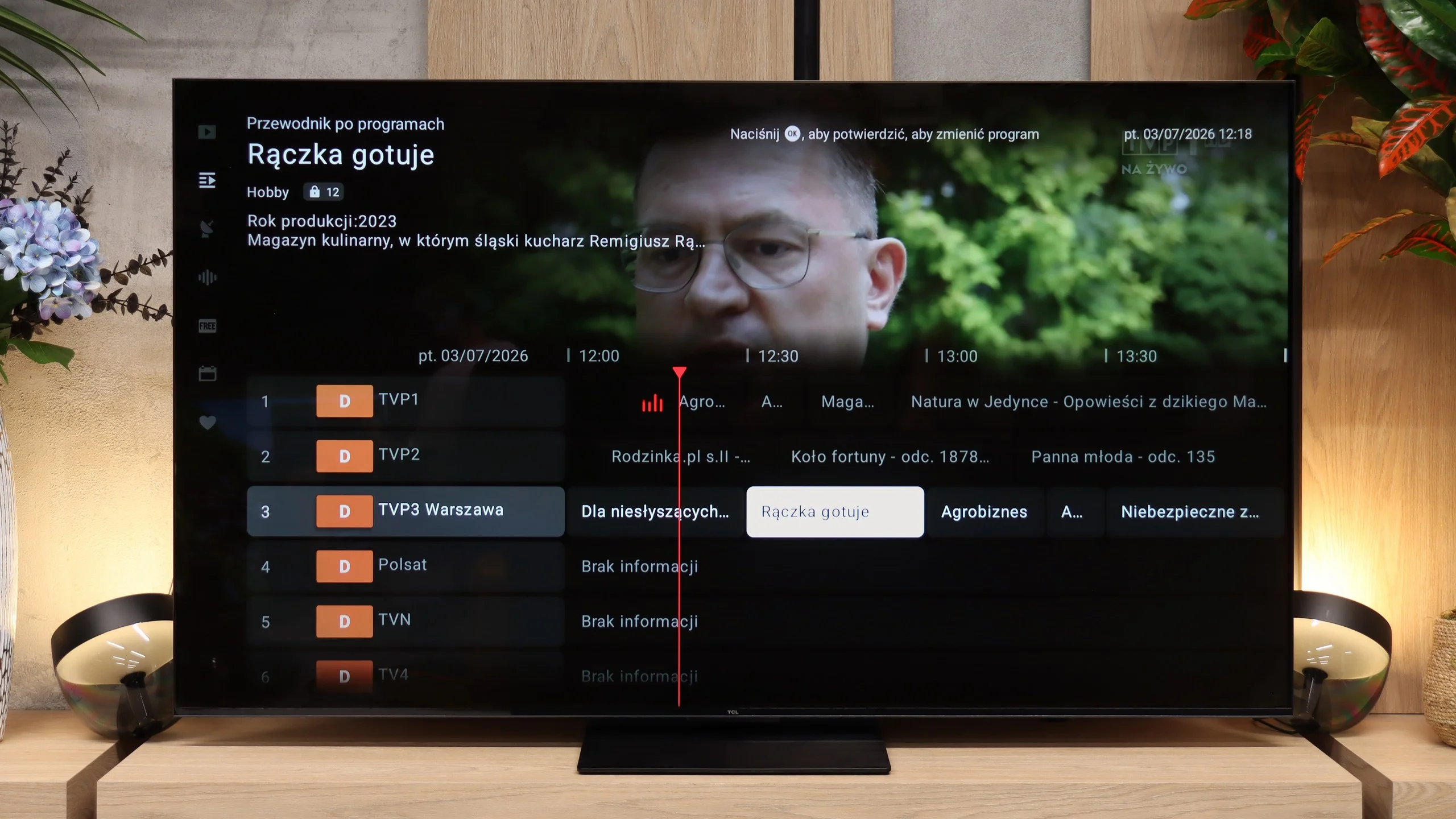
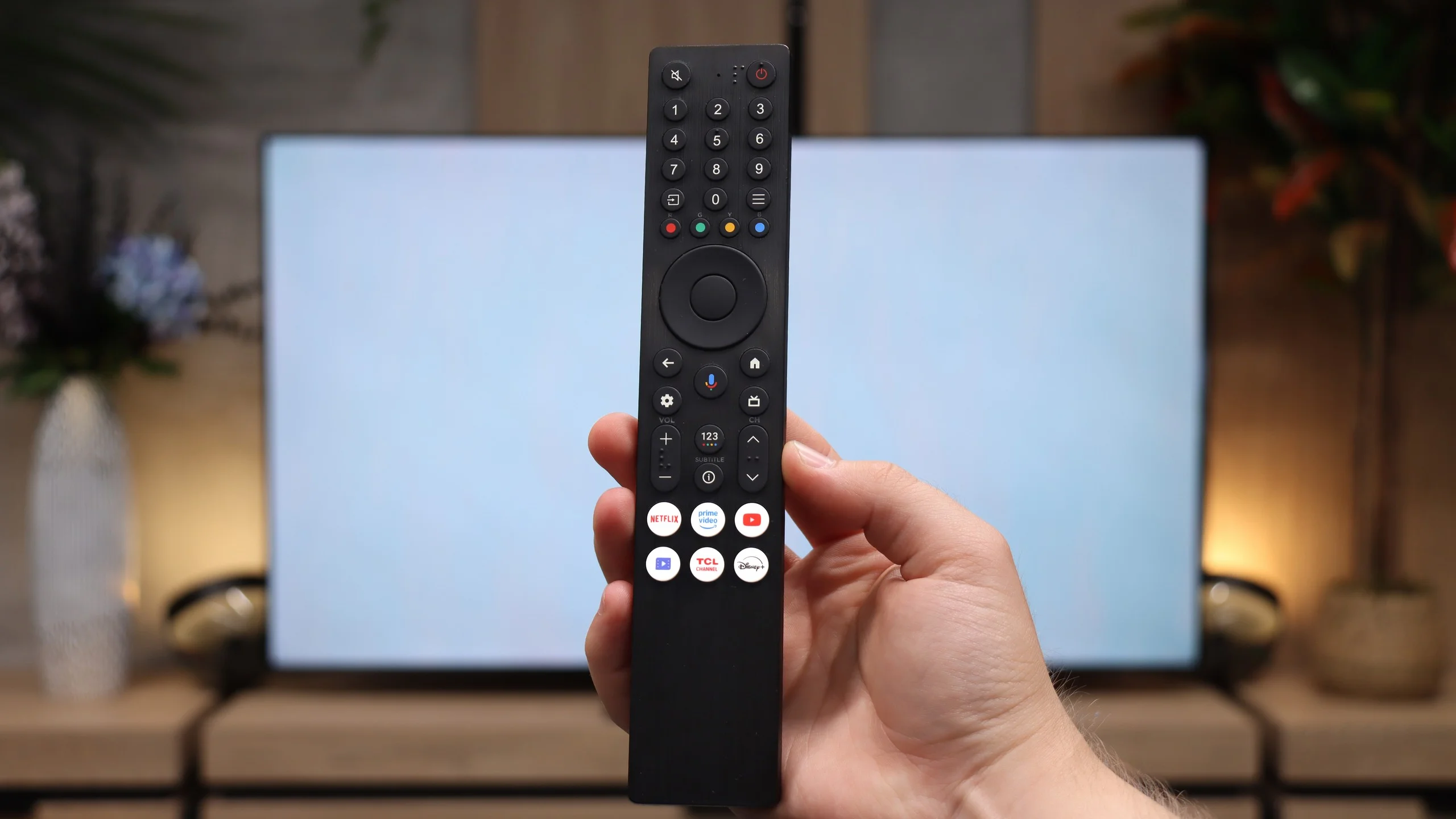
If someone prefers channel surfing to streaming, they'll be pleased by the inclusion of a traditional remote. It has a full numeric keypad and plenty of physical buttons, so operating the TV is quite straightforward without having to dig through on-screen menus. When it comes to the TV's features, it's simply solid. The program guide (EPG) and channel switching work flawlessly, although you won't find any extra features like PiP or PVR.
Apps
8.3/10
9.6/10






















Playing files from USB
8.3/10
9.4/10
Supported photo formats:
Maximum photo resolution:
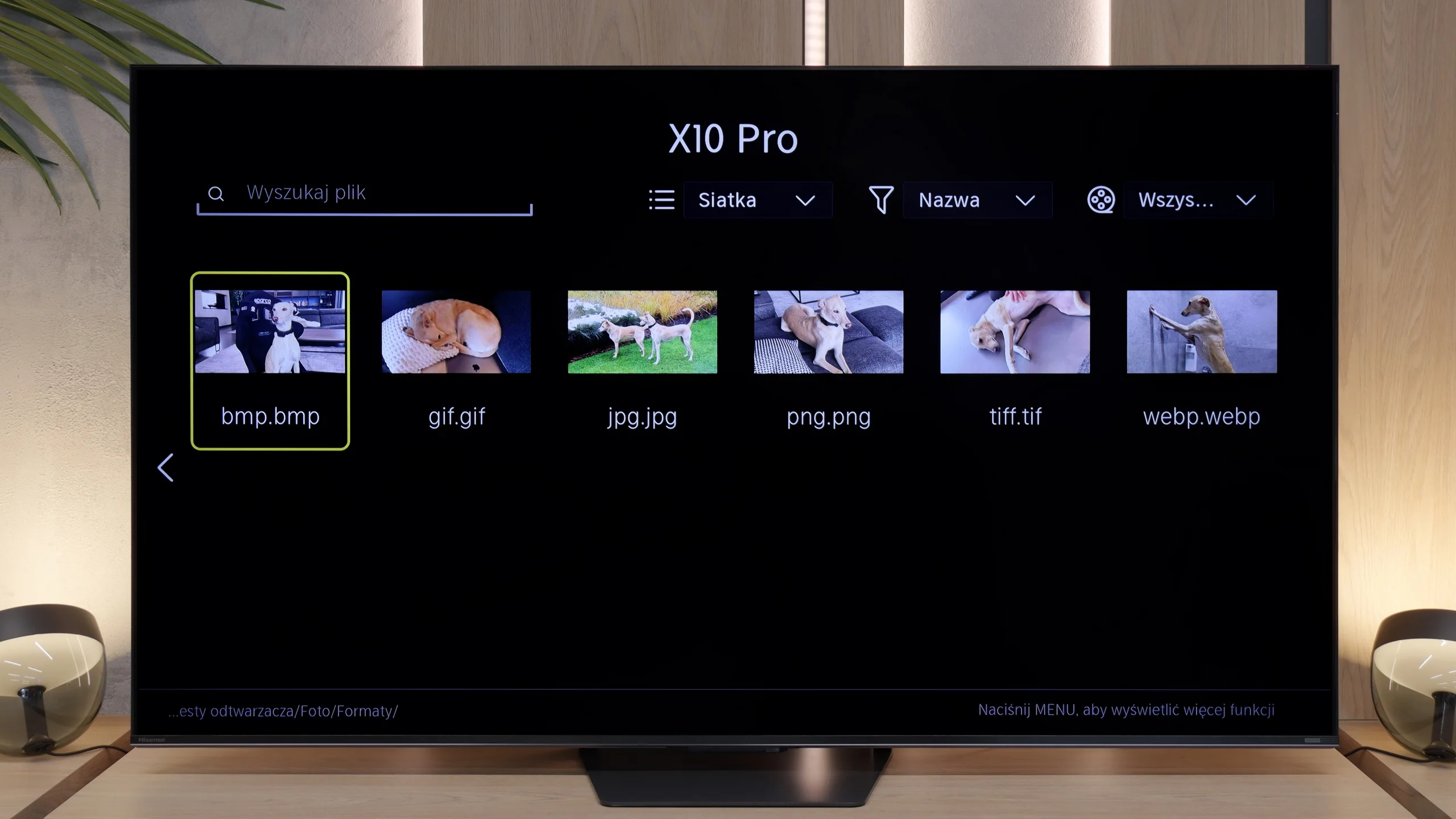
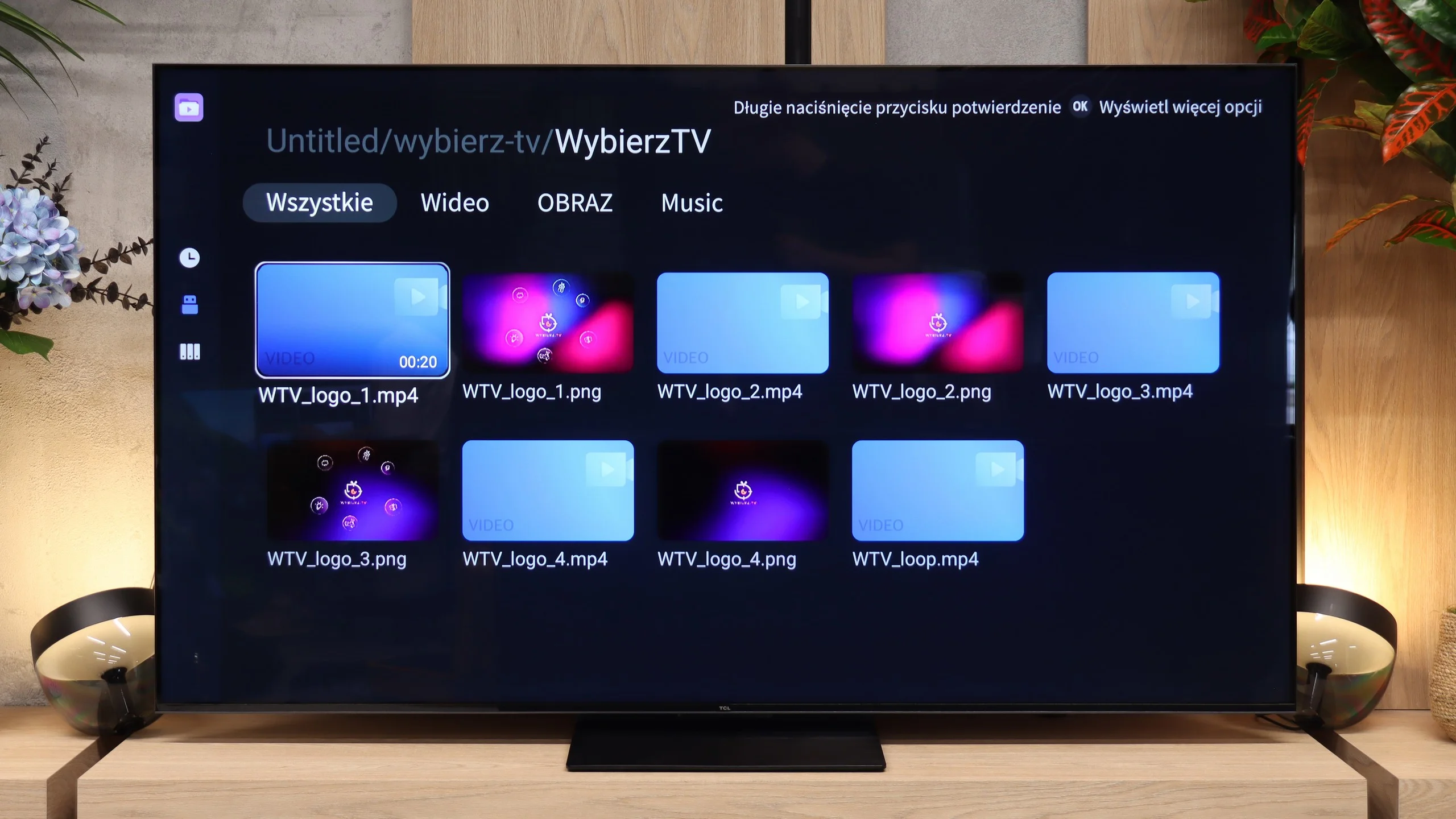
Playing files from a USB flash drive on the U7S Pro is not a problem. The TV handles the vast majority of photo, audio, and video files with no trouble. However, we have reservations about the supported photo resolution, which is fairly limited. It's worth remembering, because during testing photos with resolutions such as 12, 20, or 24 MP simply wouldn't play in the built-in player.
The RM7L's built-in file player performs very well. The TV had no trouble with most of the test material, whether movies, photos, or music. Shortcomings do occur, of course, but they mostly involve less common formats. In practice, most people will be fine without installing an additional media player.
Sound
7.8/10
7.8/10
- Maximum volume85dB88dB
- Dolby Digital Plus 7.1
- Dolby True HD 7.1
- Dolby Atmos in Dolby Digital Plus (JOC)
- Dolby Atmos in Dolby True HD
- DTS:X in DTS-HD MA
- DTS-HD Master Audio
The audio in the U7S Pro is really good and certainly above average. Hisense changed the cabinet design compared with the U7Q Pro, and now there is a built-in subwoofer on the back, which makes the bass clearly audible. The Chinese manufacturer has been heavily promoting this year's collaboration with engineers from Devialet, who handled the audio tuning for this model. Proof of that is the aforementioned logo on the cabinet. The only thing to criticize is the TV's behavior at maximum volume. At maximum volume (set to 100%), the cabinet vibrates unpleasantly and you can clearly hear annoying plastic creaks. Fortunately, lowering the volume to around 80% completely eliminates the problem.
Unlike the higher C7L, C8L, or X11L series, the RM7L does not include an audio system branded by Bang & Olufsen. TCL went with an Onkyo speaker package supported by "Ultra Bass" technology. The difference is also visible in the build. Instead of metal covers, simpler plastic grilles were used. Does that affect sound quality? In our view, not as much as you might expect. The RM7L simply sounds good, with a slightly different tonal character than the C7L. Dialogues are clean and clear, and the TV can easily fill even a larger living room. The amount of low end is also a plus. For a TV at this level there’s a fair amount of bass and it doesn’t come across as completely flat. Our measurements confirm this. Maximum volume reaches about 88 dB, which is a very good result, and the frequency response remains relatively even. Only above roughly 7–8 kHz is there a more noticeable drop in output, so the top end isn’t as well emphasized. That said, for a TV in this class the RM7L delivers a surprisingly pleasant sound and most users won’t have much to complain about.
Sound Quality Test
Acoustic Measurements
85dBC (Max)
75dBC
88dBC (Max)
75dBC
Reader comments
Comments are provided by the external service Disqus (Zeta Global). Once loaded, Disqus may set cookies and process data about your activity.
We will remember your choice on this device. Provider's privacy policy