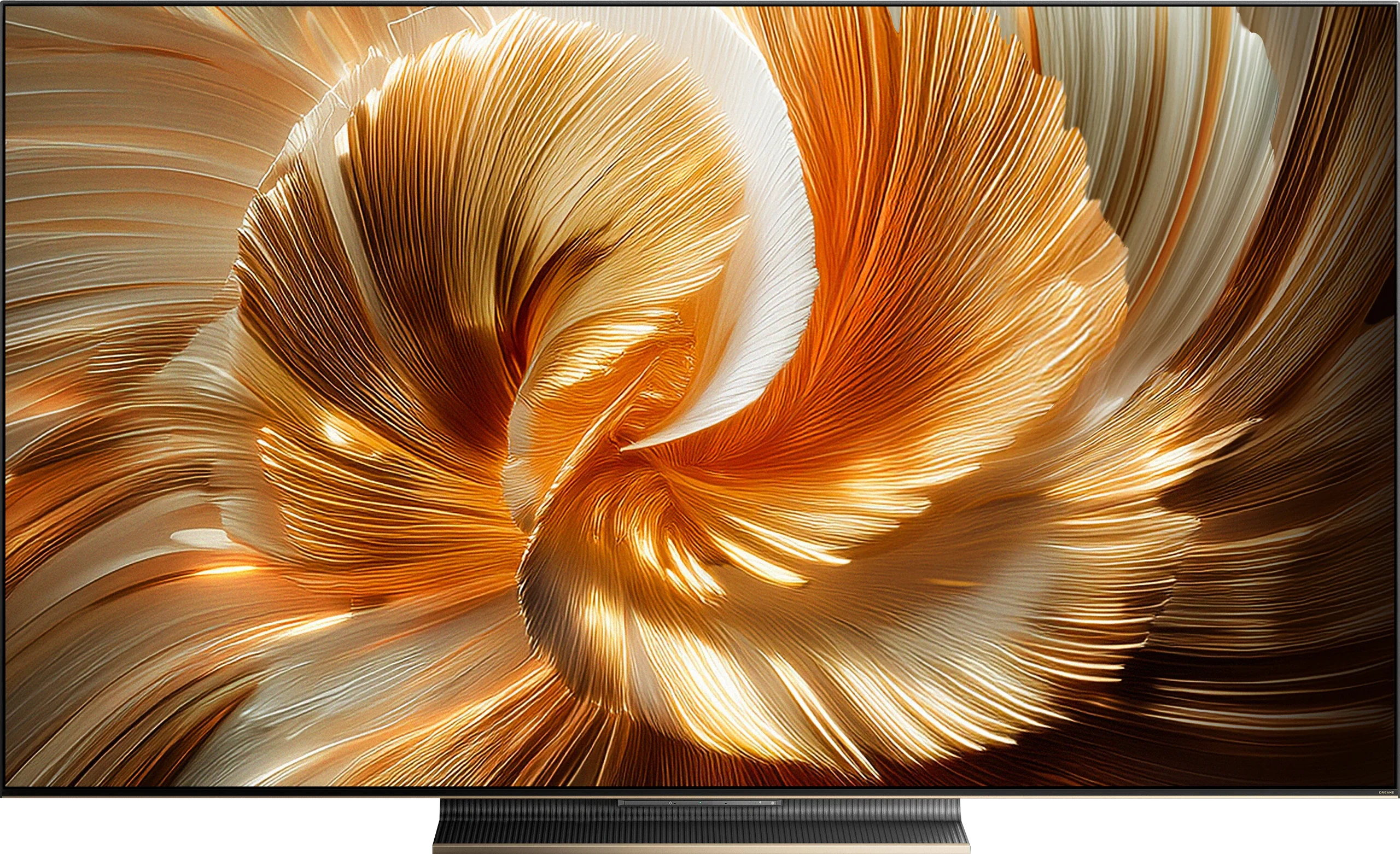
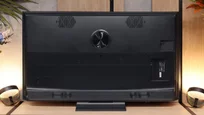
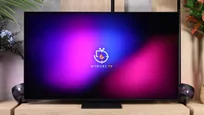
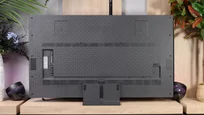
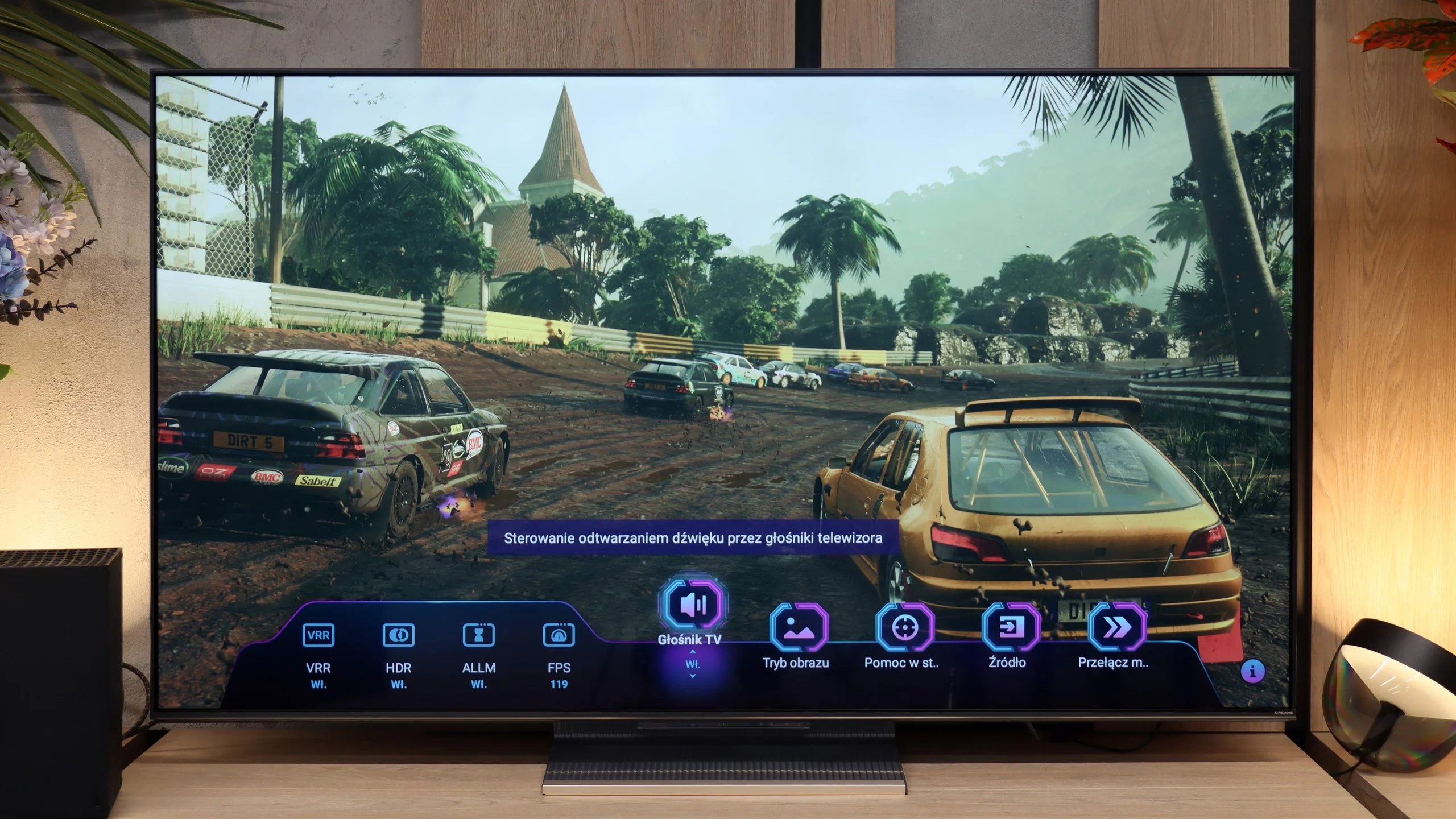
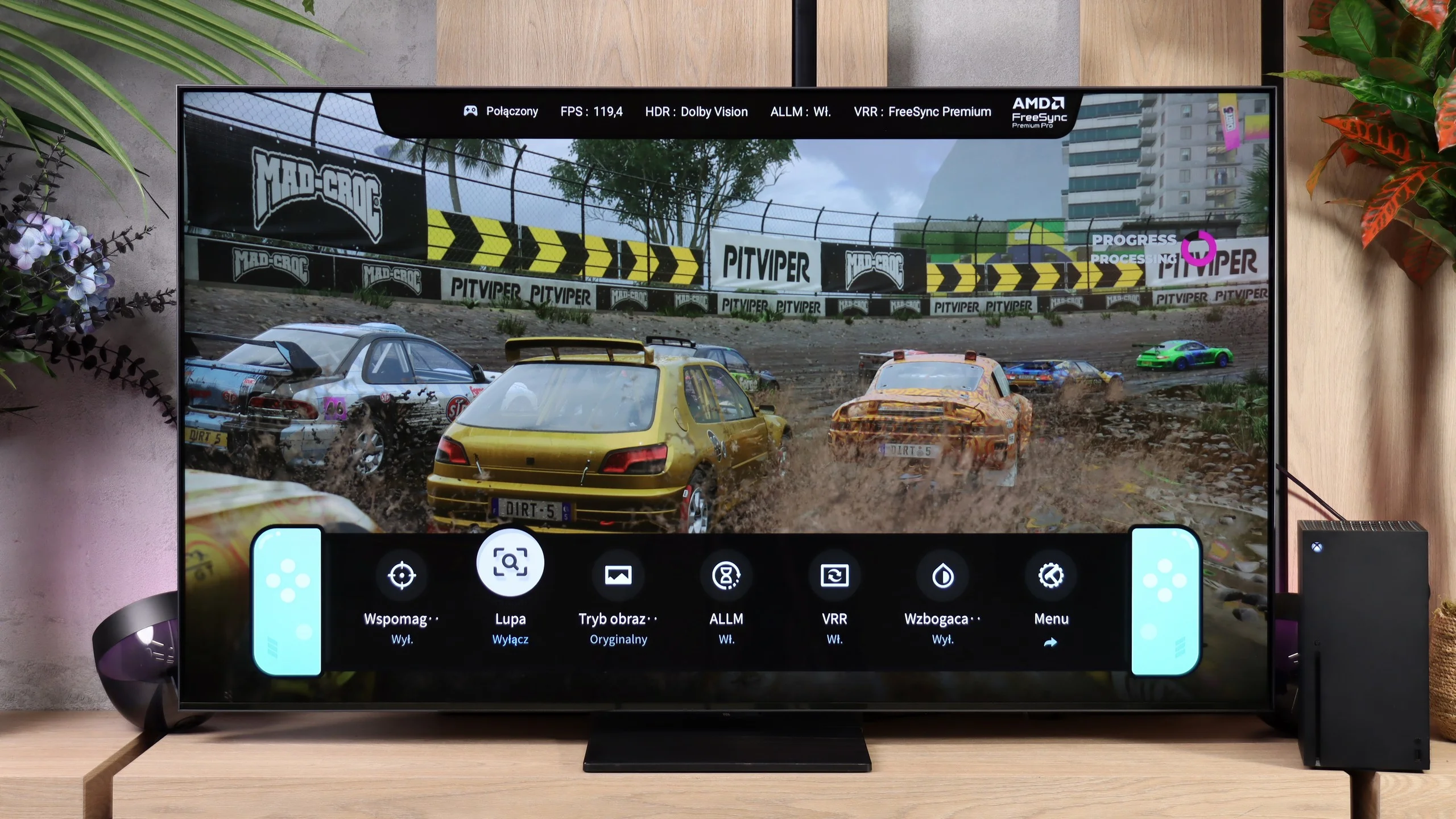
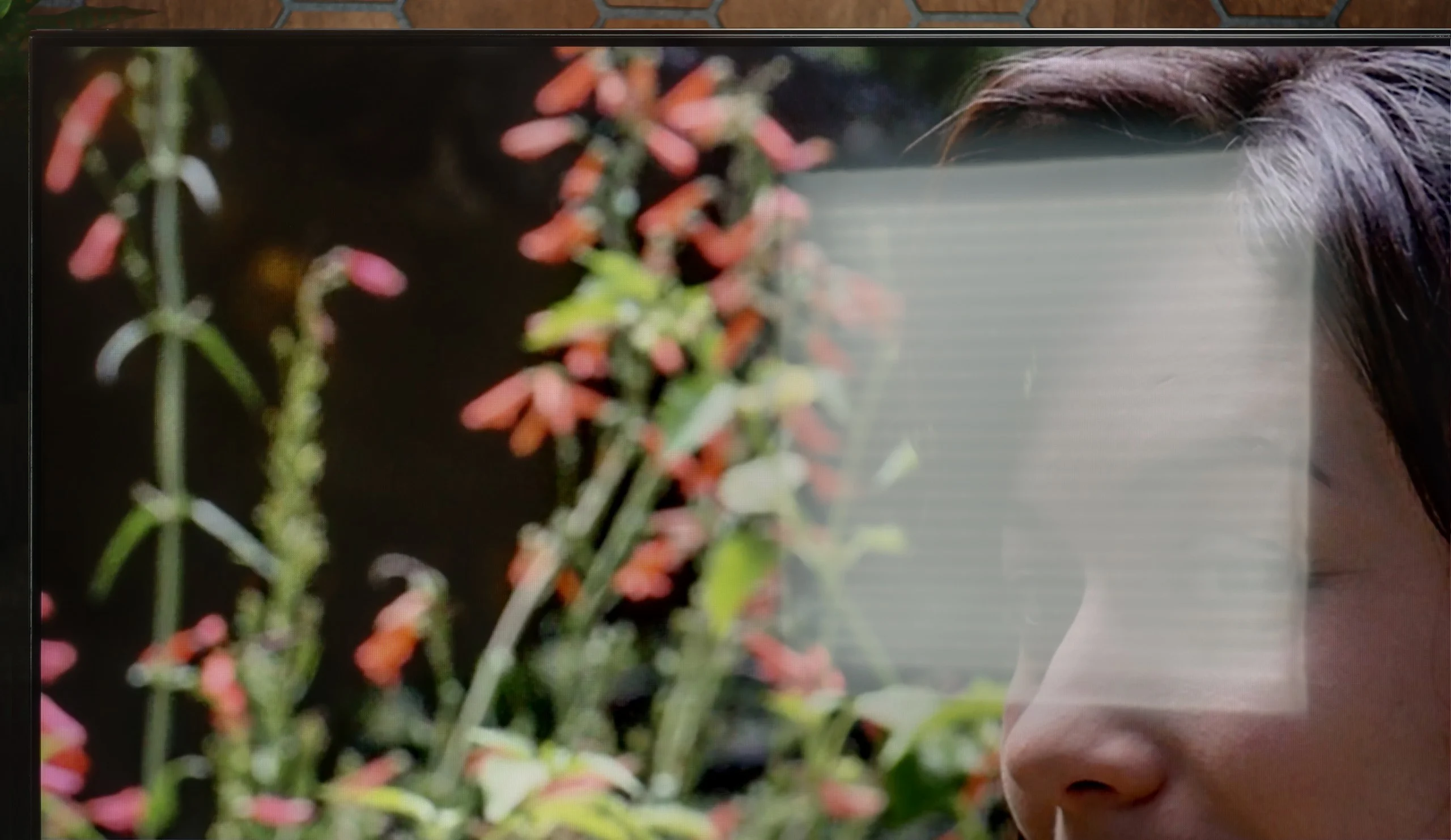
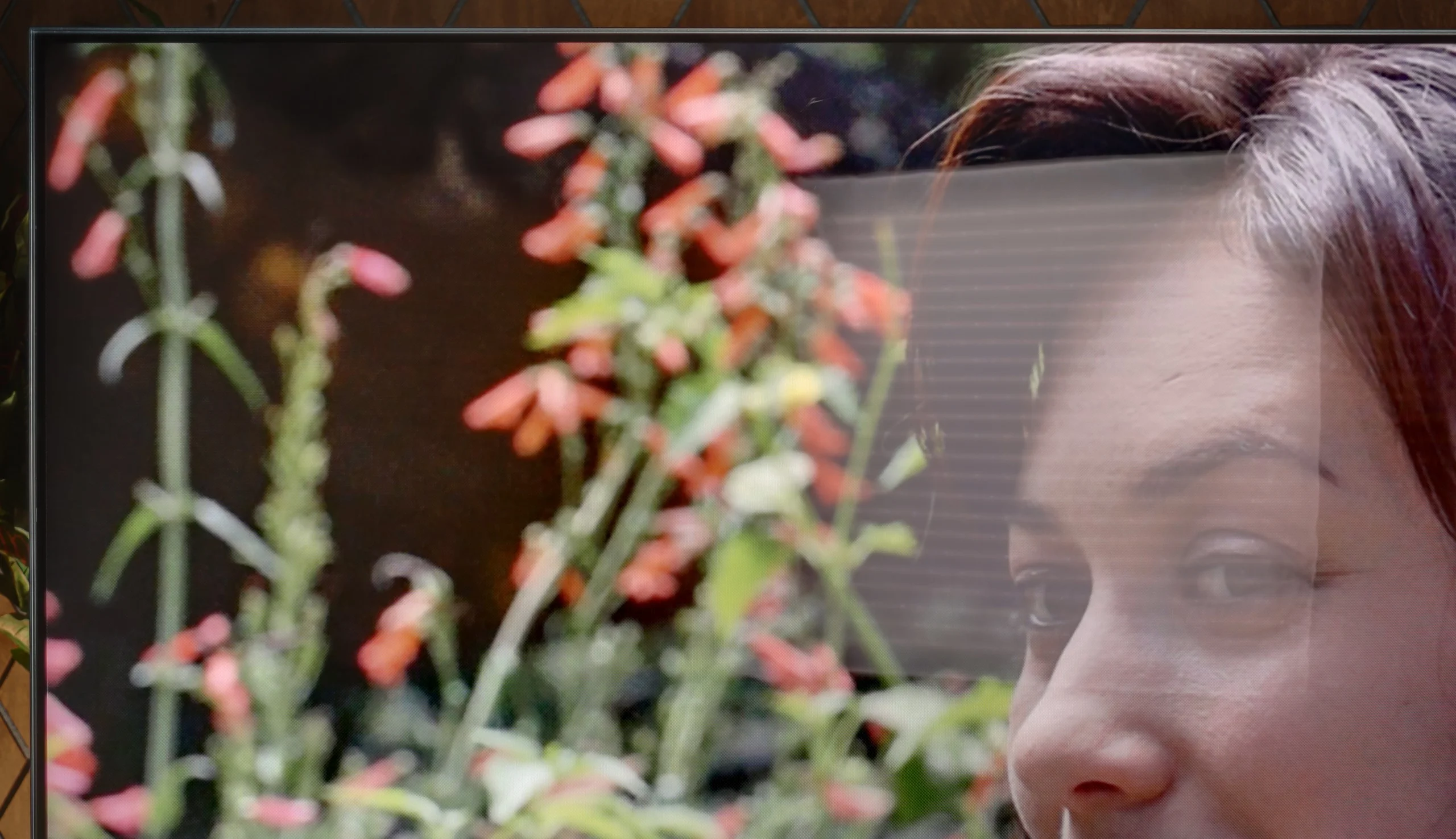
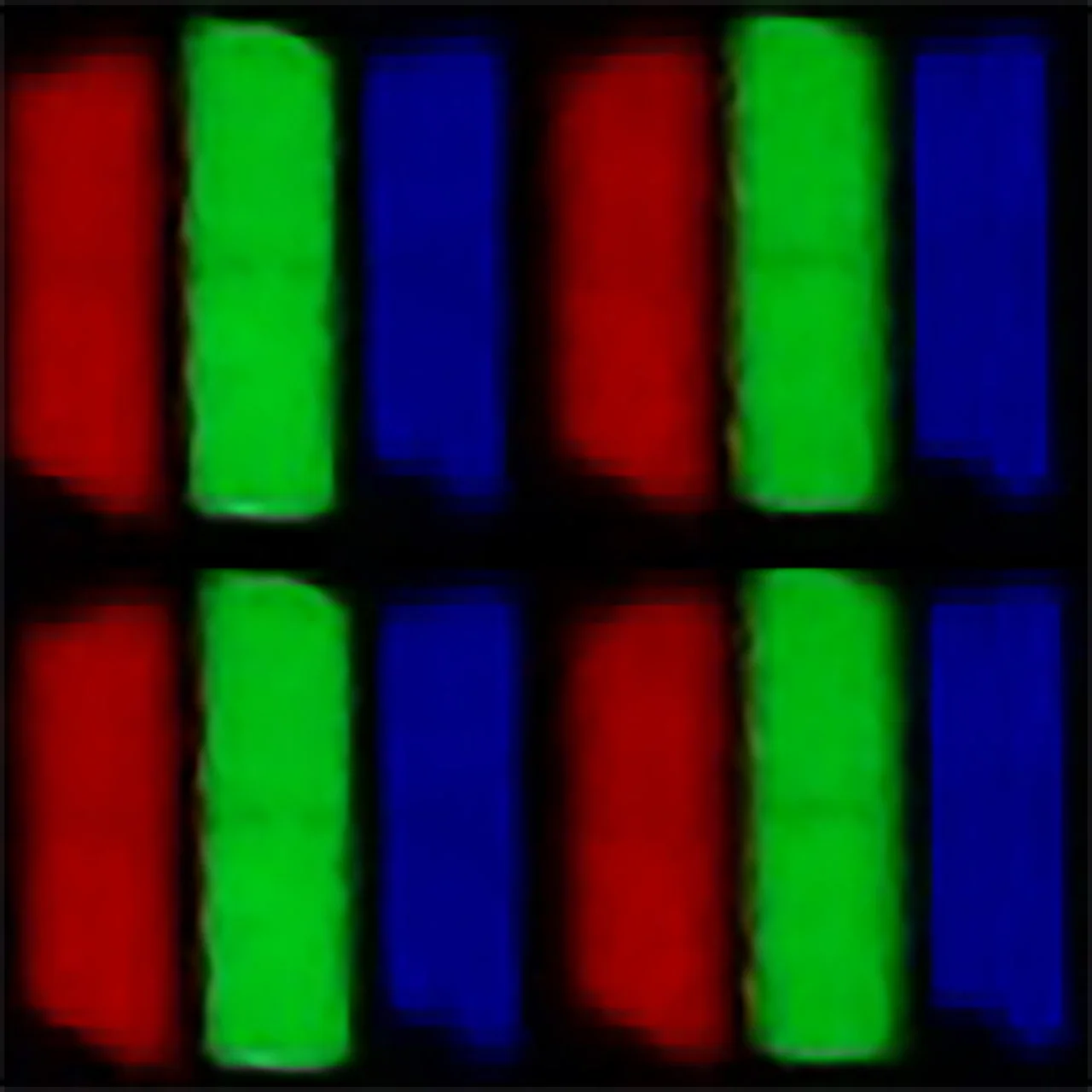
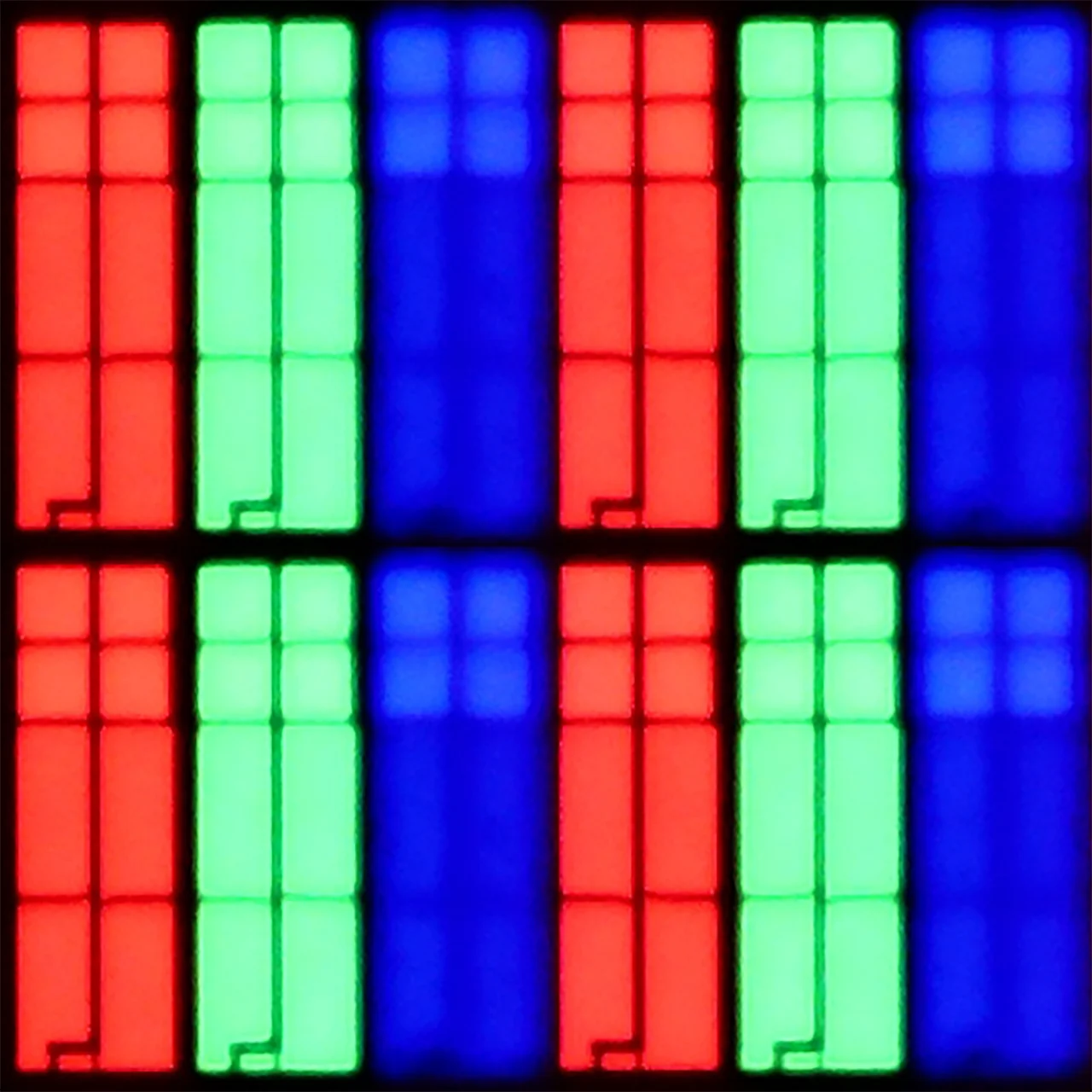
Dreame S100 is a successful, albeit still somewhat raw, debut in the Mini-LED segment. The hardware of the TV stands up for itself: the Mini-LED technology with local dimming provides deep and attractive blacks for the average viewer, while the IPS/ADS matrix offers brilliant viewing angles. This is an interesting combination, as it is extremely rare in the LCD TV segment, which will certainly please those with wide living rooms or large corner sofas. If we add to this a full package for gamers (HDMI 2.1, 144 Hz), the Google TV system with an almost endless number of applications, and a very powerful 4.1.2 sound system with a power of 70 W, which performs well above the market average, we get an incredibly versatile screen.
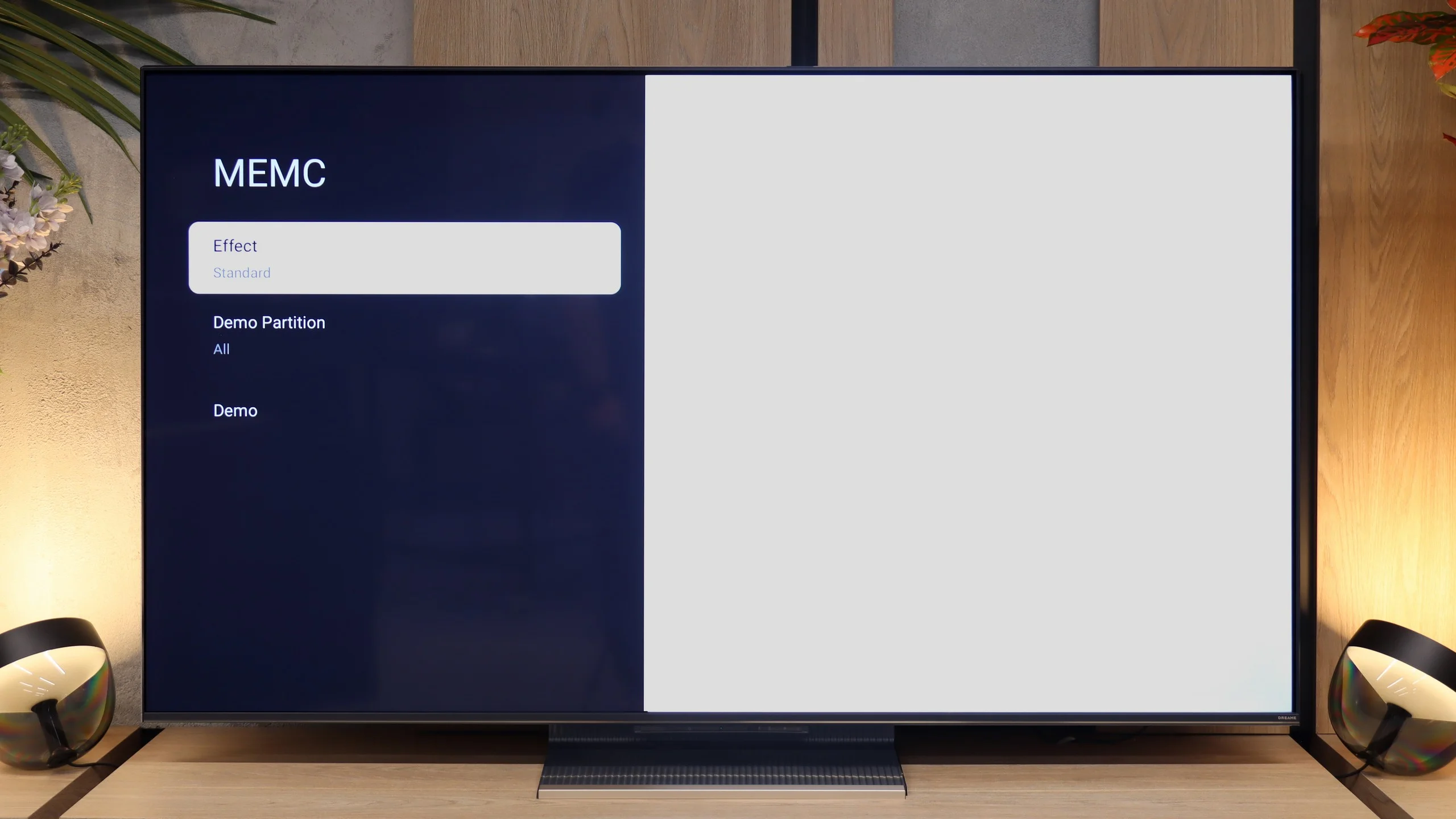
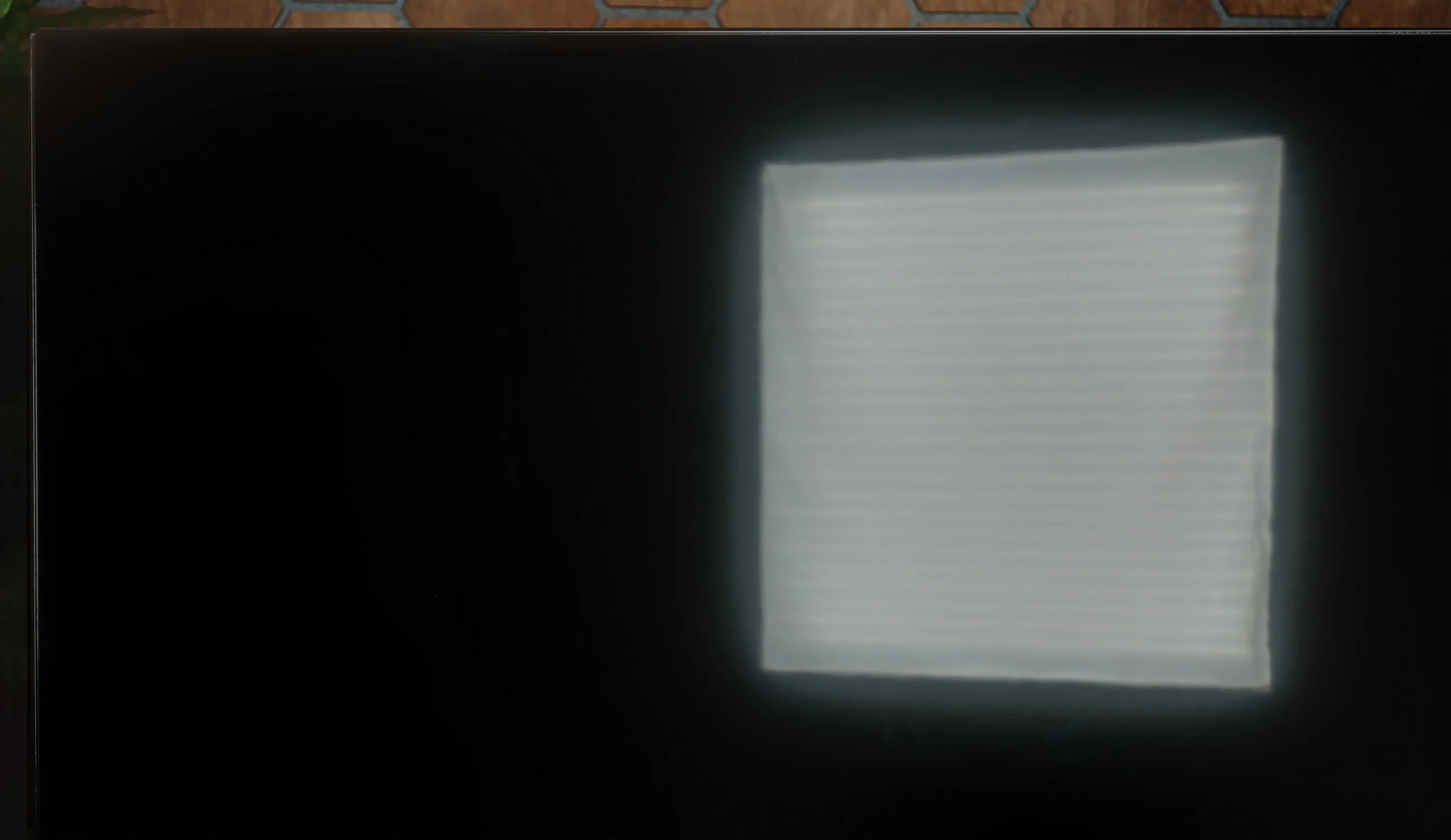
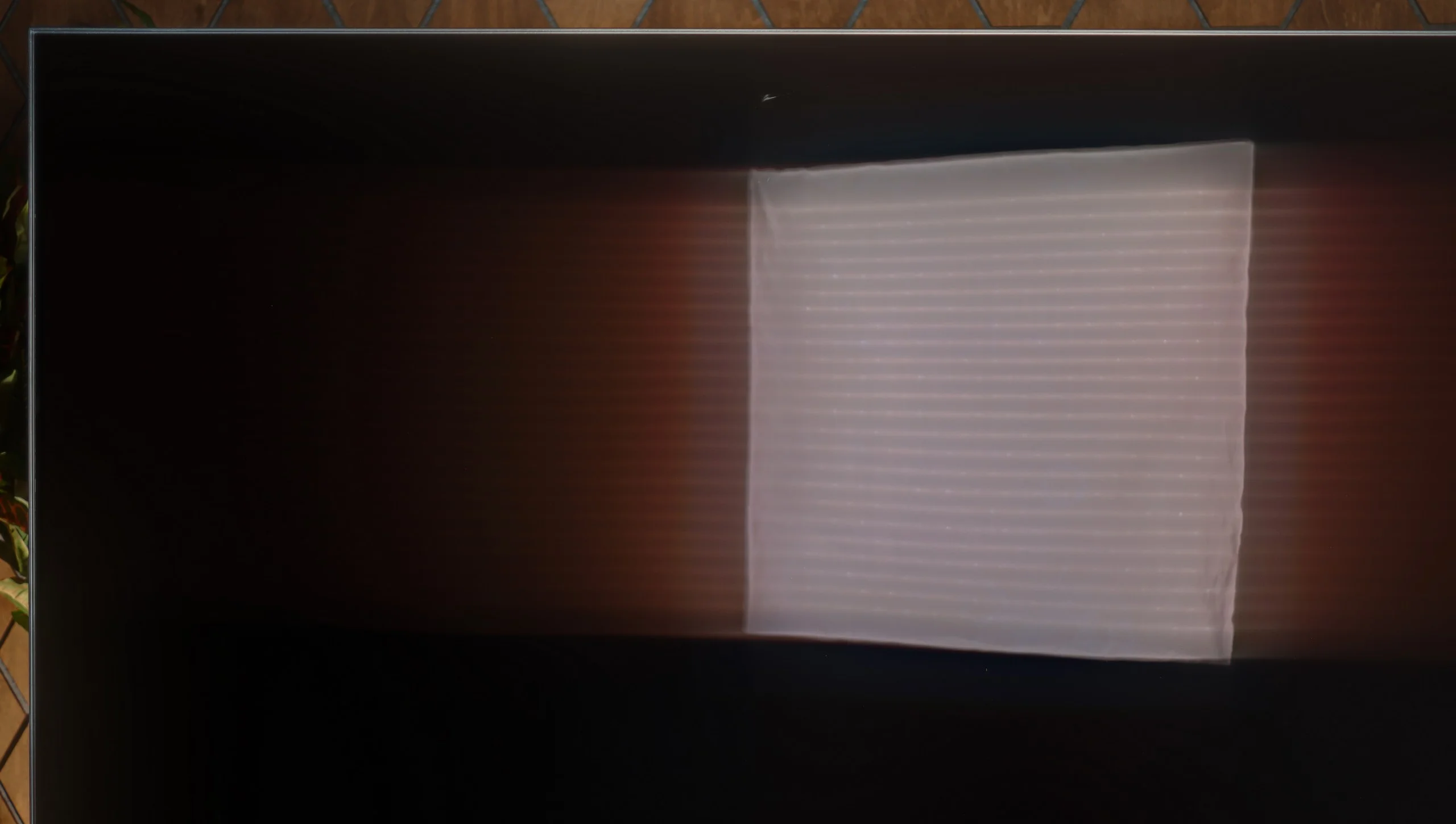
Where's the catch? In the software. Unfortunately, the Dreame S100 suffers from typical "growing pains" – the outdated processor doesn't quite handle advanced digital processing, and the local dimming algorithms can be irritating in more demanding scenes. Additionally, the Google TV system itself can occasionally experience slight stutters. So, if you're looking for a well-equipped Mini-LED for a wide living room and are willing to forgive it for minor system hiccups, which the manufacturer can fix with future updates – it's a very interesting option. The hardware potential is enormous, although the software still needs some final polishing.
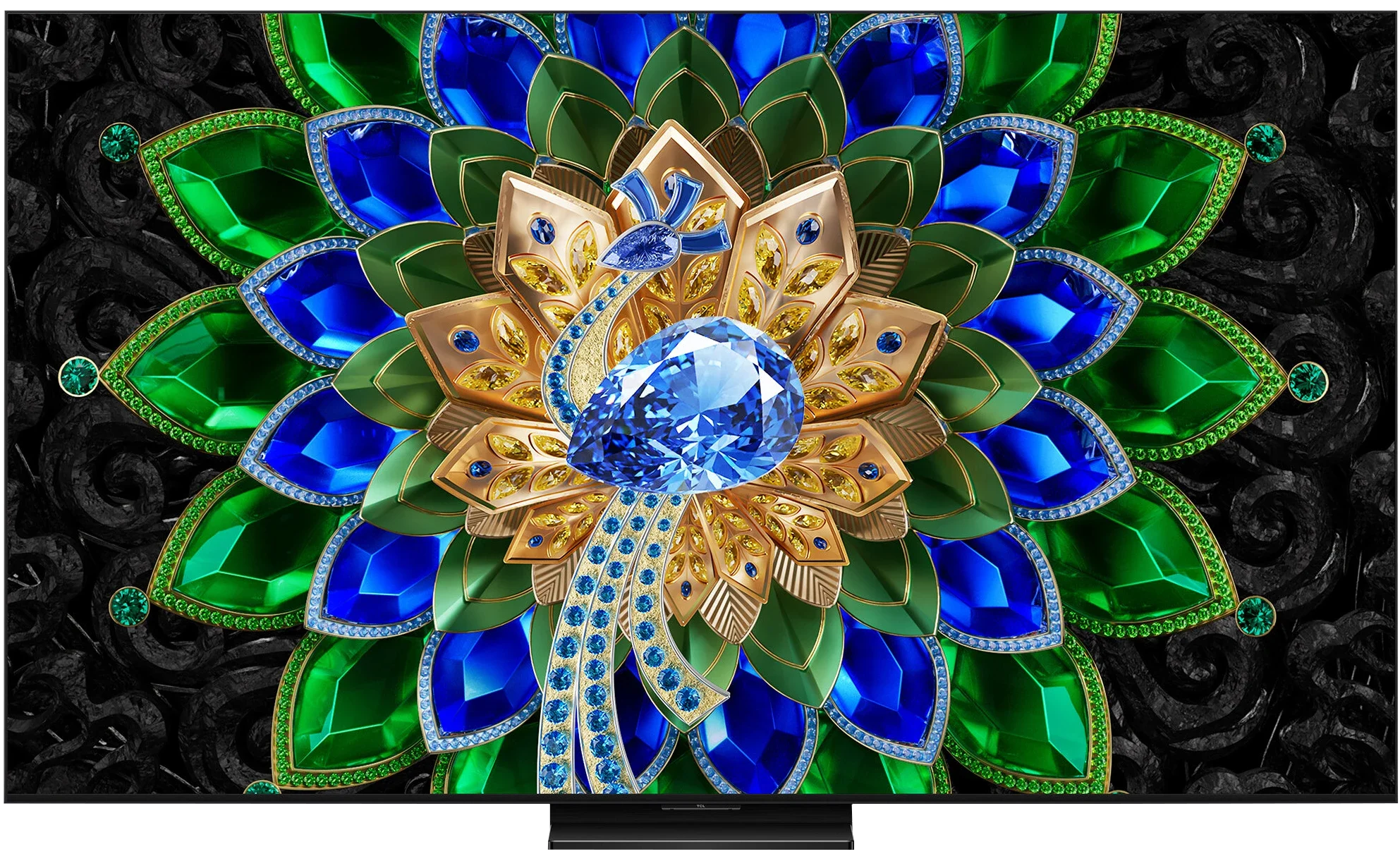
Is it worth buying the TCL A400U? Yes, because it’s one of those TVs where paying extra for a higher series doesn’t always make sense. In movies you get what you usually expect from a good TV: very good blacks, strong HDR impact and a natural image, especially after calibration. Brightness is also sufficient during the day, though because of the glossy panel it’s better not to place it opposite a large window. The whole package is completed by a slim, well-crafted chassis. The A400U doesn’t sell the picture-on-the-wall effect as convincingly as some “wallpaper” TVs, but as an elegant living-room set it looks very good.
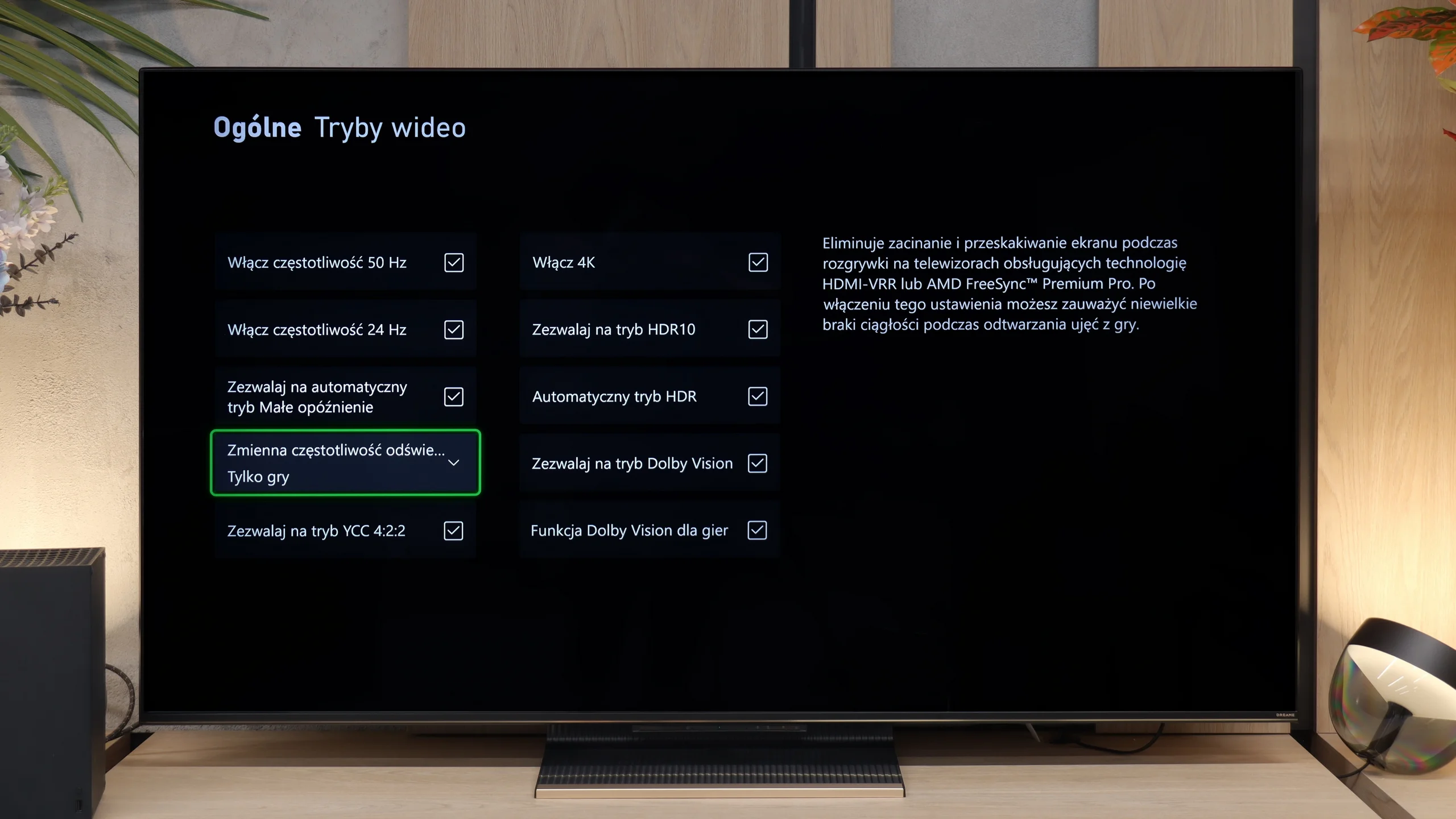
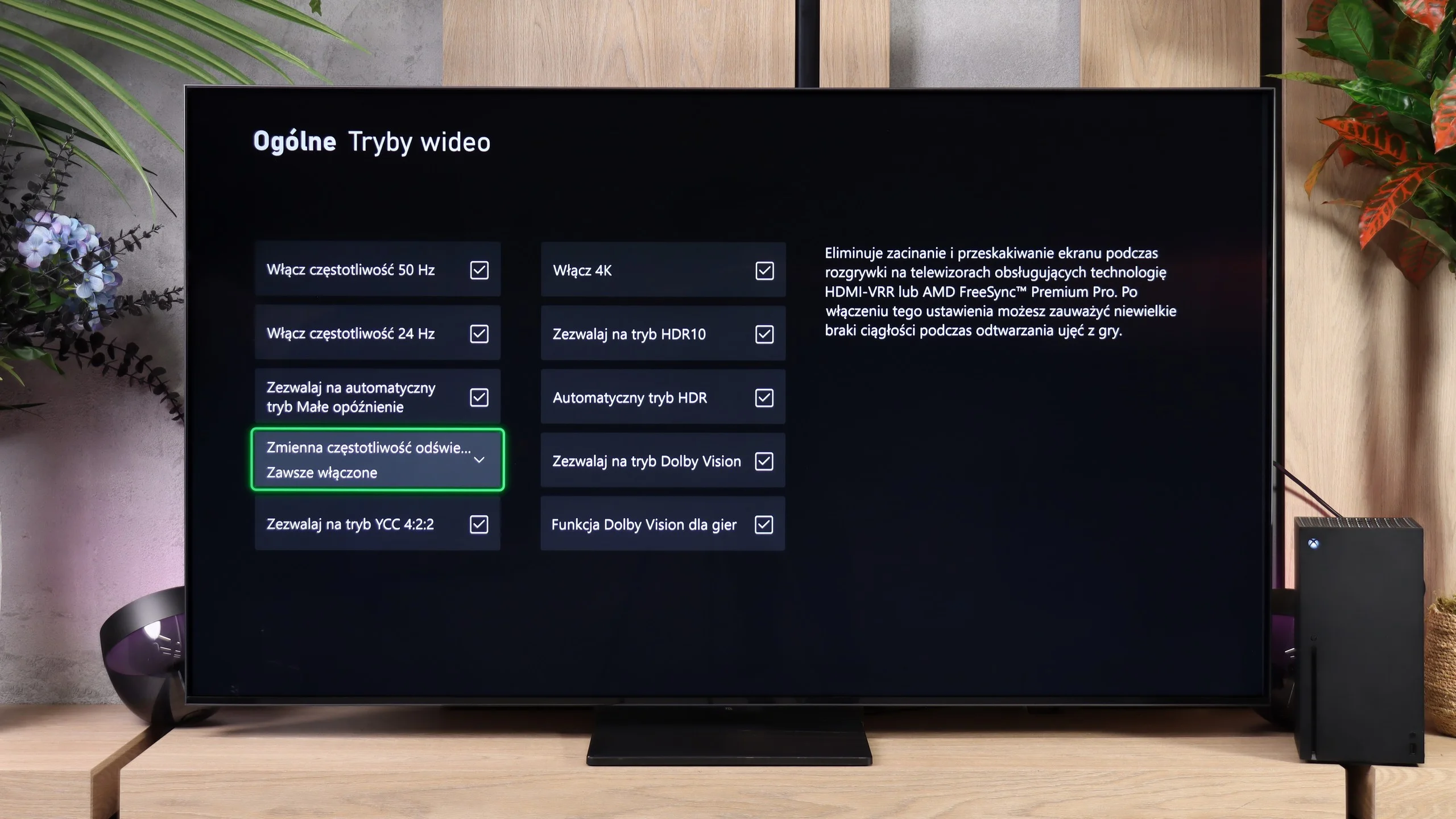
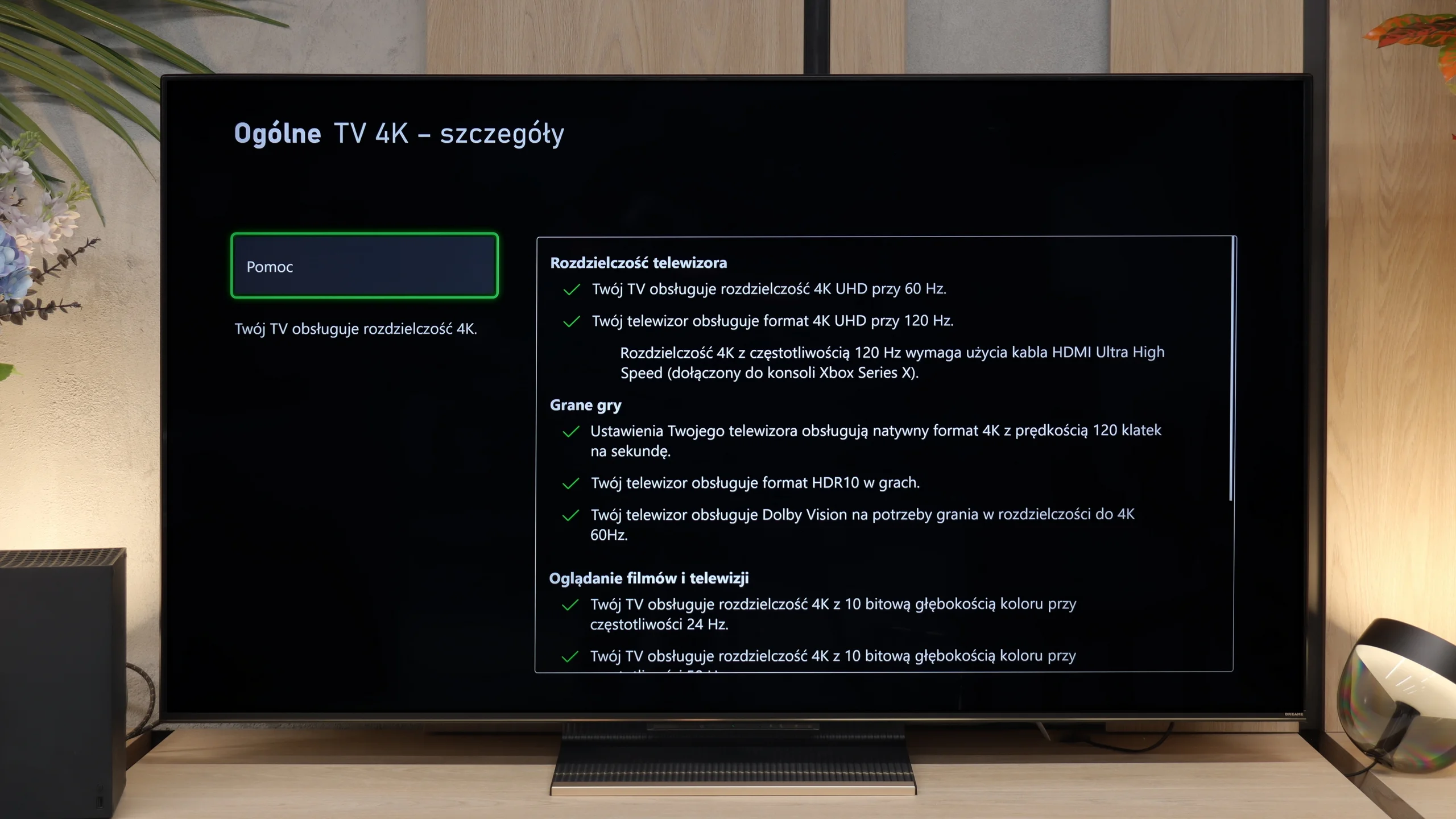
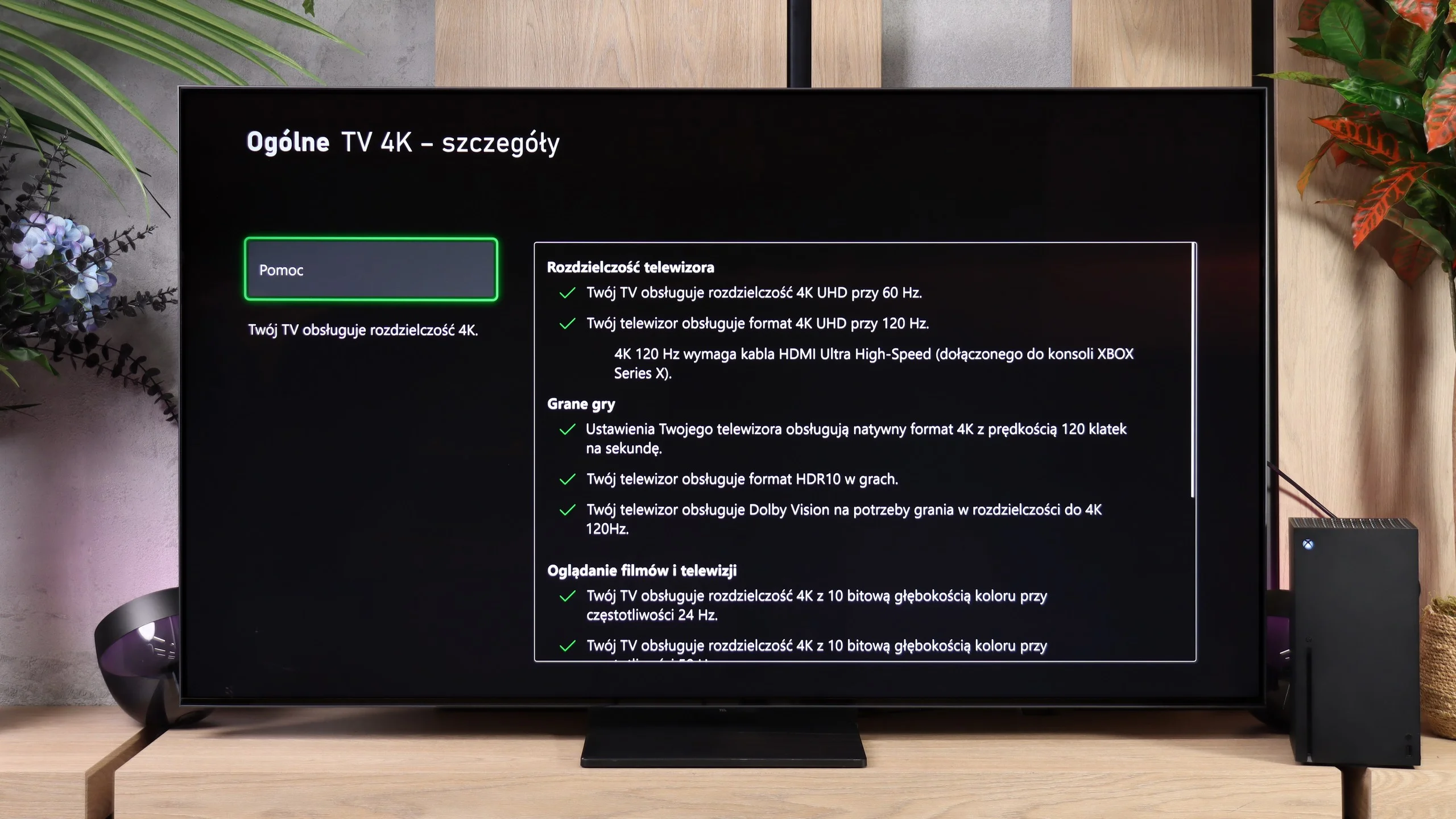
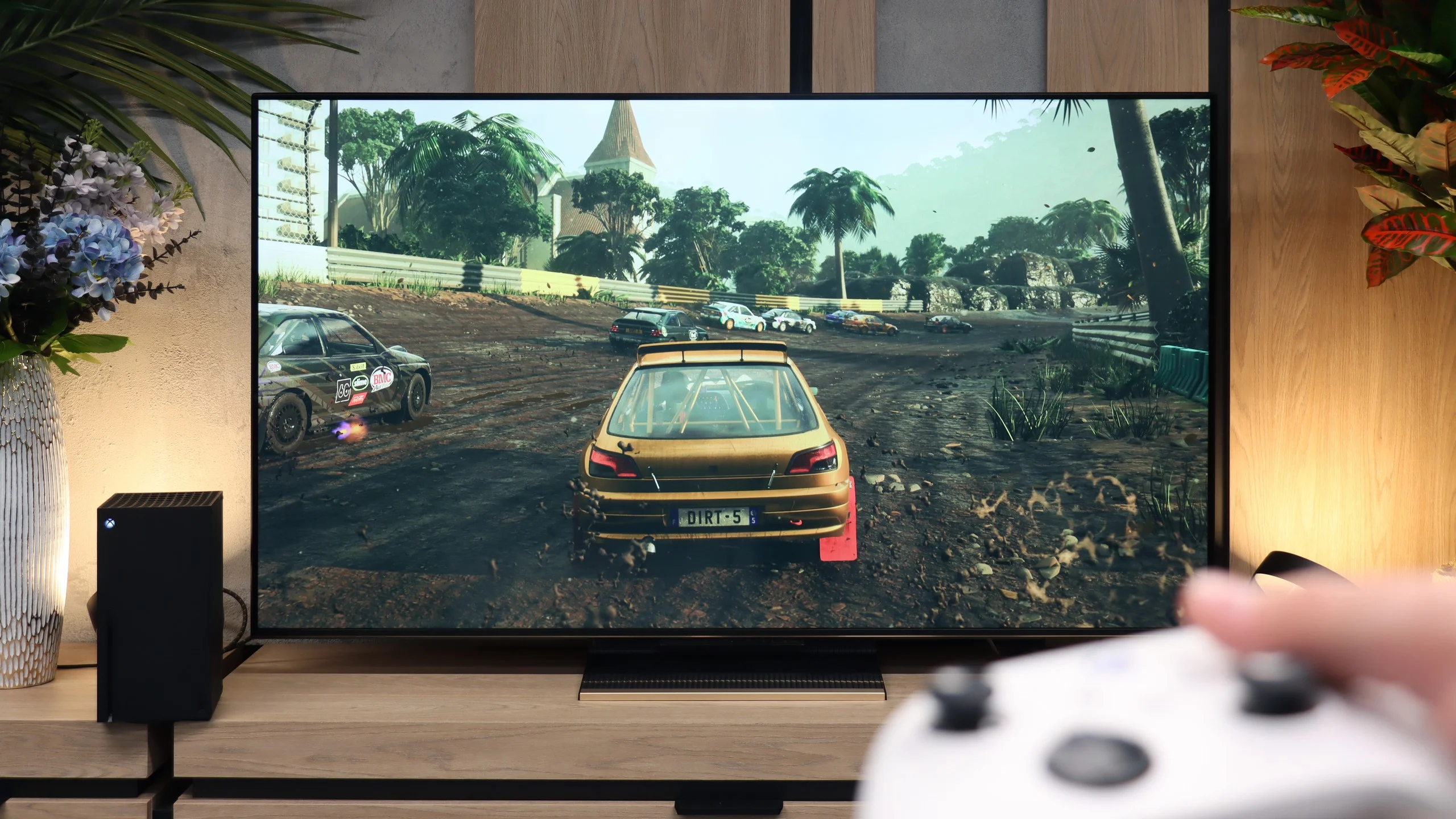
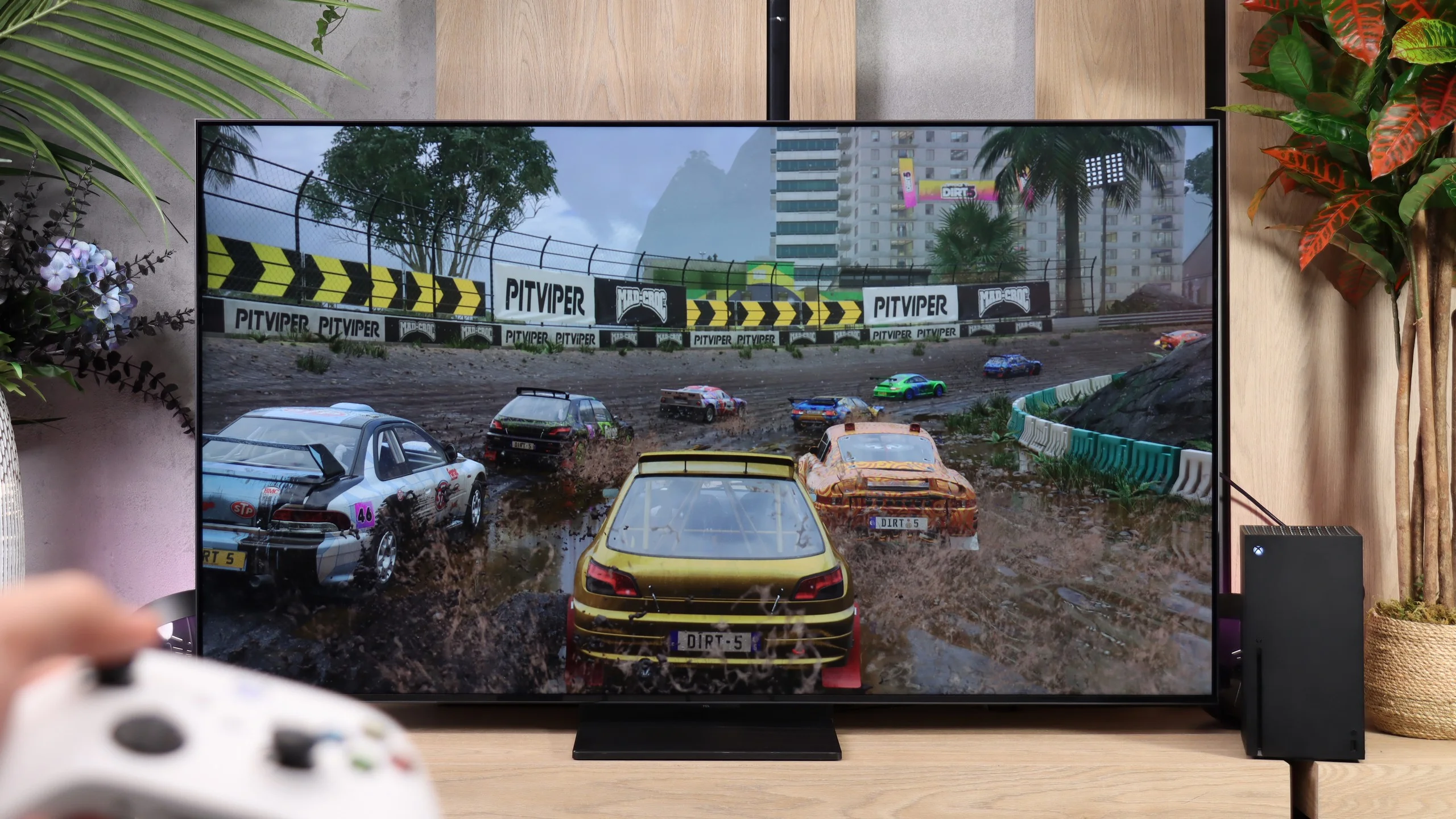
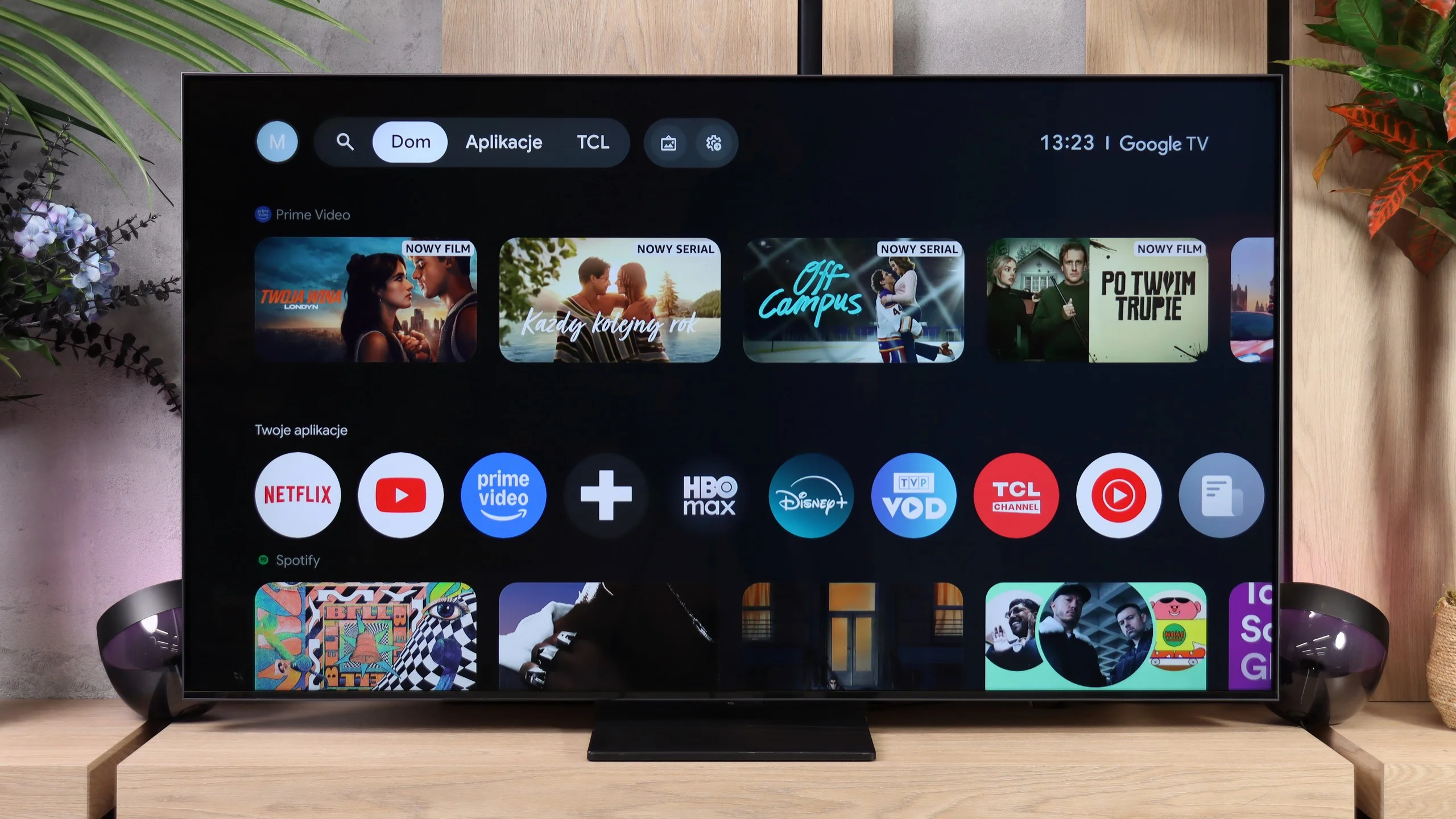
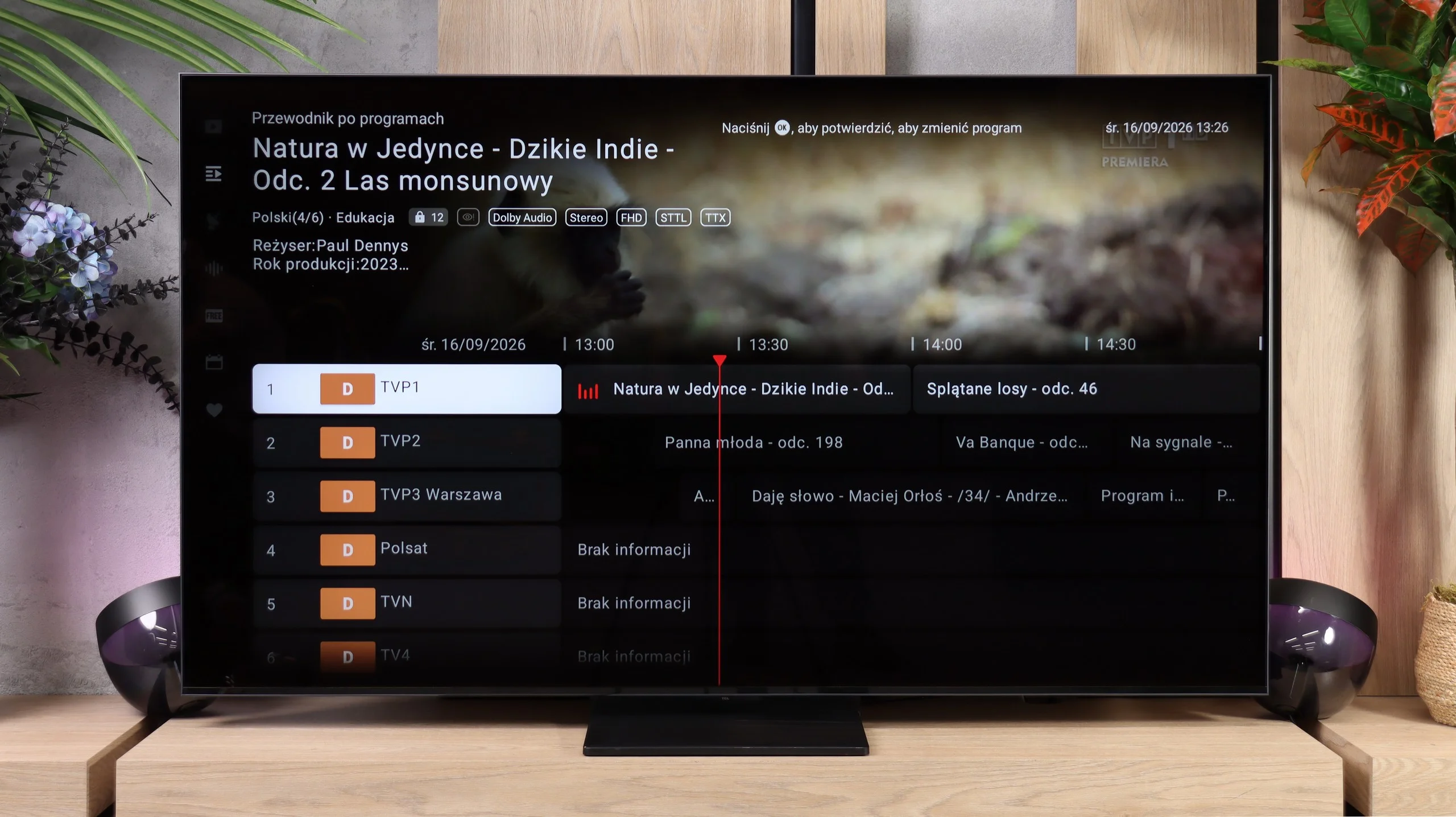
Buying it, you also don’t have to choose between a TV for movies and a screen for gaming. The A400U supports 4K at 120 Hz, including in Dolby Vision, and its low input lag keeps controls fast and responsive. On a PC you can even run 144 Hz at 4K or 288 Hz in Full HD. That level of capability makes it hard to justify paying more for a pricier model just for gamer-oriented features. In everyday use the TV also doesn’t disappoint. Google TV runs smoothly, apps launch without annoying delays, and using the device is simply convenient.
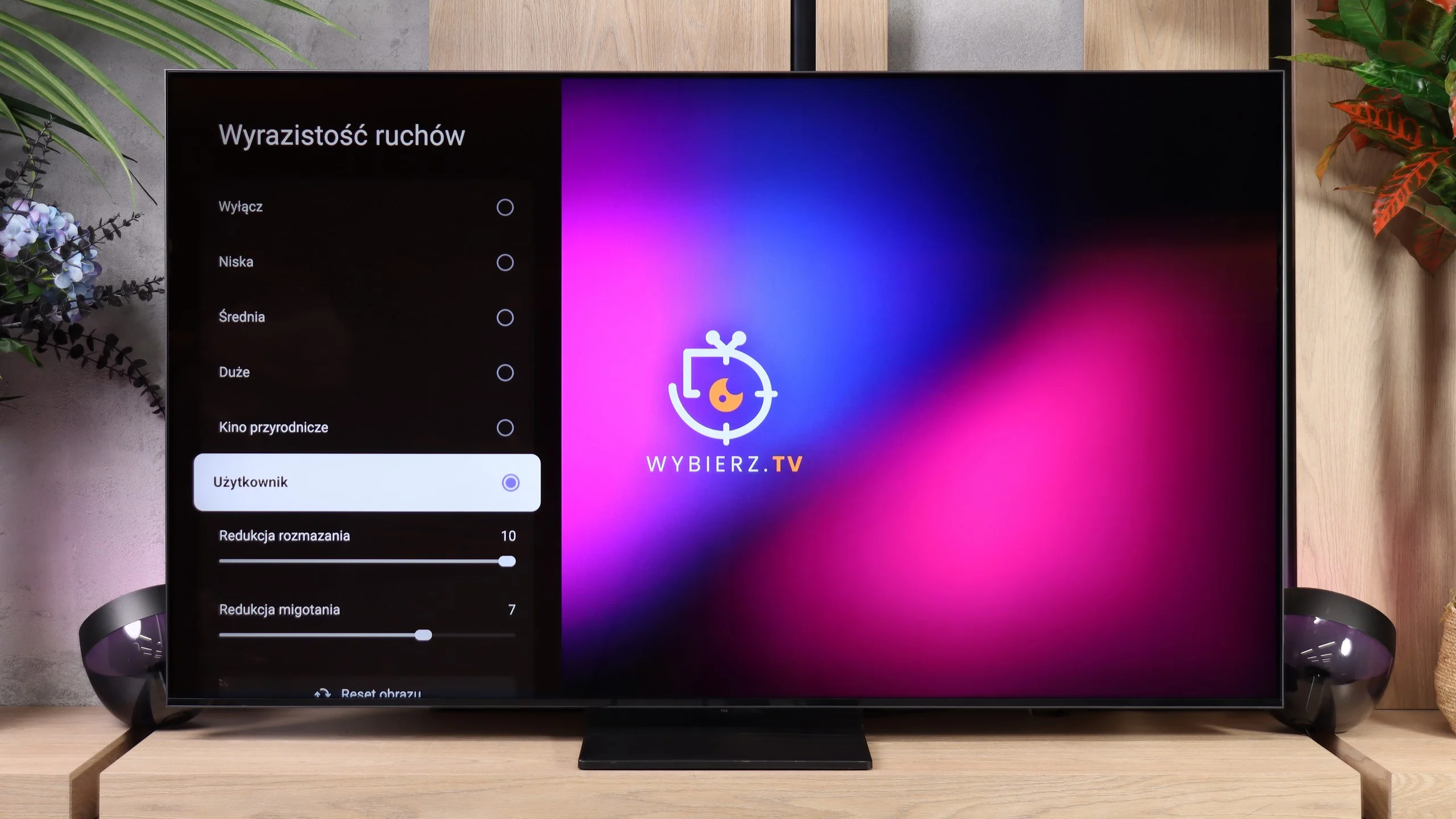
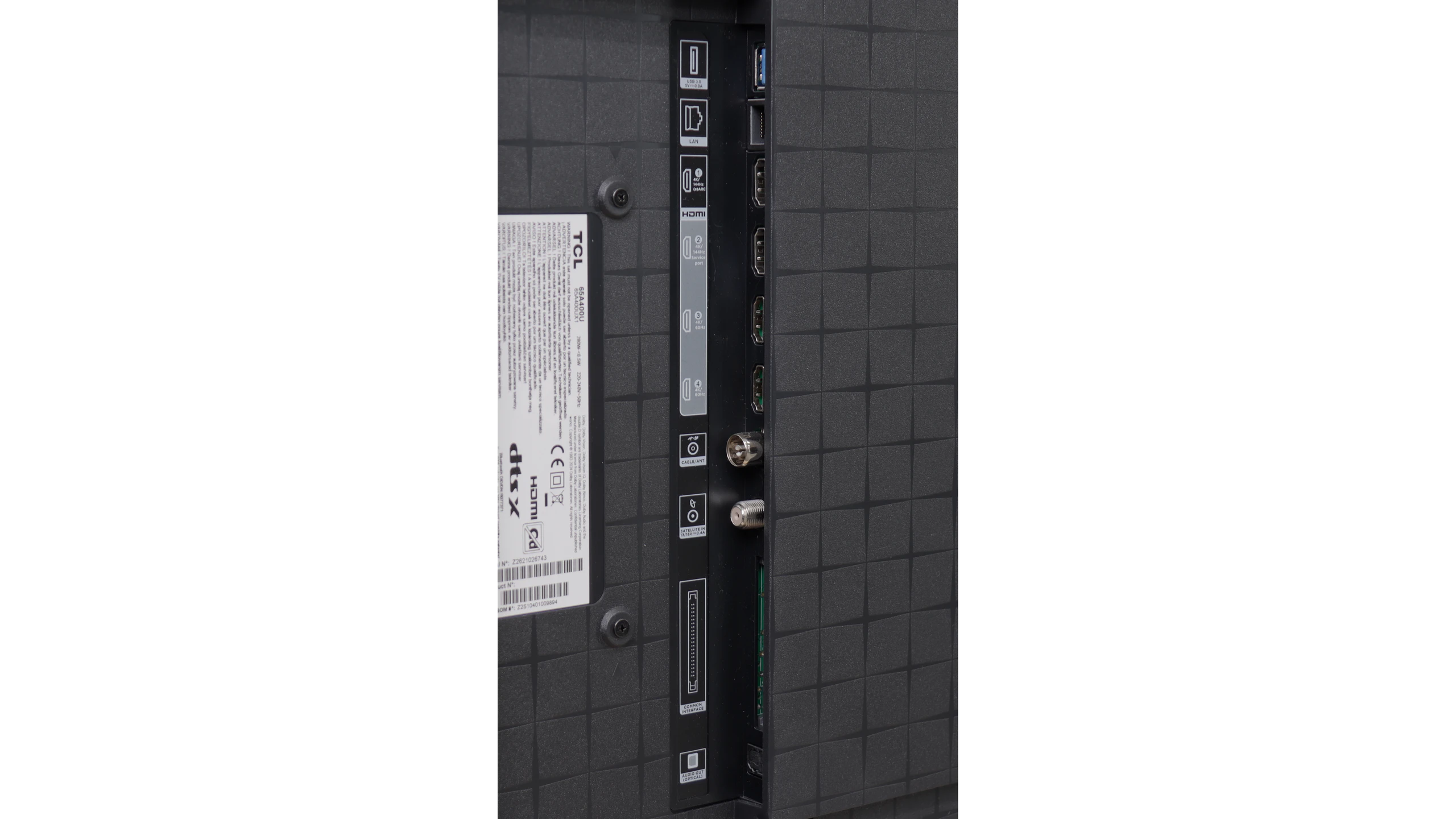
That doesn’t mean the A400U will fit every home. If you often watch regular broadcast TV or other lower-quality content, the Pentonic 700 processor won’t always improve it as much as you might expect. The slightly more expensive C7L has a similar limitation, so only moving up to a clearly higher series, like the C8L, brings a noticeable change in that regard. Before buying, check how many devices you want to connect. Two HDMI 2.1 inputs, one of which is taken by eARC, may prove insufficient if you have two consoles and a soundbar. It’s also wise to include a soundbar in your budget, because the built-in speakers clearly don’t match the capabilities of the picture.
However, if you’re looking for a TV primarily for movies, streaming and gaming, the TCL A400U is one of the most convincing buys in the midrange class in 2026. More expensive models can do more, but not every one of those advantages will matter in everyday viewing. Here you get a very good picture, extensive features and excellent build quality, without paying for functions you might never see. That’s why the TCL A400U is, in our view, one of the most cost-effective TVs of 2026.
 Direct comparison