 Paweł Koper
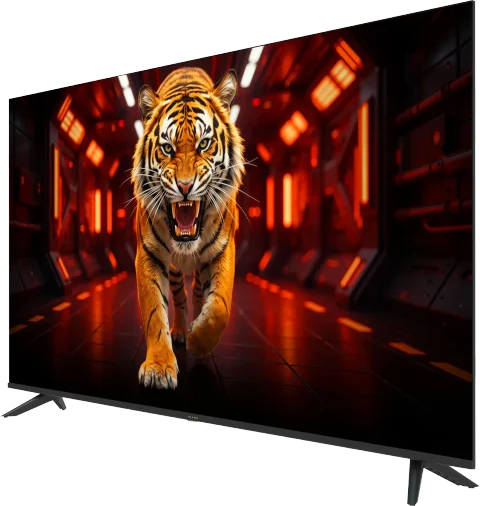
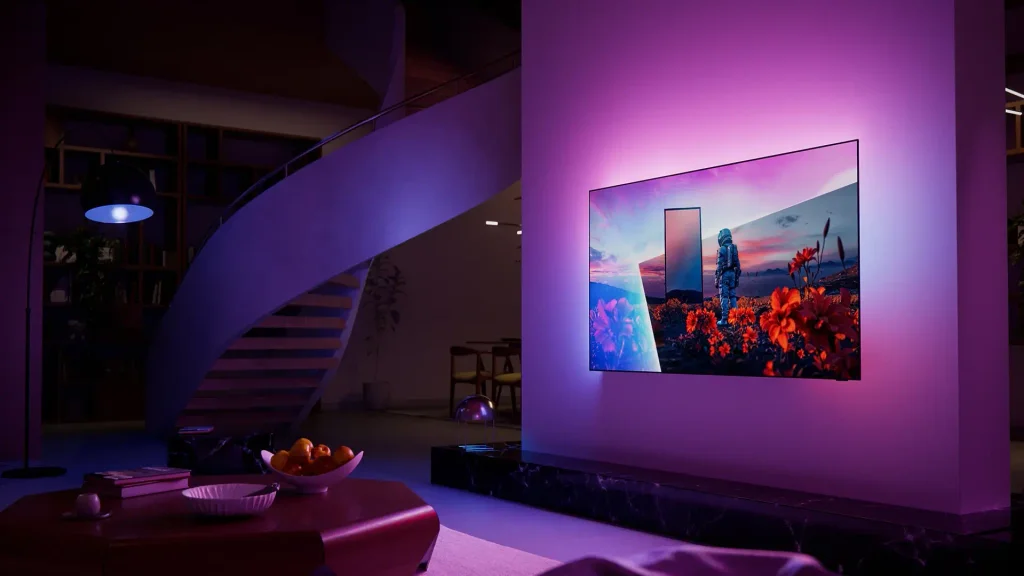
In 2026, gigantic 130-inch televisions will hit the market. Although 100 and 115-inch screens have recently dropped significantly in price, the new 130-inch models will still cost a fortune. Likely above 30,000 dollars. Where does such a large price difference come from for a few additional inches?
Production costs fifty percent more
The main reason is the relentless production costs in Chinese factories that supply panels for global giants. A report by Counterpoint Research shows that producing a 130-inch module is fifty percent more expensive than for a 116-inch screen. So where does such a difference come from when it's "only" a matter of 14 inches? This is primarily due to the difficulties in processing such large sheets of glass. When producing such enormous panels, the risk of error is very high, and any minor defect means the entire panel must be thrown away. These massive material losses directly translate to the final price we see in store catalogs.
Very Expensive Micro RGB Backlighting
Another factor driving up the price is the technology used. In the largest models, manufacturers no longer install ordinary backlighting. For example, Samsung in its 130-inch model R95H used Micro RGB technology. It utilizes thousands of microscopic diodes that generate colors on their own, providing incredible brightness, color coverage while maintaining great contrast. However, the process of arranging such small components over a huge surface is extremely slow and complicated. This means that a 130-inch screen is not only a larger surface but, above all, a significantly more advanced and costly construction than what we know from smaller televisions.
Are you interested in the R95H? Be sure to check out our materials from CES 2026!
New factories are needed
The financial situation of the factories themselves also does not make things easier. Production lines that create 100-inch screens have been operating for years and have already paid for themselves, allowing manufacturers to regularly lower prices. In the case of 130-inch screens and the latest OLED panels, the situation is the opposite. New technologies and production lines generate high depreciation costs that must be covered by the first buyers. Even the best methods of creating screens will not bring quick savings, as building the appropriate factories consumes billions of dollars.
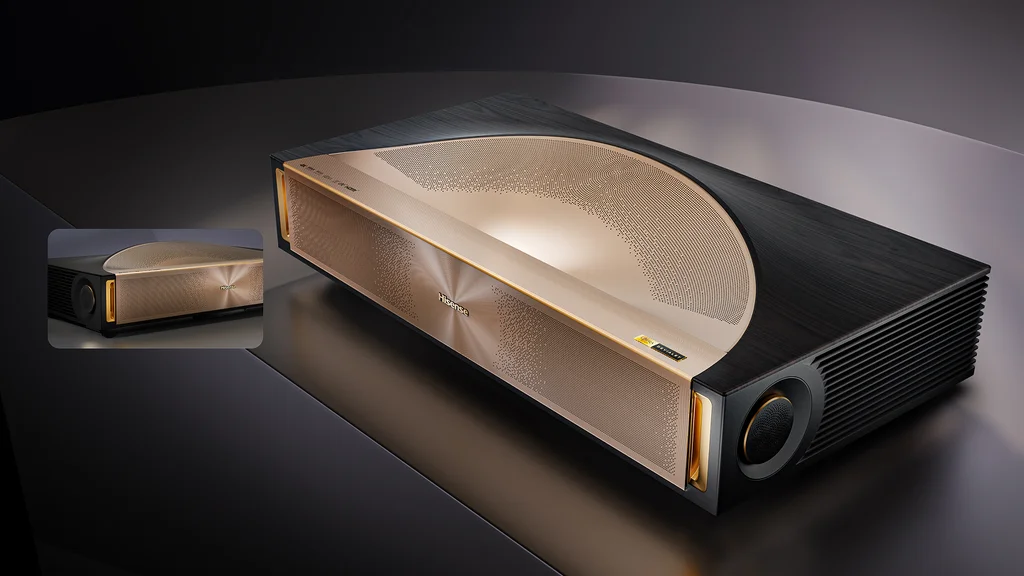
The market is currently in a specific moment. If someone is looking for a huge television, the best choice in terms of cost-effectiveness are the 100 or possibly 115-inch models, which have recently seen their prices drop by more than half. The 130-inch size remains reserved for the wealthiest enthusiasts, who are willing to pay a high "novelty tax" for owning a television the size of a projector. Analysts predict that we will have to wait at least until 2027 for significant price drops in this segment.
Source: Counterpoint Research