 Redakcja Choose TV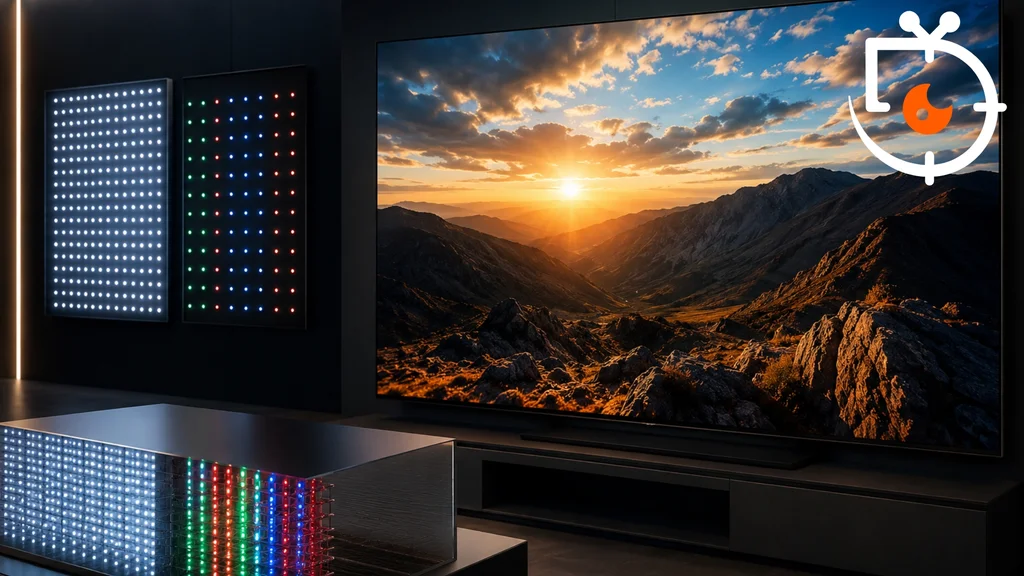
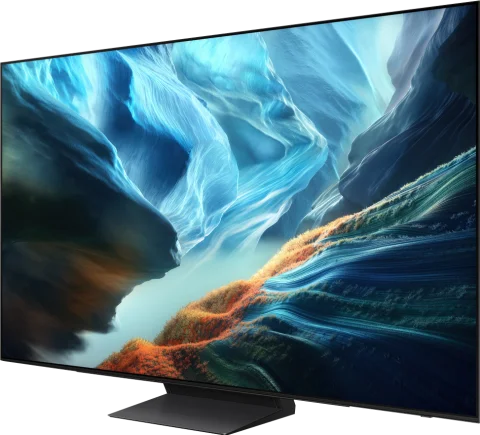
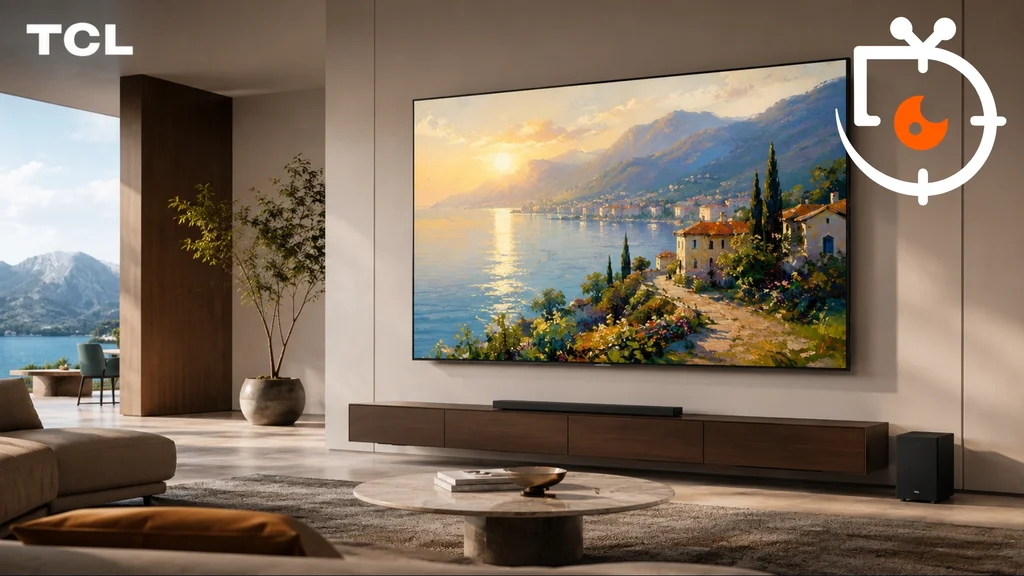
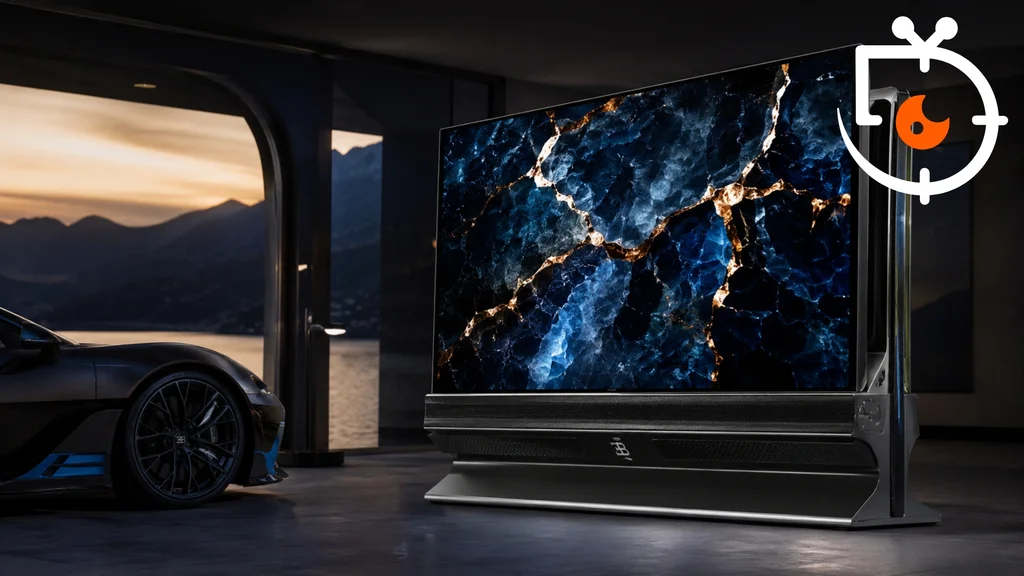
The competition among television manufacturers is entering a new stage. More and more companies are promoting RGB LED technology as the future of LCD screens and an alternative to OLEDs. Samsung, Sony, and Hisense are incorporating it into their most expensive models. However, TCL has taken a slightly different path. While it also offers RGB LED televisions, it has equipped its flagship model X11L with SQD-miniLED backlighting. The manufacturer argues that this is currently a more advanced and practical solution.
TCL focuses on a higher number of local dimming zones
According to the company, the most important element affecting the quality of LCD images is the number of local dimming zones. The more of these zones there are, the more precisely the television can control the brightness of individual parts of the image. The flagship TCL X11L offers as many as 11,520 zones, while the RM9L model with RGB LED has 2,912. According to the manufacturer, a greater number of zones translates to better contrast, stronger HDR effects, and less bloom around bright objects. That is why TCL considers SQD-miniLED to be a more promising solution.
RGB LED also has its own limitations
TCL also points out a phenomenon known as "crosstalk." It involves the bleeding of colors between adjacent areas of the image. In practice, this can lead to situations where bright colored elements affect the appearance of neighboring objects. The manufacturer claims that SQD-miniLED technology provides more stable color reproduction regardless of the scene. At the same time, the company admits that RGB LED can achieve slightly higher color saturation in selected HDR materials. Ultimately, it all comes down to a compromise between a wide color palette and the precision of backlight control.
TCL believes that at the current stage of LCD television development, the number of dimming zones is more important than the RGB LED technology itself. The company argues that SQD-miniLED allows for a more predictable and accurate image. However, the final answer to the question of which solution is better will depend on practical tests and comparisons of finished televisions.
source: flatpanelshd