 Redakcja Choose TV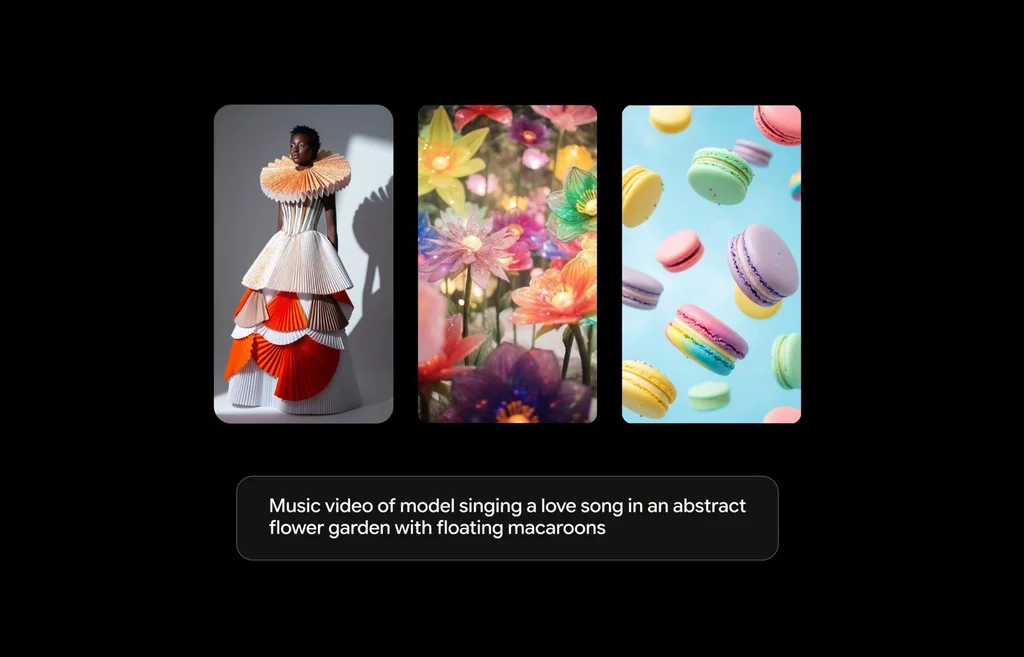
Google has just made a move that was inevitable. The update to model Veo 3.1 introduces native support for vertical video 9:16, which is the format designed for YouTube Shorts, TikTok, and Instagram Reels. No fiddling, no cropping, no loss of quality. AI is finally generating video in exactly the format in which it is consumed today. This is a clear signal that Google is no longer treating short video formats as an add-on. Now they are the starting point.
End of Cropped Images
Until now, creating AI videos for shorts was a compromise. Models generated horizontal images that then had to be cropped or artificially scaled. The result? Loss of detail, poorly framed characters, and chaos in composition. ChooseTV 3.1 now allows you to select the 9:16 format right away. Videos are designed vertically from the very first frame, with the smartphone screen in mind. Google is integrating this feature directly with YouTube Shorts and the YouTube Create app, which clearly shows where the company sees the future of video.
Reference images finally work as they should
The biggest change, however, does not concern the format itself, but the quality of generation from reference images. Google has clearly improved character expression, their movements, and facial expressions. Even shorter, less detailed prompts now produce a more natural effect.
The model better maintains the consistency of characters, objects, and background. The problem of "floating" faces, changing clothes, or disaligned details between shots is gone. Moreover, Veo 3.1 allows mixing different characters, textures, objects, and environments into one visually coherent clip. These are no longer random animations—this is starting to resemble real editing.
1080p and 4K. AI stops looking like AI
The new update also brings better image scaling to 1080p and 4K. This is crucial because until now, much AI video looked good only in a small window. When enlarged, artifacts, blurriness, and lack of detail were noticeable. Now Veo 3.1 is supposed to generate content that is suitable not only for shorts but also for professional video projects. This is a huge change for creators, marketers, and production studios that want to use AI as a real tool rather than a curiosity.
Availability. Google bets on the ecosystem
The new features can be accessed directly in the Gemini app. Professional users will receive them in Google Flow, via Gemini API, Vertex AI, and Google Vids in the Google Cloud. This is Google's classic strategy – one model, many entry points. From an amateur making shorts on their phone to a company producing video at scale.
AI video enters the user phase
This update shows one thing: AI-generated video is no longer an experiment. Google is tailoring Veo 3.1 not to the vision of filmmakers, but to the real habits of viewers. Vertical video, rapid consumption, social media, consistency of image, and quality sufficient not to be jarring.
AI will not yet replace creators. But it has just begun to speak their language.