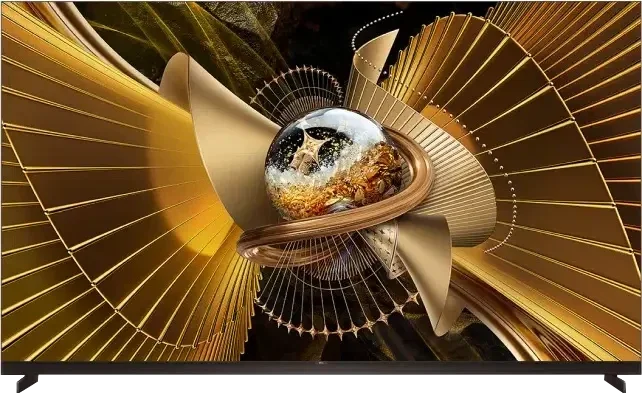
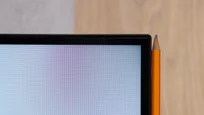
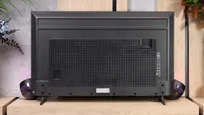
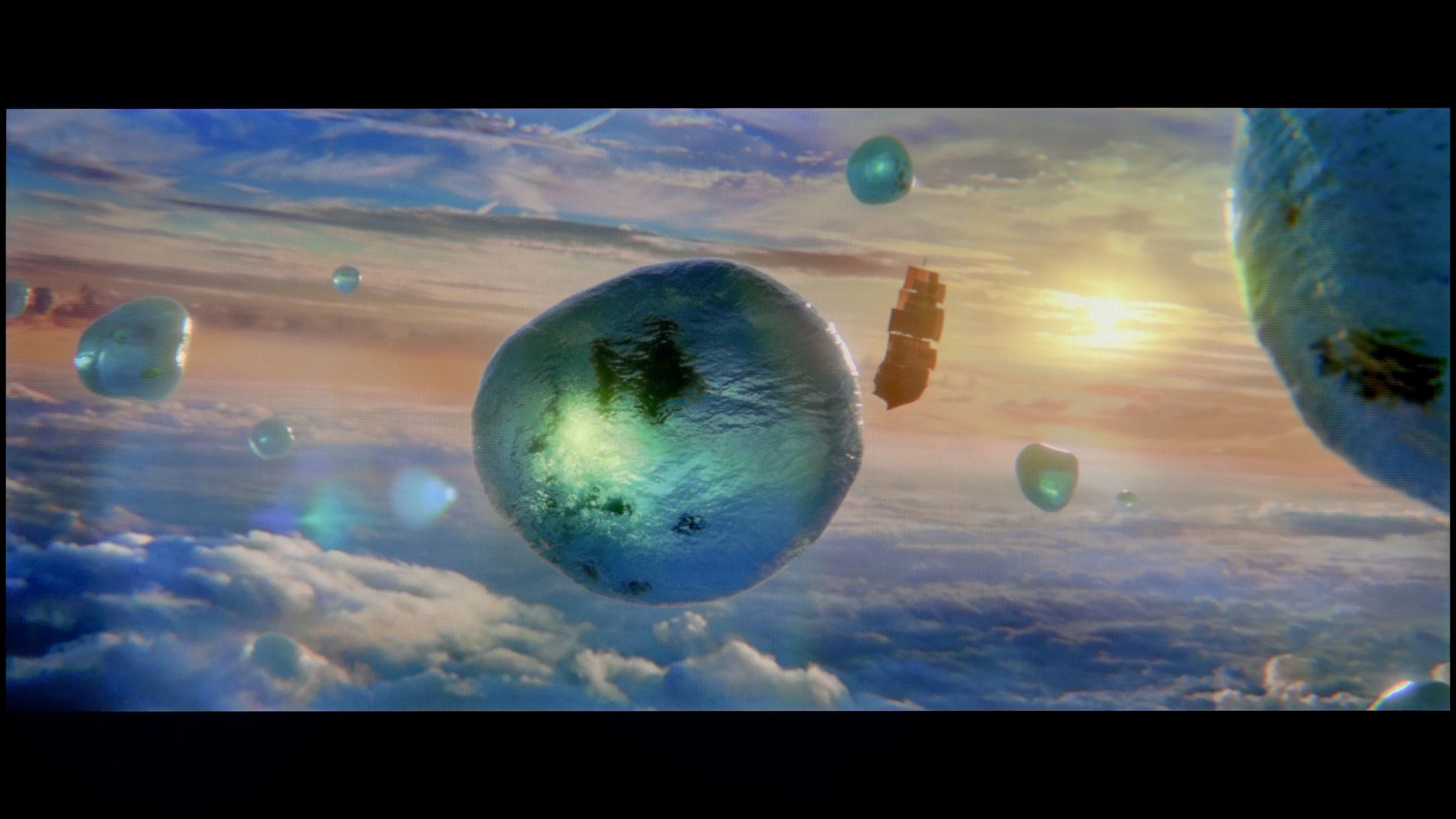
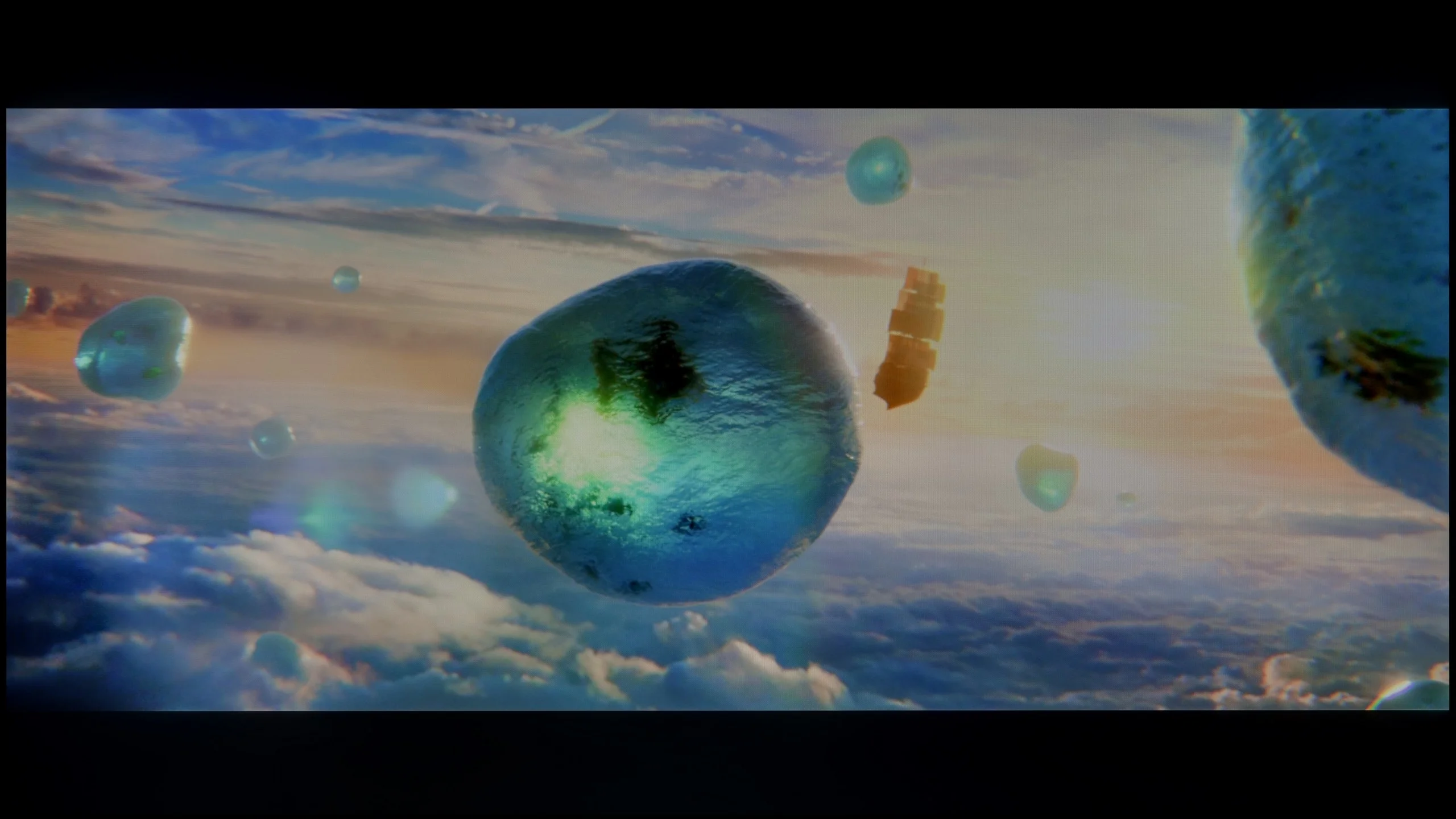
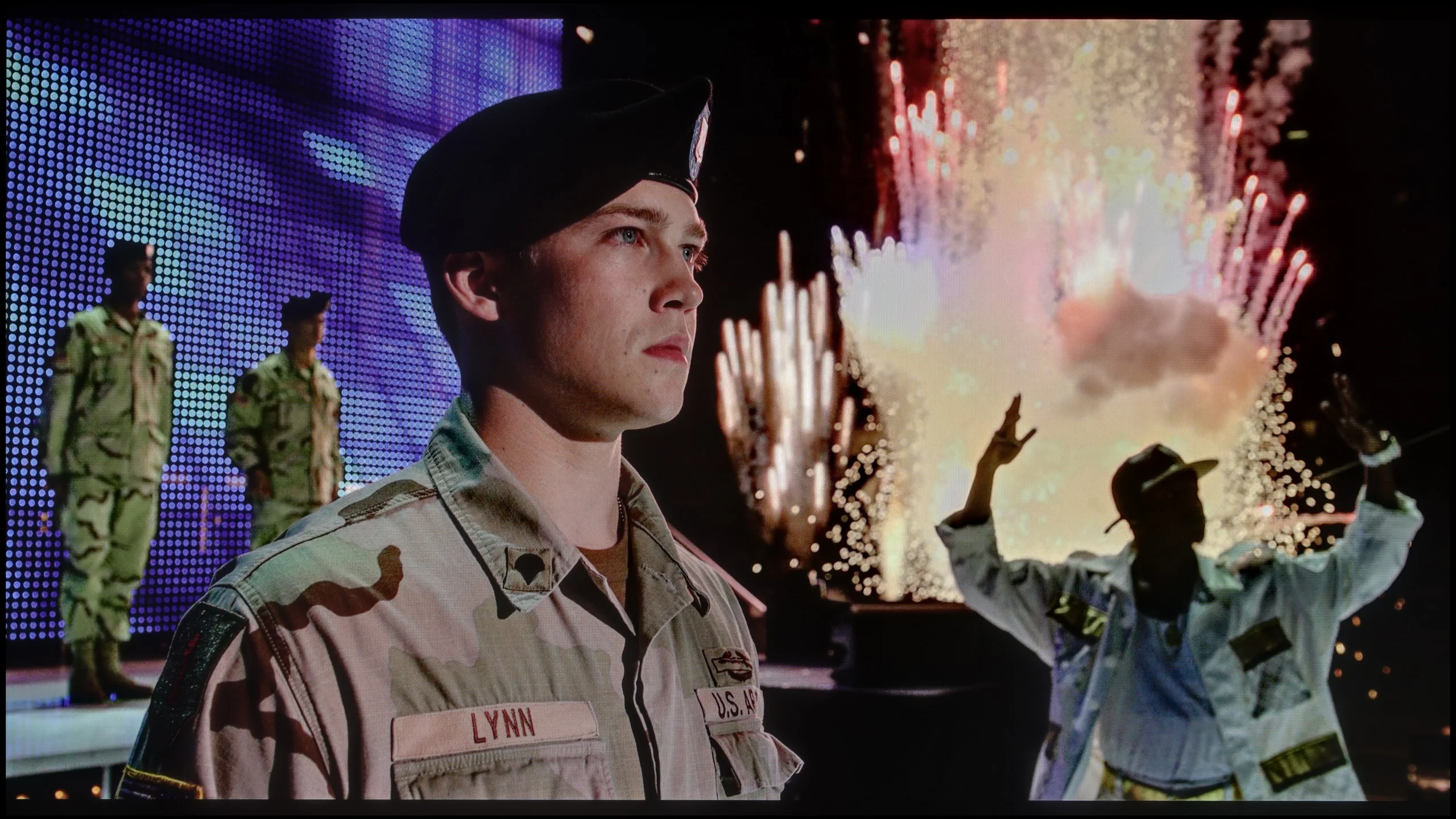
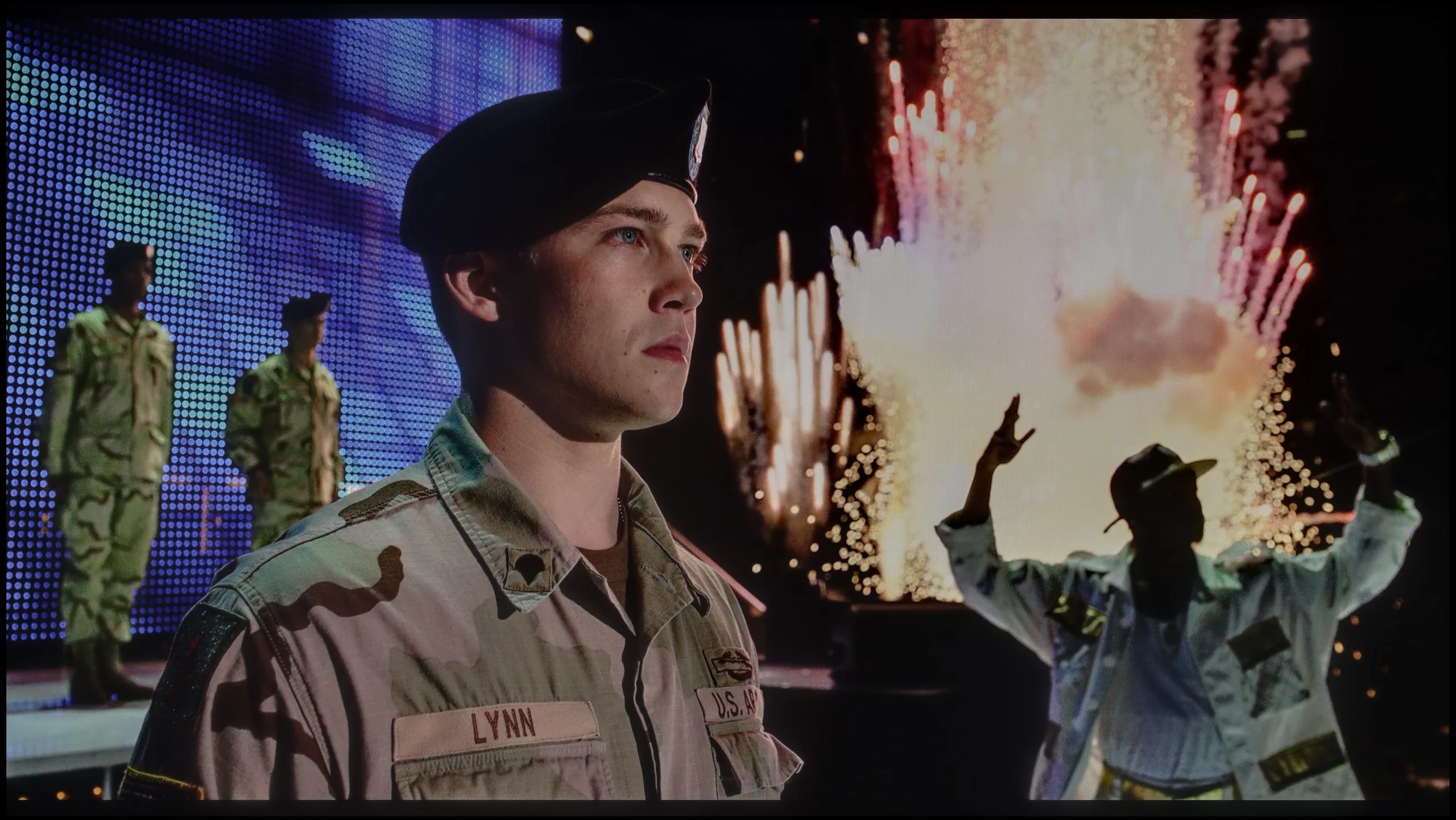
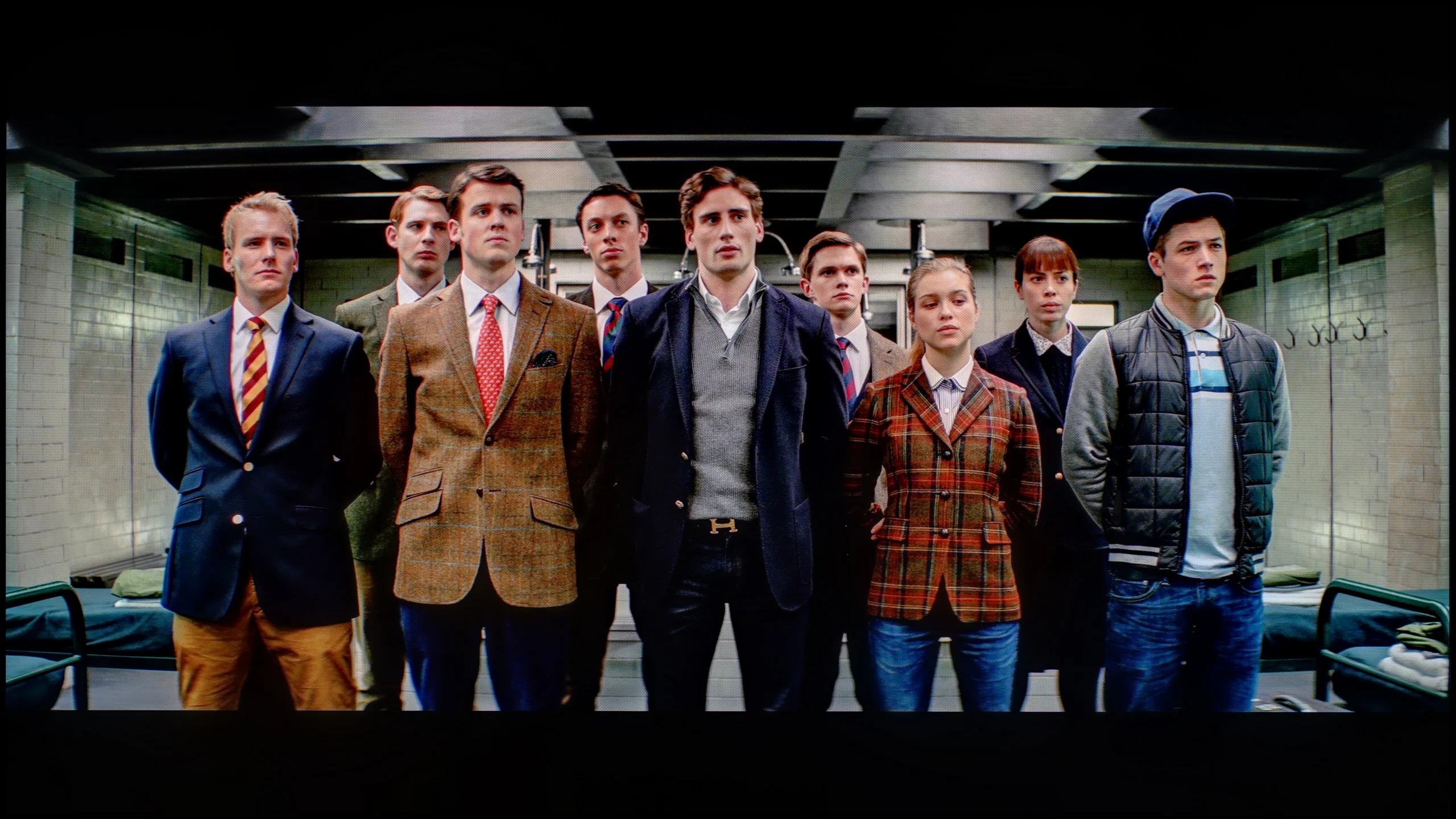
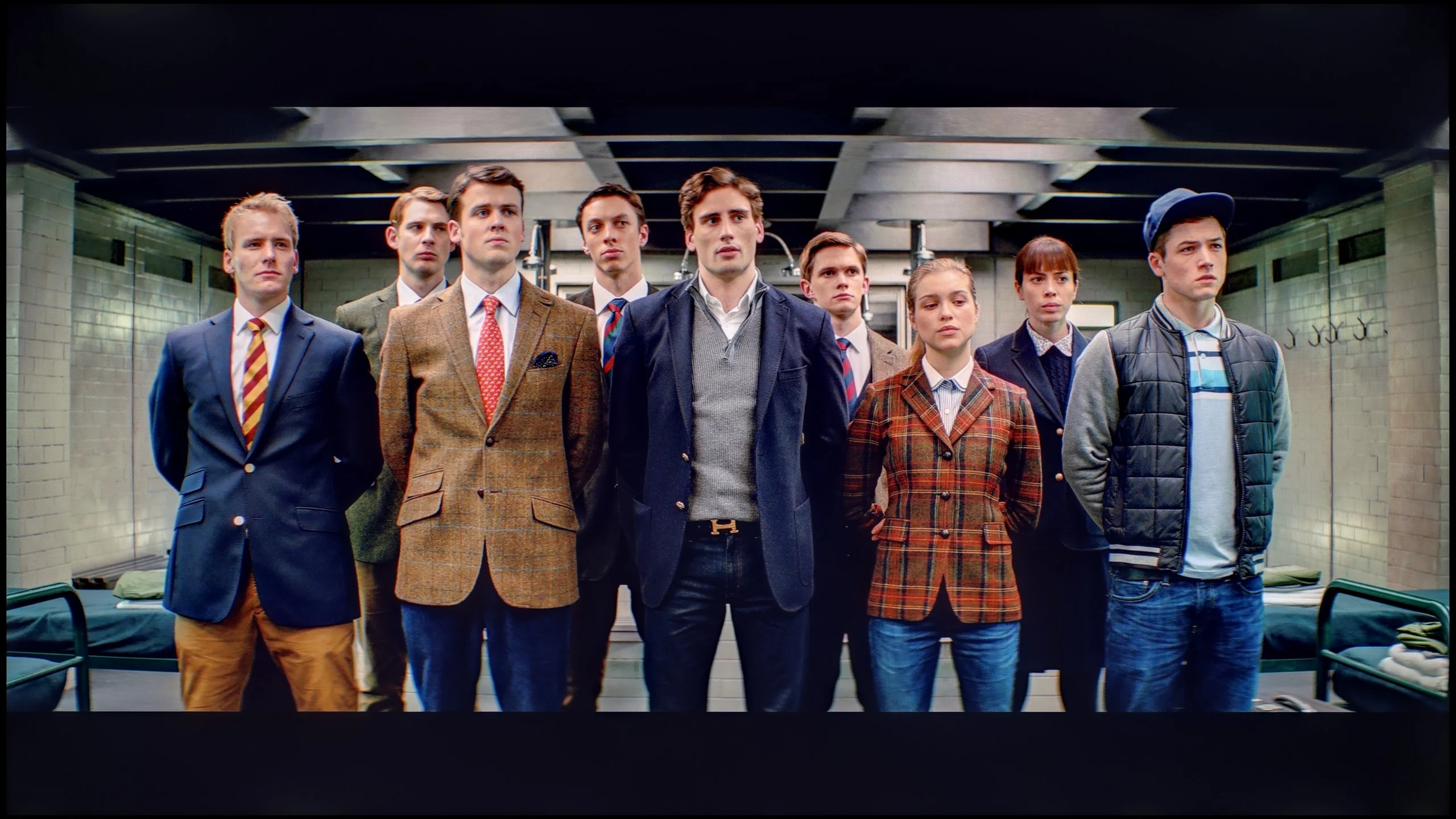
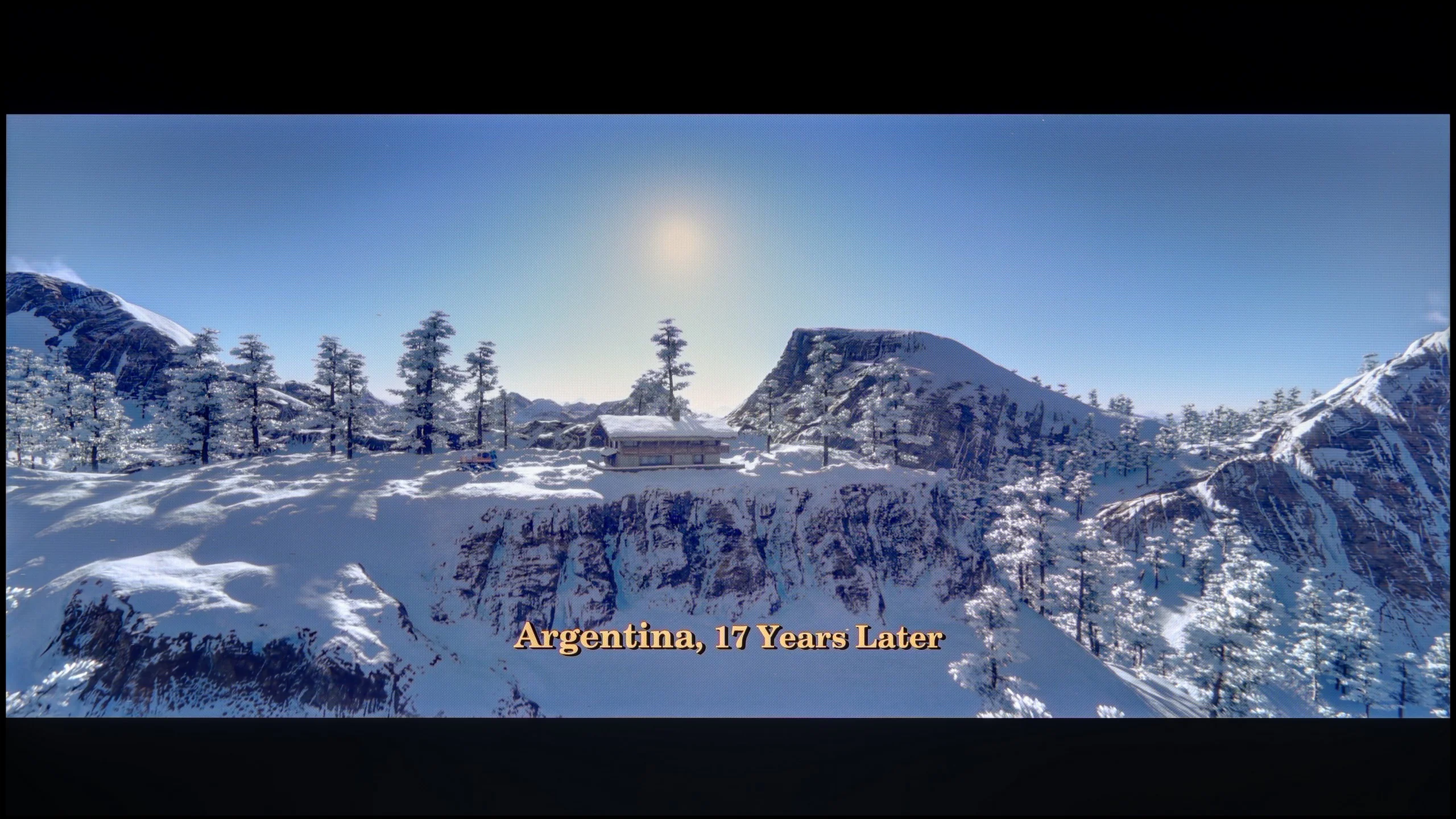
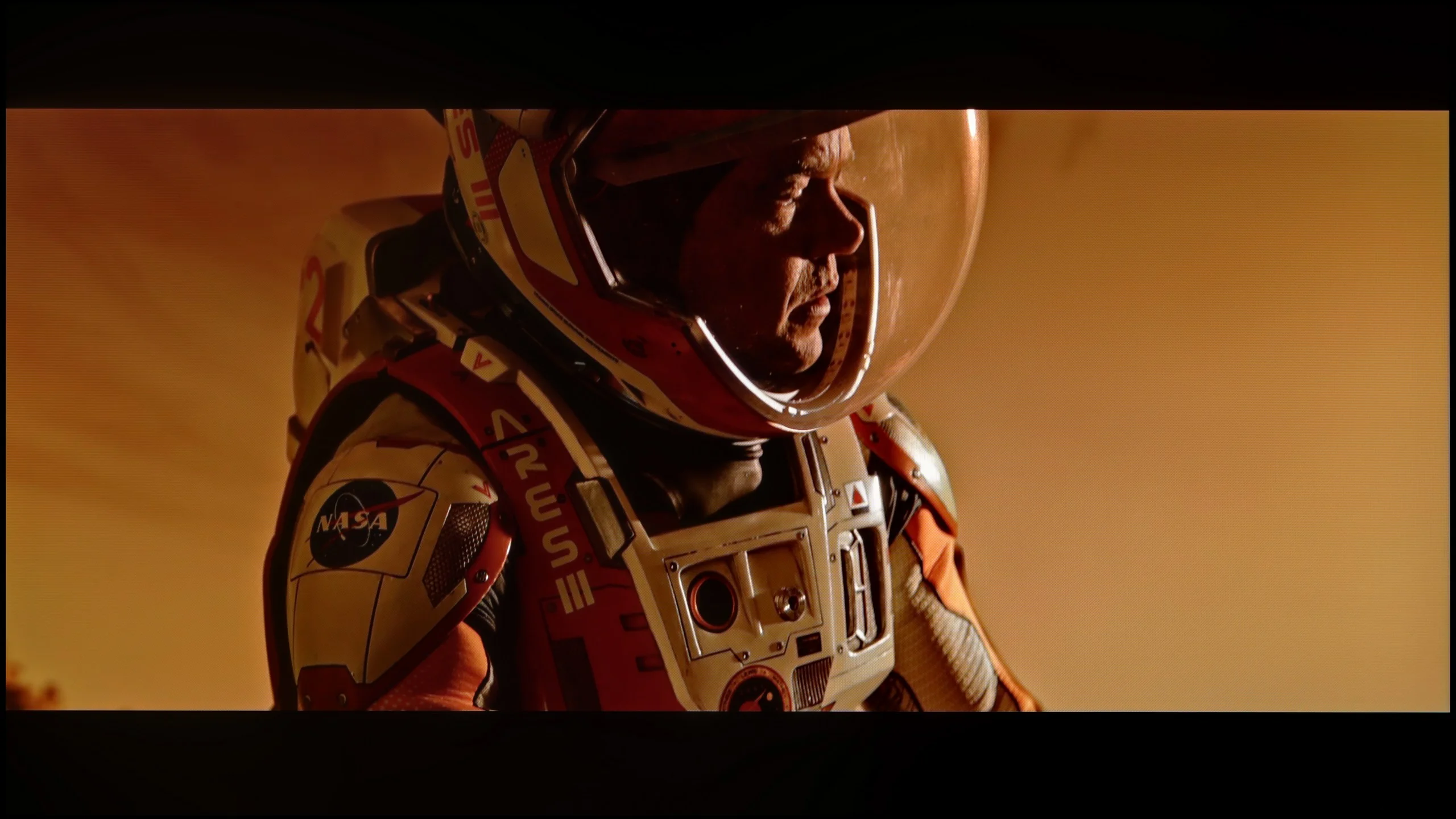
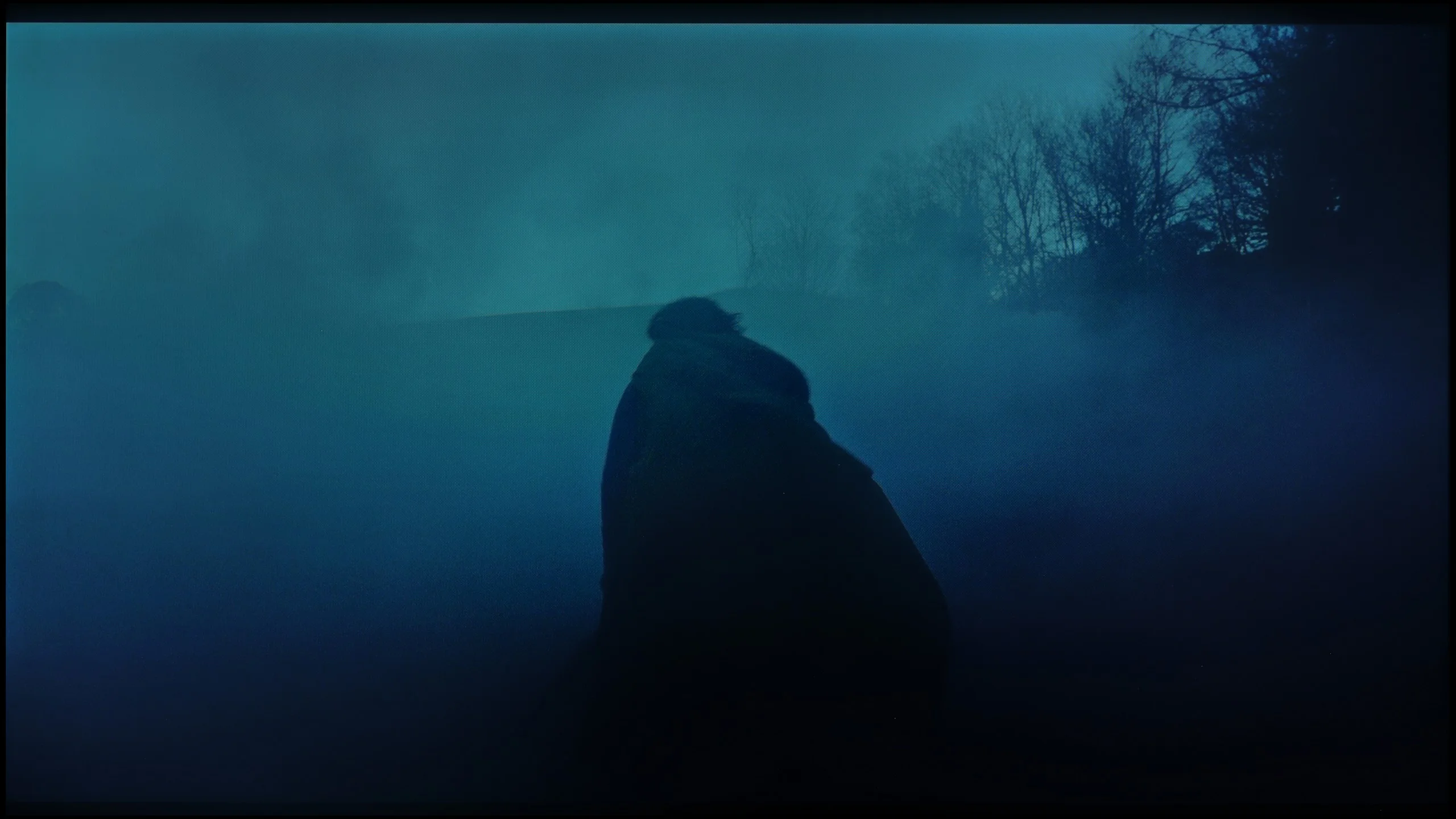
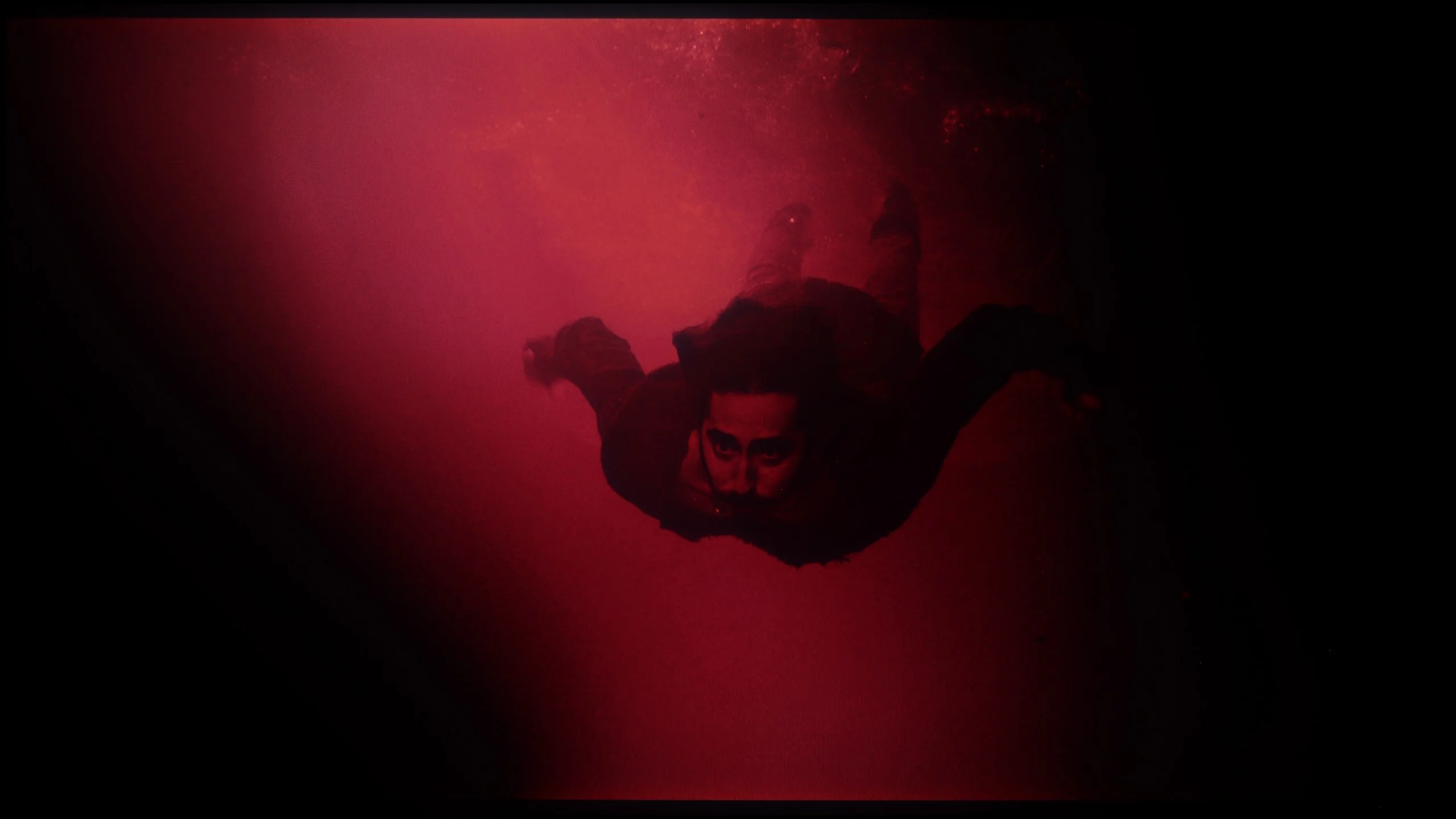
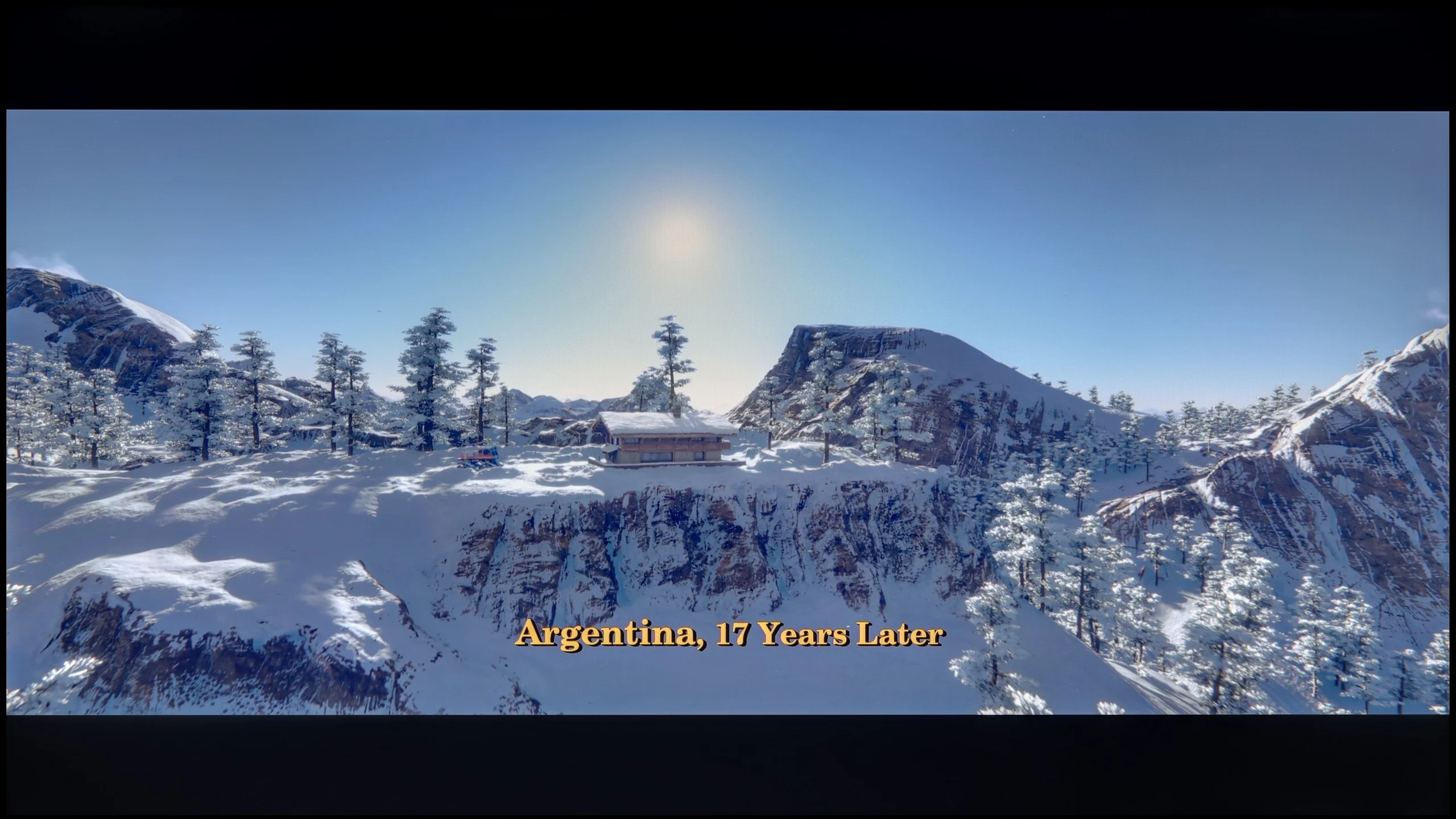
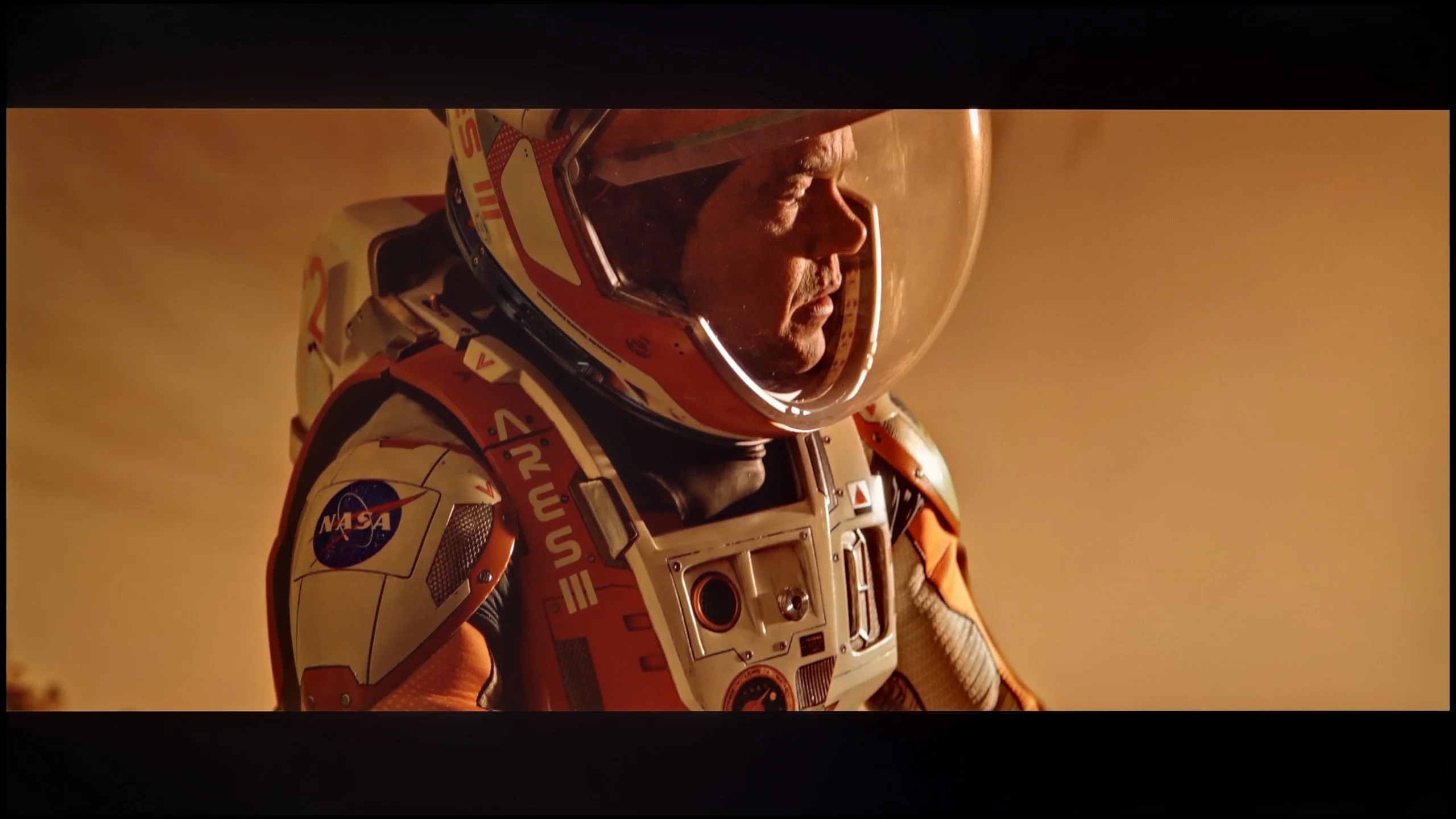
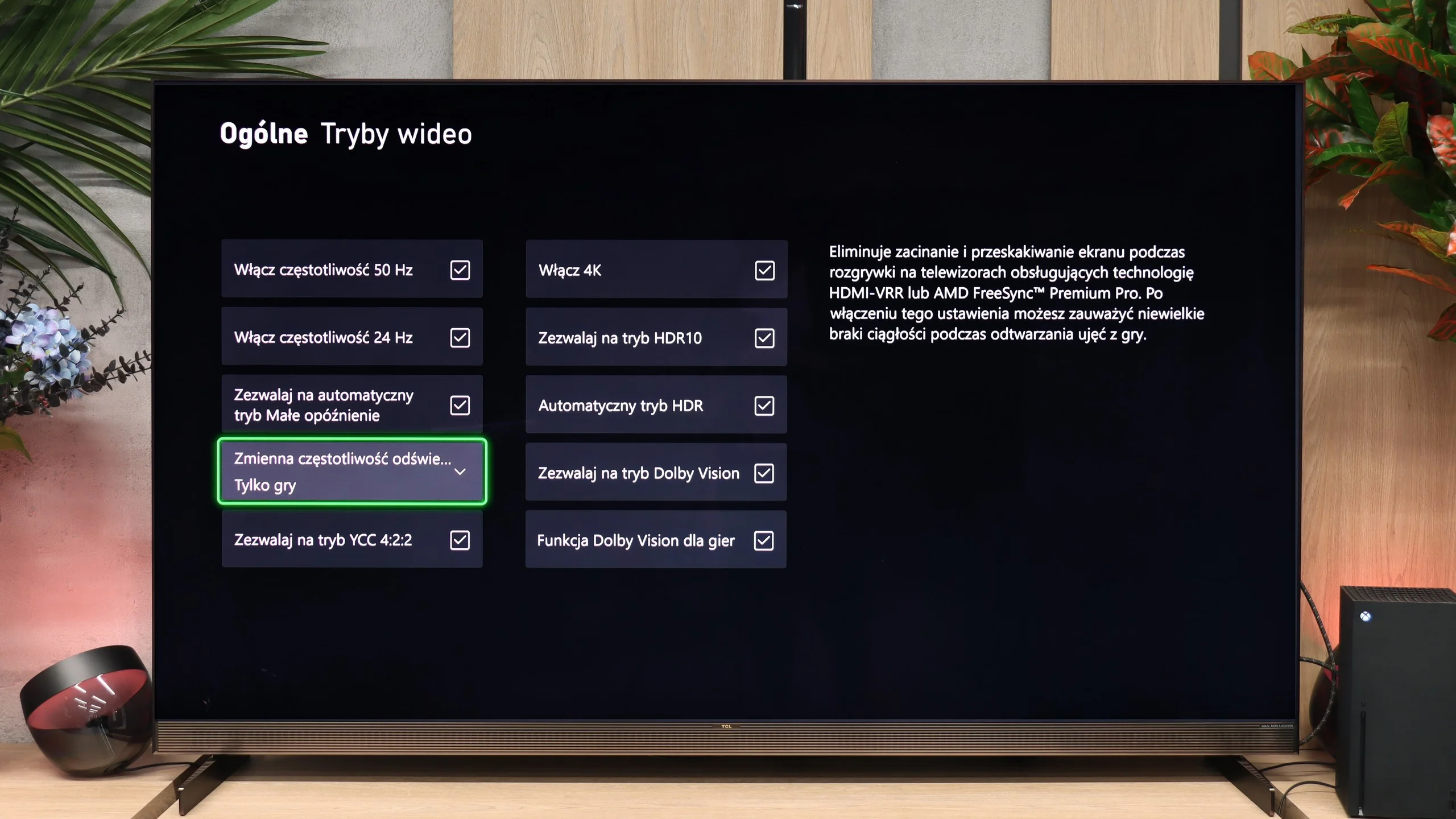
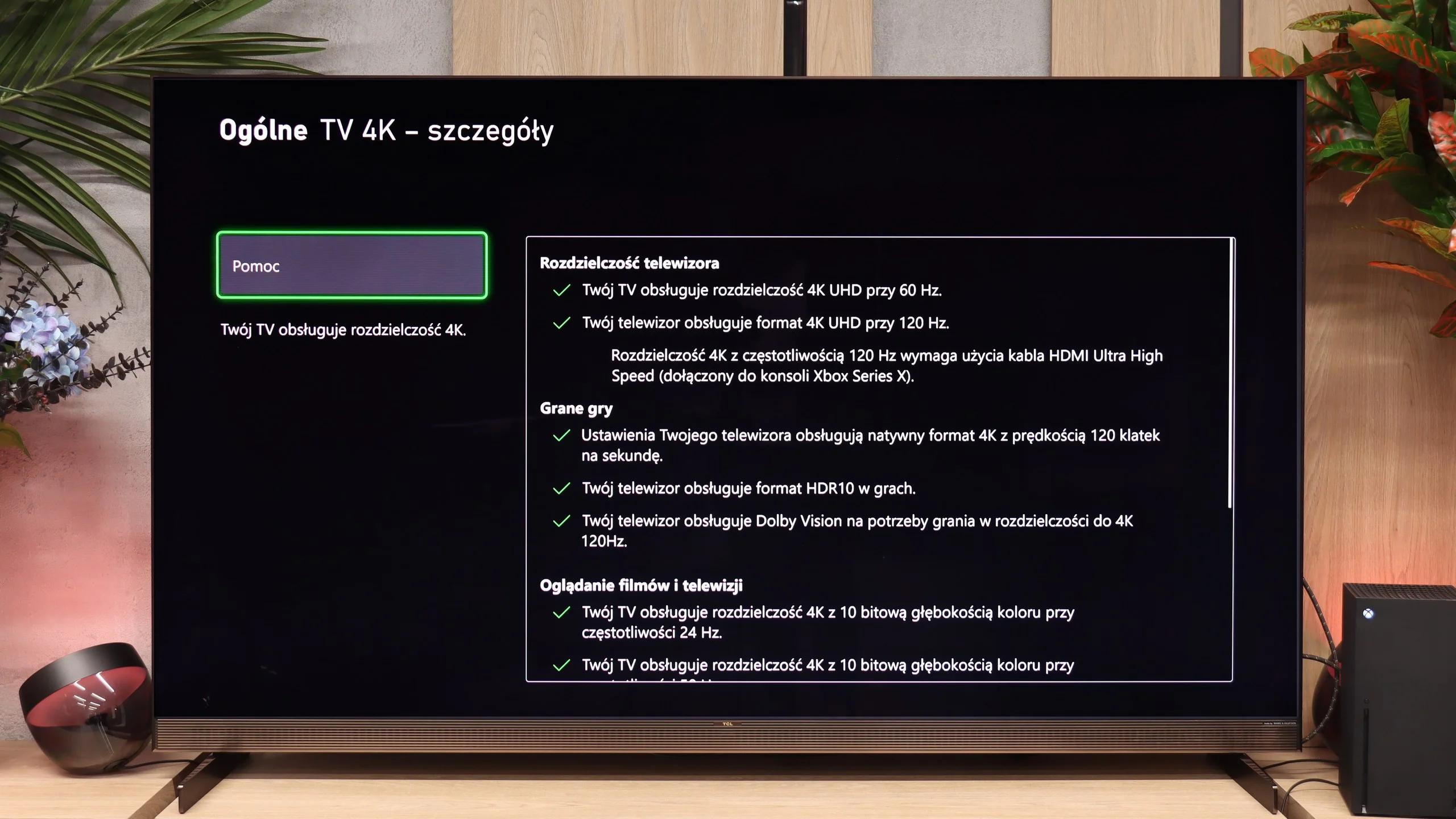
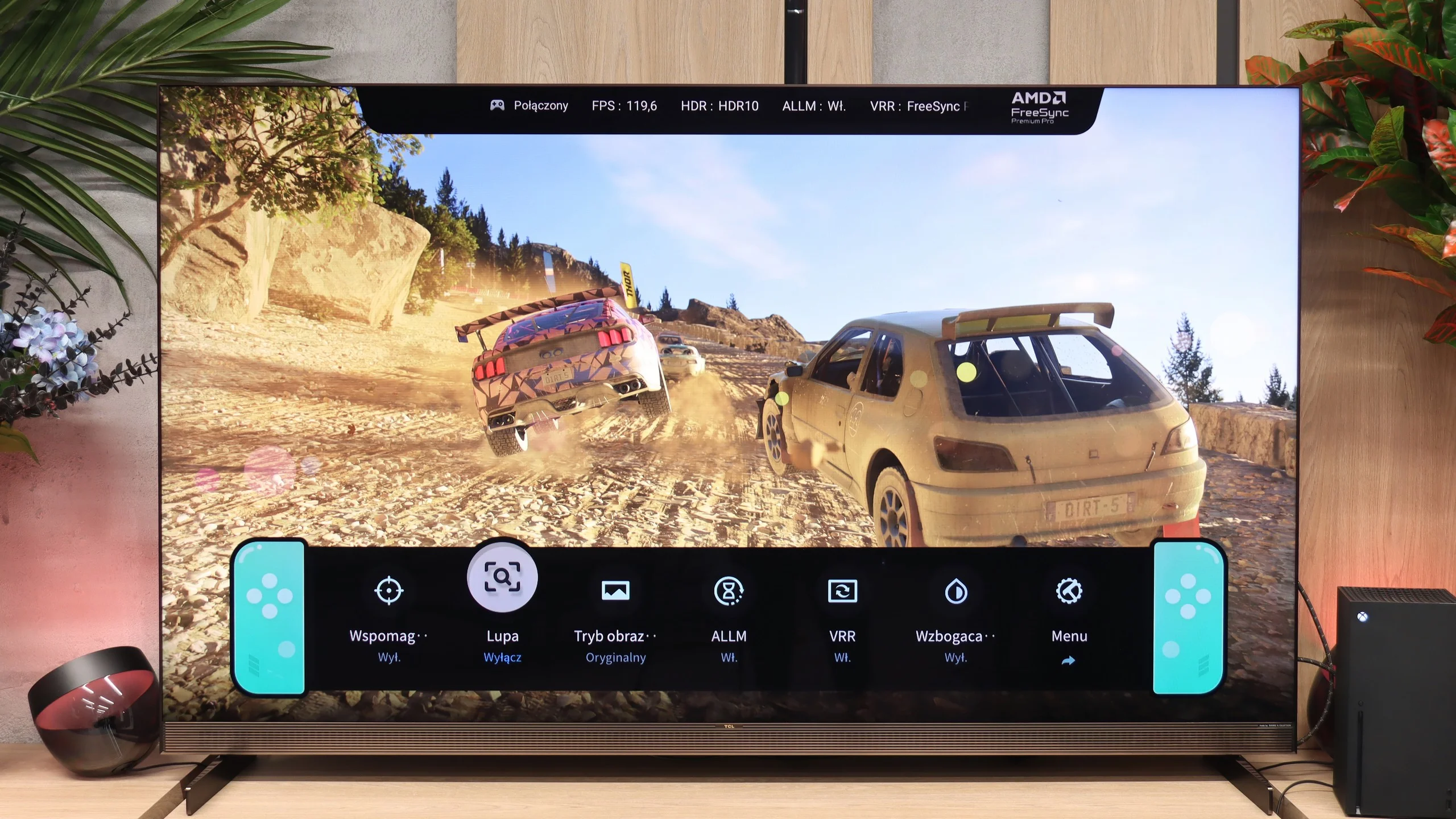
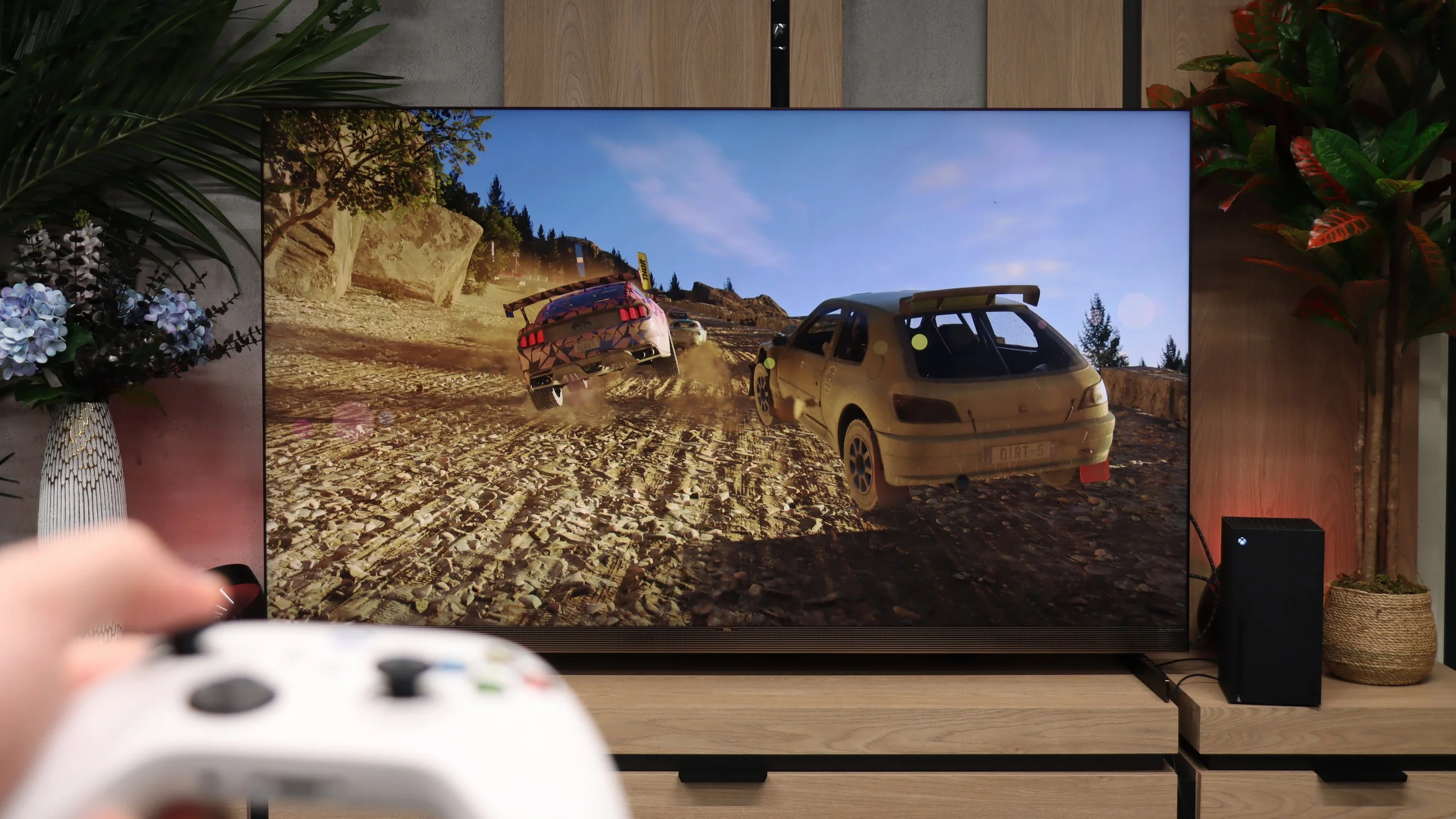
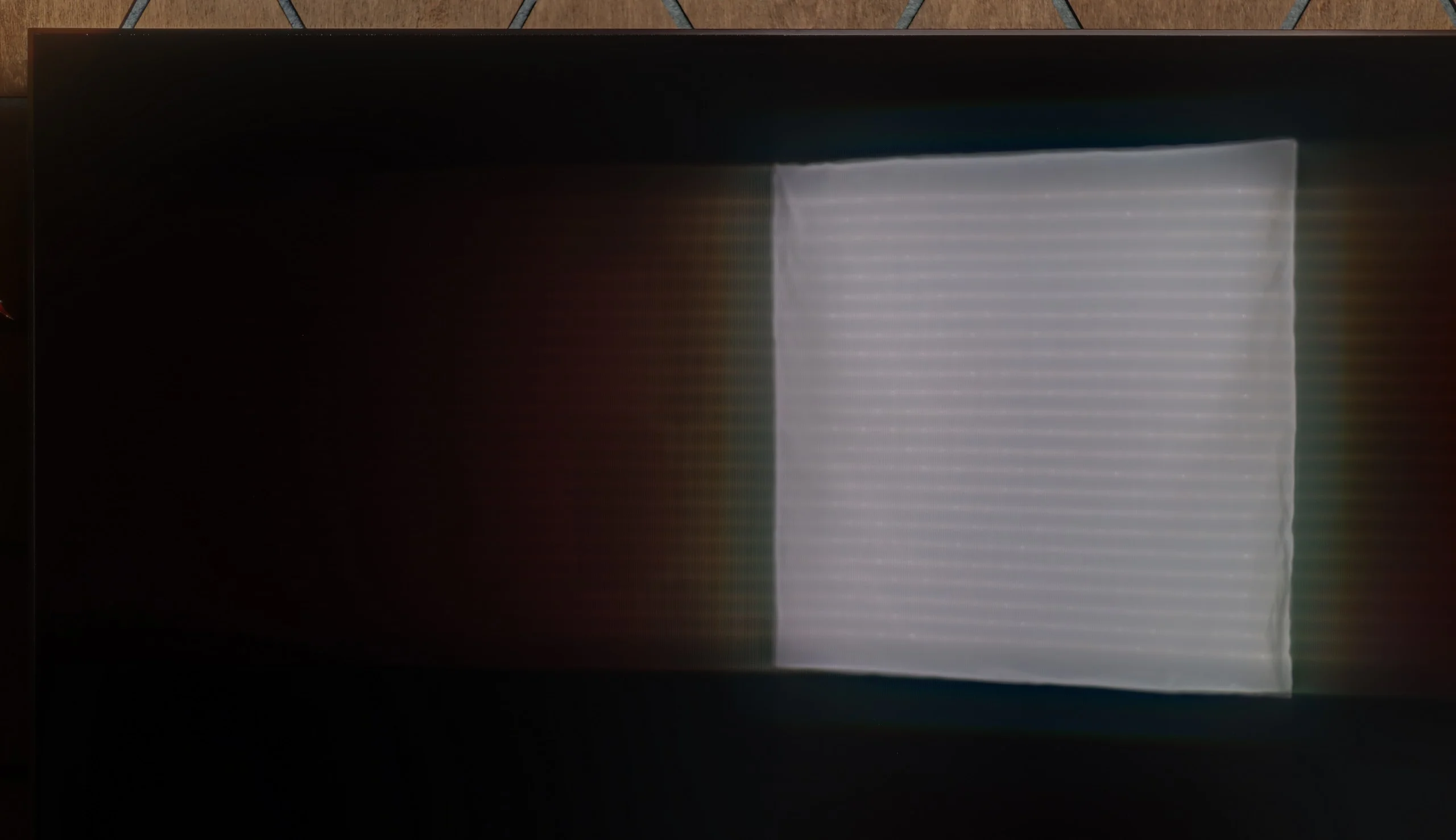
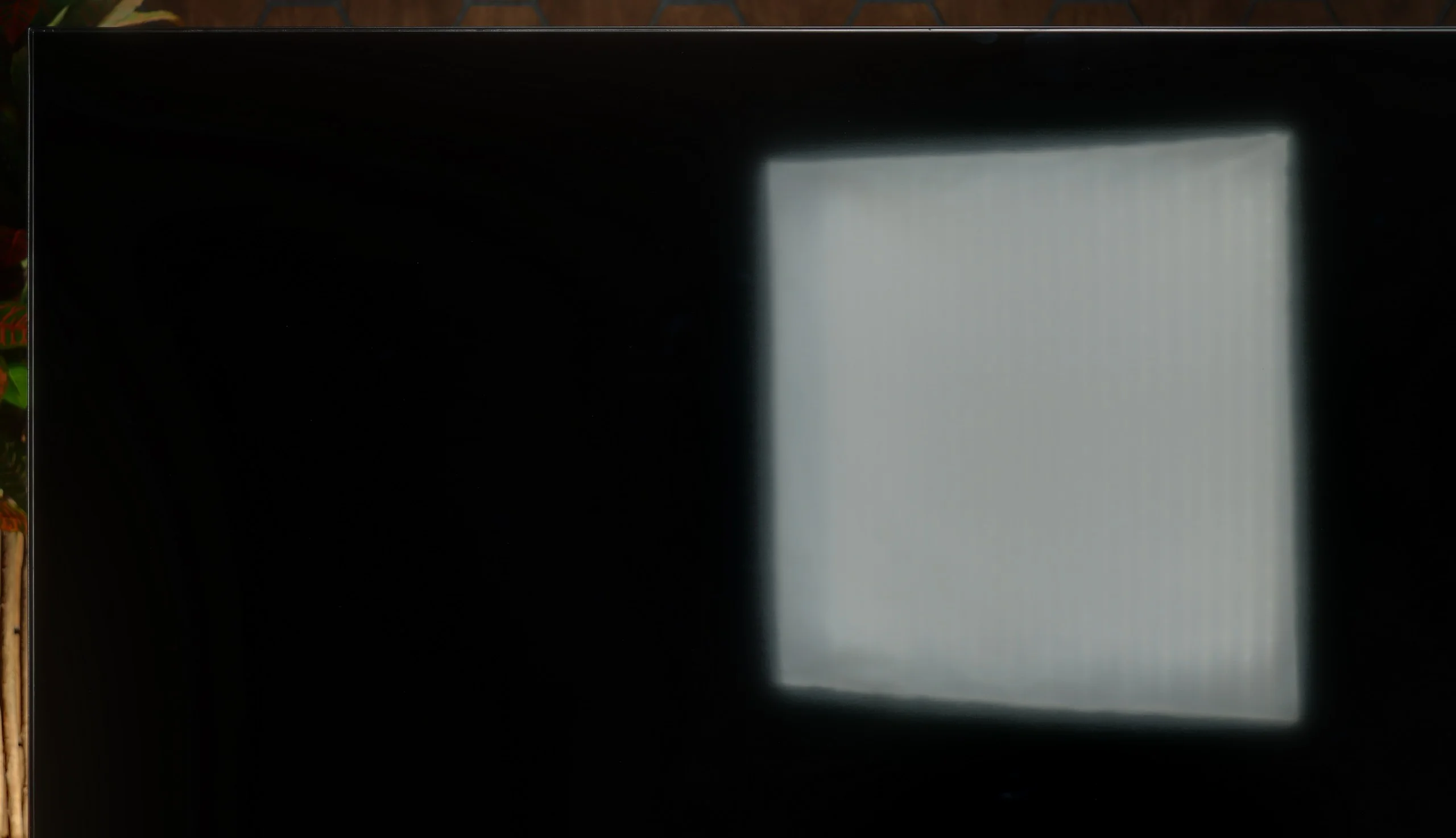
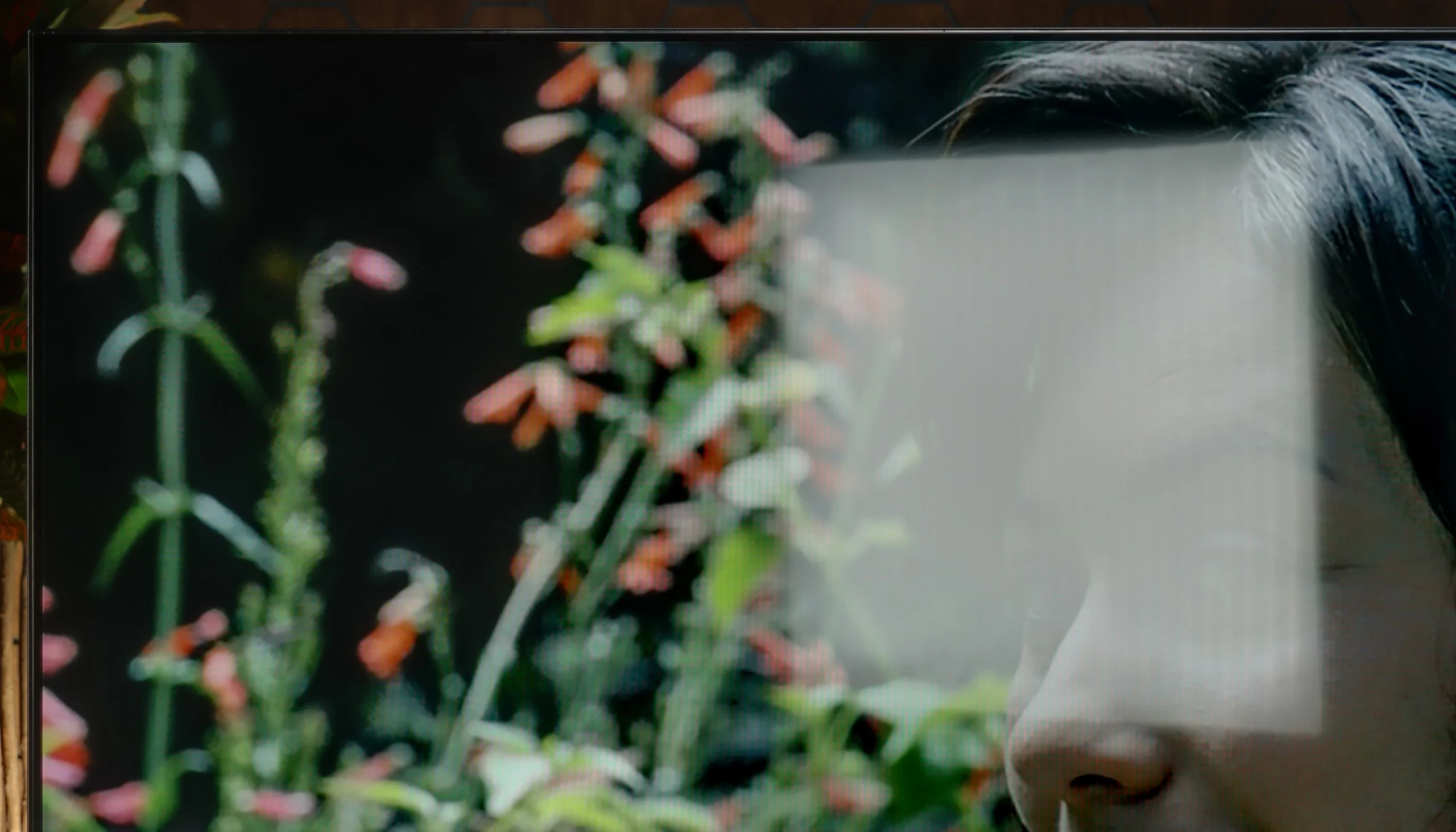
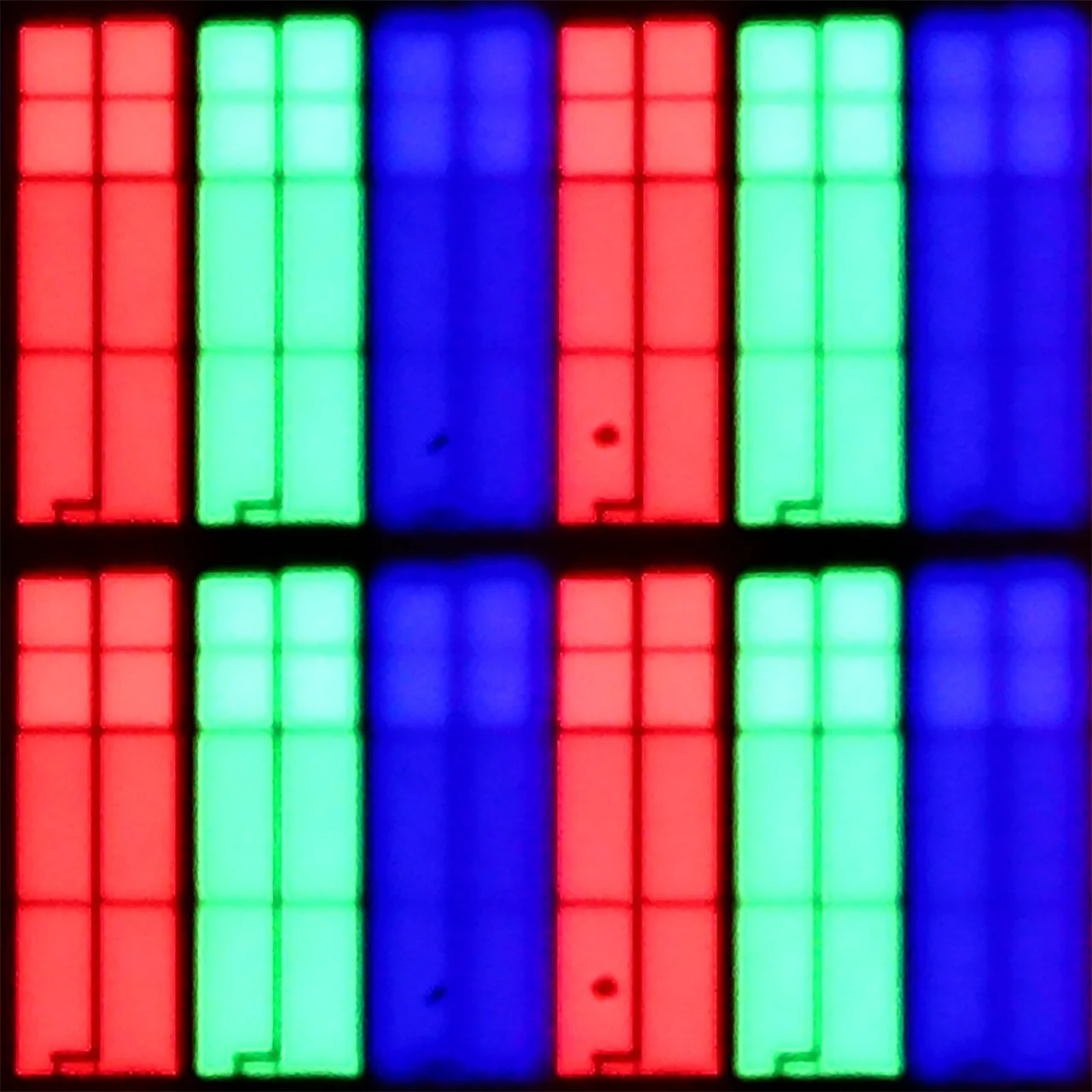
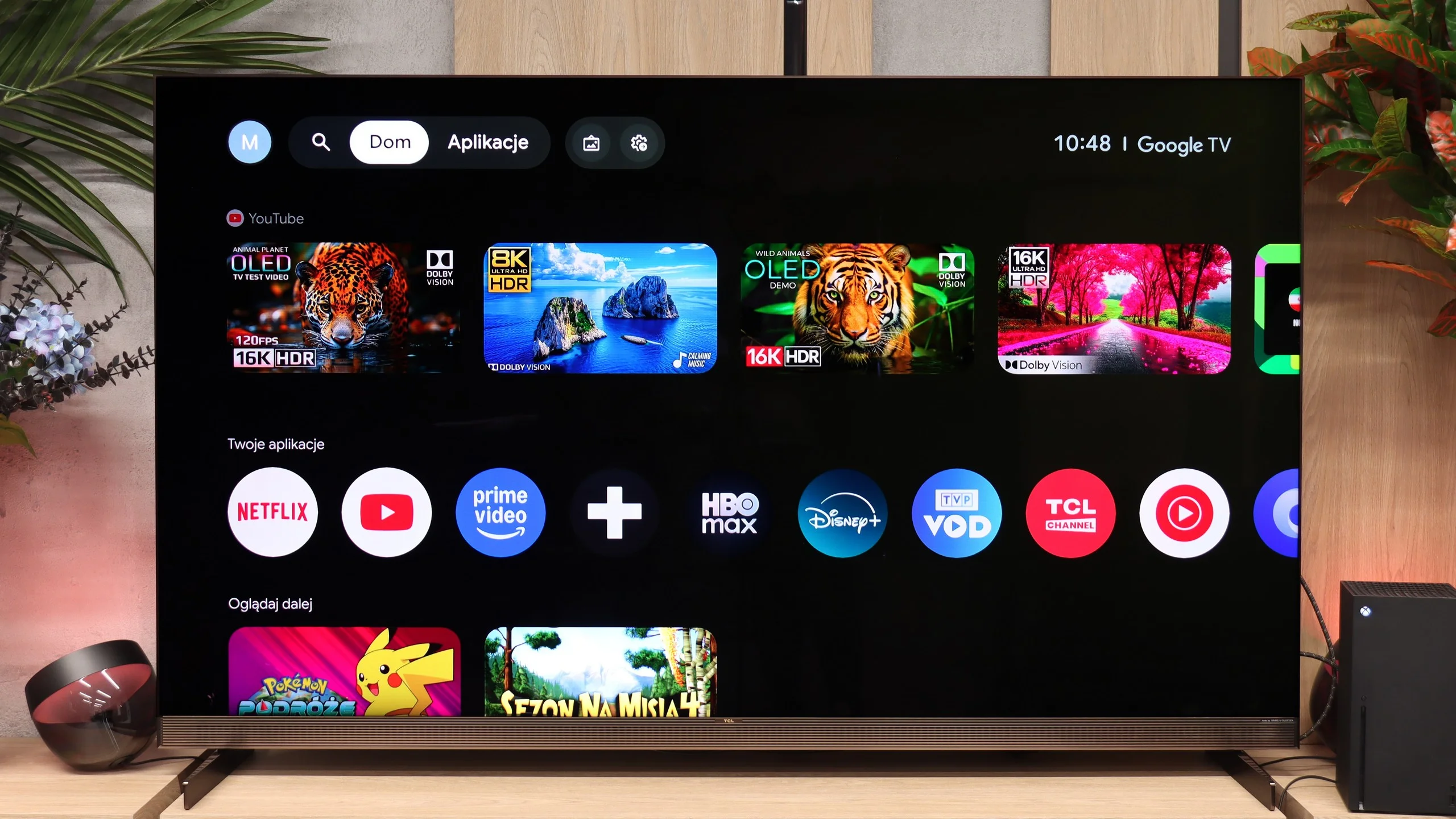
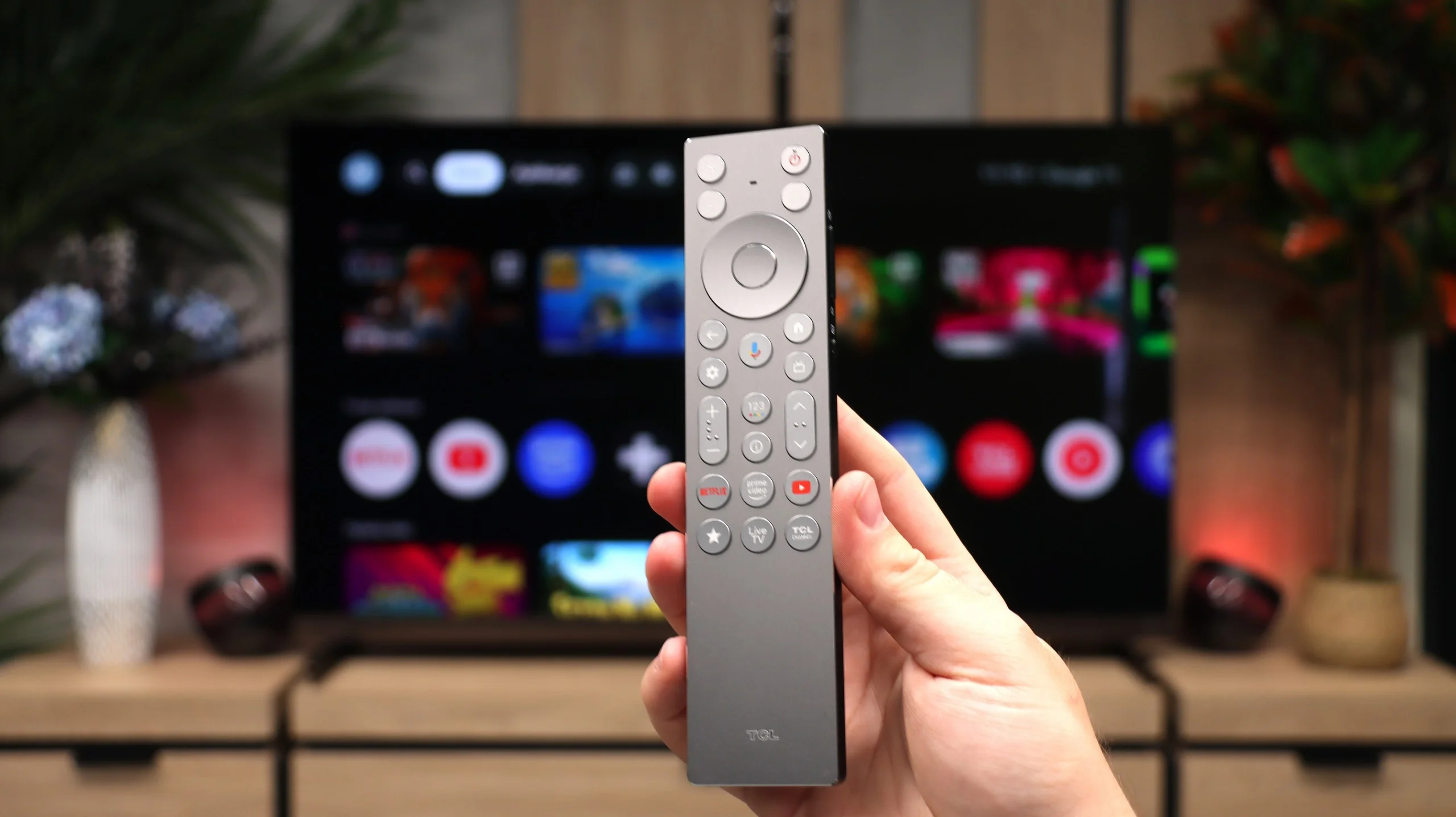
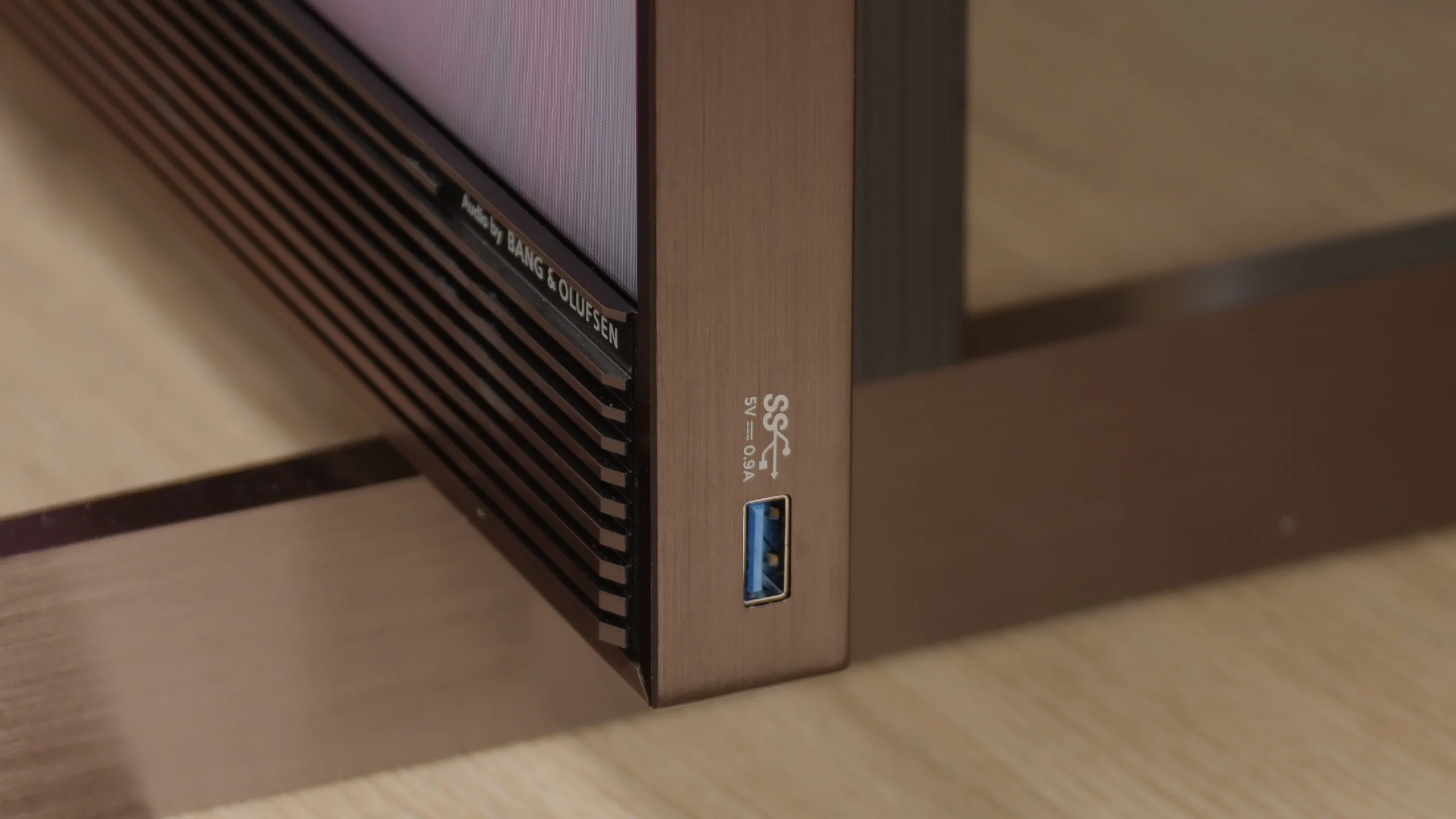
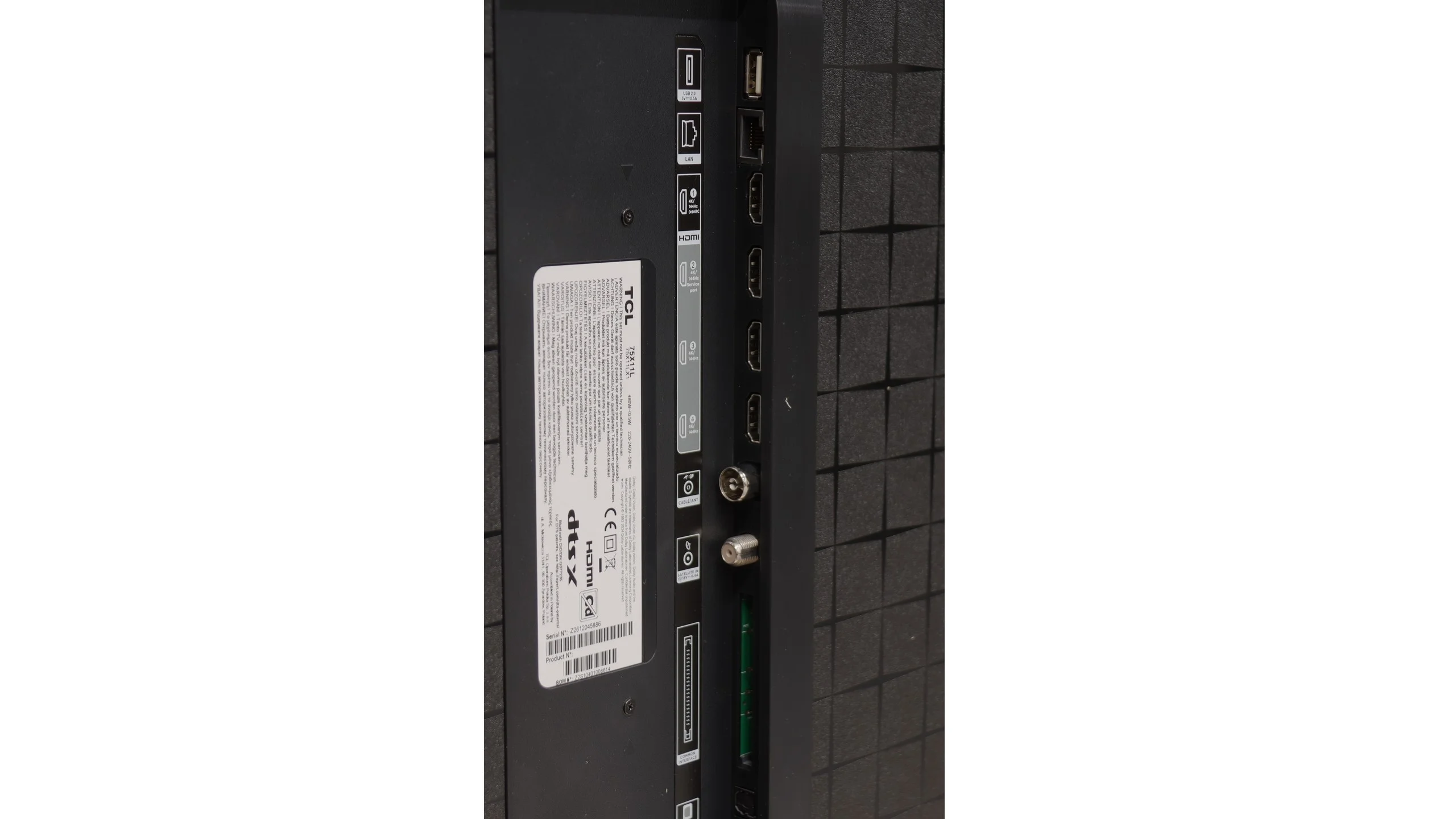
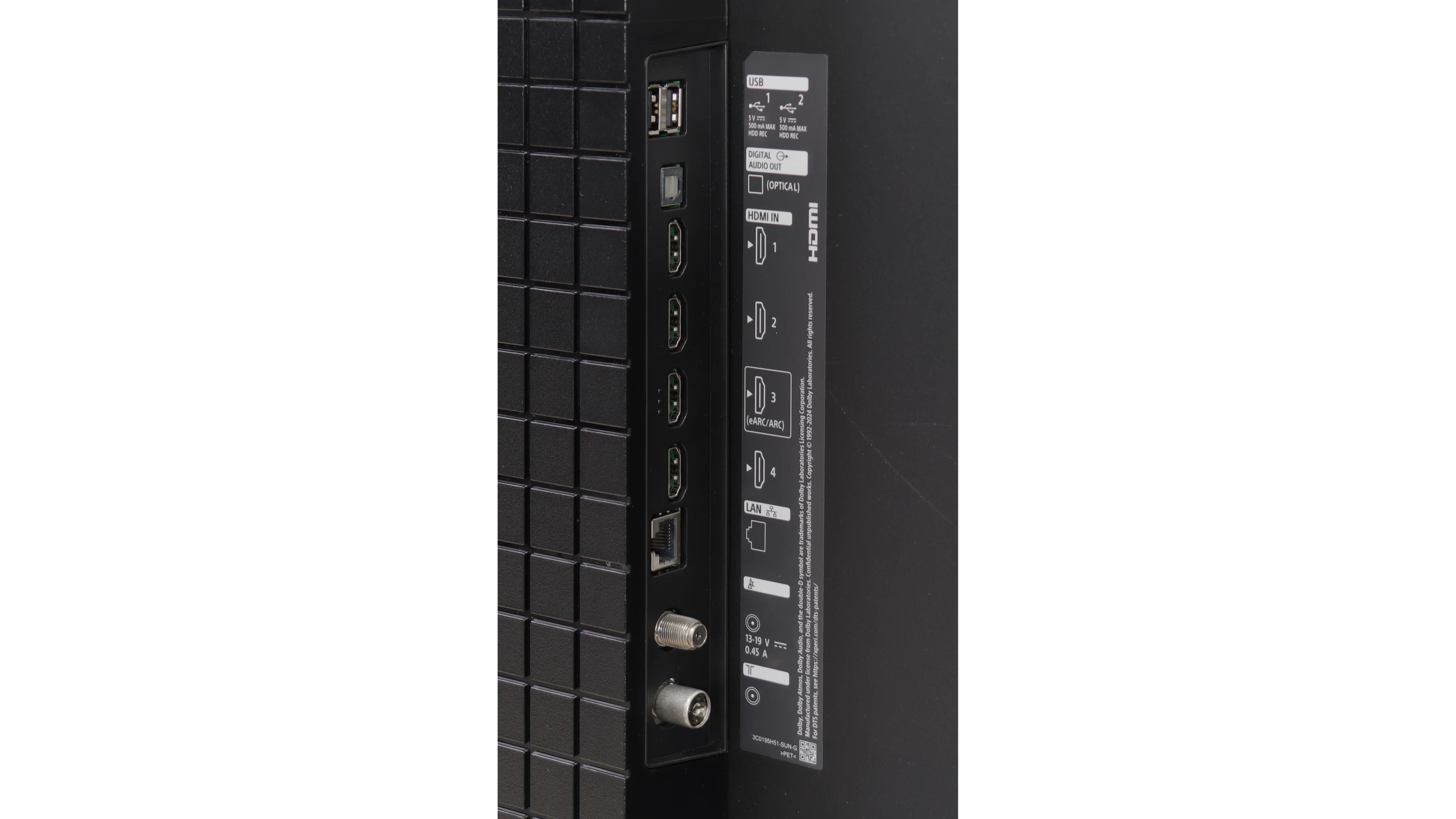
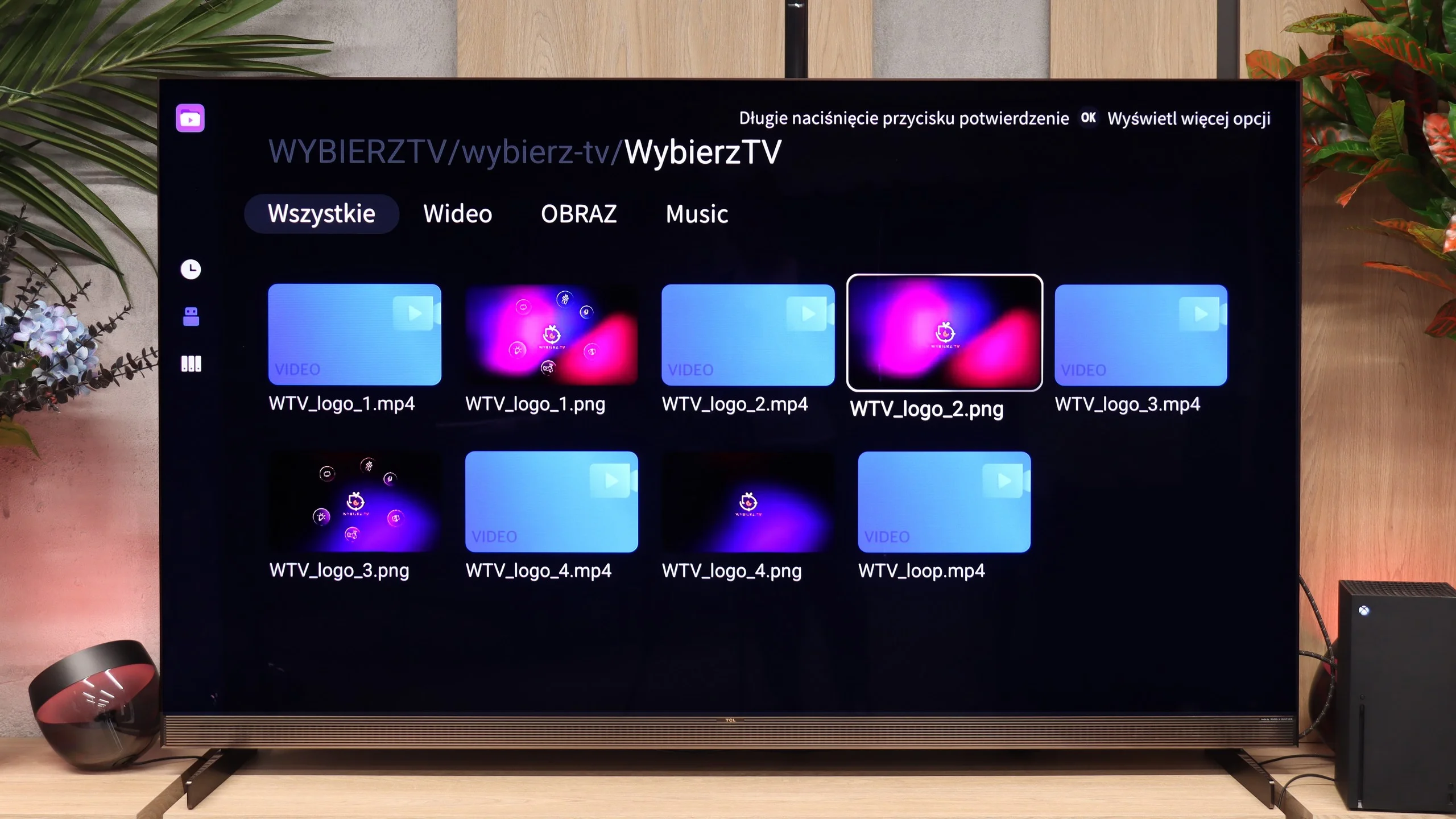
TCL X11L is, without a doubt, a powerful showcase of the manufacturer's capabilities and a TV that impresses in many areas. It’s clear the engineers focused on what matters most: maximum brightness, blacks and contrast. The new quantum dots with an SQD filter do such a job that colour saturation is hardly any different from the top new RGB panels. And what about the blacks? The X11L can easily be placed alongside an OLED and doesn't lose that fight by much, which is a real feat in the world of Mini-LEDs. On top of that there’s a whole host of features surrounding the screen. The new MediaTek Pentonic 800 processor has completely eliminated TCL’s old issues; image processing, upscaling and the smoothness of tonal transitions finally look as good as the competition from Korea or Japan. There is nothing to be ashamed of anymore. Gamers will be delighted too: four full HDMI 2.1 ports, refresh rates up to 288 Hz, a console-inspired Game Bar and Dolby Vision with no noticeable input lag. All of this is tied together by a very smooth Google TV system. Sounds like a recipe for the best Mini-LED of 2026, right? It would be perfect if not for one irritating quirk that stems directly from TCL’s stubborn image-tuning “philosophy”. This TV can simply ignore the director’s intent and, in HDR formats, arbitrarily and artificially brighten entire scenes. The effect? The picture can be too bright at times, sometimes even blown-out. The worst part is that the software offers no option to fix it; even during professional calibration we couldn’t fully correct this fault. For a screen at this price that aspires to be “the best of the best”, such wilfulness is simply unacceptable, especially when we’re talking about Filmmaker mode.
Still, if you couldn’t care less about perfect, studio-accurate fidelity and are after a picture that is above all maximally spectacular, showy and very bright in daylight, the X11L is a true beast. It’s the first Mini-LED to come so close to OLED black levels, and in brightness it simply crushes it. The only real brake here is the price. The sum you’ll have to pay for this model (regardless of size) is a serious outlay. Is it worth spending that much? We’ll leave that to your judgement. One thing must be conceded: it’s currently one of the best Mini-LEDs we’ve tested so far.
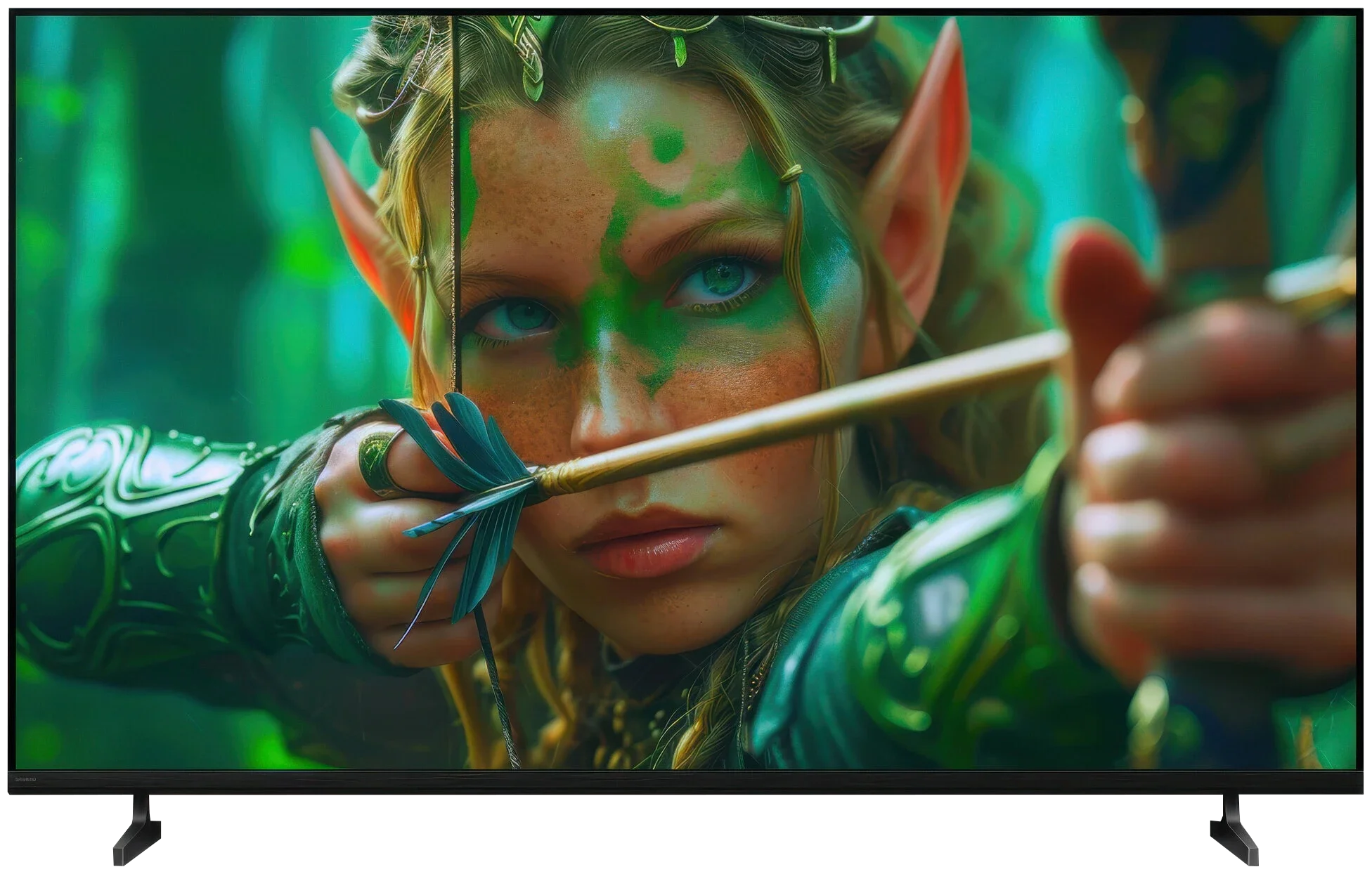
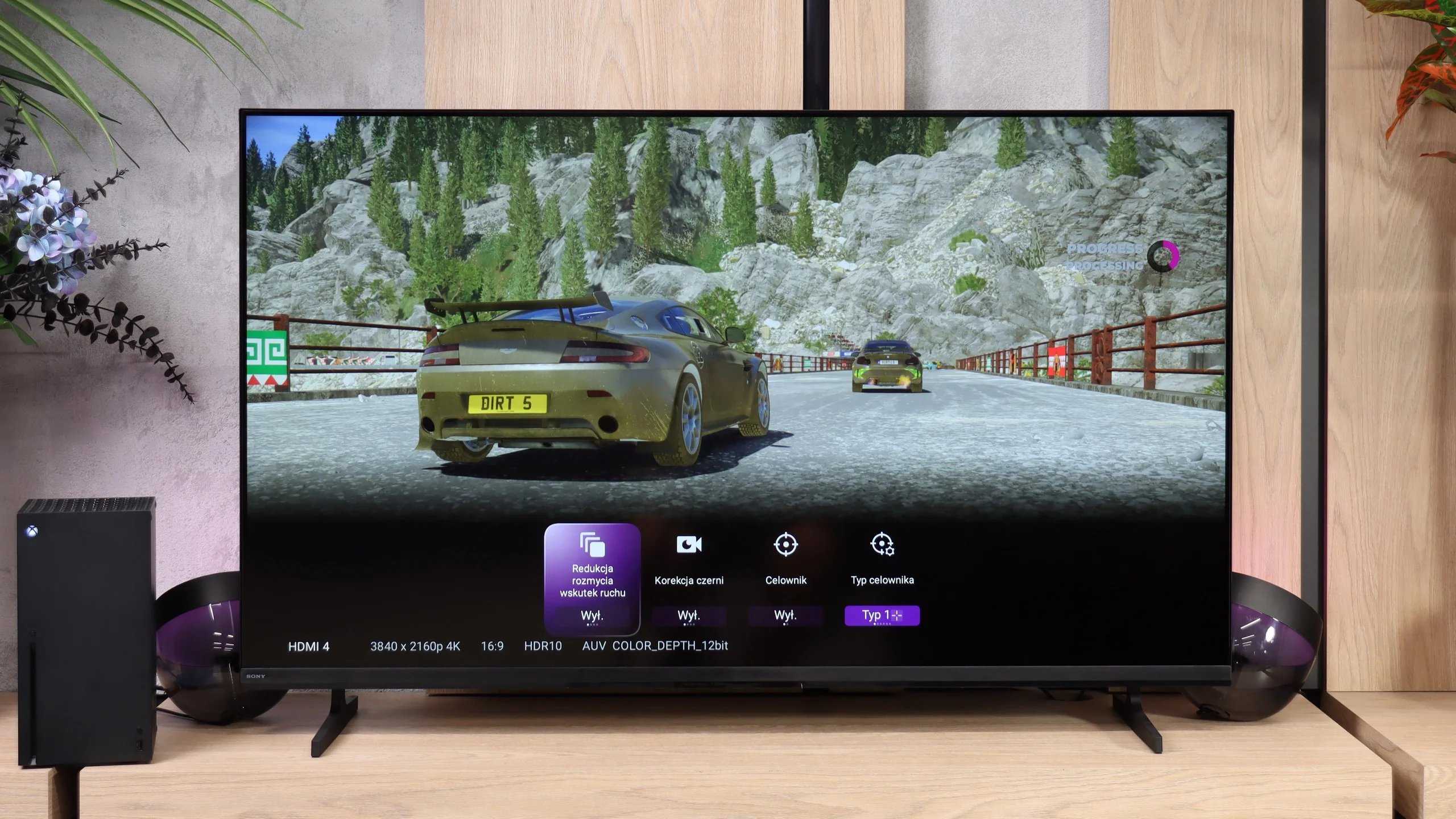
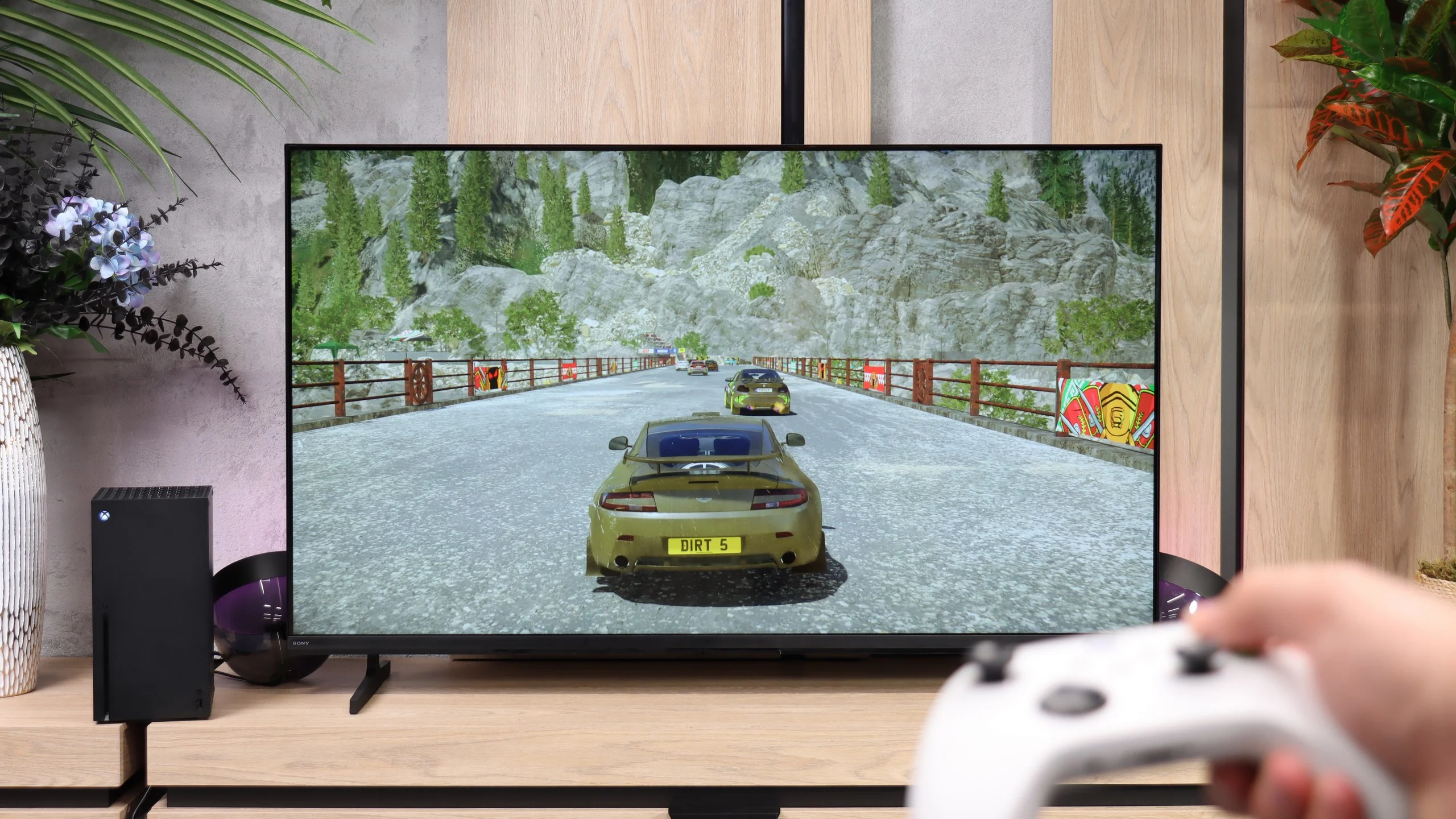
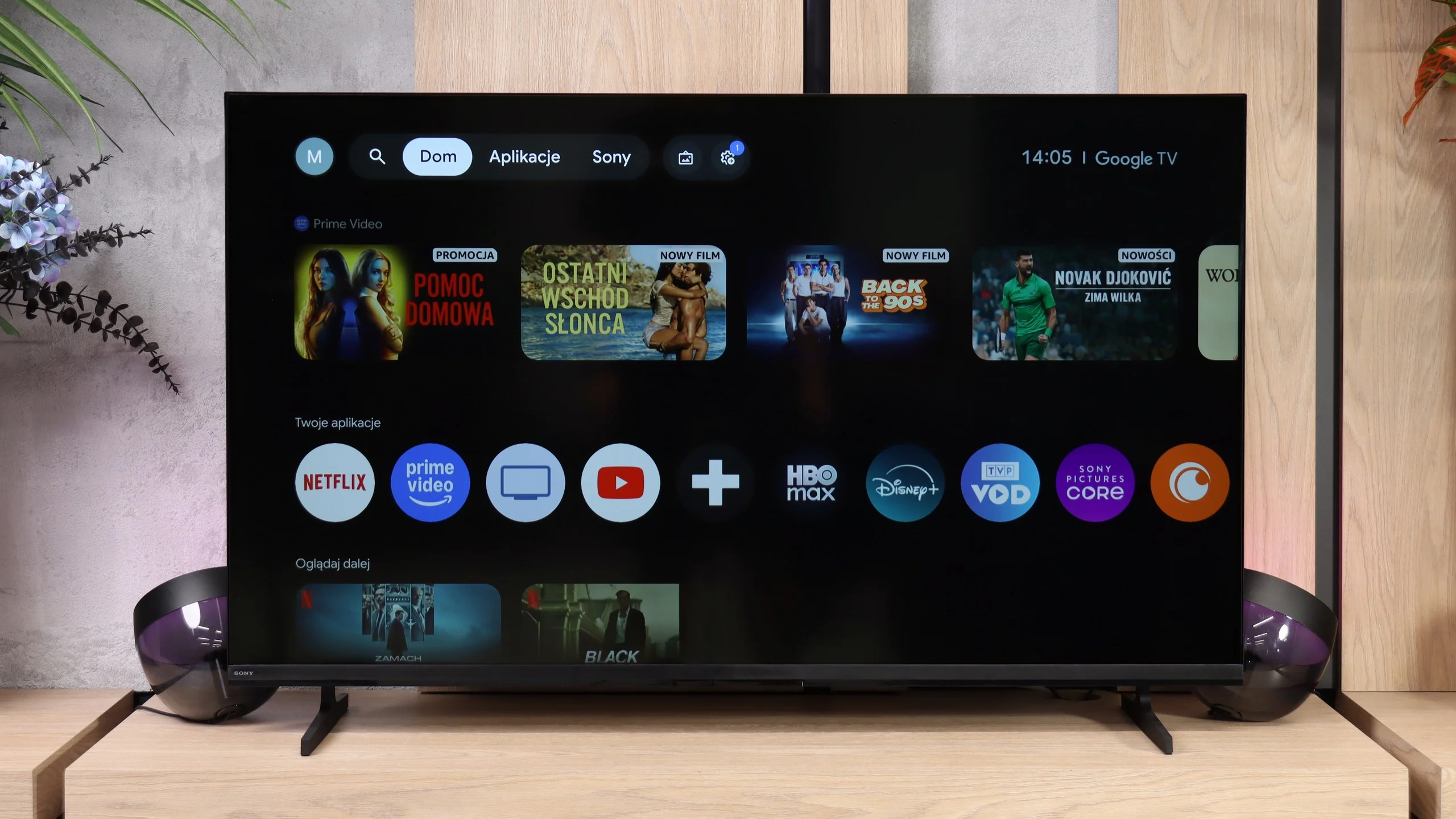
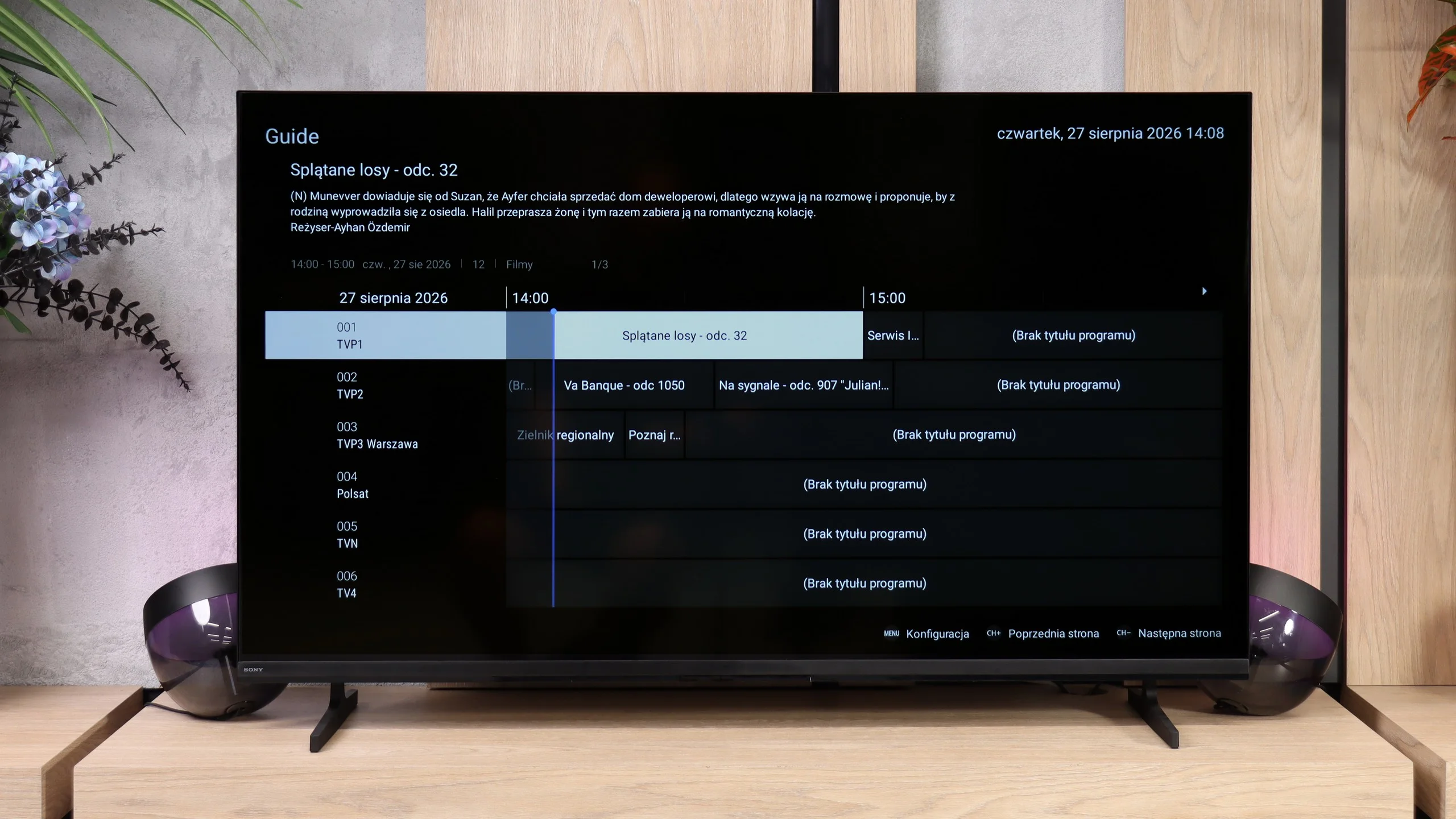
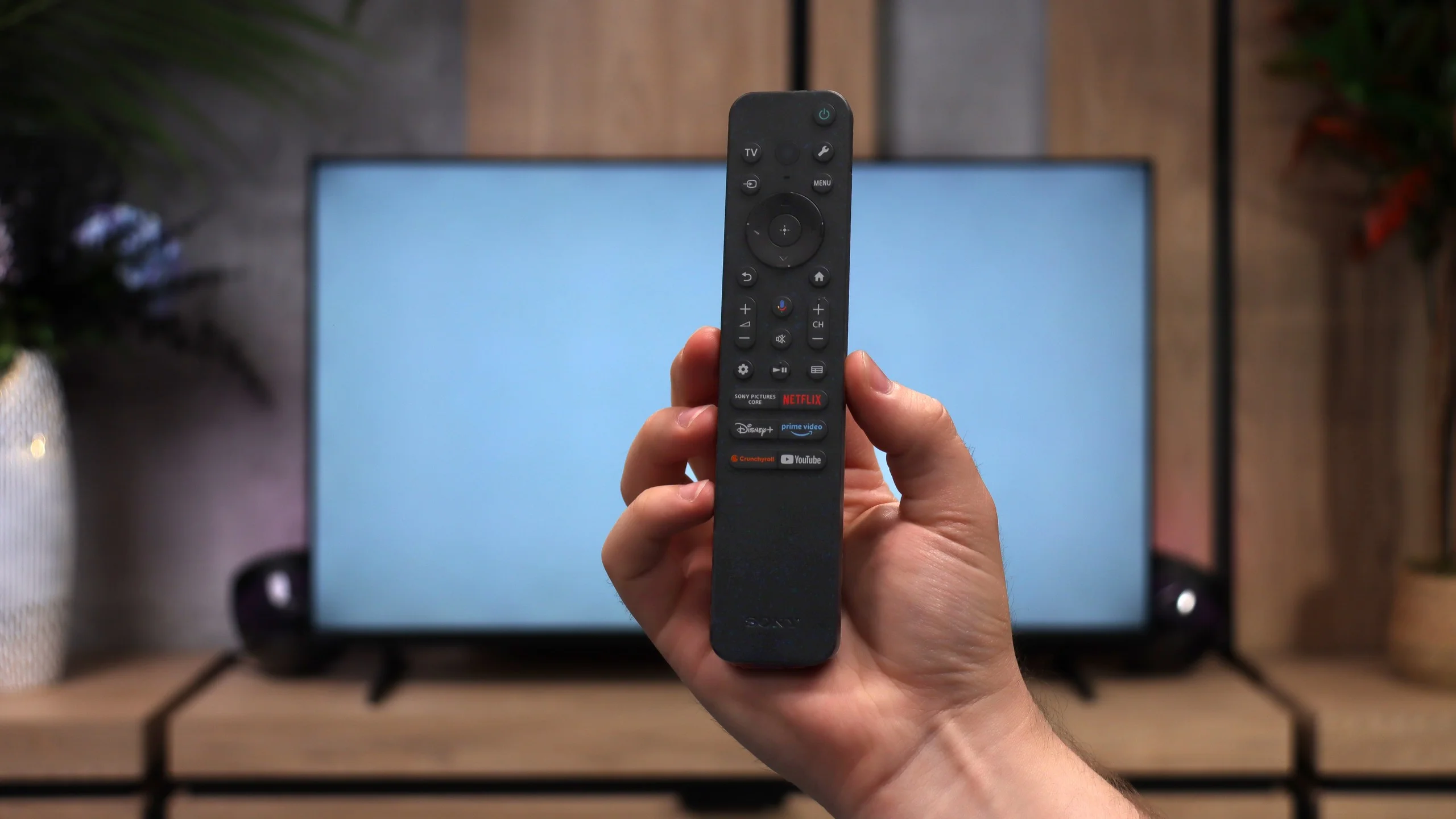
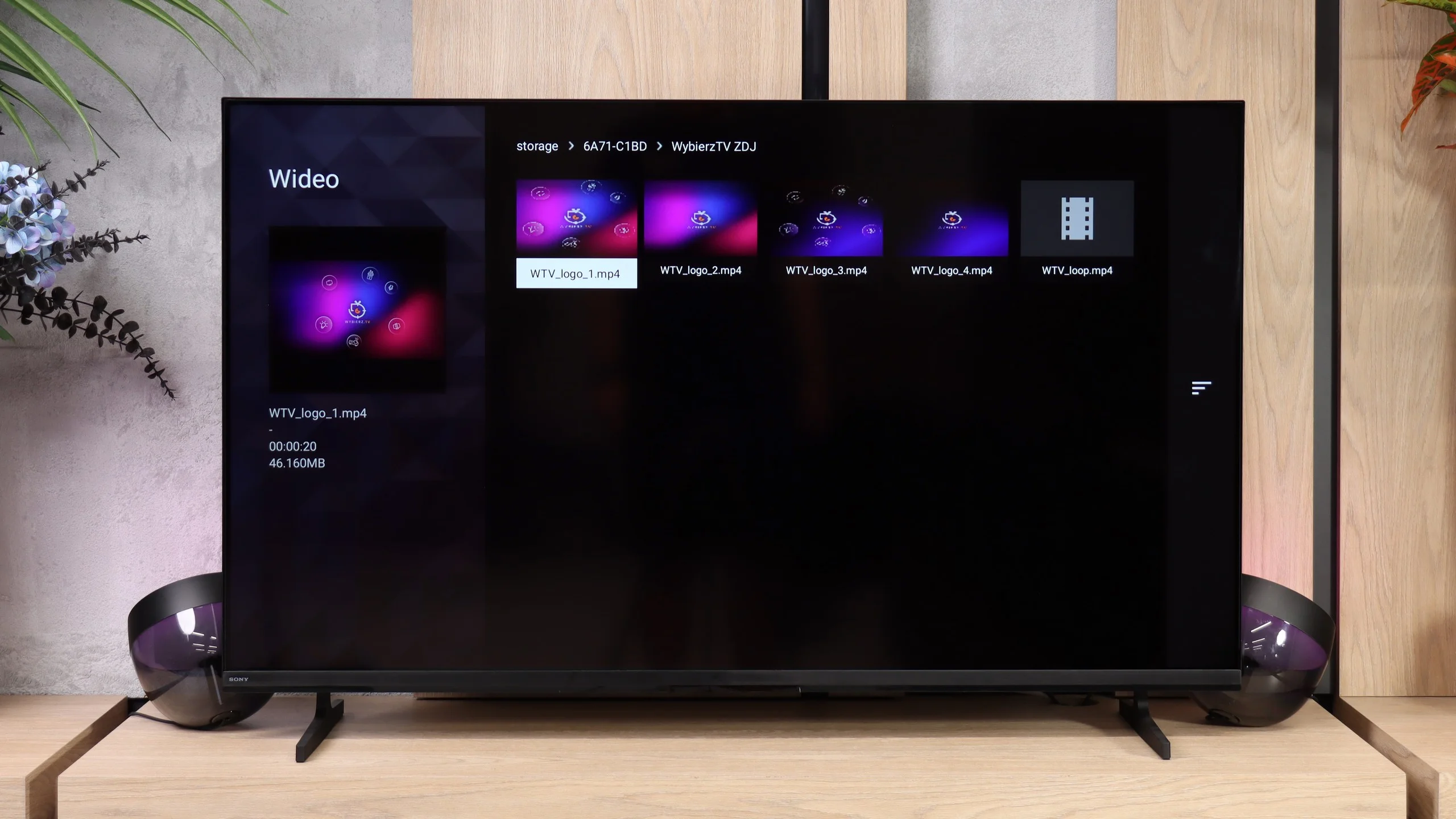
The Sony Bravia 2 II is a television that performs best in simple, everyday use. And we suspect many people will choose it mainly because of Google TV. The system provides access to a huge number of apps and streaming services, and it also includes Chromecast, AirPlay and convenient voice search. The set itself may not run as quickly as more expensive Sony models, but in terms of features there is little to complain about. Importantly, for ordinary viewing the picture quality is quite decent. The Bravia 2 II handles SDR material particularly well, meaning regular TV, YouTube and much of older films and series. The factory Cinema mode is already fairly well tuned, colours look natural and, without much fiddling with the settings, you can simply start watching. And in our view this is where the Bravia 2 II shows its best side, as a simple Smart TV for everyday use rather than a television that aims to impress with the panel's capabilities.
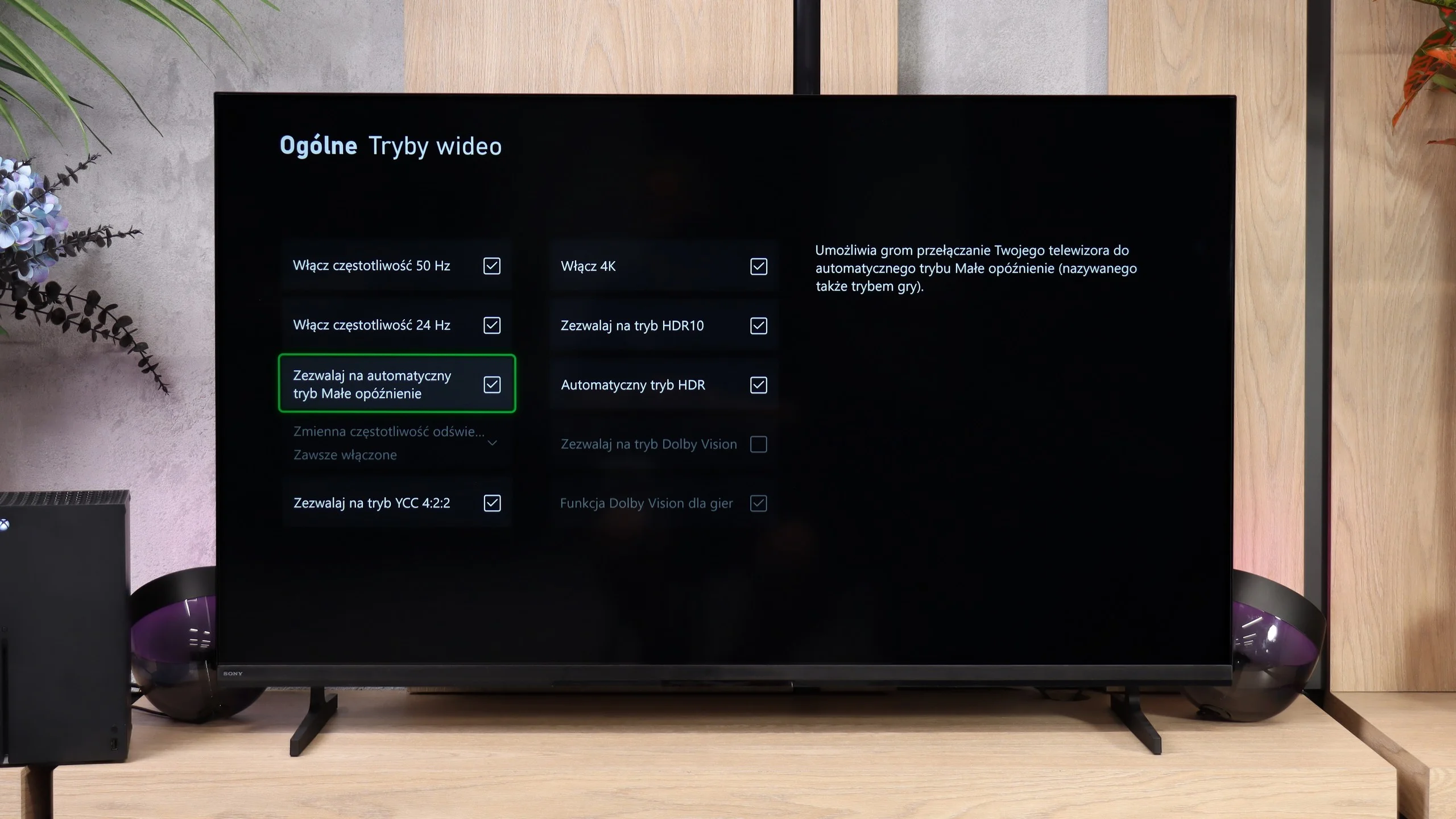
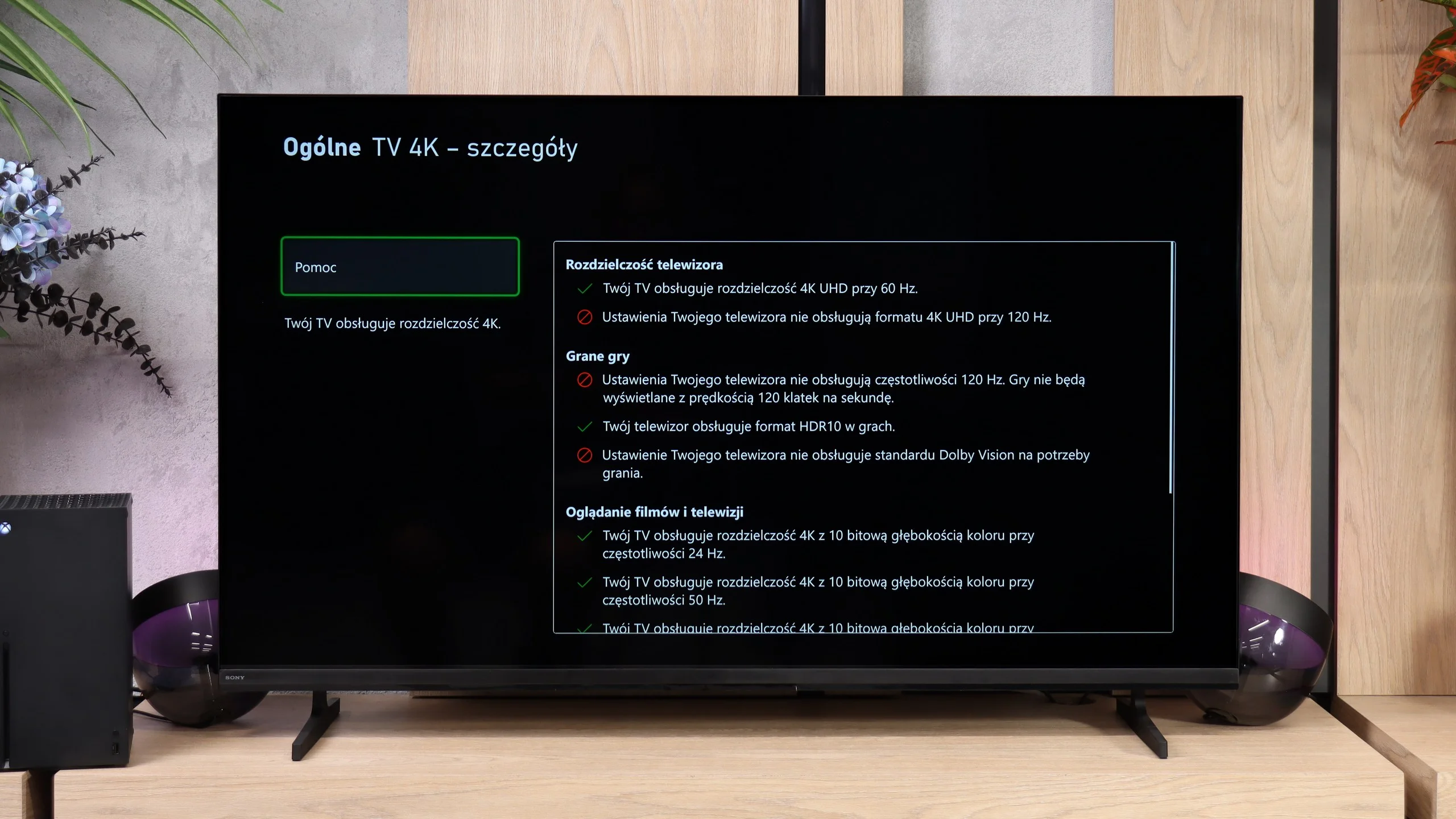
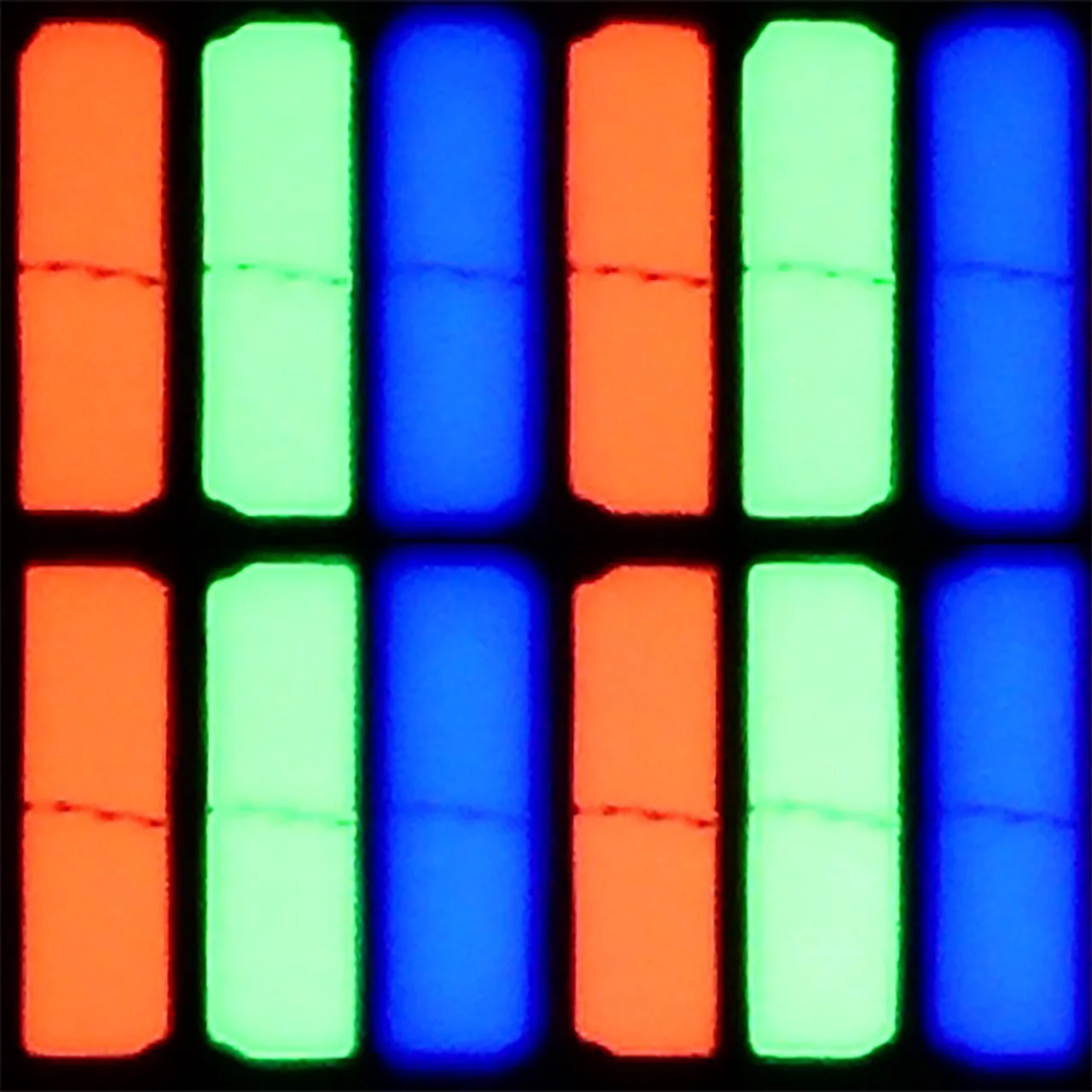
However, you should remember that the word "Bravia" on the casing does not automatically mean excellent picture quality. The Bravia 2 II uses an IPS panel with very low contrast, and that is its biggest problem. During the day this is not such a big issue, but switch the lights off in the evening and the blacks start to look more like dark grey. Of course, in return you get good viewing angles, so if the TV sits in a large living room and is watched by several people from different positions, IPS has its advantage. But that comes at the cost of weak blacks. This is also not a television made with HDR impact or more demanding gamers in mind. About 300 nits of brightness and a narrow colour gamut mean HDR material does not show much more than what we see in SDR. The 60 Hz panel and the lack of broader gaming features also clearly show that gaming is not a priority for this model.
And it wouldn't really be a big problem, because we expected exactly that from an entry-level Sony model. However, the biggest issue for the Bravia 2 II is its price. For similar money you can easily find competing TVs, especially from Korean and Chinese brands, that already offer much more, from 120 Hz panels to Mini-LED backlighting with local dimming. So the Bravia 2 II is not a bad television in itself. It's simply too expensive for what it offers. If its price were noticeably lower, as a simple TV for everyday viewing it would make much more sense.
 Direct comparison