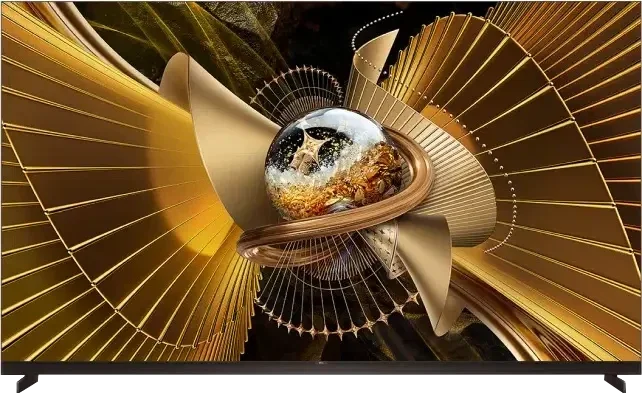
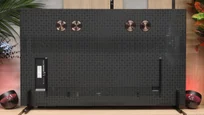
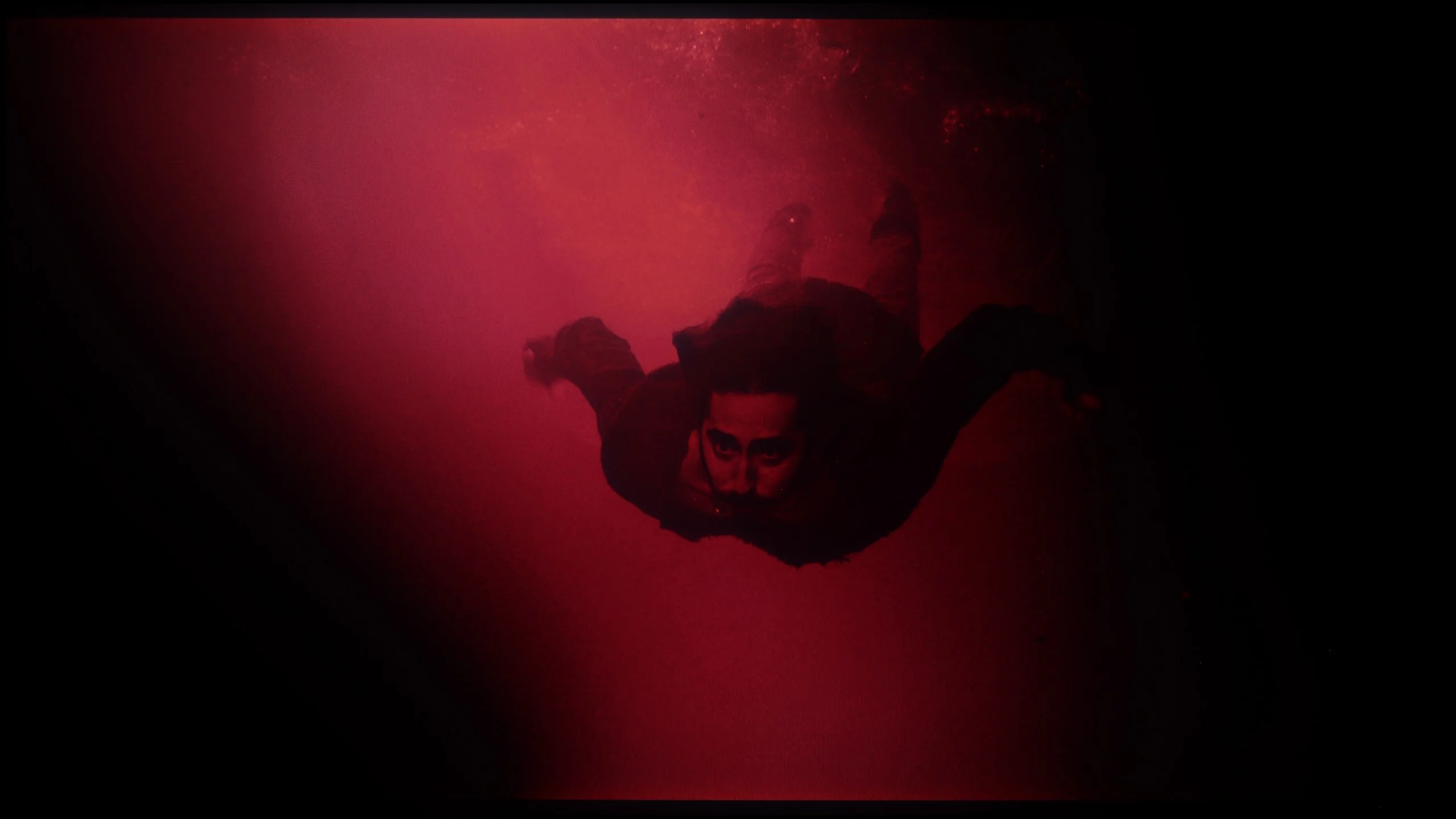
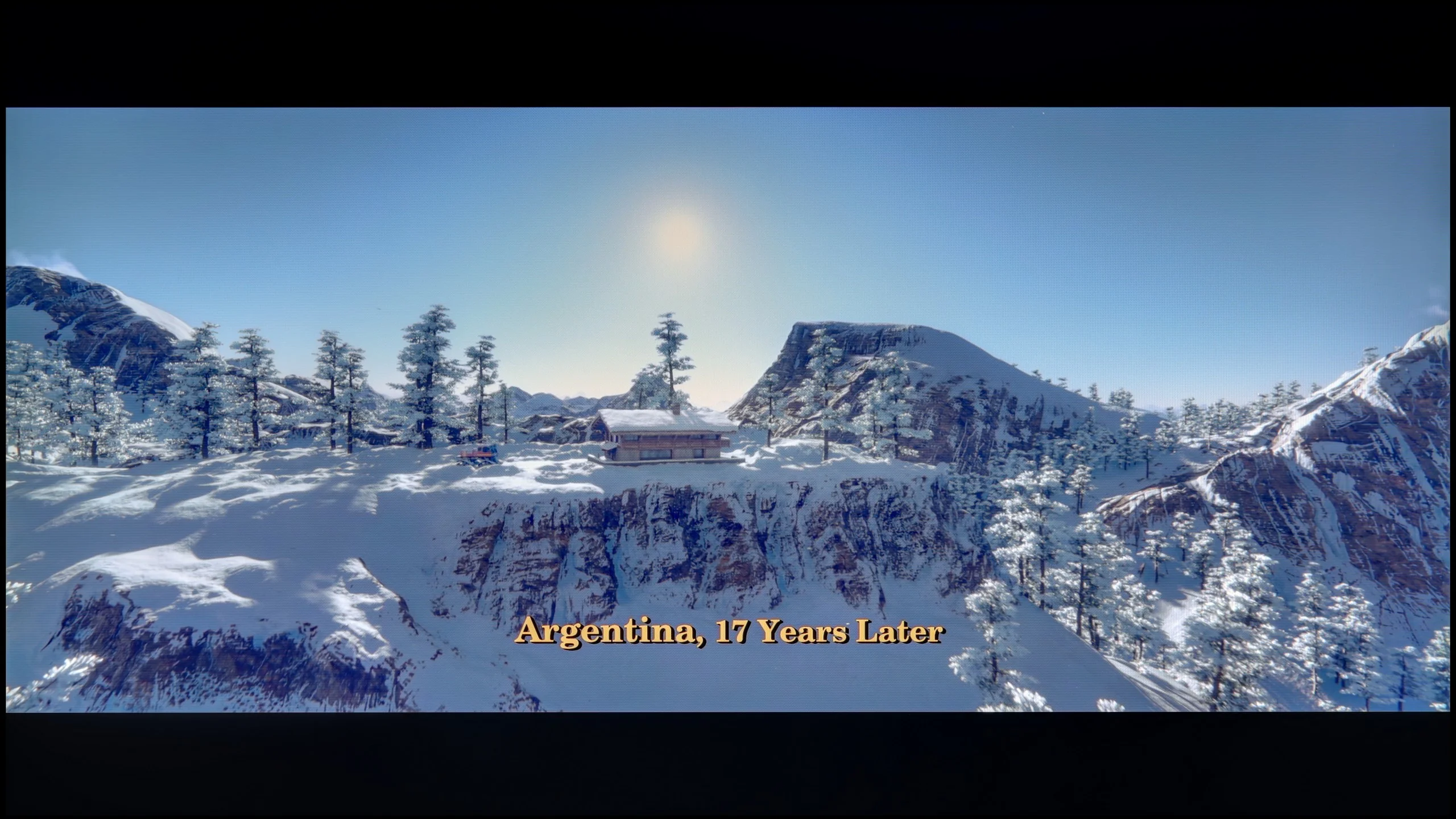
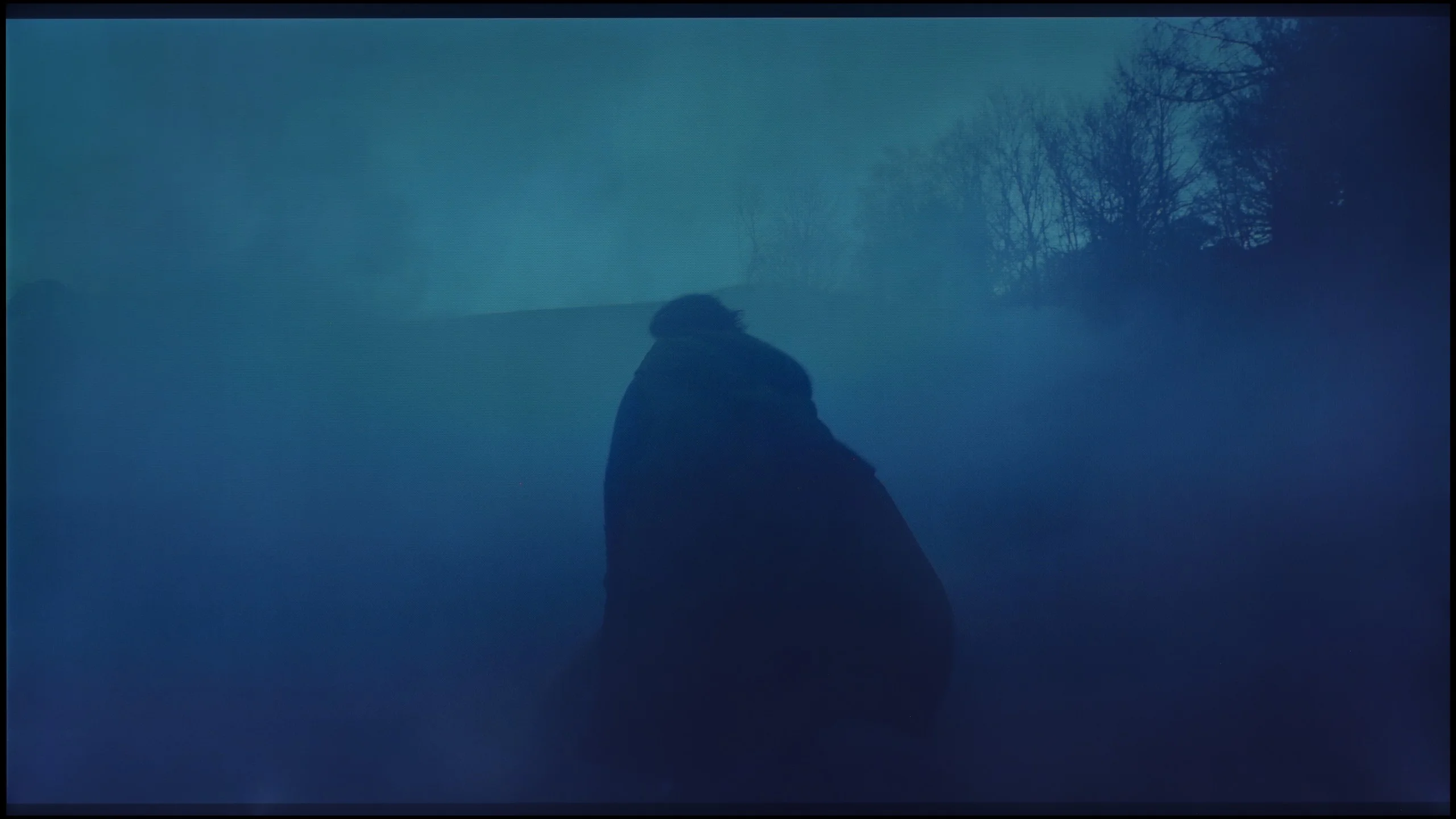
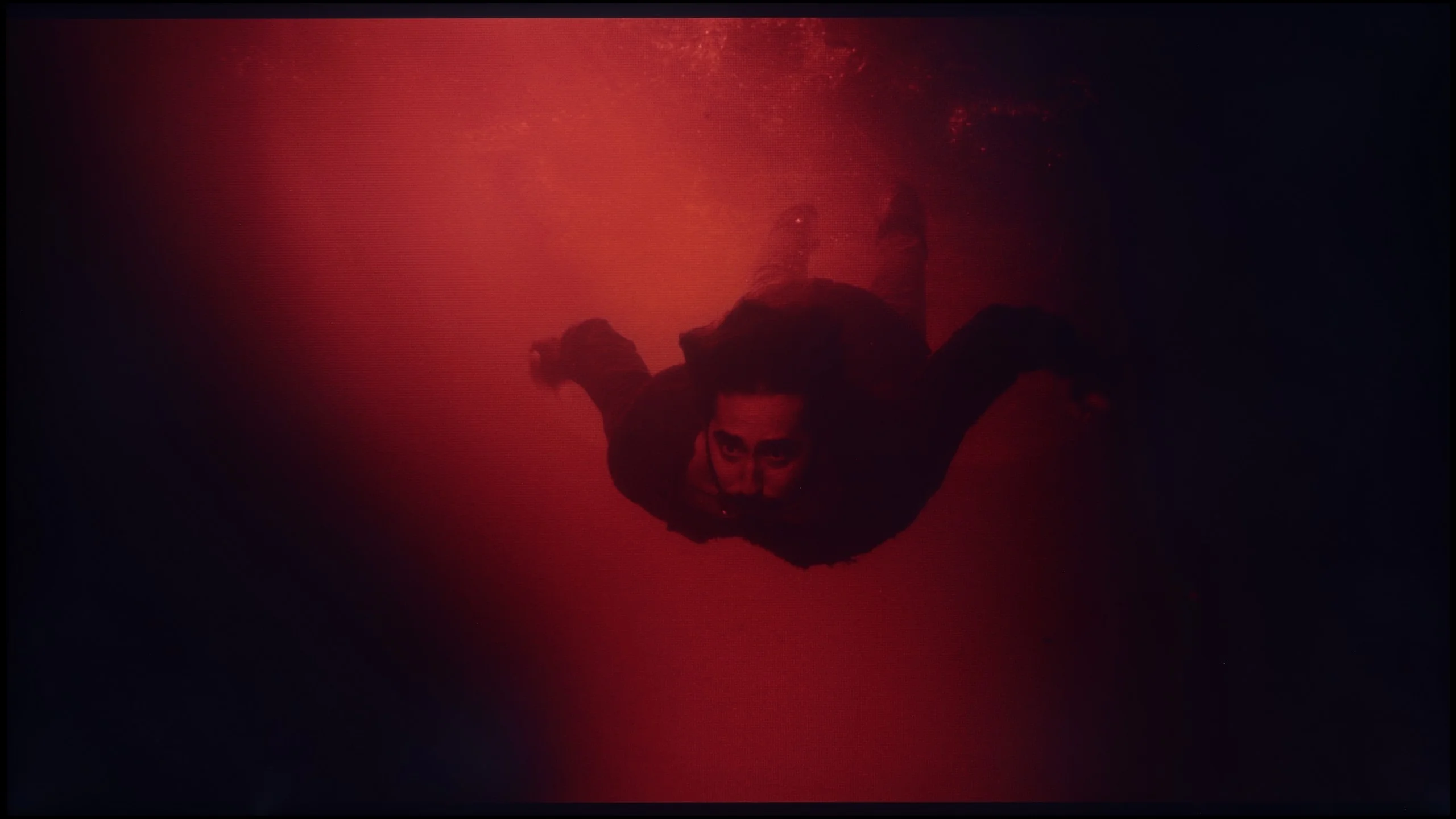
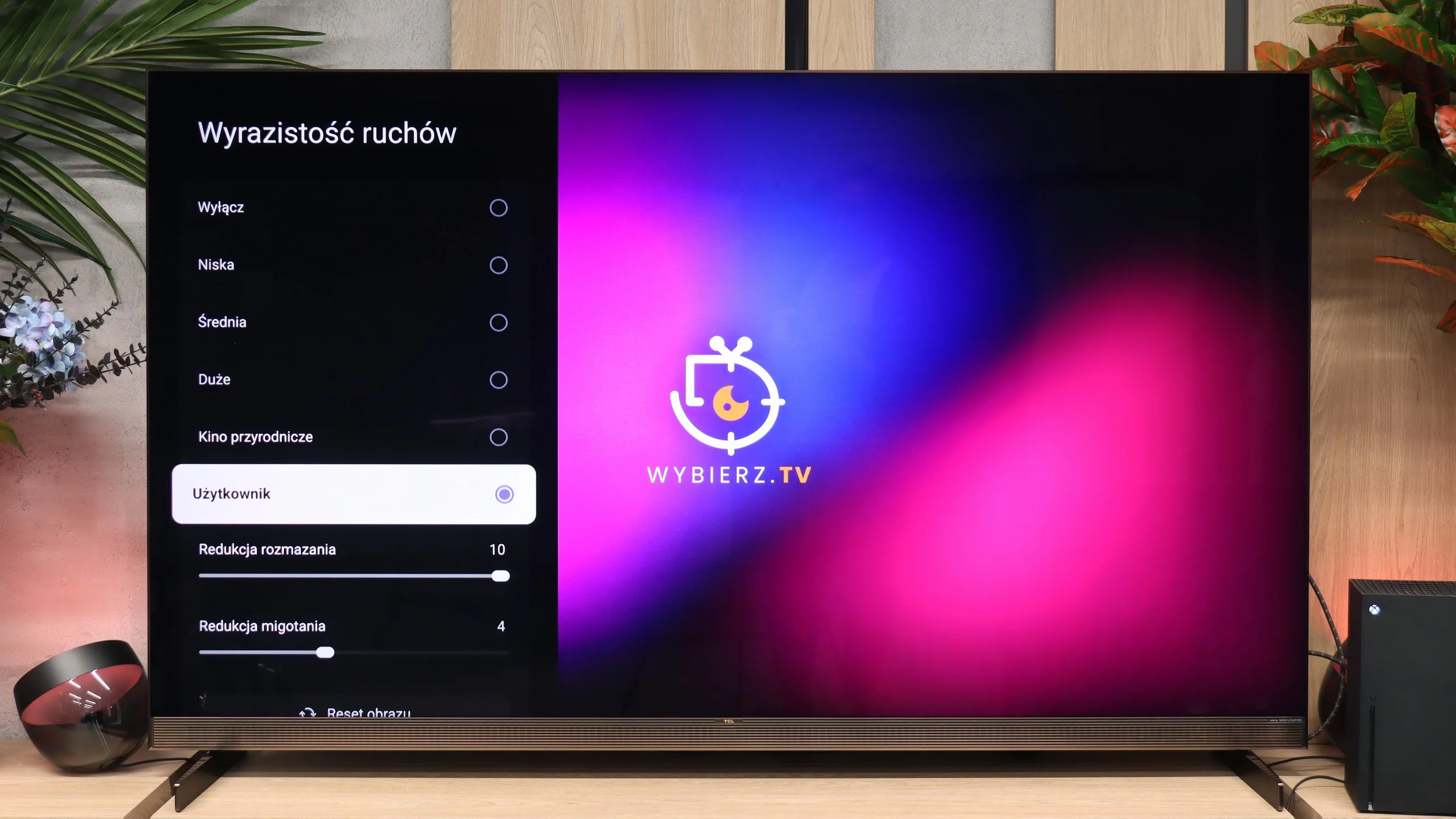
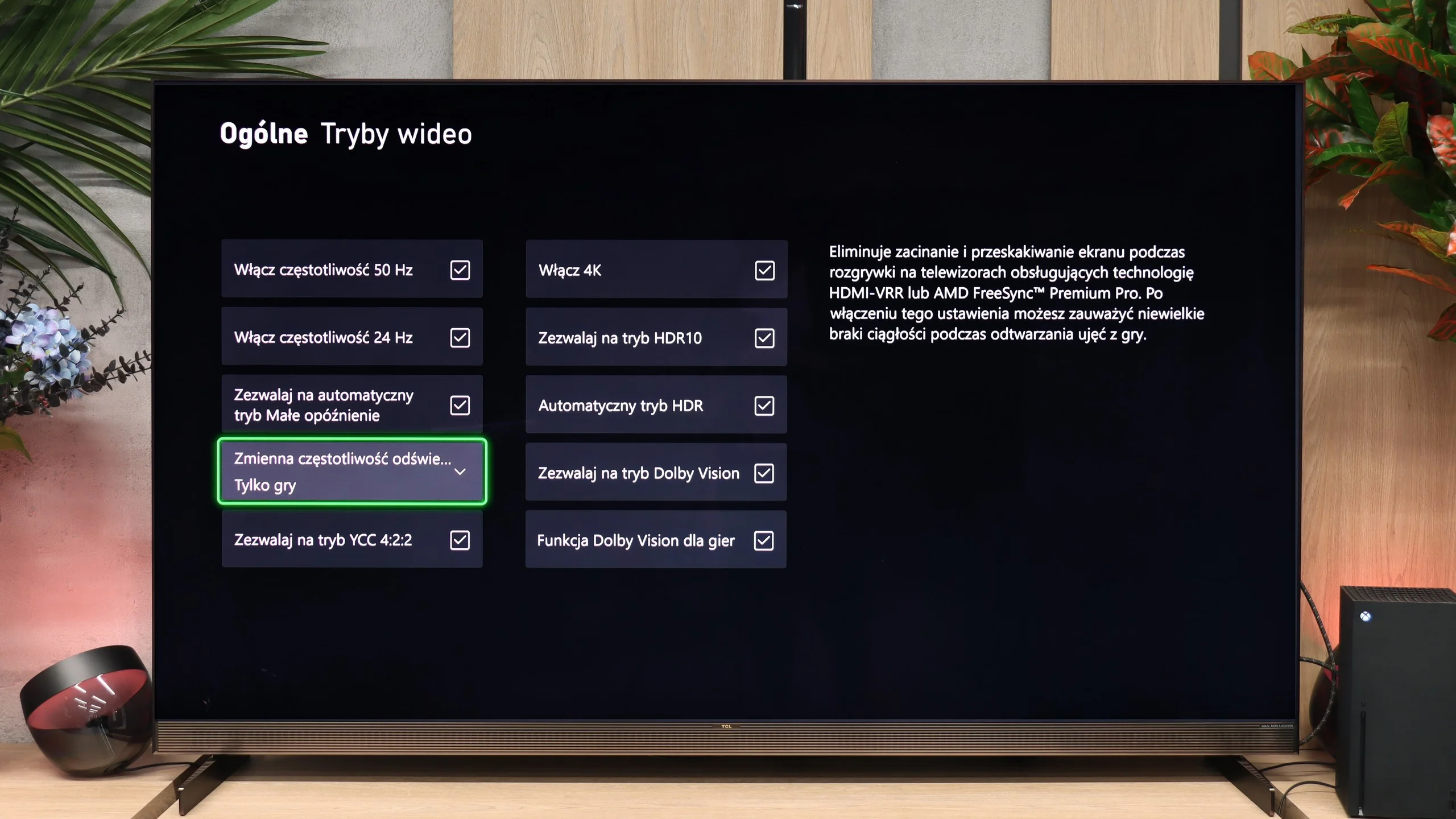
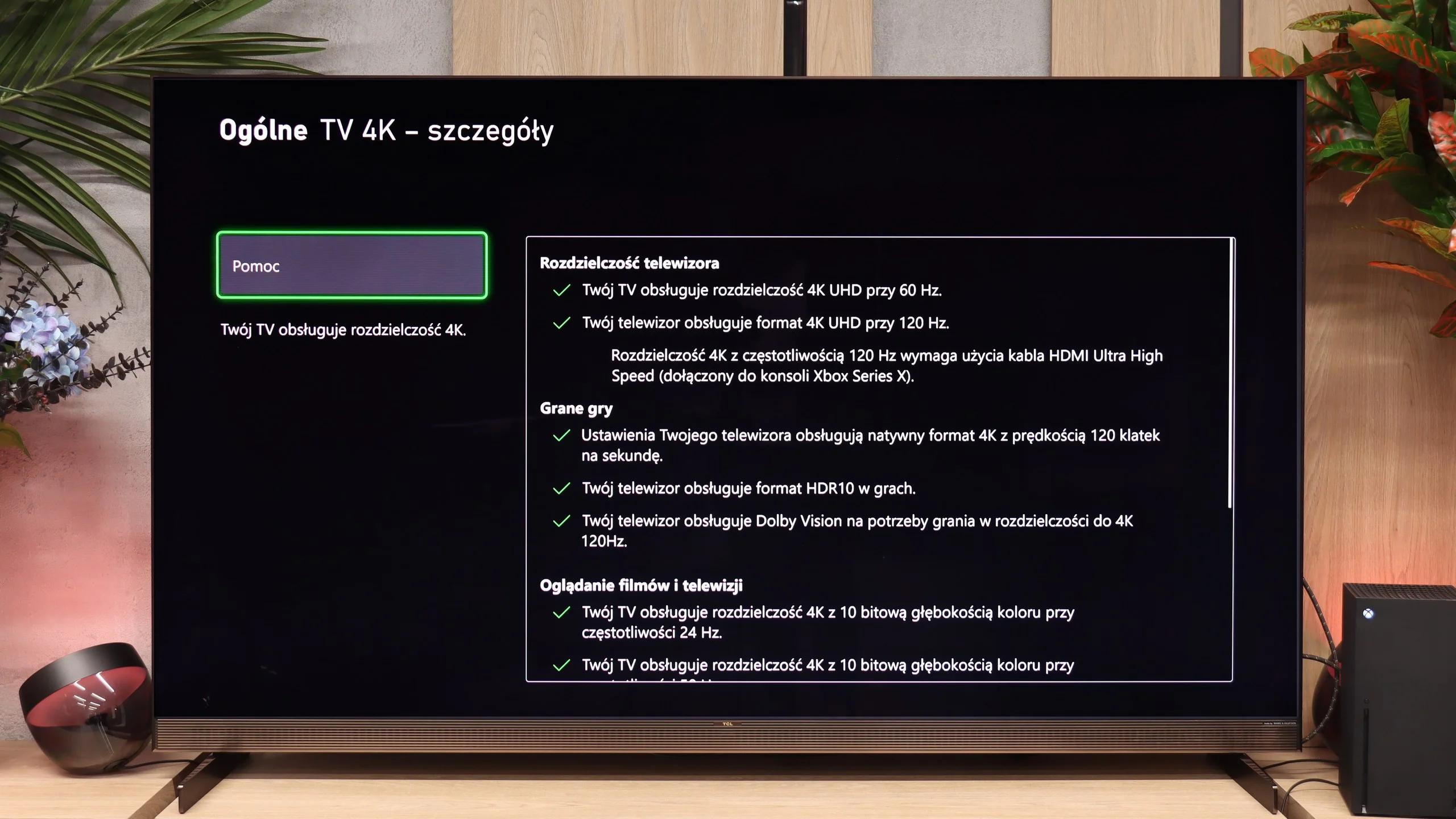
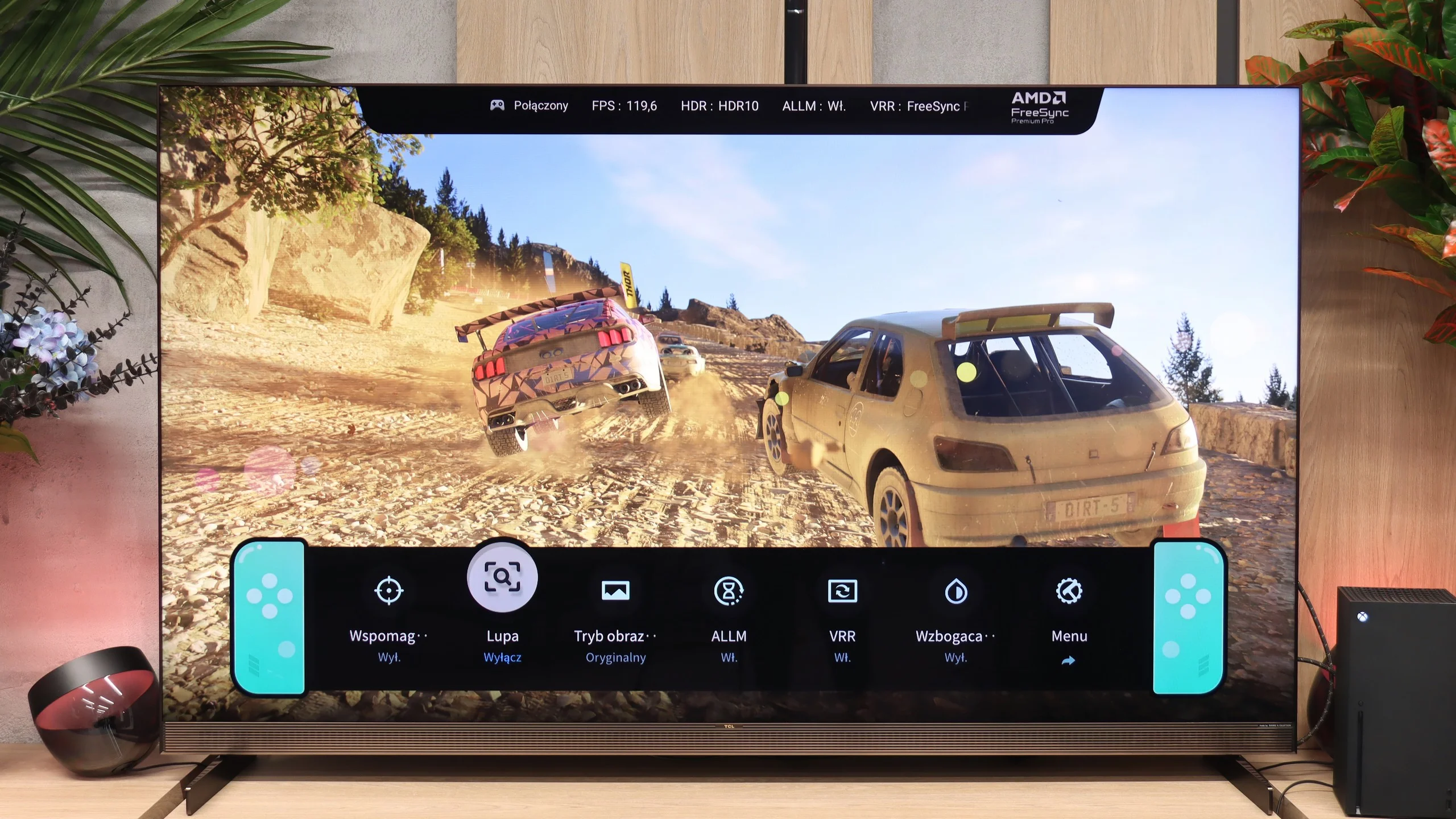
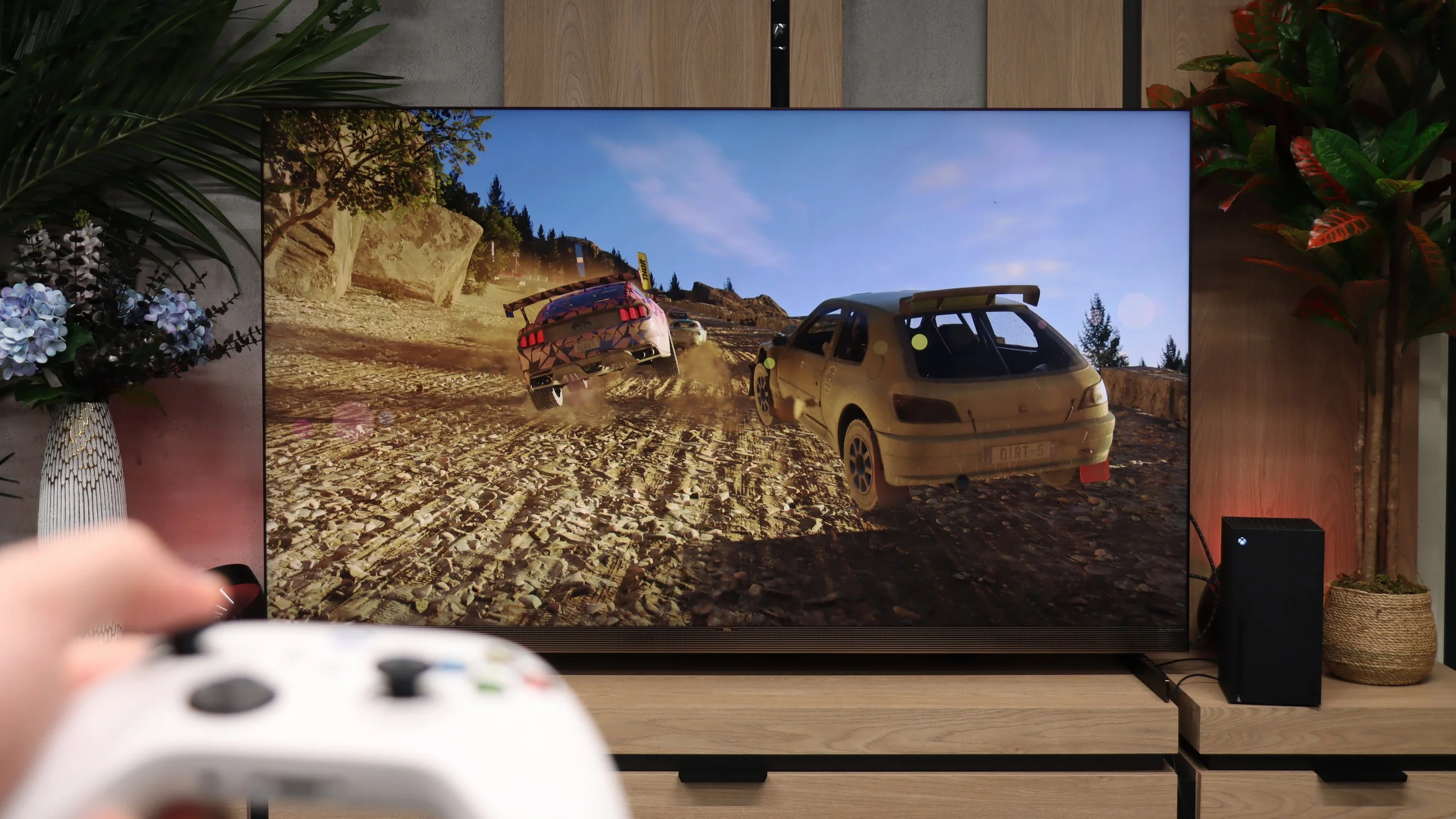
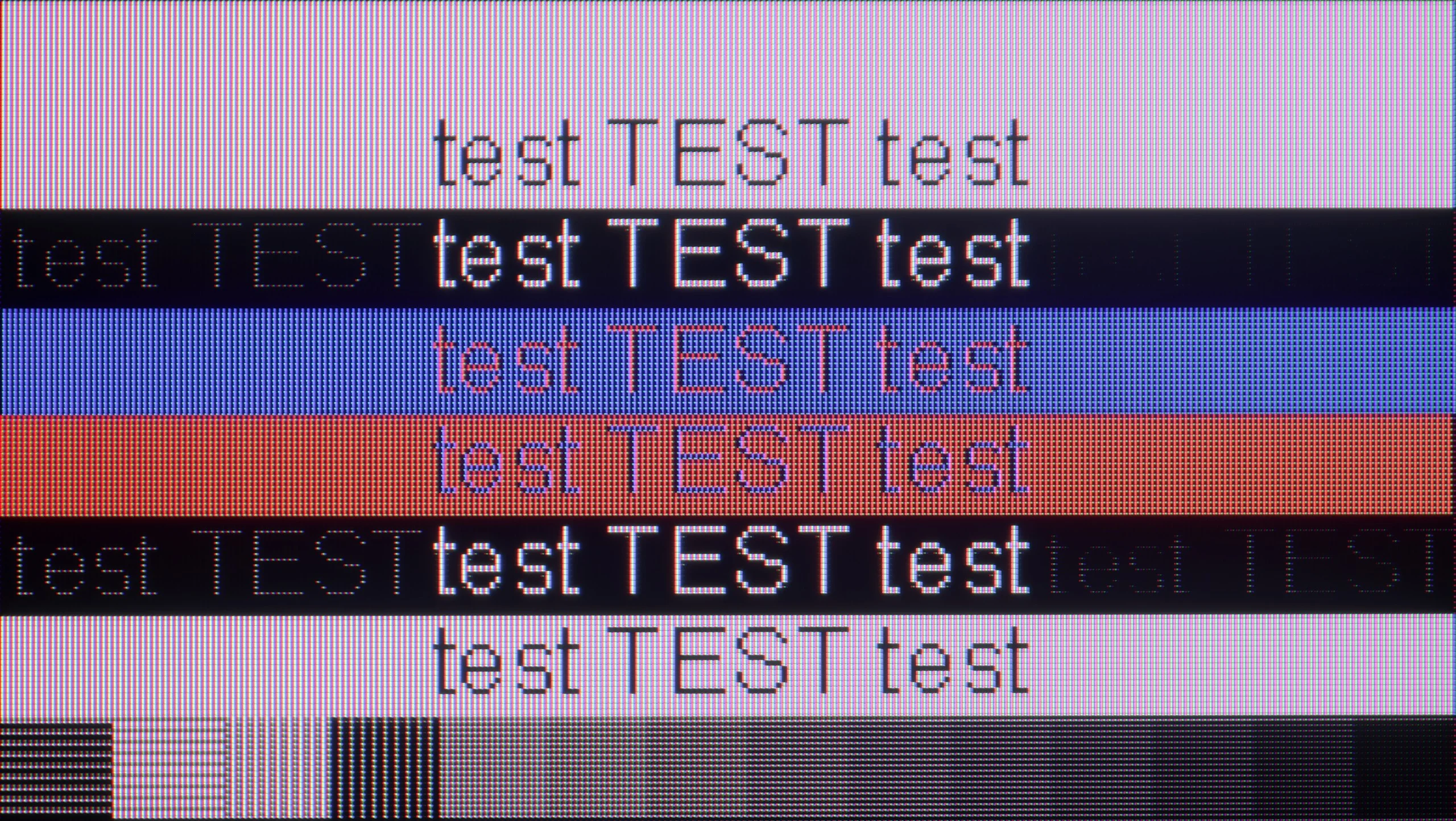
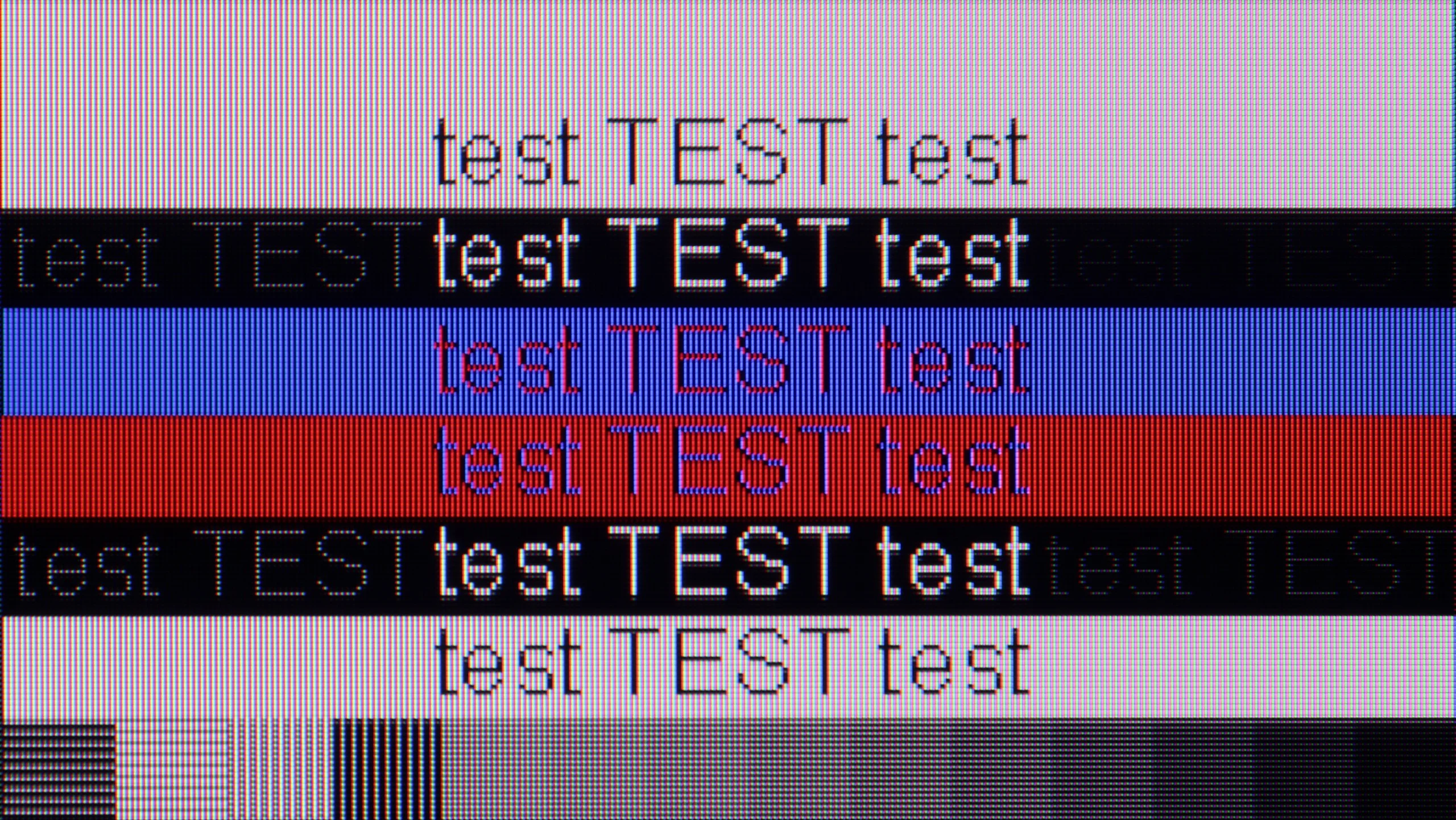
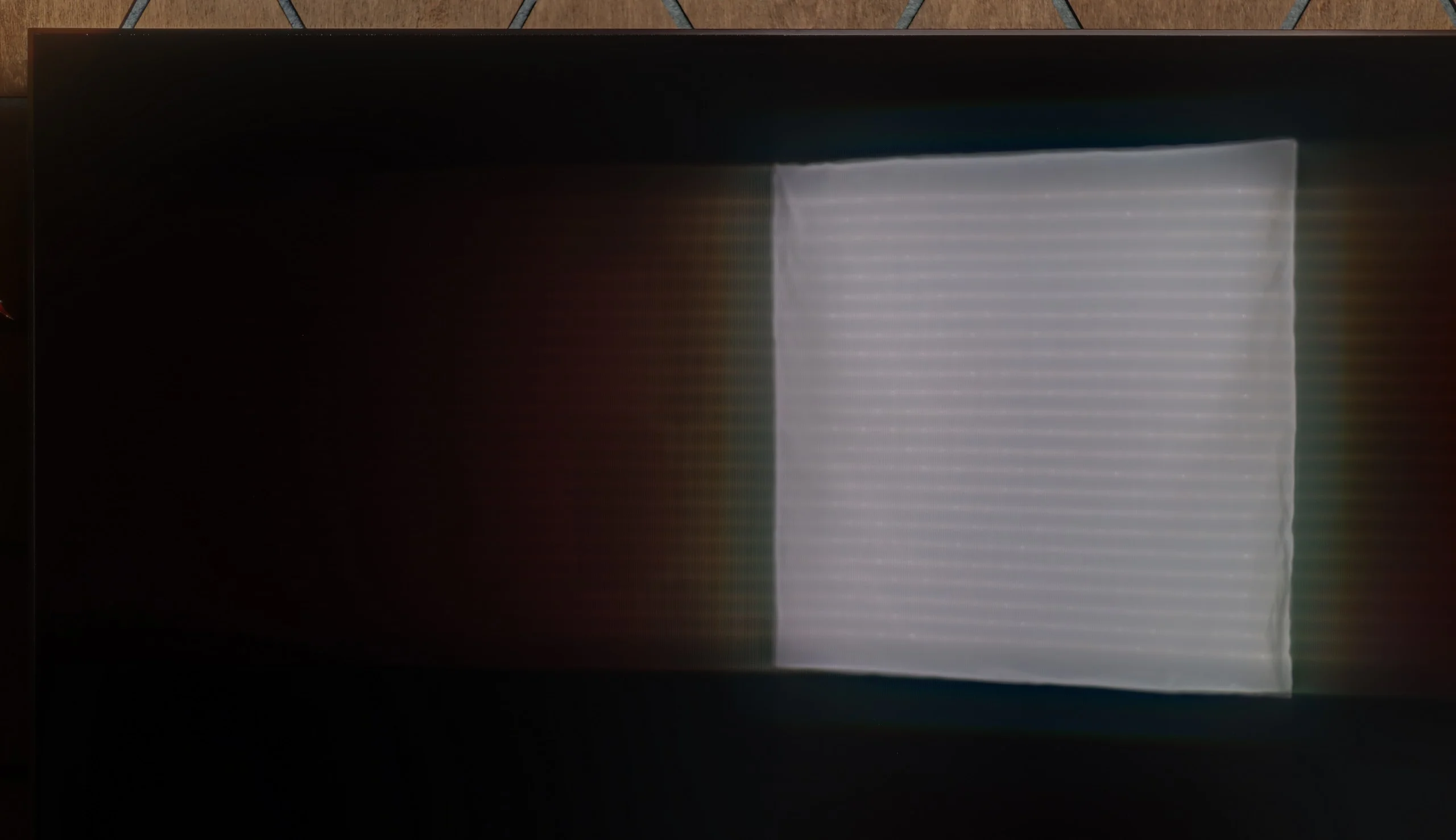
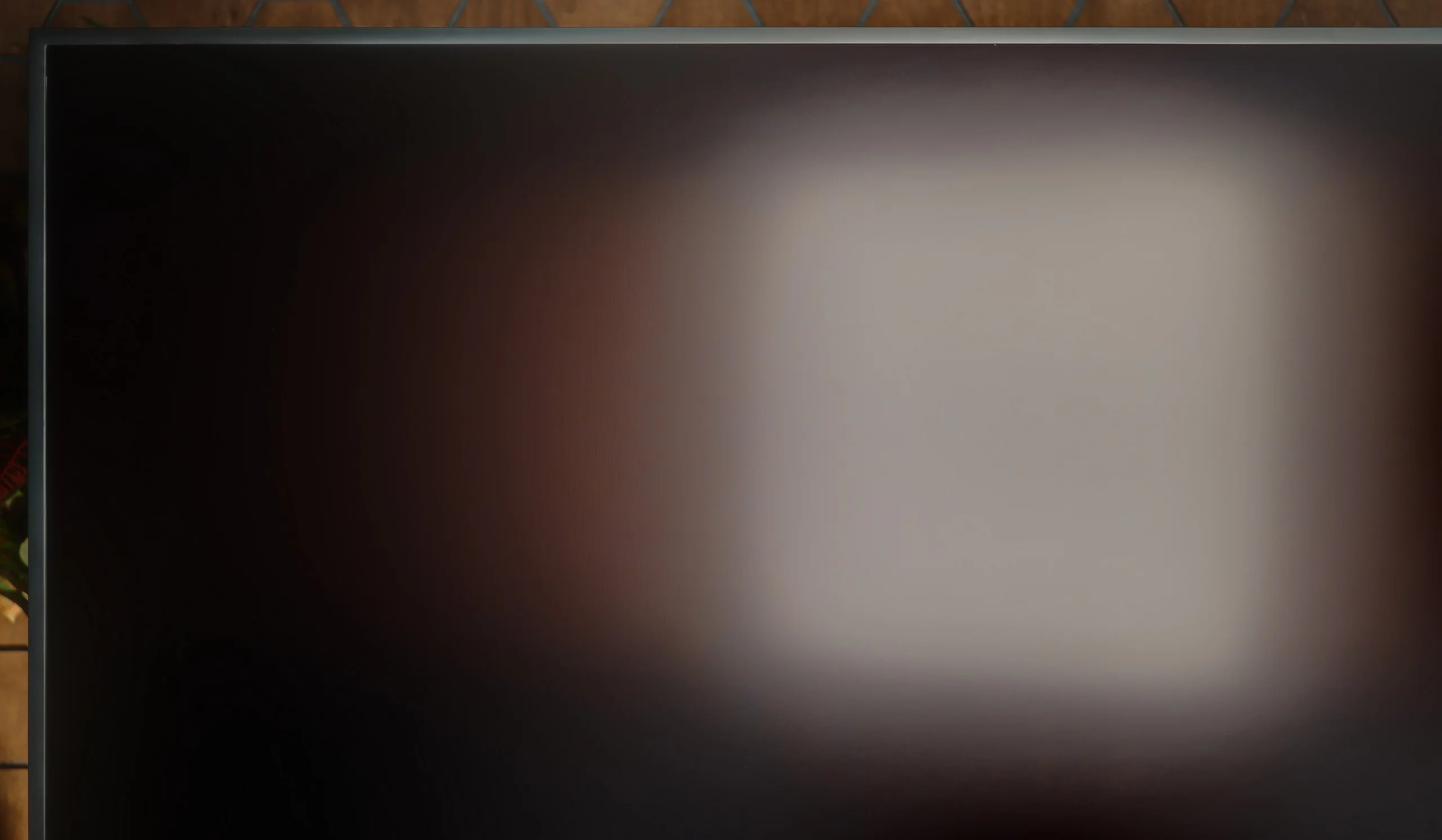
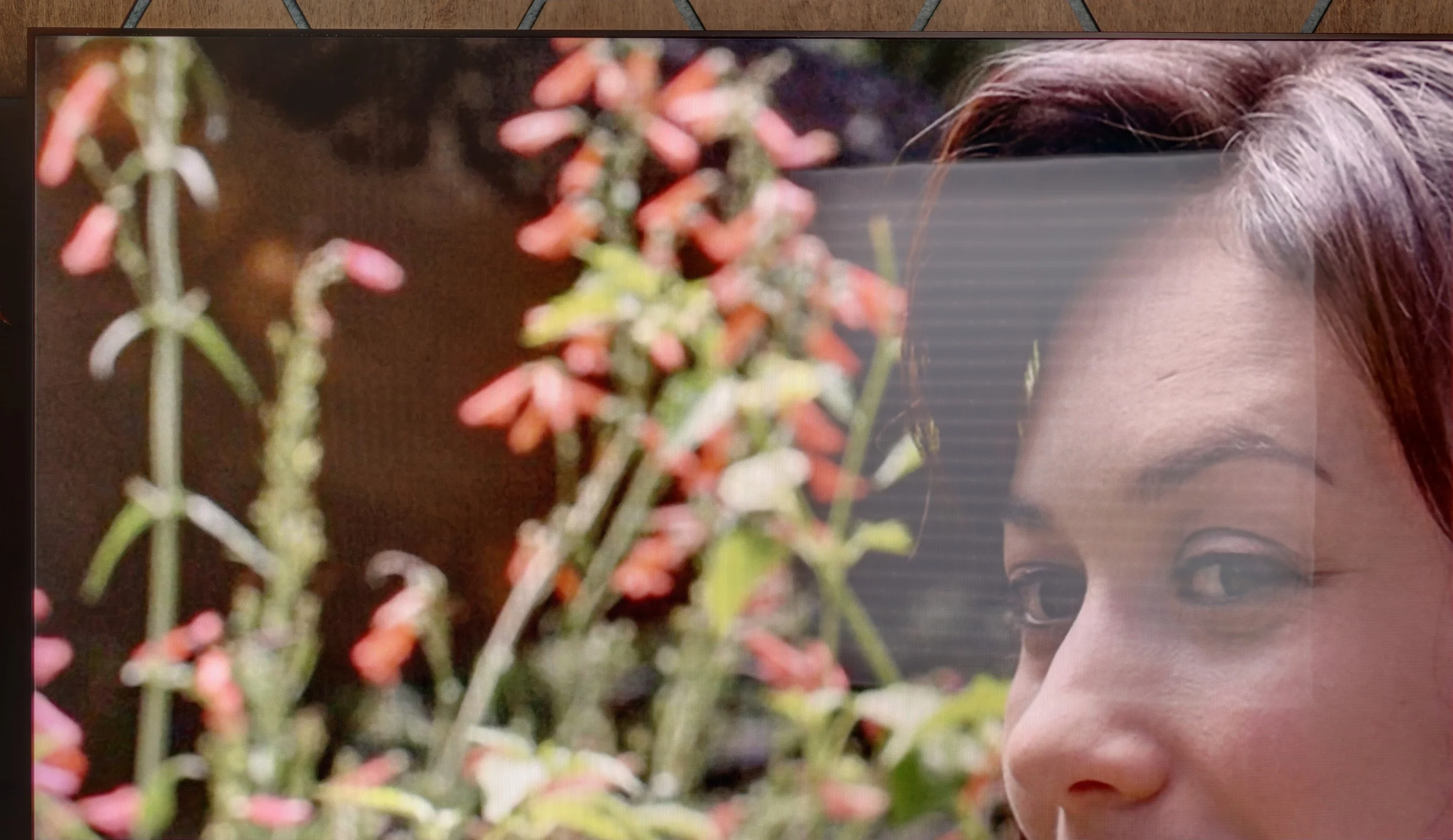
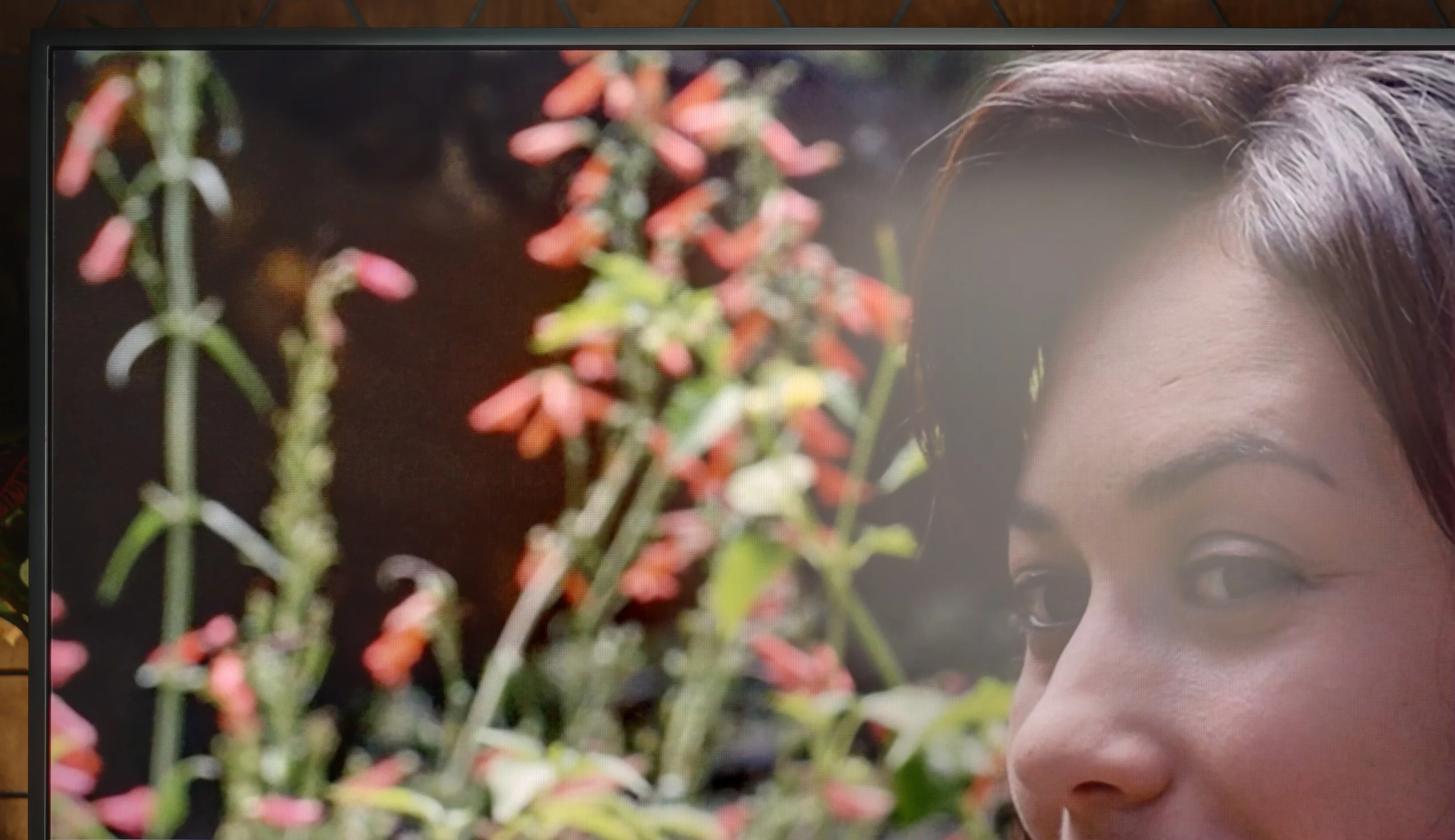
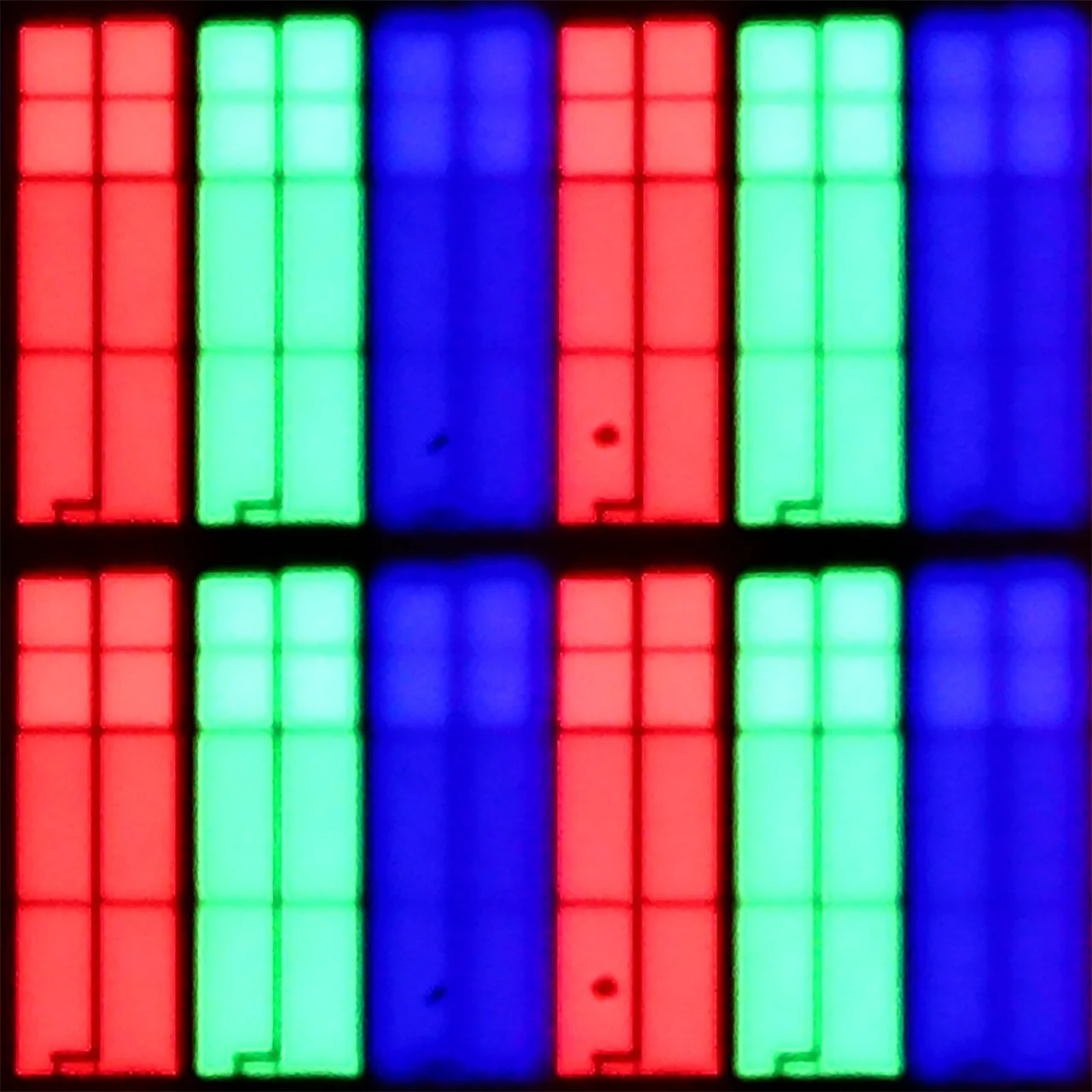
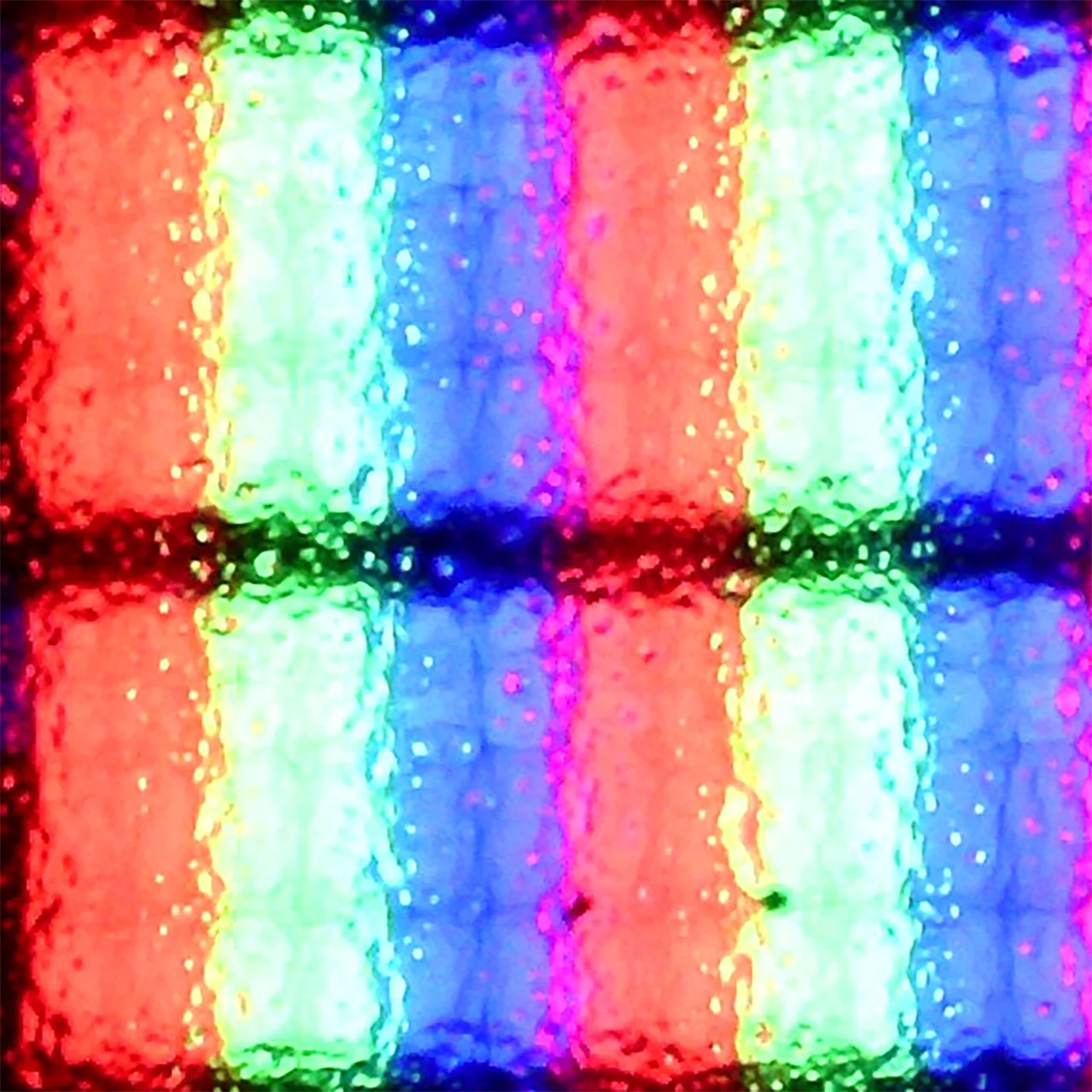
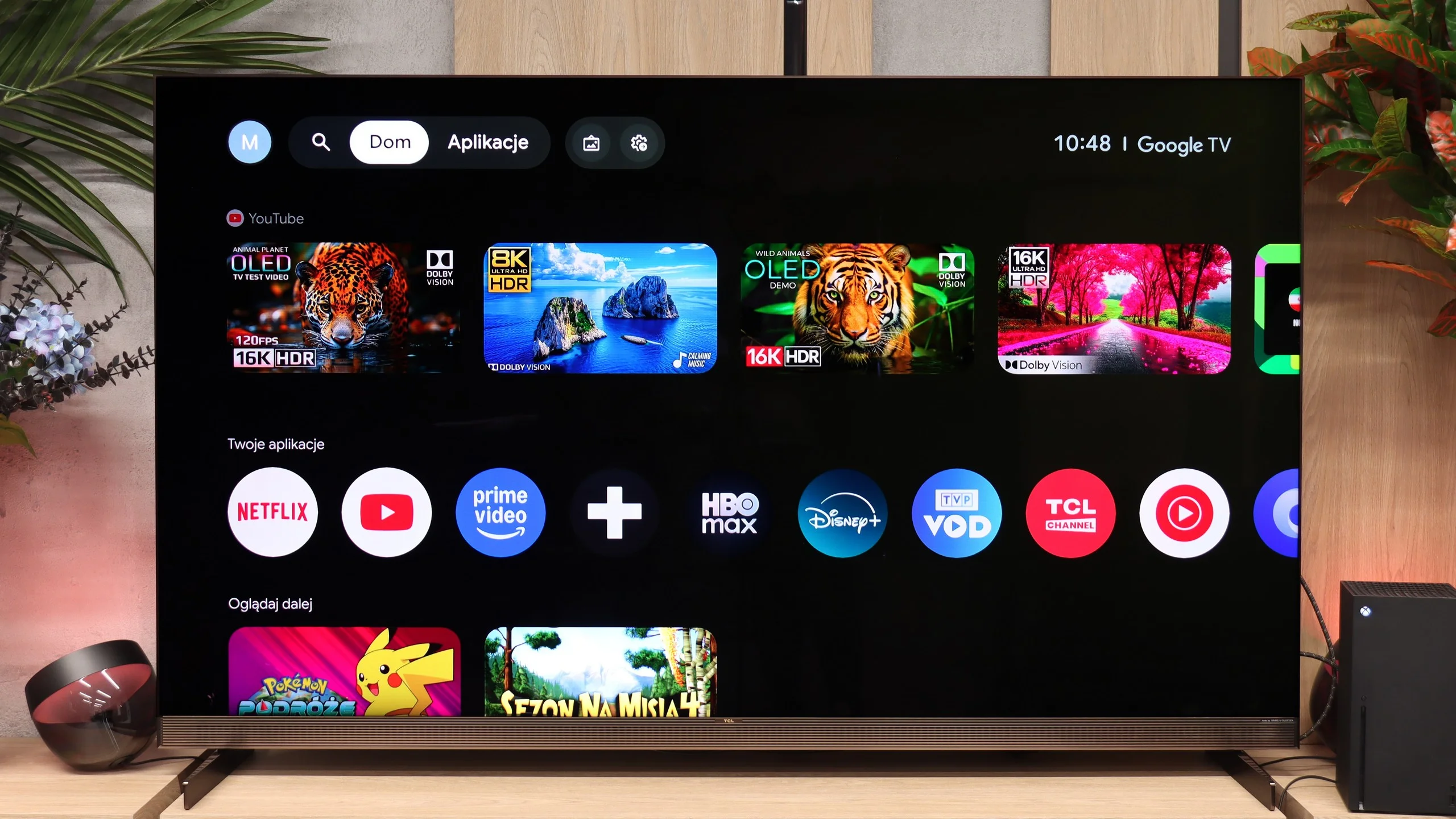
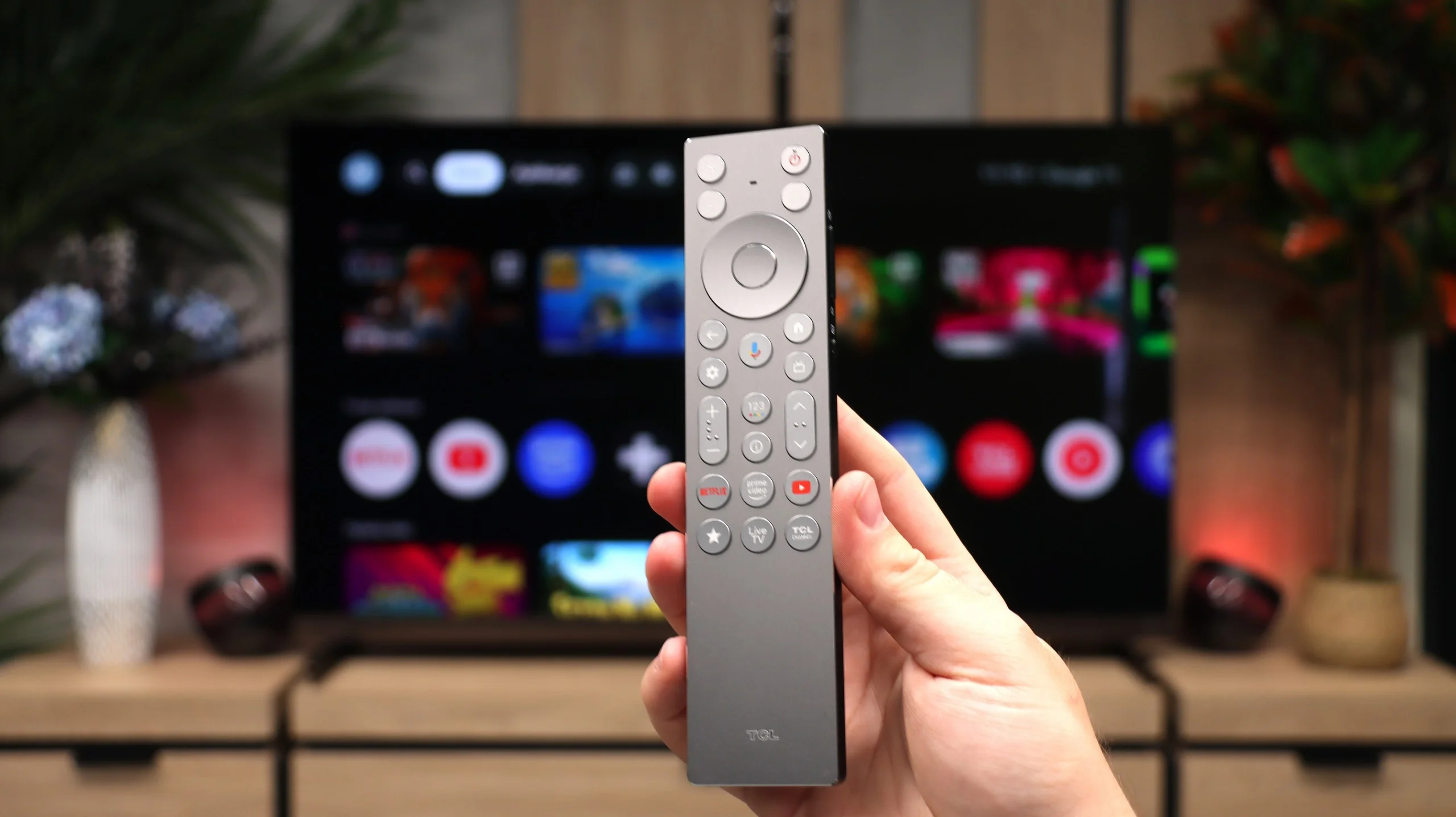
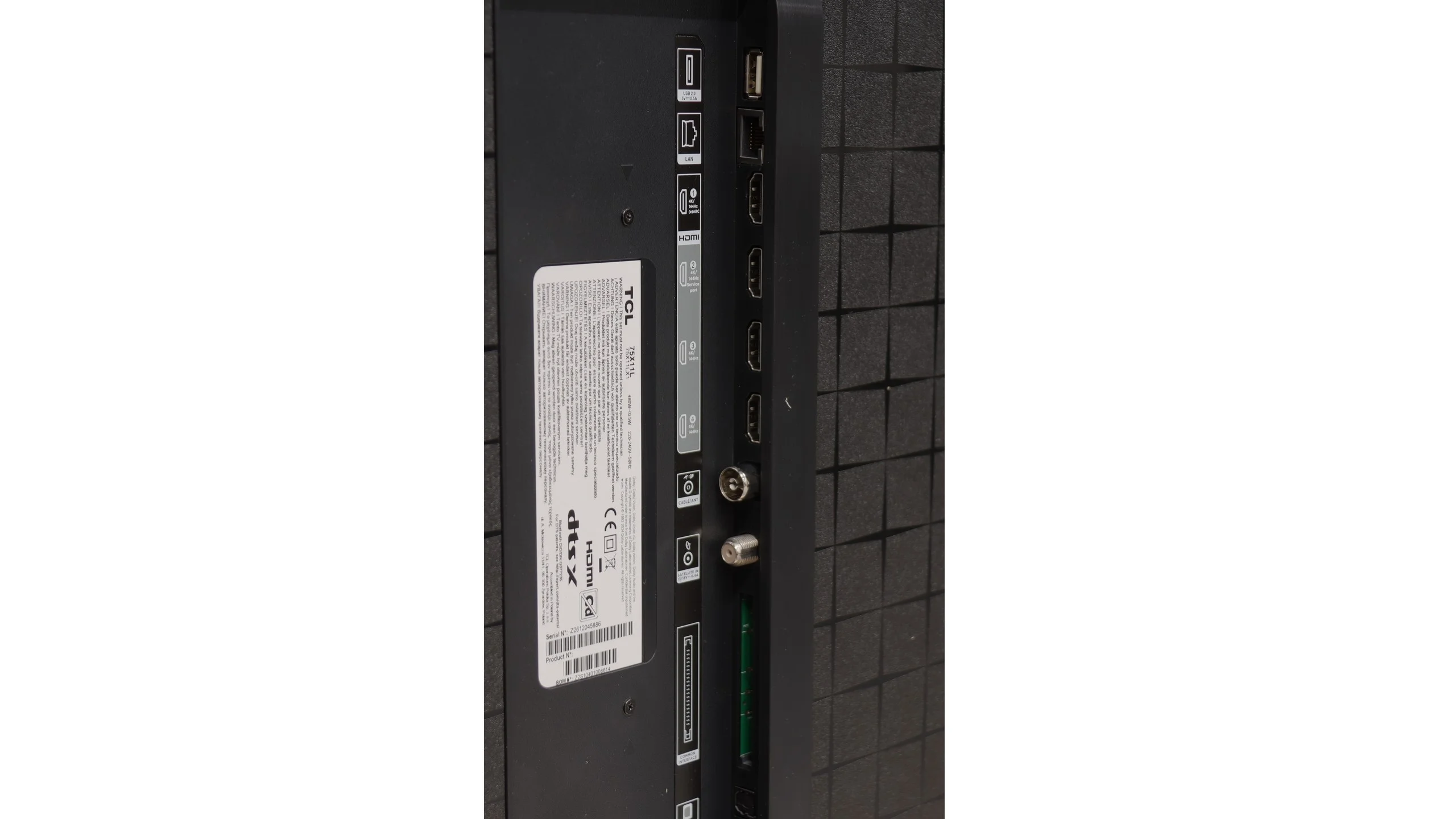
TCL X11L is, without a doubt, a powerful showcase of the manufacturer's capabilities and a TV that impresses in many areas. It’s clear the engineers focused on what matters most: maximum brightness, blacks and contrast. The new quantum dots with an SQD filter do such a job that colour saturation is hardly any different from the top new RGB panels. And what about the blacks? The X11L can easily be placed alongside an OLED and doesn't lose that fight by much, which is a real feat in the world of Mini-LEDs. On top of that there’s a whole host of features surrounding the screen. The new MediaTek Pentonic 800 processor has completely eliminated TCL’s old issues; image processing, upscaling and the smoothness of tonal transitions finally look as good as the competition from Korea or Japan. There is nothing to be ashamed of anymore. Gamers will be delighted too: four full HDMI 2.1 ports, refresh rates up to 288 Hz, a console-inspired Game Bar and Dolby Vision with no noticeable input lag. All of this is tied together by a very smooth Google TV system. Sounds like a recipe for the best Mini-LED of 2026, right? It would be perfect if not for one irritating quirk that stems directly from TCL’s stubborn image-tuning “philosophy”. This TV can simply ignore the director’s intent and, in HDR formats, arbitrarily and artificially brighten entire scenes. The effect? The picture can be too bright at times, sometimes even blown-out. The worst part is that the software offers no option to fix it; even during professional calibration we couldn’t fully correct this fault. For a screen at this price that aspires to be “the best of the best”, such wilfulness is simply unacceptable, especially when we’re talking about Filmmaker mode.
Still, if you couldn’t care less about perfect, studio-accurate fidelity and are after a picture that is above all maximally spectacular, showy and very bright in daylight, the X11L is a true beast. It’s the first Mini-LED to come so close to OLED black levels, and in brightness it simply crushes it. The only real brake here is the price. The sum you’ll have to pay for this model (regardless of size) is a serious outlay. Is it worth spending that much? We’ll leave that to your judgement. One thing must be conceded: it’s currently one of the best Mini-LEDs we’ve tested so far.
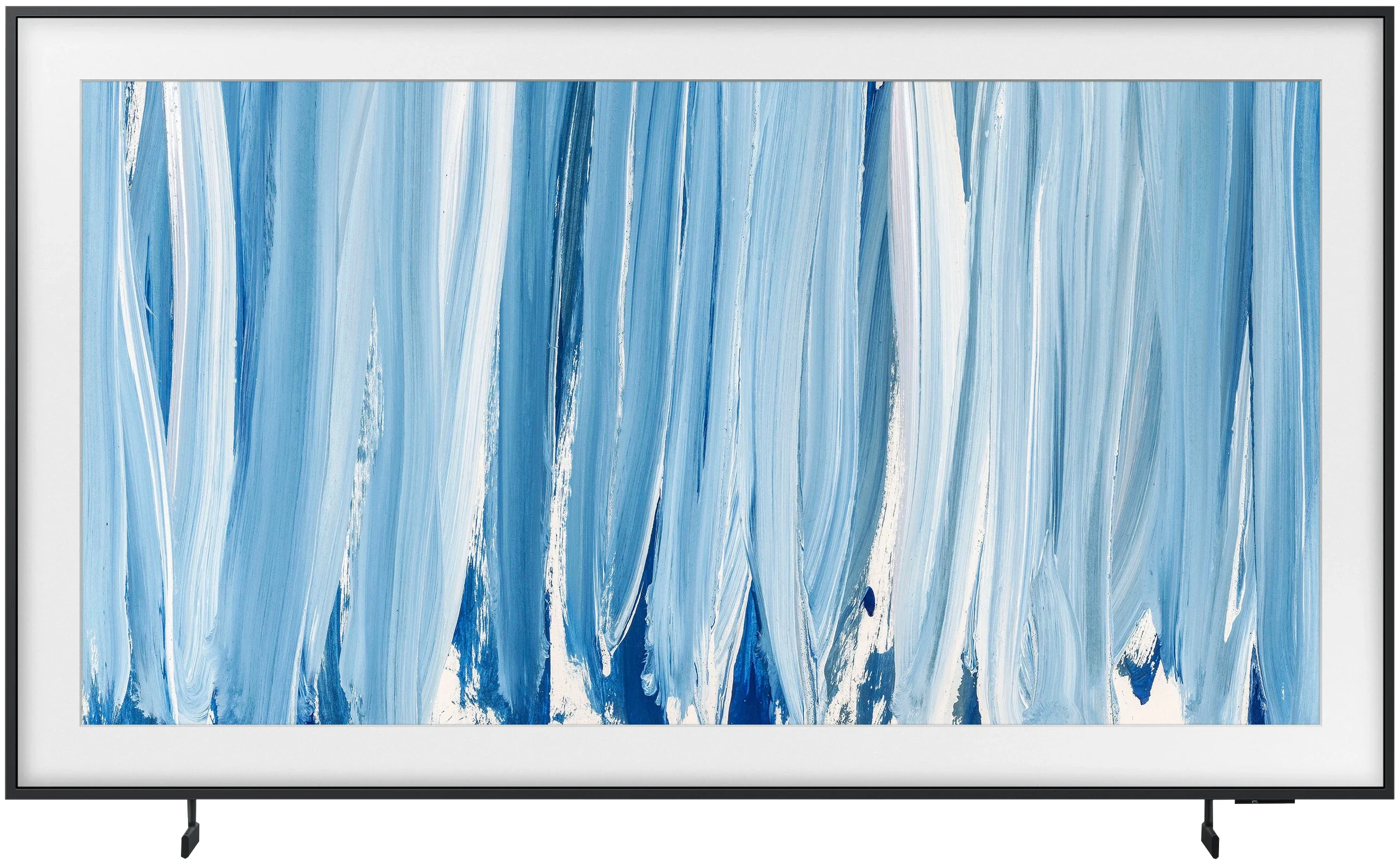
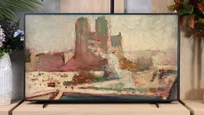
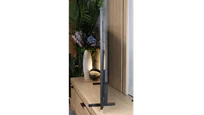
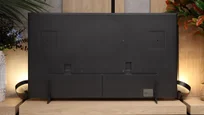
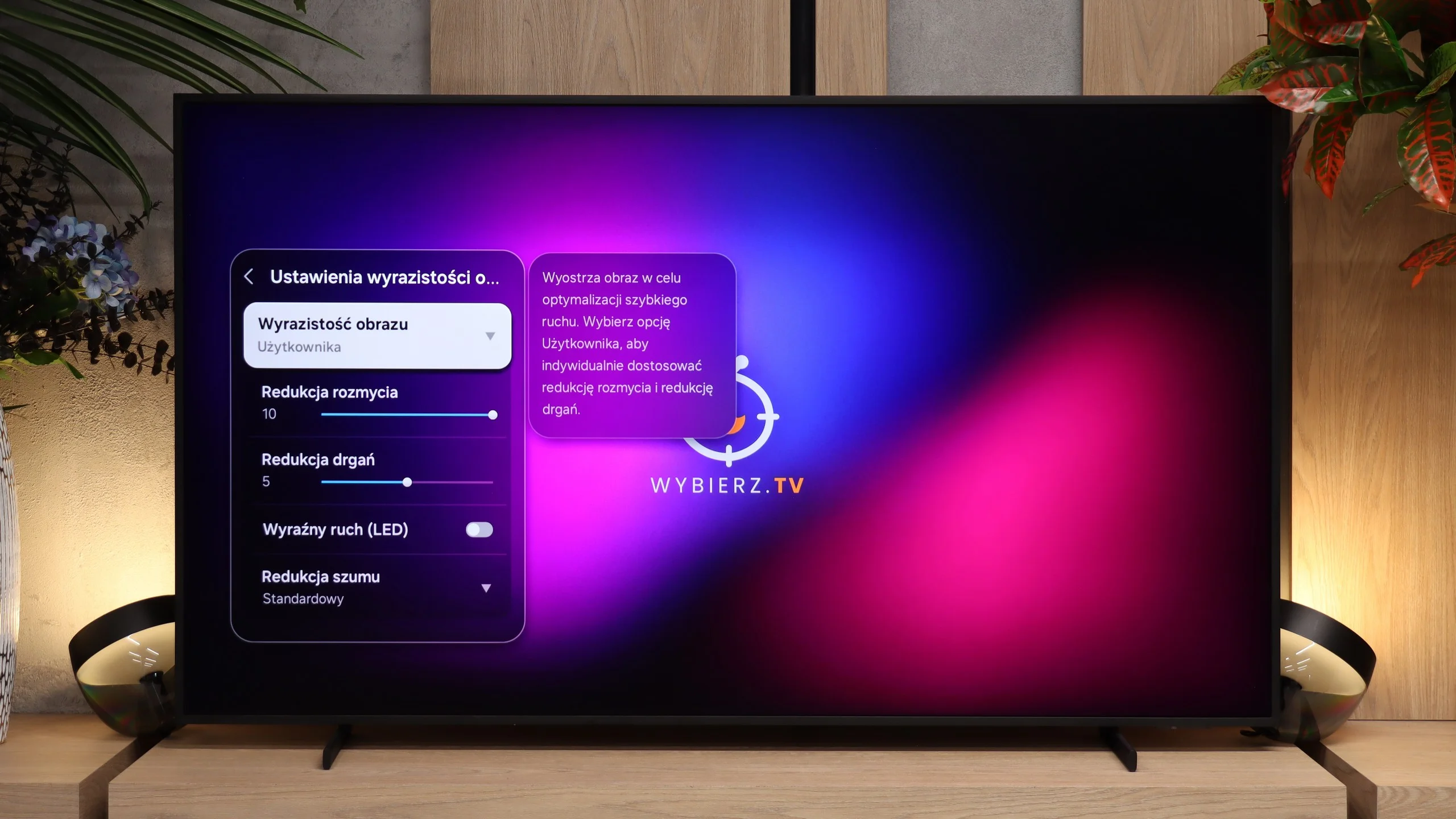
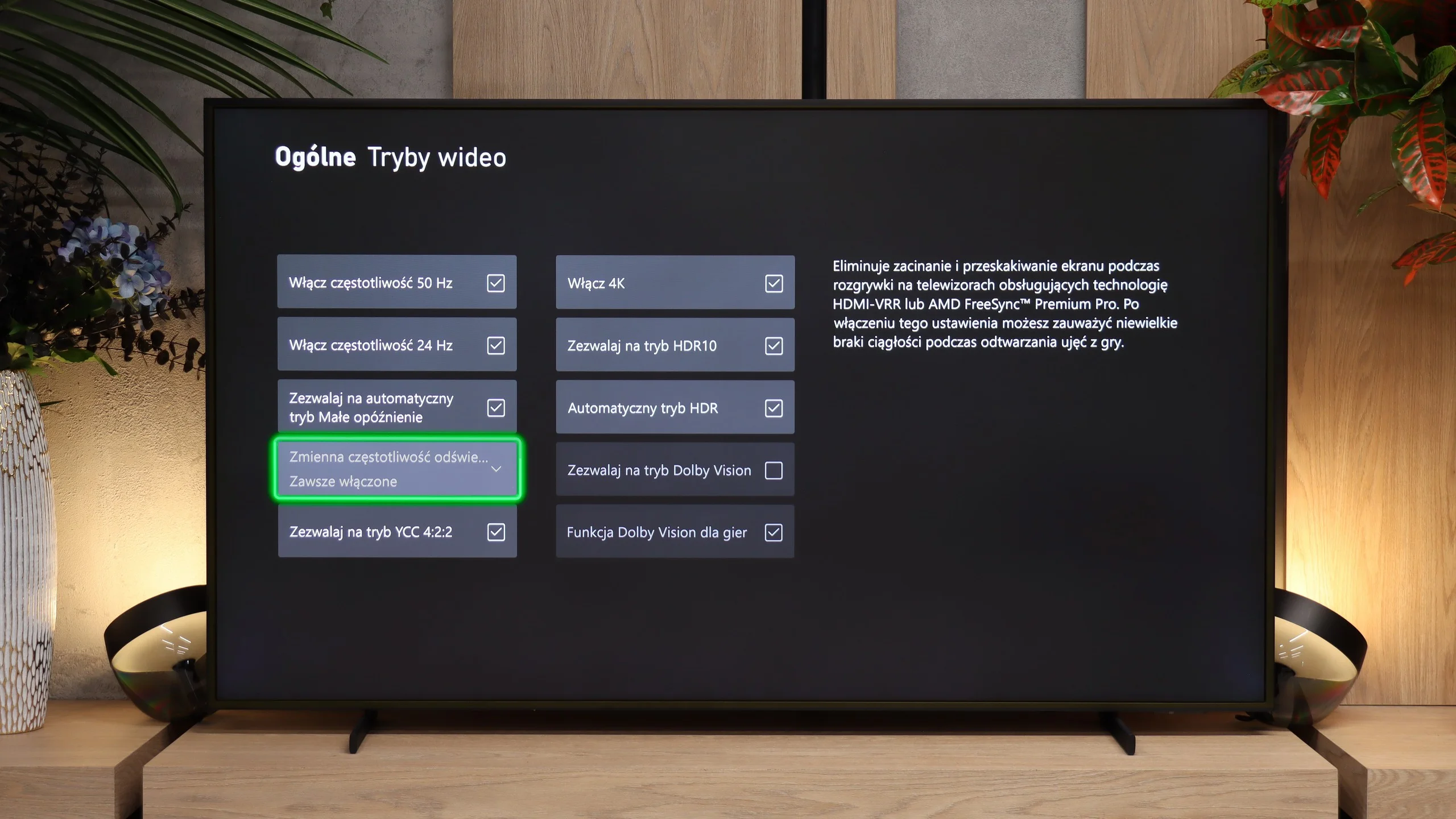
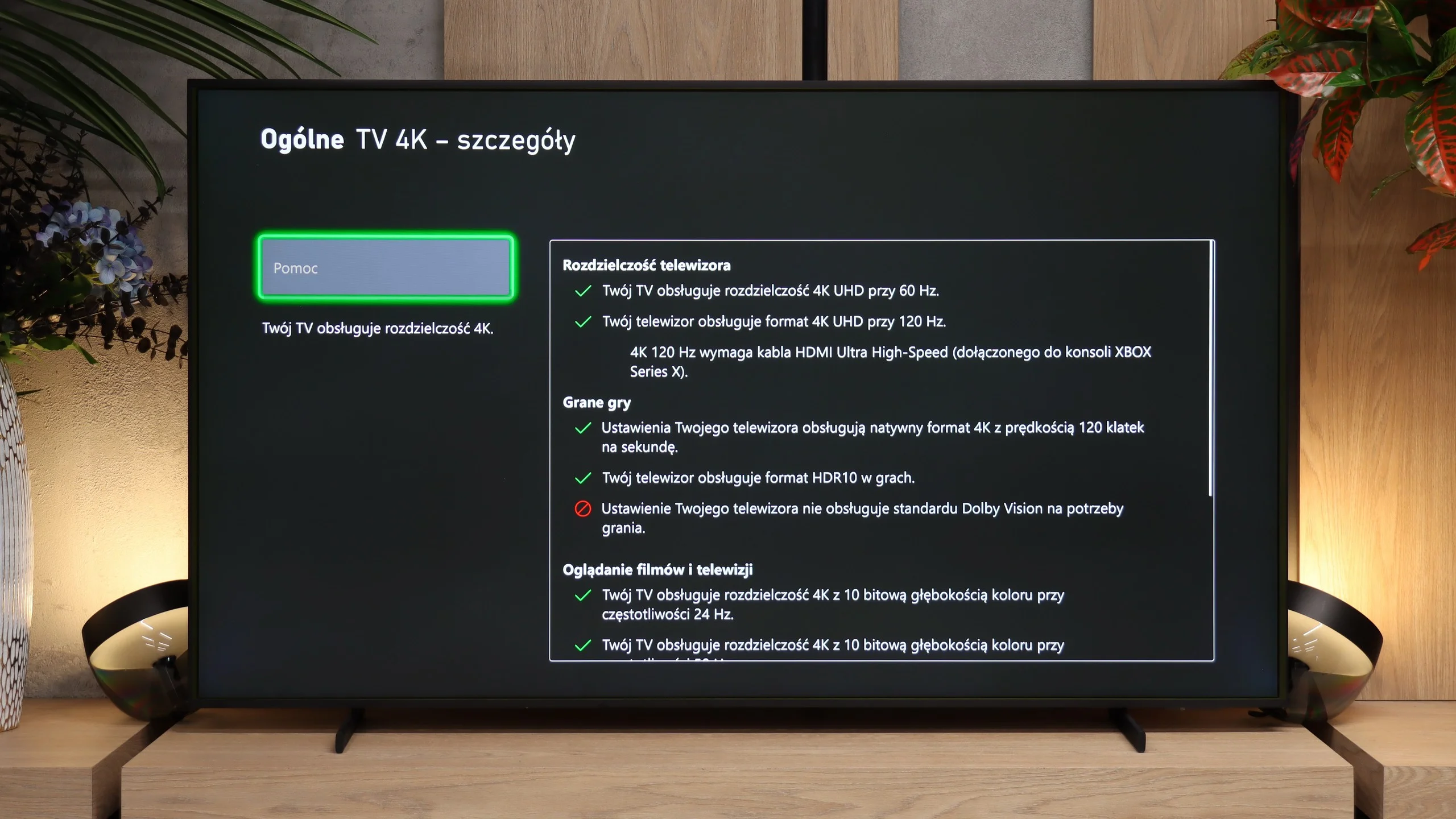
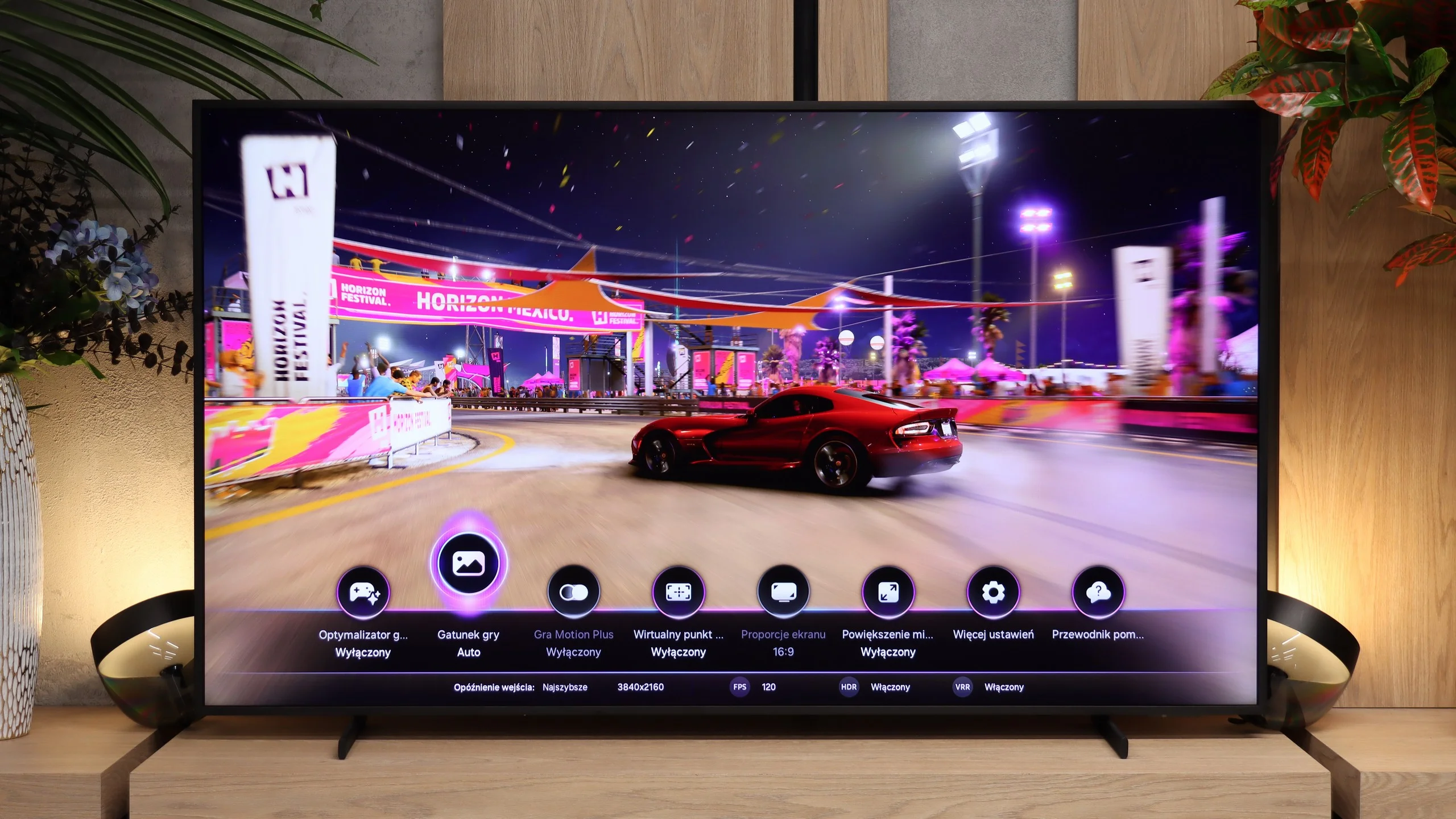
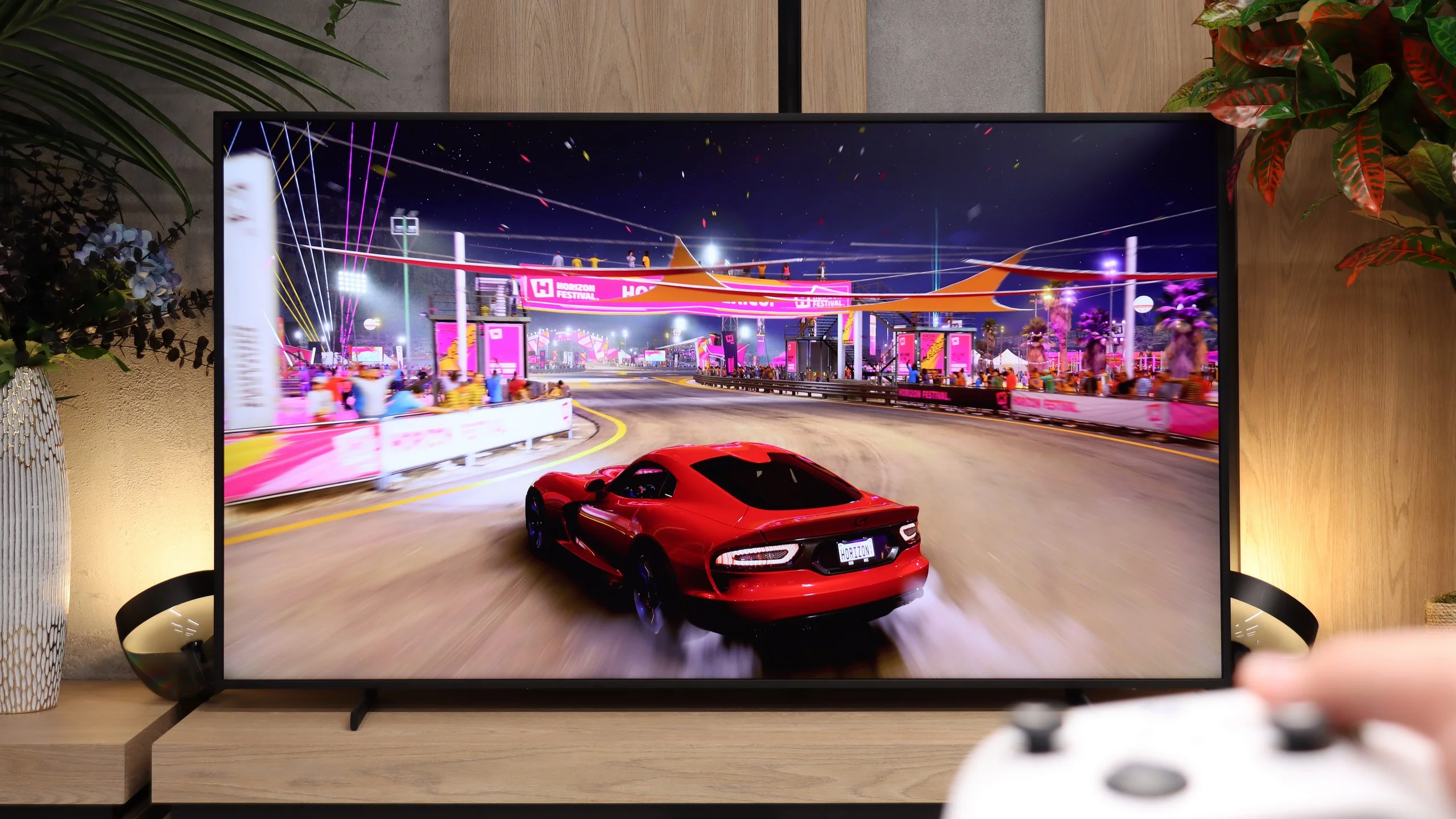
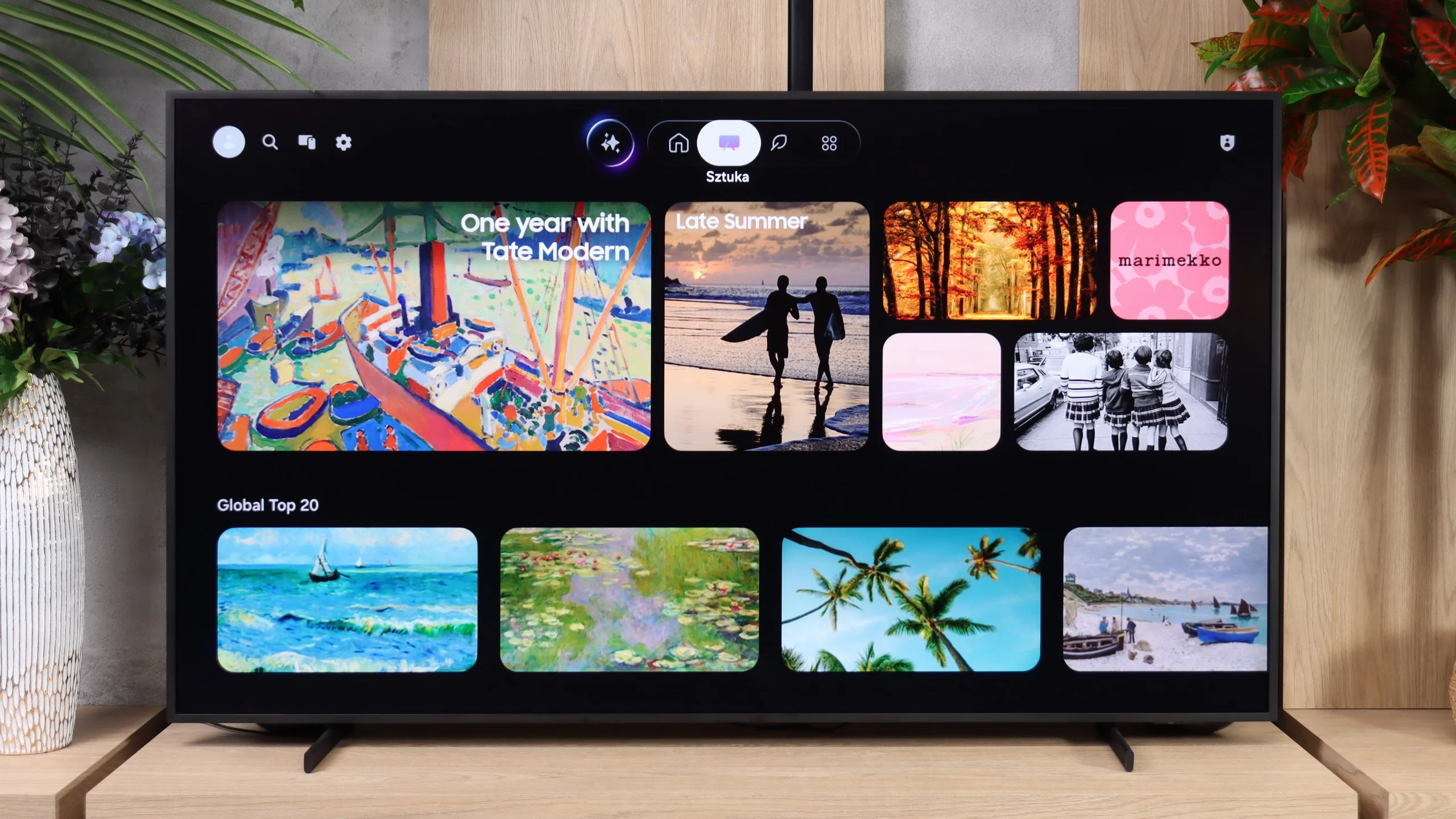
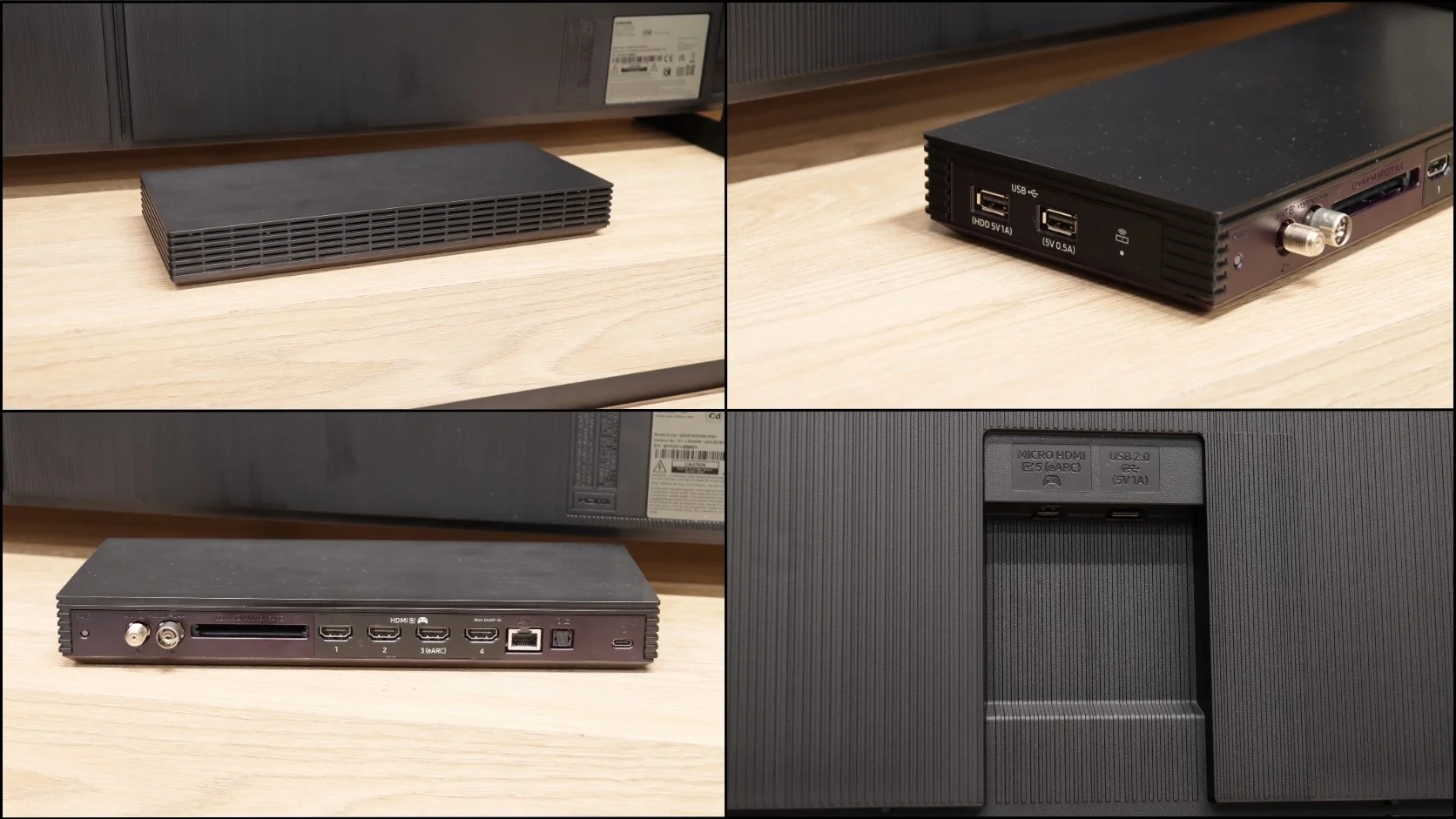
The Frame Pro 2026 makes sense primarily when the TV is meant to look good in the living room and not be another large black slab on the wall. And here Samsung still does something that most manufacturers cannot reproduce as well. Flush mounting, interchangeable bezels, Art Mode, a matte finish and the wireless One Connect make it so that, when properly hung, The Frame Pro can actually look more like a piece of décor than AV equipment. In our view, it is the best-executed TV of this kind on the market. Importantly, you do not simply pay for the looks at the expense of everyday use. The Frame Pro is bright, the matte finish deals very well with reflections, so it performs really well in a well-lit living room. Colours are vivid, motion handling is very good, and there are surprisingly many gaming features for a TV that is, first and foremost, supposed to "look better".
More questions arise when you consider the "Pro" suffix and its classification as a Neo QLED screen. You might expect a big jump in picture quality compared with the regular The Frame, but in practice it is not that large. The TV uses Mini-LED backlighting and local dimming, but the dimming zones are located at the edges of the screen. That is a completely different approach from more advanced Mini-LED models, where the backlight works across the whole surface of the panel. In bright, colourful scenes this is not a major problem. It gets worse in the evening, especially in films with many dark shots. Then you can see that black levels and backlight control are noticeably weaker than in the best Mini-LED TVs. This is where it becomes most apparent that "Pro" does not, in this case, mean top-tier picture quality.
An interesting alternative is the Samsung S99H. It has a very design-led character, but in terms of picture it already goes much further. Of course it also costs significantly more, so it is not a direct replacement but rather an option for someone who wants to combine both worlds without major compromises. So is it worth buying The Frame Pro 2026? In our view yes, but only if you know what you are paying for. The greatest strengths of this TV are its looks, Art Mode, very good performance in a bright living room and the wireless One Connect. If that is what you are after, The Frame Pro is a very interesting proposition. However, if the main argument for paying extra is markedly better picture quality, we are less convinced. It is simply a better, more refined The Frame, not a full-fledged rival to the best Mini-LEDs.
 Direct comparison