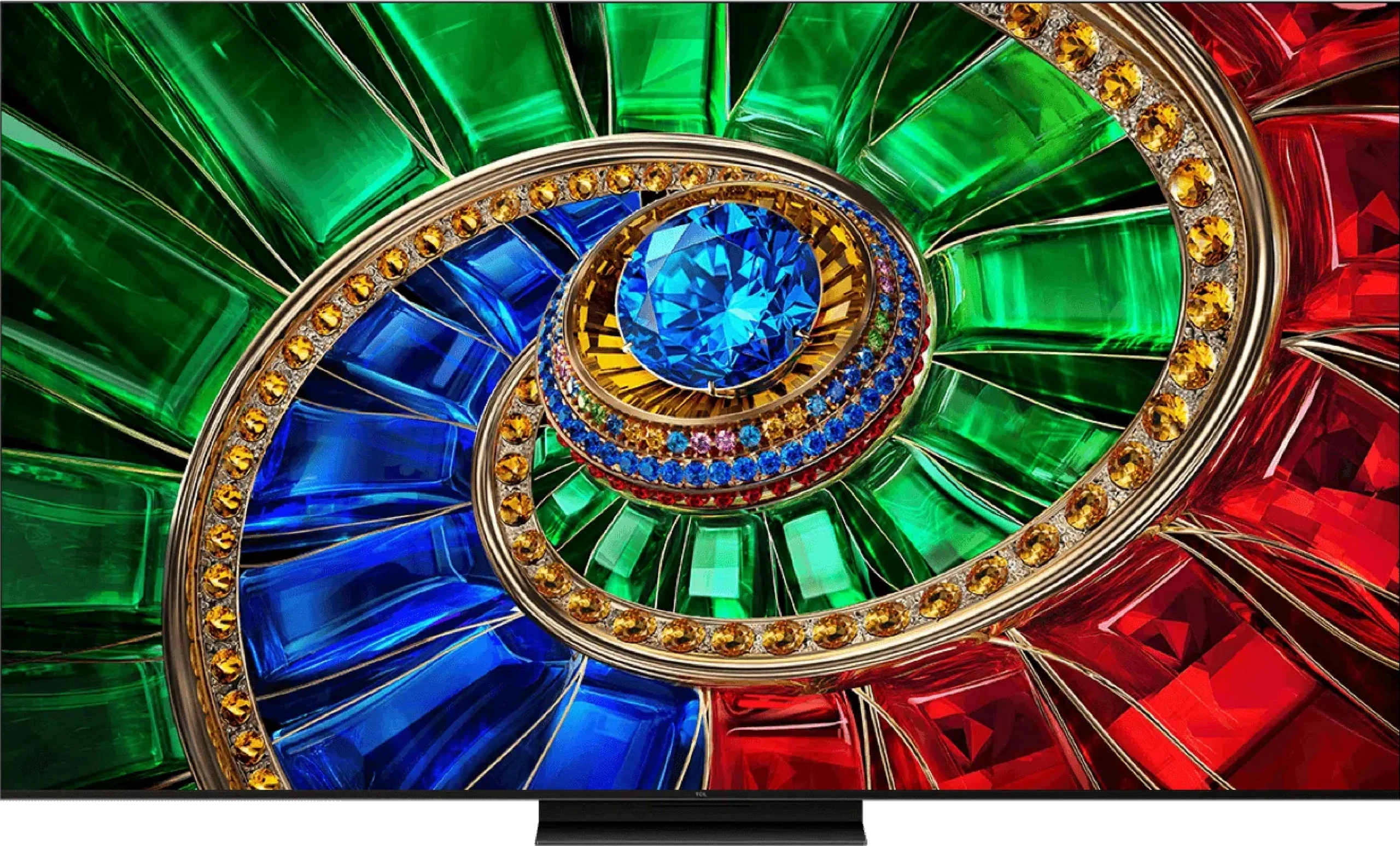
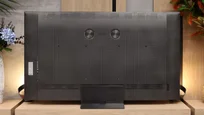
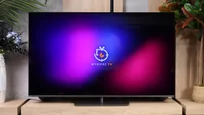
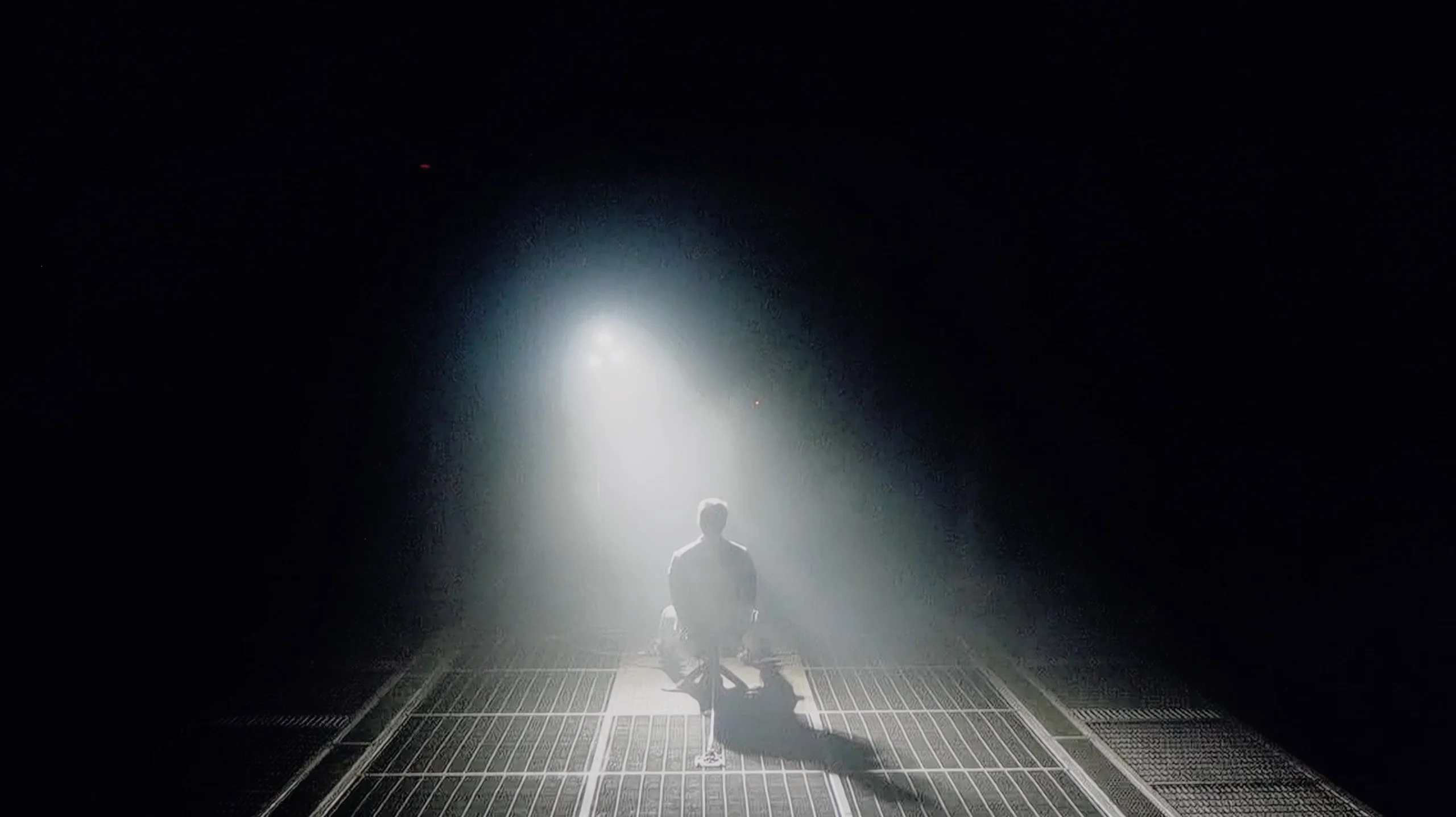
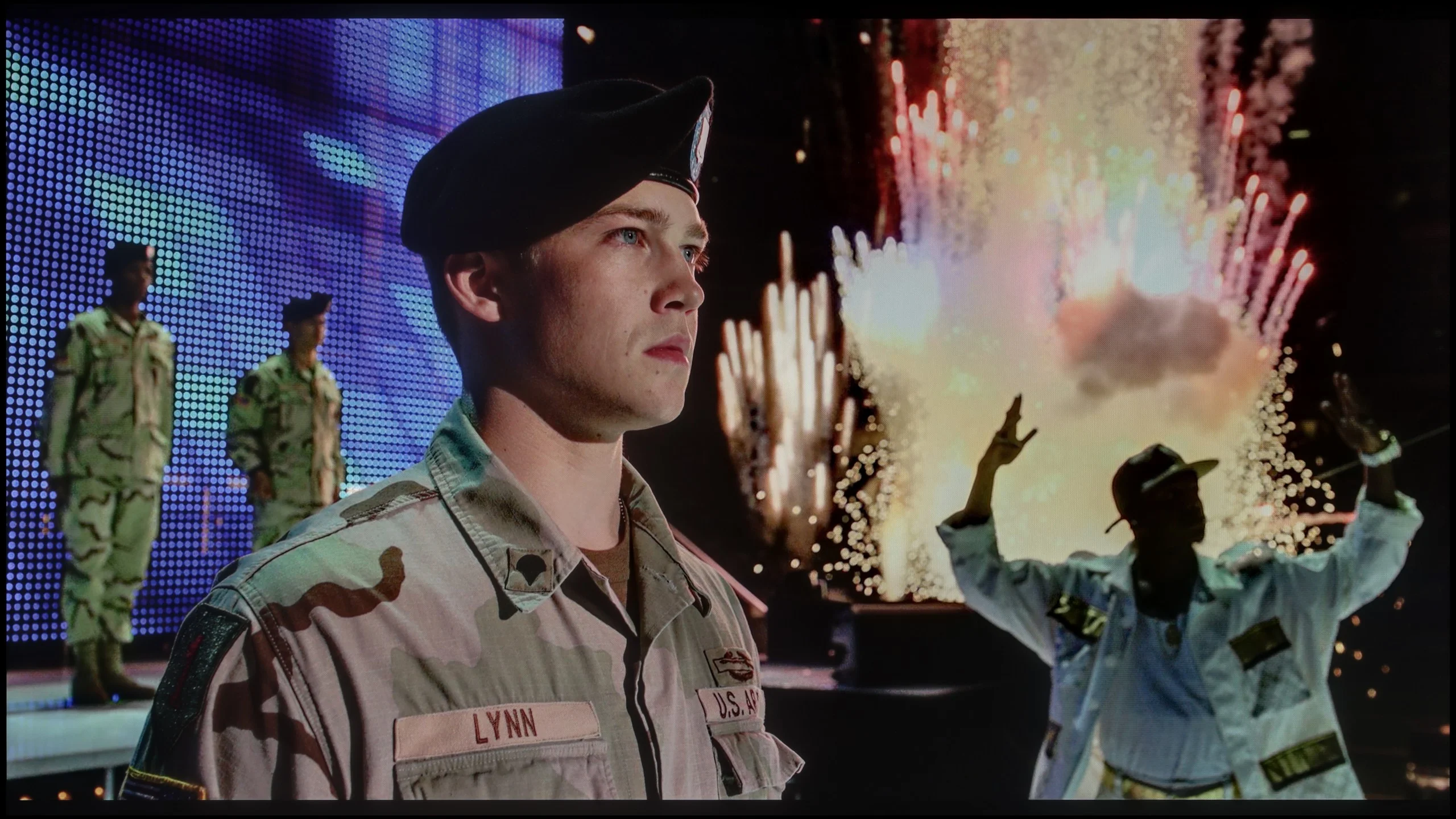
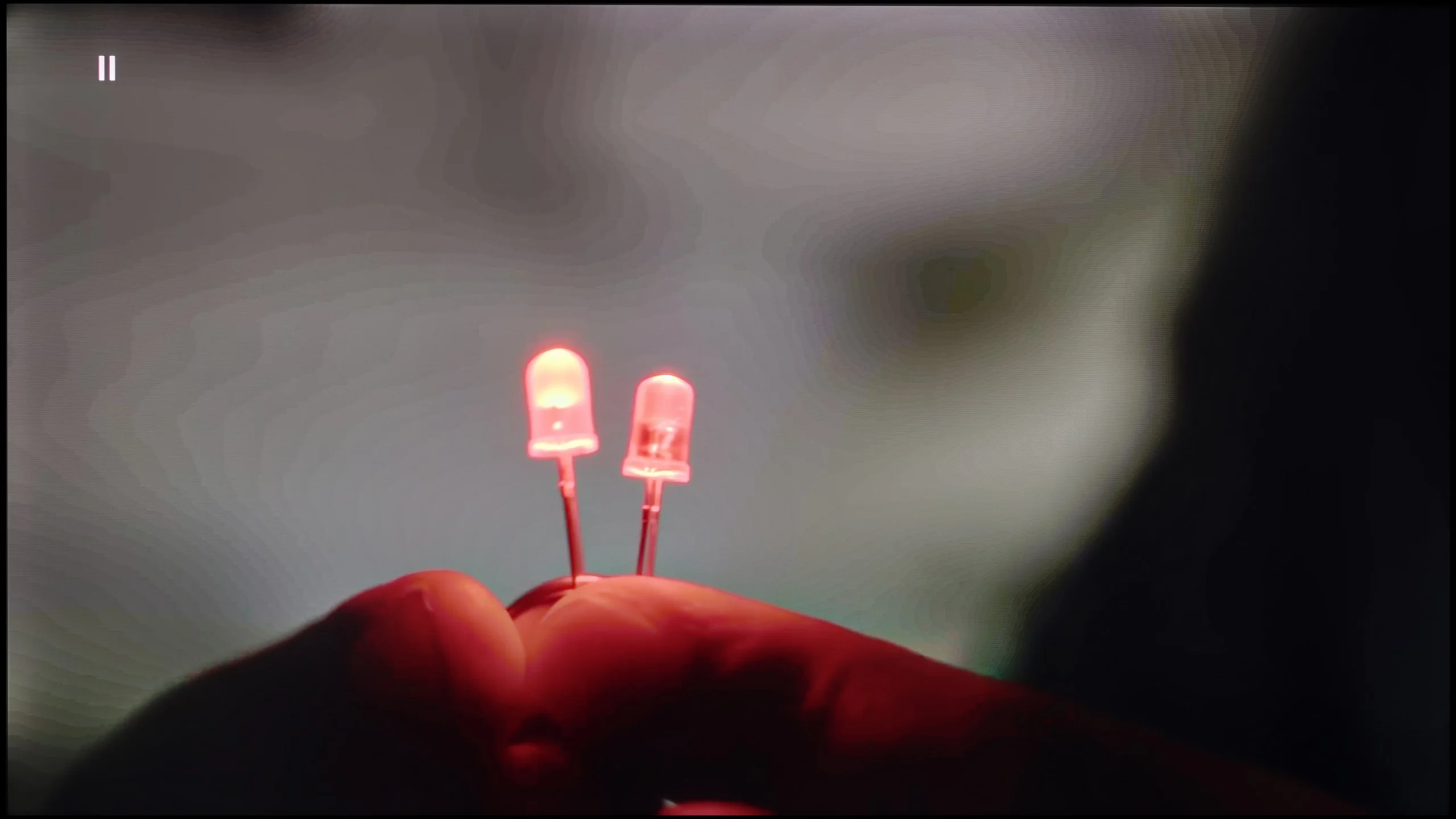
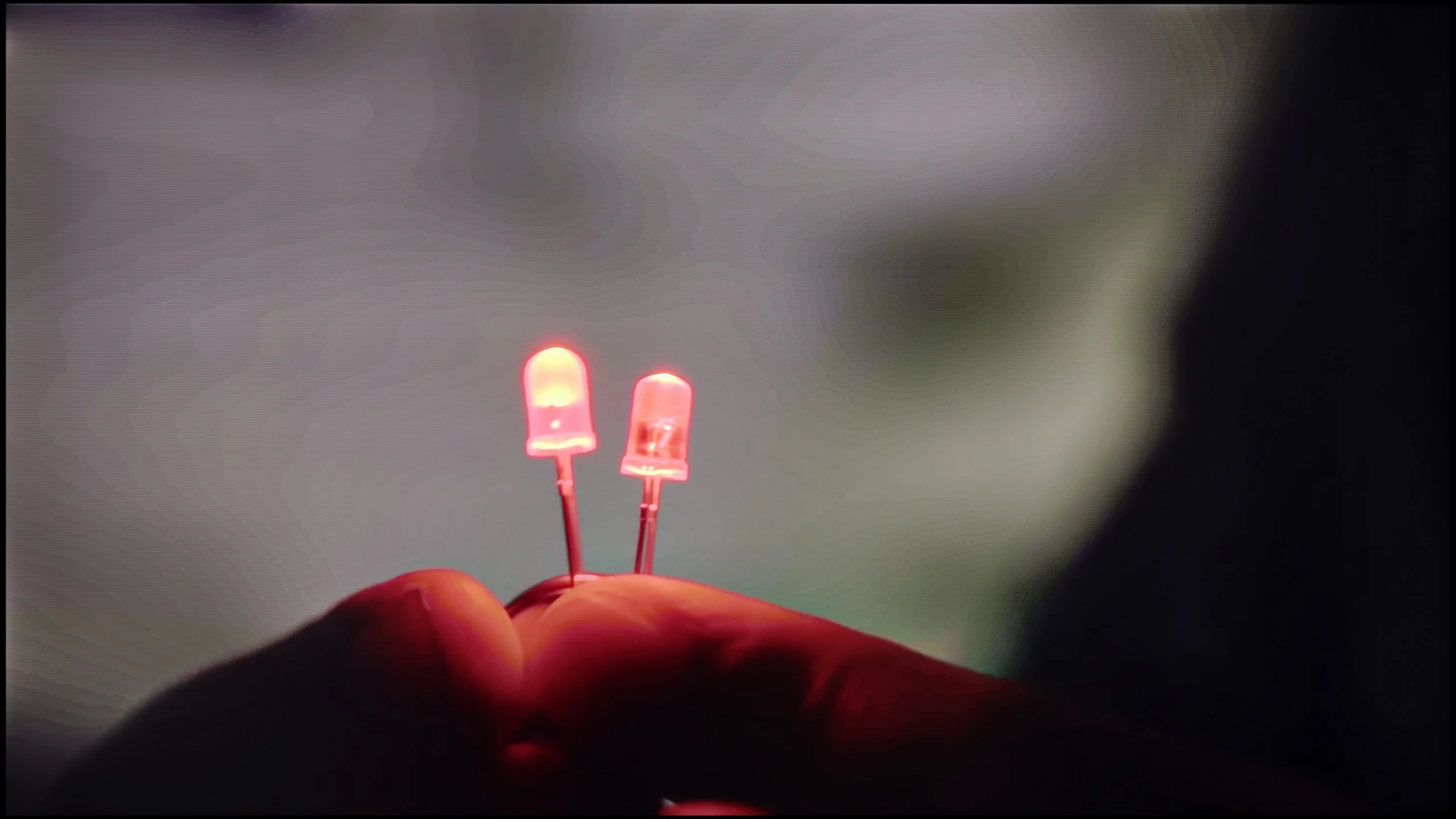
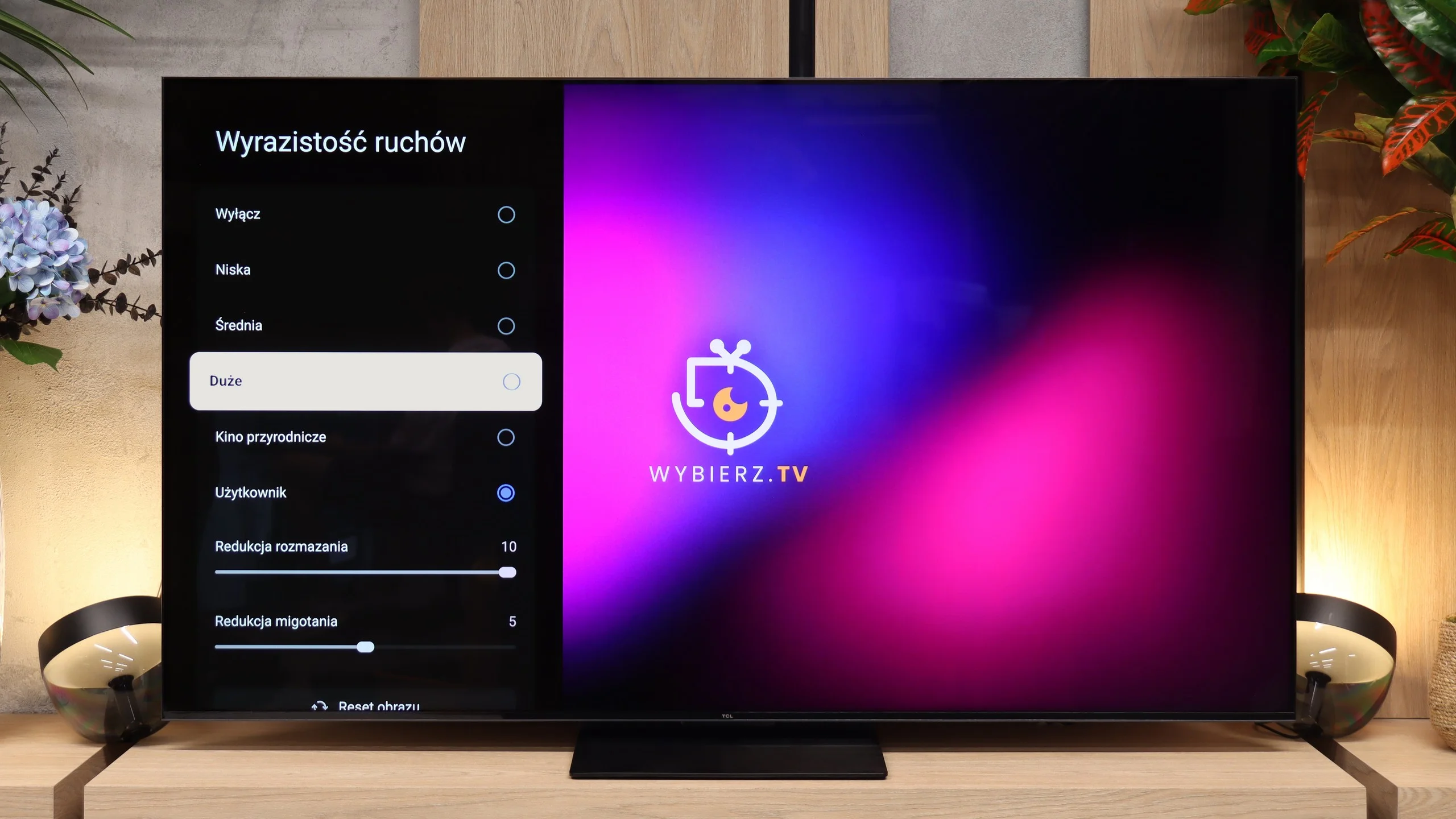
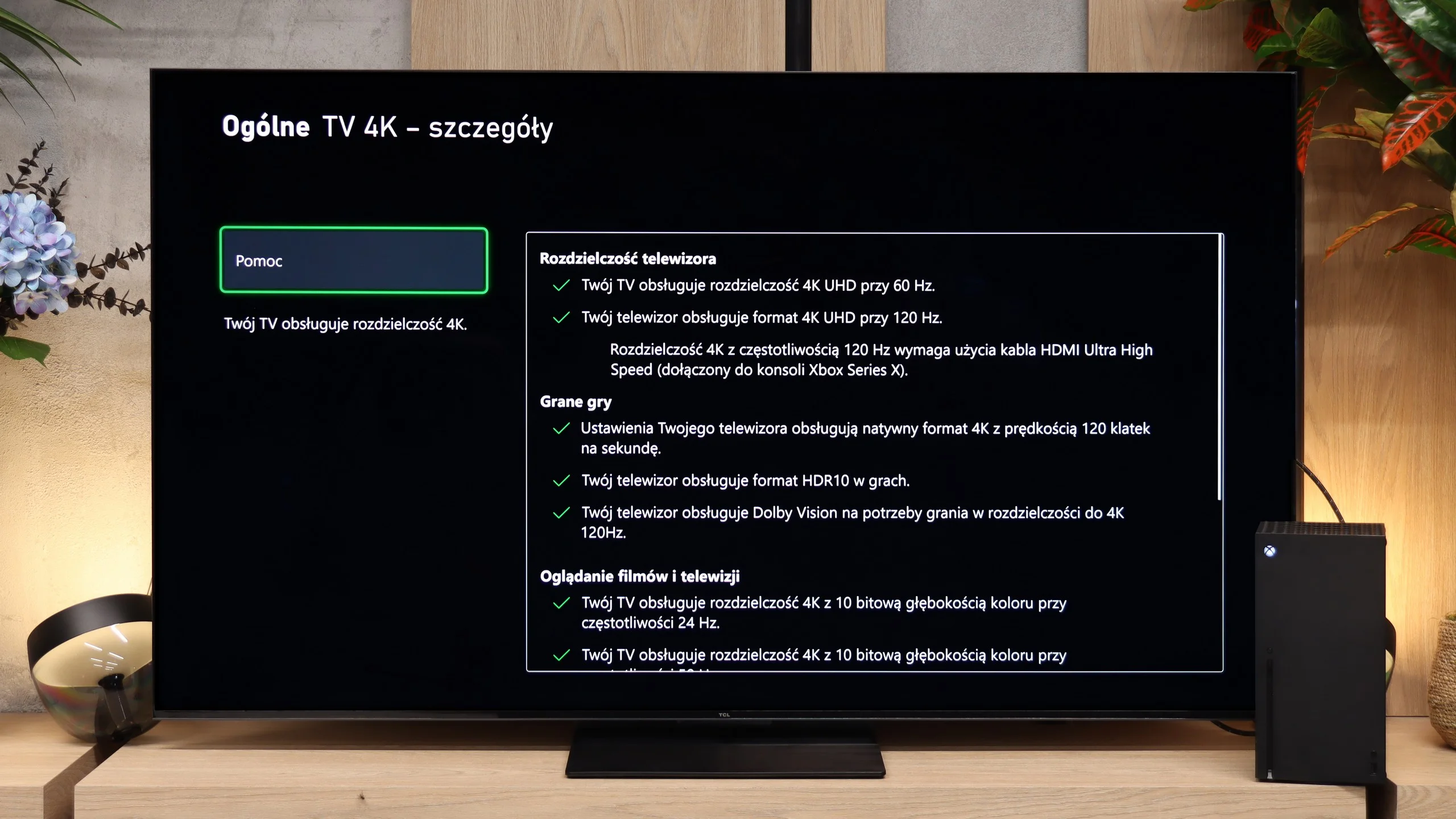
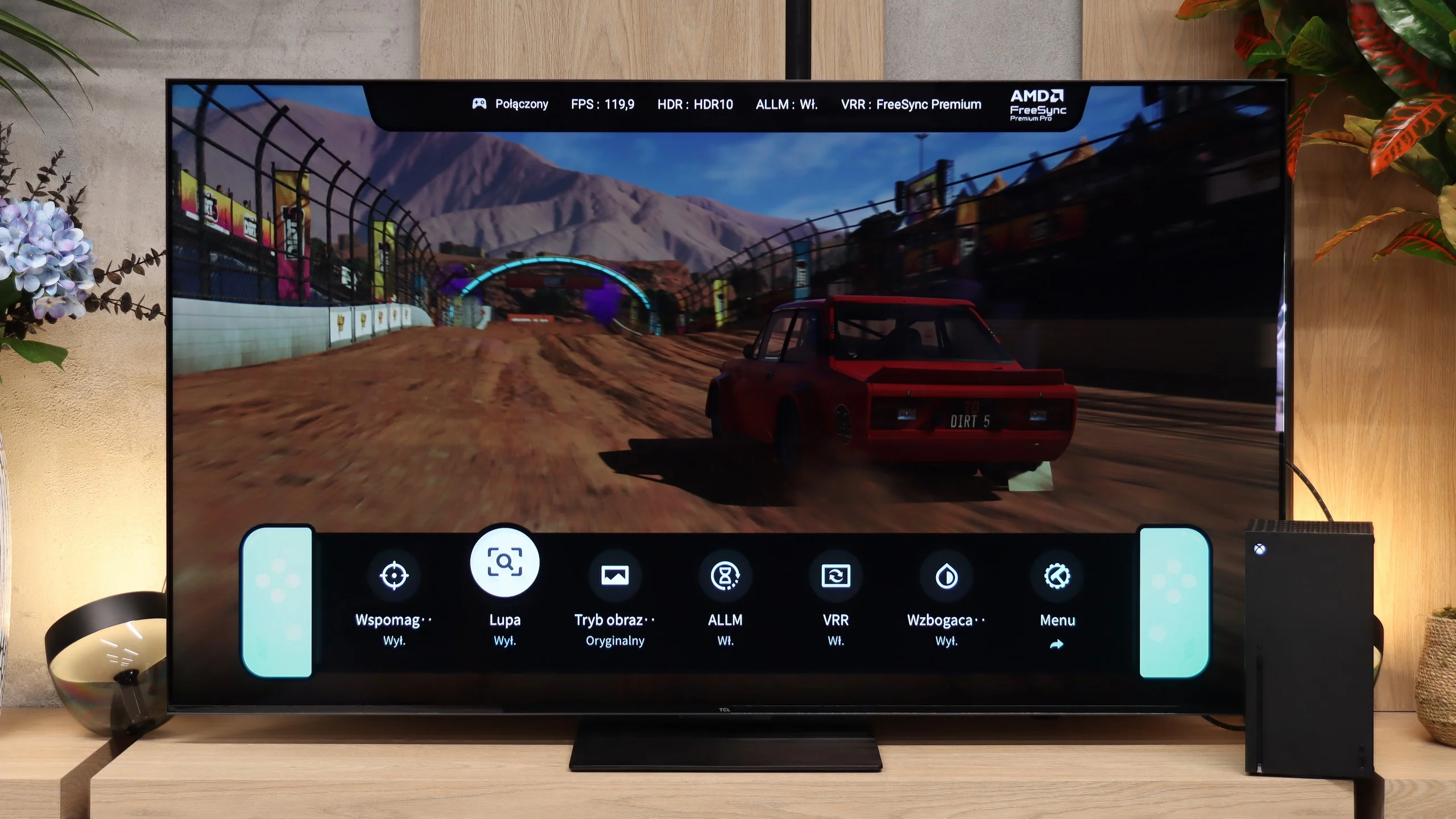
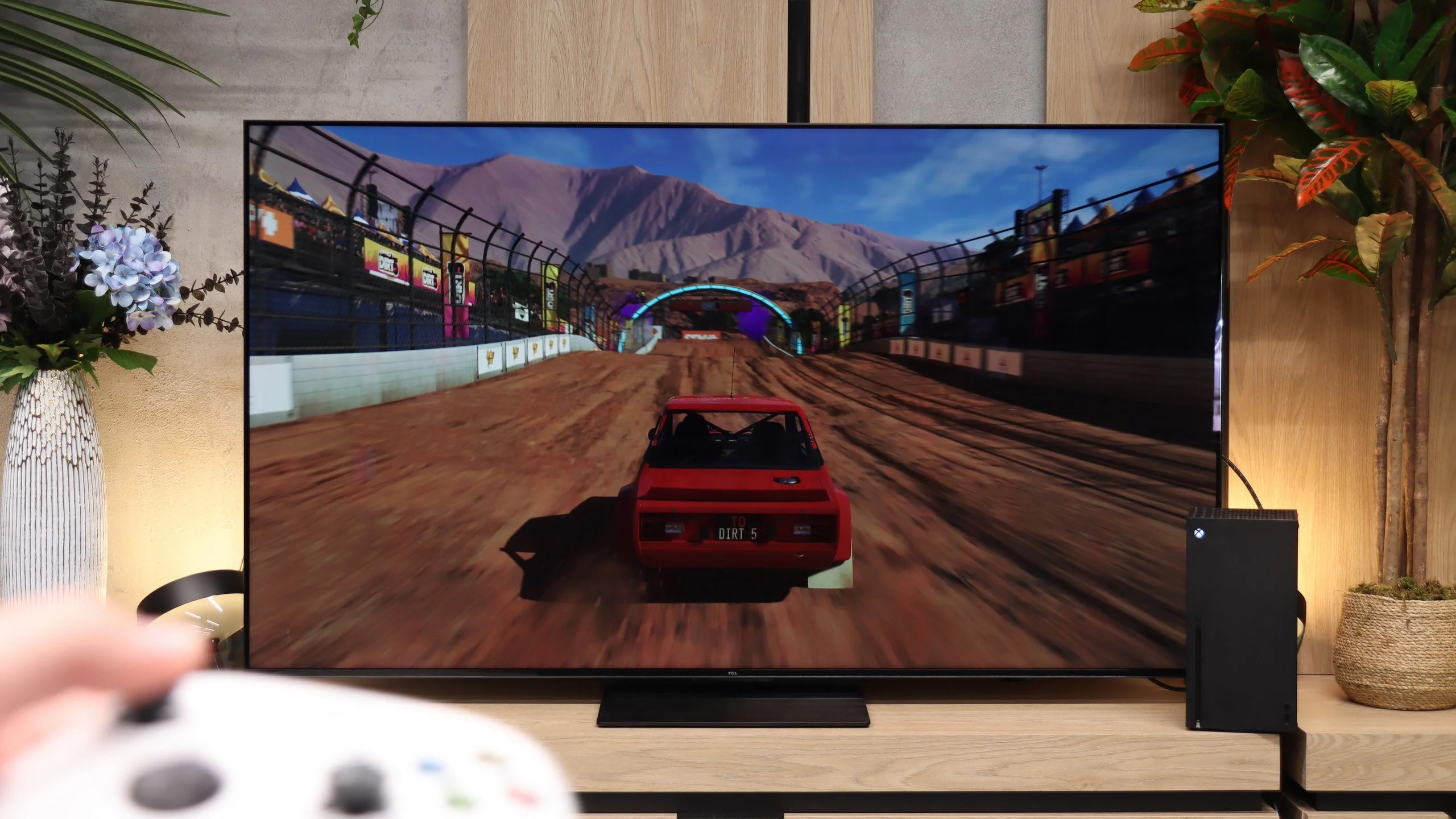
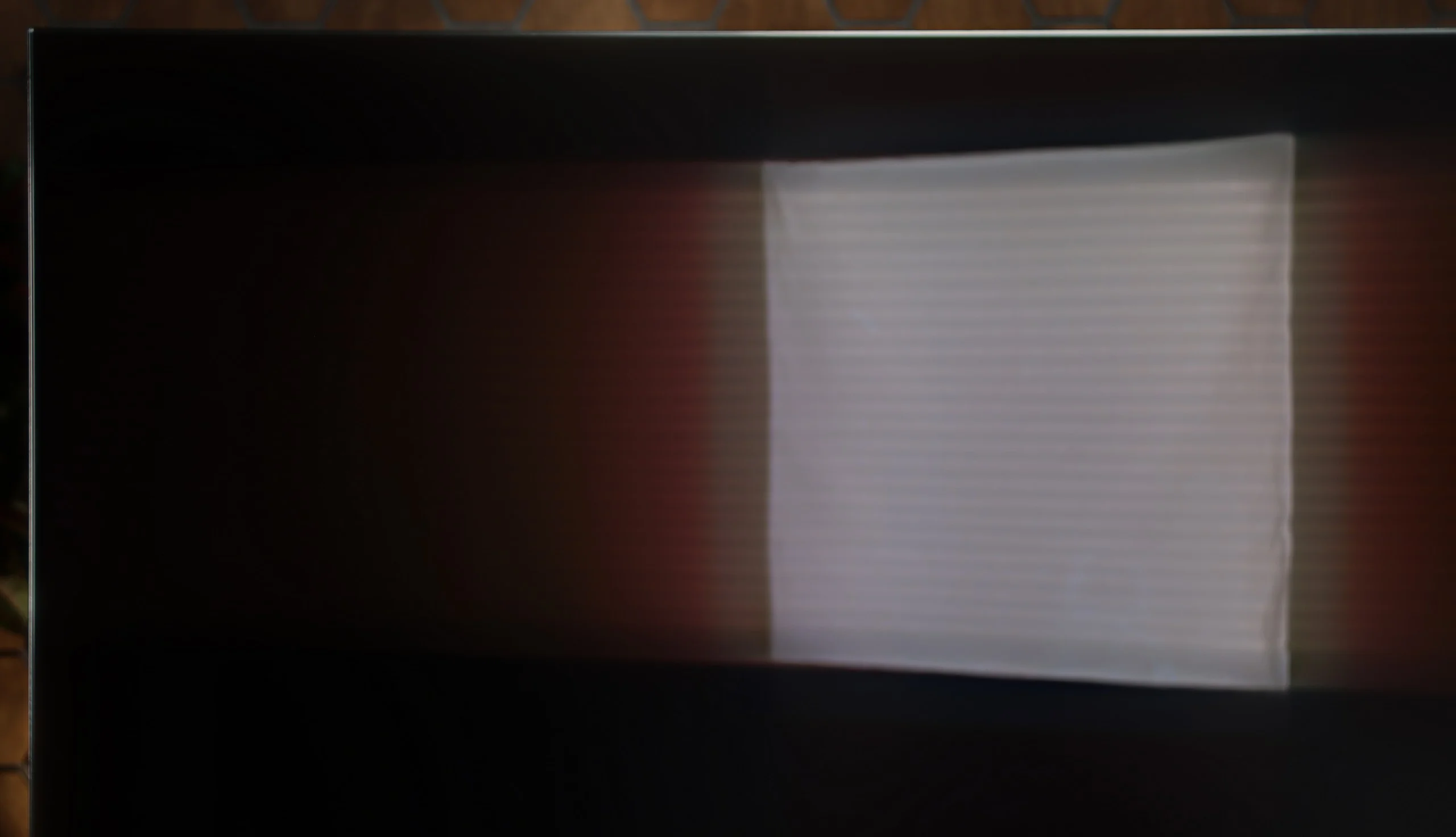
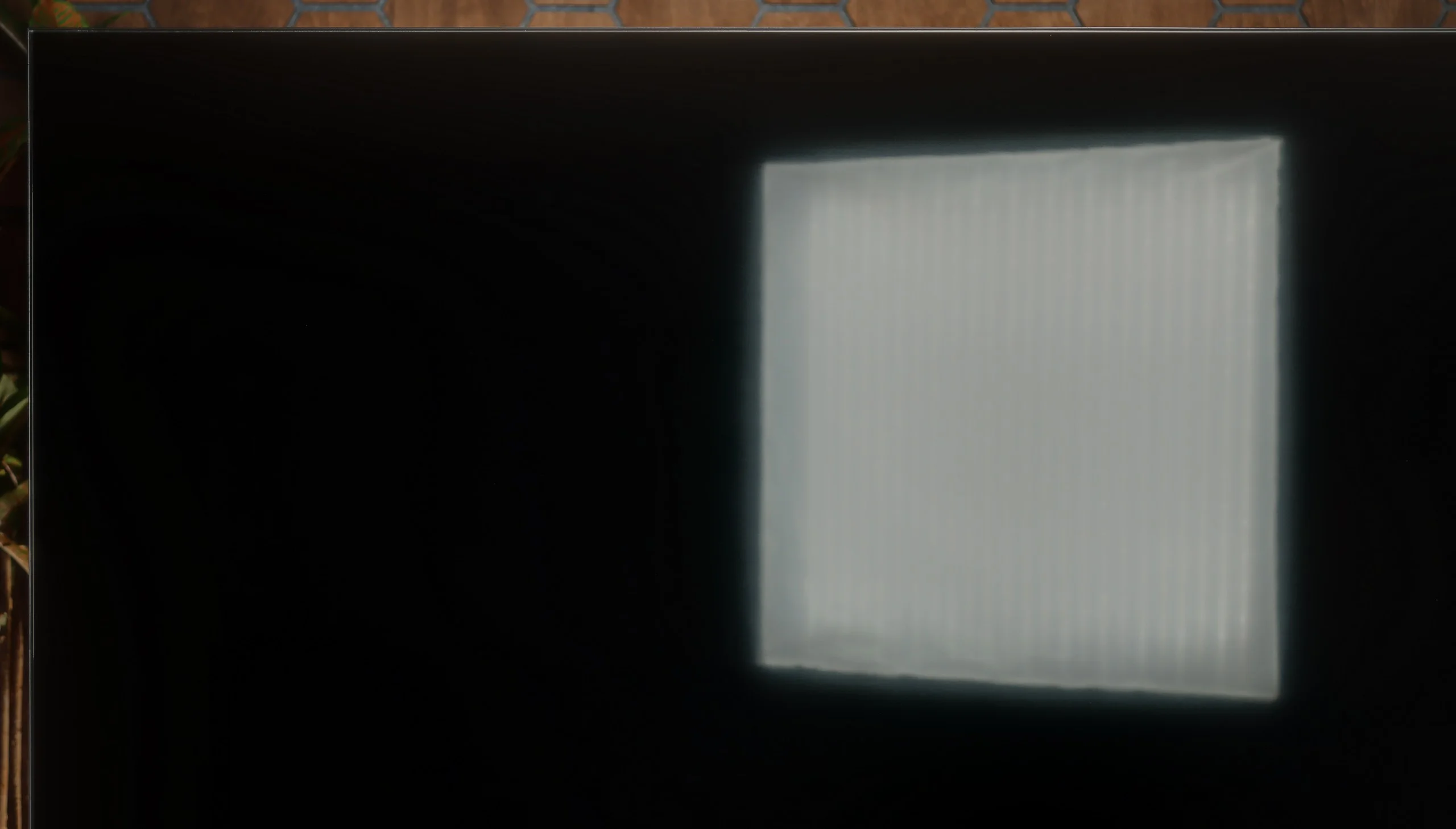
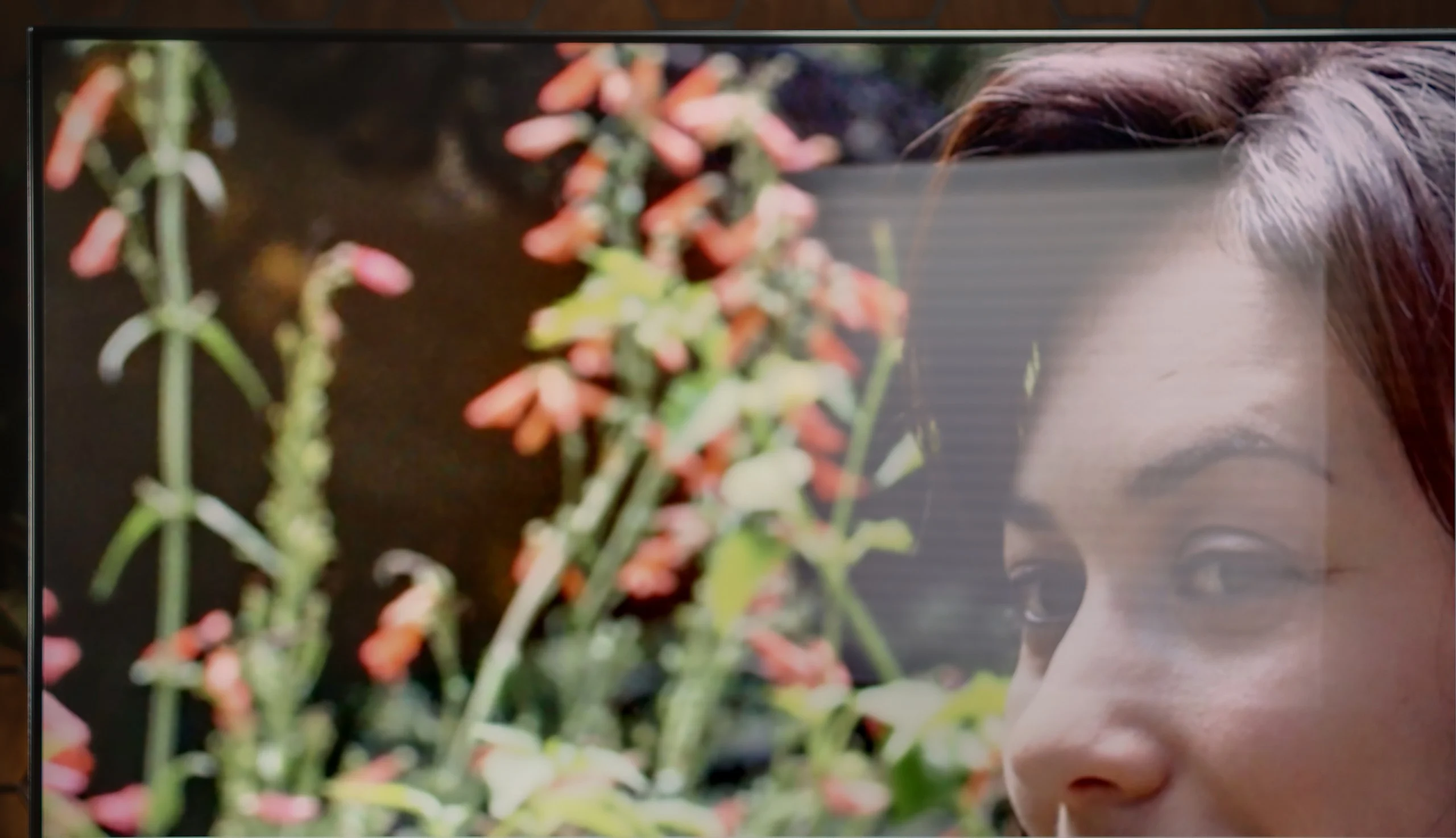
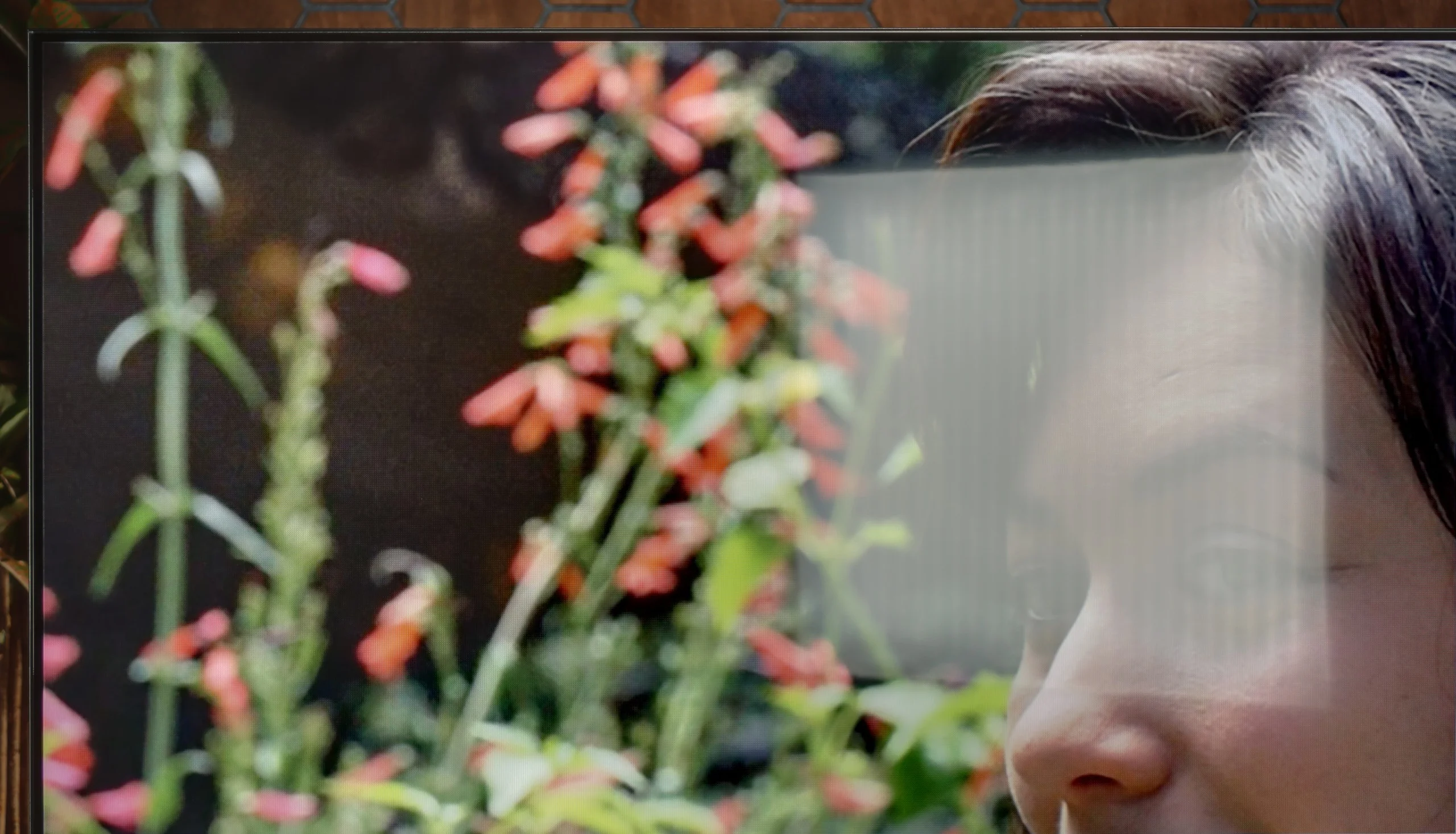
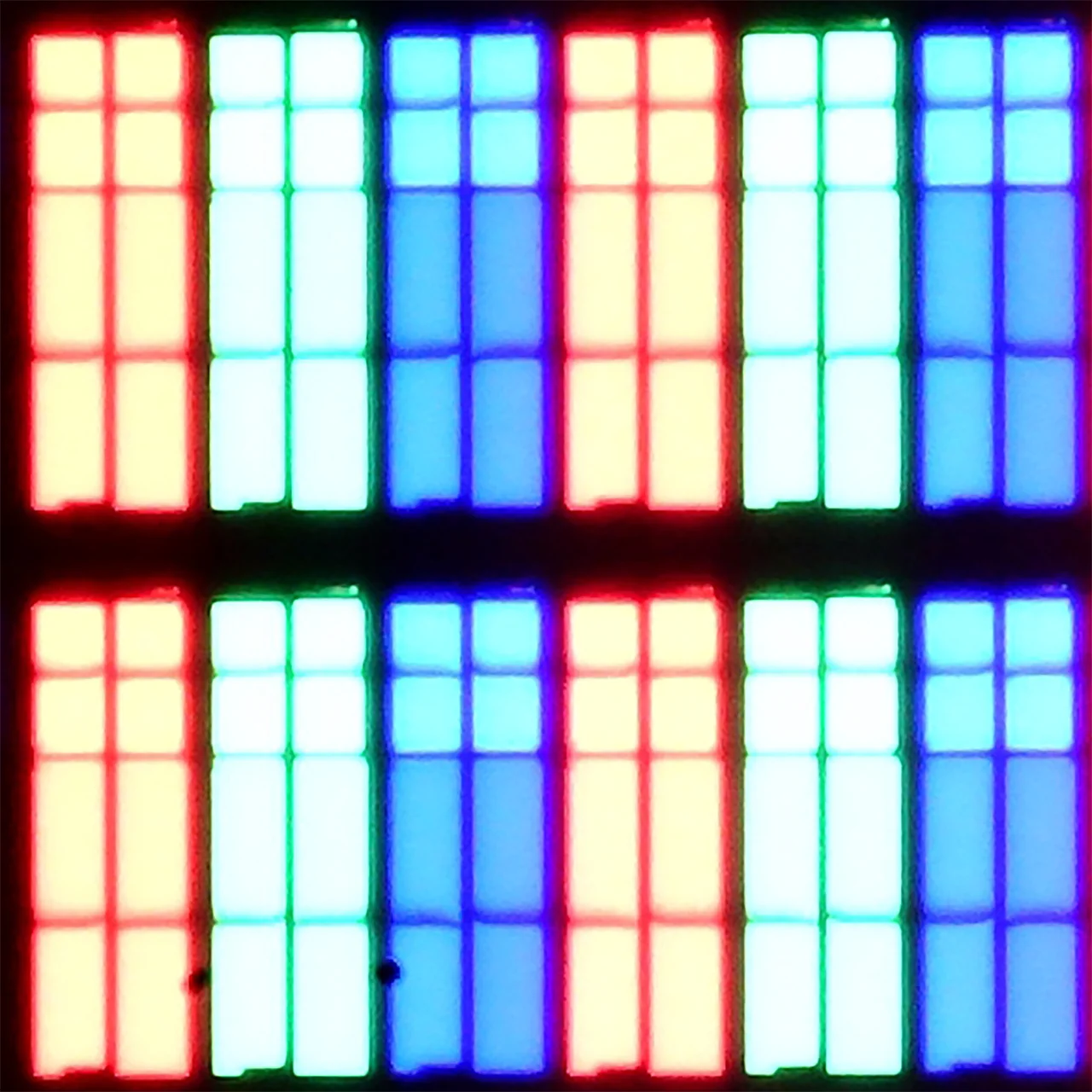
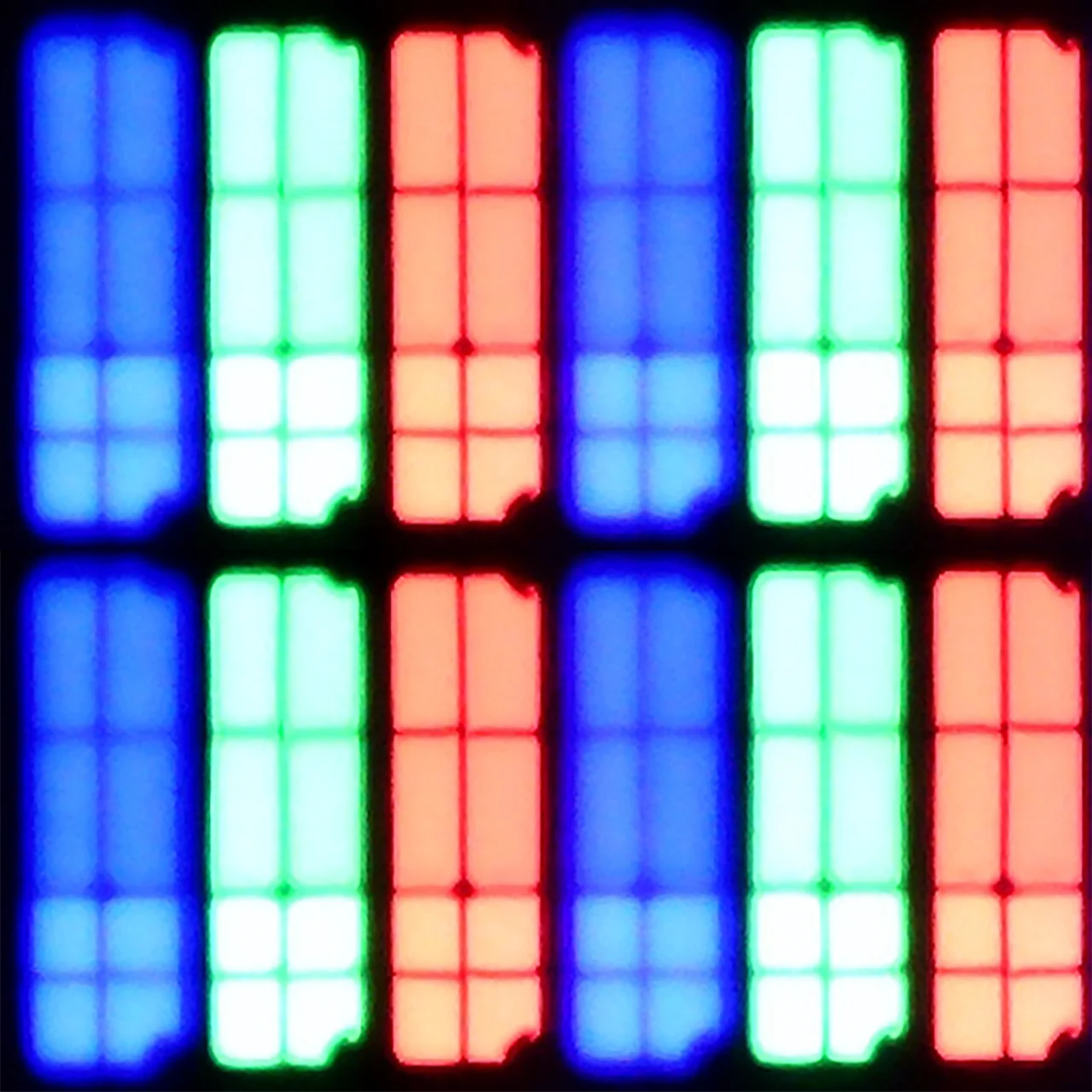
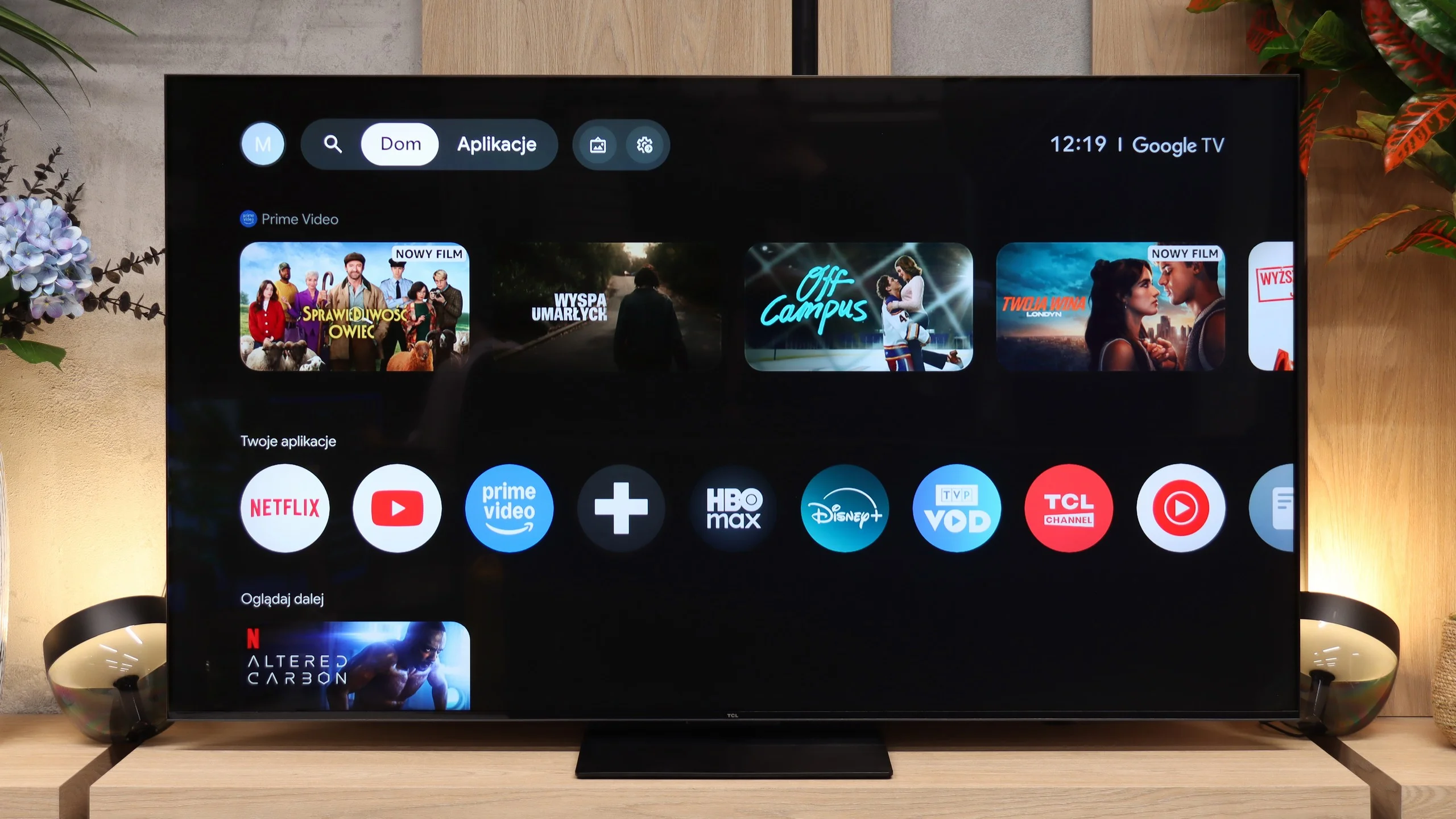
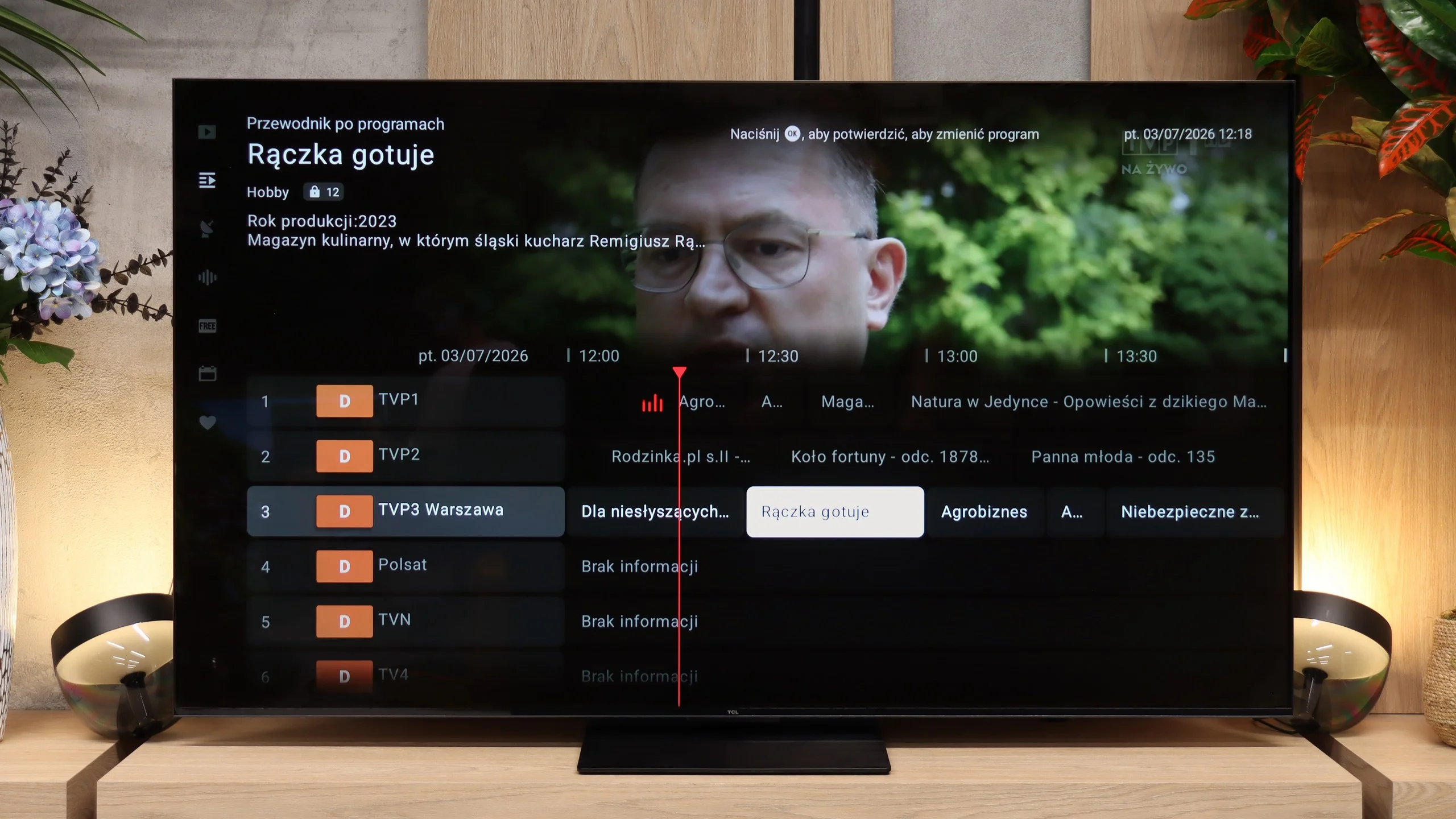
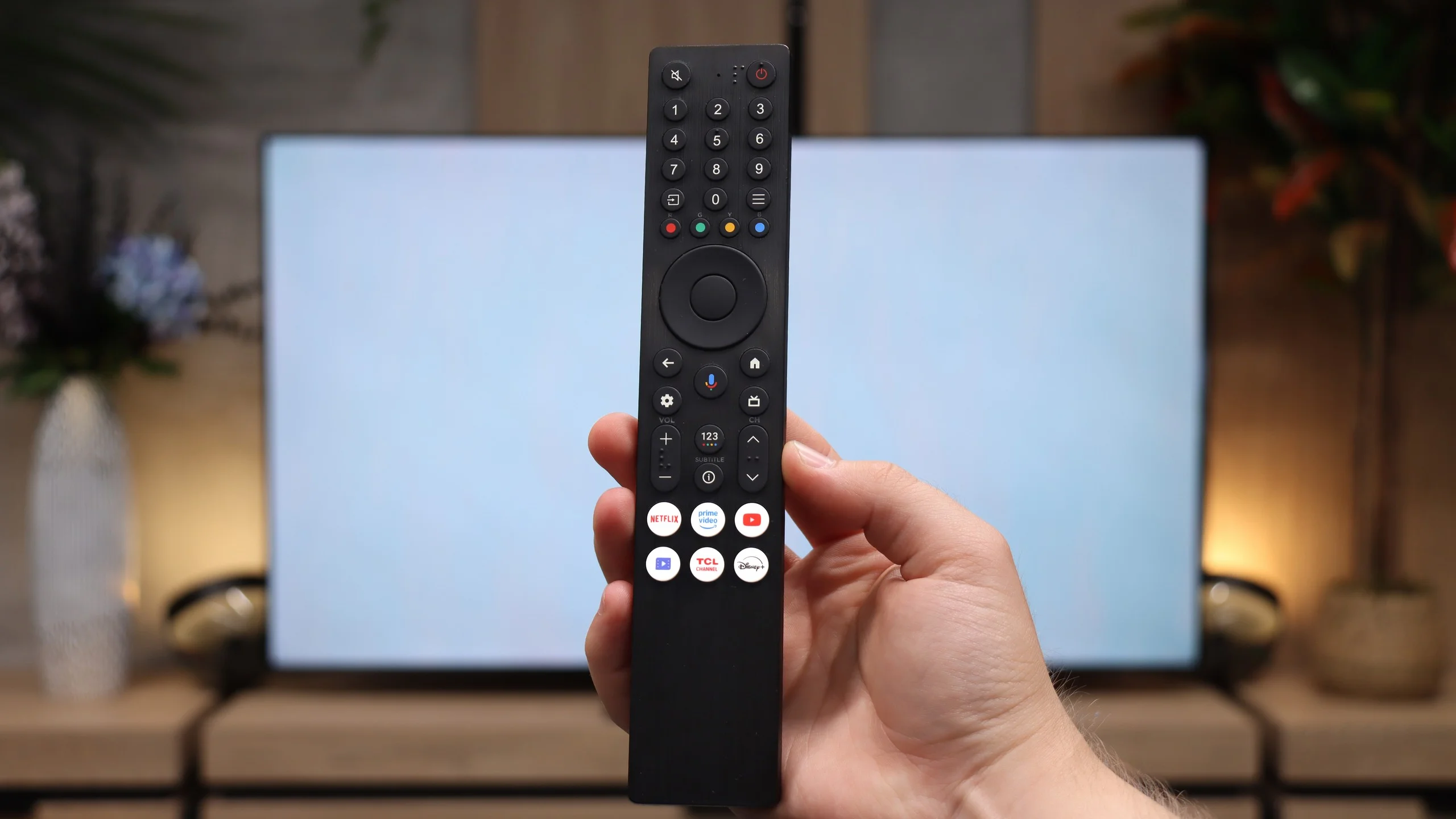
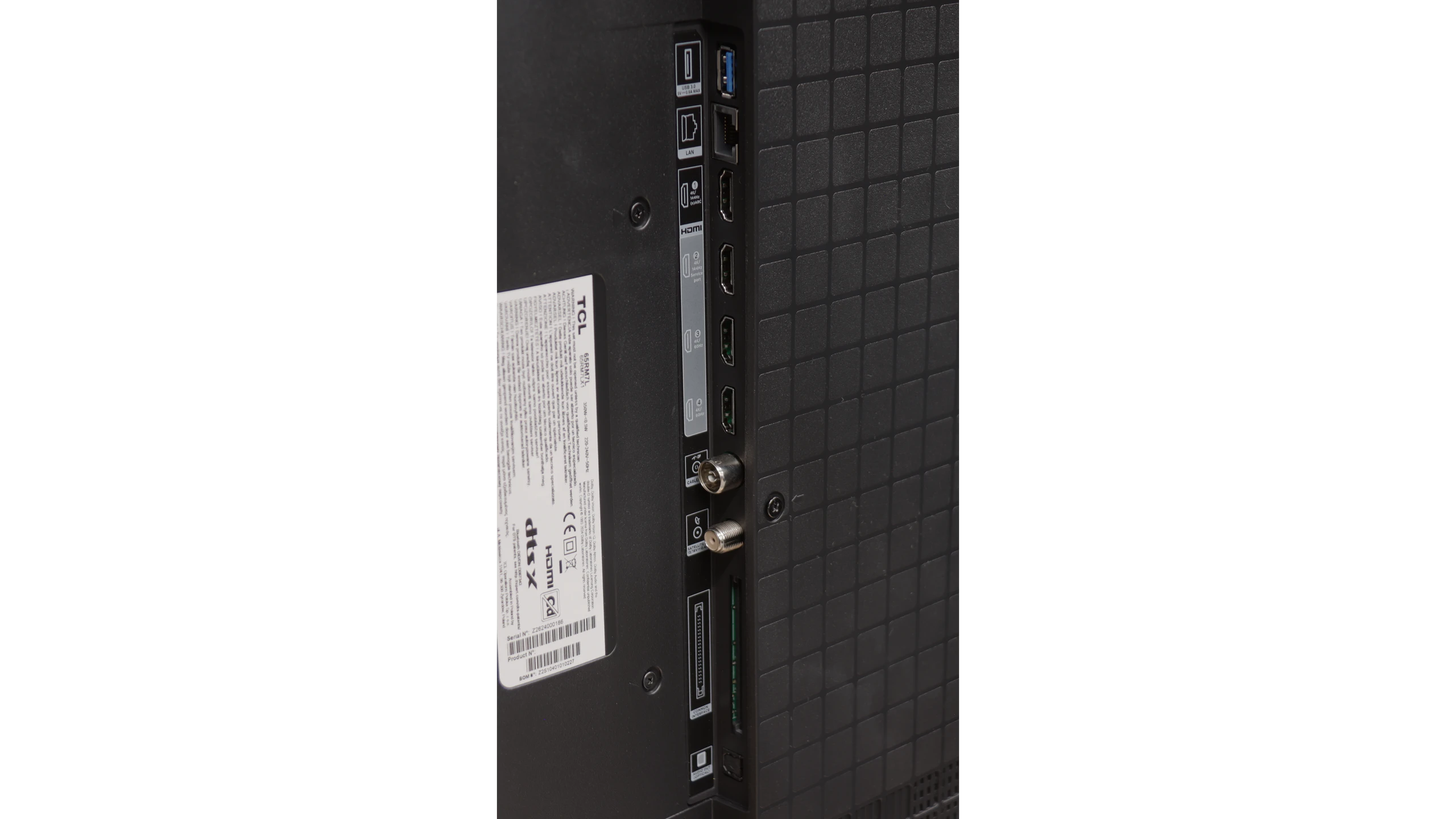
The TCL RM7L is a TV that can't be fairly assessed by measurements and charts alone. Although it isn't uncompromising kit, it more than holds its own in everyday use. It delivers a bright, dynamic and richly saturated picture, which makes it great for HDR content, gaming and fast-paced films. The RM7L doesn't chase perfect "reference-level" accuracy. Instead, it serves up an image that simply pleases the eye. In daily use there's little to fault. Google TV runs smoothly and provides access to a full suite of apps, and the generous set of gaming features means the TV performs just as well when connected to a console or PC as it does during an evening on the sofa. It's simply a versatile piece of kit that will suit most home uses. The most interesting aspect, though, is TCL's approach to backlighting. Rather than chasing numbers and inflating dimming zone counts, as with the C7L, they opted for RGB Mini-LED technology. The effect is genuinely intriguing. Although blacks and contrast are very good, in the most demanding scenes, with bright objects on a dark background, the halo can be slightly more noticeable than on the rival from the same stable. Interestingly, the glow itself takes on the colour of the displayed element, which makes it look much more natural and less distracting than on classic Mini-LED screens.
And that is where the dilemma appears. Placing the RM7L next to the TCL C7L, it's hard to deliver a clear, objective verdict. Both models cost almost the same, but represent two completely different backlight design philosophies. The C7L wins on dimming precision thanks to a larger number of zones, while the RM7L makes up for it with the distinctive, extremely pleasing-to-the-eye character of its RGB panel. Until recently the choice boiled down to a simple zone count; today, as TCL shows, the matter is much more interesting. If we had to choose between the two, the scales would tip slightly towards the C7L because of the higher zone count and equally impressive, saturated colours, but the final decision always depends on what an individual expects from their equipment.
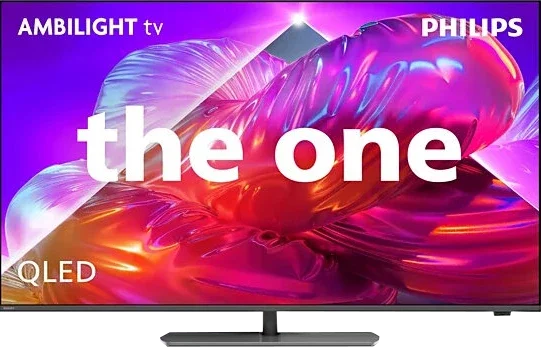
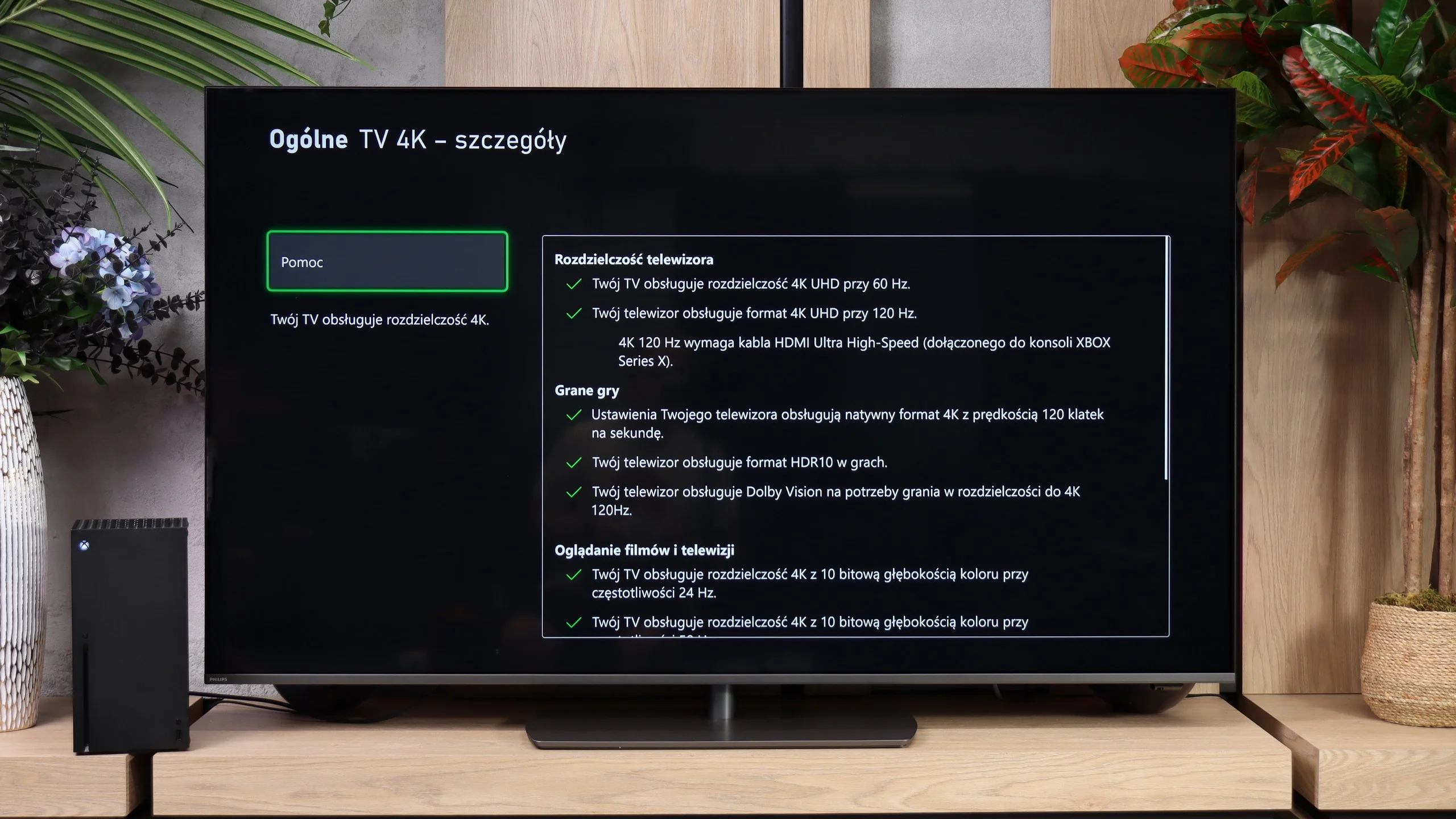
The idea behind The One has hardly changed over the years and with the Philips PQS9001 this is both a strength and its biggest drawback. You still get a versatile mid-range television whose main distinguishing feature is Ambilight. The light that follows the picture can change the atmosphere of an evening viewing and for many people will be the main reason to buy it. It's easy to see why: once you like that effect, you often don't want to go back to watching without it. The picture quality itself is good, but a very similar level has been seen in this series in previous years. The VA panel delivers decent blacks, colours are nicely saturated and the brightness is sufficient for comfortable viewing in a typical living room. It's a pity, though, that Philips didn't take another step and at least implement some form of local dimming. In a dark room you can see a navy-black rather than true black, and HDR, though noticeable, is less impressive as a result. After so many years of The One on the market we'd expect more.
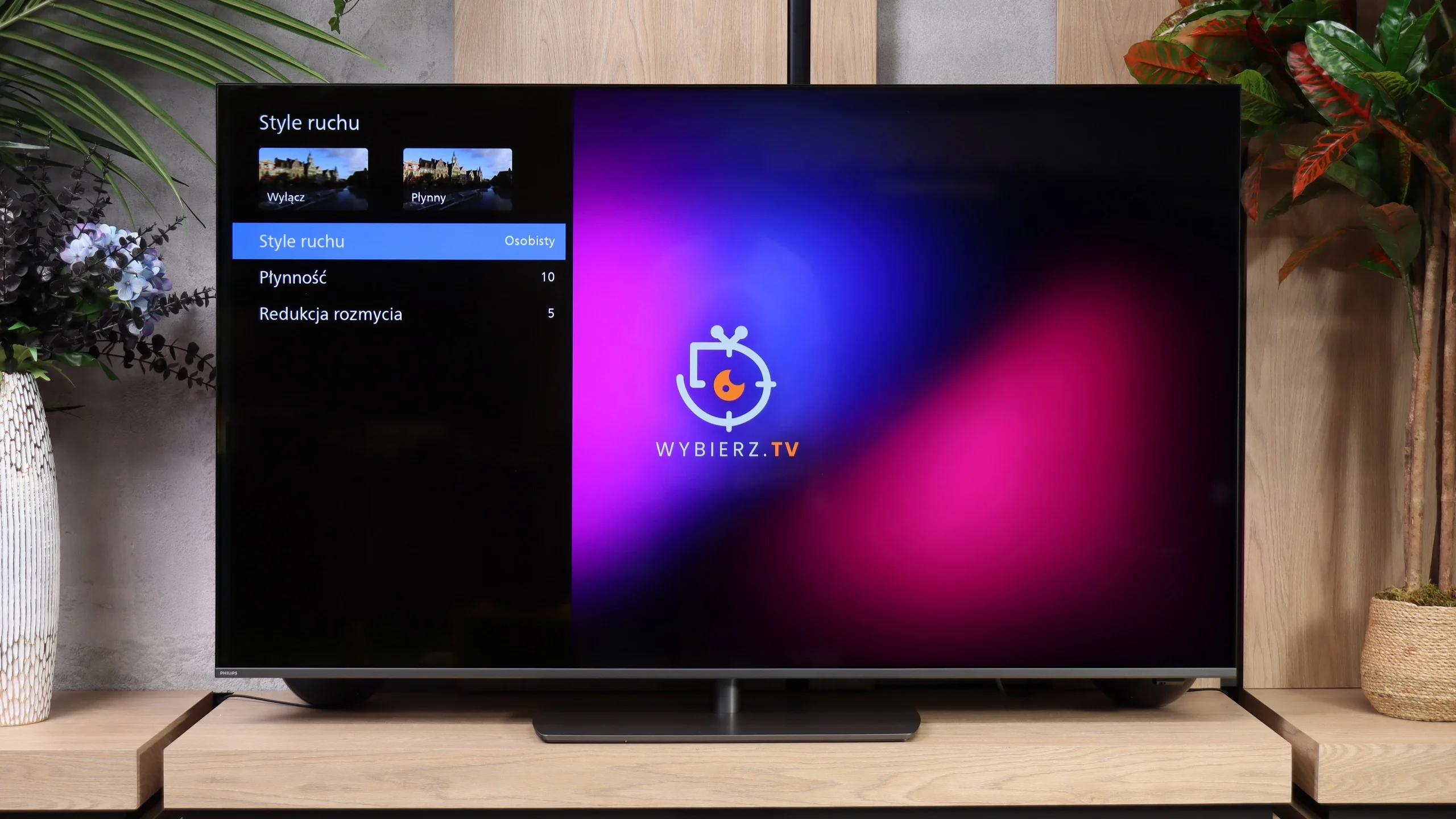
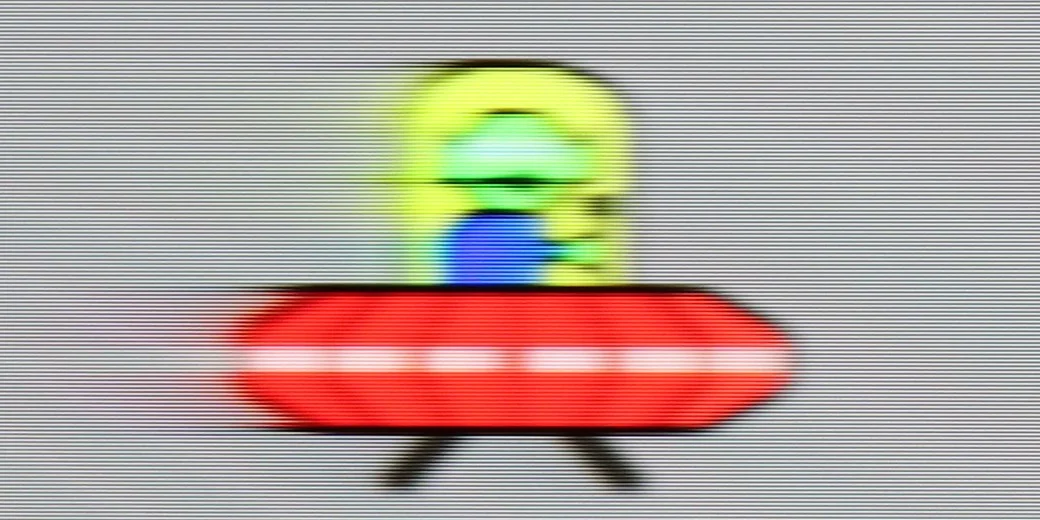
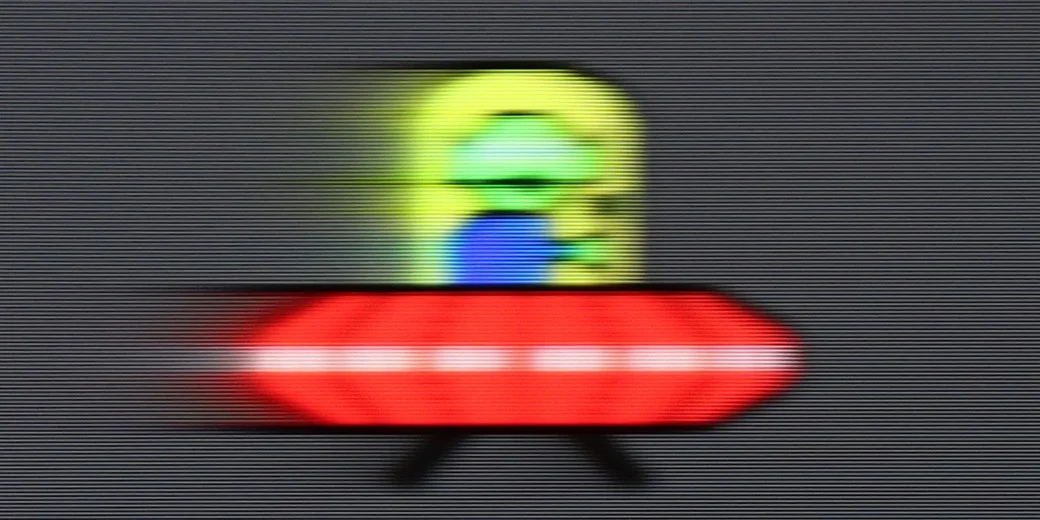
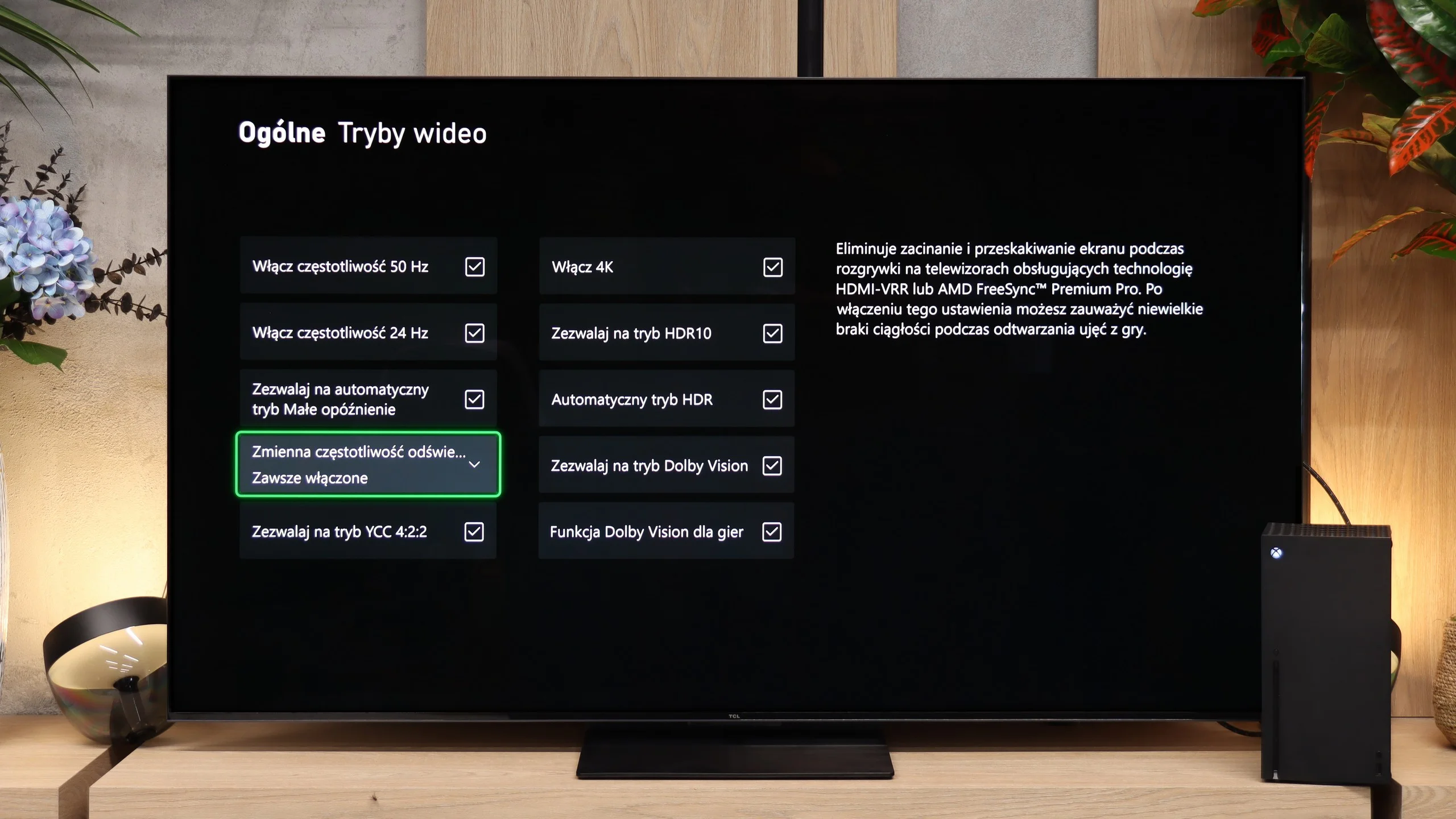
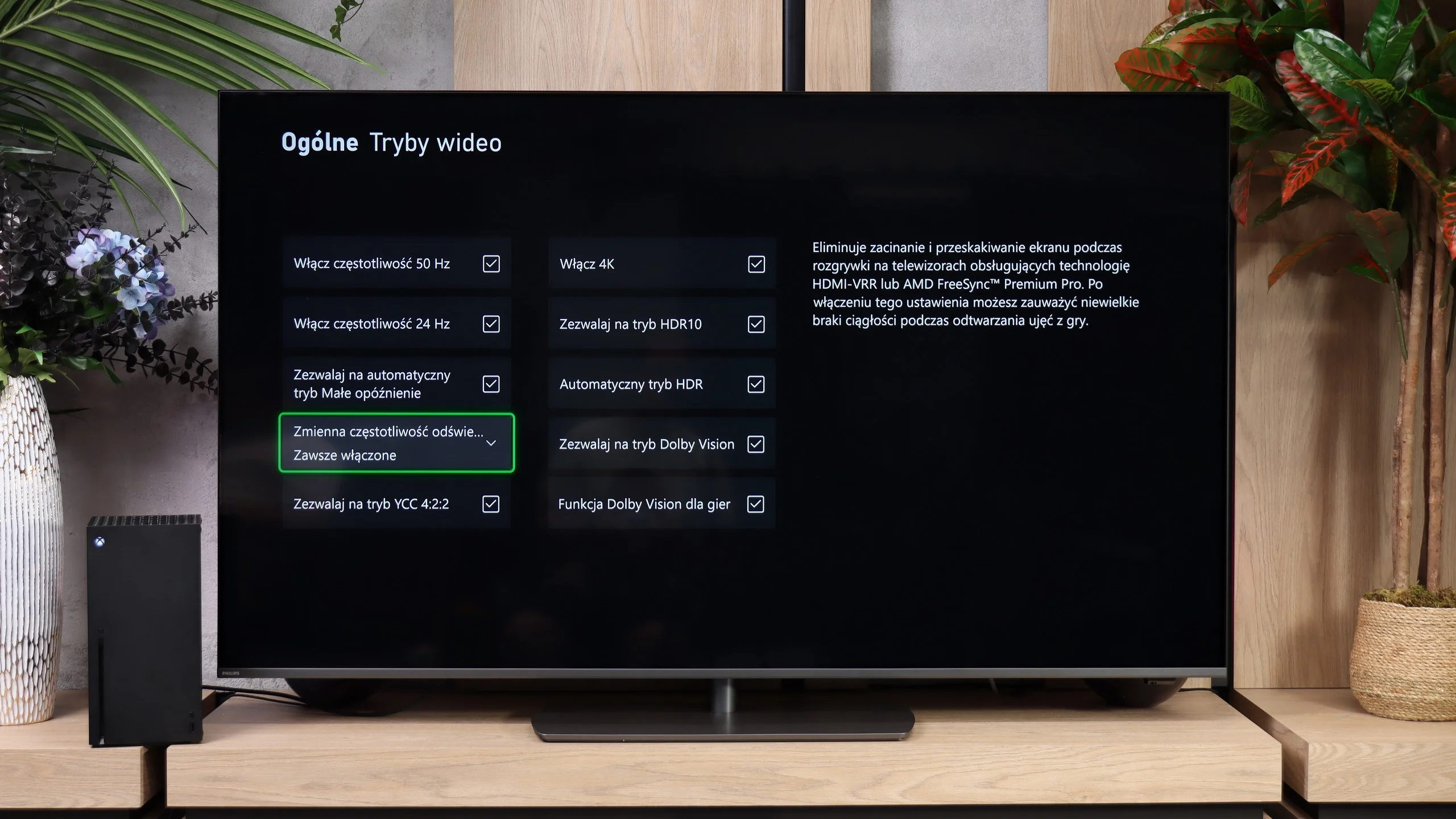
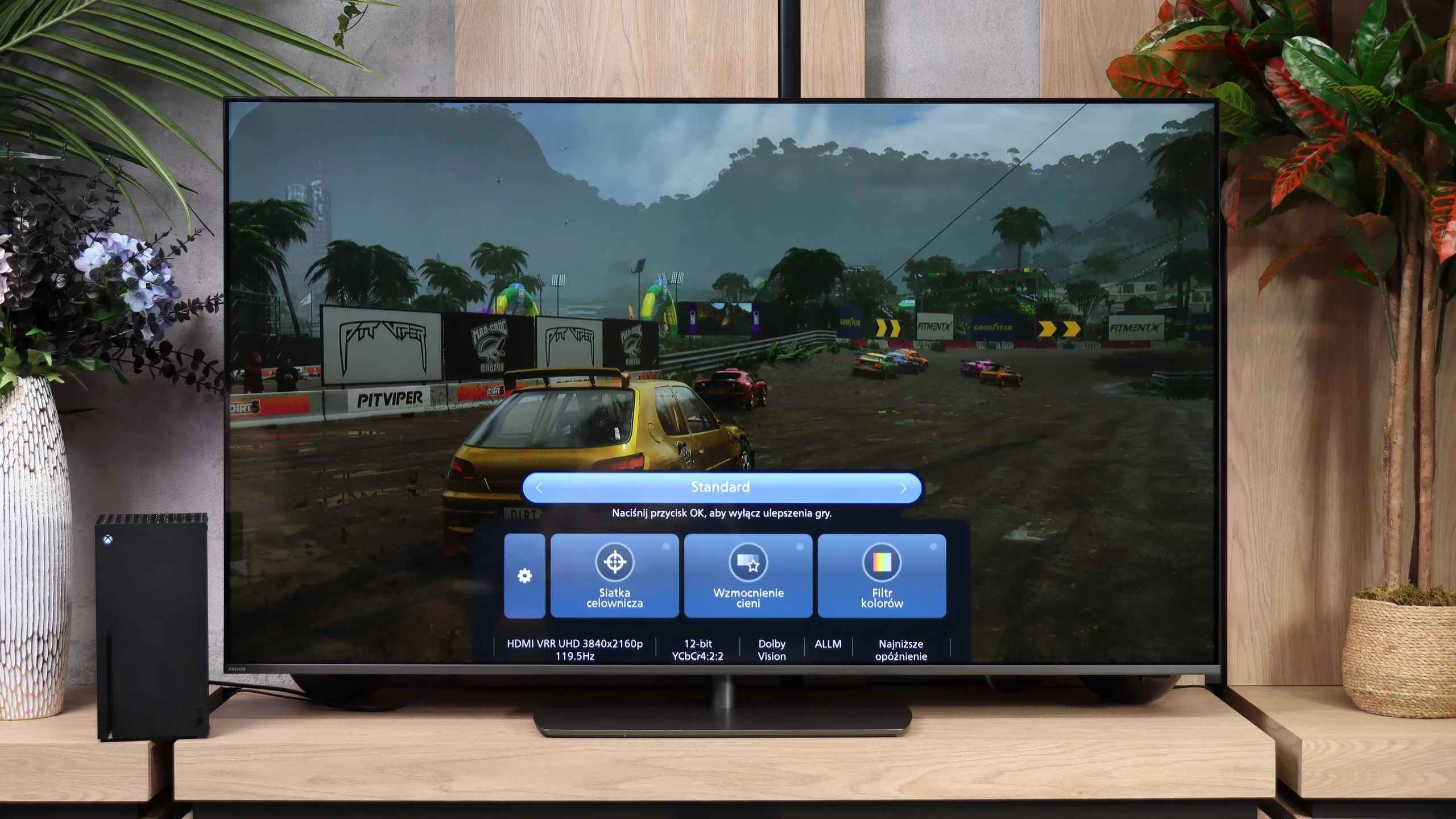
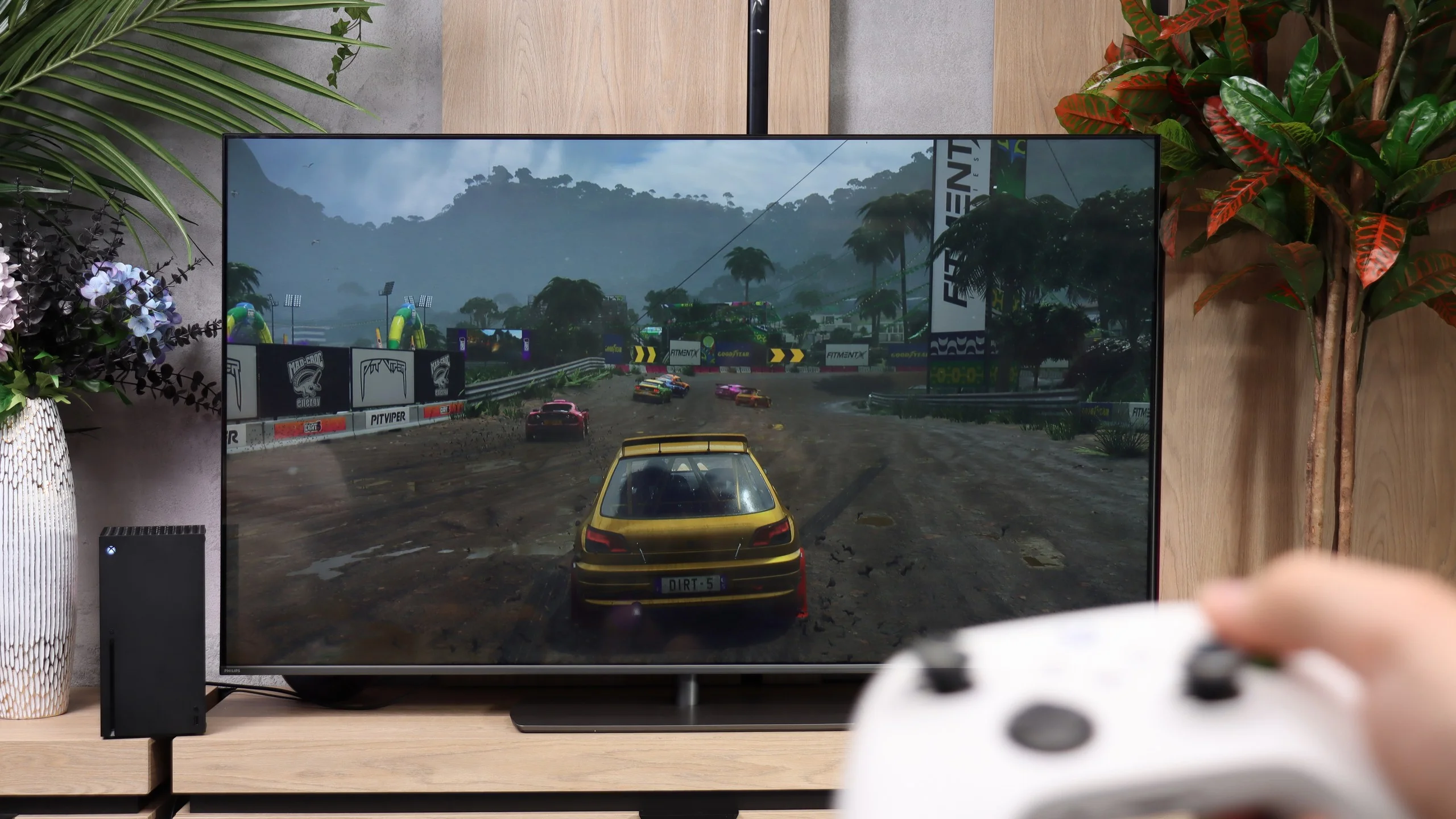
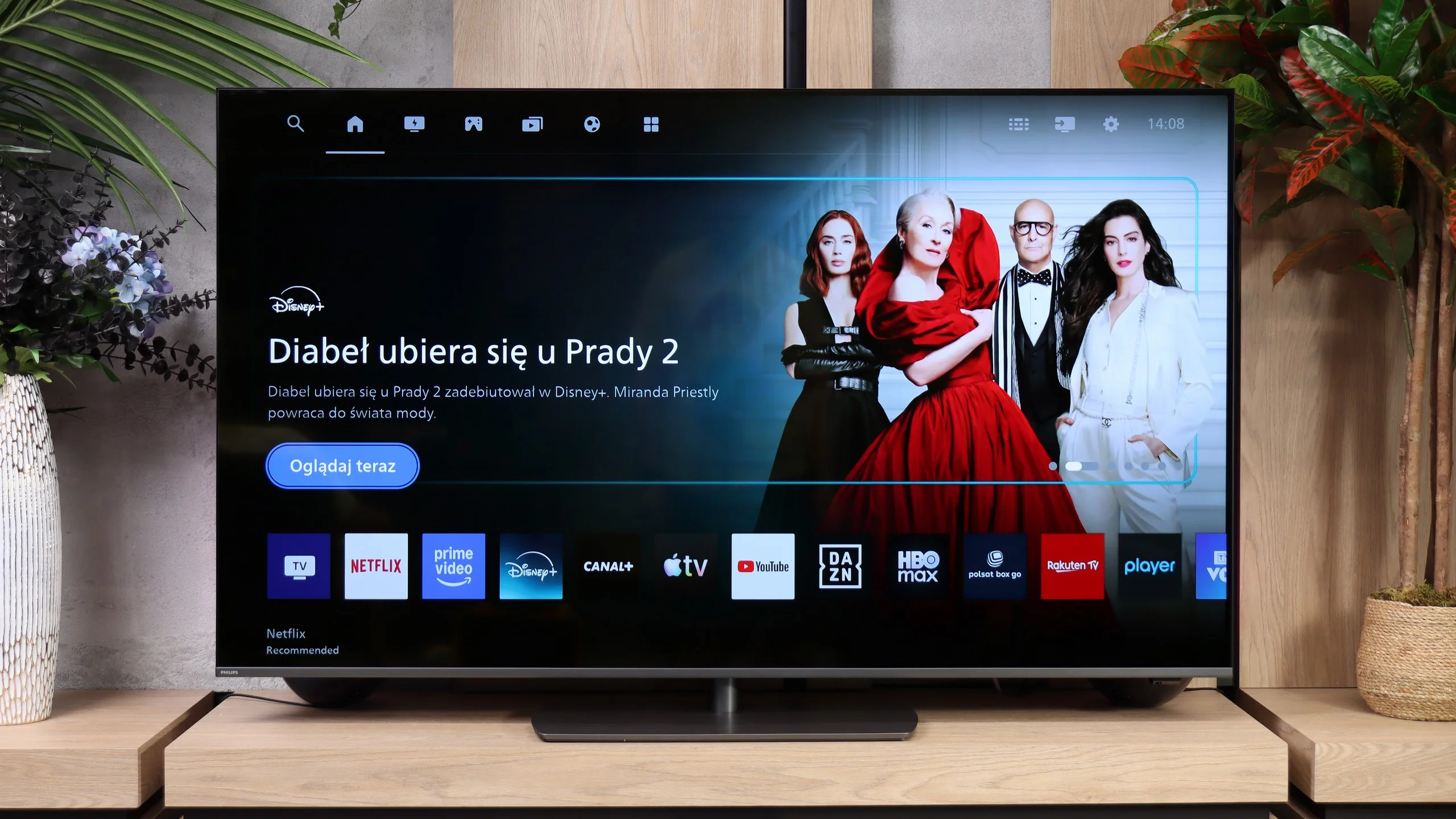
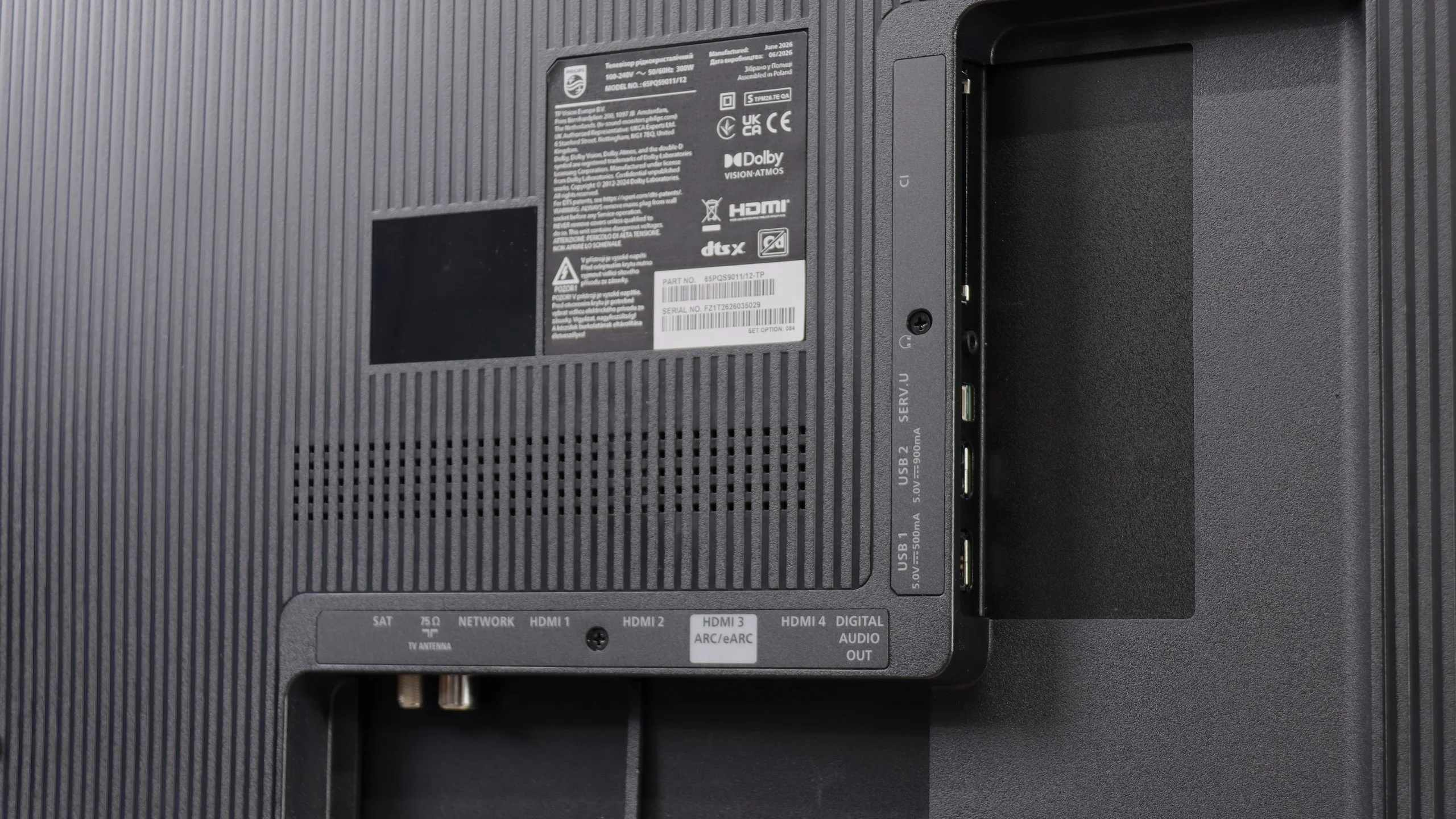
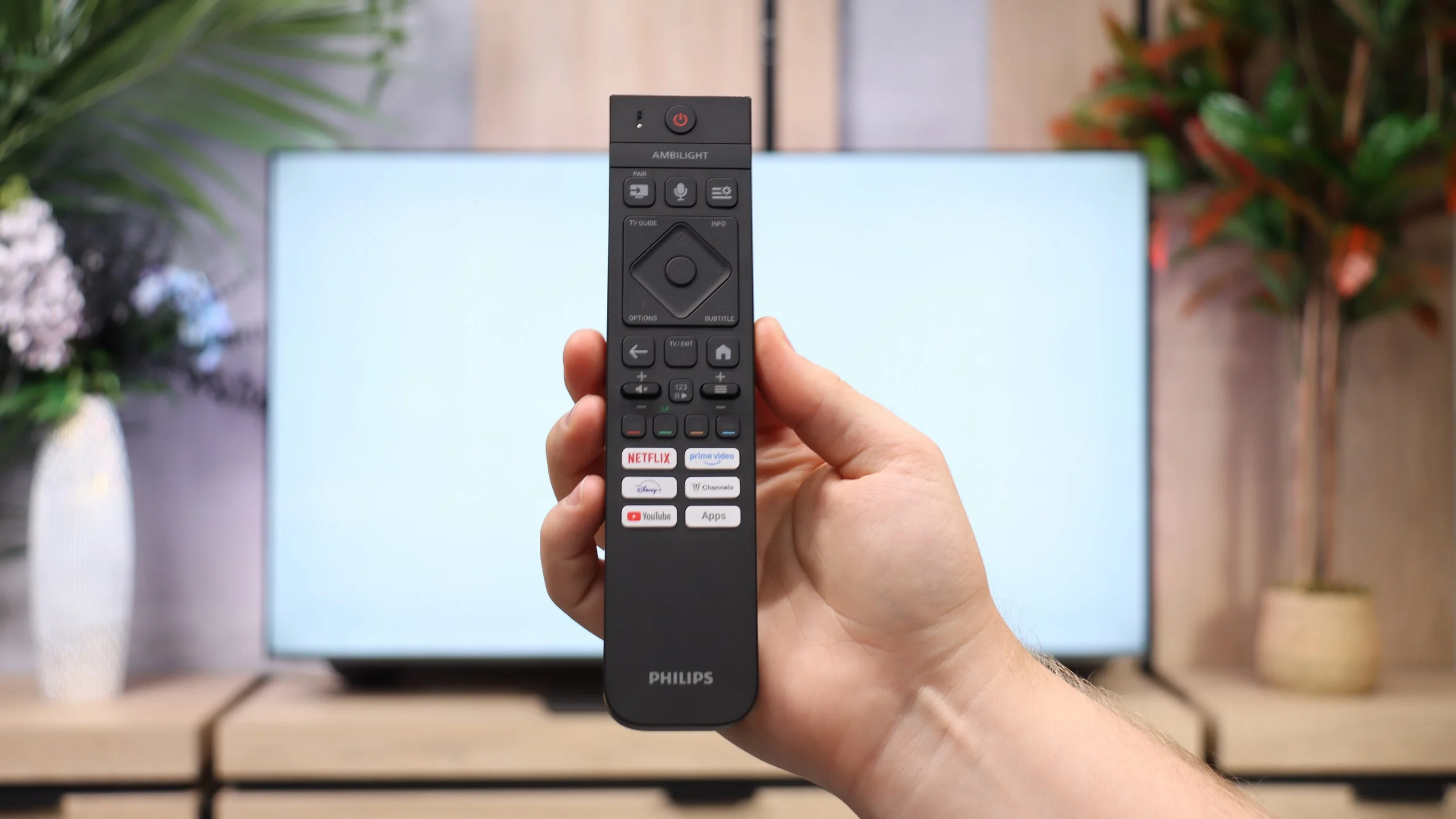
There is a clear step forward in Titan OS. Compared with last year, and especially the version from two years ago, the system has become much more pleasant to use. A few apps have been added, many small functions improved and the annoying bugs we complained about before have been fixed. Overall it runs respectably, although we're again bothered by a remote that has to be pointed at the television. Philips stubbornly sticks with infrared for basic control, even though voice control uses radio connectivity. That makes it harder to understand why radio wasn't also used for menu navigation. The One also has a lot to offer gamers. Four HDMI 2.1 ports and extensive features are one thing, but what impressed us most was the panel's response time. Our unit showed virtually no smearing, even on dark backgrounds, which is rare for LCD TVs with a VA panel. That deserves considerable praise. The ability to play in 4K at 144 Hz or in Full HD at 240 Hz further encourages connecting a PC. Unfortunately there's an unfinished element here too: Dolby Vision when gaming on Xbox incurs very high input lag.
The PQS9000 therefore leaves mixed impressions. It can surprise with excellent motion handling and shows that Philips has worked on the system, but the image quality lacks a similar step forward. This is a television we can recommend primarily to Ambilight fans. If that lighting is what convinces you to choose Philips, buying The One makes a lot of sense. It's worth checking, though, whether you can't find a Mini LED model with good local dimming at a similar price, which would offer deeper blacks and more striking HDR. Then you need to decide what matters more to you: the ambience created by Ambilight or better image quality itself.
 Direct comparison