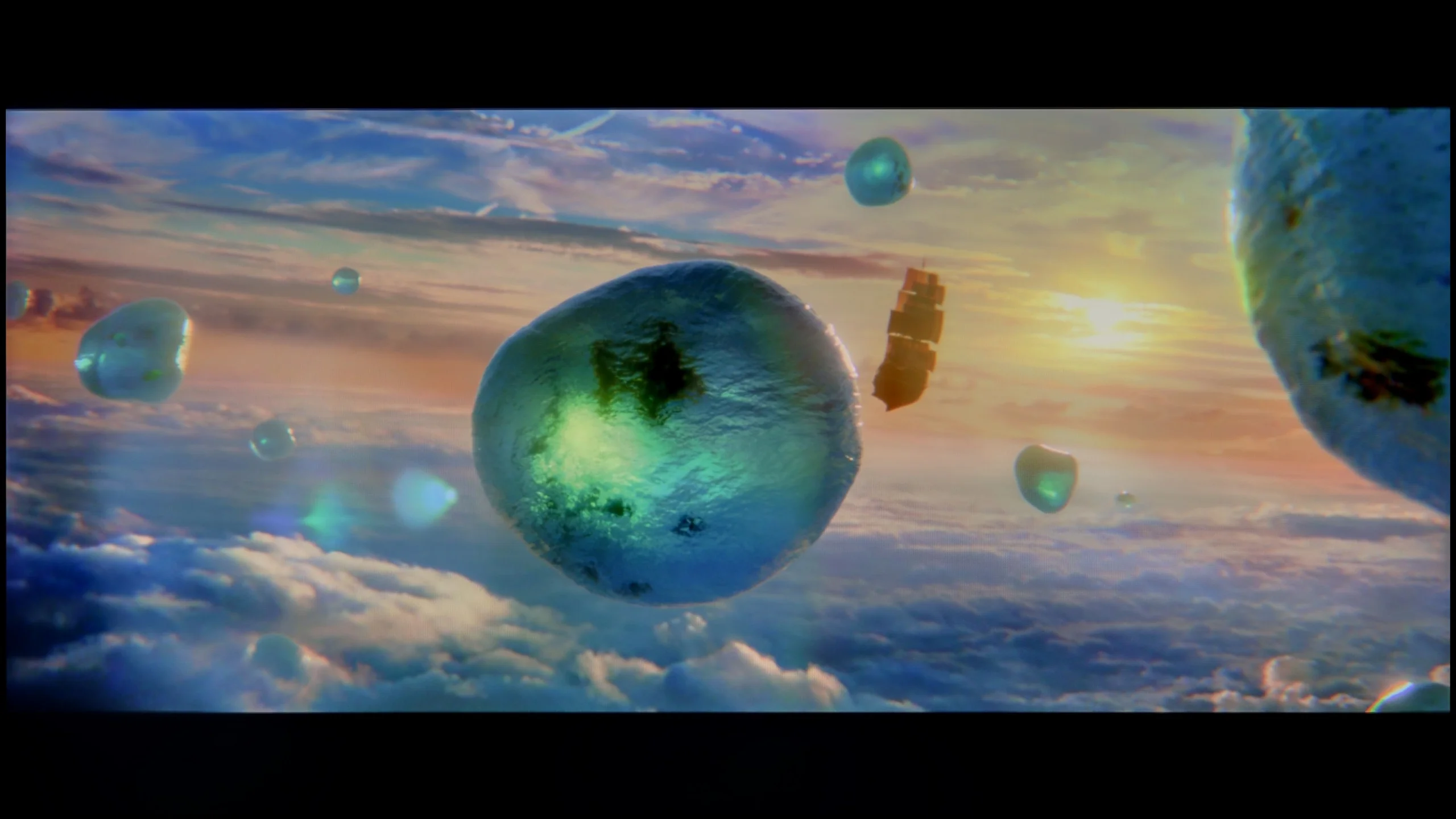
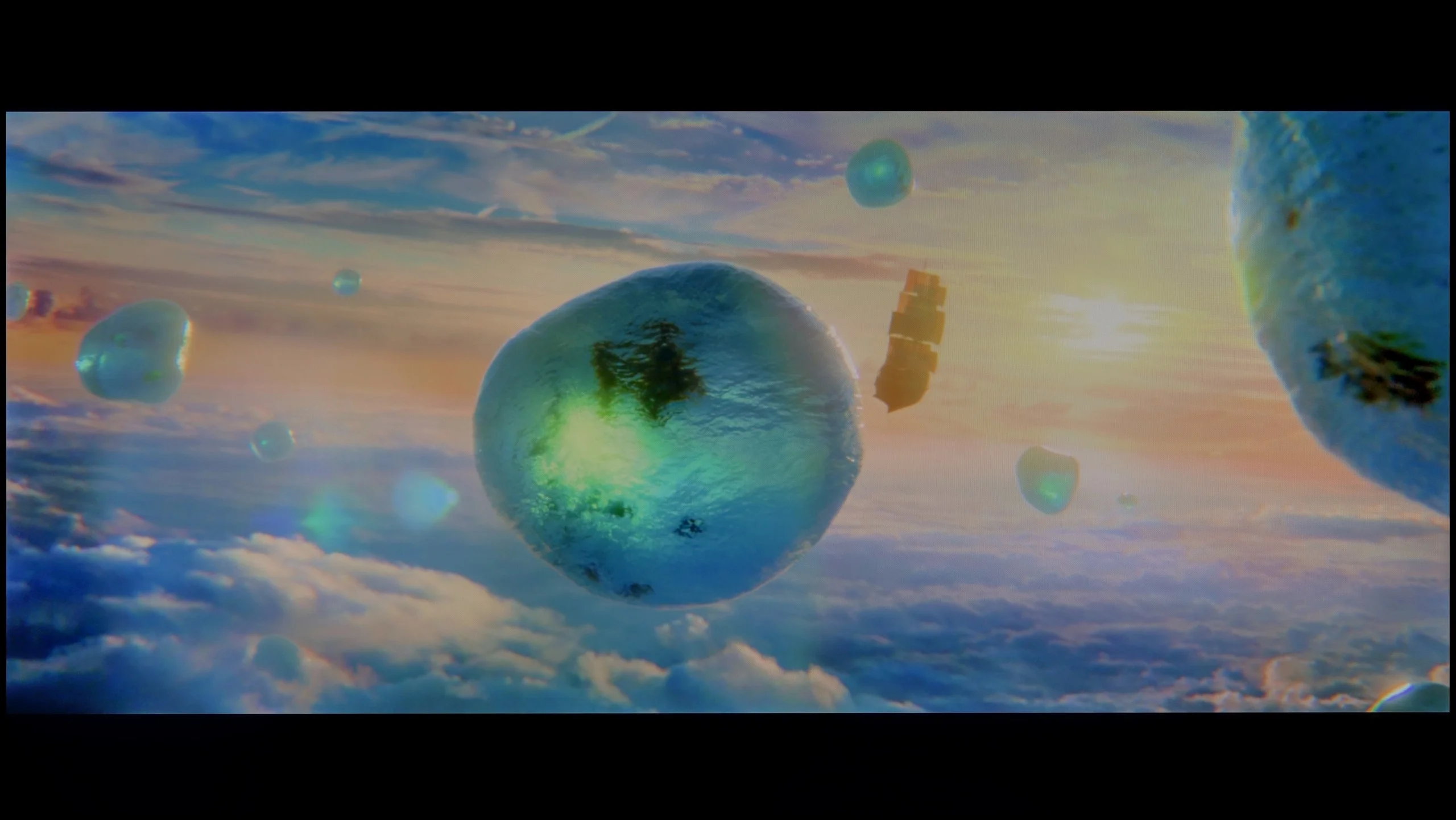
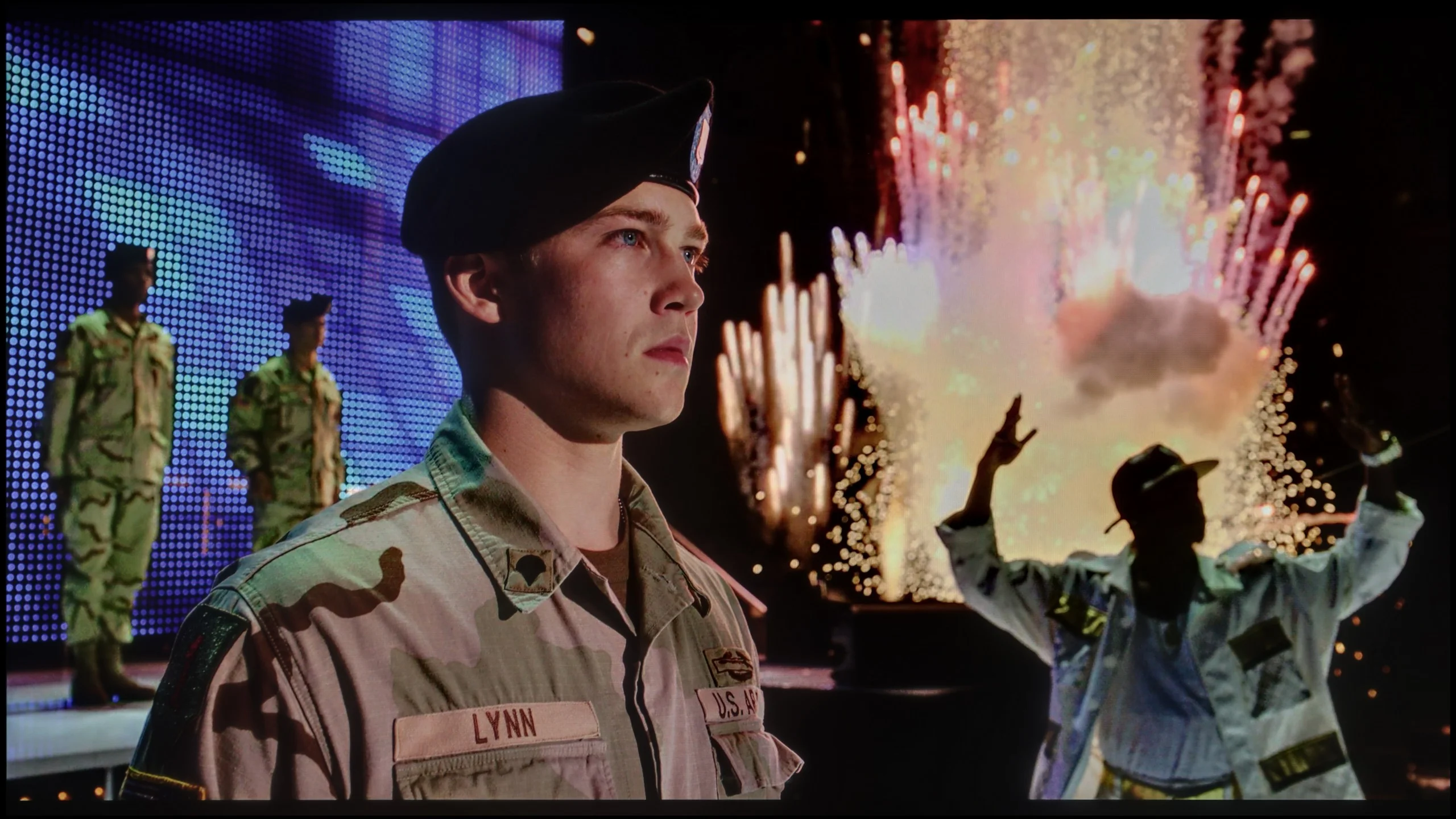
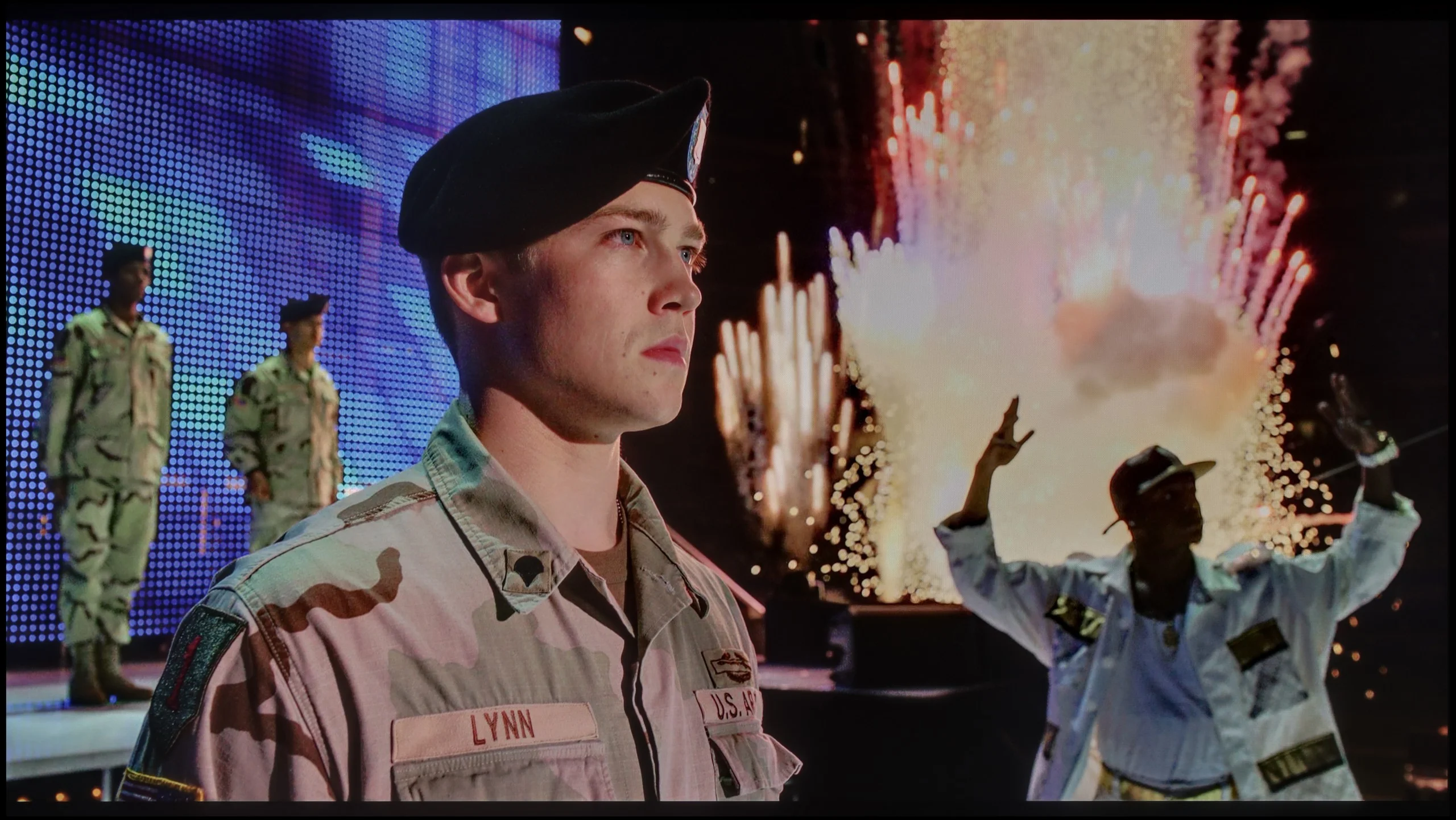
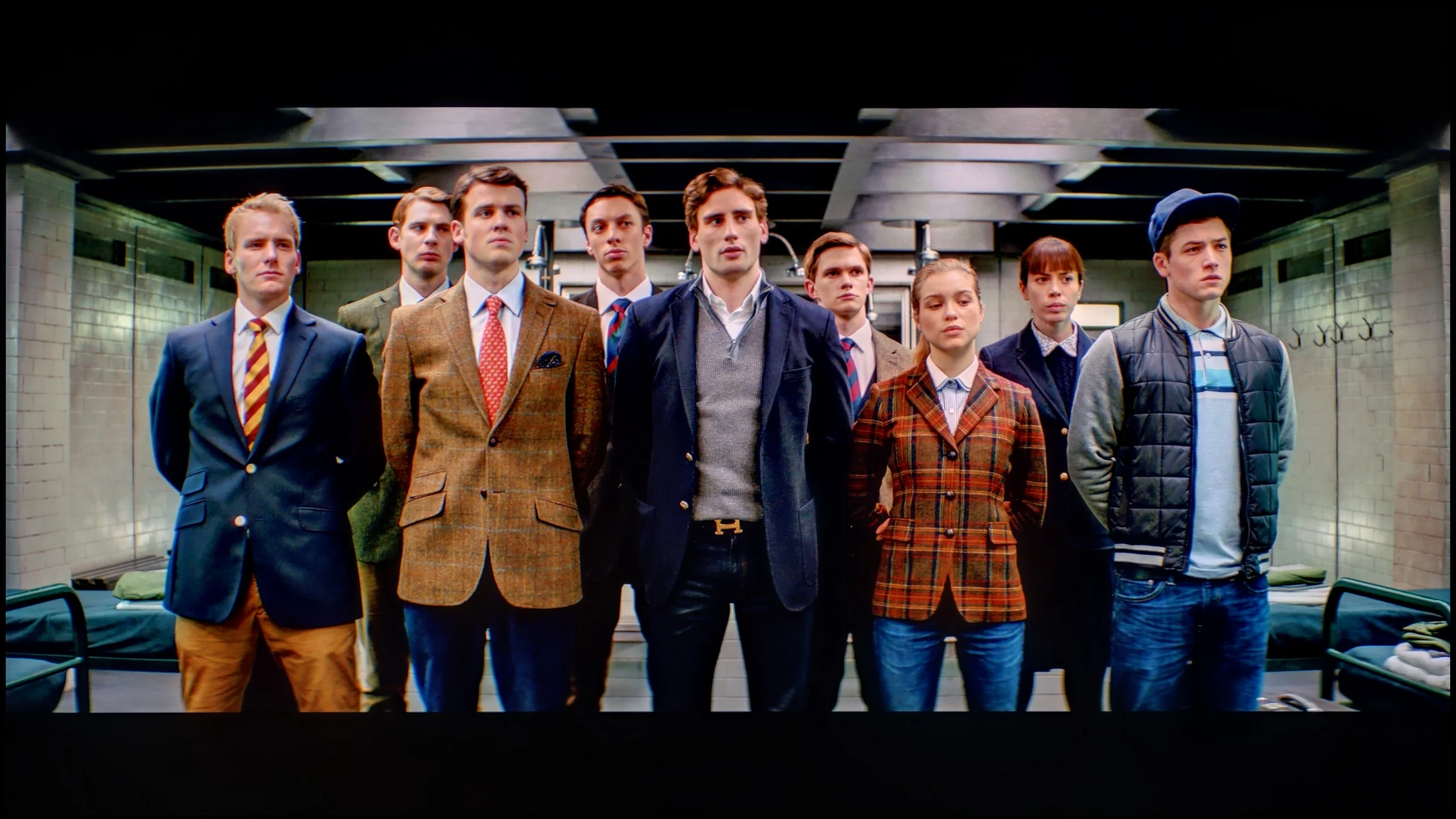
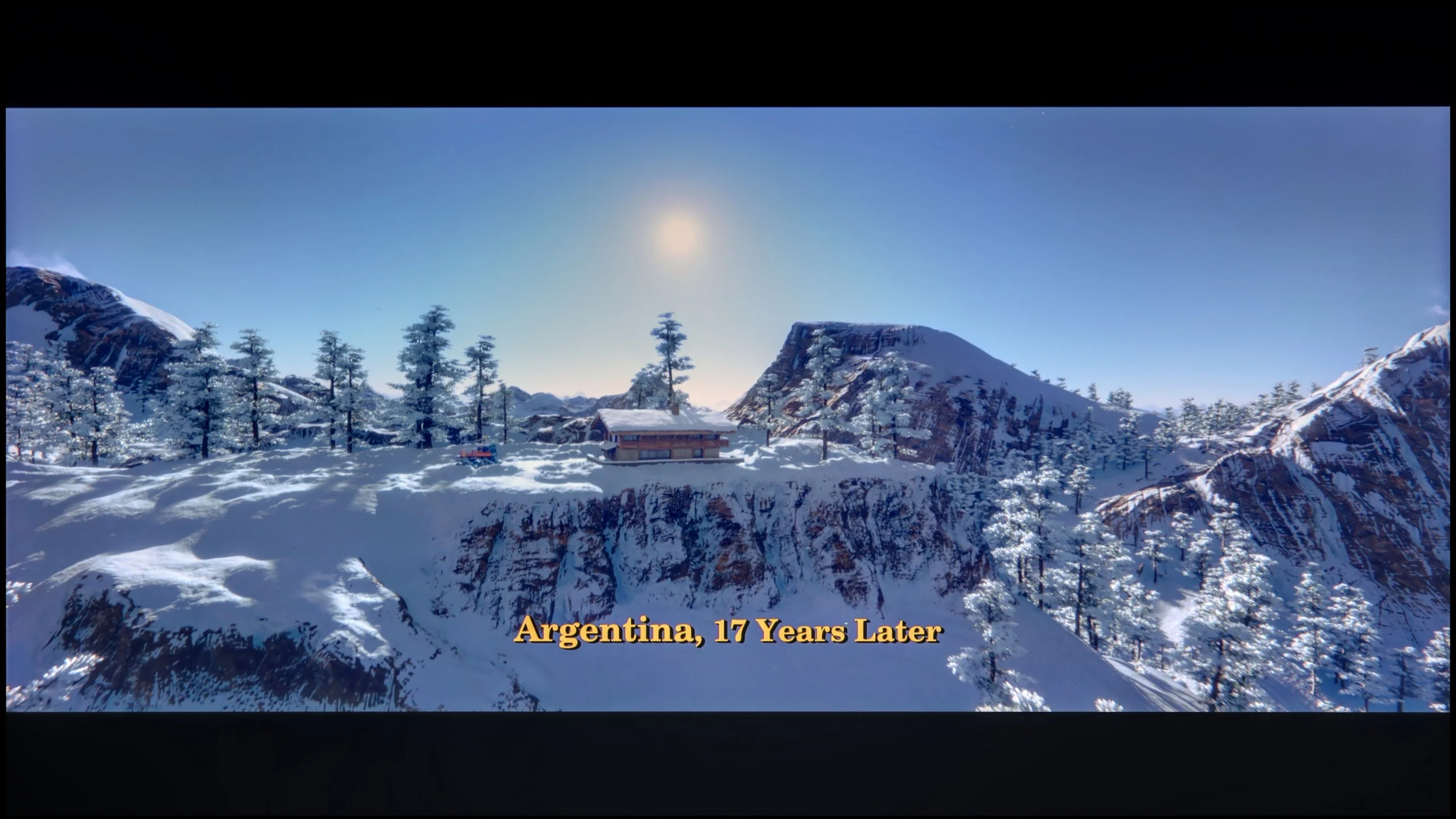
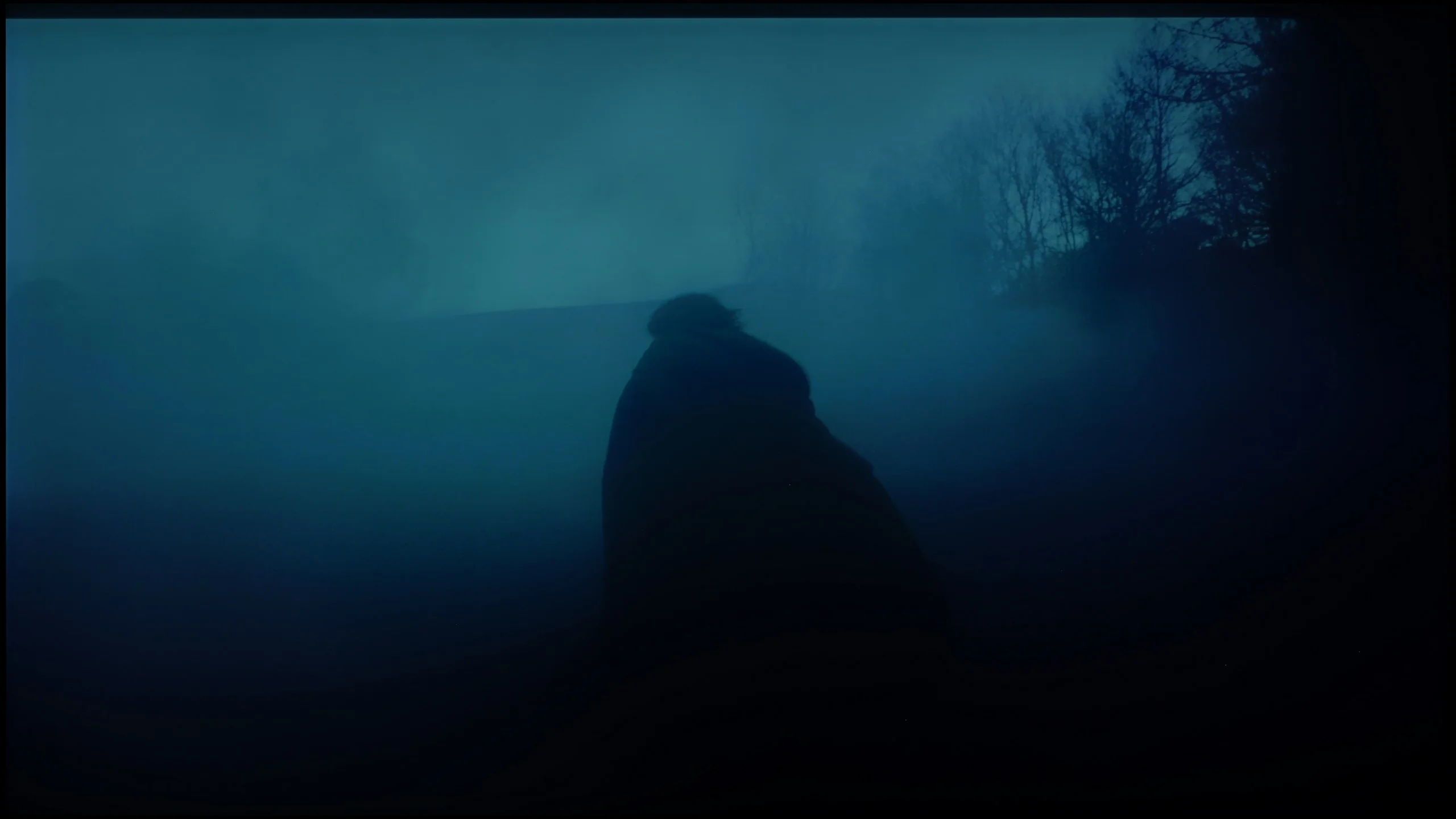
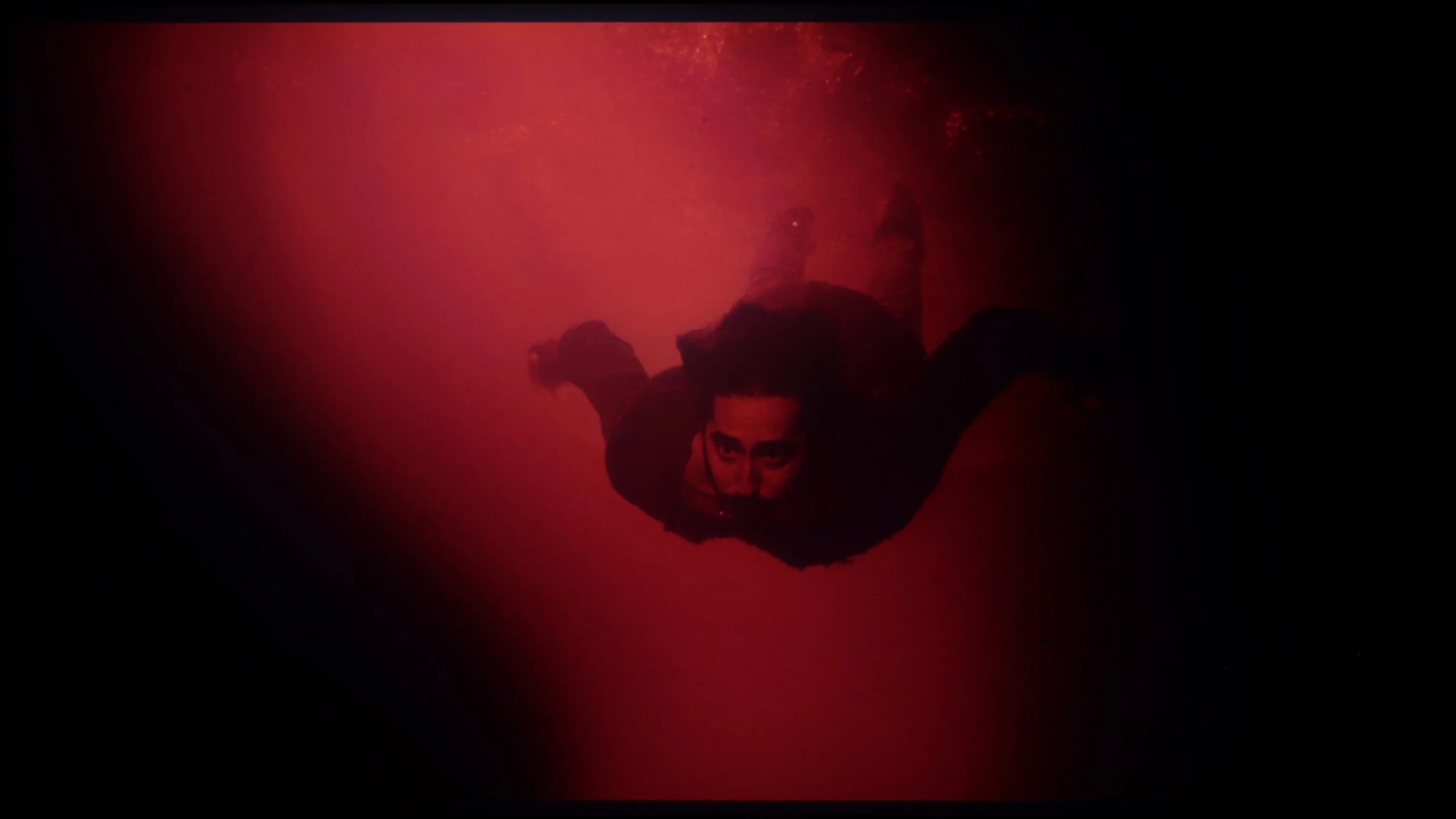
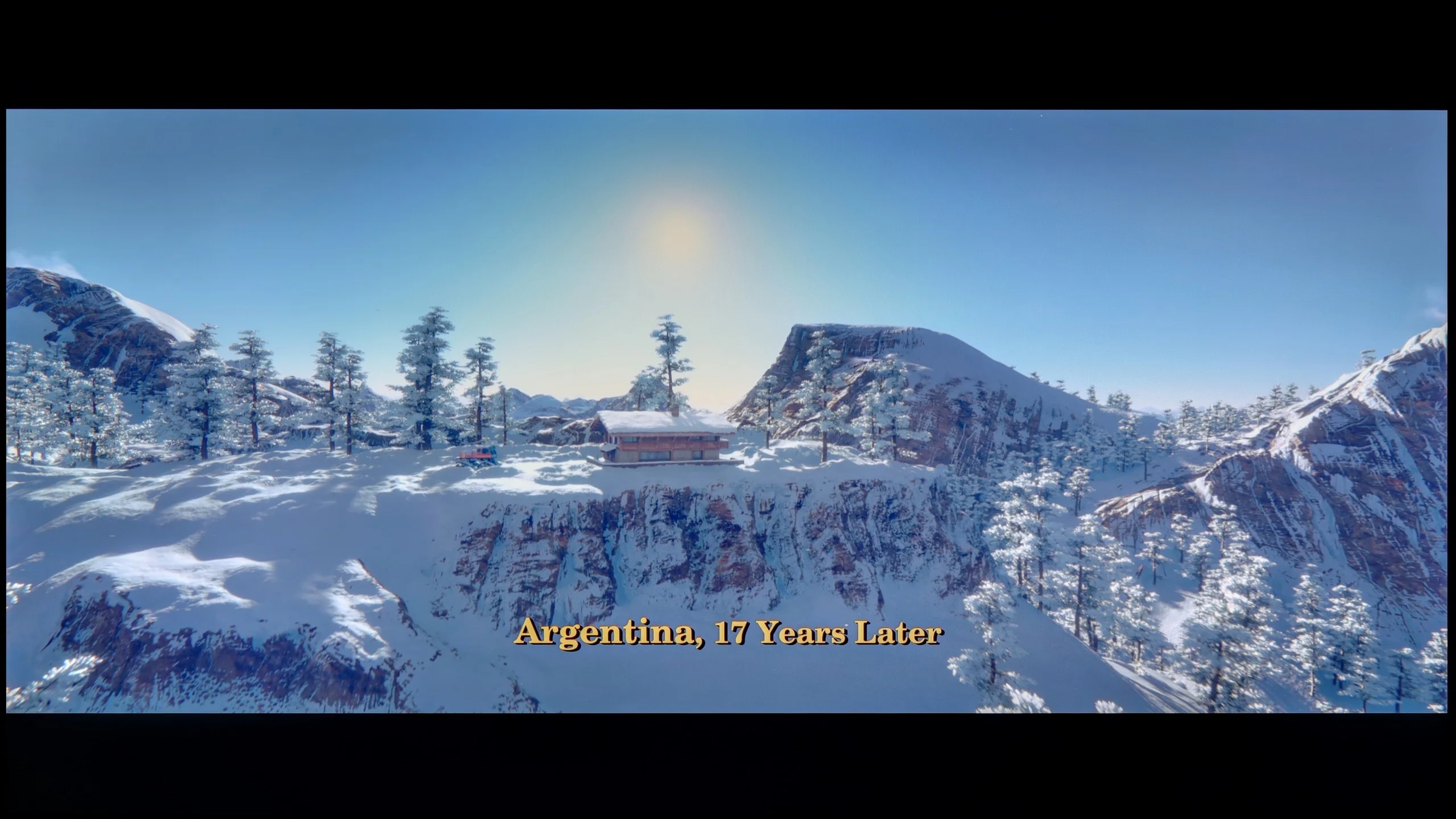
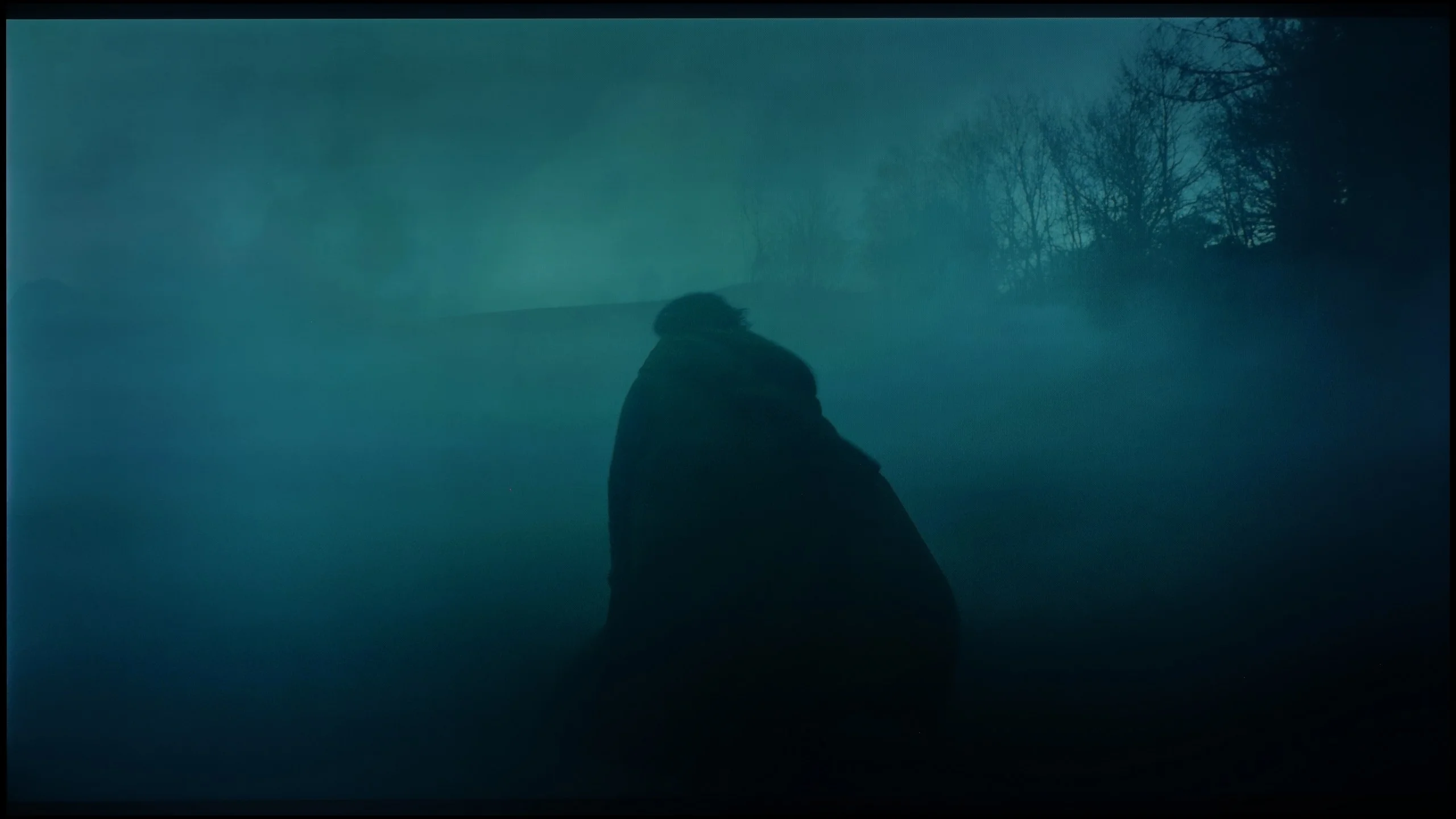
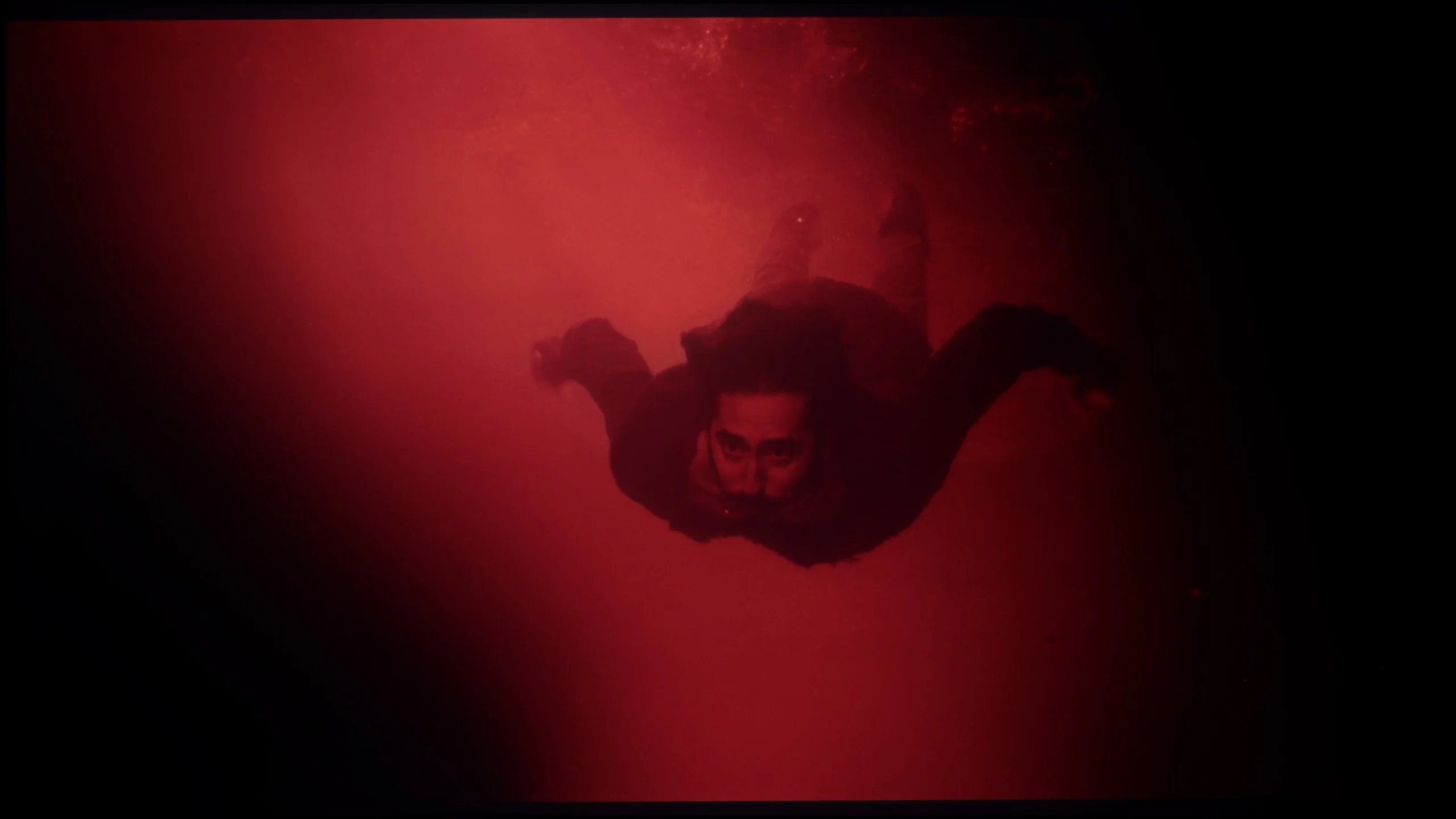
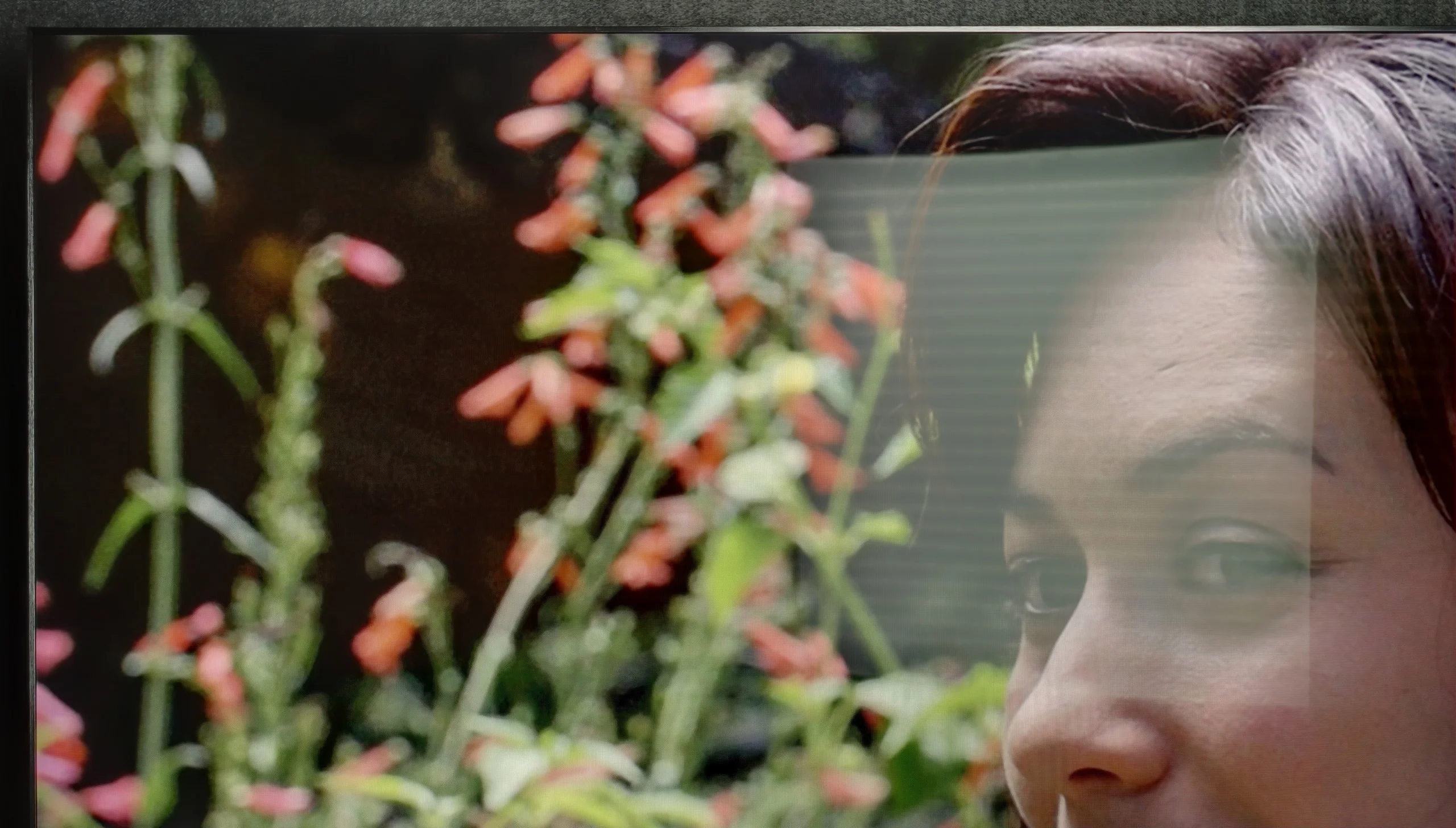
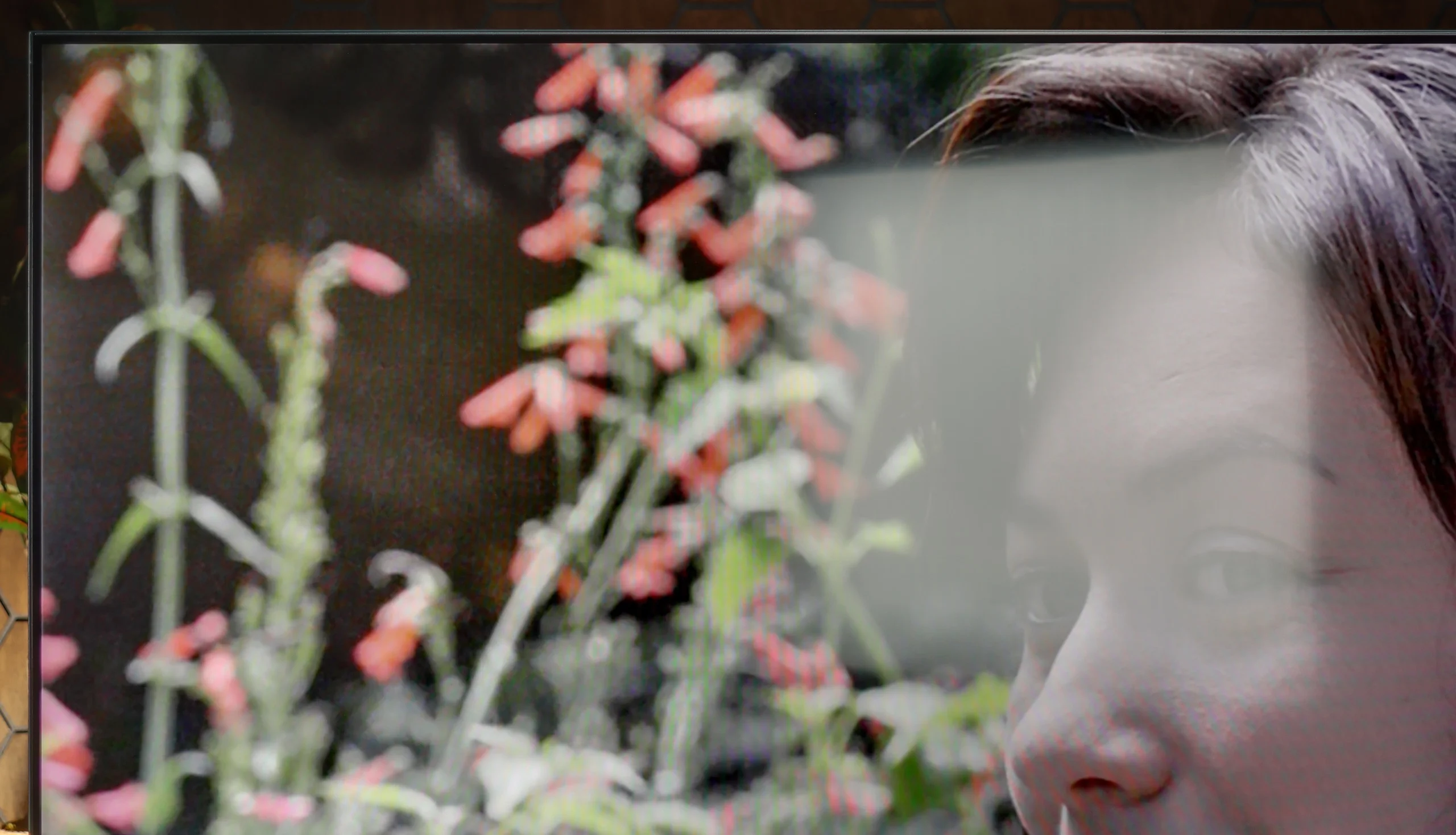
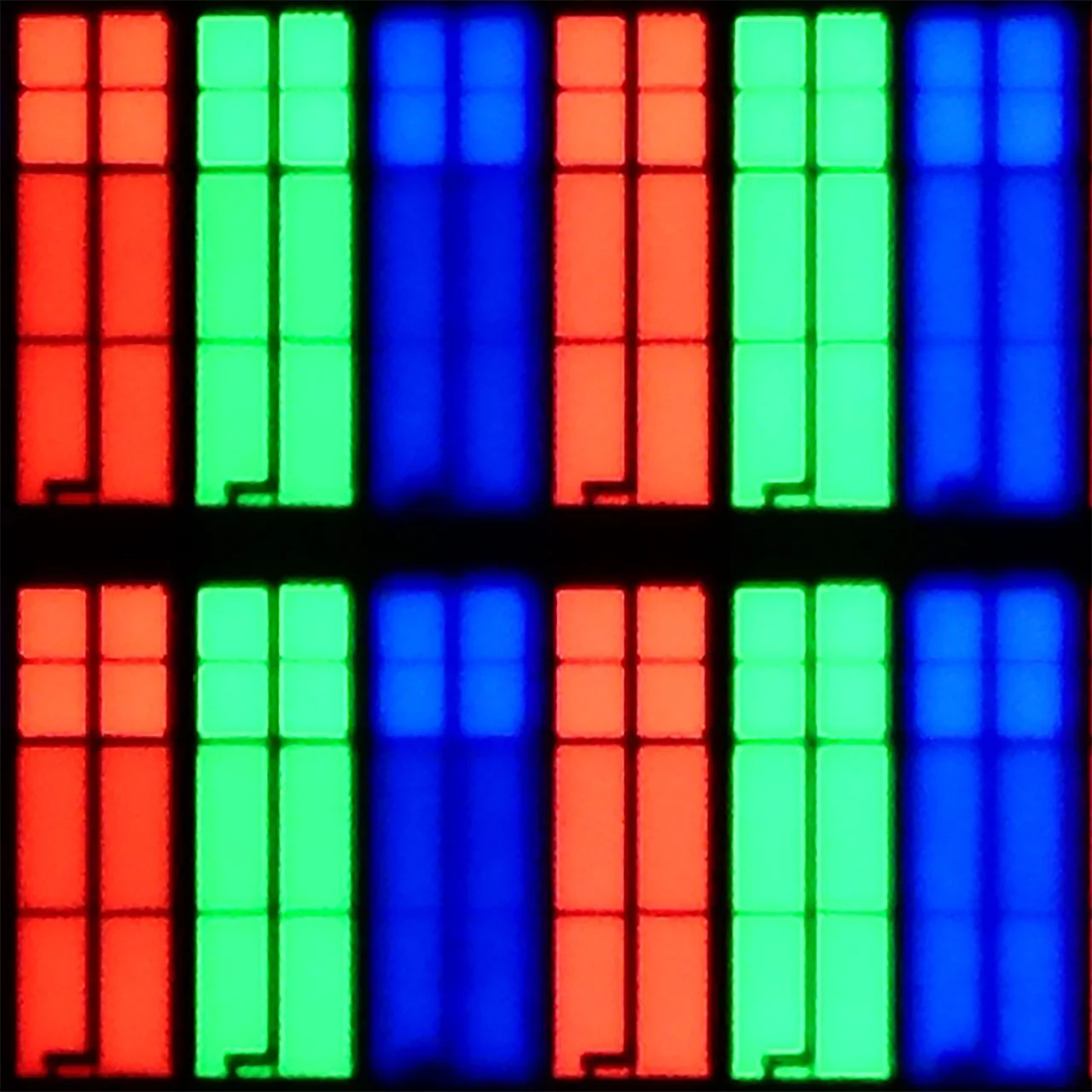
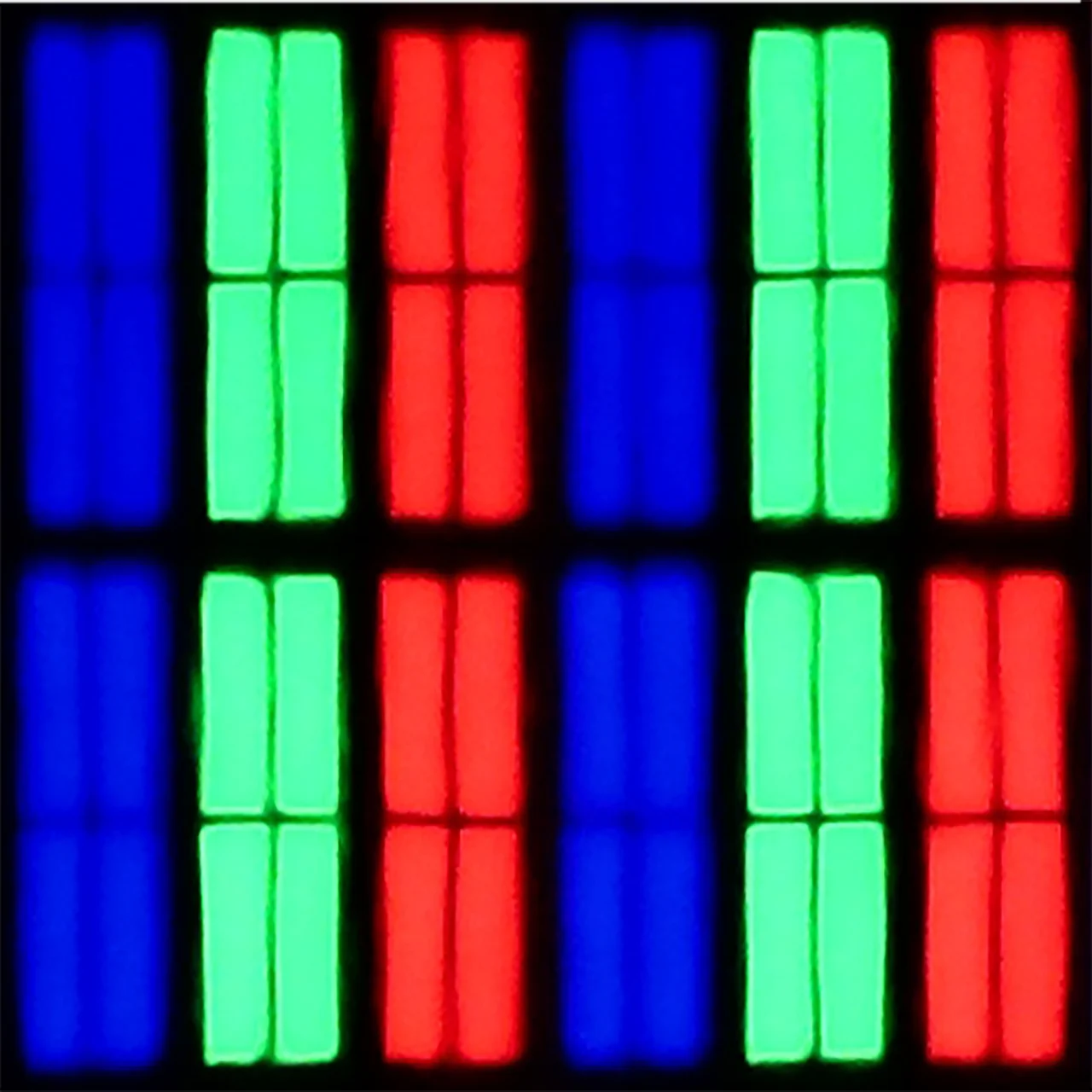
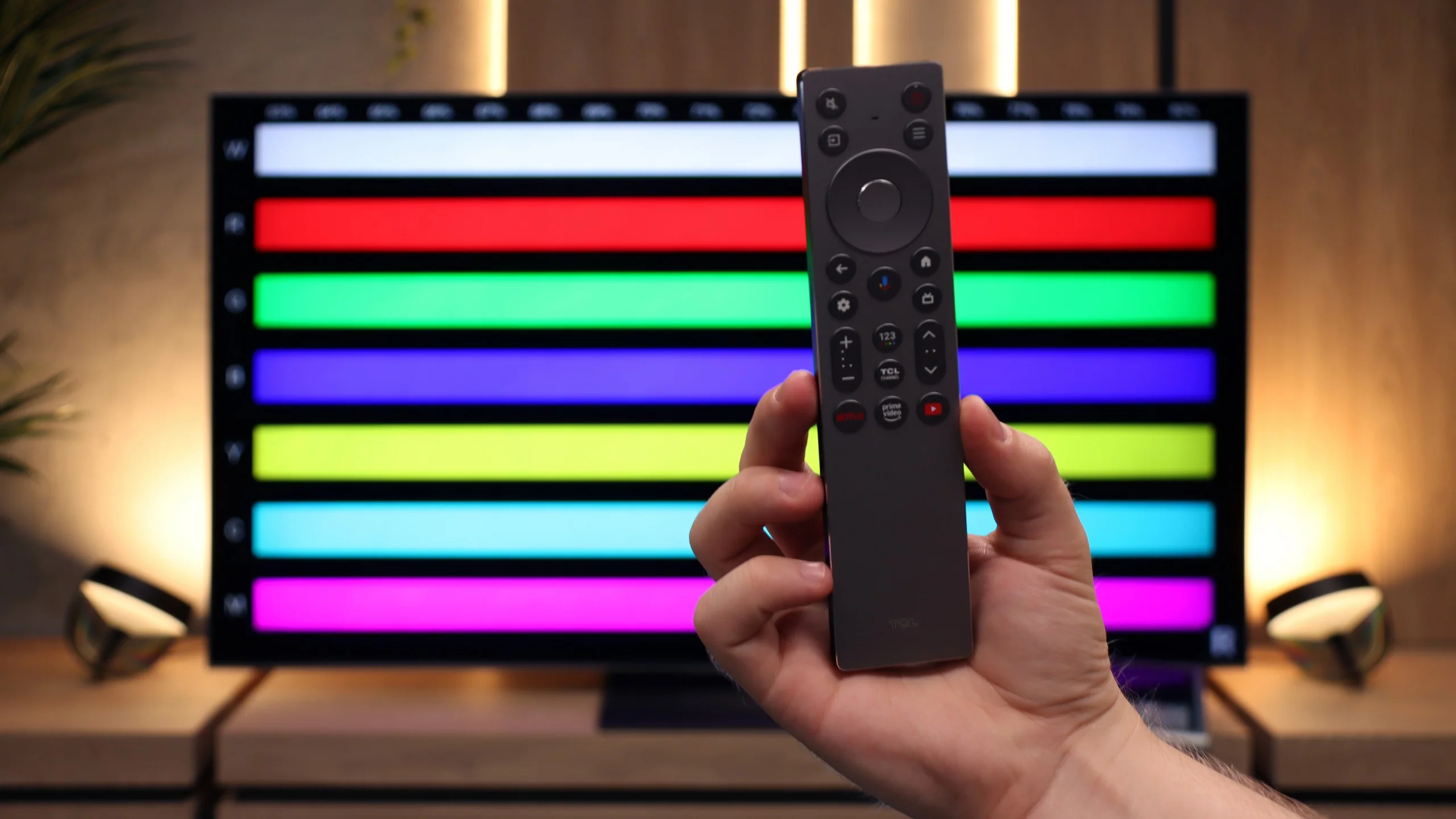
The TCL C8K is a truly bright television. In synthetic conditions – that is, during brightness test patterns – it was able to achieve even 3500 nits of peak brightness in movie mode. This is an impressive result that brings the C8K close to the market leaders, at least in terms of panel brightness. More importantly – these are not just numbers on paper. In films with a lot of bright scenes, such as Life of Pi or The Meg, the brightness clearly exceeds 1000 nits, providing a real sense of HDR effect. The picture in such moments looks very dynamic, colours are vibrant thanks to excellent colour gamut coverage, and lights are spot-on and intense. Just as it should be.
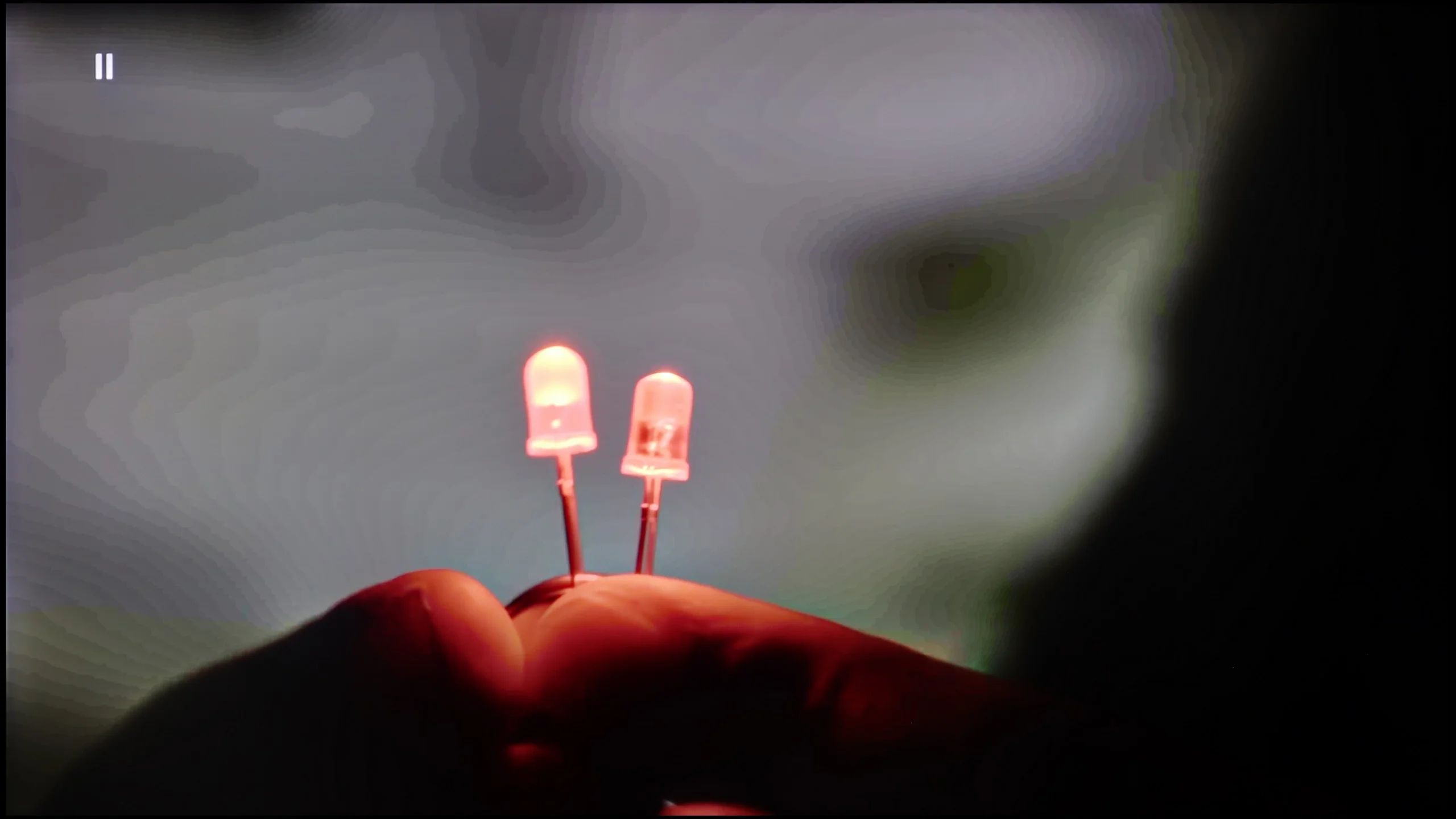
However, this does not mean that everything is perfect. Similar to the contrast tests, compromises also arise here in more demanding scenes. In sequences with very fine light elements – such as stars in the night sky or reflections in dark rooms – the local dimming algorithm can… get confused. Instead of bringing those details up, the television sometimes decides to significantly dim them – to a level of around 300 nits – to maintain blacks. On one hand, this is quite a reasonable approach (better deep blacks than a grey/blue screen), but on the other hand – there may be moments when certain elements of the picture become hardly visible or even disappear into darkness.
TEST UPDATE (20/08/2025) : The brightness control algorithm in this model is quite problematic – an attempt to calibrate the picture so that it does not drastically overexpose the brightest scenes results in unnatural shifts: an improvement in one area of the picture leads to a deterioration in another. The television may achieve slightly higher brightness measurements, but in practice, this comes with a highly oversaturated image that looks very unnatural!
For the sake of order, we provide the brightness values without this adjustment:
1463 nits
640 nits
1368 nits
468 nits
1025 nits
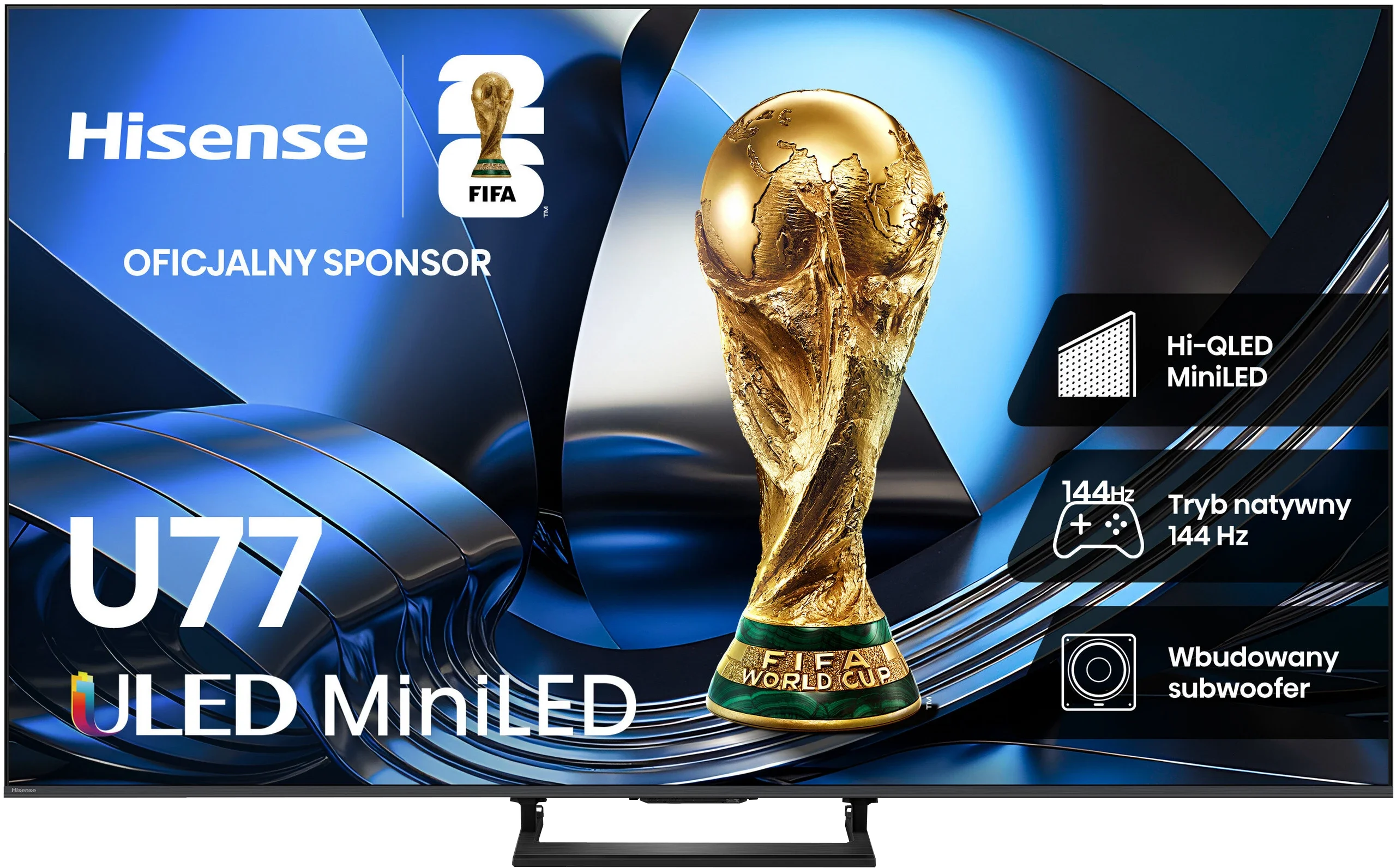
The Hisense U7S has considerable potential for HDR display, but it cannot exploit that potential in every scene. On a test pattern it reaches around 1,100 nits, so the backlight itself is very strong. In our brighter film scenes we measured about 640 to 745 nits. That is still plenty for the sun or bright highlights to have a clear bloom and to show an advantage over SDR material. When the TV needs to brighten a larger portion of the image, it handles it fairly well.
The problem appears with small highlights on a dark background. Each of the 192 zones covers an area much larger than a tiny point on the screen. If the TV were to light that whole zone strongly, it would also brighten the area around the highlight. Hisense tries to avoid that and dims the entire zone. This makes blacks look better, but a small bright object that should attract the eye also loses intensity. That is why in two more demanding scenes we recorded only 297 and 154 nits. The difference is large: in one shot HDR can impress, and in the next small highlights are noticeably muted. The U7S therefore prioritises preserving deep blacks, even at the expense of bright details. With that number of zones it is an understandable compromise, but worth bearing in mind — the peak 1,100 nits tells us about the backlight’s capability, not how brightly the TV will show every element of a film.
Colours
Hisense describes the U7S as ULED, but that is a marketing name, and it is a PFS phosphor backlight that expands the colour palette here. In our measurements the TV covered about 91% of the DCI-P3 colour space and 71% of BT.2020. Those are good results, though they fall short of the best screens on the market. The largest shortfall is in green — the TV does not even reach the DCI-P3 boundary here, so the most intense shades will be less saturated than they should be. Most colours in HDR films and series still look suitably vibrant. A positive is the repeatability of the results. Gamut coverage on test patterns and in film scenes is practically identical.
 Direct comparison