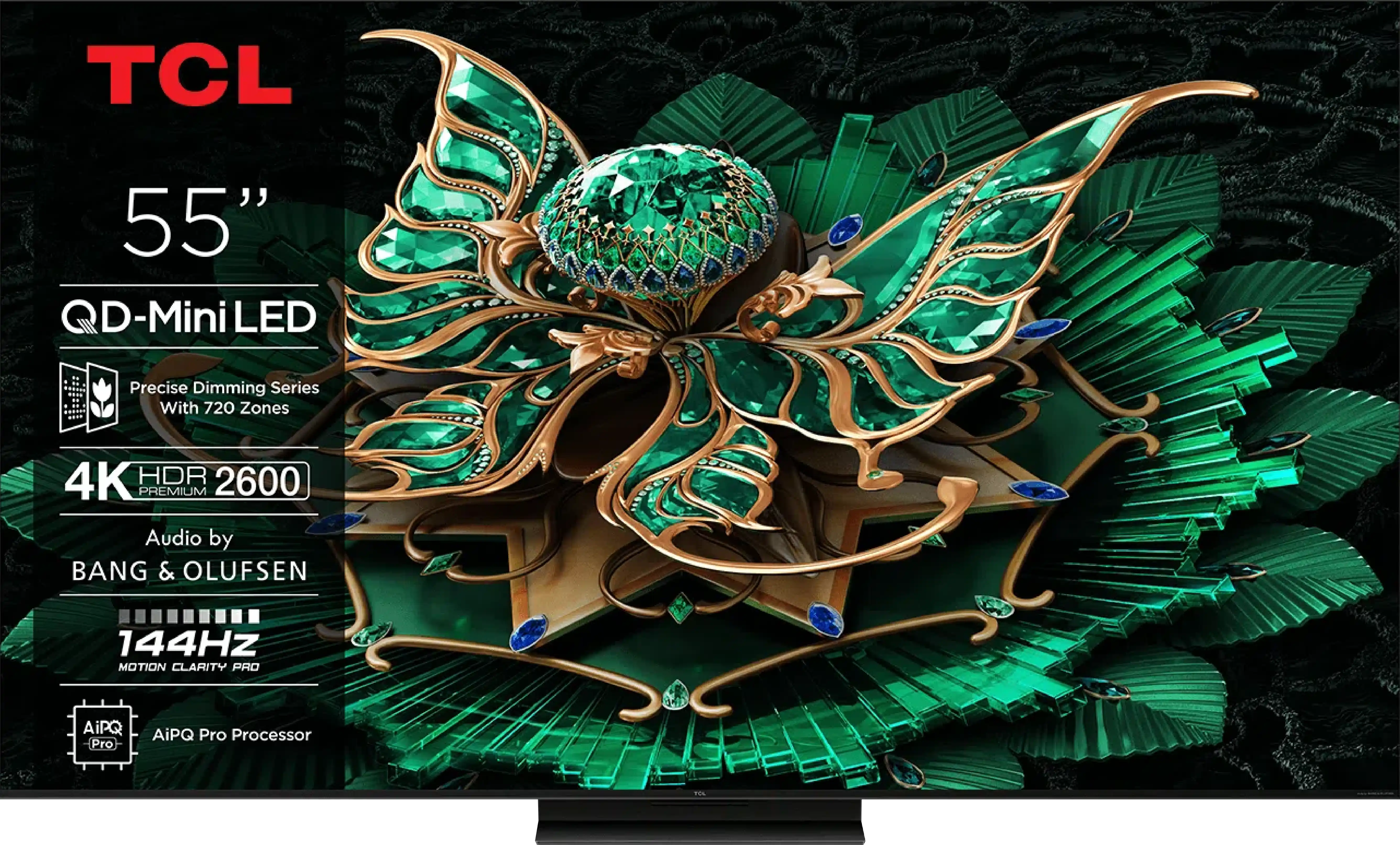
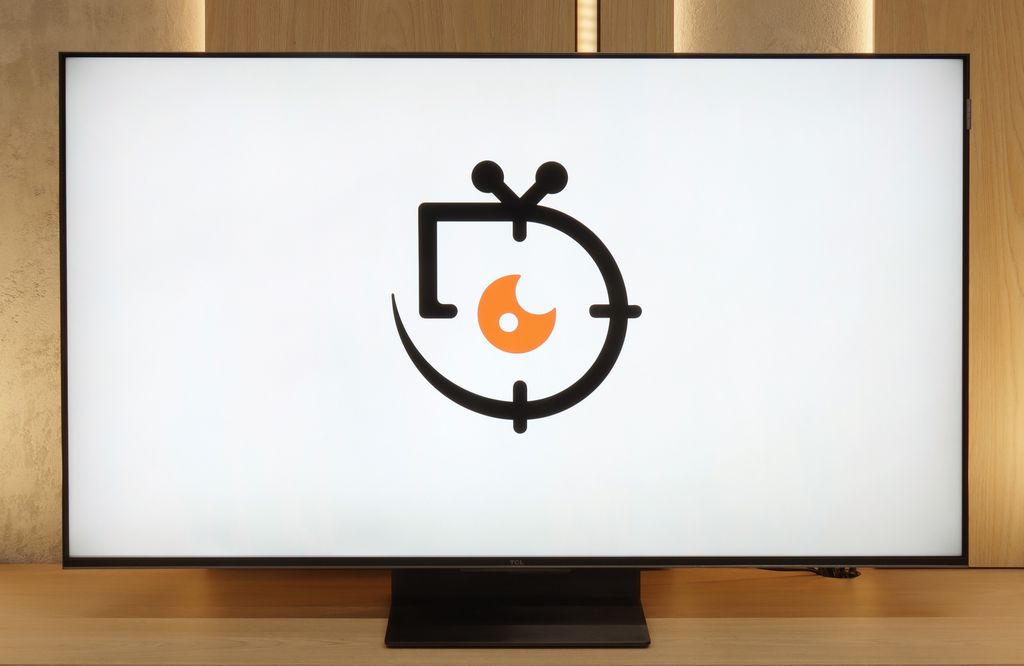
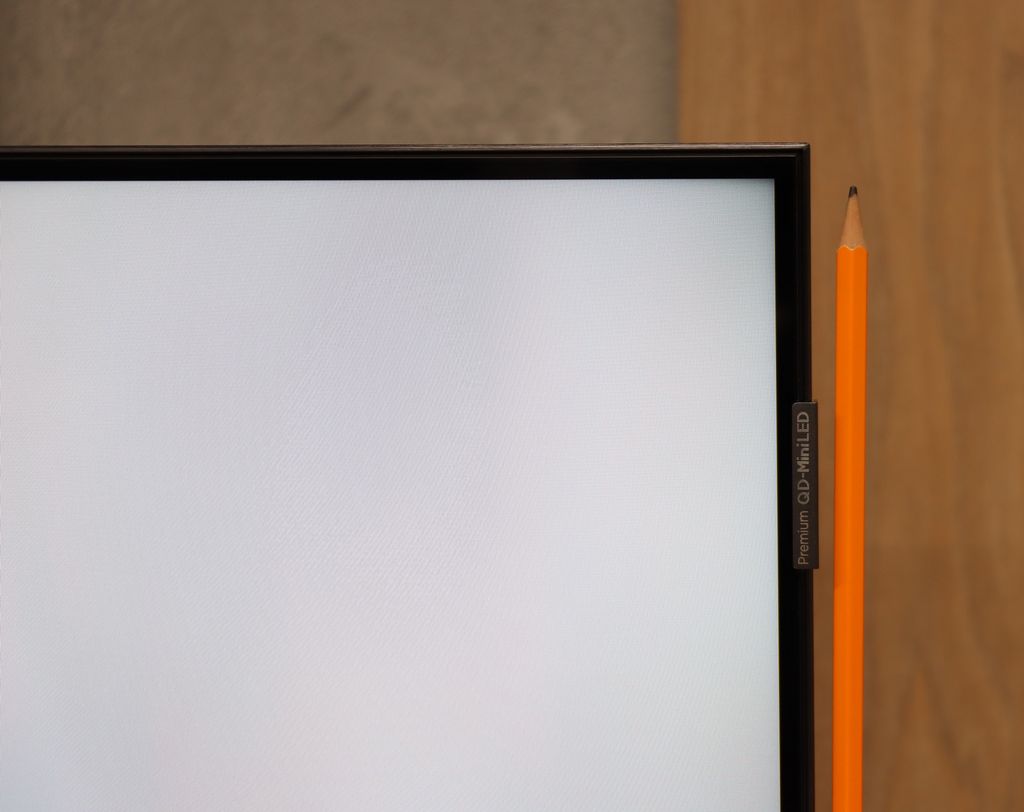
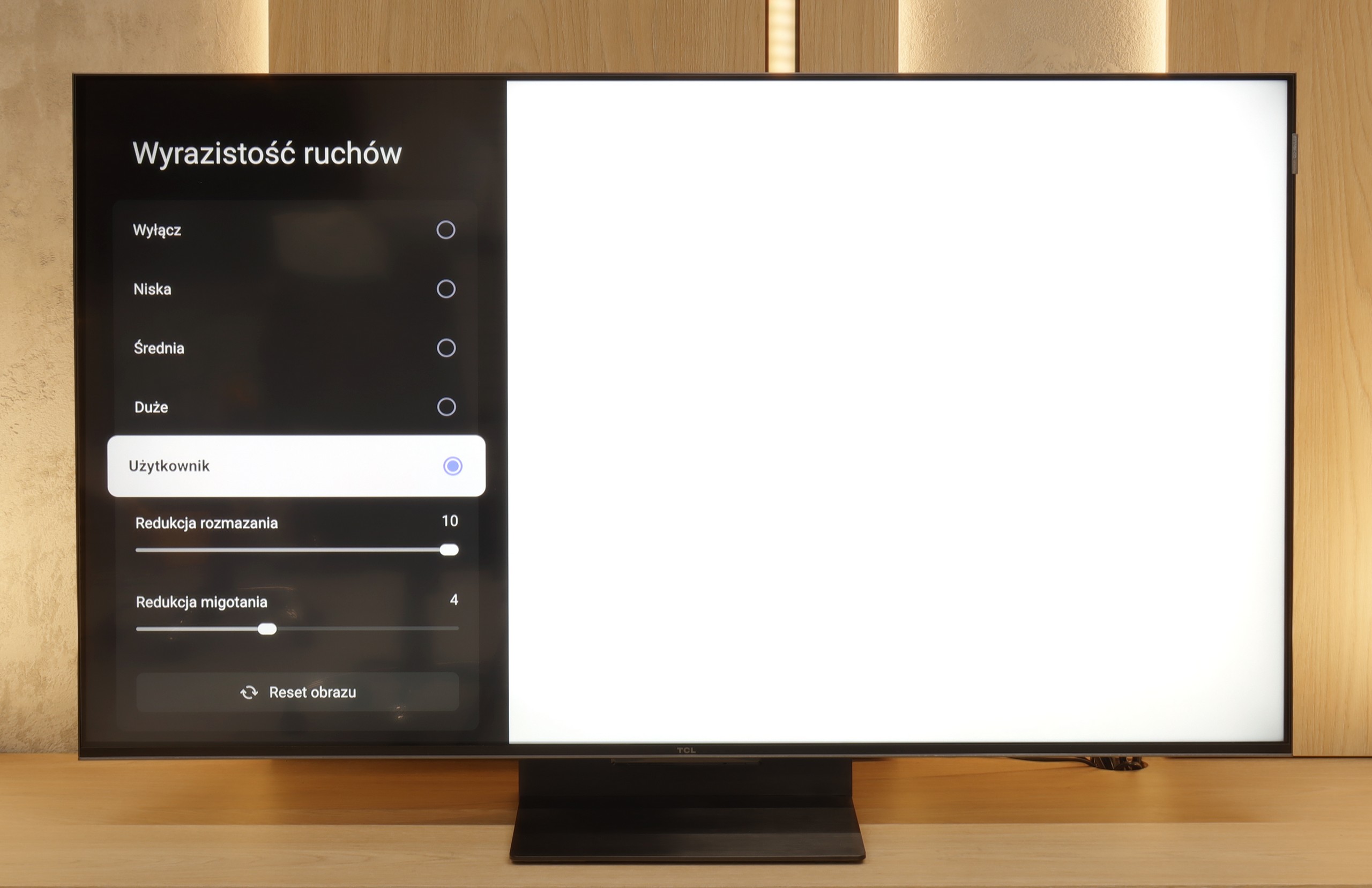
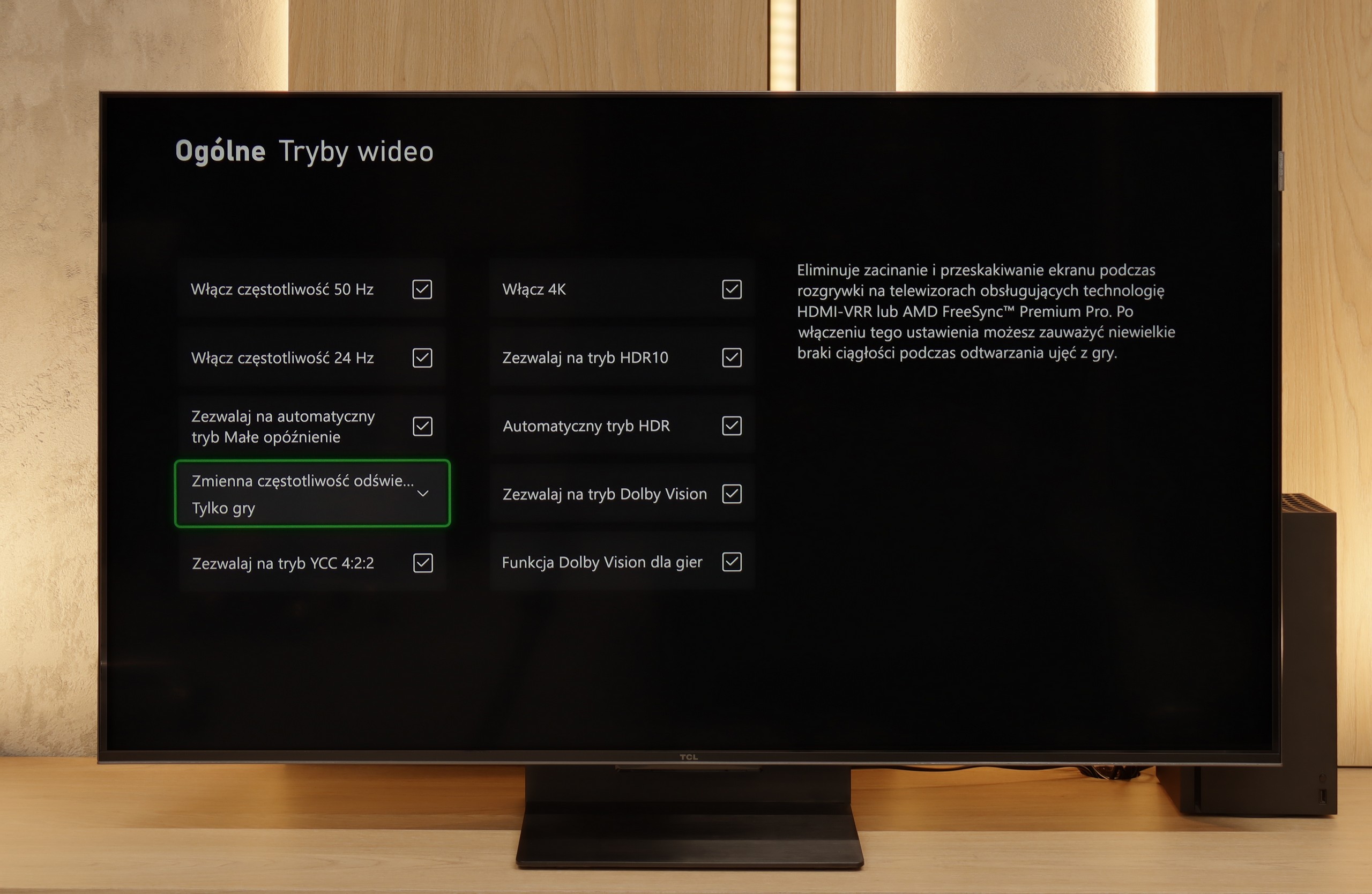
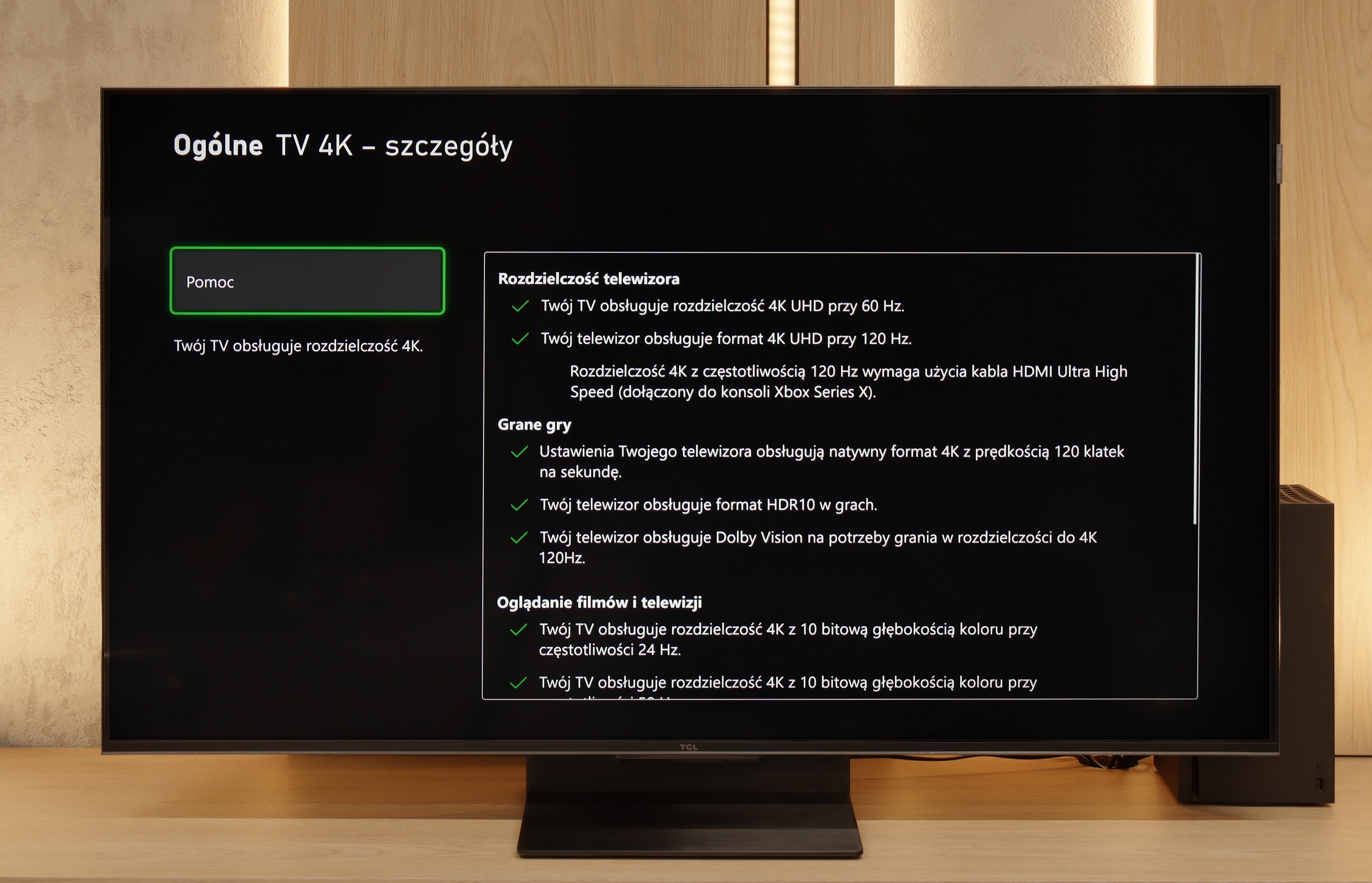
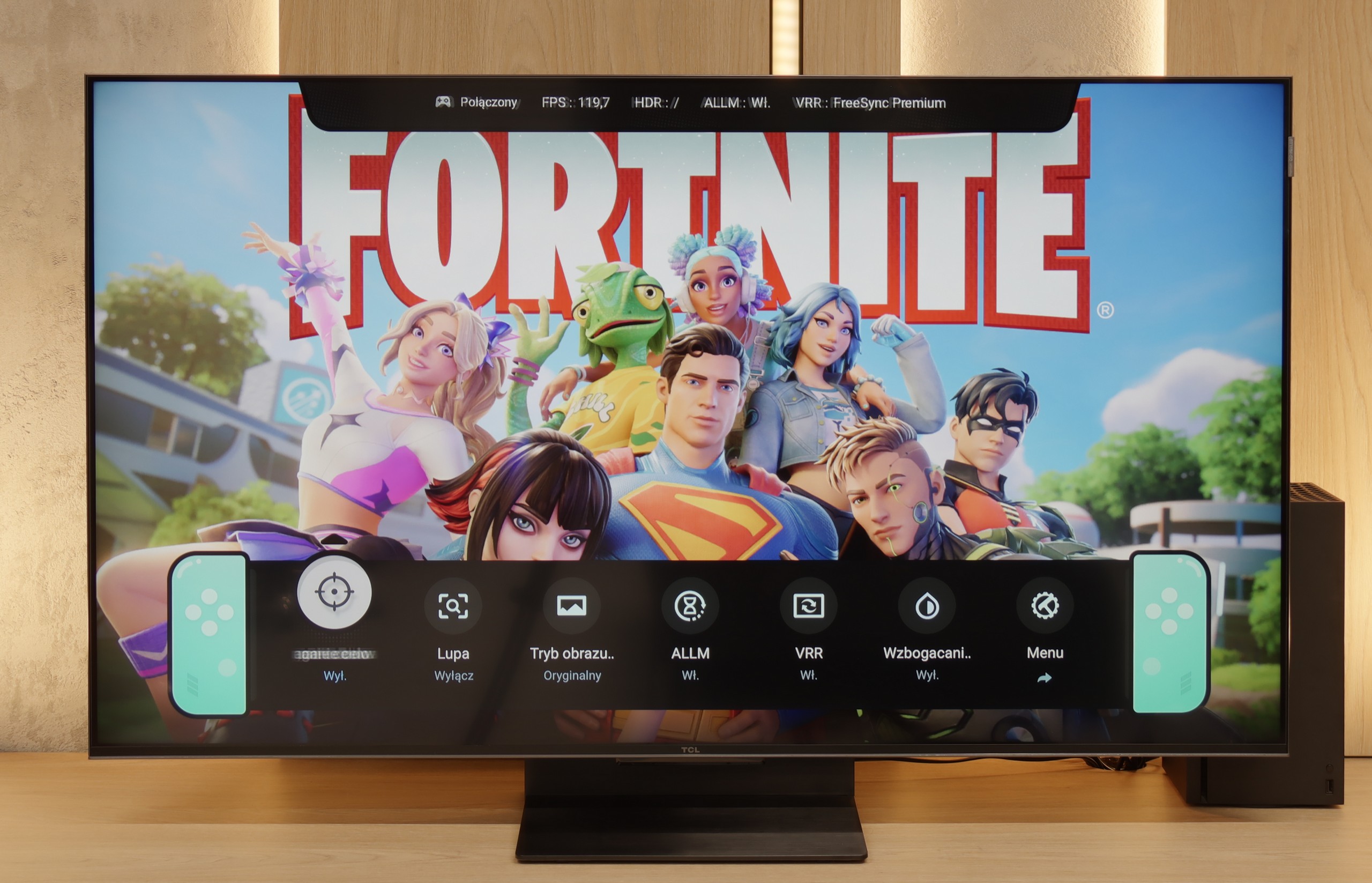
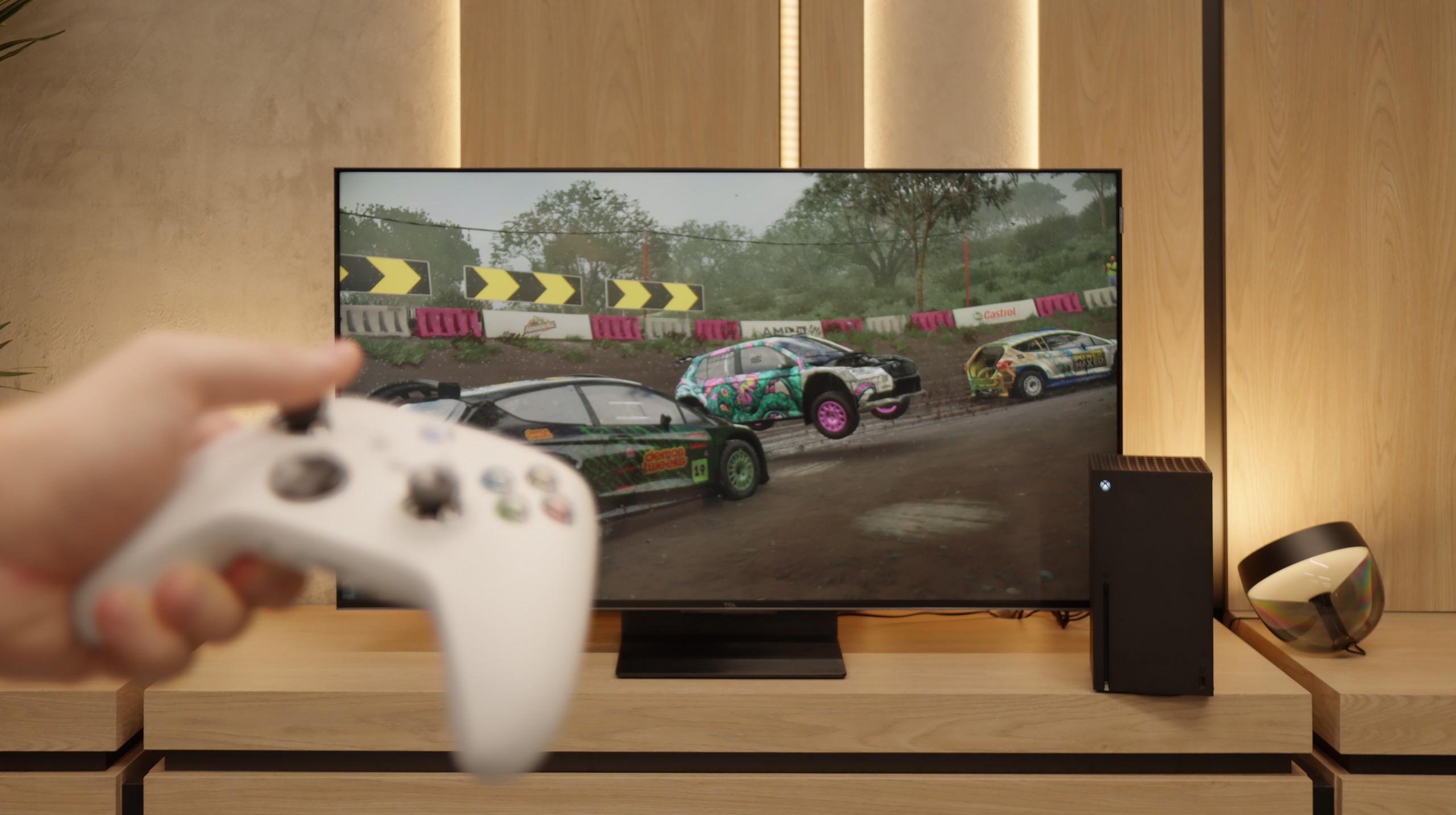
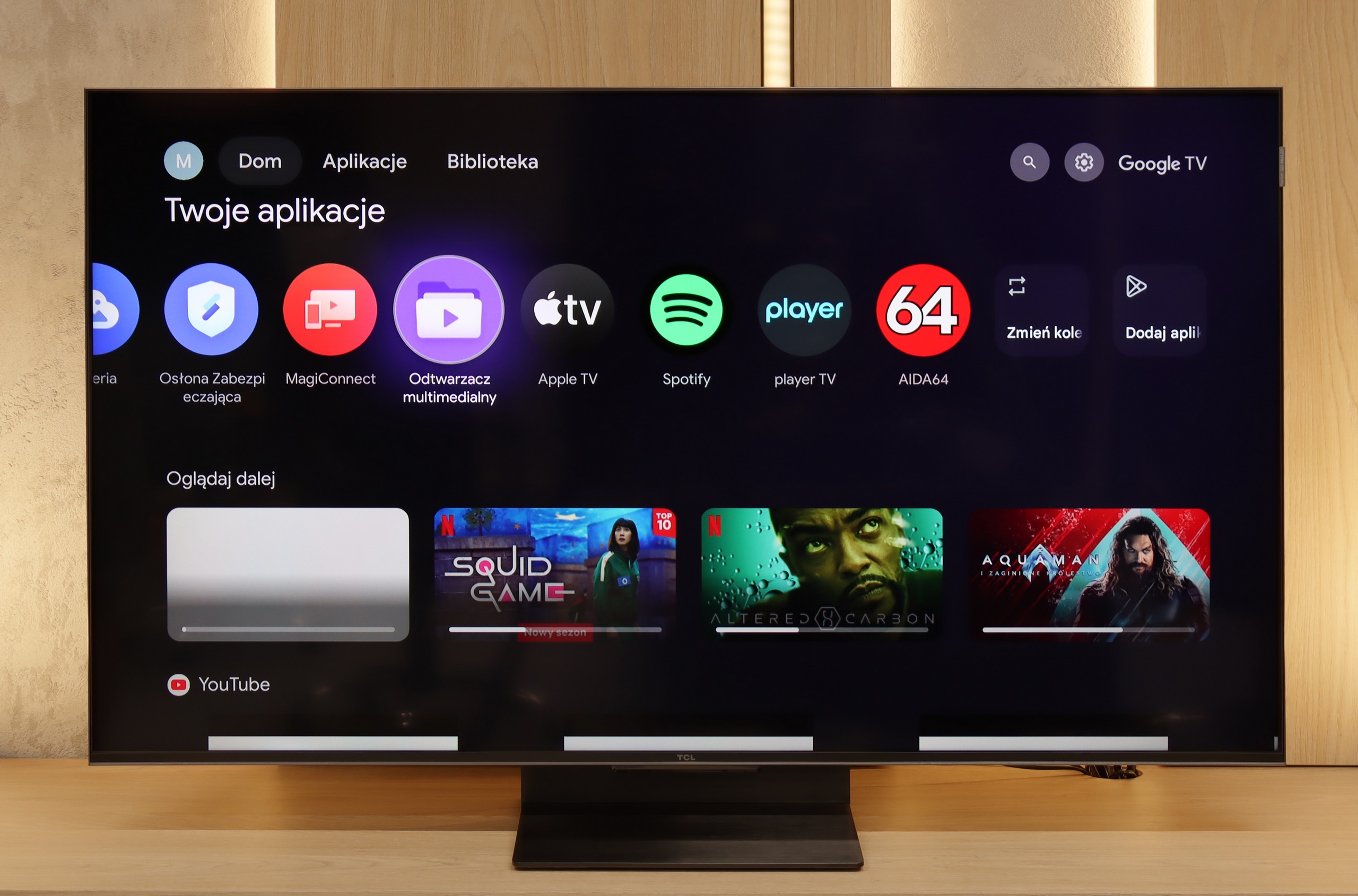
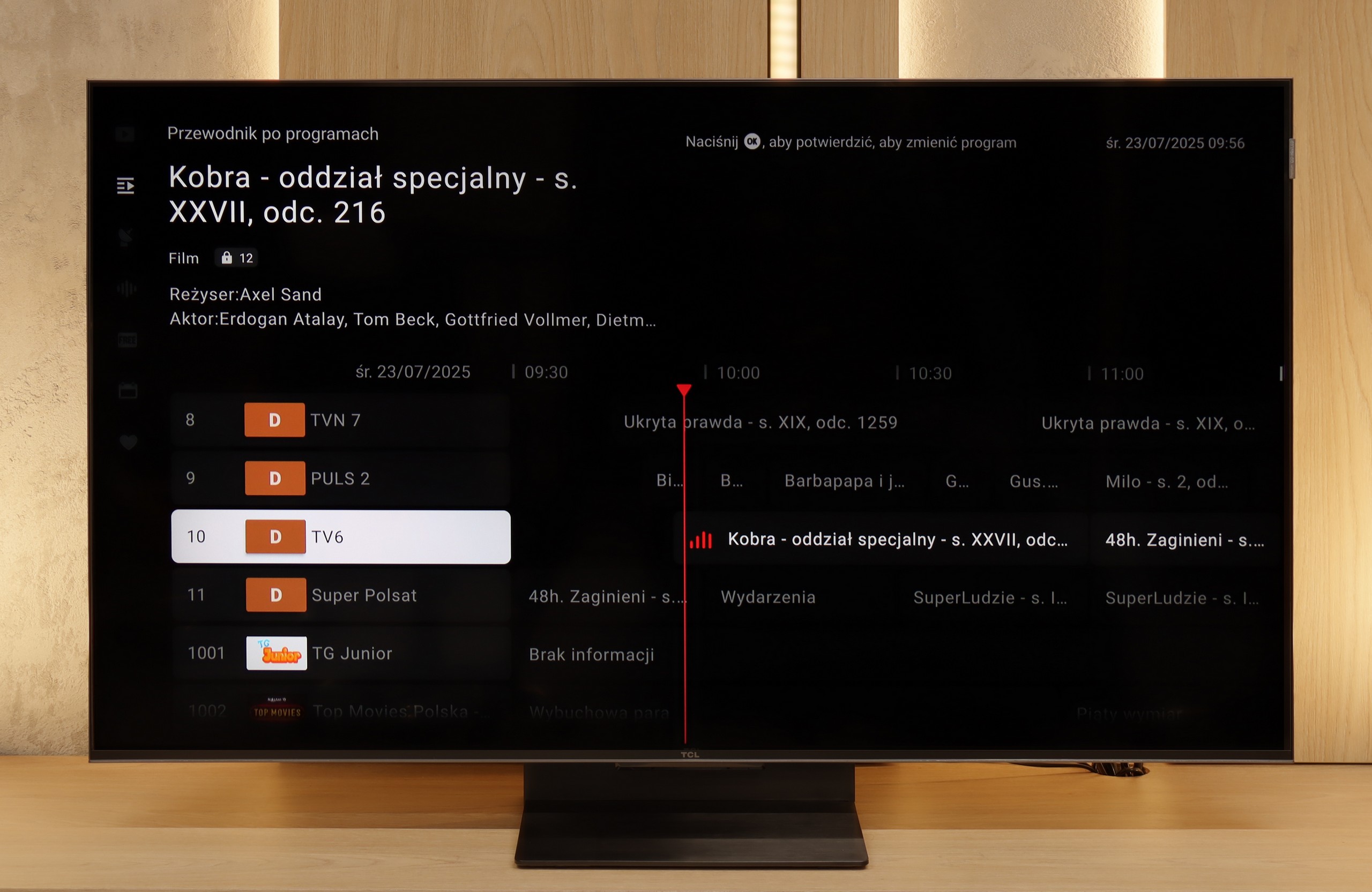
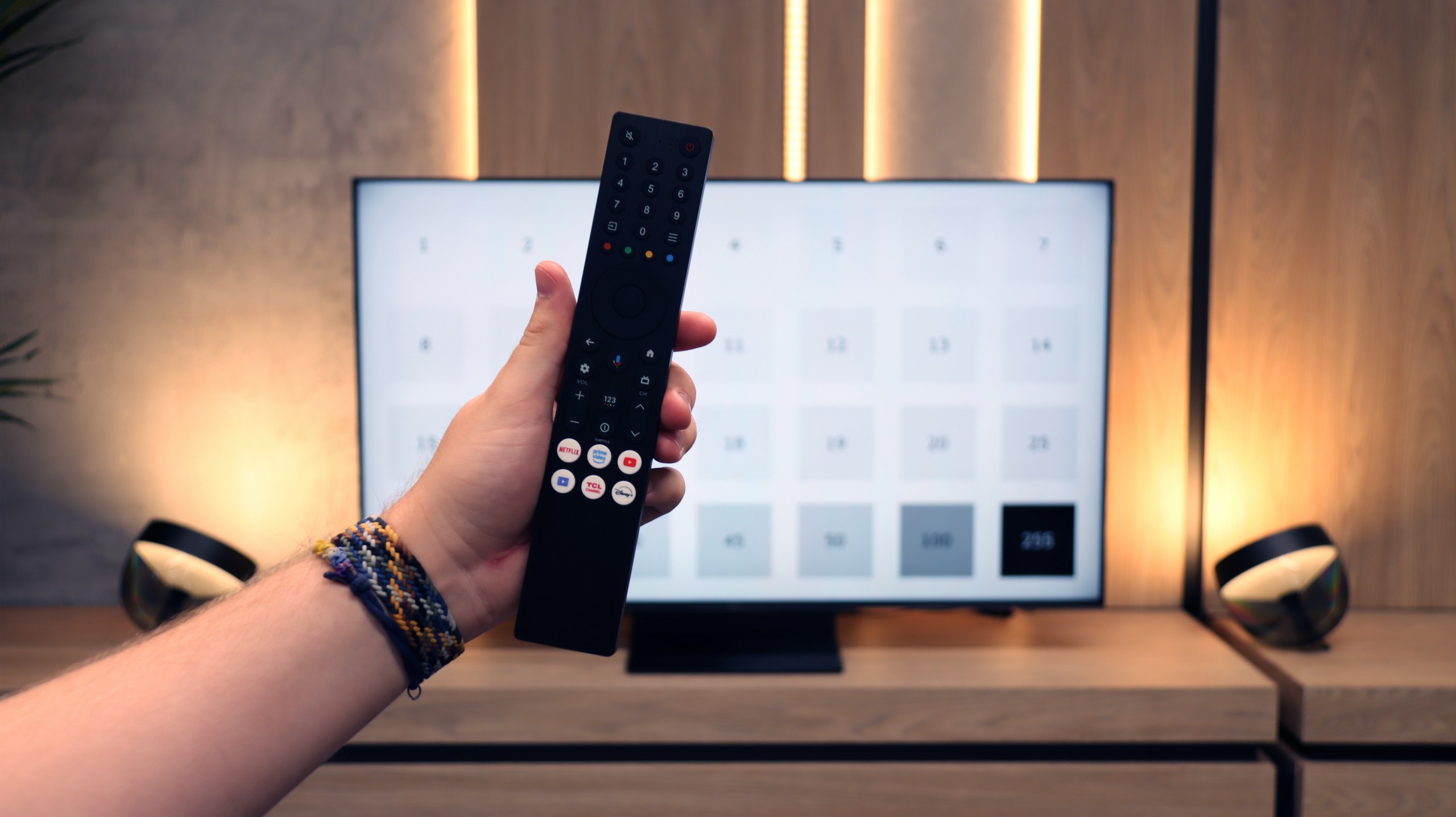
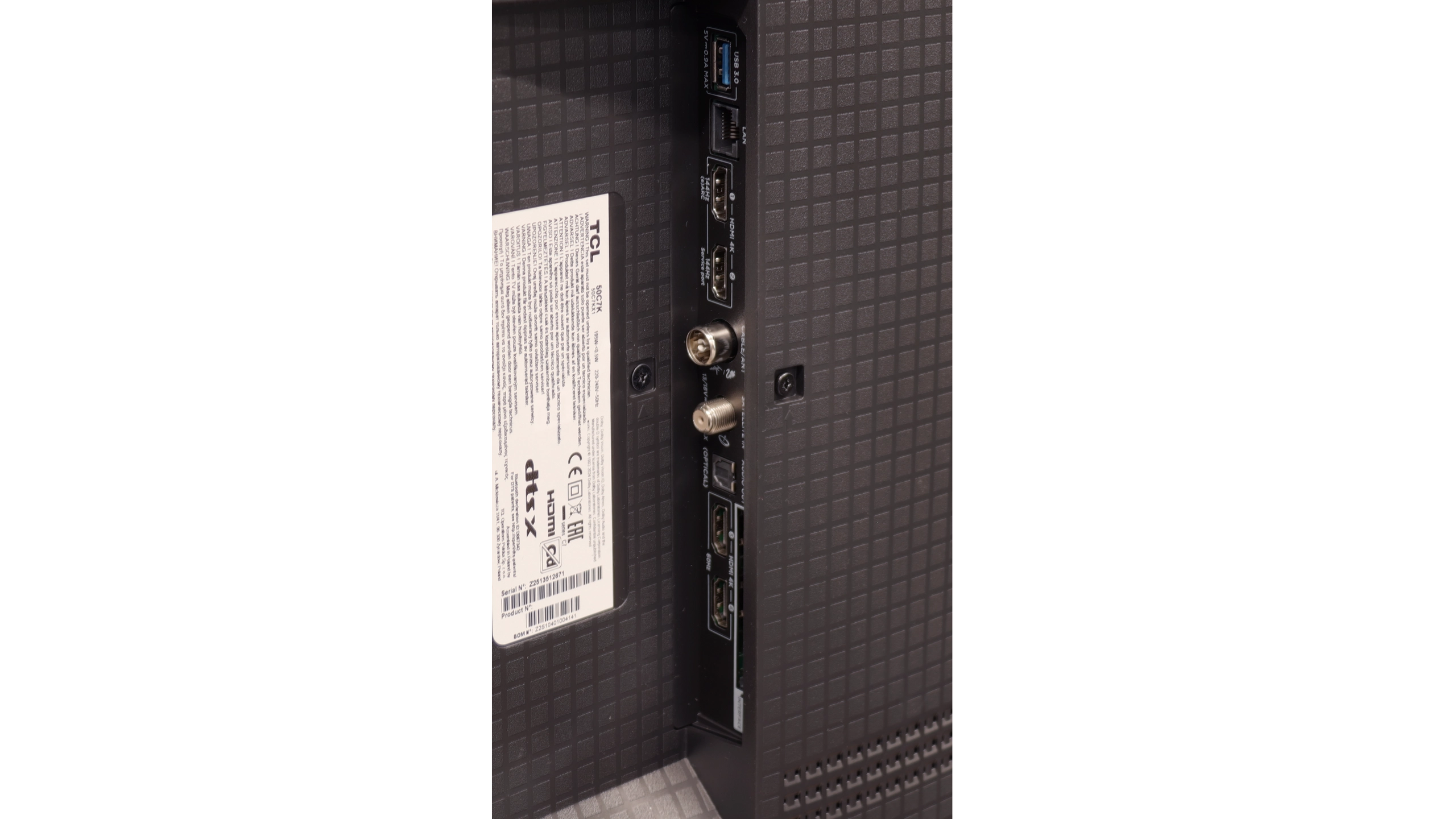
There are televisions that come in for testing and at first glance seem like just another "average" model. The TCL C7K looks just that way – without grand claims of revolution, without ambitions to dethrone OLEDs. Yet after spending a few days with this model, it's hard not to conclude that it's actually a well-made product. Its greatest strengths? Very good picture quality at a reasonable price. MiniLED combined with QLED filtering provides vibrant colours, high brightness, and contrast that really impresses in this class. Motion in sports or gaming looks smooth, and the presence of HDMI 2.1 and 144 Hz refresh rate makes gaming on this model a pure delight. Additionally, there's the Google TV system – it offers a vast range of possibilities: from voice control to AirPlay support, and access to all the most important applications.
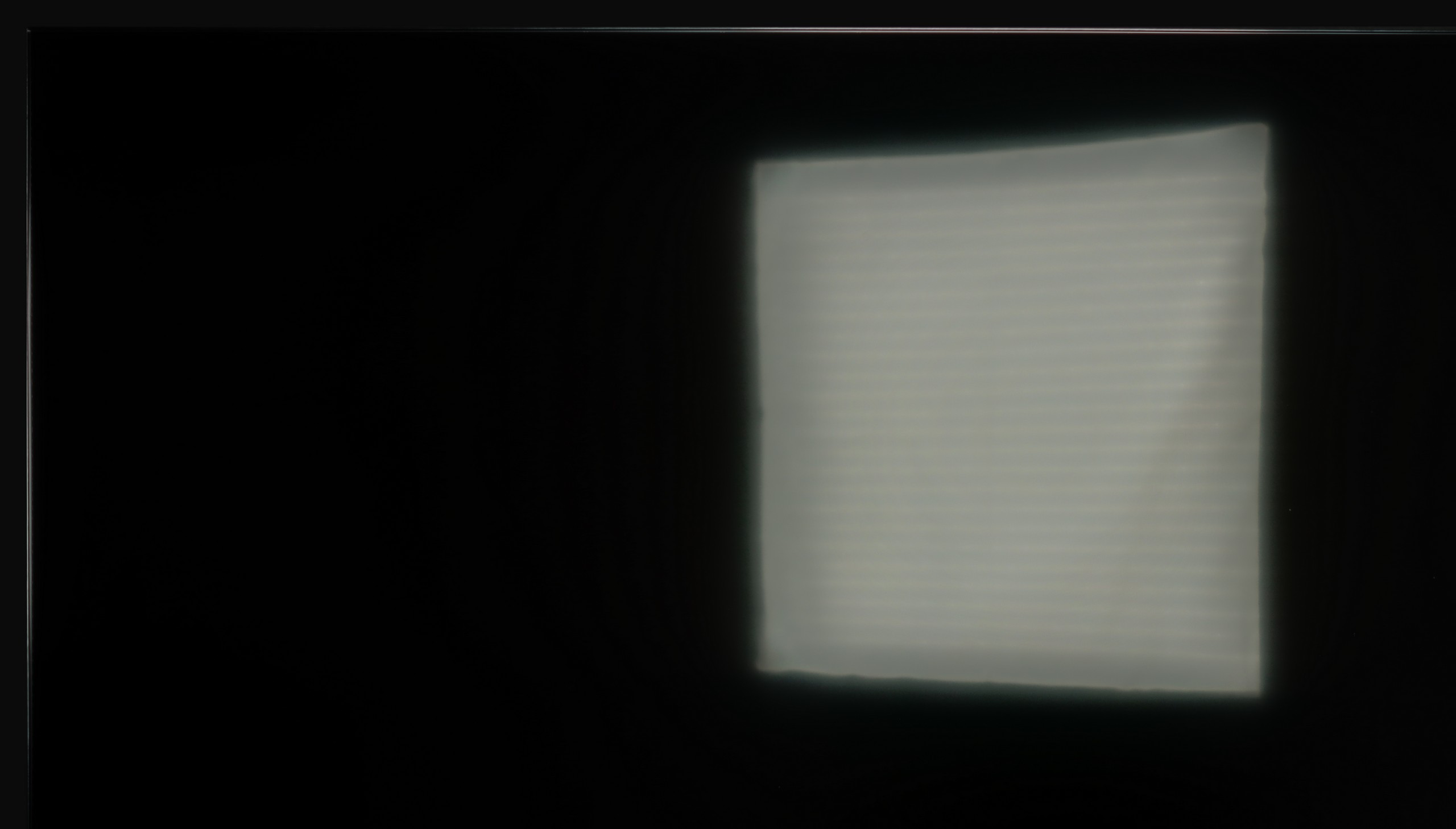
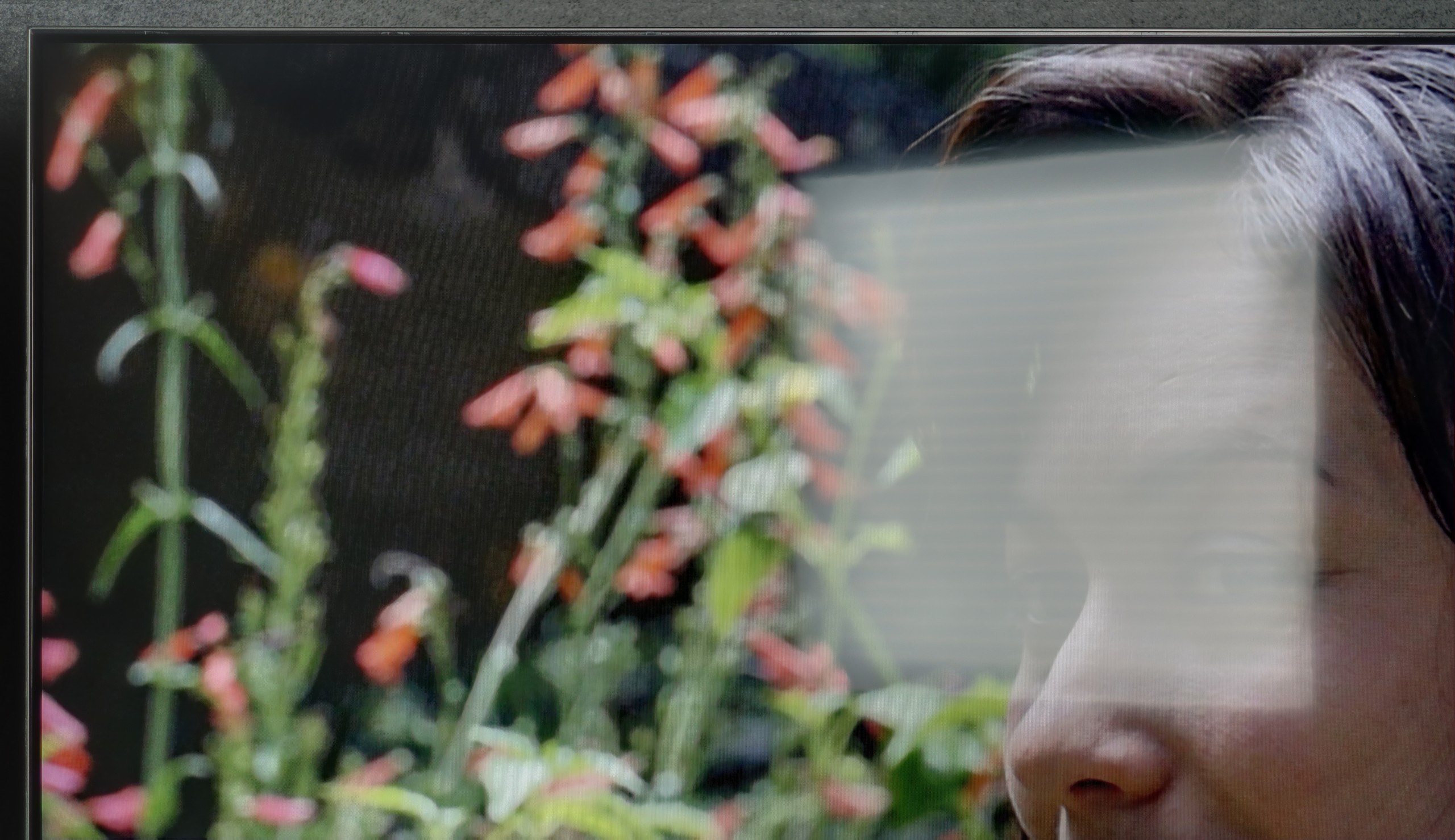
Are there any drawbacks? Certainly. MiniLED still has its limitations, and in the most challenging cinematic scenes, compromises in dimming can be noticed. Google TV also doesn't always run perfectly smoothly. However, these are rather minor issues that don't overshadow the overall picture – which is indeed very positive. It's also worth highlighting the difference between versions. The 50-inch version we tested can surprise, but the 55–85 inch models perform significantly better – they have more lighting zones, even higher contrast quality, and better sound. So if you're considering purchasing the C7K, it's definitely worth opting for a larger size.
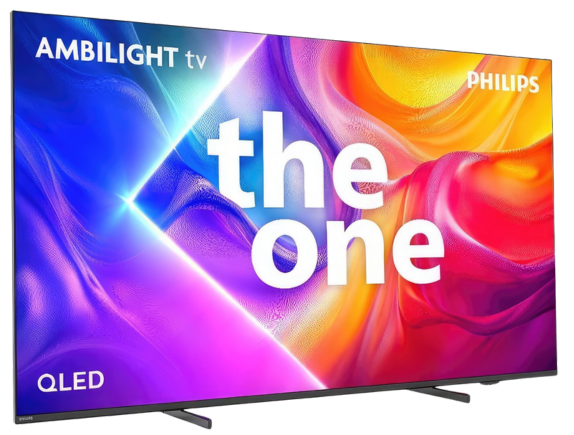
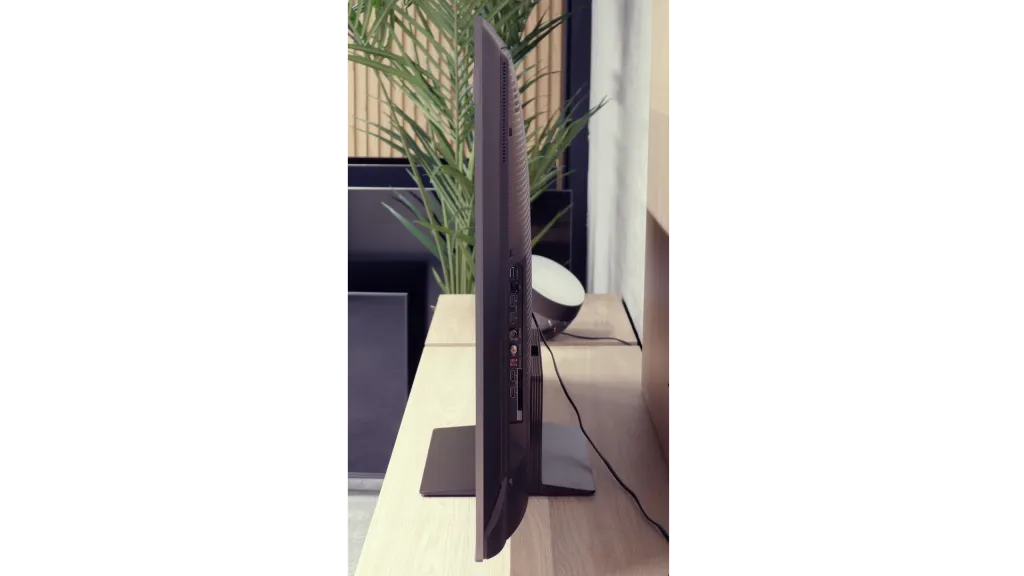
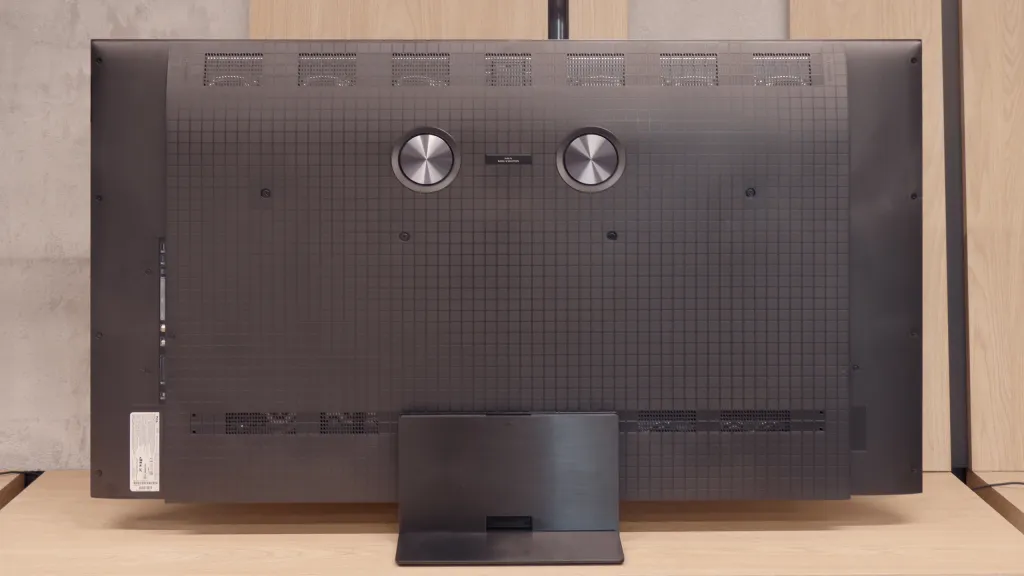
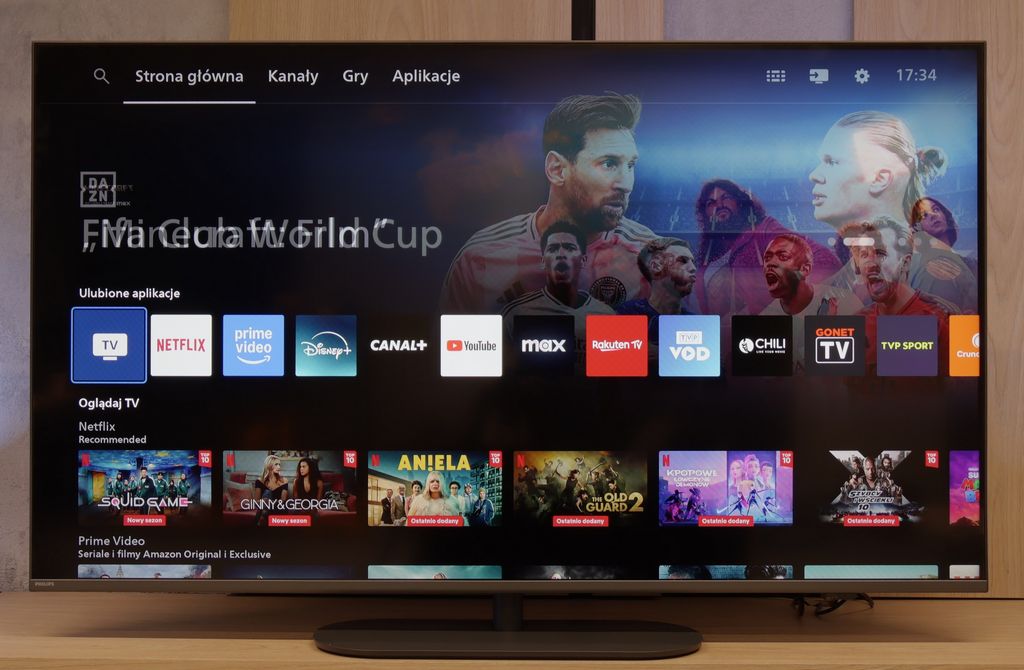
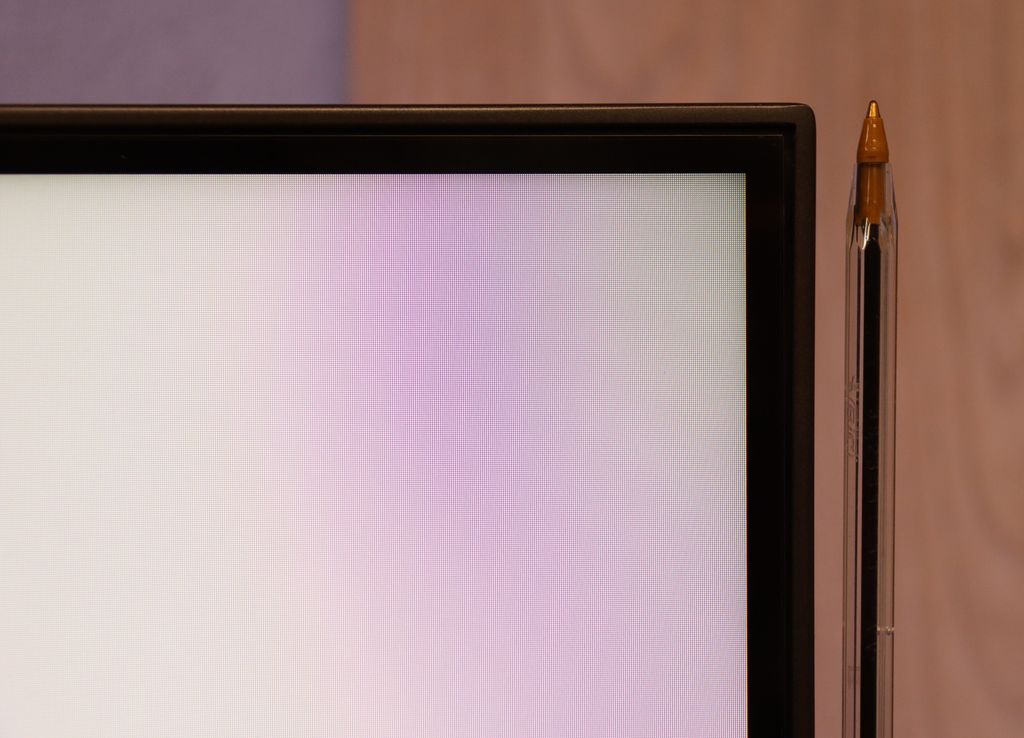
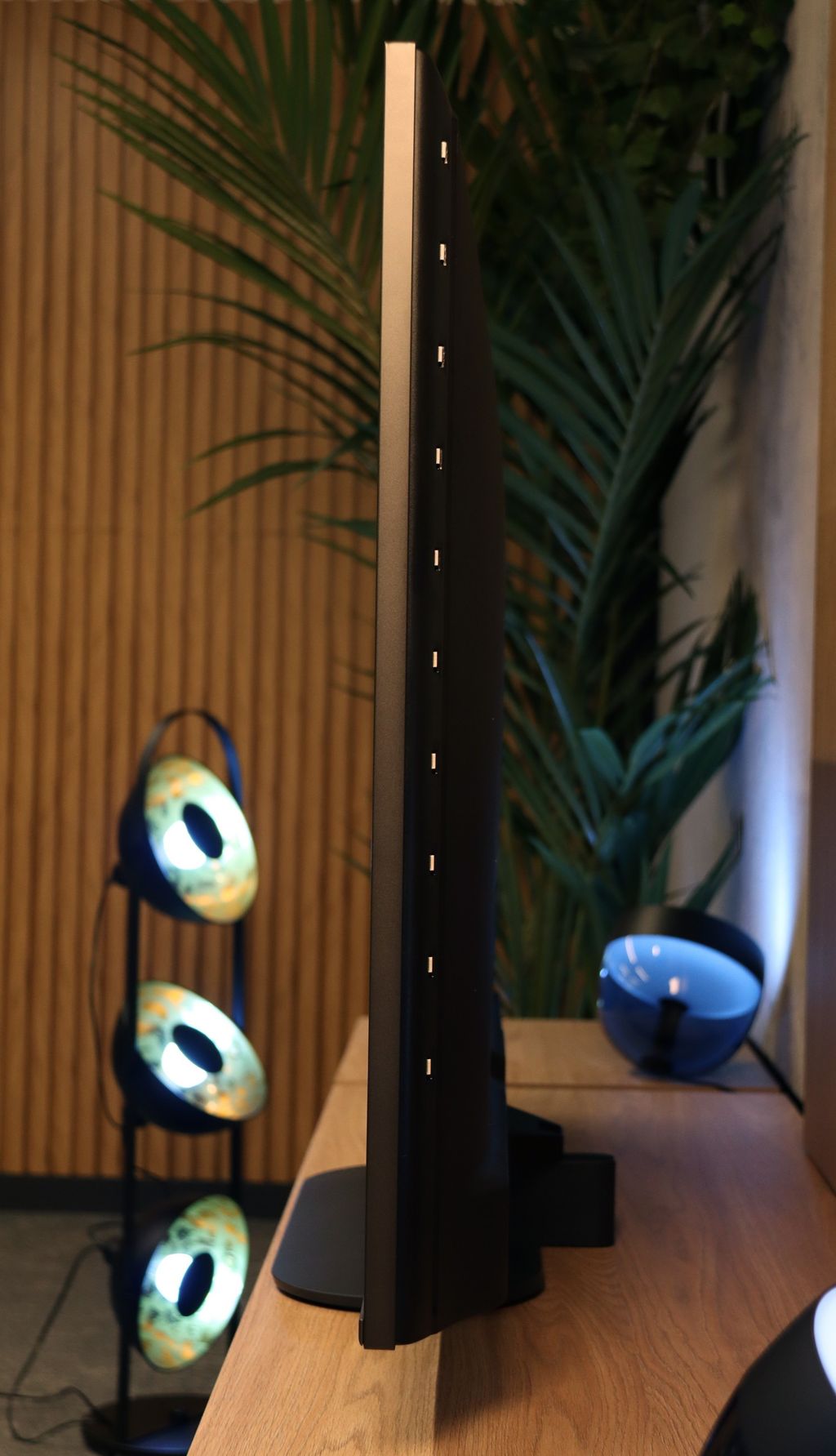
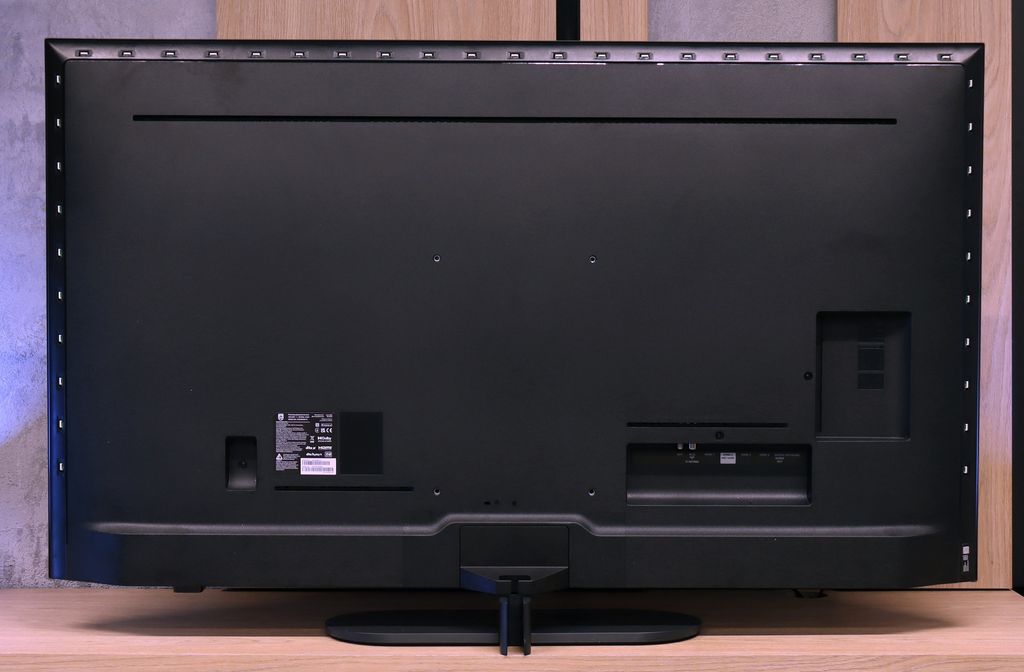
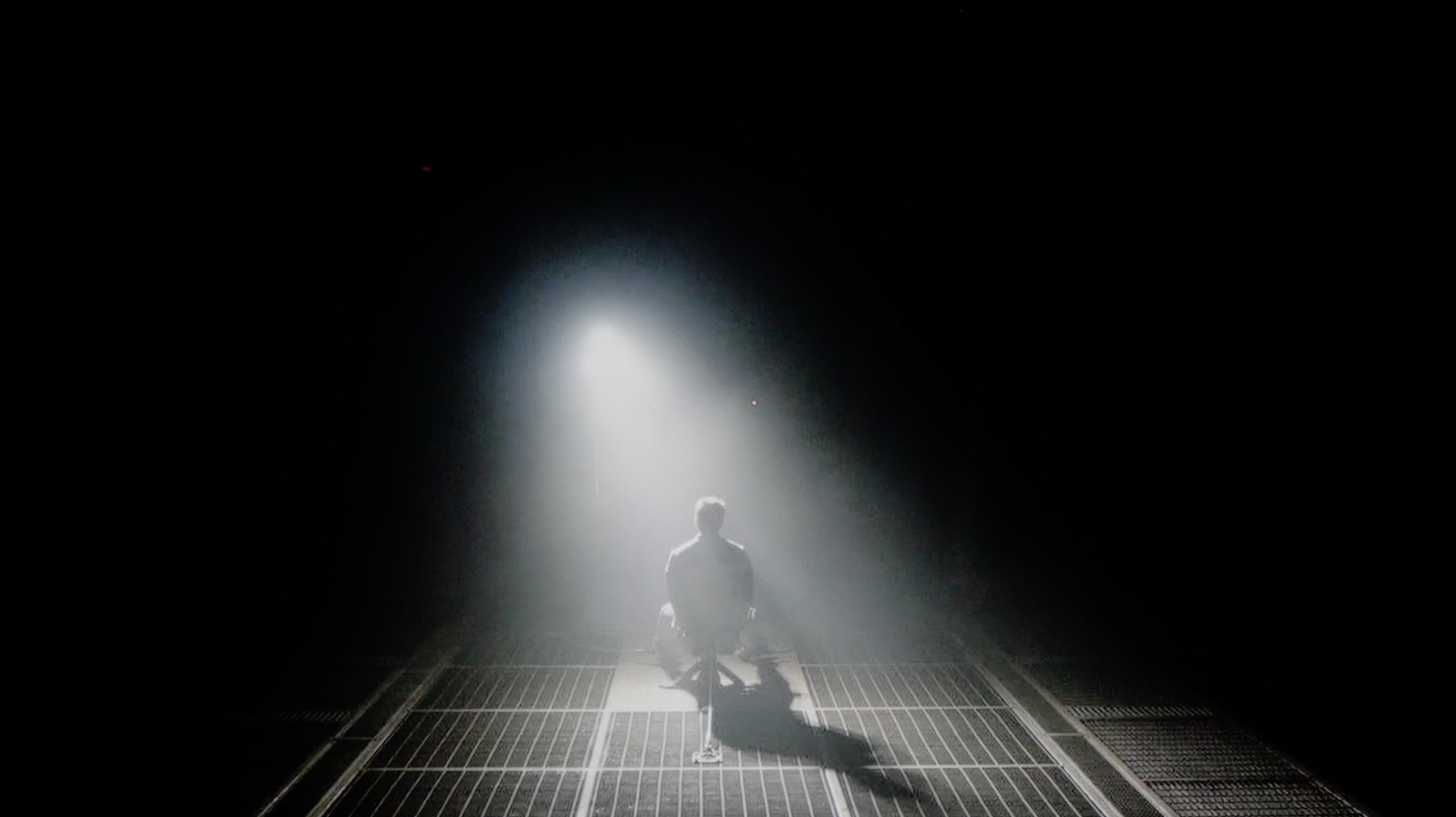
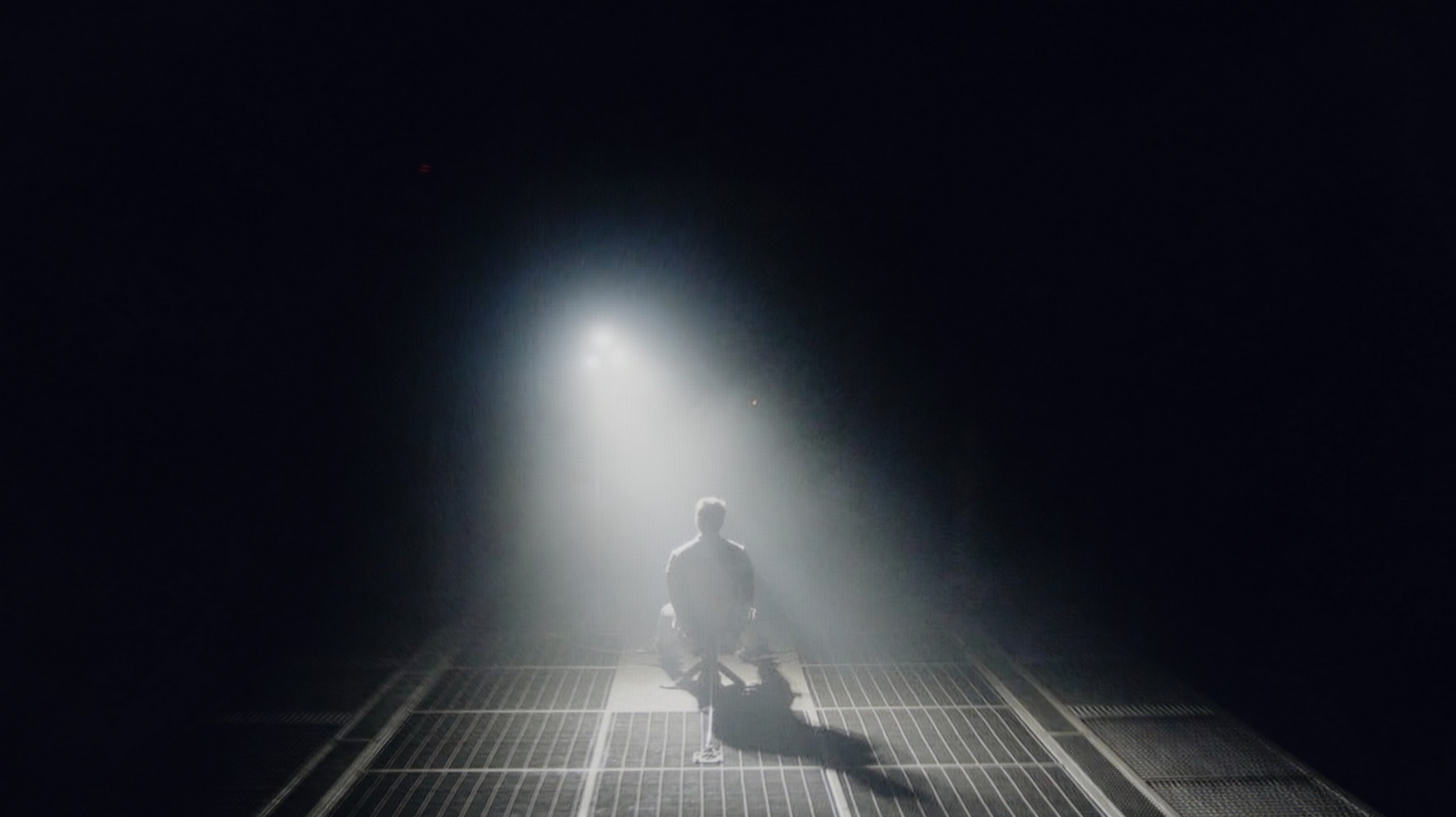
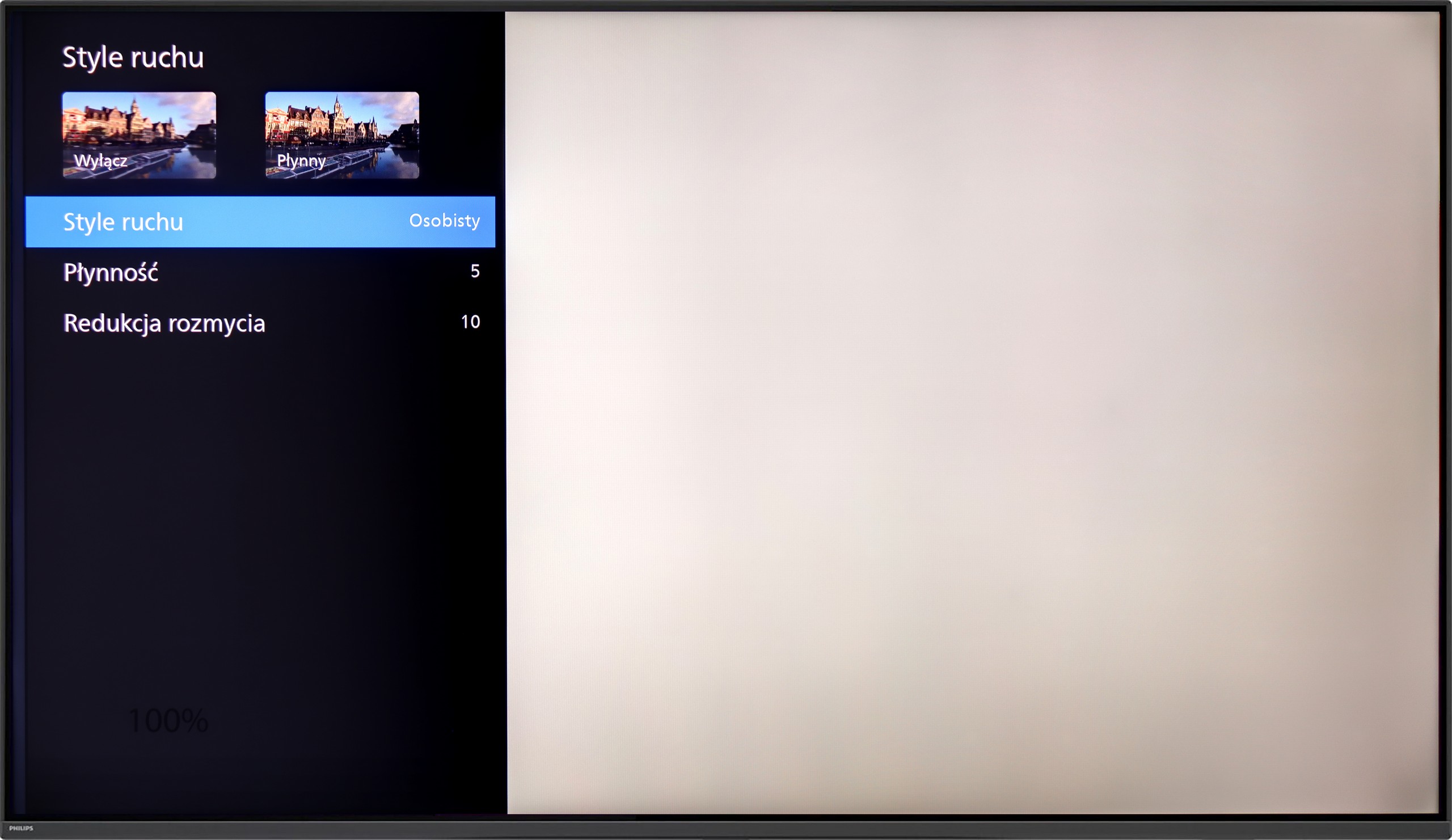
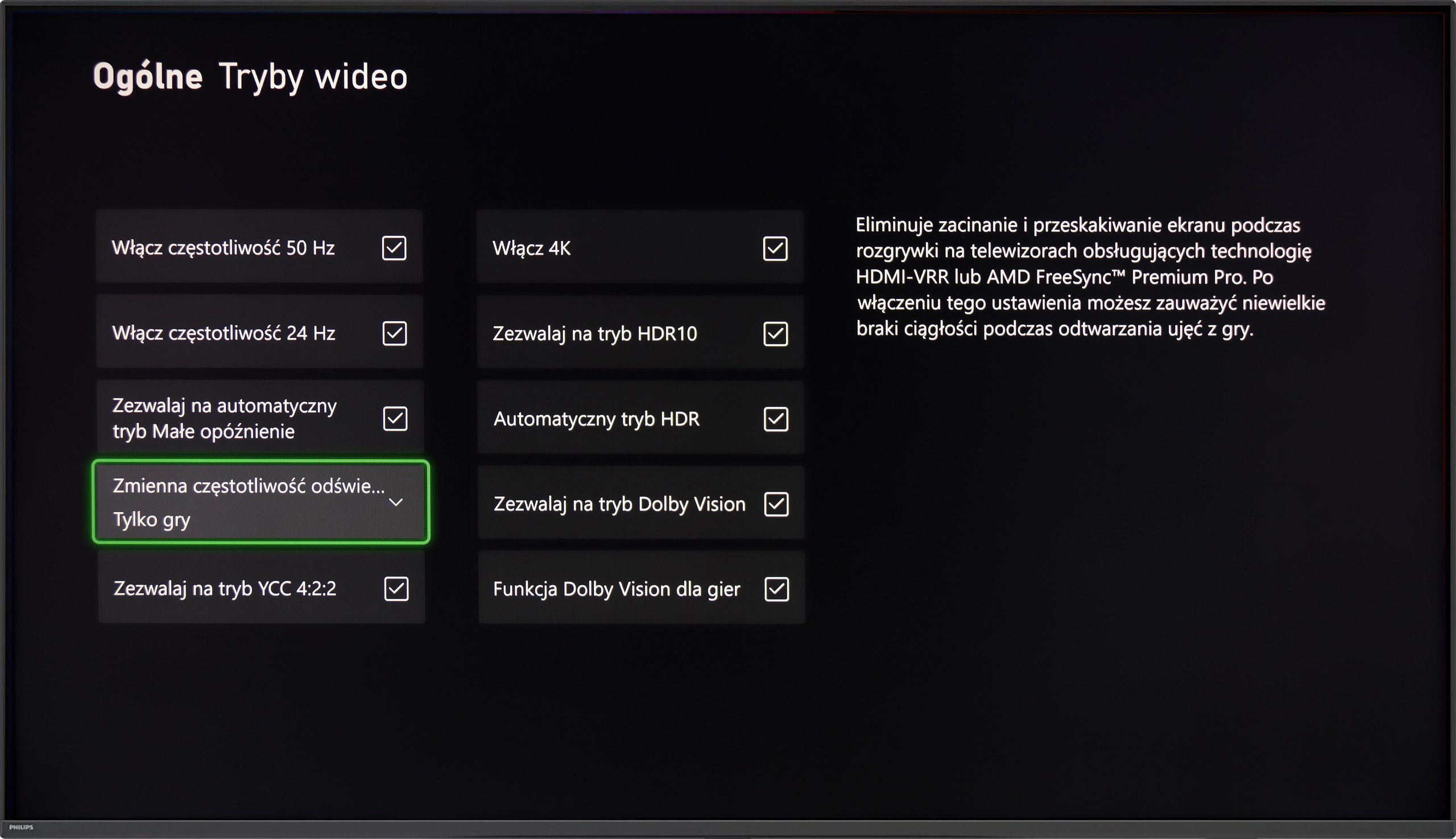
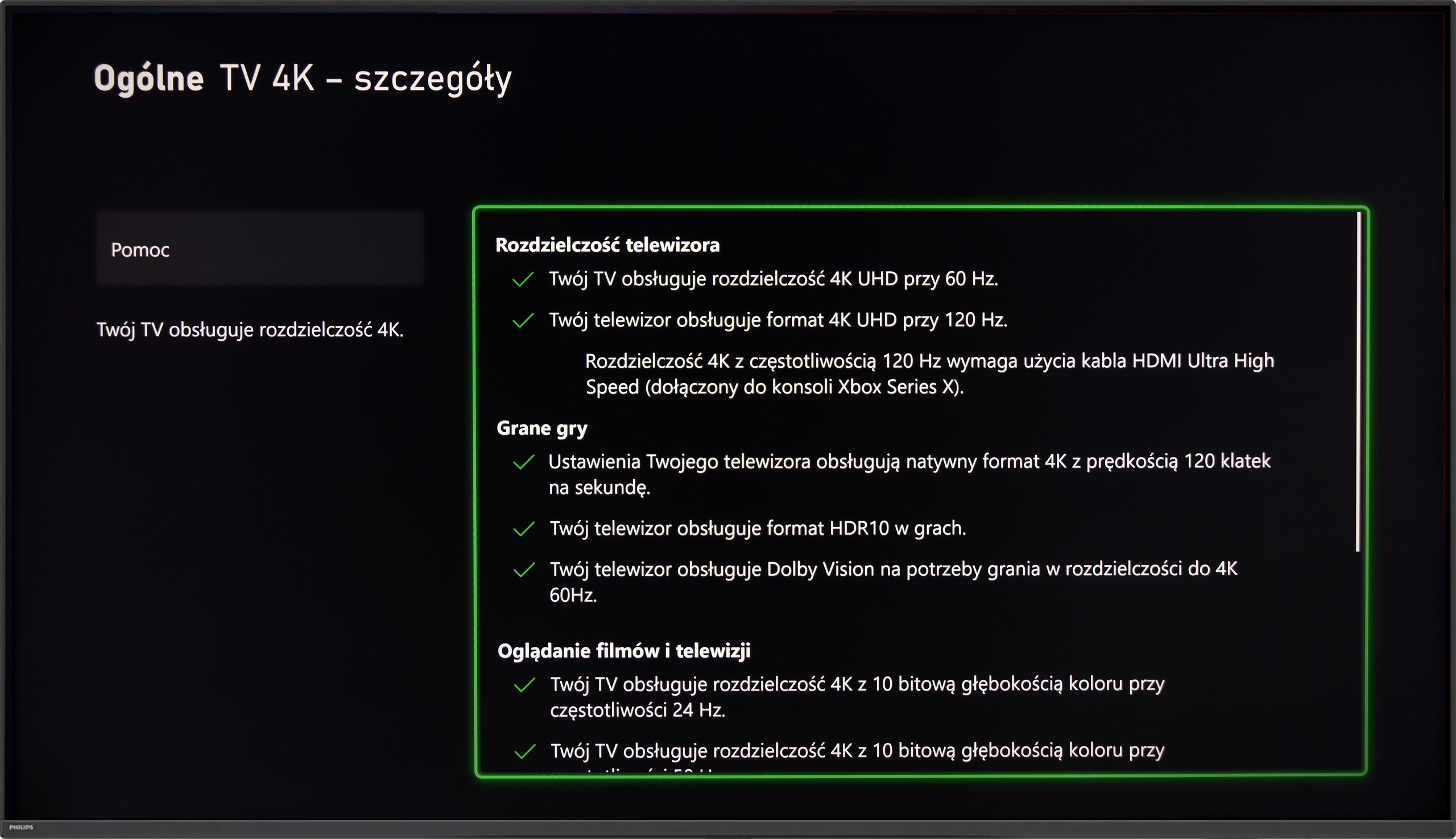
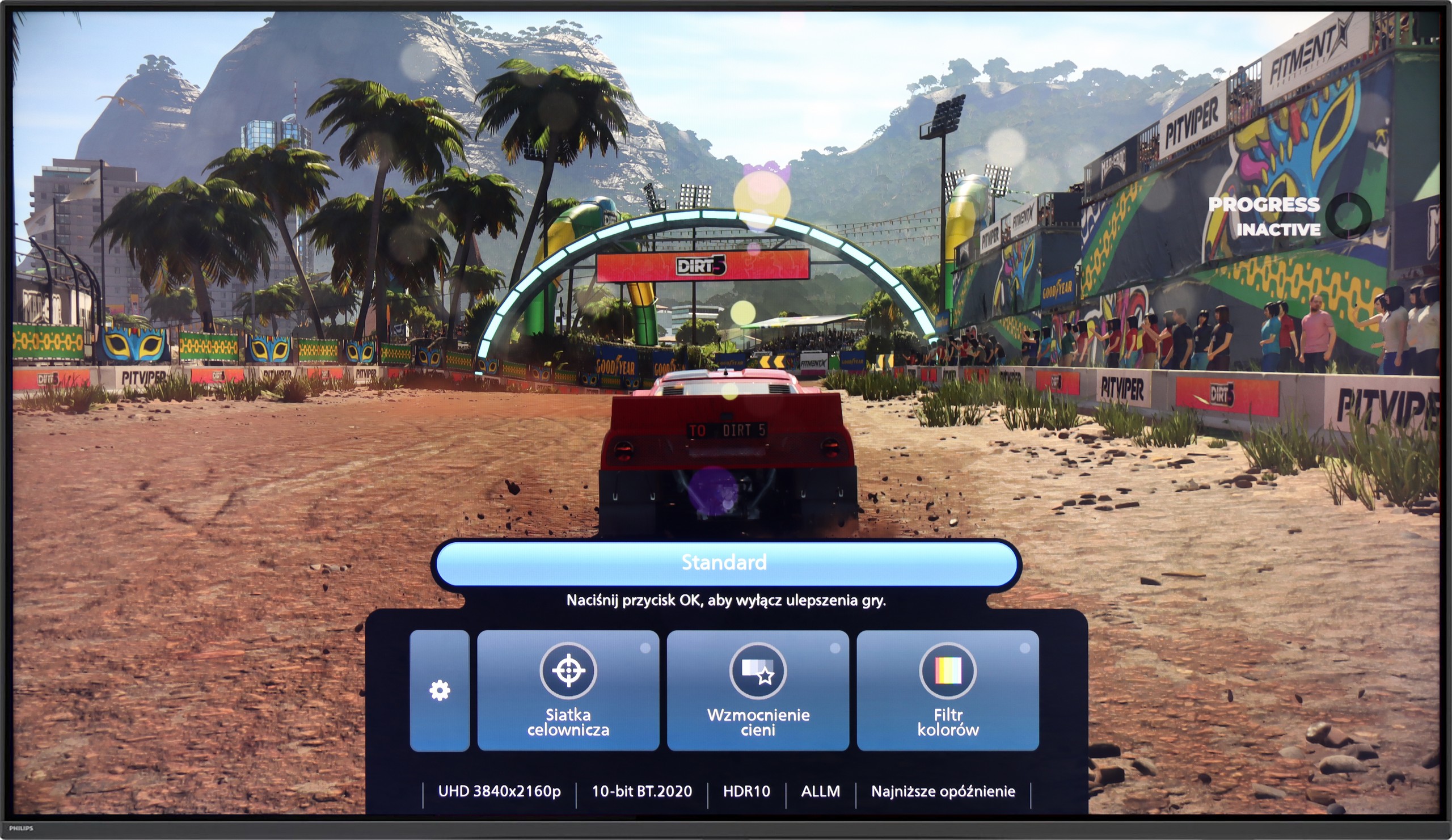
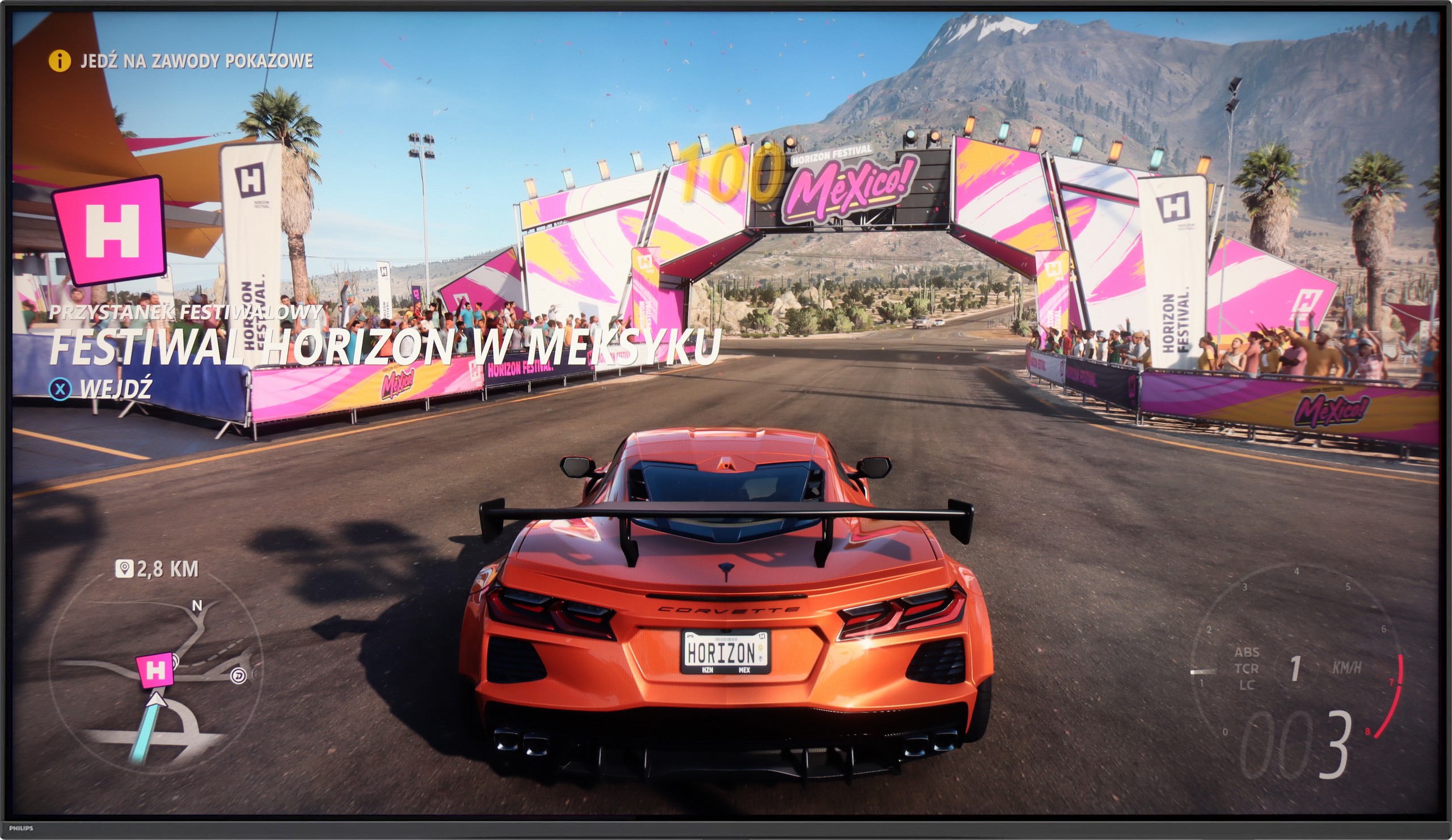
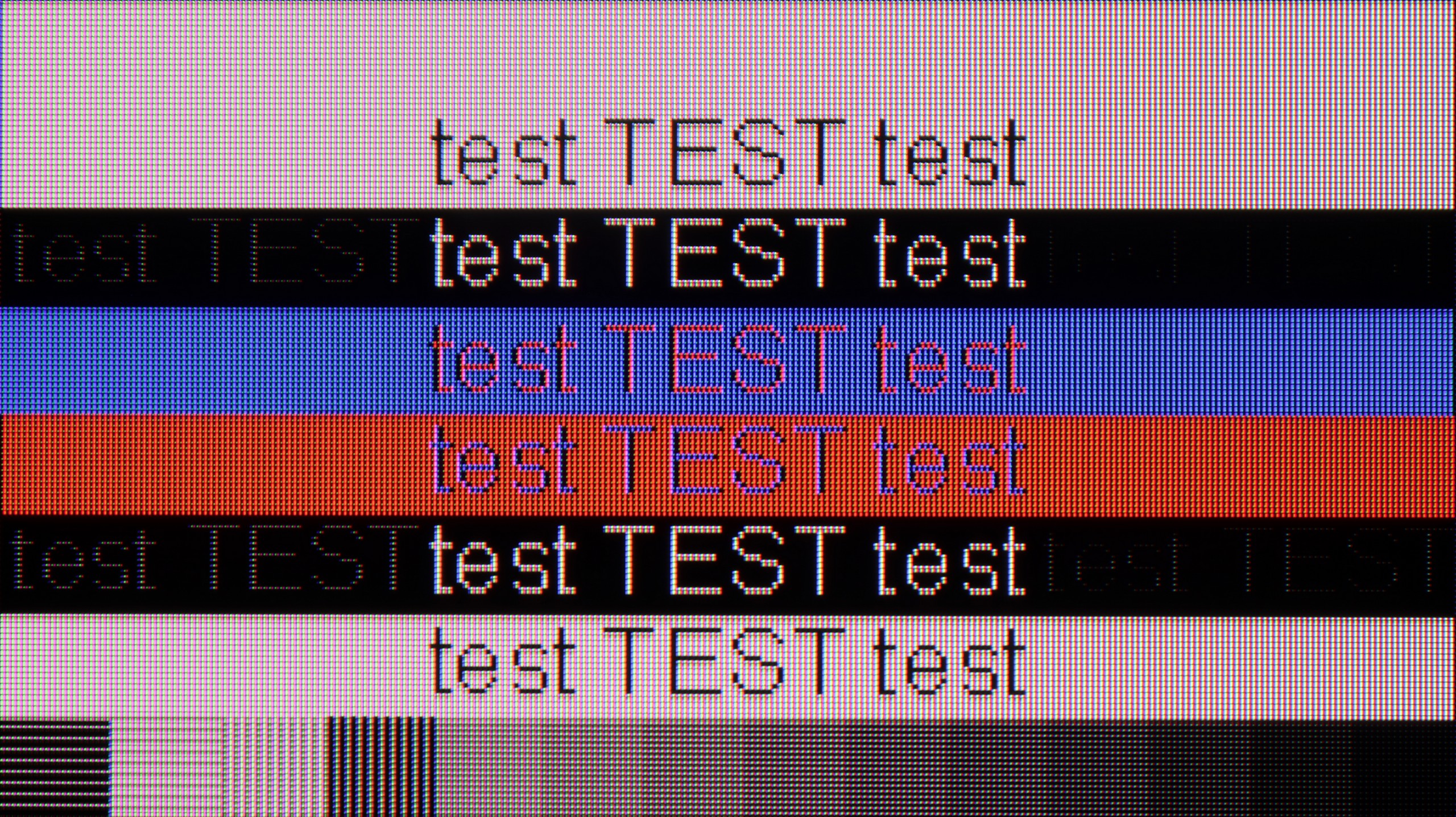
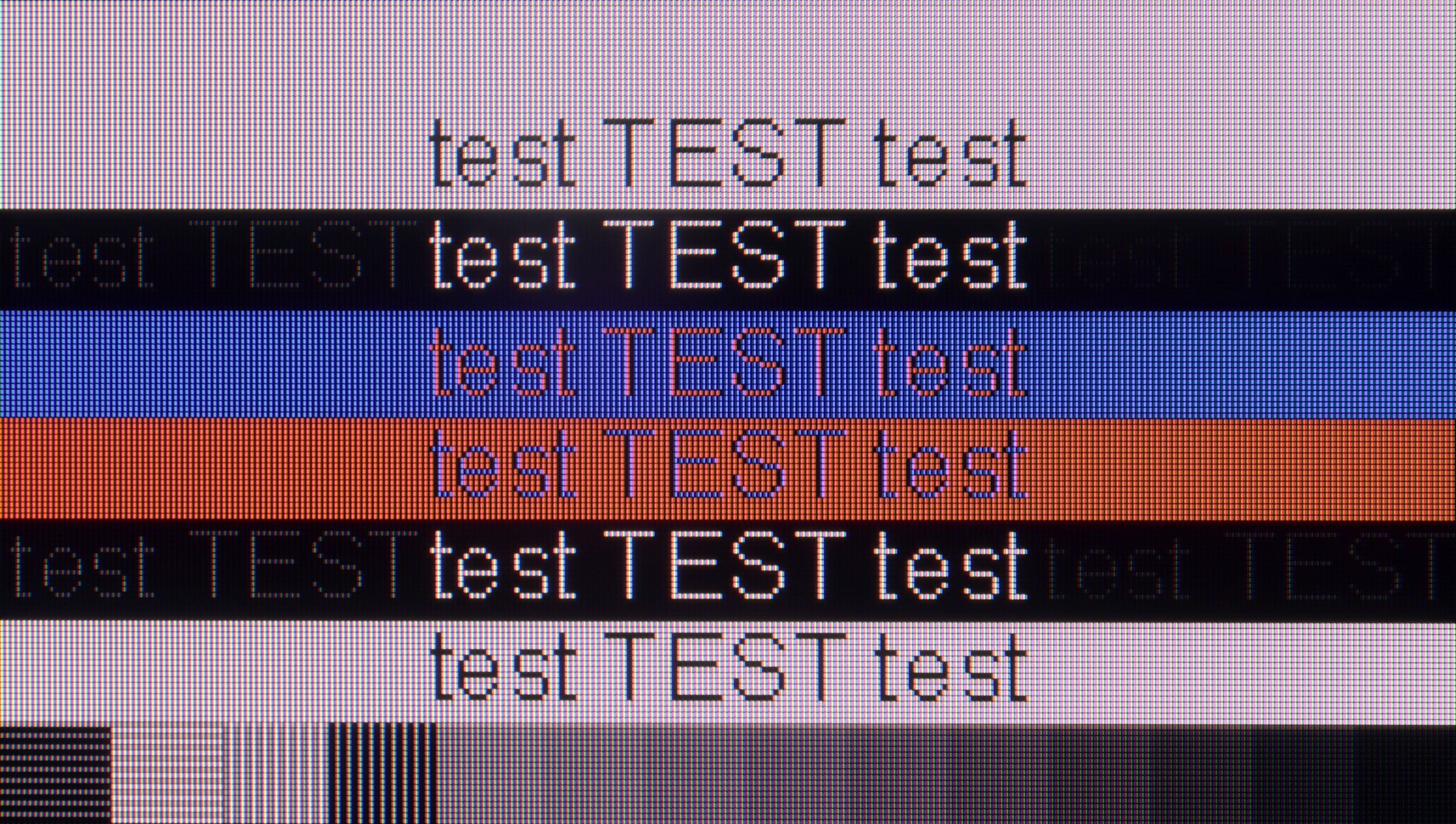
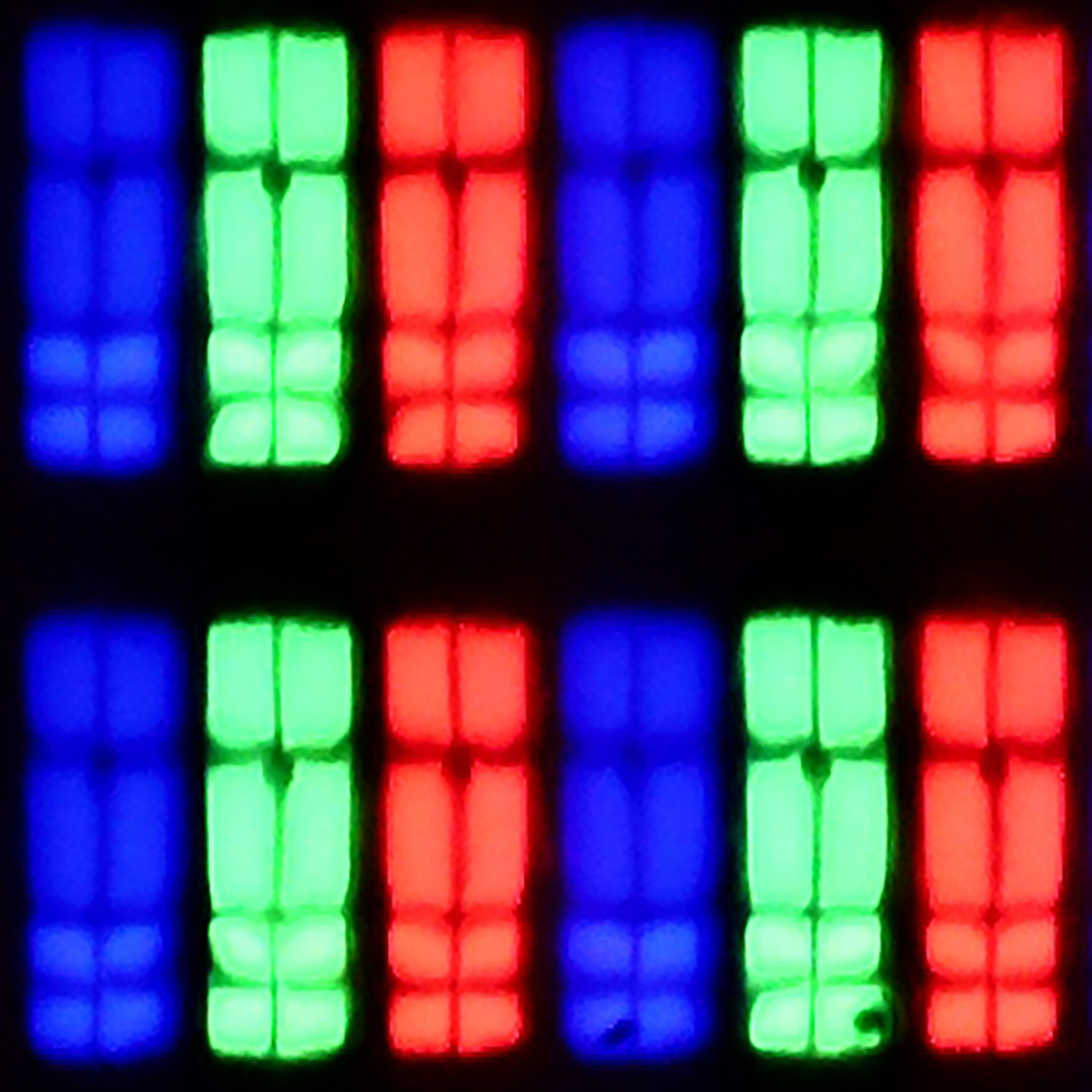
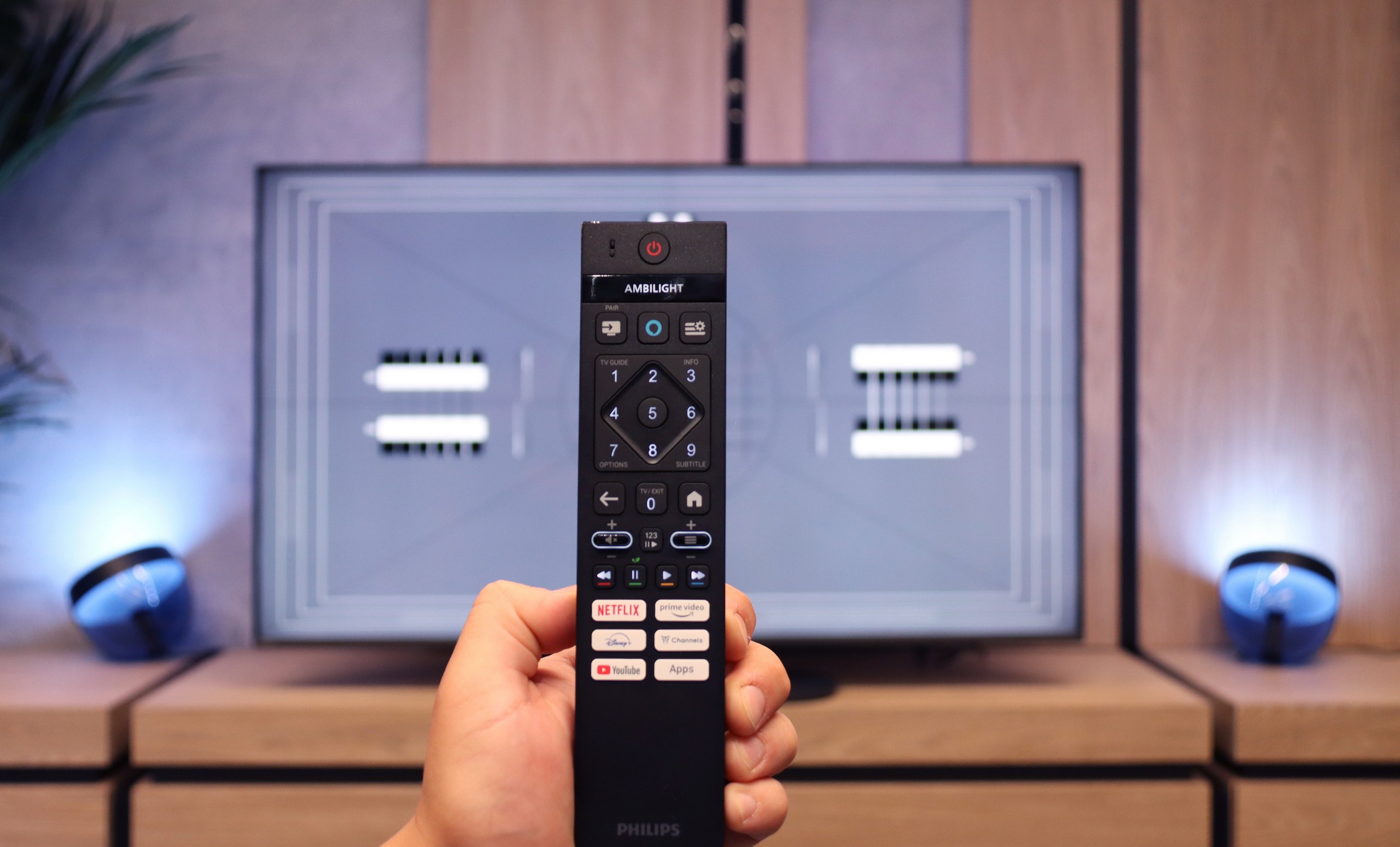
Philips PUS9010 (The One 2025) in the 75-inch version with an IPS panel is a television that clearly demonstrates the differences resulting from the panel used. Compared to the variant with a VA panel, it offers significantly better viewing angles, very good compatibility with consoles, and excellent text readability, but at the same time, it loses on black levels and maximum brightness. This model is best suited for everyday use, gaming, and in larger living rooms where not everyone is sitting perfectly facing the screen. The television performs very well in terms of responsiveness and features for gamers, offering 144 Hz, low input lag, and full support for variable refresh rate. An additional advantage is Ambilight, which, especially in the evening, can enhance the viewing experience and partially mask the weaker black levels of the IPS panel. After calibration, the picture appears coherent and natural, and the differences compared to the VA version in colour reproduction become difficult to detect. On the other hand, it must be clearly stated that those inclined towards cinematic viewing in complete darkness may be disappointed. The poor black levels, boosted brightness resulting from the quality of our unit, meant that this variant of the PUS9060 performs worse than the same model with a VA panel. Philips PUS9010 IPS is generally a sensible choice for users looking for a large, modern television for gaming, PC use, and everyday viewing, with very good viewing angles. However, if the priority is deep blacks and better picture quality, it is worth considering other variants or a higher class of equipment, as often for a small additional payment, you can get a television equipped with mini-LED technology.
 Direct comparison