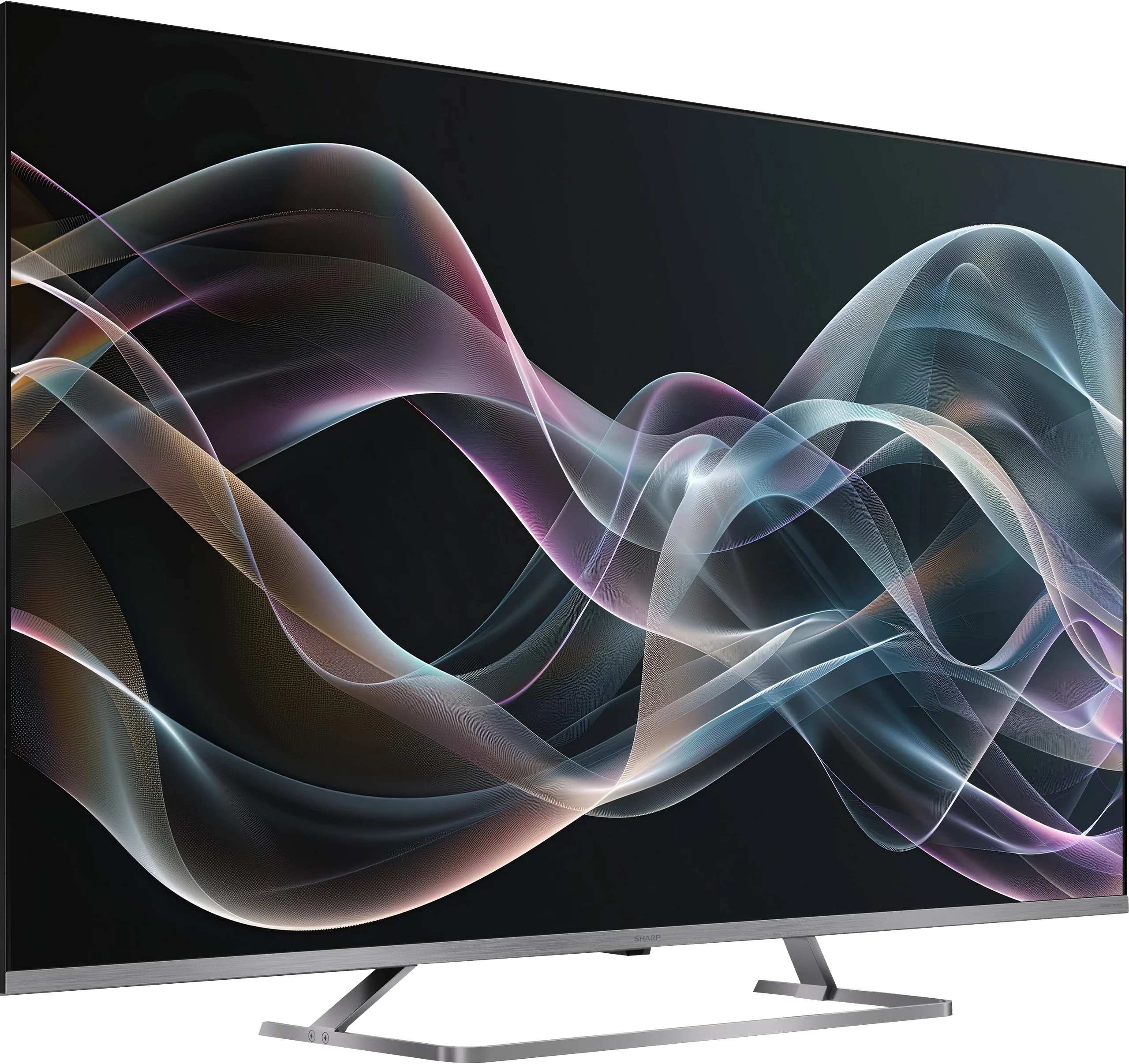
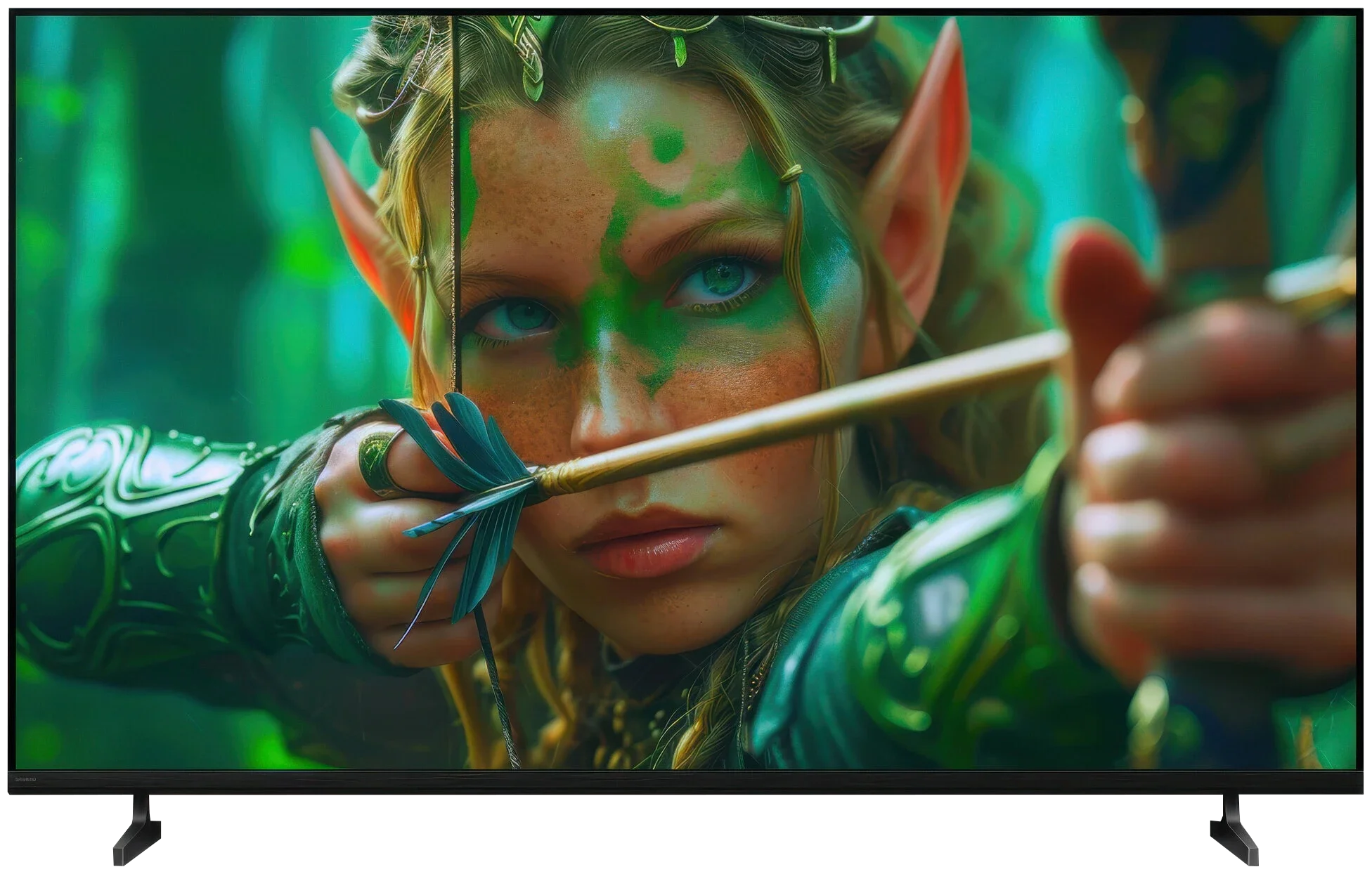
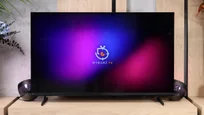
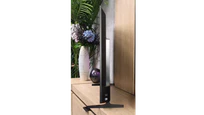
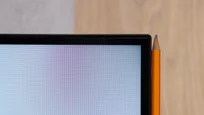
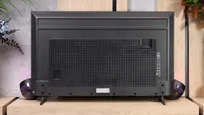
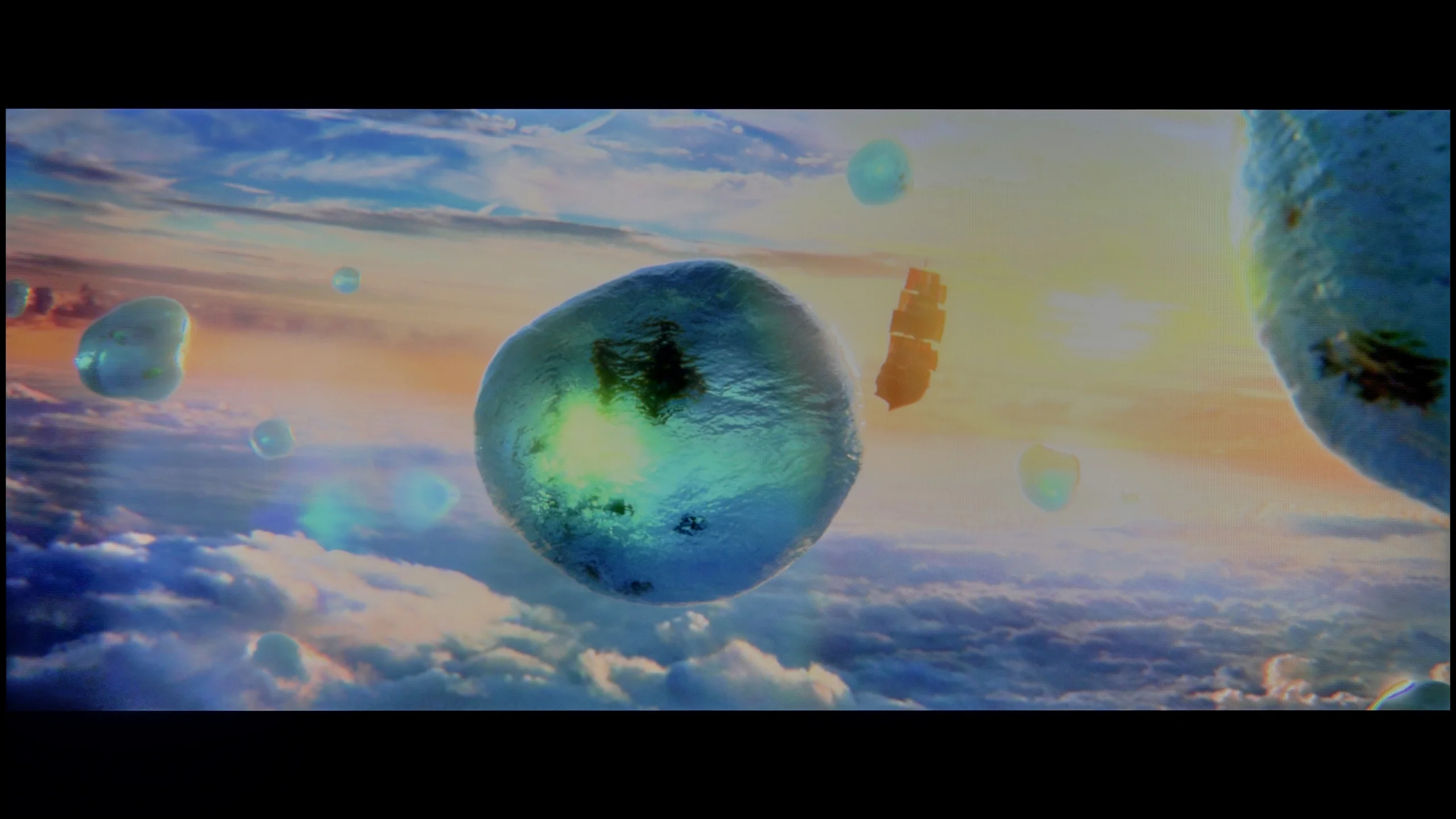
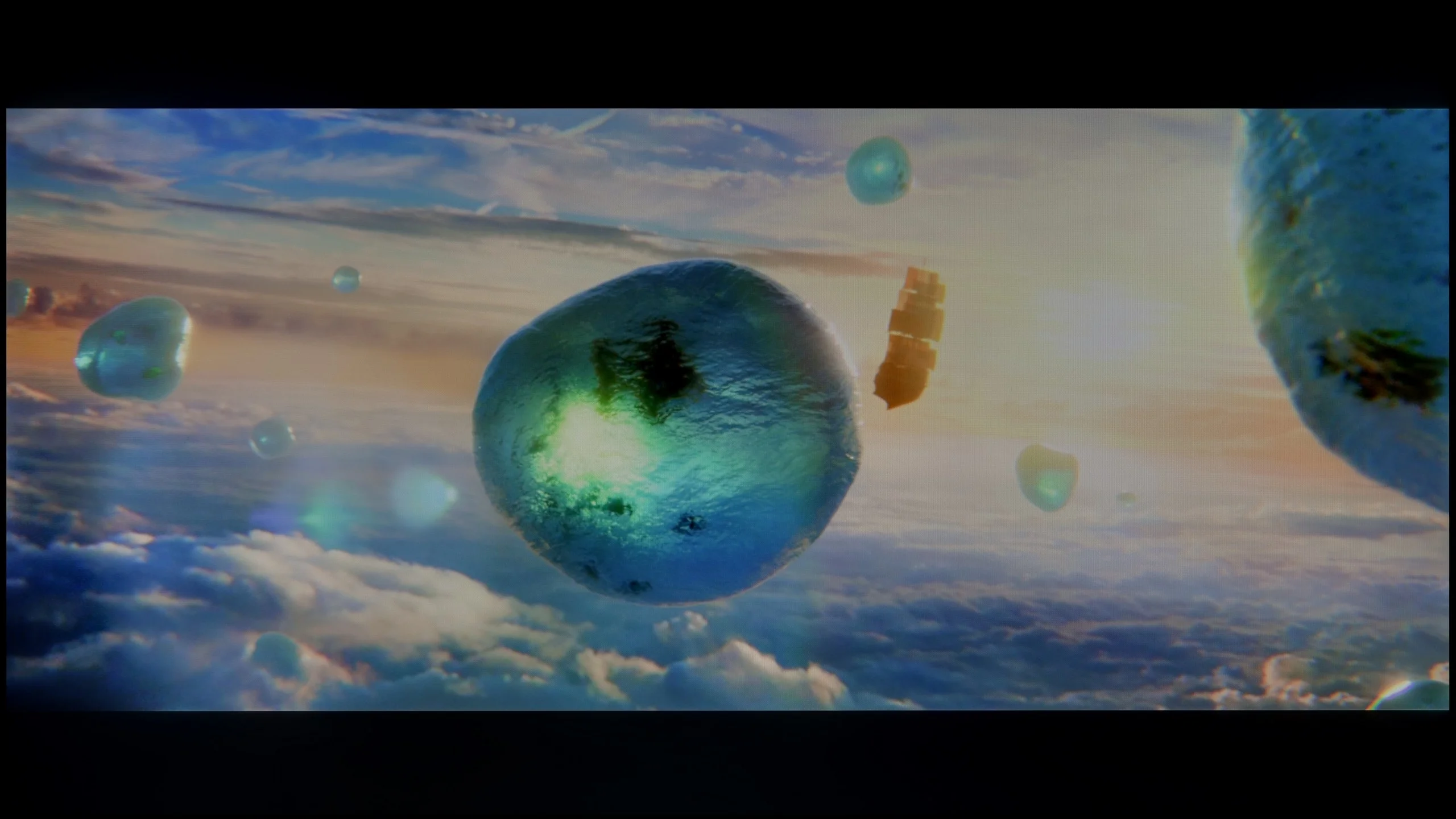
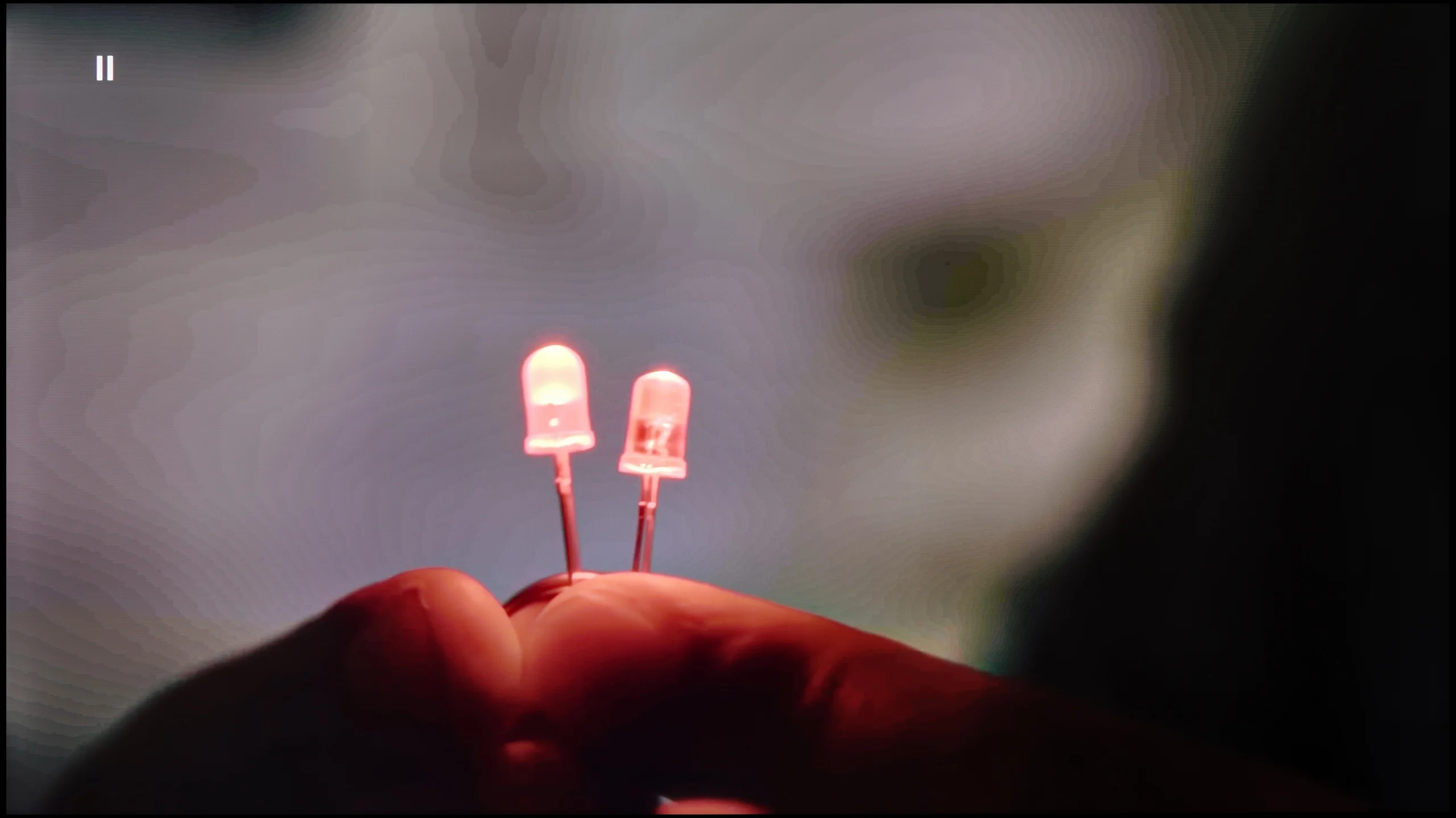
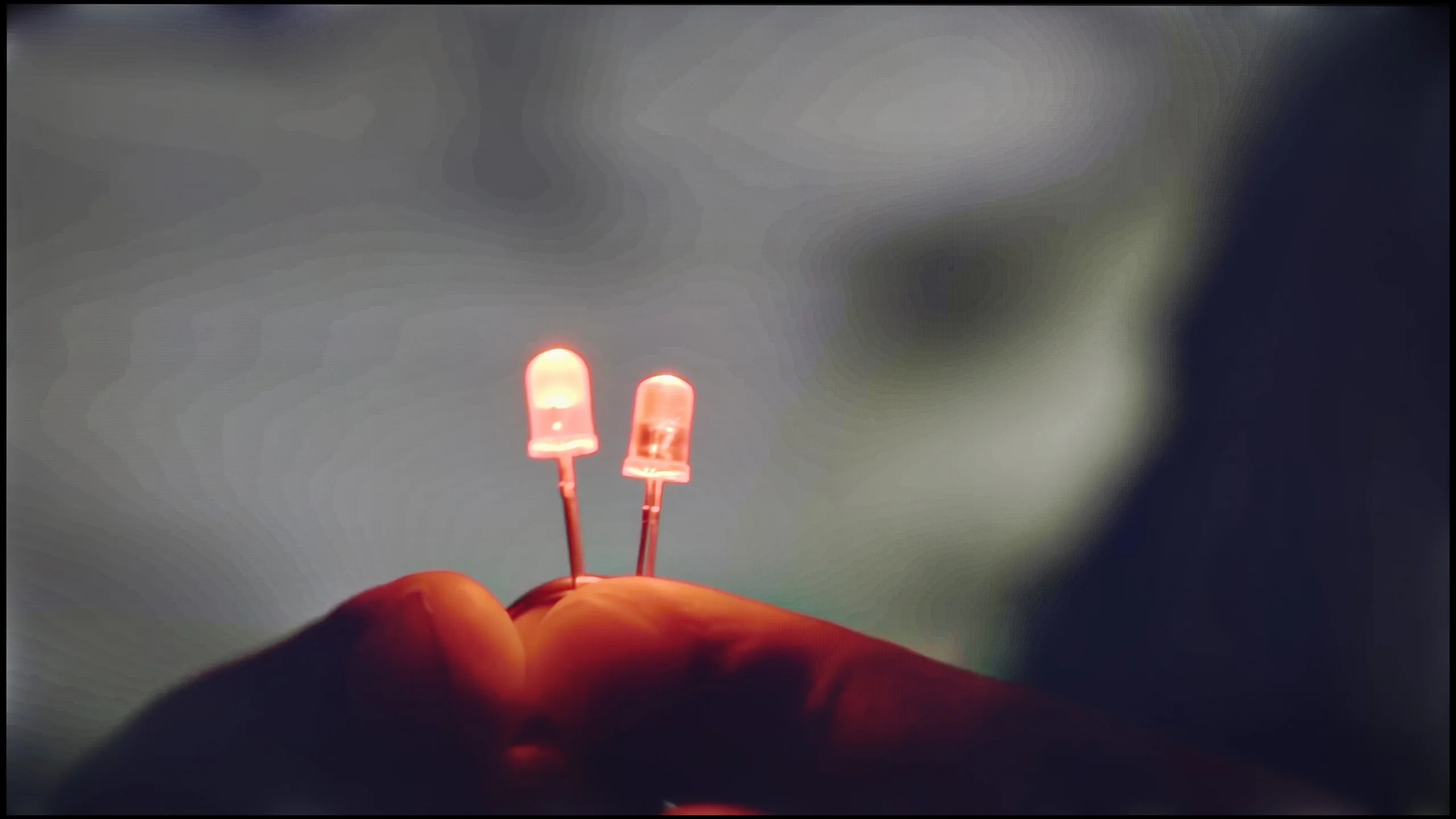
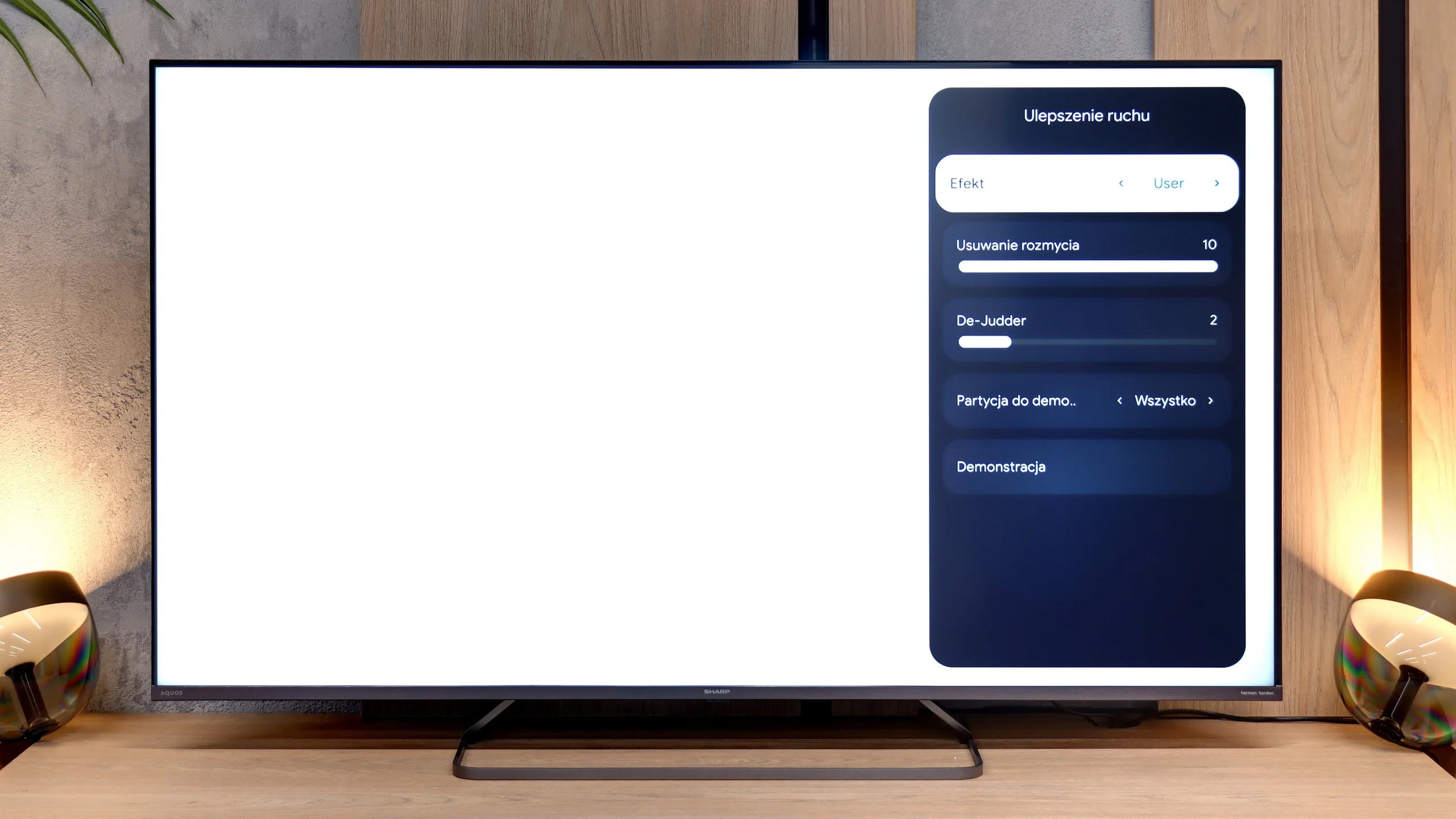
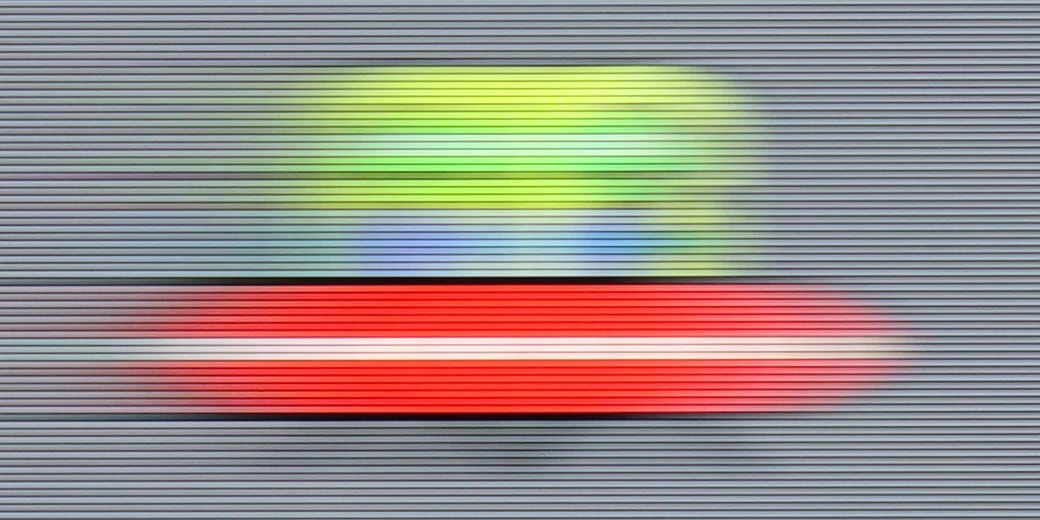
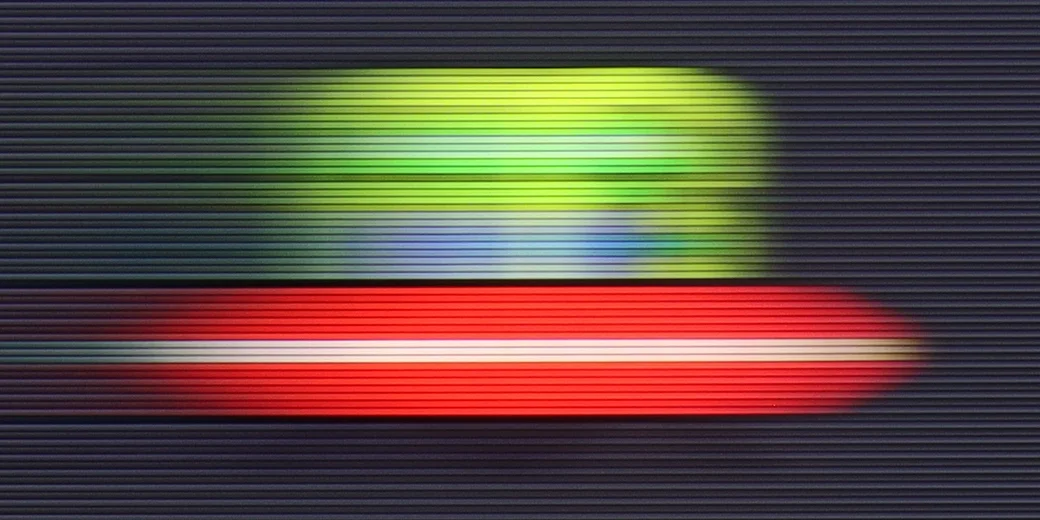
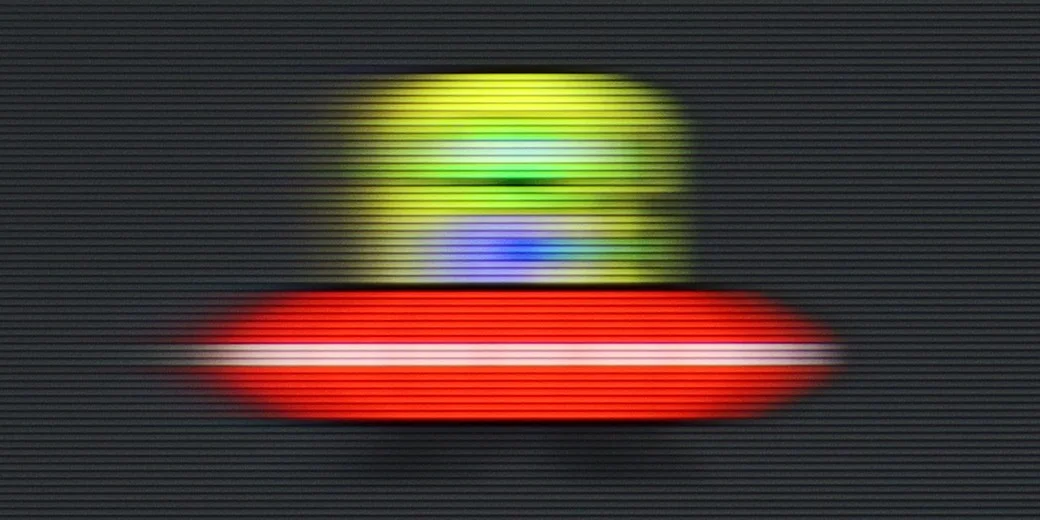
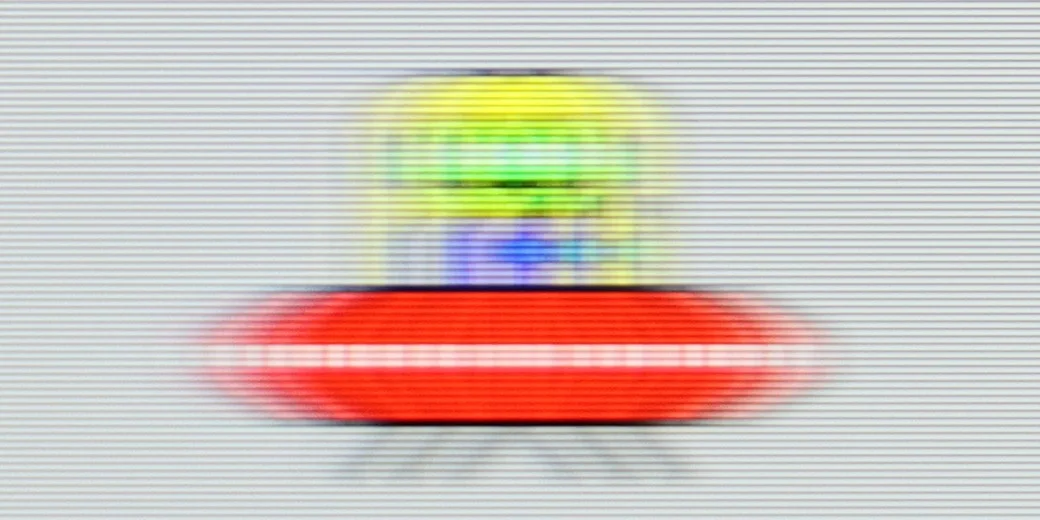
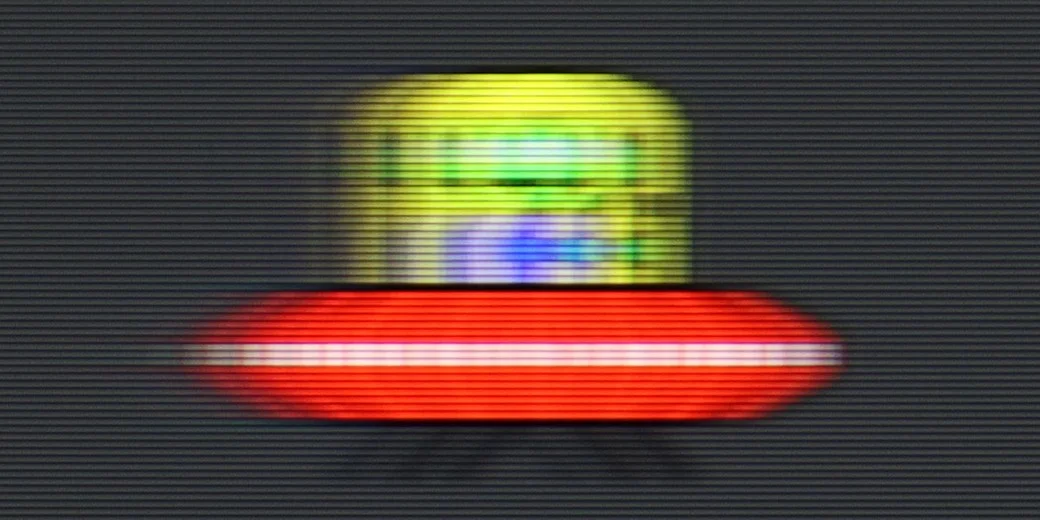
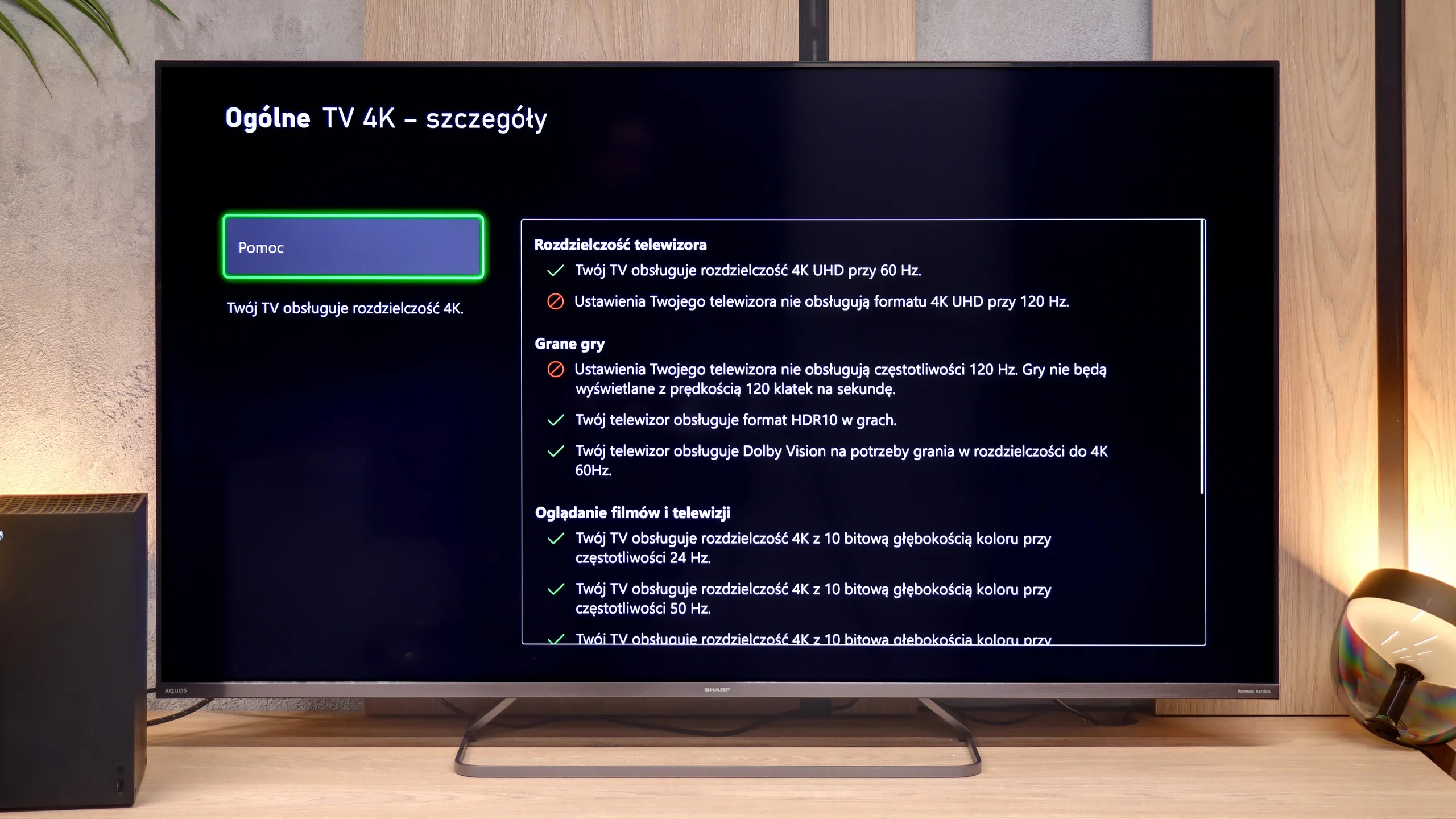
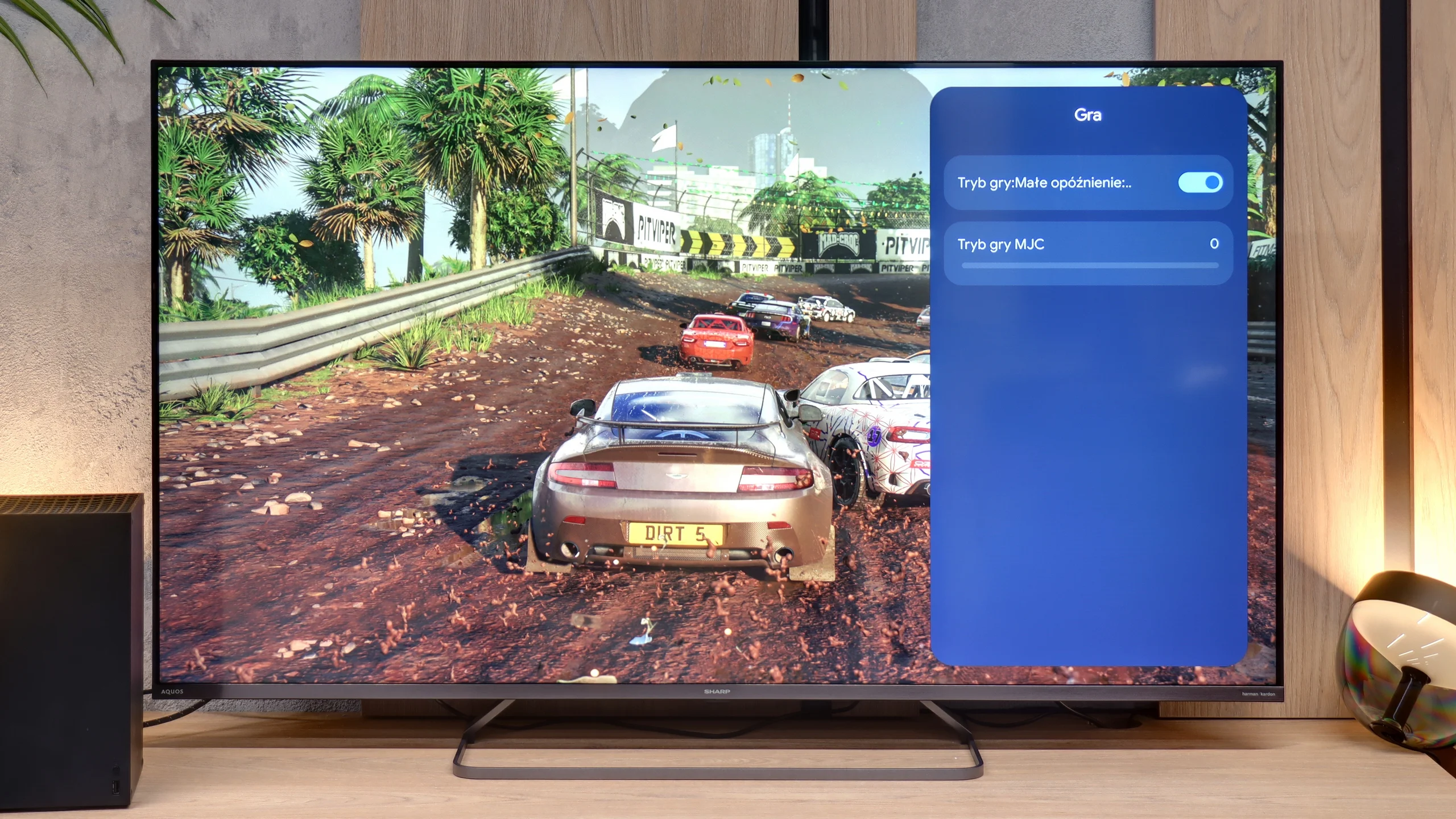
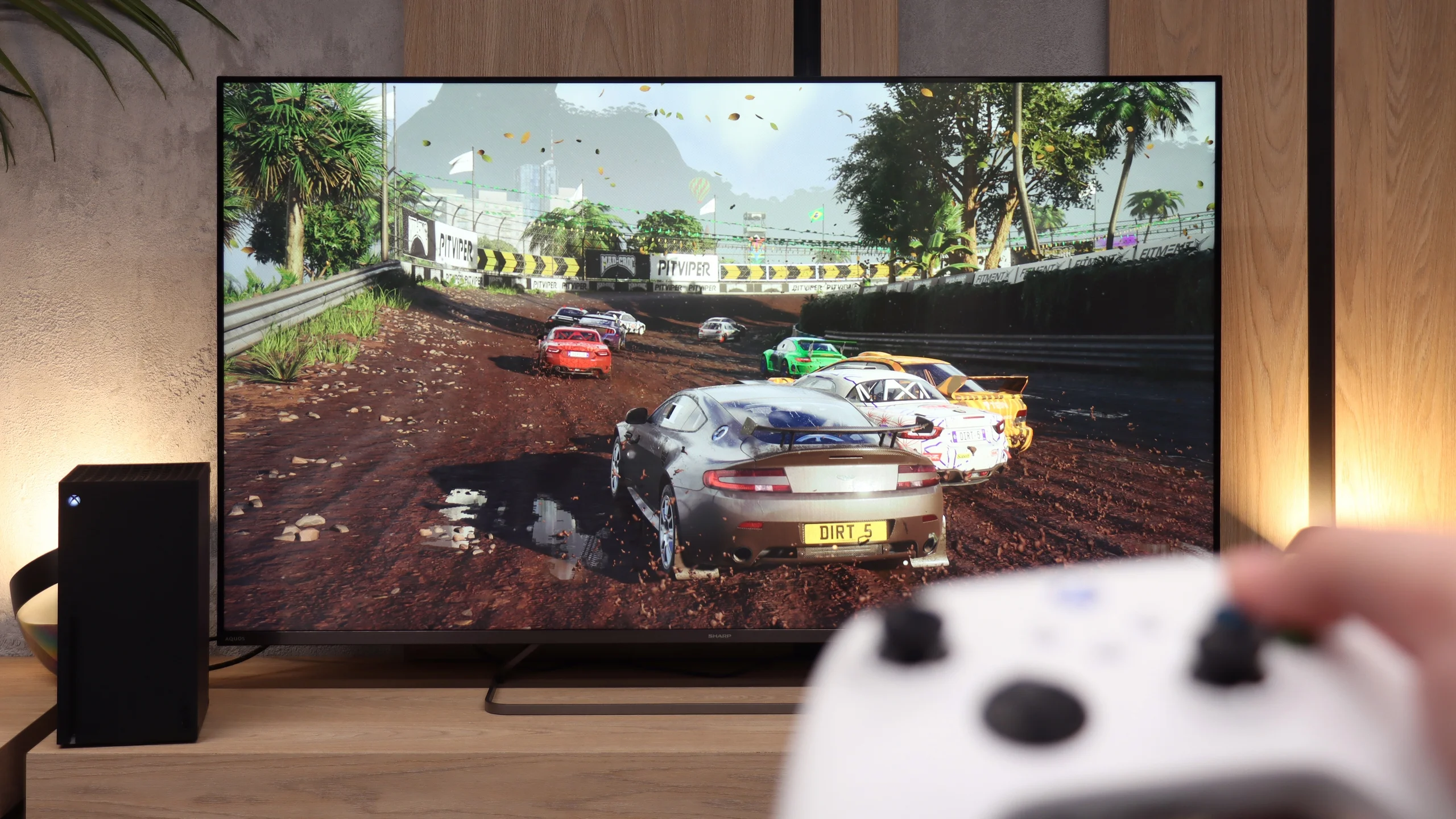
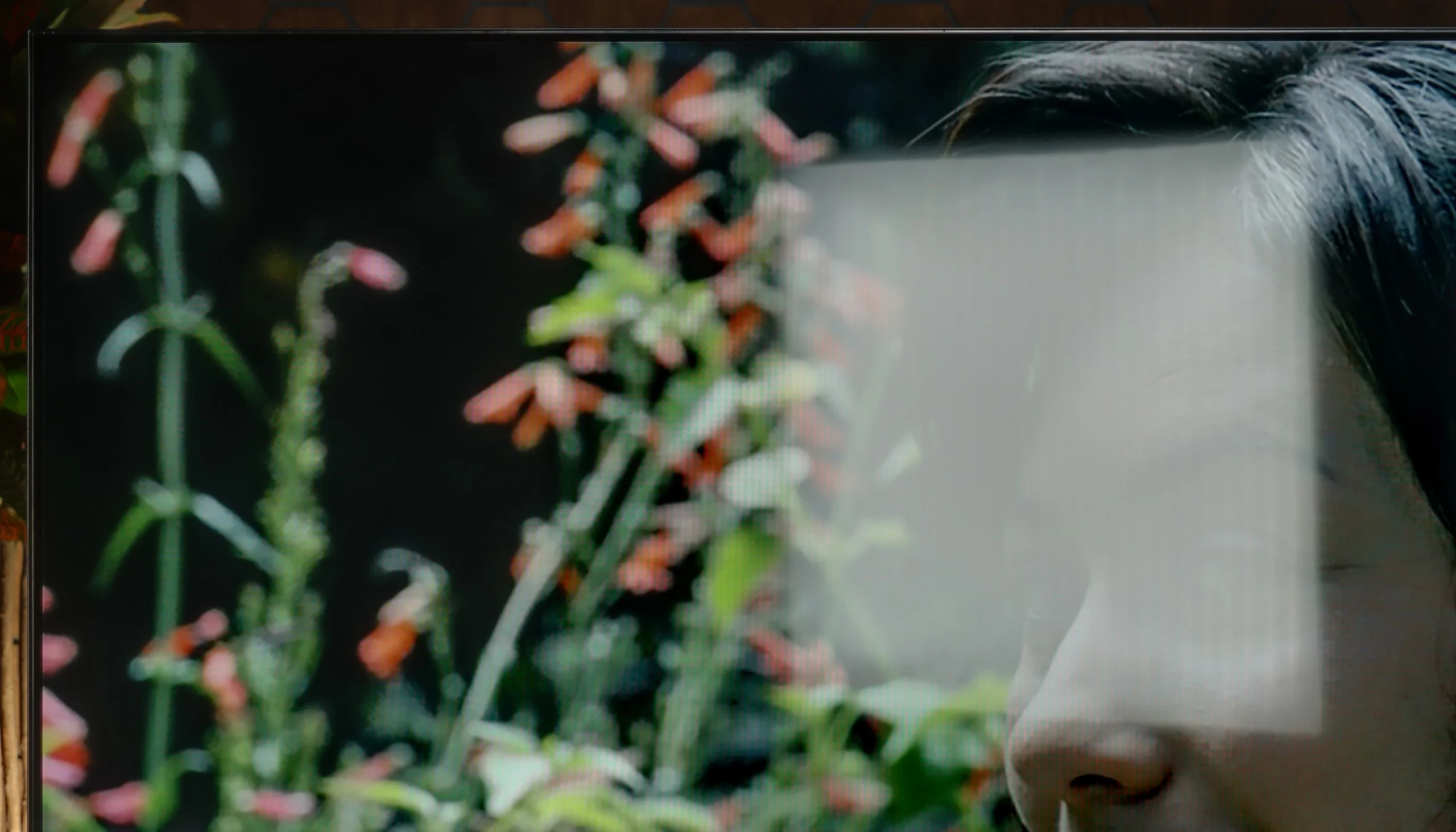
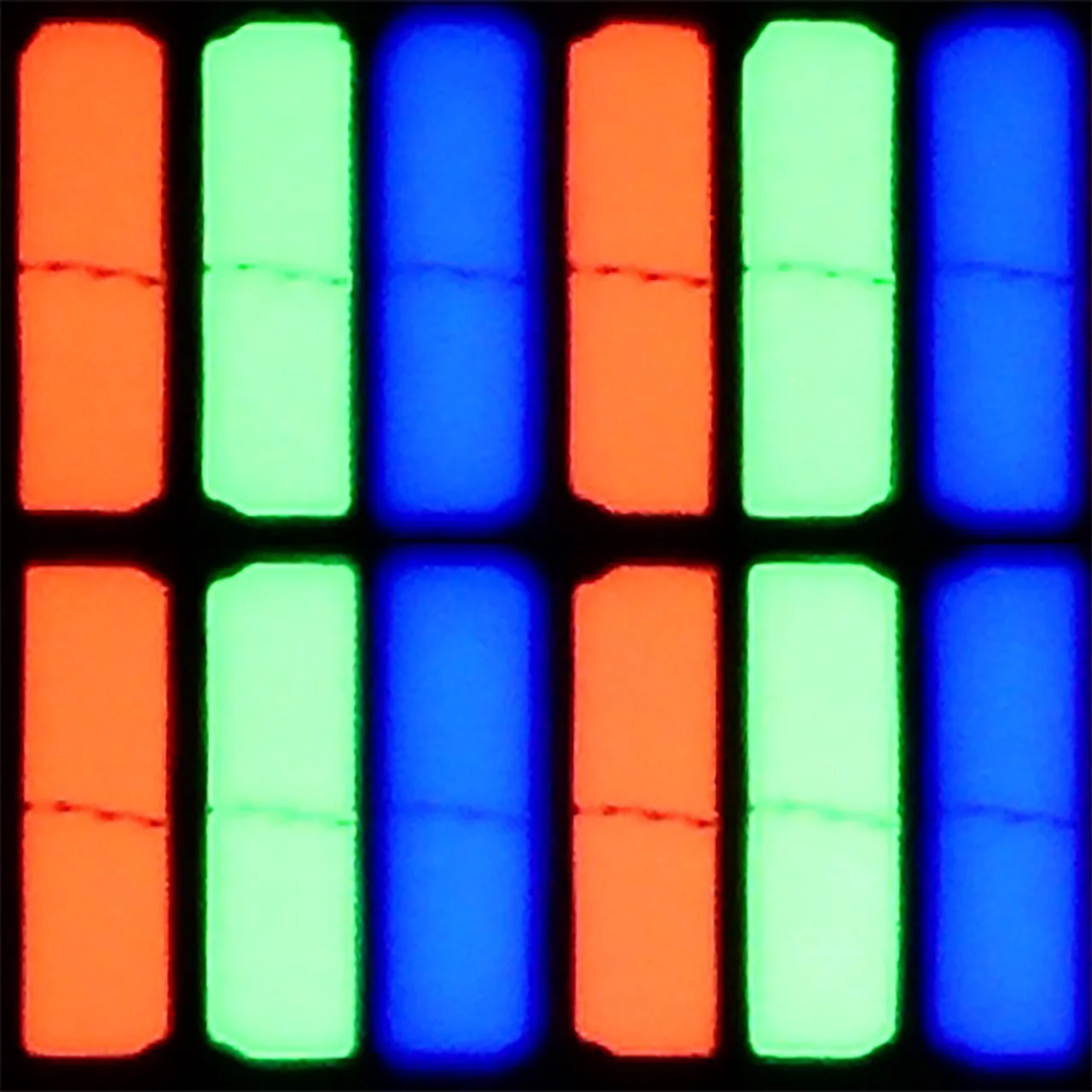
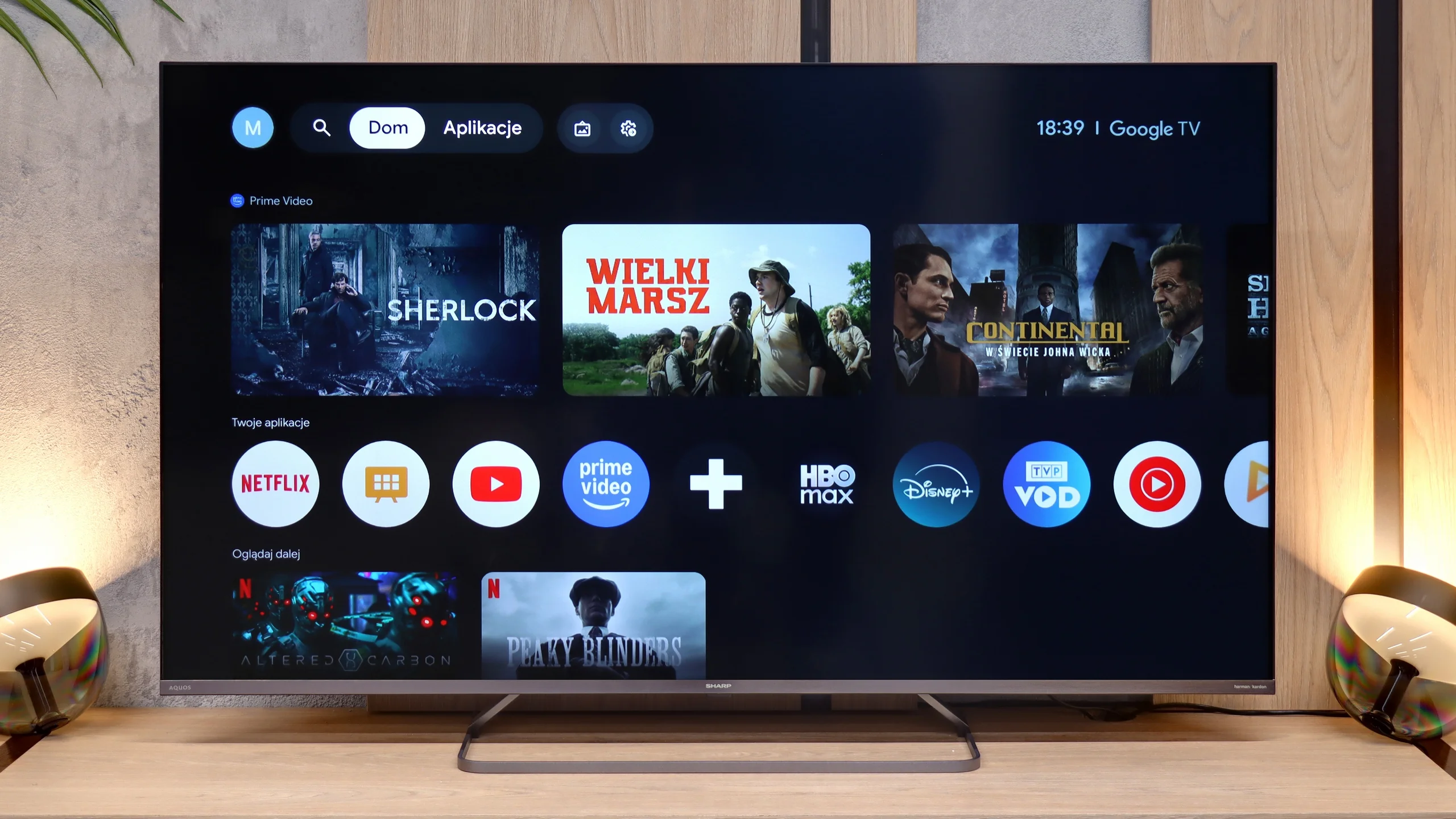
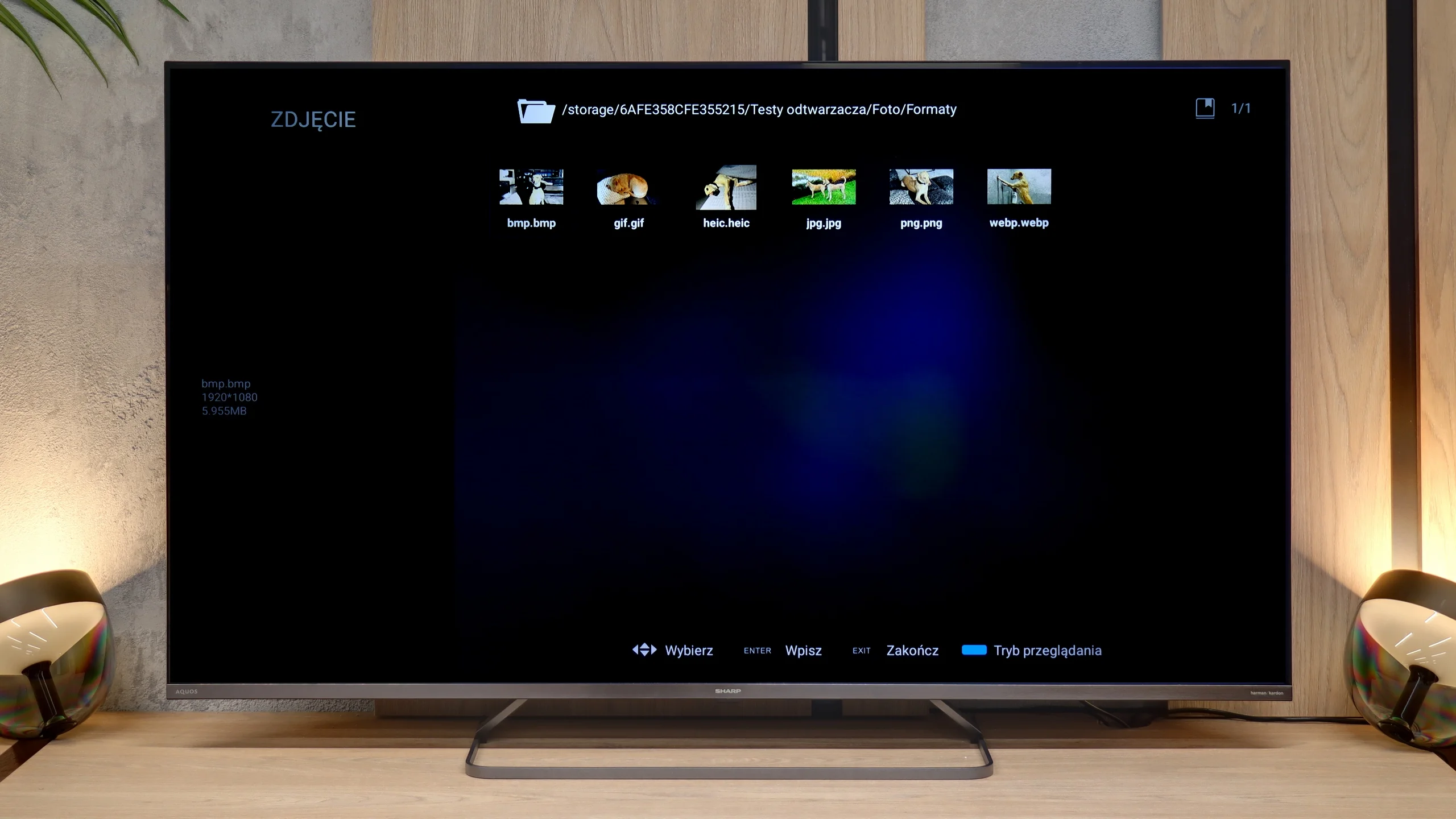
Sharp JP7765 is yet another offering in the market that attempts to prove that Mini-LED technology doesn’t have to cost a fortune. The low price comes hand in hand with an exceptionally high brightness – a peak of 1000 nits in HDR is a result that simply impresses in this price range. Although the proprietary processor doesn’t always manage the backlighting perfectly in demanding scenes, support for Dolby Vision effectively saves the situation. Thanks to dynamic metadata, the picture becomes plastic, deep, and simply attractive to the eye. Adding to this the Google TV system, extreme volume, and the now-rare jack headphone socket, we get a device that is a brilliant option for seniors or less demanding viewers transitioning from a regular, cheap LCD. In such a scenario, the Sharp JP7 presents itself as a really decent and cost-effective choice. However, it must be stated clearly: contrary to marketing slogans, this is not equipment for everyone. Gamers or sports fans will definitely not find themselves here. The biggest drawback of the JP7765 model is the slow, 60-hertz panel and significant motion blur, which essentially disqualifies this television for watching dynamic matches or playing fast-paced titles. The picture loses sharpness during rapid movements to such an extent that for a football or racing fan, it may be an unacceptable barrier.
So, for whom is the Sharp JP7765? It is a sensible choice for budget-conscious individuals who do not have high demands regarding motion fluidity but value a “kick” of brightness. By choosing the Sharp JP7, you will definitely make a better deal than purchasing basic (non-dimming) televisions from the competition. Rivals typically offer ordinary LCD panels for a similar price, which cannot compete with the capabilities of even such a basic Mini-LED model as the JP7. Ultimately, it comes down to a simple arrangement: you accept lower motion fluidity in exchange for powerful brightness, which is hard to find from other manufacturers at this price.
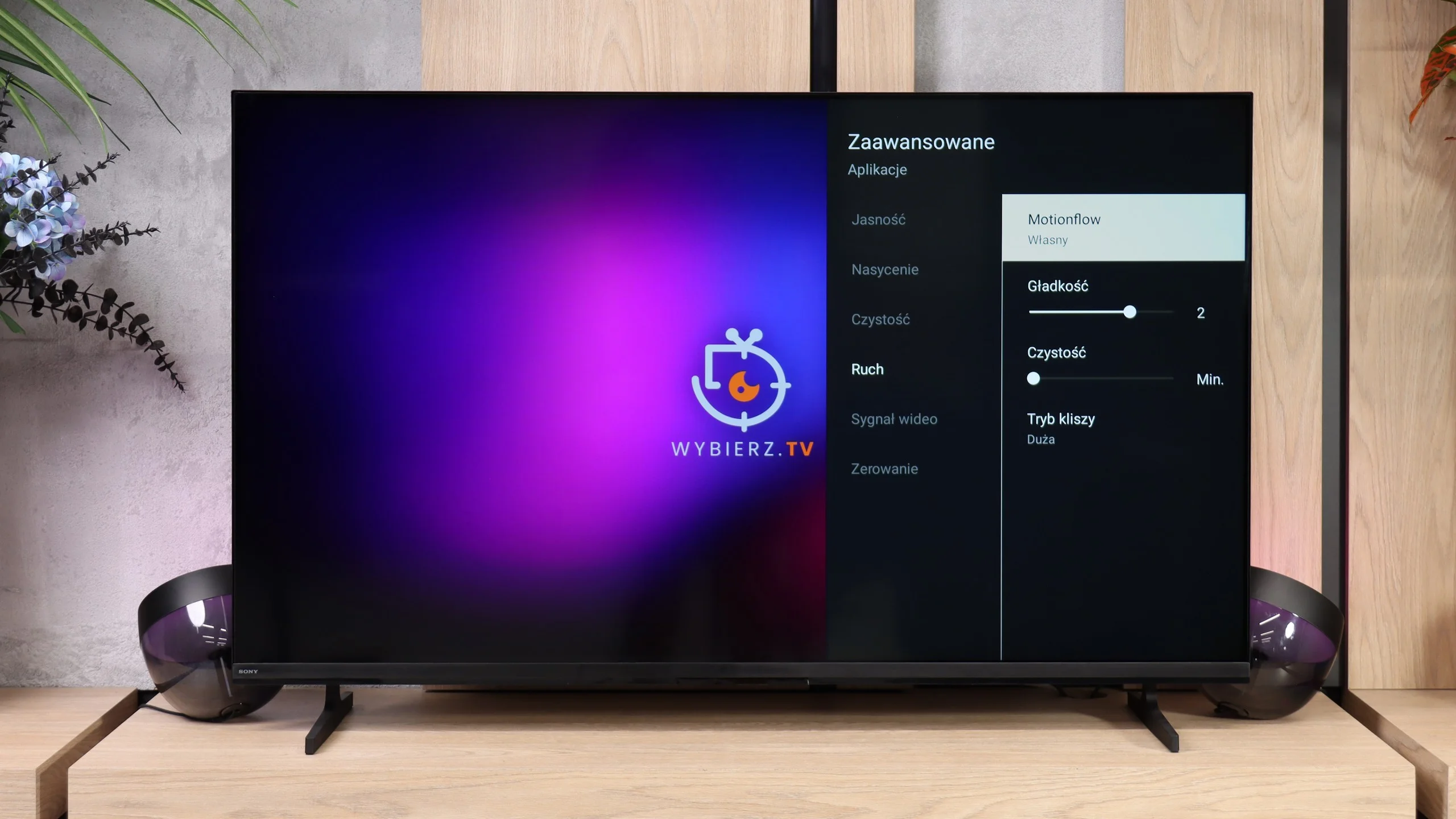
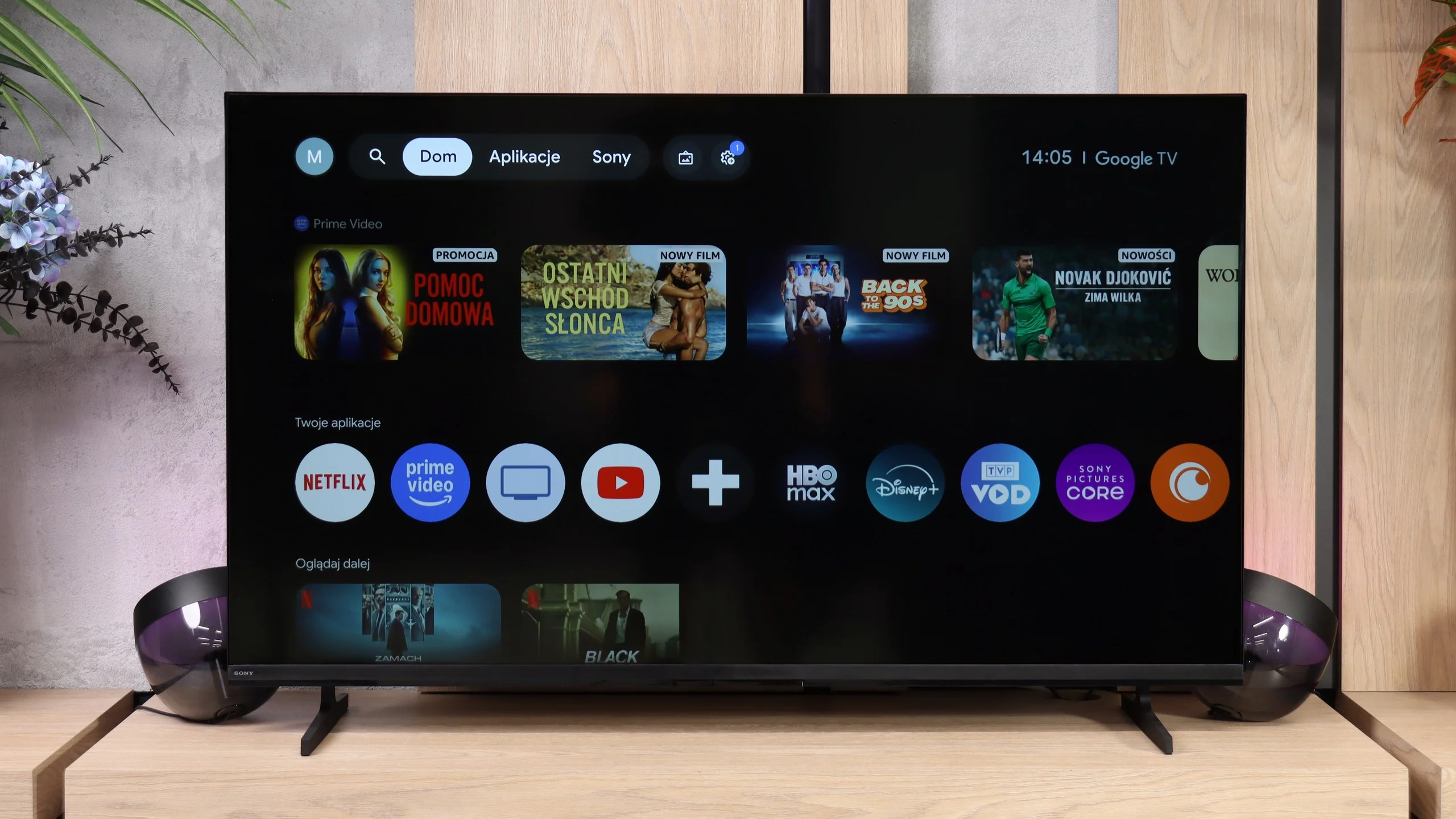
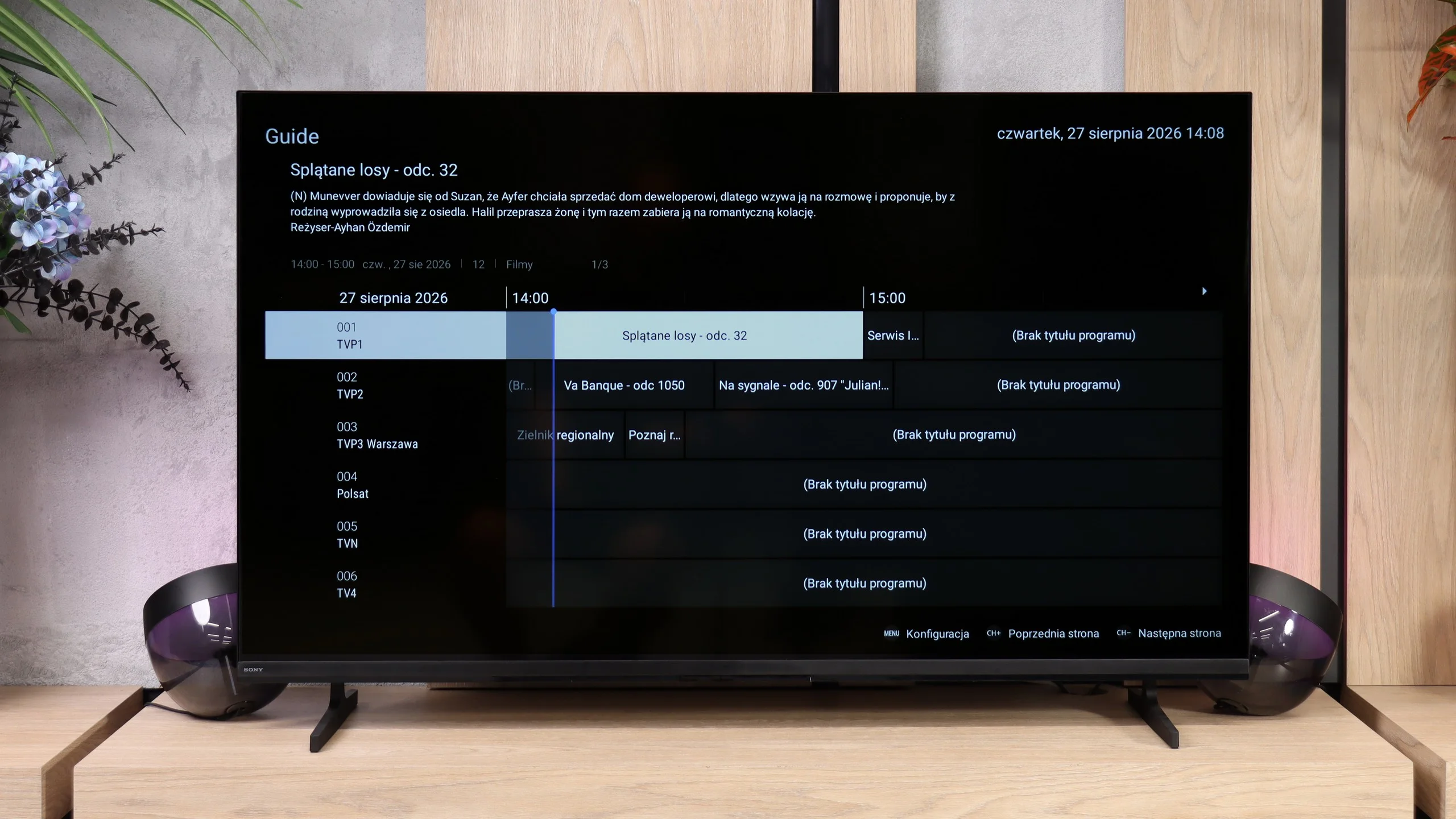
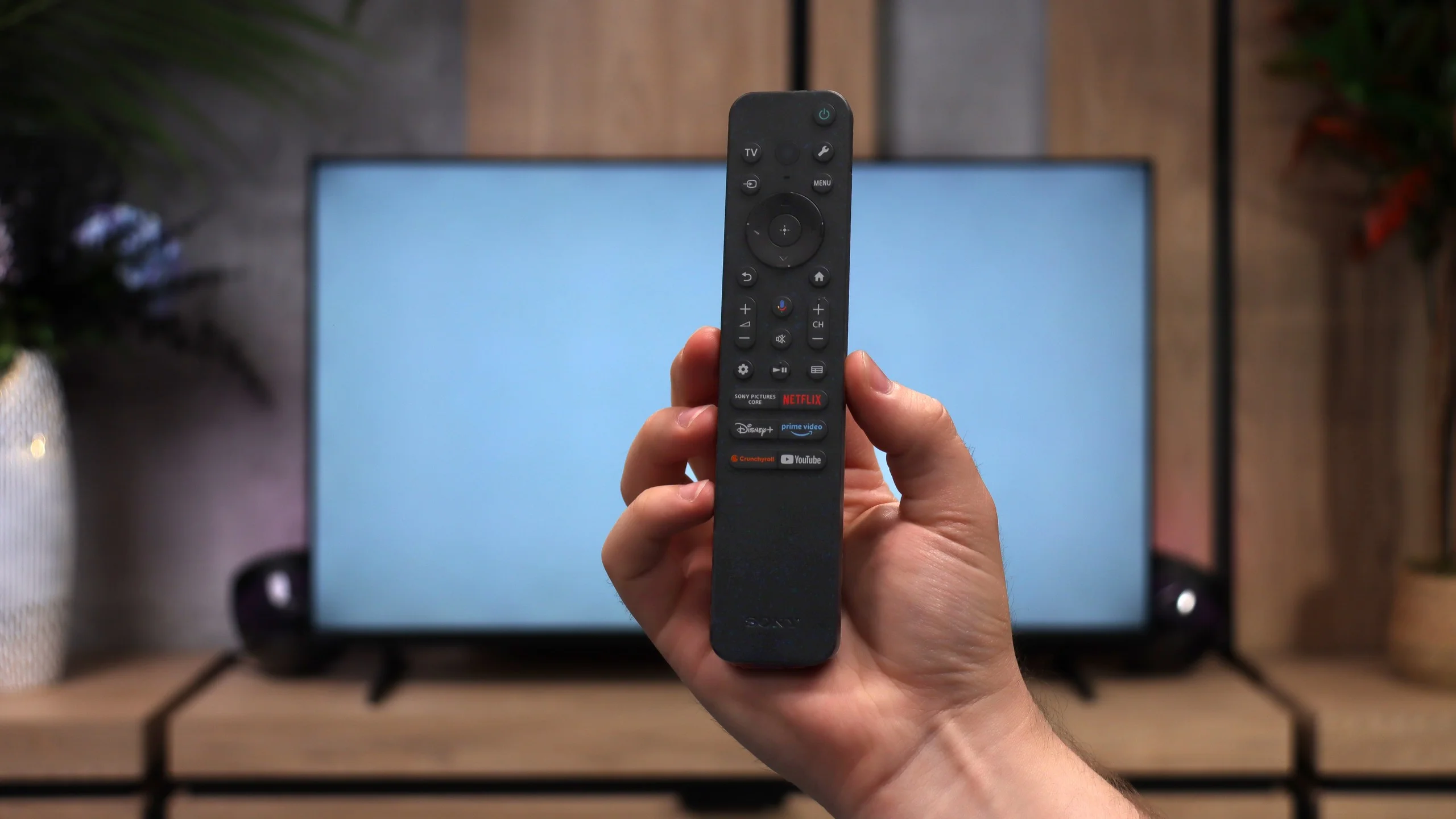
The Sony Bravia 2 II is a television that performs best in simple, everyday use. And we suspect many people will choose it mainly because of Google TV. The system provides access to a huge number of apps and streaming services, and it also includes Chromecast, AirPlay and convenient voice search. The set itself may not run as quickly as more expensive Sony models, but in terms of features there is little to complain about. Importantly, for ordinary viewing the picture quality is quite decent. The Bravia 2 II handles SDR material particularly well, meaning regular TV, YouTube and much of older films and series. The factory Cinema mode is already fairly well tuned, colours look natural and, without much fiddling with the settings, you can simply start watching. And in our view this is where the Bravia 2 II shows its best side, as a simple Smart TV for everyday use rather than a television that aims to impress with the panel's capabilities.
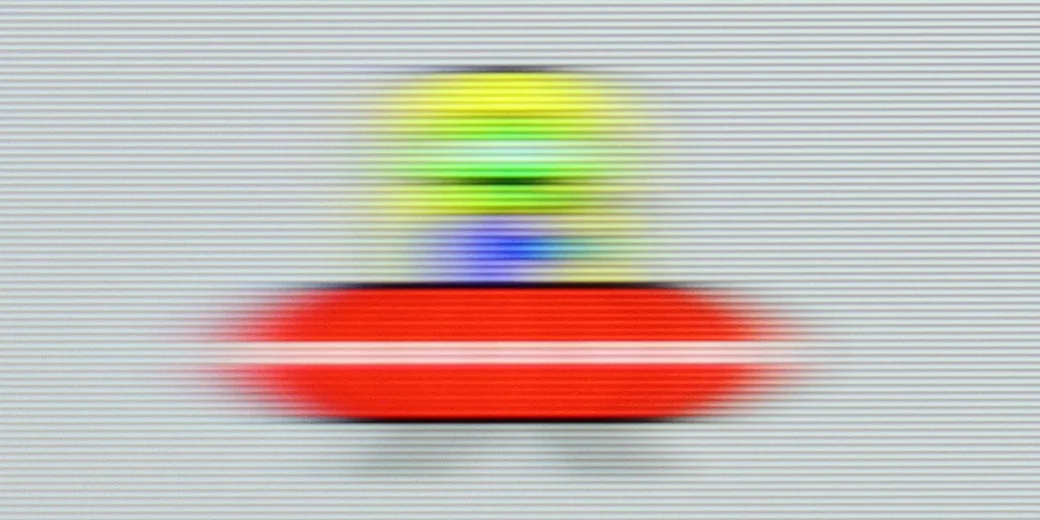
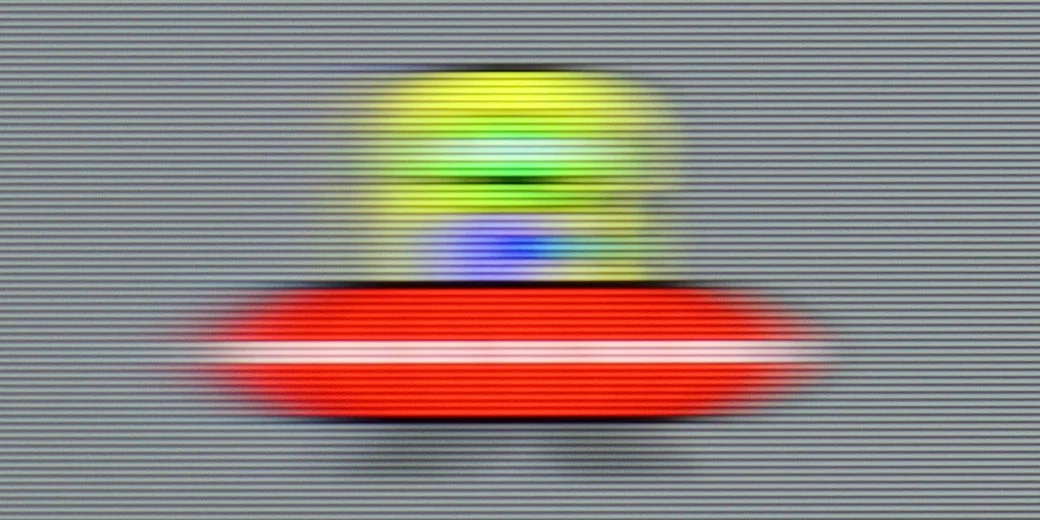
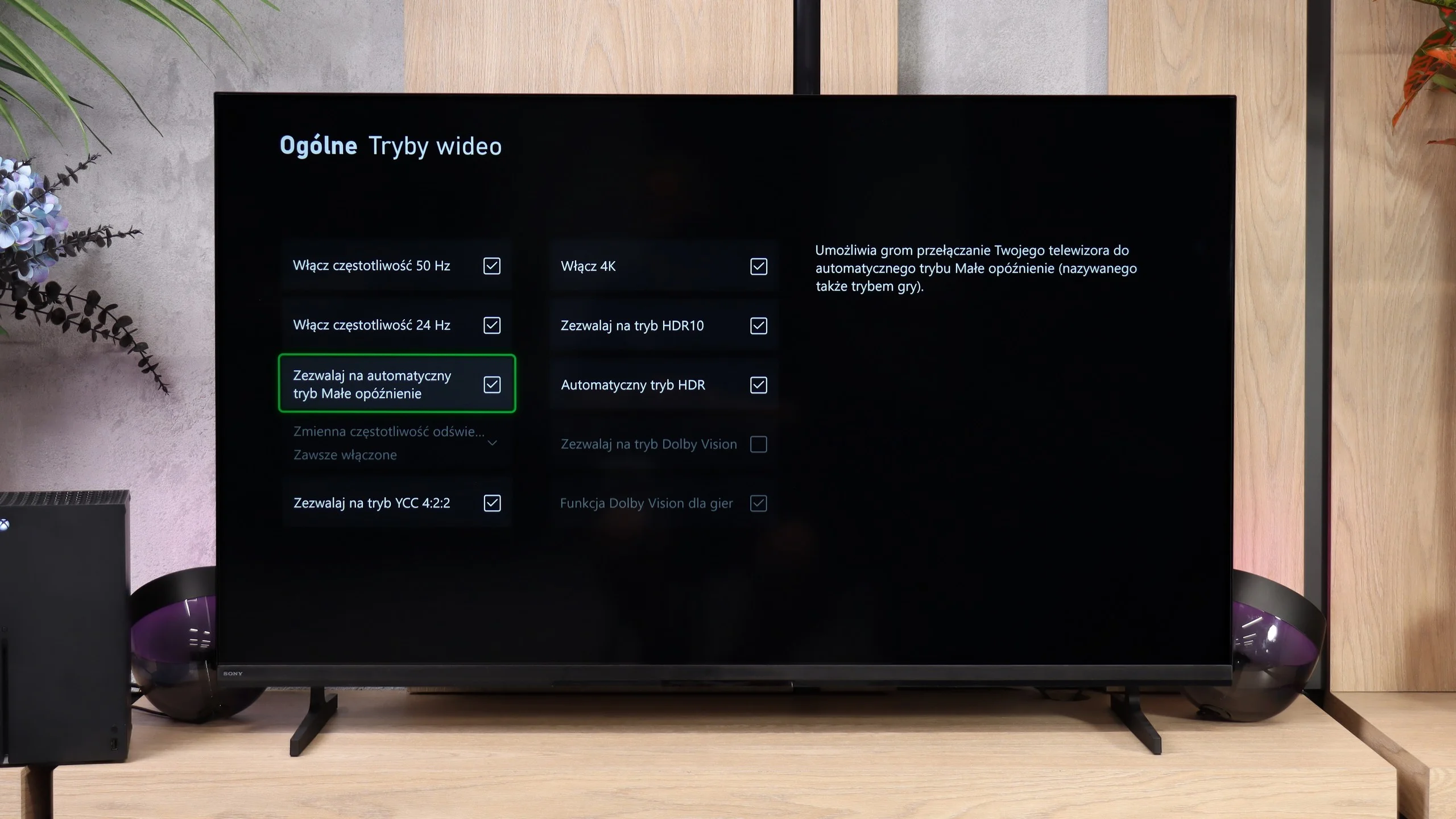
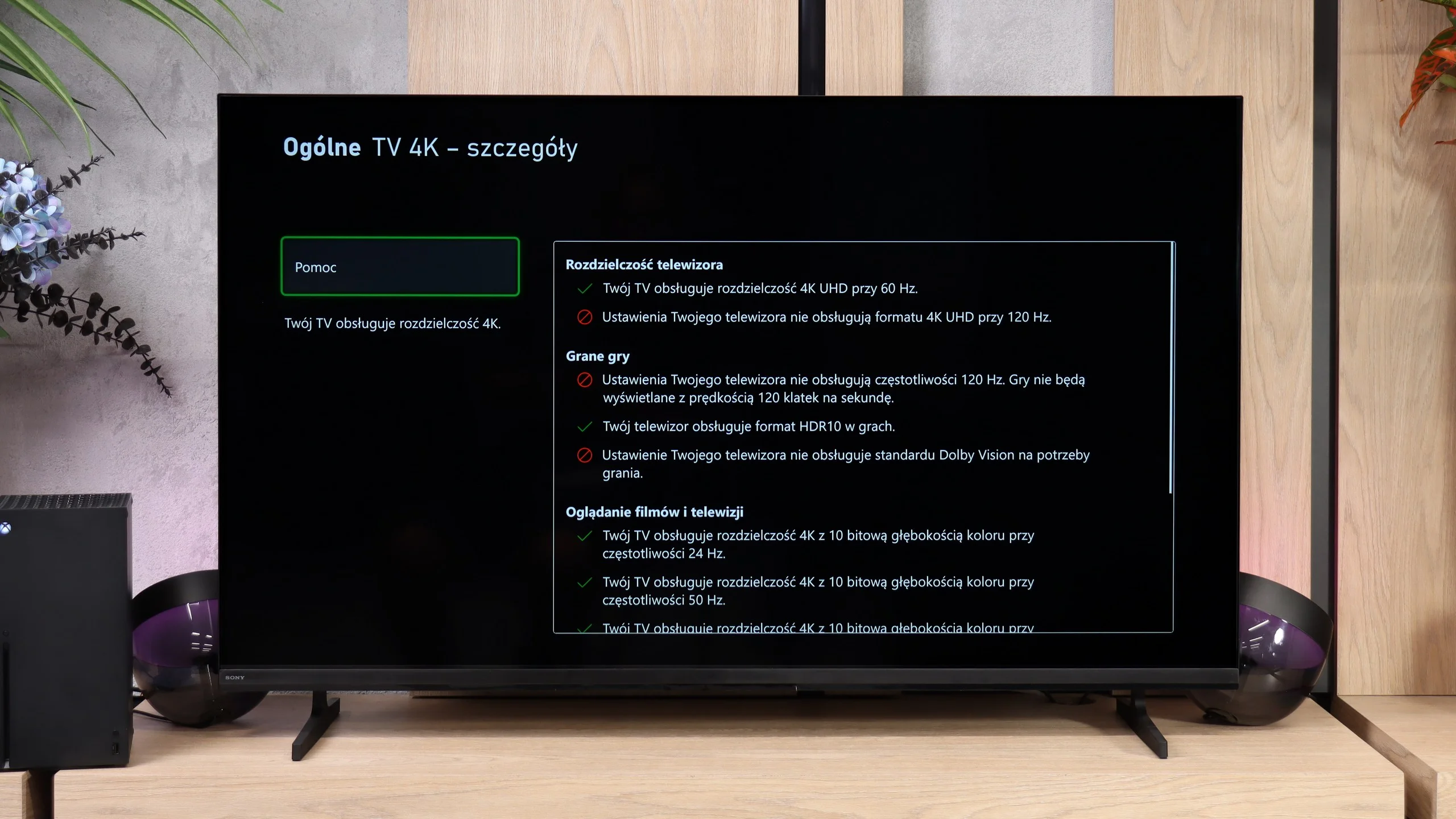
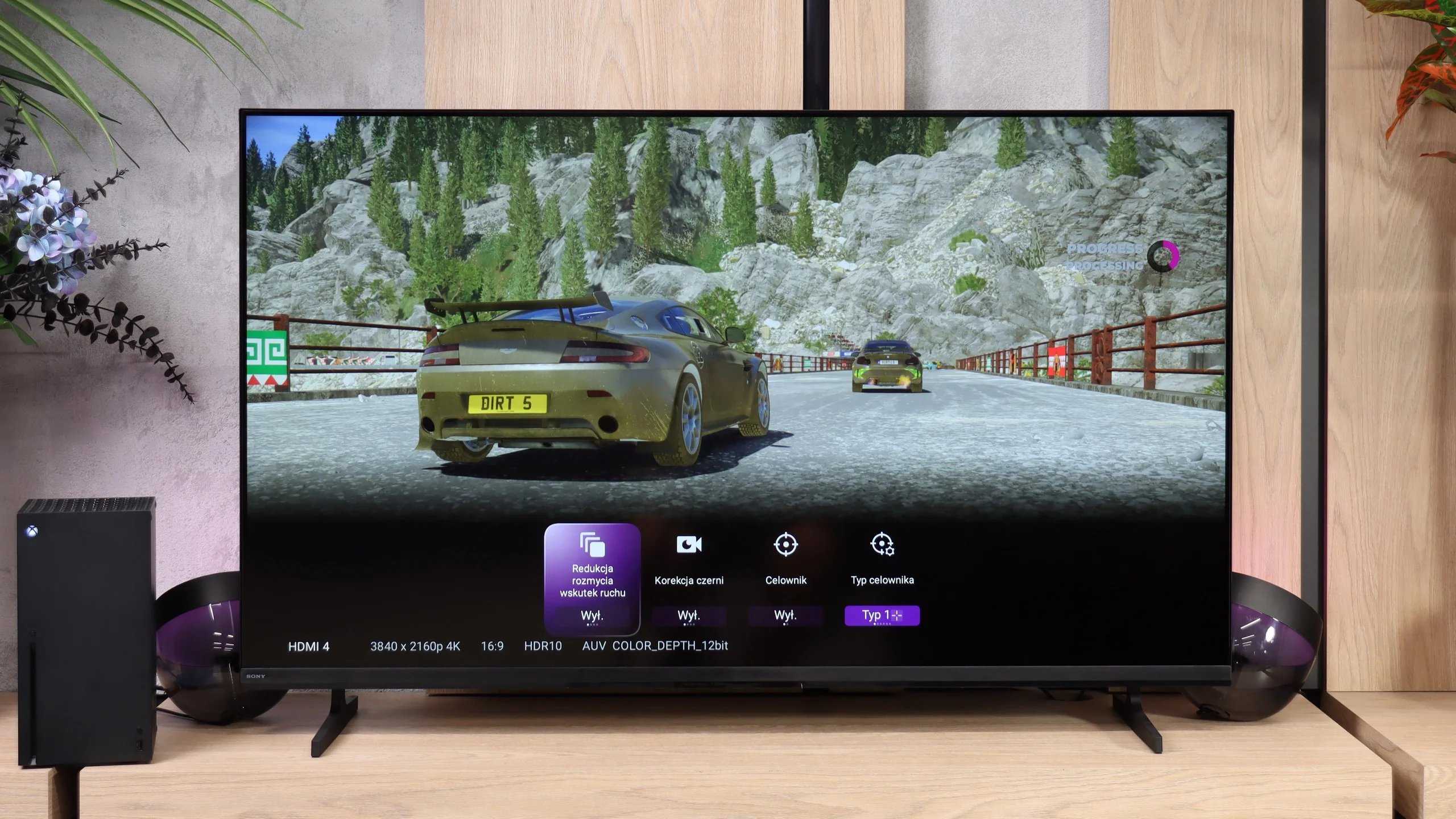
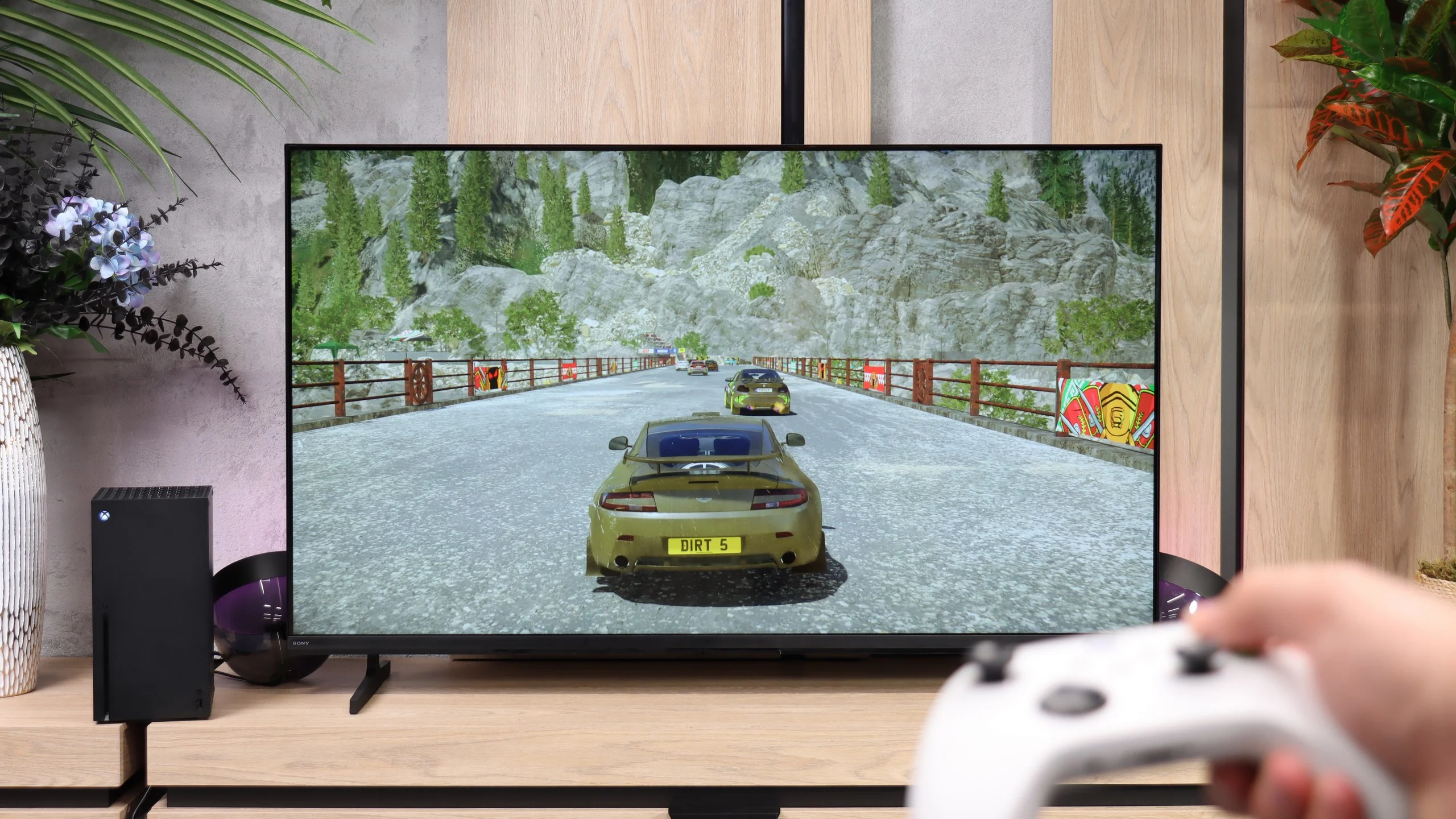
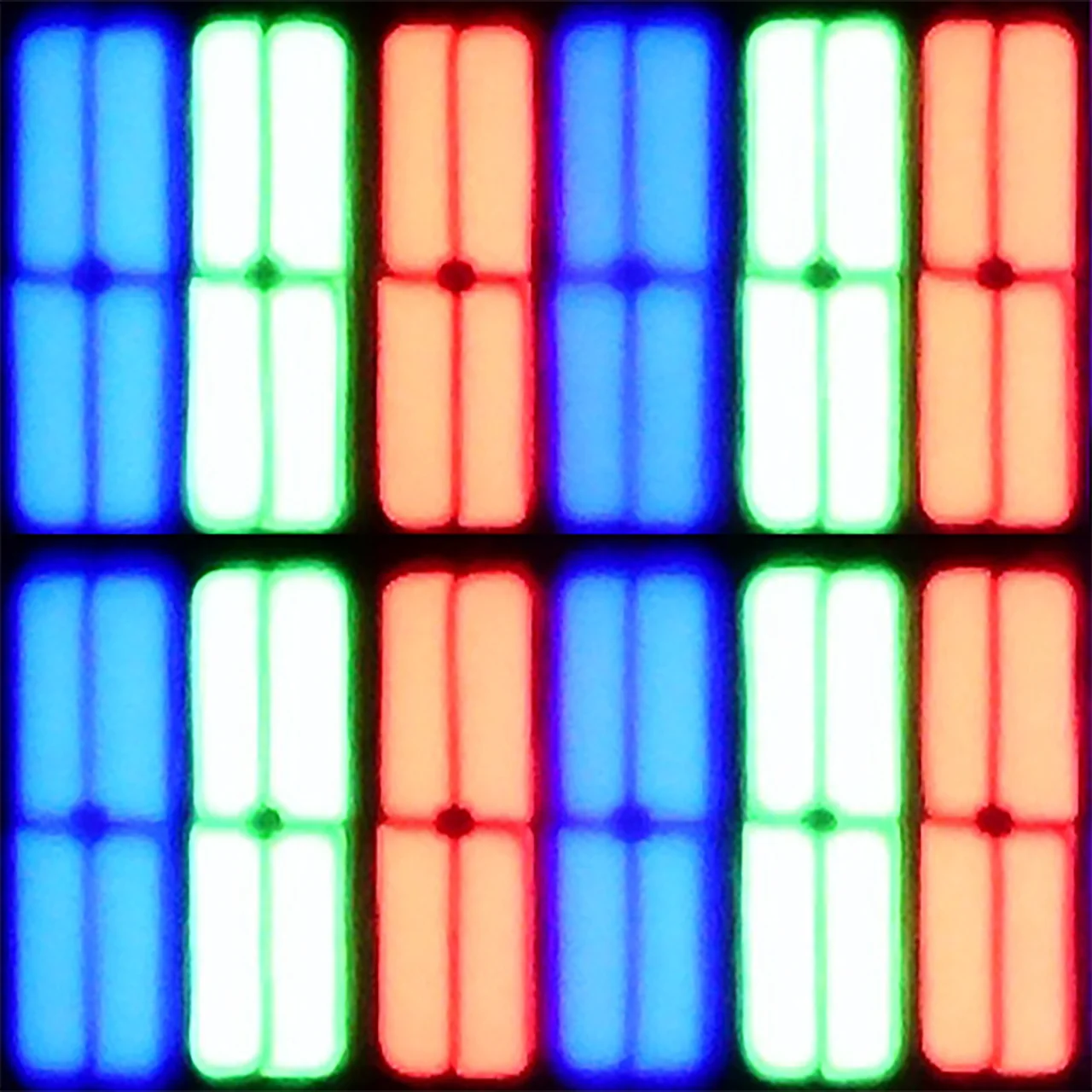
However, you should remember that the word "Bravia" on the casing does not automatically mean excellent picture quality. The Bravia 2 II uses an IPS panel with very low contrast, and that is its biggest problem. During the day this is not such a big issue, but switch the lights off in the evening and the blacks start to look more like dark grey. Of course, in return you get good viewing angles, so if the TV sits in a large living room and is watched by several people from different positions, IPS has its advantage. But that comes at the cost of weak blacks. This is also not a television made with HDR impact or more demanding gamers in mind. About 300 nits of brightness and a narrow colour gamut mean HDR material does not show much more than what we see in SDR. The 60 Hz panel and the lack of broader gaming features also clearly show that gaming is not a priority for this model.
And it wouldn't really be a big problem, because we expected exactly that from an entry-level Sony model. However, the biggest issue for the Bravia 2 II is its price. For similar money you can easily find competing TVs, especially from Korean and Chinese brands, that already offer much more, from 120 Hz panels to Mini-LED backlighting with local dimming. So the Bravia 2 II is not a bad television in itself. It's simply too expensive for what it offers. If its price were noticeably lower, as a simple TV for everyday viewing it would make much more sense.
 Direct comparison