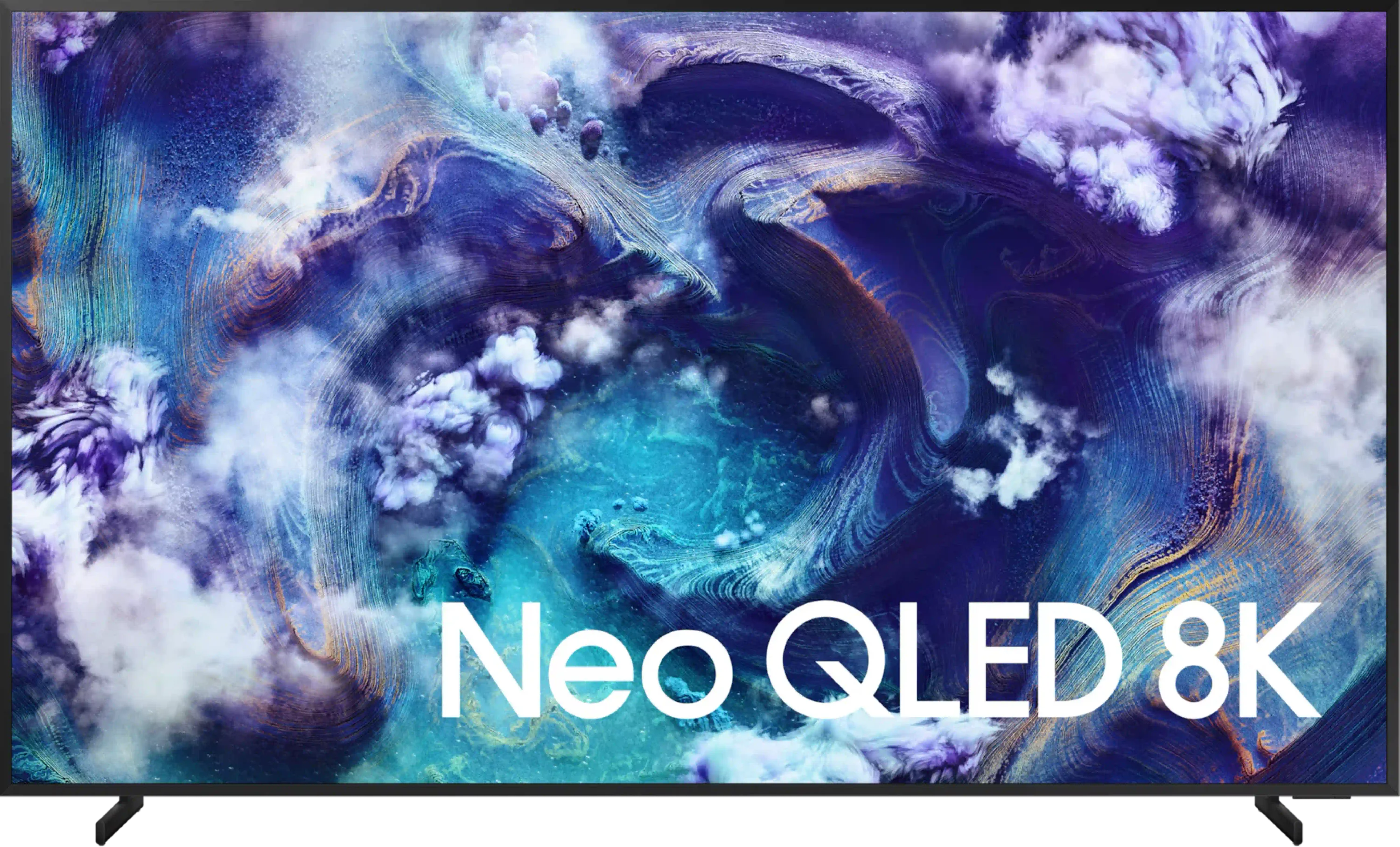
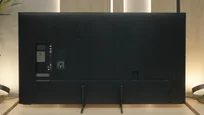
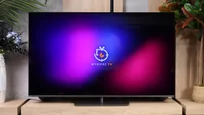
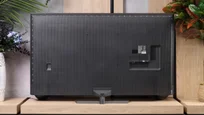
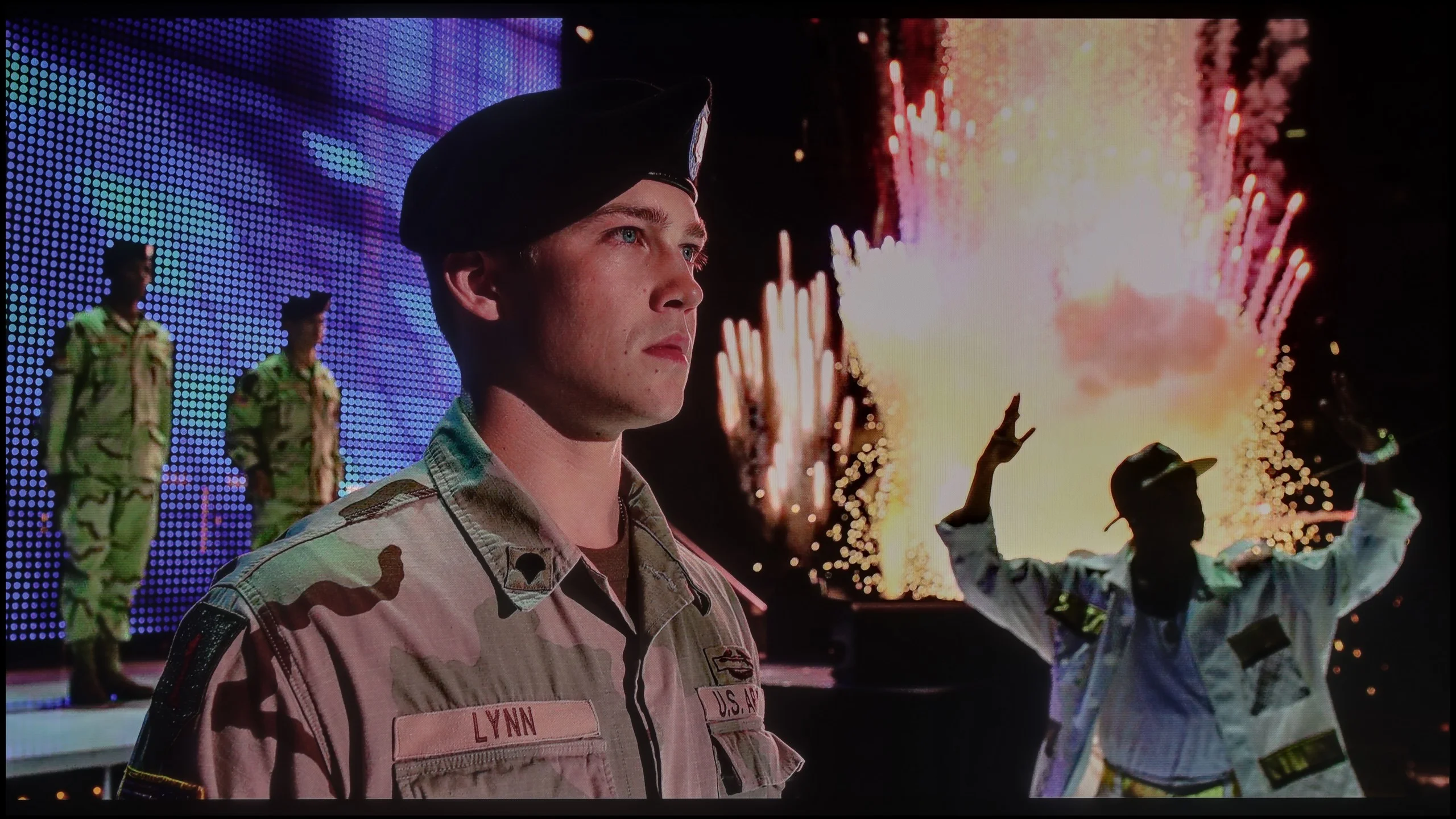
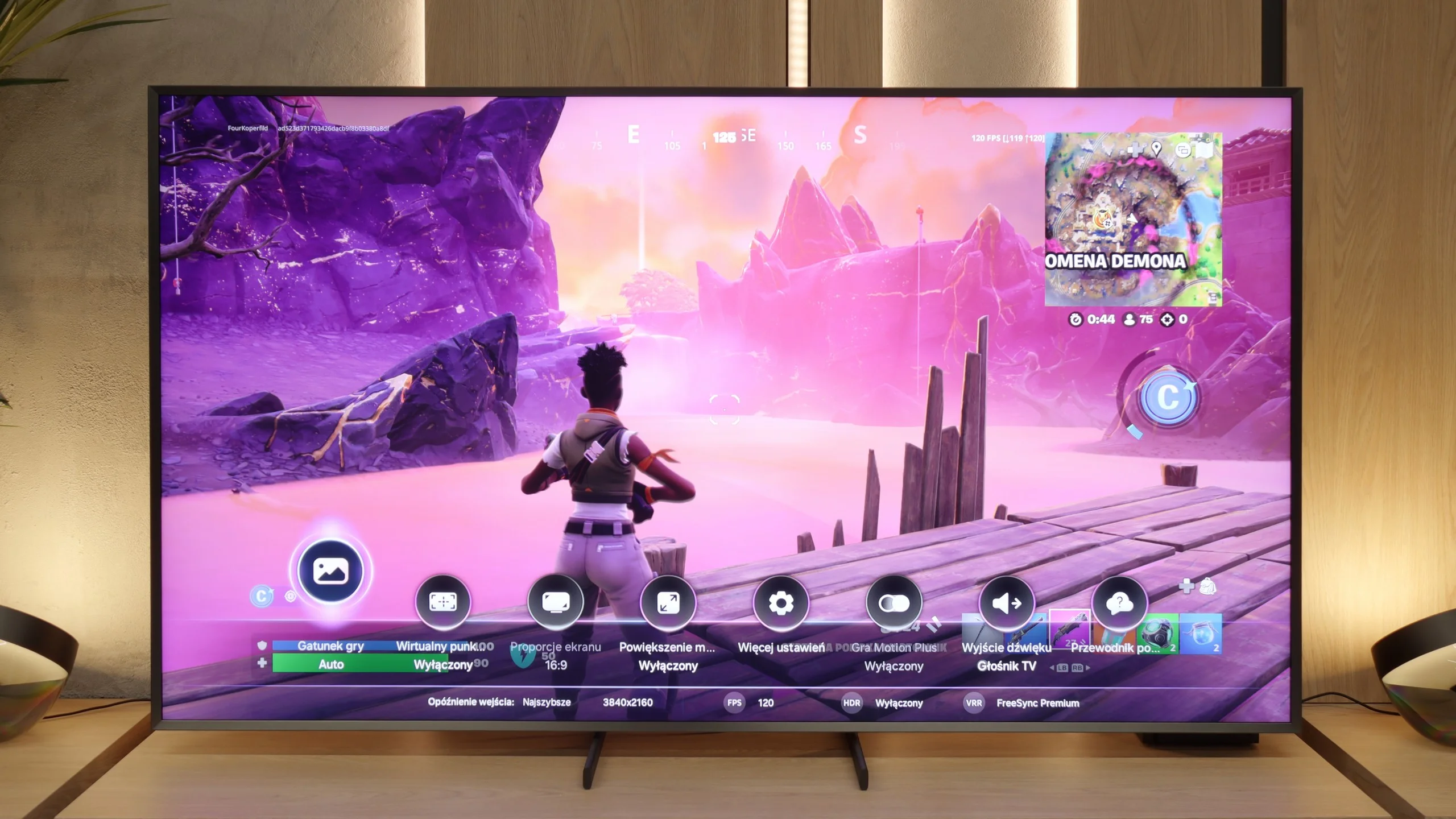
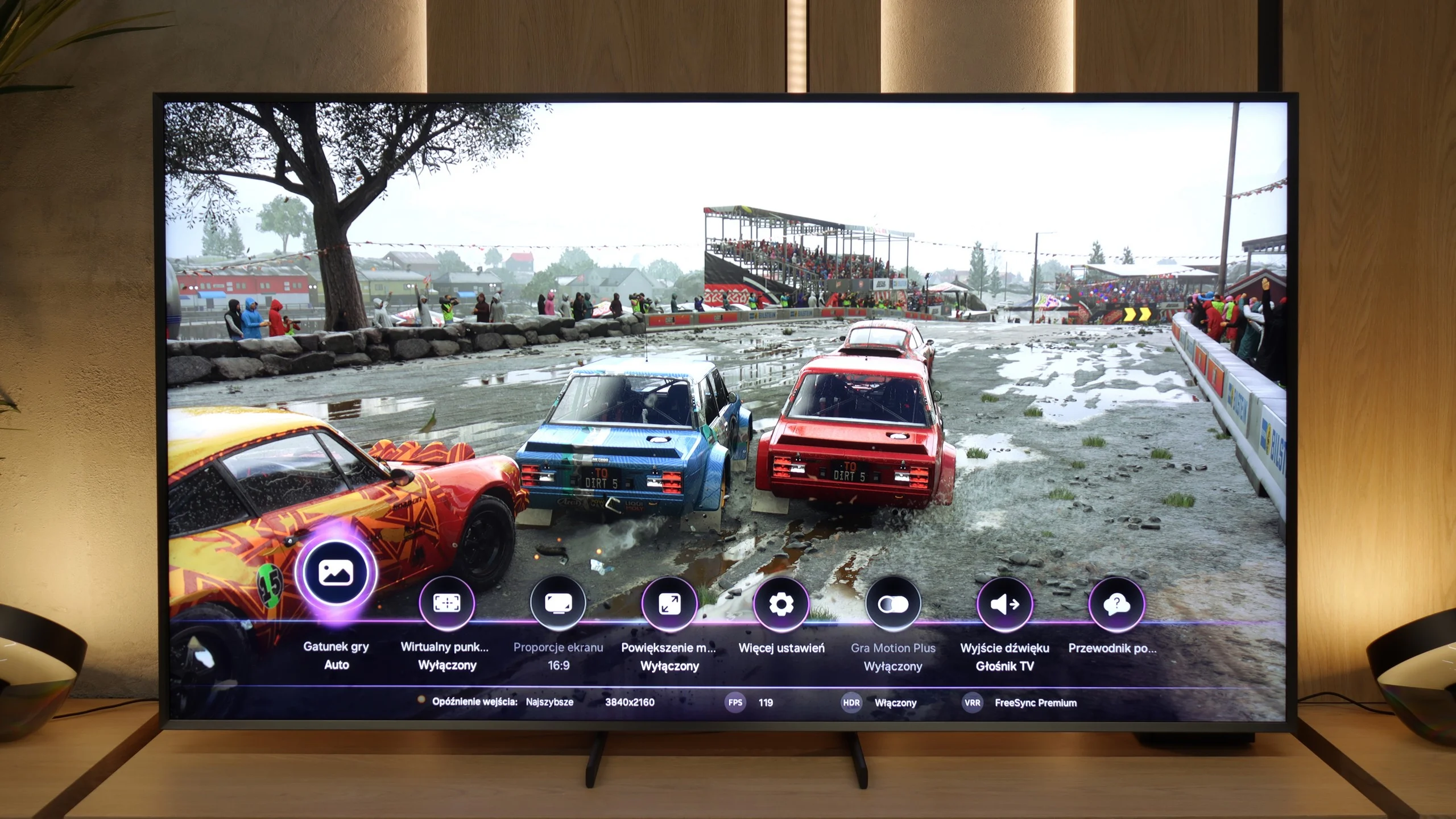
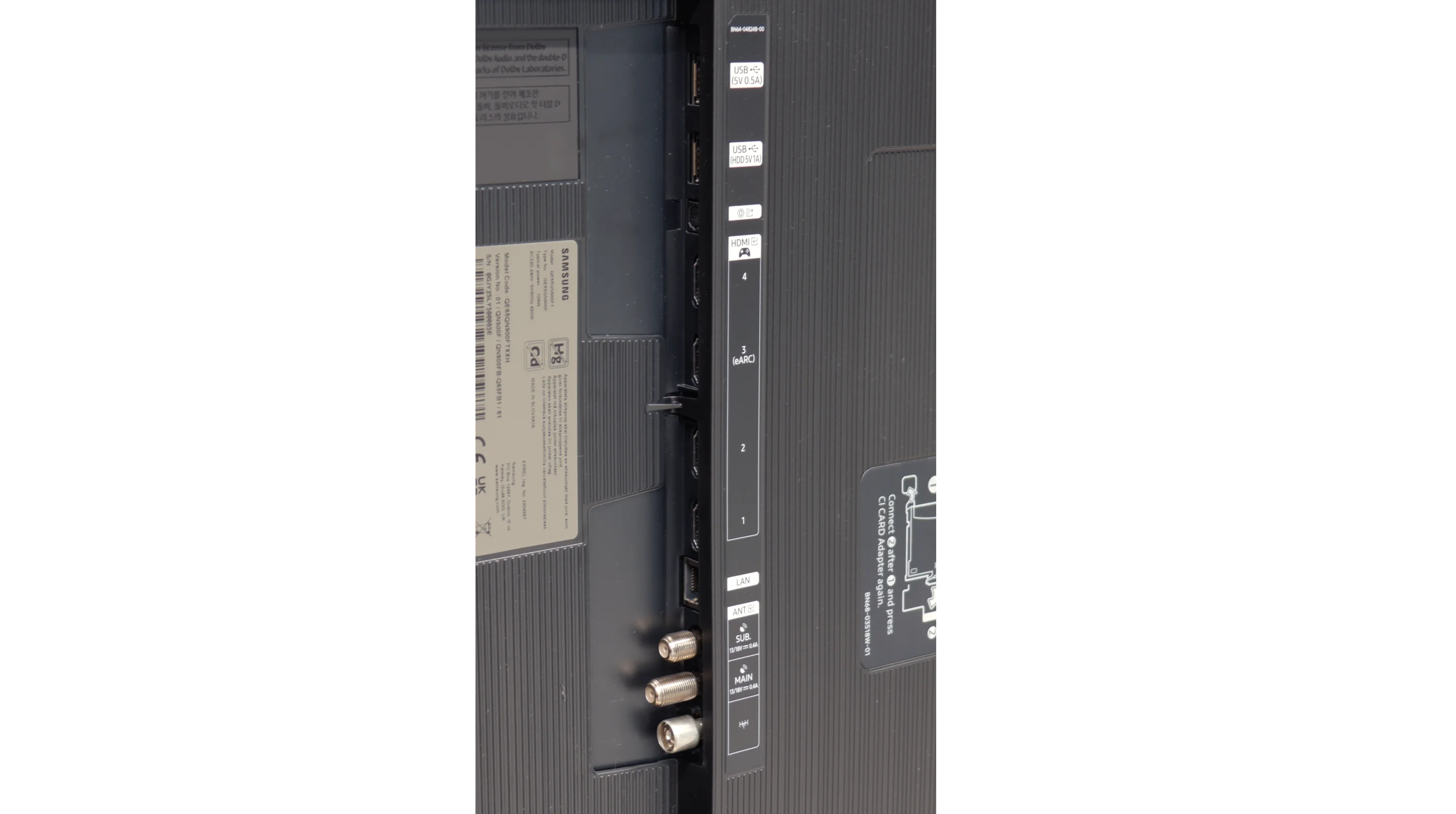
The Samsung QN900F is a television that can make a tremendous impression. The greatest strength of this model is the combination of Mini-LED backlighting with a matte panel. This not only gives us decent blacks but, above all, incredible brightness and excellent readability in all conditions. During the day, in a brightly lit living room, it is probably the best-performing television in this year's Samsung offerings. Gamers will also find plenty to enjoy here – despite being an 8K screen, it can operate at a frequency of up to 165 Hz in 4K. Additionally, it comes with a full HDMI 2.1 package, VRR and ALLM features, and low input lag, so the QN900F is suitable for both next-generation consoles and PCs. The design also deserves great praise – when hung on the wall, with a thick metal frame, this model resembles a more luxurious version of the iconic The Frame. Combined with the matte panel and Art Store mode, it can indeed be treated as equipment that not only plays and lights up but also decorates the living room.
However, not everything is perfect. Despite its impressive specifications, local dimming management does not always perform as well as one might hope. Given the large number of zones, Samsung could refine its control over blacks and HDR effects – it is evident that the potential is immense, but it does not always translate into top-tier picture quality. Moreover, it is important to remember that 8K resolution is still more of a novelty than a genuine necessity, and the price of this model makes it easy to start looking for cheaper alternatives, including within Samsung's own offerings. Despite these reservations, the QN900F is a television that can undoubtedly impress. Its strength lies not in the 8K itself but in how it presents the image, how it looks, and the enjoyment it brings during use.
[UPDATE] We have updated our 2025 Samsung TV reviews following the release of firmware version 1131, which officially restores the essential HGiG (HDR Gaming Interest Group) support.
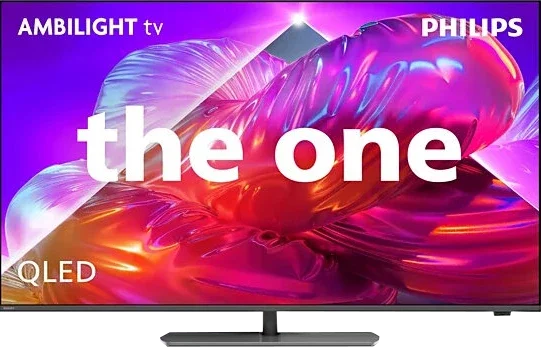
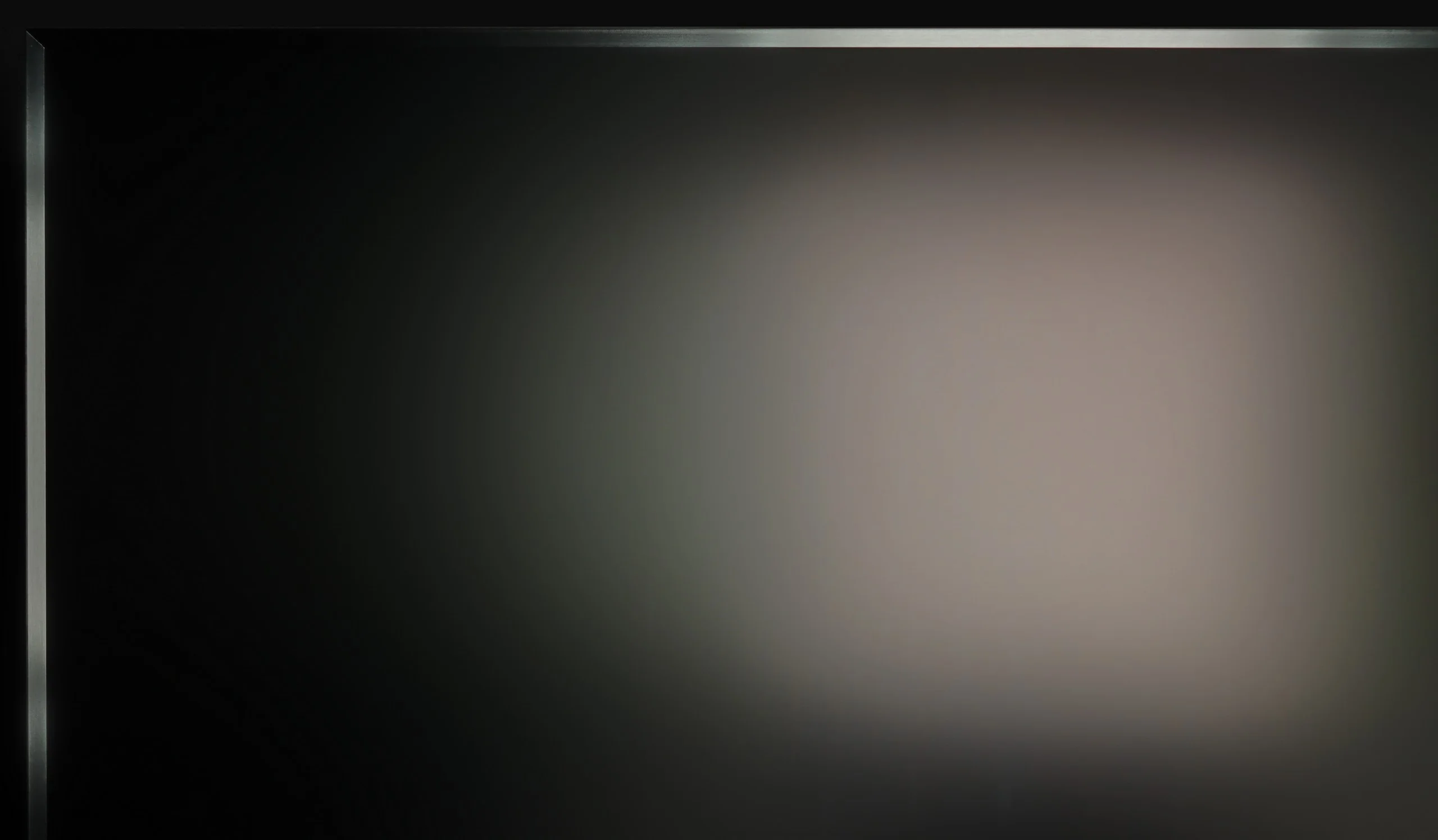
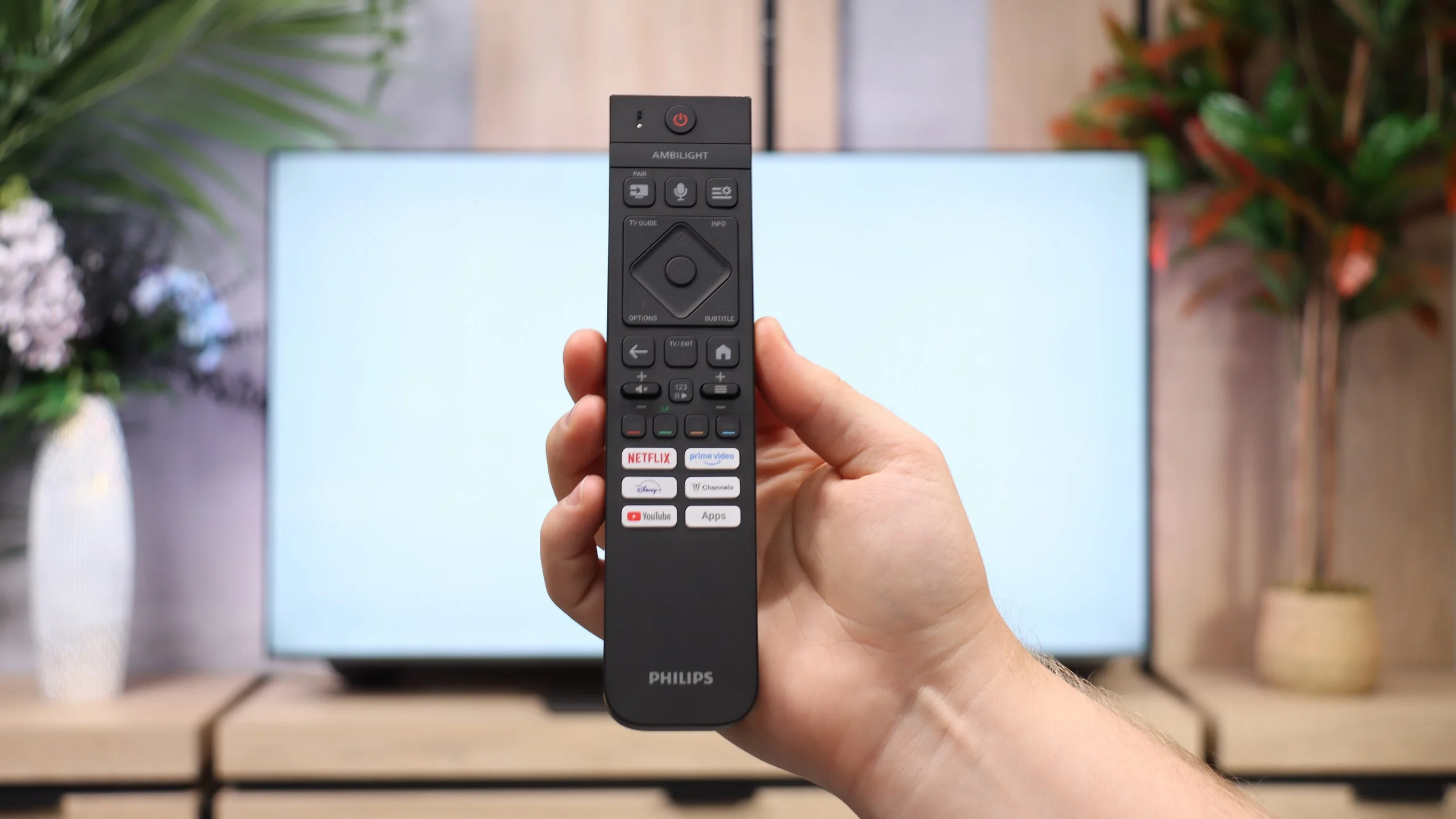
The idea behind The One has hardly changed over the years and with the Philips PQS9001 this is both a strength and its biggest drawback. You still get a versatile mid-range television whose main distinguishing feature is Ambilight. The light that follows the picture can change the atmosphere of an evening viewing and for many people will be the main reason to buy it. It's easy to see why: once you like that effect, you often don't want to go back to watching without it. The picture quality itself is good, but a very similar level has been seen in this series in previous years. The VA panel delivers decent blacks, colours are nicely saturated and the brightness is sufficient for comfortable viewing in a typical living room. It's a pity, though, that Philips didn't take another step and at least implement some form of local dimming. In a dark room you can see a navy-black rather than true black, and HDR, though noticeable, is less impressive as a result. After so many years of The One on the market we'd expect more.
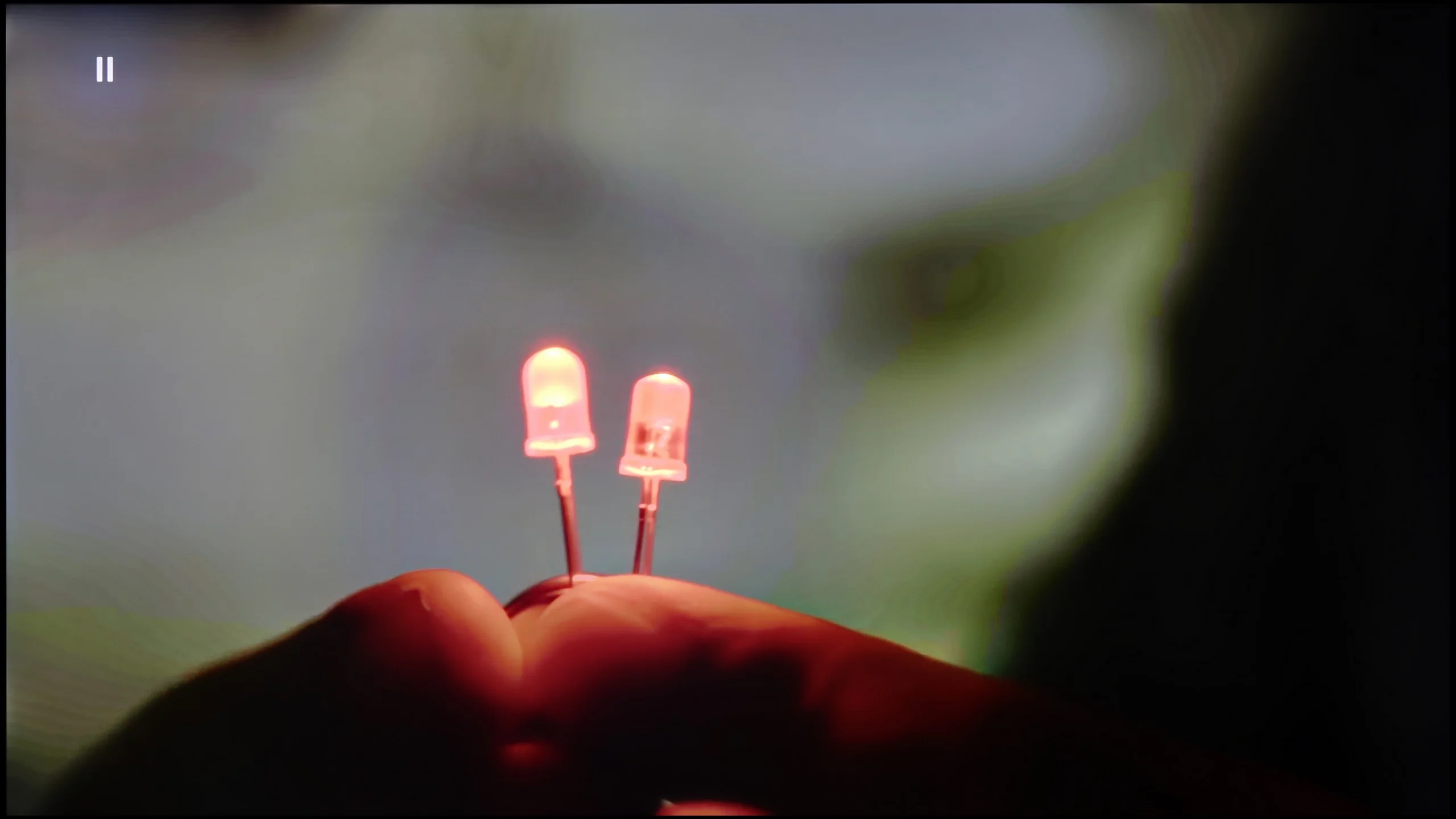
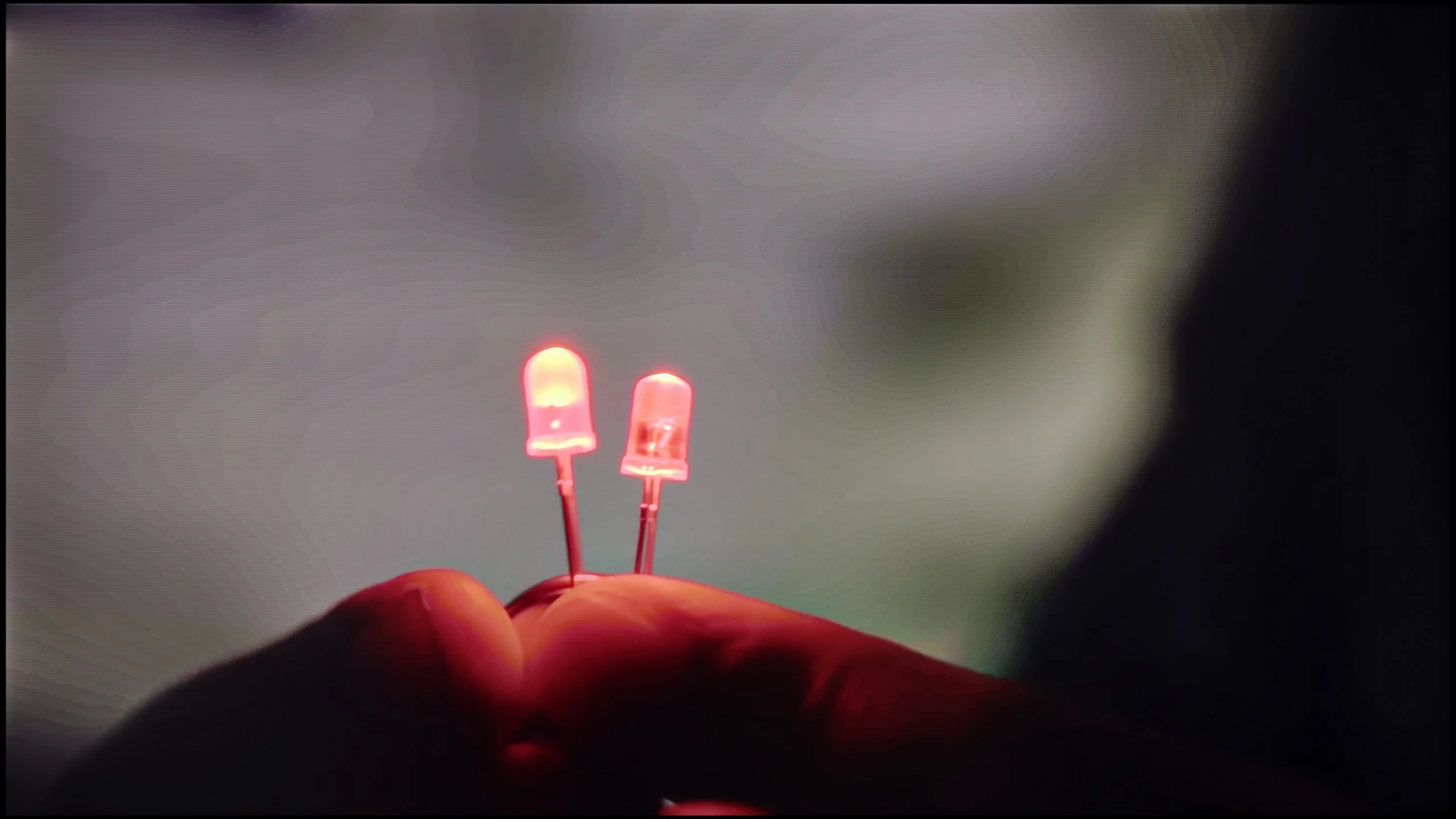
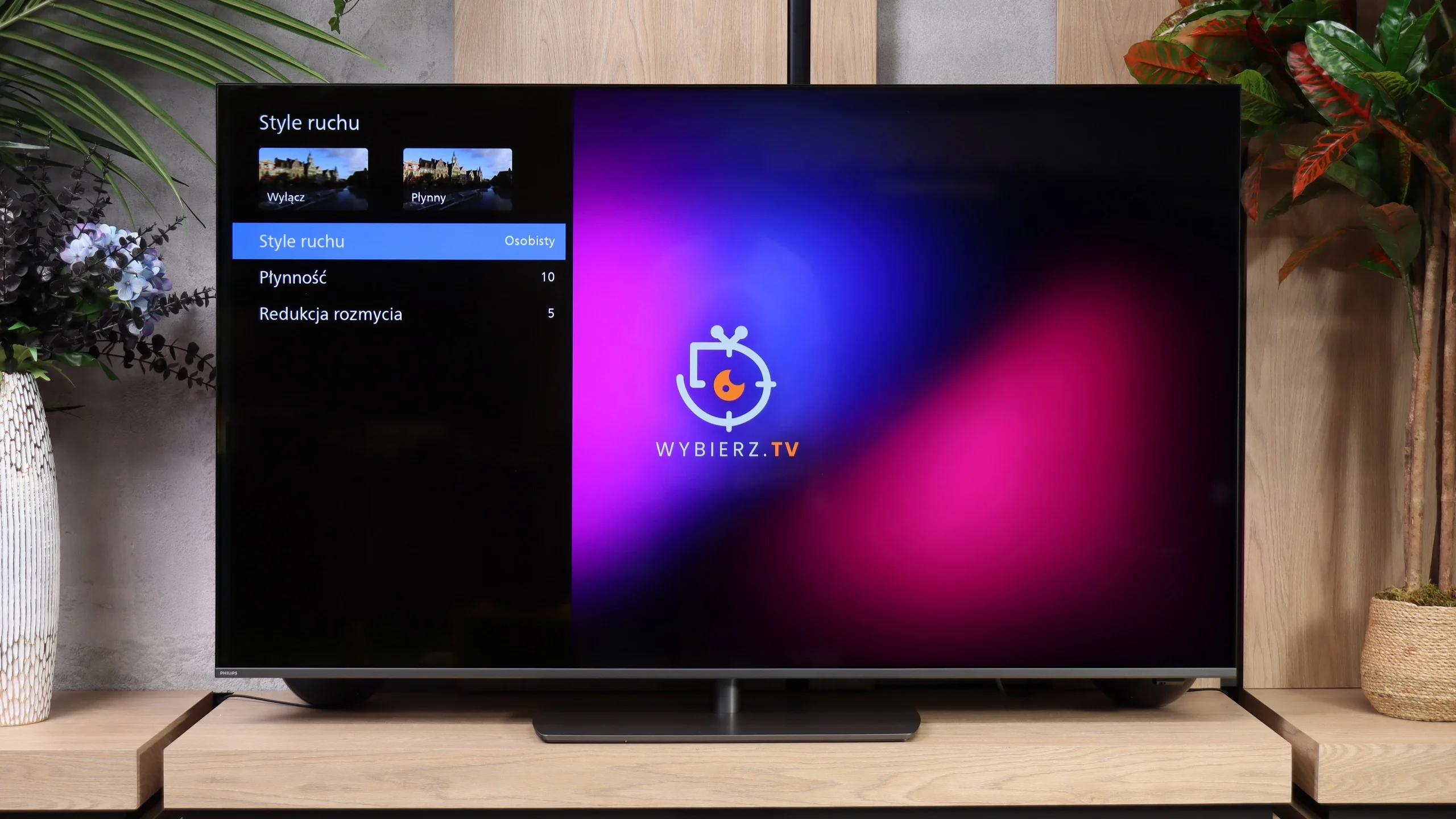
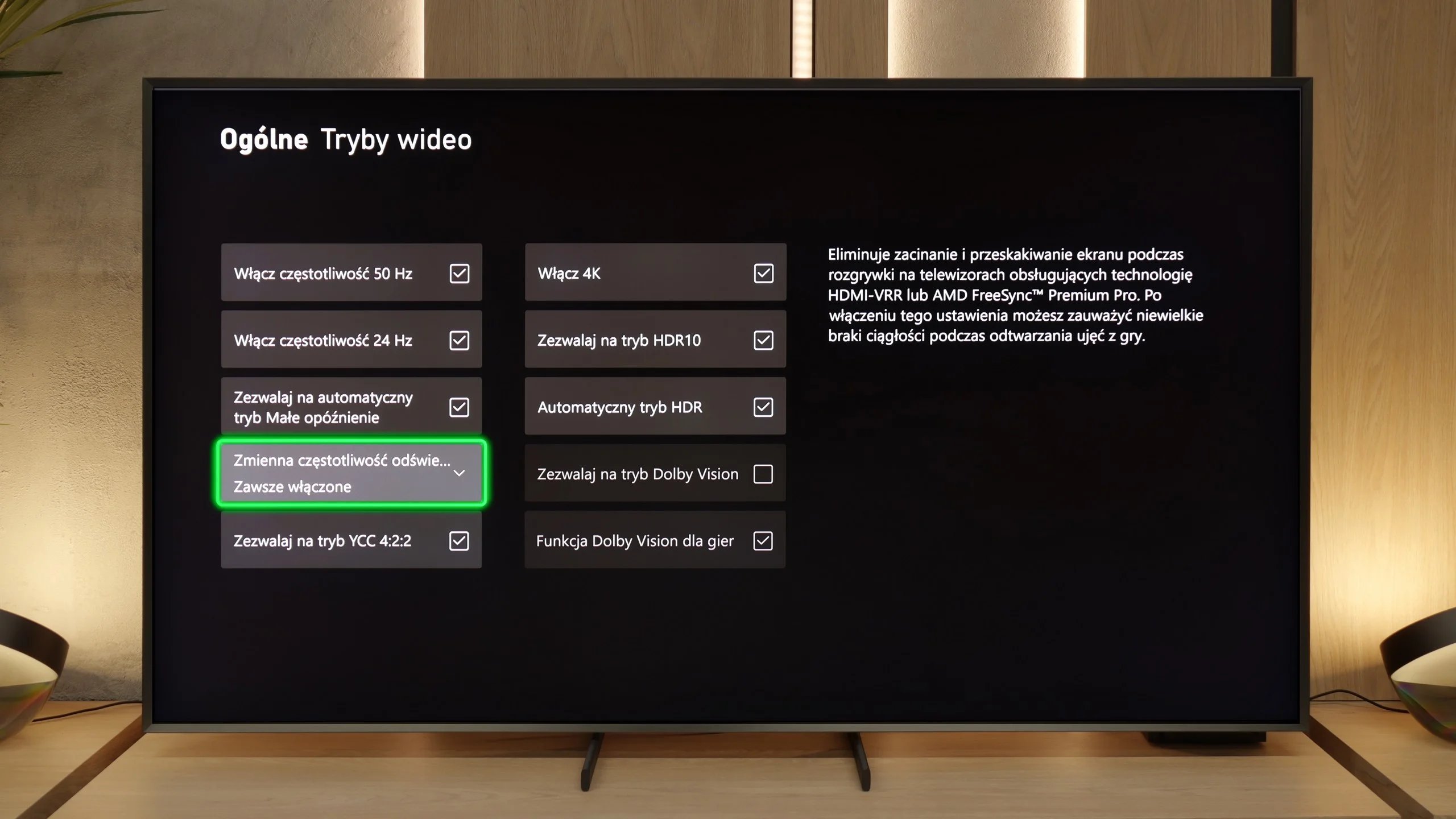
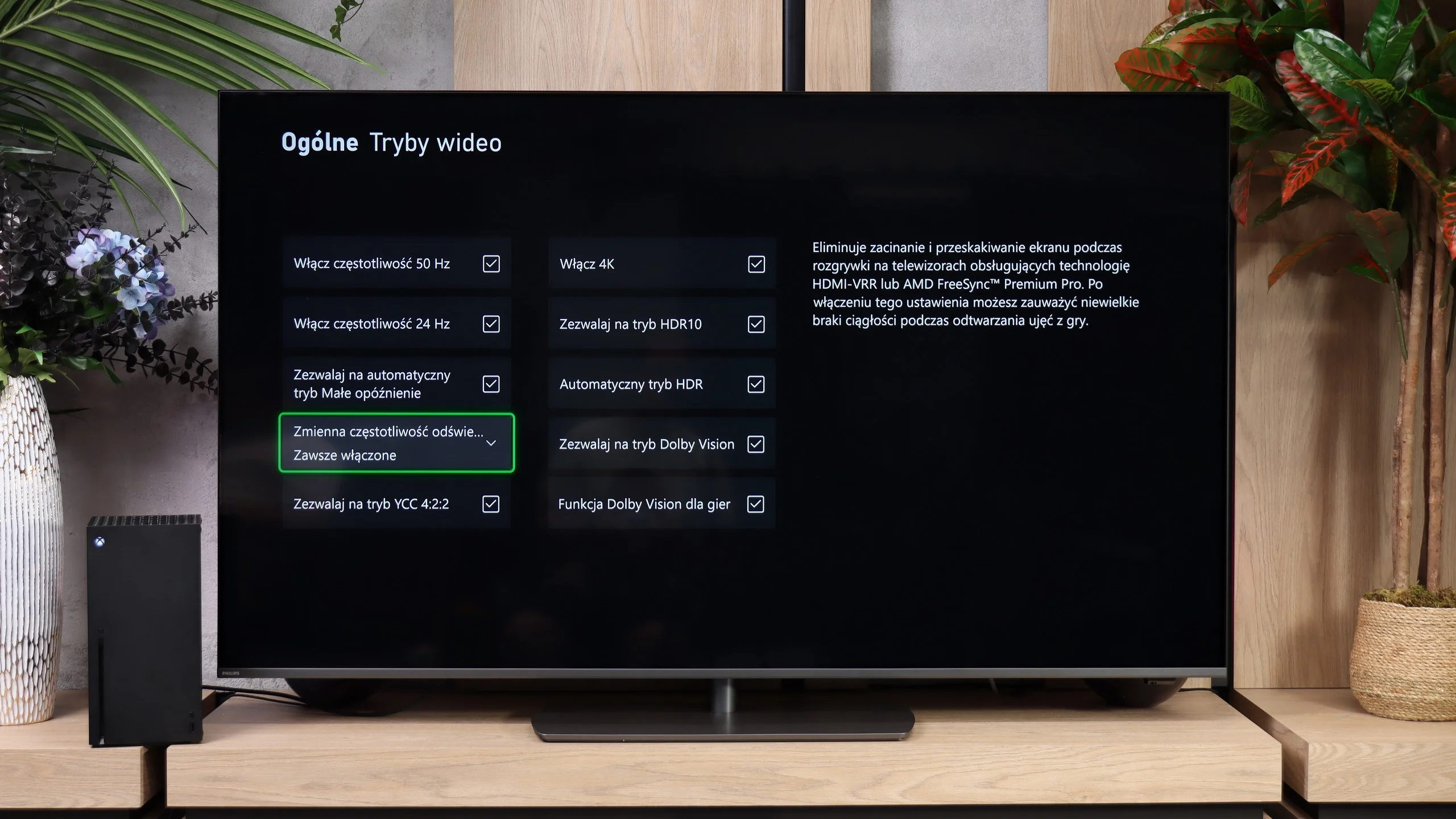
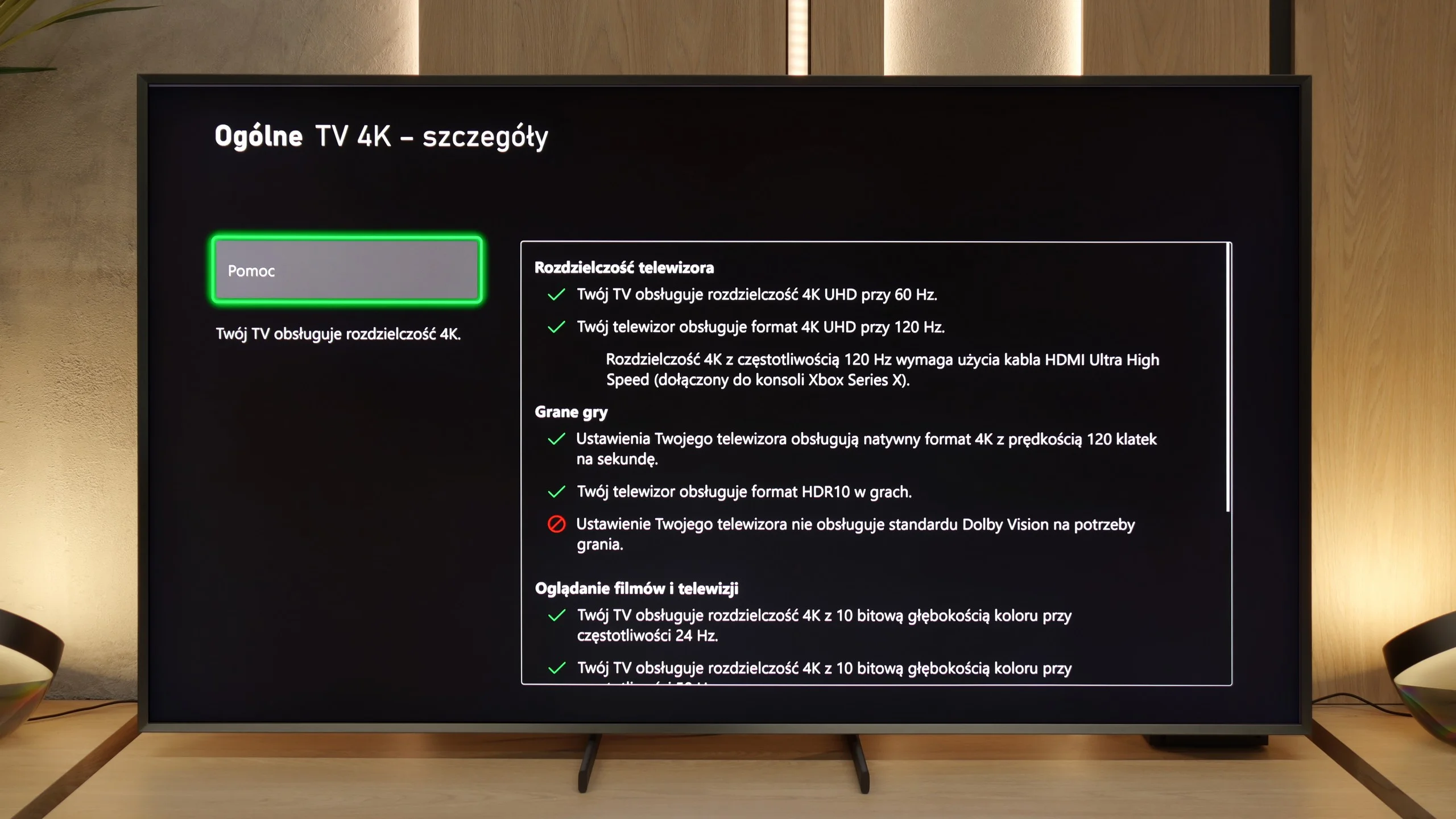
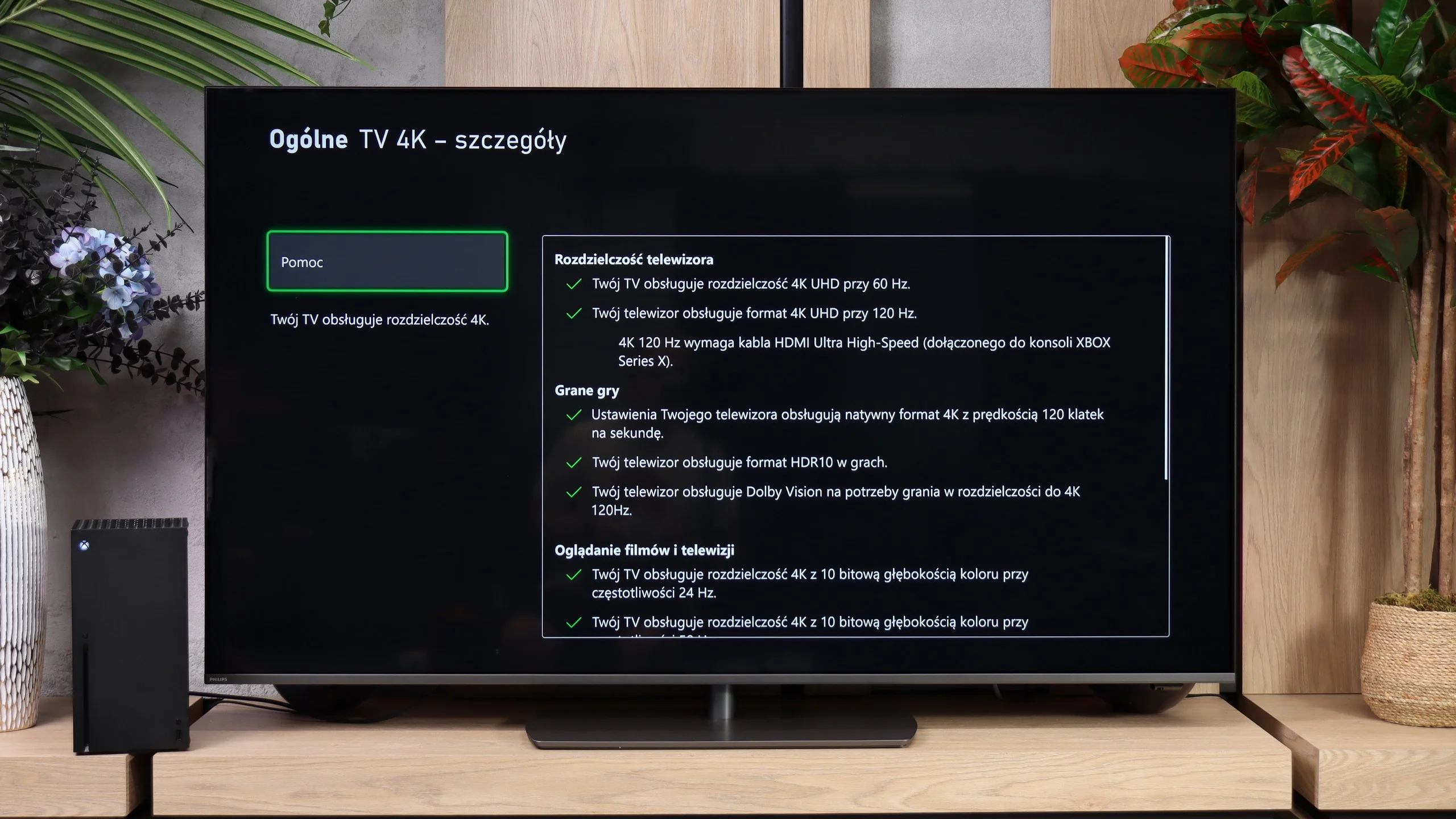
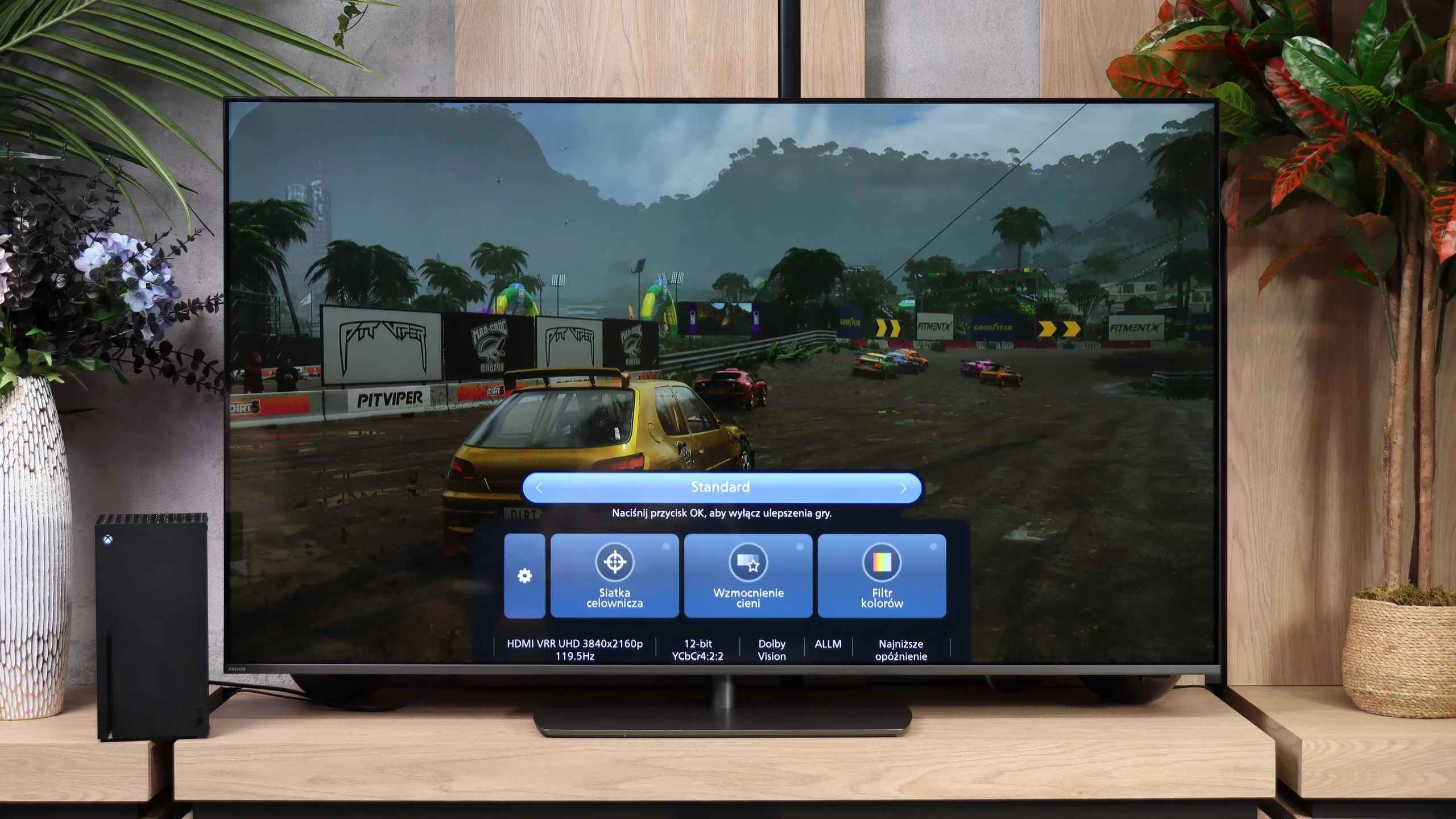
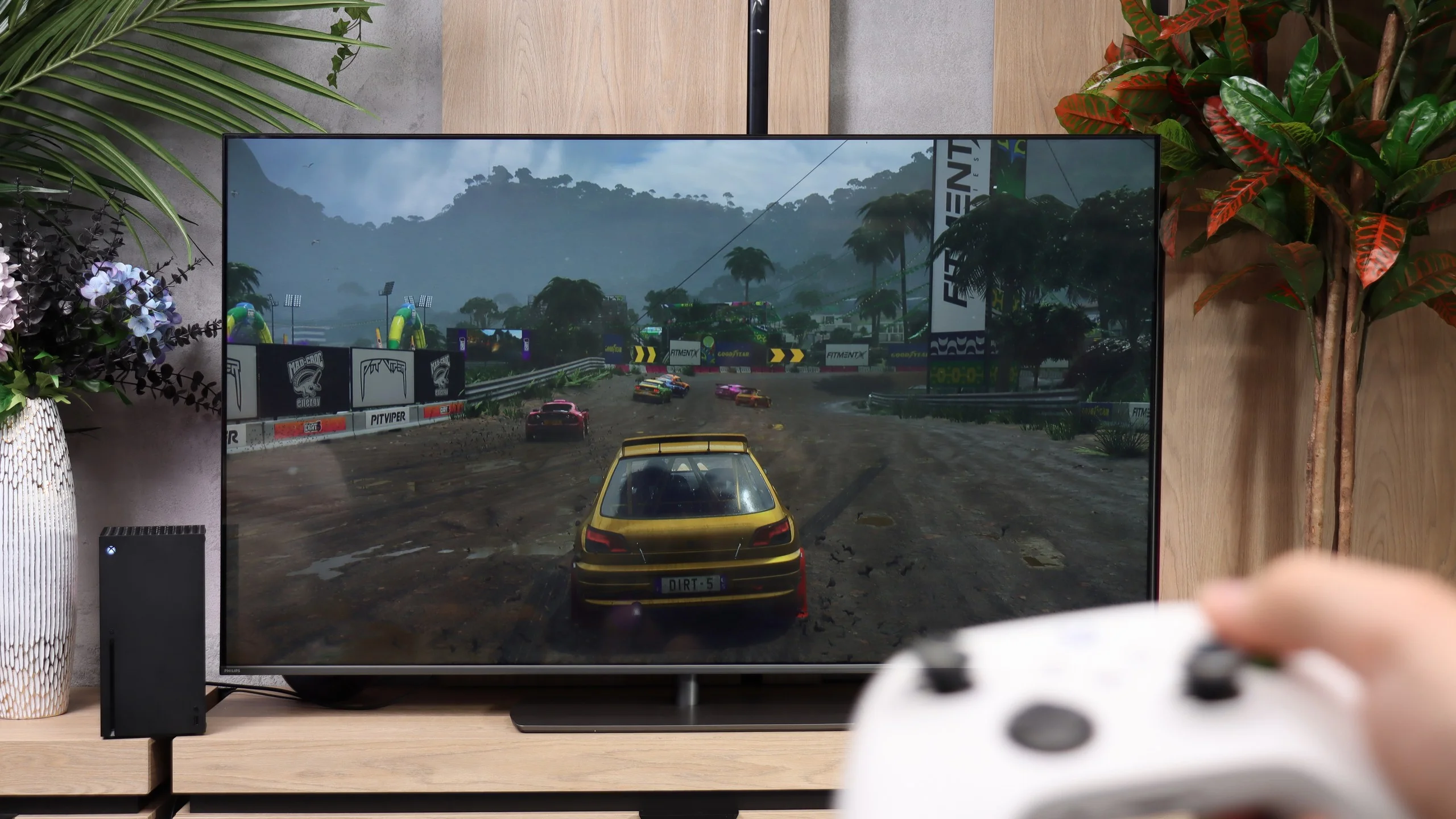
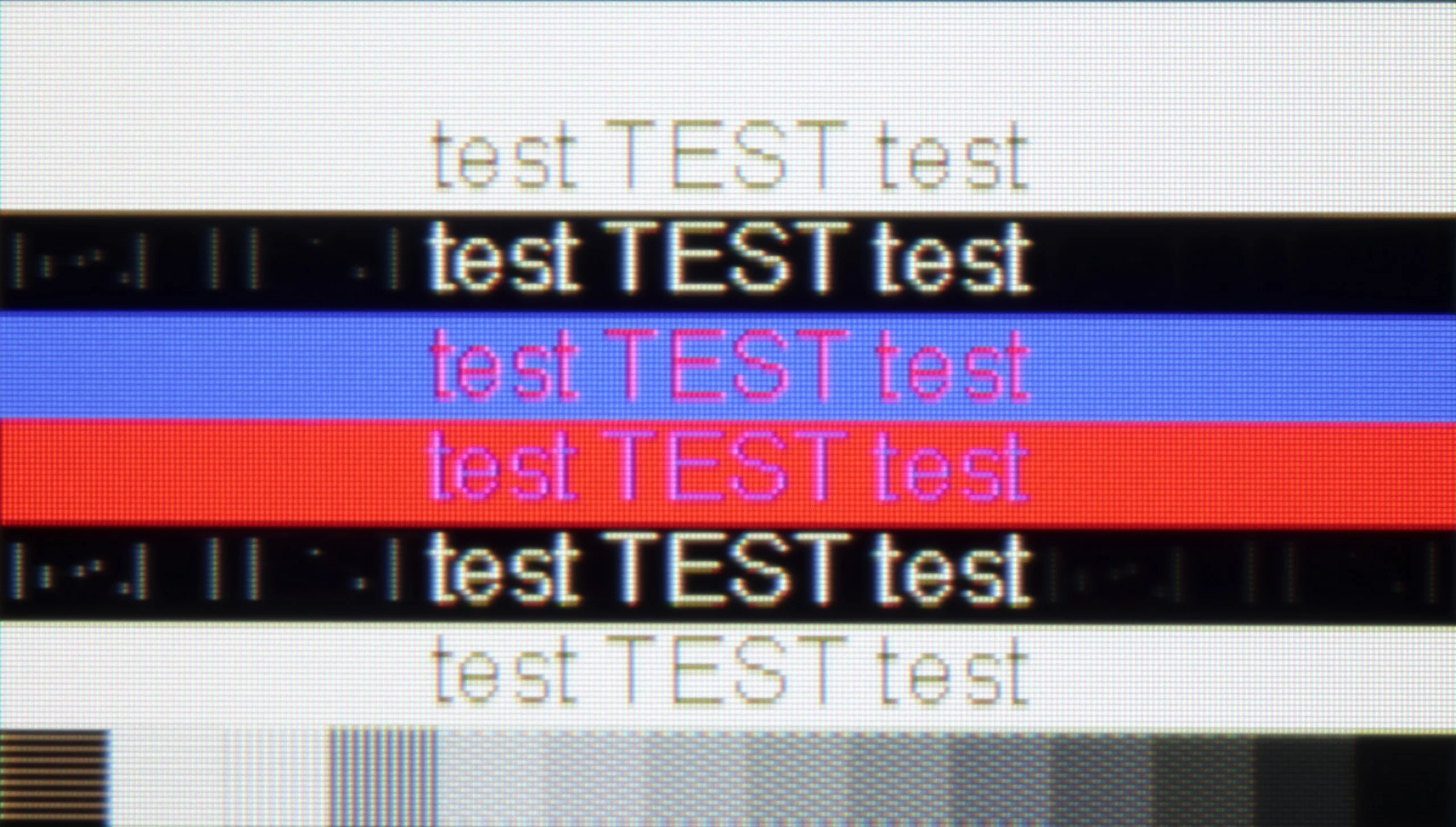
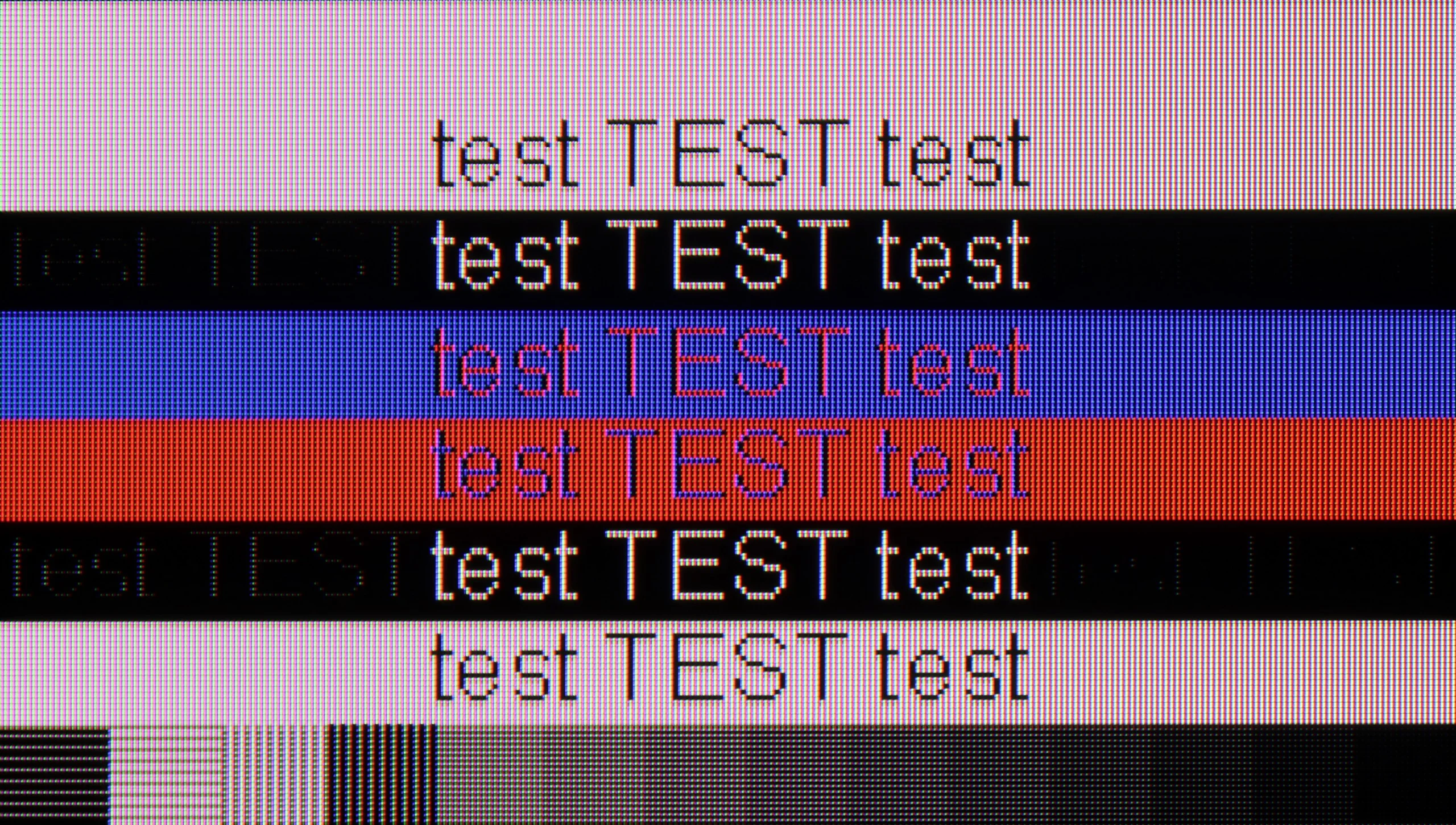
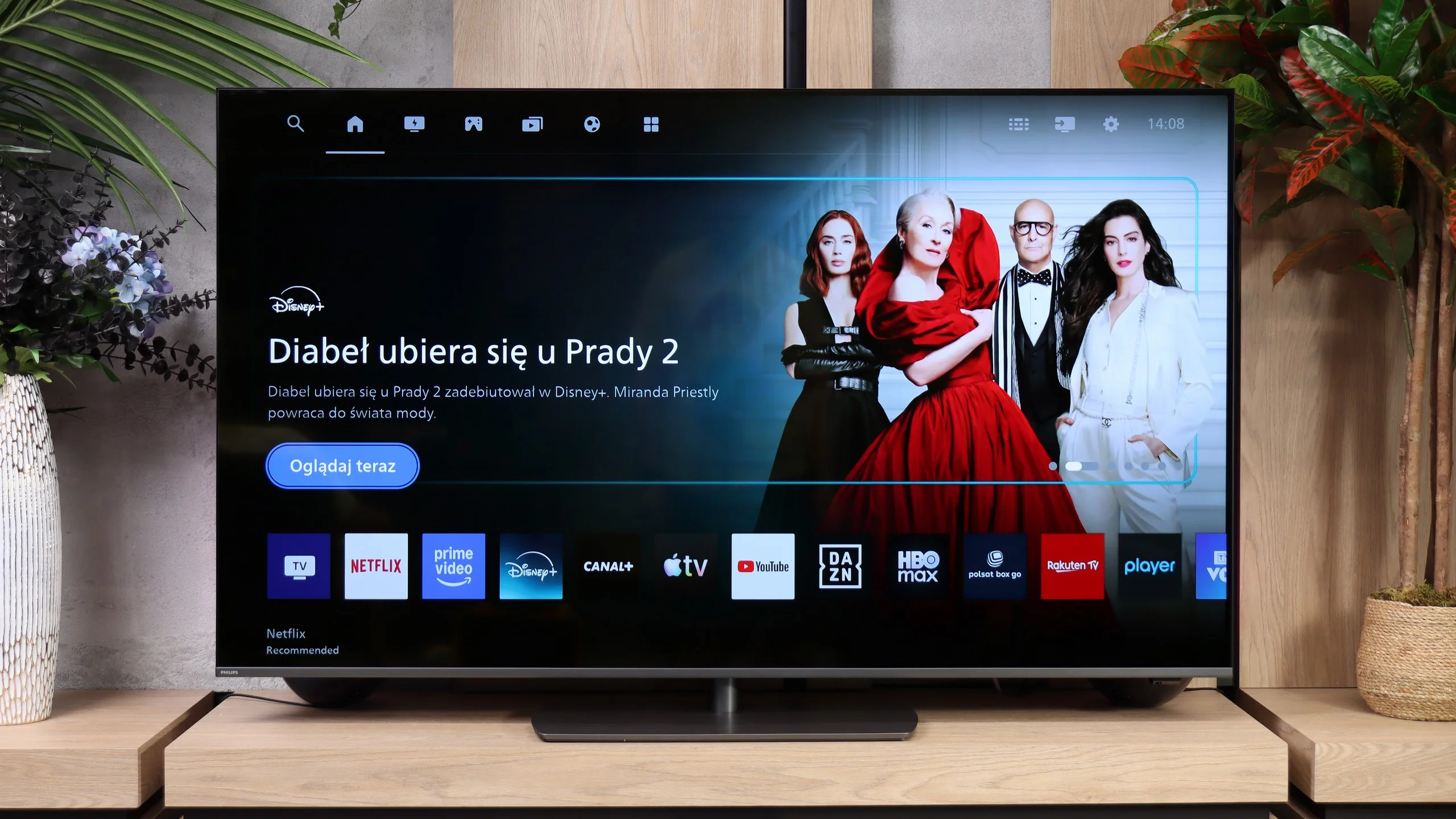
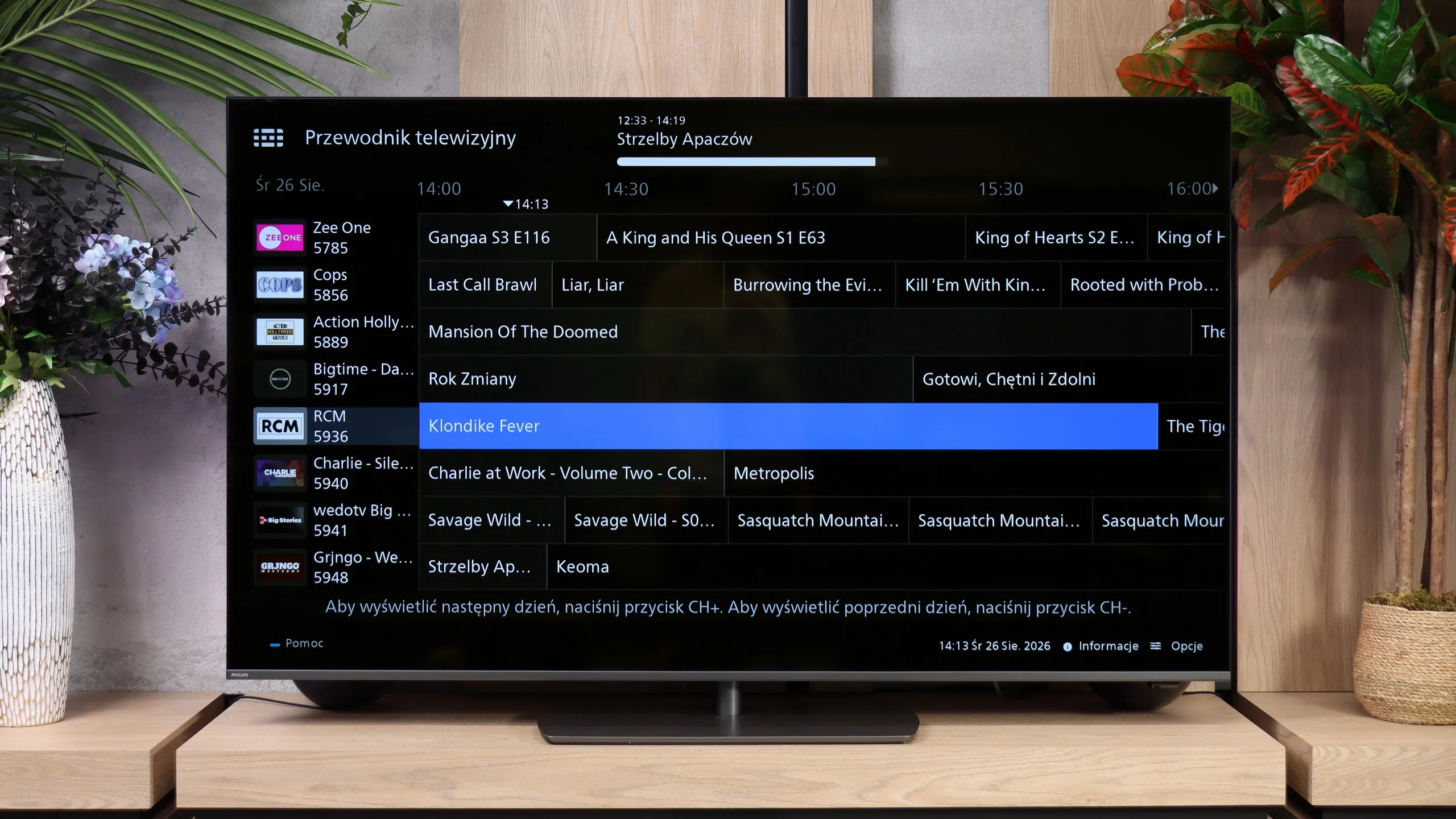
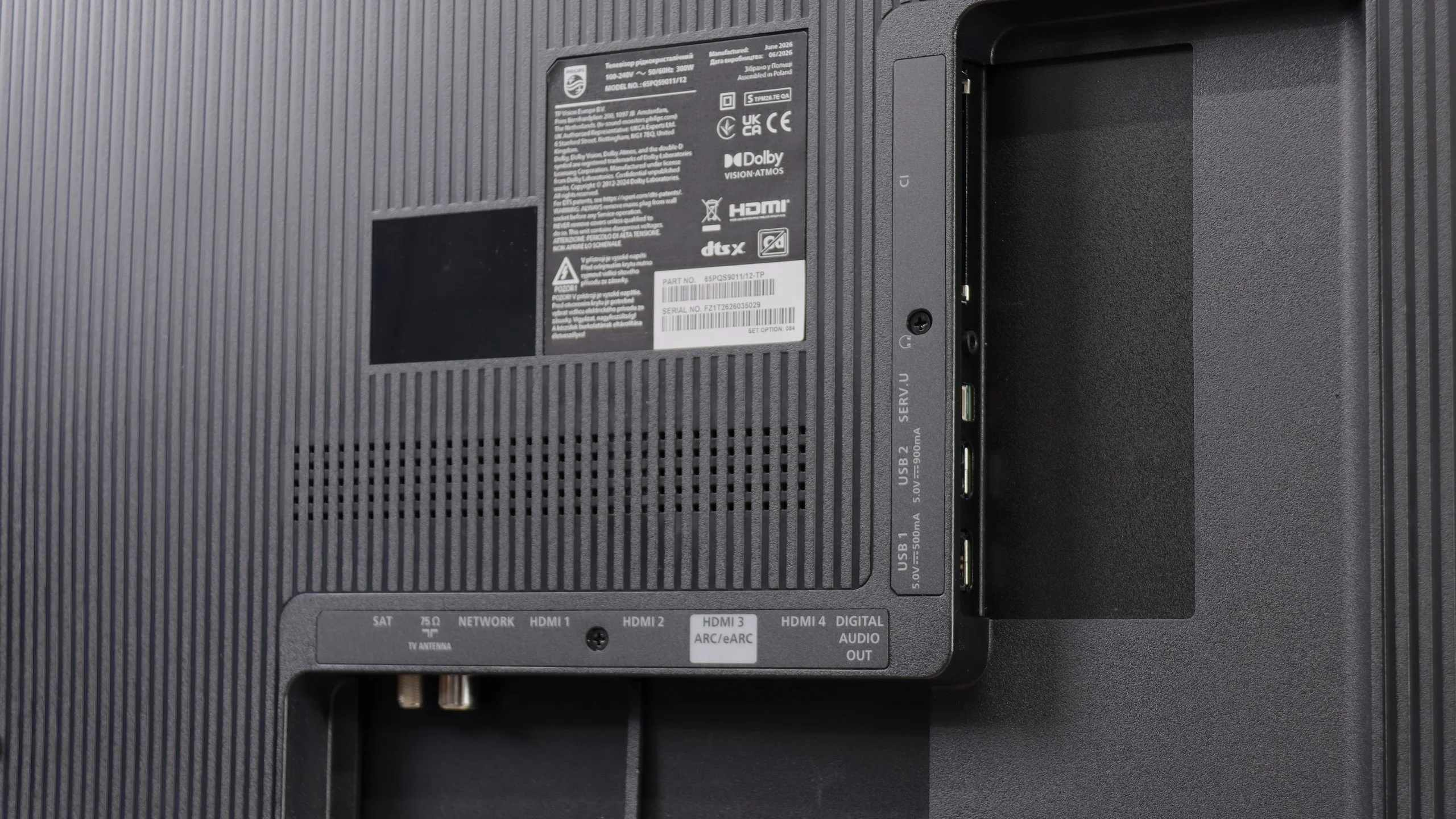
There is a clear step forward in Titan OS. Compared with last year, and especially the version from two years ago, the system has become much more pleasant to use. A few apps have been added, many small functions improved and the annoying bugs we complained about before have been fixed. Overall it runs respectably, although we're again bothered by a remote that has to be pointed at the television. Philips stubbornly sticks with infrared for basic control, even though voice control uses radio connectivity. That makes it harder to understand why radio wasn't also used for menu navigation. The One also has a lot to offer gamers. Four HDMI 2.1 ports and extensive features are one thing, but what impressed us most was the panel's response time. Our unit showed virtually no smearing, even on dark backgrounds, which is rare for LCD TVs with a VA panel. That deserves considerable praise. The ability to play in 4K at 144 Hz or in Full HD at 240 Hz further encourages connecting a PC. Unfortunately there's an unfinished element here too: Dolby Vision when gaming on Xbox incurs very high input lag.
The PQS9000 therefore leaves mixed impressions. It can surprise with excellent motion handling and shows that Philips has worked on the system, but the image quality lacks a similar step forward. This is a television we can recommend primarily to Ambilight fans. If that lighting is what convinces you to choose Philips, buying The One makes a lot of sense. It's worth checking, though, whether you can't find a Mini LED model with good local dimming at a similar price, which would offer deeper blacks and more striking HDR. Then you need to decide what matters more to you: the ambience created by Ambilight or better image quality itself.
 Direct comparison