 Redakcja Choose TV
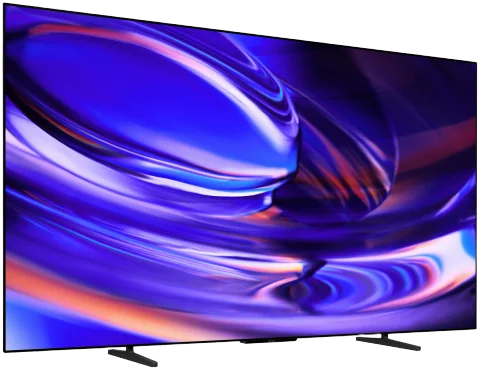
Which televisions are the most durable – OLED or LED LCD? A long-term test conducted by RTINGS brings surprising conclusions that may change the approach of many buyers. As part of an accelerated longevity test, RTINGS examined 100 televisions from various brands, which operated for 18,000 hours over 3 years. This is significantly more than most users will ever “rack up” on their home TV – RTINGS emphasises that this corresponds to over 12 years of watching for 4 hours a day.
Extreme conditions, but equal for everyone
The test was deliberately more demanding than normal usage. The televisions were switched off for less than 8 hours a day, which increased the load on the components, accelerated heating, and material wear. Such tests are standard in longevity research, and the crucial point is that the same conditions applied to all models, making the results comparable.
Emergency LED backlighting is the main problem of LCD
After just 10,000 hours, RTINGS noted a clear correlation: thin LCD televisions with edge LED backlighting fail significantly faster than models with direct backlighting, FALD or miniLED. By the end of the test, the situation looked even worse:
20 out of 100 televisions experienced complete failure
24 others had serious partial faults
only 2 models were able to be effectively repaired
“Backlight issues are definitely the most common point of failure. 34% of all tested LED televisions had at least one damaged diode. Problems with image uniformity are also very common – heat causes the internal layers of the panel to delaminate, leading to spots, discolouration, and image degradation,” RTINGS reports. Nearly 60% of LCD televisions with edge LED or without local dimming experienced total or partial failure. RTINGS also points out the phenomenon of "burn-in" in LCD edge LED – although the mechanism is different from OLED.
Domino Effect and Defective Designs
In several instances, RTINGS observed a chain reaction – the failure of a few LEDs caused the entire backlighting to go out. In one test, it only took three damaged diodes for the entire LED system in the Vizio television to stop working, similar to old Christmas lights failing after one bulb blows. Such designs significantly increase the risk of complete failure.
Better LCD, but still worse than OLED
More expensive LCD televisions with FALD or miniLED performed noticeably better – their failure rate was around 25%, which is significantly lower than in cheap and thin edge LED models. Interestingly, LG and TCL were the most reliable. RTINGS highlighted two brands:
TCL – only 1 total failure out of 10 tested models
LG – very low defect rate, mainly because LG OLEDs performed exceptionally well
OLEDs the most durable despite burn-in
OLED televisions also experienced burn-in during the test, which was inevitable under such extreme conditions. RTINGS notes, however, that previous burn-in tests clearly show that with varied content, this problem does not occur in normal usage.
“In summary – despite a small risk of burn-in, OLED televisions are the most durable technology and cause the least problems. LED televisions break down faster, especially thin edge LED models and budget constructions. If choosing LCD, it’s best to opt for full backlighting with local dimming” – concludes RTINGS.
The full RTINGS report is available on their website, and detailed information about which LCD models use edge LED, direct LED, FALD or miniLED can be found in the FlatpanelsHD database.