 Redakcja Choose TV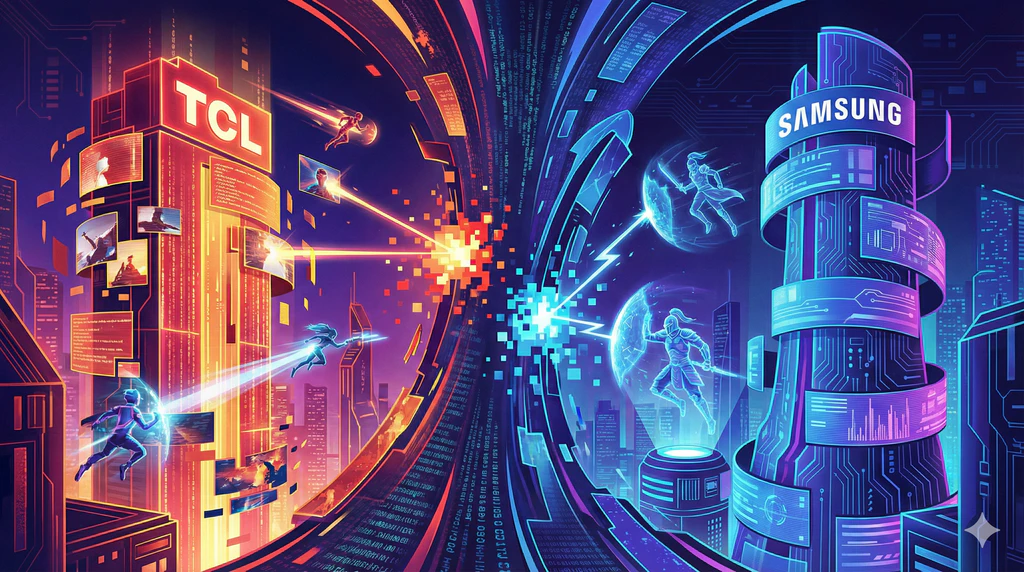
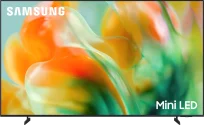
In the world of technology, moments that can be deemed "historic" are rare. However, the sales data for 2025, which has just come in from Counterpoint Research, heralds an upheaval. Everything indicates that Samsung's twenty-year dominance in the television market is hanging by a very thin thread – specifically, one percentage point of market share.
Chinese Offensive versus Korean Calm
Let’s look at the numbers, as they best reflect the pace of change. While Samsung recorded a slight decrease in shipments (by 3%) in 2025, the Chinese giant TCL surged by a staggering 20%. The result? Samsung currently controls 17% of the global market, while TCL is right behind with a score of 16%. This is no longer a chase... it’s a battle shoulder to shoulder. Although Samsung still wins with its wallet (selling more expensive premium models and making more profit from them), in the category of "number of boxes landing in customers' homes," TCL is already nearly at the top.
TV World Map Redrawn
The latest report brings more surprises that upend our conception of who is shaking up the market:
Surprise from across the ocean: The fifth largest player in the world has become... Walmart. Yes, the American retail chain, thanks to the acquisition of the Vizio brand and the success of the budget-friendly Onn, has surpassed many traditional manufacturers such as Philips and Sony.
LG Making a Comeback: After a few challenging years, LG Electronics is growing again (from 8% to 9% market share), mainly due to a strong run in North America.
Hisense Slightly Out of Breath: Despite being a powerhouse, the brand has experienced a significant drop from 12% to 10%, which experts attribute to a weaker state of the internal market in China.
TCL goes for premium
If anyone thought that TCL had already reached its ceiling, the company's recent moves dispel that notion. Acquiring the majority stakes in the joint venture managing the television business of Sony is a sign that the Chinese no longer want to be just a "cheap alternative". They seek prestige and technology that will allow them to outpace Samsung in the premium segment as well.
But what does it mean for consumers? For us, this situation is pure profit. Samsung can no longer "rest on its laurels" and celebrate 20 years of success in peace. To maintain its crown in 2026, it will need to respond with a more aggressive pricing strategy or innovation that will once again put it ahead of the competition. Will we be writing about a new king this time next year? Counterpoint predicts that Samsung may still defend its position as leader in 2026 in a last-minute effort, but the dynamics are relentless. The era of one company's undisputed dominance is coming to an end.