 Redakcja Choose TV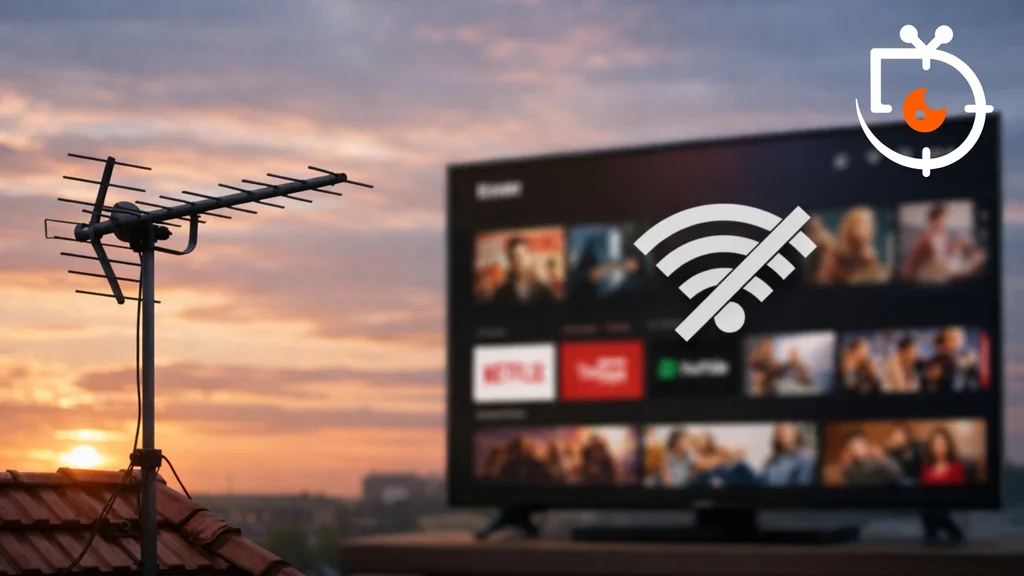
Users of Roku televisions were recently taken aback when it turned out that an internet connection is required to watch free TV from an antenna. This sparked considerable controversy, as antenna TV has always operated offline and without any additional requirements. Concerns were also raised about data collection and advertising. Now the company is changing its mind and announcing the reversal of this decision. However, the problem highlights the direction in which smart TVs are heading.
Roku withdraws from the restriction
Roku has confirmed that it plans to restore the ability to watch television from an antenna without the need for internet connection. This means a return to a basic function that was crucial for many users. No specific date for the update has been provided yet, but the change has already been announced.
In recent weeks, Roku television owners have noticed that access to OTA channels, such as ABC or FOX, has been blocked without an active network connection. This came as quite a surprise because over-the-air television, by definition, does not require the internet. That is its greatest advantage: free access to channels without subscriptions and additional services.
The change quickly sparked speculation that it was about monetising users. This included, among other things, collecting data on viewed content through technologies like ACR. Roku has been developing its advertising systems for some time, introducing, among other things, ads in the menu, during pauses, or even experimenting with ads overlayed on the HDMI signal.
Smart TVs becoming increasingly "aggressive"
It's not just Roku heading in this direction. More and more smart TV platforms are looking for ways to increase revenue through advertising and user data analysis. This means that televisions are no longer just devices for watching, but are becoming part of a larger advertising ecosystem.
Although Roku is retracting from this particular decision, the situation highlights a broader issue. Features that once seemed obvious can suddenly be restricted or changed. For users, this means one thing: it's worth paying attention to how manufacturers are developing their devices and what plans they have for them.
source: flatpanelshd.com