 Katarzyna Petru
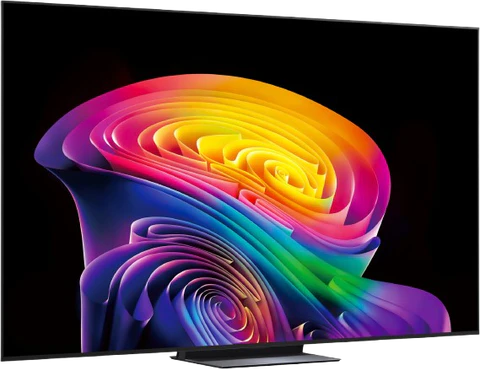
HDR technology has become one of the most important elements of modern televisions and monitors. Manufacturers such as Samsung, LG, and Sony are increasingly promoting their devices with a focus on HDR support. The acronym HDR stands for High Dynamic Range, which refers to the way a screen displays brightness, contrast, and colours.
What HDR Technology Is All About
In traditional video materials, the range of brightness is limited, meaning that very bright and very dark elements of the image often lose detail. HDR increases the range of brightness, allowing the screen to display very bright and very dark parts of the scene simultaneously. In practice, this means a more realistic image with greater detail in shadows and highlights.
One of the greatest advantages of HDR is the improvement in contrast. In night scenes or in places with a large difference in lighting, this technology preserves details that could be invisible in a normal image. HDR also allows a wider range of colours to be displayed, making the image more akin to what the human eye sees.
Various HDR Standards
There are several HDR standards available on the market that can appear in televisions and monitors. The most popular of these is HDR10, which is most commonly used in films and games. In more advanced models, standards such as Dolby Vision and HDR10+ can also be found, which can dynamically adjust the image parameters for each scene.
HDR is used not only in films and series but also in video games. In modern consoles such as PlayStation 5 and Xbox Series X, this technology allows for more realistic lighting effects and greater image depth during gameplay.
HDR significantly improves image quality as it increases the range of brightness and the number of colours that a screen can display. As a result, movies, series, and games look more realistic and detailed. This is why HDR support has become one of the most important features of modern televisions, monitors, and multimedia devices.
Source: own studies