- Matching (Score) |
- Our verdict |
- Competing TVs |
- TV appearance |
- Where to buy |
- Contrast and black detail |
- HDR effect quality |
- Factory color reproduction |
- Color reproduction after calibration |
- Smoothness of tonal transitions |
- Image scaling and smoothness of tonal transitions |
- Blur and motion smoothness |
- Console compatibility and gaming features |
- Input lag |
- Compatibility with PC |
- Viewing angles |
- Daytime performance |
- TV features |
- Apps |
- Playing files from USB |
- Sound |
- Panel details
LG QNED80A6A (IPS) Review
Available screen sizes:
Diagonal with a different matrix: , ,
Complete the survey to find out the result
Panel type: LCD IPS Refresh rate: 60Hz Brand: LG Resolution: 3840x2160 System: WebOS Model year: 2025
This review is an English translation of the Polish original. Read the original on Wybierz.tv.
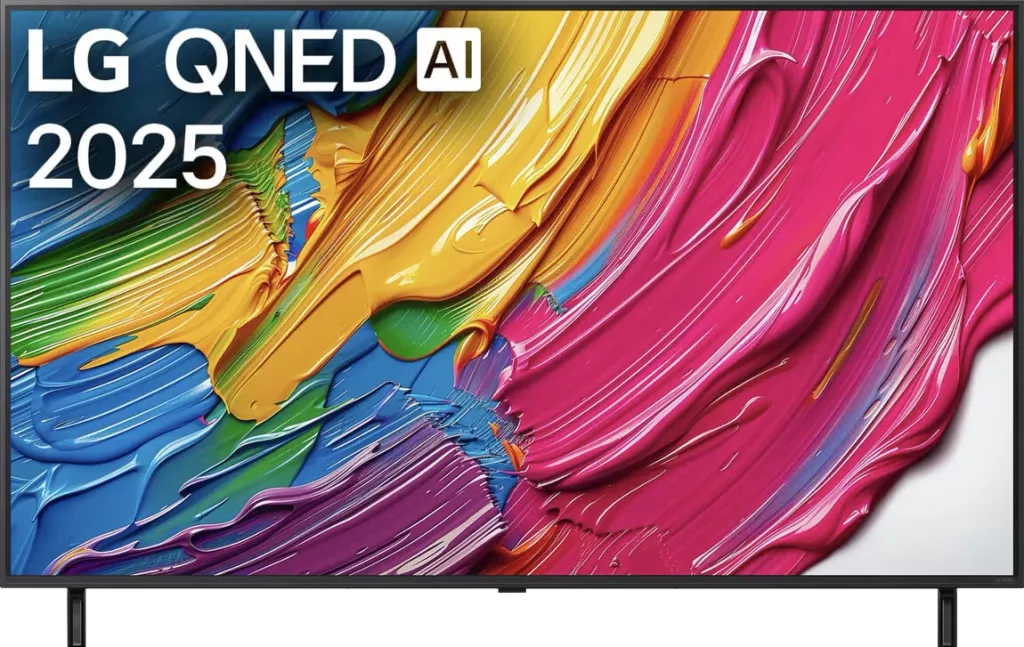
LG QNED80A6A is a model that kicks off this year's portfolio of the QNED series. Like its counterparts, it is designed with affordability in mind, aiming to be a reasonable alternative among the sea of budget LCD televisions. However, in the case of this model, the situation is interesting as it comes in two technologically different versions. This time, we're looking at the variant equipped with an IPS panel. This solution, which LG has been known for years – focuses on naturalness and wide viewing angles, at the cost of deep blacks. Does such an approach still allow for the creation of a universal home entertainment centre in the budget segment in 2025? We invite you to read the review of the LG QNED80A6A model in the IPS version.
LG QNED80A6A (IPS) - Our verdict
5.9
Overall rating
The QNED80A variant based on an IPS panel is aimed at a completely different audience. If you're looking for a TV for a place where life buzzes all day, and family members watch TV from various spots – this will be a good choice. The wide viewing angles and saturated colours make the picture look good, whether you're sitting directly in front or at the dining table. Of course, it's not perfect equipment, as there simply aren't any in this price segment. The IPS panel won't offer you inky blacks, so evening horror movie sessions may appear slightly grey, and local dimming in dark scenes can create noticeable light bands. Despite these flaws, the QNED80A makes up for it with its overall picture quality. The performance of the processor deserves immense praise – both upscaling regular TV to 4K and presenting details in HDR content are outstanding here. The image is clean, sharp, and rich in detail, even if the screen itself doesn't break brightness records. Combined with the fantastic WebOS system, which runs quickly and reliably, it's a very safe, solid choice for everyday family entertainment at a relatively low price.
Advantages

Wide viewing angles – the image looks just as good from any spot on the couch
Rich and vibrant colours thanks to the PFS filter (QNED)
Smooth and modern WebOS 25 system
Magic remote (with cursor)
Good detail reproduction in HDR
Effective upscaling and toning smoothing feature
Low input lag
Decent features for gamers (VRR, ALLM, HGiG), despite the 60Hz panel
Smooth tonal transitions – no visible "stepping" on colour gradients
Disadvantages

Poor contrast and greyish black – the IPS panel does not perform well in low light
Problematic local dimming – vertical backlight bands are very noticeable on dark backgrounds
60Hz panel
No Dolby Vision support
Sound lacks depth – a soundbar is recommended
 Movies and series in UHD quality
5.7
 Classic TV, YouTube
5.6
 Sports broadcasts (TV and apps)
5.5
 Gaming on console
6.8
 TV as a computer monitor
5.0
 Watching in bright light
4.7
 Utility functions
6.8
 Apps
Apps9.1
 Sound quality
6.0
Complete the survey to find out what fits your preferences
LG QNED80A6A (IPS) - Competing TVs in this price range
LG QNED80A6A (IPS) - TV appearance
HDMI inputs: 3 x HDMI 2.0, 0 x HDMI 2.1 Outputs: Toslink (Optical audio), eARC (HDMI), ARC (HDMI) Network Interfaces: Wi-Fi 2.4GHz, Wi-Fi 5GHz, Ethernet (LAN) 100Mbps
Build quality: Good
Stand type: Legs
Bezel color: Graphite
Stand: Fixed
Flat design: Yes
Accessories: Stand
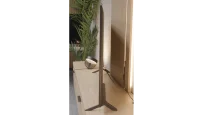
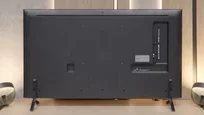
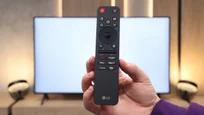
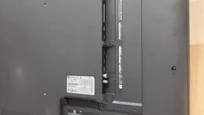
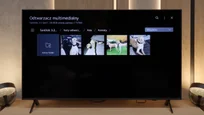
In terms of visuals, the LG QNED80A looks really good. Although it targets a more budget-friendly range, it presents itself very modern and tidy on an entertainment unit. The manufacturer has used narrow black bezels that don’t distract from the screen. Of course, when you touch the casing, you can feel that it's plastic of a different class than in the top QNED models, but let's be honest – from the perspective of the couch, this difference is essentially undetectable. A significant advantage of the design is its slim profile. The TV is flat enough that it's great for wall mounting – it doesn’t protrude too much from the surface and looks very aesthetically pleasing. However, we must mention one usability shortcoming: the back of the device doesn’t offer too many solutions for managing cables. It lacks thoughtful hooks or channels, so if you’re connecting a console, decoder, and soundbar, you’ll have to take care of your own cable ties to avoid a mess with the wires.
Buy at the best price
Select size:

LG QNED80A6A (IPS) - Contrast and black detail
2.7/10
Local dimming function: Yes, number of zones: 6 (1 x 6)


Result
2,400:1

Result
1,350:1

Result
2,450:1

Result
1,200:1

Result
1,150:1

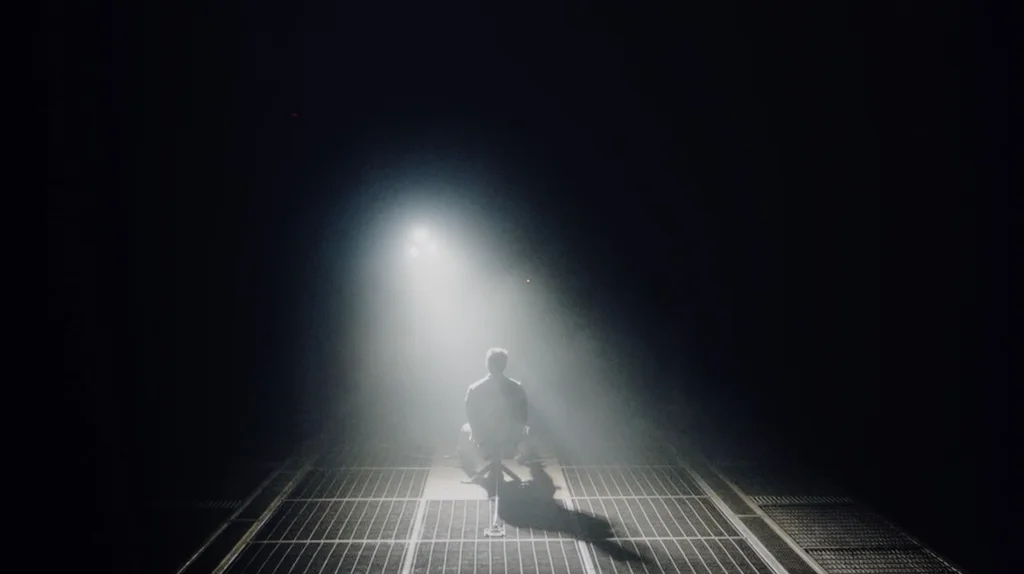
If you come across a model equipped with an IPS panel, the situation changes dramatically and we won't beat around the bush – the contrast is simply weak. This is a natural characteristic of this technology, which pales in comparison to VA panels. The blacks, especially during evening screenings with the lights off, are rarely pitch black – more often they lean towards dark grey or navy hues. However, the real problem in this variant is the way the local dimming system operates. Since we are dealing with edge-lit backlighting on a panel that naturally "leaks" more light, this system often does more harm than good. When a bright object appears on a dark background, the TV tries to boost its brightness by activating the relevant zone. The effect? Instead of pinpoint light, we see illuminated vertical bars stretching across the entire screen. Unfortunately, this looks worse than in the VA version. Due to the lower native contrast of the panel, these "light bars" (so-called blooming) are much more visible and stand out more against the background. In many cases, these brightness jumps are so aggressive that instead of enjoying the screening, we focus on the backlighting's performance.
Halo effect and black detail visibility:
LG QNED80A6A (IPS) - HDR effect quality
4.8/10
Supported formats: HDR10, HLG Color gamut coverage: DCI P3: 91.3%, Bt.2020: 66.5%
Luminance measurements in HDR:

Result
369 nit

Result
325 nit

Result
434 nit

Result
342 nit

Result
318 nit
When it comes to image dynamics and brightness, the QNED80A keeps its feet firmly on the ground. It’s not a "light beast" – during our measurements, peak luminance hovered around 350-400 nits. To put it bluntly: these are values that won't fully unleash the potential of HDR formats. So don’t expect the glare of the sun or car headlights in films to blind you. However, this television has a powerful ace up its sleeve that saves the overall image quality – it's the colours. LG engineers have employed an advanced filtration system (technically based on phosphor PFS, marketed as QNED/NanoCell), which does a fantastic job. Thanks to this, despite average brightness, the screen can generate exceptionally saturated and pure colours. Our instruments showed coverage of the wide cinematic DCI-P3 colour gamut at around 93-94%. This is a result that outclasses most standard LCD televisions. In practice, this means that when watching 4K HDR content, the image – although not very bright – is very vivid, lively, and delights the eye with its depth of colours.
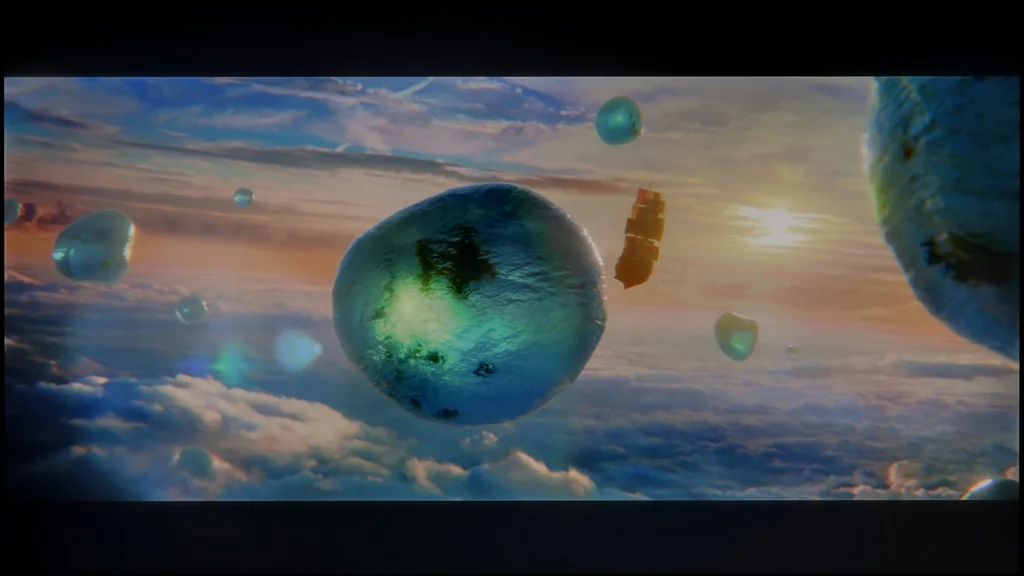
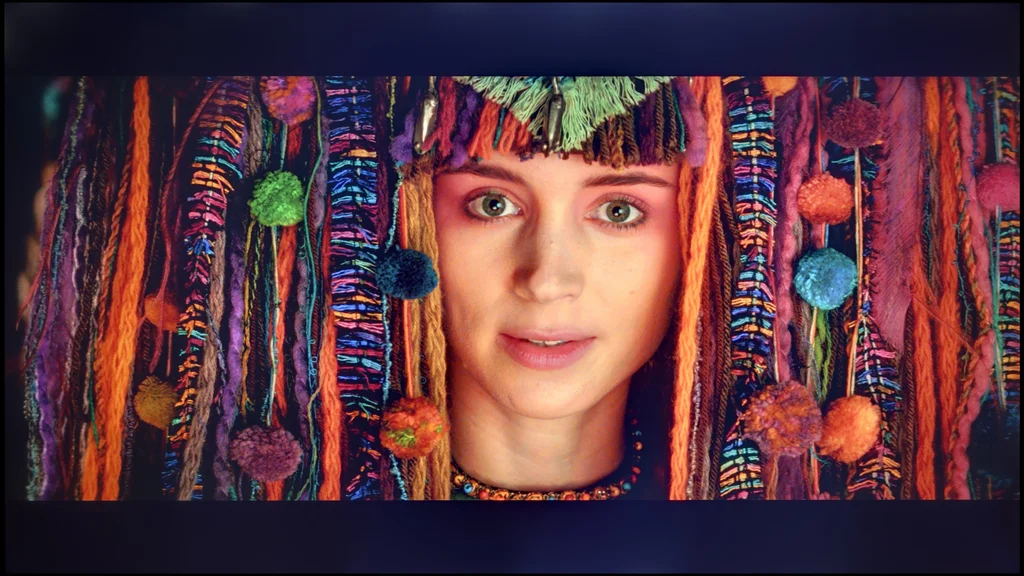
Scene from the movie “Pan” (about 2800 nits)
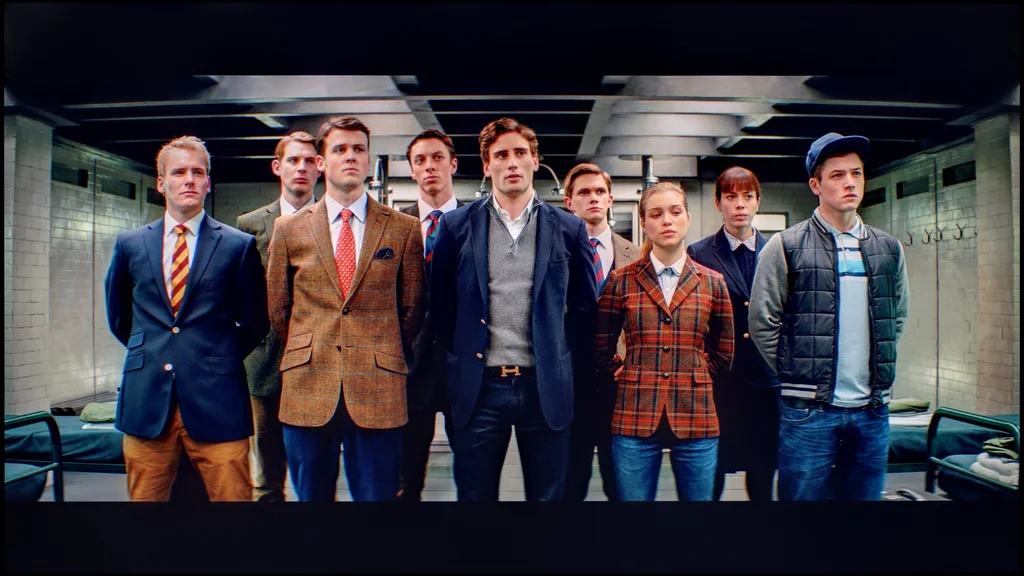
Scene from the movie “Billy Lynn” (about 1100 nits)
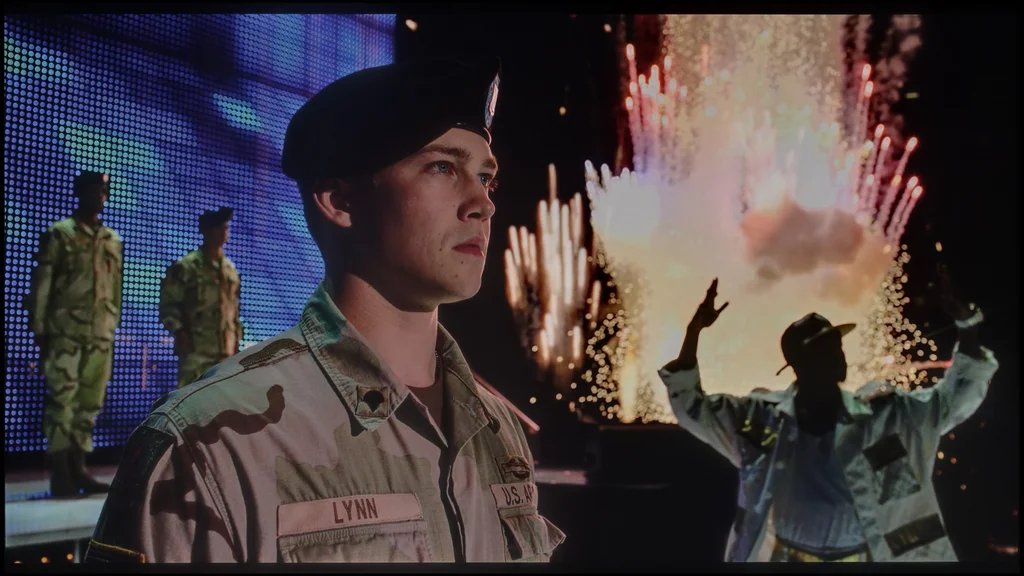
It often happens that dry technical data suggests one thing, while reality shows another. This is the case with the QNED80A and HDR content. Theoretically, with such brightness, we shouldn't expect fireworks, yet the final image is very pleasant to the eye. This is all thanks to the refined dynamic tone mapping feature. The television “knows” how to process the signal to extract the maximum details without exceeding its hardware capabilities. During our tests, both in very bright scenes from the film Pan and in challenging shots from Billy Lynn, the image remained exemplary detailed. Where cheaper models lose details in bright areas (creating so-called white spots), the QNED80A maintains full readability. While this television may not "burn" your eyes with the brightness of HDR effects, it will certainly offer an extremely cultured image, rich in detail and simply beautiful.
HDR luminance chart:
In the specification of the QNED80A, the lack of support for premium formats such as Dolby Vision or HDR10+ stands out. The TV only supports standard HDR10 and HLG. In the streaming world, where Netflix and Disney+ rely on Dolby Vision and, more recently, on HDR10+, this might seem like a serious oversight – especially since with brightness levels around 350-400 nits, any help in controlling contrast and brightness is worth its weight in gold. However, practice shows that the devil is not as scary as it seems. The engineers at LG knew exactly what they were doing by implementing their own algorithm in the software – dynamic tone mapping. This feature in a way ‘replaces’ the missing formats by analyzing the image frame by frame and adjusting the brightness to the capabilities of the panel. Thanks to this approach, the absence of Dolby Vision is not as noticeable, and the video materials look exceptionally good, maintaining plasticity and detail.
Static HDR10

Factory color reproduction
4.4/10
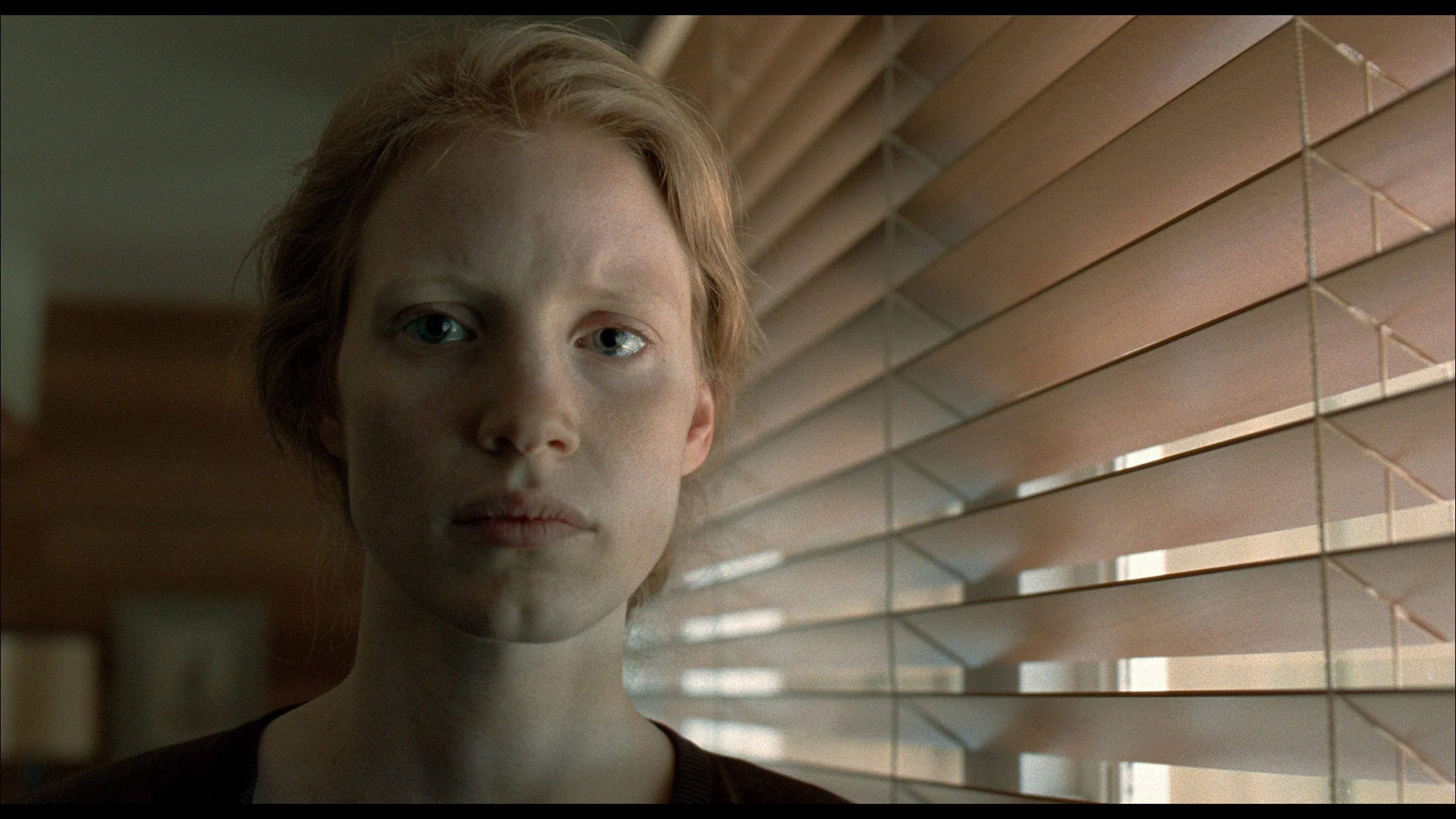
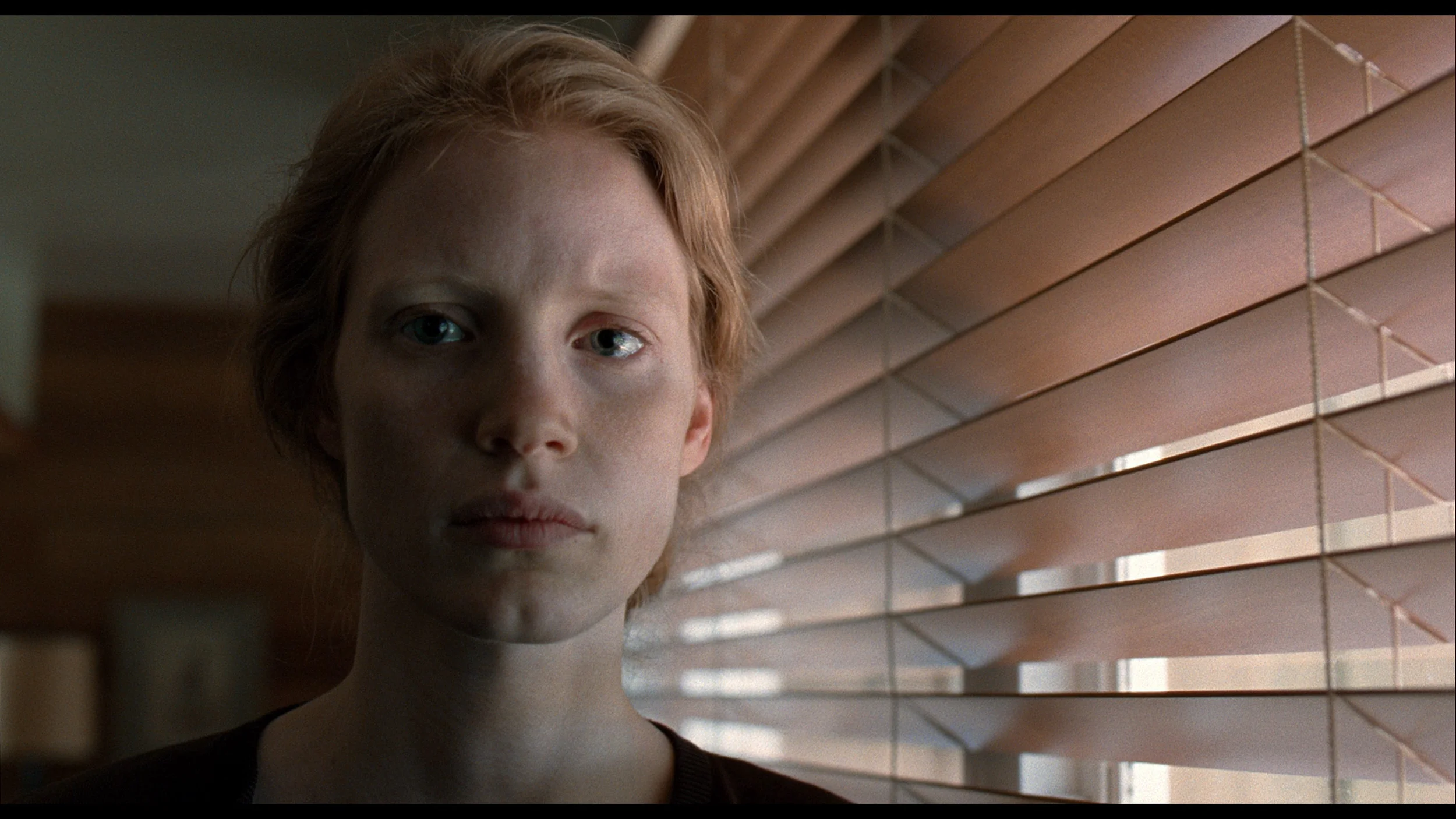
Here, regardless of whether you come across the VA or IPS version, the situation looks identical. LG engineers have once again served us their vision of a "gaming look," which unfortunately has little to do with accuracy. When switching to a console, the white balance automatically shifts to very cold regions. The image is dominated by blue, making it seem artificially sharpened, and the white is so aggressive that it almost burns out. This creates an effect we associate with garish retail modes – everything is meant to shine and scream "I’m digital." While some may like this, we must say it bluntly: it is not an accurate image. If you care about naturalness, we suggest you immediately check the settings and change the colour temperature to a warmer one.
Color reproduction after calibration
7.4/10
After professional calibration, the QNED80A in the IPS version has changed beyond recognition, especially with "ordinary" content (SDR). We managed to eliminate the greenish tint and calm down the overly bright gamma. In classic television or older games, colour errors (DeltaE) have fallen below the threshold of perception (value < 2). The image is now coherent, natural, and truly pleasing to the eye. The situation is somewhat more complicated in HDR mode. Although the colours are now in place, the TV struggles with perfect brightness control (EOTF curve). Due to the limitations of edge lighting and the rather poor adjustment options provided by LG in this area, the TV's software at times "does what it wants" just to mask the imperfections of black and contrast. However, this is not a cause for concern – despite these technical limitations, the image after calibration is a class above what you saw out of the box.
LG QNED80A6A (IPS) - Smoothness of tonal transitions
9.2/10
Another very strong point of this model is the way it handles tonal transitions. Often in cheaper LCD designs, we see so-called banding – a situation where the television fails to smoothly display a gradient, creating visible "steps" between shades. In the case of the QNED80A, the engineers did their homework. Whether we're watching a blue sky, fog, or dark scenes full of greys, the transitions between colours are incredibly smooth and soft. There are no artificial cuts or jagged edges of colours here. This makes the image very cohesive and natural, which is not at all a standard in this price segment.
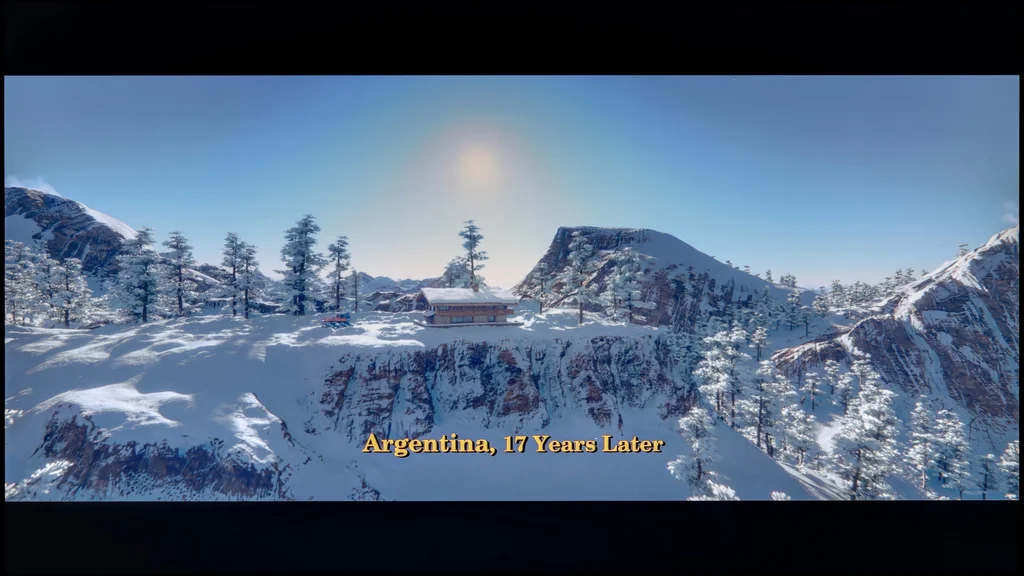
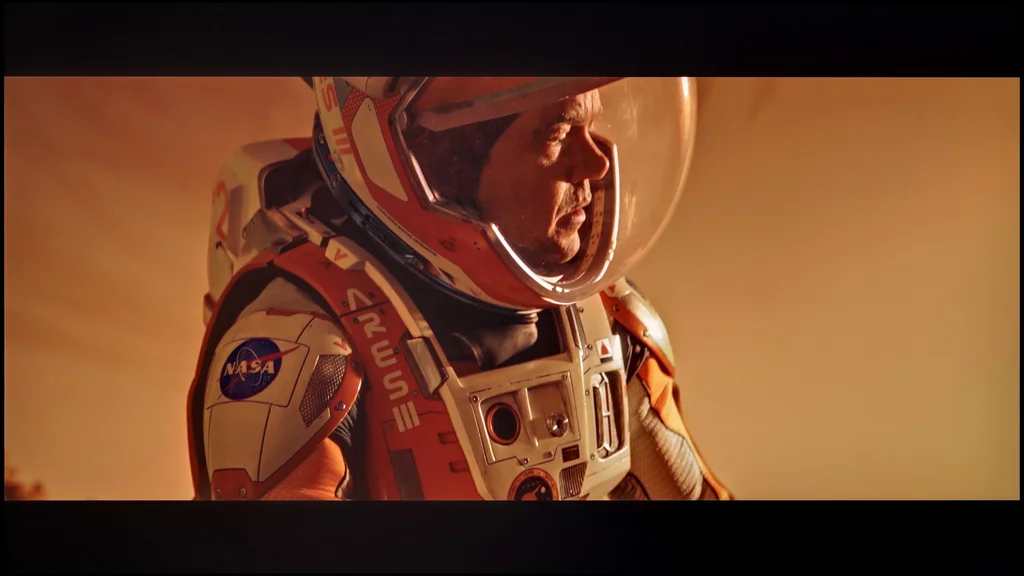
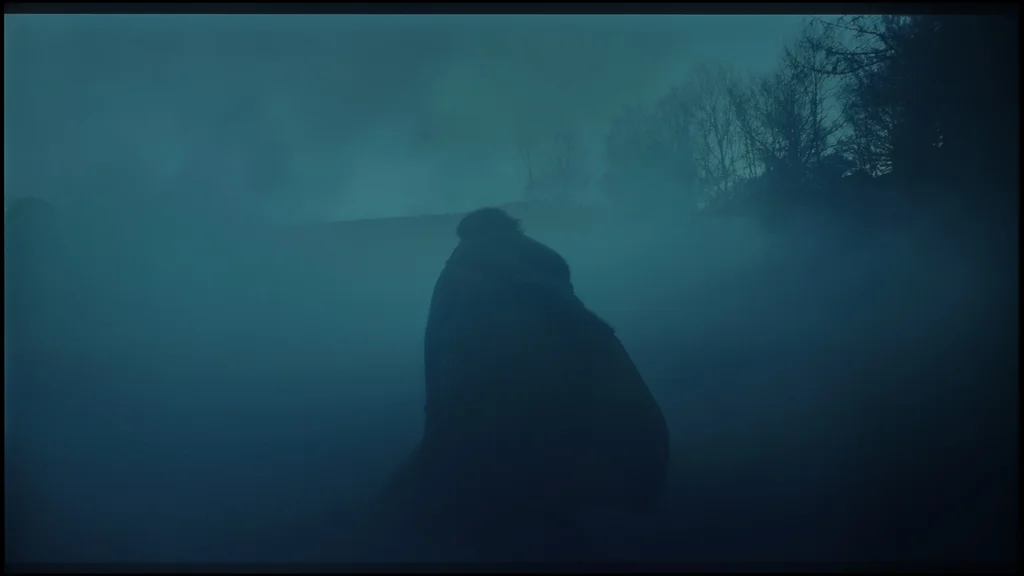
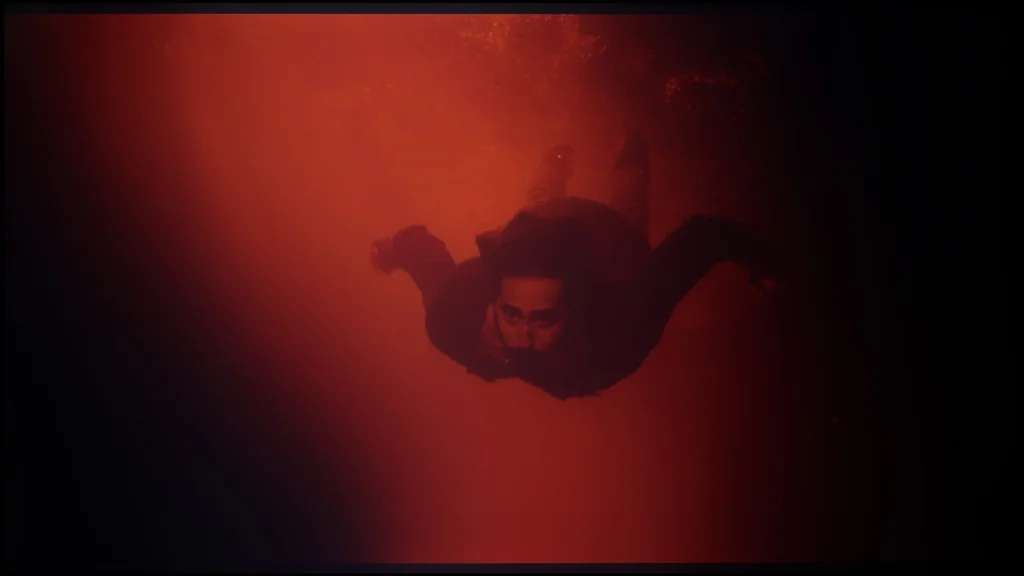
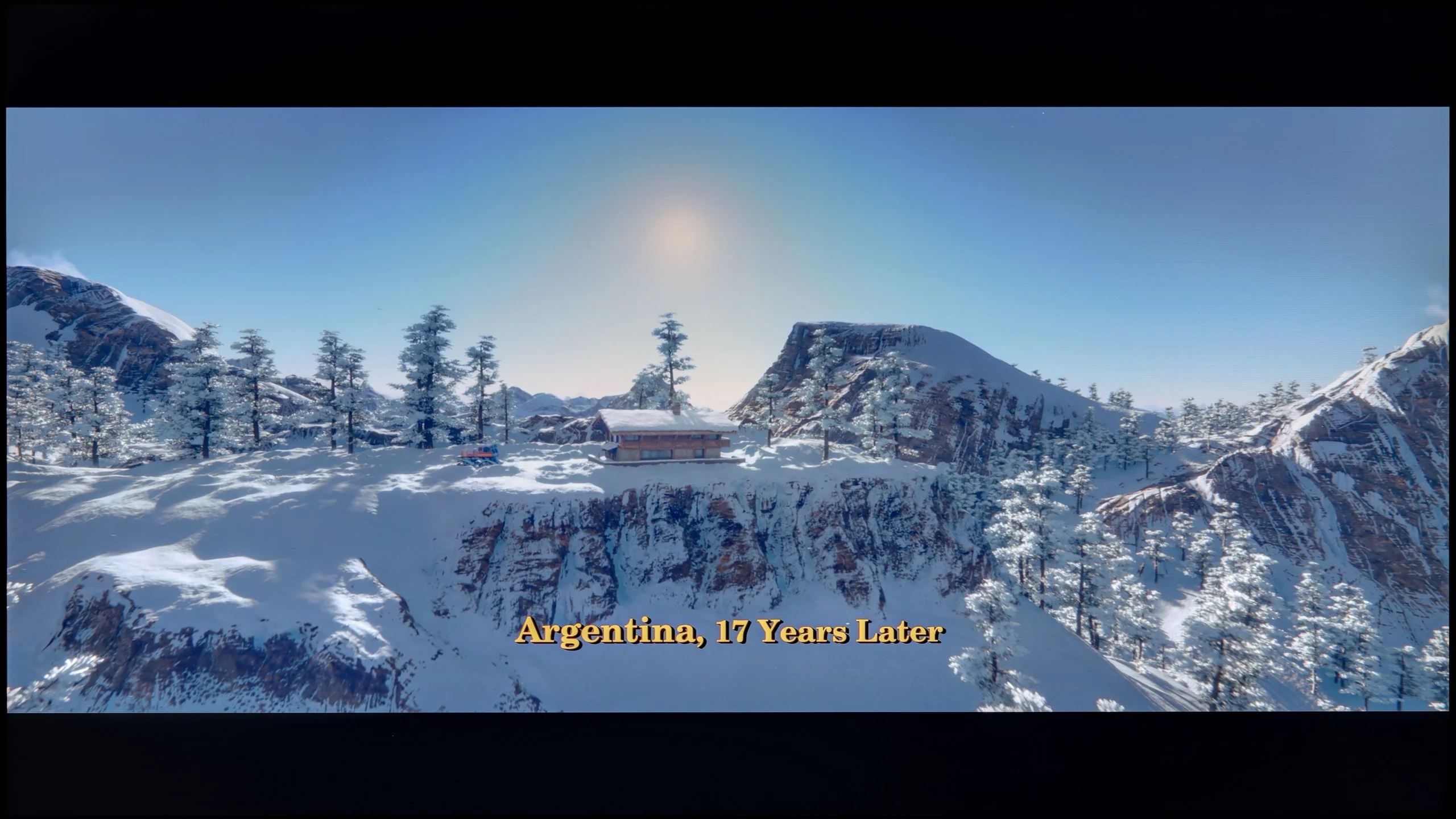
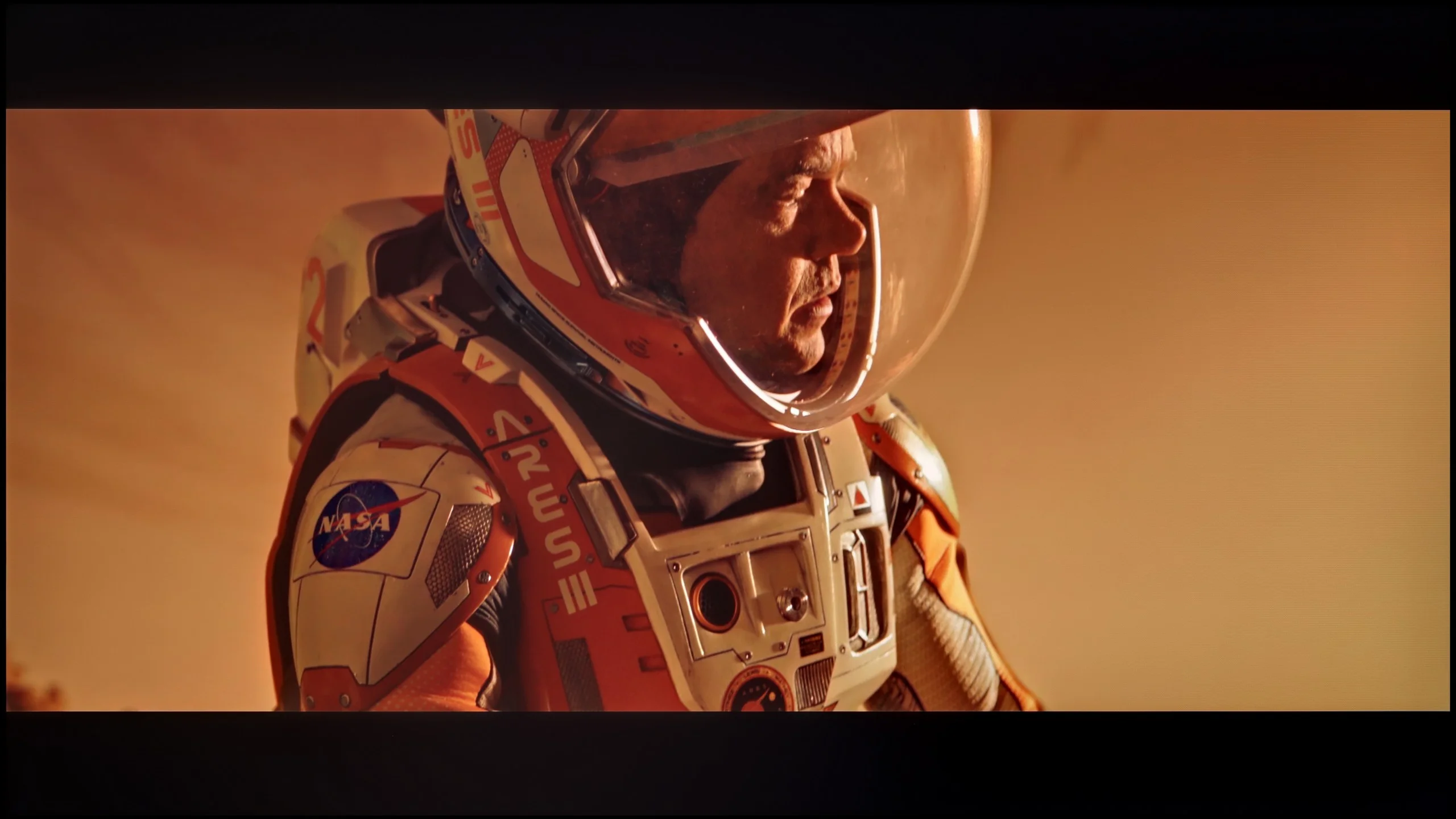
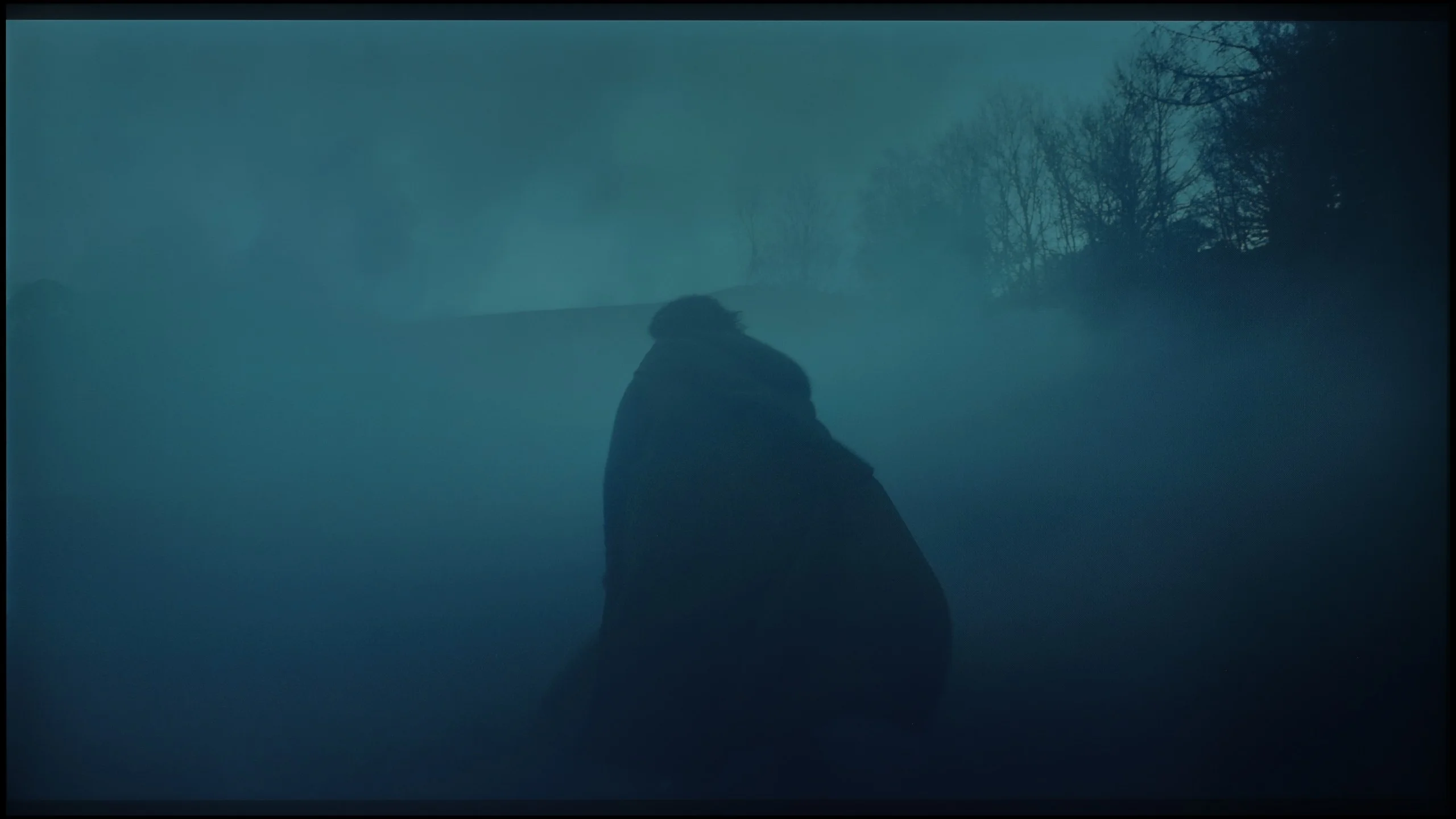
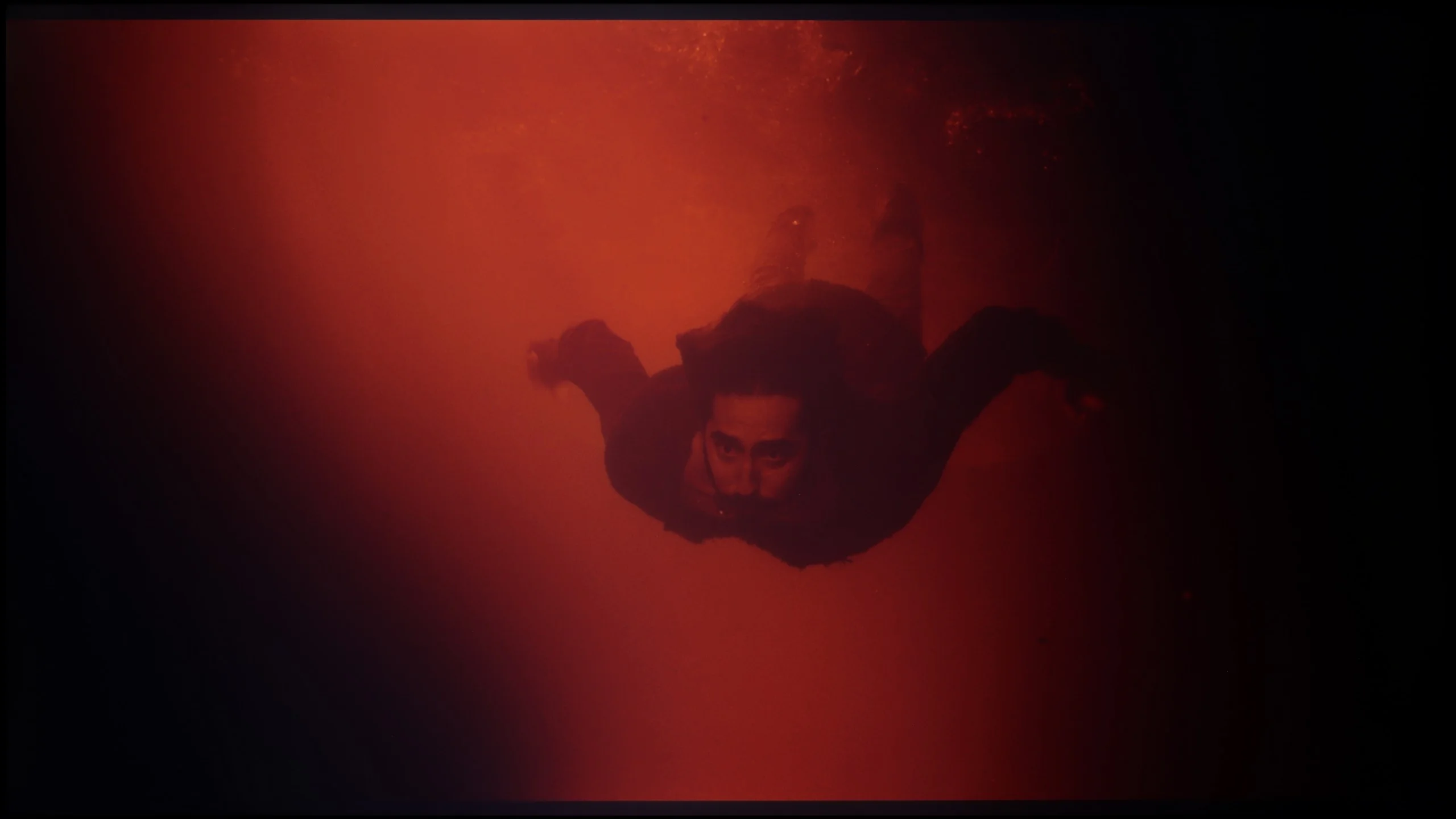
Image scaling and smoothness of tonal transitions
7/10
 Smooth transition function
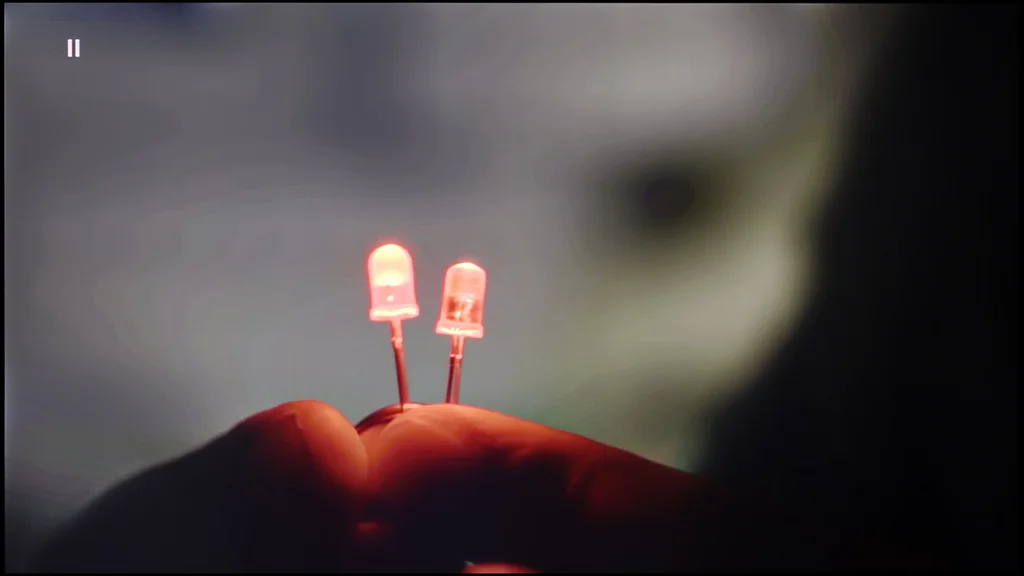
Image without overscan on the SD signal

It often happens that cheap 4K TVs mercilessly expose the flaws of low-resolution materials. Here, it's different. The QNED80A is great equipment for watching content that isn’t perfect. The processor does a great job of scaling the image, making even older recordings look quite decent on the 4K screen – they are consistent and free of digital noise. Interestingly, there’s a gradation reduction feature available in the settings. It’s particularly effective in combating what is known as banding in low-bitrate materials. Of course, you need to approach it with some caution. Due to the lower processing power of the chip (in comparison to the premium series), turning on this option can sometimes result in unwanted artifacts or blurring. Despite this risk, we encourage experimentation, as in many cases this feature can save a viewing of low quality.
LG QNED80A6A (IPS) - Blur and motion smoothness
4.6/10
Maximum refresh rate of the panel: 60Hz
Film motion smoothing option: Yes
Blur reduction option: No
BFI function 60Hz: No
BFI function 120Hz: No
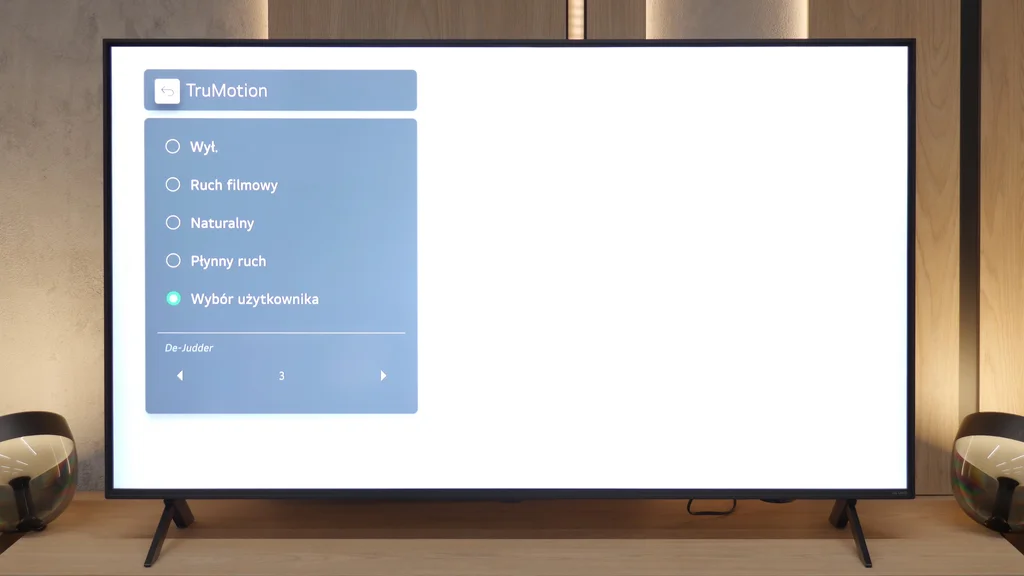
When it comes to motion reproduction, the QNED80 unfortunately has a bit of a disadvantage. The TV is built on a 60Hz refresh rate panel, which is quite disappointing for the QNED series in 2025. If you're looking for perfect sharpness in dynamic football matches, you might feel a bit let down. The solution in this situation is the TruMotion system. It allows for artificially adding frames, which smooths out the picture in movies and TV shows. In the menu, you'll find a De-Judder slider – we recommend setting it to a value of 2, 3, or 4. This is the "golden mean" that improves fluidity without turning the film into a soap opera.
Blur (native resolution, maximum refresh rate):
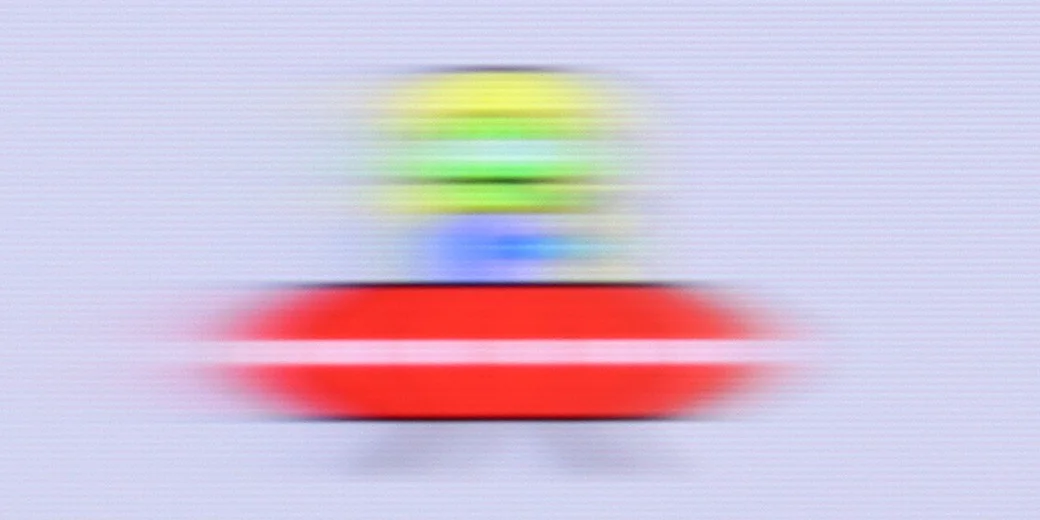
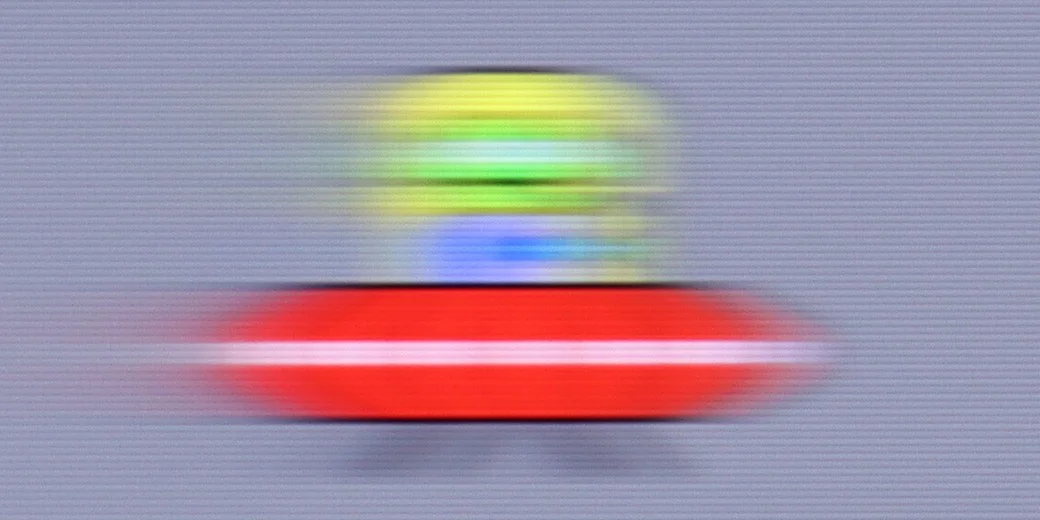
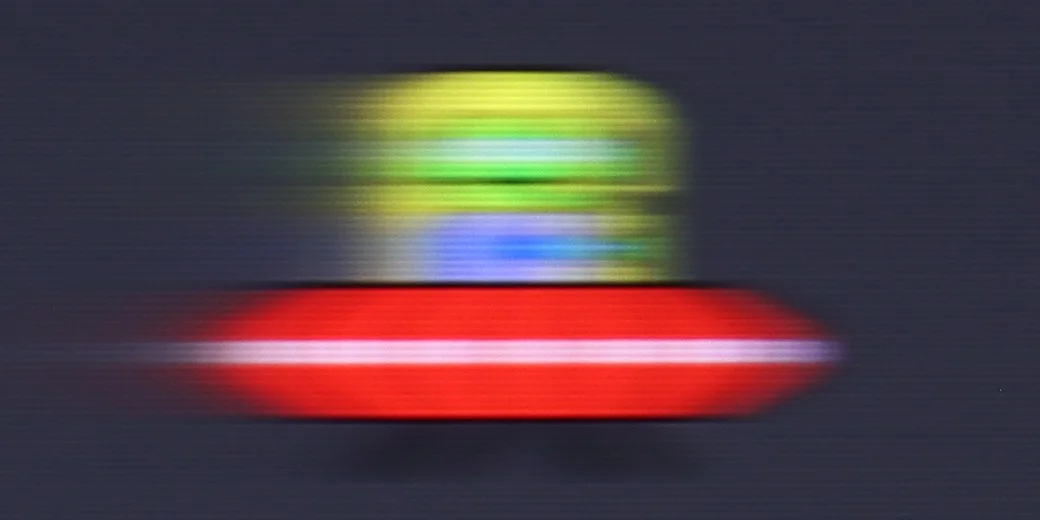
When it comes to trailing, we do have a bit of a paradox here. Usually, IPS panels are considered to be the faster ones, with a shorter pixel response time. In the case of the QNED80A, it's... the opposite. The tested IPS model trailed slightly more than the VA version. Behind rapidly moving objects, there was a faint "ghosting". While this doesn’t disqualify the TV during normal viewing, sensitive viewers might notice it.
LG QNED80A6A (IPS) - Console compatibility and gaming features
6/10
- ALLM:
Yes
- VRR:
Yes
- VRR range:
48 - 60Hz
 Dolby Vision Game Mode:
No
Dolby Vision Game Mode:
No - Correct implementation of HGIG:
Yes
- 1080p@120Hz:
No
- 1440p@120Hz:
No
- 4K@120Hz:
No
- Game bar:
Yes
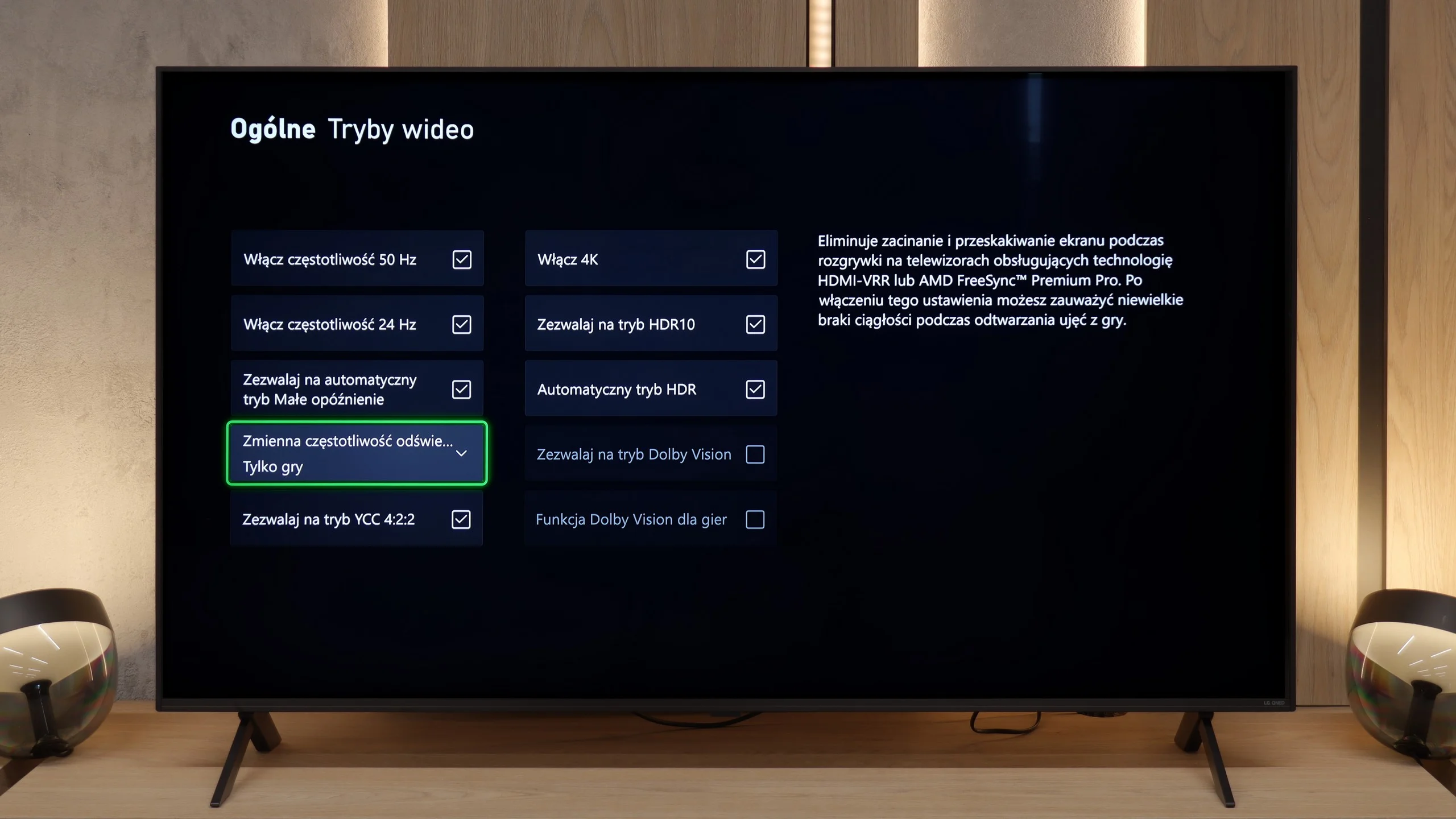
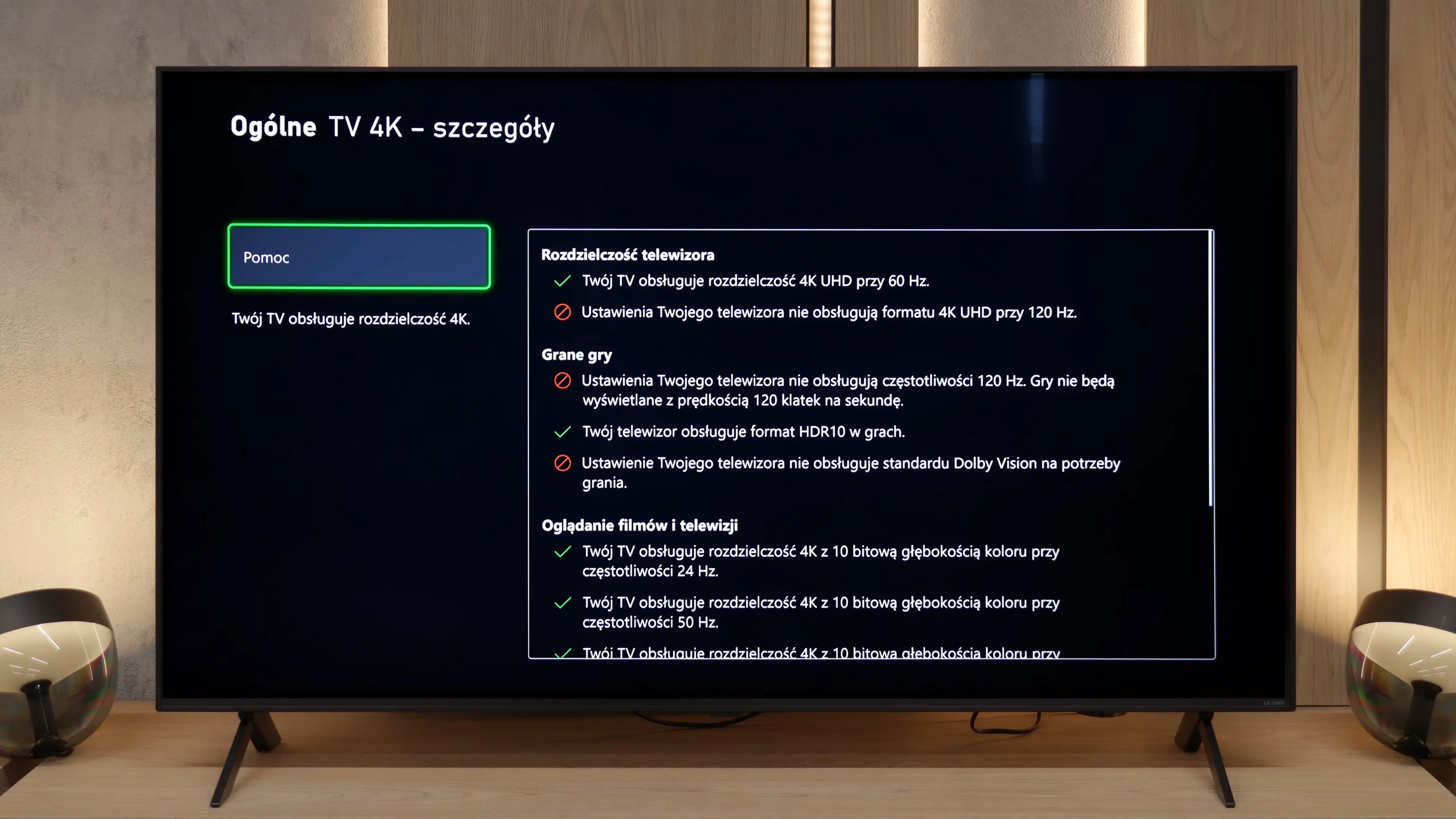
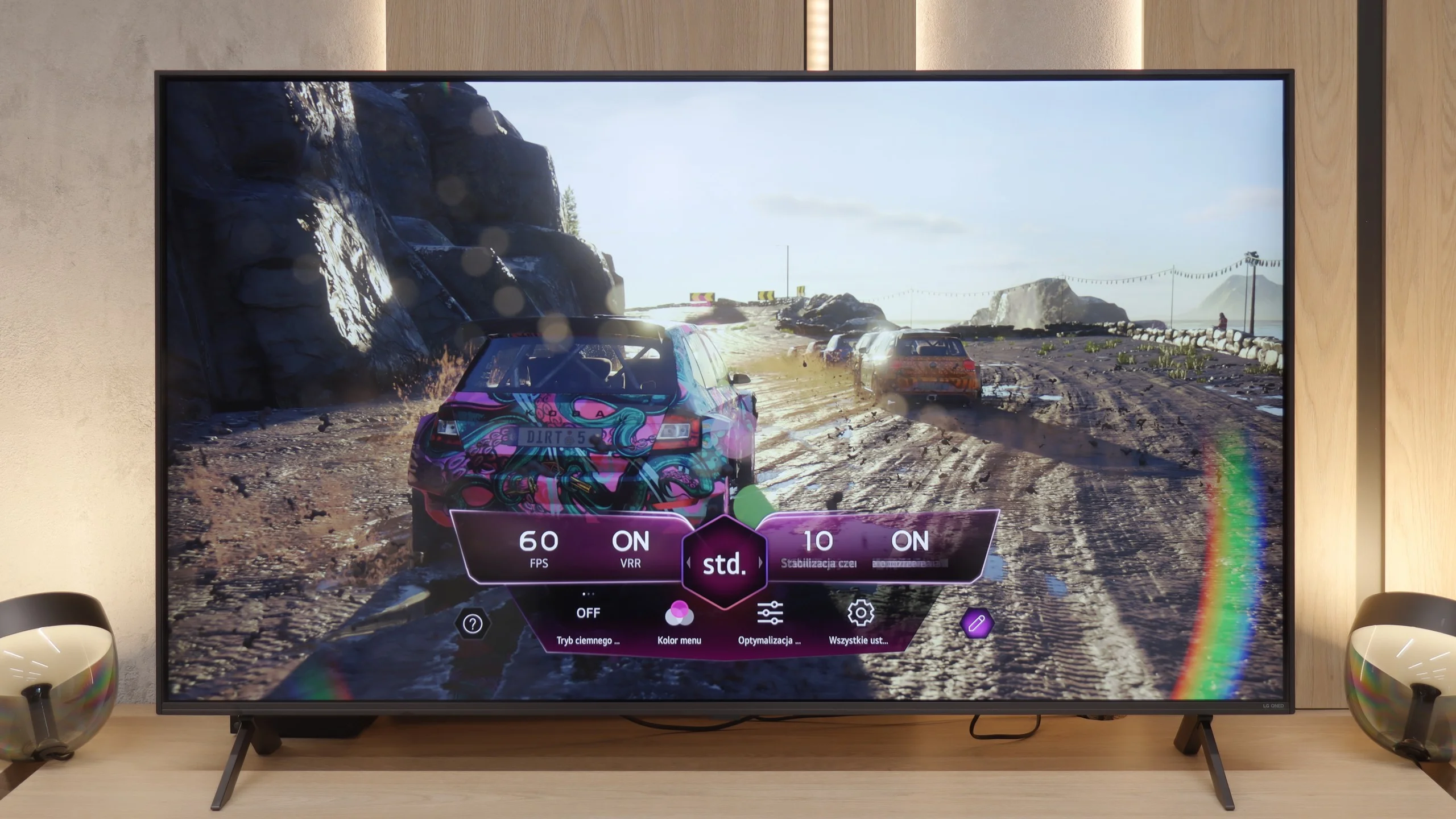
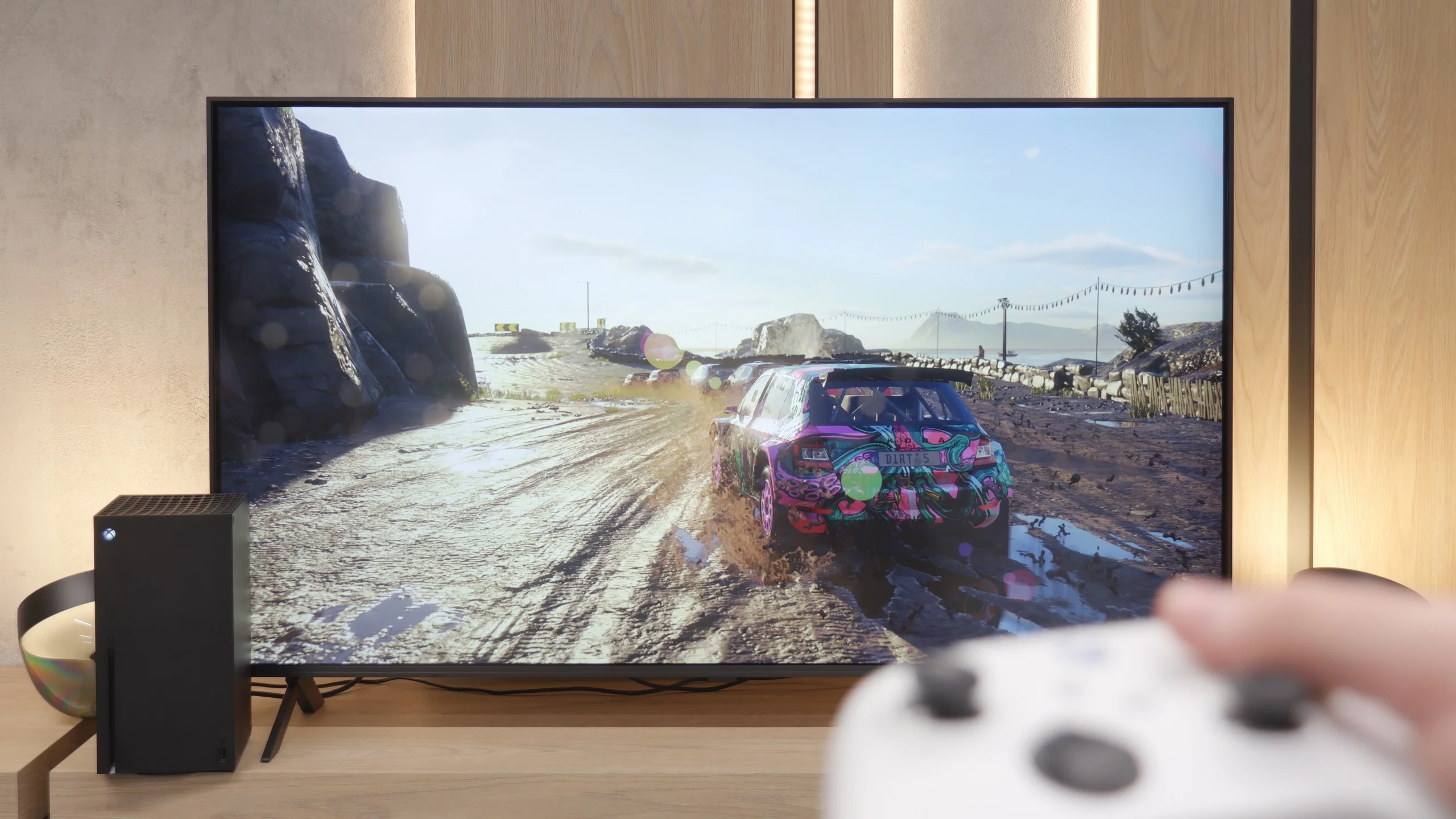
In the gaming section, we won't be pulling the wool over your eyes – the QNED80A is not e-sports equipment. The lack of 120Hz signal support is a fact to accept. However, LG's engineers have done everything to squeeze the maximum potential out of this 60Hz panel, providing gamers with a desirable set of features. Above all, the TV supports VRR (in the range of 48-60Hz) and ALLM. This means the image is smooth and doesn't stutter, and the TV automatically switches to low latency mode as soon as you grab the controller. Accessing these options is ridiculously easy thanks to the dedicated system overlay – Game Dashboard. It's also worth appreciating the support for the HGiG format. This is a nod to owners of modern consoles. Even though the screen doesn't support gaming Dolby Vision, HGiG ensures that the TV "understands" how to display games in HDR. This helps avoid the effect of blown-out clouds, which is unfortunately a plague on cheaper LCD TVs.

LG QNED80A6A (IPS) - Input lag
9.8/10
And what about responsiveness? Our measurements showed an input lag of around 15 ms. In the gaming world, where top monitors can go down to 1 ms, this might seem like an average result, but in the category of living room TVs, it's a very good outcome. In practice, this means that when playing on a console, you won't feel any discomfort. There's no situation where the character reacts with a noticeable delay after pressing a button on the controller. The TV responds to the controller without delay, allowing you to enjoy gameplay without unnecessary irritation. For casual gaming after work – the result is quite acceptable.
| SDR | HDR | Dolby Vision |
|---|---|---|
| 1080p60: 15 ms | 2160p60: 15 ms | |
| 2160p60: 15 ms |

LG QNED80A6A (IPS) - Compatibility with PC
5/10
Chroma 444 (max. resolution and refresh rate): Yes
Font clarity: Very Good
Readability of dark text and shapes: Average
Input lag in PC mode (4K, max. refresh rate): 15ms
Matrix subpixel arrangement: RGB
Max refresh rate: 60Hz
G-Sync: No
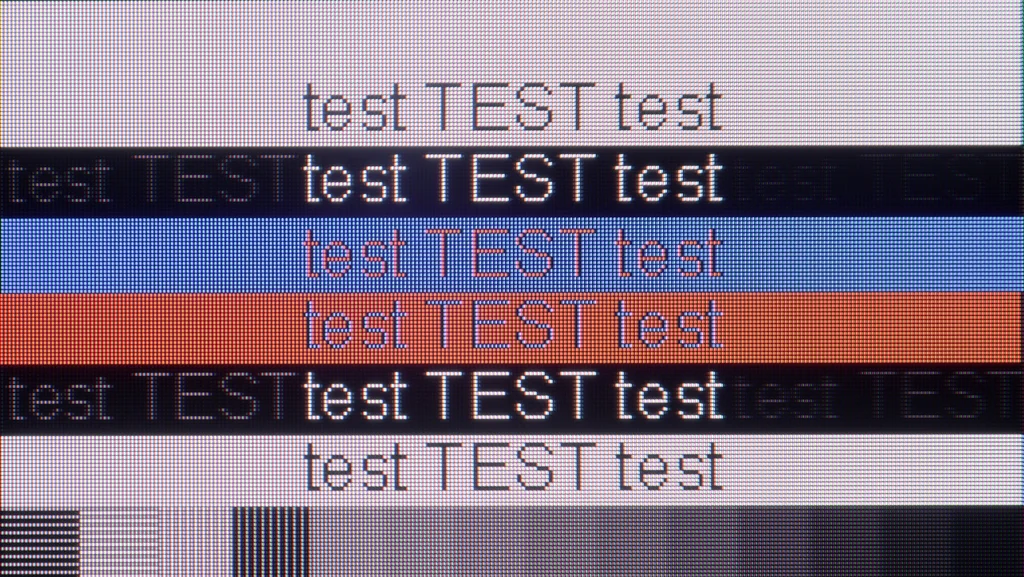
In terms of collaboration with a PC, we have another surprise in store. Theoretically, it's the IPS panels that should dominate the display of static office content due to their pixel structure. Meanwhile, the QNED80A breaks the mould once again. During testing, we noticed some odd behaviour when displaying text. While classic, bold fonts are readable and look correct, the challenges arise with small, thin letters. They tend to "split" on the contours and cast a strange shadow. This makes small text less clear, and over extended periods, it can be tiring on the eyes. So if you're looking for a television that will mainly be used for displaying tables in Excel or Word documents, this particular model may disappoint you a bit.
LG QNED80A6A (IPS) - Viewing angles
6/10
Brightness drop at an angle of 45 degrees: 69%
Remember how we complained about the lower contrast? Now it's time for a comeback. It's in terms of viewing angles that the IPS panel shows its superiority and reason for existence. If you have a spacious lounge and family members watch TV from different spots – for example, from an armchair in the corner or over the dining table – this variant will be spot on. Unlike VA panels, here the image retains its properties even at a large angle. Colours remain vibrant, not changing shades when viewed from the side. This makes the QNED80A in this version an excellent choice for watching matches with mates or cartoons with the kids, where not everyone has the luxury of sitting directly in front of the screen.
LG QNED80A6A (IPS) - Daytime performance
4.7/10
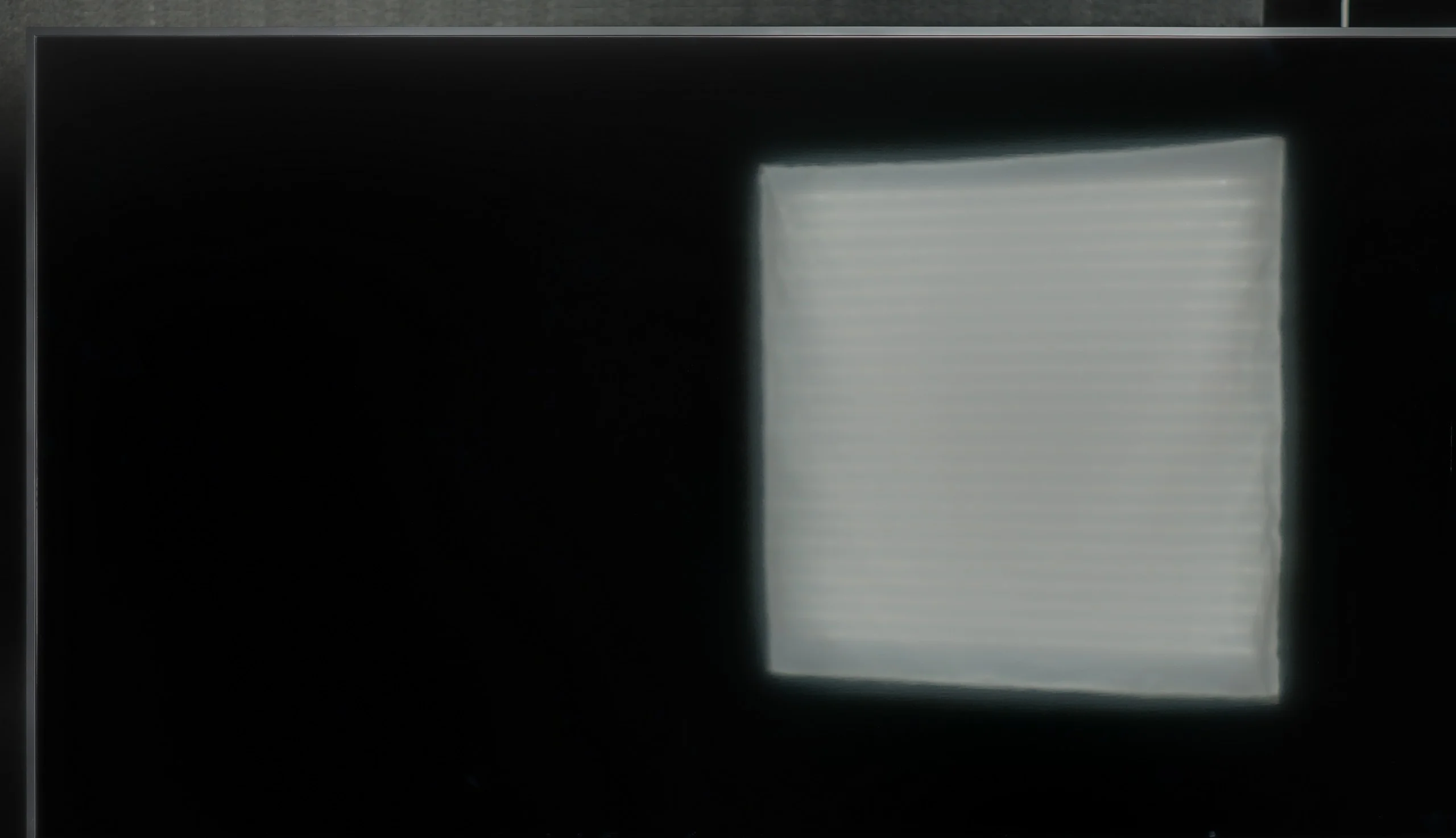
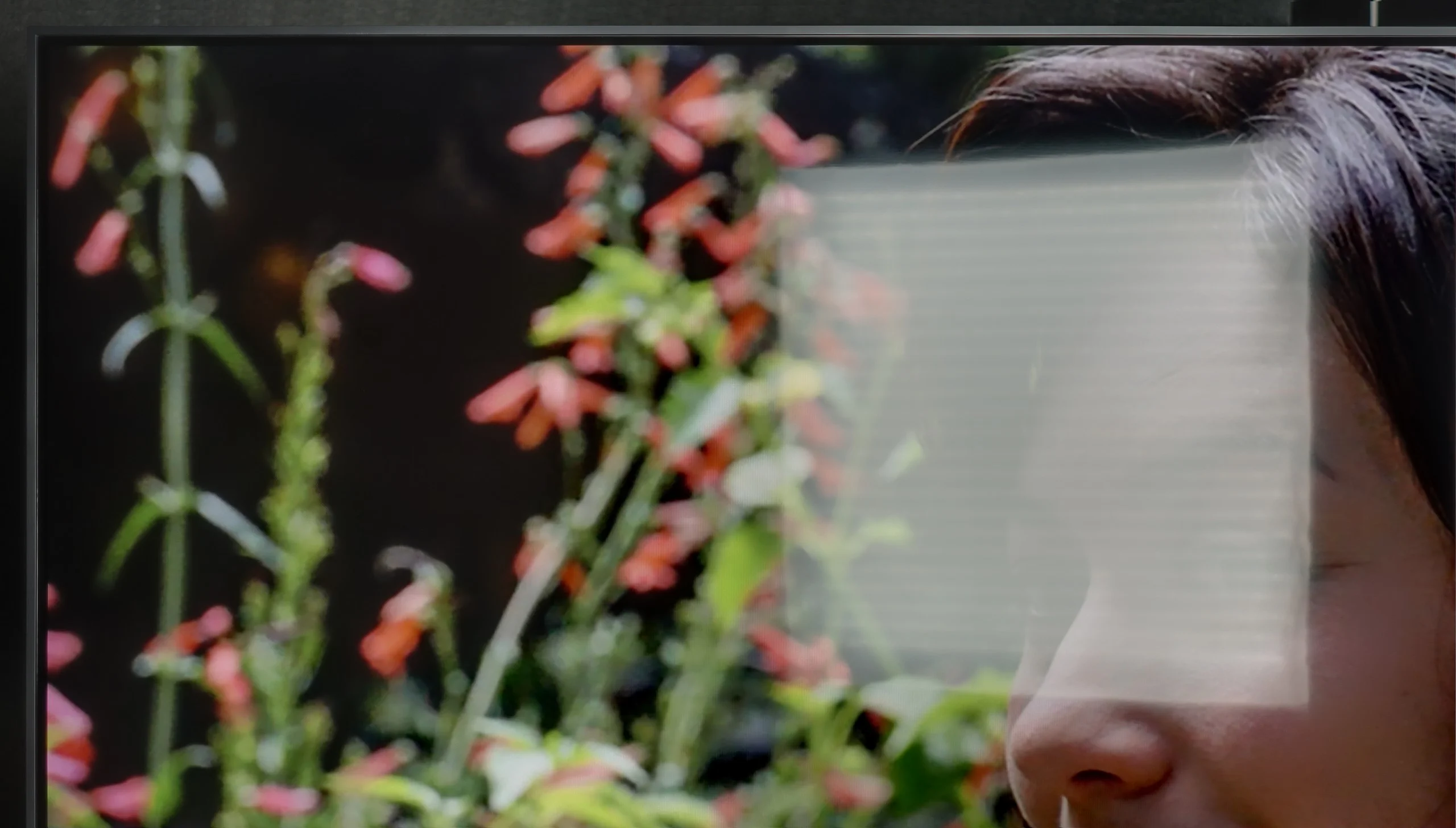
Panel finish: Satin
Reflection suppression: Decent
Black levels during daytime: Good
QNED80A is not a "light monster," so in full, direct sunlight, the picture may appear a bit washed out. It is not equipment designed to combat sharp sunlight hitting directly on the screen. However, it has an ace up its sleeve that significantly improves user comfort: the matrix coating. Instead of a cheap, glossy finish, LG has used a satin structure here. It works very effectively, "softening" reflections from the surroundings. We don’t see our perfect reflection in the screen like in a mirror, which can be incredibly annoying in darker scenes. So for extremely bright rooms, this may be insufficient, but in standard, moderate home conditions, the QNED80A will perform perfectly.
Panel brightness
LG QNED80A6A (IPS): 310 cd/m2
LG QNED80A6A (IPS) - TV features
6.8/10
System: WebOS
System performance: Good
- HDMI inputs: 3 x HDMI 2.0, 0 x HDMI 2.1
- Outputs: Toslink (Optical audio), eARC (HDMI), ARC (HDMI)
- Network Interfaces: Wi-Fi 2.4GHz, Wi-Fi 5GHz, Ethernet (LAN) 100Mbps
- TV reception: DVB-T, DVB-T2, DVB-S, DVB-S2, DVB-C
Classic features:
- Recording to USB (terrestrial TV): No
- Recording programming: No
- Picture in Picture (PiP): No
- RF remote control (no need to aim): RF
- Backlit remote control: No
- Teletext: Yes
- Audio only mode: Yes
- Bluetooth headphones support: Yes
- Simultaneous Bluetooth headphones & TV audio: Yes
Smart features:
- AirPlay: Yes
- Screen mirroring (Windows Miracast): Yes
- Voice search: Yes
- Voice search in native language: Yes
- Ability to connect a keyboard and mouse: Yes
WebOS Platform and Support
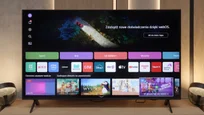
One of the biggest advantages of the QNED80A model is its "brain," which is the operating system. LG has implemented a fully-fledged WebOS version for 2025, which in terms of smoothness and usability is on par with more expensive models. Apps launch smoothly, and navigating the menu is a pure pleasure. This is all thanks to the unique remote control with a pointer (cursor) function, which has undergone a visual redesign this year. The manufacturer has opted for minimalism – the new "Magic" is significantly smaller and more ergonomic. It fits perfectly in the hand, but this change also has a downside. The physical number pad has disappeared from the casing. For younger users, accustomed to streaming, this is no problem, but older household members who are used to entering channel numbers from memory will have to change their habits.
Daily Use and Features
In terms of features that we would call "classic," the QNED80A adheres to a tried-and-true standard. It is not a multimedia machine that will surprise you with any exotic additions, but it performs flawlessly in everyday television tasks. The handling of traditional television, including Teletext, is correct and trouble-free. The wireless communication also deserves praise – the Bluetooth module works reliably, allowing for quick connection to a game controller or wireless speakers. This is a television that simply "works" – stably, predictably, and without unnecessary complications.
Sound connection options
HDMI audio:
Other audio outputs:
- Toslink: Yes
Wireless audio:
- Bluetooth: Yes
Supported audio formats (external HDMI eARC audio):
- Dolby Digital Plus 7.1: Yes
- Dolby True HD 7.1: No
- Dolby Atmos in Dolby Digital Plus (JOC): Yes
- Dolby Atmos in Dolby True HD: No
- DTS:X in DTS-HD MA: No
- DTS-HD Master Audio: No
Senior accessibility
- Numeric keyboard on TV: No
- Font size adjustment: No
- Audio description: Yes
LG QNED80A6A (IPS) - Apps
9.1/10






















LG QNED80A6A (IPS) - Playing files from USB
8.2/10
| Maximum photo resolution: | Supported photo formats: |
|---|---|
| 4 Mpix | JPEG |
| 6 Mpix | HEIC |
| 8 Mpix | PNG |
| 10 Mpix | GIF |
| 12 Mpix | WebP |
| 16 Mpix | TIFF |
| 20 Mpix | BMP |
| 24 Mpix | SVG |
| 28 Mpix | |
| 32 Mpix |
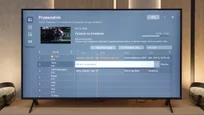
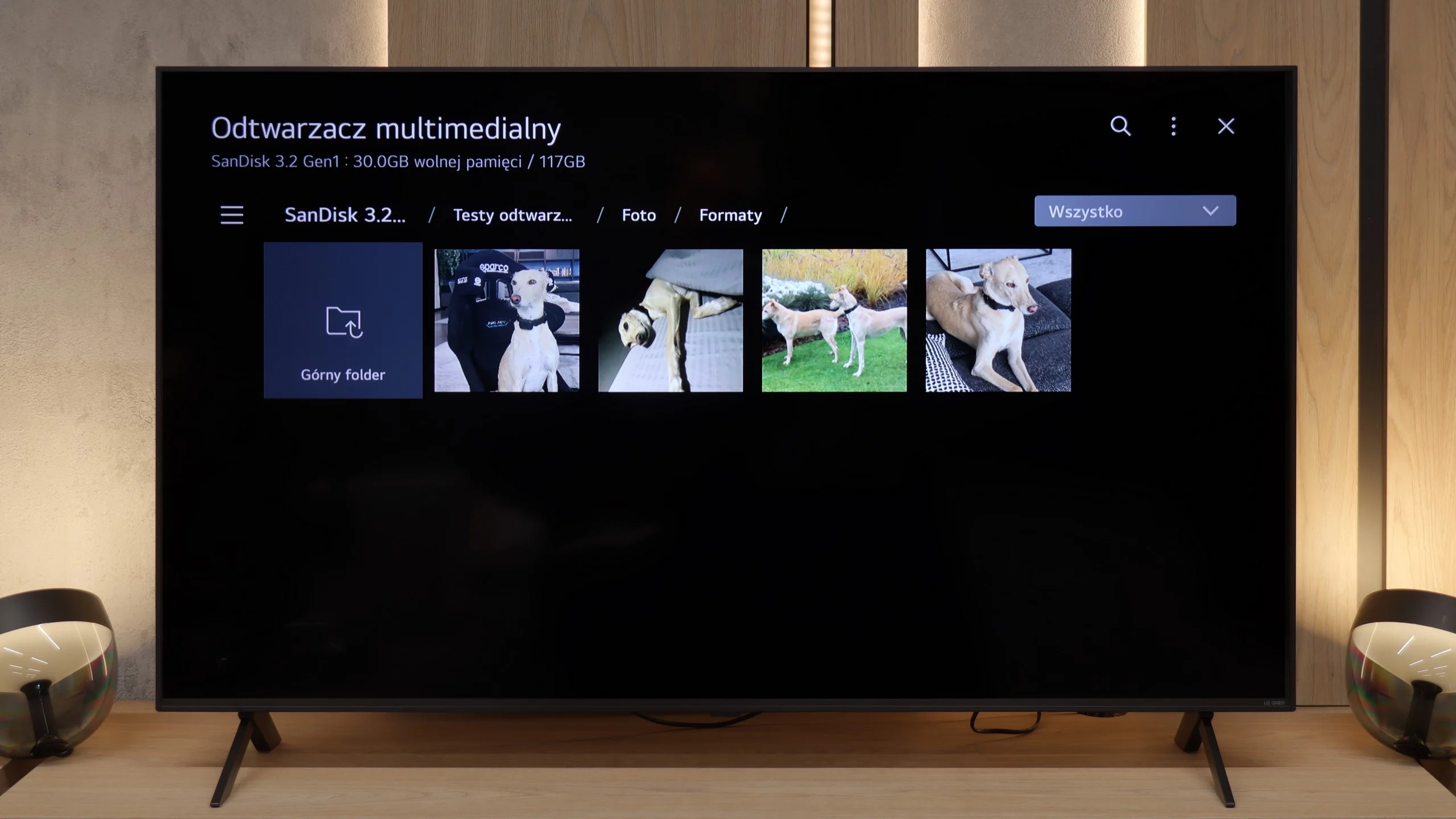
Many of us still enjoy watching films or photos from our own USB drives. Here, the QNED80A performs quite well, supporting a wide range of audio and video codecs. Most film libraries should start "straight away." However, it's important to remember the specifics of the WebOS system. As it is a closed environment, we are limited to what the manufacturer has provided for us – there is no option to install alternative players (like the popular VLC) if we encounter a read error. And what errors might we encounter? Primarily the lack of support for HEIC files. So, if you take photos with your iPhone and want to display them on the big screen straight from a USB drive – the TV won't recognise them. It’s worth changing the photo format to JPG on your phone right away. We also noticed that the player has difficulties processing very large graphic files. Photos with resolutions of around 20-28 Mpix may not load or may cause errors. Aside from these exceptions – the operation is seamless.
LG QNED80A6A (IPS) - Sound
6/10
81dB
Maximum volume

Supported codecs (TV speakers)
Dolby Digital Plus 7.1
Dolby True HD 7.1
Dolby Atmos in Dolby Digital Plus (JOC)
Dolby Atmos in Dolby True HD
DTS:X in DTS-HD MA
DTS-HD Master Audio
When it comes to sound, the QNED80A fits into the market standard for the mid-range. We have a classic 2.0 setup with a power of 20 watts. We won't hide it – physics cannot be fooled. The sound lacks low tones (bass) and that specific depth that builds the atmosphere in action movies or while listening to music. However, the television has one significant advantage that users of traditional television, such as series and news programmes, will appreciate. It is the reproduction of speech. The dialogues are surprisingly clear and natural. The sound is not "bass-heavy" or artificially boosted, which means it doesn't strain the ear and allows you to understand every word of the narrator without the need to turn up the volume.
Sound Quality Test:
Acoustic Measurements
No acoustic data
LG QNED80A6A (IPS) - Panel details
Software version during testing: 33.21.62
Panel uniformity and thermal imaging:
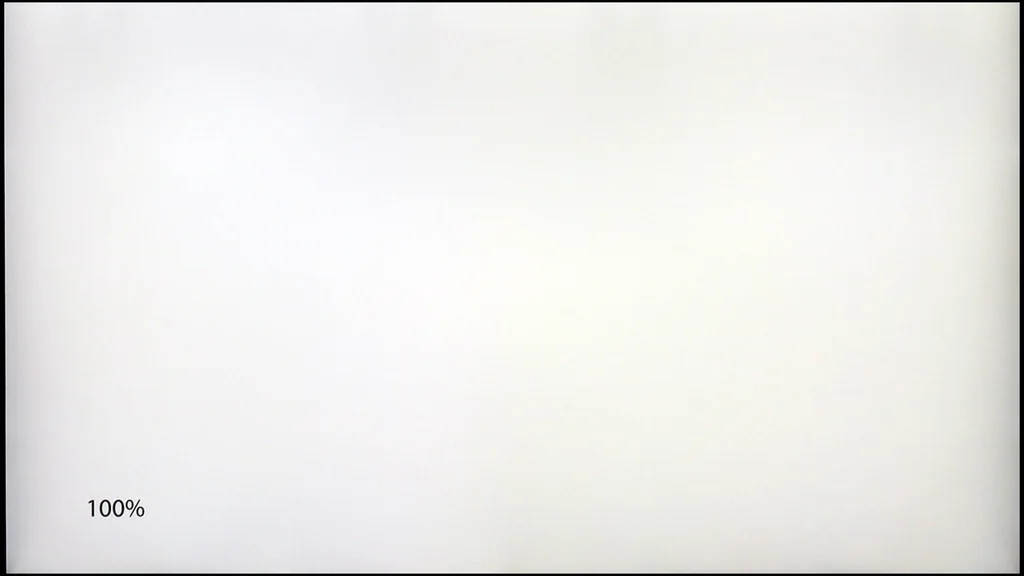
Backlight Type: Mini-LED PFS LED

Founder and originator of the "ChooseTV" portal

Journalist, reviewer, and columnist for the "ChooseTV" portal
Reader comments
Comments are provided by the external service Disqus (Zeta Global). Once loaded, Disqus may set cookies and process data about your activity.
We will remember your choice on this device. Provider's privacy policy
See articles related to LG QNED80A6A (IPS):
 4/7/2025

12/19/2025
12/30/2025
6/20/2025