 Direct comparison
TCL X11L is, without a doubt, a powerful showcase from the manufacturer and a TV that impresses in many areas. It’s clear the engineers focused on what matters most: peak brightness, blacks and contrast. The new quantum dots with an SQD filter do such a good job that colour saturation is on par with the top new RGB panels. And the blacks? The X11L can easily stand next to an OLED and doesn’t lose that battle by much, which is a real achievement for a Mini-LED. On top of that there’s a whole lot that surrounds the panel. The new MediaTek Pentonic 800 processor has completely solved TCL’s old issues; image processing, upscaling and the smoothness of tone transitions finally look as good as those from rivals in Korea or Japan. There’s no longer any cause for embarrassment. Gamers will be thrilled too: four full HDMI 2.1 ports, refresh rates up to 288 Hz, a console-inspired Game Bar and Dolby Vision without any noticeable input lag. All of this is tied together by a very smooth Google TV system. Sounds like a recipe for the best Mini-LED of 2026, right? It would be perfect if not for one irritating quirk that stems directly from TCL’s stubborn tuning philosophy. This TV can simply ignore the director’s intent and, in HDR formats, arbitrarily and artificially brighten entire scenes. The result? The image is sometimes too bright, occasionally even blown out. Worst of all, the software offers no way to fix it; even during professional calibration we couldn’t fully correct this flaw. For a screen at this price that aspires to be the “best of the best”, that sort of behaviour is simply not acceptable, especially in the Filmmaker mode. All that said, if you don’t care about perfect studio accuracy and want a picture that’s above all spectacular, showy and very bright in daylight, the X11L is a true beast. It’s the first Mini-LED to get so close to OLED black levels while utterly crushing it on brightness. The only real brake here is the price. The amount you’ll pay for this model (regardless of size) is a serious outlay. Is it worth that money? We’ll leave that up to you. One thing’s for sure: it’s currently one of the best Mini-LEDs we’ve tested so far.
- Matching (Score) |
- Our verdict |
- TV appearance |
- Where to buy |
- Contrast and black detail |
- HDR effect quality |
- Factory color reproduction |
- Color reproduction after calibration |
- Smoothness of tonal transitions |
- Image scaling and smoothness of tonal transitions |
- Blur and motion smoothness |
- Console compatibility and gaming features |
- Input lag |
- Compatibility with PC |
- Viewing angles |
- Daytime performance |
- Panel details |
- TV features |
- Apps |
- Playing files from USB |
- Sound
P7L / P79L

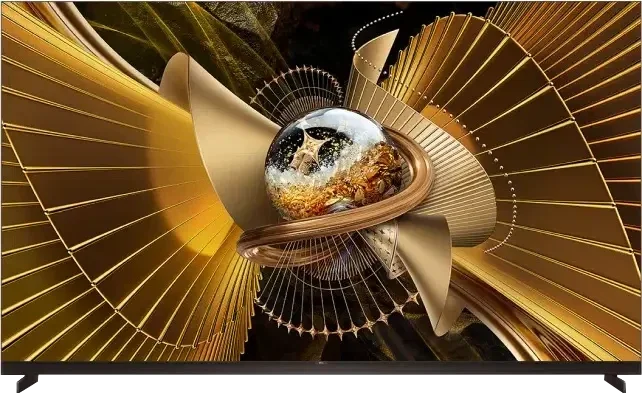
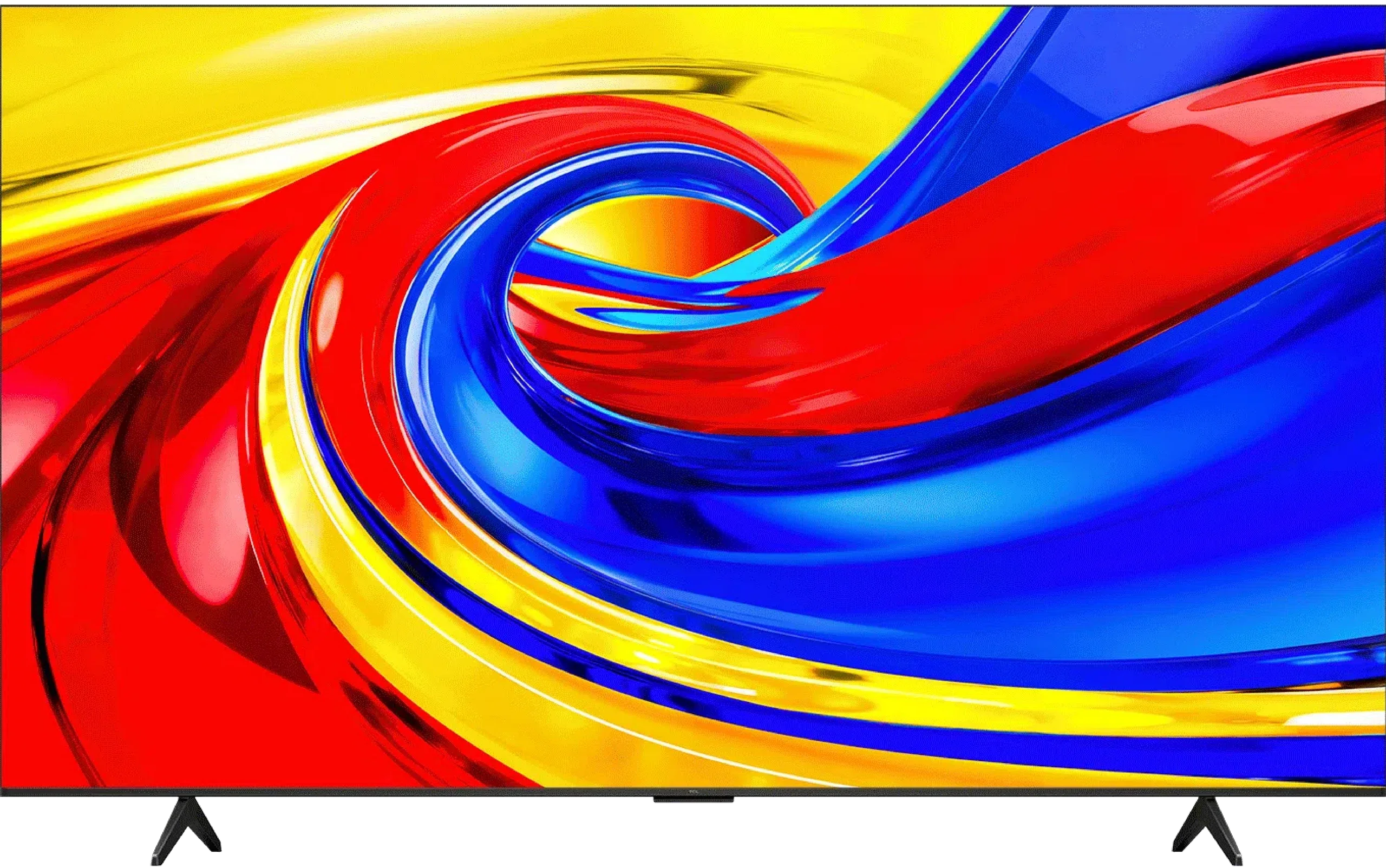
Panel type: LCD VA
Resolution: 3840x2160
System: Google TV
Model year: 2026
Complete the survey to find out the result
Panel type: LCD VA
Resolution: 3840x2160
System: Google TV
Model year: 2026
Complete the survey to find out the result
Overall rating
8.6
6.3
 Movies and series in UHD quality
8.5
5.8
 Classic TV, YouTube
7.9
6.0
 Sports broadcasts (TV and apps)
7.3
5.7
 Gaming on console
9.1
7.3
 TV as a computer monitor
8.6
5.8
 Watching in bright light
10.0
5.2
 Utility functions
8.3
7.0
 Apps
9.6
9.6
 Sound quality
8.2
6.2
Complete the survey to find out what fits your preferences
Advantages

Najlepsza czerń na rynku w ekranie MINI-LED
Ekstremalnie wysoka jasność HDR i SDR
Świetne nasycenie barw dzięki filtrowi SQD (Super QLED)
Bardzo dobra obróbka obrazu (MediaTek Pentonic 800)
Masa funkcji dla graczy: 4x HDMI 2.1, VRR, ALLM, odświeżanie do 288Hz (PC)
Dobra płynność ruchu
Otwarty system operacyjny: Google TV
Rewelacyjny wygląd i wykonanie
Podświetlany, metalowy pilot
Wbudowany system audio strojony przez Bang & Olufsen
Good contrast thanks to a VA panel
Rich colours: QLED (PFS)
Support for Dolby Vision and HDR10+
Audio format support: Dolby Atmos and DTS:X
Advanced gaming features: VRR, ALLM
Low input lag
120Hz support at lower resolutions
Google TV with a wide selection of apps
Disadvantages

Artificial brightening of the picture: the TV brightens the entire HDR image on its own
Glossy panel does a poor job of reducing reflections
Lack of "TV" features, e.g. USB recording (PVR), PiP
High price
Low brightness
Poor viewing angles
Average sound quality
Our verdict
The TCL P7L is a solid budget TV that shows you can get more than just a basic screen for a relatively low price. It doesn't match pricier Mini-LEDs or OLEDs, but in its class it has plenty to offer. Its VA panel delivers decent blacks and contrast, so evening viewing doesn't look as flat as on many cheap IPS models. Colours also look good after calibration. For watching movies and TV shows it's a very capable base, and Google TV gives access to a wide selection of apps and streaming services. The biggest surprise is its gaming abilities. The P7L responds quickly to controller input, supports VRR and automatically switches into game mode. It even offers Dolby Vision Gaming and a Game Bar with settings at hand. What's more, by dropping the resolution to 1080p or 1440p you can play at 120 Hz. In 4K it’s limited to 60 Hz, so you have to choose between finer detail and smoother motion, but it's great to have that choice at this price.
TCL also handles lower-quality source material quite well. Lower-resolution content looks acceptable, and the banding reduction (smoothing tonal transitions) really helps cut visible bands between shades. Its HDR handling is also commendable. The TV sensibly maps content to its capabilities and tries to preserve highlight detail instead of turning bright areas into blobs of white. Dolby Vision helps further, often producing noticeably better results than HDR10. That doesn't mean the HDR effect is awe-inspiring. The P7L's biggest limitation is brightness. Small highlights and reflections lack the punch you'll see on more expensive screens, even if their detail remains visible. For the same reason the TV struggles in a brightly sunlit living room. It performs much better in a moderately lit room.
So the P7L has its limits, but it's hard to argue with its value for money. It's fine for everyday viewing, doesn't restrict your choice of apps and gives surprisingly generous freedom for gaming. If you're after an affordable TV and can accept its flaws, the TCL P7L is a model worth considering.
TV appearance
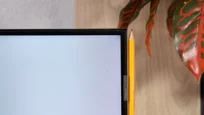
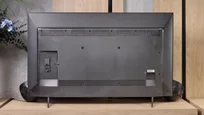

Contrast and black detail
9.1/10
6.1/10
Local dimming function: Yes, number of zones: 11520 (80 x 144)
Local dimming function: No
Contrast:


Result
1,842,100:1

Result
942,400:1

Result
93,700:1

Result
91,450:1

Result
27,550:1
Result
7,550:1
Result
7,350:1
Result
5,150:1
Result
6,600:1
Result
4,250:1
Halo effect and black detail visibility:
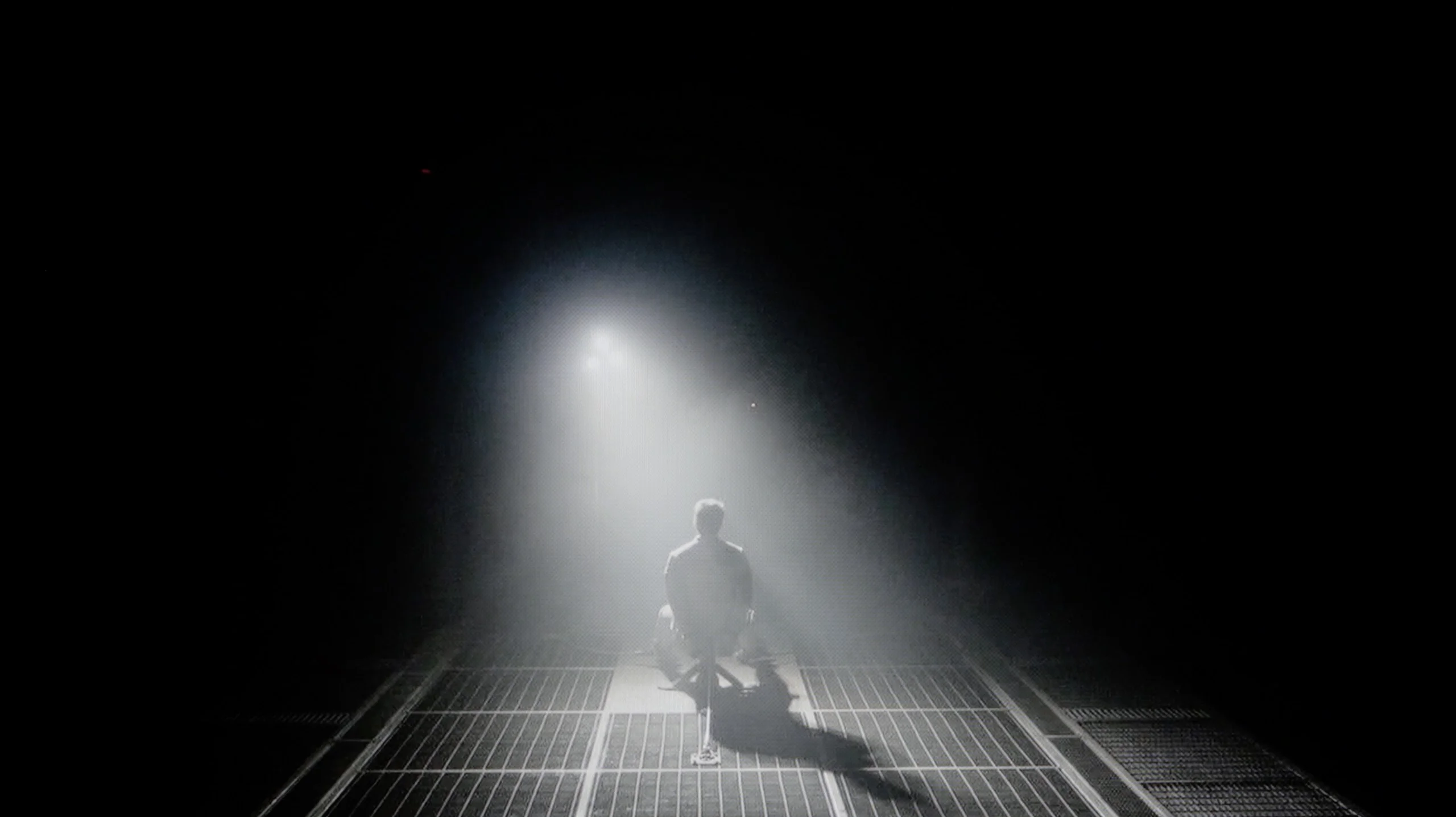
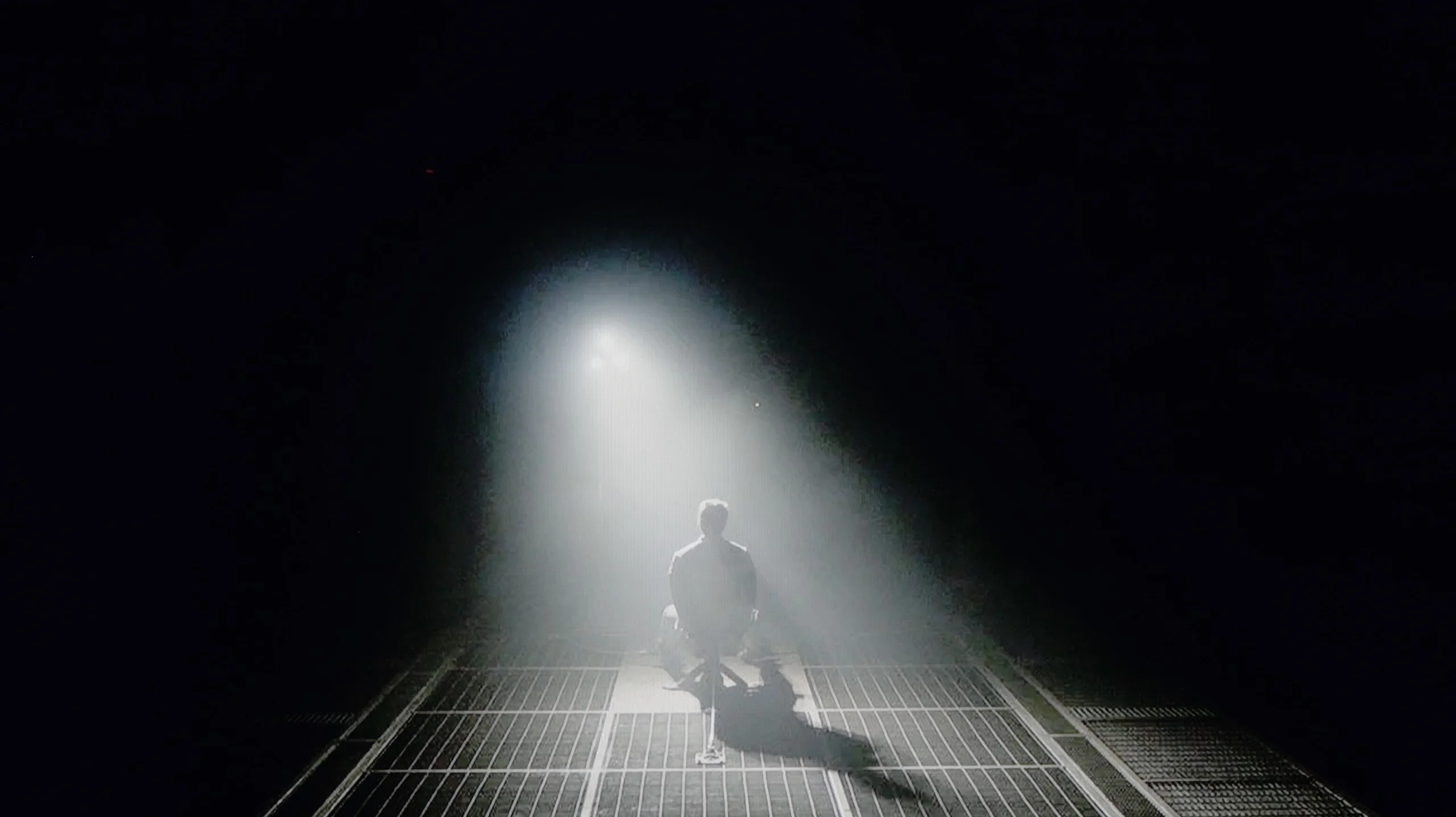
Check the visibility of bright lights on a dark background. Mini-LEDs often struggle with this. The photo does not compare black levels – that’s what the video below is for.
Black levels and contrast on the X11L are simply A M A Z I N G. The main credit goes to the astronomical number of local dimming zones combined with the proprietary WHVA 2.0 VA panel. In the 75-inch model we tested, we counted exactly 11,520 of them. Yes, you read that right, over 11 thousand local dimming zones in a Mini-LED screen! That translated into outstanding results in our tests: most scenes, especially the less complex ones, had blacks uncannily similar to those on OLEDs. Even in total darkness, when the screen displayed deep, almost pitch-black parts of the image, you could mistake it for an OLED panel. This is currently the best Mini-LED if you care about the deepest possible blacks.
That said, remember this is still an LCD TV. Even with such an astronomical number of zones, very complex sequences with lots of small elements against a black background (like a starfield or our demanding test pattern no. 5 from the Pioneer Kuro) can reveal some haloing, a faint glow around bright objects. Undoubtedly, however, the effect is not as noticeable as on other screens of this type we've tested so far. The algorithm does a great job.
Naturally, the number of zones increases with the screen diagonal. Below you can see the number of zones for each size:
X11L screen size | Number of local dimming zones |
75" | 11,520 zones |
85" | 14,400 zones |
98" | 20,736 zones |
The TCL P7L can surprise with quite respectable blacks, mainly thanks to its VA panel. The panel itself offers contrast of around 4500:1, clearly better than typical IPS screens. The TV also uses global backlight control, so in darker scenes it can drive black levels even lower, and in our measurements it produced results that exceeded the panel's native capabilities.
However, this is not the local dimming seen on Mini LED TVs. The P7L can't dim small parts of the image separately, so when a bright element appears the whole backlight has to run at a similar level. In more demanding scenes the difference compared with models that have zoned dimming becomes apparent fairly quickly, and in a completely dark room blacks can tend to take on a navy tint. Despite these limitations we rate the P7L's overall contrast positively, especially given the segment it occupies.
HDR effect quality
9.2/10
4.5/10
Luminance measurements in HDR:

Result
2934 nit

Result
2105 nit

Result
2809 nit

Result
1782 nit

Result
2841 nit
Result
250 nit
Result
300 nit
Result
368 nit
Result
297 nit
Result
347 nit
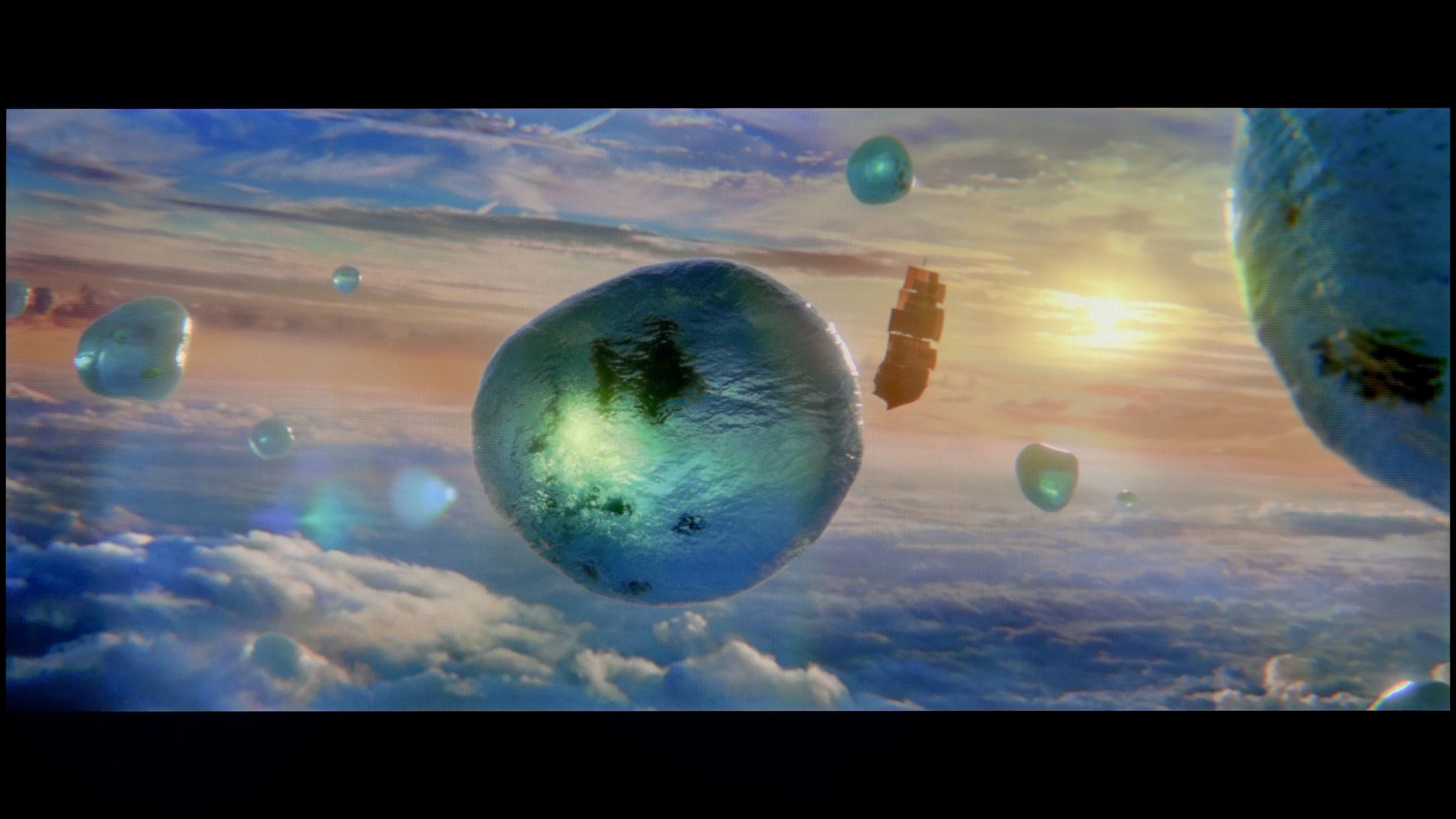
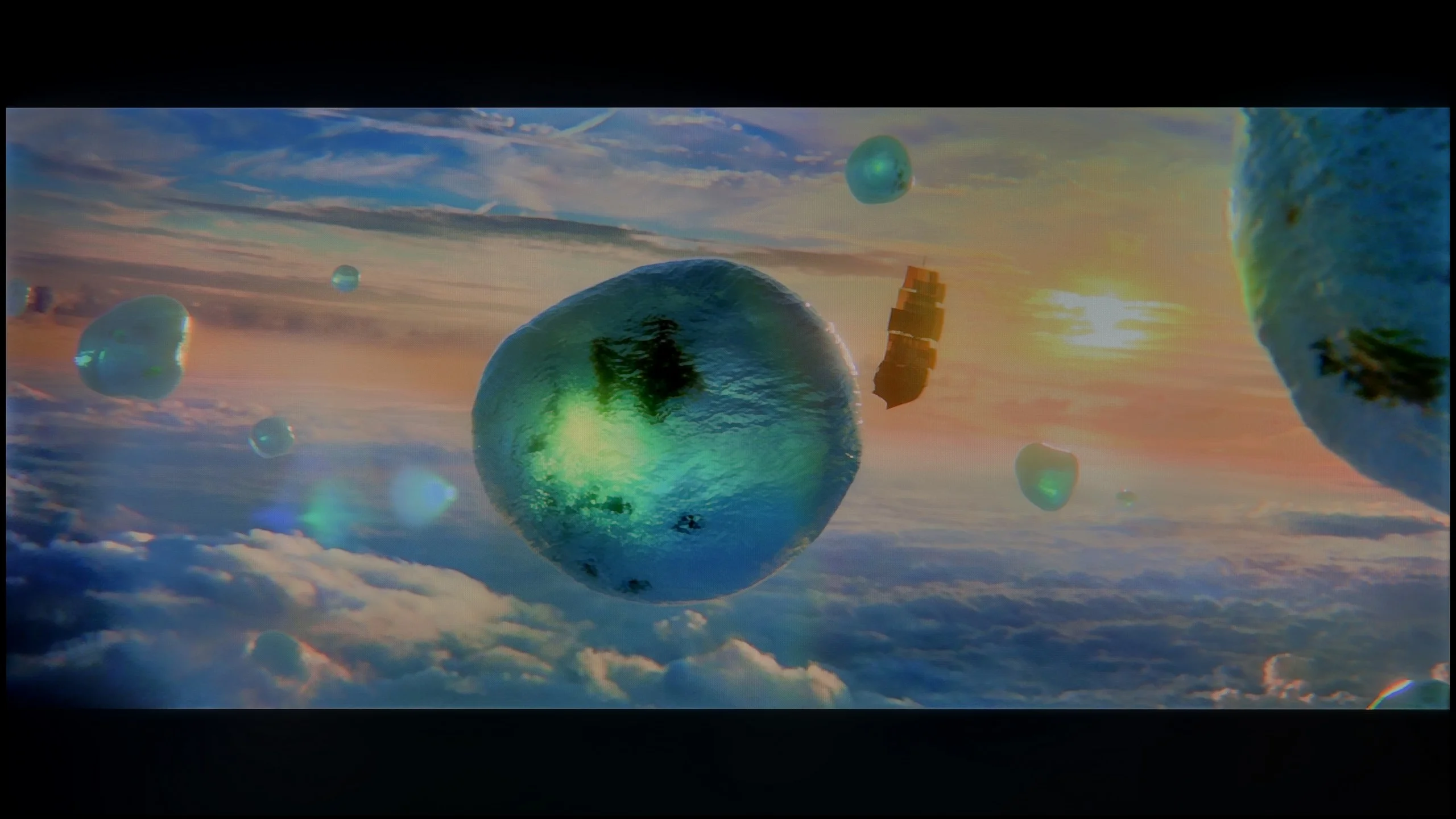
Scene from the movie “Pan” (about 2800 nits)
Scene from the movie “Billy Lynn” (about 1100 nits)
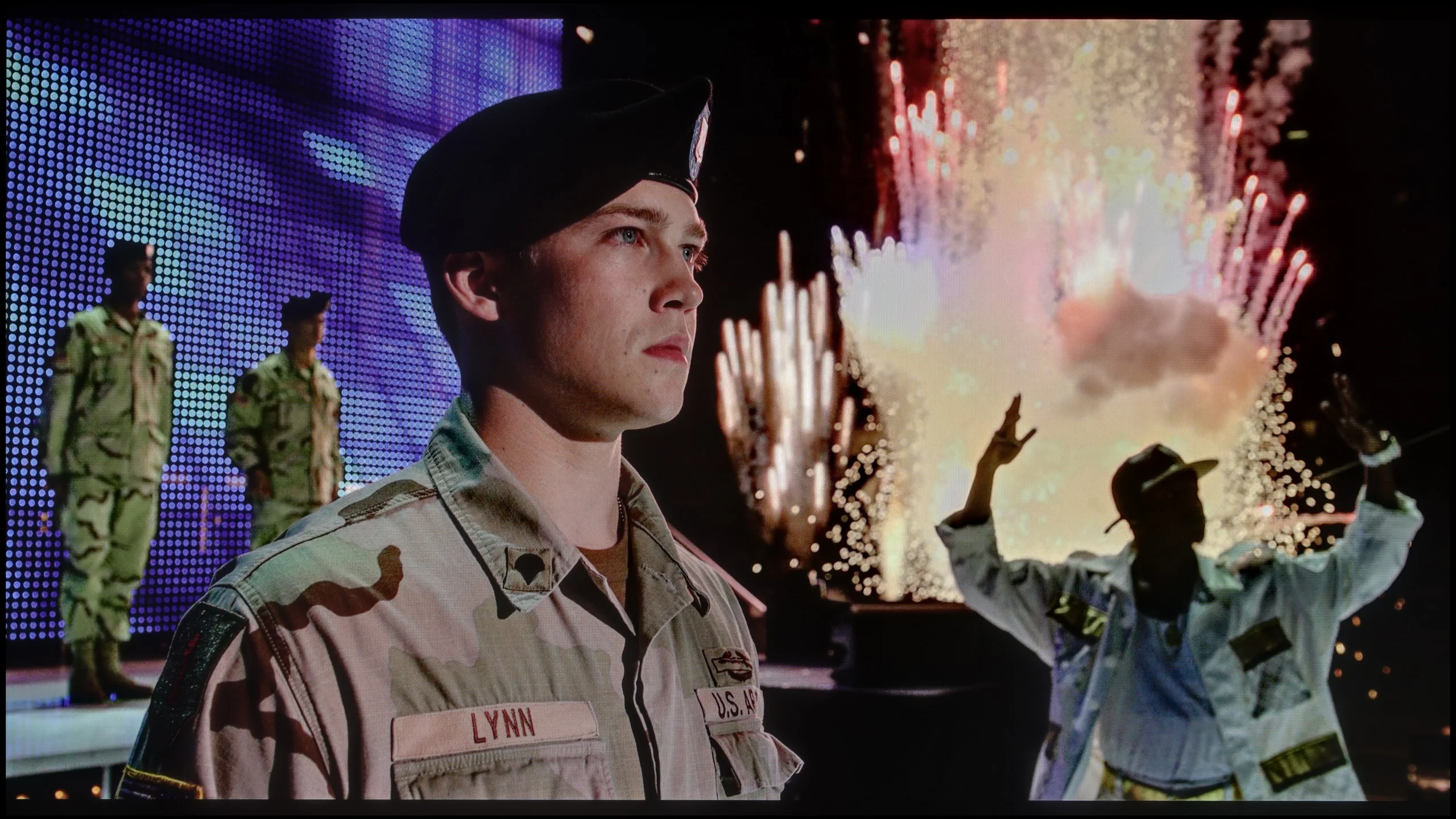
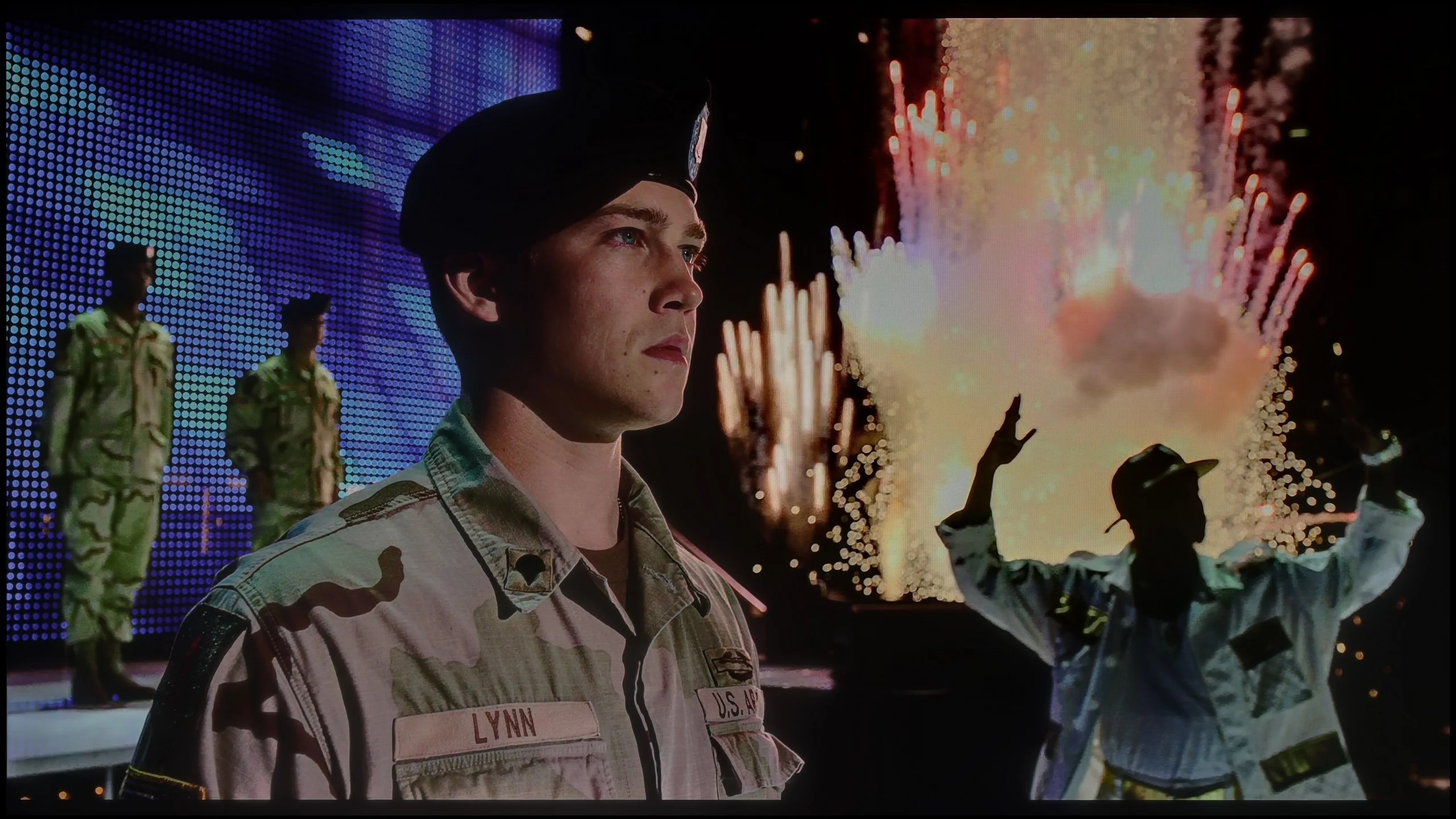
The photos show two HDR10 movies. 'Pan' is one of the brightest productions ever made, while 'Billy Lynn' (soldier) has brightness typical of streaming (Netflix, Prime, HBO MAX). Notice the intensity of effects and detail in whites.
Static HDR10

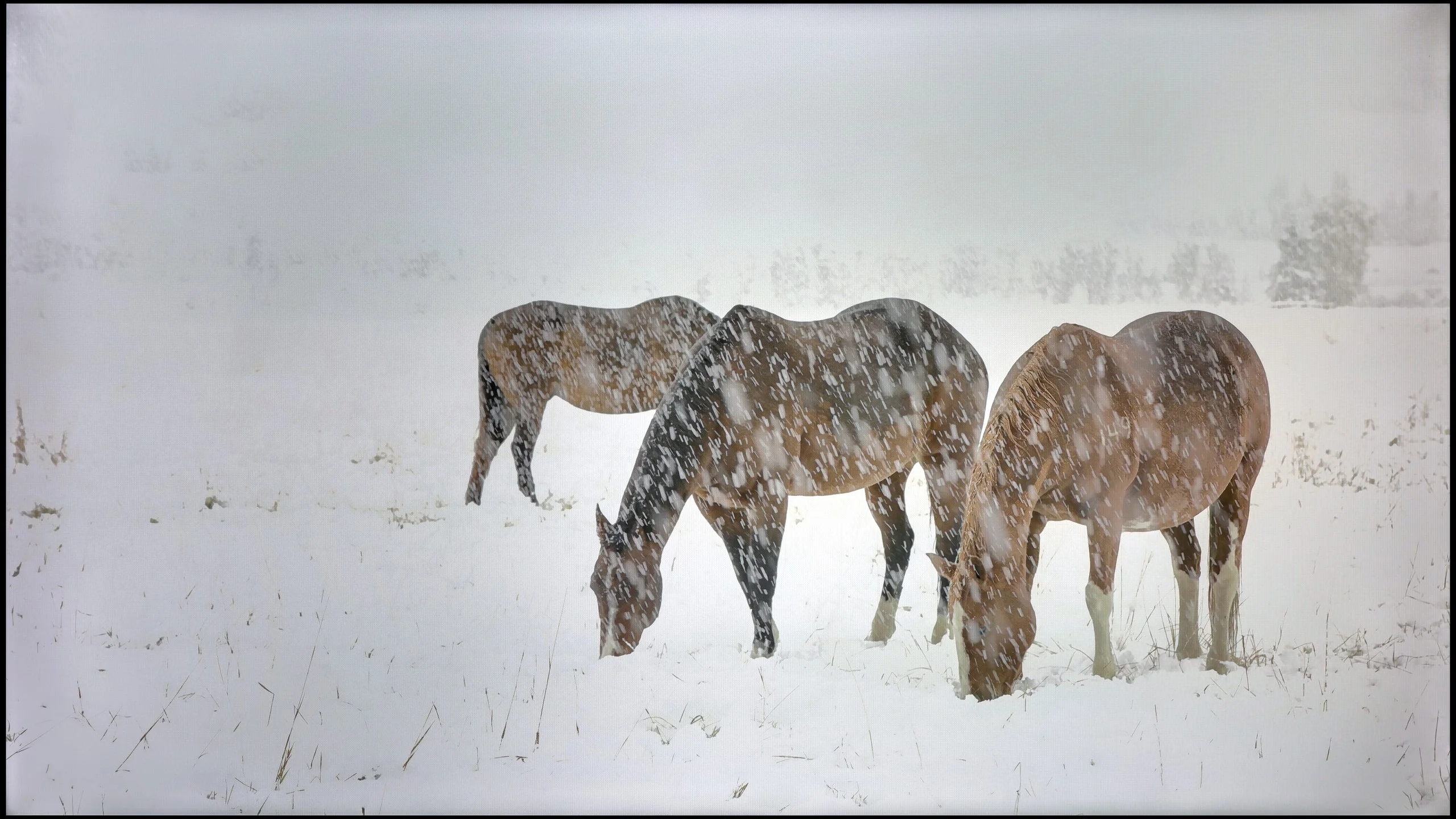
The photos present the visibility of white details in various HDR formats. They do not show brightness differences between TVs (these can be compared in the previous gallery).
Dynamic: Dolby Vision
Dynamic: Dolby Vision


The photos present the visibility of white details in various HDR formats. They do not show brightness differences between TVs (these can be compared in the previous gallery).
HDR luminance chart:
TCL P7L / P79L
TCL X11L
Such a large number of zones translated not only into deep, inky blacks but also into the panel’s brightness. The X11L is an extremely bright TV. Peak brightness can easily exceed 4000 nits, and with the special "Boost" mode enabled, under specific conditions that brightness can even hover around the marketing figures of 9000–10,000 nits. This is undoubtedly one of the brightest, if not the brightest, screens on the market. But how do those numbers translate to real-world movie measurements? The results are very good, though of course far from the marketing promises. Our measured brightness in actual movie scenes hovered around 2000–3000 nits. That’s an outstanding result, considering that the vast majority of content is produced to those brightness levels, including the rarer material mastered to 4000 nits. But it also shows that the numbers the manufacturer brags about don’t always translate directly to the video content available at home. The only "quirk" (if you can call it that) is that when very small, bright elements appear on the screen, their brightness drops below 2000 nits. The dimming algorithm does this deliberately to preserve deep blacks and minimize halo. This is entirely understandable and the effect remains very strong, but it also demonstrates that even with such powerful hardware, Mini-LED technology has its limits and does not always work without compromise. In HDR, brightness isn’t the only thing that matters; color saturation and color accuracy do as well. On the X11L these are very good thanks to the new Super QLED quantum dots (SQD). The addition of a newly applied filter delivered excellent coverage of the P3 color gamut and the ultra-wide BT.2020. Although it doesn’t reach the advertised 100% of BT.2020, values around 89–90% can be called excellent. Colors are not far off those of RGB Mini-LED panels. We can even say they’re more stable because they use a less demanding algorithm than the one RGB screens often have to deal with.
The biggest limitation of the TCL P7L in HDR is simply brightness. The TV doesn't have much luminance headroom, so strong highlights, sunlight or small light sources can't clearly "pop" out of the image. As a result, even well-produced HDR material looks fairly restrained and, in terms of dynamics, is closer to good SDR than to what brighter models show. That doesn't mean the P7L completely fails at HDR; the issue is mainly a lack of sufficient backlight power. Looking at colours, the situation is a bit better. The TV covers roughly 91% of the DCI‑P3 gamut and about 68% of the wide BT.2020 space, so for its price class the colour range is quite decent. TCL markets this model as QLED, although the nature of the solution used is closer to a PFS phosphor‑based backlight than a classic quantum dot layer. What matters most to the viewer is the effect: more saturated colours are on offer.
Factory color reproduction
5.2/10
5.4/10
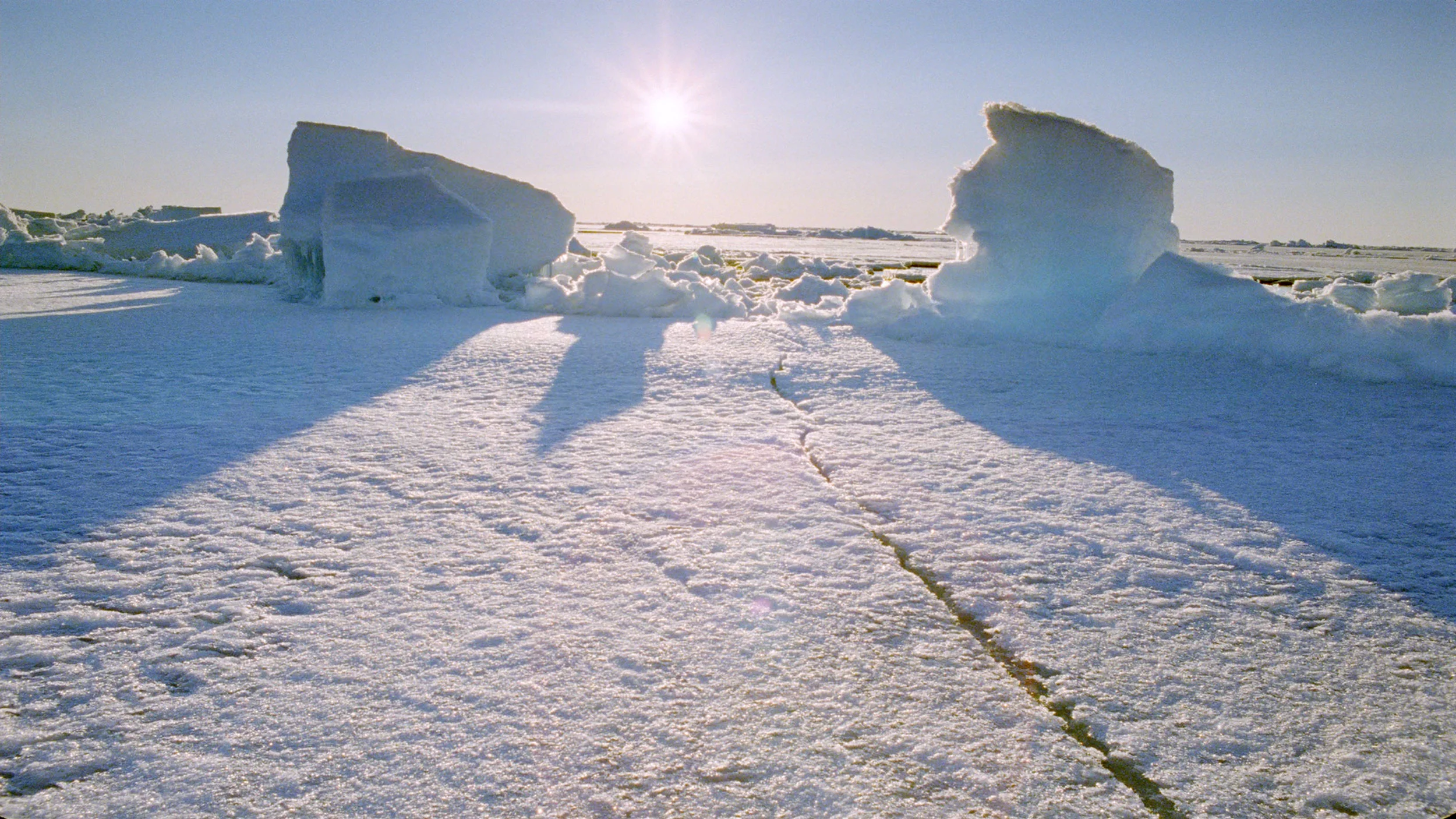

This gallery shows how colors change after professional TV calibration. If you notice the difference, we recommend ordering this service at SkalibrujTV.com.
Factory Mode
After calibration
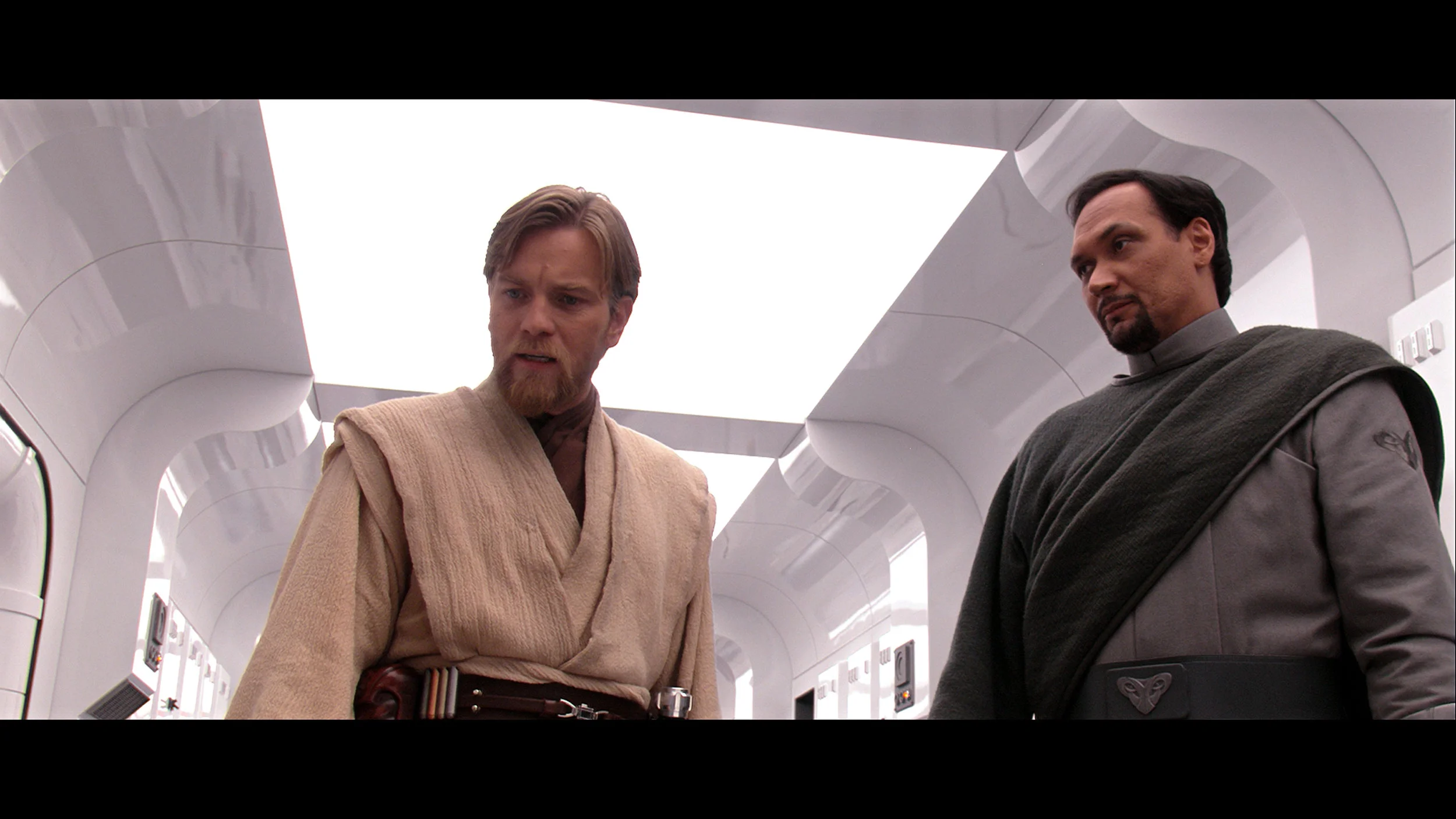
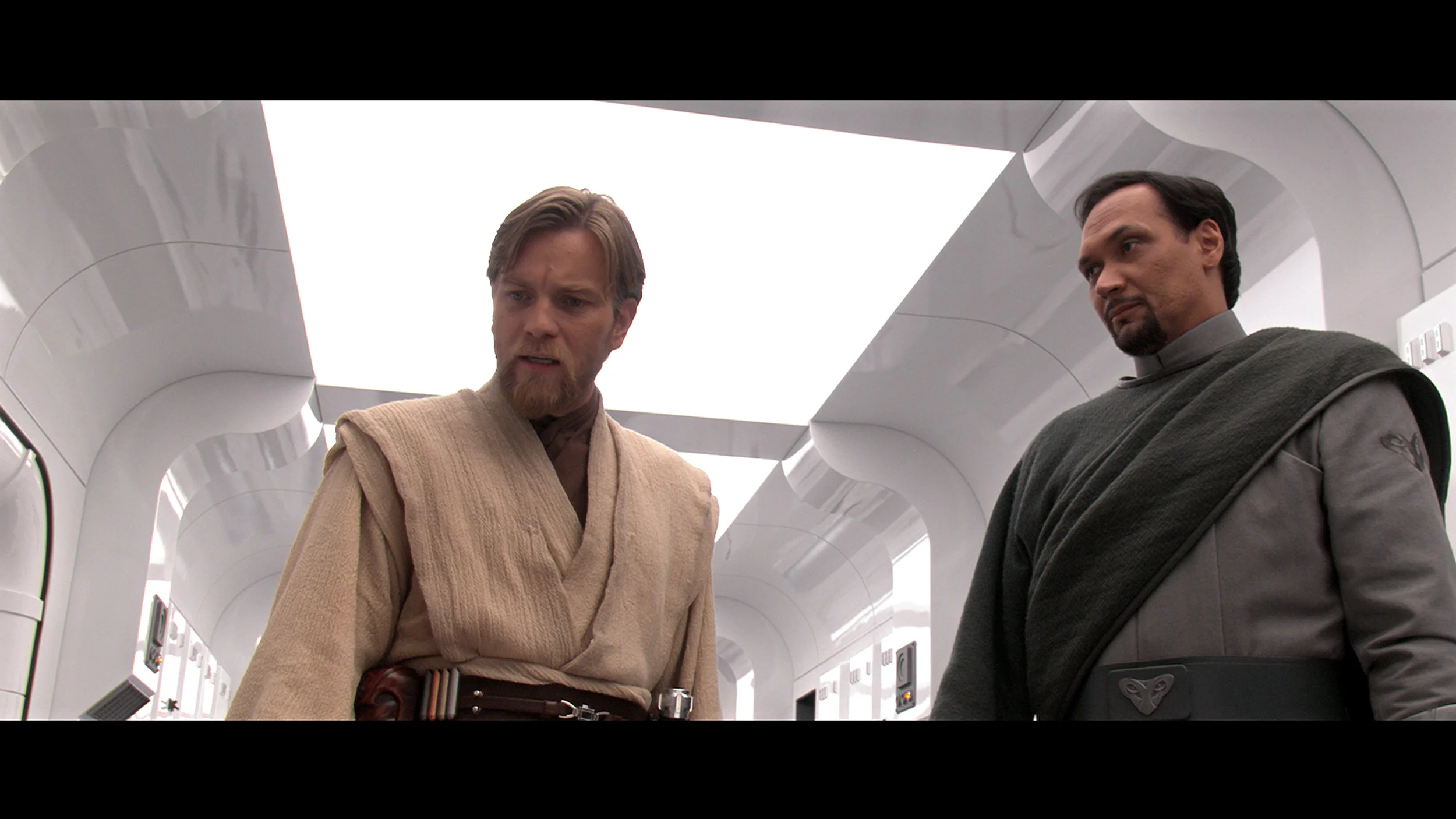
This gallery shows how colors change after professional TV calibration. If you notice the difference, we recommend ordering this service at SkalibrujTV.com.
Factory Mode
After calibration
When you switch on what should theoretically be the best Filmmaker Mode, you expect a one-to-one image of what the director saw. On the X11L it's quite good, but the mode has obvious flaws that our measurements immediately exposed. Let's start with SDR. Both the white balance and the gamma are simply miscalibrated. The white point has too much blue and red, so there's a faint pink cast on the screen. That also affects the gamma, which instead of holding the cinematic 2.4 runs closer to 2.2. What does that mean? The whole picture ends up pushed and artificially brighter. The worst, though, is saved for last: the HDR measurements. Besides the slight white balance shift, the X11L fails on the luminance management curve, the so‑called EOTF. What we saw in the measurements immediately explains what we saw earlier in films. The image is unnaturally bright because the curve massively overshoots the reference. The TV just unapologetically lifts the dark parts of the picture to create a "wow" effect, completely ignoring the director's intent.
In Film mode the TCL P7L performs quite decently without major tweaks, especially with ordinary SDR material. The white balance is relatively even, although as brightness increases there’s a slight rise in red and blue and a bit too little green. That doesn’t create a strongly visible colour cast and most colours remain close to their reference points. The Colour Checker confirms this, with a large portion of errors falling below the level that should particularly bother during normal viewing. We have more remarks about the gamma response. In the darkest parts of the image the TV drives it noticeably above the reference, so some shadow detail may be a little too dim. The curve then settles and for much of the range it’s close to the intended targets. As a result SDR generally looks natural, but in dark scenes the P7L can lose some subtlety.
In HDR the factory setup is less precise. As brightness increases the excess blue becomes more pronounced, so the picture can look cooler than it should. The number of larger colour deviations also rises, especially in brighter colours. The EOTF curve itself is handled fairly conservatively, with the TV showing the image darker than the reference over much of the range. For such an inexpensive model, the factory Film mode settings are not bad.
Color reproduction after calibration
7/10
7/10
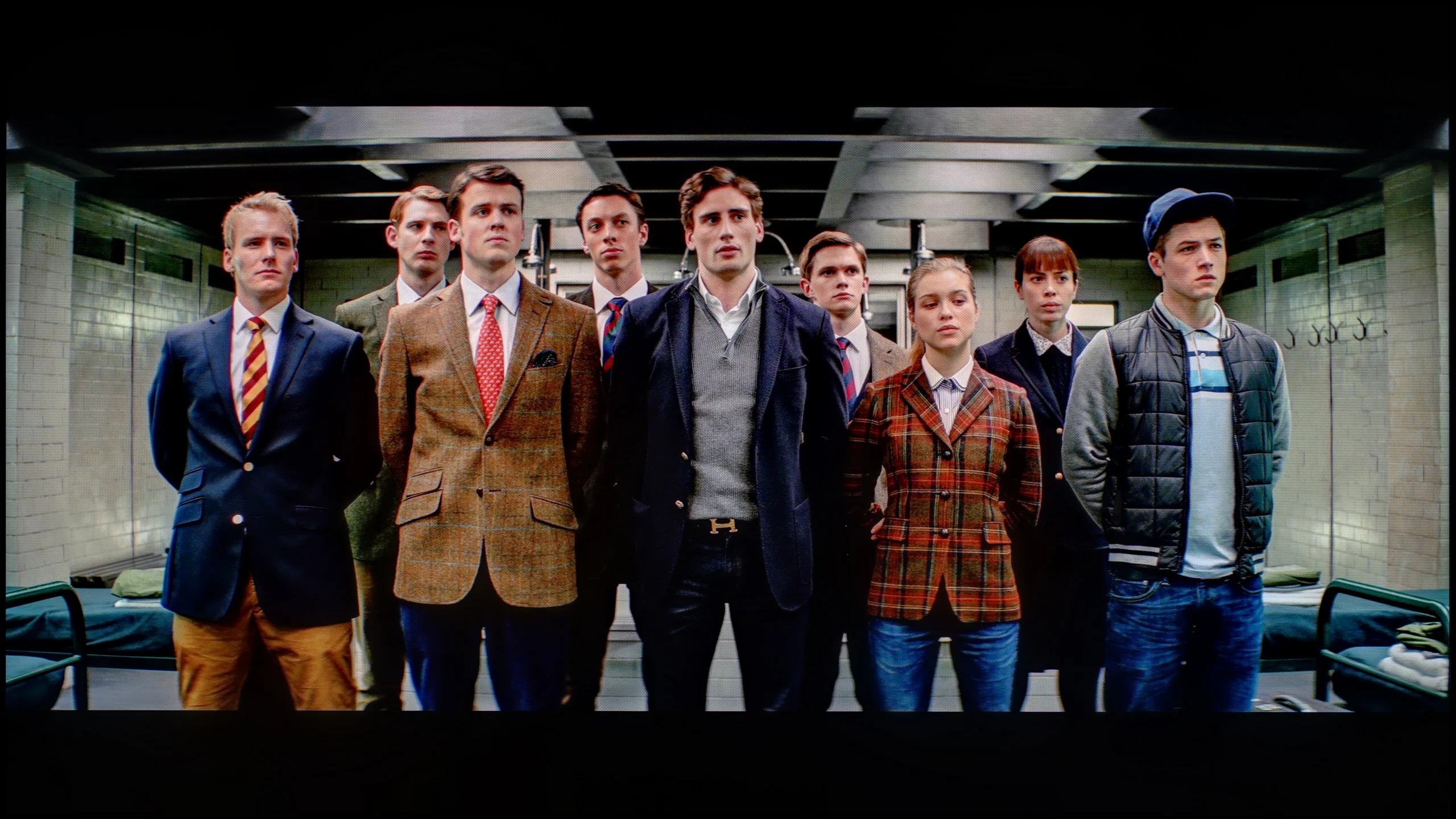
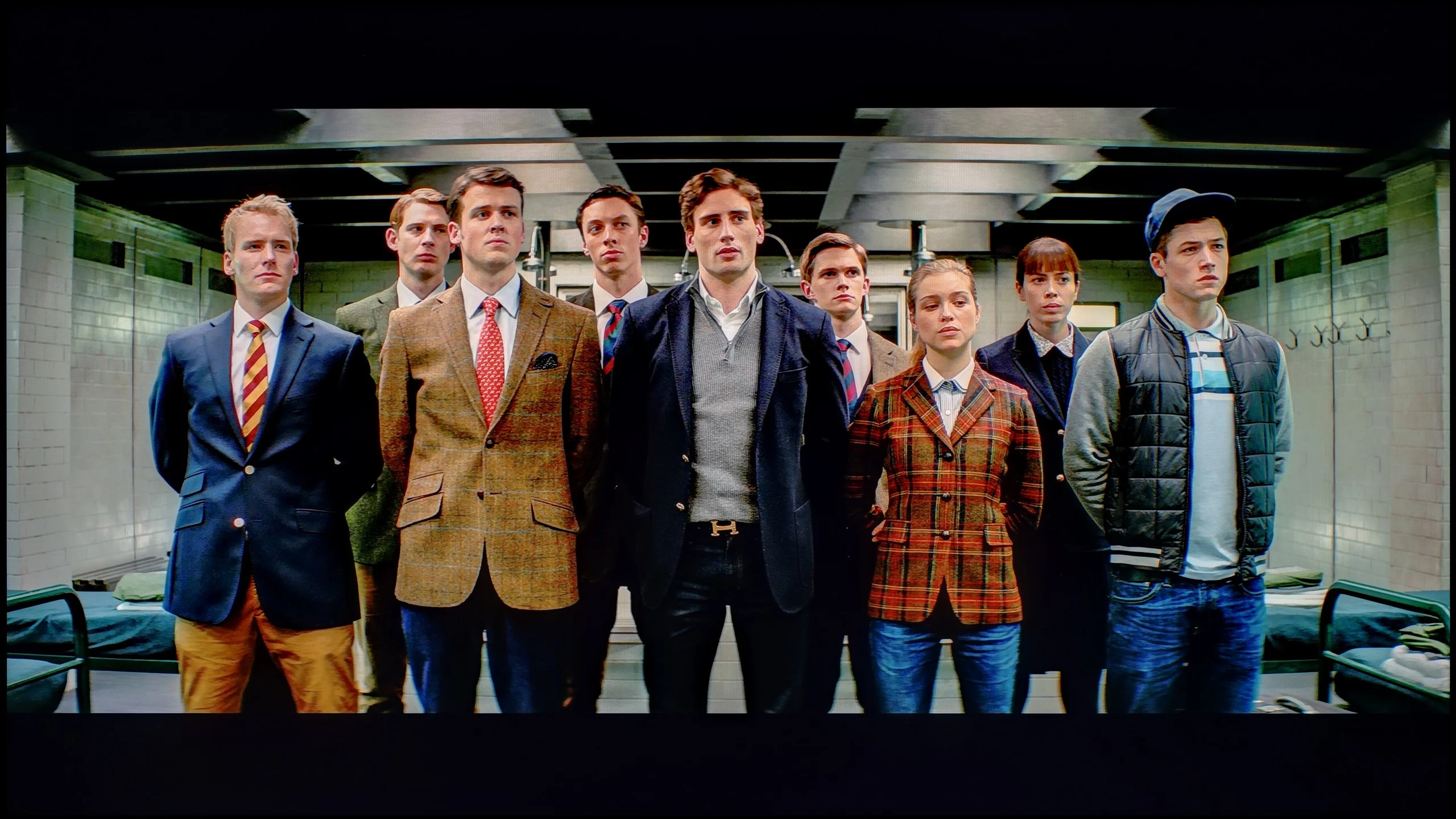
The photos show how movies look on the TV. Pay attention to black detail visibility, colors, and shadow tint.
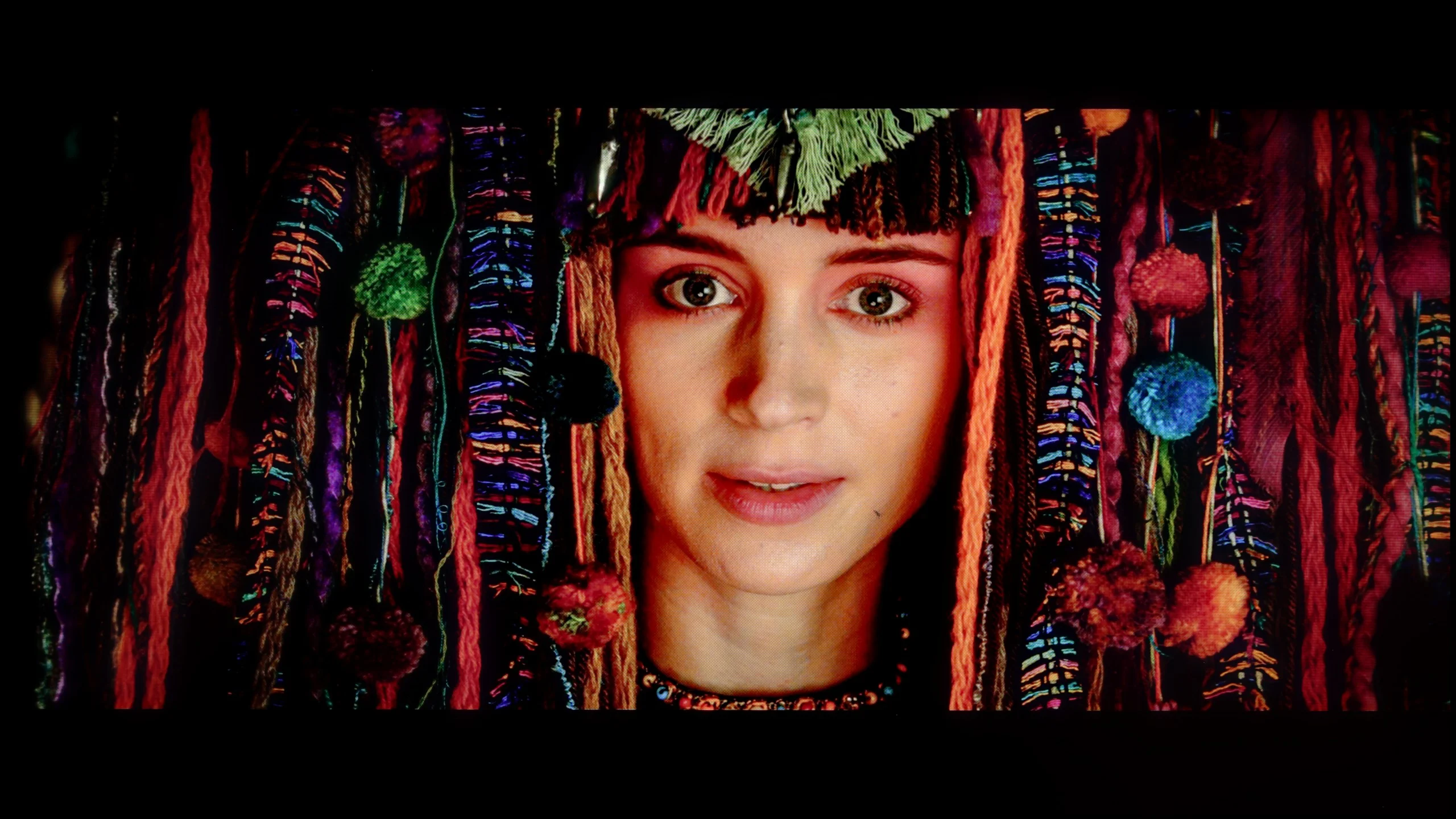
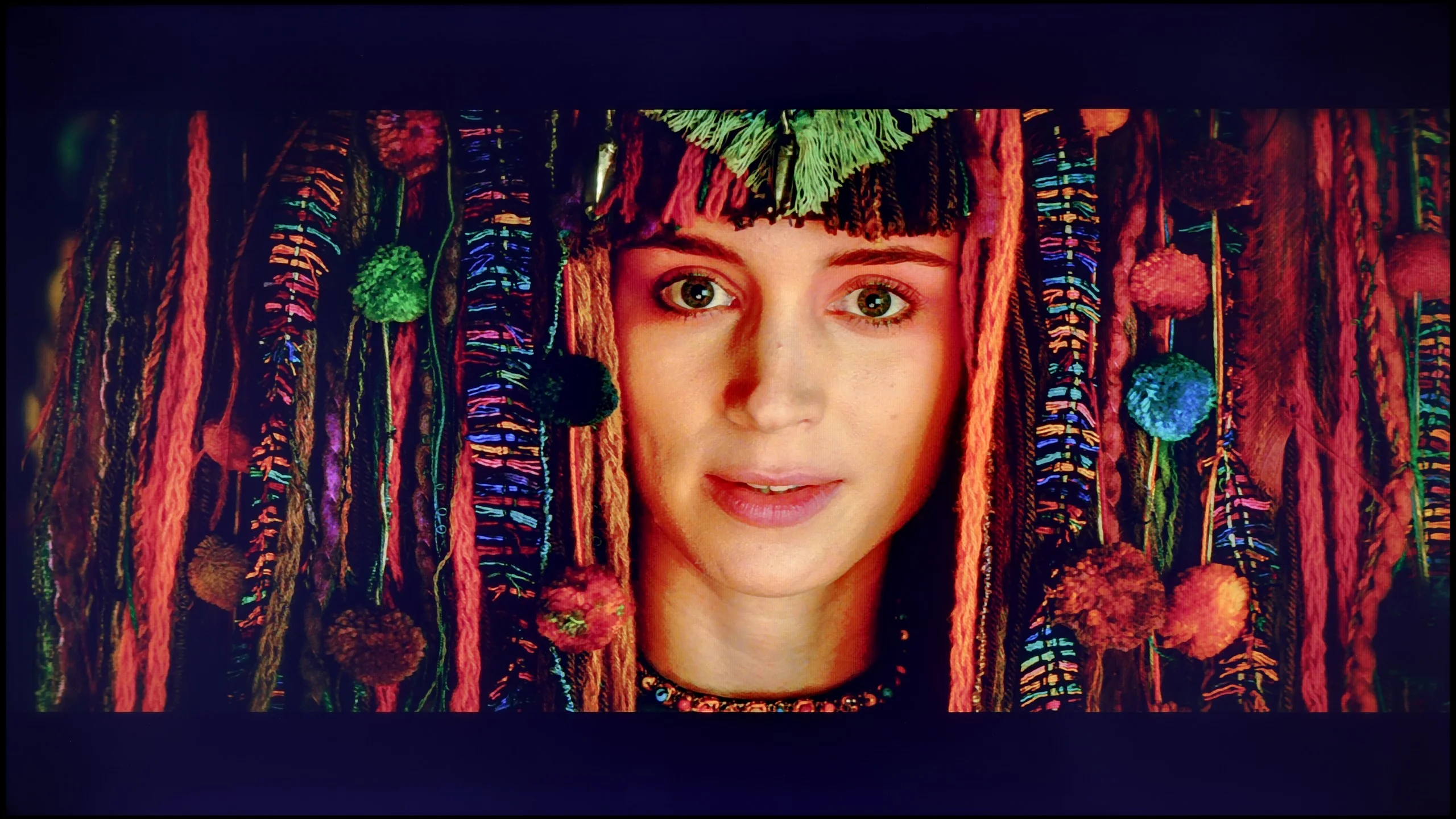
The photos show how movies look on the TV. Pay attention to black detail visibility, colors, and shadow tint.
After professional calibration we chiefly managed to fully master the SDR signal. The X11L responded perfectly to our adjustments. We completely straightened the white balance, removed that pink tint and set gamma to a stable 2.4. After that treatment the picture finally became consistent with the director's vision, natural and free of artificial boosts. We were also able to make minimal tweaks for HDR, but the TV's biggest flaw remained unchanged. I'm talking, of course, about how the X11L handles its brightness and how much it overshoots the EOTF curve. Unfortunately, TCL provides practically no controls to adjust this parameter. Even during professional calibration the software does not allow you to rein in that curve, so the TV in HDR will always tend to brighten the image on its own.
After calibration the TCL P7L can produce a genuinely pleasant picture, especially with conventional SDR material. We managed to even out the white balance very well, and the gamma curve now tracks close to the target value of 2.4. This is also evident in the colour measurements, as most errors have fallen significantly and in everyday viewing it’s hard to notice any major inaccuracies. Films, series, YouTube and regular TV therefore look more natural, without unnecessary warmth or a cool tint. For a model at this price point the SDR result is really very good.
In HDR the situation becomes more complicated. Calibration improved the white balance and corrected some deviations, but here the panel’s limitations become increasingly apparent. The P7L has relatively limited brightness and can’t sustain appropriate luminance for more saturated colours, so some errors remain even after careful tuning. In other words, settings can improve how the TV interprets the signal, but you can’t overcome its physical capabilities. That’s why calibration is most worthwhile for SDR on this model.
Smoothness of tonal transitions
9.5/10
7/10
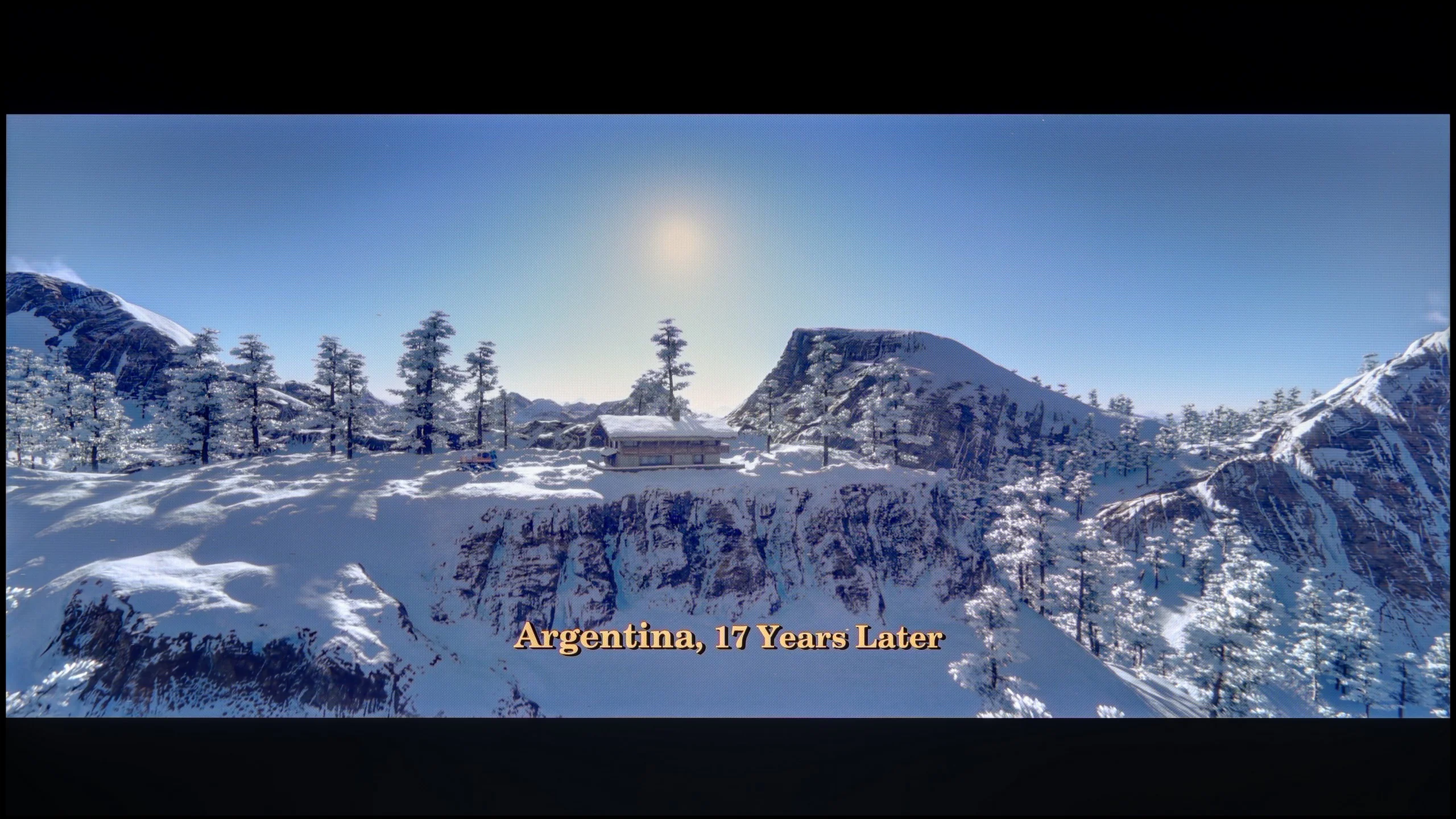
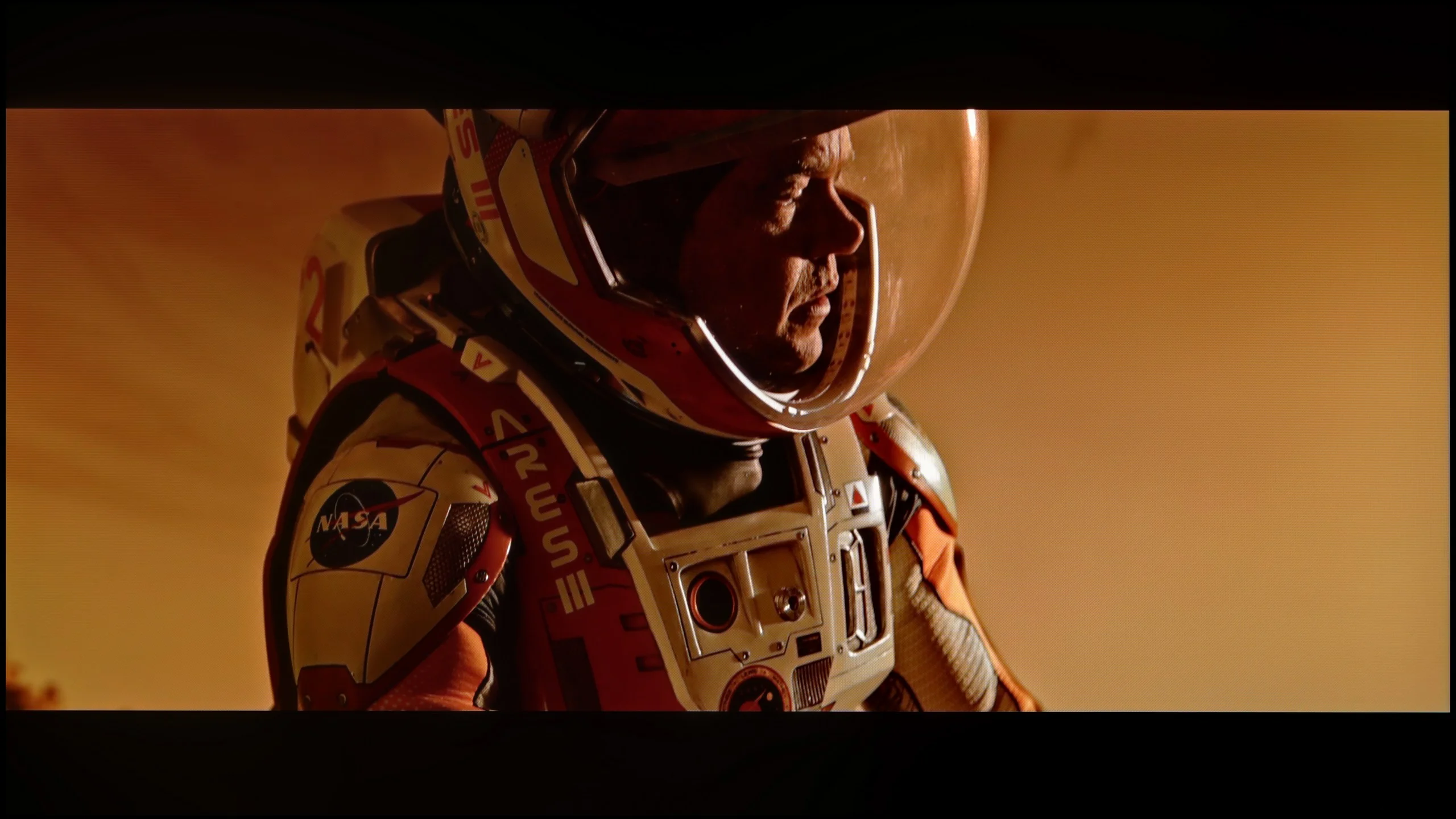
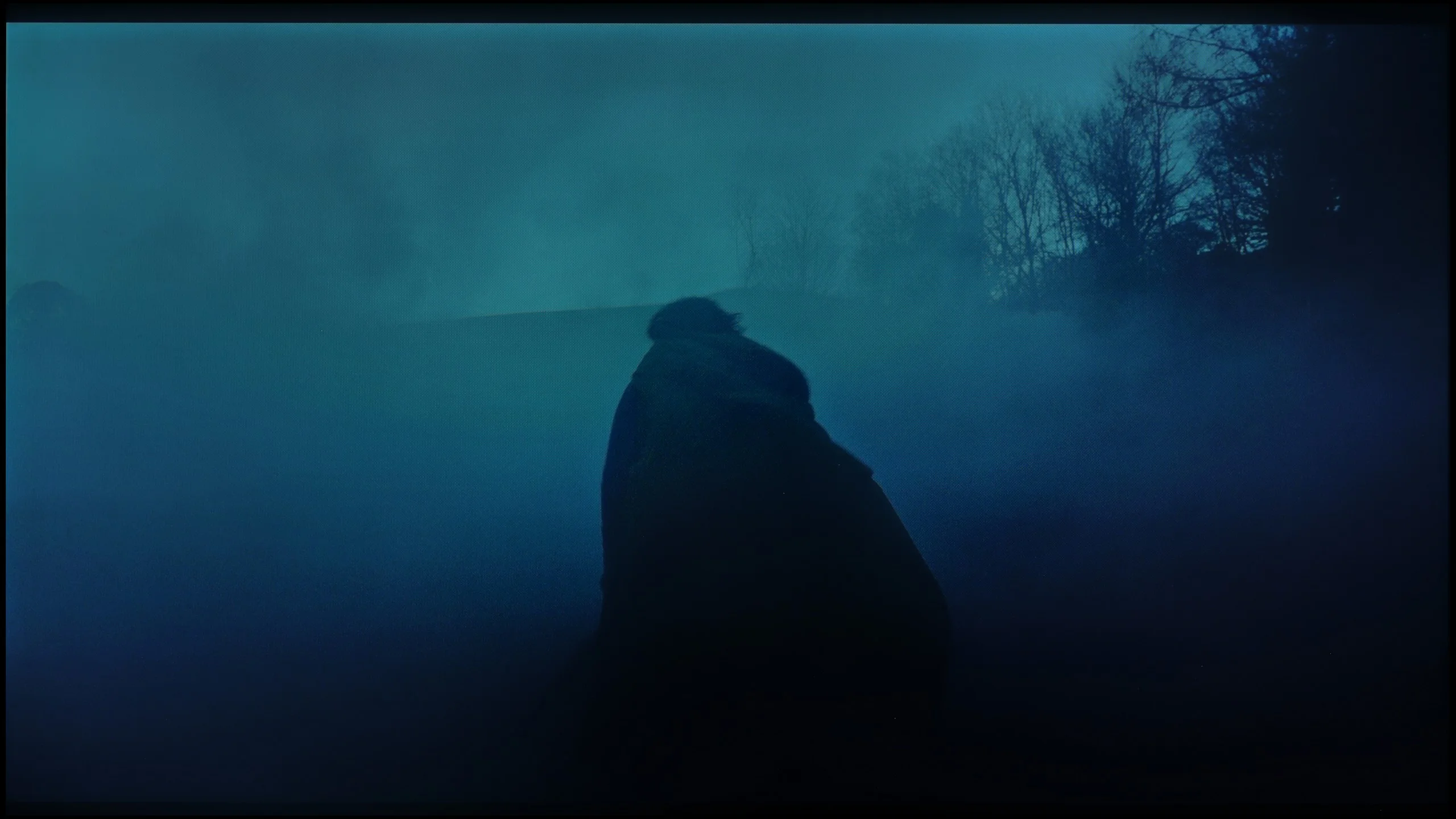
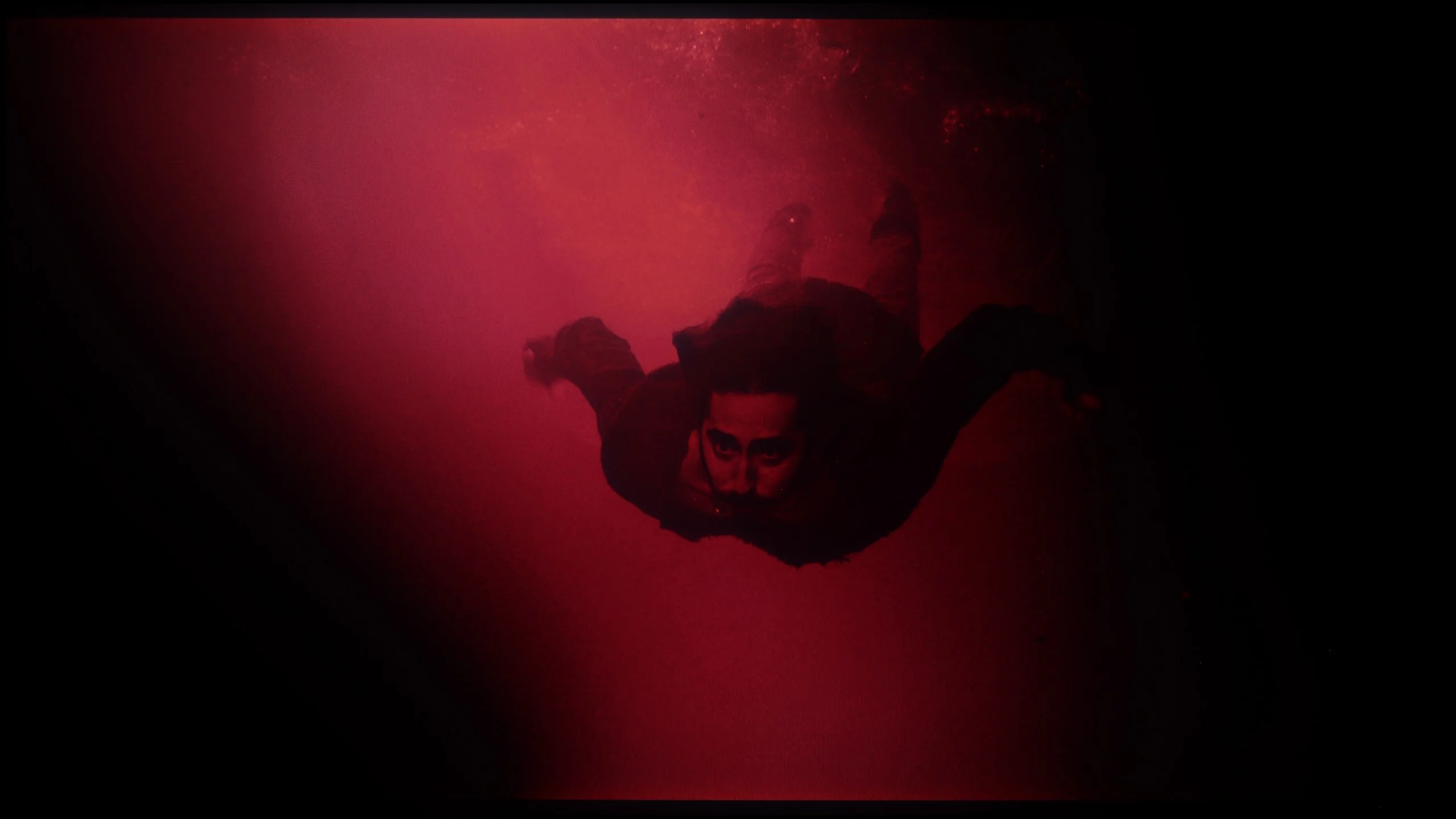
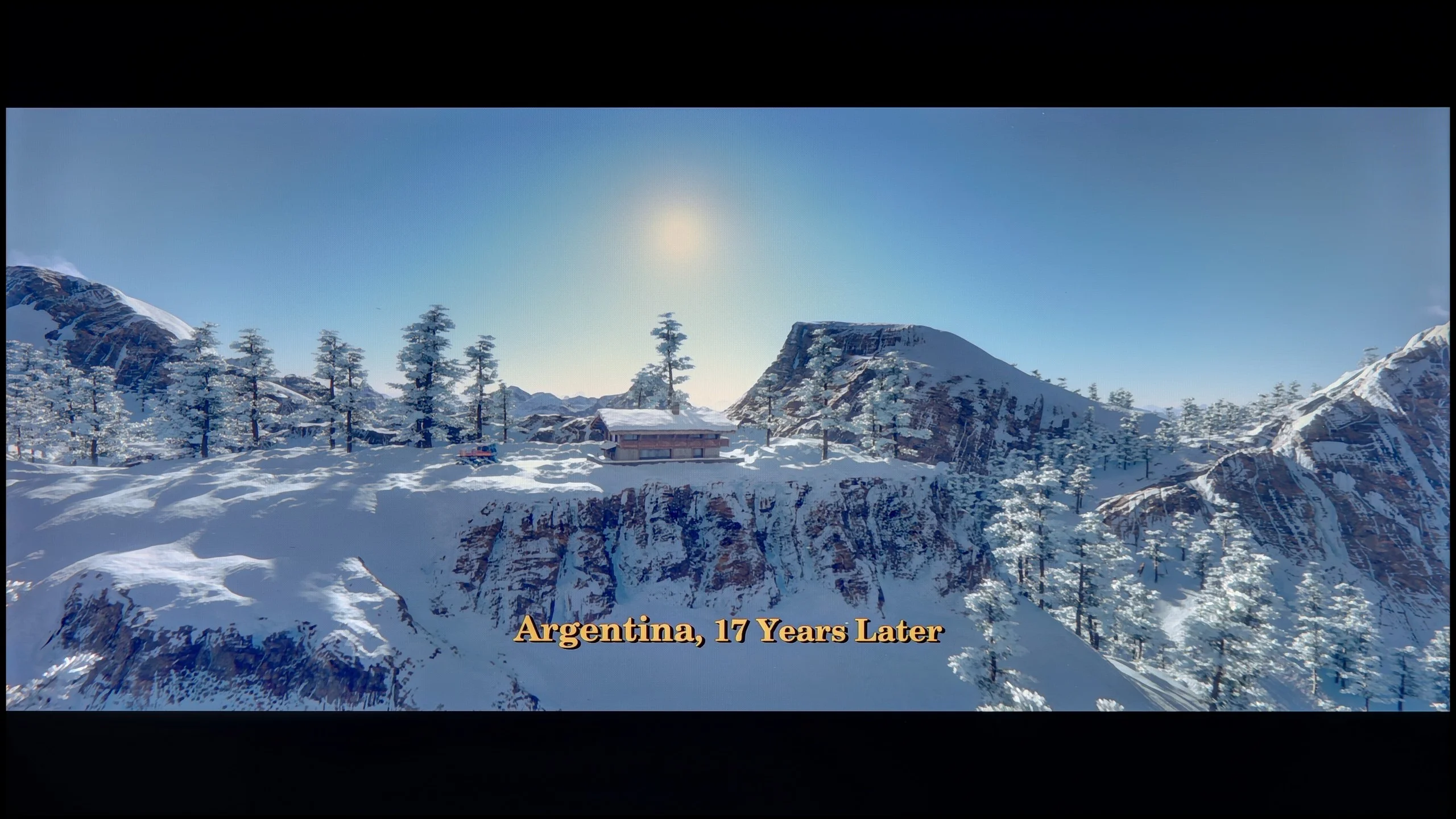
These are selected scenes that show smooth tonal transitions from one color to another. If you see distinct banding, it’s the TV panel’s fault.
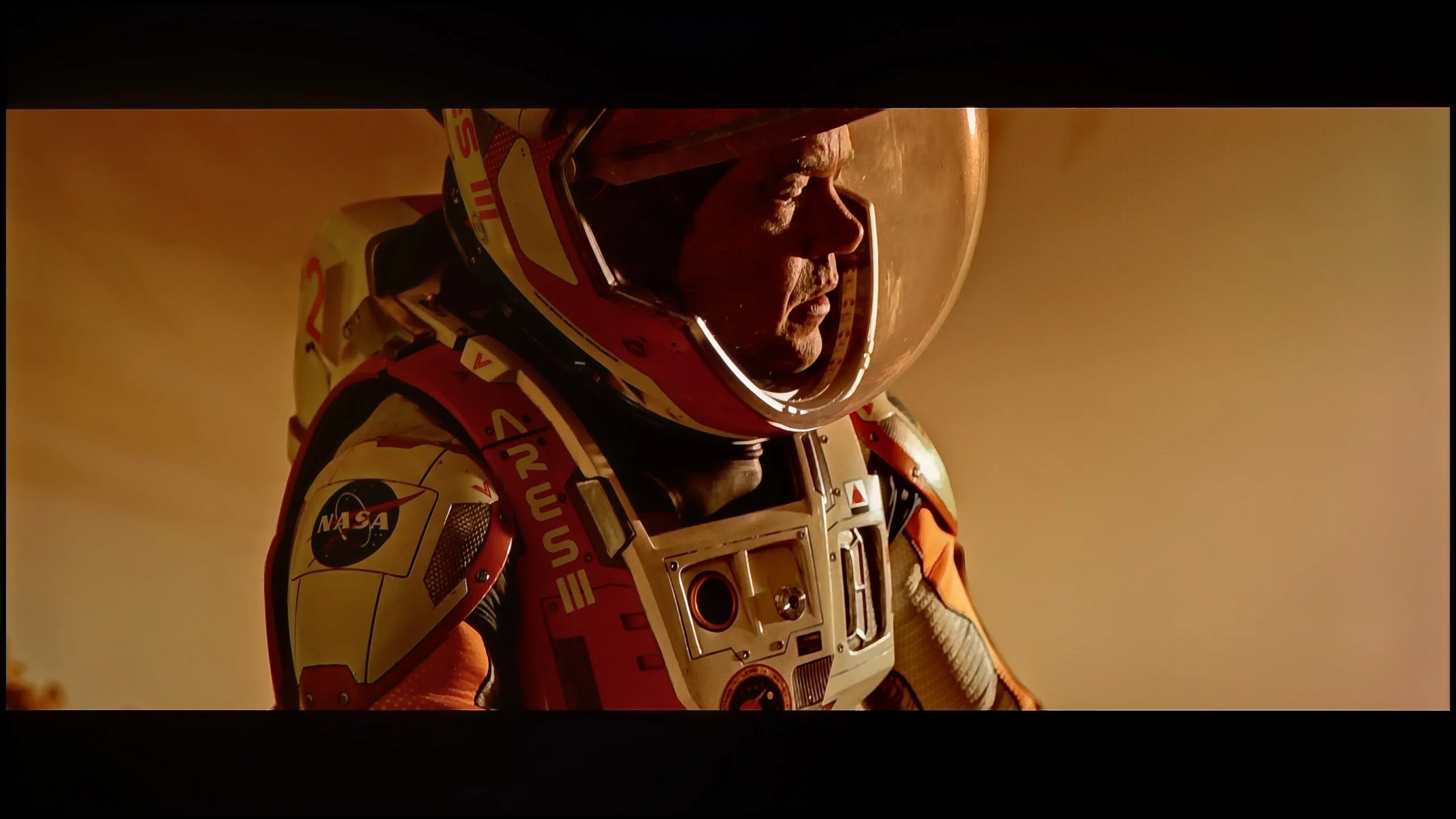
These are selected scenes that show smooth tonal transitions from one color to another. If you see distinct banding, it’s the TV panel’s fault.
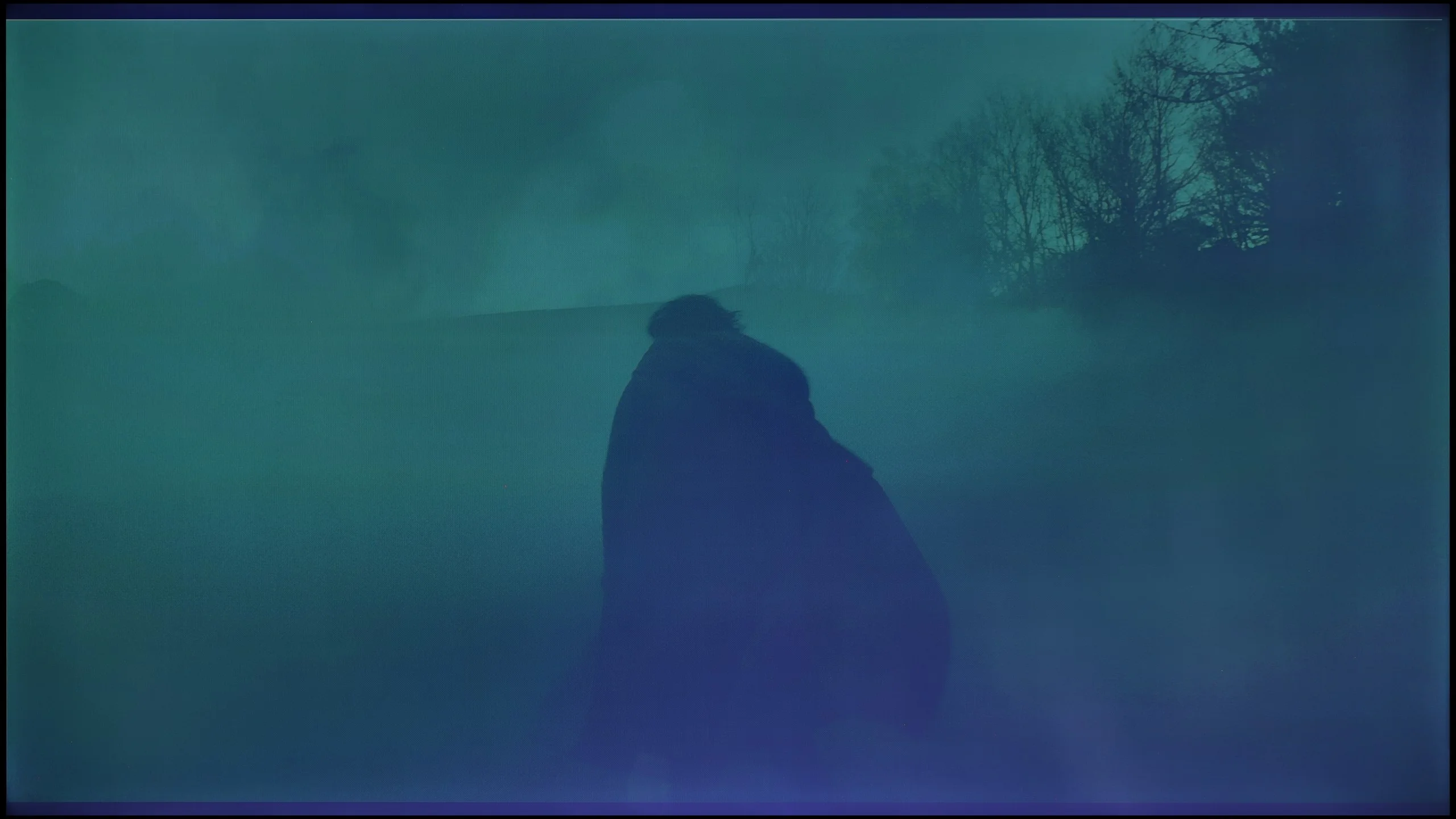
These are selected scenes that show smooth tonal transitions from one color to another. If you see distinct banding, it’s the TV panel’s fault.
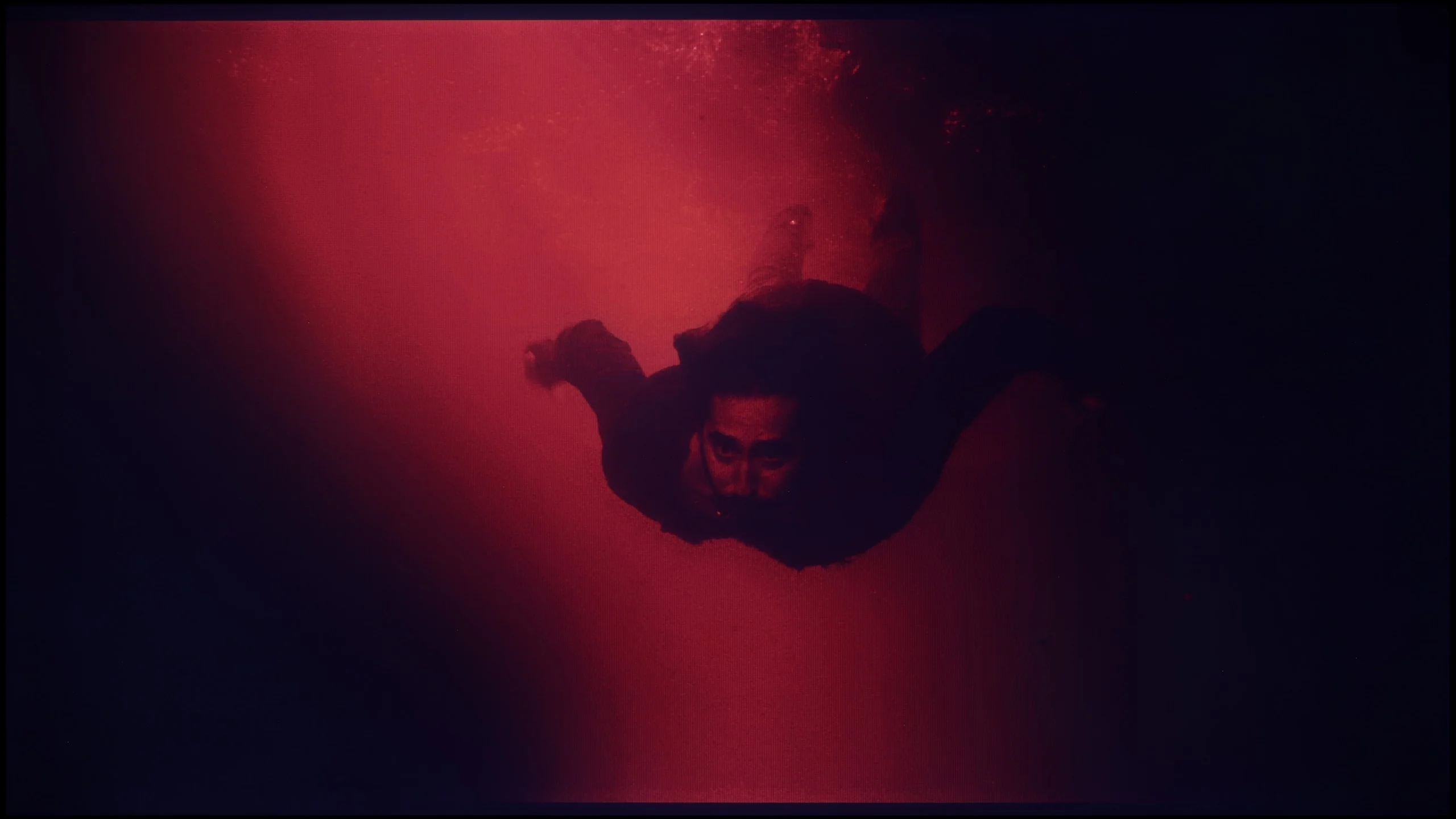
These are selected scenes that show smooth tonal transitions from one color to another. If you see distinct banding, it’s the TV panel’s fault.
The smoothness of tonal transitions is worthy of praise. In both bright and dark areas the image simply looks smooth and is free of annoying banding or contouring. Importantly, with Dolby Vision content this issue is also not pronounced, which very often happens on other TVs. Minor gradation errors can be seen only in specific shades of grey, but they are so small that in everyday use they will bother practically no one. In this respect the X11L performs almost perfectly.
The smoothness of tonal transitions on the TCL P7L is pretty good, but not in every scene. In brighter scenes the TV handles it really well, as shifts between neighbouring shades are gentle, and on skies, bright walls or subtle gradients it's hard to spot anything that would noticeably distract while watching. It gets worse in darker parts of the picture. That's where visible joins between colours and consecutive grey levels appear more often. In dark scenes you can therefore see characteristic banding or more obvious "steps" where the transition should be smoother. It's not a constant problem, but with lower-quality source material or scenes containing a lot of subtle shading it can stand out.
Image scaling and smoothness of tonal transitions
8/10
7/10

Smooth transition function
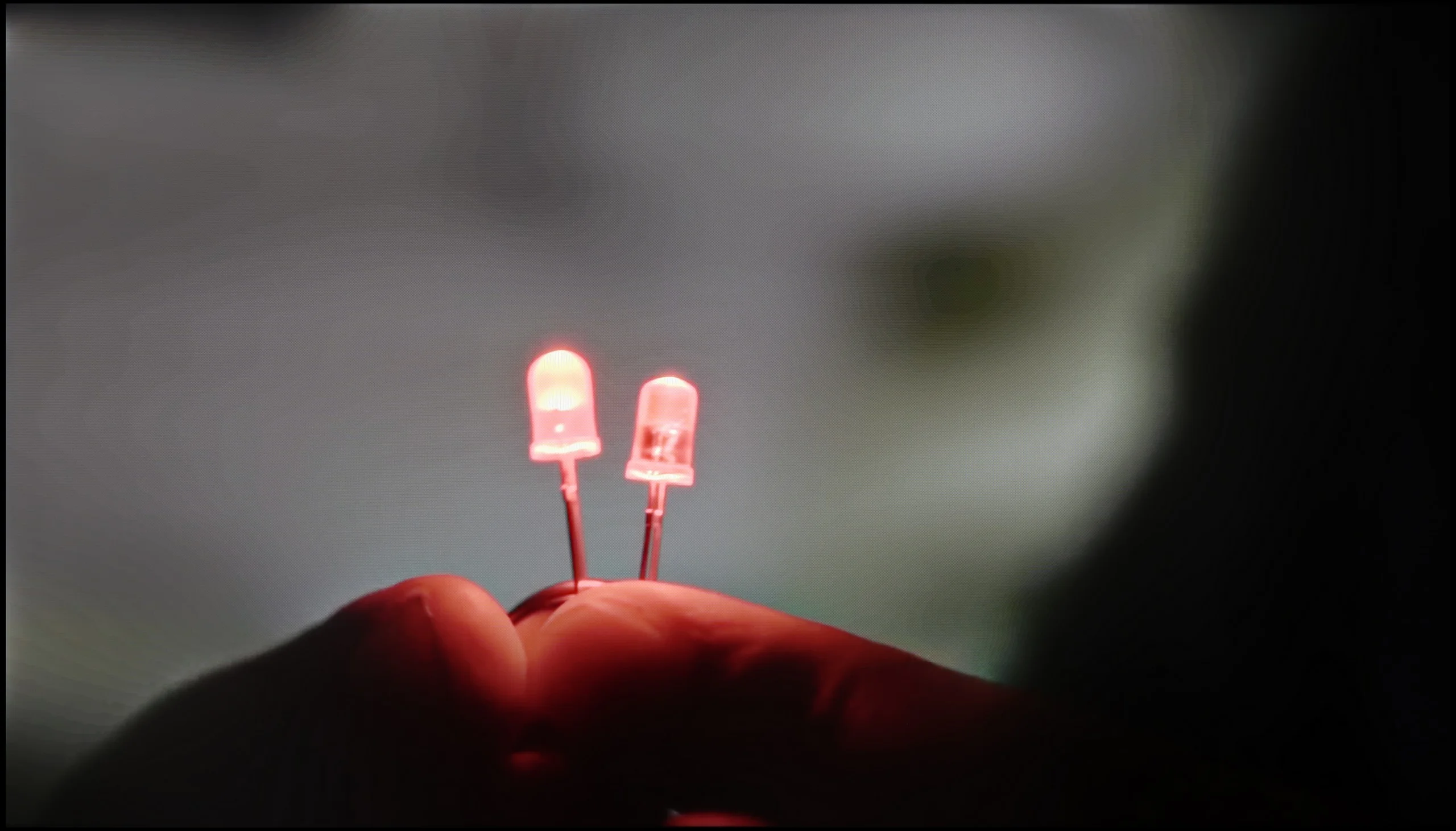
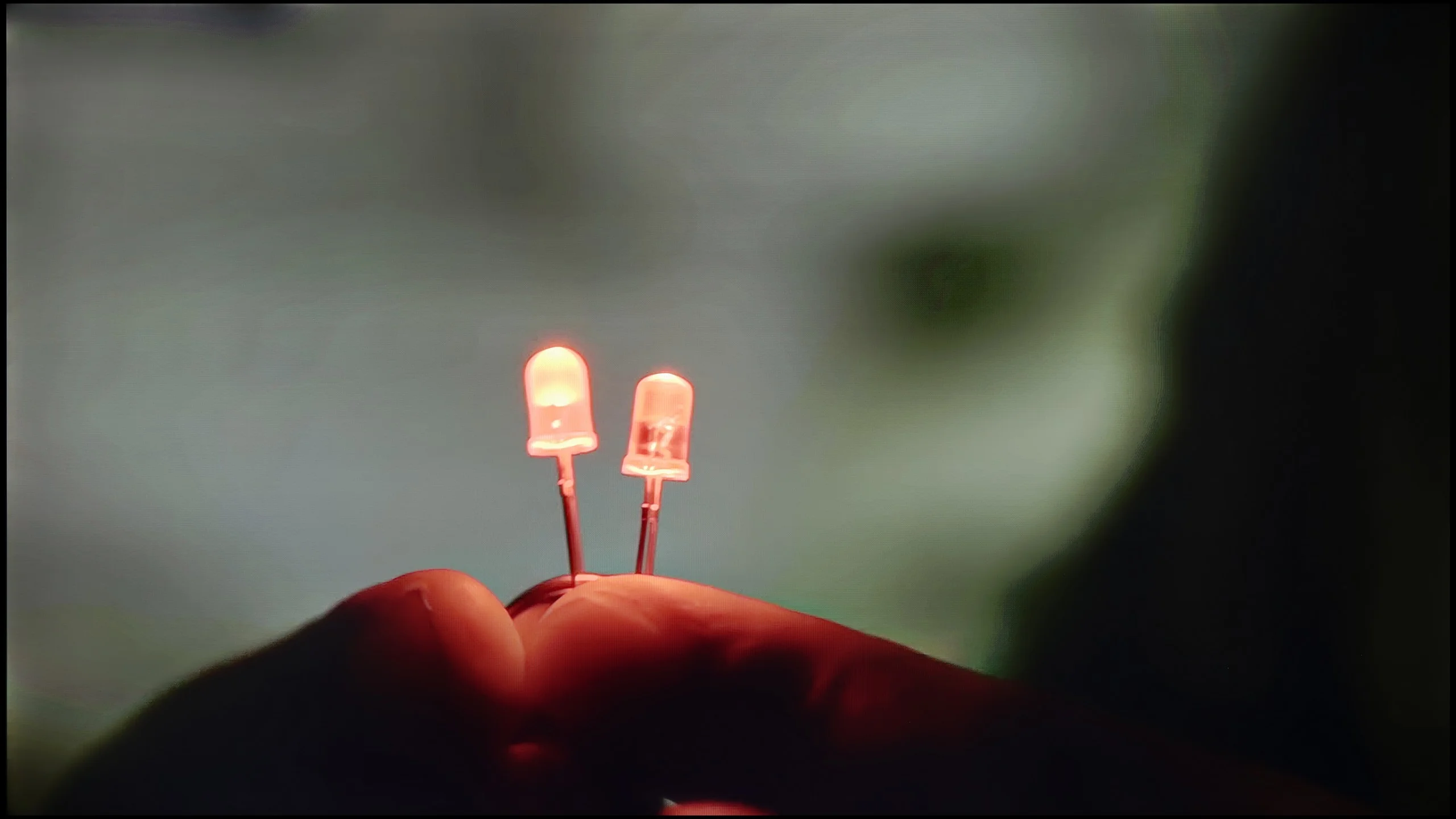
The match photo shows how the TV smooths weak tonal transitions in low-quality video.
Image scaling SD (576i)
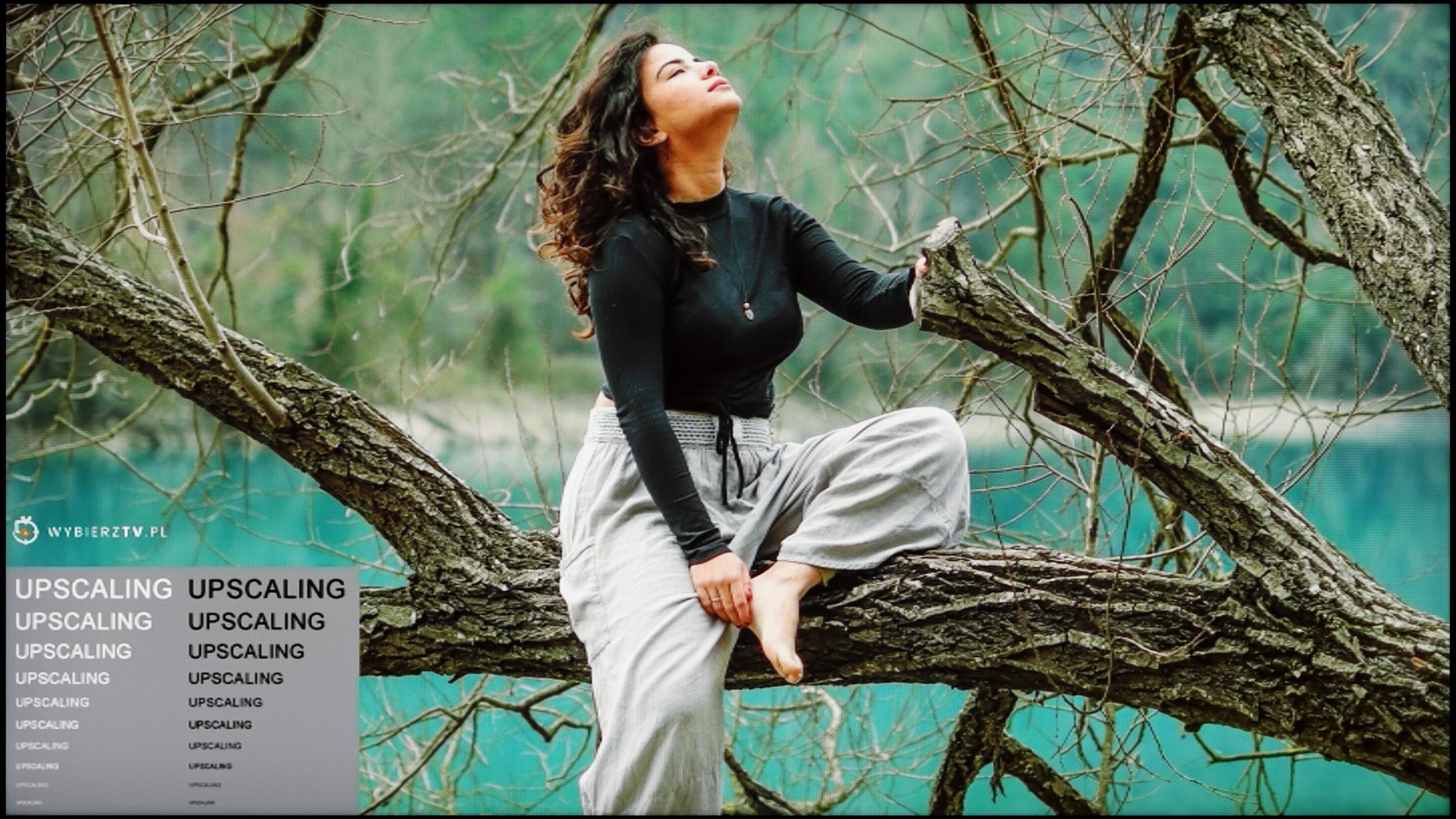
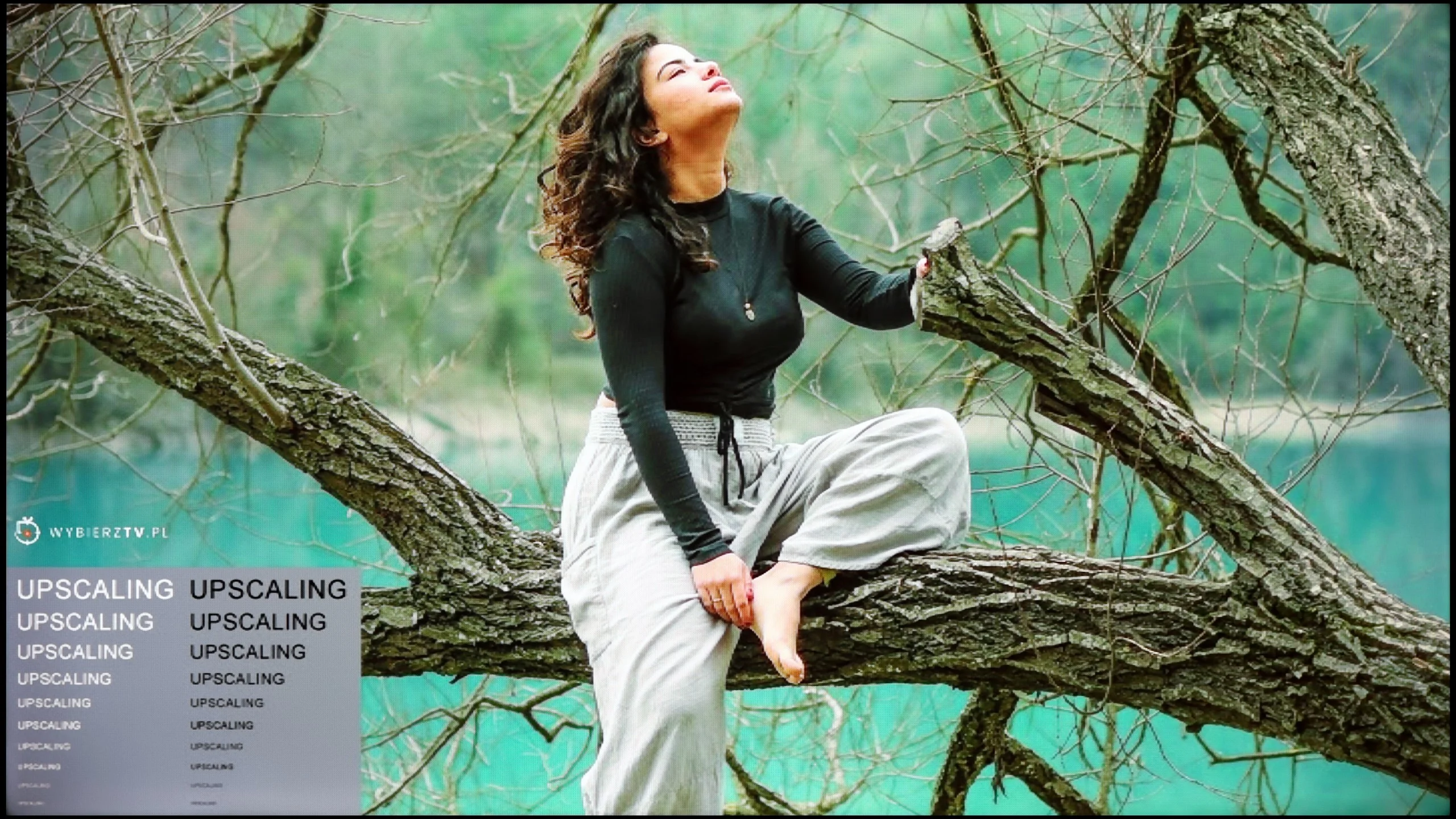
The model photo shows how it handles upscaling of SD material.
As with the C8L we tested earlier, TCL has delivered a substantial upgrade in its flagship X series in this area. It's all down to the MediaTek Pentonic 800 processor used in this model. Thanks to it, features like smoothing tonal transitions and even upscaling content to higher resolutions finally look the way they should. The biggest Achilles' heel of previous TCL models has finally been overcome. The processor handles digital processing superbly, and in this respect the TV no longer falls short of flagship models from Korea or even the most polished ones from Japan.
In this respect the TCL P7L performs surprisingly well, especially for such an inexpensive TV. The banding reduction feature, which in many budget models does little or nothing, actually manages to improve the picture here. It doesn't remove all banding completely, but it can noticeably reduce posterisation and make trickier gradients look more natural. In this price segment that's a genuinely pleasant surprise.
The upscaling itself also looks good. Lower-resolution material is upscaled properly, without excessive sharpening or adding artificial edges around objects. Of course the P7L won't turn a very poor source into a 4K-quality picture, but for regular TV the result is simply solid. For a model at this price point there are few major complaints to make.
Blur and motion smoothness
7.9/10
5.5/10

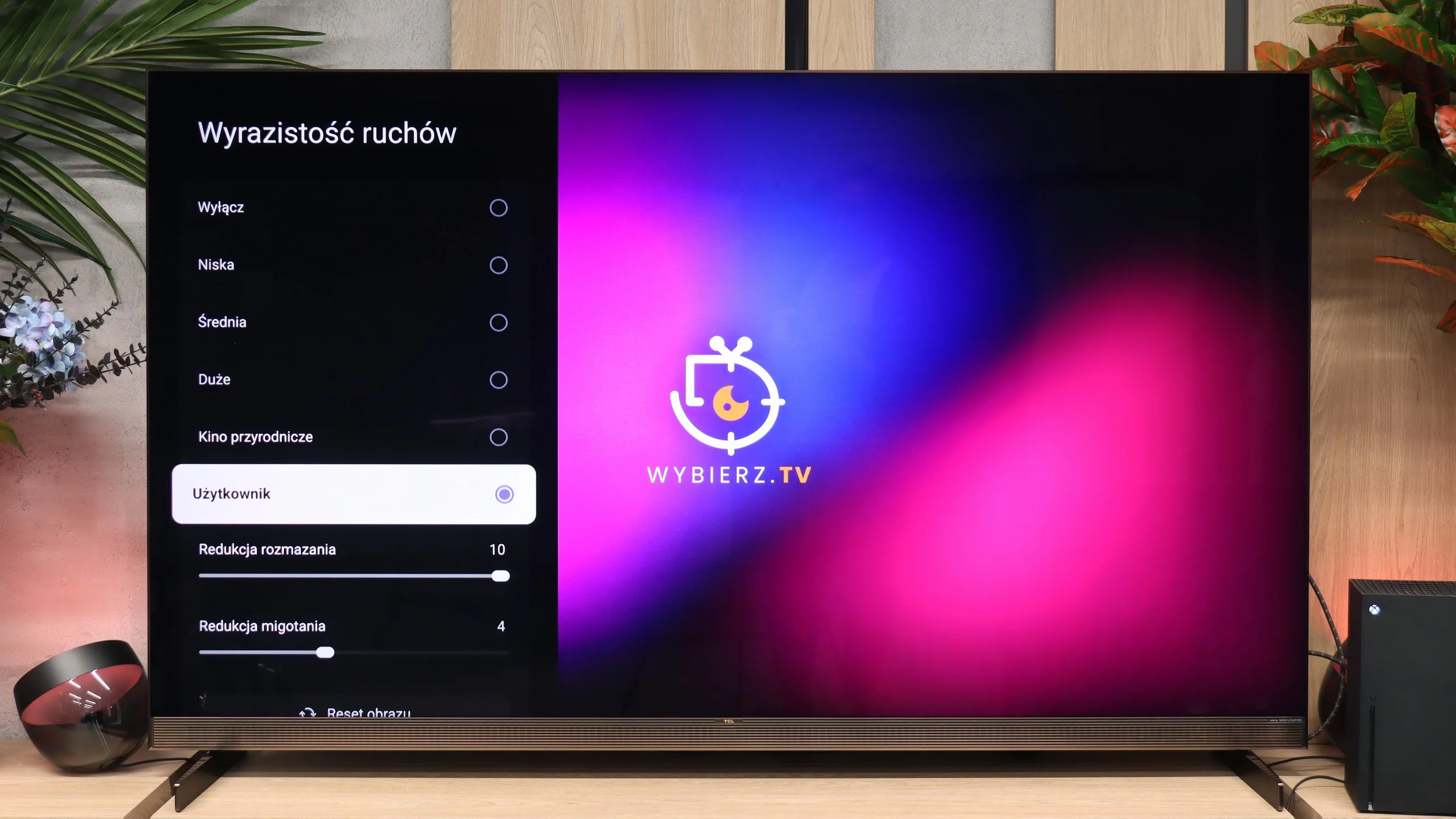
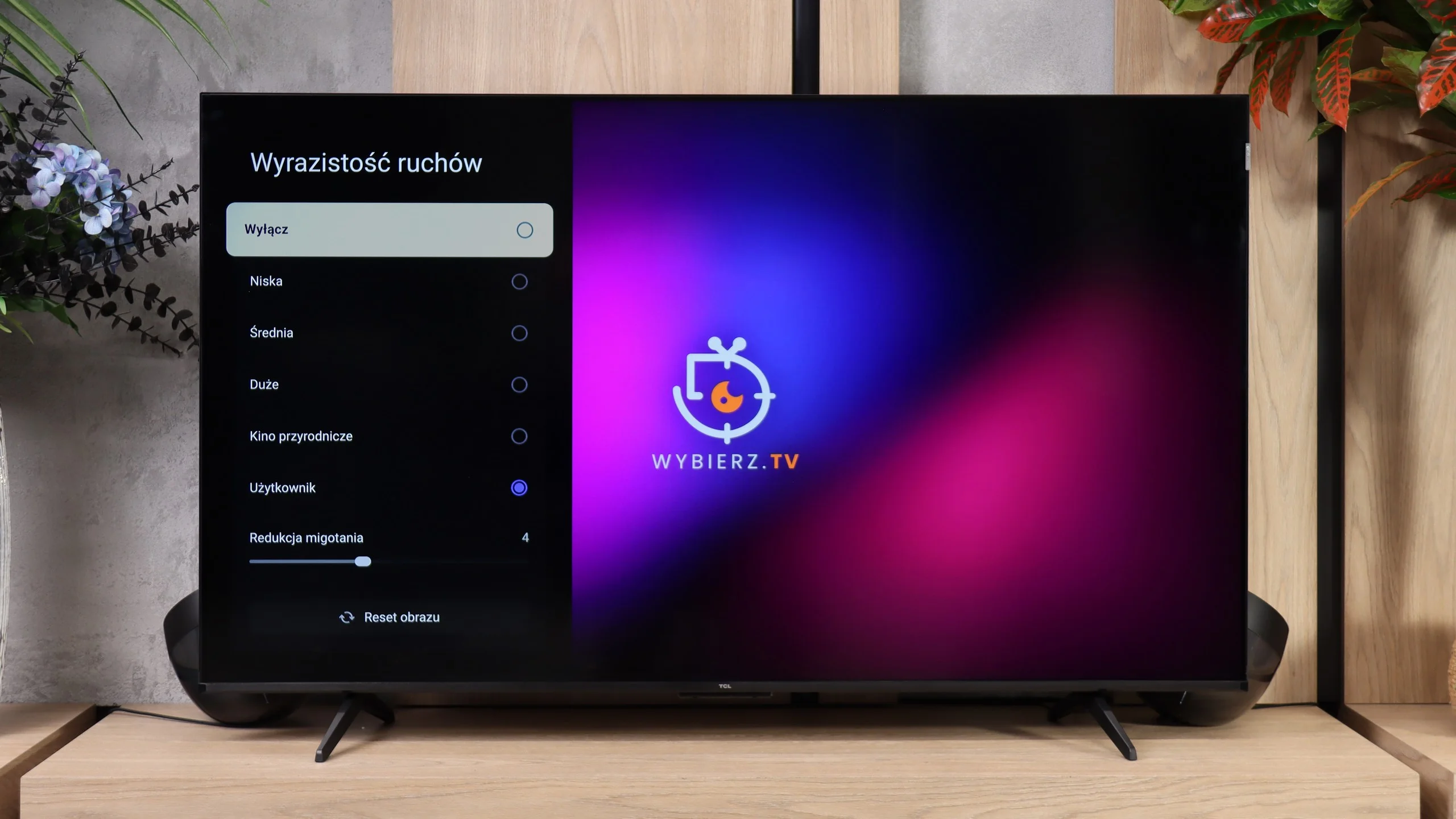
Blur (native resolution, maximum refresh rate):
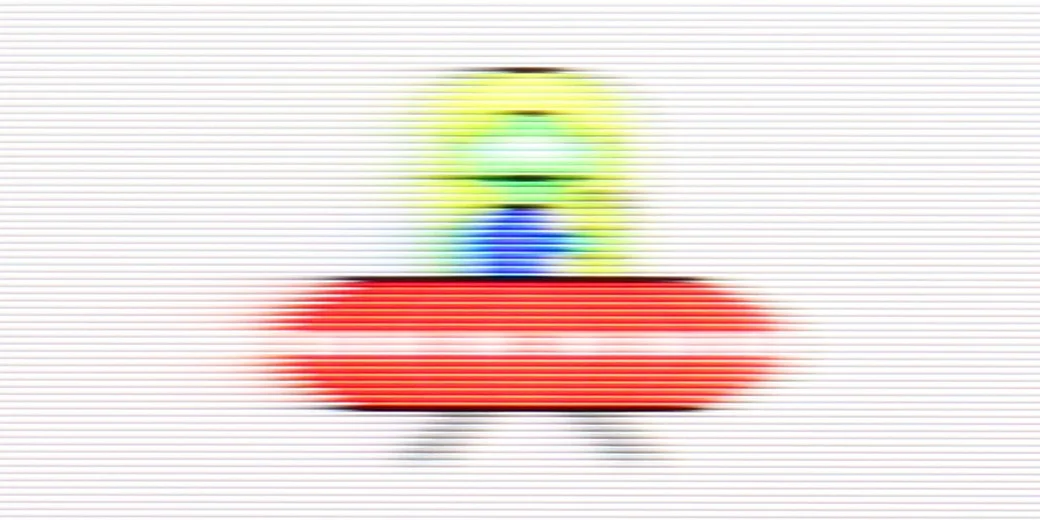
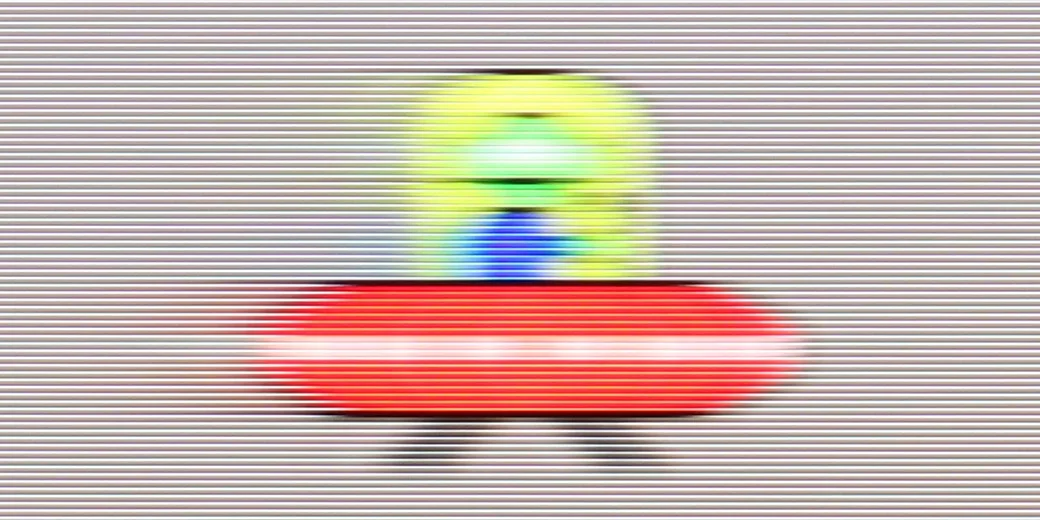
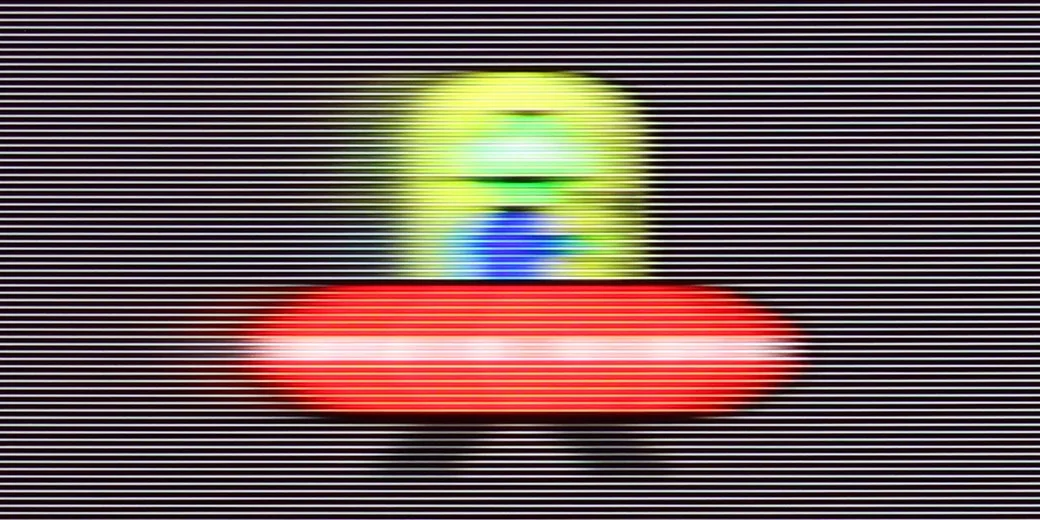
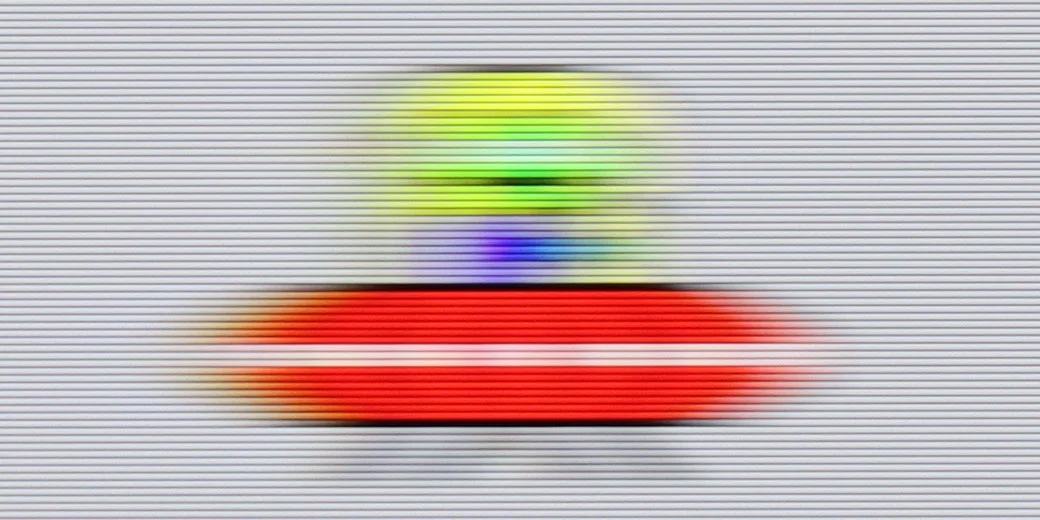
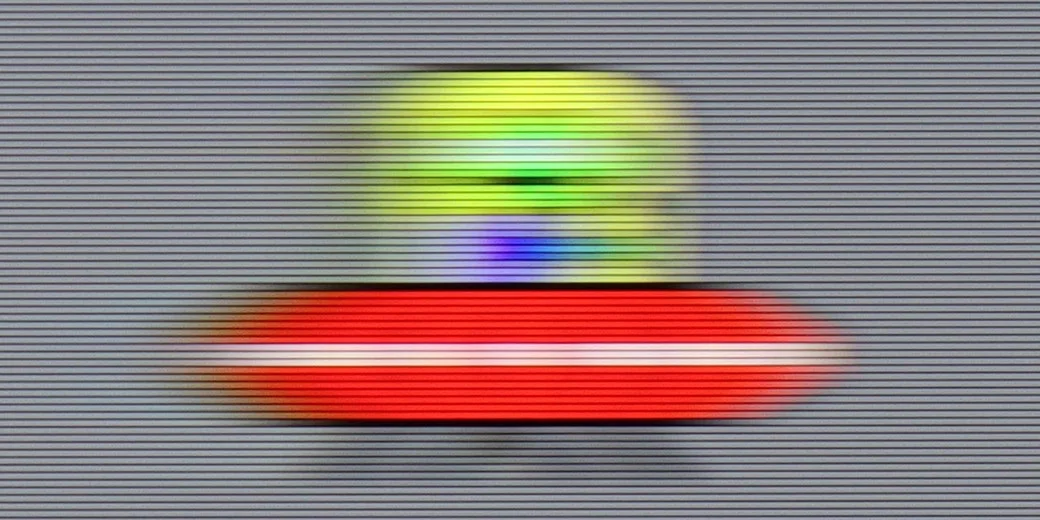
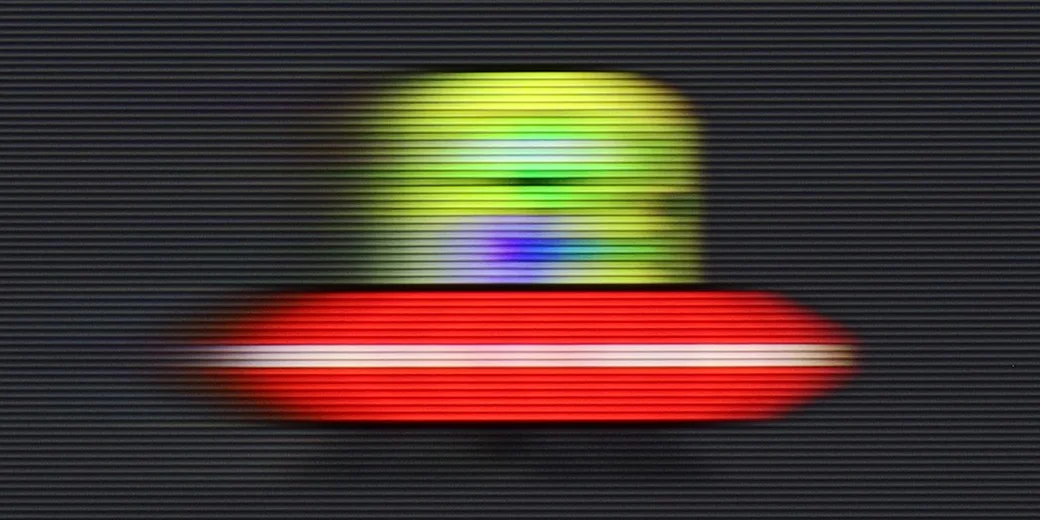
Blur (BFI function enabled):

Blur (1080p@288Hz):


Blur (1440p@120Hz):
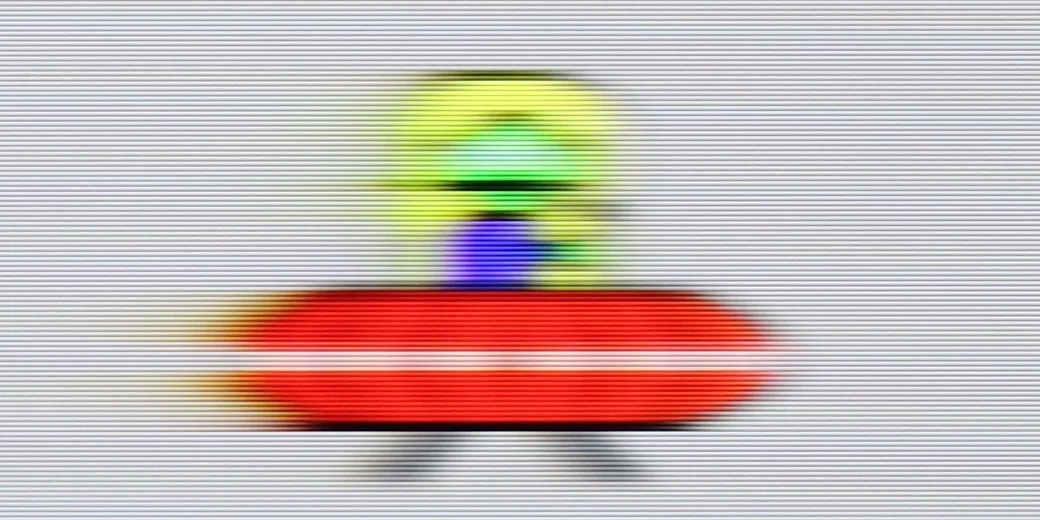
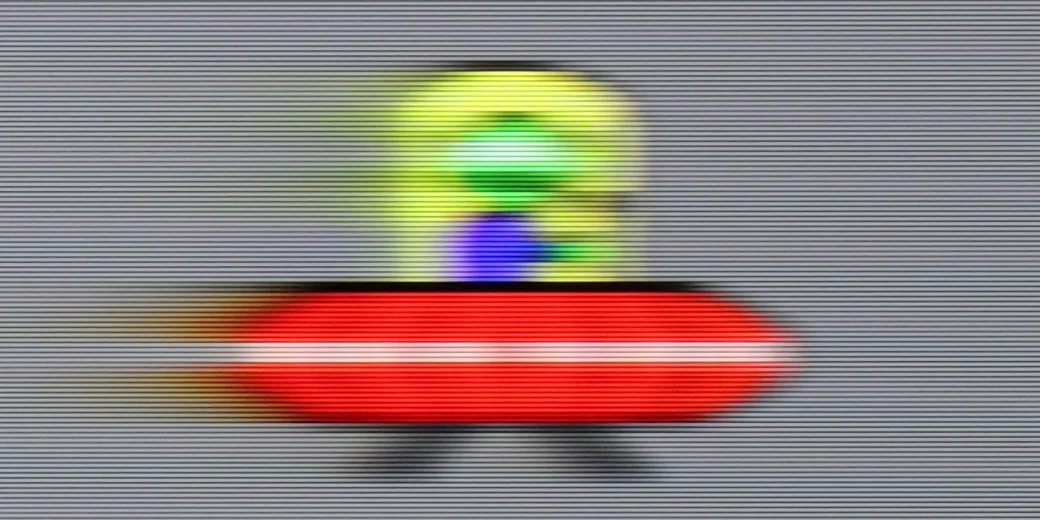
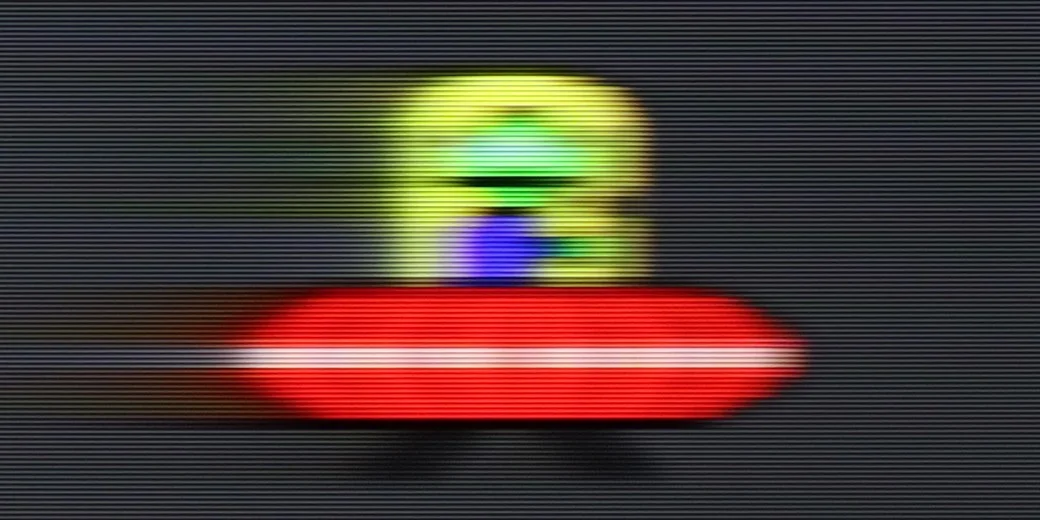
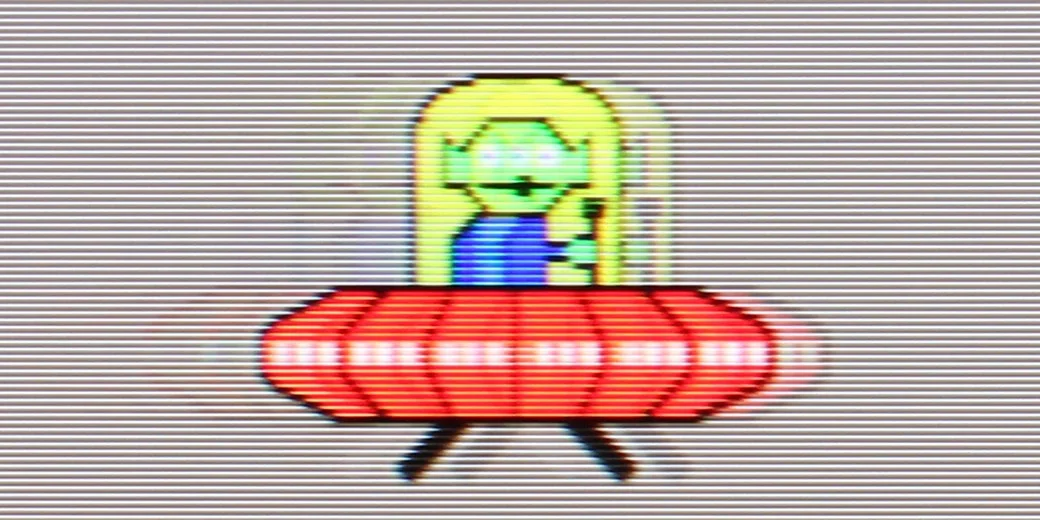
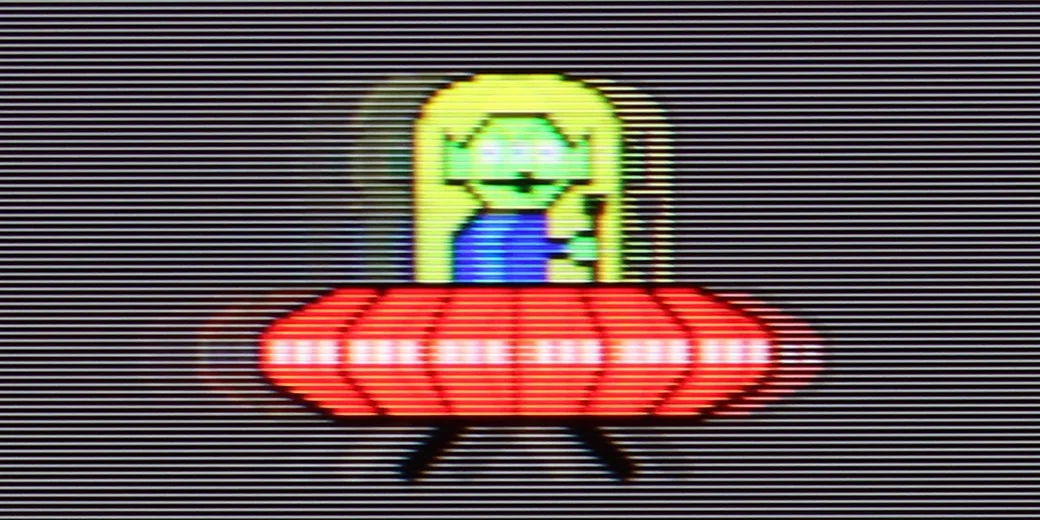
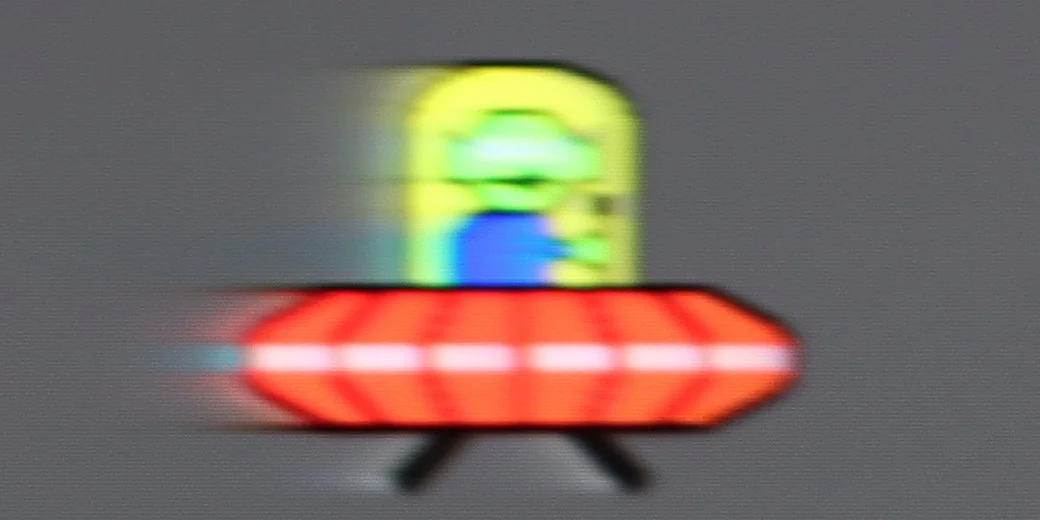
Spec-wise the X11L can impress, supporting refresh rates up to 144 Hz at 4K, and in Full HD it can be pushed as high as 288 Hz. From a real-world perspective, though, we were most interested in how the screen handles 120 Hz — that's the limit of today's hardware, led by current-generation consoles. How does it perform in practice? Even though it's a VA panel, the screen doesn't exhibit heavy ghosting. With very fast-moving objects you can notice a slight trail, but it's subtle enough that you hardly notice it while gaming or watching sport. Also very helpful is the motion smoothing feature called "Wyrazistość ruchów", where you can adjust motion fluidity to your liking. You'll find the recommended settings in the photo.
TCL P7L uses a native 60 Hz panel at 4K resolution, and that's how it should be treated in everyday use. For movies the TV mainly offers frame interpolation, so it can smooth motion and reduce noticeable judder, but it doesn't deliver the smoothness typical of true 120 Hz panels.
Console compatibility and gaming features
9.8/10
6.7/10
- ALLM
- VRR
- VRR range48 - 288Hz48 - 120Hz
- Dolby Vision Game Mode
- Correct implementation of HGIG
- 1080p@120Hz
- 1440p@120Hz
- 4K@120Hz
- Game bar
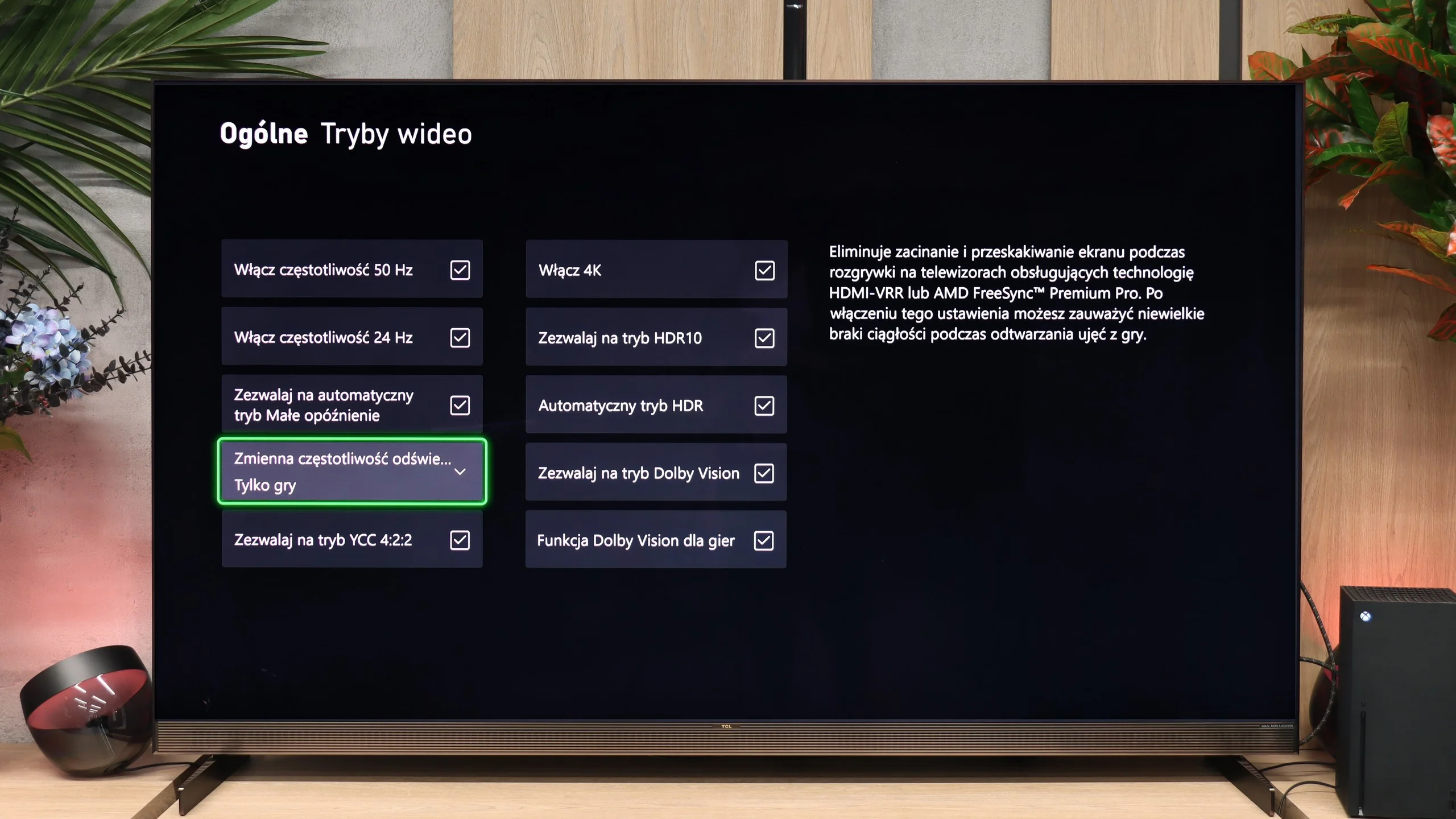
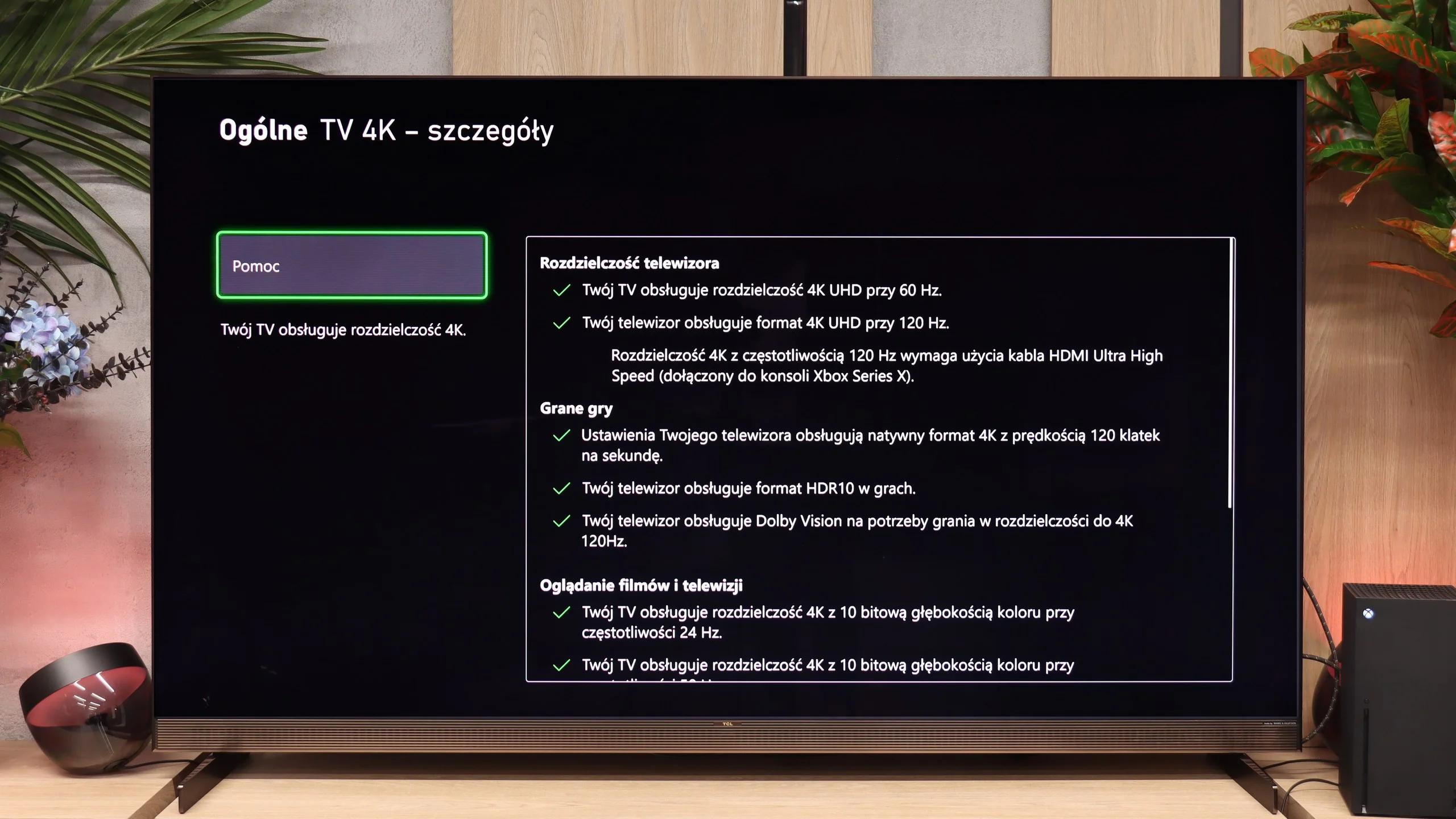
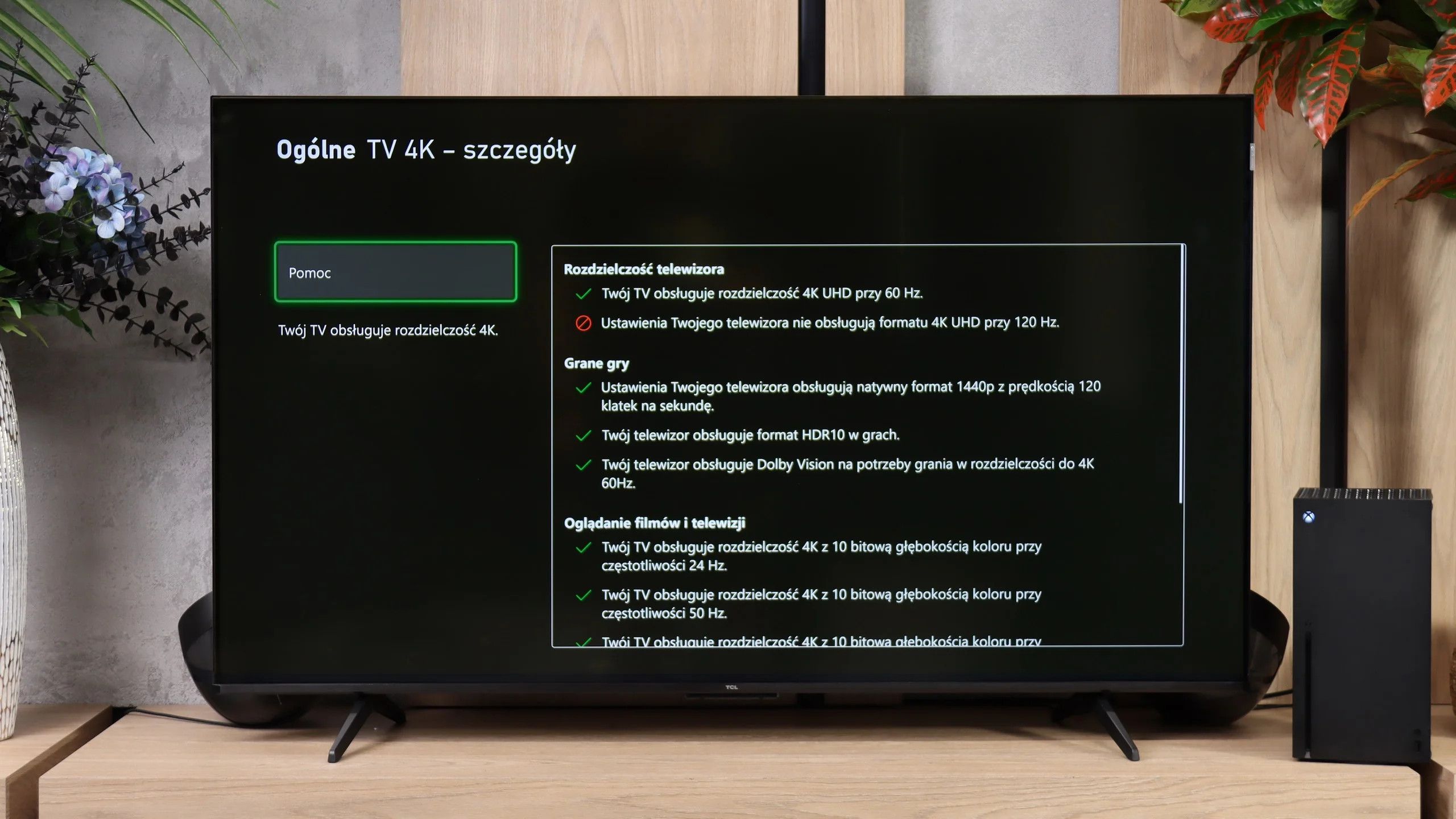
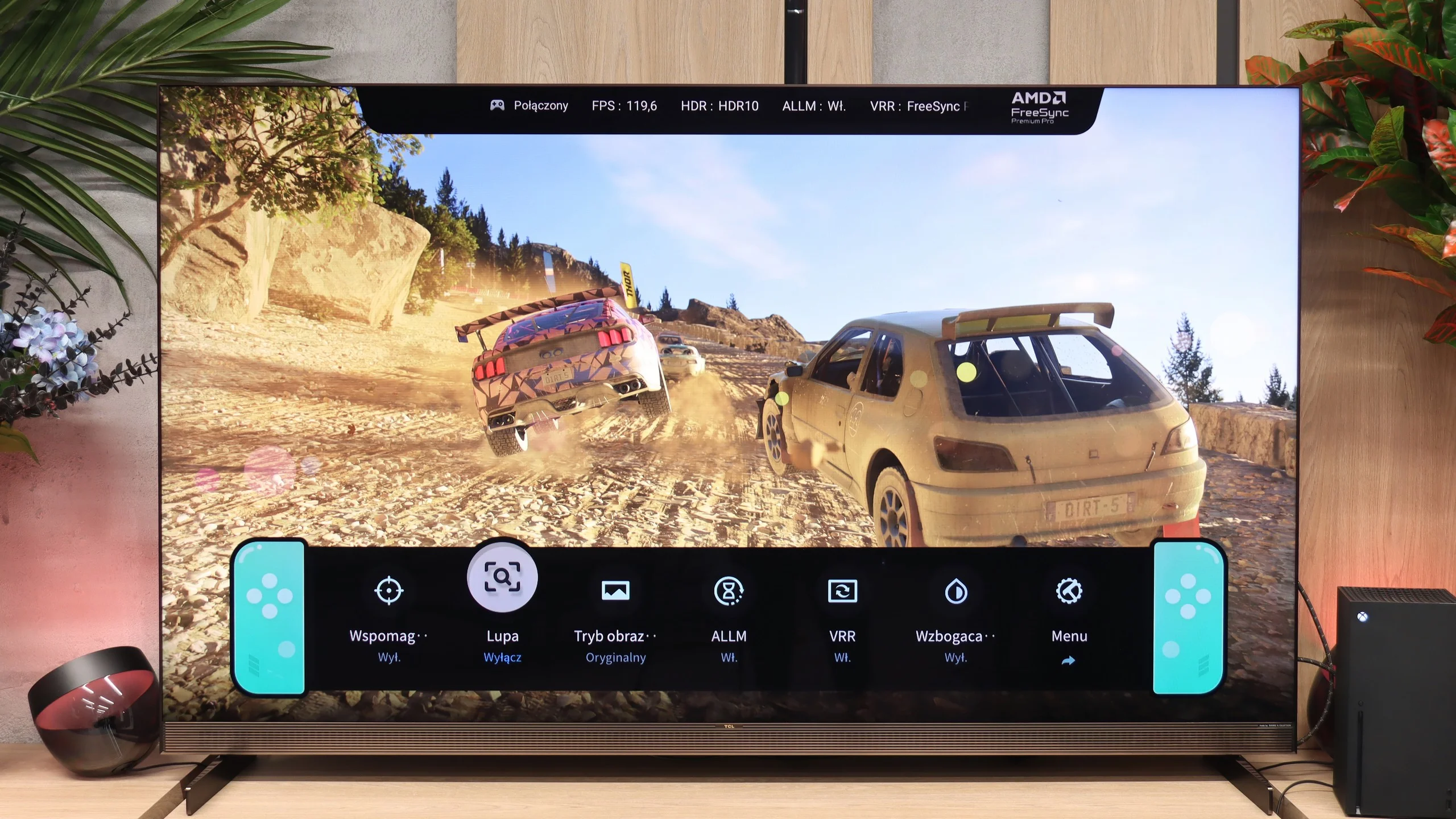
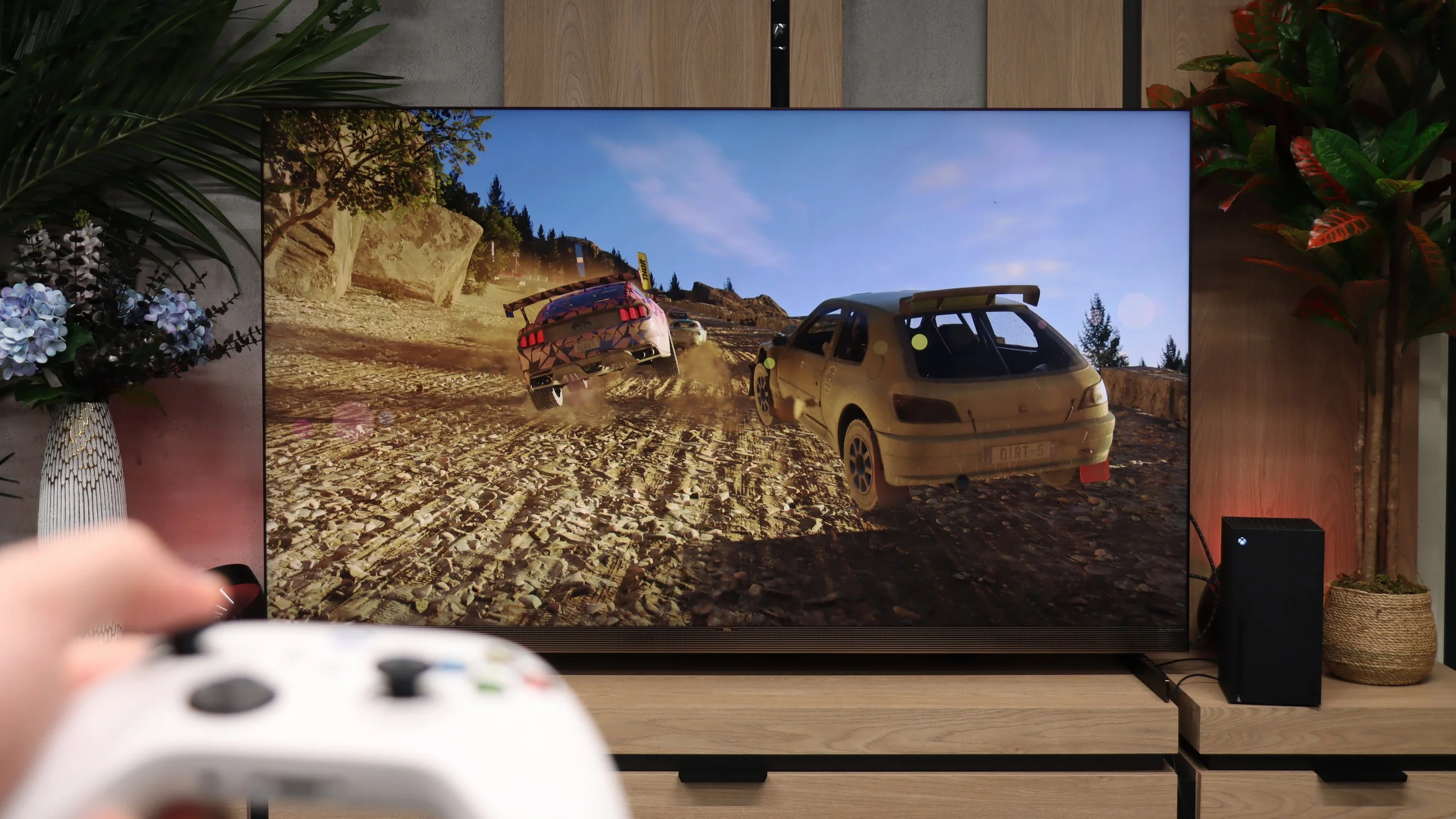
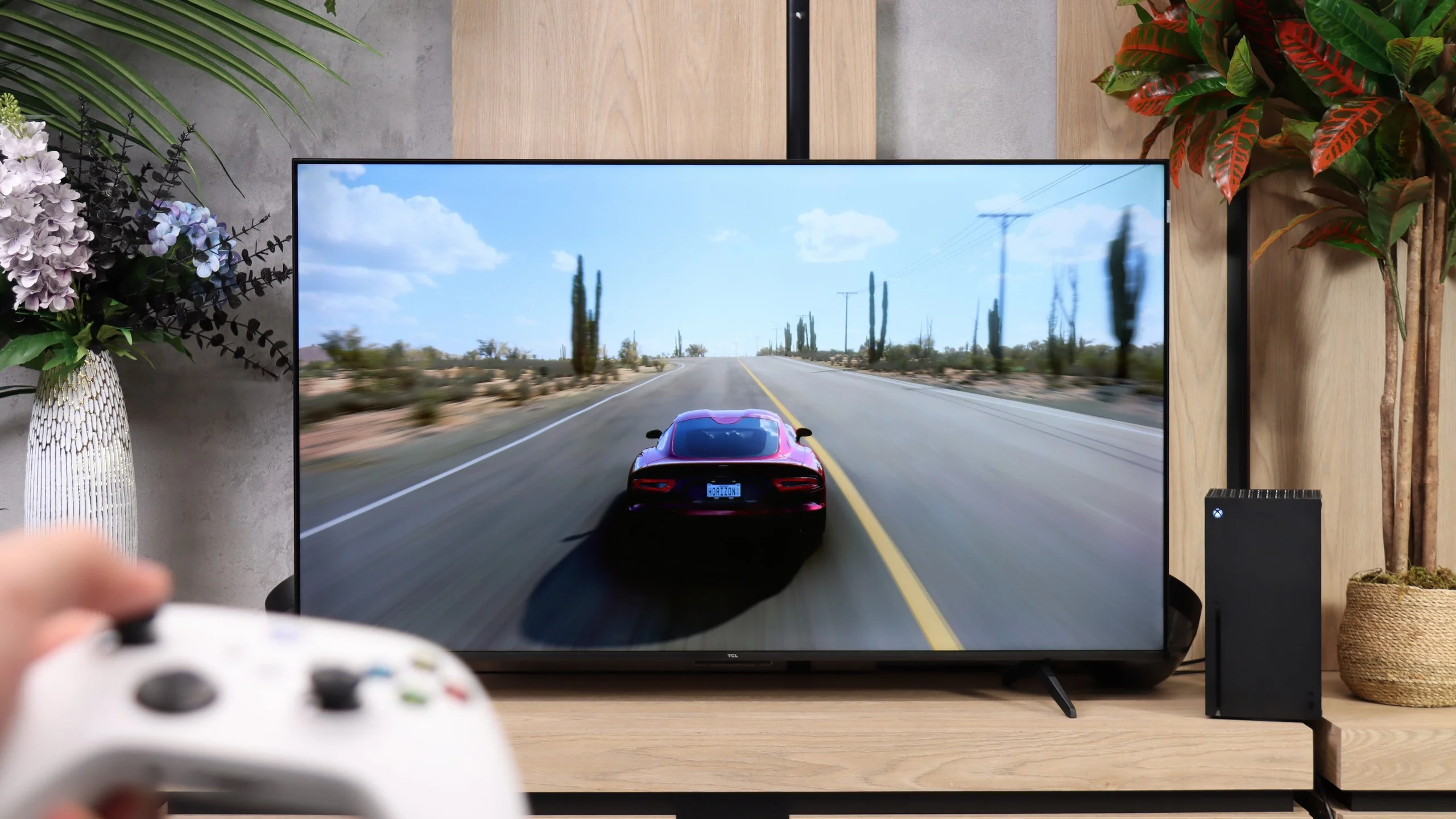
For gamers the X11L is simply a superb screen. TCL has already trained us to expect that it packs practically every feature available on the market into its products, and it’s exactly the same with the flagship X series. Thanks to the new processor, the X11L gets four HDMI 2.1 ports with full 48 Gbps bandwidth. Naturally, HDMI 2.1 brings a set of very useful options, such as automatic low-latency mode (ALLM) and variable refresh rate (VRR) synchronisation, working across the full refresh range up to 288 Hz. All of these features can be conveniently controlled from the dedicated Game Bar. Interestingly, you can customise its appearance to your taste, with three ready-made themes directly referencing the Nintendo, PlayStation and Xbox consoles. And speaking of Xbox, Dolby Vision Gaming also runs without issue on the X11L.
When playing in the standard HDR10 format you should be aware of the screen’s specific brightness-curve tuning, which can cause problems during initial setup. Even though the TV supports HGiG, getting everything set correctly in the PlayStation or Xbox system menus can be tricky. The screen’s algorithms tend to artificially brighten the test checkerboard, so nailing the correct white-clip point by eye is genuinely difficult. For HDR10 to look correct, we suggest manually setting the console brightness in the console menu to around 2500–3000 nits.
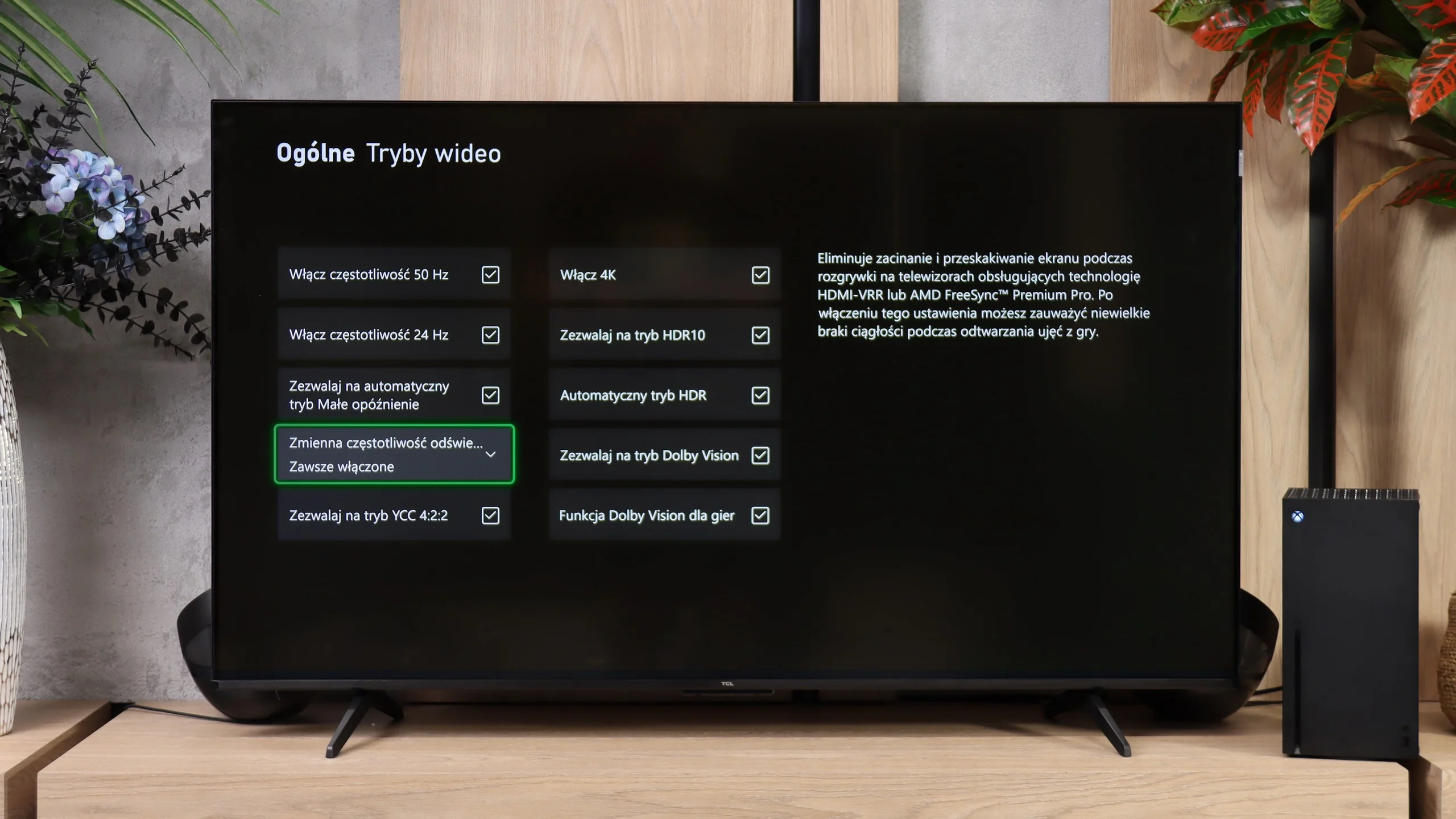
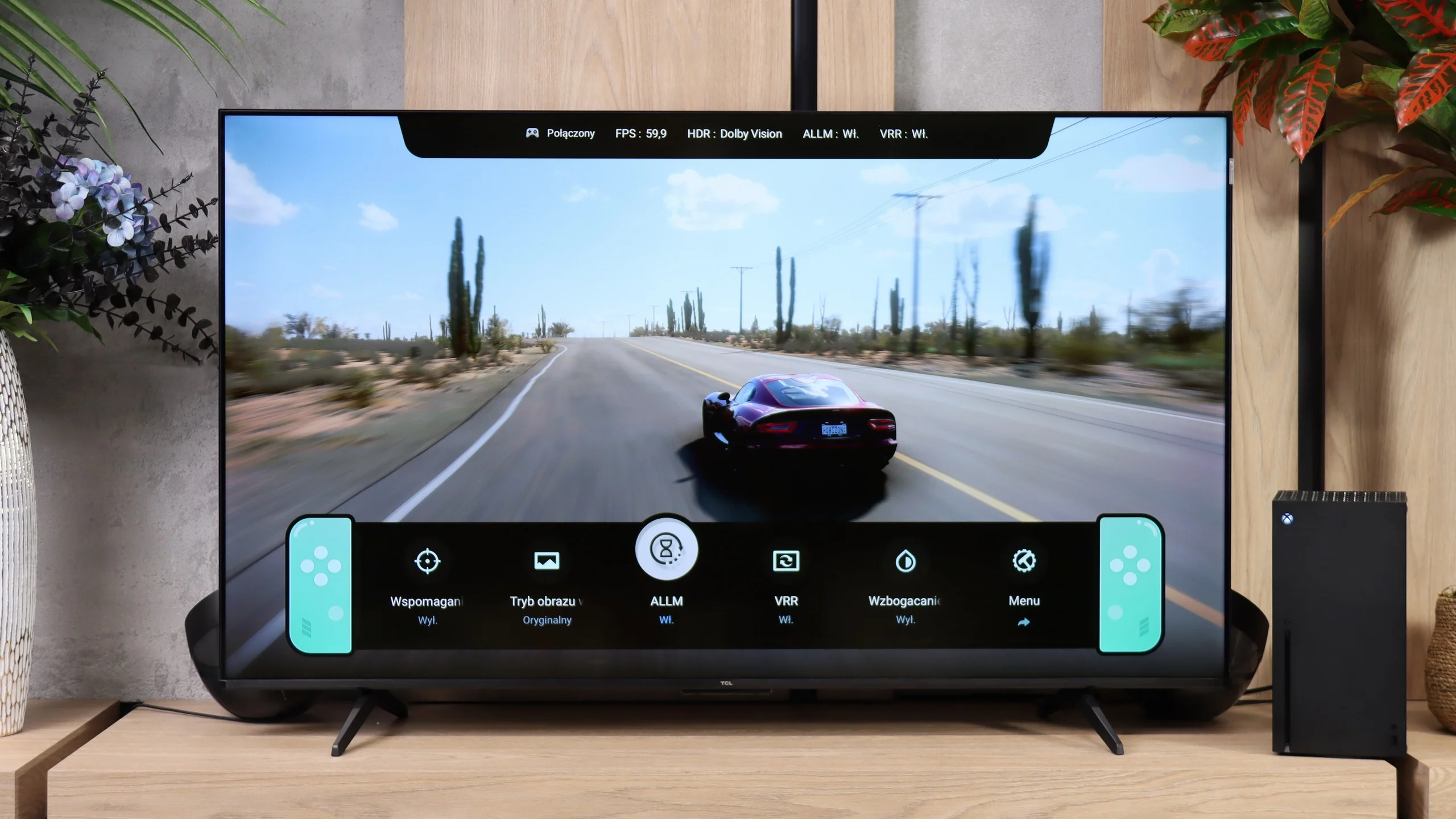
For such an inexpensive TV, the P7L has quite a lot to offer gamers. It has ALLM, VRR and Dolby Vision in games, and TCL also includes its Game Bar, where you can quickly check key information or change some settings without leaving the game. Not everything is perfect, though, because HGiG doesn't work here as it should, but at this price point it's hard to complain much about the feature set. The most interesting part comes when you give up 4K. At that resolution the TV runs at up to 60 Hz, but at 1440p and 1080p it can already display at 120 Hz. And that's not just a spec-sheet curiosity. In fast-paced games that support that frame rate the difference in smoothness is genuinely noticeable, so if you care more about smoother motion than maximum image sharpness, that mode can make a lot of sense. Of course, that doesn't make the P7L a true 120 Hz TV. Still, it's precisely these extra modes that make the P7L perform really well for gaming.
Input lag
9.8/10
10/10
SDR
HDR
Dolby Vision
Input lag is very good. Figures of around 10–15 ms admittedly don't break market records, but in practice deliver exactly the same responsiveness as a top-tier 5 ms. At such low values the difference becomes purely theoretical. While gaming, nobody would be able to detect any delay.
As far as latency goes, the TCL P7L performs very well. With a 60 Hz signal, input lag is around 13 ms, whether you're playing in SDR, HDR or Dolby Vision. That's a level where delay should be practically unnoticeable during normal gaming. It gets even better when you switch the TV to 120 Hz at a lower resolution. Then input lag drops to about 9 ms, which nicely complements the modes described above. For gamers, that's another reason why, despite the P7L's budget nature, it's quite well prepared in this respect.
Compatibility with PC
8.6/10
5.8/10
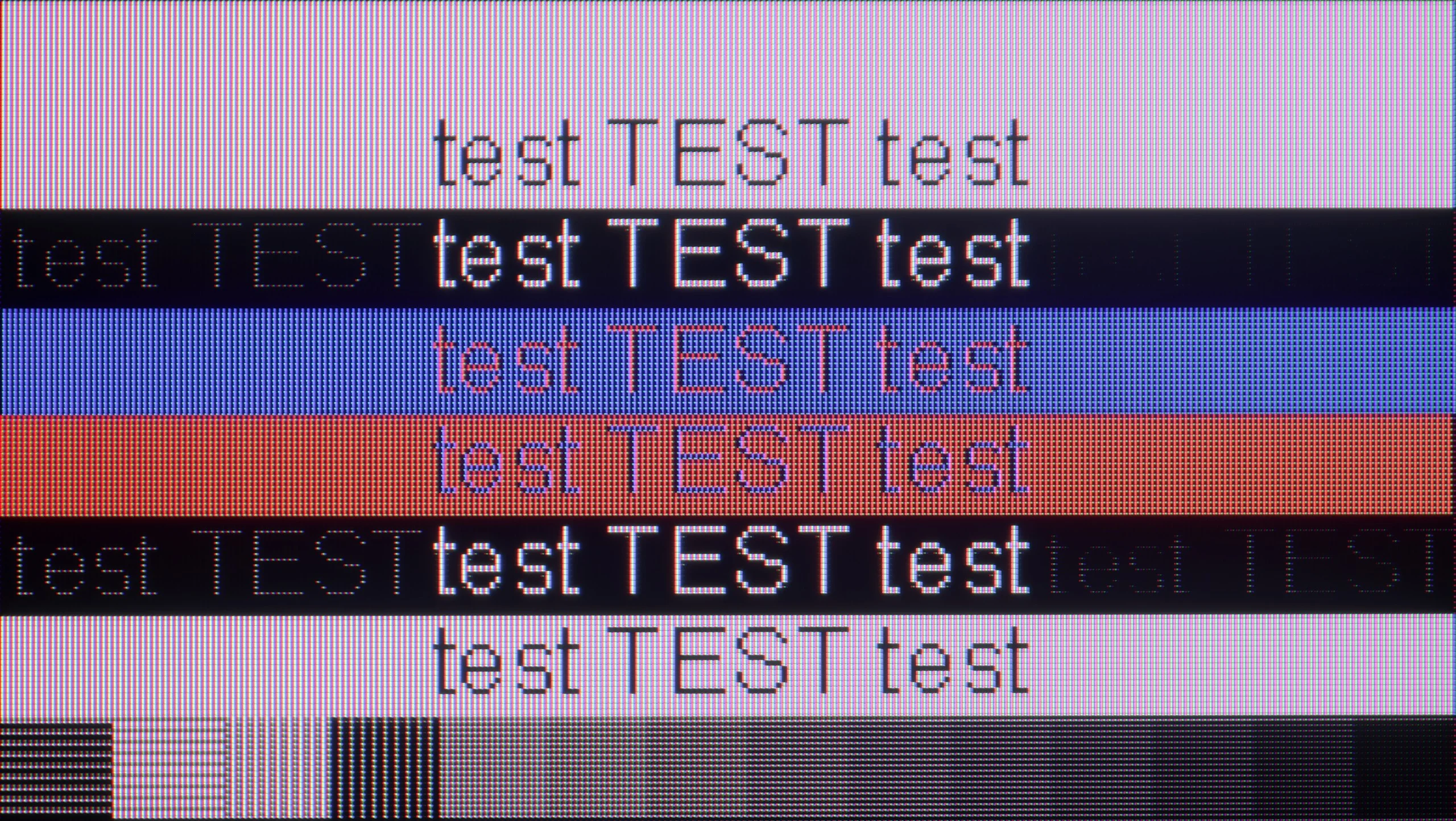
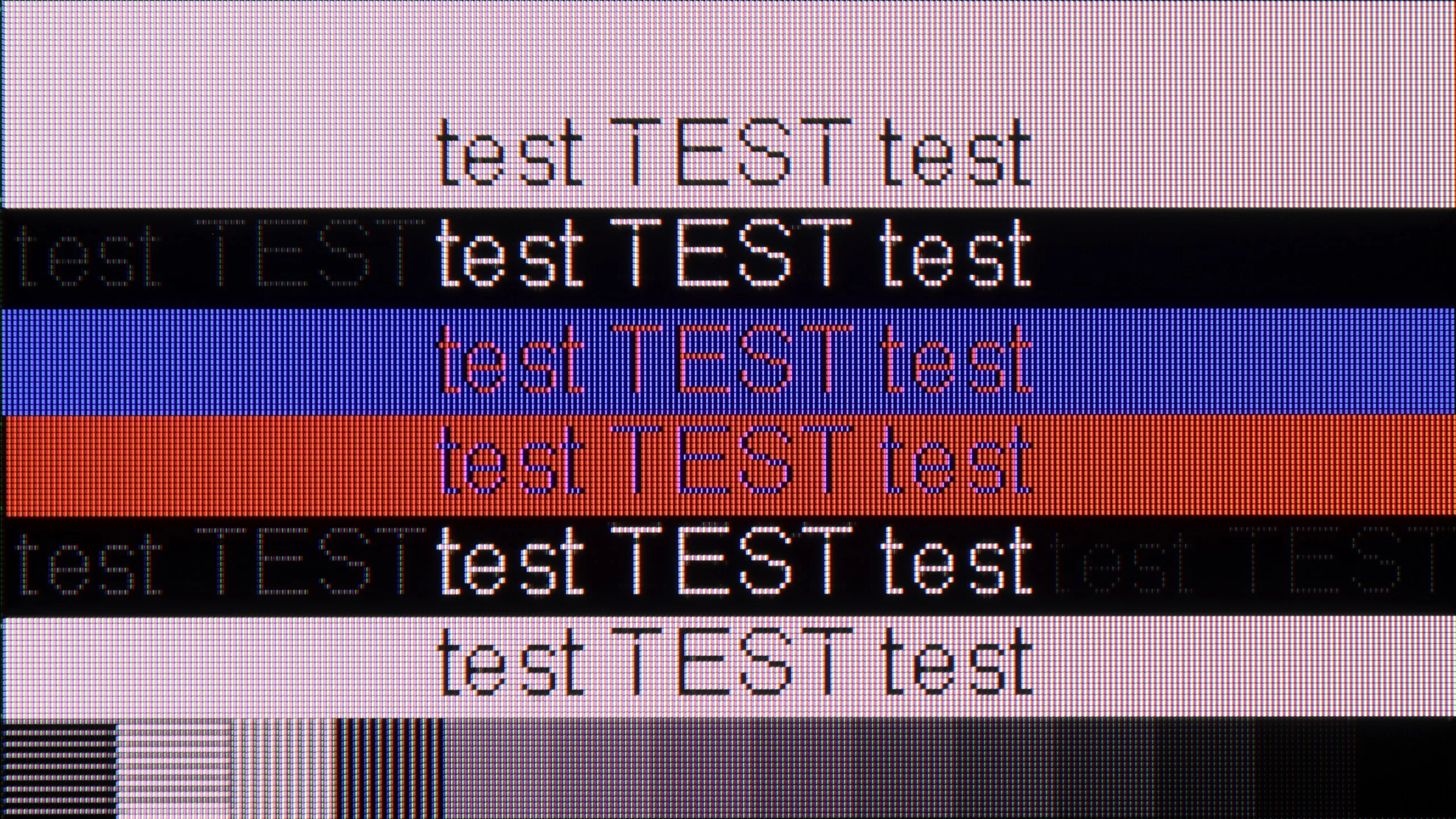
The photo shows the legibility of small fonts. Ideally, lines should be the same thickness on both light and dark text, with minimal pixel gaps.
Performance with a PC on the X11L is excellent, mainly thanks to a powerful suite of gaming features. In addition to benefits familiar from consoles and very high refresh rates, it offers support for PC frame-sync technologies (G-Sync Compatible and AMD FreeSync Premium PRO), tailored to specific graphics cards. In short, when it comes to gaming, even from a PC source, this screen is simply outstanding. Text handling is a bit weaker because of the particular way the fonts are rendered. Looking closely at the letters, you can see that horizontal strokes are slightly darker than vertical ones, and there are faint artefacts around the edges. The truth is, though, that from a metre or two away it's completely unnoticeable. And given the dimensions of the X11L series, nobody's likely to put this "beast" on their desk. 😉
For office work the TCL P7L is unlikely to be the first choice. The TV correctly handles 4:4:4 chroma, so the text itself remains fairly sharp, but the BGR subpixel layout causes some issues with its appearance. On the vertical edges of letters you can notice minor artefacts and characteristic "dots" that can be distracting when sitting close to the screen. For occasional use of a browser or documents this isn't a big problem, but as a monitor for daily text work the P7L performs rather averagely.
It looks much better for gaming on a PC. Low input lag and support for G-Sync and VRR mean the TV works well with a graphics card, and at lower resolutions you can also take advantage of 120 Hz. In 4K we're still limited to 60 Hz, but if the computer is mainly for gaming, the P7L makes a lot more sense in that role than as a typical work monitor.
Viewing angles
4.5/10
3.2/10
Thanks to the proprietary WHVA 2.0 panel, the viewing angles (for an LCD TV with this type of panel) are actually quite decent. Colours don't wash out as much as with classic VA panels you find in lower-end models. It's not, of course, at the level of good IPS/ADS panels, and certainly not comparable to any OLED, but nevertheless it's not a weak point of this model.
Viewing angles on the TCL P7L are rather poor, which is typical for a VA panel. It's the VA panel that gives the TV higher contrast and deeper blacks, but the price for that is a noticeable drop in picture quality when you view the screen from the side. Move just a little off-axis and colours start to lose saturation and blacks look greyer. So the P7L works best when you're seated as directly in front of the screen as possible. With a larger sofa and several people watching, the outer seats will be noticeably less comfortable.
Daytime performance
10/10
5.2/10
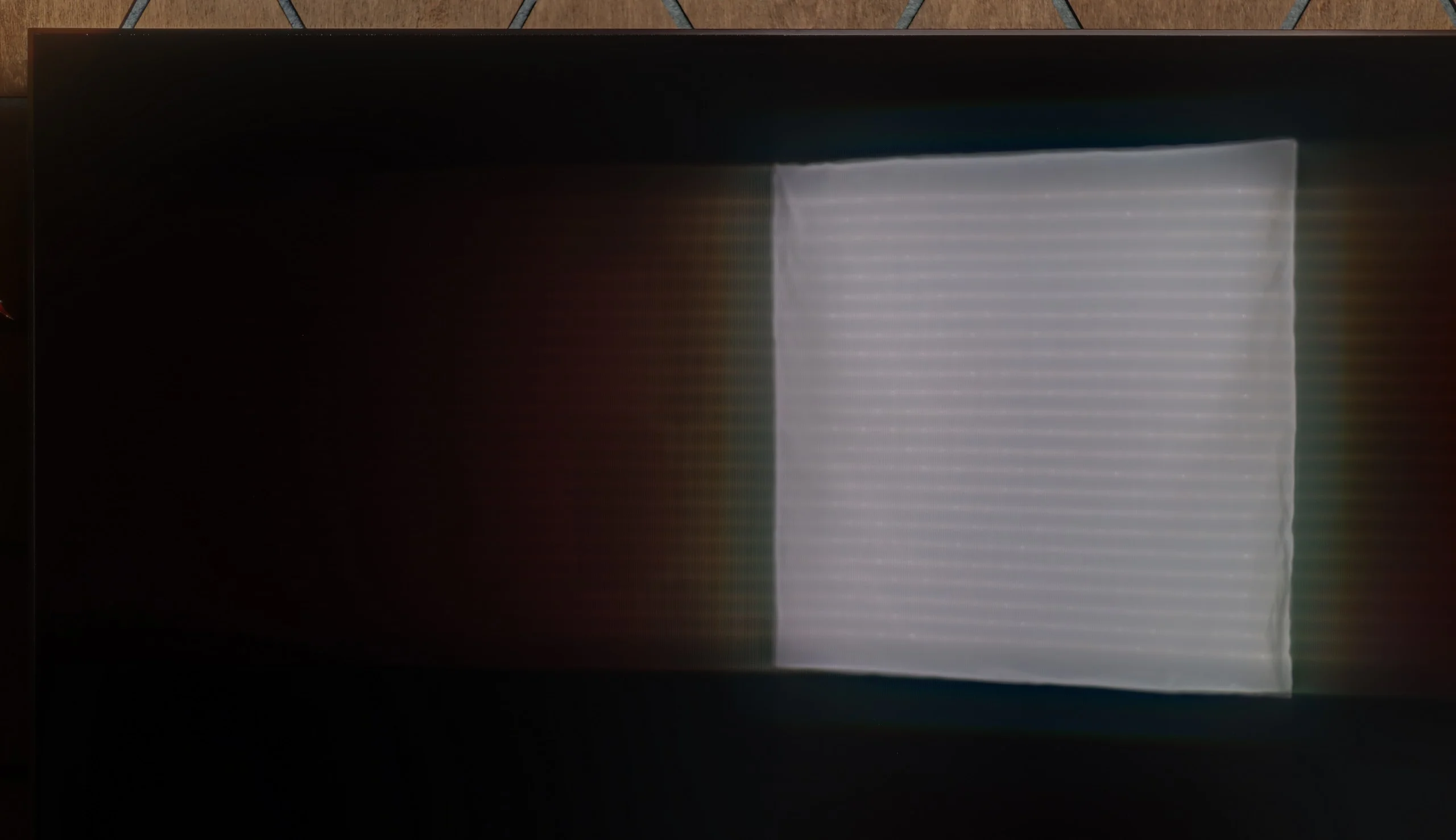
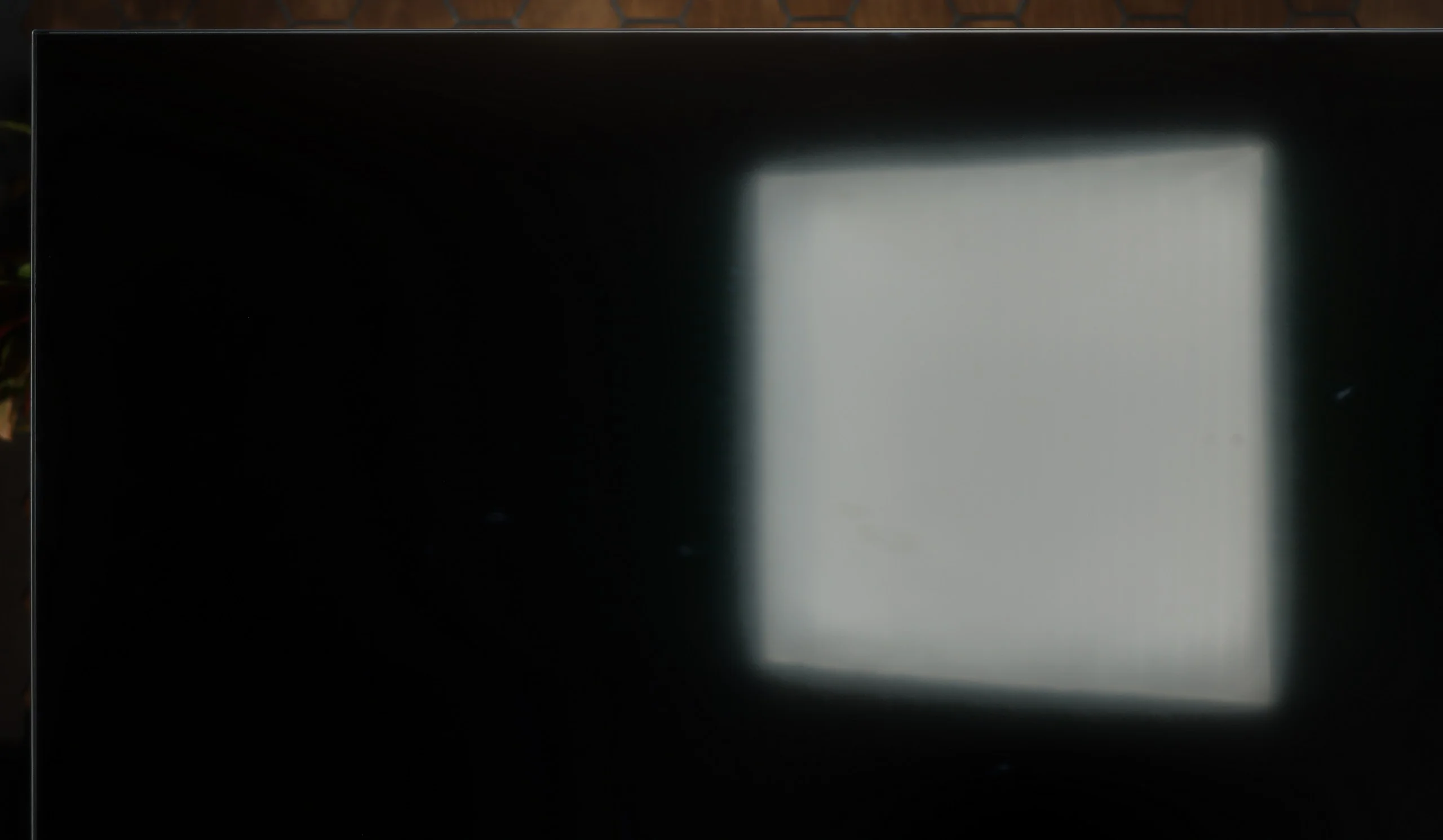
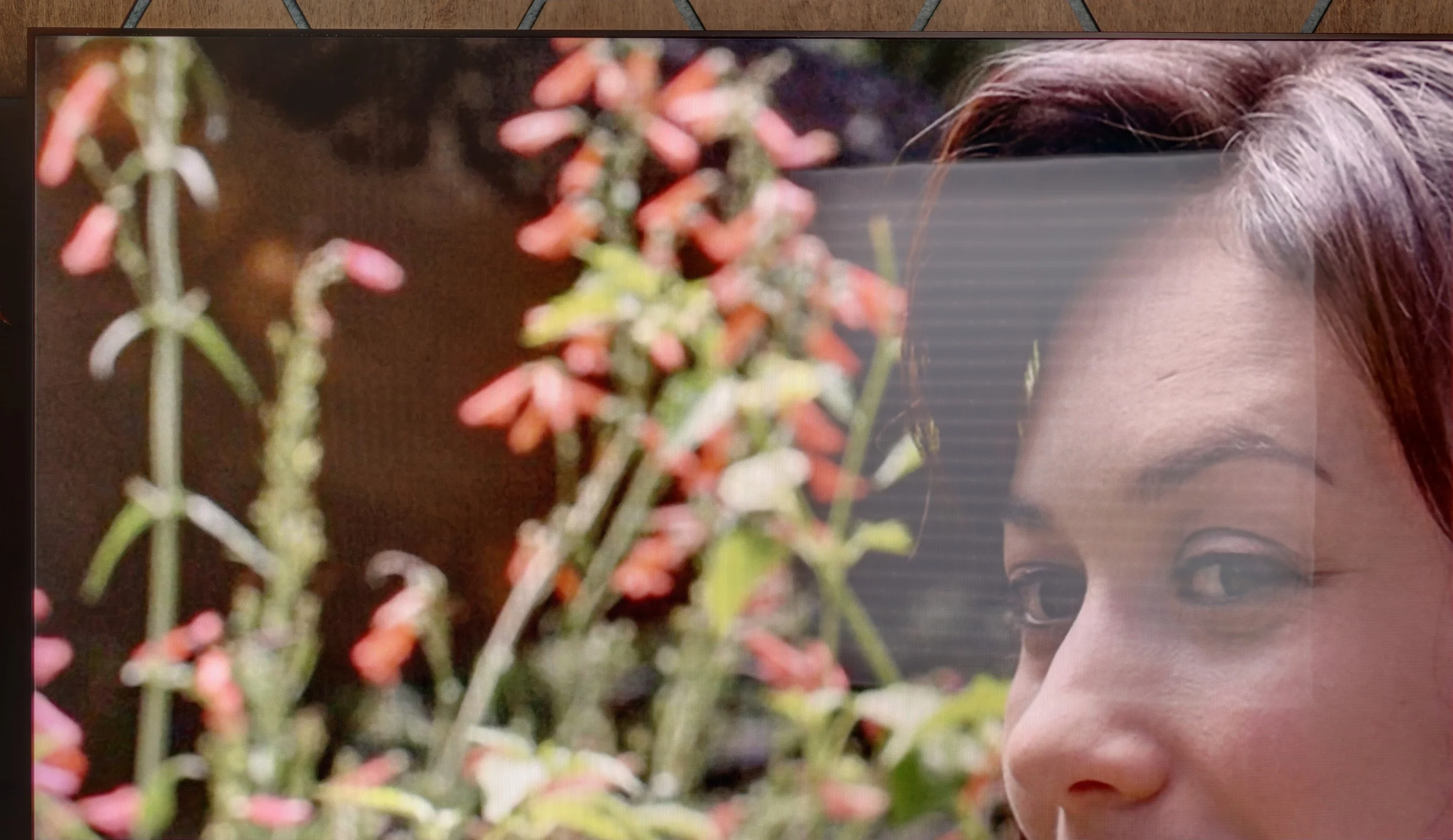
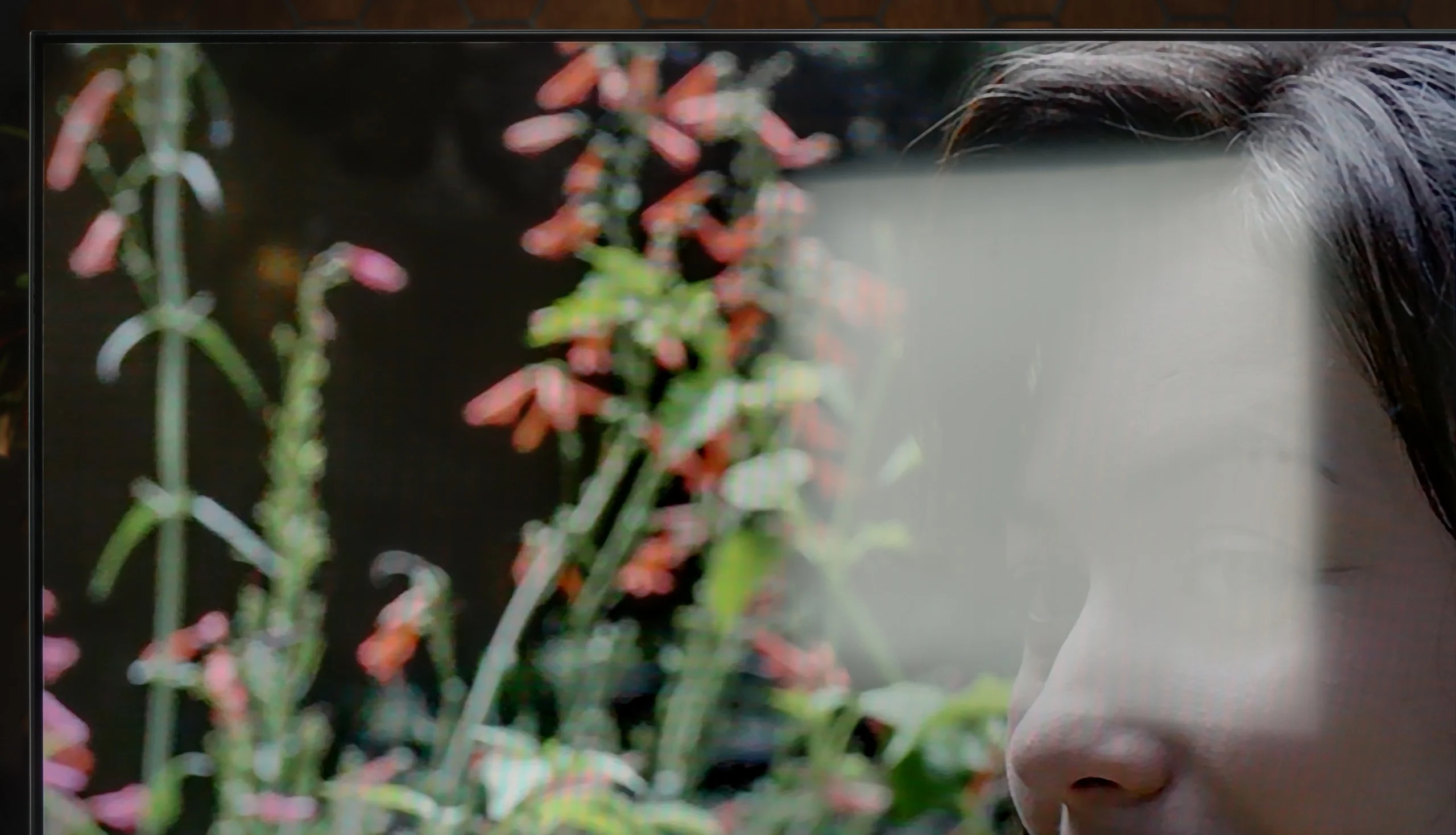
Panel brightness
TCL P7L / P79L: 364 cd/m2
TCL X11L: 1949 cd/m2
The X11L offers superb daytime performance, mainly thanks to its extremely high brightness. With SDR content the TV can typically push out around 2000 nits on average! The screen is bright enough that, in typical home conditions, it will easily cut through any sunlight entering the room. In that respect a bright day is no challenge. The only drawback for the X11L in this area is a fairly glossy panel. Unfortunately the screen doesn't suppress reflections well, so it acts a bit like a mirror. For evening viewing it's best not to turn lights on directly opposite the screen, because lamps and bright items in the room will be quite visible on the panel surface.
By day the TCL P7L performs quite respectably, although a lot depends on how the TV is positioned relative to windows. The satin screen coating does a good job of diffusing reflections, so under normal living-room light the picture stays readable and doesn’t immediately turn into a mirror. Black levels also hold up well and don’t lose as much depth in daylight. The limitation is brightness. Around 360 nits is enough for normal viewing in a moderately lit room, but with strong sunlight falling directly on the screen the P7L starts to lose out to its surroundings. It will be fine for a typical living room, but if the TV will sit opposite a large window or you mainly watch in a very bright room, it’s worth keeping that in mind.
Panel details
Subpixel Structure:
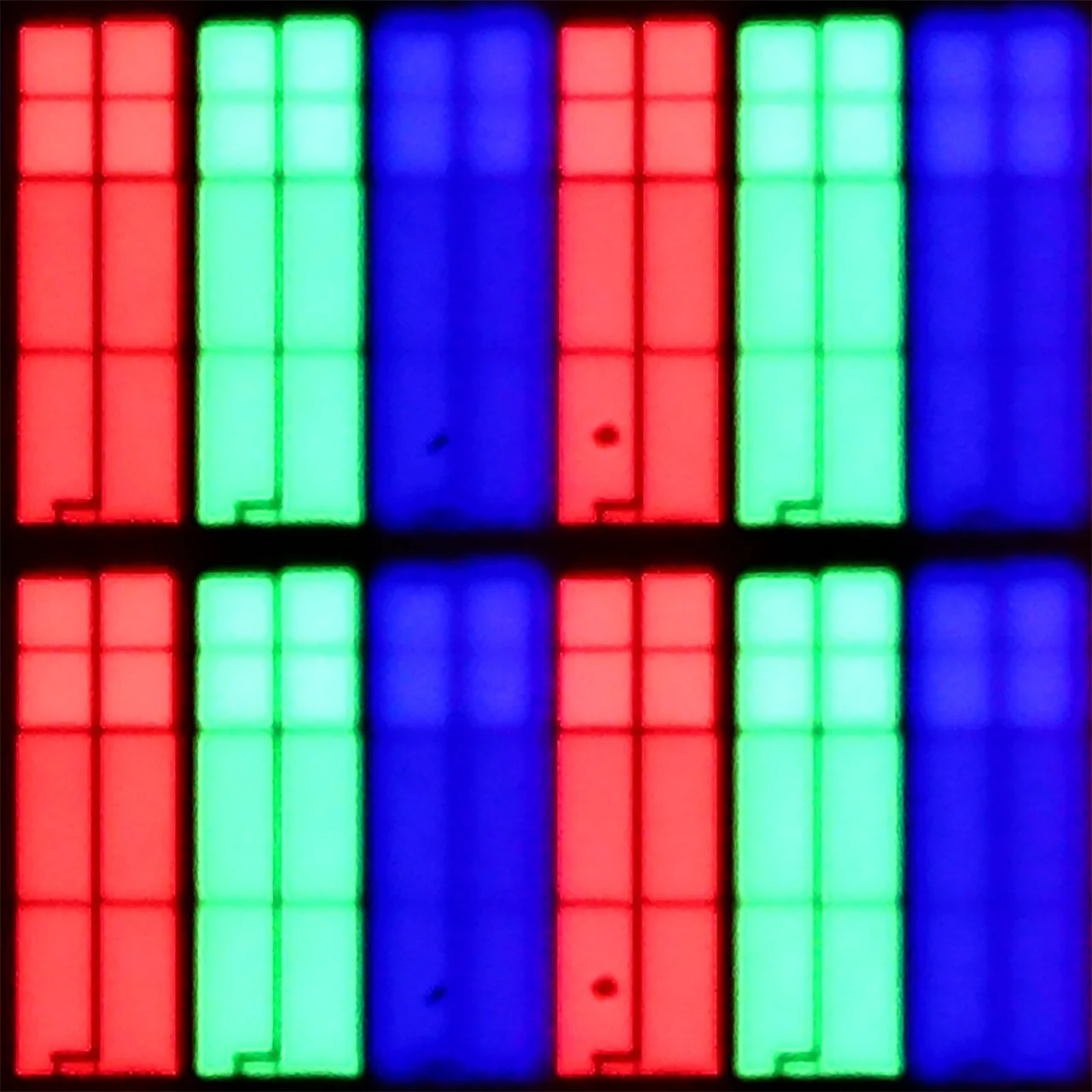
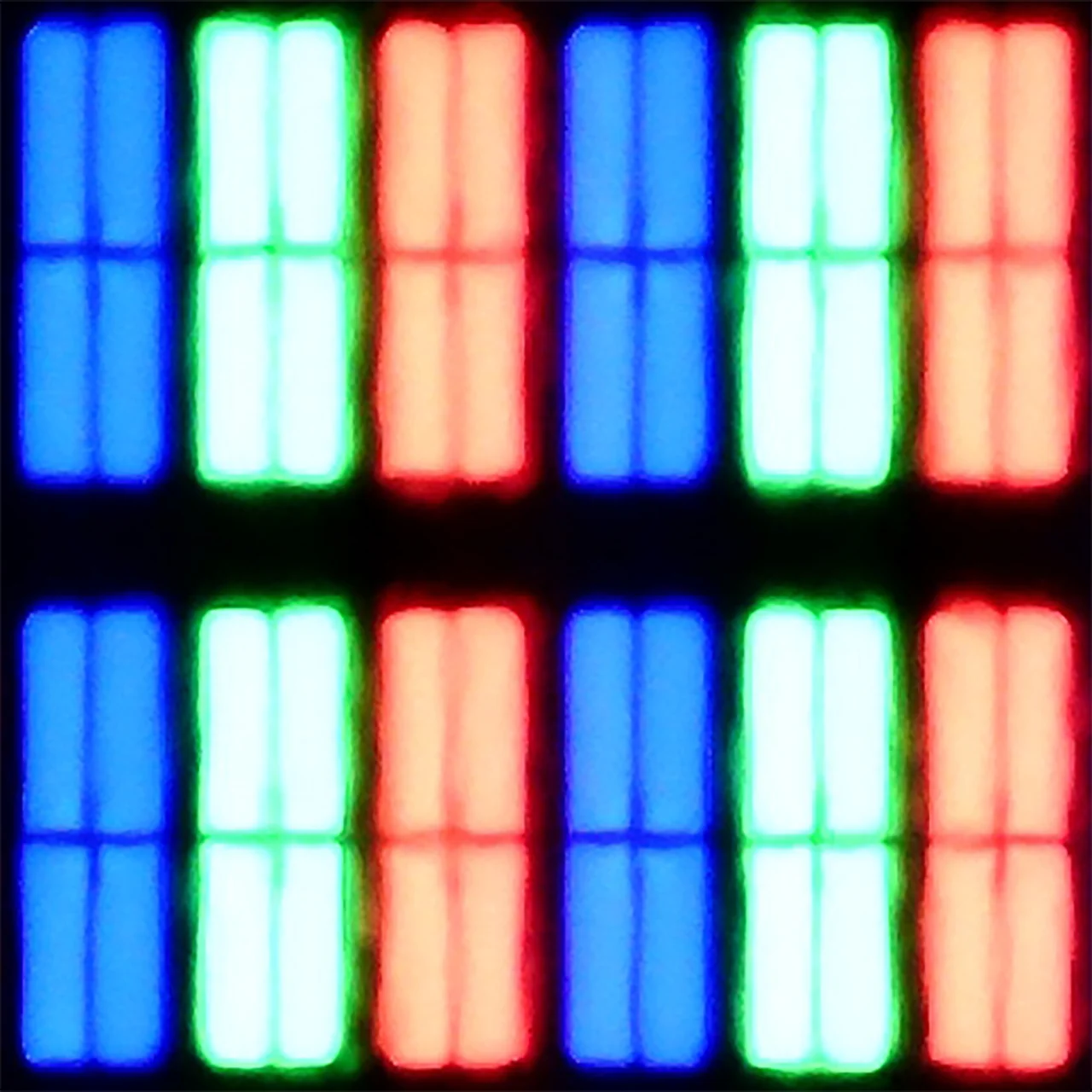
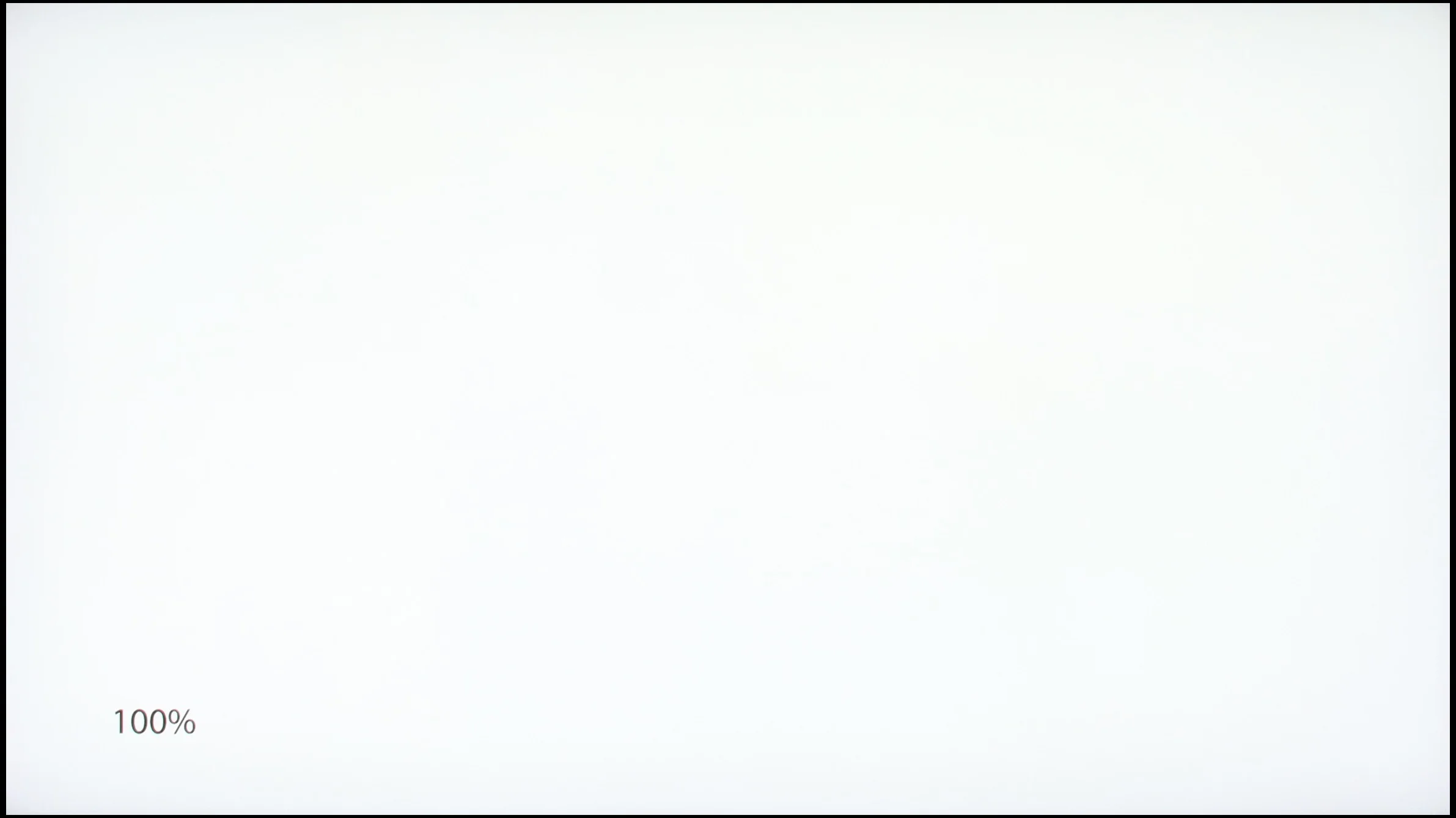
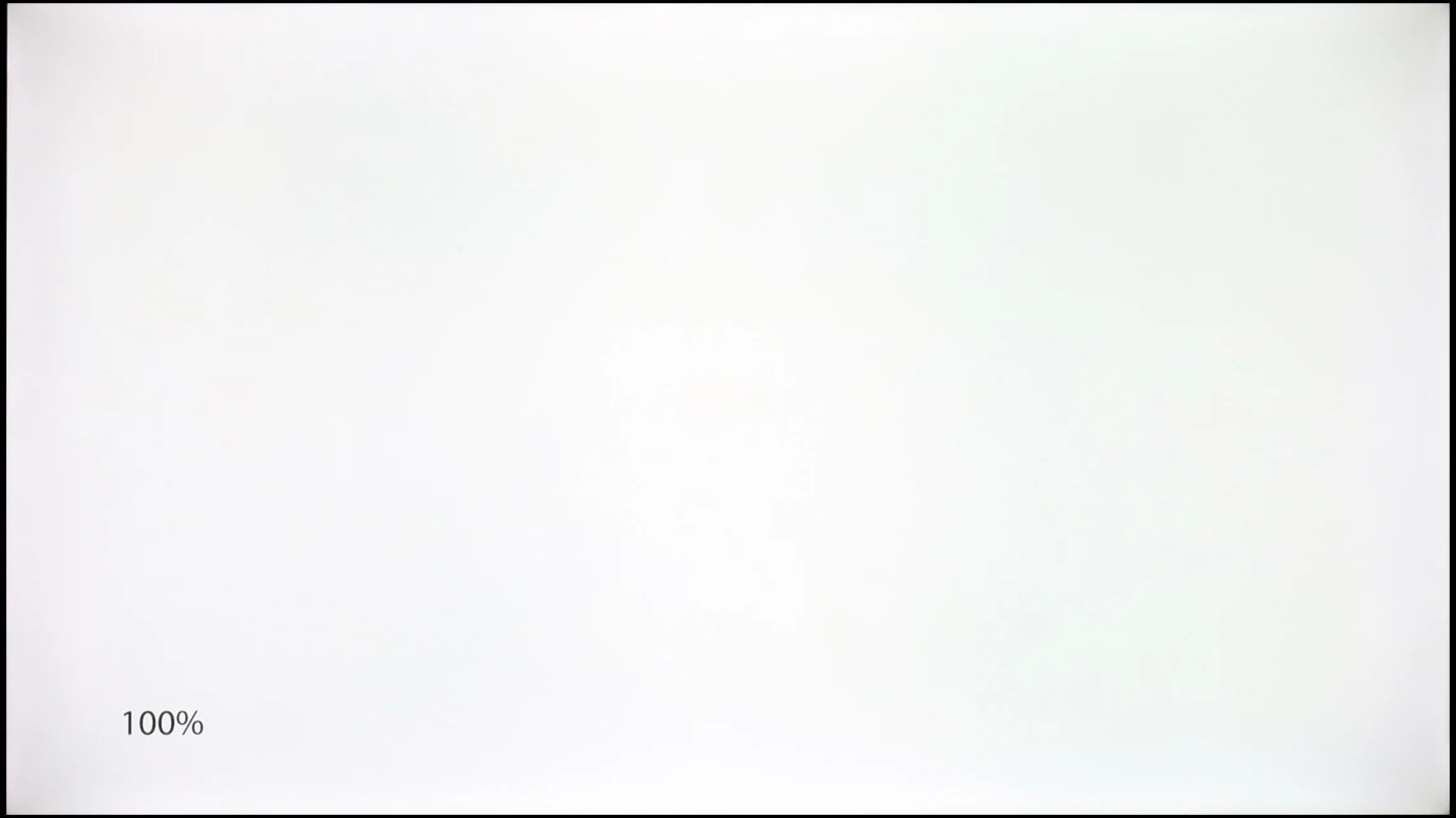
Panel uniformity and thermal imaging:
TCL X11L
TCL P7L / P79L
TV features
8.3/10
7/10
- SystemGoogle TVGoogle TV
- System performanceVery goodDecent
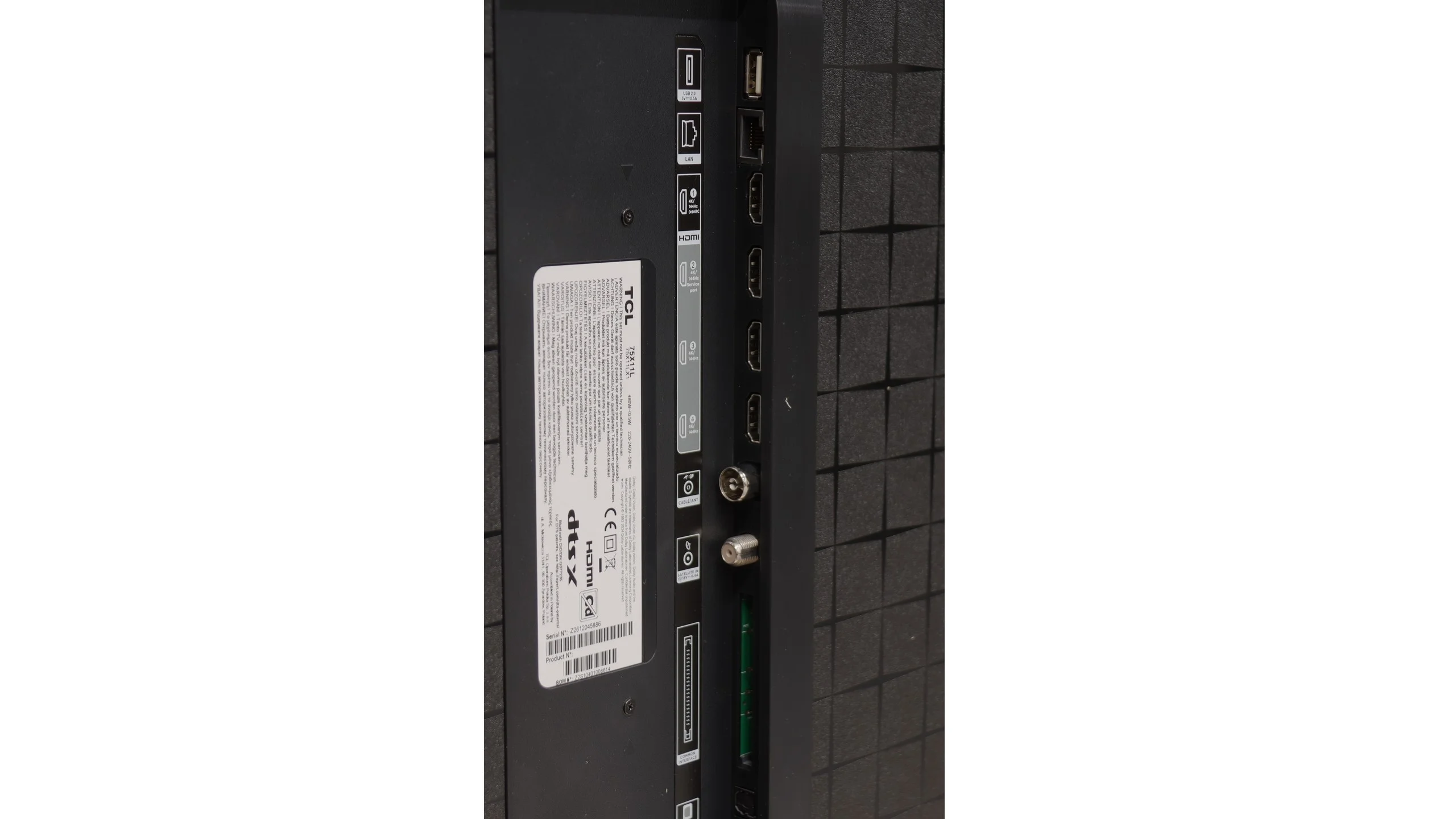
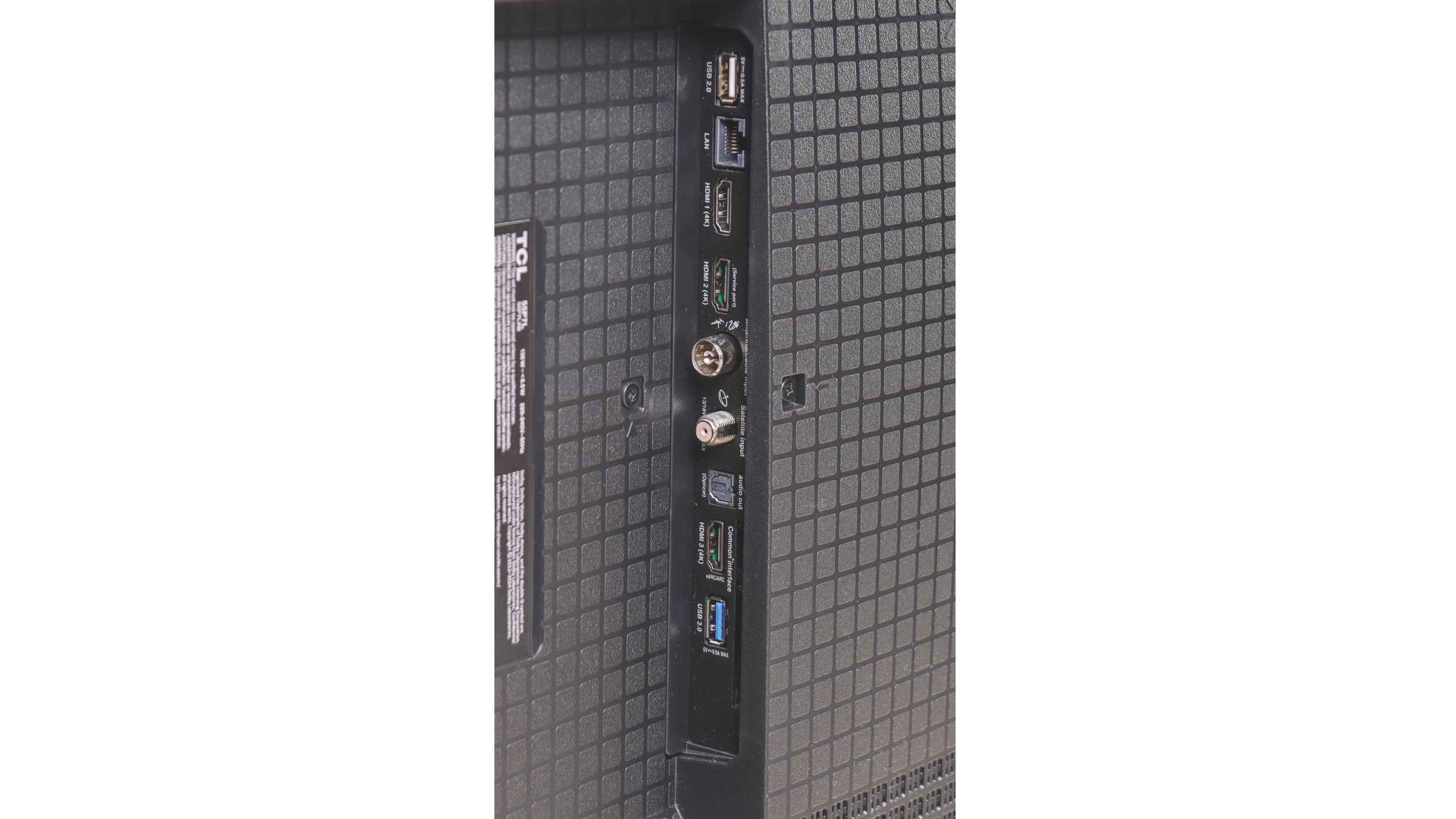
- HDMI inputs0 x HDMI 2.0, 4 x HDMI 2.1 48Gbps3 x HDMI 2.0, 0 x HDMI 2.1
- OutputsToslink (Optical audio), eARC (HDMI), ARC (HDMI)Toslink (Optical audio), eARC (HDMI), ARC (HDMI)
- Network InterfacesWi-Fi 2.4GHz, Wi-Fi 5GHz, Ethernet (LAN) 100MbpsWi-Fi 2.4GHz, Wi-Fi 5GHz, Ethernet (LAN) 100Mbps
- TV receptionDVB-T, DVB-T2, DVB-S, DVB-S2, DVB-CDVB-T, DVB-T2, DVB-S, DVB-S2, DVB-C
Classic features:
- Recording to USB (terrestrial TV)
- Recording programming
- Picture in Picture (PiP)
- RF remote control (no need to aim)
- Backlit remote control
- Teletext
- Audio only mode
- Bluetooth headphones support
- Simultaneous Bluetooth headphones & TV audio
Smart features:
- AirPlay
- Screen mirroring (Windows Miracast)
- Voice search
- Voice search in native language
- Ability to connect a keyboard and mouse
Sound connection options
- HDMI audioeARC (HDMI), ARC (HDMI)eARC (HDMI), ARC (HDMI)
- Other audio outputsToslink (Optical audio)Toslink (Optical audio)
- Wireless audioBluetoothBluetooth
Supported audio formats (external HDMI eARC audio):
- Dolby Digital Plus 7.1
- Dolby True HD 7.1
- Dolby Atmos in Dolby Digital Plus (JOC)
- Dolby Atmos in Dolby True HD
- DTS:X in DTS-HD MA
- DTS-HD Master Audio
Senior accessibility
- Numeric keyboard on TV
- Font size adjustment
- Audio description
Smart TV: Google TV
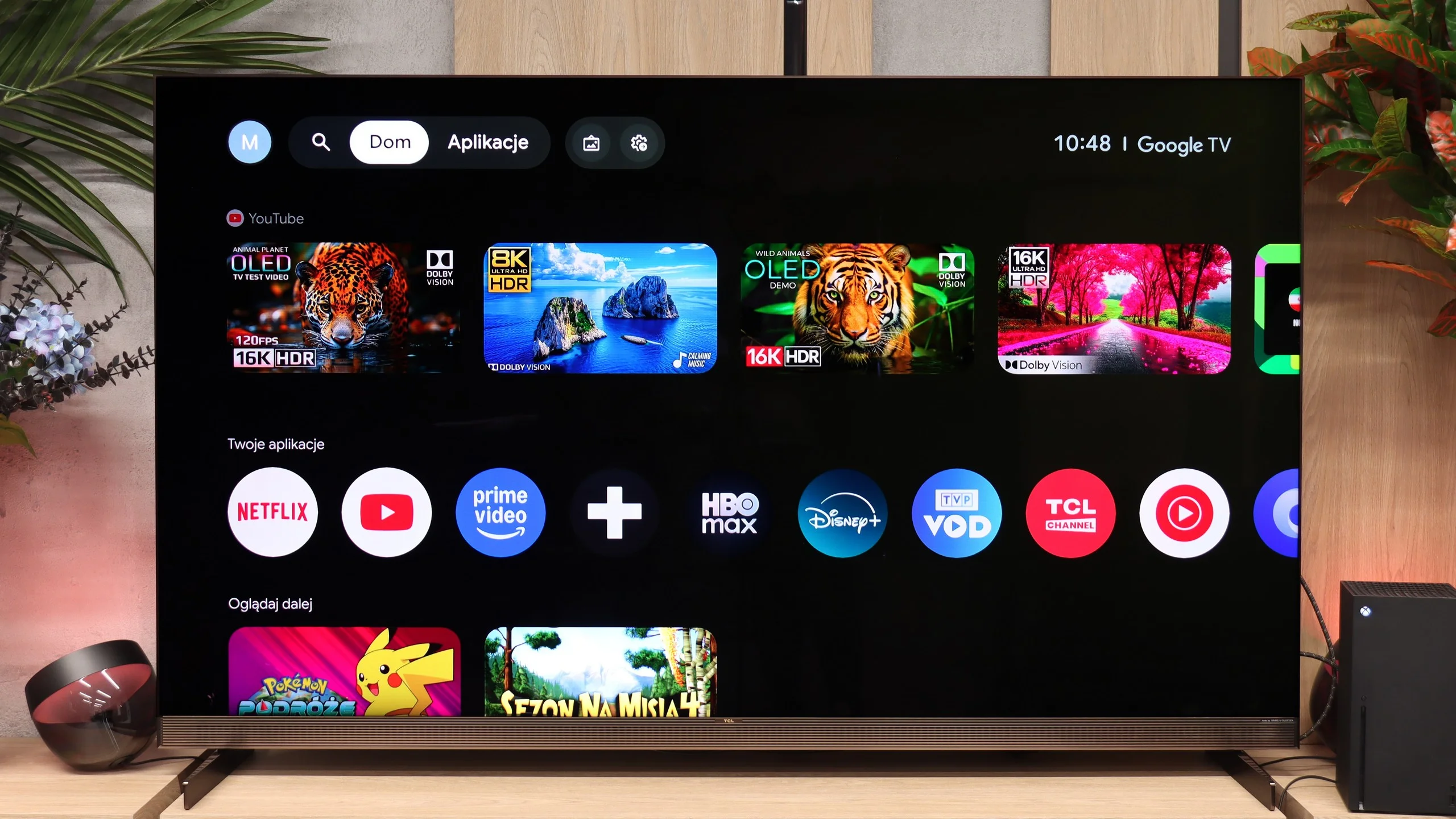
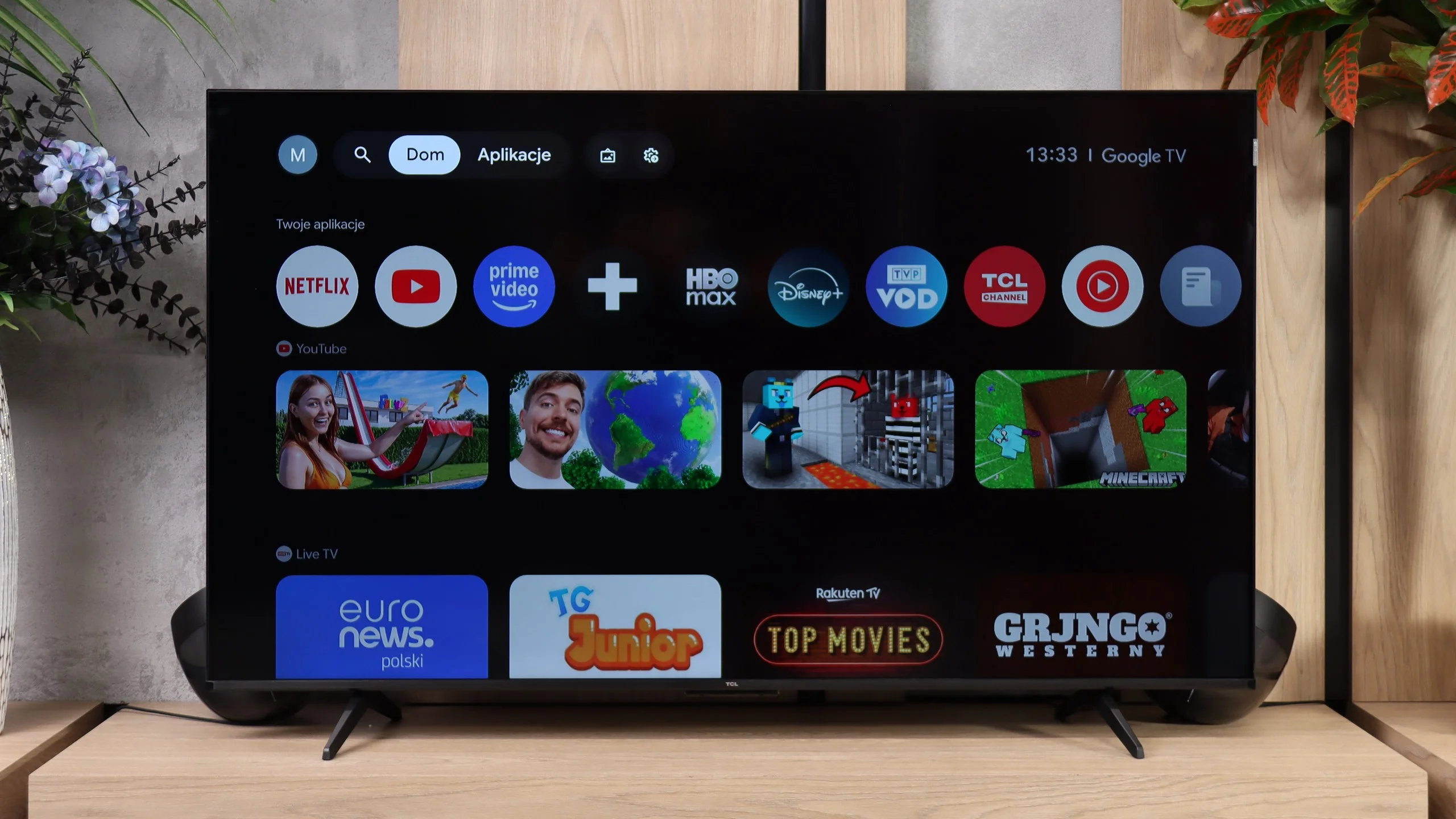
When it comes to Smart TV, the flagship TCL runs Google TV and it's simply excellent software. The platform offers a huge library of apps, where you'll find virtually every major VOD service today. Everything runs very smoothly, and the intuitive interface makes browsing content day to day easy. A big plus is the responsive voice assistant, which, together with Gemini AI support, can accurately suggest movies or TV shows based on our previous choices.
Traditional features and the remote
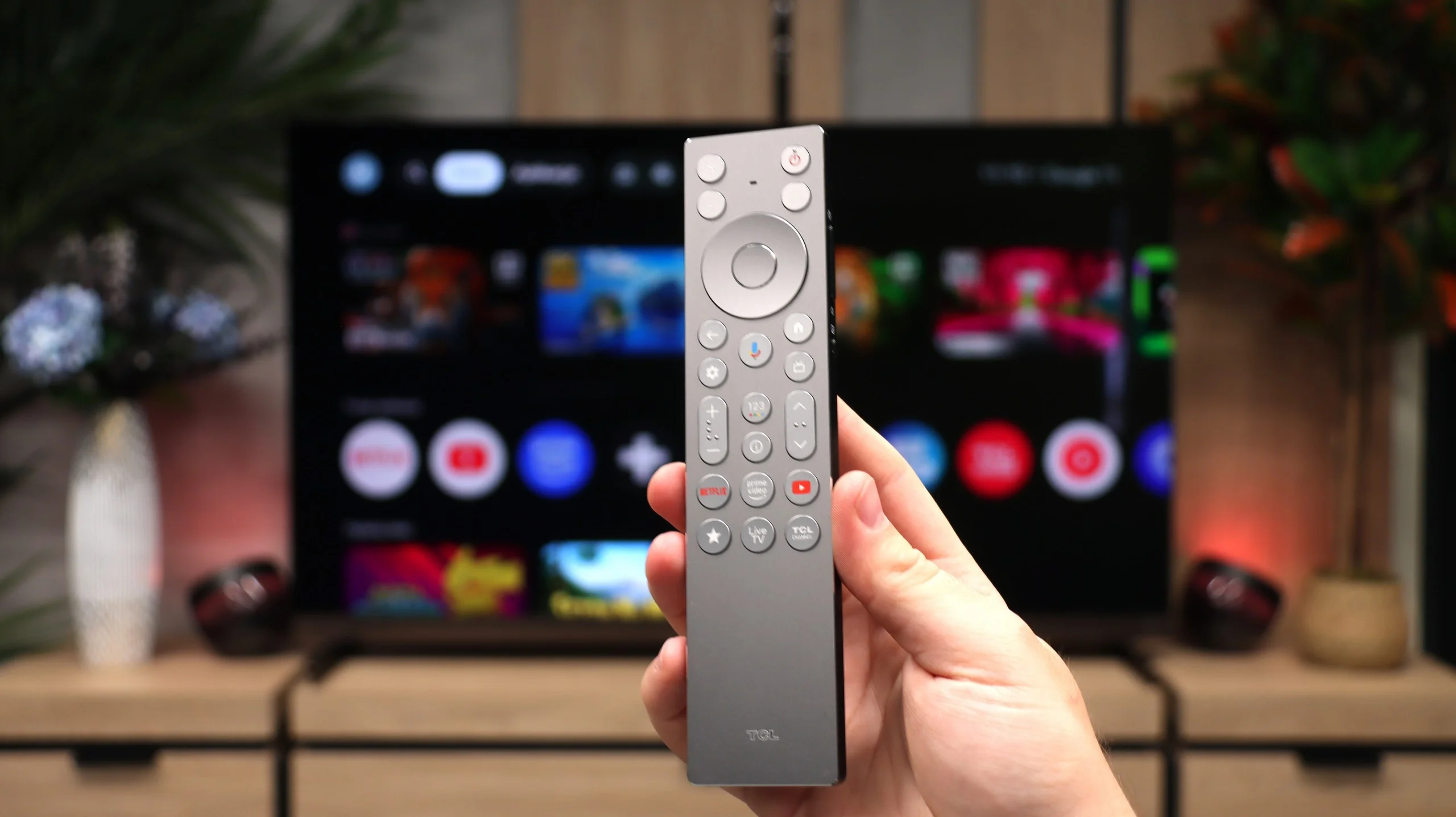
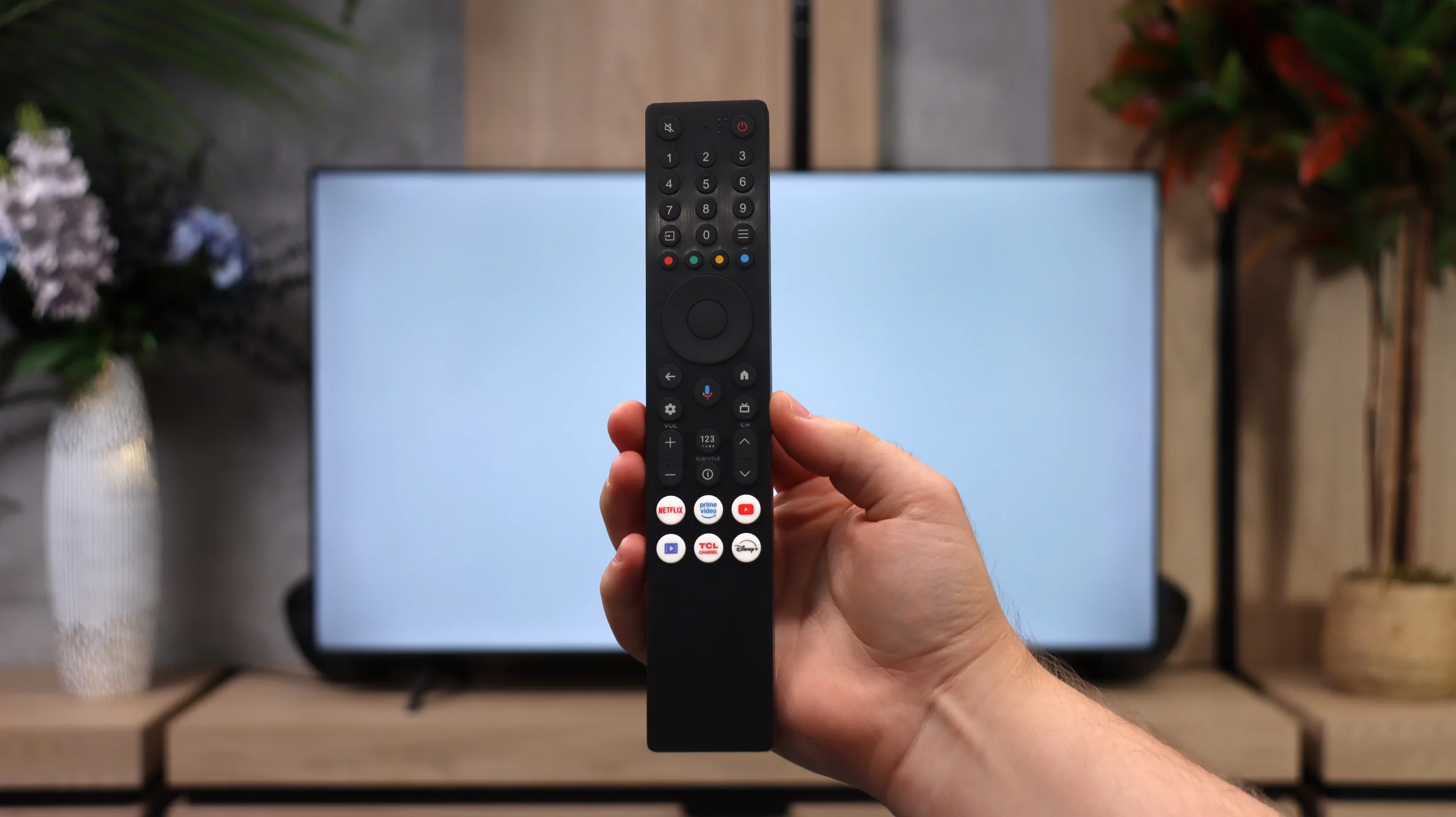
While the Smart TV system is top‑tier, the traditional features really... there's not much to say. The TV offers a working teletext, and that's pretty much all you get in terms of traditional television. TCL skimped on basic features here. On board there's no USB programme recording (PVR), nor even a screen‑splitting option like Picture‑in‑Picture (PiP). As for the remote, it's really well made, feels great in the hand and even has backlit buttons that make night‑time use easier. Unfortunately, the manufacturer chose not to include numeric buttons. That may not sit well with older users or those who like to channel‑surf the classic way by entering channel numbers manually.
Smart TV
TCL P7L runs on Google TV, and that's definitely one of the model's stronger points. The system gives access to virtually all popular streaming apps, and it also supports AirPlay, screen casting from other devices and voice search, including Polish. The interface itself runs fine. It's not as fast as on pricier TVs, but in everyday use it shouldn't be particularly annoying.
TV features
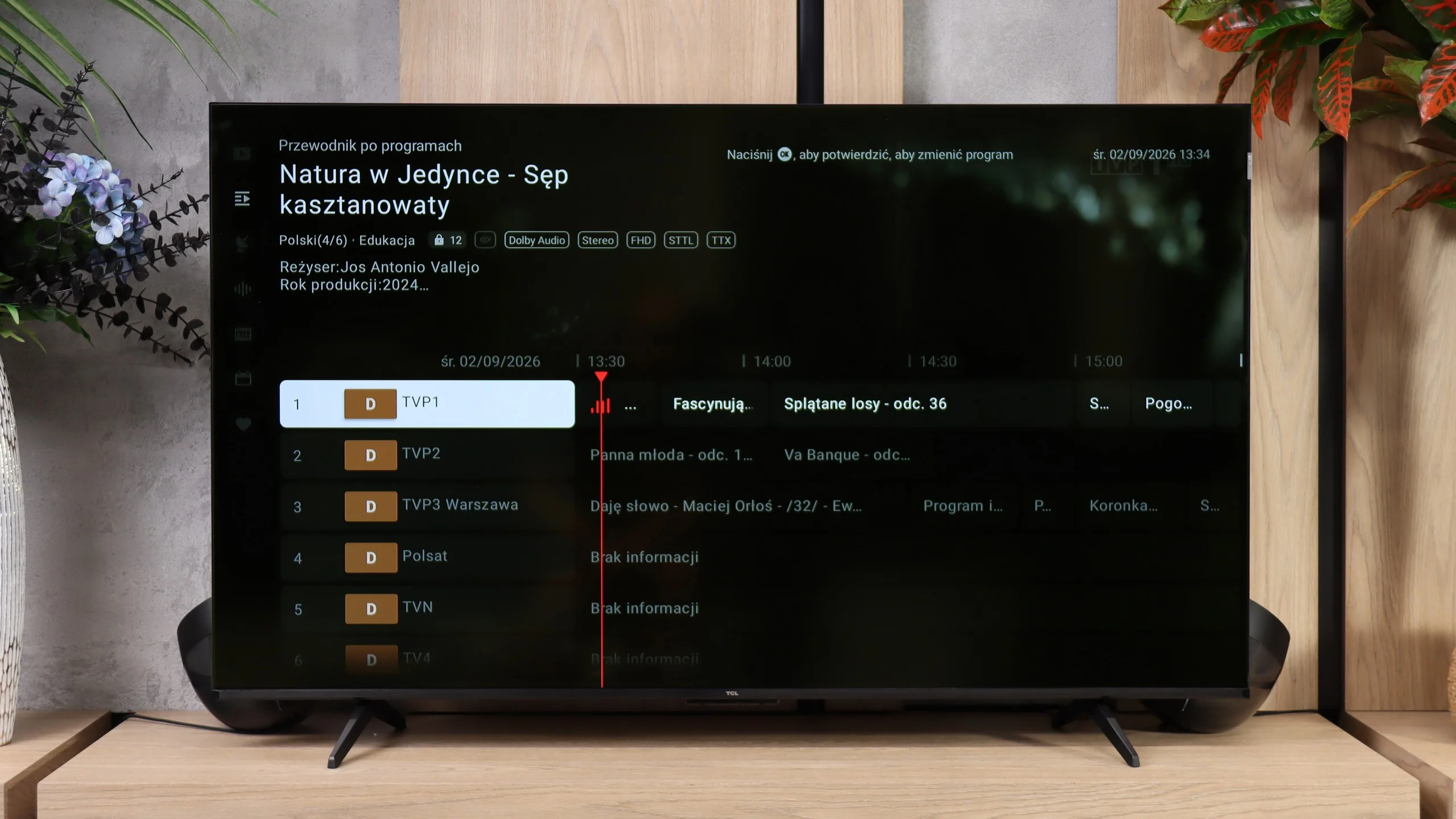
When it comes to more traditional features, the P7L is clearly a more basic TV. There's no USB recording, no scheduled recordings and no picture-in-picture, so people used to those extras on older TVs may miss them. What remains are the basics: teletext, an audio-only mode, support for Bluetooth headphones and the ability to play sound through the TV speakers and headphones at the same time. The remote works over radio, so you don't have to point it directly at the screen, which is simply more convenient in daily use.
Apps
9.6/10
9.6/10






















Playing files from USB
9.4/10
8.7/10
Supported photo formats:
Maximum photo resolution:
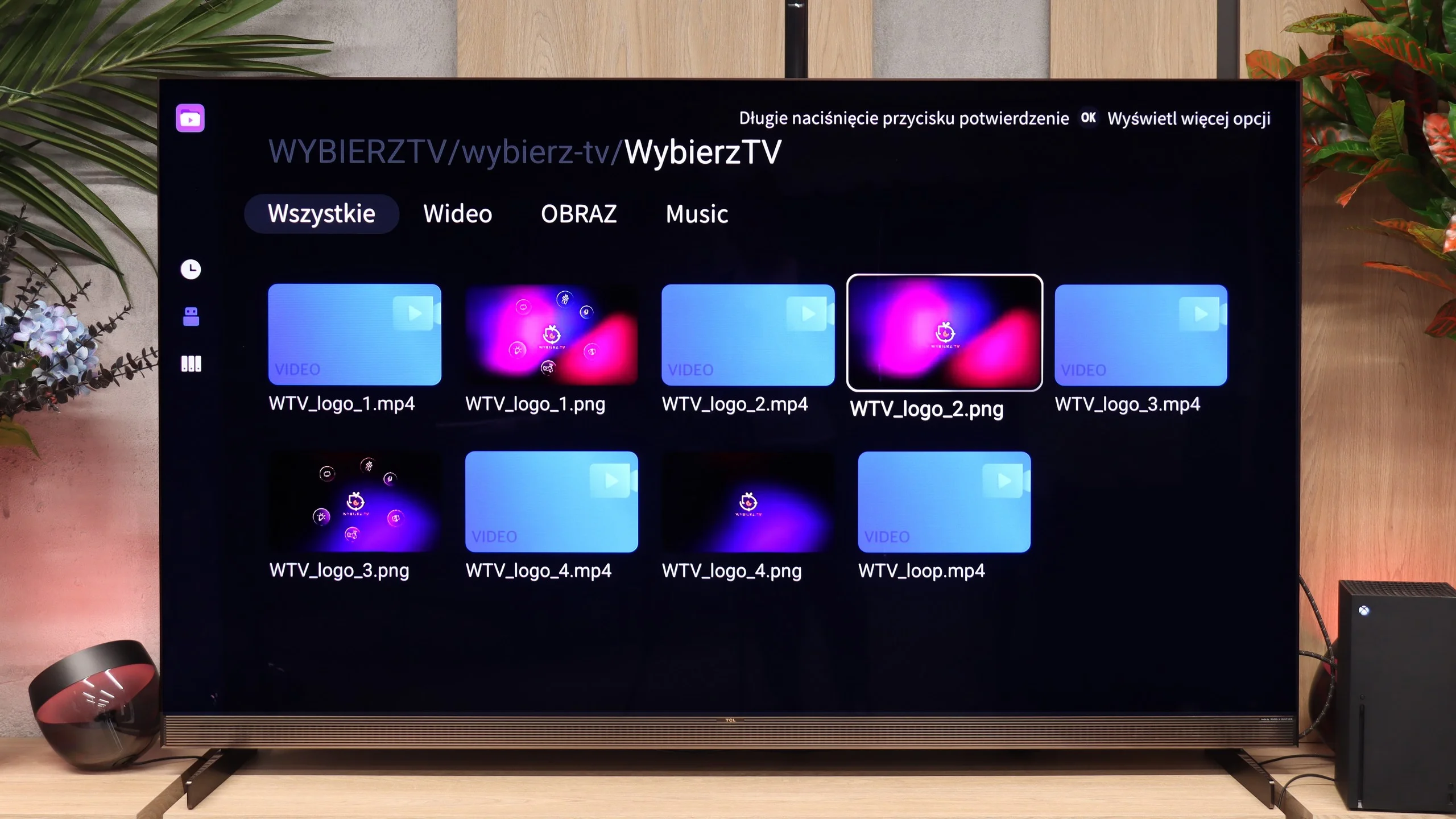
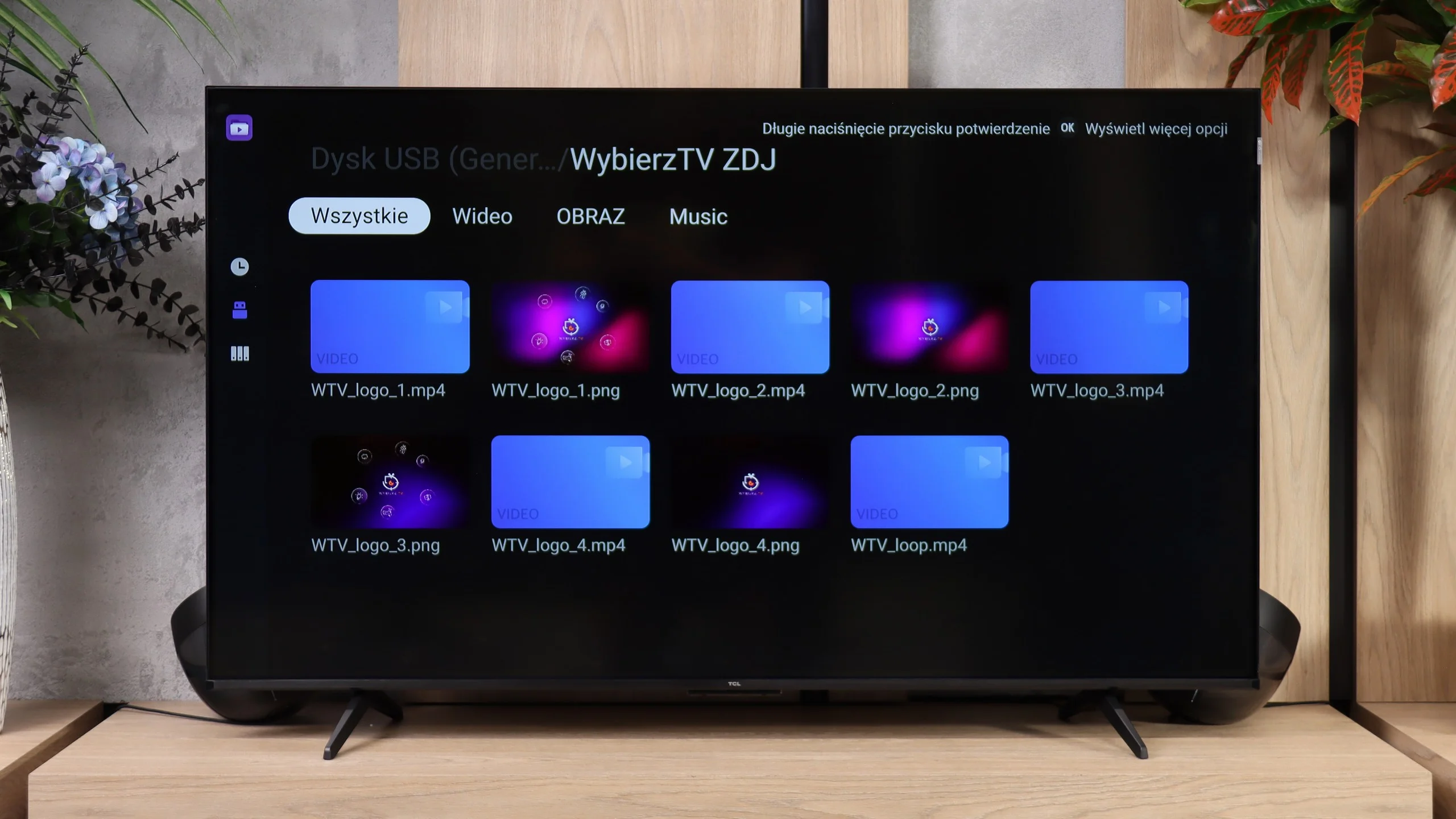
The built-in player works very well. We put it through its paces and it played practically every video file and audio format we threw at it without a hitch. The only minor issue was that the player wouldn’t work with external text files in .txt format. However, if that's a big problem for you, the operating system has you covered. From the app store you can always install an external player, such as the reliable VLC, which can handle any kind of subtitles. In most cases you won’t need to, though, because the stock TCL app is top of its class when it comes to file compatibility.
The built-in file player in the TCL P7L performs quite well. The TV handles most common video and subtitle formats and also plays 4K material encoded with newer codecs without any trouble. For occasional viewing of movies from a USB stick or an external drive it is more than enough, and there is little to complain about in that respect. What proved most annoying, however, was photo playback. The P7L did not always open higher-resolution files correctly and was rather selective, with some large photos working and others not. So if you plan to frequently browse photos from your camera or phone on the TV, it’s worth keeping that in mind.
Sound
8.2/10
6.2/10
- Maximum volume84dB89dB
- Dolby Digital Plus 7.1
- Dolby True HD 7.1
- Dolby Atmos in Dolby Digital Plus (JOC)
- Dolby Atmos in Dolby True HD
- DTS:X in DTS-HD MA
- DTS-HD Master Audio
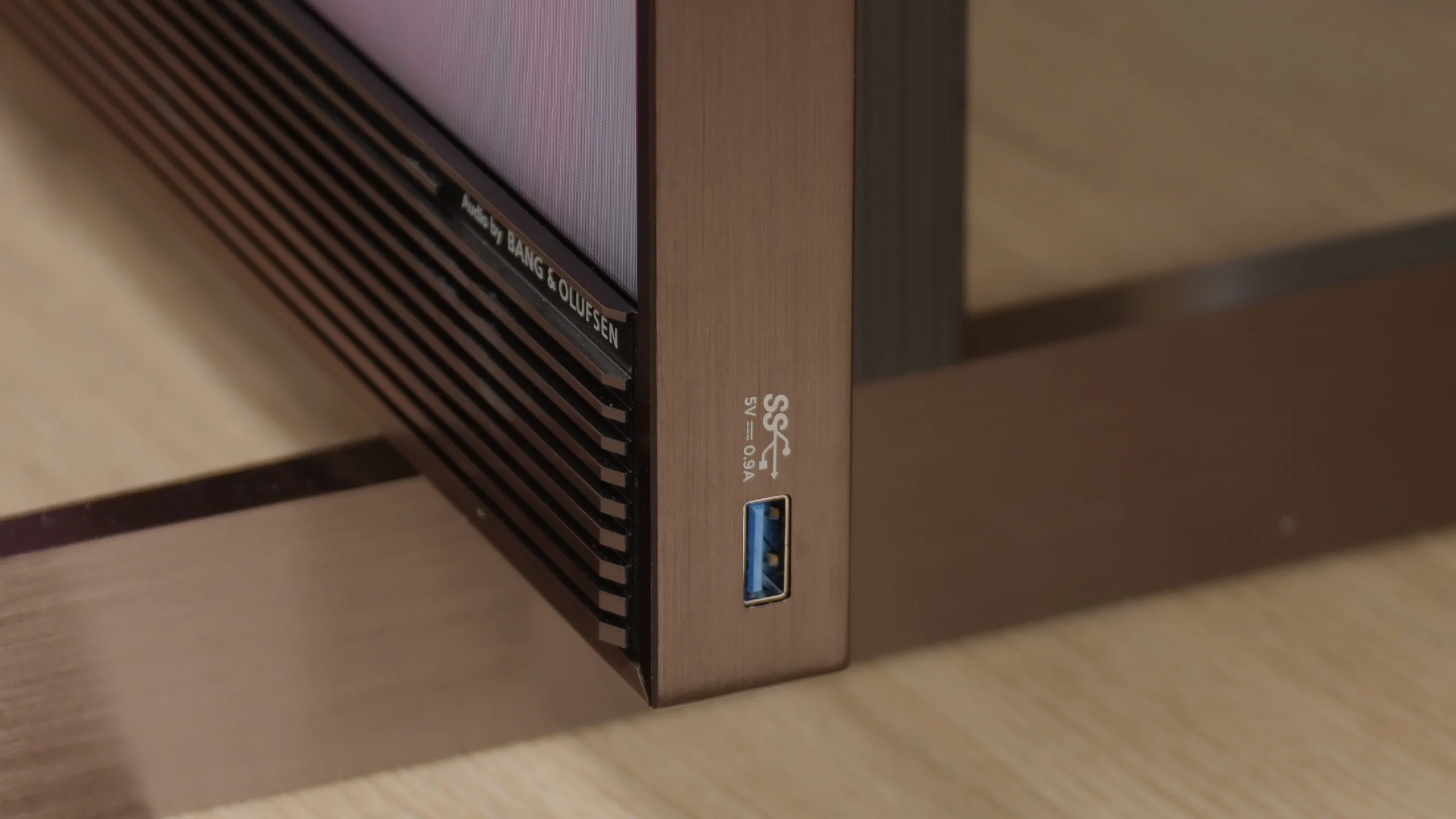
The sound in the X11L is really good, thanks to a very extensive audio system. The Bang & Olufsen-branded audio plays very cleanly; the sound is quite spacious, clear and free of any odd distortions or cabinet resonances even at higher volumes. In that respect the X11L delivers. Still, we felt a slight sense of disappointment. Given that there's an integrated soundbar across the front of the cabinet, we expected a little better. We certainly wouldn't liken this sound to the similar setups fitted by its direct rivals. Despite our minor reservations, the sound is clearly above average and solid. It's ideal for everyday viewing, and buying a basic soundbar without a subwoofer for this model makes no sense at all.
The sound on the TCL P7L is fairly conventional for a budget TV. The speakers can get quite loud and dialogue is clear, but they lack depth and, above all, bass. For regular TV, YouTube or news, that setup is perfectly adequate, but in films and music you quickly notice the sound is fairly flat and thin. On the plus side, it supports a wide range of formats, including Dolby Atmos and DTS. However, the TV itself can’t create a full spatial effect from those formats, so if you want stronger sound, especially in the low end, a soundbar will be a much better choice.
Sound Quality Test
Acoustic Measurements
84dBC (Max)
75dBC
89dBC (Max)
75dBC
Reader comments
Comments are provided by the external service Disqus (Zeta Global). Once loaded, Disqus may set cookies and process data about your activity.
We will remember your choice on this device. Provider's privacy policy