 Direct comparison
It’s time to gather all observations. The TCL P7K / P79K is a television that smartly juggles compromises, offering significantly more in its price range than one might expect. Its undeniable advantage is the VA panel, which guarantees deep blacks and high contrast, while an impressively rich package for gamers (with VRR and support for 120 Hz at lower resolutions) makes it a phenomenal choice for console owners. The whole thing is tied together by a functional Google TV system. Of course, the low peak brightness means that HDR content lacks spectacular highlights, and the TV's performance in sunlit rooms is limited. And while, at its relatively low price, the P7K / P79K is quite a decent option, its biggest rival turns out to be… its more refined sibling, the P8K. Often FOR a small extra fee, we get a device that is a class above – with a native 4K 144 Hz panel, significantly better audio system, and generally higher operational quality, which is reflected in its much higher rating on our portal. Therefore, the final verdict must be as follows: if your budget is absolutely non-negotiable, the P7K / P79K will be a good and cost-effective choice. However, if you can afford to add a small amount, the P8K model will offer significantly more and will ultimately be a more satisfying investment.
- Matching (Score) |
- Our verdict |
- TV appearance |
- Where to buy |
- Contrast and black detail |
- HDR effect quality |
- Factory color reproduction |
- Color reproduction after calibration |
- Smoothness of tonal transitions |
- Image scaling and smoothness of tonal transitions |
- Blur and motion smoothness |
- Console compatibility and gaming features |
- Input lag |
- Compatibility with PC |
- Viewing angles |
- Daytime performance |
- Panel details |
- TV features |
- Apps |
- Playing files from USB |
- Sound
P7K / P79K

S95H / S99H
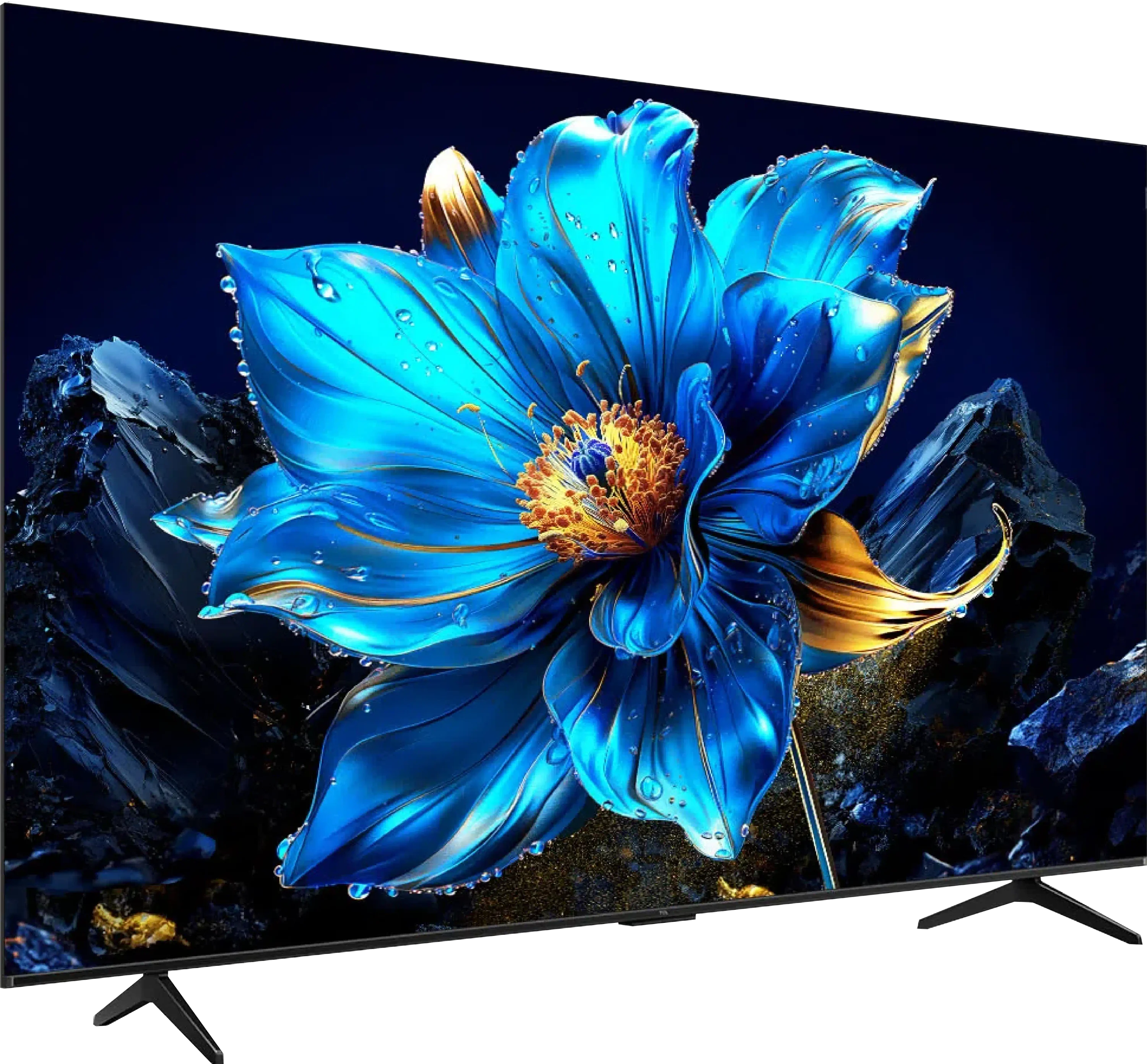
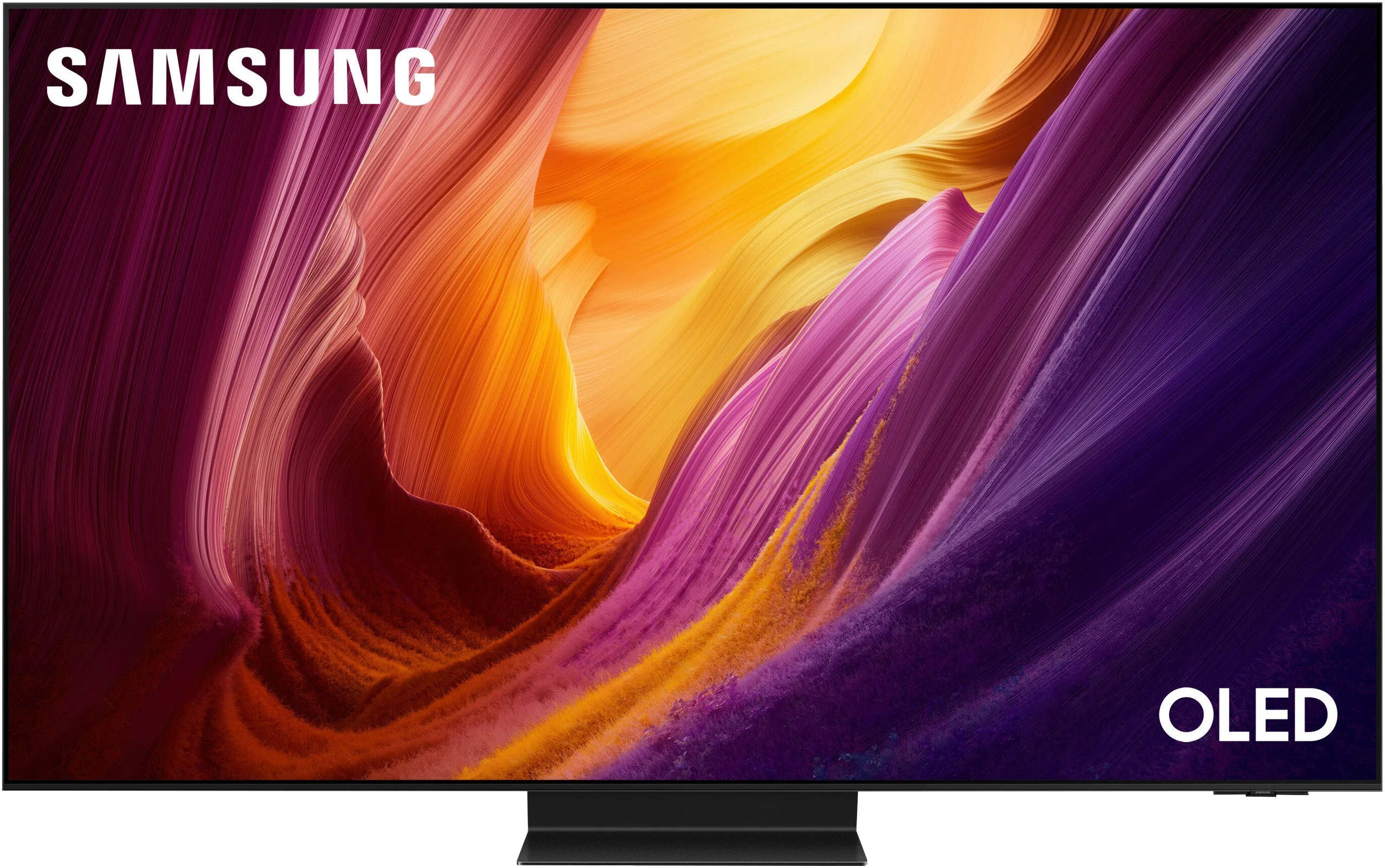
Panel type: LCD VA
Resolution: 3840x2160
System: Android TV
Model year: 2025
Complete the survey to find out the result
Panel type: QD-OLED
Resolution: 3840x2160
System: Tizen
Model year: 2026
Complete the survey to find out the result
Overall rating
5.8
8.8
 Movies and series in UHD quality
5.1
9.3
 Classic TV, YouTube
5.5
9.4
 Sports broadcasts (TV and apps)
5.3
9.0
 Gaming on console
7.1
9.9
 TV as a computer monitor
2.0
8.8
 Watching in bright light
4.6
7.3
 Utility functions
7.0
7.9
 Apps
9.6
9.3
 Sound quality
6.2
8.0
Complete the survey to find out what fits your preferences
Advantages

Great black and high contrast
Support for 120 Hz in games (at lower resolutions)
Very low responsiveness (input lag), excellent for dynamic gameplay
Modern features for gamers, such as VRR and ALLM
Smooth Google TV system with a massive app base
Very well-functioning Google Assistant in Polish
Easy screen mirroring from your phone (support for AirPlay)
Attractive price
Perfect black levels and OLED contrast
Very high brightness
Rich, highly saturated QD-OLED colours
Natural image after calibration
Excellent tone mapping (lots of detail in bright scenes)
Matte coating effectively reducing reflections
Best viewing angles on the market (QD-OLED)
165 Hz refresh rate and lightning-fast panel response
Very low input lag and extensive gaming features
STUNNING LOOK
One Connect module included
Disadvantages

Low brightness, which makes the HDR effect poor, and the image is hard to see in sunlight
The image loses quality and colours when viewed at an angle
Not suitable as a computer monitor due to very poor readability of text
Strong dithering phenomenon (heavily digital image)
Noticeable degradation of black levels in bright ambient light (a characteristic of QD‑OLED panels)
Last year’s version of Tizen
No DTS support (mainly affects Blu‑ray fans)
Our verdict
The Samsung S95H is, in almost every respect, a continuation of the S95F. During testing we often felt like we were watching the same TV. But... is that a bad thing? Not necessarily, because the predecessor set the bar very high. We still get a phenomenal picture and one of the best TVs we've tested in 2026. HDR packs a huge punch, and the colour and black levels make a good film really keep you glued to the screen. With a console or PC the S95H is just as enjoyable because it delivers what we expect from a flagship product.
The strongest argument for this model may, however, be its looks. It's aimed at people who want the slimmest, most minimalist TV possible. On the wall the S95H looks particularly great, and One Connect helps organise the whole setup. If the distinctive bezel of the S99H isn't to your taste, you'll find a more discreet design here. Brightness is admittedly lower than in the higher-end series, but still high enough that it's hard to call it a serious compromise for viewing.
Not everything deserves praise. We were most disappointed by the inclusion of last year's version of Tizen. The system itself runs quickly, but that detail only underlines how little has changed compared with the S95F. Perhaps Samsung will release an appropriate update soon.
Ultimately the S95H is a great choice for someone seeking top-tier picture quality in an exceptionally slim chassis. The Samsung S95H isn't revolutionary, but it's still a TV that, despite giving us a slight déjà vu, left a strong impression.
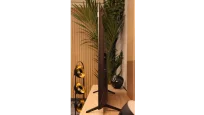
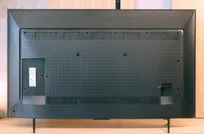
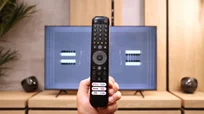
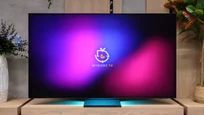
TV appearance
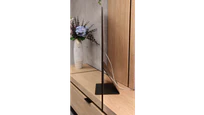

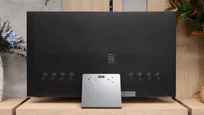

Contrast and black detail
5.2/10
10/10
Local dimming function: No
Contrast:


Result
4,000:1

Result
6,500:1

Result
2,700:1

Result
2,800:1

Result
3,800:1
Result
∞:1
Result
∞:1
Result
∞:1
Result
∞:1
Result
∞:1
Halo effect and black detail visibility:
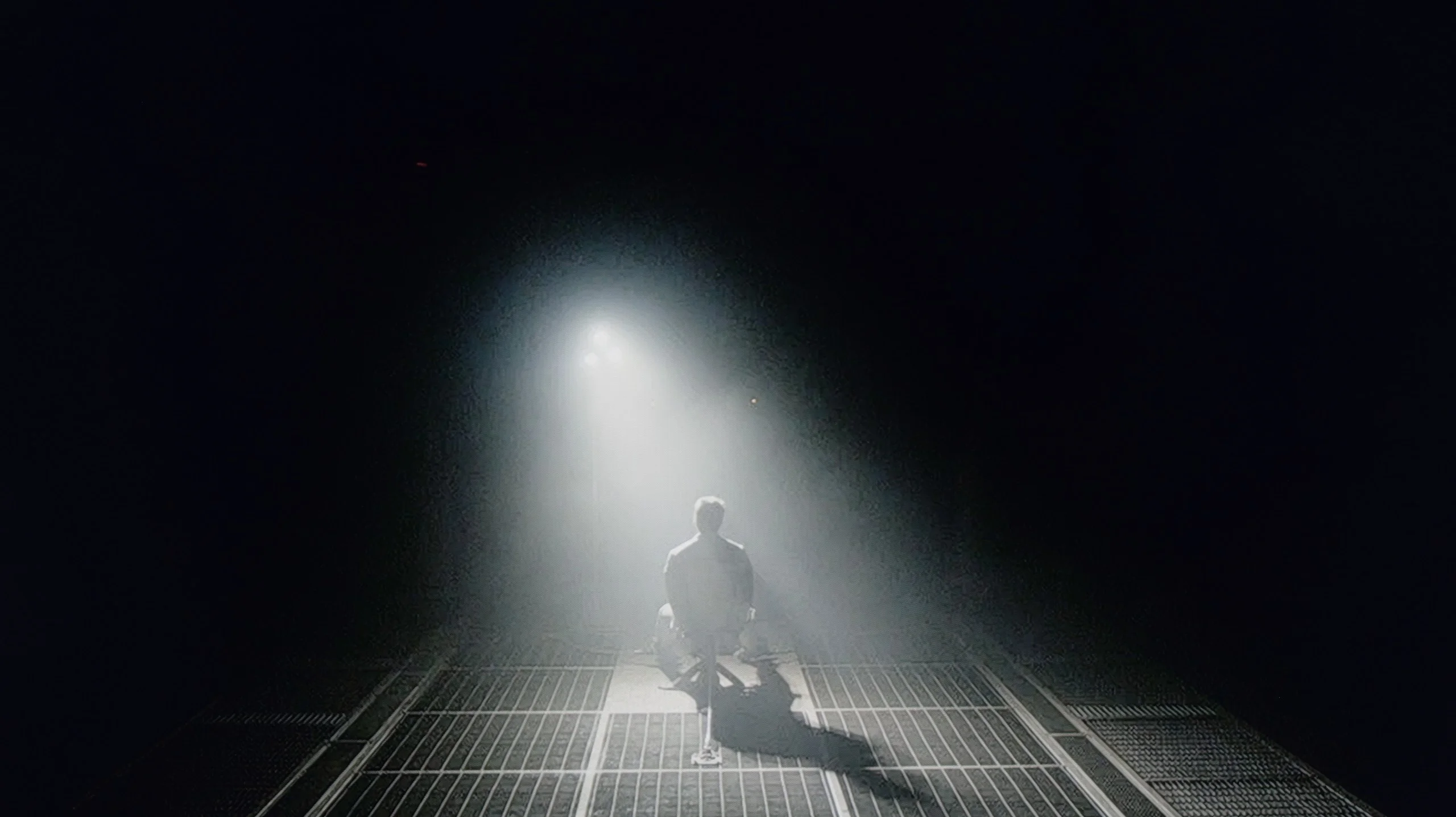
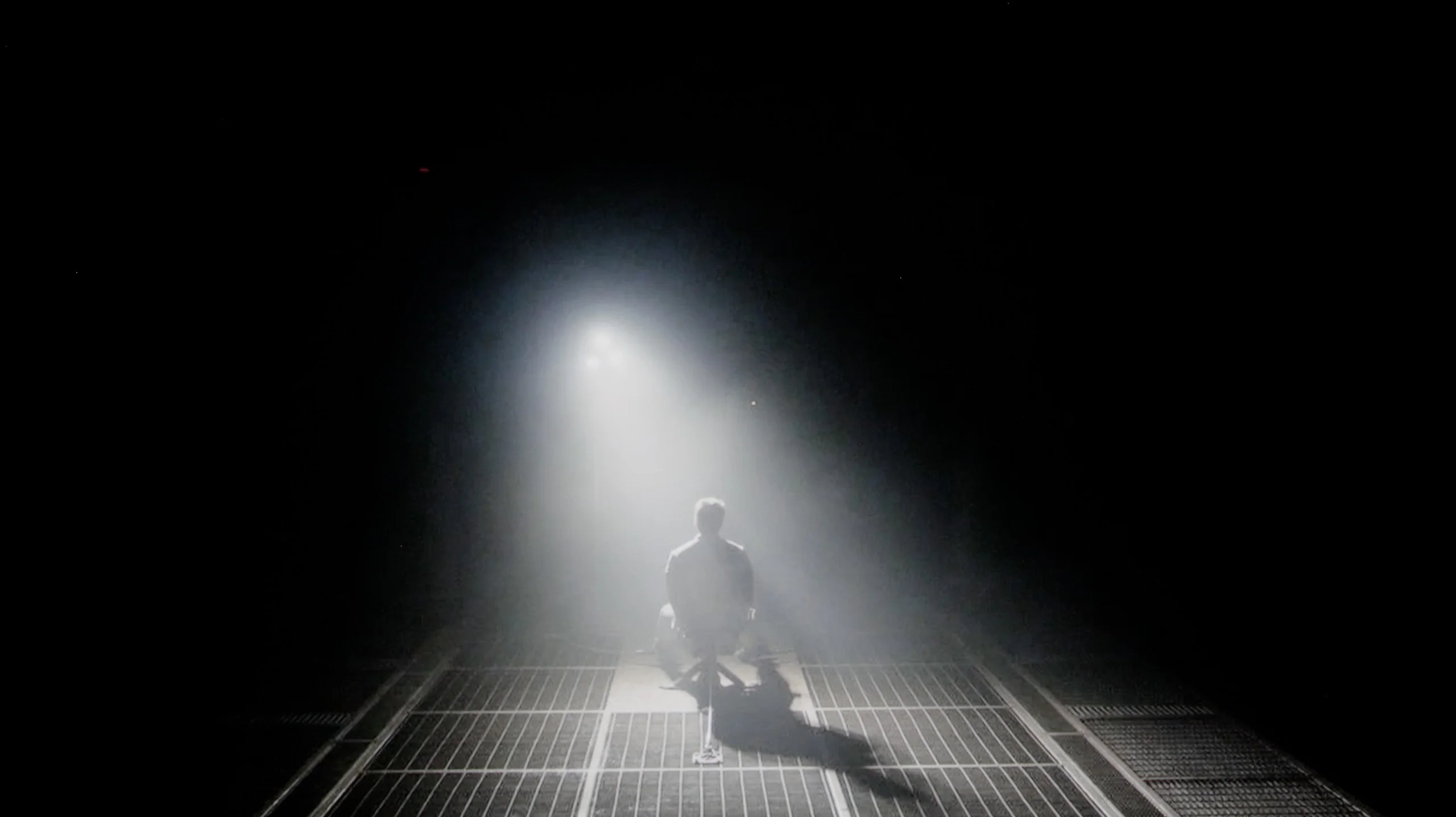
Check the visibility of bright lights on a dark background. Mini-LEDs often struggle with this. The photo does not compare black levels – that’s what the video below is for.
The video accurately shows differences in contrast and black levels between TVs, as well as potential issues: halo around bright objects or Mini-LED zone operation visible as brightness jumps.
In discussions about image quality, the conversation almost always begins with the issue of black depth and contrast, which are parameters defining the plasticity and realism of the viewed world. And here, the TCL P7k/P79k immediately lays its strongest advantage on the table – a VA-type panel. It is its construction that ensures the native relationship between the brightest and darkest parts of the image is more than satisfactory, especially in the context of the price segment this model represents. In the majority of scenes, the achieved black has a noble depth, which allows for building an engaging spectacle for the viewer. To illustrate the scale, it's worth mentioning that competing constructions based on IPS panels often offer results that are even four or sometimes five times lower, which constitutes a chasm in direct comparison. Of course, as we venture into the territory of budget-oriented models, we must be aware of certain compromises. Thus, in the discussed television, we will not find an advanced local dimming system that could further enhance the impression of contrast. The absence of this feature is, however, fully understandable and constitutes a logical consequence of the product's positioning in the market – this technology in TCL's portfolio for 2025 has been reserved for higher-positioned, more prestigious series marked with the letter "C".
The Samsung S95H we tested, with a 65-inch screen, uses a QD-OLED panel. The same type of panel is also found in the 55- and 77-inch models. A new addition to the range is a 48-inch size, but note, it’s a completely different design. It has neither a QD-OLED panel nor a One Connect module, so our review should not be directly applied to that variant.
Back to the blacks, it’s exactly what you’d expect from any OLED. Each pixel illuminates independently and can switch off completely. That means blacks are truly inky, whether you’re watching a large shadow or a small dark patch right next to a bright light. There are no bright film-like bands or halos caused by local dimming zones. In our test scenes the S95H looked excellent in that regard. Bright objects stood out clearly against the dark background, and blacks retained their depth even in the most demanding shots. In the evening this produces a very pleasing effect, and it’s that kind of picture we love OLEDs for.
It’s worth noting, however, that our unit had a minor issue with so-called black crush. The darkest shades of grey sometimes merged into the black, causing some shadow detail to disappear. The image then appeared even deeper and more contrasty, but this was at the expense of details that should have been visible. The black itself remained perfect; the TV simply didn’t always show what lay just above it.
HDR effect quality
4.3/10
8.8/10
Luminance measurements in HDR:

Result
206 nit

Result
247 nit

Result
297 nit

Result
237 nit

Result
281 nit
Result
2246 nit
Result
2236 nit
Result
2113 nit
Result
2230 nit
Result
1571 nit
Scene from the movie “Pan” (about 2800 nits)


Scene from the movie “Billy Lynn” (about 1100 nits)
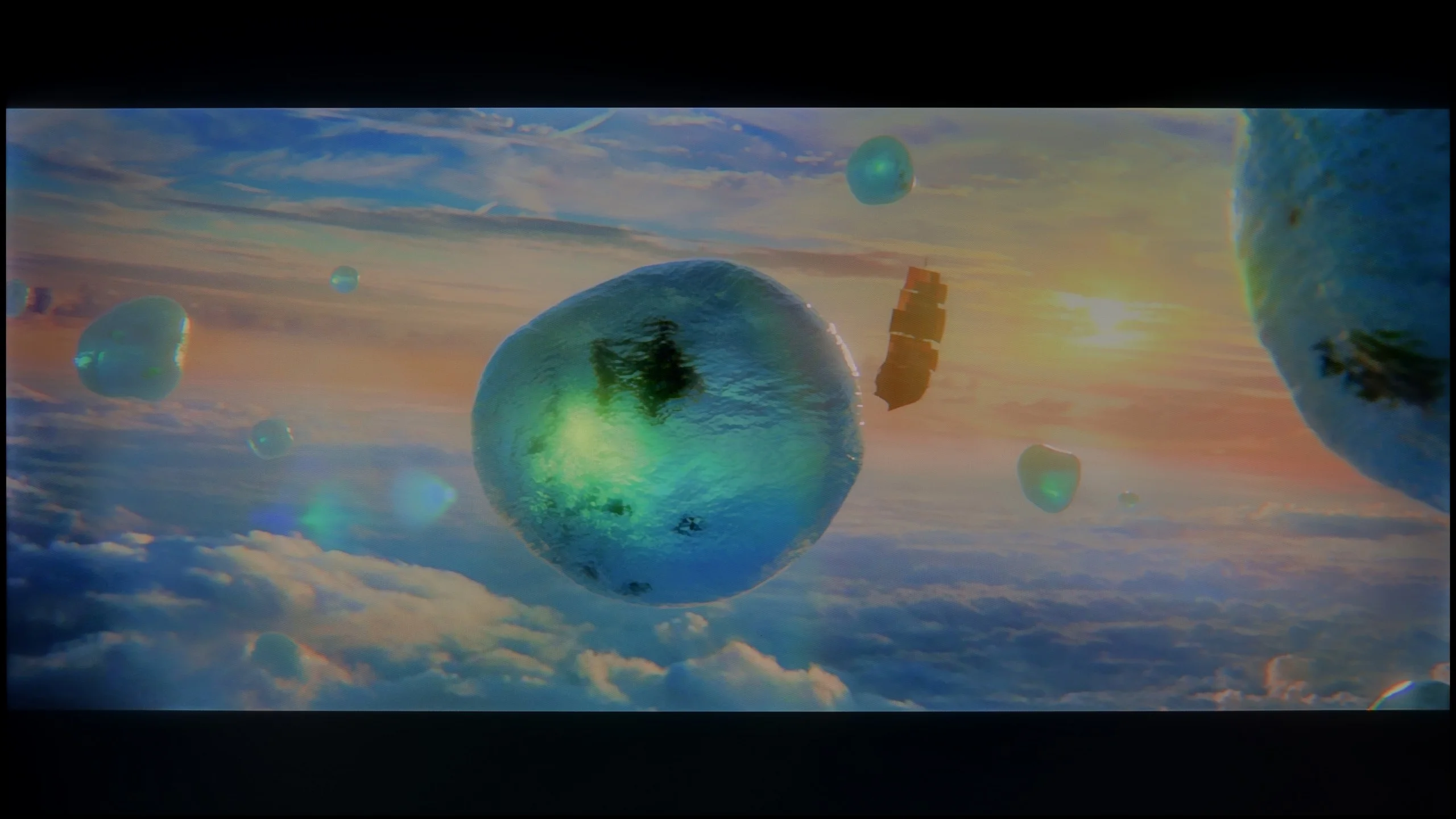
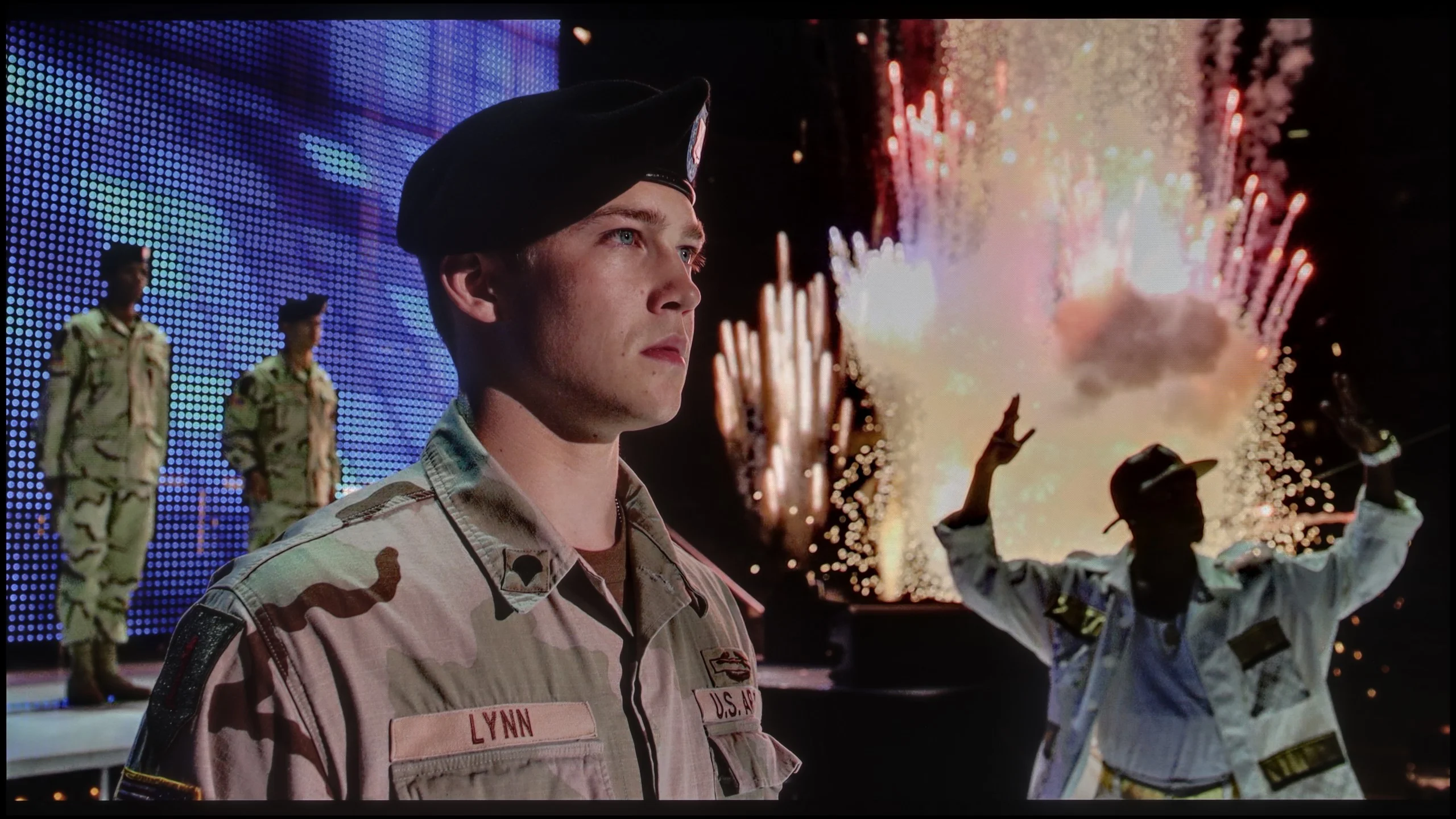
The photos show two HDR10 movies. 'Pan' is one of the brightest productions ever made, while 'Billy Lynn' (soldier) has brightness typical of streaming (Netflix, Prime, HBO MAX). Notice the intensity of effects and detail in whites.
Static HDR10


The photos present the visibility of white details in various HDR formats. They do not show brightness differences between TVs (these can be compared in the previous gallery).
Dynamic: Dolby Vision
Dynamic: HDR10+


The photos present the visibility of white details in various HDR formats. They do not show brightness differences between TVs (these can be compared in the previous gallery).
HDR luminance chart:
Samsung S95H
TCL P7K / P79K
When it comes to assessing HDR performance, we need to be clear and straightforward without any marketing fluff: the P7K/P79K is not and never was meant to be a champion in this area. The maximum peak brightness that this panel can generate hovers around just 300 nits. This represents a threshold, a sort of thin red line between what can be considered barely satisfactory HDR signal and what is, in reality, only slightly better than standard dynamic range (SDR), unfortunately leaning towards the latter. Synthetic tests confirmed this harsh reality – our measurements taken during movie sessions showed that the luminance in key bright scenes rarely exceeded 200-250 nits. Therefore, this is not a TV that would allow content created in a wide tonal range to truly shine, and that must be openly acknowledged.
Unfortunately, the issue of colour reproduction is presented just as conservatively. Although the manufacturer positions this model within the "QLED" family, owing to the use of a PFS LED filter, the results do not match the heightened expectations. The coverage of the wide DCI-P3 colour gamut reaches only 86%. Compared to the market, this is at best an average result, since most devices that utilise additional layers to expand the colour spectrum easily achieve values at a minimum of 90-92%.
The Samsung S95H is an extremely bright OLED TV. It doesn't quite reach the level of this year's S99H, the one with the bezel, but a peak of around 2300 nits is still a phenomenal result. You really notice it in films. Flares, sun reflections and lights on a dark background have the punch we expect from a premium TV. Importantly, the S95H performs well across different scenes. It doesn't need a single small highlight on a black screen to show its capabilities. In the first four test shots we measured over 2100 nits, even though each places slightly different demands on the TV. As a result, the HDR effect is strong both in night scenes and in more evenly lit frames.
Of course, the limits typical of OLEDs remain. When a very bright image covers a large part of the screen, ABL comes into play, the mechanism that limits panel brightness. With an almost white screen the drop can be much larger than with a short, point-like flare. That does not mean bright film scenes look poor. In a demanding shot from 'The Meg' we measured about 1600 nits. That's still an excellent result, and the bright sky and reflections on the water retain a lot of intensity.
QD-OLED colours
The colours on the Samsung S95H are simply superb. It's one of the most "colourful" OLEDs we've tested. Highly saturated reds, greens and neon hues look great and complement the screen's high brightness well. Coverage of the DCI-P3 gamut is as high as 99.9%, so the TV can reproduce virtually the entire colour range used in that space for HDR films.
Interestingly, our measurements also show progress compared with the S95F. Coverage of the wider BT.2020 gamut increased from about 87% to 89.6%. That's very similar to the result we achieved with this year's S99H, which suggests very similar capabilities between the two panels in terms of colour range. The difference versus its predecessor is small but worth noting. The S95H remains at the top of the OLED class in this regard and can easily compete with new displays using SQD quantum dots.
Factory color reproduction
5.9/10
7.6/10


This gallery shows how colors change after professional TV calibration. If you notice the difference, we recommend ordering this service at SkalibrujTV.com.
Factory Mode
After calibration


This gallery shows how colors change after professional TV calibration. If you notice the difference, we recommend ordering this service at SkalibrujTV.com.
Factory Mode
After calibration
Every reliable assessment of image quality must start with selecting the most optimal, factory preset mode. In the case of the tested P7K/P79K model, the choice was made without hesitation for the "Film" mode. It is the mode that presents an image closest to the intentions of its creators, avoiding both the exaggerated brightness of the dynamic mode and the excessive dimming known from eco settings. And it must be admitted that, for a device in this price range, the factory calibration is surprisingly decent, although it is not without a few stumbles. The most noticeable shortcoming turned out to be the not entirely correctly set white balance. A slight dominance of the blue component gives the image a subtly cool, frosty character, straying from the ideal neutrality that the director intended to show us. The television handles the reproduction of greyscale in the standard dynamic range much better – the gamma curve is almost exemplary. The only slight reservation can be made for the darkest parts of the image, where a delicate deviation from the norm causes a loss of some detail in the shadows. The most significant challenge, however, for the TCL software was interpreting the HDR signal, as illustrated by the EOTF curve. The television follows its own, rather free path here – the darkest details are disproportionately brightened, followed by a noticeable slowdown in brightness increase for mid-tones. Fortunately, most of these imperfections are of a software nature, which can be eliminated. With that thought in mind, we proceeded to the process of professional calibration.
Out of the box the Samsung S95H performs quite well, although our unit had a few things that needed improving. In SDR material there is a red bias in the white balance. The picture therefore looks slightly warm, and whites and faces can take on a faint pink tint. It’s not a major shift, but you can spot it when comparing with a reference image. More noticeable is how it handles dark scenes. Gamma sits above the target value of 2.4 across most of the range, and the deviation is particularly large in the deepest shades. The picture thus appears darker and more contrasty than it should, which confirms the previously mentioned issue with losing detail near black. Dark clothing or background elements can merge into a single blotch, even though the source still contains detail. In HDR brightness control is considerably better. The EOTF curve tracks close to the reference, so the TV preserves the brightness of different parts of the scene. There are still minor colour deviations, though. In the brighter areas a dominance of red and blue over green gives whites a slight pinkish–purple cast. Overall the starting point is good, particularly in HDR, but calibration could still make some improvements.
Color reproduction after calibration
7/10
9.4/10
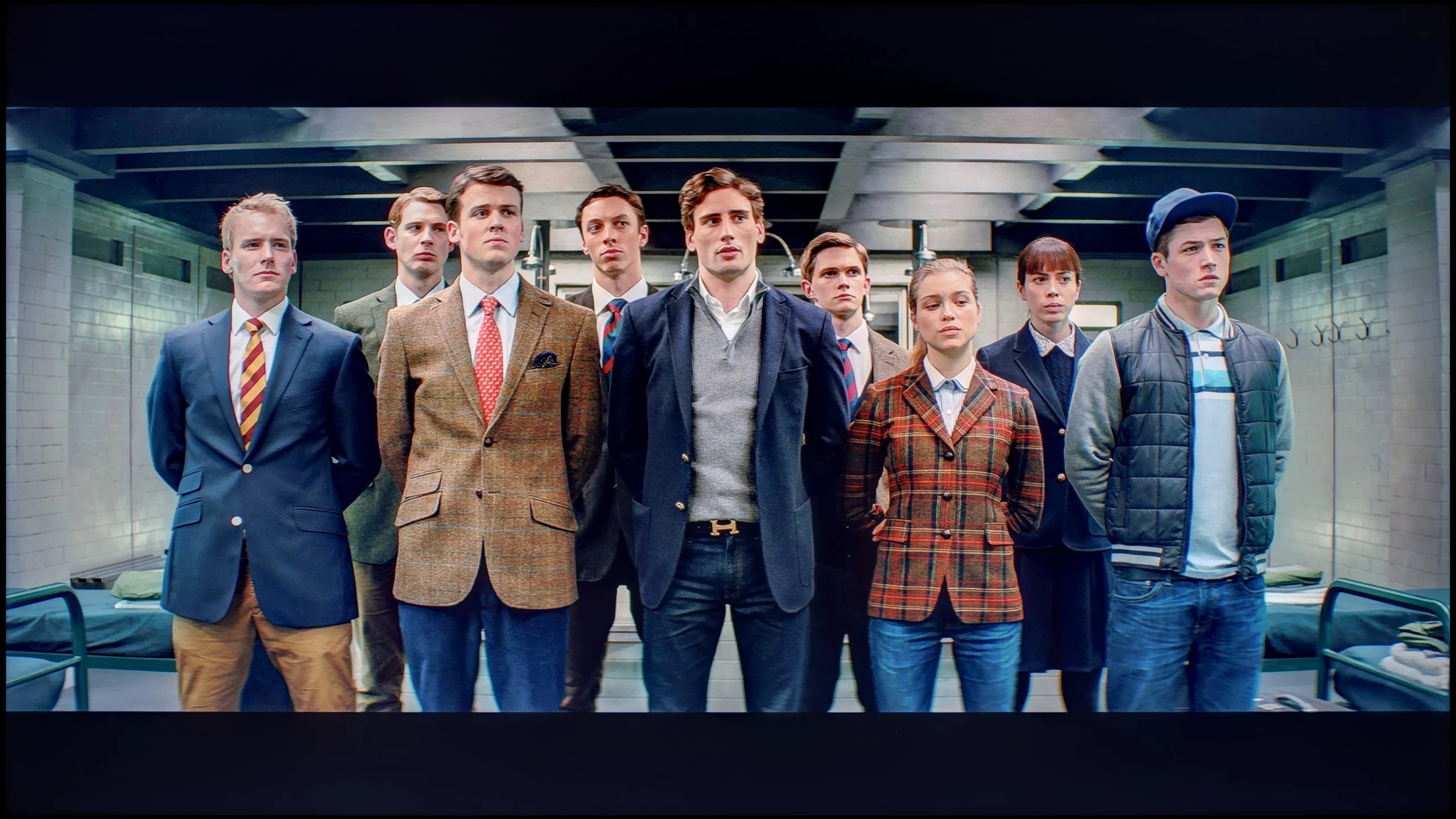
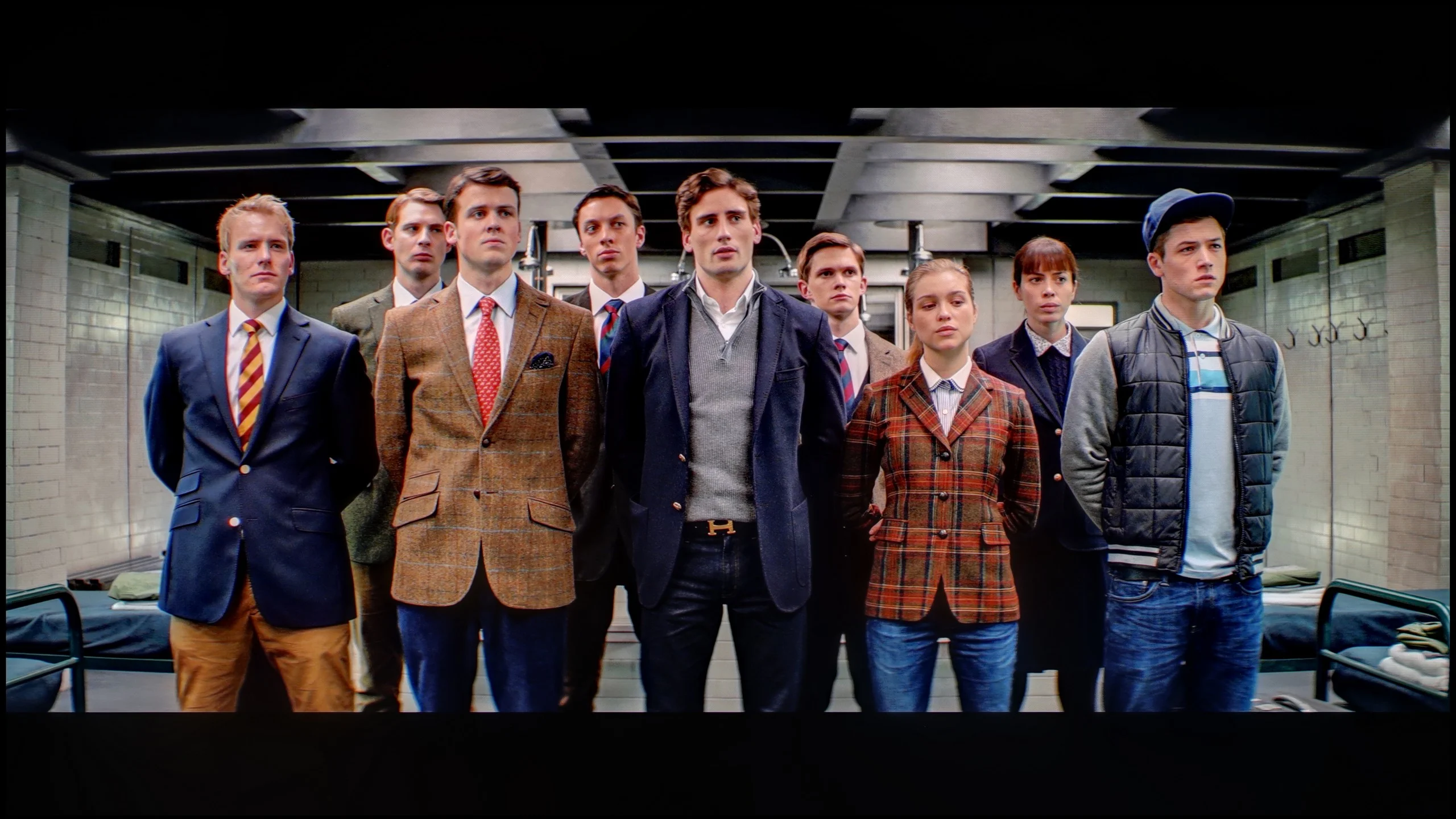
The photos show how movies look on the TV. Pay attention to black detail visibility, colors, and shadow tint.


The photos show how movies look on the TV. Pay attention to black detail visibility, colors, and shadow tint.
The calibration process turned out to be spot on, especially in the context of standard dynamic range (SDR) content. We successfully managed to eliminate the tendency of the television to showcase cool tones, restoring white to its natural neutrality. Moreover, the precise adjustment allowed us to correct a slight error in the gamma curve, enabling the darkest parts of the image to regain proper depth, without any signs of unnatural brightness. The results are measurable and impressive – in the ColorChecker test, the vast majority of colour reproduction errors fell below the perceptual threshold, achieving a deltaE value of below 2. This is a result that more expensive models would not be ashamed of. Unfortunately, in the case of HDR content, we encounter a wall in the form of the panel's structural limitations. And although we managed to bring the colours into line, the software's specifics mean that the television still adapts brightness in its own way, as evidenced by the persistent, non-standard EOTF curve. To summarise, calibration adds tremendous value, but it is important to be aware that it won't overcome certain physical barriers. The slightly elevated blacks, resulting from the lack of local dimming, and limited peak brightness mean that HDR content won't always be able to showcase its full potential. This is simply not the main task of this display; its true strength, especially after professional tuning, lies in viewing SDR material.
After calibration the S95H looks really excellent. The excess red has been removed, so whites are neutral and faces have regained a natural tone. In SDR colour errors are now very small. The picture retains excellent saturation but no longer adds the tint that was visible on the factory settings. This is how a well-set TV in this class should look. There’s also an improvement in white balance in HDR. In addition, brightness in film scenes stays very close to the reference. Bright highlights have the right intensity, and the TV doesn’t unnecessarily brighten the whole frame. That level of control combined with the QD-OLED panel’s capabilities produces an image that’s simply very pleasant to watch. We really have only two reservations. The first is the loss of the darkest details. Our unit still tended to crush some tones near black, although that may be a characteristic of this particular test sample. The second concerns adjustments to the HDR colour palette. The available settings don’t allow perfect correction of all hues, so some minor inaccuracies remain. That doesn’t change the very good final result; after calibration the S95H delivers a very high-quality image.
Smoothness of tonal transitions
5/10
9/10
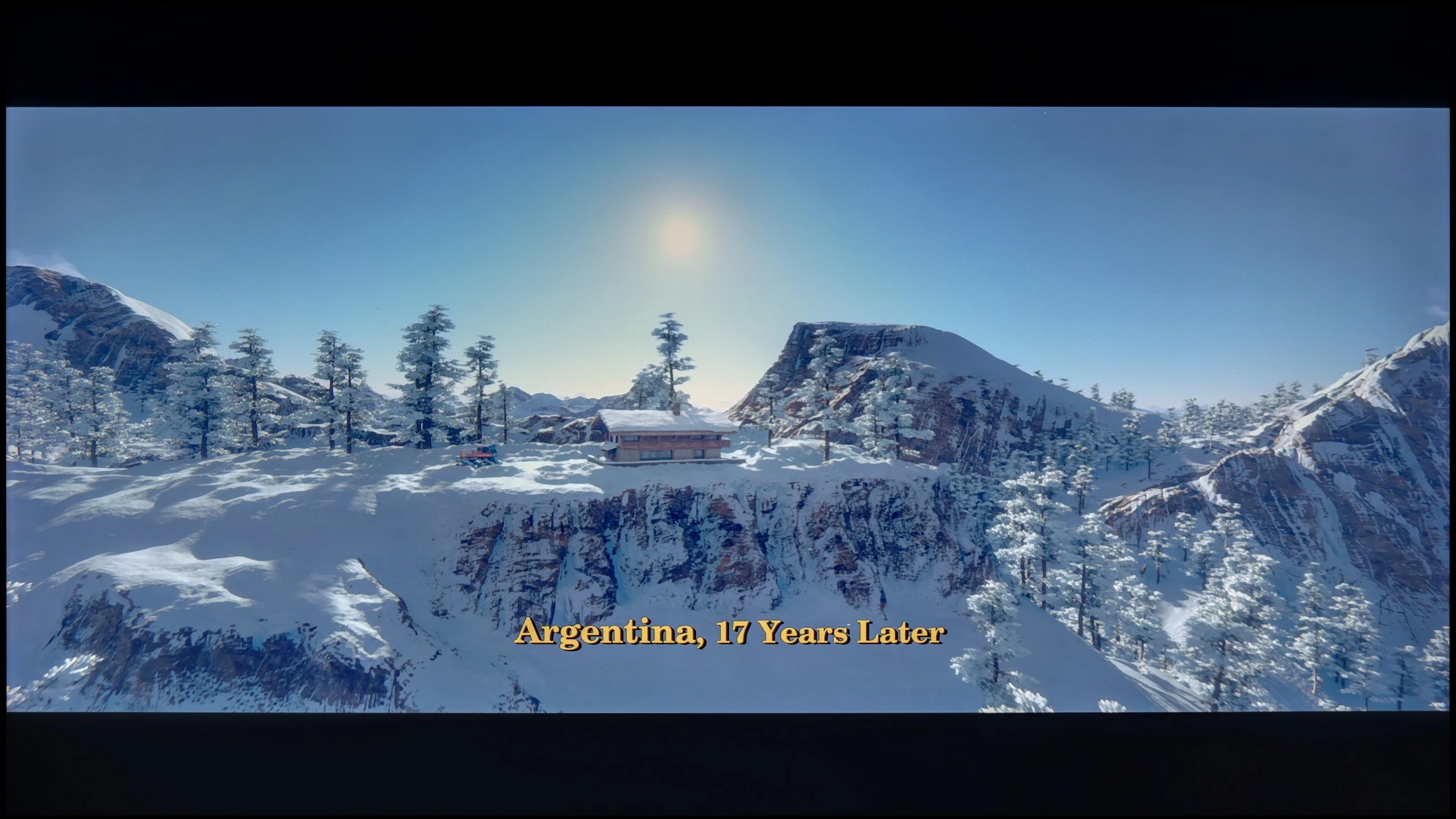

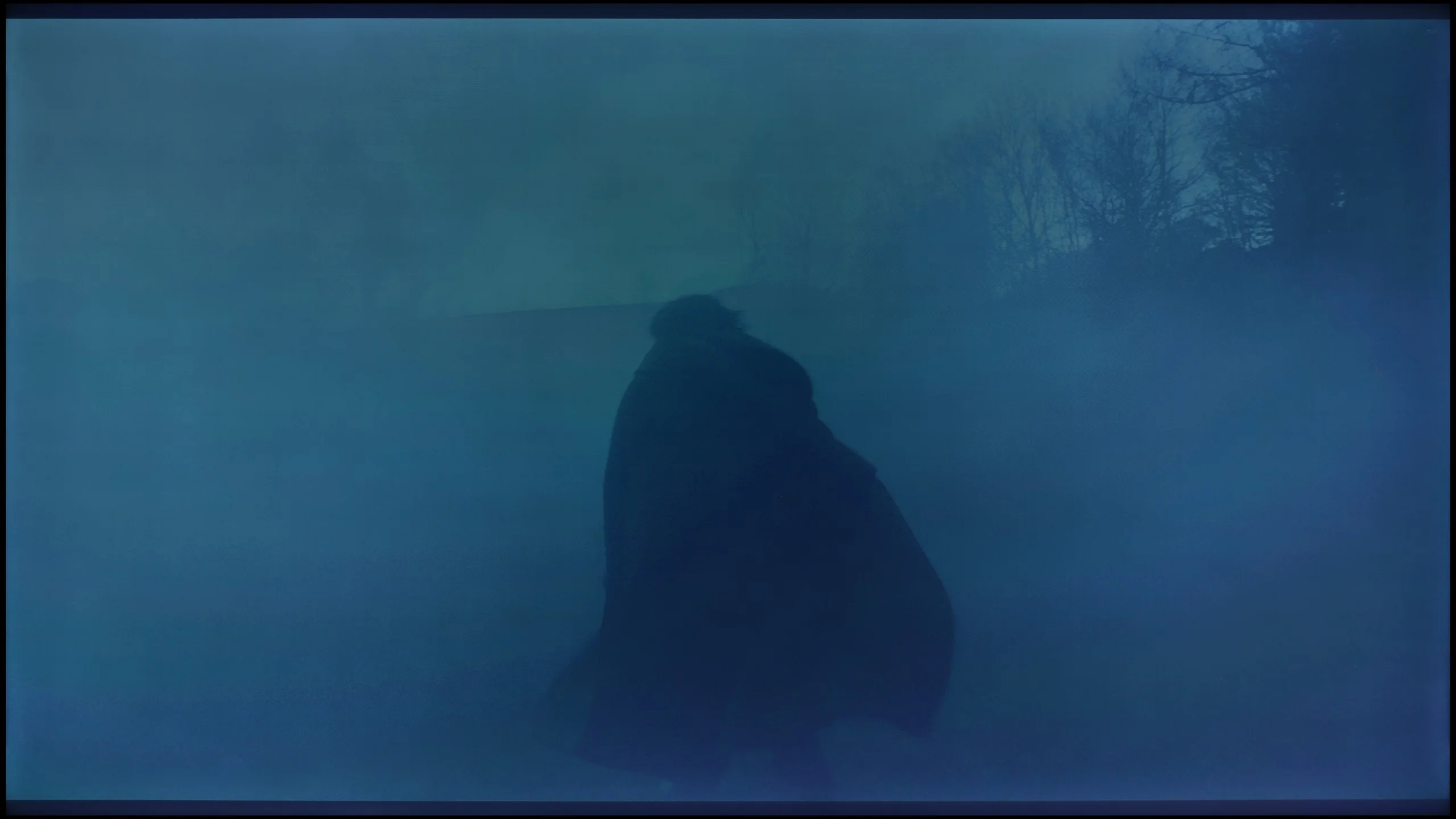

These are selected scenes that show smooth tonal transitions from one color to another. If you see distinct banding, it’s the TV panel’s fault.

These are selected scenes that show smooth tonal transitions from one color to another. If you see distinct banding, it’s the TV panel’s fault.
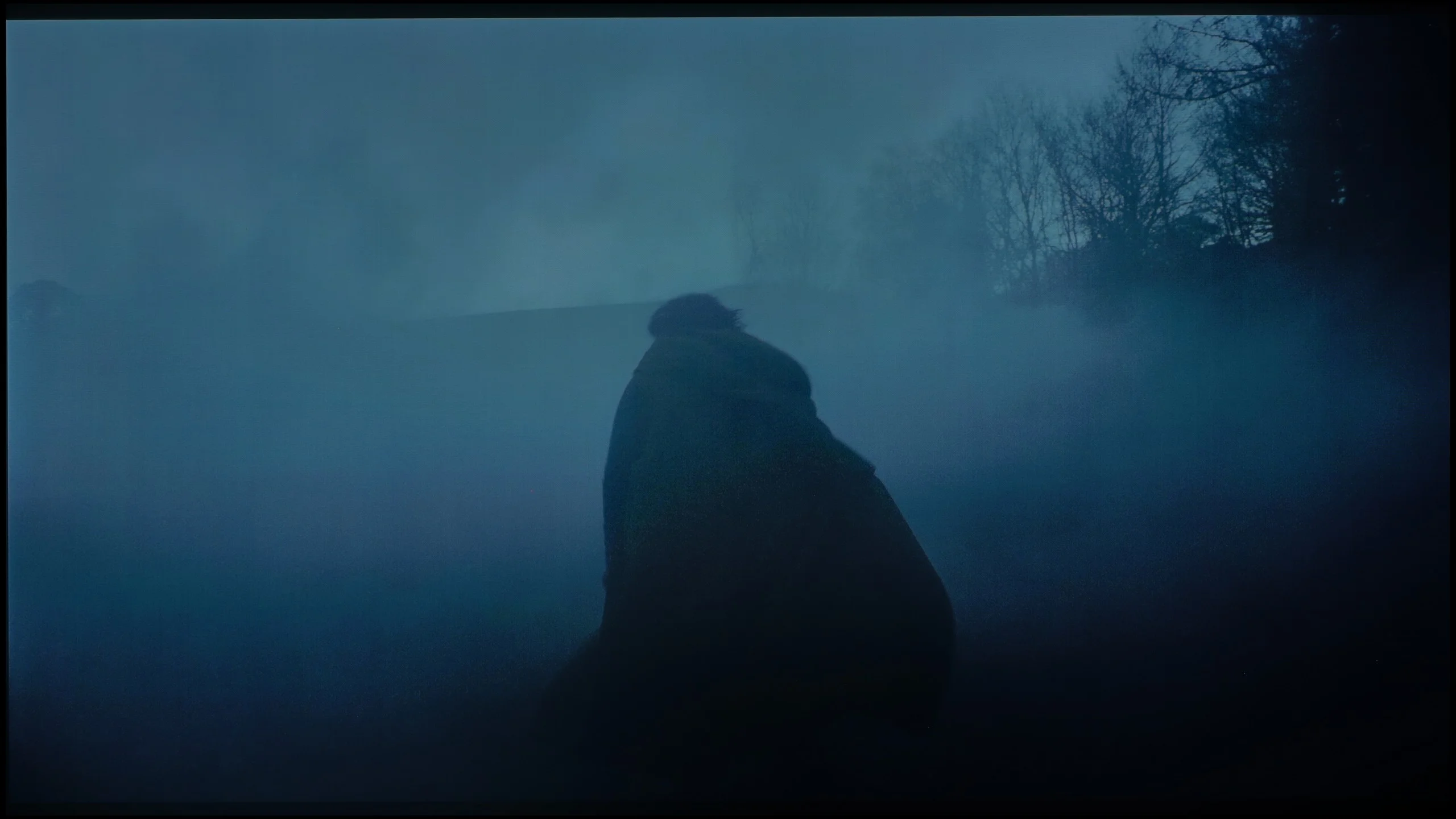
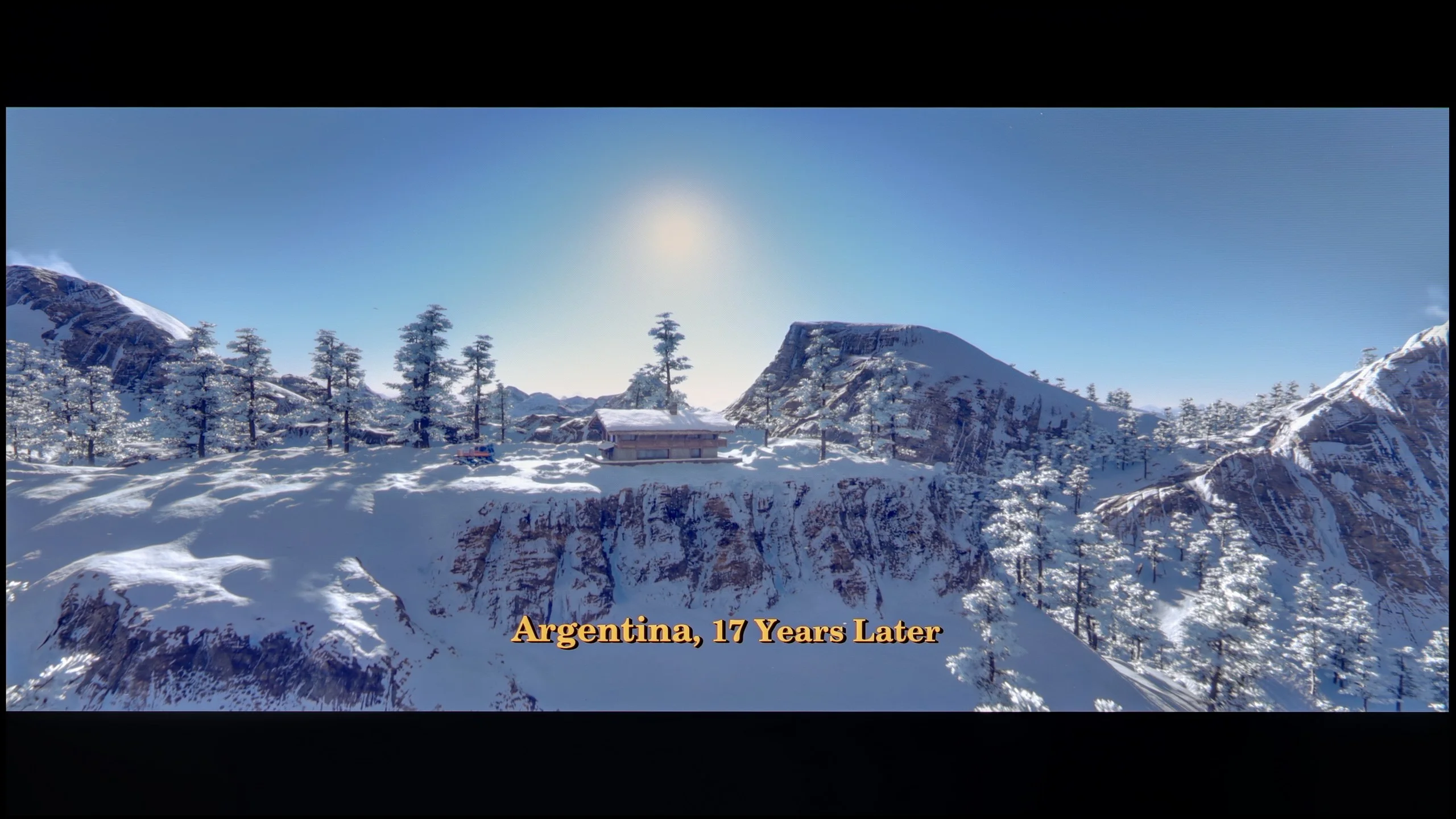
These are selected scenes that show smooth tonal transitions from one color to another. If you see distinct banding, it’s the TV panel’s fault.

These are selected scenes that show smooth tonal transitions from one color to another. If you see distinct banding, it’s the TV panel’s fault.
The issue of the fluidity of tonal transitions, or popular grading, is another area where the P7K / P79K evokes mixed feelings and surprises with its dual nature. If we were to assess solely its ability to render smooth colour gradients, we would undoubtedly award it a solid score of 8/10. Unfortunately, this entire positive image is disrupted by the use of very aggressive and visually unpleasant dithering. This artifact is particularly noticeable on demanding test screens – such as the one depicting an actor submerged in red water – where rough, unnatural textures appear on uniform colour planes, revealing the digital nature of the image. This is particularly disappointing as it is not a new problem. It seems to be a sort of hangover from previous generations of budget TCL models, which is a shame, as it marred what is fundamentally a quite competent image and is a mistake that could have been avoided.
The S95H handles tonal transitions very well. It's a strong point of QD-OLED panels, which in our tests tend to show distinct banding between shades less often than WOLED panels with a white subpixel. In most scenes, colours transition smoothly from one to another. This is especially noticeable in dark shots, where instead of the characteristic bands we see smooth transitions between shades of grey. It's not completely perfect, though. In some brighter scenes you can spot slight unevenness, although you have to look closely. During normal viewing they are unlikely to distract from the film. Overall the S95H performs very well in this category.
Image scaling and smoothness of tonal transitions
7/10
7.5/10


Smooth transition function
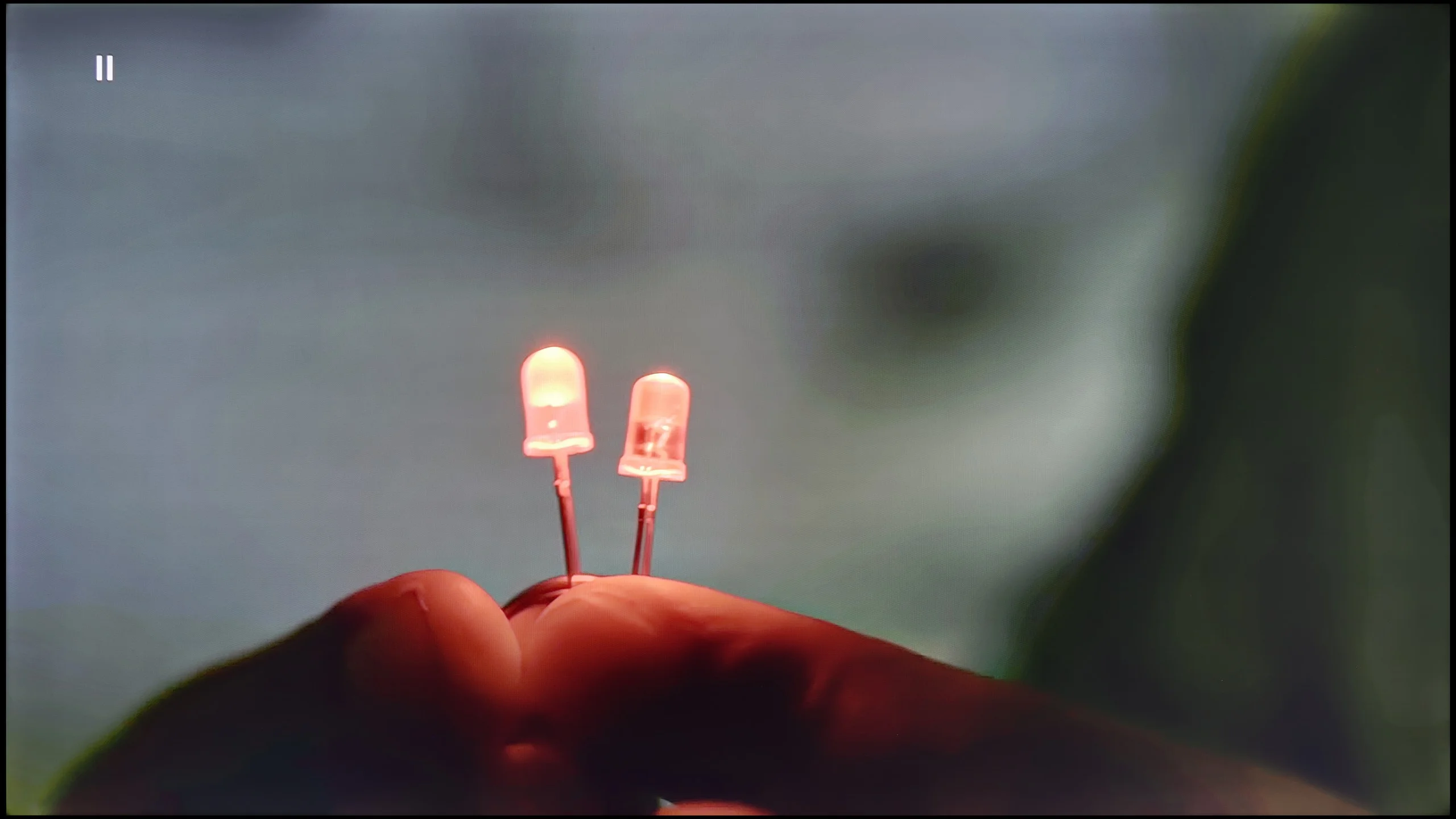
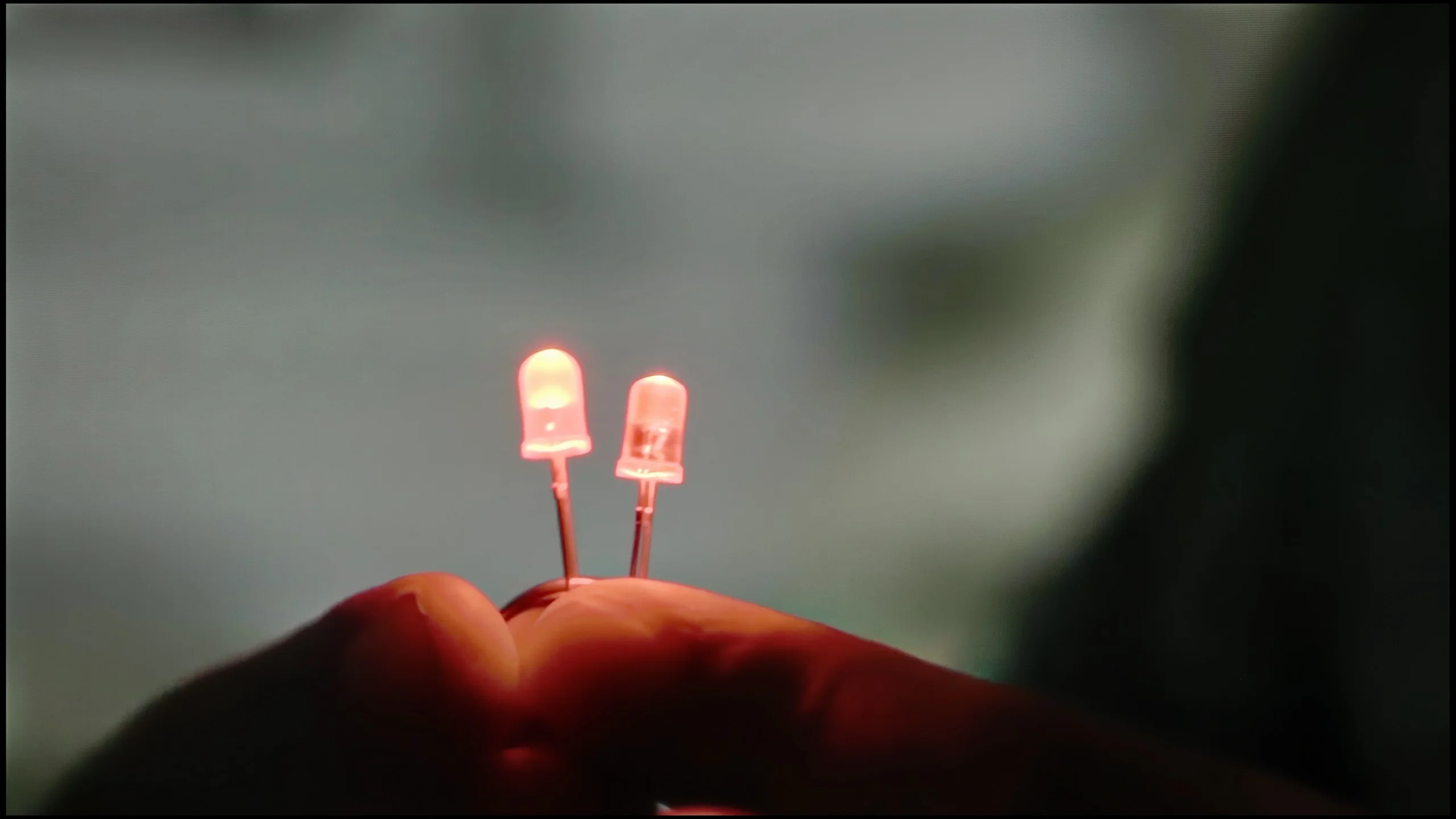
The match photo shows how the TV smooths weak tonal transitions in low-quality video.
Image scaling SD (576i)


The model photo shows how it handles upscaling of SD material.
After a series of harsh evaluations, thankfully, it’s time for some praise, and this is deserved by the TCL AiPQ image processor for its work in the field of digital processing and content scaling. It should be noted right away that we are not talking about the level known from flagship models; nonetheless, in the price segment represented by the P7K/P79K, the results achieved are more than solid. The function that smooths tonal transitions performs particularly well, effectively eliminating posterization, which are the characteristic bands often visible in materials with higher compression, for instance, from choose.tv. The algorithm can elegantly remove unwanted gradients, which ultimately looks really good. The television also handles upscaling competently, which means the task of raising low-resolution materials to 4K standard. The resulting image, although it may seem a bit too sharp out of the box, is fortunately not a problem. The software allows for free adjustment of this parameter using a sharpness slider, allowing the final appearance to be easily tailored to personal preferences.
The NQ4 Gen3 processor, the same one used in the S99H, handles upscaling and digital image processing. The conclusions from our tests are also very similar. Lower-resolution material looks really good when upscaled to 4K. The picture is clear, without artificial edge enhancement or over-sharpening. One small caveat concerns very old recordings at 480p or lower. With such a signal the TV can slightly crop the edges of the frame.
The noise reduction feature is used to improve heavily compressed material. It smooths visible banding between shades and reduces other imperfections, for example in poorer YouTube recordings. However, it works quite aggressively. Fine detail and natural film grain can disappear along with the noise. We left it turned off to preserve the original look of the material. If artefacts bother you more than the loss of some detail, it's worth checking how it performs.
Blur and motion smoothness
4.8/10
8.5/10
Blur (native resolution, maximum refresh rate):




Blur (BFI function enabled):
Image flickers in this mode



Blur ():
Blur (4K@165Hz):



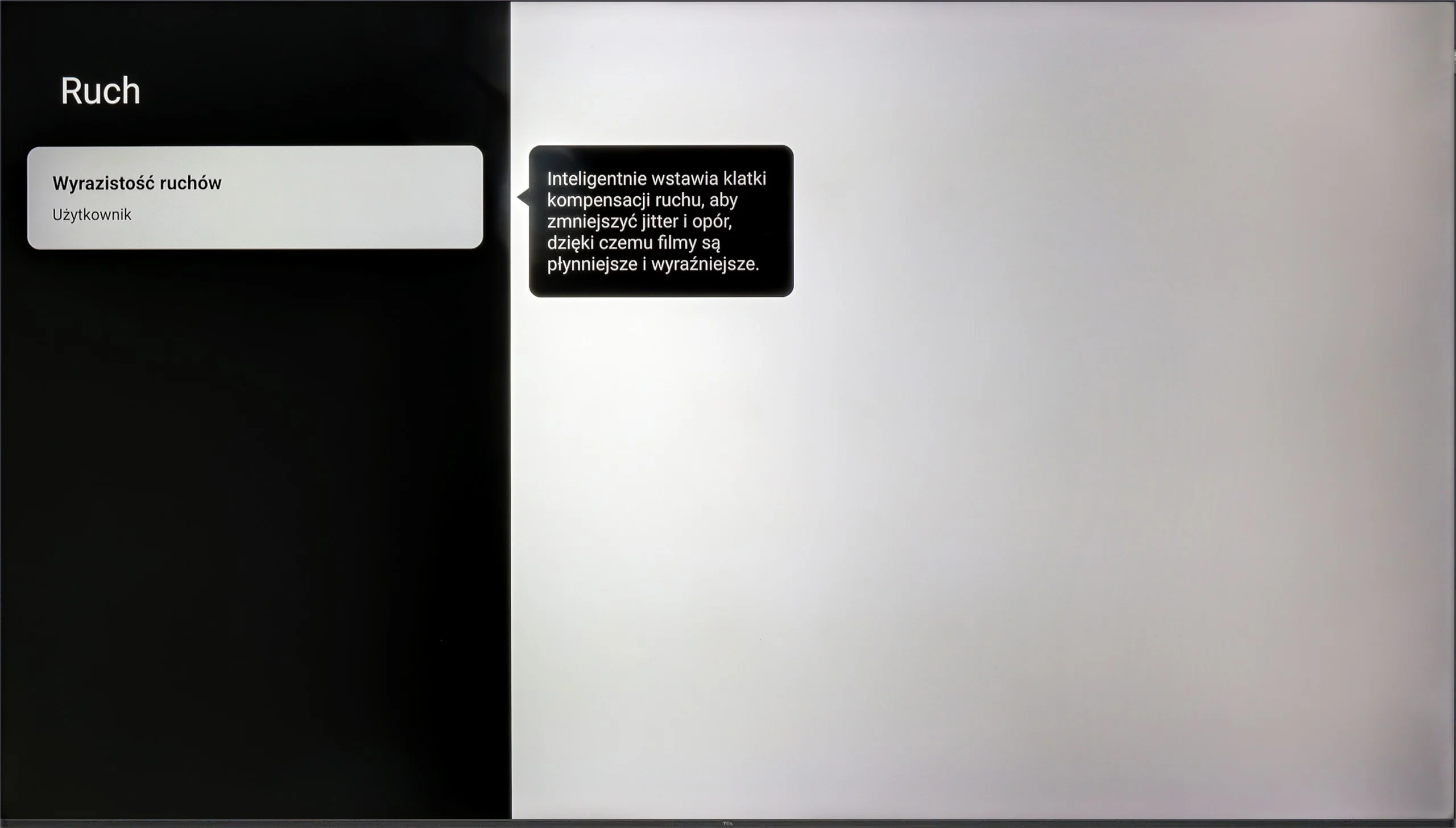
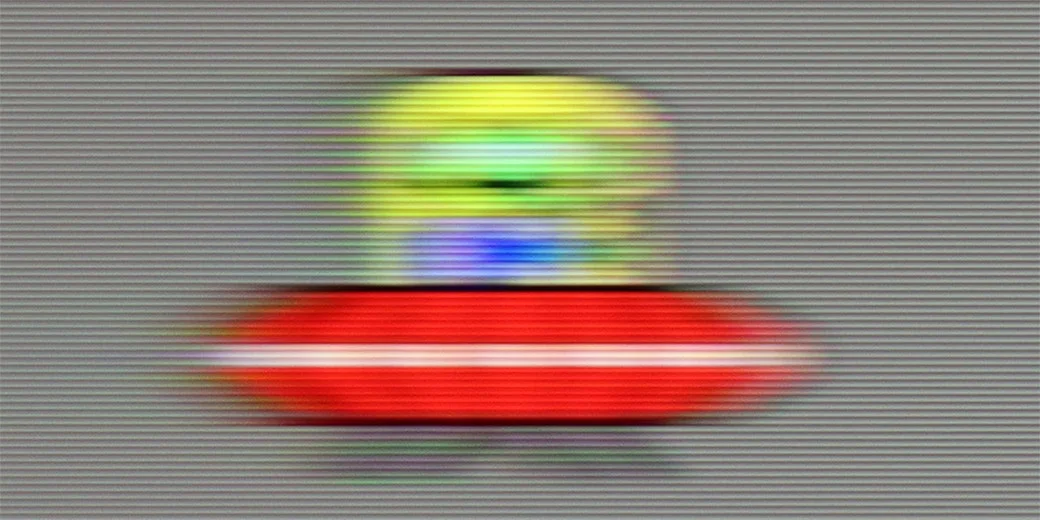
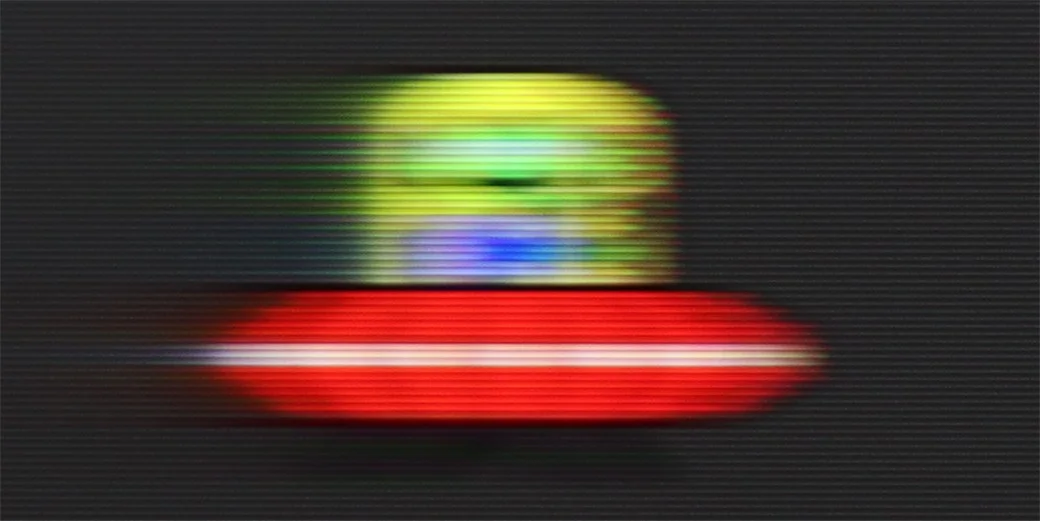
The issue of fluidity and sharpness of motion image is inextricably linked to the fundamental parameter of the panel, and in the case of the TCL P7K/P79K, we are dealing with a panel that has a native refresh rate of 60 Hz. This specification at the outset defines its capabilities and makes it hard to unequivocally recommend it to enthusiasts of dynamic sports broadcasts. During quick camera movements, the image loses sharpness, and the panel also shows a slight tendency to smudge, which may be noticeable to more sensitive viewers. Fortunately, not everything in this aspect has been left to chance. The manufacturer has implemented a simple motion smoothing system, which is primarily used in film materials recorded at 24 or 30 frames per second. Thanks to a dedicated slider, the user can decide on the final nature of the motion – from maintaining a fully cinematic, slightly jerky image, to achieving a very smooth, almost theatrical effect. It is a simple yet effective tool that allows one to adjust the viewing experience to their own preferences.
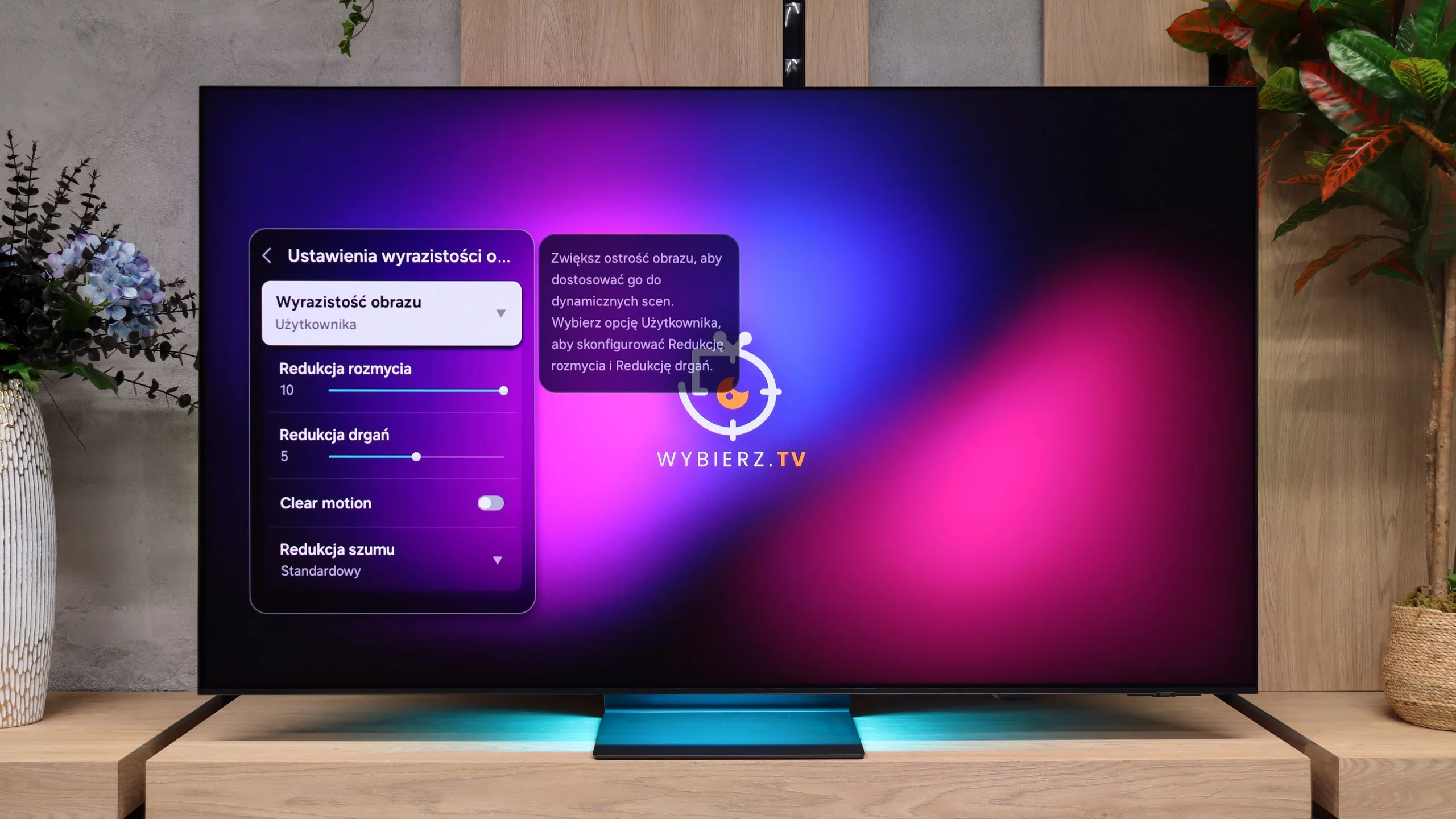
The Samsung S95H handles motion very well, which is what you expect from an OLED. The panel supports refresh rates up to 165 Hz, though that’s mainly useful for PC gamers. When watching sport, a lightning-fast pixel response time matters more. A fast-moving ball or player doesn’t leave the characteristic trailing smear. Motion therefore remains clear, without the artefacts typical of slower LCD panels.
There’s also a motion smoothing feature that lets you adjust motion to your liking. In films you can gently reduce judder during camera pans or choose a stronger smoothing effect. A separate setting for faster content is handy when watching sport.
Console compatibility and gaming features
6.7/10
9.6/10
- ALLM
- VRR
- VRR range48 - 120Hz48 - 165Hz
- Dolby Vision Game Mode
- Correct implementation of HGIG
- 1080p@120Hz
- 1440p@120Hz
- 4K@120Hz
- Game bar
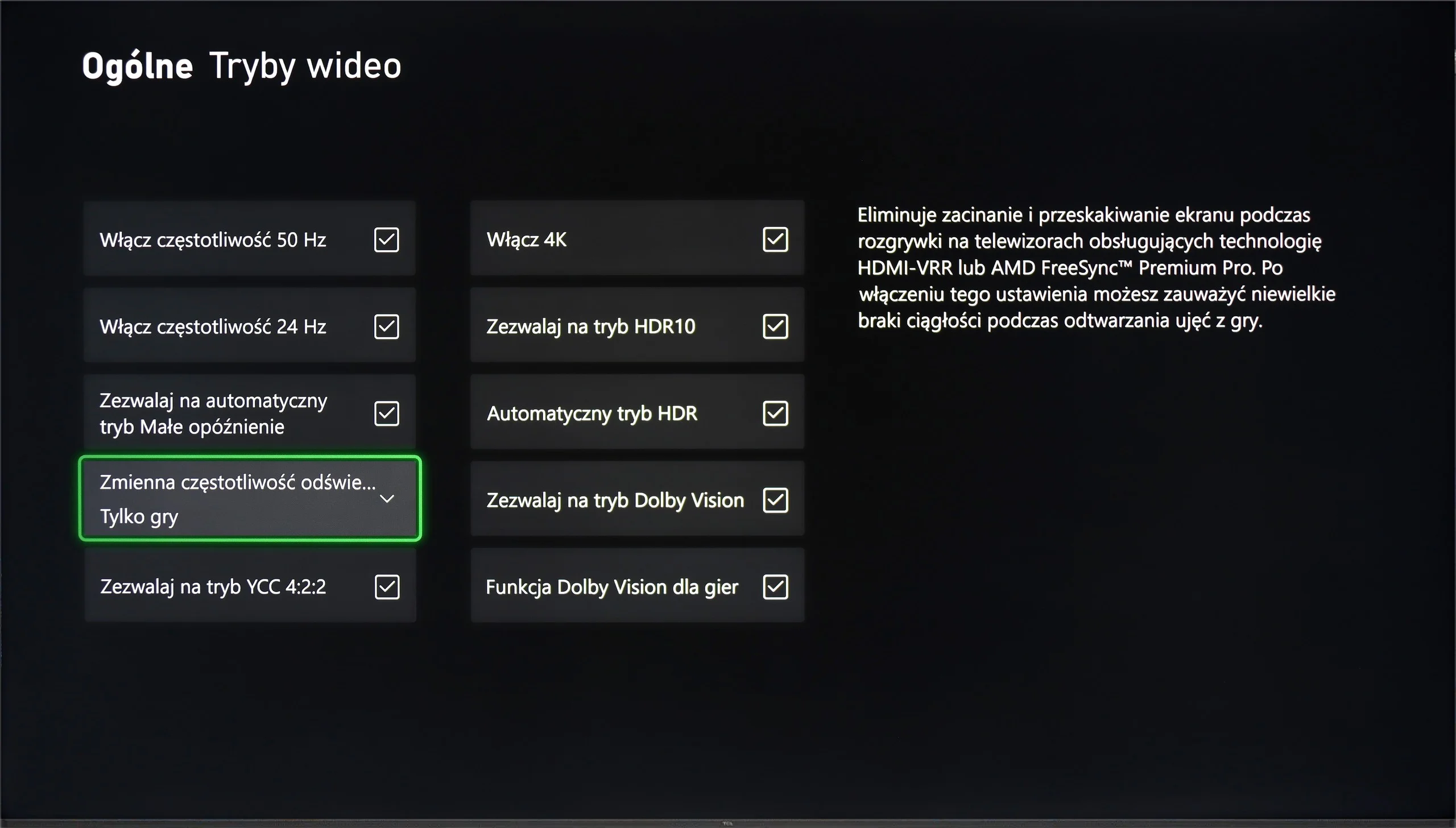
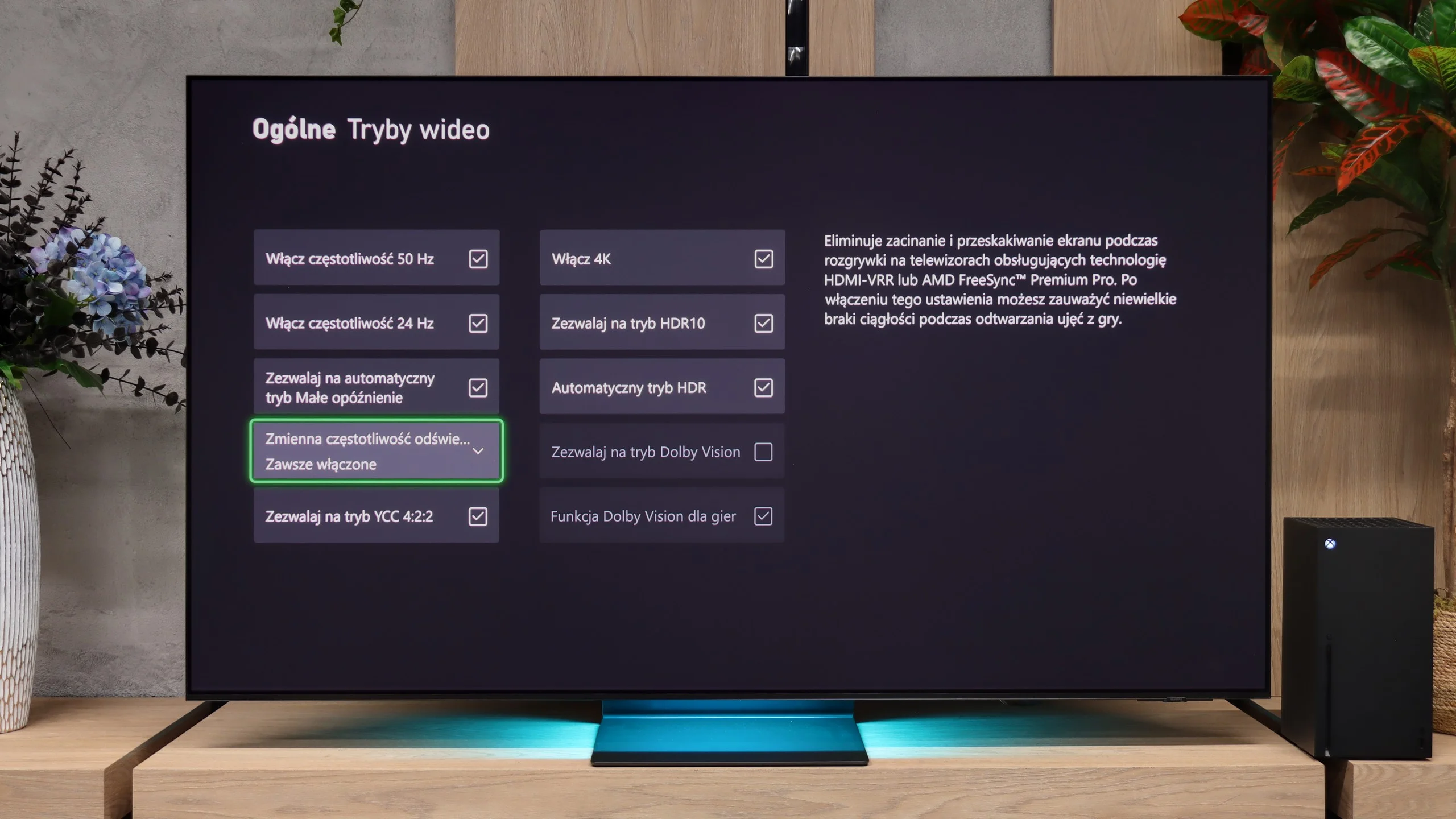
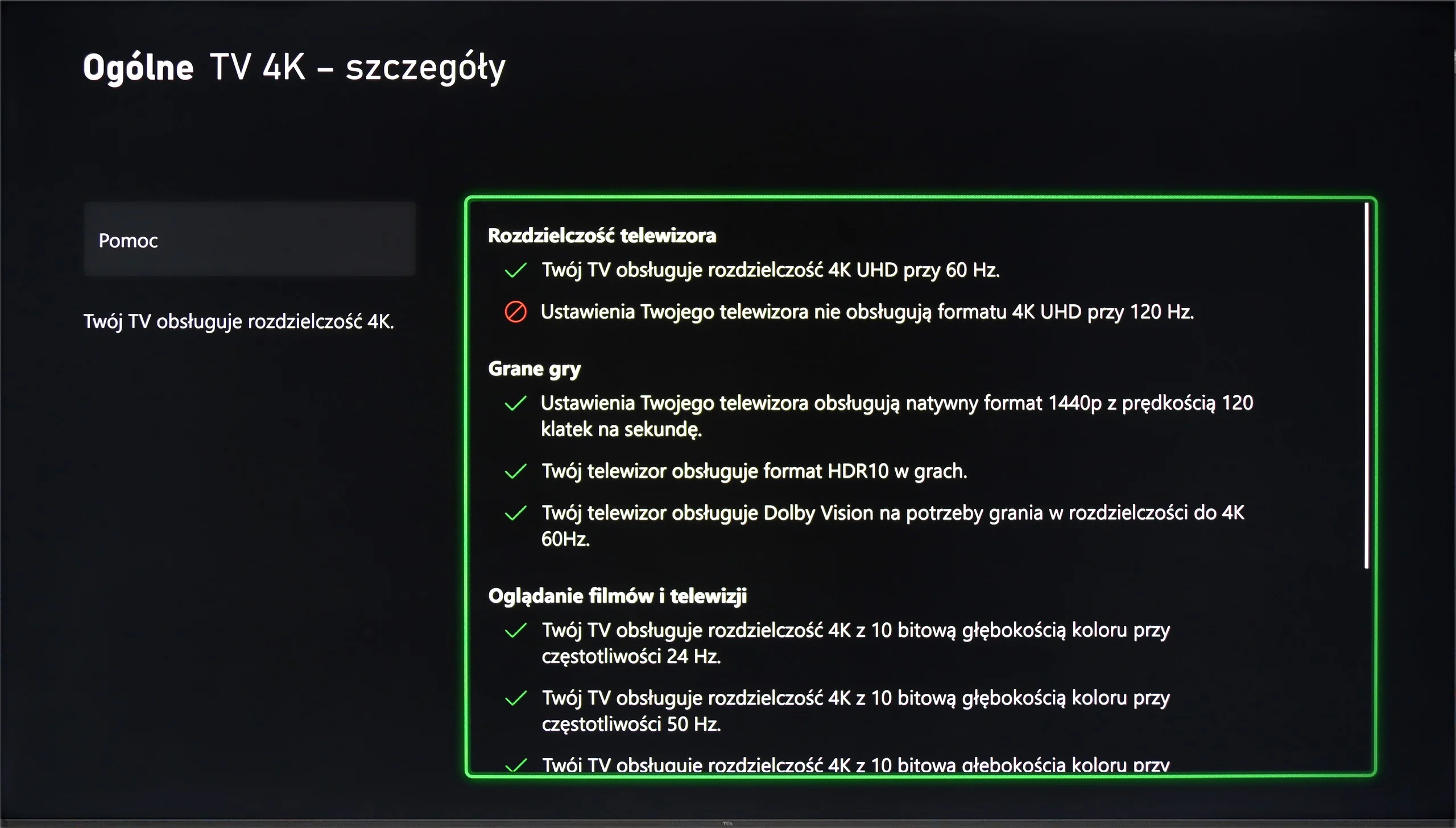
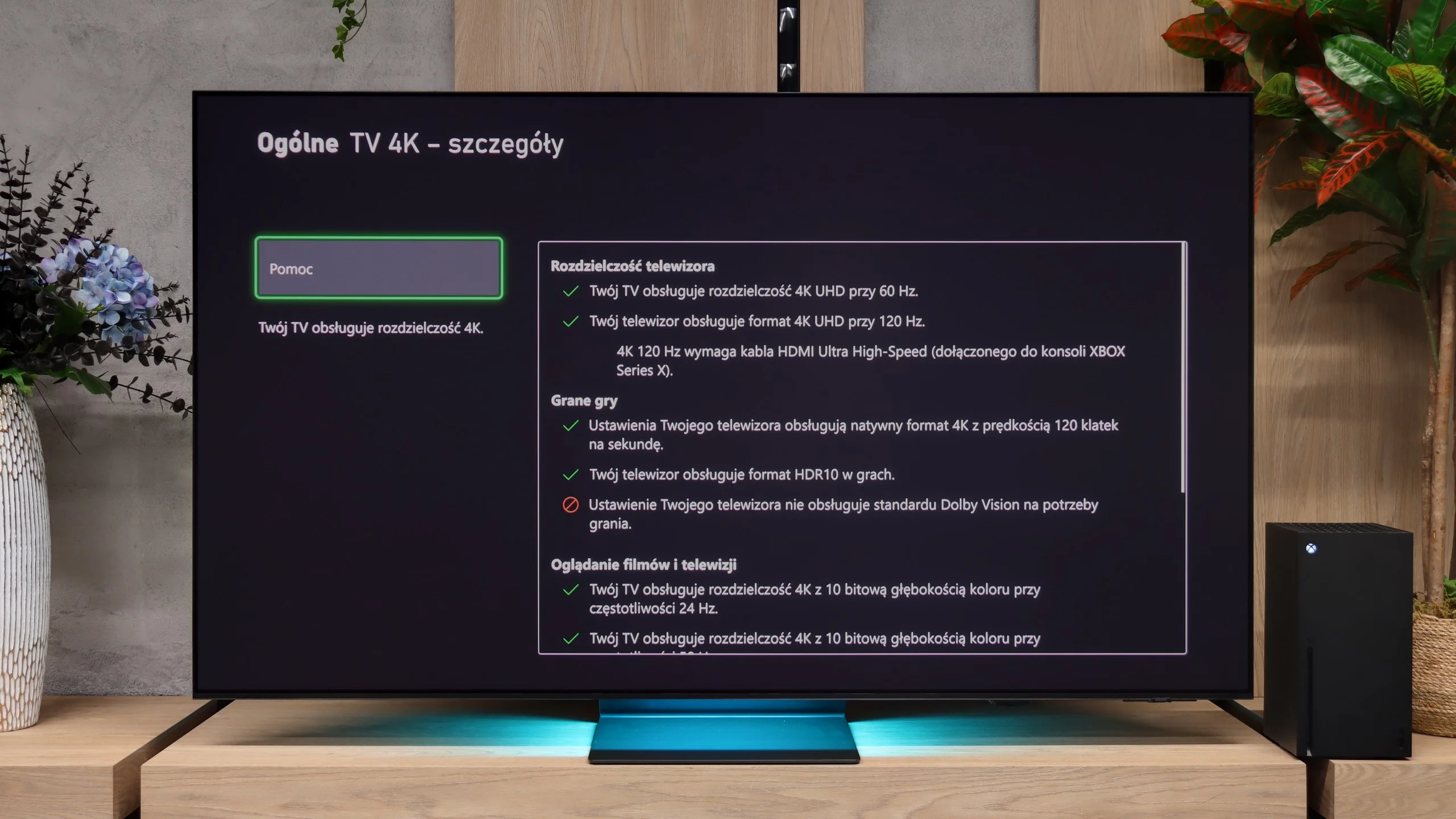
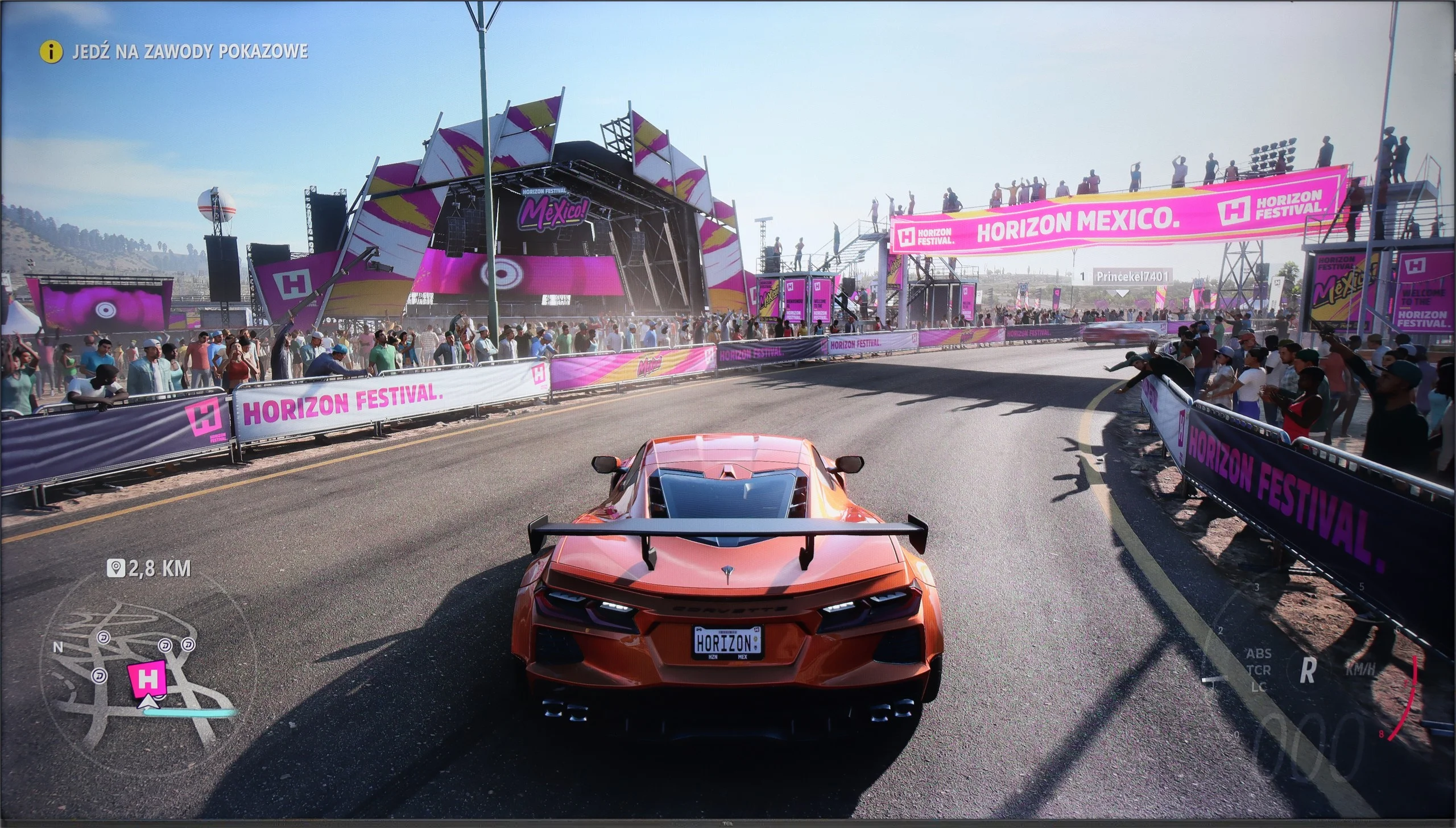
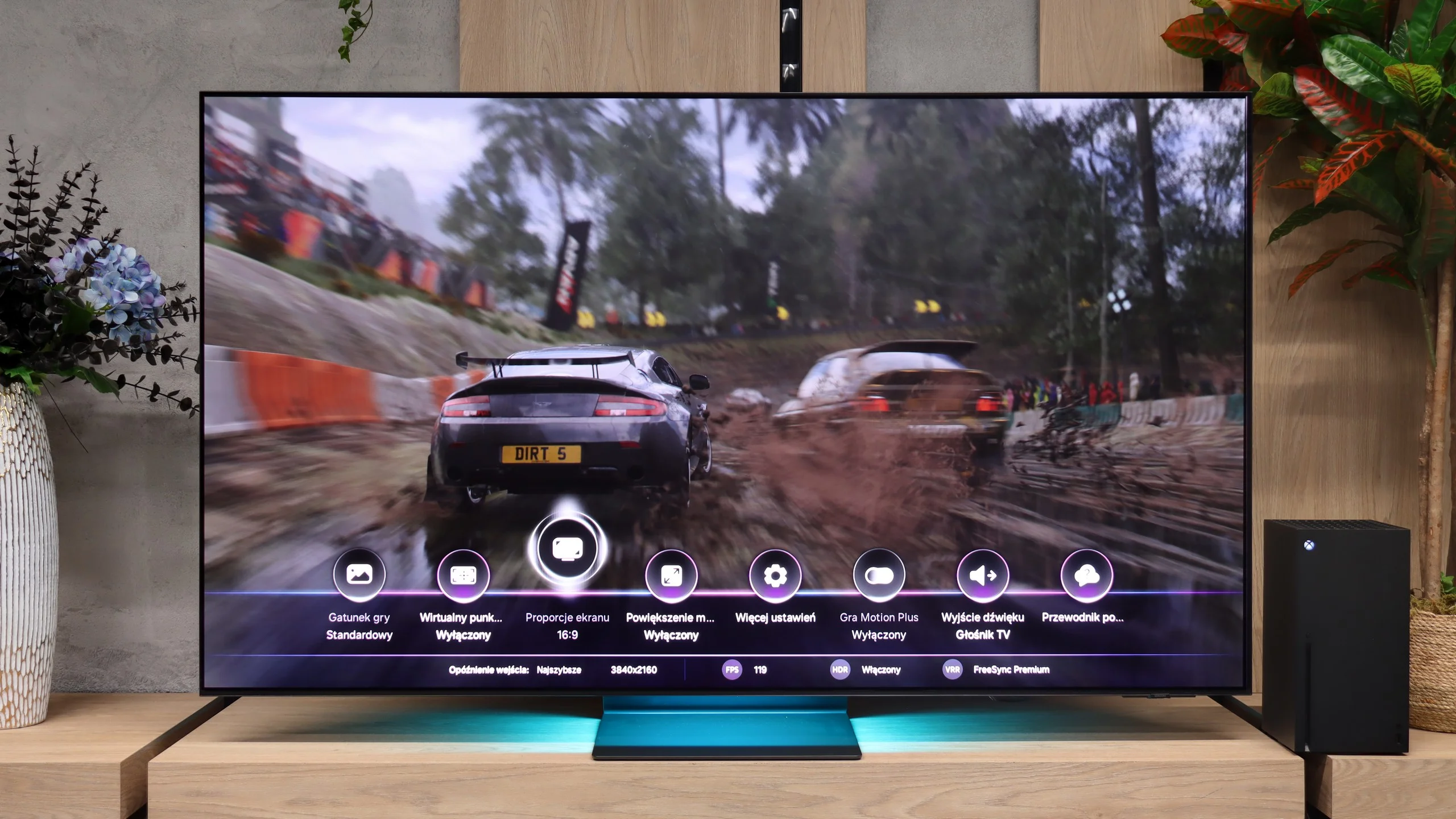
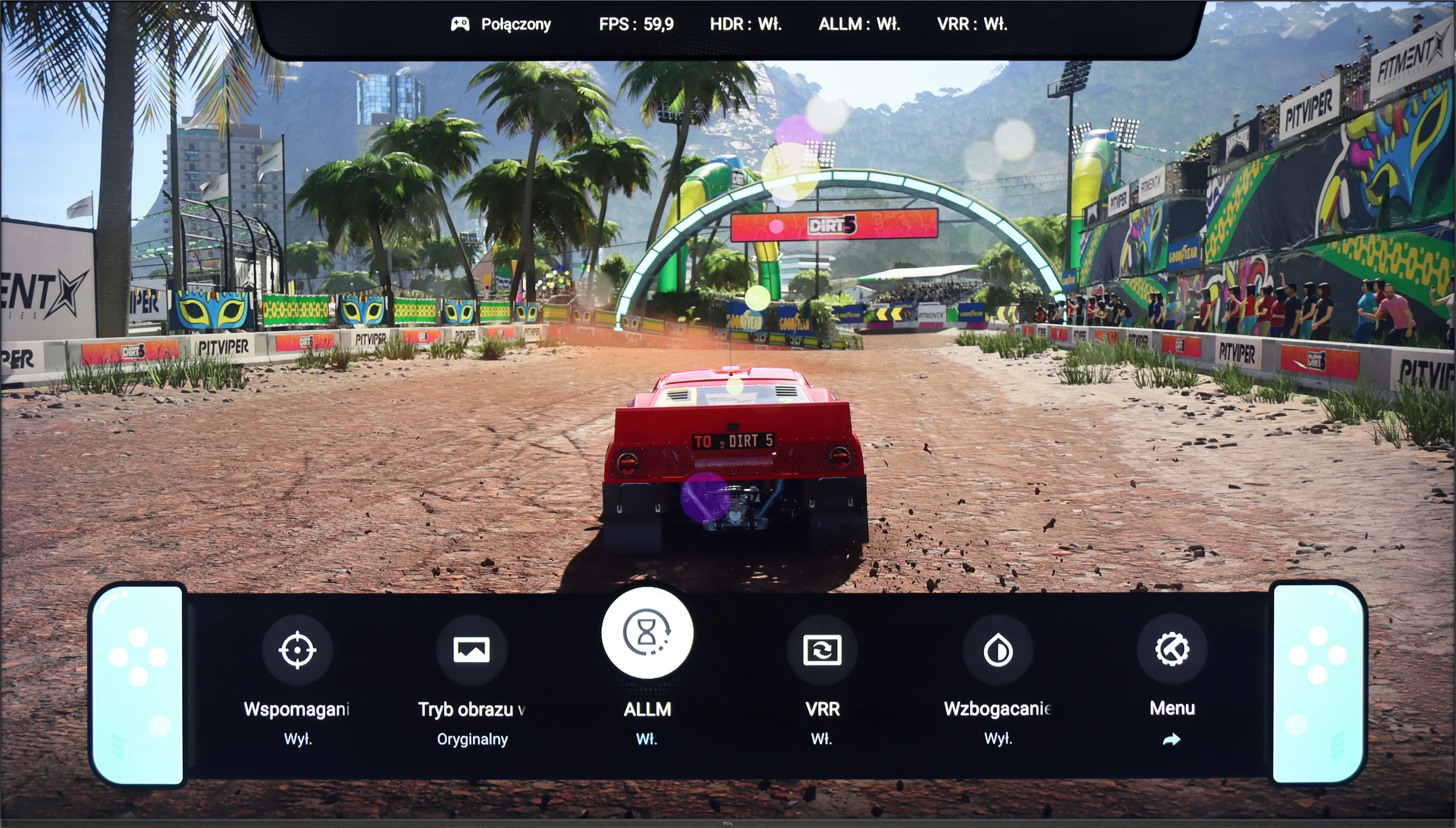
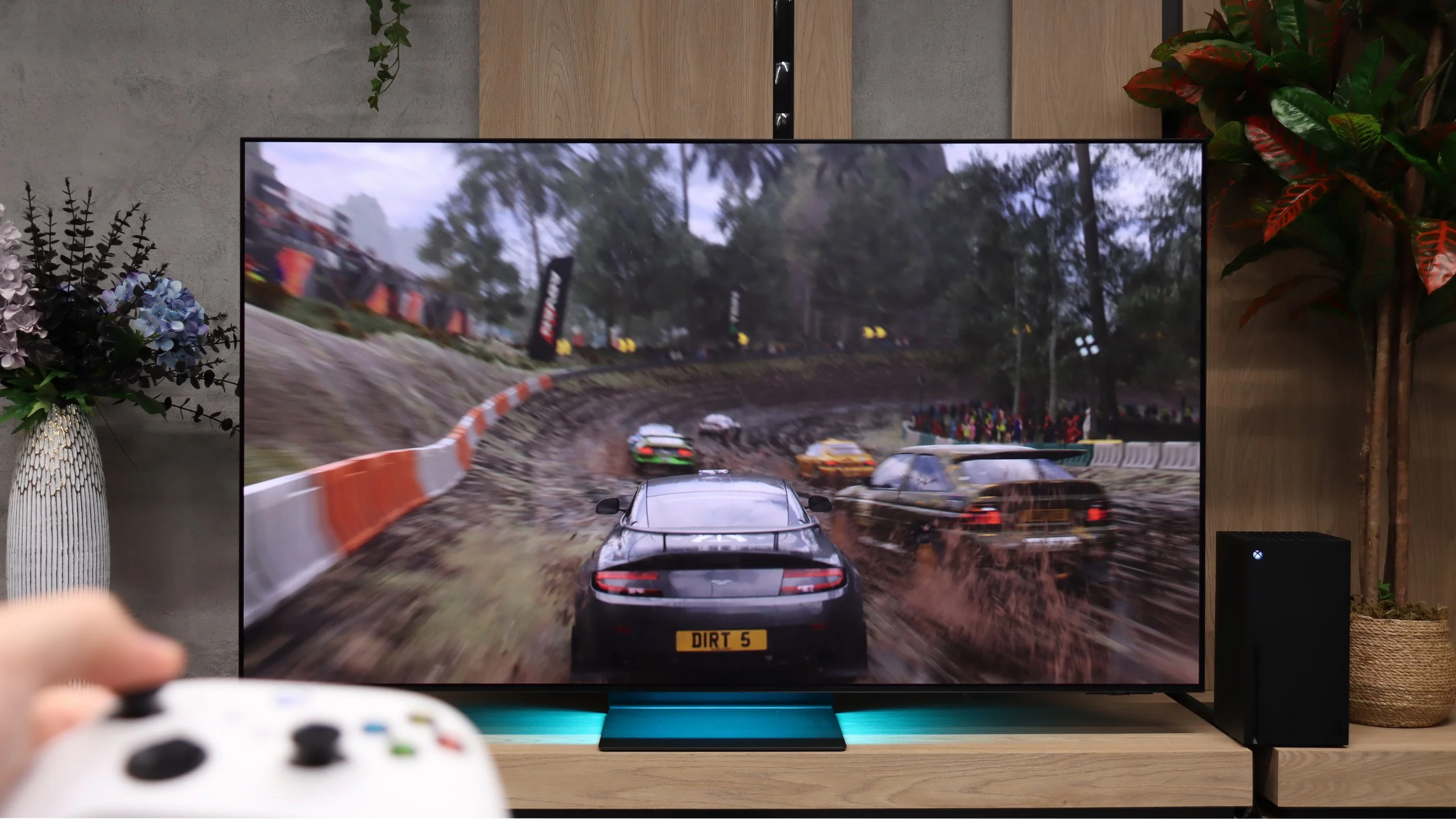
Although on paper the native 4K@60Hz matrix might suggest that the TCL P7K/P79K is not a TV tailored for gamers, the reality turns out to be surprisingly different. On the contrary, the manufacturer has ensured a rich set of features that make it a very friendly companion for next-generation consoles. Onboard, we find key technologies such as ALLM, which provides automatic switching to low-latency mode, and VRR, or variable refresh rate, which eliminates screen tearing. The list is rounded off with support for Dolby Vision Gaming and a simple yet functional Game Bar. However, the real and extremely pleasant surprise is something else. It turns out that the TV effortlessly supports a high refresh rate signal of 120Hz, but at lower resolutions – 1080p and 1440p. This is fantastic news for console owners, who know how rarely games run in native 4K at a full 120 frames per second. The option to choose between higher resolution and doubled smoothness is therefore an incredibly sensible compromise.
In summary, while the P7K/P79K may not be the target screen for the most passionate, tournament gamers, it offers a package of options for casual or occasional console users that is hard to find among many competitors at this price point.
Samsung S95H is a phenomenal TV for gaming. Beyond an excellent picture, it also offers a whole set of useful gaming features. VRR works from 48 to 165 Hz and helps keep things smooth when frame rates fluctuate. ALLM automatically switches to low-latency mode, and properly functioning HGiG makes it easier to set up HDR on a console. It also handles console 120 Hz in Full HD, 1440p and 4K without issues. A handy addition is the Game Bar, which gathers signal information and key settings in one place.
Game Motion Plus deserves special praise. This motion smoother can improve the fluidity of lower-frame-rate games, and in our measurements latency with it was about 20 ms. For additional motion processing that's a very good result. In slower-paced games you can therefore get a smoother image without noticeably sluggish controls.
Among the limitations, it's worth noting the lack of Dolby Vision in games, which mainly affects Xbox users. The HDMI 2.1 ports also have 40 instead of 48 Gb/s bandwidth, likely due to the One Connect module. For typical console gaming at 4K, 120 Hz and 10-bit HDR this doesn't pose a problem or force a drop in picture quality. For most gamers it will therefore be a spec difference they simply won't notice while playing.
Input lag
9.9/10
10/10
SDR
HDR
Dolby Vision
Completing this rich package for gamers is a parameter that has a direct impact on comfort and performance in gameplay – input lag. Already in native 60 Hz mode, the television can boast an excellent result of just 15 ms. However, the real magic happens when switching to 120 Hz mode, where the lag drops almost by half, reaching values below 10 ms. Such responsiveness ensures that every command from the controller is transmitted to the screen in the blink of an eye, which will be appreciated not only by professionals but by anyone who values smooth and direct interaction with the game.
In terms of input lag, the S95H performs excellently. At 60 Hz we measured just 9 to 11 ms, and at 120 Hz the delay drops to 5 to 6 ms. Controls are very responsive, so even in fast-paced shooters or racing games it’s hard to find any complaints. Importantly, turning on HDR does not worsen the results. You can therefore use the full picture capabilities without sacrificing quick response to controller inputs.
Compatibility with PC
2/10
8.8/10
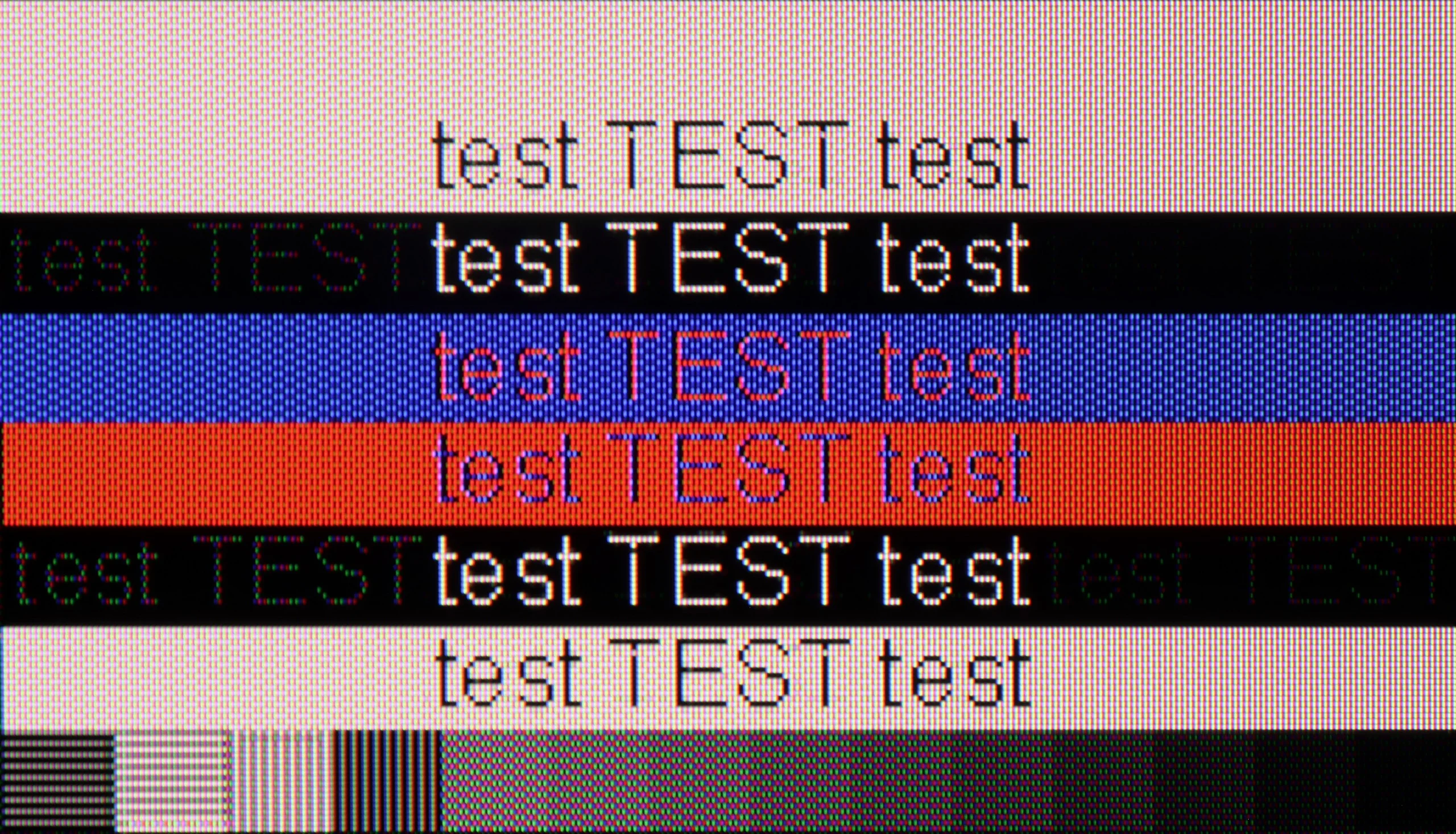
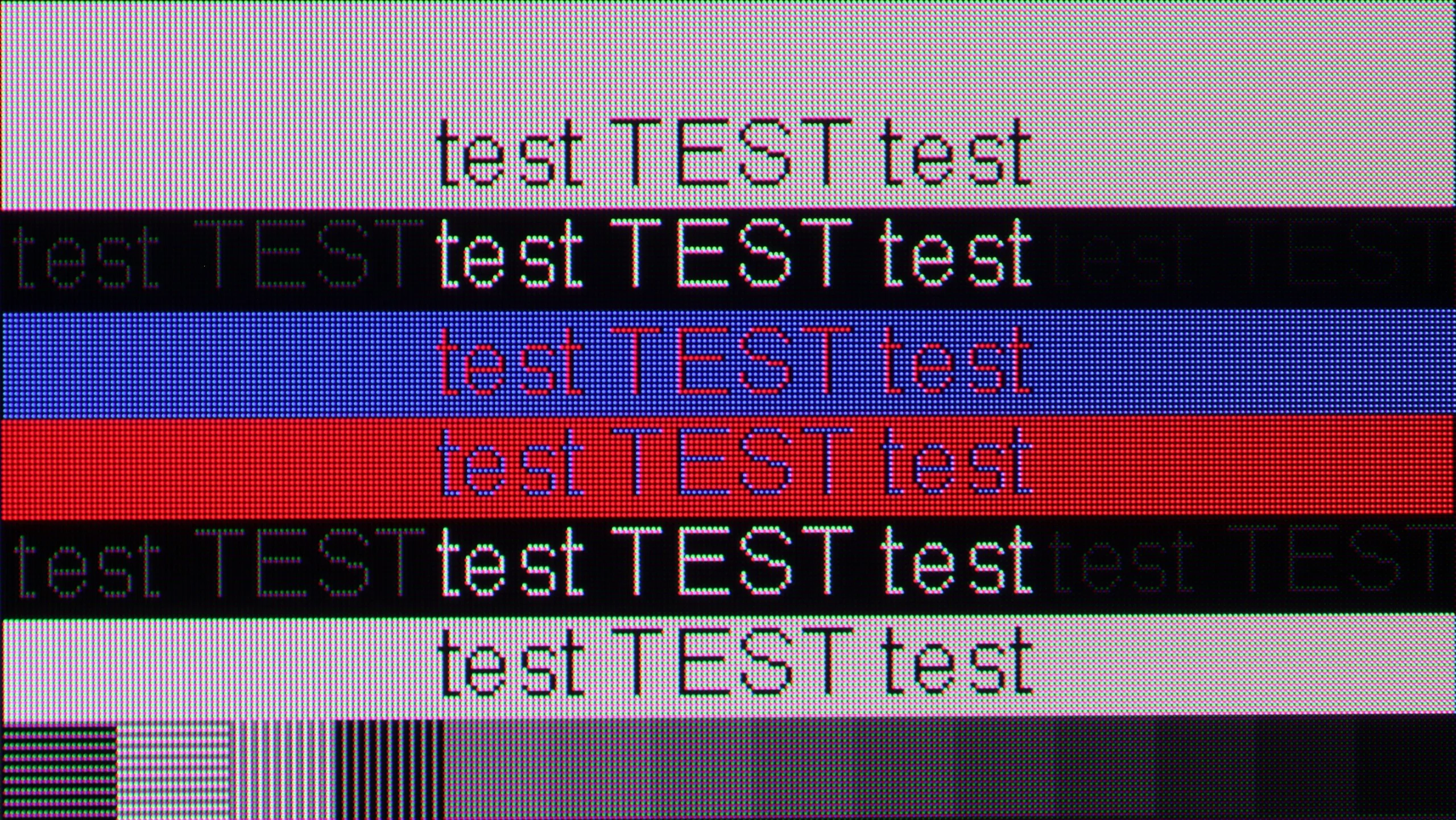
The photo shows the legibility of small fonts. Ideally, lines should be the same thickness on both light and dark text, with minimal pixel gaps.
We finally arrive at the area that can undoubtedly be described as the biggest achilles heel of the TCL P7K/P79K – its compatibility with a PC. This is paradoxical because on paper, everything looks promising. The presence of G-Sync and support for high refresh rates at lower resolutions could suggest that it will also be a great monitor. Unfortunately, practice brutally verifies these assumptions. The key problem is the lack of support for full 4:4:4 chroma sampling. In everyday use, this translates to terrible font rendering quality – they, especially coloured ones, become jagged, surrounded by artifacts, and simply poorly readable. And that’s not all, as in PC mode, the problem of aggressive dithering also becomes apparent, giving the whole image an artificial, overly digital look. The only consolation in this situation is the fact that in games we can take advantage of the extra hertz and G-Sync technology, but these are not advantages that could compensate for the fundamental shortcomings in displaying a static interface. The verdict is therefore clear: while it may still hold up as a screen solely for gaming with a PC, in the role of a monitor for work or browsing the internet, the P7K/P79K simply performs poorly.
Samsung S95H works great with a PC, especially when connected for gaming. You get 4K at 165 Hz, G-Sync support and an input lag of just 6 ms. Combined with the panel's lightning-fast response, this delivers a very smooth and responsive picture. The TV also correctly supports 4:4:4 chroma at its maximum refresh rate, so small colour elements remain legible.
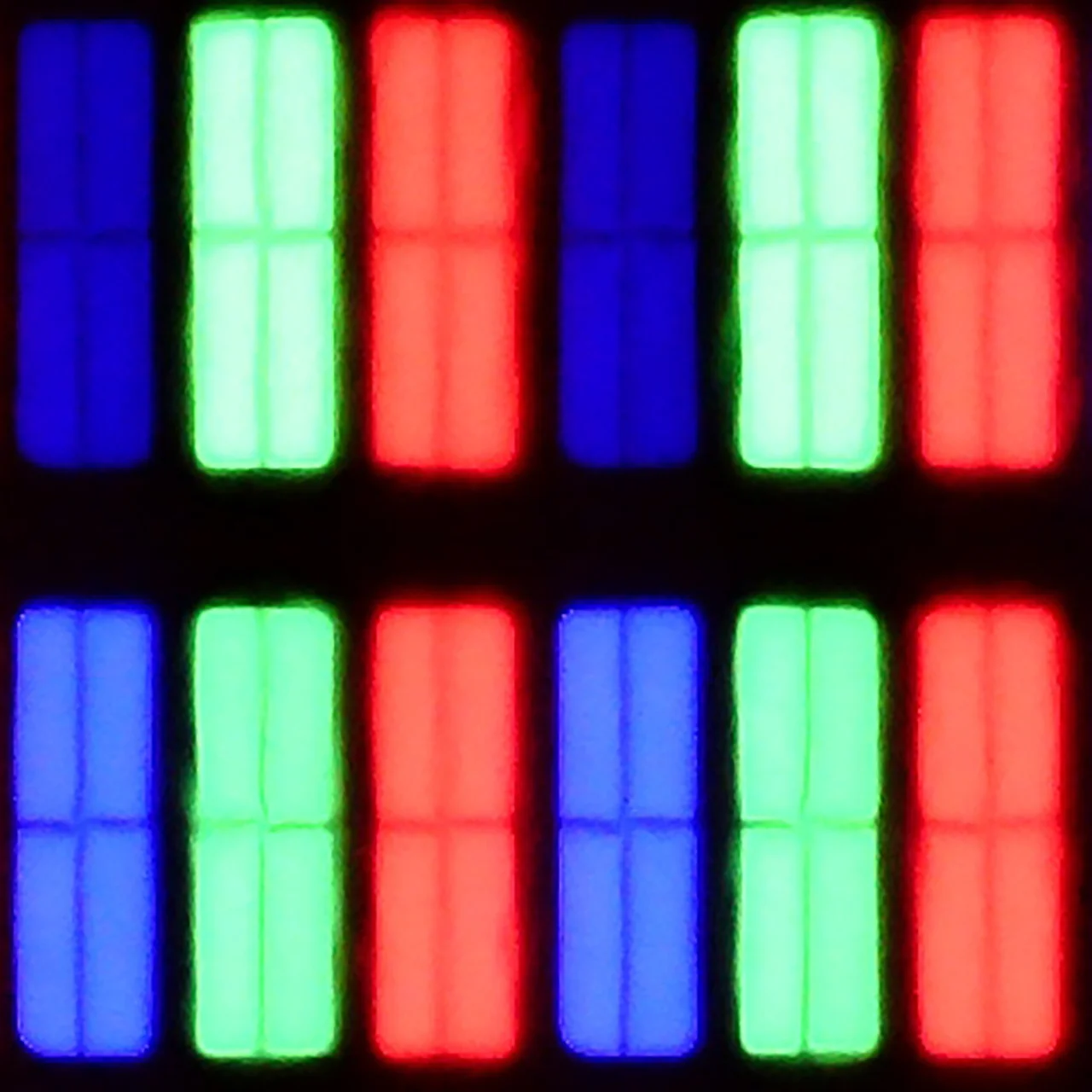
It also handles text well, though it wouldn't be our first choice for all-day document work. Firstly, the QD-OLED versions described here start at 55 inches, so you need a really big desk to use one 😉. Secondly, the triangular subpixel layout means you can see subtle coloured fringes on the tiniest letters. They're mostly visible up close. From a normal TV viewing distance they shouldn't be distracting, so occasional web browsing or working with text isn't an issue.
Viewing angles
3.2/10
9.9/10
Moving on to the issue of viewing angles, we enter a realm where VA matrix technology dictates unavoidable conditions. As expected, this is the weak point of this model. It is enough to step away from the screen axis to observe a gradual degradation of the image: colours begin to fade, contrast noticeably drops, and blacks lose their depth. In direct confrontation with IPS panels, which are renowned for their generosity in this aspect, the VA matrix must concede superiority to its competitor. Is there a silver lining? Paradoxically, yes. Weak viewing angles are indeed the price we consciously pay for the fundamental advantage of this technology – a significantly higher native contrast and deeper blacks viewed head-on. Thus, we can say that this is a television that favours the viewer sitting in the “ideal” spot, offering them a maximally vivid image at the cost of universality.
Viewing angles on the S95H are excellent. It's one of the biggest advantages of a QD-OLED panel and in this respect Samsung ranks among the best TVs we've tested. Even when viewed well from the side, colours retain their saturation and the picture doesn't noticeably lose brightness. So when you're at a steep angle or watching a match with a larger group, you don't have to fight for a spot in the centre of the couch. The image still looks great from the sides. 🙂
Daytime performance
4.6/10
7.3/10
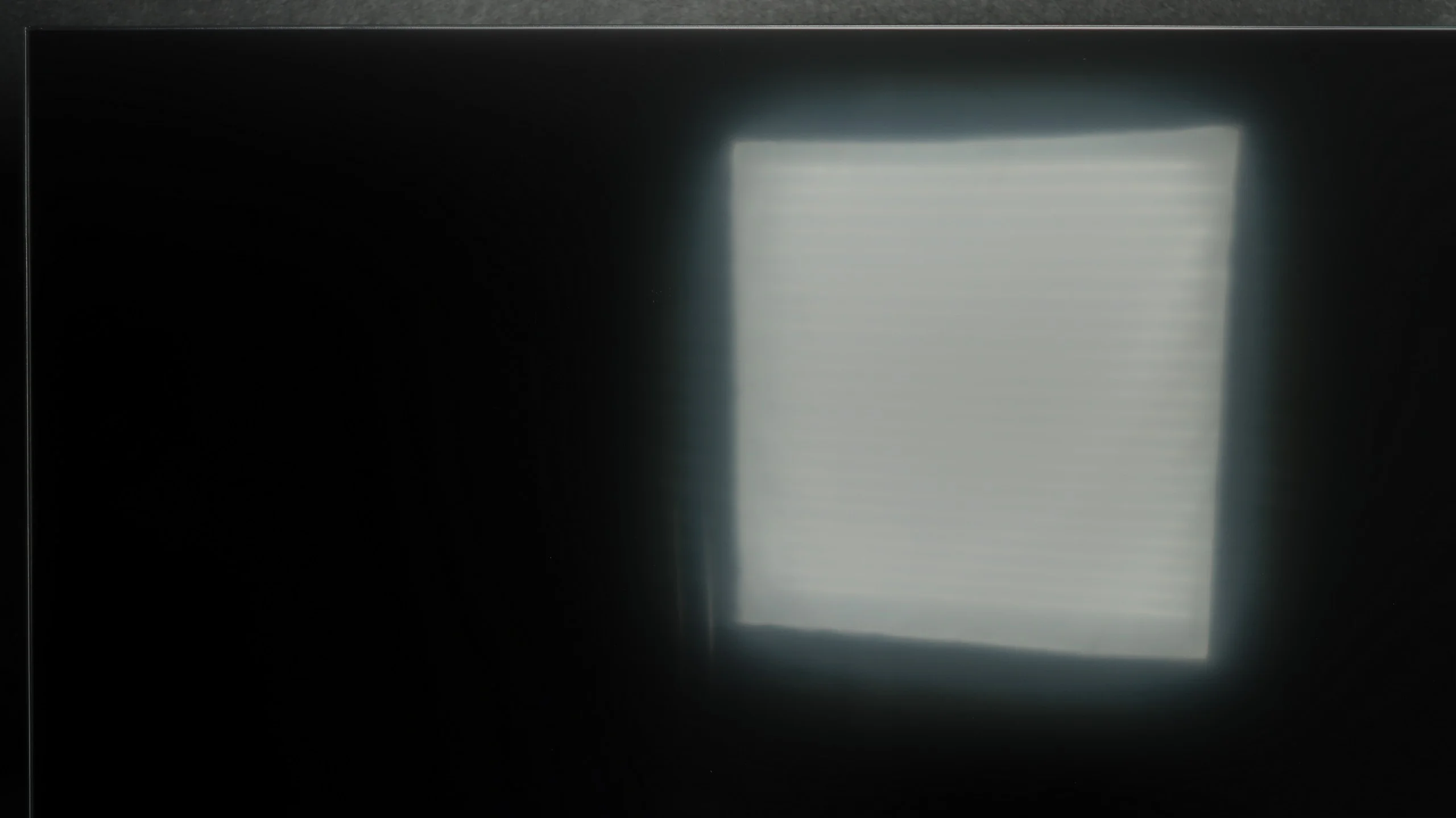
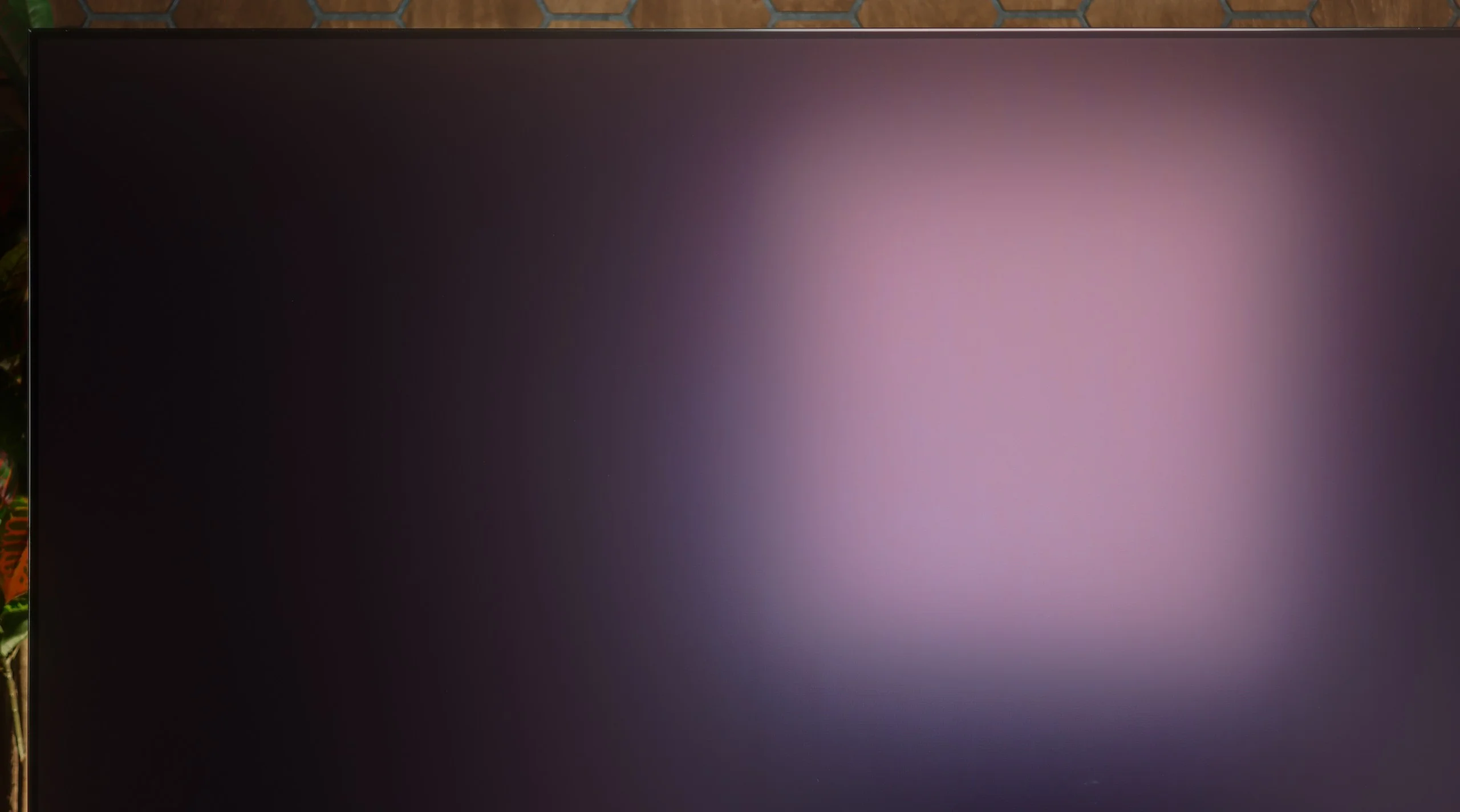
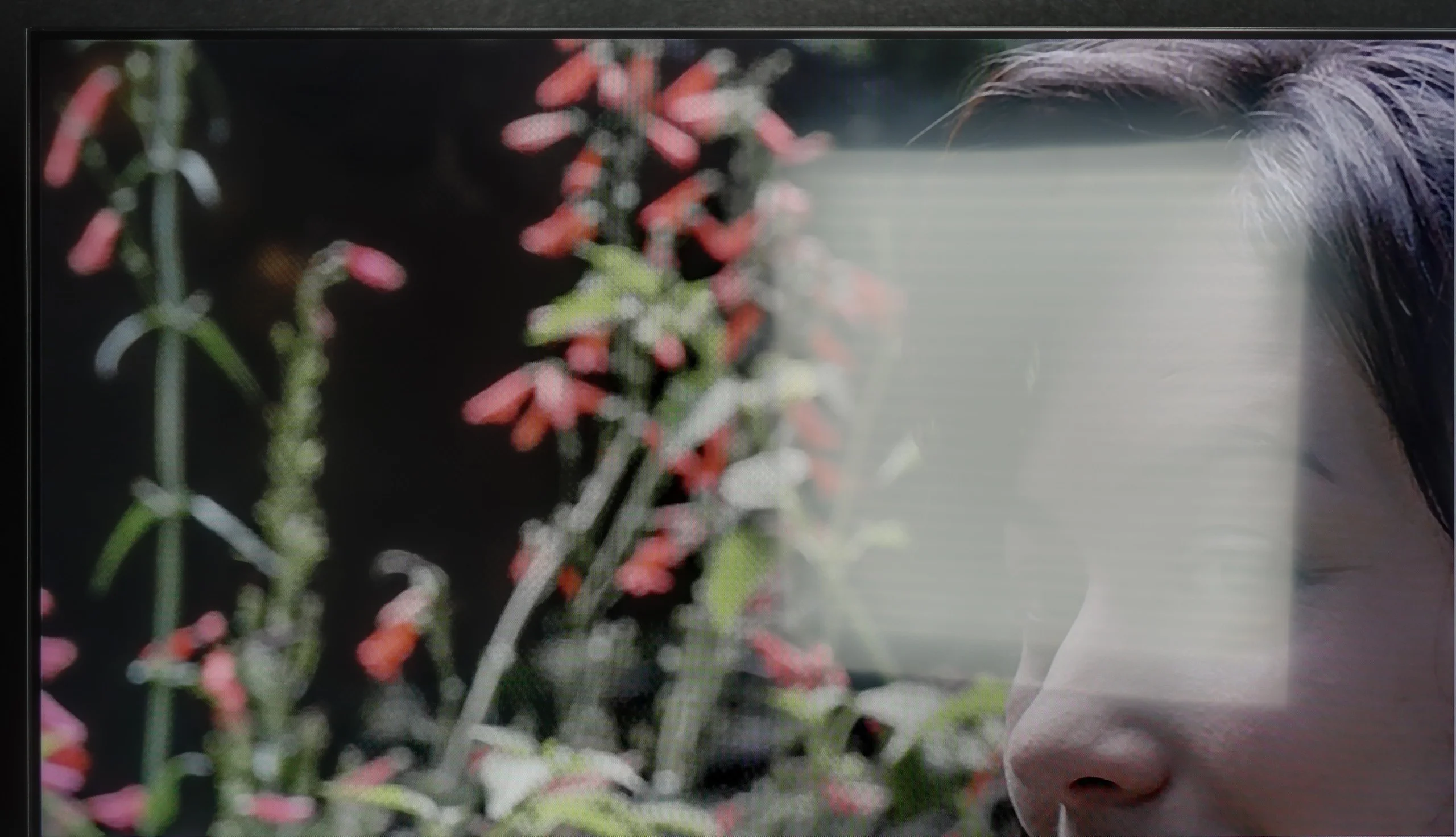
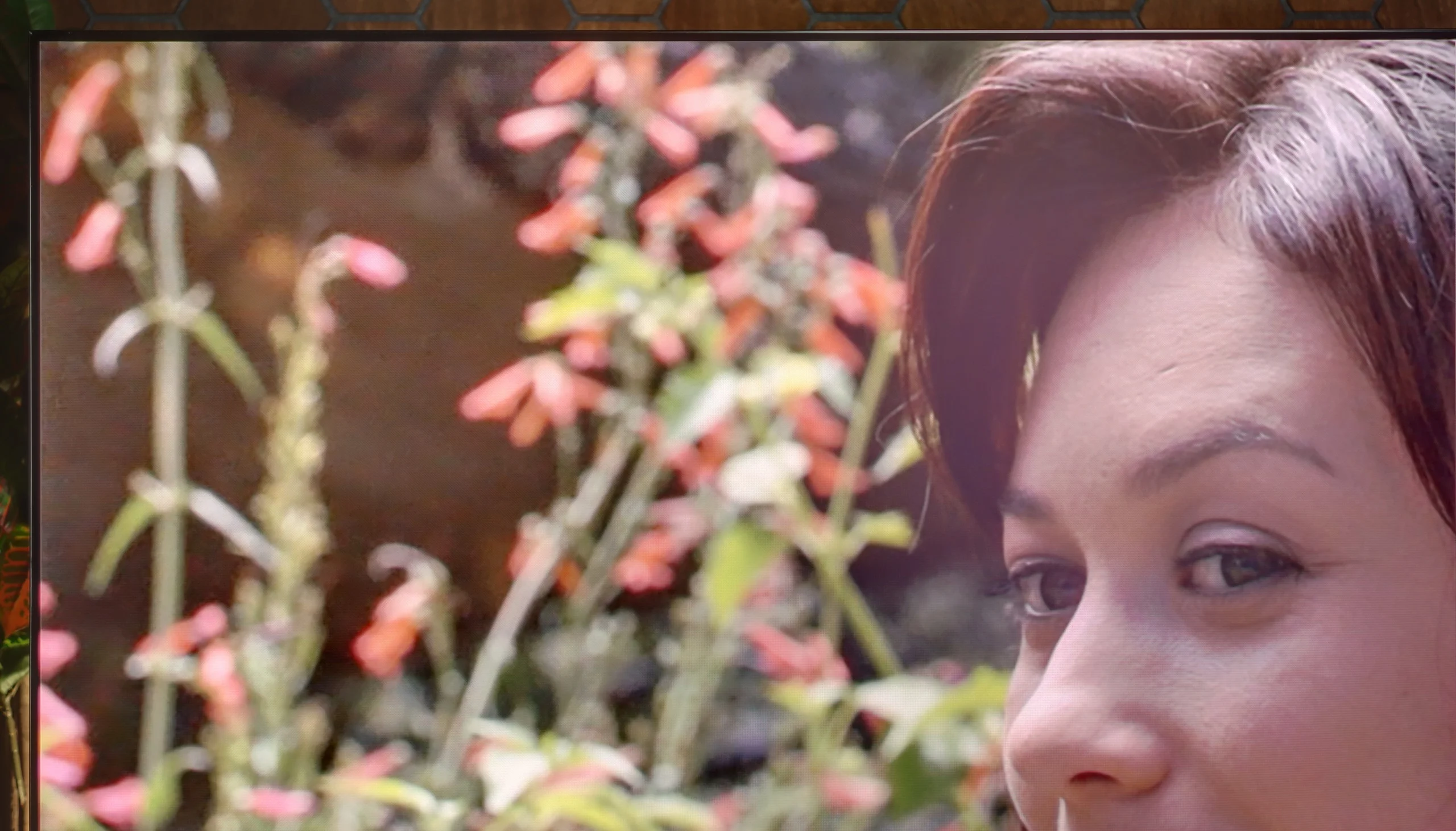
Panel brightness
Samsung S95H: 722 cd/m2
TCL P7K / P79K: 299 cd/m2
The last practical test for any television is its daily performance in daylight conditions when it must compete with ambient light. In this competition, the TCL P7K / P79K starts with a certain advantage due to its satin screen coating. Its structure does quite well at suppressing direct reflections, dispersing them and protecting the image from excessive colour fading or brightening of blacks. However, passive combat against reflections is one side of the coin. The other is the active ability to "punch through" bright surroundings, and here one of the key limitations of this model comes to light. The previously mentioned peak brightness of around 300 nits is simply too low to ensure a fully comfortable and dynamic viewing experience in a heavily sunlit lounge. In such conditions, the image may lack punch, and scenes with lower brightness may lose readability.
Samsung S95H performs very well for daytime viewing. Much of that is down to the matte finish, which effectively diffuses reflections. Instead of clearly seeing a window or lamp in the screen, you see a softer glow. Add to that an average SDR brightness of around 750 nits. For an OLED that's an excellent result and allows you to comfortably watch TV in a bright living room. Bear in mind, though, that brightness depends on what’s on the screen. With smaller bright areas the S95H exceeds 1000 nits, but with a completely white screen it falls to about 400. So when watching winter sports or other very bright material, the image won’t have the same punch as in mixed scenes. The biggest limitation remains black levels in a brightly lit room. First, light hitting the QD-OLED panel visibly brightens it with a cherry tint, which makes it lose its nighttime depth and leaves the picture looking less contrasty. The matte finish handles reflections well, but it also scatters that light more. The S95H is still a very comfortable TV for daytime viewing. You simply see the full depth of its blacks only under dimmer lighting.
Panel details
Subpixel Structure:
Panel uniformity and thermal imaging:


TCL P7K / P79K
Samsung S95H
TV features
7/10
7.9/10
- SystemAndroid TVTizen
- System performanceDecentVery good
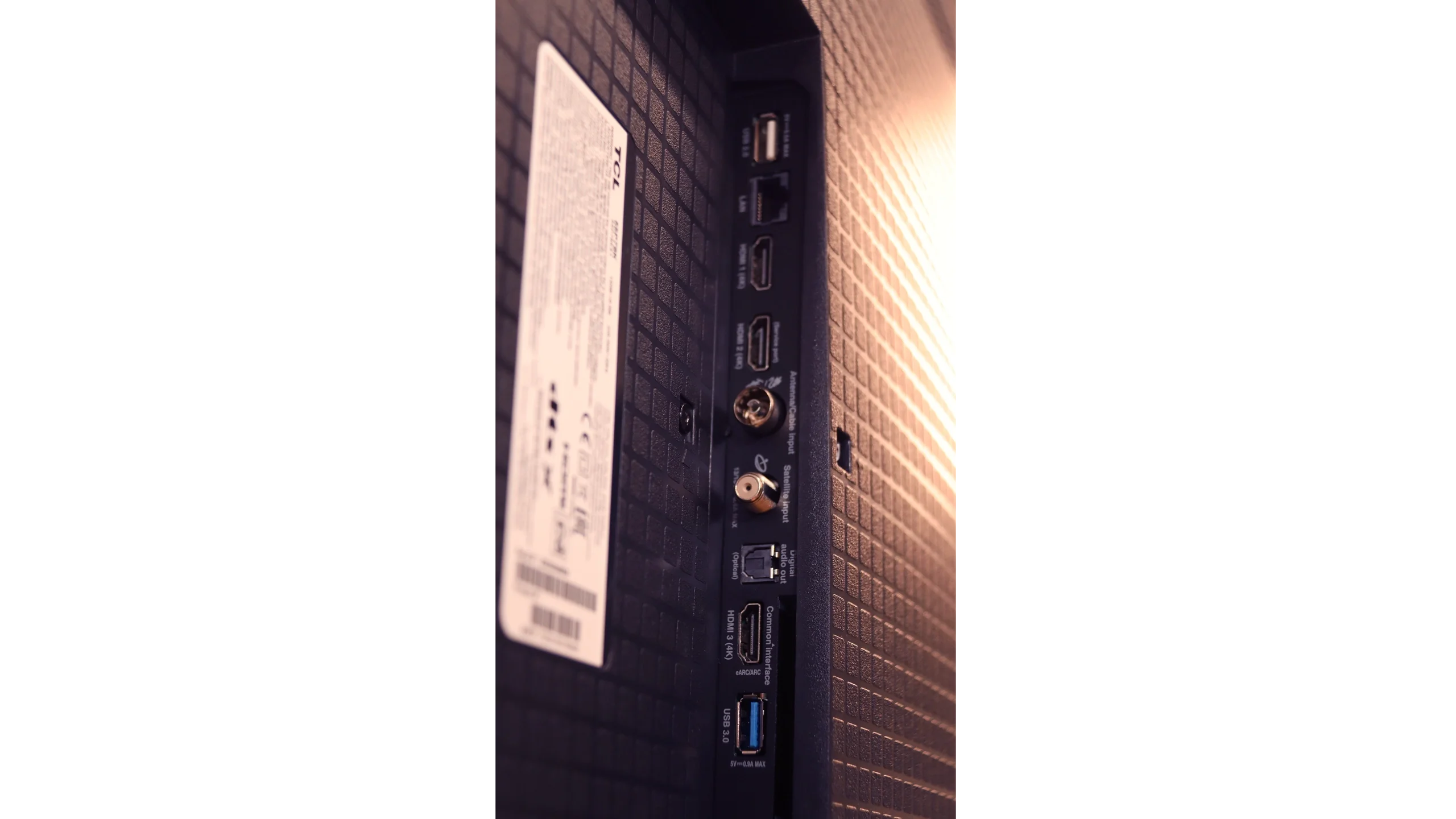
- HDMI inputs0 x HDMI 2.0, 3 x HDMI 2.1 48Gbps0 x HDMI 2.0, 4 x HDMI 2.1 40Gbps
- Other inputsToslink (Optical audio)USB-C
- OutputsToslink (Optical audio), eARC (HDMI), ARC (HDMI)Toslink (Optical audio), eARC (HDMI), ARC (HDMI)
- Network InterfacesWi-Fi 2.4GHz, Wi-Fi 5GHz, Ethernet (LAN) 100MbpsWi-Fi 2.4GHz, Wi-Fi 5GHz, Ethernet (LAN) 100Mbps
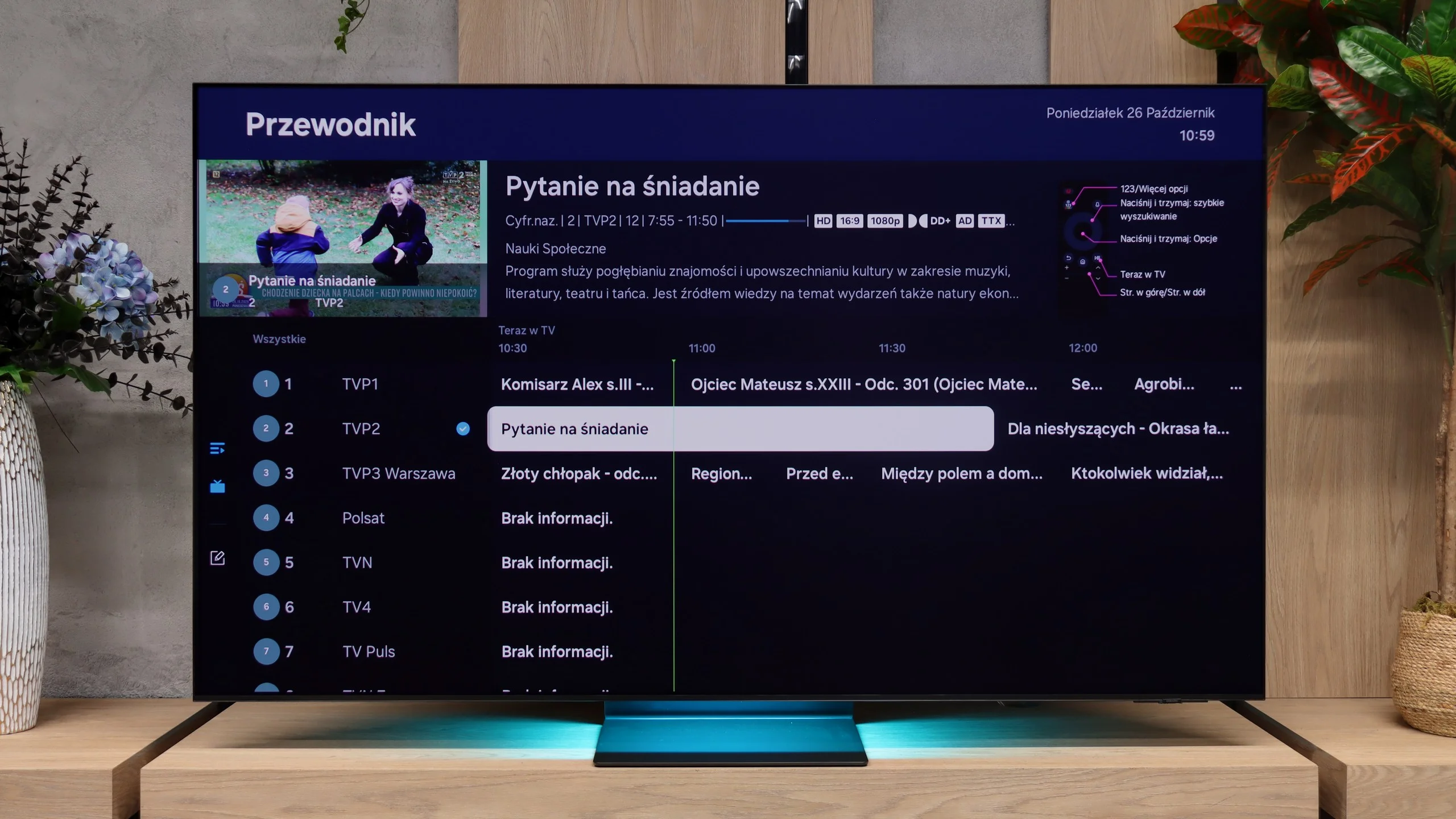
- TV receptionDVB-T, DVB-T2, DVB-S, DVB-S2, DVB-CDVB-T, DVB-T2, DVB-S, DVB-S2, DVB-C
Classic features:
- Recording to USB (terrestrial TV)
- Recording programming
- Picture in Picture (PiP)
- RF remote control (no need to aim)
- Backlit remote control
- Teletext
- Audio only mode
- Bluetooth headphones support
- Simultaneous Bluetooth headphones & TV audio
Smart features:
- AirPlay
- Screen mirroring (Windows Miracast)
- Voice search
- Voice search in native language
- Ability to connect a keyboard and mouse
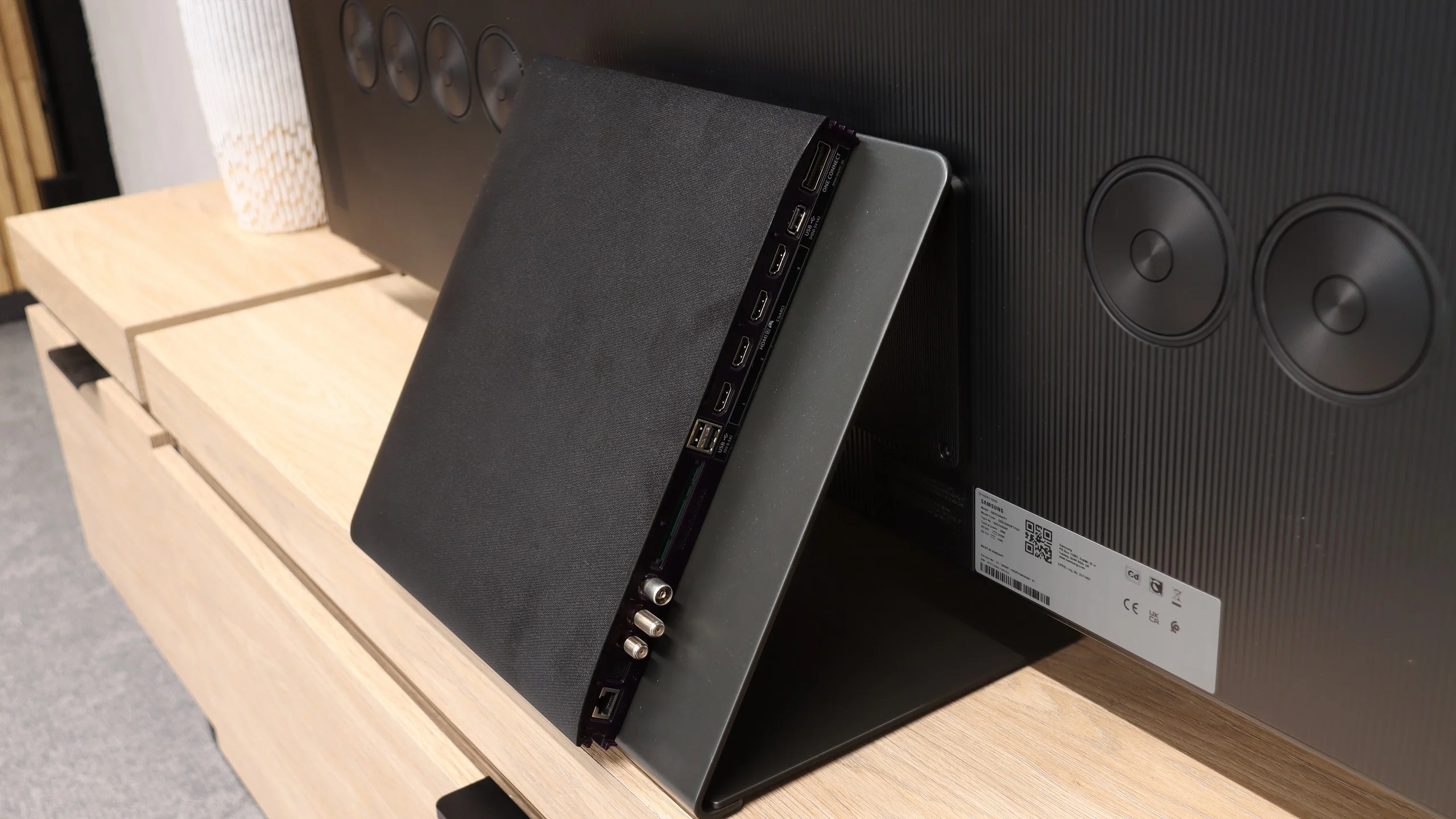
Sound connection options
- HDMI audioeARC (HDMI), ARC (HDMI)eARC (HDMI), ARC (HDMI)
- Other audio outputsToslink (Optical audio)Toslink (Optical audio)
- Wireless audioBluetoothBluetooth
Supported audio formats (external HDMI eARC audio):
- Dolby Digital Plus 7.1
- Dolby True HD 7.1
- Dolby Atmos in Dolby Digital Plus (JOC)
- Dolby Atmos in Dolby True HD
- DTS:X in DTS-HD MA
- DTS-HD Master Audio
Senior accessibility
- Numeric keyboard on TV
- Font size adjustment
- Audio description
Smart Features – the power of Google TV
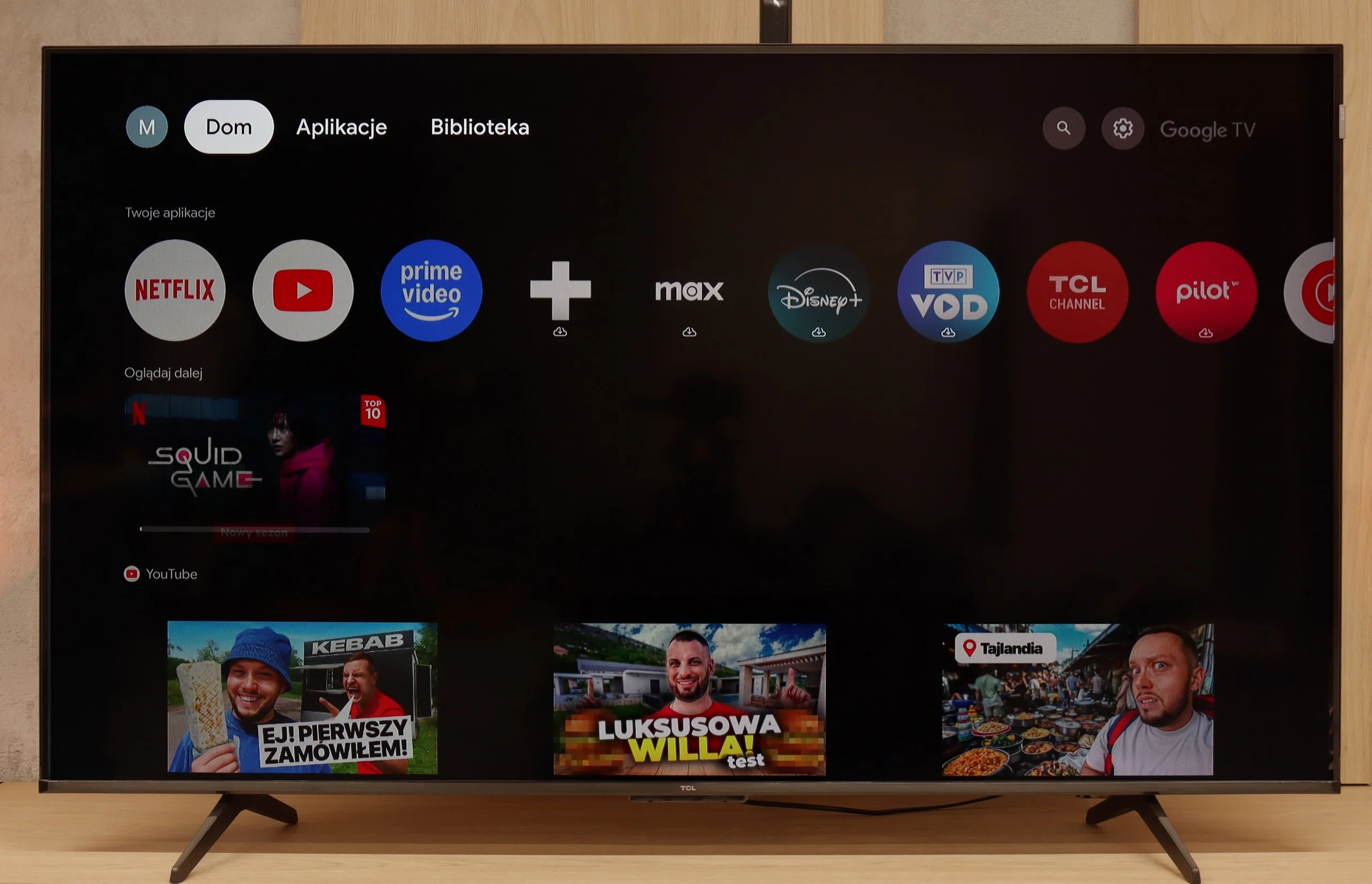
The heart and operational brain of the TCL P7K / P79K is the Google TV system, which in itself is a huge advantage. This platform opens access to an almost endless library of applications from the Play Store, ensuring we won't miss any key streaming service. Integration with other devices is exemplary – Apple device owners will appreciate the seamless cooperation thanks to AirPlay, while users of Windows and Android systems can easily take advantage of screen mirroring features. The Google Assistant also deserves a mention, as it handles voice search in Polish exceptionally well, remaining one of the most effective and convenient solutions of its kind on the market. The operation of the system on the tested model can be described as "above average." The interface is mostly smooth, but during testing, it experienced occasional slowdowns and even sporadic "freezes" that required a moment of patience. Minor hiccups are also noticeable in the translation of some system messages, which can be clumsy – these are merely minor oversights on TCL's part that do not affect overall functionality.
Classic Features
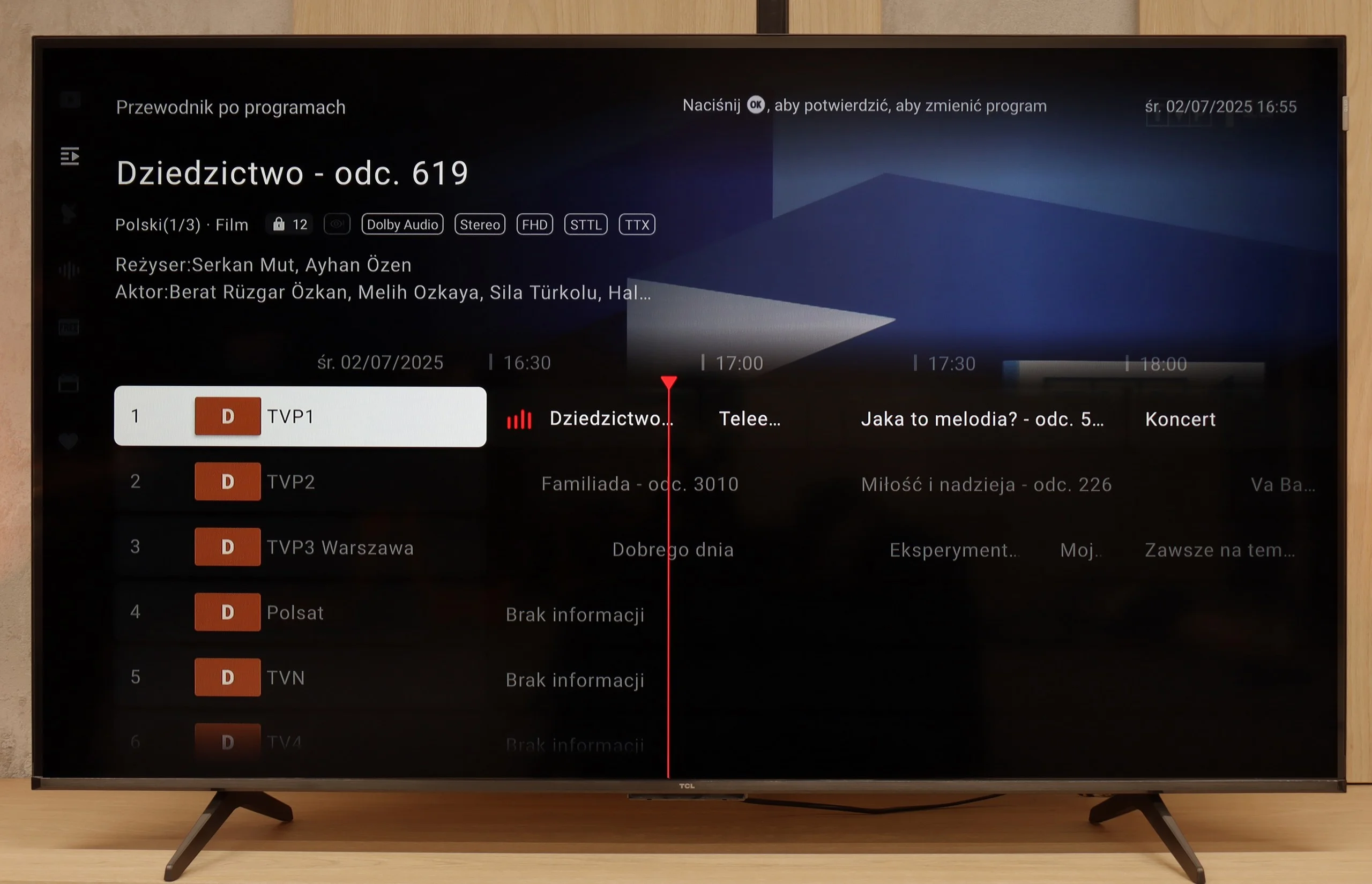
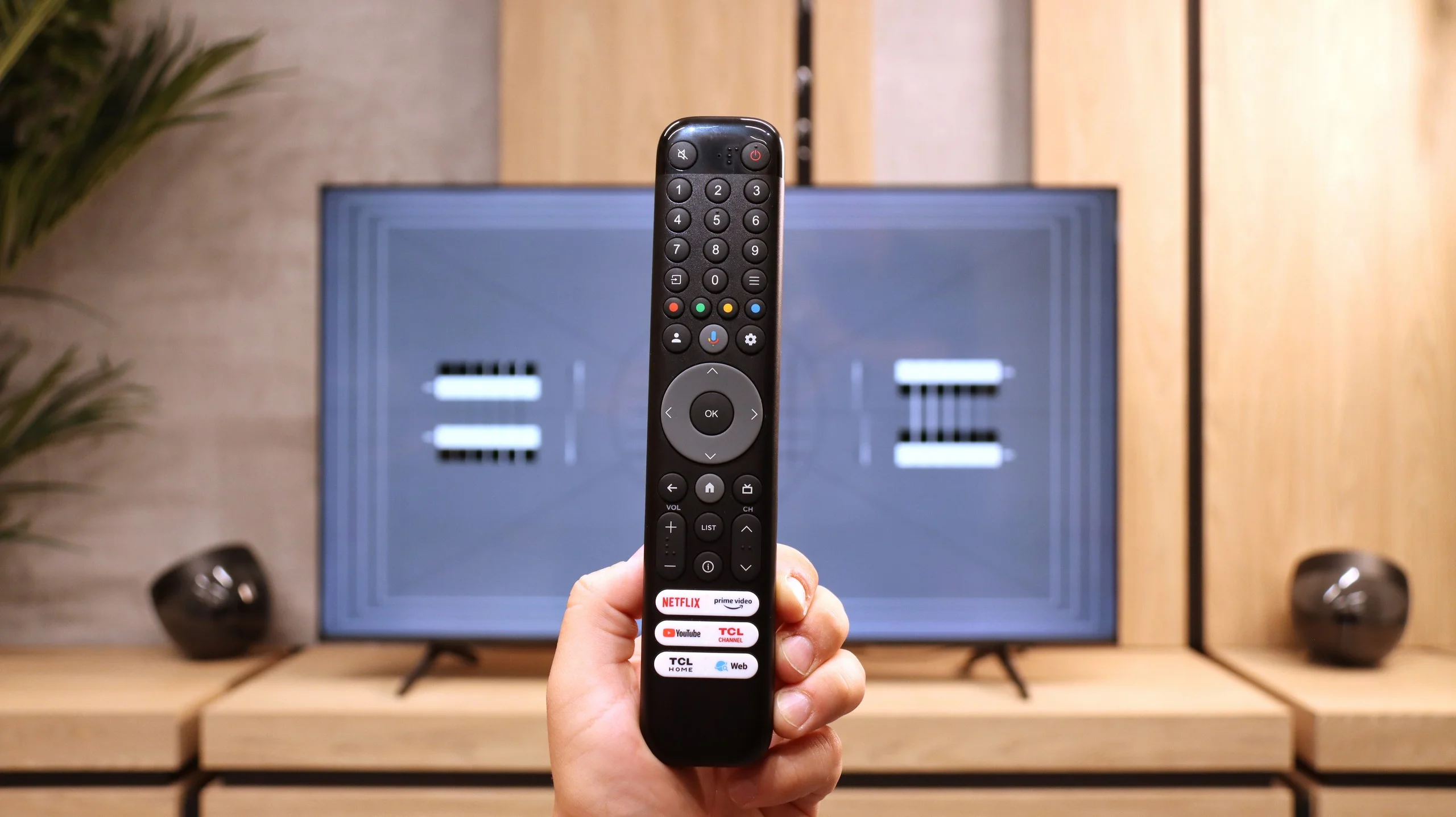
In the age of smart systems, traditional television functions often take a back seat, and this case is no different. A significant advantage is the inclusion of a classic remote control with a numeric keypad, which does not require precise aiming at the screen for communication, significantly enhancing user comfort. The presence of Bluetooth technology for connecting external devices, such as headphones or speakers, also counts as a plus. However, this is essentially where the list of conveniences ends. It's evident that TCL has placed nearly everything on the Google TV card, treating classic features as an absolute minimum. Thus, we won’t find options for recording programs from built-in tuners to a USB drive or the once-popular PiP (Picture-in-Picture) feature. It is therefore a basic package that simply works but offers nothing beyond what is essential.
Tizen
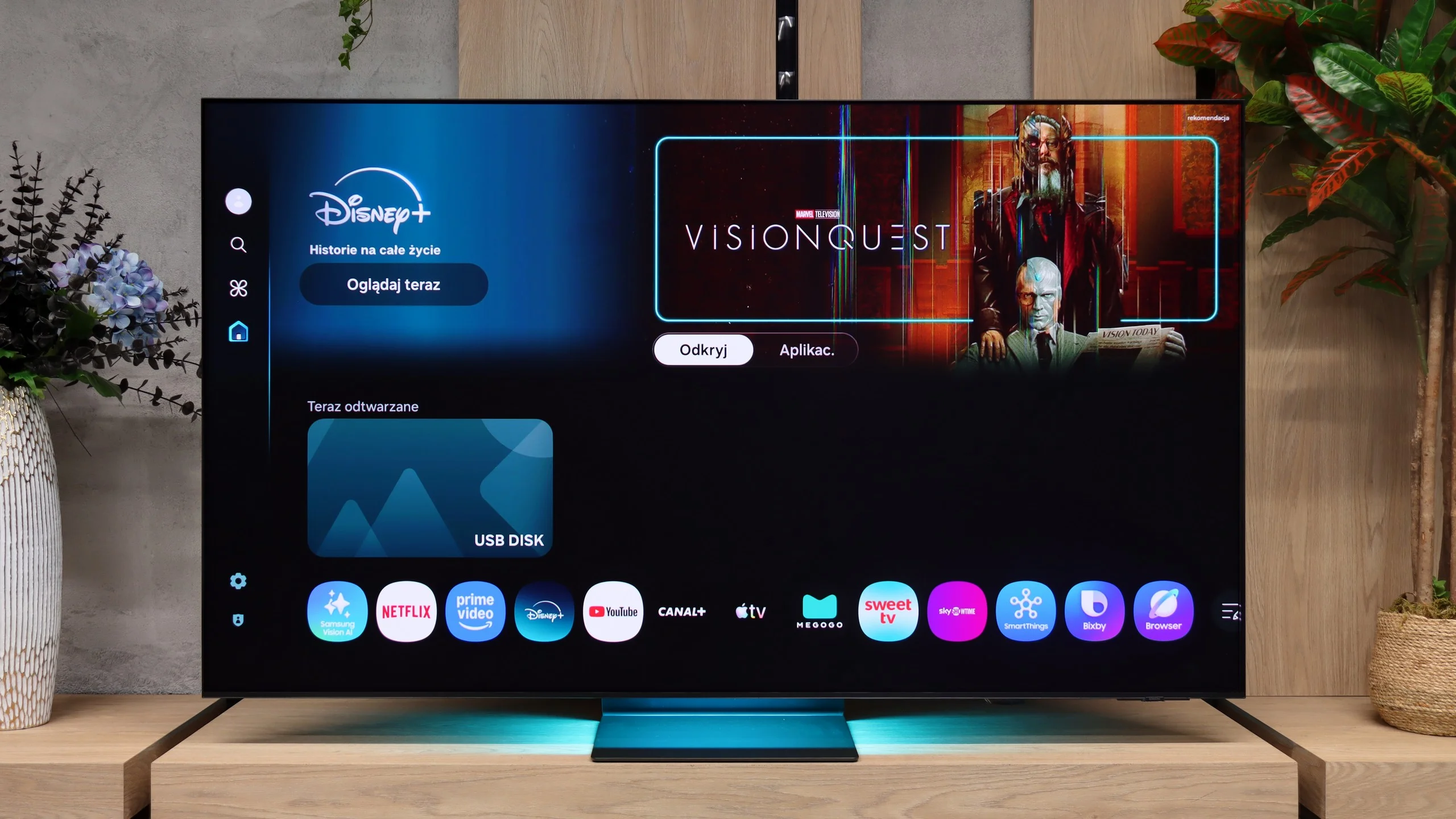
The S95H uses Tizen, which runs very quickly here. Switching between apps and settings is smooth, so daily use doesn't test your patience. There’s a wide selection of streaming apps, voice search and AirPlay for streaming content from Apple devices. You can also wirelessly display a computer’s screen. It’s a well-equipped smart TV where it’s easy to find something to suit you.
However, we noticed something odd. Our unit had 2025 software even though the S95H is a 2026 model. At the time of testing we couldn't find an update to this year’s system on the manufacturer’s website either. That’s surprising, as other Samsung models have already received it. Tizen itself runs well, but for a new TV of this class we'd expect the system to be up to date too.
TV features and remote
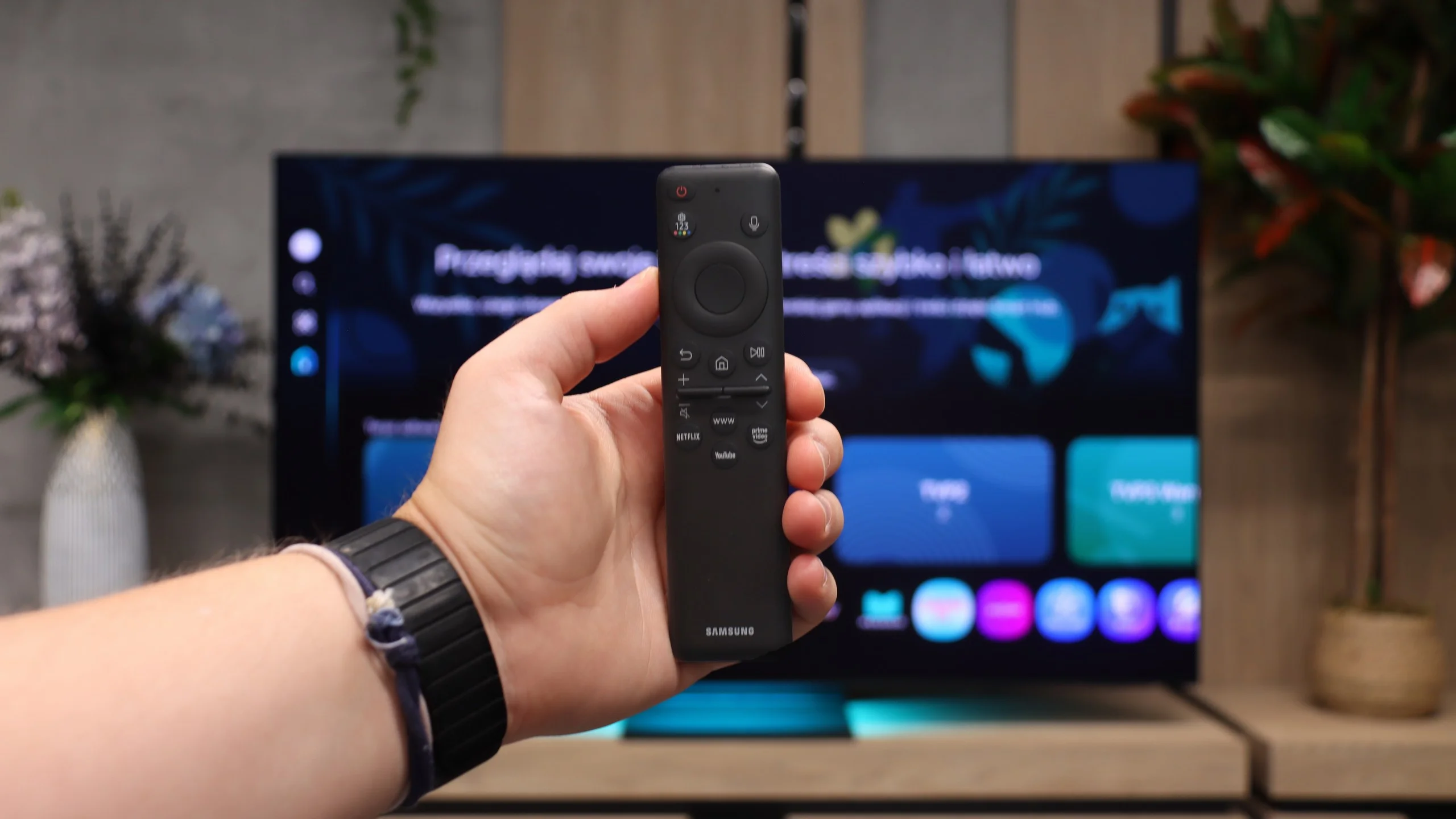
Among the classic features there’s teletext and picture-in-picture, but there’s no option to record programmes to USB. It can also be useful to play audio simultaneously through the TV speakers and Bluetooth headphones. The remote control is very minimalist and works without needing to point it at the screen, though it’s a pity it doesn’t have backlit buttons. A definite plus is that it doesn’t require battery replacements and can be charged using solar power.
One Connect
An important addition is the One Connect module, which earns Samsung TVs a small plus from us. It contains four HDMI 2.1 inputs with 40 Gb/s bandwidth, and you can connect a soundbar via eARC or the optical output. The biggest advantage of this solution is simple: only one cable runs to the screen. It’s easier to hide cables and connect another device without reaching behind the TV. People who plan to wall-mount the S95H will particularly appreciate this.
Apps
9.6/10
9.3/10






















Playing files from USB
7.2/10
9.1/10
Supported photo formats:
Maximum photo resolution:
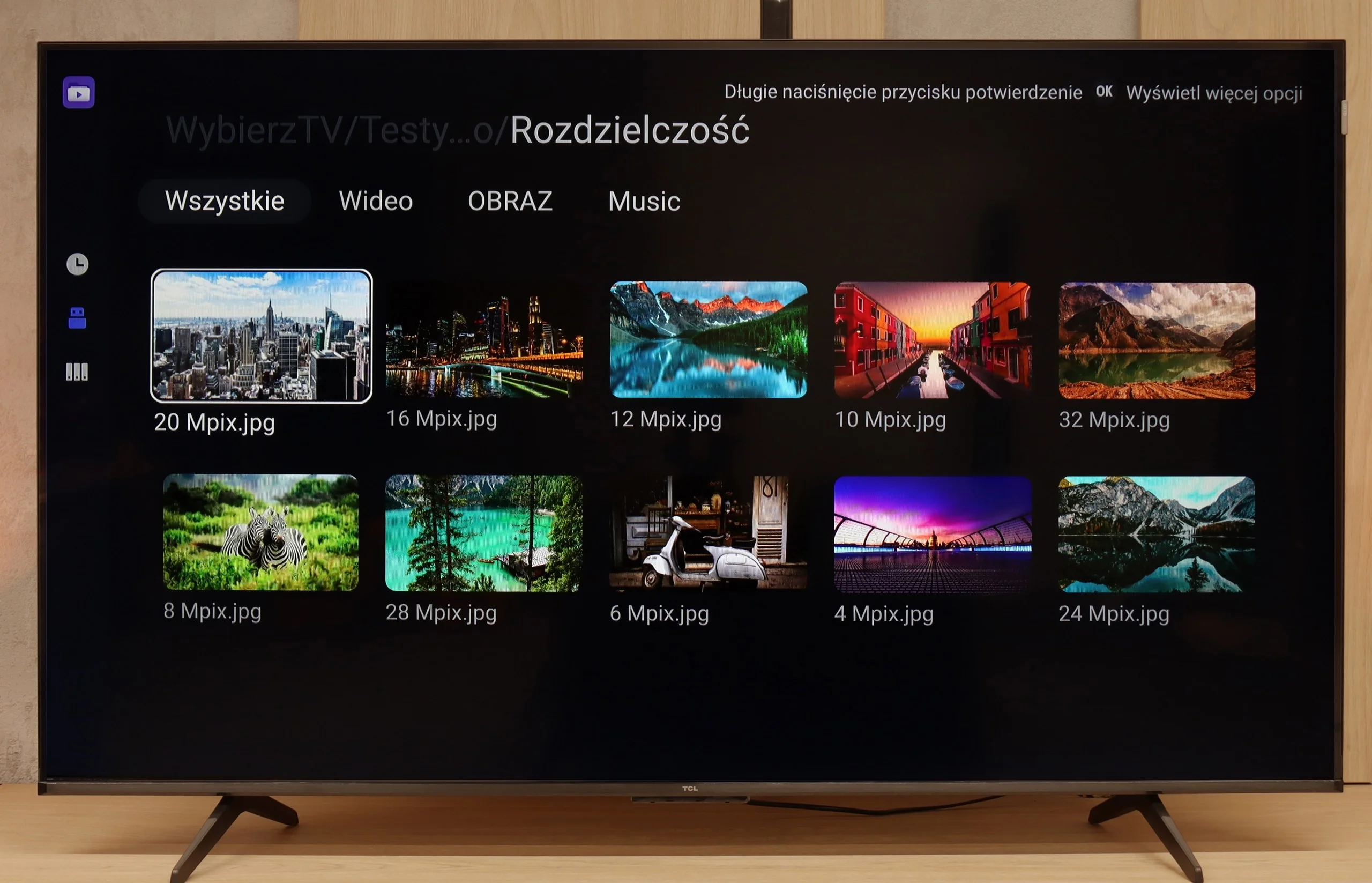
The built-in media player in the P7k/P79k model is at least a curious case, putting us in quite an unusual situation. On one hand, its engine handles the decoding of most popular video formats, which is of course good news. On the other hand, we encountered a surprising and frustrating issue – the default application has a fundamental problem with correctly displaying Polish diacritic characters in subtitle files. Instead of letters like "ą", "ę" or "ż", empty squares or random, illegible symbols appeared on the screen. Fortunately, thanks to the flexibility of the Google TV system, this problem can be easily circumvented. Installing an alternative, advanced player, such as the tried-and-true VLC or KODI, fully resolves this inconvenience. The situation is strange in that this flaw did not occur in other TCL models we tested earlier. So we are dealing with a clear software oversight, which, hopefully, will be corrected in a future update.
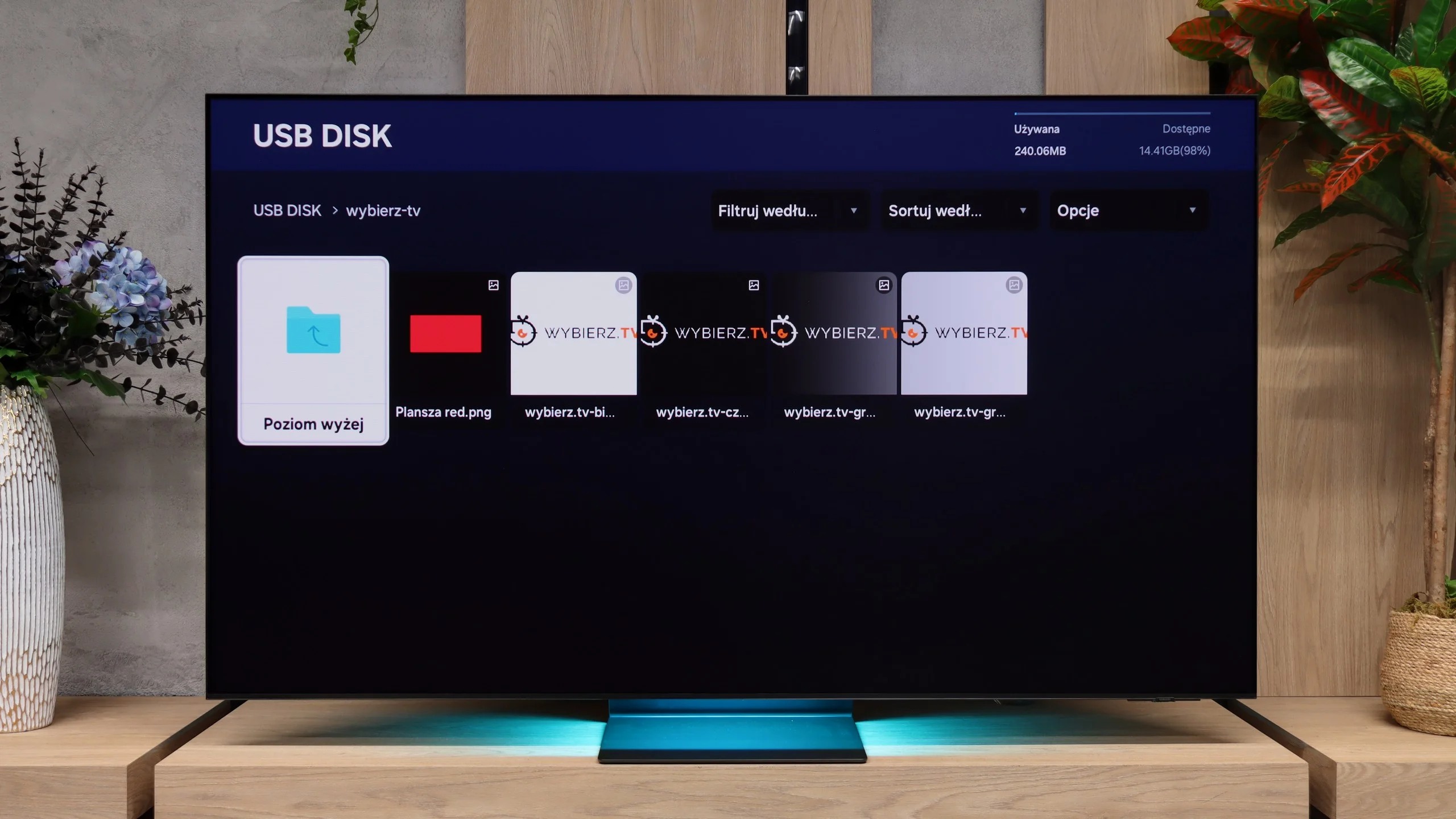
The built-in file player runs quickly and smoothly. The S95H opened almost all the audio and video files we prepared and expected it to support. You don't have to wait long for them to load, and browsing the storage device's contents is straightforward.
It's a shame it doesn't support HEIC photos, the default format used by many iPhones. So if you want to show photos from your phone directly from a USB stick, you'll need to convert them first, for example to JPEG.
Sound
6.2/10
8/10
- Maximum volume-86dB
- Dolby Digital Plus 7.1
- Dolby True HD 7.1
- Dolby Atmos in Dolby Digital Plus (JOC)
- Dolby Atmos in Dolby True HD
- DTS:X in DTS-HD MA
- DTS-HD Master Audio
In terms of the built-in audio system, the TCL P7k/P79k presents a level that can be described as functional and adequate, but lacking in audiophile ambitions. The speakers play quite loudly, and dialogues in films and TV shows are conveyed clearly and without distortion, which is crucial for everyday use. However, the audio scene definitely lacks the foundation of low frequencies. This is a direct consequence of the absence of a dedicated subwoofer – an element that in the higher P8K series, took the form of a large Onkyo subwoofer at the back of the cabinet, which contributed to its sound strength. Here, that element is simply missing, making the sound seem flatter and devoid of the depth that creates a cinematic atmosphere. We also noticed a peculiar issue with the software – when attempting to set the maximum volume, the TV automatically reduces it. It's hard to definitively say whether this is a form of protection against distortion or a minor software glitch, but it's a shame, as the power reserves seem to be a bit greater.
In terms of sound the S95H is essentially a copy of last year’s model. Despite its very slim chassis it sounds clean and pleasant, but the presentation is fairly flat. It lacks depth and stronger bass, which feels like a drawback next to such an impressive picture. On the other hand, you can’t expect large drivers in a TV only about a centimetre thick. The beautiful looks come at a price.
It’s therefore worth pairing the S95H with a soundbar or a separate audio system so the sound can better keep pace with the picture. The TV supports Dolby Atmos, which lets you expand the setup with immersive sound. It does not, however, support DTS. That limitation may be an issue mainly for people watching films on discs with DTS soundtracks.
Sound Quality Test
No sound test video
Acoustic Measurements
No acoustic data
86dBC (Max)
75dBC
Reader comments
Comments are provided by the external service Disqus (Zeta Global). Once loaded, Disqus may set cookies and process data about your activity.
We will remember your choice on this device. Provider's privacy policy