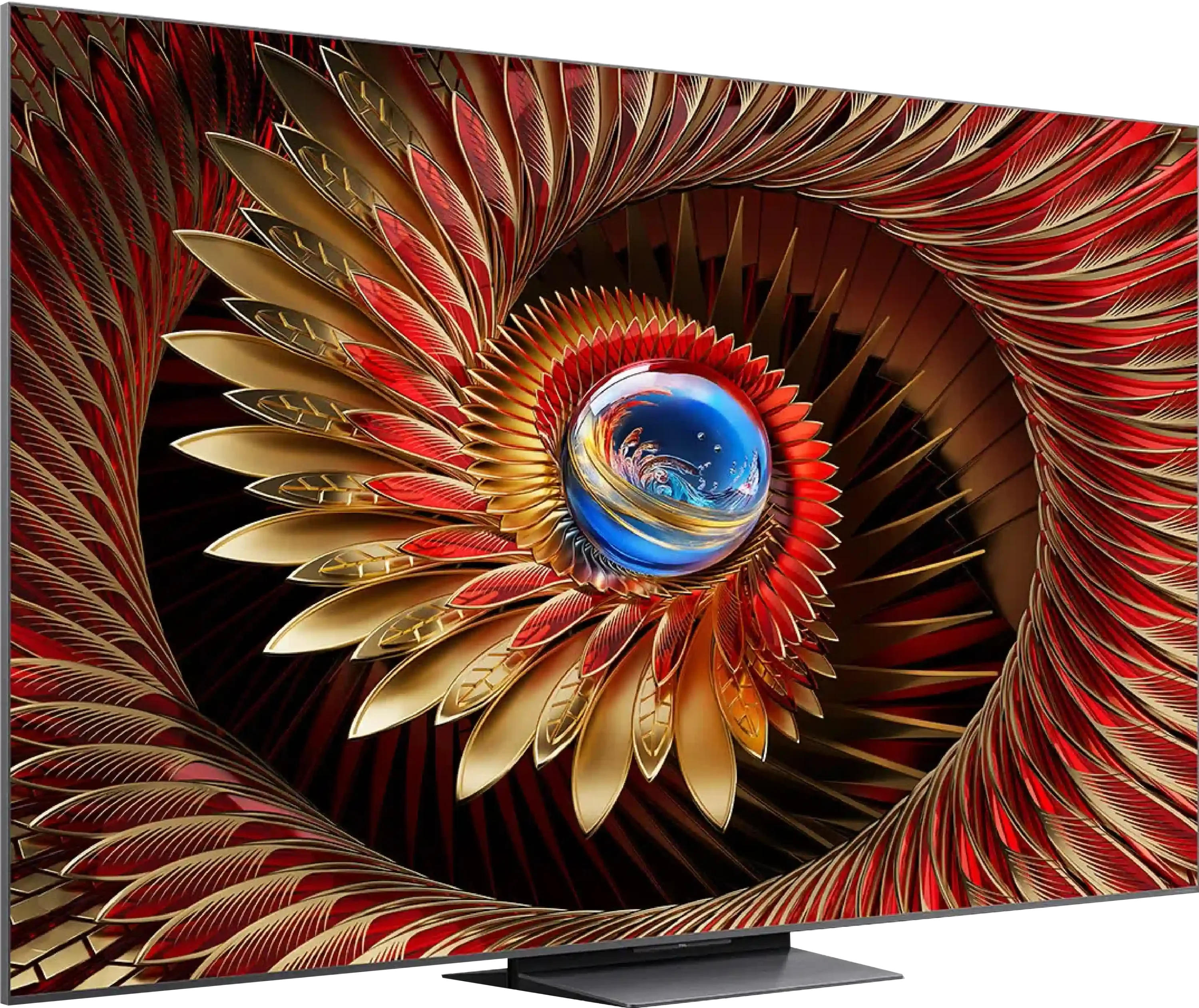
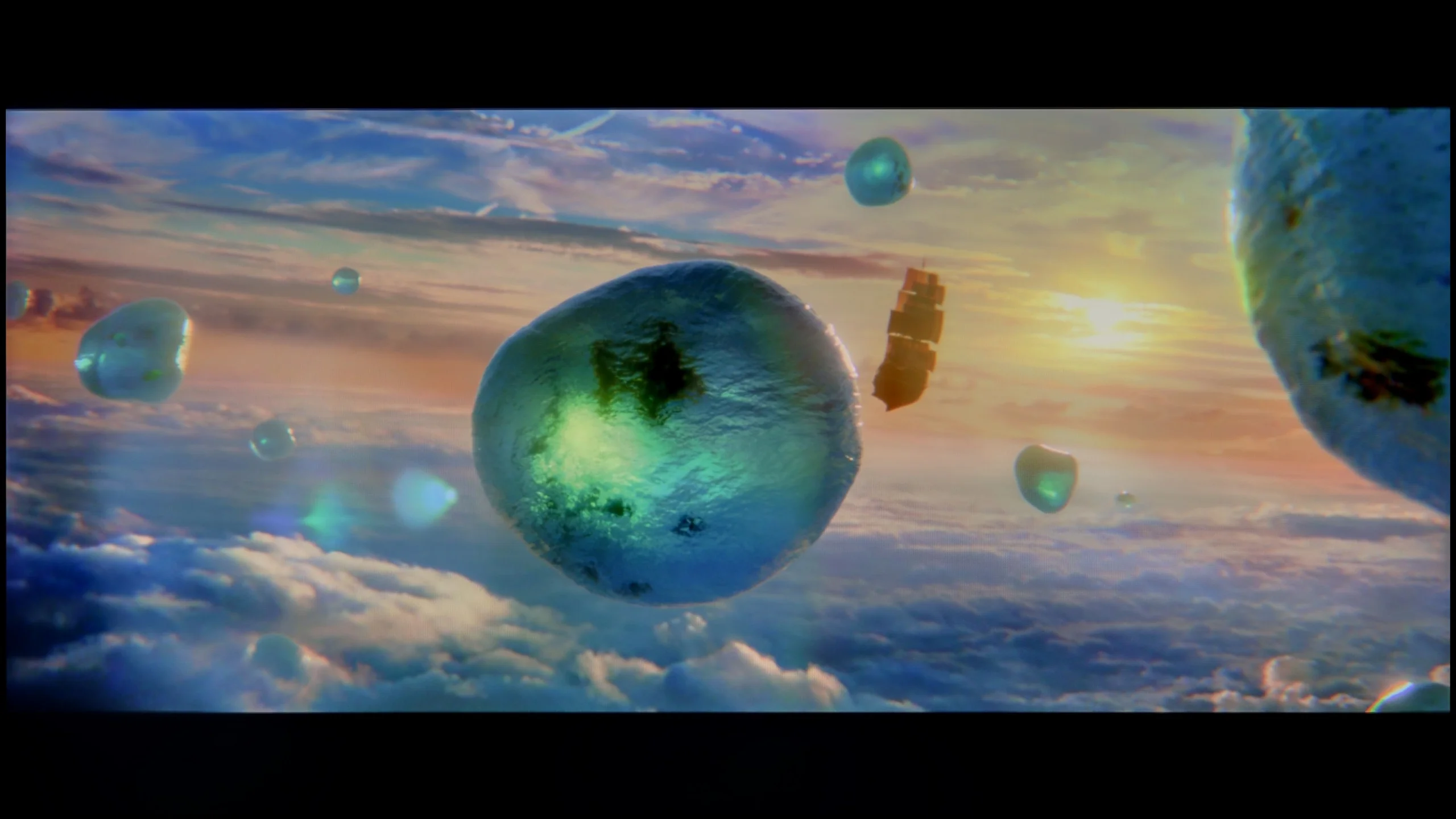
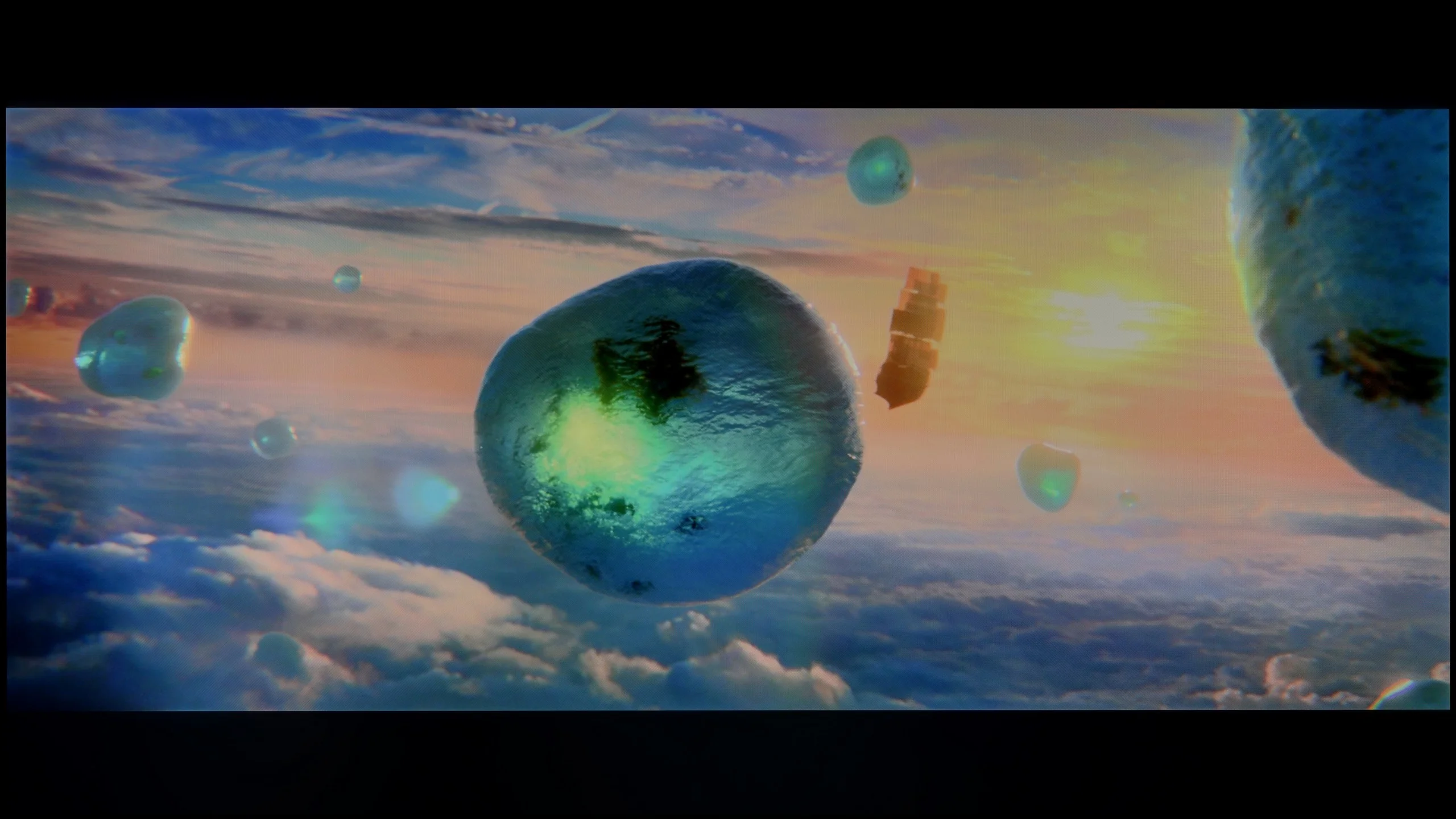
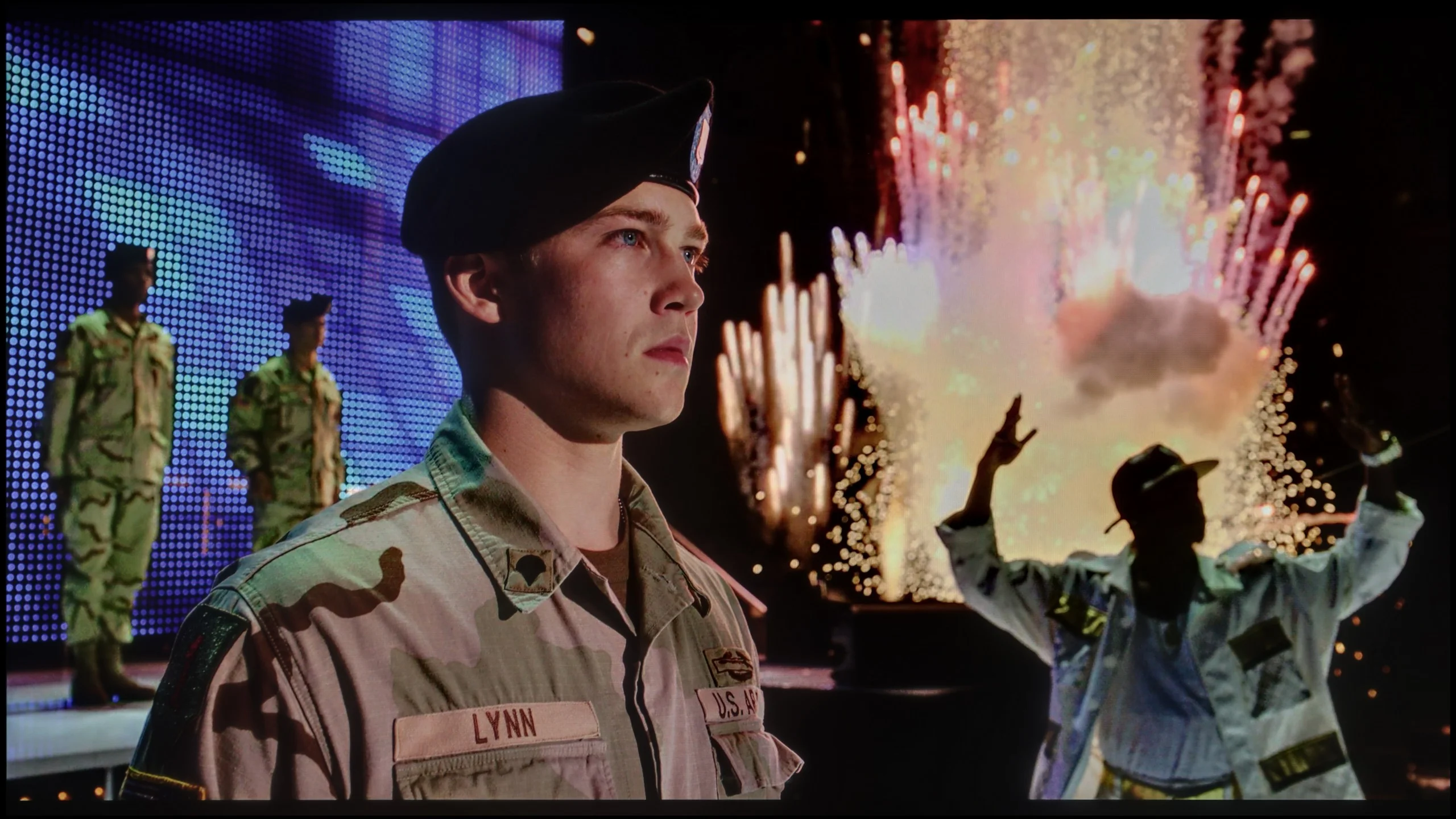
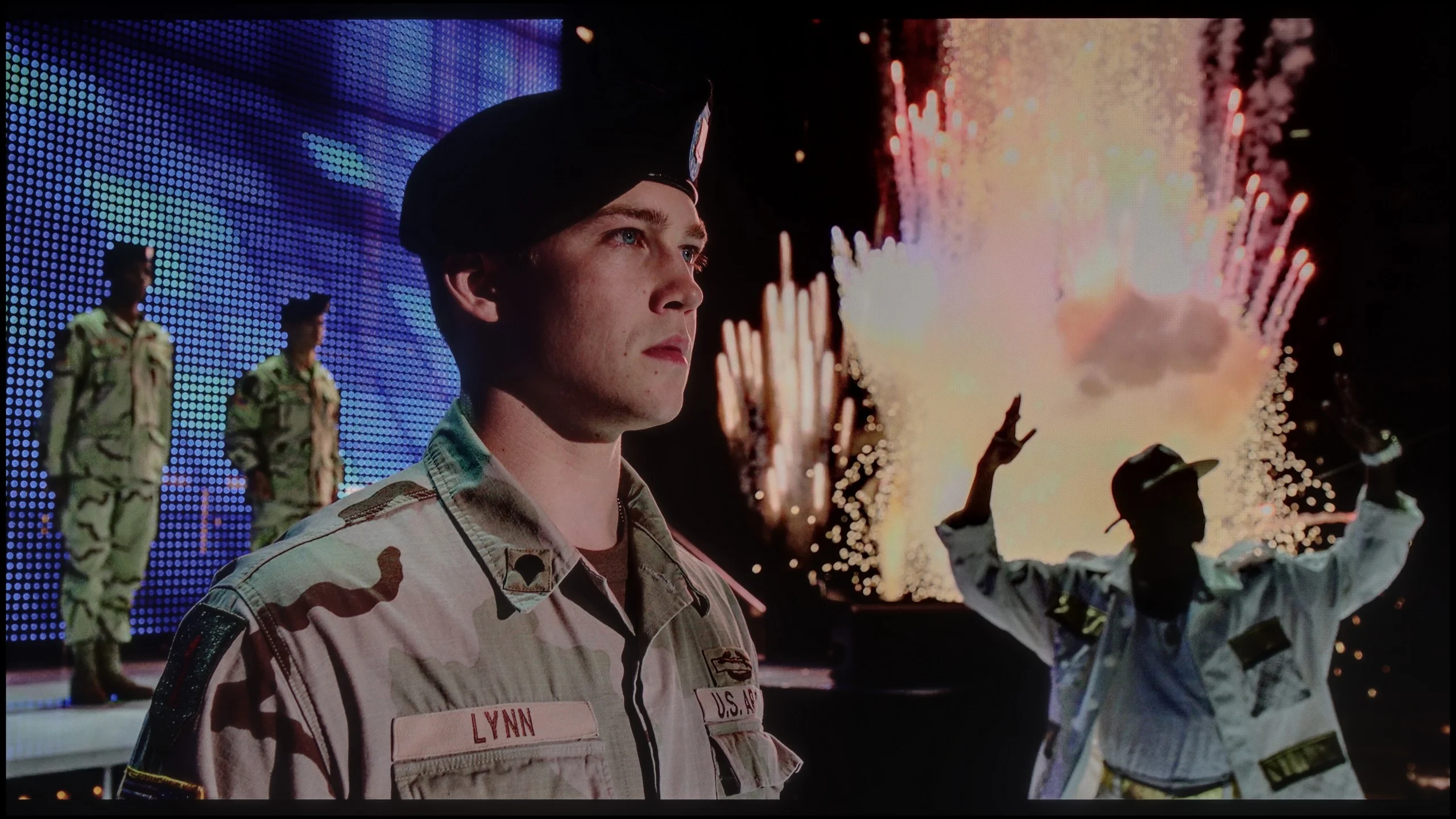
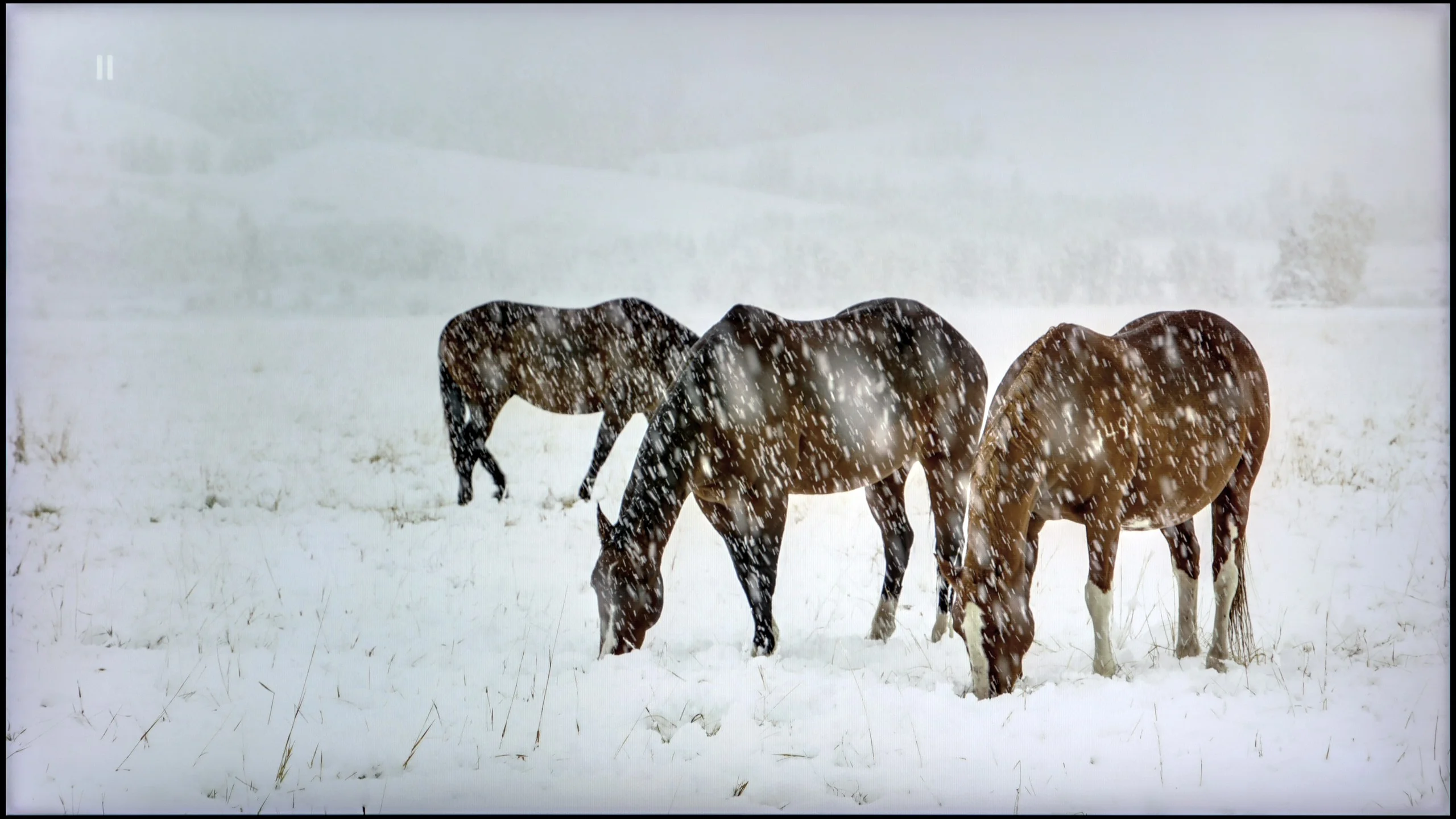
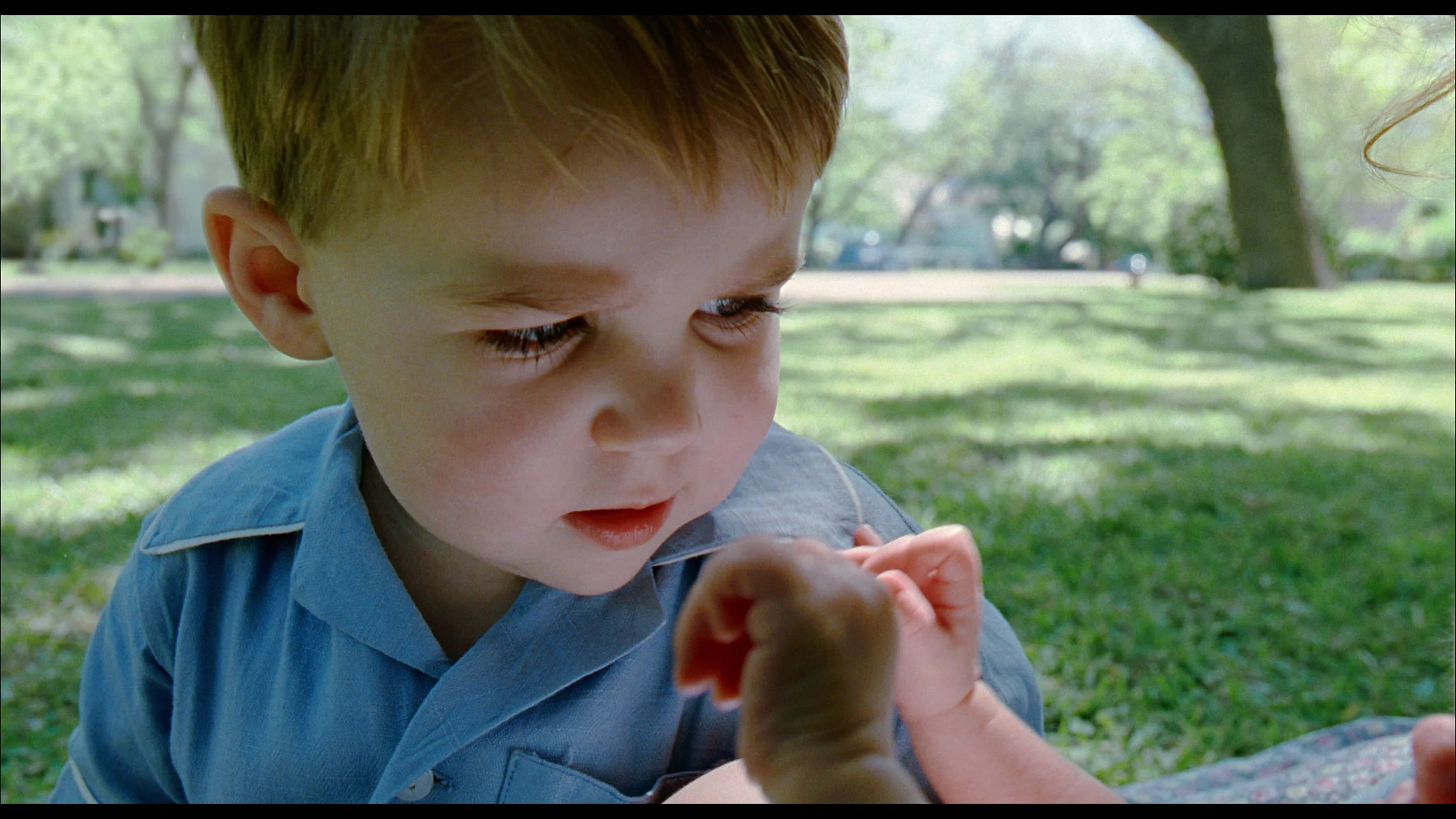
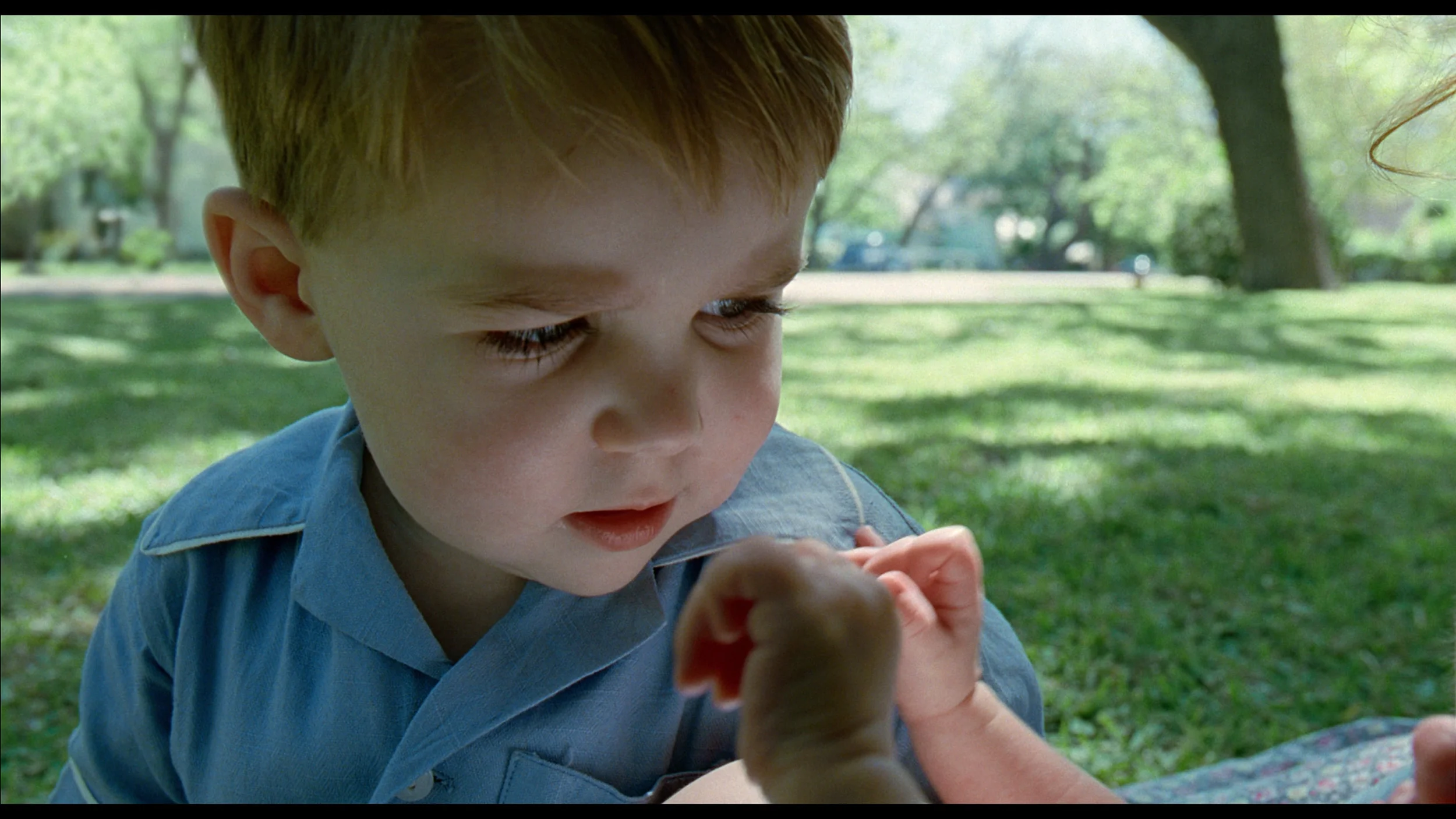
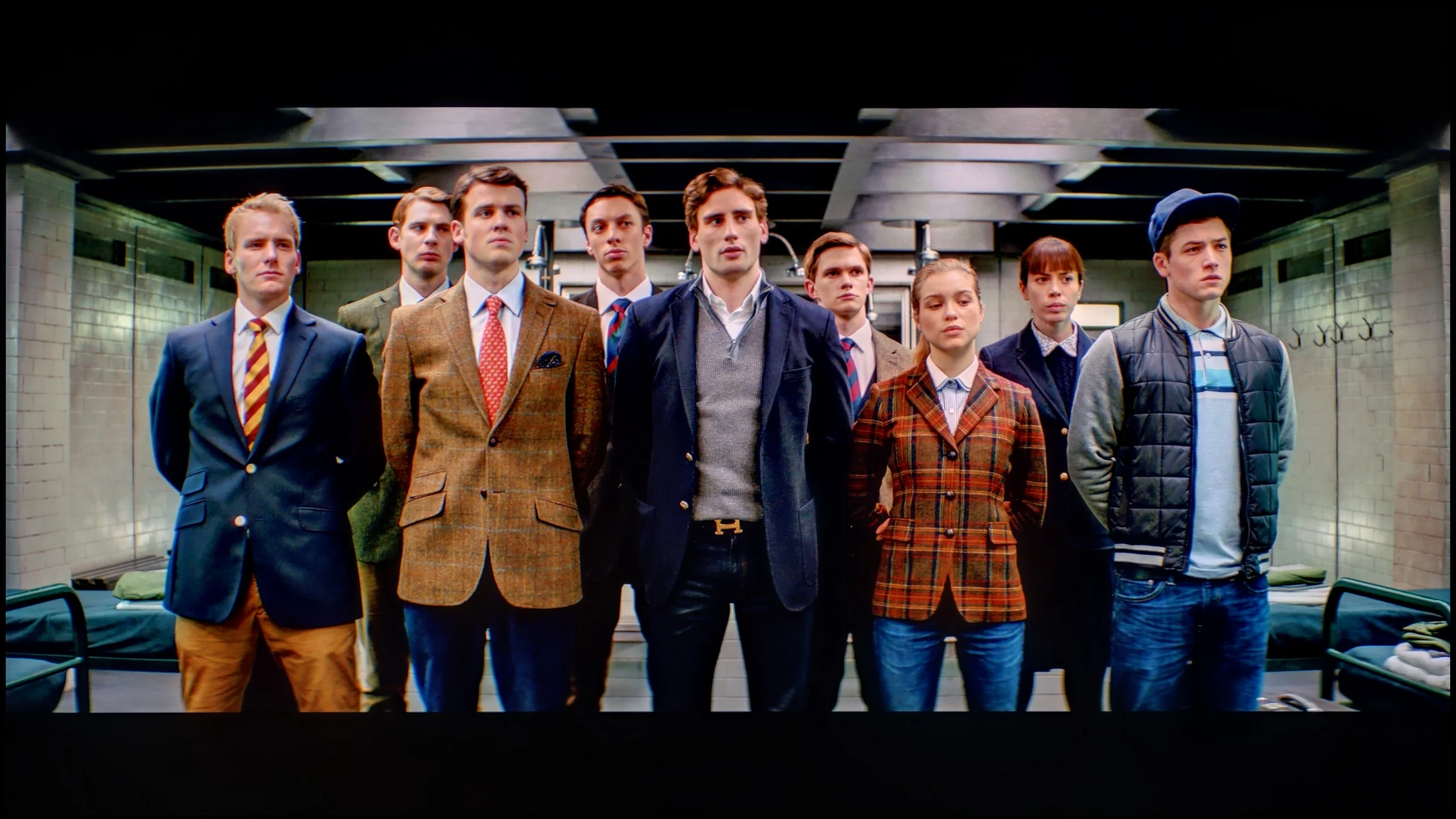
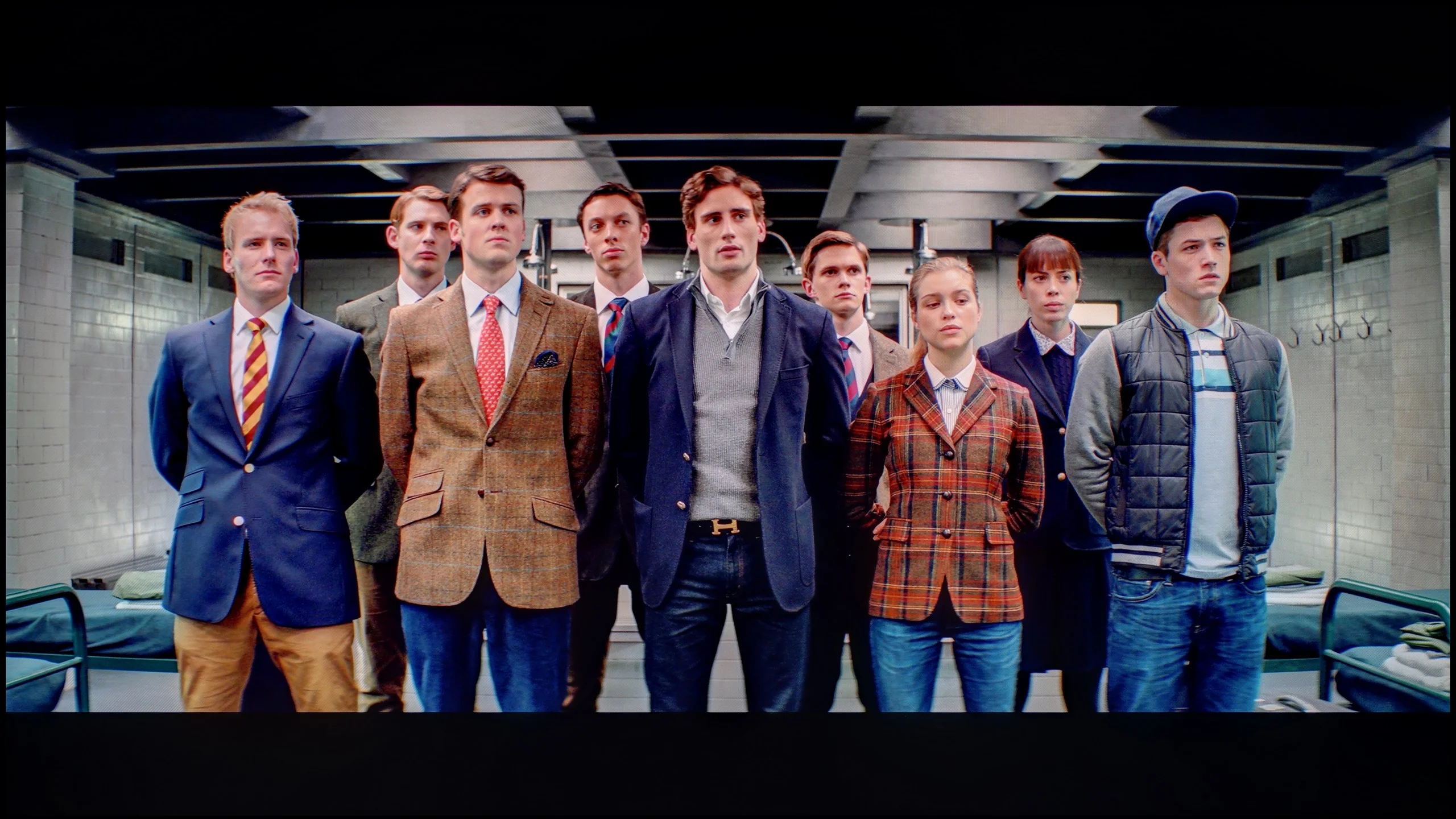
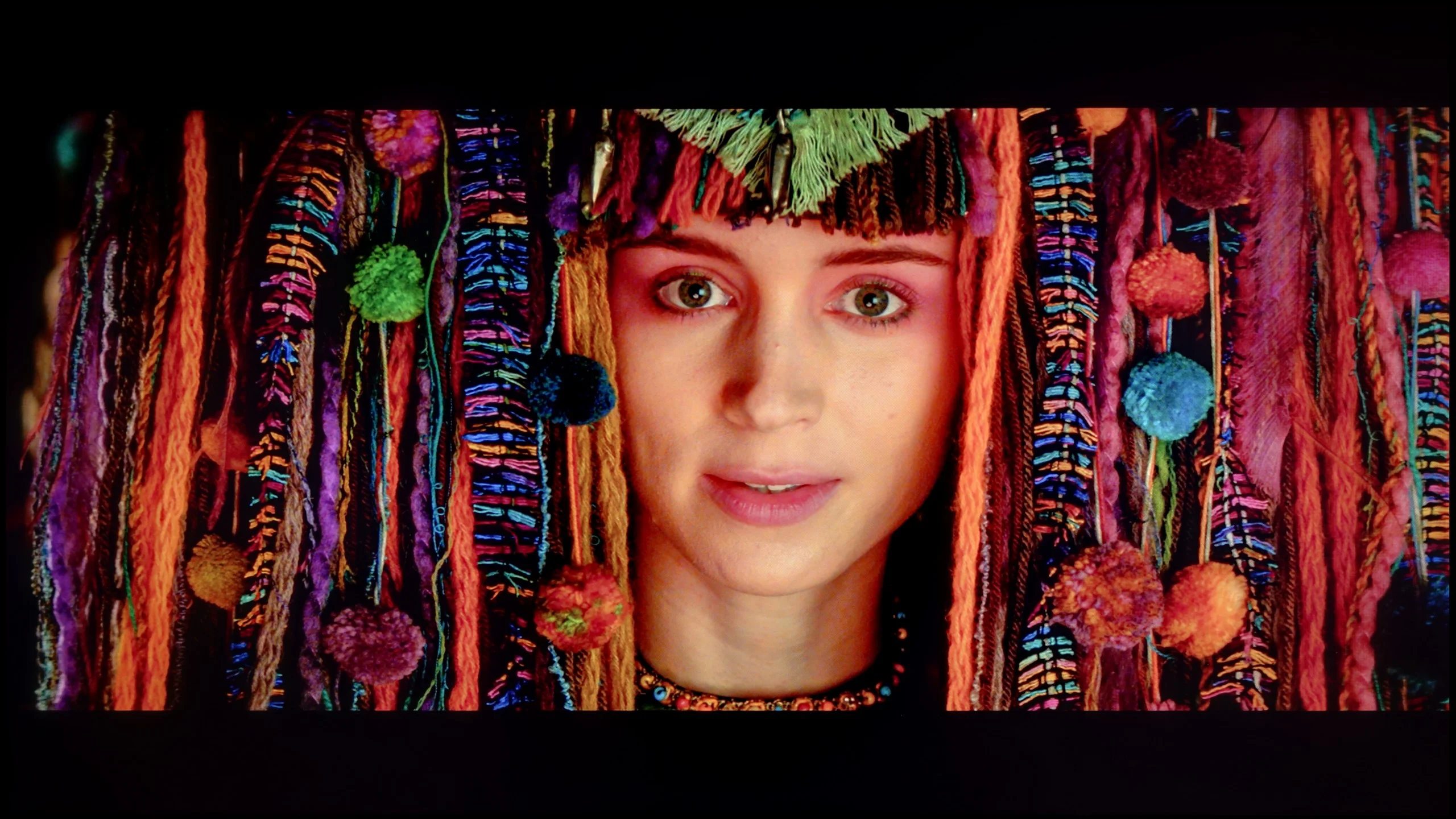
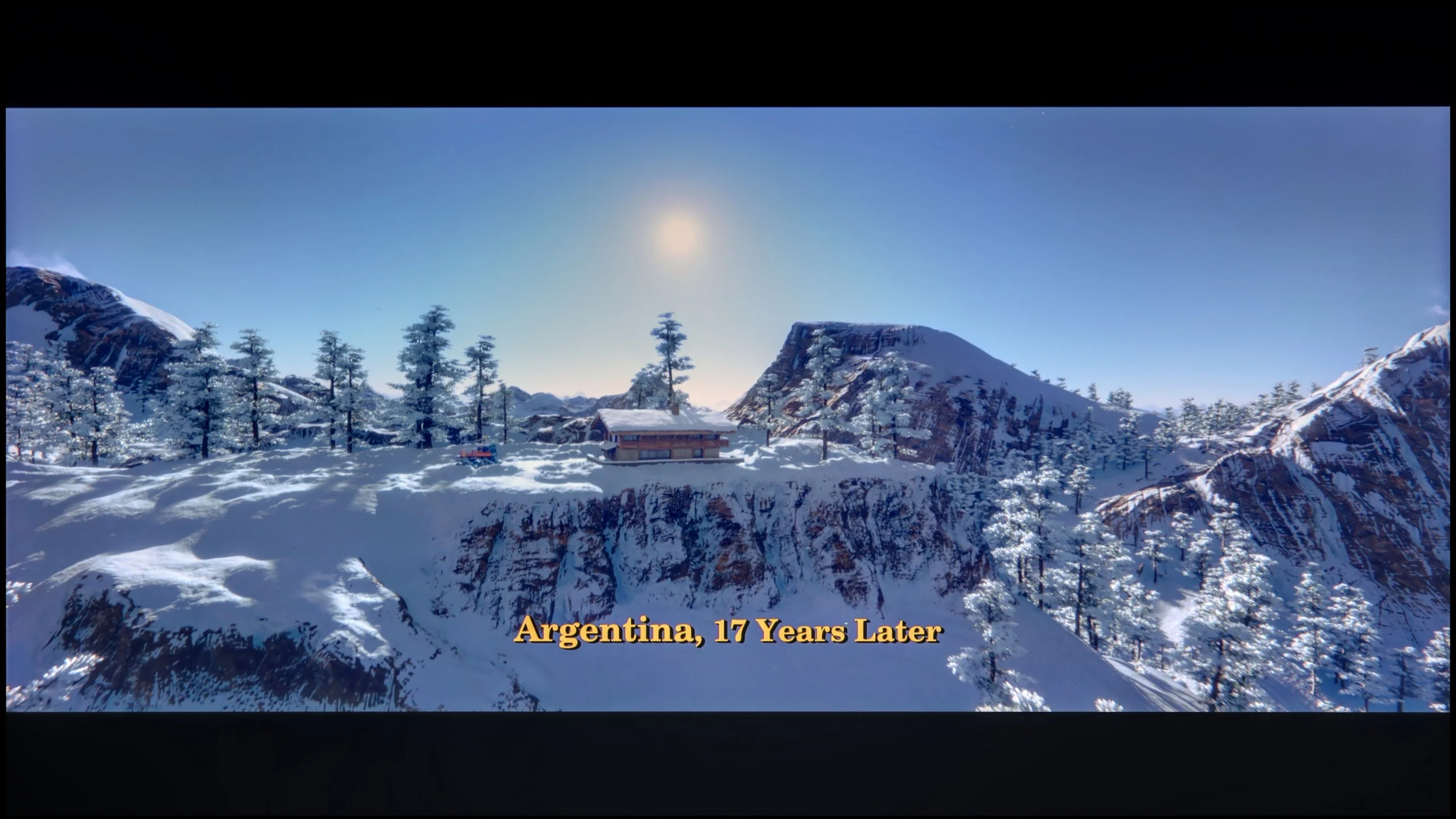
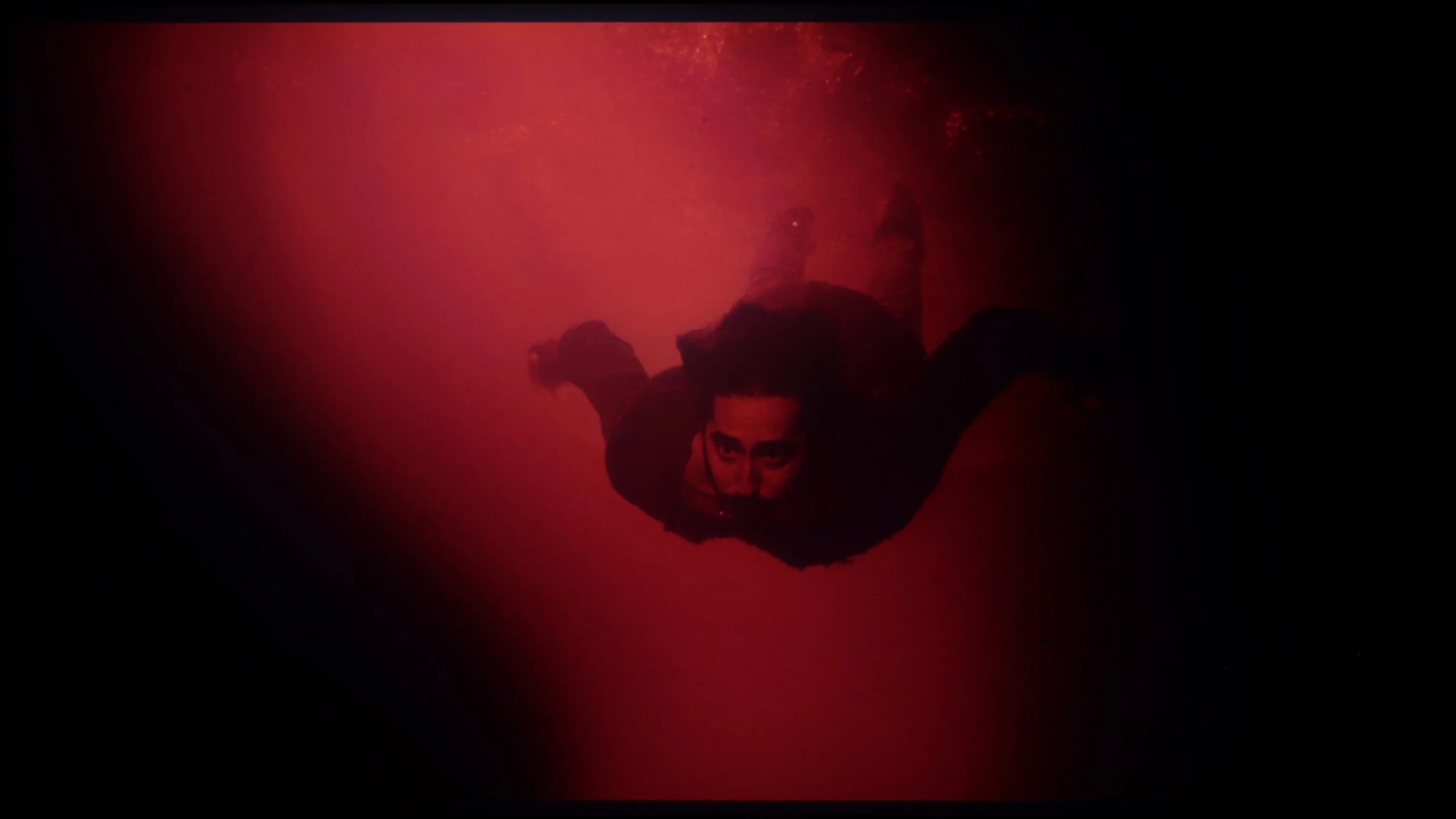
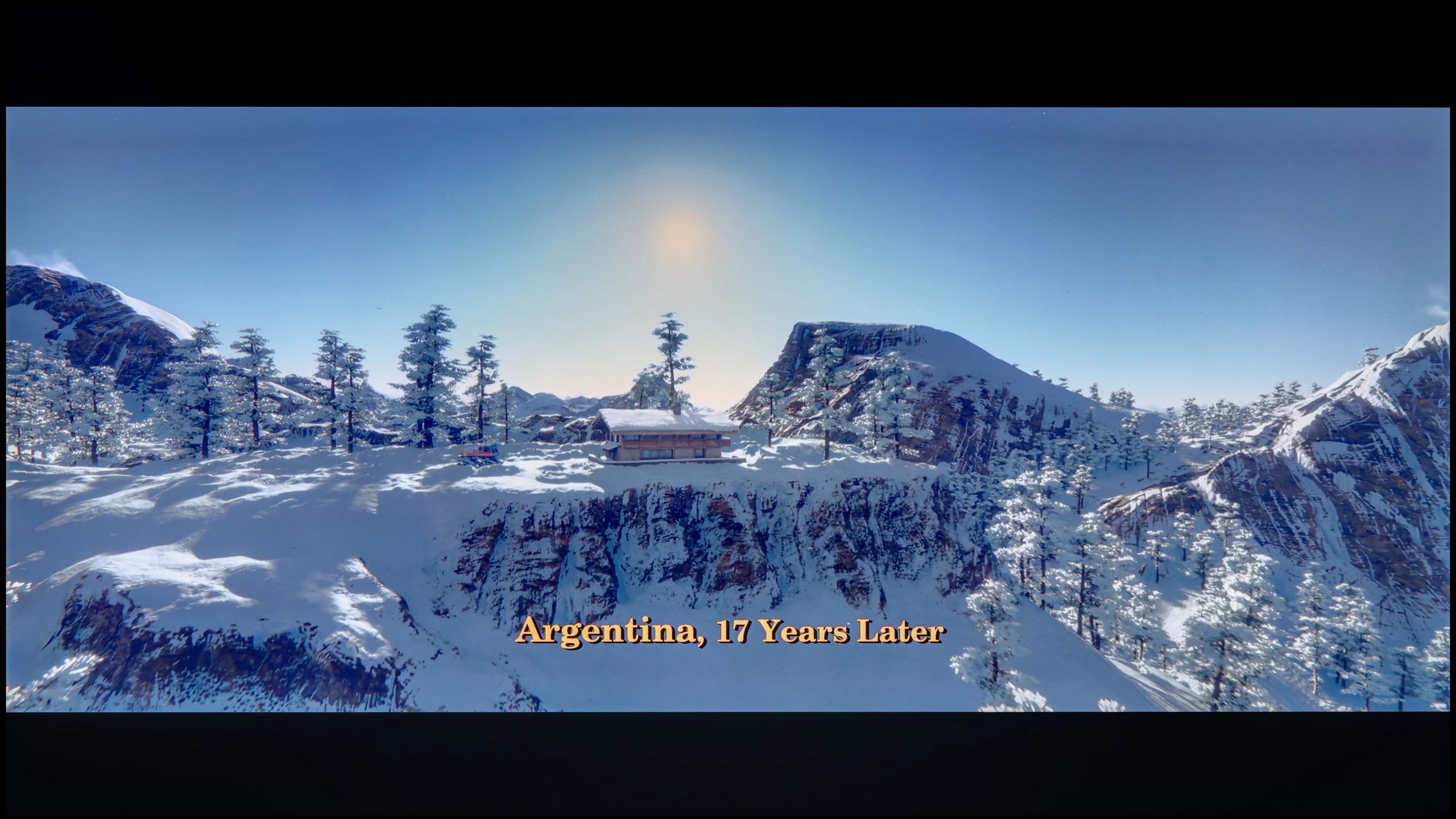
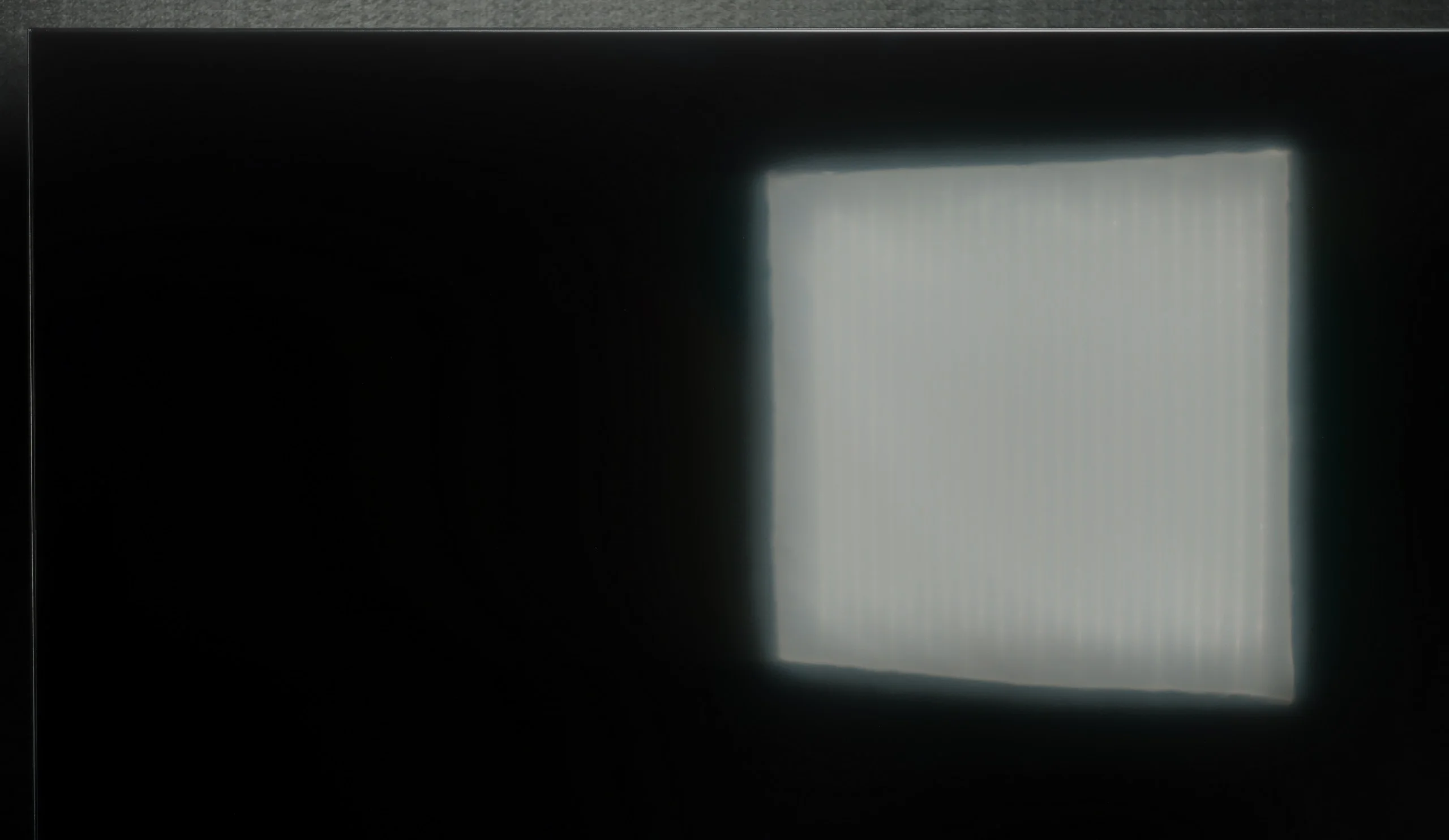
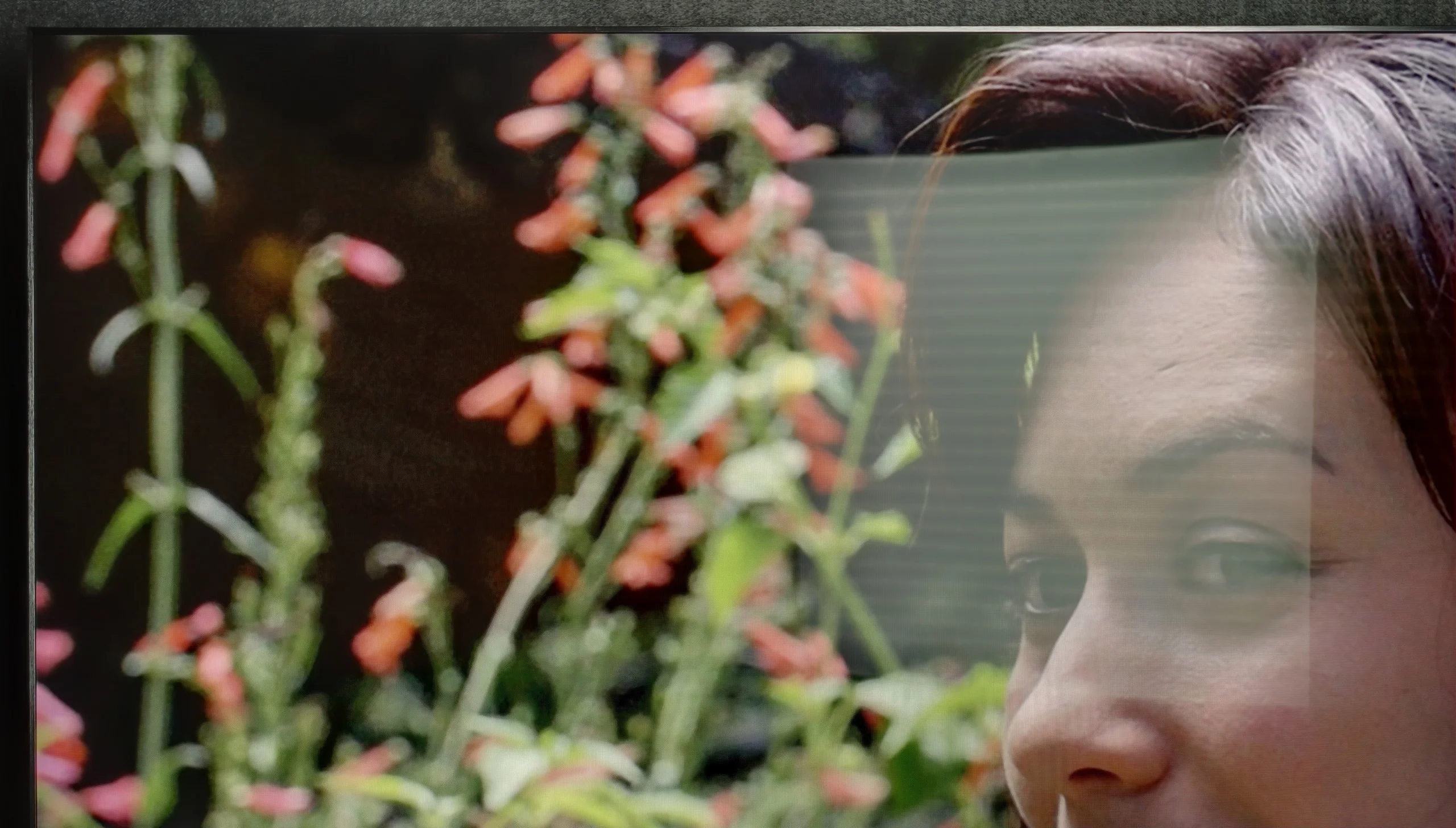
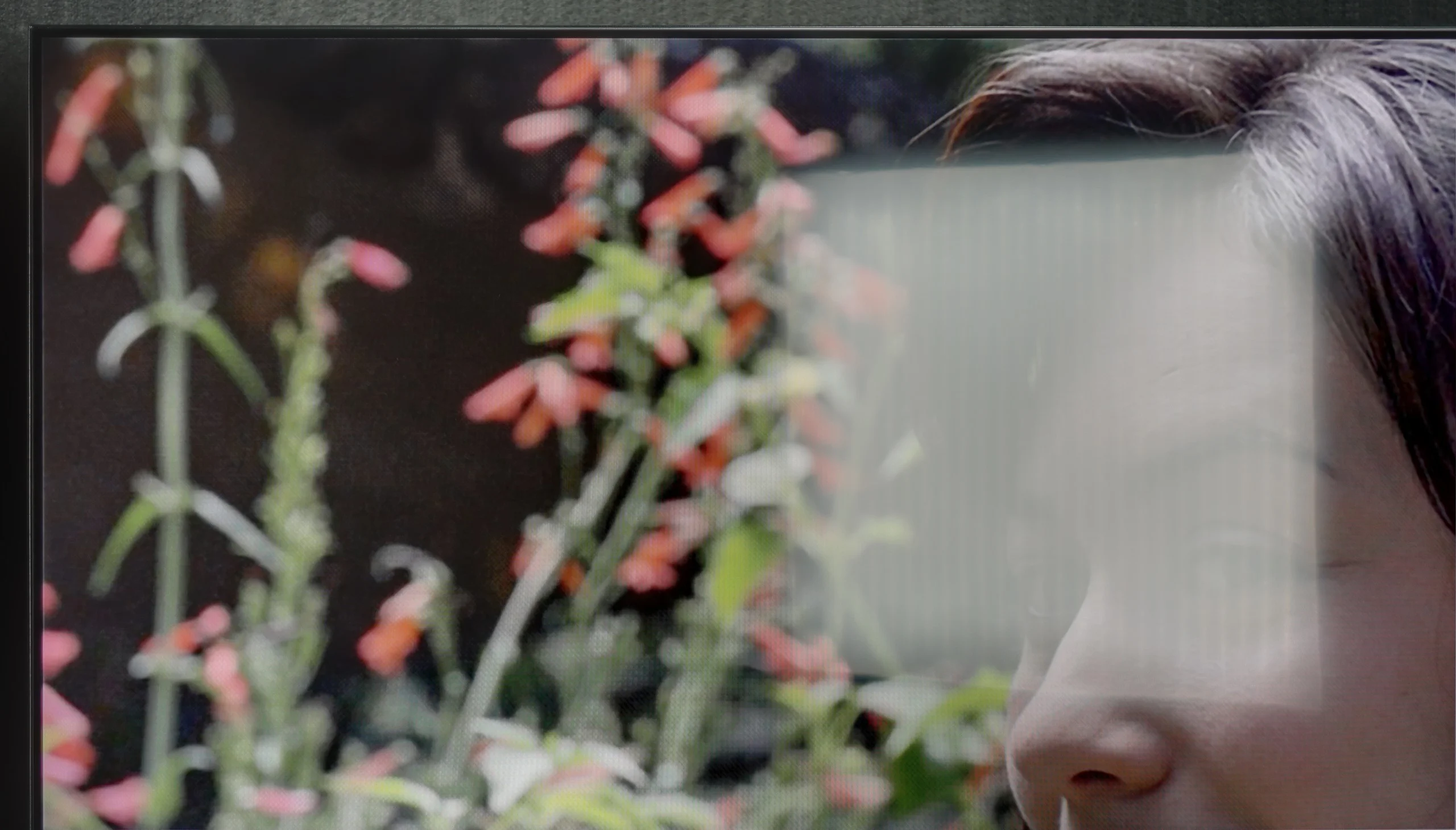
TCL C8K is a really bright television. In synthetic conditions – that is, during tests with brightness charts – it was able to achieve even 3500 nits peak brightness in movie mode. That's an impressive result and brings the C8K close to the market leaders, at least when it comes to panel brightness. More importantly – these aren't just numbers on paper. In films with a lot of bright scenes, such as Life of Pi or The Meg, the brightness clearly exceeds 1000 nits, providing a true sense of HDR effect. The picture in those moments looks very dynamic, colors are saturated thanks to excellent coverage of the color palette, and the lights are – spot on and intense. Exactly how it should be.
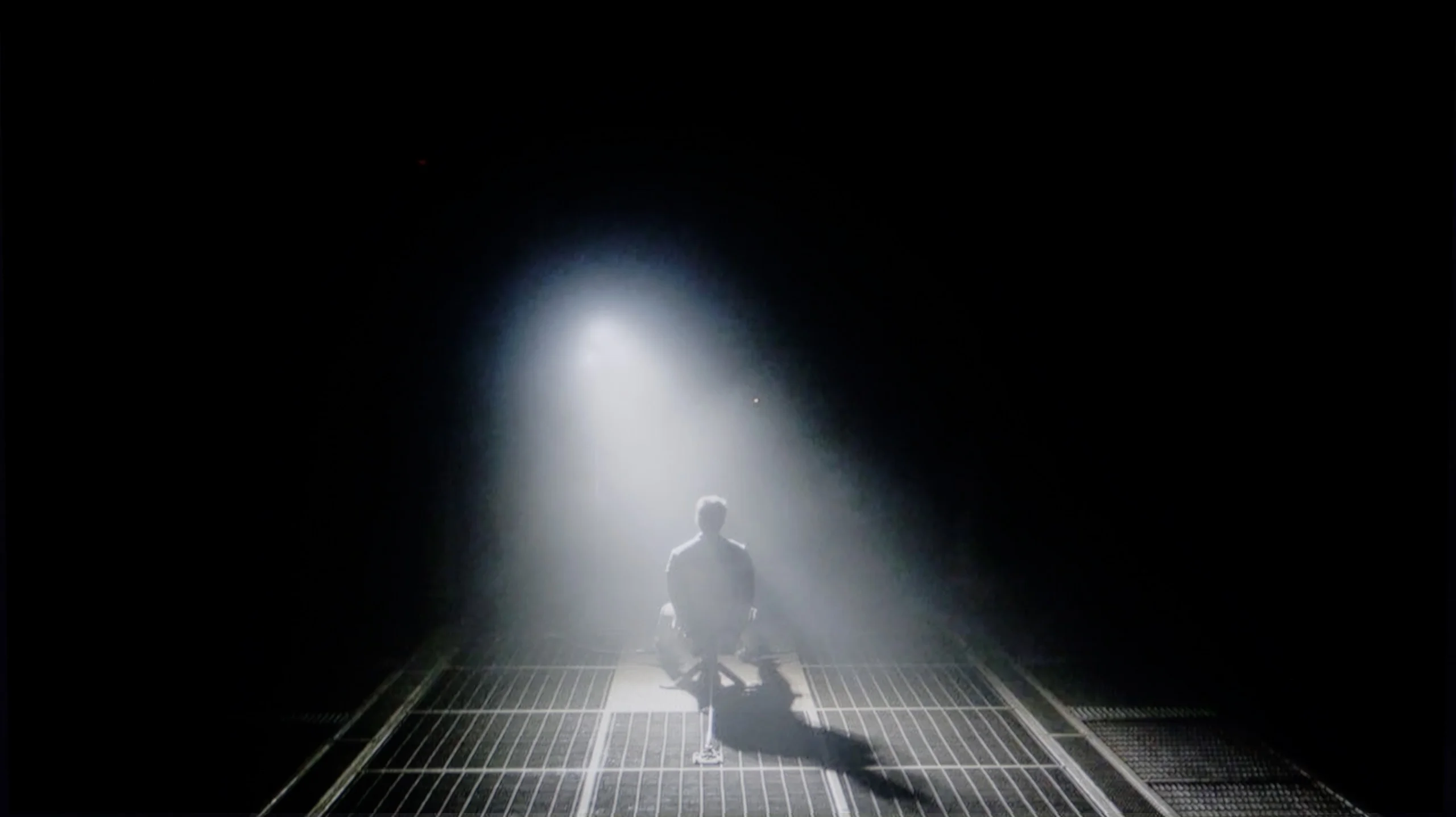
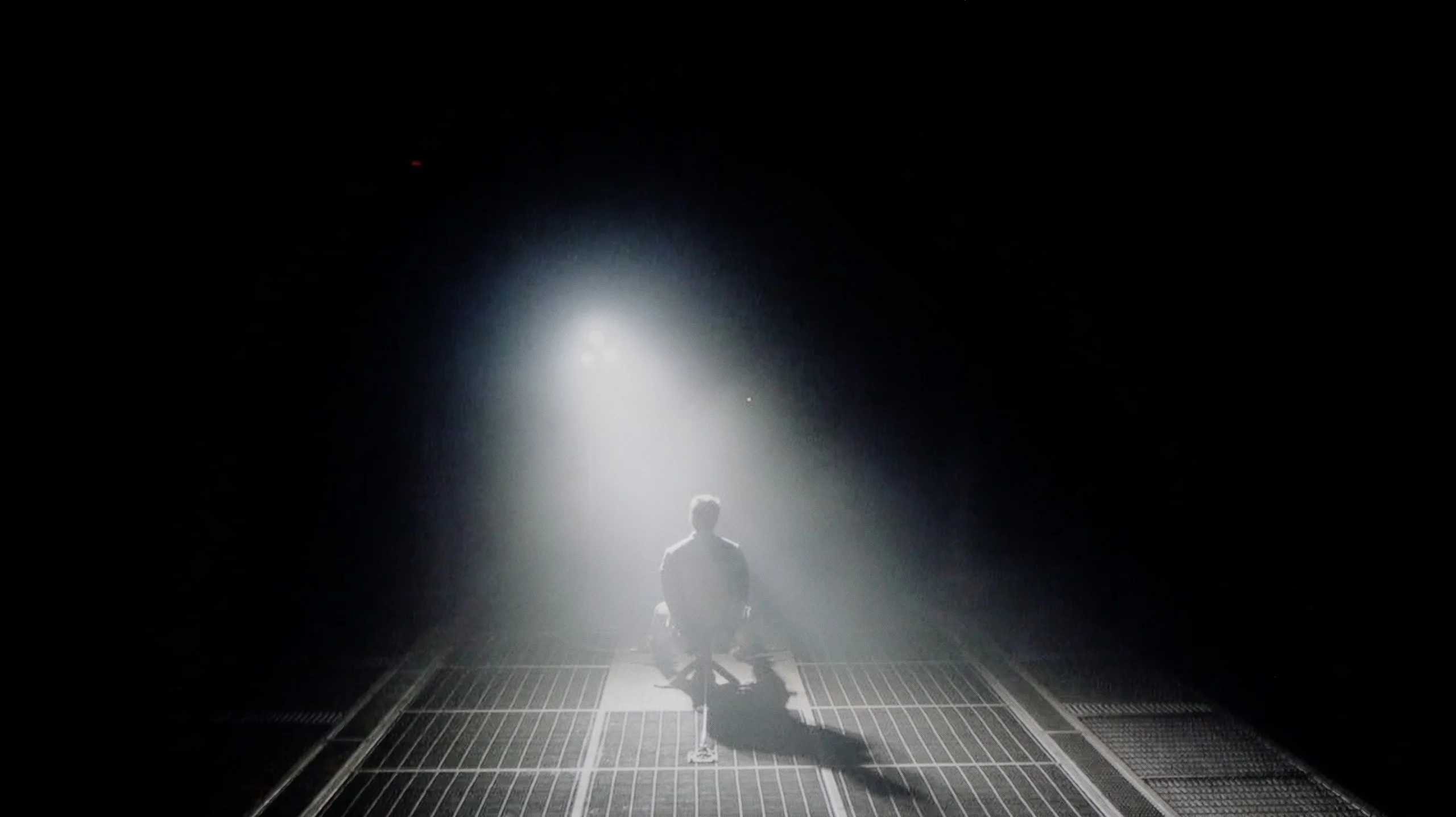
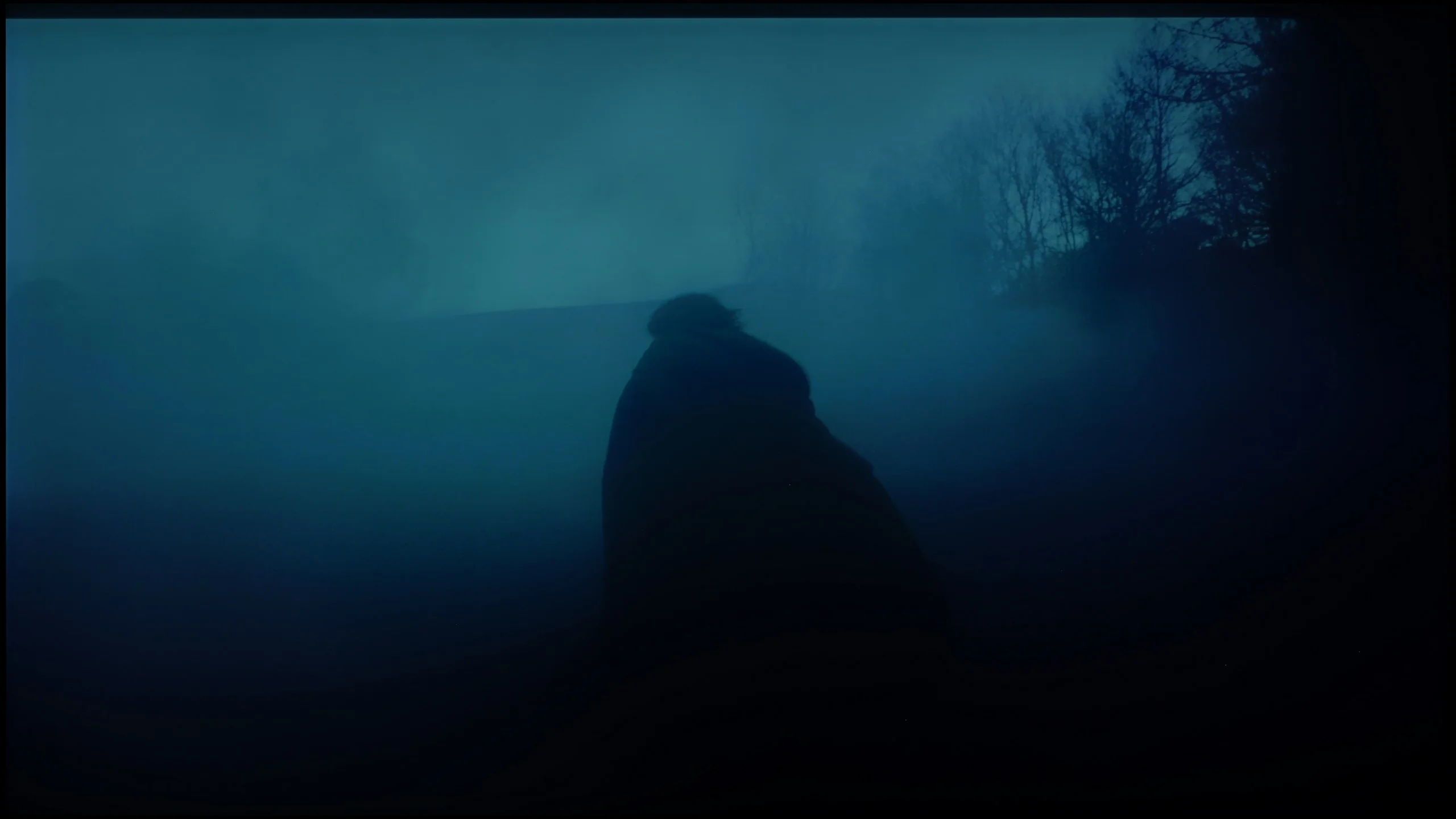
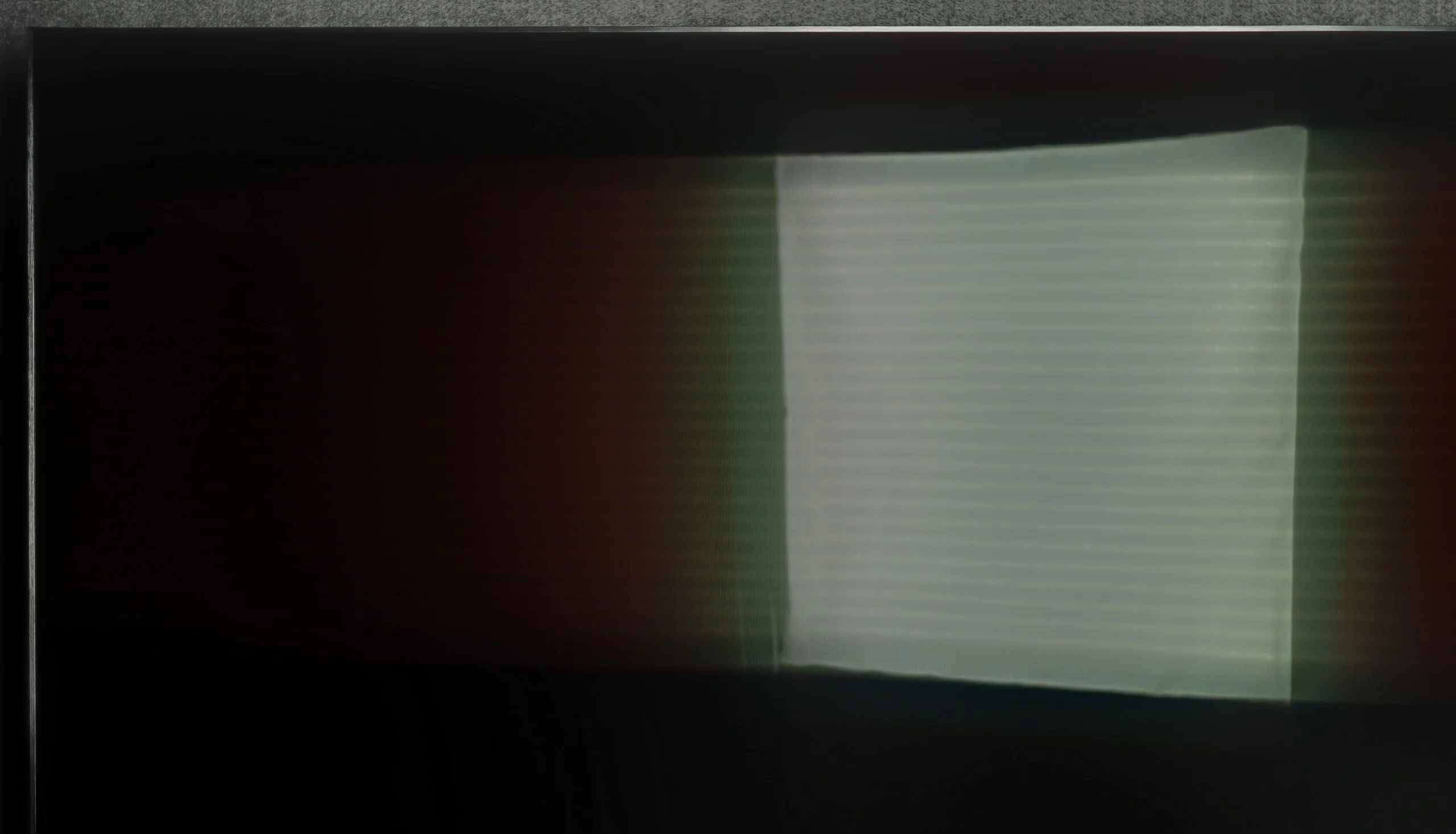
However, this doesn’t mean that everything is perfect. Just like in contrast tests, here too, in more demanding scenes, compromises appear. In sequences with very fine light elements – such as stars in the night sky or reflections in dark rooms – the local dimming algorithm can… get confused. Instead of bringing those details up, the television sometimes decides to dim them significantly – down to around 300 nits – to maintain deep blacks. On one hand, this is quite a sensible approach (better deep black than a grey/navy blue screen), but on the other – there may be moments when certain elements of the picture become difficult to see or even disappear into darkness.
TEST UPDATE (20/08/2025): The brightness control algorithm in this model is quite problematic – attempting to calibrate the picture so that it doesn’t drastically overexpose the brightest scenes results in unnatural shifts: improvement in one part of the image results in deterioration in another. The television may achieve slightly higher readings in brightness measurements, but in practice, this comes with a heavily overexposed image that looks very unnatural!
For the record, we provide brightness values without this adjustment:
1463 nits
640 nits
1368 nits
468 nits
1025 nits
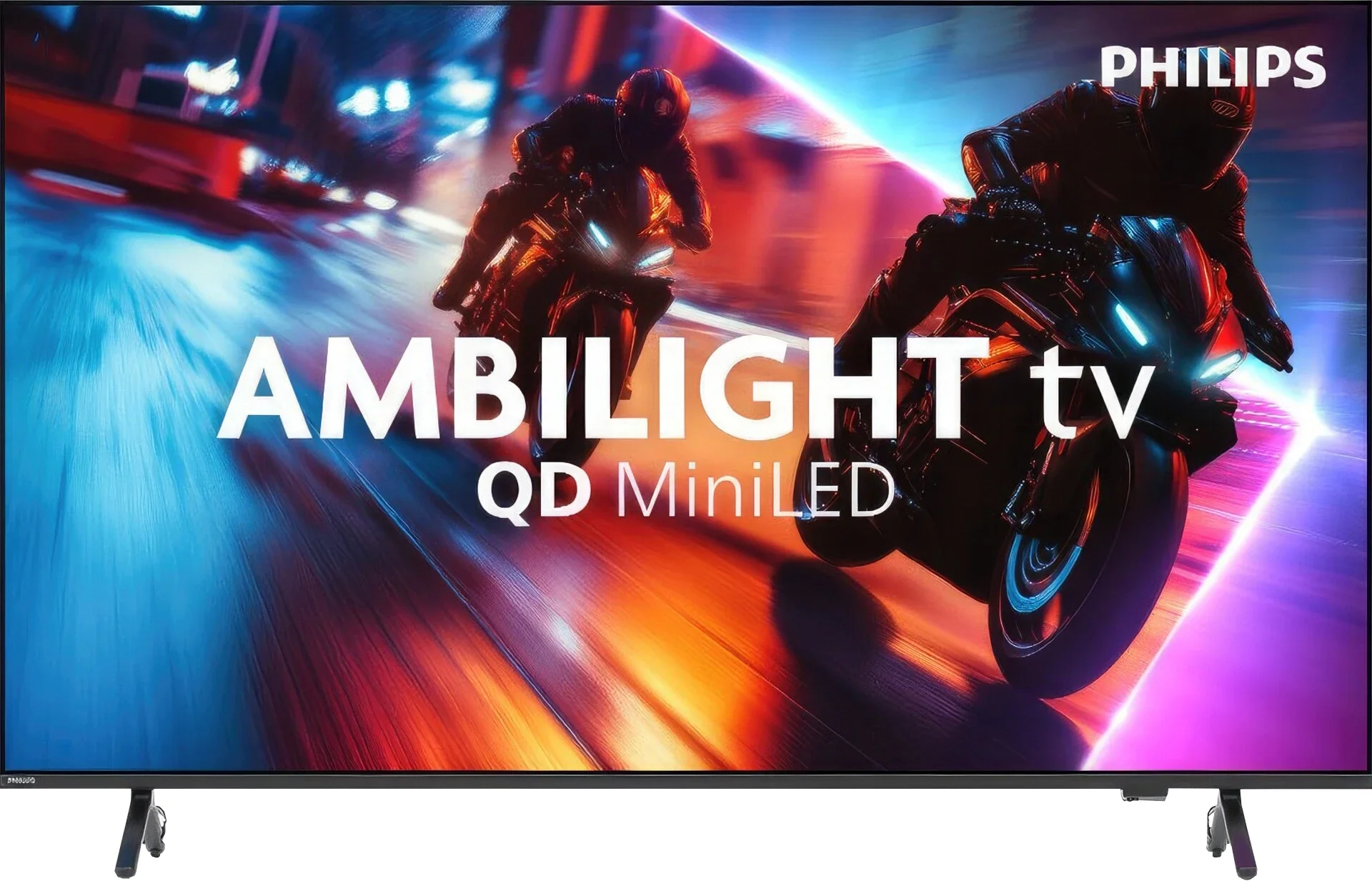
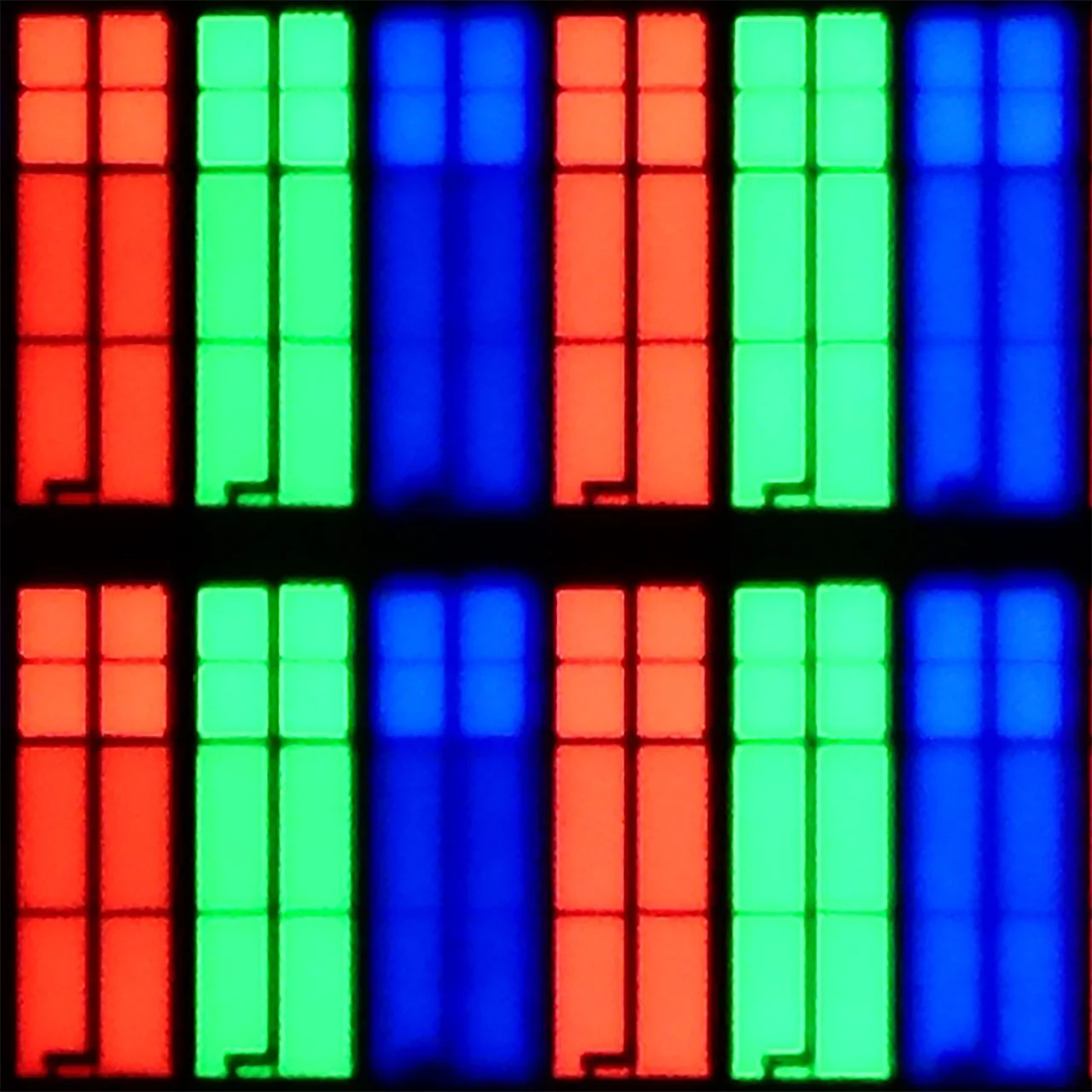
Philips MLED920 in our measurements in static tests even reached around 900 nits, which for a mid-range model is quite an impressive result. In practice, this translates to a lot of satisfaction during viewing – in scenes rich in bright light, such as the first, third, or fifth test patterns, the screen was able to generate around 700 nits, which is sufficient to feel the real "HDR effect". However, it cannot be denied that the limited number of backlight zones and the typical mini-LED compromises in dimming algorithms reveal their flaws in more demanding scenes. In sequences with small light sources – like the moon or a scene from the film Sicario 2 – the television clearly prioritises maintaining deeper blacks at the expense of the brightness of these small elements. For most viewers, this is still a reasonable compromise, as the dark background looks much better, although it should be noted that the details themselves may not dazzle with intensity. The question of colours also leaves a bit to be desired. Although the employed PFS filter (the equivalent of quantum dots known from QLEDs) does its job and the colours appear quite vibrant, the coverage of the DCI-P3 colour space reaches "only" 90%. In everyday viewing, this will be sufficient, but in extremely colourful productions – like the latest Disney animations – one can notice that some tones are not as vivid as they could be in other constructions.
 Direct comparison