 Direct comparison
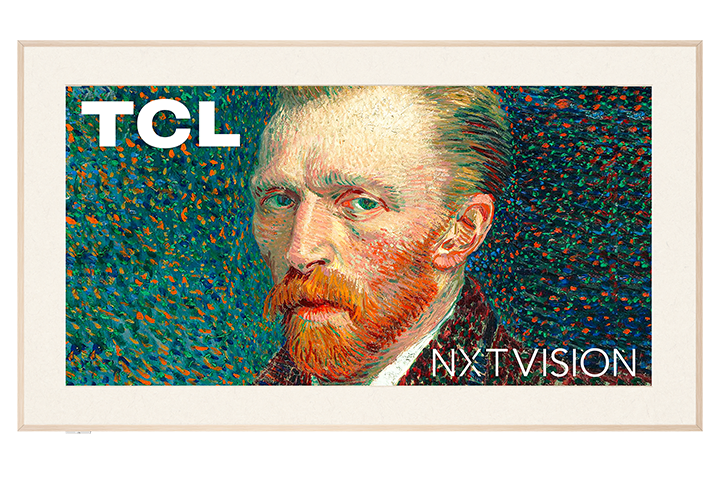
At first glance, it’s clear that the TCL A300 NXTVision aims to be more than just an ordinary television. It offers a picture display mode that – unlike competitors from Korea, Samsung The Frame – is completely free. Additionally, just like its rivals, extras are included at no charge. In the packaging, alongside the television, we find extra frames that mimic light wood and a flat wall mount, allowing the television to truly resemble a gallery piece. When it comes to everyday use, the standout feature is the Google TV system – comprehensive, fast and offering access to a massive number of apps. And if we feel like stepping out of the digital museum and jumping straight into the gaming world, the A300 can surprise us. With two HDMI 2.1 ports, 144 Hz, VRR, ALLM, and a very low input lag, even demanding gamers can feel at home here. Well... perhaps except for those sensitive to motion blur – as this remains one of the bigger issues with this model. There are also downsides. While the picture mode is free – which is commendable – the actual quality of the available graphics falls noticeably short compared to what Samsung offers in its paid ART Store. The displayed images resemble photos rather than realistic reproductions of artworks. Unfortunately, the A300 – much like the competing Hisense S7NQ – performs poorly here and additionally has some software issues. The brightness of the television itself also leaves much to be desired – it’s the dimmest of the “framed trio,” which translates to average daytime viewing and limited HDR effect. Nevertheless, the TCL A300 NXTVision is a reasonably sensible alternative to Samsung The Frame or S7NQ – especially if we are looking for a cheaper solution without additional charges for access to the “gallery” mode and with an operating system that doesn’t limit us in any way regarding the number of apps. However, it’s important to remember that this is a proposal with a lot of compromises. If we want to save a bit and don’t expect top-notch picture quality, the A300 can hit the visual bullseye. Otherwise, it’s worth looking at its competition.
- Matching (Score) |
- Our verdict |
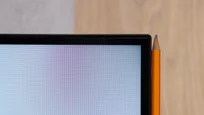
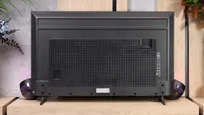
- TV appearance |
- Where to buy |
- Contrast and black detail |
- HDR effect quality |
- Factory color reproduction |
- Color reproduction after calibration |
- Smoothness of tonal transitions |
- Image scaling and smoothness of tonal transitions |
- Blur and motion smoothness |
- Console compatibility and gaming features |
- Input lag |
- Compatibility with PC |
- Viewing angles |
- Daytime performance |
- Panel details |
- TV features |
- Apps |
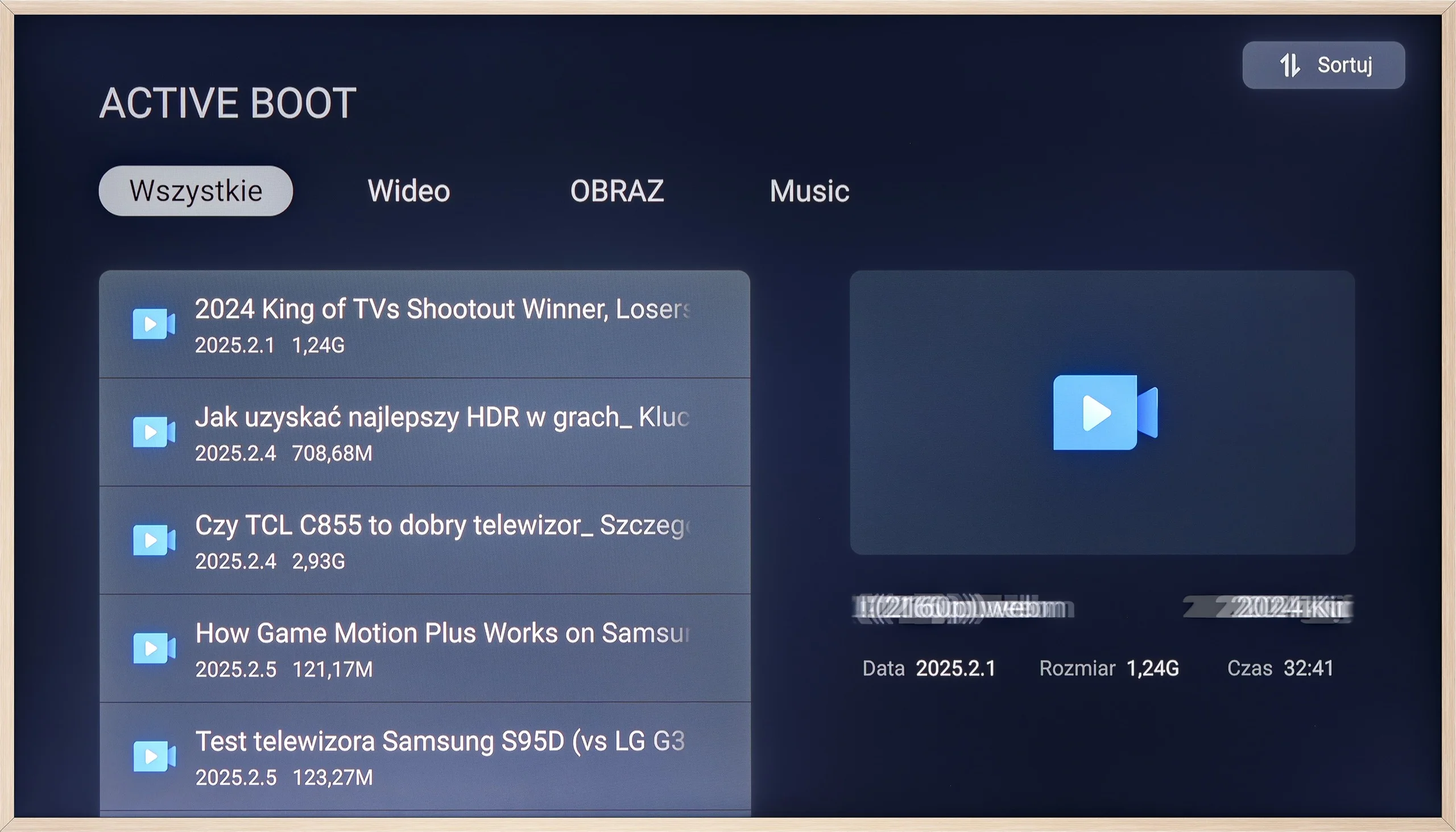
- Playing files from USB |
- Sound
A300W / A300W PRO / NXTVision

BRAVIA 2 II / S25M2
Panel type: LCD VA
Resolution: 3840x2160
System: Google TV
Model year: 2024
Complete the survey to find out the result
Panel type: LCD IPS
Resolution: 3840x2160
System: Google TV
Model year: 2026
Complete the survey to find out the result
Overall rating
6.6
5.8
 Movies and series in UHD quality
6.3
5.2
 Classic TV, YouTube
6.0
5.2
 Sports broadcasts (TV and apps)
5.9
5.5
 Gaming on console
8.2
6.2
 TV as a computer monitor
8.2
6.0
 Watching in bright light
4.7
4.8
 Utility functions
7.2
6.6
 Apps
9.6
9.6
 Sound quality
6.0
6.1
Complete the survey to find out what fits your preferences
Advantages

Frames styled like a picture in the set
Bracket included
VA matrix with decent contrast
Supports all popular HDR formats, including Dolby Vision and HDR10+
Great for gamers: VRR, G-Sync, ALLM, low input lag
High refresh rate - 144Hz
Free "picture mode"
Supports DTS:X and Dolby Atmos
GoogleTV operating system with the largest app base
Very good viewing angles (IPS panel)
Google TV with a huge selection of apps
Chromecast and AirPlay
Low input lag
Very good USB file player
Supports audio formats: Dolby (Atmos, TrueHD, Digital), DTS (X, HD)
Two remotes included
Disadvantages

Low brightness
Motion blur issues
No recording function on USB or PiP
Inferior image quality in "art mode" compared to Samsung The Frame
Colours and blacks fade significantly in sunlight
No VESA standard
Software bugs
Too expensive for what it offers!
Very poor black levels and low contrast (IPS panel)
Low brightness of around 320 nits
No support for dynamic HDR formats (Dolby Vision, HDR10+)
Panel limited to 60 Hz
Very limited gaming capabilities
Our verdict
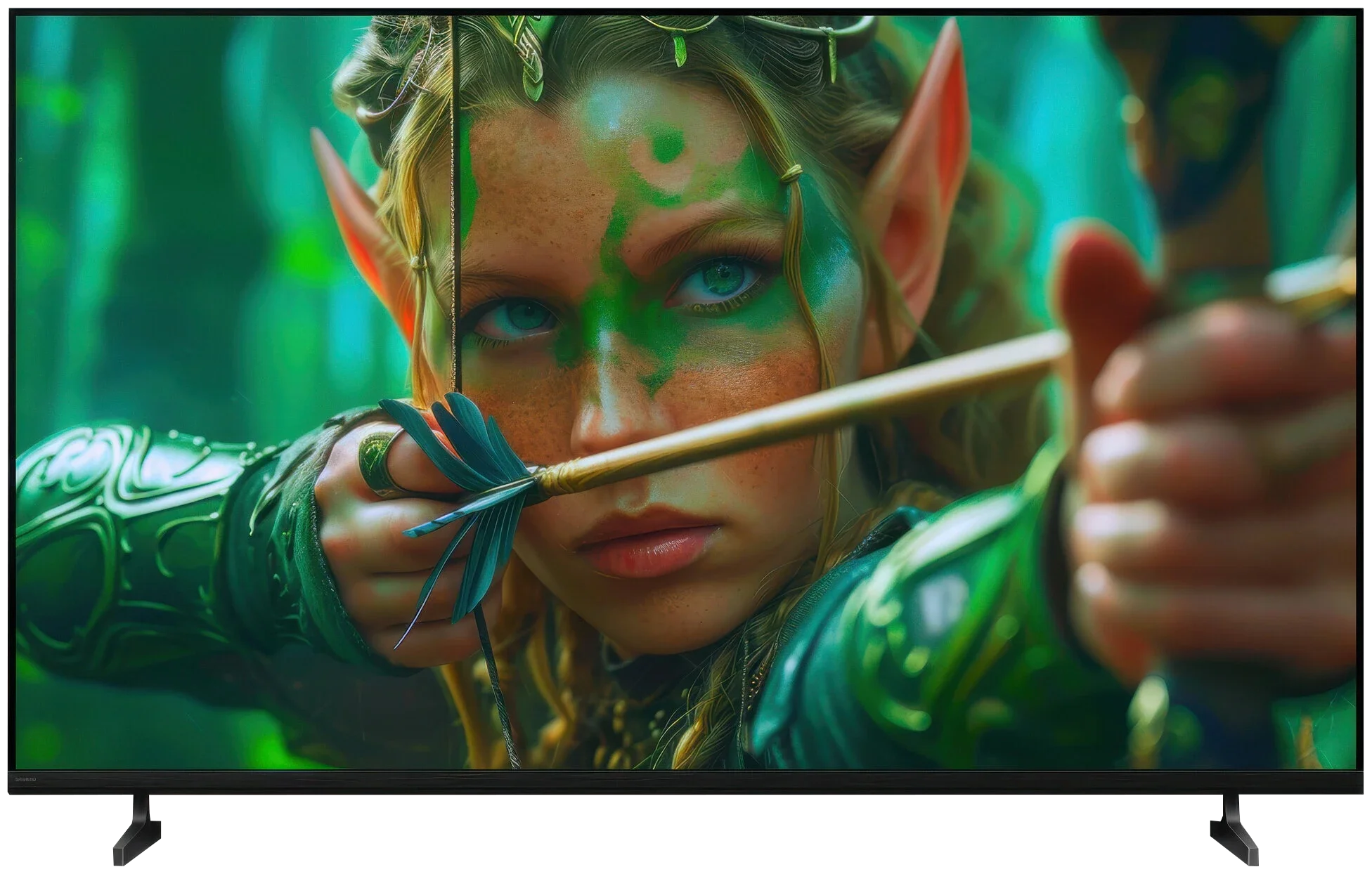
The Sony Bravia 2 II is a TV that’s best suited to simple, everyday use. And we suspect many people will pick it mainly for Google TV. The system gives access to a huge number of apps and streaming services, and you also get Chromecast, AirPlay and convenient voice search. The TV itself may not run as fast as pricier Sony models, but in terms of functionality there’s little to complain about. Importantly, for regular viewing the picture quality is quite decent. The Bravia 2 II handles SDR material especially well — ordinary broadcast TV, YouTube and a lot of older films and series. The out-of-the-box Cinema mode is sensibly tuned, colours look natural and, without much fiddling with the settings, you can just start watching. And that’s where the Bravia 2 II shows its strengths — as a simple smart TV for daily use, rather than a set that aims to dazzle with panel performance.
However, you have to remember that the “Bravia” badge on the case doesn’t automatically mean great picture quality. The Bravia 2 II uses an IPS panel with very low contrast, and that’s its biggest problem. In daylight it’s not so noticeable, but turn the lights off in the evening and black starts to look more like dark grey. Of course, in return you get good viewing angles, so if the TV sits in a large living room and several people watch from different spots, IPS has an advantage. But that comes at the cost of weak blacks. This TV isn’t designed for HDR impact or for more demanding gamers either. Around 300 nits of brightness and a narrow colour gamut mean HDR content doesn’t show much more than SDR. A 60 Hz panel and the lack of broader gaming features also make it clear that gaming isn’t a priority for this model.
And that wouldn’t be a major issue, because we expected that from an entry-level Sony. The biggest problem for the Bravia 2 II, though, is the price. For similar money you can easily find competitor TVs, especially Korean and Chinese brands, that already offer a lot more, ranging from 120 Hz panels to Mini-LED backlights with local dimming. So the Bravia 2 II isn’t a bad TV in itself. It’s simply too expensive for what it offers. If its price were noticeably lower, it would make much more sense as a basic TV for everyday viewing.
TV appearance



Contrast and black detail
5.5/10
2.7/10
Local dimming function: No
Local dimming function: No
Contrast:


Result
5,000:1

Result
5,450:1

Result
3,800:1

Result
4,000:1

Result
3,950:1
Result
1,150:1
Result
1,200:1
Result
1,450:1
Result
1,400:1
Result
1,100:1
Halo effect and black detail visibility:
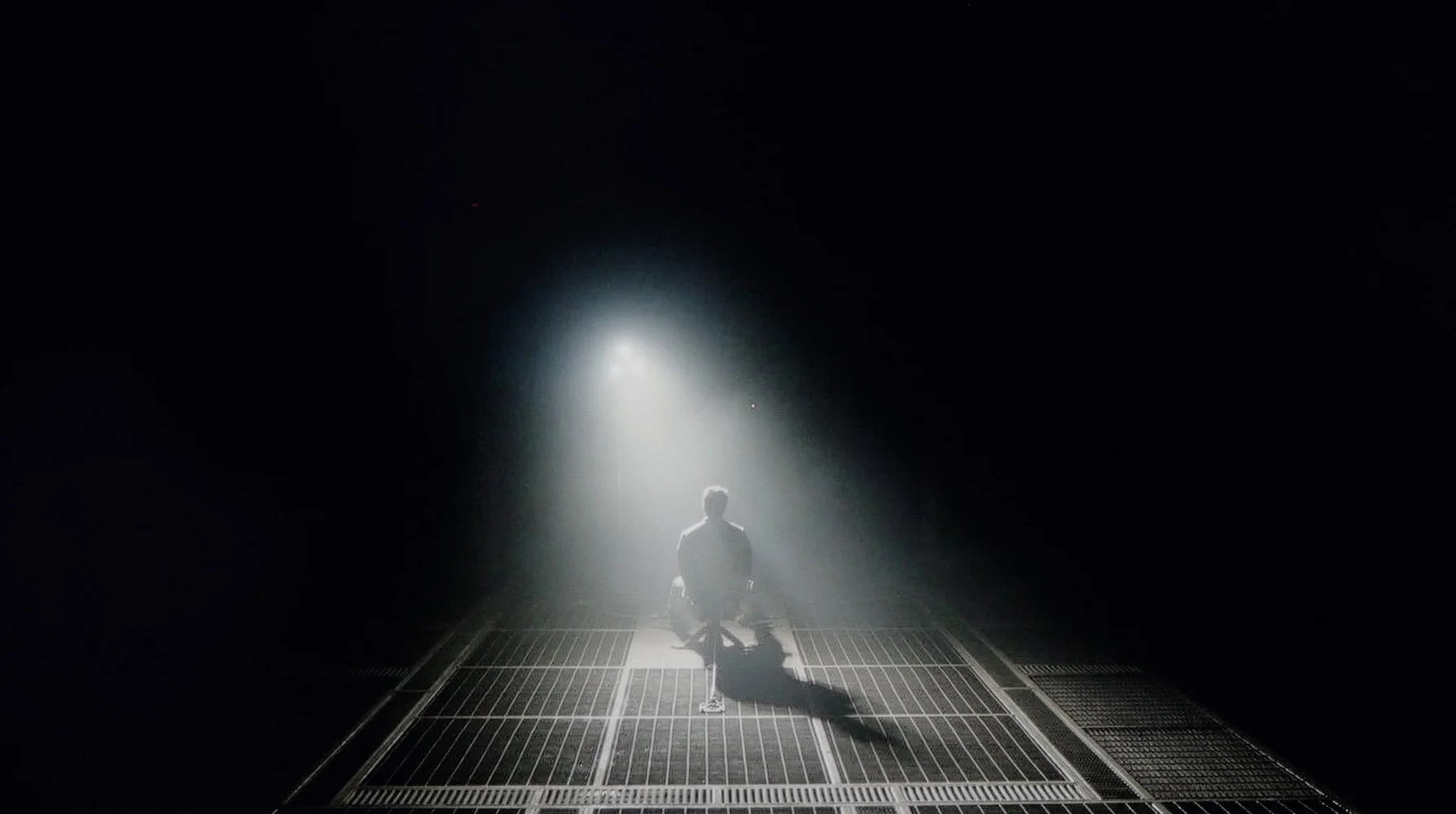
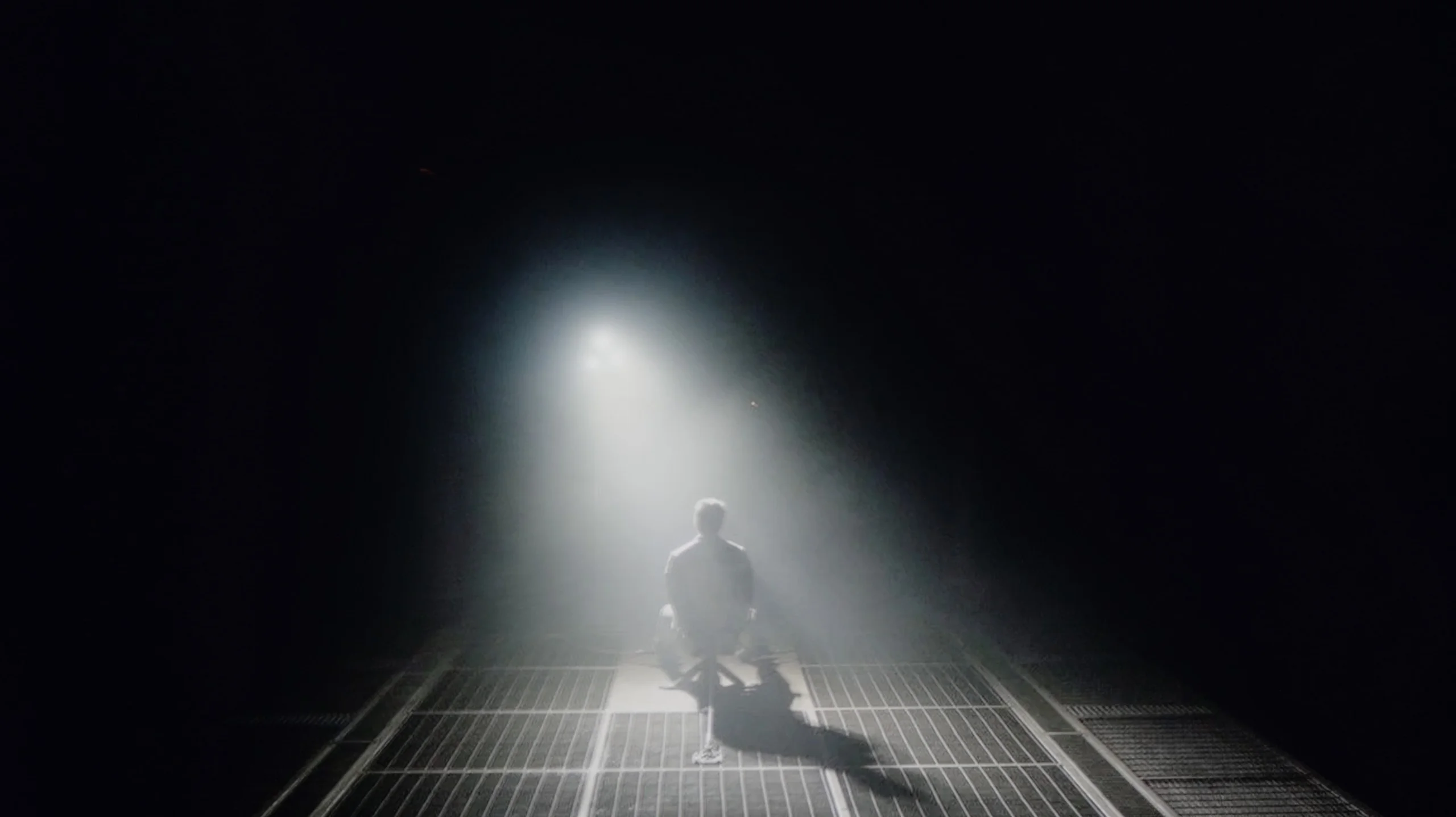
Check the visibility of bright lights on a dark background. Mini-LEDs often struggle with this. The photo does not compare black levels – that’s what the video below is for.
The video accurately shows differences in contrast and black levels between TVs, as well as potential issues: halo around bright objects or Mini-LED zone operation visible as brightness jumps.
TCL A300, also known as NXTVision, uses a VA panel, so from the outset, decent contrast could be expected. On our test screens, the television indeed showed typical results for this type of panel – in the best case, the contrast reached around 5000:1, which is not a bad result for this segment.
However, it should be noted that the model is not equipped with any local dimming technology, which unfortunately is evident in practice. Black, although at times quite deep, often turns into navy blue or grey – especially in darker scenes. In short: for a television without local dimming, it’s not bad, but it shouldn't be compared to models that already have such a feature on board.
When it comes to black levels, the Bravia 2 II unfortunately doesn't have much going for it. Sony has used an IPS panel here, which offers one of the lowest native contrasts among LCD panels. In our measurements we saw figures around 1,100:1 to 1,450:1, and unfortunately that's very noticeable when watching. Additionally, the TV lacks any local dimming, so it can't darken only the parts of the screen that should remain dark. In practice, this means that once the lights go out, blacks very quickly shift toward grey and navy. In scenes such as Oblivion or Sicario 2, instead of a deep background we get a noticeably brightened image, which takes away a lot of the atmosphere from evening viewing. Of course an IPS panel also has the advantage of better viewing angles, but in this respect it's hard to call that sufficient compensation. If you're looking for a TV primarily for watching films at night, the Bravia 2 II simply isn't a model we could recommend.
HDR effect quality
5/10
4/10
Luminance measurements in HDR:

Result
357 nit

Result
348 nit

Result
338 nit

Result
350 nit

Result
389 nit
Result
294 nit
Result
307 nit
Result
329 nit
Result
330 nit
Result
325 nit
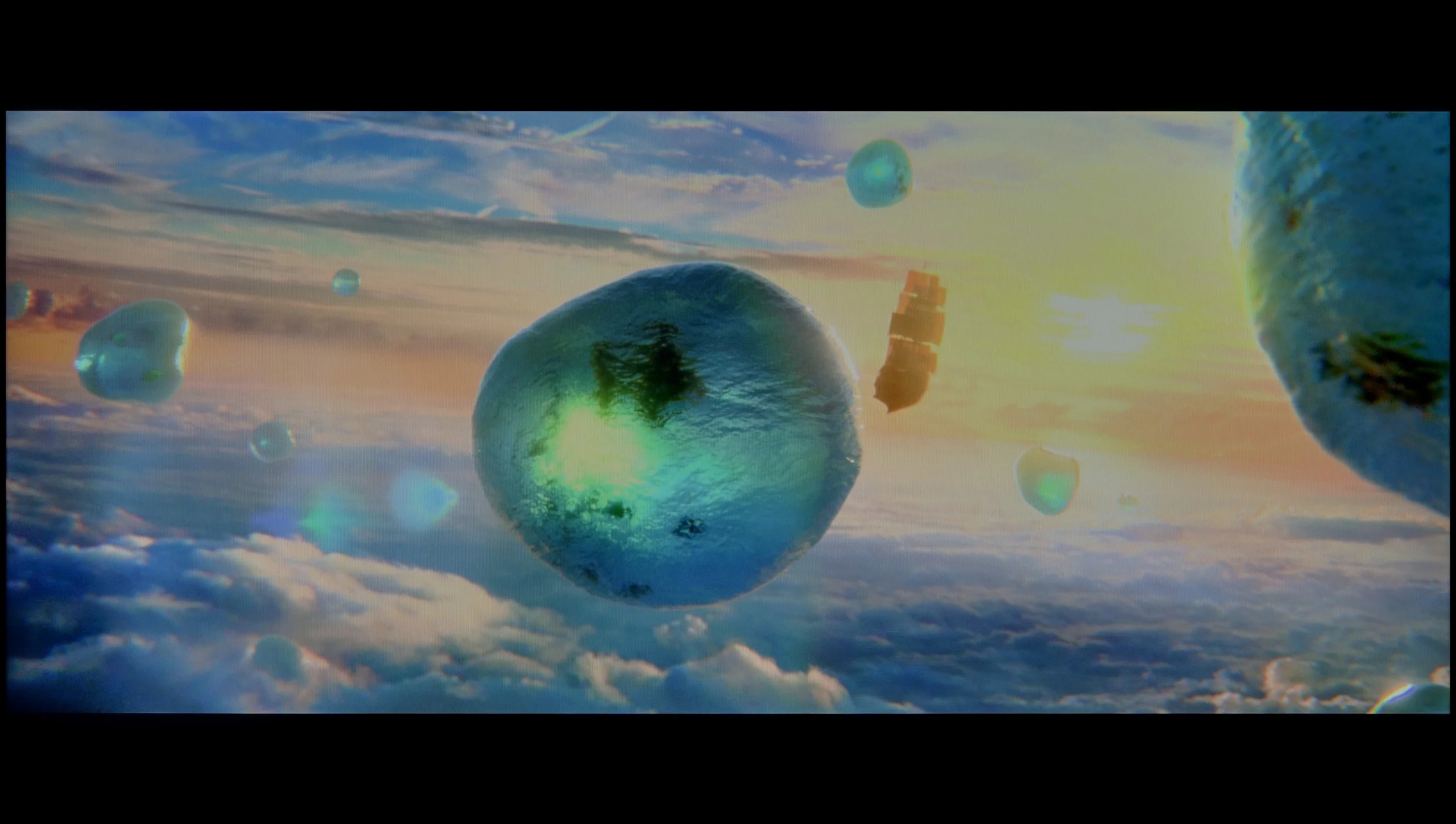
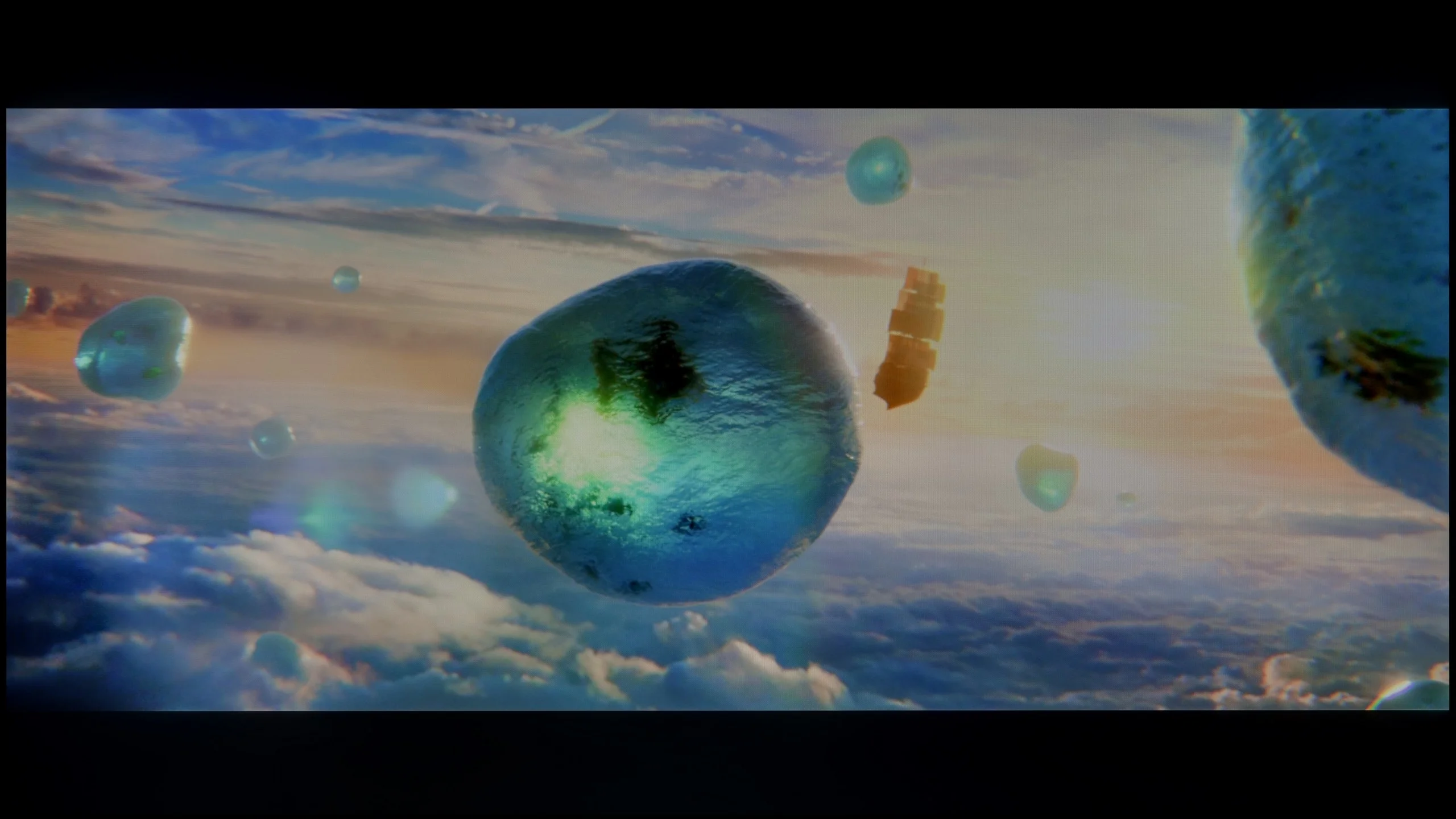
Scene from the movie “Pan” (about 2800 nits)
Scene from the movie “Billy Lynn” (about 1100 nits)
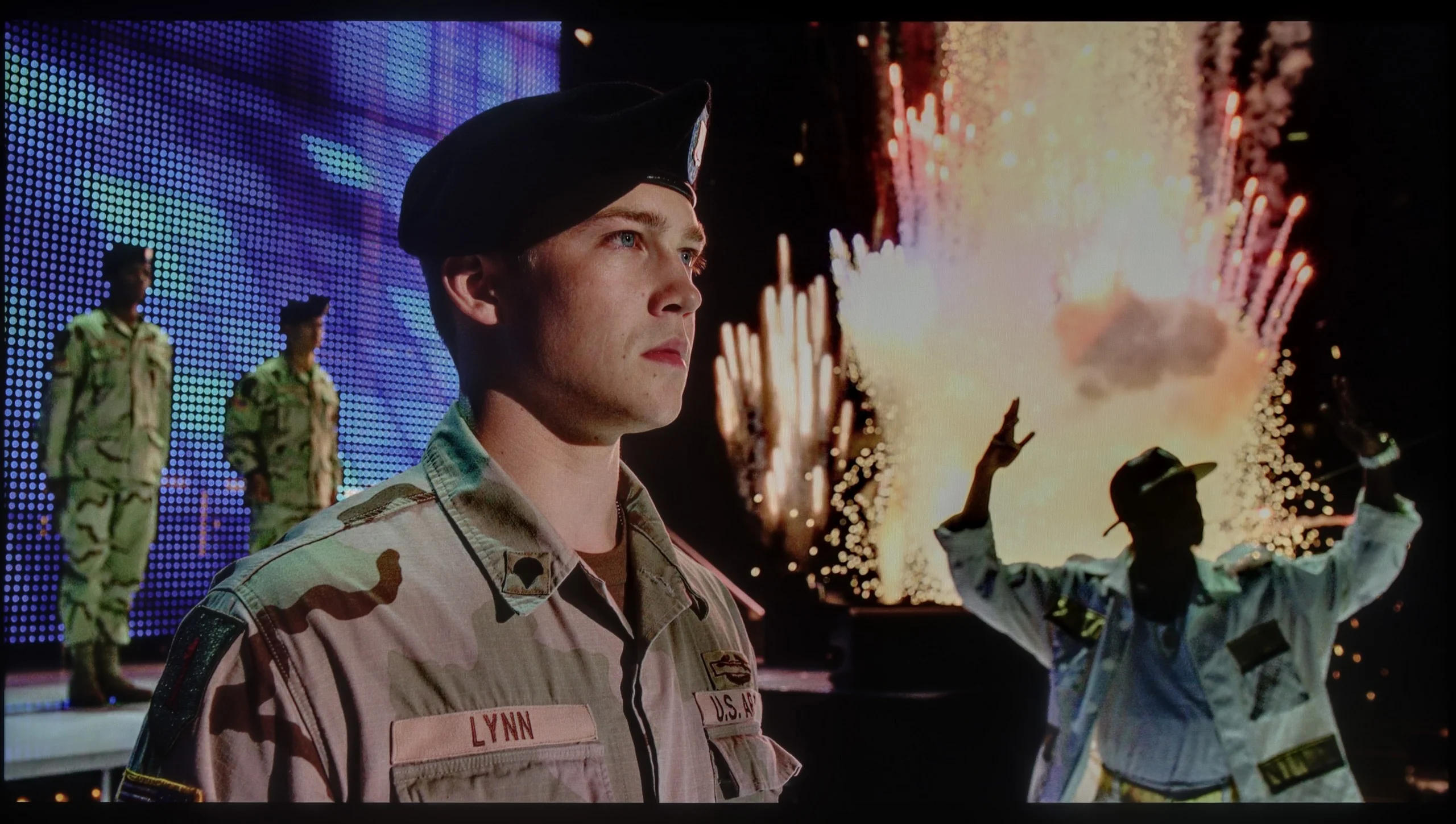
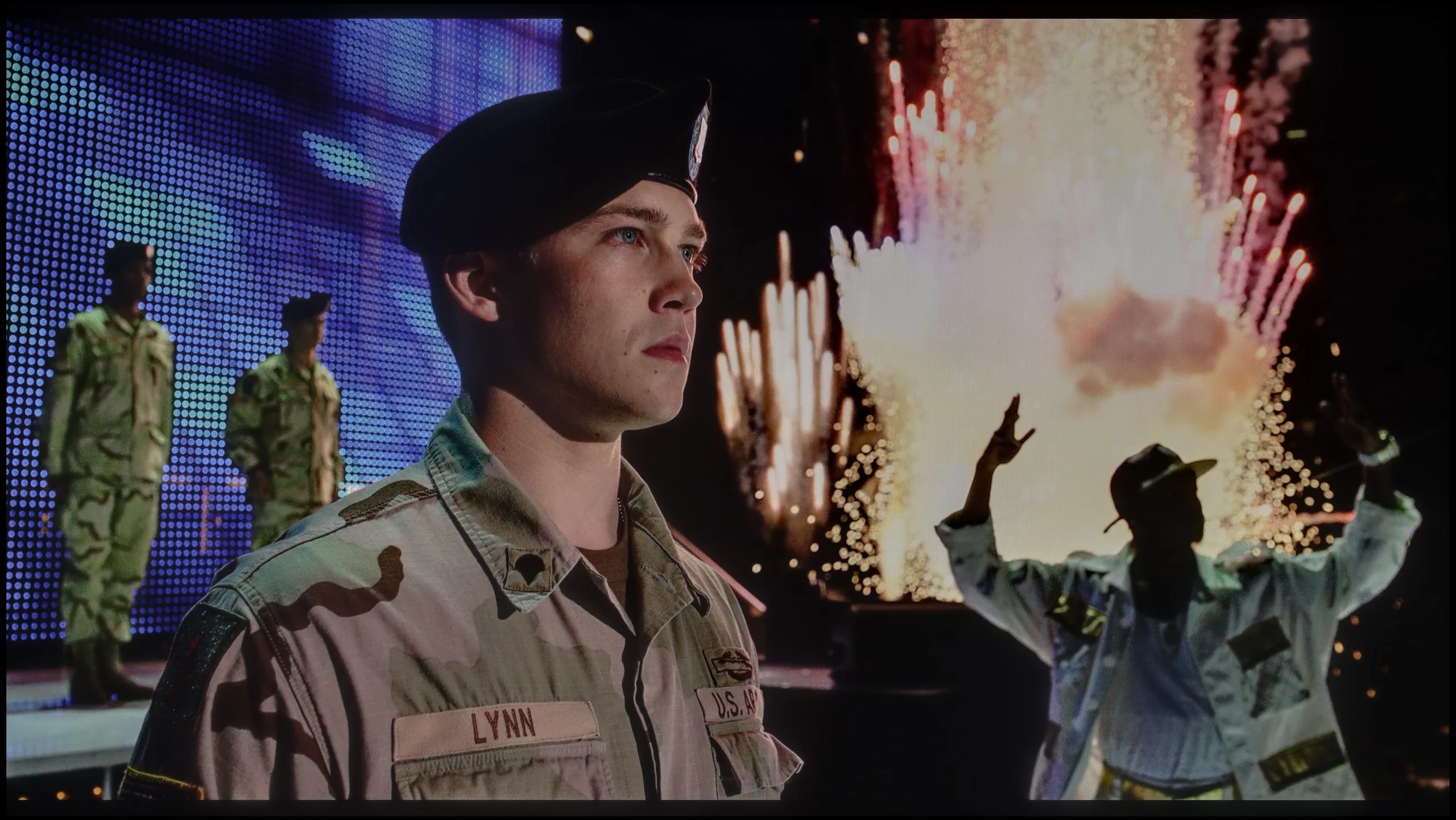
The photos show two HDR10 movies. 'Pan' is one of the brightest productions ever made, while 'Billy Lynn' (soldier) has brightness typical of streaming (Netflix, Prime, HBO MAX). Notice the intensity of effects and detail in whites.
Static HDR10


The photos present the visibility of white details in various HDR formats. They do not show brightness differences between TVs (these can be compared in the previous gallery).
HDR luminance chart:
Sony BRAVIA 2 II (S25M2)
TCL A300W NXTVision
When it comes to brightness, the TCL A300W is definitely the dimmest TV among all frame-style models, such as Samsung The Frame or Hisense CanvasTV – and unfortunately, you can see that right away. In our measurements, peak luminance reached only around 400 nits, and on test movie screens, this value dropped to 350 nits. That’s definitely too little to feel the real "magic" of bright HDR effects. As a consolation – the TV is equipped with a PFS LED coating (which is something like QLED), which provides very good coverage of a wide colour gamut, both DCI-P3 and BT.2020. In addition, there is full support for all popular HDR formats – HDR10, HDR10+, HLG, and Dolby Vision – which somewhat compensates for the shortcomings in brightness and helps improve the overall experience of materials in this quality.
Sony Bravia 2 II isn't a particularly bright TV and unfortunately that's immediately obvious in HDR. In our measurements brightness stayed around 300 to 330 nits, which is far too low for the brightest parts of the image to look truly impactful. In practice HDR here doesn't differ that much from regular SDR. Bright highlights, the sun or lamps are of course visible, but they lack the intensity you'd expect from HDR content. The Bravia 2 II is therefore much better suited to standard SDR material, where its limited brightness will be least noticeable.
Colour gamut coverage
The Sony Bravia 2 II also doesn't impress when it comes to colour. The TV doesn't use any extra gamut-expanding filter, such as the quantum dots found in QLED sets or a PFS phosphor layer. In our measurements it covered about 78% of the DCI-P3 gamut and roughly 57% of the very wide BT.2020. That's definitely too little to deliver truly saturated colours in HDR material. More intense reds, greens or turquoises will simply be less striking than on TVs with an expanded colour gamut. The Bravia 2 II is much better matched to the standard Rec.709 gamut used for films, series and SDR broadcast.
Factory color reproduction
5.9/10
5.3/10


This gallery shows how colors change after professional TV calibration. If you notice the difference, we recommend ordering this service at SkalibrujTV.com.
Factory Mode
After calibration
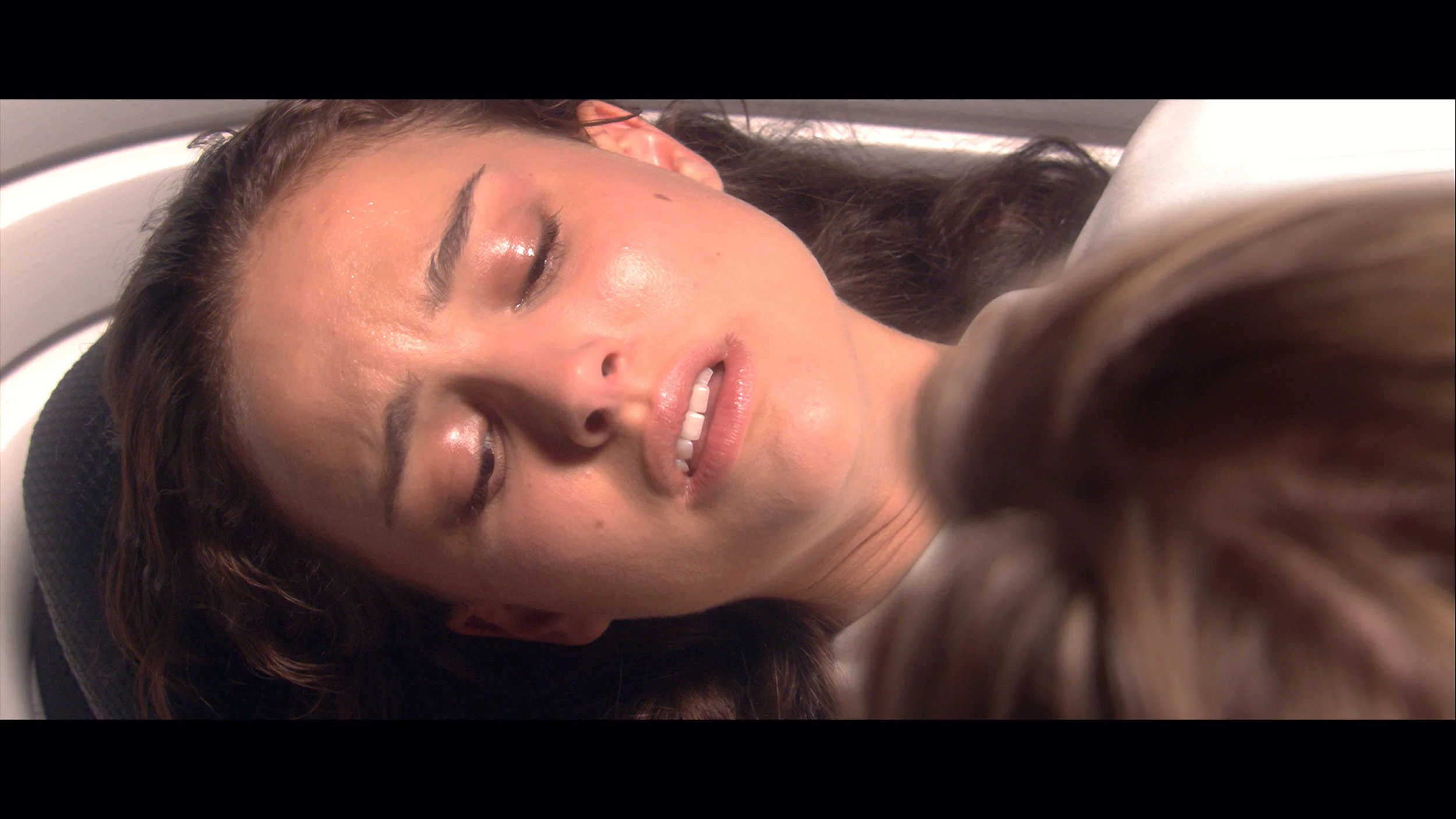
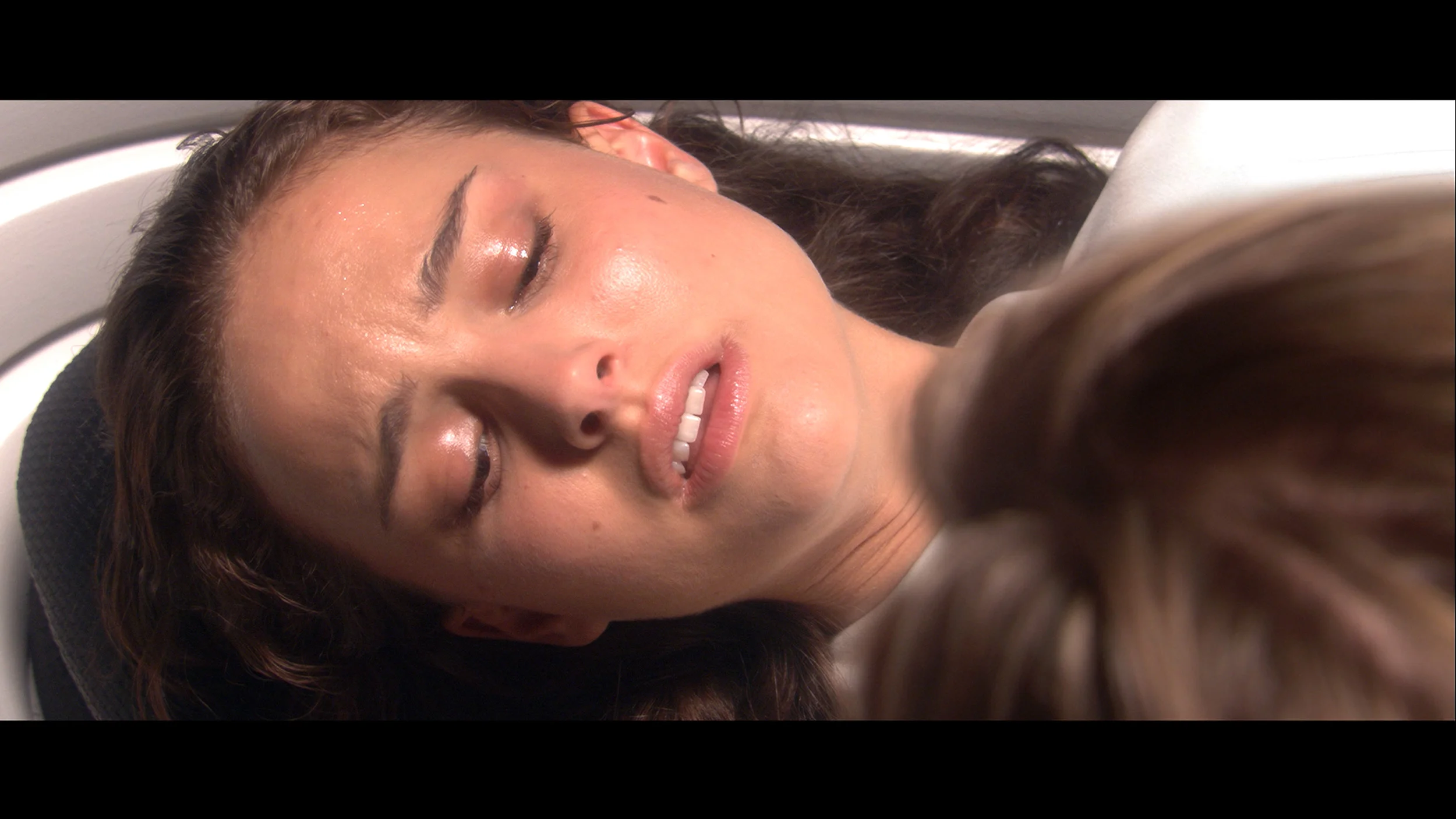
This gallery shows how colors change after professional TV calibration. If you notice the difference, we recommend ordering this service at SkalibrujTV.com.
Factory Mode
After calibration
TCL A300 offers several picture modes, but without a doubt, the movie mode performs the best. Unfortunately, even though it is the best option available, it is not free from errors. Both in HD and HDR content, the image has a noticeably too warm hue – it has a slight pink tint, which is particularly noticeable in snowy scenes. Instead of pure white, we get a pinkish coating that spoils the natural perception of colours.
The management of brightness is also lacking. In the case of older HD materials, the image often seems too dark – confirmed by an elevated gamma value. Conversely, with HDR content, the effect is the opposite – the image is overly bright, as we observed in scenes from the film Pan. Such a lack of consistency also affects colour accuracy – a test with a ColorChecker showed that many samples clearly deviate from reference values.
Fortunately, TCL allows for manual adjustment of settings, so we decided to check how the television would perform after our professional calibration. The effects of this adjustment are described below.
The out-of-the-box colour reproduction in Kino mode was really quite good, at least for ordinary SDR material. The Bravia 2 II had a slight tendency to boost reds, which made some colours lean a bit warmer, at times with a faint pinkish tint. That wasn't a major fault and during normal viewing the picture still looked fairly natural. There was a bit more going on with image brightness. Looking at the gamma curve, Sony doesn't stick perfectly to the reference value. The darkest areas are slightly lifted, while as brightness increases the gamma gradually rises and a large part of the image becomes darker than it should. However, the difference isn't big enough to seriously bother during everyday watching. Overall, SDR straight out of the box performs quite decently.
The situation is much worse in HDR. We've already mentioned the limited colour gamut, but on top of that the Bravia 2 II quite aggressively manipulates image brightness. The EOTF curve sits below the reference for much of the range, which means the TV renders most mid and brighter parts of the scene darker than the source material intends. Only towards the very end of the range does the curve flatten out, as the panel reaches the limits of its capabilities. Combined with a peak brightness of around 300 nits, this gives HDR that not only lacks much punch but can simply look too dark.
Color reproduction after calibration
8/10
7/10
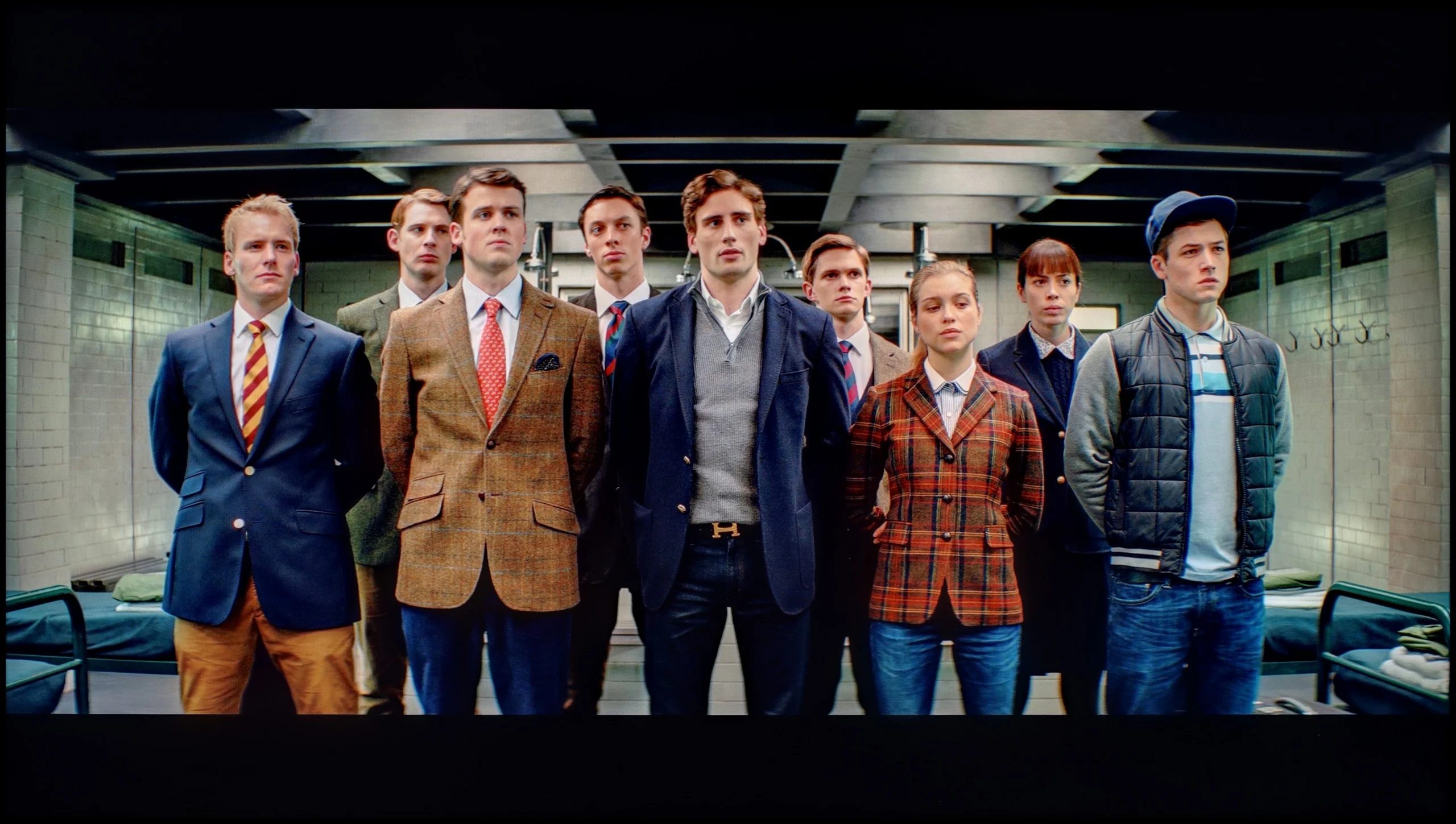
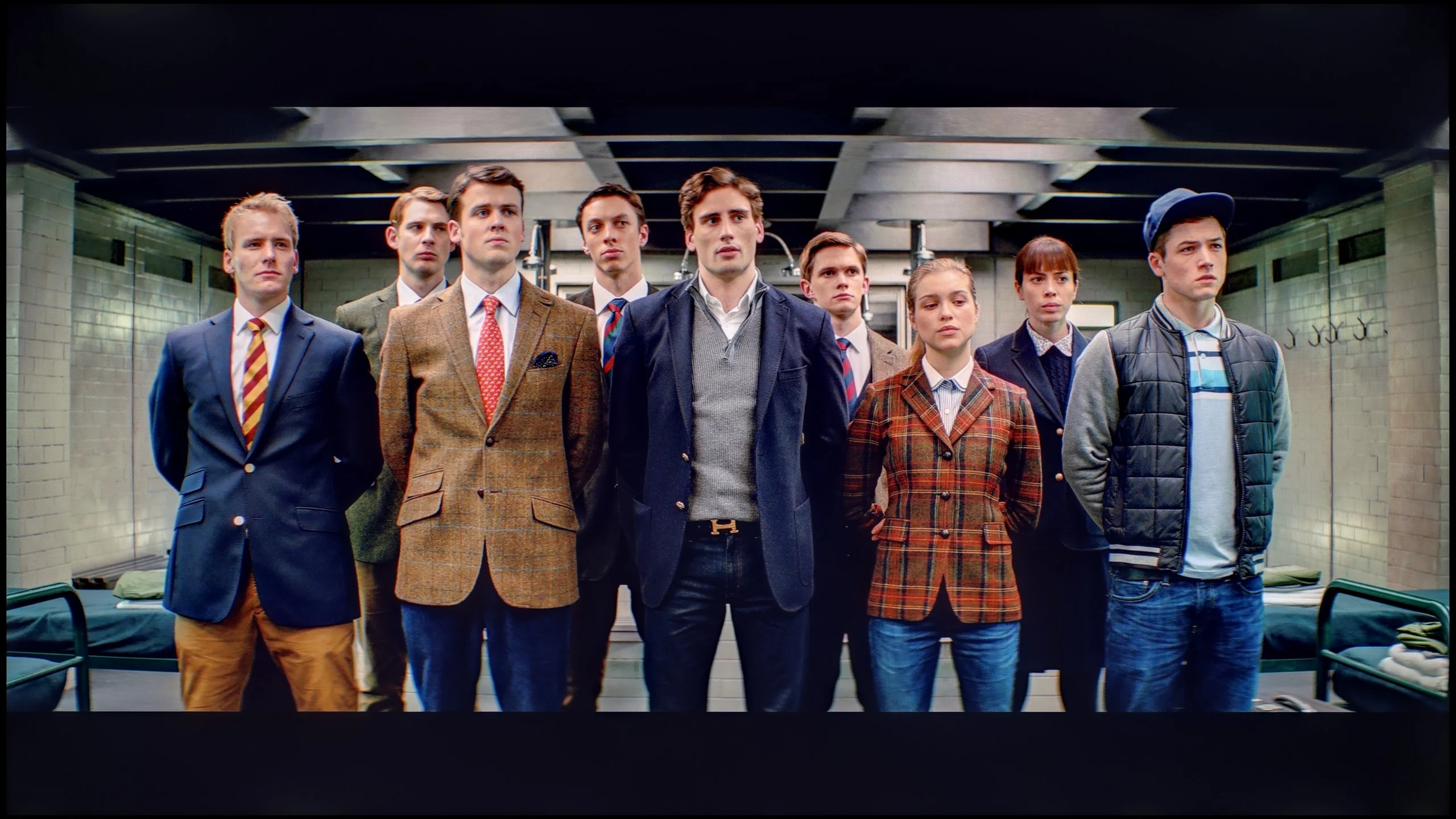
The photos show how movies look on the TV. Pay attention to black detail visibility, colors, and shadow tint.


The photos show how movies look on the TV. Pay attention to black detail visibility, colors, and shadow tint.
After our professional calibration, the TCL A300 has literally been given a new lease on life. The image has stopped being too warm, and the colours finally look as they should – as confirmed by the ColorChecker test, where the colour samples finally started hitting their marks, at least to some reasonable degree. It was also possible to partially correct the brightness management – the image is now more balanced and less "wobbly" between different types of content. Of course, certain limitations can't be bypassed – a slightly visible blooming effect still occurs, but that's a characteristic of the technology, not something that can be eliminated even after professional settings.
Generally: after calibration, the A300 looks significantly better and gains a whole new quality.
Calibration did a lot for the Bravia 2 II, especially with SDR content. Above all, we managed to even out the white balance and tidy up the gamma, which now stays much closer to the reference value. As a result, the image no longer has the earlier pink cast, and the brightness across different areas is much better organised. You can also see it in the colour errors, which after calibration dropped to a very low level (with only minor issues in the most saturated reds).
We also partly managed to rein in the Bravia 2 II in HDR, especially in the way the TV handles image brightness. However, there is one thing no calibration can fix: the panel's capabilities. A narrow colour gamut means the TV physically can't reproduce the most saturated colours recorded in HDR content. On top of that, the low contrast of the IPS panel causes darker scenes to be covered in a grey haze, which robs colours of some of their depth. So we can improve how the Bravia 2 II uses its capabilities, but we can't overcome the panel's inherent limitations.
Smoothness of tonal transitions
8.6/10
8/10
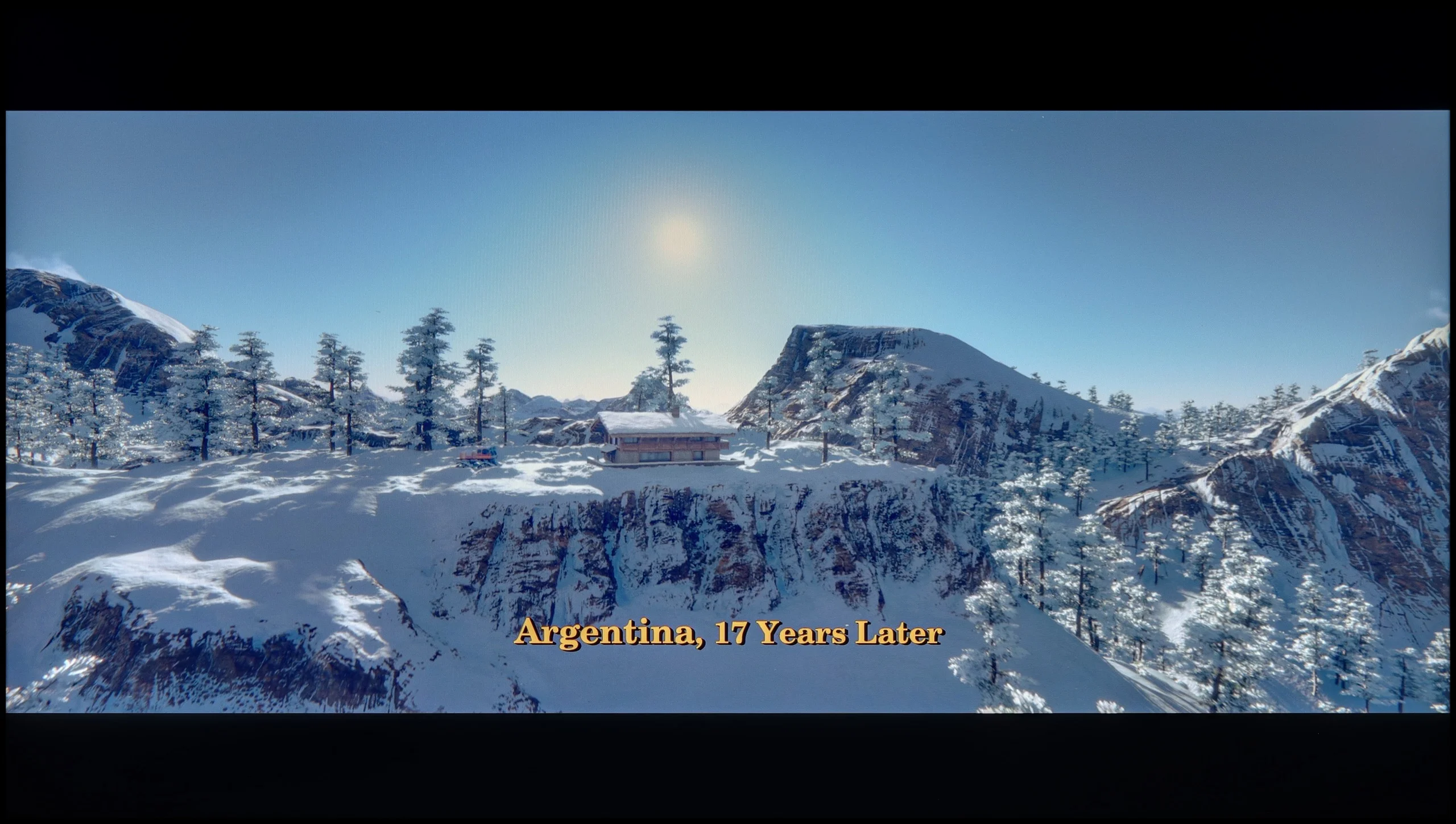

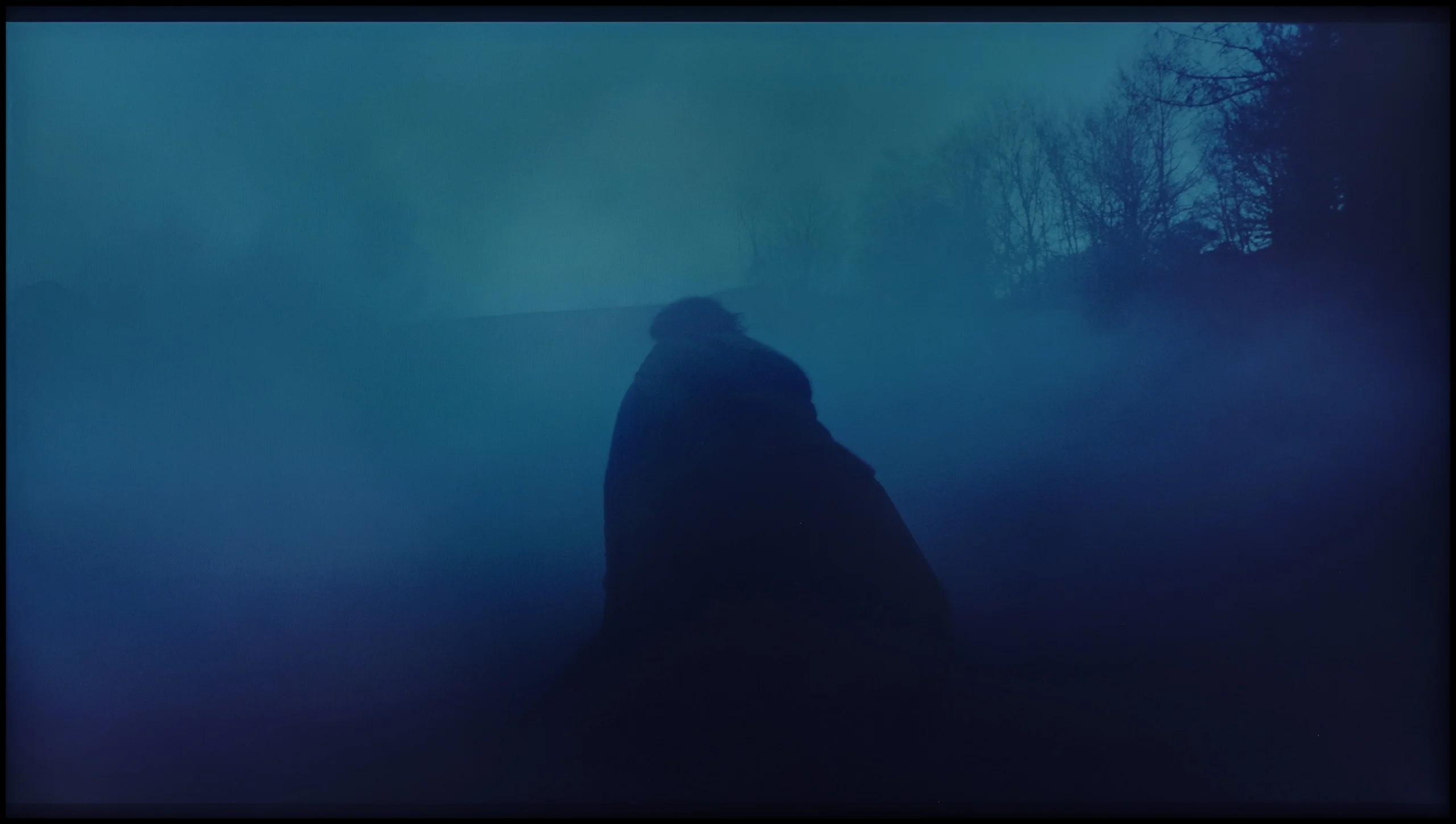
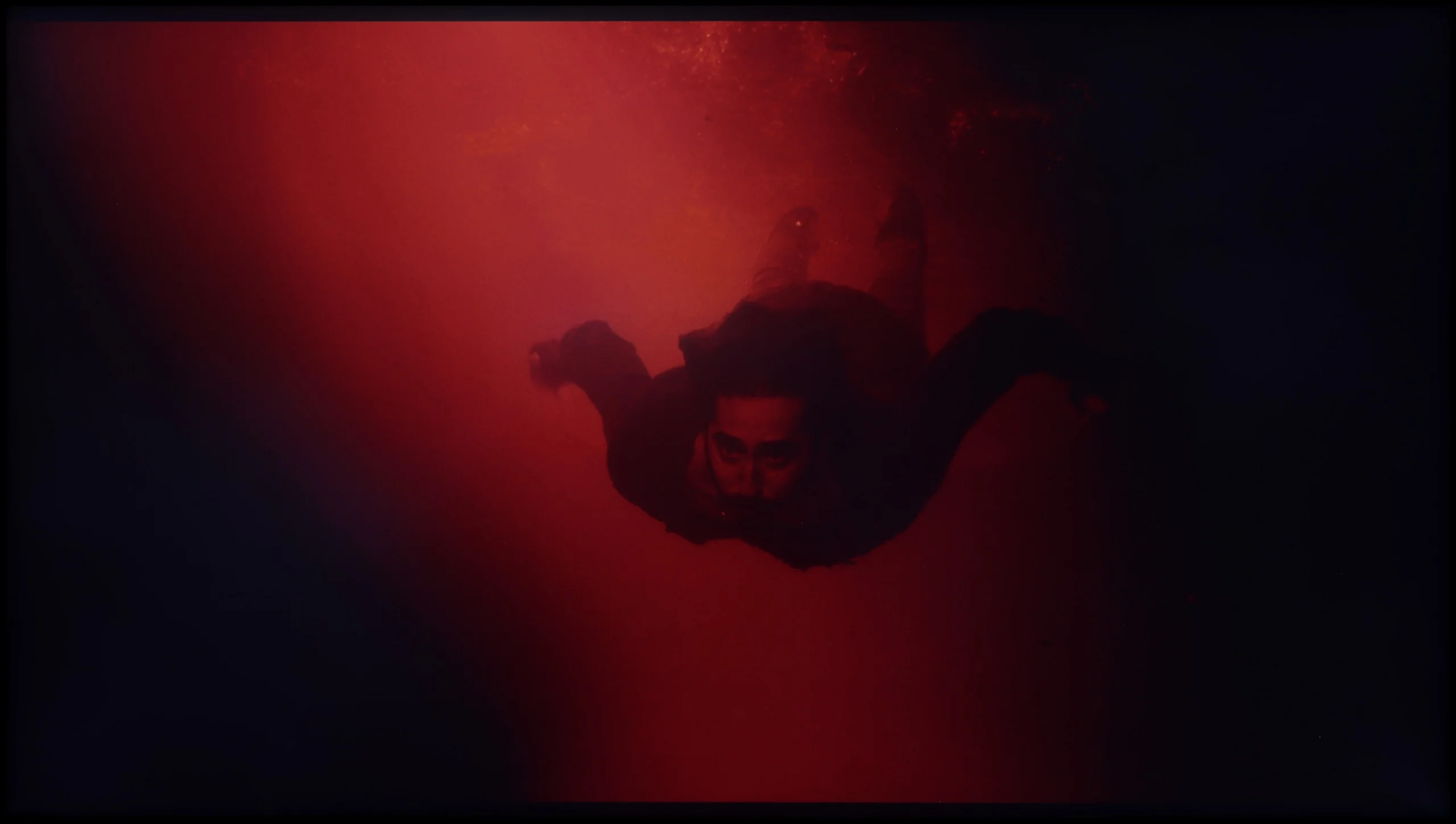
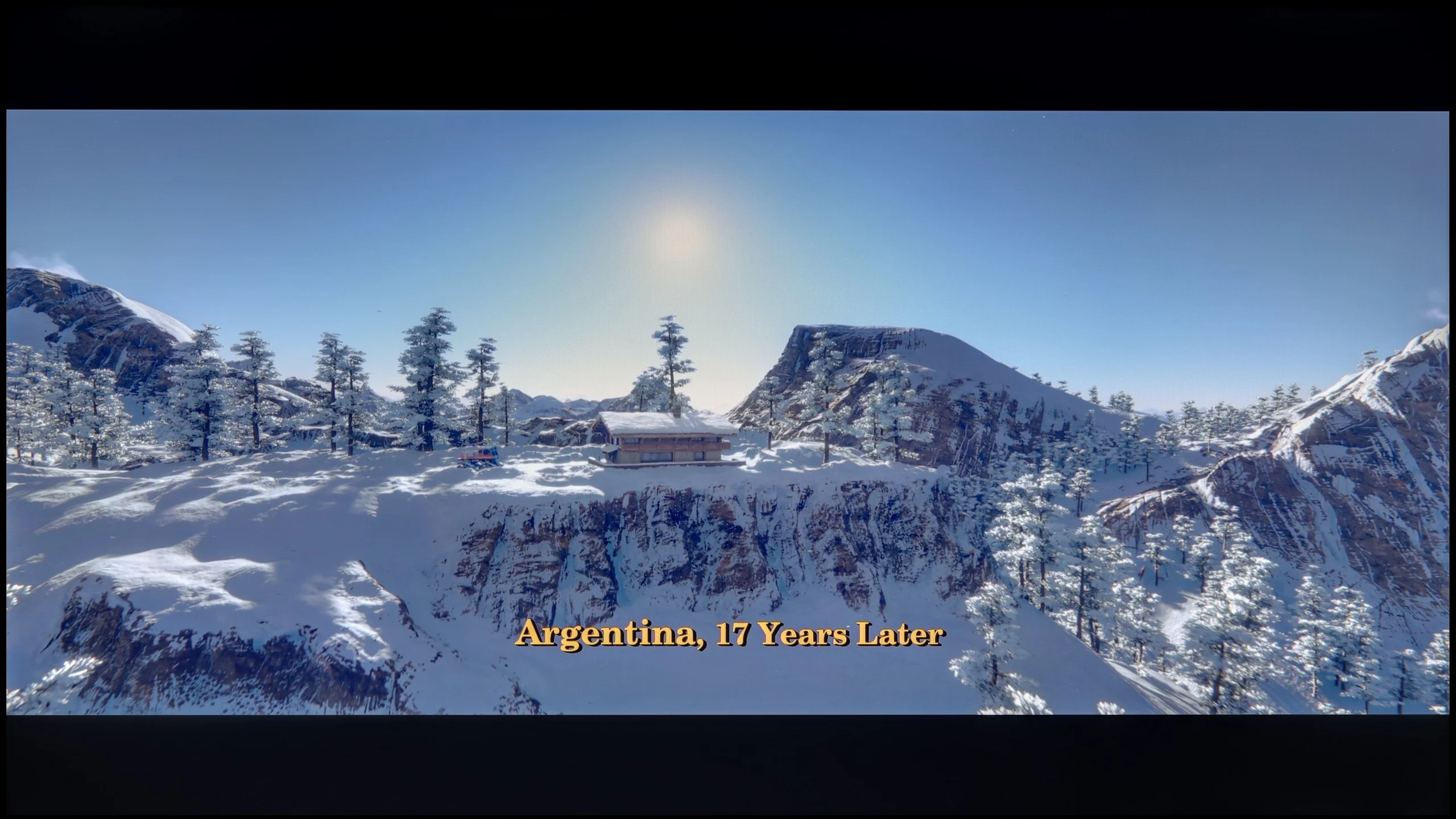
These are selected scenes that show smooth tonal transitions from one color to another. If you see distinct banding, it’s the TV panel’s fault.

These are selected scenes that show smooth tonal transitions from one color to another. If you see distinct banding, it’s the TV panel’s fault.
These are selected scenes that show smooth tonal transitions from one color to another. If you see distinct banding, it’s the TV panel’s fault.
These are selected scenes that show smooth tonal transitions from one color to another. If you see distinct banding, it’s the TV panel’s fault.
TCL A300 NXTVision is another frame-style television that really manages well with the smoothness of tonal transitions. It's hard to find distinct bands or sharp transitions between shades of one colour – it all looks natural and smooth.
However, it's fair to say that among the three tested models (The Frame and S7NQ), TCL performs the weakest in this category. In darker and lighter scenes, you can notice slight imperfections. Nevertheless, looking at it as a whole, for a television in this range – it really presents itself solidly. It might not be the best of the bunch, but it holds a very good standard.
The smoothness of tonal transitions on the Bravia 2 II is pretty good, though it depends a lot on the scene. In brighter parts of the picture the gradation is smooth and it's hard to spot any major issues. It gets worse in very dark shots. In scenes with many dark tones you can already see distinct banding between successive shades. So it's not perfect, but with most everyday content the issue shouldn't be particularly noticeable.
Image scaling and smoothness of tonal transitions
5.5/10
6/10

Smooth transition function
The match photo shows how the TV smooths weak tonal transitions in low-quality video.
Image scaling SD (576i)


The model photo shows how it handles upscaling of SD material.
TCL A300 handles tonal transitions in high-quality films very well, but the question arises – how does it perform with weaker materials? The TV is equipped with a tonal smoothing feature; however, its effectiveness can be described in one word: “random”. In one scene, it may work and improve the gradation, but when turned off… the effect remains the same. There is a lack of consistency and predictability here.
Image scaling is also not one of A300's strong points. On the test pattern, the main character actually looked better than on the raw signal, but with thin lines – like fonts or background details – there was noticeable jaggedness and aliasing. On the plus side, the TV does not cut off the image and has no issues with overscan, but the overall quality of scaling is rather average.
Upscaling on the Bravia 2 II performs quite well and the TV maintains the standard we've come to expect from Sony. Lower-resolution material is sensibly upscaled to 4K, and the image is slightly smoothed without excessive edge sharpening. It's less successful at dealing with content that shows visible compression artefacts. That's down to the "Digital Noise Reduction" function, which on the "High" setting can smooth some ugly banding. The problem is it does so quite aggressively and, along with the imperfections, removes a lot of fine detail, including natural film grain. What's more, when there's more motion on screen its effectiveness drops considerably and the improvement is minimal. For that reason we generally didn't use this feature for everyday viewing.
Blur and motion smoothness
6.4/10
5/10

Blur (native resolution, maximum refresh rate):
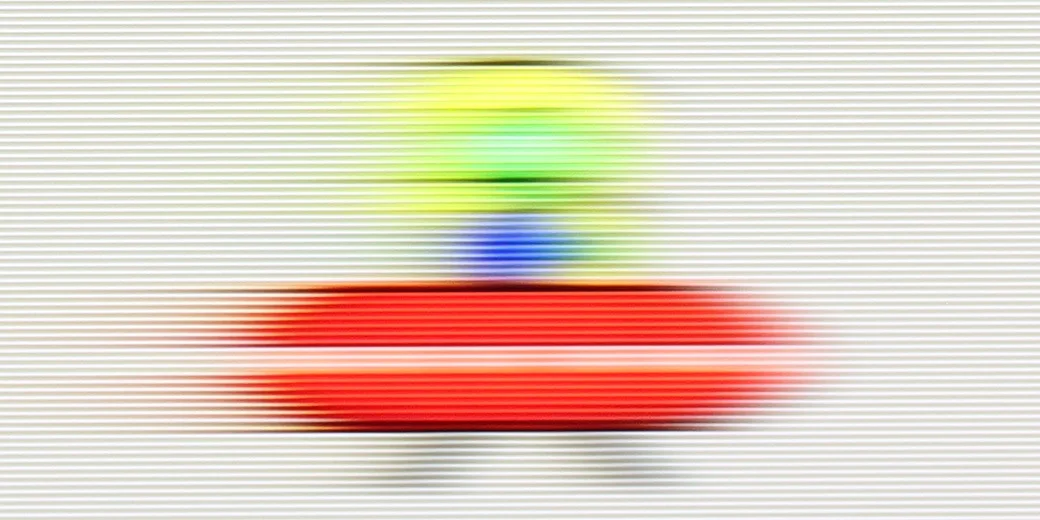
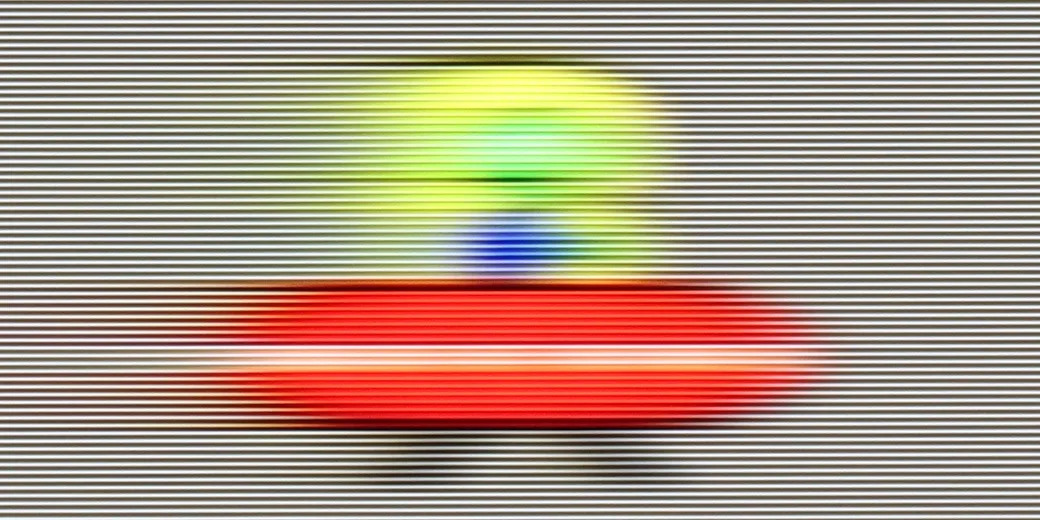
Blur (BFI function enabled):
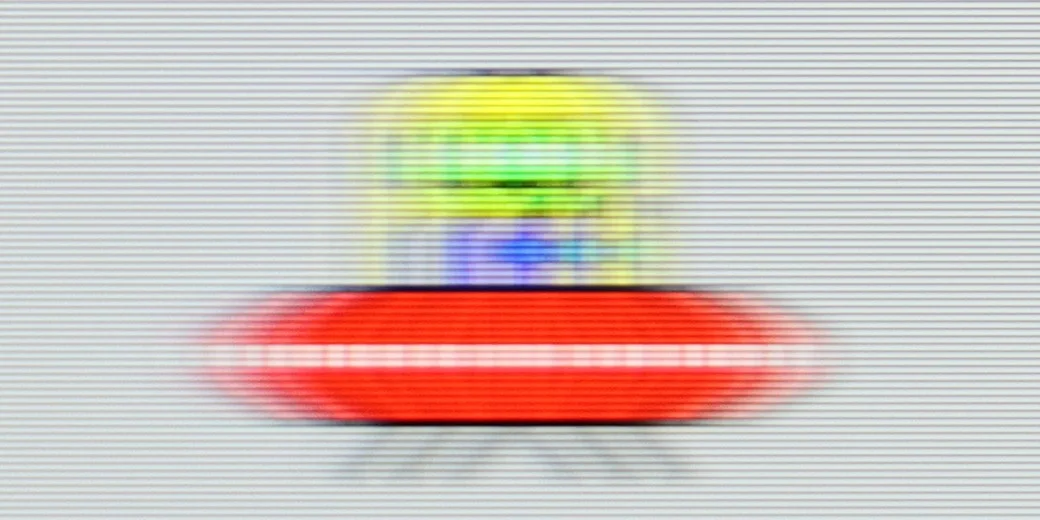
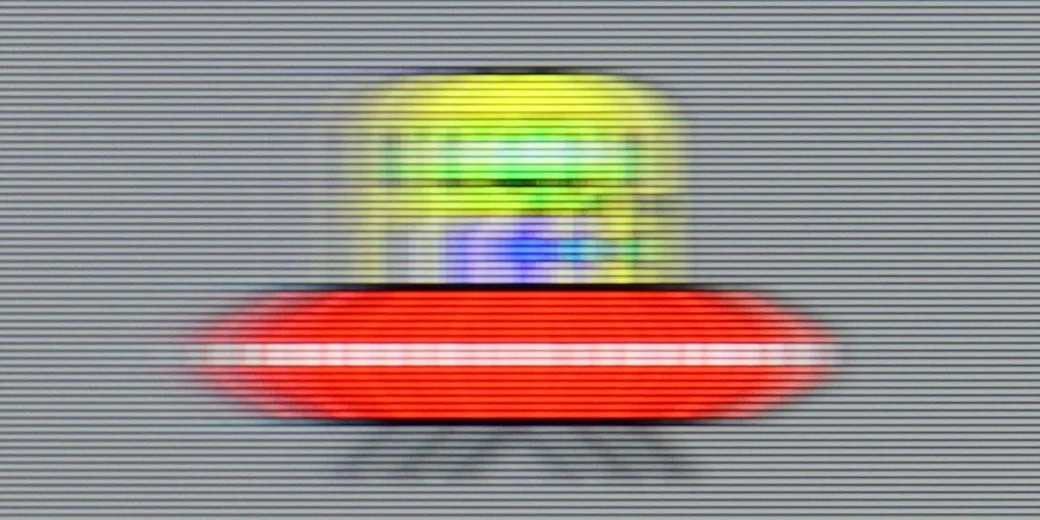
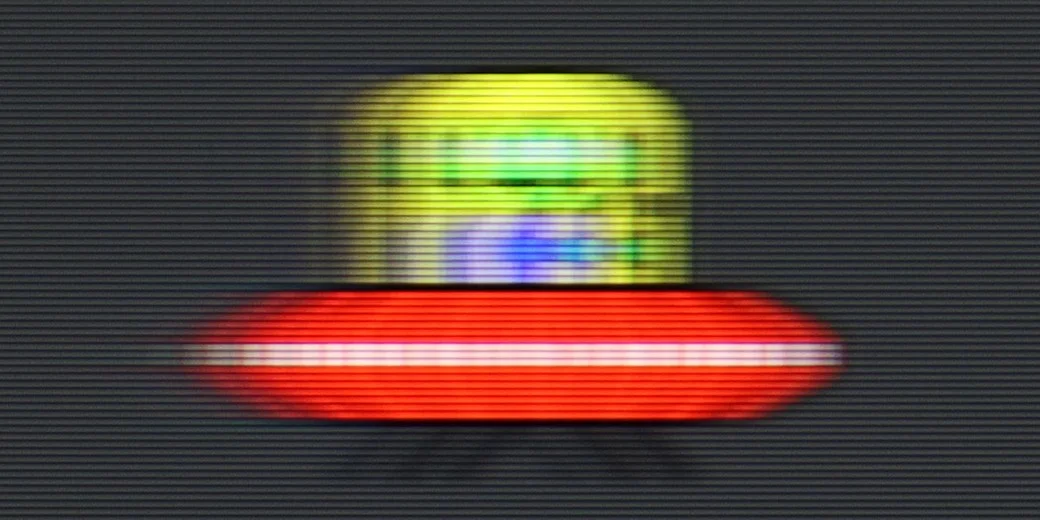
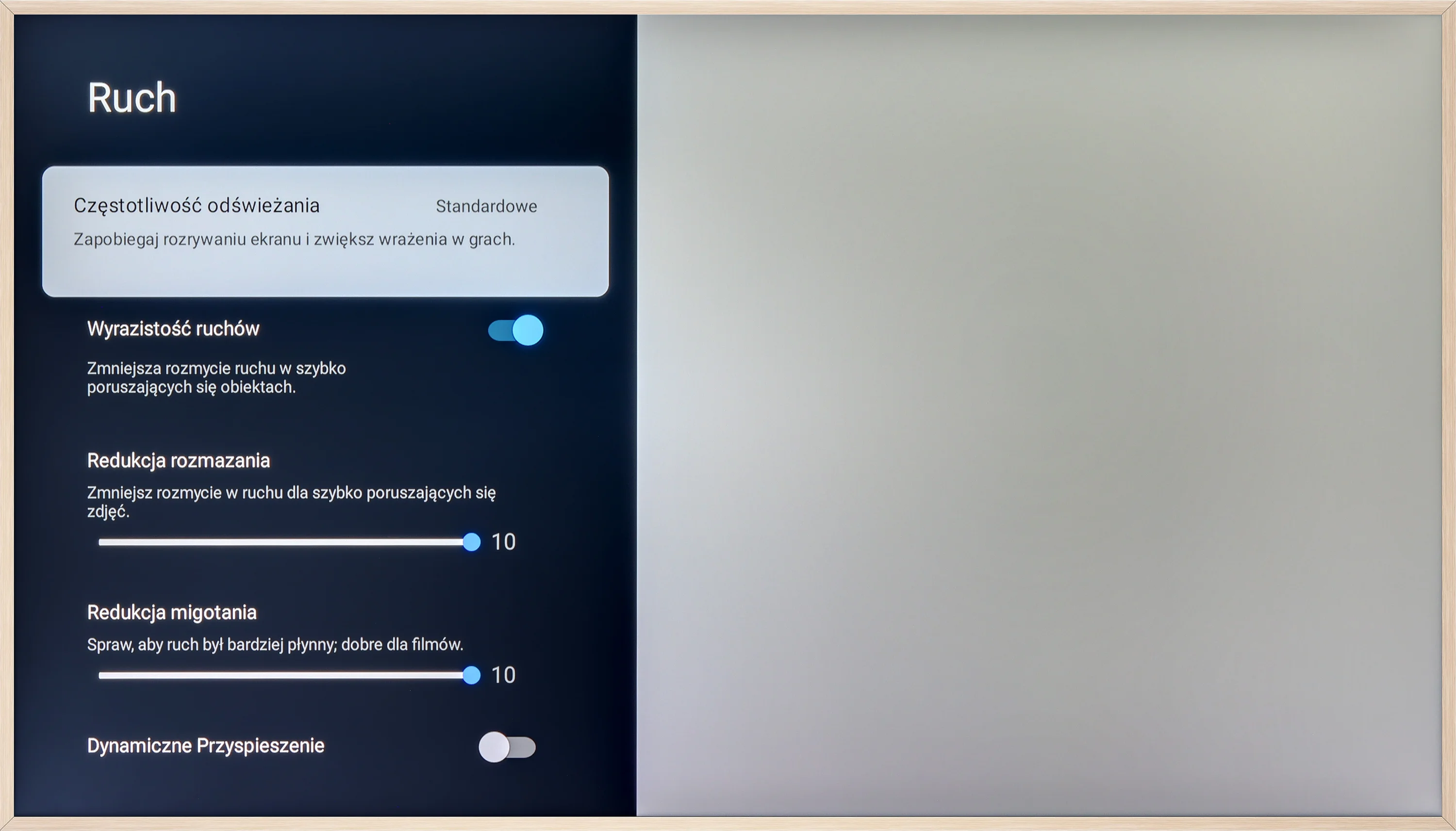
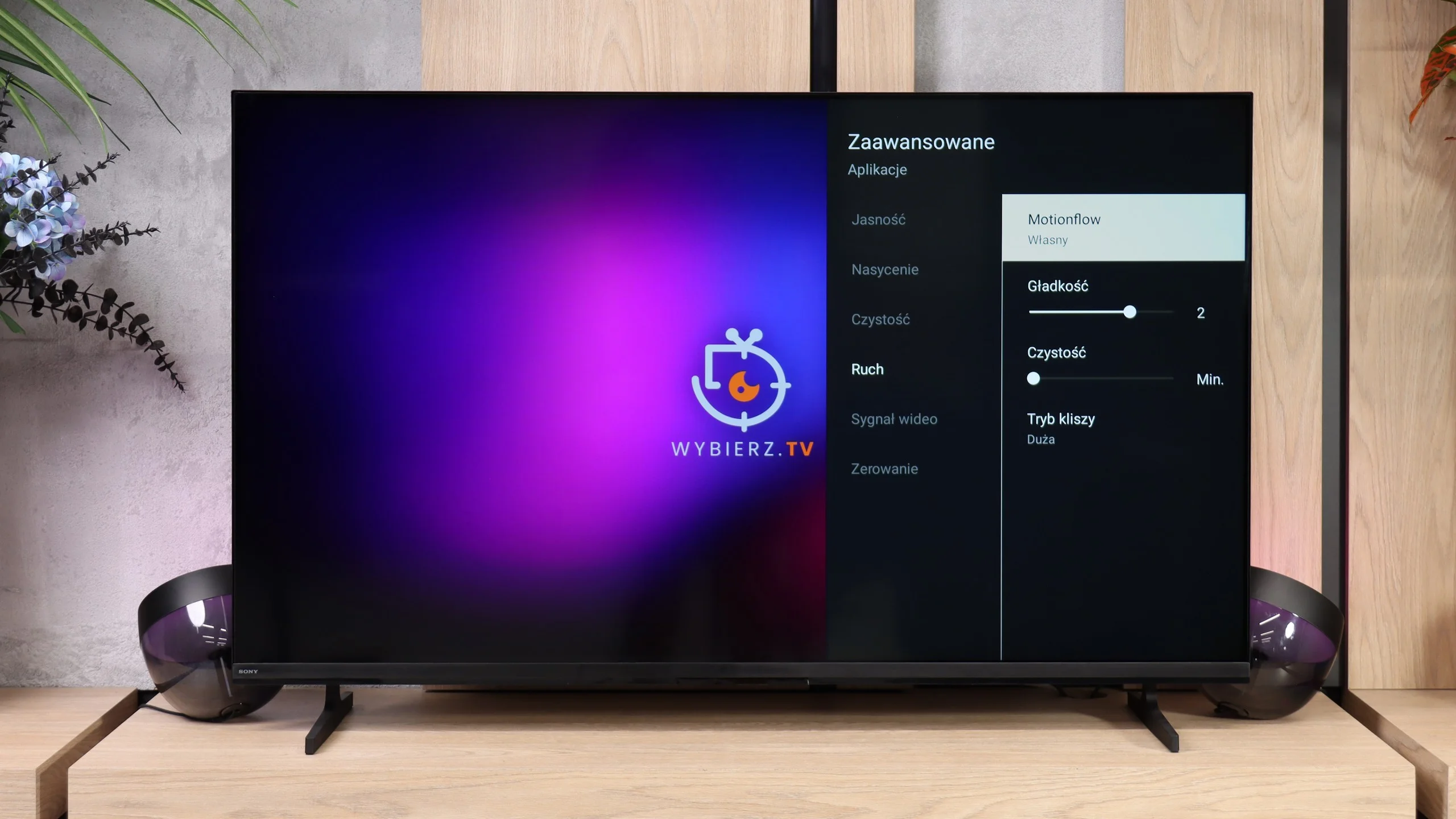
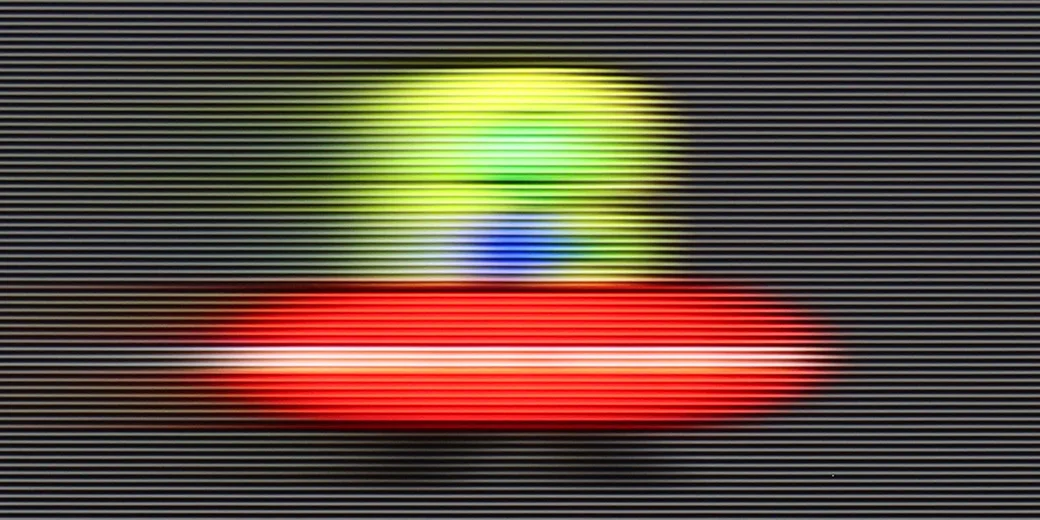
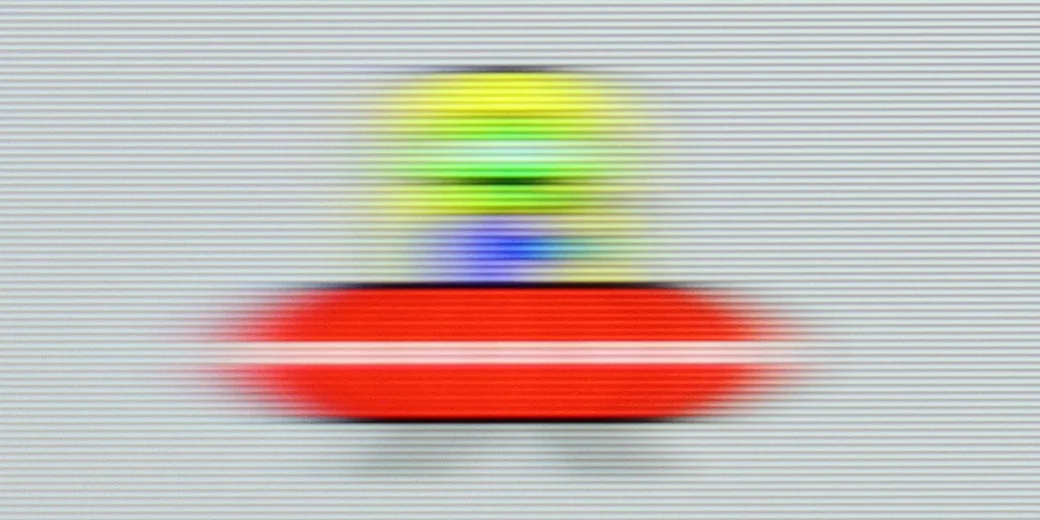
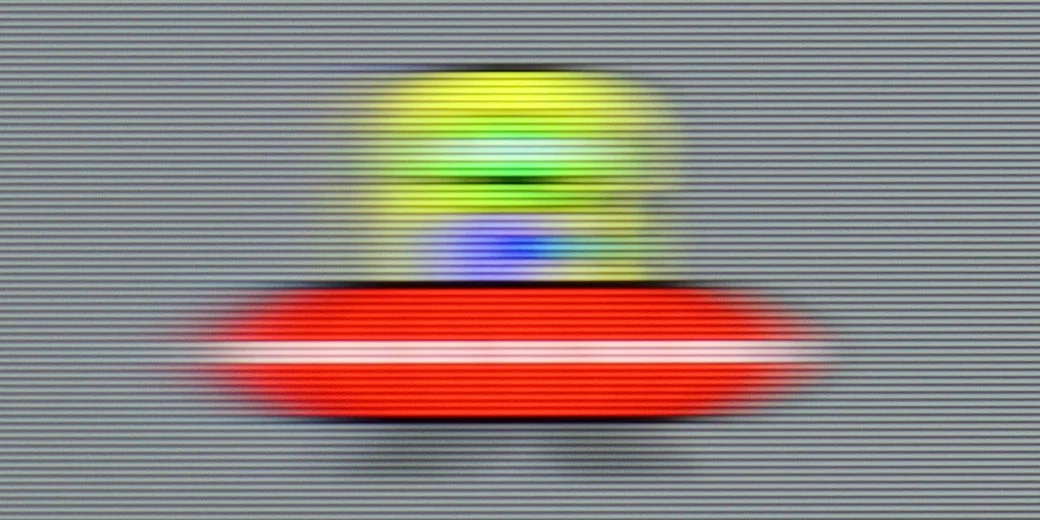
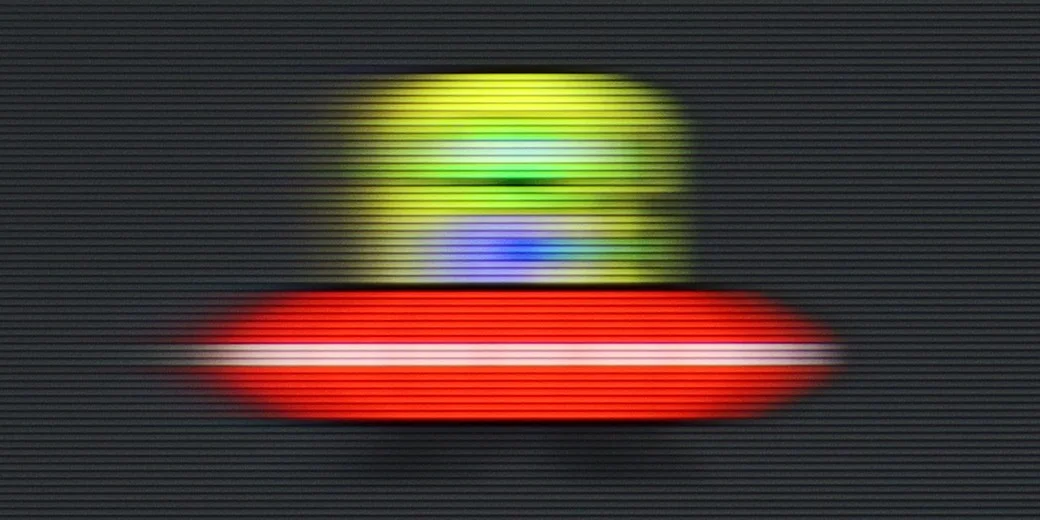
TCL A300 is equipped with a 144 Hz panel, which should instantly satisfy virtually everyone - both gamers and sports fans. Motion is fluid and the image is clear even during fast scenes. Additionally, the television offers a motion enhancement feature called "Motion," where we find two sliders on a 10-point scale. These allow you to adjust the effect to your own preferences - from a classic, filmic look with visible frames to a very smooth (though already unnatural) image reminiscent of a soap opera effect. This way, everyone can find a setting that suits them.
Bravia 2 II uses a 60 Hz panel and, for what it is, handles motion quite well. However, bear in mind it’s an entry-level panel and its limitations are especially noticeable with sports. The TV can’t interpolate 50/60 fps material to a higher refresh rate, so it can’t further improve the sharpness of fast-moving objects. For films and series there’s a conventional motion-smoothing feature that can reduce the judder typical of 24 fps material.
Console compatibility and gaming features
9.8/10
3.3/10
- ALLM
- VRR
- VRR range48 - 144Hz
- Dolby Vision Game Mode
- Correct implementation of HGIG
- 1080p@120Hz
- 1440p@120Hz
- 4K@120Hz
- Game bar
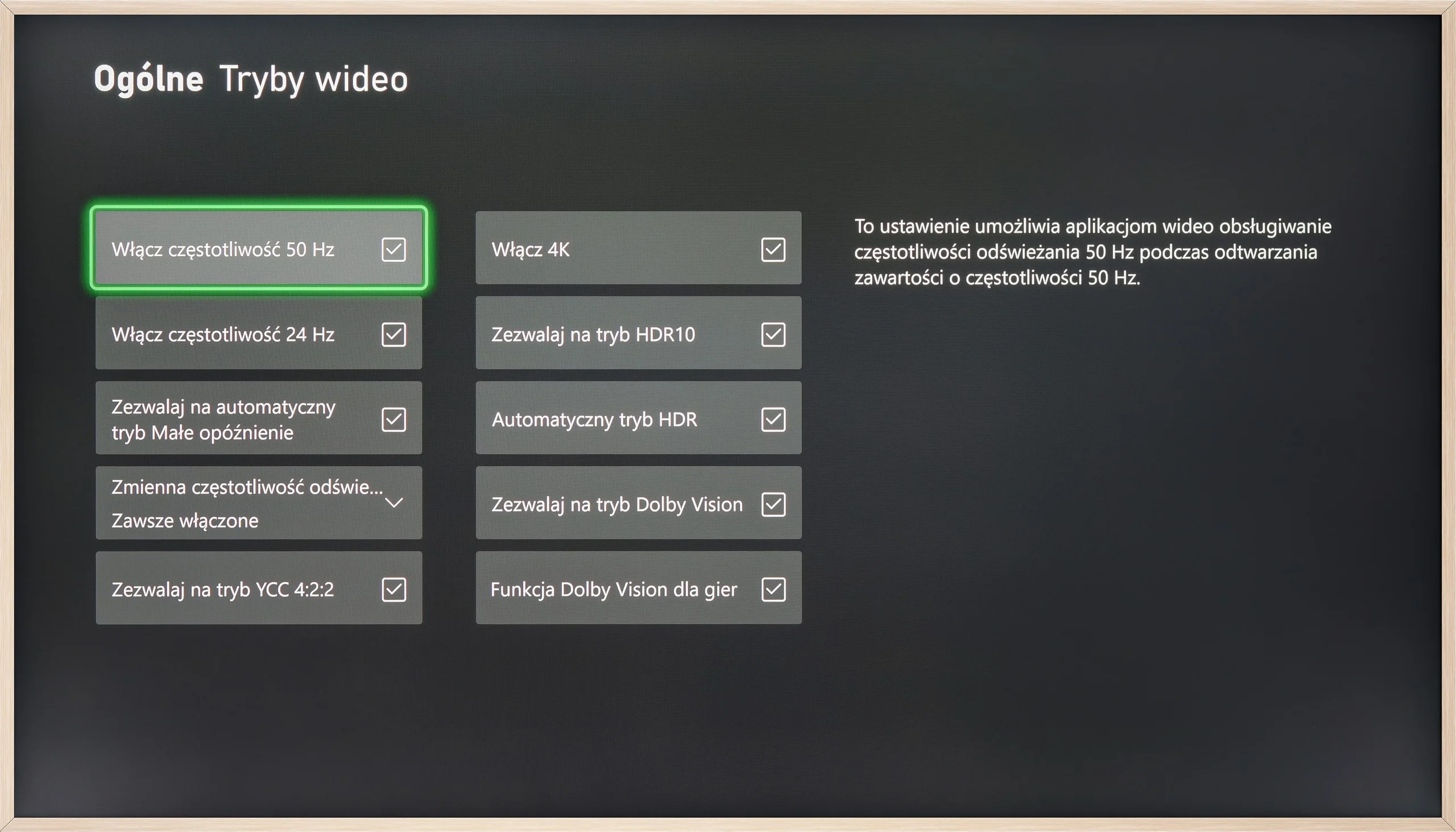
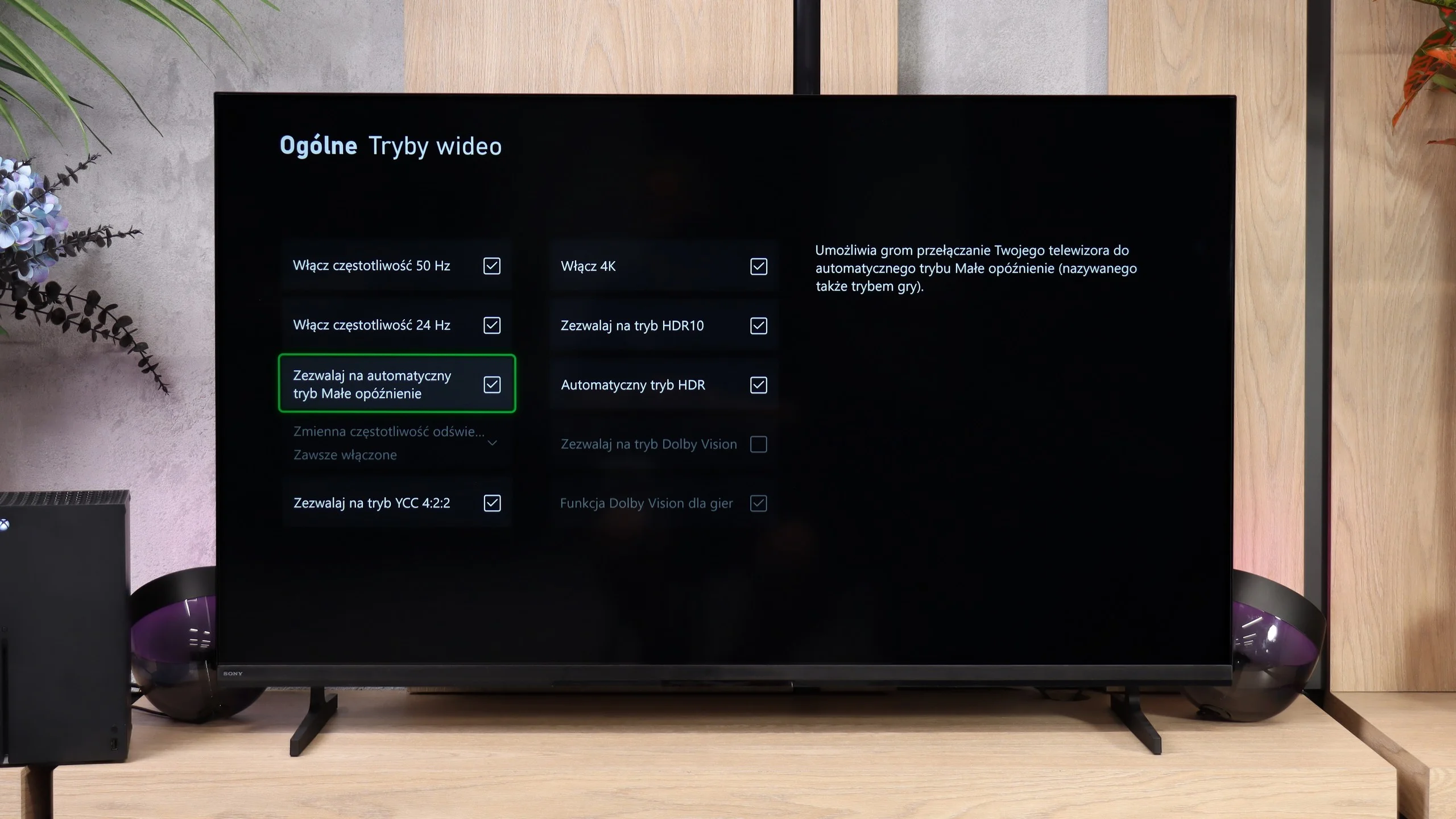
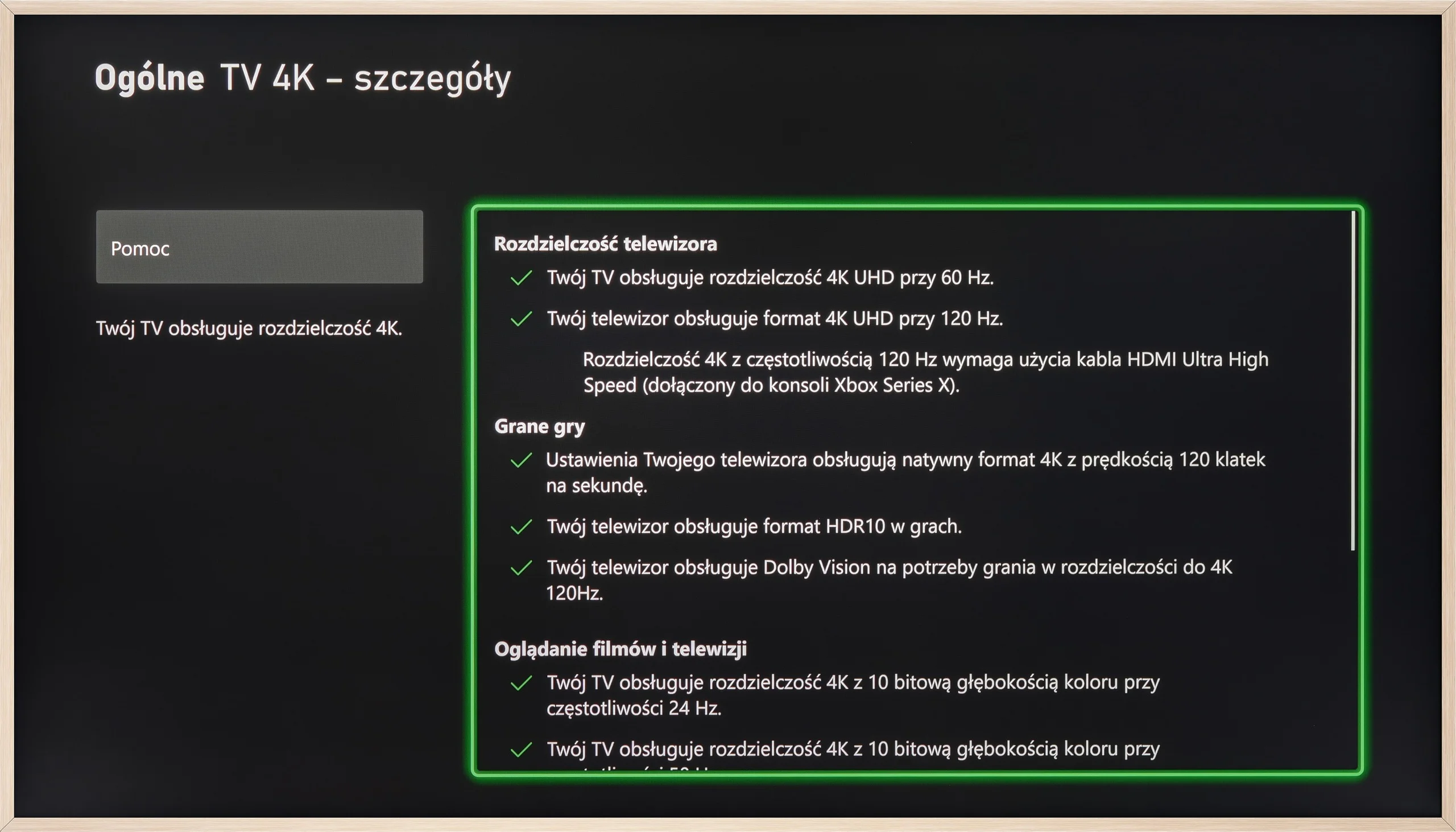
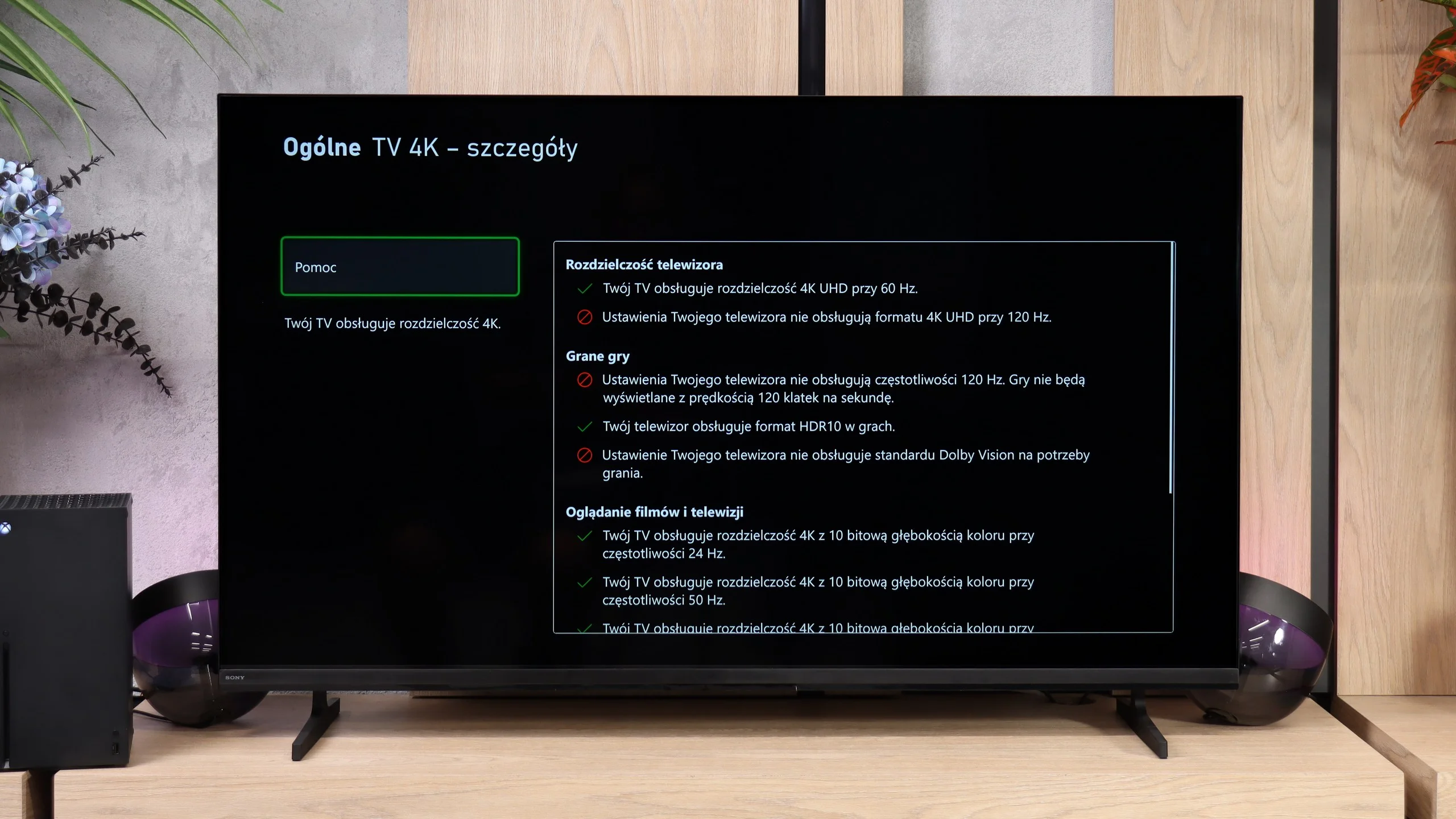

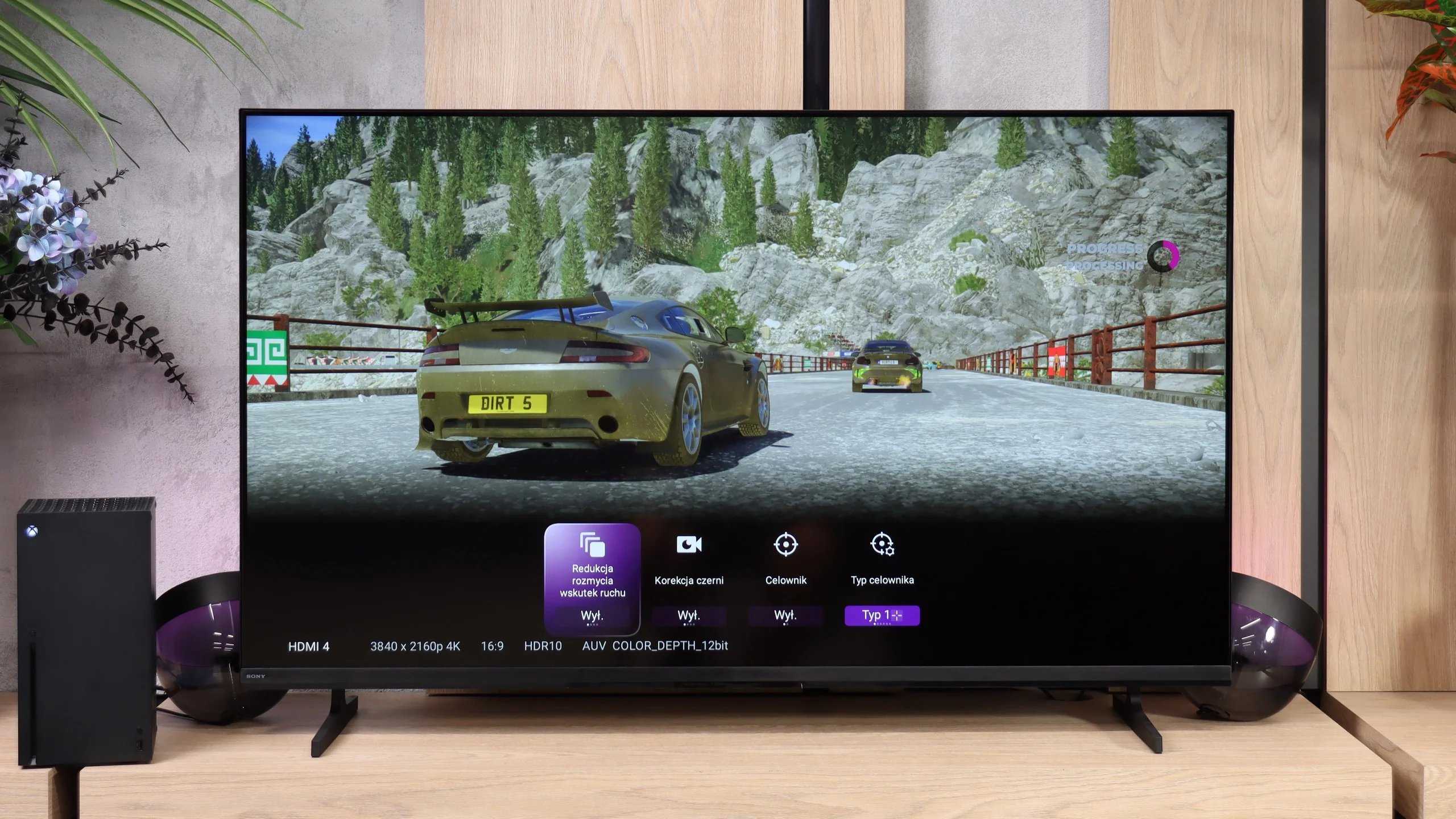
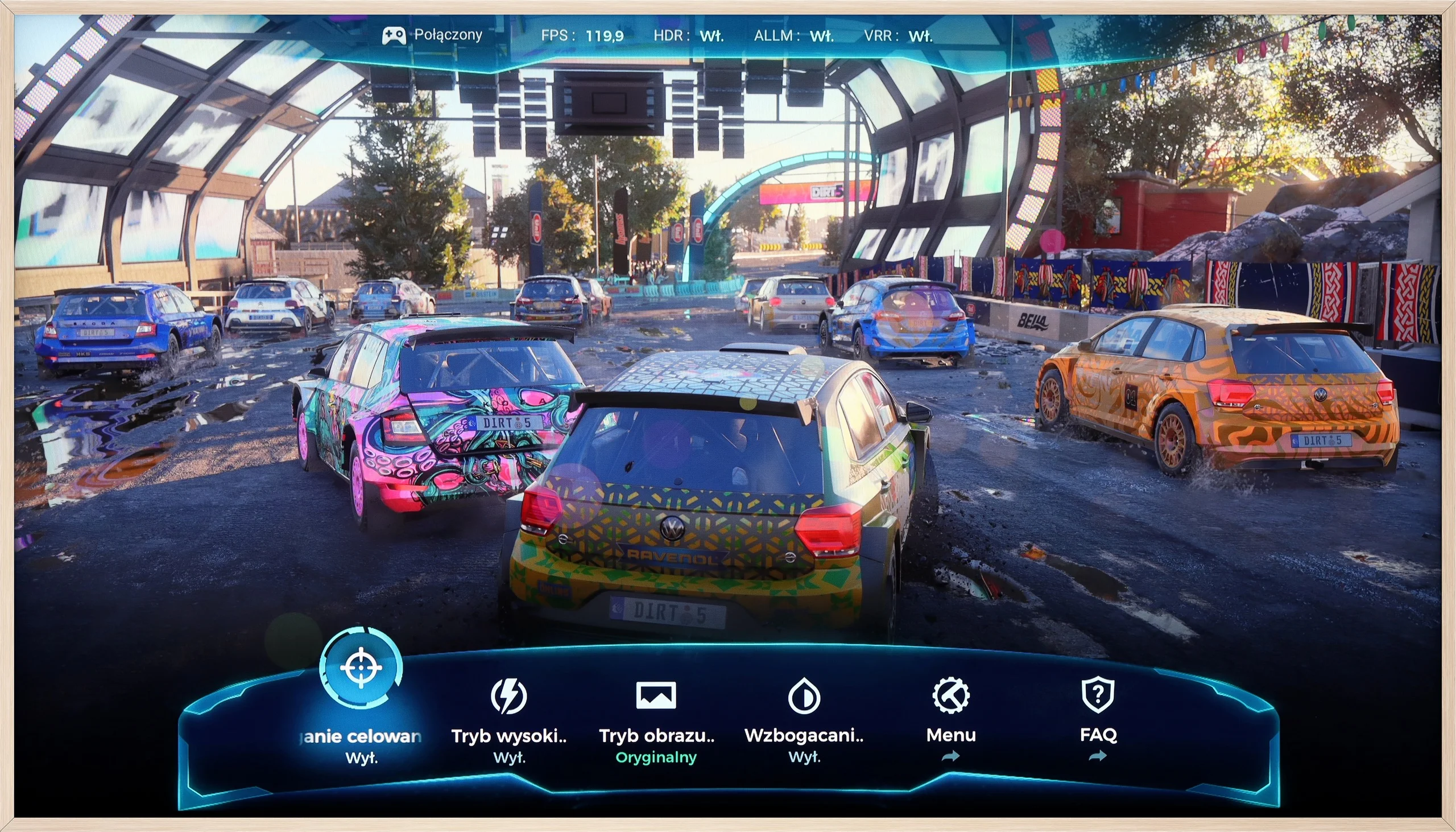
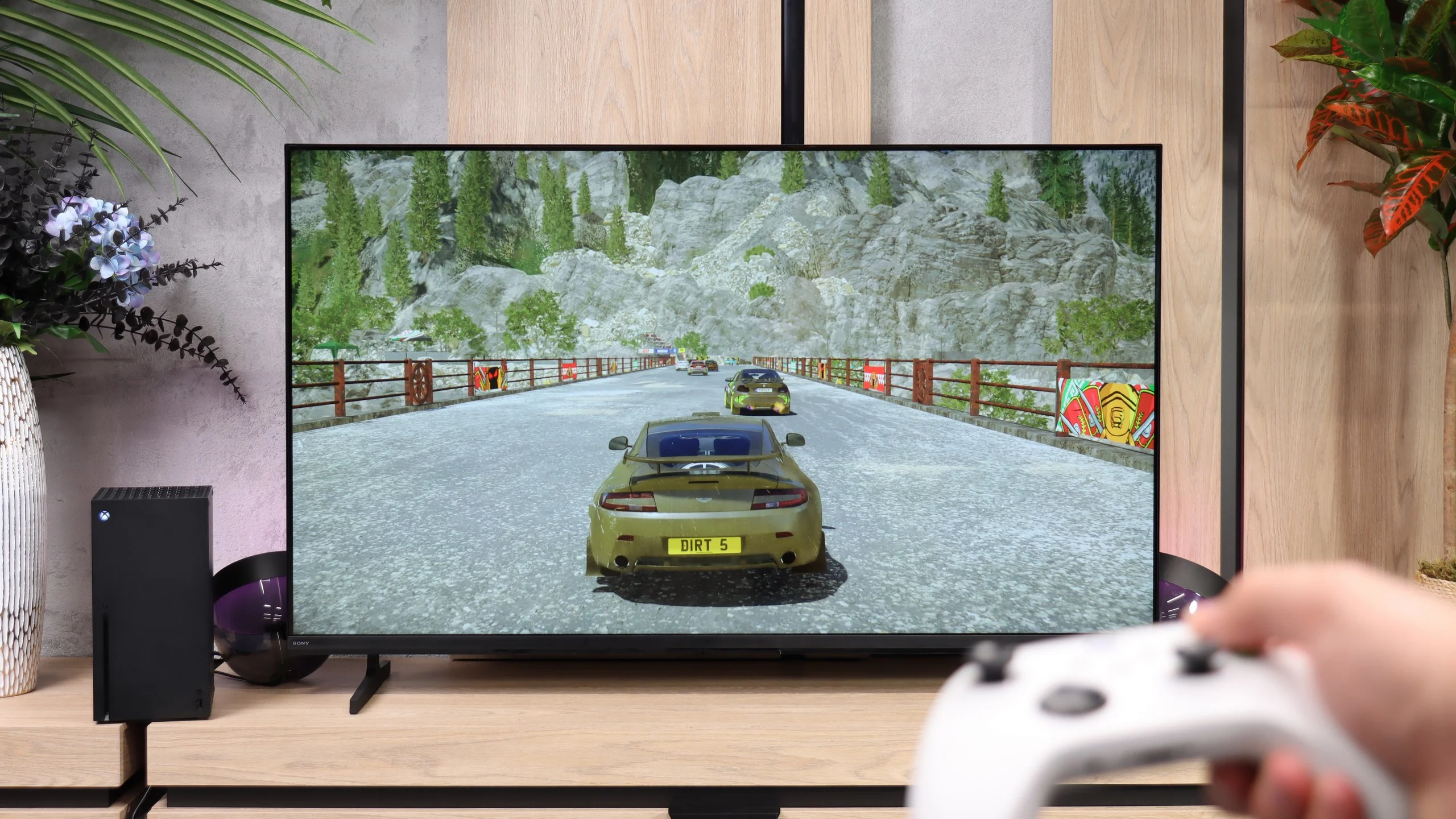
The TCL A300 is a television designed not only to transport us to a digital art museum but also into the full-fledged world of gaming. It offers practically everything you can expect from gaming hardware: two full-bandwidth HDMI 2.1 ports, 144 Hz refresh rate, support for VRR and ALLM.
It also deserves credit for the proper implementation of the HGIG mode – something that competing Hisense sometimes struggles with. The television handles lower resolutions (e.g., Full HD) with ease while maintaining high refresh rates, which will be appreciated by owners of older consoles or PCs.
Additionally, there's an attractive and clear GameBar that facilitates quick access to settings for gamers. The A300 is indeed well-prepared for gaming at the highest level – it’s just a shame that issues with ghosting somewhat detract from its overall appeal as a gaming device.
The Bravia 2 II isn’t a TV that’s particularly suited to gaming, and the feature list makes that clear pretty quickly. You basically only get automatic low-latency ALLM and a simple Game Bar where you can view basic signal info and change a few settings. That’s where the positives end. The TV doesn’t support VRR or 120 Hz (not even at lower resolutions) and on top of that it has problems correctly implementing HDR HGIG. It’s fine for occasional console play and, thanks to low input lag, the controls remain responsive, but if you’re after a TV primarily for gaming the Bravia 2 II is a significantly limited choice.
Input lag
9.7/10
10/10
SDR
HDR
Dolby Vision
In terms of input lag, the TCL A300 performs really well. Values below 10 ms at a refresh rate of 120 Hz are something many gamers dream of – such low lag is practically unnoticeable, both during everyday gaming and in more demanding esports titles. One could nitpick about the result of 23 ms in Dolby Vision mode at 60 frames, but it's still low enough that serious objections are hard to come by. In this category, the A300 truly excels.
Here the Bravia 2 II performs considerably better. The input lag is only about 11 ms, low enough that you’ll hardly notice any delay while gaming. So even with a modest set of gaming features, the TV will handle regular console gaming without any major issues.
Compatibility with PC
8.2/10
6/10
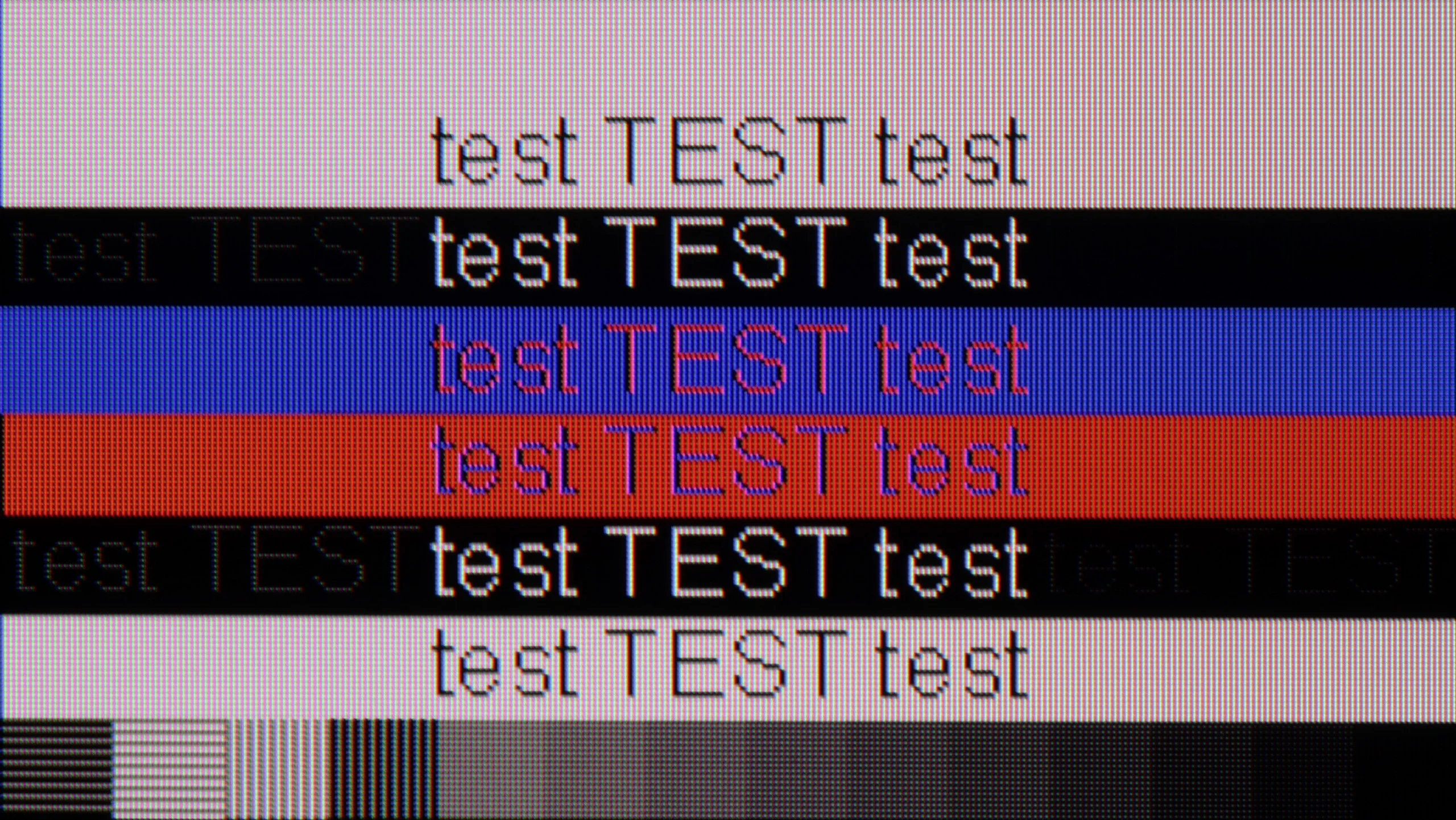
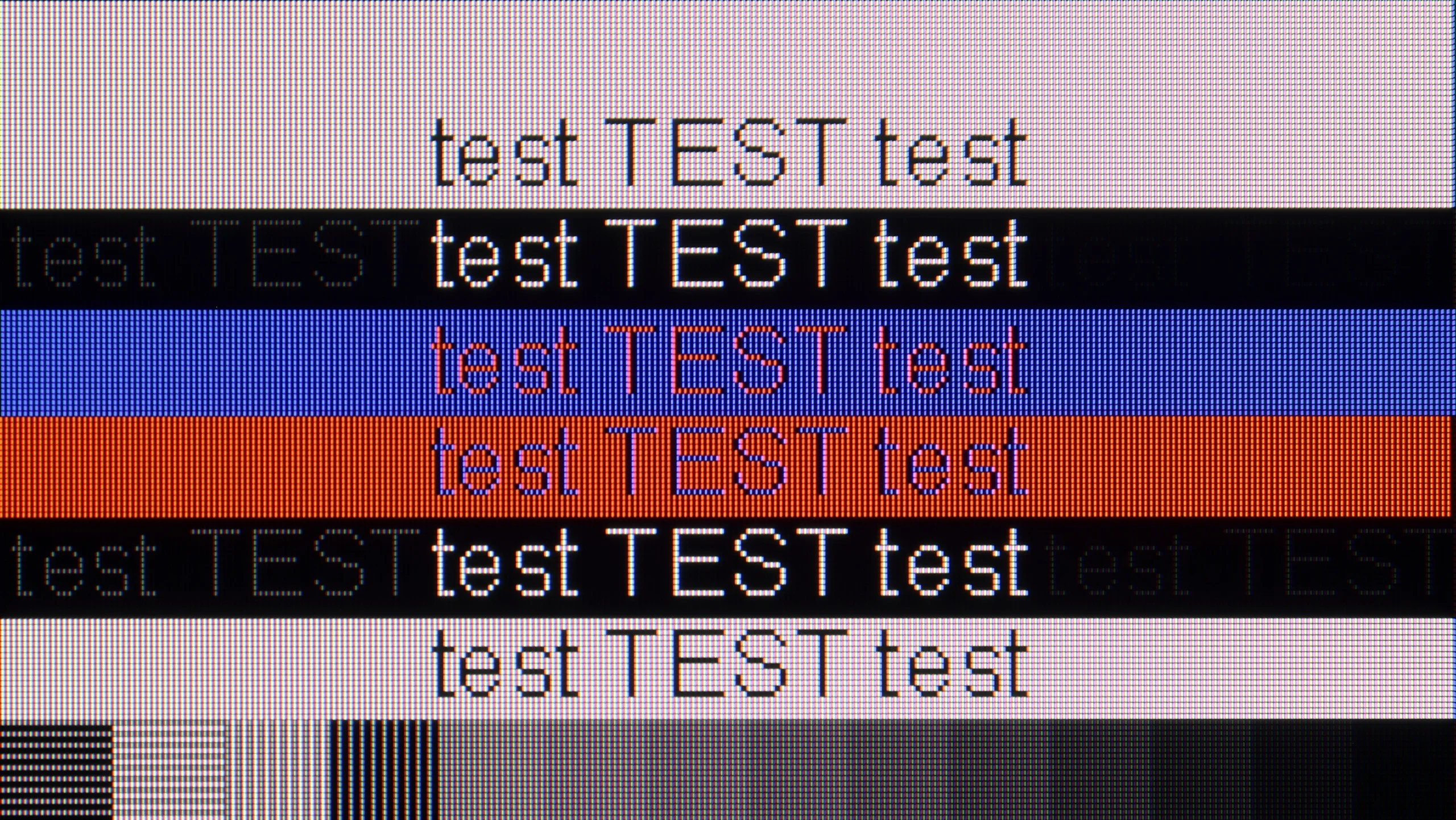
The photo shows the legibility of small fonts. Ideally, lines should be the same thickness on both light and dark text, with minimal pixel gaps.
If we plan to use the TCL A300 as a computer monitor, we may be pleasantly surprised. The television performs really well in this role. It is equipped with a 144 Hz panel, supports G-Sync, and, as we mentioned, offers very low input lag, so gaming on it with a connected PC is pure enjoyment.
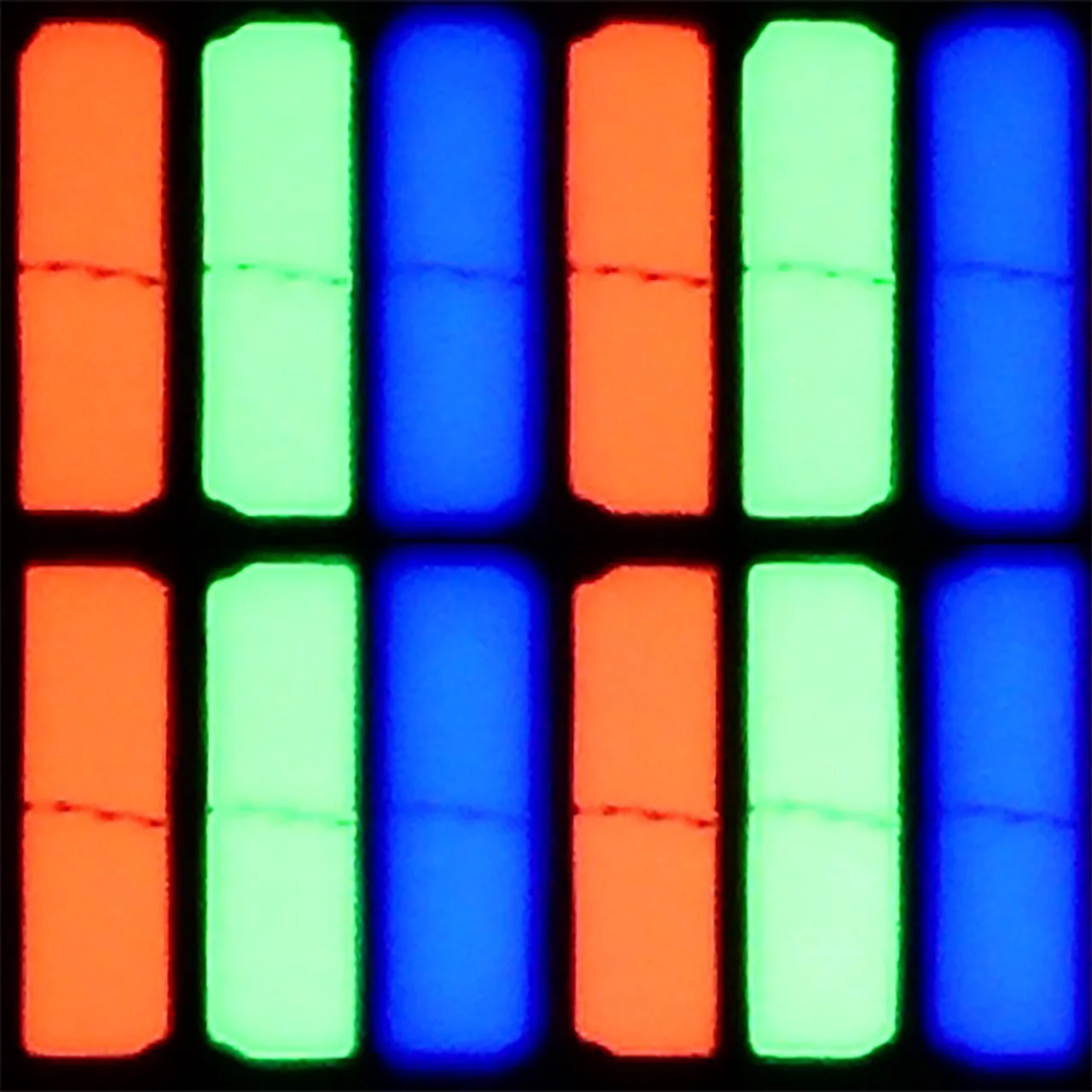
Working with text is also possible, although with some limitations. The TCL A300 has slight issues displaying dark fonts and thin lines – this is due to the construction of the subpixels, which in everyday use can be a bit annoying, even though it looks better in photos than in reality.
The television supports chroma 4:4:4, but only up to 120 Hz. Therefore, we noted that this feature is available, but with a limitation – if we care about perfectly readable fonts, it's worth sticking with the refresh rate of 120 Hz. At 144 Hz, the clarity of the text may suffer somewhat.
Bravia 2 II handles a computer very well, at least if you think of it as a screen for work. Thanks to its IPS panel and accurate 4:4:4 chroma reproduction, fonts are sharp and readable regardless of their size, shape or colour. That’s particularly good news for people considering the smaller variant and placing it on a desk instead of a classic monitor. It looks much worse, however, from a gaming perspective. The TV doesn’t offer 120 Hz, VRR or other features that would interest more demanding PC gamers. So it’s very good for office work or watching content from a computer, but as a gaming screen it has quite a few limitations.
Viewing angles
3.2/10
6.5/10
The viewing angles on the TCL A300 NXTVision are, let’s be honest, average. The TV is equipped with a VA panel, which inherently has quite limited angles, and unfortunately, this is evident here. The video below speaks for itself – even a slight deviation from the centre results in a noticeable drop in contrast and colour saturation. It’s a shame that this is yet another frame-style TV that has done absolutely nothing about it. After all, we don't always have the option to sit perfectly straight on – especially if the device is also meant to serve a decorative function in the living room.
Viewing angles are one of the Bravia 2 II's stronger points. Thanks to the IPS panel, colours and brightness remain accurate for quite a while even when we’re not sitting directly in front of the TV. In this area Sony regains some of the points it lost earlier on black levels and contrast. As a result, the Bravia 2 II may be better suited to a larger living room or a room where some people watch the TV from the side, especially if it will mainly be used for everyday TV.
Daytime performance
4.7/10
4.8/10
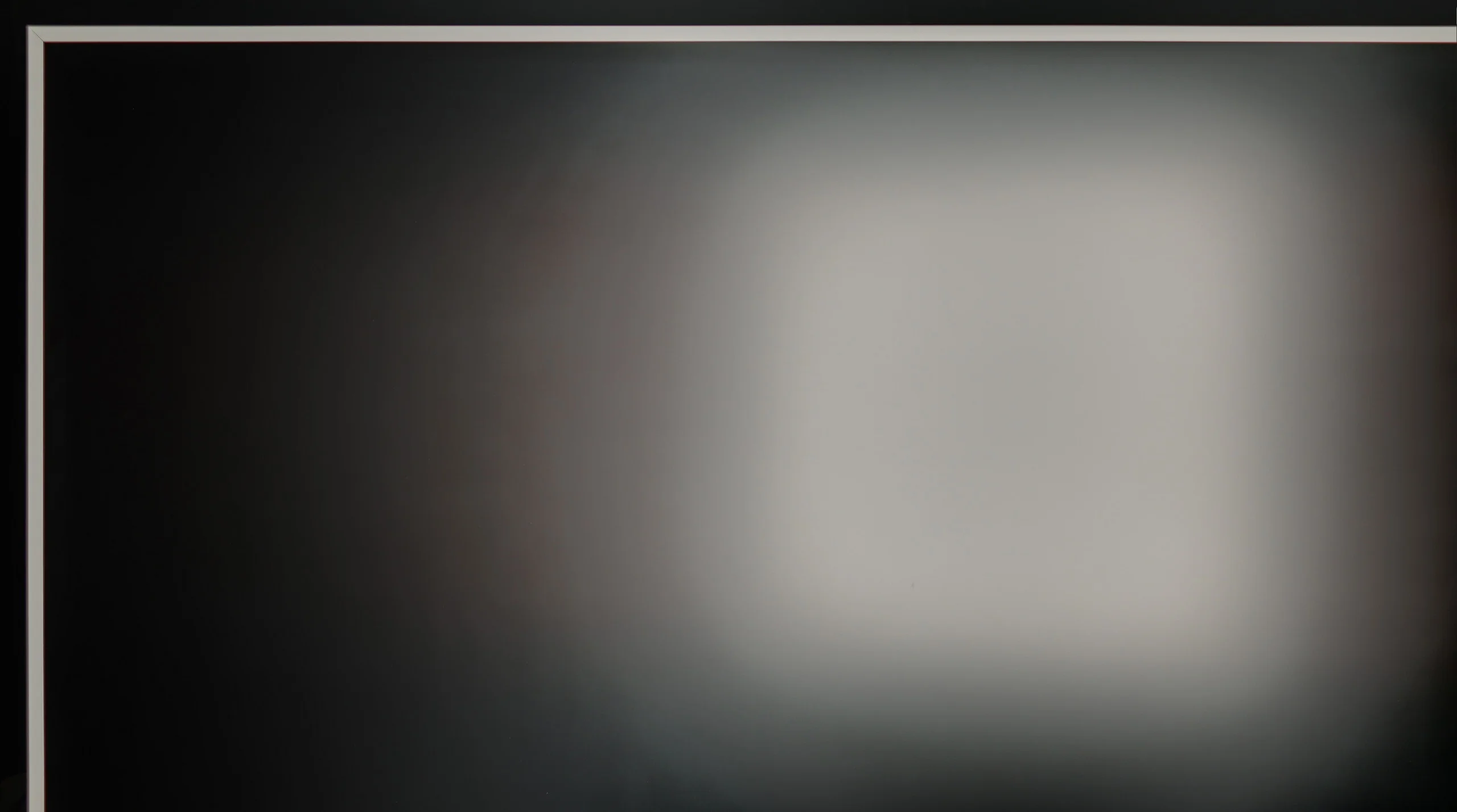
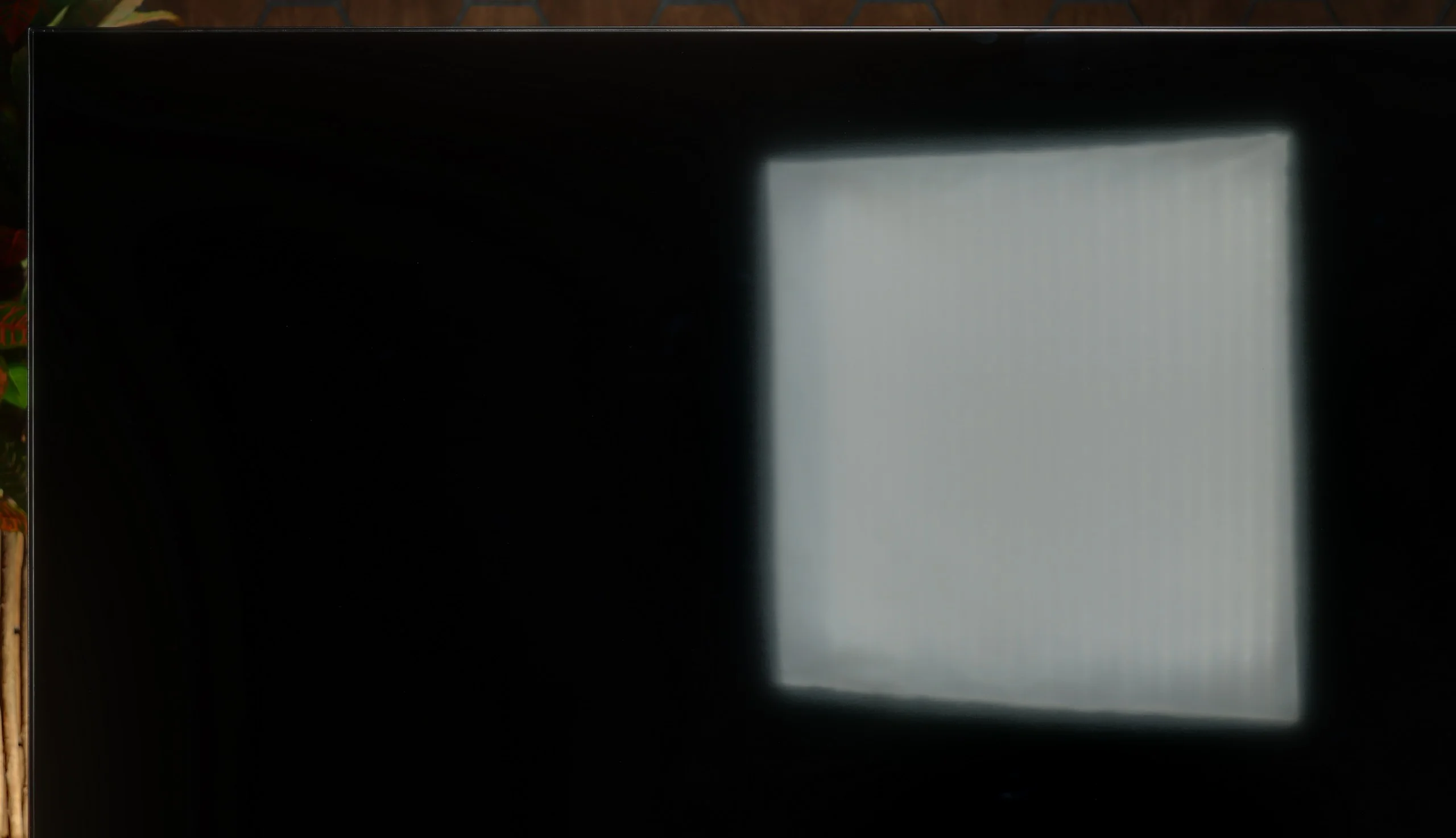
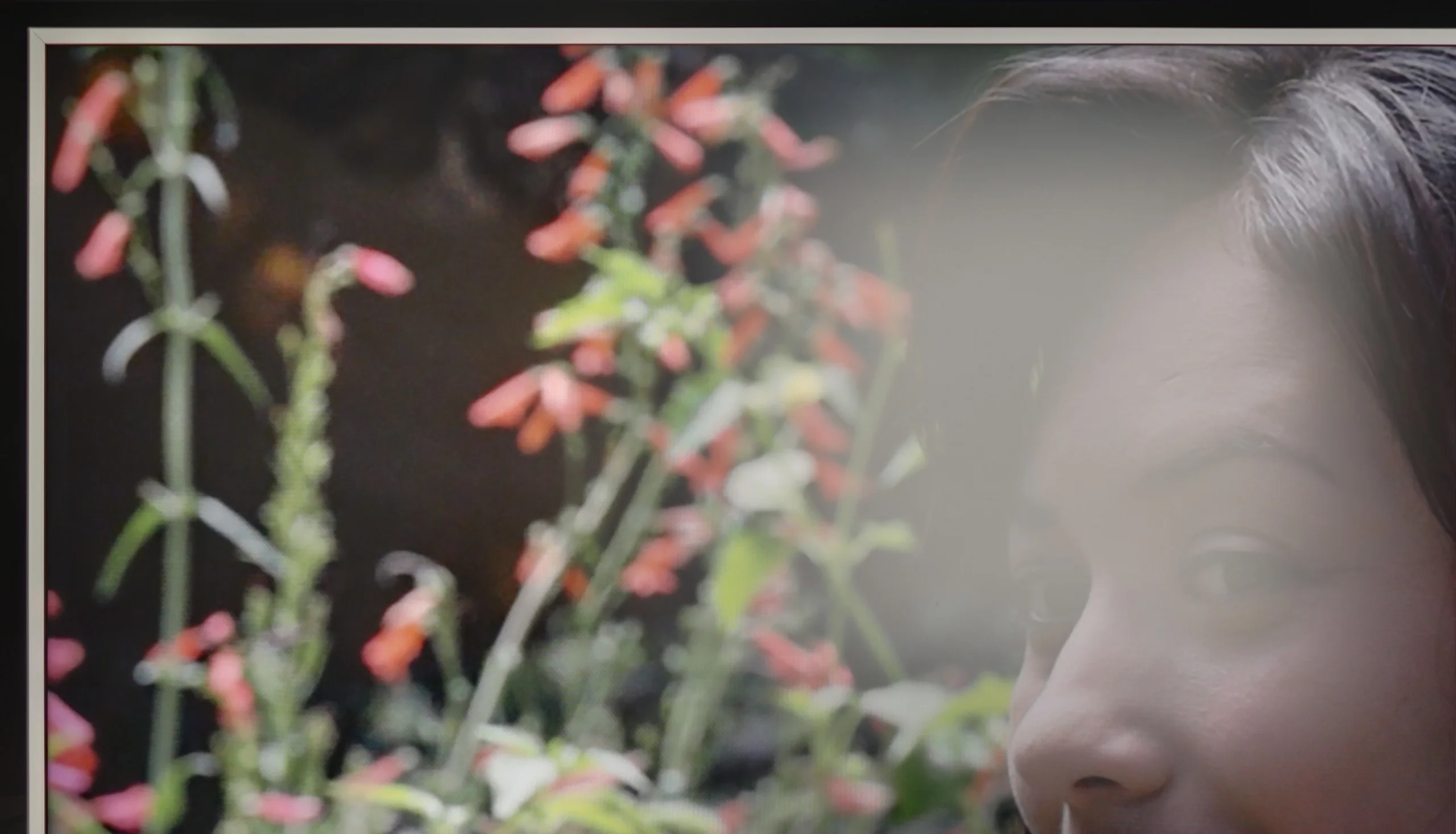
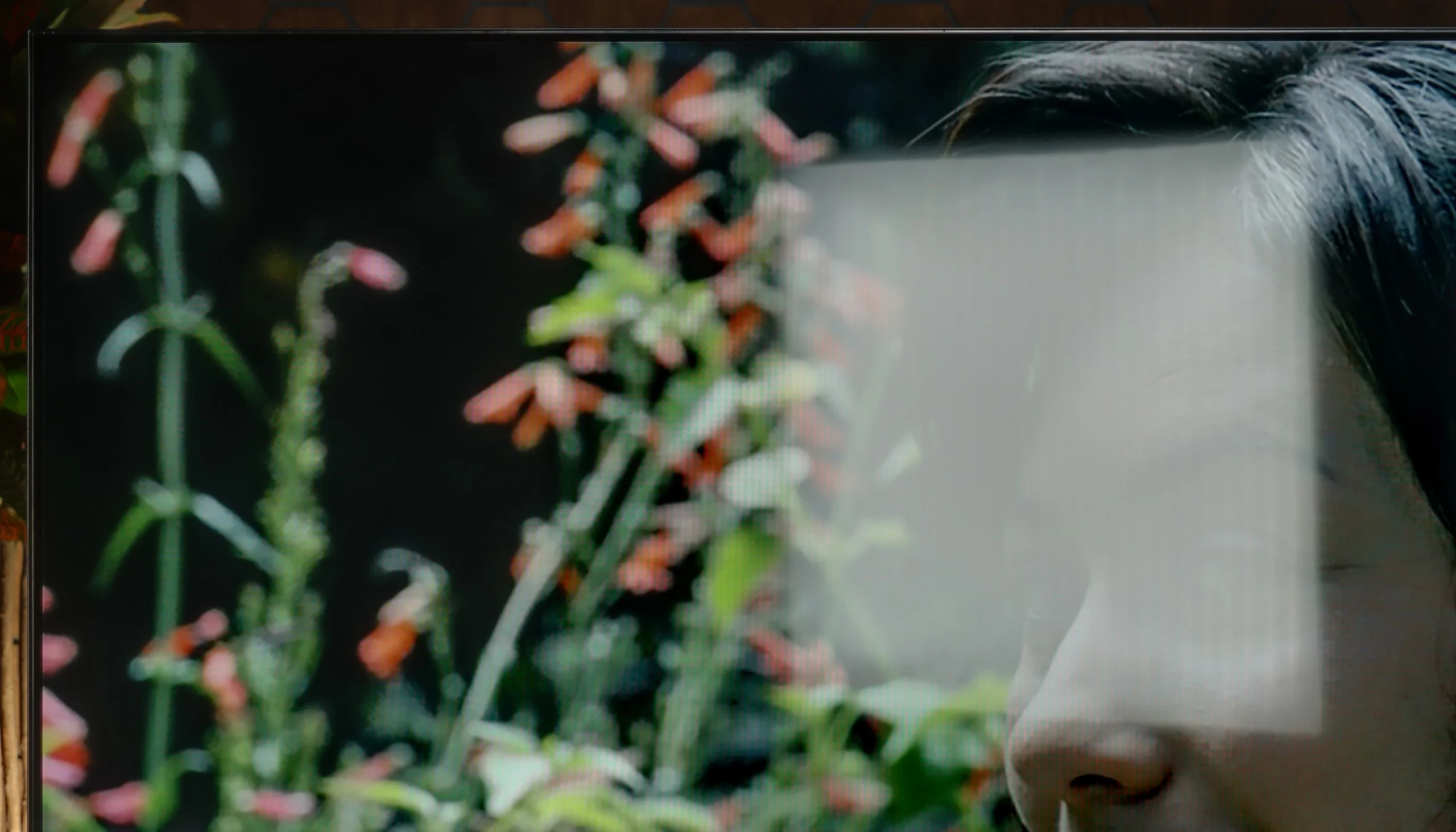
Panel brightness
Sony BRAVIA 2 II (S25M2): 319 cd/m2
TCL A300W NXTVision: 388 cd/m2
The TCL A300 NXTVision is equipped with a matte panel very similar to the one found in one of its Chinese competitors – the Hisense S7NQ. This type of surface does quite well in reducing reflections, although it must be admitted that it performs worse than Samsung's The Frame, which offers a significantly higher level in this regard. As is usually the case with matte displays, blacks during the day lose depth and appear more grey than black – and this is no different here. Unfortunately, the fact that the A300 is the darkest TV of the three tested doesn’t help either. This gives it a real problem in breaking through in heavily sunlit rooms.
In daylight the Bravia 2 II performs rather average. Brightness of around 320 nits doesn’t leave much headroom, but in a typical, moderately bright living room it’s still enough to keep the picture readable. The screen’s matte coating does a decent job of reducing reflections, though it can’t eliminate them entirely. With strong light falling directly on the screen, there’s simply not enough brightness to effectively cut through the glare. So it will be fine for ordinary daytime viewing, but in a very bright room with lots of windows you may start to notice the limitations of this model.
Panel details
Subpixel Structure:
Panel uniformity and thermal imaging:
TCL A300W NXTVision
Sony BRAVIA 2 II (S25M2)
TV features
7.2/10
6.6/10
- SystemGoogle TVGoogle TV
- System performanceDecentDecent
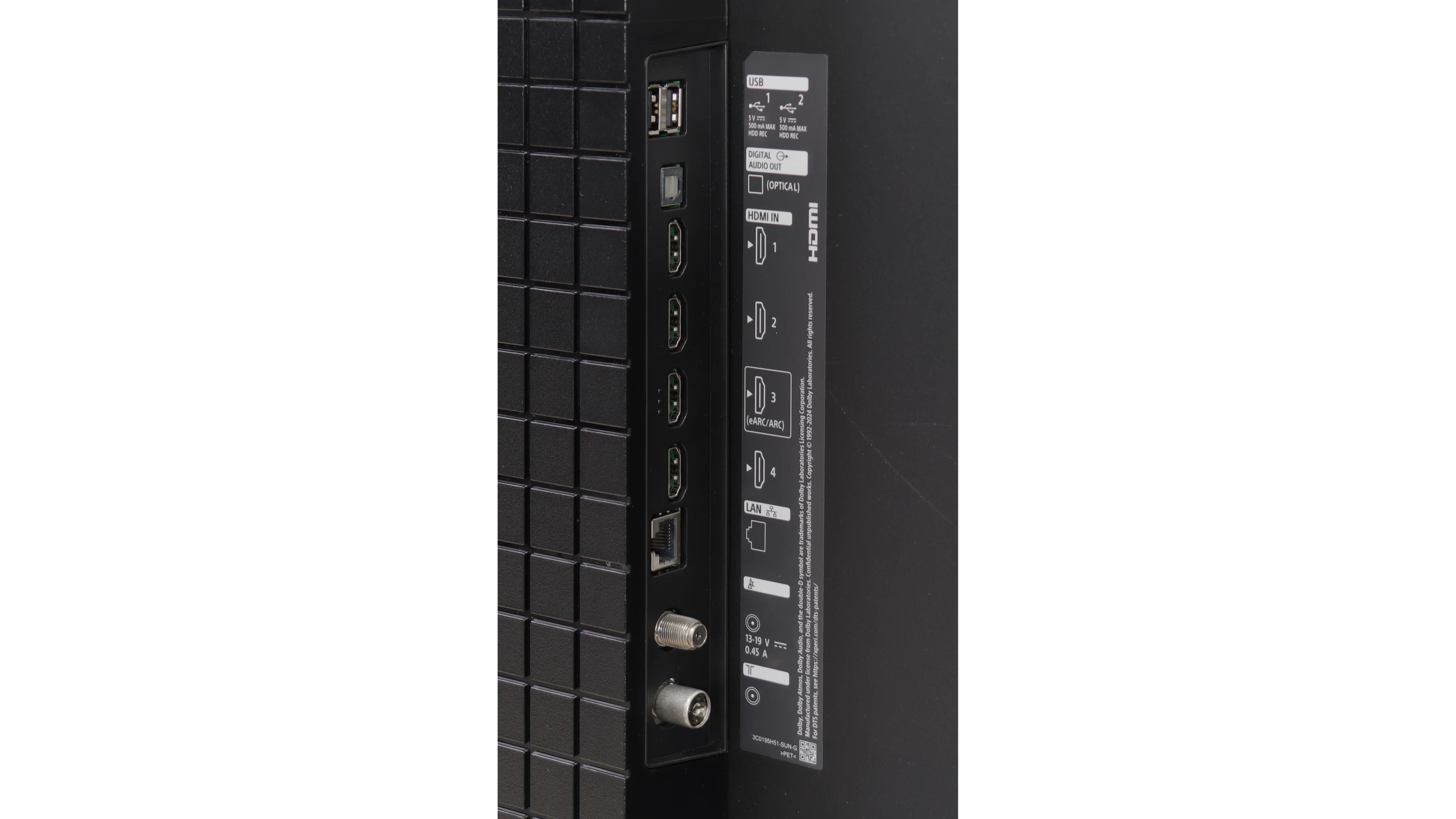
- HDMI inputs2 x HDMI 2.0, 2 x HDMI 2.1 48Gbps4 x HDMI 2.0, 0 x HDMI 2.1
- OutputsToslink (Optical audio), eARC (HDMI), ARC (HDMI)Toslink (Optical audio), eARC (HDMI), ARC (HDMI)
- Network InterfacesWi-Fi 2.4GHz, Wi-Fi 5GHz, Ethernet (LAN) 100MbpsWi-Fi 2.4GHz, Wi-Fi 5GHz, Ethernet (LAN) 100Mbps
- TV receptionDVB-T, DVB-T2, DVB-S, DVB-S2, DVB-CDVB-T, DVB-T2, DVB-S, DVB-S2, DVB-C
Classic features:
- Recording to USB (terrestrial TV)
- Recording programming
- Picture in Picture (PiP)
- RF remote control (no need to aim)
- Backlit remote control
- Teletext
- Audio only mode
- Bluetooth headphones support
- Simultaneous Bluetooth headphones & TV audio
Smart features:
- AirPlay
- Screen mirroring (Windows Miracast)
- Voice search
- Voice search in native language
- Ability to connect a keyboard and mouse
Sound connection options
- HDMI audioeARC (HDMI), ARC (HDMI)eARC (HDMI), ARC (HDMI)
- Other audio outputsToslink (Optical audio)Toslink (Optical audio)
- Wireless audioBluetoothBluetooth
Supported audio formats (external HDMI eARC audio):
- Dolby Digital Plus 7.1
- Dolby True HD 7.1
- Dolby Atmos in Dolby Digital Plus (JOC)
- Dolby Atmos in Dolby True HD
- DTS:X in DTS-HD MA
- DTS-HD Master Audio
Senior accessibility
- Numeric keyboard on TV
- Font size adjustment
- Audio description
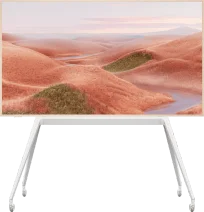
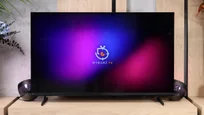
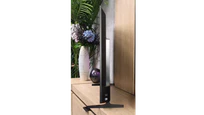
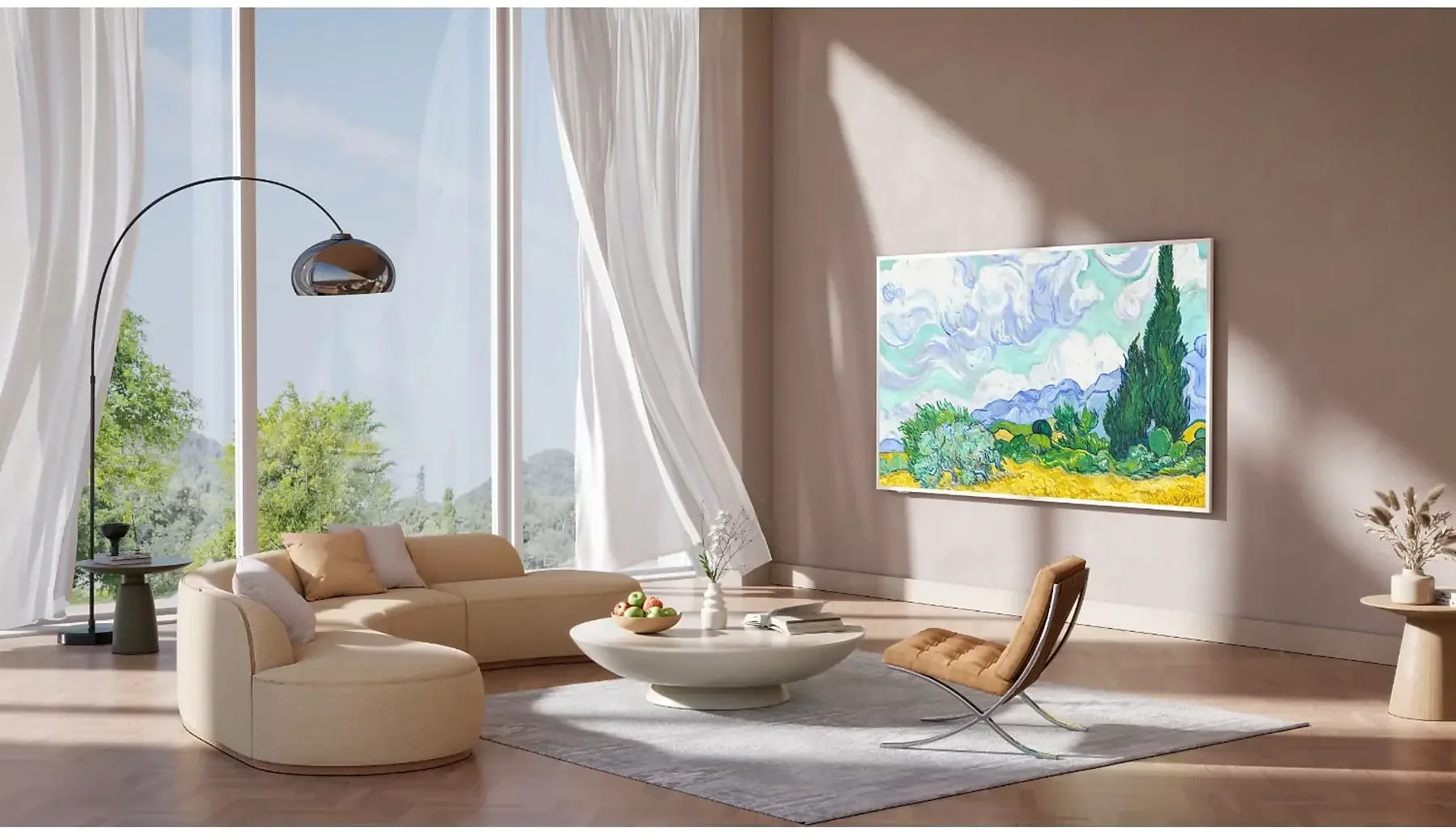
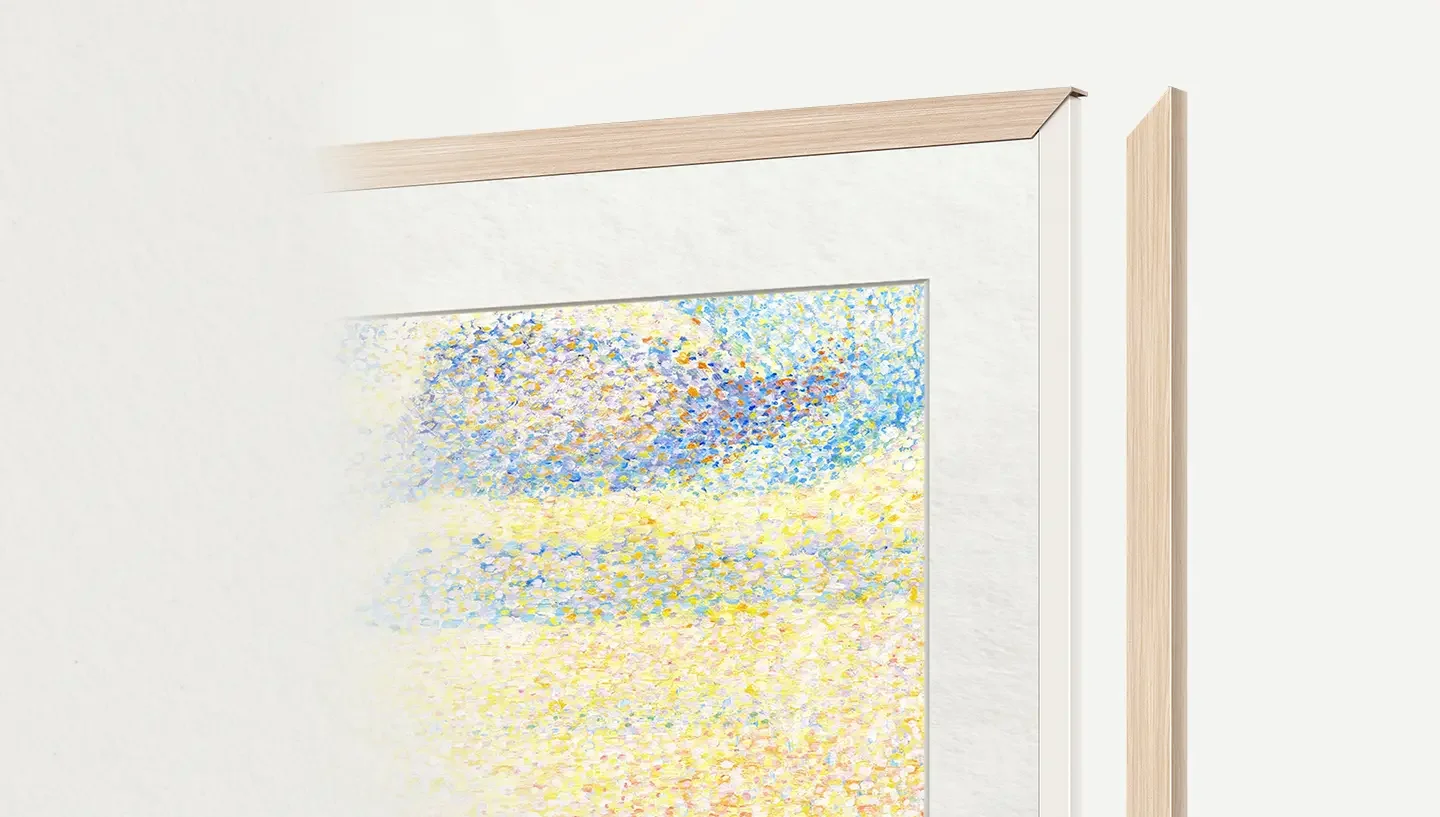
TCL A300 is a television styled as a painting, which in everyday use can successfully pretend to be a work of art hanging on the wall. It is equipped with a special image display mode, additional frames in a light wood tone, and a flat wall mount that allows you to hang the television like a real painting – without any gap from the wall.
A significant advantage of the image mode is that it is completely free. We have access to several dozen works from which we can choose one to be displayed while in standby – instead of a black screen, the image we selected remains on the wall. The quality of graphic reproduction is okay, but it must be admitted that it clearly falls short of that from Samsung's ART Store. Although access to images there is paid, the quality of the scans is significantly better – you can see the texture of the paint, canvas, and details. In the TCL A300, it resembles high-quality photos rather than realistic reproductions of artworks. Additionally, the implementation of the image mode in the system leaves a lot to be desired. For example – if we set the brightness to 10% in image mode, that same value automatically transfers to the regular viewing mode, where we could easily set the brightness to 50% or even 100%. It also works the other way around – when we set the brightness to 100% in regular mode, after switching to gallery mode, the images are displayed with the same maximum brightness, shining too intensely and losing the whole effect of a “picture on the wall.” These are minor but irritating errors that can spoil the experience of what was supposed to be visually subtle and elegant.
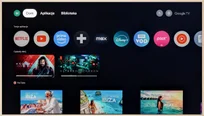
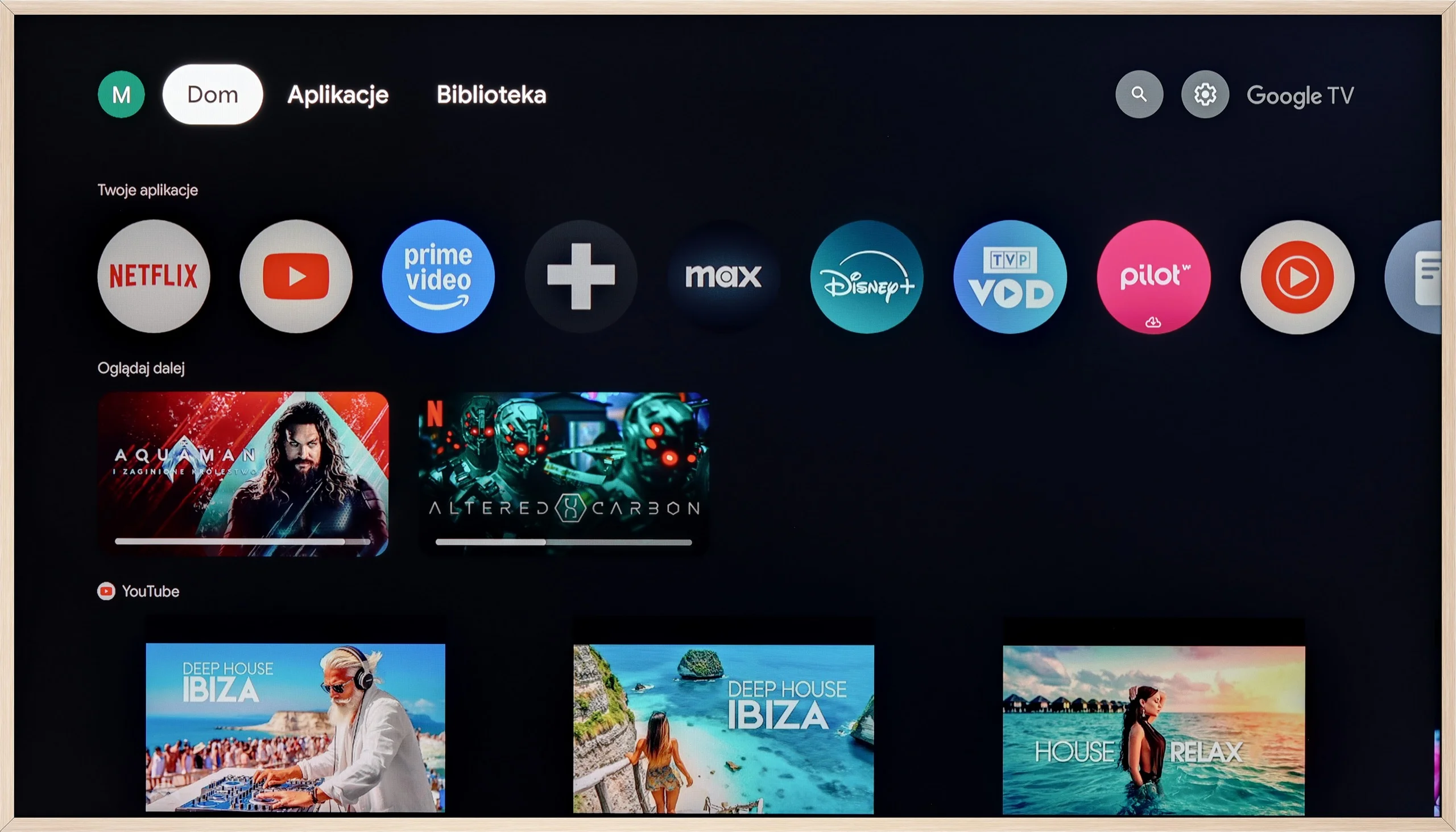
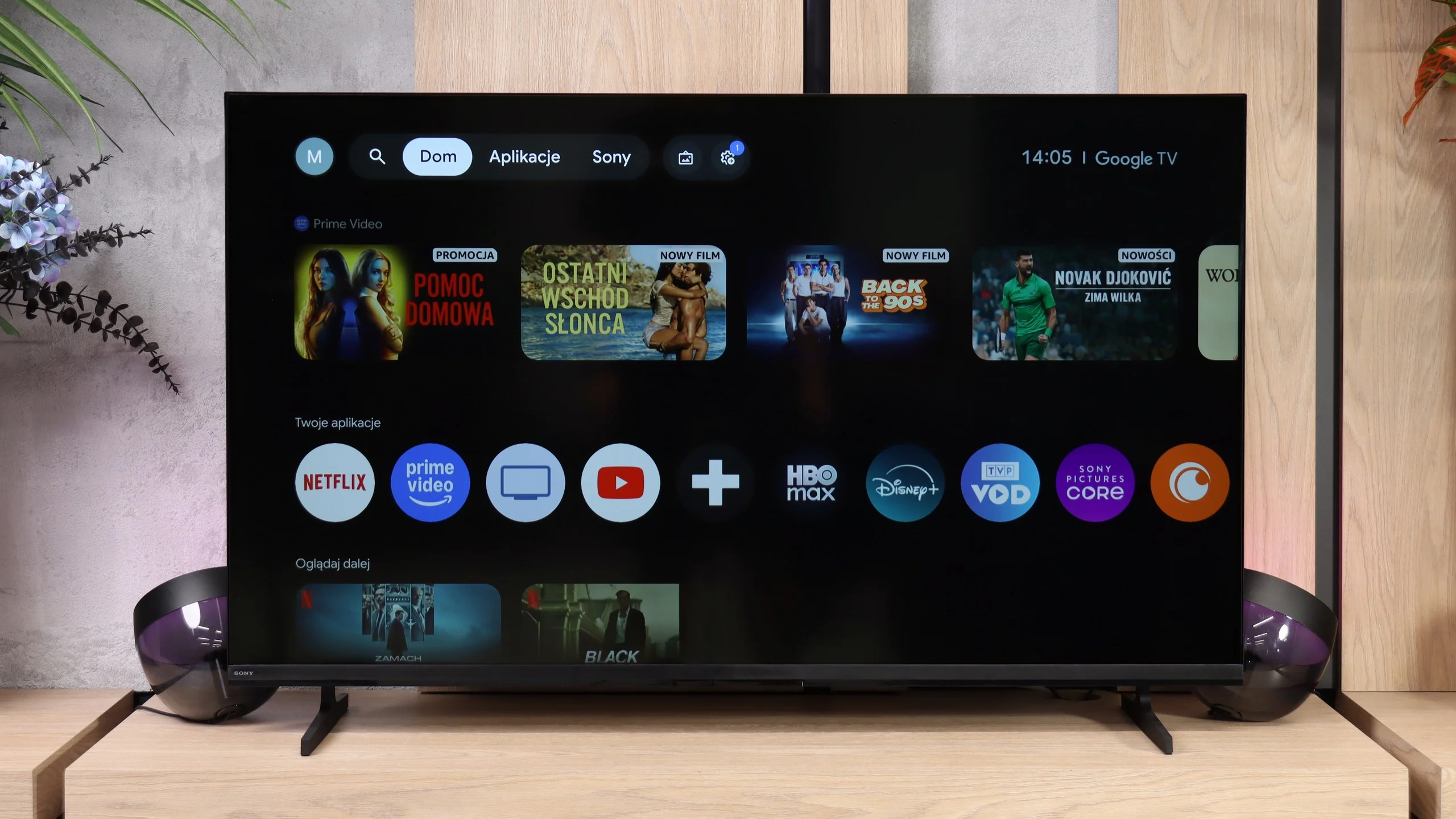
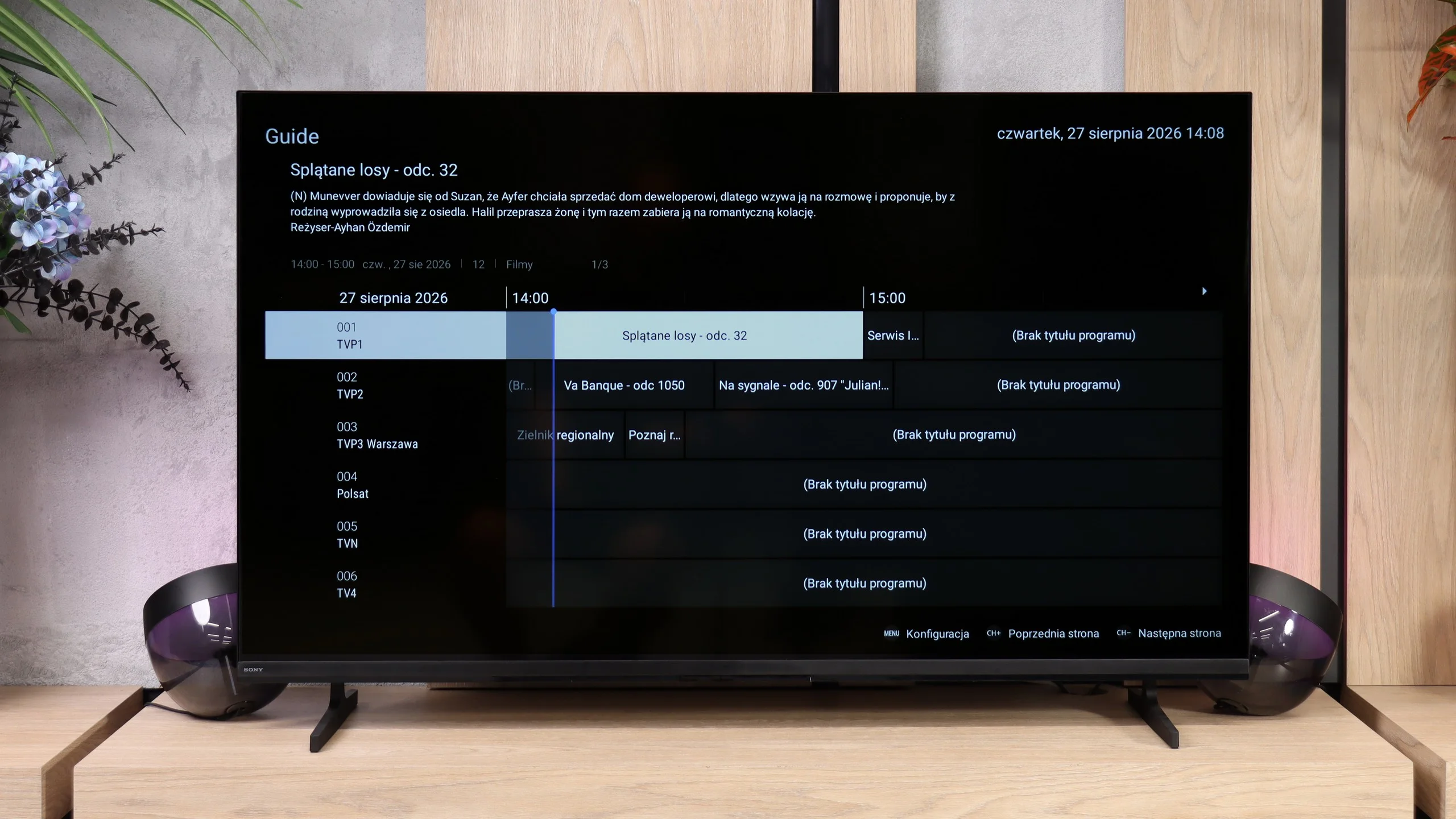
Moving on to more classic functions – the A300 runs on the Google TV system, which currently offers by far the largest selection of applications (full list available below). The responsive voice assistant with support for the Polish language also deserves a big plus. As standard – as with most TCL televisions – the USB recording function or picture-in-picture (PiP) mode was missing.
Google TV
Bravia 2 II runs Google TV, which is definitely one of this model's stronger points. First and foremost, you get a huge range of apps, so accessing popular streaming services is no problem. It also has Chromecast and AirPlay, making it easy to cast content from your phone or other devices. Voice search with Google Assistant/Gemini works very well, including in Polish. The system itself isn't the fastest version of Google TV we've used, and you sometimes have to wait a moment for a response, but overall it performs decently. In terms of features it's hard to complain — especially for one of Sony's more affordable TVs.
Funkcje telewizyjne
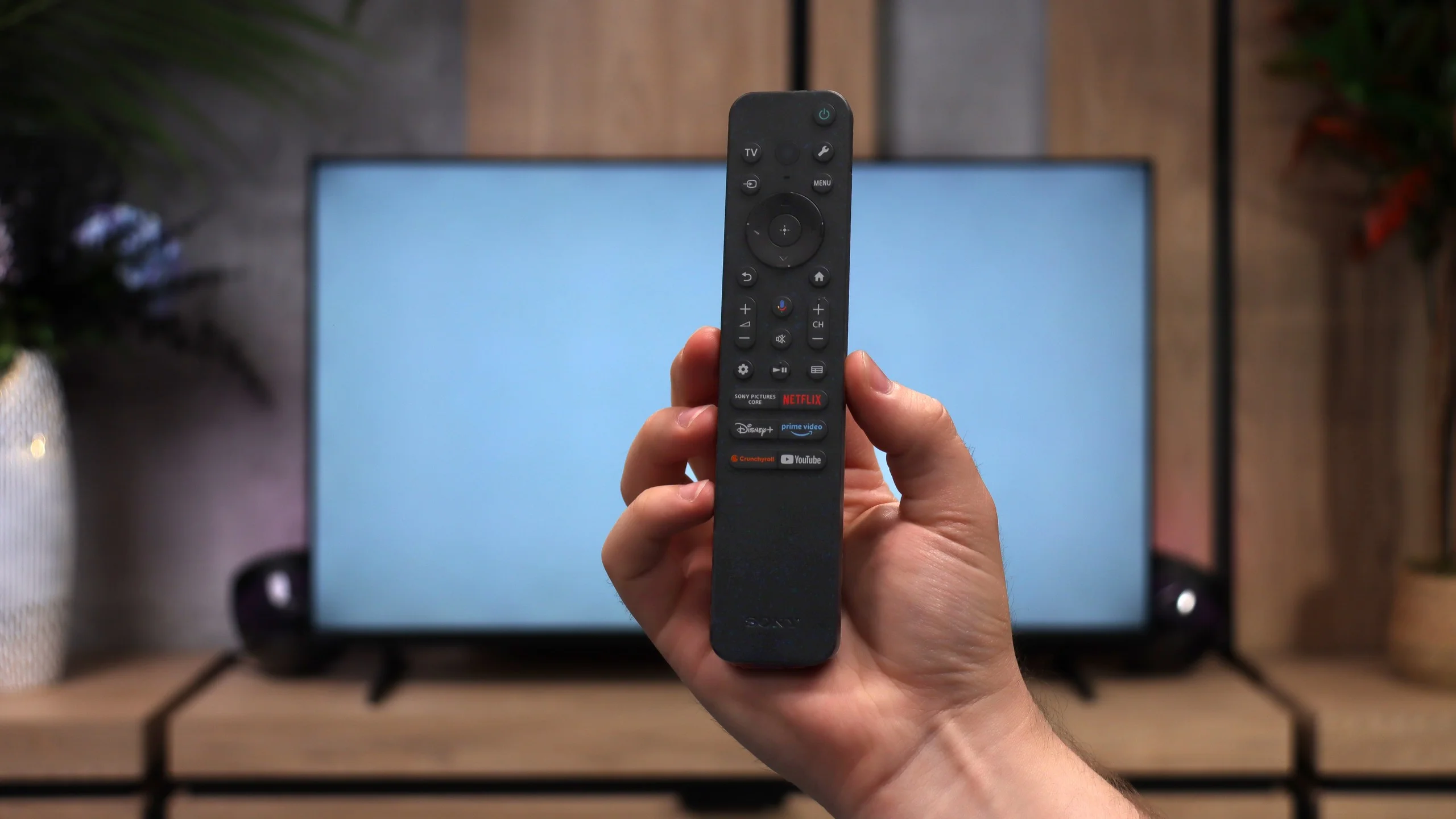
When it comes to traditional TV features, the Bravia 2 II is rather modest. For example, there's no recording to USB or other more advanced extras, so in that respect it's fairly basic. A plus is the inclusion of two remotes. One is modern and simpler, mainly for using the Smart TV, while the other is a classic remote with more buttons, which may be more convenient for people who often watch regular TV. The smaller one works via radio, so you don't have to point it directly at the screen, which is simply more convenient in everyday use.
Apps
9.6/10
9.6/10






















Playing files from USB
8.9/10
9.4/10
Supported photo formats:
Maximum photo resolution:
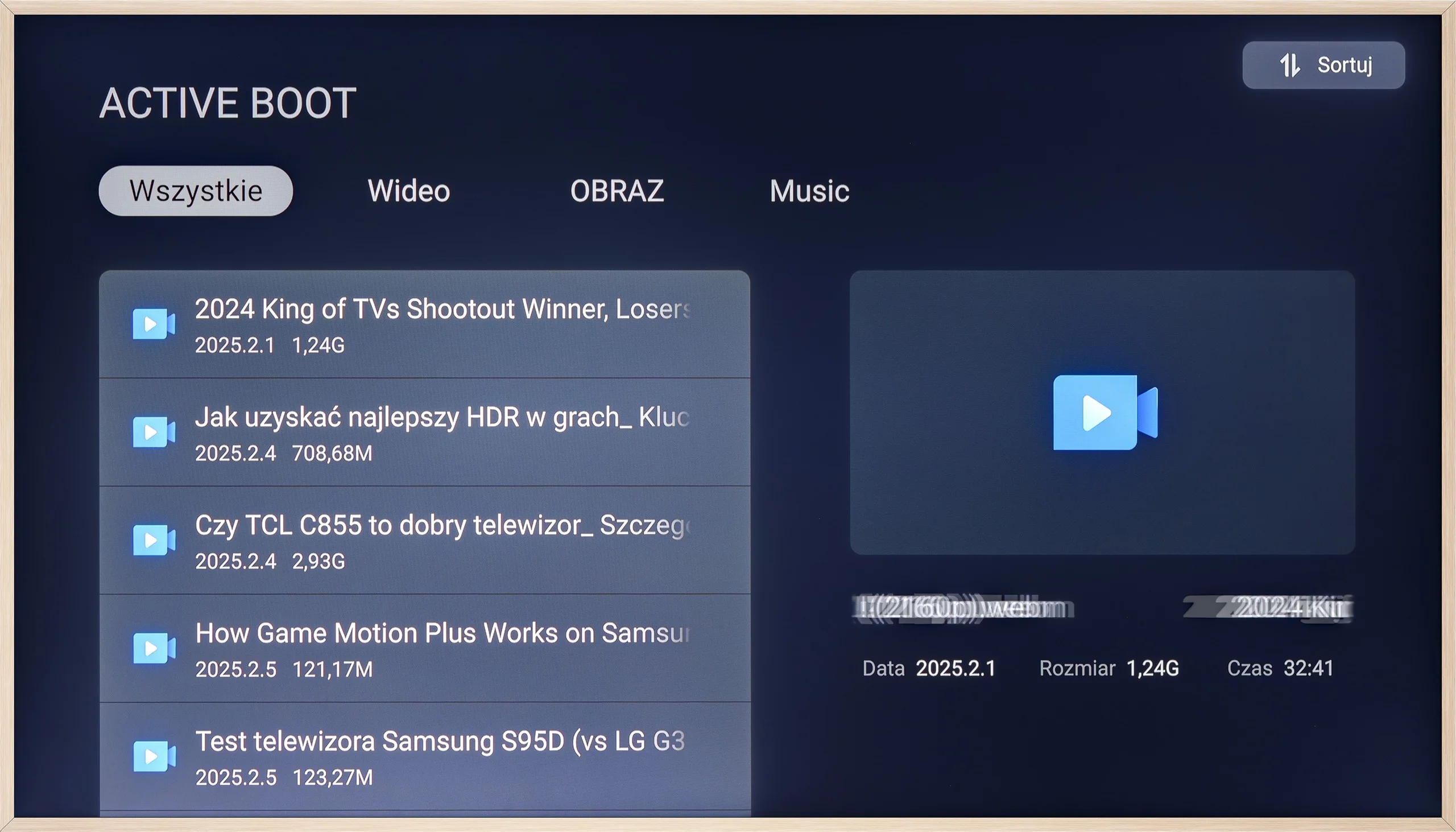
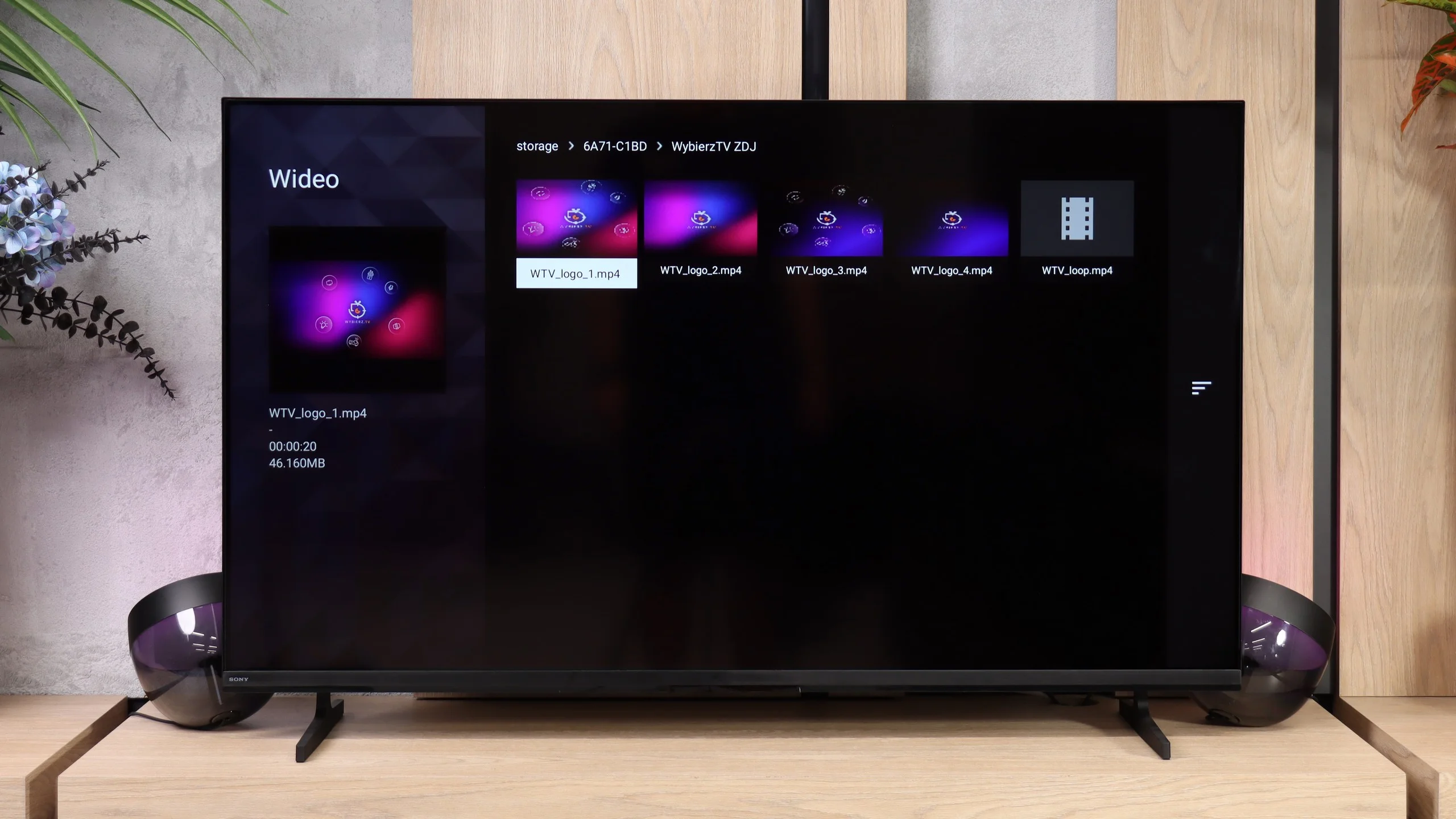
The built-in player on the TCL A300 works as it should – most popular video and photo files play without any problems. It lacks support for Apple's HEIC format (which is quite common in many TVs), but most users still use AirPlay, so it shouldn't be a major issue. If someone isn't satisfied with the default player, the Google TV system offers plenty of options – you can easily install an alternative app that better suits your tastes. Nevertheless, it's worth noting that the factory solution is completely sufficient for everyday use.
The built-in file player performs very well. The Bravia 2 II opens almost everything you throw at it, from common video files and subtitles to photos and music. Importantly, it also handles more demanding 4K material encoded in HEVC or AV1. Of course, there are a few isolated formats the TV doesn’t support, such as VVC or some less common audio and image files. These are things few people will try to play directly on the TV.
Sound
6/10
6.1/10
- Maximum volume-92dB
- Dolby Digital Plus 7.1
- Dolby True HD 7.1
- Dolby Atmos in Dolby Digital Plus (JOC)
- Dolby Atmos in Dolby True HD
- DTS:X in DTS-HD MA
- DTS-HD Master Audio
When it comes to sound, the TCL A300W – like its competitors – sounds quite... flat, after all, we are talking about a super slim television. For everyday watching of news or series, this level is more than sufficient, but during movie screenings, we might noticeably miss depth and space. On a positive note, it’s worth mentioning that the television supports both Dolby Atmos and the increasingly rare DTS:X – which provides more options when connecting an external audio system. It’s also worth noting that the A300 PRO model is equipped with a dedicated, flat soundbar. And it’s no ordinary soundbar – it sounds better than most of the televisions we’ve tested.
Sound in the Bravia 2 II is simply adequate for an entry-level TV. It’s more than enough for watching regular TV, like the news, but as with this type of design it mainly lacks bass. You notice it quite quickly with music and even more in action films, where explosions and other heavy effects lack real weight. Sony does deserve praise for its audio format support. When you connect a soundbar or a home theatre system, the TV will pass the key formats over eARC with no trouble, including Dolby Atmos, Dolby TrueHD, DTS-HD Master Audio and DTS:X. It’s especially welcome to see DTS included, which can’t always be taken for granted on rival TVs, even the pricier models.
Sound Quality Test
No sound test video
Acoustic Measurements
No acoustic data
92dBC (Max)
75dBC
Reader comments
Comments are provided by the external service Disqus (Zeta Global). Once loaded, Disqus may set cookies and process data about your activity.
We will remember your choice on this device. Provider's privacy policy