 Direct comparison
Bravia 8 XR80 is the only OLED model from Sony released in 2024 that will undoubtedly catch the attention of image quality enthusiasts. The television offers excellent picture quality with the deep blacks, vibrant colours, and infinite contrast characteristic of OLED. This makes every scene incredibly realistic. Thanks to OLED technology, dark scenes look perfect, and the reproduction of blacks as well as bright elements stand out with great detail. This creates an amazing effect – a cinematic experience. While watching sport or dynamic films, we particularly appreciated the smoothness of the image. The 120 Hz panel performs excellently – no issues with motion blur, even in the most dynamic moments. This is a television that truly excels in situations where fast action and distinct details matter. The Google TV system is another strong point of the Bravia 8. The interface is simple, clear, and easy to use. We had no trouble finding all the popular applications, such as Netflix, YouTube, or Prime Video. The USB-C rechargeable remote is a nice addition – it feels good in the hand, and the backlighting proved essential during evening use of the TV. Of course, not everything was perfect. The SDR brightness of 330 nits is a figure that doesn't impress, especially in well-lit rooms. This model does much better in the evenings, in more dimly lit conditions. We also noticed that the colour gradation is slightly worse than in previous Sony models – this is a very strange move considering that Japanese manufacturers were always known for their excellent digital processing. Another limitation is only having two HDMI 2.1 ports (including eARC) – with a larger number of devices, such as two consoles and a soundbar, this becomes a problem. Despite these minor drawbacks, the Bravia 8 XR80 is a great television that is suitable for both everyday use and evening viewing sessions. Excellent picture quality, smooth motion, and an intuitive Google TV system make for a combination that makes a difference. If you’re looking for a decent OLED in 2024, this model is definitely worth considering.
- Matching (Score) |
- Our verdict |
- TV appearance |
- Where to buy |
- Contrast and black detail |
- HDR effect quality |
- Factory color reproduction |
- Color reproduction after calibration |
- Smoothness of tonal transitions |
- Image scaling and smoothness of tonal transitions |
- Blur and motion smoothness |
- Console compatibility and gaming features |
- Input lag |
- Compatibility with PC |
- Viewing angles |
- Daytime performance |
- Panel details |
- TV features |
- Apps |
- Playing files from USB |
- Sound
BRAVIA 8 / XR80
QN80F
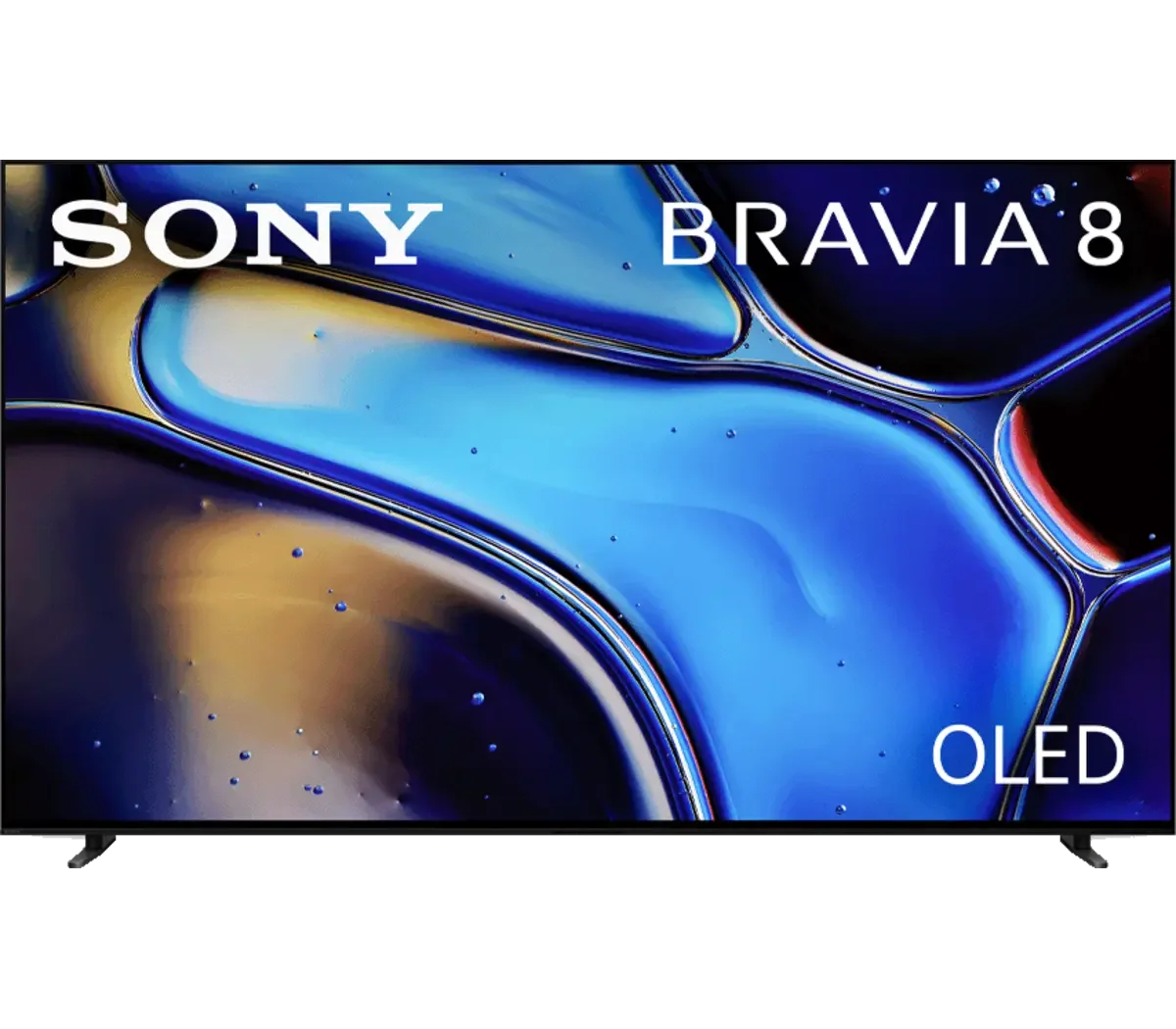
Panel type: WRGB OLED
Resolution: 3840x2160
System: Google TV
Model year: 2024
Complete the survey to find out the result
Panel type: LCD VA
Resolution: 3840x2160
System: Tizen
Model year: 2025
Complete the survey to find out the result
Overall rating
7.8
7.4
 Movies and series in UHD quality
7.6
6.9
 Classic TV, YouTube
8.0
6.8
 Sports broadcasts (TV and apps)
8.1
6.7
 Gaming on console
8.8
8.9
 TV as a computer monitor
7.6
8.8
 Watching in bright light
5.6
6.6
 Utility functions
9.4
7.7
 Apps
9.6
9.3
 Sound quality
7.5
6.7
Complete the survey to find out what fits your preferences
Advantages

Exquisite contrast
Google TV – intuitive system, easy access to apps, backlit remote.
Very good motion smoothness – 120 Hz, advanced motion smoothing system.
Excellent support for Dolby Vision
Very good viewing angles
Superb built-in audio system
Great black levels and contrast - VA panel combined with MINI-LED backlighting.
Excellent brightness - up to 1000 nits in HDR
Fast and responsive panel - 144 Hz
Robust support for gamers - 4xHDMI 2.1, VRR, ALLM, GameBar, Game Motion Plus
Very good usability in daylight
Advanced Tizen operating system
Easy to use
PiP function
Disadvantages

Poor gradation – visible transitions on dark and light colours
Brightness during the day – better for night-time viewing than for use in daylight
Only 2 HDMI 2.1 ports - including one ARC.
No DTS format support – a limitation when connecting a home theatre system
No USB recording function
Relatively few dimming zones
Our verdict
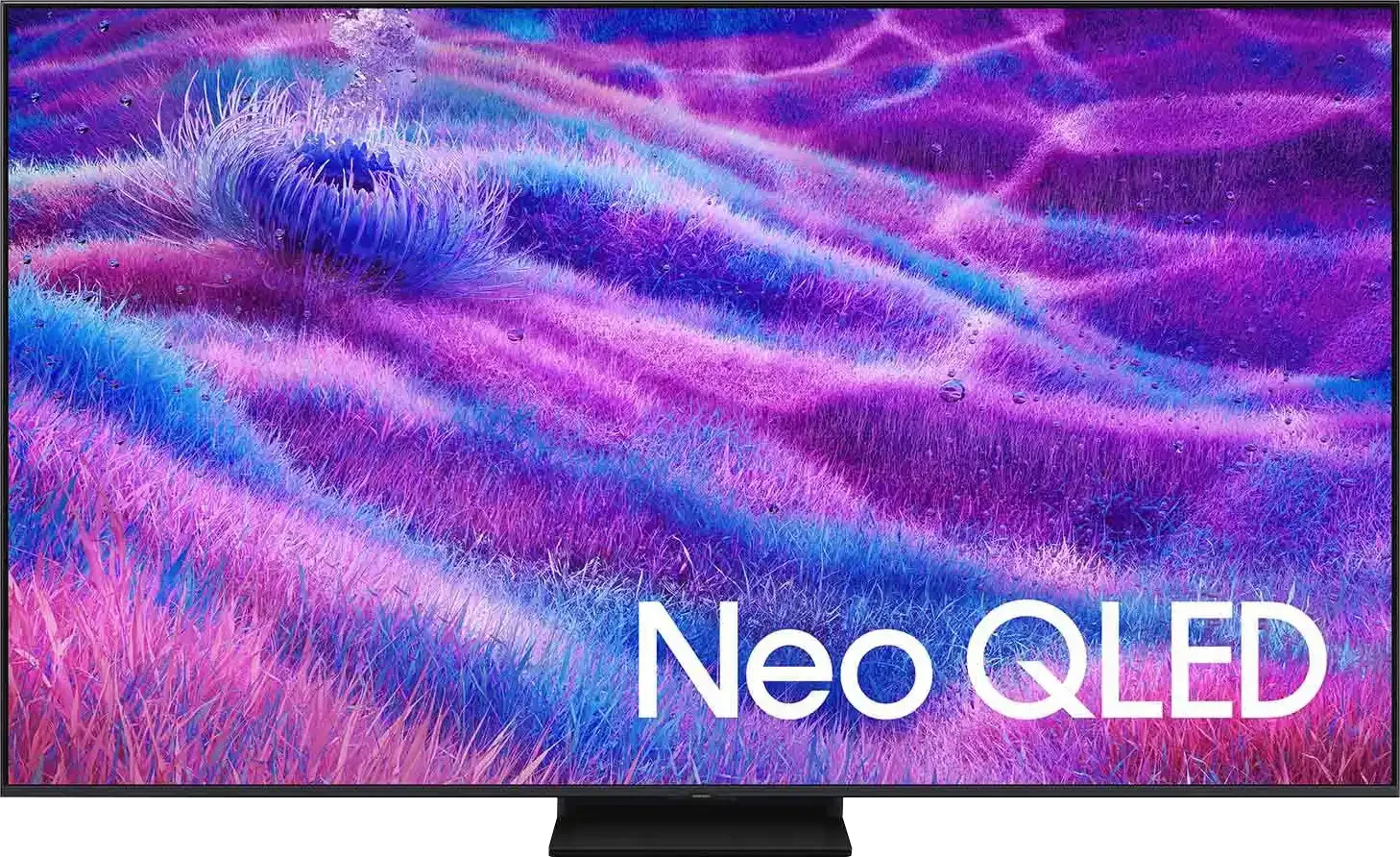
QN80F is the first in the history of Samsung's "eighty range" to feature Mini LED backlighting. And it does it really well. Although the number of dimming zones isn't staggering, the black levels are solid, and in combination with high brightness, it allows for a very decent picture in HDR content. Additionally, there's a 144 Hz panel that provides excellent motion fluidity, and the gaming features – VRR, ALLM, Game Motion Plus – make the QN80F an option truly designed for those gaming on consoles or PCs. The television operates quickly and responsively, and the Tizen system runs like lightning – whether you’re searching for apps or switching sources. Is there anything to nitpick? Of course, as always – there are shortcomings in the system (like USB recording), DTS support is absent, and Mini LED comes with its own limitations. But the QN80F is a fantastic everyday television – versatile, refined, and... with great price potential. Looking at the history of this series, we can expect that this "eighty" will still shake things up once it hits the first reasonable promotions. And then it could be virtually unbeatable at its price – especially if Samsung fixes the minor teething issues.
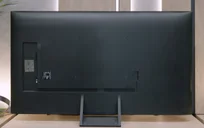
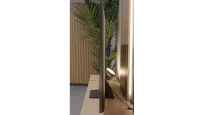
TV appearance

Contrast and black detail
10/10
6.8/10
Local dimming function: Yes, number of zones: 88 (8 x 11)
Contrast:


Result
∞:1

Result
∞:1

Result
∞:1

Result
∞:1

Result
∞:1
Result
34,100:1
Result
8,200:1
Result
32,500:1
Result
4,550:1
Result
3,800:1
Halo effect and black detail visibility:
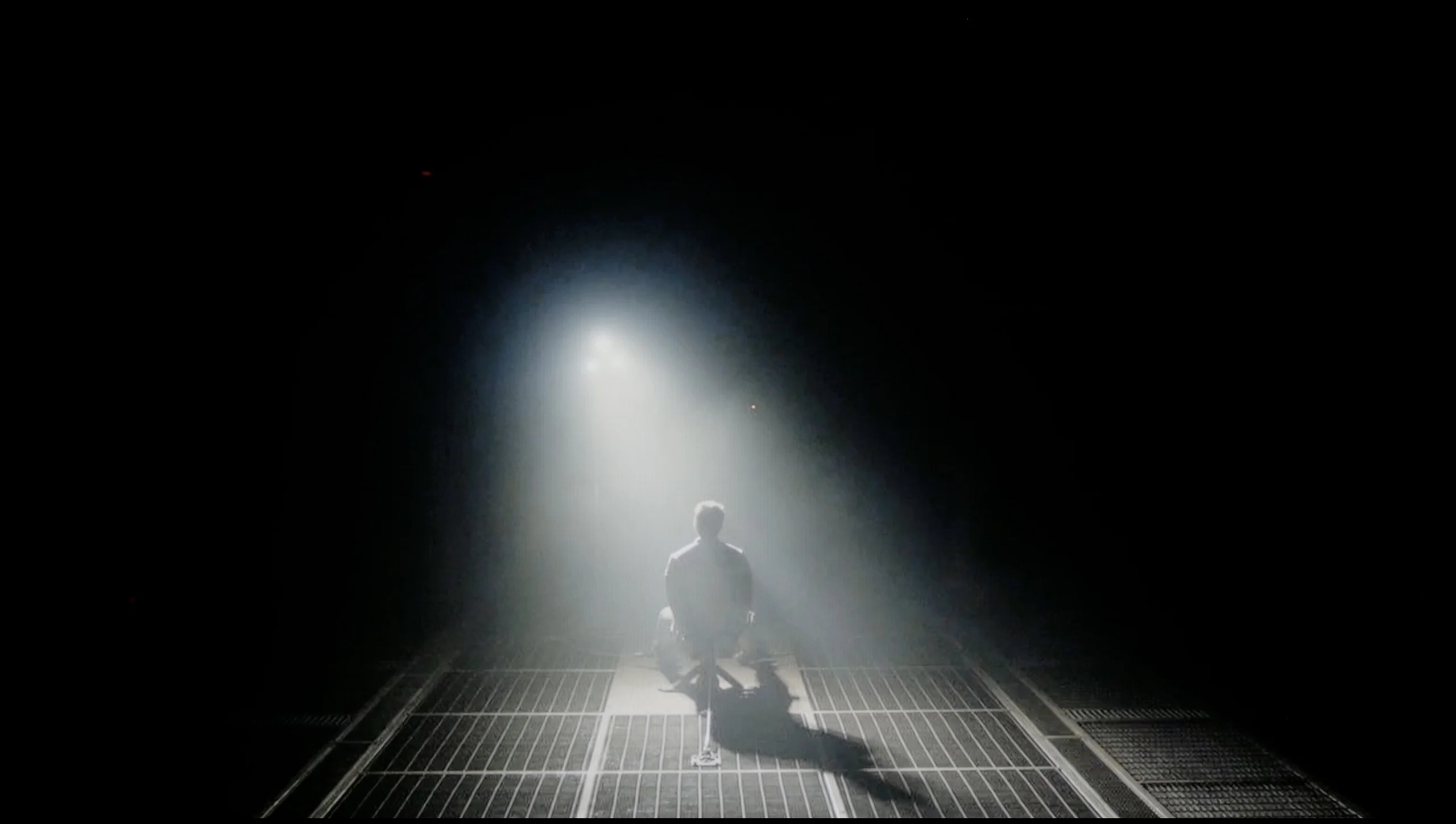
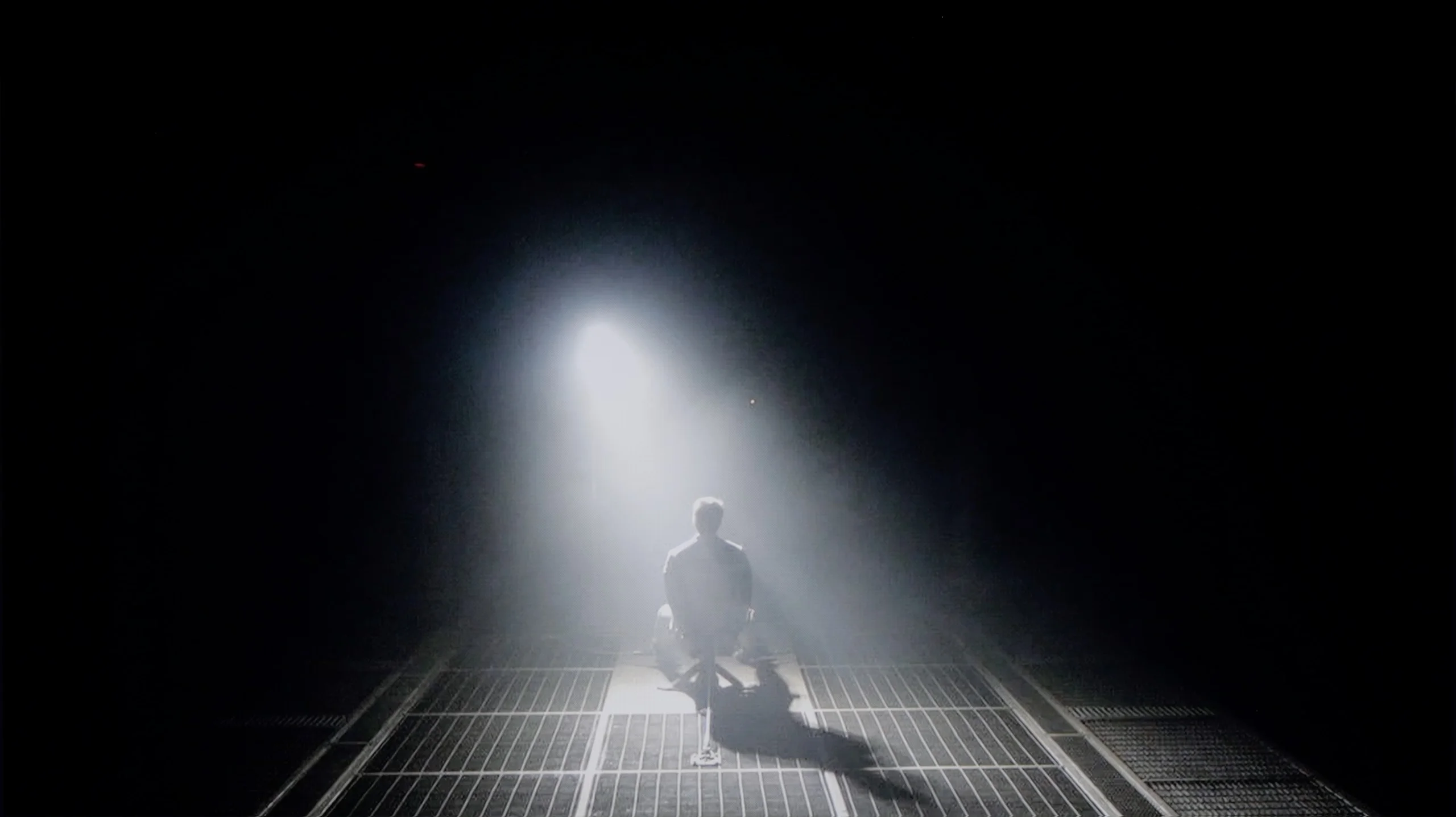
Check the visibility of bright lights on a dark background. Mini-LEDs often struggle with this. The photo does not compare black levels – that’s what the video below is for.
The video accurately shows differences in contrast and black levels between TVs, as well as potential issues: halo around bright objects or Mini-LED zone operation visible as brightness jumps.
The Sony Bravia 8 television, equipped with an OLED panel, offers exceptional black and contrast quality. Thanks to OLED technology, each pixel emits its own light, providing perfect black depth and precision in light reproduction. On the tested scenes, such as those from the movie Oblivion and Sicario 2, the television achieves ideal light separation, resulting in a highly detailed and realistic image, even in challenging contrast conditions. The Sony Bravia 8 truly stands out from other models in this category.
QN80F is a representative of the Neo QLED series, meaning it is a television with Mini LED backlighting. Unlike its cheaper cousin, the QN70F model, the diodes here are placed directly behind the panel (instead of at the edges), which gives a solid advantage from the start when it comes to contrast control. In the 65-inch variant we tested, we counted 88 dimming zones – a result that may not be very impressive, but as it turned out, sufficient to achieve quite decent results.
In tests based on scenes from films such as Oblivion or The Meg, the QN80F performed well – blacks were deep, and the overall image consistency was eye-catching. However, in more demanding moments (e.g., scenes with a large number of bright details on a dark background), a halo effect appeared. This is where the limitation of the number of zones comes into play – bright elements could bleed around, and some details in dark areas became less visible. In one scene with a helicopter (The Meg), we even noticed slight brightness flickering, as if the television was trying its best to maintain visibility of the details at the expense of black depth.
However, these are not issues exclusive to this model – the halo effect or contrast drops in very complex scenes are something that most Mini LED televisions struggle with, even the more expensive ones. In its class, the QN80F still performs positively and offers noticeably better contrast than the QN70F model with edge lighting. For most users, this will be a level more than sufficient – although not perfect.
HDR effect quality
6.8/10
5.8/10
Luminance measurements in HDR:

Result
849 nit

Result
865 nit

Result
888 nit

Result
880 nit

Result
469 nit
Result
799 nit
Result
533 nit
Result
717 nit
Result
245 nit
Result
656 nit
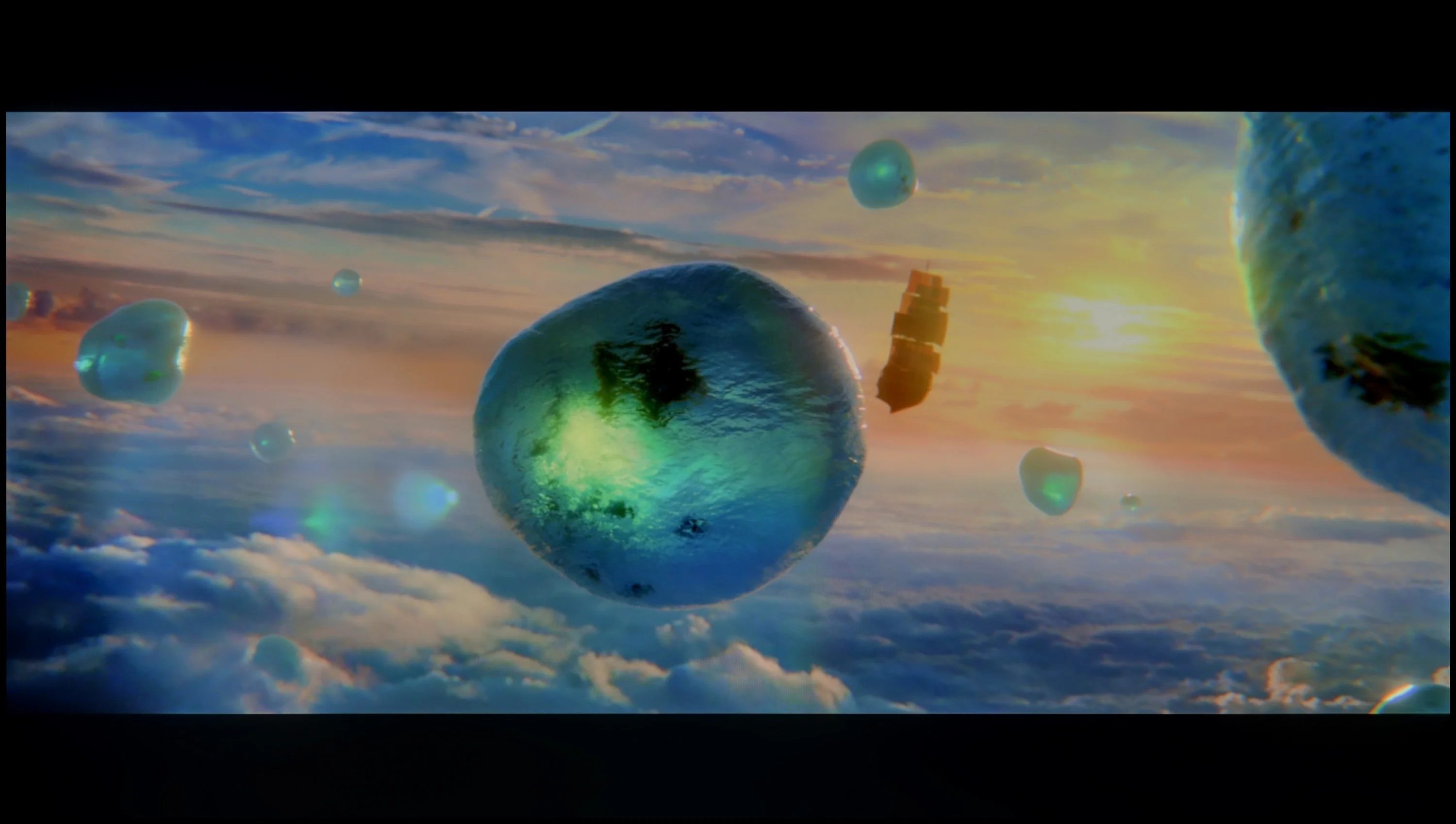
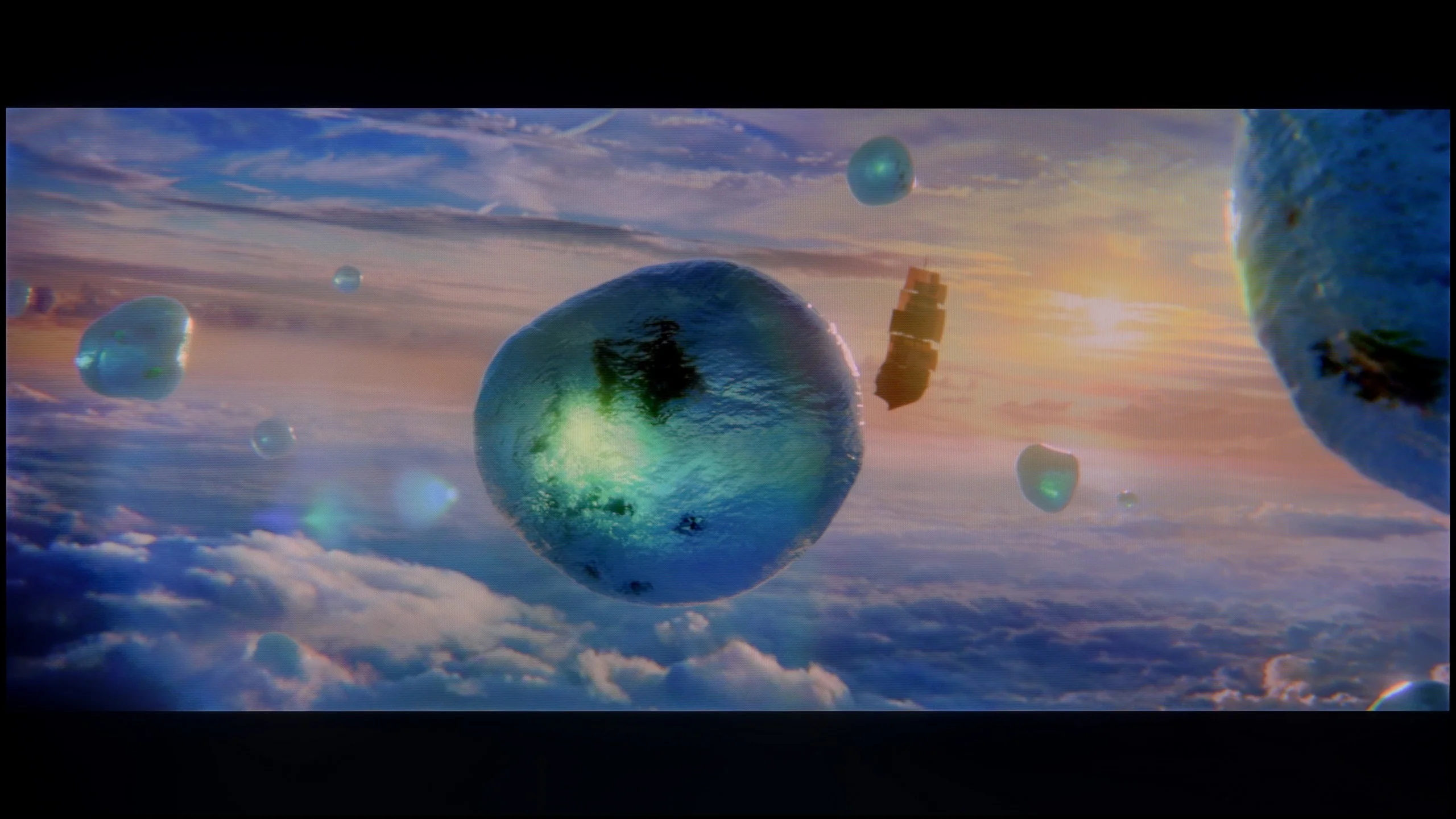
Scene from the movie “Pan” (about 2800 nits)
Scene from the movie “Billy Lynn” (about 1100 nits)
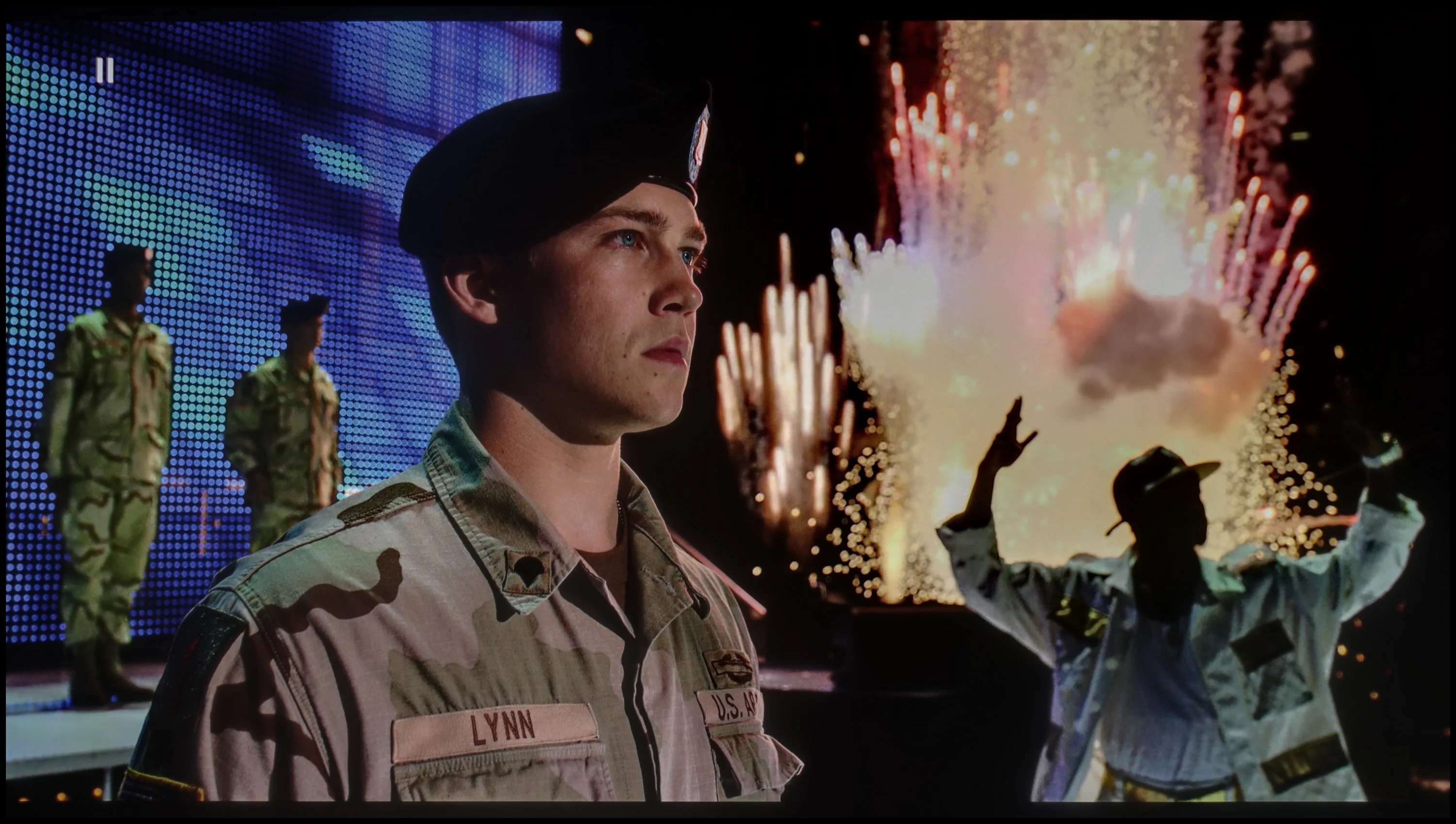
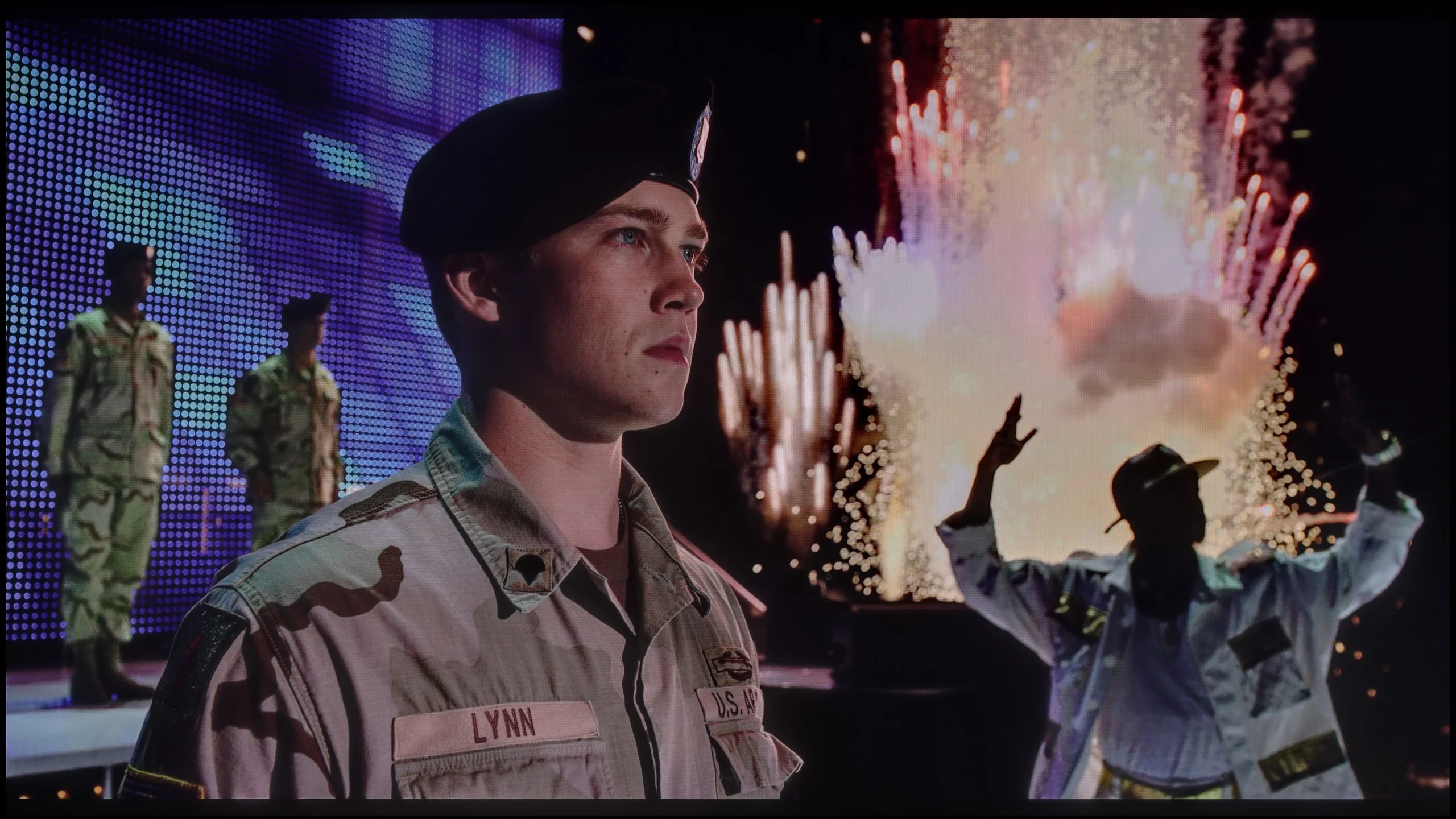
The photos show two HDR10 movies. 'Pan' is one of the brightest productions ever made, while 'Billy Lynn' (soldier) has brightness typical of streaming (Netflix, Prime, HBO MAX). Notice the intensity of effects and detail in whites.
Static HDR10


The photos present the visibility of white details in various HDR formats. They do not show brightness differences between TVs (these can be compared in the previous gallery).
Dynamic: Dolby Vision
Dynamic: HDR10+


The photos present the visibility of white details in various HDR formats. They do not show brightness differences between TVs (these can be compared in the previous gallery).
HDR luminance chart:
SAMSUNG QN80F
Sony Bravia 8 (XR80)
Luminance of RGB colors
Sony Bravia 8 performs reasonably well in terms of HDR brightness. A maximum brightness level of 880 nits is satisfactory and allows for well-rendered lighting effects in most scenes. In the tested segments of the films Life of Pi and Sicario 2, the TV presents itself quite well, offering vibrant and detailed images that fully capture the atmosphere of these productions.
However, a greater challenge arises in a scene from the film The Meg, where the screen is entirely very bright. In such situations, the limitations of OLED technology become apparent, as the TV loses brightness, dropping to around 450 nits. Such a drop is less satisfying, especially when the entire scene requires intense lighting. Despite these limitations, Sony Bravia 8 remains a competitive model, offering excellent coverage of the DCI-P3 colour gamut and 74% coverage of the BT.2020 standard. This results in rich colours and precise details, significantly enhancing the quality of HDR content viewing and making for a pleasurable experience.
QN80F is quite a bright screen – in synthetic tests, it reached nearly 1000 nits, which allows for reasonable expectations of HDR content. And indeed, in many scenes, the TV can truly shine. Sequences with a lot of light – like shots from the movie Life of Pi or wide, bright surfaces in The Meg – look impressive. Brightness stays around 700 nits, which provides a solid effect, enough to feel the true "HDR magic." Unfortunately, not every scene looks this good. In content with small, bright details on a dark background, like in Sicario 2, the TV can struggle – it can significantly dim individual elements, sometimes to the point where they disappear from the image. This is a result of the limited number of dimming zones, forcing the device into compromises: either stick to inky blacks or sacrifice some detail. QN80F usually chooses the former. As a consolation, it offers quite decent coverage of a wide color palette – DCI-P3 at 93%. It's not the highest score on the market, but it's more than enough for most content on streaming platforms.
Factory color reproduction
7.2/10
6/10
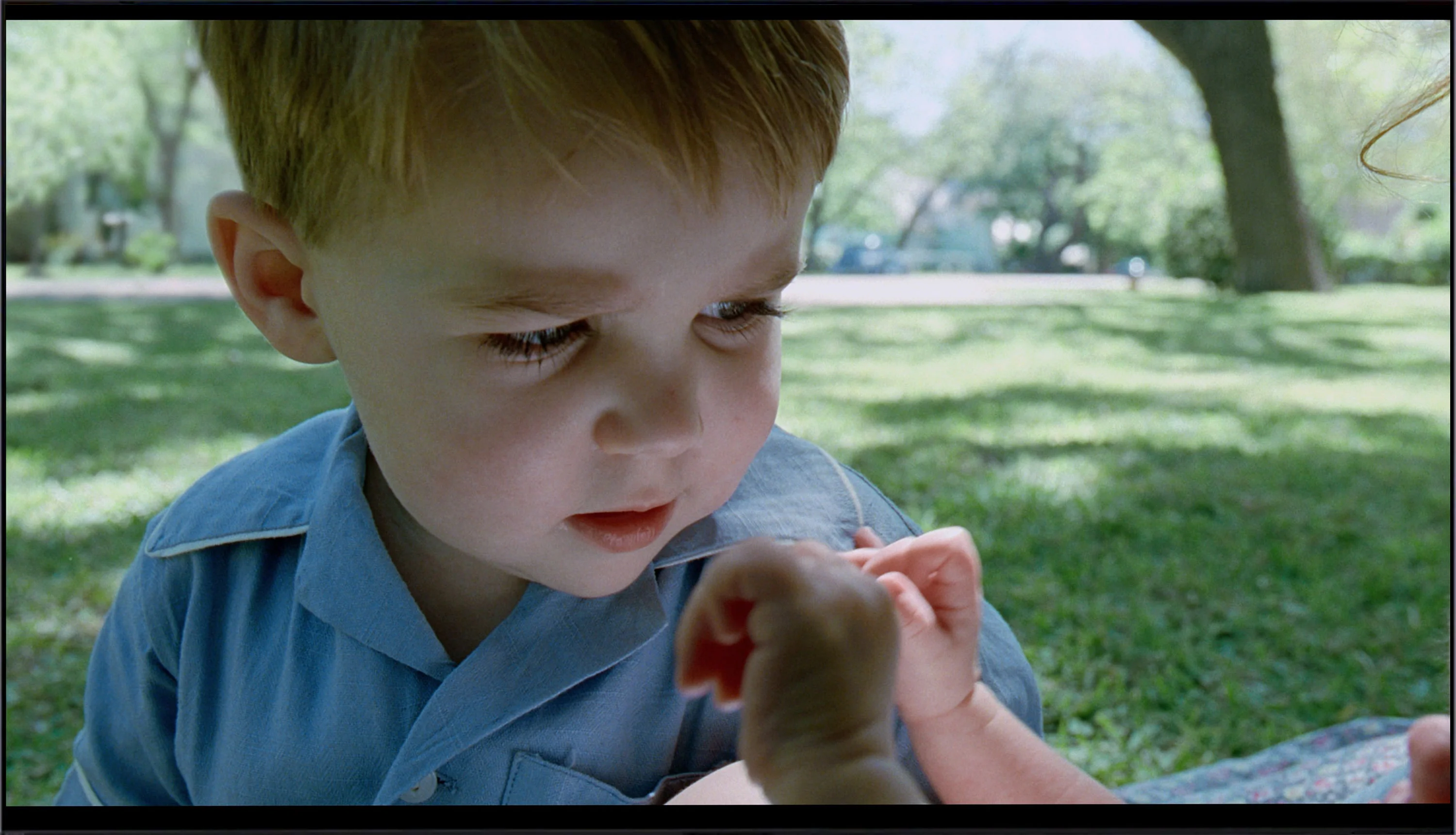
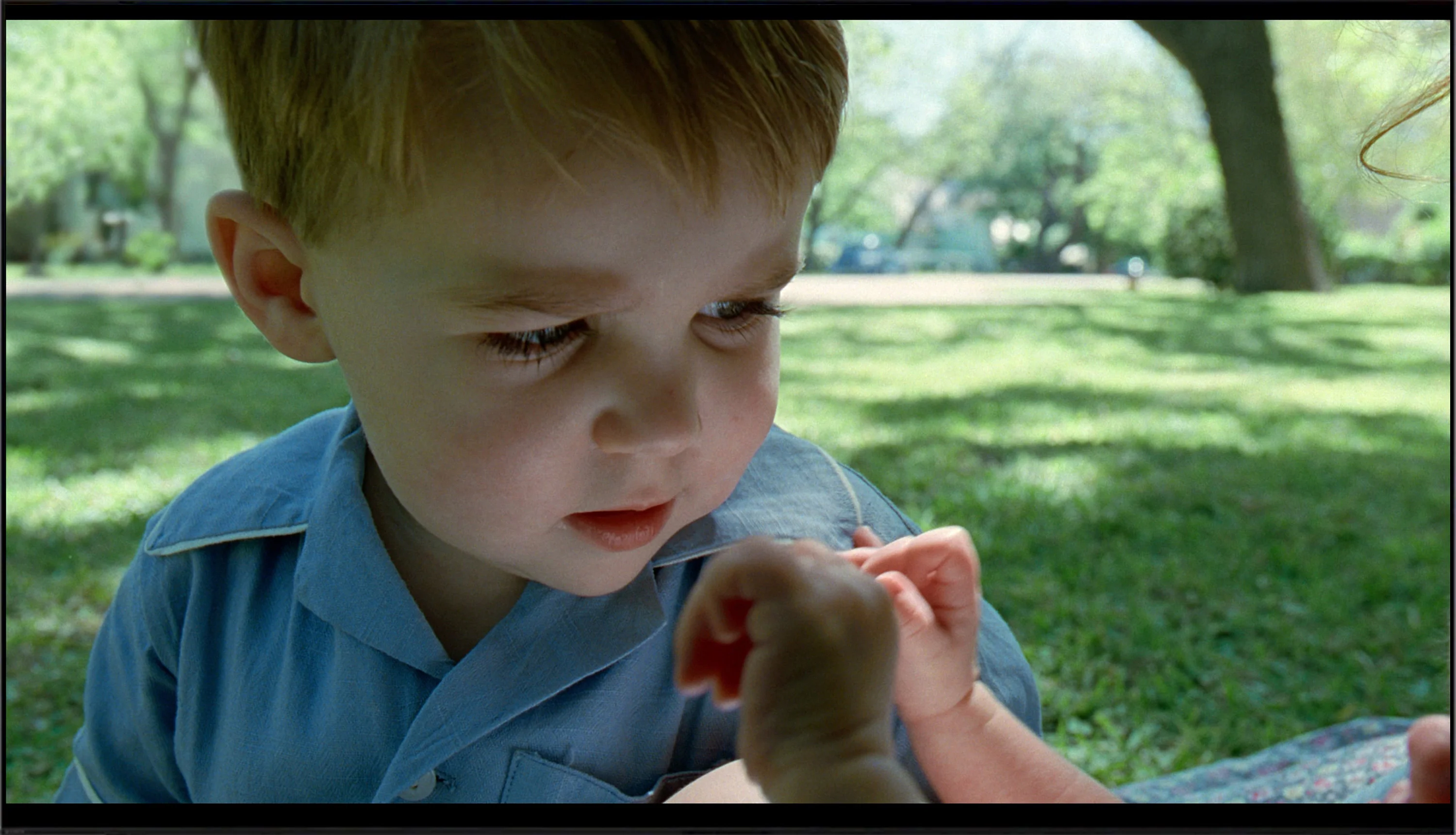
This gallery shows how colors change after professional TV calibration. If you notice the difference, we recommend ordering this service at SkalibrujTV.com.
Factory Mode
After calibration


This gallery shows how colors change after professional TV calibration. If you notice the difference, we recommend ordering this service at SkalibrujTV.com.
Factory Mode
After calibration
The best factory mode available on the Sony Bravia 8 television is IMAX Enhanced, which provides the most cinematic experience, although it is not set up perfectly. The TV tries to replicate cinema settings as faithfully as possible, however, certain shortcomings are noticeable. Starting with white balance, both for SDR materials and 4K, there is a clear dominance of blue. This makes the picture appear too cold, taking away its naturalness. Tests using Colour Checker show that colours shift towards cooler shades, which may lead to less accurate colour reproduction and makes the image less realistic.
As for brightness and contrast characteristics, gamma shows a significant drop at the end of the graph. This means that dark details may be too dim, while bright elements are too bright, causing them to lose subtlety and become less visible. As can be seen in the sky - in the comparison photo. Meanwhile, the EOTF curve is significantly above the reference value, causing the bright elements of the image to be too intense. As a result, users may perceive the image as unnatural, and bright areas may lose detail, negatively impacting the overall viewing quality.
We always test TVs in the best available factory mode – for the Samsung QN80F, this is the Filmmaker mode, and indeed, it provides the settings closest to the creators' intentions. However, this doesn’t mean everything looks perfect. In SDR content, the biggest issue was an unbalanced white balance – slight deficiencies in green and a noticeable excess of red led to noticeable colour errors, and one could say the screen had a pinkish hue. This was clearly visible in the colour checker test, where colours “escaped” outside their target fields – to such an extent that a sensitive viewer's eye could catch it even without the help of a meter.
In HDR content, the white balance was much better, but another issue arose – brightness management. The EOTF curve caused an overly bright image most of the time, which affected the perception of contrast and made the screen slightly “flicker” during dynamic changes in light. We’ve already discussed this in the paragraphs about black levels and HDR. Fortunately, Samsung offers users plenty of options. The QN80F features a rich set of calibration options, including a 20-point white balance – which is why we decided to check what this TV is really capable of after a proper calibration.
Color reproduction after calibration
8.2/10
8.3/10
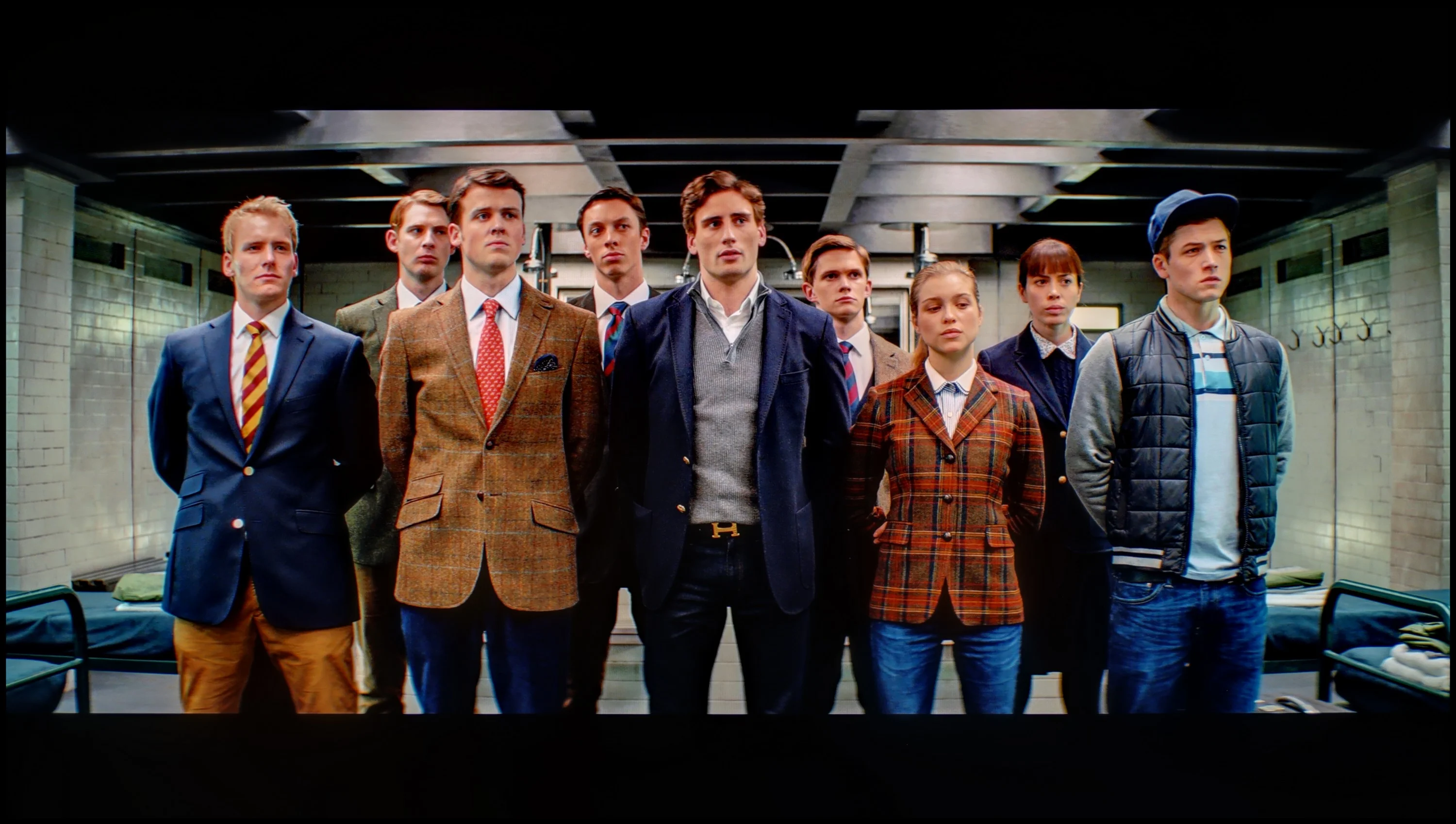
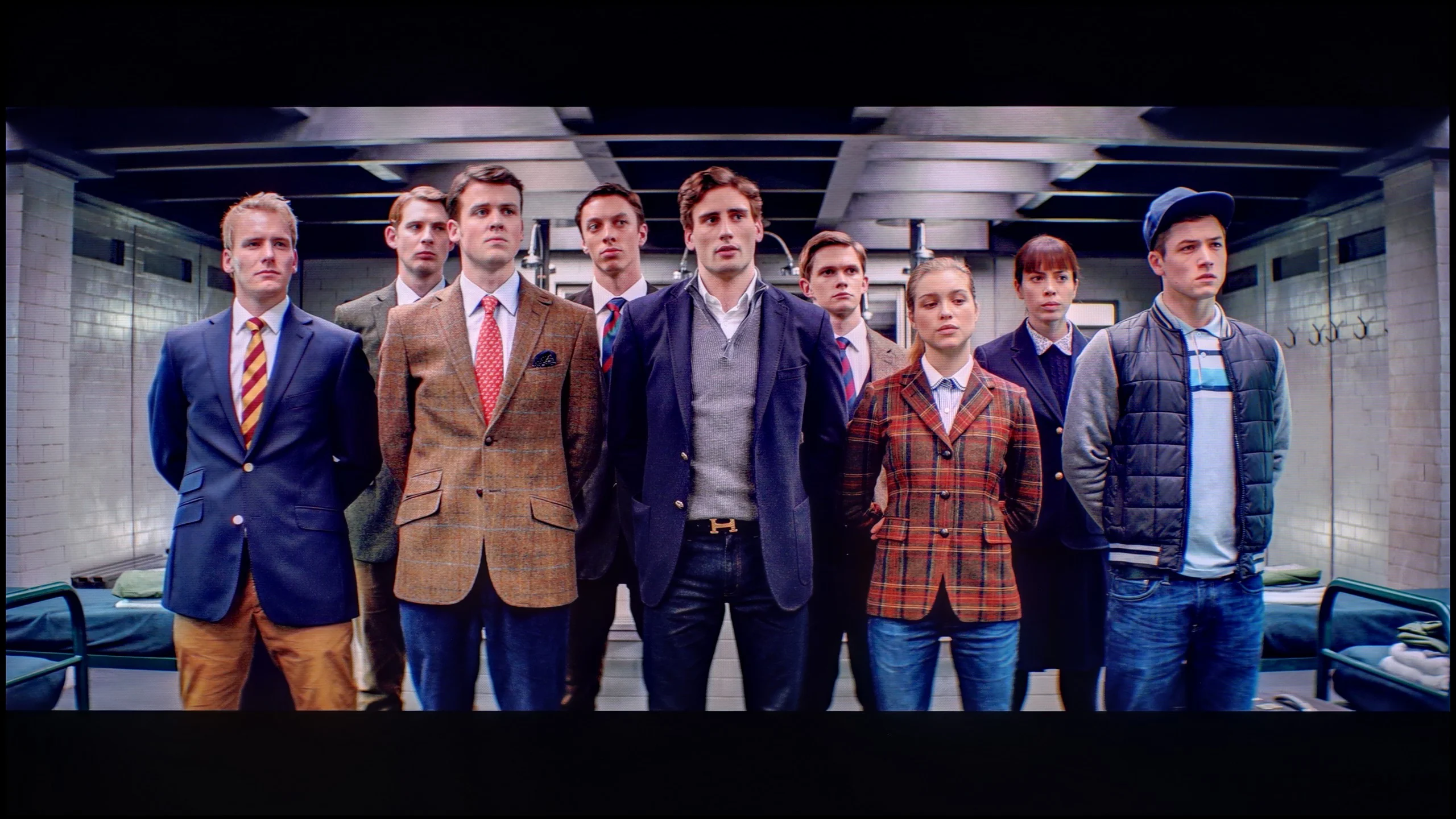
The photos show how movies look on the TV. Pay attention to black detail visibility, colors, and shadow tint.
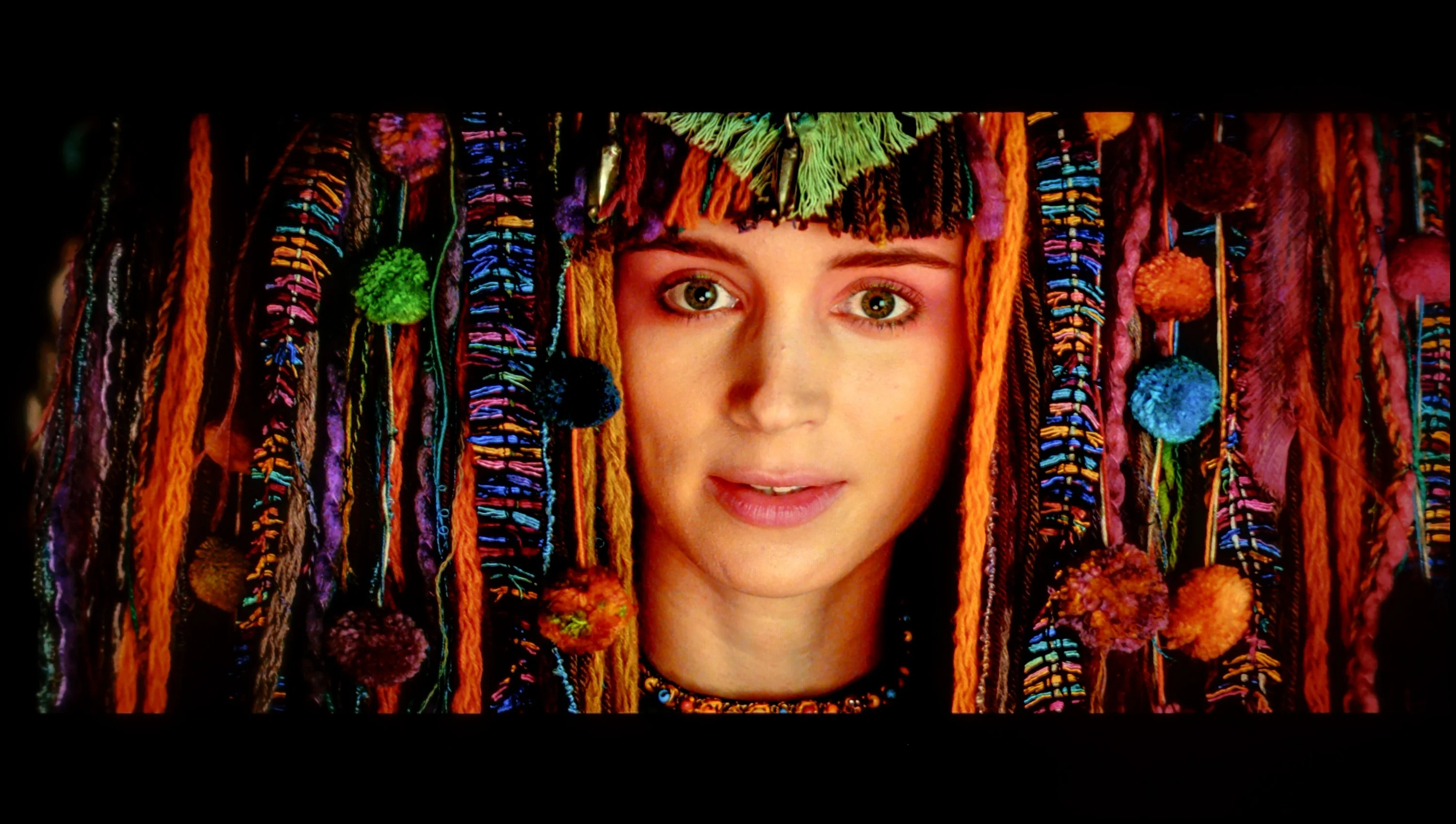
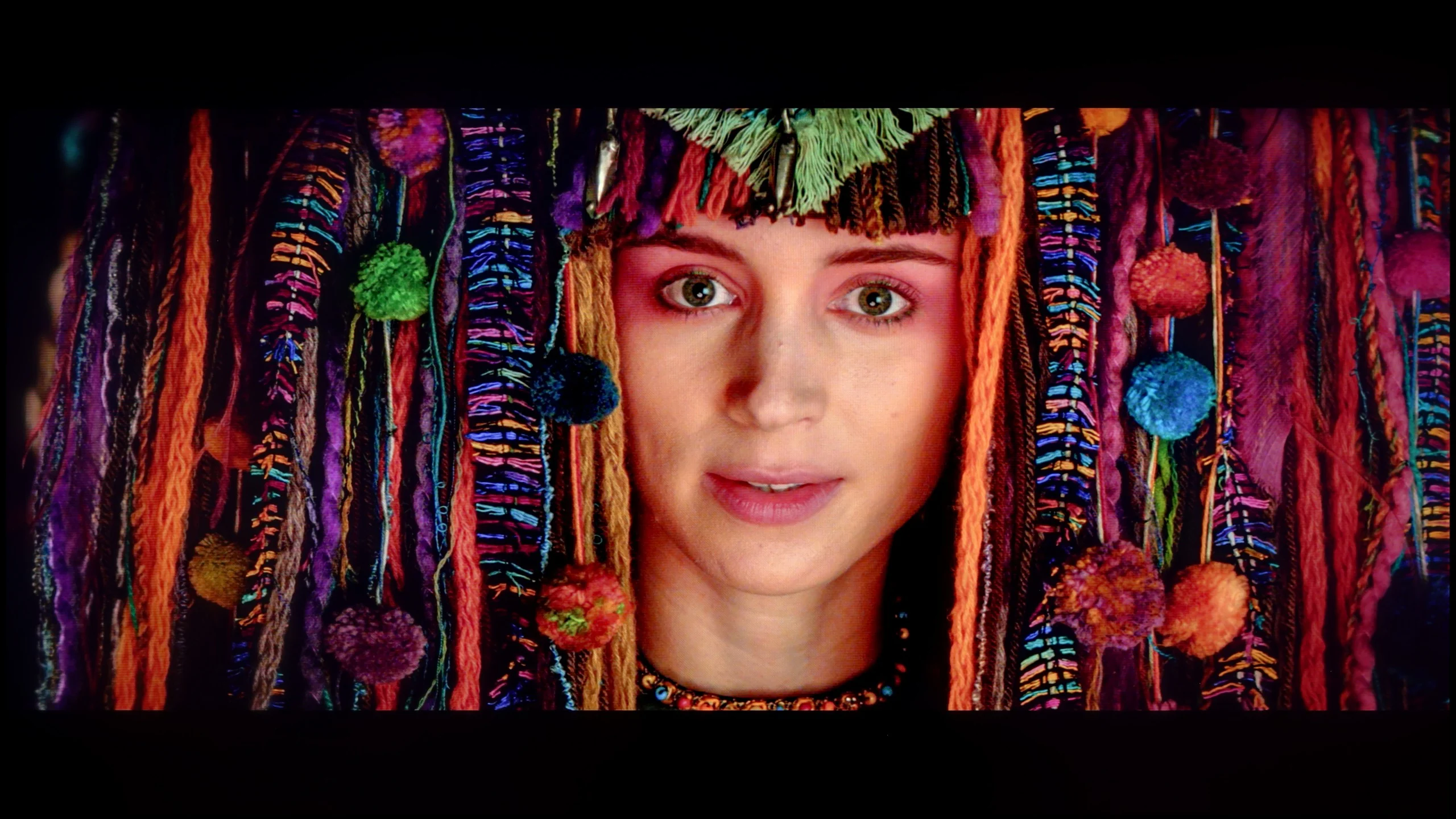
The photos show how movies look on the TV. Pay attention to black detail visibility, colors, and shadow tint.
The calibration process of the Sony Bravia 8 television has brought significant improvements in image quality. The white balance has been distinctly enhanced, both for SDR content and 4K HDR, with minimal errors in the middle section of the graph. Gamma proved to be one of the biggest beneficiaries of the calibration – it has been completely stripped of previous drops, which significantly affected brightness stability and better detail reproduction in dark parts of the image. The EOTF curve has also been levelled out, making bright elements of the image appear more natural, and the overall tonal dynamics are now more balanced.
However, the most attention should be paid to colour reproduction, where despite the calibration, there are still some issues. Sony has omitted the use of a CMS system in this model, which allows for very precise control over colours. Consequently, the Colour Checker test for 4K materials still shows significant errors in colour samples. Despite these difficulties, we recommend carrying out the calibration, as the effects are noticeable and significantly enhance image quality, especially in terms of brightness and contrast.
After conducting a thorough calibration, it was possible to bring most image parameters to a really good level. The white balance in both SDR and HDR presents itself almost perfectly – the image is natural, neutral, and free from the previously noticeable redness. Colours have gained depth, and the overall visual experience has become more pleasant and cohesive. It was also possible to partially manage brightness, which in the factory version could cause issues. The EOTF chart shows that the television performs much better with brightness after calibration – there is no longer excessive dimming of certain elements. In films, it can still be noticed that the QN80F has a tendency to slightly brighten the smallest bright details – this is already a consequence of the device's construction and the limited number of dimming zones. In short: not everything can be overcome, but what was possible has been improved. After calibration, the QN80F makes a really good impression, looking simply more mature and professional.
Smoothness of tonal transitions
5/10
9/10
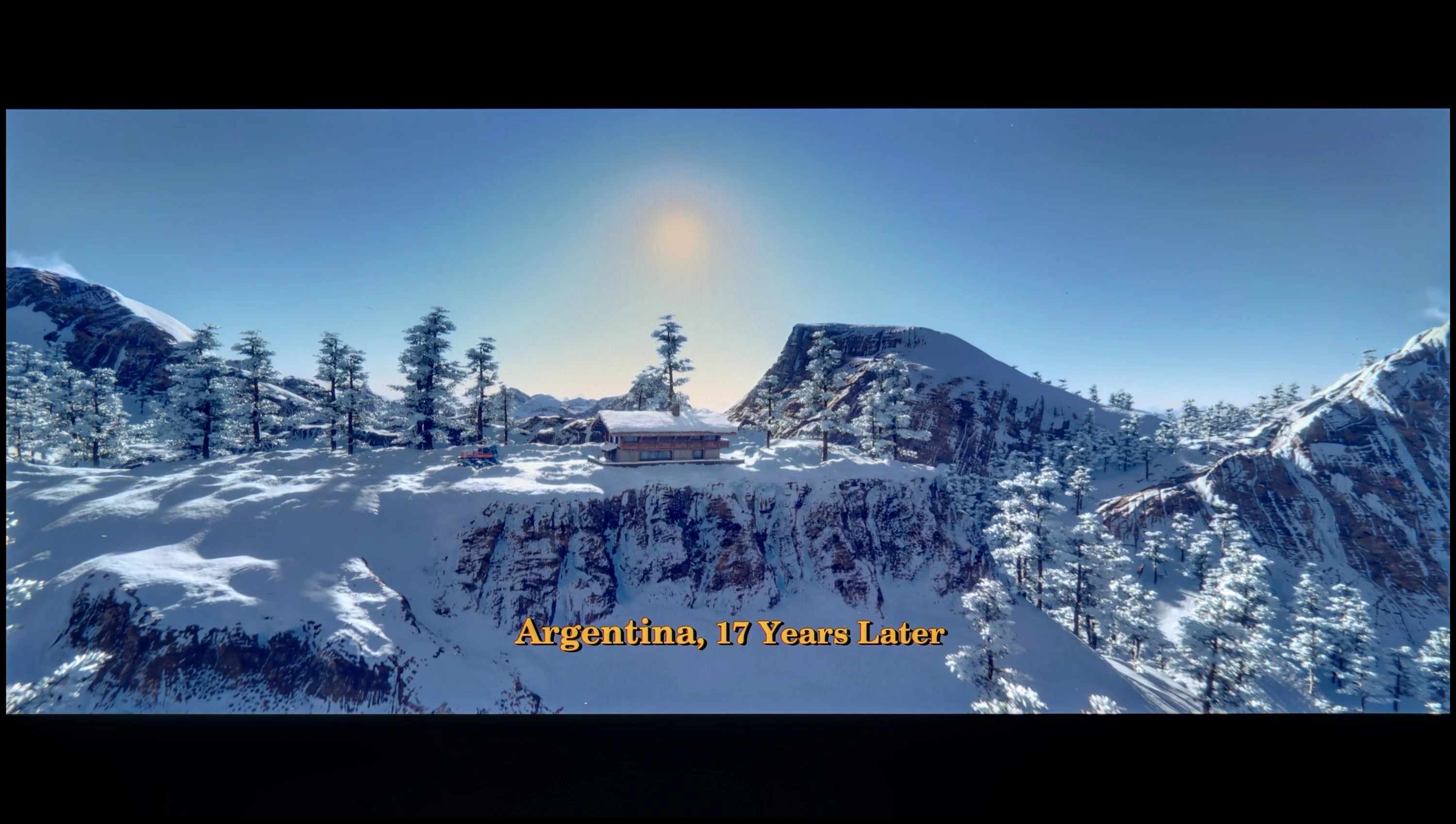
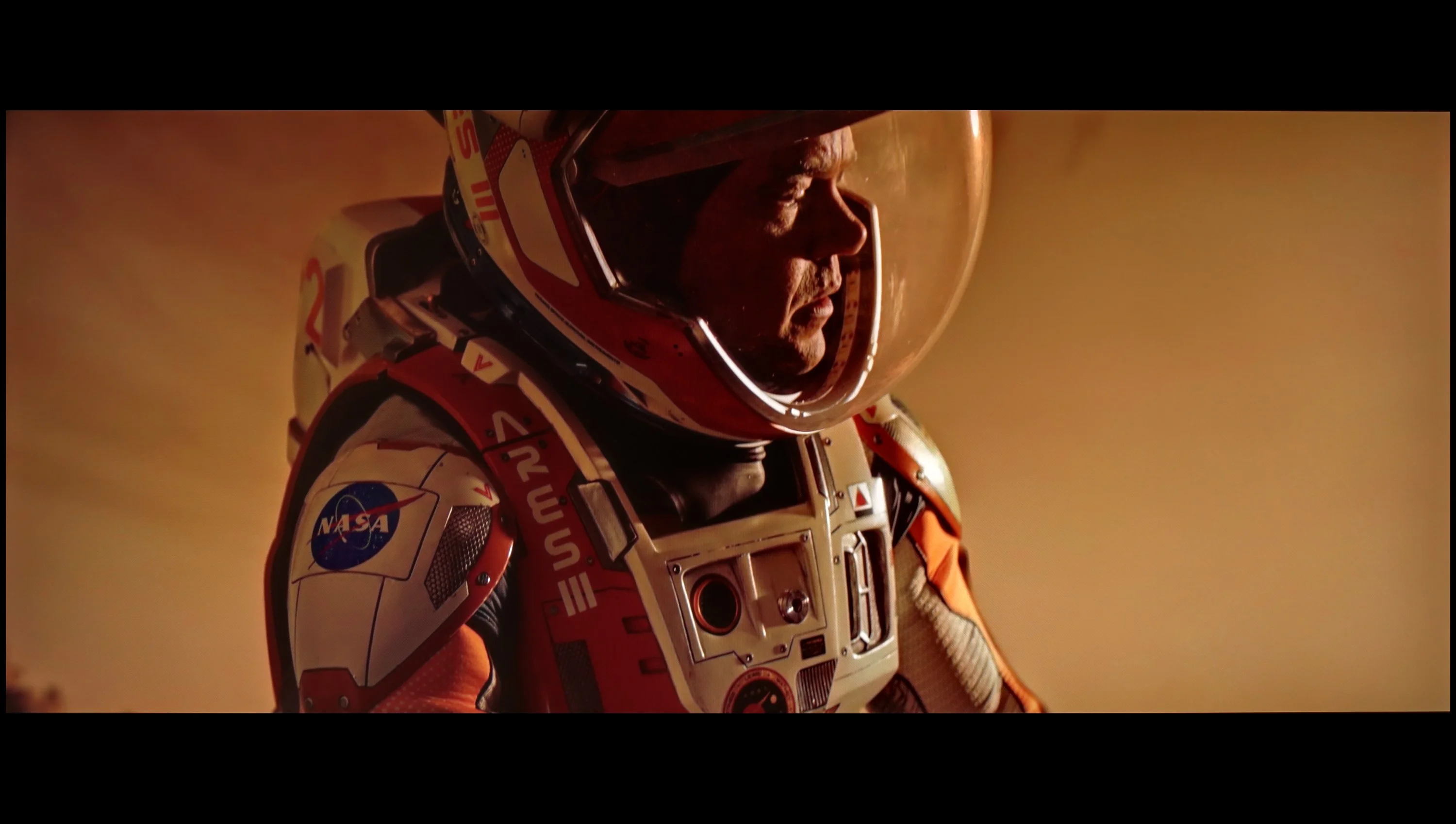
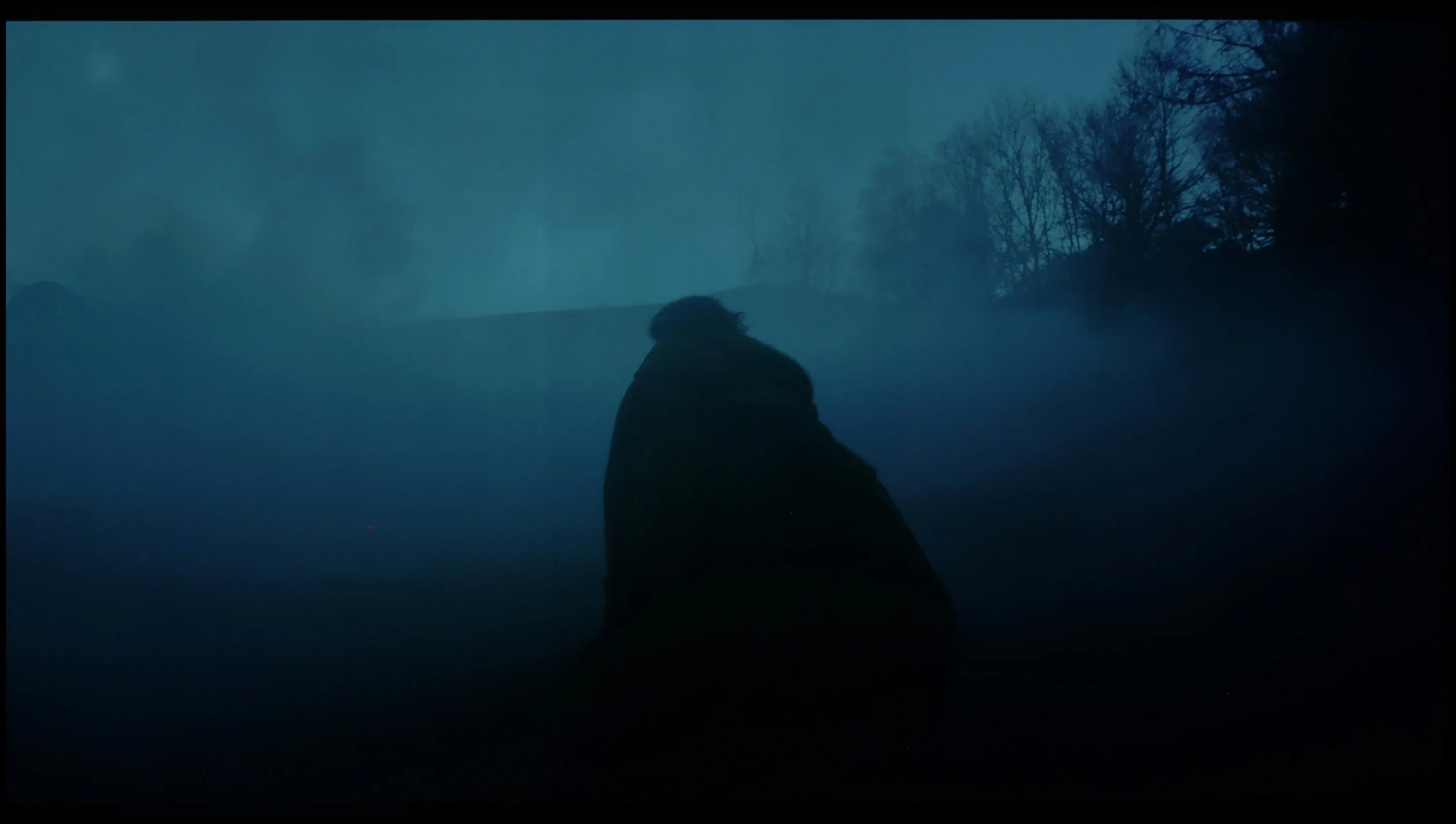
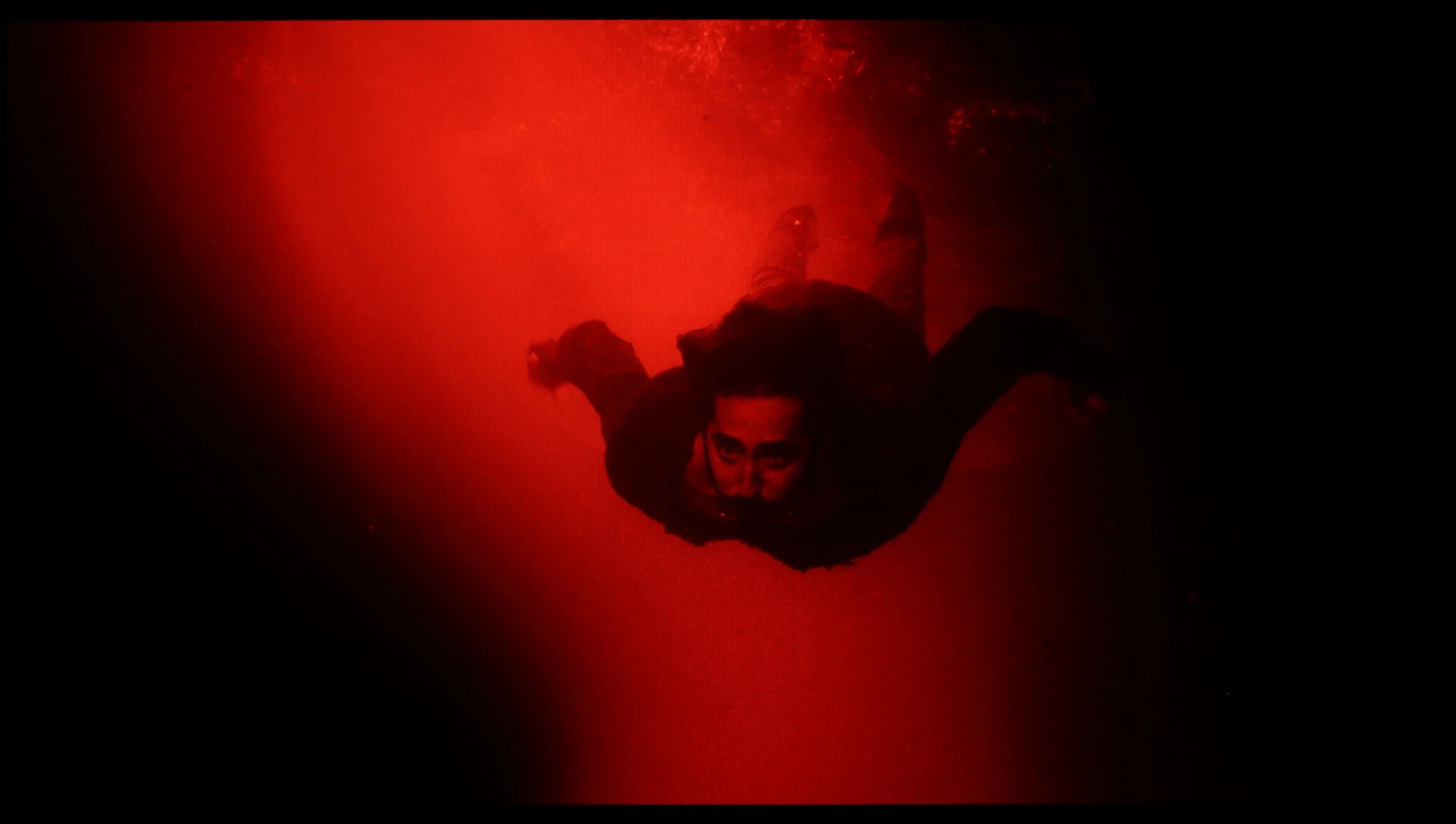
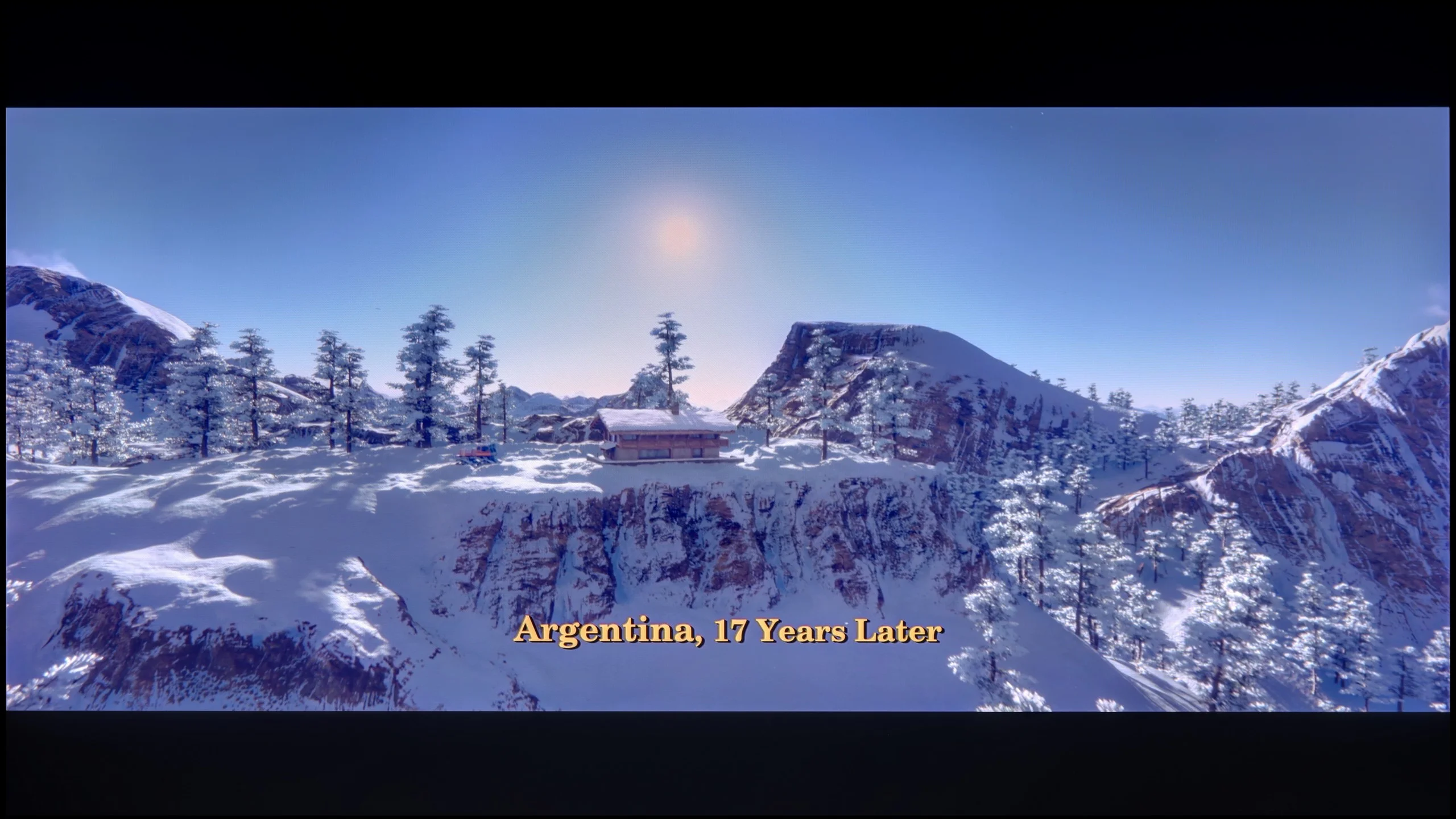
These are selected scenes that show smooth tonal transitions from one color to another. If you see distinct banding, it’s the TV panel’s fault.
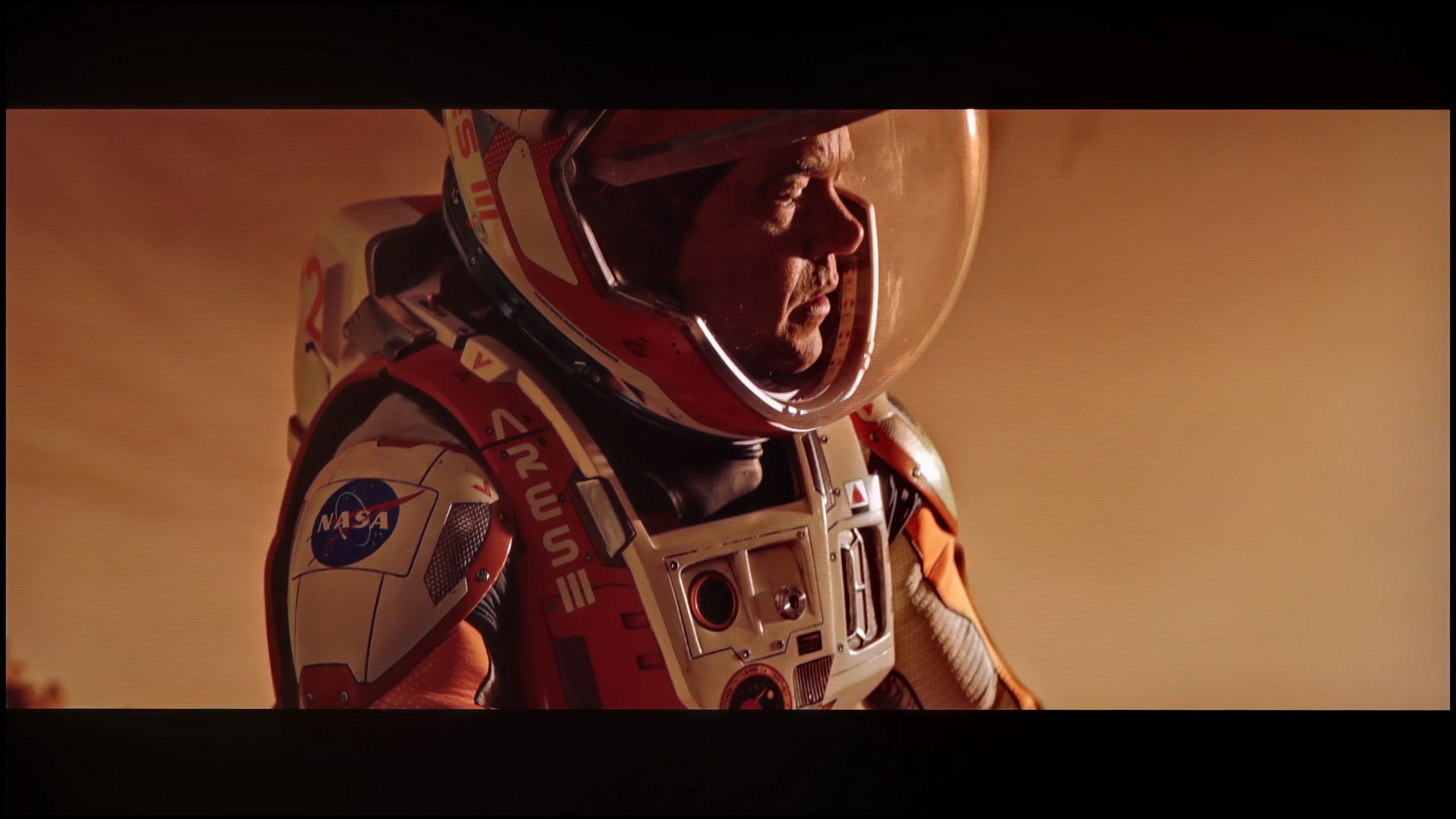
These are selected scenes that show smooth tonal transitions from one color to another. If you see distinct banding, it’s the TV panel’s fault.
These are selected scenes that show smooth tonal transitions from one color to another. If you see distinct banding, it’s the TV panel’s fault.
These are selected scenes that show smooth tonal transitions from one color to another. If you see distinct banding, it’s the TV panel’s fault.
The gradation in 4K materials is simply poor and clearly disappointing. There are noticeable seams in both dark and light colours, which affects the image quality and reduces overall satisfaction when watching high-definition content. Something that has always been a strong point of Sony processors is clearly failing this time.
In this regard, the QN80F really delivers. Transitions between colours are smooth, nothing tears, and there are no annoying bands in the sky or strange spots in the shadows. Movie scenes in darker tones performed particularly well – and that's where most televisions start to struggle. If you really focus, you might notice slight banding in the brightest areas, but that's really stretching it. In everyday viewing, no one should have a problem with this. To put it simply: the tonal transitions are so good that you can forget about them – and just enjoy the movie.
Image scaling and smoothness of tonal transitions
6.1/10
7/10


Smooth transition function
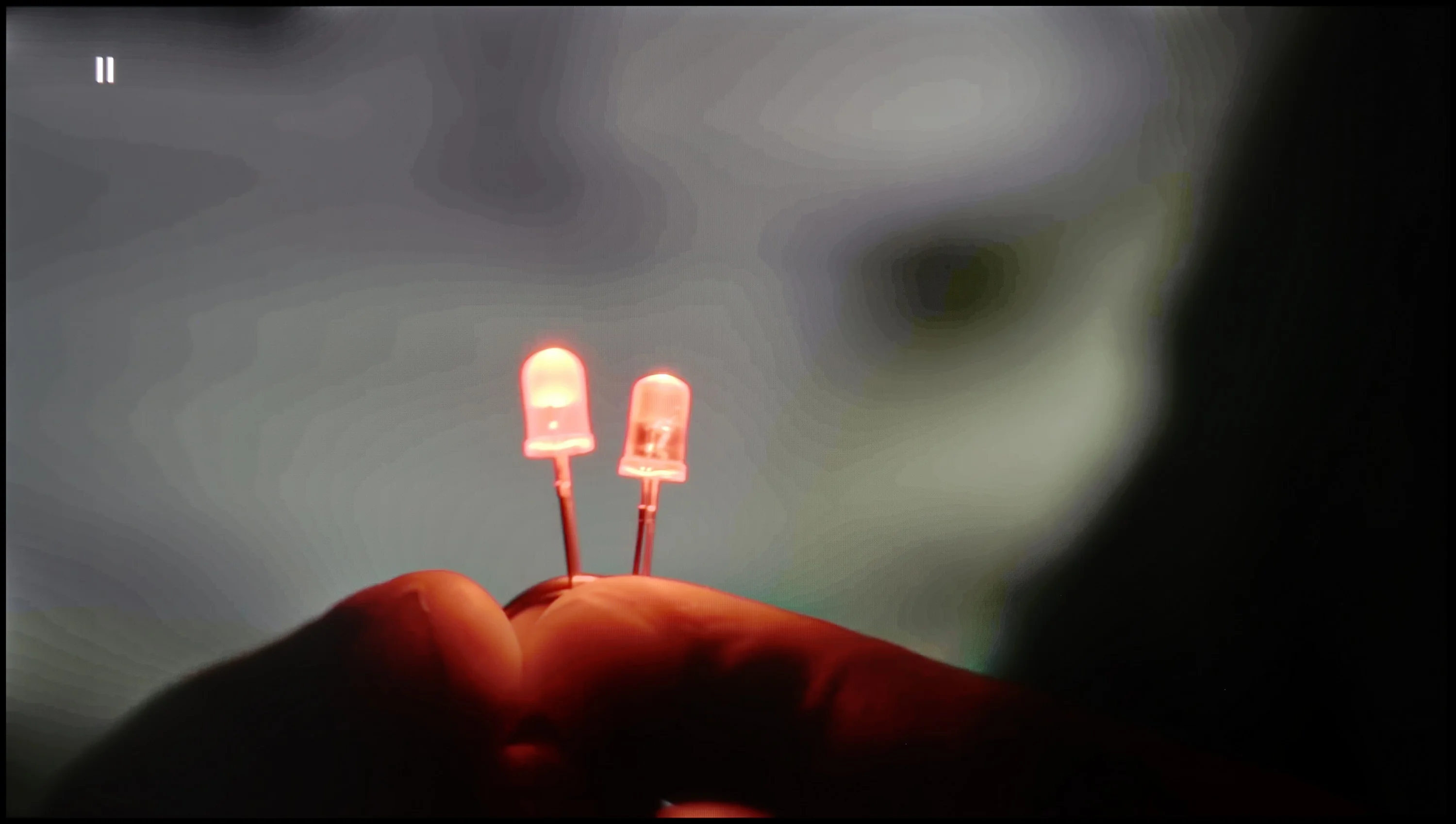
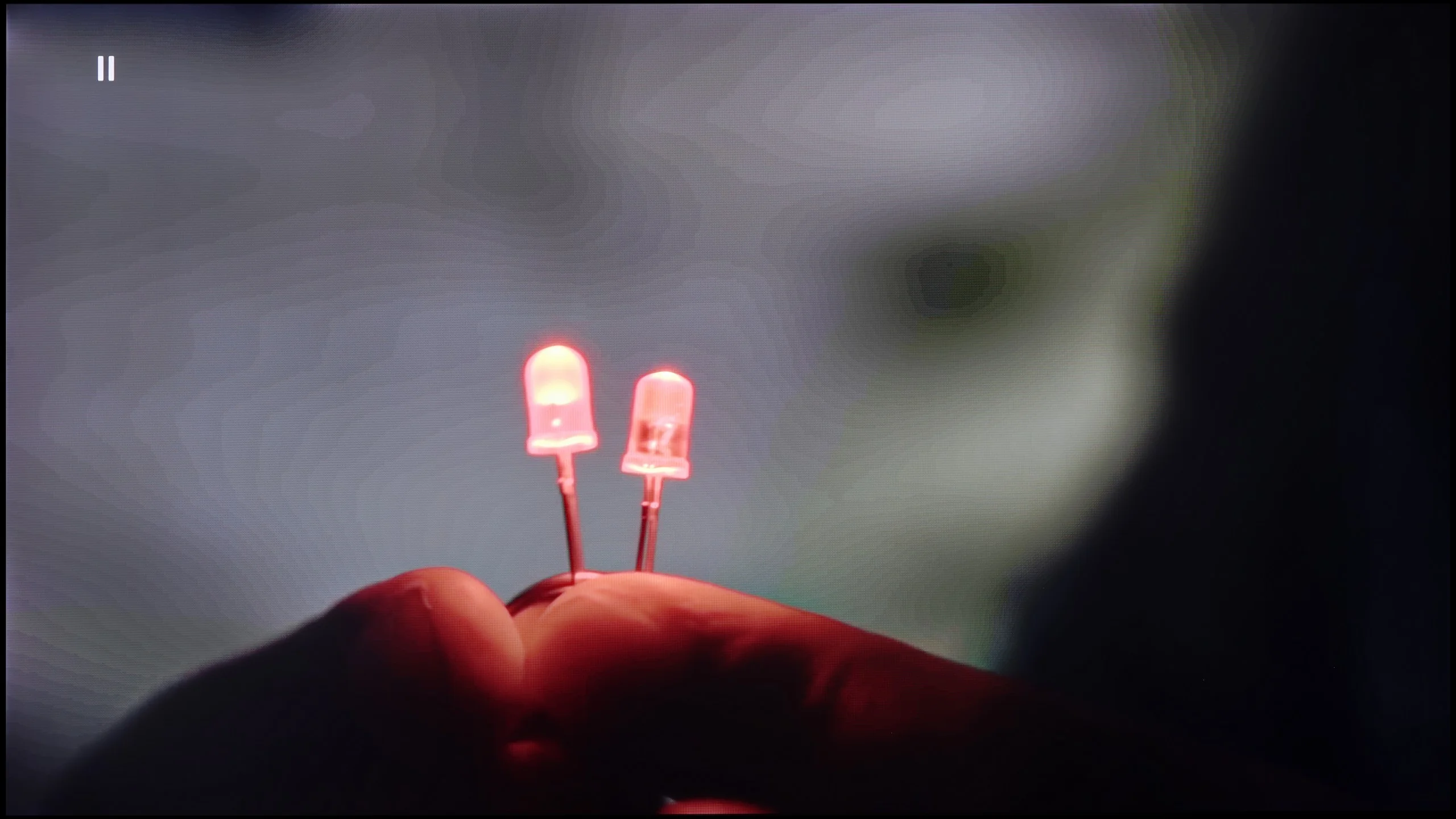
The match photo shows how the TV smooths weak tonal transitions in low-quality video.
Image scaling SD (576i)


The model photo shows how it handles upscaling of SD material.
The fluidity of tonal transitions in low-quality materials on the ChooseTV 8 is lacking. Unfortunately, the gentle gradation feature (which was available in previous models) is missing, which is a significant downside. The digital noise reduction function can improve tonal transitions quite well, but it also tends to remove some details, such as clouds in scenes from the film The Martian, which may not appeal to everyone. When it comes to digital processing, the Sony XR80 TV performs quite well. The model in the test scenes is displayed without noticeable errors, and the branches in the background are not overly jagged. This shows that ChooseTV 8 is capable of processing complex image details at low resolution well.
If you notice strange colour transitions or unwanted artefacts while watching lower quality materials – for example from YouTube – it's worth checking the settings and enabling the noise reduction feature. In our opinion, the best setting is at the 'medium' level – it effectively smooths out problematic colour transitions without overly blurring the entire image. However, it's important to know one thing: this option tends to remove film grain. If someone values preserving that effect (e.g., in older films), it's better to simply turn it off – regardless of the level, the grain always disappears.
Regarding resolution scaling (also known as upscaling), Samsung – as usual – performs very well in this area. The QN80F doesn't quite match the top models costing tens of thousands, but for its price class, it performs impressively. Materials of very poor quality (e.g., from SD television or older video files) are noticeably improved and look surprisingly decent. The only noticeable downside is the typical Samsung issue with overscan – which is a slight cropping of the image edges at very low resolutions, such as 576p.
Blur and motion smoothness
8.5/10
7.5/10
Blur (native resolution, maximum refresh rate):
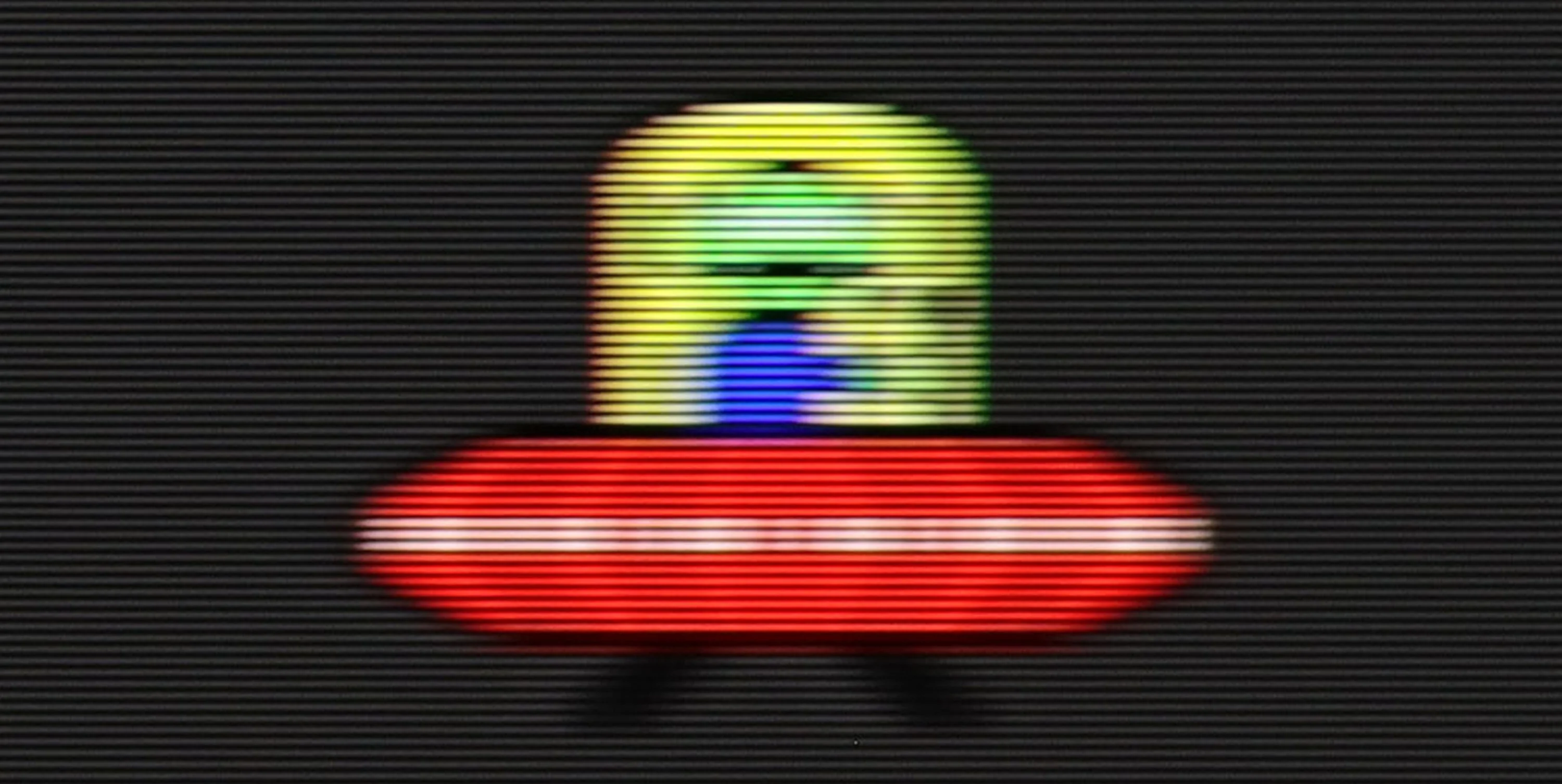
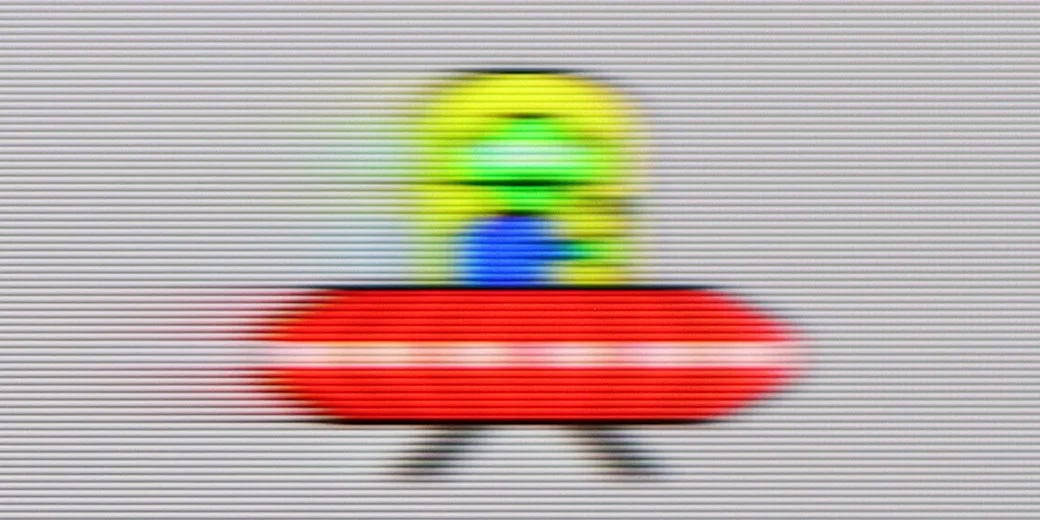
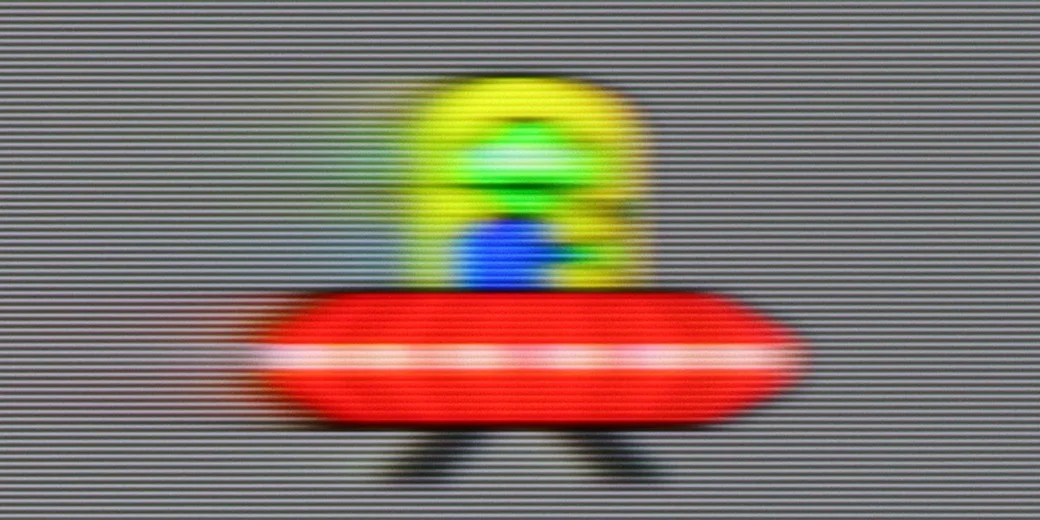
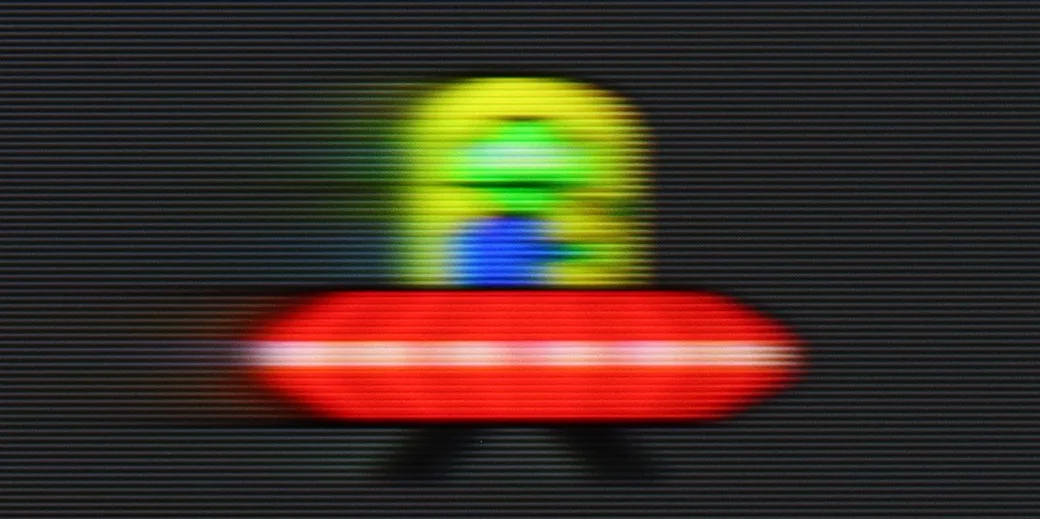
Blur (BFI function enabled):
Image flickers in this mode
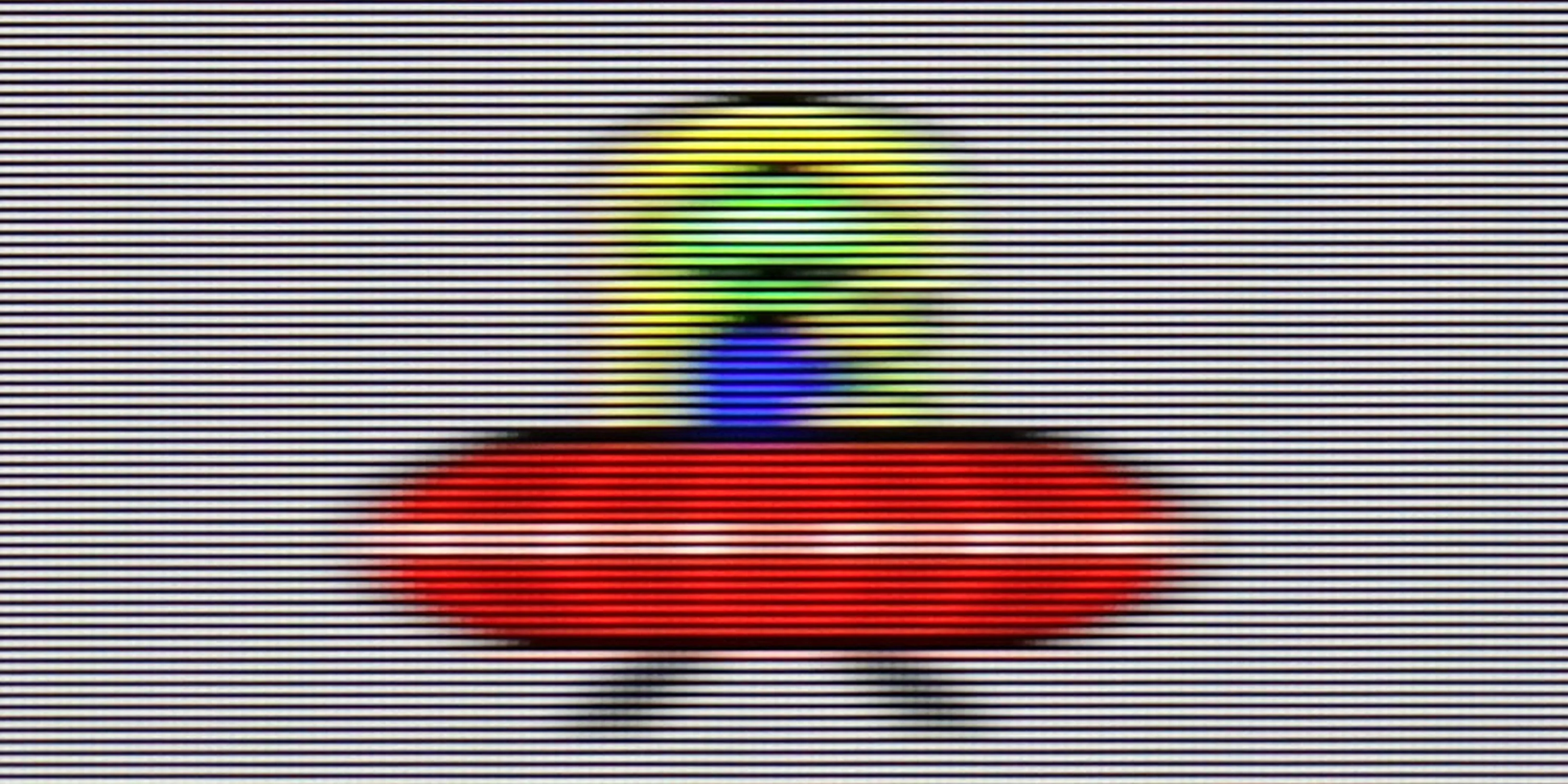
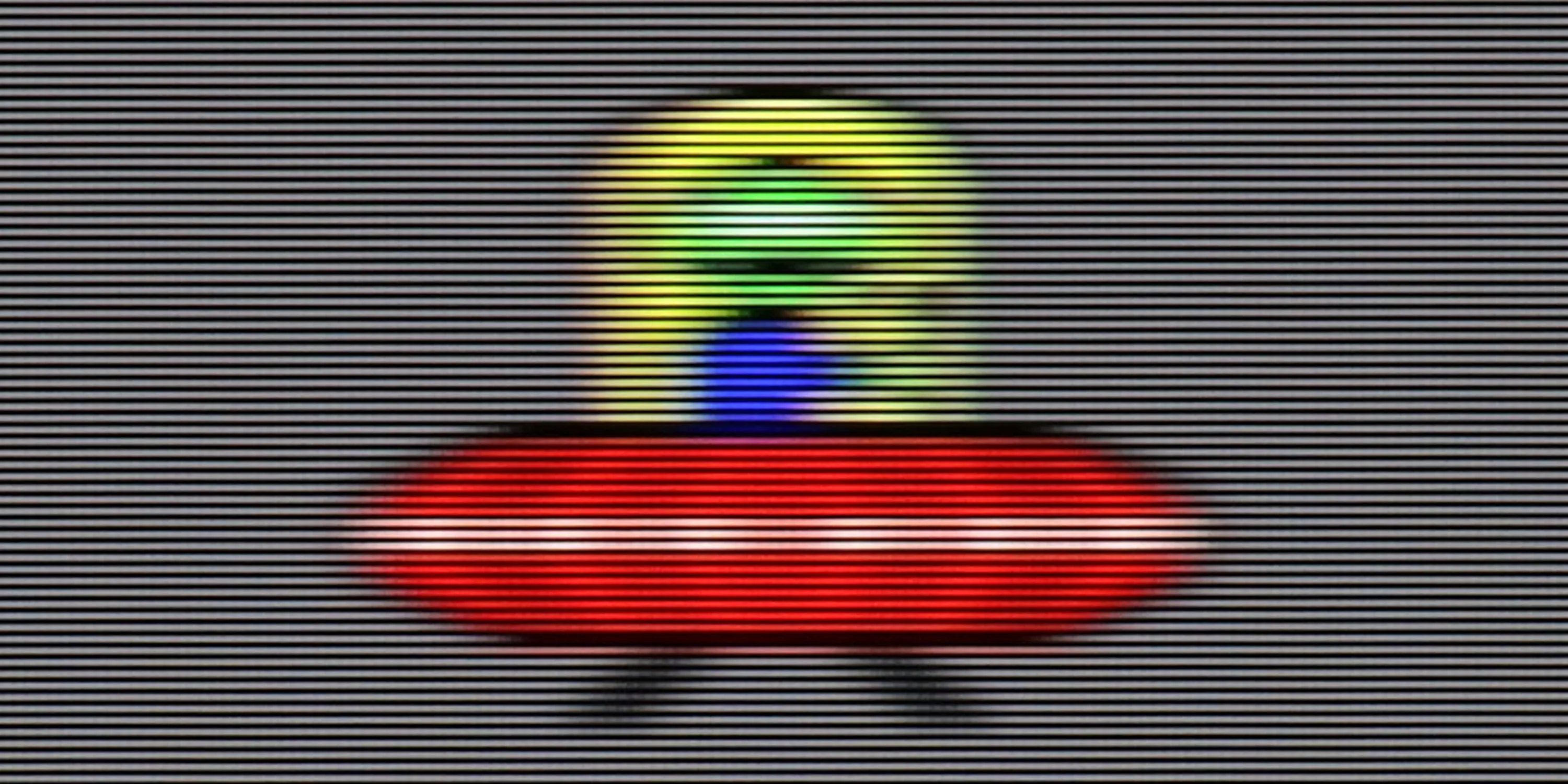
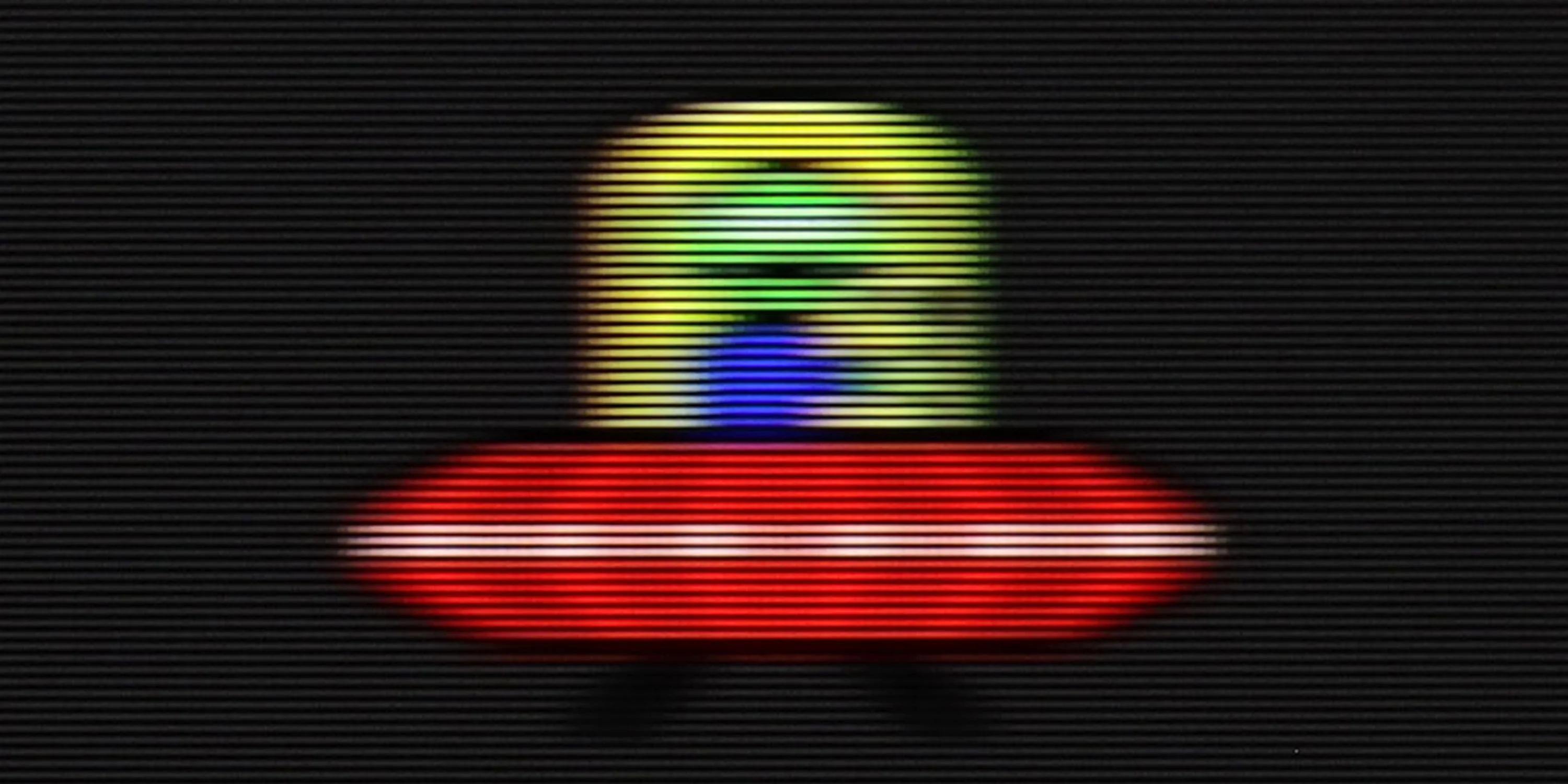
Image flickers in this mode

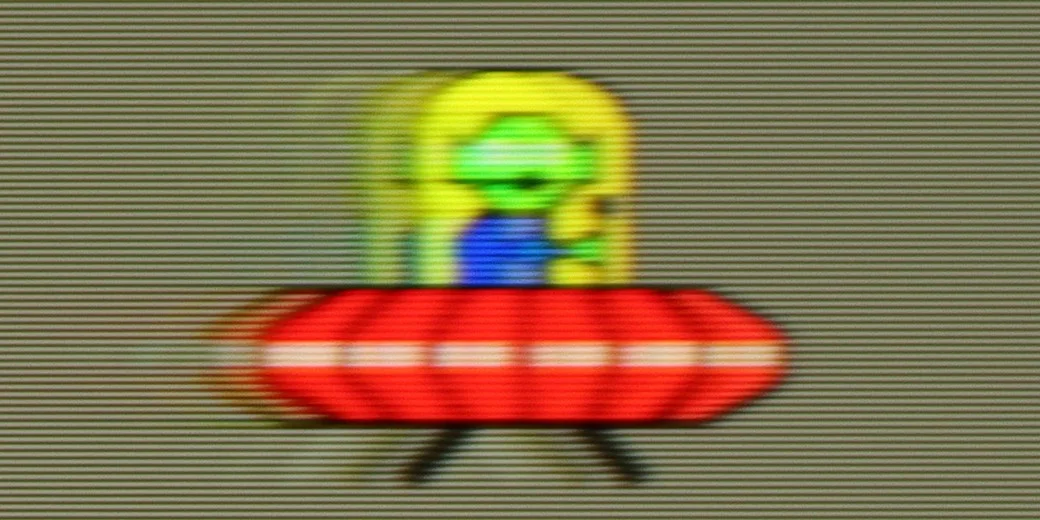
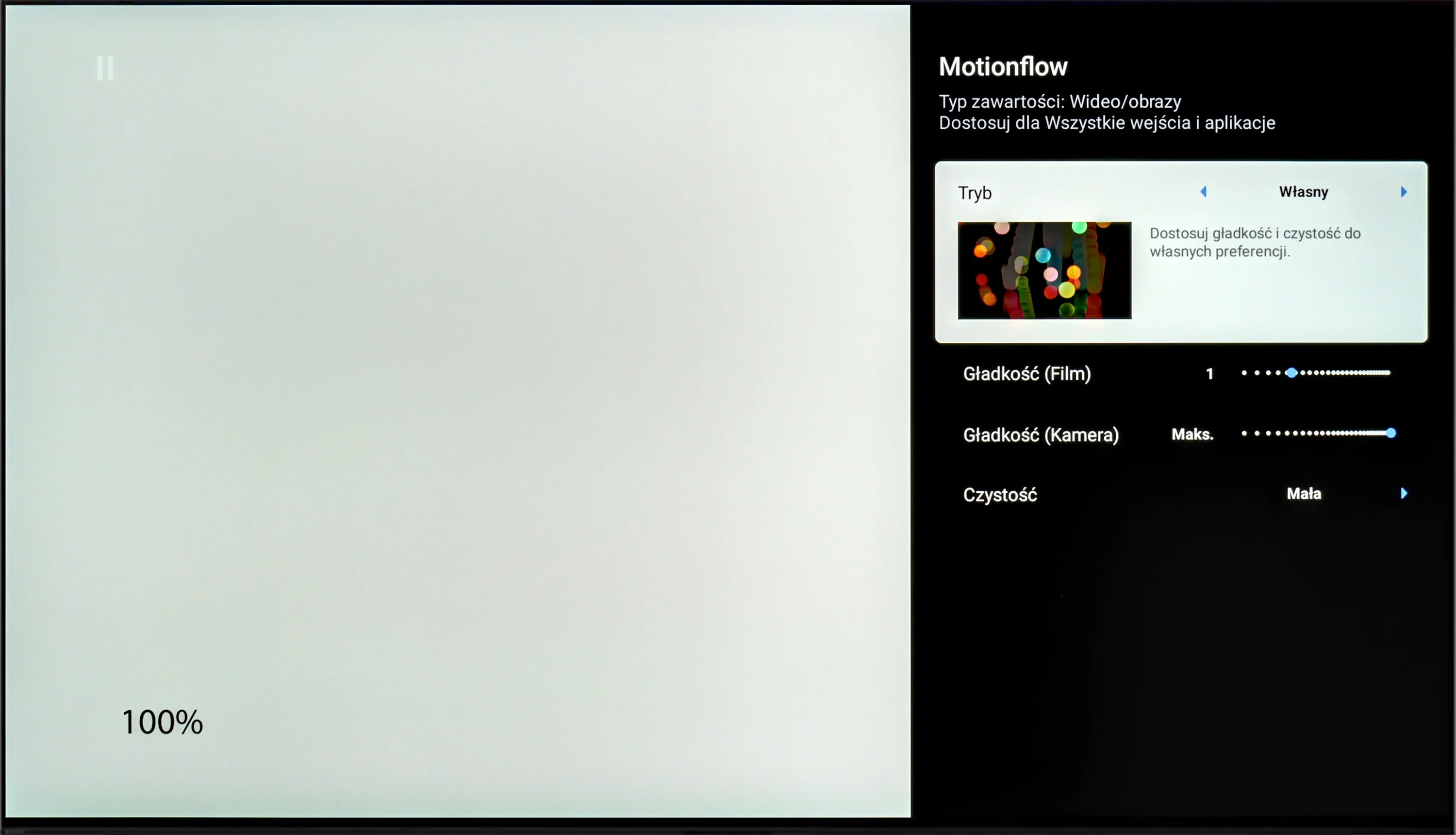
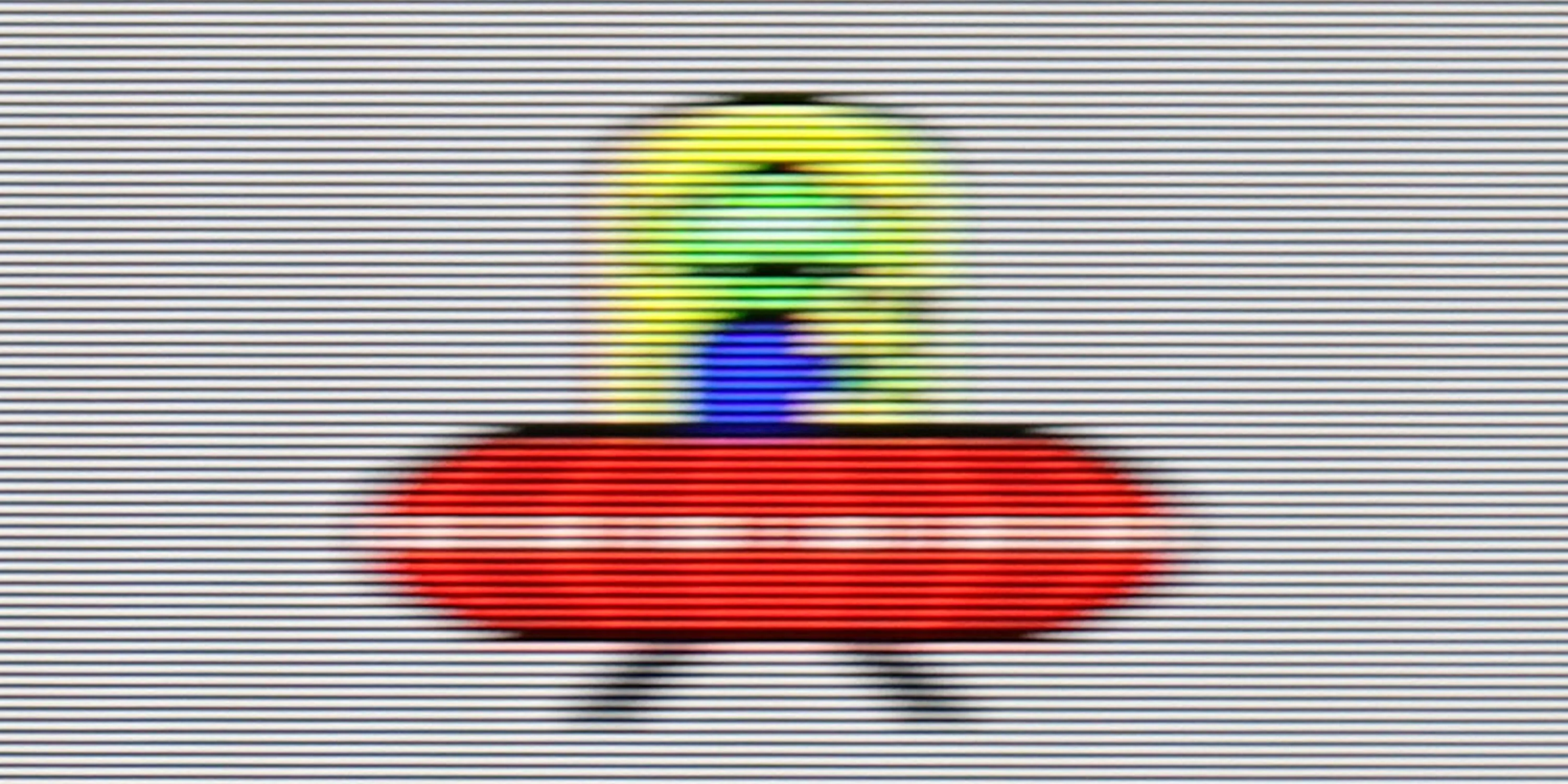
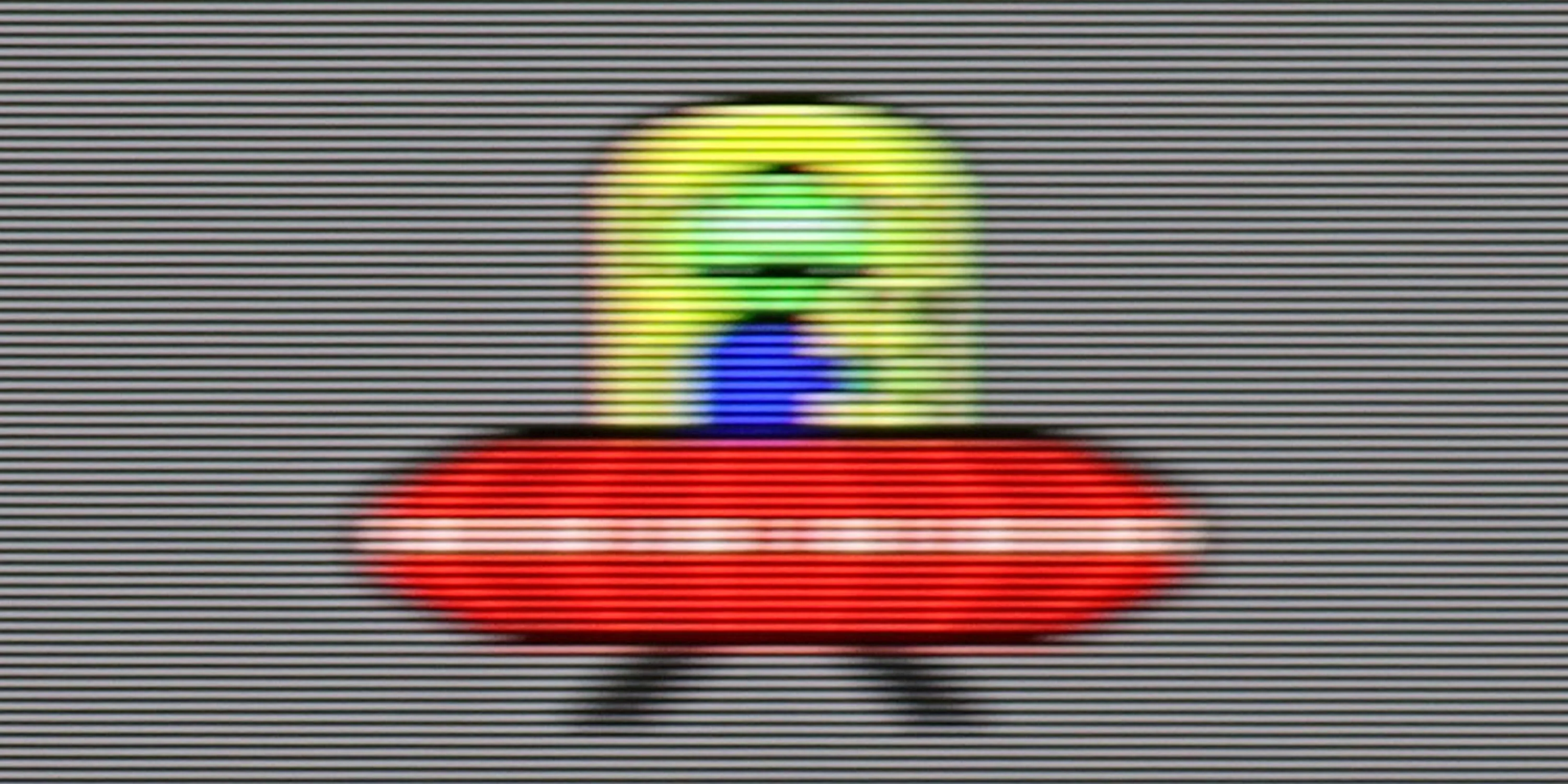
Sony Bravia 8 offers a maximum refresh rate of 120 Hz, which lays the groundwork for smooth viewing of dynamic content such as sports and games. As a result, movements are sharp and fluid. For more demanding users, the Sony XR80 television is equipped with an advanced motion smoothing system, which is divided into three segments: Smoothness (Film), Smoothness (Camera), and Clarity. The first two are responsible for adjusting the level of blur and smoothing of the image. The third option, concerning clarity, will be described in more detail below. Each of the parameters can be tailored to personal preferences, allowing users to find the optimal setting suited to their individual needs.
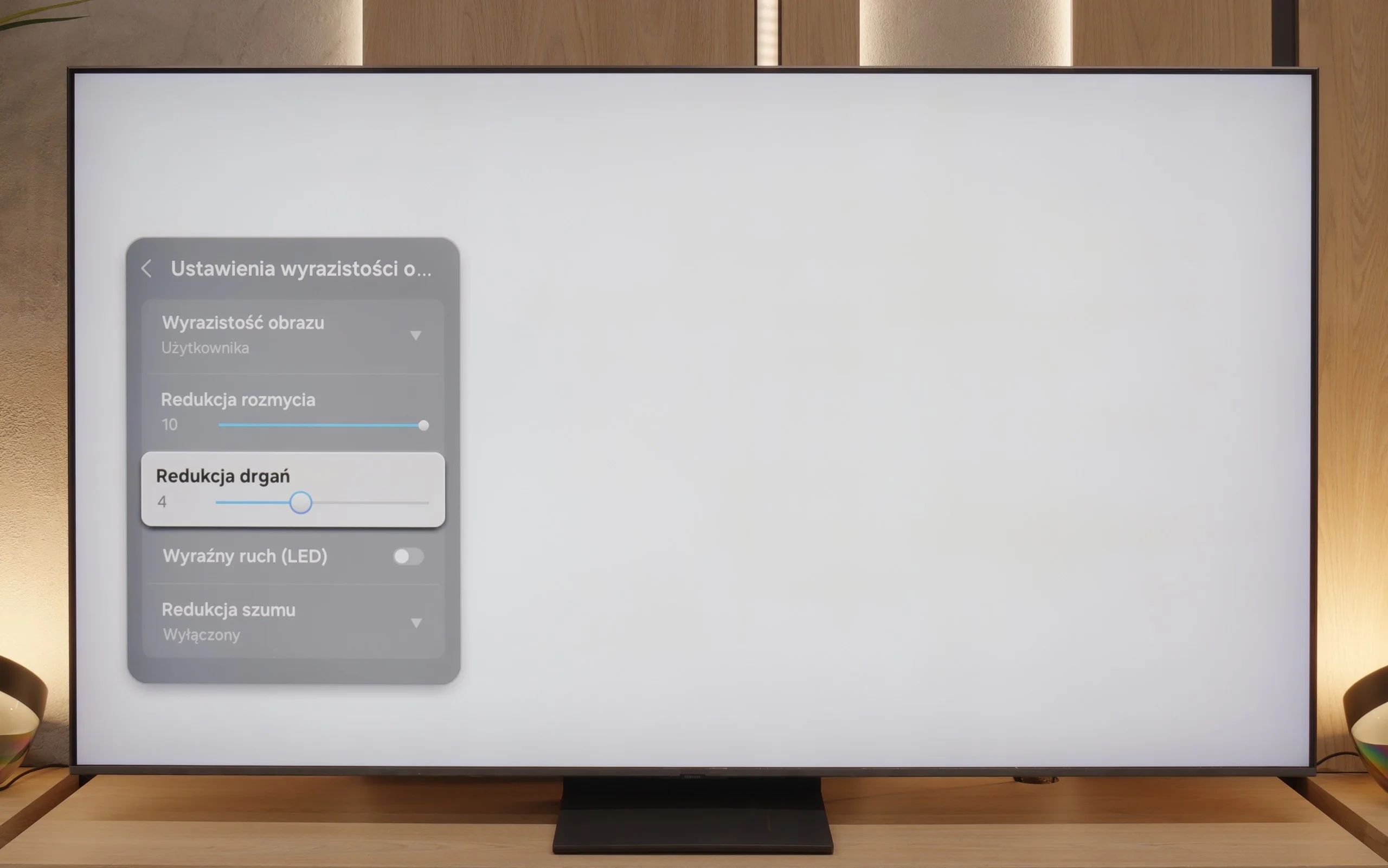
QN80F is truly a “fast” TV. The panel used offers a refresh rate of up to 144 Hz, which in practice means that the screen keeps up with the action – whether we’re watching a movie, playing games, or browsing dynamic content online. The image doesn’t stutter, isn’t overly blurred, and everything simply looks smooth and pleasing to the eye. Of course, the manufacturer hasn’t forgotten about cinema fans – in the settings, we find an option to adjust motion smoothness, allowing us to tailor the effect to our own preferences. You can leave a more “frame-y” look (for those who enjoy the classic film vibe) or crank up the smoothness to a higher level to achieve a theatrical smoothing effect. Importantly, the choice is ours. Watching movies and playing on the QN80F is just plain fun.
Console compatibility and gaming features
8.1/10
9.6/10
- ALLM
- VRR
- VRR range48 - 120Hz48 - 144Hz
- Dolby Vision Game Mode
- Correct implementation of HGIG
- 1080p@120Hz
- 1440p@120Hz
- 4K@120Hz
- Game bar
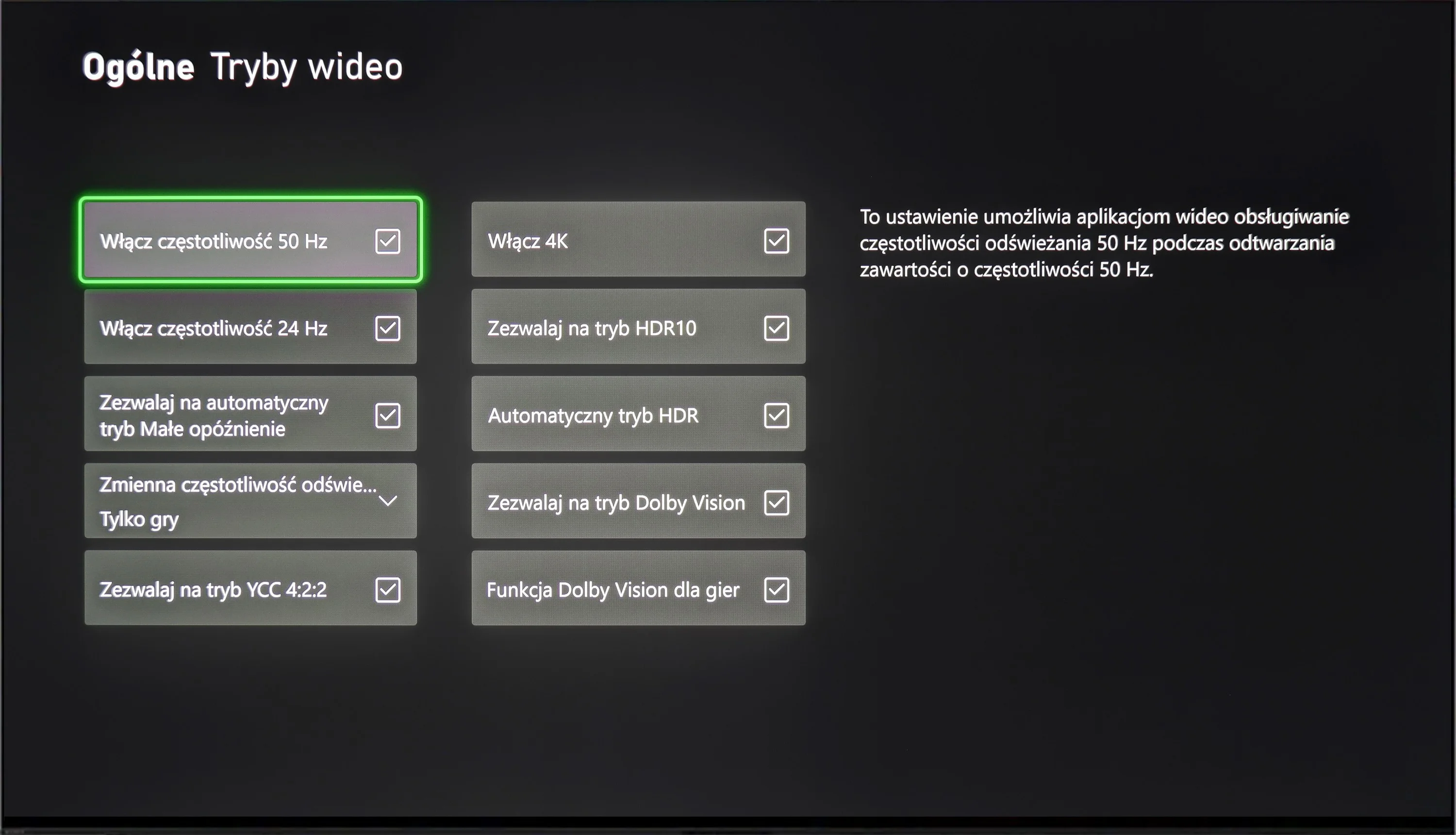
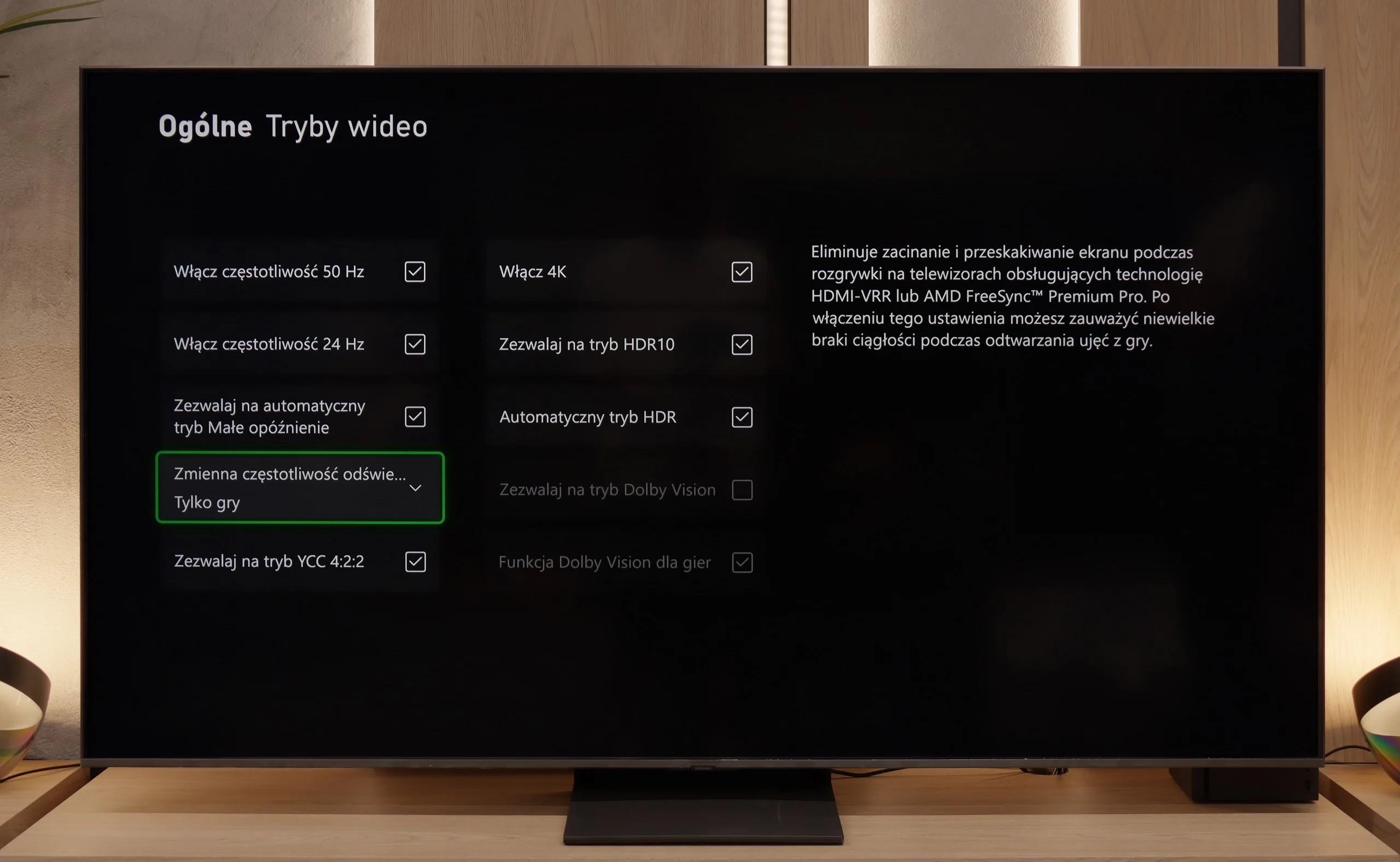
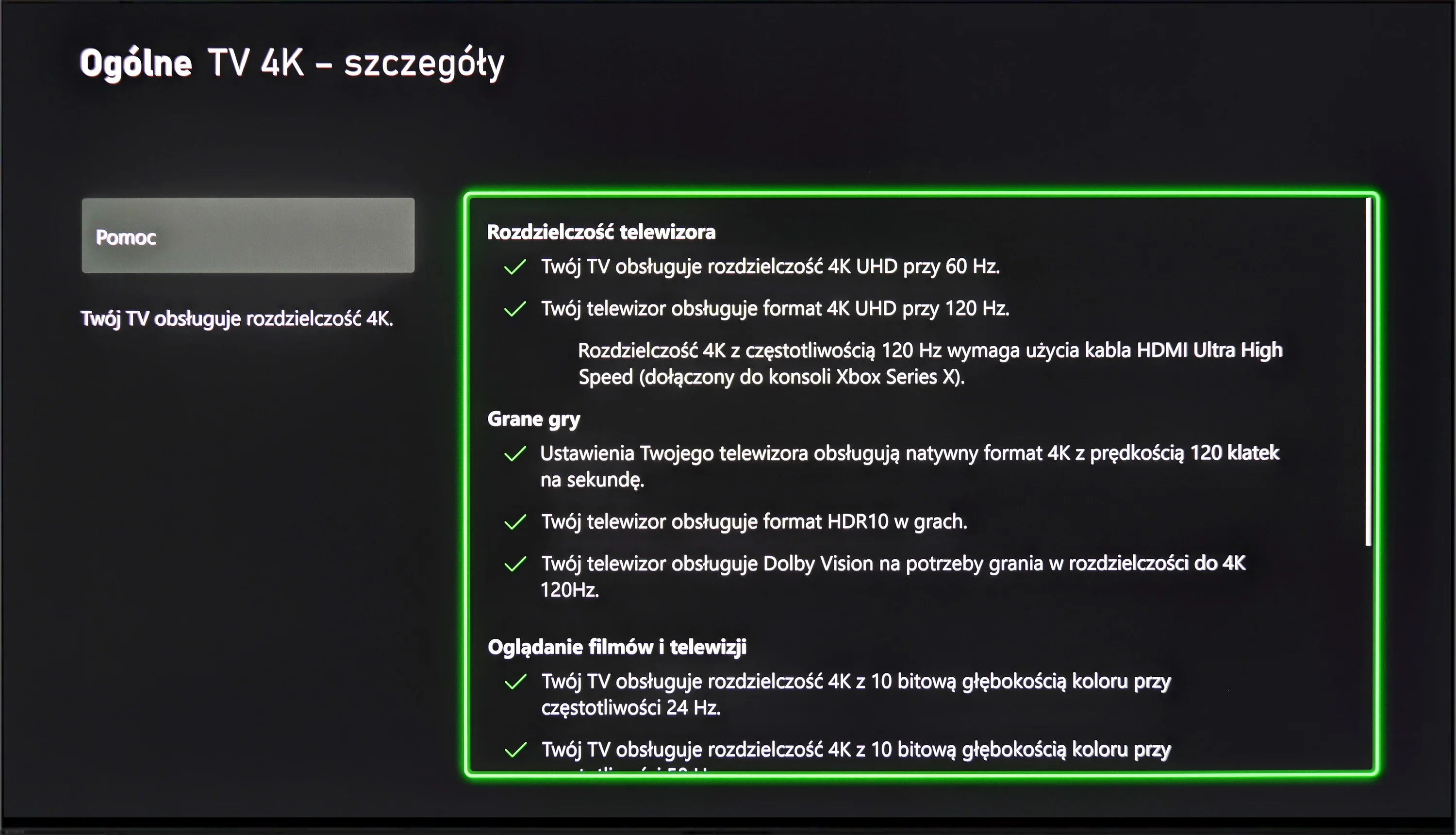
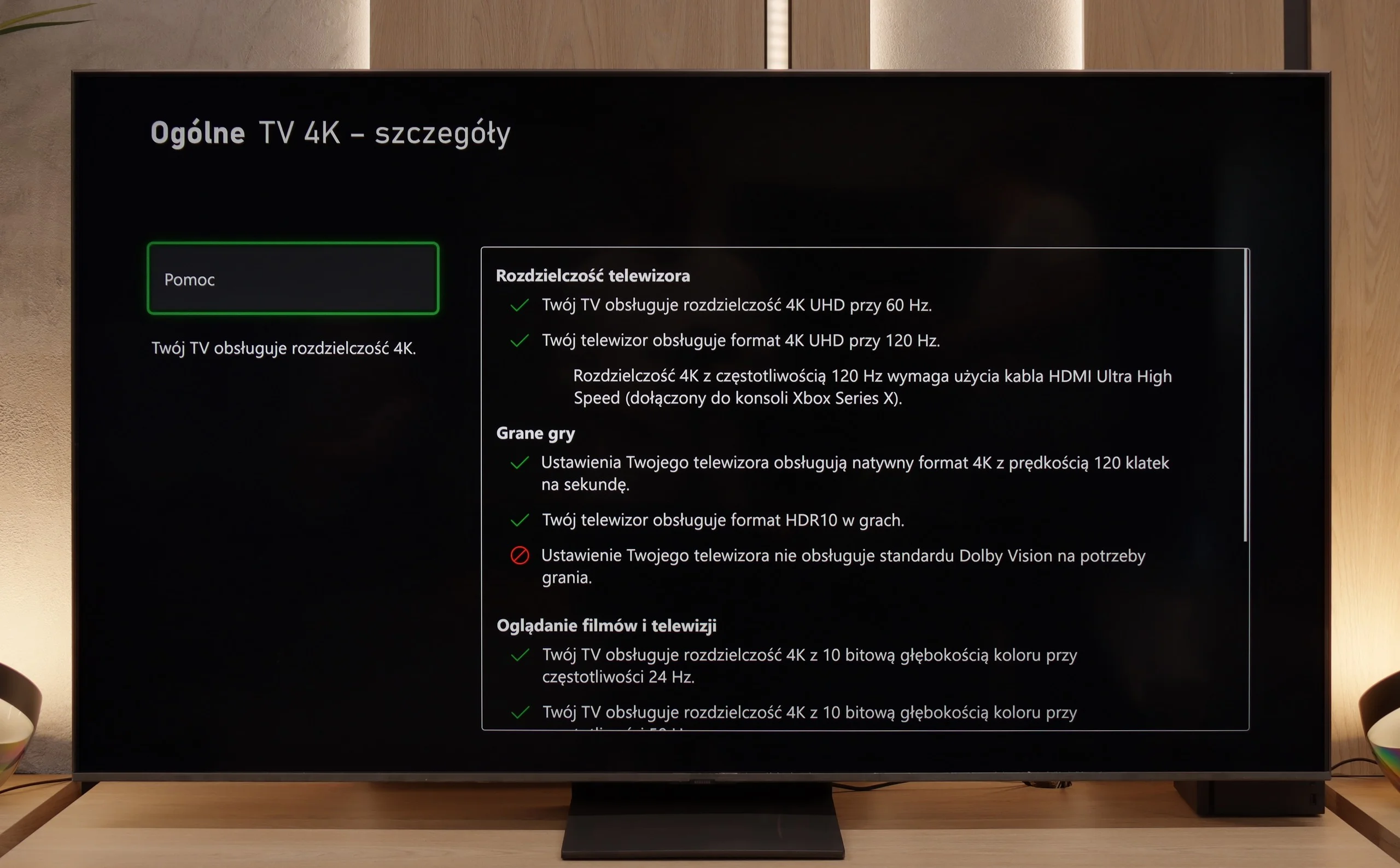
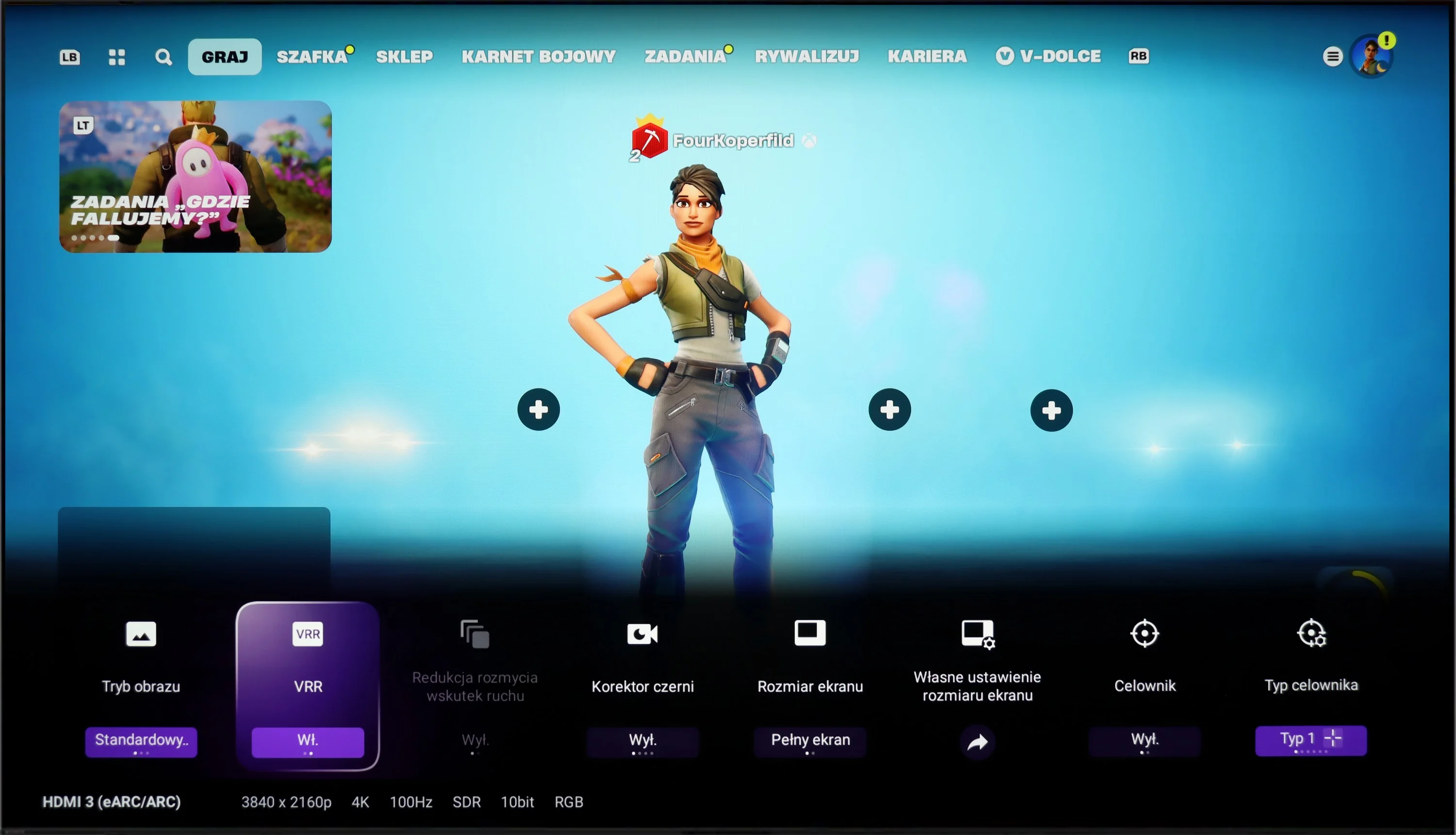
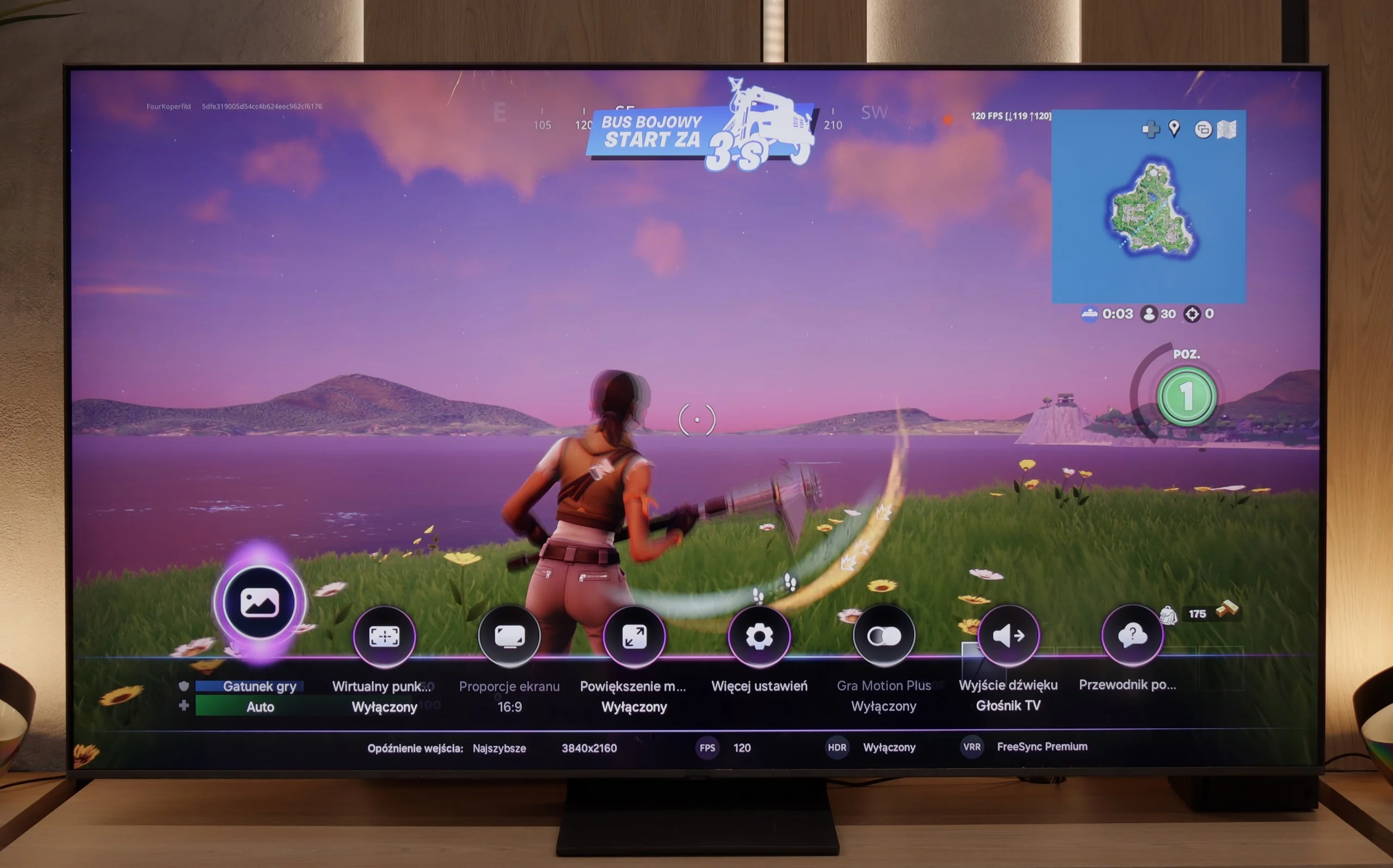
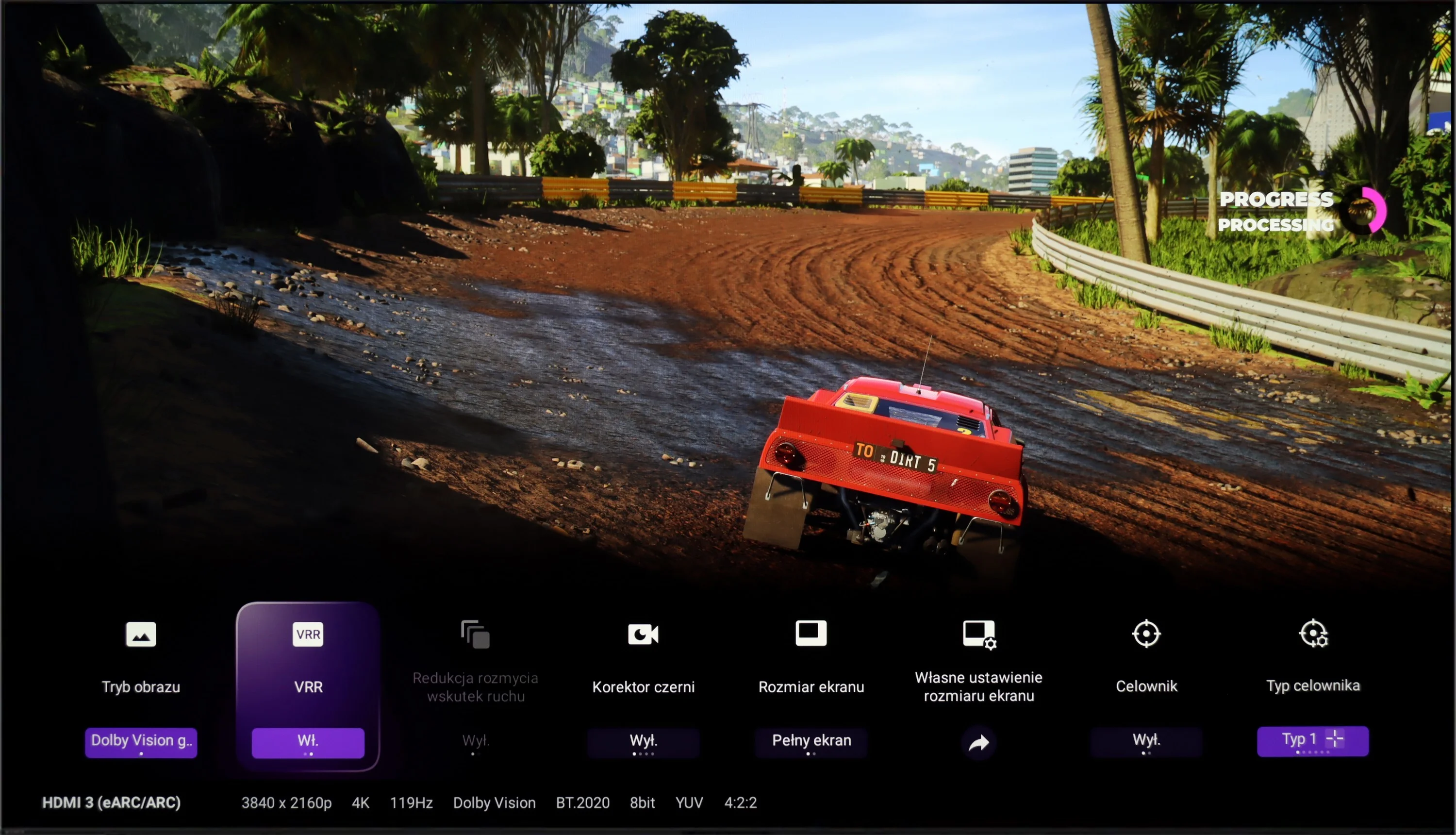
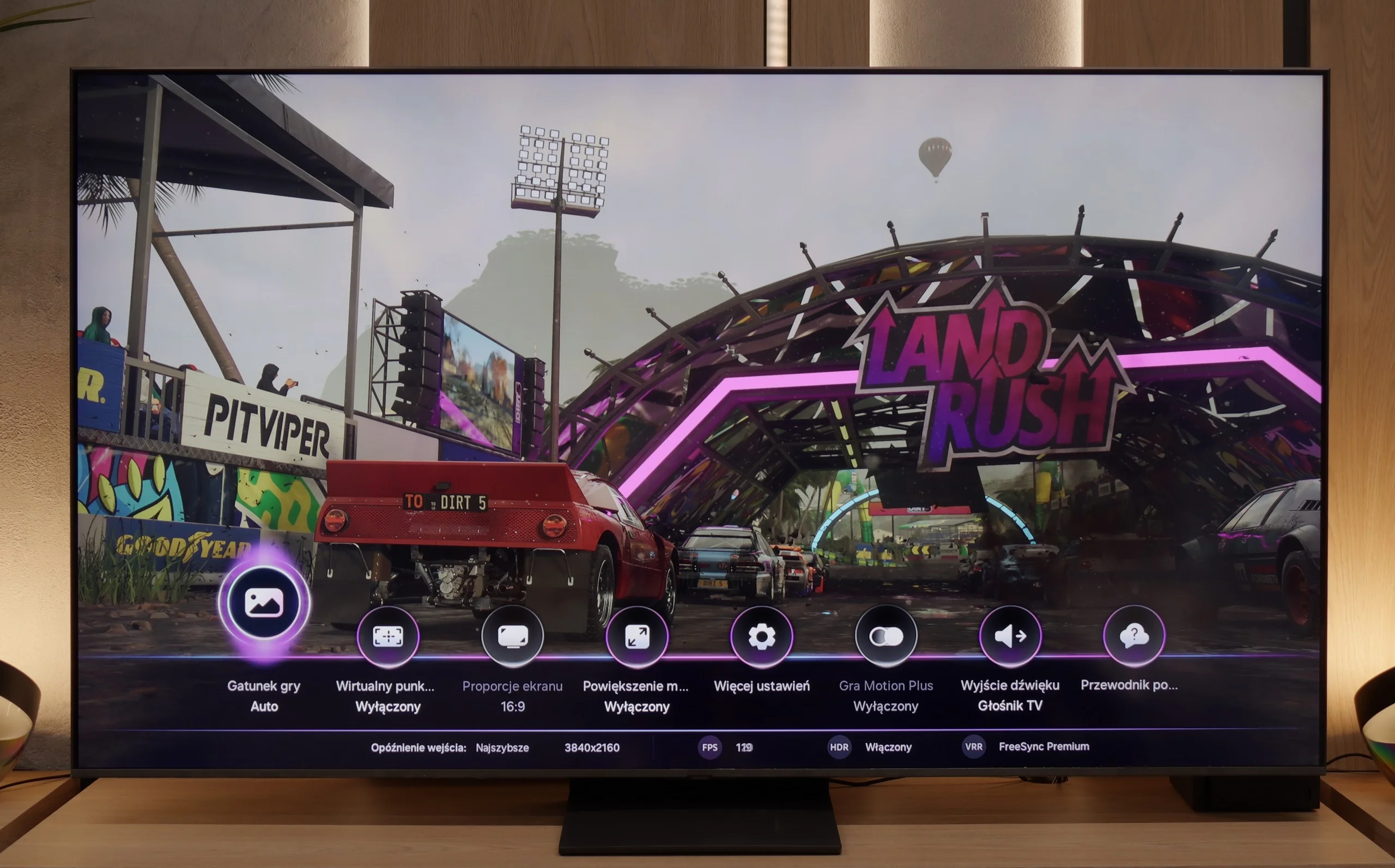
Sony Bravia 8 has significantly improved its compatibility with consoles compared to earlier models. The TV supports variable refresh rate (VRR), which eliminates screen tearing, and is compatible with graphics cards, ensuring smooth visuals. The auto low latency mode (ALLM) reduces input lag, which is crucial in fast-paced games. Dolby Vision with low latency additionally provides impressive HDR effects that look fantastic during gameplay.
The Sony XR80 TV also features a Game Bar, which allows quick access to settings and monitoring parameters while gaming. An interesting option is the ability to enable a virtual crosshair on the screen, which can provide a slight advantage in shooter games.
A downside is the lack of support for 1440p@120hz resolution, which could make gaming easier for users with less powerful graphics cards. Additionally, the Sony XR80 only has two HDMI 2.1 ports, one of which is typically used to connect an audio system via eARC, limiting the number of available ports for connecting next-gen consoles.
Samsung QN80F is a television that delivers on almost every front when it comes to gaming. It features a 144 Hz panel, four fully-fledged HDMI 2.1 ports, support for gamers with variable refresh rate (VRR), automatic game mode (ALLM), and even one of the best-designed gamebars on the market. The icing on the cake is the motion smoother which – uniquely in the world – works in games without significantly increasing input lag. Sounds like an almost perfect gaming TV? And indeed, it is almost that.
[UPDATE] We have updated our Samsung TV tests from the 2025 model year due to the release of firmware version 1131, which restored the crucial gaming feature HGiG.
As usual, Samsung doesn’t support Dolby Vision in games, but that’s no longer surprising. However, what is much more surprising is that... the HGIG feature has disappeared – meaning the system that allows the console (e.g., PlayStation 5 or Xbox Series X) to accurately match HDR tone mapping to the capabilities of the television. In the latest firmware update for the 2025 models, this option simply vanished. It looks more like a bug than a deliberate move, but it must be honestly noted that at the time of writing the review, the HGIG feature is simply absent.
And it’s precisely because of this one absence that the QN80F goes from being an almost perfect gaming television to a “nearly” perfect device. What a shame – because everything else indicated that Samsung could once again set the bar very high in this generation.
Input lag
10/10
9.8/10
SDR
HDR
Dolby Vision
Low input lag in Sony Bravia 8 is definitely an advantage – results at 13 ms are outstanding and provide excellent responsiveness. The Dolby Vision mode is also noteworthy, as it performs brilliantly in this model. In many cases with other manufacturers, this mode looks much worse, but here you can enjoy its full potential, especially in games.
The QN80F doesn't disappoint when it comes to response time. The input lag for 120 Hz content drops below 10 ms, which can be considered an almost perfect result – it's hard to expect more in this class of televisions. Gaming is smooth, responsive, and without delays that could annoy even the most sensitive players. For 60 Hz material, the lag is higher, around 19 ms, but this is a completely natural phenomenon and still falls within comfortable limits.
Compatibility with PC
7.6/10
8.8/10
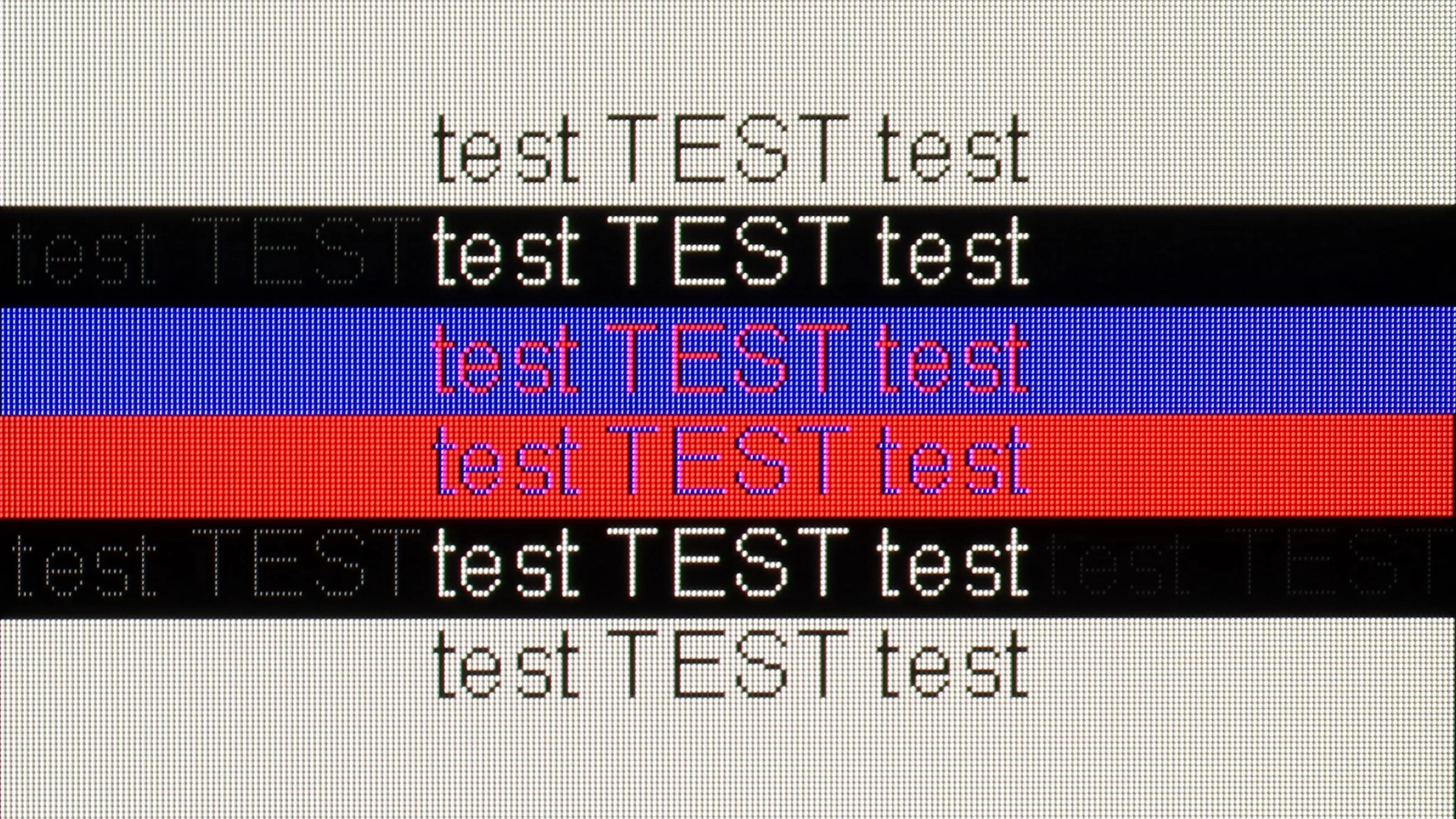
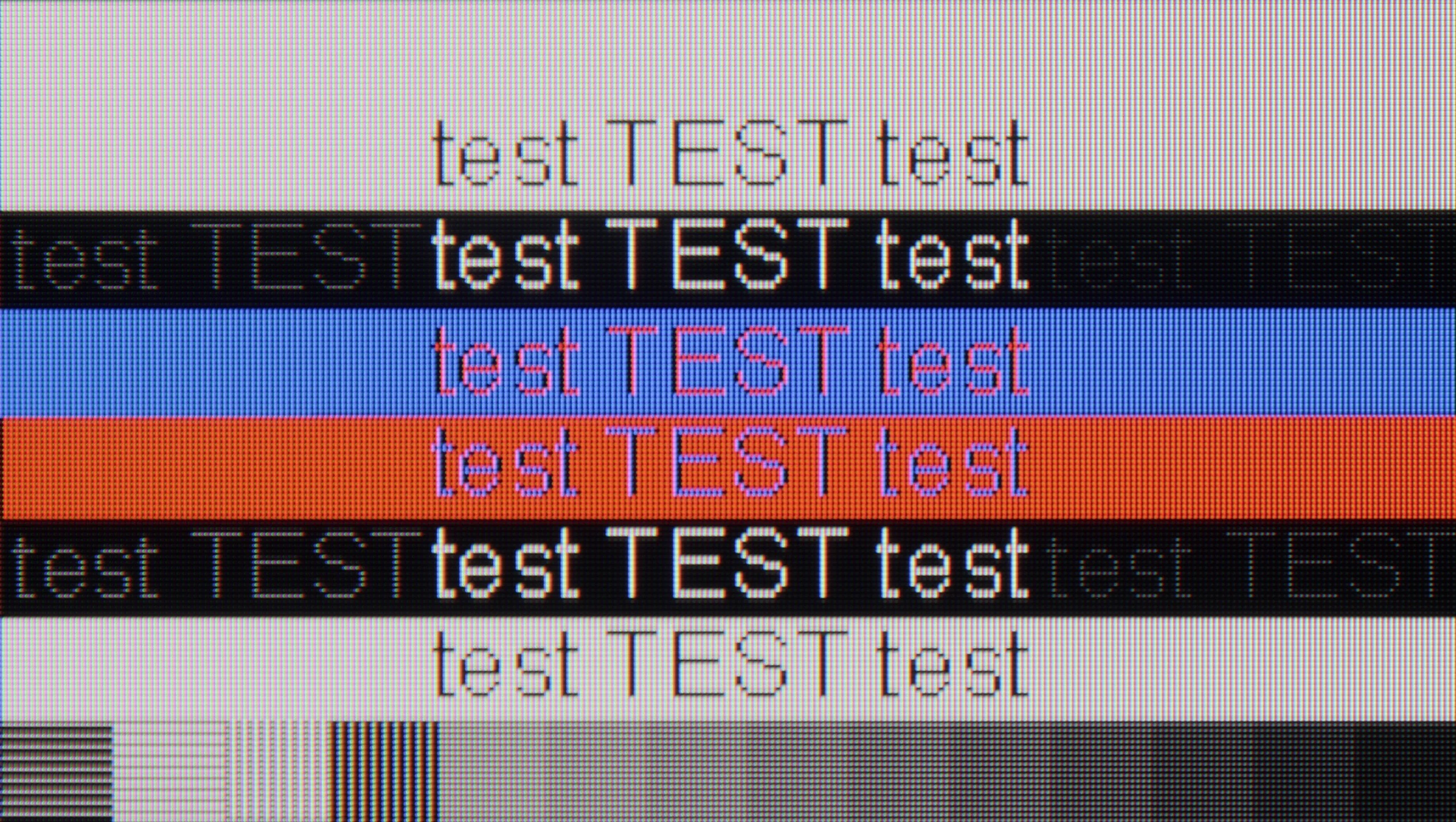
The photo shows the legibility of small fonts. Ideally, lines should be the same thickness on both light and dark text, with minimal pixel gaps.
The cooperation of Sony Bravia 8 with computers is very good, just like with most TVs featuring a WOLED panel. The readability of fonts is at a high level, making work with documents or browsing websites comfortable. The low input lag of 5 ms is impressive and provides excellent responsiveness during gameplay. The only downside is that fonts displayed on a dark background are slightly muted.
Playing on the QN80F with a computer connected is pure delight. The television works seamlessly with NVIDIA graphics cards (thanks to G-Sync support) and AMD (thanks to FreeSync Premium), and the 144 Hz refresh rate only enhances comfort during fast-paced gaming. Everything works right away, without unnecessary fiddling with settings – just as it should.
When it comes to work, it's very good as well. The readability of fonts is high, and texts look sharp and clear. With very thin horizontal lines, you might notice slight imperfections or shadows, but honestly – you have to take a good look. Unless, like us, you sometimes like to examine the screen with a magnifying glass… then you might spot something 😉.
Viewing angles
7.3/10
3.1/10
The viewing angles on the Sony Bravia 8 are very good, as one would expect from a TV with an OLED panel. This means that the image retains its colours and contrast even when viewed from a large angle. The only televisions that will be better in this category are models equipped with MLA (Meta-Lens Array) technology and QD-OLED, offering even wider viewing angles and better image quality at extreme angles.
QN80F, like most TVs with a VA panel, isn't impressive in terms of viewing angles. Just tilt a bit to the side, and you'll notice a significant drop in brightness and lost colour saturation. The image loses its "depth" and "vividness", and darker scenes may appear slightly washed out. However, this is a typical characteristic of VA panels, which offer significantly better native contrast compared to IPS panels in return. In short: you win some, you lose some. If you're sitting directly in front of the screen – there won't be any issues. But when watching together in a larger group, it's worth keeping this in mind.
Daytime performance
5.6/10
6.6/10
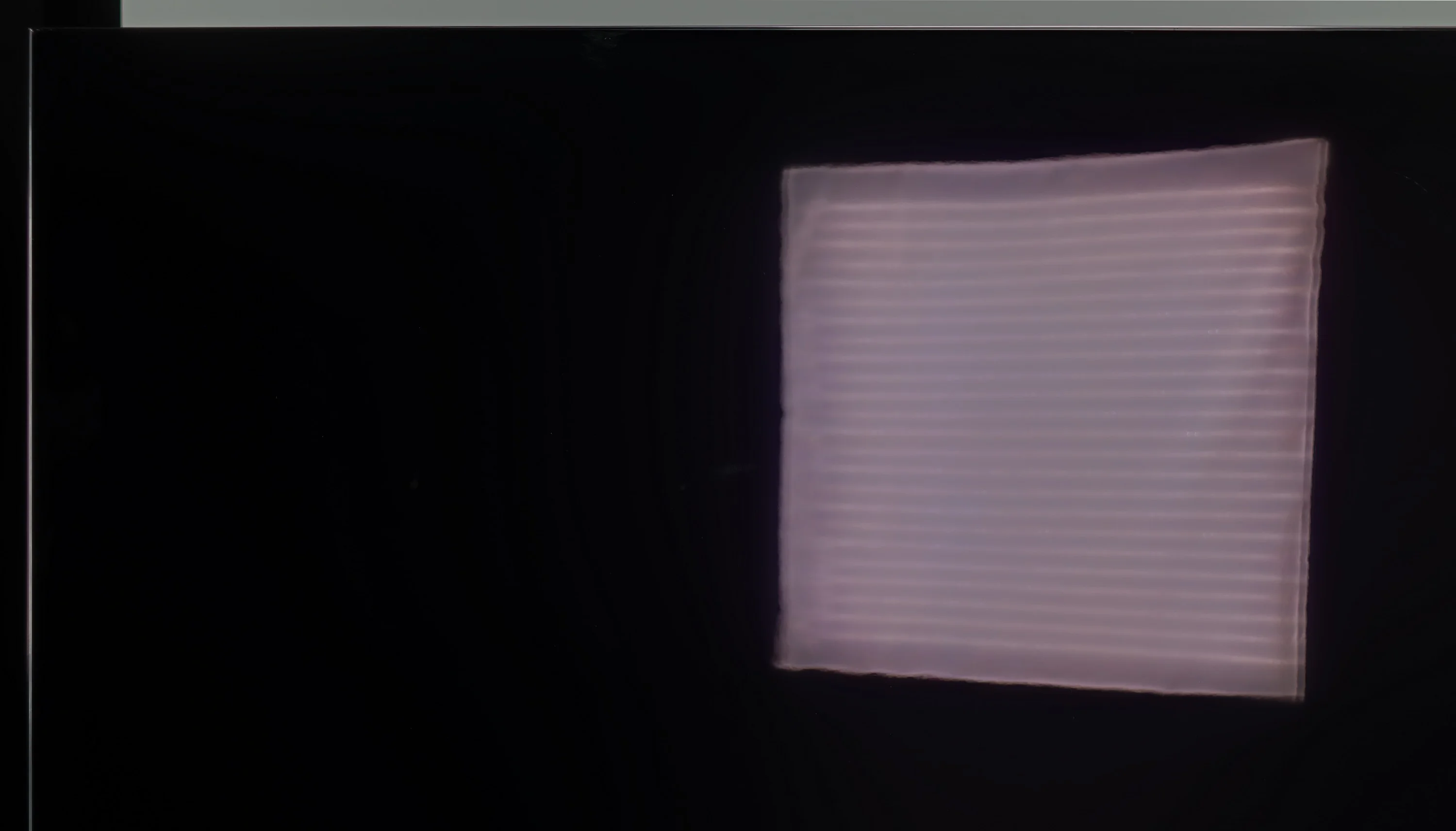
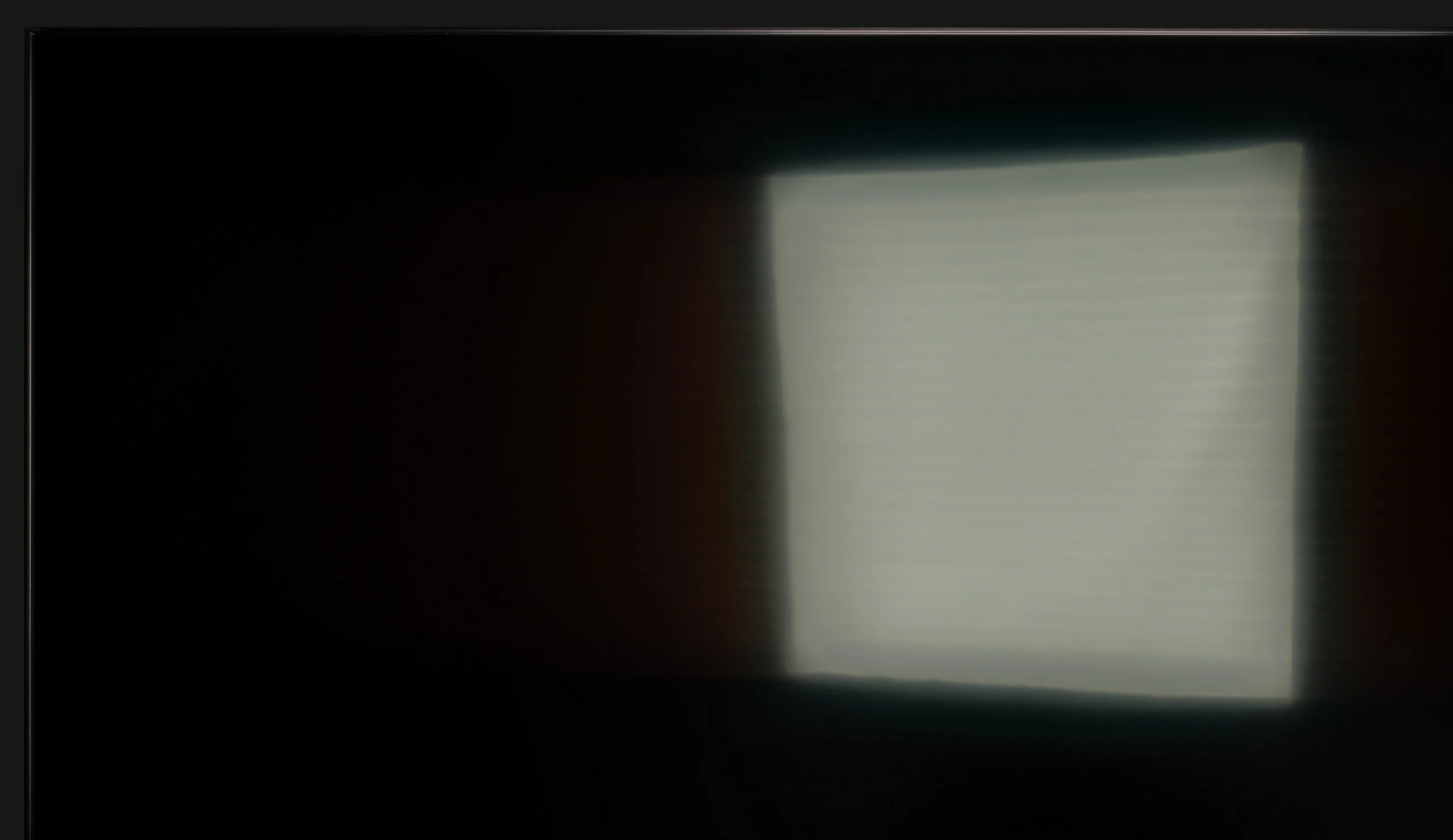
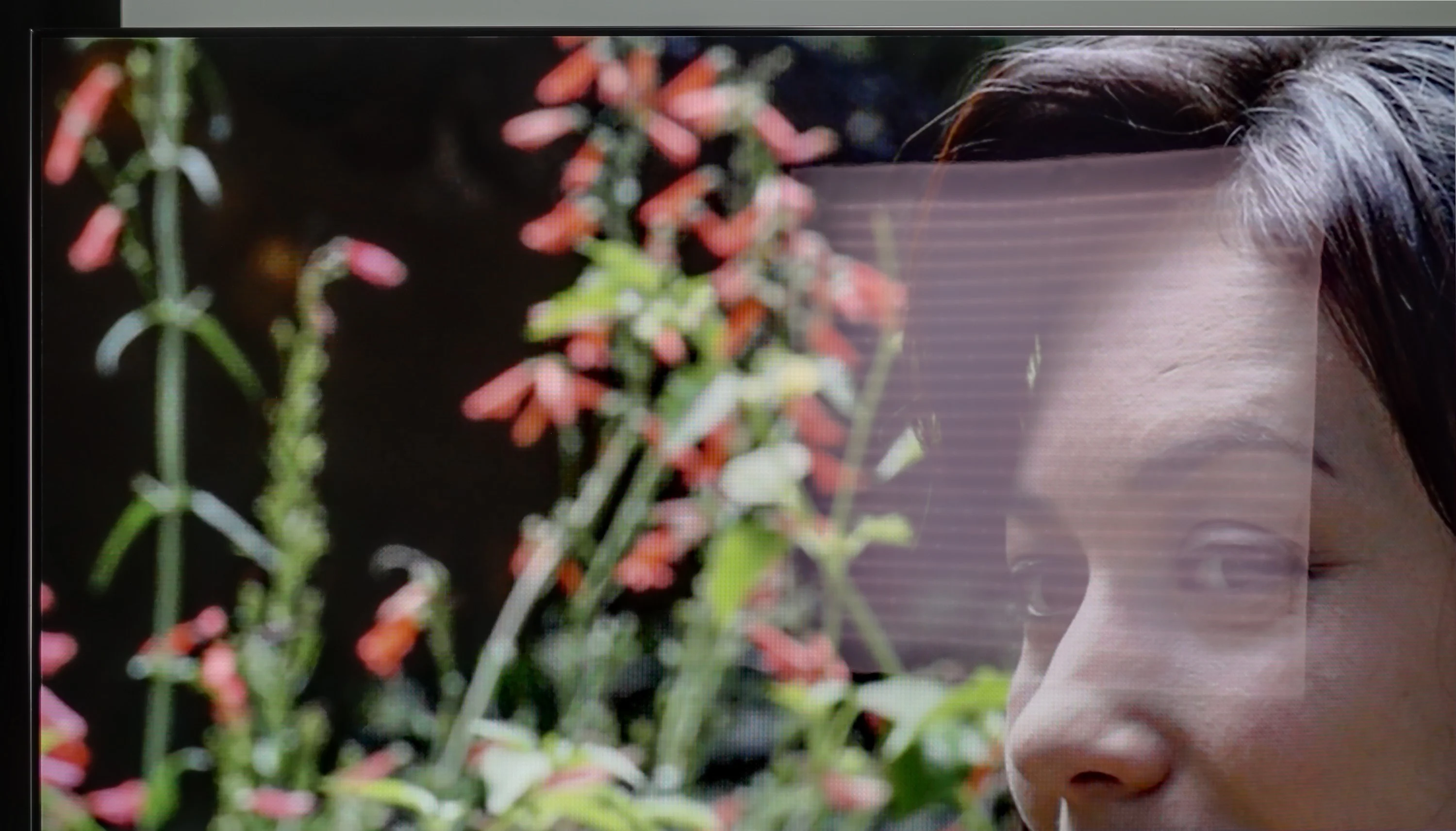
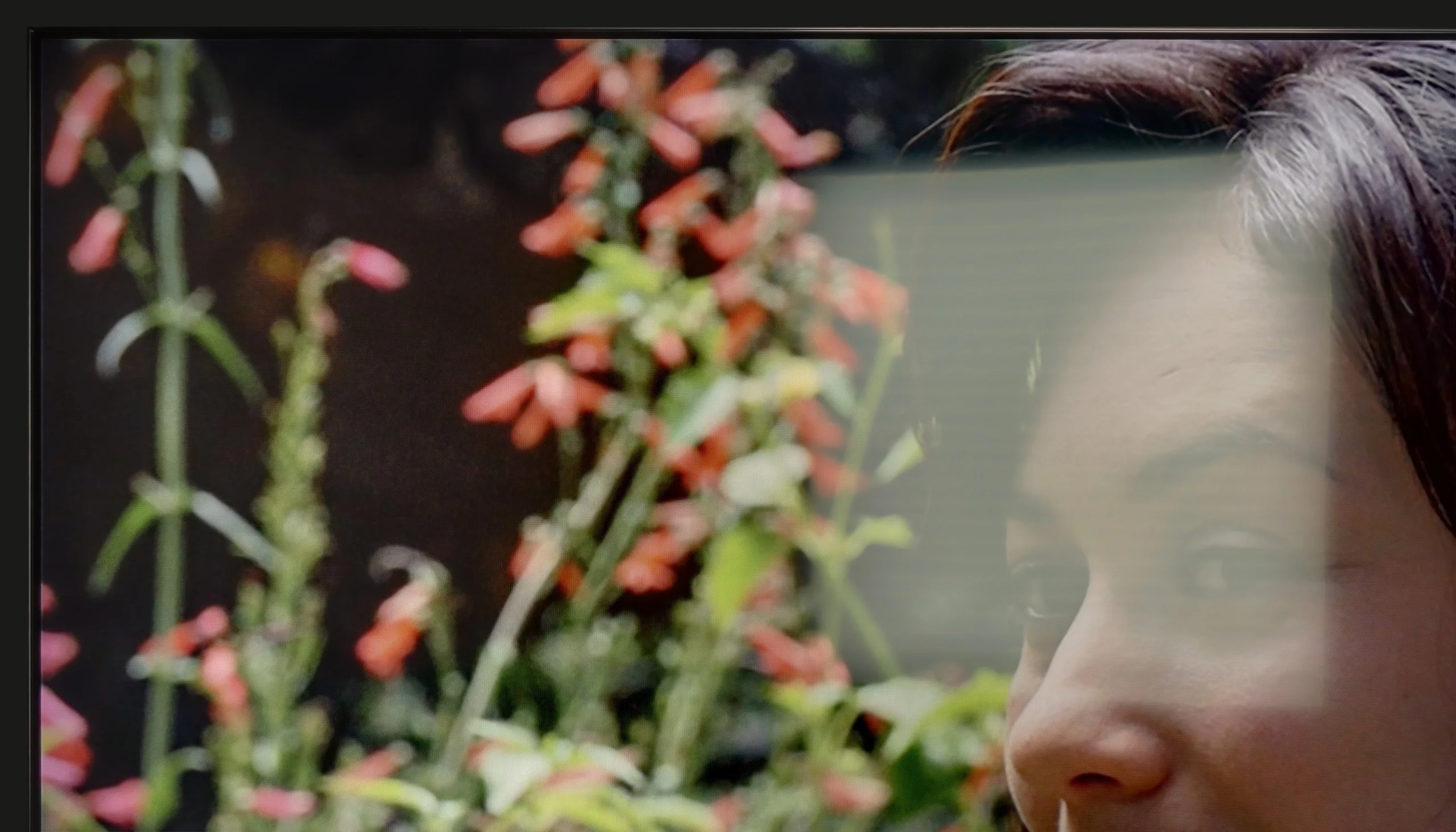
Panel brightness
SAMSUNG QN80F: 543 cd/m2
Sony Bravia 8 (XR80): 335 cd/m2
The glossy screen on the Sony Bravia 8 does a great job of reducing reflections, which take on a slight navy hue. Unfortunately, the brightness level of 330 nits isn't particularly impressive, making this TV better suited for evening viewing. During the day, to ensure optimal picture quality, it's a good idea to help out by closing the curtains, which will limit the impact of external light.
QN80F is really a bright television. The average brightness in SDR material is around 550 nits, regardless of the scene, which practically means that you can comfortably watch content even in a well-lit room – and there’s no need to close the blinds every time we turn on a film. The new satin coating on the panel also deserves praise, as it handles glare much better compared to last year's QN80D. Reflections are less bothersome, and the screen maintains readability in various lighting conditions. It’s hard to nitpick here – the QN80F performs simply brilliantly during the day.
Panel details
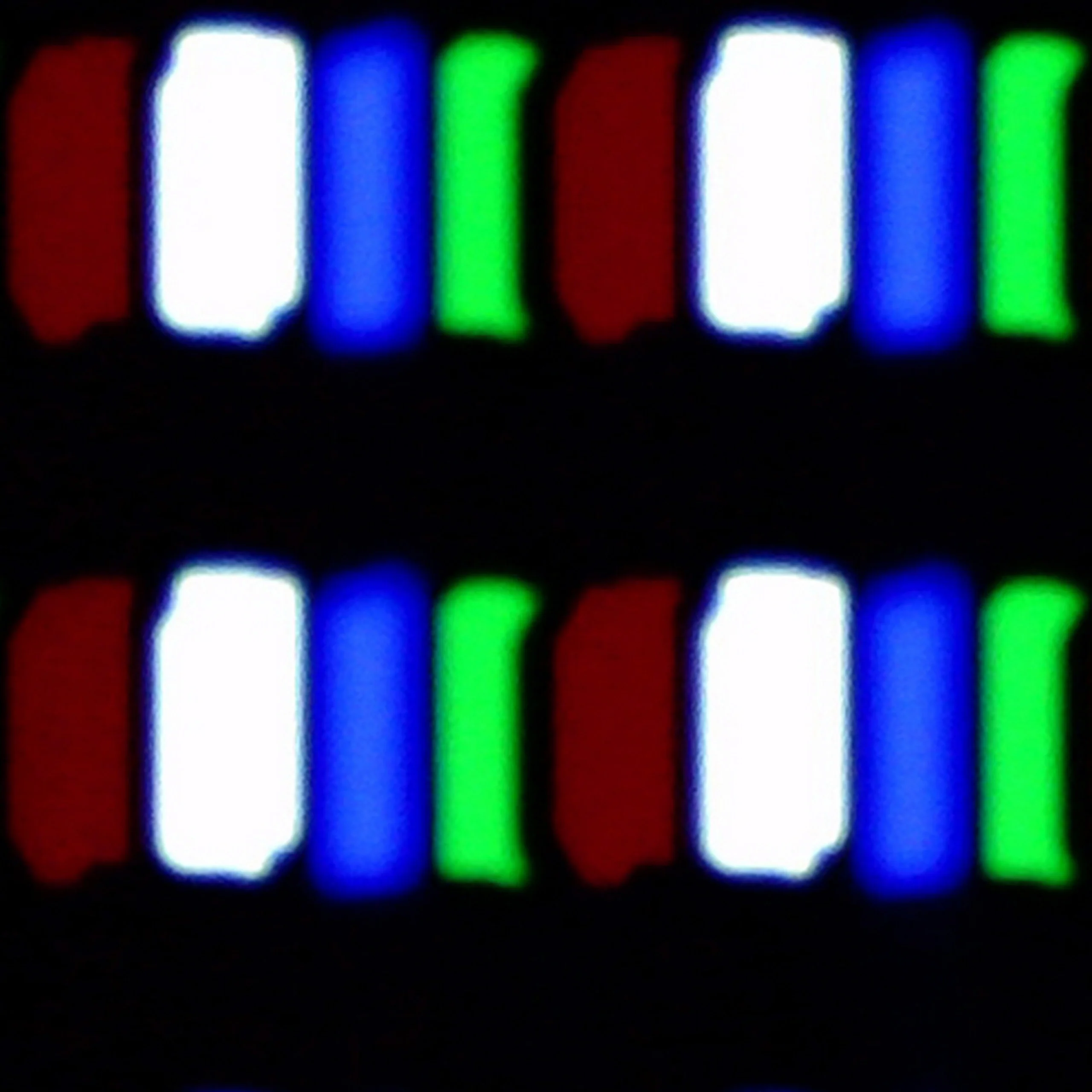
Subpixel Structure:
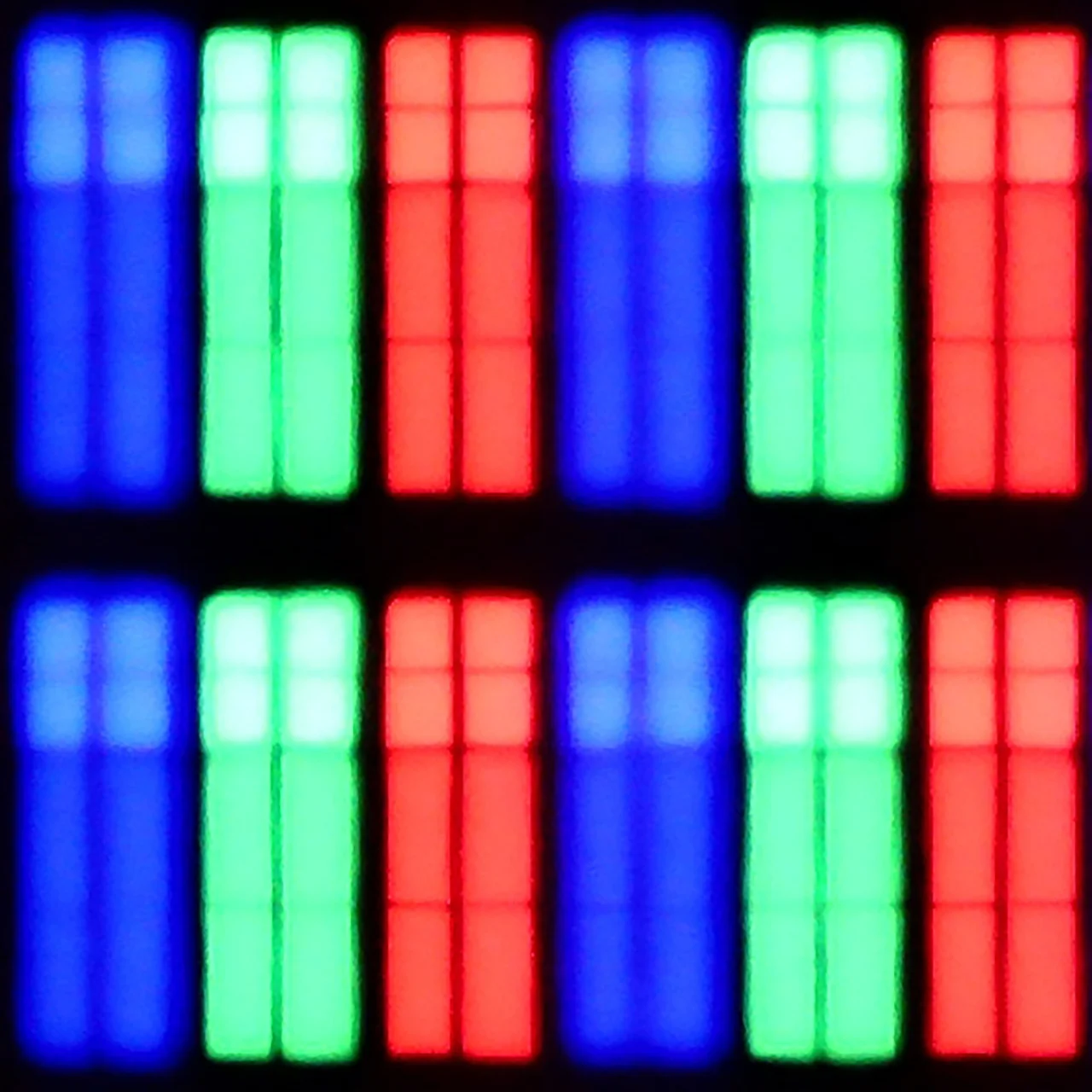
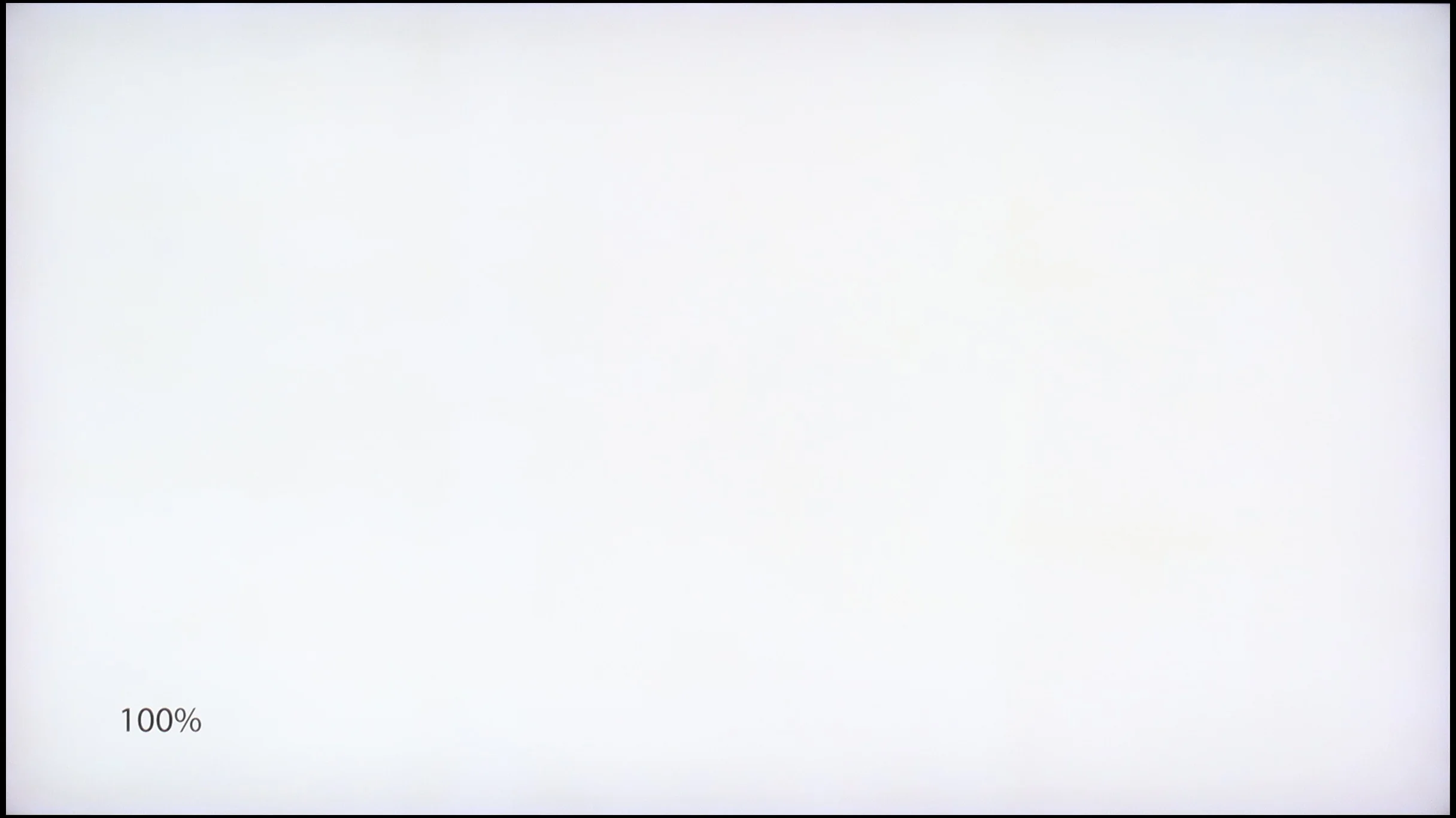
Panel uniformity and thermal imaging:
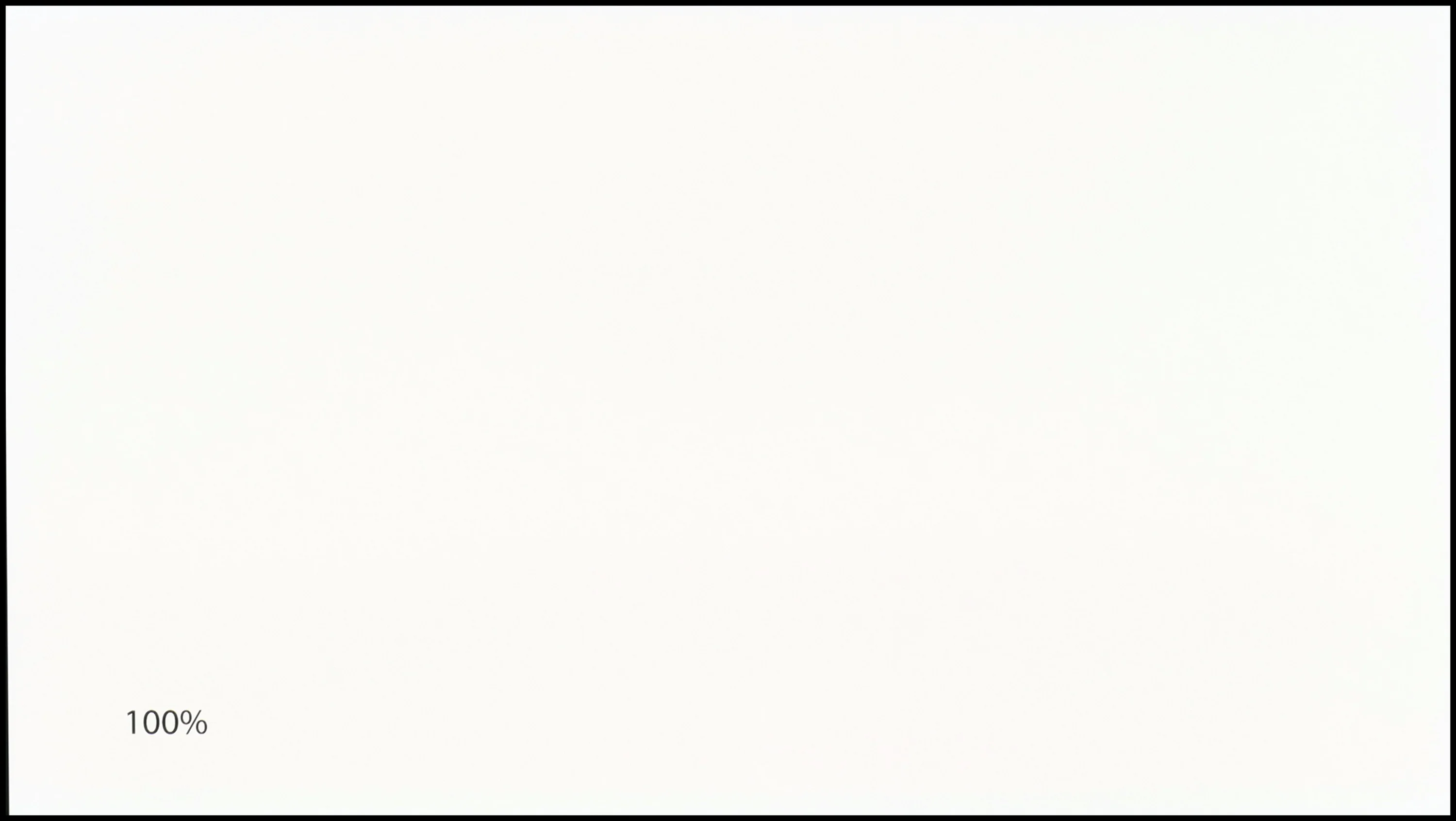
Sony Bravia 8 (XR80)
SAMSUNG QN80F
TV features
9.4/10
7.7/10
- SystemGoogle TVTizen
- System performanceGoodVery good
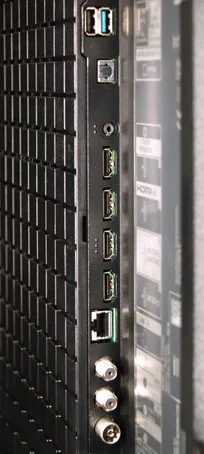
- HDMI inputs2 x HDMI 2.0, 2 x HDMI 2.1 48Gbps0 x HDMI 2.0, 4 x HDMI 2.1 48Gbps
- OutputsToslink (Optical audio), eARC (HDMI), ARC (HDMI)Toslink (Optical audio), eARC (HDMI), ARC (HDMI)
- Network InterfacesWi-Fi 2.4GHz, Wi-Fi 5GHz, Ethernet (LAN) 100MbpsWi-Fi 2.4GHz, Wi-Fi 5GHz, Ethernet (LAN) 100Mbps
- TV receptionDVB-T, DVB-T2, DVB-S, DVB-S2, DVB-CDVB-T, DVB-T2, DVB-S, DVB-S2, DVB-C
Classic features:
- Recording to USB (terrestrial TV)
- Recording programming
- Picture in Picture (PiP)
- RF remote control (no need to aim)
- Backlit remote control
- Teletext
- Audio only mode
- Bluetooth headphones support
- Simultaneous Bluetooth headphones & TV audio
Smart features:
- AirPlay
- Screen mirroring (Windows Miracast)
- Voice search
- Voice search in native language
- Ability to connect a keyboard and mouse
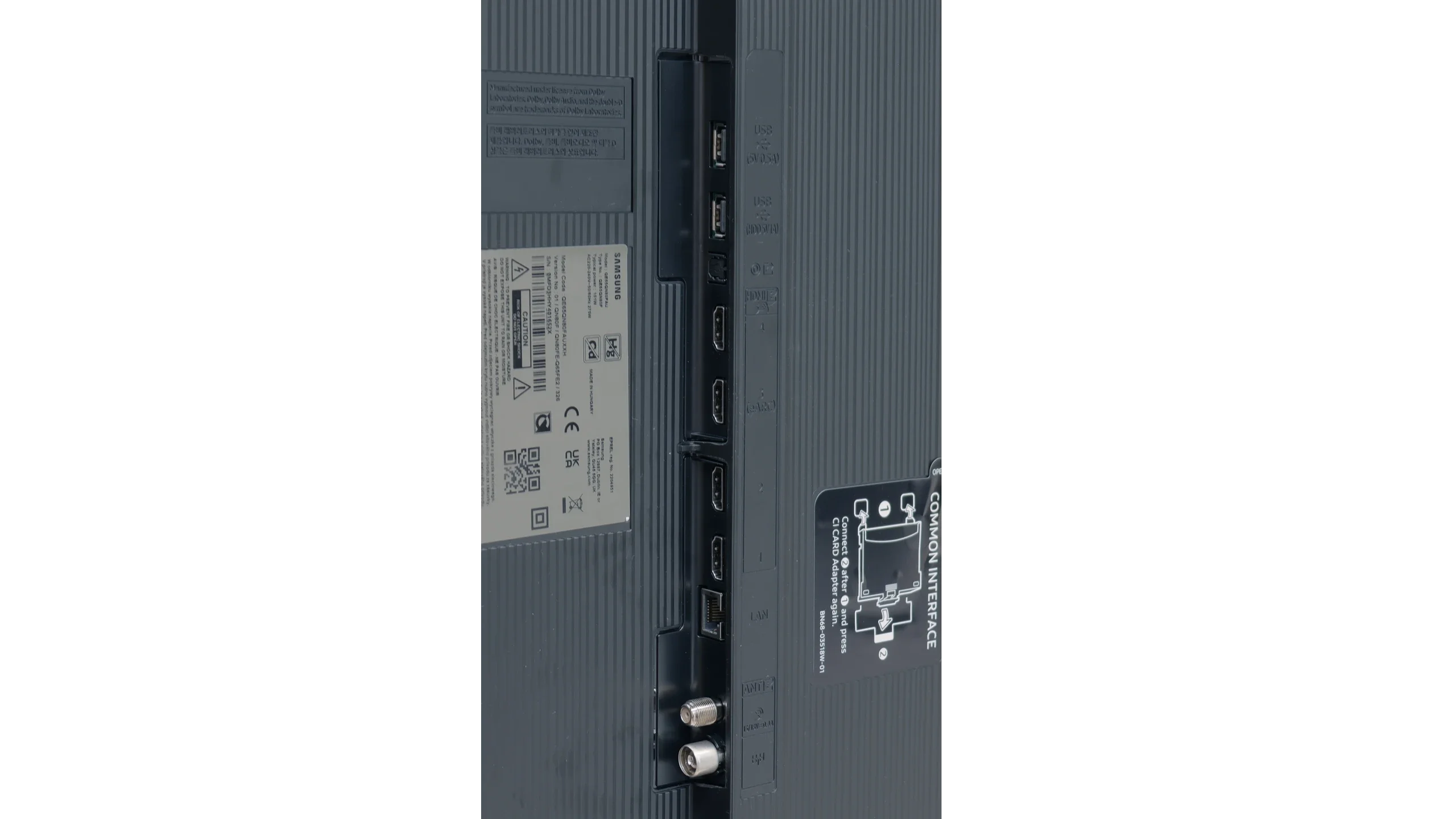
Sound connection options
- HDMI audioeARC (HDMI), ARC (HDMI)eARC (HDMI), ARC (HDMI)
- Other audio outputsToslink (Optical audio)Toslink (Optical audio)
- Wireless audioBluetoothBluetooth
Supported audio formats (external HDMI eARC audio):
- Dolby Digital Plus 7.1
- Dolby True HD 7.1
- Dolby Atmos in Dolby Digital Plus (JOC)
- Dolby Atmos in Dolby True HD
- DTS:X in DTS-HD MA
- DTS-HD Master Audio
Senior accessibility
- Numeric keyboard on TV
- Font size adjustment
- Audio description
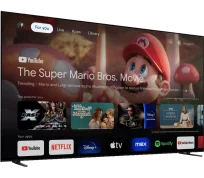
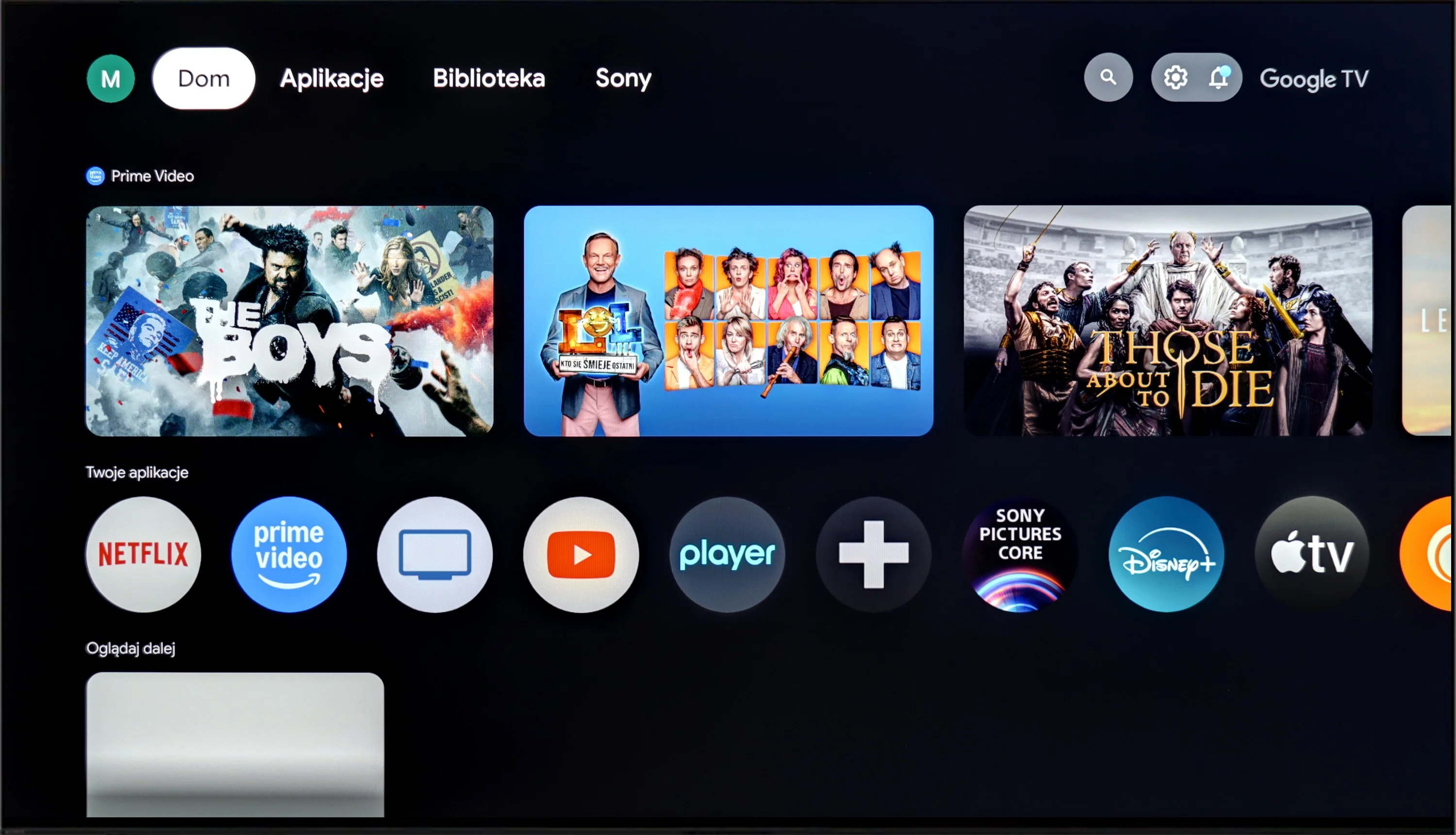
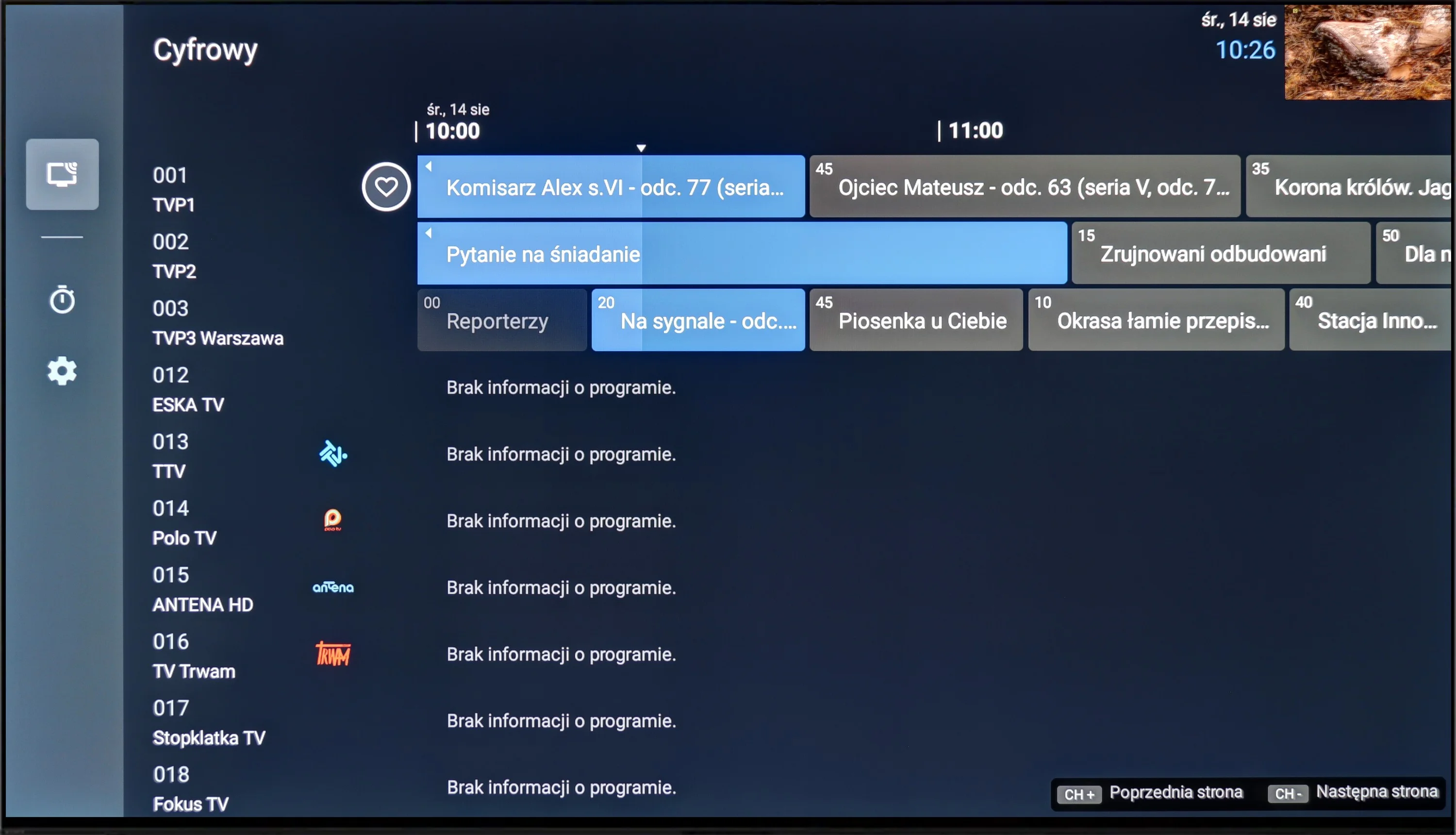
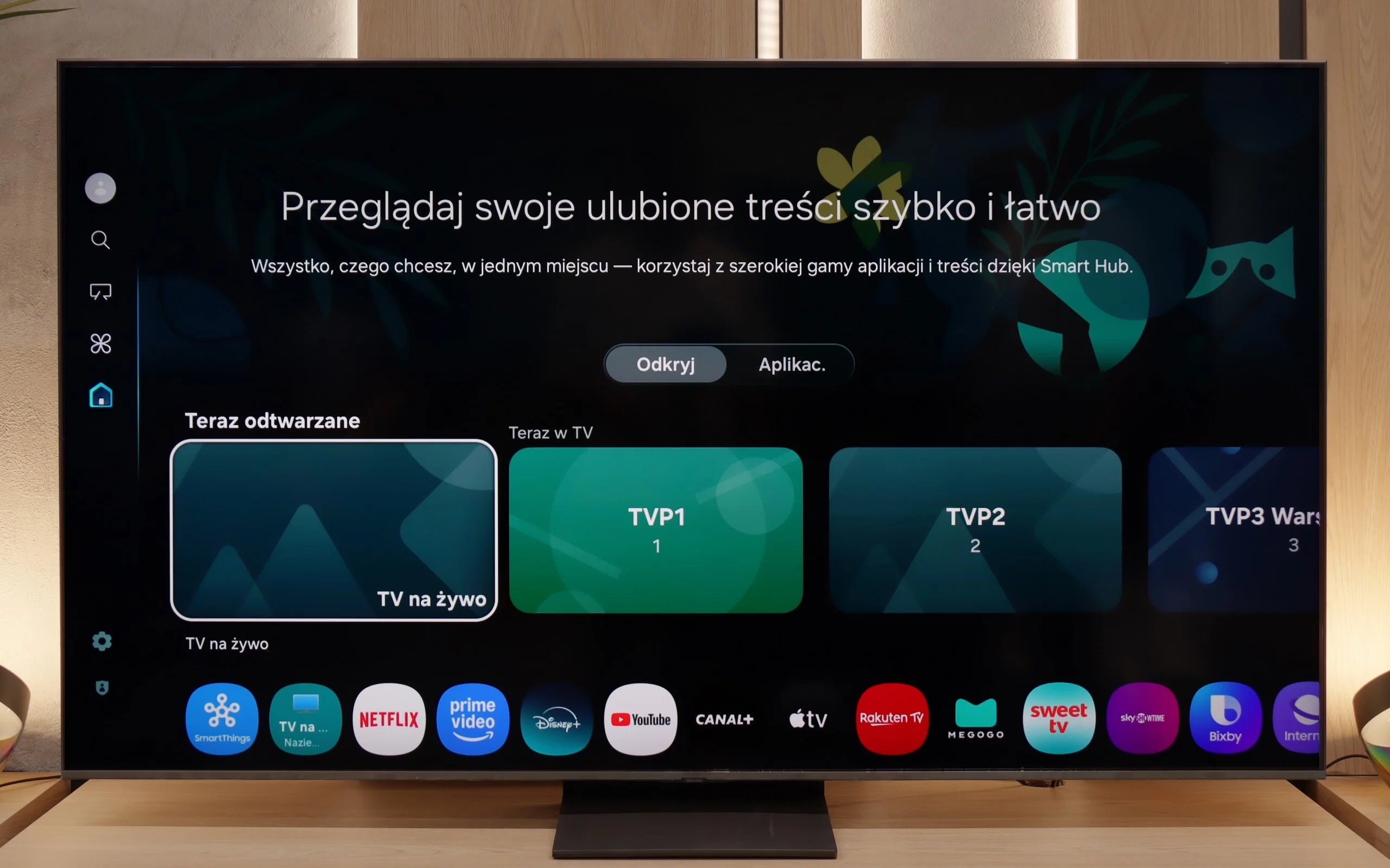
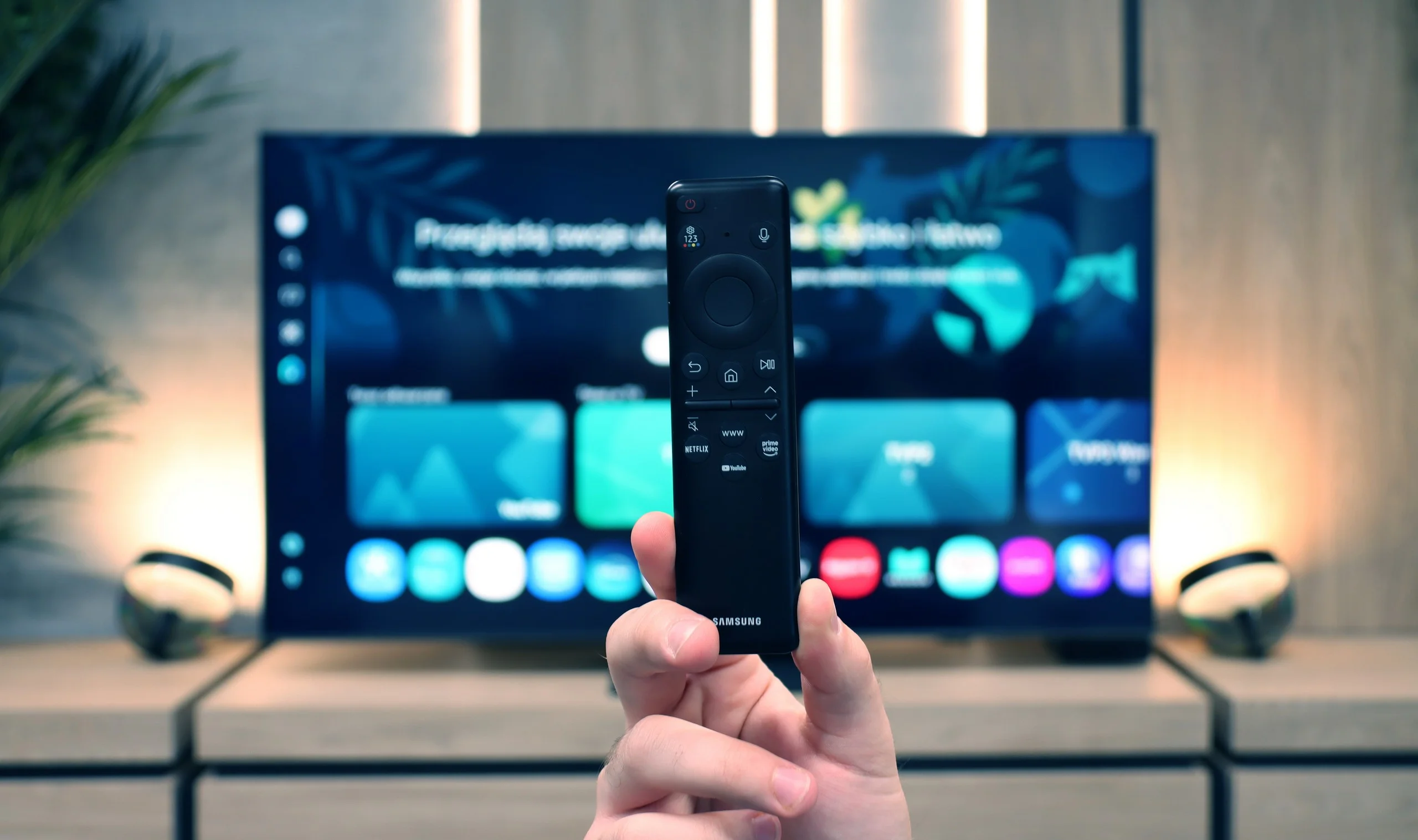
Sony Bravia 8 runs on the Google TV system, which provides a very intuitive and quick experience when using the television, as well as nearly endless app options. Google Assistant operates in Polish, allowing for even better integration with the device. The interface is well-designed, and access to apps and features is simple and convenient. It's also worth mentioning the remote – similar to solutions from Korean competitors, the remote can be charged via a USB-C port. Moreover, it is backlit, which makes it much easier to use in the dark.
The device offers a wide range of capabilities that will satisfy most users. The Sony XR80 television allows for programme recording, as well as easy connection to external peripheral devices via Bluetooth. Unfortunately, it lacks the Picture-in-Picture (PiP) feature, which would allow for simultaneous viewing of two image sources, something that could be useful in certain situations.
The television looks very good. It has a solid metal frame that gives it an elegant appearance. The television stands on two adjustable feet, which can be customised for both width and height. This allows for easy placement of a soundbar beneath the screen. Although the Sony Bravia 8 is not the thinnest OLED television on the market, it presents itself quite well thanks to its careful finish and quality materials.
SmartTV QN80F: Tizen
When it comes to smart features, the QN80F has nothing to be ashamed of. On the contrary – Tizen is one of the richest operating systems in terms of functionality. We have voice search, AirPlay support, Miracast and all the major streaming platforms at our fingertips. But Samsung's real advantage reveals itself in the smart home – SmartThings. Not only can you sync light bulbs and vacuum robots, but you can also integrate devices from other manufacturers, thanks to support for the Matter standard. And suddenly it turns out that the QN80F can serve as a home command centre. There is just one "but" – Tizen is a closed system, so we might not find a few lesser-known apps. However, in practice, it still has everything that 99% of users need.
Classic TV features:
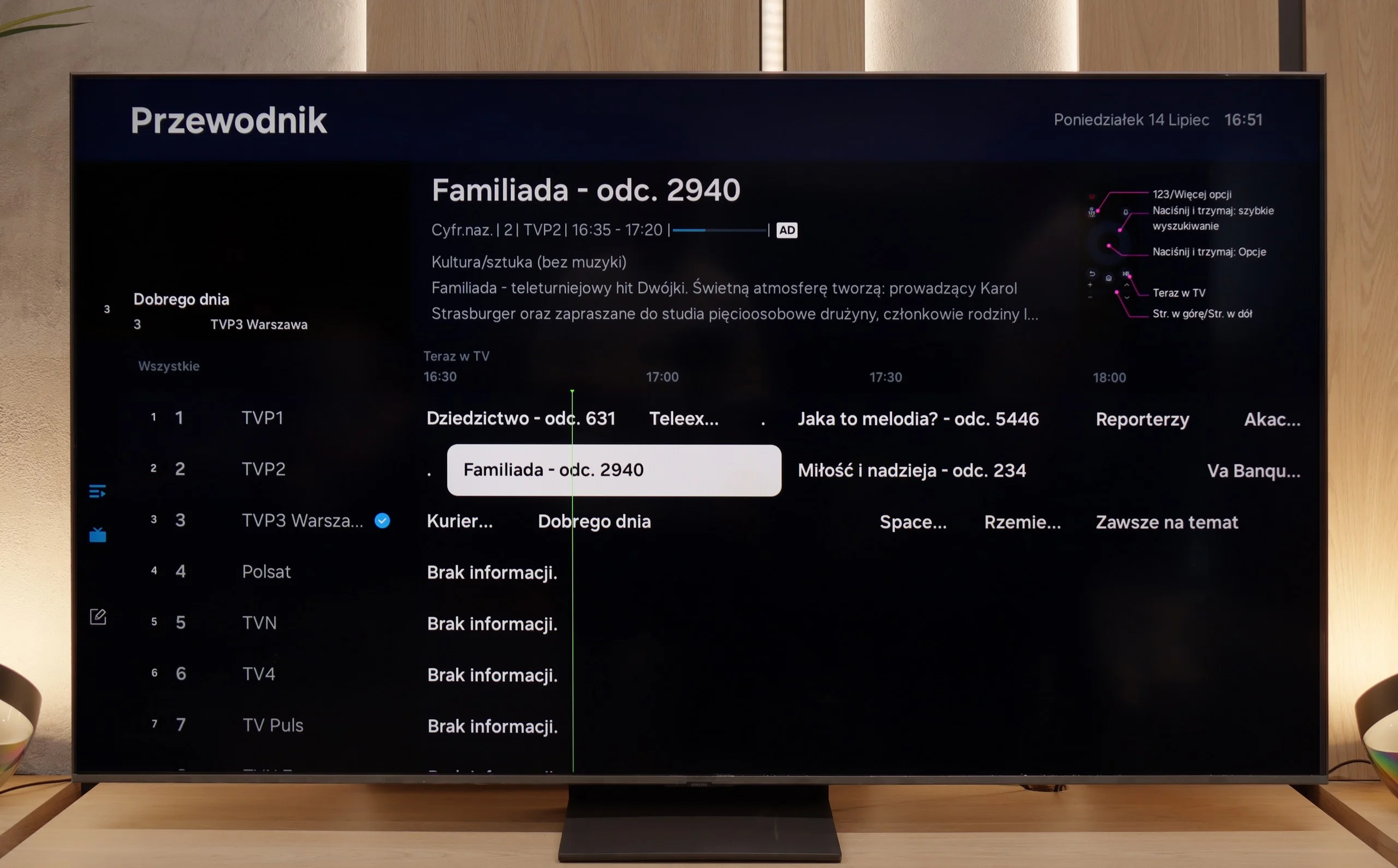
When it comes to classic features, it’s just as good – well, almost. The QN80F supports Picture-in-Picture, a rare but still useful PiP feature. We'll easily find EPG, the good old teletext (yes, it works!) and the ability to connect external devices via Bluetooth – whether it's headphones or a soundbar. Unfortunately, it lacks the option to record to USB from the built-in tuners. This is a small annoyance, especially since competitors in a similar price range are increasingly offering this feature. It may not be a must-have function, but since everything else works so well, it’s a shame it's missing that finishing touch.
Apps
9.6/10
9.3/10






















Playing files from USB
8.7/10
9/10
Supported photo formats:
Maximum photo resolution:
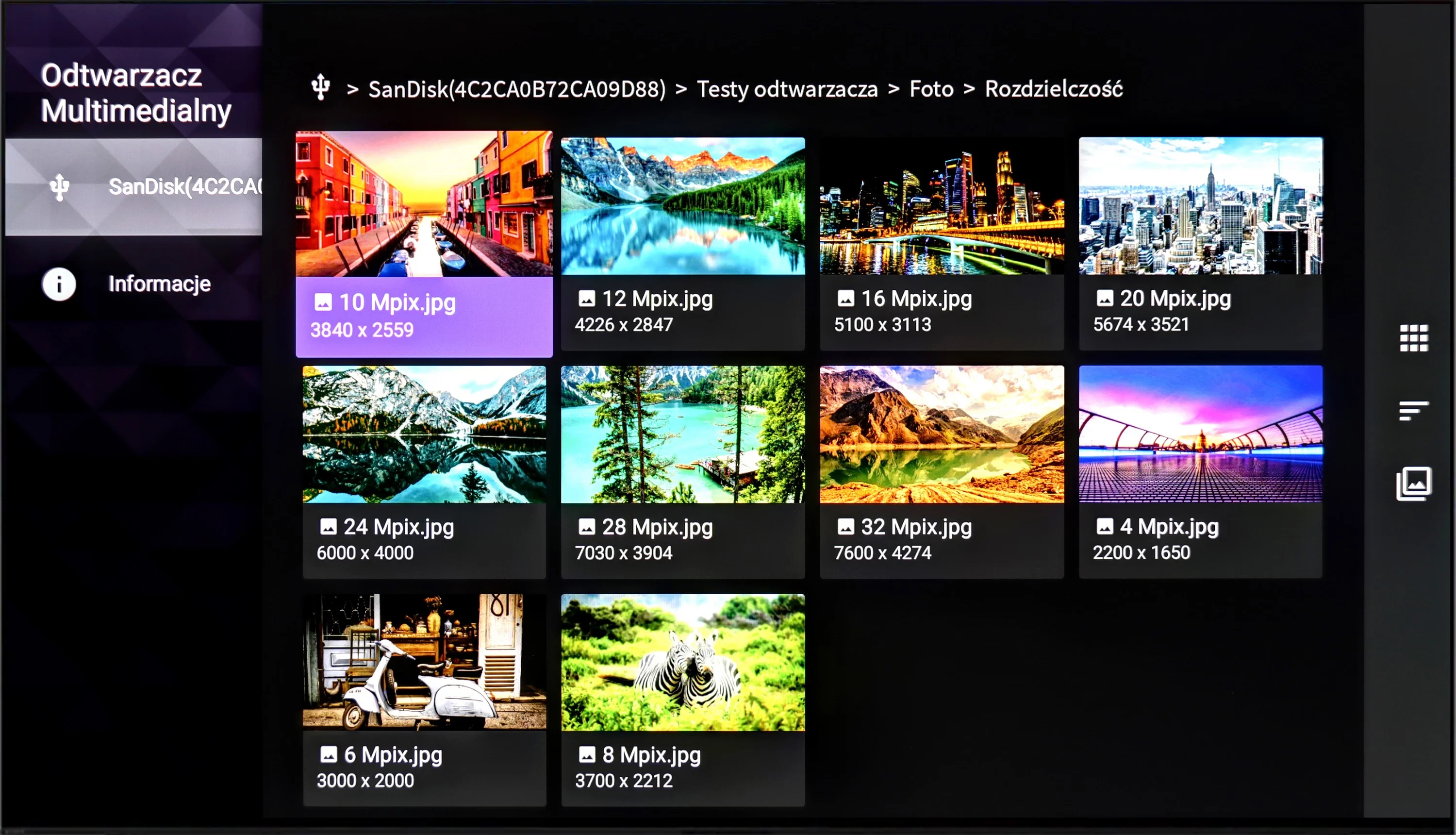
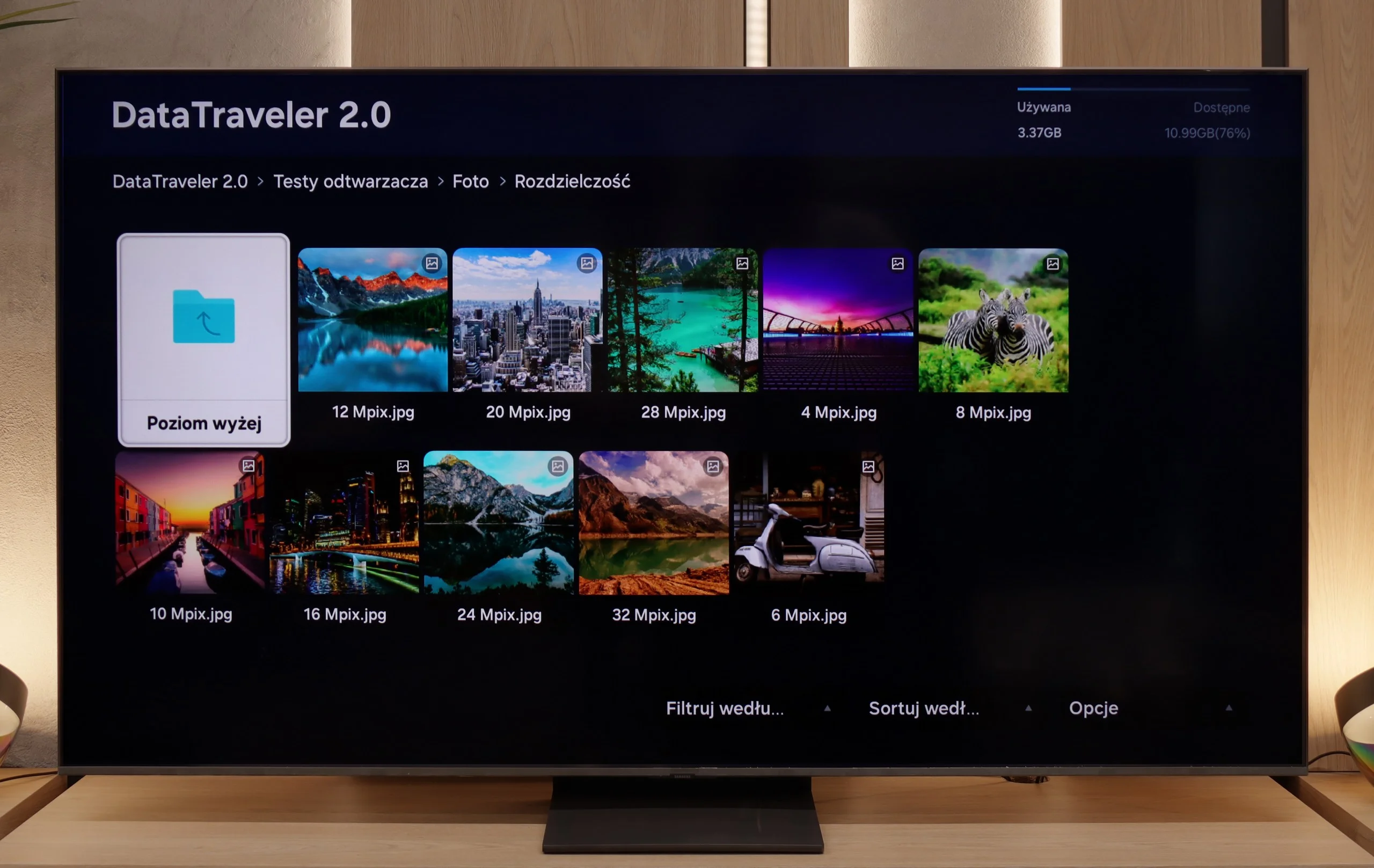
Sony Bravia 8 will satisfy most users when it comes to playing multimedia files. The built-in player handles most popular video and audio formats, allowing for easy access to a wide range of content. While there are some shortcomings in photo playback, the Google TV system allows for the installation of other players that will likely solve this issue.
The built-in media player in the QN80F handles most popular video formats – from classic MP4 to more demanding containers. It may not be as versatile as VLC, but for home use, it’s more than sufficient. The situation is worse with photos – here, unfortunately, it’s quite limited. Support mainly includes the JPG format, but hey, at least that’s the most important one 👌. During our tests, there was also a minor issue with subtitles. The QN80F only handled the simple text format .txt – unfortunately, other, more advanced formats (like .srt or .sub) were not recognized.
Sound
7.5/10
6.7/10
- Maximum volume-87dB
- Dolby Digital Plus 7.1
- Dolby True HD 7.1
- Dolby Atmos in Dolby Digital Plus (JOC)
- Dolby Atmos in Dolby True HD
- DTS:X in DTS-HD MA
- DTS-HD Master Audio
Bravia 8 is equipped with a sound system with a power of 50W in a 2.2.1 configuration. The speakers are mounted behind the screen, and this system is called Acoustic Surface Audio. The sound is pleasant and well-balanced, making it a perfect complement to the picture. When it comes to audio format support, Sony Bravia 8 has plenty to boast about – in our tests, it played all popular codecs without any issues, providing a full and rich audio experience.
For a TV of this class, the QN80F sounds surprisingly good. It supports the Dolby Atmos format, which is worth noting as this is still not obvious in many models in this range. Unlike the thinner QN70F, here you can even feel a slight bass – all thanks to the thicker casing, which simply provides more space for the sound to "breathe". It's perfectly adequate for everyday viewing and series, and with the right settings, you could even consider listening to music without the need to connect external equipment. But – as is the case with Samsung, there is unfortunately a lack of support for the DTS:X format, so if we are using audio devices that support this format, we will first need to connect them to the amplifier and only then to the TV.
Sound Quality Test
No sound test video
Acoustic Measurements
No acoustic data
87dBC (Max)
75dBC
Reader comments
Comments are provided by the external service Disqus (Zeta Global). Once loaded, Disqus may set cookies and process data about your activity.
We will remember your choice on this device. Provider's privacy policy