SHARP JP7765E vs Dreame Q100

Direct comparison

JP7

Q100

Available screen sizes: 50”55”65”75”

Available screen sizes: 43”55”

Review SHARP JP7765E Main photo
Review Dreame Q100 Main photo

Panel type: LCD VA

Resolution: 3840x2160

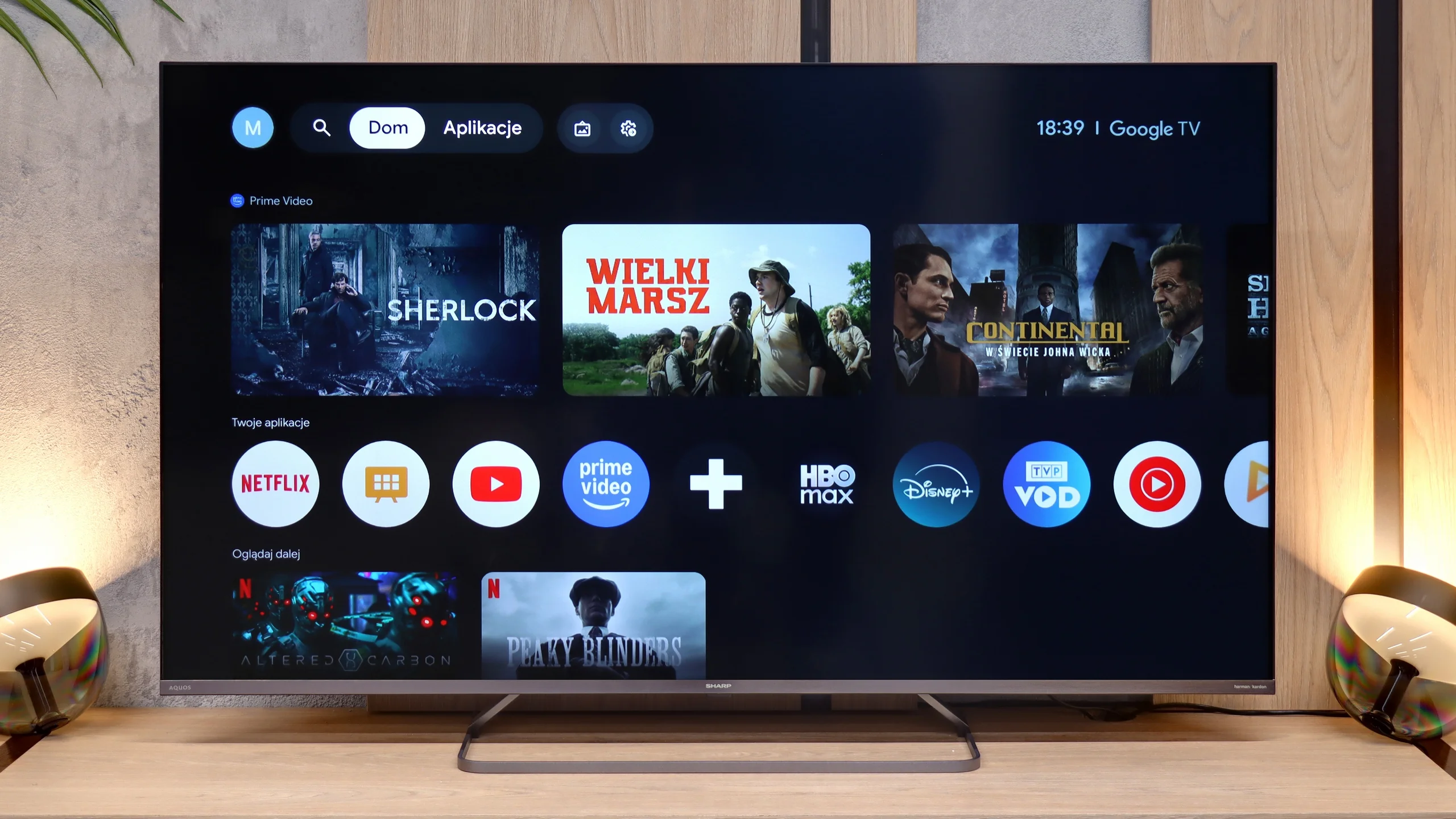
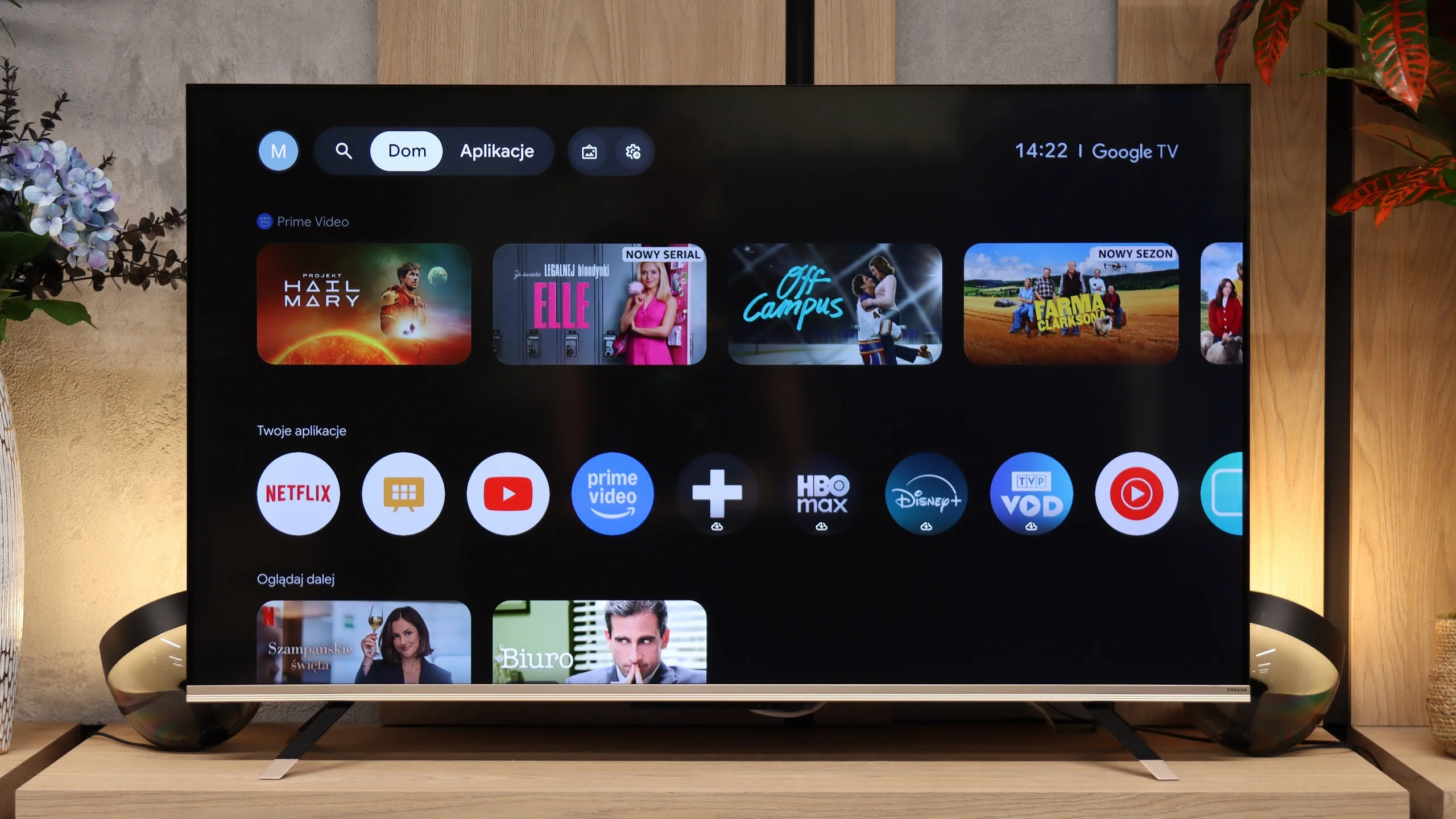
System: Google TV

Model year: 2026

Complete the survey to find out the result

Panel type: LCD VA

Resolution: 3840x2160

System: Google TV

Model year: 2026

Complete the survey to find out the result

Overall rating

6.2

5.6

  • Movies and series in UHD quality

    6.4

    5.8

  • Classic TV, YouTube

    6.0

    5.4

  • Sports broadcasts (TV and apps)

    3.9

    4.6

  • Gaming on console

    6.1

    7.0

  • TV as a computer monitor

    5.0

    4.0

  • Watching in bright light

    7.3

    4.4

  • Utility functions

    6.4

    5.2

  • Apps

    9.6

    9.6

  • Sound quality

    6.0

    5.0

Advantages

  • Good black and contrast – mini-LED backlighting with a VA panel

  • High brightness – will handle bright living rooms

  • Google TV system – unlimited app base and smart features

  • Very good file player – plays almost everything

  • Mini-jack output – rare and useful headphone connection

  • Extremely loud – up to 90 dB (ideal for seniors)

  • Very attractive price

  • Google TV with a wide selection of apps

  • Support for Dolby Vision

  • Wide colour gamut, QLED PFS filter

  • Decent VA panel contrast

  • Smooth tonal transitions

  • Gaming features: VRR and ALLM

  • 120 Hz at Full HD

  • Game Bar

  • Low input lag

Disadvantages

No like
  • Massive trailing and only a 60Hz panel

  • Poor mini-LED local dimming algorithms

  • Narrow viewing angles (a natural characteristic of VA panels)

  • No VRR and HGiG – features for gamers

  • Odd sound – the audio has a "hole" in the dialogues

  • Low brightness, around 300 nits

  • Weak HDR performance

  • Average image processing

  • No AirPlay

  • Average audio

Our verdict

Sharp JP7765 is yet another offering in the market that tries to prove that Mini-LED technology doesn't have to cost a fortune. The low price is matched by an exceptionally high brightness – a peak of 1000 nits in HDR is a result that is simply impressive in this price range. Although the proprietary processor doesn't always handle backlighting management in demanding scenes perfectly, support for Dolby Vision effectively saves the day. With dynamic metadata, the picture becomes vivid, deep, and simply attractive to the eye. Adding to this the Google TV system, extreme volume, and a rarely found headphone jack, we have a device that is a brilliant option for seniors or less demanding viewers switching from a regular, cheap LCD. In such a scenario, the Sharp JP7 presents itself as a really good and cost-effective choice. However, it's necessary to state the matter clearly: contrary to marketing slogans, this isn't gear for everyone. Gamers or sports fans will definitely not find this suitable. The biggest drawback of the JP7765 model is the slow, 60Hz panel and significant motion blur, which essentially disqualifies this TV for watching fast-paced matches or playing quick titles. The image loses sharpness during rapid movements to such an extent that for a football or racing fan, this could be an unacceptable barrier.

So who is the Sharp JP7765 for? It's a sensible option for budget-conscious individuals who don't have high demands for motion fluidity but value a "kick" of brightness. By choosing the Sharp JP7, you'll definitely make a better deal than buying basic (non-dimming) TVs from competitors. At a similar price, rivals usually offer standard LCD panels that can't compete with the capabilities of even such a basic Mini-LED model as the JP7. Ultimately, it comes down to a simple equation: you accept poorer motion fluidity in exchange for immense brightness, which is hard to find with other manufacturers at this price.

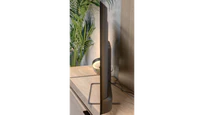
The Dreame Q100 is the entry-level model in the manufacturer's line-up, and its price alone hints at what to expect. It's not a TV that aims to win on picture quality. Its strengths lie elsewhere: it runs Google TV, offers a surprisingly large number of features for gamers, and is fairly inexpensive. In terms of picture, the Q100 performs similarly to many other TVs in this segment. The VA panel delivers decent contrast, colours are quite respectable thanks to the QLED filter (PFS), but its roughly 300 nits of brightness quickly becomes a limiting factor. Especially in HDR, where it simply lacks the punch. It's good Dreame didn't ditch Dolby Vision, because for a TV like this that format really helps. Films and series from streaming platforms are better matched to the screen's capabilities and can look quite good as a result. The Q100 therefore makes most sense if you're after an affordable TV for casual viewing, Netflix, YouTube or the occasional console connection. There are no big surprises in picture quality, but you can't expect them from one of the cheapest models in the range. For Dreame's first attempt at this part of the market, the Q100 is a pretty interesting start, all the more so since until recently the brand name was much more likely to be associated with a vacuum cleaner than a TV.

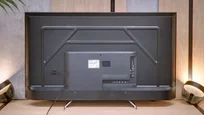
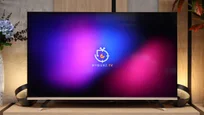
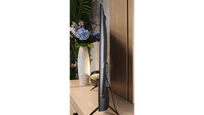
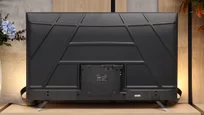
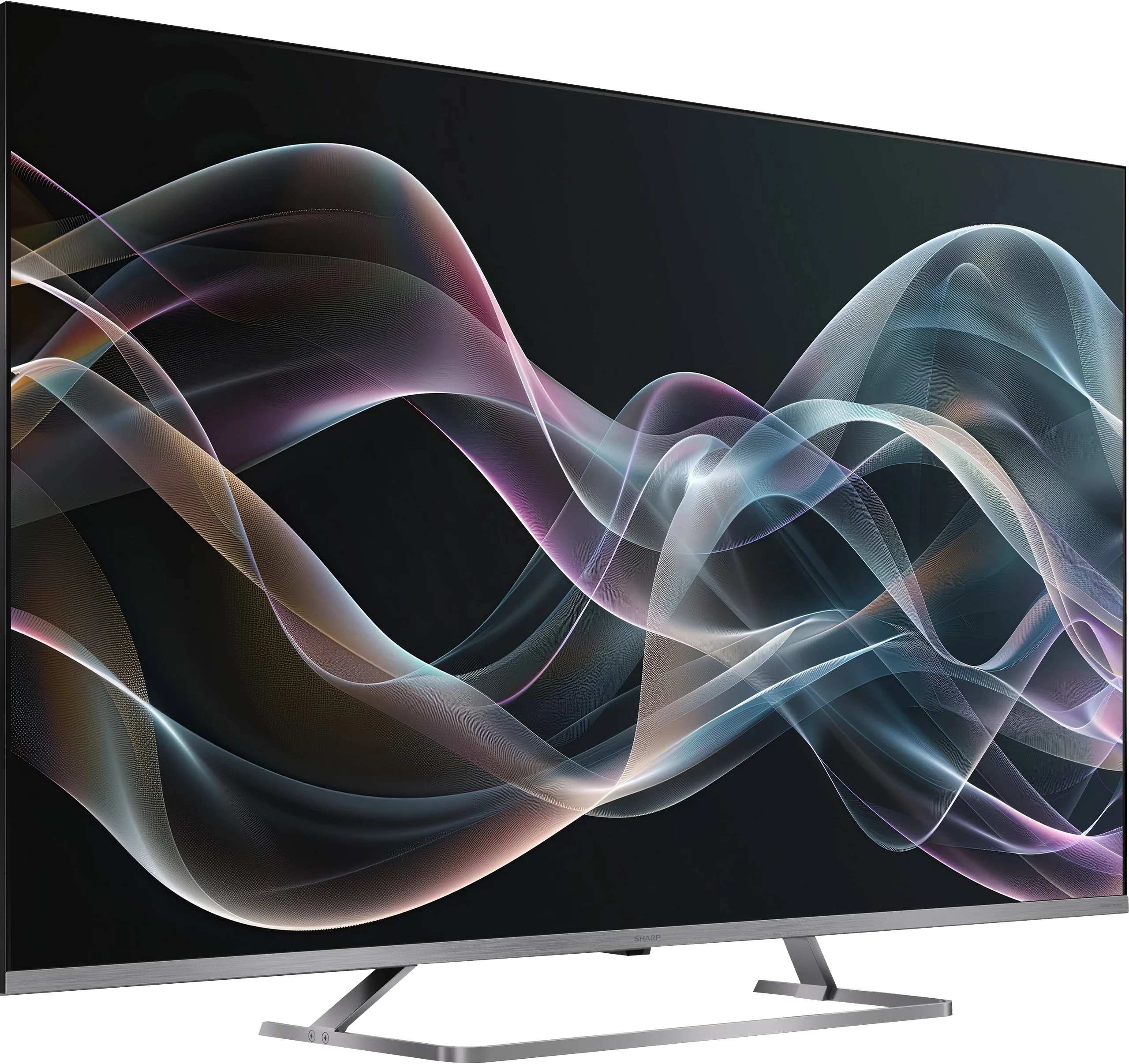
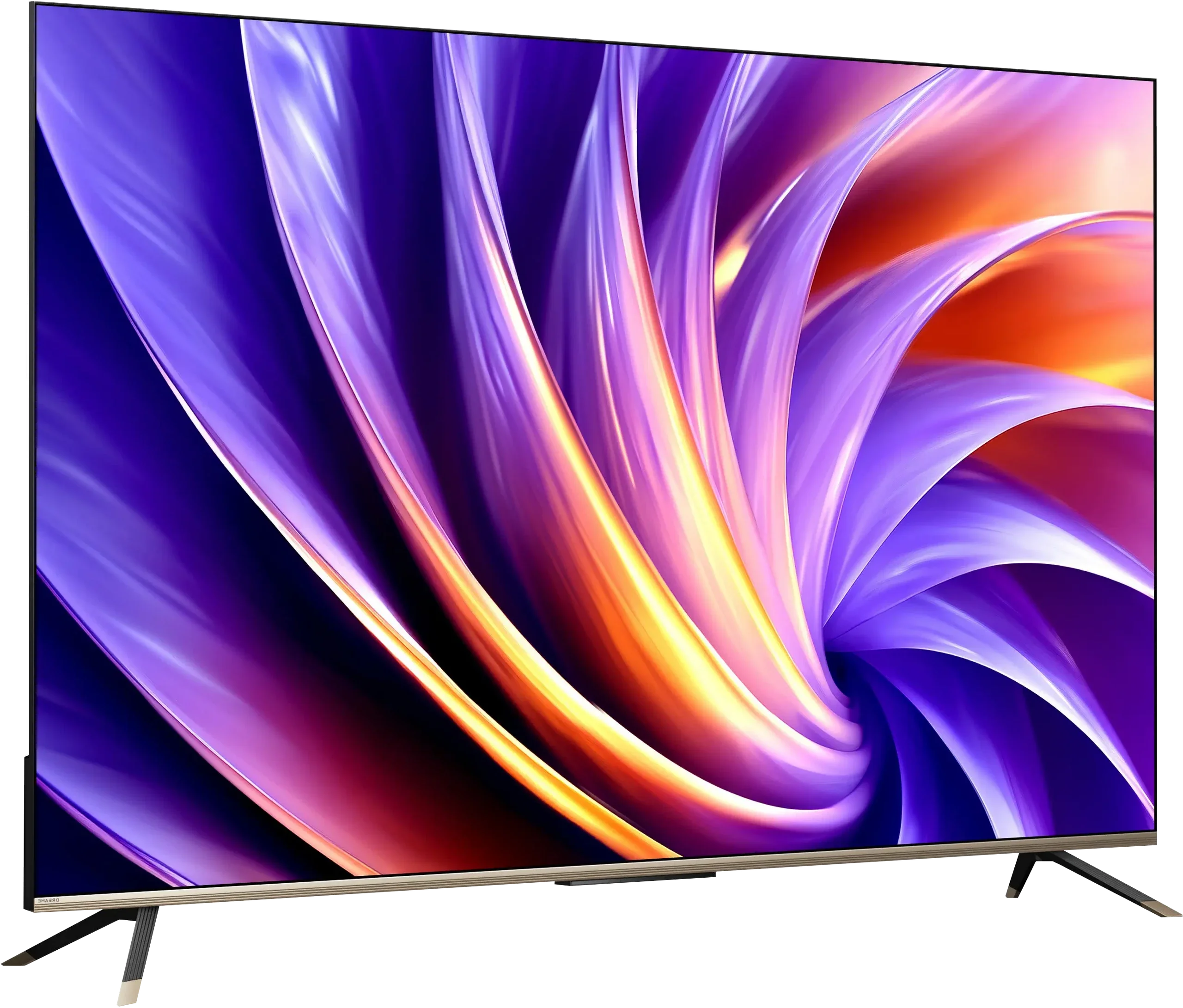
TV appearance

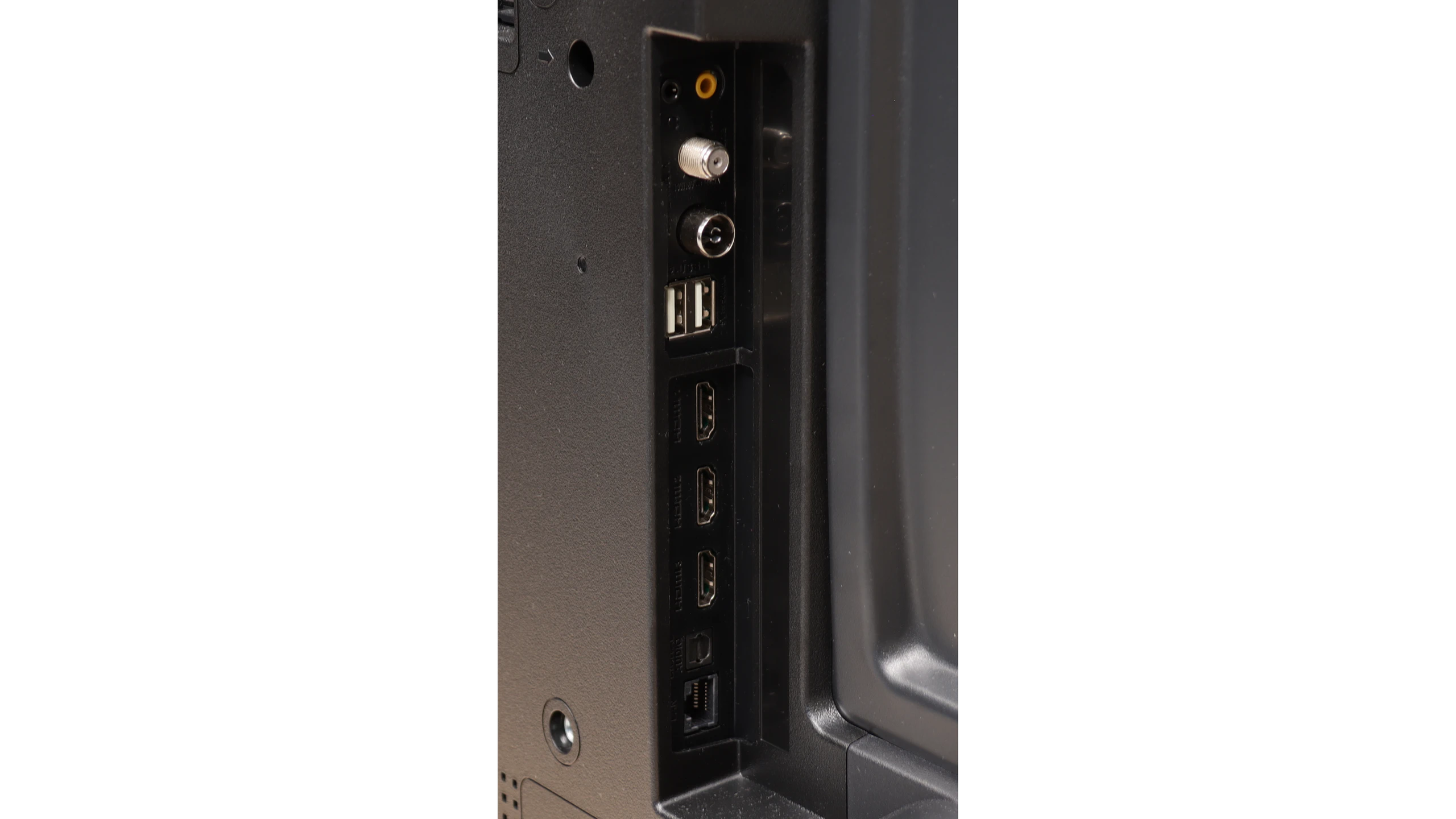
HDMI inputs
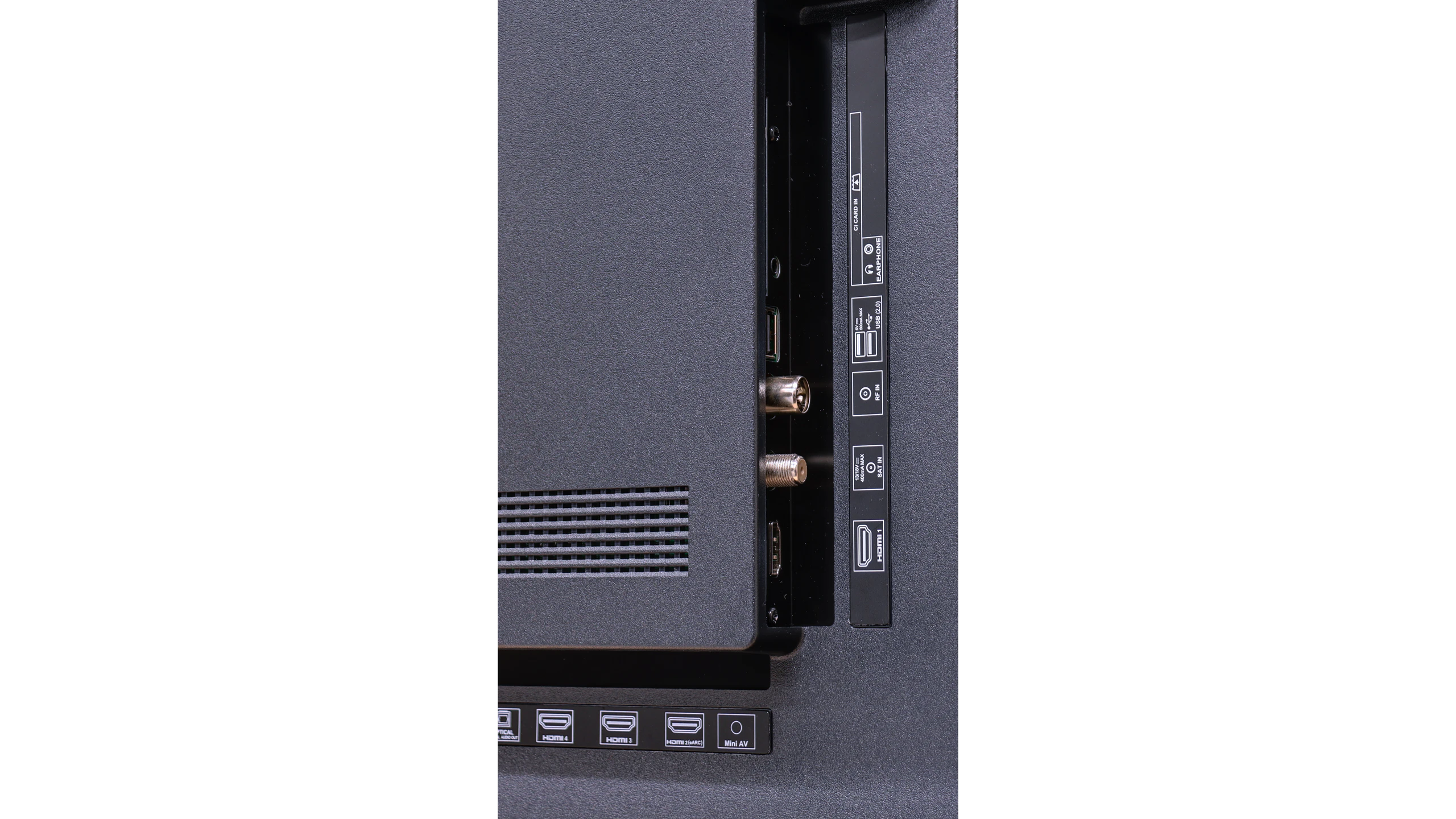
4 x HDMI 2.0, 0 x HDMI 2.1
3 x HDMI 2.0, 0 x HDMI 2.1
Other inputs
RCA (Chinch)
RCA (Chinch)
Outputs
Toslink (Optical audio), eARC (HDMI), ARC (HDMI), Mini-Jack (Headphones)
SPDIF (Coaxial audio), eARC (HDMI), ARC (HDMI), Mini-Jack (Headphones)
Network Interfaces
Wi-Fi 2.4GHz, Wi-Fi 5GHz, Ethernet (LAN) 100Mbps
Build quality
Average
Good
Stand type
Central
Legs
Bezel color
Silver
Graphite
Stand
Fixed
Fixed
Accessories
Stand
Stand

Contrast and black detail

7.3/10

5.3/10

Local dimming function: Yes, number of zones: 160 (10 x 16)

Local dimming function: No

Contrast:

Review SHARP JP7765E Contrast and black detail

Result

64,100:1

Review SHARP JP7765E Contrast and black detail

Result

18,250:1

Review SHARP JP7765E Contrast and black detail

Result

46,350:1

Review SHARP JP7765E Contrast and black detail

Result

7,000:1

Review SHARP JP7765E Contrast and black detail

Result

4,500:1

Review Dreame Q100 Contrast and black detail

Result

4,350:1

Review Dreame Q100 Contrast and black detail

Result

3,850:1

Review Dreame Q100 Contrast and black detail

Result

4,100:1

Review Dreame Q100 Contrast and black detail

Result

4,450:1

Review Dreame Q100 Contrast and black detail

Result

3,400:1

Halo effect and black detail visibility:

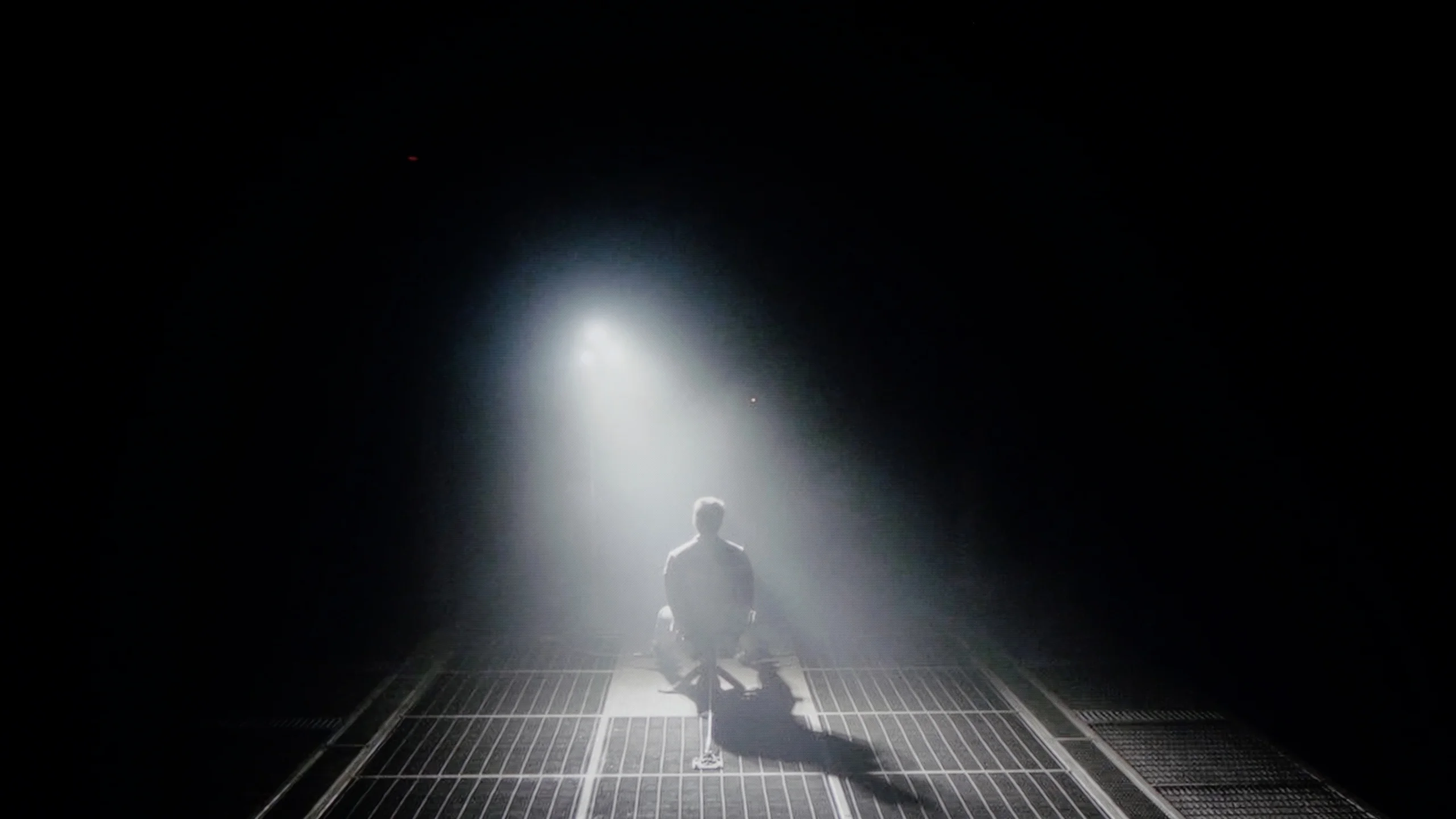
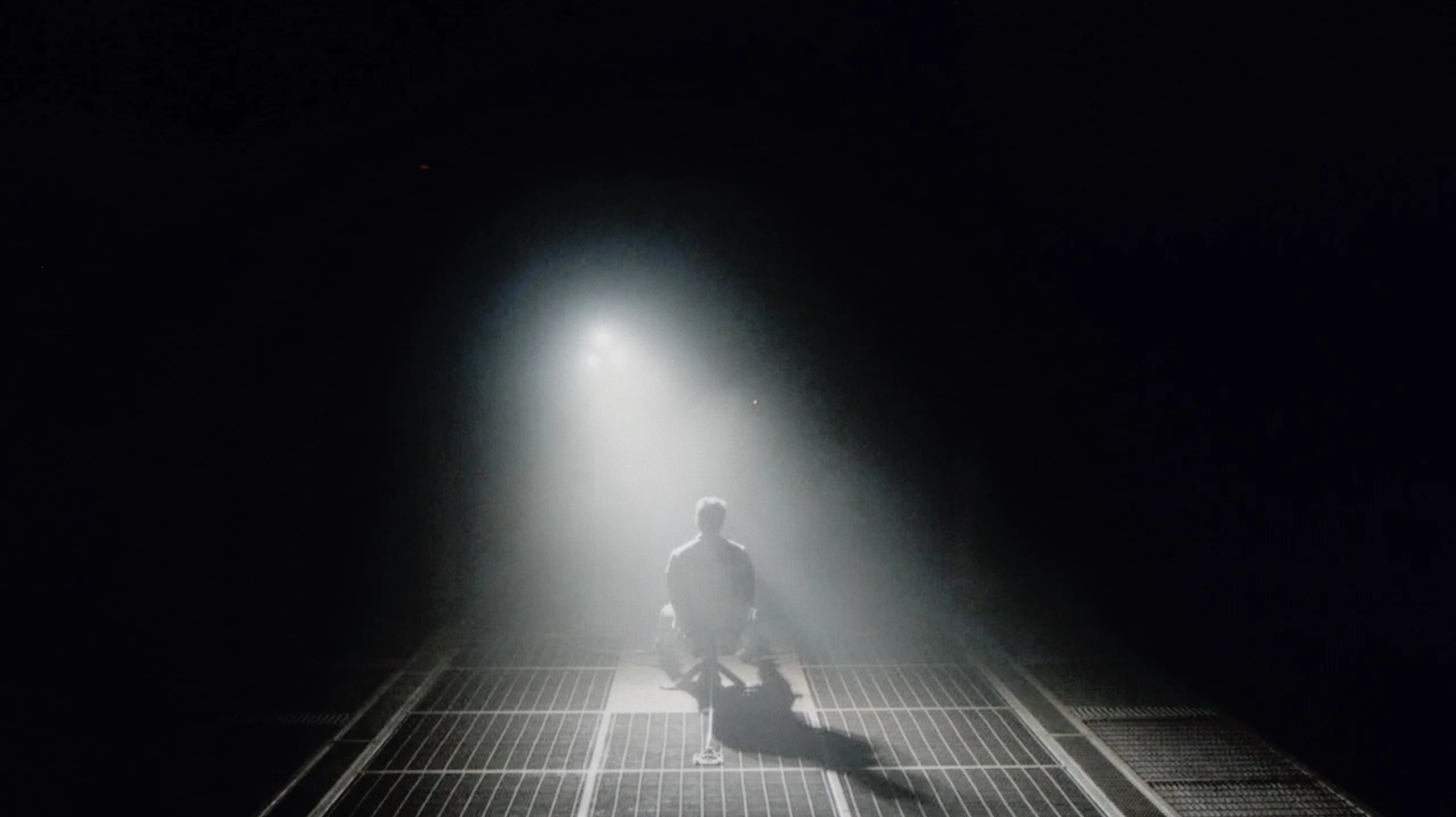
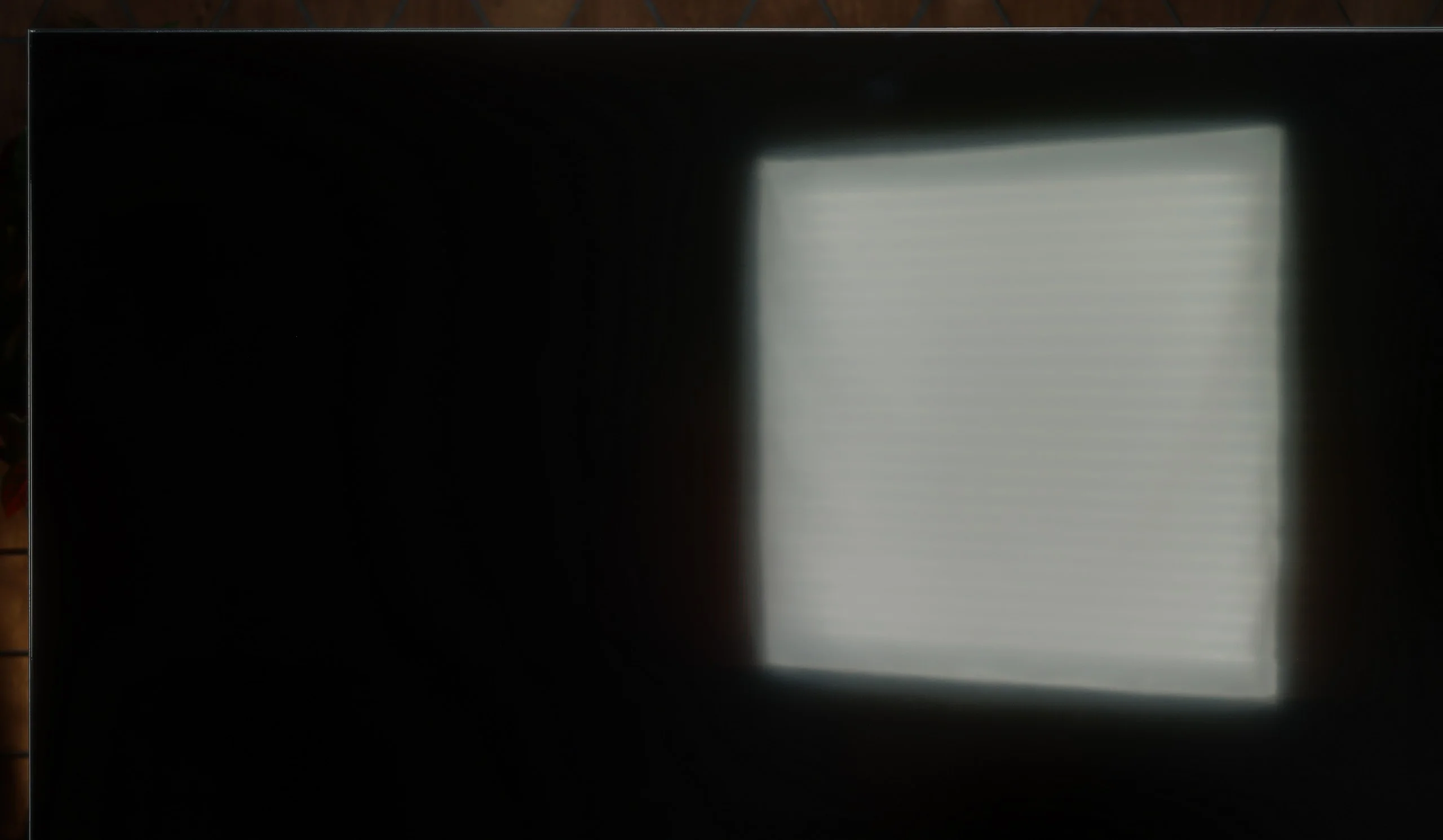
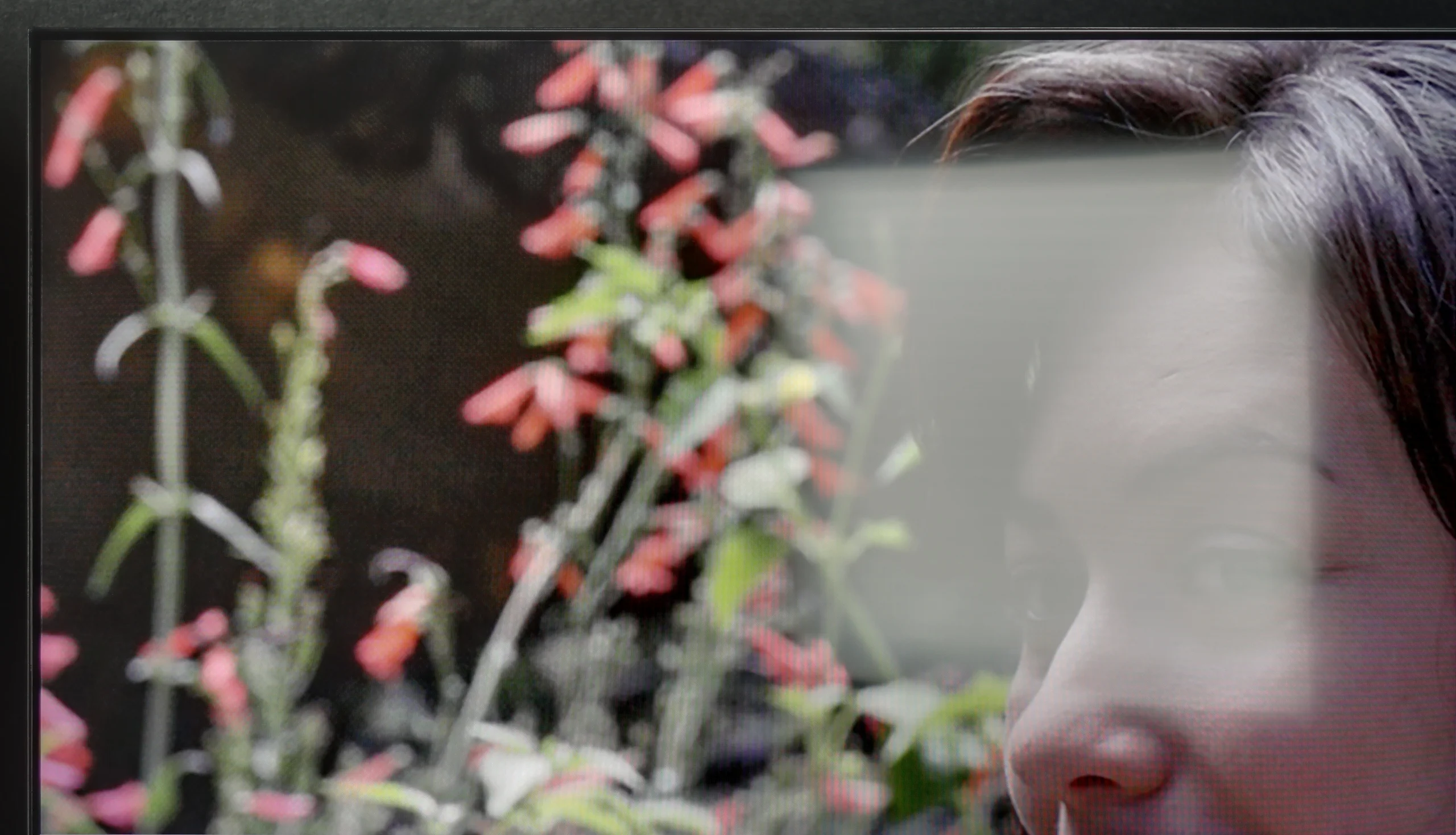
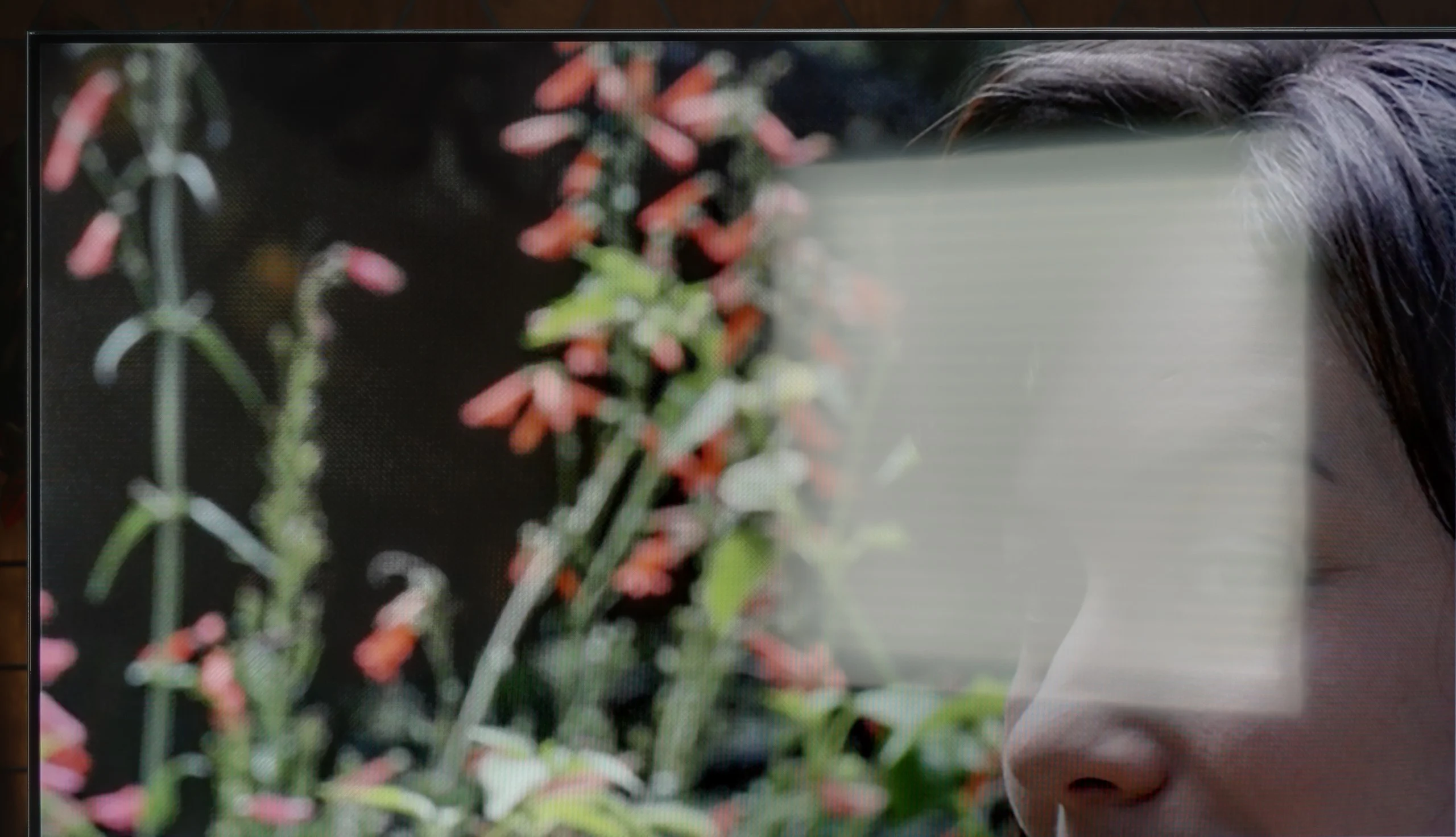
Check the visibility of bright lights on a dark background. Mini-LEDs often struggle with this. The photo does not compare black levels – that’s what the video below is for.

The video accurately shows differences in contrast and black levels between TVs, as well as potential issues: halo around bright objects or Mini-LED zone operation visible as brightness jumps.

When it comes to what’s most important in Mini-LEDs, namely contrast and black levels, the Sharp JP7 in the 55-inch size we've tested uses a VA panel. Combined with backlighting divided into 160 zones (in a 10x16 layout), this promises really solid performance. Measurements on static film test patterns can be downright shocking, with reported contrast reaching five-digit values, even hitting levels of 50,000:1. On paper, this is a result that even much more expensive models would envy, and black levels under such conditions look very appealing.

Unfortunately, a TV is bought for watching movies, not for admiring static test patterns, and here the magic tends to fade. When something more begins to happen on the screen – especially in complex, dark scenes with a lot of small, bright elements – the backlight system in the JP7 starts to literally go haywire. Zones can "dance" before the viewer's eyes, flickering on and off in a manner that can be just plain annoying and distracts from the action. It is clear that Sharp has a huge area for improvement regarding local dimming management. The hardware potential in the form of Mini-LEDs is substantial, but the control algorithms clearly struggle to tame them.

The Dreame Q100 is a basic LCD TV, so its black level and contrast performance depend mainly on the panel itself. It uses a VA panel that achieves a native contrast of around 4500:1. For this class of device that's a pretty good result. In practice this mainly means noticeably deeper blacks than in similarly priced TVs with IPS or ADS panels. You can see the difference especially in the evening, when dark scenes have more depth and don't look so grey.

Bear in mind, however, that the Q100 has no local dimming. The backlight therefore stays on constantly, with no way to dim specific parts of the image. In a very dark room the blacks can therefore take on a navy tint and are a long way from what better Mini LEDs, and even more so OLEDs, can do in this respect. That said, this is not surprising, as the same limitation affects most basic LCD TVs in this price range.

HDR effect quality

5.3/10

4.2/10

Supported formats
HDR10, Dolby Vision, HLG
HDR10, HDR10+, Dolby Vision
Color gamut coverage
DCI P3: 94.0%, BT.2020: 70.1%
DCI P3: 91.2%, BT.2020: 66.6%

Luminance measurements in HDR:

Review SHARP JP7765E Brightness measurement

Result

1014 nit

Review SHARP JP7765E Brightness measurement

Result

247 nit

Review SHARP JP7765E Brightness measurement

Result

606 nit

Review SHARP JP7765E Brightness measurement

Result

180 nit

Review SHARP JP7765E Brightness measurement

Result

605 nit

Review Dreame Q100 Brightness measurement

Result

230 nit

Review Dreame Q100 Brightness measurement

Result

252 nit

Review Dreame Q100 Brightness measurement

Result

285 nit

Review Dreame Q100 Brightness measurement

Result

298 nit

Review Dreame Q100 Brightness measurement

Result

298 nit

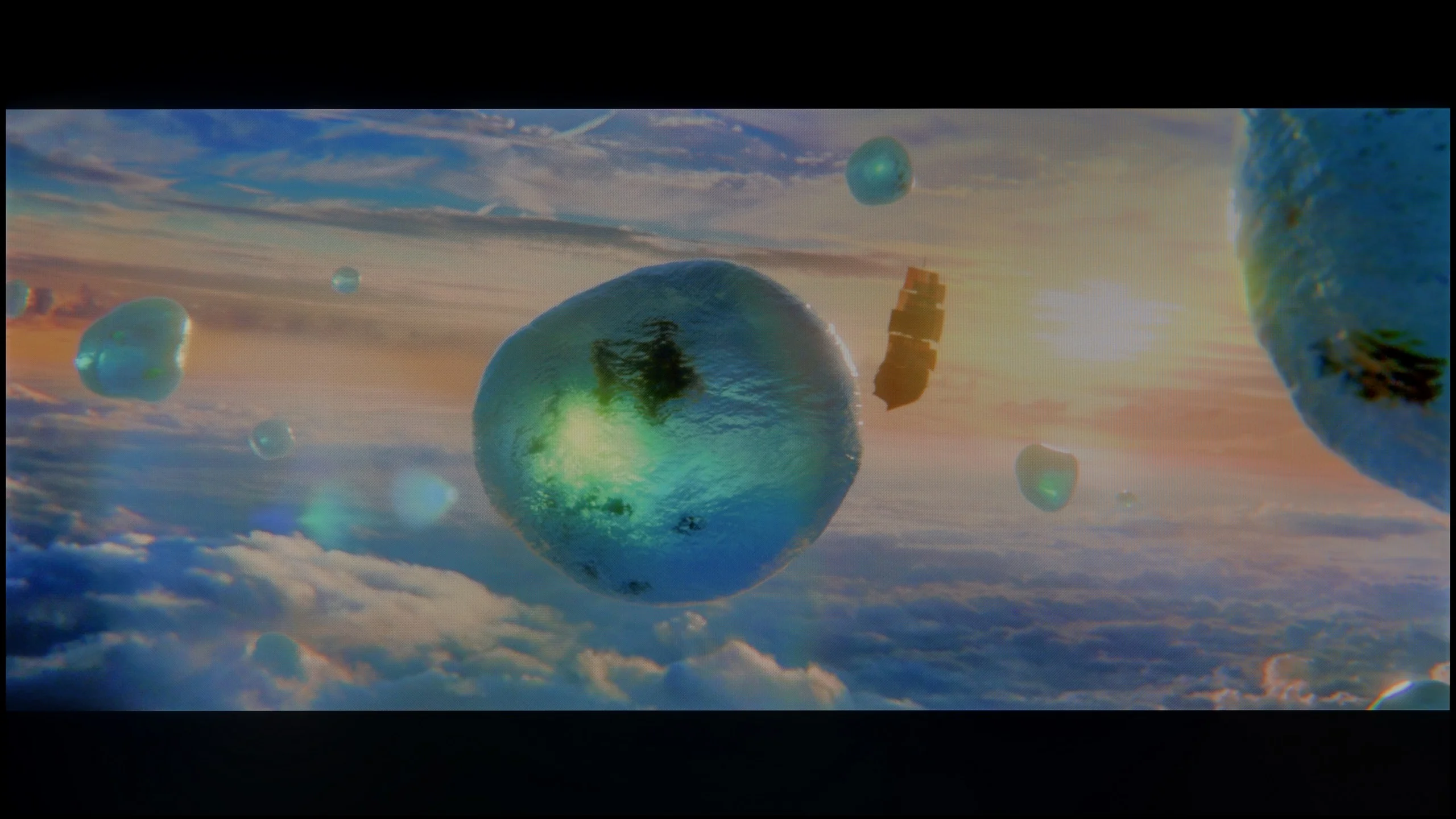
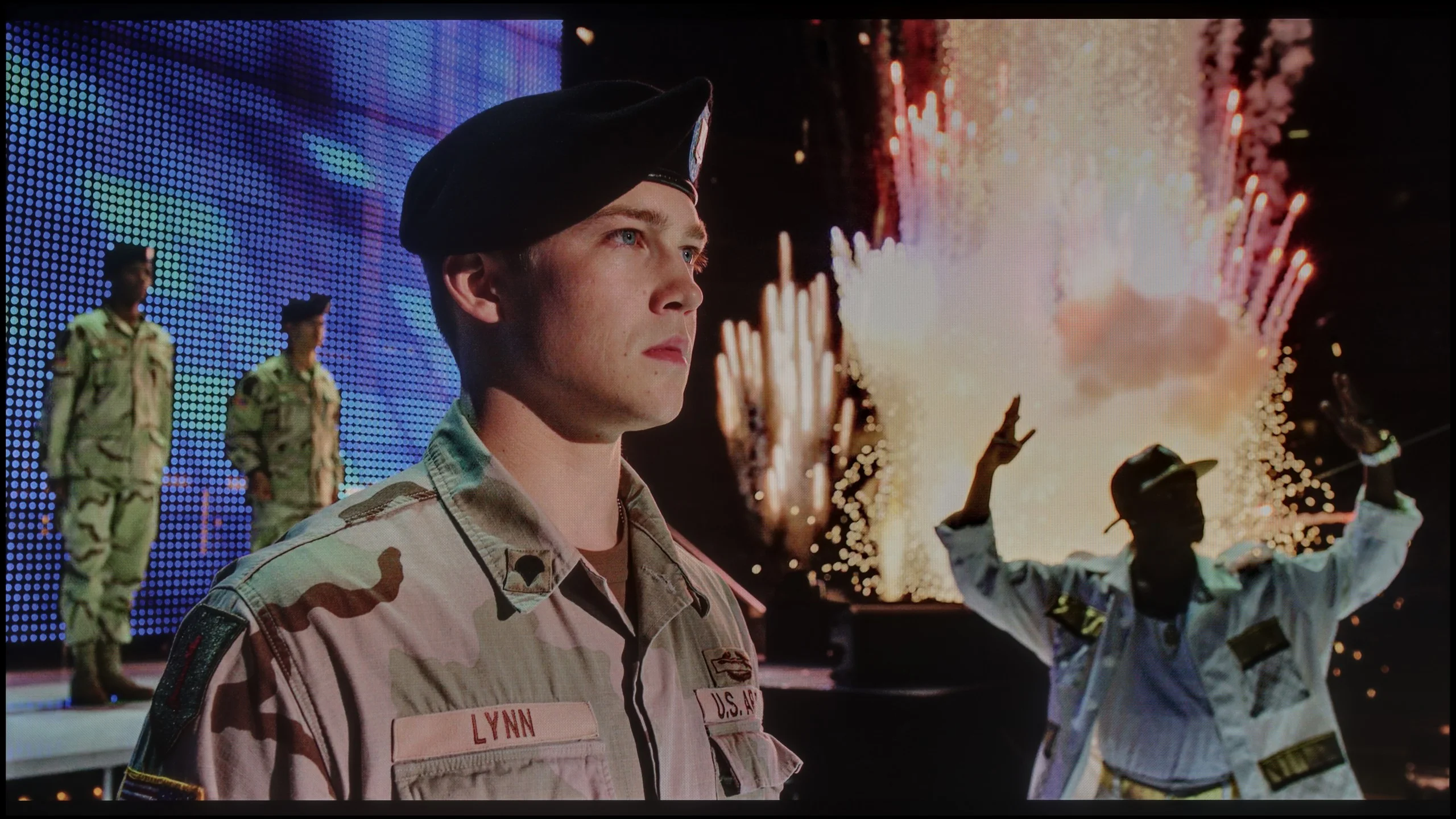
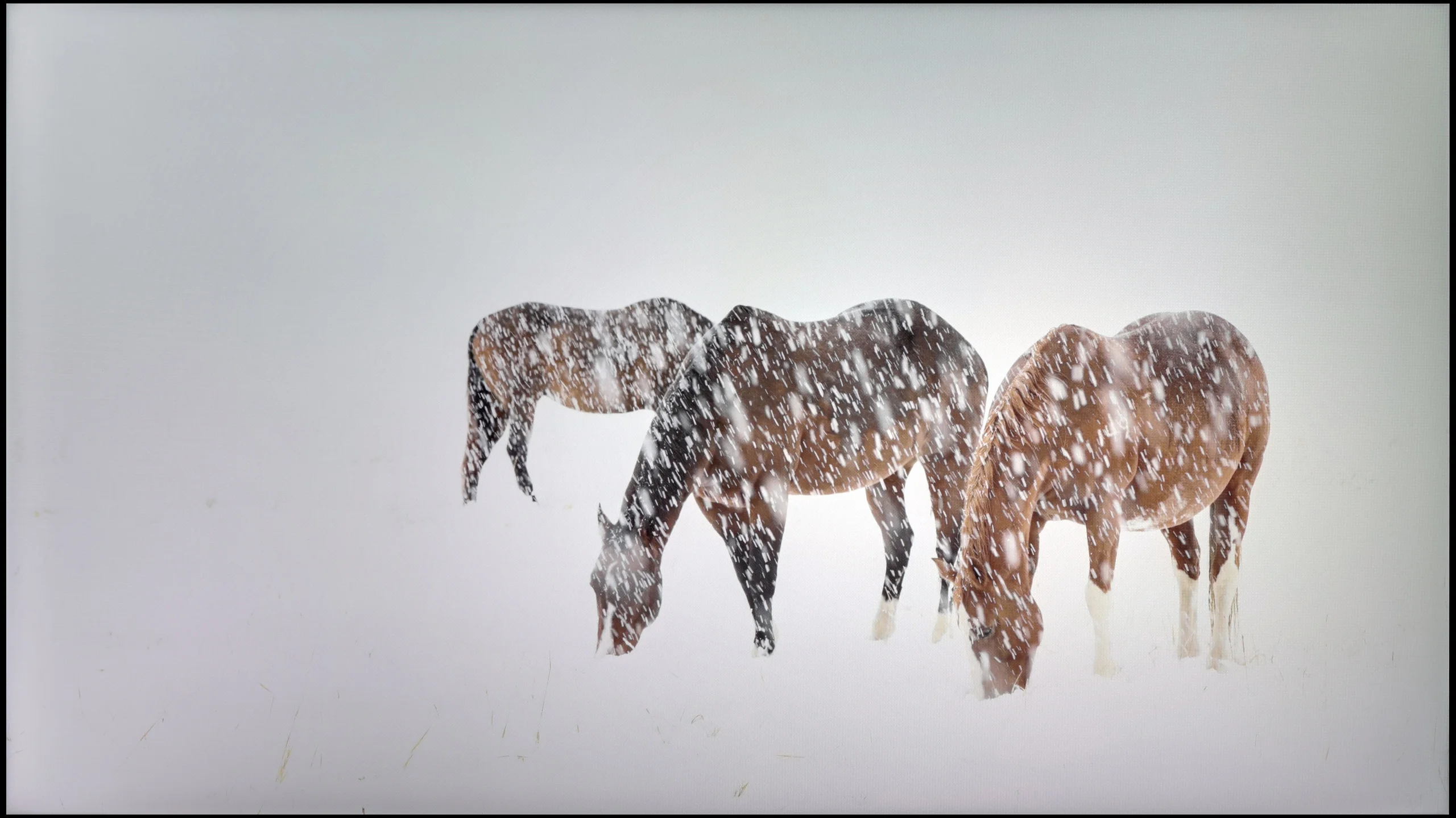
Scene from the movie “Pan” (about 2800 nits)

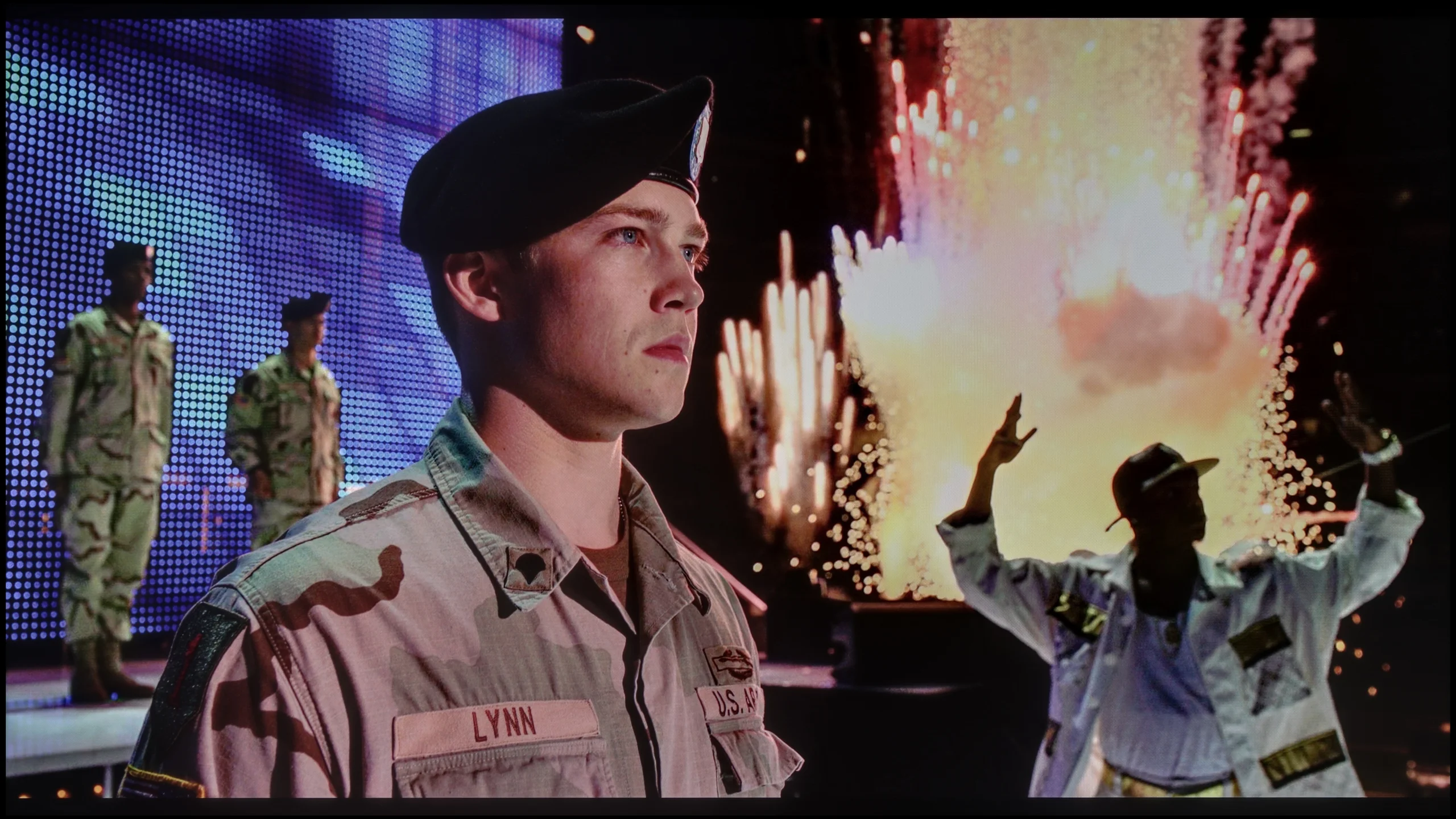
Scene from the movie “Billy Lynn” (about 1100 nits)

The photos show two HDR10 movies. 'Pan' is one of the brightest productions ever made, while 'Billy Lynn' (soldier) has brightness typical of streaming (Netflix, Prime, HBO MAX). Notice the intensity of effects and detail in whites.

Static HDR10

The photos present the visibility of white details in various HDR formats. They do not show brightness differences between TVs (these can be compared in the previous gallery).

Dynamic: Dolby Vision

Dynamic: Dolby Vision

The photos present the visibility of white details in various HDR formats. They do not show brightness differences between TVs (these can be compared in the previous gallery).

HDR luminance chart:

Dreame Q100

SHARP JP7765E

So how does the brightness of the Sharp JP7 perform in the most demanding titles? Honestly, we were quite surprised at first. The TV is able to achieve over 1000 nits of brightness, which is an outstanding and rare result for a device costing just under 2000 zł (for 55 inches). Watching bright, full-screen scenes, you can get the impression that you are dealing with really good equipment. But unfortunately, we have to return to the issue we mentioned earlier, which is local dimming management. When small, bright spots appear on a dark background (like in test scenes from the films Life of Pi or Sicario 2), it’s clear how poorly the JP7 handles these zones. The TV dims them almost to the maximum, crushing the whole HDR effect, which at such moments resembles a flat SDR image (less than 200 nits). This instability means that in demanding, contrast-rich films, the image on the JP7 unfortunately loses its appeal.

As a consolation, it's worth noting that the panel has the potential to display colours well. A PFS (phosphor) filter has been employed here, which allows the coverage of the DCI-P3 colour gamut to reach a solid 94%. The manufacturer calls its product a “QLED,” even though it technologically relies mainly on the aforementioned PFS filter. Considering the recent market battles between manufacturers over what can and cannot be called QLED, we leave the issue of the correctness of this terminology to your judgement. However, it remains a fact that the potential for reproducing saturated colours in this panel is simply good.

The Dreame Q100 is unfortunately too simple, and above all too dim, to really deliver a true HDR effect. Our measured peak brightness reaches at most around 300 nits, which is definitely too low for bright parts of the image to really "hit" you with light. In fact, this is a level we more often associate with SDR material than with HDR. It therefore lacks the brightness headroom offered by more expensive TVs, which makes highlights, reflections and the sun look noticeably more impressive.

HDR colours

Fortunately the Q100 makes up for some of that elsewhere. The manufacturer markets it as a QLED TV, although in practice a PFS filter is responsible for widening the colour palette. Our measurements show coverage of about 92% of DCI-P3 and around 67% of BT.2020. These are not top-tier numbers, but still clearly better than basic LCD TVs without an extra layer to expand the gamut. That means HDR material can at least offer more saturated and varied colours, even if the brightness alone does not yet allow you to speak of a fully convincing HDR effect.

Factory color reproduction

4/10

6.5/10

This gallery shows how colors change after professional TV calibration. If you notice the difference, we recommend ordering this service at SkalibrujTV.com.

Factory Mode

After calibration

This gallery shows how colors change after professional TV calibration. If you notice the difference, we recommend ordering this service at SkalibrujTV.com.

Factory Mode

After calibration

When it comes to colours straight out of the box, the Sharp JP7 was tested in the Film mode, which traditionally offers the most cohesive image compared to the yellowed “Eco” mode or the glaring blue of the “Dynamic” mode. Although this is the best choice among the available settings, the results still fall short of ideal. The white balance clearly lacked red and blue components, causing many scenes to take on an unnatural, greenish hue. Another issue was the gamma – in full-screen scenes, the TV produced excessively bright images, completely robbing it of its cinematic character. All of this resulted in colour reproduction errors, especially in shades of grey, which exceeded the Delta E 10 value. To remind you: errors above 2-3 are already noticeable to the human eye, so here we are dealing with a significant distortion of reality.

In HDR mode, the situation is reversed, but not in a better way. Here, the white balance is dominated by blue, giving the image an unnatural, almost “store-like” sharpness, reminiscent of aggressive demonstration modes. Moreover, the measurements of the EOTF curve emphasise the store-like nature of the image. The graph clearly shows that the TV generates images that are significantly brighter than the standards predict, resulting in an artificially boosted and unrealistic final effect. The Sharp JP7 is evidently trying to appear stronger than it actually is, but it does so at the expense of fidelity to the original content.

For testing we chose the "Film" mode and we think it’s by far the best of the available presets. There are none of the heavily boosted, unnatural colours you see in Vivid/Dynamic mode. The picture looks quite reasonable straight away, although it falls short of perfect. In SDR material the most noticeable issue was a slight warming of the image. The white balance had too much red, which made whites lean towards a warmer tint, and a similar cast was visible in the greys. In HDR the situation was a little different. Here blue had a slight advantage, making the image a touch cooler. These are not major faults. For such an inexpensive TV the factory settings on our unit were pretty decent, and the "Film" mode already delivers a relatively natural picture without much fiddling with the settings.

Color reproduction after calibration

6.7/10

7/10

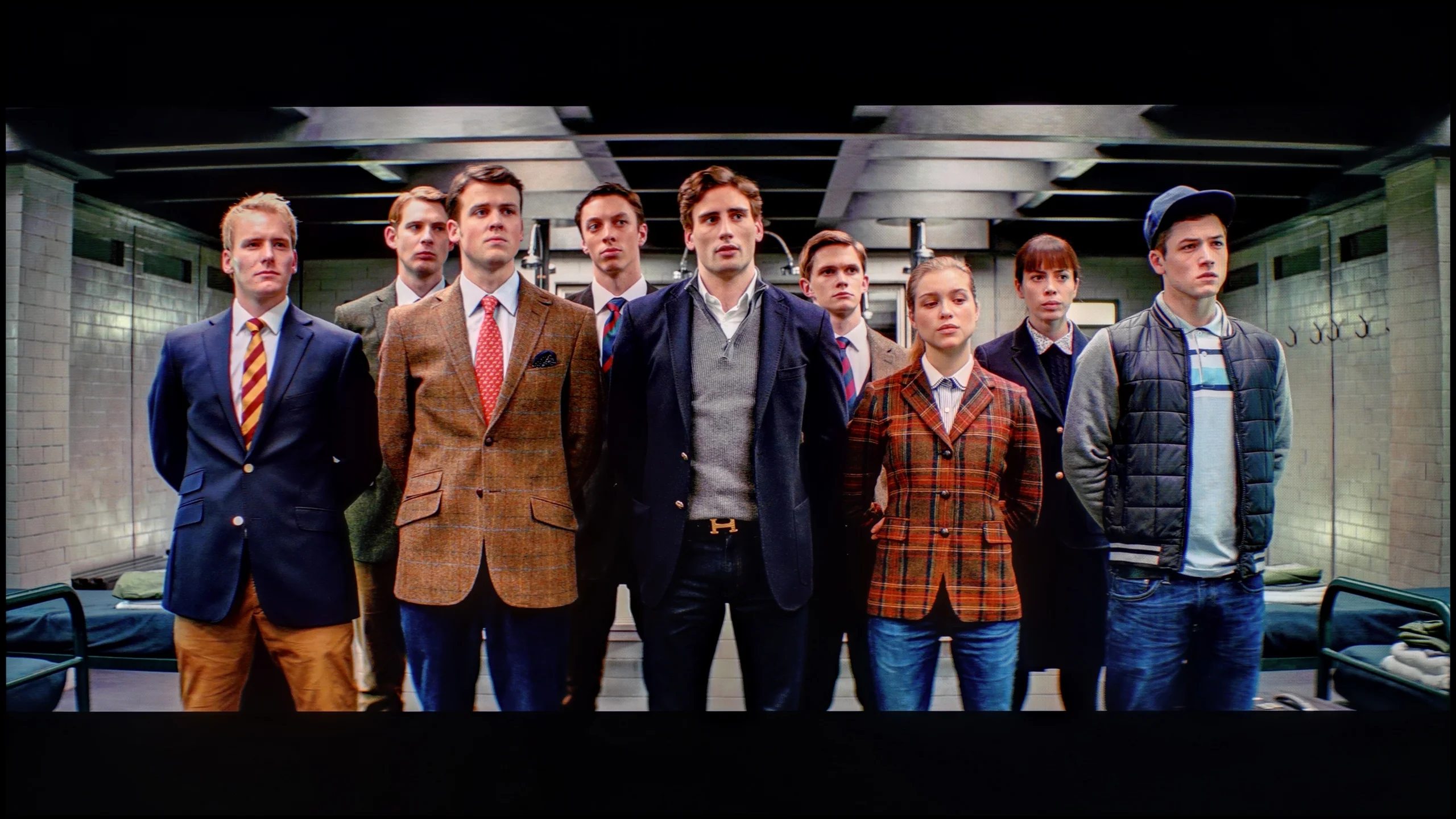
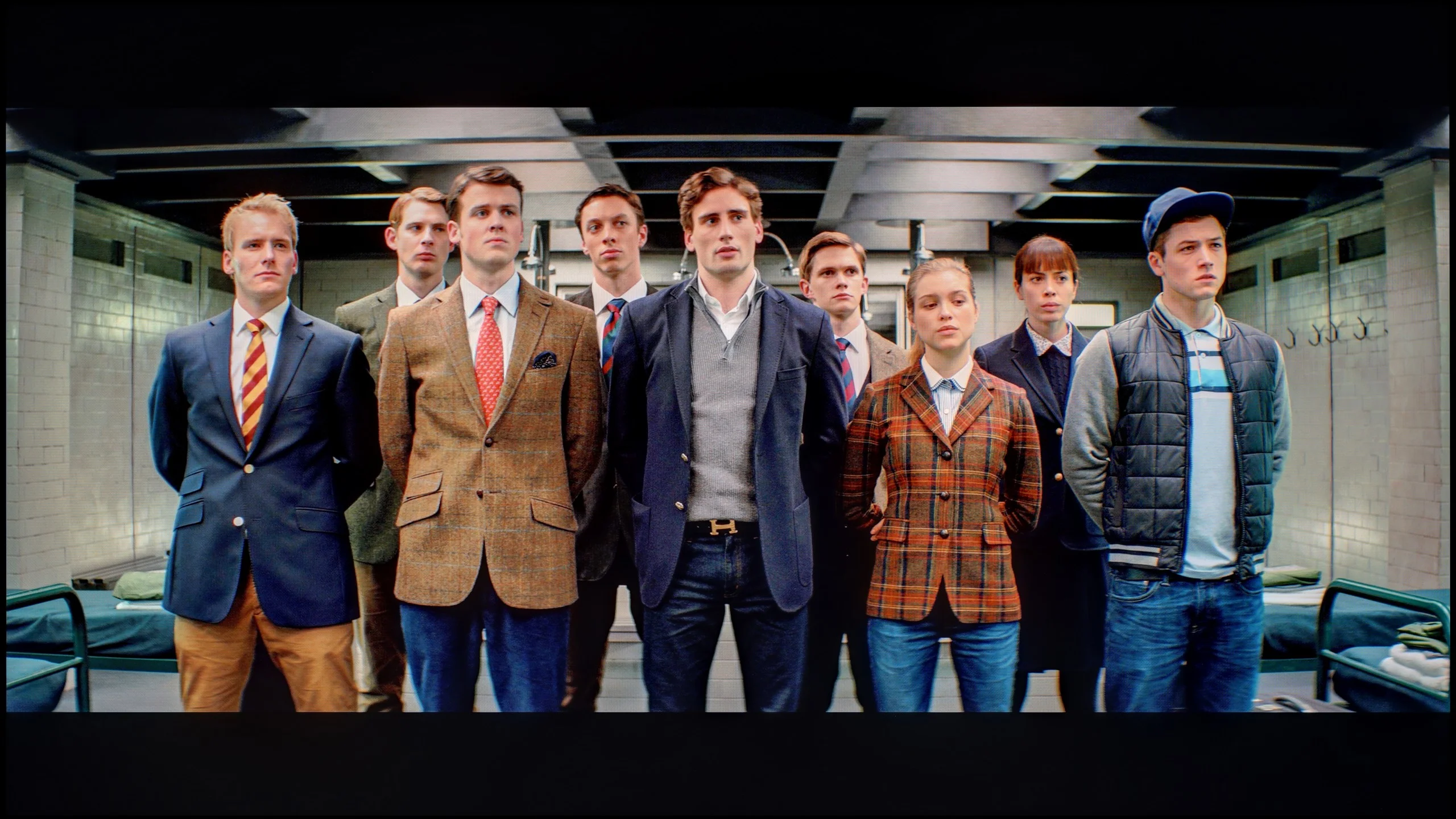
The photos show how movies look on the TV. Pay attention to black detail visibility, colors, and shadow tint.

The photos show how movies look on the TV. Pay attention to black detail visibility, colors, and shadow tint.

We subjected the JP7 to our standard calibration procedure and honestly... the television gained a second life thanks to it, especially with SDR content (YouTube, traditional television, series, or older films). With our precise adjustments to the white balance and stabilisation of the gamma, colour errors dropped to a value of below 3. This is a level at which the human eye struggles to perceive discrepancies. In this scenario, the Sharp JP7 delivers an image with truly excellent colour accuracy, which is a significant advantage in this price range. However, the HDR content turned out to be much more problematic. Here, despite our efforts and interventions in the settings, the television simply refused to cooperate. In the JP7 menu, we won’t find any option to effectively control how brightness is managed (EOTF). Although a significant portion of the colour errors has been reduced, the image still remained unnaturally oversaturated. It’s a bit disappointing because the potential of the mini-LED backlit panel is great, but the software presents a clear barrier.

The conclusion is simple: when watching less demanding content (SDR) on the JP7, you can expect an image that is more than satisfactory, but in HDR you will have to accept a certain degree of "artificiality" that cannot be bypassed even with professional equipment.

Contrary to appearances, the Dreame Q100 is actually quite well prepared for picture calibration. The menu contains plenty of advanced picture settings that allow fairly precise adjustment of its characteristics. In our case the white balance required the most work, both in SDR and HDR. After correction SDR material looked very good. We managed to achieve an almost neutral white balance and natural colours, with the main limitation remaining the black level itself, stemming from the panel design and the lack of local dimming.

In HDR we were also able to improve white balance and colour reproduction, but here the TV’s electronics reveal their limitations more quickly. Even after very precise EOTF curve adjustment, the Q100 doesn't always stick to it properly during real-world scenes. In some content it can also brighten the image, making some parts look brighter than they should, and some detail in bright areas can be lost as a result.

Smoothness of tonal transitions

7.5/10

9/10

These are selected scenes that show smooth tonal transitions from one color to another. If you see distinct banding, it’s the TV panel’s fault.

These are selected scenes that show smooth tonal transitions from one color to another. If you see distinct banding, it’s the TV panel’s fault.

These are selected scenes that show smooth tonal transitions from one color to another. If you see distinct banding, it’s the TV panel’s fault.

These are selected scenes that show smooth tonal transitions from one color to another. If you see distinct banding, it’s the TV panel’s fault.

When it comes to image clarity, posterisation on the Sharp JP7 fortunately doesn’t distract too much from the content being viewed. In most scenes, it’s hard to spot annoying stripes or the so-called “jaggies” of colour, which often ruin the experience during scenes with smooth colours. Of course, you can't expect miracles here, as in some extremely demanding scenes, a trained eye might notice issues in the tonal transitions. However, it’s not at a level that would realistically distract during a film. Well, unless you have good eyesight and are looking for artefacts on the screen – then you’ll probably find something.

The Dreame Q100 handles the smoothness of tonal transitions very well. In most scenes the gradients are smooth, and transitions between lighter and darker tones look natural, without obvious banding or posterization. Minor imperfections may only appear in very demanding scenes, but these are situations that much more expensive TVs can struggle with too. Overall, the Q100 performs really well in this regard.

Image scaling and smoothness of tonal transitions

3.5/10

3/10

Image without overscan on the SD signal
OK
No
Smooth transition function
No
No

Smooth transition function

The match photo shows how the TV smooths weak tonal transitions in low-quality video.

Image scaling SD (576i)

The model photo shows how it handles upscaling of SD material.

When it comes to lower quality materials and how Sharp JP7 handles them, the situation is ambiguous. Let's start with the upscaling itself – here we have no major objections. The process of scaling the image to a higher resolution is correct; the picture remains readable and clear, without the overscan effect, which means no cropped edges. Of course, it's not at the level of top models and at times you can notice slight tearing on the edges, but in this price range, the effect is fully acceptable.

However, the actual digital image processing performs much worse, as aside from the scaling, it practically doesn’t exist. In the JP7 menu, we won’t find any options that would effectively smooth out unwanted tonal transitions or reduce noise in the image. As a result, the signal hits the panel in a very raw form, which with heavily compressed materials (e.g., from YouTube) results in noticeable posterisation. Either this is a programming error or a very strange design decision, because in earlier Sharp models this function was available and, more importantly, worked with noticeable effect. Here, we are stuck with what the source delivers, without any digital support from the image processor.

The weakest point of the Dreame Q100 is its digital image processing. The processor used does a fairly average job of improving weaker material, and the menu offers no function that effectively smooths ugly tonal transitions or reduces visible posterisation. The upscaling itself is also unimpressive. With low-resolution material the image is rather soft and lacks better reproduction of fine detail. Additionally, the Q100 tends to overscan, meaning it slightly crops the edges of the image with very poor sources, for example 480p material. In everyday viewing of HD or 4K content this won’t be a major issue, but with older recordings the processor’s limitations are clearly visible.

Blur and motion smoothness

2/10

4.6/10

Maximum refresh rate of the panel
60Hz
60Hz
Film motion smoothing option
OK
OK
Blur reduction option
No
No
BFI function 60Hz
-
No
BFI function 120Hz
-
No
Brightness drop with BFI
-%
-%

Blur (native resolution, maximum refresh rate):

Blur ():

Blur (1080p@120Hz):

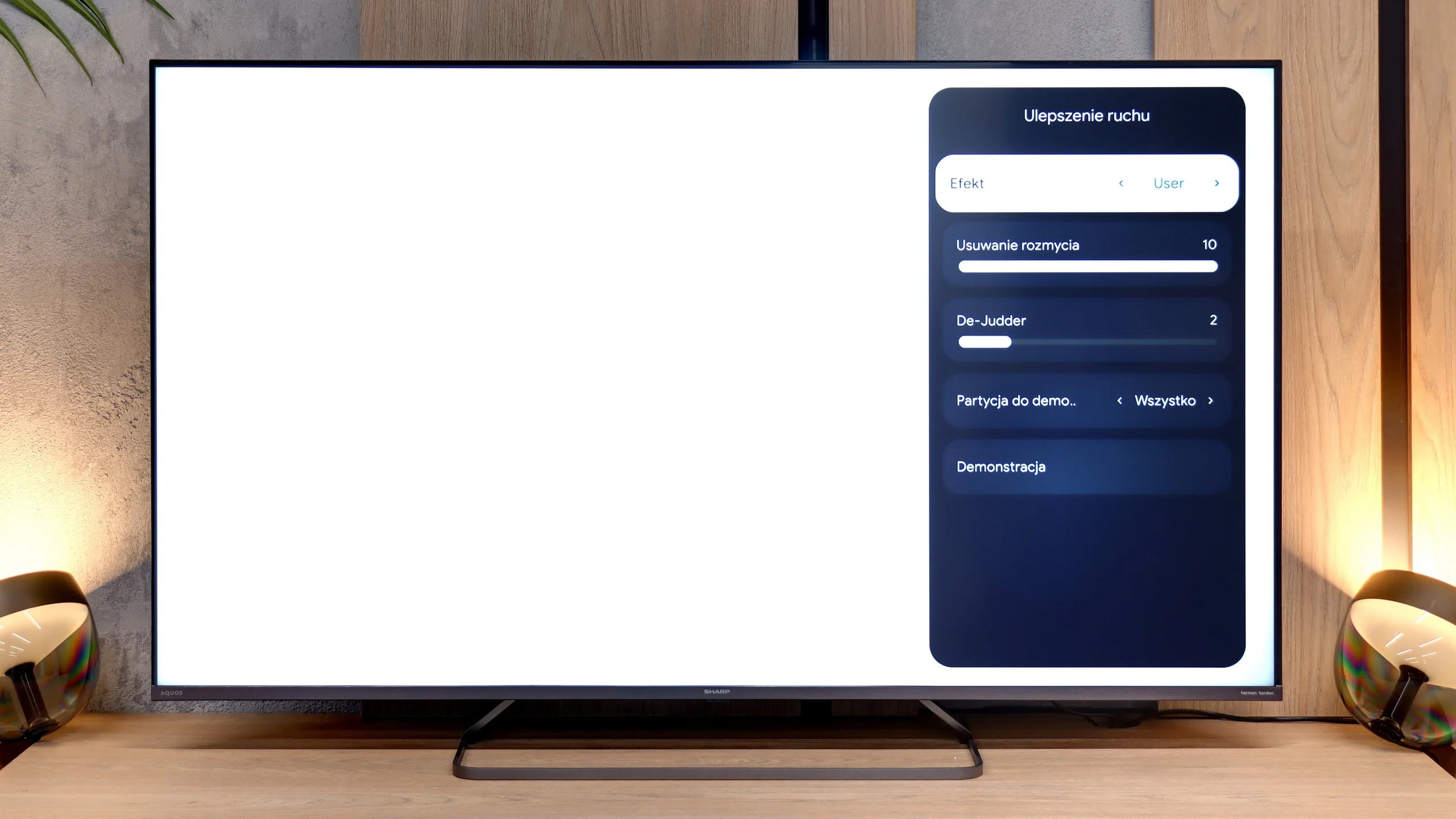
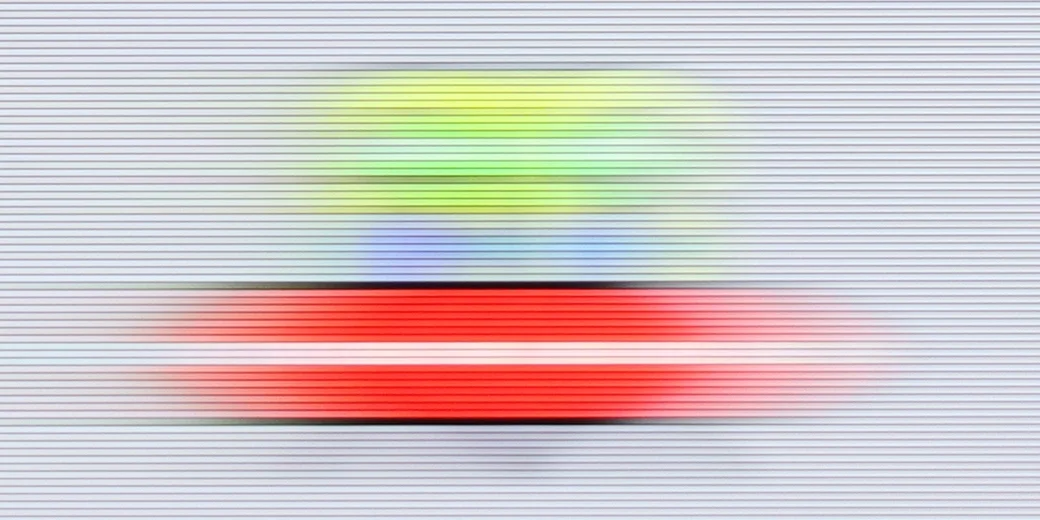
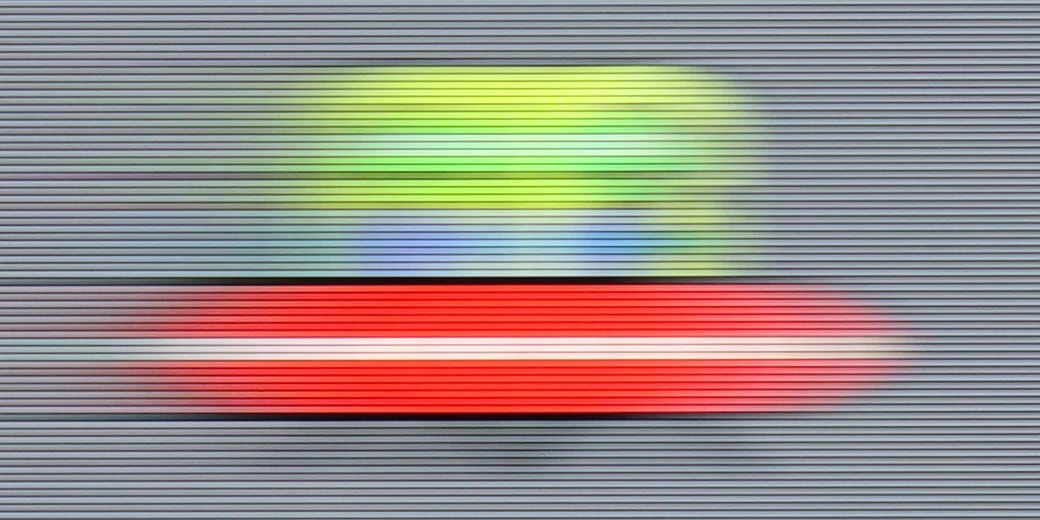
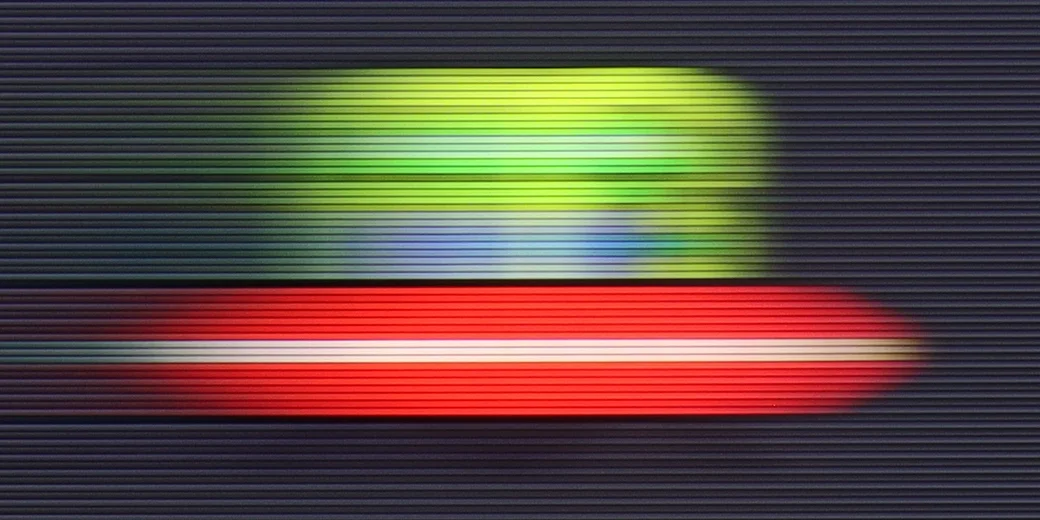
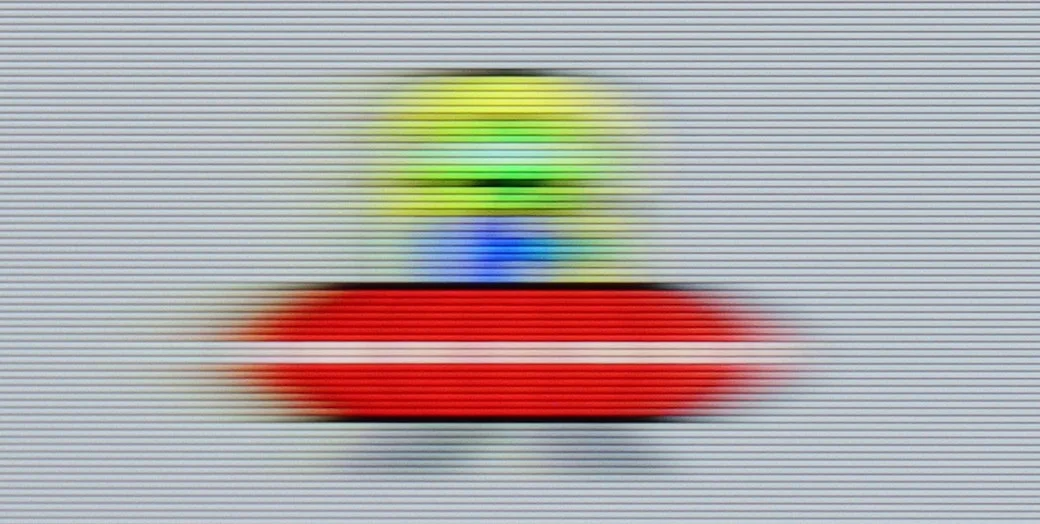
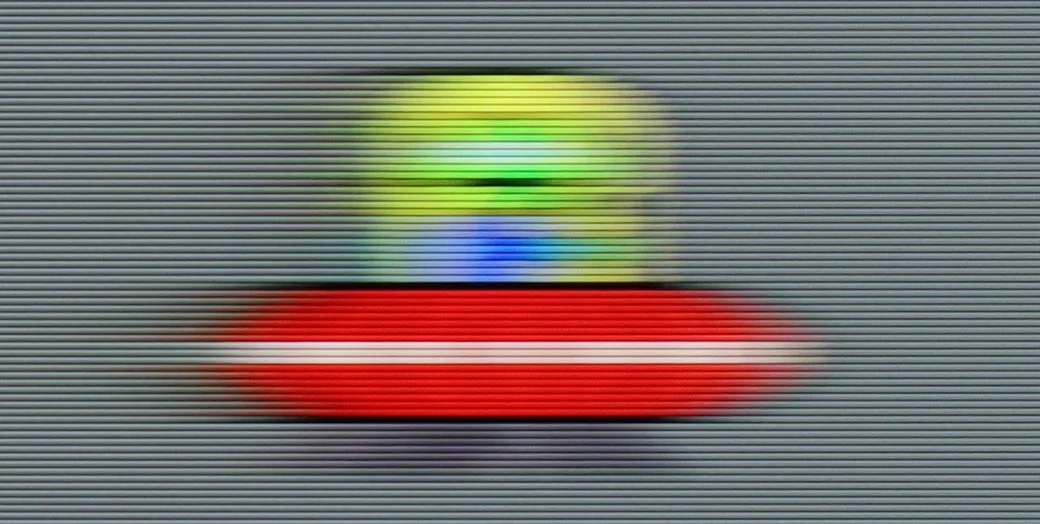
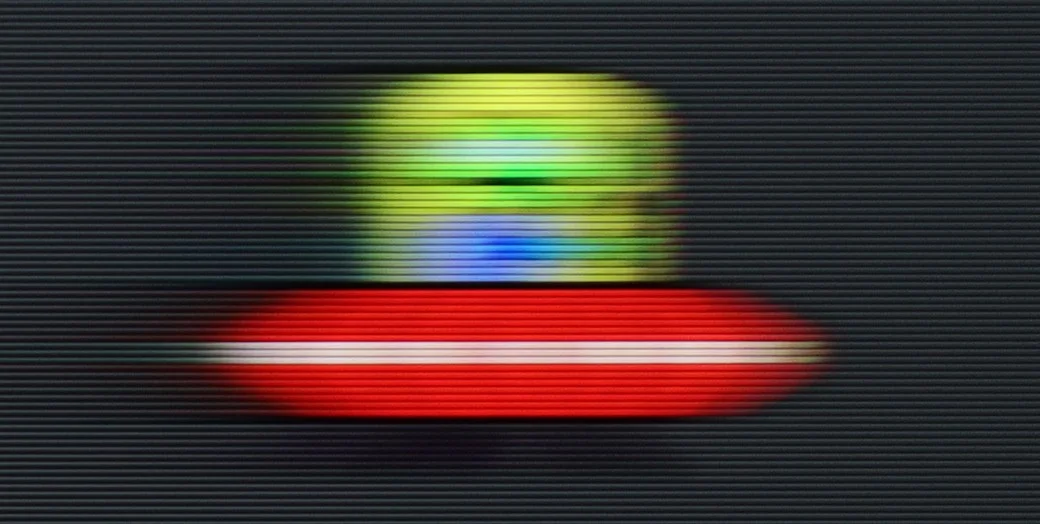
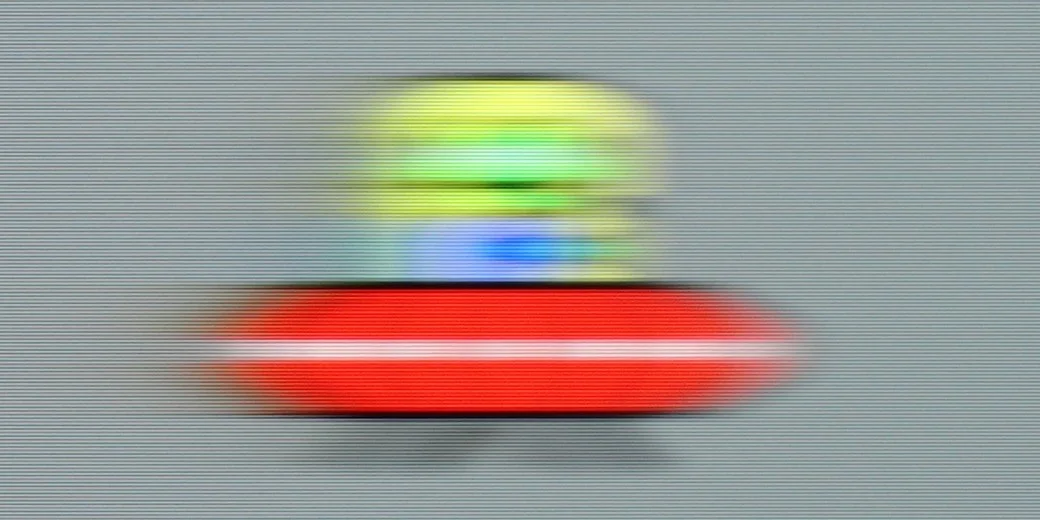
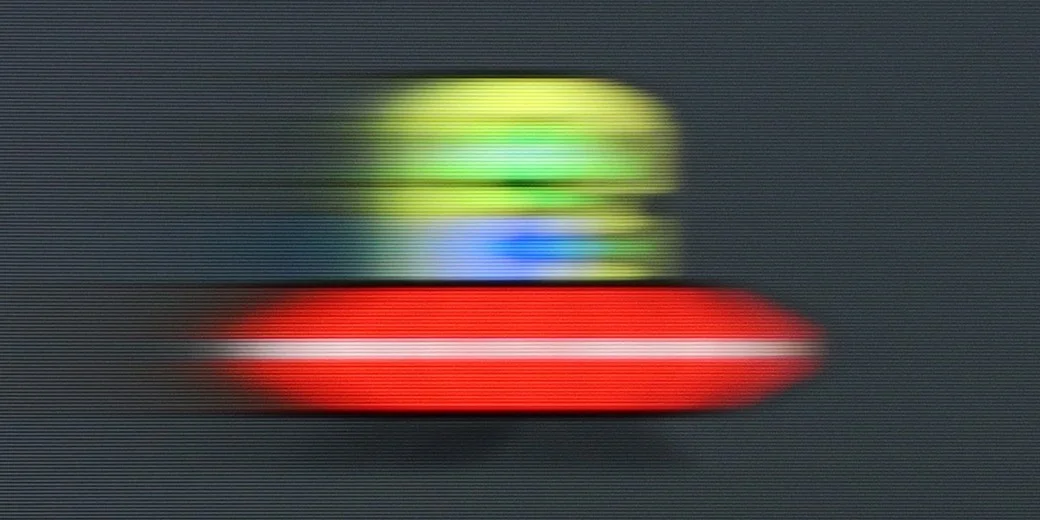
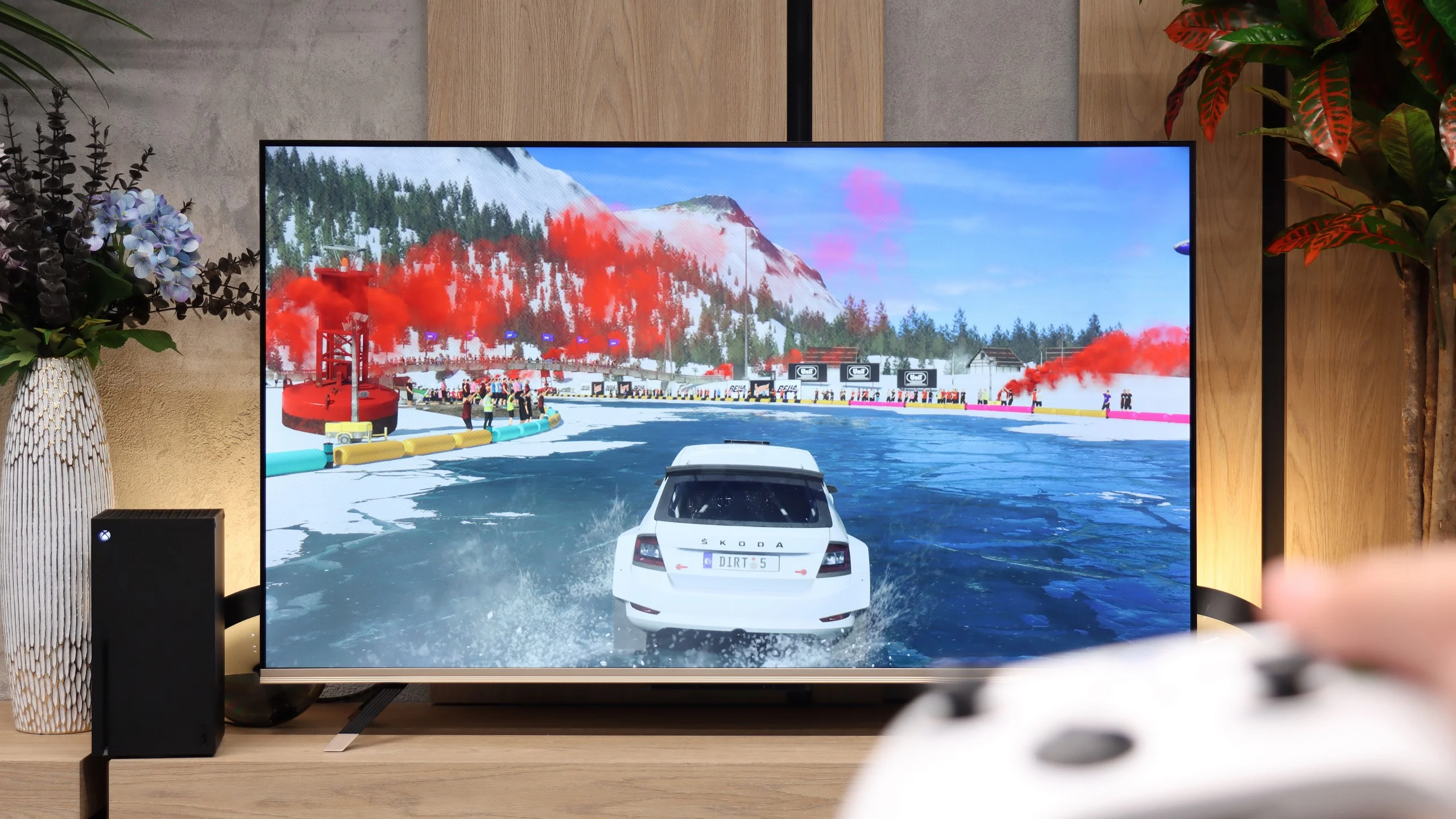
The motion fluidity on the Sharp JP7 is quite average, and the reason is simple: the TV uses a 60Hz panel. This immediately makes it hard to recommend for watching sports or serious gaming, where higher refresh rates are already the standard. The only real plus is the presence of a motion smoother, which we can control in films with a slider called De-judder. Lower settings give a more raw, “cinematic” (framey) image, while higher ones add artificial fluidity. We suggest setting it somewhere in the middle of the scale, around 3-5 – this is the best compromise to avoid the soap opera effect while also getting rid of the annoying image skipping. Interestingly, in the menu, we also find a slider for "motion blur reduction," which usually indicates the presence of a 120Hz panel. However, in the case of the JP7, it doesn’t actually enhance the image and serves more as a dummy – it looks good in the settings, but technically it shouldn’t work on this panel.

The VA panel in the Dreame Q100 has a native refresh rate of 60 Hz, so right from the start it's not a television built for the most demanding sports fans or gamers. The manufacturer does note the option to run at 120 Hz and that mode is indeed available, but it's primarily intended for a gaming mode. In everyday use the Q100 should therefore be treated as a standard 60 Hz TV. That means less smooth motion during fast sports broadcasts or quick gameplay than in models with 120 Hz or higher panels. One positive is the panel's response time. The VA panel doesn't smear excessively, so motion stays fairly clear and doesn't leave strong, blurred trails behind objects. For films we can also use a simple motion smoothing system. The manufacturer has prepared several presets that help reduce the characteristic judder in material shot at 24 frames per second.

Console compatibility and gaming features

4/10

6.3/10

  • ALLM
    Yes
    Yes
  • VRR
    No
    Yes
  • VRR range
    No
    48 - 120Hz
  • Dolby Vision Game Mode
    Yes
    Yes
  • Correct implementation of HGIG
    No
    No
  • 1080p@120Hz
    No
    Yes
  • 1440p@120Hz
    No
    No
  • 4K@120Hz
    No
    No
  • Game bar
    Yes
    Yes

As we mentioned earlier, the 60Hz panel is not a feature that will attract gamers to the Sharp JP7. Perhaps for the casual gamer, whose console still generates most titles at 60 frames per second, there might be something interesting? When it comes to specific additions, we find here:

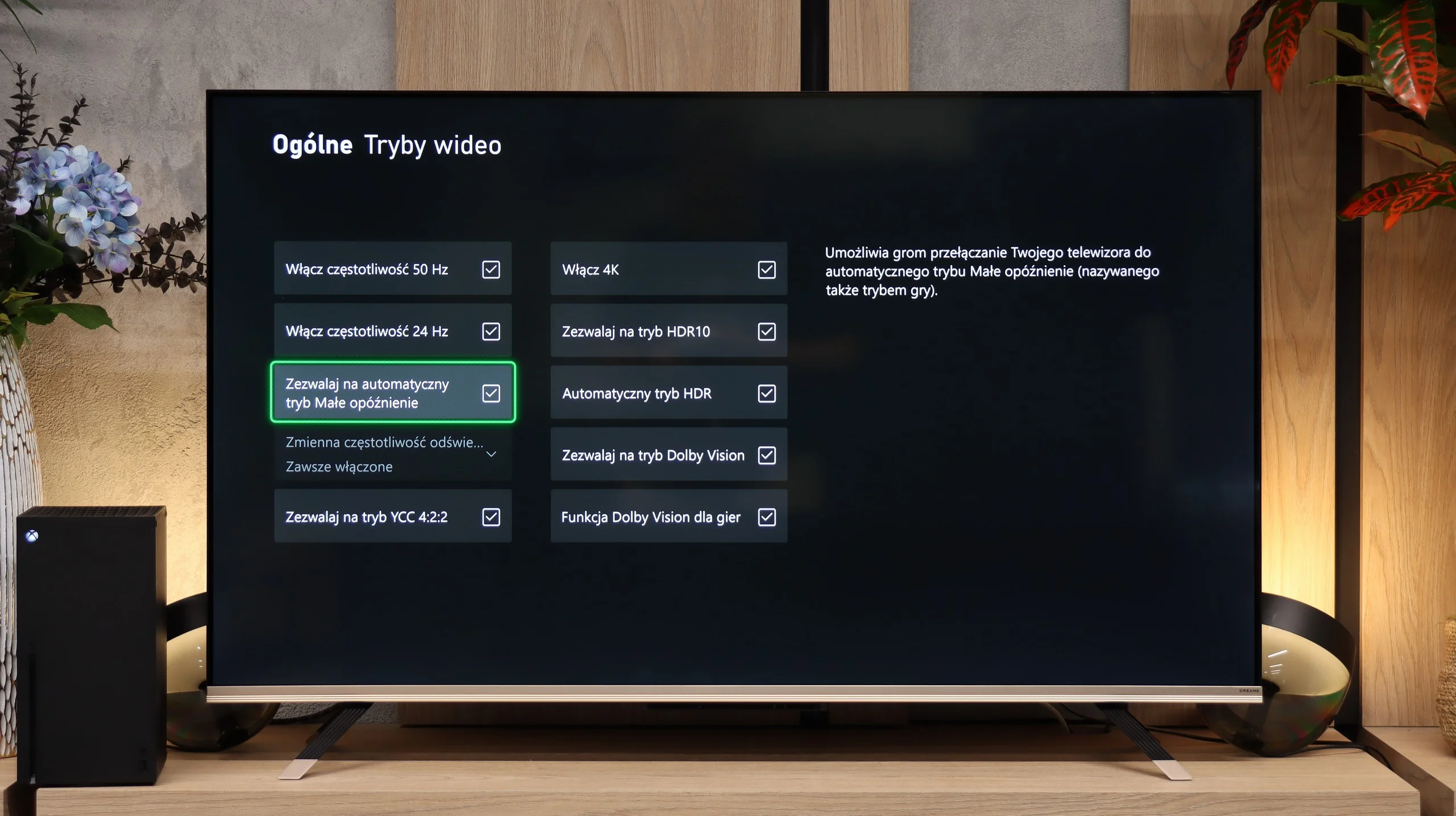
  • ALLM mode: Automatically switches the TV to low latency game mode (input lag).

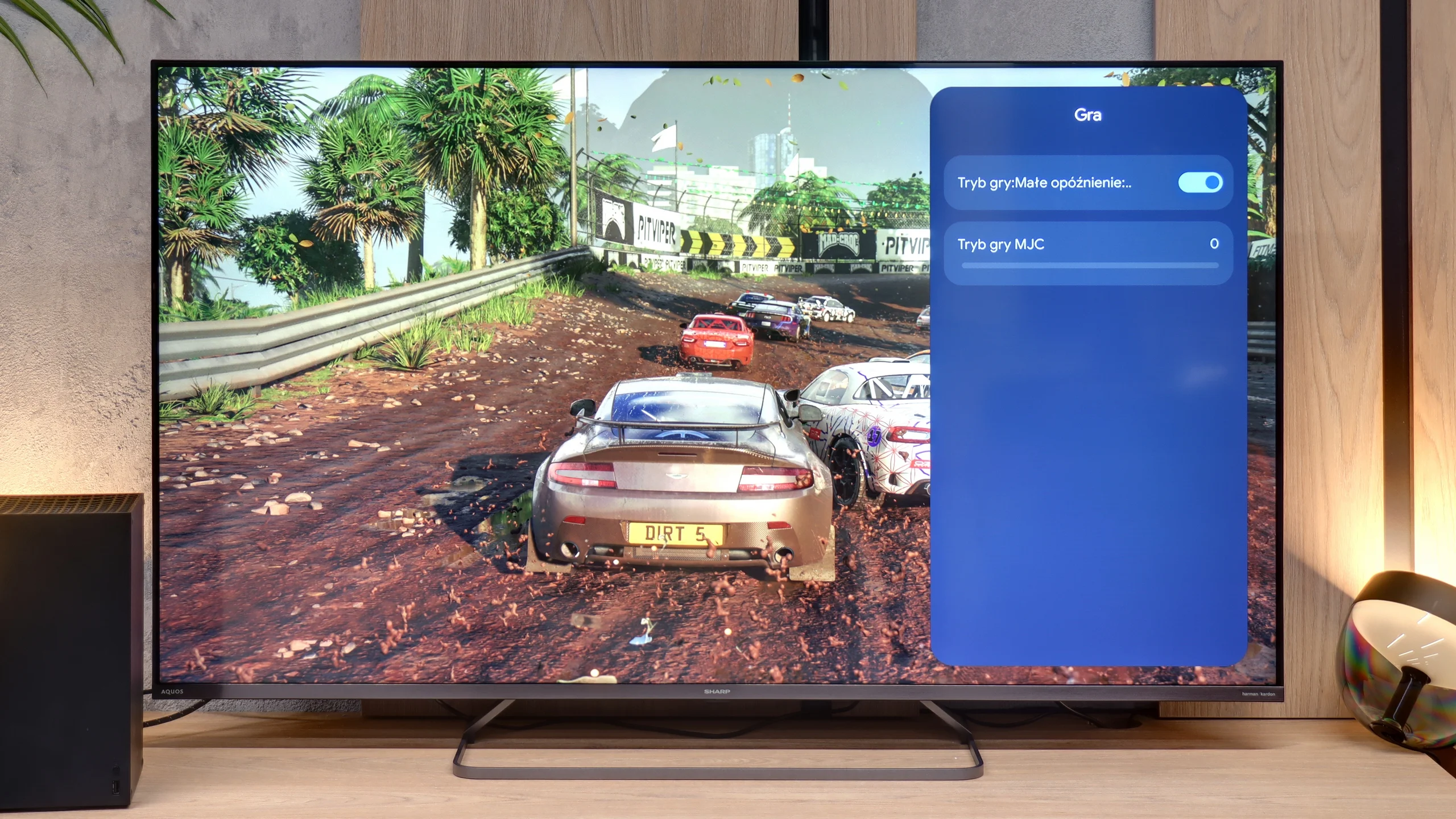
  • Player menu: Which is hard to call a fully-fledged “Game Bar,” as the functionality is minimal. Aside from enabling ALLM, there’s only a dedicator for gaming which we advise against as it introduces very noticeable artifacts and spoils responsiveness.

  • Dolby Vision Gaming: For Microsoft's consoles.

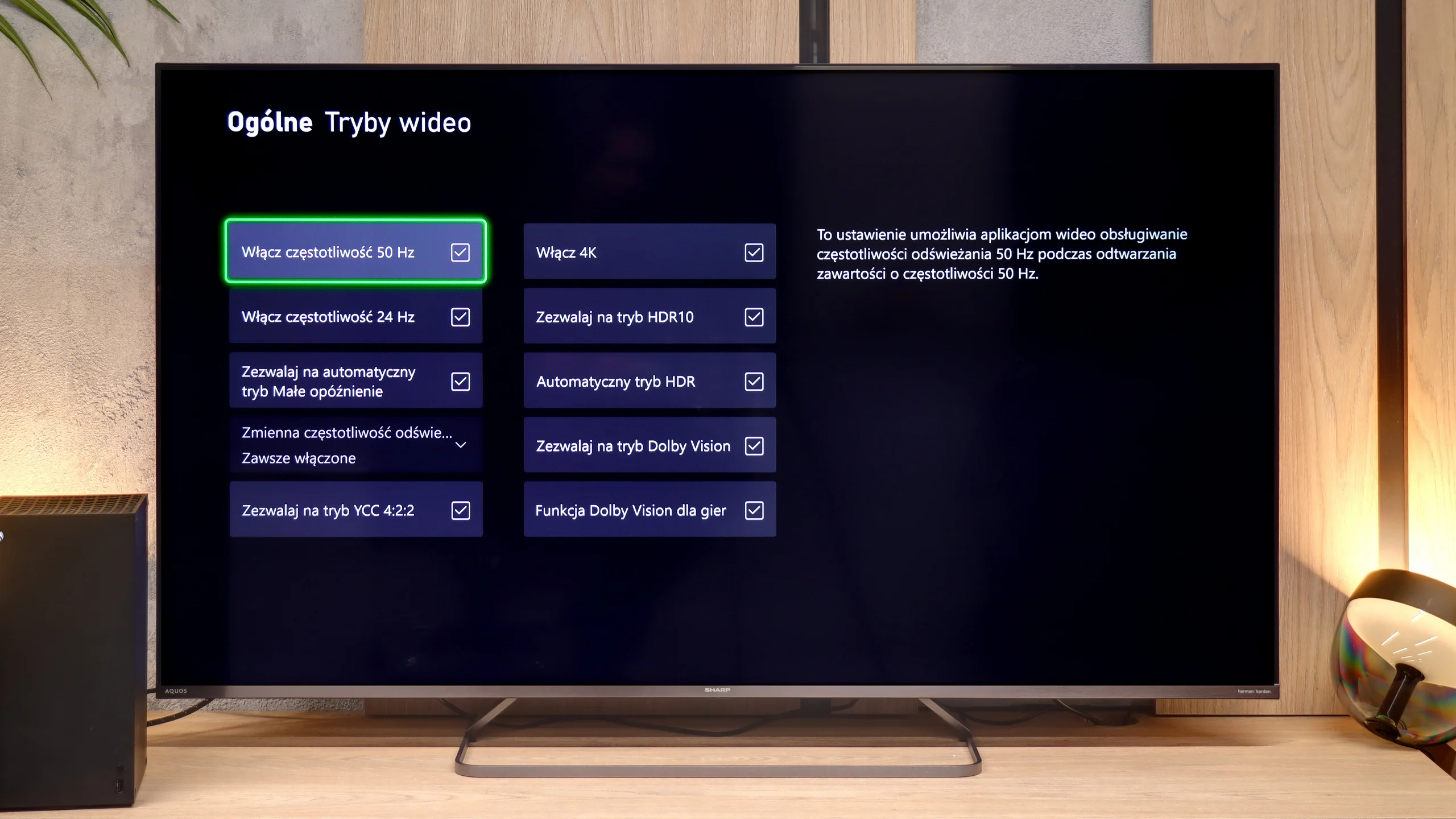
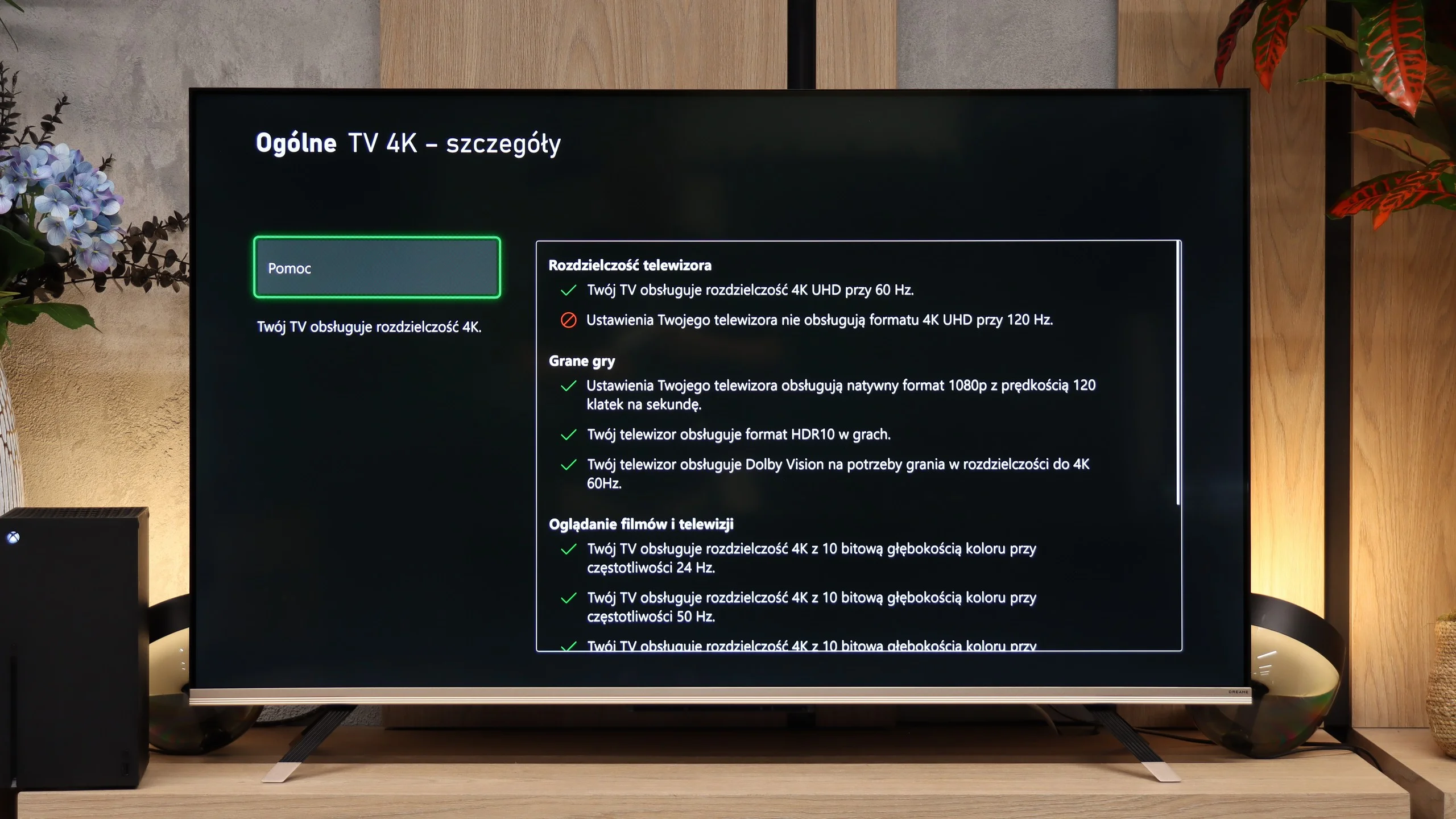
Unfortunately, the list of shortcomings is much longer and more painful than the positives. The biggest disappointment is the lack of support for 120Hz, even when reducing the resolution to Full HD. The presence of 120Hz would allow for performance modes to be activated in many games on the PS5 or Xbox Series X. Another shortcoming is the VRR, which means that during frame drops, we are susceptible to screen tearing. Very problematic is also the lack of proper implementation of the HGiG standard. This results in the fact that during HDR calibration in the console menu, it is very easy to "overshoot" the brightness settings. As a result, instead of clear details in the highlights, we end up with an unnaturally oversaturated image with cut-off details. The Sharp JP7 is a proposal only for those who game very occasionally.

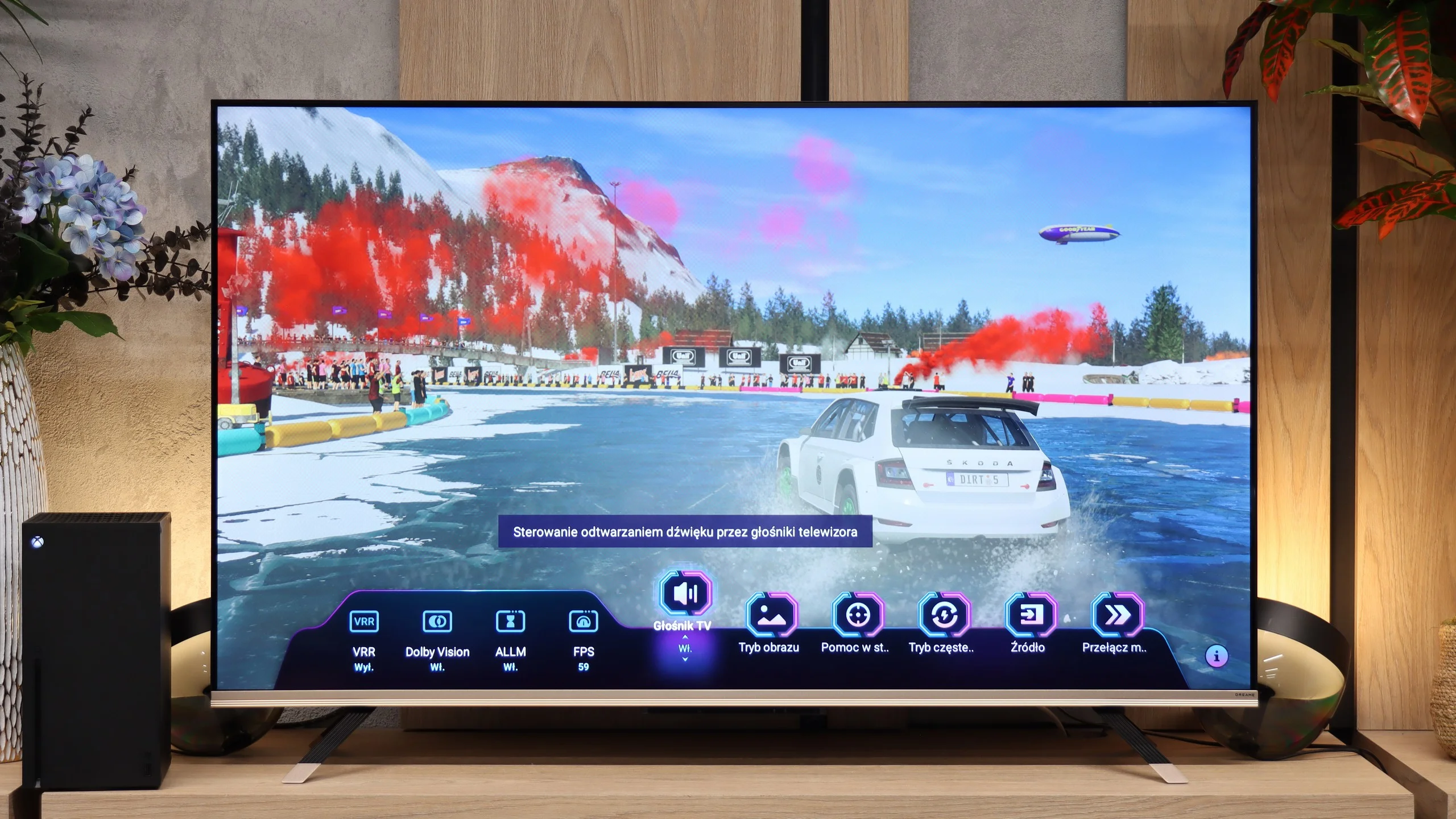
Dreame Q100 is not strictly a gaming device, but for console use it offers a pretty sensible package. You get VRR to eliminate screen tearing and ALLM, which automatically switches the TV to a low-latency mode when it detects a console signal. An interesting compromise is support for 120 Hz. The panel won't reach that refresh rate in 4K, but drop to 1080p and you can play at 120 frames per second. If a title prioritises smoothness over resolution (and the game offers such a mode), it's worth using. It also includes a handy Game Bar that lets you quickly change screen settings, switch the refresh mode or add a virtual crosshair. The HGiG implementation is a bit weak, but credit is due for Dolby Vision Gaming support on Xbox Series X and S. This isn't a panel for tech purists, but for casual console gaming, especially when trading 4K for smoother Full HD, it performs very well.

Input lag

9.3/10

10/10

SDR

1080p60
13 ms
13 ms
1080p120
29 ms
9 ms
2160p60
13 ms
13 ms
2160p120

HDR

2160p60
13 ms
13 ms
2160p120
4320p60

Dolby Vision

2160p60 DV
13 ms
13 ms
2160p120 DV

The issue of input lag in the Sharp JP7 is quite intriguing. In all 60Hz modes, the TV boasts a mere 13 ms result. This is truly an excellent result, making the lag practically unnoticeable during gameplay. In this regard, Sharp has risen to the occasion, and even in dynamic titles, the controls remain responsive.

However, during our tests, we encountered a certain technical conundrum. Using our professional Murideo generator, we were able to force and measure input lag at 120Hz refresh rate in Full HD resolution. This sounds promising, but in reality, it is merely a 'paper' curiosity, as standard external devices like consoles or computers were unable to coax the Sharp into operating in that mode. Although professional diagnostic tools see some hidden potential here, for the end user, the JP7 remains just a 60Hz screen.

The measured input lag is low enough that it shouldn’t be an issue while gaming. In 60 Hz mode the delay stays under 15 ms, and when switched to 120 Hz it falls below 10 ms. These very low values provide highly responsive gameplay.

Compatibility with PC

5/10

4/10

Chroma 444 (max. resolution and refresh rate)
Yes
No
Font clarity
Good
Good
Readability of dark text and shapes
Average
Poor
Input lag in PC mode (4K, max. refresh rate)
13ms
13ms
Matrix subpixel arrangement
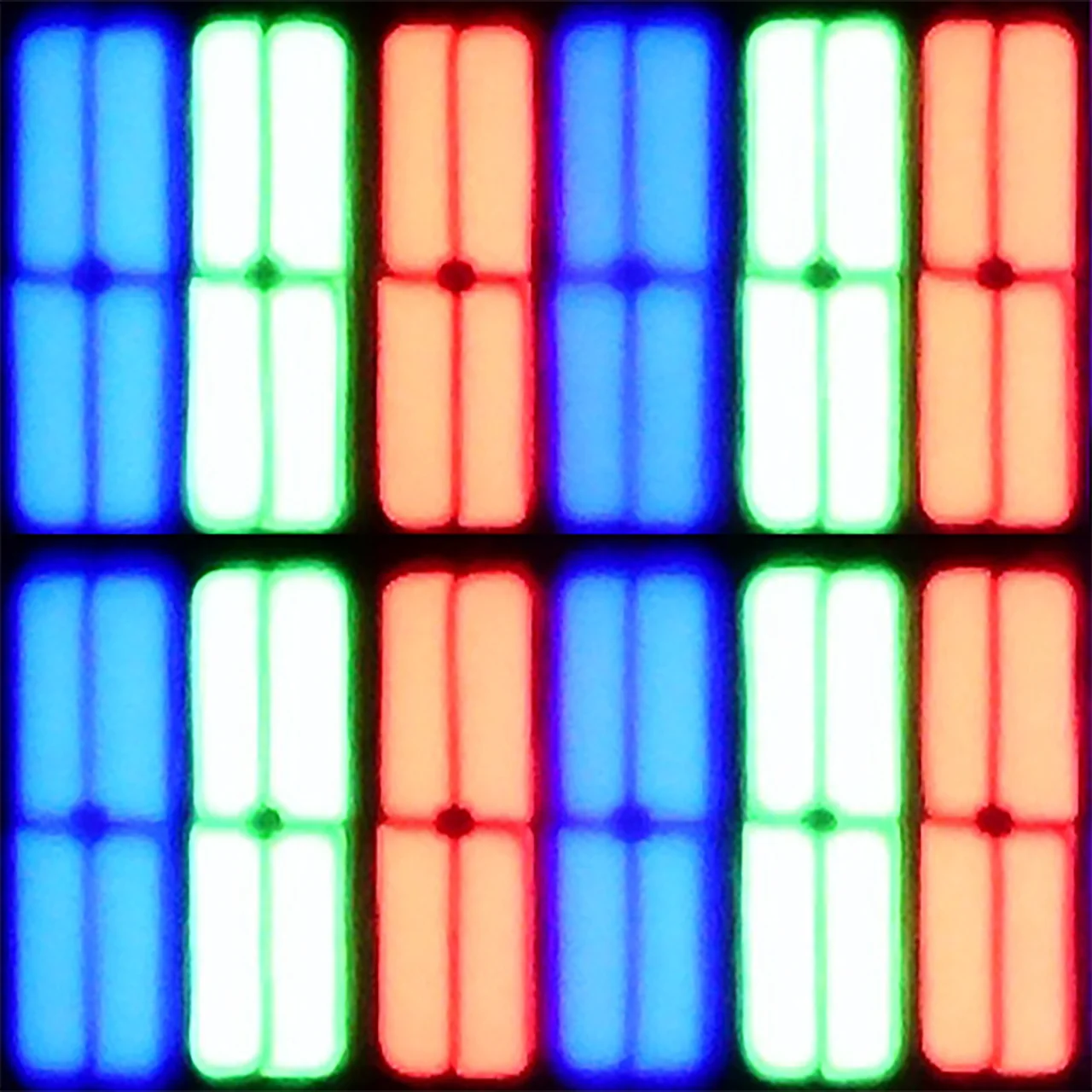
BGR
BGR
Max refresh rate
60Hz
60Hz
G-Sync
No
Yes

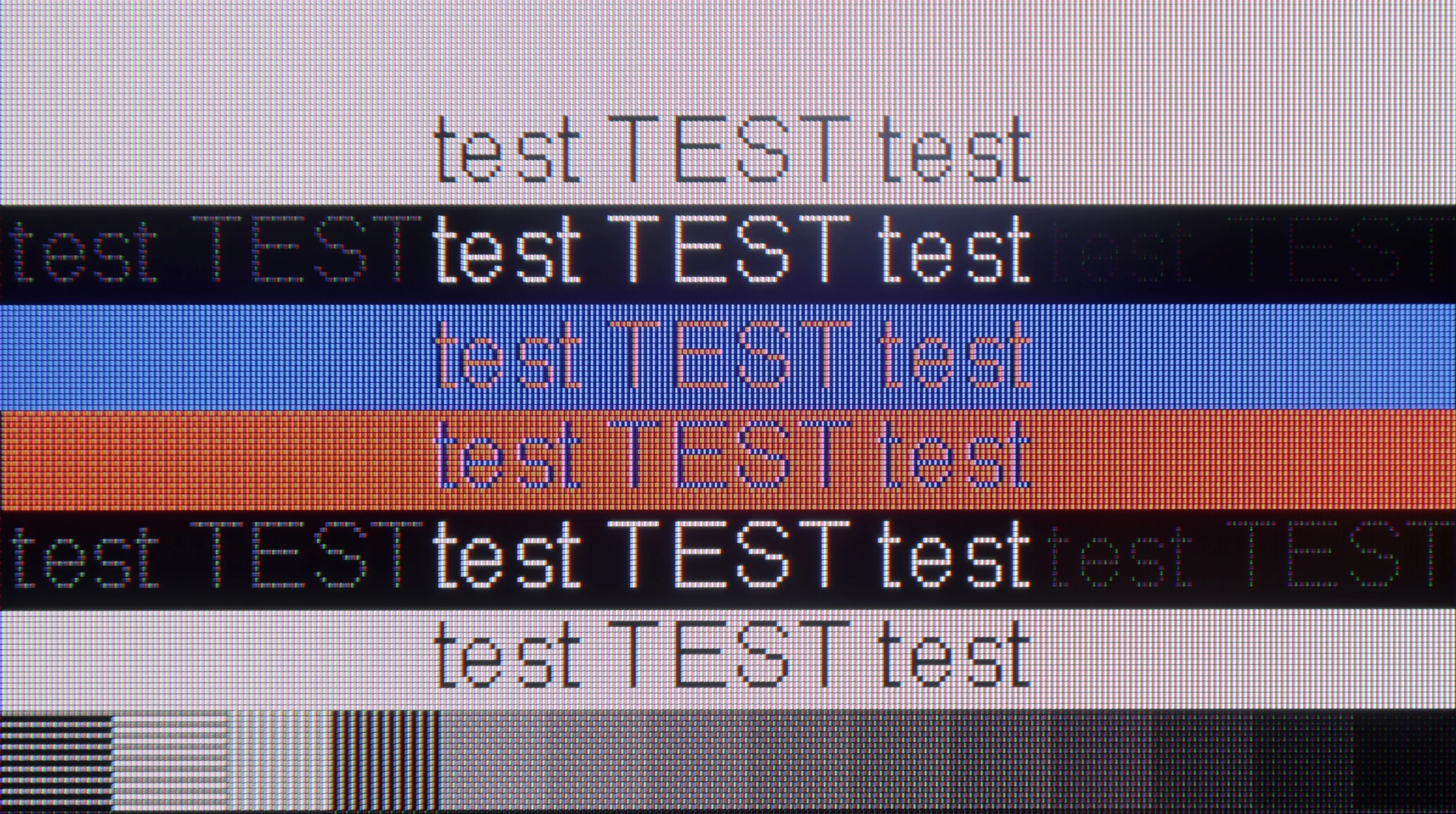
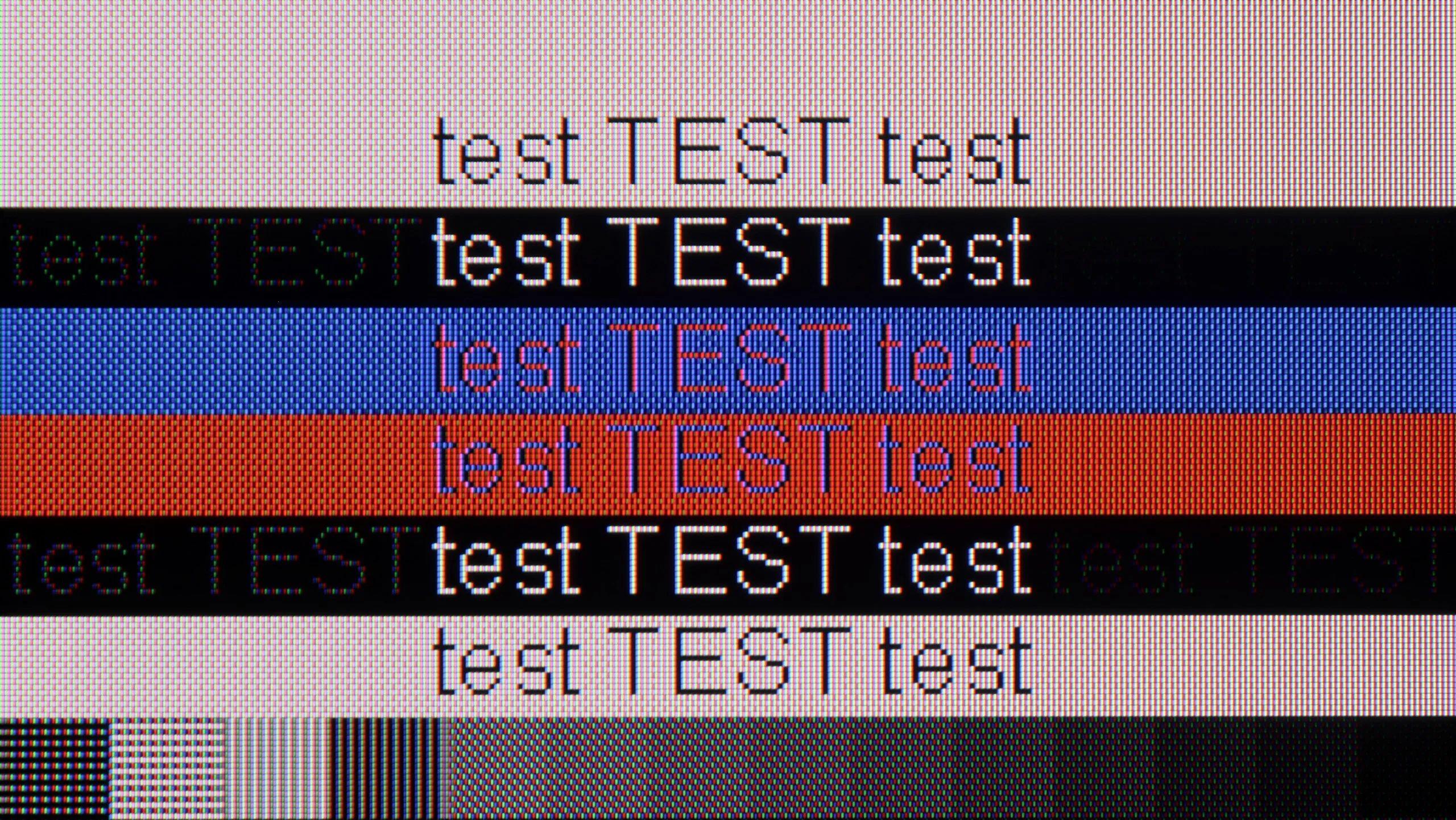
The photo shows the legibility of small fonts. Ideally, lines should be the same thickness on both light and dark text, with minimal pixel gaps.

Sharp JP7 performs moderately as a monitor. While the readability of standard fonts on a white or black background is acceptable, the clarity significantly drops with darker and thinner text, making it difficult to work with text for extended periods. For occasional browsing of news in the browser, this panel is sufficient; however, we definitely do not recommend it as a permanent screen for PC gaming. Besides the rigid limit of 60Hz, the television does not support any form of frame synchronization (no G-Sync or FreeSync), which combined with the significant motion blur of the panel makes the user experience in dynamic scenarios quite poor.

The Dreame Q100 can serve as a large screen connected to a computer from time to time, but it performs much worse in the role of a monitor. Above all, the TV does not correctly support 4:4:4 chroma subsampling, so coloured text and fine interface elements are not as sharp and legible as they should be. Black text on a light background looks much better, but during normal computer use this limitation quickly becomes apparent. There's also the matter of refresh rate. The Q100 can run at 120 Hz, but only after dropping the resolution to Full HD. At native 4K we remain at 60 Hz. It's fine for the occasional connection of a laptop or PC, but we wouldn't recommend it as a permanent monitor.

Viewing angles

3.1/10

2.9/10

Brightness drop at an angle of 45 degrees
77%
70%

Sharp JP7 uses a VA panel, which automatically means narrow viewing angles. It's a classic compromise: we get quite good blacks and contrast, but at the cost of image degradation when viewed from the side. At an angle, the colours clearly fade and wash out, losing their saturation, so the JP7 is definitely a device for watching "straight on," rather than from the corner of the couch.

One of the typical limitations of VA panels is viewing angles, and the Dreame Q100 is no exception. Sit noticeably to the side and the picture begins to lose saturation and the colours become paler. In this respect IPS or ADS panels perform considerably better. However, it's a compromise: the VA panel offers much better contrast and deeper blacks when watching the TV head-on.

Daytime performance

7.3/10

4.4/10

Panel finish
Satin
Satin
Reflection suppression
Decent
Decent
Black levels during daytime
Good
Good

Panel brightness

Dreame Q100: 282 cd/m2

SHARP JP7765E: 708 cd/m2

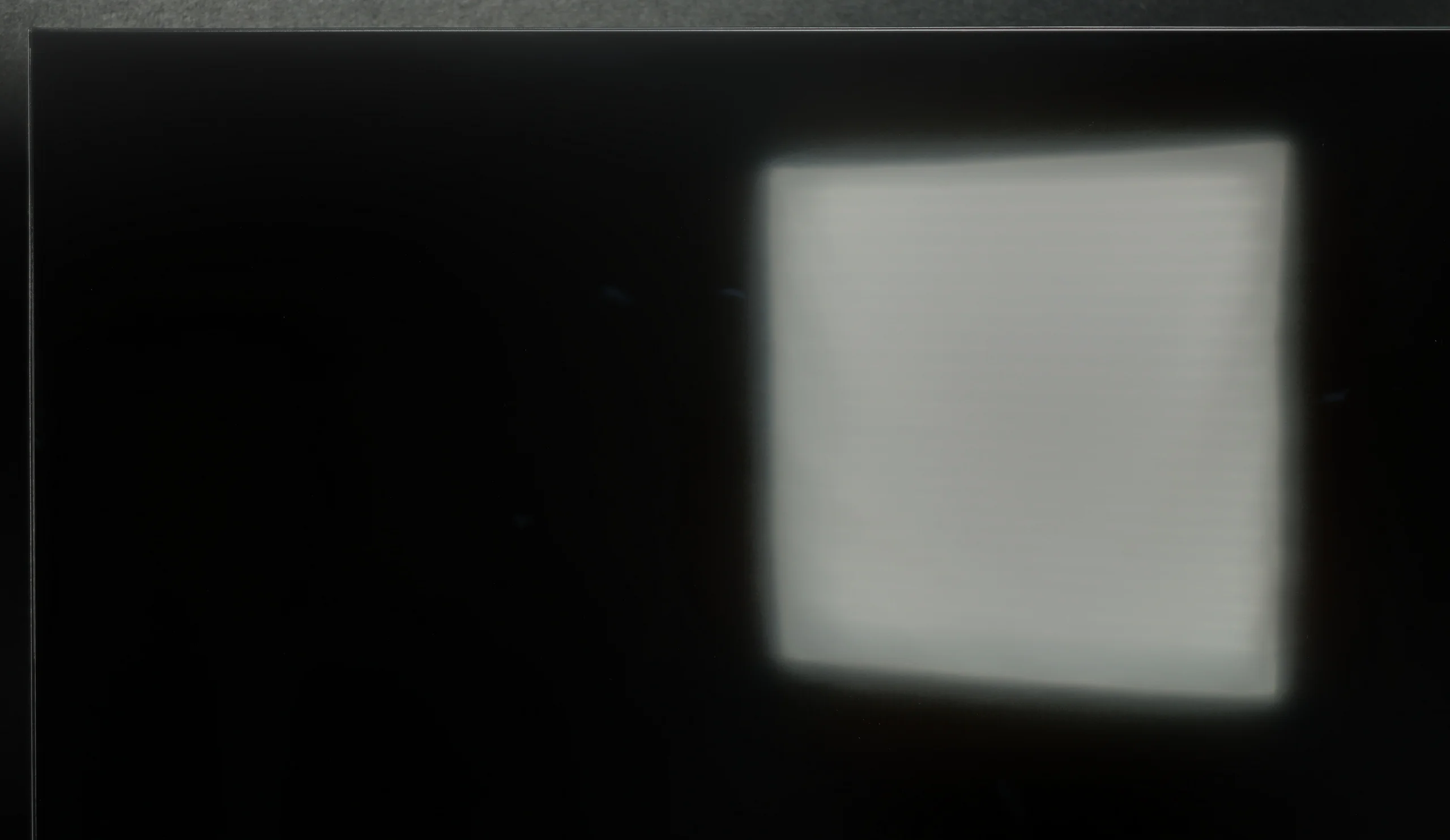
The satin coating applied in the Sharp JP7 quite effectively reduces reflections, although it’s still far from being fully matte. The real 'gamechanger' in bright rooms, however, is the brightness of the device itself in SDR content. With an average result of 700 nits and peaks around 1000 nits, this is an exceptional performance in the segment under 2000 PLN. Thanks to such high luminance, the television can easily handle even brightly lit living rooms. One just has to watch out for direct reflections, for instance from a window opposite, because the satin used here won’t eliminate them completely, but at this brightness, the picture will remain legible.

The Dreame Q100 isn't designed for very bright rooms. Around 300 nits of brightness is too little for the image to remain clearly readable in a strongly sunlit living room, especially during the day. The satin screen coating doesn't help either, coping only moderately well with direct reflections. With a lamp or window opposite the TV, reflections can be quite noticeable. In a typical, moderately lit room the Q100 will cope adequately, but for a really bright living room it's worth looking for something with higher brightness and a better anti-reflective coating.

Panel details

Backlight Type
Mini-LED PFS LED
PFS LED
Software version during testing
UKN4.250714.091
UKN5.251016.064
Image processor
MT5896 2GB RAM
mt5896 2GB

Subpixel Structure:

Panel uniformity and thermal imaging:

Review SHARP JP7765E TV Panel details
Review Dreame Q100 TV Panel details

SHARP JP7765E

Dreame Q100

TV features

6.4/10

5.2/10

  • System
    Google TV
    Google TV
  • System performance
    Decent
    Average
  • HDMI inputs
    4 x HDMI 2.0, 0 x HDMI 2.1
    3 x HDMI 2.0, 0 x HDMI 2.1
  • Other inputs
    RCA (Chinch)
    RCA (Chinch)
  • Outputs
    Toslink (Optical audio), eARC (HDMI), ARC (HDMI), Mini-Jack (Headphones)
    SPDIF (Coaxial audio), eARC (HDMI), ARC (HDMI), Mini-Jack (Headphones)
  • Network Interfaces
    Wi-Fi 2.4GHz, Wi-Fi 5GHz, Ethernet (LAN) 100Mbps
    Wi-Fi 2.4GHz, Wi-Fi 5GHz, Ethernet (LAN) 100Mbps
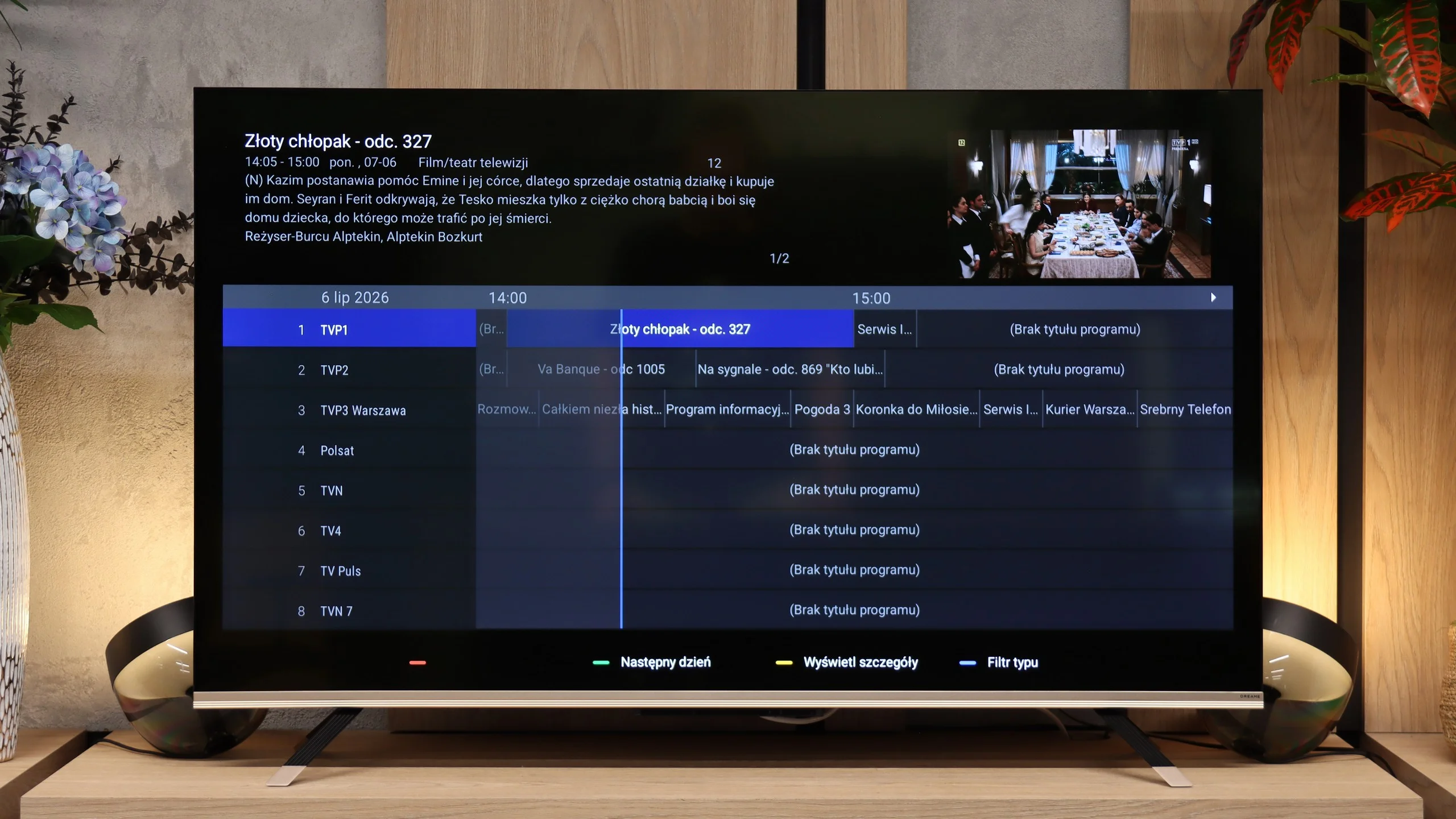
  • TV reception
    DVB-T, DVB-T2, DVB-S, DVB-S2, DVB-C
    DVB-T, DVB-T2, DVB-S, DVB-S2, DVB-C

Classic features:

  • Recording to USB (terrestrial TV)
    No
    No
  • Recording programming
    No
    No
  • Picture in Picture (PiP)
    No
    No
  • RF remote control (no need to aim)
    Yes
    Yes
  • Backlit remote control
    No
    No
  • Teletext
    Yes
    Yes
  • Audio only mode
    Yes
    Yes
  • Bluetooth headphones support
    Yes
    Yes
  • Simultaneous Bluetooth headphones & TV audio
    Yes
    No

Smart features:

  • AirPlay
    No
    No
  • Screen mirroring (Windows Miracast)
    Yes
    Yes
  • Voice search
    Yes
    Yes
  • Voice search in native language
    Yes
    Yes
  • Ability to connect a keyboard and mouse
    Yes
    Yes
Review SHARP JP7765E TV features
Review Dreame Q100 TV features

Sound connection options

  • HDMI audio
    eARC (HDMI), ARC (HDMI)
    eARC (HDMI), ARC (HDMI)
  • Other audio outputs
    Toslink (Optical audio), Mini-Jack (Headphones)
    AuxiliaryOutput-SPDIF (Coaxial audio), Mini-Jack (Headphones)
  • Wireless audio
    Bluetooth
    Bluetooth

Supported audio formats (external HDMI eARC audio):

  • Dolby Digital Plus 7.1
    Yes
    Yes
  • Dolby True HD 7.1
    Yes
    No
  • Dolby Atmos in Dolby Digital Plus (JOC)
    Yes
    Yes
  • Dolby Atmos in Dolby True HD
    No
    No
  • DTS:X in DTS-HD MA
    No
    No
  • DTS-HD Master Audio
    No
    No

Senior accessibility

  • Numeric keyboard on TV
    Yes
    Yes
  • Font size adjustment
    Yes
    Yes
  • Audio description
    Yes
    Yes

Smart TV Features - Google TV

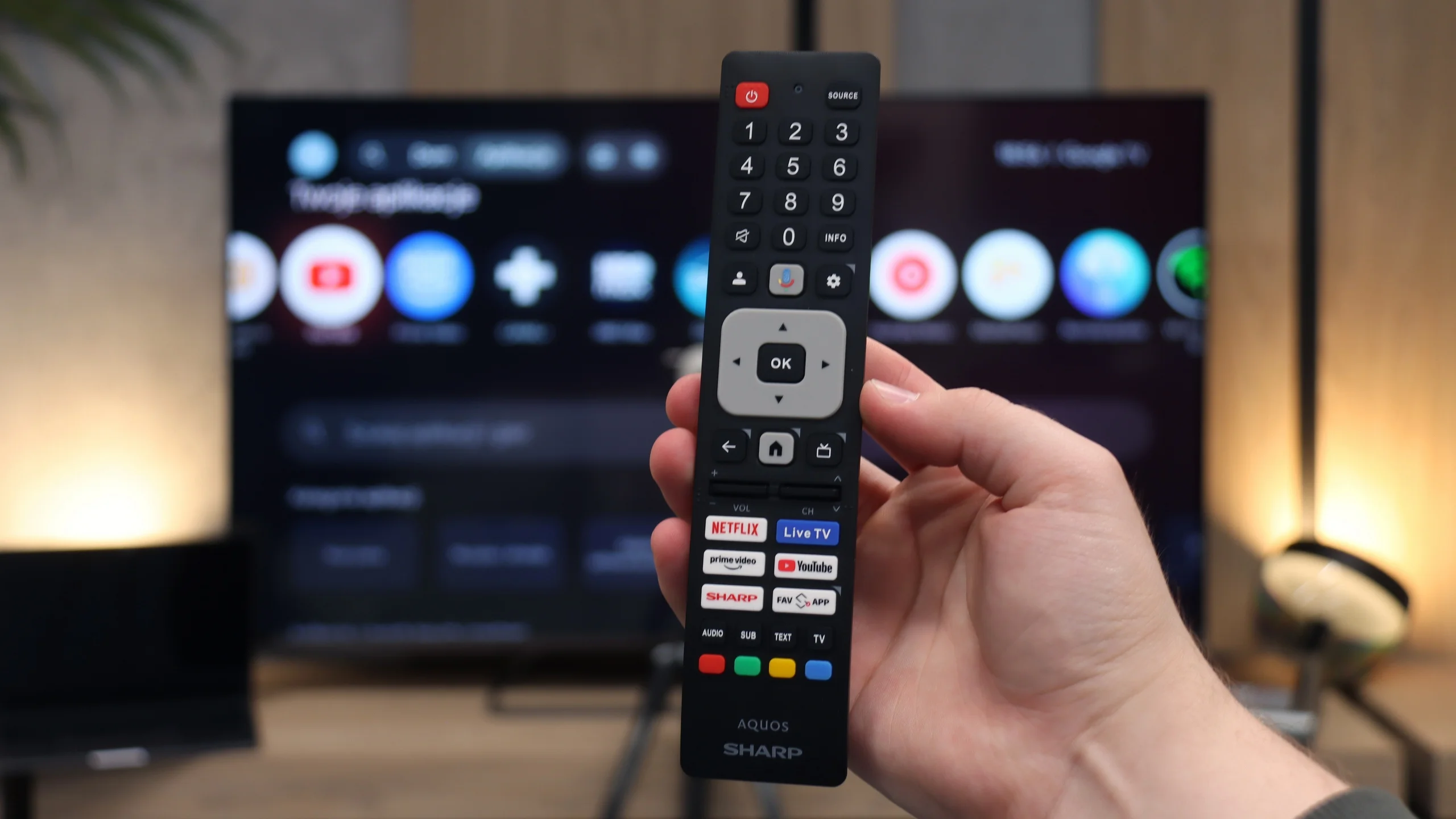
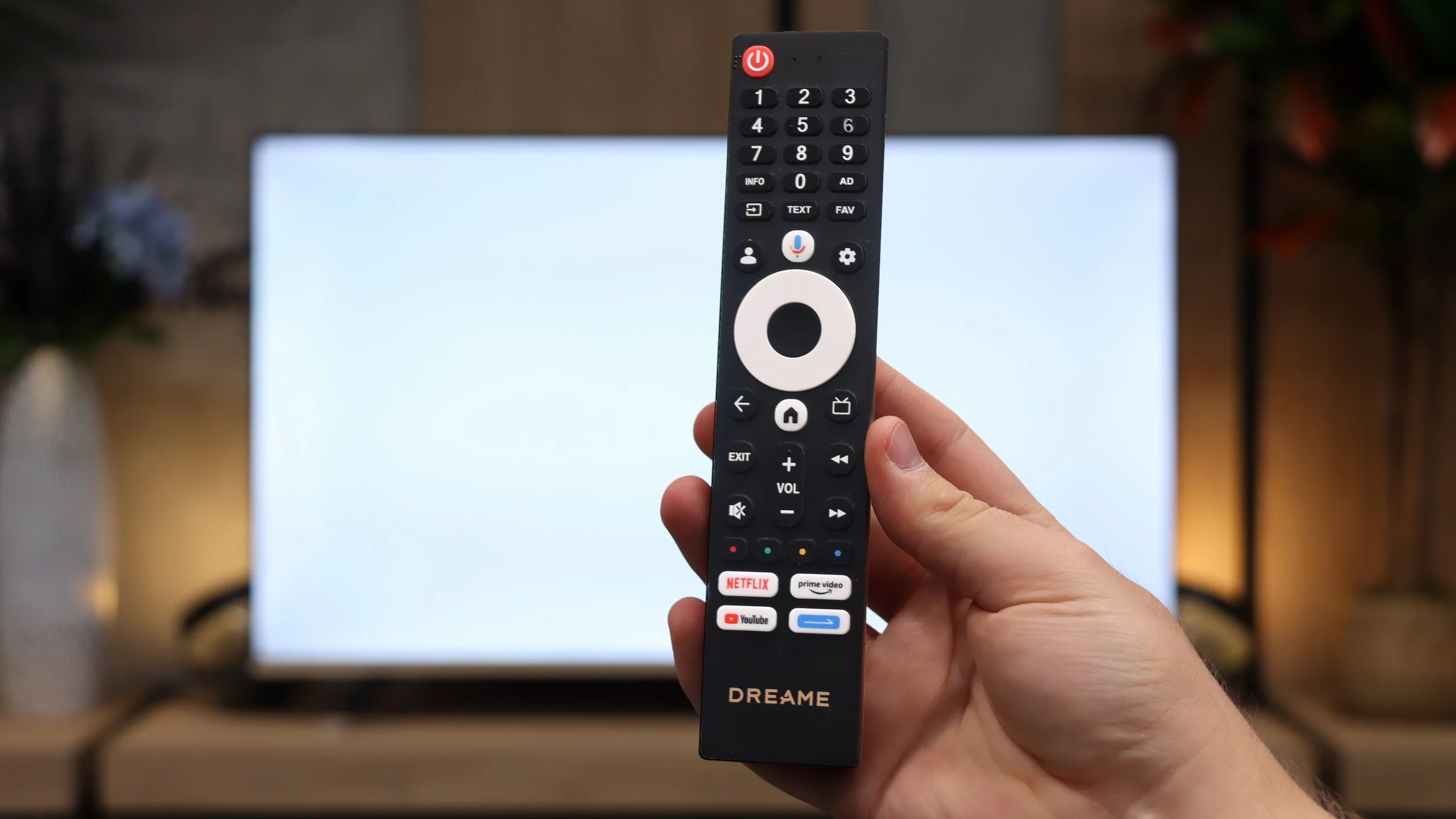
The main advantage of the Sharp JP7 is the Google TV system, which currently offers the widest access to apps on the market. The library is almost limitless – from all popular streaming services to niche VOD solutions and multimedia players. The system provides significant freedom for personalisation and access to the latest versions of popular platforms. In the package, we receive a Bluetooth remote that allows for the use of the built-in voice assistant without the need to point at the television. The only notable shortcoming in the multimedia area that we encountered is the lack of support for AirPlay. Apple device users, such as iPhone or iPad owners, will not be able to wirelessly stream images directly to the screen of this Sharp.

Classic Features and Connections

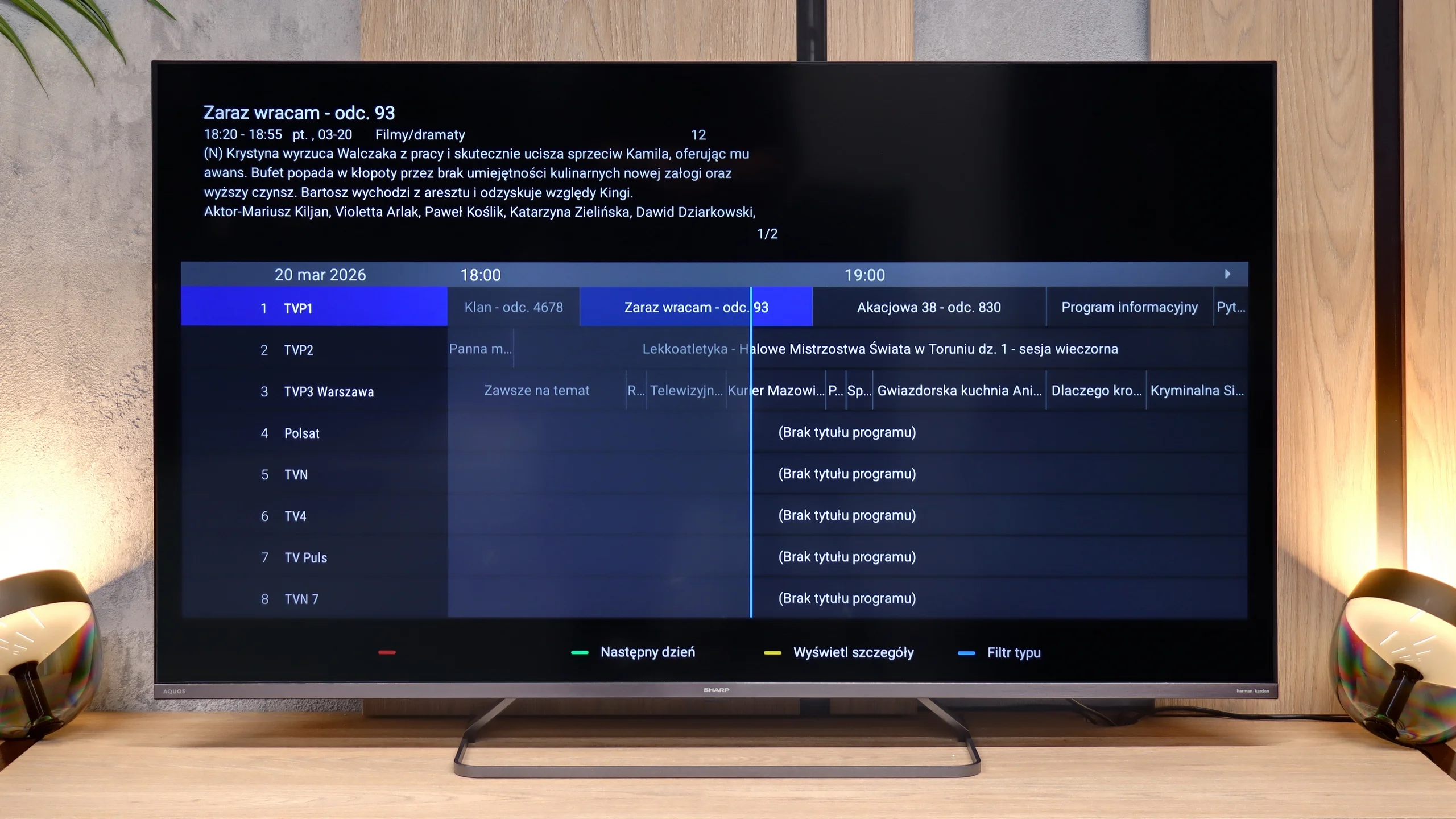
Regarding traditional TV functions, the Sharp JP7 does not offer anything that goes beyond the market standard. There is no option to record programs to external storage (PVR) or a dual tuner, which excludes the use of picture-in-picture (PiP) functionality. The television provides only basic solutions such as teletext and the ability to wirelessly connect accessories via Bluetooth.

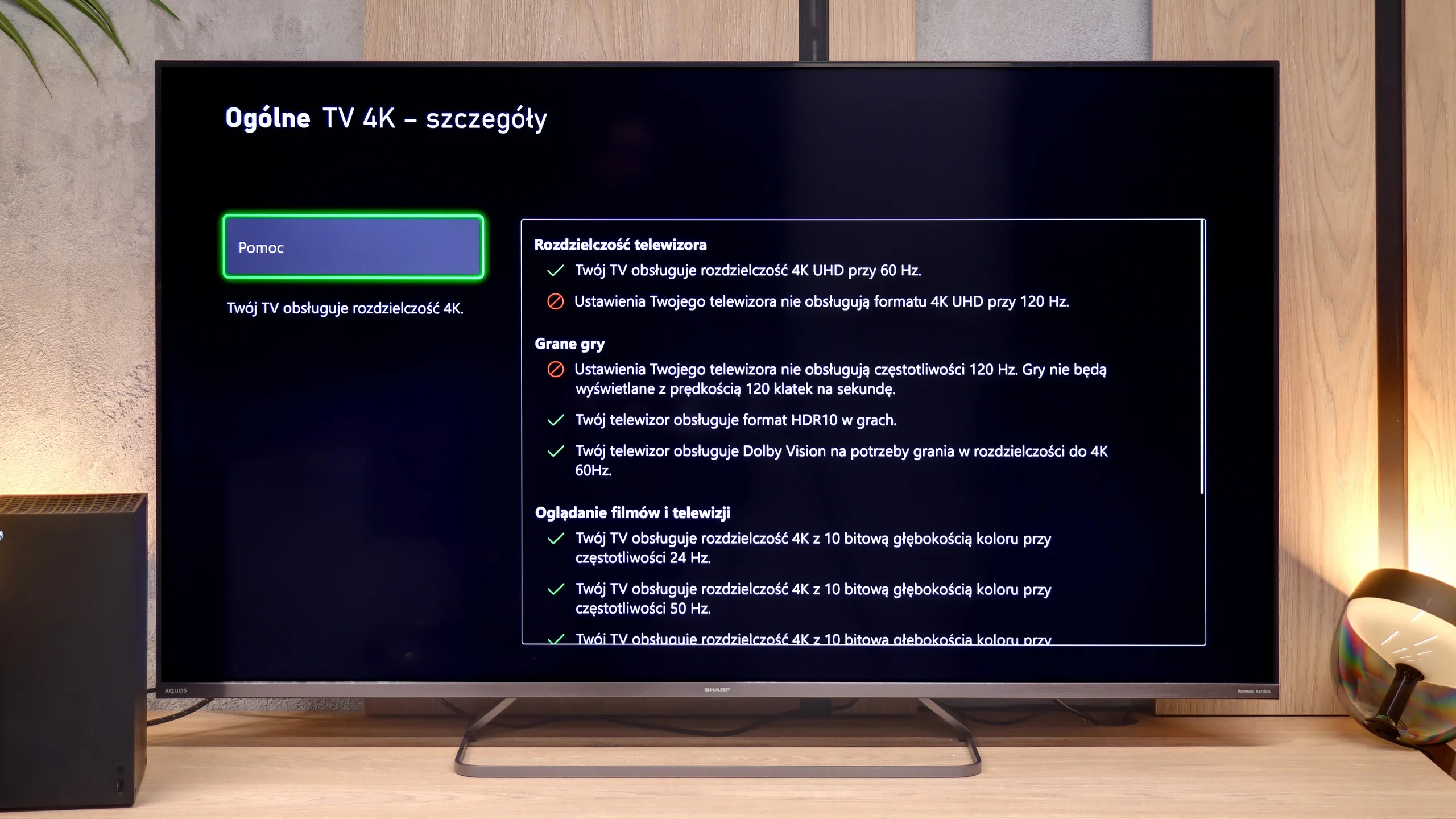
As for connections, the Sharp JP7 offers 4 HDMI ports, which the manufacturer proudly describes as standard 2.1. However, let's make this clear: this is purely a marketing move, as in practice these ports offer only full functionality of standard 2.0 due to the limitations of the television. On the plus side, it is worth noting the presence of a classic mini-jack headphone output, which allows connection of older audio systems or speakers without the need for adapters or HDMI eARC standard. This is a rather rare and very practical addition nowadays.

Google TV

The Dreame Q100 runs Google TV, so it’s hard to fault when it comes to app access. You get all the most popular streaming services, the ability to install additional apps from the Google Play store and support for a Google account. The system therefore offers much the same capabilities as many far more expensive TVs. During our tests we couldn’t connect to the TV from an iPhone, so AirPlay is not available on this model.

Classic features

For regular TV watching the Q100 will do the job without major problems, but it’s fairly basic in terms of extra features. There’s no option to record programmes to USB or to schedule recordings. More advanced functions found on pricier models are also missing, such as viewing from two tuners at once or PiP mode. The supplied remote is rather modestly built, but thankfully the manufacturer has kept a full numeric keypad on it, which is still very handy for traditional TV. On the plus side, it includes analogue connectors. The Q100 even has a classic 3.5mm headphone jack, which you see less and less on new TVs these days.

Apps

9.6/10

9.6/10

OK
Disney_Plus
OK
Amazon_Prime_Video
OK
Player_TVN
OK
Polsat_Box_Go
OK
Canal_Plus_Online
OK
TVP_VOD
OK
Apple_TV_Plus
OK
SkyShowtime
OK
Rakuten
OK
CDA_Premium_Browser
OK
Spotify
OK
Tidal
OK
Netflix
OK
YouTube
OK
HBO_MAX
OK
Kodi
No
Apple_music
OK
Eleven_sports
No
Xbox Game Pass
OK
GeForce NOW
No
Amazon Luna
OK
Boosteroid
OK
Steam Link
OK
Disney_Plus
OK
Amazon_Prime_Video
OK
Player_TVN
OK
Polsat_Box_Go
OK
Canal_Plus_Online
OK
TVP_VOD
OK
Apple_TV_Plus
OK
SkyShowtime
OK
Rakuten
OK
CDA_Premium_Browser
OK
Spotify
OK
Tidal
OK
Netflix
OK
YouTube
OK
HBO_MAX
OK
Kodi
No
Apple_music
OK
Eleven_sports
No
Xbox Game Pass
OK
GeForce NOW
No
Amazon Luna
OK
Boosteroid
OK
Steam Link

Playing files from USB

9.4/10

8.9/10

Supported photo formats:

JPEG
Yes
Yes
HEIC
Yes
No
PNG
Yes
Yes
GIF
Yes
Yes
WebP
Yes
No
TIFF
No
No
BMP
Yes
Yes
SVG
No
No

Maximum photo resolution:

4 Mpix
Yes
Yes
6 Mpix
Yes
Yes
8 Mpix
Yes
Yes
10 Mpix
Yes
Yes
12 Mpix
Yes
Yes
16 Mpix
Yes
Yes
20 Mpix
Yes
Yes
24 Mpix
Yes
Yes
28 Mpix
Yes
Yes
32 Mpix
Yes
Yes

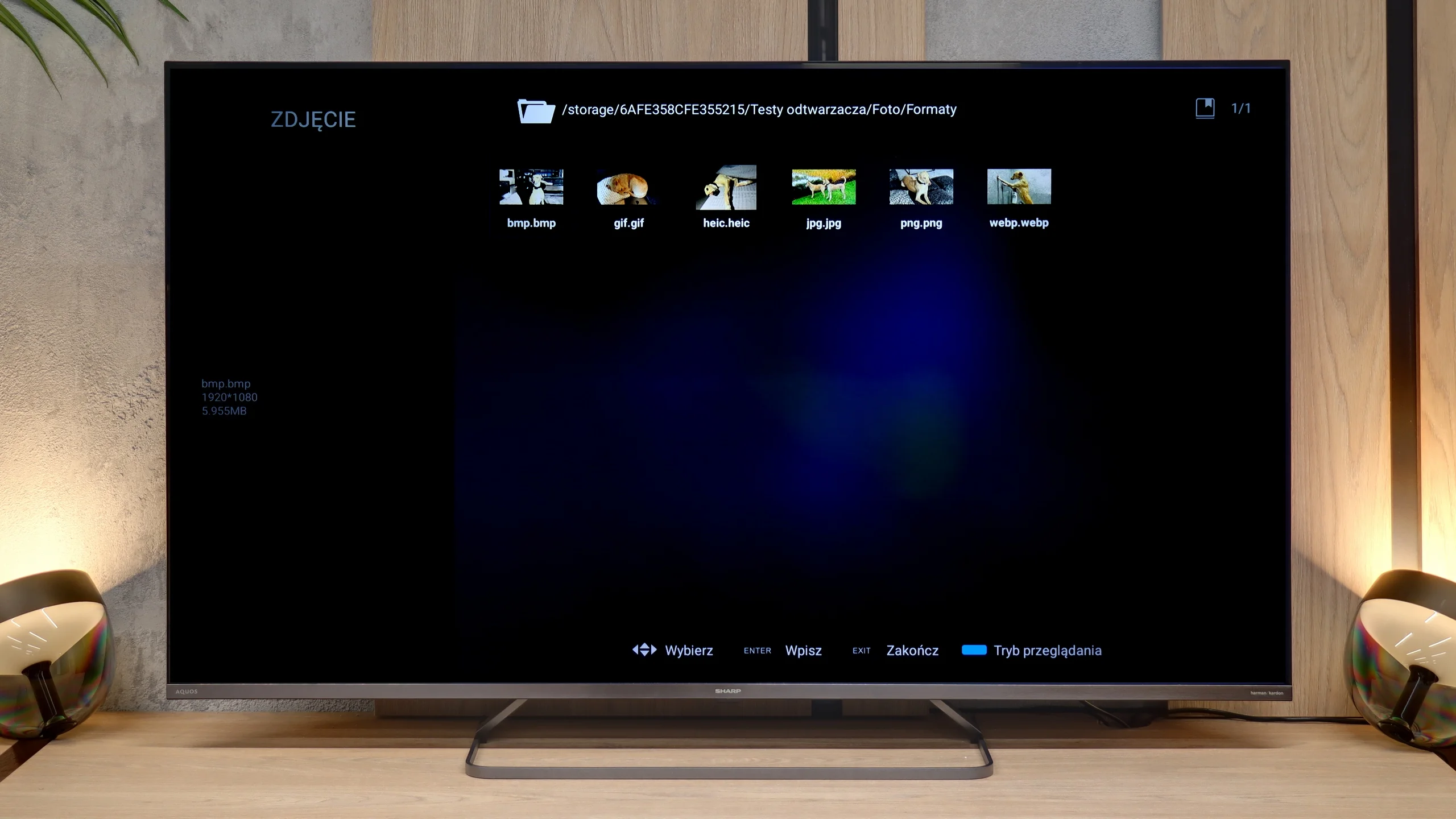
When it comes to multimedia support from external sources, the Sharp JP7 simply excels. The built-in player is a real surprise, as it handled almost every file format we supplied. It even managed to support the HEIC format (mainly used in Apple devices) without any issues, which many TVs struggle with. Here, Sharp displayed the photos without the slightest hitch. Of course, a significant advantage is the presence of the Google TV system, which allows the installation of external apps like VLC or Kodi in case of any problems. However, in our opinion, this would be an unnecessary step as the factory player is refined and versatile enough to satisfy even the most demanding users.

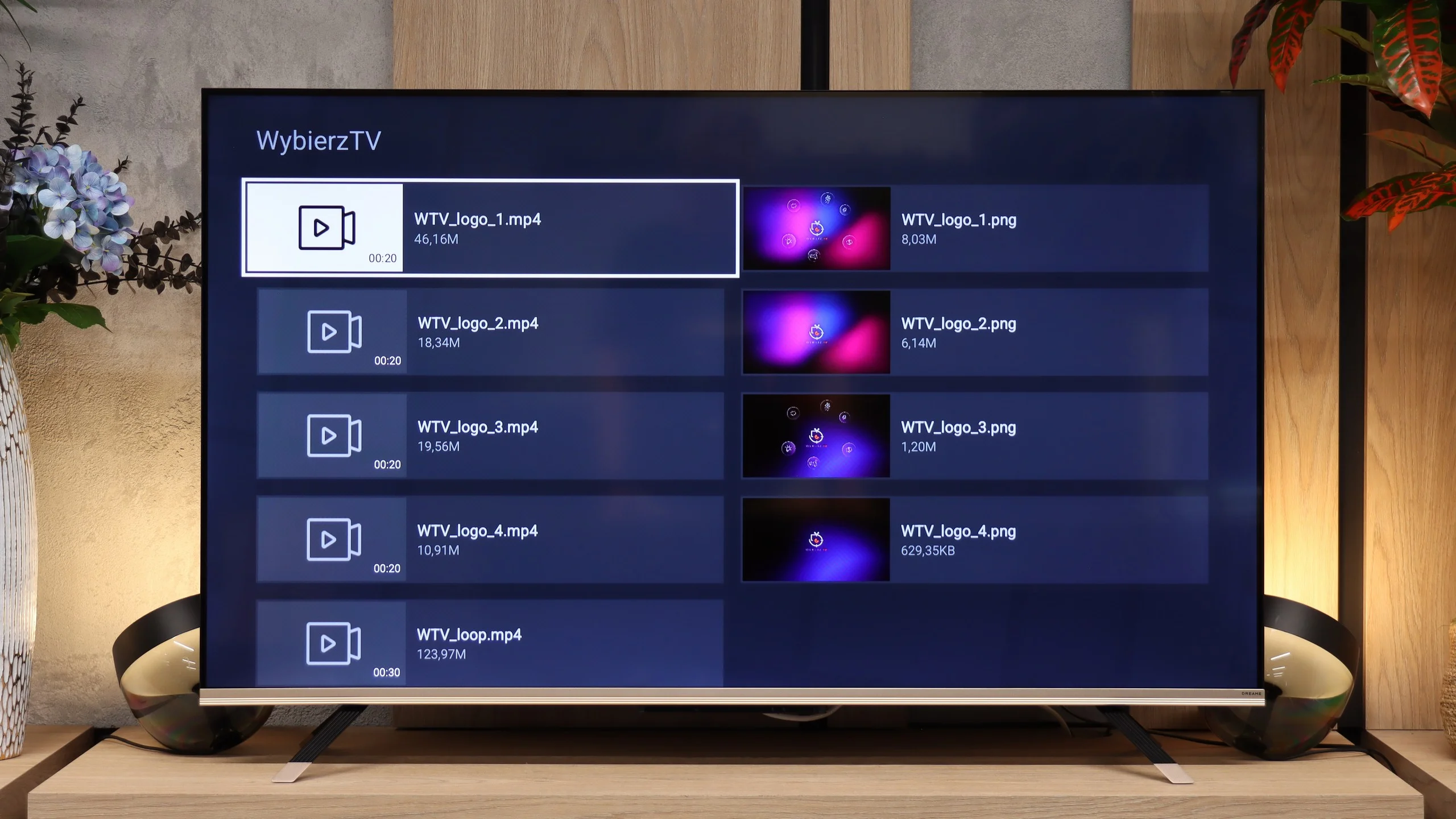
Dreame Q100 handles playback of files from a USB drive very well. During tests it played most common video and audio formats without major problems. The only limitations were with subtitles; the TV wouldn't play some formats, such as .SUB or .TXT.

Sound

6/10

5/10

  • Maximum volume
    89dB
    87dB
  • Dolby Digital Plus 7.1
    Yes
    Yes
  • Dolby True HD 7.1
    Yes
    Yes
  • Dolby Atmos in Dolby Digital Plus (JOC)
    Yes
    Yes
  • Dolby Atmos in Dolby True HD
    No
    Yes
  • DTS:X in DTS-HD MA
    No
    No
  • DTS-HD Master Audio
    No
    No

The sound coming from the JP7765E model can be described as unusual, and even – looking at our measurements – quite peculiar. The first thing that stands out is the massive scale of volume. The TV can reach levels of almost 90 decibels (89 dBC on the chart), which is a record result in this class. Such strong "loudness" is sure to appeal to seniors or those who need a device with very high audibility.

However, a glance at the frequency chart explains why the sound seems so "weird." The characteristic is extremely uneven: we have solid boosts in the lower registers (around 200 Hz) and in the high tones, but the mid-range – where most of the information about the human voice lies (between 500 Hz and 1.5 kHz) – experiences a huge drop. This makes the sound unnatural and can seem "withdrawn" at key moments of dialogues.

On the plus side, there is support for the Dolby Atmos format. However, it must be honestly admitted that to truly feel the potential of this system, connecting at least a decent soundbar will be necessary. The JP7's own speakers, despite being very loud, are unable to convey the cinematic depth and precision required by this standard.

The sound in the Dreame Q100 is simply average. It noticeably lacks bass, which makes the overall sound fairly flat and doesn’t give much of a sense of space. Fortunately, even at higher volumes there are no unpleasant crackles, squeaks or resonance from the plastic parts of the casing. A plus is Dolby Atmos support, although the TV’s speakers themselves can’t really show what the format is capable of. If you want better spatial sound, you’ll probably need a soundbar or a home theatre system.

Sound Quality Test

Acoustic Measurements

89dBC (Max)

75dBC

87dBC (Max)

75dBC

Reader comments

Comments are provided by the external service Disqus (Zeta Global). Once loaded, Disqus may set cookies and process data about your activity.

We will remember your choice on this device. Provider's privacy policy