Sharp GP7 vs XIAOMI S Mini 2026 (55"-75") 60Hz

Direct comparison

GP7265E / GP7465E / GP7765E

Info

S Mini 2026

Available screen sizes: 55”65”75”

Available screen sizes: 55”65”75”

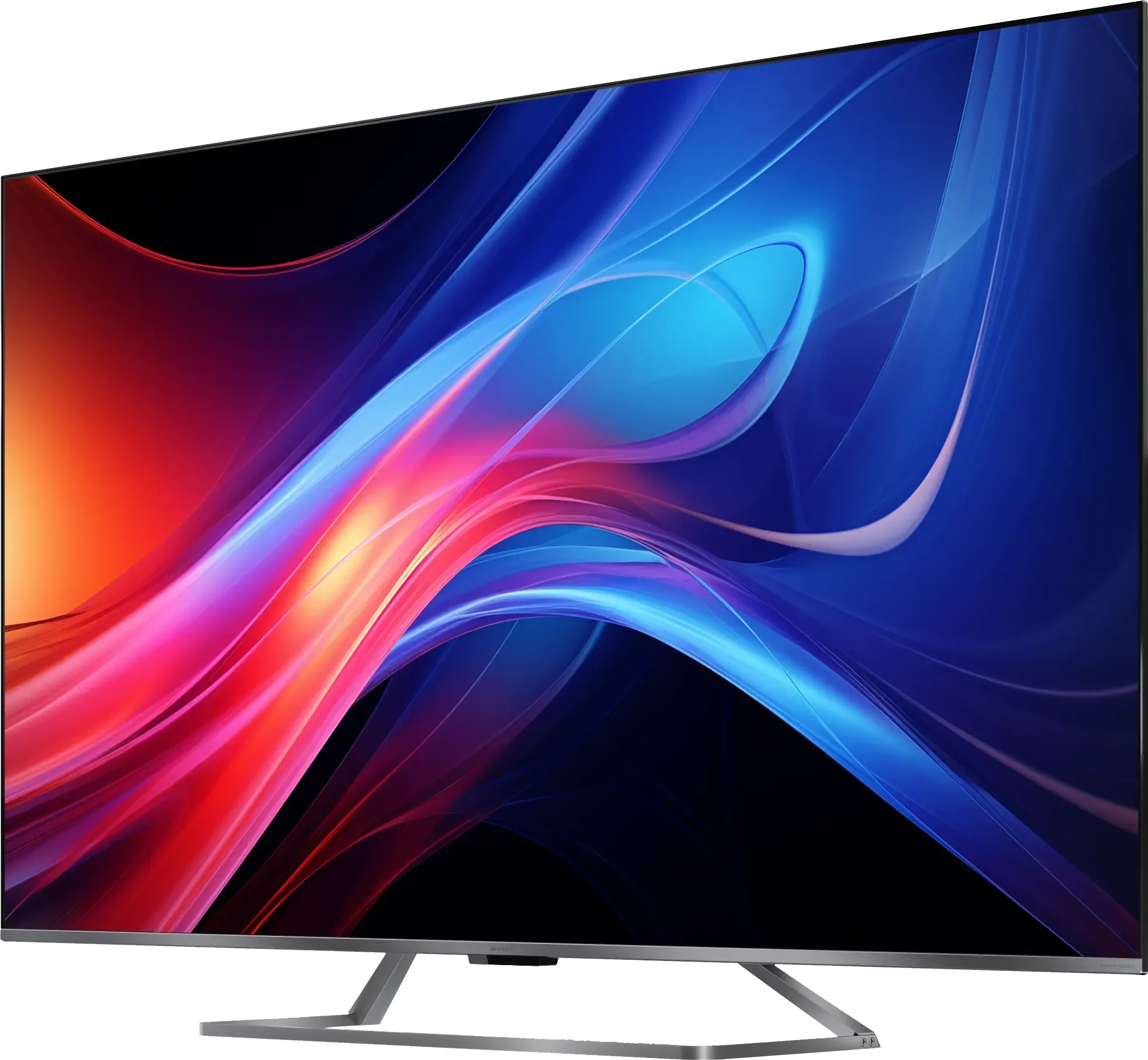
Review Sharp GP7 Main photo
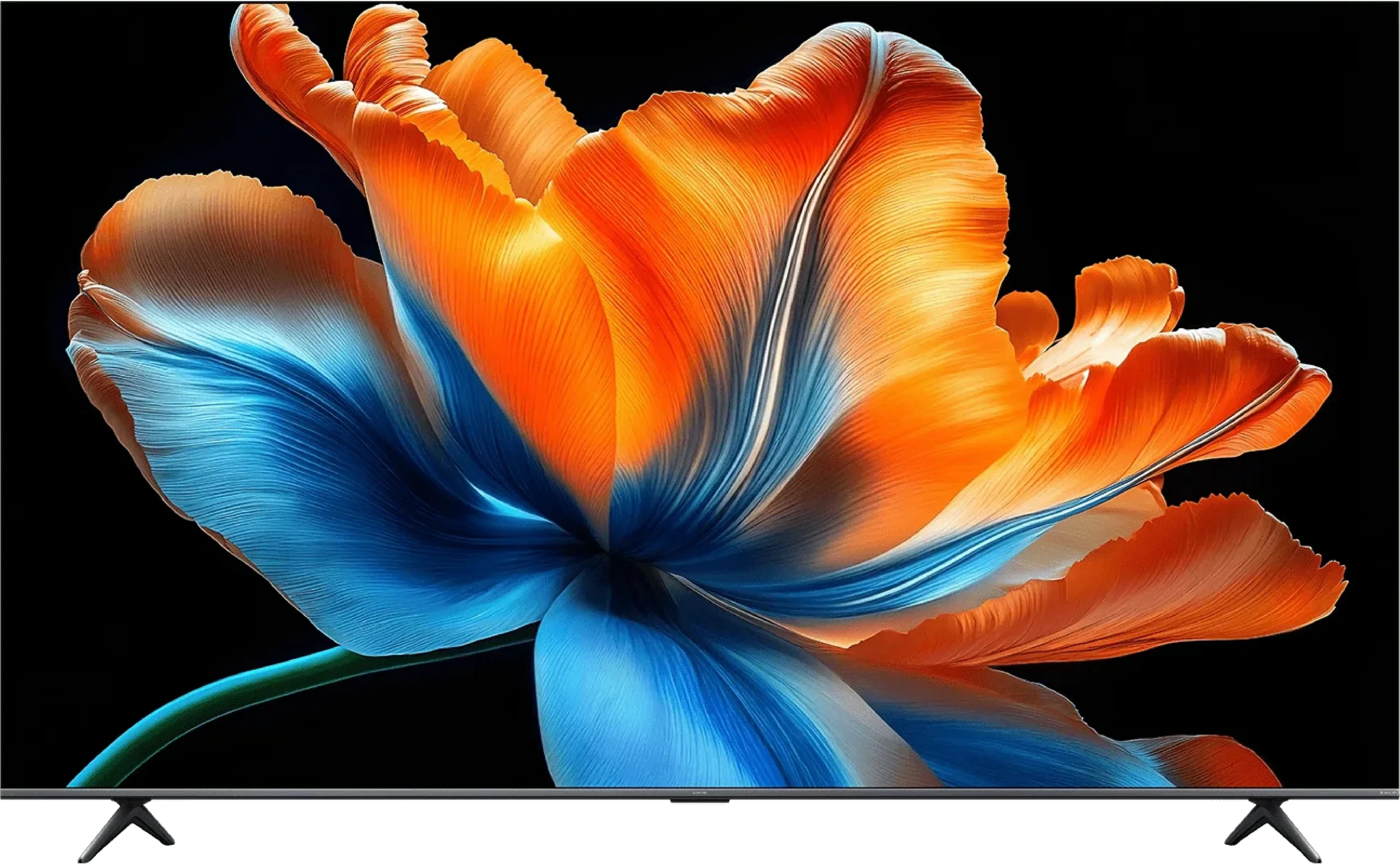
Review XIAOMI S Mini 2026 (55"-75") 60Hz  Main photo

Panel type: LCD VA

Resolution: 3840x2160

System: Google TV

Model year: 2024

Complete the survey to find out the result

Panel type: LCD VA

Resolution: 3840x2160

System: Google TV

Model year: 2026

Complete the survey to find out the result

Overall rating

6.2

6.2

  • Movies and series in UHD quality

    6.5

    6.2

  • Classic TV, YouTube

    6.3

    6.0

  • Sports broadcasts (TV and apps)

    5.5

    5.0

  • Gaming on console

    6.0

    6.9

  • TV as a computer monitor

    5.7

    5.6

  • Watching in bright light

    5.3

    6.3

  • Utility functions

    5.5

    6.7

  • Apps

    9.6

    9.6

  • Sound quality

    6.6

    5.0

Advantages

  • Google TV system – intuitive, sophisticated interface

  • Good HDR quality with Dolby Vision

  • Strong contrast

  • Decent brightness

  • Good image scaling

  • Gentle tonal transitions

  • Very good contrast: MiniLED + VA

  • High brightness

  • Wide colour gamut

  • Low input lag

  • 120 Hz mode at 1080p/1440p

  • Google TV with a wide selection of apps

  • Good result after calibration

Disadvantages

No like
  • Average choice for gamers

  • No AirPlay

  • No recording / PiP feature

  • Only a 60 Hz panel

  • Poor viewing angles

  • Poor image processing

  • Visible posterisation

  • Flat sound, little bass

Our verdict

Sharp GP7 is a TV that certainly has its strong points, but it also has a few drawbacks. Is it perfect? No, but at its price, it does a really decent job and will serve well as quite a nice choice in many homes. The biggest plus? The Google TV system. Here Sharp GP7 shows its class – we have an enormous selection of apps, probably the largest on the market. It doesn't matter if we want to watch Netflix, YouTube, or something less known – we’ll find everything in one place. Plus, the interface is simple and intuitive, and if we don’t feel like clicking, we can just say what we’re looking for to the remote, as it supports voice commands in Polish. Google TV is definitely something that elevates the value of this TV, as we don't feel like we're missing anything. It just works. When it comes to picture quality, it's also quite good. A brightness level of 500 nits combined with Dolby Vision does the job – movies look really solid for this price range. Colours, thanks to the PFS (QLED) coating, are vivid, and the contrast from the VA panel makes dark scenes have depth, and the whole picture just "comes alive". It’s not at a premium level, but for this price, you can’t really complain too much. It’s a good picture that will satisfy most users. Of course, there are also weaker sides. The TV struggles with dynamic scenes – sports or video games won't look perfect here. The 60 Hz panel and its response time cannot provide the highest fluidity. Additionally, the manufacturer mentions HDMI 2.1, but all we find here is the ALLM function. There's a lack of VRR, G-Sync, or other additions that could attract gamers.

To sum up – Sharp GP7 is a solid TV for everyday viewing of movies and series. It’s not for gamers or fans of sports broadcasts, but for universal use – absolutely. If we value access to a rich ecosystem of apps and good picture quality at a reasonable price, this model might be just right for us.
At the smaller screen sizes (55–75 inches) the Xiaomi S Mini 2026 makes a genuinely good impression, provided you judge it from the outset by what it costs. Mini LED technology here does exactly what we expect, delivering strong contrast and enough HDR brightness that movie sessions take on a completely different dynamic compared with conventional TVs in this price bracket. Add Google TV and you get an easy-to-use set for everyday entertainment. The catch is that how you rate this model depends heavily on how you plan to use it. The 55, 65 and 75-inch versions use a 60 Hz panel, which automatically puts them on a completely different footing to the larger variants. If you’re after a screen specifically for sport or want to get the most from a new console in 4K at 120 frames per second, this TV will simply miss the mark.

Another issue is Xiaomi’s policy, because the naming confusion can be seriously misleading. The 85 and 98-inch variants are in fact completely different TVs in terms of construction and capabilities. Buyers are perfectly entitled to assume that by choosing a smaller size they only give up inches and perhaps the number of local dimming zones, whereas in practice they get equipment from a totally different technological tier. Looking at the 55–75-inch model on its own, if your benchmark is the best possible picture quality on a very tight budget, the S Mini 2026 can hold its own without any problem.

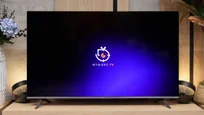
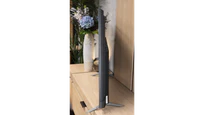
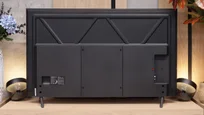
TV appearance

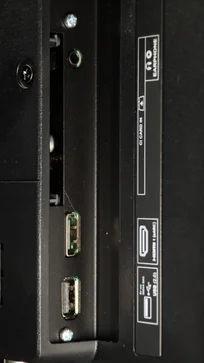
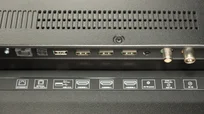
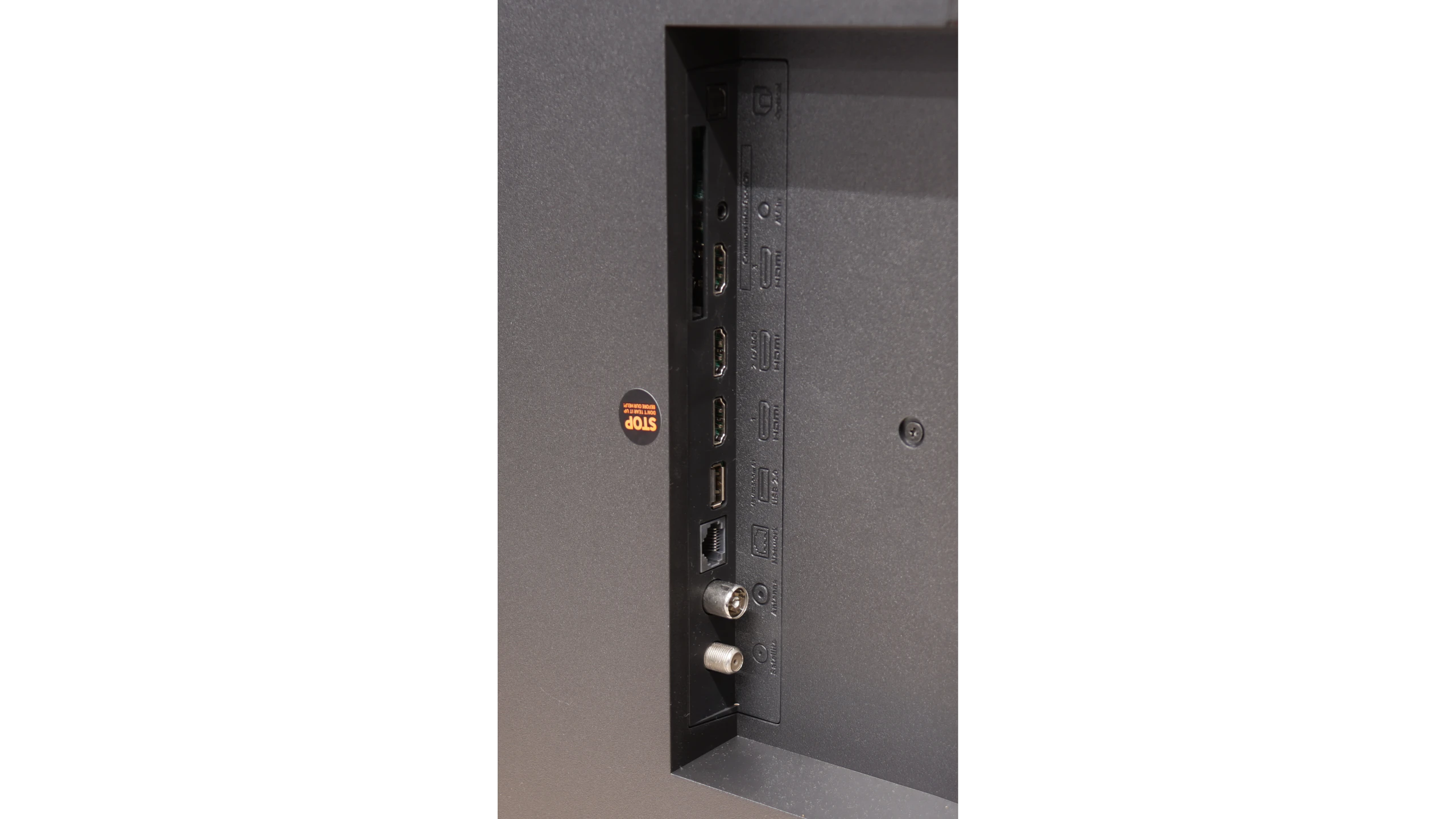
HDMI inputs
4 x HDMI 2.0, 0 x HDMI 2.1
3 x HDMI 2.0, 0 x HDMI 2.1
Other inputs
RCA (Chinch)
Outputs
Toslink (Optical audio), eARC (HDMI), ARC (HDMI), Mini-Jack (Headphones)
Network Interfaces
Wi-Fi 2.4GHz, Wi-Fi 5GHz, Ethernet (LAN) 100Mbps
Build quality
Good
Average
Stand type
Central
Legs
Bezel color
Silver
Graphite
Stand
Fixed
Fixed
Accessories
Stand
Stand

Contrast and black detail

5.8/10

7.8/10

Local dimming function: No

Local dimming function: Yes, number of zones: 308 (22 x 14)

Contrast:

Review Sharp GP7 Contrast and black detail

Result

5,250:1

Review Sharp GP7 Contrast and black detail

Result

5,450:1

Review Sharp GP7 Contrast and black detail

Result

5,950:1

Review Sharp GP7 Contrast and black detail

Result

5,950:1

Review Sharp GP7 Contrast and black detail

Result

4,000:1

Review XIAOMI S Mini 2026 (55"-75") 60Hz  Contrast and black detail

Result

458,550:1

Review XIAOMI S Mini 2026 (55"-75") 60Hz  Contrast and black detail

Result

27,450:1

Review XIAOMI S Mini 2026 (55"-75") 60Hz  Contrast and black detail

Result

25,200:1

Review XIAOMI S Mini 2026 (55"-75") 60Hz  Contrast and black detail

Result

10,950:1

Review XIAOMI S Mini 2026 (55"-75") 60Hz  Contrast and black detail

Result

6,650:1

Halo effect and black detail visibility:

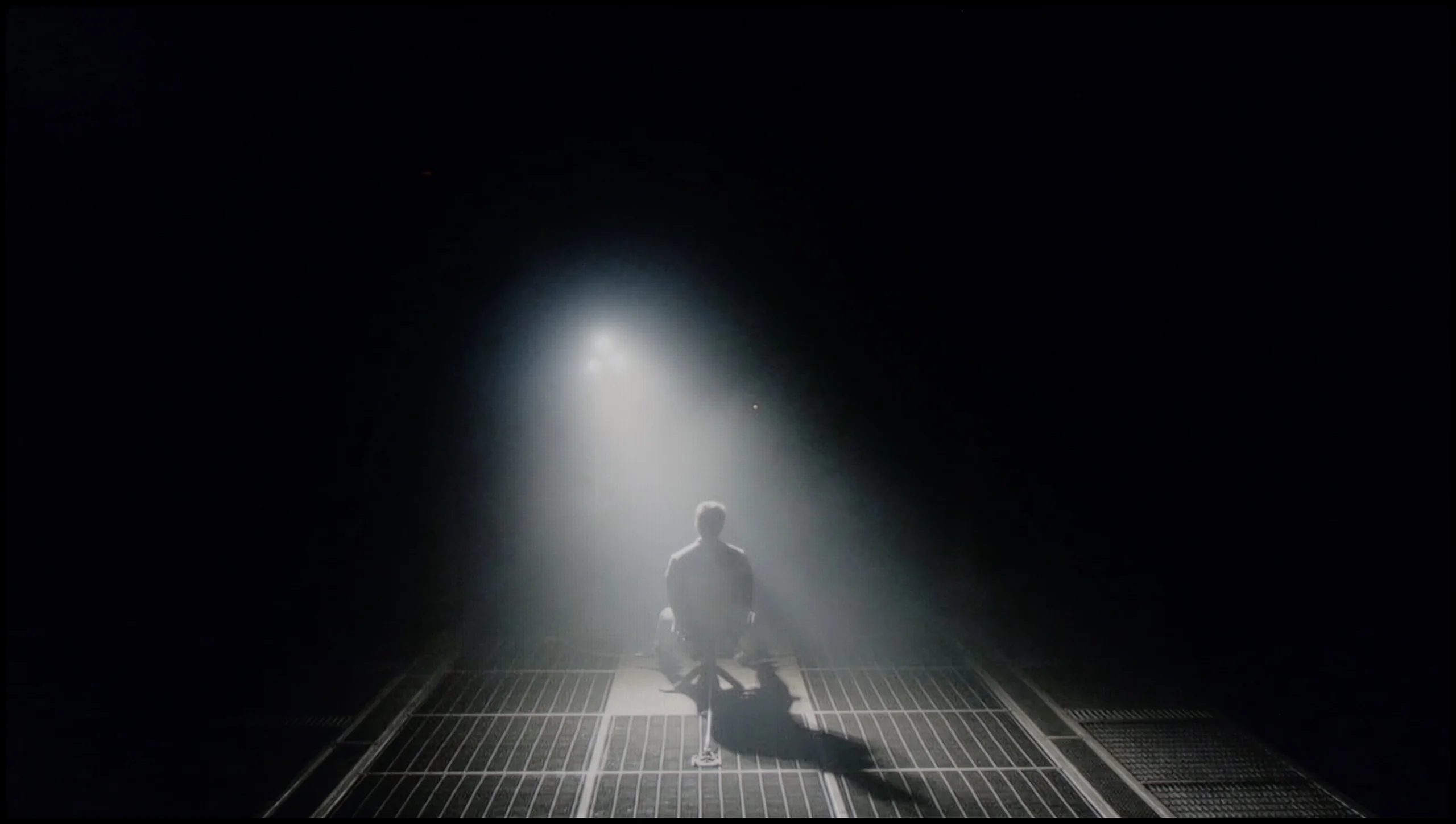
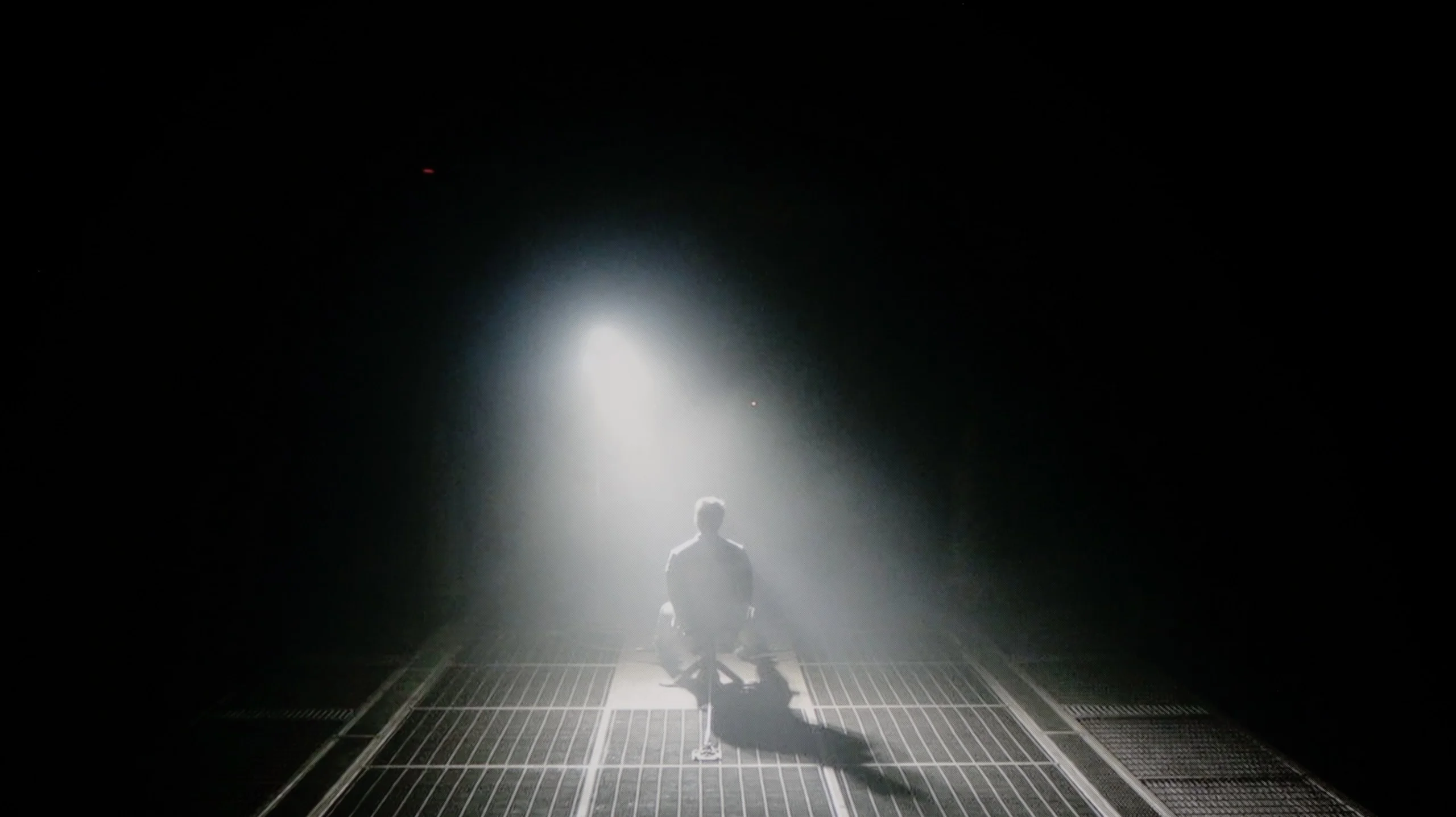
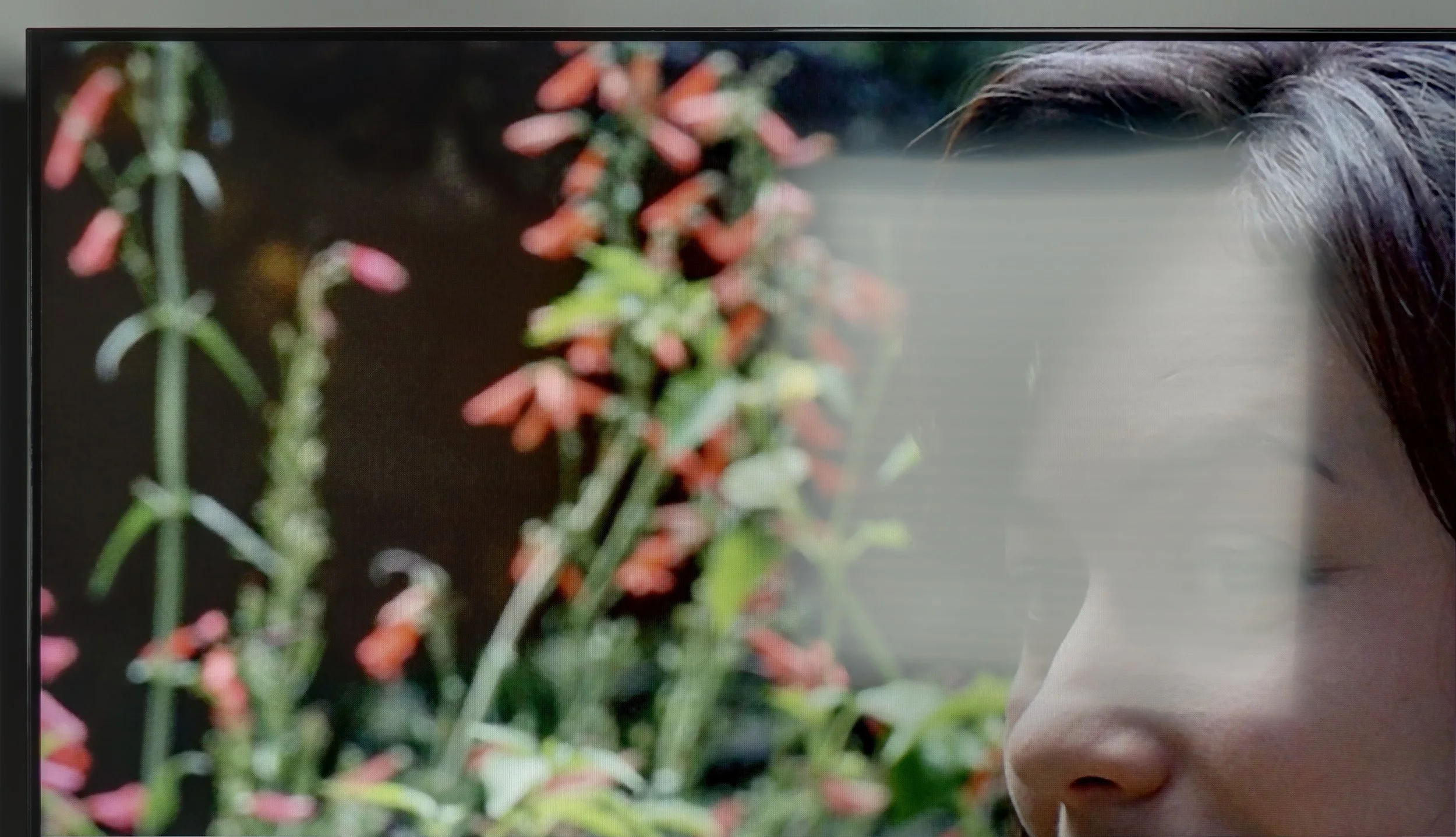
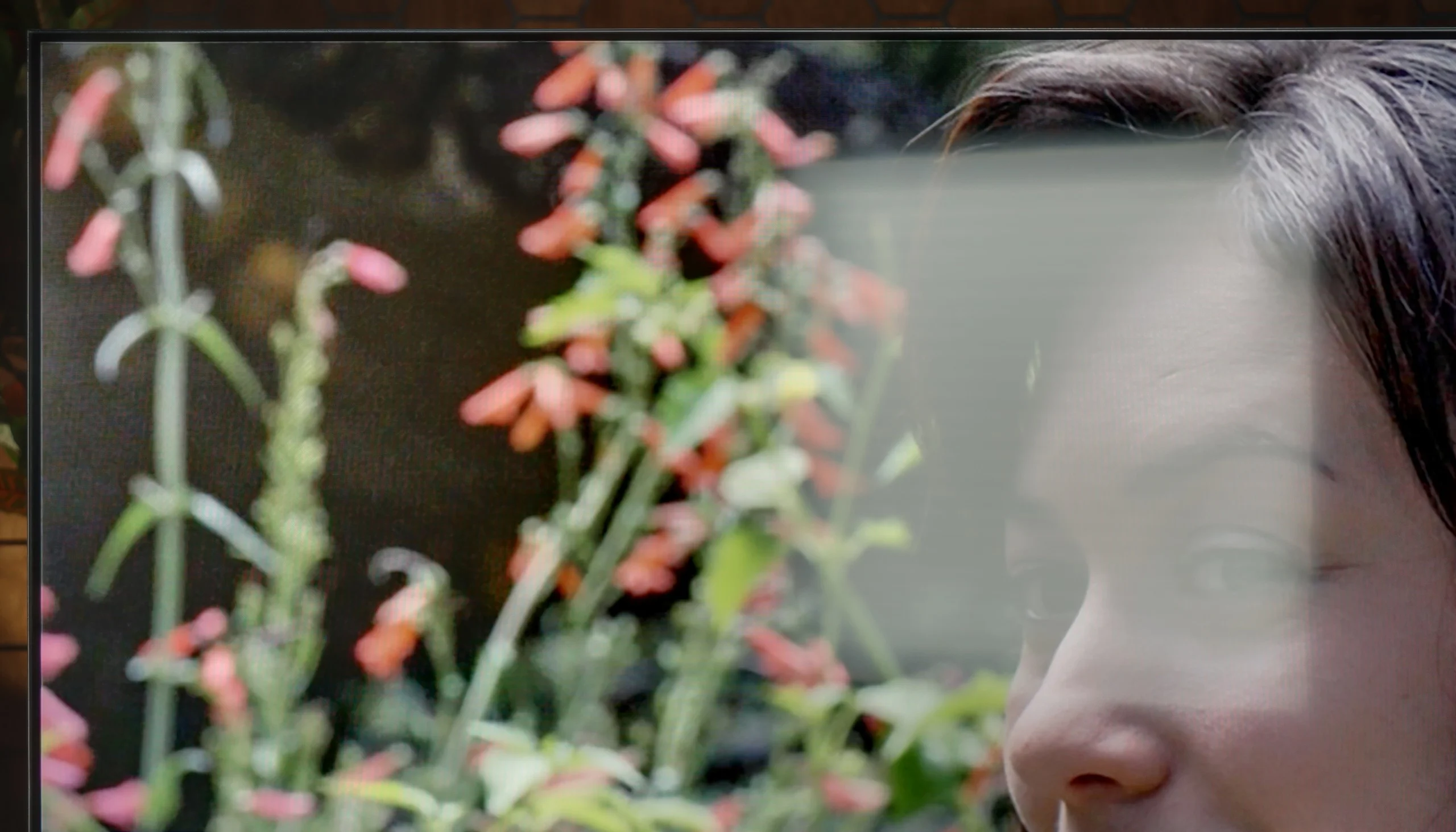
Check the visibility of bright lights on a dark background. Mini-LEDs often struggle with this. The photo does not compare black levels – that’s what the video below is for.

The video accurately shows differences in contrast and black levels between TVs, as well as potential issues: halo around bright objects or Mini-LED zone operation visible as brightness jumps.

Sharp GP7 uses a VA panel, which allows it to boast quite a decent contrast. In our measurements, we achieved around 5000:1, which is a solid result for this price range. For example, when watching bright, contrasting scenes in Oblivion, we did not have the impression that the lights were merging into a single blot. Clear boundaries between the different light sources are still visible. On the other hand, the lack of local dimming means that in dark areas of the image, blacks often take on blue tones. This is a phenomenon that did not surprise us, as it is difficult to expect absolute perfection in this area at this price point. However, it is worth keeping in mind if we expect the TV to deliver inky blacks rather than what we might experience during the test scene from Sicario 2.

In terms of contrast the Xiaomi S Mini 2026 performs really well. The TV uses a VA panel and a Mini LED backlight with 308 local dimming zones on the 55-inch model. Although on paper the number of zones doesn't impress as much as in more expensive models, in practice the TV handles dark scenes very well. In shots where small bright objects appear on a black background it can effectively dim the rest of the image. As a result the blacks are deep and the contrast in many films can be reminiscent of what we see from OLED TVs. Of course not every scene is equally easy for the local dimming system. When there are more bright elements or they are placed close together you can notice a faint halo around them. That's a typical limitation of Mini LED TVs and Xiaomi is no different from the competition here. What deserves praise, however, is the backlight control algorithm itself. Compared with the previous generation it operates much more stably, so when watching you don't see irritating flicker or sudden brightness changes between consecutive shots.

HDR effect quality

5.5/10

5/10

Supported formats
HDR10, Dolby Vision, HLG
HDR10, HDR10+, HLG
Color gamut coverage
DCI P3: 95.2%, BT.2020: 73.0%
DCI P3: 93.3%, BT.2020: 72.0%

Luminance measurements in HDR:

Review Sharp GP7 Brightness measurement

Result

428 nit

Review Sharp GP7 Brightness measurement

Result

448 nit

Review Sharp GP7 Brightness measurement

Result

492 nit

Review Sharp GP7 Brightness measurement

Result

471 nit

Review Sharp GP7 Brightness measurement

Result

499 nit

Review XIAOMI S Mini 2026 (55"-75") 60Hz  Brightness measurement

Result

993 nit

Review XIAOMI S Mini 2026 (55"-75") 60Hz  Brightness measurement

Result

166 nit

Review XIAOMI S Mini 2026 (55"-75") 60Hz  Brightness measurement

Result

641 nit

Review XIAOMI S Mini 2026 (55"-75") 60Hz  Brightness measurement

Result

157 nit

Review XIAOMI S Mini 2026 (55"-75") 60Hz  Brightness measurement

Result

898 nit

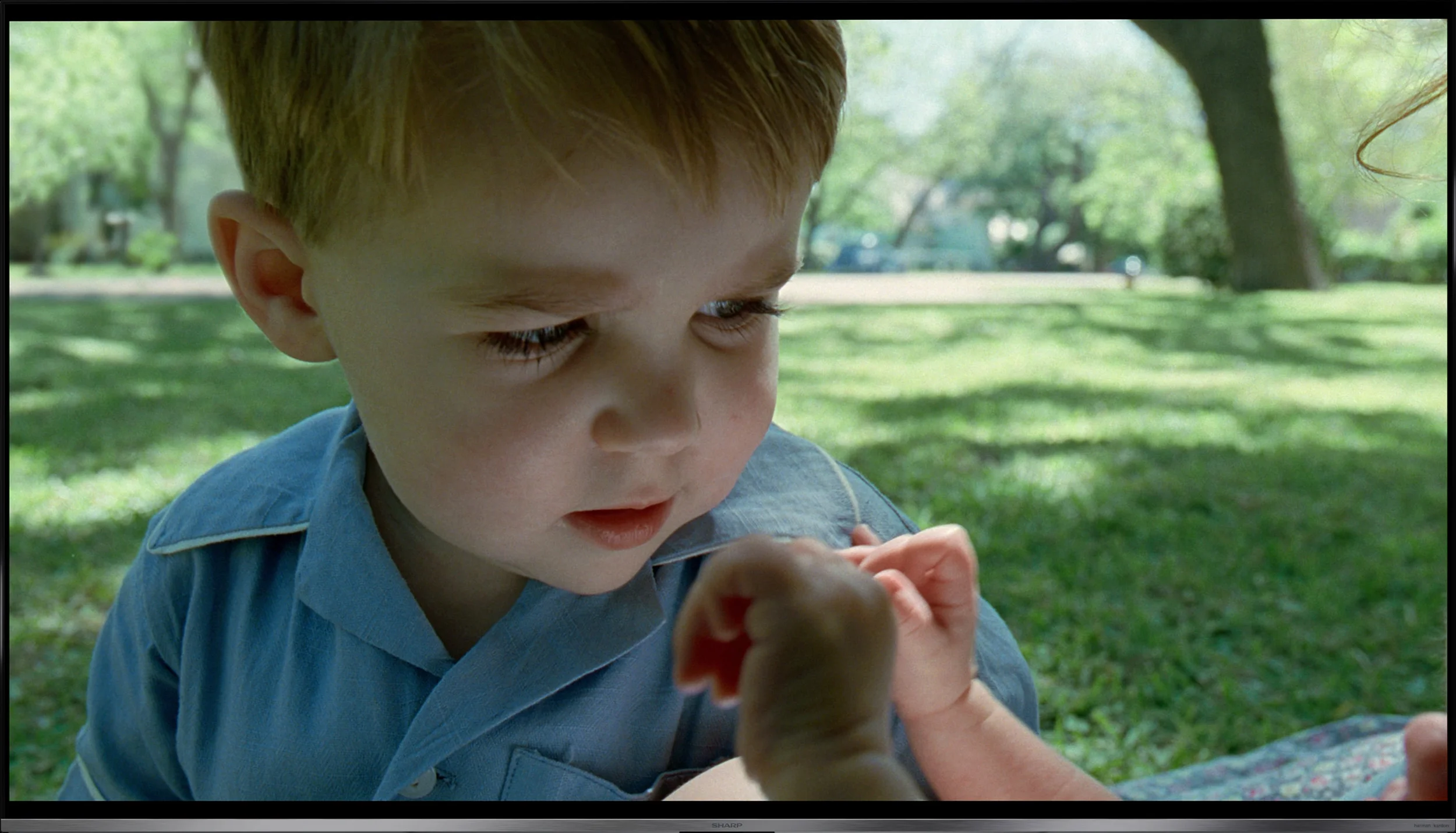
Scene from the movie “Pan” (about 2800 nits)

Scene from the movie “Billy Lynn” (about 1100 nits)

The photos show two HDR10 movies. 'Pan' is one of the brightest productions ever made, while 'Billy Lynn' (soldier) has brightness typical of streaming (Netflix, Prime, HBO MAX). Notice the intensity of effects and detail in whites.

Static HDR10

The photos present the visibility of white details in various HDR formats. They do not show brightness differences between TVs (these can be compared in the previous gallery).

Dynamic: Dolby Vision

Dynamic: HDR10+

The photos present the visibility of white details in various HDR formats. They do not show brightness differences between TVs (these can be compared in the previous gallery).

HDR luminance chart:

XIAOMI S Mini 2026 (55"-75") 60Hz

Sharp GP7

In terms of HDR, Sharp GP7 can surprise us pleasantly. The maximum brightness of around 500 nits is the threshold at which the real advantages of high dynamic range begin to be visible. During our tests, we achieved stable values between 430 and 500 nits, which translated to a clearer distinction of elements in both bright and slightly darker scenes. Additionally, it has a DCI-P3 colour gamut coverage of about 95%, allowing for vibrant, visually pleasing colours. Of course, it isn't top-tier, but for this price range – a big plus.

When it comes to HDR, the Xiaomi S Mini 2026 performs really well, especially given the segment this model sits in. The TV can reach around 1000 nits of brightness without much difficulty, so in bright scenes it can deliver a very pronounced HDR effect. The sun, highlights or very brightly lit parts of the picture can be intensely bright and at times really hit you with their intensity. It’s a bit different in dark scenes, though. Very small light sources surrounded by black are rendered at much lower brightness, so they lack the pinpoint intensity seen on the best TVs. That’s not unusual for a Mini LED. The local dimming algorithm reduces the backlight in those cases to preserve as deep a black as possible, which in such scenes matters more than a few extra nits.

HDR colours

Colour reproduction also fares well. Xiaomi markets the S Mini 2026 as a QLED TV, although the solution used here is in practice based on a PFS phosphor. What matters is the result, and that is pretty good. Measured DCI-P3 gamut coverage was around 94%, while in the much wider BT.2020 colour space it was about 74%. That means the TV can show most of the colours used in HDR movies with suitably high saturation. Its limitations are most noticeable with very intense shades of green, where the colour range begins to run out.

Factory color reproduction

7.1/10

5/10

This gallery shows how colors change after professional TV calibration. If you notice the difference, we recommend ordering this service at SkalibrujTV.com.

Factory Mode

After calibration

This gallery shows how colors change after professional TV calibration. If you notice the difference, we recommend ordering this service at SkalibrujTV.com.

Factory Mode

After calibration

Out of the box, in movie mode, GP7 doesn't fare badly at all. In HD materials, we noticed slight disturbances in white balance - drops in red and blue that made the image take on a somewhat greenish hue. This is noticeable, for instance, on the faces of characters, which become less lifelike. The gamma is slightly brighter in places, resulting in less deep blacks. In 4K HDR content, a cooler, bluish tone also emerges, making the colours appear less natural. On the other hand, looking at it from a "straight out of the box" perspective, these settings aren't bad - a few minor adjustments will suffice, and with the help of special tools, we will try to improve them.

We tested the Xiaomi S Mini 2026 (55–75 inch models) in Film mode, which compared with the other presets offered the most accurate colours. That did not mean the image was correctly set up straight away. In our unit the white balance was noticeably shifted toward warmer tones. There was too little blue and too much red, giving whites and greys a slightly warm cast. The TV also tended to brighten darker parts of the image too much. This was due to the gamma, which instead of staying around 2.4 fell in places to about 2.0. That made shadow detail more visible, but the image lost some depth. So the factory settings weren't bad, but they still needed some adjustment to reproduce the picture accurately.

Color reproduction after calibration

7.5/10

7.5/10

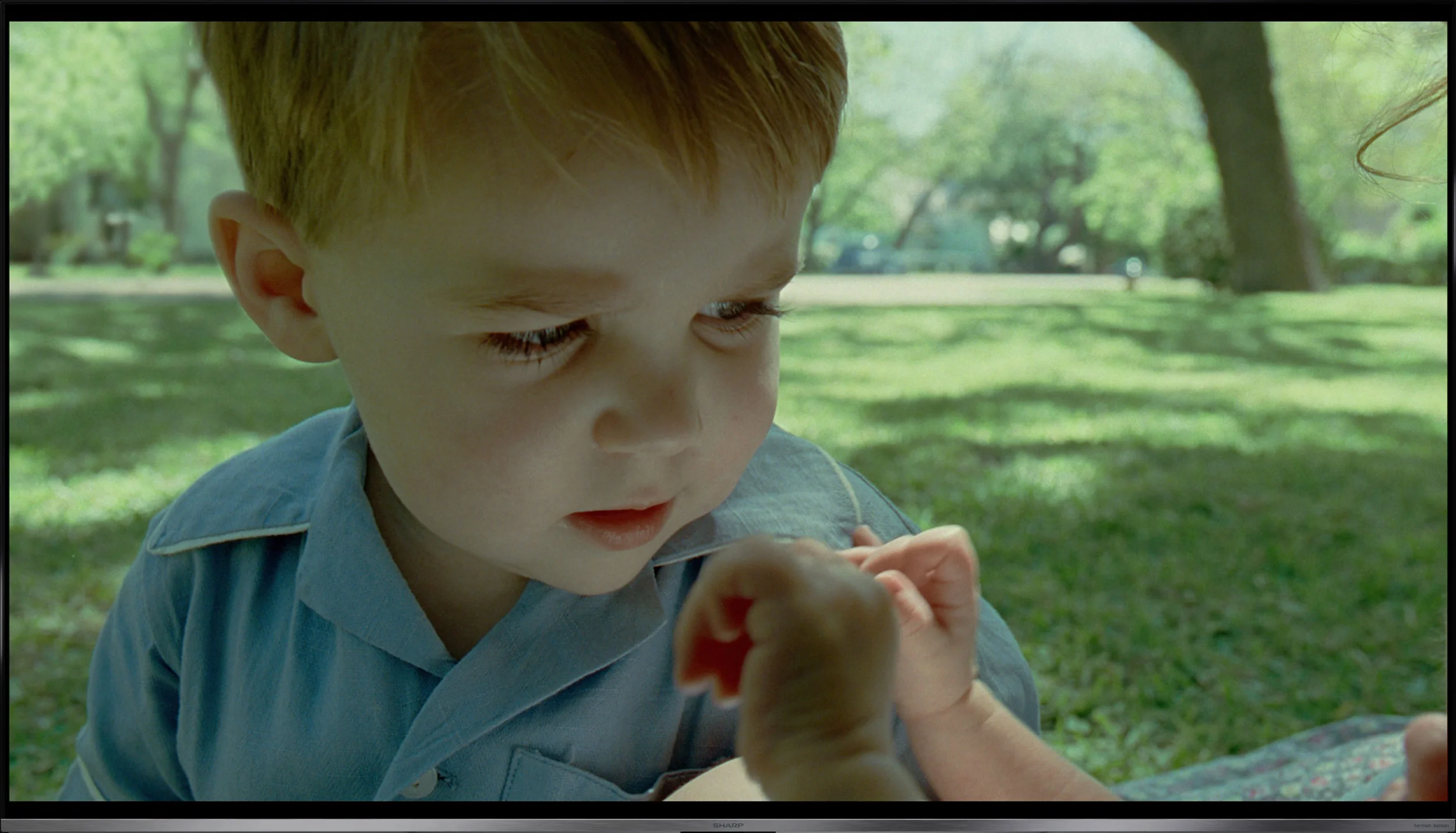
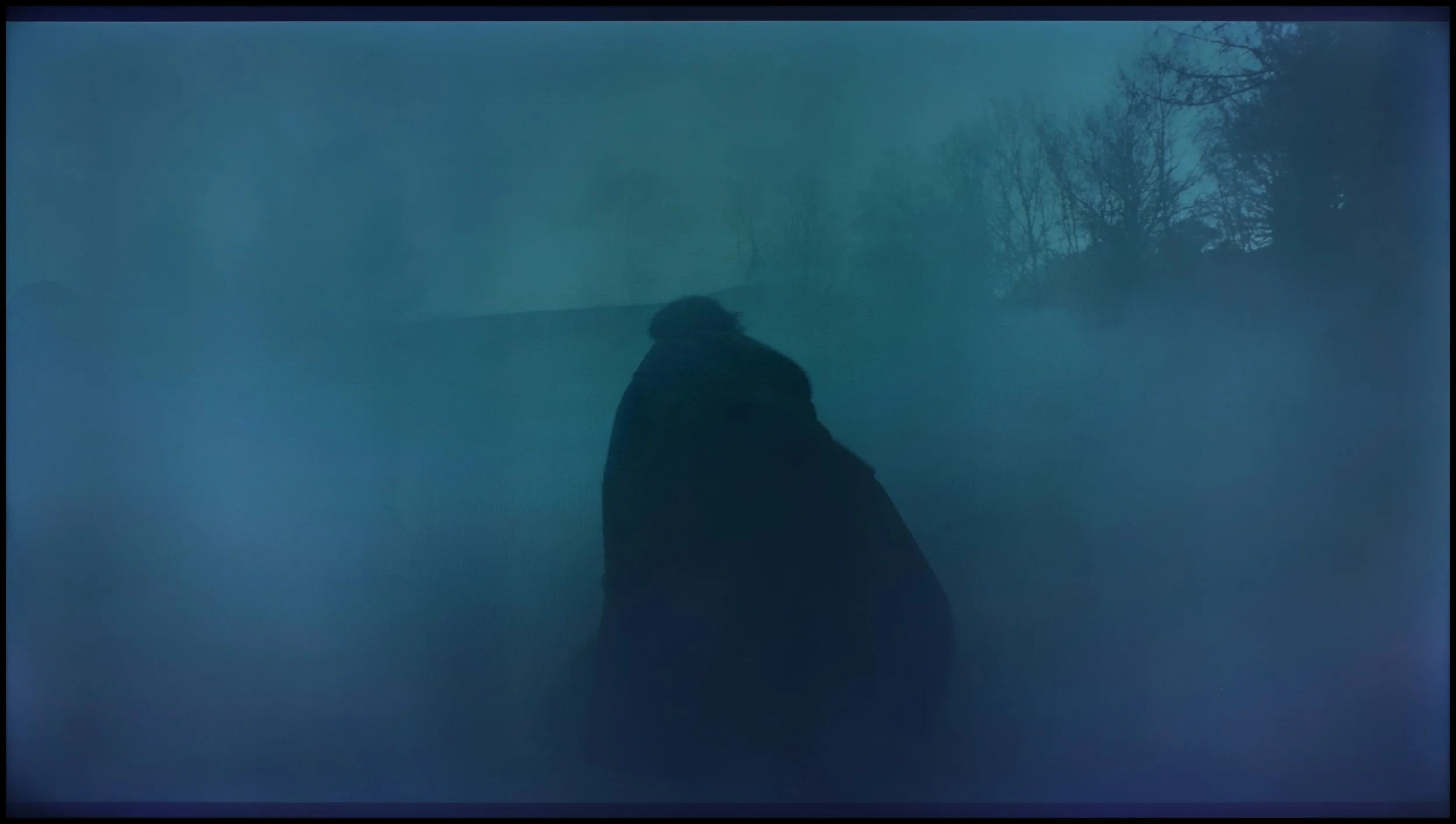
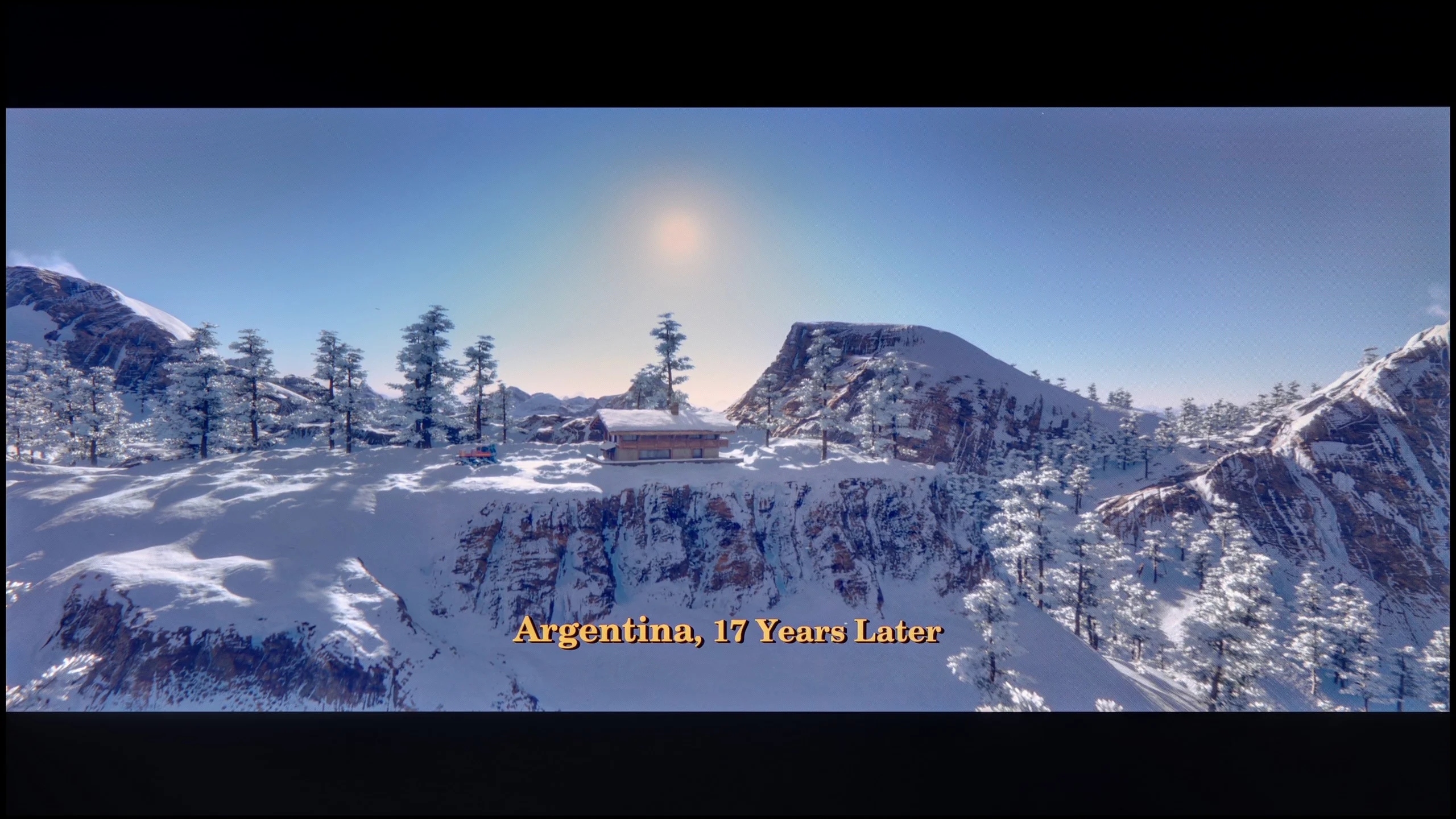
The photos show how movies look on the TV. Pay attention to black detail visibility, colors, and shadow tint.

The photos show how movies look on the TV. Pay attention to black detail visibility, colors, and shadow tint.

Calibration really makes a difference in Sharp GP7. After making adjustments, we achieved a better white balance in HD content, and the colours started to look much more natural, with minimal deviations and no clear dominance of individual hues. In 4K HDR, the change isn't as spectacular, but it's still noticeable. The gamma has been brought to a more neutral level, although a slight boost in the brightest details on the screen is still evident. The inability to control dynamic tone mapping limits our manoeuvrability, but nonetheless, this is a significant step forward compared to the factory settings.

Surprisingly, the Xiaomi S Mini 2026 responds quite well to calibration. After our adjustments we were able to noticeably improve the white balance and the picture stopped leaning toward overly warm tones. In SDR material the result is really good, with the TV able to reproduce such content very accurately and hard to fault for colour reproduction. We made similar adjustments in HDR, although not everything could be corrected there. Colours look better than on the factory settings, but the TV still tends to display the picture a little brighter than it should. You can see this from the EOTF curve, which sits above the reference. In practice this means some HDR scenes are brighter than the creators intended. It's a quirk of this TV and we can't do anything about it.

Smoothness of tonal transitions

9/10

5.5/10

These are selected scenes that show smooth tonal transitions from one color to another. If you see distinct banding, it’s the TV panel’s fault.

These are selected scenes that show smooth tonal transitions from one color to another. If you see distinct banding, it’s the TV panel’s fault.

These are selected scenes that show smooth tonal transitions from one color to another. If you see distinct banding, it’s the TV panel’s fault.

These are selected scenes that show smooth tonal transitions from one color to another. If you see distinct banding, it’s the TV panel’s fault.

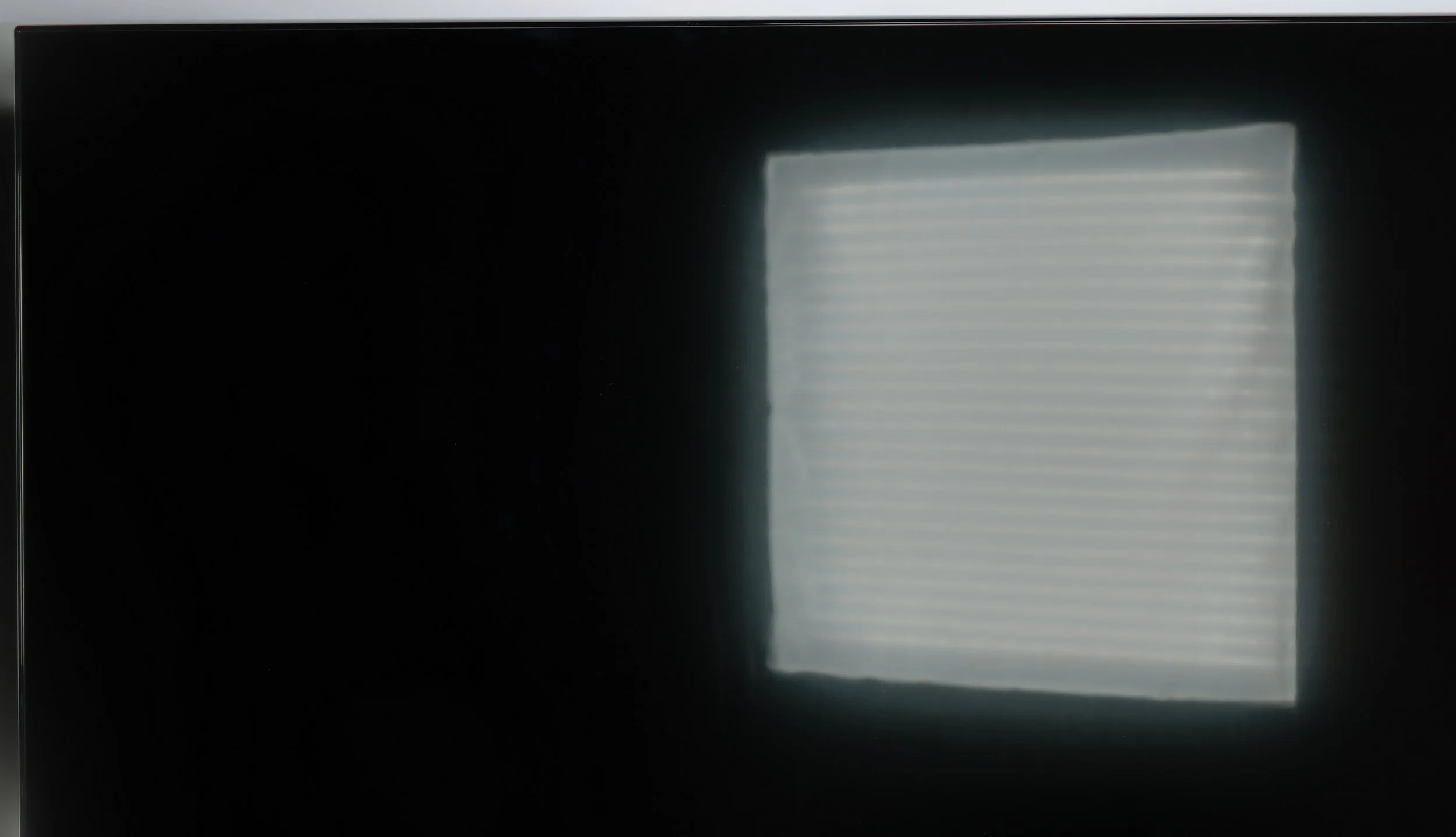
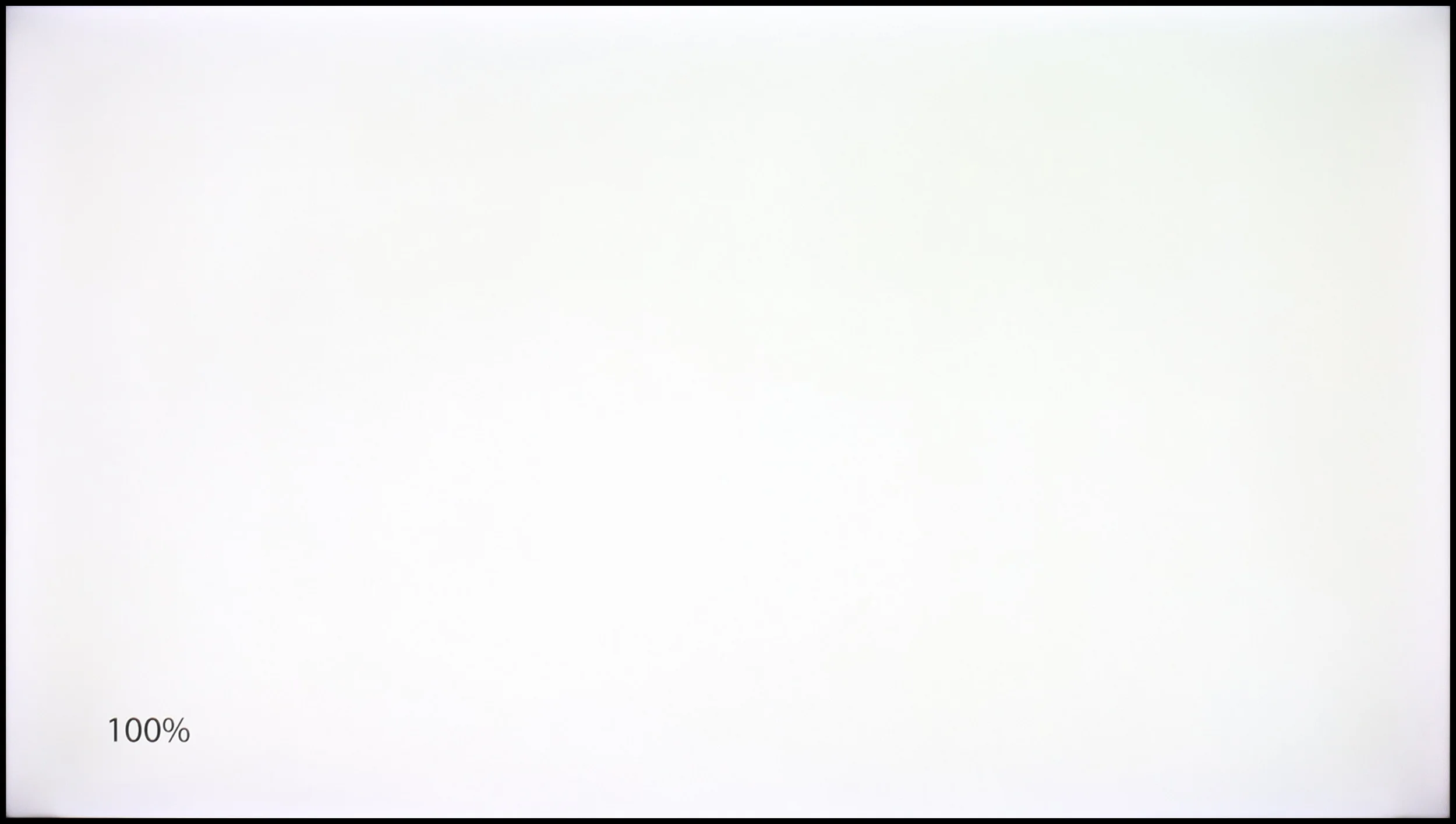
The fluidity of tonal transitions is a strong point of GP7 Sharp. Colour shades flow smoothly, without distinct lines or blotches. Whether we were watching dynamic action scenes or calm, picturesque landscape shots, we did not encounter significant issues with so-called banding. Any potential shortcomings are subtle enough that most of us wouldn't even notice them. The only flaw is the average uniformity of backlighting, which can at times disrupt the perfect effect.

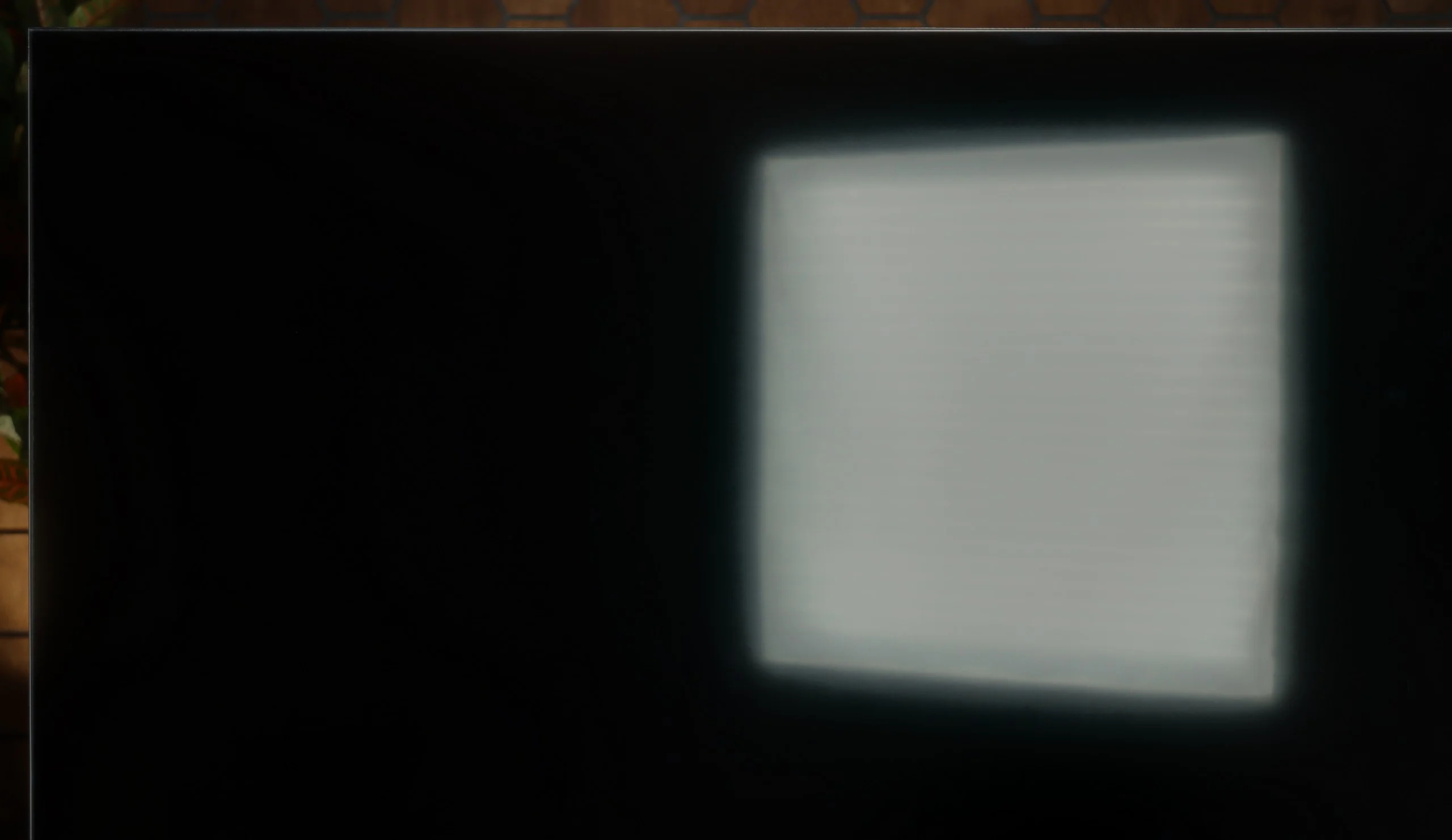
The smoothness of tonal transitions on the smaller Xiaomi S Mini 2026 versions is noticeably worse than on the larger versions. It's most apparent in dark scenes, where posterisation often appears, visible as bands between similar shades. In some shots this can become clearly distracting. Fortunately the issue mainly affects darker parts of the image. In bright scenes, transitions between colours are generally smooth and there's little to complain about here.

Image scaling and smoothness of tonal transitions

7.1/10

3/10

Image without overscan on the SD signal
OK
No
Smooth transition function
OK
No

Smooth transition function

The match photo shows how the TV smooths weak tonal transitions in low-quality video.

Image scaling SD (576i)

The model photo shows how it handles upscaling of SD material.

The TV can scale lower quality content quite well. Our test patterns were well reproduced, and although there was minimal banding with fine, delicate shapes (such as thin branches), it still looked satisfactory. Additionally, Sharp GP7 offers a “10-bit colour reproduction” feature to smooth tonal transitions in poor quality materials. It is useful, but at the cost of some details, so we recommend turning it on only when we're really watching something of poor quality.

The MT5896 processor handles digital image processing in the Xiaomi S Mini 2026. Unfortunately, in this respect the TV is fairly average. Low-resolution content isn't upscaled very well, and its limitations become obvious on a large screen. The picture looks quite digital, and the TV can't pull out many extra details. You also can't turn off overscan for low-resolution content. The handling of posterisation smoothing is even worse. On the smaller models there's not even a separate setting to reduce the visible banding between similar shades. So if those imperfections are already present in the source material, Xiaomi effectively doesn't mask them.

Blur and motion smoothness

4.8/10

4.6/10

Maximum refresh rate of the panel
60Hz
60Hz
Film motion smoothing option
OK
OK
Blur reduction option
No
No
BFI function 60Hz
No
No
BFI function 120Hz
No
No
Brightness drop with BFI
-%
-%

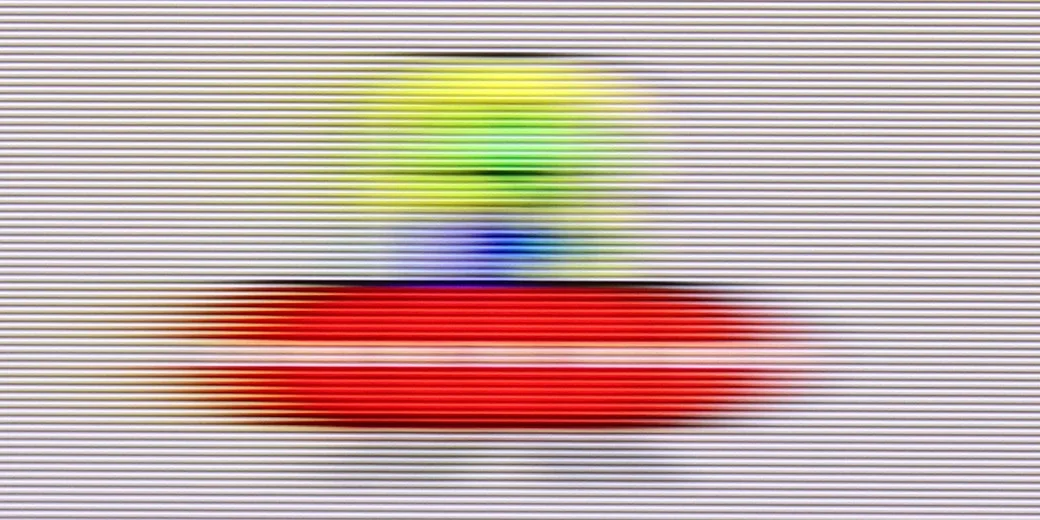
Blur (native resolution, maximum refresh rate):

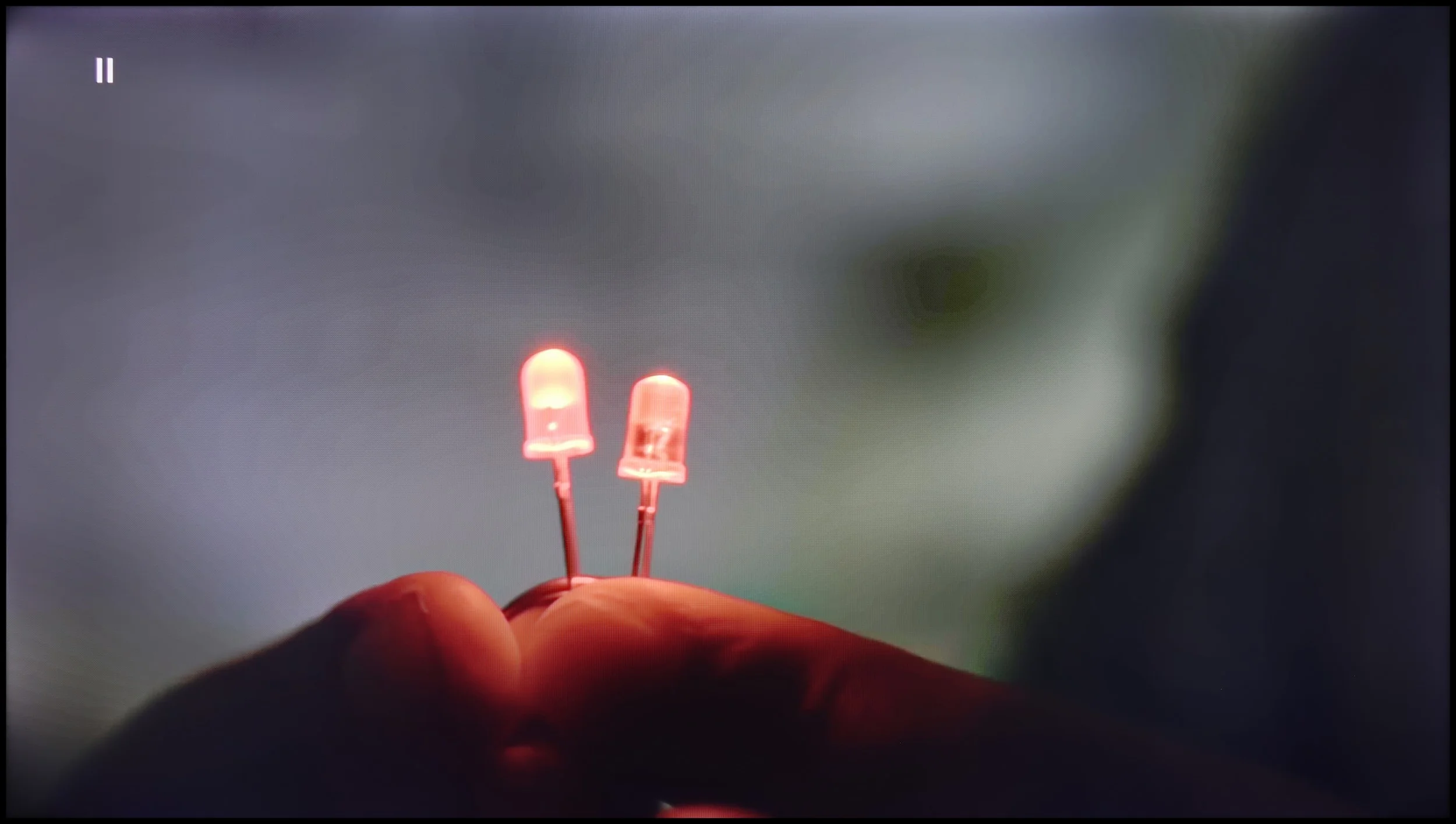
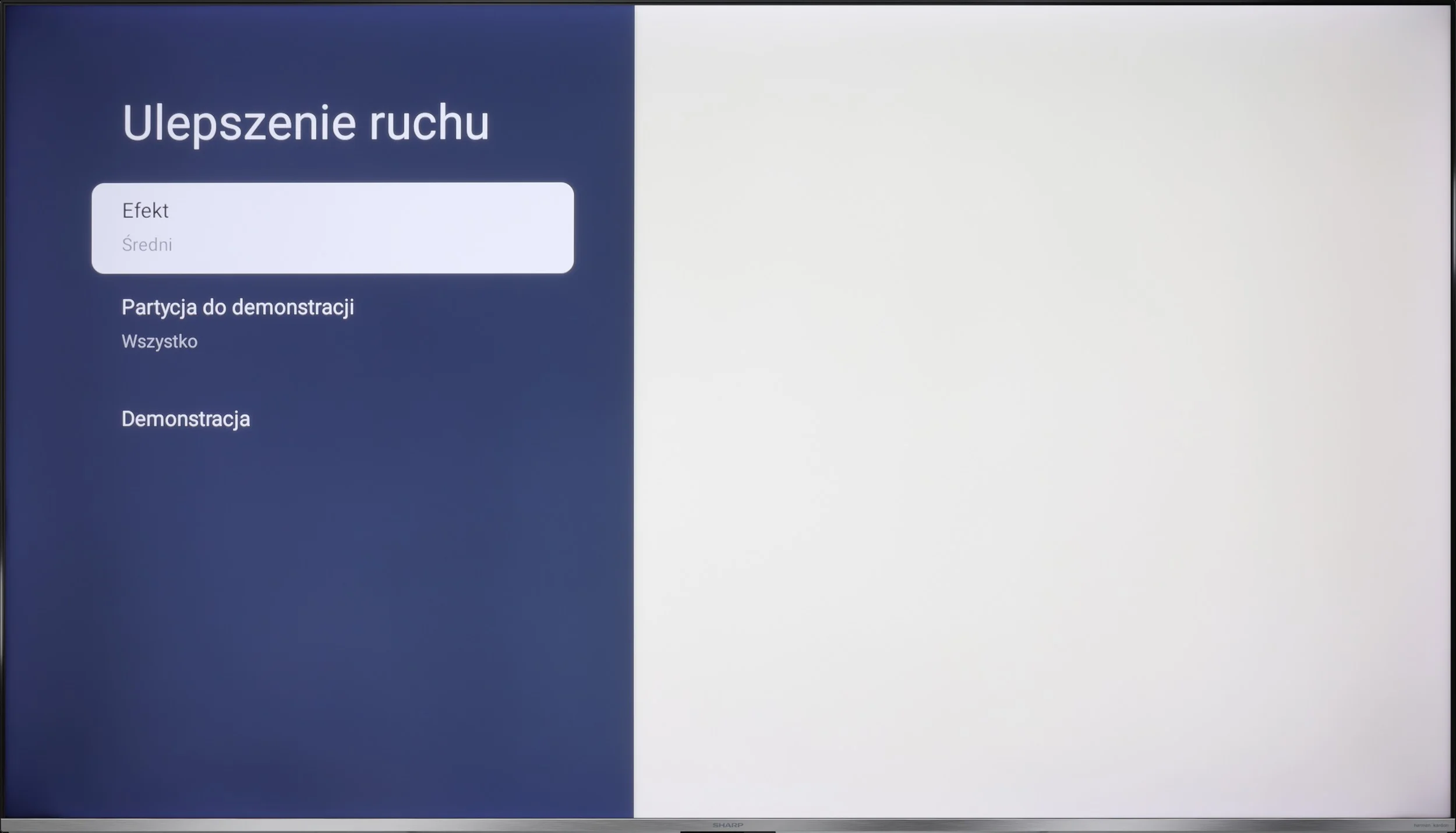
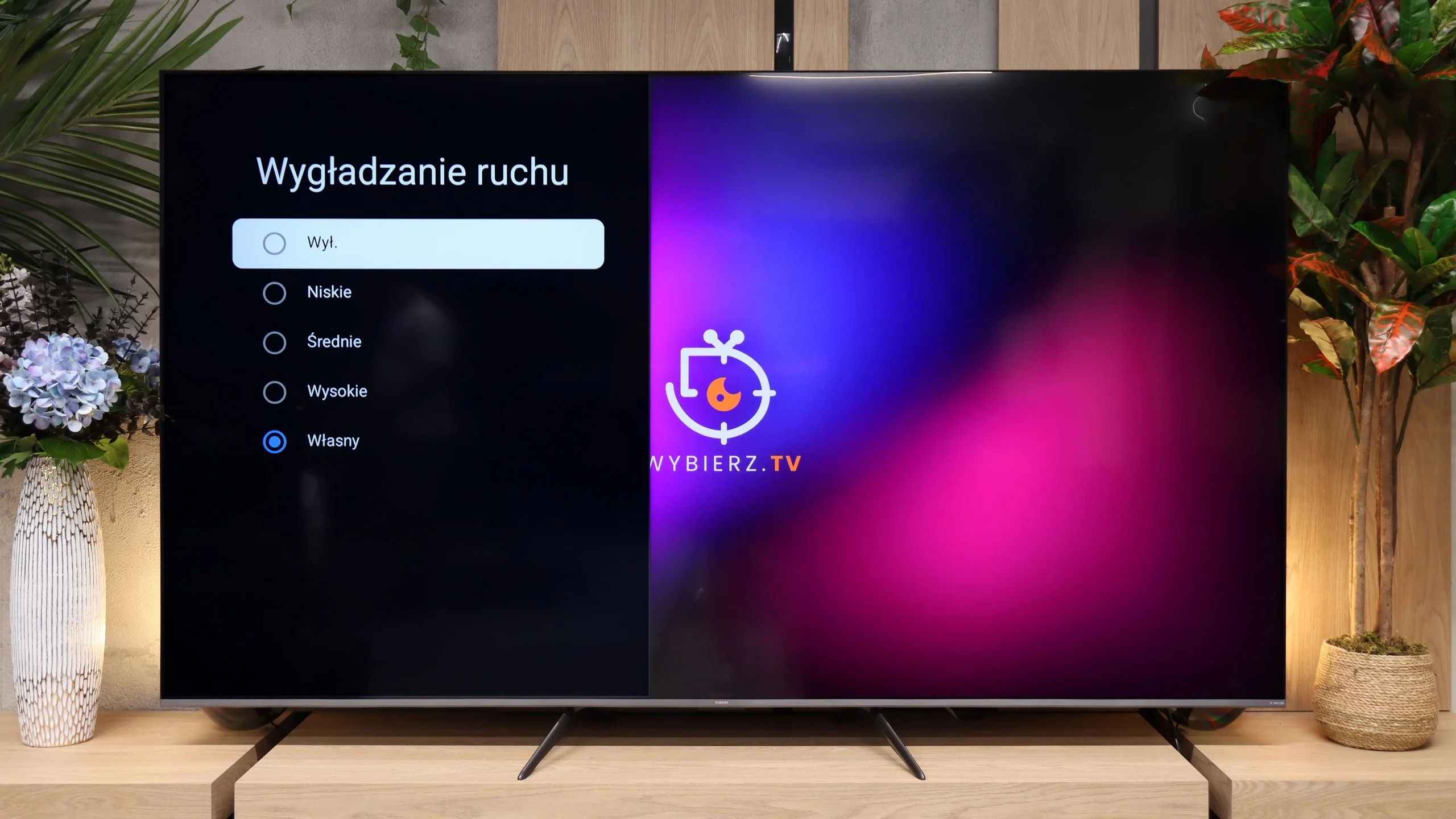
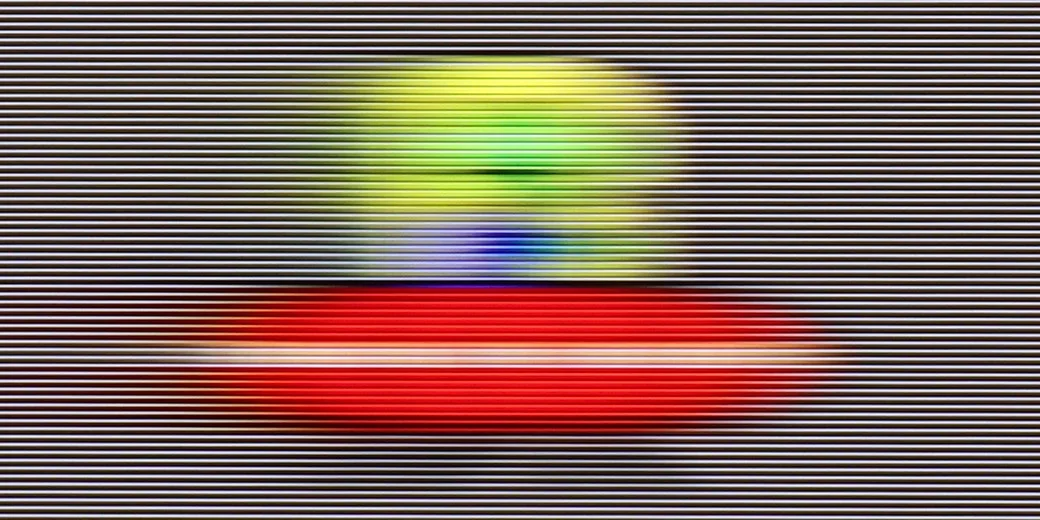
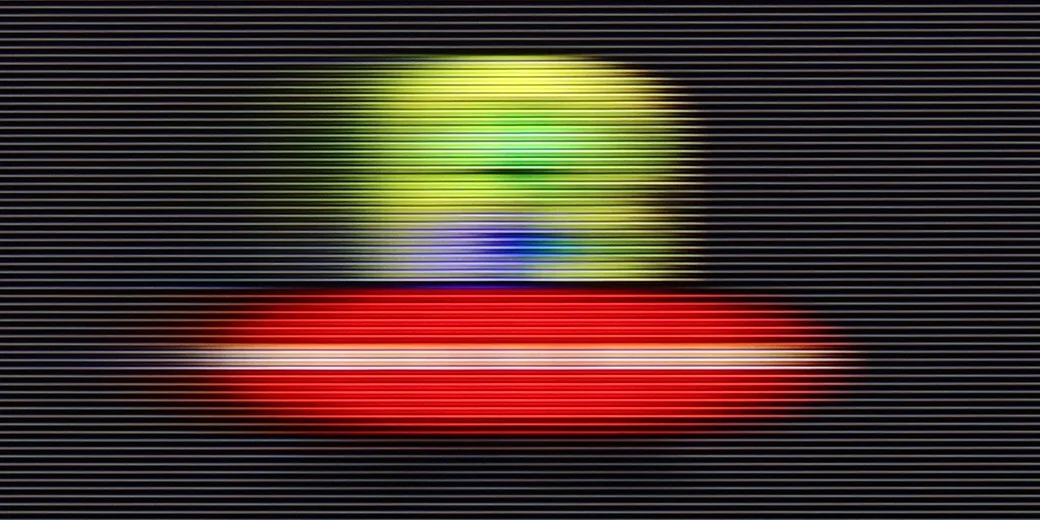
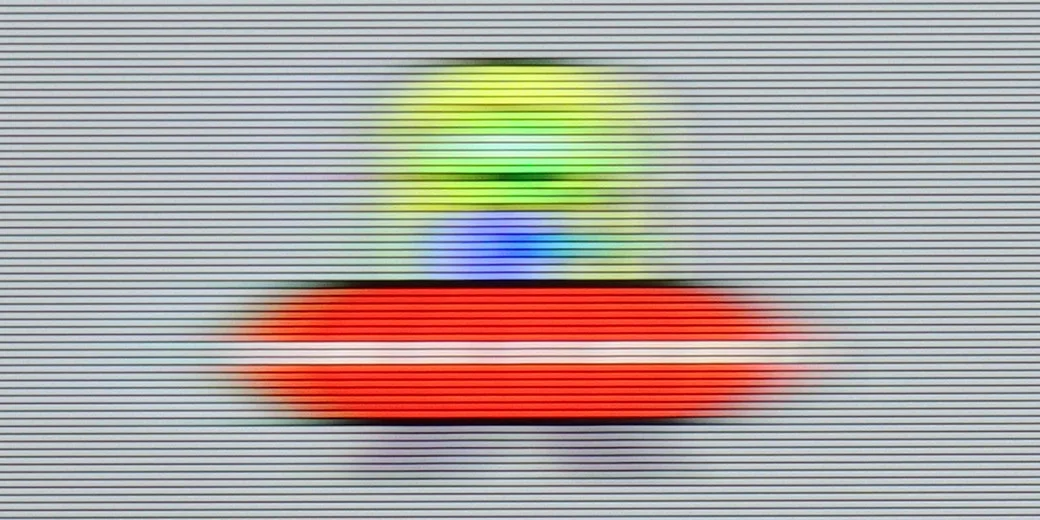
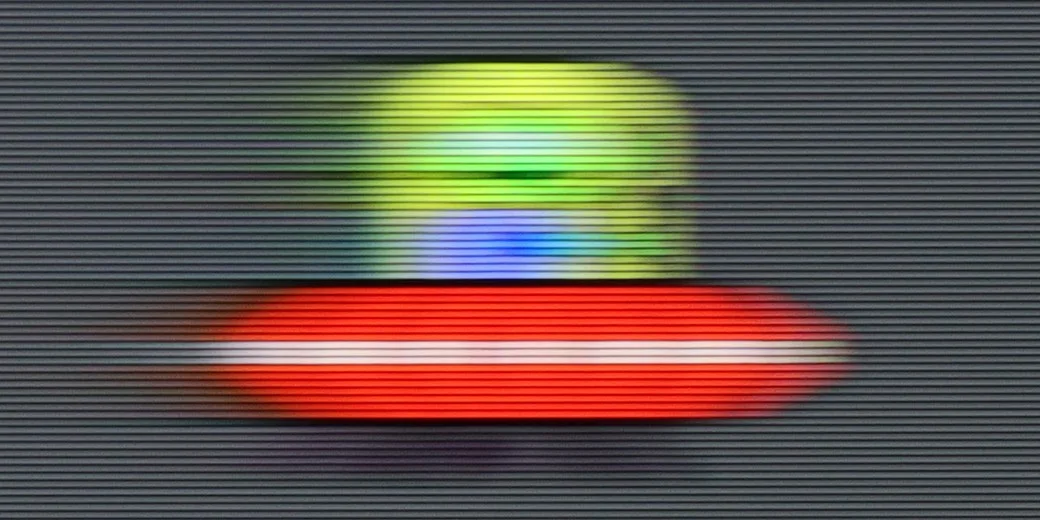
With a 60 Hz panel and average response time, it's hard to expect miraculous smoothness. In dynamic tests, like the one with the “little green man”, it’s clear that the picture can blur and occasionally lose sharpness. For watching movies and series, this is acceptable, especially since you can use the motion smoother with three levels of adjustment. However, if we care about ultra-smooth sports broadcasts or super-responsive gameplay, we might feel a bit dissatisfied.

The smaller variants of the Xiaomi S Mini 2026 use a 60 Hz panel, and that's their biggest limitation when it comes to motion. For films and TV series this isn't yet a major problem, because the TV has a classic motion interpolator for 24/30 fps material. So you can reduce the characteristic judder and adjust motion to your own preferences. Sports and other 50/60 Hz material fare worse, because there’s no additional feature to improve smoothness. In such content we’re therefore limited by the panel itself.

In terms of motion blur the TV performs fairly typically for a VA panel. The most trailing is visible behind objects moving against a dark background, while in brighter scenes the effect is noticeably smaller. It’s not at a level that completely ruins the perception of motion, but in dynamic scenes you can see that the panel isn’t one of the fastest.

Console compatibility and gaming features

3.4/10

4.6/10

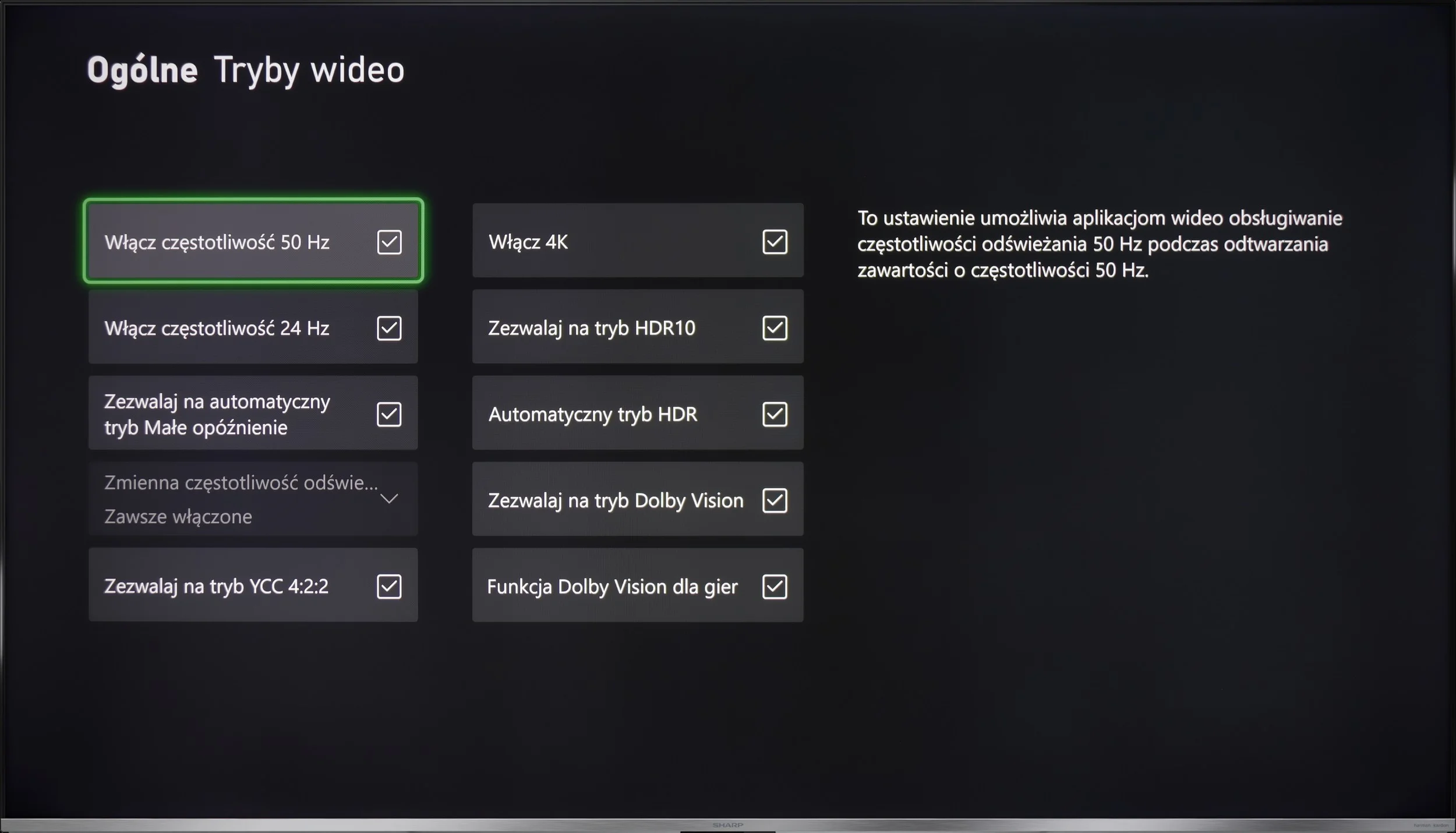
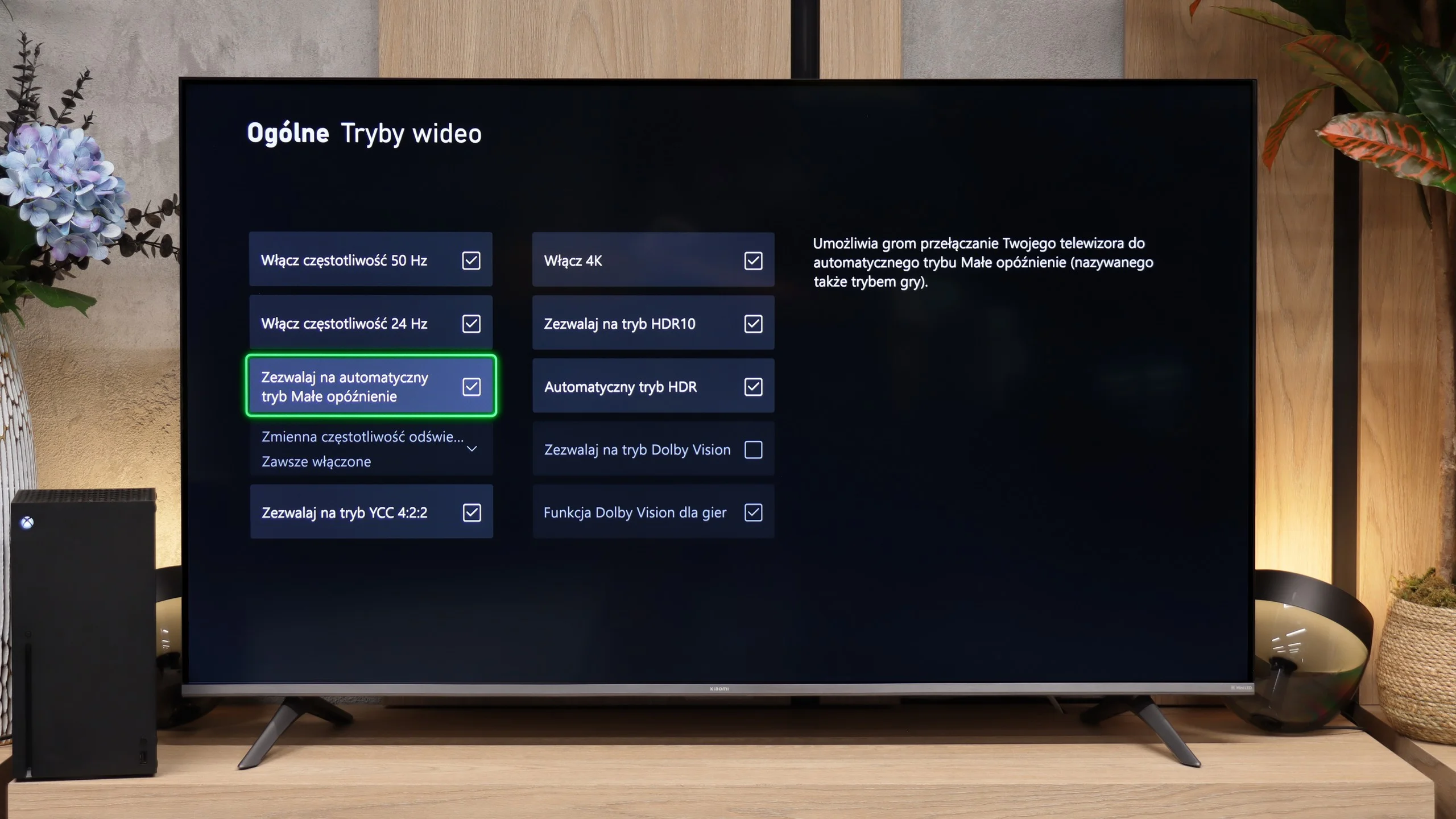
  • ALLM
    Yes
    Yes
  • VRR
    No
    No
  • VRR range
    No
    No
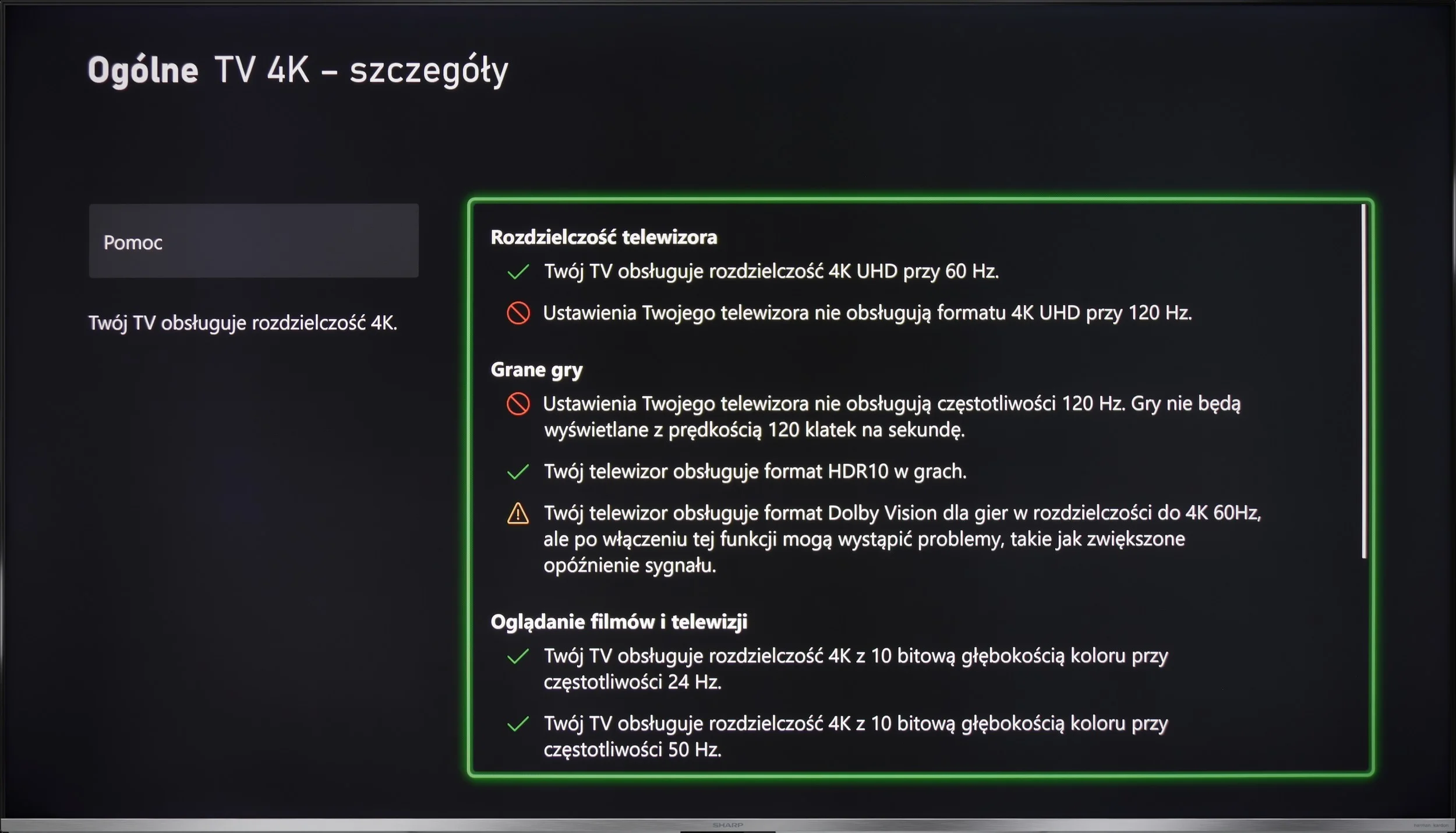
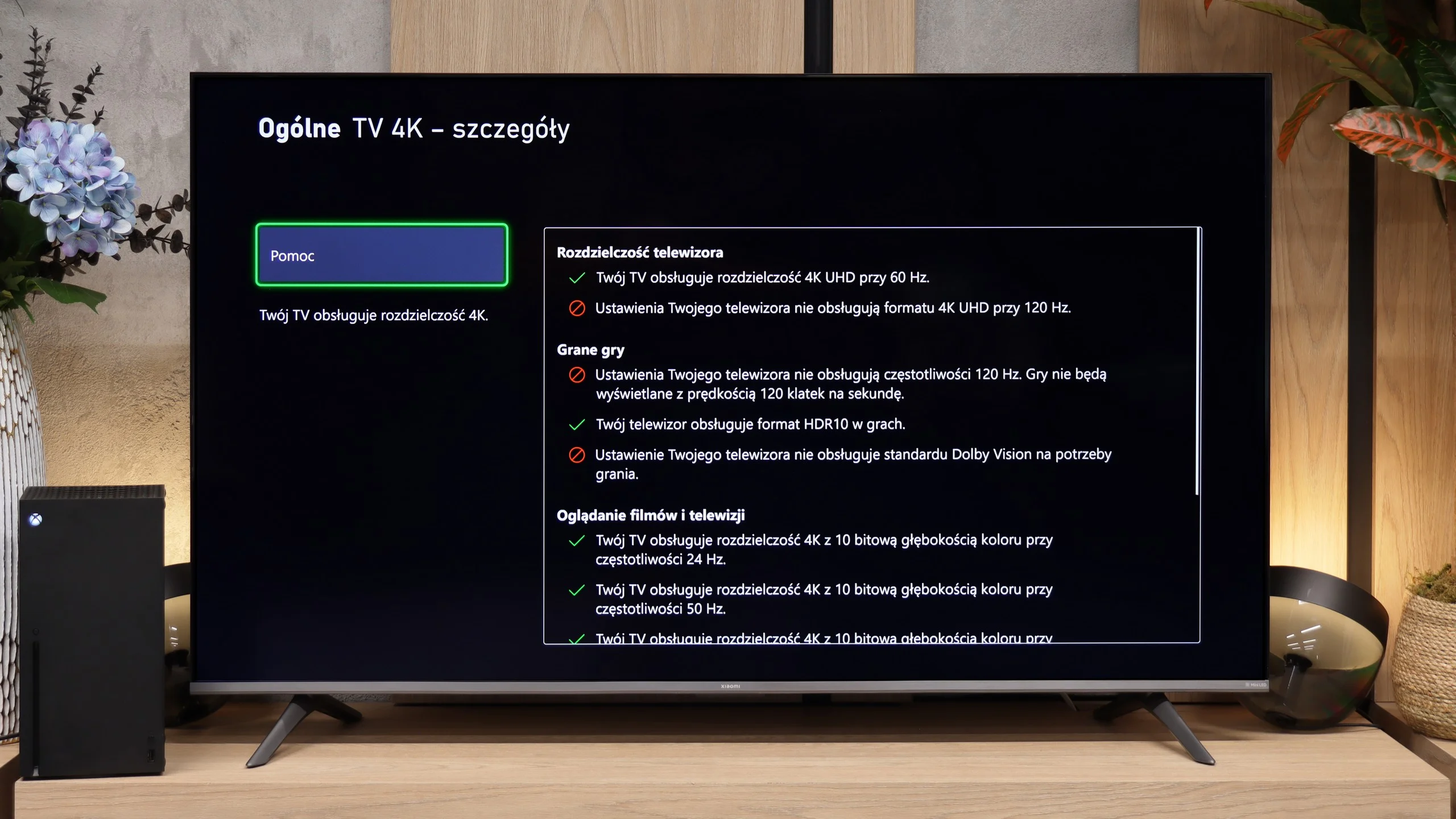
  • Dolby Vision Game Mode
    Warning Yes, high input lag
    No
  • Correct implementation of HGIG
    No
    No
  • 1080p@120Hz
    No
    Yes
  • 1440p@120Hz
    No
    Yes
  • 4K@120Hz
    No
    No
  • Game bar
    No
    Yes

Let's not kid ourselves – GP7 Sharp is not a television for the most demanding console gamers. Yes, we have ALLM, which automatically switches the TV to low latency mode, but it lacks VRR or G-Sync. We also won't find any advanced menu to help adjust settings during gameplay. Dolby Vision in games? It's there, but with such a large input lag that it's hard to talk about comfort. If we play occasionally and don't aim for the highest standards, it can be managed, but tech enthusiasts will face disappointment.

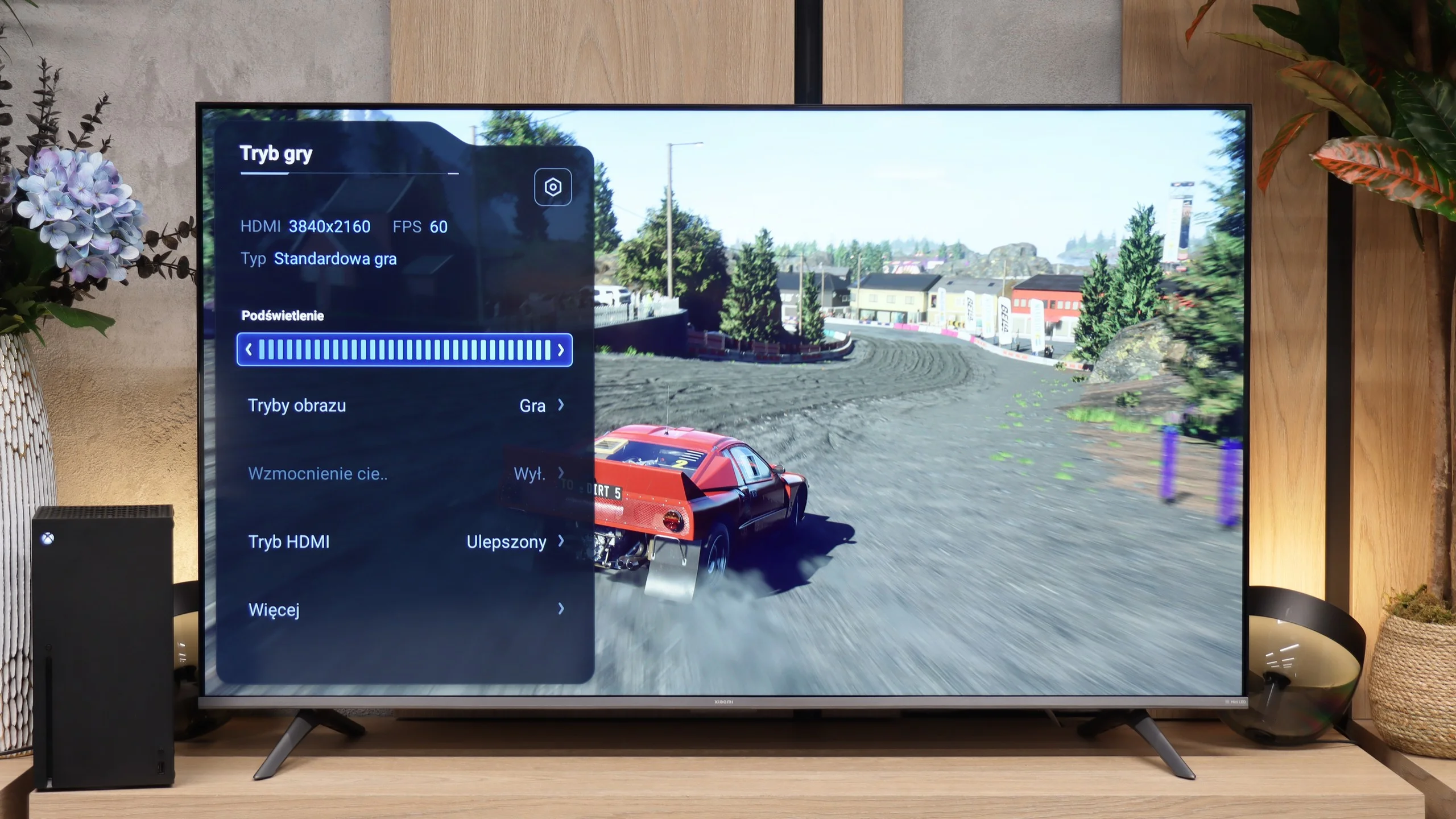
In the larger sizes the Xiaomi S Mini 2026 becomes a far more interesting option for gamers. The panel runs natively at up to 144 Hz, so when you connect a PC you can use the high refresh rate even at 4K. At lower resolutions the TV can go even further, reaching up to 288 Hz. It also offers ALLM, automatic switching to Game Mode, and a Game Bar that keeps the most important settings within easy reach. Of course, the TV has two full-bandwidth HDMI 2.1 ports. So in terms of smoothness the difference compared with the 55–75 inch versions is substantial and particularly easy to notice when using a PC or console. However, not everything works perfectly. As with the smaller variants, we have reservations about the HGiG implementation. The HDR setup screens on the PS5 and Xbox don't precisely reflect the TV's actual capabilities, so if you set the console according to those prompts the brightest parts of the image can be blown out and lose some detail.

Input lag

8.6/10

9.9/10

SDR

1080p60
37 ms
14 ms
1080p120
8 ms
2160p60
13 ms
14 ms
2160p120

HDR

2160p60
13 ms
14 ms
2160p120
4320p60

Dolby Vision

2160p60 DV
2160p120 DV

When it comes to input lag, we have mixed feelings. In 4K, we achieve around 13 ms, which is a great result and is more than sufficient for most of us. Unfortunately, Dolby Vision raises it to a level that makes gaming practically impossible, and in Full HD, around 37 ms is already a noticeable value for those of us who prioritise quick reactions. It's best to utilise 4K if we're aiming for the highest responsiveness.

No big problem with input lag here. About 10 ms at 120 Hz and 15 ms at 60 Hz are more than enough for console or PC gaming.

Compatibility with PC

5.7/10

5.6/10

Chroma 444 (max. resolution and refresh rate)
Yes
Yes
Font clarity
Good
Good
Readability of dark text and shapes
Good
Average
Input lag in PC mode (4K, max. refresh rate)
13ms
14ms
Matrix subpixel arrangement
BGR
BGR
Max refresh rate
60Hz
60Hz
G-Sync
No
No

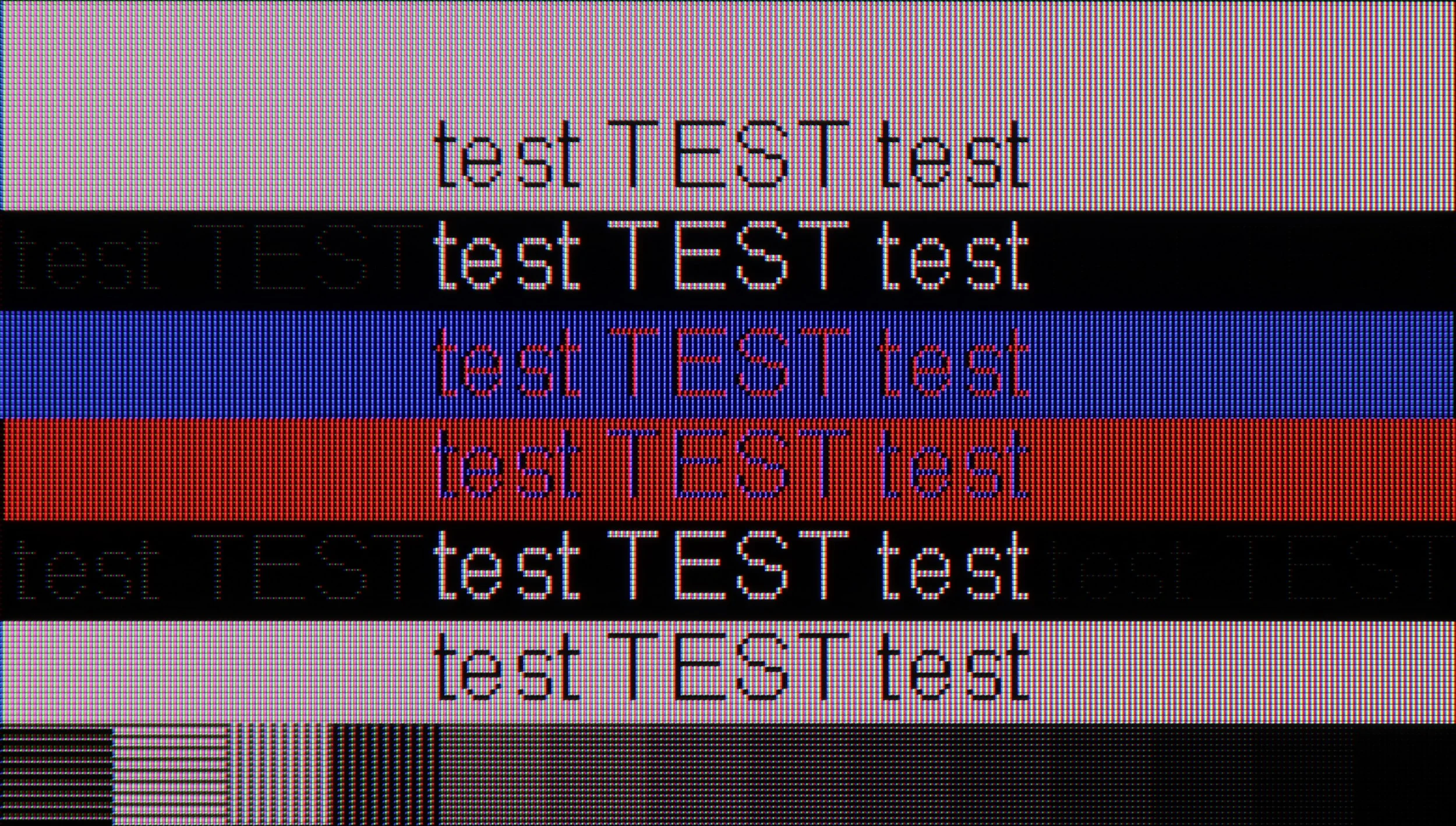
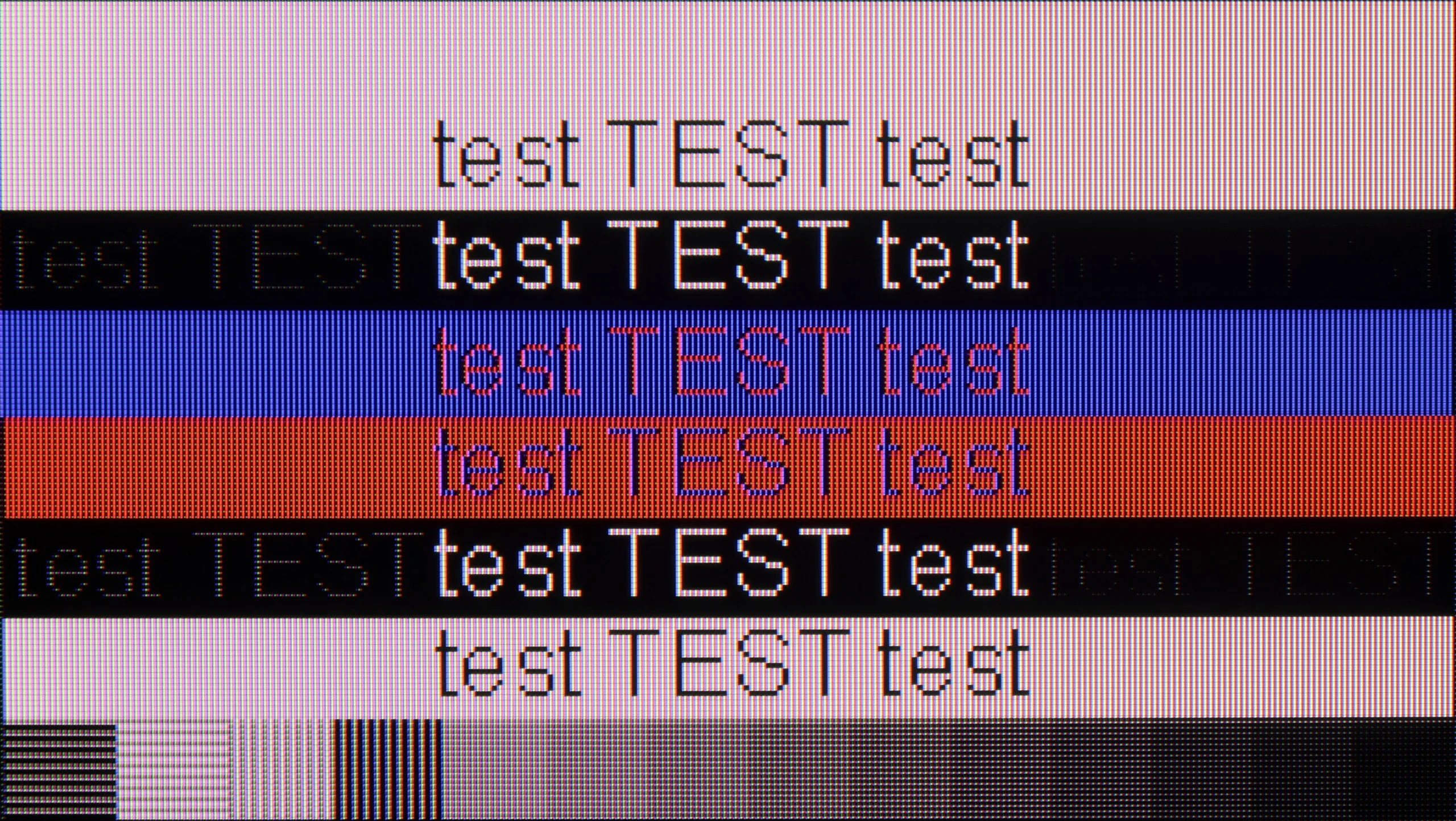
The photo shows the legibility of small fonts. Ideally, lines should be the same thickness on both light and dark text, with minimal pixel gaps.

As a monitor for office work or browsing the internet, Sharp GP7 performs quite well. The Chroma 4:4:4 provides text clarity, although with very small fonts on a dark background, we noticed some minor issues. It's hard to recommend it for PC gaming due to the lack of advanced features and higher refresh rates, but for simple office work or watching movies in the evening – why not?

Working with a computer isn't the strong suit of the smaller variants of the Xiaomi S Mini 2026. The TV doesn't display chroma 4:4:4 correctly, so some fine interface elements, icons and coloured text may look worse than they should. Plain black text on a light background is still fairly readable, but for typical computer work it's hard to regard this model as a particularly good monitor. A plus is the ability to get a higher refresh rate by lowering the resolution. Instead of 4K at 60 Hz you can switch to 1080p or 1440p and use 120 Hz, which for PC gaming can be much more useful than full resolution.

Viewing angles

3.3/10

3/10

Brightness drop at an angle of 45 degrees
71%
65%

In terms of viewing angles, we have the typical limitations of VA panels. If we sit centrally in front of the screen, everything looks good, but if you lean back too far, the colours and contrast begin to fade. This is nothing unusual for this type of panel, so it's worth being aware that when watching with a larger group, the extreme spots on the couch will have a worse view.

Viewing angles on the smaller models of the Xiaomi S Mini 2026 are unfortunately poor. This is a typical issue with VA panels, but here the effect is quite pronounced. Move just a little off-centre and the picture starts to noticeably fade and lose colour saturation. Brightness itself doesn't fall off as much, but colours very quickly look washed out. If the TV is to be watched by several people sitting well off to the sides, keep that in mind.

Daytime performance

5.3/10

6.3/10

Panel finish
Satin
Satin
Reflection suppression
Average
Decent
Black levels during daytime
Good
Good

Panel brightness

XIAOMI S Mini 2026 (55"-75") 60Hz : 569 cd/m2

Sharp GP7: 427 cd/m2

The satin matrix doesn’t eliminate reflections as effectively as we would like, so in a bright, highly sunlit room, we might see some glare. Fortunately, the television has quite decent brightness (around 430 cd/m²), which allows us to use it without covering the windows, as long as the sun isn't shining directly on the screen. In extremely sunlit interiors, it may be trickier, but in standard conditions, it’s still usable.

The smaller variants of the Xiaomi S Mini 2026 handle daytime viewing well. In SDR the TV averages around 570 nits, so it has enough brightness that the picture doesn’t look washed out even in a fairly brightly lit living room.

The screen coating is worse. It’s a satin finish, but it doesn’t suppress direct reflections particularly effectively. If there’s a large window or a bright lamp opposite the TV, the reflection will be clearly visible. The brightness helps partly counteract this, but in terms of reflection handling this isn’t the model’s strongest suit.

Panel details

Backlight Type
PFS LED
Mini-LED PFS LED
Software version during testing
RTM7.230903.178
UKN1.240806.017.V816.0.25.10.15.2.URTMIXM
Image processor
m7632 2gb ram
mt5896 2GB

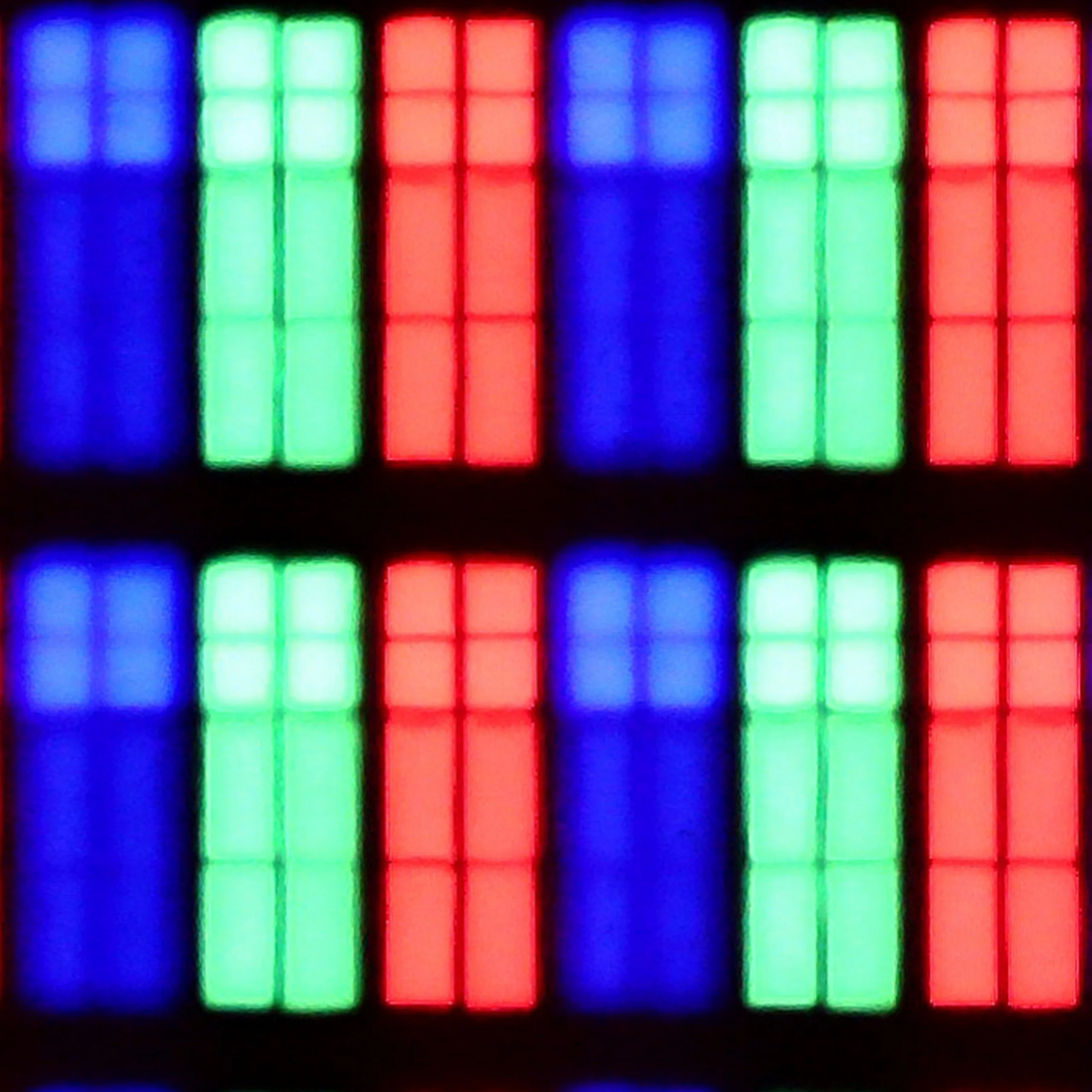
Subpixel Structure:

Panel uniformity and thermal imaging:

Review Sharp GP7 TV Panel details
Review XIAOMI S Mini 2026 (55"-75") 60Hz TV Panel details

Sharp GP7

XIAOMI S Mini 2026 (55"-75") 60Hz

TV features

5.5/10

6.7/10

  • System
    Google TV
    Google TV
  • System performance
    Decent
    Poor
  • HDMI inputs
    4 x HDMI 2.0, 0 x HDMI 2.1
    3 x HDMI 2.0, 0 x HDMI 2.1
  • Other inputs
    RCA (Chinch)
  • Outputs
    Toslink (Optical audio), eARC (HDMI), ARC (HDMI), Mini-Jack (Headphones)
    Toslink (Optical audio), eARC (HDMI), ARC (HDMI), Mini-Jack (Headphones)
  • Network Interfaces
    Wi-Fi 2.4GHz, Wi-Fi 5GHz, Ethernet (LAN) 100Mbps
    Wi-Fi 2.4GHz, Wi-Fi 5GHz, Ethernet (LAN) 100Mbps
  • TV reception
    DVB-T, DVB-T2, DVB-S, DVB-S2, DVB-C
    DVB-T, DVB-T2, DVB-S, DVB-S2, DVB-C

Classic features:

  • Recording to USB (terrestrial TV)
    No
    No
  • Recording programming
    No
    No
  • Picture in Picture (PiP)
    No
    No
  • RF remote control (no need to aim)
    Yes
    Yes
  • Backlit remote control
    No
    No
  • Teletext
    Yes
    Yes
  • Audio only mode
    Yes
    Yes
  • Bluetooth headphones support
    Yes
    Yes
  • Simultaneous Bluetooth headphones & TV audio
    No
    No

Smart features:

  • AirPlay
    No
    Yes
  • Screen mirroring (Windows Miracast)
    Yes
    Yes
  • Voice search
    Yes
    Yes
  • Voice search in native language
    Yes
    Yes
  • Ability to connect a keyboard and mouse
    Yes
    Yes
Review Sharp GP7 TV features
Review XIAOMI S Mini 2026 (55"-75") 60Hz  TV features

Sound connection options

  • HDMI audio
    eARC (HDMI), ARC (HDMI)
    eARC (HDMI), ARC (HDMI)
  • Other audio outputs
    Toslink (Optical audio), Mini-Jack (Headphones)
    Toslink (Optical audio), Mini-Jack (Headphones)
  • Wireless audio
    Bluetooth
    Bluetooth

Supported audio formats (external HDMI eARC audio):

  • Dolby Digital Plus 7.1
    Yes
    Yes
  • Dolby True HD 7.1
    No
    Yes
  • Dolby Atmos in Dolby Digital Plus (JOC)
    Yes
    Yes
  • Dolby Atmos in Dolby True HD
    No
    Yes
  • DTS:X in DTS-HD MA
    No
    Yes
  • DTS-HD Master Audio
    No
    Yes

Senior accessibility

  • Numeric keyboard on TV
    No
    Yes
  • Font size adjustment
    No
    Yes
  • Audio description
    No
    Yes

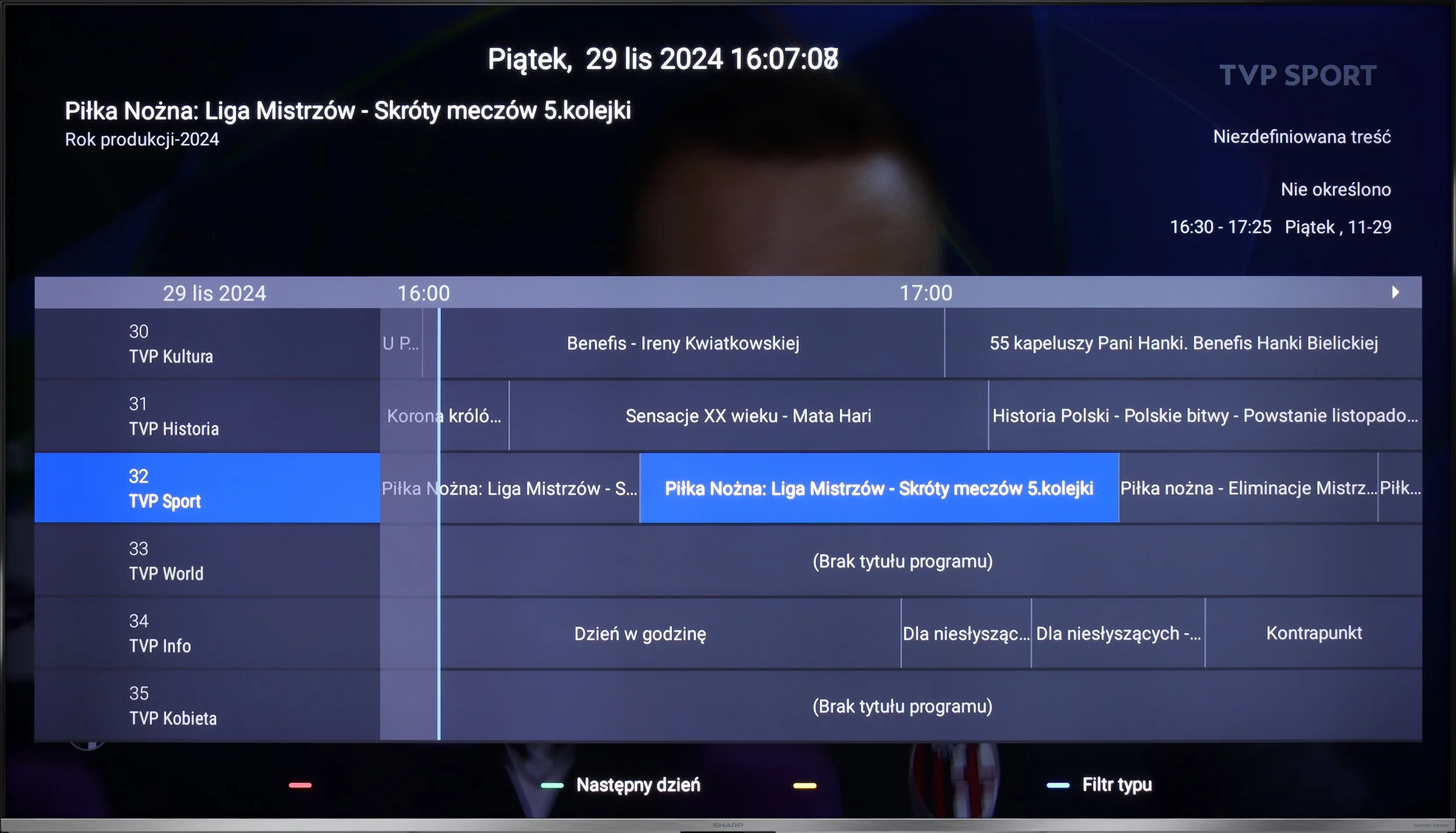
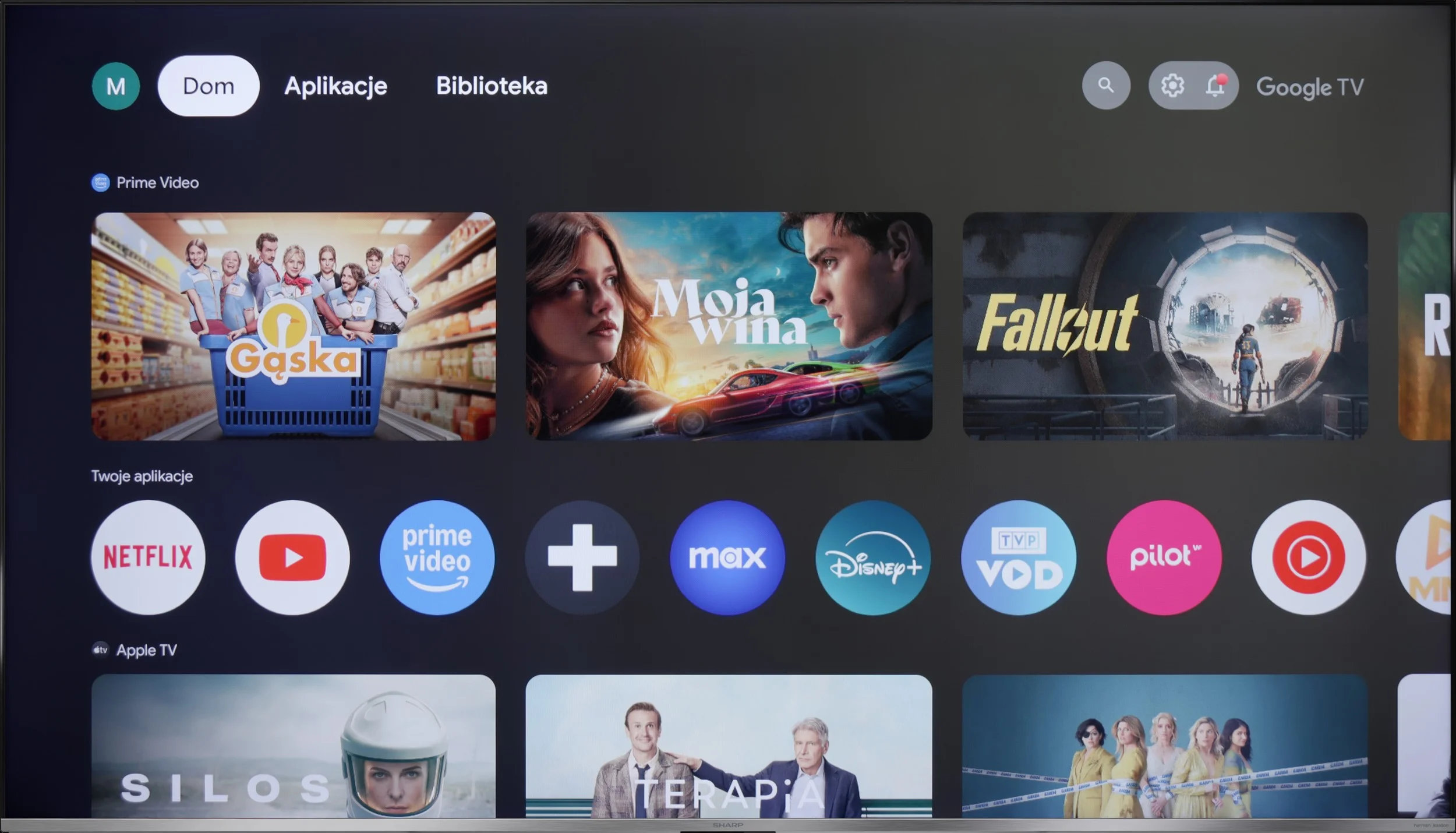
Sharp GP7 operates on the Google TV system, which provides access to a rich library of applications and streaming services. Its main advantage is the clear interface that integrates content from various sources in one place, making it easy to search and manage. Voice control in Polish works perfectly, and with the remote that has a built-in microphone, we can quickly find the content we're interested in, such as movies, series, or music. Regular system updates ensure that Google TV stays current, adapting to new user needs and introducing additional features. It's a convenient and modern solution that makes using the TV intuitive and enjoyable.


Although Google TV is a strong point of the GP7, the other features of the television are not as impressive. It lacks the ability to record programs or picture-in-picture (PiP) mode, and Apple users may feel the absence of support for AirPlay. However, there is Miracast for Windows and Bluetooth, allowing the connection of headphones or a keyboard. This is a sufficient foundation for less demanding users, although those expecting more advanced features may feel unsatisfied. The Sharp GP7 mainly focuses on the smart capabilities offered by Google TV, leaving traditional solutions in the background.

Google TV

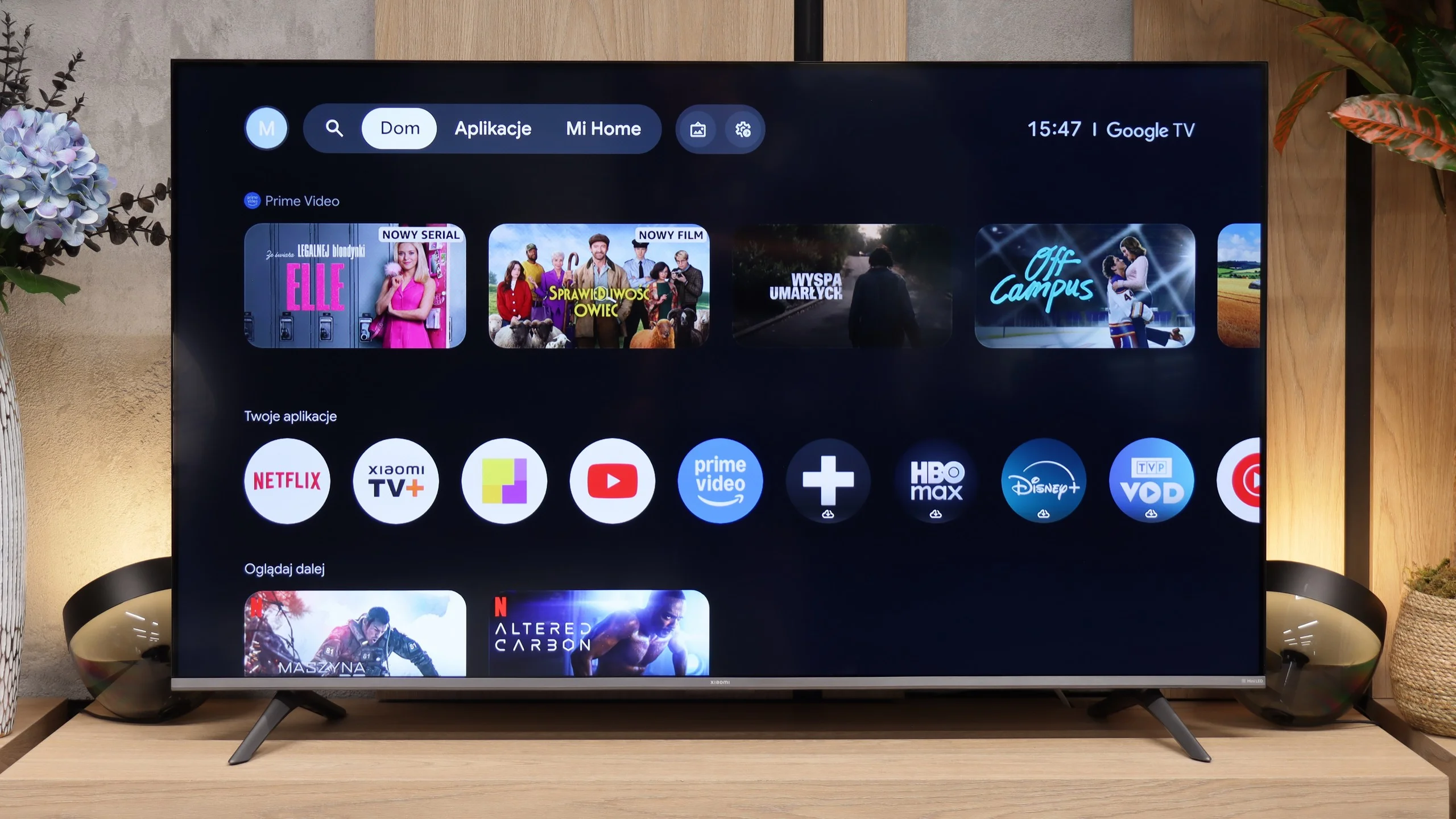
Xiaomi S Mini 2026 runs on Google TV, which remains one of the most comprehensive Smart TV platforms. You’ll find practically all the popular apps here, such as Netflix, YouTube, Prime Video, Disney+, HBO Max and Canal+, and thanks to the Google Play Store you can install many other programmes. It also supports Google Assistant, Chromecast and the ability to control the TV from your smartphone.

Unfortunately, on the smaller models the system doesn’t run as smoothly as we’d expect. Switching between apps or navigating the menu can take a moment, and the interface sometimes responds with a slight delay. It’s not a level that prevents using the TV, but compared with the competition it’s clear this isn’t the fastest version of Google TV on the market.

Classic features

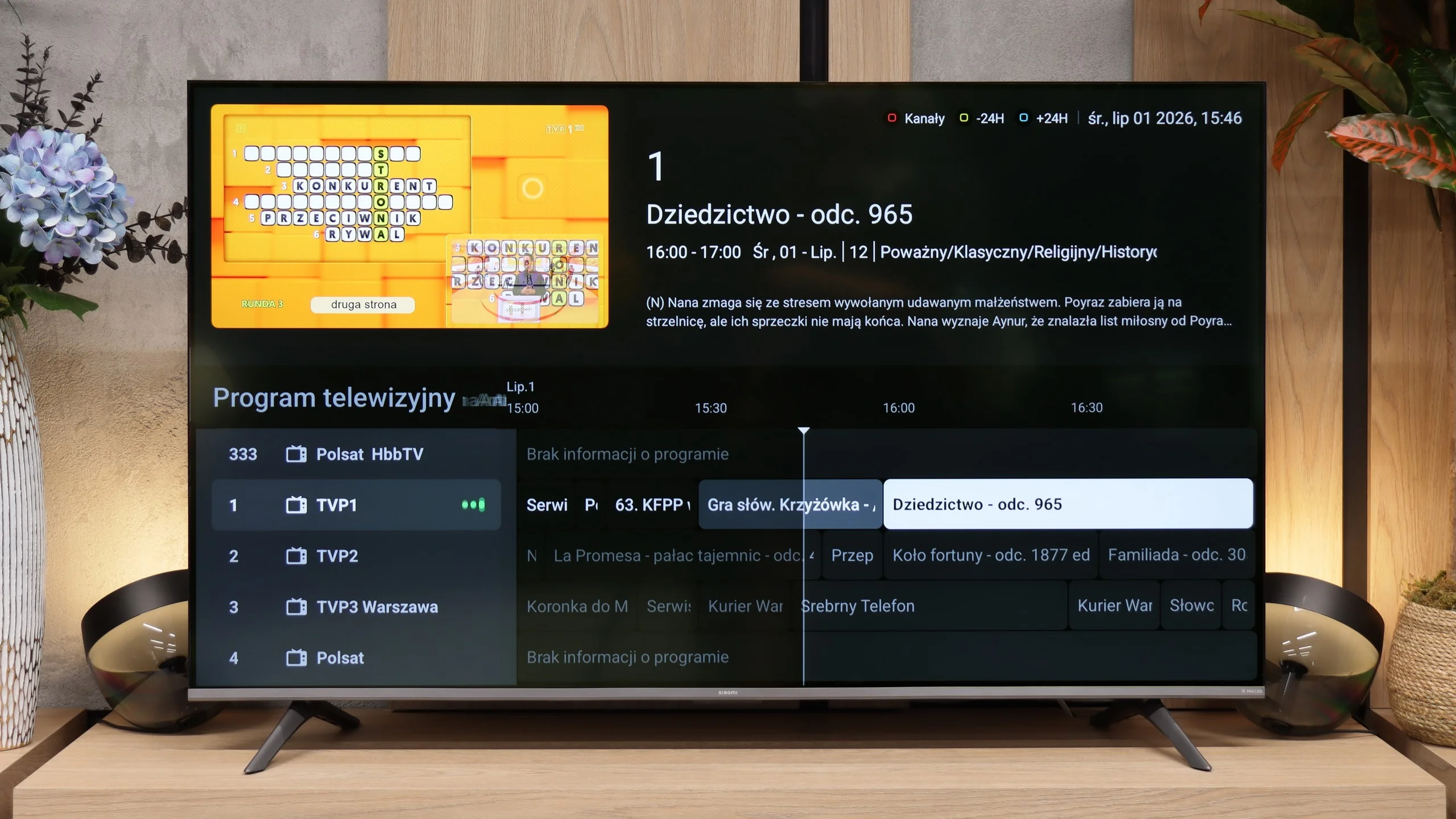
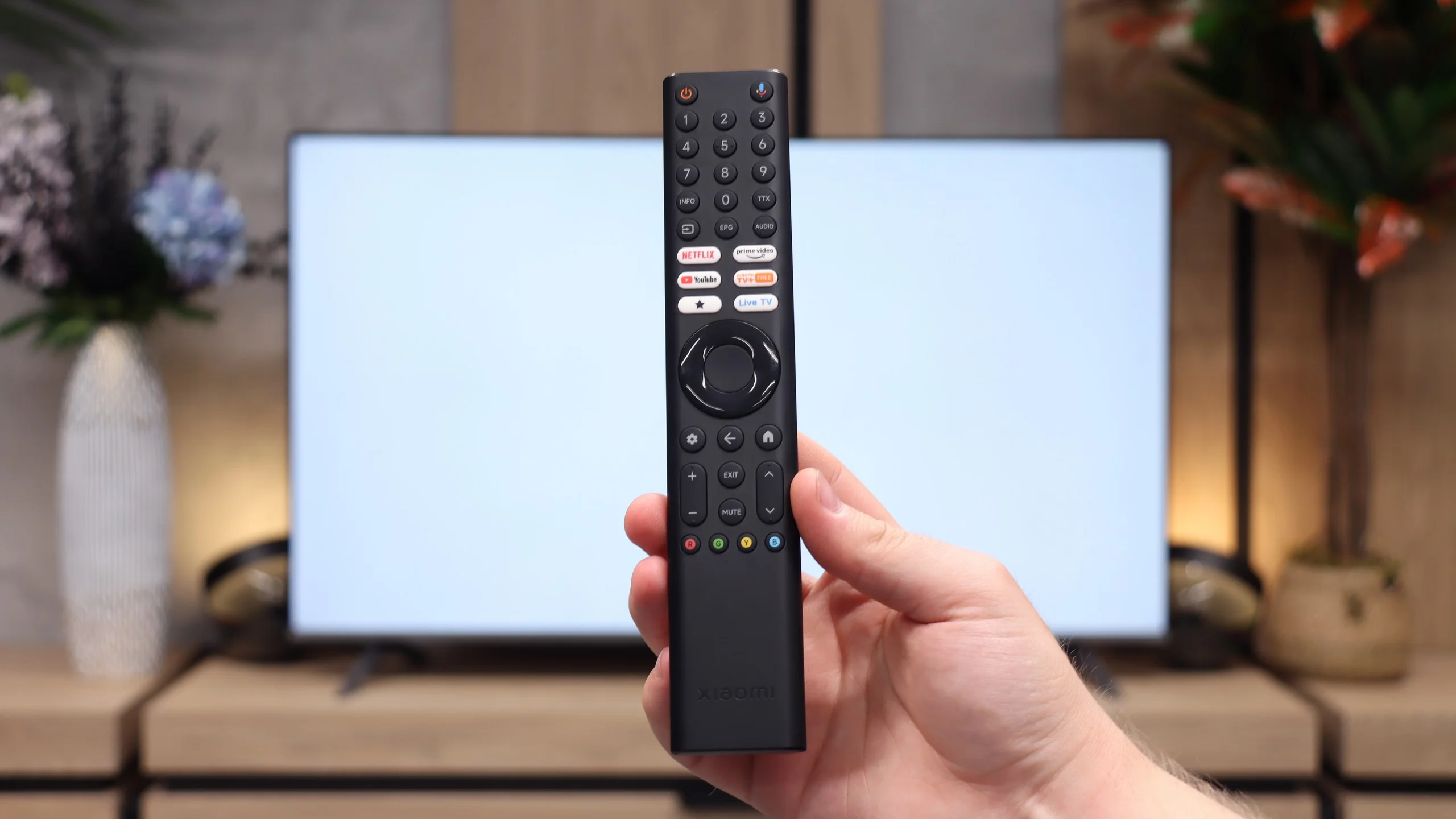
If you mainly use traditional broadcast TV, Xiaomi doesn’t offer anything beyond what you’d expect from a modern television. There’s an electronic programme guide and teletext. The manufacturer also includes a remote control with a classic numeric keypad, which is increasingly rare these days, but for many people will still be a convenient way to change channels.

Worth noting is the presence of an analogue 3.5mm headphone output. This is a feature that is disappearing from TVs year by year, giving way to only digital audio outputs. Thanks to it you can easily connect older wired headphones or speakers without needing extra adapters.

Apps

9.6/10

9.6/10

OK
Disney_Plus
OK
Amazon_Prime_Video
OK
Player_TVN
OK
Polsat_Box_Go
OK
Canal_Plus_Online
OK
TVP_VOD
OK
Apple_TV_Plus
OK
SkyShowtime
OK
Rakuten
OK
CDA_Premium_Browser
OK
Spotify
OK
Tidal
OK
Netflix
OK
YouTube
OK
HBO_MAX
OK
Kodi
No
Apple_music
OK
Eleven_sports
No
Xbox Game Pass
OK
GeForce NOW
No
Amazon Luna
OK
Boosteroid
OK
Steam Link
OK
Disney_Plus
OK
Amazon_Prime_Video
OK
Player_TVN
OK
Polsat_Box_Go
OK
Canal_Plus_Online
OK
TVP_VOD
OK
Apple_TV_Plus
OK
SkyShowtime
OK
Rakuten
OK
CDA_Premium_Browser
OK
Spotify
OK
Tidal
OK
Netflix
OK
YouTube
OK
HBO_MAX
OK
Kodi
No
Apple_music
OK
Eleven_sports
No
Xbox Game Pass
OK
GeForce NOW
No
Amazon Luna
OK
Boosteroid
OK
Steam Link

Playing files from USB

9/10

6.5/10

Supported photo formats:

JPEG
Yes
Yes
HEIC
Yes
No
PNG
Yes
Yes
GIF
Yes
Yes
WebP
Yes
No
TIFF
No
No
BMP
Yes
Yes
SVG
No
No

Maximum photo resolution:

4 Mpix
Yes
Yes
6 Mpix
Yes
Yes
8 Mpix
Yes
Yes
10 Mpix
Yes
Yes
12 Mpix
Yes
Yes
16 Mpix
Yes
Yes
20 Mpix
Yes
Yes
24 Mpix
Yes
Yes
28 Mpix
Yes
Yes
32 Mpix
Yes
Yes

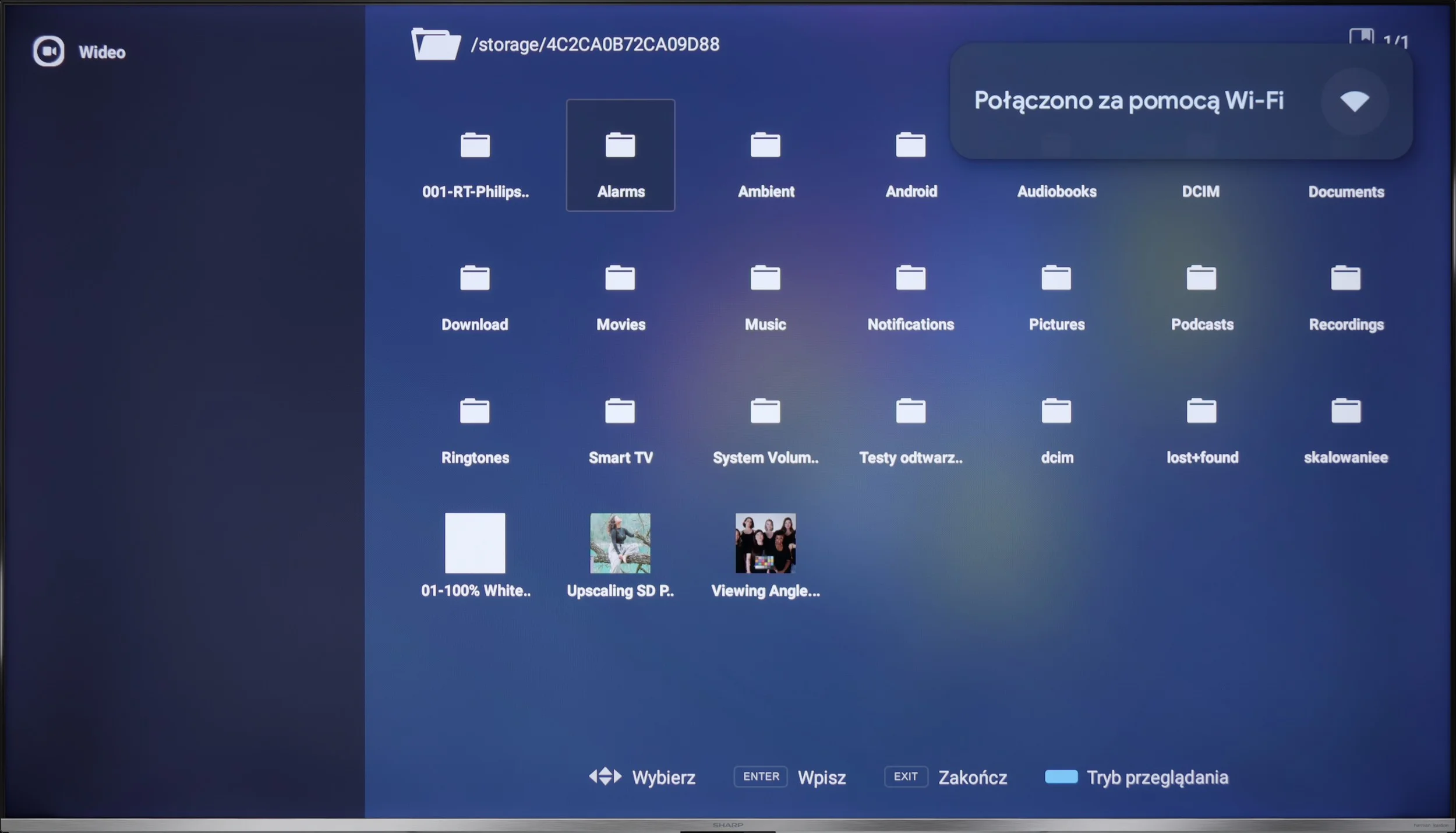
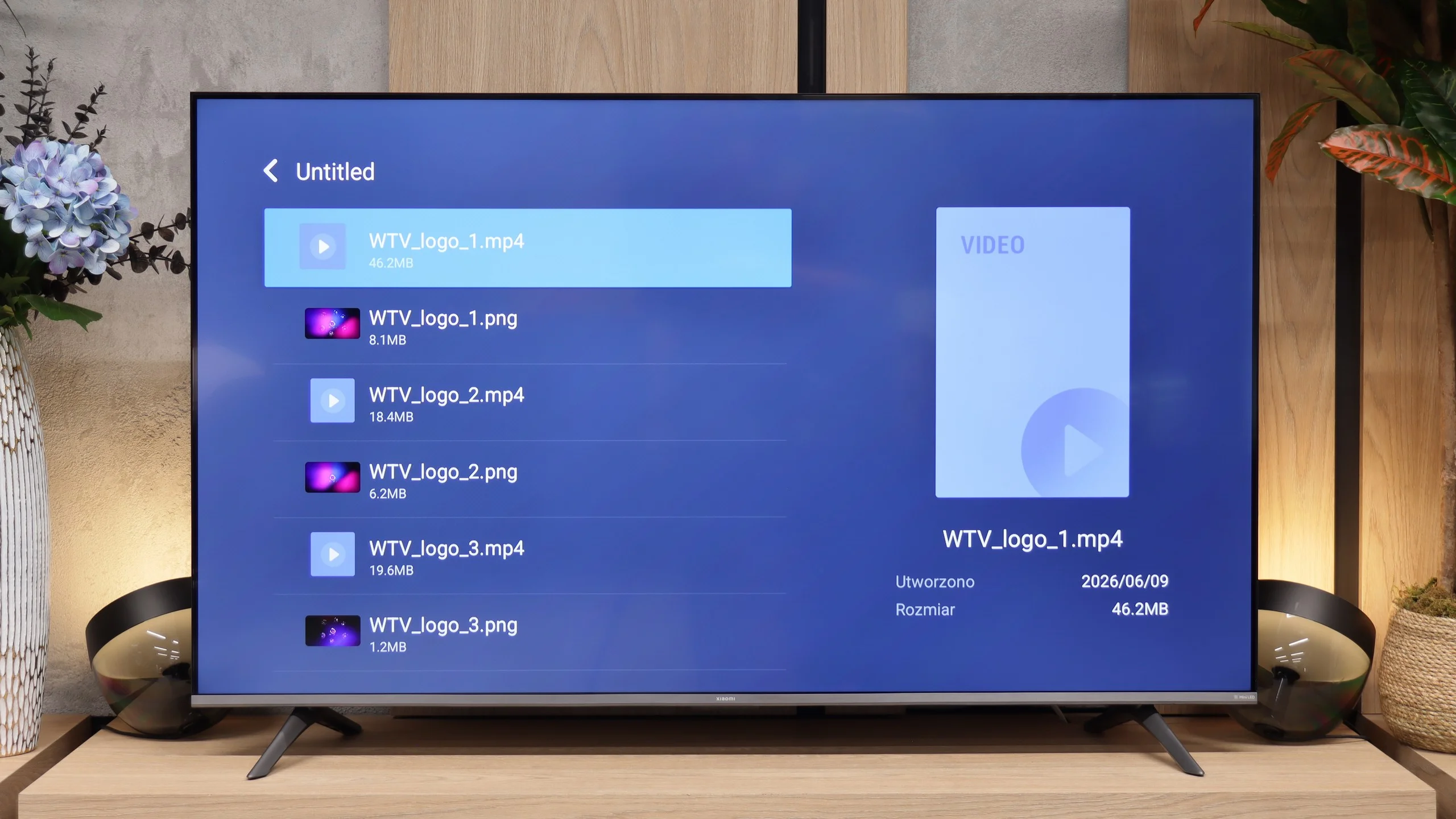
The media player performs quite well, supporting most popular formats. The only minor downside is the inability to change the font colour in subtitles, although for some of us, that’s a detail. We can always install another player from the Google Play store and customise it to our own preferences.

The built-in USB file player copes quite well and opens most popular formats without any trouble. However, if you come across a file it doesn't support, Google TV makes it easy to install another player, for example VLC. Our biggest gripe is with subtitles. The stock app doesn't handle some characters outside the basic Latin alphabet correctly, so you may run into problems with Polish letters. If you often watch movies from USB, it's better to use an external app.

Sound

6.6/10

5/10

  • Maximum volume
    -
    89dB
  • Dolby Digital Plus 7.1
    Yes
    Yes
  • Dolby True HD 7.1
    No
    Yes
  • Dolby Atmos in Dolby Digital Plus (JOC)
    Yes
    Yes
  • Dolby Atmos in Dolby True HD
    No
    Yes
  • DTS:X in DTS-HD MA
    No
    Yes
  • DTS-HD Master Audio
    No
    Yes

Despite collaborating with Harman Kardon, the speakers perform rather average. The sound is decent, but there's nothing in it that really surprises us. It doesn’t support DTS:X, however, Dolby Atmos is onboard, which, when combined with good material, can slightly enhance the experience. If we care about better audio quality, we will likely consider purchasing an external soundbar or audio system anyway.



In terms of sound, the Xiaomi S Mini 2026 doesn’t stand out. The speakers are more than adequate for everyday TV watching, but with movies or concerts their limitations quickly become apparent. The biggest shortfall is the lack of bass, which leaves the overall sound rather flat. If you want better audio, it’s worth considering adding a soundbar.

Sound Quality Test

No sound test video

Acoustic Measurements

No acoustic data

89dBC (Max)

75dBC

Reader comments

Comments are provided by the external service Disqus (Zeta Global). Once loaded, Disqus may set cookies and process data about your activity.

We will remember your choice on this device. Provider's privacy policy