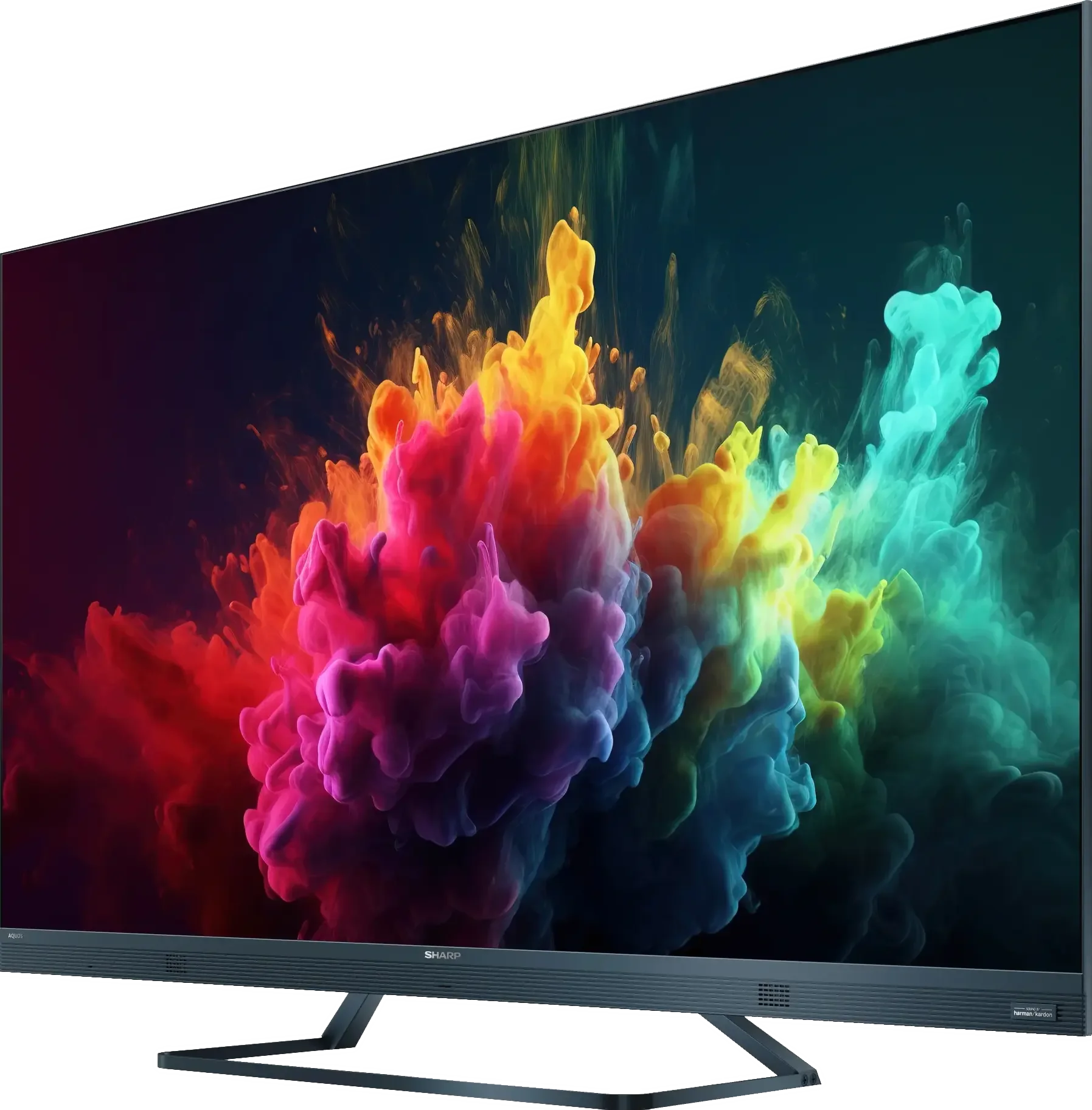
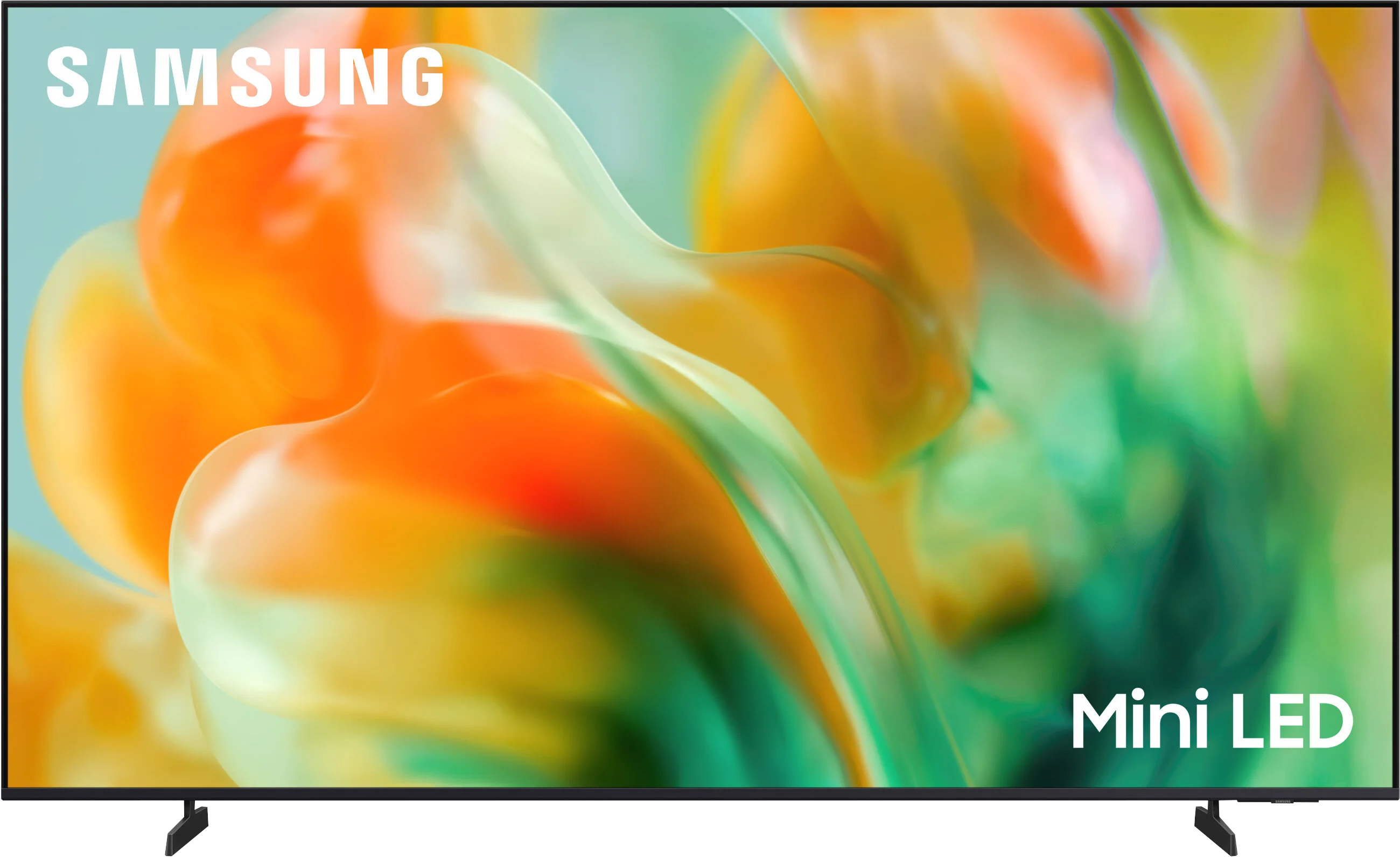
Sharp FQ8 vs Samsung M80H

Direct comparison

M80H / M86H

Info

Available screen sizes: 50”55”65”75”

Available screen sizes: 55”65”75”85”

Review Sharp FQ8 Main photo
Review Samsung M80H Main photo

Panel type: LCD VA

Resolution: 3840x2160

System: Google TV

Model year: 2024

Panel type: LCD VA

Resolution: 3840x2160

System: Tizen

Model year: 2026

Check how well they match your needs

Take the survey

Overall rating

6.4

6.9

  • Movies and series in UHD quality

    6.4

    6.5

  • Classic TV, YouTube

    6.2

    6.6

  • Sports broadcasts (TV and apps)

    6.2

    6.7

  • Gaming on console

    7.4

    8.8

  • TV as a computer monitor

    3.0

    8.9

  • Watching in bright light

    5.4

    5.0

  • Utility functions

    6.5

    7.3

  • Apps

    9.6

    9.3

  • Sound quality

    6.0

    6.0

Advantages

  • High native contrast

  • Smooth tonal transitions

  • 120 Hz matrix

  • Advanced features for gamers

  • Low input lag

  • Harman/Kardon branded audio

  • Three HDMI 2.1 ports with VRR and ALLM support

  • Dedicated motion enhancer for gamers - Game Motion Plus

  • Low input lag

  • High refresh rates: 4K 144 Hz and Full HD 240 Hz

  • Decent contrast thanks to a VA panel

  • Relatively low smearing for a VA panel

  • Vibrant colours thanks to the PFS filter (a different QLED 😉)

  • Good digital image processing for its class

  • Fast Tizen system with a large selection of apps

Disadvantages

  • Poor viewing angles

  • Dolby Vision IQ does not work properly

  • Average response time of the panel

  • Poor font readability when connected to a PC

  • No local dimming despite being labelled Mini-LED!

  • Low brightness: 350 nits

  • No support for Dolby Vision and DTS:X formats

  • No Toslink optical audio output

Our verdict

The Sharp FQ8 television offers numerous features that set it apart in its price range. It operates on the Google TV platform, granting access to a wide array of applications and intuitive navigation. A 120 Hz refresh rate panel ensures smooth image rendering, while low input lag makes it an appealing option for gamers. The high native contrast delivers deep, vivid blacks, and the television achieves a respectable brightness of 450 nits, allowing for comfortable HDR content viewing. Additionally, advanced formats like Dolby Vision are supported, and the inclusion of quantum dots (Quantum Dot/QLED) enhances the wide colour gamut coverage.

However, the Sharp FQ8 has its shortcomings. The lack of dynamic tone mapping control in HDR mode may disappoint more demanding users, and despite featuring Dolby Vision IQ, its performance is underwhelming. The panel's average response time can impact the clarity of fast-moving scenes, and limited viewing angles significantly reduce image quality when viewed from the side.

Despite these drawbacks, the Sharp FQ8 stands out as a solid choice, offering a good balance of quality, image fluidity, and an enjoyable audio system, all at a competitive price. While not flawless, it should meet the needs of most users seeking an affordable television with a 120 Hz panel.

The M80H shows its strengths best where motion matters most. A fast panel, a refresh rate up to 144 Hz and relatively low motion blur make sports and fast-paced games look really good. In this respect the TV can even outperform some significantly more expensive Samsung LCD models. Gamers also get low input lag, three full-bandwidth HDMI 2.1 ports and Game Motion Plus, which can improve the smoothness of games running at 30 or 60 fps. When connected to a PC you can also use a 240 Hz refresh rate, though only at Full HD. A notable advantage of the M80H is its NQ4 AI Gen2 processor, until recently used in higher-tier Samsung ranges. It handles lower-resolution content well and can improve the look of weak sports broadcasts or heavily compressed recordings. The additional picture-enhancing features do produce a noticeable effect, though at higher settings they become too aggressive and start to interfere with a natural image. Still, they’re worth noting as a plus, because in the cheapest TVs similar solutions often have much less impact. The biggest reservations concern calling the M80H a Mini-LED TV. It lacks local dimming, the feature that usually accounts for the main advantage of the technology. A brightness level of around 350 nits also doesn’t allow for particularly impressive HDR. In terms of picture quality the M80H is therefore much closer to basic LCD TVs than to more advanced Neo QLED models like the QN80H. That doesn’t mean films look bad on it. The VA panel provides decent contrast, and the PFS filter delivers attractive, saturated colours. You should be aware, however, that the lack of local dimming noticeably limits the TV’s picture quality potential. So the M80H isn’t a model that demonstrates the full potential of Mini-LED backlighting. It will suit gamers or sports fans much better, for whom panel speed, low input lag and extensive gaming features are the priorities. If its price stays clearly lower than models equipped with local dimming, that compromise could be a sensible choice for that group of users.

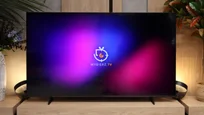
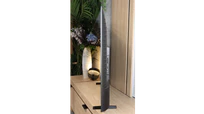
TV appearance

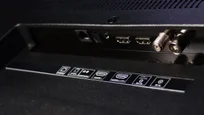
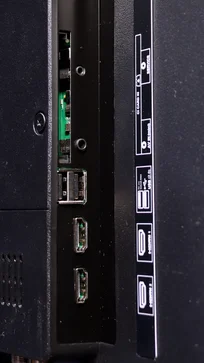
HDMI inputs
2 x HDMI 2.0, 2 x HDMI 2.1 (48Gbps)
0 x HDMI 2.0, 3 x HDMI 2.1 (48Gbps)
Other inputs
RCA (Chinch)
Outputs
Toslink (Optical audio), eARC (HDMI), ARC (HDMI), Mini-Jack (Headphones)
eARC (HDMI), ARC (HDMI)
Network Interfaces
Wi-Fi 2.4GHz, Wi-Fi 5GHz, Ethernet (LAN) 100Mbps
Build quality
Good
Average
Stand type
Legs
Legs
Bezel color
Graphite
Graphite
Stand
Fixed
Fixed
Accessories
Stand
Stand

Contrast and black detail

6.2/10

6.3/10

Local dimming function: No

Local dimming function: No

Contrast:

Review Sharp FQ8 Contrast and black detail

Result

5,200:1

Review Sharp FQ8 Contrast and black detail

Result

7,200:1

Review Sharp FQ8 Contrast and black detail

Result

7,700:1

Review Sharp FQ8 Contrast and black detail

Result

8,100:1

Review Sharp FQ8 Contrast and black detail

Result

4,800:1

Review Samsung M80H Contrast and black detail

Result

5,950:1

Review Samsung M80H Contrast and black detail

Result

7,150:1

Review Samsung M80H Contrast and black detail

Result

8,150:1

Review Samsung M80H Contrast and black detail

Result

7,850:1

Review Samsung M80H Contrast and black detail

Result

5,550:1

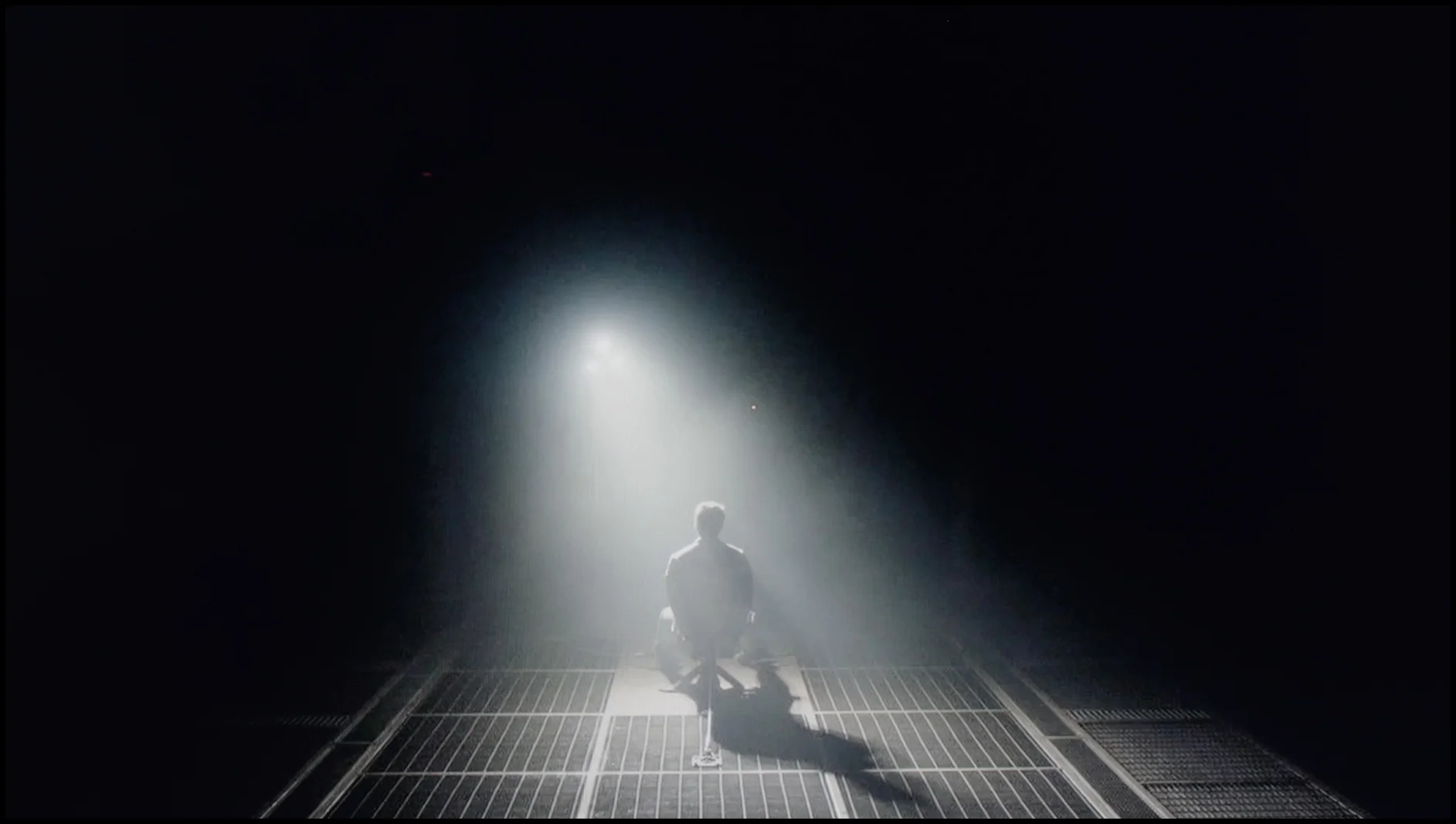
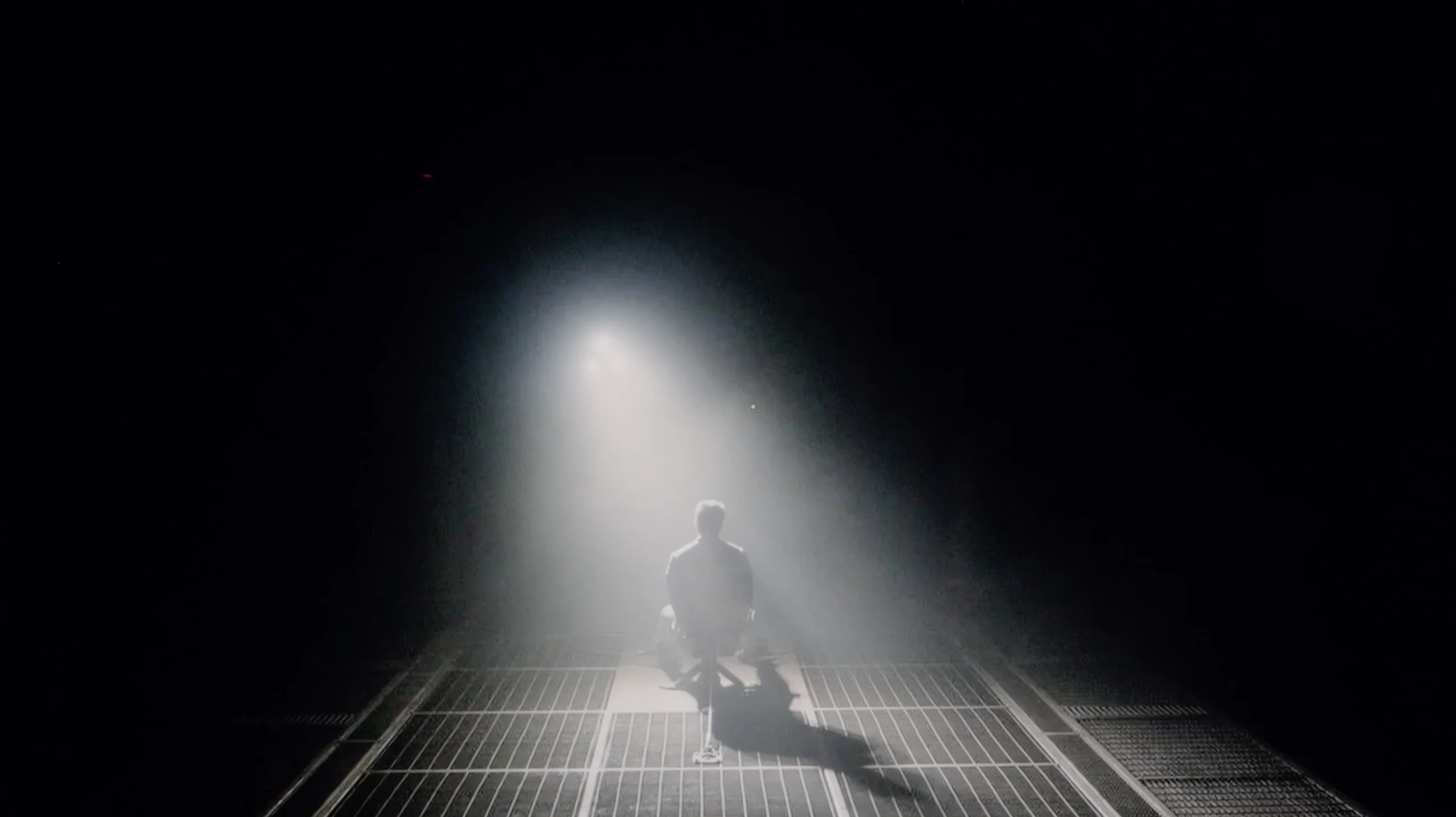
Halo effect and black detail visibility:

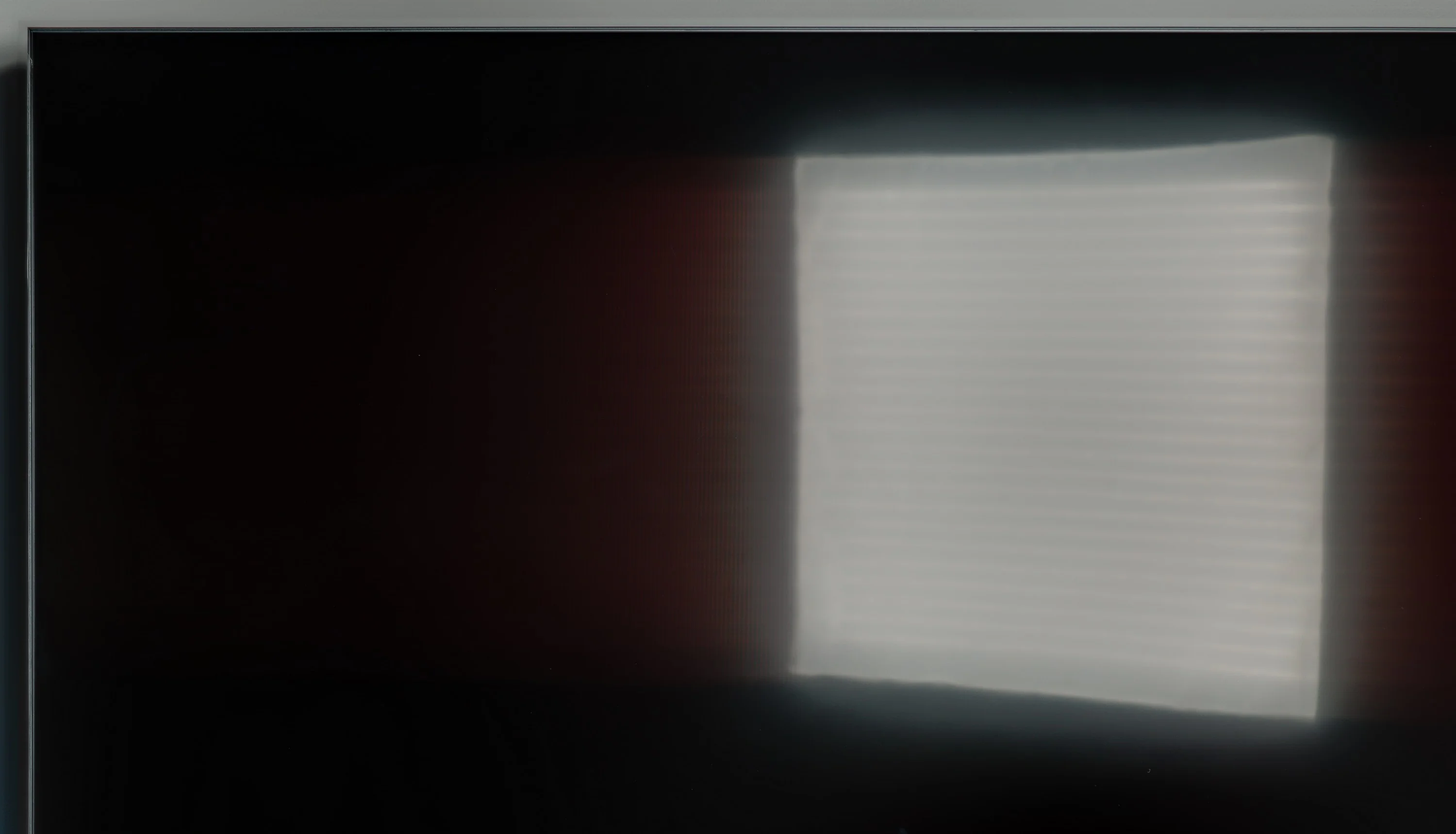
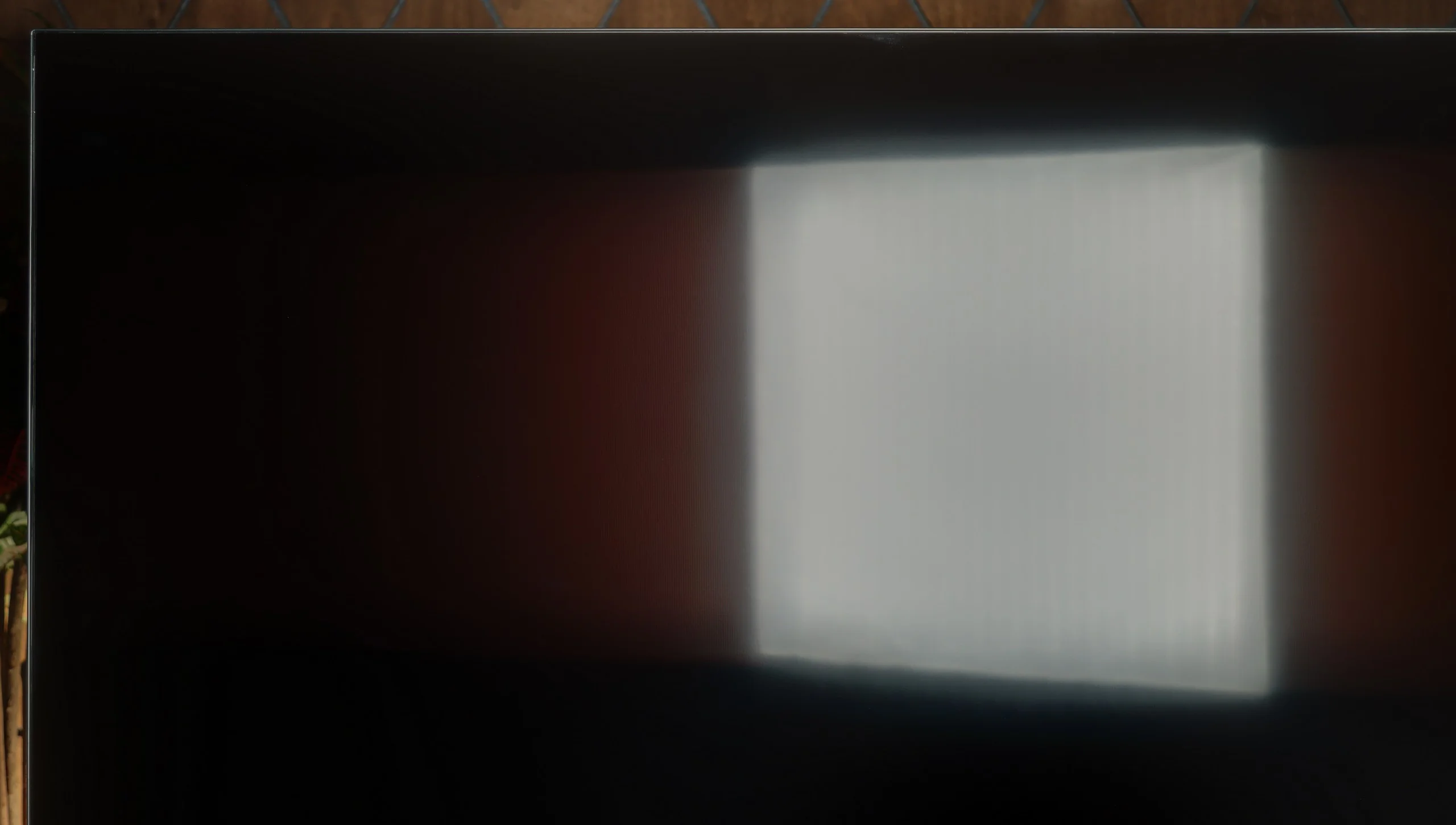
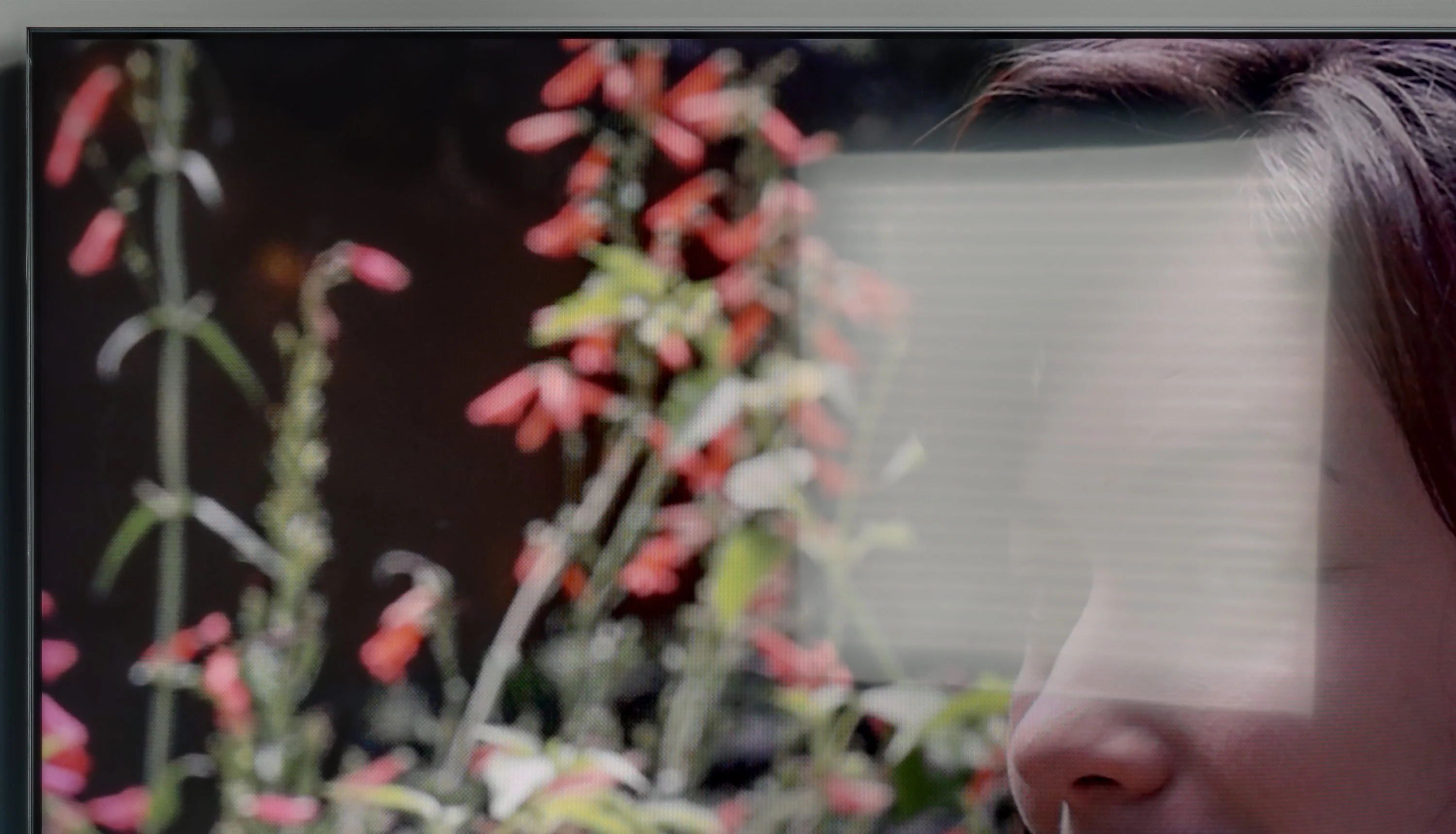
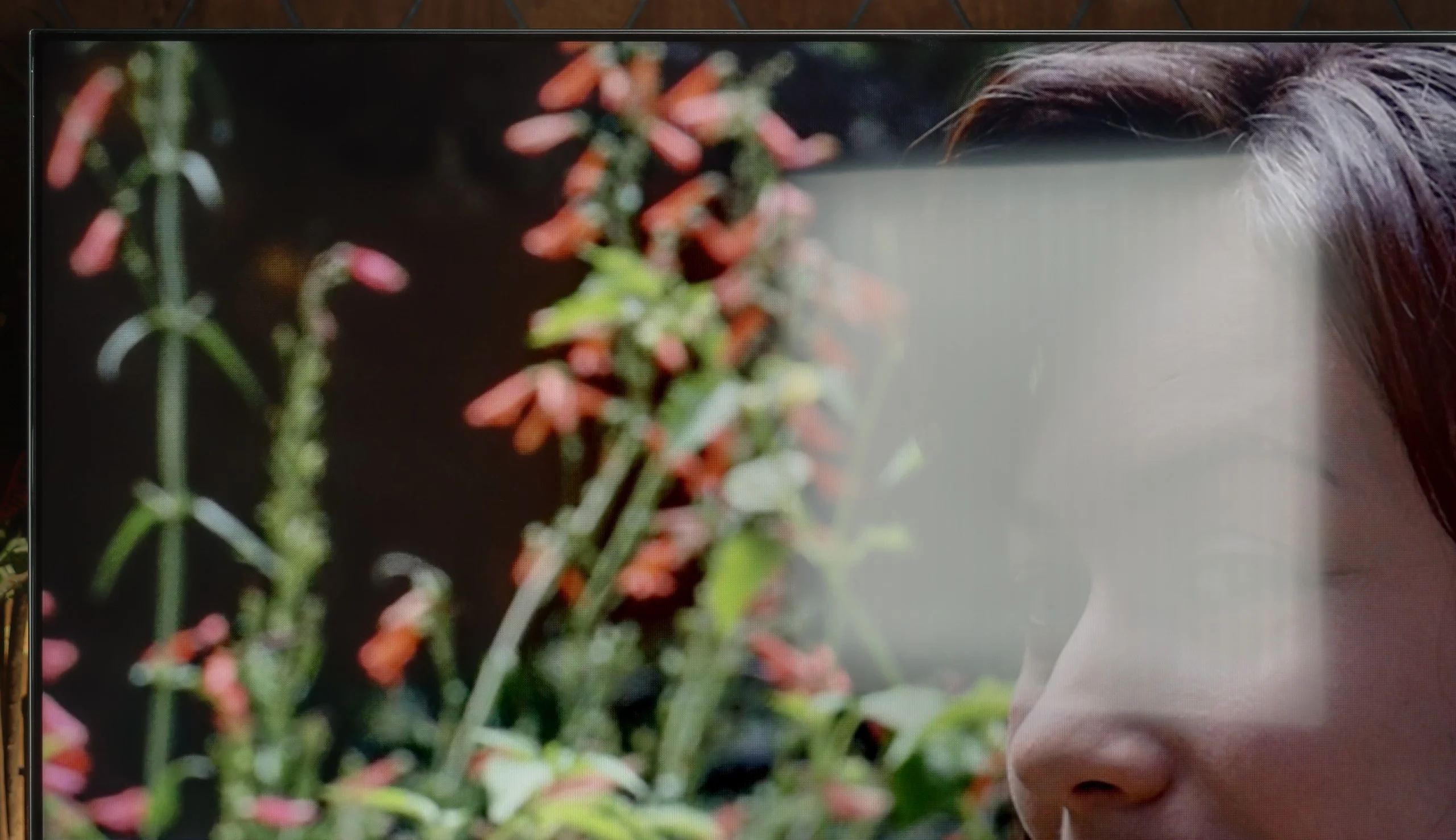
Check the visibility of bright lights on a dark background. Mini-LEDs often struggle with this. The photo does not compare black levels – that’s what the video below is for.

The video accurately shows differences in contrast and black levels between TVs, as well as potential issues: halo around bright objects or Mini-LED zone operation visible as brightness jumps.

The Sharp FQ8, with its VA panel, delivers an exceptionally high native contrast ratio, achieving an impressive 8100:1 in tests using film test patterns. This result significantly surpasses most competitors in its price range and is a rare achievement. The high contrast provides excellent depth to images, especially in scenes with pronounced differences between light and dark elements. This makes it particularly strong in contrast performance and black-level quality, which are critical factors in overall image evaluation.

The television features direct backlighting (Direct LED), which helps maintain consistent brightness levels. However, it lacks local dimming support, a common limitation in this price category. While this does slightly impact the depth and clarity of blacks in darker scenes, the high native contrast ensures the Sharp FQ8 still delivers a strong viewing experience.

Samsung M80H is an LCD TV that, according to the manufacturer, uses Mini-LED backlighting. They may indeed have used smaller LEDs placed directly behind the screen, but it’s not the same kind of Mini-LED found in pricier TVs. The M80H doesn’t have local dimming, so the backlight can’t independently control the brightness of different parts of the image. Blacks are quite respectable, mainly thanks to the VA panel used. Depending on the scene, we measured contrast of about 5500:1 to over 8000:1. For a TV without local dimming these are good results, and it’s exactly in such designs that VA panels have a considerable advantage over IPS/ADS panels. It’s worth noting that some results exceed the native contrast of the panel itself, which is around 5000:1. Samsung has implemented a global dimming feature. When there’s a lot of black on the screen, the TV dims the entire backlight, making dark areas appear deeper. However, this comes at the expense of the brightness of other image elements. So the M80H won’t strongly boost a small bright spot while keeping deep blacks around it; it dims or brightens the whole screen.

HDR effect quality

5.3/10

4.7/10

Supported formats
HDR10, Dolby Vision, HLG
HDR10, HDR10+, HLG
Color gamut coverage
DCI P3: 93.6%, BT.2020: 74.6%
DCI P3: 96.0%, BT.2020: 71.9%

Luminance measurements in HDR:

Review Sharp FQ8 Brightness measurement

Result

384 nit

Review Sharp FQ8 Brightness measurement

Result

399 nit

Review Sharp FQ8 Brightness measurement

Result

465 nit

Review Sharp FQ8 Brightness measurement

Result

461 nit

Review Sharp FQ8 Brightness measurement

Result

463 nit

Review Samsung M80H Brightness measurement

Result

288 nit

Review Samsung M80H Brightness measurement

Result

340 nit

Review Samsung M80H Brightness measurement

Result

349 nit

Review Samsung M80H Brightness measurement

Result

345 nit

Review Samsung M80H Brightness measurement

Result

364 nit

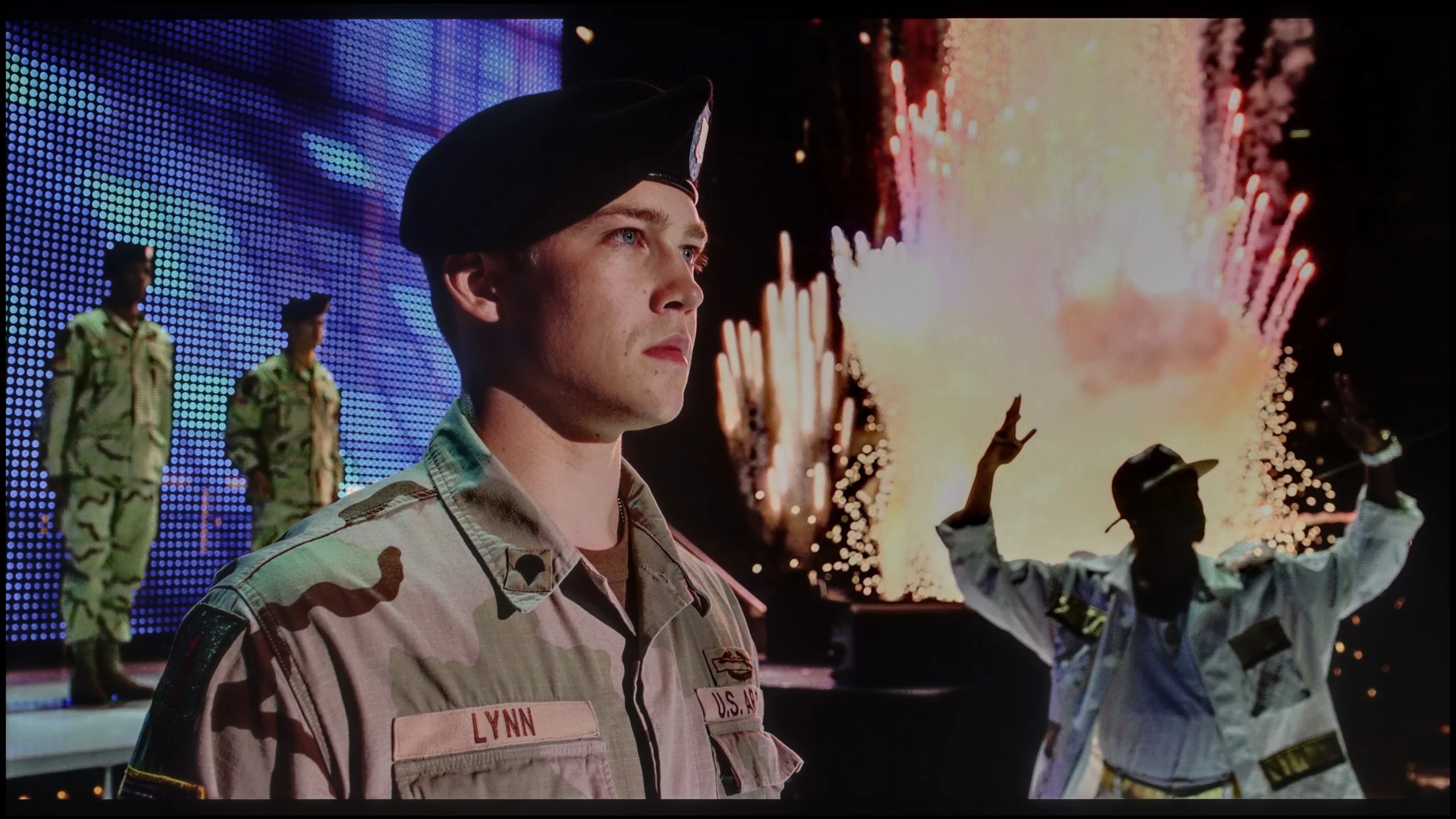
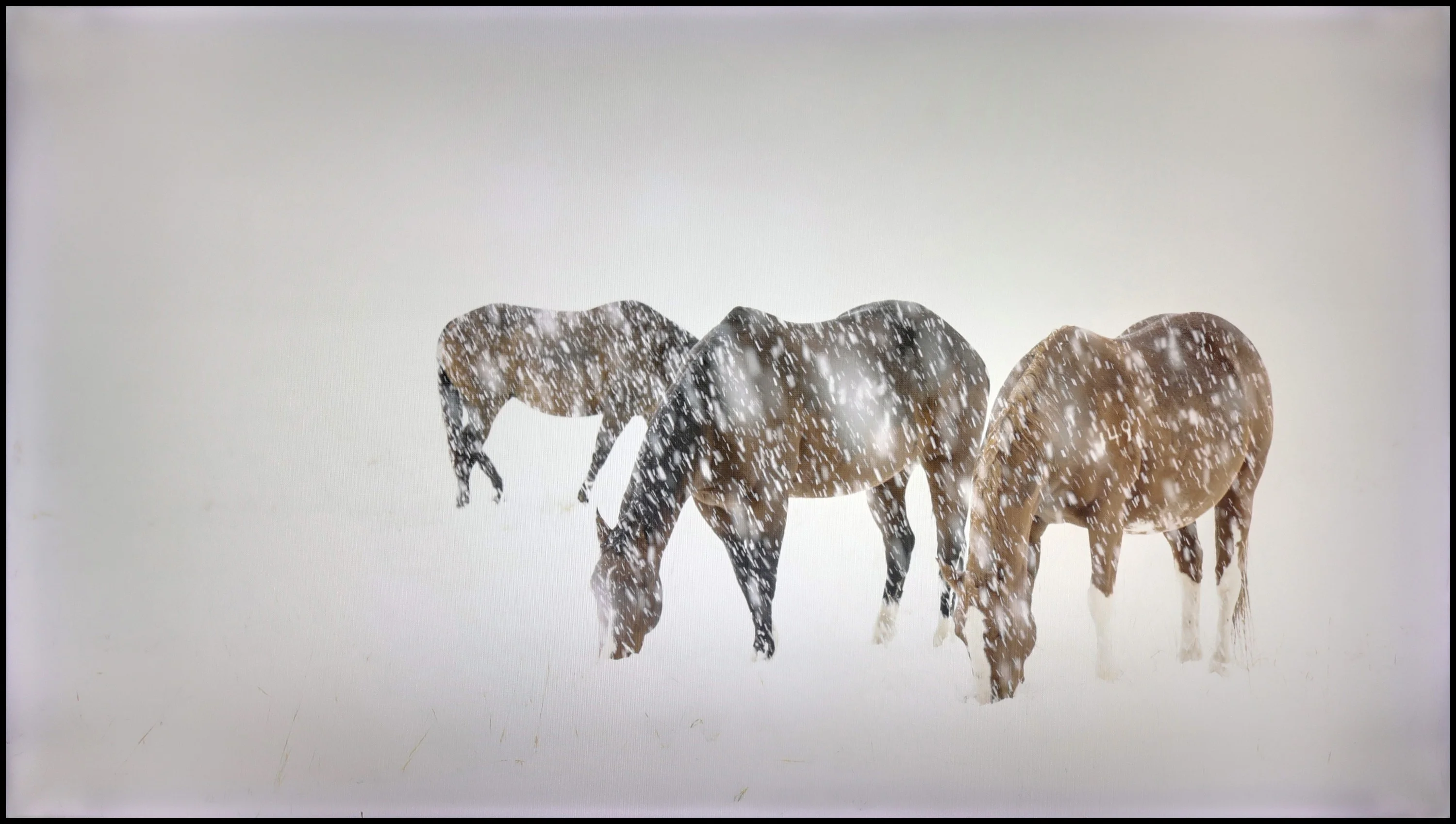
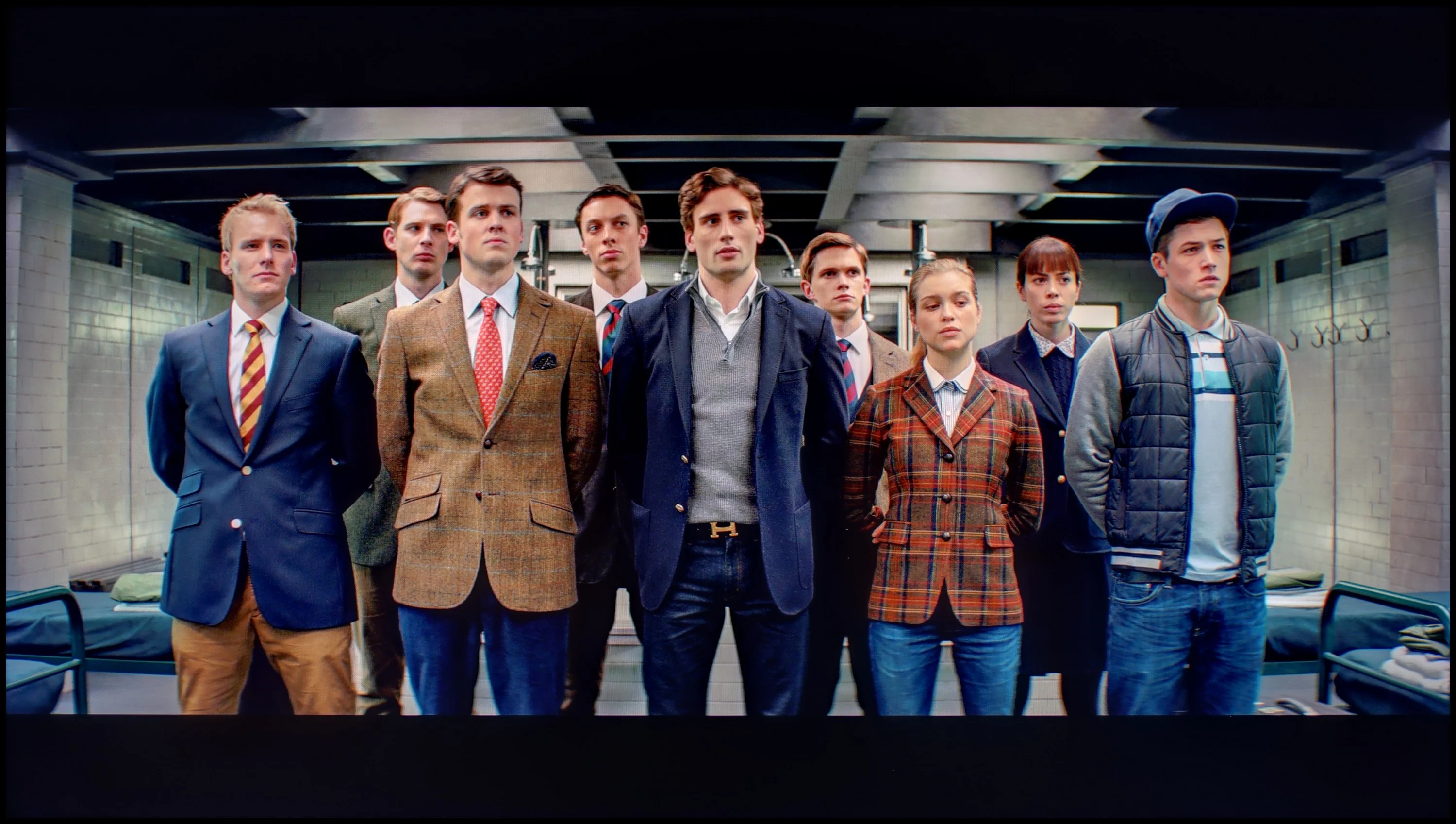
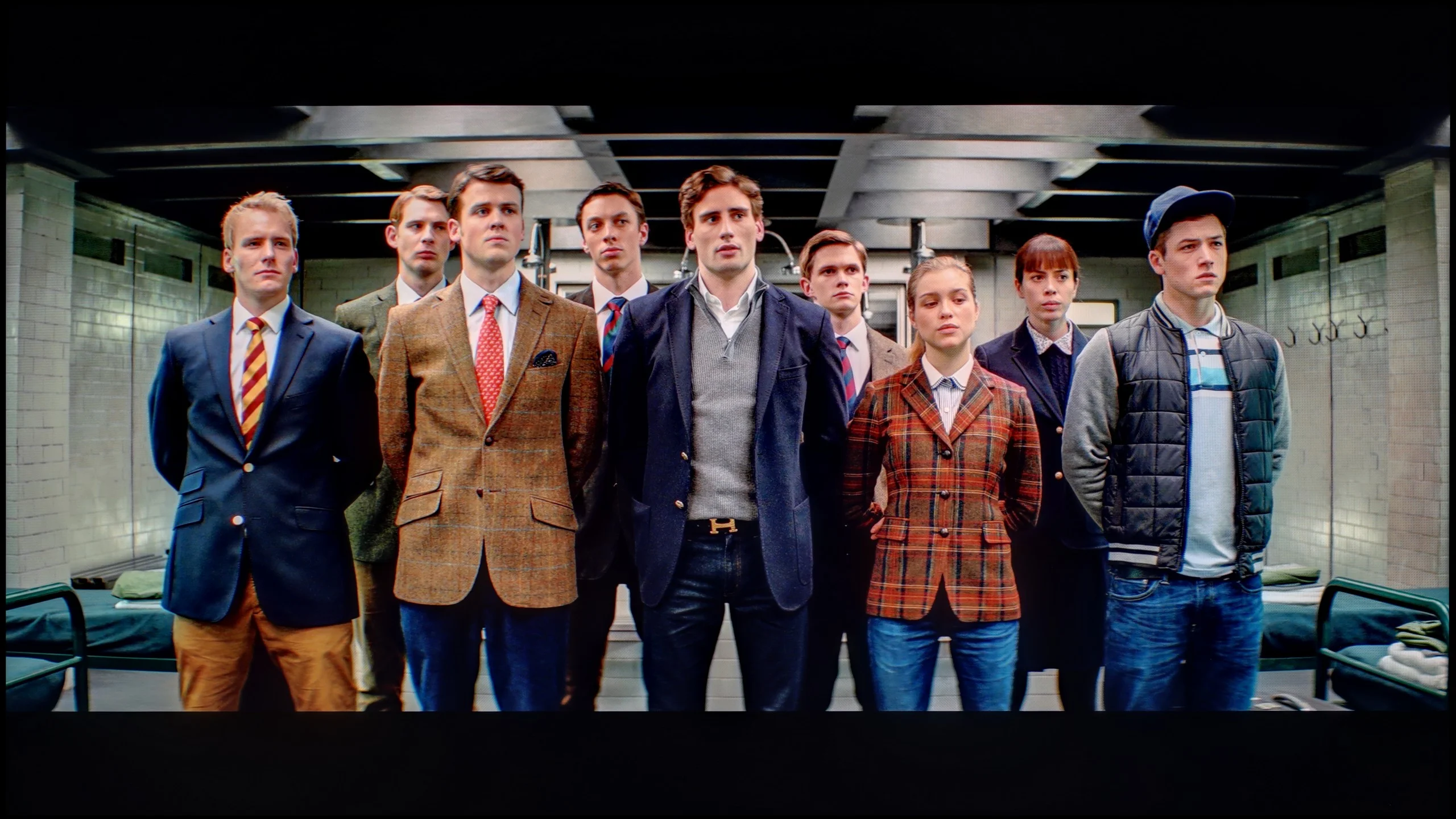
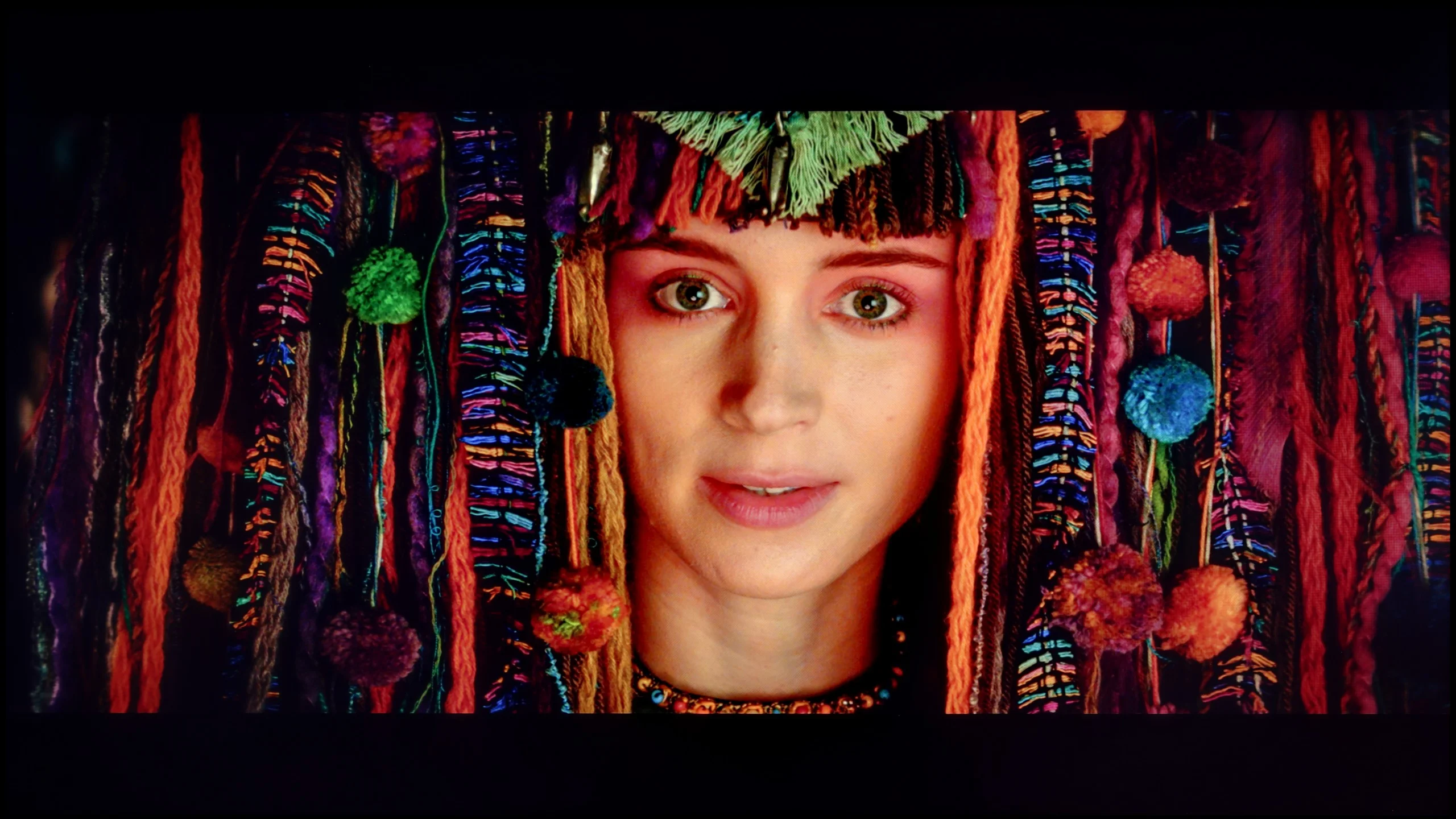
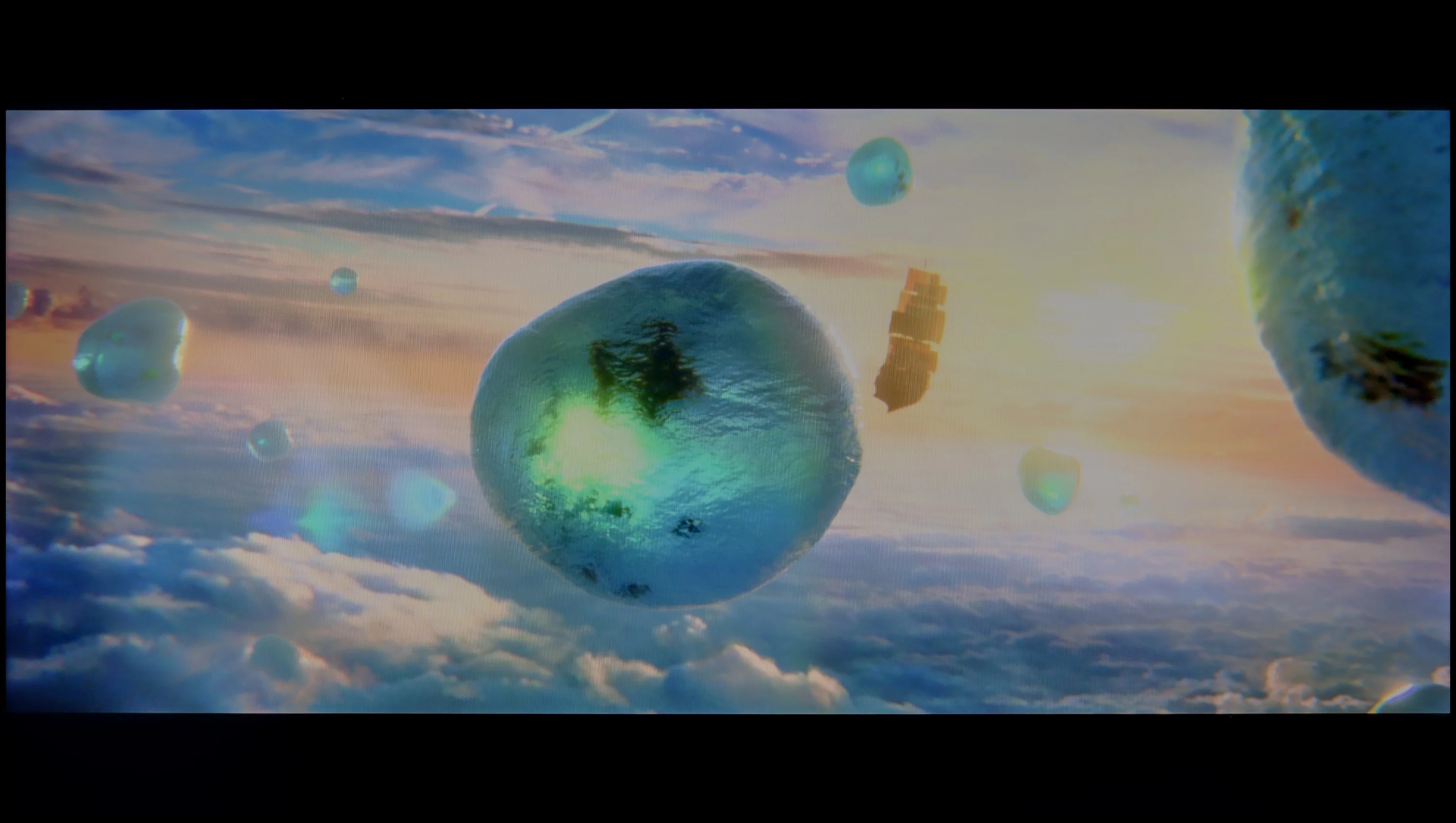
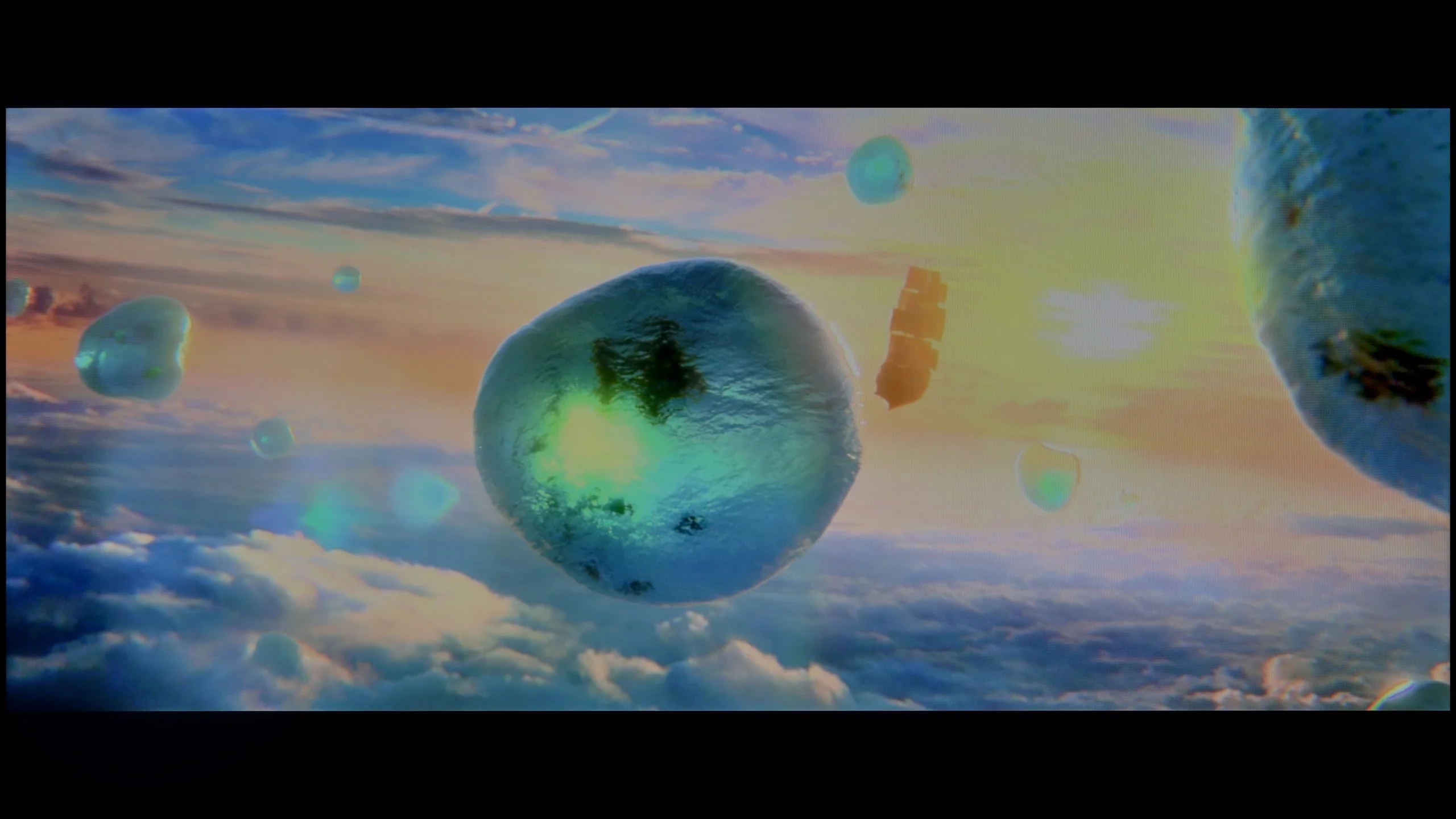
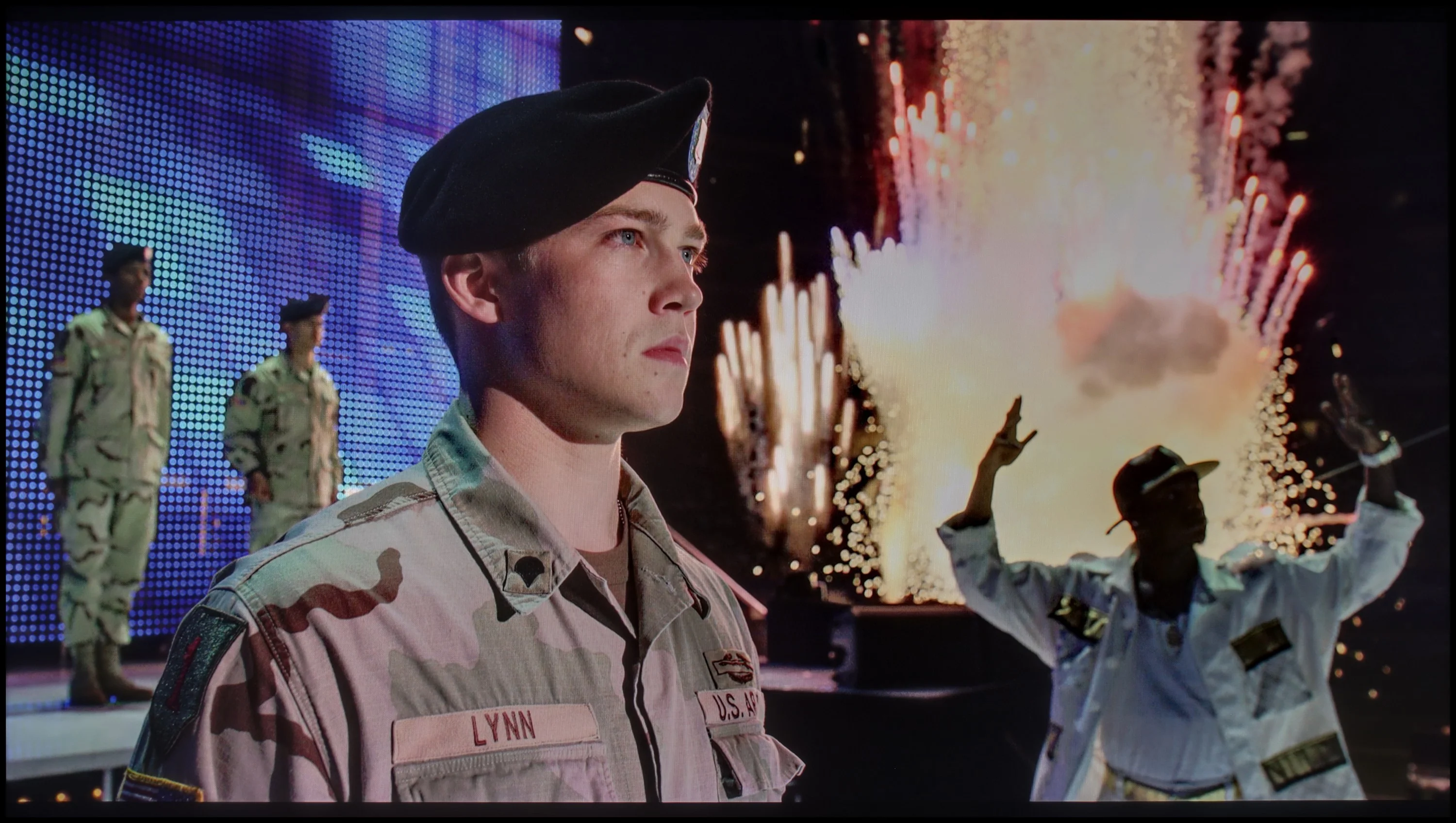
Scene from the movie “Pan” (about 2800 nits)

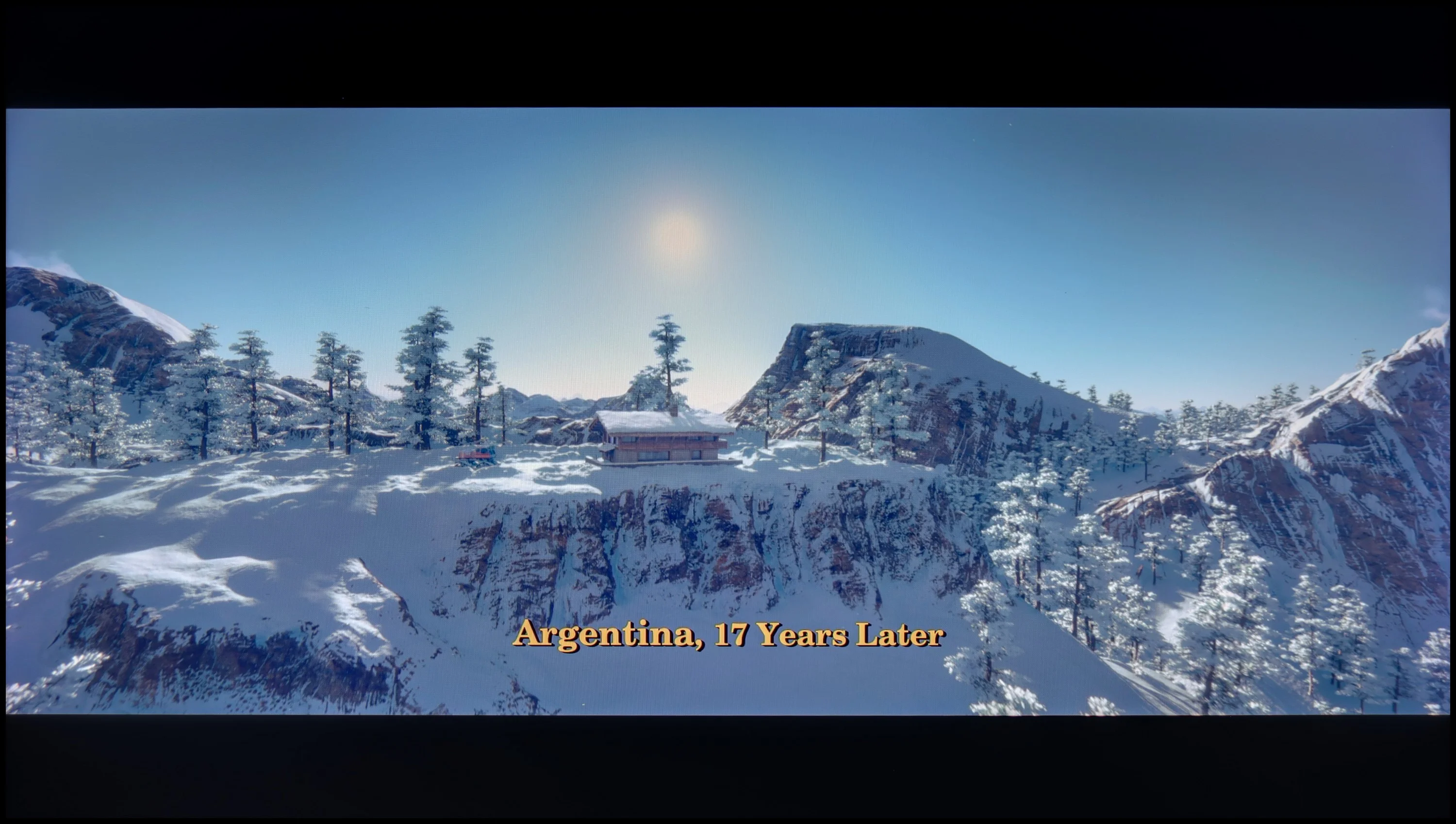
Scene from the movie “Billy Lynn” (about 1100 nits)

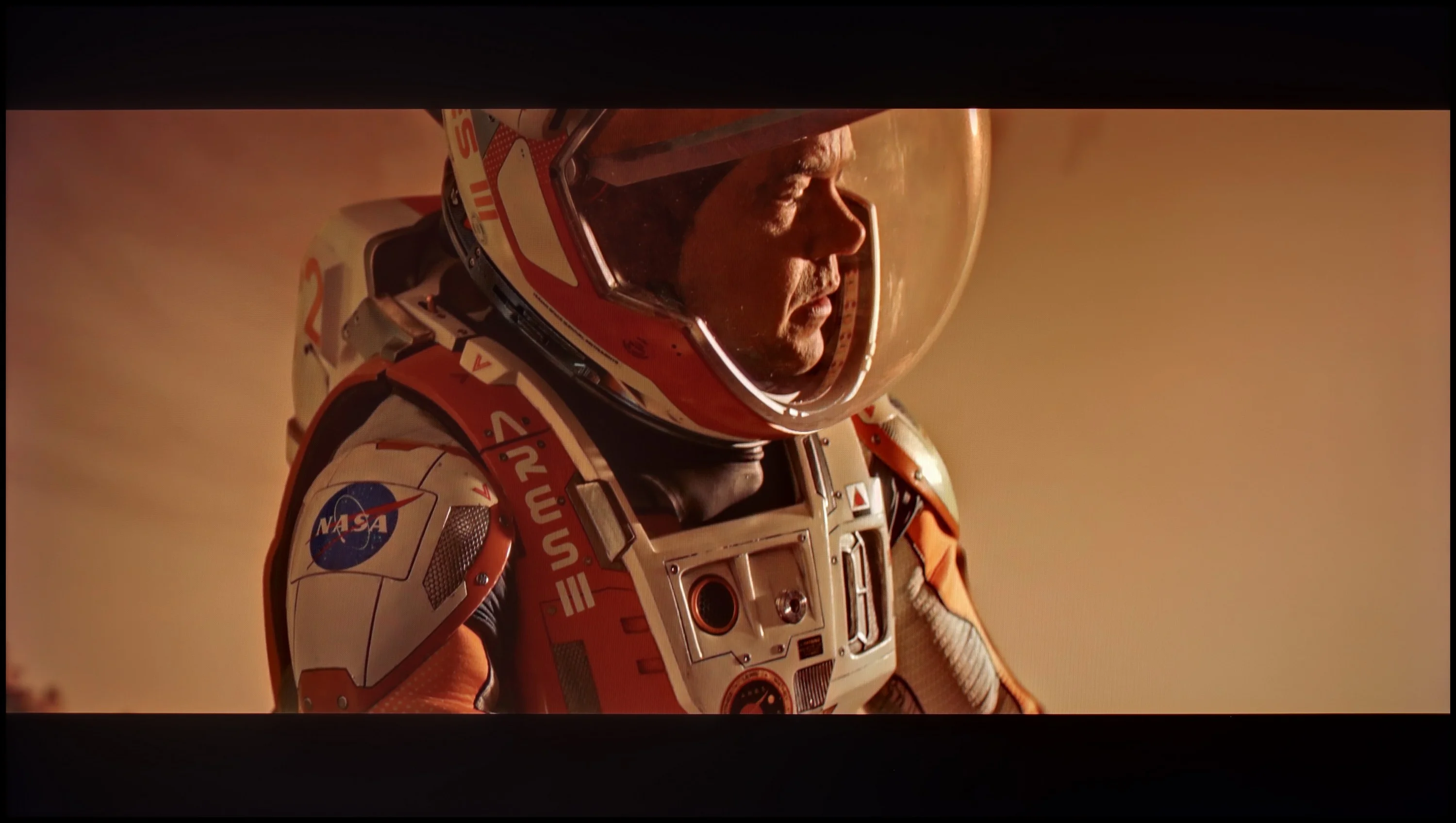
The photos show two HDR10 movies. 'Pan' is one of the brightest productions ever made, while 'Billy Lynn' (soldier) has brightness typical of streaming (Netflix, Prime, HBO MAX). Notice the intensity of effects and detail in whites.

Static HDR10

The photos present the visibility of white details in various HDR formats. They do not show brightness differences between TVs (these can be compared in the previous gallery).

Dynamic: Dolby Vision

Dynamic: HDR10+

The photos present the visibility of white details in various HDR formats. They do not show brightness differences between TVs (these can be compared in the previous gallery).

HDR luminance chart:

Samsung M80H

Sharp FQ8

The Sharp FQ8 achieves a maximum brightness of over 450 nits, which is commendable for its price range. While this level might not be groundbreaking, it places the television among the better-performing models in its class. At this brightness, the image appears vivid and detailed, and the HDR metadata functions effectively, offering a more immersive viewing experience compared to dimmer devices.

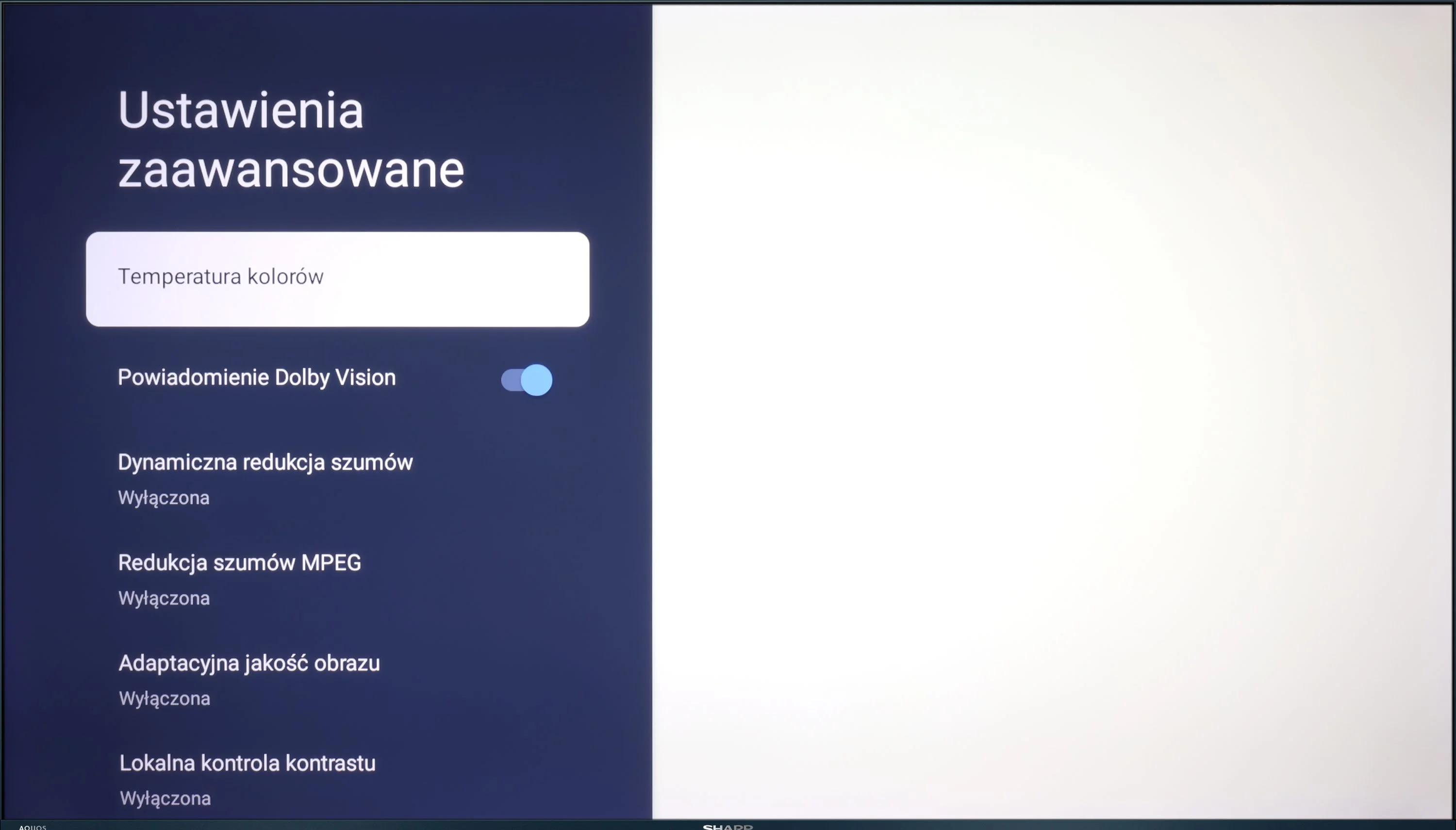
The television supports the advanced Dolby Vision HDR format, enhancing the depth and richness of the content. It also includes Dolby Vision IQ, which adjusts the image's brightness and colours based on ambient lighting. However, the implementation of this feature on the Sharp FQ8 is suboptimal, introducing artificial brightening and noticeable distortions. For this reason, it is advisable to disable Dolby Vision IQ for the most accurate picture quality.

With quantum dot technology, the television achieves a colour gamut coverage of approximately 94%, resulting in vibrant and realistic colours. This combination of features ensures the Sharp FQ8 delivers an engaging and detailed visual experience, even with some limitations.

The M80H is not one of the brightest TVs. Its peak brightness is around 350 nits, and we saw similar results across most of our test scenes. That's not enough to achieve truly striking HDR, as bright highlights lack punch and the overall image is a little too dim. In practice, HDR on the M80H feels more like well-presented SDR than noticeably more dynamic material with a wide brightness range. The picture can still look fine, but it's hard to point to strong highlights, clearly bright light sources, or an effect that immediately sets HDR apart from ordinary content.

Colours

One of the M80H's stronger points is its colours. The TV uses a PFS filter in the backlight, which lets it display a much wider colour gamut than a standard LCD without filters. Our measurements confirm this – the M80H covers about 96% of the DCI-P3 gamut and 72% of BT.2020. Those are very good results, which allow colours to be richly saturated. Samsung's positioning here is interesting. The M80H isn't part of the QLED family, even though in terms of colour it is practically on par with models carrying that badge. From an image quality point of view that doesn't make much difference – the colours are simply good.

Factory color reproduction

4.2/10

6.1/10

This illustrative image shows how colors change after professional calibration. If you can see the difference, you can order it from SkalibrujTV – it's our own service.

Factory mode

After calibration

This illustrative image shows how colors change after professional calibration. If you can see the difference, you can order it from SkalibrujTV – it's our own service.

Factory mode

After calibration

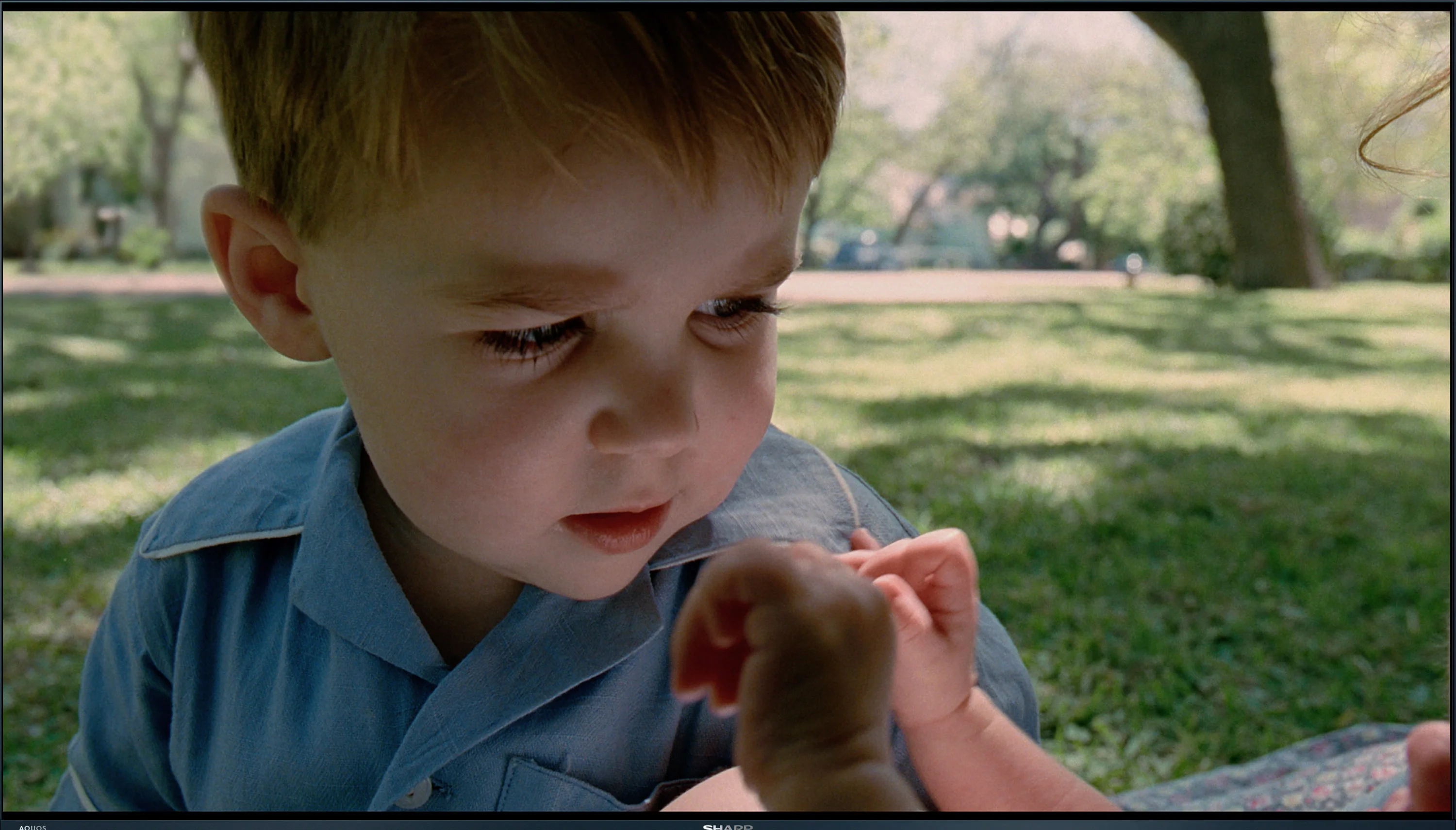
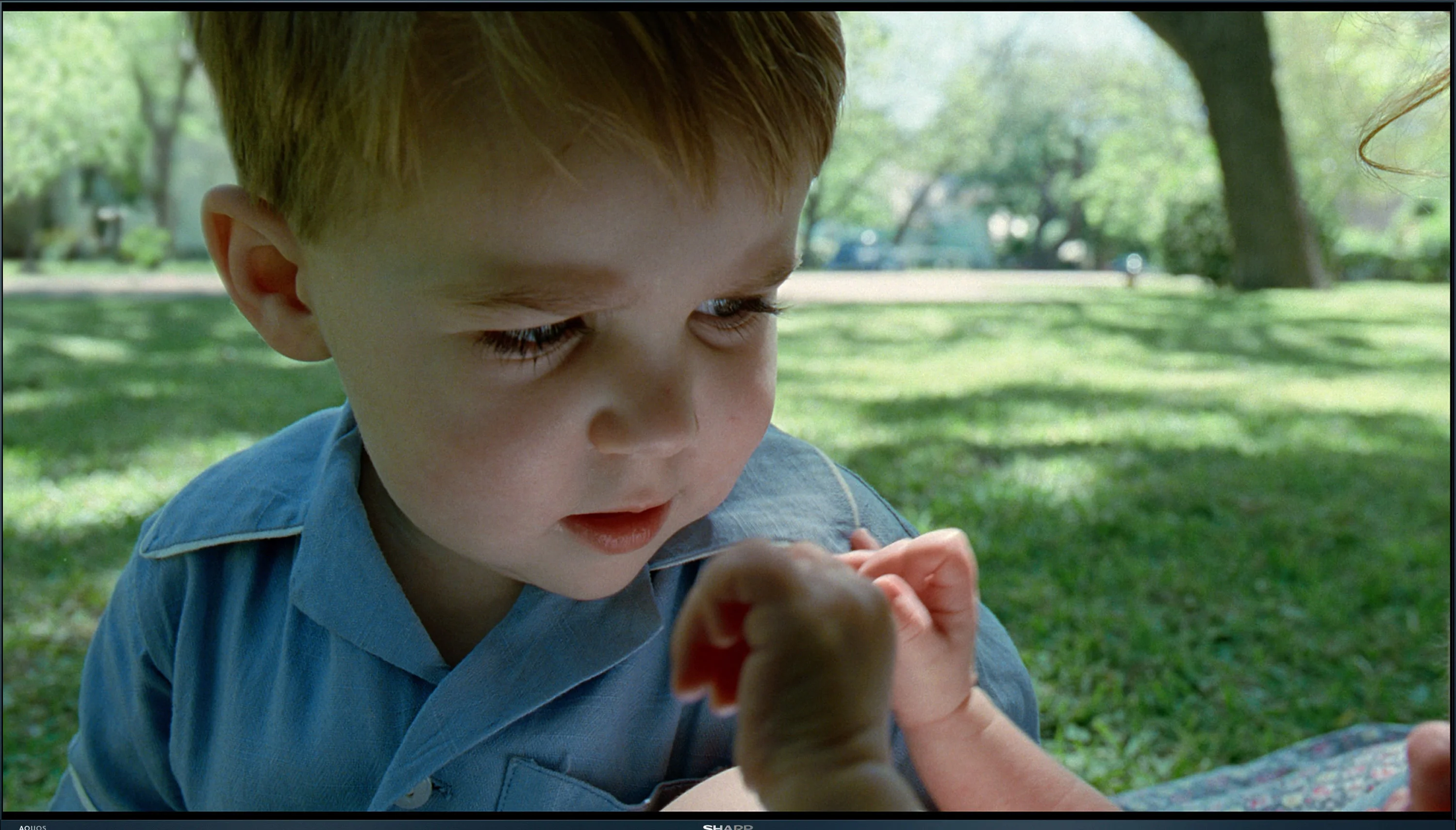
The Sharp FQ8 was evaluated for colour reproduction in its movie mode, which provides the best default settings for achieving realistic visuals. While it performs adequately, certain issues impact the overall image quality. Tests on HD content revealed significant white balance problems, with a marked dominance of red. This is evident in the colour graph, where the red line noticeably rises above the others, and in practical tests, such as a movie scene featuring a child, where the image appears overly warm and unnaturally red. Similar issues persist with 4K HDR content, where an excessive red tint detracts from the accuracy of colour reproduction, an important consideration for viewers prioritising faithful visuals.

For SDR contrast, the gamma graph displayed an unusual anomaly at the start, highlighting reproduction issues. The remainder of the gamma curve lies below the reference line, indicating suboptimal brightness and contrast levels for standard content. In 4K HDR, the EOTF curve also deviates significantly, suggesting inconsistencies in brightness reproduction. These fluctuations can result in less enjoyable viewing experiences for HDR content, particularly in scenes requiring precise light and dark balance.

Filmmaker Mode is pretty well set up out of the box, though it’s not perfect. In SDR material the most noticeable issue is an excess of red in the white balance, which makes the picture look a little warmer than it should. HDR content has a similar character. As for brightness response, in SDR the gamma stays close to the target value across most of the range. Small deviations are mainly visible in darker areas, which are in places slightly too dim. In HDR the very darkest details are slightly lifted, while from around 65% brightness the image starts to be gently darkened. This largely results from the way the TV controls its brightness. Overall, Filmmaker Mode looks good straight out of the box, but the picture can still be improved.

Color reproduction after calibration

7.8/10

7.8/10

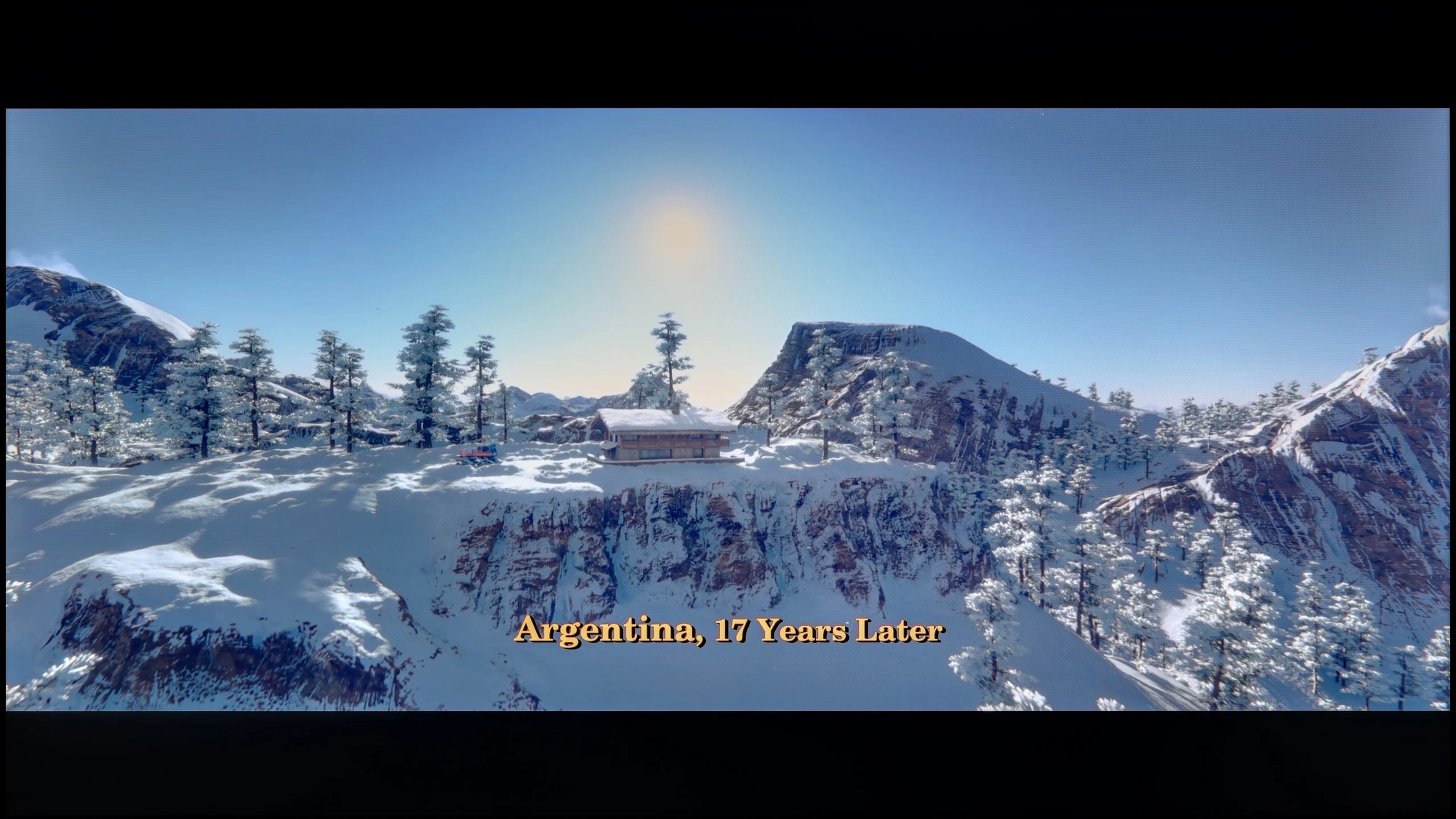
The photos show how movies look on the TV. Pay attention to black detail visibility, colors, and shadow tint.

The photos show how movies look on the TV. Pay attention to black detail visibility, colors, and shadow tint.

After calibration, the Sharp FQ8 shows notable improvements in its performance for SDR content. The white balance has been significantly refined, with all lines approaching the reference line. While the lines are not perfectly straight, the results are impressive for a TV in this price range. This adjustment enhances the naturalness and accuracy of colours, contributing to a more enjoyable visual experience. However, the gamma chart still displays the peculiar jump at the start, though the remaining line now aligns much closer to the expected outcome.

For HDR content, the white balance also sees meaningful improvements compared to the pre-calibration state, although it doesn’t perform as well as in SDR mode. This refinement results in more consistent and visually appealing colours, despite some remaining imperfections. On the downside, the EOTF chart reveals limited progress in contrast due to the lack of control over dynamic tone mapping settings, which hampers uniform brightness representation in HDR.

Despite these limitations, the calibration significantly elevates the Sharp FQ8, particularly in SDR mode. The improved white balance and colour reproduction deliver a more natural and pleasant viewing experience. While HDR content still leaves room for improvement, the TV achieves a respectable level of performance, solidifying its position as a strong contender in its price range.

After calibration the M80H performs very well, especially with everyday SDR content. Regular TV, YouTube and movies watched without HDR can look very good on it. After adjusting the white balance the errors are small, though you can sometimes still see the TV tends to push the most saturated reds too far. You can also improve the picture in HDR and correct its main faults, but it doesn't reach the level of more expensive models. Samsung quite heavily restricts colour adjustment options in HDR, so in many areas we have to accept what the TV offers out of the box. Calibration can improve some parameters, but we can't change the M80H's overall picture character.

Smoothness of tonal transitions

8.8/10

9.8/10

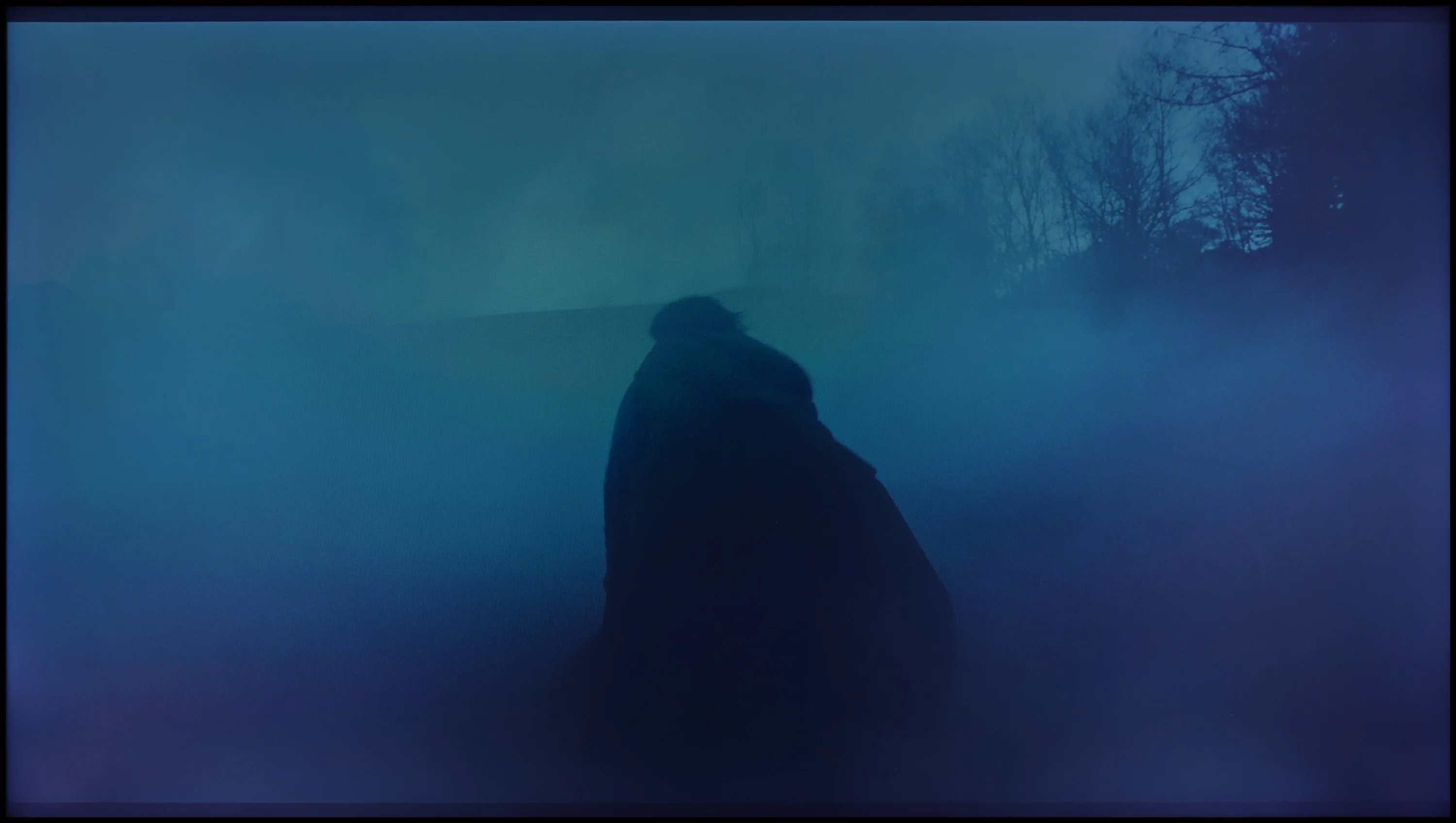
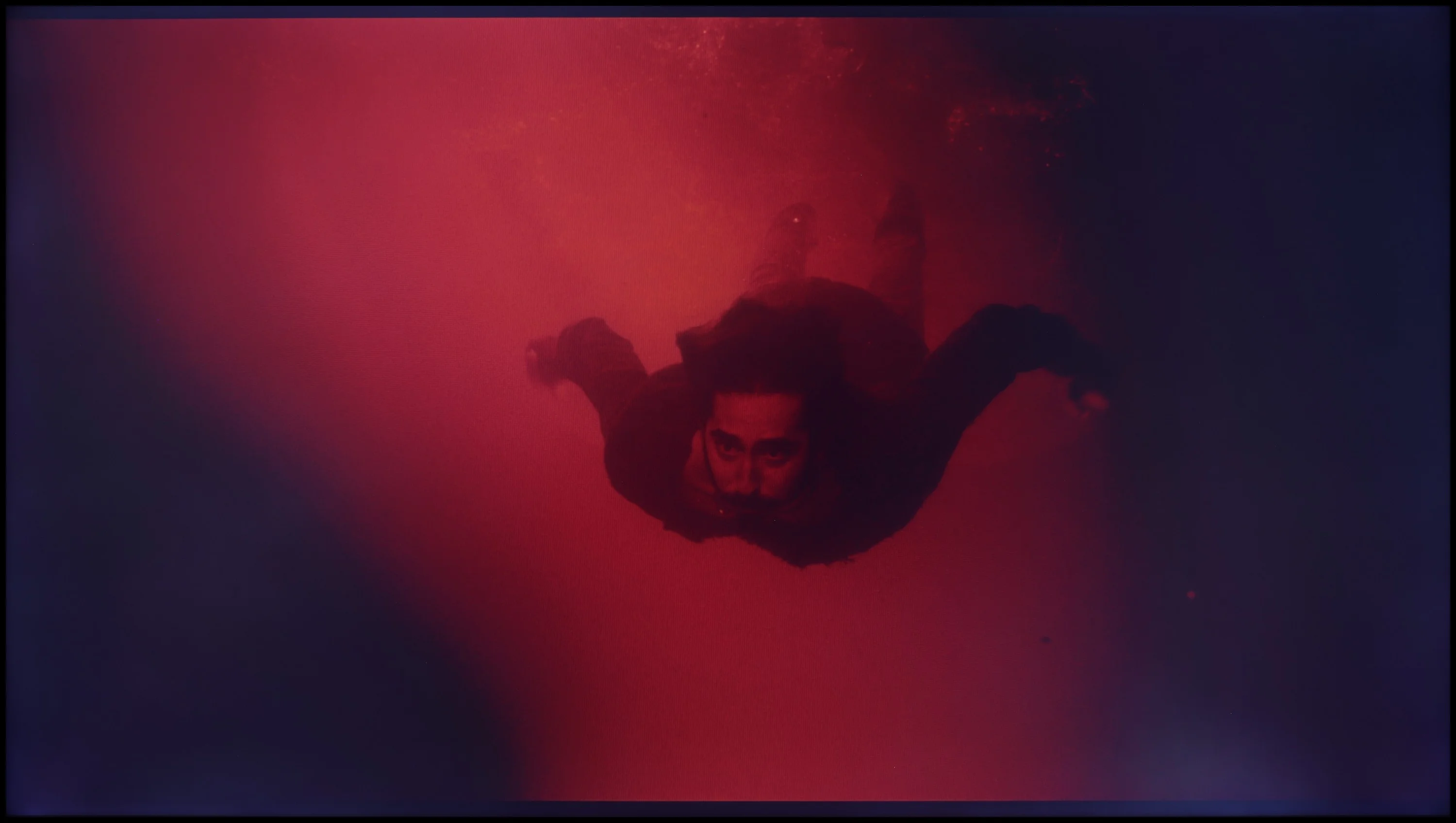
These are selected scenes that show smooth tonal transitions from one color to another. If you see distinct banding, it’s the TV panel’s fault.

These are selected scenes that show smooth tonal transitions from one color to another. If you see distinct banding, it’s the TV panel’s fault.

These are selected scenes that show smooth tonal transitions from one color to another. If you see distinct banding, it’s the TV panel’s fault.

These are selected scenes that show smooth tonal transitions from one color to another. If you see distinct banding, it’s the TV panel’s fault.

The Sharp FQ8 excels in the fluidity of tonal transitions, offering smooth and harmonious shifts between colours in all tested movie scenes. This contributes positively to the overall image quality, enhancing the viewing experience. The only slight criticism is the visible gradation towards black, especially noticeable in scenes like a colourful sunset against the mountains. However, these minor imperfections do not detract from the generally impressive and pleasant visual performance.

The M80H's tonal transitions are almost perfect. Posterization is virtually non-existent, and successive shades blend very smoothly in both bright and dark scenes. We didn't notice any obvious colour banding, for example in skies or in scenes with smoke. If dark shots look worse, that's not due to gradation problems. It's more down to the backlight's limitations and the lack of local dimming, which means blacks don't have the proper depth.

Image scaling and smoothness of tonal transitions

6.5/10

7/10

Image without overscan on the SD signal
OK
No
Smooth transition function
OK
OK

Smooth transition function

The match photo shows how the TV smooths weak tonal transitions in low-quality video.

Image scaling SD (576i)

The model photo shows how it handles upscaling of SD material.

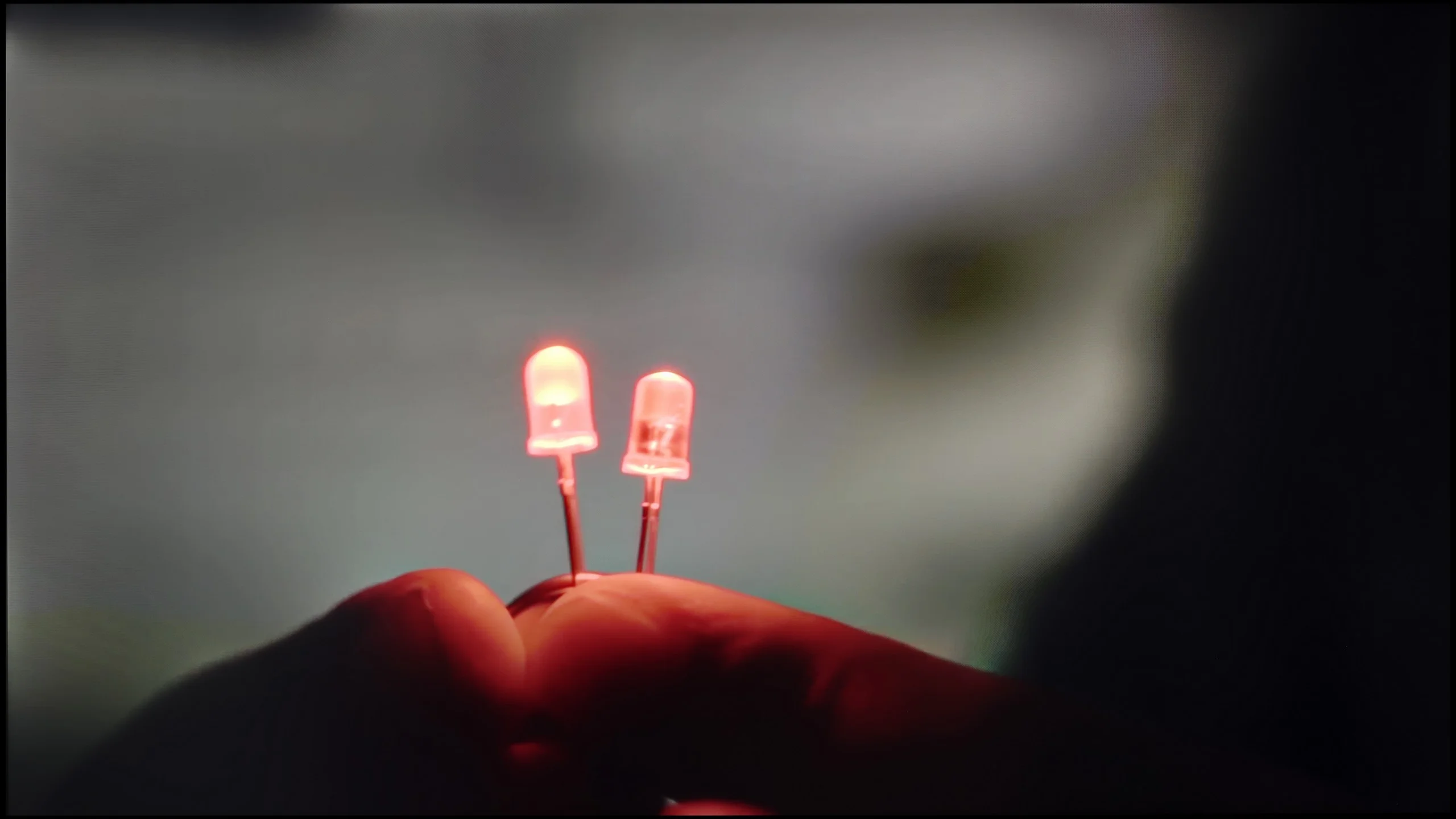
The Sharp FQ8 performs adequately with its 10-bit colour reproduction feature, providing smooth transitions between grey shades in the light bulb photo. For optimal results, setting it to medium is recommended, as it avoids issues like grain smoothing or blurring key elements. The "low" setting also yields good results without introducing unwanted visual artefacts.

In terms of upscaling, the Sharp FQ8 TV handles video without overscan, making full use of the screen. The jagged edges of branches are noticeable, but the edges of trousers appear without any clear jaggedness, contributing positively to the overall image quality. Additionally, the TV's AI Super Resolution feature enhances clarity by artificially sharpening jagged elements, further improving the viewing experience.

Although the M80H is positioned fairly low in Samsung’s line-up, the maker equipped it with one of its stronger processors, the NQ4 AI Gen2. The same chipset is used in Neo QLED TVs and the higher‑ranked S85H OLED. That’s good news, because the processor handles improving weaker sources really well. Upscaling is its strongest suit. Low‑resolution material is displayed properly and edges don’t look overly jagged. The TV won’t of course create details that aren’t in the source, but regular broadcast TV and older recordings look decent on it. One drawback is overscan, i.e. edge cropping, which can’t be completely turned off. The feature that smooths tonal transitions, the so‑called noise reduction, also works well. The processor can effectively reduce visible signs of heavy compression, but it doesn’t do so without side effects. At higher settings it can smooth the picture too much, remove some fine detail and even eliminate film grain. For that reason we recommend using this feature mainly for material that genuinely suffers from heavy compression and posterisation.
Blur and motion smoothness
7.2/10

7.9/10

Maximum refresh rate of the panel
144Hz
144Hz
Film motion smoothing option
OK
OK
Blur reduction option
OK
OK
BFI function 60Hz
No
Yes, 60Hz (image flickers)
BFI function 120Hz
No
No
Brightness drop with BFI
-%
48%

Blur (native resolution, maximum refresh rate):

Blur (BFI function enabled):

Image flickers in this mode

Blur ():

Blur (4K@240Hz):

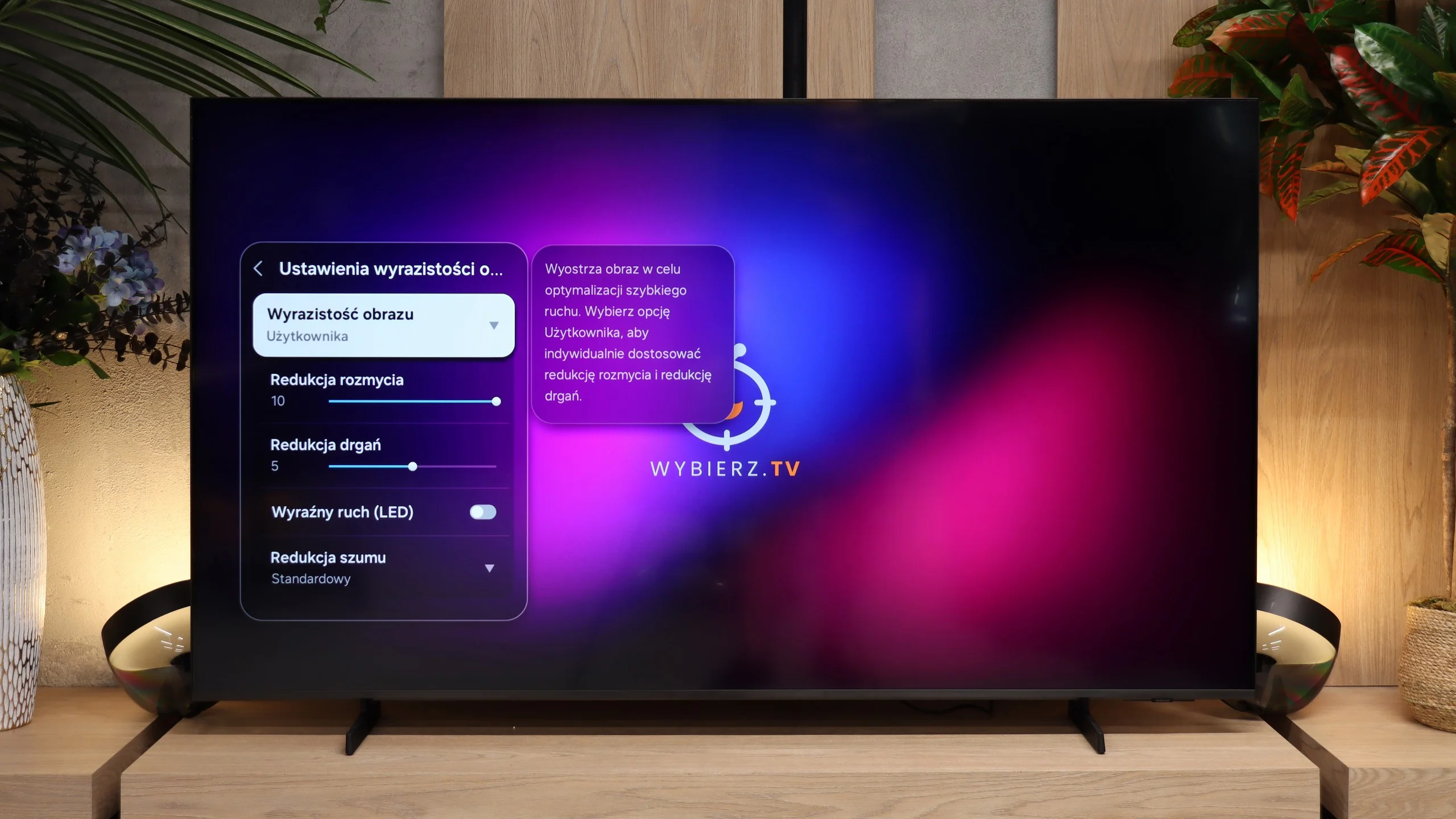
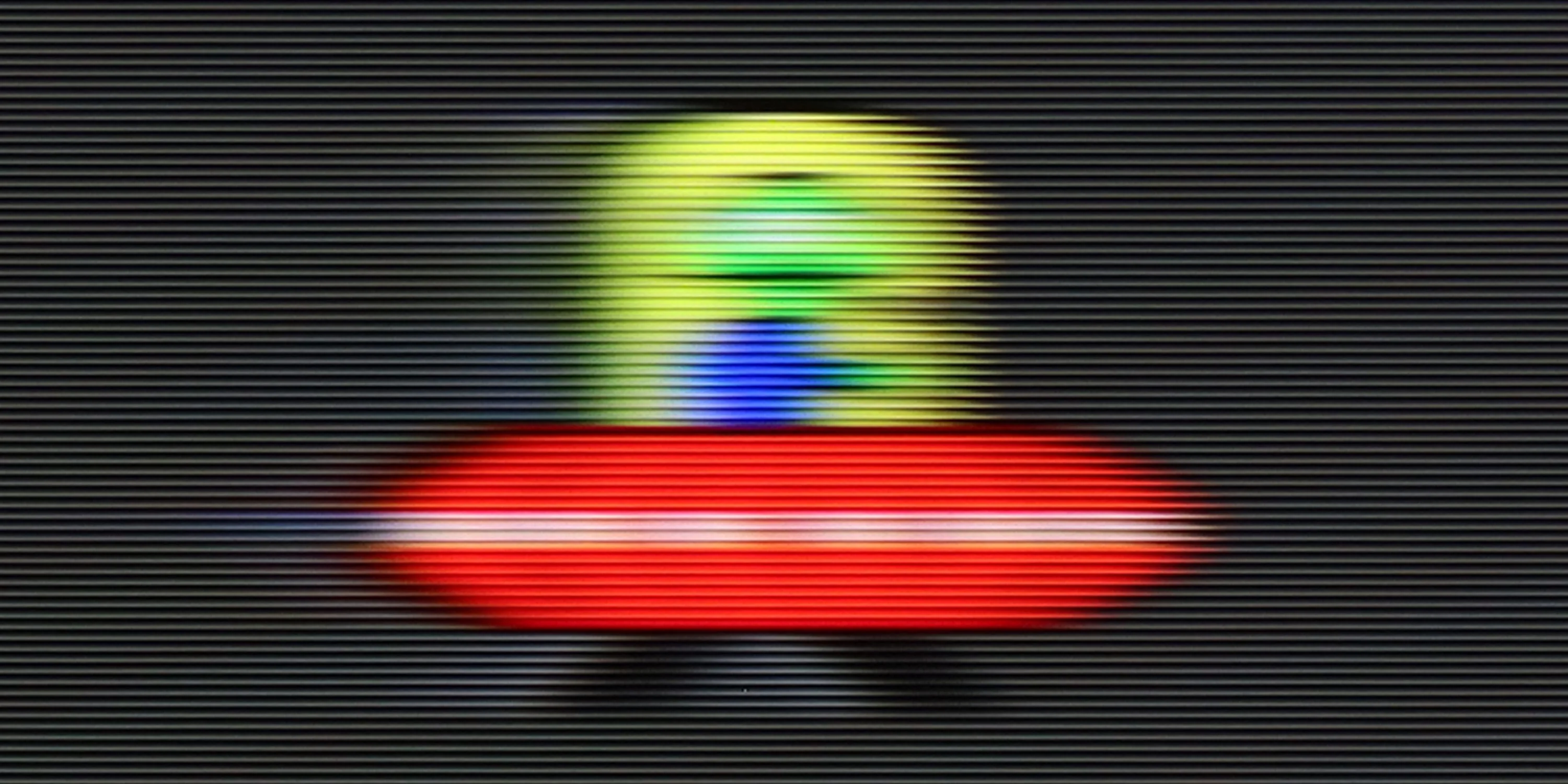
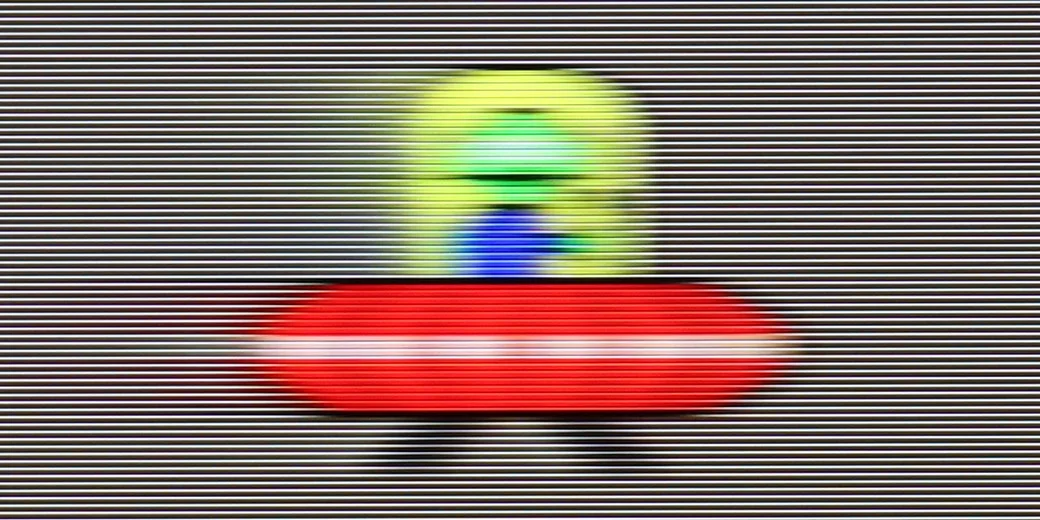
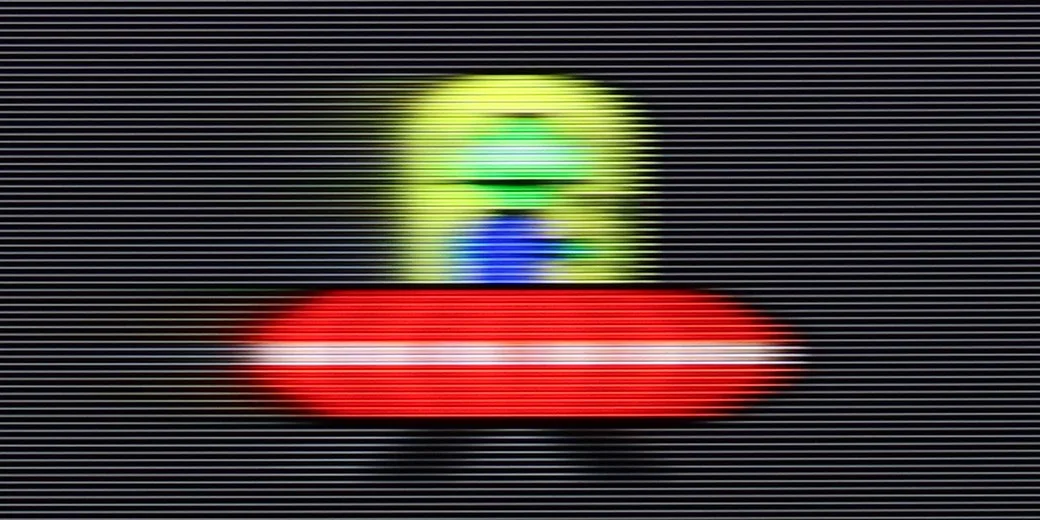
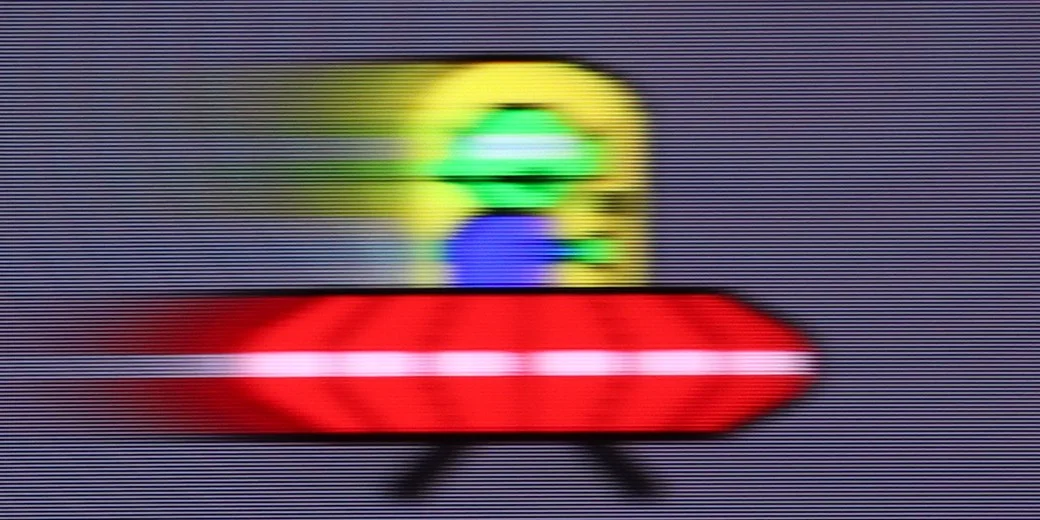
The Sharp FQ8 features a 120 Hz panel, able to support playback at 144 Hz when connected to a PC, which should theoretically provide smooth motion rendering. The TV includes features designed to enhance film fluidity and reduce motion blur, crucial for more dynamic content. However, in the absence of Black Frame Insertion (BFI) technology, the panel's average response time leads to less-than-ideal results. This results in slight motion blur, which may be particularly noticeable when watching sports or during intense gaming sessions.

The M80H performs very well for watching sport and for gaming. The TV is equipped with a panel offering a refresh rate of up to 144 Hz at 4K, and when the resolution is reduced to Full HD it can handle up to 240 Hz. That second option will be used mainly by PC gamers.

The panel also handles 120 Hz content well, which matters especially for console gaming. A high refresh rate is also useful when watching sport, and motion blur is relatively low. That's important because VA panels are not known for the best performance in this area. On the M80H, fast-moving objects do not produce a very noticeable blur.

Console compatibility and gaming features

7.1/10

9.6/10

  • ALLM
    Yes
    Yes
  • VRR
    Yes
    Yes
  • VRR range
    48 - 144Hz
    48 - 240Hz
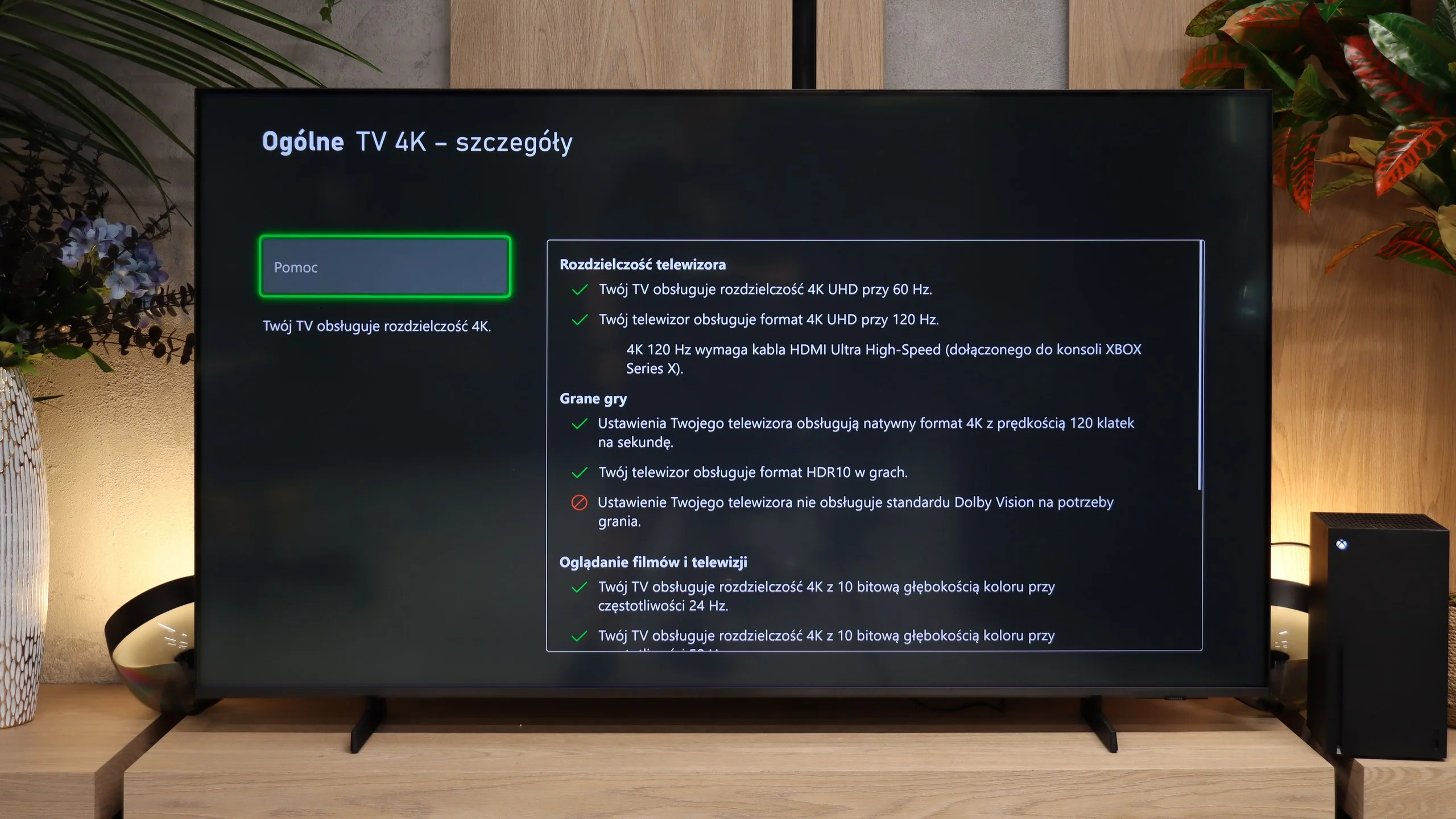
  • Dolby Vision Game Mode
    Warning Yes, high input lag
    No
  • Correct implementation of HGIG
    No
    Yes
  • 1080p@120Hz
    Yes
    Yes
  • 1440p@120Hz
    No
    Yes
  • 4K@120Hz
    Yes
    Yes
  • Game bar
    No
    Yes

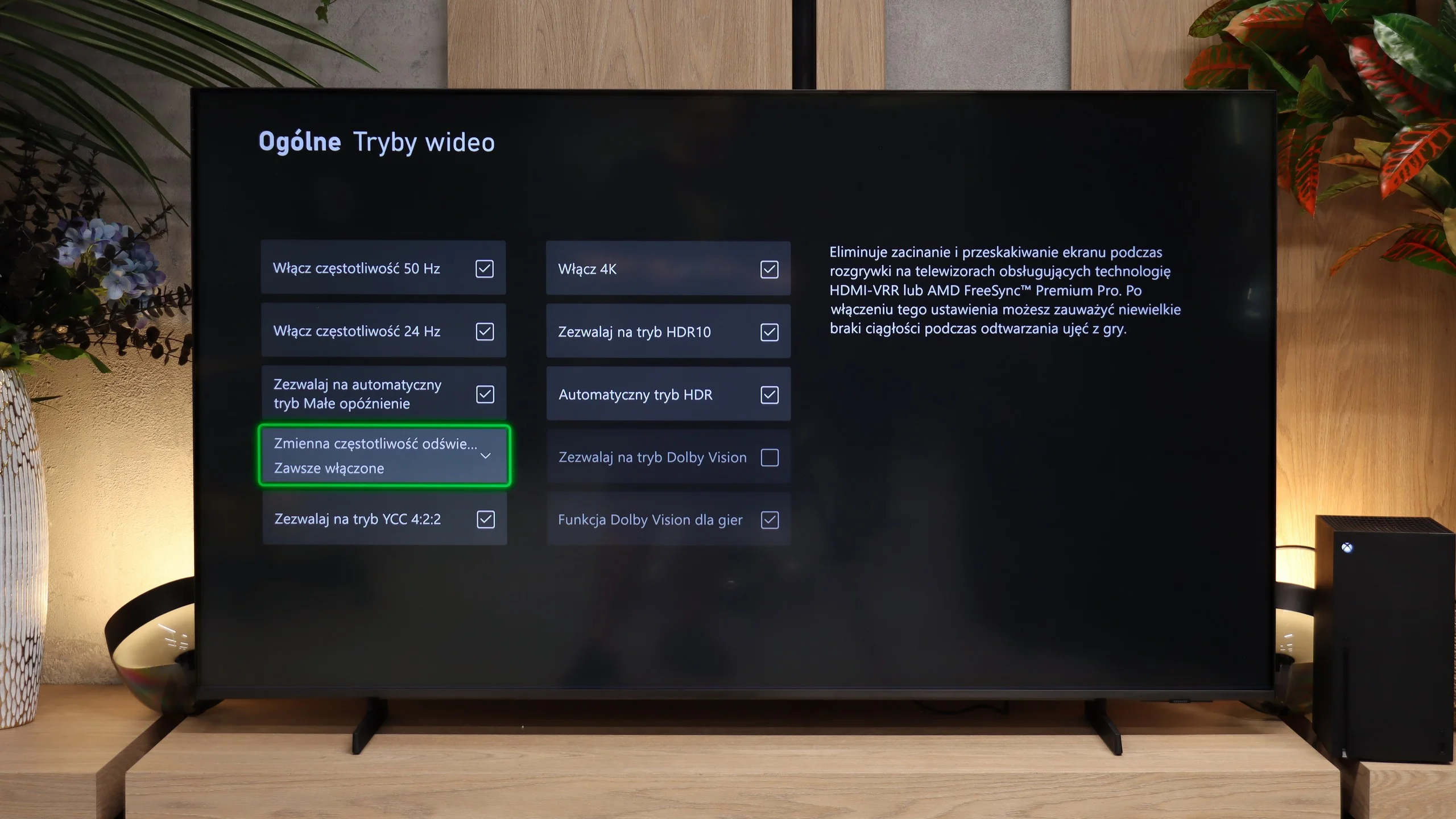
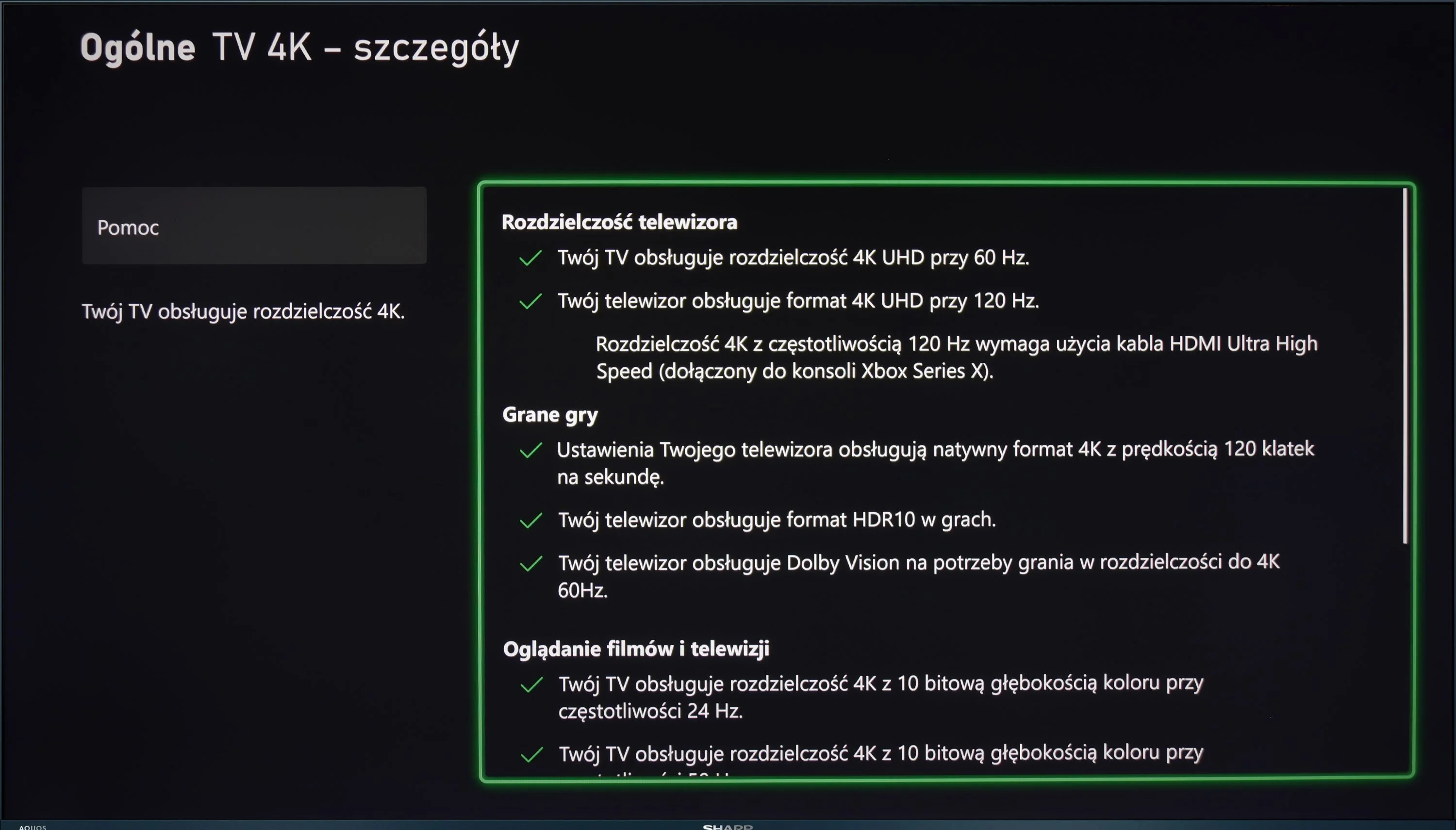
The Sharp FQ8 offers several features that cater to gamers, enhancing the overall gaming experience. Firstly, the television is equipped with HDMI 2.1, which brings several advantages. ALLM (Auto Low Latency Mode) automatically switches the TV to a low-latency mode when a gaming device is detected. VRR (Variable Refresh Rate) helps reduce screen stuttering by adjusting the screen’s refresh rate to match the number of frames generated by the console or PC, providing smoother gameplay, especially in dynamic games. Additionally, the TV supports G-Sync, which synchronises the image with the graphics card, preventing stuttering and screen tearing.

Despite these advantages, the FQ8 has some limitations. The lack of support for HGiG (HDR Gaming Interest Group) means the TV does not optimise the dynamic range for HDR games. Furthermore, while Dolby Vision mode can improve picture quality in supported games, it suffers from very high input lag.

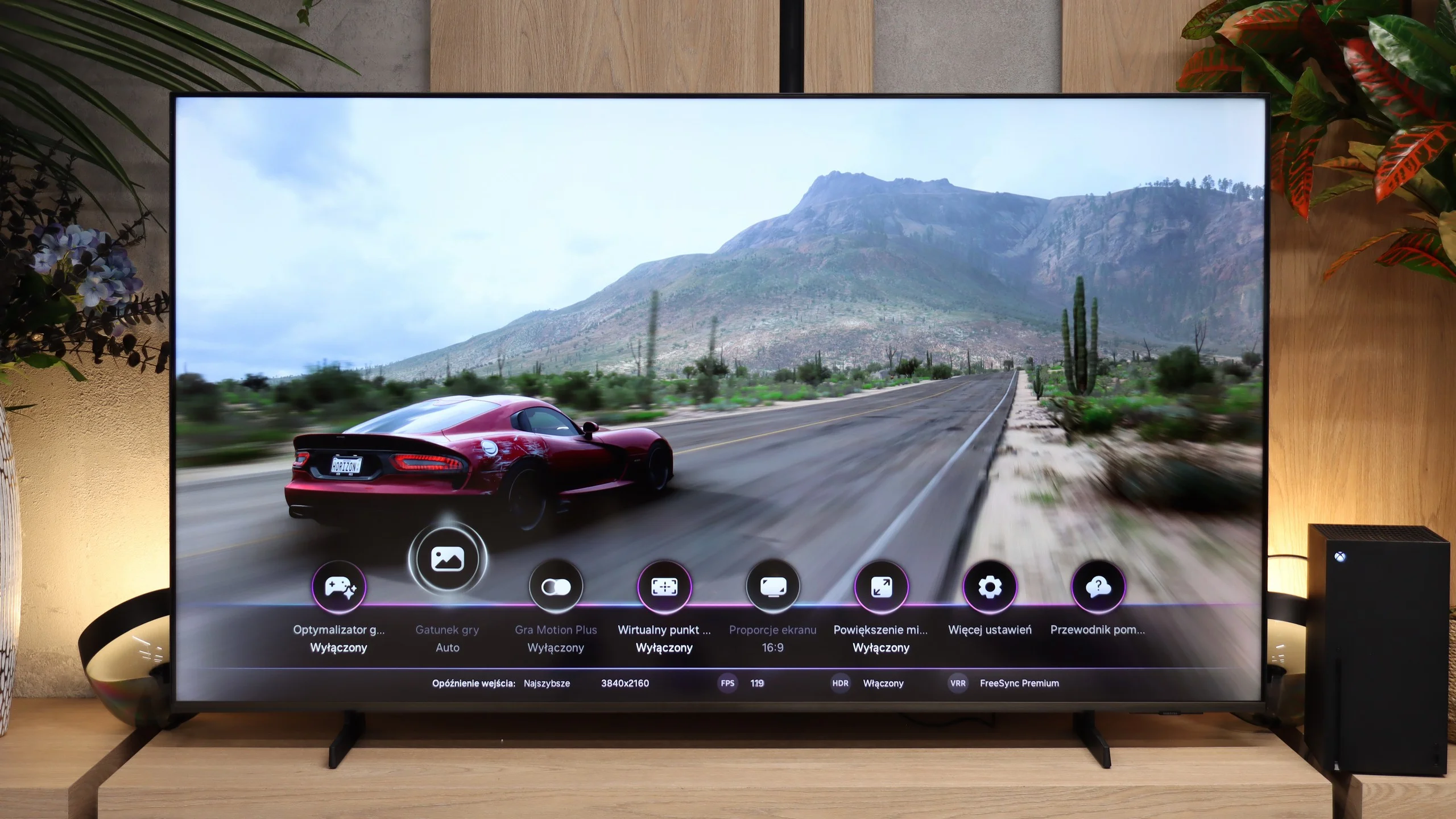
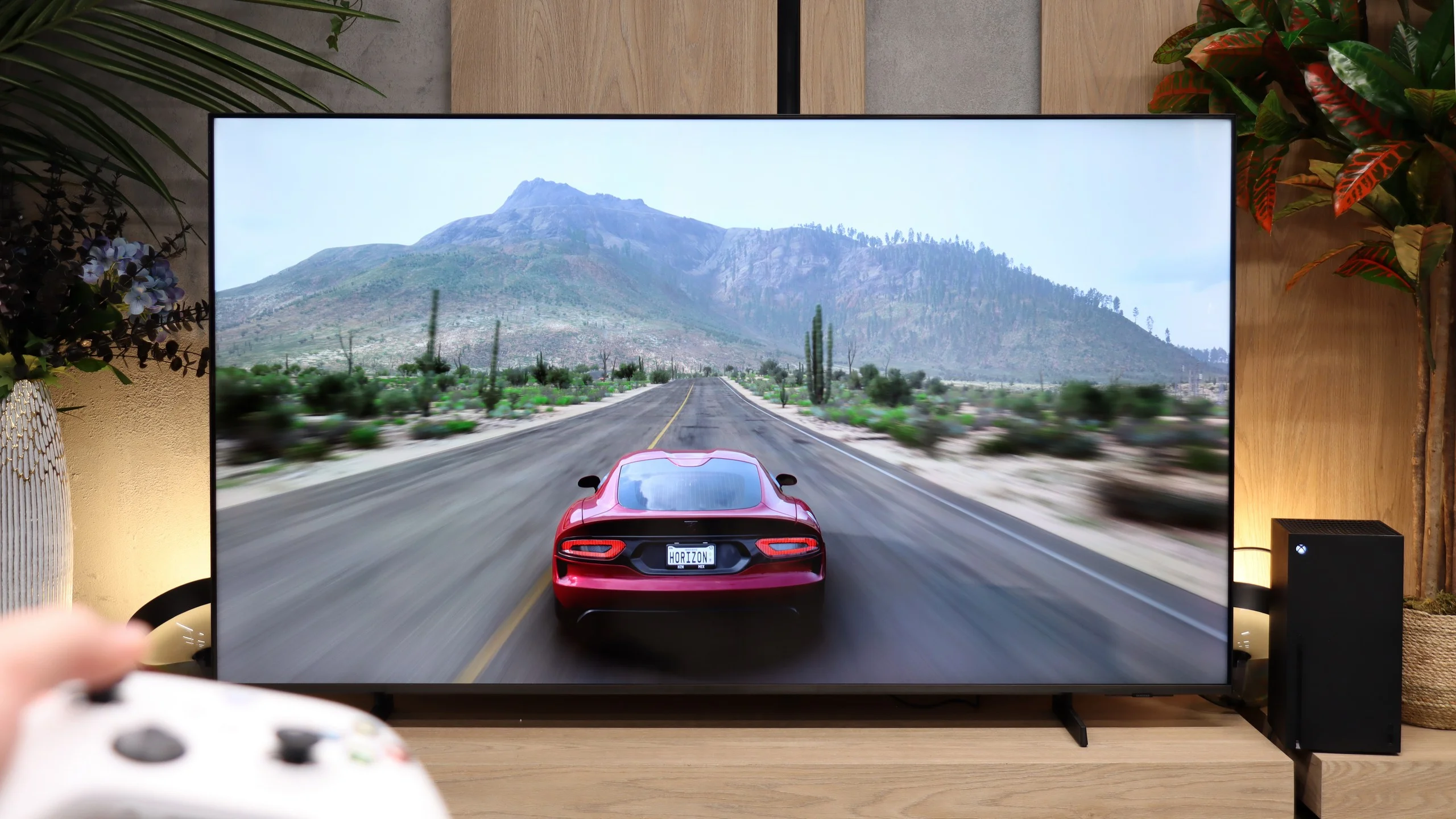
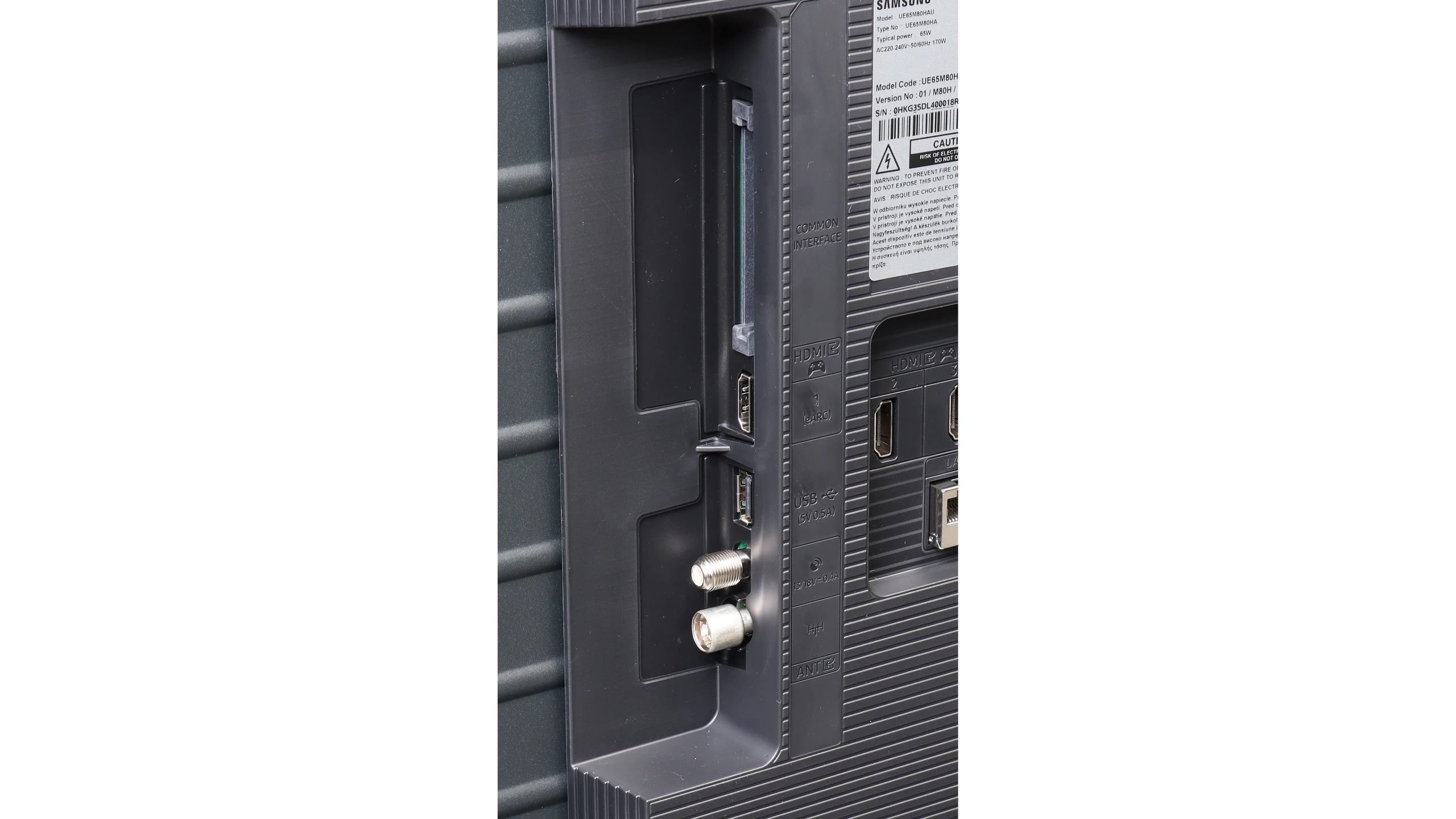
The M80H could be a very good choice for gamers on a slightly smaller budget. In terms of features it offers pretty much the same as Samsung’s much more expensive TVs. All three HDMI inputs support HDMI 2.1, so even if one is taken by a soundbar connected via eARC there’s still room for a PC and consoles. There’s also VRR up to 144 Hz in 4K and up to 240 Hz in Full HD. Samsung has correctly implemented HGiG as well, so after performing HDR calibration on the console games are properly matched to the screen’s capabilities. That won’t make the M80H any brighter, but at least it won’t unnecessarily wash out the brightest parts of the image. On top of that there’s a Game Bar for quick access to key settings and a Gaming Hub that lets you play in the cloud without a console. The M80H also includes Game Motion Plus, which generates extra frames and improves the smoothness of games running at 30 or 60 fps. Input lag then increases to around 59 ms, but is still about one third of what you’d see with typical motion smoothing on other manufacturers’ TVs. We wouldn’t really recommend it for online multiplayer, but it can work very well in slower‑paced titles.

Input lag

9.1/10

9.9/10

SDR

1080p60
16 ms
14 ms
1080p120
8 ms
10 ms
2160p60
16 ms
14 ms
2160p120
8 ms
10 ms

HDR

2160p60
16 ms
14 ms
2160p120
8 ms
9 ms
4320p60

Dolby Vision

2160p60 DV
128 ms
2160p120 DV
20 ms

The input lag on the Sharp FQ8 is generally impressive, with a performance below 16 ms at all tested resolutions, making it a solid choice for gaming with smooth and quick response times. However, when Dolby Vision mode is enabled and the refresh rate is set to 60 Hz, the input lag increases significantly. This can negatively impact responsiveness, particularly in fast-paced games where accuracy and reaction time are key.

Input lag in the M80H is very low. With a 60 Hz signal it's about 14 ms, and at 120 Hz it drops to 9-10 ms. The delay is therefore practically imperceptible, whether we're gaming in SDR or HDR.

Compatibility with PC

3/10

8.9/10

Chroma 444 (max. resolution and refresh rate)
No
Yes
Font clarity
Poor
Very Good
Readability of dark text and shapes
Good
Very Good
Input lag in PC mode (4K, max. refresh rate)
17ms
10ms
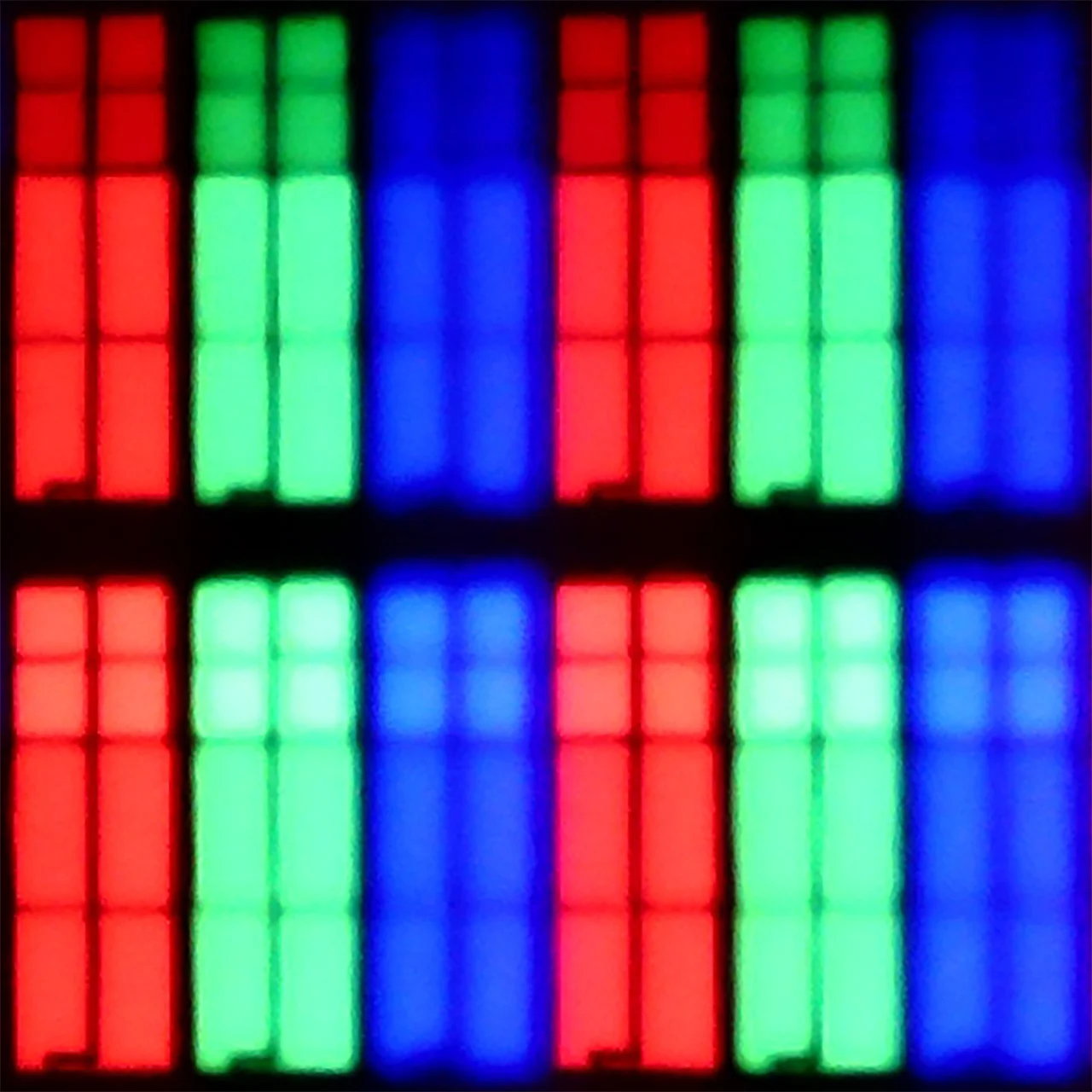
Matrix subpixel arrangement
BGR
RGB
Max refresh rate
144Hz
144Hz
G-Sync
Yes
Yes

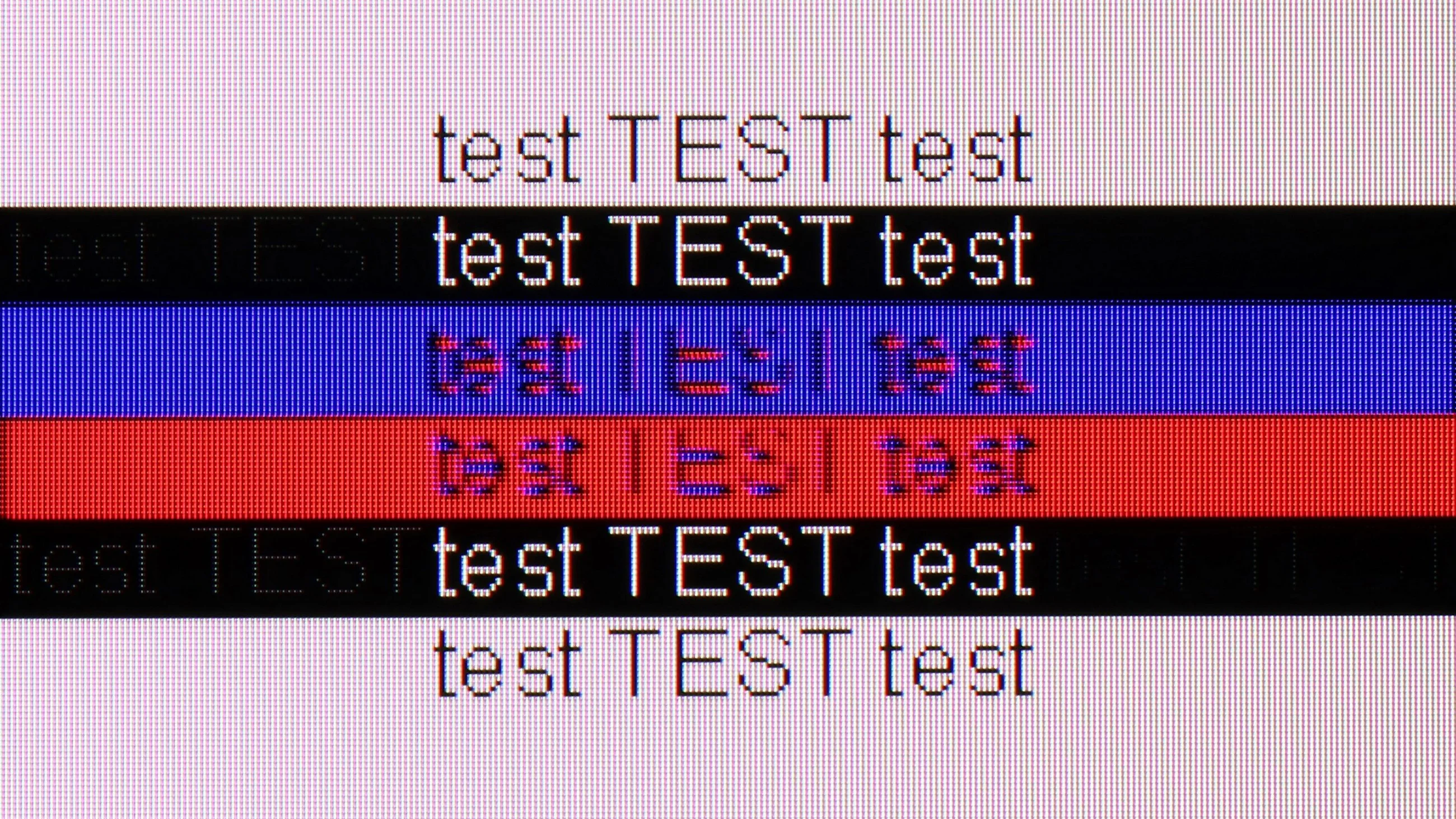
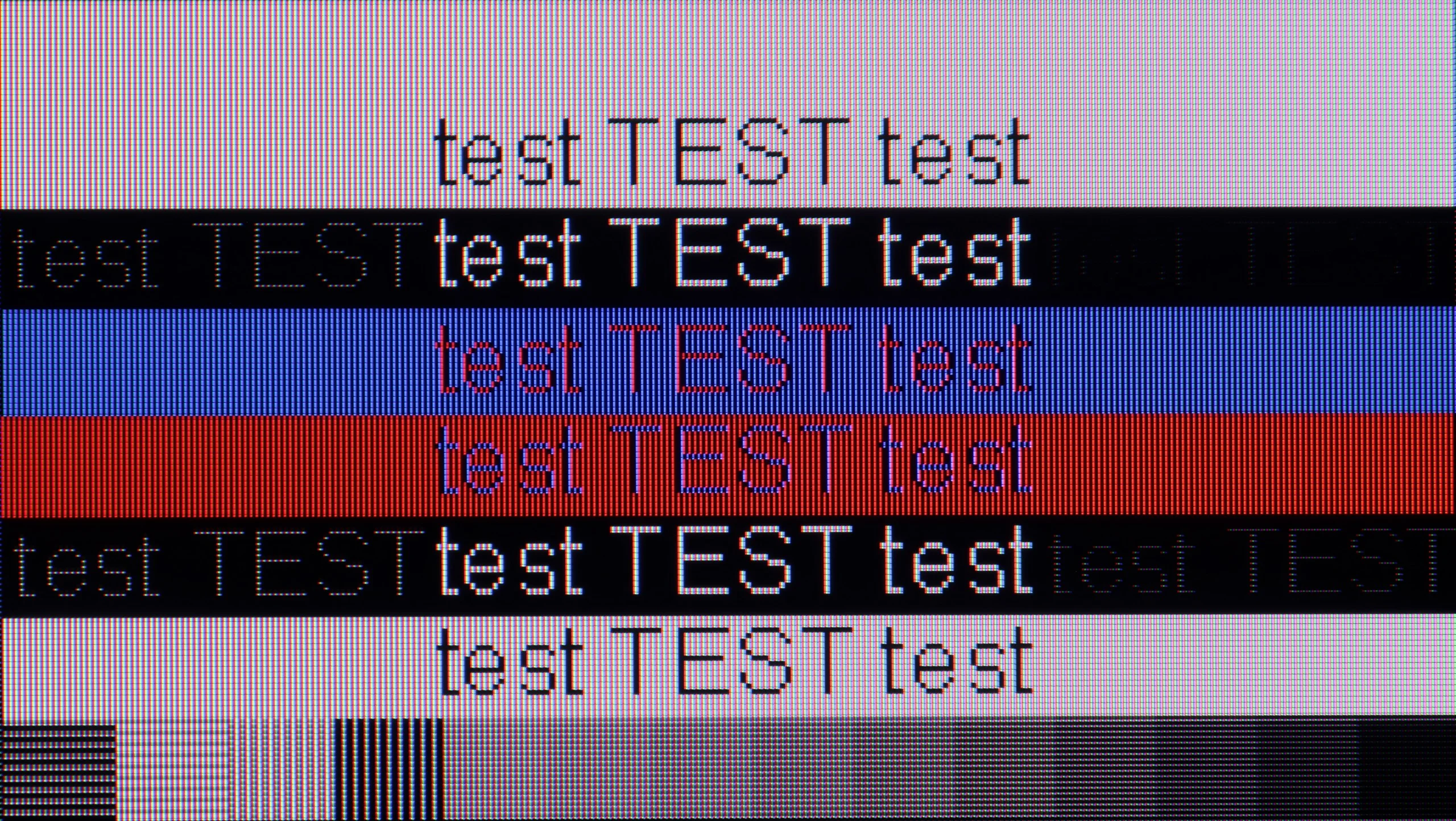
The photo shows the legibility of small fonts. Ideally, lines should be the same thickness on both light and dark text, with minimal pixel gaps.

The Sharp FQ8 doesn't perform optimally when paired with a PC, despite its low input lag. The key issue is the lack of full support for chroma 4:4:4 at 4K and 120 Hz resolution, which leads to blurry text and a loss of detail in computer graphics. Furthermore, the use of a BGR subpixel arrangement, rather than the standard RGB, reduces font readability, making text appear blurry.

The M80H also works very well as a PC monitor. Gamers can use 4K at 144 Hz, VRR and G-Sync, and input lag in PC mode is around 10 ms. There's also a Full HD mode at 240 Hz. The TV correctly displays 4:4:4 chroma at the maximum resolution and refresh rate. Combined with a classic RGB subpixel layout, this gives very good font legibility for both light and dark text. The M80H is therefore suited not only to gaming but also to everyday desk work.

Viewing angles

2.1/10

3.1/10

Brightness drop at an angle of 45 degrees
84%
84%

The Sharp FQ8 has limited viewing angles, typical of a VA panel. When viewed from a wider angle, the TV's brightness diminishes significantly, and colours quickly lose their vibrancy. This results in a washed-out image with less defined details, which could be a concern if you intend to watch with a larger group or from multiple positions in the room.

Viewing angles are one of the weaker points of the M80H. The TV uses a VA panel, which delivers better blacks and higher contrast than an IPS panel, but it looks worse when viewed from the side. Sit at a wider angle and colours start to lose saturation, blacks become noticeably lighter, and the whole picture looks more washed out. That's the typical trade-off with this kind of panel. The M80H therefore performs best when watched straight on or from only a slight angle.

Daytime performance

5.4/10

5/10

Panel finish
Satin
Satin
Reflection suppression
Average
Decent
Black levels during daytime
Good
Good

Panel brightness

Samsung M80H: 345 cd/m2

Sharp FQ8: 440 cd/m2

The Sharp FQ8 performs well in daylight conditions, with the panel reaching a brightness of 440 nits. Combined with its satin screen coating, this ensures satisfactory visibility even in bright environments. Notably, the television handles the colour black without issues during the day, allowing darker scenes to remain readable and preserving depth despite the surrounding light.

In a bright room the M80H performs adequately, but without any real wow factor. Its satin coating does a decent job cutting reflections, although with large windows or lights positioned opposite the screen they will still be noticeable. A plus is the blacks, which don't become overly grey when the lights are turned on. SDR brightness is around 345 nits and stays stable regardless of the scene being shown. In a typical living room that should be enough for comfortable daytime viewing. However, in a very brightly sunlit room the image may look too washed out.

Panel details

Backlight Type
PFS LED
PFS LED
Software version during testing
v1.17
1204
Image processor
mt5889

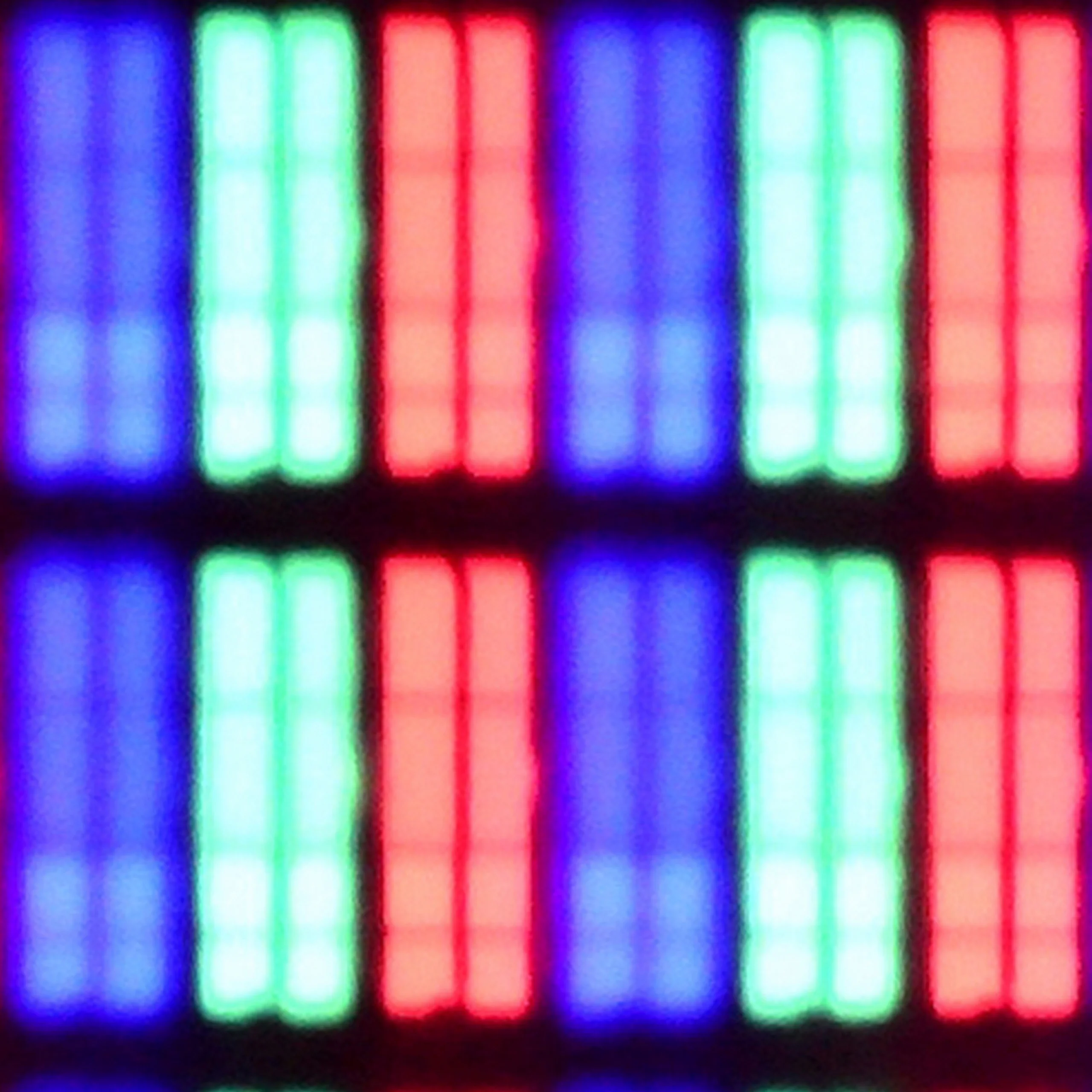
Subpixel Structure:

Panel uniformity and thermal imaging:

Sharp FQ8

Samsung M80H

TV features

6.5/10

7.3/10

  • System
    Google TV
    Tizen
  • System performance
    Decent
    Very good
  • HDMI inputs
    2 x HDMI 2.0, 2 x HDMI 2.1 48Gbps
    0 x HDMI 2.0, 3 x HDMI 2.1 48Gbps
  • Other inputs
    RCA (Chinch)
  • Outputs
    Toslink (Optical audio), eARC (HDMI), ARC (HDMI), Mini-Jack (Headphones)
    eARC (HDMI), ARC (HDMI)
  • Network Interfaces
    Wi-Fi 2.4GHz, Wi-Fi 5GHz, Ethernet (LAN) 100Mbps
    Wi-Fi 2.4GHz, Wi-Fi 5GHz, Ethernet (LAN) 100Mbps
  • TV reception
    DVB-T, DVB-T2, DVB-S, DVB-S2, DVB-C
    DVB-T, DVB-T2, DVB-S, DVB-S2, DVB-C

Classic features:

  • Recording to USB (terrestrial TV)
    No
    No
  • Recording programming
    No
    No
  • Picture in Picture (PiP)
    No
    No
  • RF remote control (no need to aim)
    Yes
    Yes
  • Backlit remote control
    No
    No
  • Teletext
    Yes
    Yes
  • Audio only mode
    Yes
    Yes
  • Bluetooth headphones support
    Yes
    Yes
  • Simultaneous Bluetooth headphones & TV audio
    No
    Yes

Smart features:

  • AirPlay
    No
    Yes
  • Screen mirroring (Windows Miracast)
    Yes
    Yes
  • Voice search
    Yes
    Yes
  • Voice search in native language
    Yes
    Yes
  • Ability to connect a keyboard and mouse
    Yes
    Yes
Review Sharp FQ8 TV features
Review Samsung M80H TV features

Sound connection options

  • HDMI audio
    eARC (HDMI), ARC (HDMI)
    eARC (HDMI), ARC (HDMI)
  • Other audio outputs
    Toslink (Optical audio), Mini-Jack (Headphones)
  • Wireless audio
    Bluetooth
    Bluetooth

Supported audio formats (external HDMI eARC audio):

  • Dolby Digital Plus 7.1
    Yes
    Yes
  • Dolby True HD 7.1
    Yes
    Yes
  • Dolby Atmos in Dolby Digital Plus (JOC)
    Yes
    Yes
  • Dolby Atmos in Dolby True HD
    Yes
    Yes
  • DTS:X in DTS-HD MA
    Yes
    No
  • DTS-HD Master Audio
    Yes
    No

Senior accessibility

  • Numeric keyboard on TV
    No
    No
  • Font size adjustment
    No
    Yes
  • Audio description
    No
    Yes

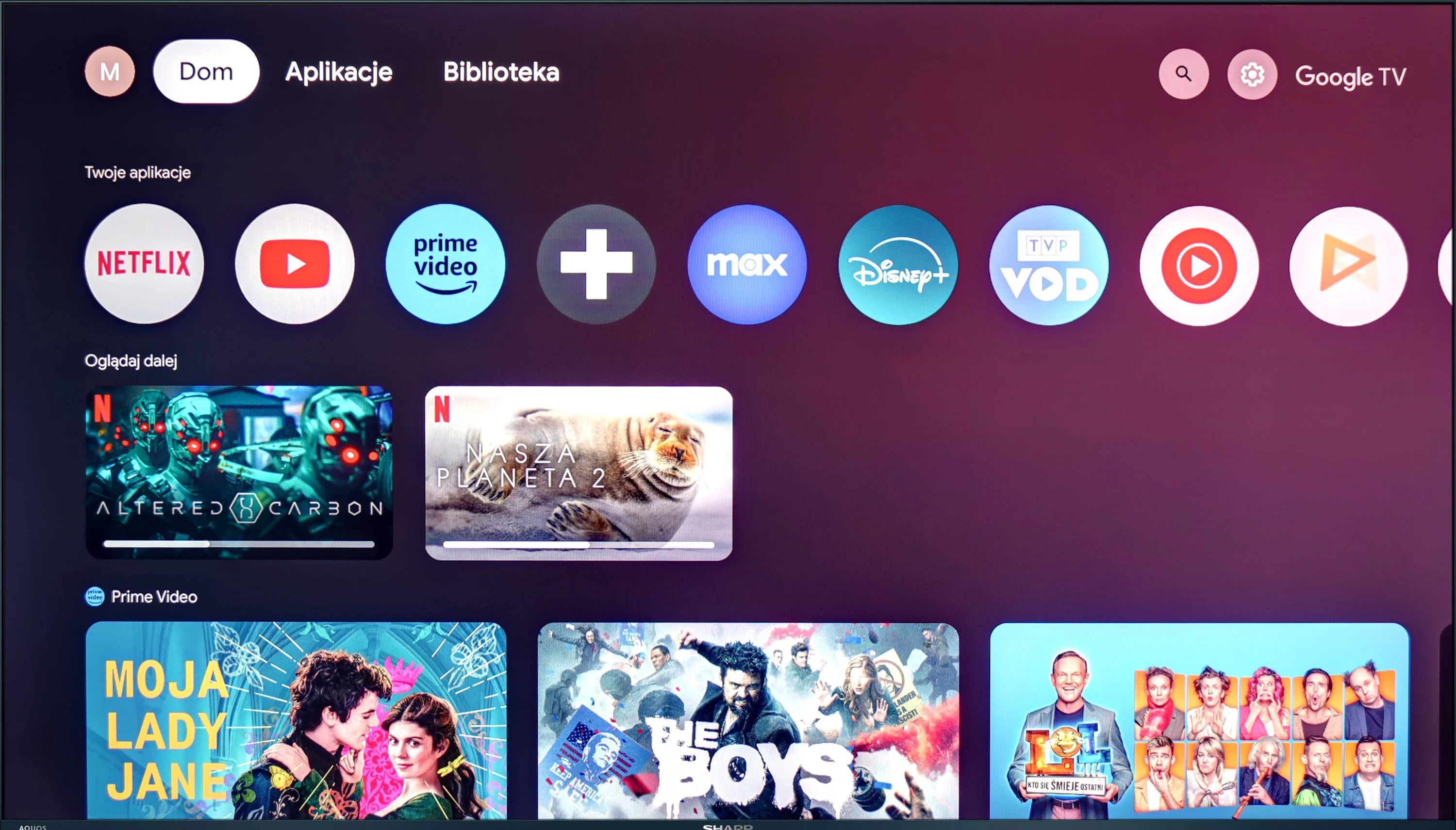
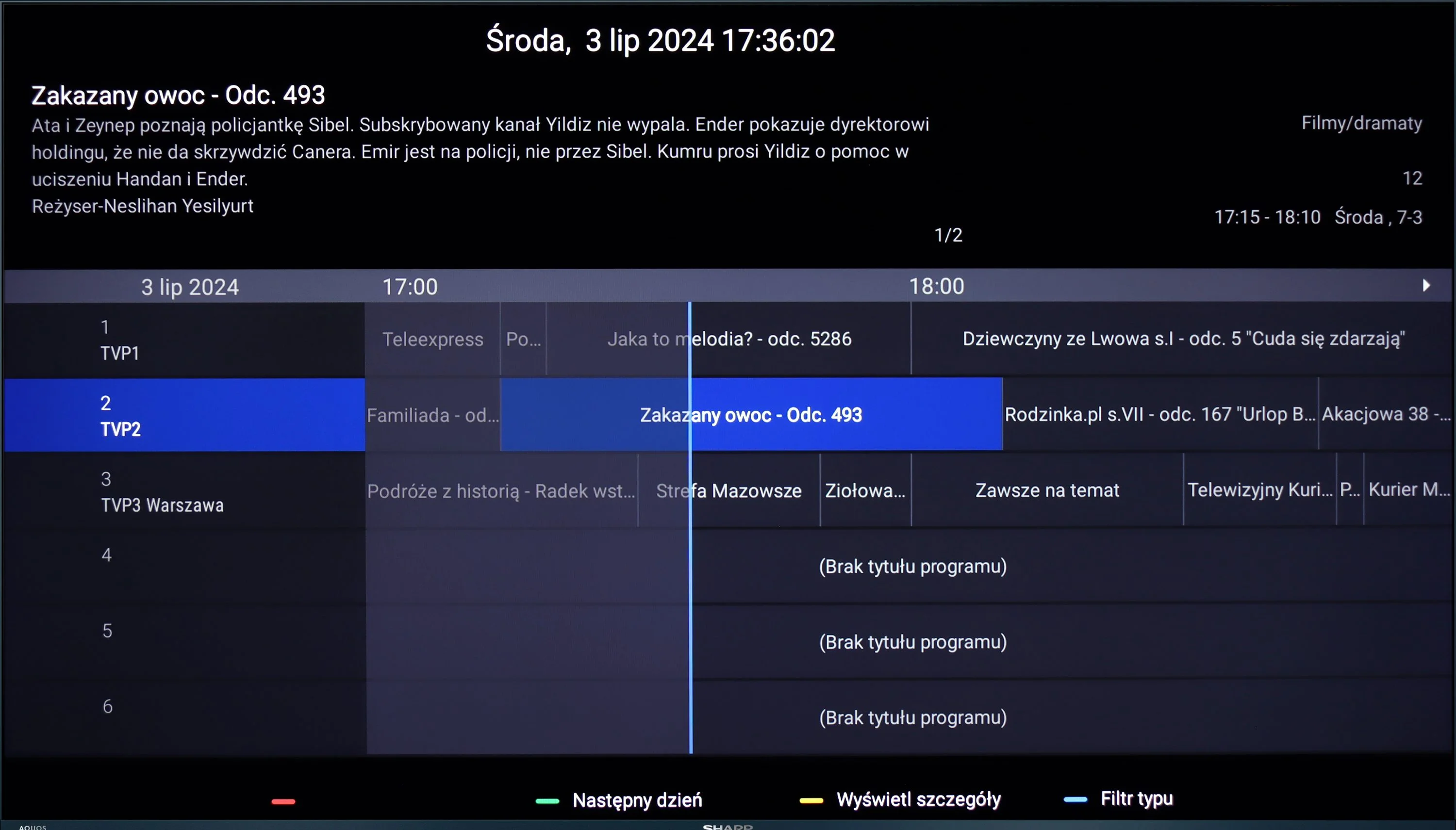
The Sharp FQ8 is equipped with the modern Google TV system, providing access to a variety of apps including Netflix, YouTube, Prime Video, and Disney+. It also supports voice control, making it easier to navigate and access content quickly. The television allows for the connection of multiple devices, such as keyboards, mice, Bluetooth headphones, and other accessories.

However, the TV does have some limitations. The absence of a TV programme recording feature and picture-in-picture (PiP) support could be a downside for those who rely on these options. Additionally, Apple device users may find the lack of AirPlay compatibility frustrating, as it complicates streaming content from an iPhone or iPad to the television.

Smart TV system

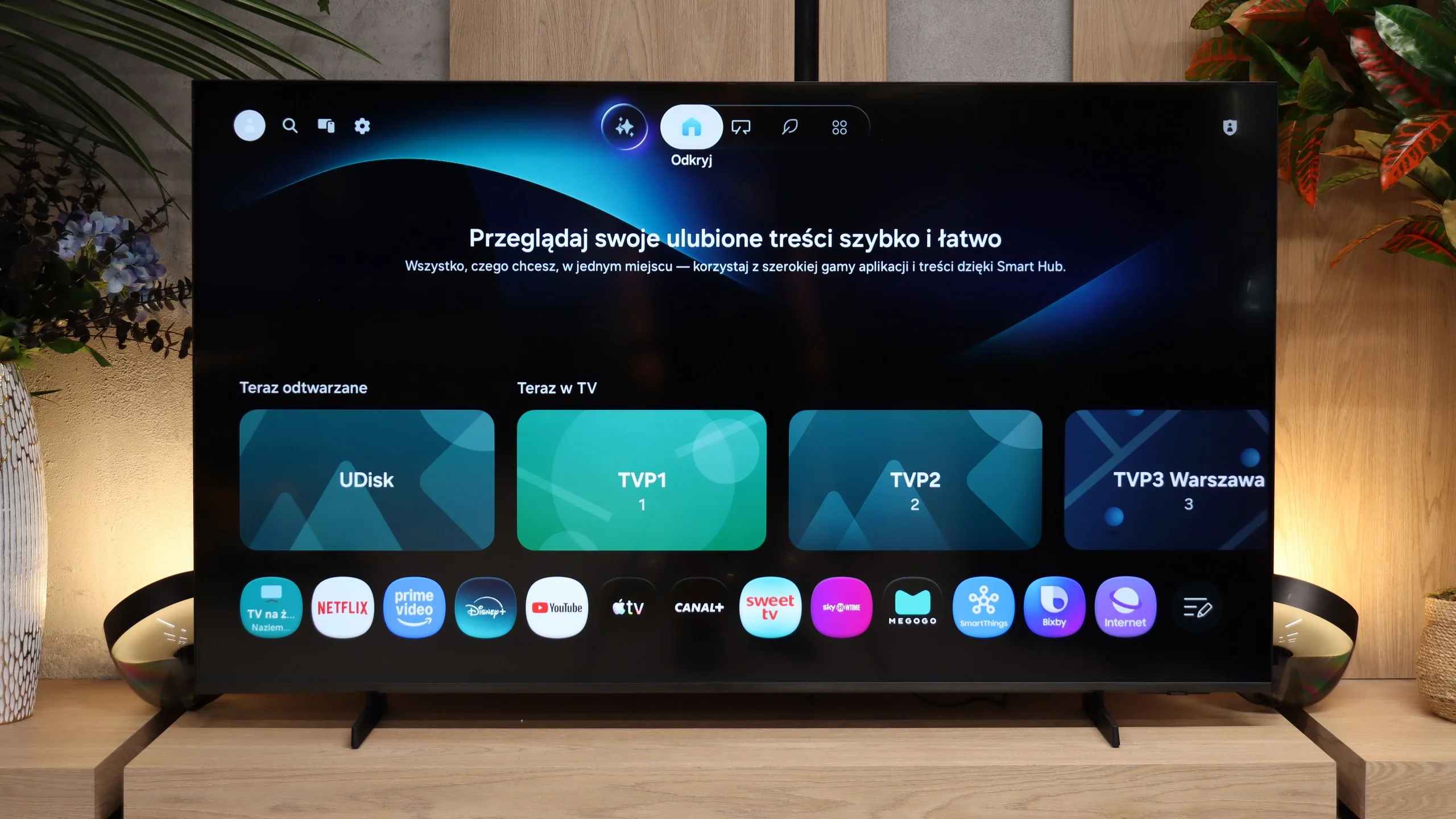
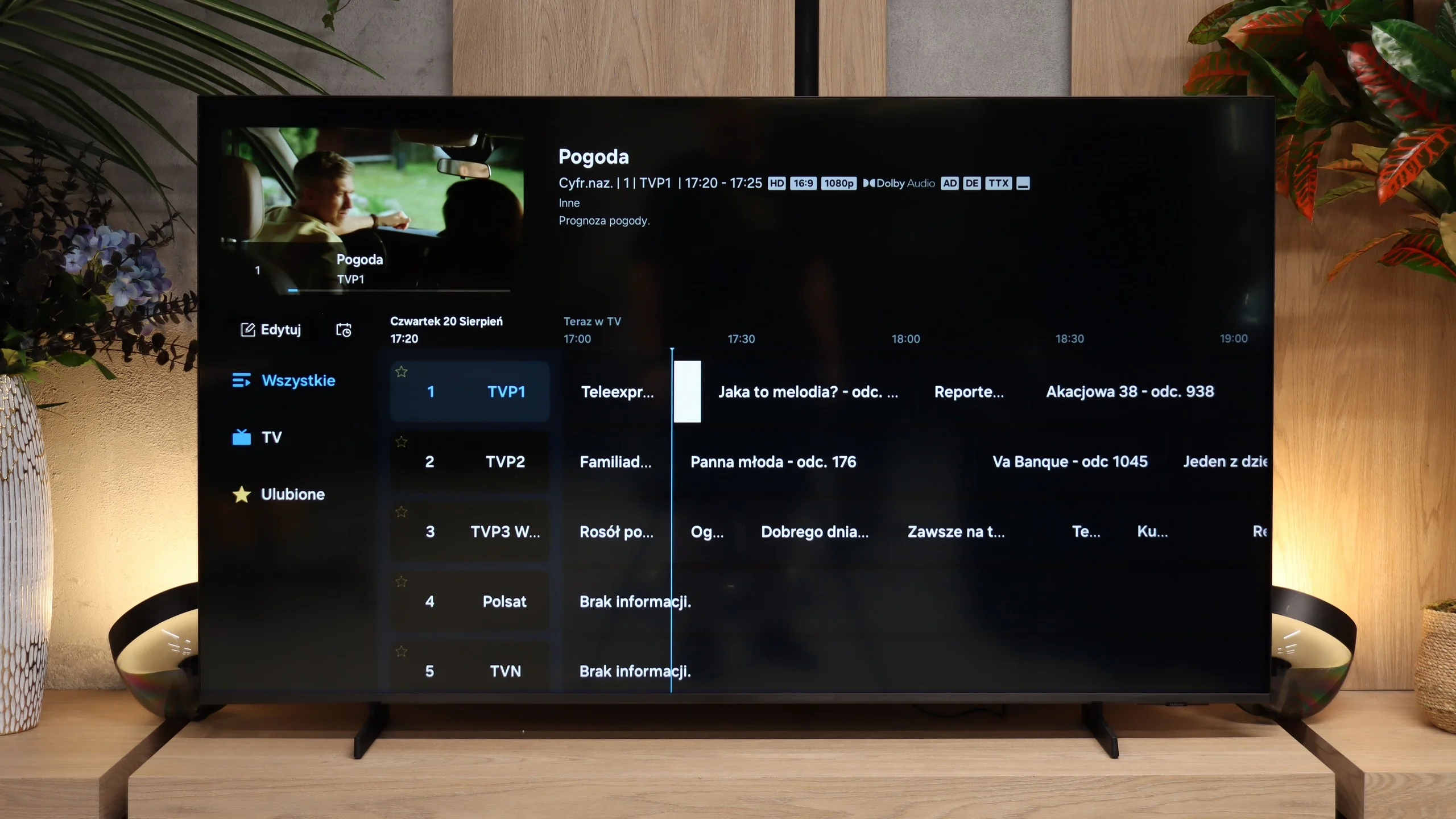
The M80H runs Tizen, the same system found in all Samsung TVs. The platform is fast, stable and offers all the most popular streaming apps. So there’s no worry that, because this is a lower-tier model, any of the major services would be missing. It also has AirPlay, Miracast and voice search. The TV works with SmartThings, so you can use it to control smart home devices.

TV features

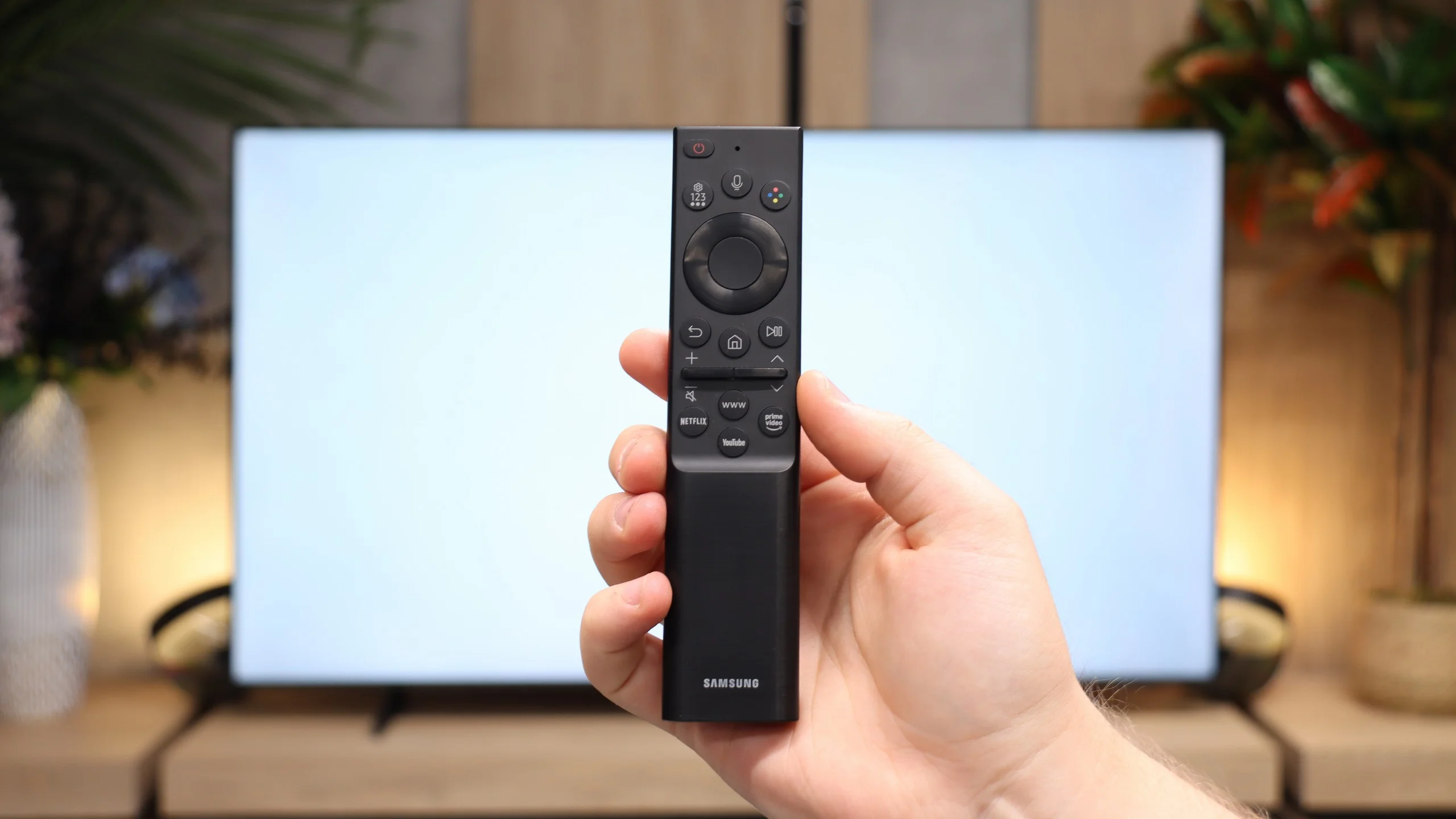
The classic TV features are weaker. The M80H does not allow recording programmes to USB or scheduling recordings. There’s no picture-in-picture either. What remains are the basics, such as teletext and the option to turn off just the screen while keeping the sound on. You can connect Bluetooth headphones, and audio can play through them and the built-in speakers at the same time. That’s useful if one viewer needs higher volume, for example seniors. The set includes a simple Smart remote with a small number of buttons. Unfortunately it’s not the solar version found on other Samsung models, and the remote uses standard batteries. Fortunately it connects to the TV via radio, so you don’t have to point it directly at the screen.

Apps

9.6/10

9.3/10

OK
Disney_Plus
OK
Amazon_Prime_Video
OK
Player_TVN
OK
Polsat_Box_Go
OK
Canal_Plus_Online
OK
TVP_VOD
OK
Apple_TV_Plus
OK
SkyShowtime
OK
Rakuten
OK
CDA_Premium_Browser
OK
Spotify
OK
Tidal
OK
Netflix
OK
YouTube
OK
HBO_MAX
OK
Kodi
No
Apple_music
OK
Eleven_sports
No
Xbox Game Pass
OK
GeForce NOW
No
Amazon Luna
OK
Boosteroid
OK
Steam Link
OK
Disney_Plus
OK
Amazon_Prime_Video
OK
Player_TVN
OK
Polsat_Box_Go
OK
Canal_Plus_Online
OK
TVP_VOD
OK
Apple_TV_Plus
OK
SkyShowtime
OK
Rakuten
OK
CDA_Premium_Browser
OK
Spotify
No
Tidal
OK
Netflix
OK
YouTube
OK
HBO_MAX
No
Kodi
OK
Apple_music
OK
Eleven_sports
OK
Xbox Game Pass
OK
GeForce NOW
OK
Amazon Luna
OK
Boosteroid
No
Steam Link

Playing files from USB

9.4/10

9.1/10

Supported photo formats:

JPEG
Yes
Yes
HEIC
Yes
No
PNG
Yes
Yes
GIF
Yes
No
WebP
Yes
No
TIFF
No
No
BMP
Yes
Yes
SVG
No
No

Maximum photo resolution:

4 Mpix
Yes
Yes
6 Mpix
Yes
Yes
8 Mpix
Yes
Yes
10 Mpix
Yes
Yes
12 Mpix
Yes
Yes
16 Mpix
Yes
Yes
20 Mpix
Yes
Yes
24 Mpix
Yes
Yes
28 Mpix
Yes
Yes
32 Mpix
Yes
Yes

Thanks to the Google TV system, the Sharp FQ8 offers excellent flexibility when playing files from USB. Users can install various apps for video and audio playback, such as VLC or MX Player, allowing the television to handle the most popular file formats. Whether it’s movies, music, or photos, the support for multiple formats ensures a comfortable and hassle-free multimedia experience from external drives.

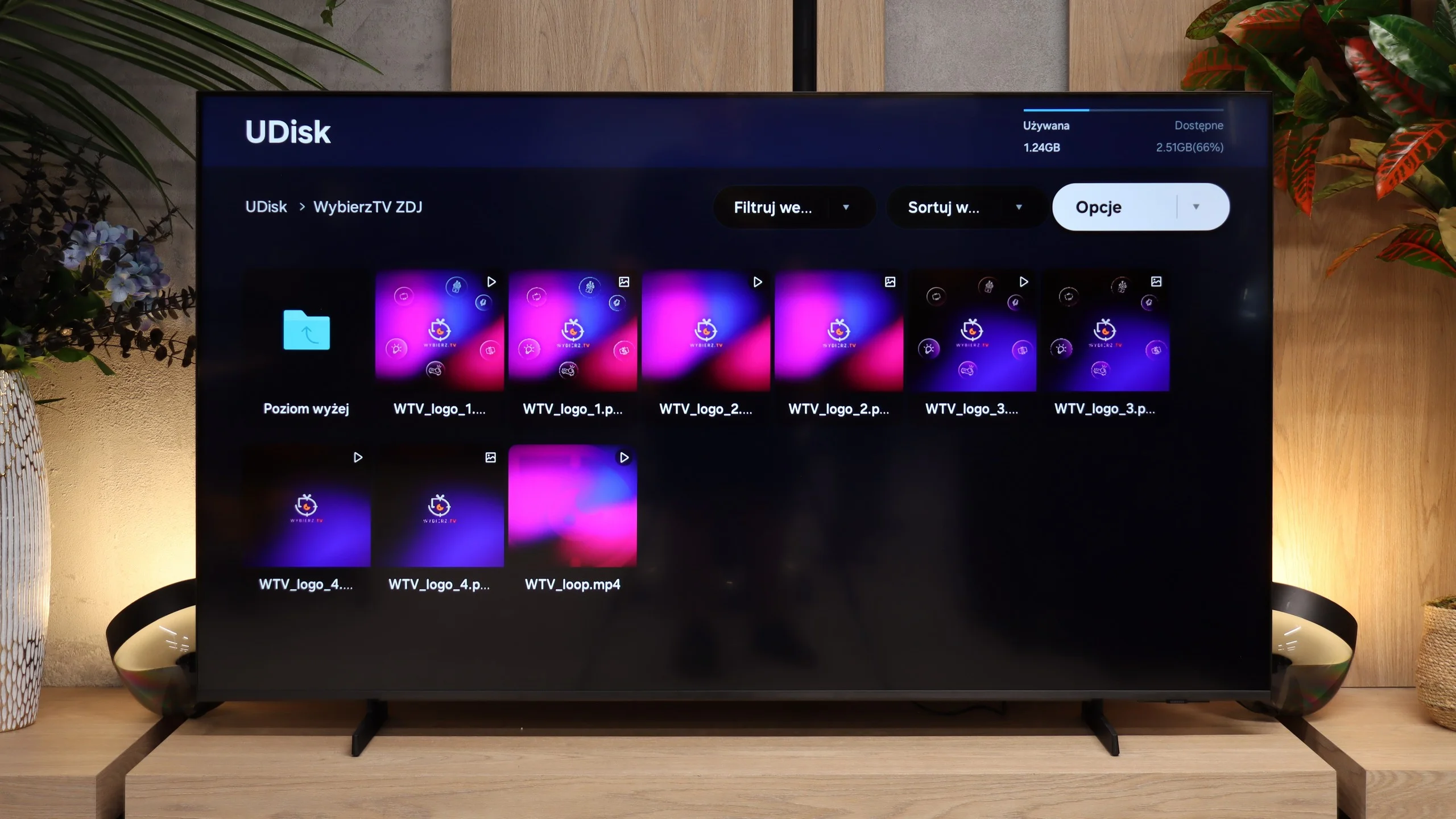
The built-in USB player handles most popular video and image formats. It easily displays JPEG, PNG and BMP files, including in high resolution. However, it doesn't support HEIC, the format used by iPhones, among others. In practice this probably won't be a big problem, because the M80H supports AirPlay and most people will likely use that to show holiday photos on the TV. 😉

Sound

6/10

6/10

  • Maximum volume
    91dB
    88dB
  • Dolby Digital Plus 7.1
    Yes
    Yes
  • Dolby True HD 7.1
    Yes
    No
  • Dolby Atmos in Dolby Digital Plus (JOC)
    Yes
    Yes
  • Dolby Atmos in Dolby True HD
    Yes
    No
  • DTS:X in DTS-HD MA
    Yes
    No
  • DTS-HD Master Audio
    Yes
    No

The sound performance of the Sharp FQ8 is, of course, subjective, but there are a few notable aspects. The television features a Harman/Kardon-branded soundbar aimed directly at the user. While it isn’t a full-fledged soundbar or home theatre system, this speaker arrangement significantly improves the audio experience, providing clearer and more direct sound, which is particularly beneficial for everyday television viewing. It’s also worth mentioning that the television can achieve very high volumes, which will be helpful for individuals with hearing difficulties. The only criticism we encountered was related to sound processing by Dolby, which resulted in noticeable sound distortions and artificial clipping.

The M80H is equipped with a 2.0 speaker setup rated at 20 W. It performs adequately but doesn't stand out compared with TVs that have similar audio systems. Dialogue is clearly audible and the speakers themselves don't introduce noticeable distortion. However, it definitely lacks bass, so music in particular can sound flat. If you want a slightly fuller sound, it's worth considering a basic soundbar and connecting it via HDMI eARC. The TV can also pass Dolby Atmos audio that way. Bear in mind, though, that the M80H has no optical output, so you can't connect older audio equipment through that method.

Sound Quality Test

No sound test video

Acoustic Measurements

No acoustic data

88dBC (Max)

75dBC

Reader comments

Comments are provided by the external service Disqus (Zeta Global). Once loaded, Disqus may set cookies and process data about your activity.

We will remember your choice on this device. Provider's privacy policy