Direct comparison

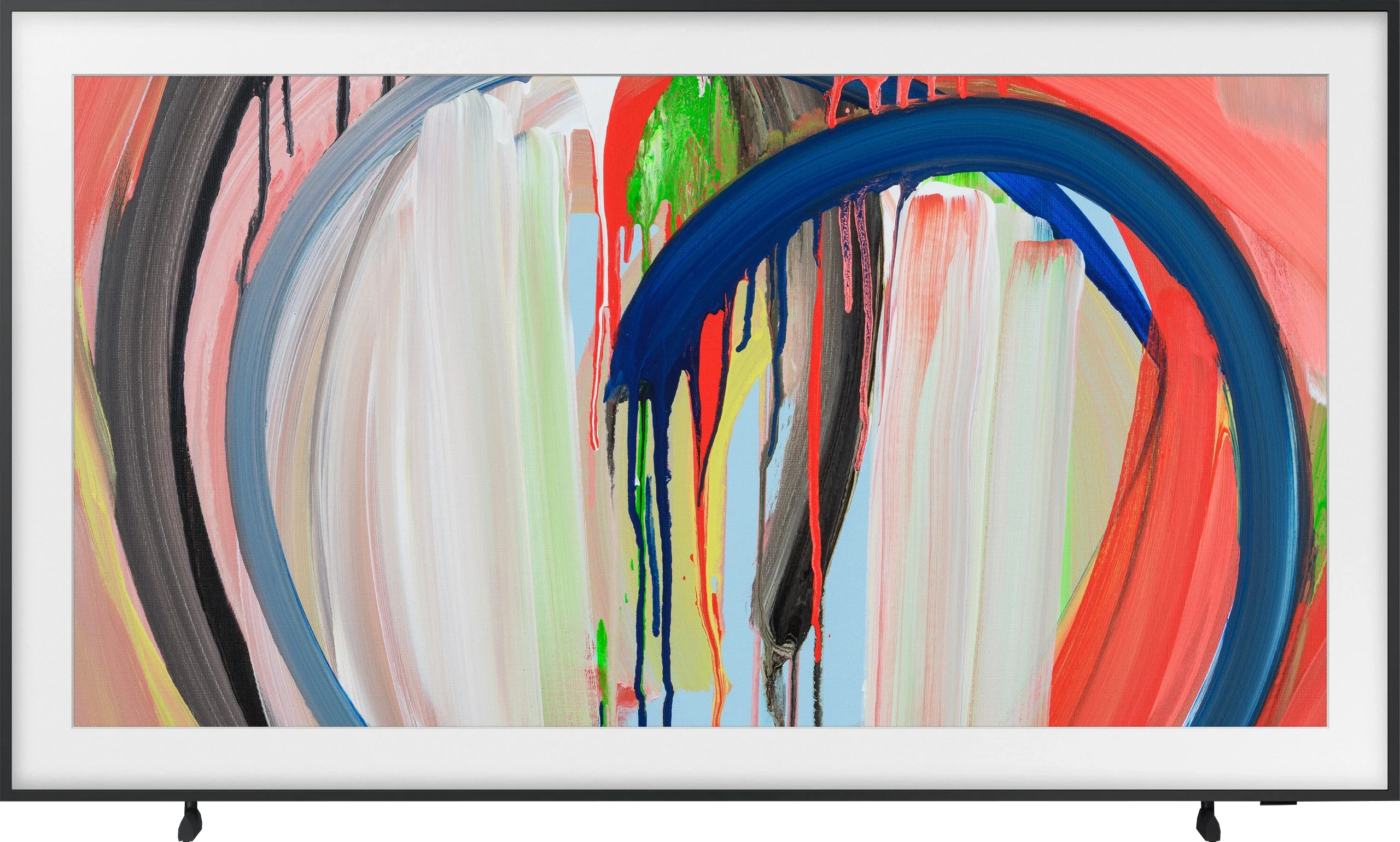


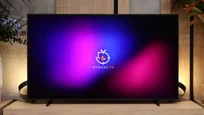
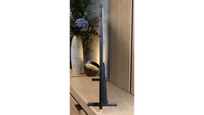
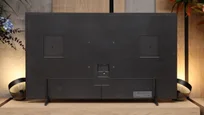
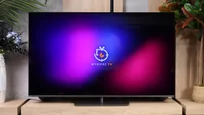
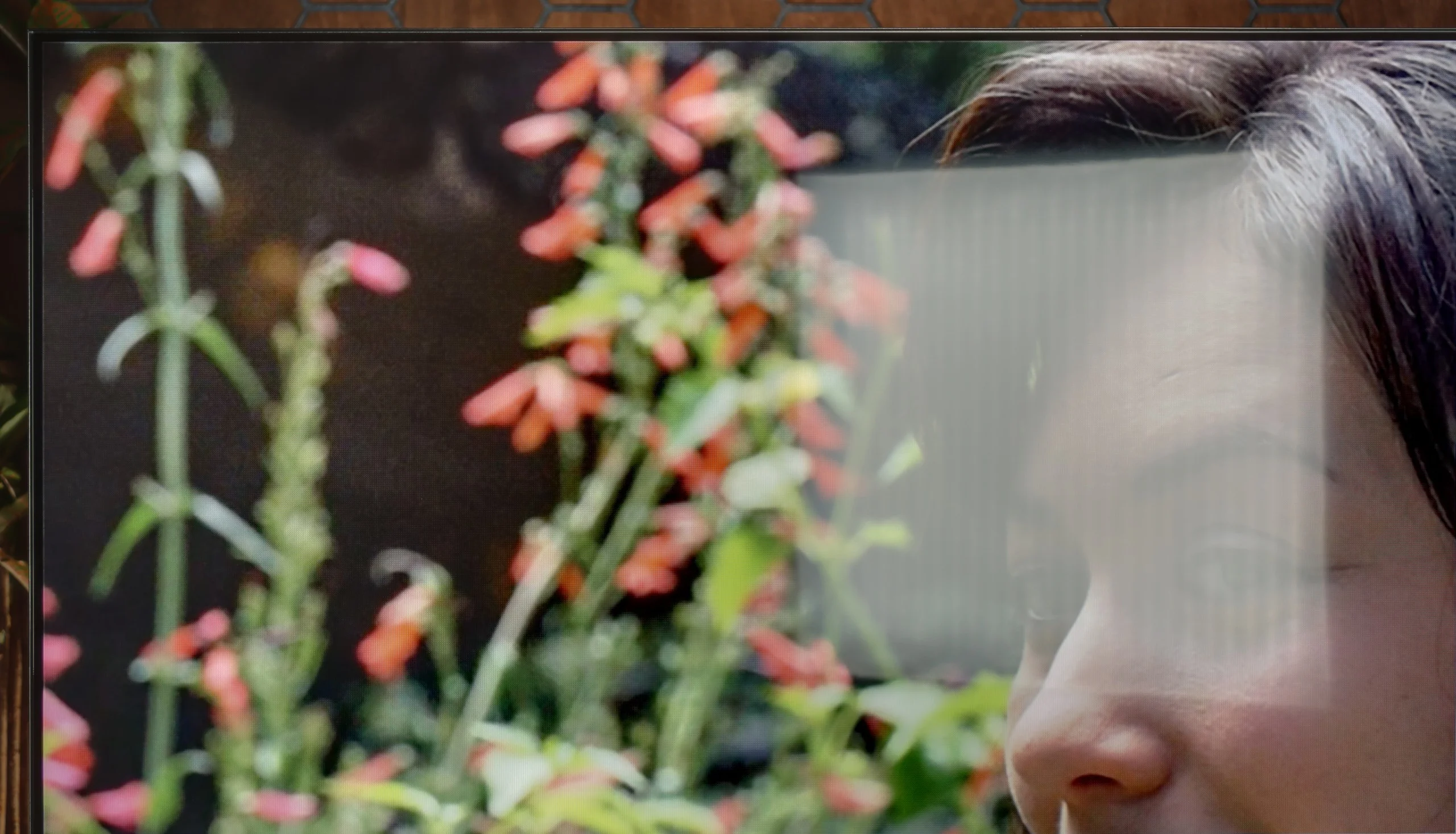
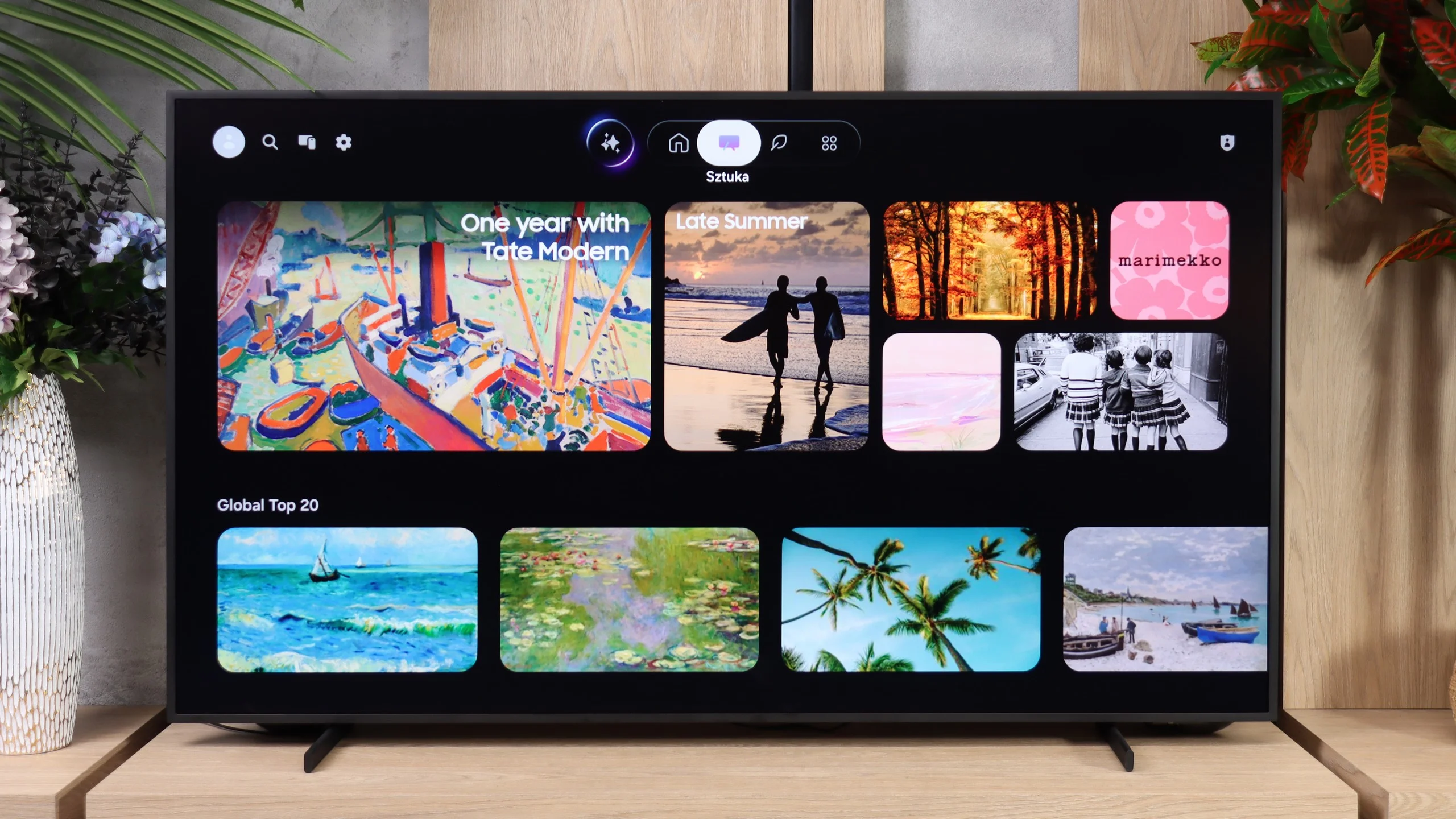
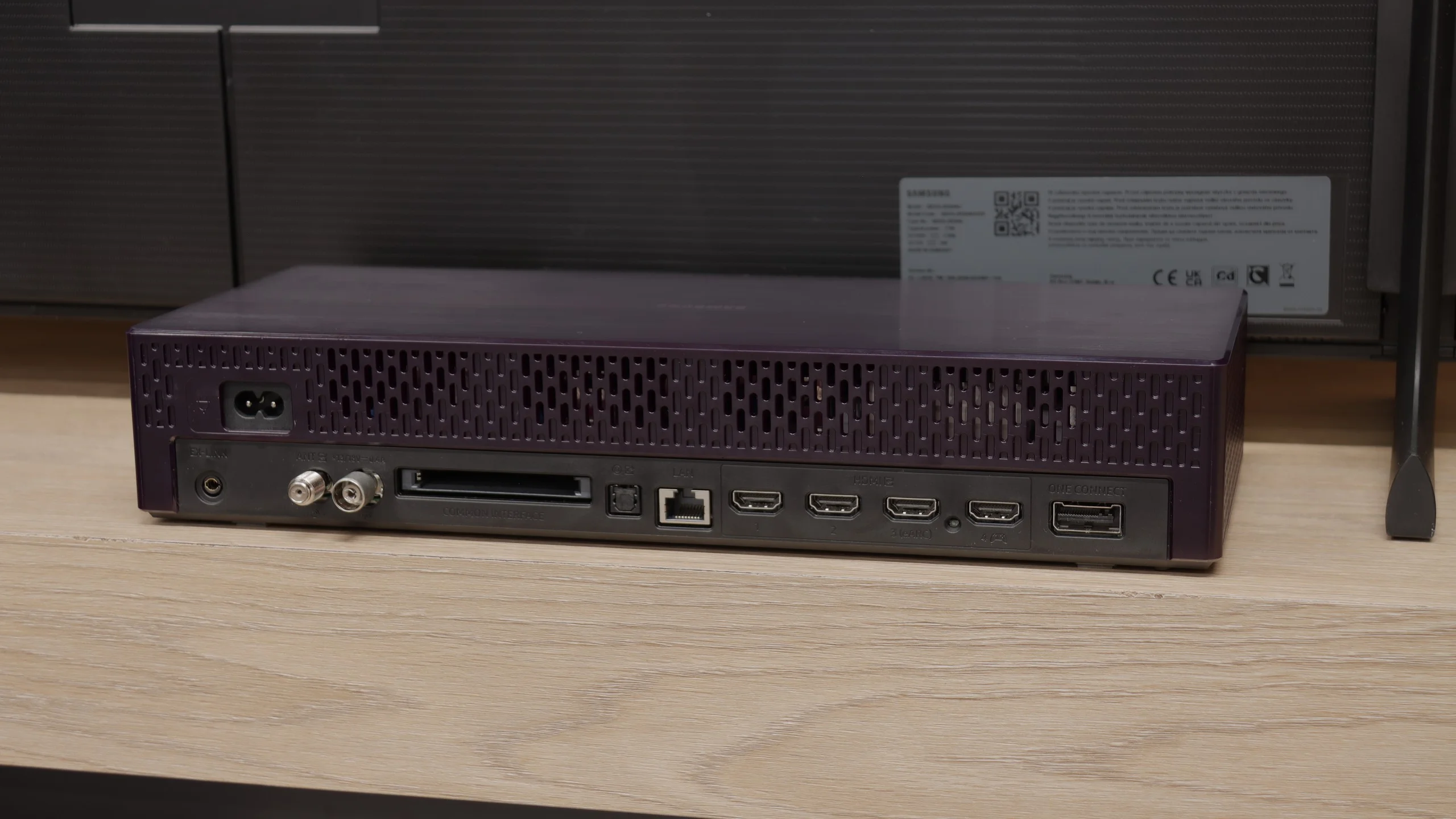
Samsung The Frame 2026 is still a TV aimed at a fairly specific type of buyer. If your main priority is having a screen that looks good in your interior, hangs almost flush against the wall, and doesn’t simply turn into a large black rectangle when switched off, there are very few TVs on the market that execute this idea quite as well. The matte screen, interchangeable bezels, external One Connect box, and extensive Art Mode allow The Frame to genuinely become part of the room rather than just another TV sitting in the living room. And that’s exactly where we see its biggest appeal.
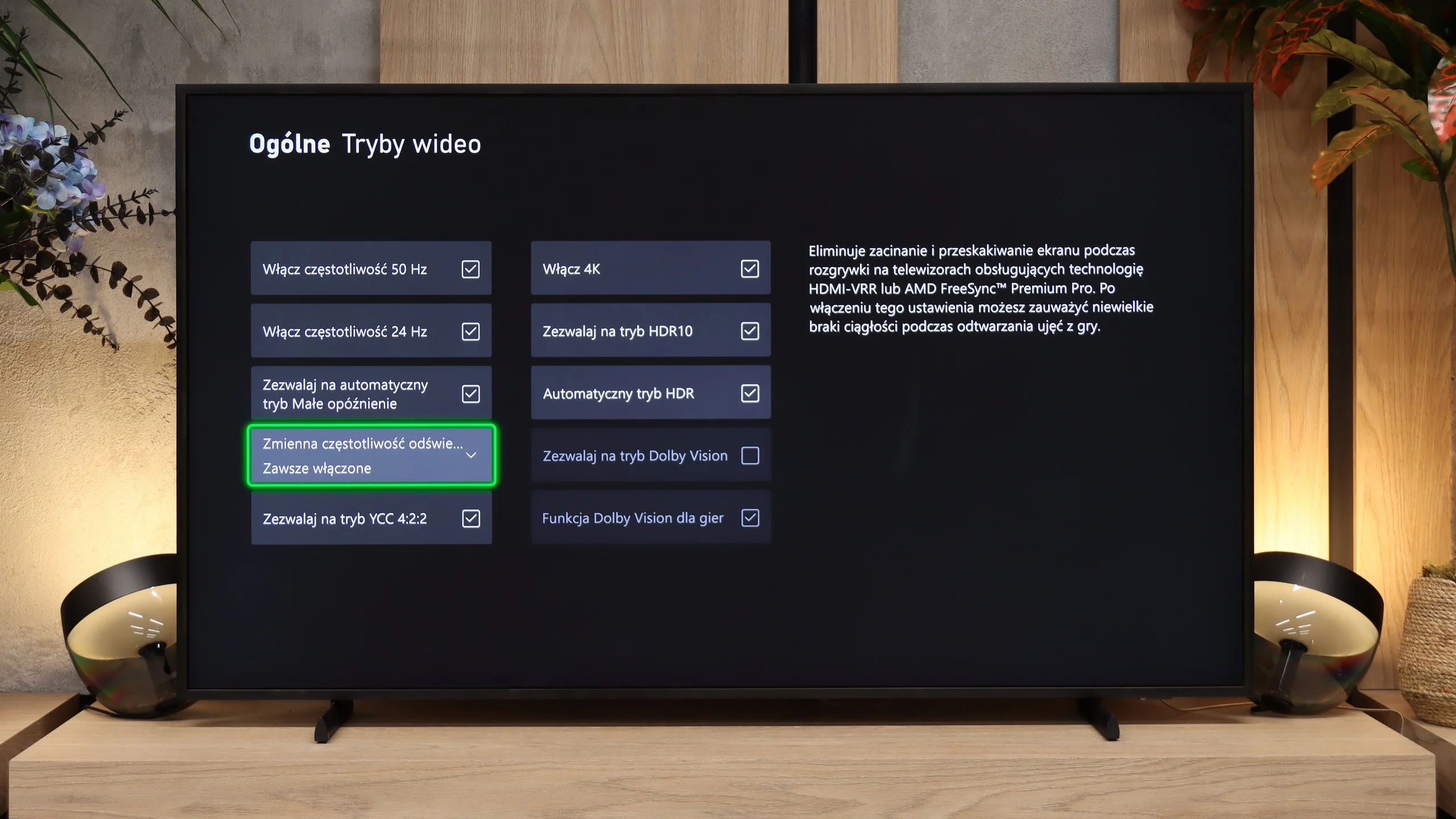
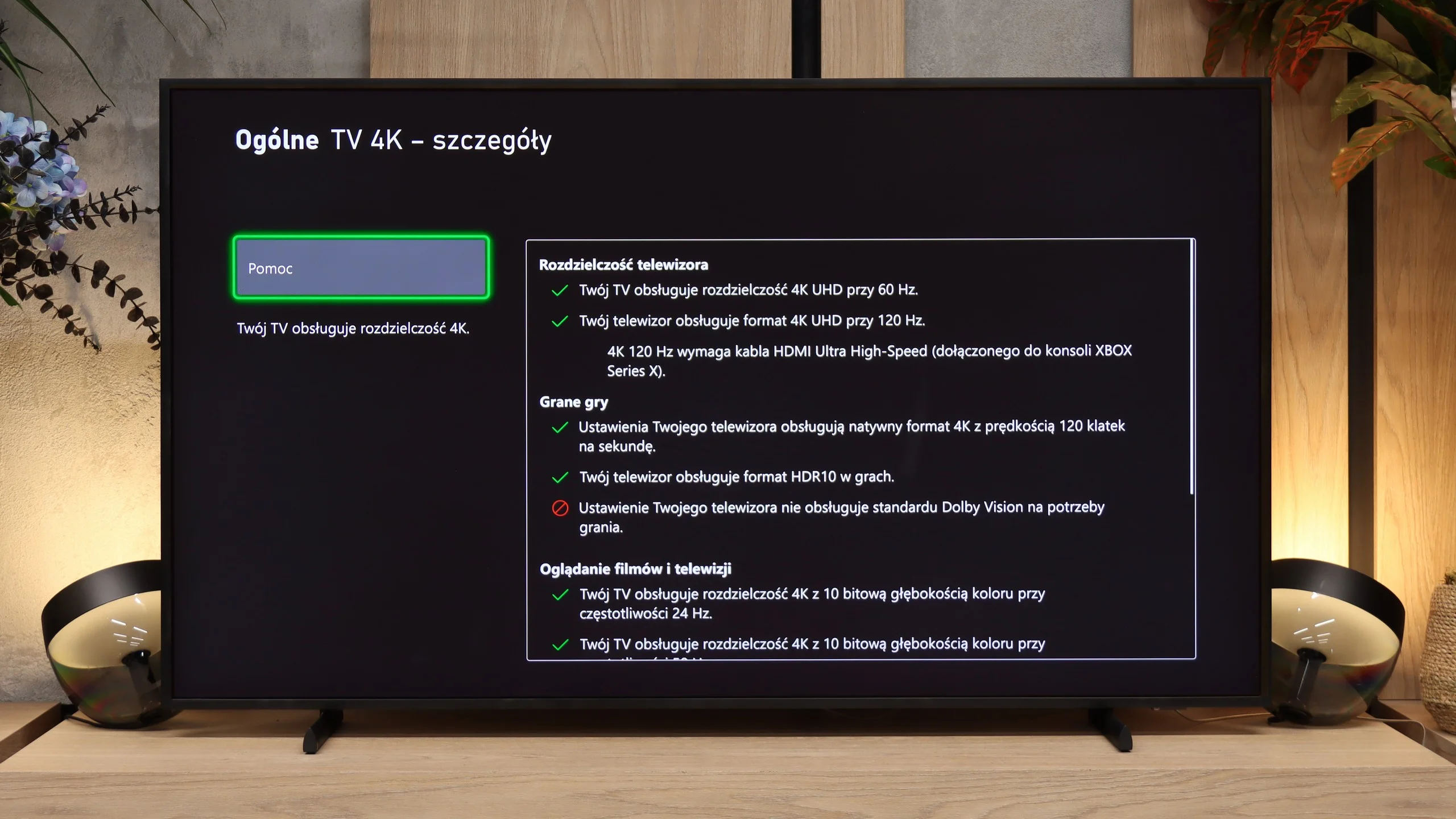
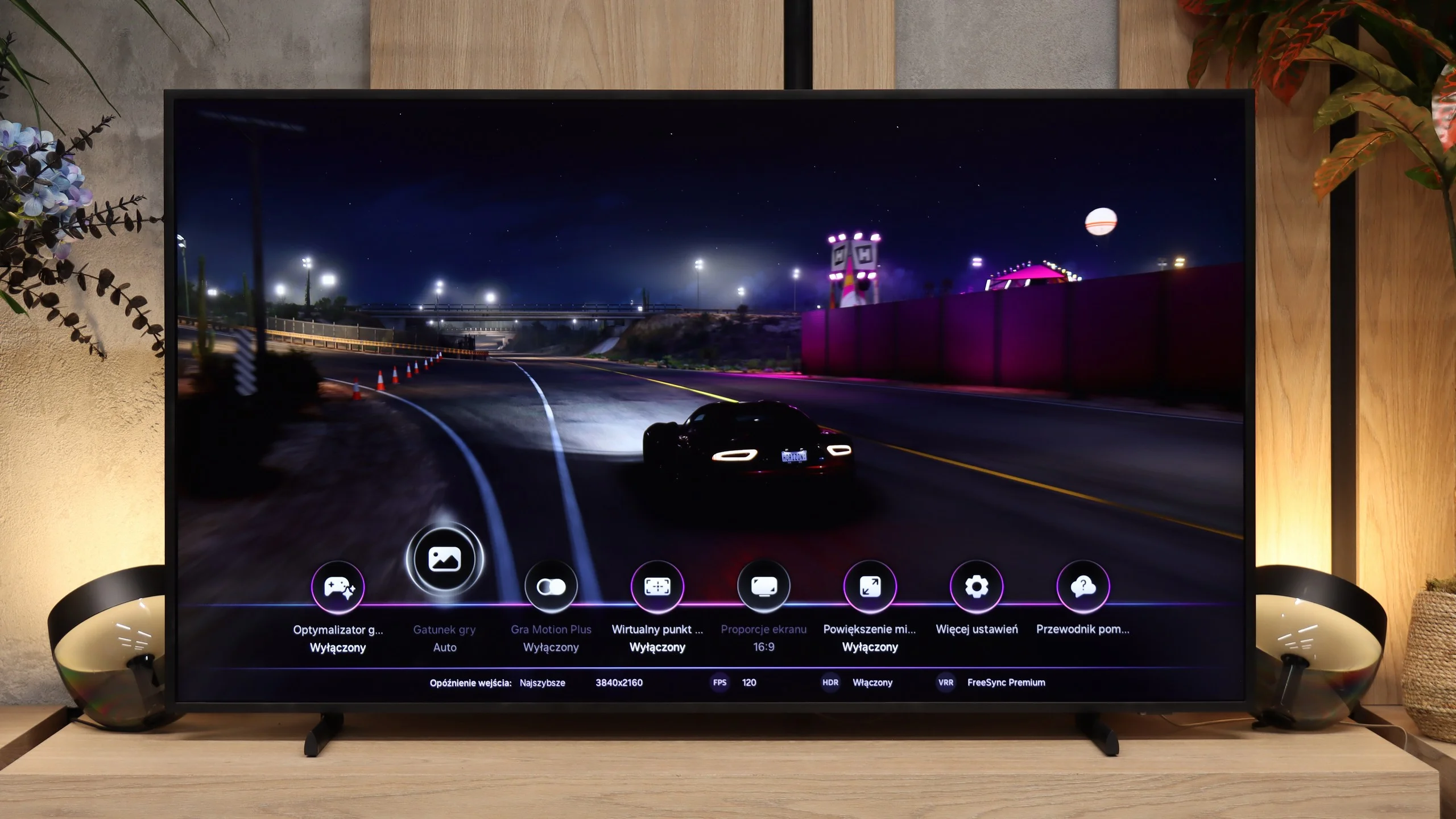
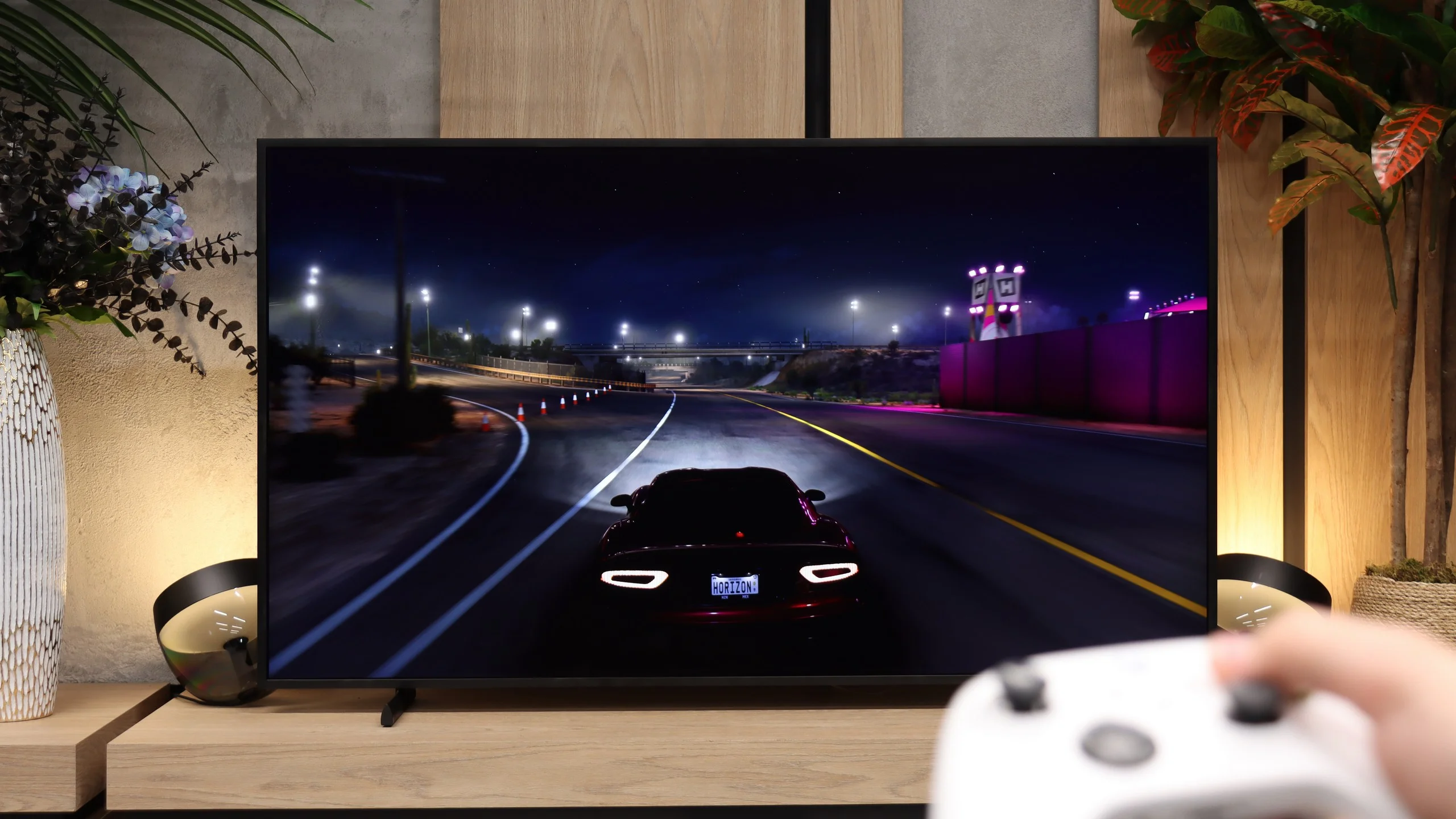
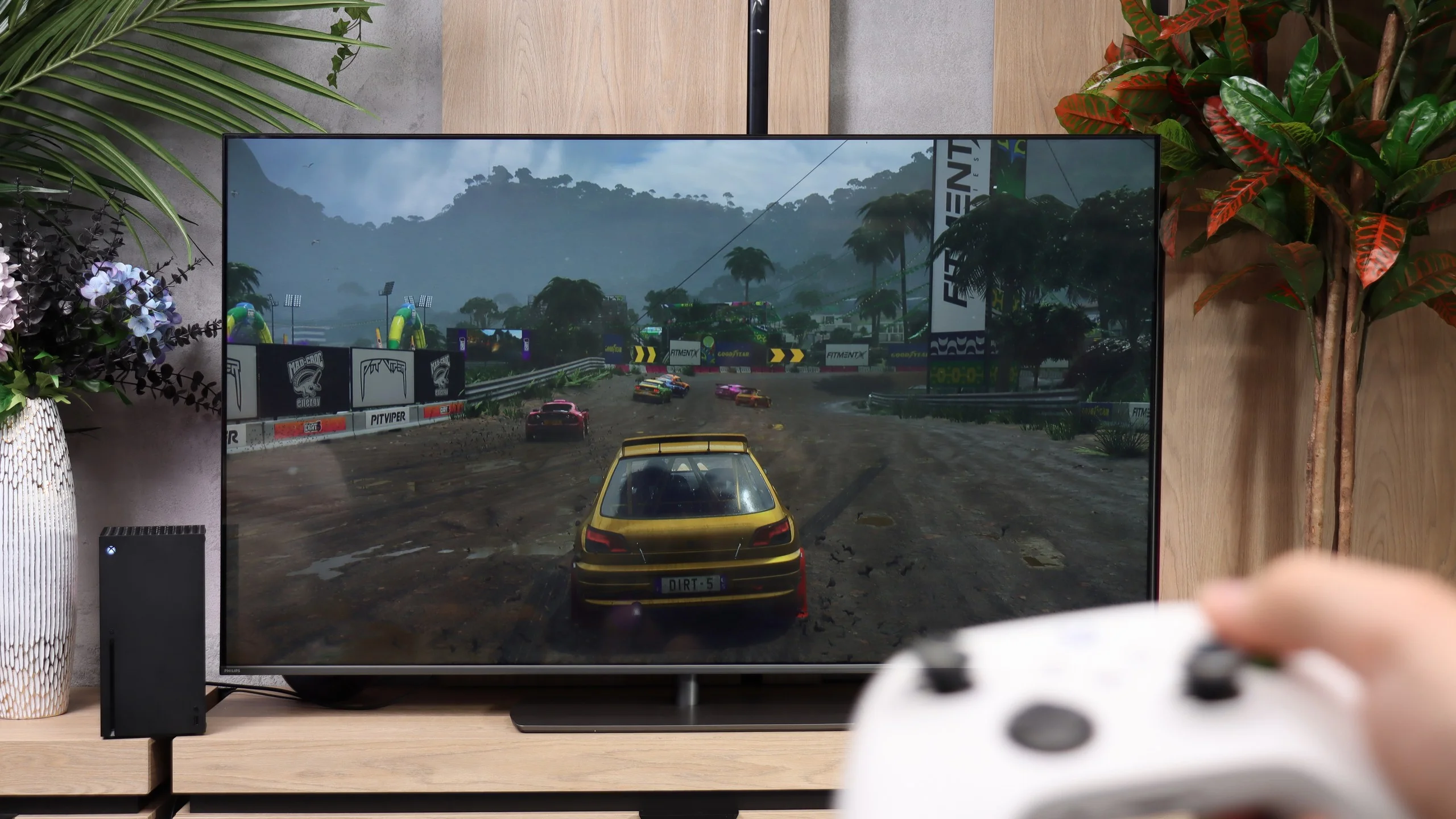
Importantly, though, that doesn’t mean design is all you’re getting. The Frame performs really well in bright rooms. Its matte coating is very effective at reducing reflections, brightness reaching around 650 nits is enough for comfortable daytime viewing, and the wide colour gamut means colourful content, animation, and brighter HDR scenes can look very impressive. On top of that, there’s 144Hz support at 4K and, for the first time, up to 240Hz at Full HD. VRR, ALLM, FreeSync, G-Sync, HGiG, low input lag, and an extensive Game Bar make The Frame a much more capable gaming TV than its “artistic” character might suggest.
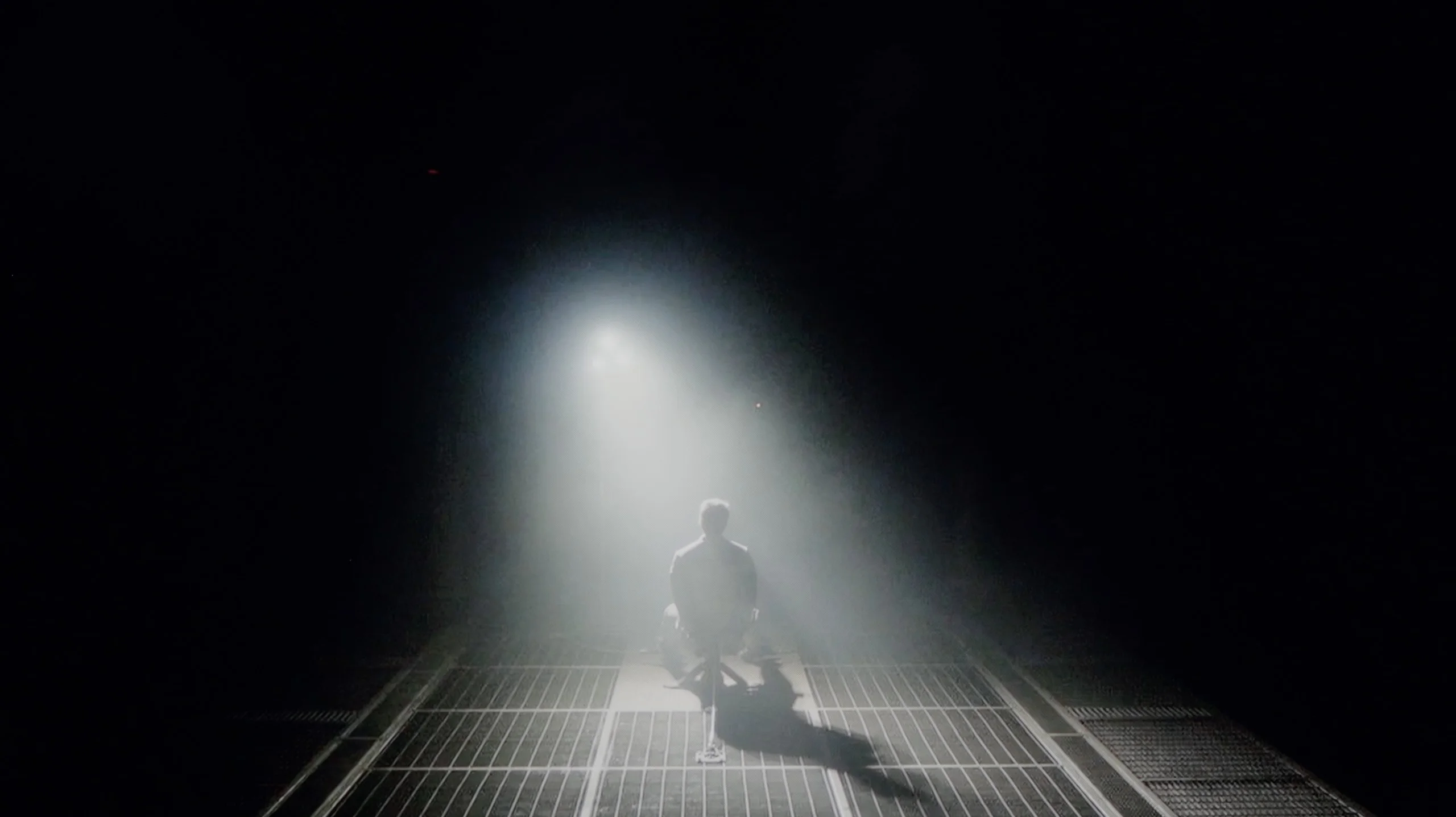
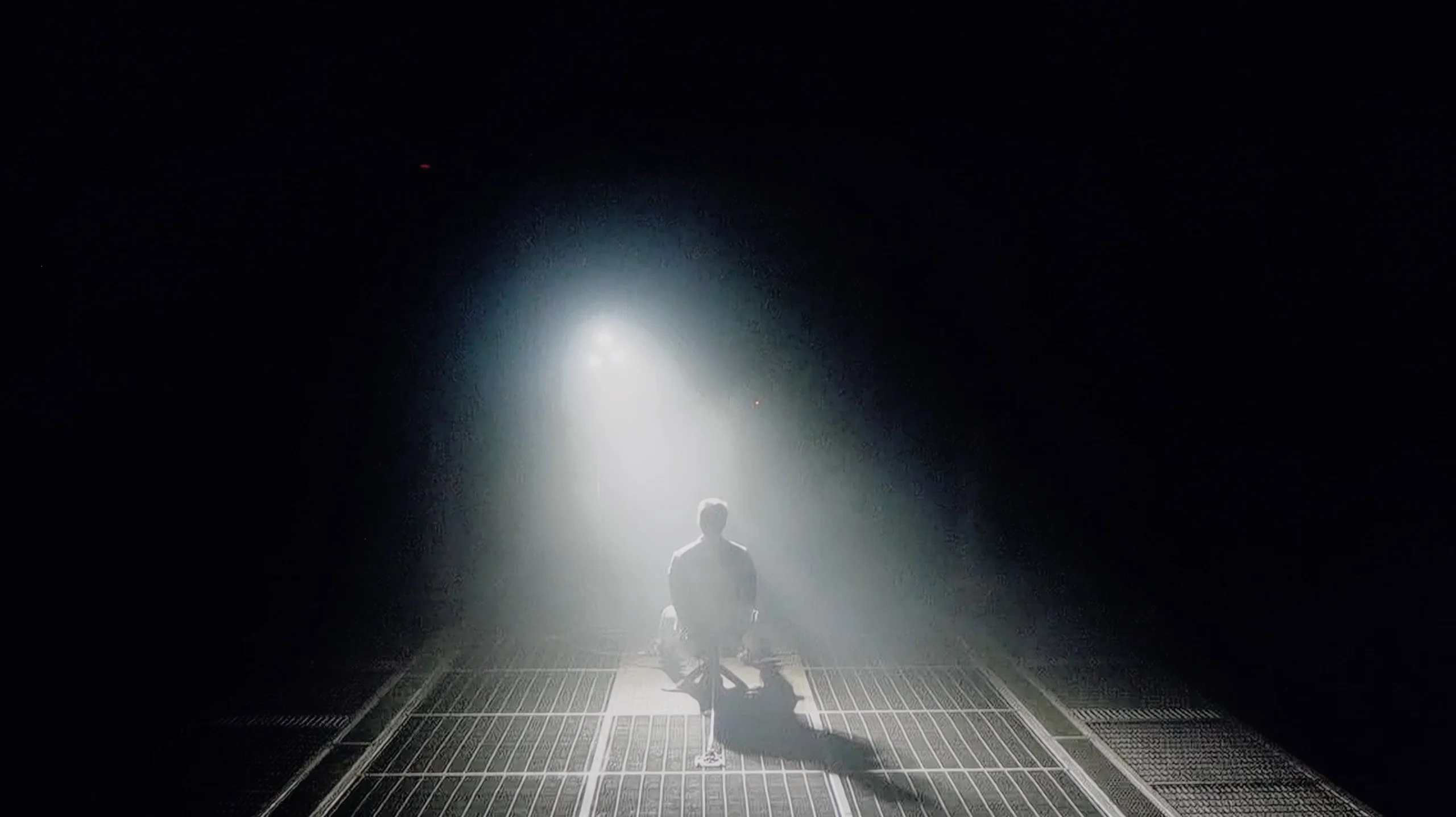
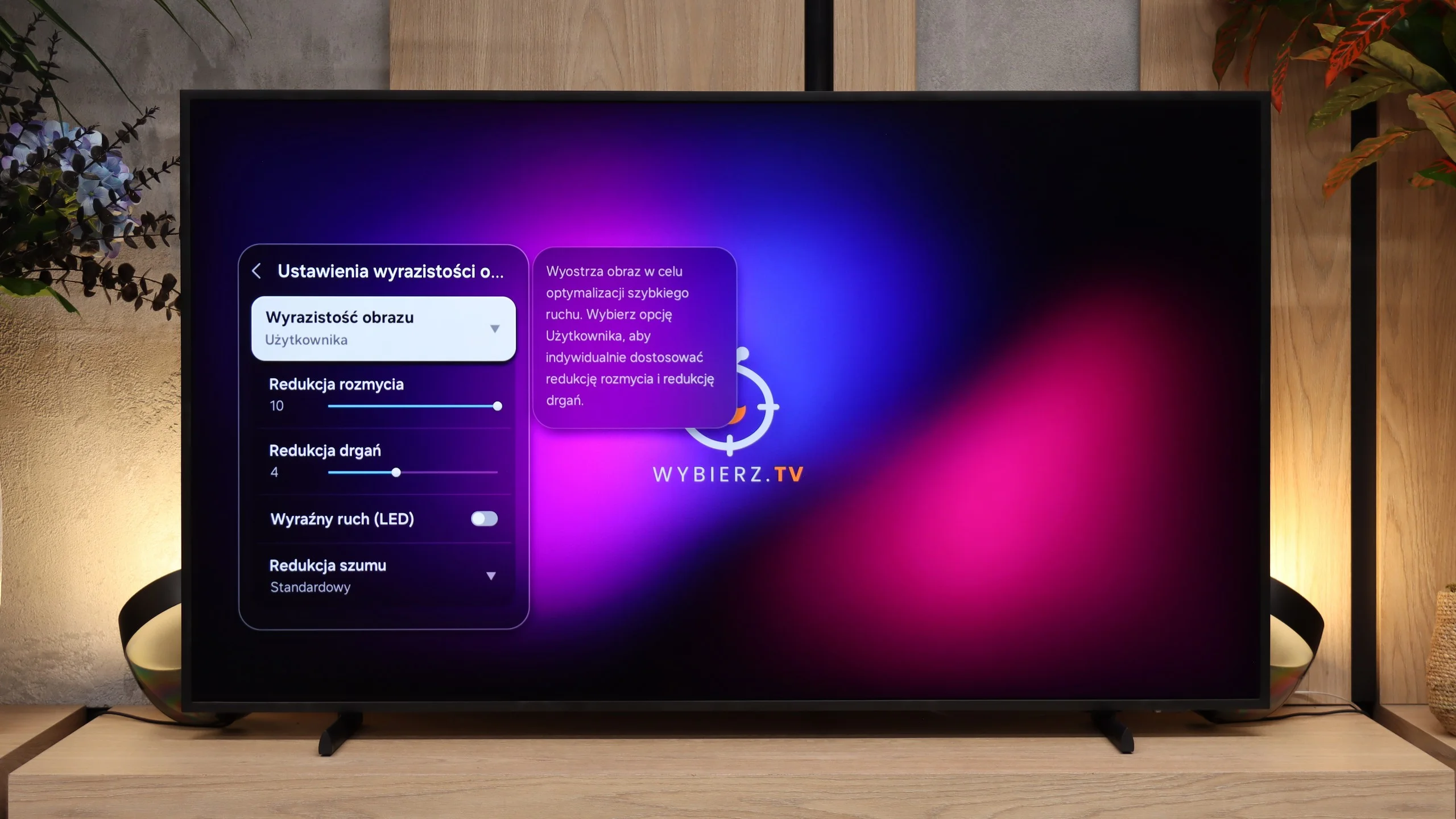
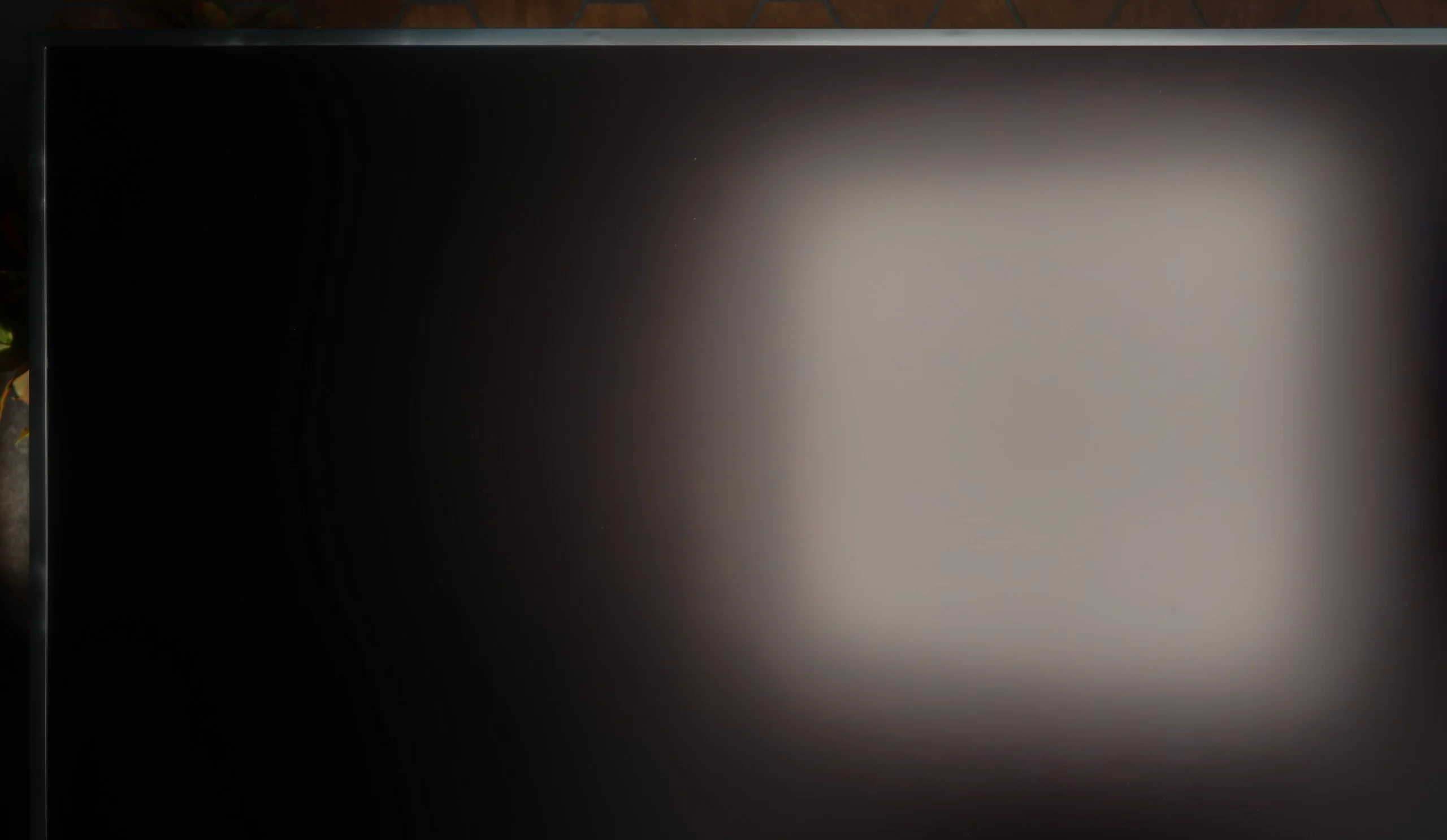
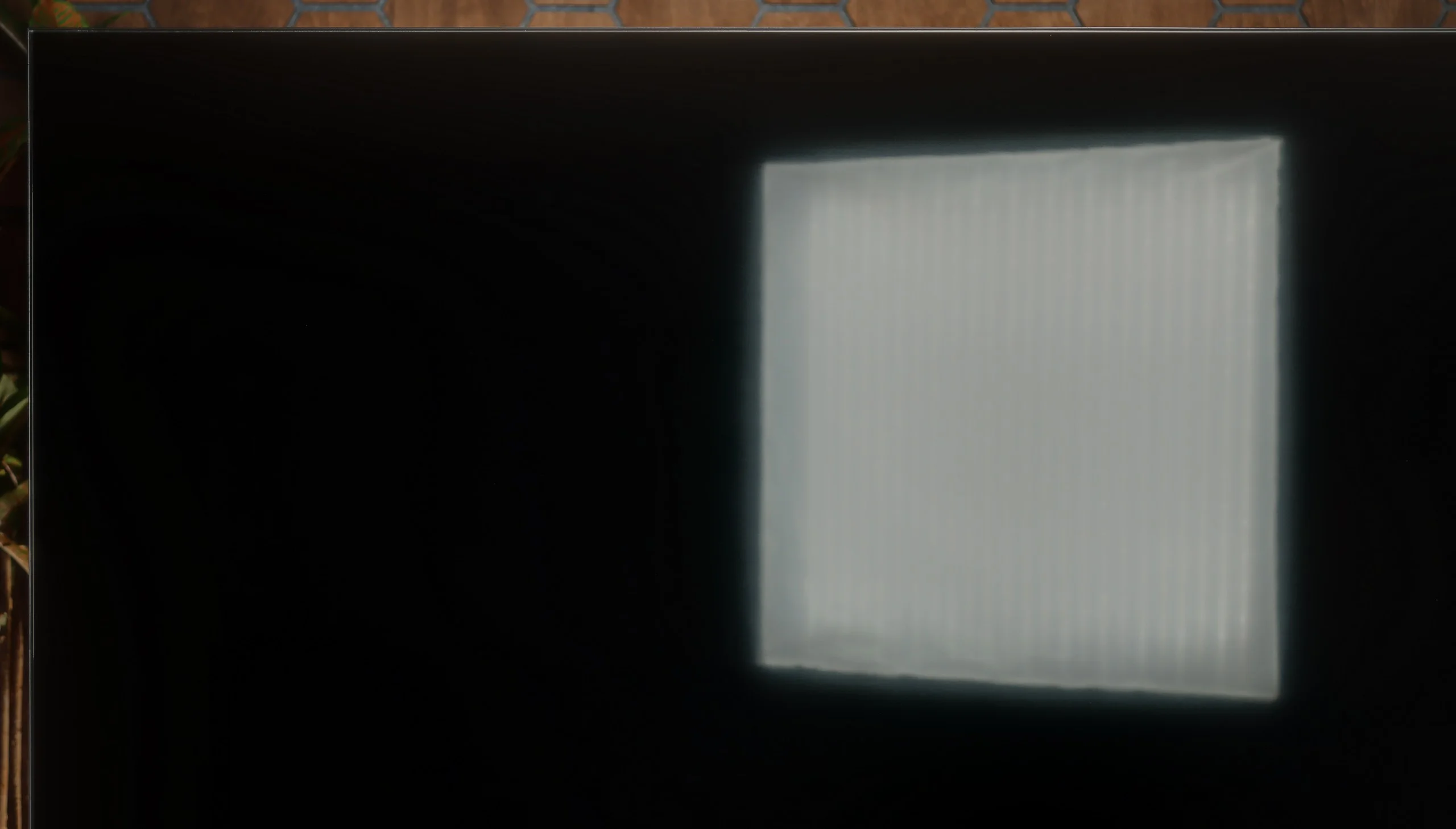
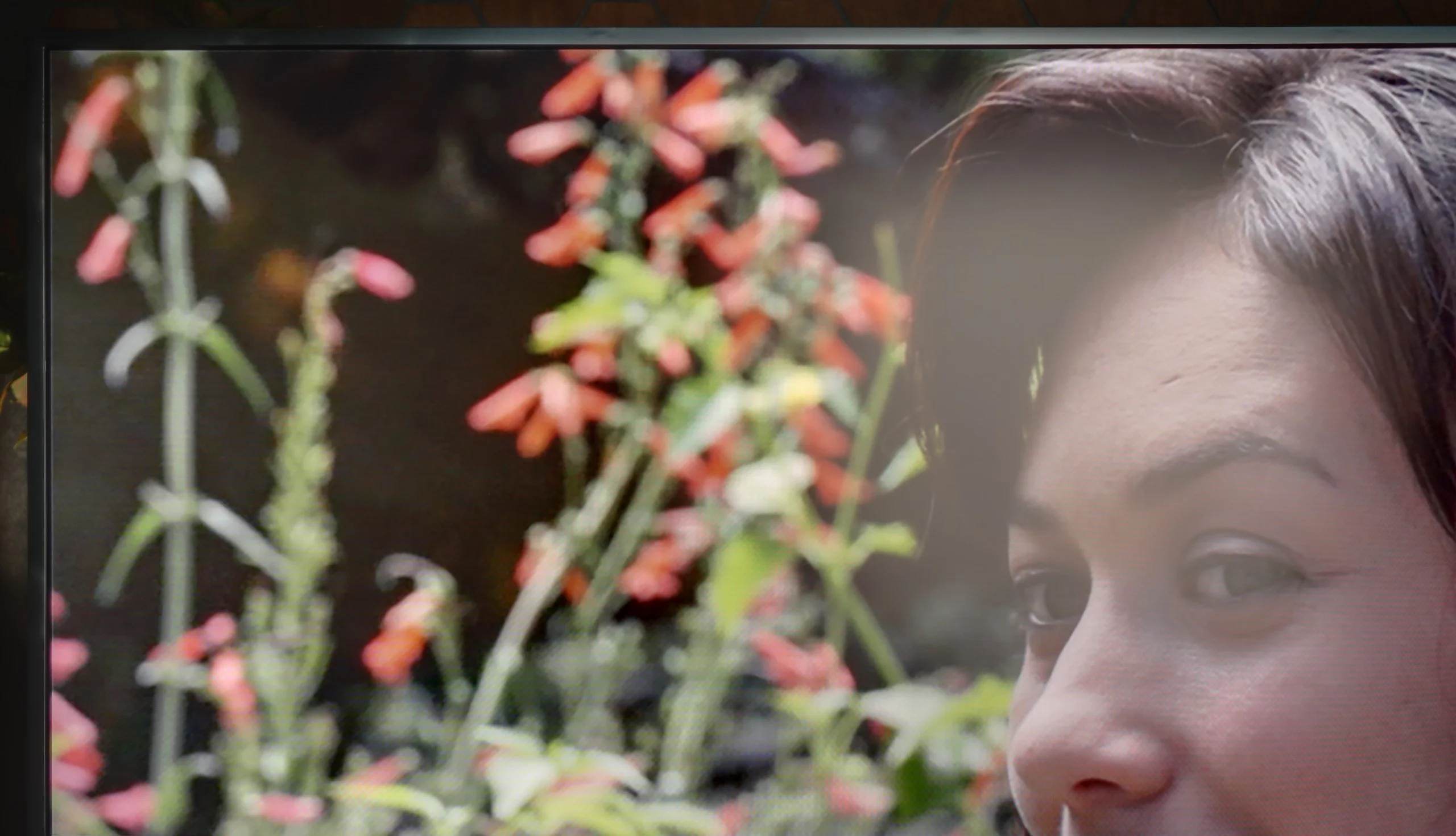
The biggest compromises become apparent when you look at it as a TV primarily intended for home cinema. The Frame has no local dimming, so blacks become noticeably raised in dark scenes, and this is where the difference compared with good Mini LED and OLED TVs is most obvious. HDR therefore looks best with bright and colourful content, while evening movie sessions in a dark room are definitely not its strongest suit. There is also noticeable motion blur and only one full-bandwidth HDMI 2.1 port on the One Connect box, which may be frustrating for some users, especially gamers.
The Frame 2026, then, isn’t a TV for someone looking for the absolute best picture quality in its price range. There are models that offer deeper blacks or a more impactful HDR experience. But if the TV is meant to become part of a well-designed living room, is often used during the day, displays artwork, and at the same time needs to perform well with a wide variety of content, The Frame still makes a lot of sense. Samsung has barely changed its formula here, but it’s easy to see why — the “picture on the wall” concept is still executed extremely well. Owners of the previous model have little reason to upgrade, but for new buyers looking for this particular combination of design and TV functionality, it remains one of the most interesting options on the market.