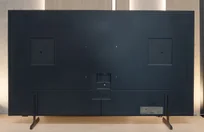
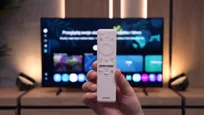
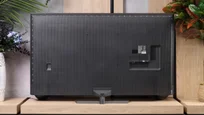
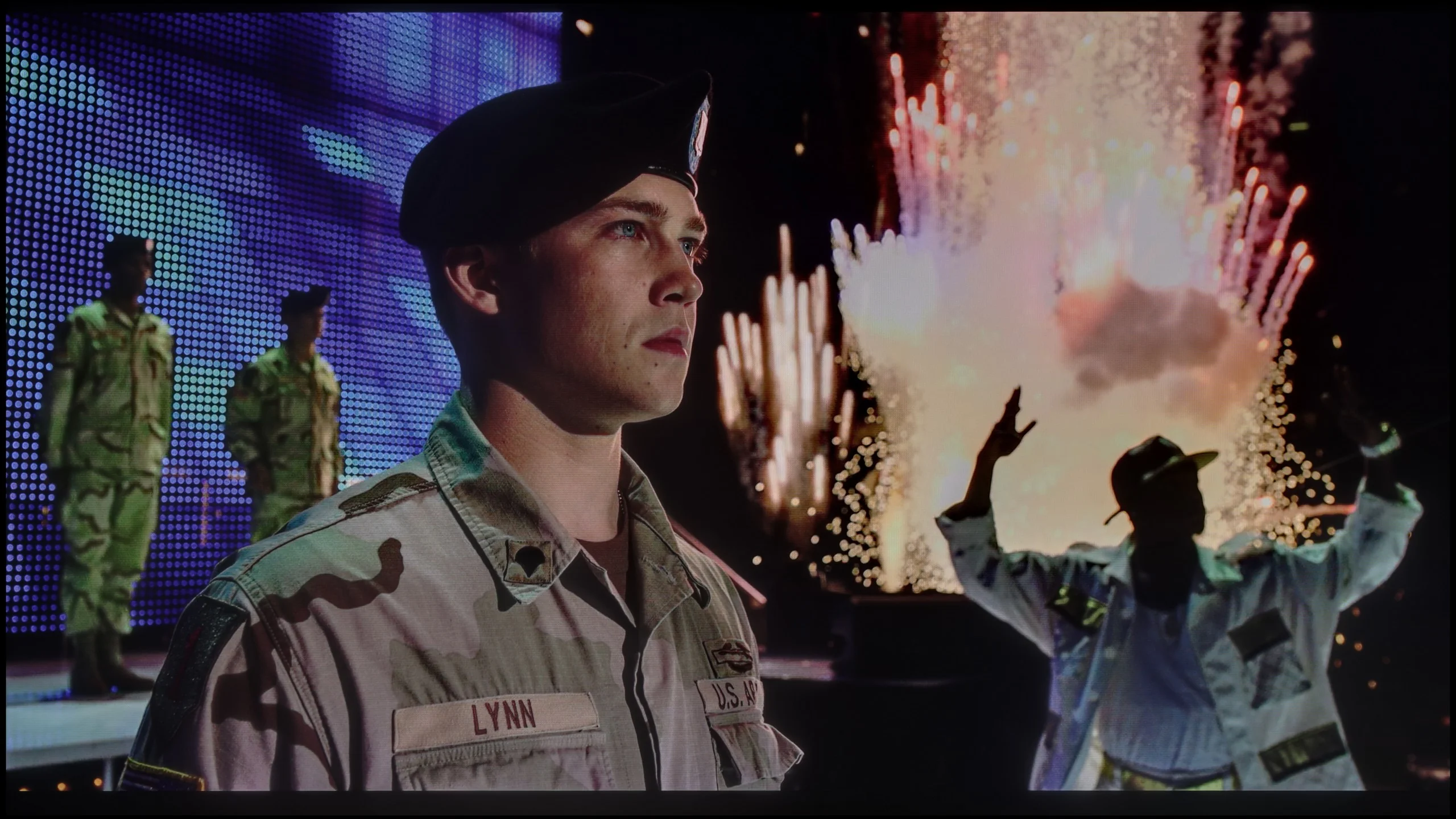
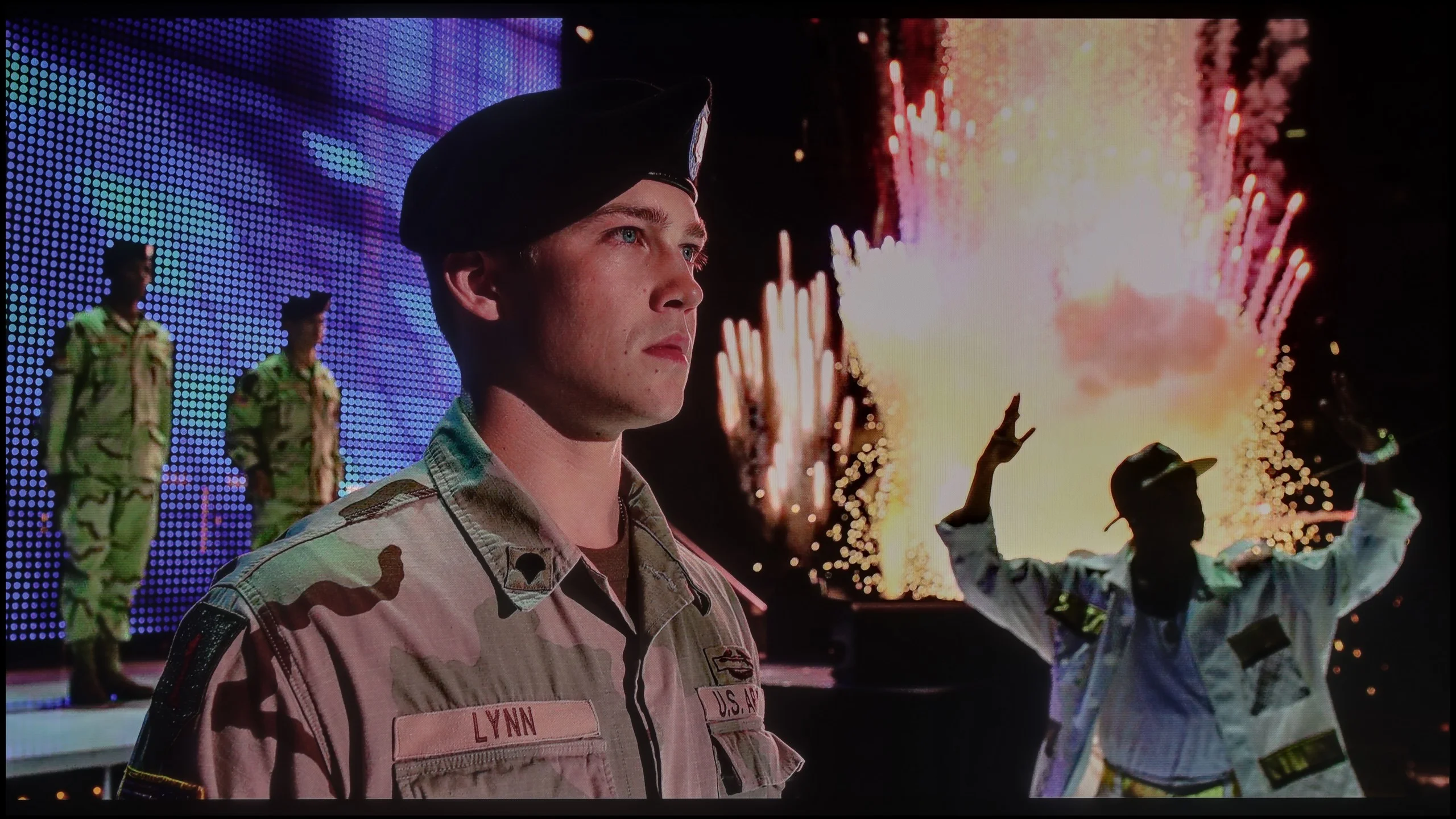
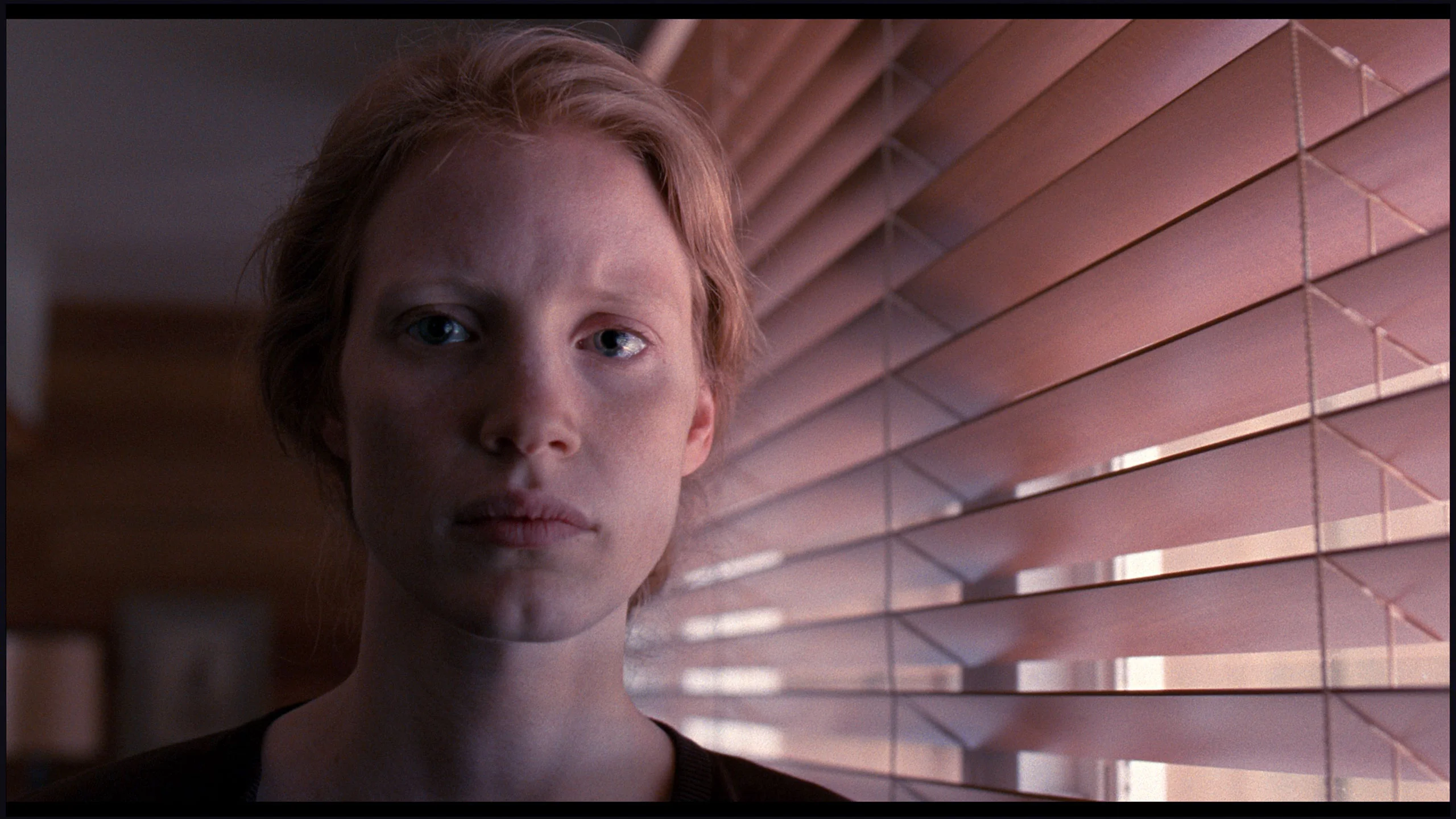
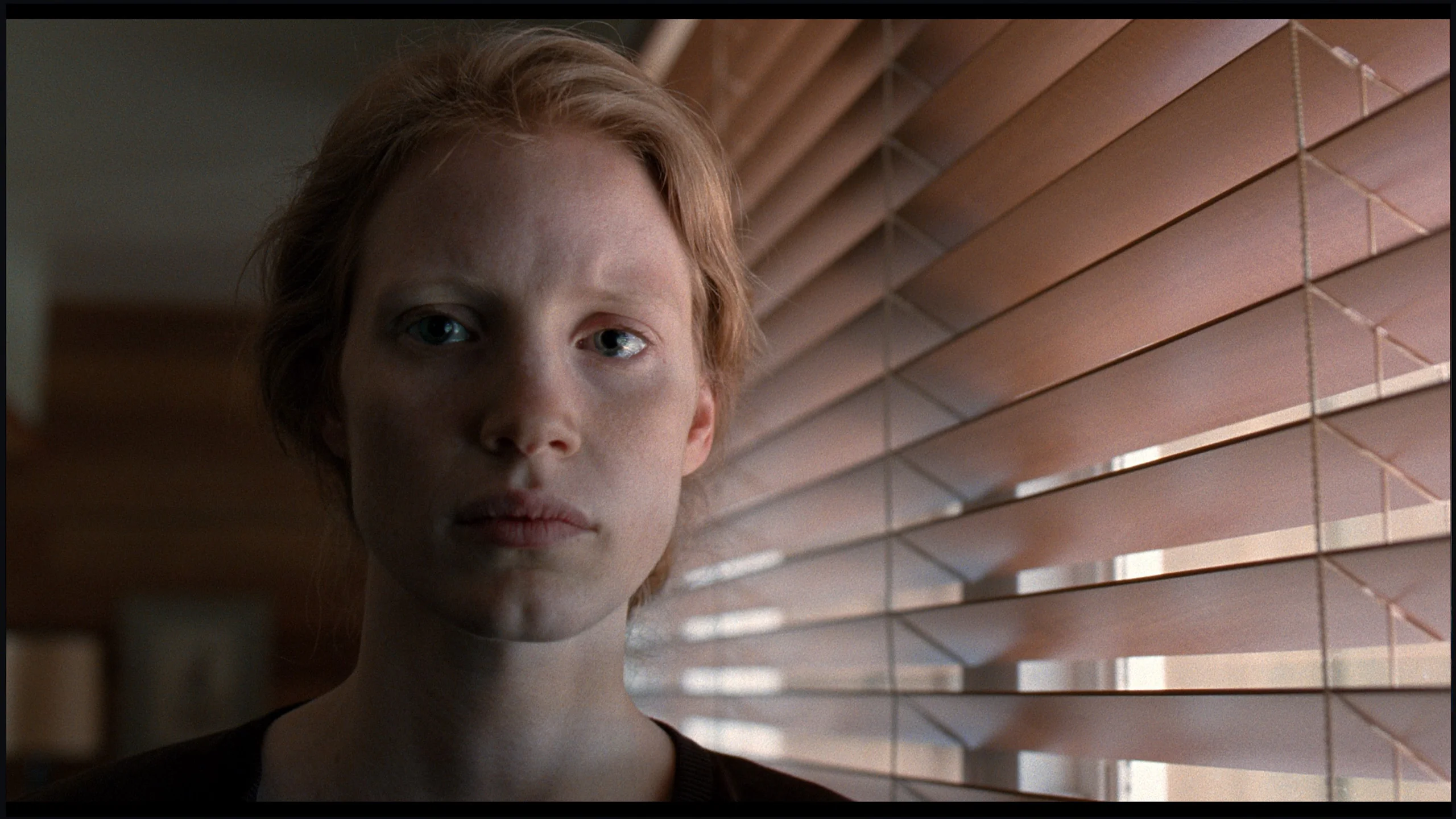
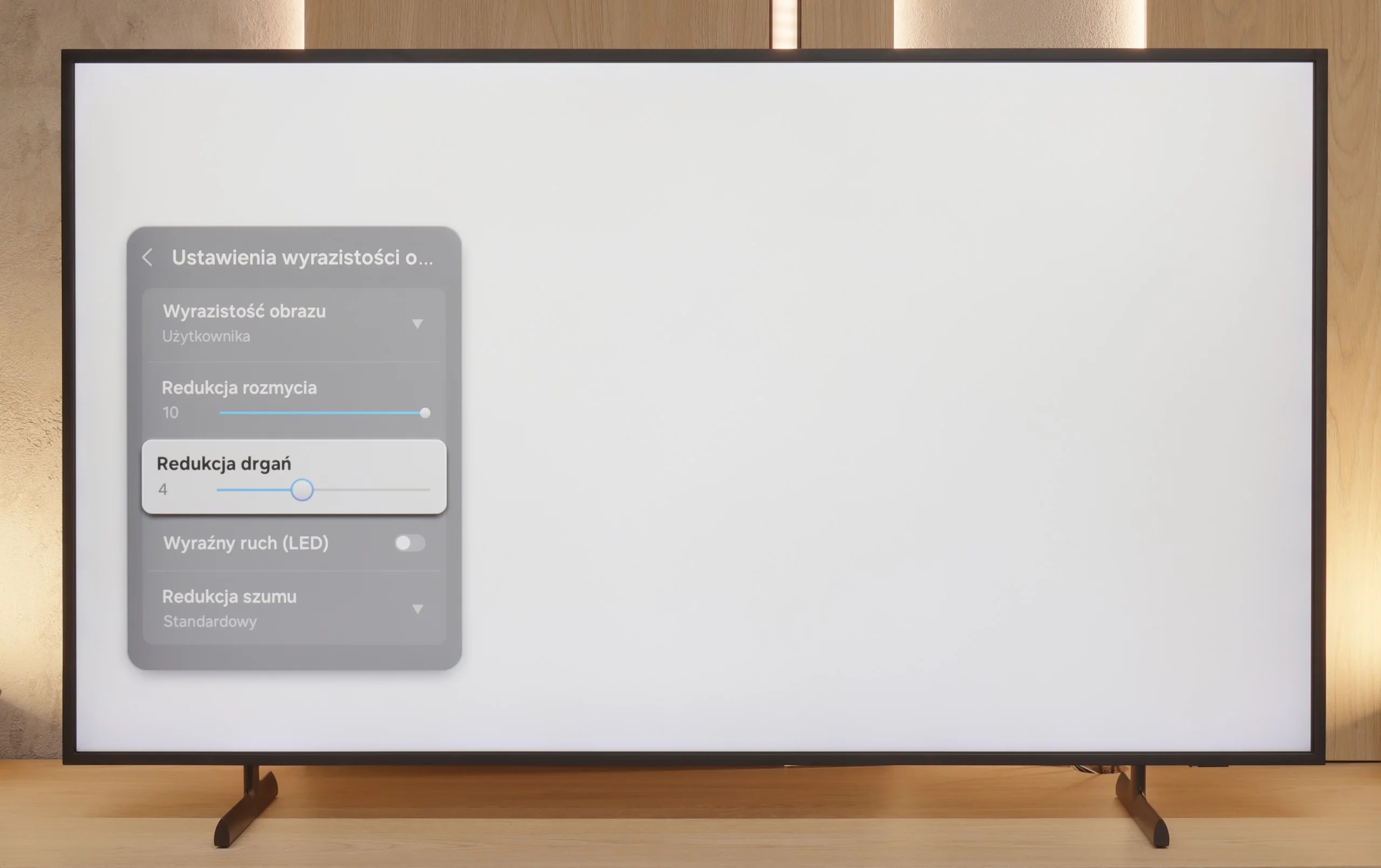
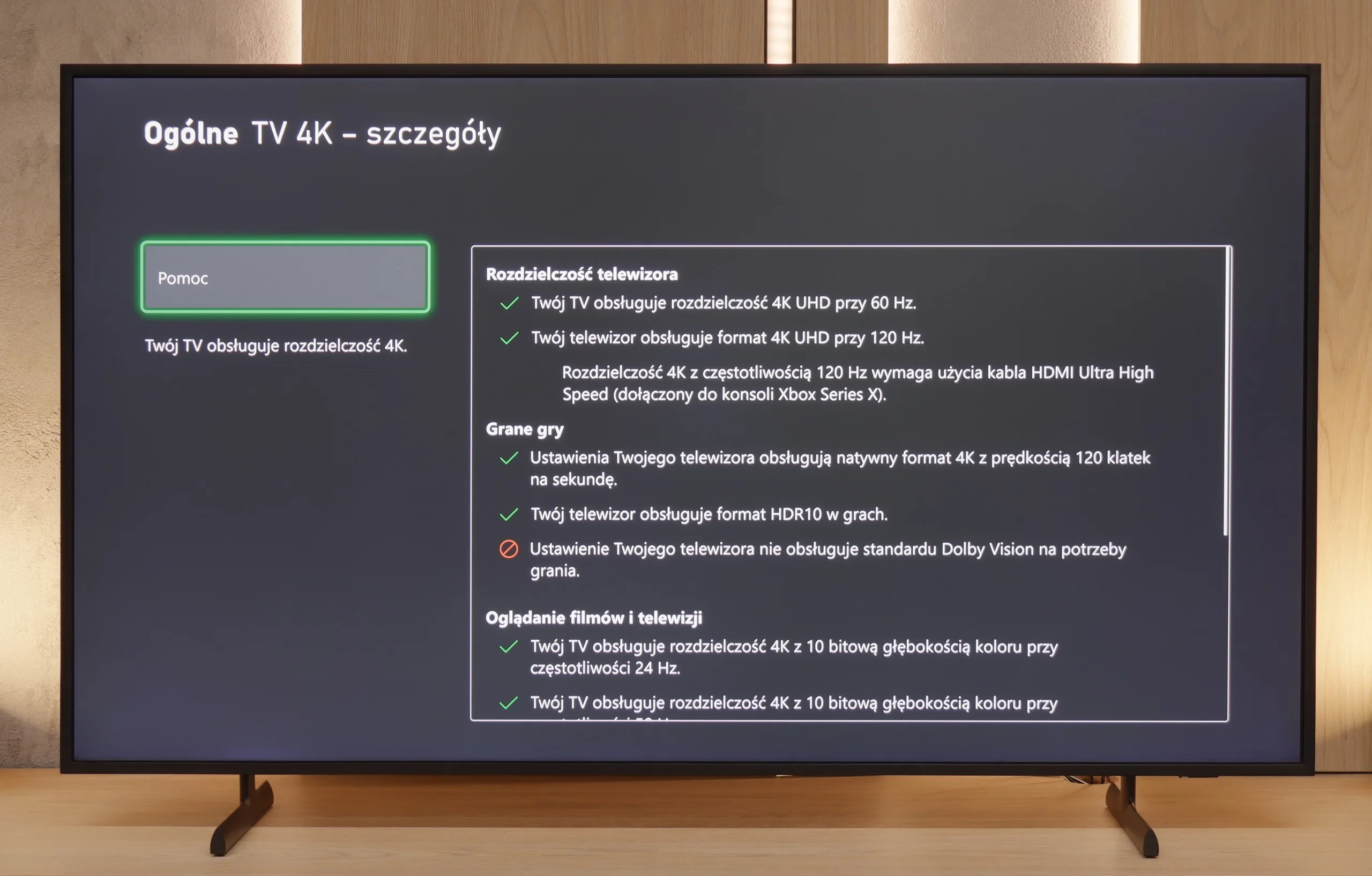
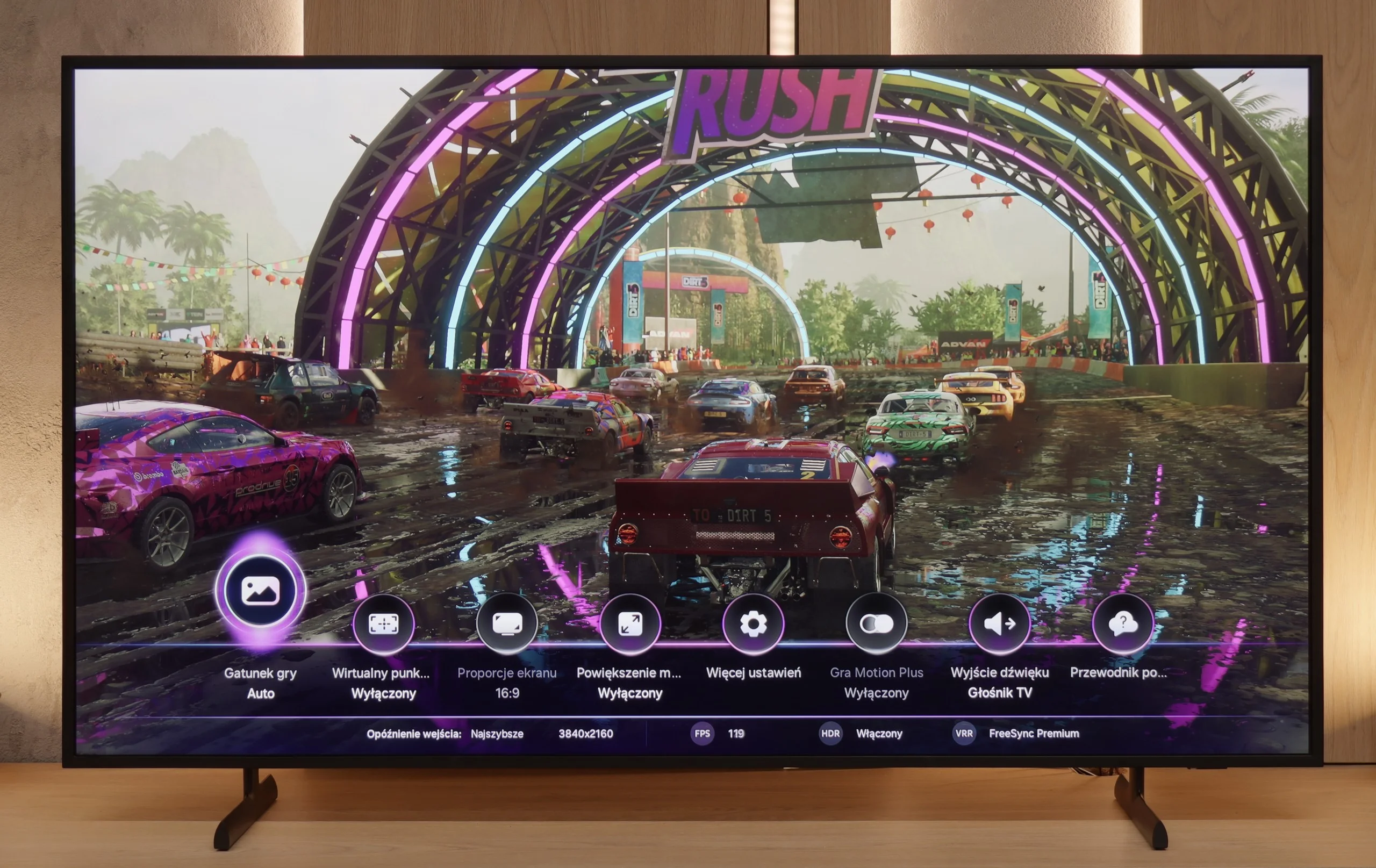
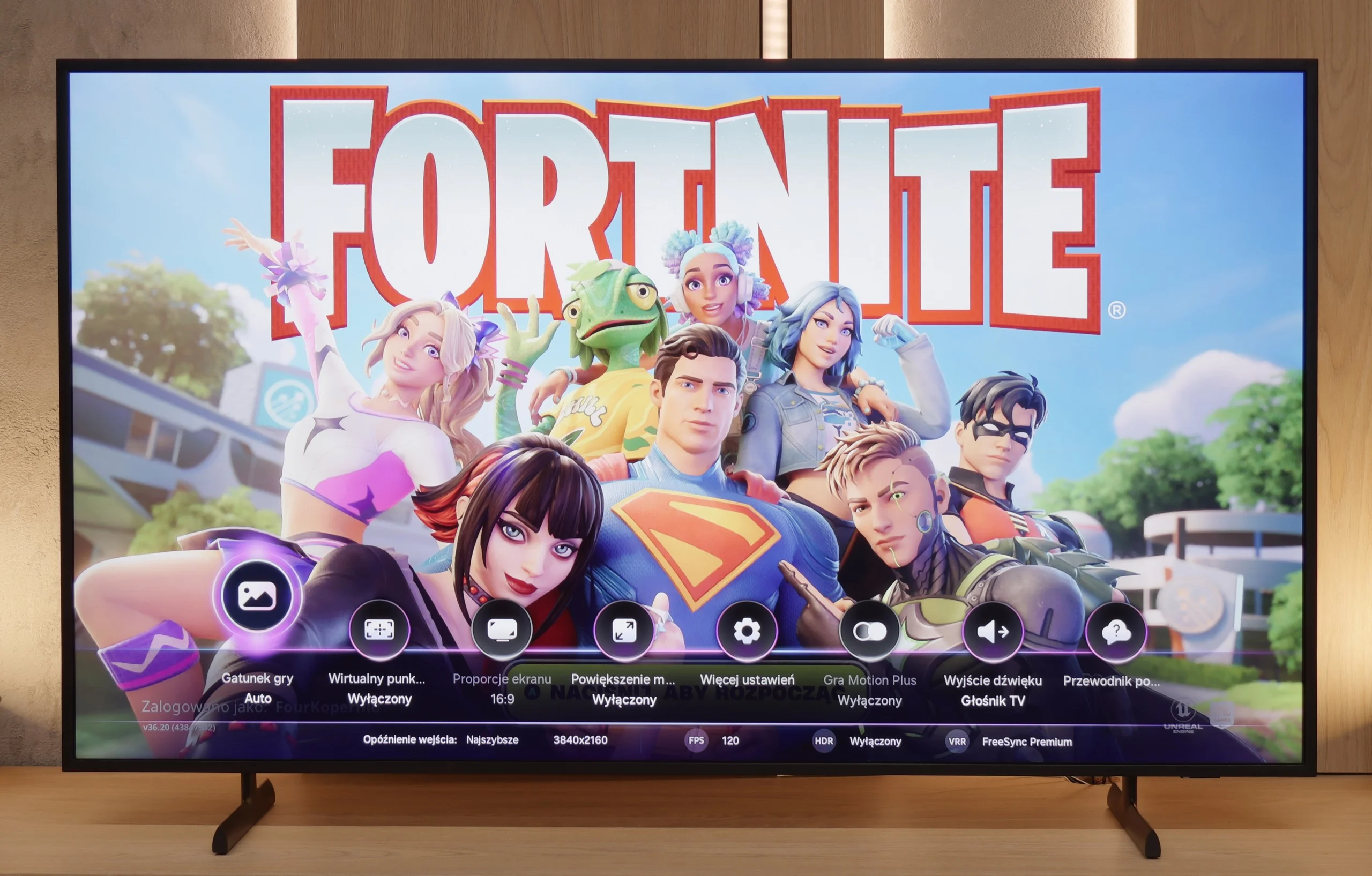
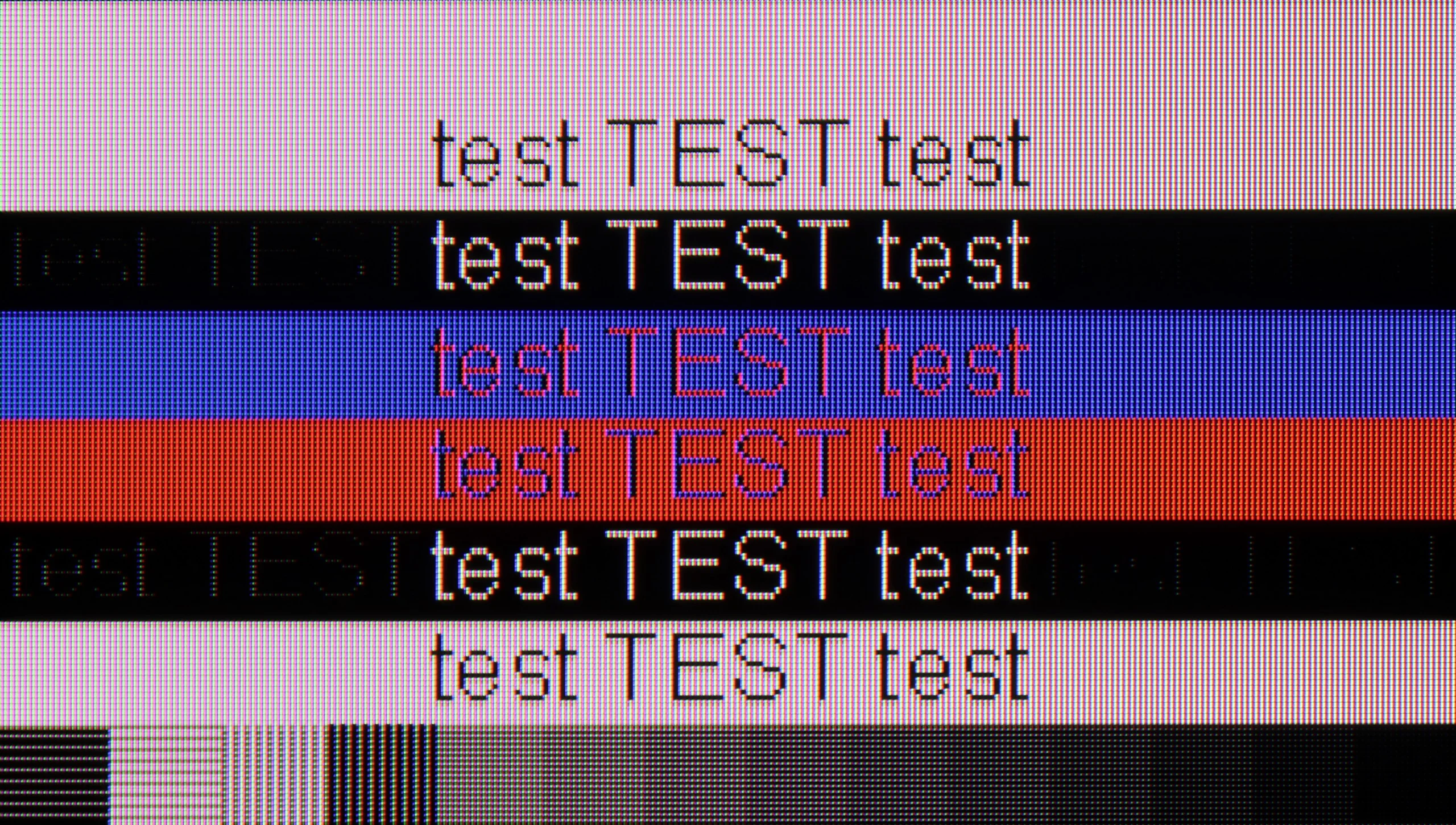
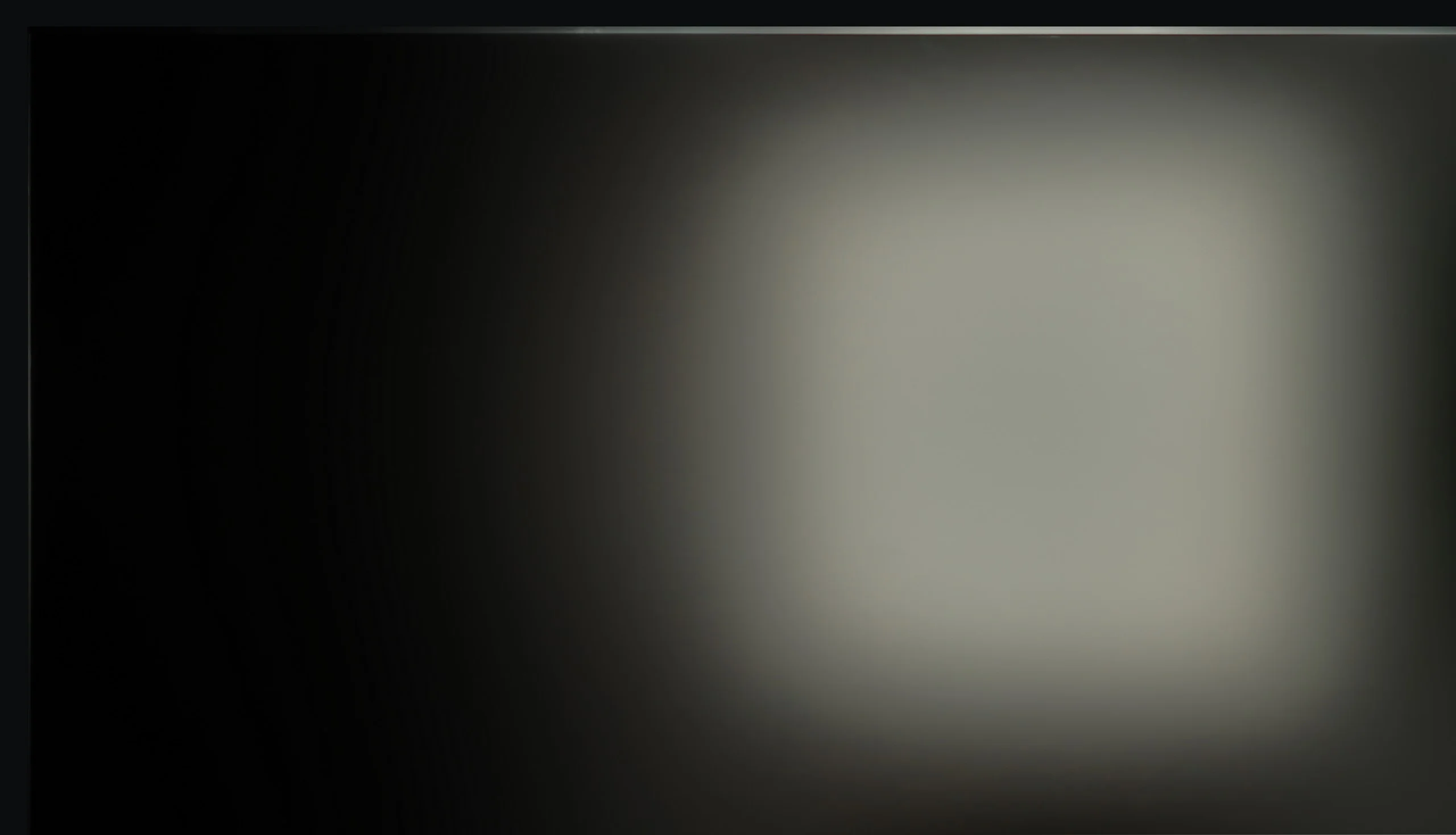
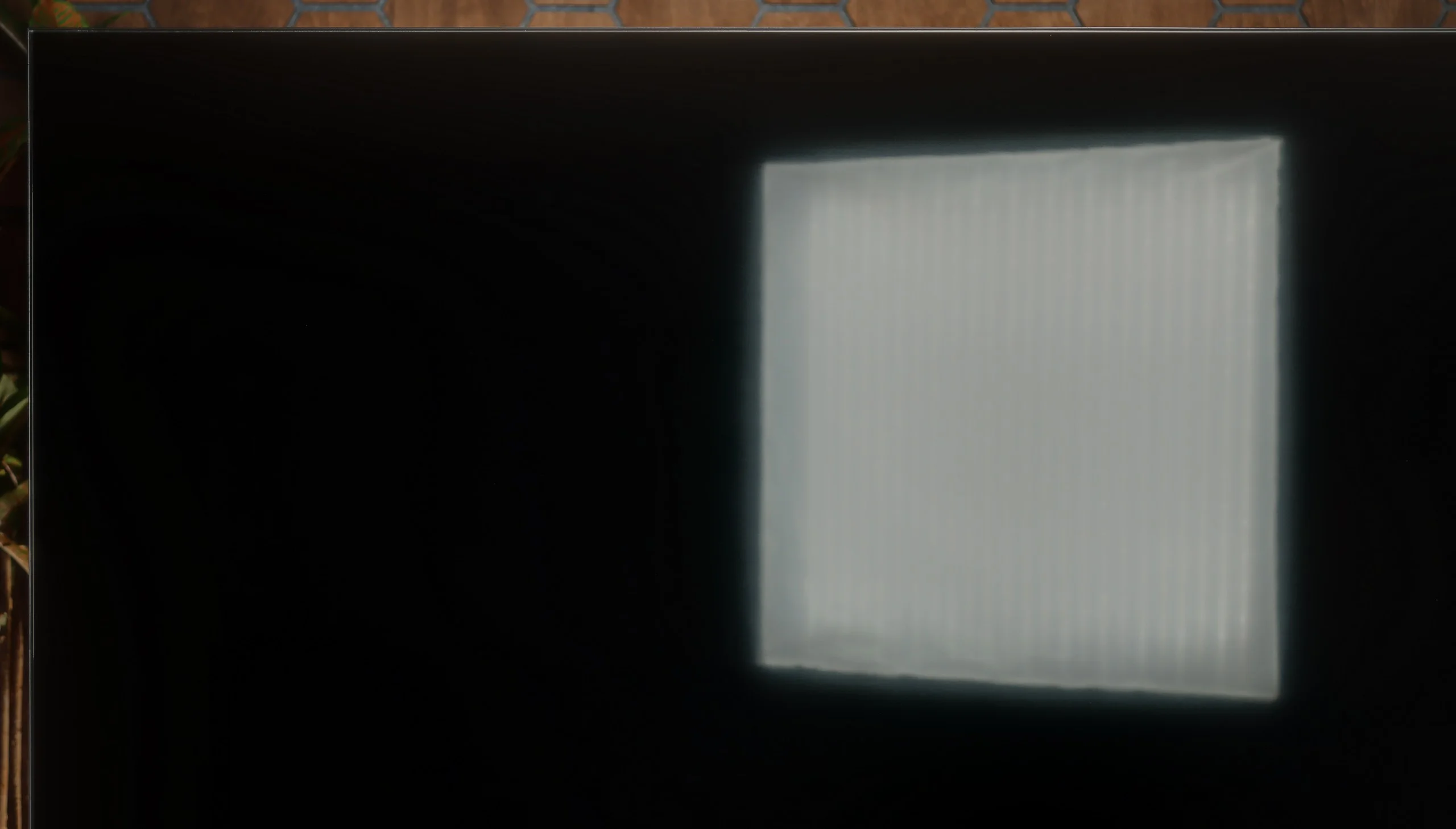
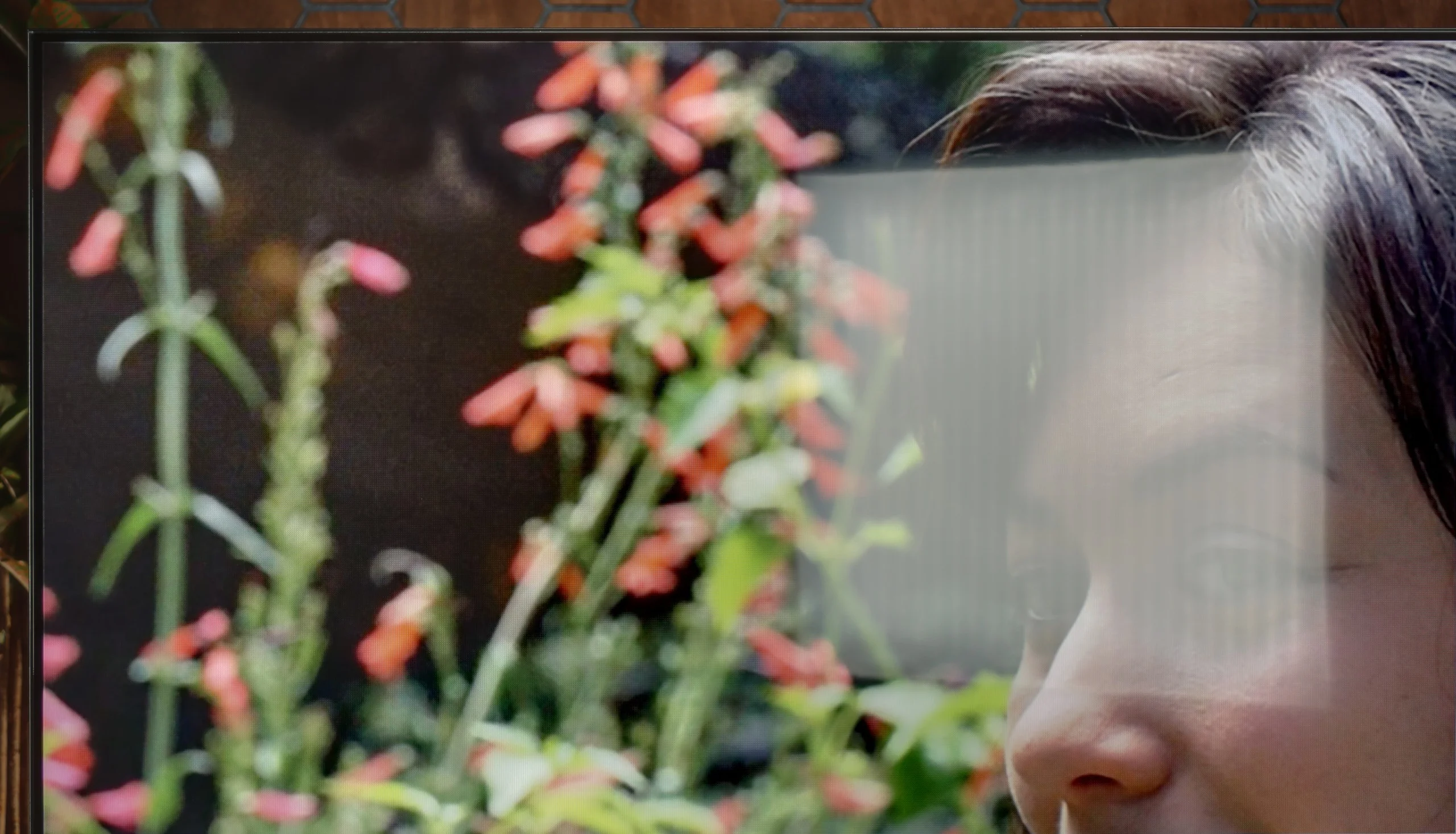
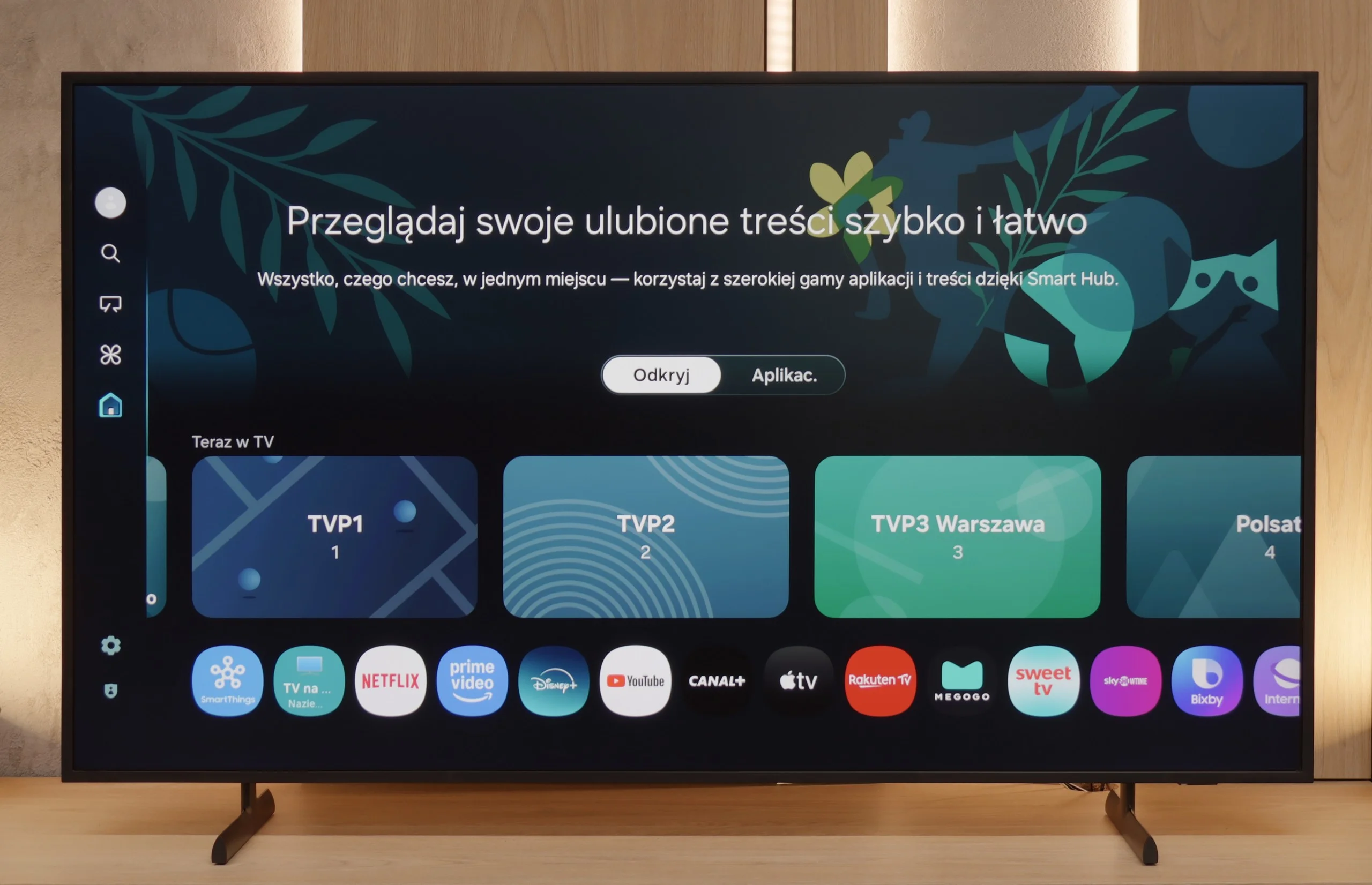
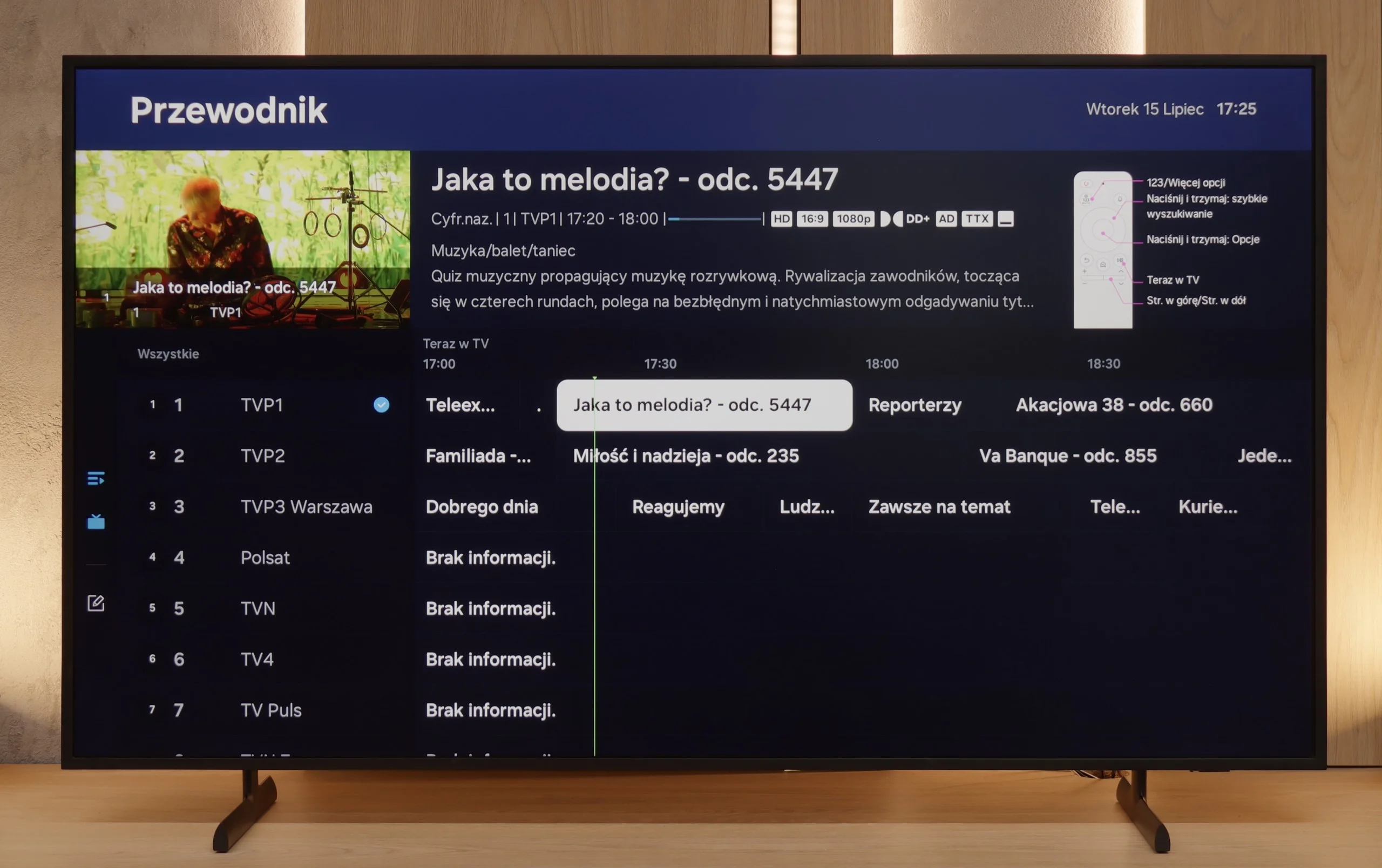
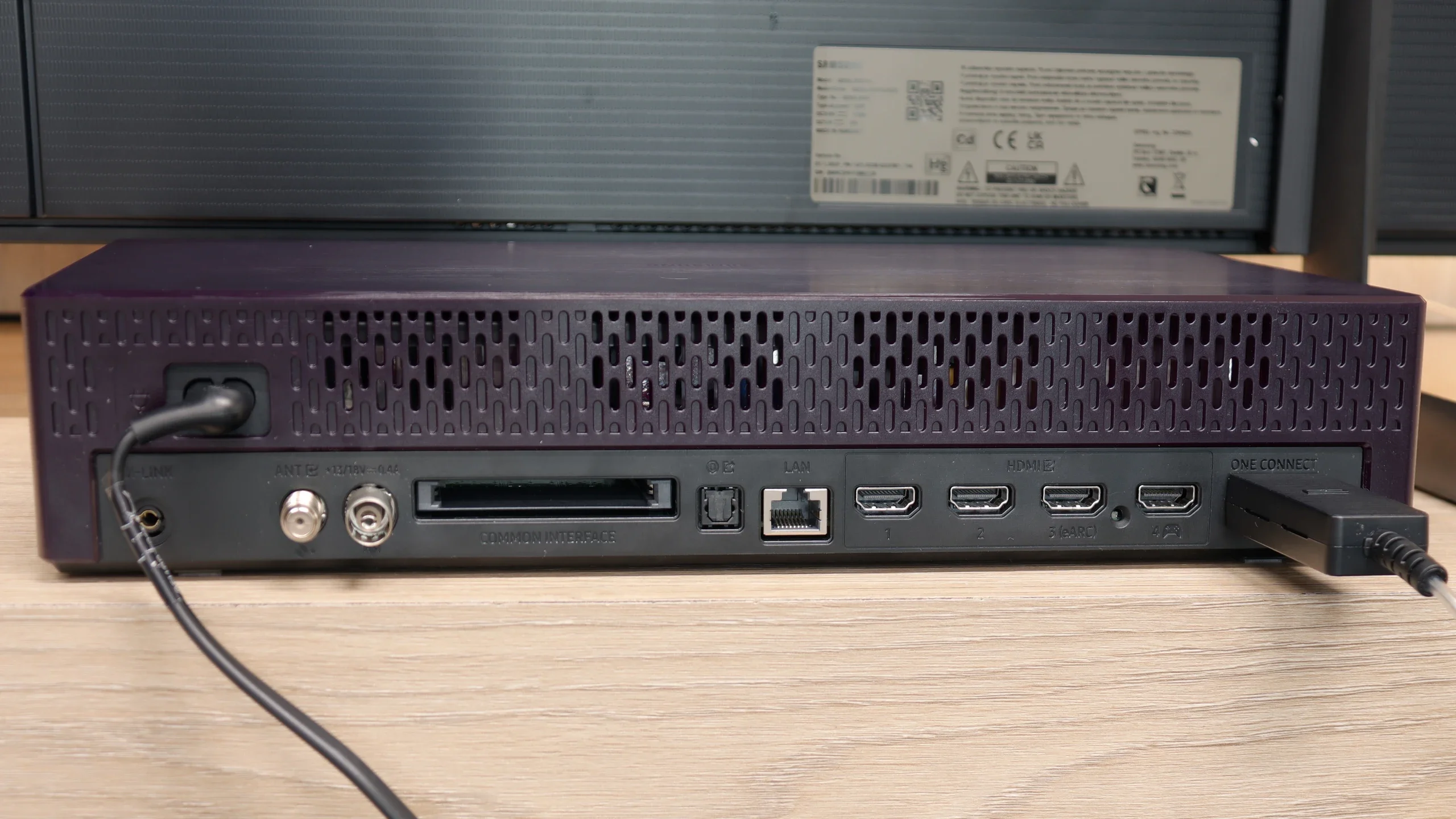
Samsung The Frame 2025 is a TV like no other – and even though competition has emerged, it still does it best. The matte display, flush with the wall, and a single thin cable thanks to the One Connect module make the device resemble a painting more than any other screen. The Art Store app still offers the best art scans on the market (even if they are subscription-based), and with interchangeable frames, we can match the TV to the interior almost like furniture. As for the picture itself, because after all, we are talking about an ordinary TV, there are no significant changes, but also no disappointments compared to last year's LS03D model. The Frame still offers high native contrast and solid brightness at 600 nits, which combined with the matte coating provides very comfortable use during the day. The colours aren't as vibrant as those on glossy screens, but against competitive matte designs – they perform the best. A new feature is the 144 Hz refresh rate, although in practice, it will mainly benefit PC gamers. And indeed – in terms of features for gamers, The Frame has almost everything: low input lag, variable refresh rate (VRR) support, automatic game mode (ALLM), Game Bar, and a one-of-a-kind motion smoother designed for games. Unfortunately, not everything is as perfect as it might seem. Why? Well, because the HGiG mode, which suddenly disappeared from the latest version of the Tizen system, is missing. And Samsung really should respond here, as it is a key element for many gamers when choosing a screen. And we fully understand that. Even though LS03F The Frame 2025 doesn't bring major revolutions, it remains a unique TV that, besides its appearance, offers a quite solid picture and expanded gaming features. It's just a pity that year after year we also get new compromises.
[UPDATE] We have updated our tests of Samsung TVs from the 2025 model year due to the release of software version 1131, which restored the crucial HGiG feature for gamers.
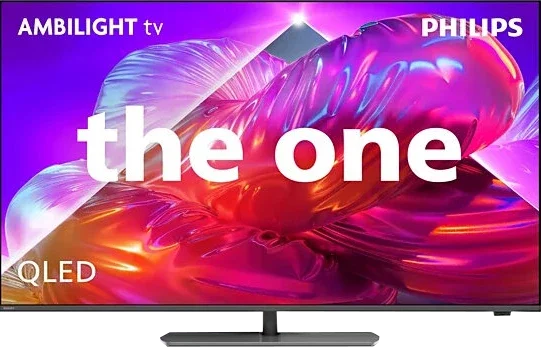
The idea behind The One series has remained practically unchanged for years, and with the Philips PQS9001 this is both an advantage and its biggest weakness. Once again, we get a versatile mid-range TV whose main distinguishing feature is Ambilight. The lighting that follows what is happening on the screen can completely change the atmosphere of an evening movie session, and for many people it will be the main reason to choose this TV. That is hardly surprising, because once you get used to the effect, it can be difficult to go back to watching without it. The picture quality itself is good, but we have already seen a very similar level from this series in previous years. The VA panel provides decent blacks, colours are nicely saturated, and the brightness is sufficient for comfortable viewing in a typical living room. It is a shame, however, that Philips did not take another step forward and introduce at least basic local dimming. In a dark room, blacks can look noticeably bluish, and HDR, while clearly visible, does not make as strong an impression as it could. After so many years of The One being on the market, we would have expected a little more progress here.
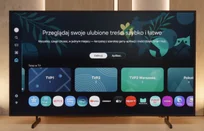
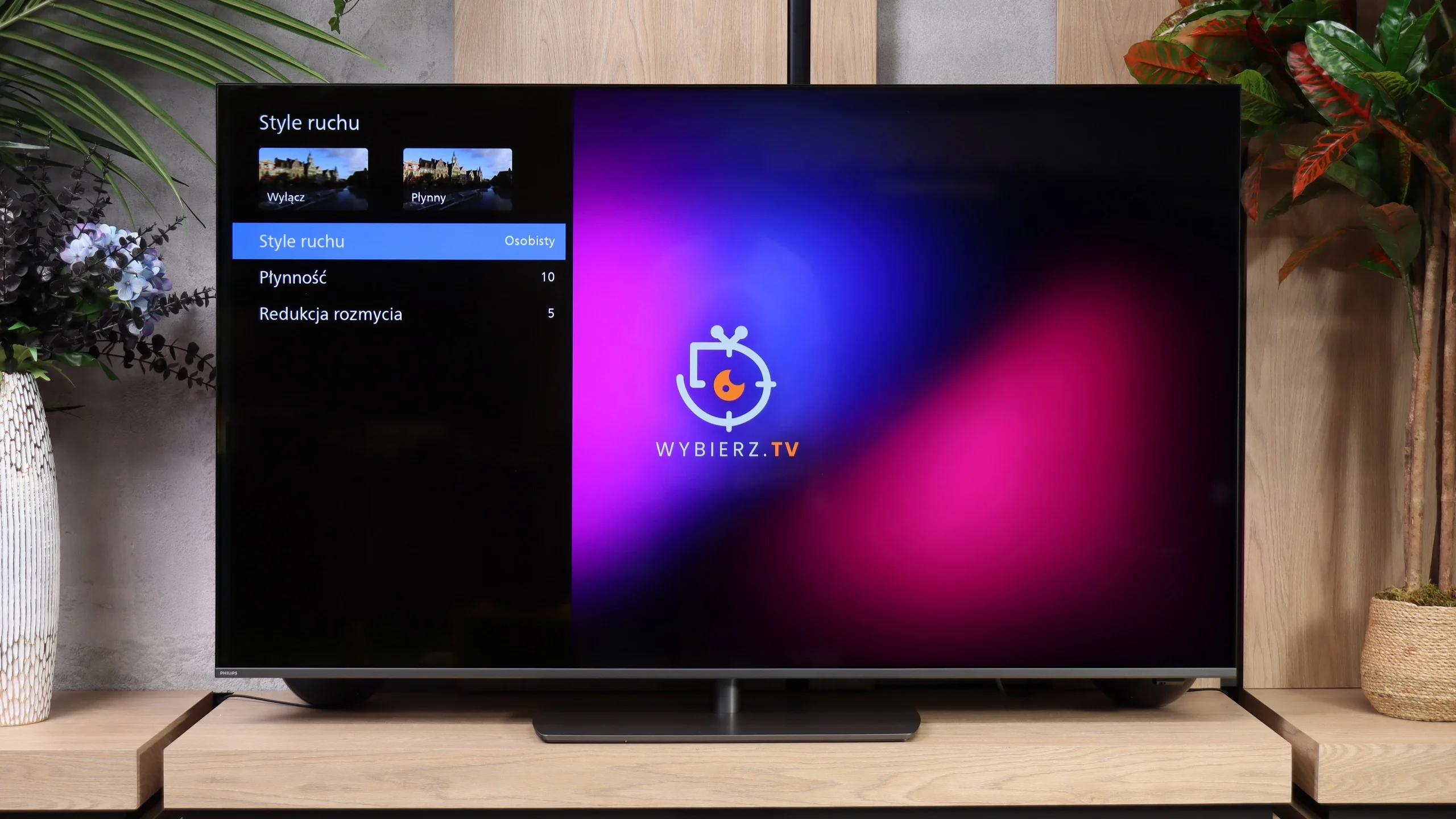
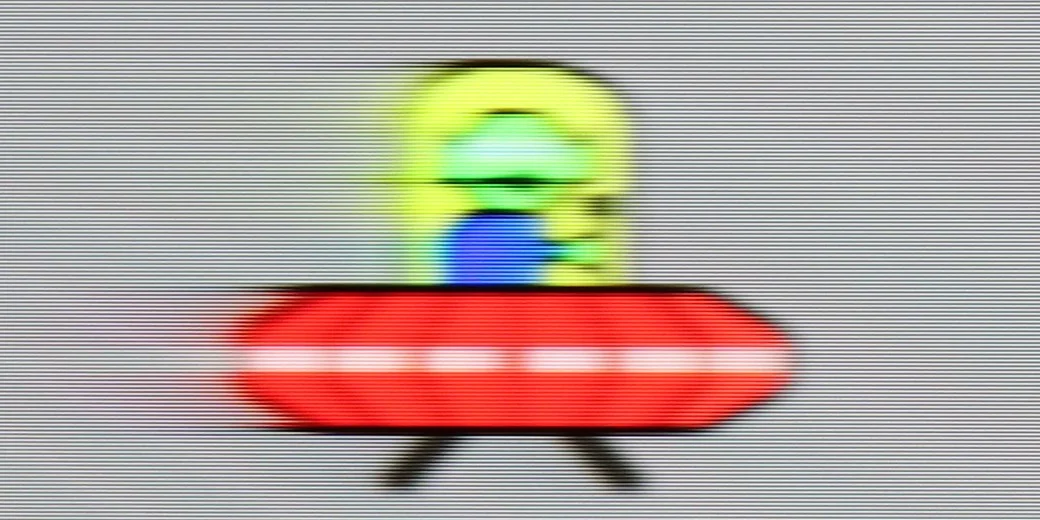
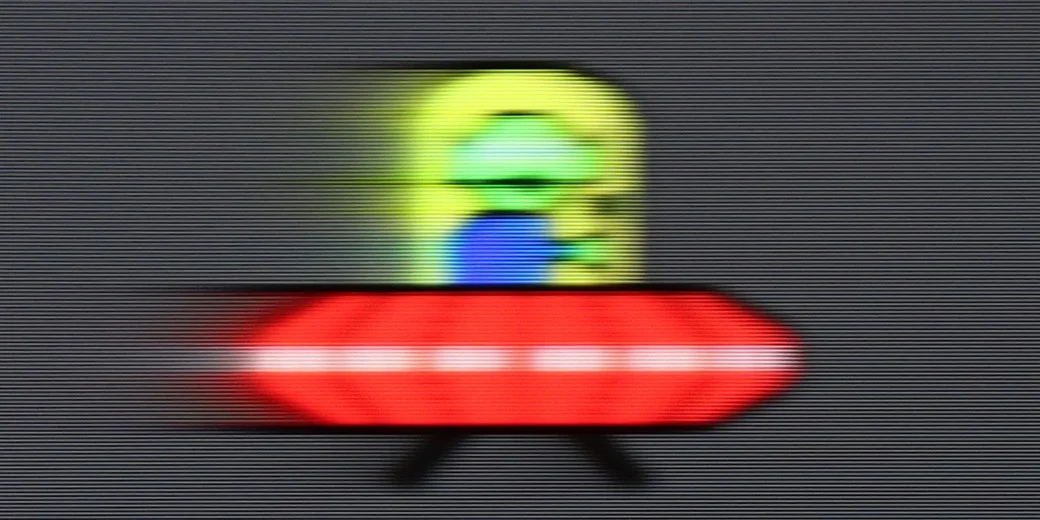
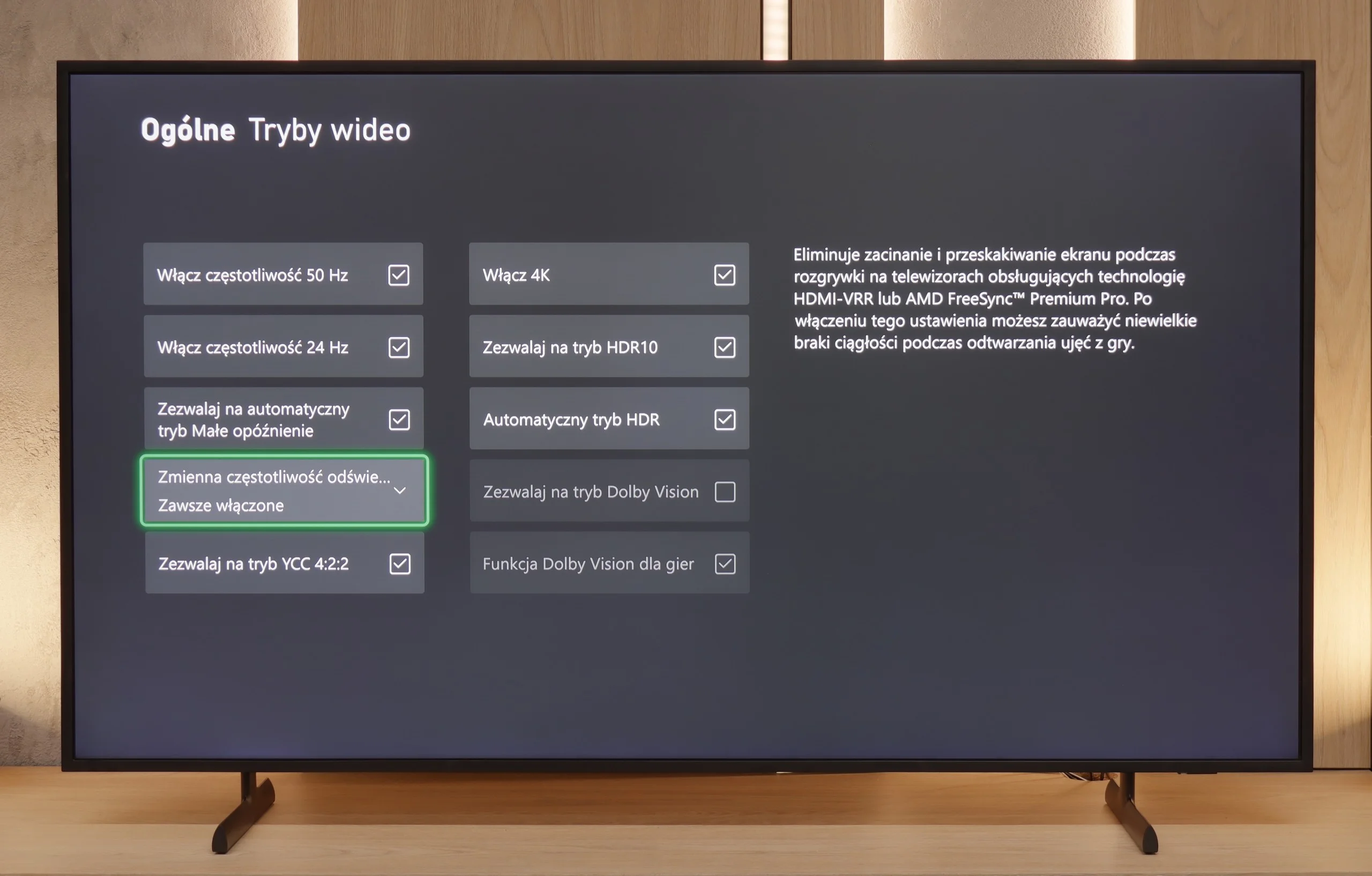
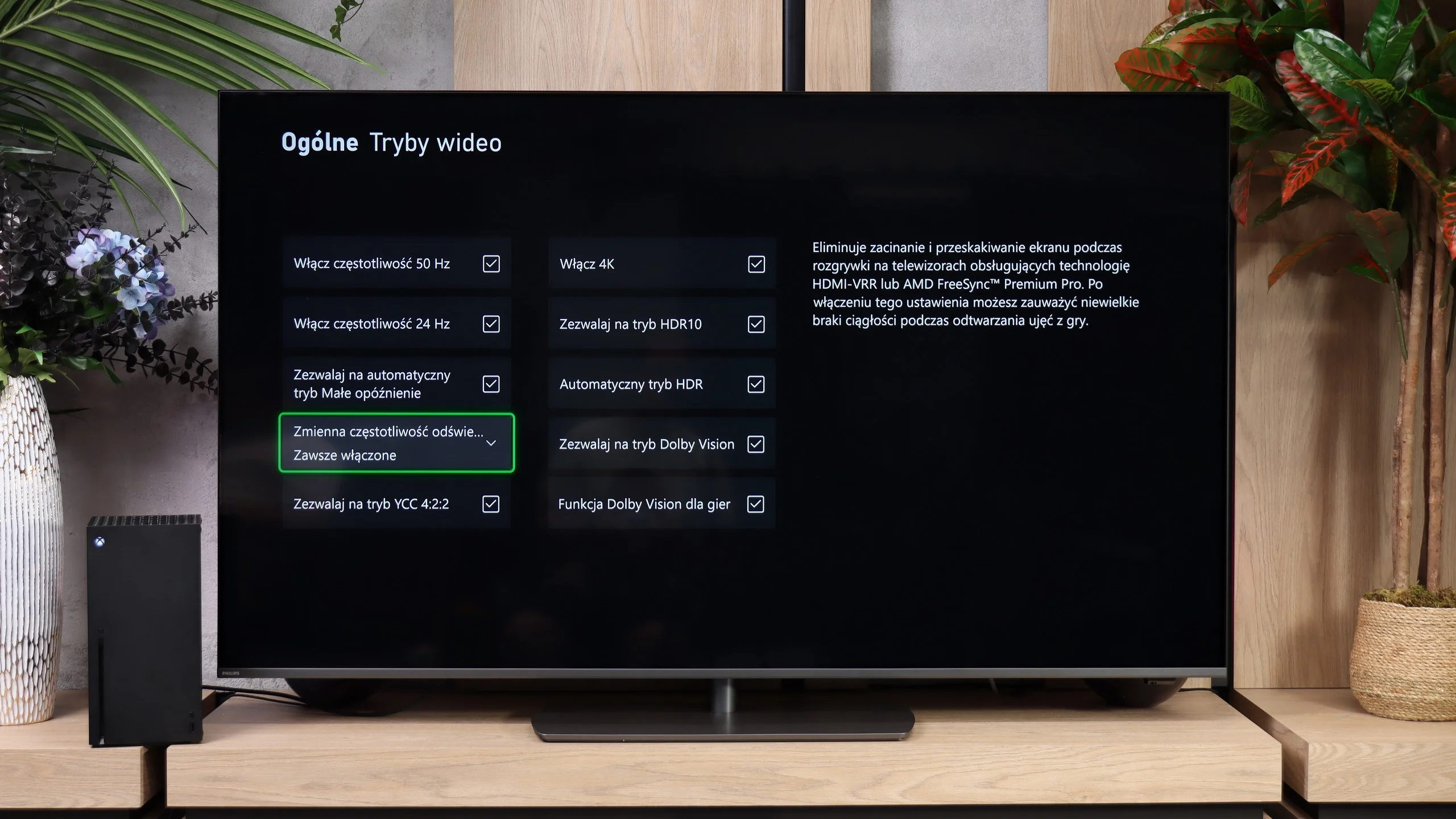
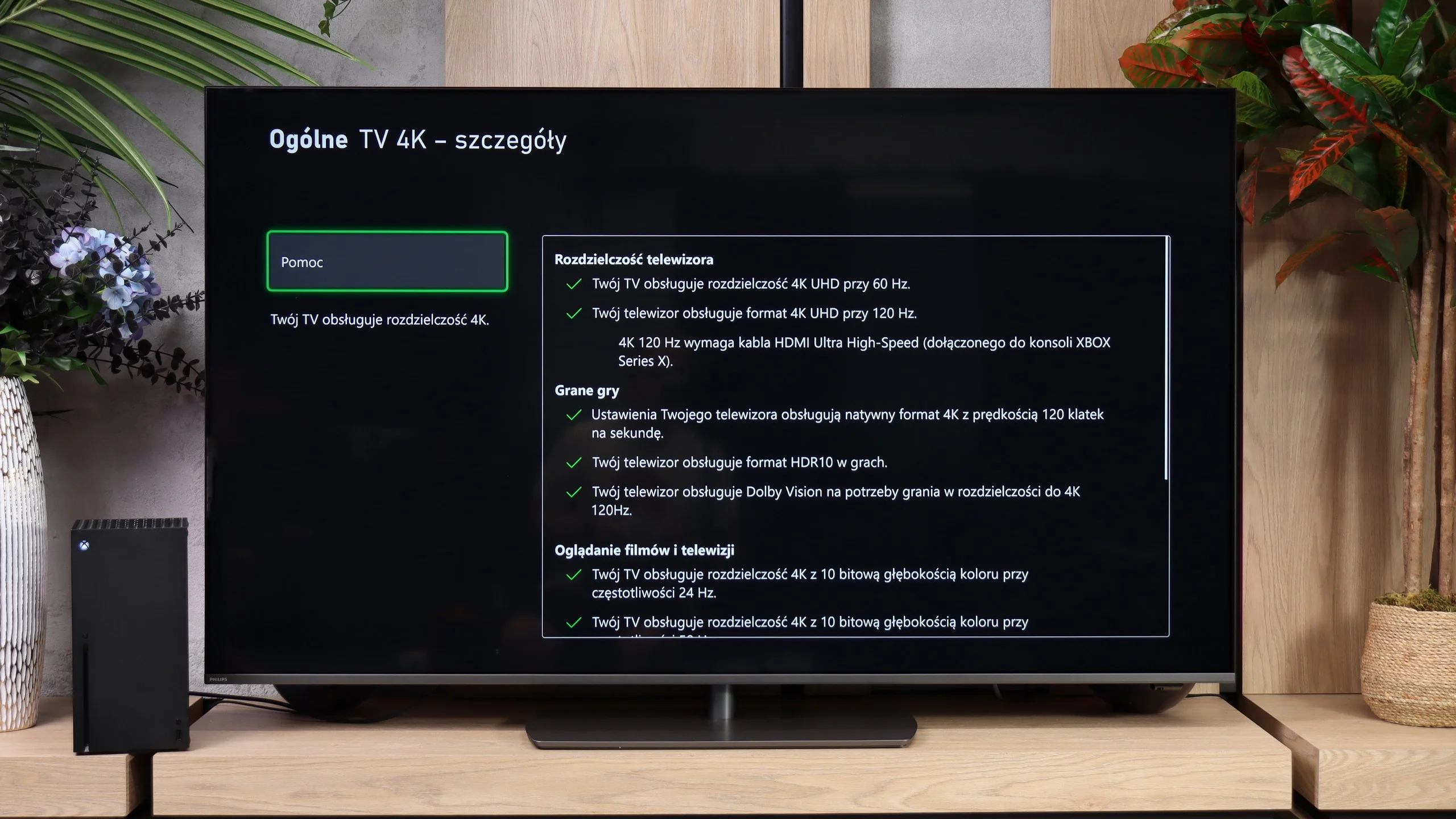
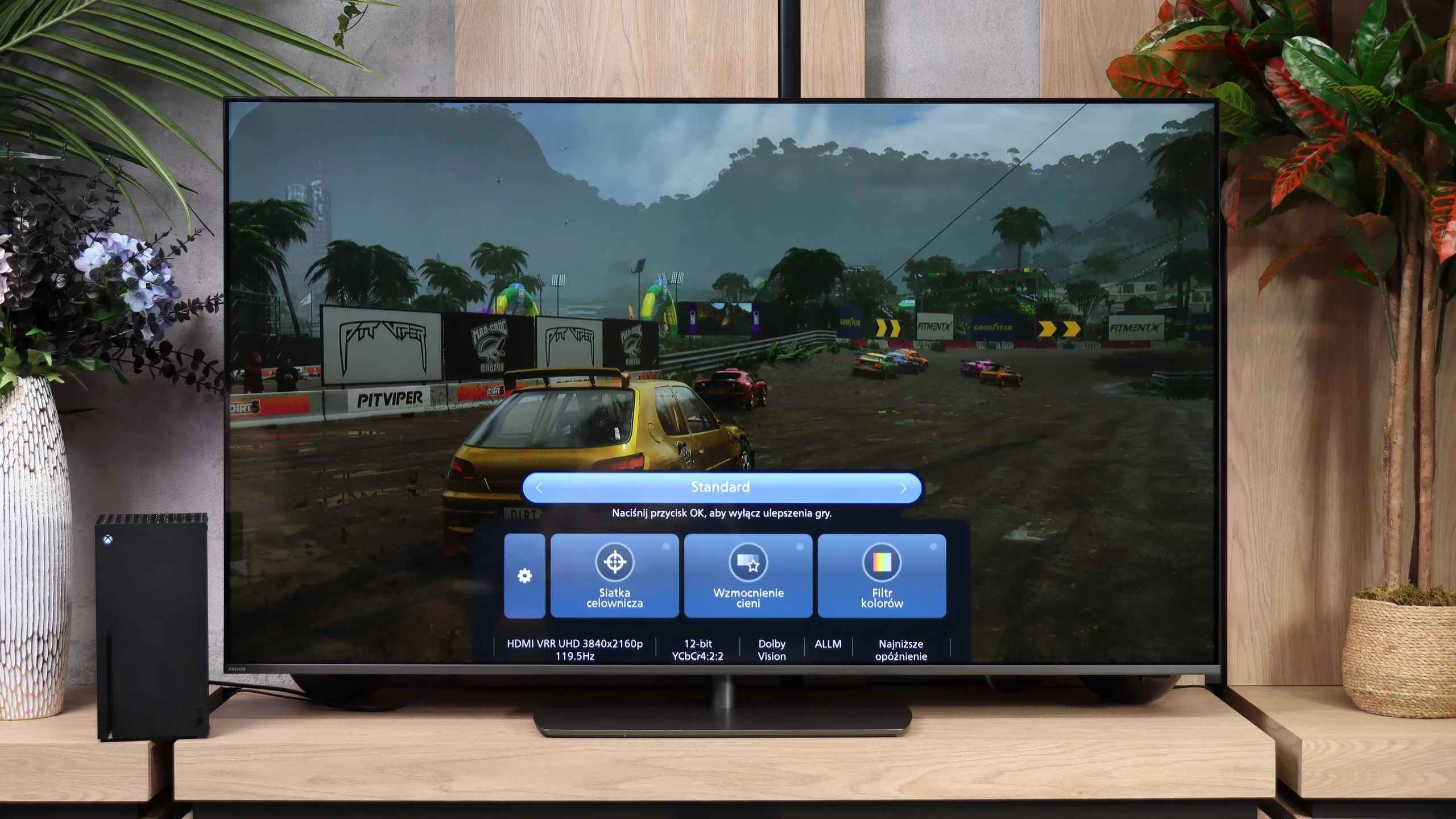
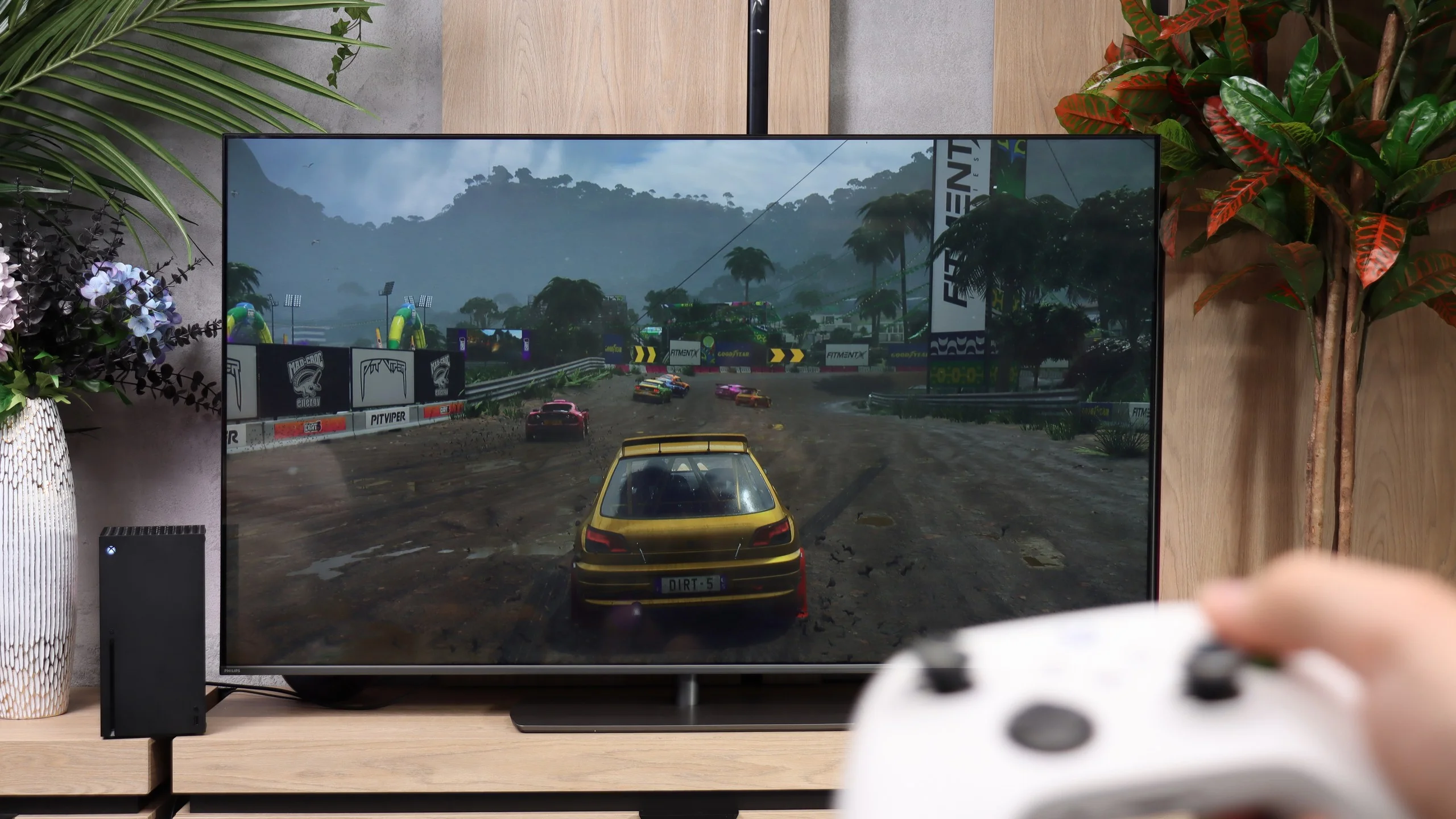
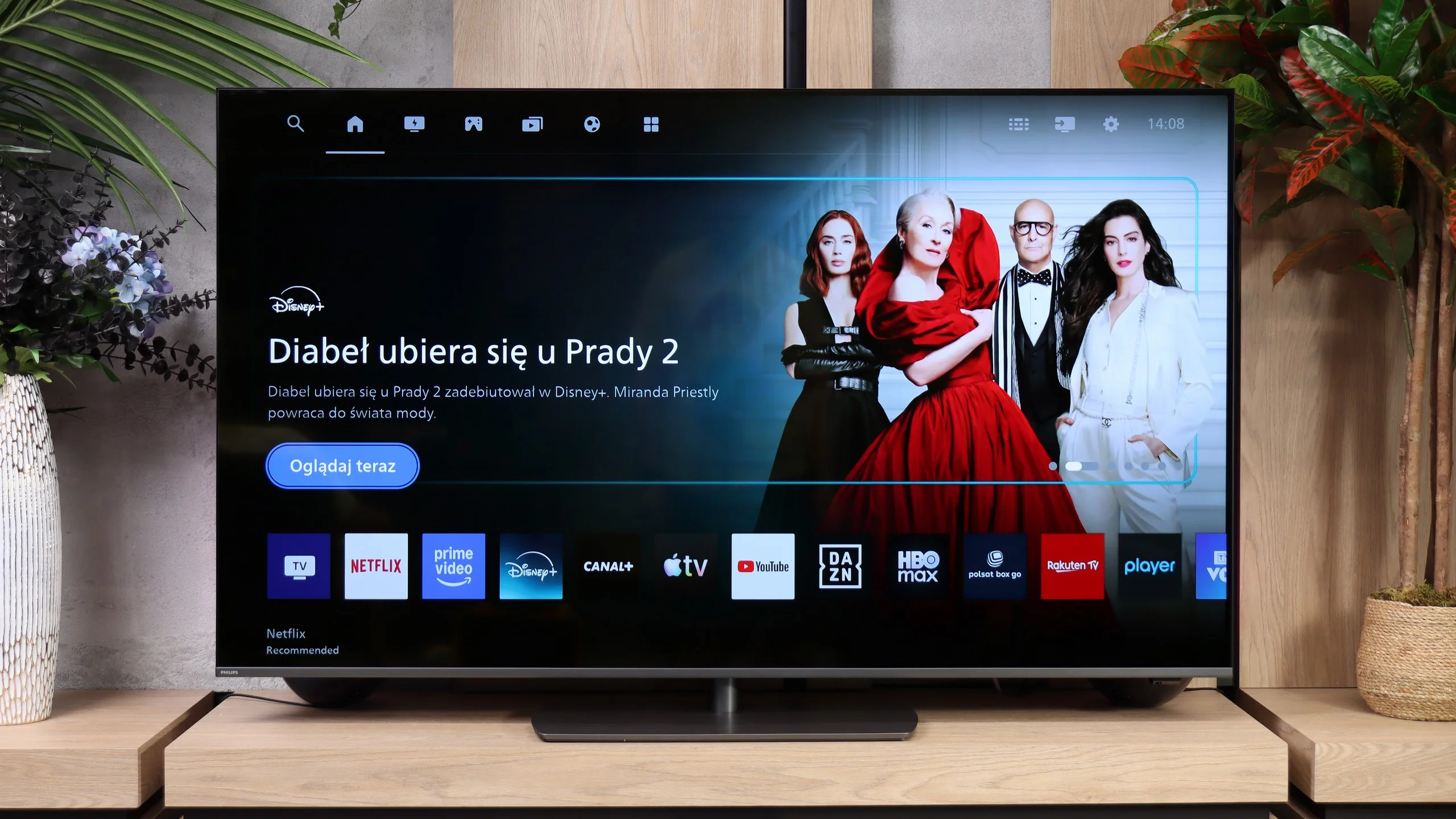
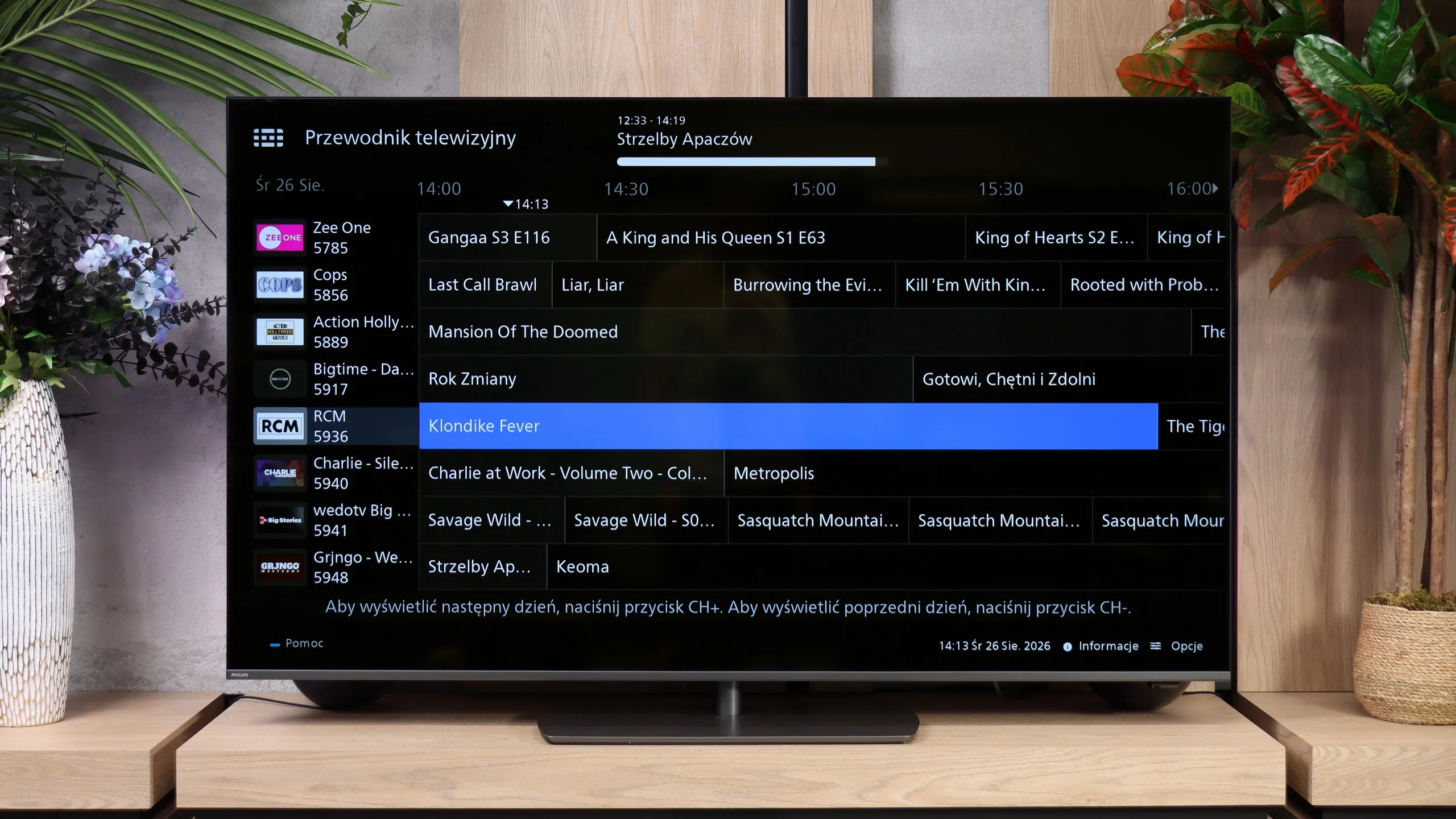
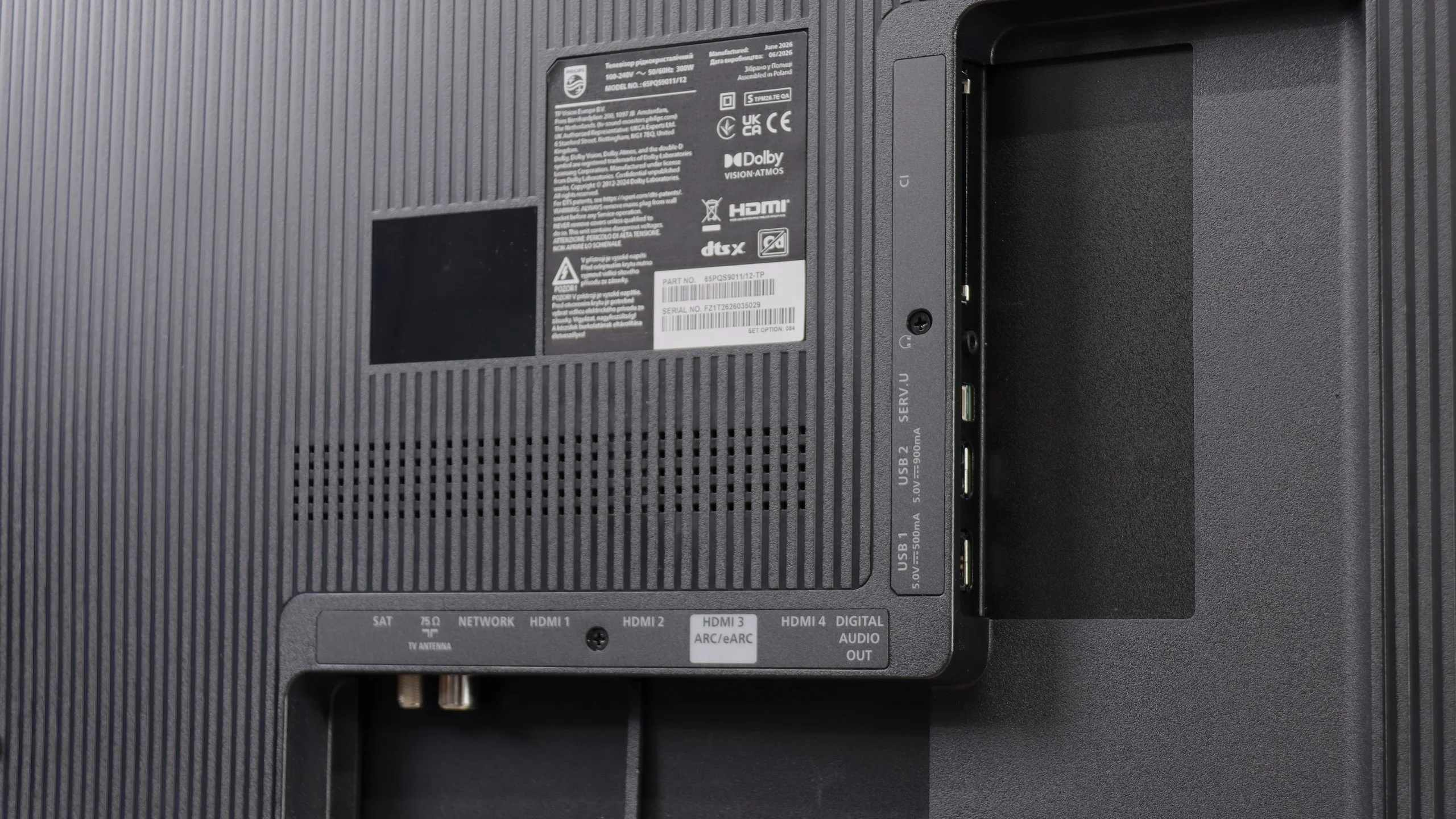
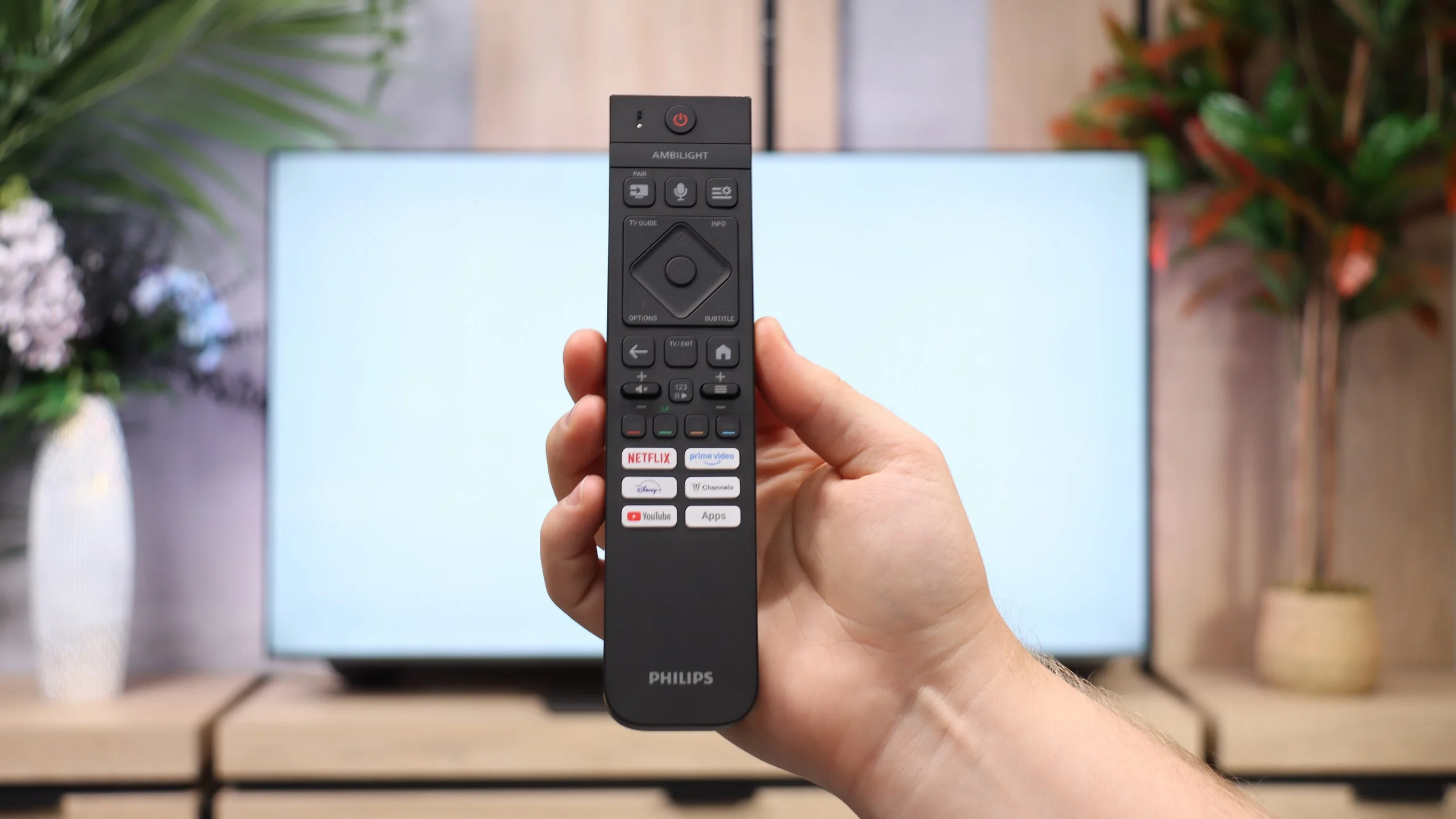
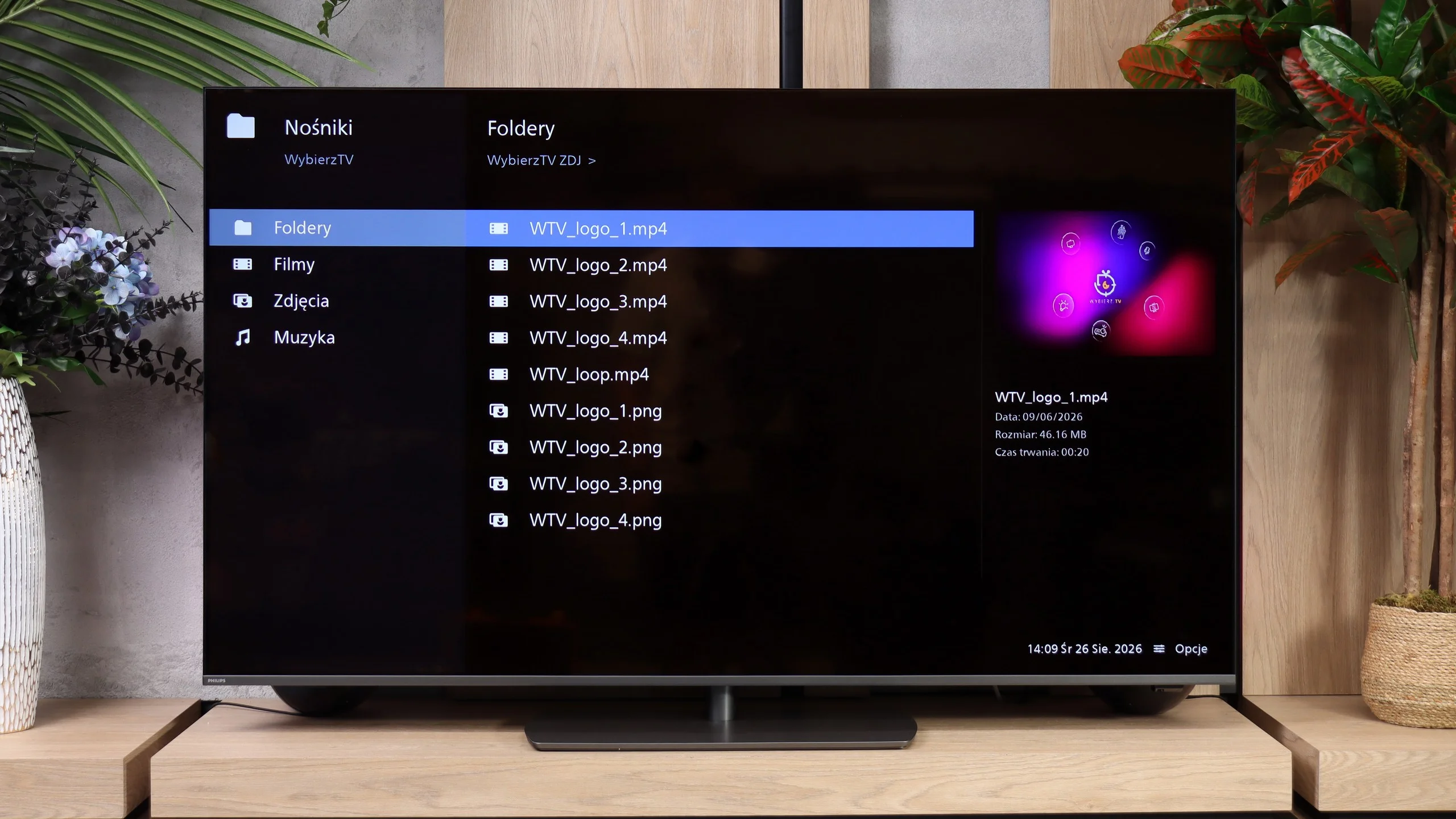
There has, however, been a noticeable improvement in Titan OS. Compared with last year, and especially with the version from two years ago, the system has become much more pleasant to use. There are more apps, many smaller functions have been improved, and a number of irritating bugs we previously complained about have been fixed. Overall, it works reasonably well, although we are once again frustrated by the remote control, which still requires you to point it directly at the TV. Philips continues to rely on infrared for regular navigation, even though voice control uses a wireless connection. That makes it even harder to understand why the same connection was not used for navigating the menus. The One also has quite a lot to offer gamers. Four HDMI 2.1 ports and a broad set of gaming features are one thing, but what impressed us most was the panel’s response time. Our unit showed practically no visible smearing, even on dark backgrounds, which is quite rare for an LCD TV with a VA panel. Philips deserves a lot of credit for that. The ability to play at 4K 144 Hz or Full HD 240 Hz also makes the TV an interesting option for PC users. Unfortunately, there is still one unfinished element: using Dolby Vision in games on Xbox results in very high input lag.
The PQS9000 therefore leaves us with mixed feelings. It can surprise with excellent motion handling and shows that Philips has clearly worked on its operating system, but we do not see a similar step forward in picture quality. This is a TV we can recommend primarily to fans of Ambilight. If that lighting system is the main reason you are considering a Philips, then buying The One makes a lot of sense. It is still worth checking, however, whether you can find a Mini LED model with good local dimming at a similar price. Such a TV may offer deeper blacks and more impressive HDR performance. In the end, the choice comes down to what matters more to you: the atmosphere created by Ambilight or better picture quality itself.
 Direct comparison