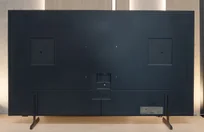
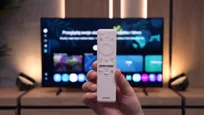
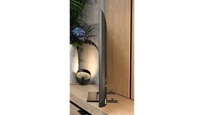
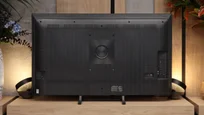
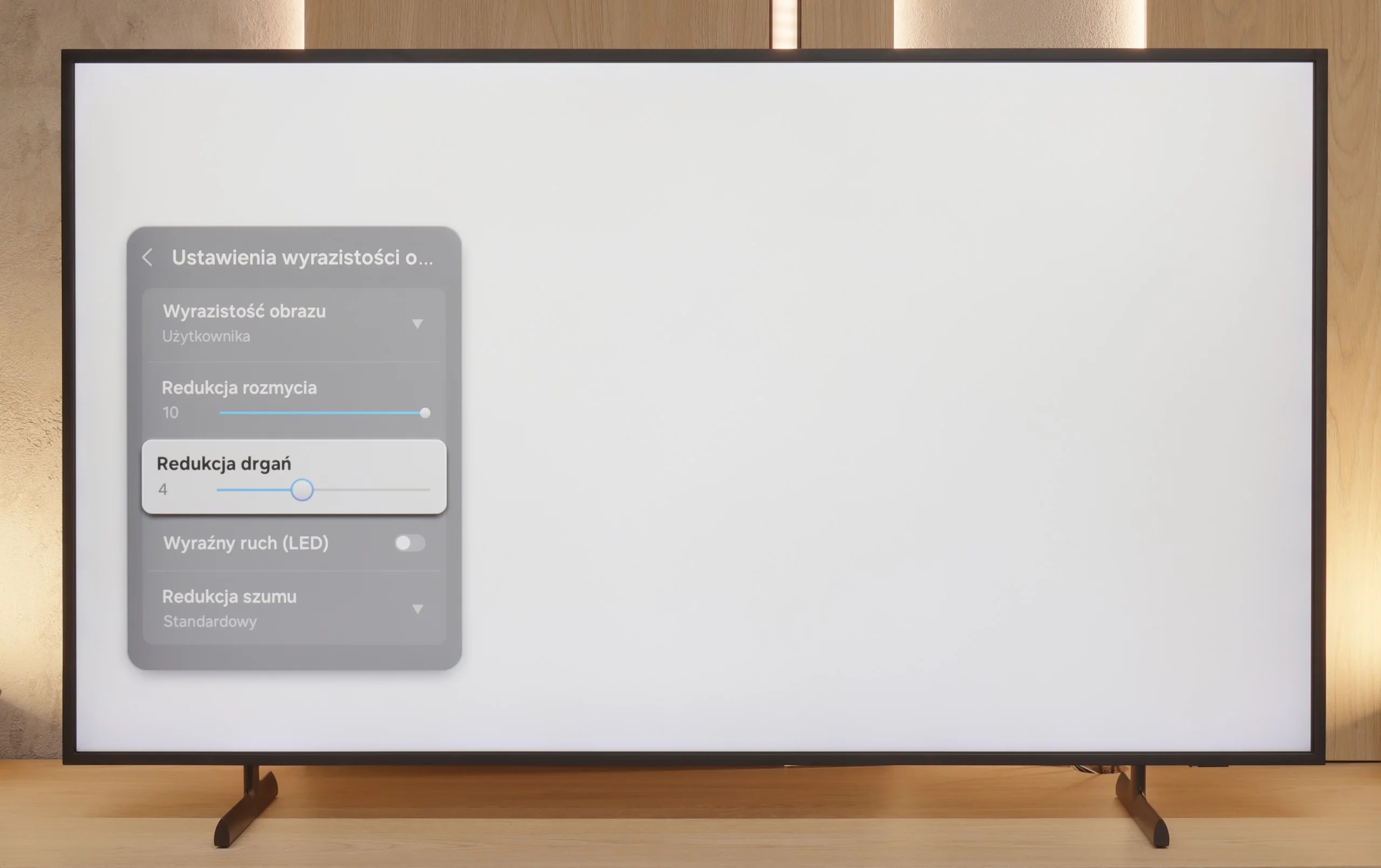
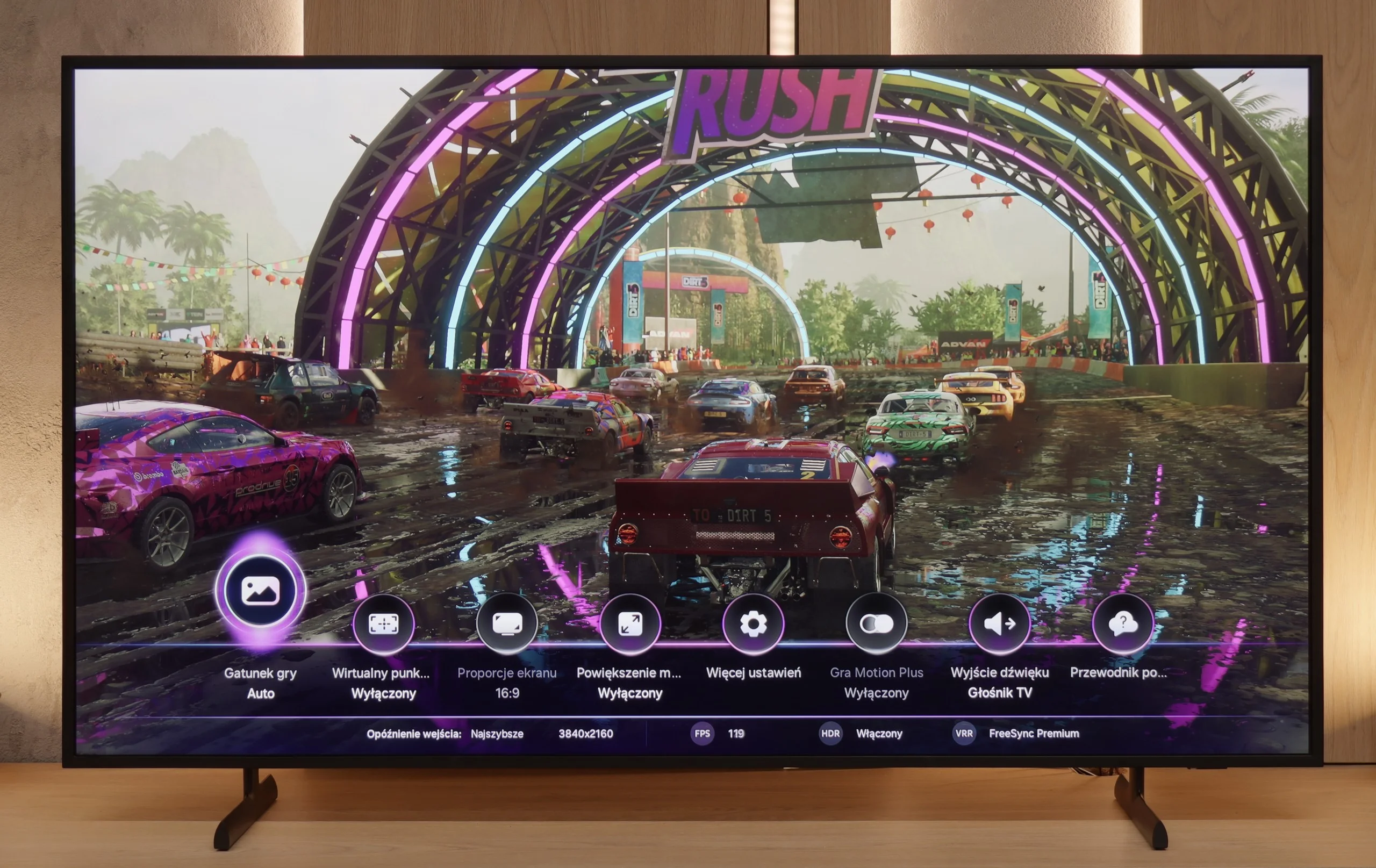
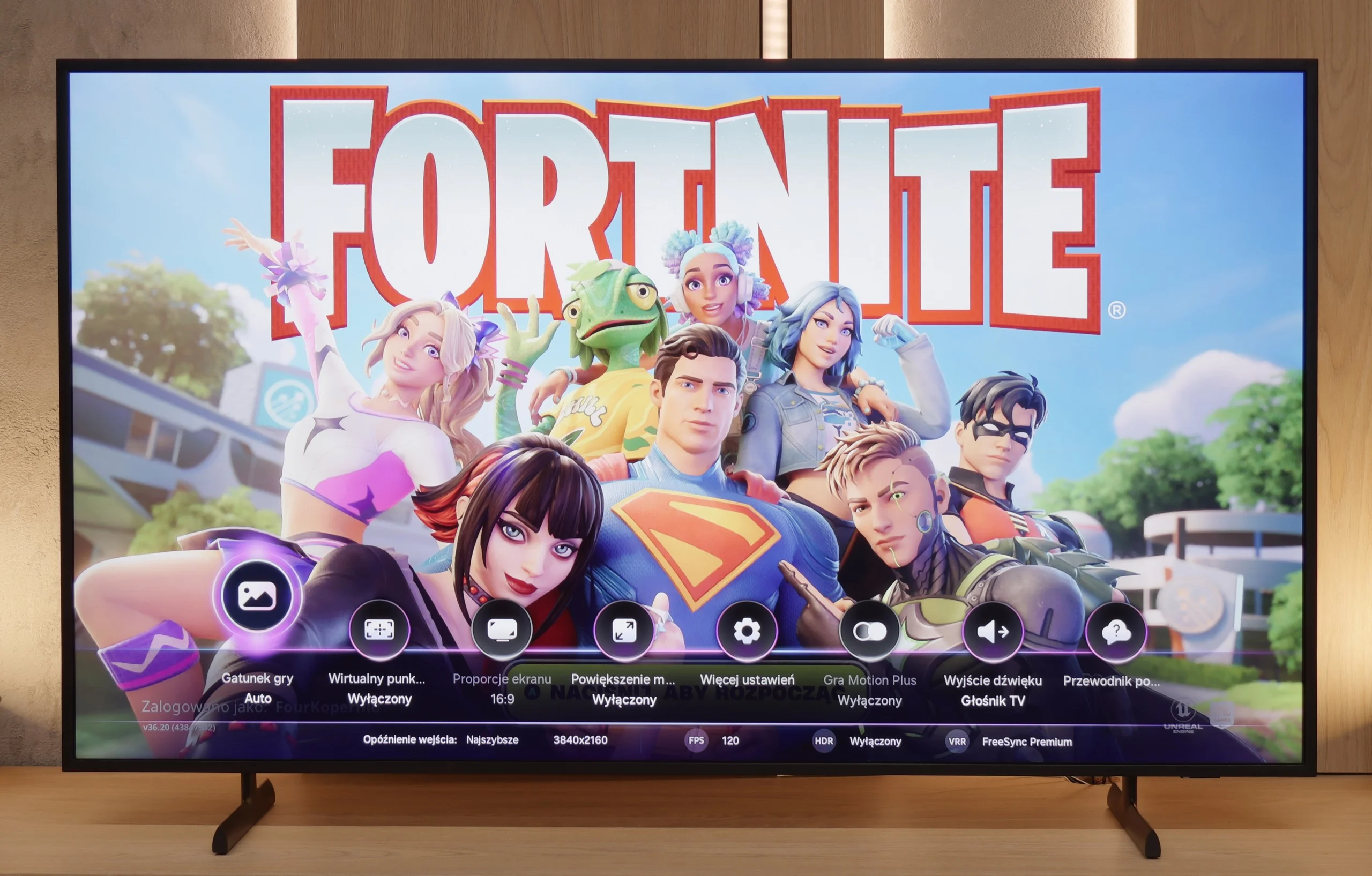
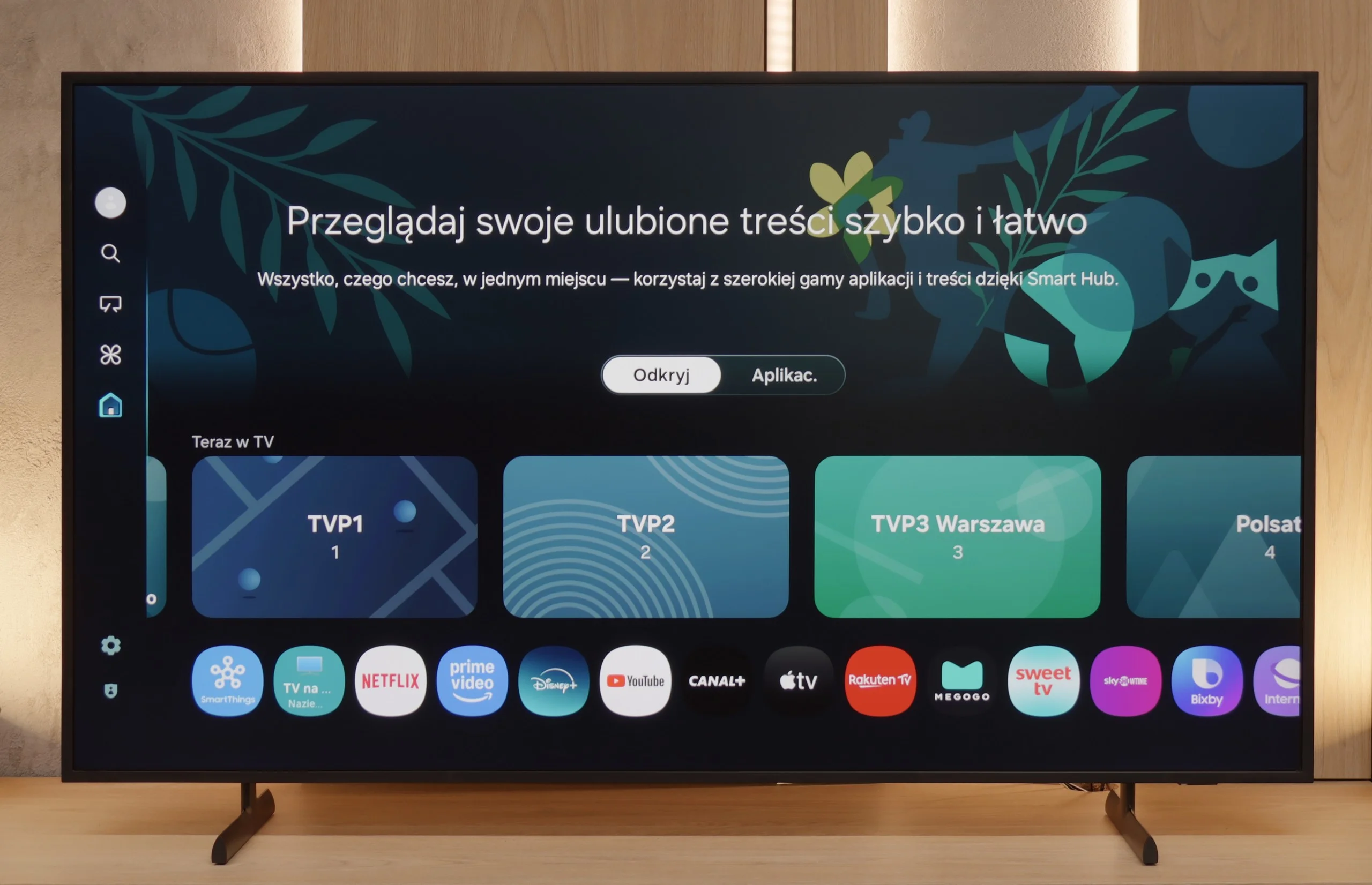
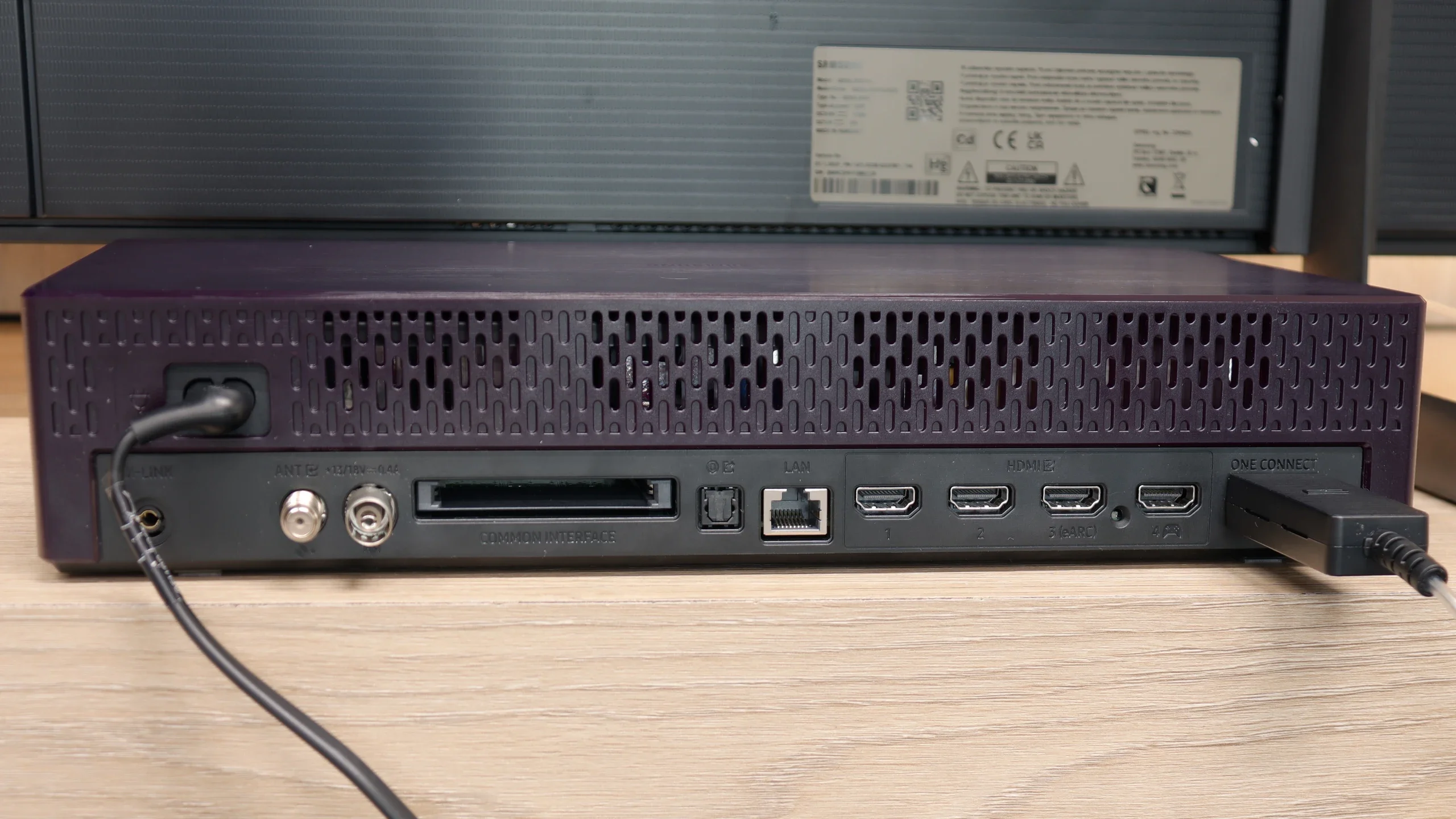
Samsung The Frame 2025 is a TV like no other – and even though competition has emerged, it still does it best. The matte display, flush with the wall, and a single thin cable thanks to the One Connect module make the device resemble a painting more than any other screen. The Art Store app still offers the best art scans on the market (even if they are subscription-based), and with interchangeable frames, we can match the TV to the interior almost like furniture. As for the picture itself, because after all, we are talking about an ordinary TV, there are no significant changes, but also no disappointments compared to last year's LS03D model. The Frame still offers high native contrast and solid brightness at 600 nits, which combined with the matte coating provides very comfortable use during the day. The colours aren't as vibrant as those on glossy screens, but against competitive matte designs – they perform the best. A new feature is the 144 Hz refresh rate, although in practice, it will mainly benefit PC gamers. And indeed – in terms of features for gamers, The Frame has almost everything: low input lag, variable refresh rate (VRR) support, automatic game mode (ALLM), Game Bar, and a one-of-a-kind motion smoother designed for games. Unfortunately, not everything is as perfect as it might seem. Why? Well, because the HGiG mode, which suddenly disappeared from the latest version of the Tizen system, is missing. And Samsung really should respond here, as it is a key element for many gamers when choosing a screen. And we fully understand that. Even though LS03F The Frame 2025 doesn't bring major revolutions, it remains a unique TV that, besides its appearance, offers a quite solid picture and expanded gaming features. It's just a pity that year after year we also get new compromises.
[UPDATE] We have updated our tests of Samsung TVs from the 2025 model year due to the release of software version 1131, which restored the crucial HGiG feature for gamers.
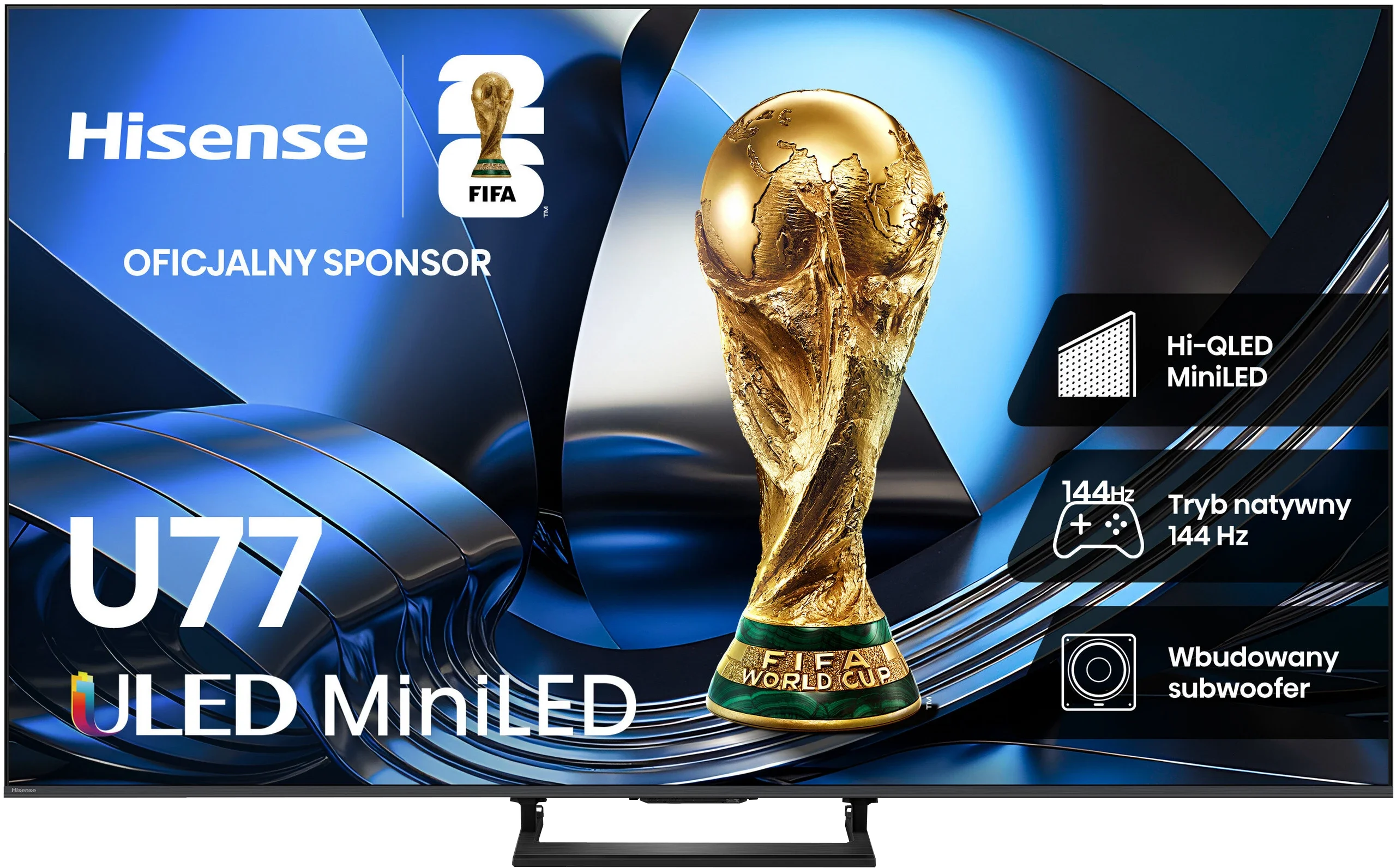
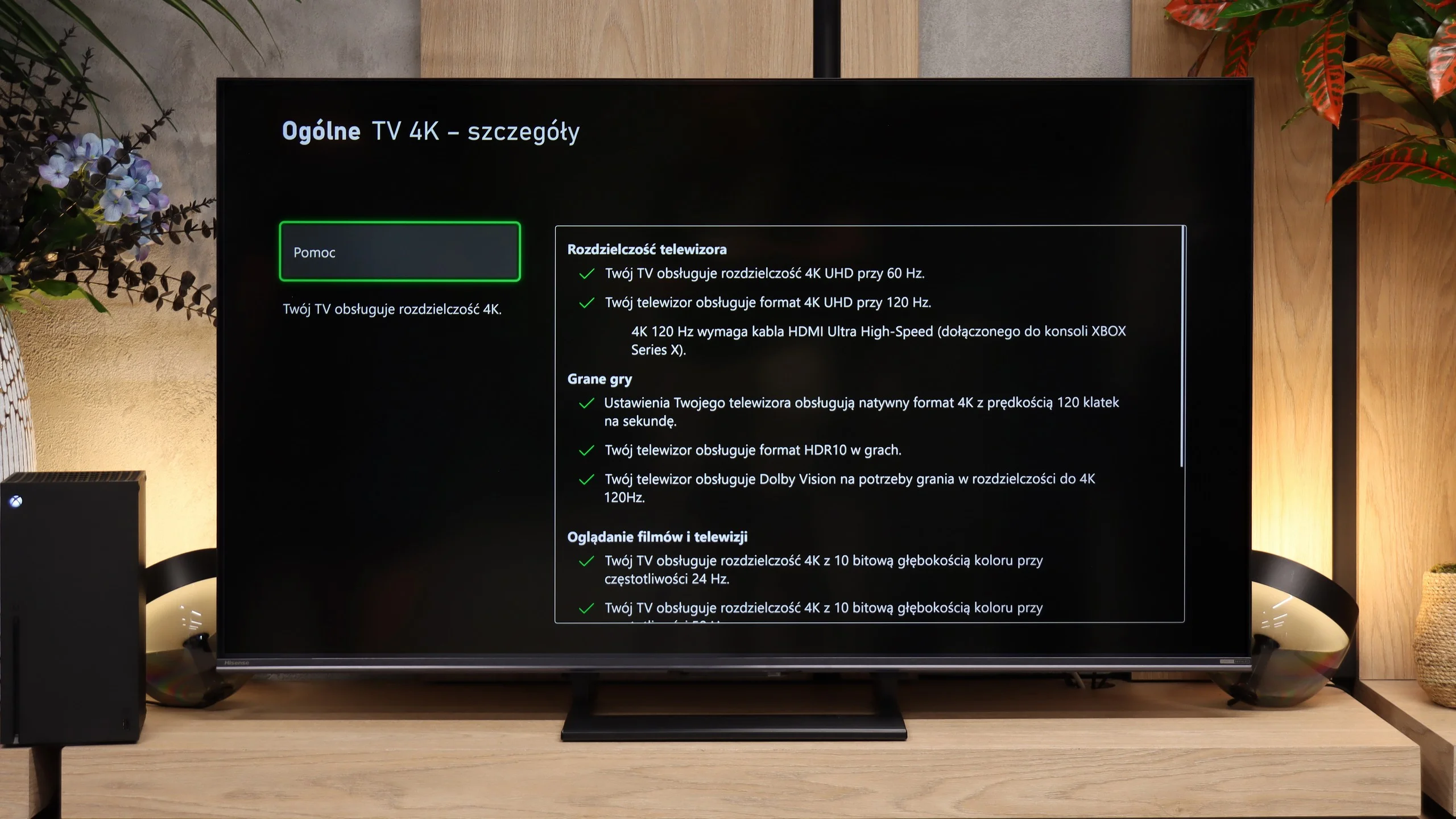
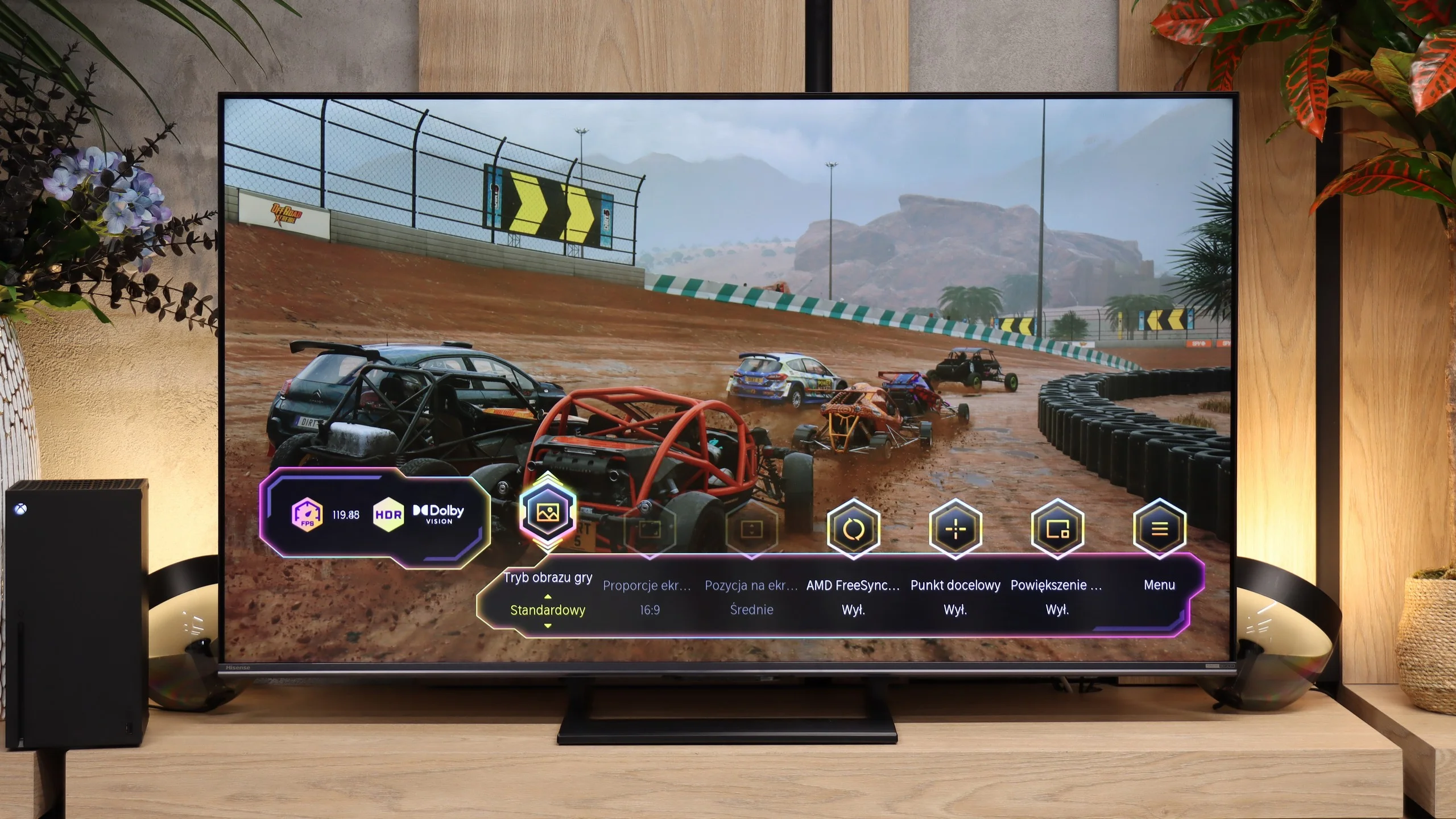
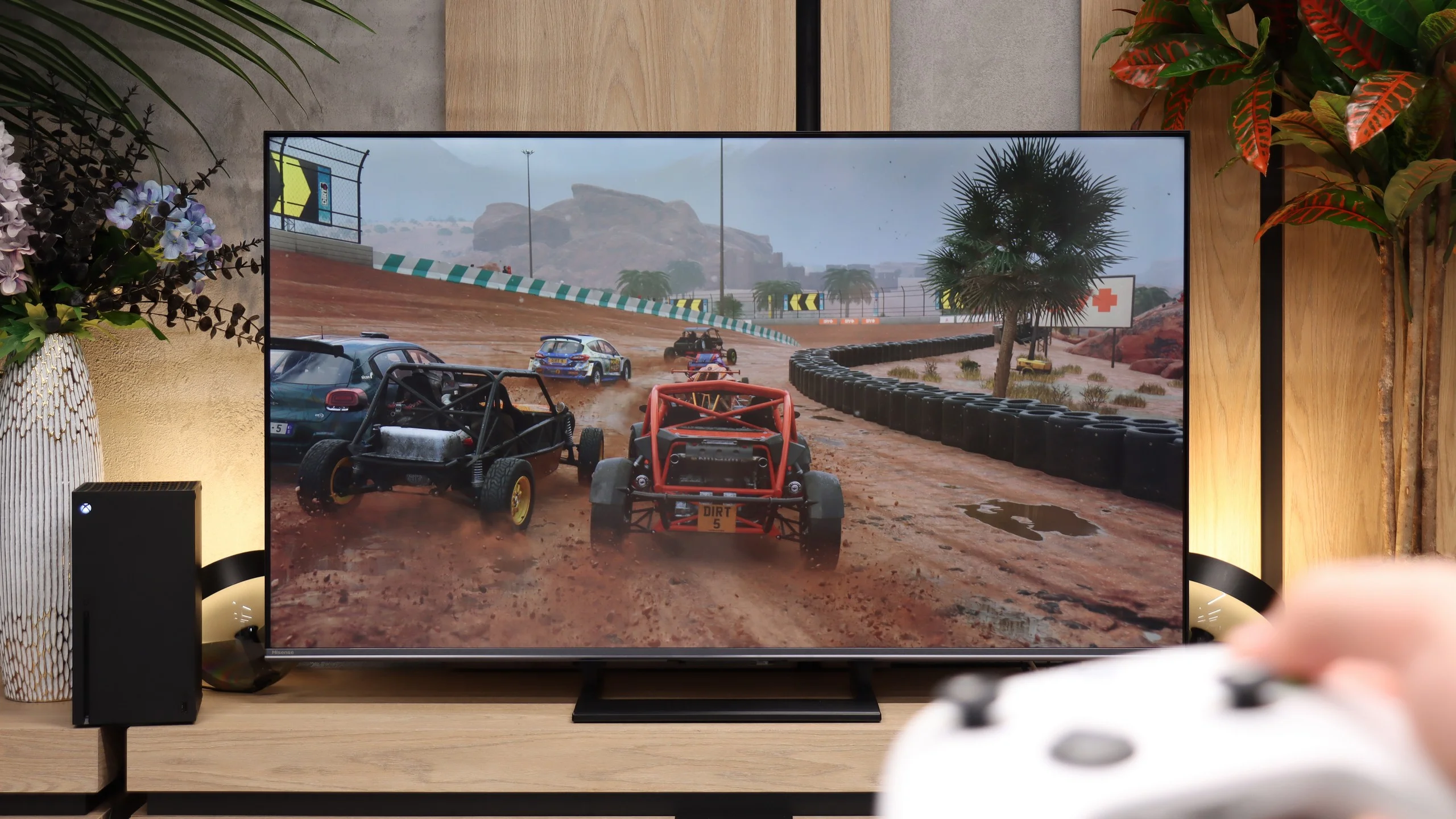
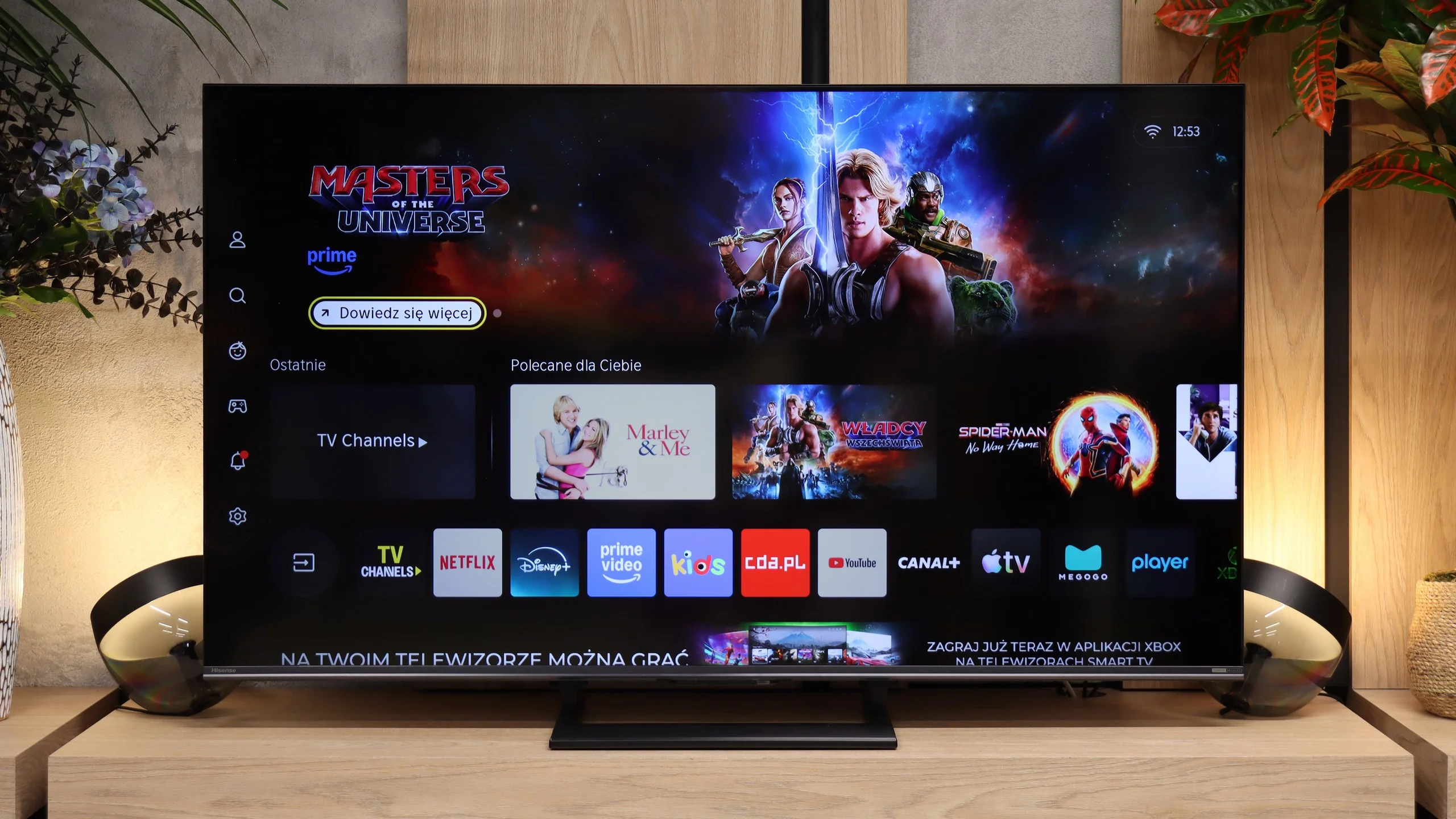
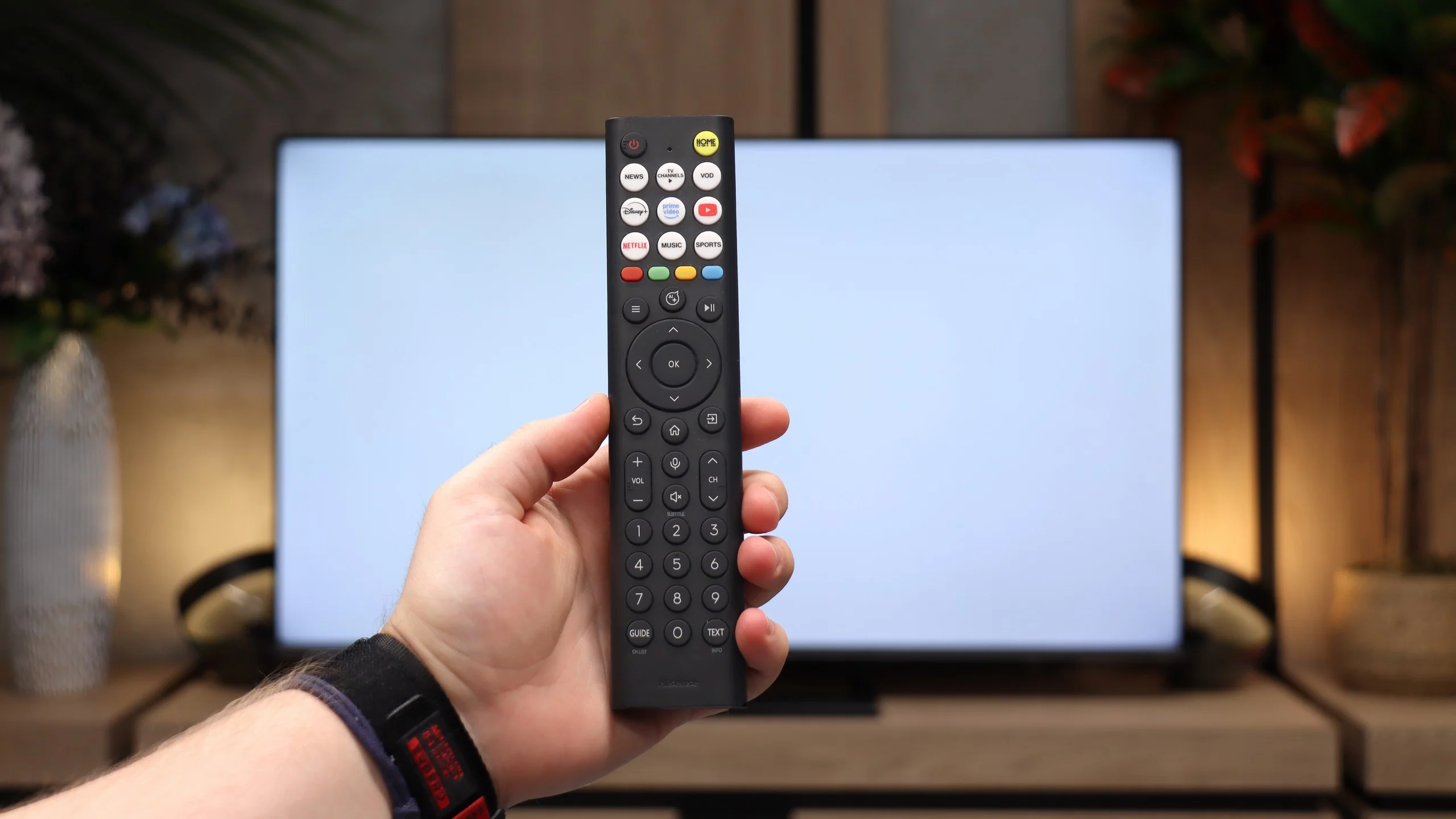
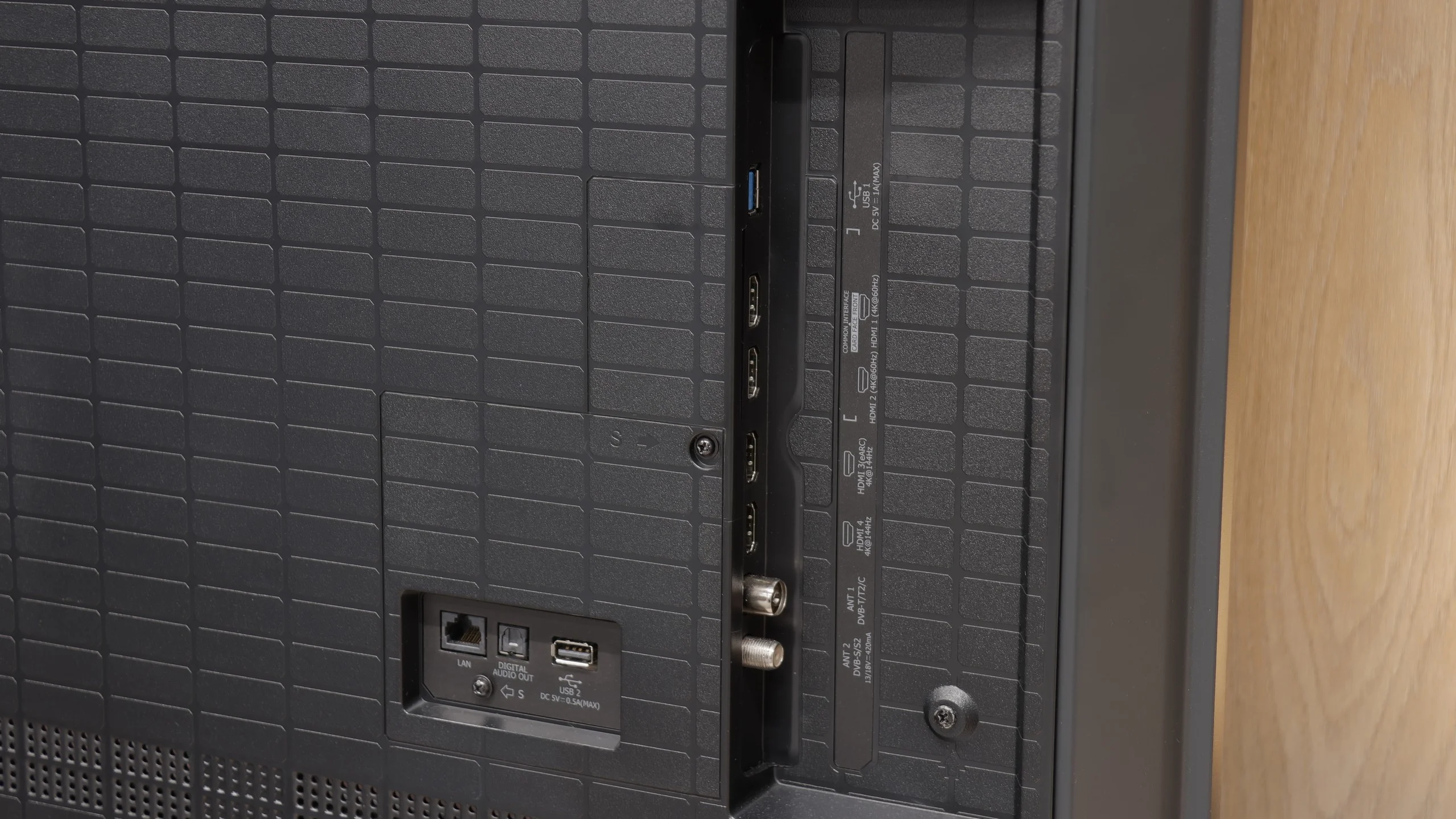
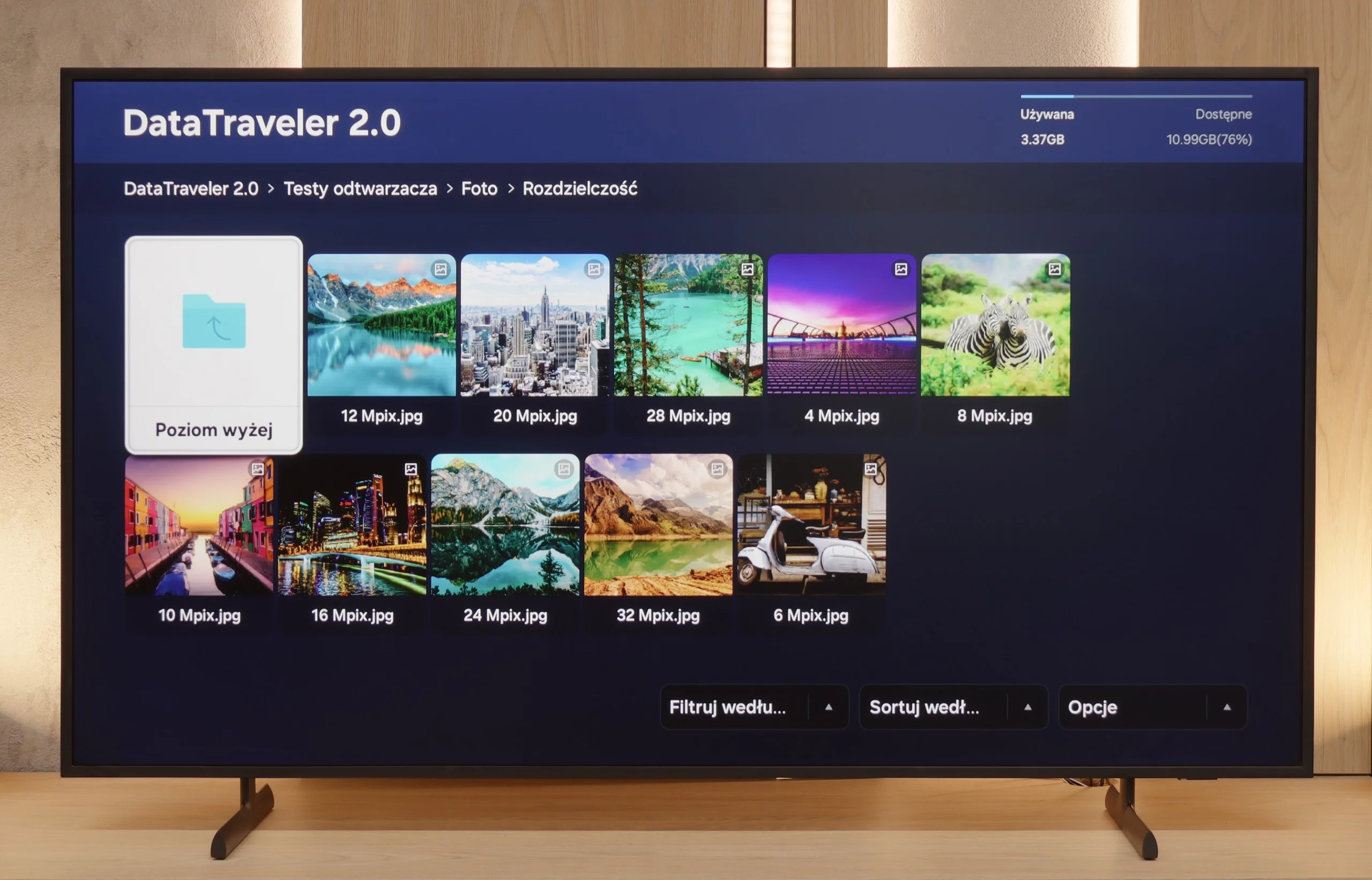
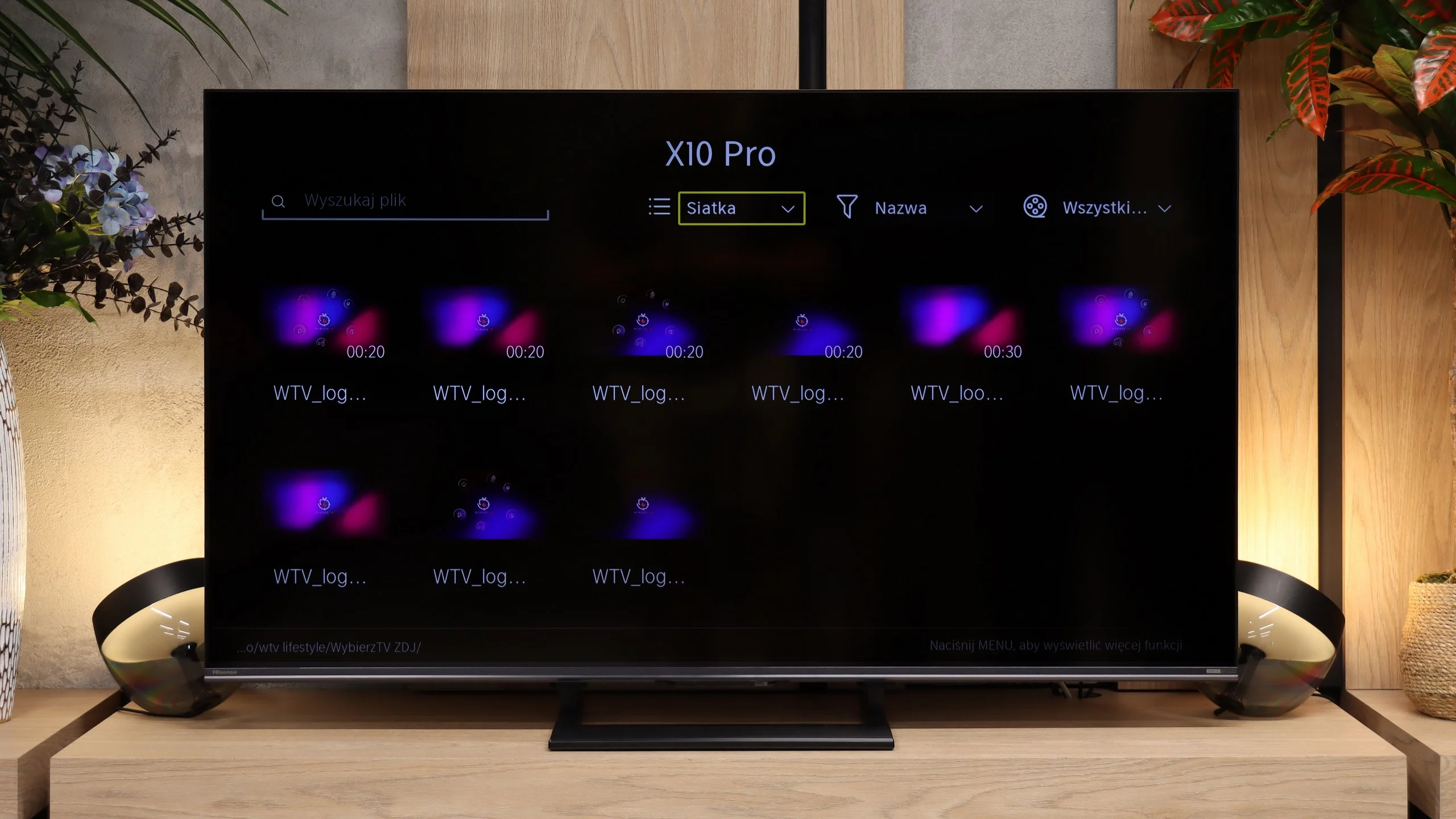
Hisense U7S is the latest iteration of the U7 series, whose biggest advantage remains its price-to-performance ratio. You get a Mini LED TV with local dimming, which genuinely improves black levels and gives the picture more depth for evening viewing. During the day a generous brightness reserve helps, so you don't have to rush to close the curtains. It's not a device without compromises, but as an everyday TV it makes a lot of sense. Gamers get a lot too. The U7S supports high refresh rates from consoles and PCs, has an extensive set of gaming features and responds very quickly to controller input. Pleasingly, the low input lag is maintained even in Dolby Vision. On top of that there's the smooth-running VIDAA, which offers both Smart features and handy extras for regular TV. Overall it's quite versatile, although compared with last year's U7Q it's hard to call it a big step forward.
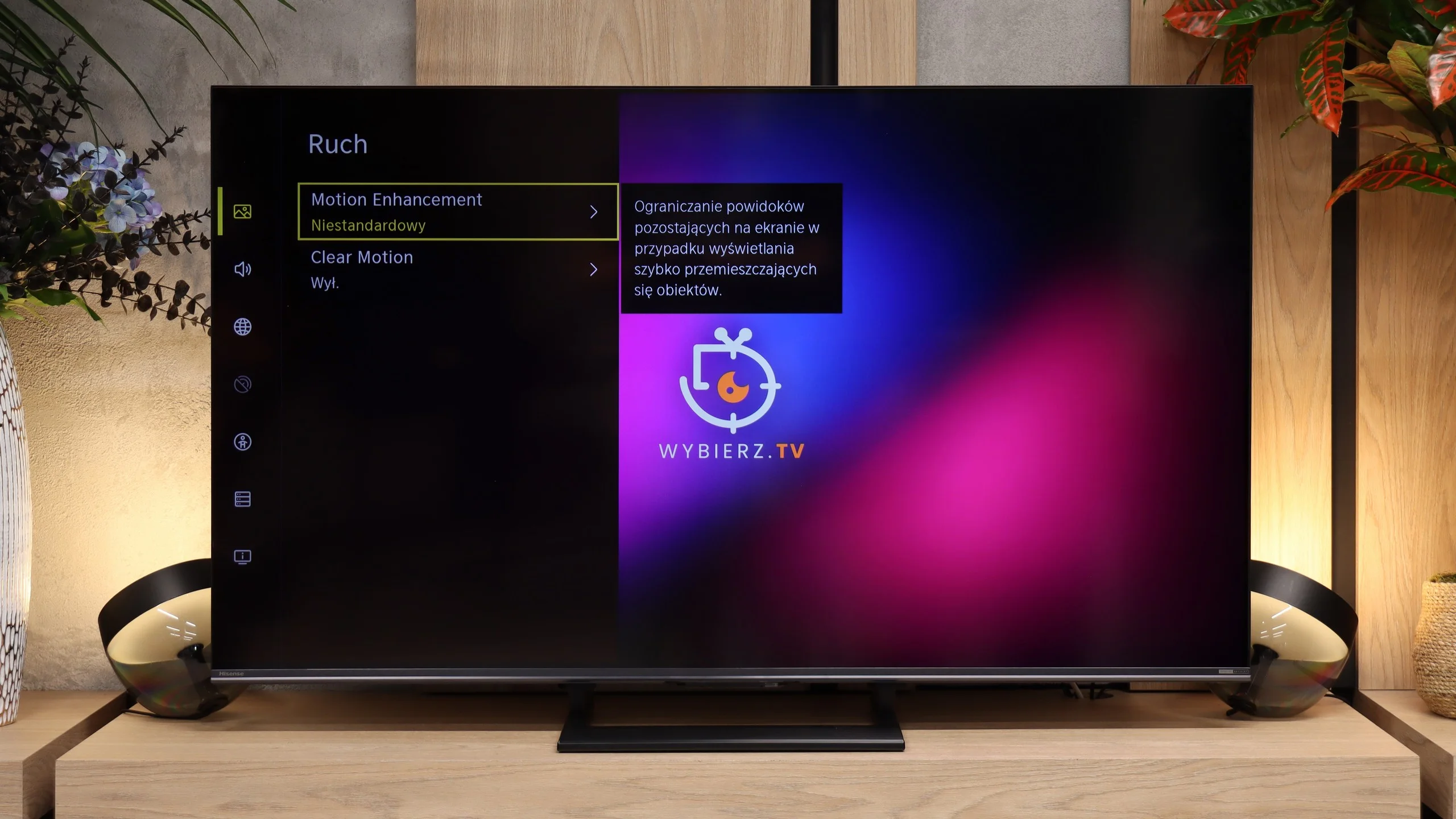
Unfortunately there are also things that clearly bother us. The first is motion smearing. The panel has a high refresh rate, but its pixels don't always keep up, so moving objects leave noticeable trails. Fans of sport and fast-paced games will feel this most. The second issue is HDR, which the TV handles a bit 'its own way'. Instead of sticking to the brightness encoded in the content, it aggressively brightens parts of the image. The aim was probably to make things more striking, but often the opposite happens: a scene becomes overbright, loses depth and clearly departs from the creators' intent. It's a shame that this behaviour can't be effectively corrected even during calibration.
Despite these caveats the U7S remains an interesting choice if you're after as much as possible for a reasonable price. Compared with basic LCDs without local dimming, which you can still find at similar price points, it primarily offers much better black levels. And that's where its biggest strength lies. You don't need to reach for an expensive model to get a Mini LED whose benefits are actually visible in viewing. If you accept its flaws, the Hisense U7S can above all be a very good-value purchase.
 Direct comparison