Samsung QN80F 100" vs XIAOMI S Mini 2026 (85"-98") 144Hz

Direct comparison

S Mini 2026

Available screen sizes: 100”

Available screen sizes: 85”98”

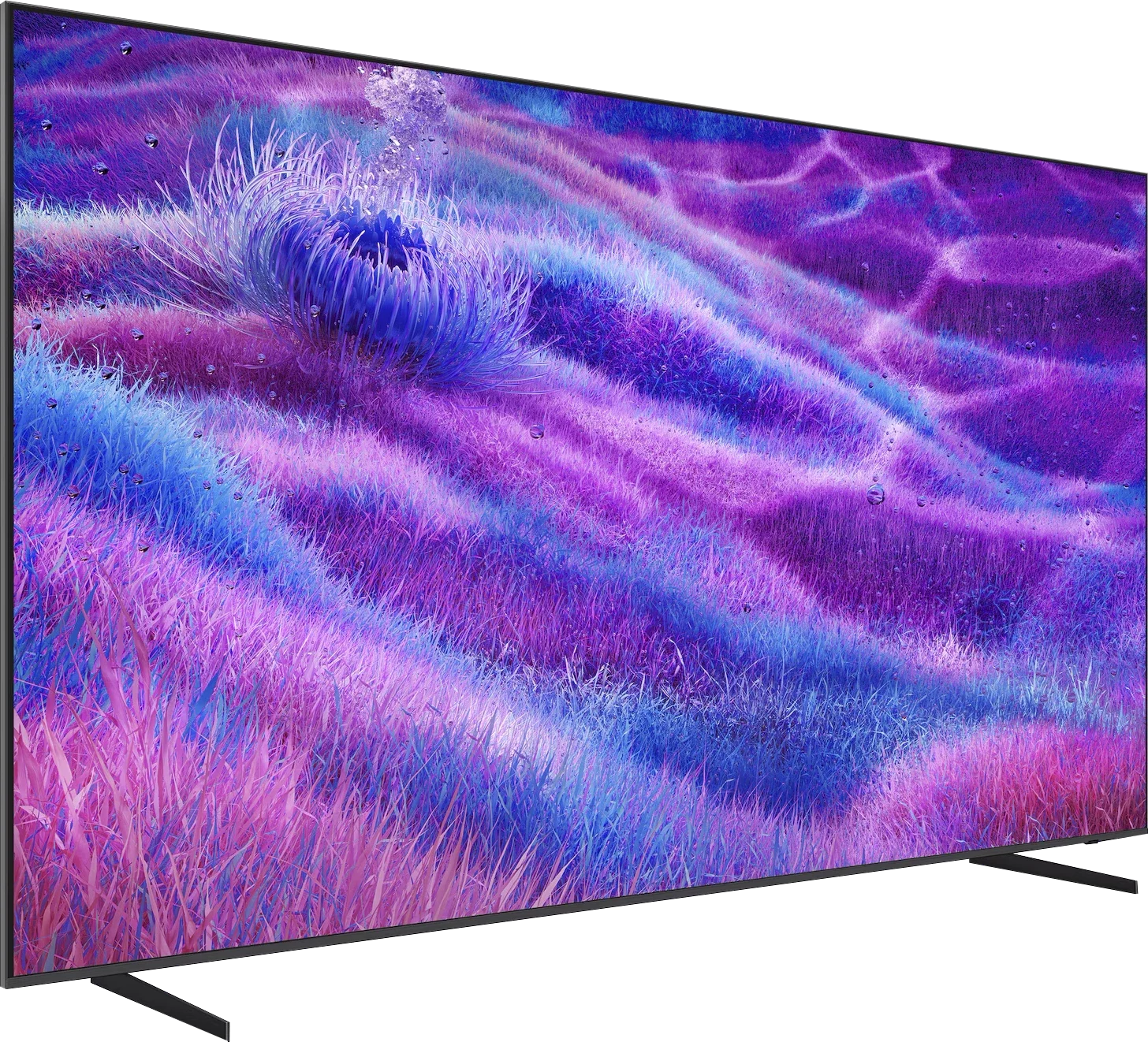
Review Samsung QN80F 100"  Main photo
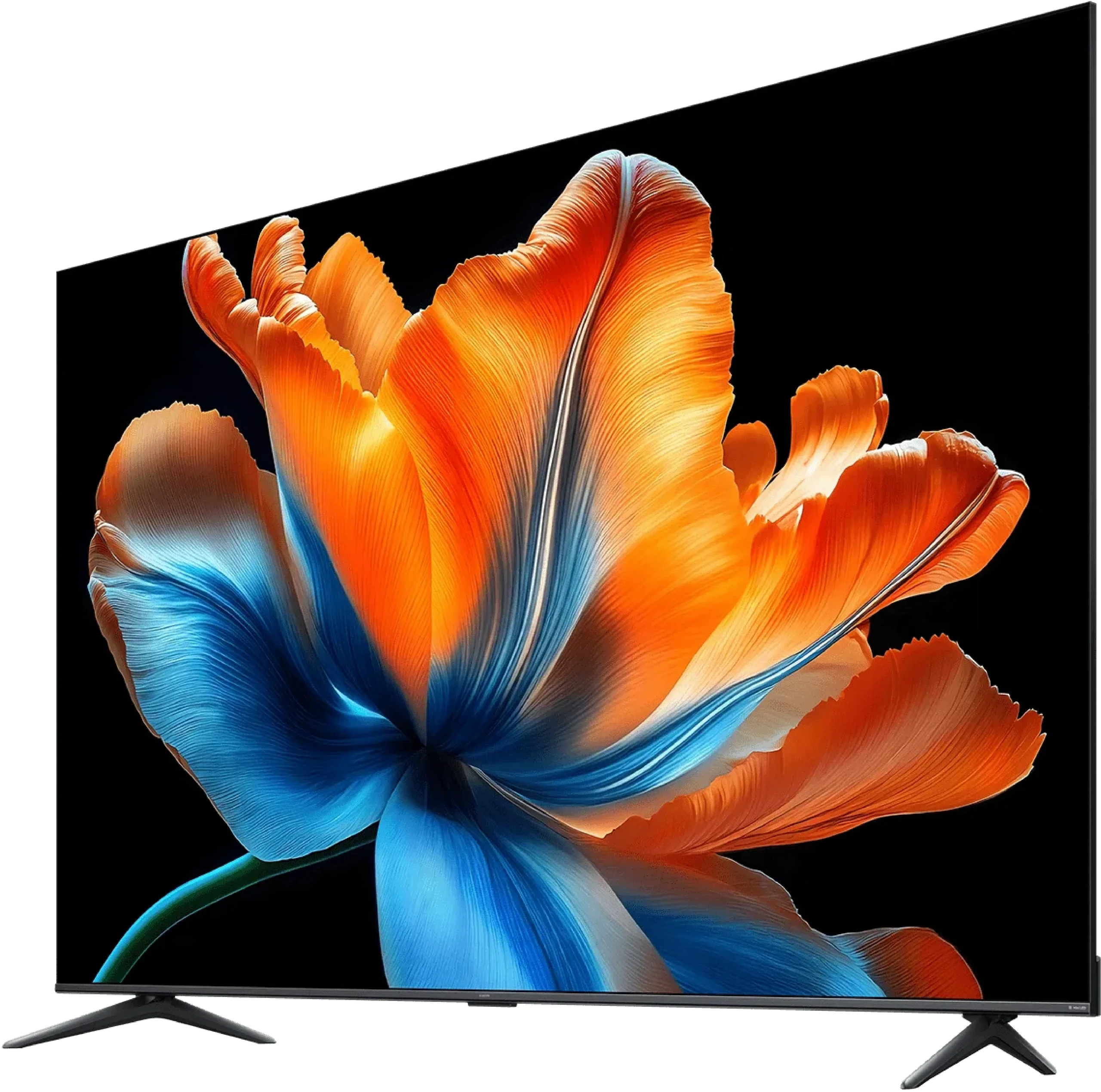
Review XIAOMI S Mini 2026 (85"-98") 144Hz  Main photo

Panel type: LCD VA

Resolution: 3840x2160

System: Tizen

Model year: 2025

Complete the survey to find out the result

Panel type: LCD VA

Resolution: 3840x2160

System: Google TV

Model year: 2026

Complete the survey to find out the result

Overall rating

7.5

7.1

  • Movies and series in UHD quality

    7.2

    7.1

  • Classic TV, YouTube

    7.0

    6.6

  • Sports broadcasts (TV and apps)

    6.7

    6.4

  • Gaming on console

    8.9

    8.3

  • TV as a computer monitor

    8.6

    7.0

  • Watching in bright light

    7.0

    7.5

  • Utility functions

    7.7

    7.0

  • Apps

    9.3

    9.6

  • Sound quality

    6.7

    5.0

Advantages

  • HDR brightness up to 1300 nits

  • Good black levels - MiniLED with a VA panel

  • Fast 144 Hz panel and 4 HDMI 2.1 ports

  • Many features for gamers: VRR, ALLM, and a great gamebar

  • Low input lag (<10 ms)

  • Fast Tizen operating system with SmartThings support

  • Supports Dolby Atmos

  • 120/144 Hz panel

  • Very good contrast: MiniLED + VA

  • High brightness of around 1,000 nits

  • Dolby Vision support

  • Advanced gaming features

  • Low input lag

  • Google TV with a wide range of apps

Disadvantages

No like
  • Poor viewing angles

  • Modest number of dimming zones for a 100" screen

  • Missing Dolby Vision

  • Poor image processing

  • Average anti-reflective performance

  • Poor viewing angles, typical for VA panels

  • Flat sound, little bass

Our verdict

QN80F is the first-ever “eighty” from Samsung available in a 100-inch version (previously “just” 98 inches 😉) and is also the model that has entered the series with Mini LED backlighting. It must be said that it performs really well at this scale. Although the number of dimming zones may not impress given such a massive screen, the contrast and blacks are solid, and combined with high brightness, the TV can deliver great experiences when watching movies and series in HDR. The 144 Hz panel ensures smooth motion, and the full set of features for gamers – VRR, ALLM, and Game Motion Plus – makes QN80F hard to label as anything other than a screen designed for both console and PC. Additionally, there's a fast and stable Tizen that provides access to all key apps and can act as a smart home hub via the proprietary SmartThings app. Of course, there are some shortcomings – there’s no Dolby Vision, no USB recording, and the viewing angles at 100 inches can be really problematic. Mini LED also has its limitations, so those expecting absolutely perfect blacks need to keep this in mind. On the other hand, given the current prices of OLEDs in this size, it’s hard to speak of any real competition.

QN80F is a versatile TV, well-crafted and providing plenty of satisfaction for everyday use. Looking at the history of this series, one can be sure that as soon as it appears on reasonable promotions, it will be one of the most interesting options in its class. And if Samsung fine-tunes the minor flaws with updates, this 100-inch beast may turn out to be really hard to beat, much like its smaller variants.
In the 85- and 98-inch sizes the Xiaomi S Mini 2026 is a TV you can recommend with much more confidence than its smaller variants. Very good contrast, around 1,000 nits of brightness and Dolby Vision support make HDR movies look really good, and the 144 Hz panel gives it completely different capabilities for sport and gaming. If you're looking for a large Mini LED and don't want to pay top-tier prices, this variant simply makes a lot of sense. It's not without flaws. Processing of lower-quality source material could do with a bit more polish, which is noticeable on such a large screen. You have to remember the price, though; at this budget most competitors also demand compromises, often even bigger ones. That's why the 85- and 98-inch versions stand as a much more complete offering and, with good pricing, are simply good value. The hardest thing to understand is Xiaomi's decision to lump all sizes into a single line-up. Buying the 85- or 98-inch model gets you not only more inches but also native 144 Hz, Dolby Vision, a more responsive system and a better processor. That alone would have been enough to create a separate series. It would be clearer for the customer, who would immediately know that the smaller and larger S Mini 2026 are actually two different TVs. Ultimately it is in these largest screen sizes that the Xiaomi S Mini 2026 performs best. It's a genuinely successful TV that offers a huge screen and great specs at a very attractive price.

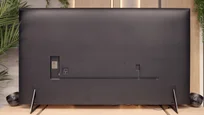
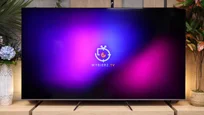
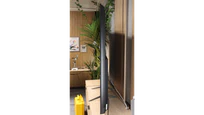
TV appearance

HDMI inputs
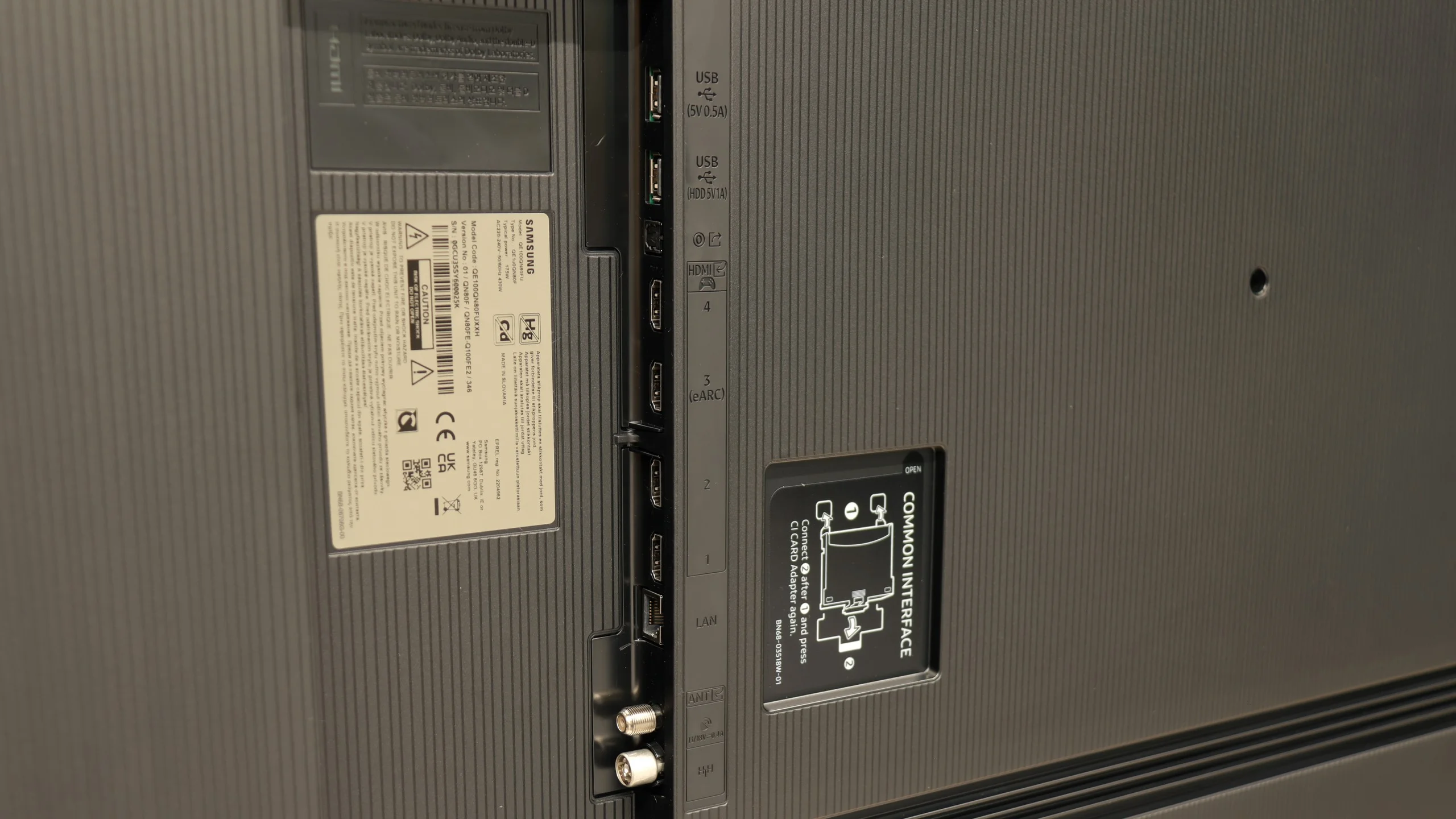
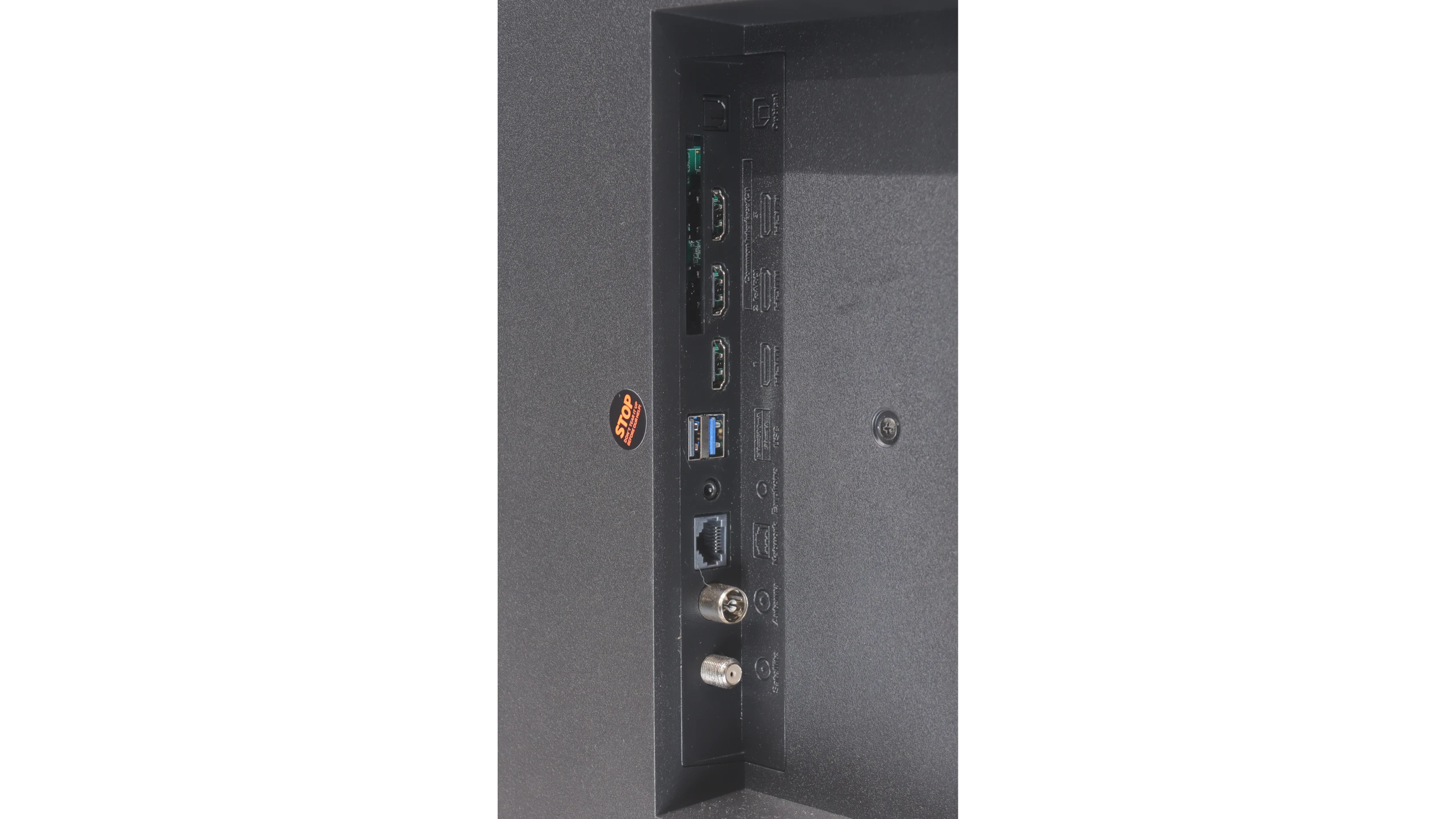
0 x HDMI 2.0, 4 x HDMI 2.1 (48Gbps)
1 x HDMI 2.0, 2 x HDMI 2.1 (48Gbps)
Other inputs
Outputs
Toslink (Optical audio), eARC (HDMI), ARC (HDMI)
Toslink (Optical audio), eARC (HDMI), ARC (HDMI), Mini-Jack (Headphones)
Network Interfaces
Wi-Fi 2.4GHz, Wi-Fi 5GHz, Ethernet (LAN) 100Mbps
Build quality
Premium
Average
Stand type
Legs
Legs
Bezel color
Graphite
Graphite
Stand
Fixed
Base adjustment
Flat design
Yes
No
Accessories
Stand
Stand

Contrast and black detail

7.1/10

8/10

Local dimming function: Yes, number of zones: 120 (10 x 12)

Local dimming function: Yes, number of zones: 640 (20 x 32)

Contrast:

Review Samsung QN80F 100"  Contrast and black detail

Result

94,400:1

Review Samsung QN80F 100"  Contrast and black detail

Result

12,650:1

Review Samsung QN80F 100"  Contrast and black detail

Result

31,750:1

Review Samsung QN80F 100"  Contrast and black detail

Result

7,350:1

Review Samsung QN80F 100"  Contrast and black detail

Result

3,000:1

Review XIAOMI S Mini 2026 (85"-98") 144Hz  Contrast and black detail

Result

427,700:1

Review XIAOMI S Mini 2026 (85"-98") 144Hz  Contrast and black detail

Result

49,650:1

Review XIAOMI S Mini 2026 (85"-98") 144Hz  Contrast and black detail

Result

29,350:1

Review XIAOMI S Mini 2026 (85"-98") 144Hz  Contrast and black detail

Result

13,500:1

Review XIAOMI S Mini 2026 (85"-98") 144Hz  Contrast and black detail

Result

8,400:1

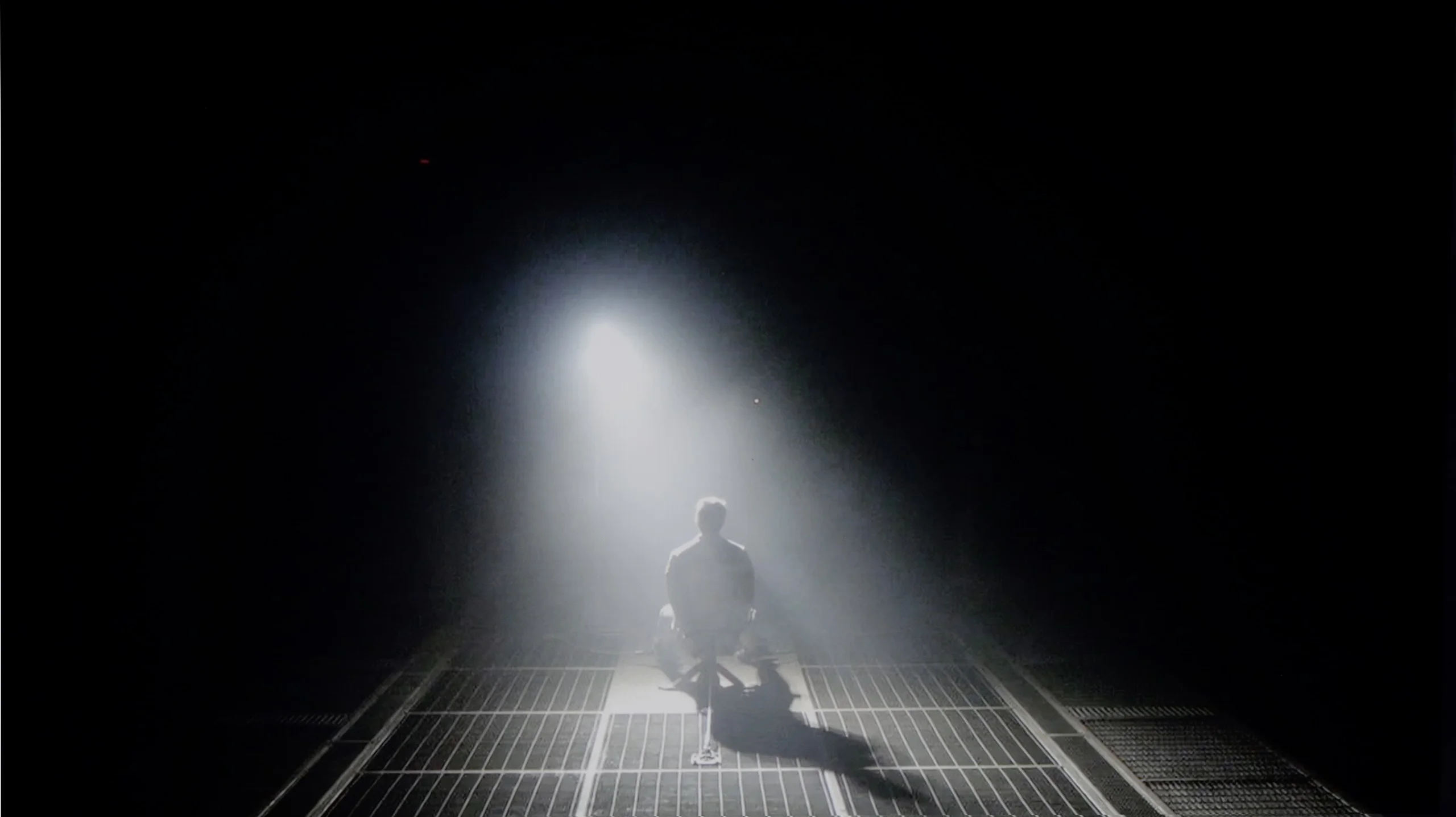
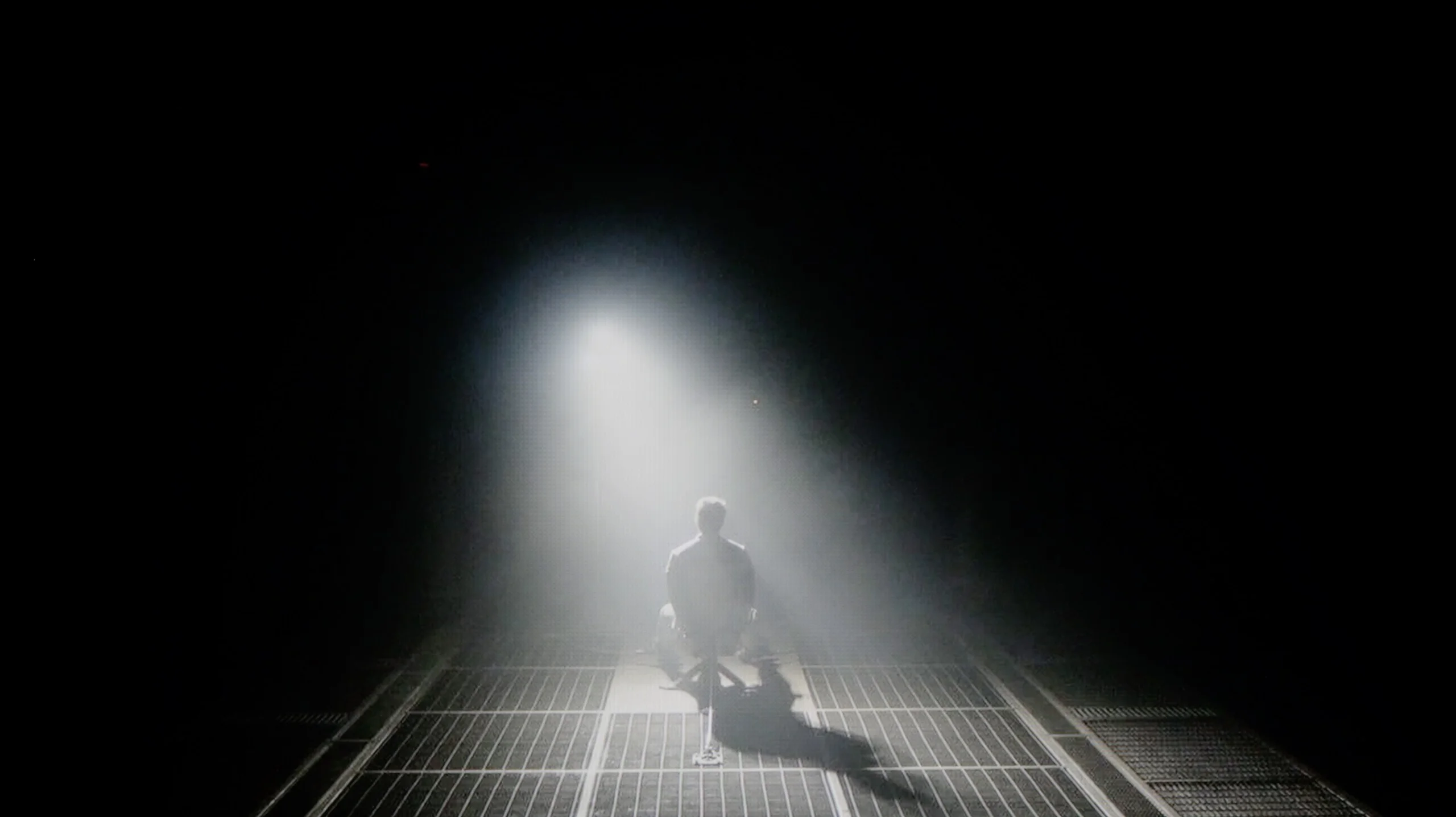
Halo effect and black detail visibility:

Check the visibility of bright lights on a dark background. Mini-LEDs often struggle with this. The photo does not compare black levels – that’s what the video below is for.

The video accurately shows differences in contrast and black levels between TVs, as well as potential issues: halo around bright objects or Mini-LED zone operation visible as brightness jumps.

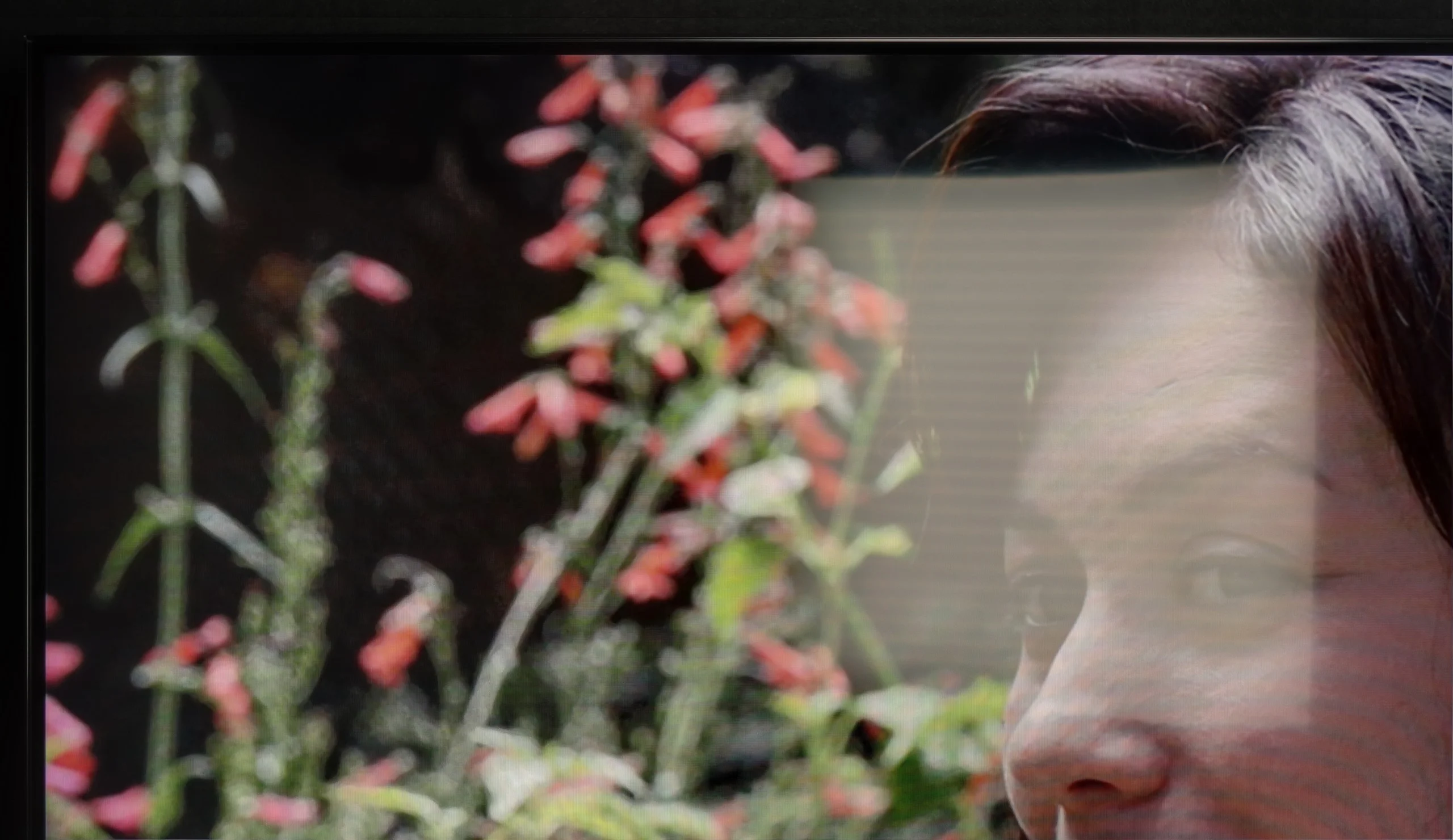
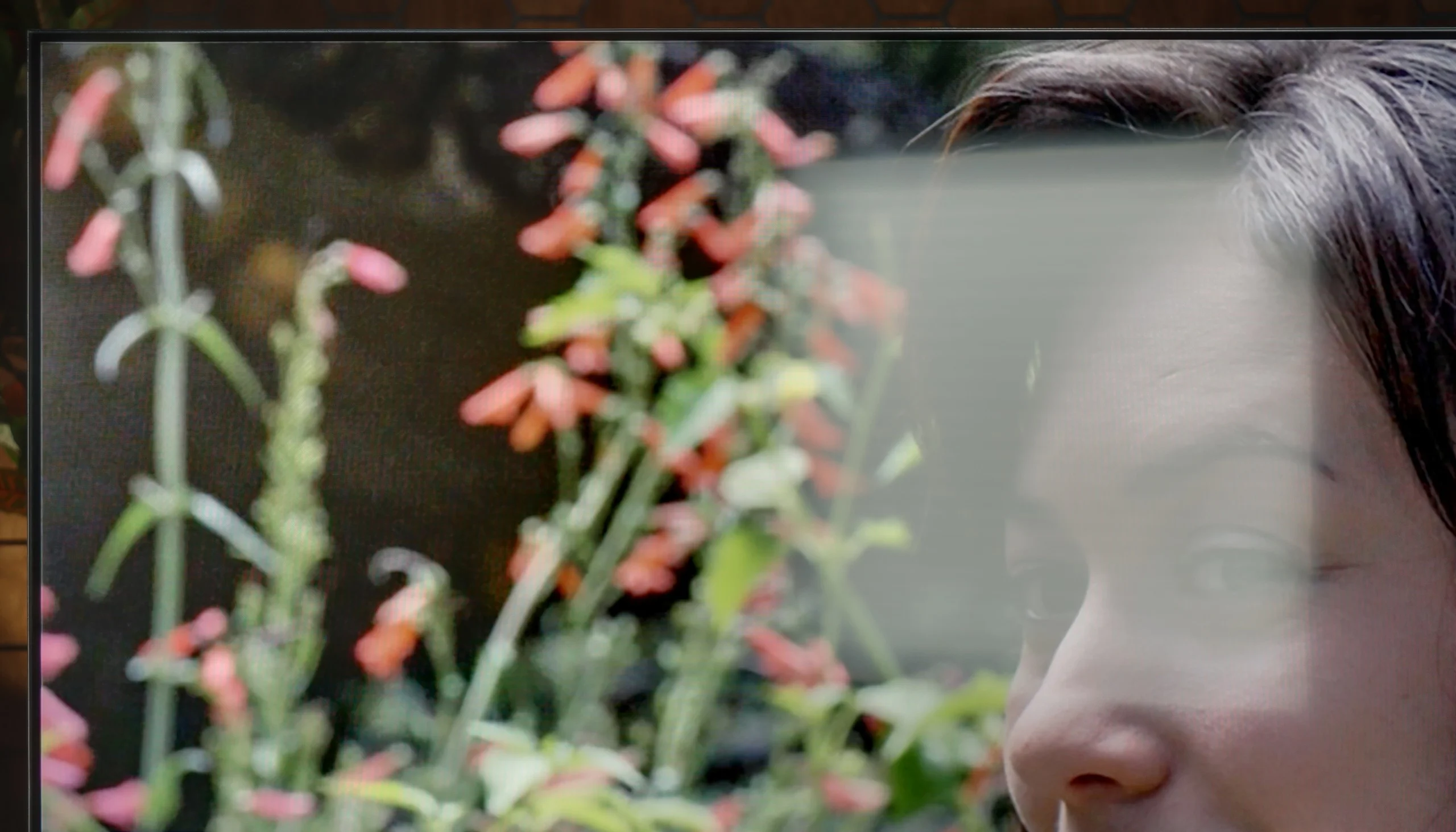
QN80F belongs to the NeoQLED family, which are Samsung's TVs based on mini-LED technology. In practice, this means local dimming zones designed to improve contrast and light separation. In the case of the 100-inch version, we have a VA panel combined with around 120 zones – a rather modest result for such a large surface area, though it has to be said that it still translates to noticeably better results than in smaller diagonals. In its best cinematic scenes, the contrast can be really strong – five-digit values are not an exaggeration, and lights separate from blacks in a way that makes a strong impression at first glance. However, you can't fool physics. Given that such a huge screen has to 'work' with a relatively small number of zones, there are moments when the TV struggles with image control. For example, when a multitude of bright, small elements appear on a black background in the film's final scene, you can see halos and blooming around them. This shows that even with a well-crafted algorithm, mini-LED still has its limitations. Generally, though, the contrast can be considered very good, and in everyday viewing, most users will be fully satisfied. Just keep in mind that this model won't provide the absolute black levels known from OLEDs, just like no LCD television will.

Larger screen sizes of the Xiaomi S Mini 2026 also use a VA panel and Mini LED backlighting, but the manufacturer has applied significantly more local dimming zones here. In the 85‑inch model we tested we counted 640 zones, more than twice as many as in the 55‑inch version. Even so, the differences in measurements proved surprisingly small. Contrast remains very high, and in many scenes flooded with black the TV can produce blacks that feel very close to OLED. The additional zones mainly help to better control the backlight in more demanding shots, though they do not completely eliminate the typical limits of this technology. In scenes with many bright objects on a dark background you can still see a halo effect, but its level remains typical for Mini LED TVs. As with the smaller variants, Xiaomi has also improved the local dimming algorithm. The zones operate stably and do not cause visible flicker or the brightness "pumping" that could be seen in last year’s model.

HDR effect quality

6.5/10

5.7/10

Supported formats
HDR10, HDR10+, HLG
HDR10, HDR10+, Dolby Vision, HLG
Color gamut coverage
DCI P3: 90.0%, BT.2020: 67.9%

Luminance measurements in HDR:

Review Samsung QN80F 100"  Brightness measurement

Result

1150 nit

Review Samsung QN80F 100"  Brightness measurement

Result

721 nit

Review Samsung QN80F 100"  Brightness measurement

Result

875 nit

Review Samsung QN80F 100"  Brightness measurement

Result

377 nit

Review Samsung QN80F 100"  Brightness measurement

Result

849 nit

Review XIAOMI S Mini 2026 (85"-98") 144Hz  Brightness measurement

Result

1079 nit

Review XIAOMI S Mini 2026 (85"-98") 144Hz  Brightness measurement

Result

224 nit

Review XIAOMI S Mini 2026 (85"-98") 144Hz  Brightness measurement

Result

710 nit

Review XIAOMI S Mini 2026 (85"-98") 144Hz  Brightness measurement

Result

244 nit

Review XIAOMI S Mini 2026 (85"-98") 144Hz  Brightness measurement

Result

900 nit

Scene from the movie “Pan” (about 2800 nits)

Scene from the movie “Billy Lynn” (about 1100 nits)

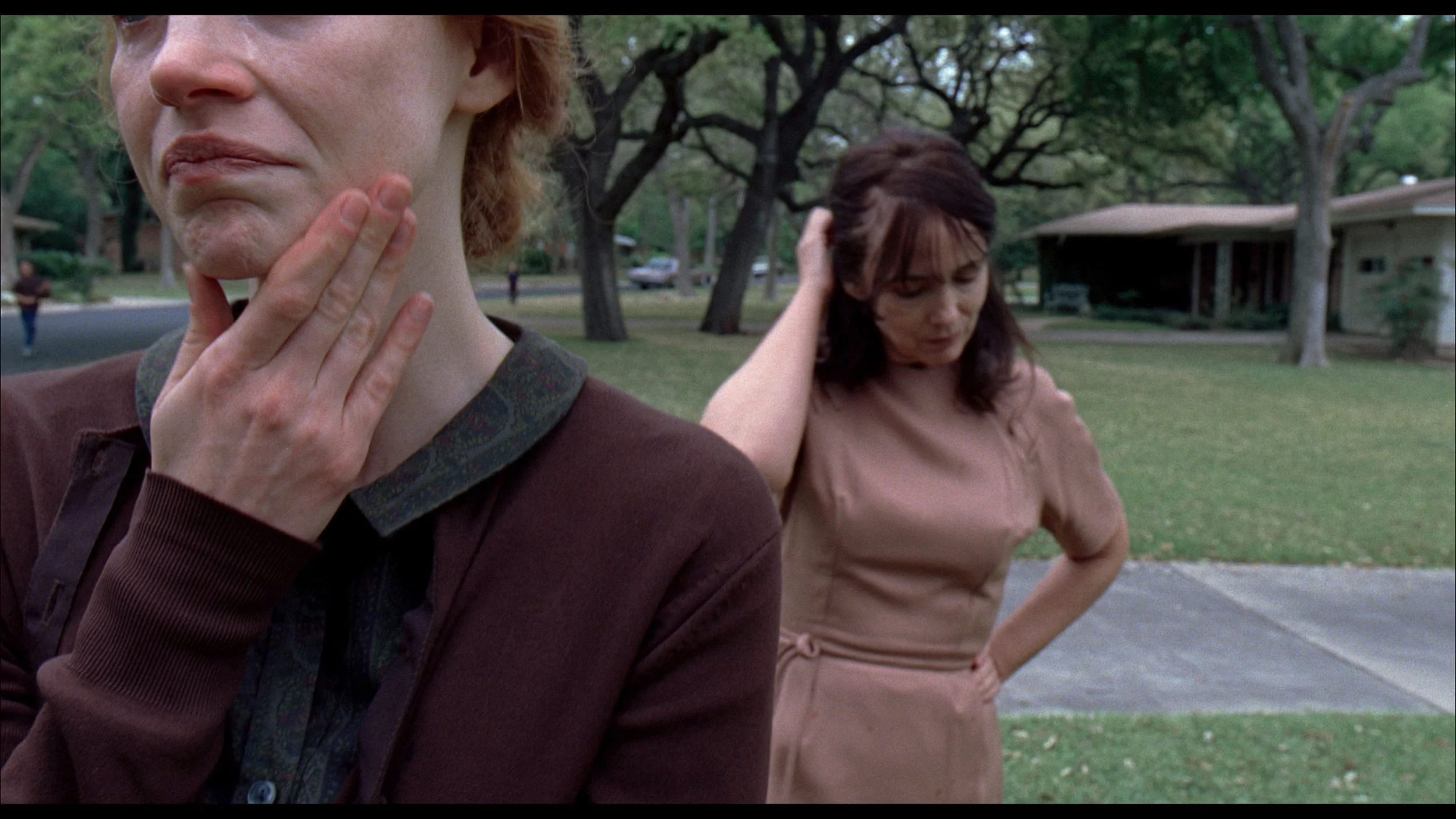
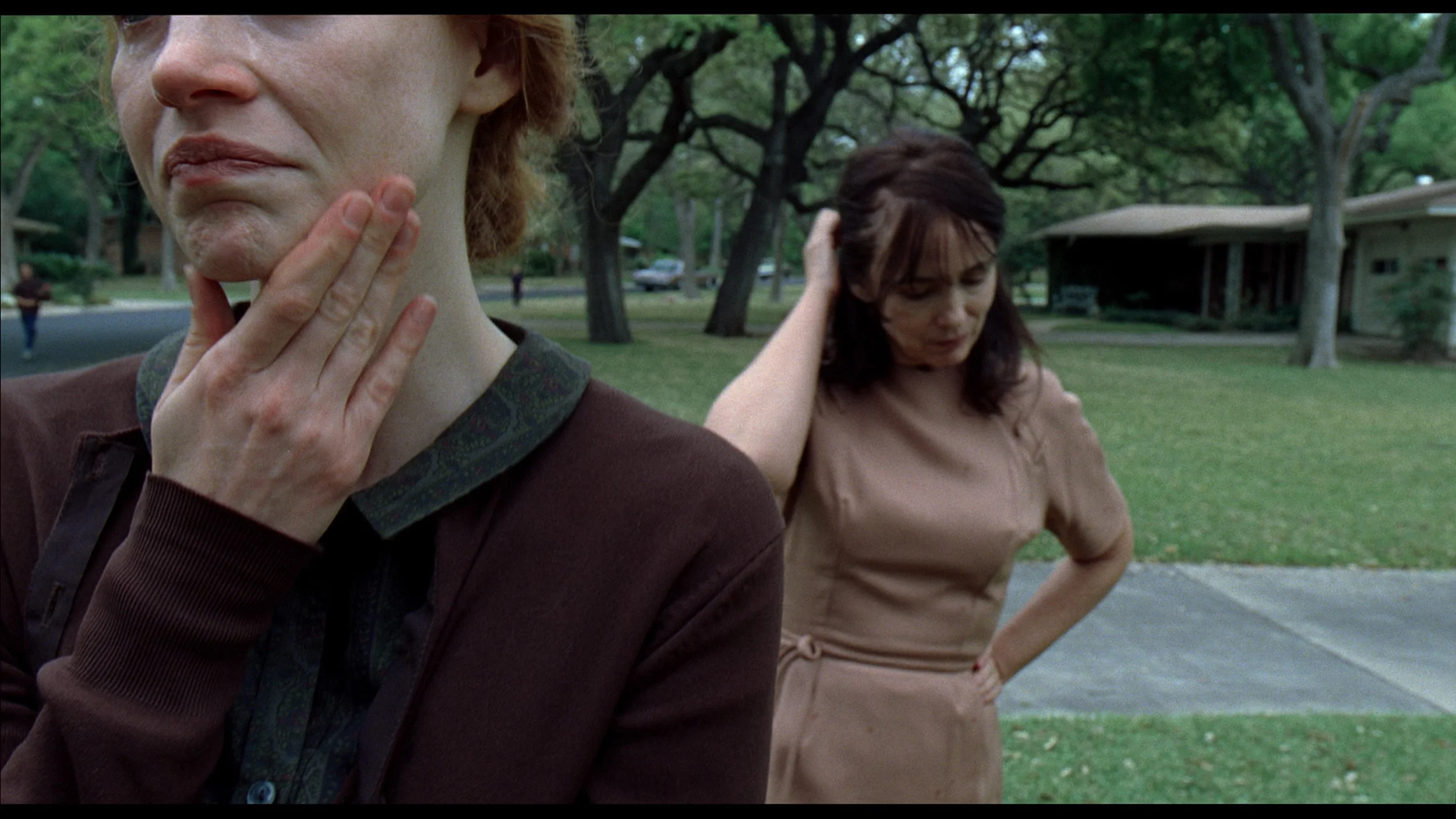
The photos show two HDR10 movies. 'Pan' is one of the brightest productions ever made, while 'Billy Lynn' (soldier) has brightness typical of streaming (Netflix, Prime, HBO MAX). Notice the intensity of effects and detail in whites.

Static HDR10

The photos present the visibility of white details in various HDR formats. They do not show brightness differences between TVs (these can be compared in the previous gallery).

Dynamic: HDR10+

Dynamic: Dolby Vision

The photos present the visibility of white details in various HDR formats. They do not show brightness differences between TVs (these can be compared in the previous gallery).

HDR luminance chart:

XIAOMI S Mini 2026 (85"-98") 144Hz

Samsung QN80F 100"

When it comes to HDR in Filmmaker mode, the QN80F can make a great first impression. Our lab tests showed that under the best conditions, the TV can achieve brightness exceeding 1200–1300 nits. These are truly remarkable results that make HDR effects in many films look incredible. The TV is simply bright enough that it doesn't have to artificially adapt the image – the bright parts of the scene have the right 'power' and actually look like a light source. Of course, the lab is one thing, and everyday viewing is another. In practice, during film scenes, brightness typically hovers around 700–1100 nits. These are still excellent values that, in most cases, provide a strong sense of realism and make the lights on the screen truly blinding. The problem arises in exceptionally difficult sequences, where, like almost every mini-LED, it reveals its limitations. A good example is Sicario 2: scenes with the helicopter in the night sky look much weaker, and the lights lose intensity, dropping to around 370 nits, making it hard to speak of serious awe. Additionally, there's the issue of colours. Although we are dealing with a QLED, the coverage of the DCI-P3 colour gamut is about 90%. This is a rather average result for a quantum dot TV. In practice, this means that some colours may appear less saturated than we would expect, especially in demanding HDR productions.

The larger versions of the Xiaomi S Mini 2026 offer very similar HDR performance. Peak brightness reaches around 1,000 nits, which is a very solid result for a TV in this price bracket. It's most noticeable in bright scenes, where large, heavily lit areas of the picture can look really impressive. The TV has enough brightness headroom that HDR isn't limited to just a slightly brighter image. However, very small pinpoint highlights on an almost completely black background fare worse. In such cases the local dimming system significantly reduces their brightness to avoid lighting adjacent parts of the image and to preserve good blacks. As a result, small reflections or single lamps don't have the same intensity as in much more expensive models. This is typical behaviour for Mini LED TVs and it's hard to treat it as something unique to Xiaomi.

HDR colours

The colour performance is similarly comparable. Although the manufacturer uses the term QLED, the expanded colour gamut here comes from the PFS phosphor. In our measurements the TV covered about 94% of the DCI-P3 space and about 74% of the much more demanding BT.2020. In practice this yields well-saturated colours in most HDR material and it's hard to point to obvious gaps. Limitations appear mainly with the most saturated shades of green, which the TV can no longer reproduce fully.

Factory color reproduction

6/10

5.2/10

This gallery shows how colors change after professional TV calibration. If you notice the difference, we recommend ordering this service at SkalibrujTV.com.

Factory Mode

After calibration

This gallery shows how colors change after professional TV calibration. If you notice the difference, we recommend ordering this service at SkalibrujTV.com.

Factory Mode

After calibration

Samsung QN80F performs best in Filmmaker mode, which is designed to faithfully reproduce the creators' intentions. And indeed – this is the mode where the TV shows its potential. But let's not fool ourselves, it’s far from perfect. In SDR content, a significant issue emerged with white balance. Slight deficiencies in green and a clear excess of red caused the screen to take on a pinkish hue. You don't even need measuring tools to notice this – in everyday viewing, the subtly shifted colour palette could be quite noticeable, and in colour checker tests, the colours nearly "jumped" outside their reference fields. With HDR content, the situation looked a bit better, as the white balance was closer to ideal, but another problem emerged – brightness management. The EOTF curve often caused the image to become too bright, which spoiled the impression of contrast, and in dynamic scenes, it led to a slight "flicker" in perception. We've actually mentioned this before in the sections about black levels and HDR. The good news, however, is that Samsung provides plenty of tools for improvement. The QN80F allows for very detailed calibration, including a 20-point white balance. And since the manufacturer has left us with so many options, we decided to see how the TV would perform after a solid correction.

On the larger versions of the Xiaomi S Mini 2026, Film mode performs best, although even here the out-of-the-box settings are not without flaws. In SDR the white balance was noticeably warm due to an excess of red. In HDR the opposite was true, with too much blue and too little red, which made the image cooler. Additionally, both the gamma response in SDR and the EOTF curve in HDR sat slightly above the reference values. In practice this resulted in a slightly brightened image, particularly in the midtones. It wasn't a major fault, but with more demanding material you could see that the image wasn't reproduced entirely in line with the filmmakers' intent.

Color reproduction after calibration

8.3/10

7.7/10

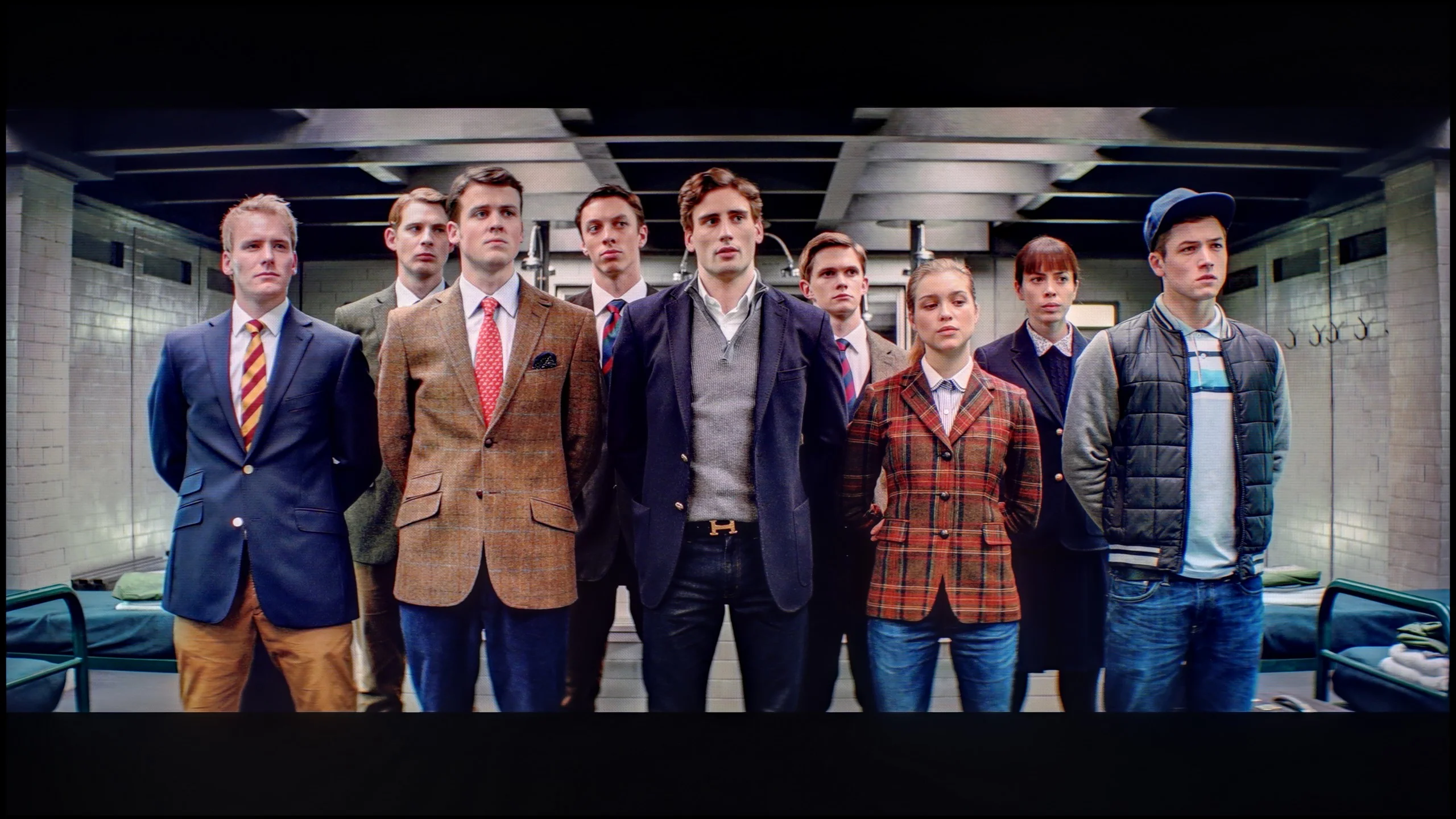
The photos show how movies look on the TV. Pay attention to black detail visibility, colors, and shadow tint.

The photos show how movies look on the TV. Pay attention to black detail visibility, colors, and shadow tint.

After calibrating the QN80F, it immediately showed that it has much more to offer. The pink hue that used to spoil the viewing experience has disappeared, and the white balance finally looks as it should – natural and without excessive deviations. The colours have gained depth, and the image has become more saturated and coherent, making movies simply more enjoyable to watch. It's a bit like taking a light mist off the screen – suddenly everything appears sharper and clearer. Brightness management has also improved. The TV no longer gets lost so easily in dynamic changes, and the EOTF graph shows that the curve tracking is significantly more stable. Of course, there are no miracles – the limited number of zones still means that small, bright elements can be slightly washed out, but that's just a result of the design rather than the settings. After this adjustment, the QN80F feels like a more mature piece of equipment, and watching movies finally provides the satisfaction expected from even a higher-end television.

After calibration we mainly managed to even out the white balance, so colours look much more natural in both SDR and HDR. We also improved the gamma response, so SDR content is no longer unnecessarily brightened and stays closer to reference values. The only larger issue remaining is in HDR. Xiaomi still controls brightness a little too aggressively and renders some scenes brighter than it should. This is less noticeable on the larger models than on the 55–75-inch versions, but the EOTF curve still runs slightly above the reference. In practice HDR is therefore slightly brightened, even though colour reproduction after calibration is already very good.

Smoothness of tonal transitions

9/10

9/10

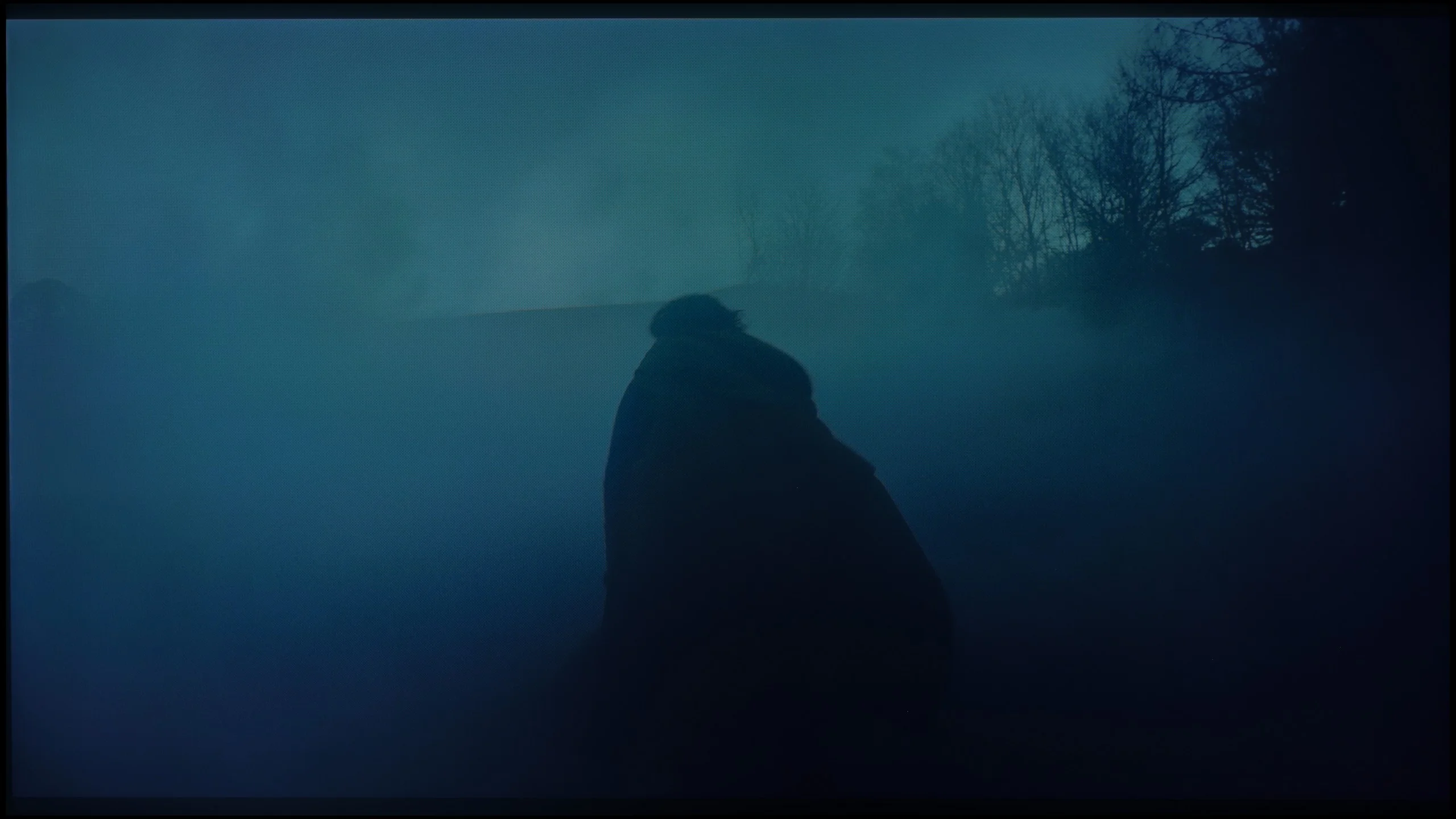
These are selected scenes that show smooth tonal transitions from one color to another. If you see distinct banding, it’s the TV panel’s fault.

These are selected scenes that show smooth tonal transitions from one color to another. If you see distinct banding, it’s the TV panel’s fault.

These are selected scenes that show smooth tonal transitions from one color to another. If you see distinct banding, it’s the TV panel’s fault.

These are selected scenes that show smooth tonal transitions from one color to another. If you see distinct banding, it’s the TV panel’s fault.

In terms of the fluidity of tonal transitions, meaning the blending of colours into one another, the QN80F performs really well. The colour gradients are smooth, the image doesn't break into artificial bands, and the sky or vast shaded surfaces look as they should – without strange patches or interference. It particularly excels in scenes with dark tones, where many televisions can struggle and produce ugly artefacts. Here, everything remains coherent and clear. Admittedly, in the brightest areas, you might occasionally notice slight banding, but that's a detail that only very demanding viewers, analysing the image frame by frame, would pick up. In everyday use, there's practically nothing to complain about. The QN80F gives a sense of confidence that tonal transitions won't be a distraction.

The smoothness of tonal transitions in the larger sizes of the Xiaomi S Mini 2026 is very good. In both bright and darker scenes, colours blend much more smoothly than in the smaller sizes. It's not perfect, and in the most demanding shots you can still spot slight banding, but it occurs far less often and is much less noticeable. That's a clear plus, especially since dark scenes in the 55 to 75-inch models could be noticeably worse in that regard.

Image scaling and smoothness of tonal transitions

7.5/10

3/10

Image without overscan on the SD signal
No
No
Smooth transition function
OK
OK

Smooth transition function

The match photo shows how the TV smooths weak tonal transitions in low-quality video.

Image scaling SD (576i)

The model photo shows how it handles upscaling of SD material.

With lower quality materials, such as YouTube videos or older television recordings, the QN80F can show both its strengths and weaknesses. If strange colour transitions or artefacts start to appear on the screen, it's worth reaching for the noise reduction feature. The best setting is at the "medium" level – it smooths out problematic segments while not blurring the entire image. However, one compromise must be kept in mind: this feature always removes film grain. If someone enjoys its presence in older productions, it's better to leave the reduction off, as regardless of the setting, the grain simply disappears.

Resolution scaling, or upscaling, is another strong point for Samsung. The QN80F may not be the best television on the market, but it performs very well in its price class, which is crucial for such a large size as a 100-inch screen. Even low-quality materials can gain a second life – the image becomes sharper, more readable, and overall, much more pleasant to view. A weak point remains overscan, which is slight cropping of edges in very low resolutions (e.g., 576p), something that has been a longstanding issue for Samsung. Fortunately, in everyday viewing of HD and 4K content, this is practically of no significance anymore.

The larger variants of the Xiaomi S Mini 2026 also use the MT5896 processor and perform similarly in terms of digital image processing. Upscaling isn't a strong suit of this model. Low-resolution material is upscaled to 4K in a fairly basic way and it doesn't recover fine detail as well as more refined TVs. The 85- and 98-inch versions do include a feature intended to reduce posterisation, but it's barely effective. When it's switched on it's hard to notice any real improvement, so in scenes with visible colour banding the TV still does little to address it.

Blur and motion smoothness

7/10

7.7/10

Maximum refresh rate of the panel
144Hz
144Hz
Film motion smoothing option
OK
OK
Blur reduction option
OK
OK
BFI function 60Hz
Yes, 60Hz (image flickers)
No
BFI function 120Hz
No
No
Brightness drop with BFI
69%
-%

Blur (native resolution, maximum refresh rate):

Blur (BFI function enabled):

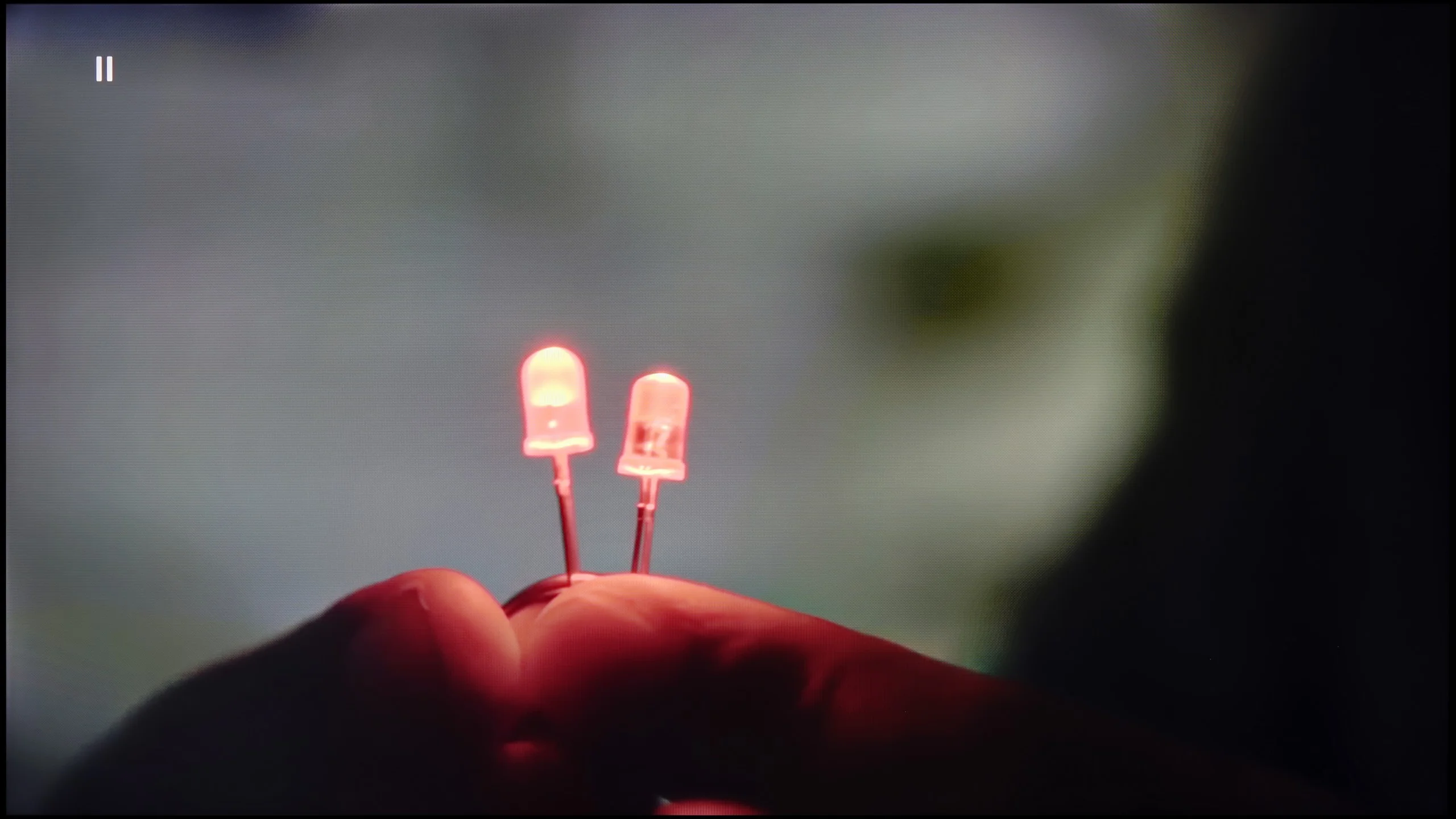
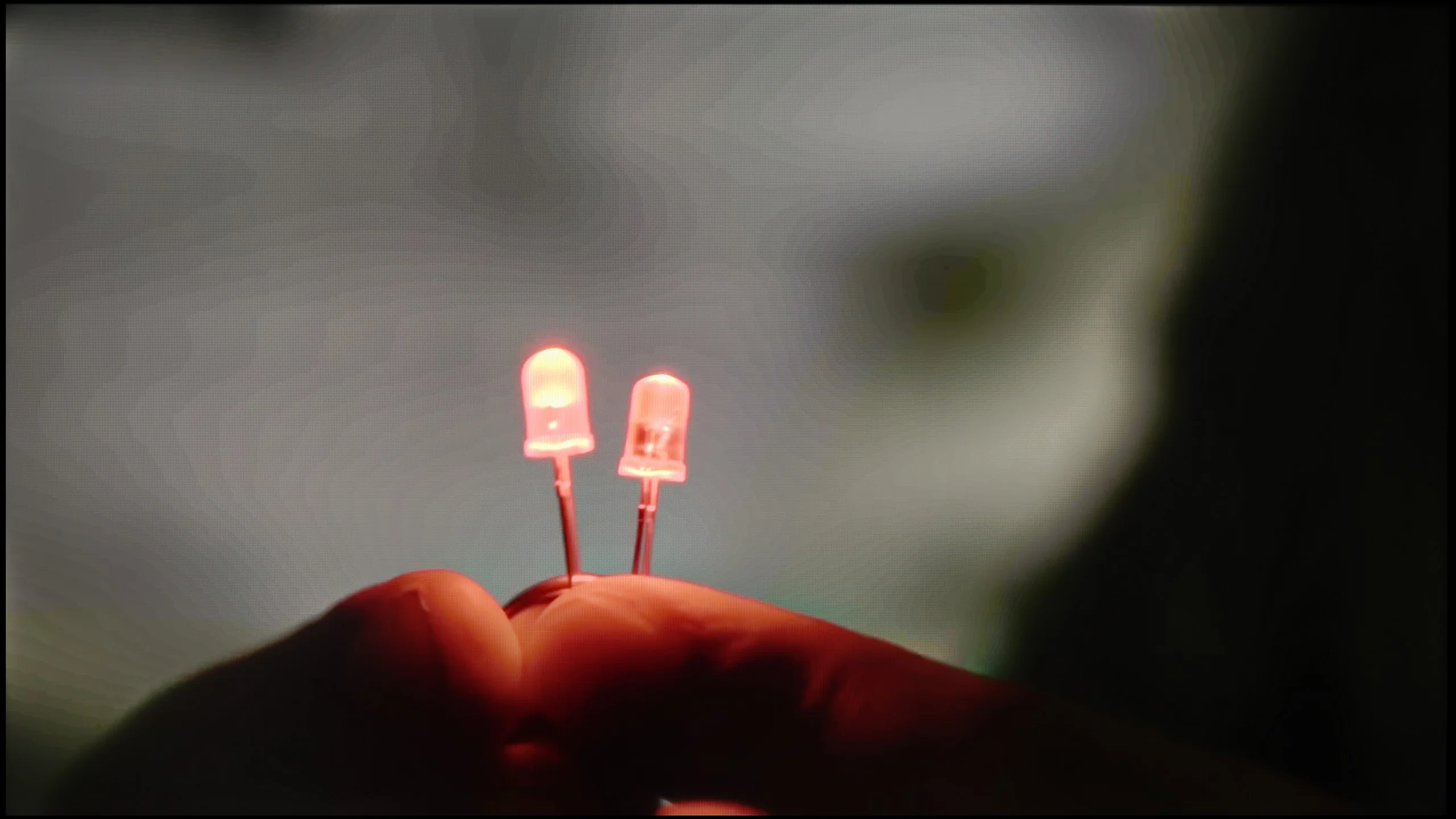
Image flickers in this mode

Blur (4K@144Hz):

Blur (4K@288Hz):

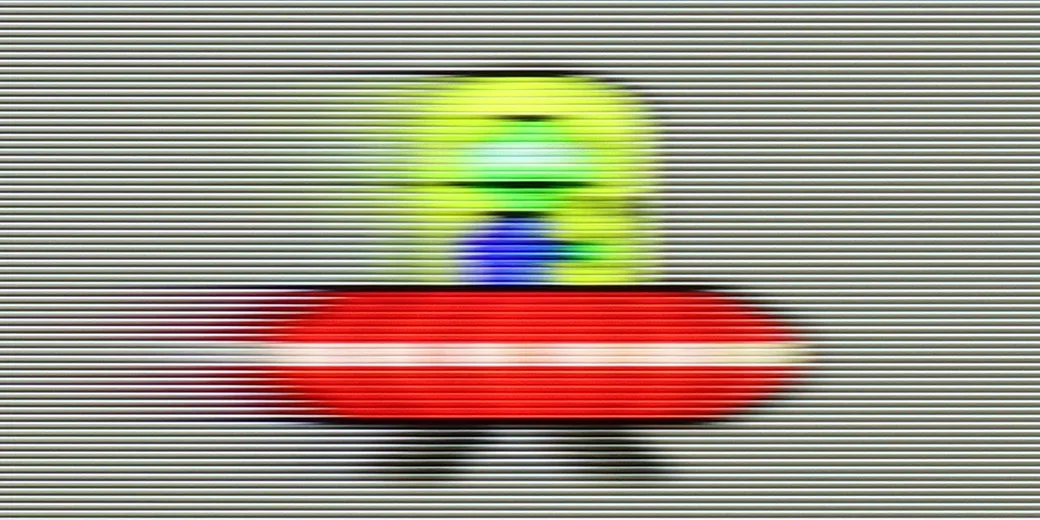
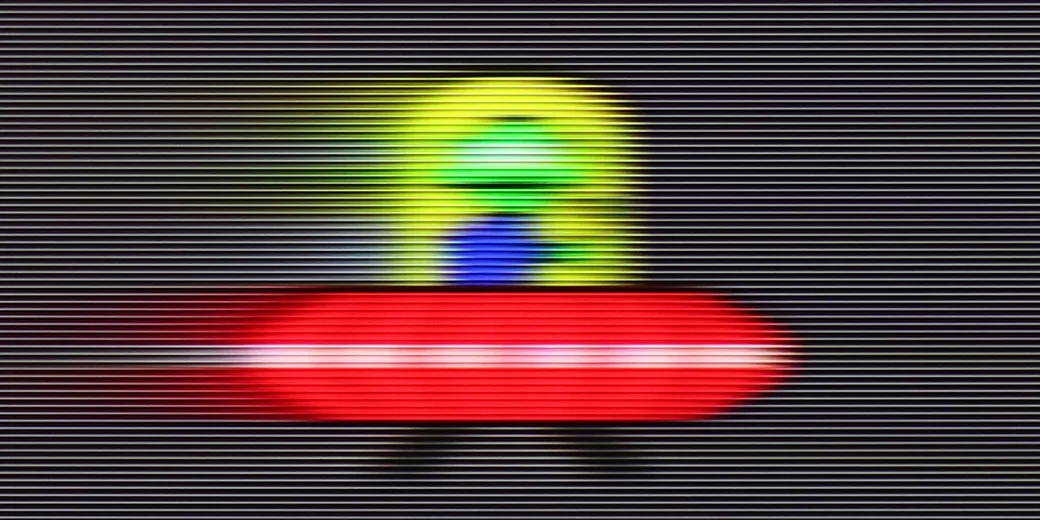
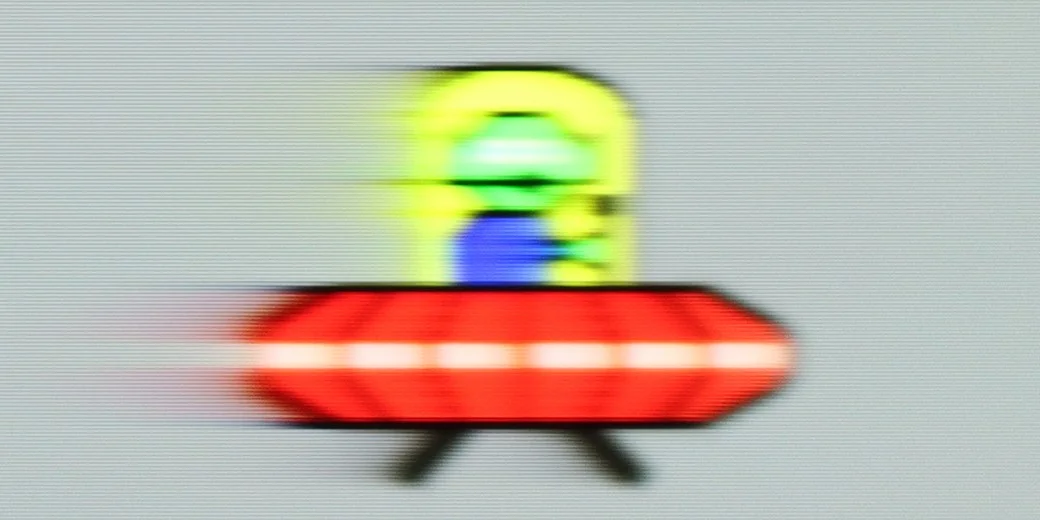
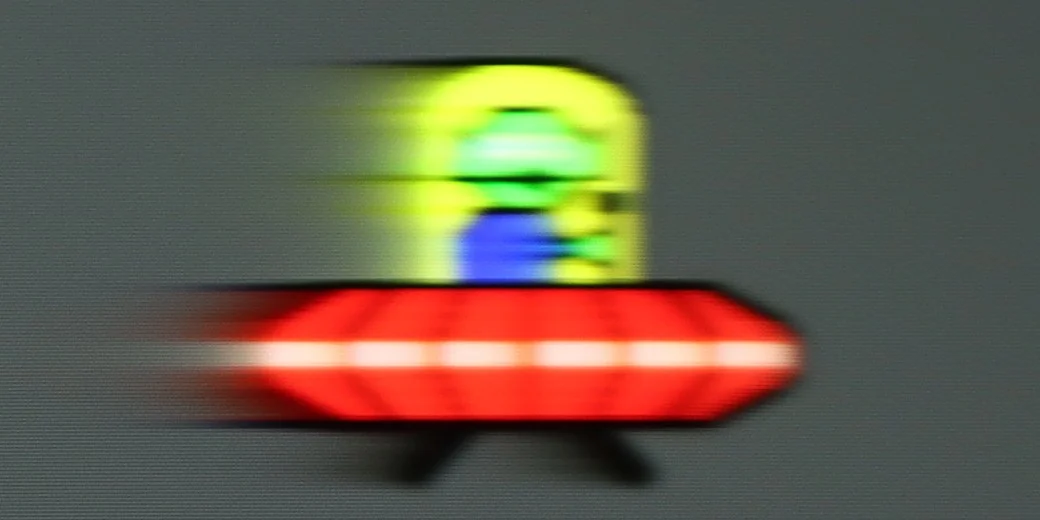
QN80F features a 144 Hz panel, and this is evident in practice – with full refresh, the image is incredibly smooth, and motion blur remains at an acceptable, barely noticeable level. However, this mode is mainly aimed at PC gamers. The most important point of reference in everyday use remains the 120 Hz refresh rate, and here a certain crunch arises. During the UFO test, we noticed ghosting of rapidly moving objects – it looked as if the television had the BFI (Black Frame Insertion) feature permanently enabled, which in practice led to an unpleasant effect of double edges. We still don't know if this is a software issue or a peculiarity of this model, but in its current state, it's hard to commend such behaviour.

The biggest difference between the various sizes of the Xiaomi S Mini 2026 is the panel's refresh rate. The 55–75-inch variants use a 60 Hz panel, which in practice means noticeably less smooth motion than the larger versions. This is easiest to spot when watching sport, fast-moving scenes or gaming, where the picture isn't as smooth and clear in motion.

Console compatibility and gaming features

9.6/10

8.5/10

  • ALLM
    Yes
    Yes
  • VRR
    Yes
    Yes
  • VRR range
    48 - 144Hz
    48 - 288Hz
  • Dolby Vision Game Mode
    No
    Yes
  • Correct implementation of HGIG
    Yes
    No
  • 1080p@120Hz
    Yes
    Yes
  • 1440p@120Hz
    Yes
    Yes
  • 4K@120Hz
    Yes
    Yes
  • Game bar
    Yes
    Yes

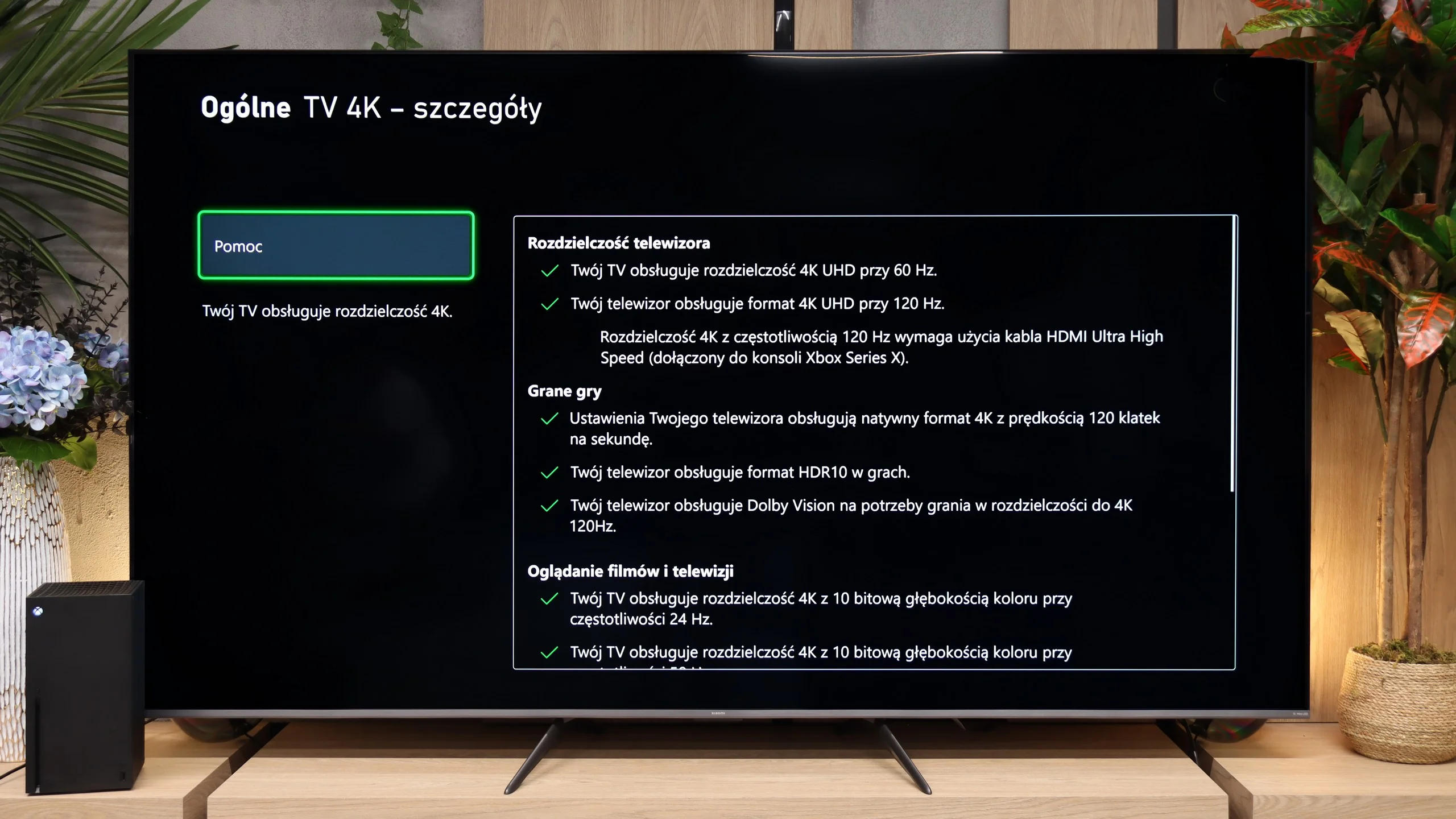
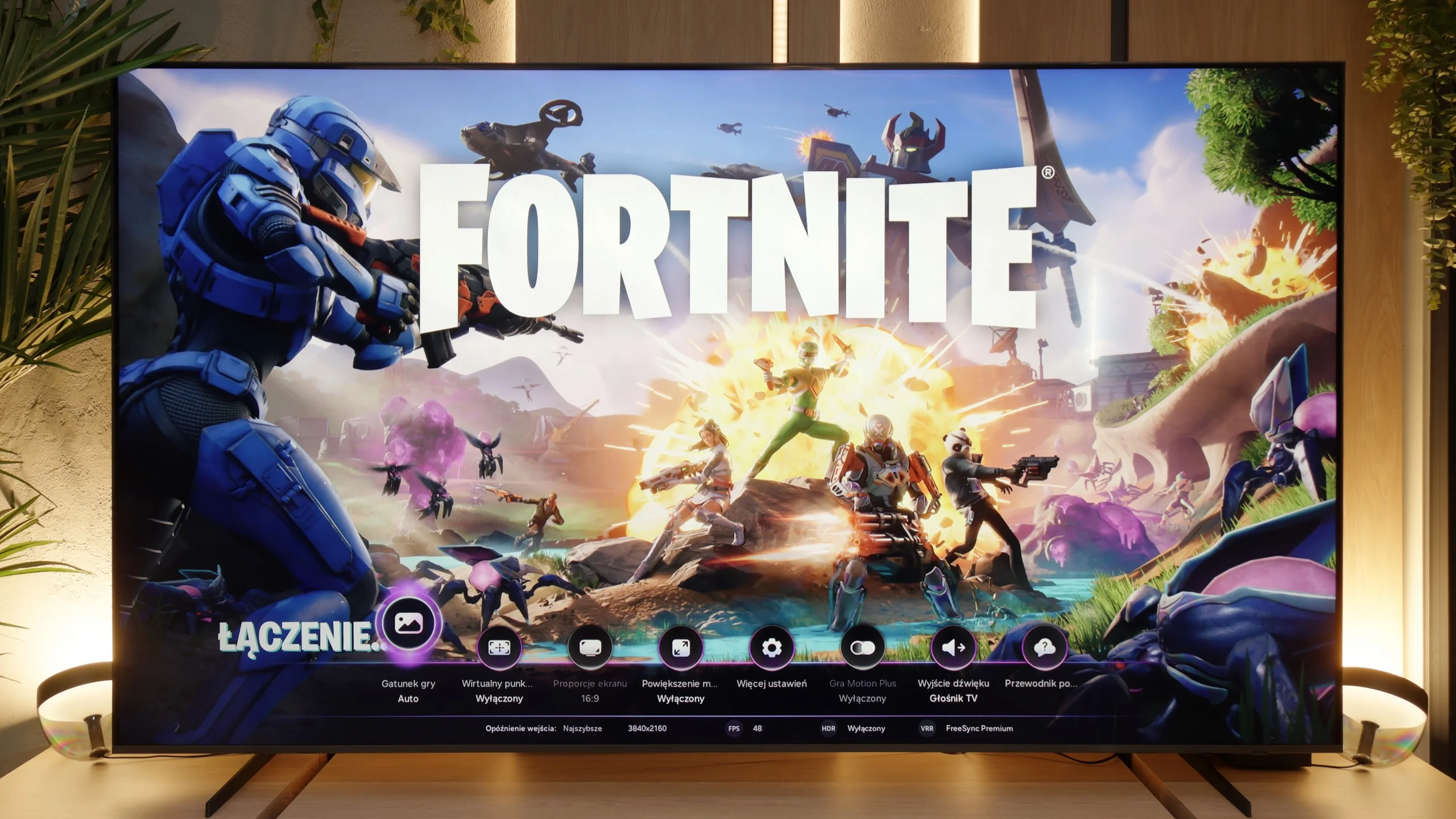
The Samsung QN80F feels like a TV made with gamers in mind. On the list of advantages, we have a 144 Hz display, four fully-fledged HDMI 2.1 ports, complete support for VRR and ALLM, and one of the best-designed game bars on the market. Added to this is the Game Motion Plus motion smoother, which also works in games without actually increasing input lag, making the QN80F a true standout in this category. In practice, this means you can enjoy smoother visuals without losing responsiveness, which is a dream for any console gamer!

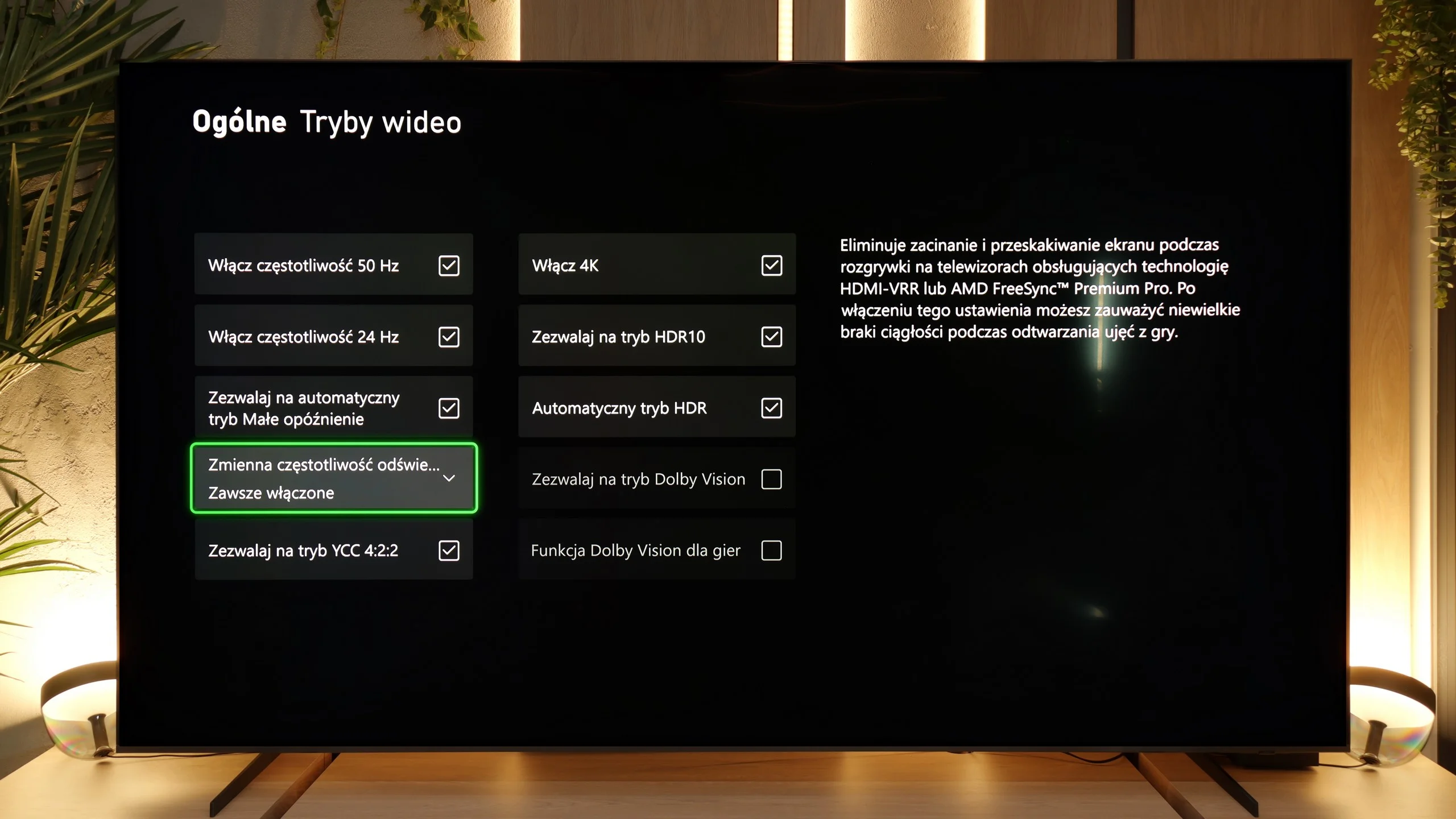
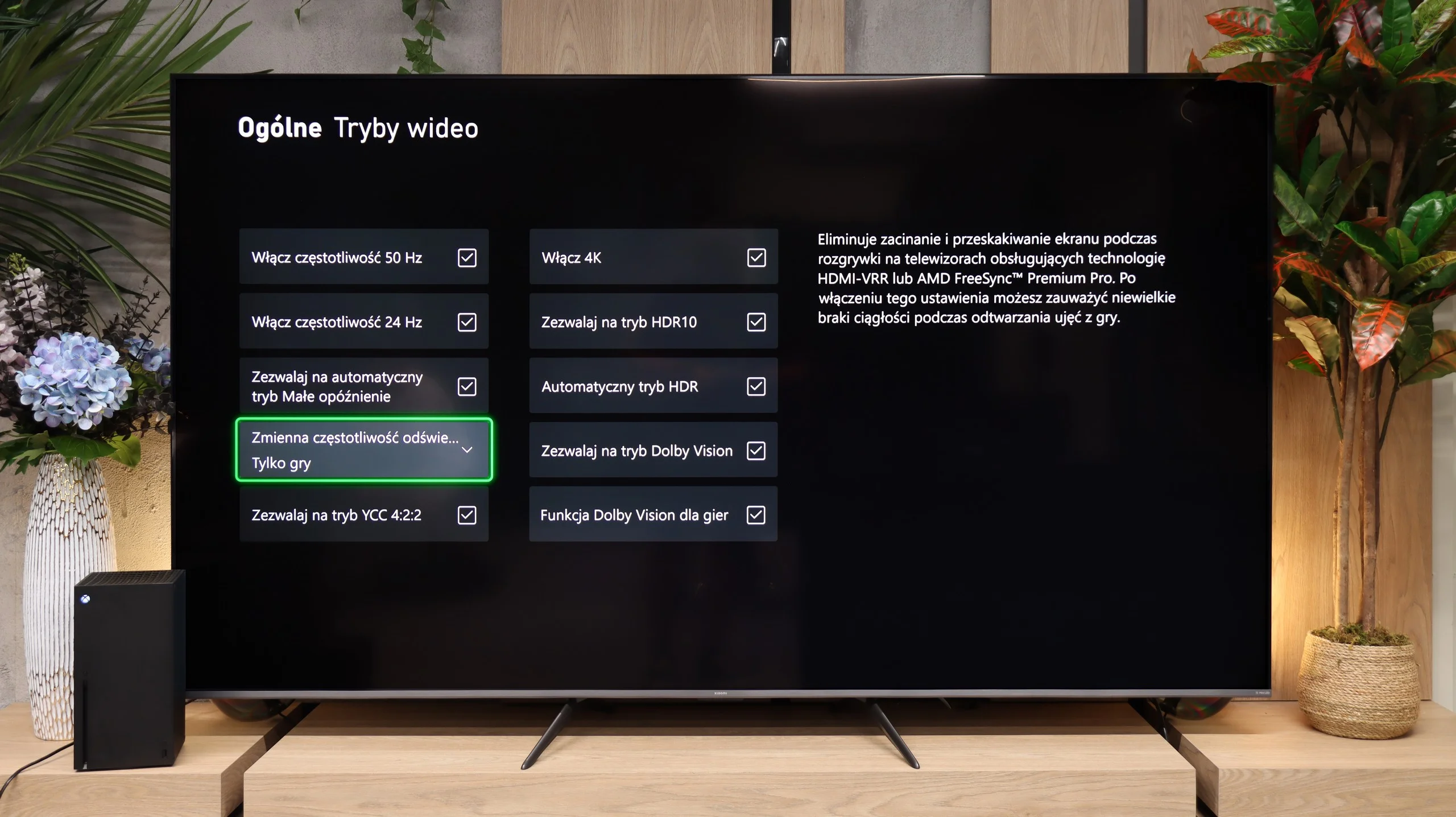
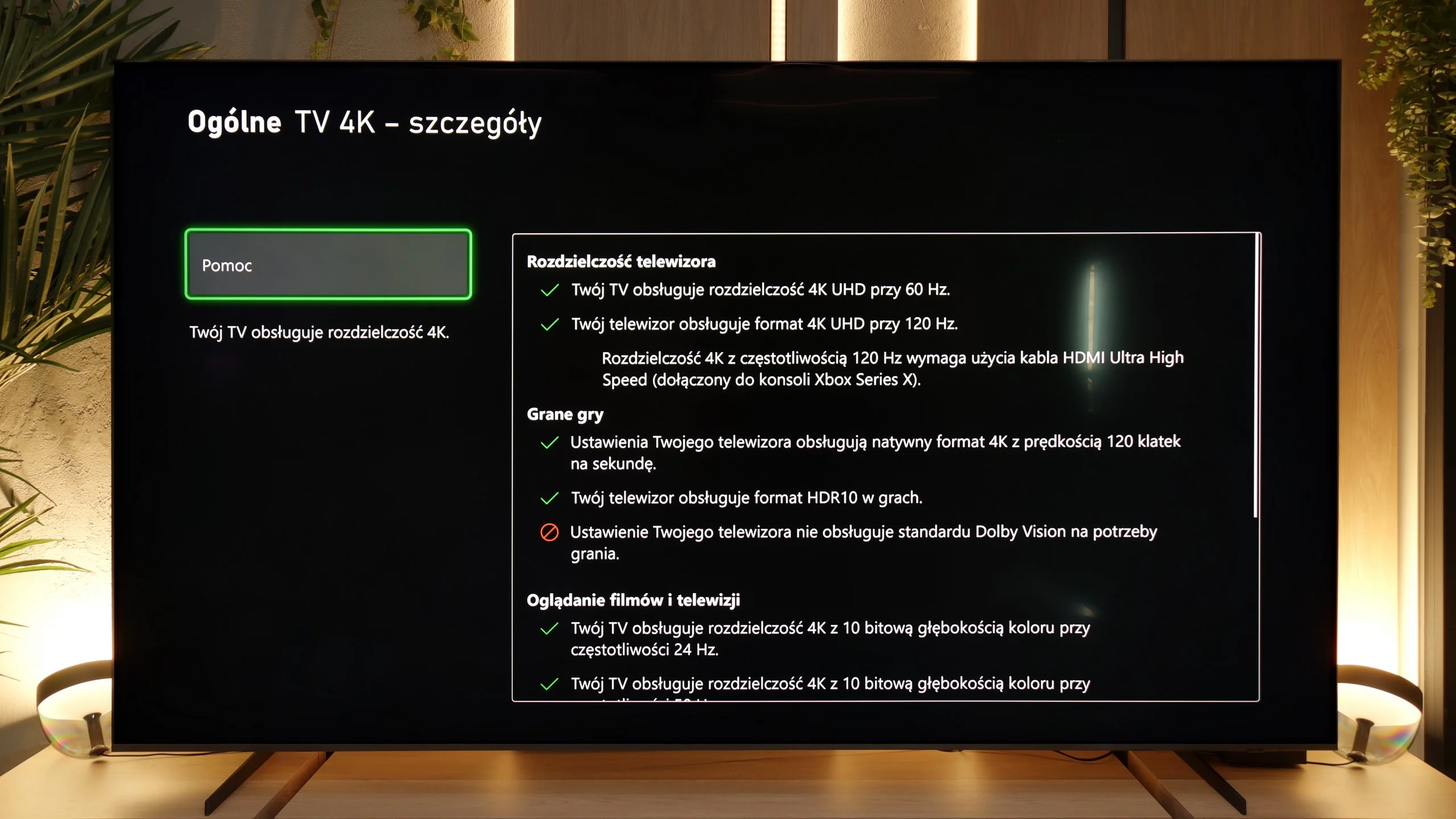
As usual with Samsung, there’s a lack of Dolby Vision in games, and this is no longer surprising. What surprised us much more, however, is that in the models from 2025… the HGIG feature has disappeared. It was this feature that allowed consoles like the PlayStation 5 and Xbox Series X to perfectly match HDR tone mapping to the TV's capabilities. In the current firmware of the QN80F, this option is simply missing – it looks more like a mistake than a conscious decision by the manufacturer, but as of the test day, we have to acknowledge that HGIG is not available. Because of this single omission, the QN80F goes from being an almost perfect gaming TV to just “almost” perfect. It’s a significant shame because, apart from this, Samsung has created a model that truly raises the bar in the gaming equipment segment.

[UPDATE] We have updated our tests of Samsung TVs from the 2025 range due to the release of software version 1131, which has restored the crucial feature HGiG for gamers.

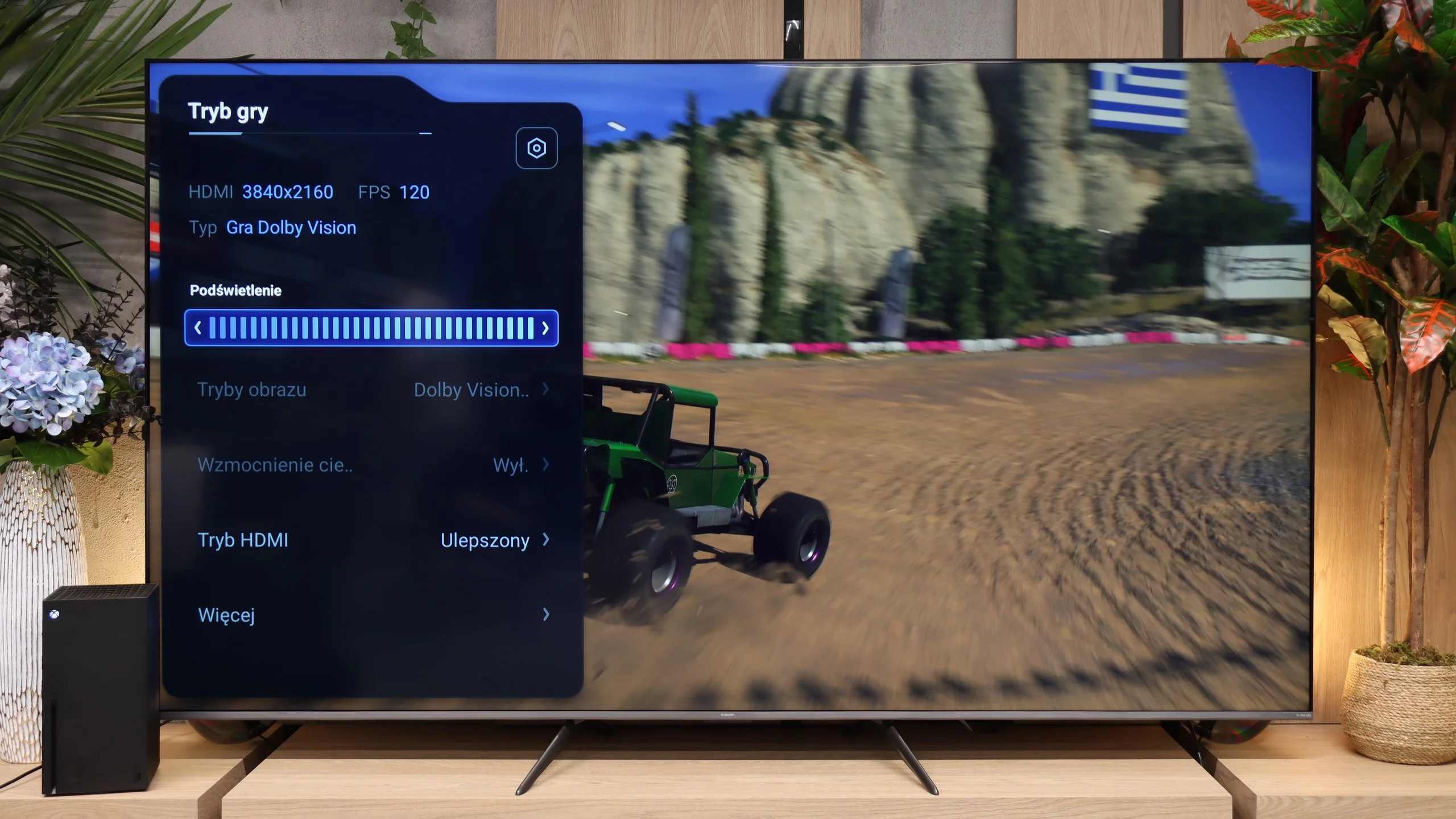
The smaller versions of the Xiaomi S Mini 2026 unfortunately have a big limitation for gamers — a 60 Hz panel. In 4K we’re therefore limited to 60 fps and can’t fully take advantage of the PS5 or Xbox Series X. You can run 120 Hz, but only after dropping the resolution to 1080p or 1440p. Other than that, it’s pretty reasonable. The TV supports ALLM and automatically switches to game mode when it detects a console. There’s also a Game Bar where you can quickly check the main gaming settings. Our biggest reservation is HGiG. The HDR calibration screens on the PS5 and Xbox don’t match the TV’s actual capabilities. If you set HDR exactly according to them, some of the brightest elements can simply be blown out.

Input lag

9.8/10

9.8/10

SDR

1080p60
17 ms
17 ms
1080p120
8 ms
9 ms
2160p60
17 ms
17 ms
2160p120
8 ms
9 ms

HDR

2160p60
17 ms
16 ms
2160p120
8 ms
8 ms
4320p60

Dolby Vision

2160p60 DV
16 ms
2160p120 DV
8 ms

Input lag is something that can ruin the whole fun, but fortunately, there’s nothing to worry about with the QN80F. At 120 Hz, the lag drops below 10 ms, so it feels like the TV doesn’t even exist between the controller and the image. The response is instantaneous, everything happens exactly when we want it to. At 60 Hz, the result is around 17 ms – that’s more, but still within the bounds of full comfort. In practice, console games look and run smoothly, with no annoying lags at all. This is the moment when you can see that Samsung really has put effort into the gaming mode – the QN80F provides a sense of control and speed that one would expect more from a monitor than from a 100-inch behemoth in the living room.

Input lag is low. At 120 Hz we measured about 10 ms, and at 60 Hz about 15 ms. In practice the TV responds quickly and you won't notice any significant delay while gaming.

Compatibility with PC

8.6/10

7/10

Chroma 444 (max. resolution and refresh rate)
Yes
No
Font clarity
Very Good
Poor
Readability of dark text and shapes
Average
Good
Input lag in PC mode (4K, max. refresh rate)
8ms
9ms
Matrix subpixel arrangement
BGR
BGR
Max refresh rate
144Hz
144Hz
G-Sync
Yes
Yes

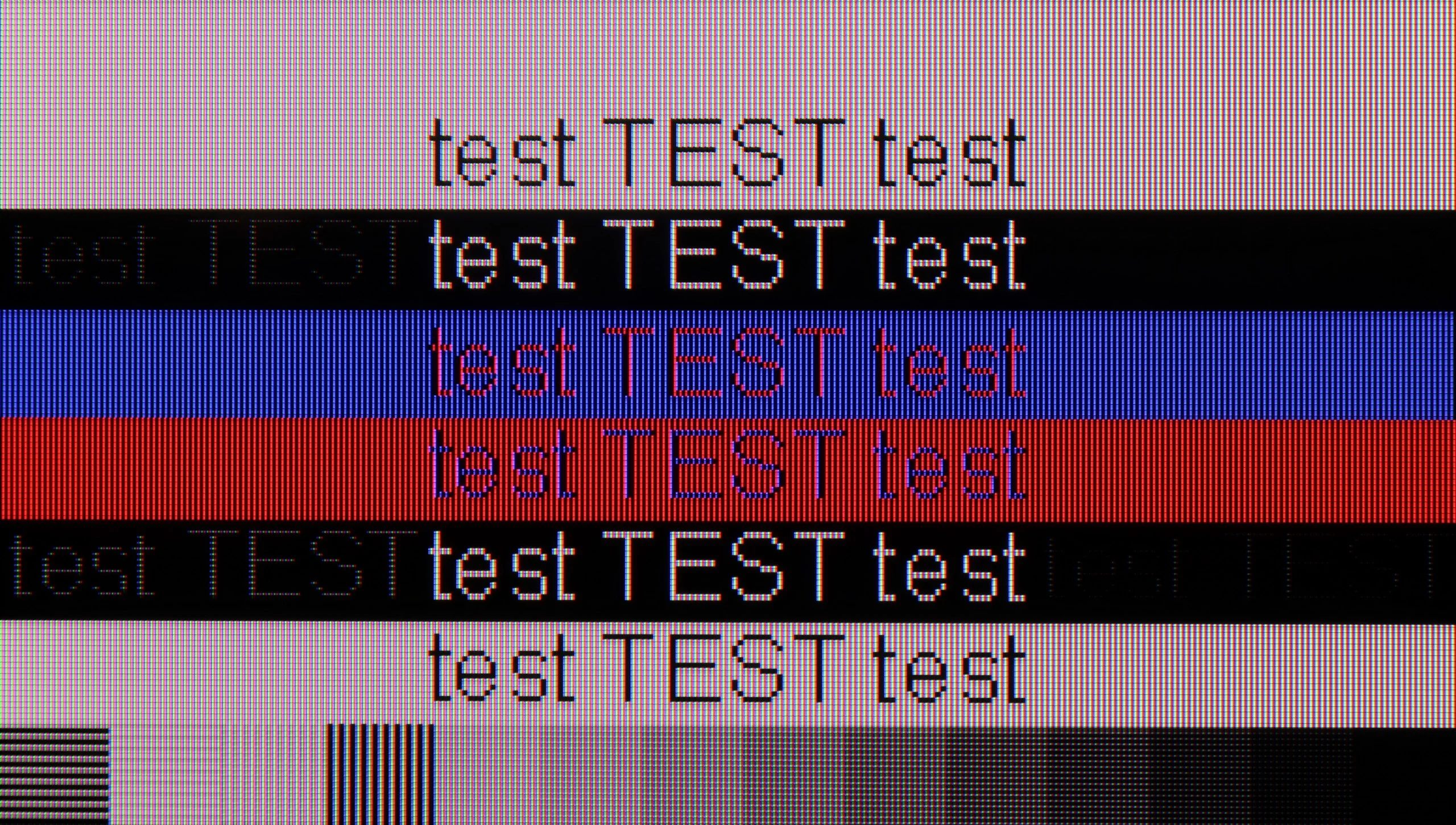
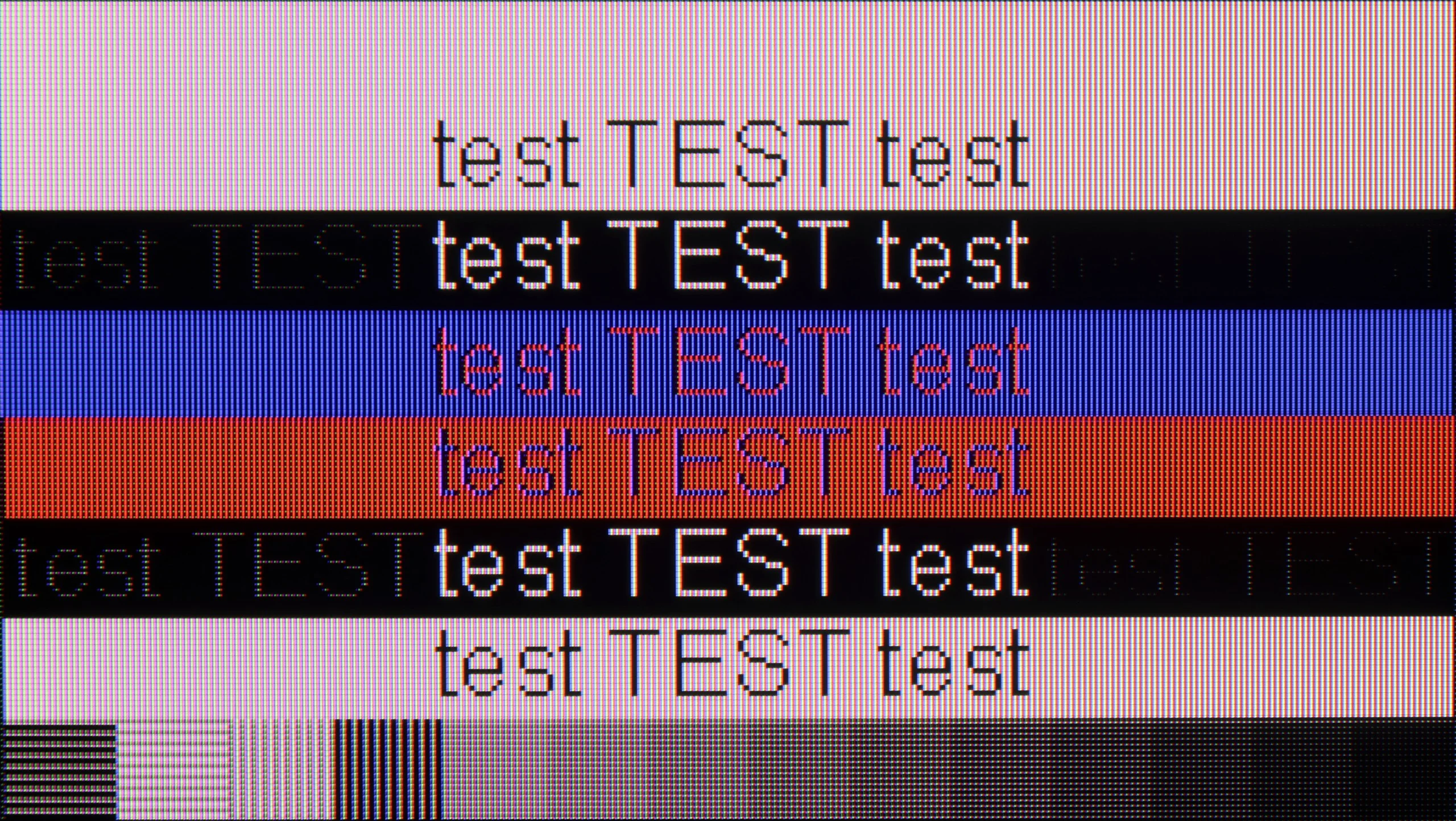
The photo shows the legibility of small fonts. Ideally, lines should be the same thickness on both light and dark text, with minimal pixel gaps.

There’s something a bit odd about collaborating with a PC on the QN80F. When it comes to gaming, there’s no reason to worry: we have full support for 144 Hz, both G-Sync and FreeSync work, and the smoothness is truly impressive. The problem only arises during everyday computer use – particularly when we're looking at fonts instead of games. In 120 Hz mode, the picture looks nearly perfect. The letters are readable and sharp, and the only small detail you might notice is a slight dimming of thin lines. However, that’s a detail that shouldn't interfere with normal usage. Bigger issues arise at 144 Hz, which is meant to be designed for PC gamers. Instead of crystal clear fonts, a strange anomaly appears. The TV adds shadows with tiny dots to them, making the text look just odd. Thankfully, it’s more of a curiosity than a real problem. After all, it’s hard to imagine someone placing a 100-inch giant on their desk and staring at Excel sheets or Word documents from half a metre away. The QN80F is excellent for gaming, and for regular PC use, it’s better to simply stick with 120 Hz mode.

The larger versions of the Xiaomi S Mini 2026 also aren’t an ideal choice for working on a computer. The issue remains the lack of proper chroma 4:4:4 reproduction. It’s most noticeable on fine coloured text, icons and other interface elements. Regular fonts are still mostly readable, but the image lacks the sharpness we’d expect from a TV meant to serve as a large monitor. The refresh-rate side looks much better. In 4K you can run up to 144 Hz, and lowering the resolution lets the TV go even higher. That makes the larger variants far more appealing for PC gaming than for pure text work.

Viewing angles

3.1/10

3.4/10

Brightness drop at an angle of 45 degrees
71%
62%

The viewing angles are unfortunately a weak point of the QN80F. With smaller TVs, it's still bearable, but with a 100-inch model, the flaw becomes much more noticeable. Just sitting slightly off to the side is enough for the edges of the screen to appear fainter than the centre. And when we try to watch something from a greater angle, the image simply loses its charm – colours become washed out, contrast drops, and there's no longer the depth that you see head-on. It's a pity that with such a large screen, Samsung didn't opt for coatings that would expand the angles. This is where they would make the most sense, as it's hard to expect everyone in the living room to sit perfectly in front of the screen. If someone primarily cares about wide angles, they should be looking for mini-LEDs on an IPS panel – these may not have such deep blacks, but in terms of side viewing, they perform much better.

The larger S Mini 2026 variants also use a VA panel, but their viewing angles are noticeably better. As you move off centre, colours still lose some saturation, but it happens more slowly than with the smaller versions. It's still not up to the level of IPS/ADS panels, and even less so with OLEDs, but for everyday viewing it's no longer as bad as with the smaller variants.

Daytime performance

7/10

7.5/10

Panel finish
Satin
Satin
Reflection suppression
Decent
Decent
Black levels during daytime
Very Good
Good

Panel brightness

XIAOMI S Mini 2026 (85"-98") 144Hz : 805 cd/m2

Samsung QN80F 100" : 623 cd/m2

The performance of the QN80F during the day is an interesting topic because the 100-inch version differs from the smaller sizes not only in scale but also in the coating used. Samsung has opted for a different type of anti-reflective layer here, and it's fair to say that the effect is not as good as in the smaller models – reflections are somewhat more noticeable, especially with bright light coming in from the window. On the other hand, the manufacturer has found a way around this, as the 100-inch QN80F compensates with its sheer brightness. The average luminance in SDR content exceeds 620 nits, which practically provides a strong reserve for viewing even in brightly lit rooms. In everyday use, the difference between the weaker reflection suppression and higher brightness is practically negated – the television maintains readability and does not lose clarity even in the middle of the day. The end result is that although the coating in this version is not among the best, the high brightness of the QN80F performs better in bright conditions than one might expect.

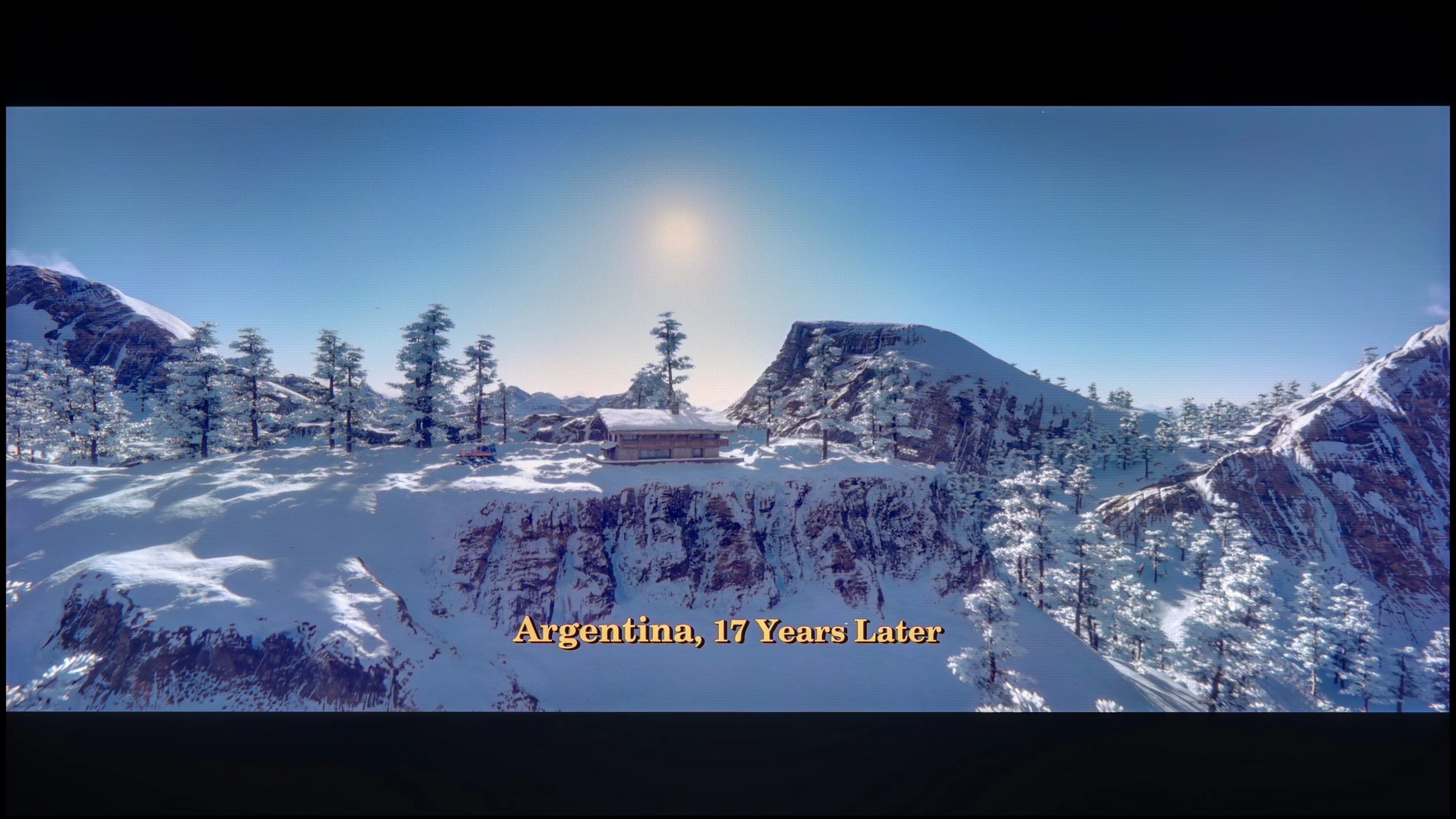
The larger versions of the Xiaomi S Mini 2026 perform even better in a bright room. Average SDR brightness reaches around 800 nits, so the TV can easily cut through the light coming into the lounge and keep the picture readable during the day. The weak point remains the screen coating. The satin finish doesn't handle direct reflections well, so with a window or a lamp opposite the screen you'll still see reflections. High brightness helps a lot, but the coating's effectiveness at suppressing reflections is rather average.

Panel details

Backlight Type
Mini-LED QLED
Mini-LED PFS LED
Software version during testing
T-PTMFDEUC-0090-1110.7, E2500007, BT-S
UKN1.240806.017.V816.0.25.11.26.02.ULBMIXM
Image processor
mt5896 2,5gb ram

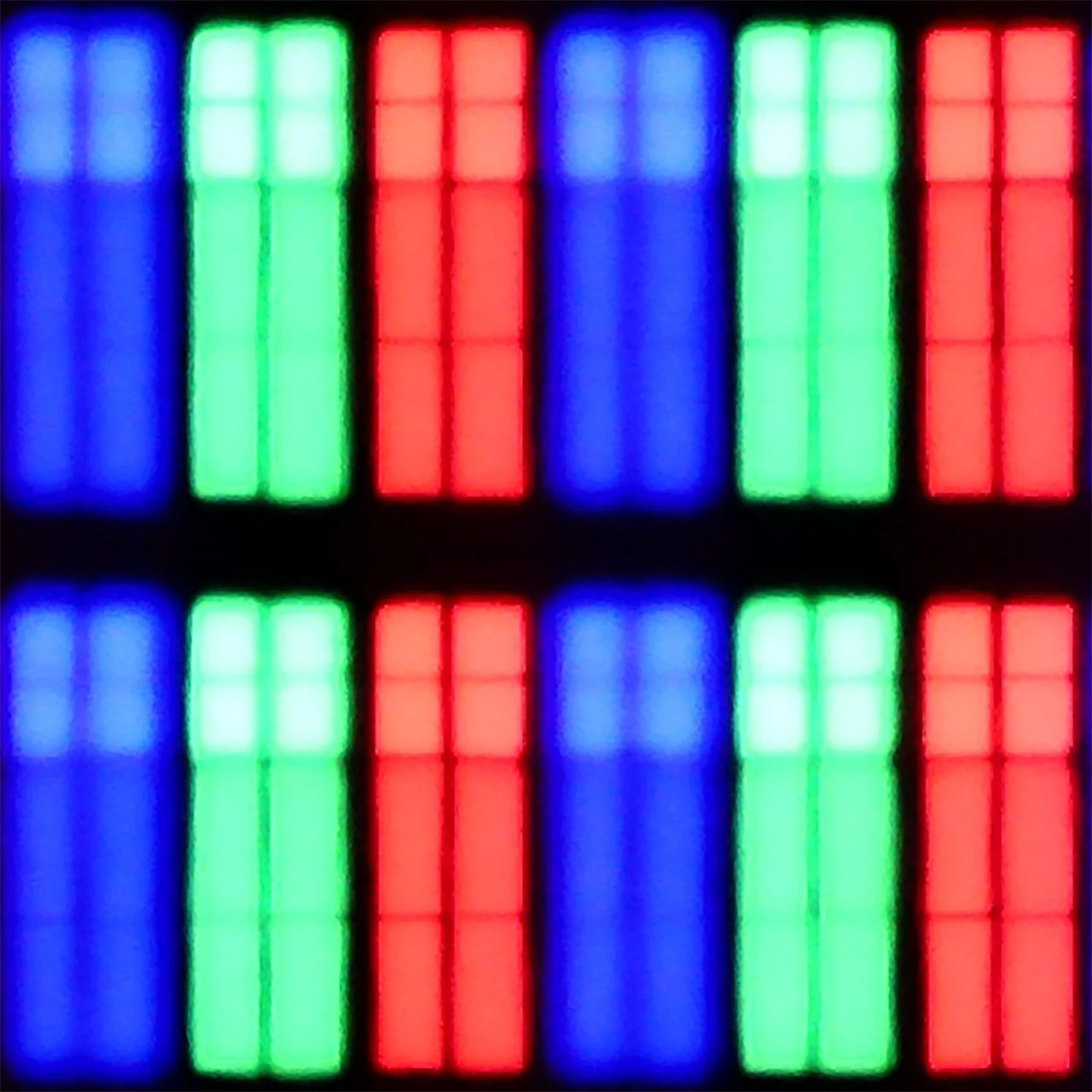
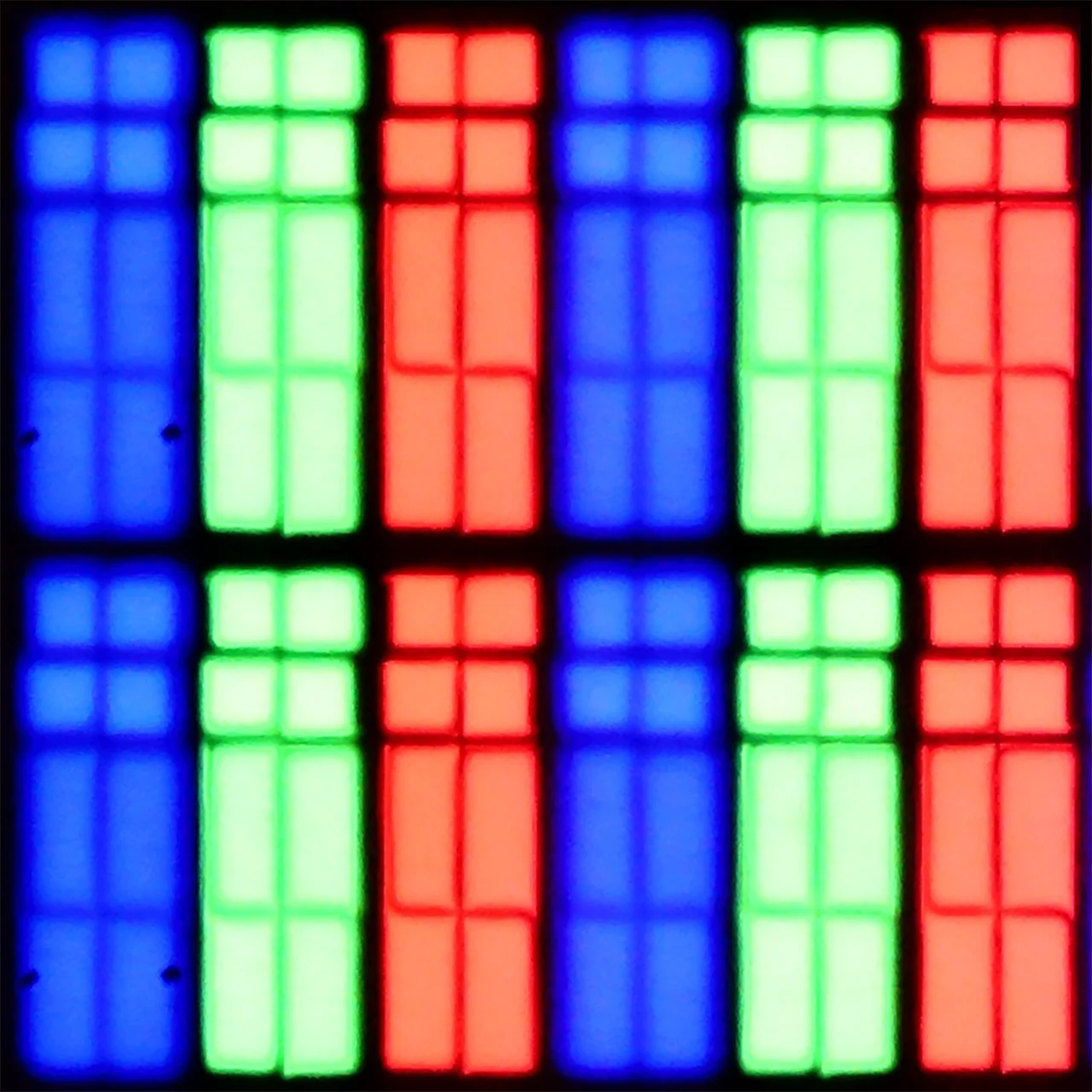
Subpixel Structure:

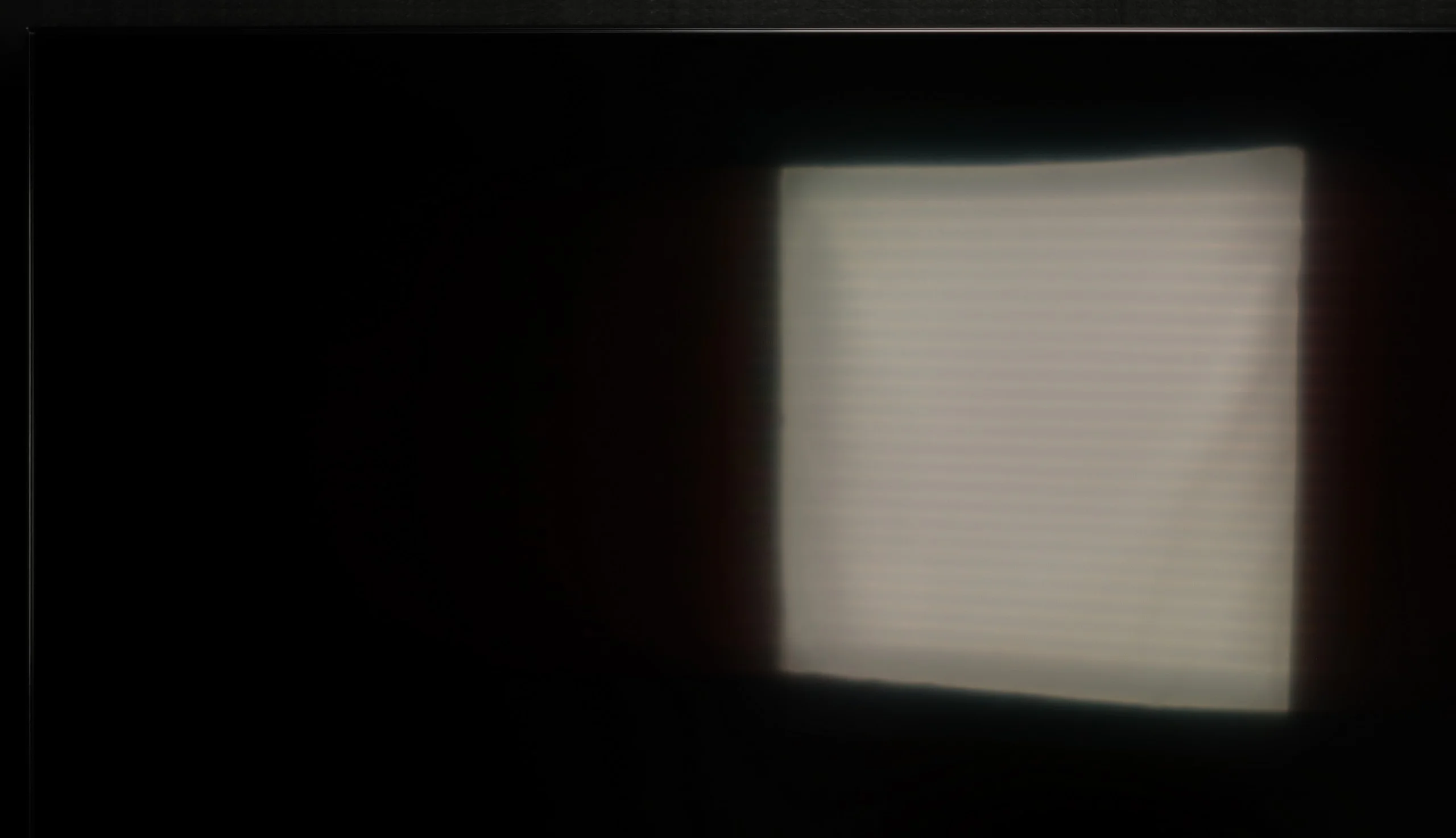
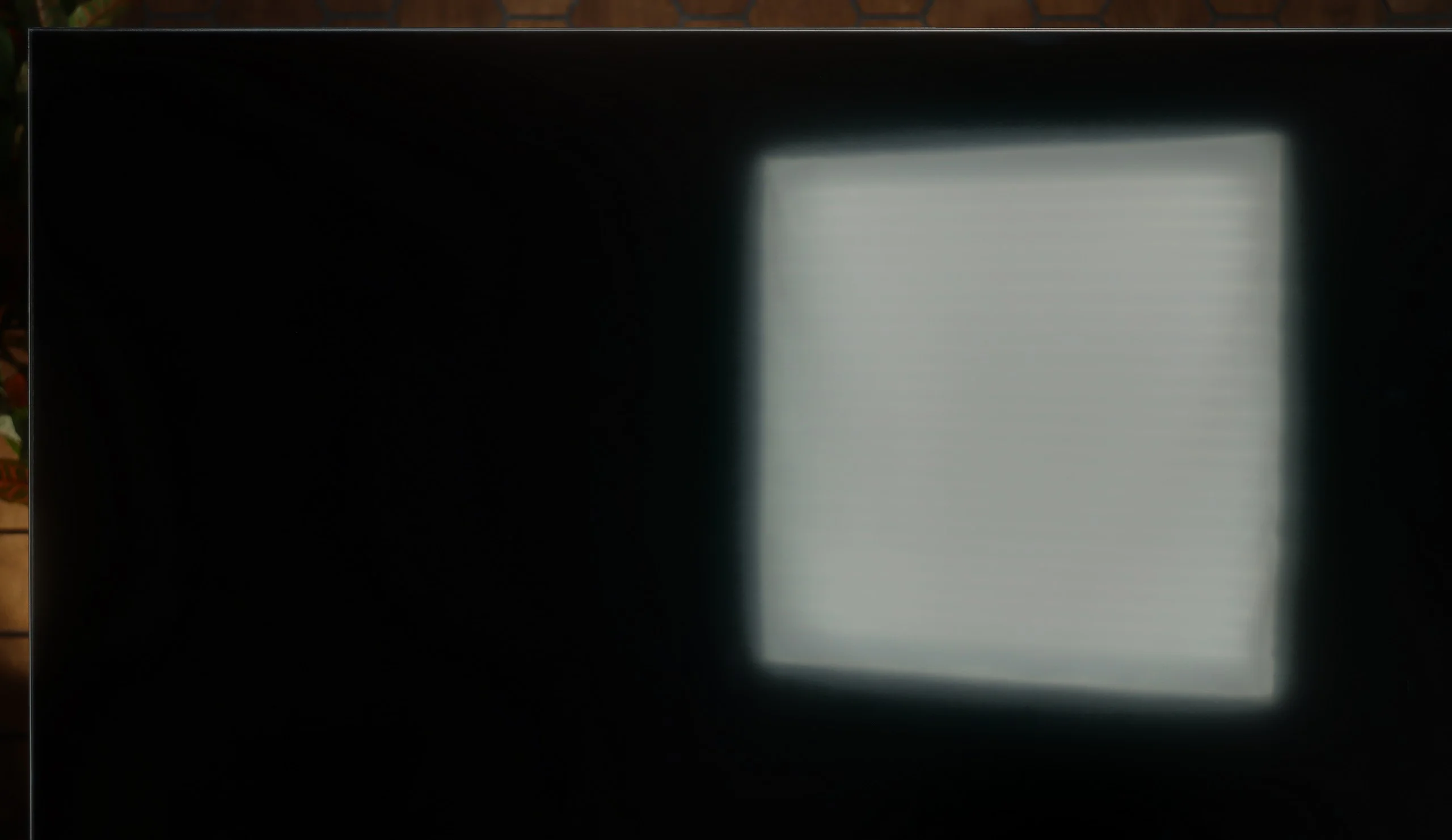
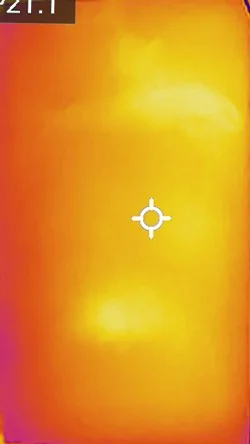
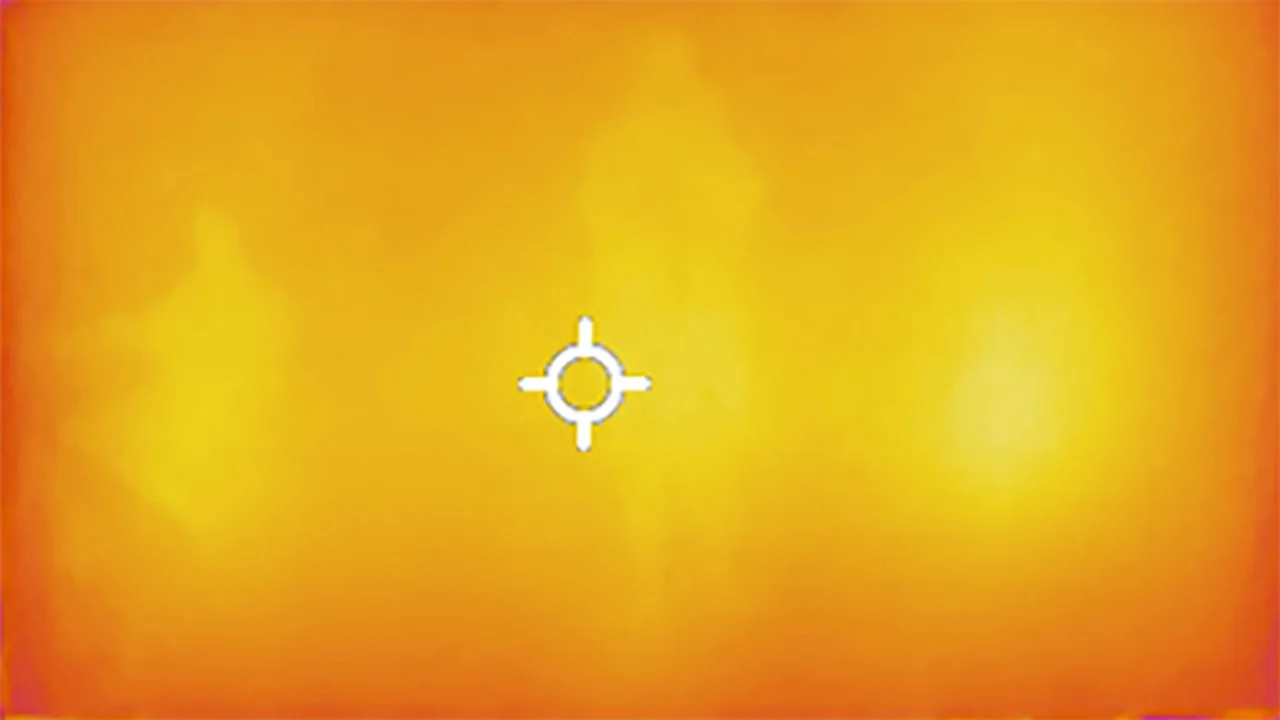
Panel uniformity and thermal imaging:

Review Samsung QN80F 100" TV Panel details
Review XIAOMI S Mini 2026 (85"-98") 144Hz TV Panel details
Review Samsung QN80F 100" TV Panel details
Review XIAOMI S Mini 2026 (85"-98") 144Hz TV Panel details

Samsung QN80F 100"

XIAOMI S Mini 2026 (85"-98") 144Hz

TV features

7.7/10

7/10

  • System
    Tizen
    Google TV
  • System performance
    Very good
    Average
  • HDMI inputs
    0 x HDMI 2.0, 4 x HDMI 2.1 48Gbps
    1 x HDMI 2.0, 2 x HDMI 2.1 48Gbps
  • Outputs
    Toslink (Optical audio), eARC (HDMI), ARC (HDMI)
    Toslink (Optical audio), eARC (HDMI), ARC (HDMI), Mini-Jack (Headphones)
  • Network Interfaces
    Wi-Fi 2.4GHz, Wi-Fi 5GHz, Ethernet (LAN) 100Mbps
    Wi-Fi 2.4GHz, Wi-Fi 5GHz, Ethernet (LAN) 100Mbps
  • TV reception
    DVB-T, DVB-T2, DVB-S, DVB-S2, DVB-C
    DVB-T, DVB-T2, DVB-S, DVB-S2, DVB-C

Classic features:

  • Recording to USB (terrestrial TV)
    No
    No
  • Recording programming
    No
    No
  • Picture in Picture (PiP)
    Yes
    No
  • RF remote control (no need to aim)
    Yes
    Yes
  • Backlit remote control
    No
    No
  • Teletext
    Yes
    Yes
  • Audio only mode
    Yes
    Yes
  • Bluetooth headphones support
    Yes
    Yes
  • Simultaneous Bluetooth headphones & TV audio
    Yes
    No

Smart features:

  • AirPlay
    Yes
    Yes
  • Screen mirroring (Windows Miracast)
    Yes
    Yes
  • Voice search
    Yes
    Yes
  • Voice search in native language
    Yes
    Yes
  • Ability to connect a keyboard and mouse
    Yes
    Yes
Review Samsung QN80F 100"  TV features
Review XIAOMI S Mini 2026 (85"-98") 144Hz  TV features

Sound connection options

  • HDMI audio
    eARC (HDMI), ARC (HDMI)
    eARC (HDMI), ARC (HDMI)
  • Other audio outputs
    Toslink (Optical audio)
    Toslink (Optical audio), Mini-Jack (Headphones)
  • Wireless audio
    Bluetooth, Samsung Q-Symphony (Speaker extension)
    Bluetooth, Samsung Q-Symphony (Speaker extension)

Supported audio formats (external HDMI eARC audio):

  • Dolby Digital Plus 7.1
    Yes
    Yes
  • Dolby True HD 7.1
    Yes
    Yes
  • Dolby Atmos in Dolby Digital Plus (JOC)
    Yes
    Yes
  • Dolby Atmos in Dolby True HD
    Yes
    Yes
  • DTS:X in DTS-HD MA
    No
    Yes
  • DTS-HD Master Audio
    No
    Yes

Senior accessibility

  • Numeric keyboard on TV
    No
    Yes
  • Font size adjustment
    Yes
    Yes
  • Audio description
    Yes
    Yes

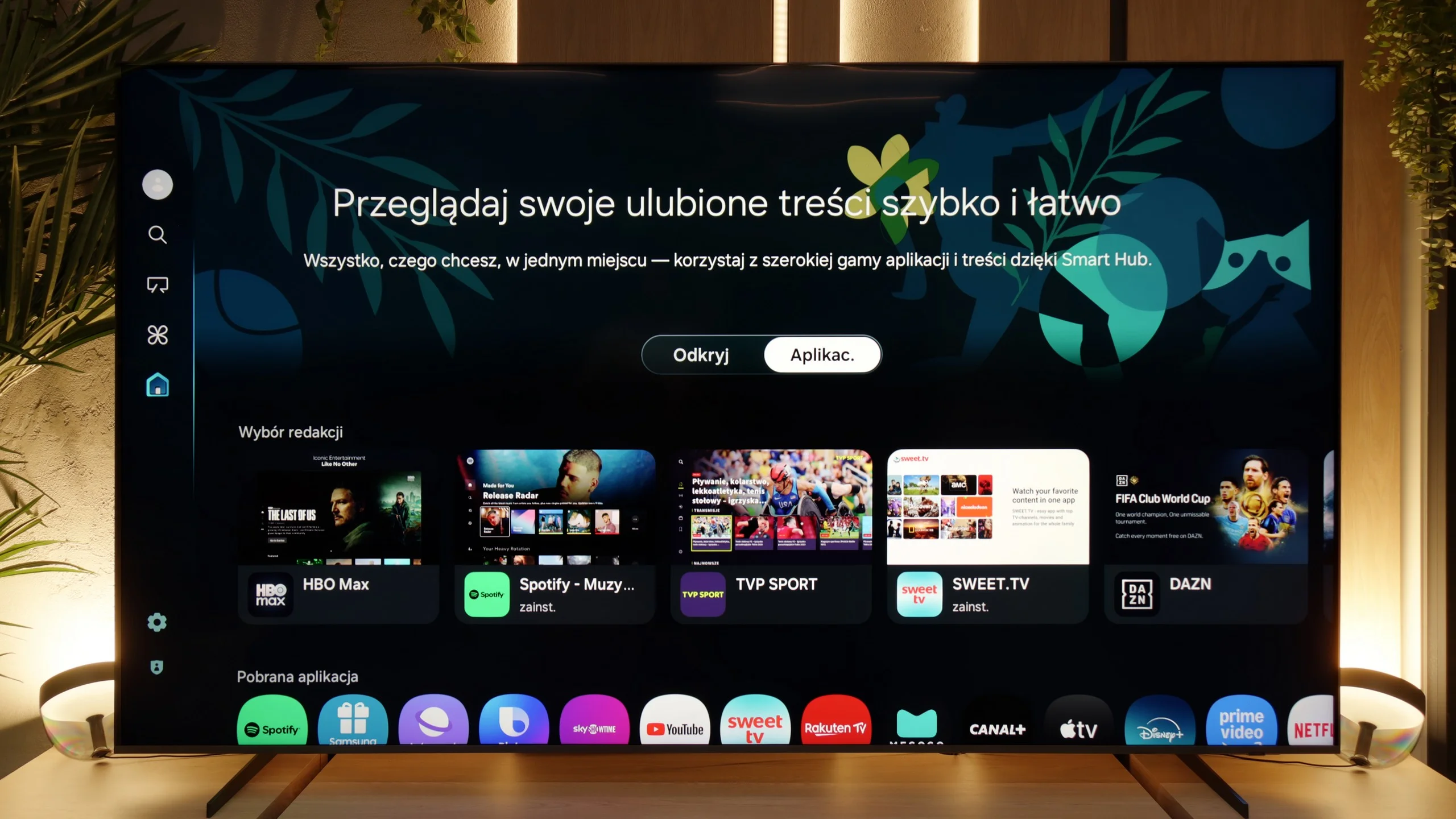
SmartTV Features: Tizen

When it comes to smart features, the QN80F has plenty to boast about. Samsung relies on Tizen, and it’s clear that this system has been refined over the years. All the major streaming apps are available, voice search works, and there’s AirPlay and Miracast, so there’s no issue with casting content from your phone or laptop. The most interesting aspect, however, is that the TV can integrate other devices in the home into its ecosystem – with SmartThings and support for the Matter standard, you can connect bulbs, robotic vacuum cleaners, or even devices from other brands. In practice, the QN80F becomes not just a screen for movies, but also a convenient control centre for the entire apartment. Of course, it’s still a closed system, so a few less popular apps might be missing, but let’s be honest – for 99% of users, it has everything they need and even more.

Classic Features

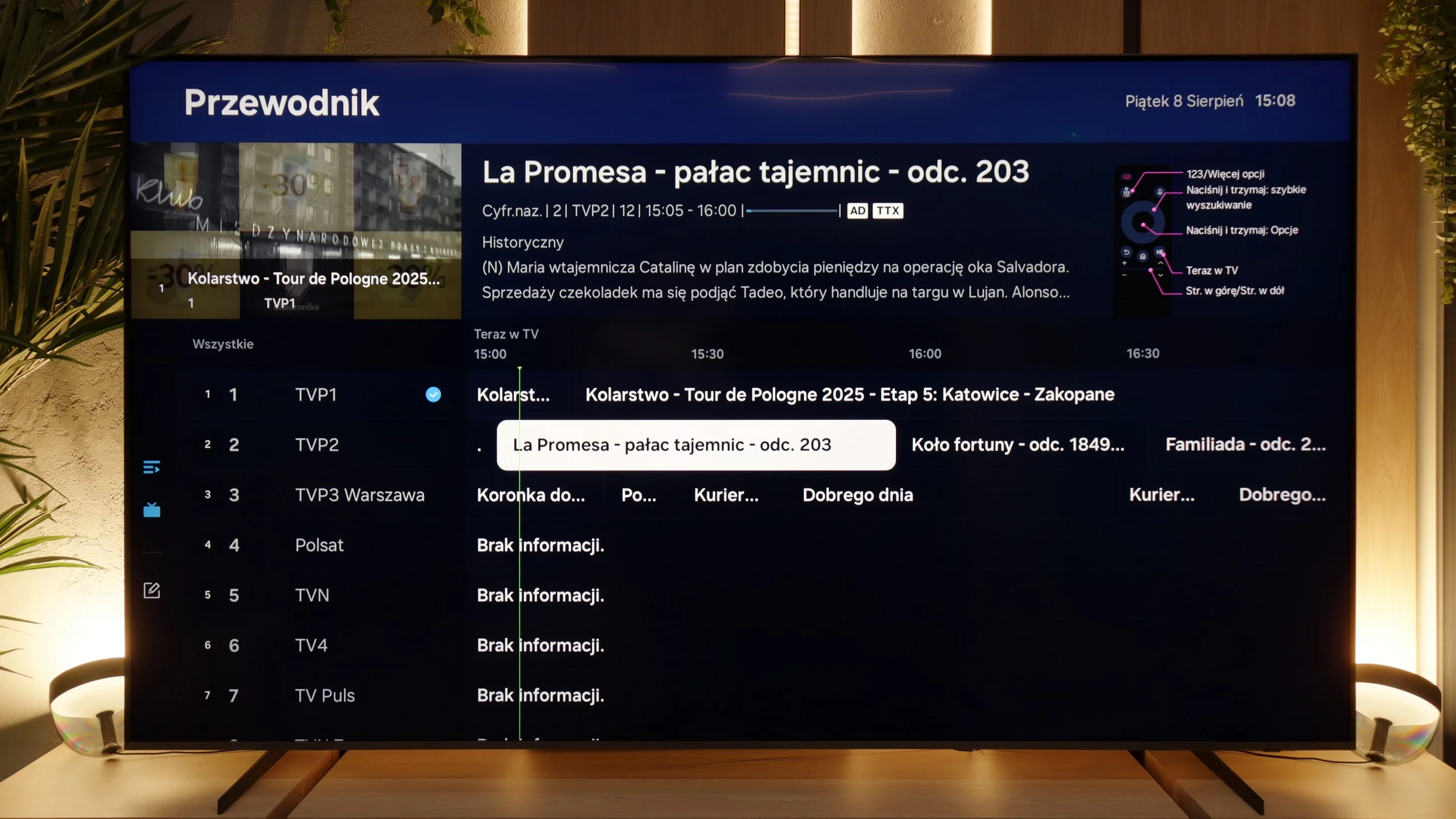
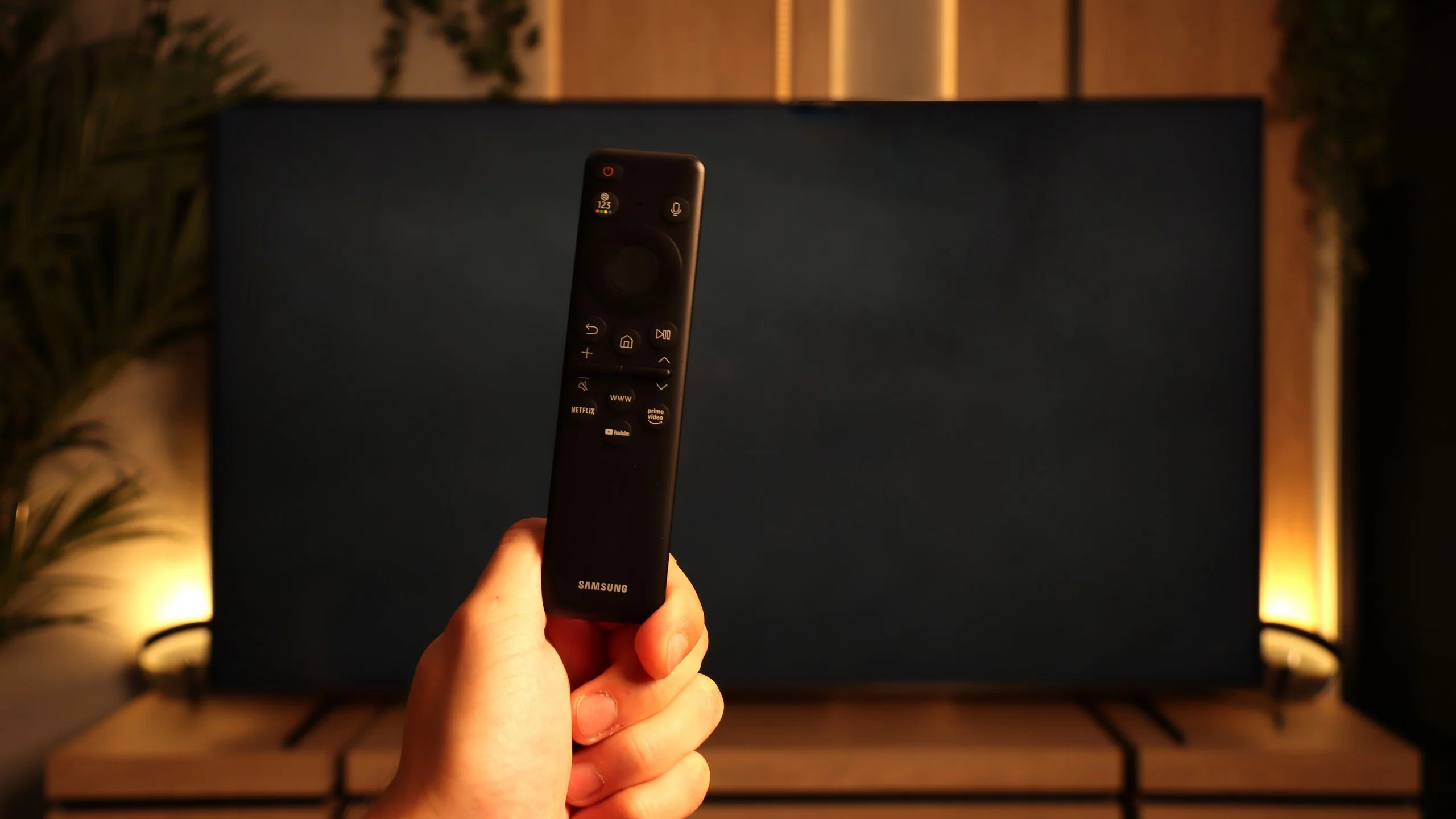
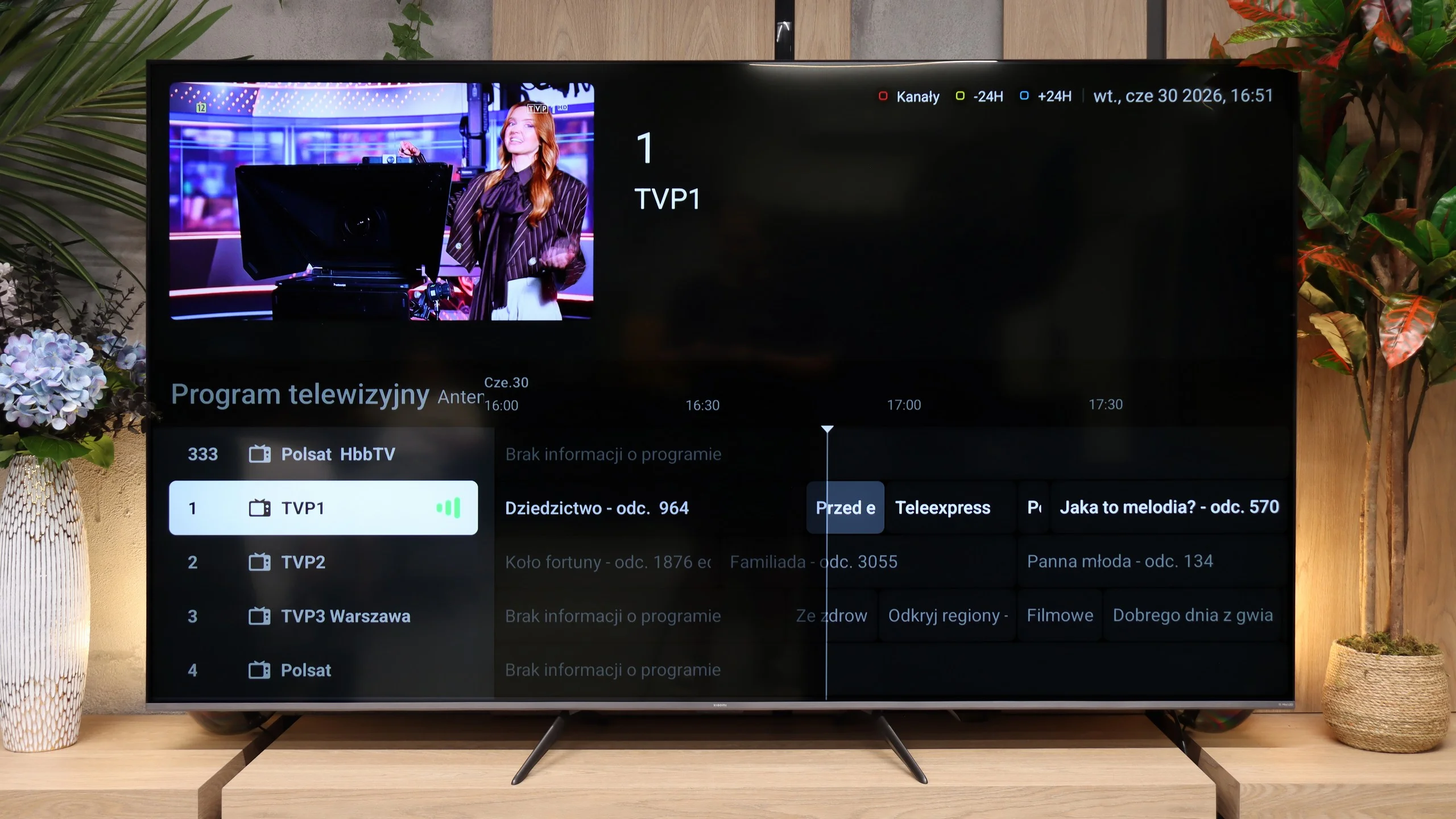
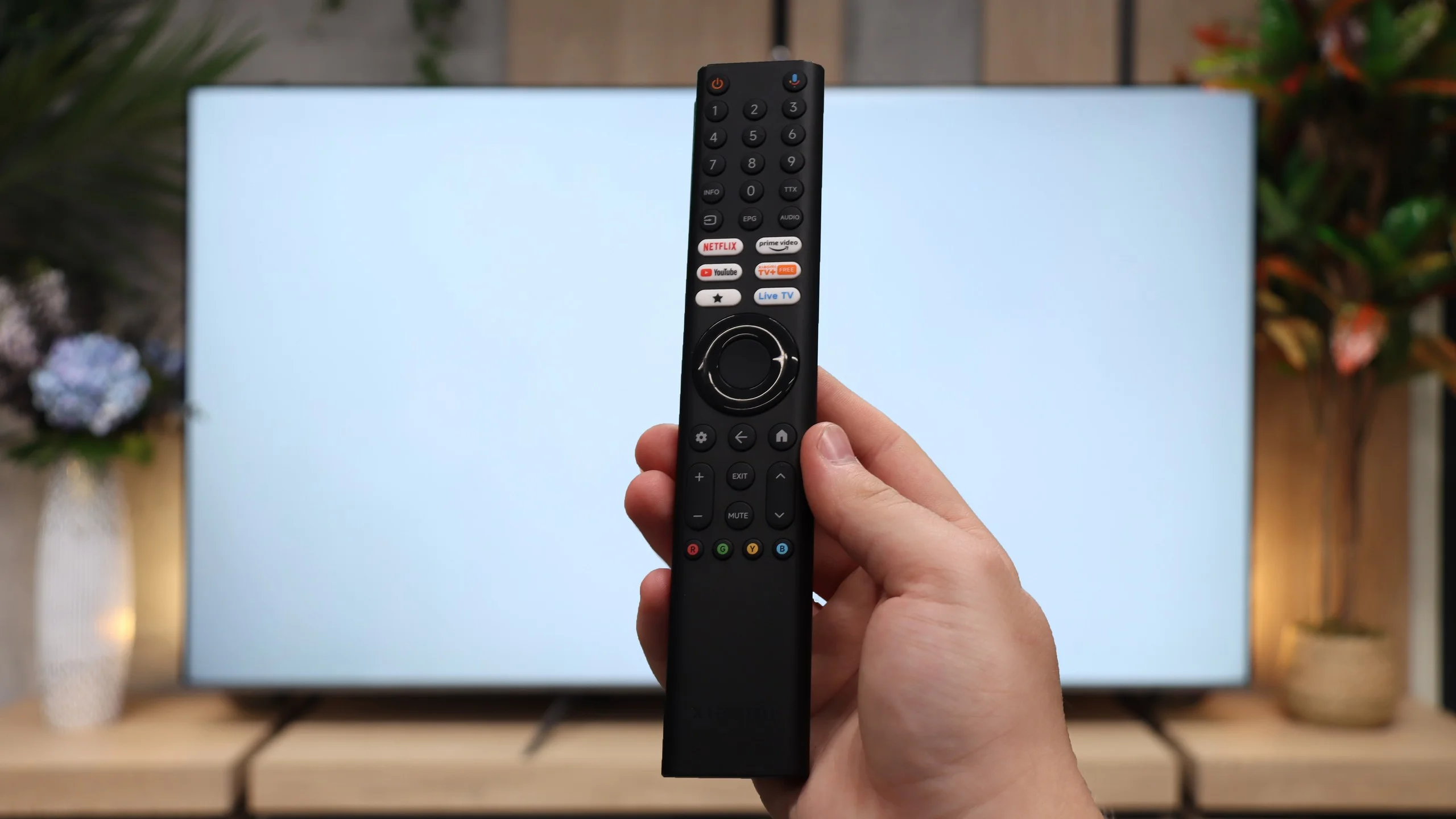
The traditional features on the QN80F perform quite well, although a few things are lacking. On the plus side, it has PiP, or picture-in-picture – a feature that is rarely found these days but can still be very practical. Additionally, we have EPG, still functioning teletext, and Bluetooth support, which makes it easy to pair headphones or a soundbar. On the downside, it lacks USB recording from the built-in tuners, as well as a remote with a traditional numeric keypad. Instead, we get Samsung's signature small remote, which may initially seem too minimalist. It must be noted, however, that this unassuming gadget hides a lot of capabilities and can control other devices, such as satellite decoders, consoles, or Blu-ray players, so in practice, one remote is enough to manage the entire setup in the lounge.

Google TV

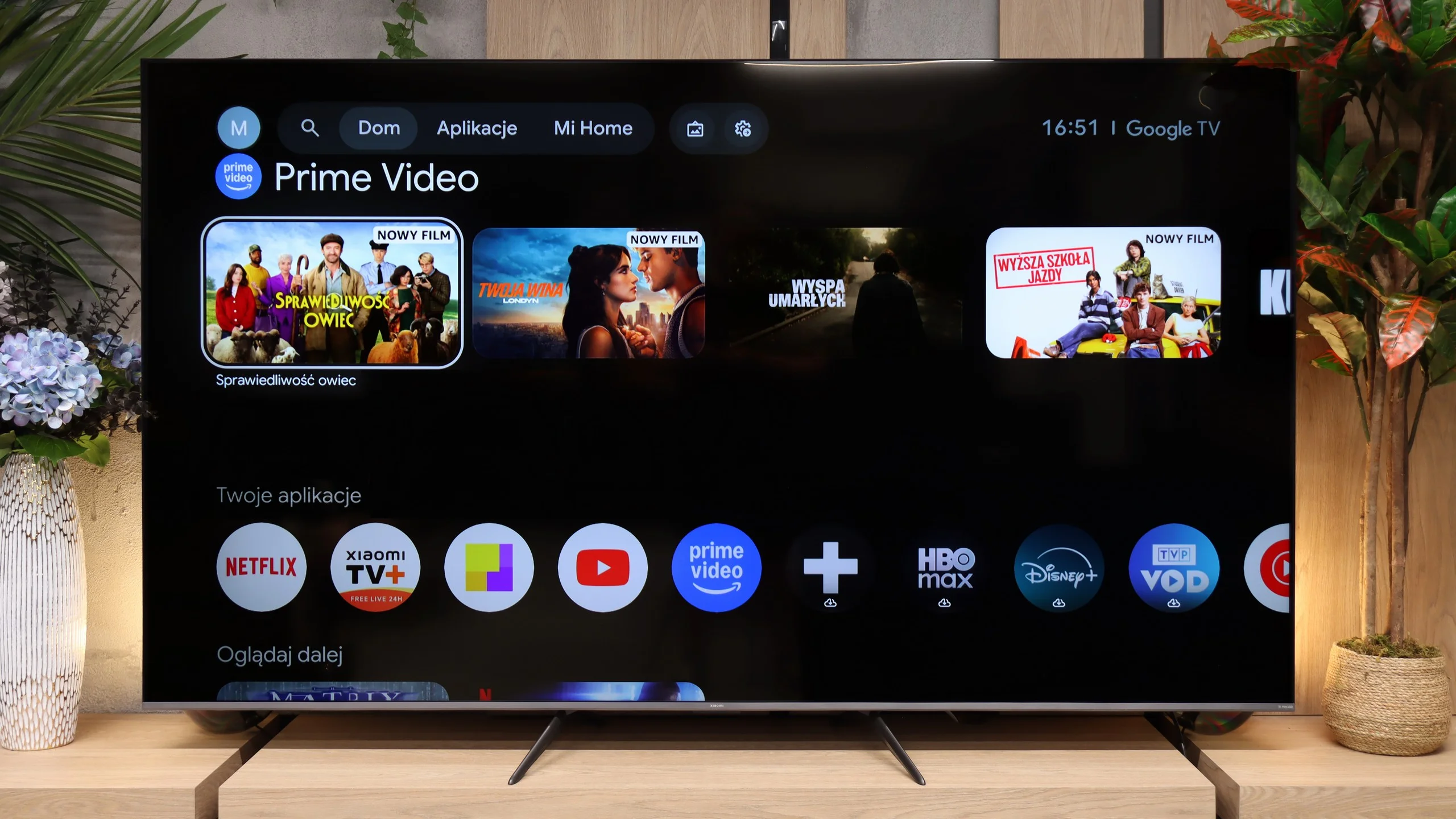
On the larger variants of the Xiaomi S Mini 2026, Google TV runs quite smoothly. These models have a bit more RAM than the smaller versions, and you can really notice the difference in everyday use. Menus respond faster, apps launch more smoothly, and you much less often encounter moments where you have to wait for the system to react. Google TV itself provides access to pretty much everything you’d expect from a Smart TV. You can easily find the most popular streaming apps, and you can install additional apps from the Google Play store. There’s Chromecast, voice control and convenient unified search for content across services in one place. In terms of features, there’s little to fault Xiaomi on.

Practical features

If you use traditional TV, the Xiaomi S Mini 2026 offers a fairly basic set of features. There’s a programme guide, teletext and a traditional remote control with a numeric keypad. The latter is becoming less common these days, but it can still be convenient for regular channel switching. A slightly more unusual feature is the 3.5mm headphone jack. New TVs increasingly omit it, so its presence here could be useful if someone still uses wired headphones or older audio equipment.

Apps

9.3/10

9.6/10

OK
Disney_Plus
OK
Amazon_Prime_Video
OK
Player_TVN
OK
Polsat_Box_Go
OK
Canal_Plus_Online
OK
TVP_VOD
OK
Apple_TV_Plus
OK
SkyShowtime
OK
Rakuten
OK
CDA_Premium_Browser
OK
Spotify
No
Tidal
OK
Netflix
OK
YouTube
OK
HBO_MAX
No
Kodi
OK
Apple_music
OK
Eleven_sports
OK
Xbox Game Pass
OK
GeForce NOW
OK
Amazon Luna
OK
Boosteroid
No
Steam Link
OK
Disney_Plus
OK
Amazon_Prime_Video
OK
Player_TVN
OK
Polsat_Box_Go
OK
Canal_Plus_Online
OK
TVP_VOD
OK
Apple_TV_Plus
OK
SkyShowtime
OK
Rakuten
OK
CDA_Premium_Browser
OK
Spotify
OK
Tidal
OK
Netflix
OK
YouTube
OK
HBO_MAX
OK
Kodi
No
Apple_music
OK
Eleven_sports
No
Xbox Game Pass
OK
GeForce NOW
No
Amazon Luna
OK
Boosteroid
OK
Steam Link

Playing files from USB

9/10

6.8/10

Supported photo formats:

JPEG
Yes
Yes
HEIC
No
No
PNG
No
Yes
GIF
No
Yes
WebP
No
No
TIFF
No
No
BMP
Yes
Yes
SVG
No
No

Maximum photo resolution:

4 Mpix
Yes
Yes
6 Mpix
Yes
Yes
8 Mpix
Yes
Yes
10 Mpix
Yes
Yes
12 Mpix
Yes
Yes
16 Mpix
Yes
Yes
20 Mpix
Yes
Yes
24 Mpix
Yes
Yes
28 Mpix
Yes
Yes
32 Mpix
Yes
Yes

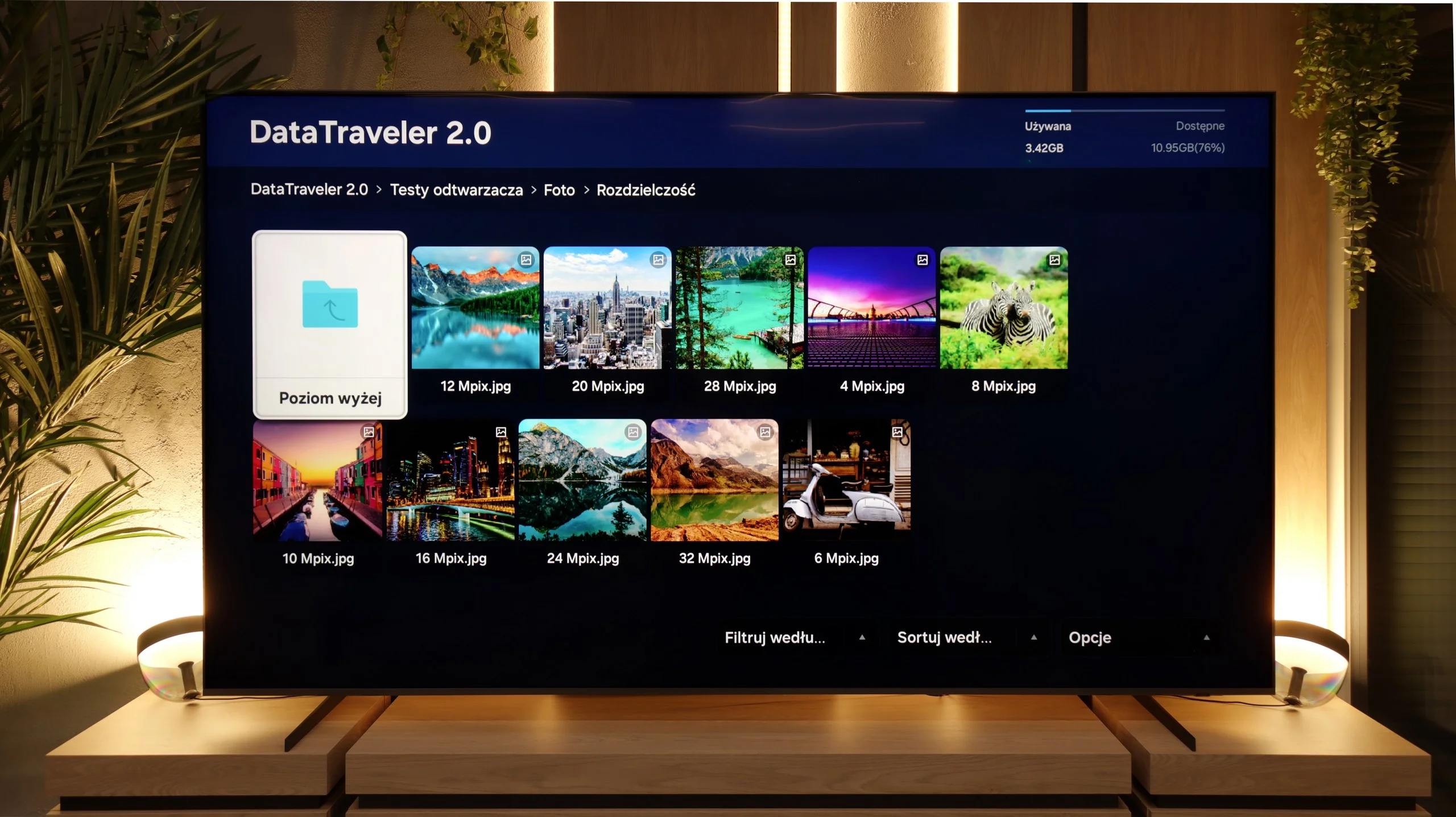
The built-in media player in the QN80F performs decently, but it's hard to talk about full extravagance. It handles movies quite well – easily playing popular video formats, from simple MP4s to heavier containers. It’s not at the level of all-in-one apps like VLC, but it’s sufficient for everyday viewing. Especially since the latest update addressed the issue with supporting various subtitle formats in films. The situation is a bit worse when it comes to photos. Support is basically limited to JPG and BMP, so if someone keeps their photo archive in a different format, they will need to use an additional app or will be forced to convert their photos.

The built-in USB file player does a pretty good job and opens most common formats without any issues. If you come across a file it doesn’t support, Google TV makes it easy to install another player, e.g. VLC. Our main complaint is with subtitles. The stock app doesn’t handle certain characters outside the basic alphabet correctly, which can cause problems with Polish characters. If you frequently watch videos from USB, it’s better to use a third-party app.

Sound

6.7/10

5/10

  • Maximum volume
    87dB
    89dB
  • Dolby Digital Plus 7.1
    Yes
    Yes
  • Dolby True HD 7.1
    No
    No
  • Dolby Atmos in Dolby Digital Plus (JOC)
    Yes
    Yes
  • Dolby Atmos in Dolby True HD
    No
    No
  • DTS:X in DTS-HD MA
    No
    Yes
  • DTS-HD Master Audio
    No
    Yes

QN80F performs well on its own – with a bit of bass, some space thanks to Dolby Atmos, and clear enough that daily watching of movies or series isn’t tiring. But with a 100-inch screen, it's begging for a soundbar. Only then will the scale of image and sound start to align, because while the TV does a decent job, it's hard to expect the built-in speakers to fill such a large living room with sound.

Built-in speakers perform adequately, but it's hard to expect much more from them. They're fine for everyday viewing of the news, series or TV programmes. However, they lack low end, so the sound is fairly flat and doesn't deliver much excitement when watching films.

Sound Quality Test

Acoustic Measurements

87dBC (Max)

75dBC

No acoustic data

Reader comments

Comments are provided by the external service Disqus (Zeta Global). Once loaded, Disqus may set cookies and process data about your activity.

We will remember your choice on this device. Provider's privacy policy