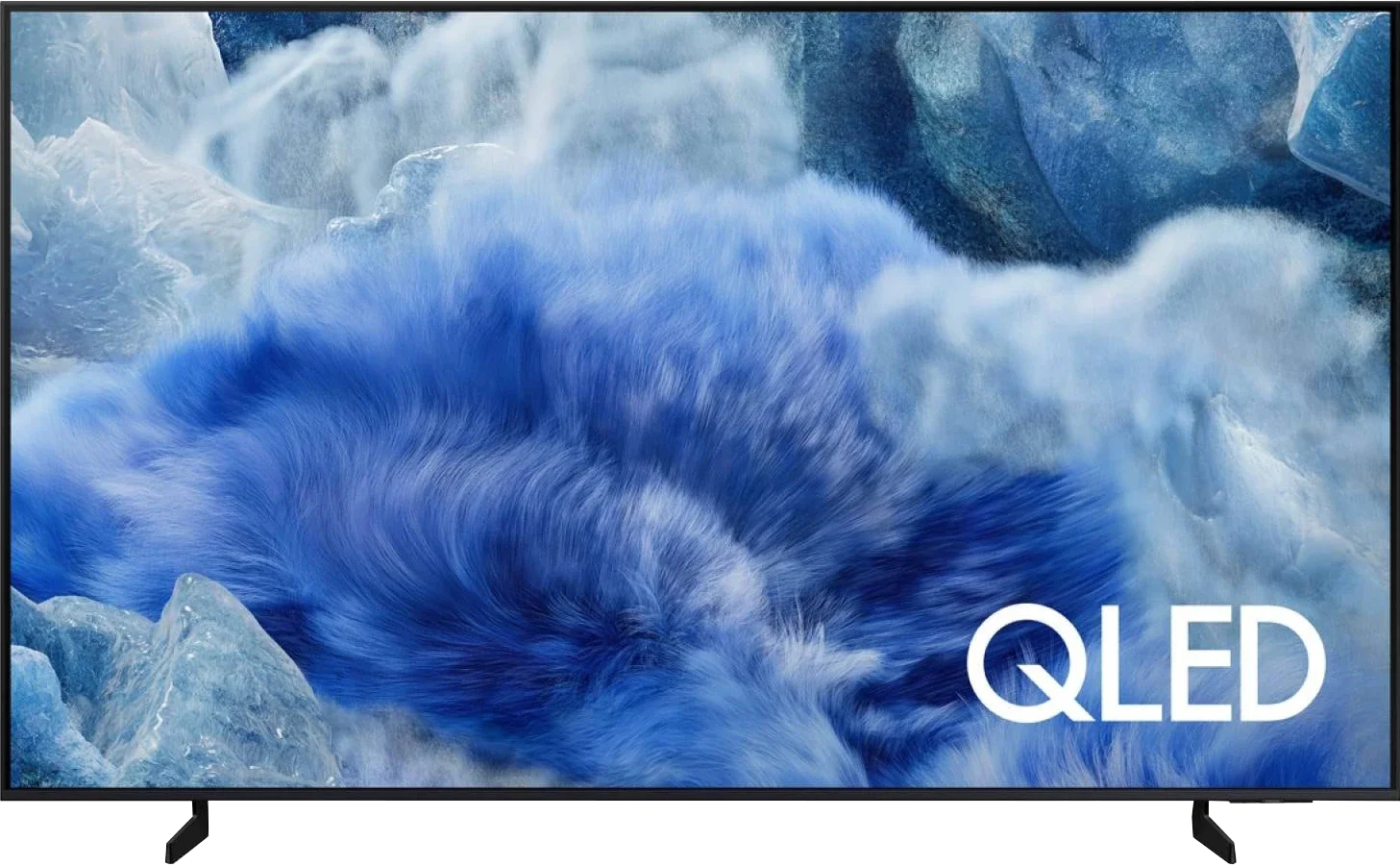
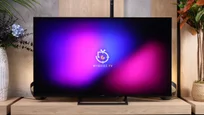
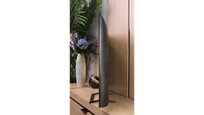
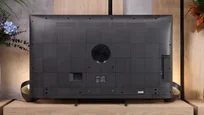
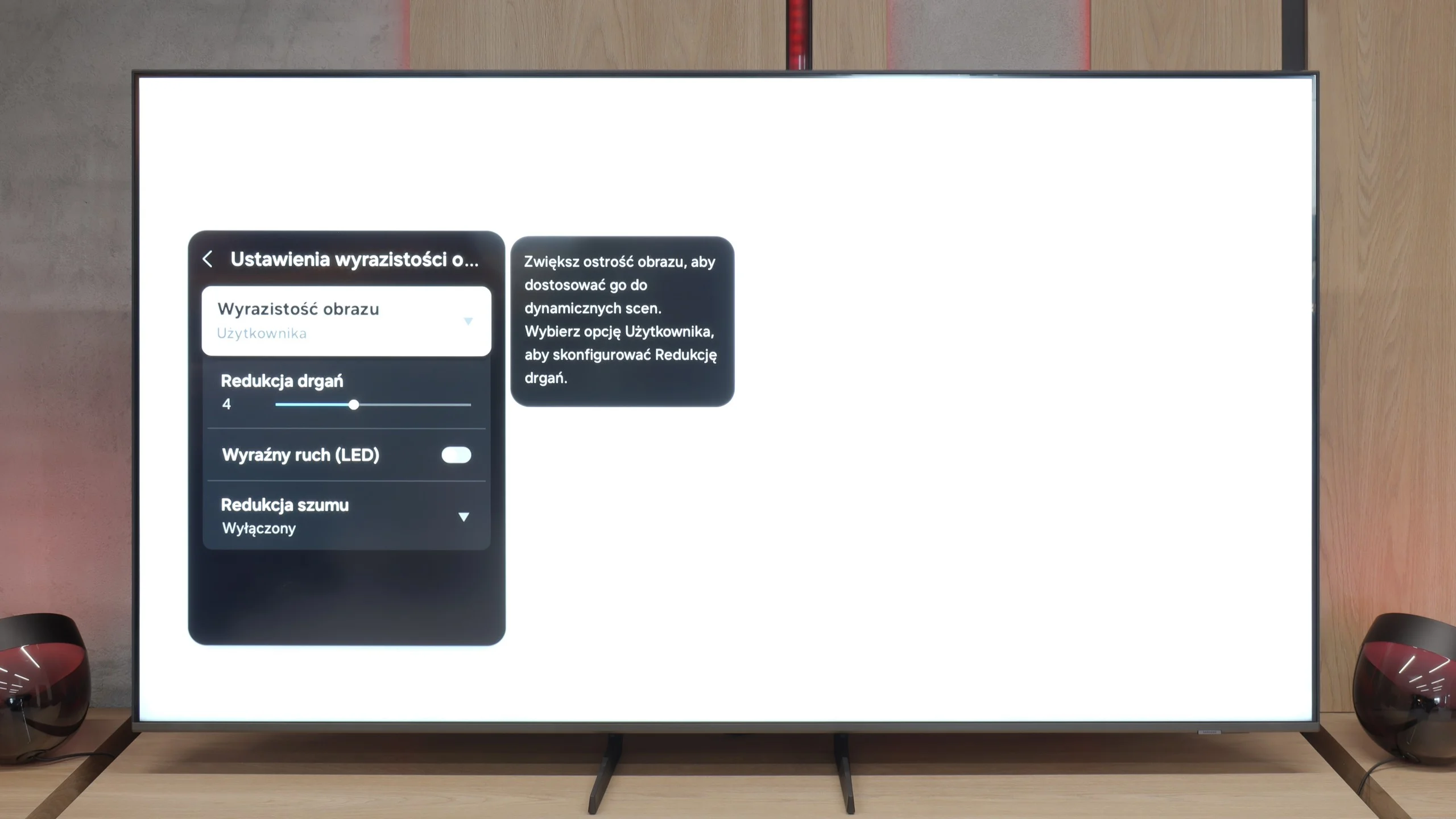
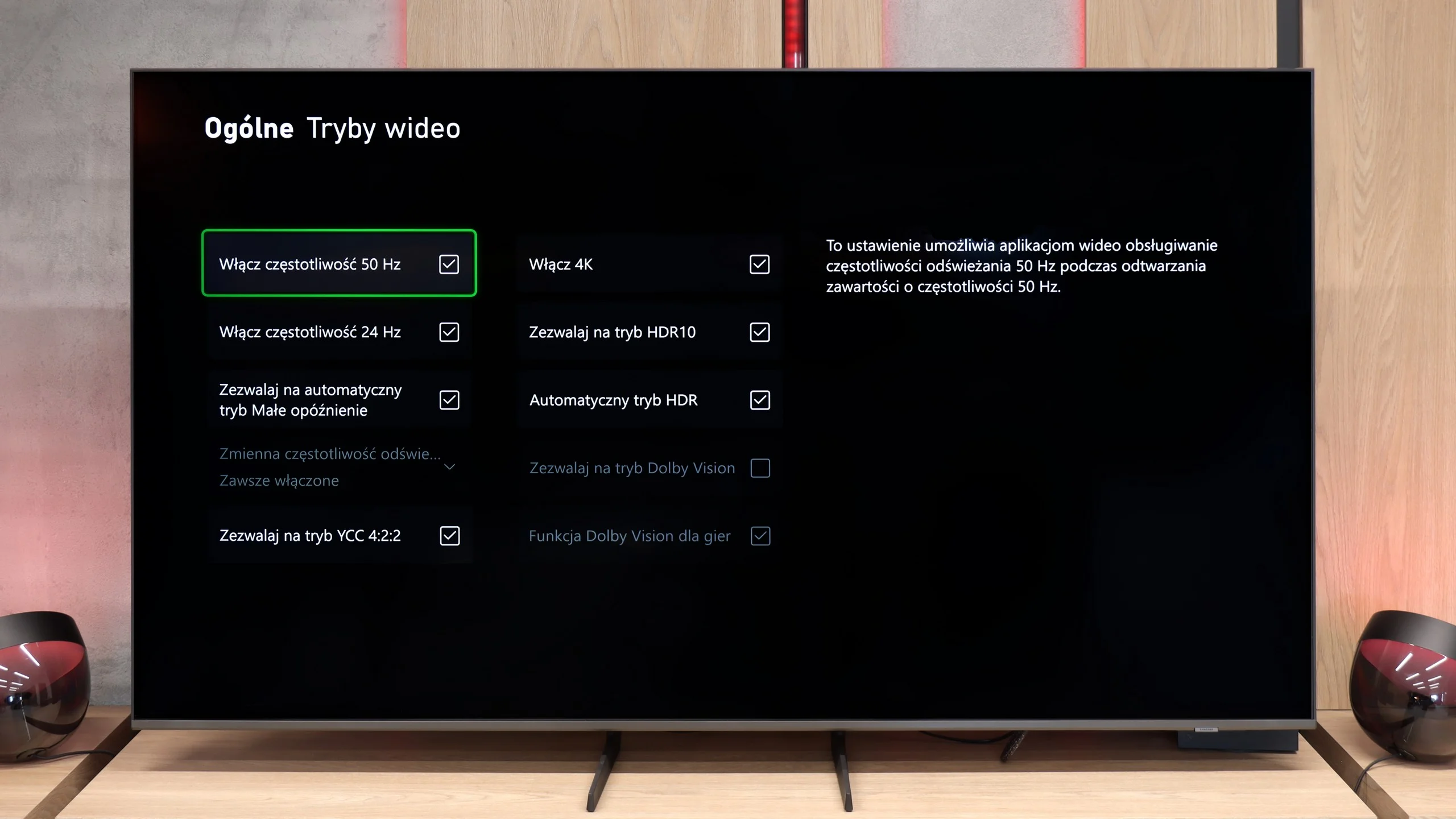
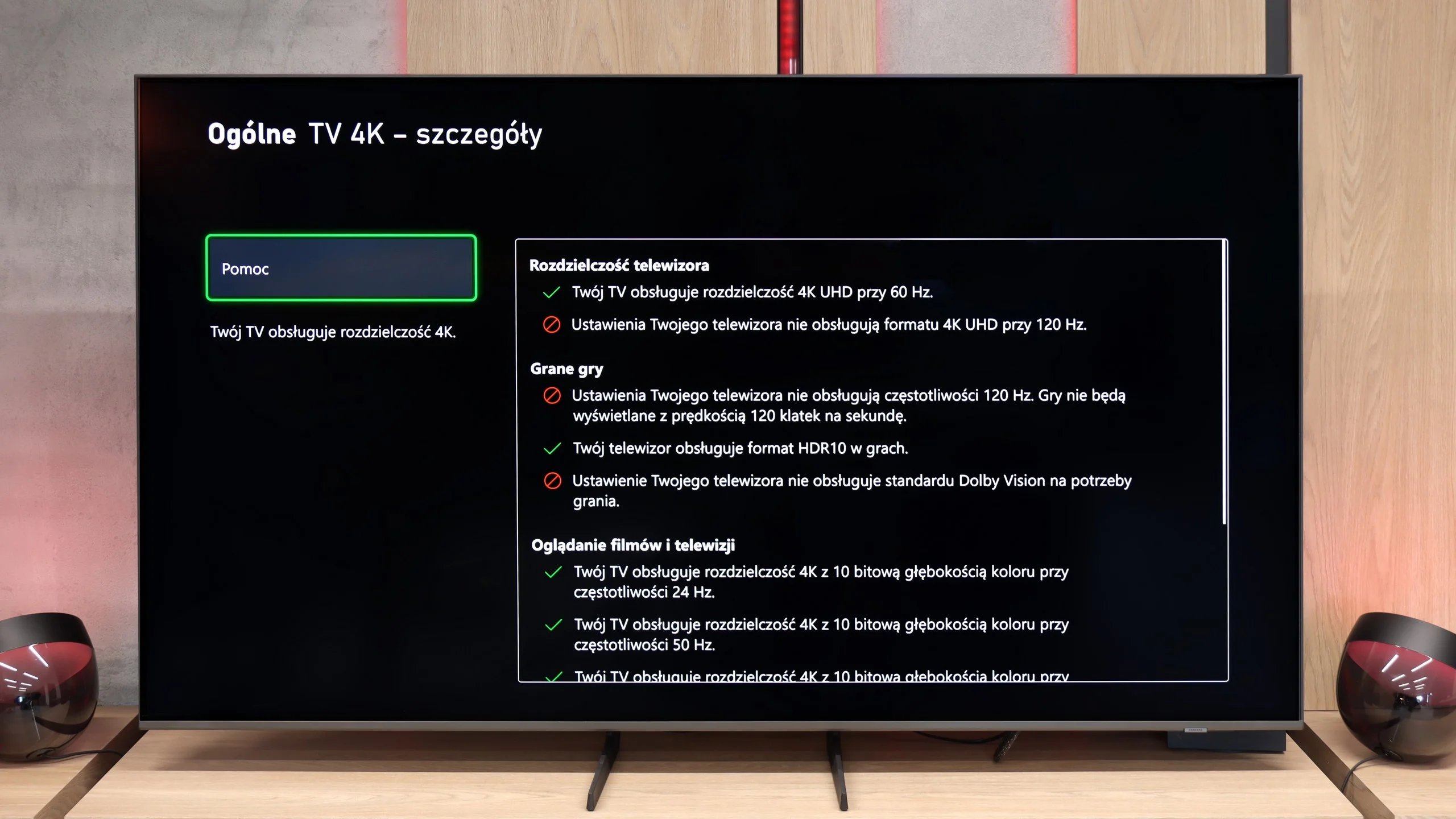
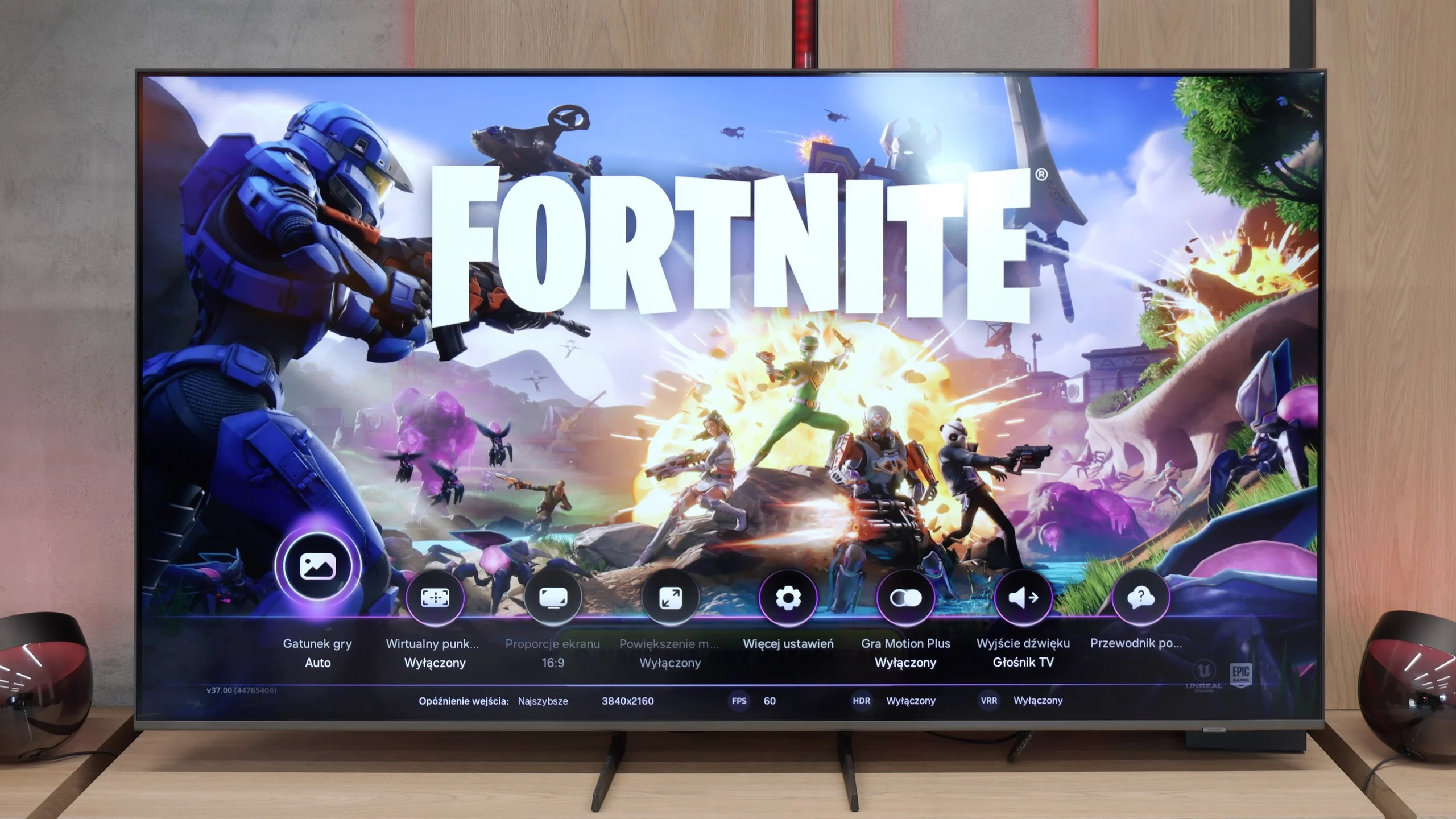
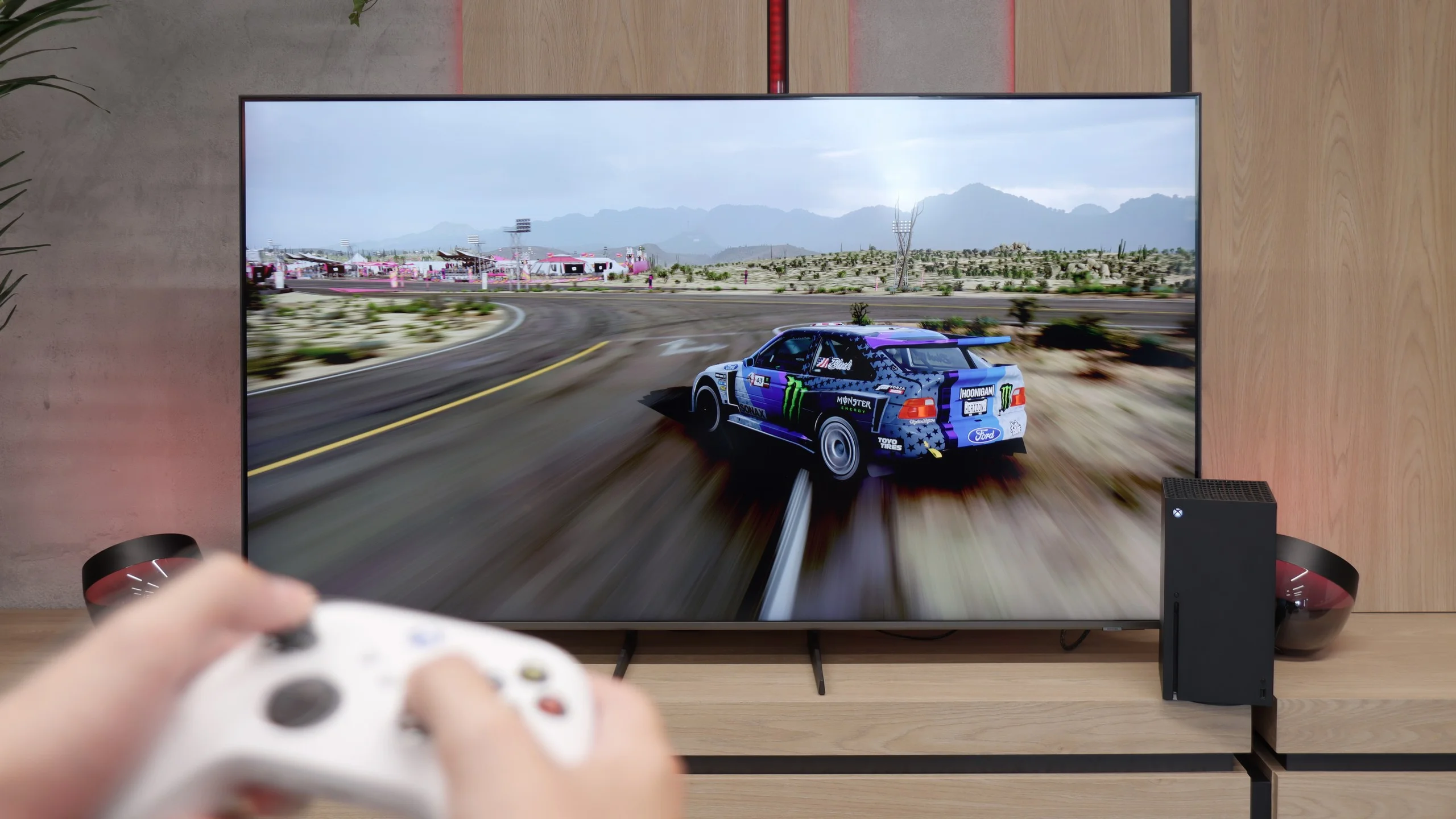
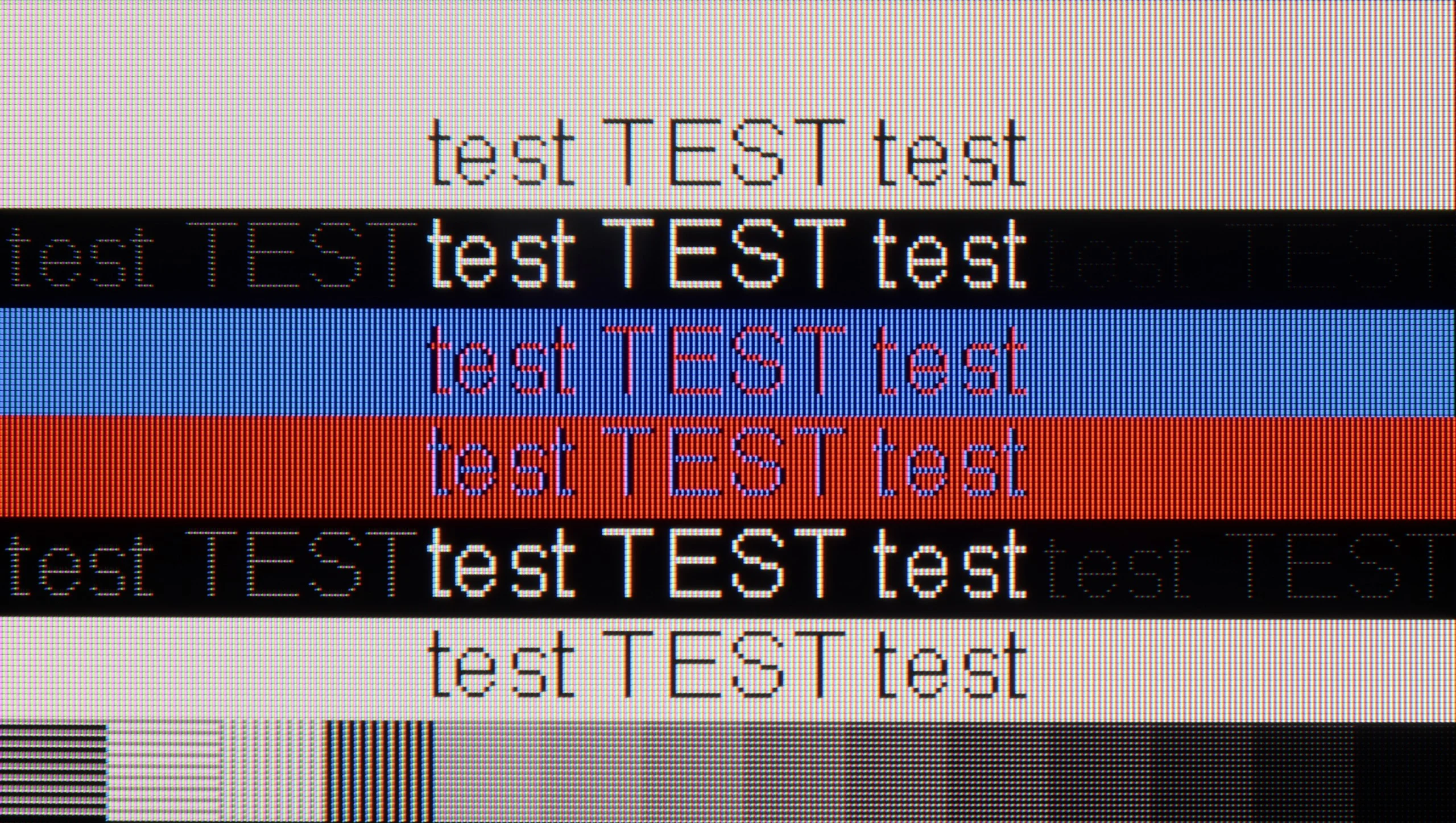
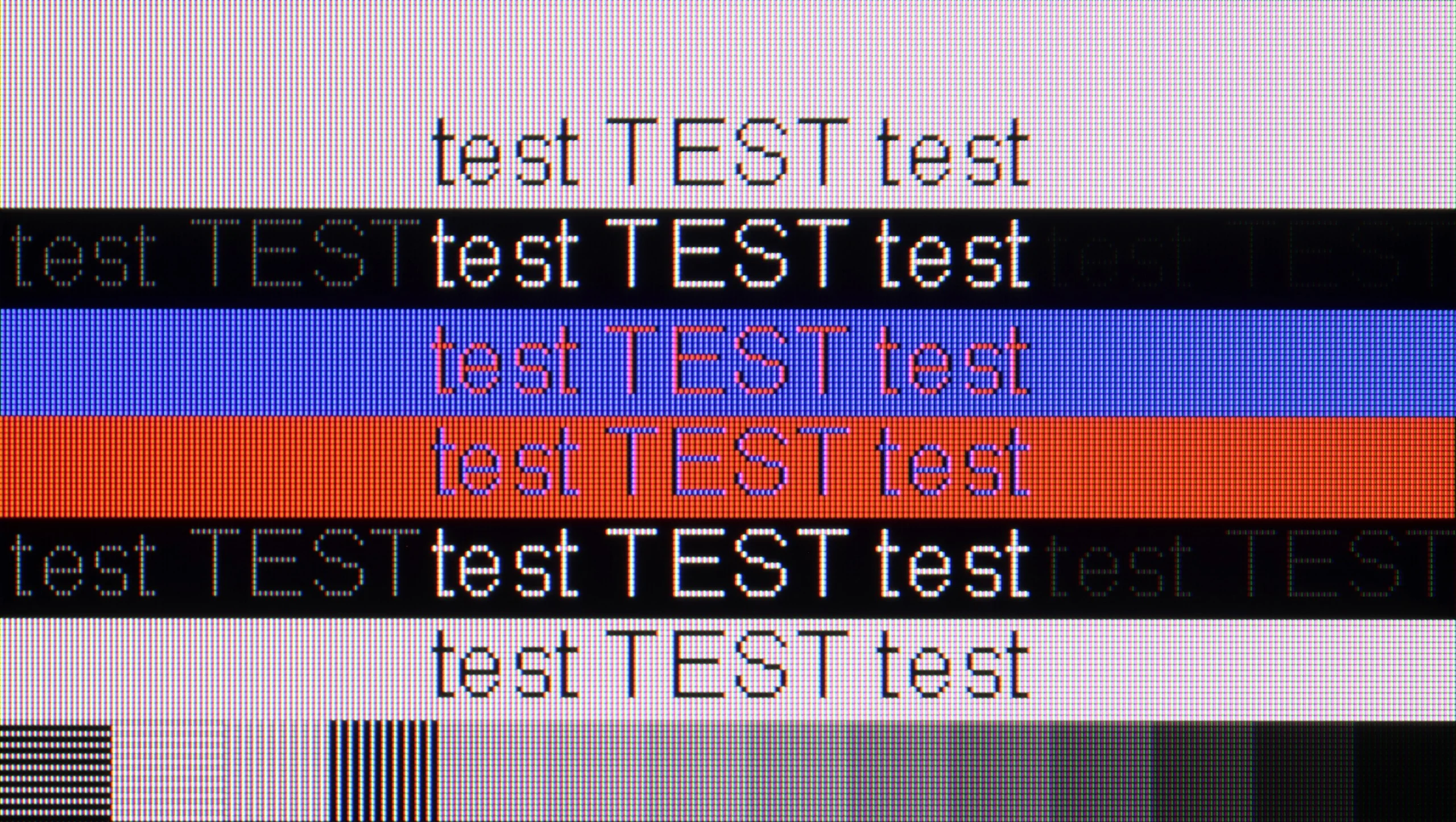
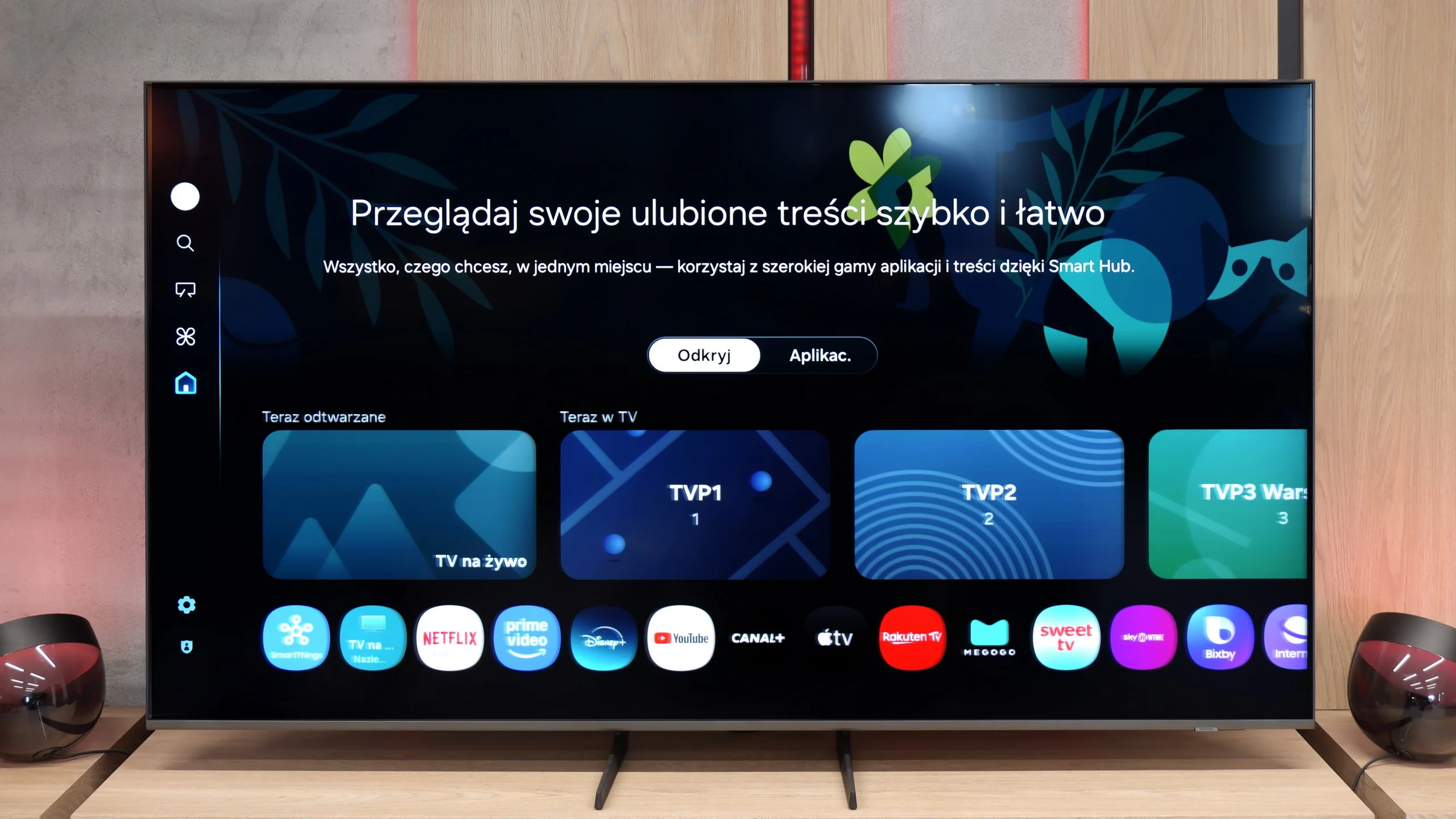
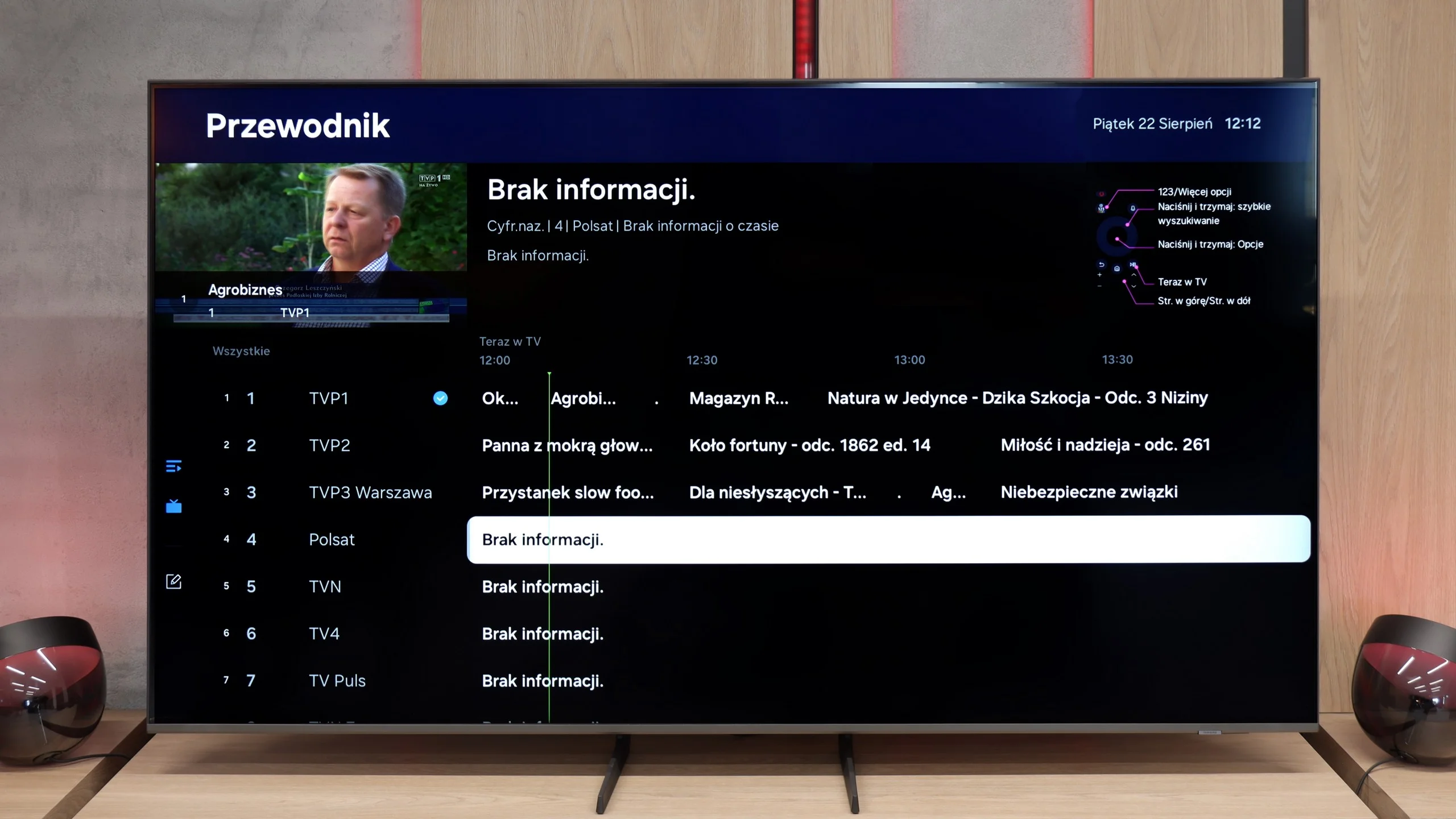
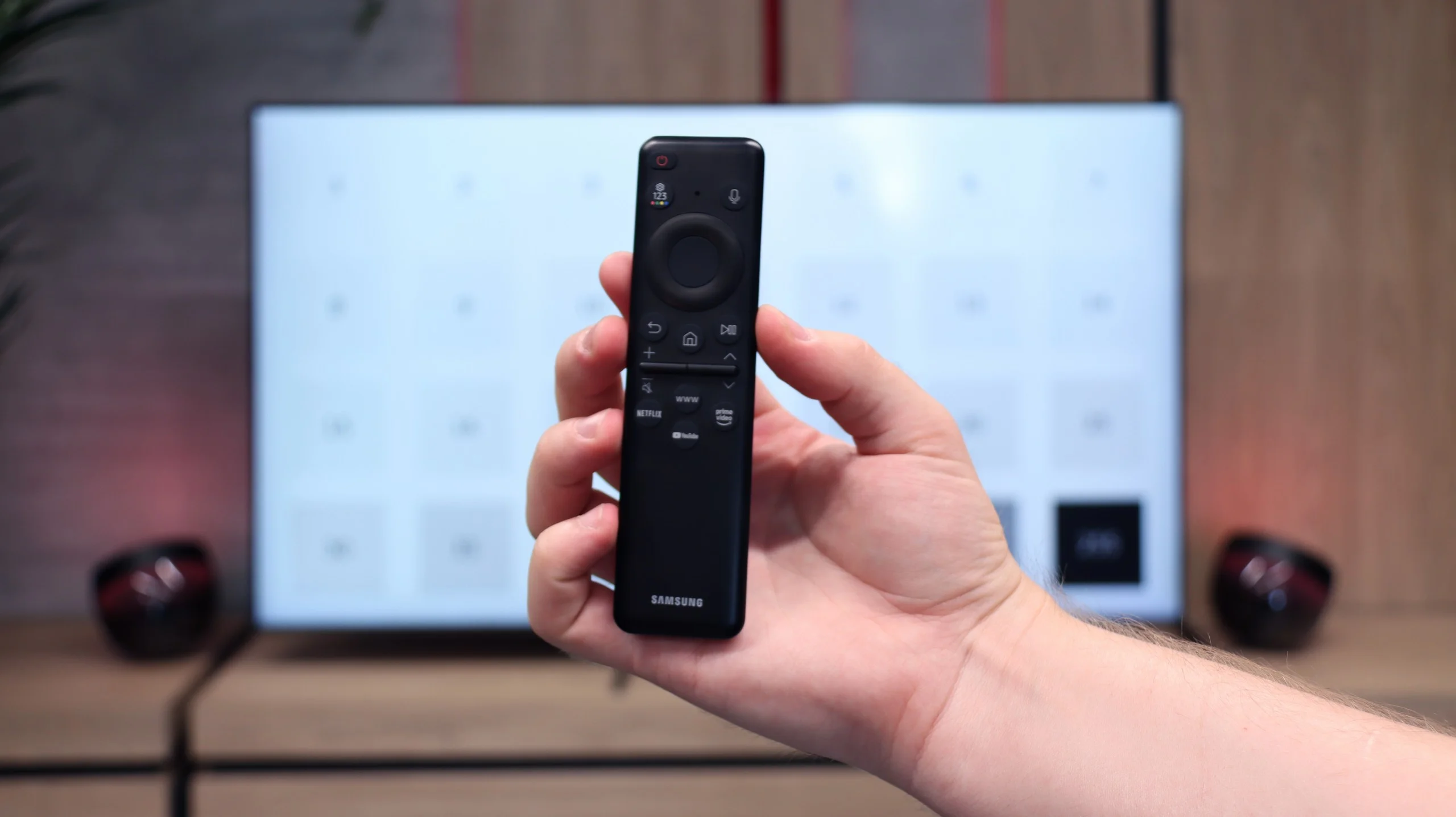
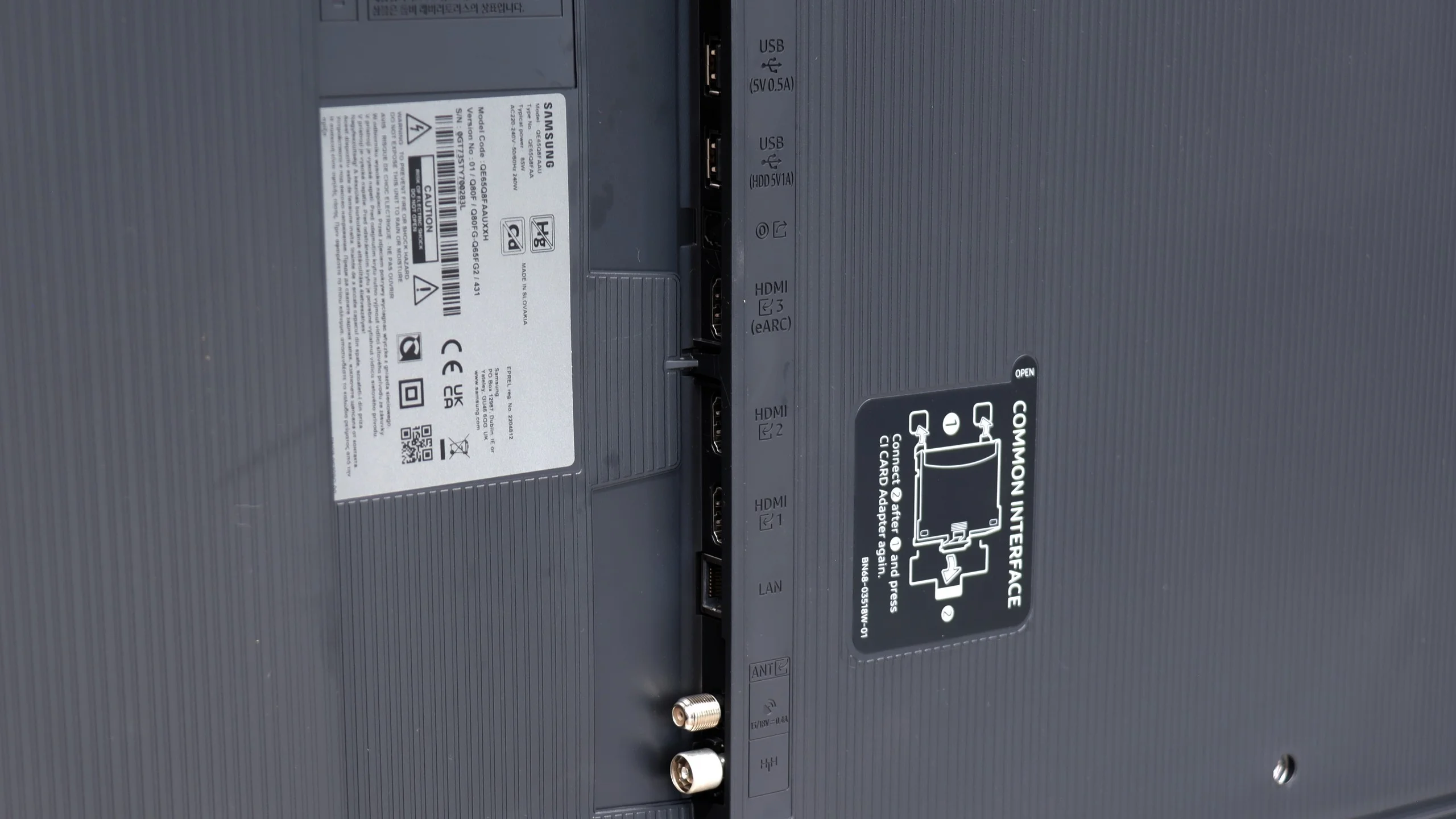
Samsung Q8F is quite a successful continuation of the Q67D model. It offers similar image quality in HDR content, and with a brightness of around 500 nits, it creates an effect that is hard to call ordinary. The support for the HDR10+ format also helps, which has been competing with Dolby Vision for some time and provides comparable experiences in many productions. The contrast is another plus – for a VA panel, it holds up well and allows for enjoyable blacks in movies and series. However, the biggest asset of the Q8F remains its operating system. Tizen runs quickly, provides access to many applications, and works well with the SmartThings ecosystem, so the TV can easily be integrated into a larger network of home devices. Interestingly, the Q8F also has a niche use – thanks to very good font readability, it works excellently as a screen for text work. Additionally, the adjustable stand allows the TV to be placed on virtually any desk or in a narrower TV cabinet. The biggest drawback, in our opinion, is not the image quality itself – as it's hard to expect miracles in this price class – but rather what has happened to the features for gamers. Due to updates, options such as VRR and HGiG, which were available even in simpler constructions in previous generations, have disappeared. In fact, the manufacturer even boasts about the availability of these features in their catalogue. This makes it hard to recommend the Q8F to anyone planning to connect a console and counting on full support for new technologies. Therefore, the Q8F is a TV that can appeal – primarily due to its design, above-average image quality, and efficient Tizen system. But at the same time, a step backward compared to its predecessor is evident. Let's hope Samsung can quickly rectify these shortcomings, as otherwise, even such a successful “everyday” TV may leave some users feeling unsatisfied.
[UPDATE] We have updated our 2025 Samsung TV reviews following the release of firmware version 1131, which officially restores the essential HGiG (HDR Gaming Interest Group) support.
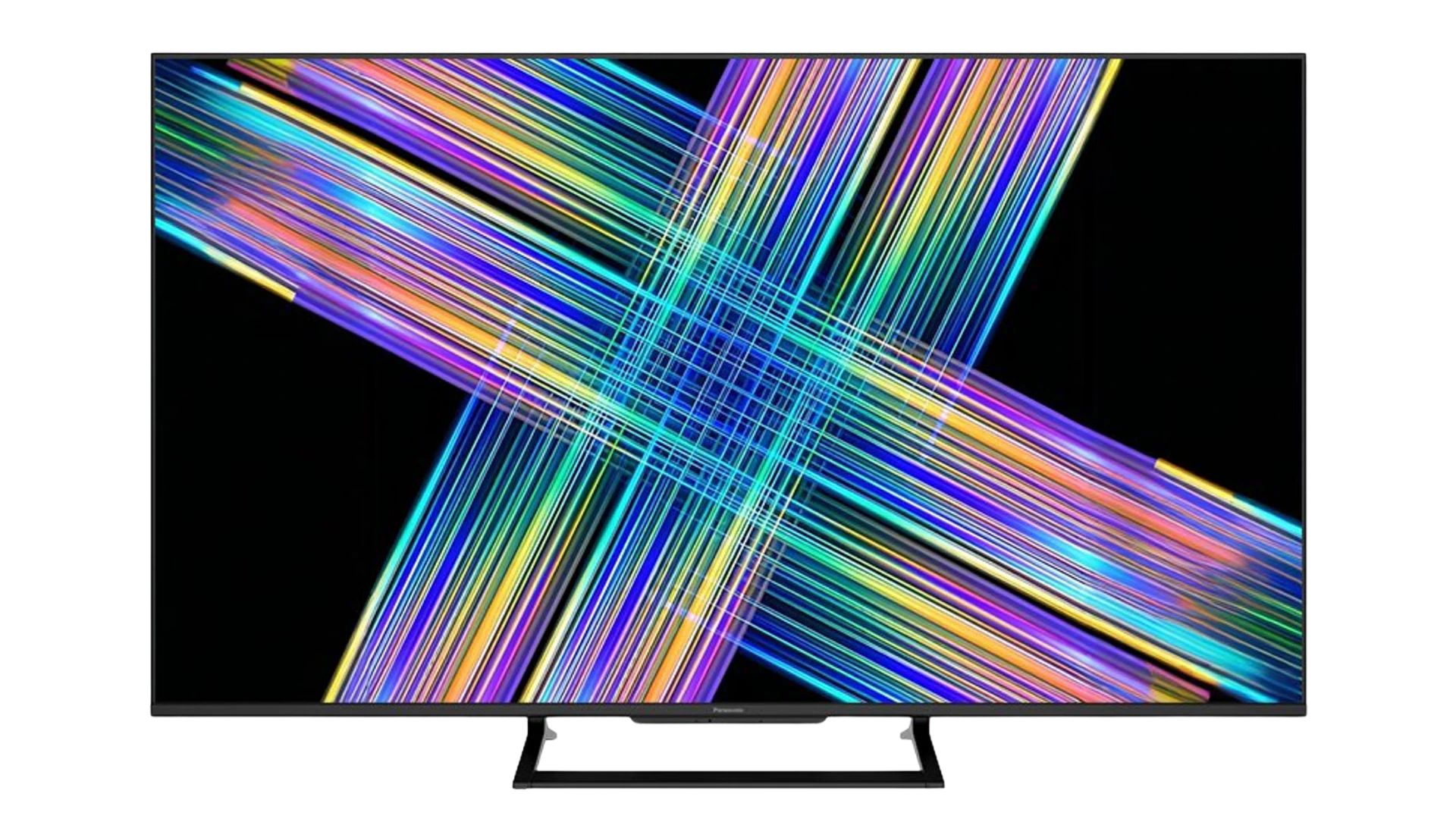
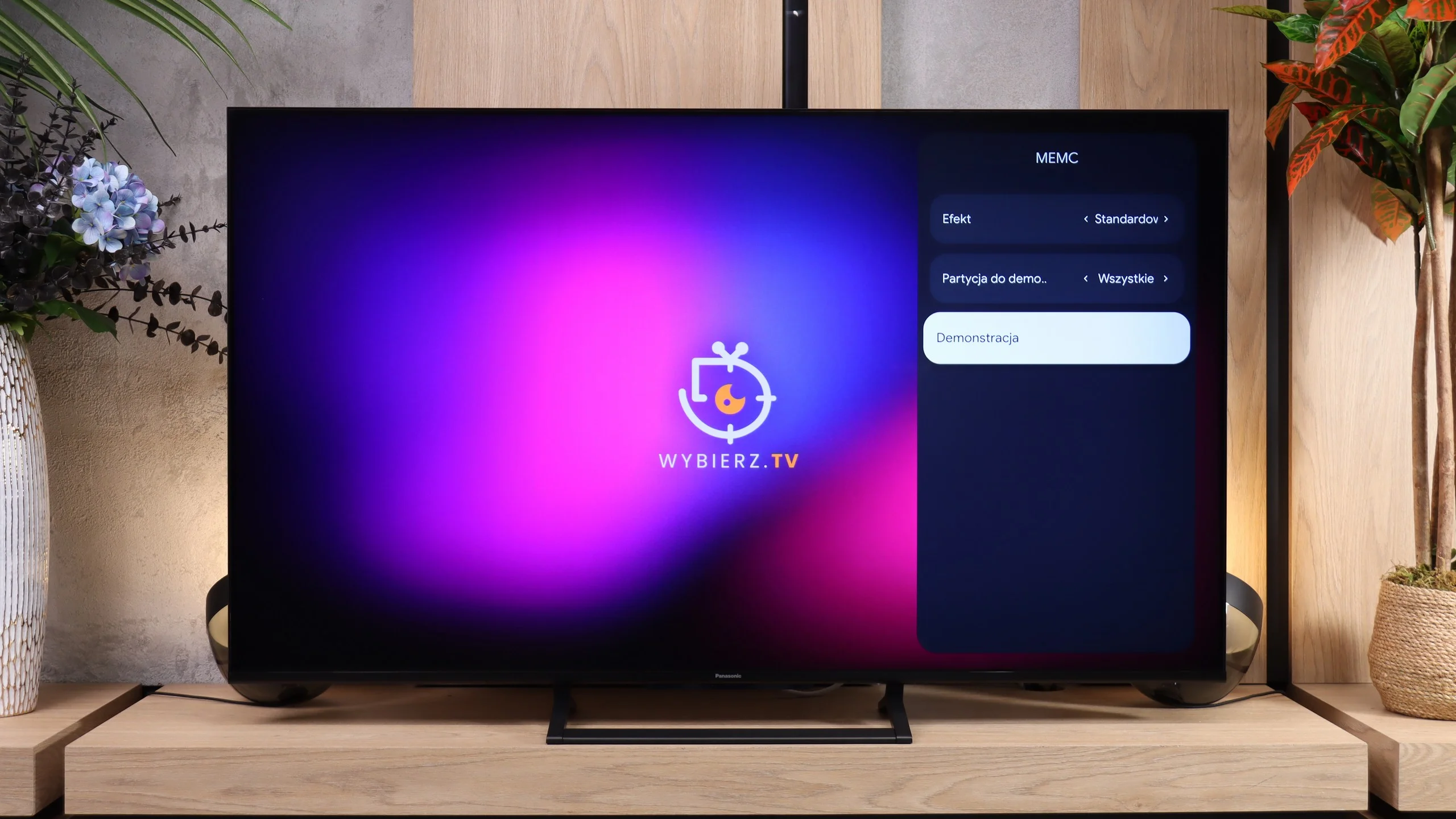
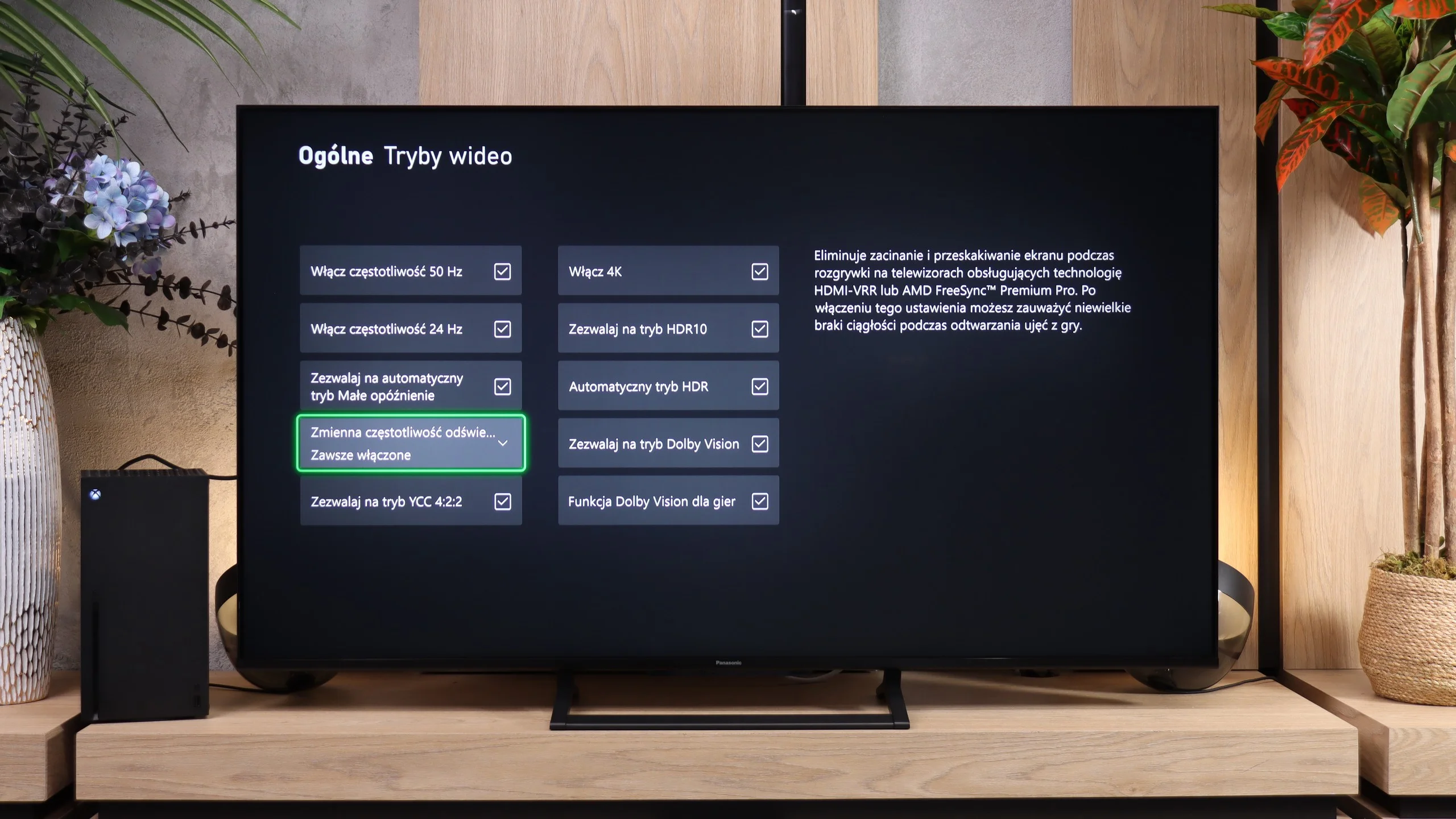
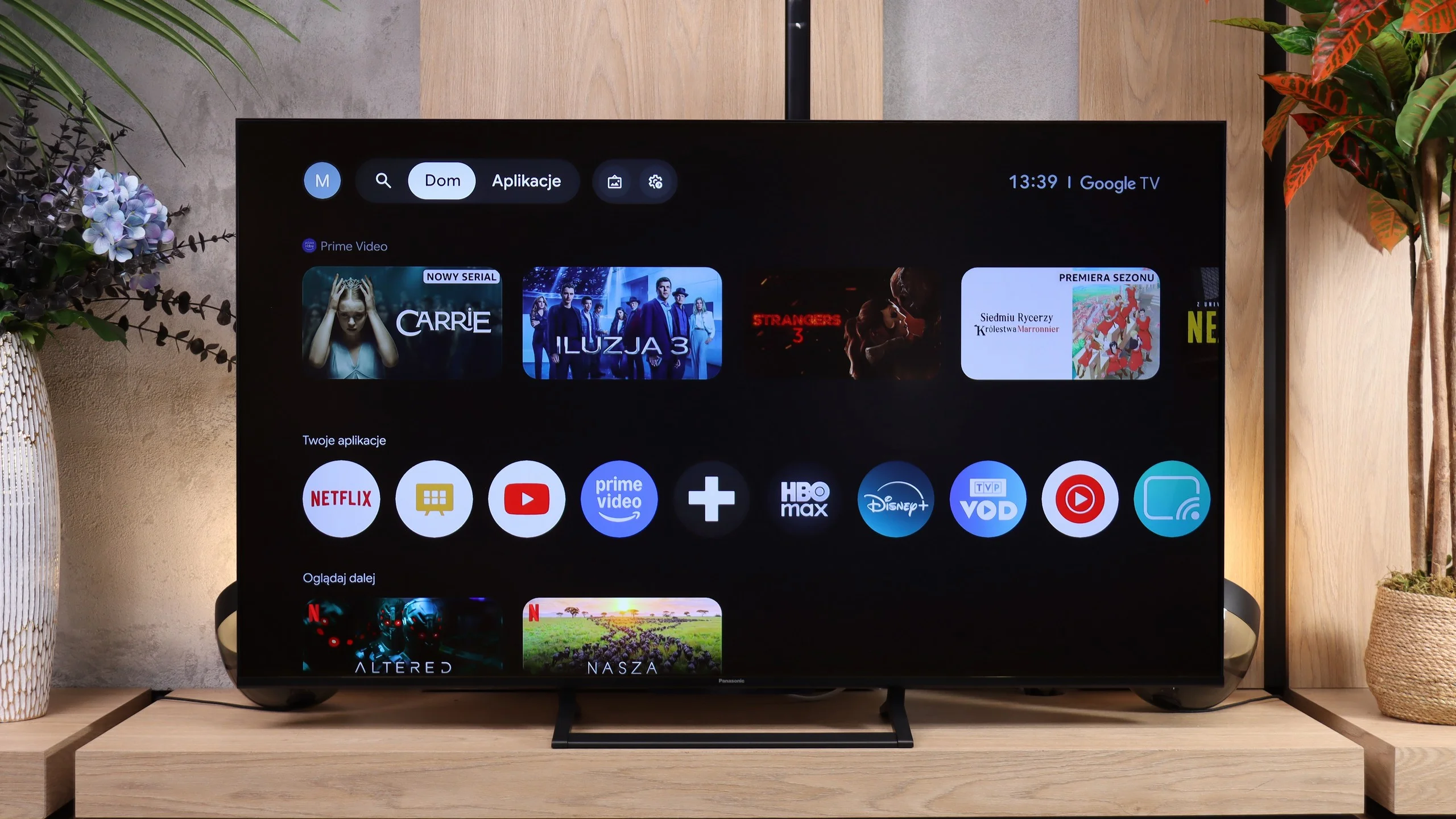
The W92C is the first Panasonic developed in collaboration with Skyworth that we've tested. And it's roughly the change we expected: a bit less of the old Panasonic, but also a few new things that work in its favour. Most welcome is the switch to Google TV. The system runs fast, gives access to the apps you need, and in daily use convinces us more than the previous Fire TV. Paired with a matte screen that handles reflections well, this makes for a comfortable living-room TV where you don't always feel like drawing the curtains before watching.
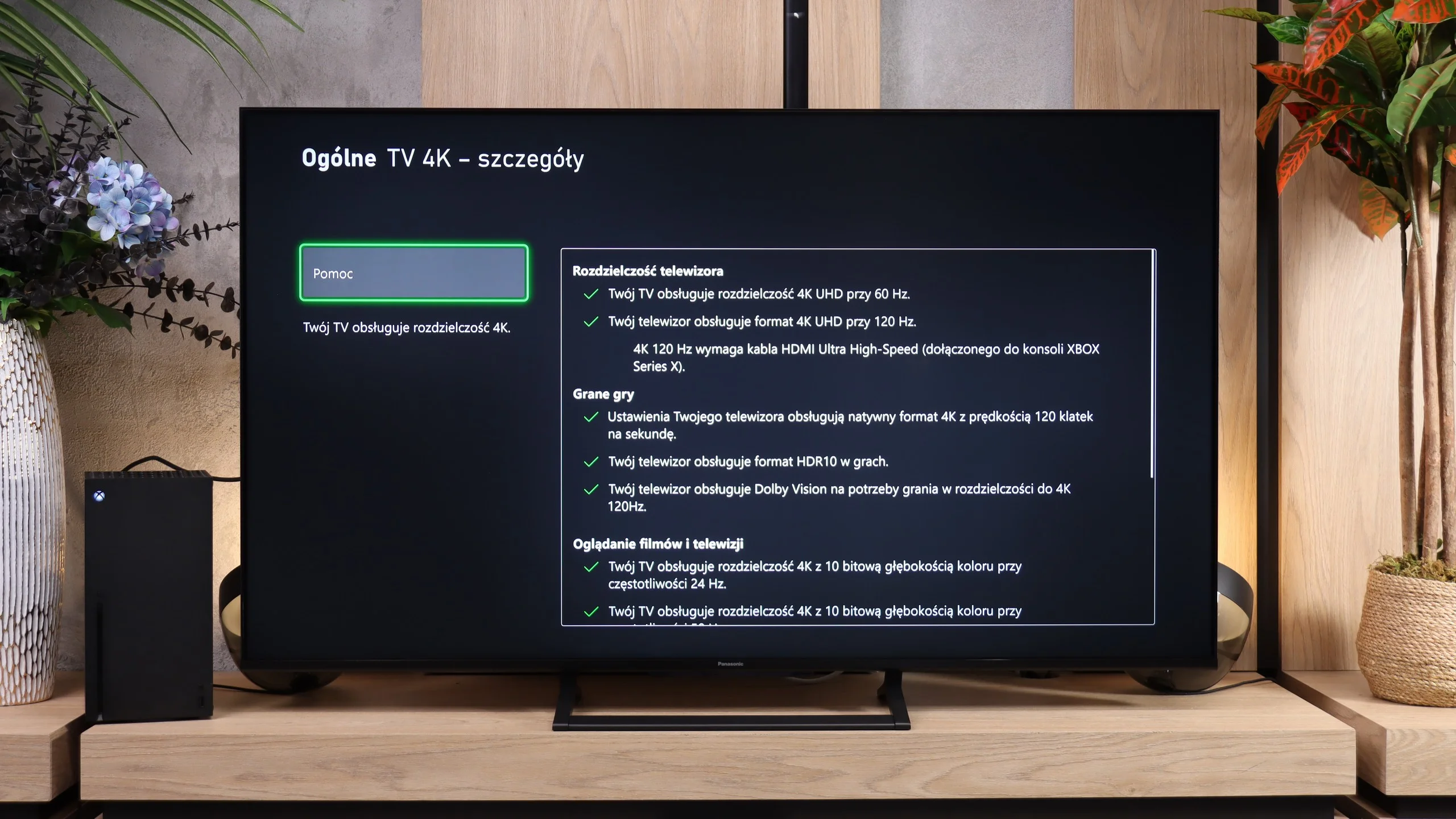
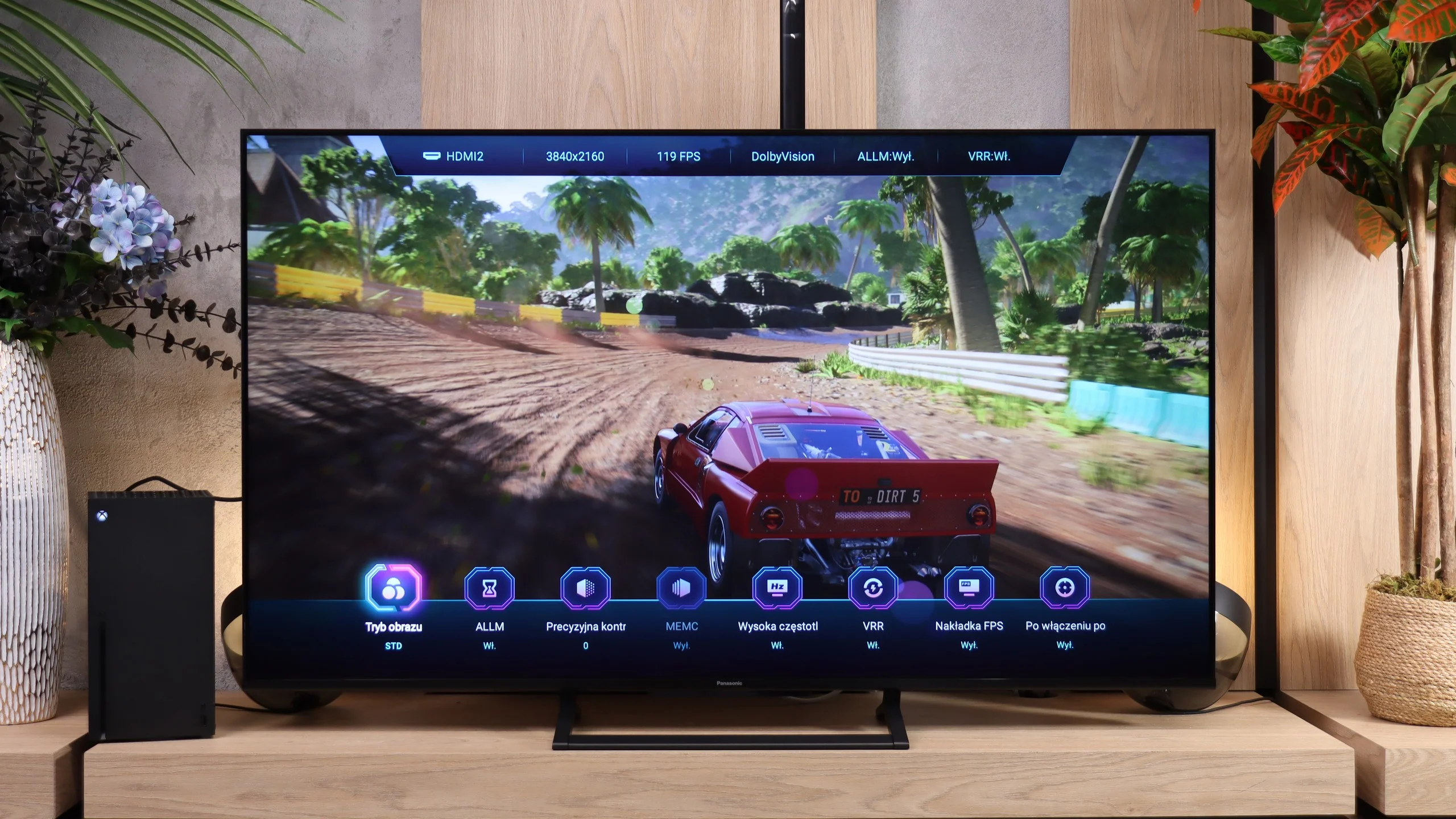
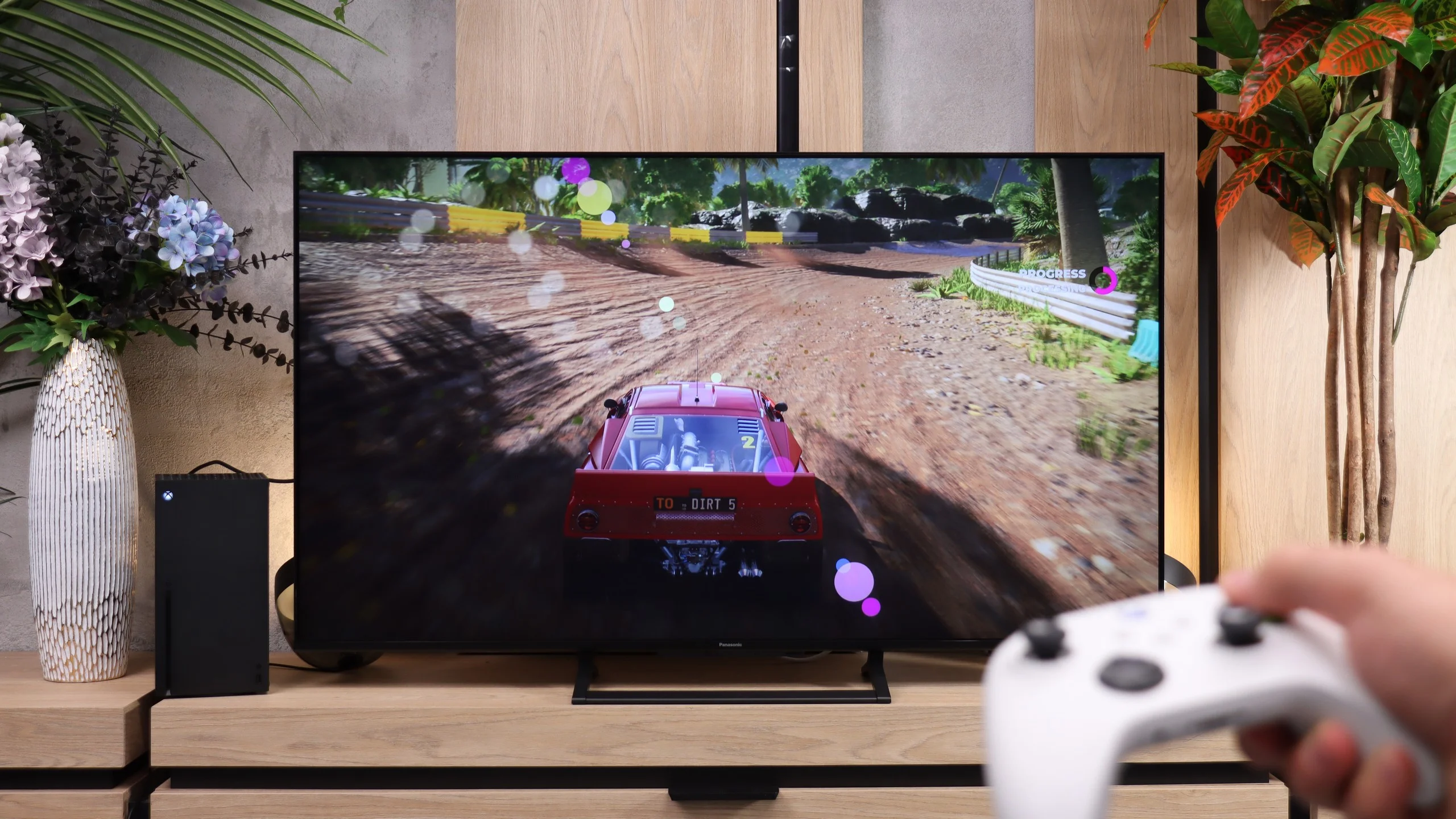
The longer we used the W92C, the more we appreciated its versatility. It can improve poorer source material quite effectively, and after calibration the picture gains a naturalness that, unfortunately, it lacks on the factory settings, as was the case with older Panasonic models. It also works well for consoles and PCs. It responds quickly to input and the high refresh rate delivers pleasant smooth motion. So the Panasonic makes sense in a home where one screen is used for TV, movies, gaming, and sometimes even... working with text. 🙂
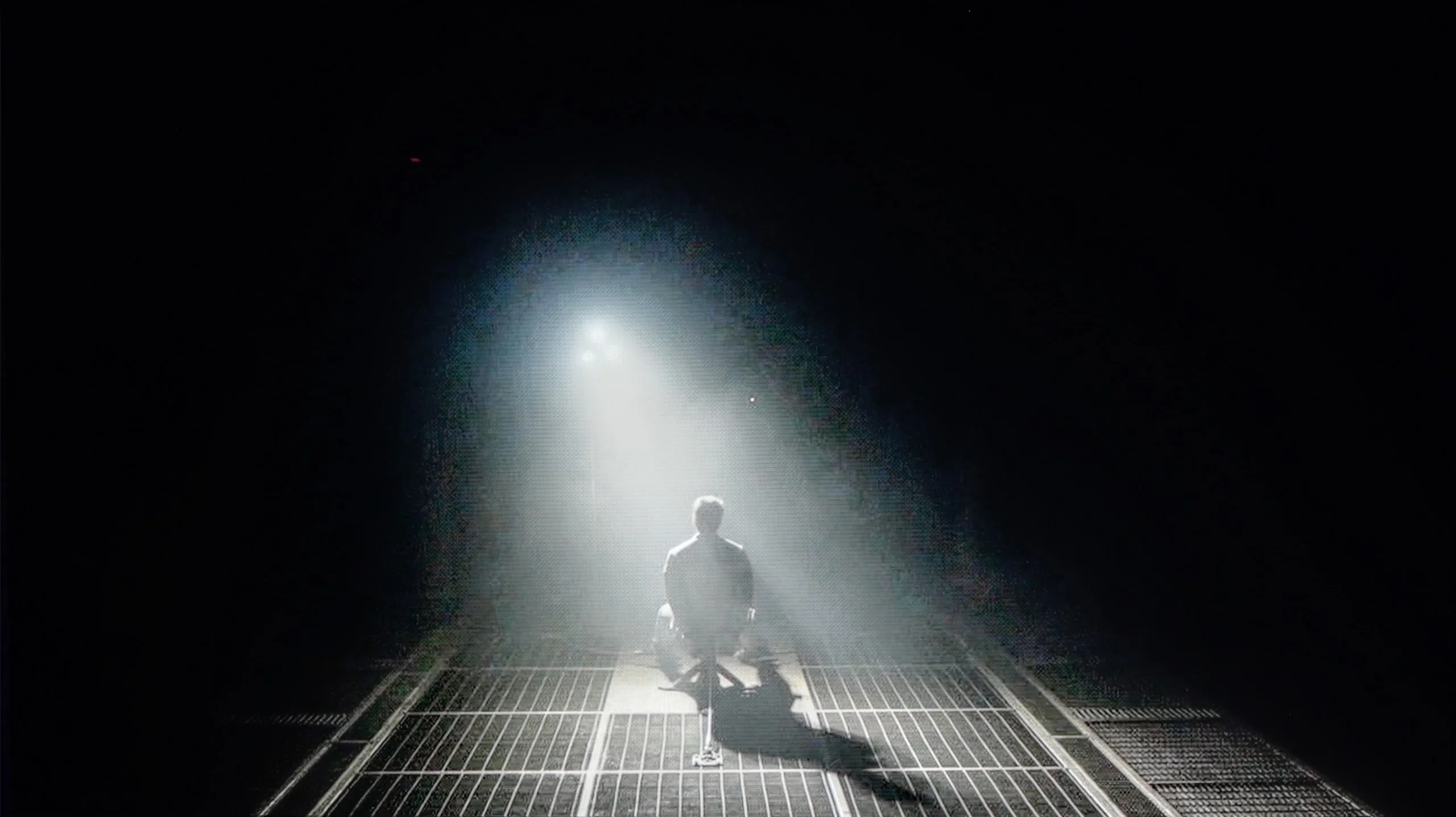
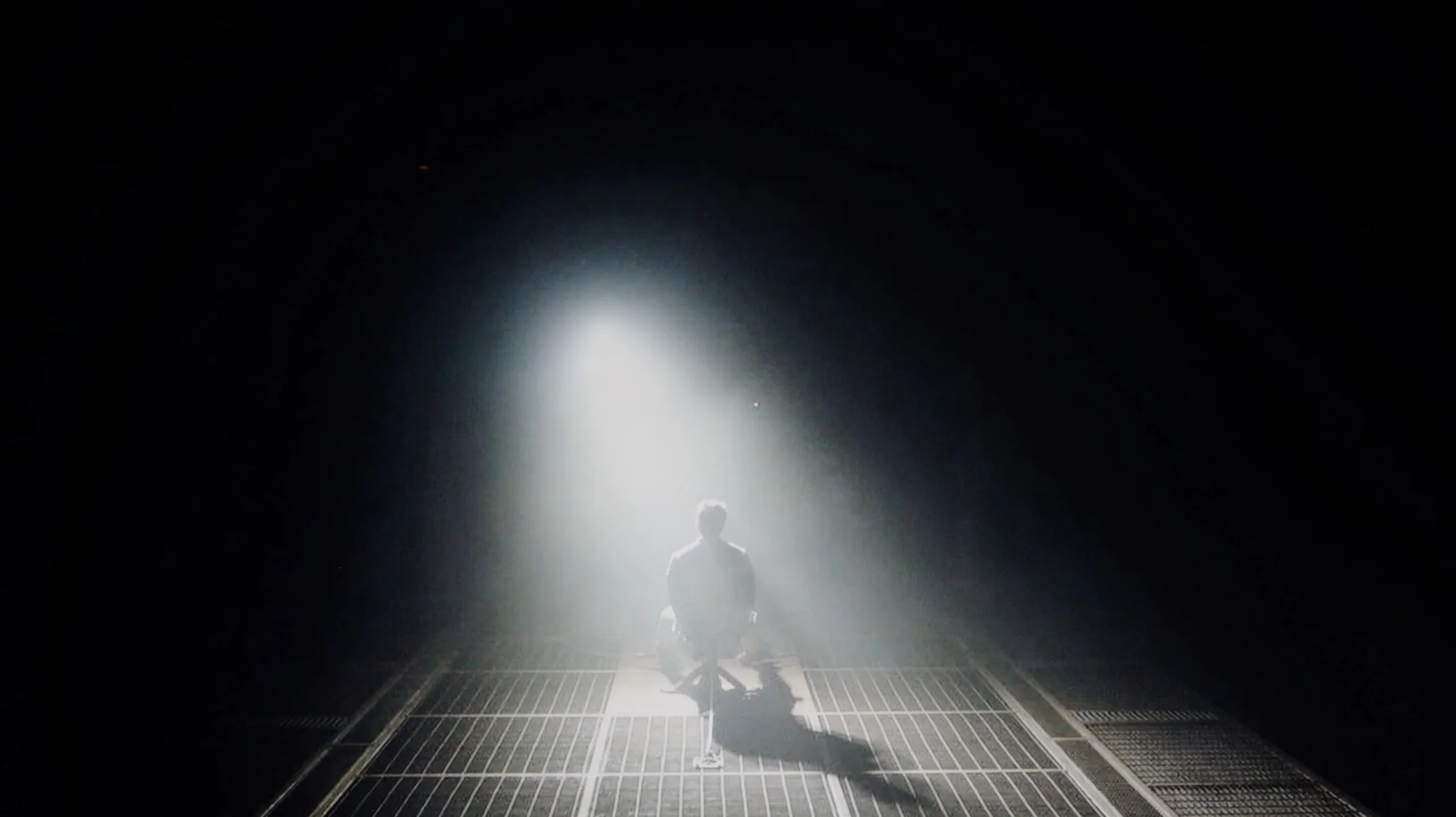
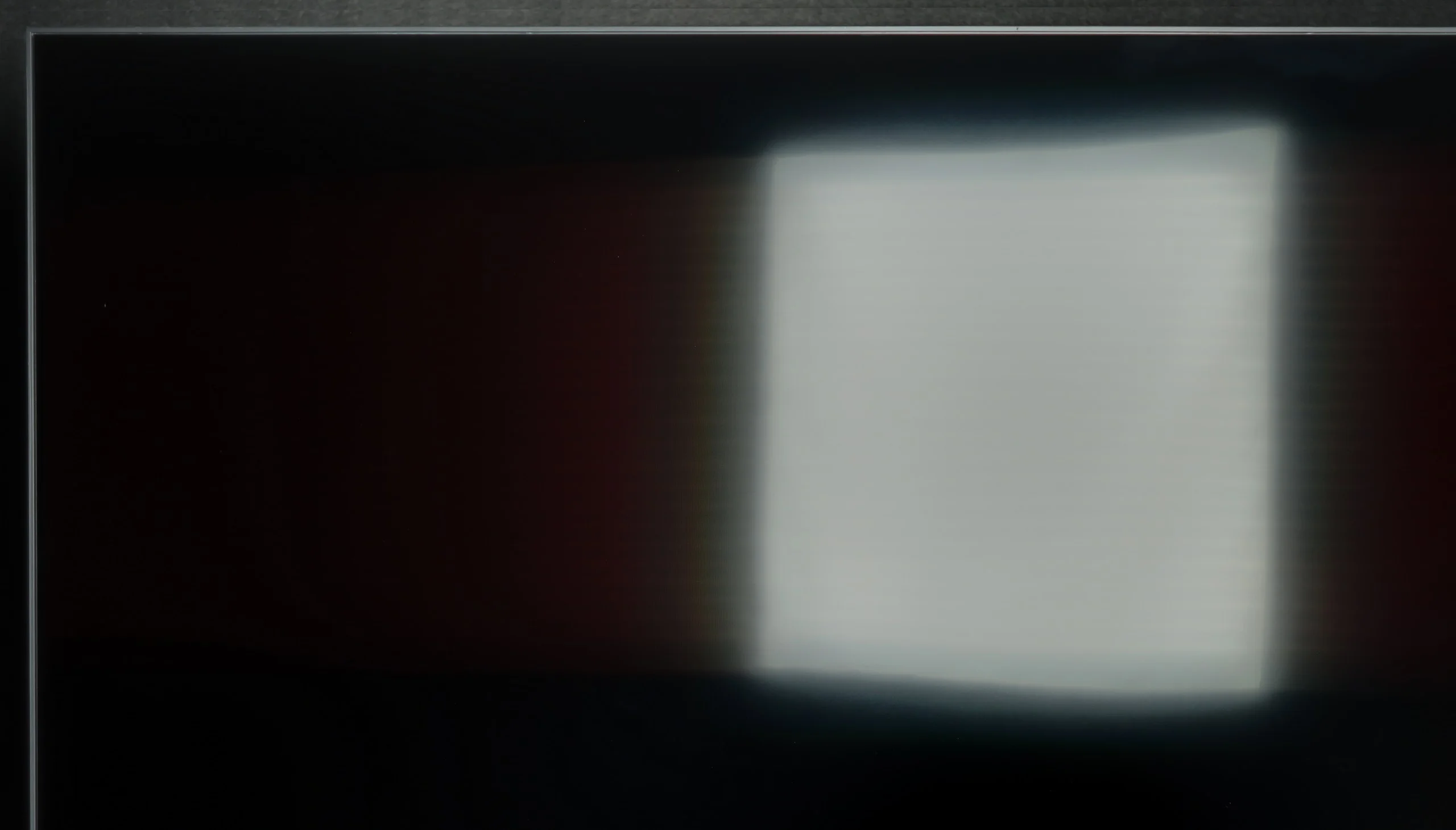
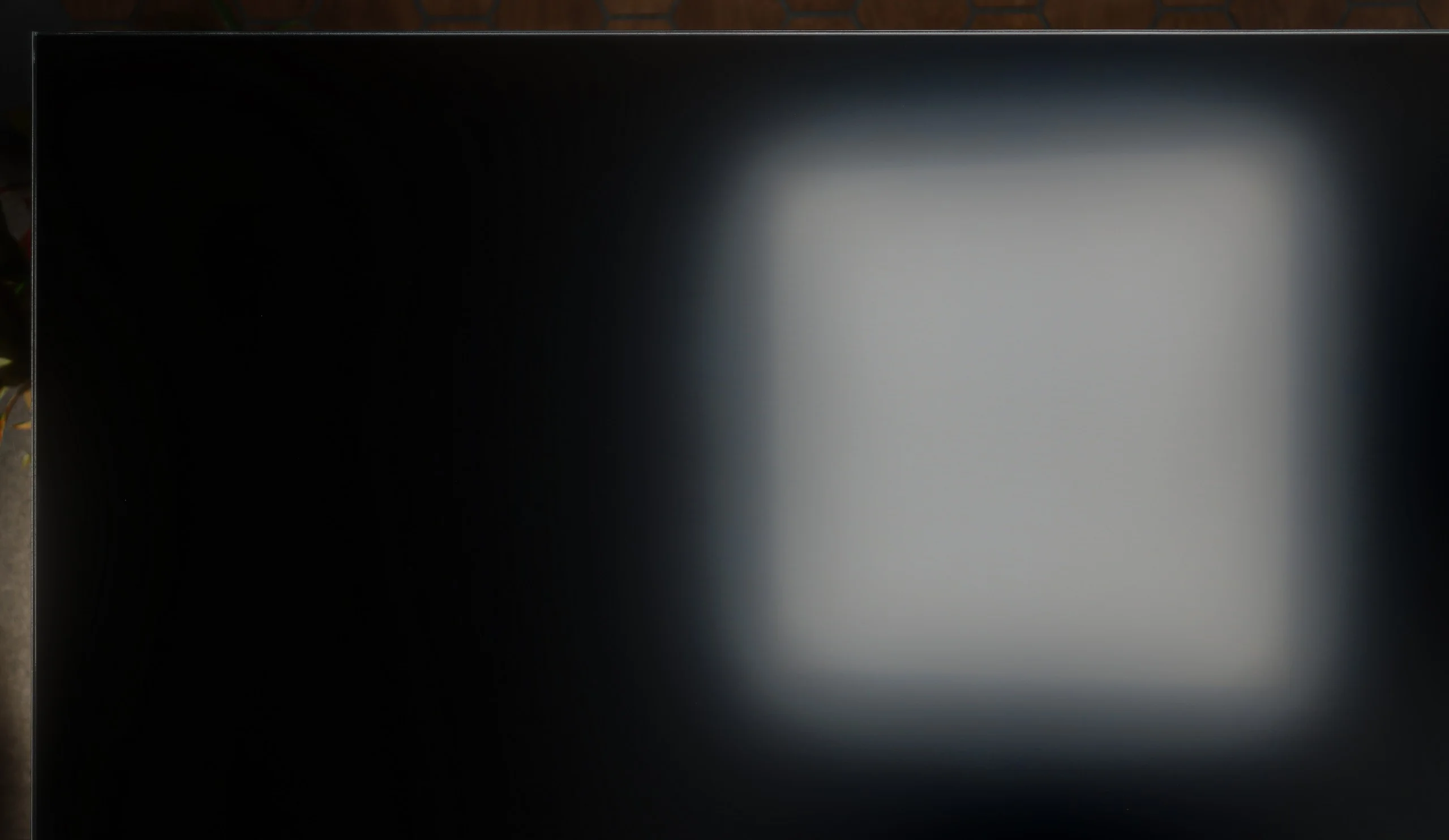
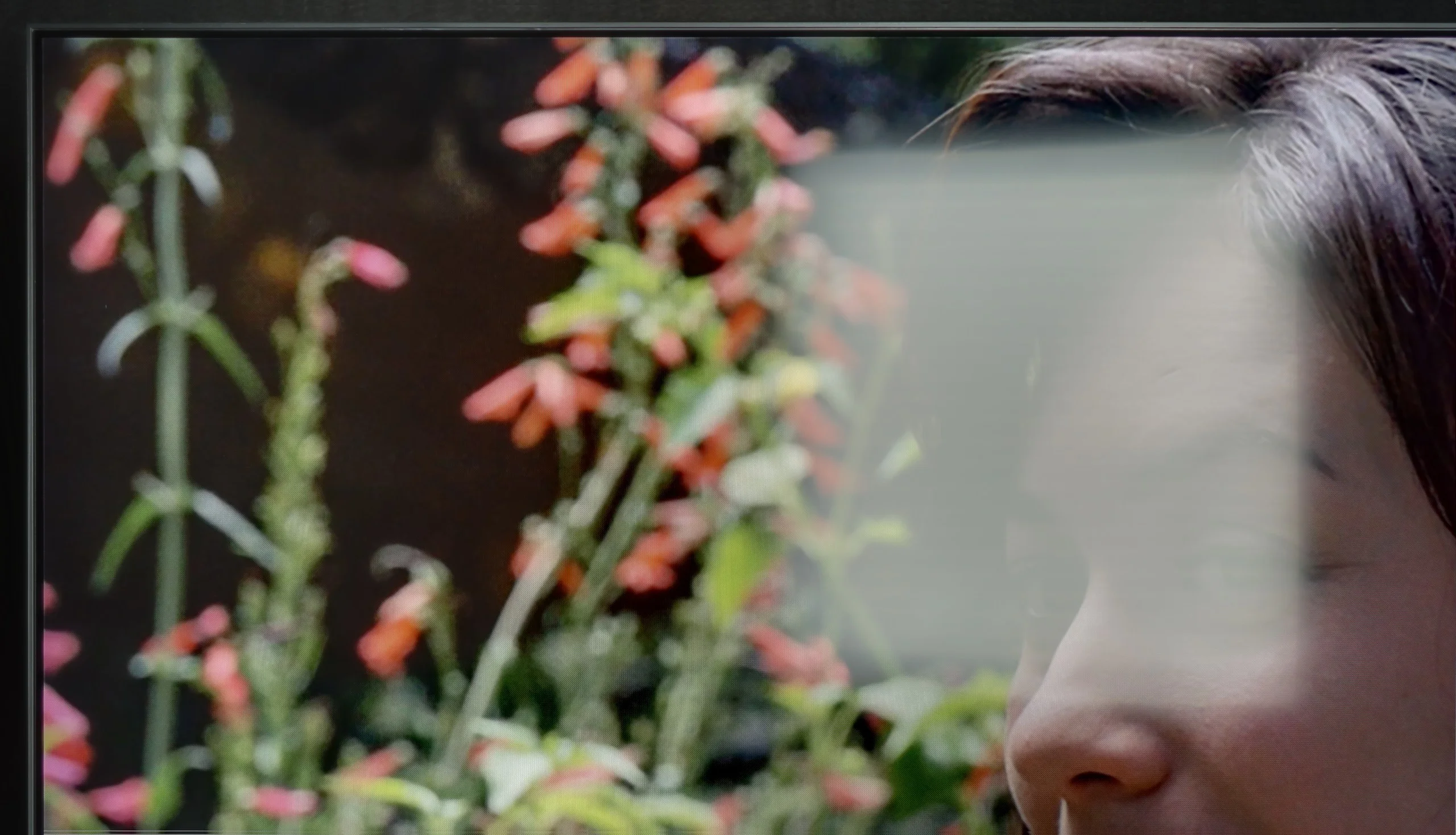
The limitations become more apparent during evening viewing. Black can look good, but a more demanding scene will cause halos around bright objects and the bars above and below the picture to glow. A small number of local dimming zones makes it hard to maintain deep blacks and bright details at the same time. Dolby Vision helps get more out of this screen, but it doesn't remove those limitations. The factory picture tuning is also disappointing, and the automatic brightness shifts we encountered during the review further spoil the user experience. This is where the refinement we expected from the "Panasonic" name is most lacking.
So ultimately the attractiveness of the W92C will come down to price. It's a basic Mini LED and should be priced similarly to competing models with simple local dimming. At that level it would be a sensible proposition, especially for people moving up from a regular LCD. They'll get better blacks, a handy system and a versatile screen that works for both TV and gaming. However, if you have to pay a clear premium for the Panasonic badge, it will be hard to justify. The W92C has enough strengths to hold its own as an inexpensive, versatile TV, but too few advantages to sell itself on the brand alone.
 Direct comparison