 Direct comparison
Samsung S95D is definitely our favourite among the TVs from this brand for 2024. We were impressed by its innovative matte screen, which sets it apart from the competition. Its brightness is outstanding, one of the highest values in the OLED segment. This makes it perform excellently in both low light rooms and full sunlight. The motion smoothness in this model is superb. When watching dynamic content, such as sports or games, every fast scene is reproduced with precision and without distortion. For us, gaming enthusiasts, the S95D offers a lot. It is equipped with four HDMI 2.1 ports, which support all the features available on the latest consoles. Moreover, the ability to use the Xbox app for cloud gaming eliminates the need for a physical console! In everyday use, the TV does not disappoint either. The Tizen system provides an intuitive interface and quick access to favourite streaming services. Integration with other devices, not just those from Samsung, is made possible by the SmartThings app. We can control smart devices like lighting or monitoring from the TV itself. This is incredibly convenient. Additionally, the S95D offers a Multi View function, allowing simultaneous viewing of two different programs. The eco-friendly solar remote is another plus. It controls multiple devices, allowing us to manage everything from one place. For those of us who dislike having multiple remotes on the coffee table, this is a significant advantage. The Solar Cell remote can take control of devices such as a decoder, home theatre, console, and many more. Support for AirPlay and Bluetooth enables seamless content sharing and accessory connectivity. We can't forget about the design of the S95D. Its slim build and innovative One Connect solution make a striking impression. The only drawback we noticed is the characteristic of the matte screen. During the day, it may slightly dull colours. Nevertheless, we believe that the Samsung S95D is a TV full of advanced features and technology. Perfect for those who desire high-quality entertainment in their home. It's a genuine device that undoubtedly deserves the title of one of the best TVs of 2024.
- Matching (Score) |
- Our verdict |
- TV appearance |
- Where to buy |
- Contrast and black detail |
- HDR effect quality |
- Factory color reproduction |
- Color reproduction after calibration |
- Smoothness of tonal transitions |
- Image scaling and smoothness of tonal transitions |
- Blur and motion smoothness |
- Console compatibility and gaming features |
- Input lag |
- Compatibility with PC |
- Viewing angles |
- Daytime performance |
- Panel details |
- TV features |
- Apps |
- Playing files from USB |
- Sound
S95D
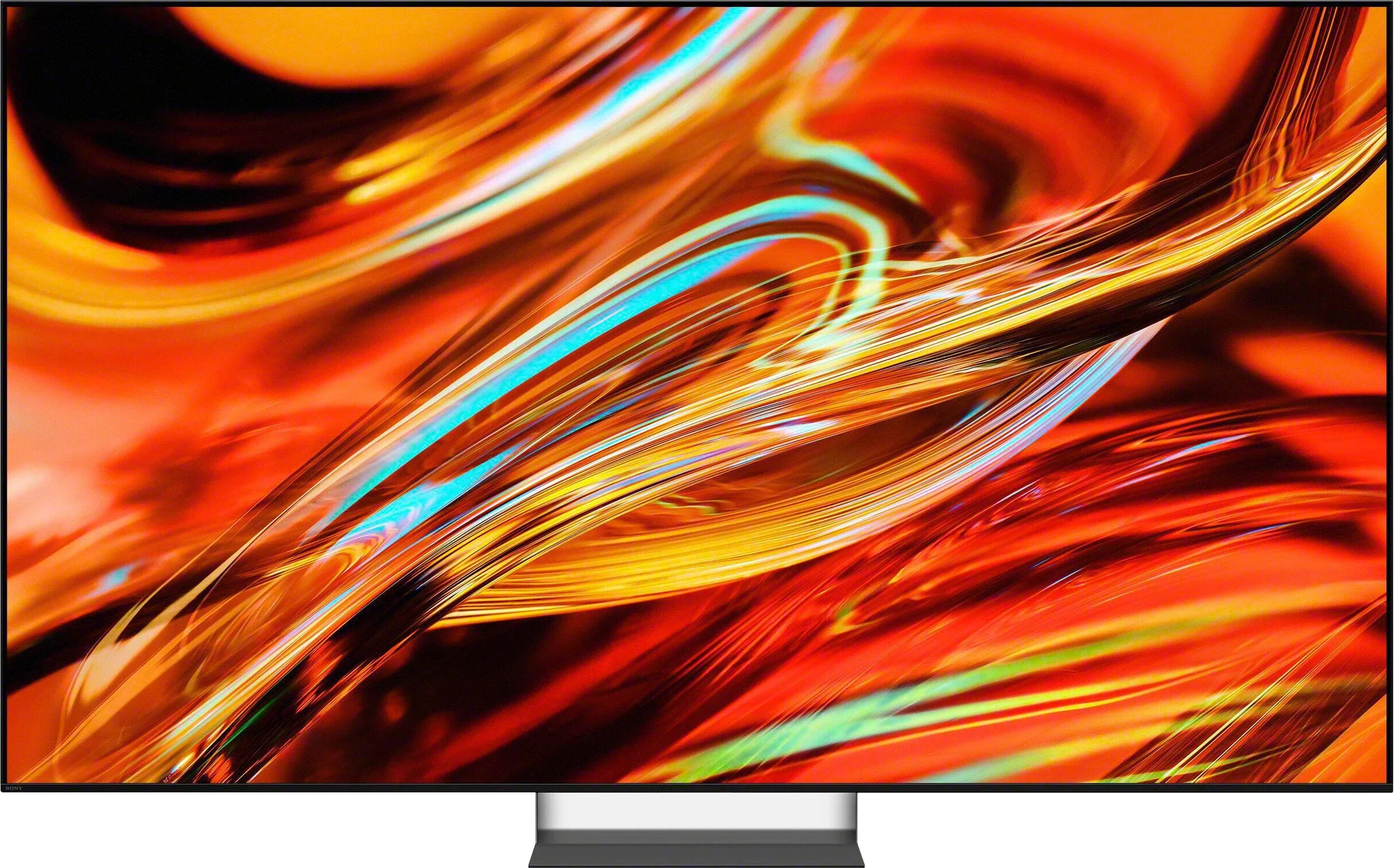
BRAVIA 7 II / XR75M2
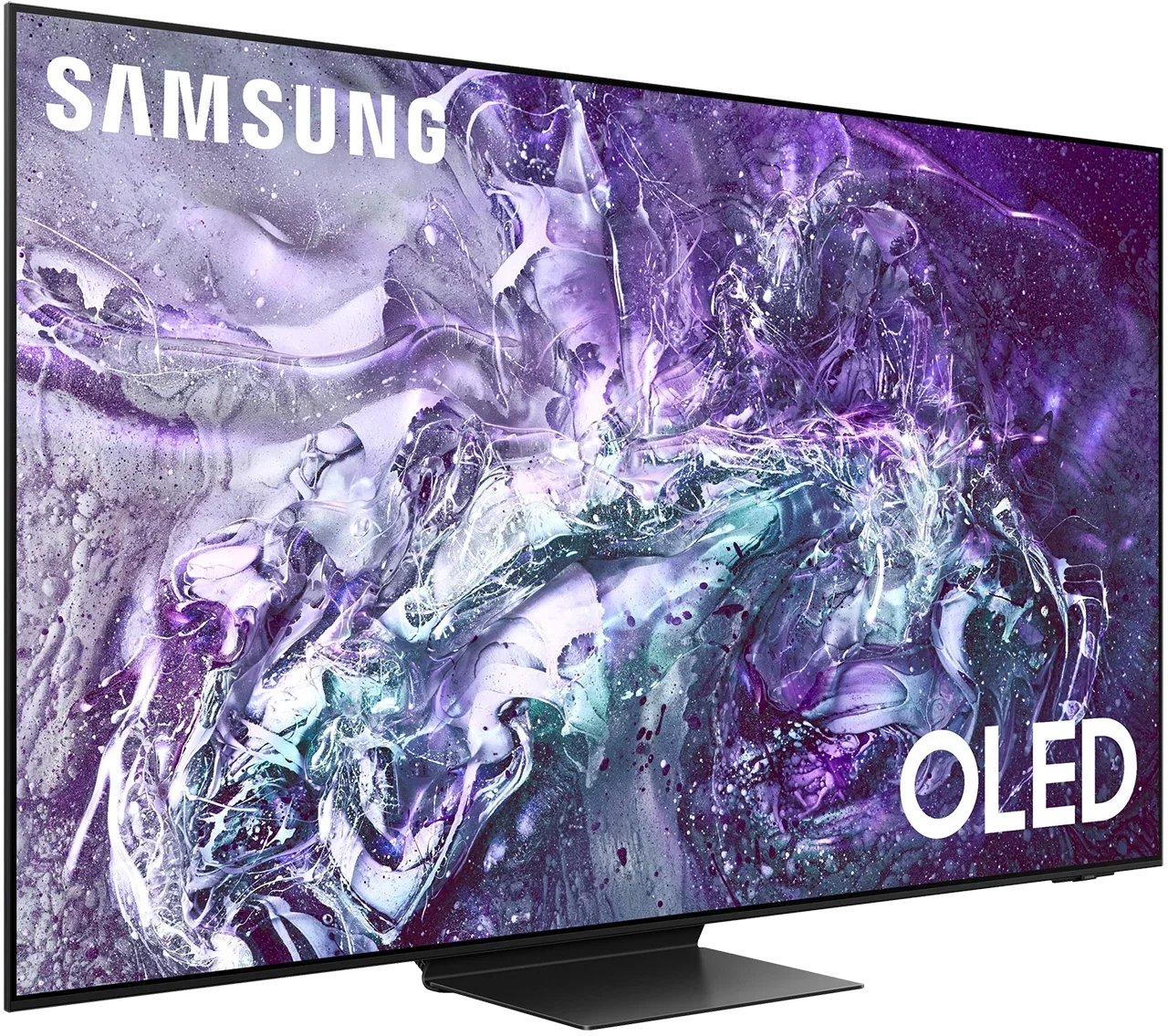
Panel type: QD-OLED
Resolution: 3840x2160
System: Tizen
Model year: 2024
Complete the survey to find out the result
Panel type: LCD VA
Resolution: 3840x2160
System: Google TV
Model year: 2026
Complete the survey to find out the result
Overall rating
8.5
8.4
 Movies and series in UHD quality
8.9
8.0
 Classic TV, YouTube
9.2
8.0
 Sports broadcasts (TV and apps)
8.9
7.7
 Gaming on console
9.8
8.9
 TV as a computer monitor
8.6
7.8
 Watching in bright light
6.2
9.0
 Utility functions
7.9
9.4
 Apps
9.3
9.6
 Sound quality
7.9
7.8
Complete the survey to find out what fits your preferences
Advantages

Exceptional depth of image and black (OLED)
Very good HDR effect
Excellent brightness
Vivid colours - high coverage of a wide colour gamut Bt.2022
Best viewing angles on the market
Matte panel
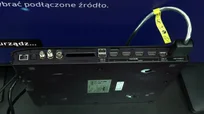
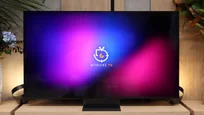
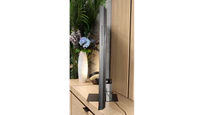
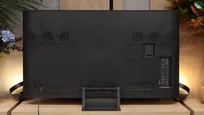
Super slim design (Innovative One Connect solution)
Very high contrast and excellent black levels for a Mini-LED
High brightness and very good HDR performance
Very good reproduction of the director's vision
Wide colour gamut thanks to True RGB
Excellent upscaling and digital image processing
Good viewing angles for a VA panel
120 Hz, VRR, ALLM, HGiG: plenty of features for gamers
Very low input lag
Google TV works great and offers extensive smart features
Two remotes included
Supports Dolby Vision, Dolby Atmos and DTS
Disadvantages

Colours during the day may be less intense due to the matte screen
No support for DTS audio tracks (this can be an issue with external players)
Only 2 HDMI 2.1 ports, one of which is shared with eARC
No high refresh-rate modes for PC gamers (higher than 120 Hz)
No option for precise colour calibration (CMS)
Worse motion smoothness than last year's Bravia 7 (XR70)
Our verdict
Sony Bravia 7 II is a TV that shows RGB Mini-LED doesn't have to be reserved only for the wealthiest buyers. And although in a few places it’s clear it sits below the Bravia 9 II, in everyday use it doesn't feel like a heavily stripped-down model. The biggest thing here is the combination of very good black levels, high brightness and Sony's excellent algorithms. That makes the picture dramatic, while still staying true to how a movie should look. HDR is particularly strong, with the Bravia able to deliver a lot of brightness without losing detail. The True RGB backlight also has its advantages. It gives the TV a wide colour gamut and improves viewing angles, which for a VA panel are really good. That doesn't mean RGB Mini-LED suddenly solves all the limitations of LCD TVs. You can still see haloing around small bright objects, and the backlight's colour capabilities aren't used fully in every scene. Even so, Sony manages all of this very well, and the way it controls the image is one of the Bravia 7 II's biggest strengths. Image processing remains a major advantage over many rivals. Upscaling, smoothing weaker tonal transitions and HDR mapping are among this model's strengths. Add Google TV, decent kit, very low input lag and a practically complete set of gaming features. But there are things that are hard to understand in a TV of this class. The most annoying is the presence of only two HDMI 2.1 ports, one of which doubles as eARC. Sony also sticks with 120 Hz, while competitors increasingly offer 144, 165 or 180 Hz. In the end, the Bravia 7 II mainly stands as a very complete TV. It doesn't try to win on a specs sheet and in some areas the competition will offer more. Sony makes up for that where specs don't tell the whole story, with image processing, very good HDR tuning, backlight control and overall picture quality for movies. That's what makes the Bravia 7 II one of the more interesting Mini-LEDs of 2026, especially for people after a bright, versatile TV for movies, TV, sport and gaming, but who don't necessarily want to go for an OLED.
TV appearance


Contrast and black detail
10/10
8/10
Local dimming function: Yes, number of zones: 432 (18 x 24)
Contrast:


Result
∞:1

Result
∞:1

Result
∞:1

Result
∞:1

Result
∞:1
Result
173,850:1
Result
27,750:1
Result
155,550:1
Result
6,800:1
Result
5,300:1
Halo effect and black detail visibility:
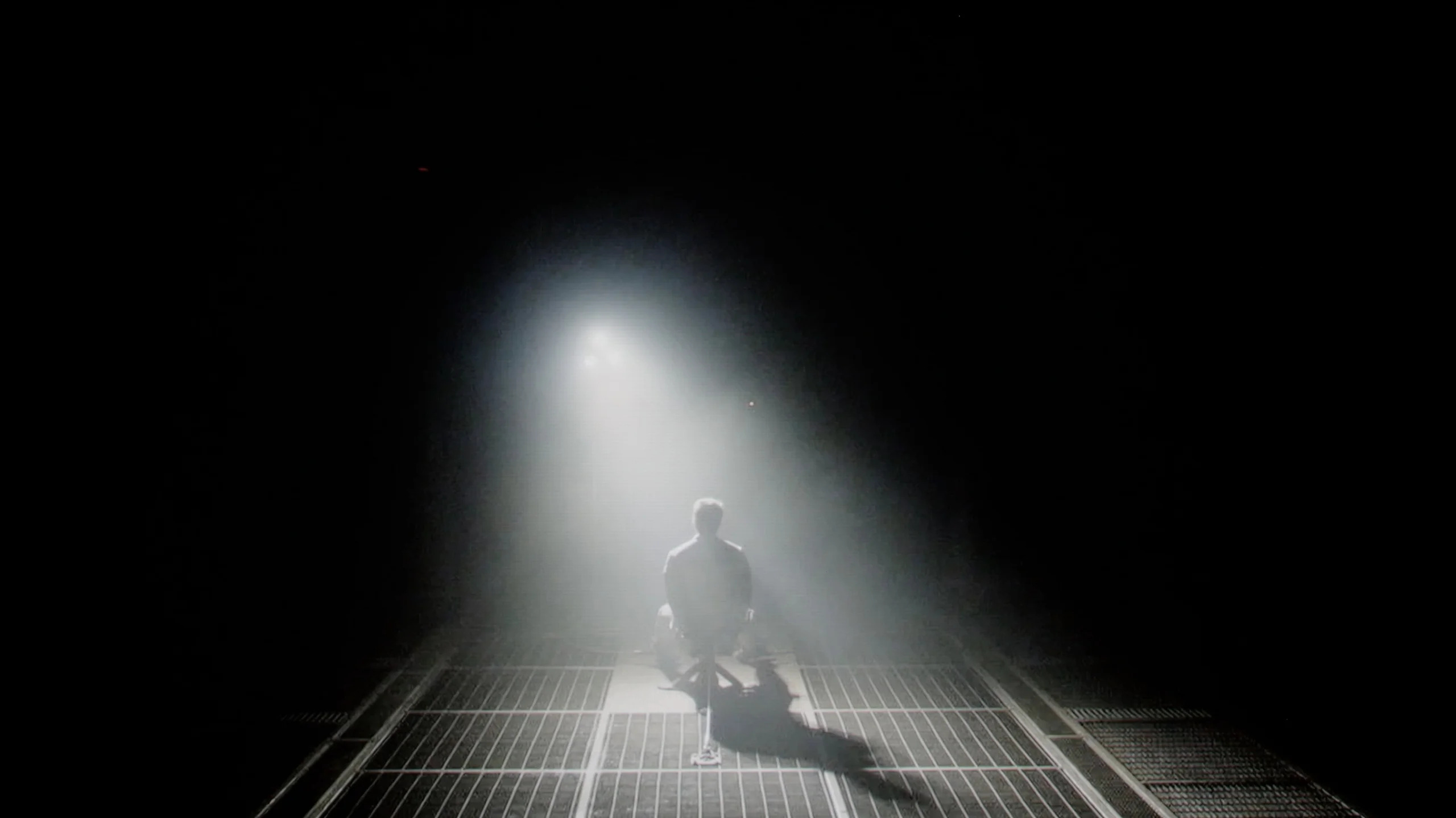
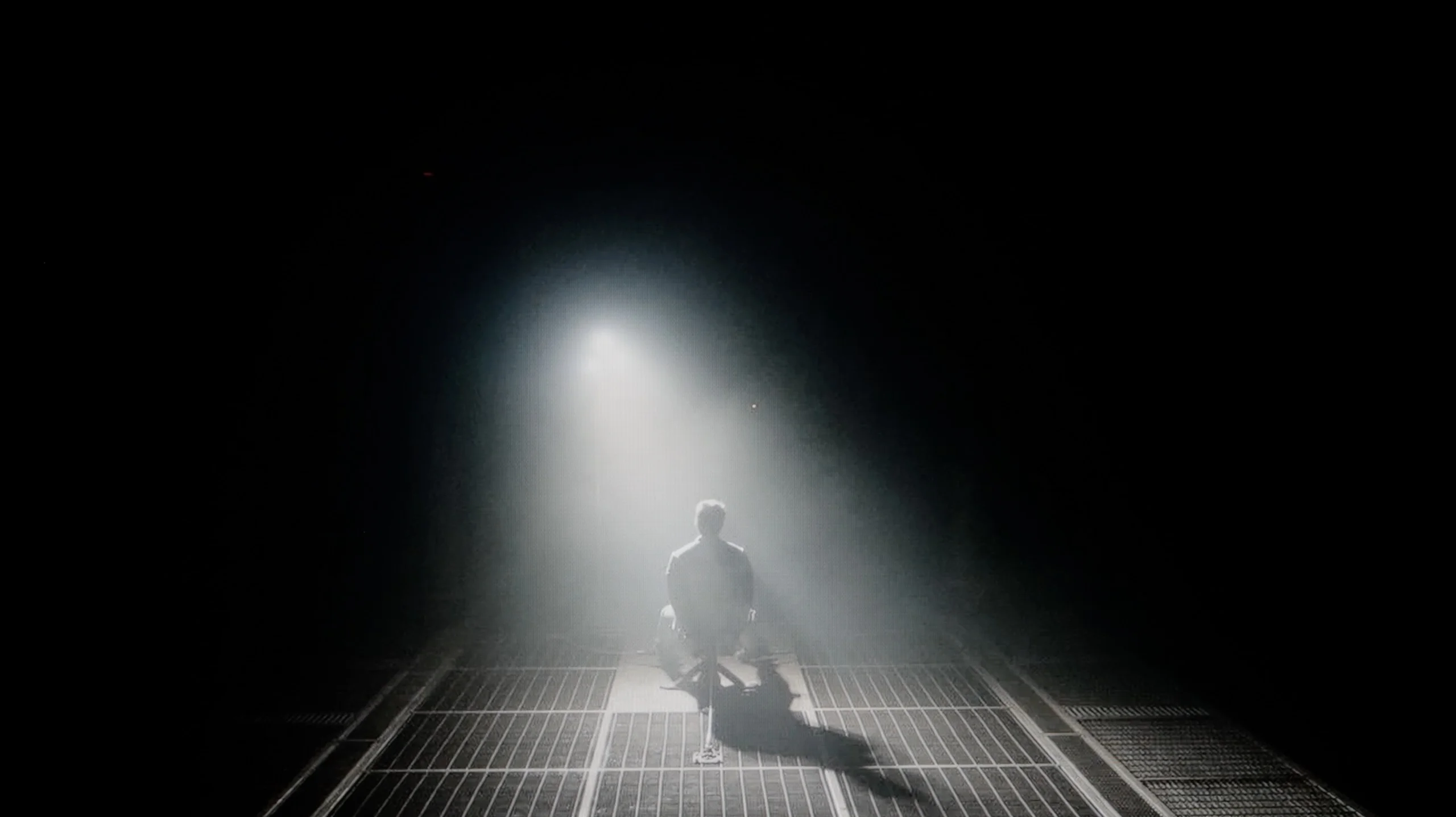
Check the visibility of bright lights on a dark background. Mini-LEDs often struggle with this. The photo does not compare black levels – that’s what the video below is for.
The video accurately shows differences in contrast and black levels between TVs, as well as potential issues: halo around bright objects or Mini-LED zone operation visible as brightness jumps.
Samsung S95D with QD-OLED technology delights with perfect black levels, thanks to self-emissive OLED diodes working in conjunction with a quantum dot layer. Each pixel can turn off independently, allowing the screen to achieve absolute black with no light leakage whatsoever. The result? Infinite contrast, where bright objects stand out clearly against a dark background, and details in the shadows are reproduced with remarkable accuracy.
Compared to traditional LCD televisions or even other OLEDs, the S95D stands out with its incredible uniformity of image and depth of black. This makes nighttime viewing take on a cinematic atmosphere, and the picture appears almost three-dimensional. An ideal choice for those who expect the highest quality and full immersion in the content they watch.
The Sony Bravia 7 II in the 65-inch variant we tested uses a VA panel and an RGB Mini-LED backlight split into 432 local dimming zones. That already provides a solid basis for achieving very good black levels, although one thing is worth noting. There are fewer zones here than in last year’s Bravia 7, which had 512 in the same size. Did this affect contrast? Interestingly, no. The Bravia 7 II handles blacks even better than its predecessor, and it clearly shows how much depends on the algorithms themselves. Sony controls the backlight very well and in many scenes can achieve genuinely deep blacks while still preserving detail in dark parts of the picture. So there aren’t situations where the TV tries to force perfect black at all costs, cutting away some details in the process.
The lower zone count only becomes noticeable in the most demanding scenes. A star-filled sky, text on a black background or lots of small bright elements displayed at once can already produce a halo effect. What’s interesting is how that halo looks. Thanks to the RGB backlight, the bloom can take on the colour of the displayed object. So if there’s a small red object on a black background, the glow around it will also have a red tint. It doesn’t disappear completely, but that makes it less visually separate from the object itself and the image looks more coherent than with traditional Mini-LEDs that use white backlighting.
HDR effect quality
7.8/10
7.7/10
Luminance measurements in HDR:

Result
1400 nit

Result
1521 nit

Result
1560 nit

Result
1385 nit

Result
804 nit
Result
1715 nit
Result
1182 nit
Result
1401 nit
Result
571 nit
Result
1260 nit
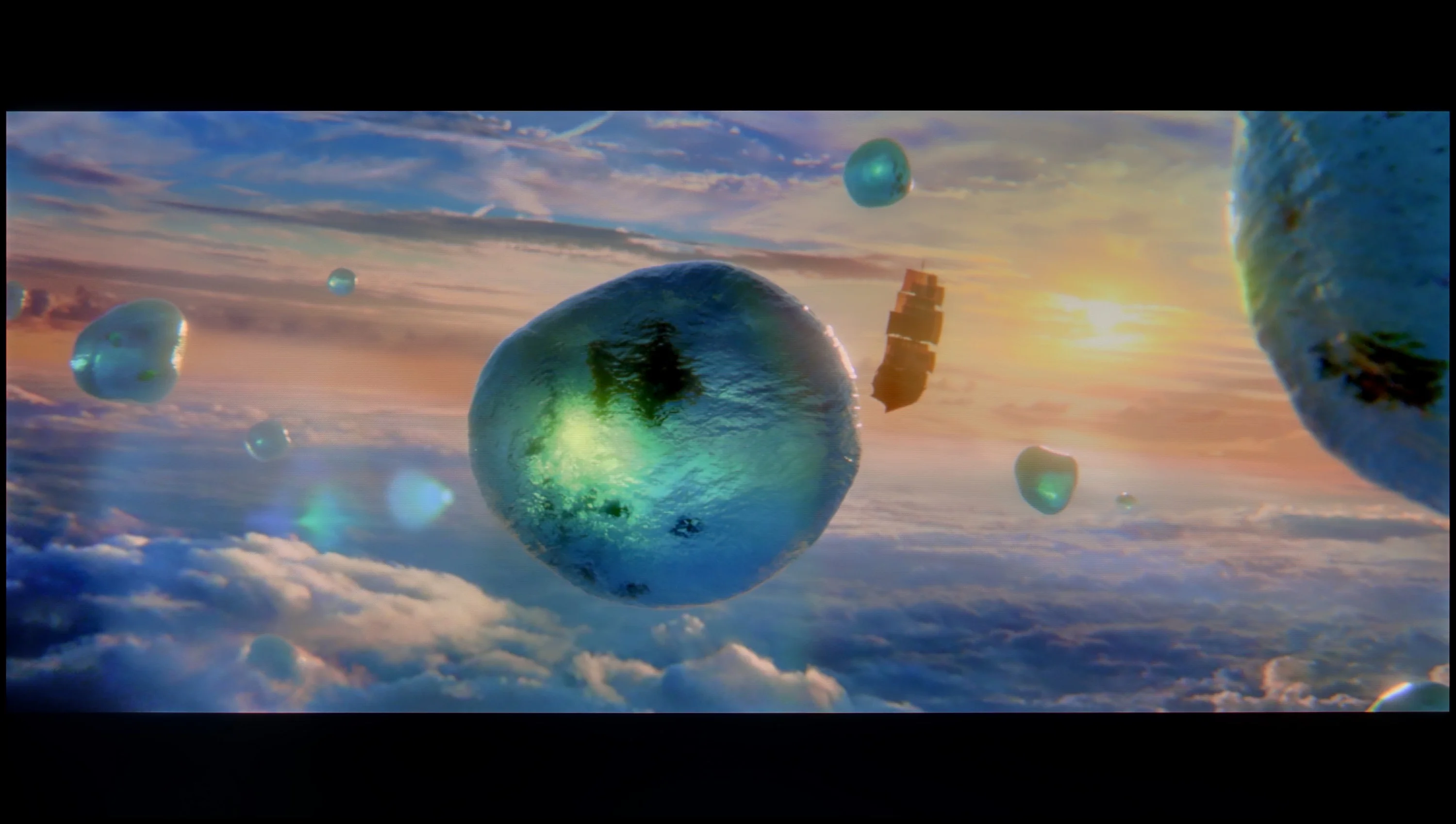
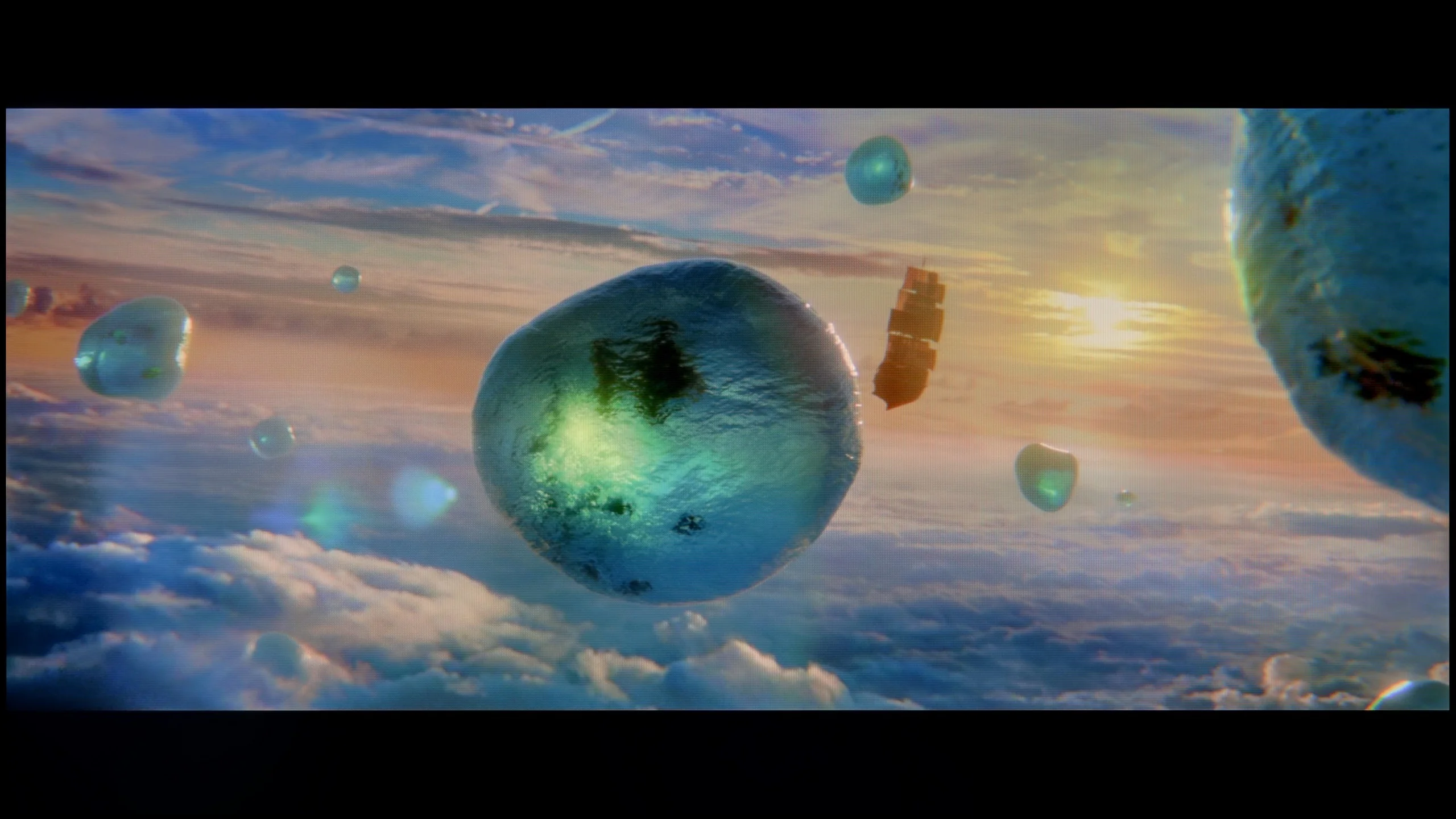
Scene from the movie “Pan” (about 2800 nits)
Scene from the movie “Billy Lynn” (about 1100 nits)
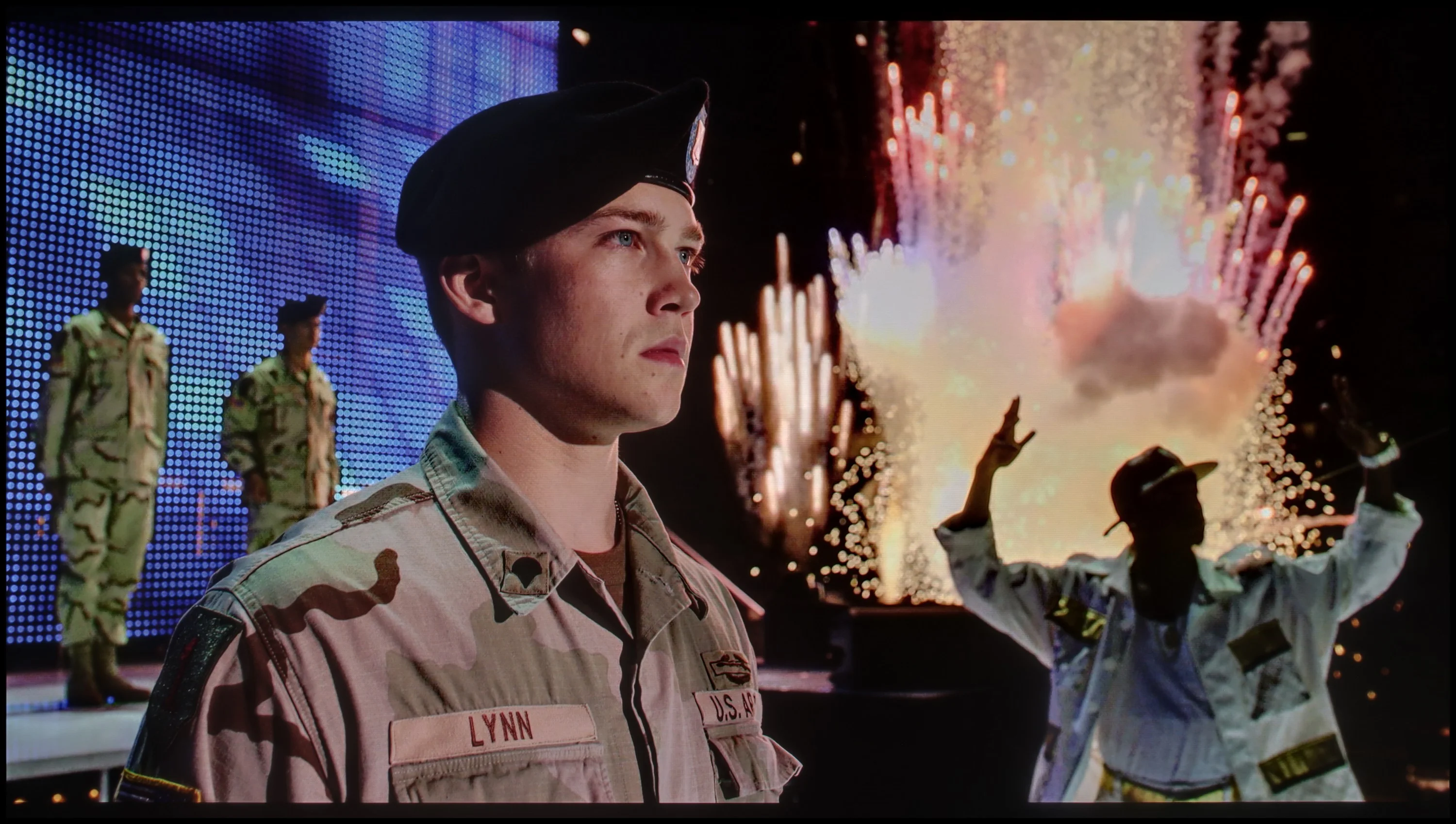
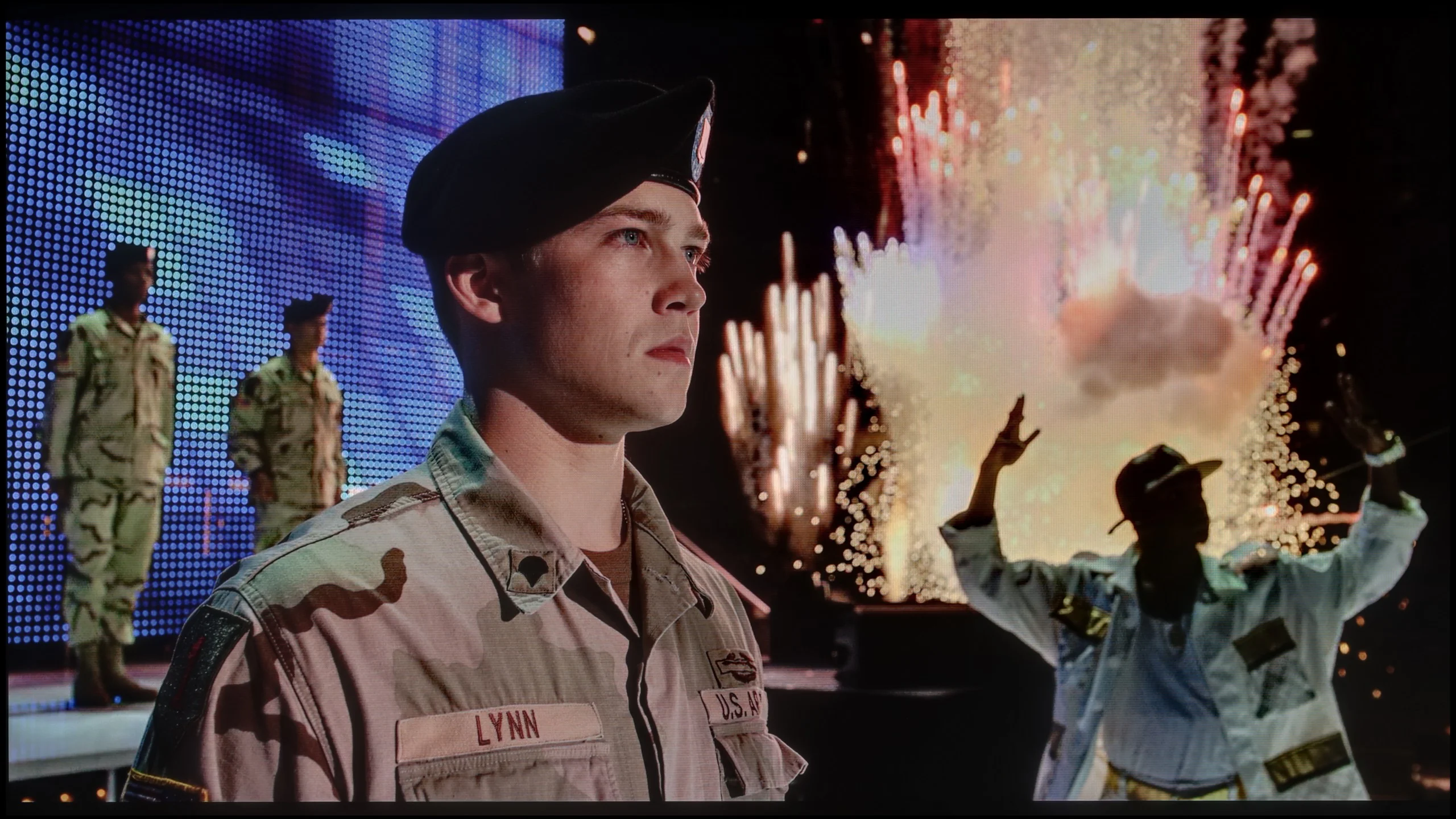
The photos show two HDR10 movies. 'Pan' is one of the brightest productions ever made, while 'Billy Lynn' (soldier) has brightness typical of streaming (Netflix, Prime, HBO MAX). Notice the intensity of effects and detail in whites.
Static HDR10


The photos present the visibility of white details in various HDR formats. They do not show brightness differences between TVs (these can be compared in the previous gallery).
Dynamic: HDR10+
Dynamic: Dolby Vision


The photos present the visibility of white details in various HDR formats. They do not show brightness differences between TVs (these can be compared in the previous gallery).
HDR luminance chart:
Sony BRAVIA 7 II
Samsung OLED S95D
Samsung S95D offers excellent HDR performance, delivering consistent effects across all scenes exceeding 1500 nits, except for the fifth, where brightness drops to 800 nits. Despite this, the TV maintains a high level of picture quality. A significant advantage of QD-OLED technology is the ability to maintain high brightness even in the smallest elements on a black background, which is rare in LCD and mini LED TVs. As a result, every scene impresses with strong lighting effects, regardless of the size of the illuminated surface. Only in the brightest scenes with a large light area does brightness drop slightly, which is typical even for standard LG OLEDs. Additionally, the quantum dot coating has allowed for an unprecedented high coverage of the BT.2020 colour palette at 88%.
Sony Bravia 7 II handles HDR very well and, above all, is simply a bright television. In the correct viewing mode for watching, Professional, we measured about 2,000 nits of peak brightness, so the panel’s capabilities are truly large. Of course, in Mini-LED sets a test-pattern result is only part of the story, because much still depends on how the TV controls the backlight in real scenes. Here Sony’s algorithms perform really well. Depending on the scene, the brightness we measured in films ranged from about 1,100 to as much as 1,700 nits. That’s a level at which HDR has proper punch and bright highlights can be genuinely impressive. It’s not perfect in every situation. With small bright elements on a very dark background, the Bravia 7 II clearly prioritises maintaining good black levels, so their brightness can fall to around 500 nits. It still looks good, but it’s clear the TV doesn’t always manage this without compromise.
Colours
The second thing that has a huge impact on HDR is, of course, colour. And this is where True RGB was meant to deliver one of the biggest changes. Looking at the panel’s capabilities alone, the Bravia 7 II performs very well. We measured roughly 98% DCI-P3 coverage and 88% BT.2020, so the potential for showing highly saturated colours is substantial. In RGB TVs the matter is a bit more complex. When we repeated the same measurements with a film-like background applied, gamut coverage dropped to about 92% DCI-P3 and 78% BT.2020. Those are still good numbers, especially for an RGB Mini-LED TV, but they show that the final result largely depends on how the algorithms drive the three backlight colours. In most scenes the Bravia 7 II handles this well and colours retain strong saturation. The biggest differences are visible in blue shades, where samples start to deviate more noticeably from the reference values and coverage is weaker than for the other primaries. True RGB therefore offers genuinely greater potential, but, as with brightness, a lot depends on what’s actually happening on screen.
Factory color reproduction
7.5/10
7/10
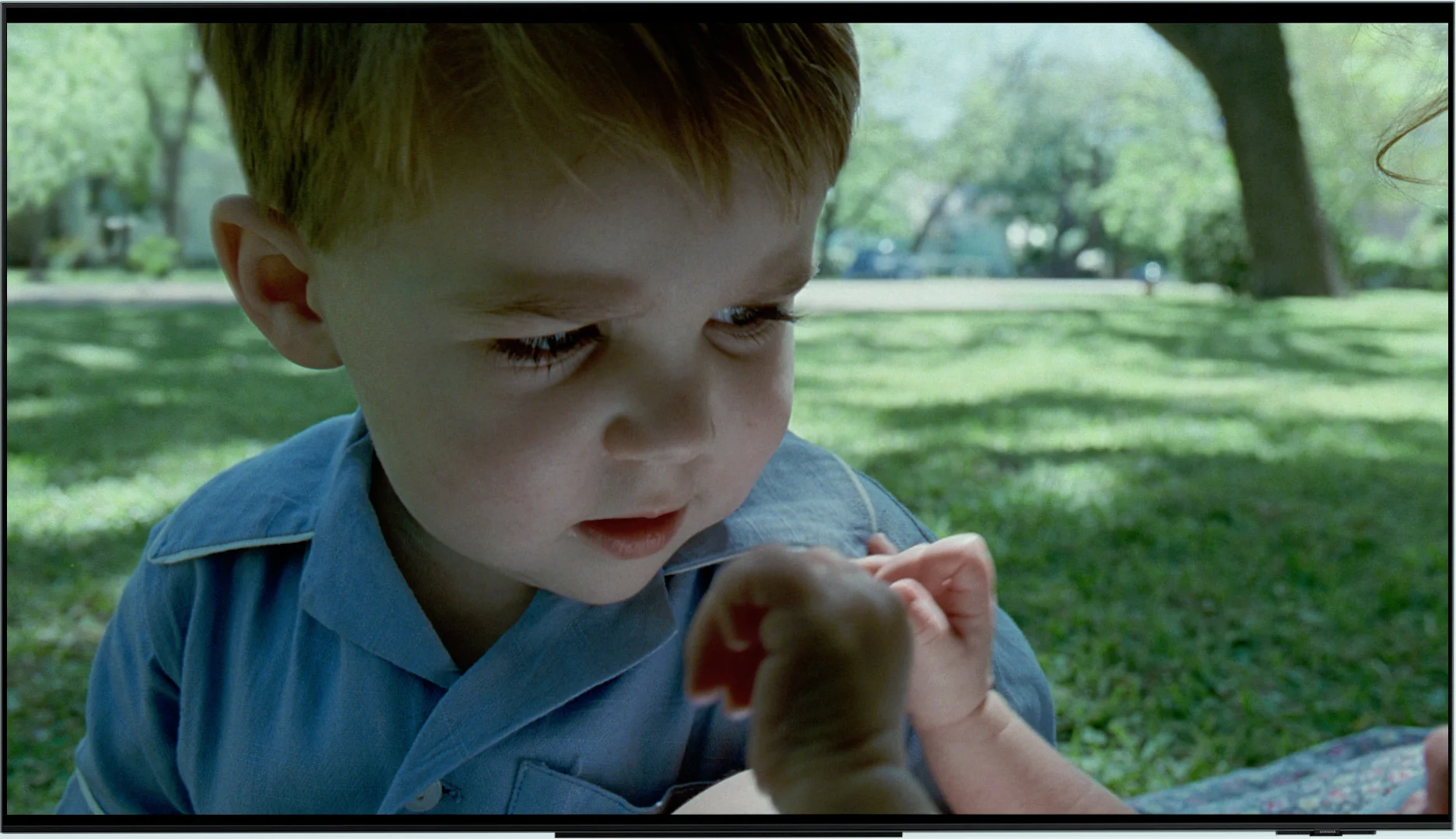
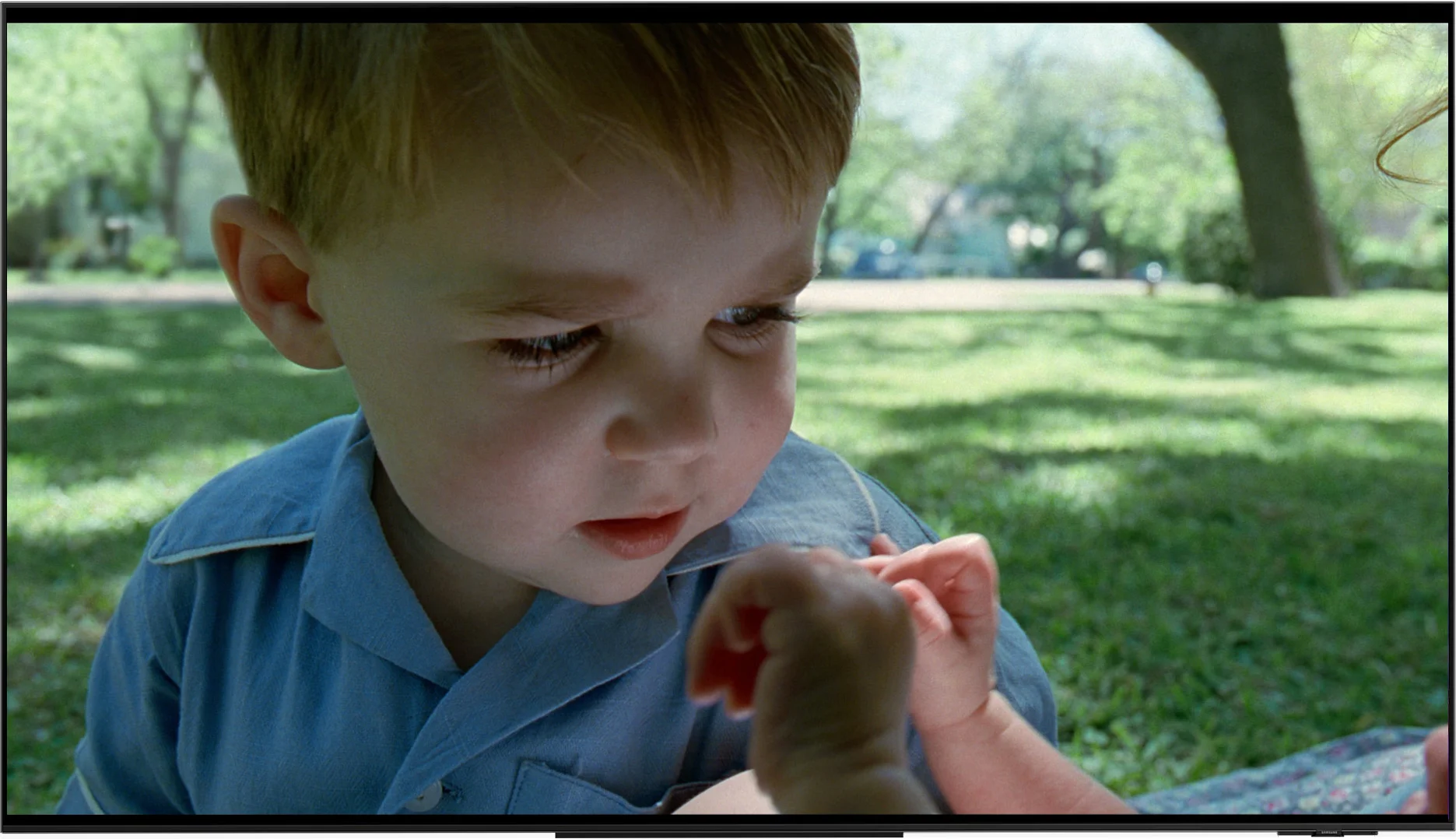
This gallery shows how colors change after professional TV calibration. If you notice the difference, we recommend ordering this service at SkalibrujTV.com.
Factory Mode
After calibration
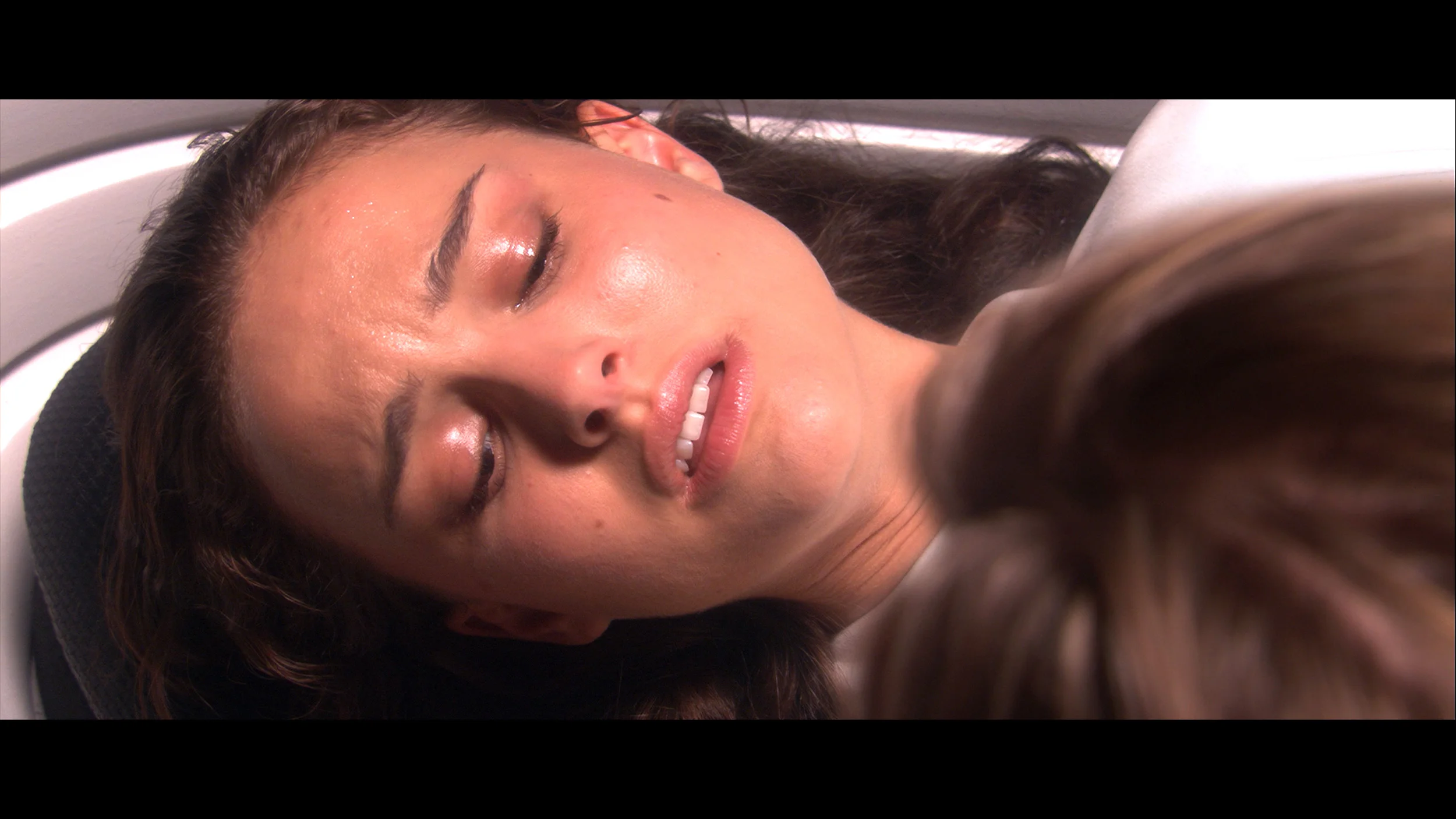

This gallery shows how colors change after professional TV calibration. If you notice the difference, we recommend ordering this service at SkalibrujTV.com.
Factory Mode
After calibration
On the Samsung S95D, the best colour reproduction mode is the Filmmaker mode. We conduct all our tests in this mode. Although initially, the image in this mode may seem a bit warmer to the viewer, it provides significantly more detail compared to the standard or dynamic modes, which are always oversaturated and artificial. Therefore, Filmmaker is the most closely aligned with the vision of filmmakers and ideal for watching high-quality content. It is worth noting, however, that the factory settings are not perfect, despite dealing with premium segment equipment. The image may contain certain issues that affect the overall quality of the displayed scenes. An example is the drops in red colour in the white balance, both in HD and HDR content. Colour Checker tests showed that the colours lean towards cooler tones. The image is dominated by blue hues, and the overall colour spectrum is distorted. As can be seen in the picture below, the boy from the film appears in cooler tones, making him look less natural. When it comes to brightness characteristics for HD content, it is quite accurate, although there are minor errors. The biggest issue arises when displaying 4K HDR content. The EOTF curve, which seems appropriate at first glance in test patterns, in actual film scenes shows that the TV sometimes "messes around" with the image. This results in some scenes appearing slightly brighter and others darker.
Samsung S95D offers quite decent factory colour reproduction; however, it has some shortcomings that may require calibration to fully utilise the potential of this television. The process is recommended to achieve the most natural and immersive image possible.
To evaluate the factory colours we chose the Professional mode, because it performs best among the available presets. It's not perfect. In SDR the white balance is slightly biased toward magenta, so some scenes look a little warmer and less neutral than they should. A bigger issue is the gamma, which sits closer to 2.5 than 2.4. As a result the image is a bit too dark in places, especially in the mid-tones. In HDR the situation is better. As brightness increases there's a little too much red, but it isn't something that really jumps out while watching. Overall the Professional mode is a good starting point, though you can get a bit more out of it with calibration.
Color reproduction after calibration
9/10
8.8/10
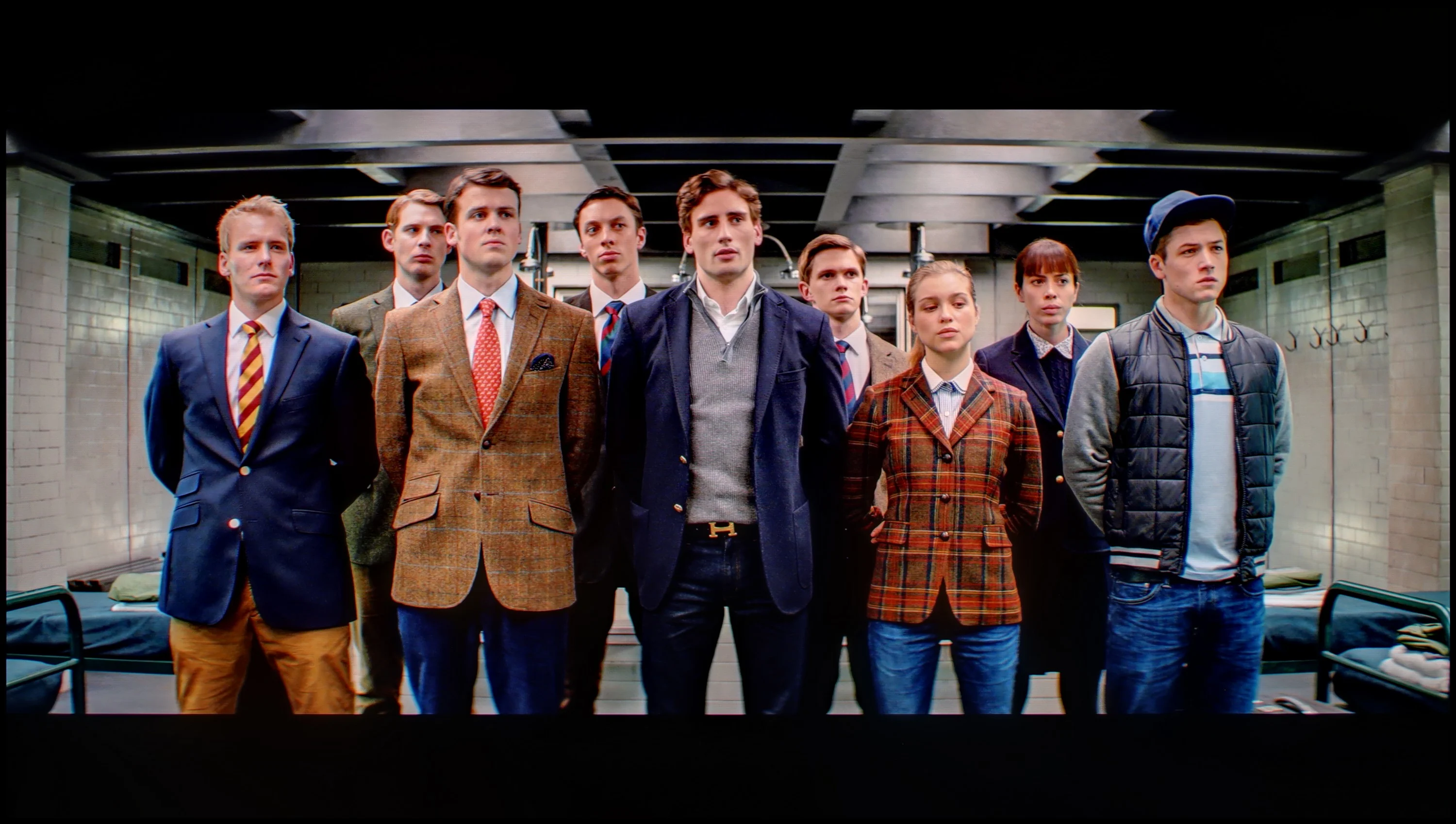
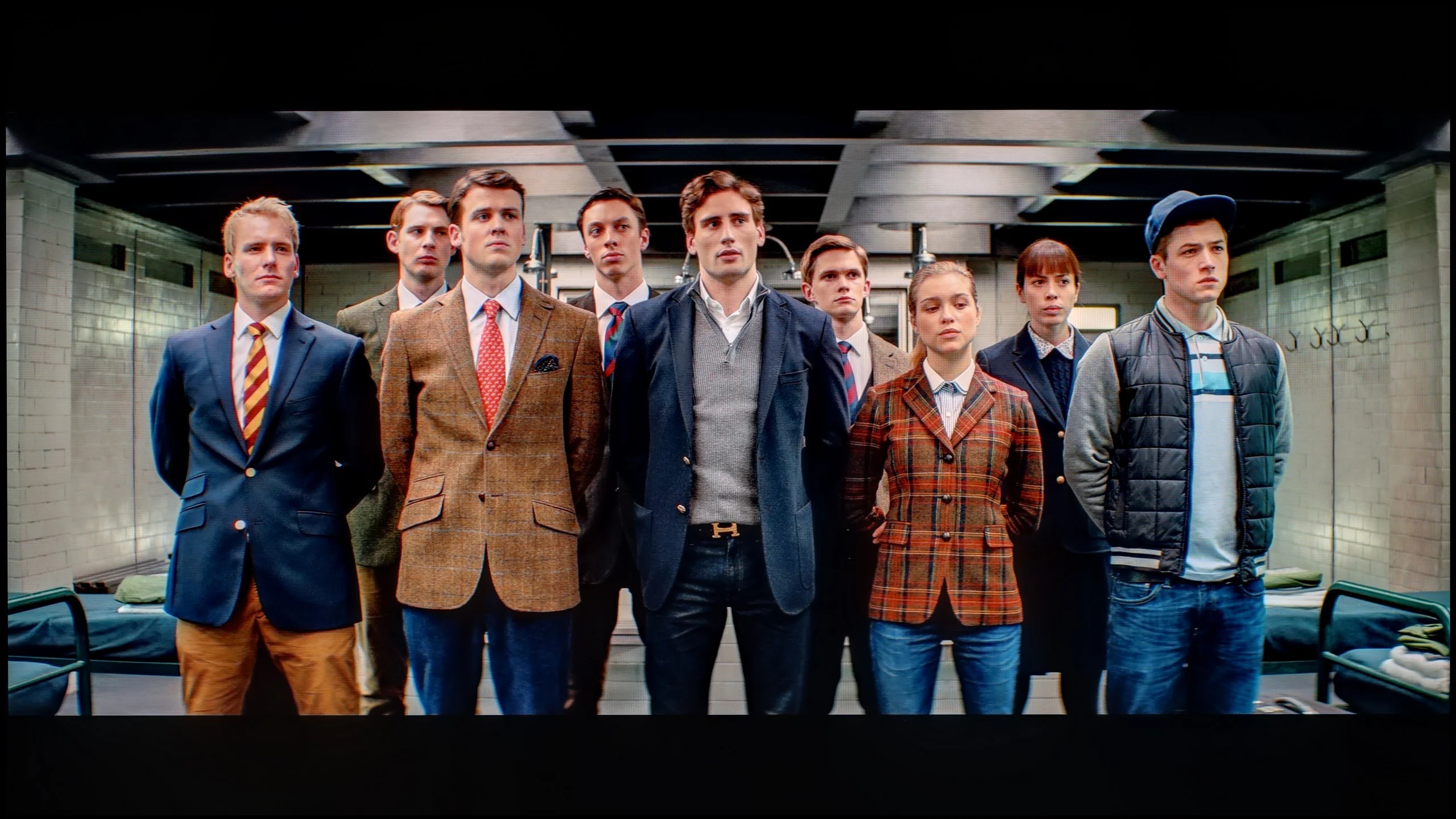
The photos show how movies look on the TV. Pay attention to black detail visibility, colors, and shadow tint.


The photos show how movies look on the TV. Pay attention to black detail visibility, colors, and shadow tint.
How much can the picture quality of a TV change after calibration? After calibration on the Samsung S95D, the white balance has significantly improved, eliminating all major errors, allowing for a more natural and harmonious colour representation. In the case of 4K content, there are only minor imperfections which do not affect the overall picture quality. Thanks to the calibration, viewers can now enjoy more balanced tones, which better reflect the intentions of filmmakers. The contrast has also improved, and the gamma shows even better results. This means that the differences between bright and dark parts of the image have become more pronounced, resulting in better depth and detail of scenes. As a result, shadows have gained more detail, and bright areas are no longer so overwhelming, providing a more realistic visual experience. However, it should be noted that the EOTF curve is slightly below the expected level, which may affect how the TV handles dynamic scenes. Nevertheless, after calibration, the overall picture quality has significantly improved, and viewers can now enjoy a visual experience that is more in line with the creators' intentions. The TV handles subtle tonal transitions and contrast better, making it more suitable for watching movies and high-definition programs. Ultimately, the picture after calibration is closely aligned with reference quality, making the visual experience even more satisfying.
After calibration the Bravia 7 II can look significantly better. First and foremost, we managed to set the white balance very well in both SDR and HDR. Gamma can also be improved, and after correction it runs very close to the reference value. For most users those changes will have the biggest impact on the picture. There is, however, a limitation with the colours themselves. On the Bravia 7 II Sony does not provide access to a traditional CMS that would let us adjust individual hues separately. Much is left to the algorithms controlling the True RGB backlight. If the TV reproduces a specific colour inaccurately, we are not always able to do anything about it. In our measurements this is most apparent in parts of the reds and blues, where errors can still be quite large. That does not, however, undermine the value of calibration. Correctly setting the white point and gamma strongly affects the whole picture, so even without the ability to precisely correct every colour the difference from the factory settings is noticeable.
Smoothness of tonal transitions
8.5/10
8.5/10
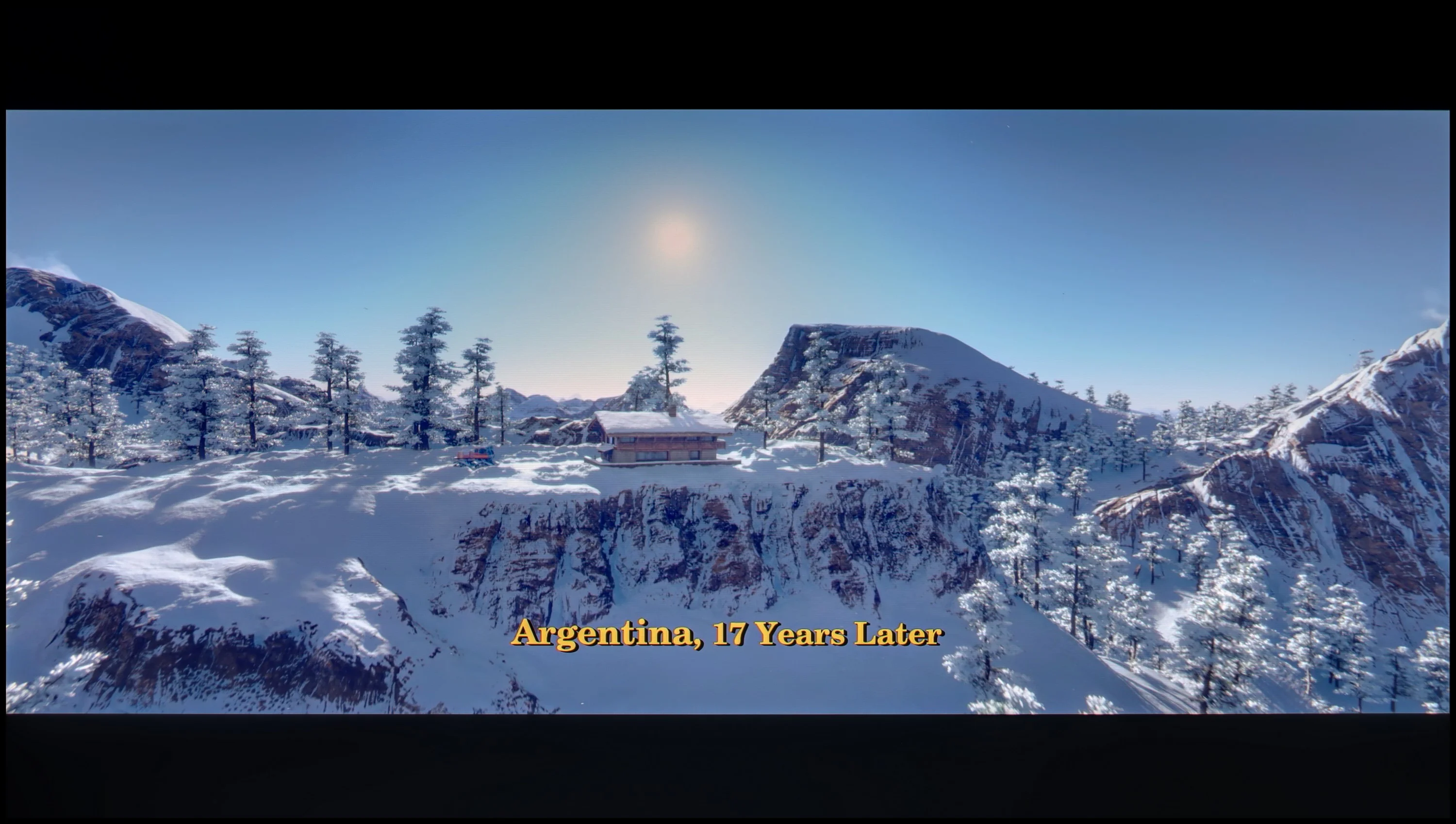

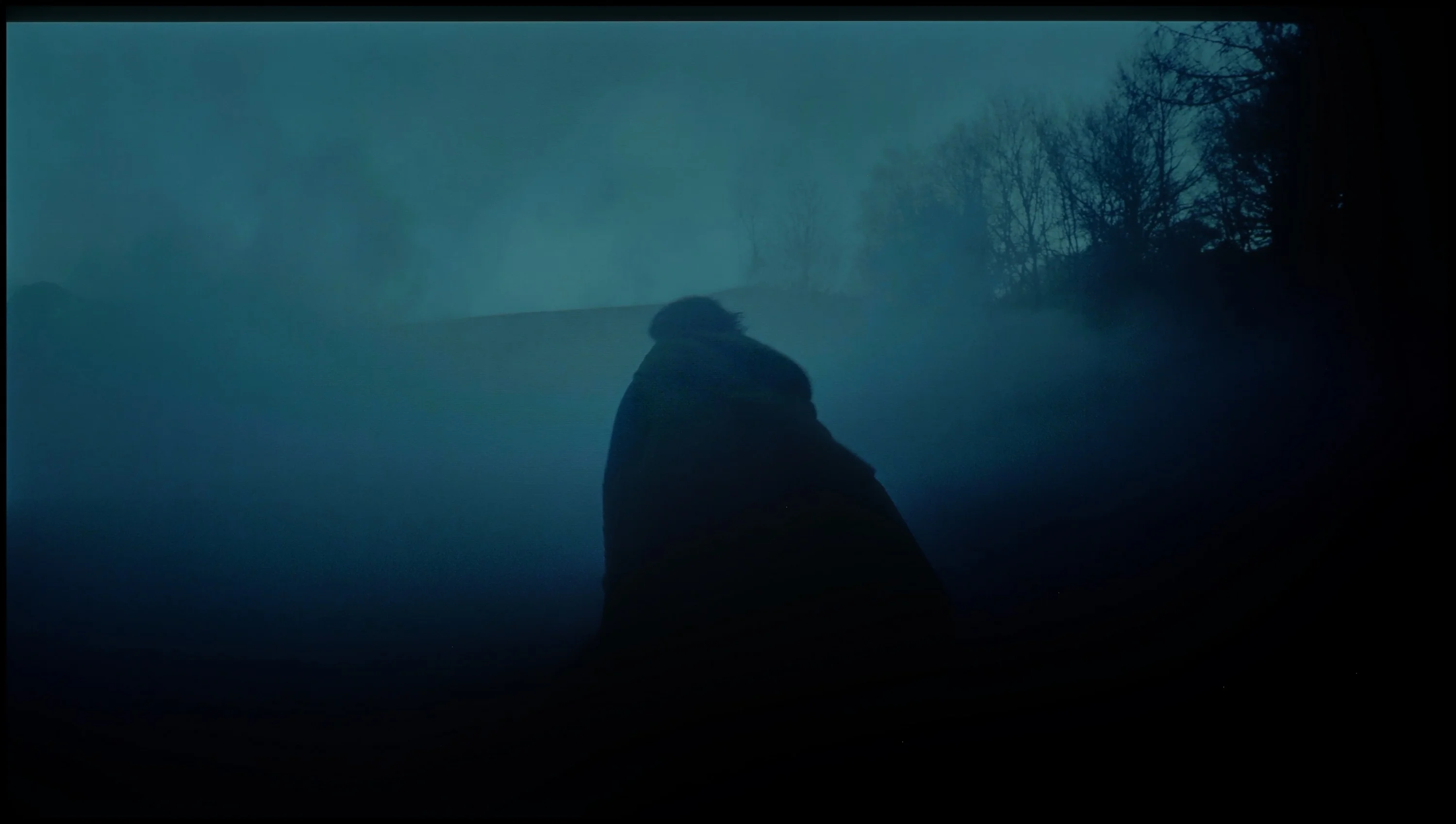
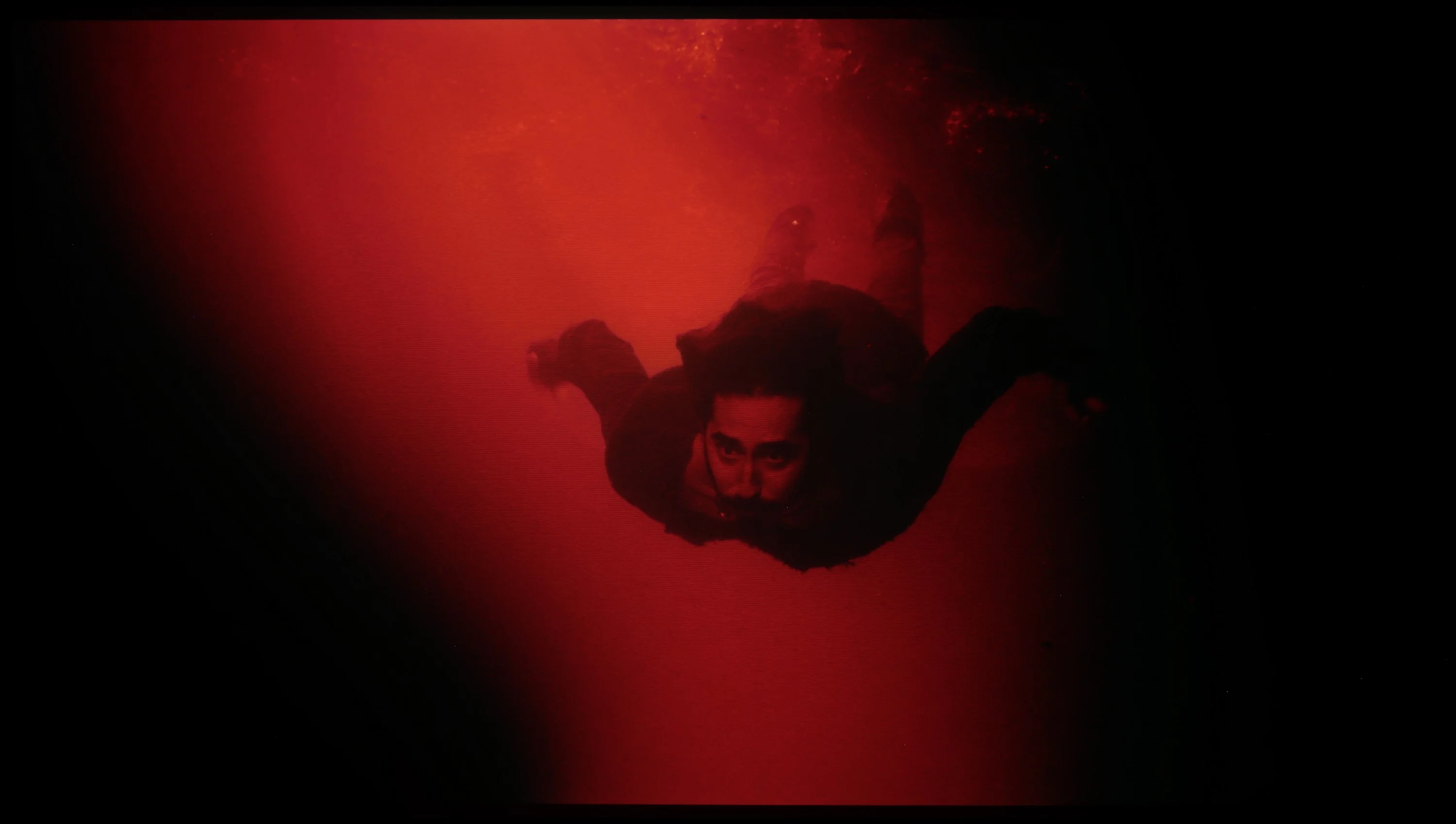
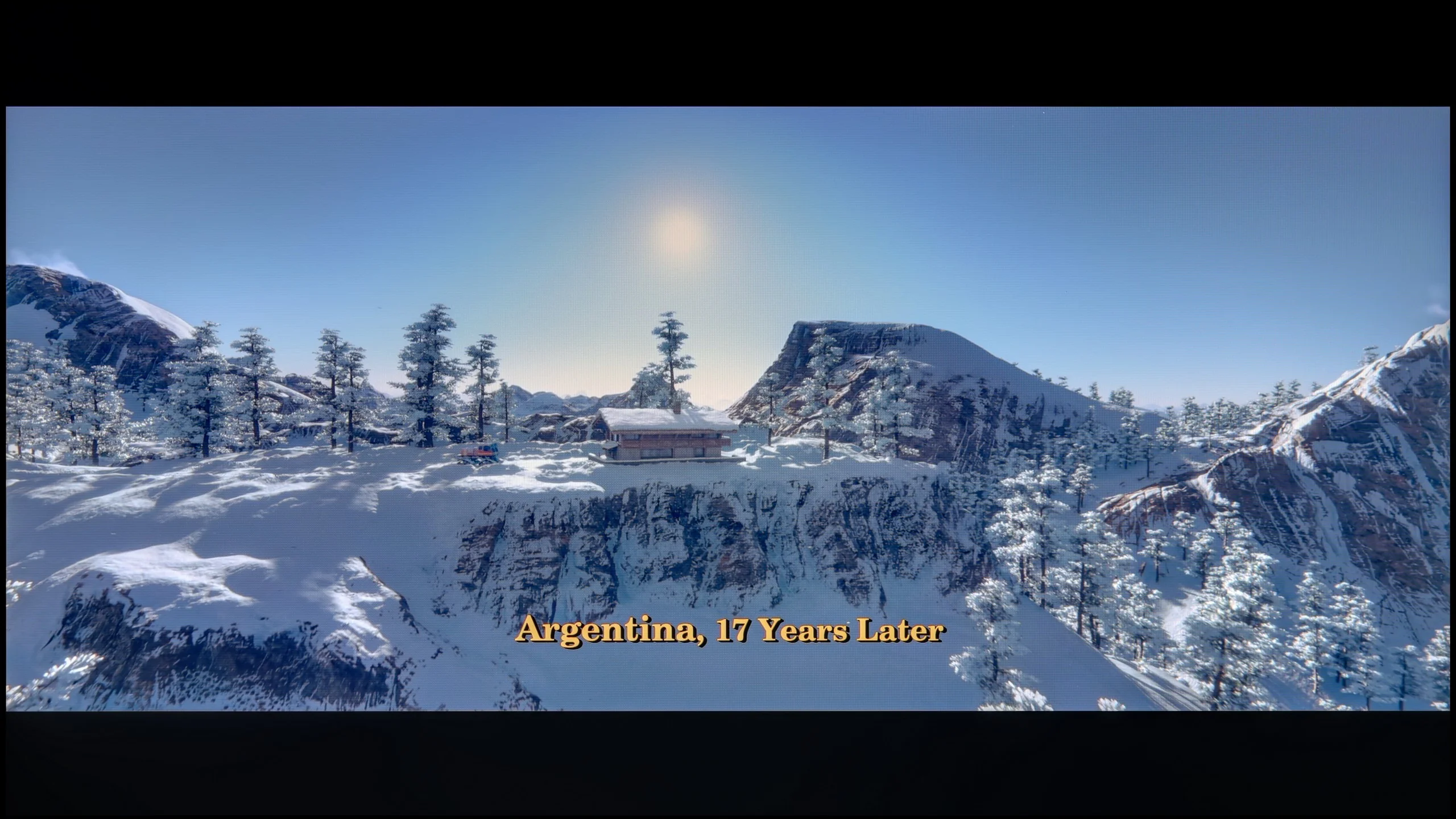
These are selected scenes that show smooth tonal transitions from one color to another. If you see distinct banding, it’s the TV panel’s fault.
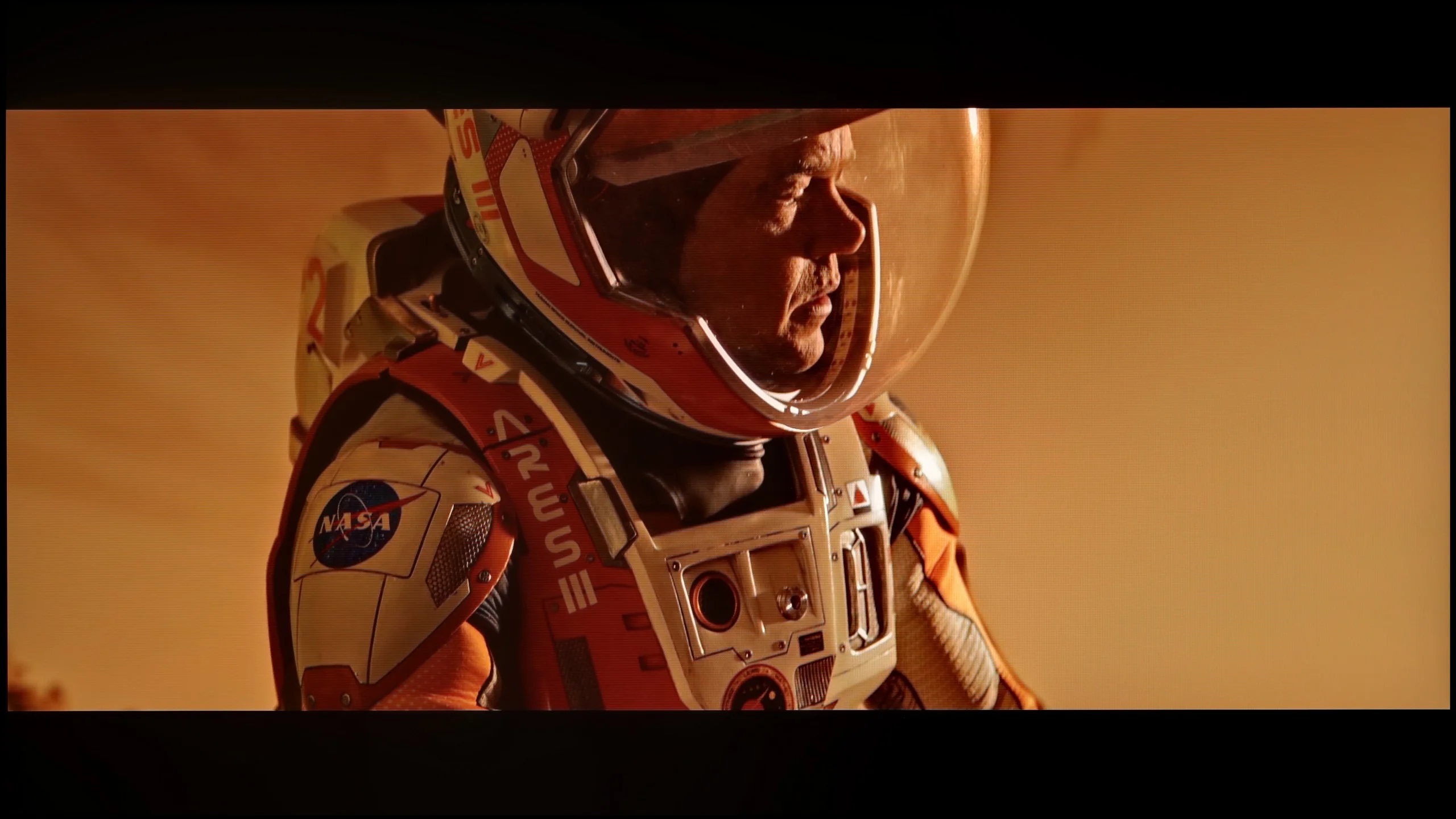
These are selected scenes that show smooth tonal transitions from one color to another. If you see distinct banding, it’s the TV panel’s fault.
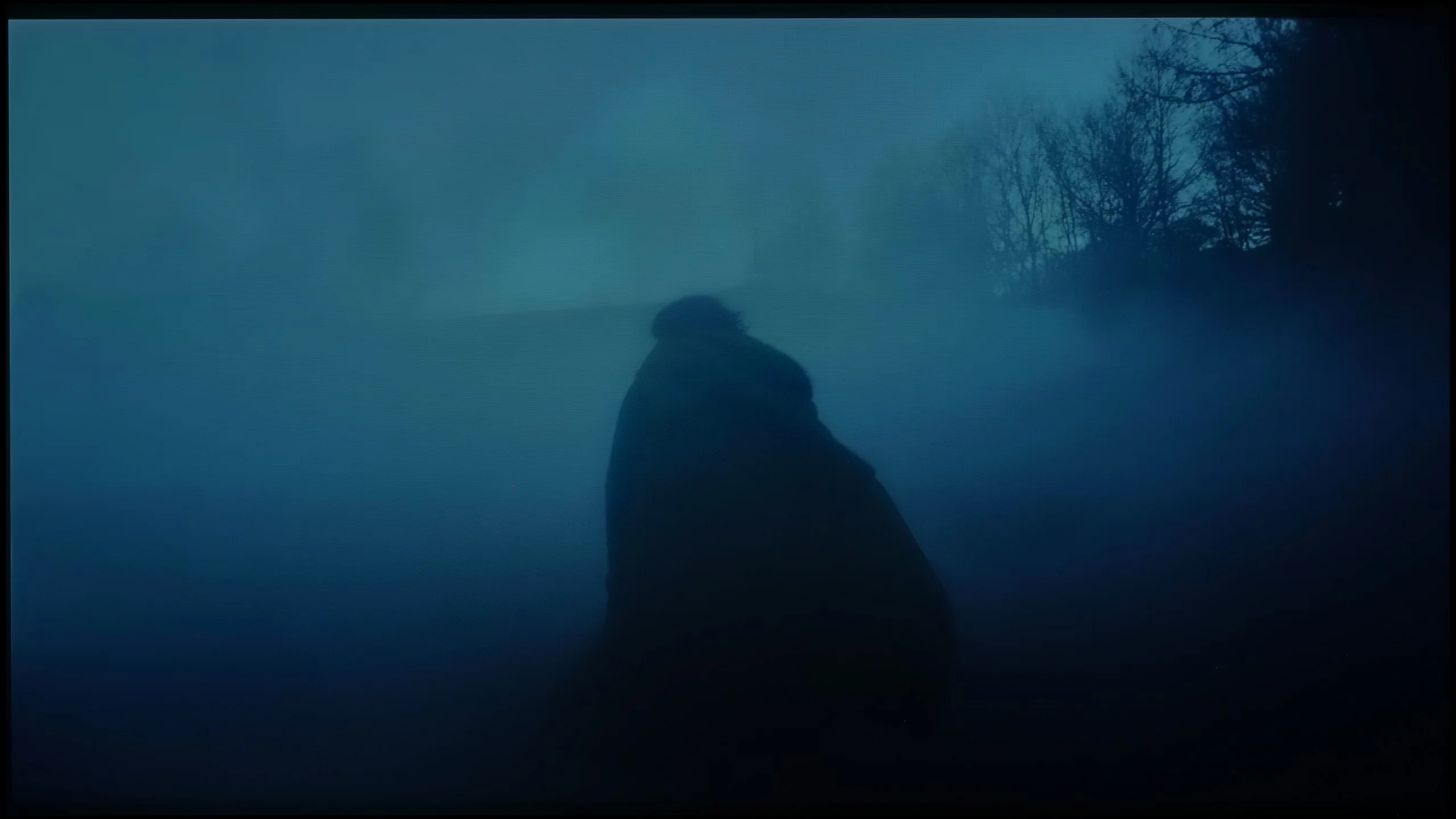
These are selected scenes that show smooth tonal transitions from one color to another. If you see distinct banding, it’s the TV panel’s fault.
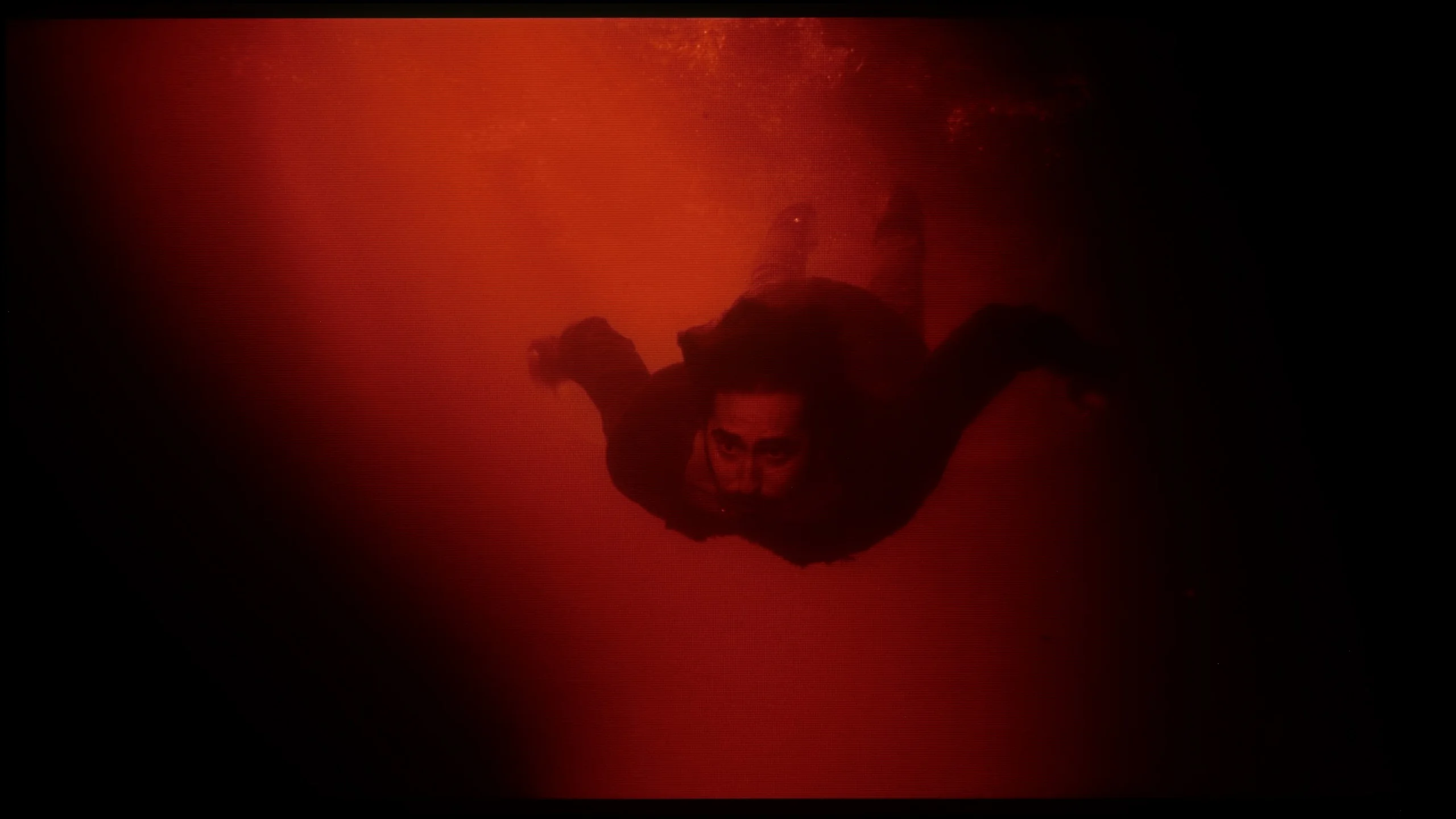
These are selected scenes that show smooth tonal transitions from one color to another. If you see distinct banding, it’s the TV panel’s fault.
The tonal gradation on the Samsung S95D television is at an excellent level. Even in the most demanding scenes of tested films, the television performs superbly. Any issues with smoothing tonal transitions are minimal and almost imperceptible. The average viewer is unlikely to notice them, which positively affects the overall visual experience during everyday use. It's also worth mentioning that the use of the QD-OLED matrix allows for achieving better results than with the best matrices produced by LG - WOLED.
Colour gradation on the Bravia 7 II is very good and there's little to criticise. Transitions between shades are smooth, both in bright and darker scenes. You can spot minor imperfections, but they're subtle enough that during normal viewing they won't draw attention. It looks a little worse with the same material when played back using Dolby Vision. In that mode the TV has more trouble keeping transitions equally smooth, especially in darker shades. Banding and unevenness are then slightly easier to notice, so Dolby Vision fares worse in this respect than standard HDR10.
Image scaling and smoothness of tonal transitions
7.5/10
8.5/10


Smooth transition function
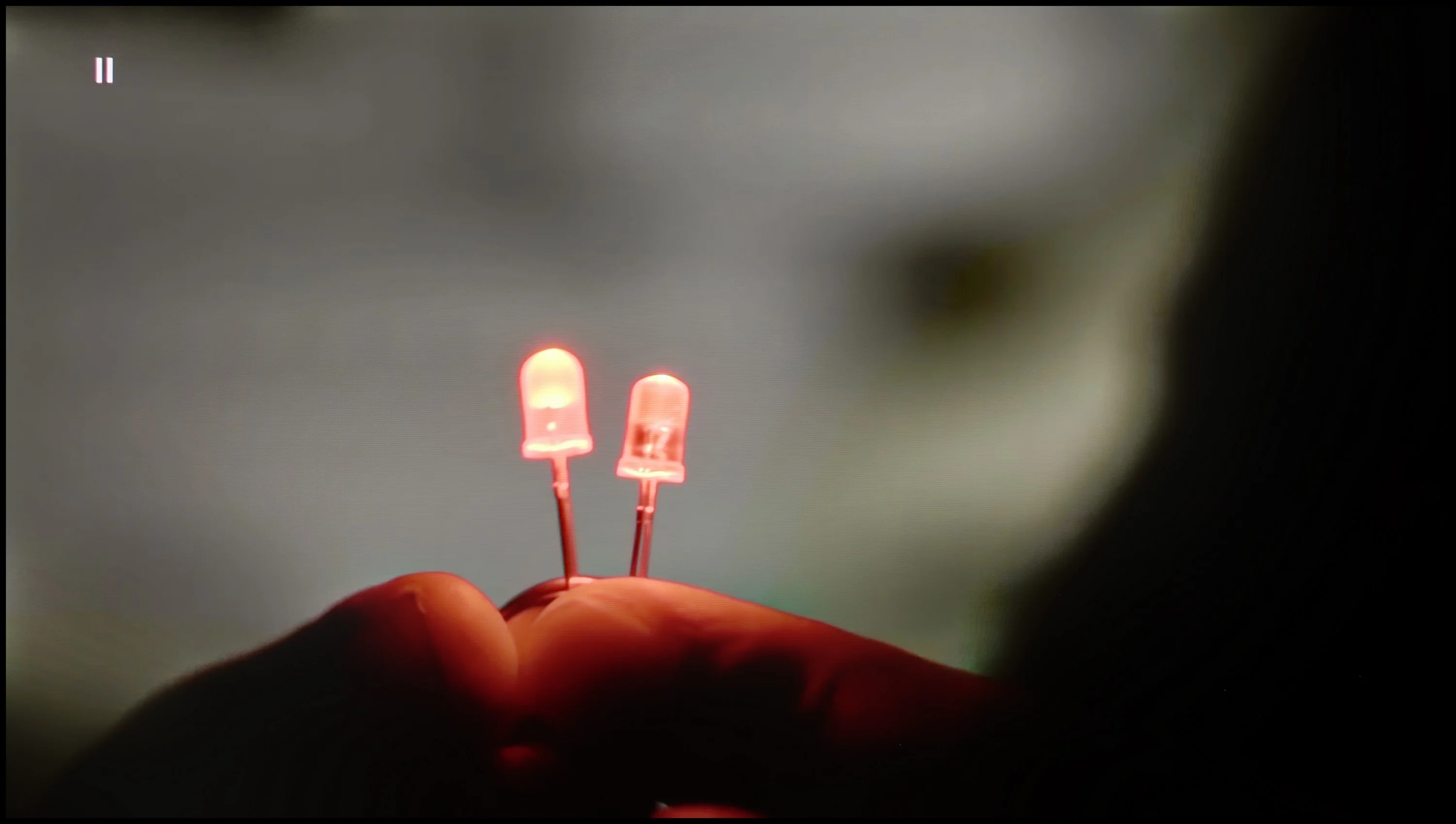
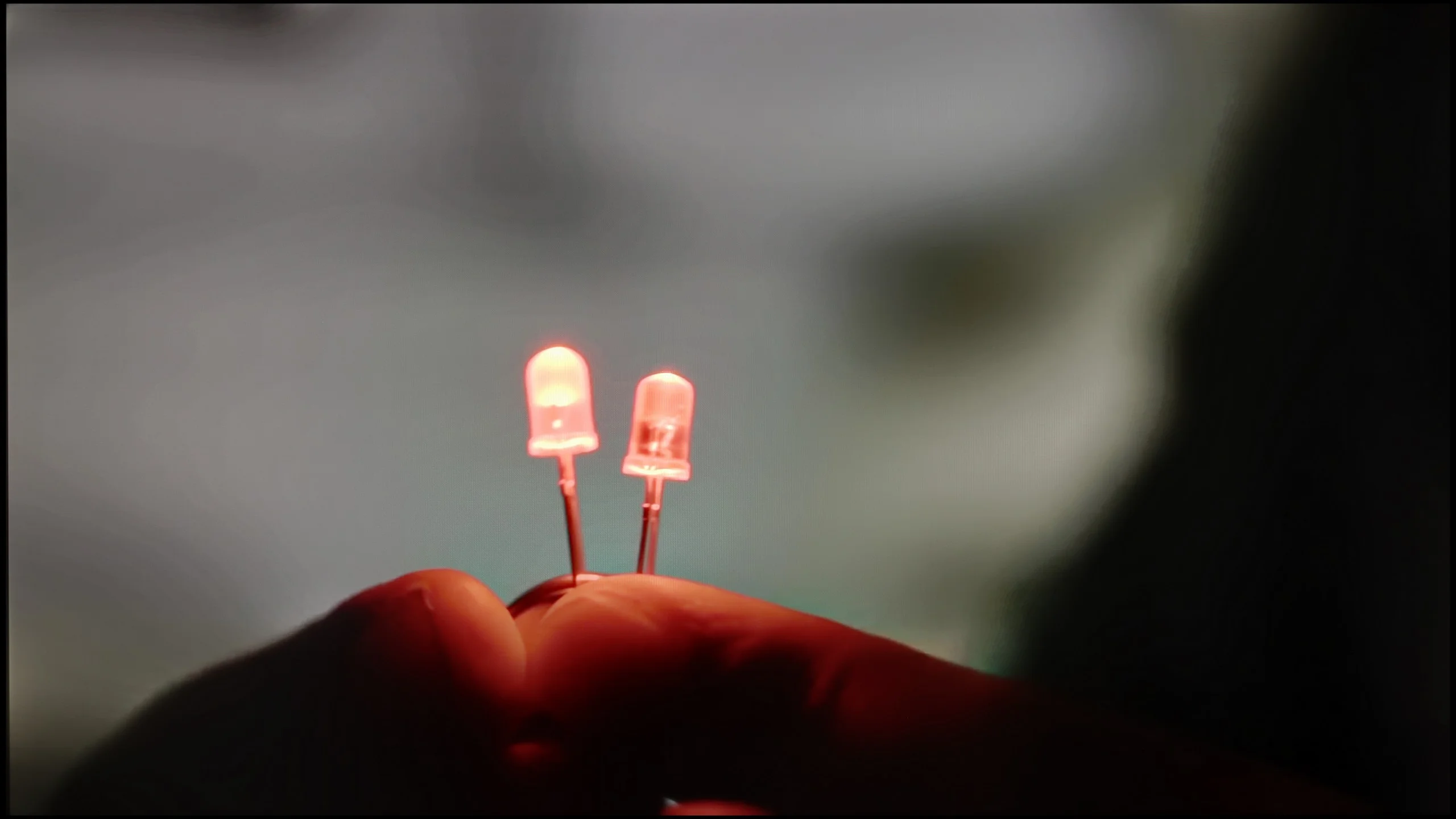
The match photo shows how the TV smooths weak tonal transitions in low-quality video.
Image scaling SD (576i)


The model photo shows how it handles upscaling of SD material.
How does the television handle tonal transitions in lower quality materials? Generally speaking, the S95D performs exceptionally well. On the screen with the light bulb, there are virtually no transitions between shades of grey, making it one of the best televisions we have tested in this regard.
When it comes to digital processing, the entirety of the image — from branches to the models' characters — has been well rendered, with no jagged edges or overly visible contours. However, we must point out one issue: the image has been slightly cropped. Nevertheless, the television performs brilliantly, and details in lower quality materials are still noticeable and well-defined.
Scaling and digital processing are among the strongest points of the Bravia 7 II and one of Sony's biggest advantages over the competition. Sony has for years excelled at digital image processing, and it's clear here too. Above all, the 'Smooth Gradation' function works very well, smoothing weaker tonal transitions in poorer-quality content. The safest setting is low, but we'd comfortably recommend medium as well. The effect is stronger, and the TV still handles fine detail very delicately. Some minor details may be slightly smoothed, but Sony does it much more subtly than many other brands. Upscaling is also very good. Lower-resolution content is nicely upscaled to 4K; the image looks clean and retains a lot of detail. Of course the TV won't magically turn native HD into true 4K, but the Bravia 7 II does very well with what can be pulled from such a source.
Blur and motion smoothness
8.5/10
7.8/10
Blur (native resolution, maximum refresh rate):




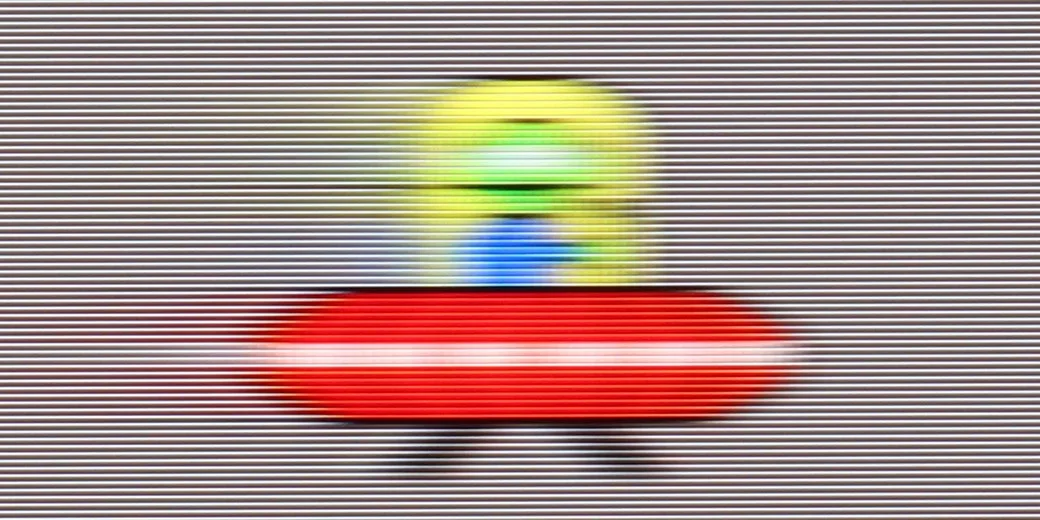
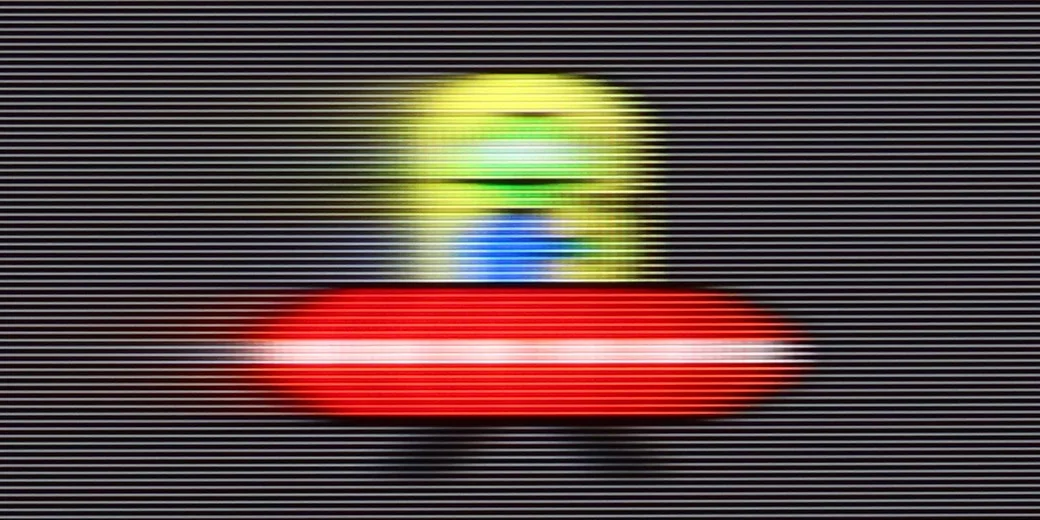
Blur (BFI function enabled):
Image flickers in this mode



Blur ():
Blur (4K60Hz):

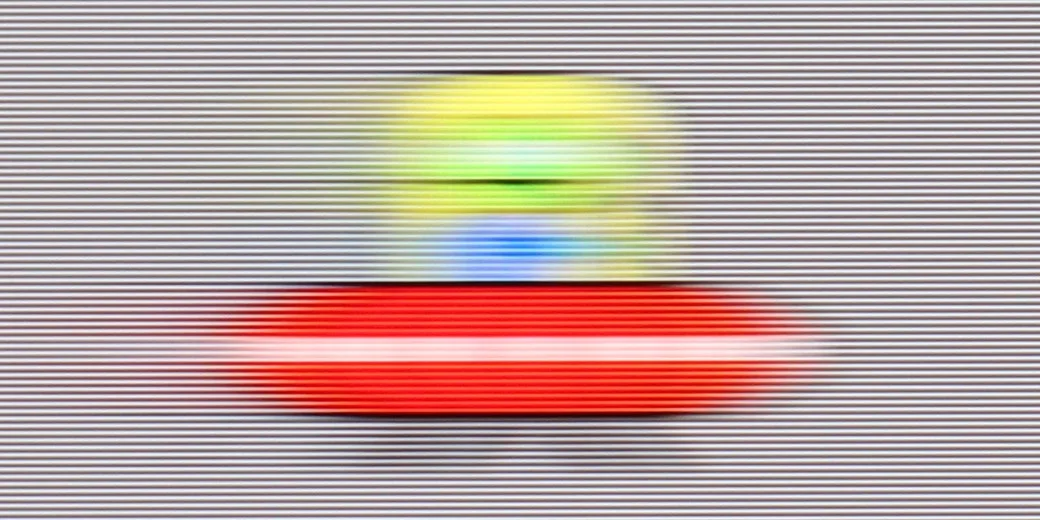
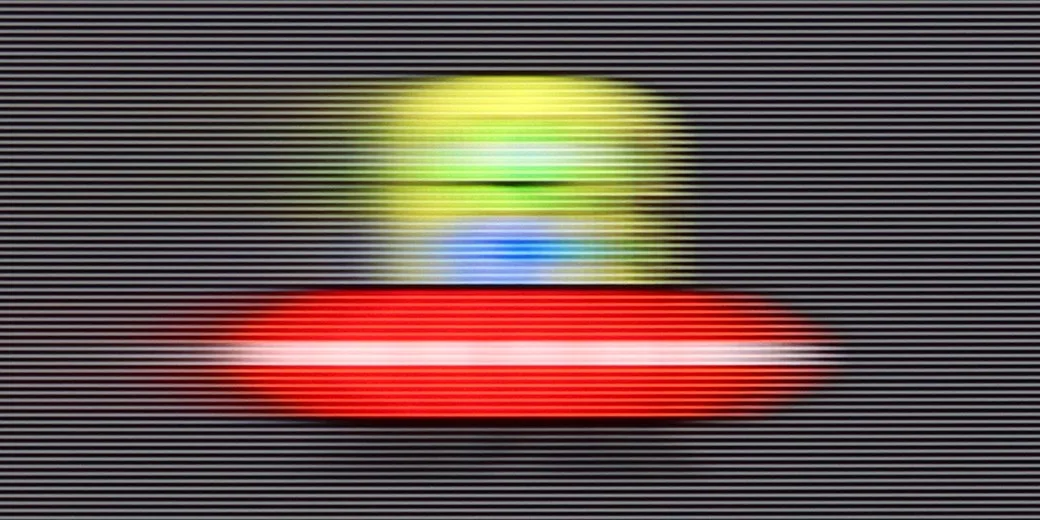
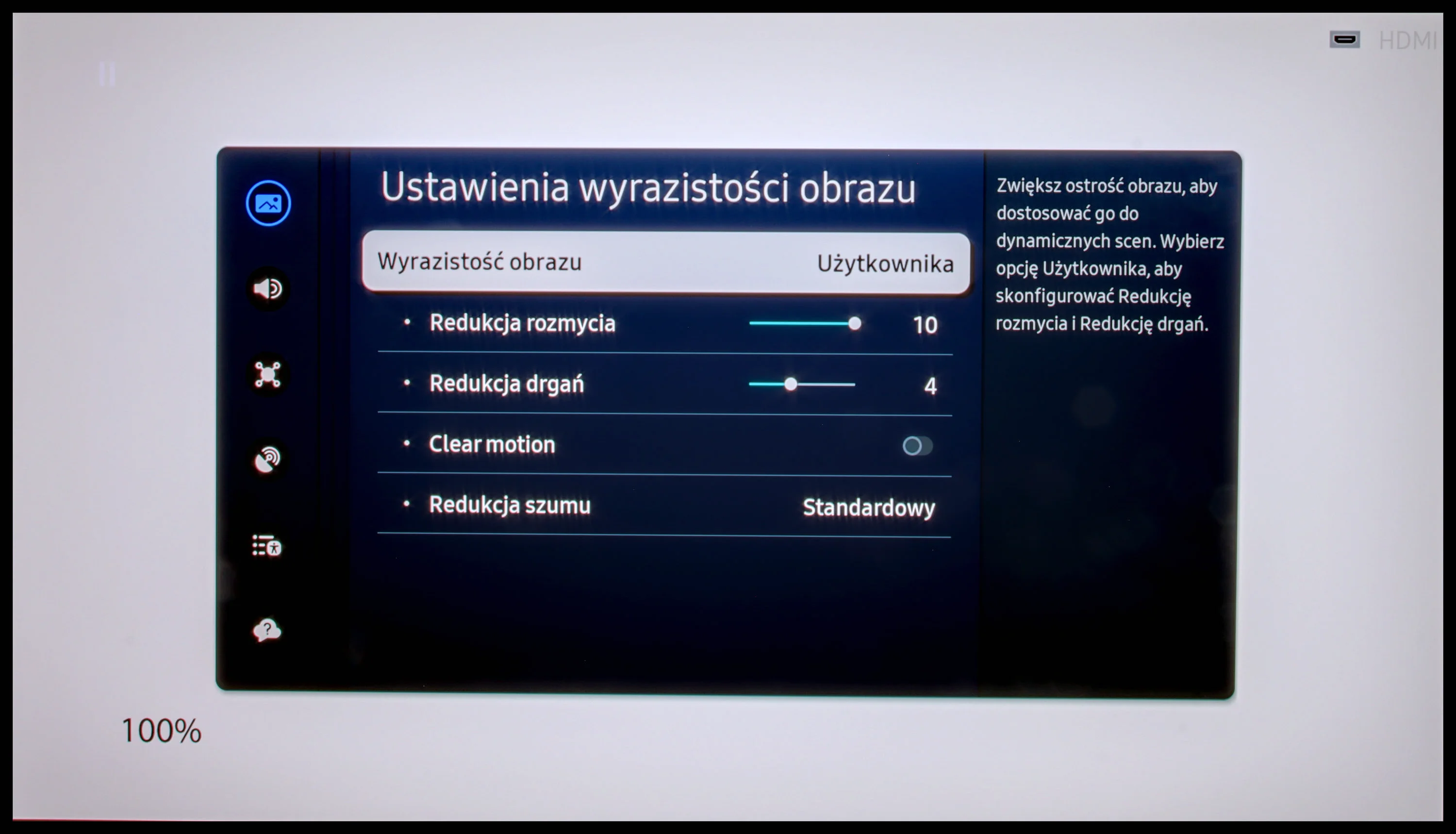
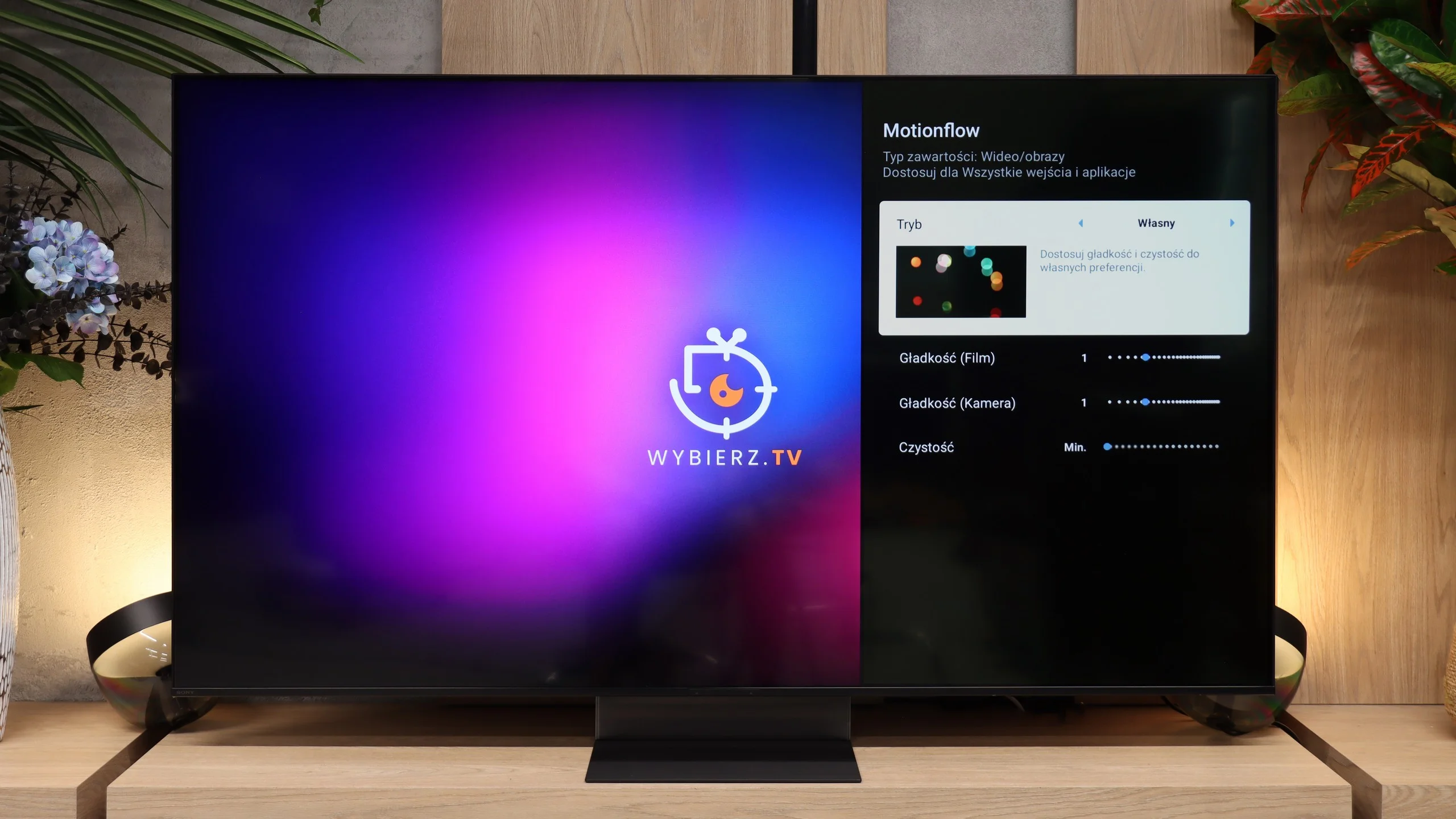
The Samsung S95D TV, equipped with a 120 Hz refresh rate panel (and even up to 144 Hz in the appropriate PC configuration), provides excellent motion fluidity. Samsung offers a variety of image sharpness settings on a ten-point scale, allowing users to adjust the display according to their own preferences – whether the picture should be more cinematic/frame-like or more theatrical/smooth. In tests with UFO, the OLED panel shows its advantages, eliminating any blurring. The lightning-fast pixel response ensures that dynamic movements are rendered with unparalleled precision.
The Bravia 7 II uses a 120 Hz panel, so in terms of motion handling it delivers everything you'd expect from a TV of this class. With sport or games at 120 fps the picture is suitably smooth, and for films Sony provides an advanced motion interpolation system. You can therefore adjust the level of interpolation separately and choose whether to retain a more cinematic motion or achieve noticeably greater smoothness. Motion blur itself is a bit worse. The VA panel used isn't among the fastest, and moving objects can show a slight trailing, especially against darker backgrounds. It's not at a level that will seriously disturb normal viewing, but last year's Bravia 7 was better in this regard and had a noticeably faster panel.
Console compatibility and gaming features
9.6/10
9.4/10
- ALLM
- VRR
- VRR range48 - 144Hz48 - 120Hz
- Dolby Vision Game Mode
- Correct implementation of HGIG
- 1080p@120Hz
- 1440p@120Hz
- 4K@120Hz
- Game bar
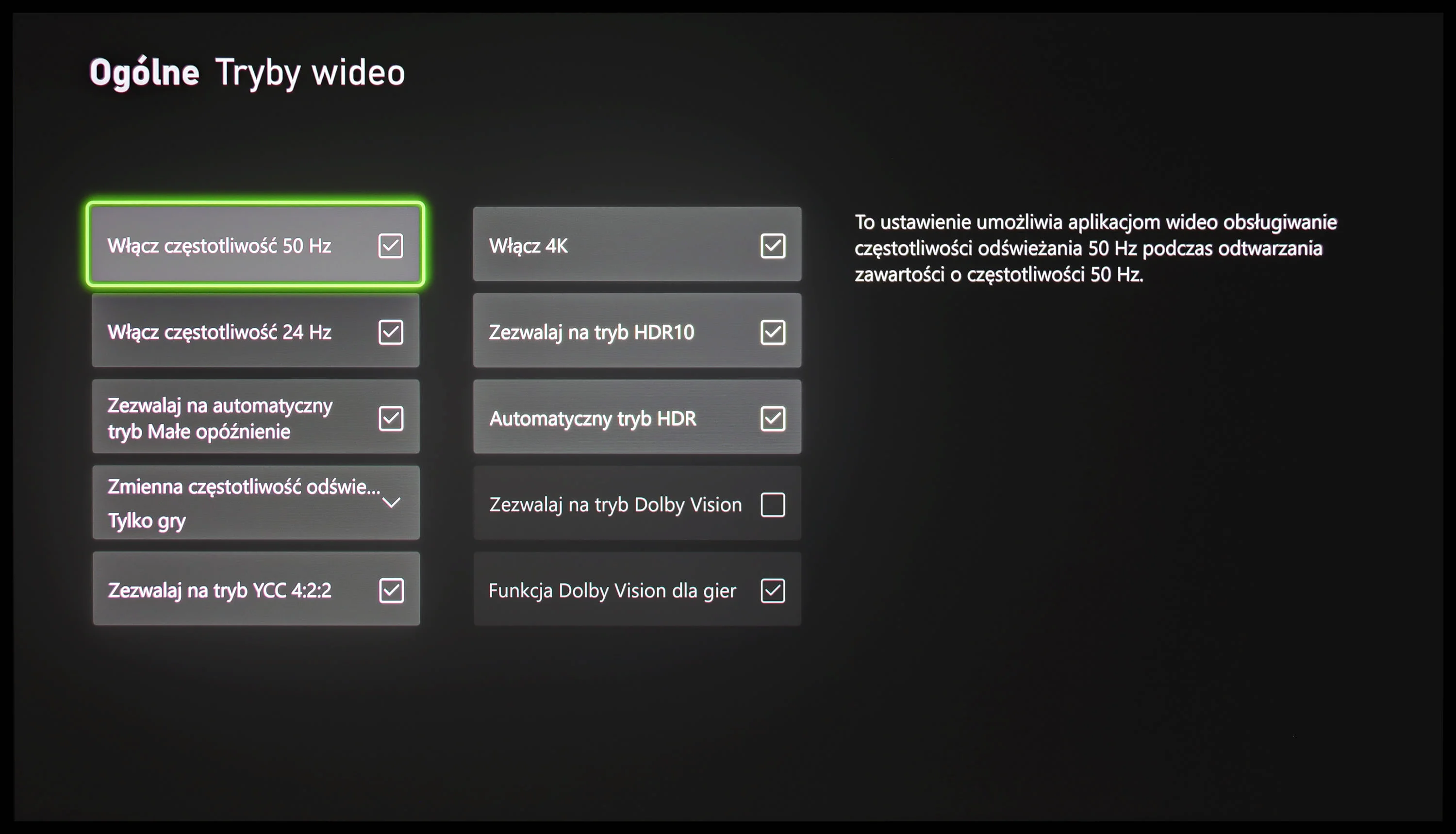
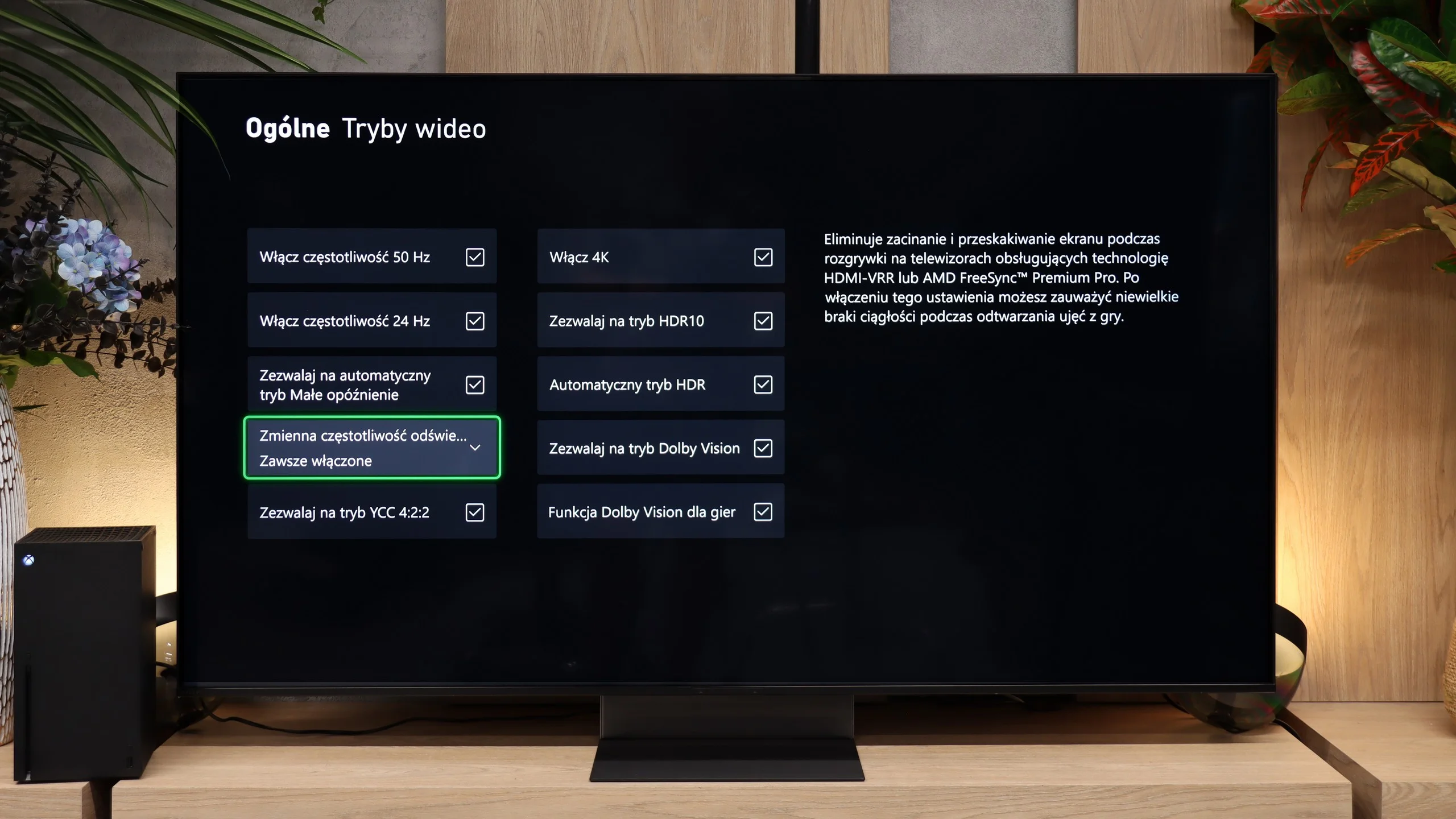
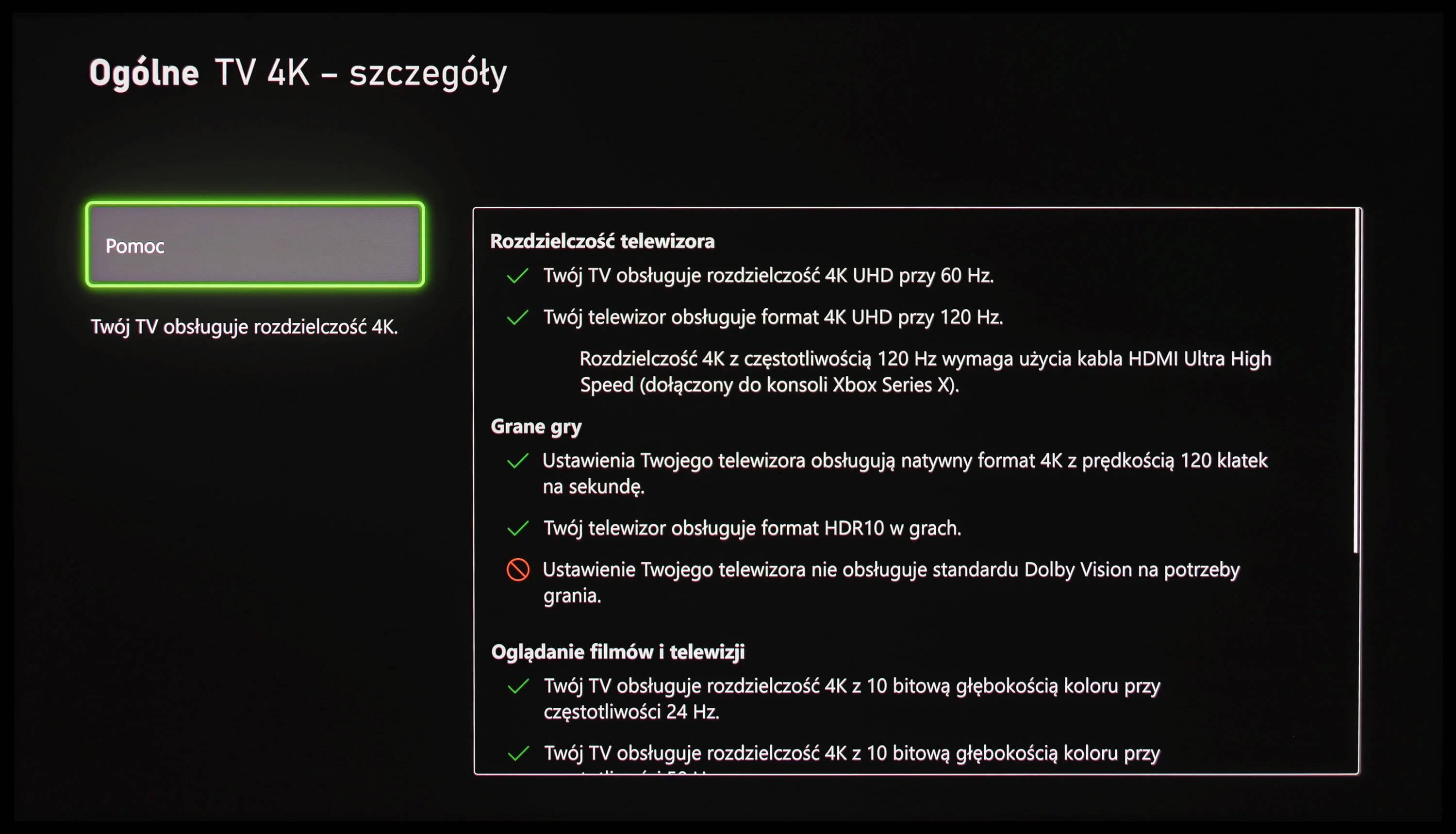
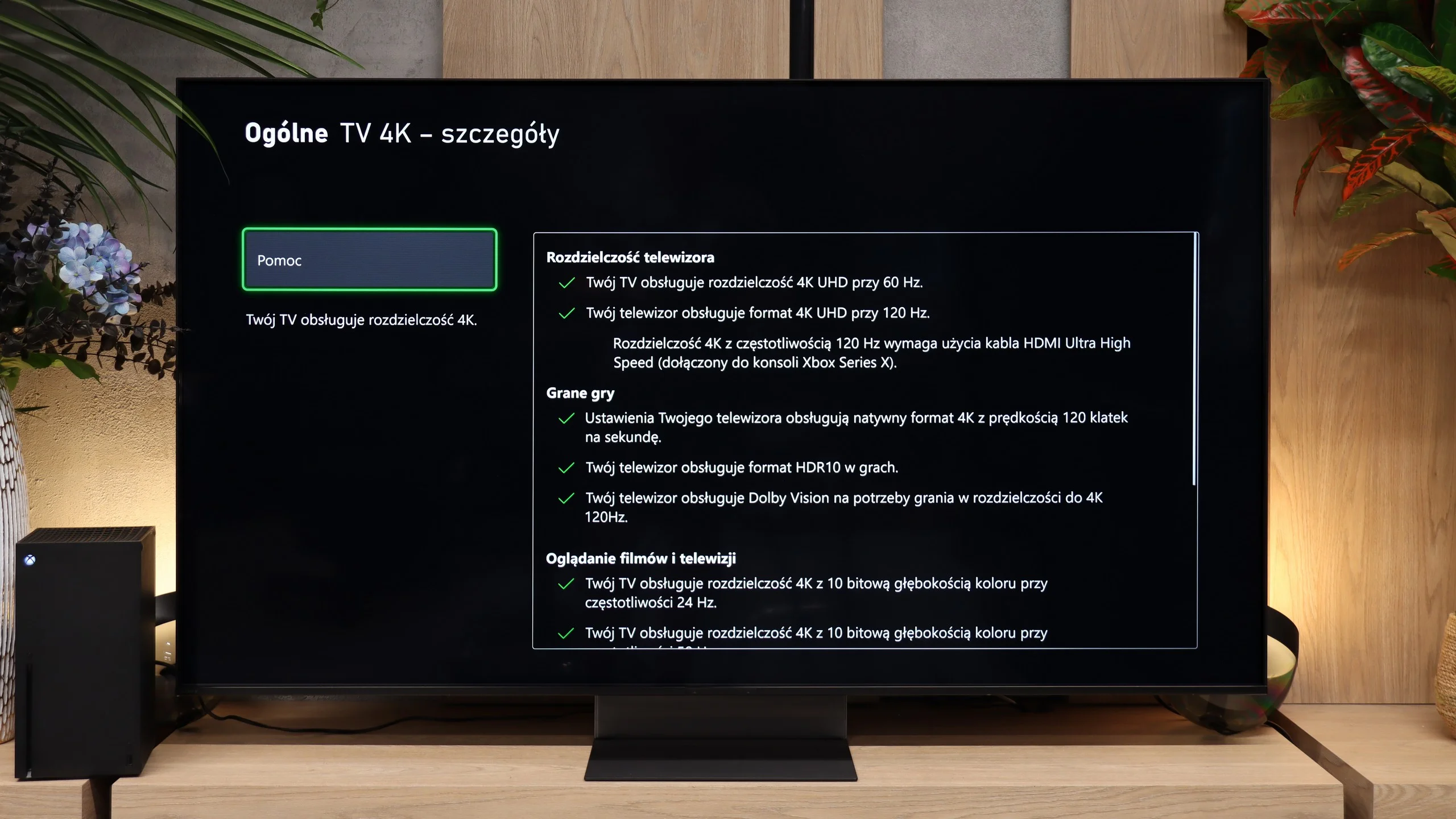

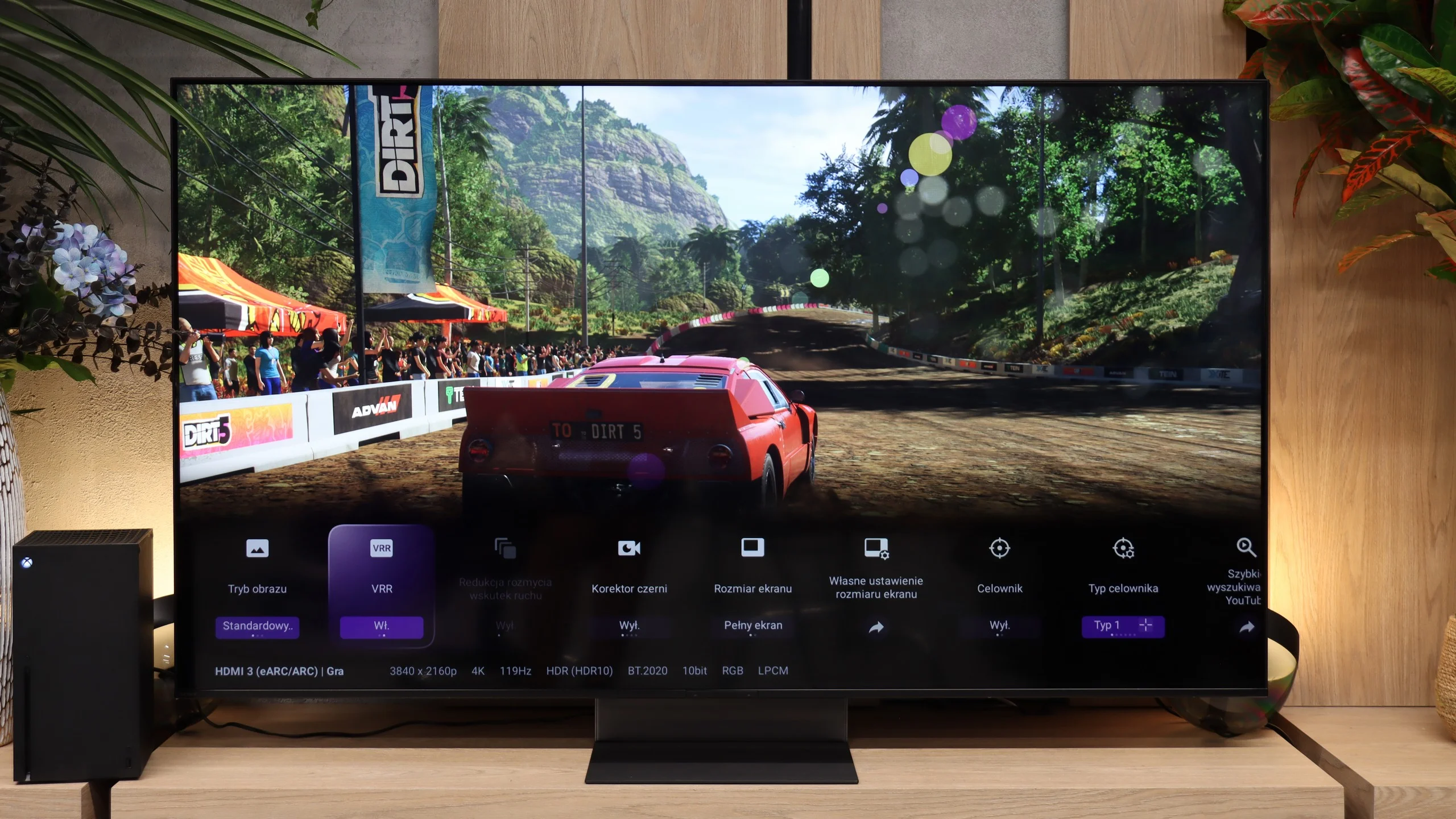
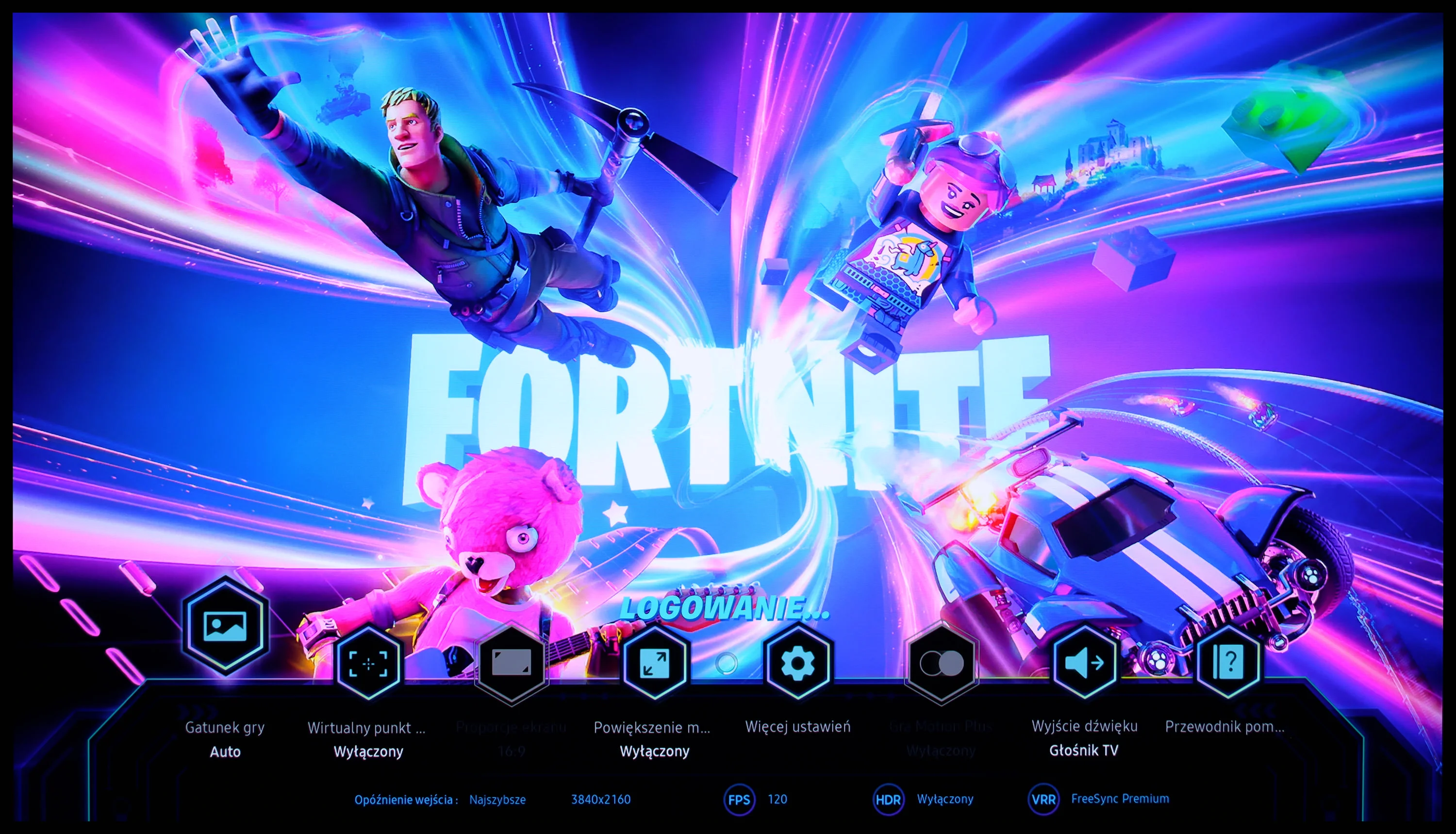
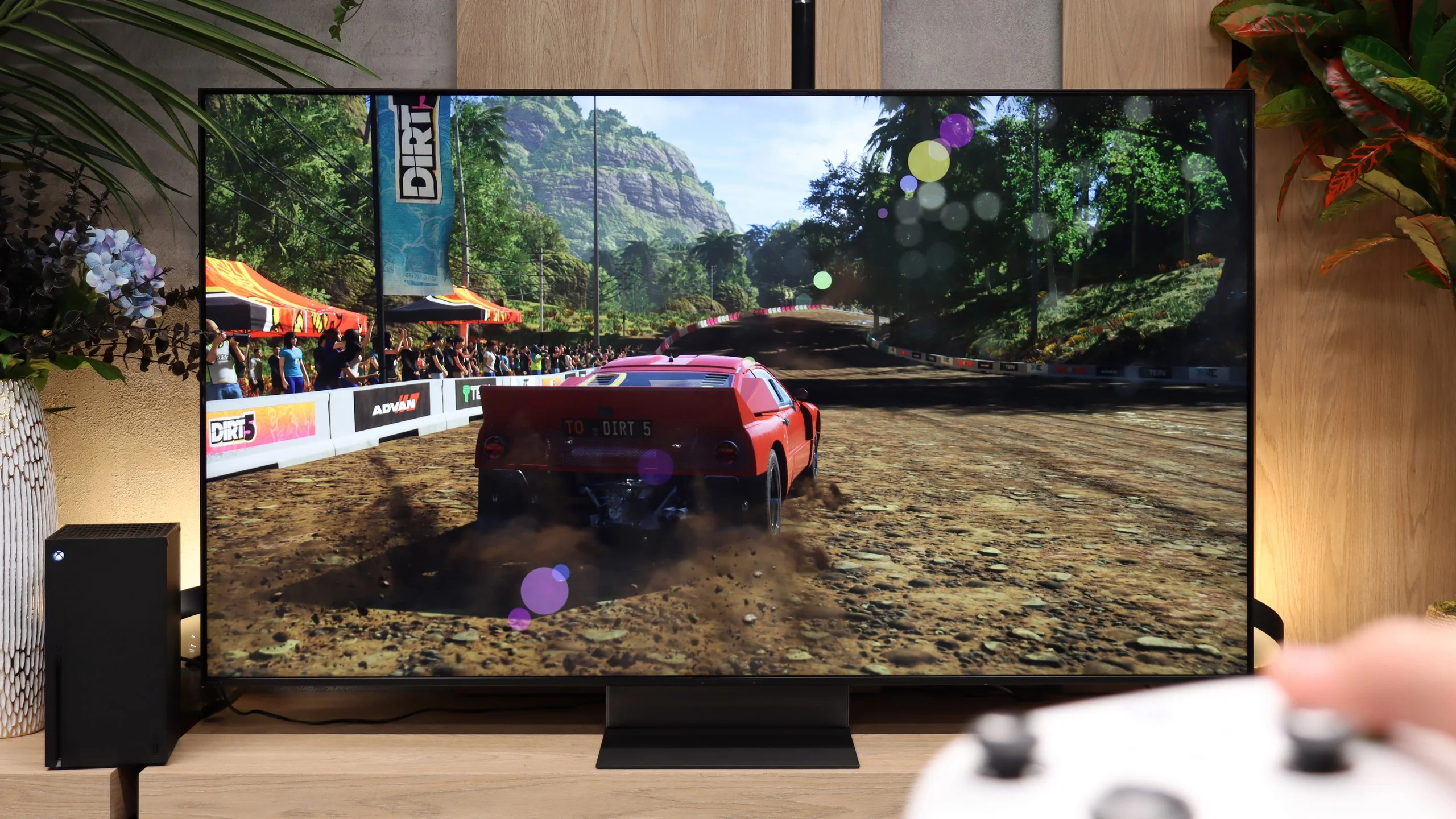
The Samsung S95D television is perfectly adapted to the needs of gamers, offering four HDMI 2.1 ports that support key features such as Auto Low Latency Mode (ALLM), Variable Refresh Rate (VRR), and HDR Gaming Interest Group (HGIG). The HDMI 2.1 ports do not offer the full 48Gb bandwidth, but they are still sufficient for achieving the appropriate resolution and smoothness. With these technologies, gamers can enjoy smoother and more responsive gameplay, which significantly impacts comfort and performance during intense gaming sessions. One of the biggest advantages is the Xbox app, which allows for cloud gaming without the need for a console. With it, gamers can access a wide range of titles directly on the television, enjoying high image quality and smooth gameplay. Additionally, the S95D offers a Game Bar feature that enables easy management of game settings, including quick adjustments to parameters such as changing the aspect ratio, which can be extremely useful in various games and game modes. It is also worth mentioning the support for G-Sync and FreeSync, which is a huge plus for users of Nvidia and AMD graphics cards. Despite the lack of support for Dolby Vision, the television still offers excellent features that make it an ideal choice for console gaming enthusiasts. Overall, the S95D combines modern technologies with superb image quality, creating a complete package for every gamer.
Bravia 7 II has pretty much everything you'd want from a good console TV today. It supports 4K at 120 Hz, VRR from 48 to 120 Hz and ALLM, so when you start a game the TV automatically switches to low-latency mode. HGiG works correctly, so once you configure HDR on the console the TV won't try to brighten the image on its own. Just remember to turn off tone mapping in the TV's menu. Another plus is Dolby Vision in game mode, which will be especially useful for Xbox owners. Sony also includes its own Game Menu, where you can quickly view key signal info, check VRR or change gaming settings without digging through the full TV menu. The only thing missing from the feature list is support for 1440p at 120 Hz. Our biggest complaint is not really about the features but the connectors. The Bravia 7 II has four HDMI ports, but only two of them support full HDMI 2.1 with 48 Gbps bandwidth. One of those is also the eARC port. So if you connect a soundbar or AV receiver via HDMI, in practice you only have one full HDMI 2.1 left for a console or PC. With a single console that's fine, but with a PS5, an Xbox and an audio setup it starts to feel cramped. That's hard to justify from Sony. In cheaper TVs two HDMI 2.1 ports can still be accepted, but in a model of this class, especially in 2026, we'd expect all four ports to be HDMI 2.1.
Input lag
10/10
10/10
SDR
HDR
Dolby Vision
The Samsung S95D television stands out with a low input lag of just 5 ms for 120 Hz content and 9 ms for 60 Hz content. These are impressive results that provide an incredibly smooth experience while gaming. If it weren't for our scale limited to 10 points, the S95D would deserve an even higher rating!
Input lag on the Bravia 7 II is excellent. With a 60 Hz signal we measured around 13 to 14 ms, while at 120 Hz the delay drops to just 8 to 9 ms. Those values are low enough that input response is practically instantaneous, and even the most demanding gamers shouldn't have anything to complain about. Dolby Vision also deserves praise. A few years ago Sony TVs had some issues with that format in games and turning it on could mean higher input lag. With the Bravia 7 II that problem is essentially gone. In Dolby Vision we measured 14 ms at 60 Hz and 8 ms at 120 Hz, which is virtually the same as with standard HDR.
Compatibility with PC
8.6/10
7.8/10
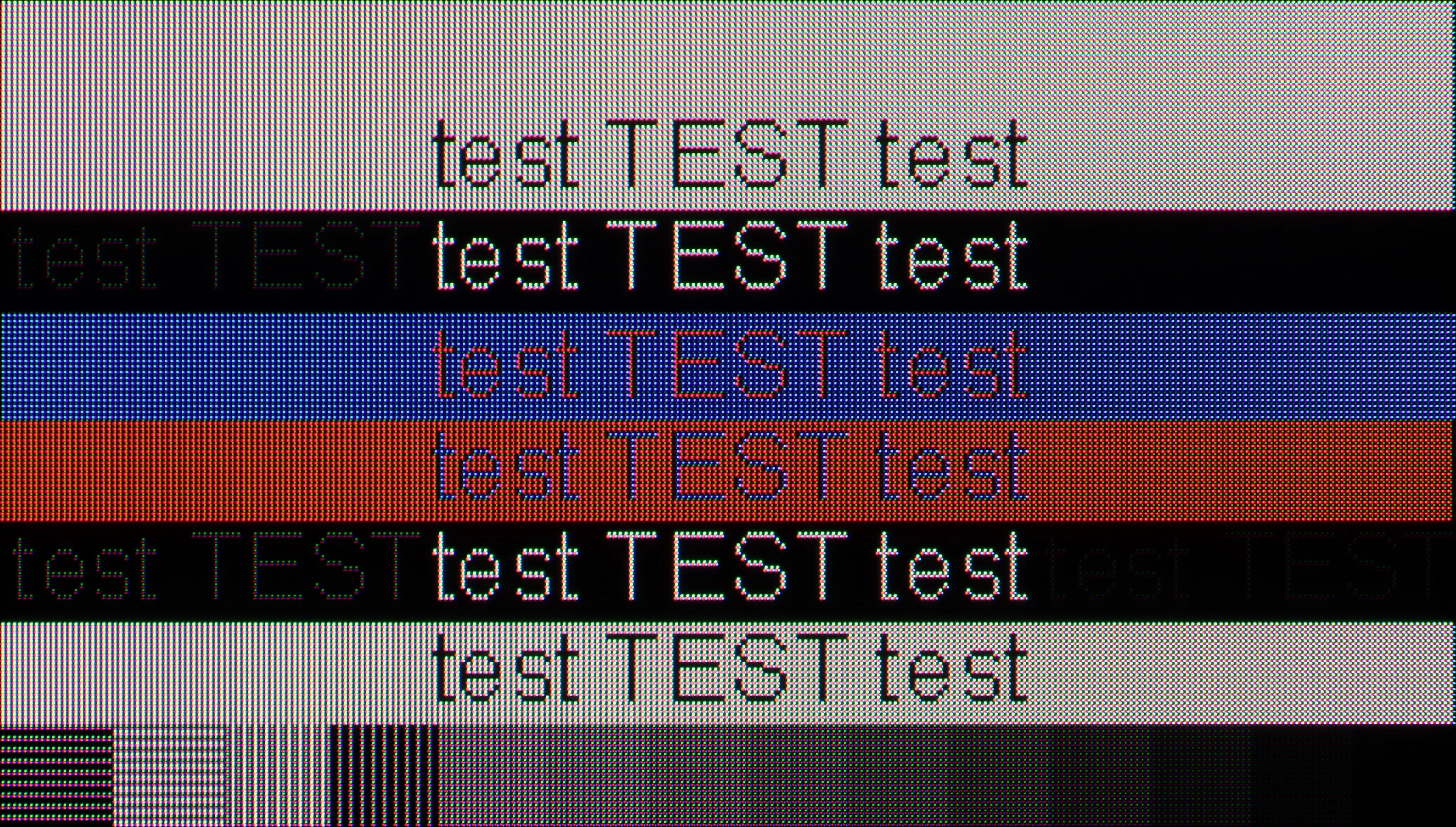
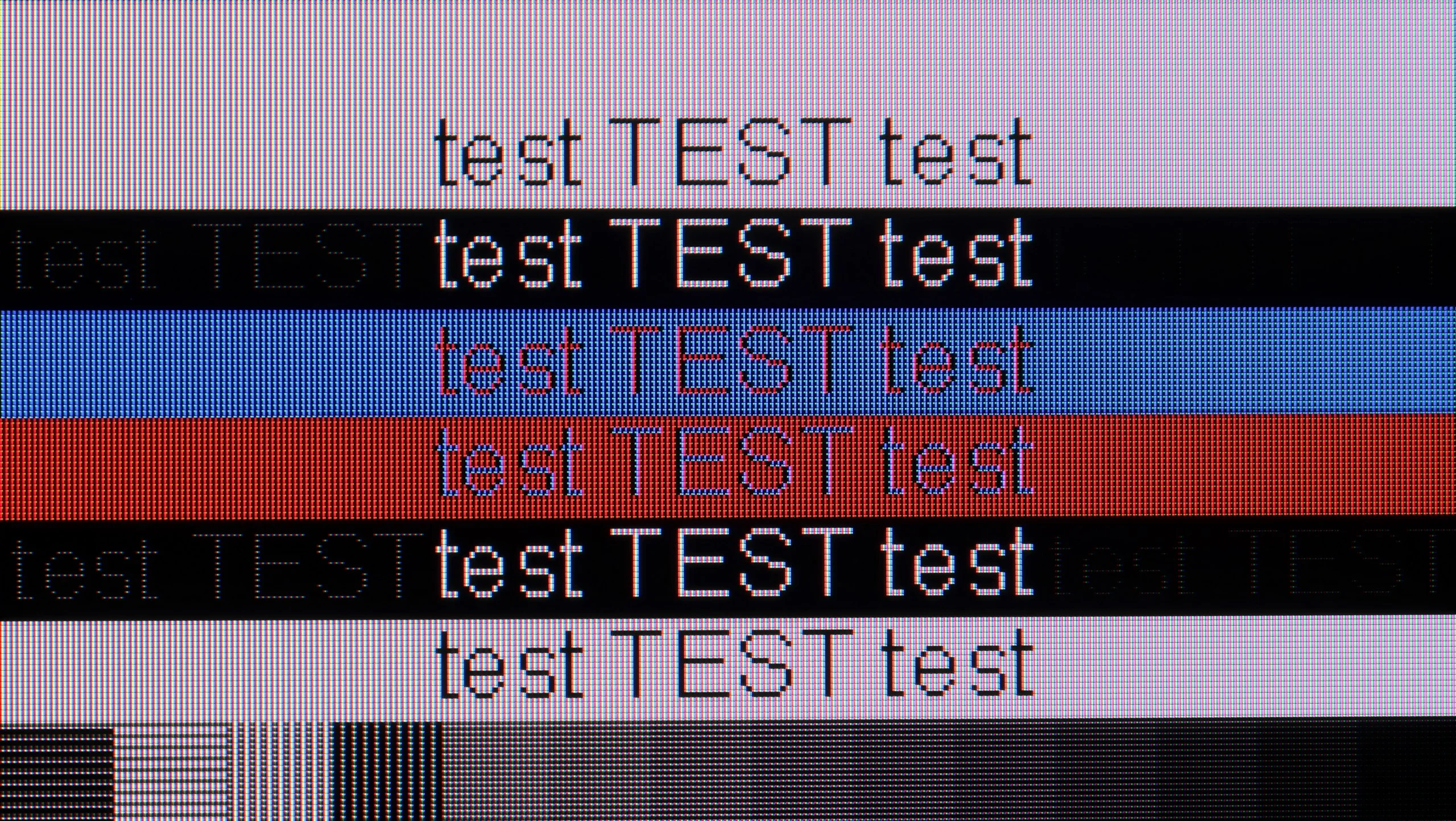
The photo shows the legibility of small fonts. Ideally, lines should be the same thickness on both light and dark text, with minimal pixel gaps.
Samsung S95D is truly a fantastic choice for working with a computer. Thanks to support for chroma 4:4:4, text on the screen is sharp and clear, which is crucial for both work and gaming. When connecting a computer, the input lag of 5 ms ensures excellent smoothness.
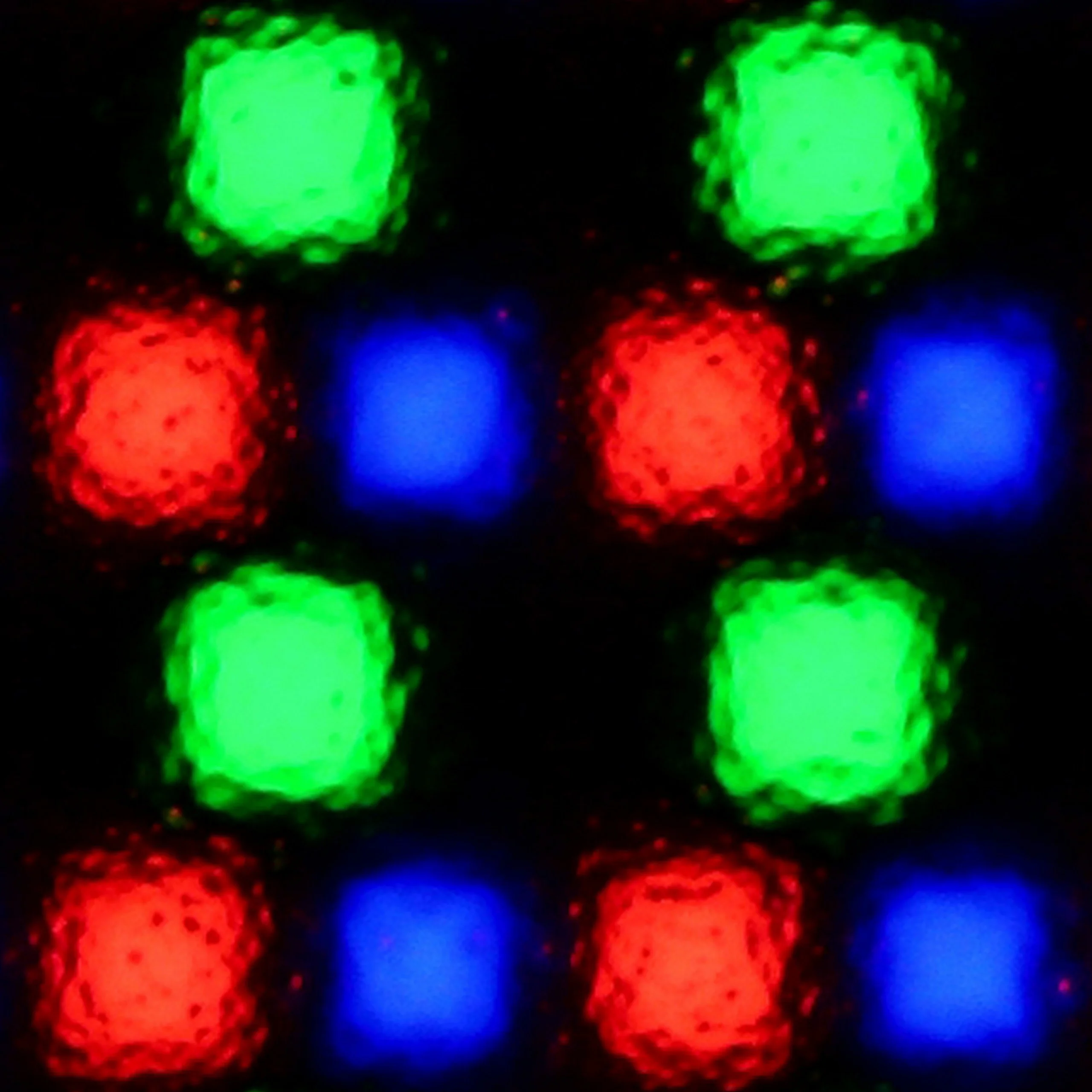
We deducted points due to the sub-pixel layout in QD-OLED panels. Nevertheless, the overall user experience is impressive, and the TV performs exceptionally well in everyday tasks as well as in more demanding situations.
The Bravia 7 II also works very well as a large computer monitor. The TV properly supports 4:4:4 chroma, and thanks to the classic RGB subpixel layout fonts are very legible and don’t have the typical coloured fringing. That makes it great for everyday work with the desktop, web browsing or documents.
PC gamers also get most of the features known from consoles, including VRR and low input lag. The only gripe is the maximum refresh rate of 120 Hz. A few years ago that would have been excellent, but today some competitors already offer 4K at 144, 165 or even 180 Hz, and at Full HD some can exceed 300 Hz. For most people 120 Hz is still more than enough, but owners of powerful PCs might reasonably expect a bit more.
Viewing angles
9.8/10
5.7/10
The viewing angles on the Samsung S95D are simply perfect—the best we've ever tested. QD-OLED panels in this category are unmatched. Even with the excellent viewing angles offered by standard WOLEDs, QD-OLED definitely takes the lead. Regardless of the viewing angle, the picture remains bright, clear, and full of detail, making the Samsung S95D an absolute leader in this field.
Viewing angles on the Bravia 7 II are really good, and the RGB Mini-LED backlight plays a big part in that. Unlike traditional VA-panel TVs with white/blue backlighting, the picture doesn't lose brightness and colour saturation as quickly when viewed off-axis. That's a noticeable improvement, because viewing angles are usually one of the bigger compromises of VA panels. It's still not at the level of the best IPS panels, let alone OLEDs, but the difference compared with a typical VA Mini-LED is clear. Even sitting a little to the side, the image still looks good and the colours don't immediately wash out.
Daytime performance
6.2/10
9/10
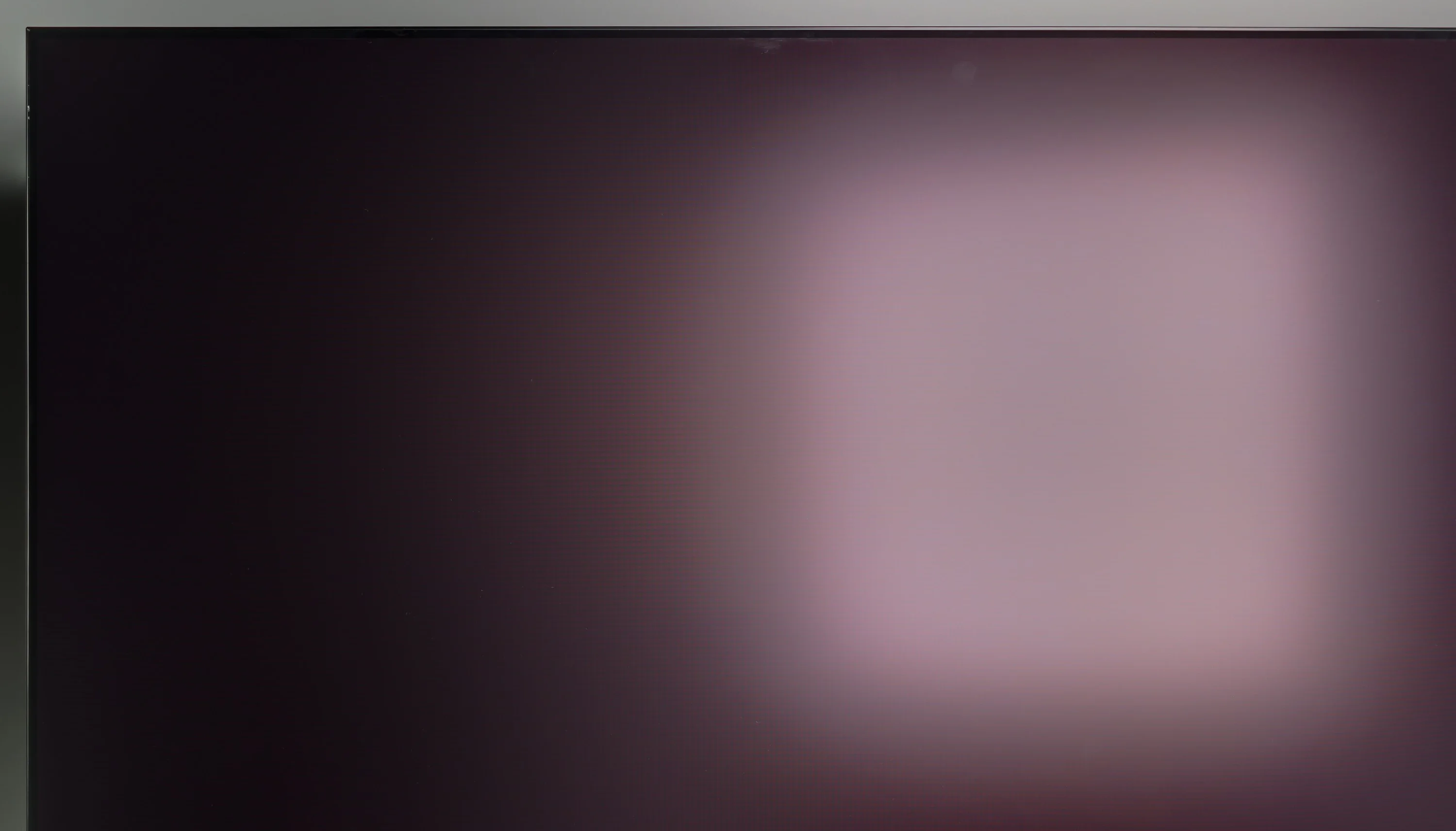
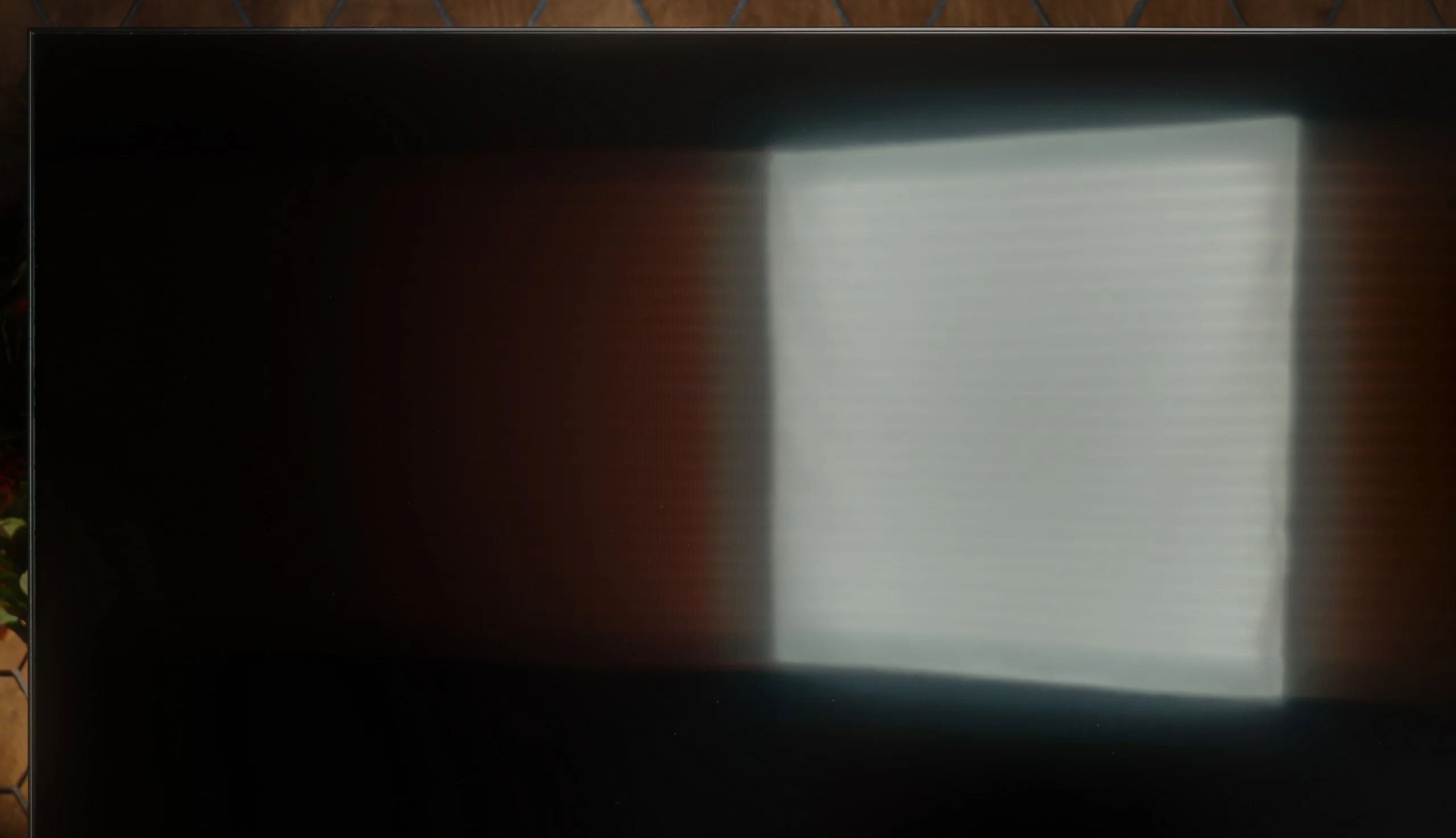
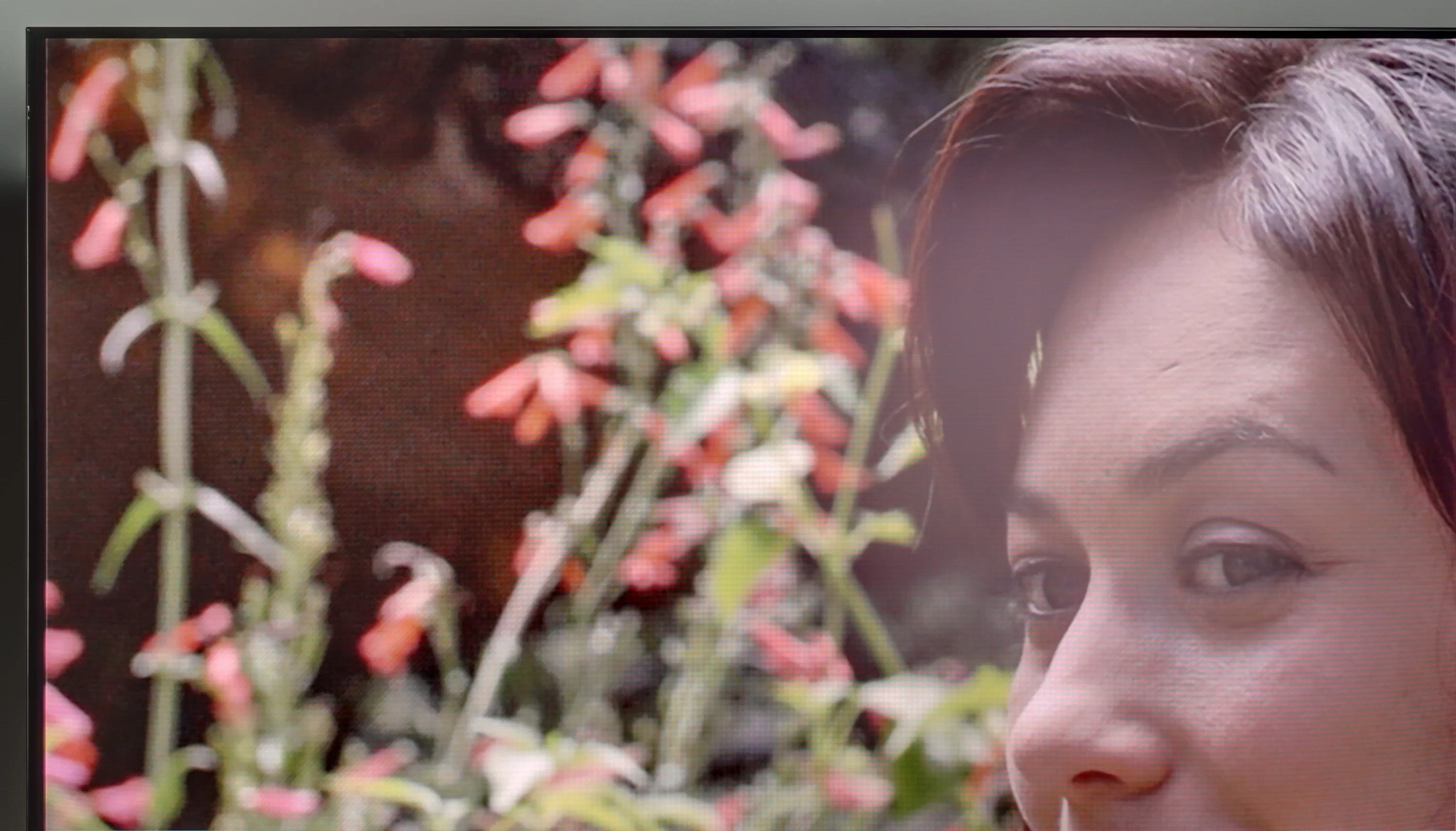
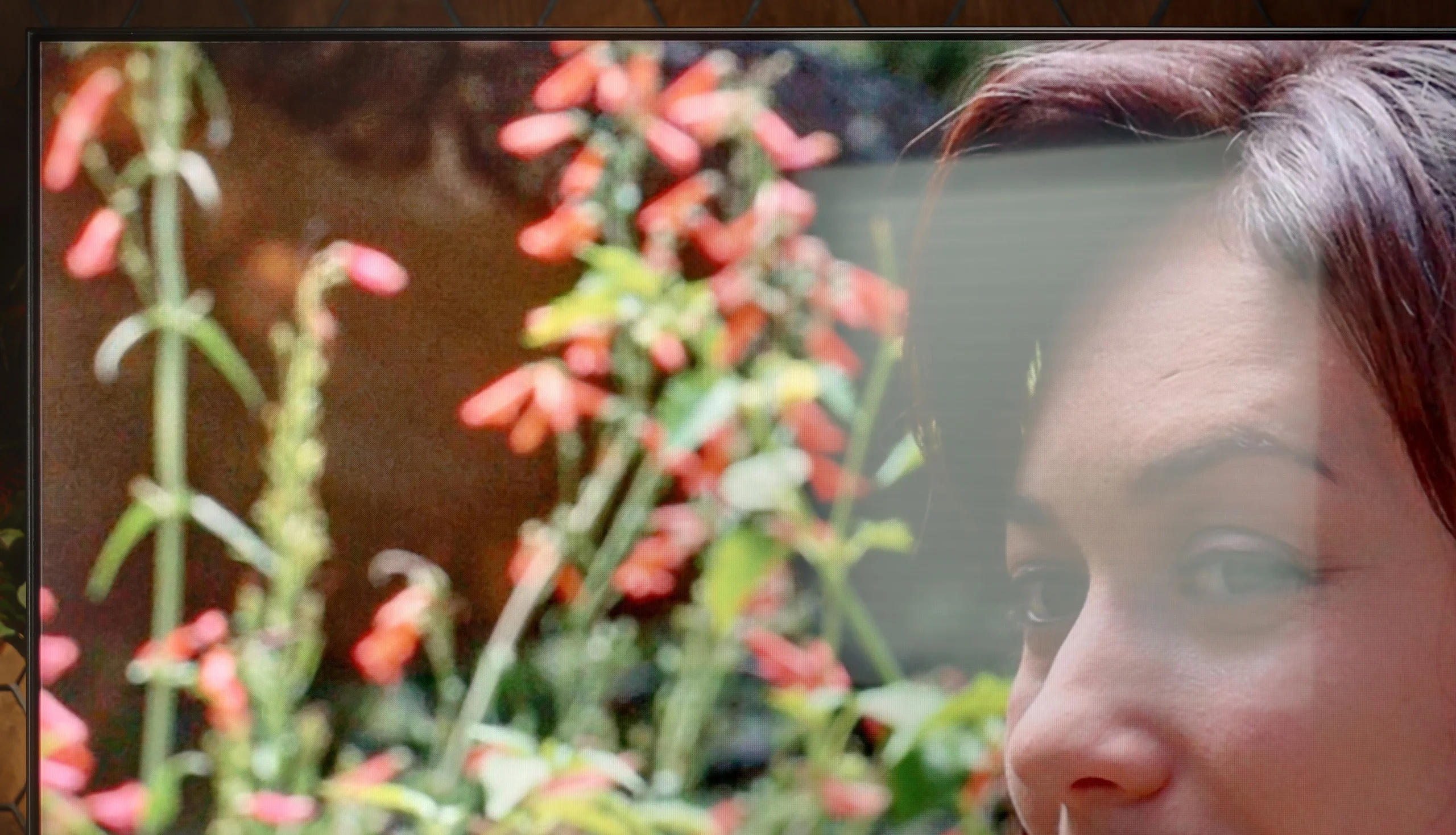
Panel brightness
Sony BRAVIA 7 II: 1247 cd/m2
Samsung OLED S95D: 508 cd/m2
The Samsung S95D television stands out for its exceptional performance during the day, being the only OLED on the market with a matte screen. Thanks to this feature, light reflections are reduced, allowing for comfortable viewing in bright rooms. However, it's worth noting that the matte coating can slightly impact the intensity of colours. Despite this minor drawback, the television remains very bright, offering up to 500 nits of brightness. This makes the image clear and vibrant even in well-lit spaces, making the S95D a great choice for everyday use.
The Bravia 7 II also performs very well in a bright living room. Its high brightness is the main reason, reaching about 1250 nits in SDR. The TV therefore has enough power to keep the picture clear and punchy even when a lot of light enters the room. However, compared with the higher-positioned Bravia 9 II, there is one notable difference. The Bravia 7 II doesn't have a fully matt screen; it uses a more satin finish. It still handles reflections quite well, but reflections from windows or lamps are more noticeable. On the other hand, blacks hold up well during the day and don't go noticeably grey under light. Overall it's still a very good TV for bright rooms, though the Bravia 9 II has the edge when it comes to suppressing direct reflections.
Panel details
Subpixel Structure:
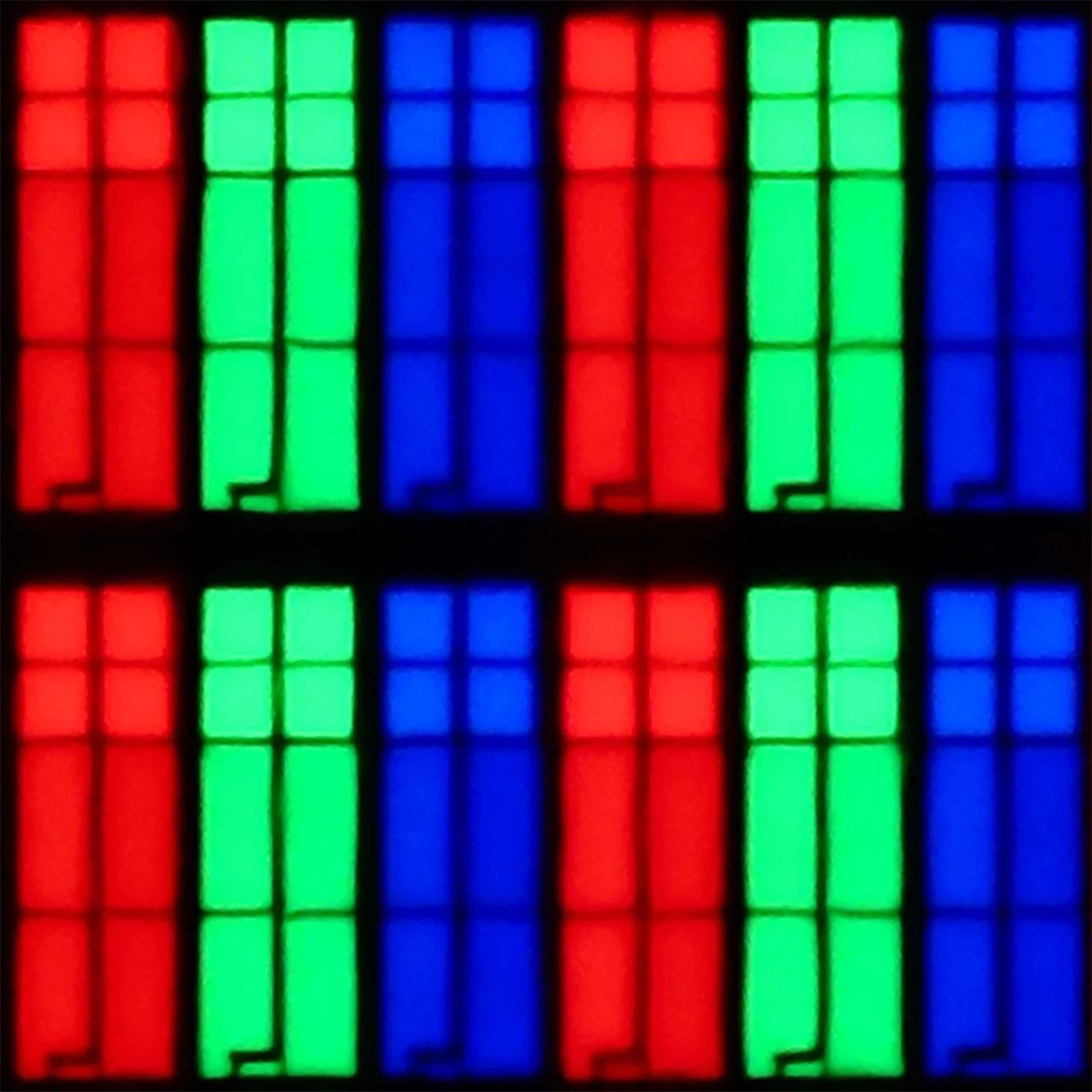
Panel uniformity and thermal imaging:


Samsung OLED S95D
Sony BRAVIA 7 II
TV features
7.9/10
9.4/10
- SystemTizenGoogle TV
- System performanceVery goodVery good
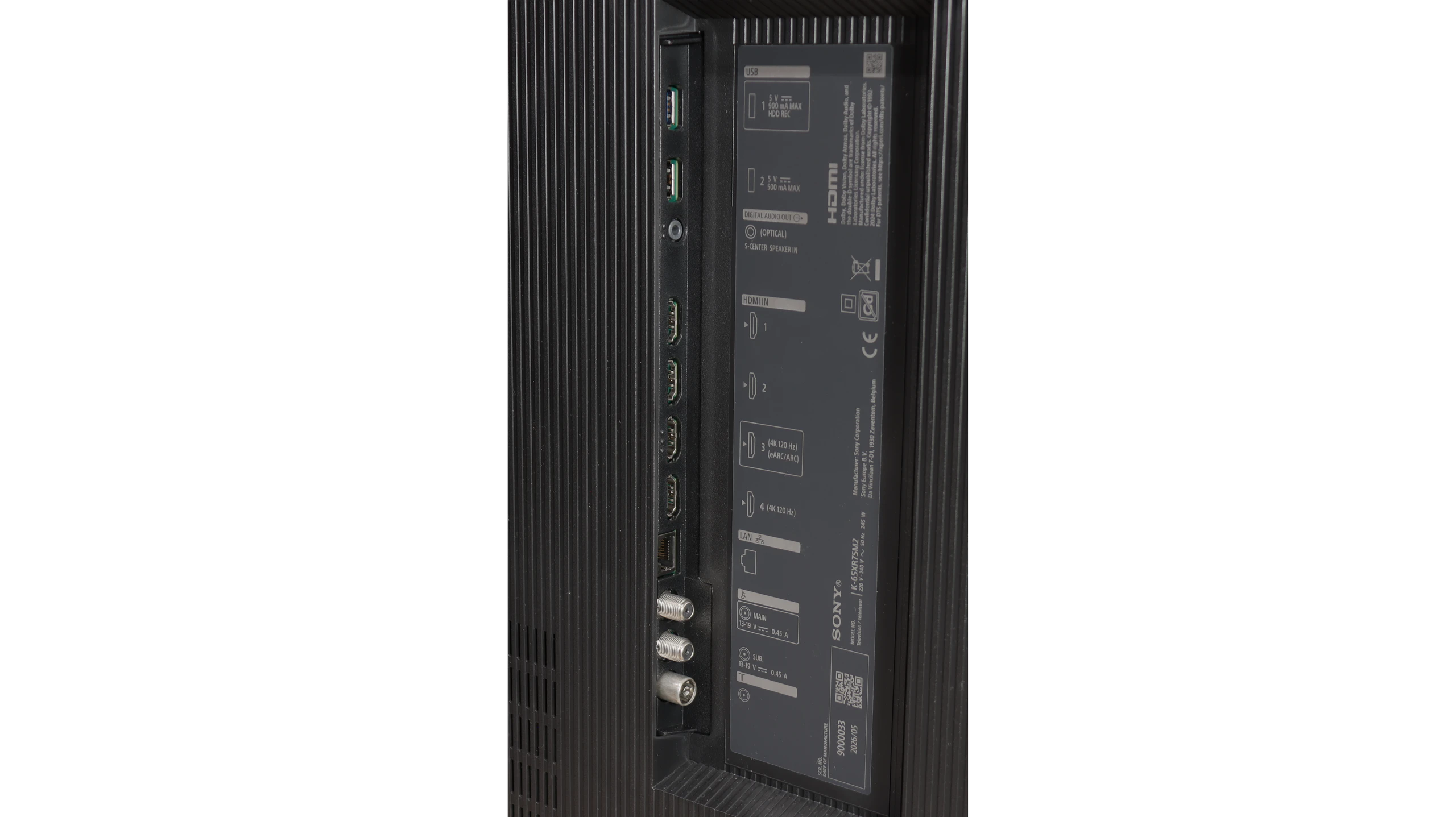
- HDMI inputs0 x HDMI 2.0, 4 x HDMI 2.1 40Gbps2 x HDMI 2.0, 2 x HDMI 2.1 48Gbps
- Other inputsToslink (Optical audio)
- OutputseARC (HDMI), ARC (HDMI)Toslink (Optical audio), eARC (HDMI), ARC (HDMI), Mini-Jack (Sony S-Center)
- Network InterfacesWi-Fi 2.4GHz, Wi-Fi 5GHz, Ethernet (LAN) 100MbpsWi-Fi 2.4GHz, Wi-Fi 5GHz, Ethernet (LAN) 100Mbps
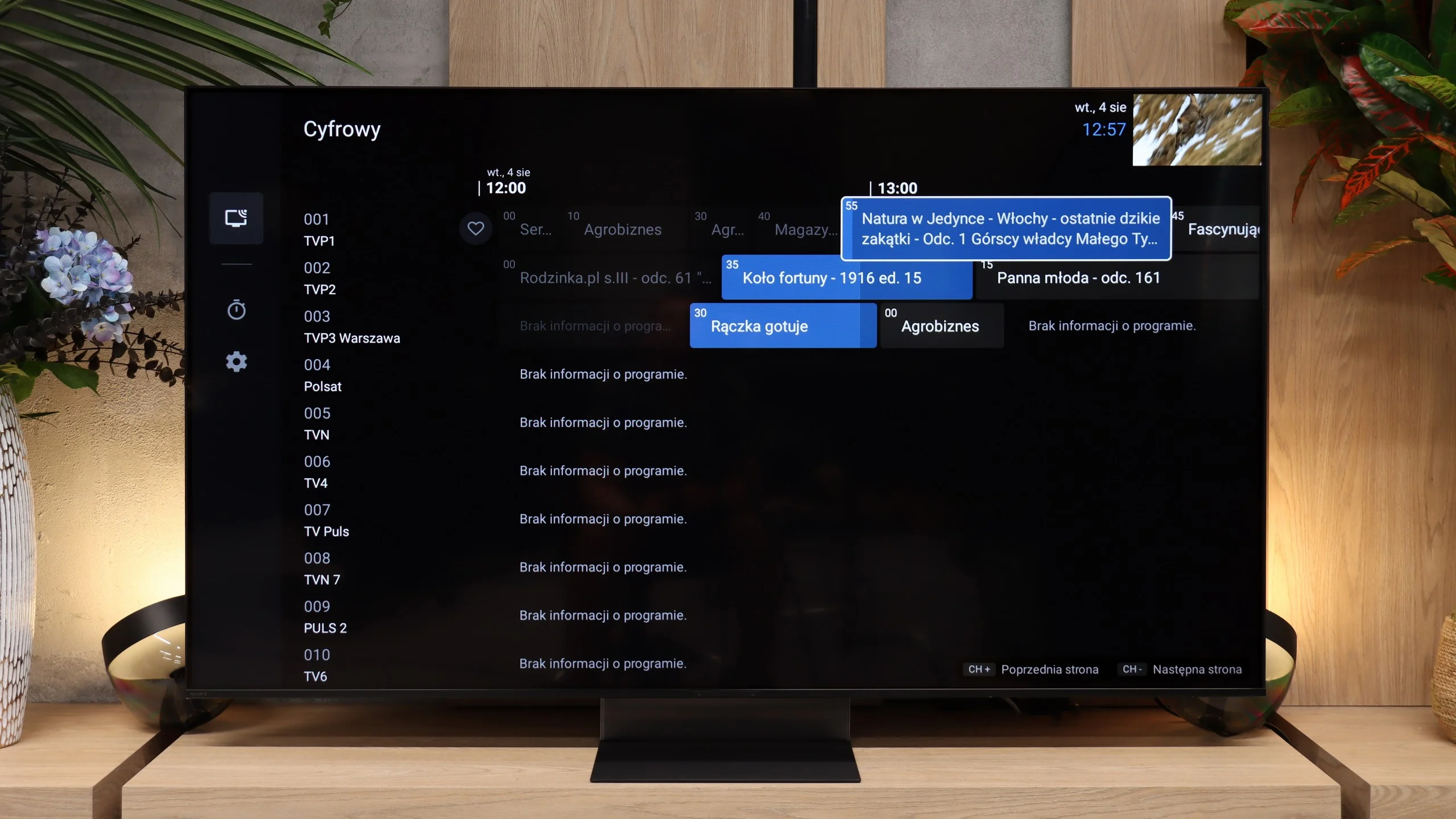
- TV receptionDVB-T, DVB-T2, DVB-S, DVB-S2, DVB-CDVB-T, DVB-T2, DVB-S, DVB-S2, DVB-C
Classic features:
- Recording to USB (terrestrial TV)
- Recording programming
- Picture in Picture (PiP)
- RF remote control (no need to aim)
- Backlit remote control
- Teletext
- Audio only mode
- Bluetooth headphones support
- Simultaneous Bluetooth headphones & TV audio
Smart features:
- AirPlay
- Screen mirroring (Windows Miracast)
- Voice search
- Voice search in native language
- Ability to connect a keyboard and mouse
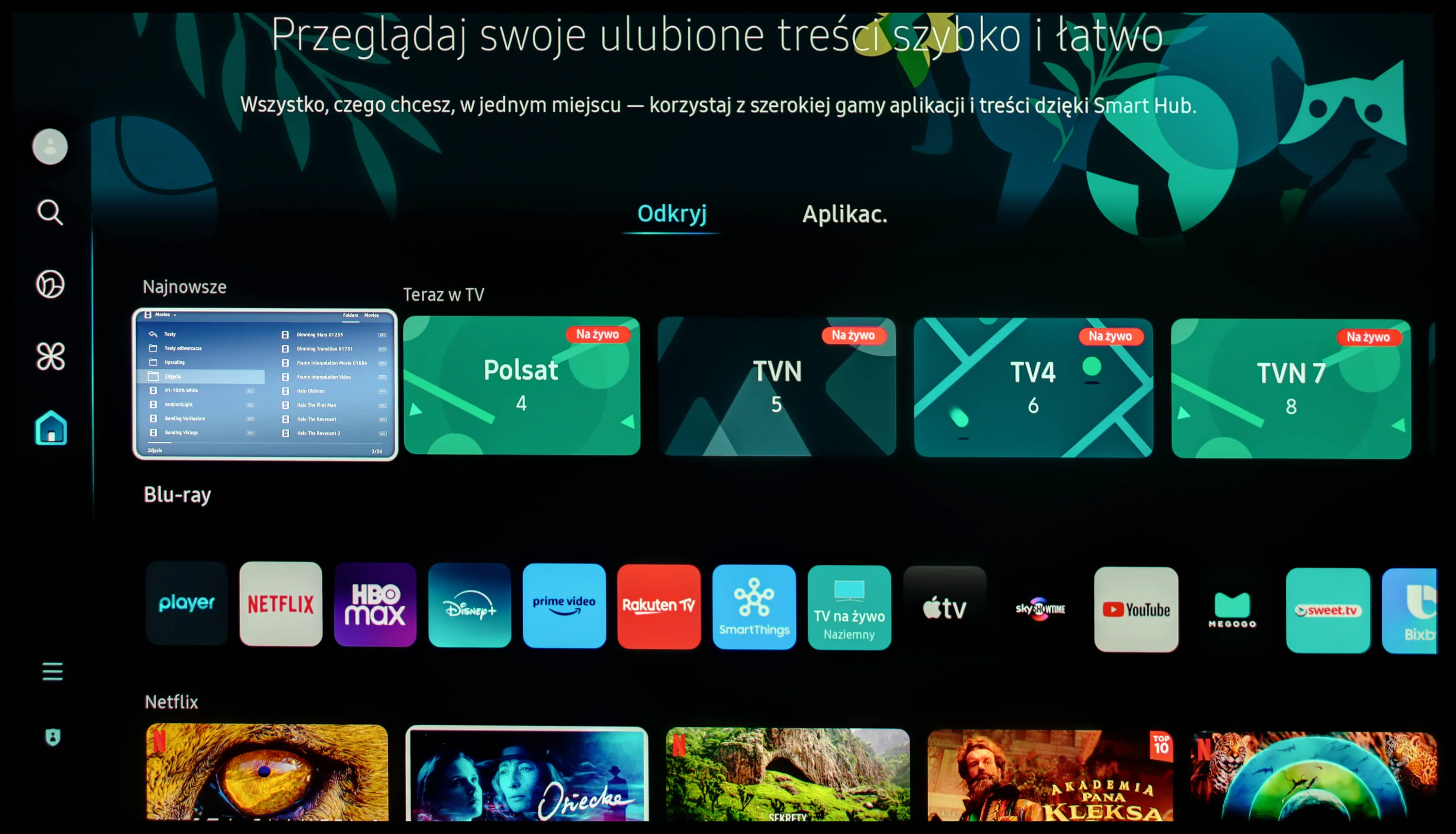
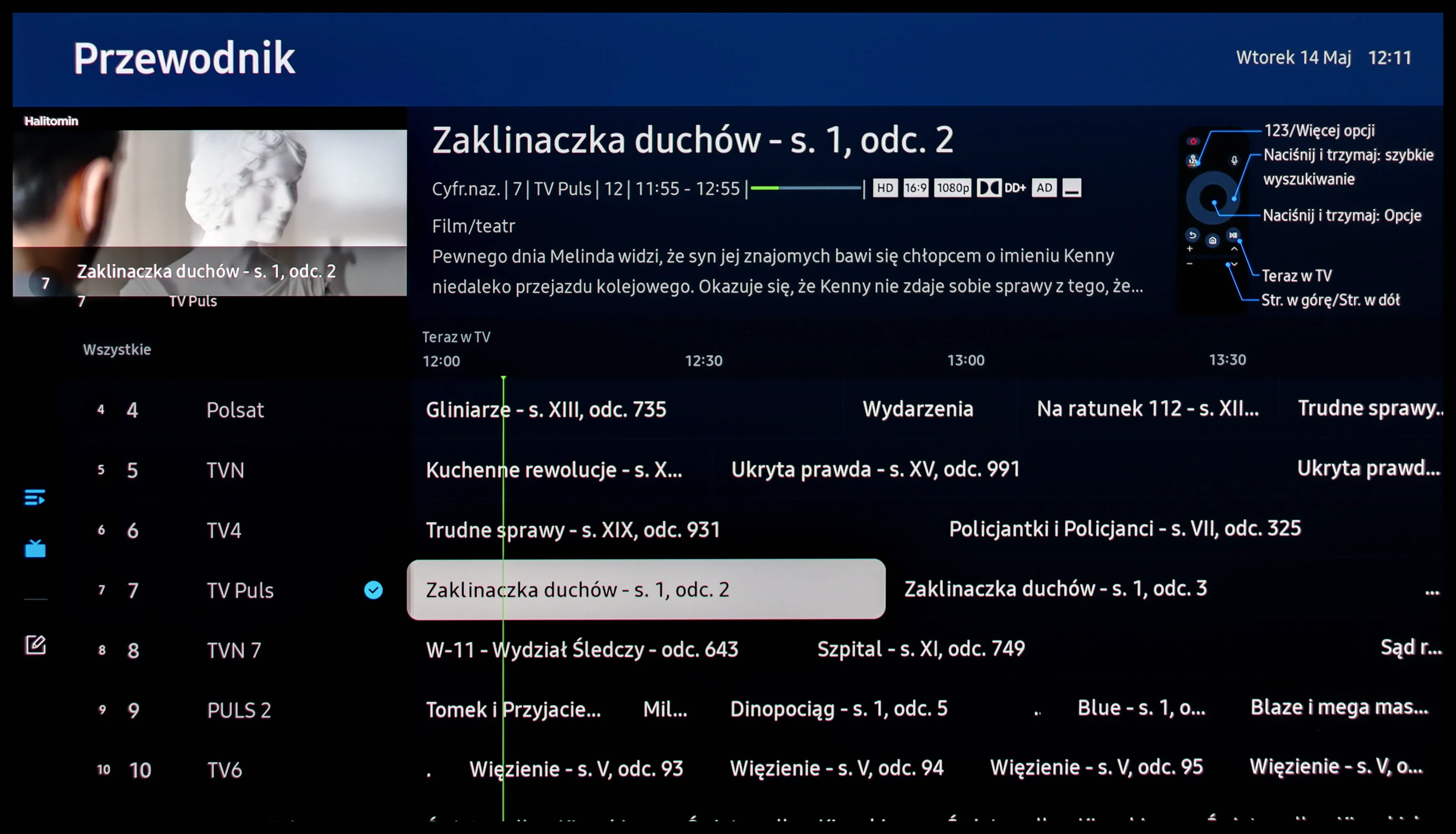
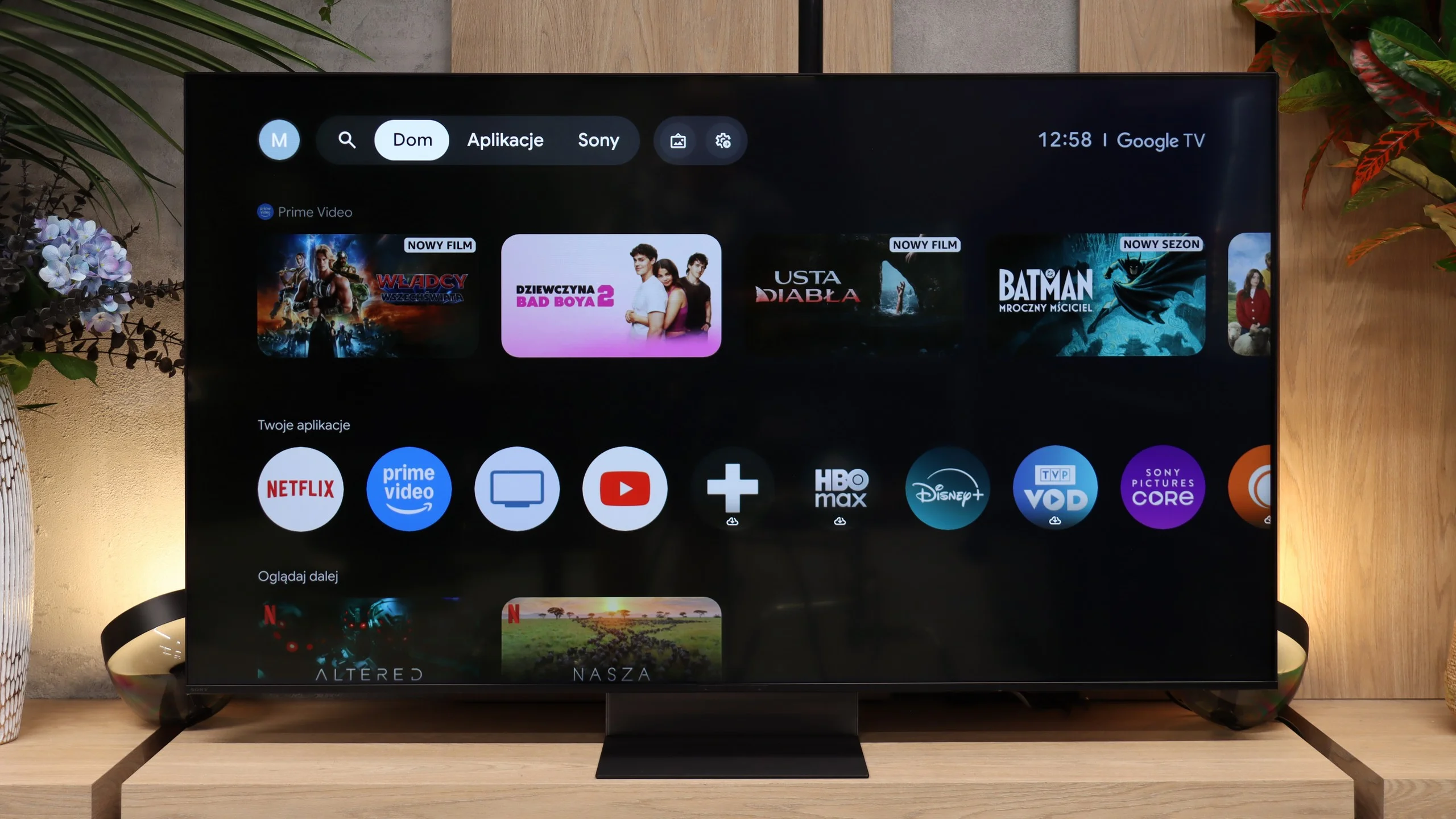
Sound connection options
- HDMI audioeARC (HDMI), ARC (HDMI)eARC (HDMI), ARC (HDMI)
- Other audio outputsToslink (Optical audio), AuxiliaryOutput-Mini-Jack (Sony S-Center)
- Wireless audioBluetoothBluetooth
Supported audio formats (external HDMI eARC audio):
- Dolby Digital Plus 7.1
- Dolby True HD 7.1
- Dolby Atmos in Dolby Digital Plus (JOC)
- Dolby Atmos in Dolby True HD
- DTS:X in DTS-HD MA
- DTS-HD Master Audio
Senior accessibility
- Numeric keyboard on TV
- Font size adjustment
- Audio description
The Samsung S95D television offers a range of features that significantly enhance user comfort, making it the ideal device for entertainment in the comfort of your home. The Tizen system on which this model is based is a modern and advanced platform, providing an intuitive and smooth experience. Thanks to its user-friendly interface, navigation through applications and settings is quick and easy, making it accessible even for those less familiar with technology. Tizen supports a rich set of applications, including all popular streaming services like Netflix, YouTube, and Amazon Prime Video. A novelty for 2024 is the availability of voice search in Polish. Additionally, the television supports AirPlay, enabling easy content transfer from Apple devices such as iPhone or iPad. It’s worth highlighting that the S95D television works with the SmartThings app, allowing integration with other smart devices in the home. This app enables automation and monitoring of home equipment, making the television not just a device for entertainment, but also a hub for managing a smart home.
It's also worth noting the included accessories, such as the eco-friendly solar remote, which is not only environmentally friendly but also practical for everyday use. This remote has the ability to control multiple devices connected to the television, eliminating the need to use several different remotes – it integrates very easily with other set-top boxes such as Canal+ / NC+. Additionally, the One Connect module in the Samsung S95D is a great solution that makes the television incredibly sleek. With this device, you can hide all cables and connections. It is one of the slimmest devices that can be mounted on a wall, providing an aesthetic and modern look for your interior. If you want to place the device on a very sturdy metal stand, there’s no need to worry. This module can be mounted at the back of the base, creating a harmonious whole.
The only downside that can be pointed out is the lack of USB recording support. For some users, this may be a limitation. Despite this, the Samsung S95D television offers many advanced features and technologies, making it an excellent choice for anyone looking for high-quality entertainment in their home.
Classic features
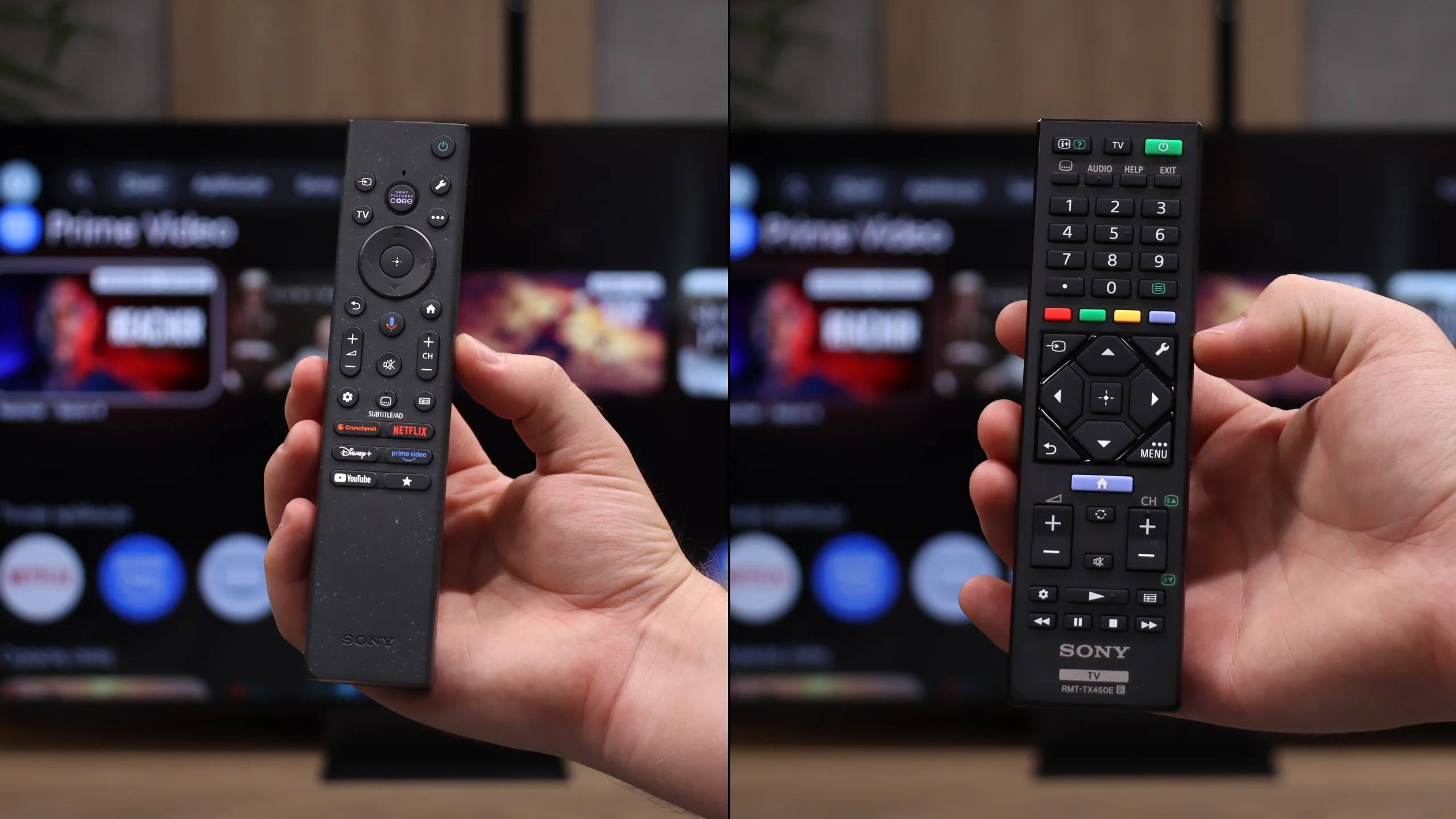
Sony in the Bravia 7 II still approaches the TV a bit more old-school than some competitors, and here that works to its advantage. This is not just a screen for streaming apps, because the manufacturer kept plenty of traditional features that many people still use every day. You can record programs to USB, schedule recordings, or use the TV with Bluetooth headphones without having to turn off its built-in speakers. Overall it feels like a refined device for normal TV watching, not just a "monitor with apps." The control setup is also worth praise. The package includes two remotes: one more modern and simplified, the other classic with more buttons. That way everyone can choose the control method they find most comfortable. The main remote uses RF, so you don't have to point it directly at the TV, and the backlit buttons are especially useful in the evening.
Google TV
Google TV handles the Smart features, and here the Bravia 7 II performs as you would expect from a TV of this class. The system runs fast, menus respond smoothly, and it doesn't feel like the unit needs a moment for every simple operation. The biggest advantage remains the vast selection of apps, so practically everything we use on TVs today is immediately at hand. Google TV also works well when the TV is meant to be part of a larger ecosystem. You can cast content from your phone or computer, use AirPlay and Miracast, and search for content by voice in your native language. In practice, the Bravia 7 II therefore gives a lot of freedom, and it's hard to encounter a situation where you're missing some basic Smart TV function.
Apps
9.3/10
9.6/10






















Playing files from USB
8.8/10
8.9/10
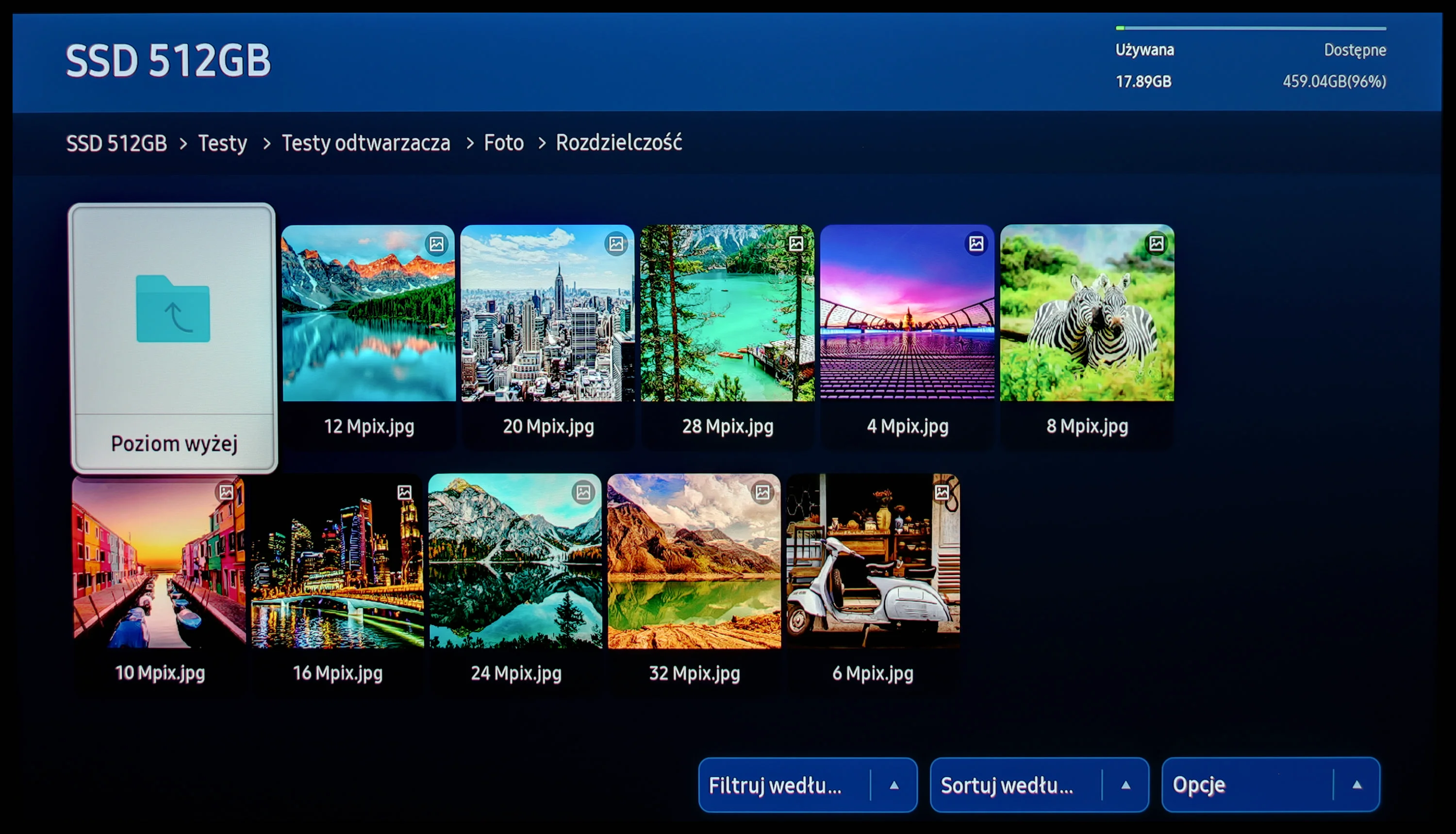
Supported photo formats:
Maximum photo resolution:
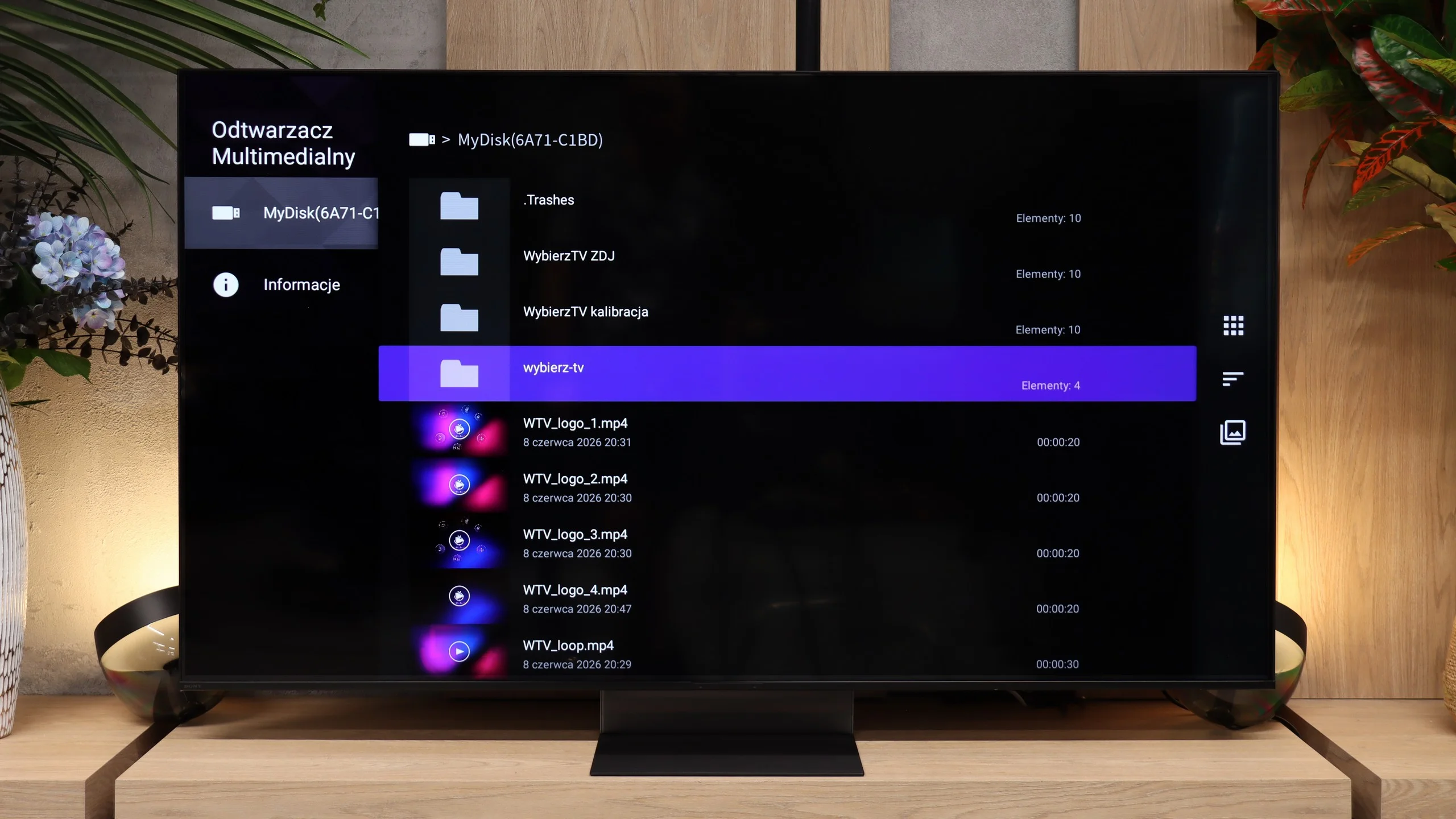
Samsung S95D stands out with its excellent built-in player, which handles most video and audio files we tested with ease. The exception is files in Dolby Vision format and some less common codecs. The player supports Polish characters and allows for font colour adjustment, which is a big plus.
The built-in media player in the Bravia 7 II works well and handles most common content without major issues. The TV copes with the most frequently encountered video files and codecs, so when using a hard drive or USB stick you’re unlikely to run into significant limitations. What’s missing, above all, is broader support for subtitle formats and image files. For photos the TV opens JPEG and HEIC, but it doesn’t handle formats like PNG, WebP or TIFF. However, we wouldn’t consider this a serious flaw, since many of the unsupported formats are fairly niche. And if the built-in player proves insufficient, Google TV simply lets you install a third-party app and largely work around these limitations.
Sound
7.9/10
7.8/10
- Maximum volume84dB94dB
- Dolby Digital Plus 7.1
- Dolby True HD 7.1
- Dolby Atmos in Dolby Digital Plus (JOC)
- Dolby Atmos in Dolby True HD
- DTS:X in DTS-HD MA
- DTS-HD Master Audio
Despite the fact that Samsung S95D is one of the slimmest televisions on the market, it offers quite pleasant sound. The television supports Dolby codecs, allowing for high-quality audio enjoyment. However, a drawback is the lack of support for DTS, which may be a limitation for some users who use external players. Nevertheless, the overall sound quality is still satisfactory, especially for such a slim device. Thanks to advanced Dolby Atmos technology, users can enjoy immersive, three-dimensional sound that perfectly complements the high picture quality.
Sony has changed the audio significantly in the new Bravia 7 II, and you can't say the TV lacks bass. There's a lot of it, and the whole setup can also play very loudly. In our measurement it reached about 94 dBC. However, in our view the low end is at times a bit excessive. The bass can mask the rest of the spectrum, causing dialogue and some sounds to lose a little clarity. So overall it sounds powerful and impressive, but it could do with a slightly more balanced tuning. On the plus side, audio format support is good. Sony supports both Dolby Atmos and DTS, so in that respect the Bravia 7 II doesn't impose significant limitations.
Sound Quality Test
No sound test video
Acoustic Measurements
No acoustic data
94dBC (Max)
75dBC
Reader comments
Comments are provided by the external service Disqus (Zeta Global). Once loaded, Disqus may set cookies and process data about your activity.
We will remember your choice on this device. Provider's privacy policy