 Direct comparison
Samsung QN85D is the entry-level model in the Neo QLED series for 2024, but it certainly doesn’t come across as a "budget" option. It’s a television that combines modern technology with convenient smart features. During tests, the Tizen system operated smoothly, and integration with the SmartThings ecosystem made it easy to connect other devices in the home. If we use Apple devices, AirPlay works flawlessly, which is convenient, especially for viewing photos or videos from our phone. As for its performance during daily use, it simply works very well. The television handles viewing even in bright rooms – its brightness is sufficient that there’s no need to cover the windows. Additionally, the stable central stand not only looks good but also adds confidence that the device is standing securely and will definitely fit on smaller furniture. There is a lack of recording function, but the solar remote control, which operates decoders (e.g. Canal+) and the PiP function are practical additions that anyone who enjoys spending time watching regular television will appreciate. As for the picture – because that’s the most important thing in a TV – the QN85D makes a great impression. The VA panel provides very good blacks – especially if we watch the television head-on. Thanks to miniLED backlighting, the television better controls the light, resulting in much more detail visible in dark scenes. When it comes to motion fluidity, the television performs excellently thanks to the 120 Hz refresh rate – both games and matches are enjoyable to watch. If we’re gaming, low input lag combined with an excellent motion smoother and game bar will be a significant advantage – gameplay will be a pleasure. Samsung QN85D is a versatile television that will perform well for both everyday television watching and more demanding sessions or gaming on a console. Although it lacks some features, such as recording, its picture quality, motion fluidity, and smart capabilities definitely make up for these shortcomings. If we’re looking for a modern yet affordable Mini LED model, QN85D will be a very good choice.
- Matching (Score) |
- Our verdict |
- TV appearance |
- Where to buy |
- Contrast and black detail |
- HDR effect quality |
- Factory color reproduction |
- Color reproduction after calibration |
- Smoothness of tonal transitions |
- Image scaling and smoothness of tonal transitions |
- Blur and motion smoothness |
- Console compatibility and gaming features |
- Input lag |
- Compatibility with PC |
- Viewing angles |
- Daytime performance |
- Panel details |
- TV features |
- Apps |
- Playing files from USB |
- Sound
Neo QLED / QN85D / QNX1D

BRAVIA 2 II / S25M2
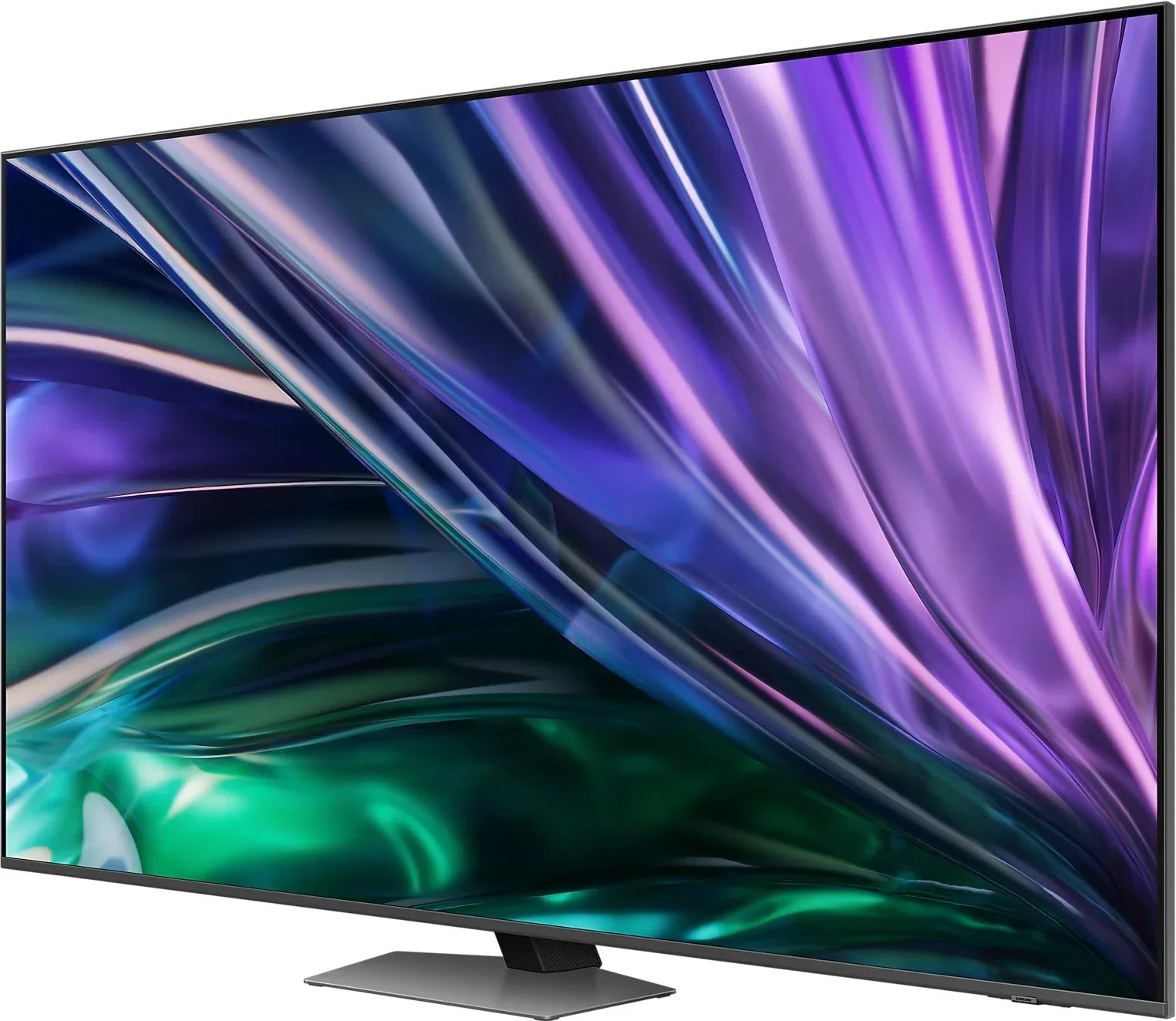
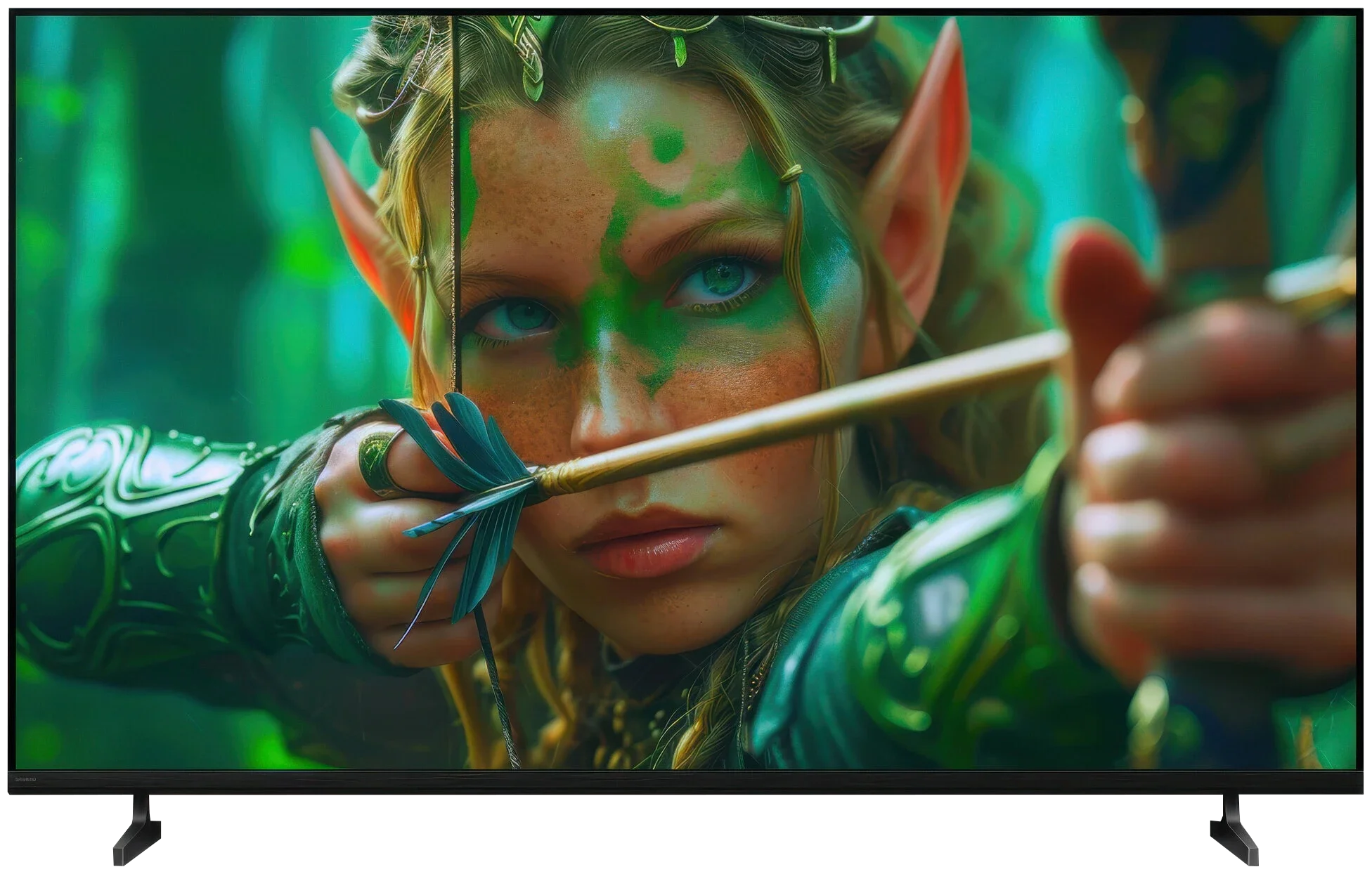
Panel type: LCD VA
Resolution: 3840x2160
System: Tizen
Model year: 2024
Panel type: LCD IPS
Resolution: 3840x2160
System: Google TV
Model year: 2026
Check how well they match your needs
Take the surveyOverall rating
7.4
5.8
 Movies and series in UHD quality
6.7
5.2
 Classic TV, YouTube
6.8
5.2
 Sports broadcasts (TV and apps)
6.7
5.5
 Gaming on console
8.9
6.2
 TV as a computer monitor
7.6
6.0
 Watching in bright light
7.3
4.8
 Utility functions
7.4
6.6
 Apps
9.3
9.6
 Sound quality
7.0
6.1
Complete the survey to find out what fits your preferences
Advantages

Nice contrast - Miniled backlighting
Very good for gamers - 120Hz, 4xHDMI 2.1, low input lag
Tizen operating system with SmartThings and AirPlay support – wide integration and flexibility
Very high brightness 825 cd/m² – good performance in bright rooms
Pleasant sound with noticeable bass
Very good viewing angles (IPS panel)
Google TV with a huge selection of apps
Chromecast and AirPlay
Low input lag
Very good USB file player
Supports audio formats: Dolby (Atmos, TrueHD, Digital), DTS (X, HD)
Two remotes included
Disadvantages

No recording feature
Limited support for multimedia formats, no DTS audio format
Too expensive for what it offers!
Very poor black levels and low contrast (IPS panel)
Low brightness of around 320 nits
No support for dynamic HDR formats (Dolby Vision, HDR10+)
Panel limited to 60 Hz
Very limited gaming capabilities
Our verdict
The Sony Bravia 2 II is a TV that’s best suited to simple, everyday use. And we suspect many people will pick it mainly for Google TV. The system gives access to a huge number of apps and streaming services, and you also get Chromecast, AirPlay and convenient voice search. The TV itself may not run as fast as pricier Sony models, but in terms of functionality there’s little to complain about. Importantly, for regular viewing the picture quality is quite decent. The Bravia 2 II handles SDR material especially well — ordinary broadcast TV, YouTube and a lot of older films and series. The out-of-the-box Cinema mode is sensibly tuned, colours look natural and, without much fiddling with the settings, you can just start watching. And that’s where the Bravia 2 II shows its strengths — as a simple smart TV for daily use, rather than a set that aims to dazzle with panel performance.
However, you have to remember that the “Bravia” badge on the case doesn’t automatically mean great picture quality. The Bravia 2 II uses an IPS panel with very low contrast, and that’s its biggest problem. In daylight it’s not so noticeable, but turn the lights off in the evening and black starts to look more like dark grey. Of course, in return you get good viewing angles, so if the TV sits in a large living room and several people watch from different spots, IPS has an advantage. But that comes at the cost of weak blacks. This TV isn’t designed for HDR impact or for more demanding gamers either. Around 300 nits of brightness and a narrow colour gamut mean HDR content doesn’t show much more than SDR. A 60 Hz panel and the lack of broader gaming features also make it clear that gaming isn’t a priority for this model.
And that wouldn’t be a major issue, because we expected that from an entry-level Sony. The biggest problem for the Bravia 2 II, though, is the price. For similar money you can easily find competitor TVs, especially Korean and Chinese brands, that already offer a lot more, ranging from 120 Hz panels to Mini-LED backlights with local dimming. So the Bravia 2 II isn’t a bad TV in itself. It’s simply too expensive for what it offers. If its price were noticeably lower, it would make much more sense as a basic TV for everyday viewing.
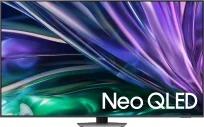
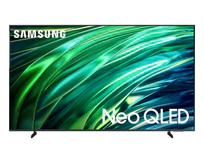
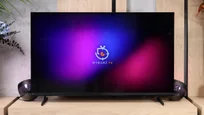
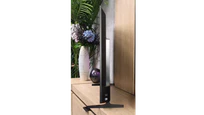
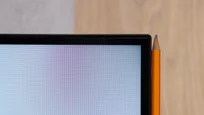
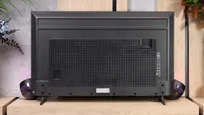
TV appearance

Contrast and black detail
7.6/10
2.7/10
Local dimming function: Yes, number of zones: 120 (12 x 10)
Local dimming function: No
Contrast:


Result
107,750:1

Result
27,100:1

Result
62,500:1

Result
8,750:1

Result
4,950:1
Result
1,150:1
Result
1,200:1
Result
1,450:1
Result
1,400:1
Result
1,100:1
Halo effect and black detail visibility:
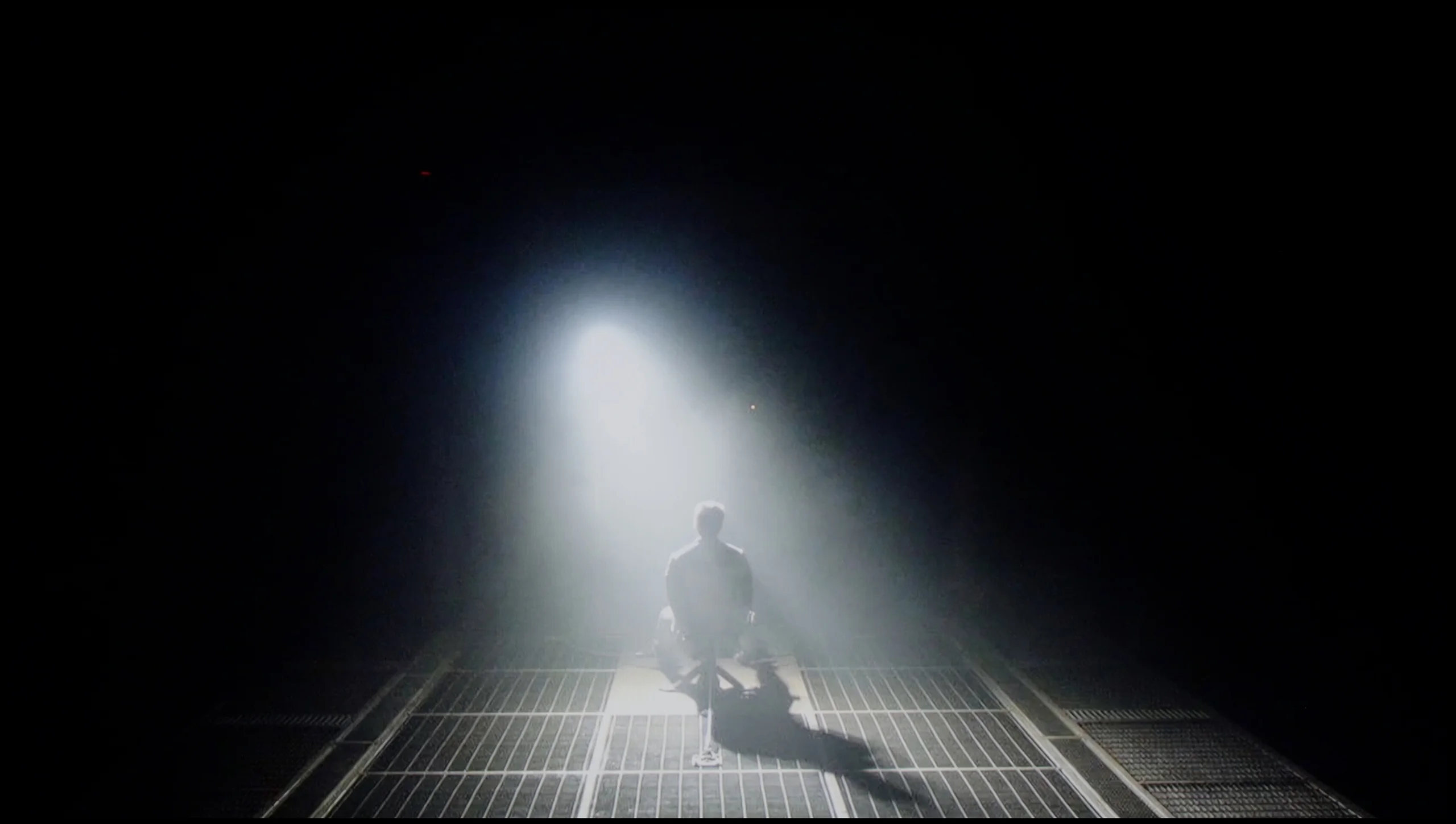
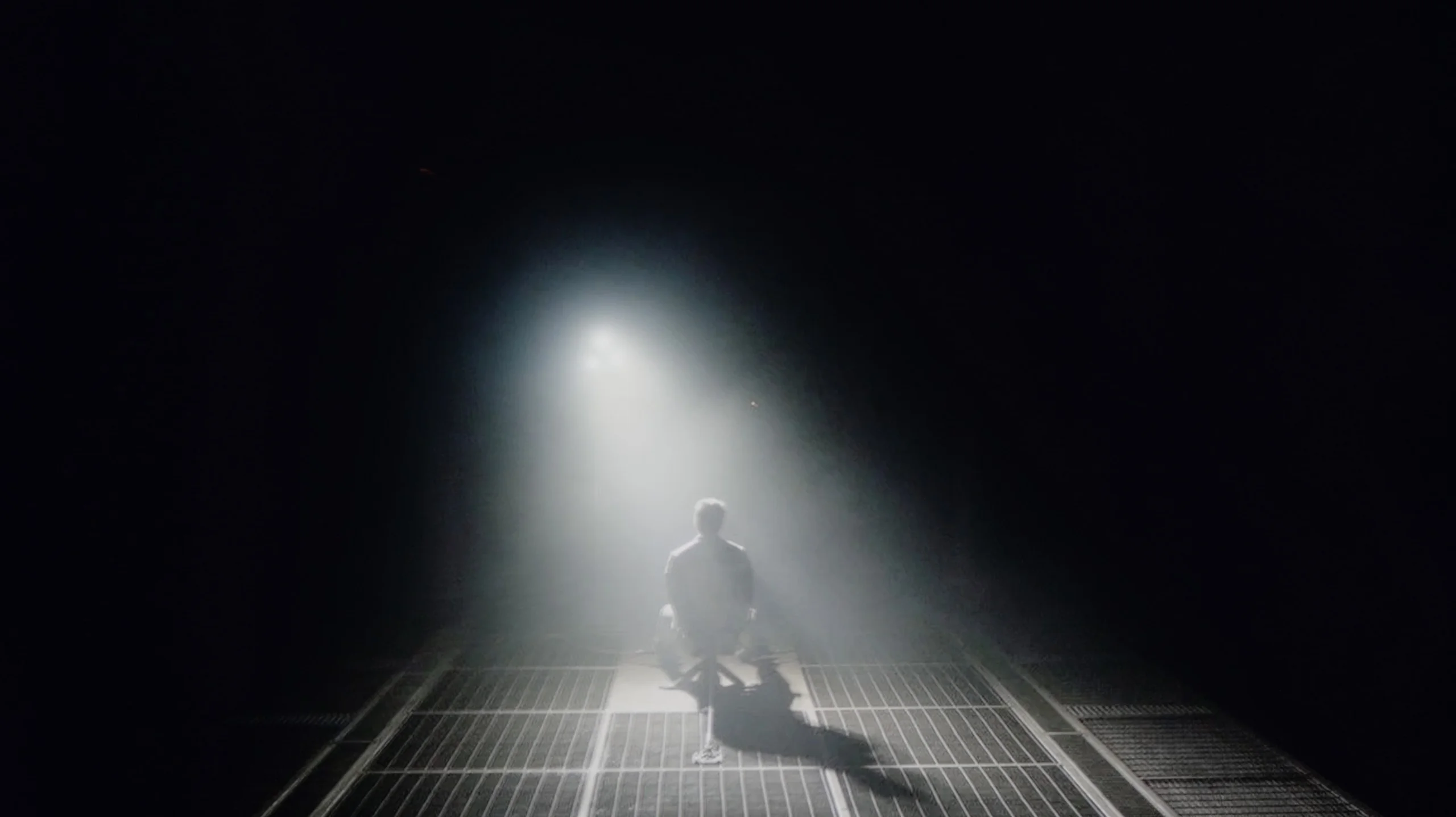
Check the visibility of bright lights on a dark background. Mini-LEDs often struggle with this. The photo does not compare black levels – that’s what the video below is for.
The video accurately shows differences in contrast and black levels between TVs, as well as potential issues: halo around bright objects or Mini-LED zone operation visible as brightness jumps.
Samsung QN85D for 2024 is the first model from the NeoQLED series to use a VA panel, offering significantly better blacks than IPS/ADS technologies. The 55-inch version has 160 dimming zones, which may not be an impressive number compared to competing models from China. In larger sizes, the number of zones is greater, which naturally translates to better contrast. The contrast results are good, but certain limitations are evident.
With smaller elements on the screen, the limited number of zones causes issues – the TV either tries to maintain a high brightness level, resulting in a halo effect around objects, or it dims too much, as observed in the test scene from the Pioneer disc. Additionally, in the same scene where the TV showcased its highest capabilities (Oblivion) in contrast, it also has significant problems with light separation. You can see how the TV struggles to maintain the best black at the cost of detail in the whites. You can't have it all. Both of these effects impact the perception of contrast, making the performance weaker in more challenging conditions. However, compared to TVs without local dimming technology, the results are very positive and can be surprising.
When it comes to black levels, the Bravia 2 II unfortunately doesn't have much going for it. Sony has used an IPS panel here, which offers one of the lowest native contrasts among LCD panels. In our measurements we saw figures around 1,100:1 to 1,450:1, and unfortunately that's very noticeable when watching. Additionally, the TV lacks any local dimming, so it can't darken only the parts of the screen that should remain dark. In practice, this means that once the lights go out, blacks very quickly shift toward grey and navy. In scenes such as Oblivion or Sicario 2, instead of a deep background we get a noticeably brightened image, which takes away a lot of the atmosphere from evening viewing. Of course an IPS panel also has the advantage of better viewing angles, but in this respect it's hard to call that sufficient compensation. If you're looking for a TV primarily for watching films at night, the Bravia 2 II simply isn't a model we could recommend.
HDR effect quality
5.6/10
4/10
Luminance measurements in HDR:

Result
999 nit

Result
335 nit

Result
562 nit

Result
182 nit

Result
855 nit
Result
294 nit
Result
307 nit
Result
329 nit
Result
330 nit
Result
325 nit
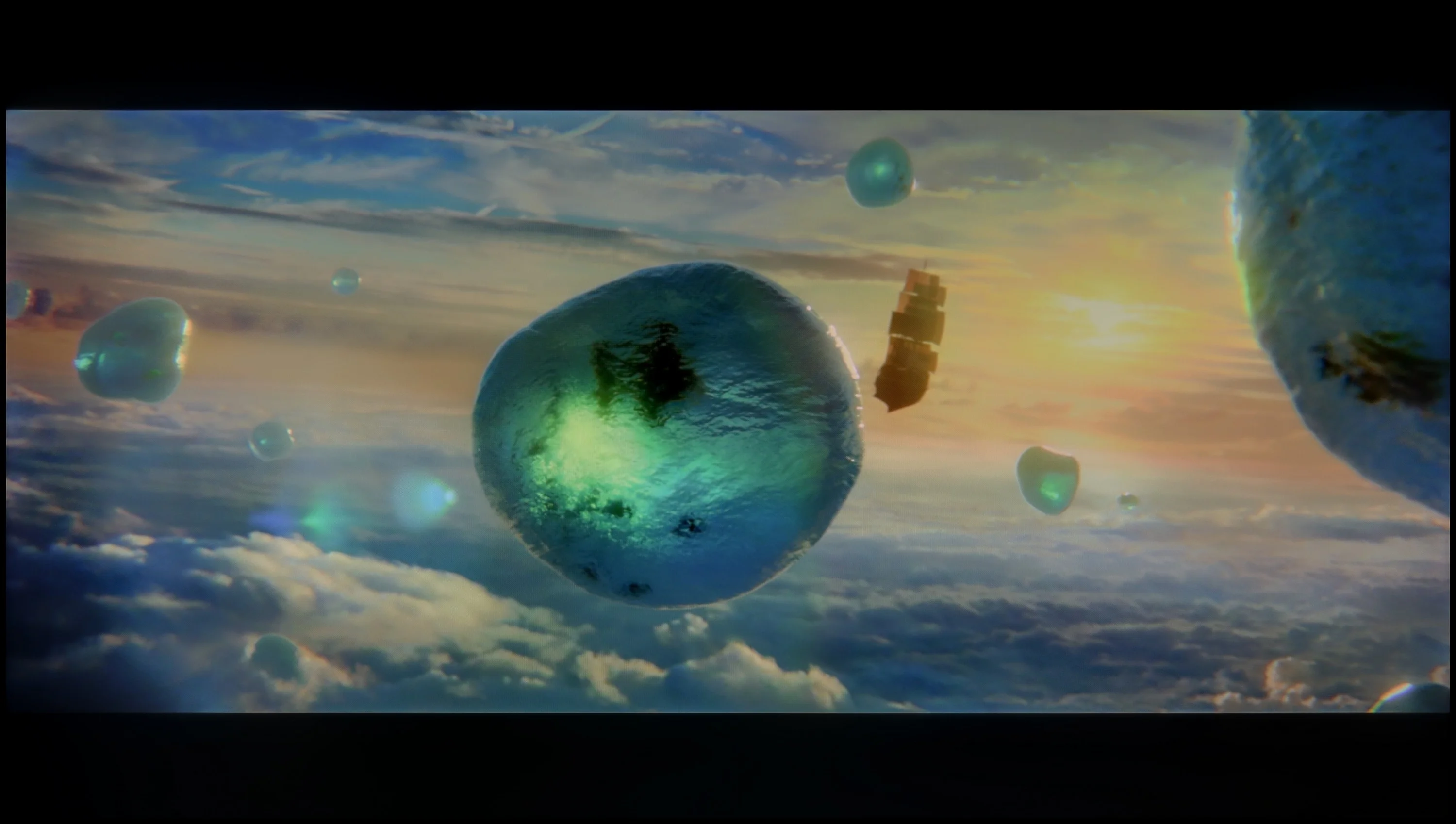
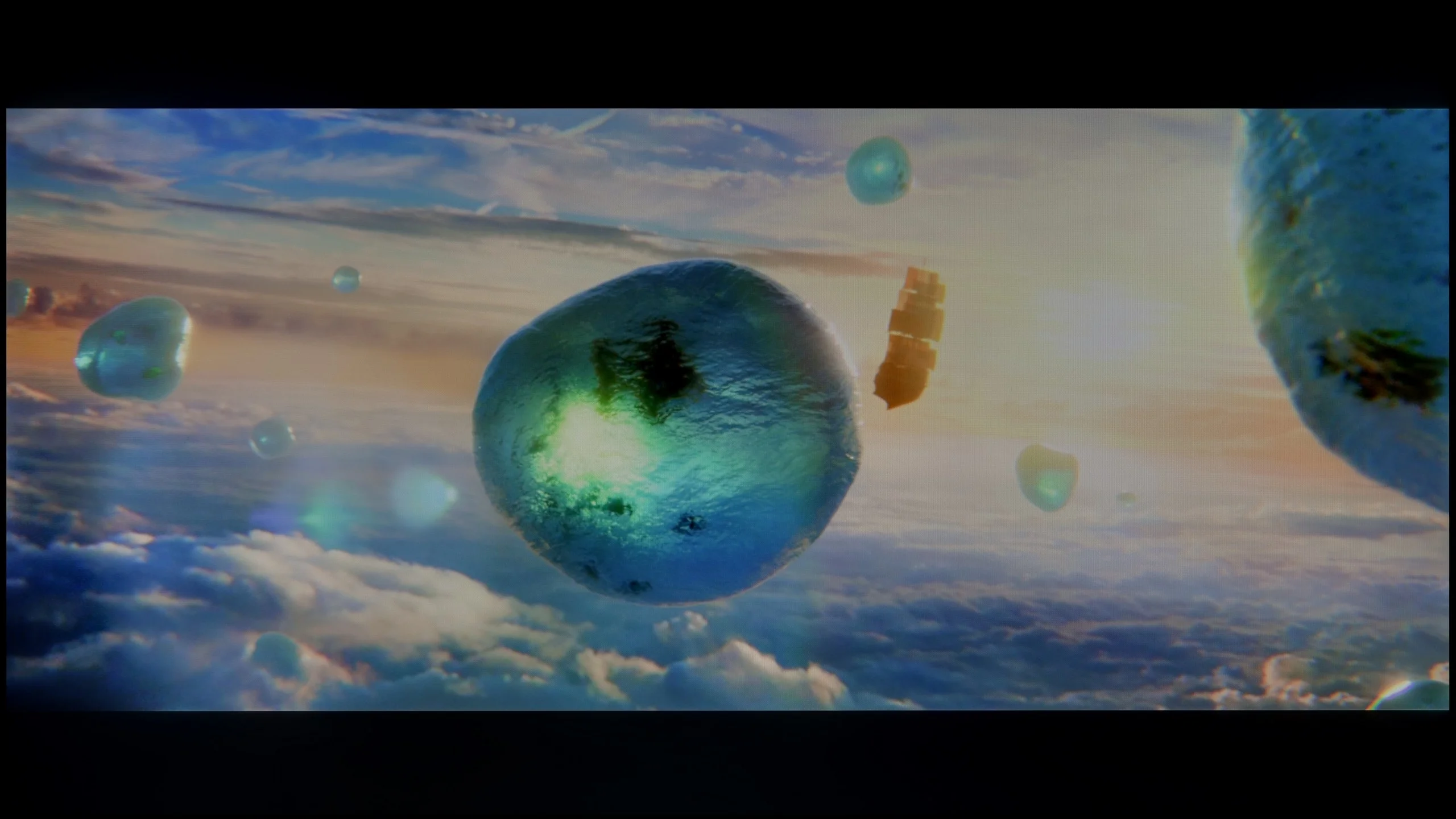
Scene from the movie “Pan” (about 2800 nits)
Scene from the movie “Billy Lynn” (about 1100 nits)
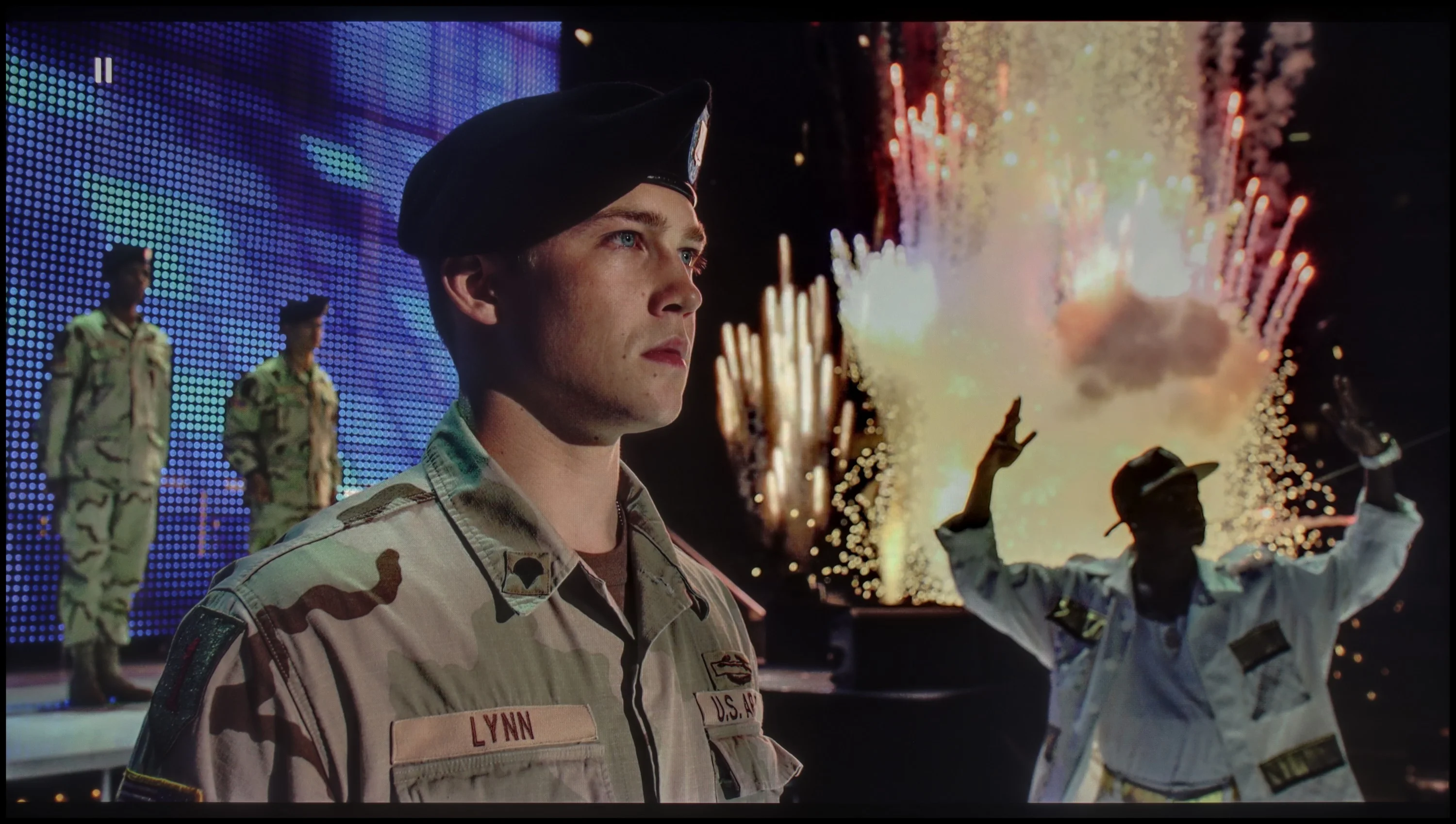
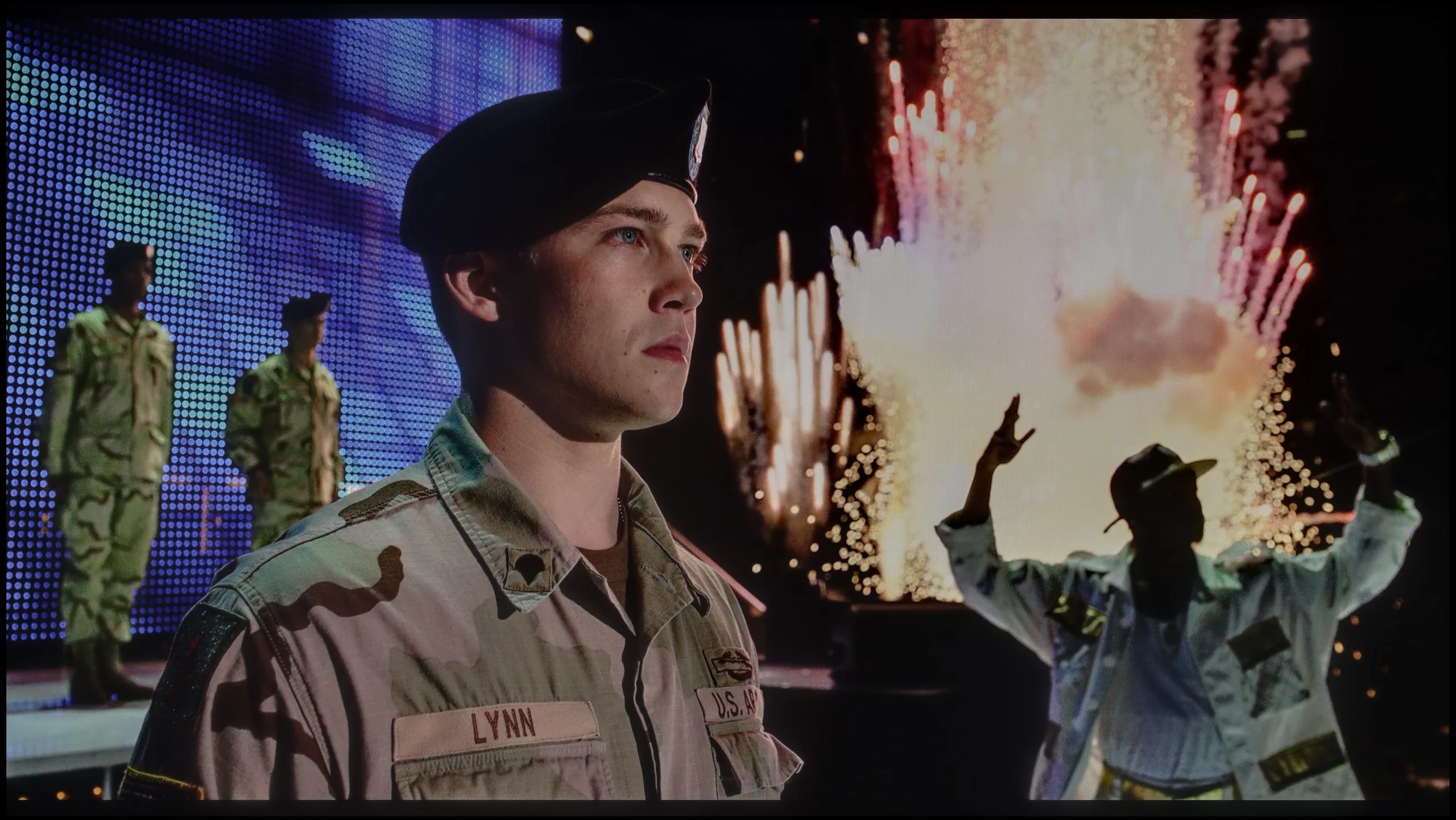
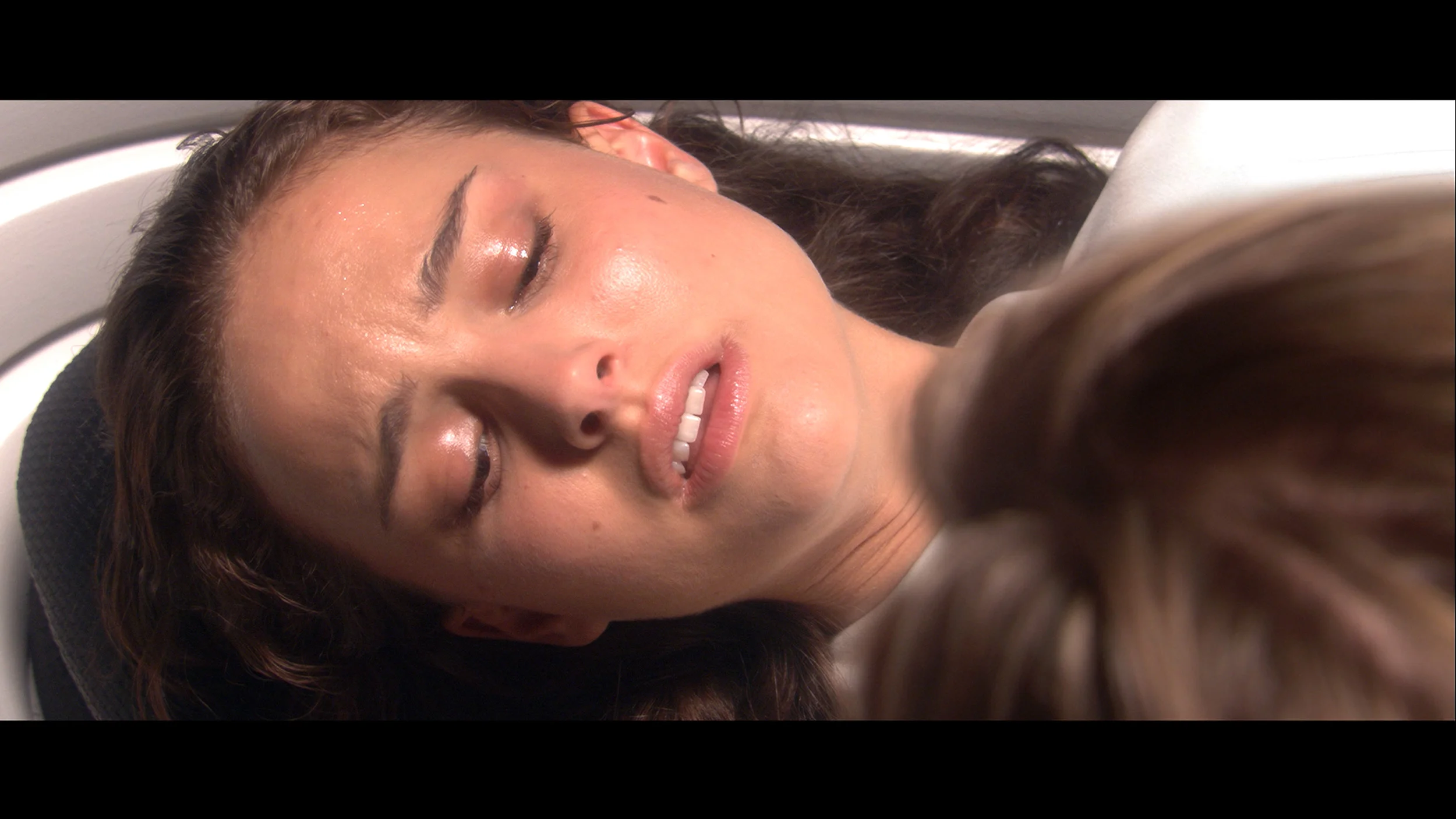
The photos show two HDR10 movies. 'Pan' is one of the brightest productions ever made, while 'Billy Lynn' (soldier) has brightness typical of streaming (Netflix, Prime, HBO MAX). Notice the intensity of effects and detail in whites.
Static HDR10


The photos present the visibility of white details in various HDR formats. They do not show brightness differences between TVs (these can be compared in the previous gallery).
HDR luminance chart:
Sony BRAVIA 2 II (S25M2)
Samsung Neo QLED QN85D / QNX1D
Samsung QN85D leaves us with mixed feelings regarding HDR quality. It can shine in synthetic luminance tests, reaching even 1000 nits – which makes scenes like those from 'The Meg' or the start of 'Life of Pi', where the screen is all bright, look truly impressive. However, in practice, the device has its limitations – especially when smaller bright elements appear on the screen. In such moments, brightness noticeably drops, and the HDR effect loses its punch. At brightness levels around 200-300 nits, the magic of HDR simply fades away, not delivering spectacular effects. However, it’s not that the television completely disappoints – coverage of the DCI-P3 colour gamut at 95% is quite decent, although it doesn’t stand out against the best competitors. Colours are well-rendered, but it's clear that HDR could make a bigger impression if brightness could be better controlled.
Sony Bravia 2 II isn't a particularly bright TV and unfortunately that's immediately obvious in HDR. In our measurements brightness stayed around 300 to 330 nits, which is far too low for the brightest parts of the image to look truly impactful. In practice HDR here doesn't differ that much from regular SDR. Bright highlights, the sun or lamps are of course visible, but they lack the intensity you'd expect from HDR content. The Bravia 2 II is therefore much better suited to standard SDR material, where its limited brightness will be least noticeable.
Colour gamut coverage
The Sony Bravia 2 II also doesn't impress when it comes to colour. The TV doesn't use any extra gamut-expanding filter, such as the quantum dots found in QLED sets or a PFS phosphor layer. In our measurements it covered about 78% of the DCI-P3 gamut and roughly 57% of the very wide BT.2020. That's definitely too little to deliver truly saturated colours in HDR material. More intense reds, greens or turquoises will simply be less striking than on TVs with an expanded colour gamut. The Bravia 2 II is much better matched to the standard Rec.709 gamut used for films, series and SDR broadcast.
Factory color reproduction
6.3/10
5.3/10
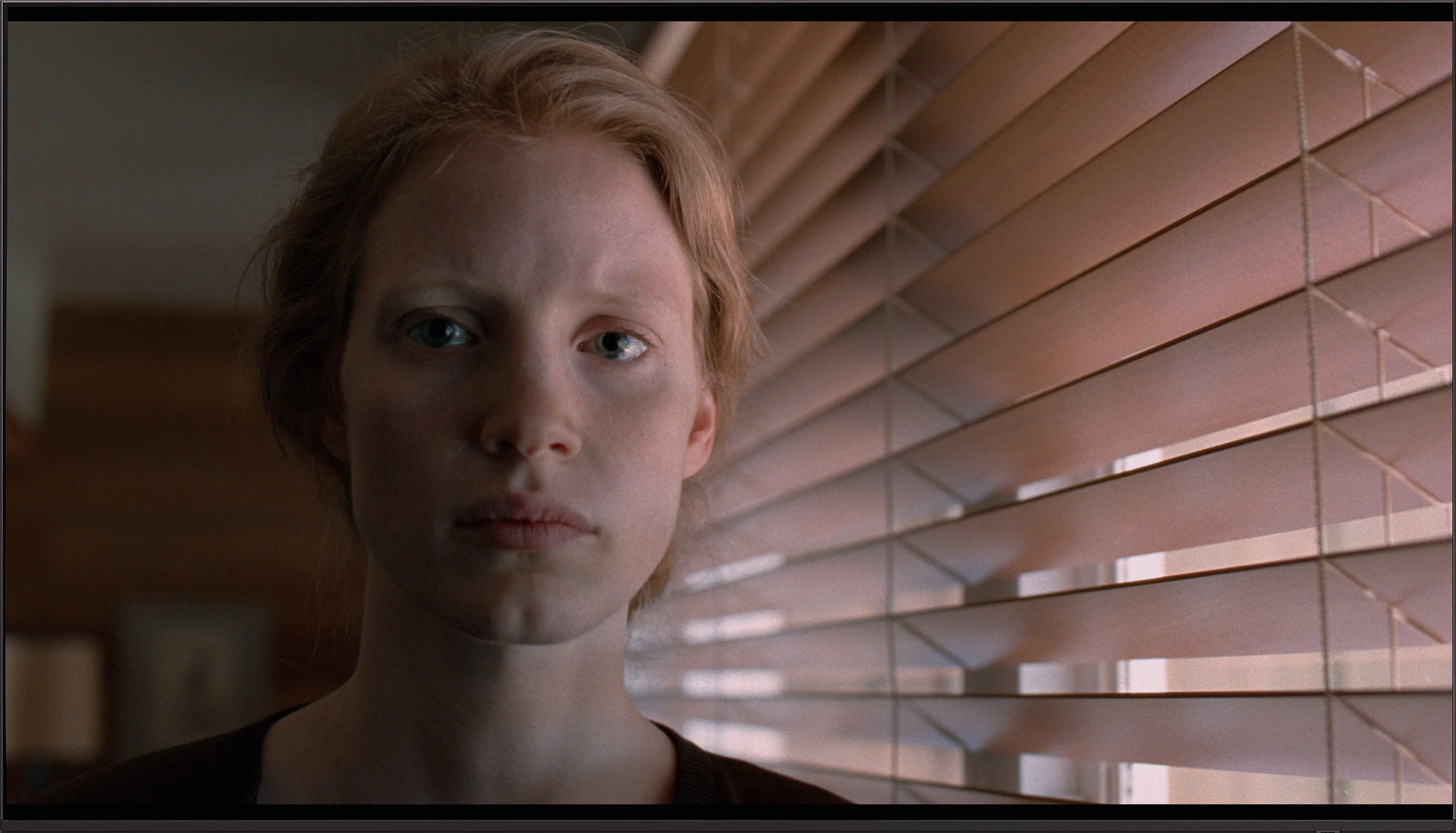
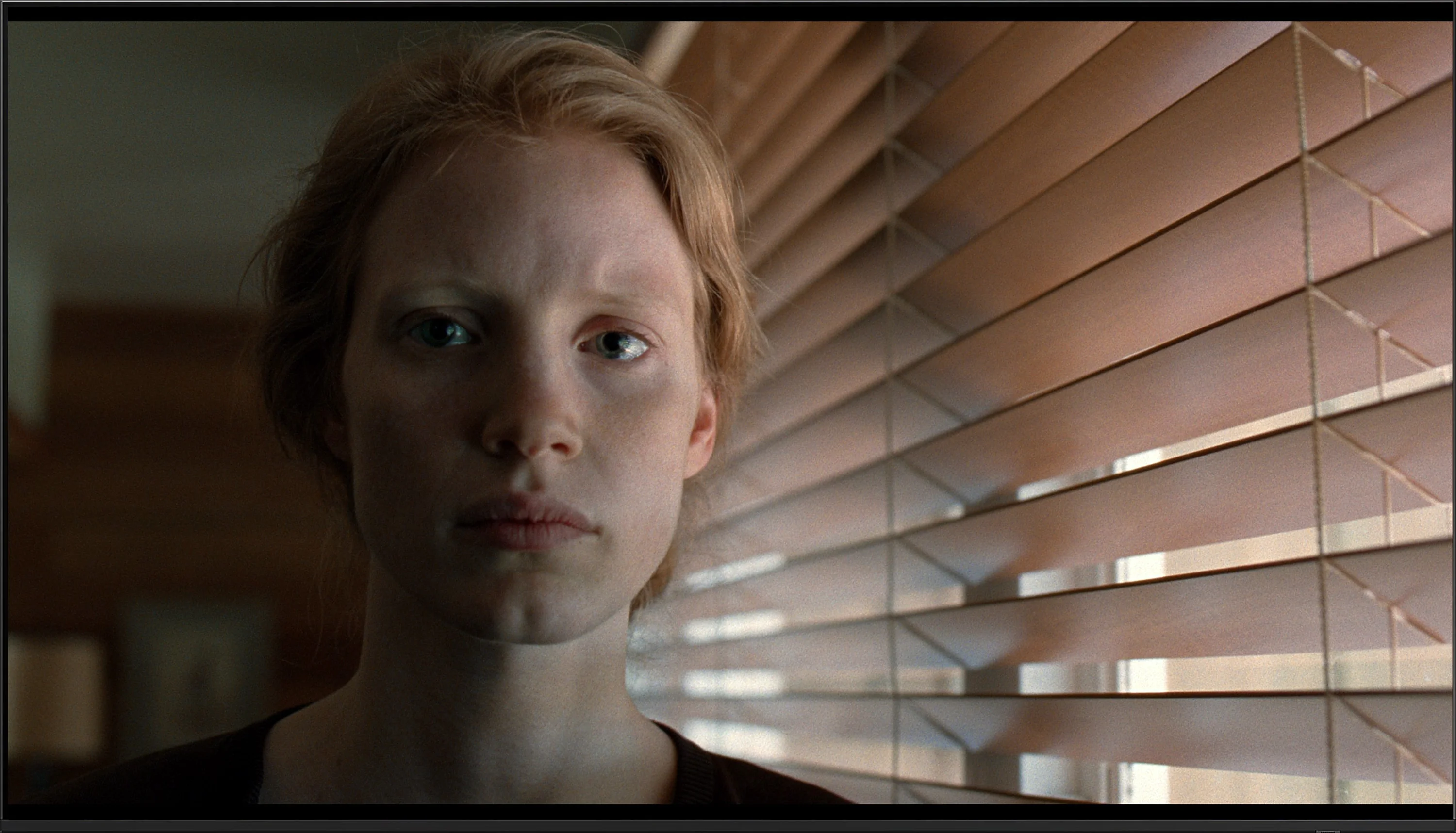
This illustrative image shows how colors change after professional calibration. If you can see the difference, you can order it from SkalibrujTV – it's our own service.
Factory mode
After calibration
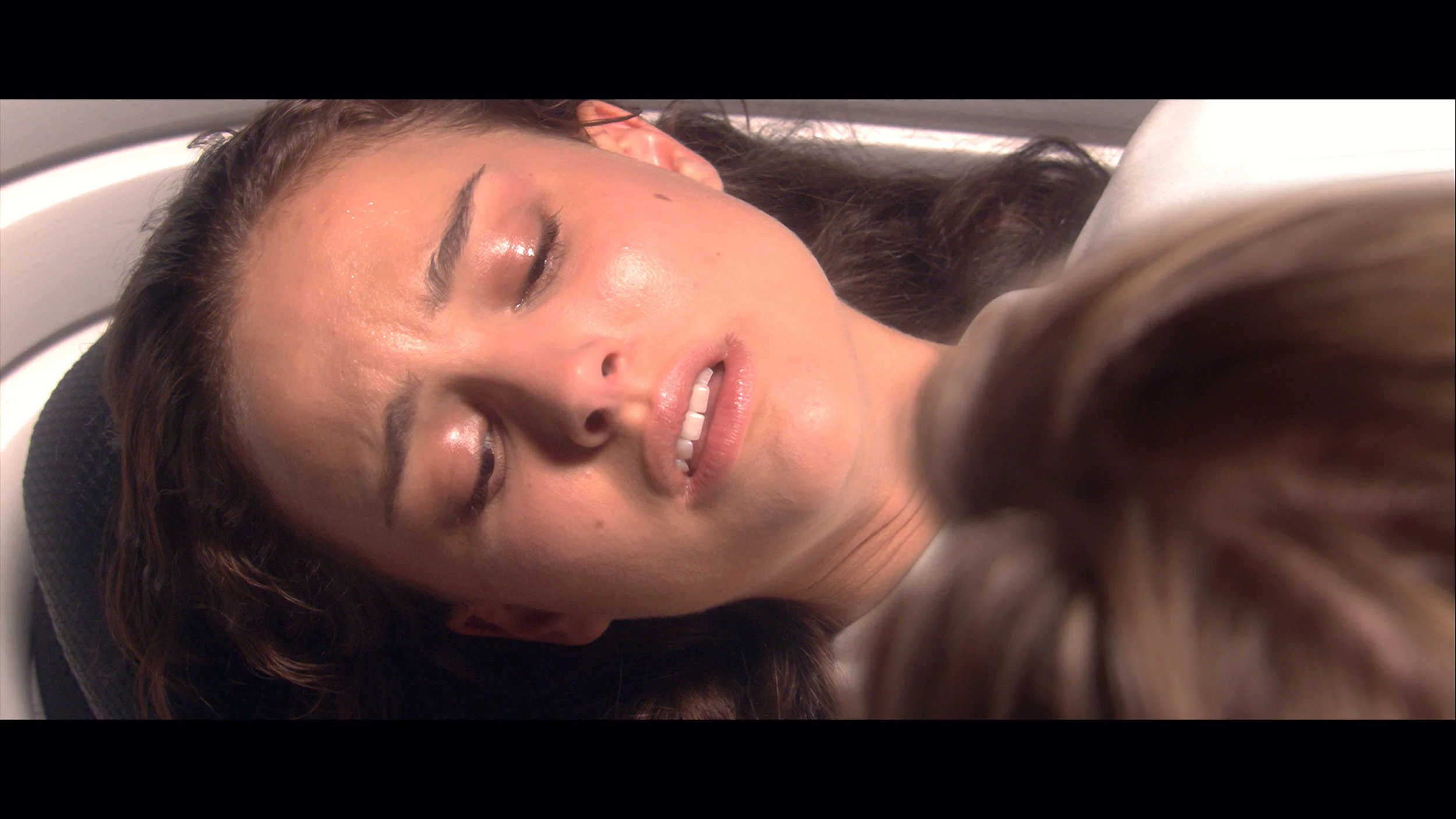
This illustrative image shows how colors change after professional calibration. If you can see the difference, you can order it from SkalibrujTV – it's our own service.
Factory mode
After calibration
Samsung QN85D TV has been tested in the best available mode – Filmmaker. While one might expect its name suggests a mode perfectly suited for films, unfortunately, it has several significant issues.
When it comes to white balance for HD content, there is a noticeable dominance of red and blue, which makes the entire image take on pinkish hues – this is also confirmed by Colour Checker tests. This effect disturbs the naturalness of skin tones and many other elements, which is particularly evident in more demanding scenes. Initially, the white balance for 4K HDR content seems correct, but at the end of the graph, there is a significant spike in blue hues, affecting the final image quality and making the colours appear unnatural.
The gamma brightness characteristic is also not ideal – although it generally stays close to the reference value, there is a slight drop below 2.4, which can impact the perceived depth of shadows. The EOTF curve responsible for 4K content does not perform any better. There is a clear boost compared to the reference curve, leading to excessive brightness in some areas, thus losing the cinematic quality that the Filmmaker mode should provide. While it might initially seem that the effect is cinematic, unfortunately, the number of errors in colour and brightness reproduction is too significant to call it flawless.
The out-of-the-box colour reproduction in Kino mode was really quite good, at least for ordinary SDR material. The Bravia 2 II had a slight tendency to boost reds, which made some colours lean a bit warmer, at times with a faint pinkish tint. That wasn't a major fault and during normal viewing the picture still looked fairly natural. There was a bit more going on with image brightness. Looking at the gamma curve, Sony doesn't stick perfectly to the reference value. The darkest areas are slightly lifted, while as brightness increases the gamma gradually rises and a large part of the image becomes darker than it should. However, the difference isn't big enough to seriously bother during everyday watching. Overall, SDR straight out of the box performs quite decently.
The situation is much worse in HDR. We've already mentioned the limited colour gamut, but on top of that the Bravia 2 II quite aggressively manipulates image brightness. The EOTF curve sits below the reference for much of the range, which means the TV renders most mid and brighter parts of the scene darker than the source material intends. Only towards the very end of the range does the curve flatten out, as the panel reaches the limits of its capabilities. Combined with a peak brightness of around 300 nits, this gives HDR that not only lacks much punch but can simply look too dark.
Color reproduction after calibration
7.9/10
7/10
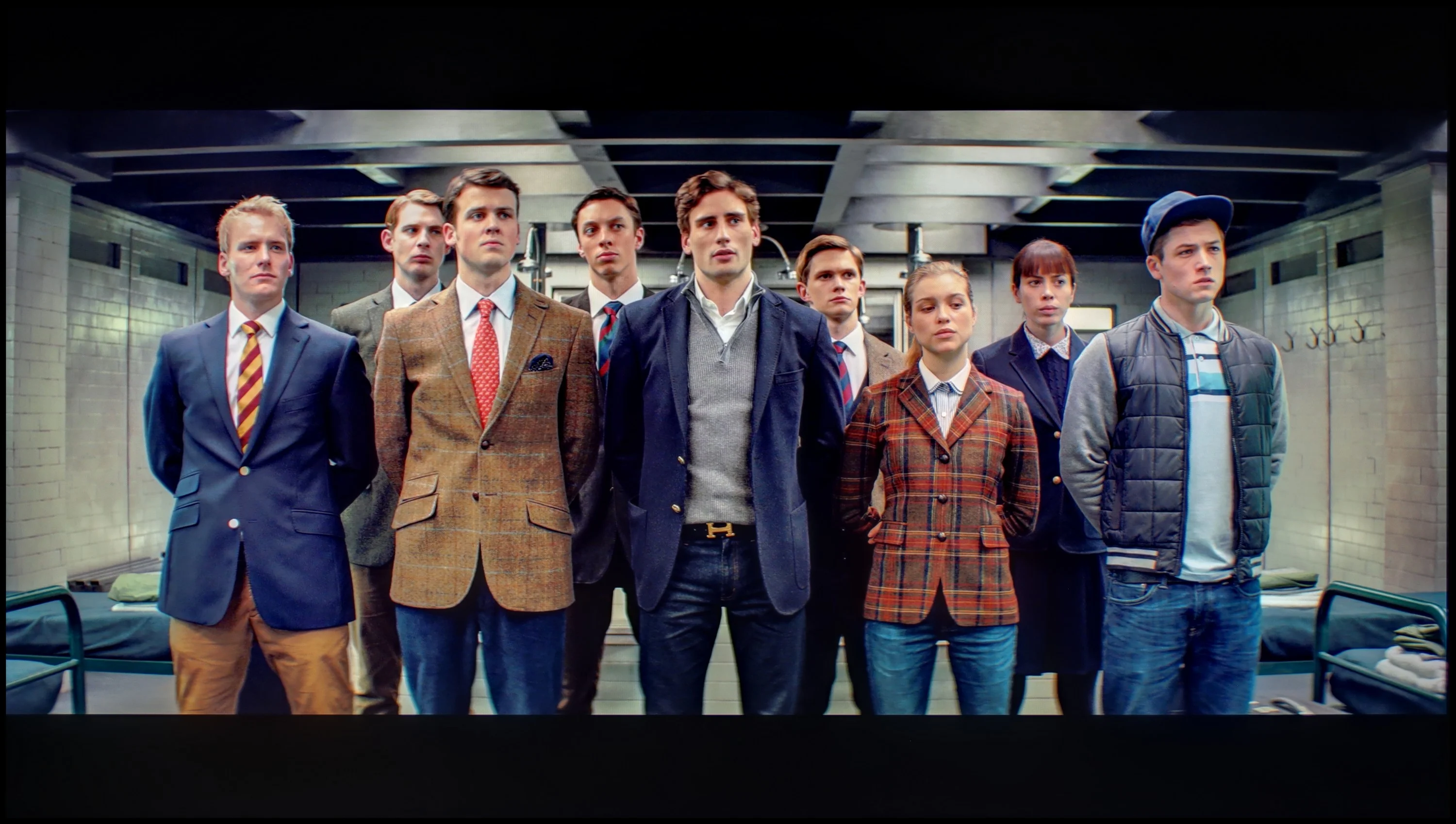
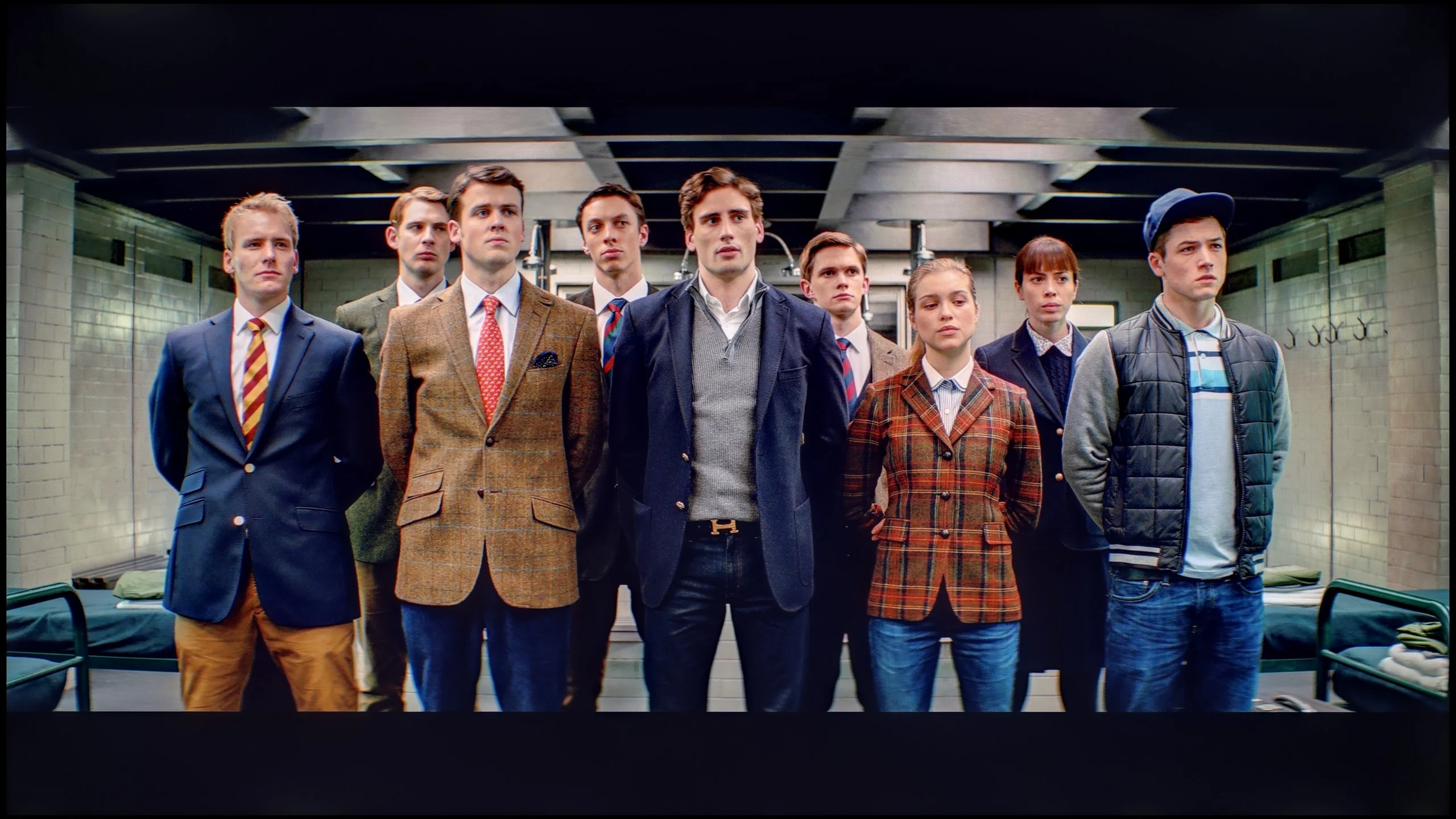
The photos show how movies look on the TV. Pay attention to black detail visibility, colors, and shadow tint.
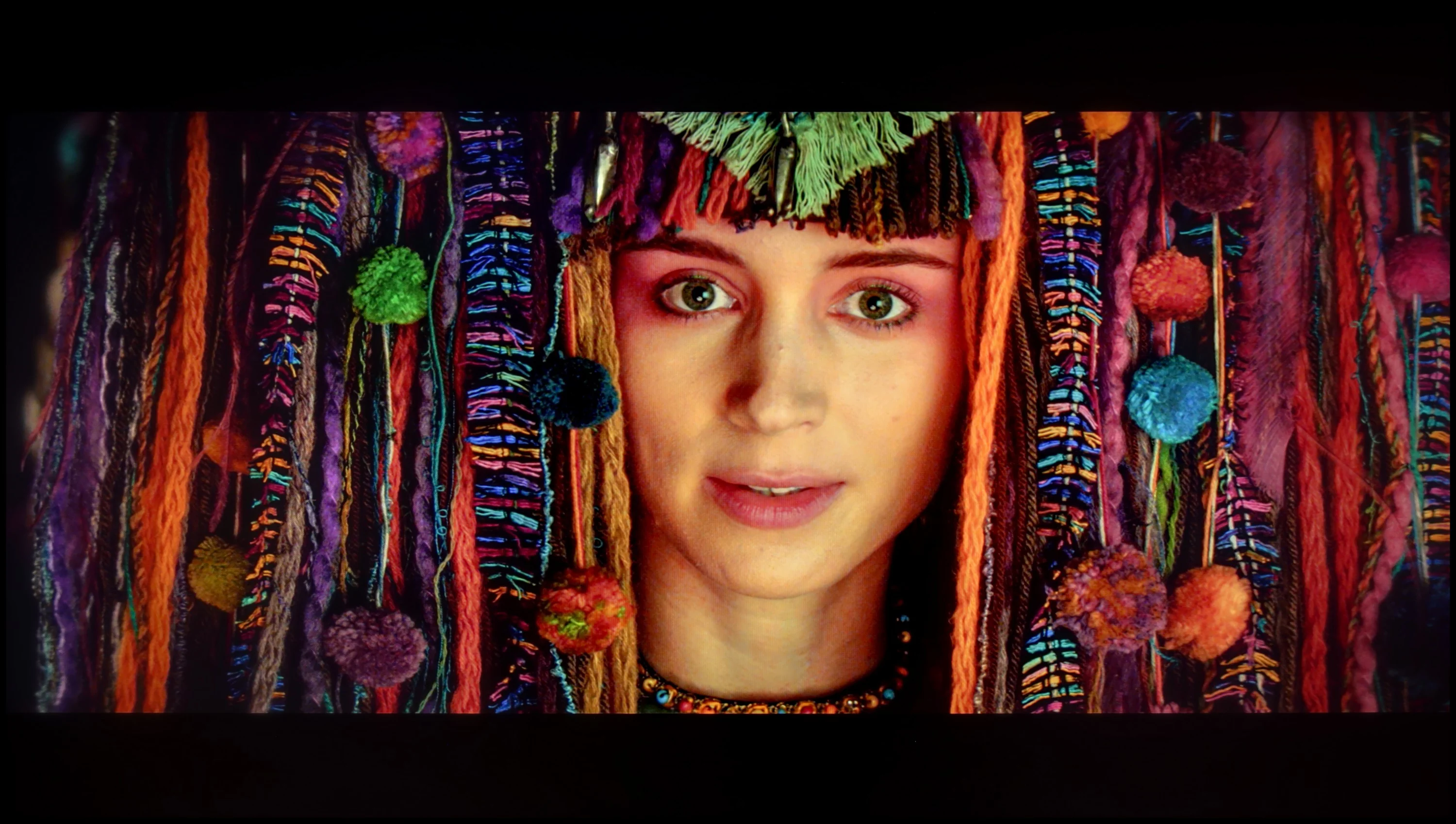
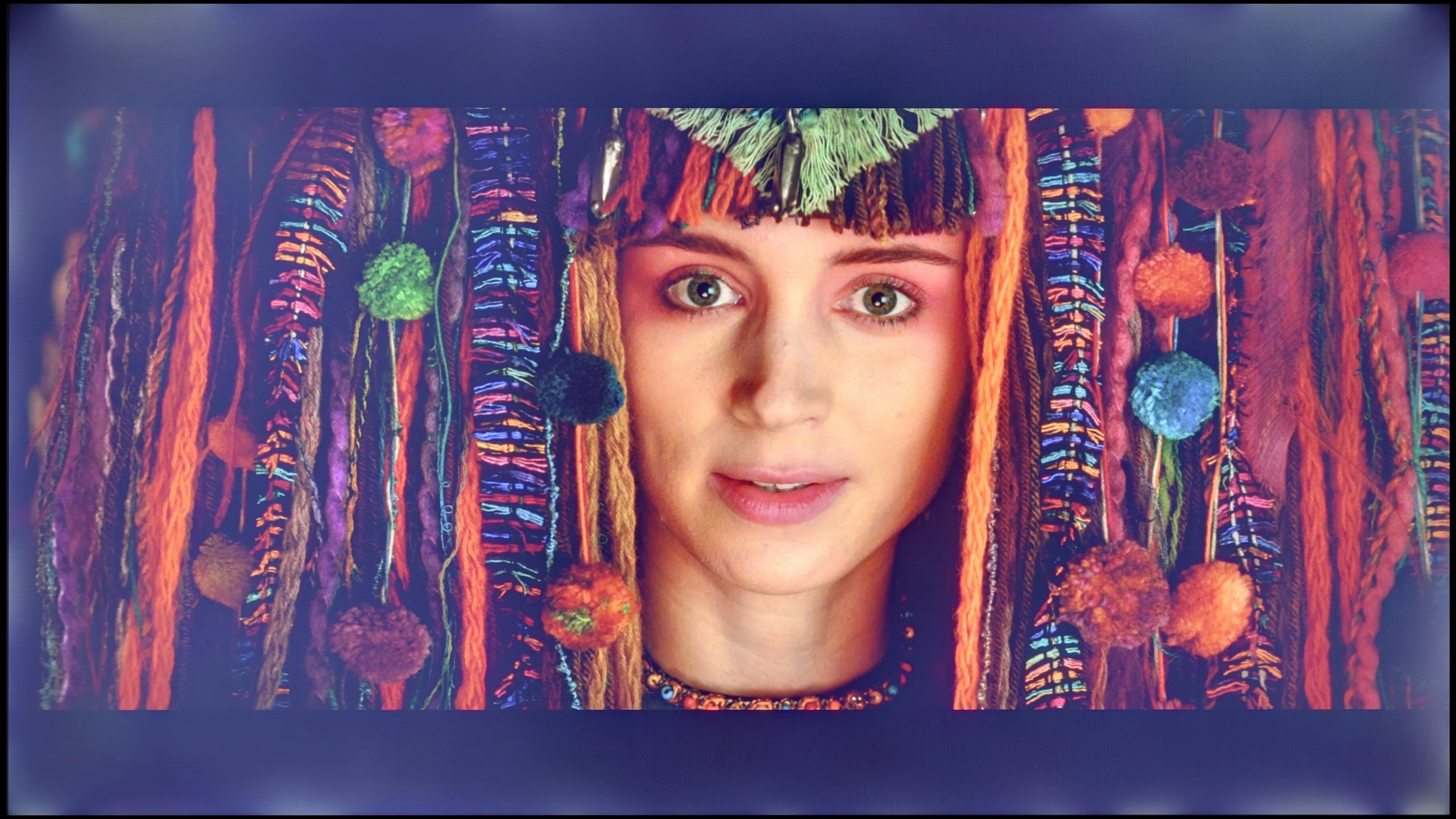
The photos show how movies look on the TV. Pay attention to black detail visibility, colors, and shadow tint.
After professional calibration of the Filmmaker mode on the Samsung QN85D television, a significant improvement is noticeable, especially for HD/SDR content. The white balance has been completely free of major errors, and the brightness characteristics for this type of content have been significantly adjusted, allowing for a more natural and realistic image. Television, YouTube films, and other HD materials now look much better, with appropriately balanced colours and without the exaggerated hues that previously marred the experience.
However, the biggest issues arise with 4K HDR content. Despite the calibration, it's hard to speak of significant improvement in white balance here – the differences are cosmetic rather than essential. Brightness, governed by the EOTF curve, seems to be set according to the reference level in synthetic tests at first glance, but has its limitations during actual viewing in films. When analysing the EOTF curve in real film scenes, it becomes clear that the television struggles to maintain consistency in brightness. The effect is that mixed scenes still have their darkest elements boosted, leading to exaggerated contrasts, and completely dark scenes remain too dark, which negatively affects the visibility of details.
Calibration did a lot for the Bravia 2 II, especially with SDR content. Above all, we managed to even out the white balance and tidy up the gamma, which now stays much closer to the reference value. As a result, the image no longer has the earlier pink cast, and the brightness across different areas is much better organised. You can also see it in the colour errors, which after calibration dropped to a very low level (with only minor issues in the most saturated reds).
We also partly managed to rein in the Bravia 2 II in HDR, especially in the way the TV handles image brightness. However, there is one thing no calibration can fix: the panel's capabilities. A narrow colour gamut means the TV physically can't reproduce the most saturated colours recorded in HDR content. On top of that, the low contrast of the IPS panel causes darker scenes to be covered in a grey haze, which robs colours of some of their depth. So we can improve how the Bravia 2 II uses its capabilities, but we can't overcome the panel's inherent limitations.
Smoothness of tonal transitions
7.6/10
8/10
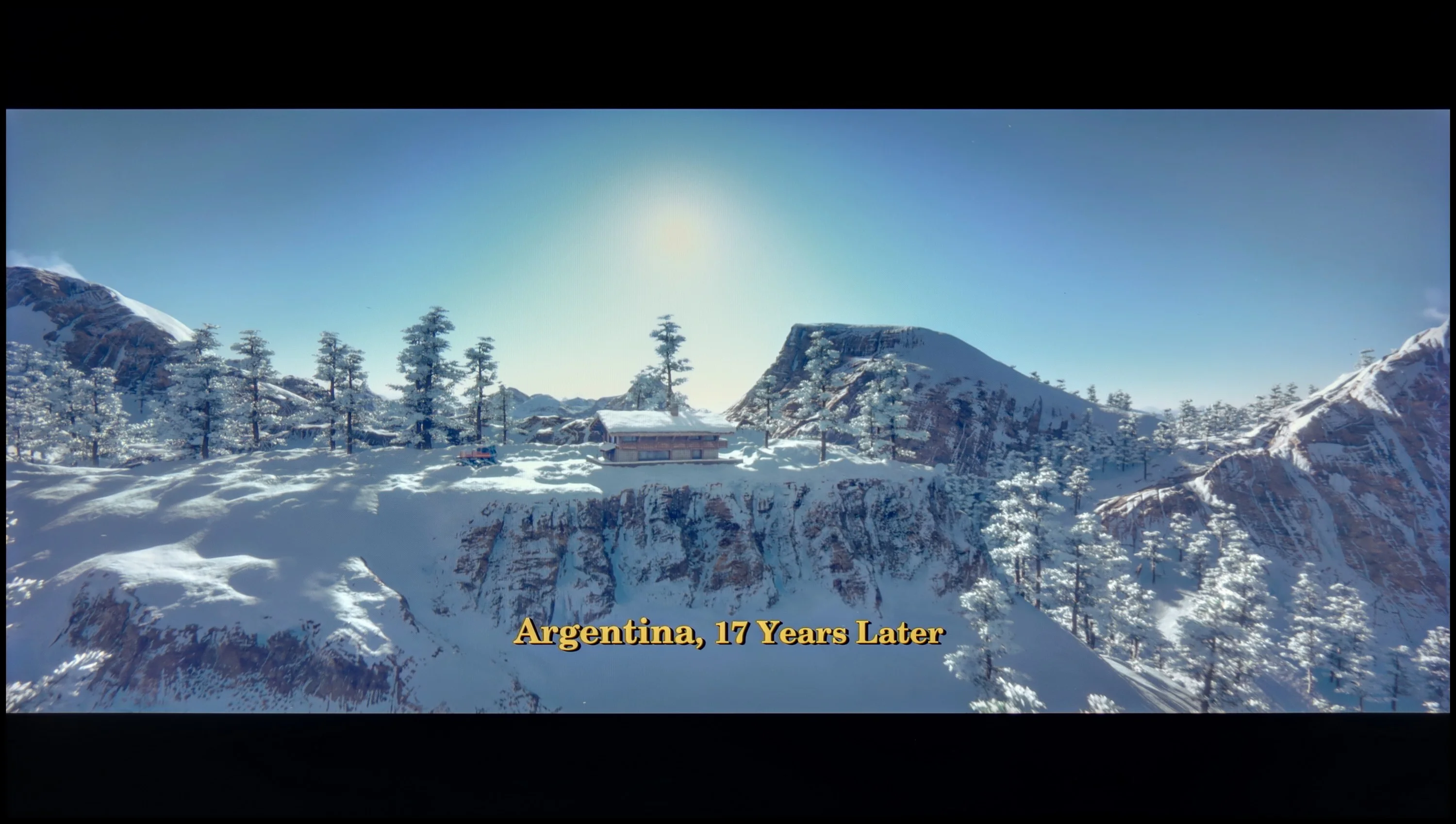
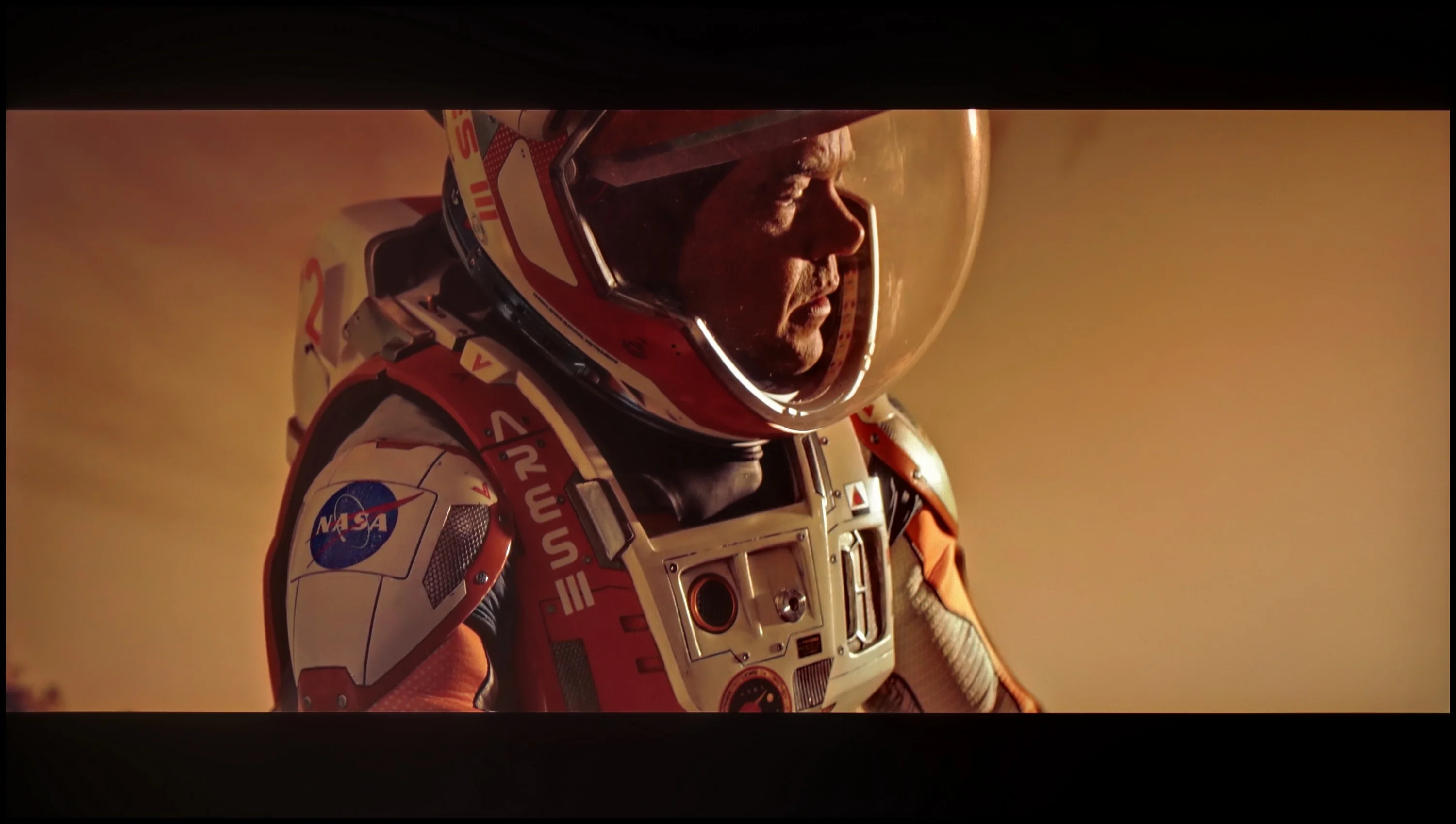
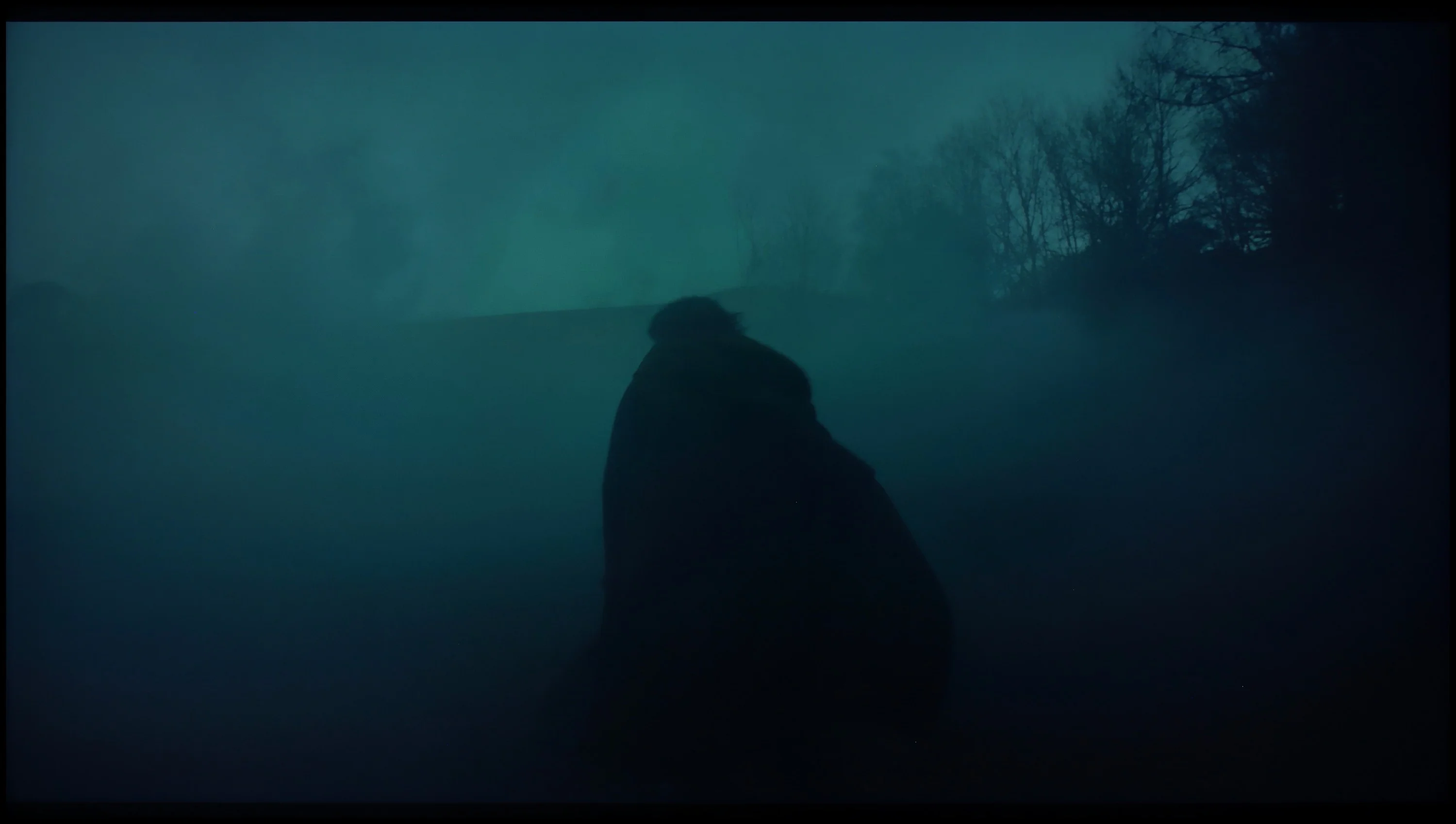
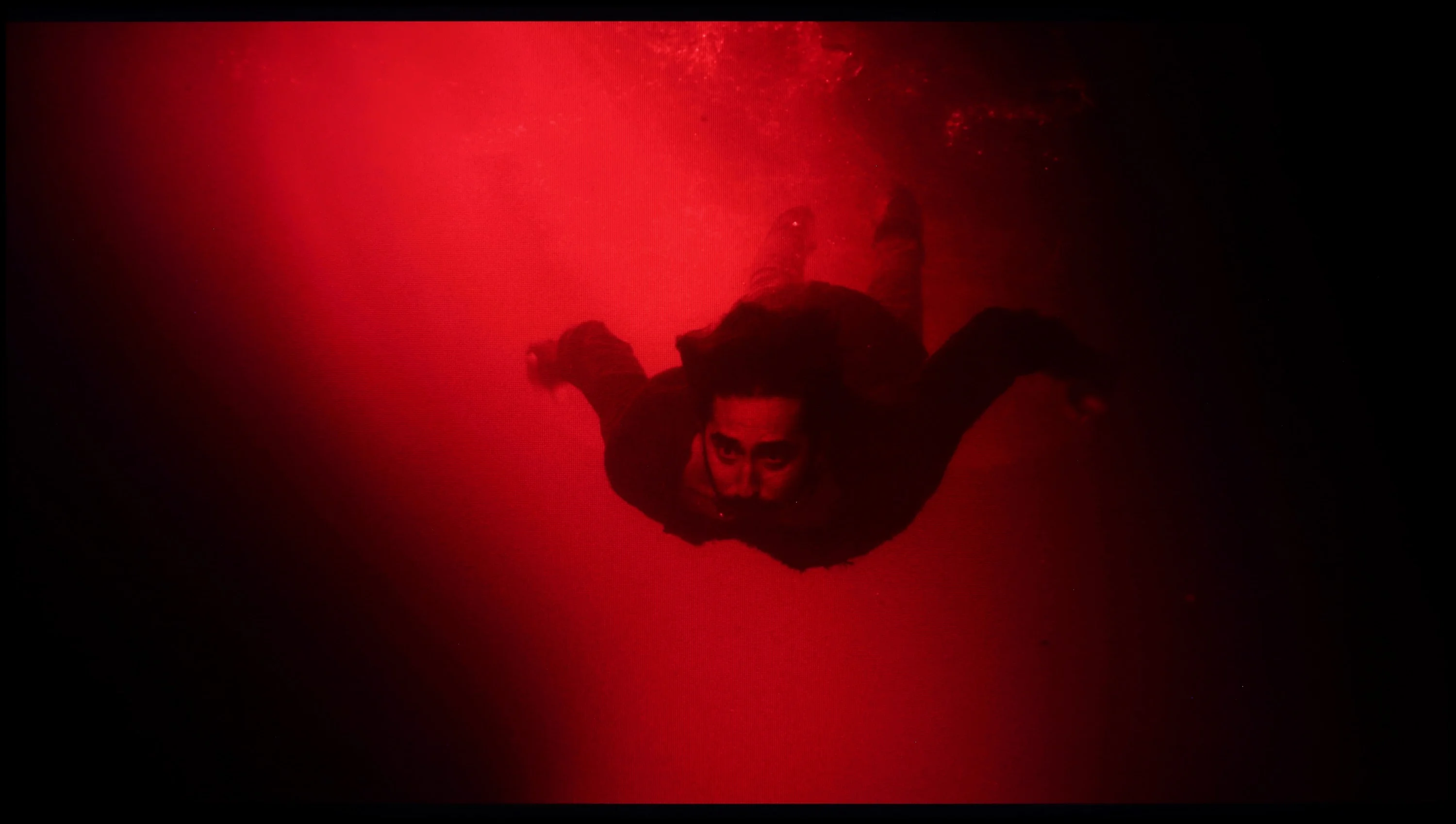
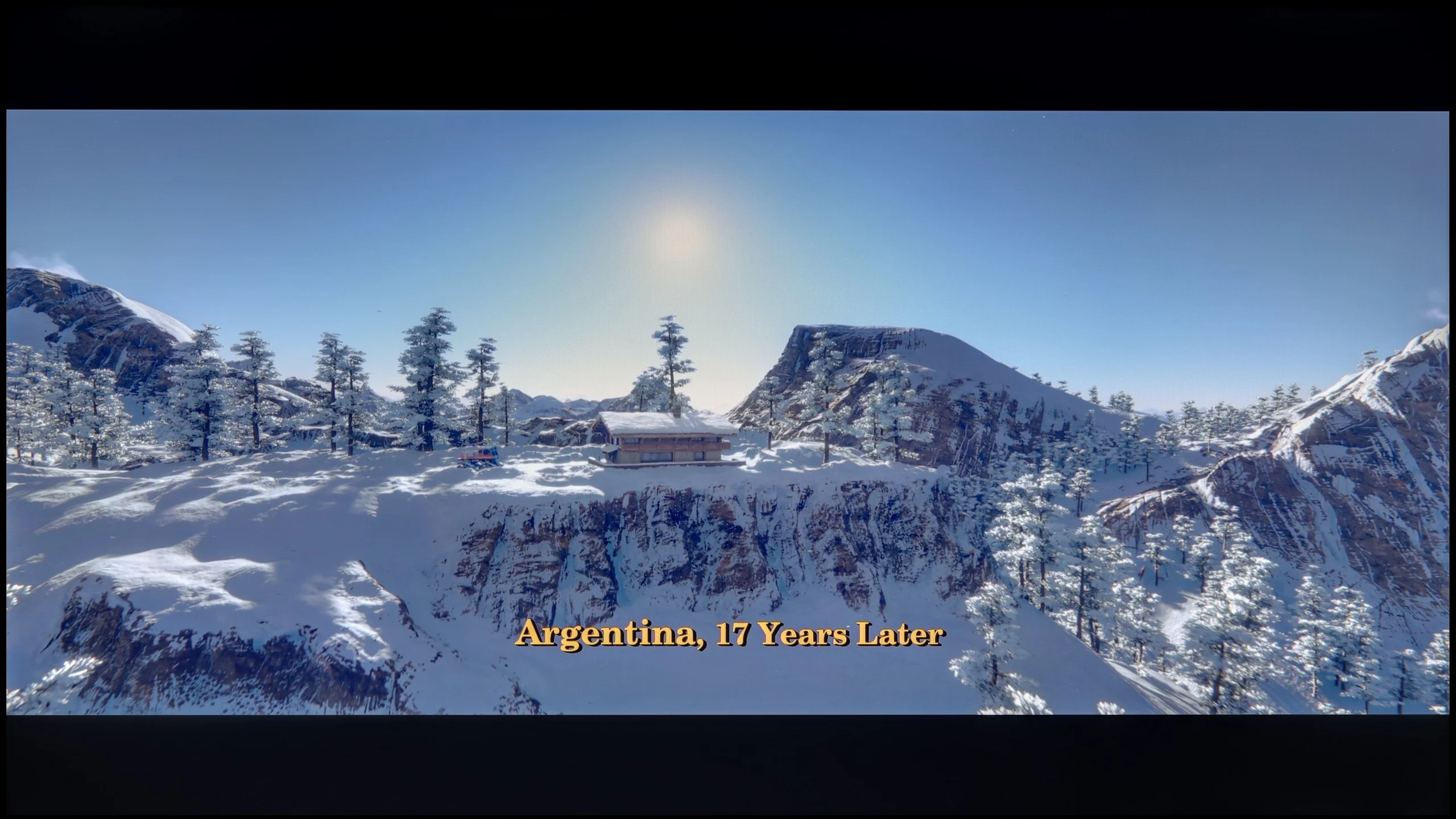
These are selected scenes that show smooth tonal transitions from one color to another. If you see distinct banding, it’s the TV panel’s fault.
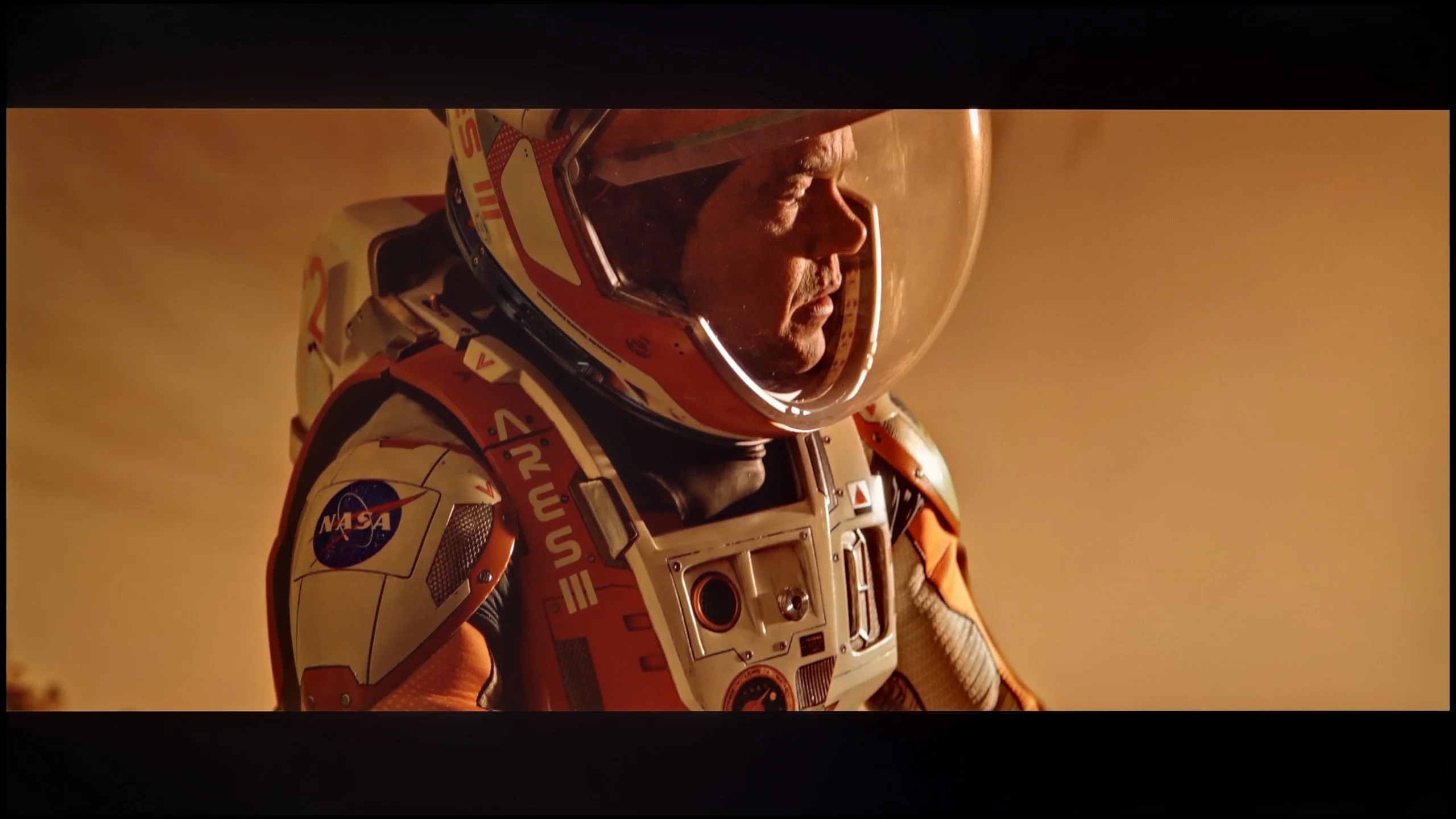
These are selected scenes that show smooth tonal transitions from one color to another. If you see distinct banding, it’s the TV panel’s fault.
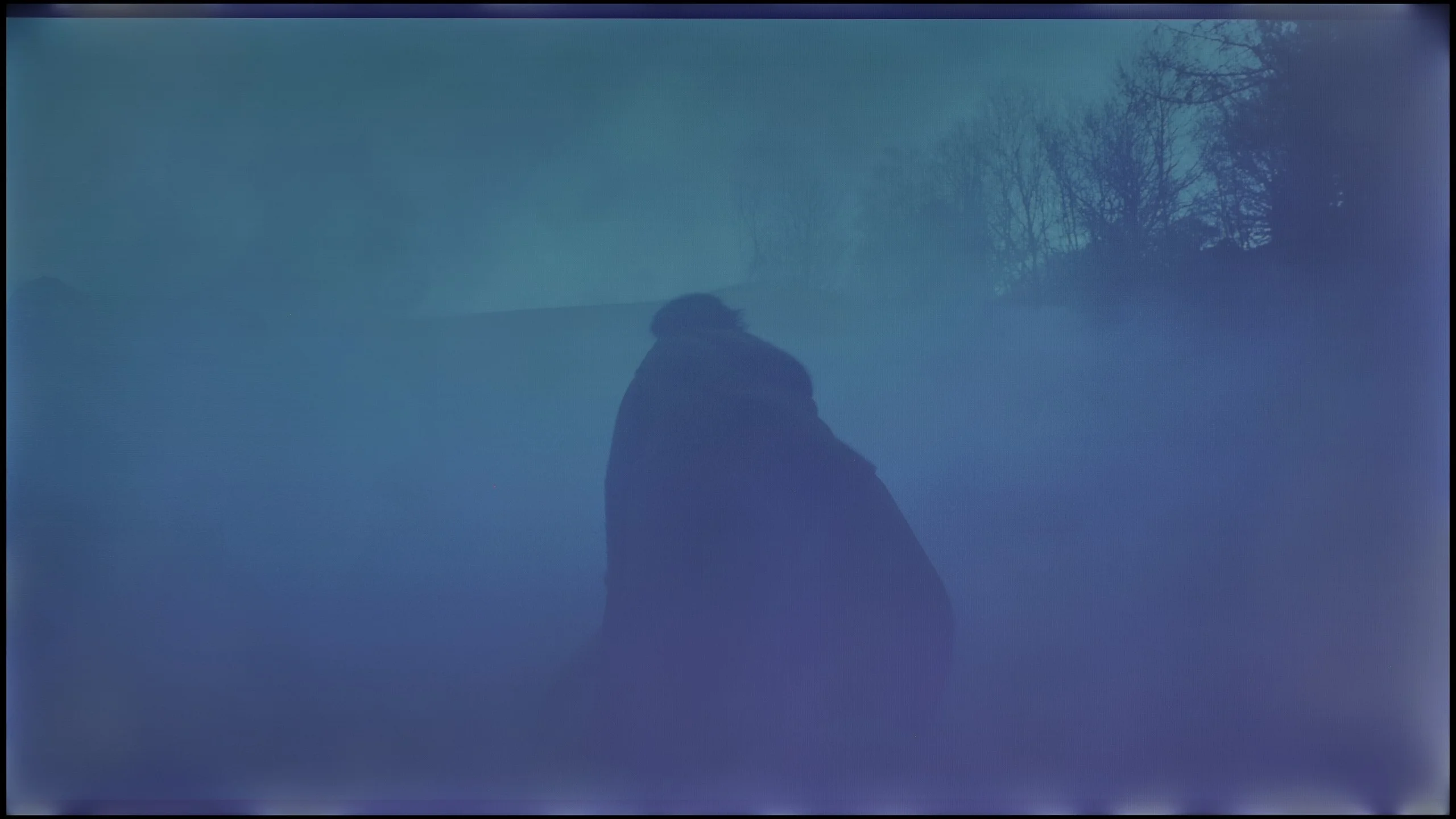
These are selected scenes that show smooth tonal transitions from one color to another. If you see distinct banding, it’s the TV panel’s fault.
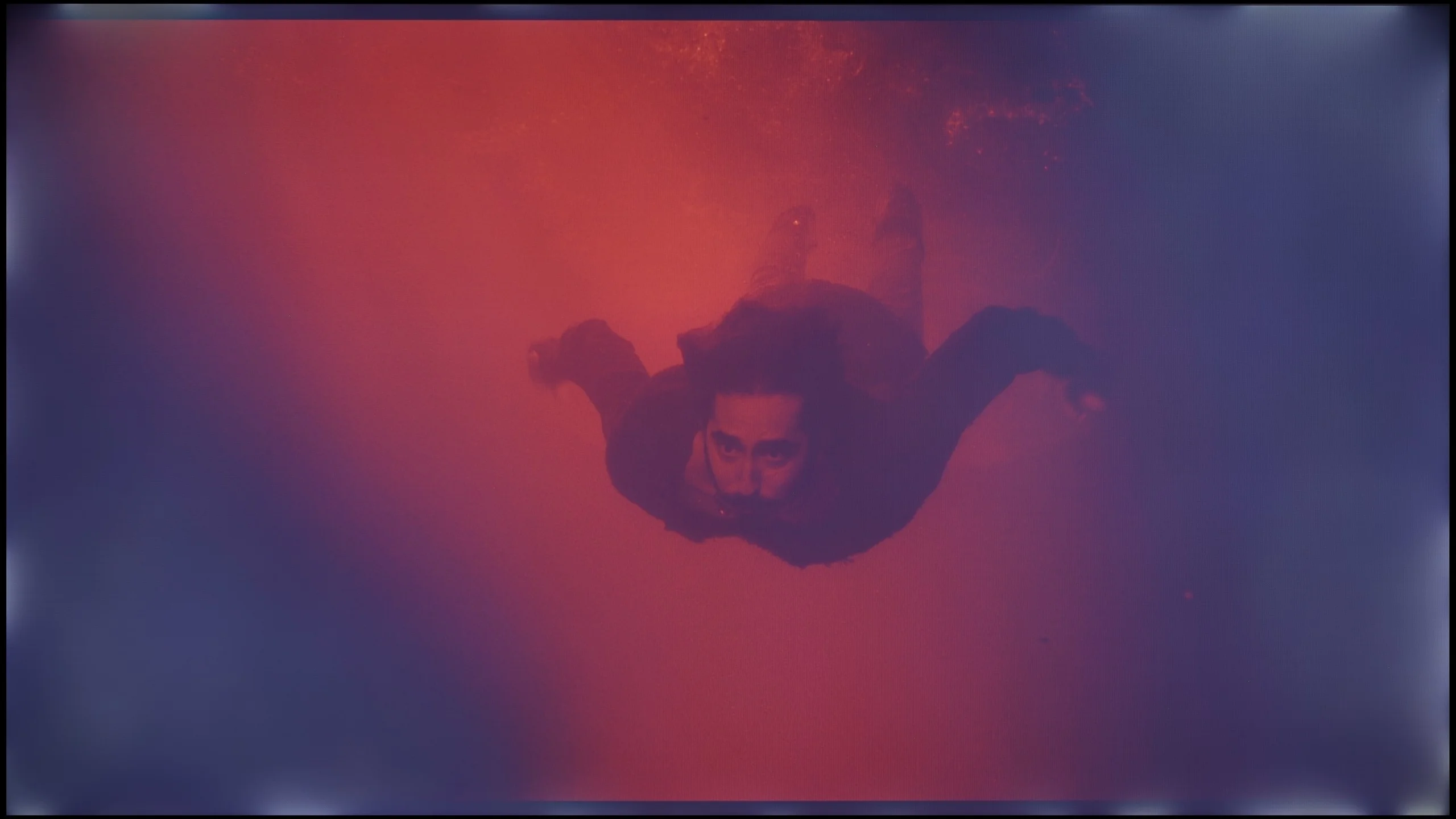
These are selected scenes that show smooth tonal transitions from one color to another. If you see distinct banding, it’s the TV panel’s fault.
When it comes to tonal transition fluidity on the Samsung QN85D television, it’s generally very good. The tonal transitions are smooth, and there are no significant artifacts. However, more demanding users may notice some issues in certain scenes. For example, when blending darker colours, like in the scene with the red sea, subtle shortcomings can be observed. Similarly, in the case of lighter colours – the scene from the film 'The Martian' shows slight gradation issues, leading to subtle but noticeable transitions between shades. Despite these minor shortcomings, most users should be satisfied. The results are of a high standard and in most cases provide smooth, natural transitions between colours.
The smoothness of tonal transitions on the Bravia 2 II is pretty good, though it depends a lot on the scene. In brighter parts of the picture the gradation is smooth and it's hard to spot any major issues. It gets worse in very dark shots. In scenes with many dark tones you can already see distinct banding between successive shades. So it's not perfect, but with most everyday content the issue shouldn't be particularly noticeable.
Image scaling and smoothness of tonal transitions
7/10
6/10

Smooth transition function
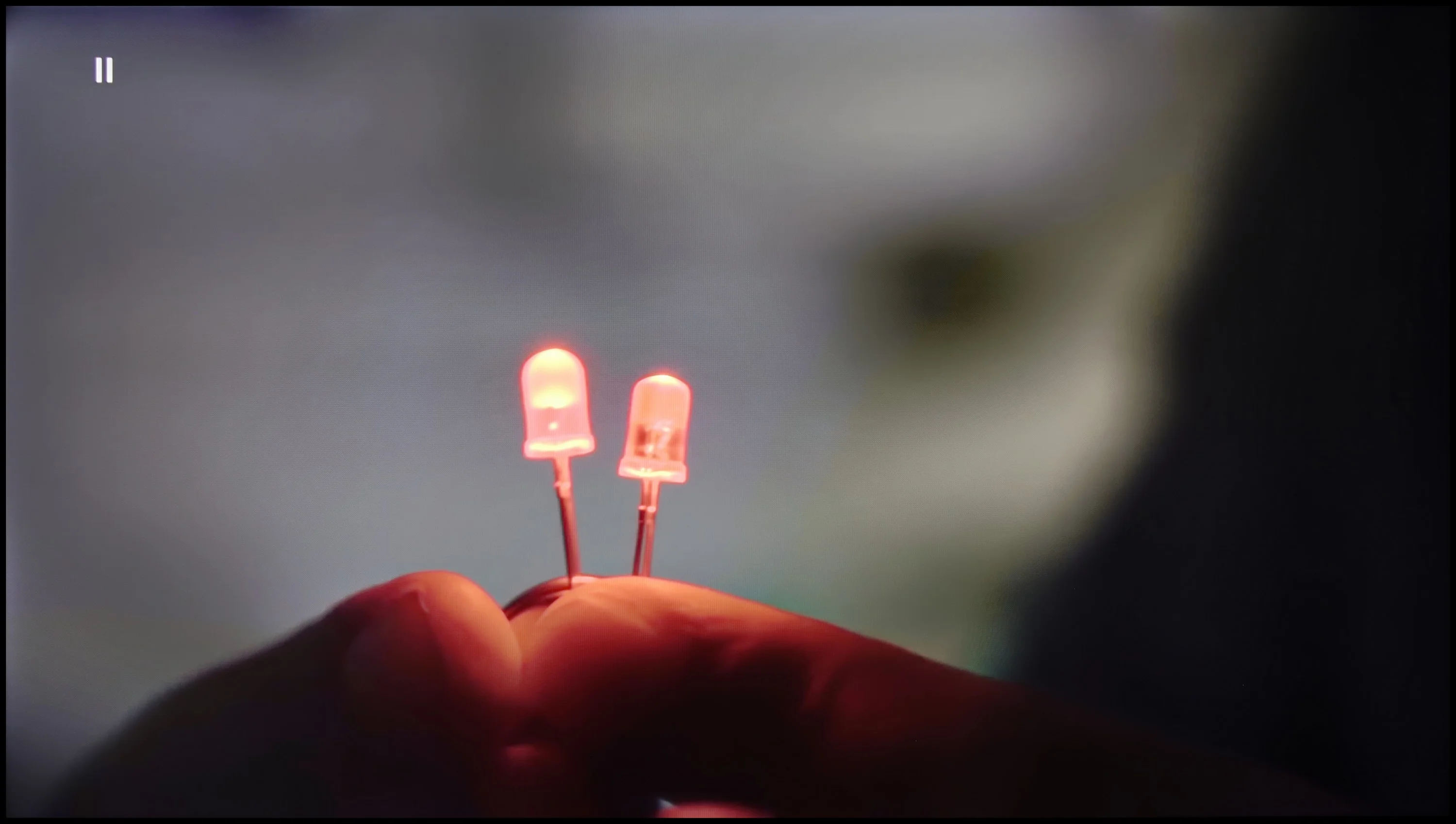
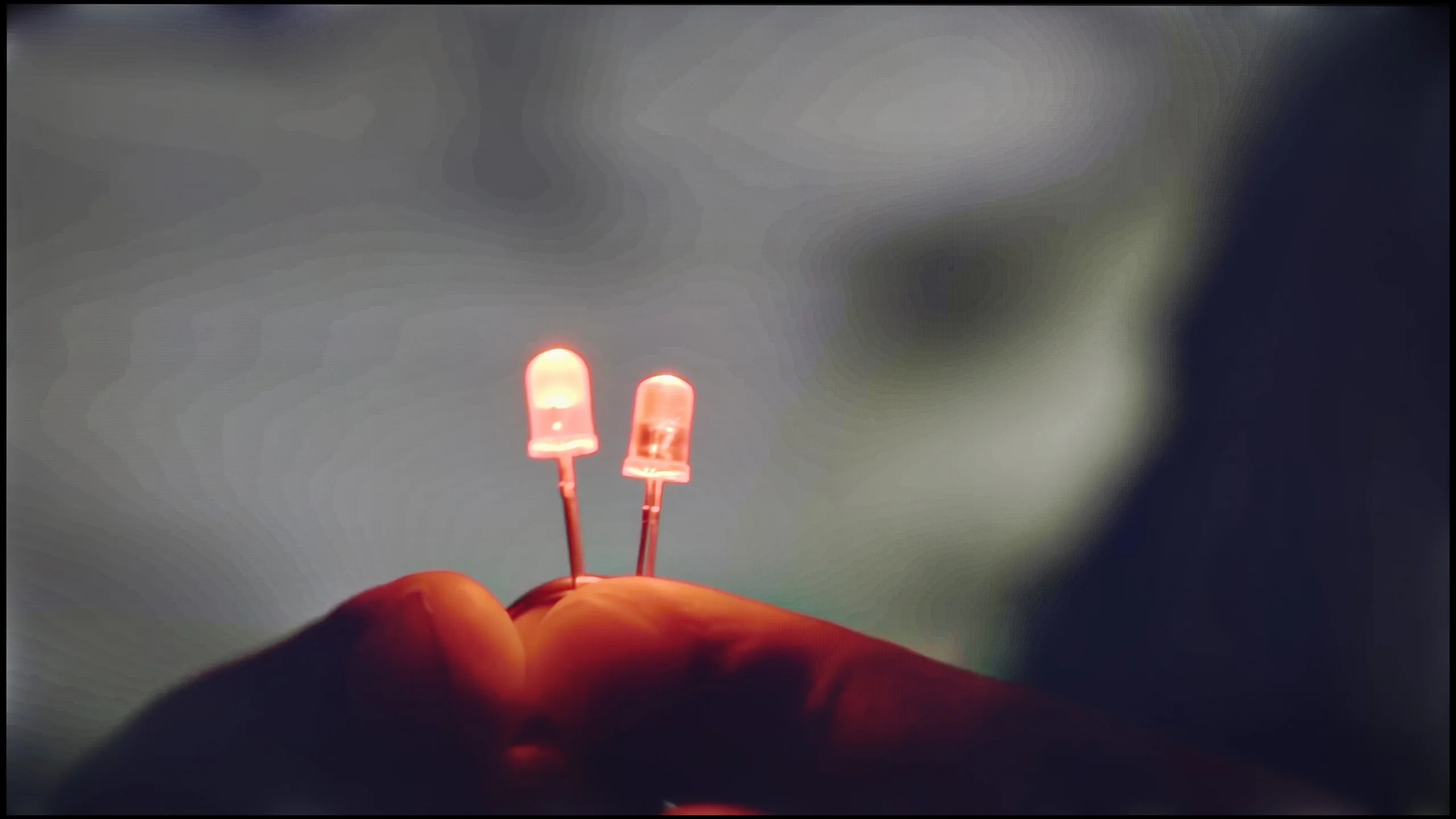
The match photo shows how the TV smooths weak tonal transitions in low-quality video.
Image scaling SD (576i)


The model photo shows how it handles upscaling of SD material.
When checking the fluidity of tonal transitions in low-resolution materials on the Samsung QN85D television, it’s worth noting the noise reduction feature, which significantly improves problematic tonal transitions. On the other hand, this feature also has its downsides – it removes film grain, which is an important element of many productions, giving them authenticity, and it can also soften the image. This may appeal to those who prefer a smoother picture; however, for lovers of the authentic look of films, using this feature should be considered carefully.
Regarding image scaling, the television performs very well. The model's figure is presented correctly, without noticeable distortions, and the branches in the background do not have excessive artificial sharpness, which is often a problem when scaling lower resolution materials. The high capabilities of the image processor are evident here, which can effectively process lower quality materials, ensuring good final quality.
Upscaling on the Bravia 2 II performs quite well and the TV maintains the standard we've come to expect from Sony. Lower-resolution material is sensibly upscaled to 4K, and the image is slightly smoothed without excessive edge sharpening. It's less successful at dealing with content that shows visible compression artefacts. That's down to the "Digital Noise Reduction" function, which on the "High" setting can smooth some ugly banding. The problem is it does so quite aggressively and, along with the imperfections, removes a lot of fine detail, including natural film grain. What's more, when there's more motion on screen its effectiveness drops considerably and the improvement is minimal. For that reason we generally didn't use this feature for everyday viewing.
Blur and motion smoothness
7.5/10
5/10

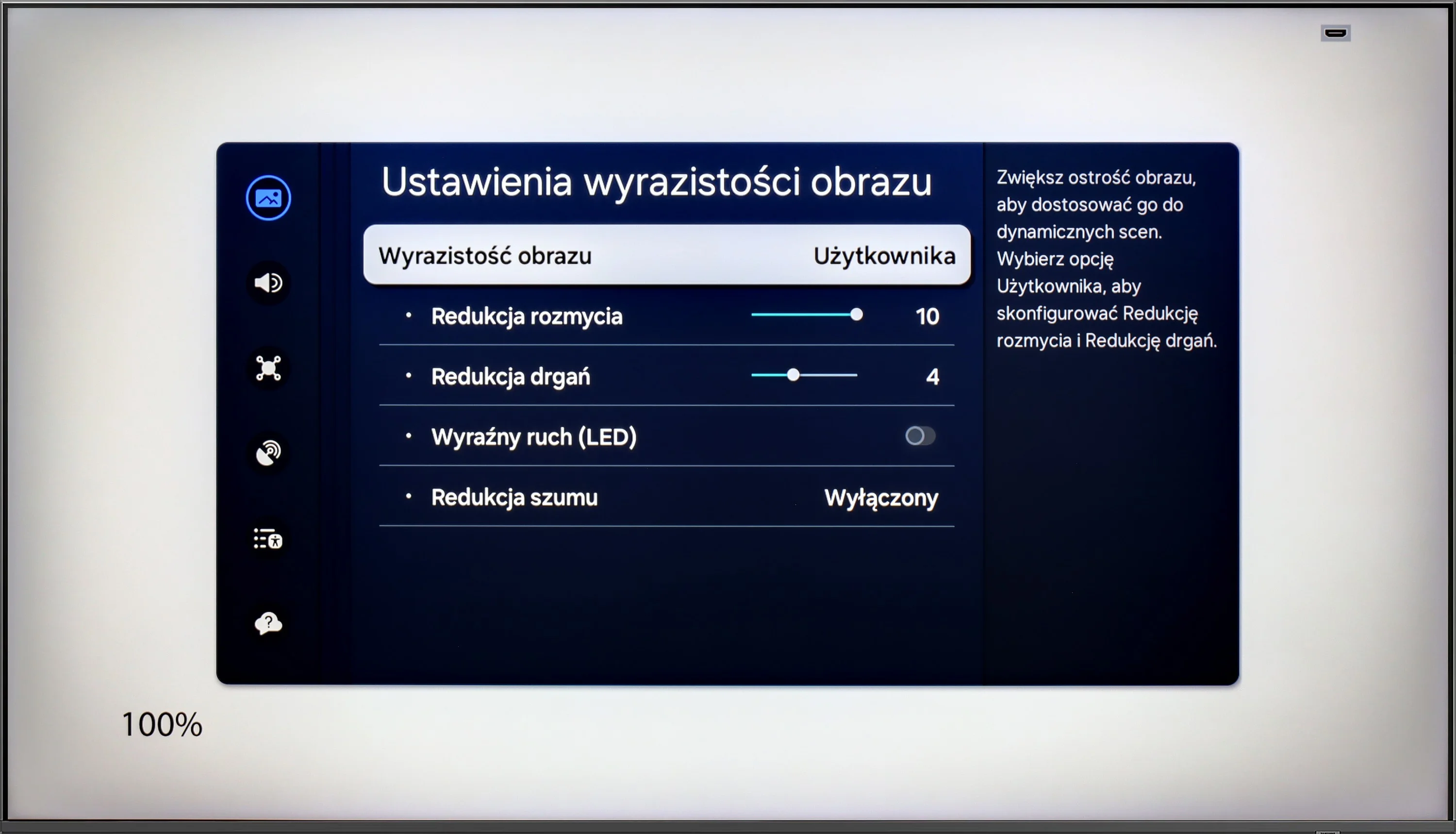
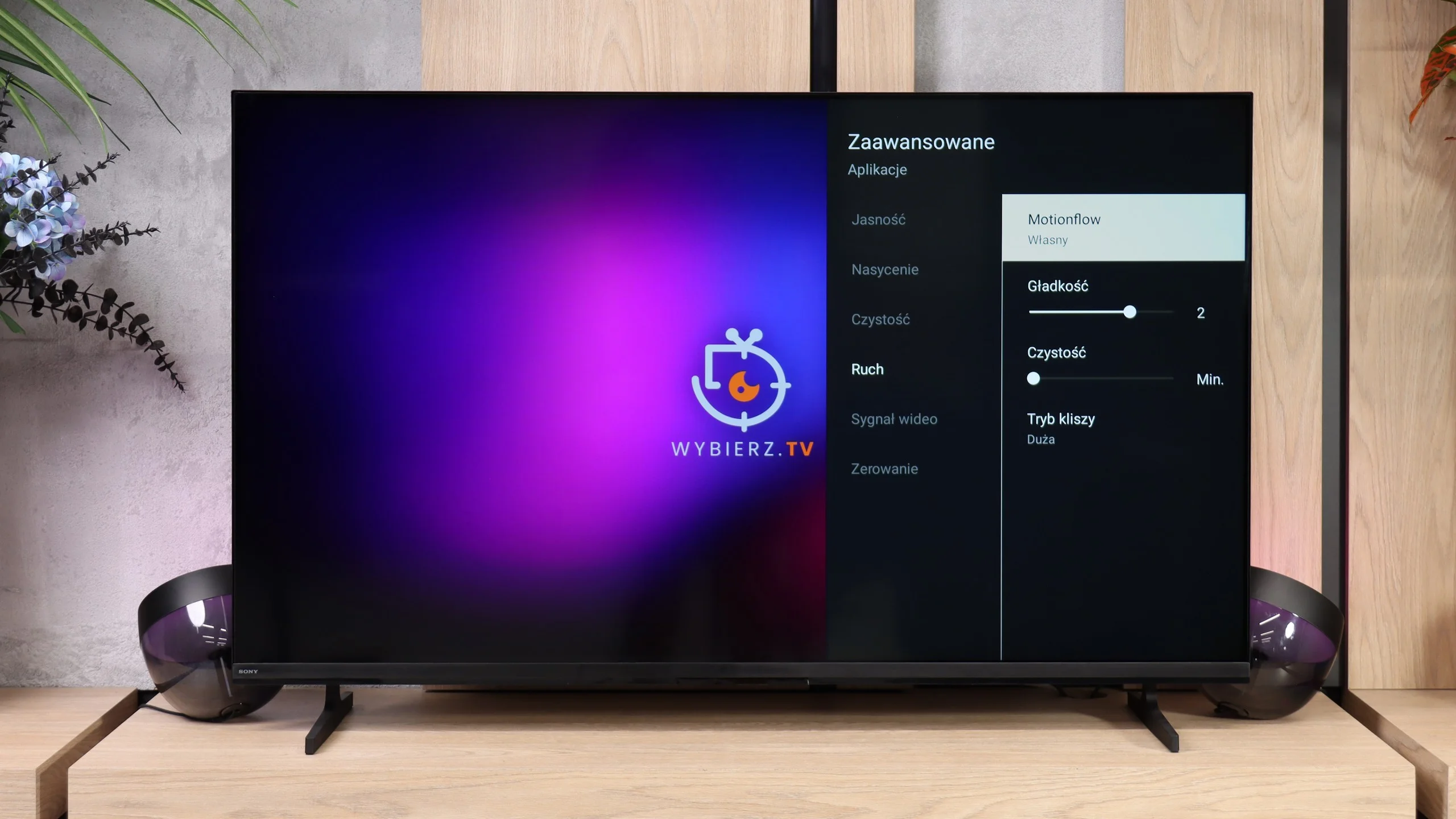
Blur (native resolution, maximum refresh rate):
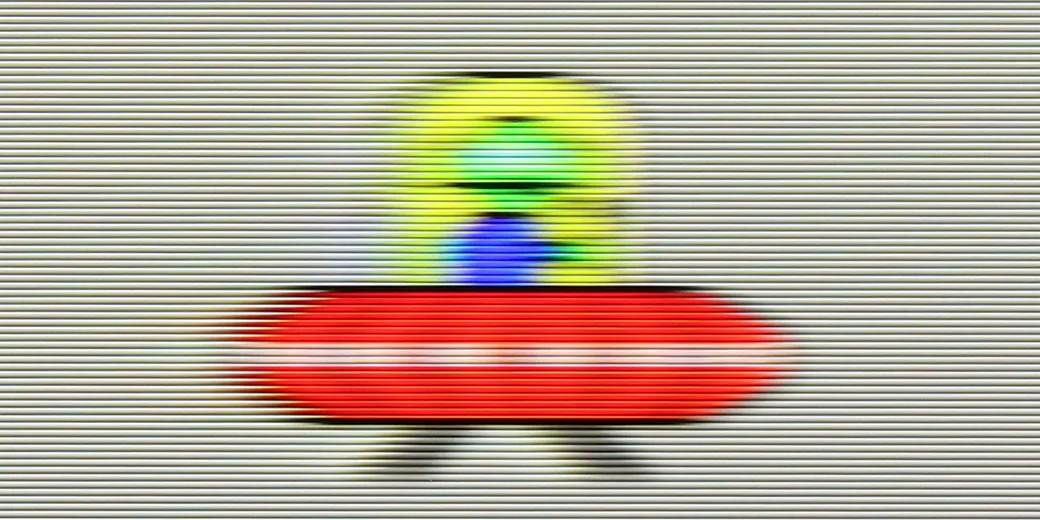
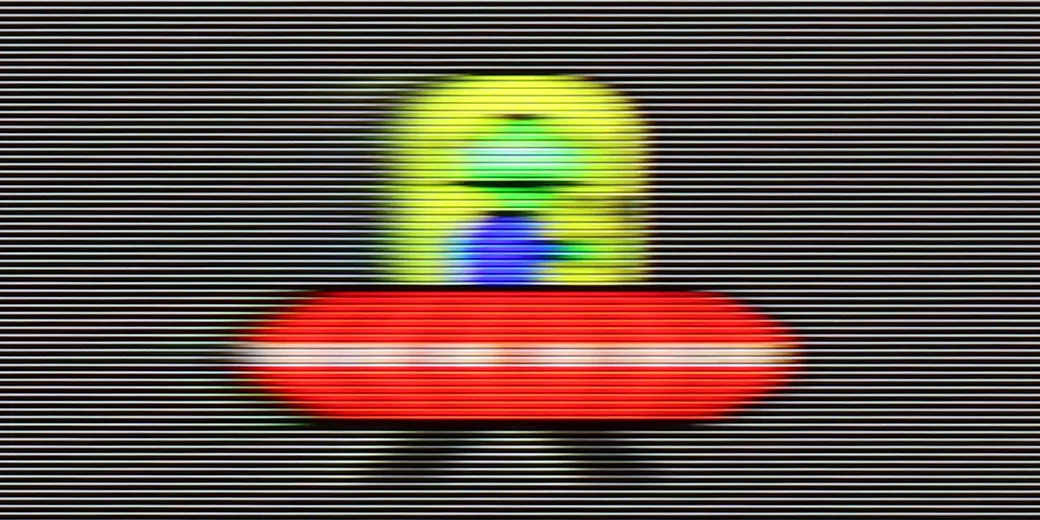
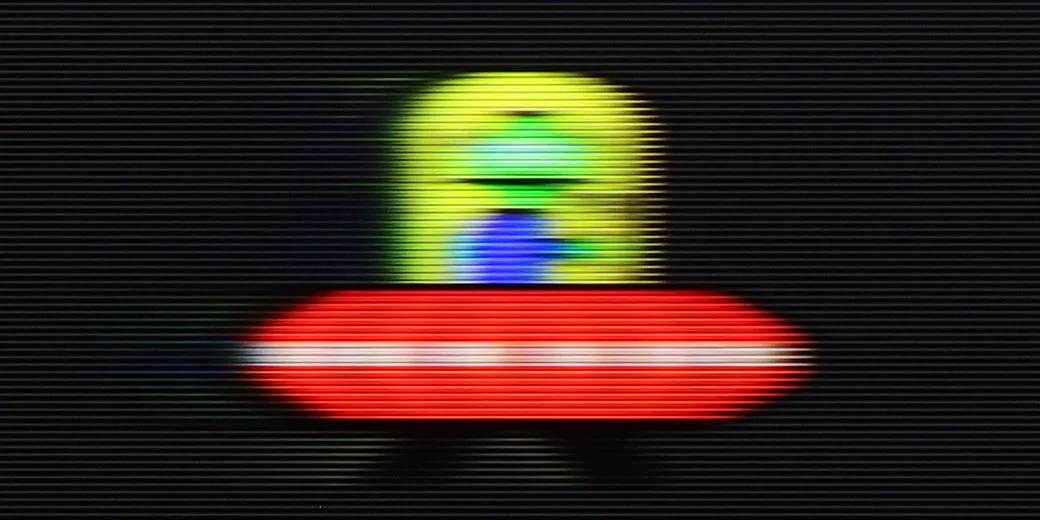
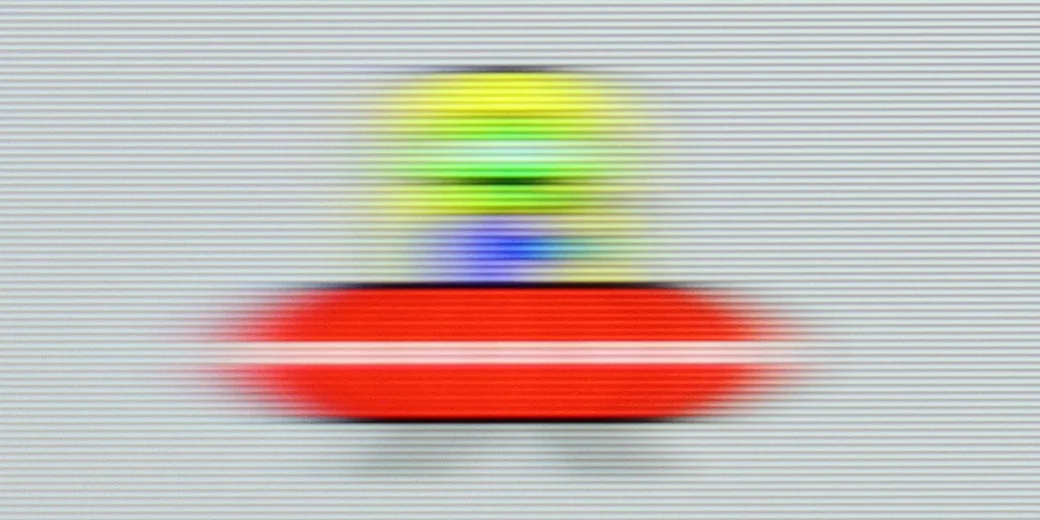
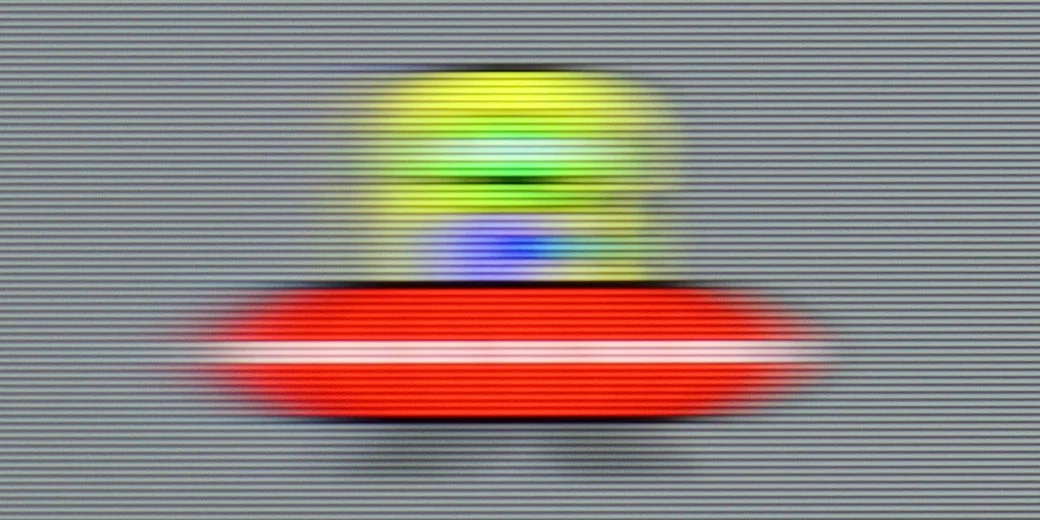
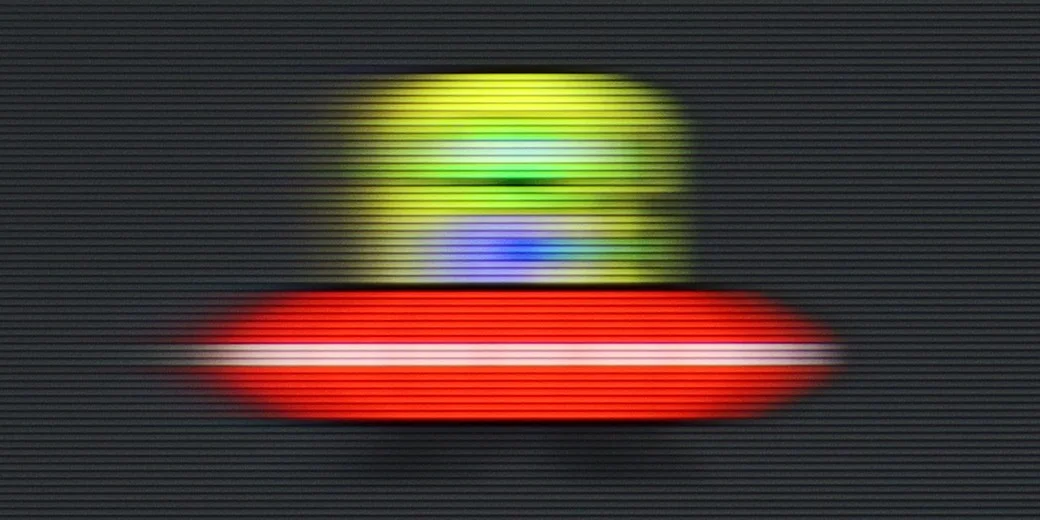
Blur (BFI function enabled):
Image flickers in this mode
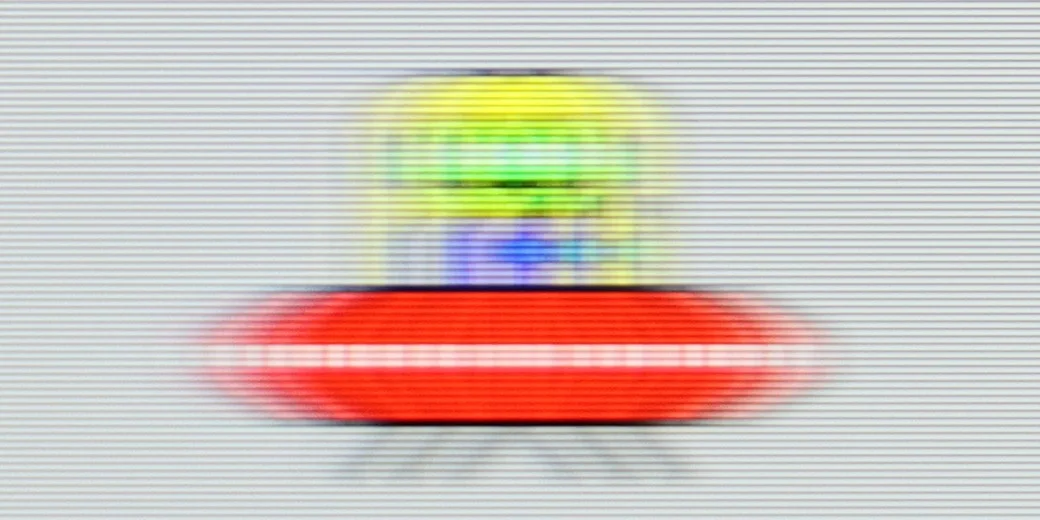
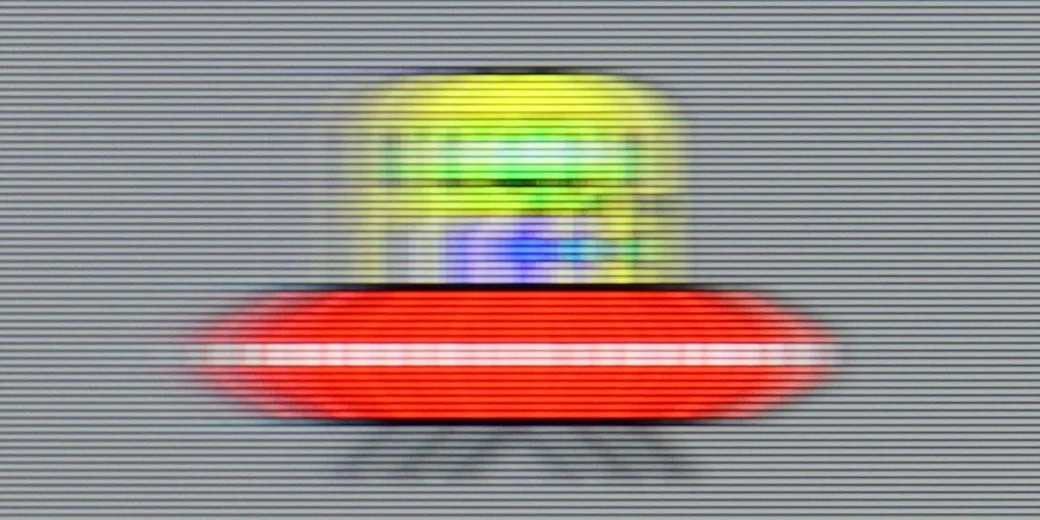
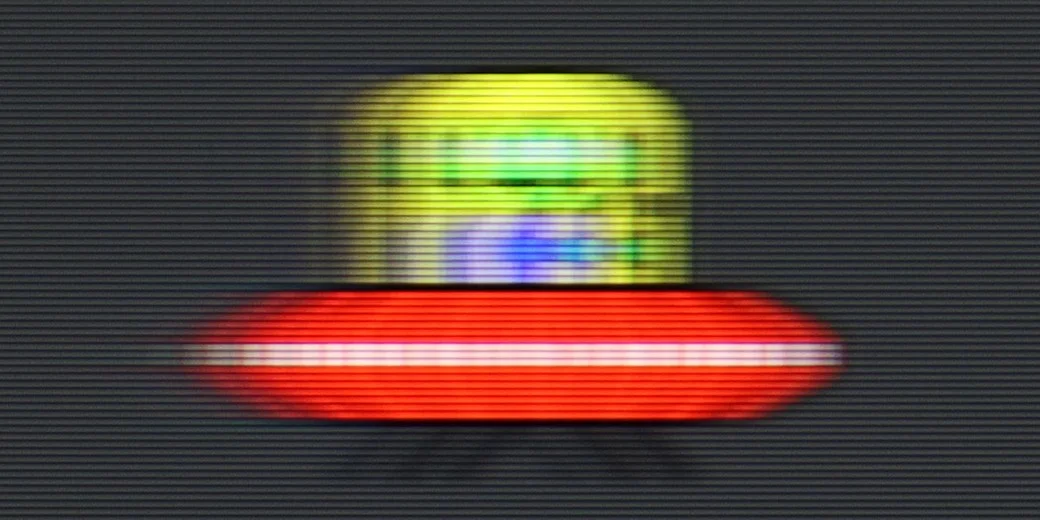
Samsung QN85D TV is equipped with a 120 Hz refresh rate panel, which should satisfy both gamers and sports enthusiasts by offering a smooth and dynamic image. There are options to enhance fluidity, such as the blur and judder reduction feature, which allows precise motion fluidity adjustments on a 10-point scale. The blur reduction increases the sharpness of fast-moving objects, making action scenes more readable, while judder reduction smooths out motion, eliminating the “judder” effect. Ghosting is generally well controlled, though minor imperfections can be visible in more demanding scenes, especially when an object moves against a dark background. Additionally, the TV offers a BFI (Black Frame Insertion) feature at a 60 Hz refresh rate, which can significantly improve motion fluidity experience, although at the cost of image flicker, which might be bothersome for some users.
Bravia 2 II uses a 60 Hz panel and, for what it is, handles motion quite well. However, bear in mind it’s an entry-level panel and its limitations are especially noticeable with sports. The TV can’t interpolate 50/60 fps material to a higher refresh rate, so it can’t further improve the sharpness of fast-moving objects. For films and series there’s a conventional motion-smoothing feature that can reduce the judder typical of 24 fps material.
Console compatibility and gaming features
9.5/10
3.3/10
- ALLM
- VRR
- VRR range48 - 120Hz
- Dolby Vision Game Mode
- Correct implementation of HGIG
- 1080p@120Hz
- 1440p@120Hz
- 4K@120Hz
- Game bar
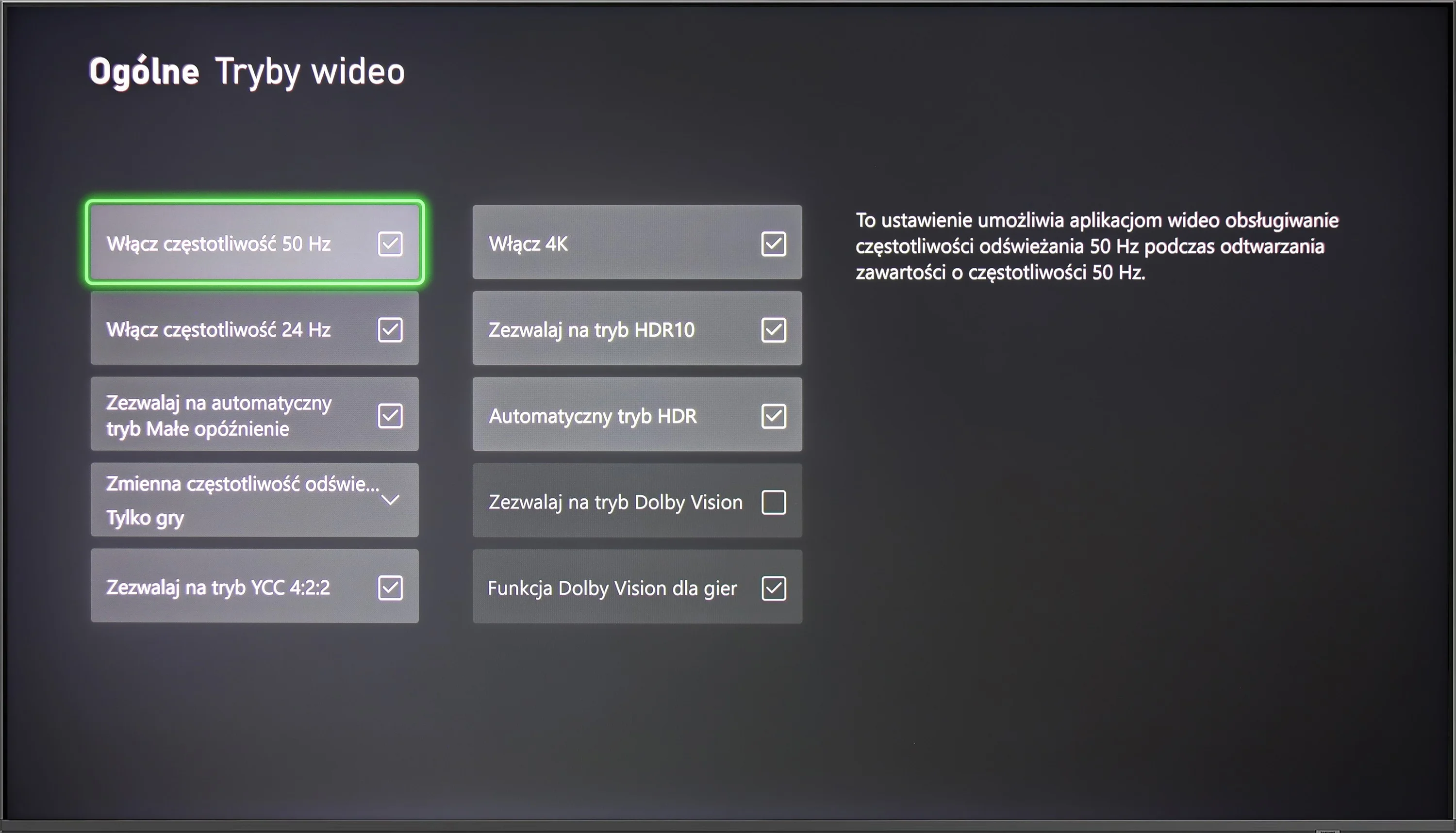
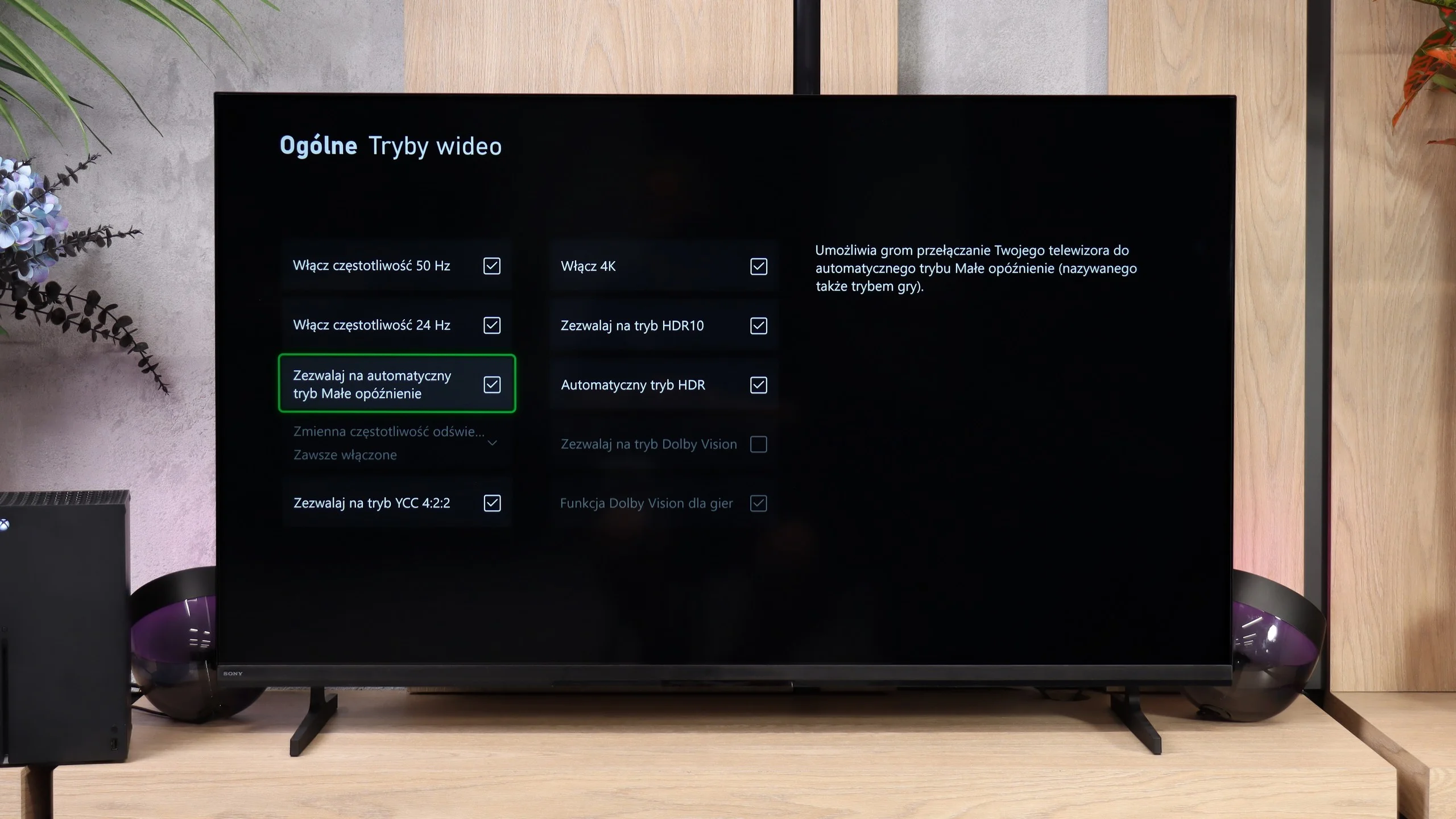
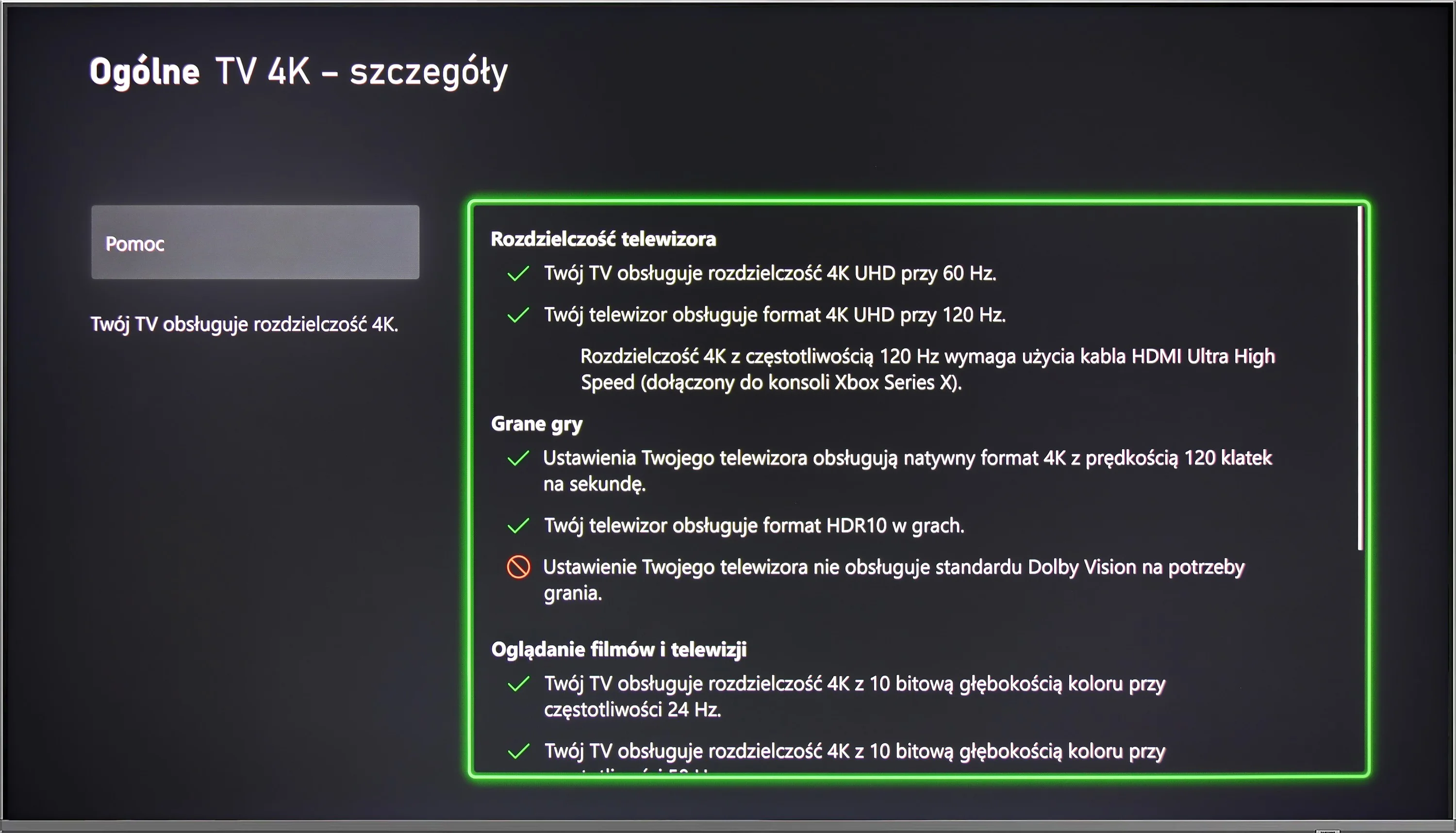
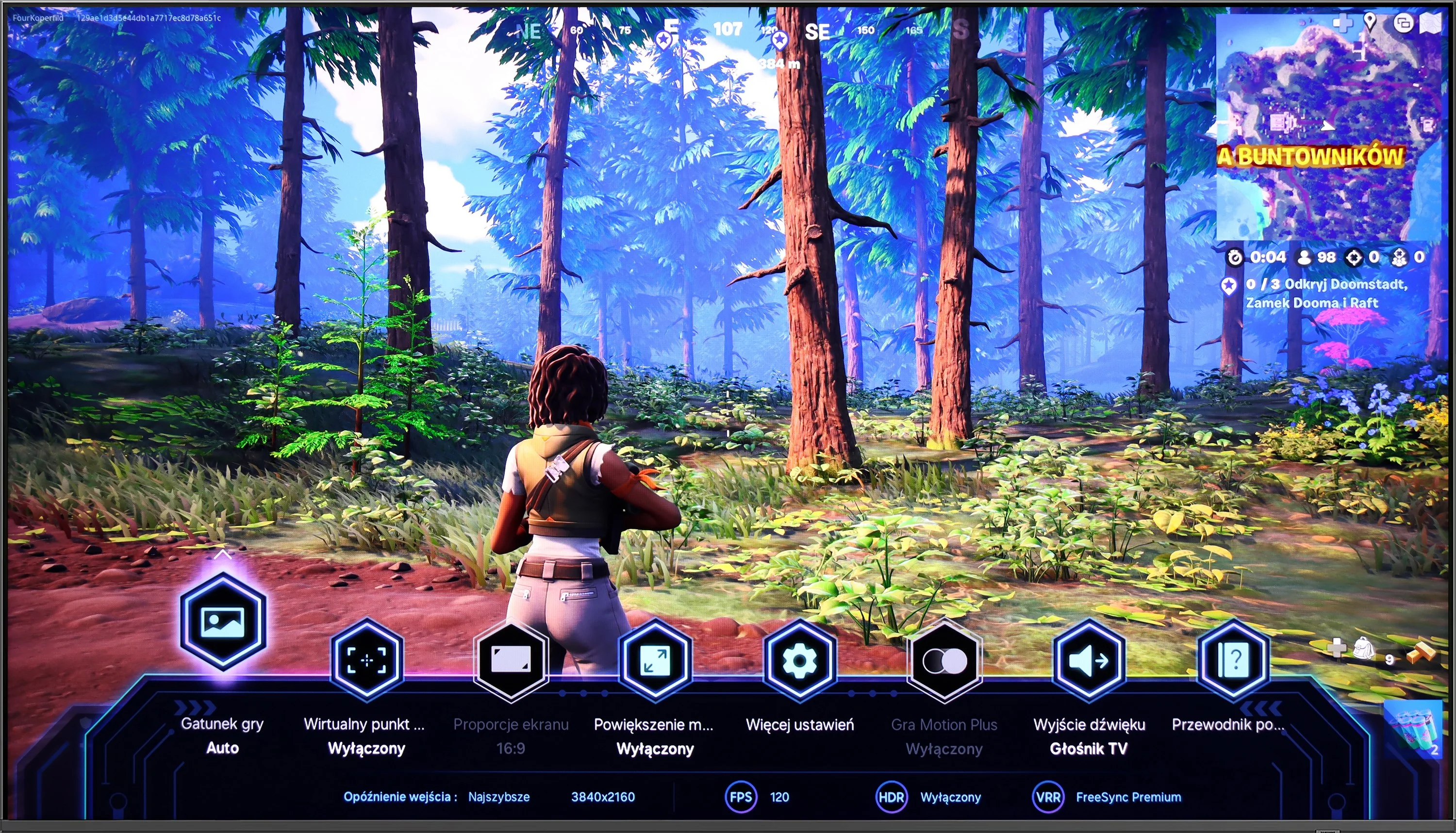
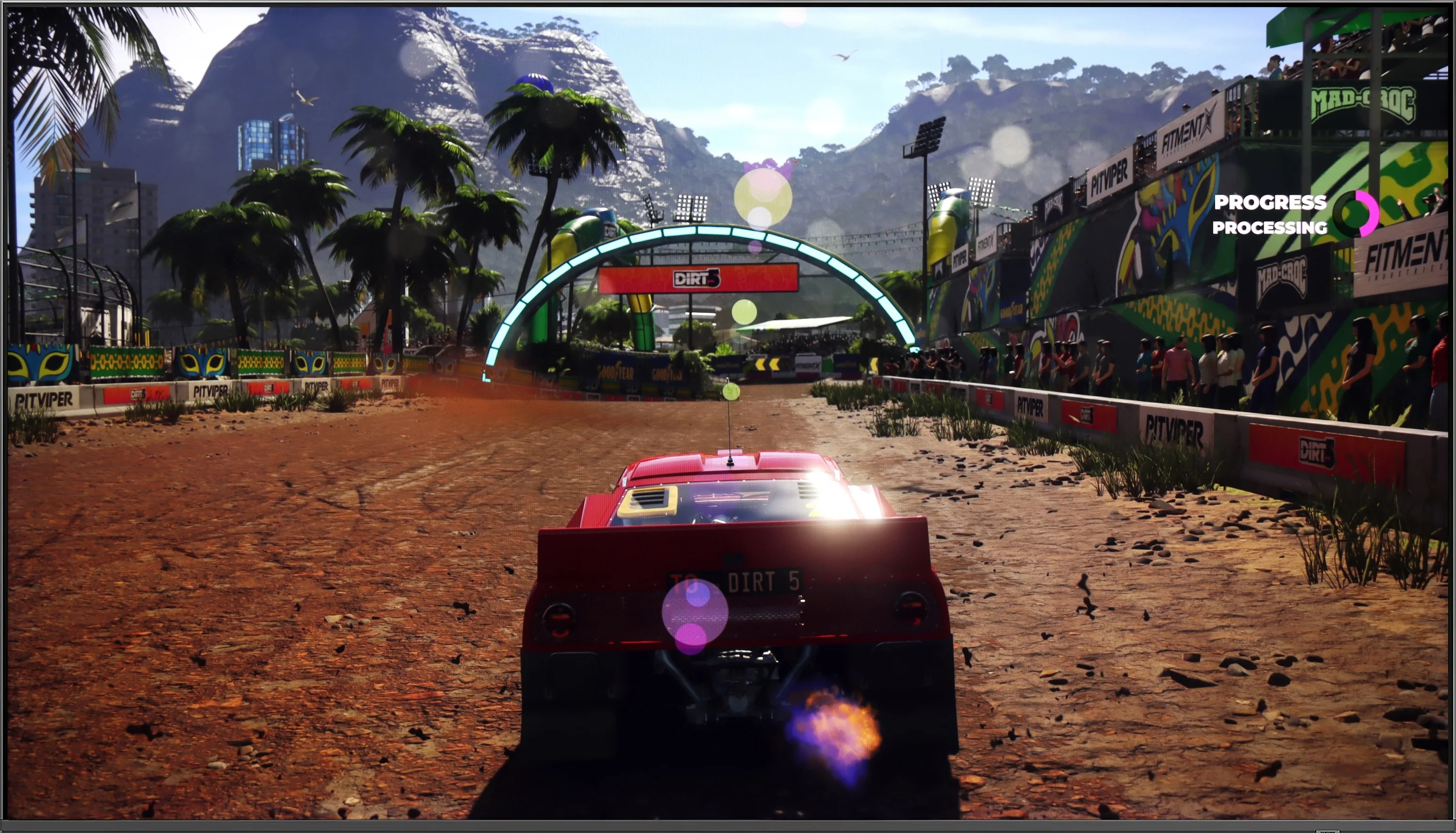
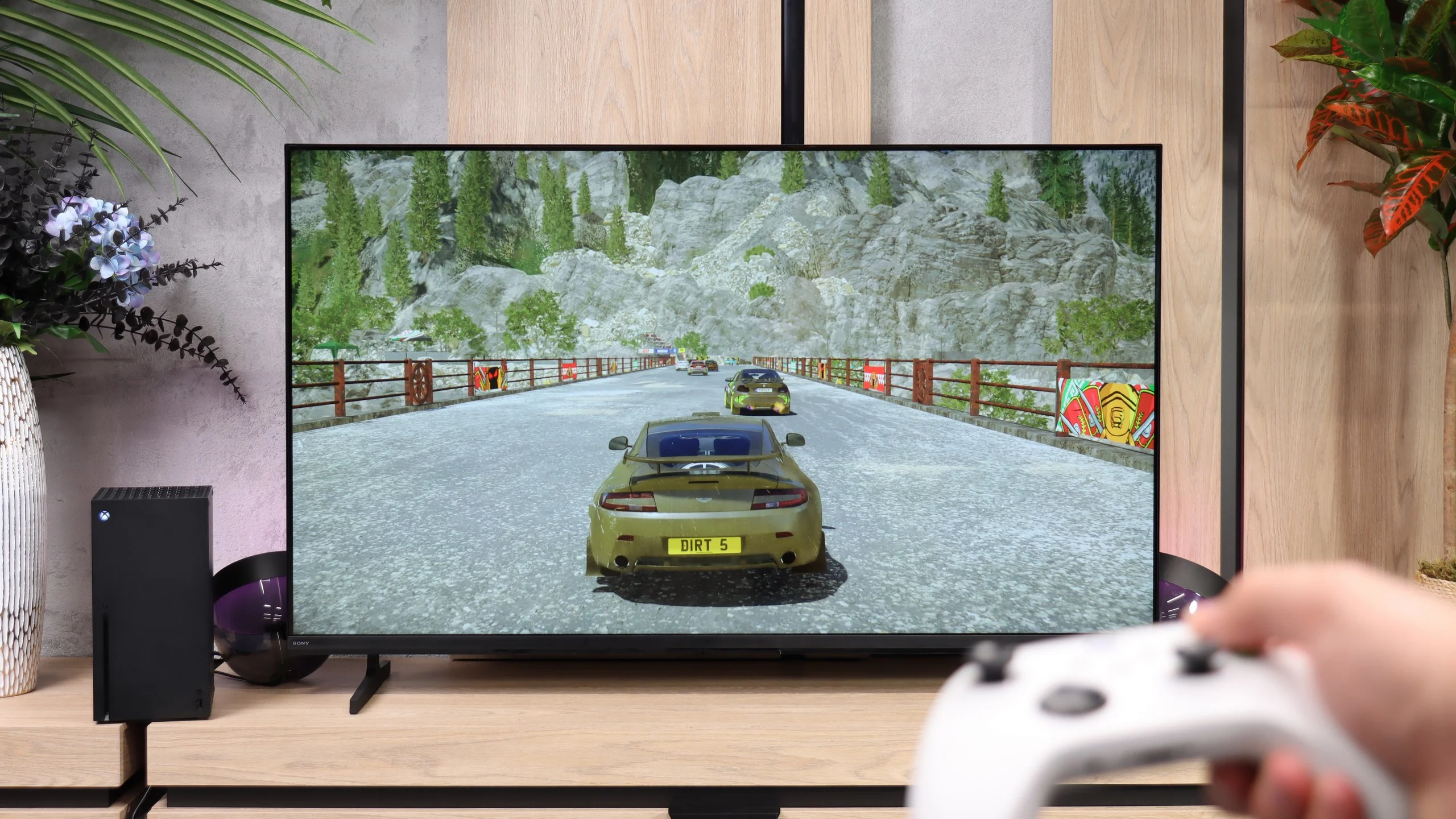
The Samsung QN85D television is an excellent choice for gamers, offering a wide range of features that enhance the gaming experience and make it even more exciting. With a 120 Hz refresh rate panel, the image is incredibly smooth, which is crucial during dynamic scenes in action games. The television also boasts low input lag, allowing for nearly instant reactions to player commands, which translates into better control over characters and events on the screen.
In addition, the QN85D Samsung supports VRR (Variable Refresh Rate) and ALLM (Auto Low Latency Mode) technologies, which optimise image smoothness and reduce delays by automatically adjusting the television to the needs of gamers. Moreover, the Xbox app allows for cloud gaming without the need for a console, which is a big plus for those who want to enjoy their favourite titles without additional hardware – a feature that sets Samsung televisions apart.
The Auto Motion Plus Game feature is another aspect worth highlighting. This motion smoothing technology creates the illusion of more frames per second – as a result, games at 30 fps appear smoother, resembling gameplay at 45 fps, while games at 60 Hz come closer to 90 Hz. Most importantly, this feature does not introduce significant lag, ensuring that gaming comfort is not compromised. This allows gamers to enjoy a smoother image without compromising responsiveness.
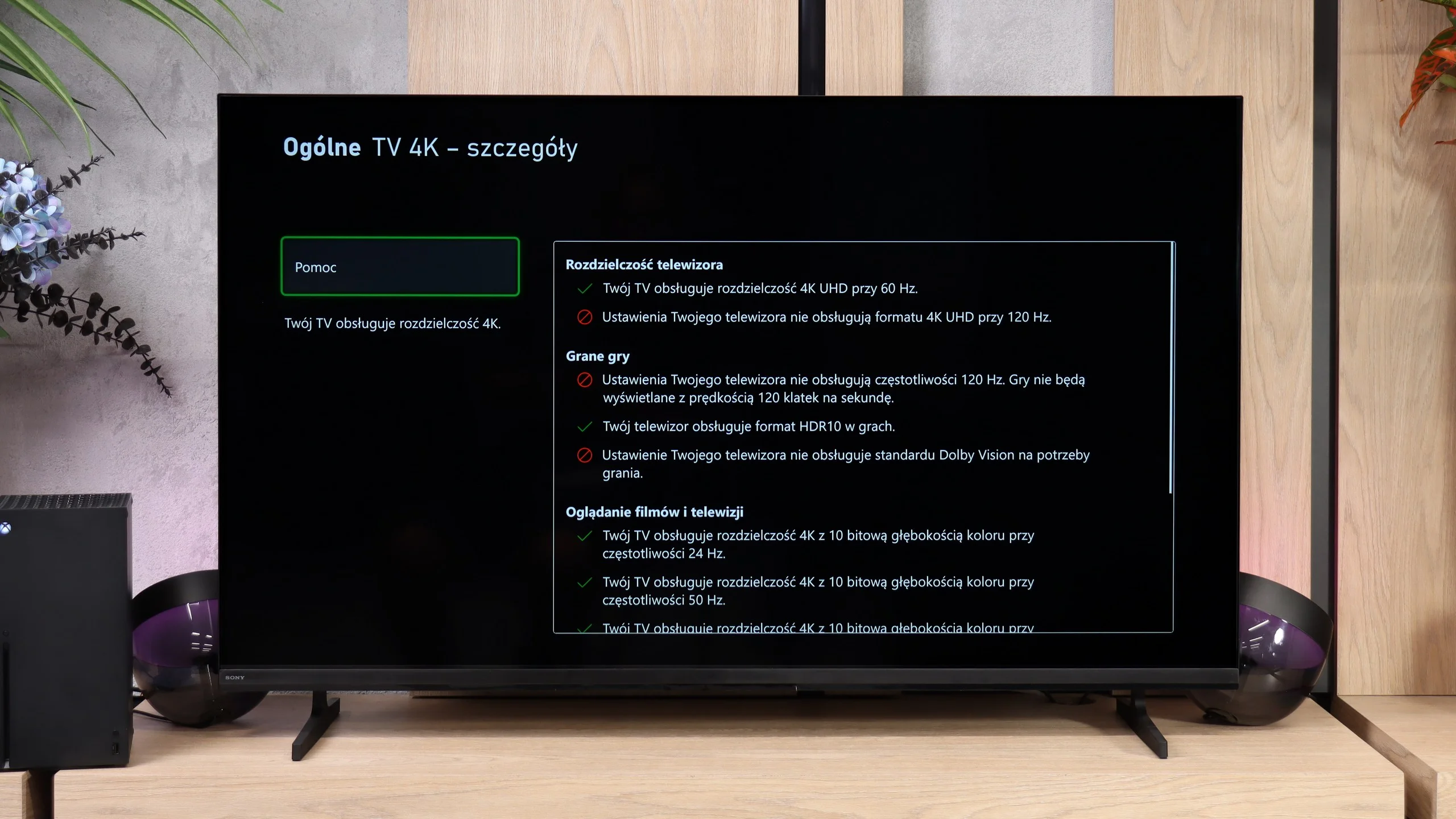
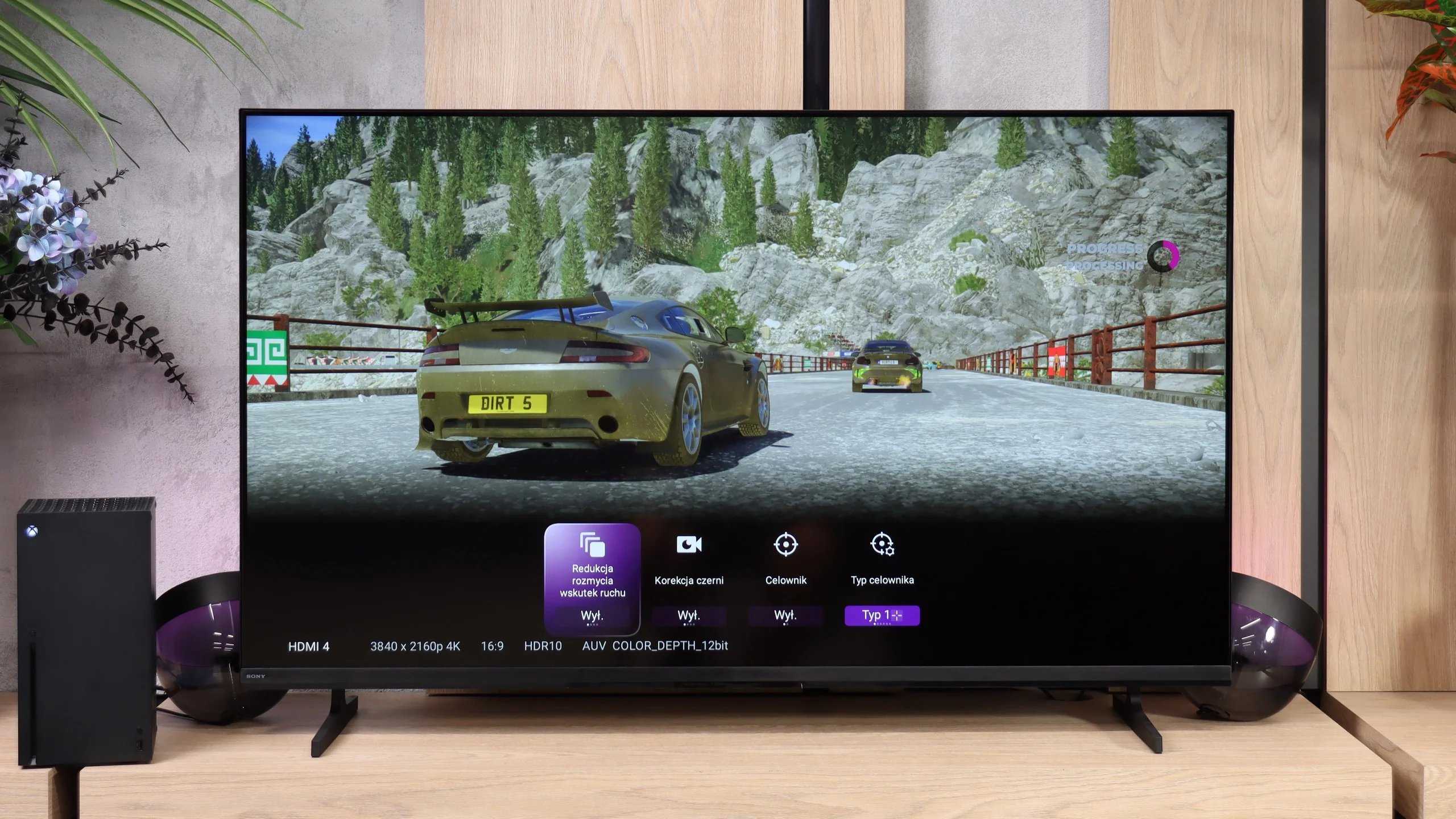
The Bravia 2 II isn’t a TV that’s particularly suited to gaming, and the feature list makes that clear pretty quickly. You basically only get automatic low-latency ALLM and a simple Game Bar where you can view basic signal info and change a few settings. That’s where the positives end. The TV doesn’t support VRR or 120 Hz (not even at lower resolutions) and on top of that it has problems correctly implementing HDR HGIG. It’s fine for occasional console play and, thanks to low input lag, the controls remain responsive, but if you’re after a TV primarily for gaming the Bravia 2 II is a significantly limited choice.
Input lag
9.9/10
10/10
SDR
HDR
Dolby Vision
Samsung QN85D impresses when it comes to input lag value. The television achieves outstanding results – below 15 ms for 60 Hz content and around 10 ms for 120 Hz content. This allows gamers to enjoy instantaneous responses to their actions, especially in dynamic games where every millisecond counts. Such low input lag makes gameplay more responsive and natural, enhancing the overall experience while playing.
Here the Bravia 2 II performs considerably better. The input lag is only about 11 ms, low enough that you’ll hardly notice any delay while gaming. So even with a modest set of gaming features, the TV will handle regular console gaming without any major issues.
Compatibility with PC
7.6/10
6/10
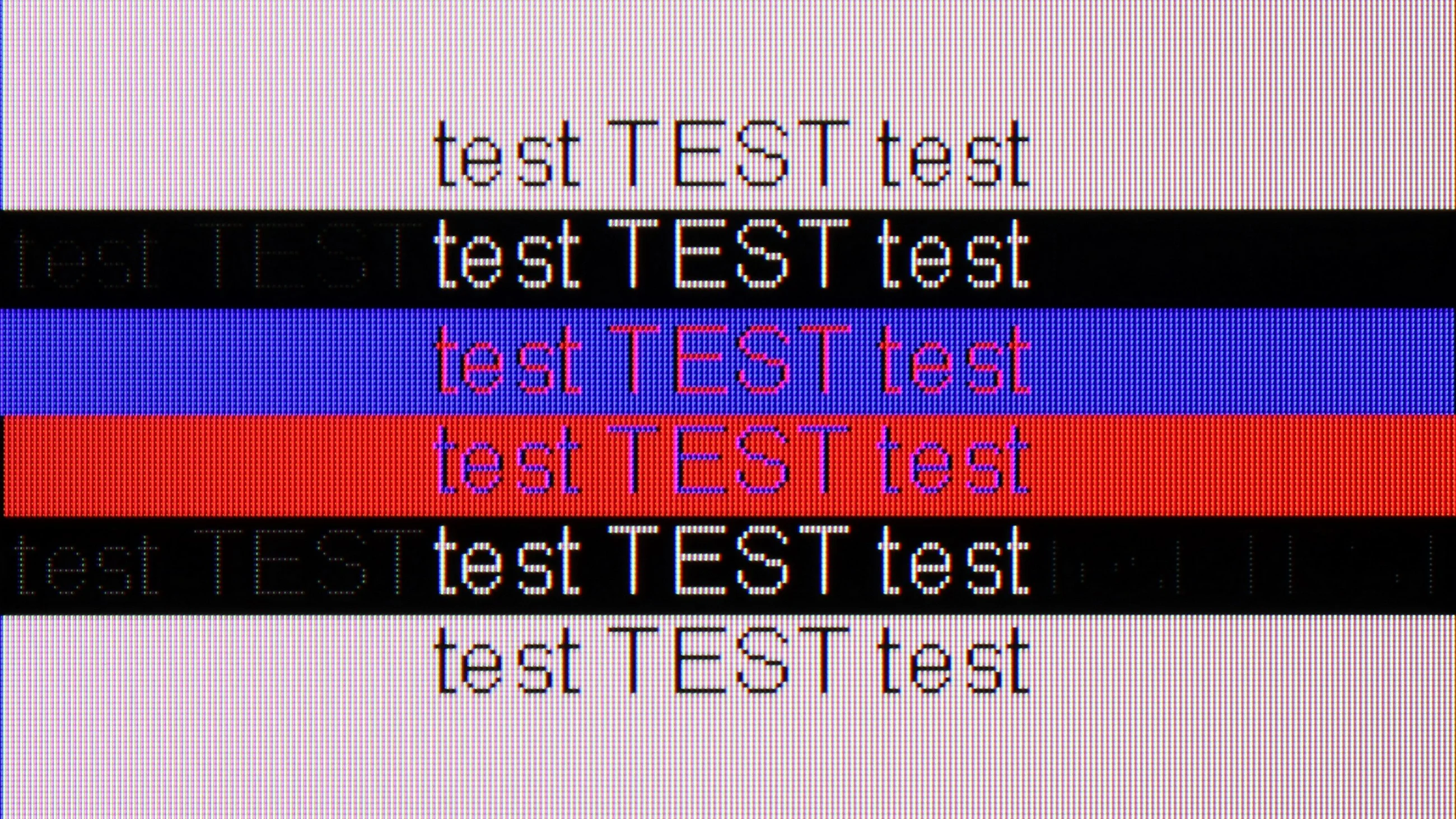
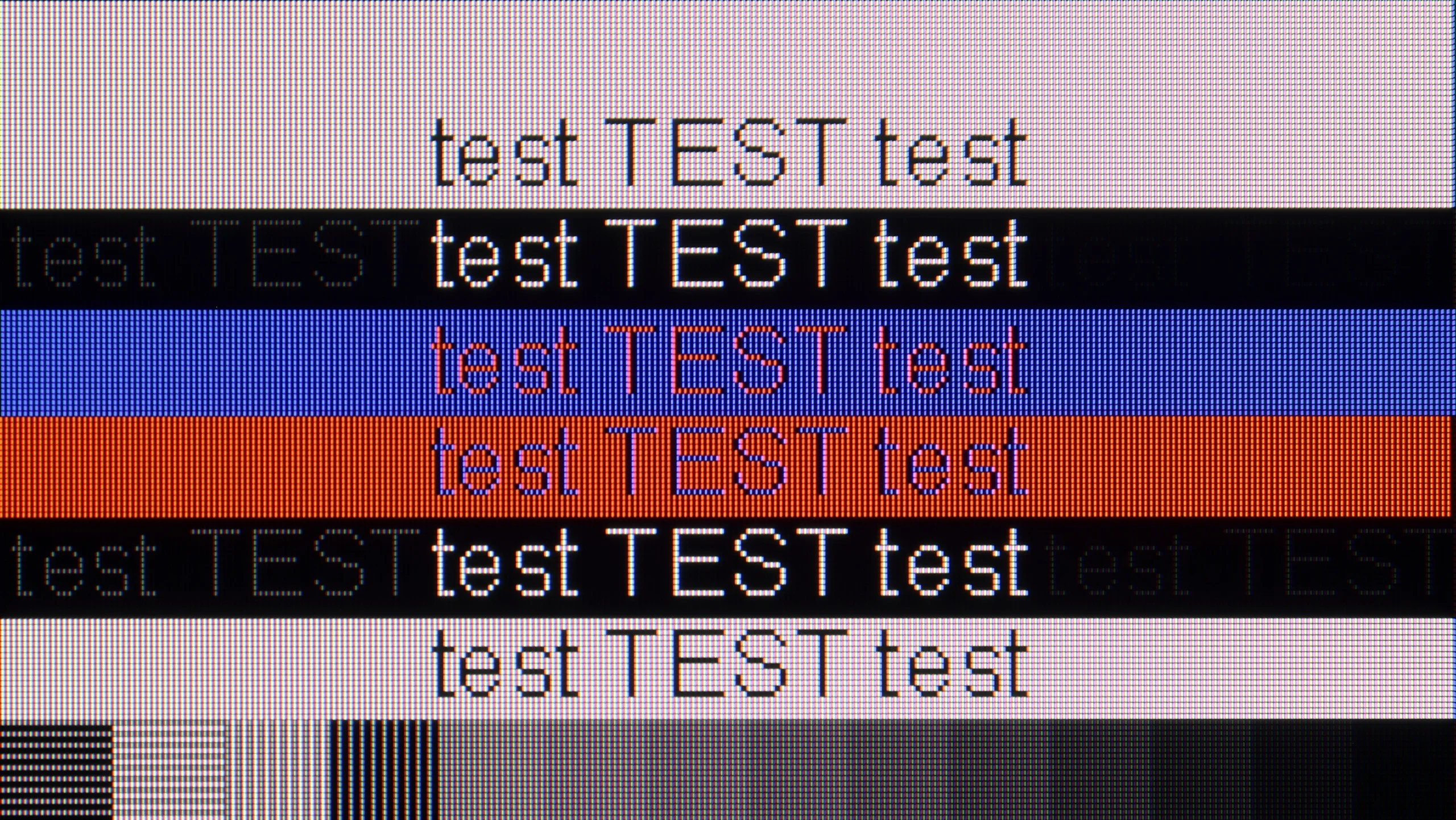
The photo shows the legibility of small fonts. Ideally, lines should be the same thickness on both light and dark text, with minimal pixel gaps.
Samsung QN85D could be a good option as a computer monitor. Thanks to support for chroma 4:4:4 (available only in "Game" mode), text on the screen is clear and easy to read, which is crucial for those working with word documents or spreadsheets. A major advantage of this model is its exceptionally low input lag in "PC" mode – just 9 ms, which is really impressive and provides high fluidity and responsiveness, making it suitable for both work and gaming. However, there are some drawbacks. When displaying fonts on a dark background, an issue arises – when zooming in on an image, it can be seen that the horizontal lines are darker than the vertical ones. This is due to the fact that the sub-pixels in those areas do not light up fully, which may be a result of oversight on the manufacturer's part in optimising the algorithm responsible for displaying thin lines. As a result, the quality of text on a dark background is not ideal. Despite this, the television still remains a very good choice as a PC monitor, especially considering the low input lag and support for chroma 4:4:4.
Bravia 2 II handles a computer very well, at least if you think of it as a screen for work. Thanks to its IPS panel and accurate 4:4:4 chroma reproduction, fonts are sharp and readable regardless of their size, shape or colour. That’s particularly good news for people considering the smaller variant and placing it on a desk instead of a classic monitor. It looks much worse, however, from a gaming perspective. The TV doesn’t offer 120 Hz, VRR or other features that would interest more demanding PC gamers. So it’s very good for office work or watching content from a computer, but as a gaming screen it has quite a few limitations.
Viewing angles
2.9/10
6.5/10
The Samsung QN85D television, due to its VA panel, has quite poor viewing angles. When viewed from the side, colours lose their intensity, and the image becomes noticeably less contrasted. This is a typical drawback of VA panels, which offer significantly worse picture quality when viewed from wider angles. However, directly in front of the television, the situation looks much better – the VA panel then provides deep blacks and better contrast, which is a big plus if the television is mainly watched while sitting directly in front of the screen.
Viewing angles are one of the Bravia 2 II's stronger points. Thanks to the IPS panel, colours and brightness remain accurate for quite a while even when we’re not sitting directly in front of the TV. In this area Sony regains some of the points it lost earlier on black levels and contrast. As a result, the Bravia 2 II may be better suited to a larger living room or a room where some people watch the TV from the side, especially if it will mainly be used for everyday TV.
Daytime performance
7.3/10
4.8/10
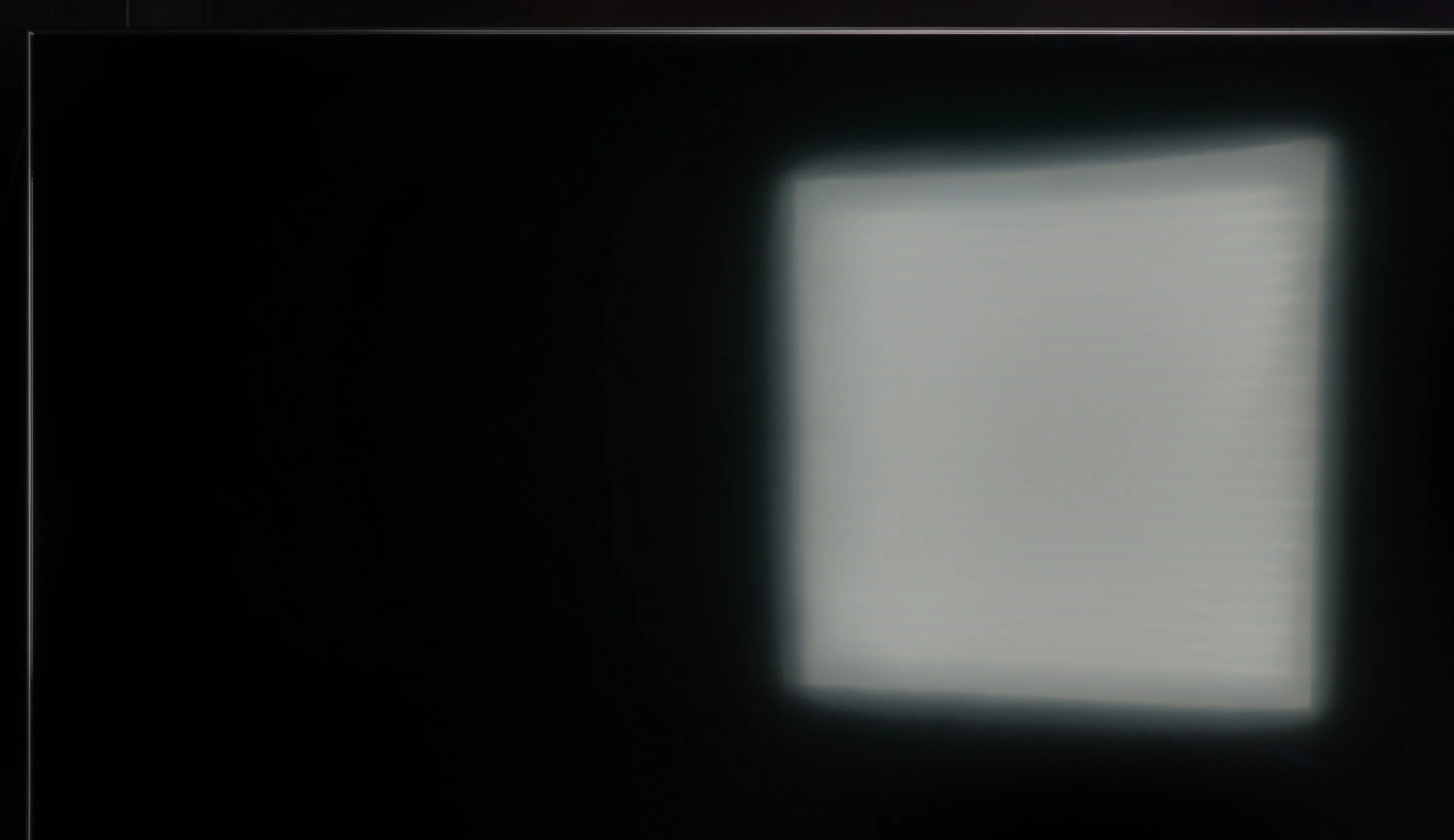
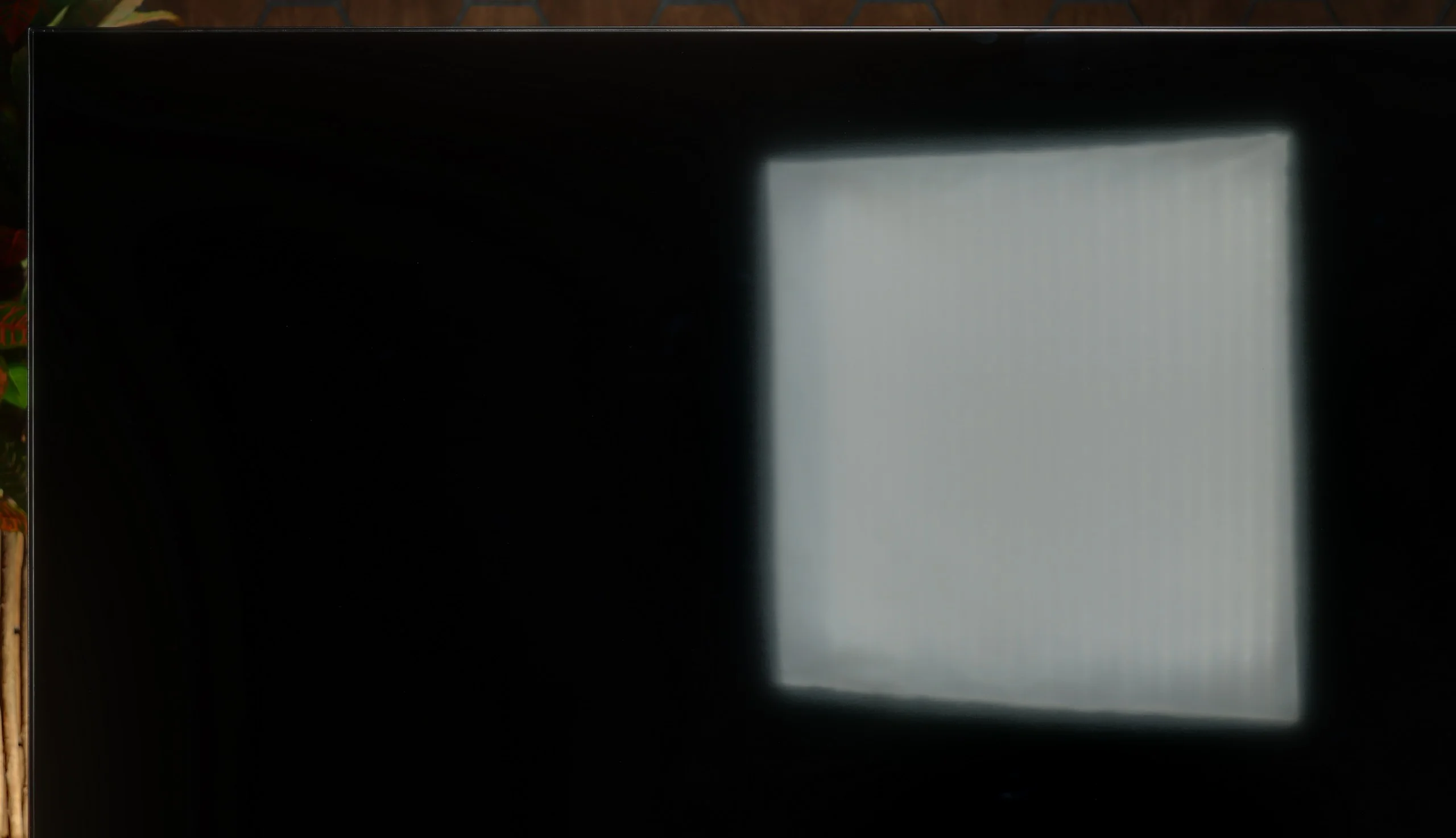
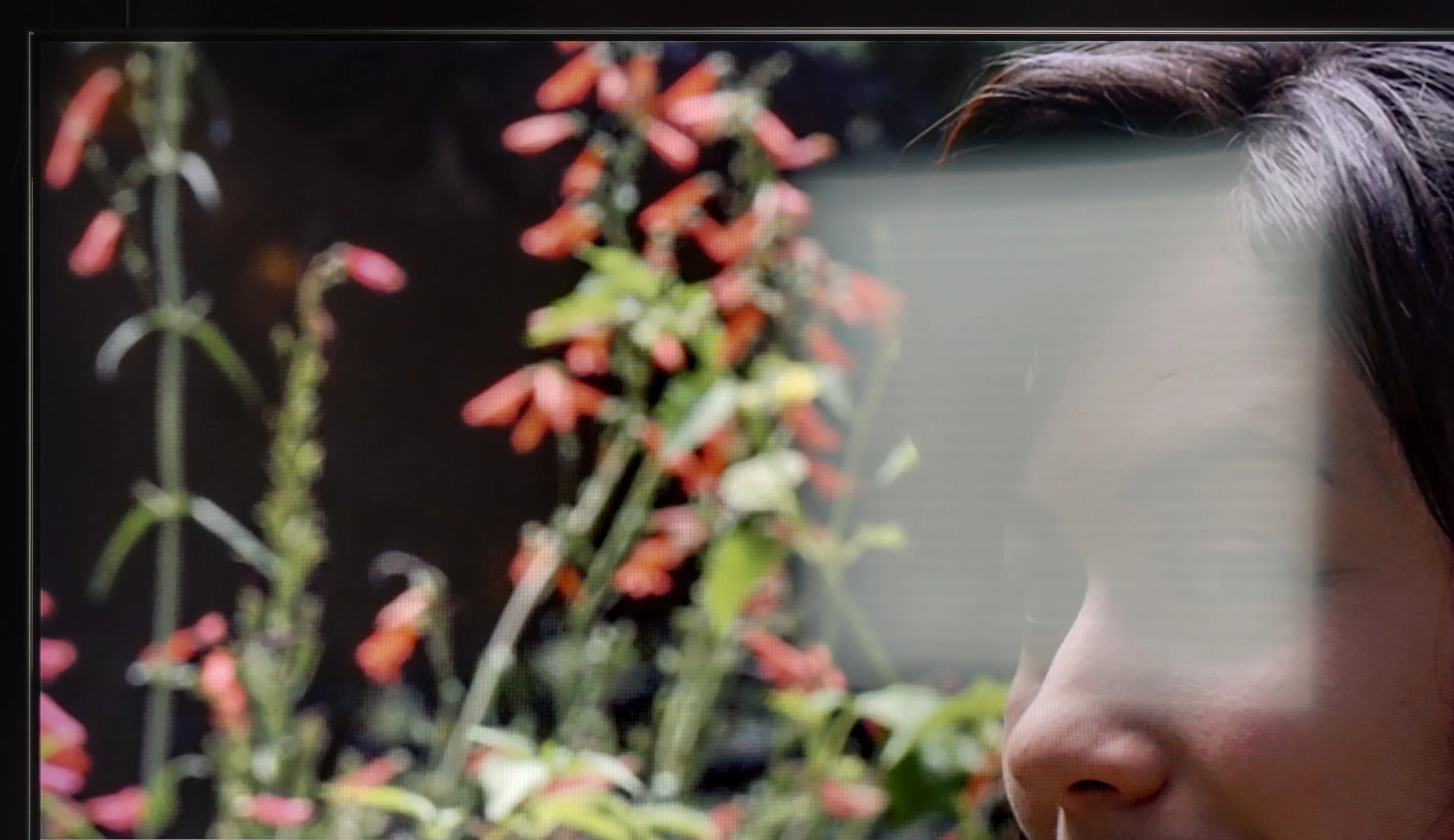
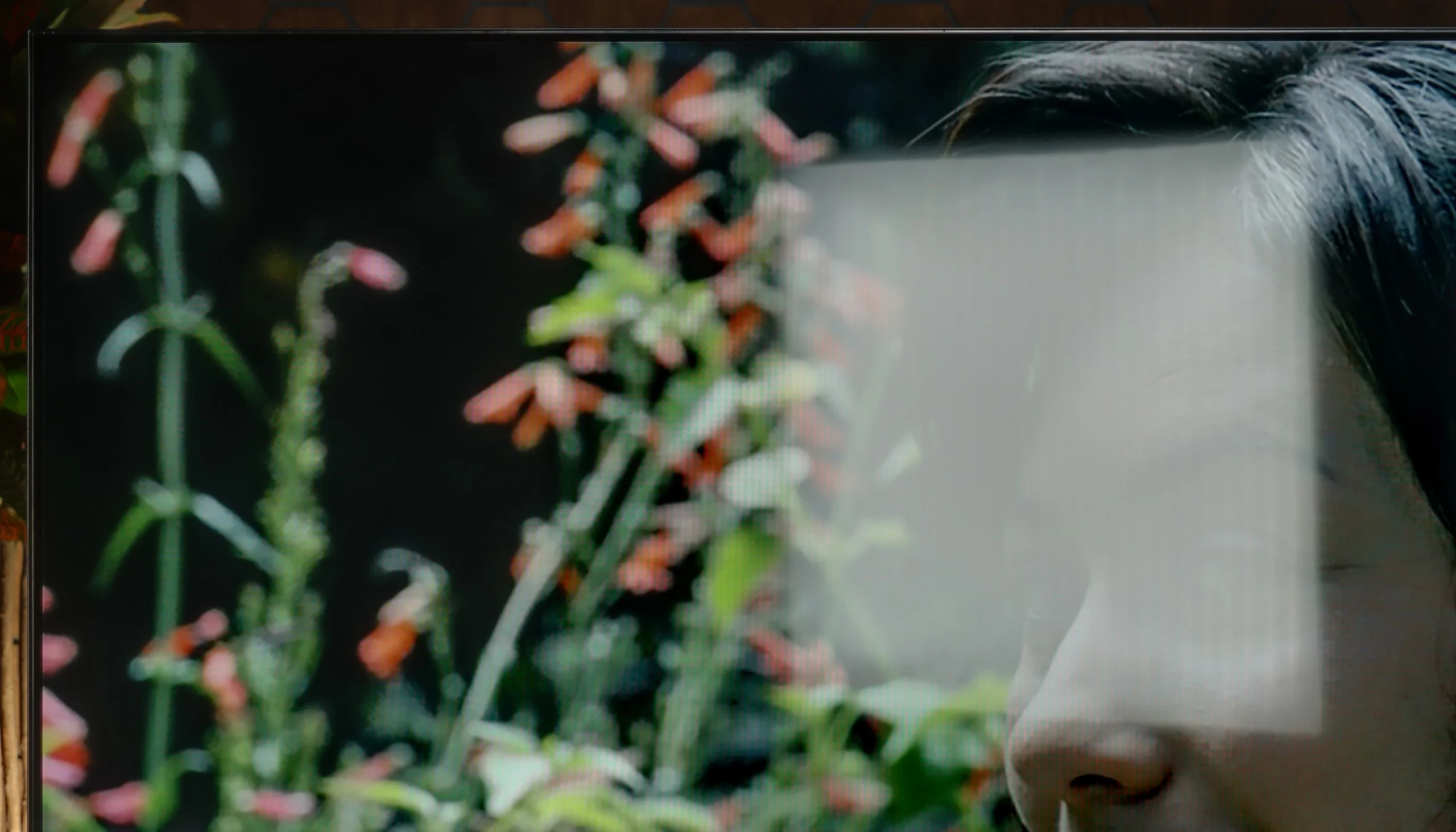
Panel brightness
Sony BRAVIA 2 II (S25M2): 319 cd/m2
Samsung Neo QLED QN85D / QNX1D: 825 cd/m2
Samsung QN85D TV performs very well in bright daylight conditions. Although the satin panel moderately suppresses reflections, the brightness level of 825 cd/m² is truly impressive. Even in direct sunlight, the television handles itself very well, providing a clear and sharp image, and the largest external light sources do not pose a significant problem. This makes this model a good option for rooms with a lot of natural light.
In daylight the Bravia 2 II performs rather average. Brightness of around 320 nits doesn’t leave much headroom, but in a typical, moderately bright living room it’s still enough to keep the picture readable. The screen’s matte coating does a decent job of reducing reflections, though it can’t eliminate them entirely. With strong light falling directly on the screen, there’s simply not enough brightness to effectively cut through the glare. So it will be fine for ordinary daytime viewing, but in a very bright room with lots of windows you may start to notice the limitations of this model.
Panel details
Subpixel Structure:
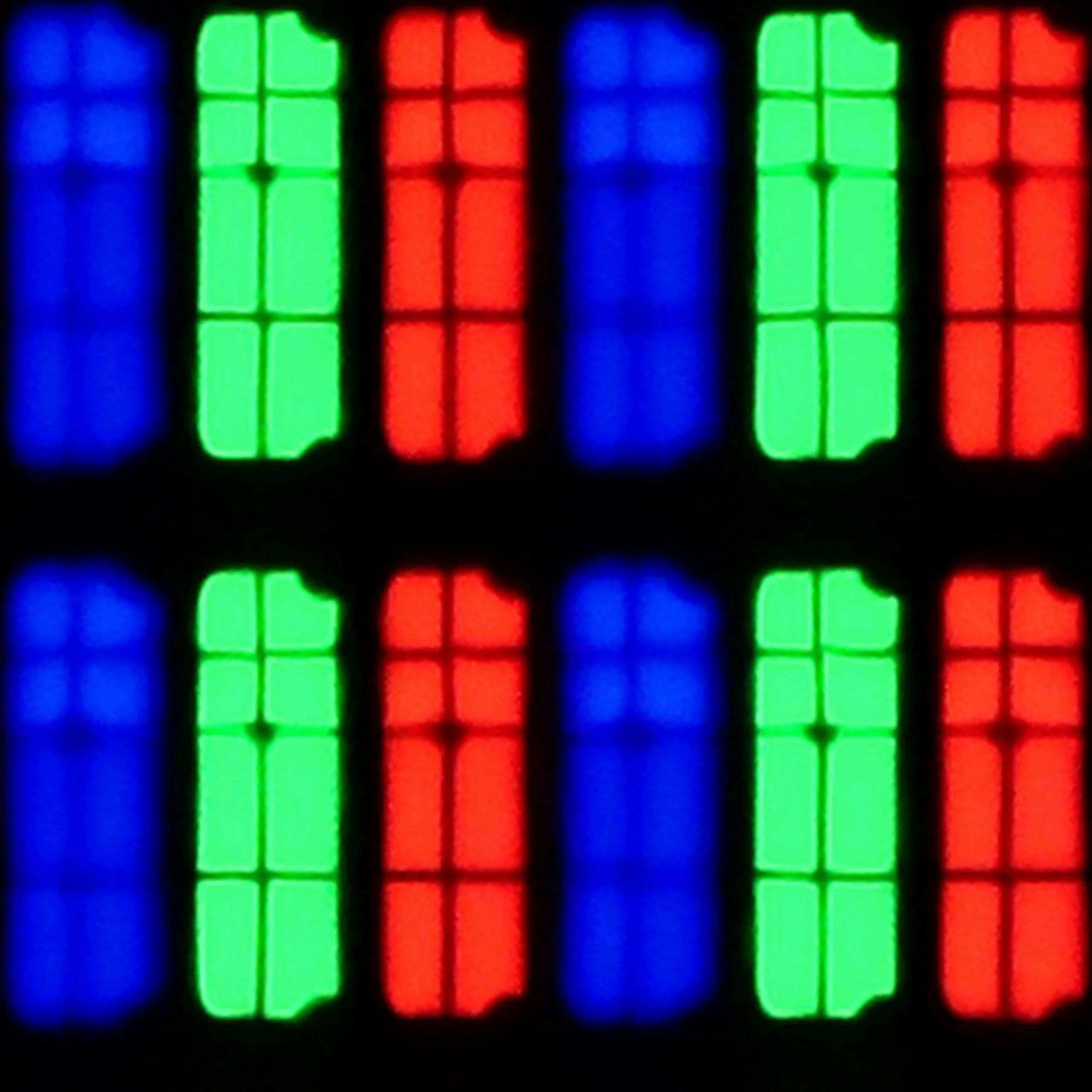
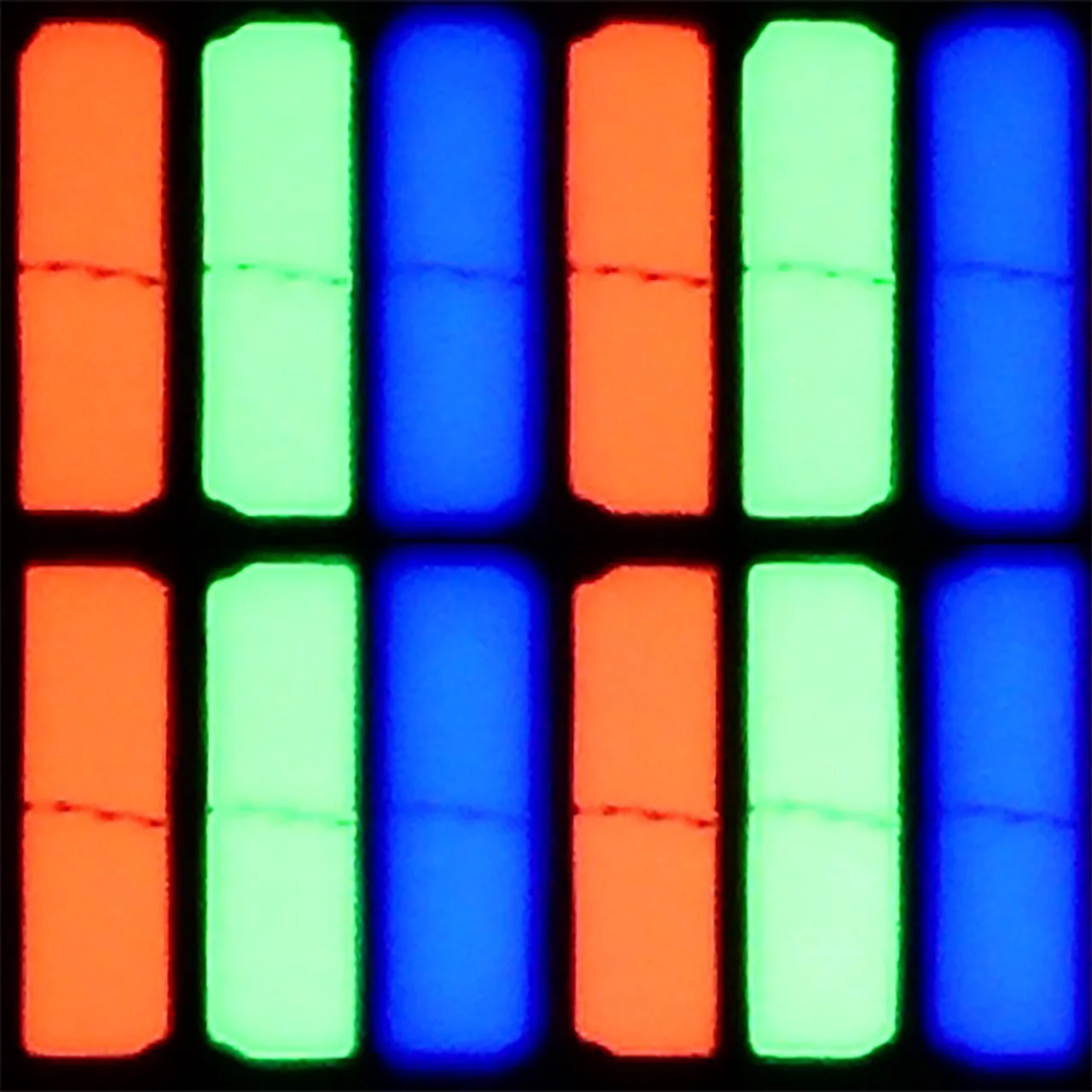
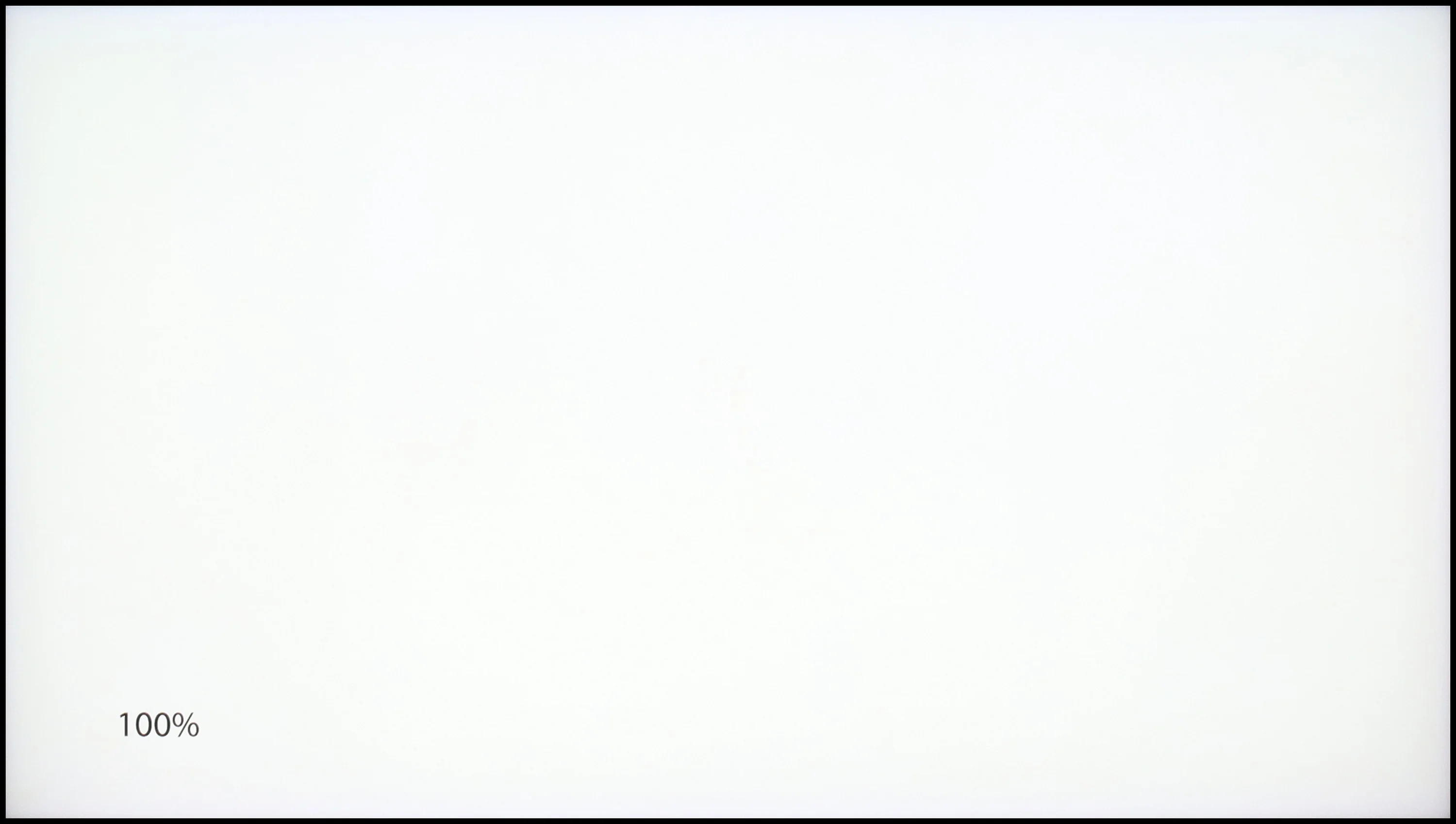
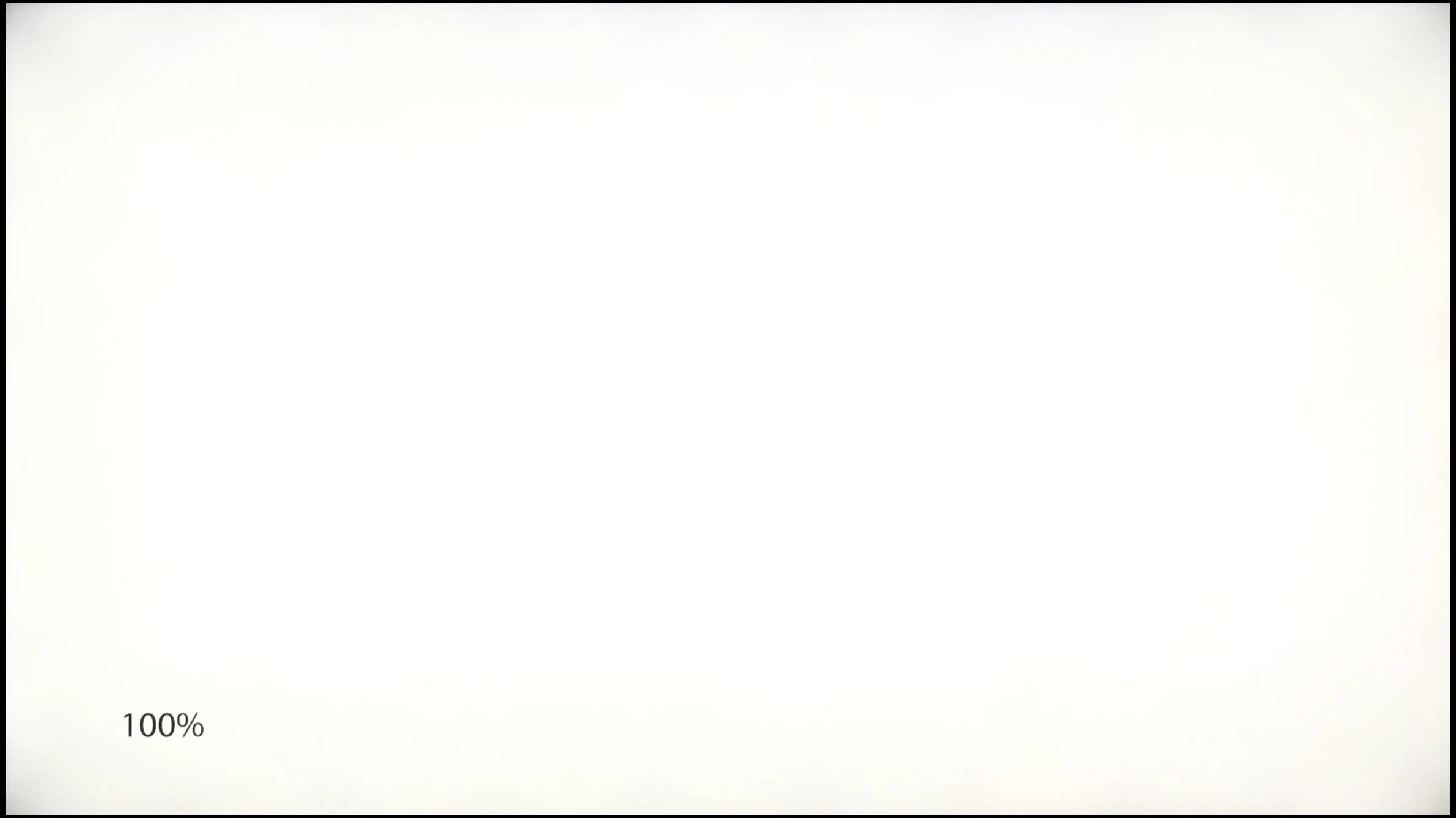
Panel uniformity and thermal imaging:
Samsung Neo QLED QN85D / QNX1D
Sony BRAVIA 2 II (S25M2)
TV features
7.4/10
6.6/10
- SystemTizenGoogle TV
- System performanceVery goodDecent
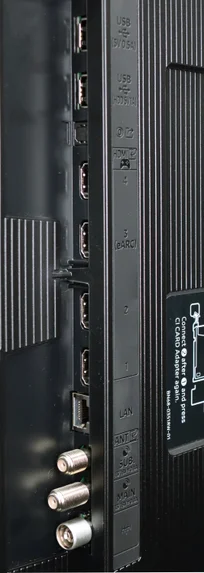
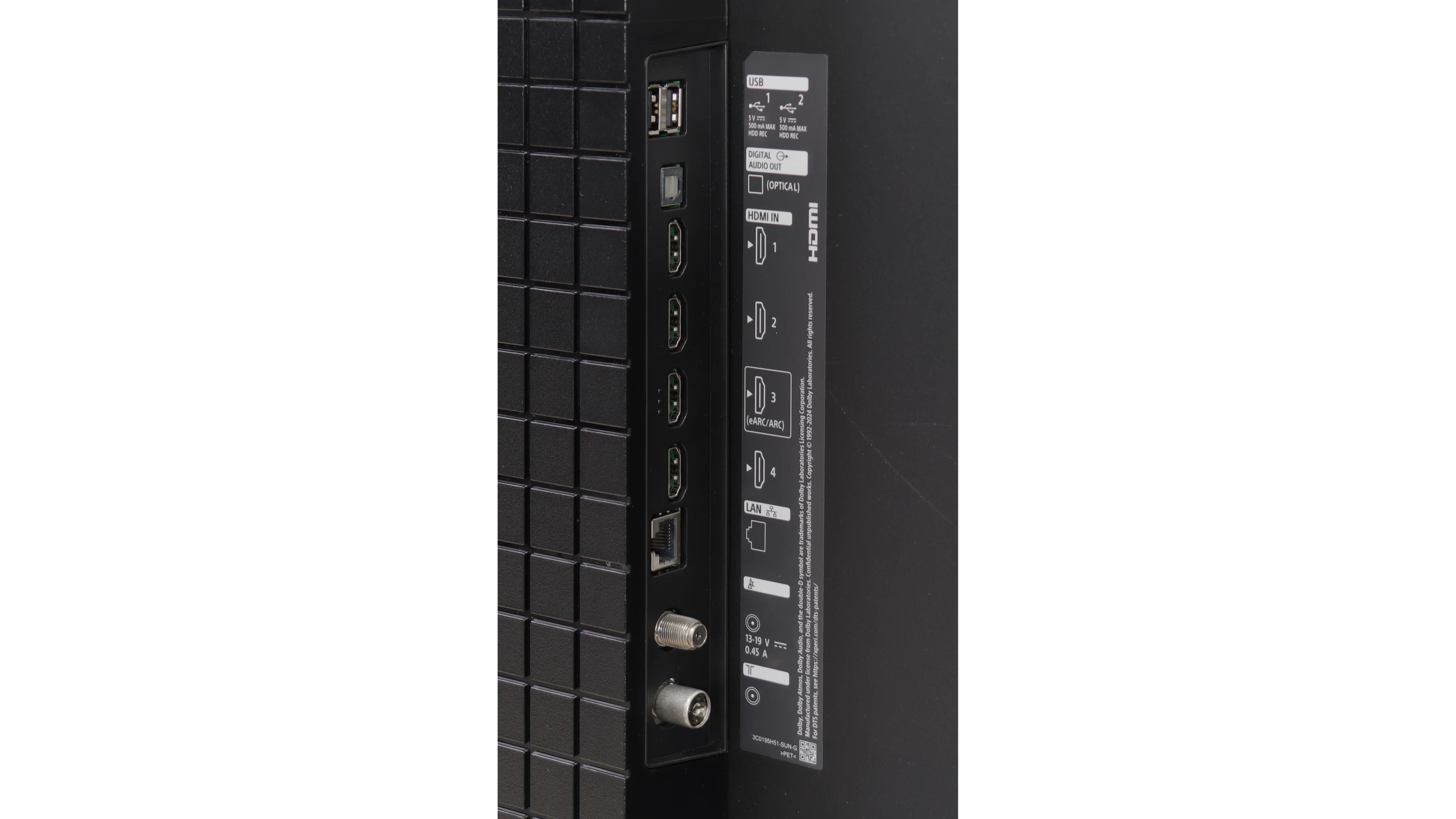
- HDMI inputs0 x HDMI 2.0, 4 x HDMI 2.1 48Gbps4 x HDMI 2.0, 0 x HDMI 2.1
- OutputsToslink (Optical audio), eARC (HDMI), ARC (HDMI)Toslink (Optical audio), eARC (HDMI), ARC (HDMI)
- Network InterfacesWi-Fi 2.4GHz, Wi-Fi 5GHz, Ethernet (LAN) 100MbpsWi-Fi 2.4GHz, Wi-Fi 5GHz, Ethernet (LAN) 100Mbps
- TV receptionDVB-T, DVB-T2, DVB-S, DVB-S2, DVB-CDVB-T, DVB-T2, DVB-S, DVB-S2, DVB-C
Classic features:
- Recording to USB (terrestrial TV)
- Recording programming
- Picture in Picture (PiP)
- RF remote control (no need to aim)
- Backlit remote control
- Teletext
- Audio only mode
- Bluetooth headphones support
- Simultaneous Bluetooth headphones & TV audio
Smart features:
- AirPlay
- Screen mirroring (Windows Miracast)
- Voice search
- Voice search in native language
- Ability to connect a keyboard and mouse
Sound connection options
- HDMI audioeARC (HDMI), ARC (HDMI)eARC (HDMI), ARC (HDMI)
- Other audio outputsToslink (Optical audio)Toslink (Optical audio)
- Wireless audioBluetoothBluetooth
Supported audio formats (external HDMI eARC audio):
- Dolby Digital Plus 7.1
- Dolby True HD 7.1
- Dolby Atmos in Dolby Digital Plus (JOC)
- Dolby Atmos in Dolby True HD
- DTS:X in DTS-HD MA
- DTS-HD Master Audio
Senior accessibility
- Numeric keyboard on TV
- Font size adjustment
- Audio description
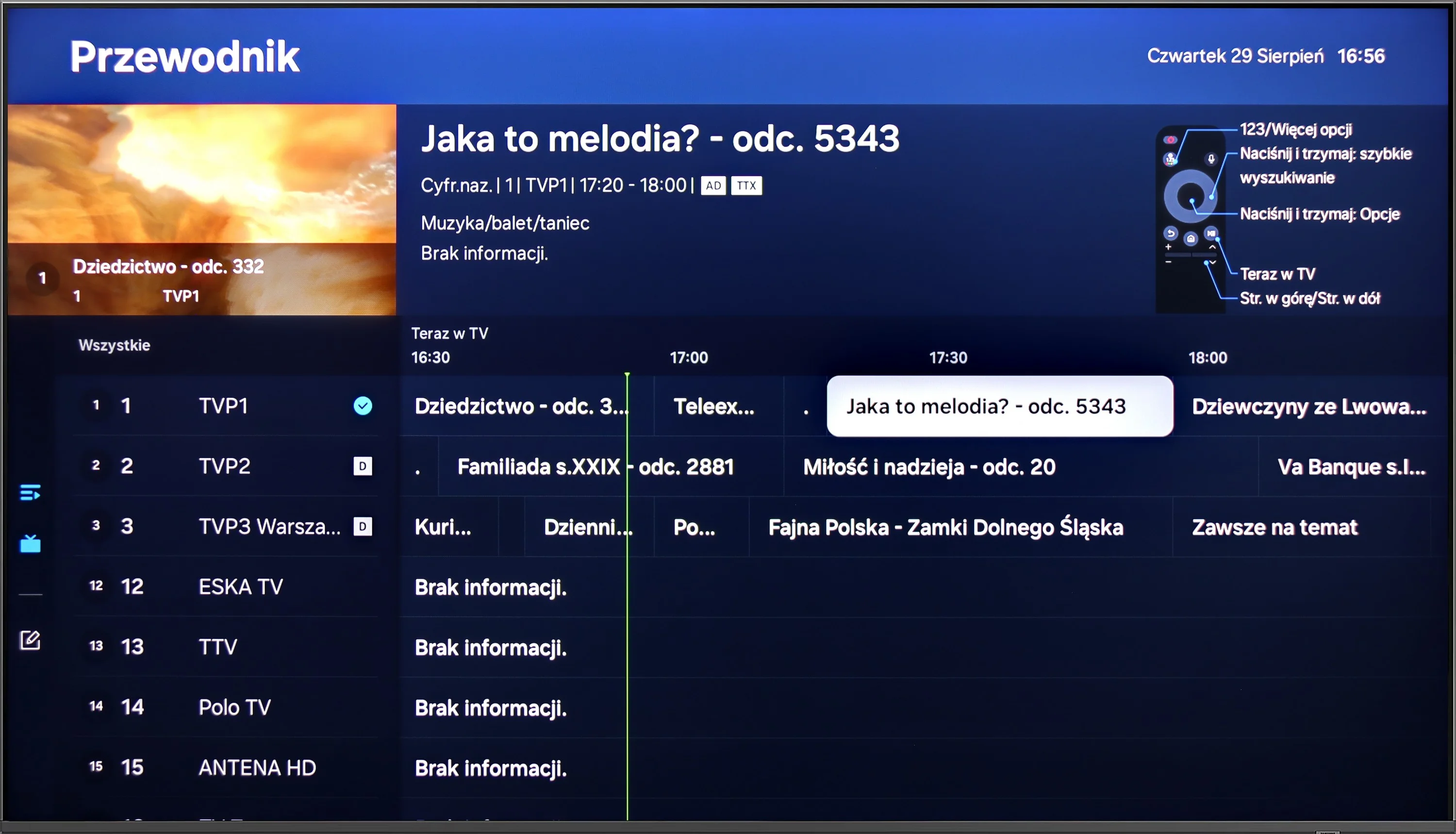
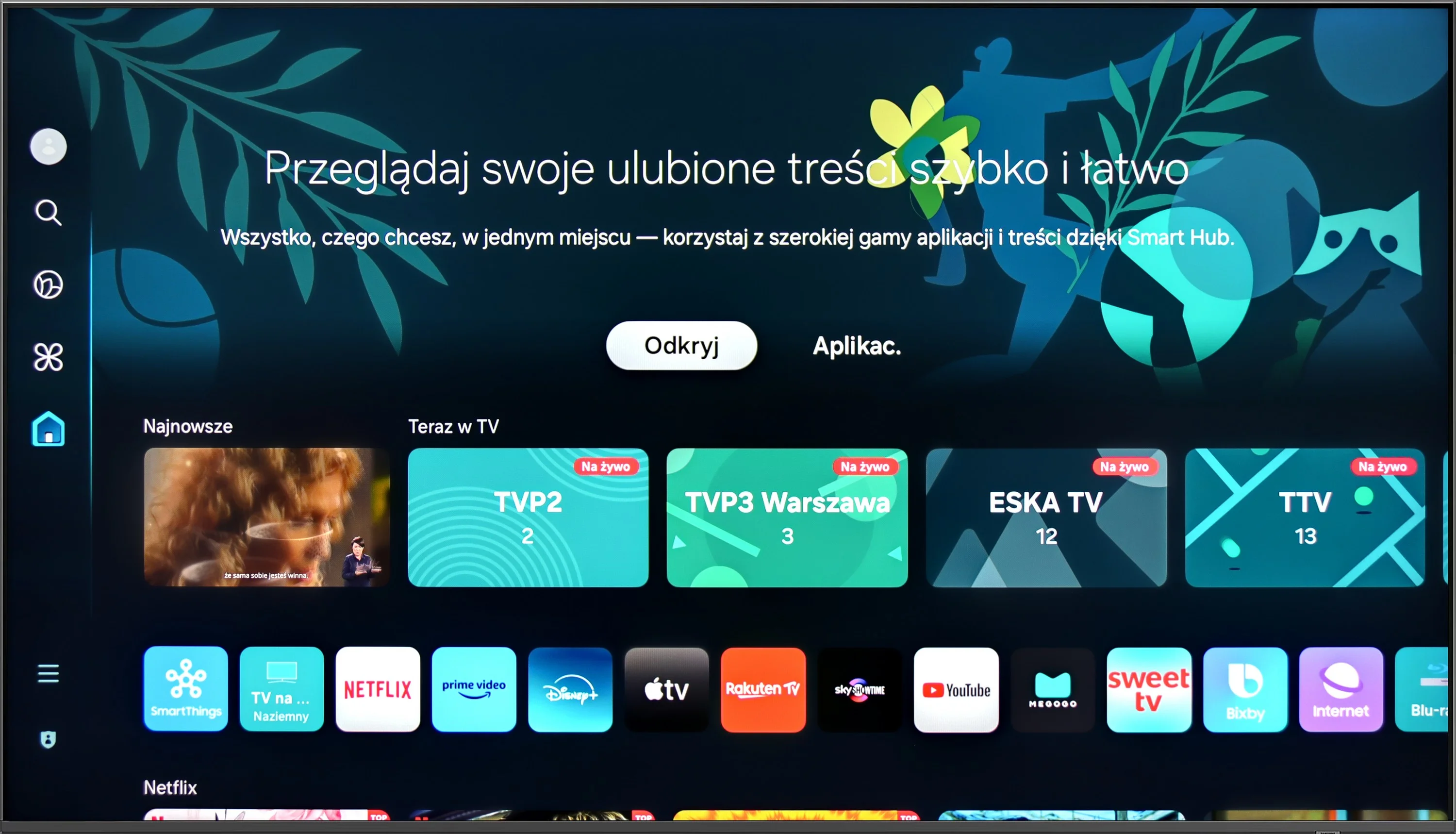
Samsung QN85D offers a wide range of smart features, thanks to the Tizen platform. Users have access to applications and features such as SmartThings, allowing management not only of Samsung devices but also equipment from other brands, creating a complete smart home ecosystem. The TV also supports AirPlay, enabling convenient content streaming from Apple devices directly to the screen, enhancing flexibility and comfort in everyday use.
Model QN85D also stands out in terms of unique features. The TV features Daily+, offering a variety of daily content such as fitness exercises or workspace. Additionally, the attractive appearance of the TV, while not as slim as last year's models, still presents well. The central stand provides solid support and adds character to the device, giving the TV a more elegant look.
In terms of user features, the TV is equipped with a remote that controls set-top boxes, such as Canal+, allowing easy control of most home equipment with a single device. The TV also has a PiP (Picture-in-Picture) function, enabling simultaneous viewing of two image sources. Unfortunately, one of the drawbacks that can be noticed is the lack of a recording function, which may be a significant downside for some users.
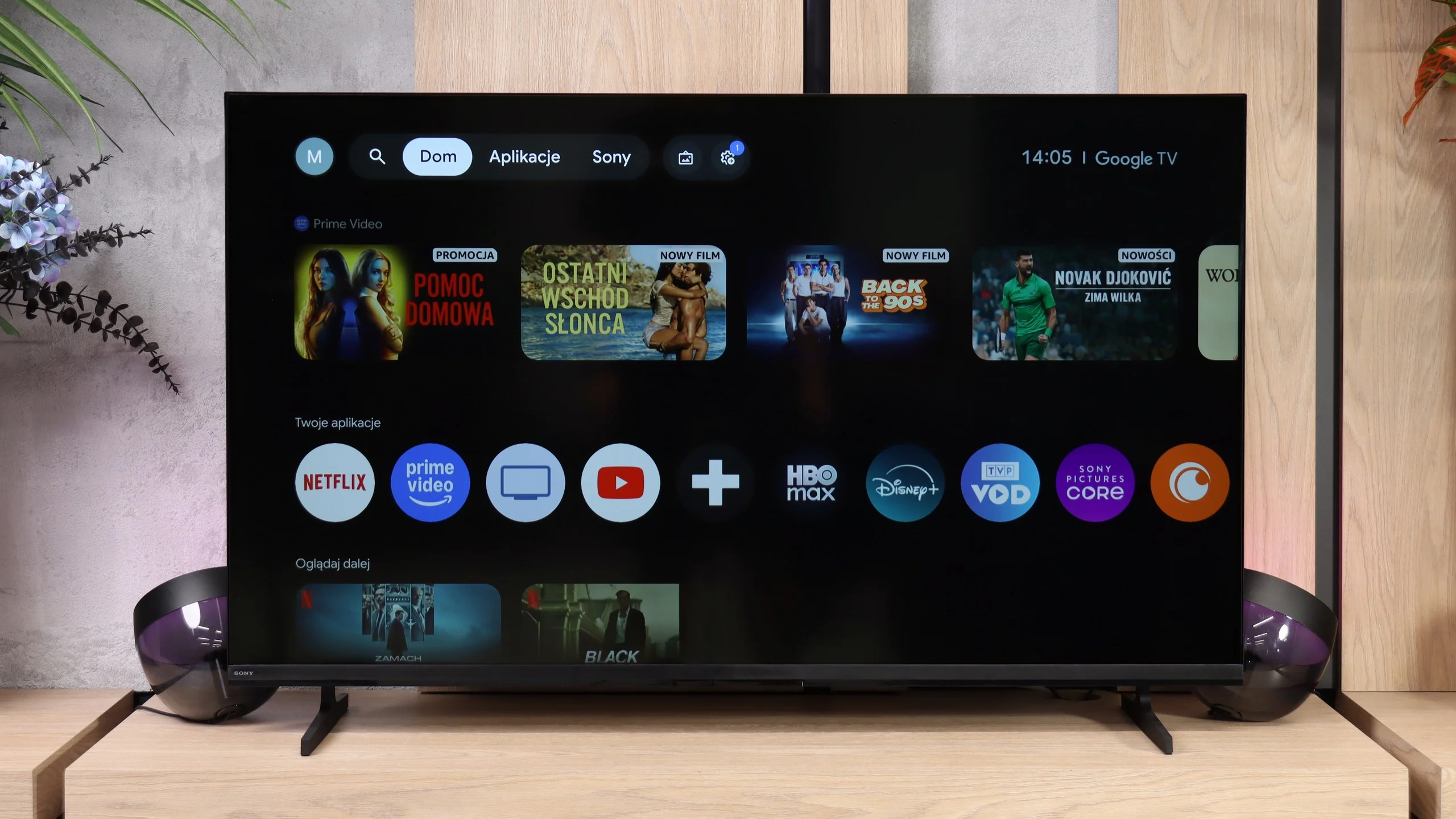
Google TV
Bravia 2 II runs Google TV, which is definitely one of this model's stronger points. First and foremost, you get a huge range of apps, so accessing popular streaming services is no problem. It also has Chromecast and AirPlay, making it easy to cast content from your phone or other devices. Voice search with Google Assistant/Gemini works very well, including in Polish. The system itself isn't the fastest version of Google TV we've used, and you sometimes have to wait a moment for a response, but overall it performs decently. In terms of features it's hard to complain — especially for one of Sony's more affordable TVs.
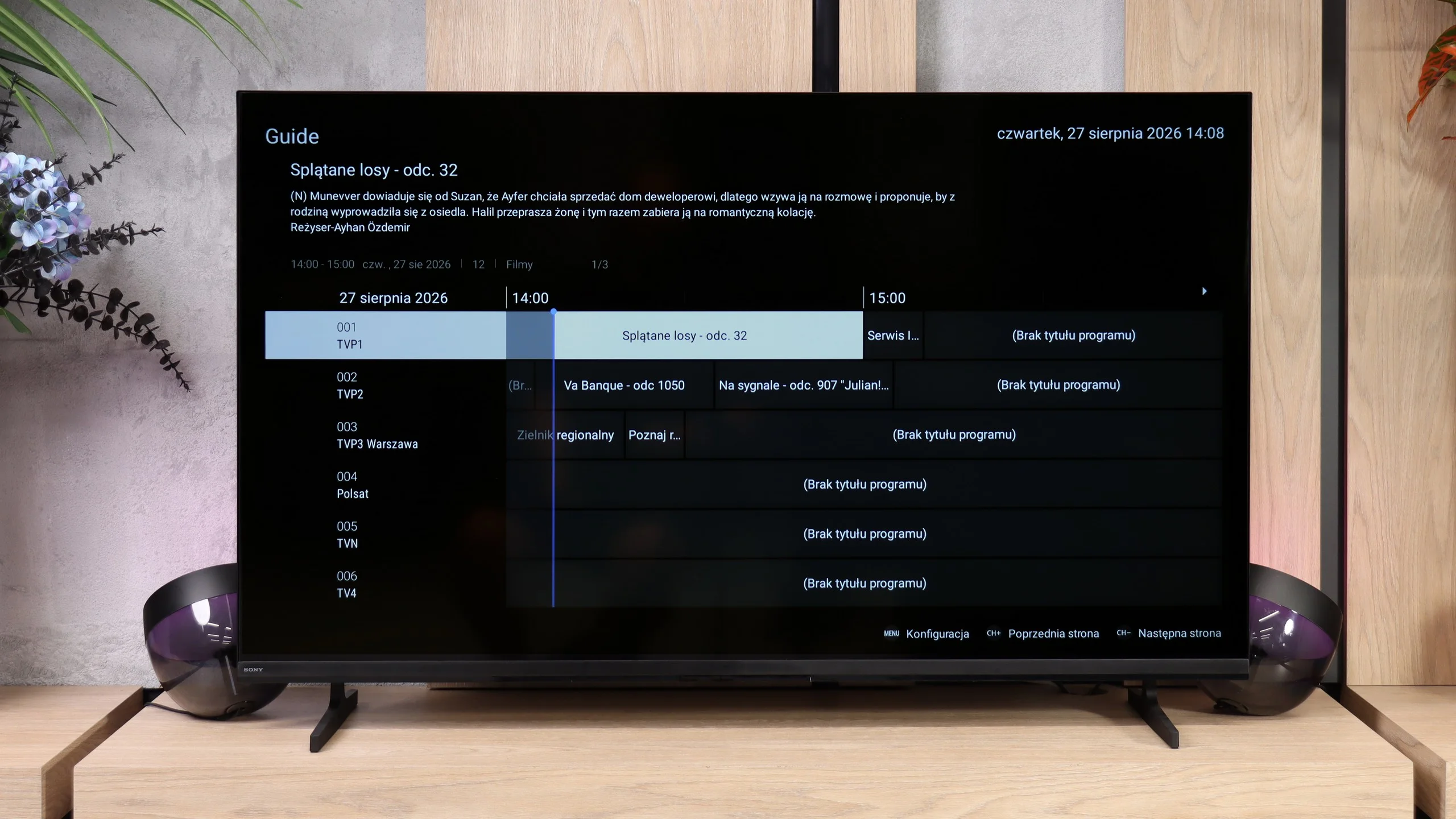
Funkcje telewizyjne
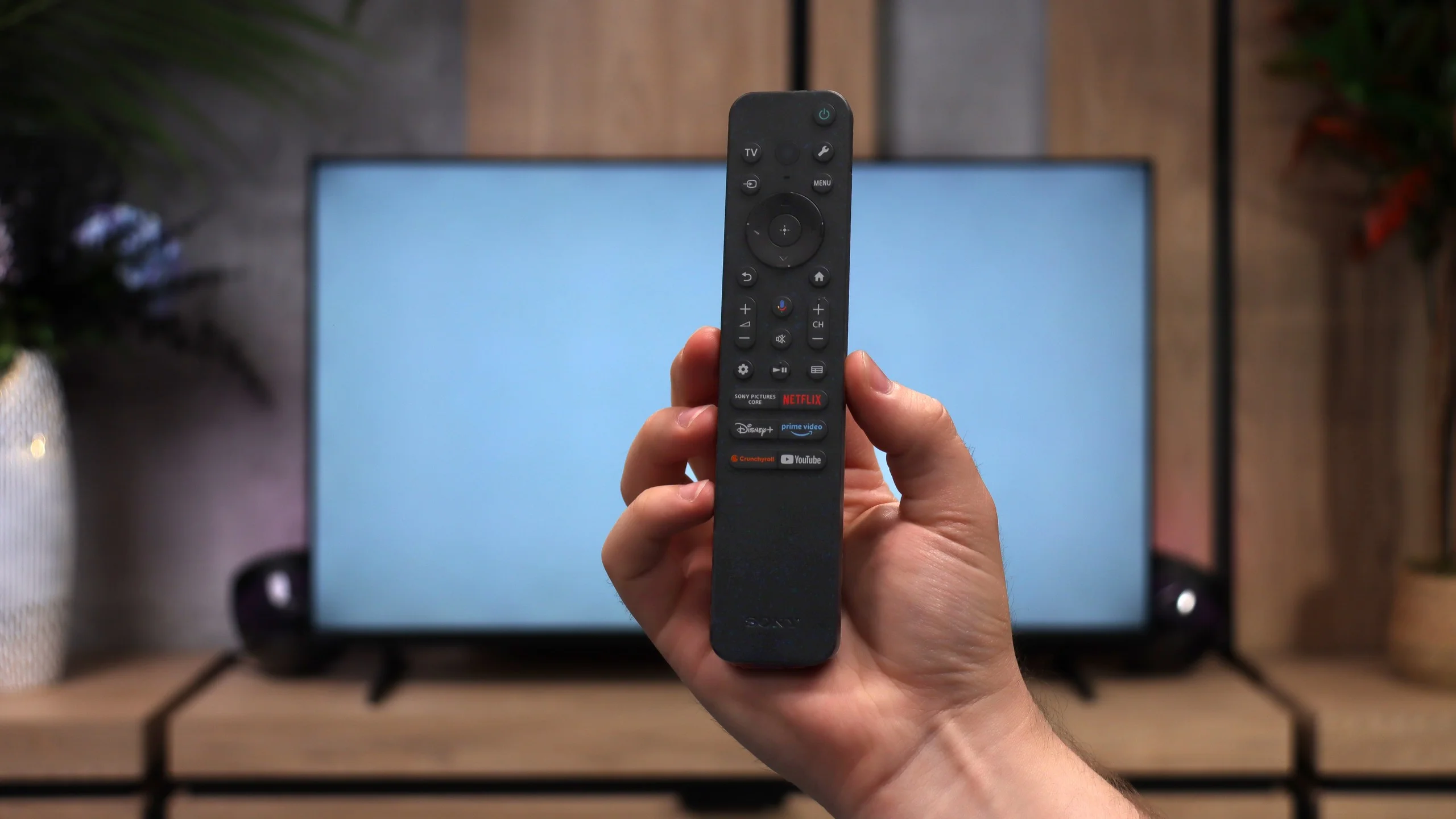
When it comes to traditional TV features, the Bravia 2 II is rather modest. For example, there's no recording to USB or other more advanced extras, so in that respect it's fairly basic. A plus is the inclusion of two remotes. One is modern and simpler, mainly for using the Smart TV, while the other is a classic remote with more buttons, which may be more convenient for people who often watch regular TV. The smaller one works via radio, so you don't have to point it directly at the screen, which is simply more convenient in everyday use.
Apps
9.3/10
9.6/10






















Playing files from USB
9.1/10
9.4/10
Supported photo formats:
Maximum photo resolution:
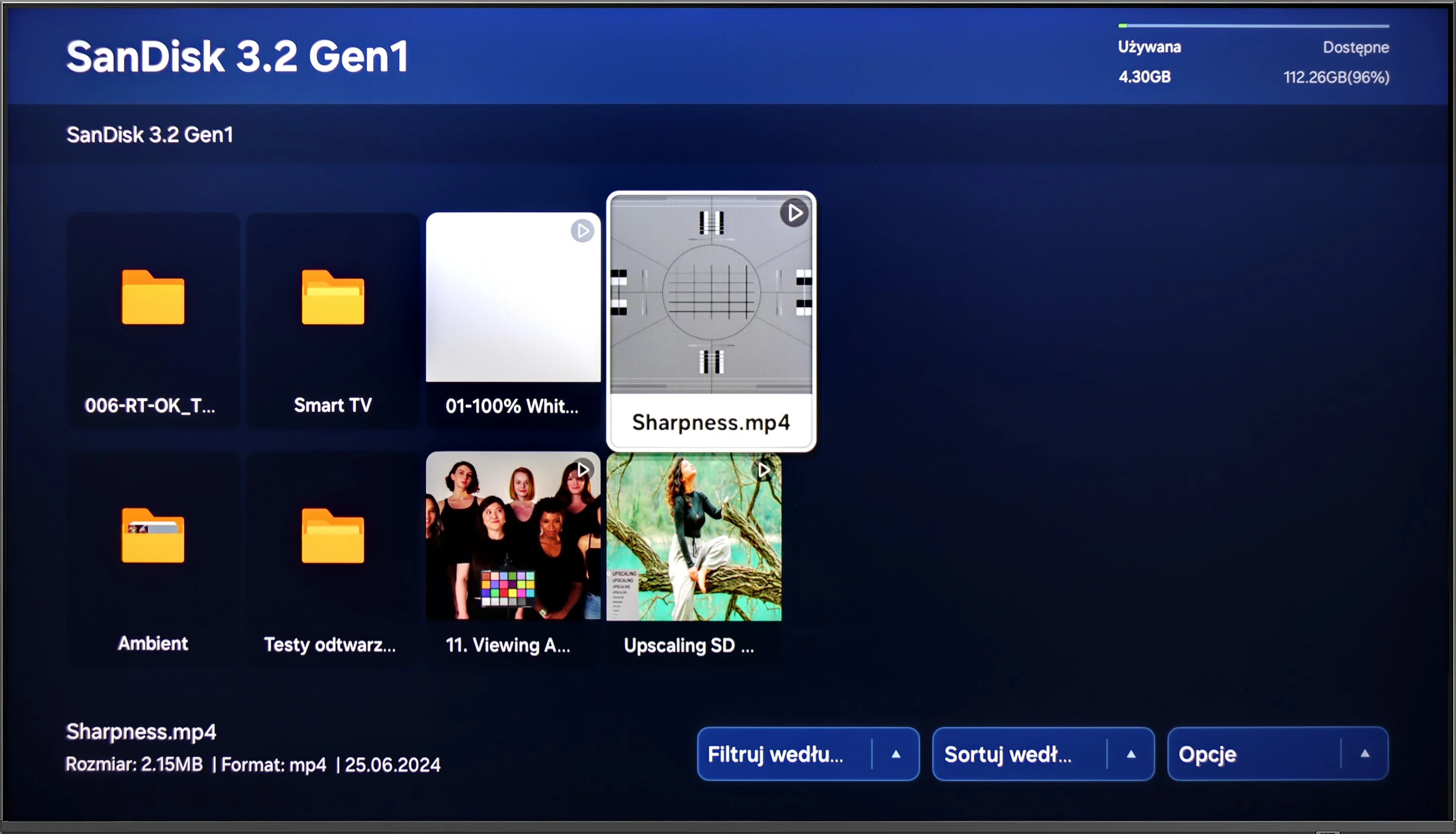
The built-in player in the Samsung QN85D should satisfy most users. It handles popular video and audio formats without much trouble, offering solid support for the most commonly used codecs. However, more demanding users may notice some shortcomings – it is not possible to play photos in the HEIC format, popular in Apple devices, as well as a few other, less common photo formats.
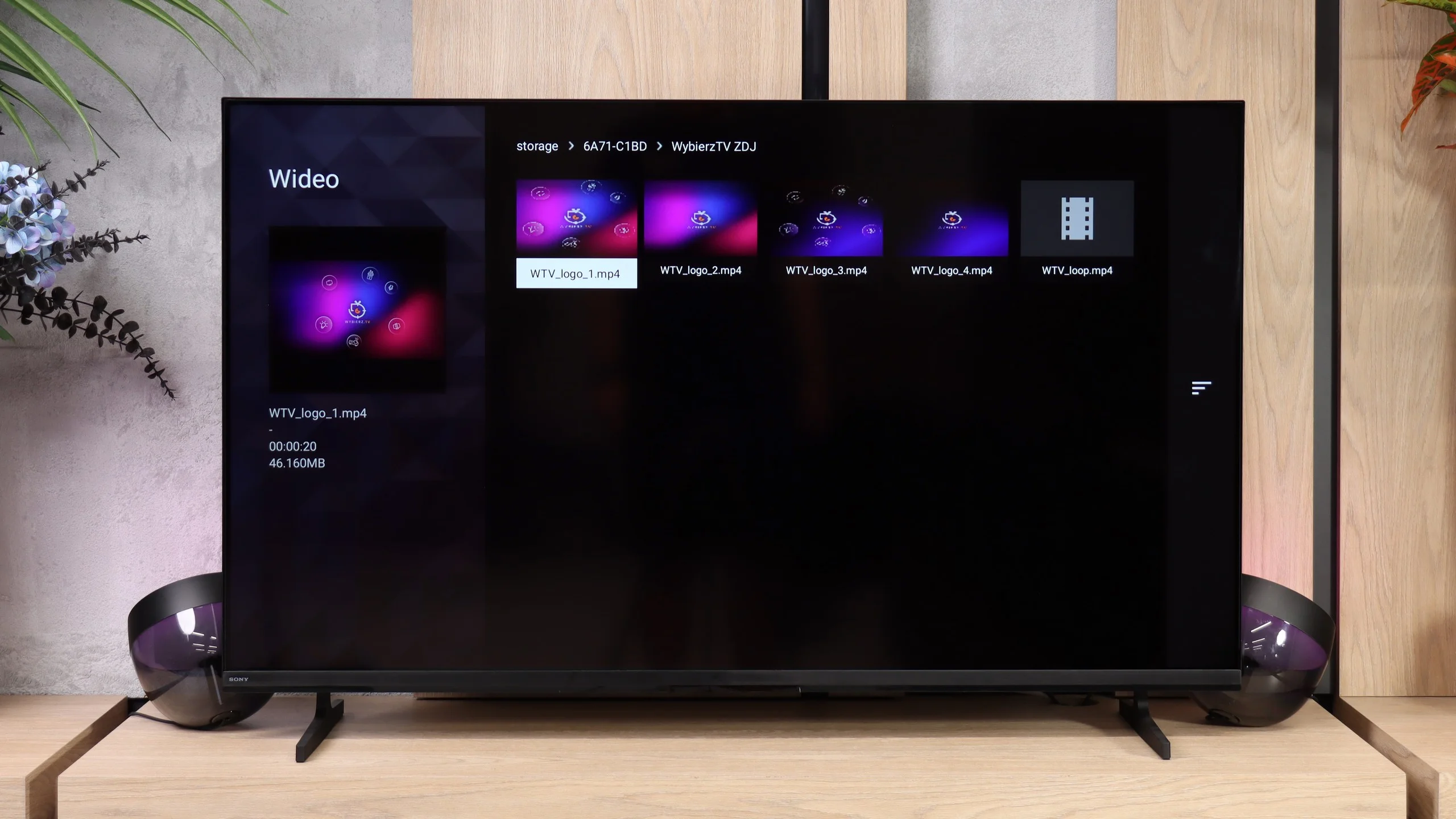
The built-in file player performs very well. The Bravia 2 II opens almost everything you throw at it, from common video files and subtitles to photos and music. Importantly, it also handles more demanding 4K material encoded in HEVC or AV1. Of course, there are a few isolated formats the TV doesn’t support, such as VVC or some less common audio and image files. These are things few people will try to play directly on the TV.
Sound
7/10
6.1/10
- Maximum volume-92dB
- Dolby Digital Plus 7.1
- Dolby True HD 7.1
- Dolby Atmos in Dolby Digital Plus (JOC)
- Dolby Atmos in Dolby True HD
- DTS:X in DTS-HD MA
- DTS-HD Master Audio
The sound on the Samsung QN85D television is pleasant, with a subtle sense of bass and clarity across the entire volume range. This is thanks to the built-in 2.2 40W speakers. Unfortunately, the lack of support for the DTS audio format may be problematic for users wanting to enjoy a full sound experience. In such cases, it will be necessary to use an external player to get support for this format.
Sound in the Bravia 2 II is simply adequate for an entry-level TV. It’s more than enough for watching regular TV, like the news, but as with this type of design it mainly lacks bass. You notice it quite quickly with music and even more in action films, where explosions and other heavy effects lack real weight. Sony does deserve praise for its audio format support. When you connect a soundbar or a home theatre system, the TV will pass the key formats over eARC with no trouble, including Dolby Atmos, Dolby TrueHD, DTS-HD Master Audio and DTS:X. It’s especially welcome to see DTS included, which can’t always be taken for granted on rival TVs, even the pricier models.
Sound Quality Test
No sound test video
Acoustic Measurements
No acoustic data
92dBC (Max)
75dBC
Reader comments
Comments are provided by the external service Disqus (Zeta Global). Once loaded, Disqus may set cookies and process data about your activity.
We will remember your choice on this device. Provider's privacy policy