 Direct comparison
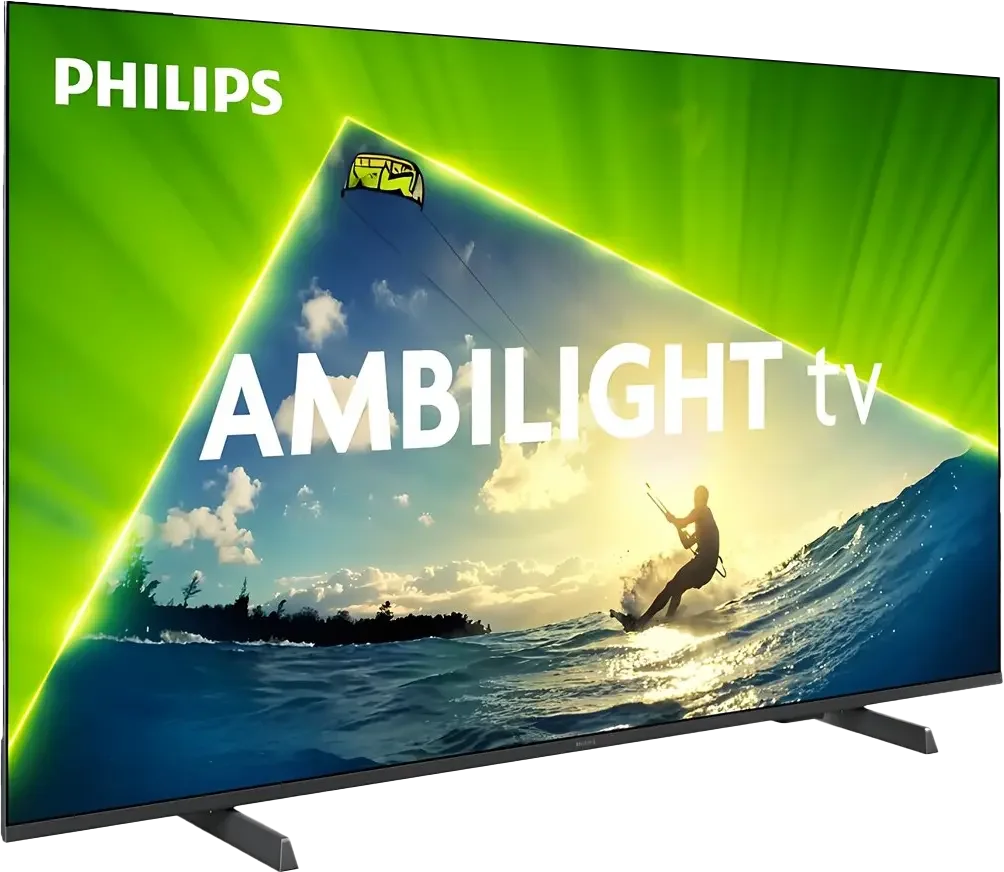
The Philips PUS8209 is a model that stands out primarily due to its unique Ambilight system. The three-sided backlighting behind the television dynamically adjusts to the image, adding an exceptional atmosphere while watching movies or gaming. This solution, for which Philips is renowned, makes a difference and could be a great choice for those looking for something more unique for everyday use. In terms of picture quality, the television performs quite well, especially in this price range. The VA panel provides solid contrast and decent black levels, which is particularly effective in the evenings in dimly lit rooms. Watching movies in such conditions is truly enjoyable, although the screen brightness (280 nits) leaves much to be desired – in bright rooms, the picture can look washed out, and HDR content does not impress. When it comes to gaming, the PUS8209 also has a few advantages. Support for VRR, ALLM, and a low input lag of 13 ms makes gameplay smooth and responsive. Of course, this is not hardware for advanced gamers, but for those who occasionally pick up a controller, it should suffice. The biggest downside is the operating system, Titan OS. Many popular apps are missing, and the interface doesn't always run as smoothly as one would like. The remote control, which requires pointing at the television, can be frustrating, especially in situations where quick access is expected. In summary: the Philips PUS8209 is a television that works well for basic applications. Ambilight adds uniqueness and enhances the atmosphere while watching. In everyday use or occasional gaming, it does the job, but its limitations – particularly in screen brightness and operating system – may be problematic for more demanding users. If we are looking for straightforward equipment with an unusual visual addition, this model is worth considering.
- Matching (Score) |
- Our verdict |
- TV appearance |
- Where to buy |
- Contrast and black detail |
- HDR effect quality |
- Factory color reproduction |
- Color reproduction after calibration |
- Smoothness of tonal transitions |
- Image scaling and smoothness of tonal transitions |
- Blur and motion smoothness |
- Console compatibility and gaming features |
- Input lag |
- Compatibility with PC |
- Viewing angles |
- Daytime performance |
- Panel details |
- TV features |
- Apps |
- Playing files from USB |
- Sound
PUS8209
W92C / W94C

Available screen sizes: 55”
Panel type: LCD VA
Resolution: 3840x2160
System: Titan OS
Model year: 2024
Panel type: LCD IPS
Resolution: 3840x2160
System: Google TV
Model year: 2026
Check how well they match your needs
Take the surveyOverall rating
5.3
7.1
 Movies and series in UHD quality
5.4
6.5
 Classic TV, YouTube
6.1
6.7
 Sports broadcasts (TV and apps)
4.9
6.9
 Gaming on console
6.6
7.8
 TV as a computer monitor
2.0
9.0
 Watching in bright light
4.4
6.8
 Utility functions
4.7
6.6
 Apps
6.7
9.6
 Sound quality
5.0
6.7
Complete the survey to find out what fits your preferences
Advantages

High native contrast
Three-sided Ambilight system – unique backlighting for the wall behind the TV that enhances immersion while watching
Low input lag – around 13 ms
Has essential features for gamers - VRR and ALLM
Support for Polish characters and subtitle customization – built-in player allows for changing the colour and size of the font
Support for Dolby Atmos and DTS – wide range of supported audio codecs
Matte screen effectively reduces reflections
Fast Google TV system with plenty of apps and features
Natural colours after calibration
Supports Dolby Vision and HDR10+
Good viewing angles
Very smooth tonal transitions
Effective enhancement of lower-quality content
Good choice for gamers: 144 Hz and low input lag, 3x HDMI 2.1 48 Gbps
Very good text readability from a computer
Disadvantages

Titan OS operating system – limited number of applications
Poor brightness (280 nits) – issues with viewing in bright conditions
Poor viewing angles – typical of VA panels,
Issues with font rendering
Imprecise local dimming (limited number of zones)
Poor out-of-the-box colour accuracy
Software bugs
Motion handling issues: motion blur and lack of advanced motion interpolation controls
Mediocre sound despite the subwoofer
Our verdict
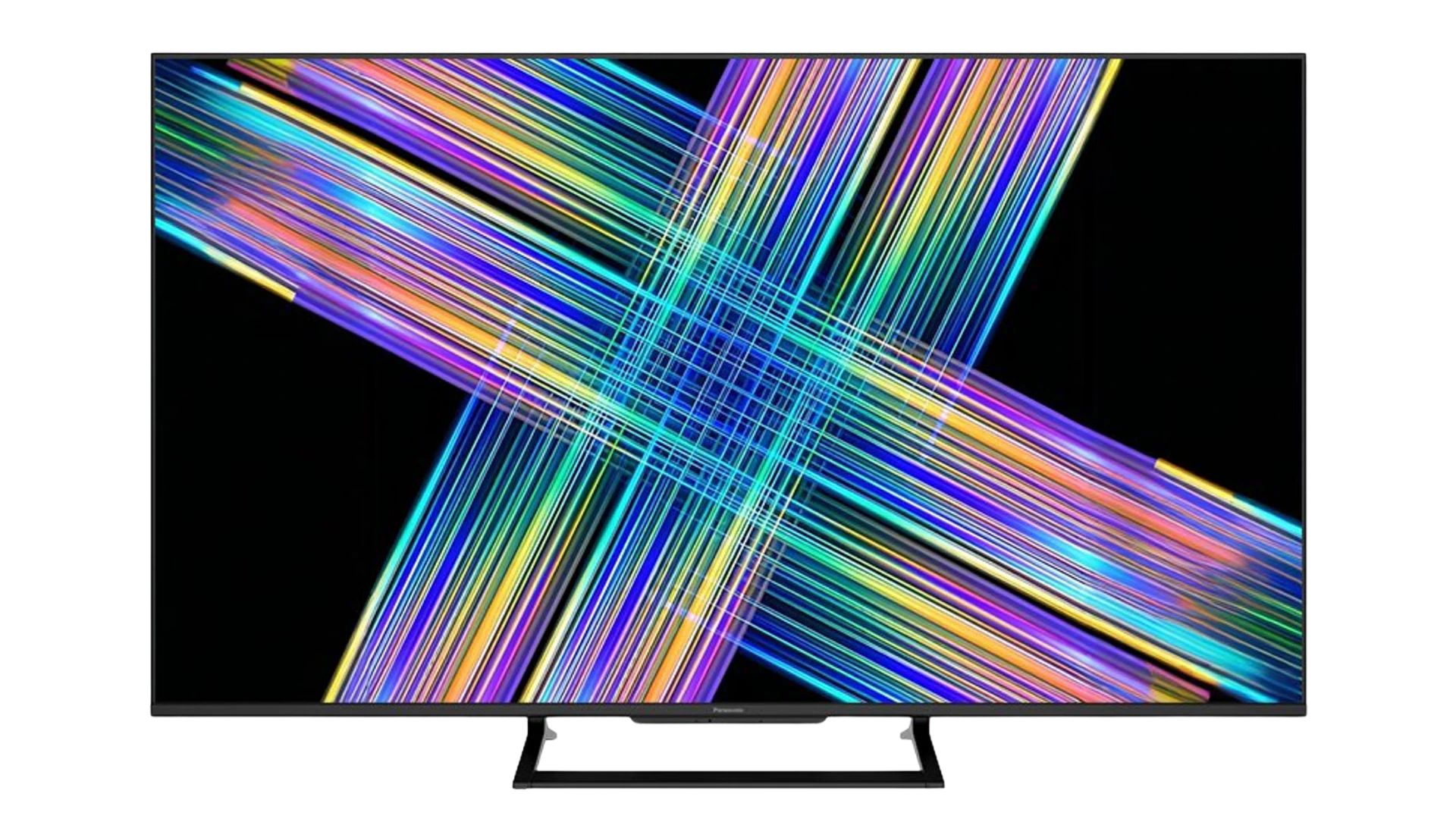
The W92C is the first Panasonic developed in collaboration with Skyworth that we've tested. And it's roughly the change we expected: a bit less of the old Panasonic, but also a few new things that work in its favour. Most welcome is the switch to Google TV. The system runs fast, gives access to the apps you need, and in daily use convinces us more than the previous Fire TV. Paired with a matte screen that handles reflections well, this makes for a comfortable living-room TV where you don't always feel like drawing the curtains before watching.
The longer we used the W92C, the more we appreciated its versatility. It can improve poorer source material quite effectively, and after calibration the picture gains a naturalness that, unfortunately, it lacks on the factory settings, as was the case with older Panasonic models. It also works well for consoles and PCs. It responds quickly to input and the high refresh rate delivers pleasant smooth motion. So the Panasonic makes sense in a home where one screen is used for TV, movies, gaming, and sometimes even... working with text. 🙂
The limitations become more apparent during evening viewing. Black can look good, but a more demanding scene will cause halos around bright objects and the bars above and below the picture to glow. A small number of local dimming zones makes it hard to maintain deep blacks and bright details at the same time. Dolby Vision helps get more out of this screen, but it doesn't remove those limitations. The factory picture tuning is also disappointing, and the automatic brightness shifts we encountered during the review further spoil the user experience. This is where the refinement we expected from the "Panasonic" name is most lacking.
So ultimately the attractiveness of the W92C will come down to price. It's a basic Mini LED and should be priced similarly to competing models with simple local dimming. At that level it would be a sensible proposition, especially for people moving up from a regular LCD. They'll get better blacks, a handy system and a versatile screen that works for both TV and gaming. However, if you have to pay a clear premium for the Panasonic badge, it will be hard to justify. The W92C has enough strengths to hold its own as an inexpensive, versatile TV, but too few advantages to sell itself on the brand alone.
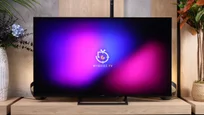
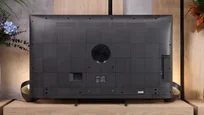
TV appearance



Contrast and black detail
6.6/10
5.2/10
Local dimming function: No
Local dimming function: Yes, number of zones: 91 (7 x 13)
Contrast:


Result
8,050:1

Result
7,300:1

Result
10,200:1

Result
9,050:1

Result
8,200:1
Result
24,900:1
Result
5,050:1
Result
9,150:1
Result
2,000:1
Result
900:1
Halo effect and black detail visibility:
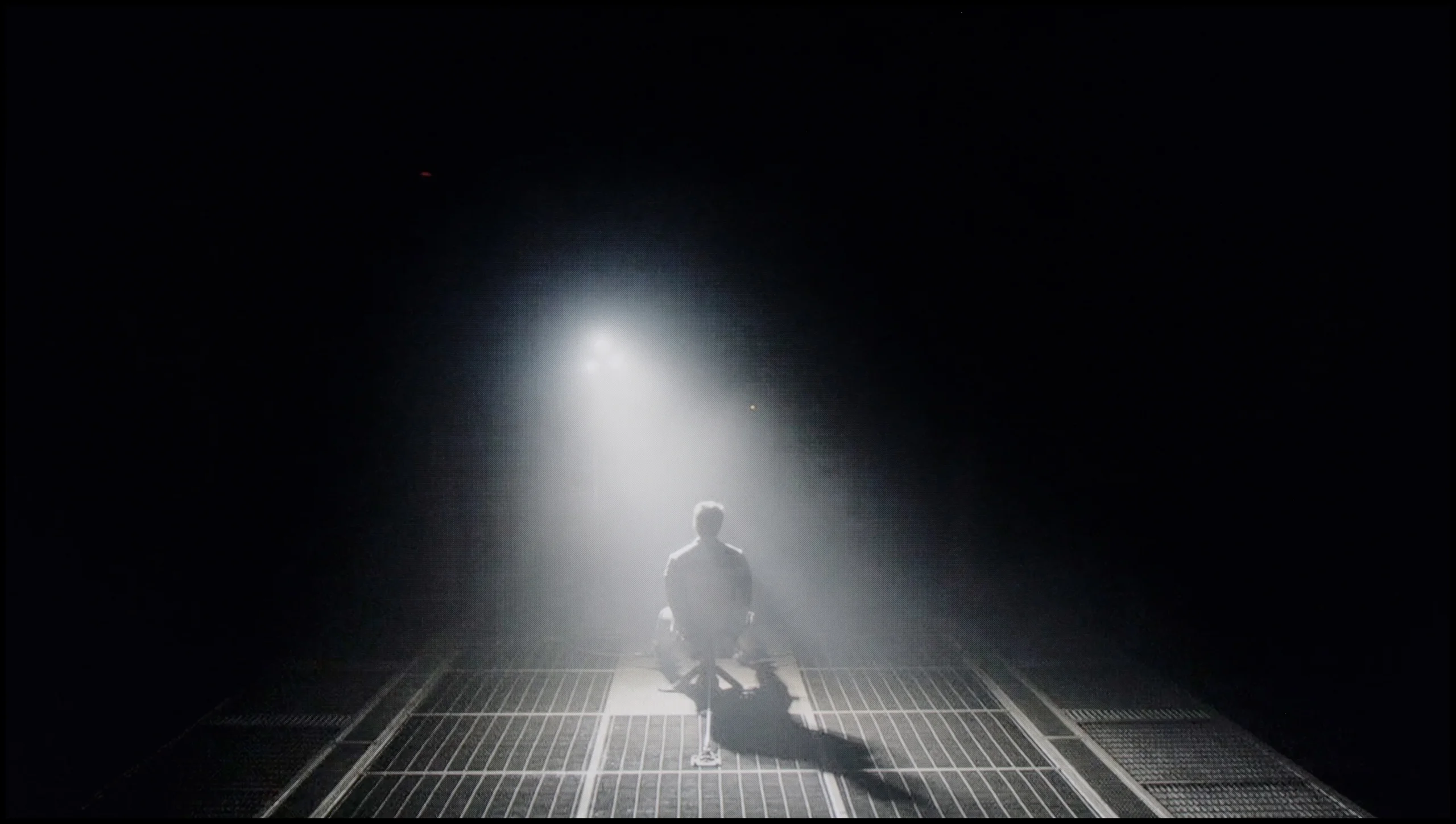
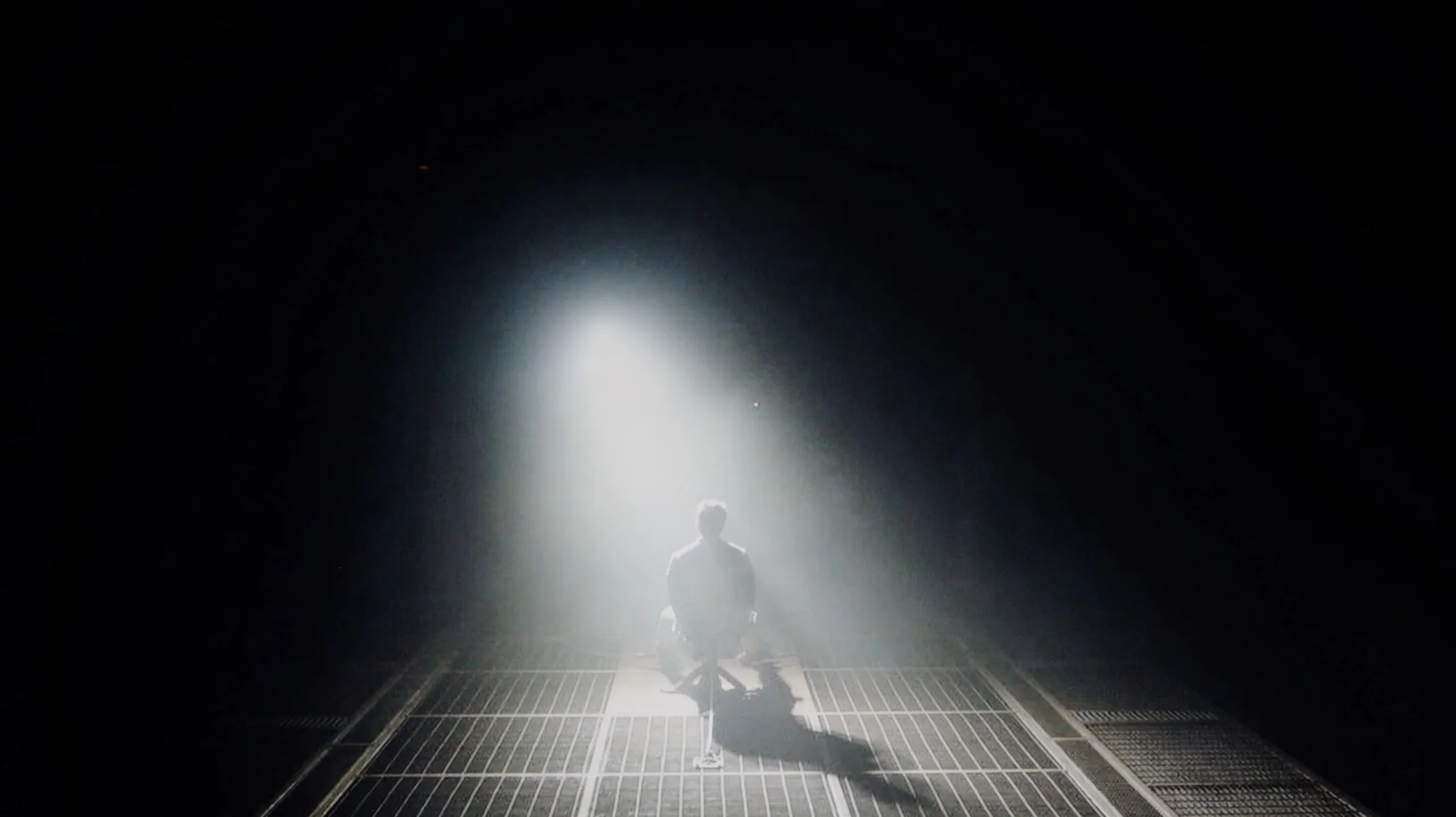
Check the visibility of bright lights on a dark background. Mini-LEDs often struggle with this. The photo does not compare black levels – that’s what the video below is for.
The video accurately shows differences in contrast and black levels between TVs, as well as potential issues: halo around bright objects or Mini-LED zone operation visible as brightness jumps.
Philips PUS8209 positively surprised us in terms of contrast, which is quite solid for its price class. Thanks to the use of a VA panel, it managed to achieve a contrast ratio of 8000:1, which is considered a very good result in this price category. In tests using scenes from the film Oblivion, the television performed well, offering visible light separation. Three independent light sources in the test scene were reproduced without major issues. Similarly, in the case of the film Sicario 2, the black levels, while not perfect, present reasonably well, allowing for the distinction of details in the darker areas of the image. The lack of local dimming technology is noticeable, however, the manufacturer has implemented a "global dimming" feature. This mechanism allows the television to automatically darken or brighten the entire screen depending on the content, which somewhat improves the perception of contrast. Philips PUS8209 offers solid contrast and decent results in tests. Although it lacks the precision of local dimming, its capabilities at this price point are satisfactory and will please most users.
Black levels on the Panasonic W92C generally look quite good. That's mainly down to local dimming, and the 55-inch sample we tested uses 91 zones. In simpler scenes the TV can effectively darken the background, and in our easiest test it reached almost 25,000:1 contrast. However, to achieve that level of black you need to set dimming to High. Lower settings leave the backlight too bright.
That comes at a cost in bright parts of the picture. The separation of individual lights remains visible, though you have to look closely to notice it. A lower dimming setting lets those details appear more clearly, but the degradation of blacks is too great to call it a better compromise.
Even on the High setting you can see the limits of the small number of zones. What bothered us most were the bright bands above and below the picture, which in HDR material at times took on a nearly navy tint. Small bright objects also show bright outlines, the so‑called halo effect. On the plus side the backlight is stable: in the helicopter scene we didn't notice any erratic brightening and dimming of successive zones. More zones would help, and the control needs refinement. Moving up from a basic LCD without local dimming can still bring a clear improvement, but for a Mini LED the result leaves a fair amount to be desired.
HDR effect quality
3.8/10
4.8/10
Luminance measurements in HDR:

Result
231 nit

Result
268 nit

Result
278 nit

Result
274 nit

Result
281 nit
Result
508 nit
Result
175 nit
Result
348 nit
Result
169 nit
Result
428 nit
Scene from the movie “Pan” (about 2800 nits)


Scene from the movie “Billy Lynn” (about 1100 nits)
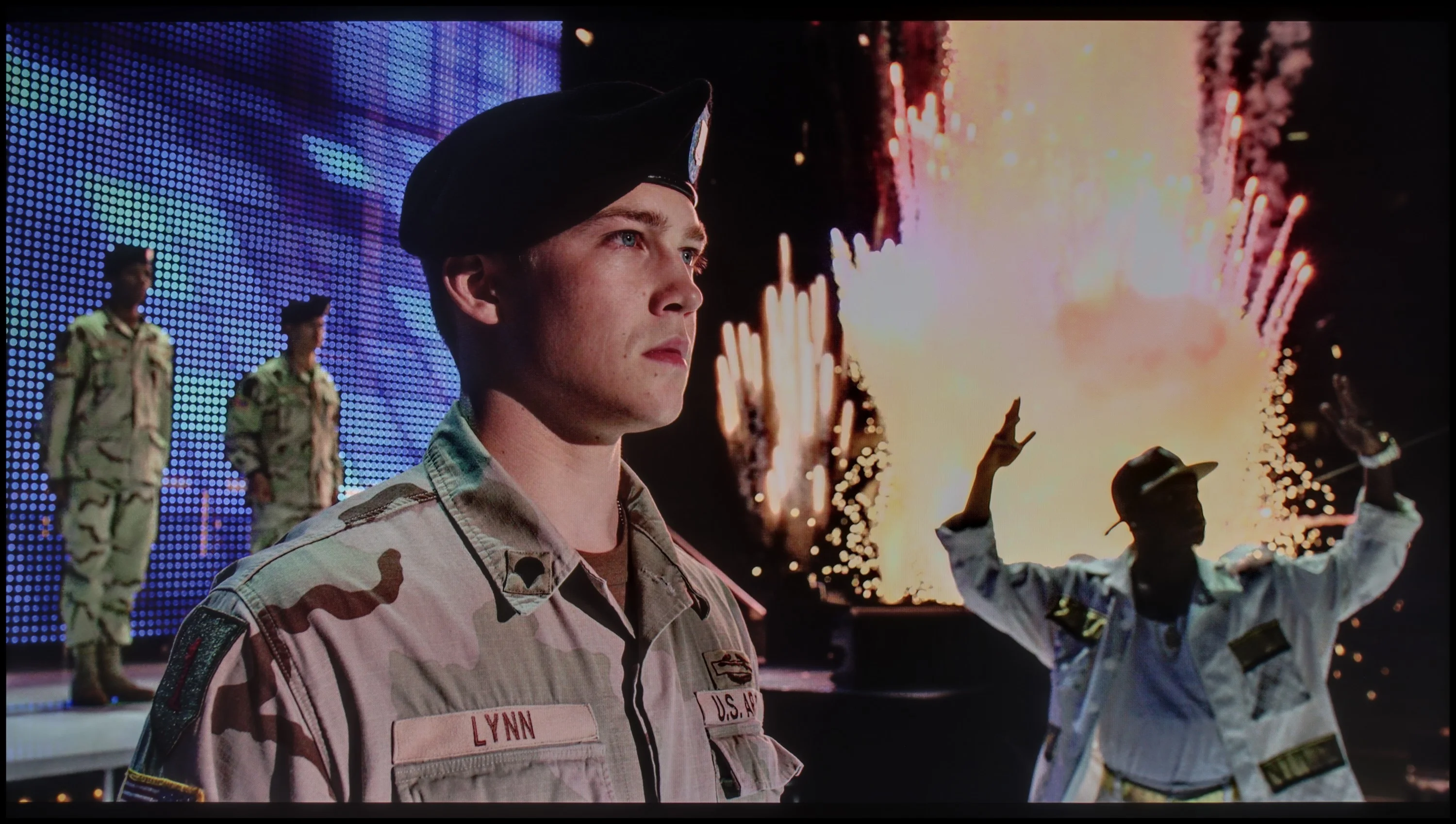

The photos show two HDR10 movies. 'Pan' is one of the brightest productions ever made, while 'Billy Lynn' (soldier) has brightness typical of streaming (Netflix, Prime, HBO MAX). Notice the intensity of effects and detail in whites.
Static HDR10


The photos present the visibility of white details in various HDR formats. They do not show brightness differences between TVs (these can be compared in the previous gallery).
Dynamic: HDR10+
Dynamic: Dolby Vision


The photos present the visibility of white details in various HDR formats. They do not show brightness differences between TVs (these can be compared in the previous gallery).
HDR luminance chart:
Panasonic W92C (Google TV)
Philips PUS8209
Unfortunately, this is where the problems start. A maximum brightness of 280 nits is definitely too low to experience the true effect of HDR. In practice, the image resembles standard SDR more, so it's hard to talk about deeper visual experiences. On the plus side, the colour gamut coverage is 91.4% DCI-P3, which will be sufficient for most films. It's also worth noting that the image is stable and there are no issues with sudden brightness or colour changes. Overall, HDR on this television is more of a formality than an actual added value. If we're looking for genuine HDR emotions, this model may not meet expectations.
Panasonic W92C osiąga szczytowo około 750 nitów przy wygaszaniu ustawionym na poziom wysoki. Taka jasność pozwala już pokazać wyraźny efekt HDR, jednak w filmach telewizor nie zawsze potrafi ją wykorzystać. W jaśniejszych scenach uzyskujemy około 500 nitów, natomiast niewielkie światła na ciemnym tle potrafią spaść do zaledwie 160–250 nitów. W praktyce oznacza to, że słońce w jasnym ujęciu wygląda dość przekonująco, ale latarka czy drobne rozbłyski w nocnej scenie tracą siłę. To kolejny koszt działania lokalnego wygaszania, które przy ograniczonej liczbie stref przyciemnia również jasne elementy, żeby utrzymać czerń wokół nich.
Podczas testów zauważyliśmy też dziwny błąd oprogramowania. Po przejściu do HDR telewizor samoczynnie zmieniał poziom podświetlenia, ustawiając go na przykład na 53 lub 81 zamiast wartości maksymalnej. Obraz był przez to ciemniejszy, niż pozwalają możliwości matrycy. Wszystkie prezentowane pomiary wykonaliśmy po ręcznym przywróceniu maksymalnego podświetlenia.
Kolory
Za szeroką paletę barw w Panasonicu W92C odpowiada luminofor PFS, który daje efekt podobny do kropek kwantowych stosowanych w ekranach QLED. Zmierzyliśmy pokrycie DCI-P3 na poziomie około 94% oraz 74% szerszej palety BT.2020. Co istotne, wyniki w materiałach filmowych były praktycznie identyczne jak na planszach testowych. To dobry rezultat, dzięki któremu filmy HDR mogą pokazać bogatsze, bardziej nasycone kolory niż na podstawowym ekranie LCD.
Nieco gorzej wypada jasność samych barw. W naszych pomiarach czerwień osiągała około 58% wartości docelowej, a zieleń i niebieski około 66–67%. Telewizor potrafi więc wyświetlić szeroki zakres kolorów, ale najjaśniejsze, intensywnie nasycone fragmenty obrazu nie mają takiej siły jak w ekranach RGB.
Factory color reproduction
6/10
4.1/10


This illustrative image shows how colors change after professional calibration. If you can see the difference, you can order it from SkalibrujTV – it's our own service.
Factory mode
After calibration


This illustrative image shows how colors change after professional calibration. If you can see the difference, you can order it from SkalibrujTV – it's our own service.
Factory mode
After calibration
Philips PUS8209 offers many picture modes, but the best of them, without a doubt, is the Filmmaker mode. Despite its proud name, it has its distinct problems. For HD content, the white balance is characterised by a strong dominance of red, causing the image to be significantly warmer than it should be in reality. The brightness characteristic (gamma), although correct in mid-tones, has serious issues at the beginning and end of the graph. Drops in shadows result in a loss of detail in dark areas, and spikes in bright areas make some elements look unnatural.
For high-quality content in 4K HDR, the situation reverses. In this case, blue dominates, leading to an artificial image boost effect, reminiscent of unnatural retail settings. Such an image looks unappealing and does not align with the creators' intentions. An additional problem is the EOTF curve, responsible for brightness in HDR materials. It deviates significantly from the reference graph, causing the image to appear too dark, stripping depth and detail from HDR content.
Against this backdrop, the errors in the Color Checker test and deviations in colour palette reproduction are exceptionally large, which further negatively affects the overall image quality. The Filmmaker mode, while the best among those available, requires substantial corrections to truly convey the full vision of the director.
We measured the factory colours in Film mode. The W92C also has a "Filmmaker" mode, Filmmaker Mode, but it practically locked all picture settings, so for further testing and calibration we chose a Film mode similar to it. It's better than the other available presets, though unfortunately that doesn't mean it's well calibrated. It's one of the weaker film modes we've tested this year. A shame, because Panasonic has usually given us much better out-of-the-box settings. In SDR material a cool tint is immediately apparent. The white balance has too much blue, and an excess of red relative to green gives the whites a slightly pinkish cast. You can see this in faces too, which don't look as natural as they should. An even bigger problem is the significantly low gamma. Instead of the target 2.4, across most of the scale it sits around 1.9–2.0. In practice the image is overly bright, shadows lose depth and almost every scene looks a bit flat. In HDR there's even more blue, especially in the bright parts of the picture. Here, too, the TV lifts the brightness of darker and mid tones, which is shown by the EOTF curve rising above the reference. That makes some shadow detail easier to see, but the scene loses its proper atmosphere. So we have a similar problem as in SDR: colours that are too cool and an image that's overly bright. For a Panasonic, the W92C's factory settings are simply... disappointing.
Color reproduction after calibration
8.3/10
7.7/10


The photos show how movies look on the TV. Pay attention to black detail visibility, colors, and shadow tint.


The photos show how movies look on the TV. Pay attention to black detail visibility, colors, and shadow tint.
After calibration, the white balance for HD and 4K content has significantly improved. While we haven't achieved a perfectly flat characteristic, the result is definitely better than before. The image on the television no longer appears either artificially warm or overly cold, which significantly enhances the naturalness of the displayed content. The brightness characteristic (gamma) has also been adjusted – the most significant issues at the beginning and end of the graph have been mitigated. The EOTF curve, which is responsible for brightness in 4K HDR materials, has been stabilised, eliminating problems with excessive dimming of the image. In the colour palette test, some imperfections can still be seen due to the average coverage of the wide colour gamut, which is a limitation of the hardware itself. Nevertheless, the final result is clearly better than pre-calibration – the image looks more natural and approaches the expectations for Filmmaker mode.
After calibration the W92C looks noticeably better, especially with SDR material. We managed to equalise the white balance and remove the cool blue cast that had been spoiling virtually every scene. Whites are now neutral and faces have a much more natural colour. We also corrected the gamma, which now holds much closer to the target value of 2.4. That restored depth to the picture and it no longer looks so overly brightened. Colour measurements back up this improvement, and errors are small, so it's hard to criticise the SDR performance.
In HDR we also reduced the excess blue, although some imperfections remain in the very brightest shades. A bigger issue is how the TV manages brightness. Shadows and midtones are lifted, while the brightest highlights actually come out darker than they should. This robs the image of some contrast between dark backgrounds and strong light, which is an important part of the HDR effect. Unfortunately we don't have enough control over this behaviour in the settings. Calibration improves the colours but won't fix the tone mapping and backlight control. That's an operating characteristic of the W92C that Panasonic needs to refine.
Smoothness of tonal transitions
6.5/10
9.7/10
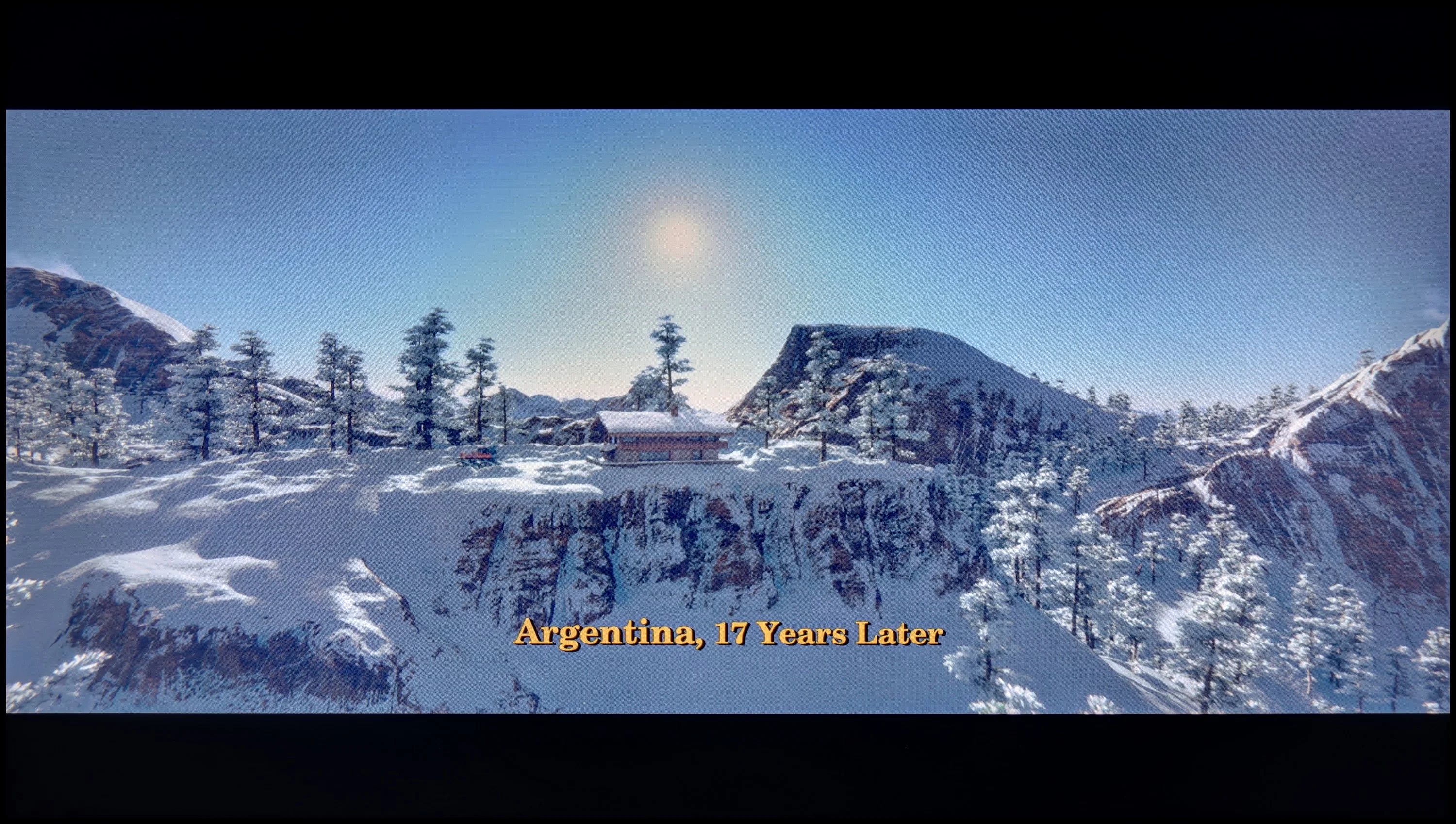

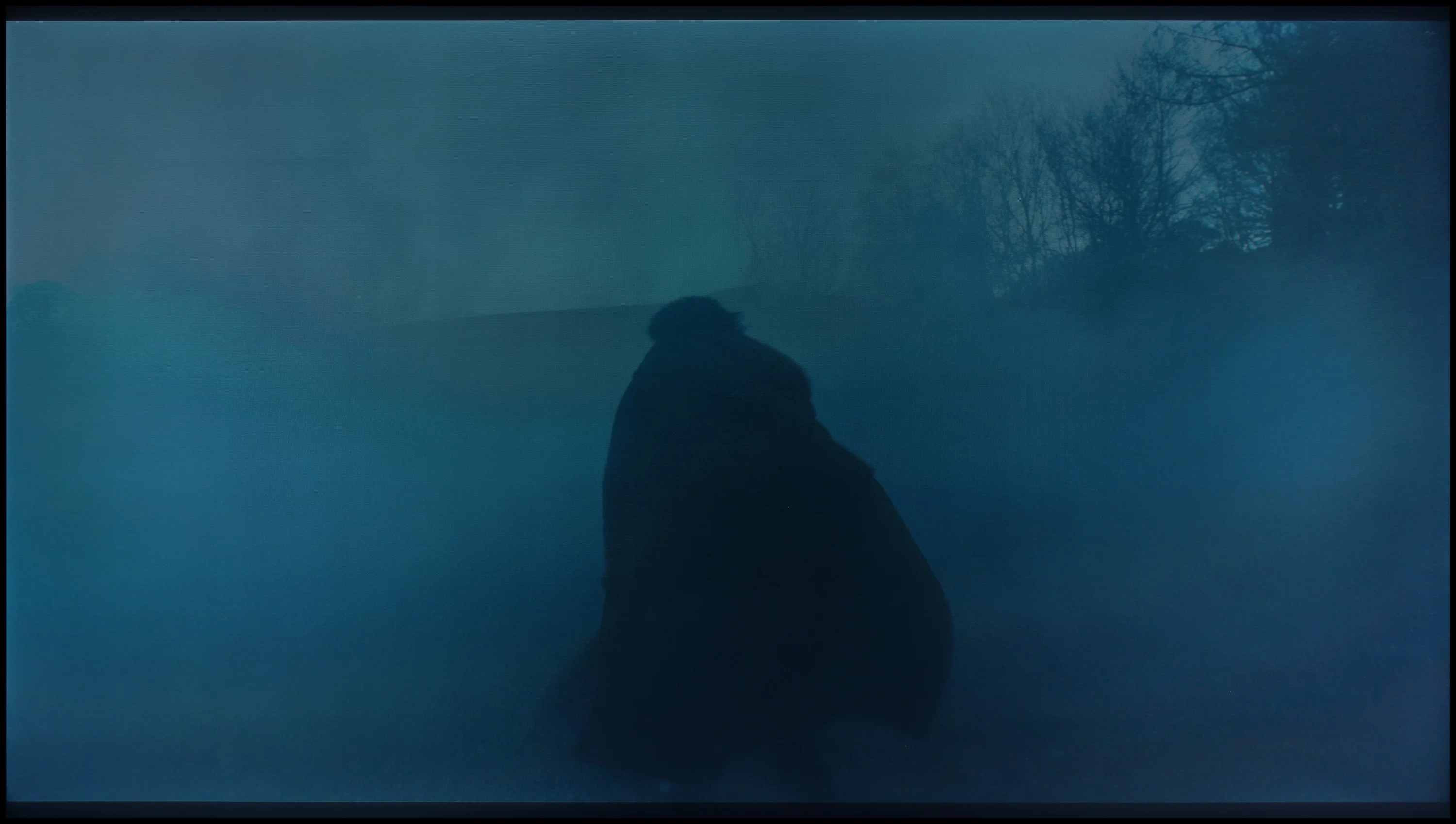

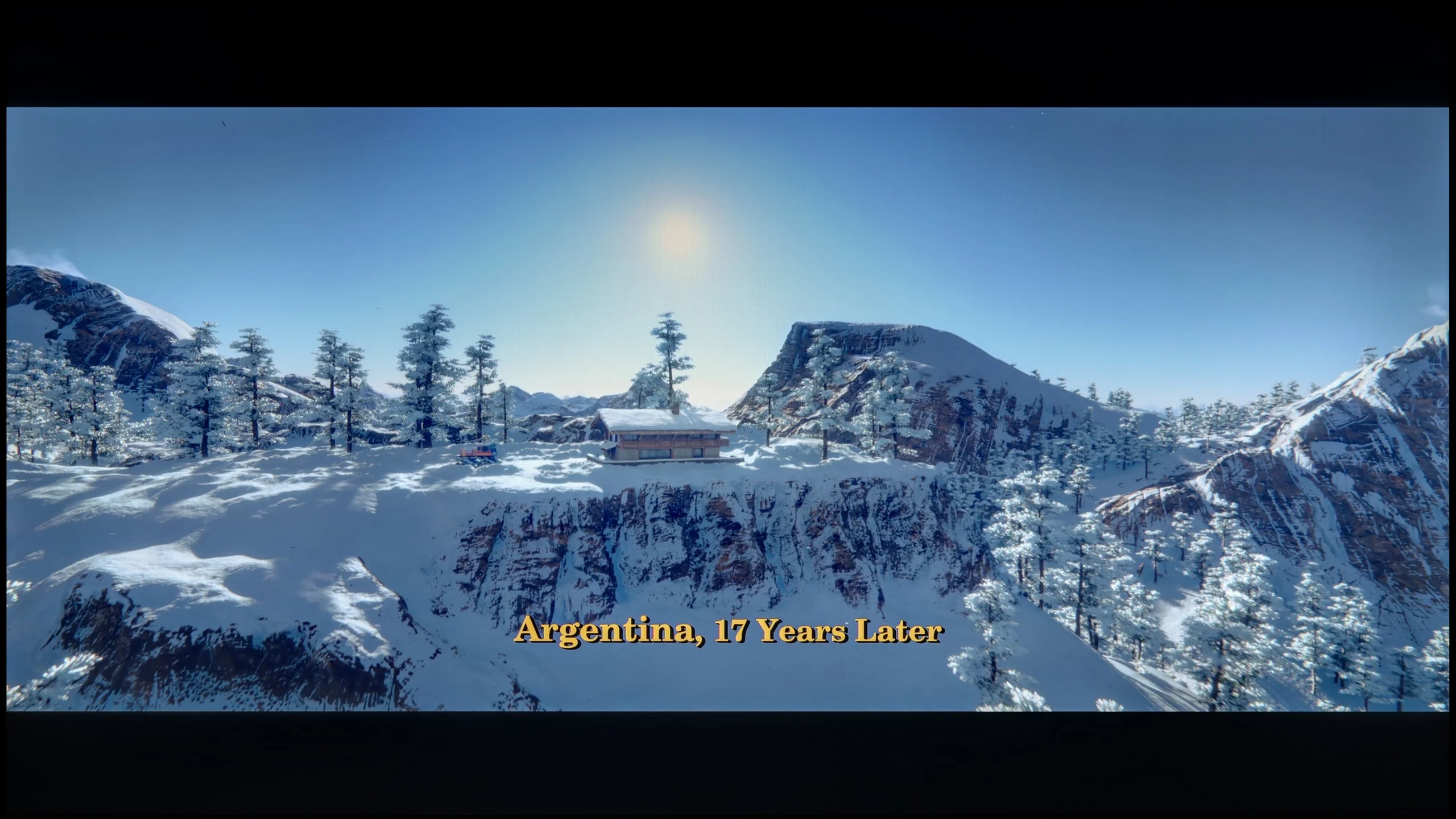
These are selected scenes that show smooth tonal transitions from one color to another. If you see distinct banding, it’s the TV panel’s fault.

These are selected scenes that show smooth tonal transitions from one color to another. If you see distinct banding, it’s the TV panel’s fault.
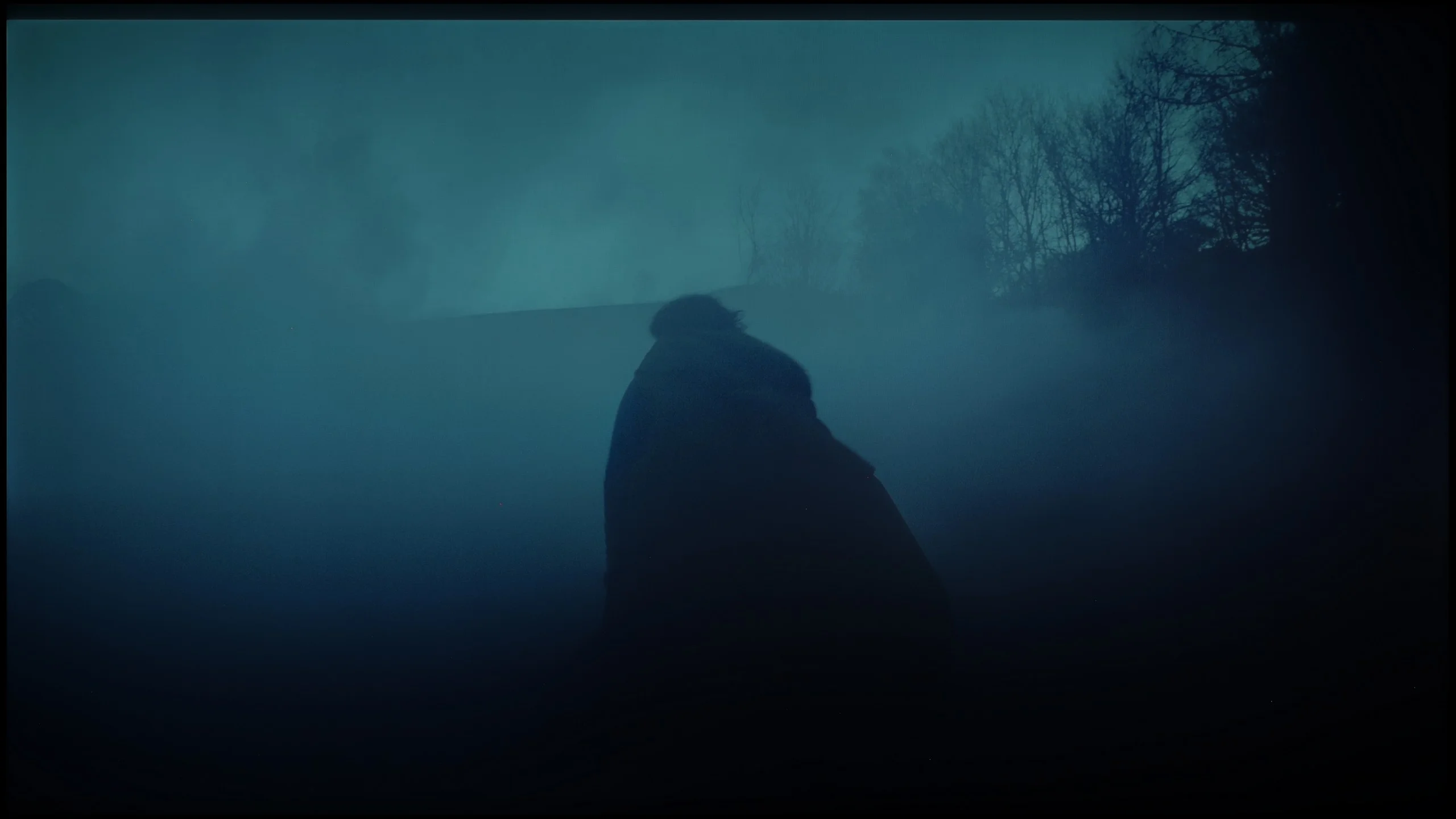
These are selected scenes that show smooth tonal transitions from one color to another. If you see distinct banding, it’s the TV panel’s fault.

These are selected scenes that show smooth tonal transitions from one color to another. If you see distinct banding, it’s the TV panel’s fault.
Philips PUS8209 presents a decent gradation in bright scenes, where the tonal transitions are smooth enough not to be jarring. Unfortunately, in darker scenes, such as red water, the TV struggles noticeably. Issues with blending shades and a lack of precision in reproducing subtle colour differences are very apparent here.
The smoothness of tonal transitions on the W92C is outstanding. It's one of the best results we've seen this year. Regardless of the scene, colours blend smoothly into one another and you can barely see any banding separating individual shades. Panasonic handles both bright skies and darker, more demanding parts of the picture well. There's really little to fault here.
Image scaling and smoothness of tonal transitions
5.5/10
7.8/10


Smooth transition function
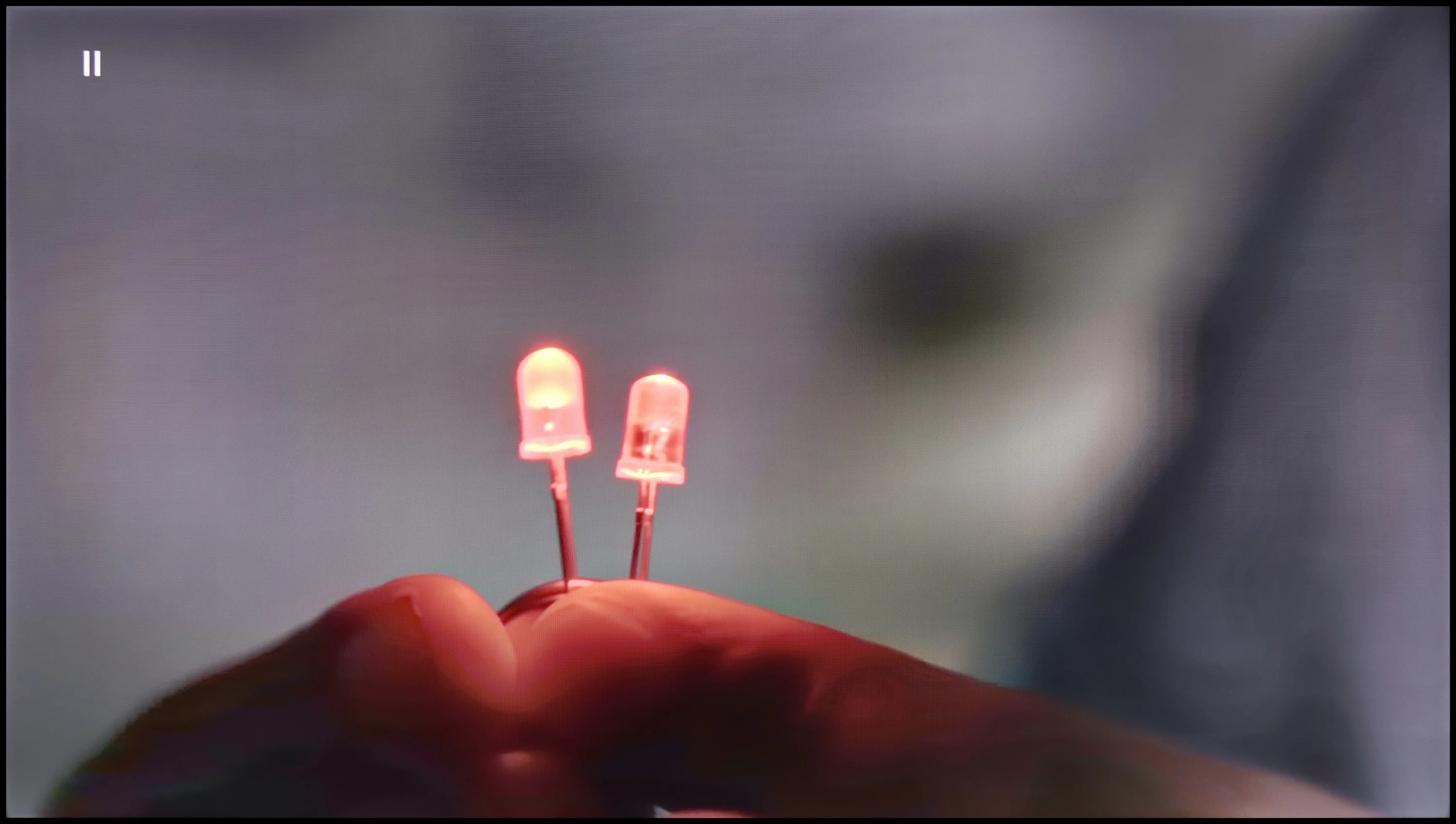
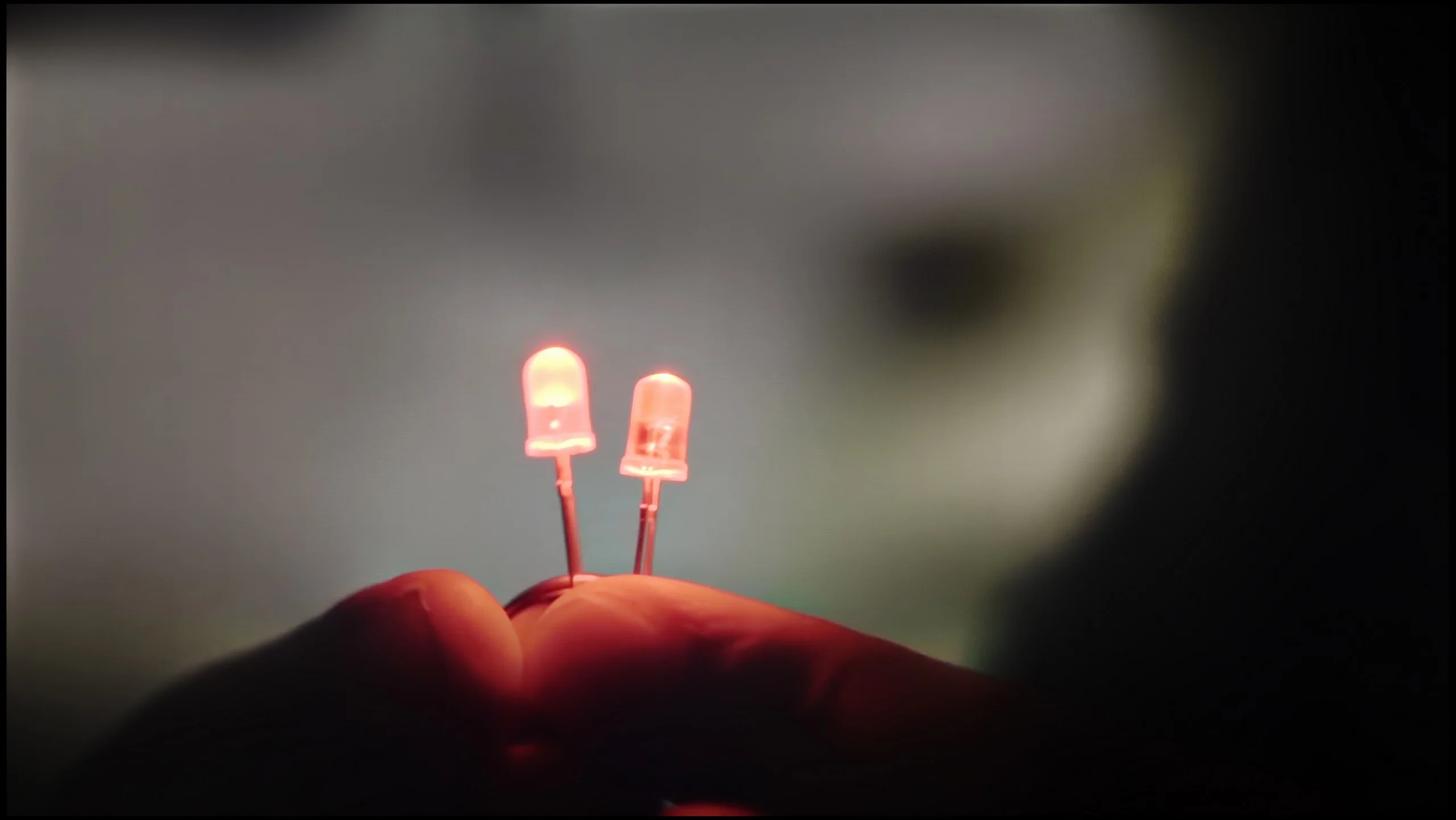
The match photo shows how the TV smooths weak tonal transitions in low-quality video.
Image scaling SD (576i)


The model photo shows how it handles upscaling of SD material.
The television offers a “Distortion Reduction” feature that effectively improves the gradation of tonal transitions, particularly when set to the minimum level. Unfortunately, this comes at a cost – the feature also smooths out details like material textures. On the plus side, it’s worth noting that the operation of this option does not negatively affect the film grain, which remains intact.
As for image scaling (upscaling), the television generates a plastic, soft image that generally looks pleasant. However, in the background, issues with aliasing of certain elements, such as branches or small details, can sometimes be noticed, which may decrease the quality of the reception. Despite these minor imperfections, the overall experience of scaling is satisfactory.
The "Contour smoothing" function is used to improve tonal transitions in lower-quality material. At the medium level it works very effectively and removes visible banding between shades well. It sometimes loses some fine detail, but these aren't things that stand out. The low setting is more cautious and doesn't affect other image elements, but the smoothing itself is much weaker. We'd stick with the medium setting. Another plus is that the function leaves noise and film grain untouched.
Scaling itself also performs quite well. In our shot with the model the details of the clothing and the tree remain clear, so lower-resolution content looks decent on a large screen. There is, however, one drawback: with an SD signal the TV crops the edges of the image, applying so-called overscan. As a result we lose a small portion of the frame.
Blur and motion smoothness
3.8/10
7/10
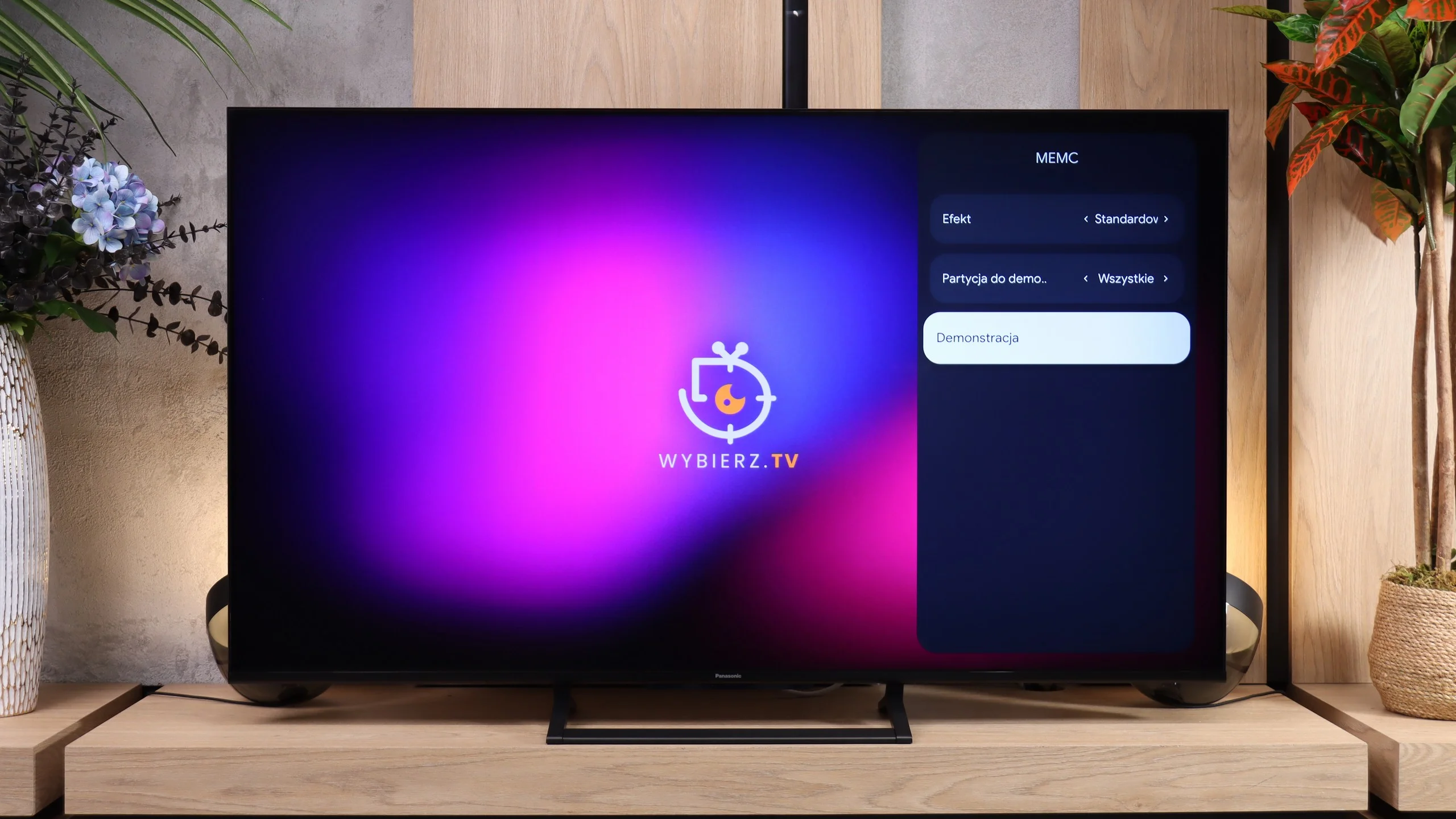
Blur (native resolution, maximum refresh rate):






Blur ():
Blur (4K@144Hz):



The 60 Hz panel in the Philips PUS8209 is mainly suited for watching movies, but here you can also feel a certain shortcoming. The television does not offer any motion smoothing that would allow you to adjust the fluidity of the picture to individual preferences, which for some users may be disappointing.
The Panasonic W92C has a 144 Hz panel, which is most useful for PC gaming. For console gaming and sports it's more important how the screen handles 120 Hz. Motion is smooth, though moving objects aren't perfectly sharp. In our UFO test you can see a distinct trail behind it, especially on a dark background. Even so, the W92C is still a better option for fast-paced content than a typical 60 Hz screen. The higher refresh rate gives a noticeable improvement in smoothness, it's just that the panel itself could react faster to colour changes.
Console compatibility and gaming features
4.7/10
8.1/10
- ALLM
- VRR
- VRR range48 - 60Hz48 - 144Hz
- Dolby Vision Game Mode
- Correct implementation of HGIG
- 1080p@120Hz
- 1440p@120Hz
- 4K@120Hz
- Game bar
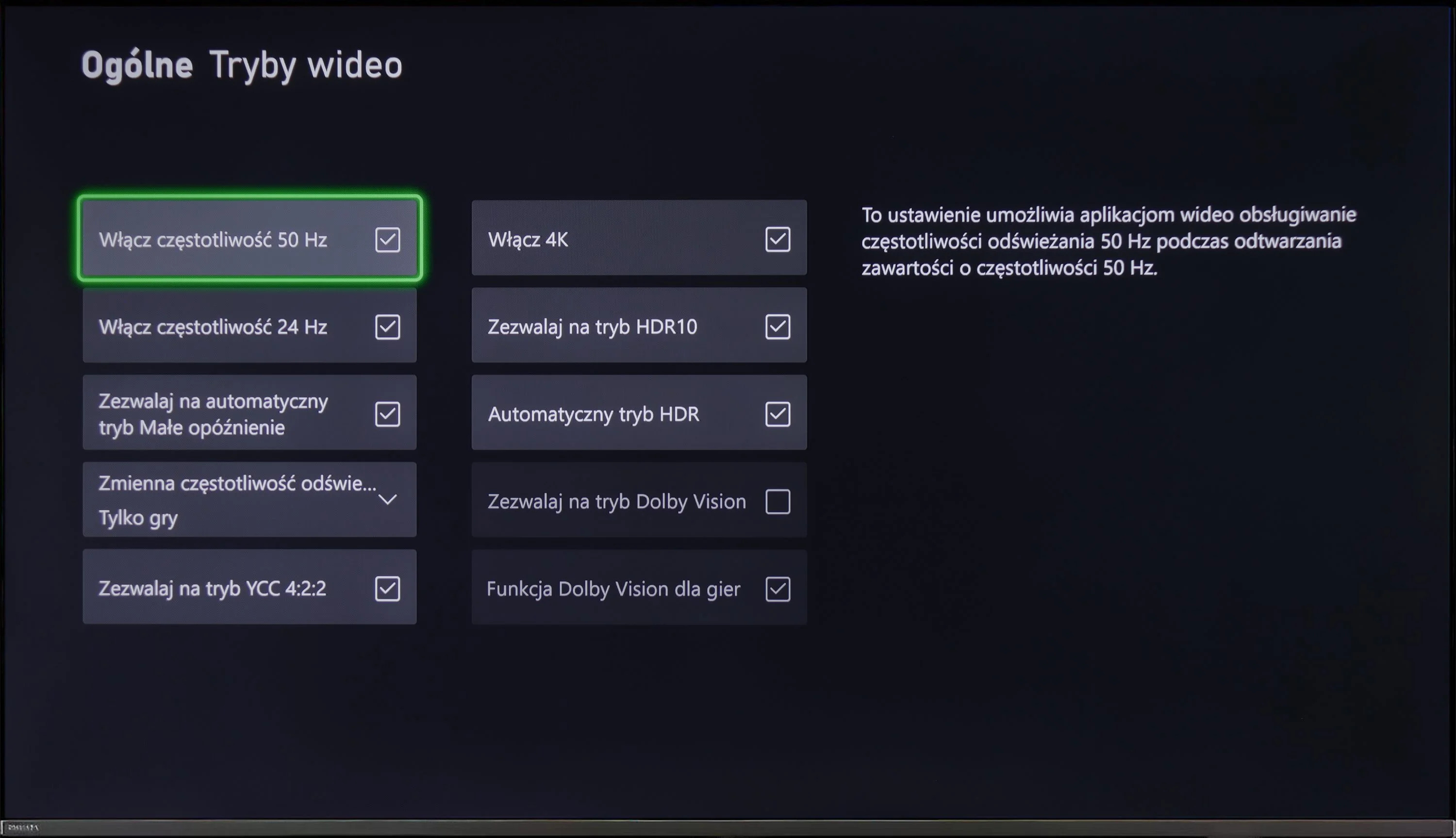
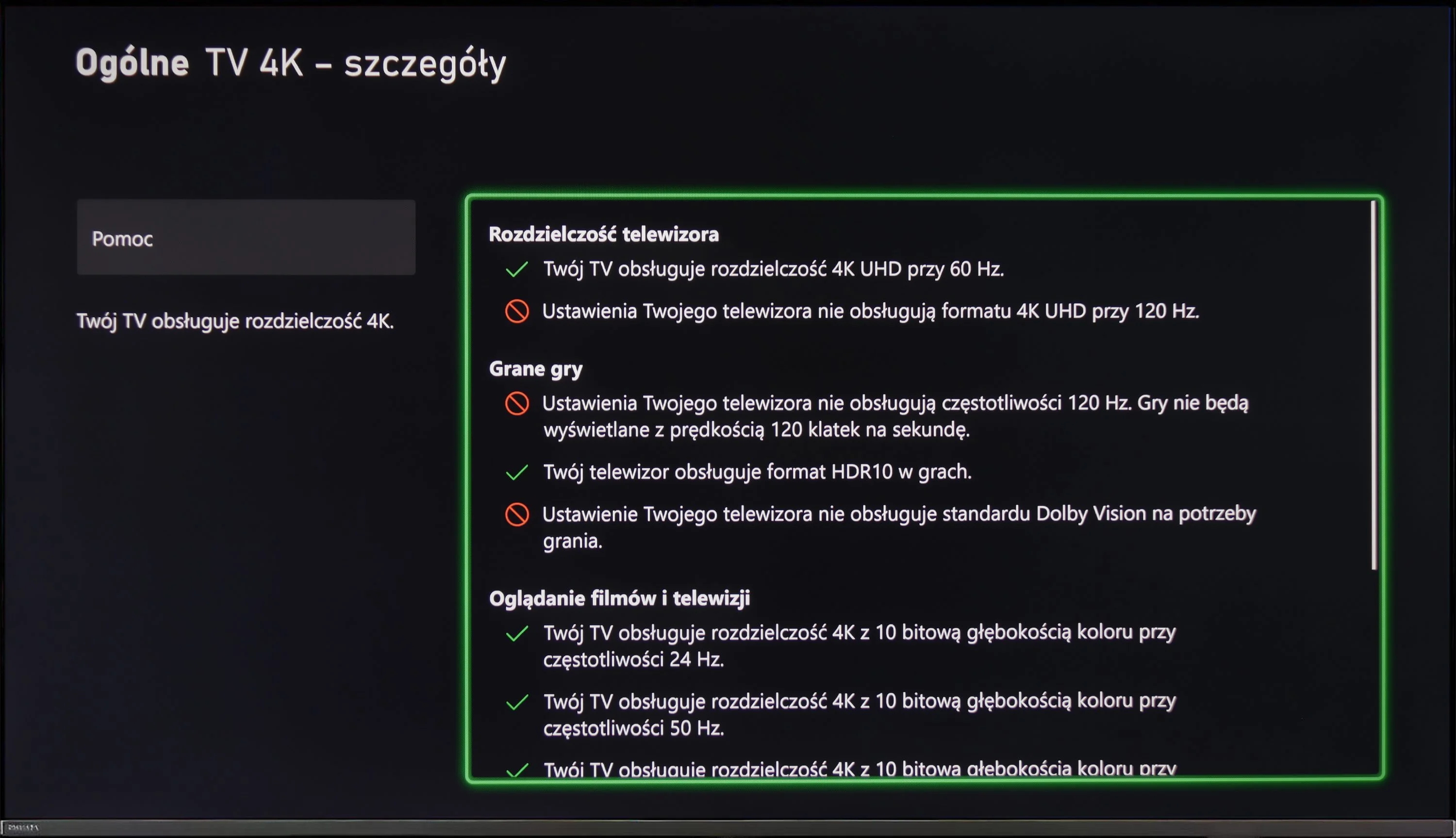
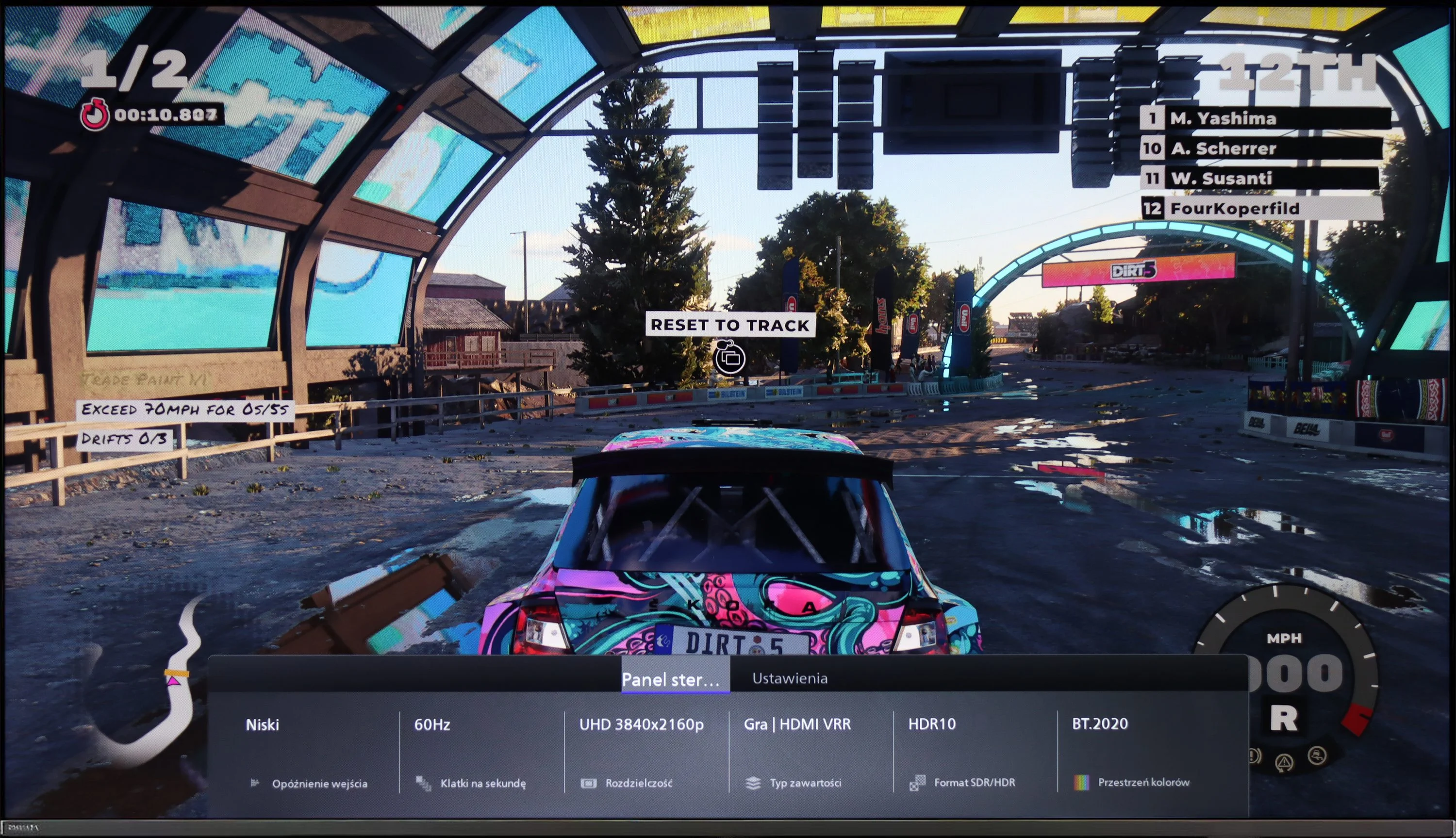
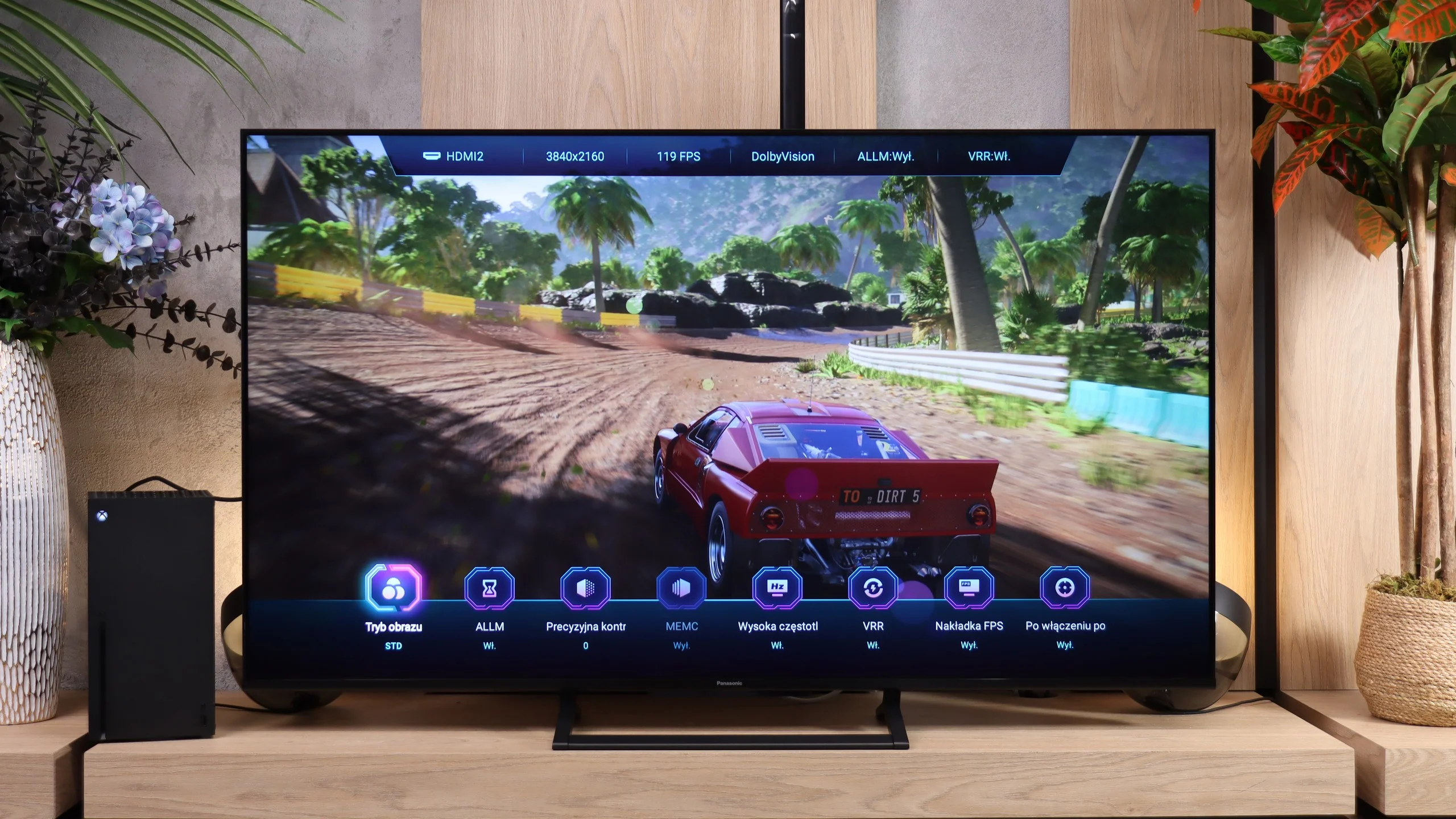
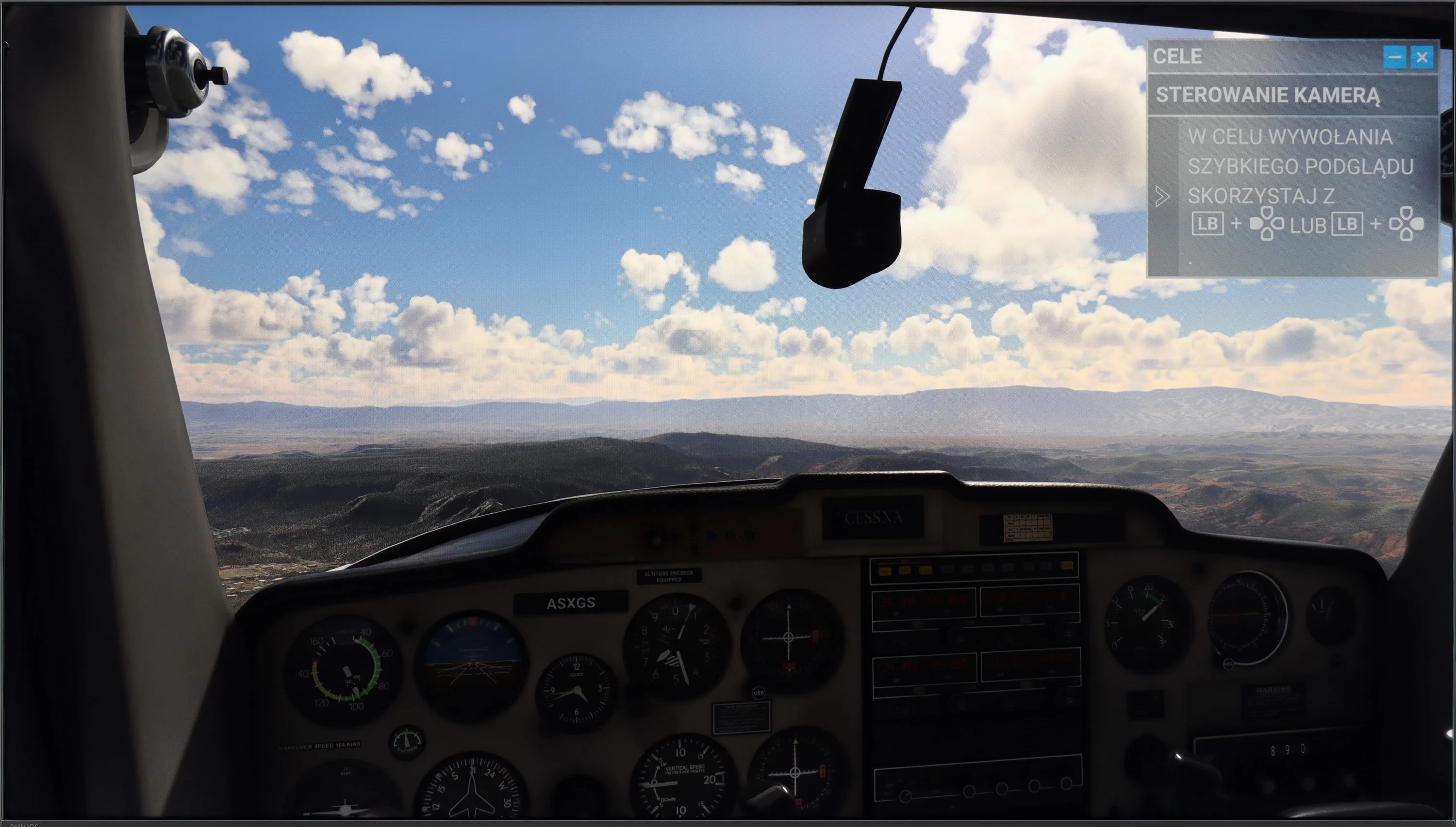
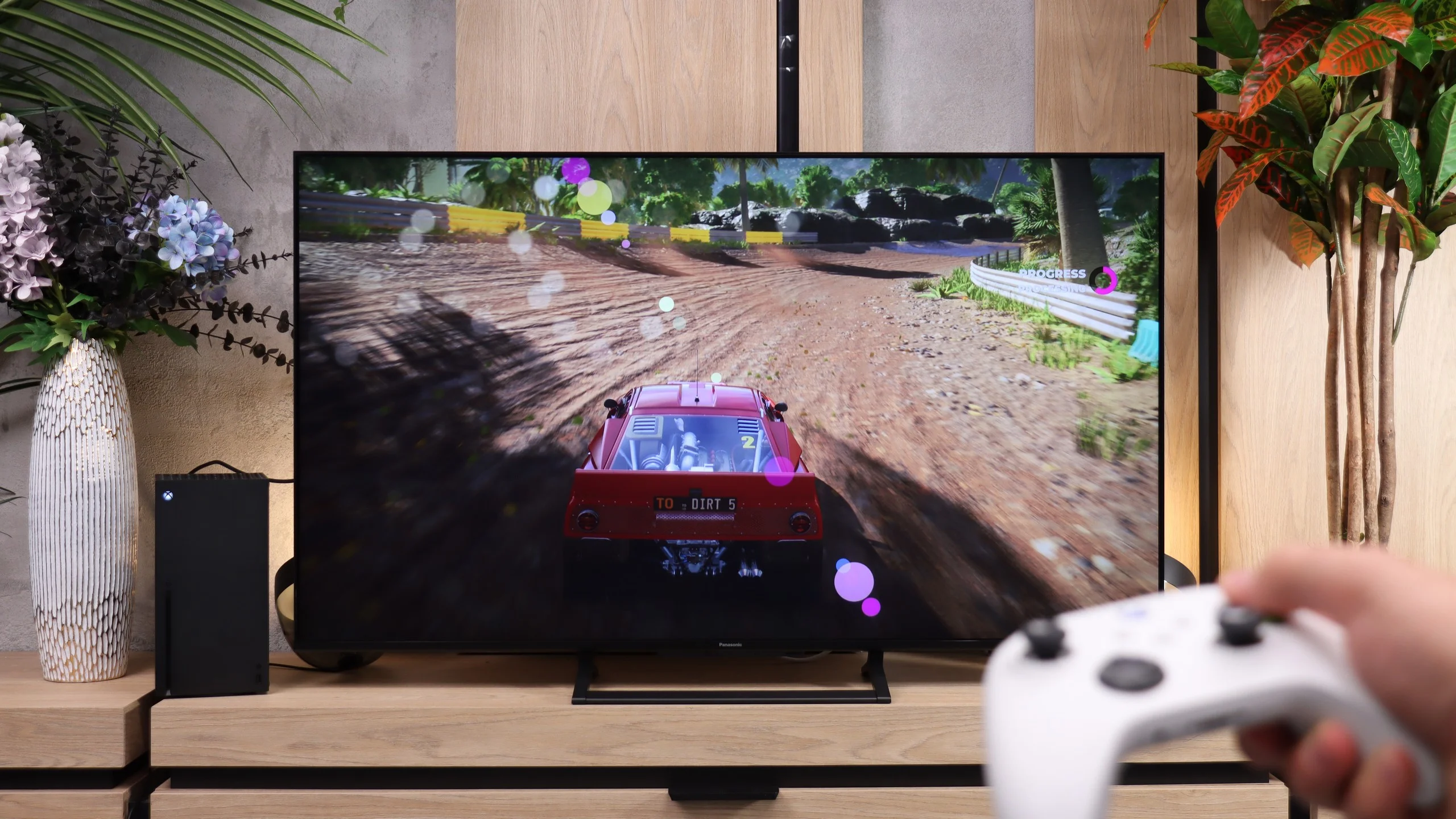
Philips PUS8209 offers basic features useful for gamers, such as variable refresh rate (VRR), automatic low latency mode (ALLM), and Game Bar, which makes managing settings easier.
Unfortunately, due to the 60 Hz panel, the TV will not meet the expectations of more demanding gamers who are looking for higher fluidity and precision of image. Additionally, this model does not support any HDR mode dedicated to gaming, such as HGiG or Dolby Vision, which further limits its capabilities in this regard.
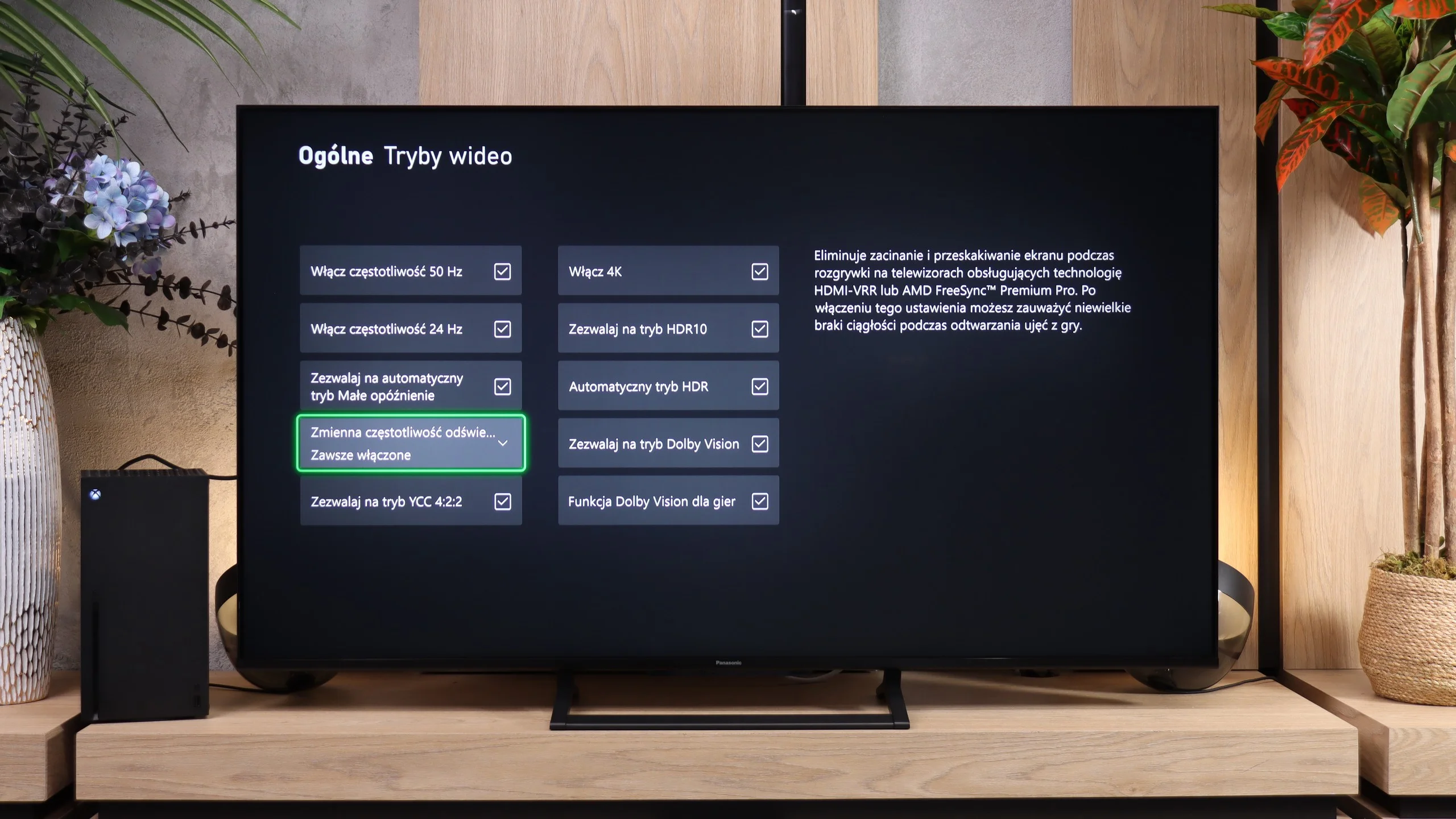
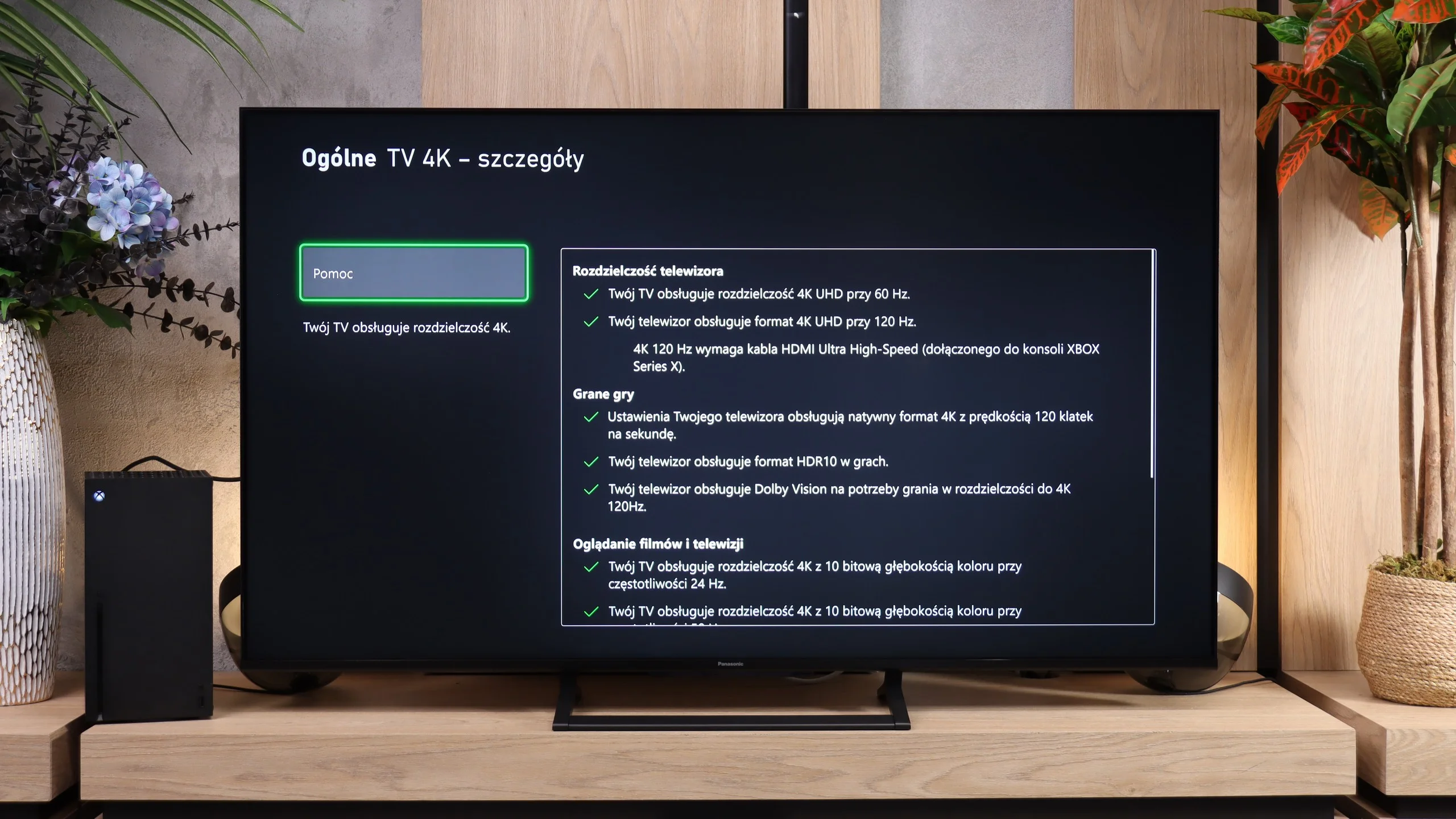
Panasonic W92C has quite a lot to offer gamers. It has three HDMI 2.1 ports with full 48 Gbps bandwidth, supports 4K gaming at 120 Hz, and when connected to a PC allows up to 144 Hz. There’s also VRR from 48 to 144 Hz, which helps keep motion smooth when frame rates vary, and ALLM that automatically switches to low-latency mode. It also supports Dolby Vision for gaming. The new Game Bar deserves special praise. The big circles known from Panasonic TVs with Fire TV have been replaced by a far more organised panel. At the top you see the key signal information, and at the bottom shortcuts to gaming settings. It looks more modern and is much closer to what the biggest competitors offer. Definitely a change for the better. Not everything is in place, though. There’s no properly functioning HGiG, which helps match HDR in games to the screen’s capabilities. The W92C also doesn’t support 1440p at 120 Hz. That’s a shame, because that mode is especially useful on a PC when you want more frames than in 4K but better detail than Full HD.
Input lag
10/10
9.9/10
SDR
HDR
Dolby Vision
Input lag in the Philips PUS8209 is one of its strongest points. With a value of around 13 ms, the TV provides a very quick response time, which should satisfy most gamers, both casual and more advanced. Such a result allows for comfortable gameplay even in dynamic games.
The input lag on the Panasonic W92C is very low. At 60 Hz we measured around 15-16 ms, and at 120 Hz only 7 ms. Controller response is therefore quick, and even in fast-paced games there's little to criticise. Dolby Vision also performs well: 17 ms at 60 Hz and 9 ms at 120 Hz. You can comfortably use any format without worrying that input will become noticeably slower.
Compatibility with PC
2/10
9/10
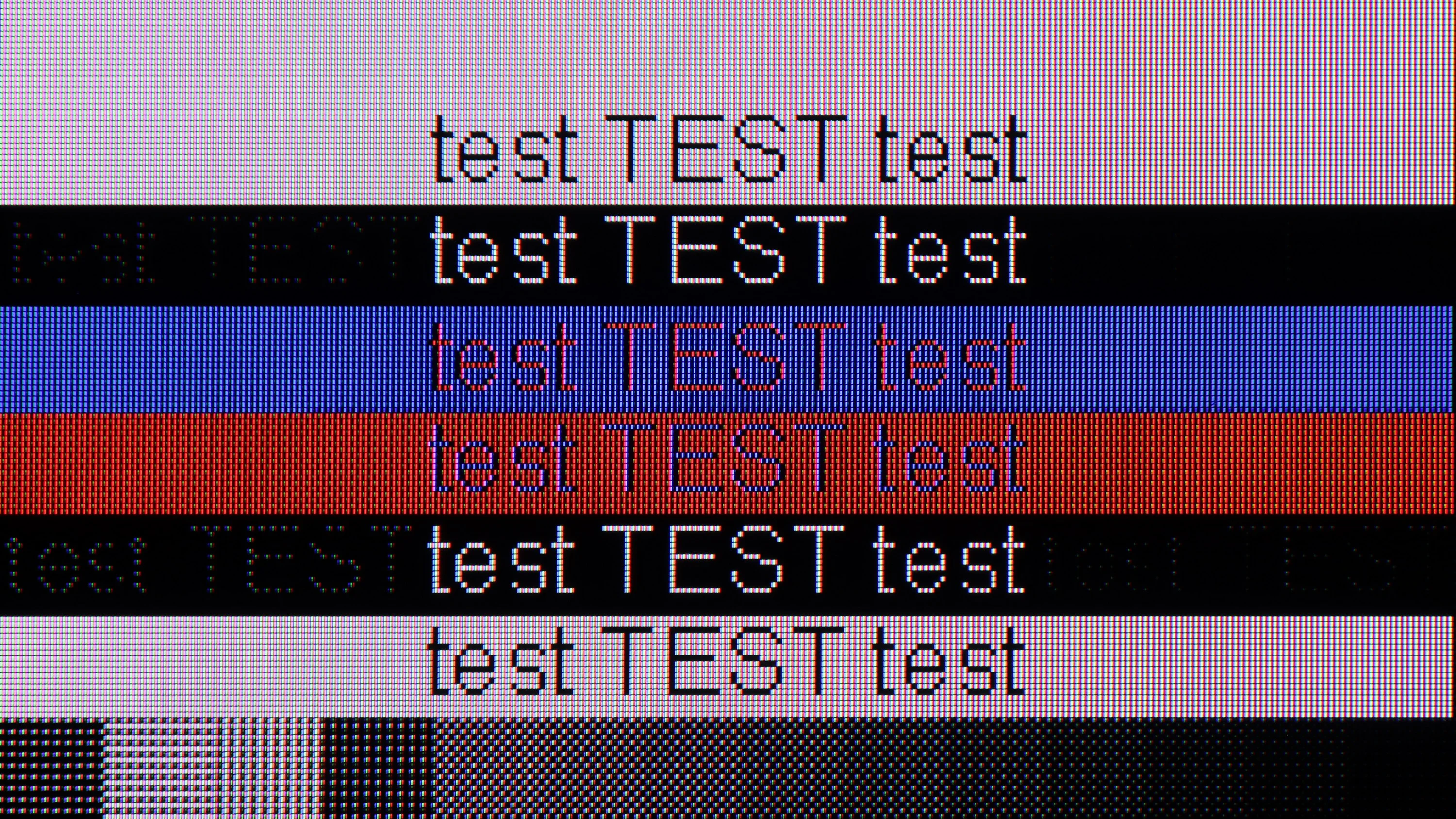
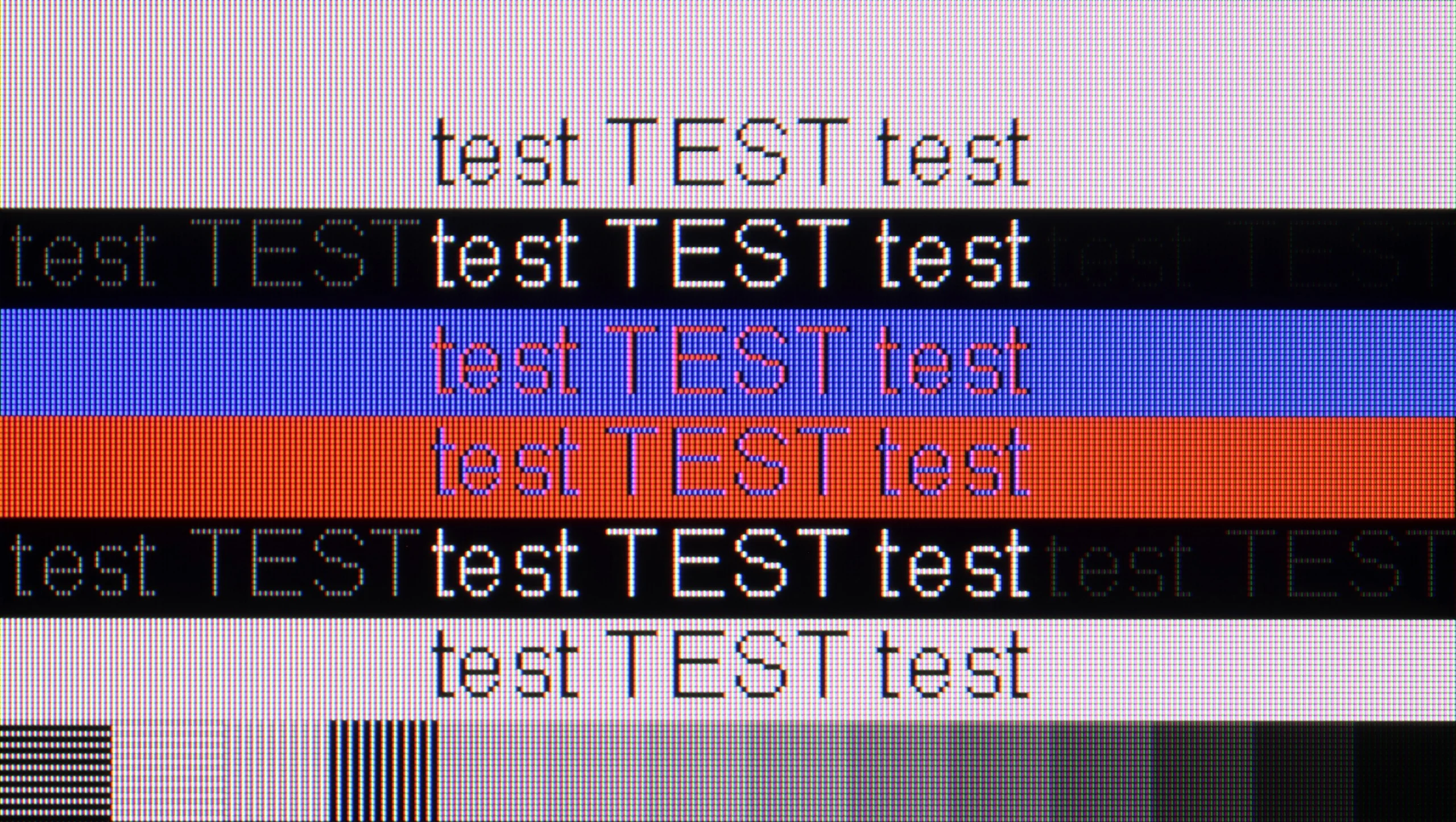
The photo shows the legibility of small fonts. Ideally, lines should be the same thickness on both light and dark text, with minimal pixel gaps.
On paper, collaboration with a PC seems promising, particularly due to support for 4:4:4 chroma, which should ensure good font readability and detail reproduction. In practice, however, the television has significant issues with displaying text, especially on dark backgrounds, where the so-called pixelation is clearly visible, negatively impacting work comfort.
Additionally, the lack of support for technologies like G-Sync means that gaming smoothness when connected to a PC leaves much to be desired, making this model less attractive for users looking for a television for gaming on a computer.
Working with a computer is one of the W92C's stronger points. The fonts look really great. They are sharp, legible and don't lose fine details. This also applies to dark text on a dark background, which some TVs struggle with. It's one of the few panels that handled our font test so well. The RGB subpixel layout and proper support for chroma 4:4:4 help here, even at maximum resolution and refresh rate. There are also plenty of options for gamers. You get 4K at 144 Hz, functioning G-Sync and input lag of 7 ms. So the Panasonic performs well both for working with text and for gaming. You just need to remember the previously mentioned smearing and the lack of support for 1440p at 120 Hz. However, the clarity of the image from a computer is excellent.
Viewing angles
2.1/10
6/10
The viewing angles on the Philips PUS8209 are poor, which is typical for a VA panel. When watched at an angle, the brightness of the image drops significantly, and the colours lose their depth, which can greatly affect viewing comfort, especially in larger groups or in an unusual setup of the television in relation to the viewer.
Panasonic W92C in the 55-inch size offers good viewing angles, which is mainly thanks to the IPS panel used. Because of it, images viewed from the side retain colour and contrast better than on many LCD TVs with Mini LED backlighting that use VA-type panels.
Daytime performance
4.4/10
6.8/10
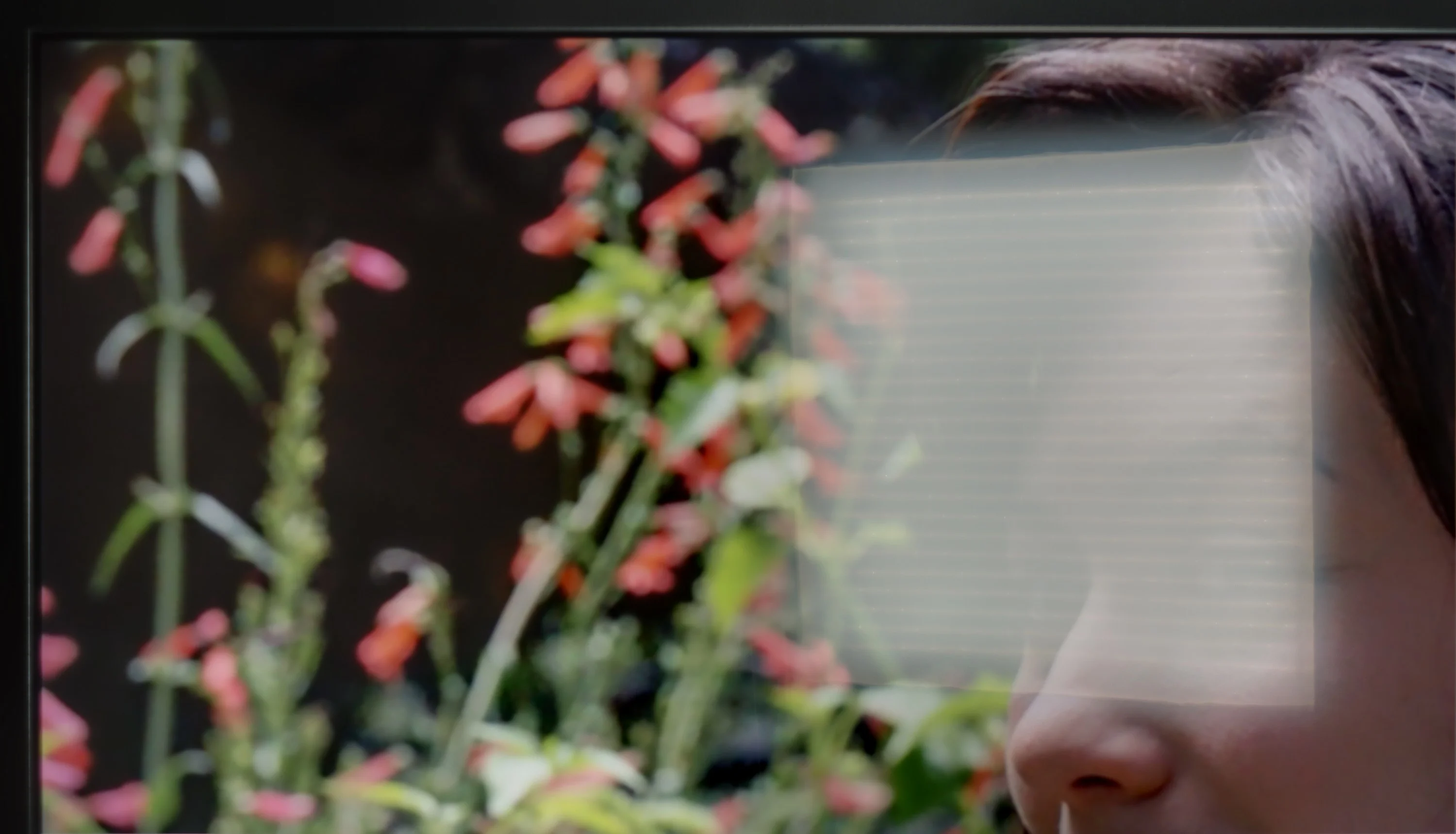
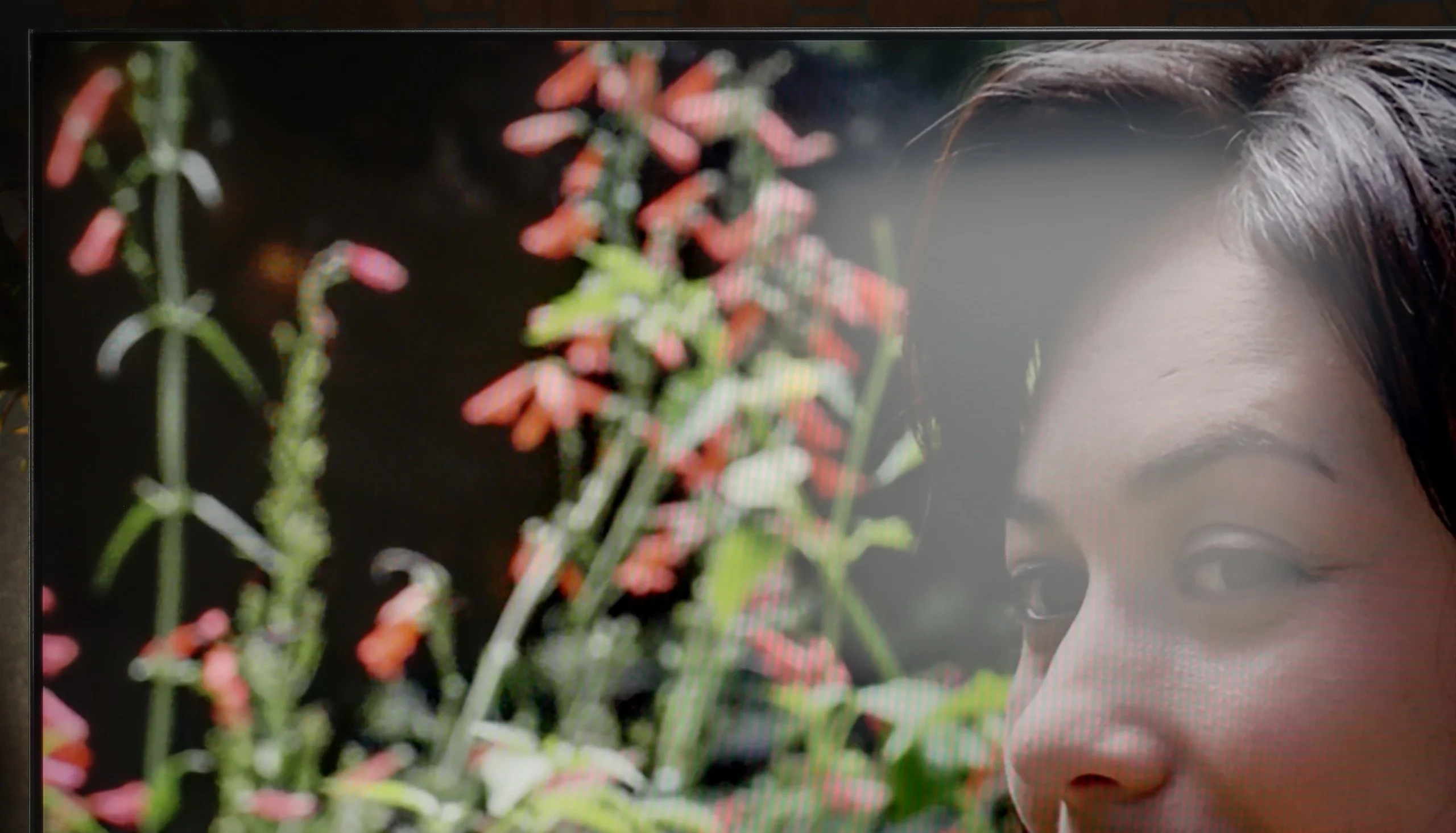
Panel brightness
Panasonic W92C (Google TV): 555 cd/m2
Philips PUS8209: 277 cd/m2
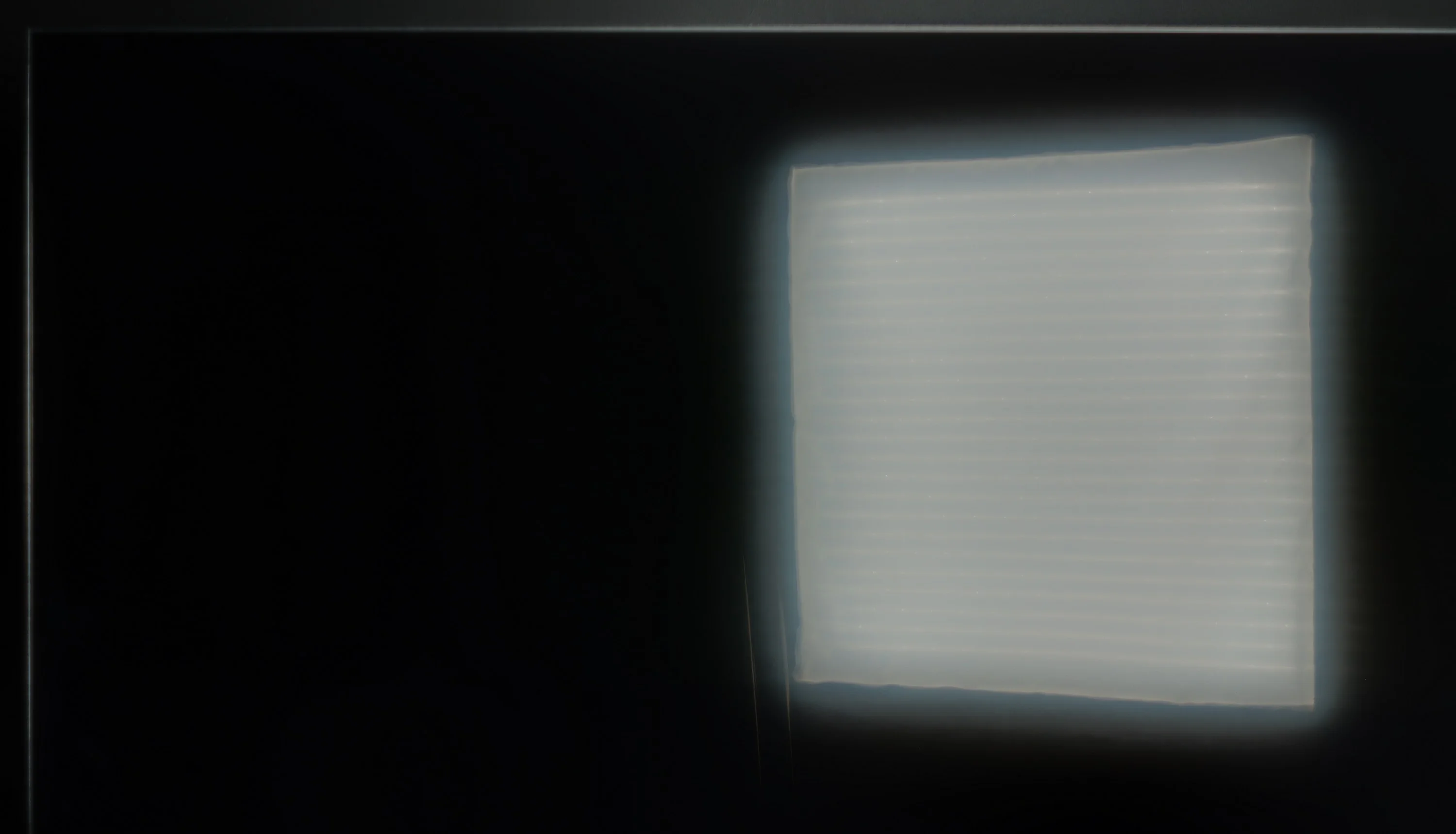
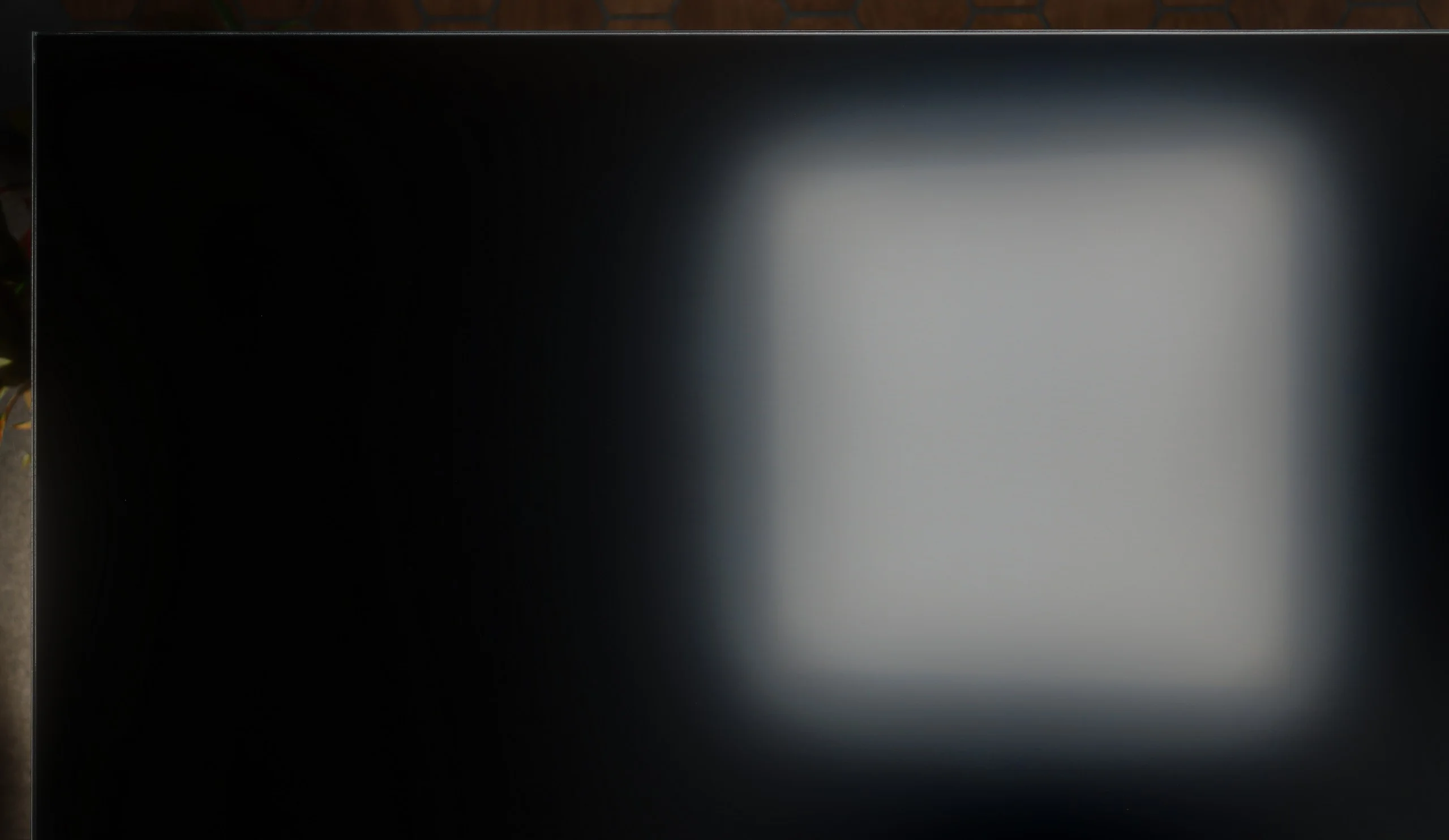
The Philips PUS8209 features a satin screen coating that only moderately suppresses reflections, which may be inadequate in bright room lighting. However, the biggest issue is the low brightness at just 280 nits. In practice, this means that watching content during the day, especially in strong sunlight, can be a challenge as the picture appears too dark to provide comfortable viewing.
A matte panel is a big plus for the W92C when watching during the day. It disperses reflections very well, so instead of a clear image of a window or lamp you see a more blurred glow. There's also an average brightness of around 555 nits, which is more than enough for watching TV in a typically bright living room. That doesn't mean light falling on the screen stops being a nuisance. The matte coating scatters it over a larger area, making blacks look greyish and reducing contrast. It's easiest to notice this in dark scenes. Despite that, the combination of decent brightness and effective reflection suppression means the Panasonic is quite well suited to everyday viewing without having to draw the curtains.
Panel details
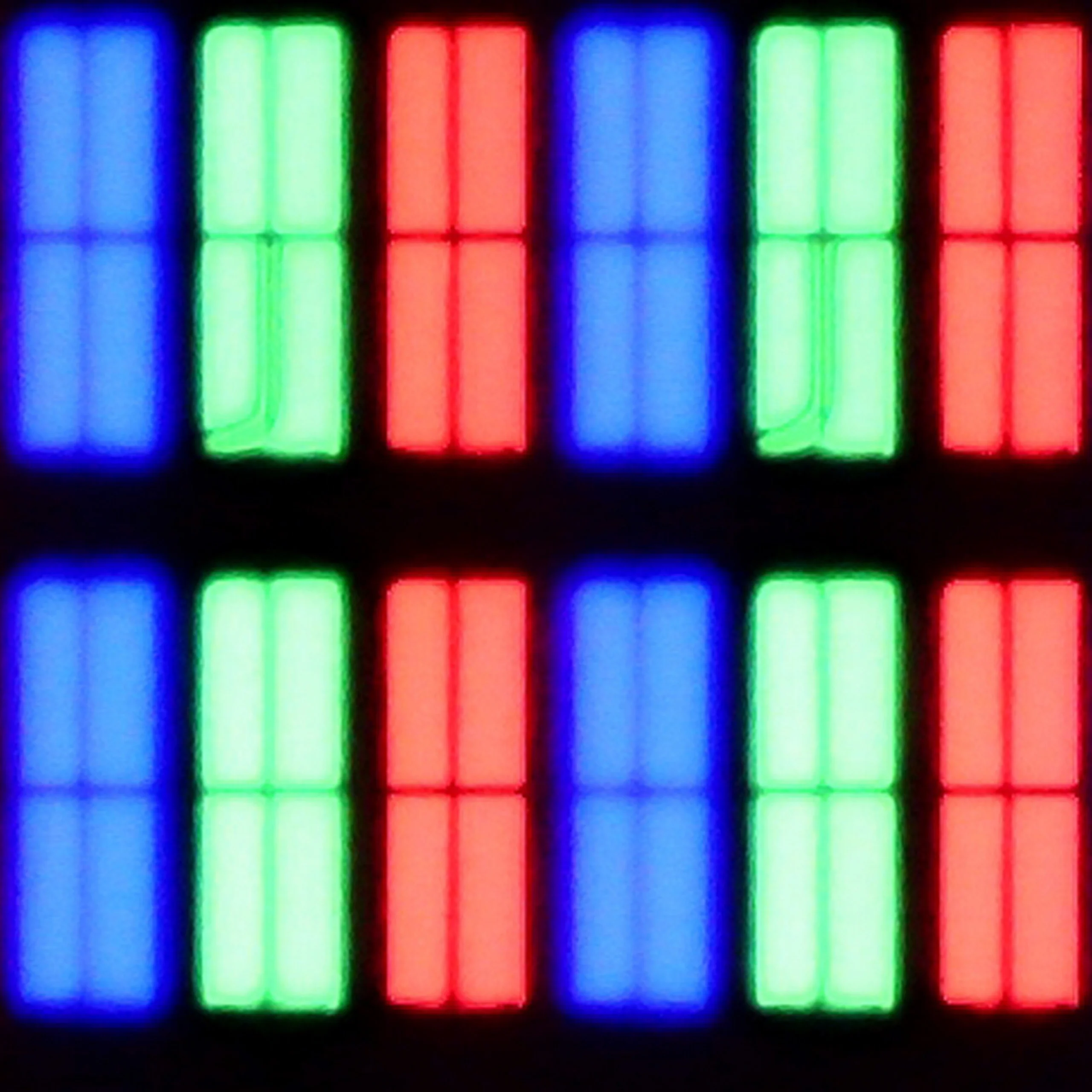
Subpixel Structure:
Panel uniformity and thermal imaging:


TV features
4.7/10
6.6/10
- SystemTitan OSGoogle TV
- System performancePoorGood
- HDMI inputs3 x HDMI 2.0, 0 x HDMI 2.10 x HDMI 2.0, 3 x HDMI 2.1 48Gbps
- OutputseARC (HDMI), ARC (HDMI)Toslink (Optical audio), eARC (HDMI), ARC (HDMI), Mini-Jack (Headphones)
- Network InterfacesWi-Fi 2.4GHz, Ethernet (LAN) 100MbpsWi-Fi 2.4GHz, Wi-Fi 5GHz, Ethernet (LAN) 100Mbps
- TV receptionDVB-T, DVB-T2, DVB-S, DVB-S2, DVB-CDVB-T, DVB-T2, DVB-S, DVB-S2, DVB-C
Classic features:
- Recording to USB (terrestrial TV)
- Recording programming
- Picture in Picture (PiP)
- RF remote control (no need to aim)
- Backlit remote control
- Teletext
- Audio only mode
- Bluetooth headphones support
- Simultaneous Bluetooth headphones & TV audio
Smart features:
- AirPlay
- Screen mirroring (Windows Miracast)
- Voice search
- Voice search in native language
- Ability to connect a keyboard and mouse
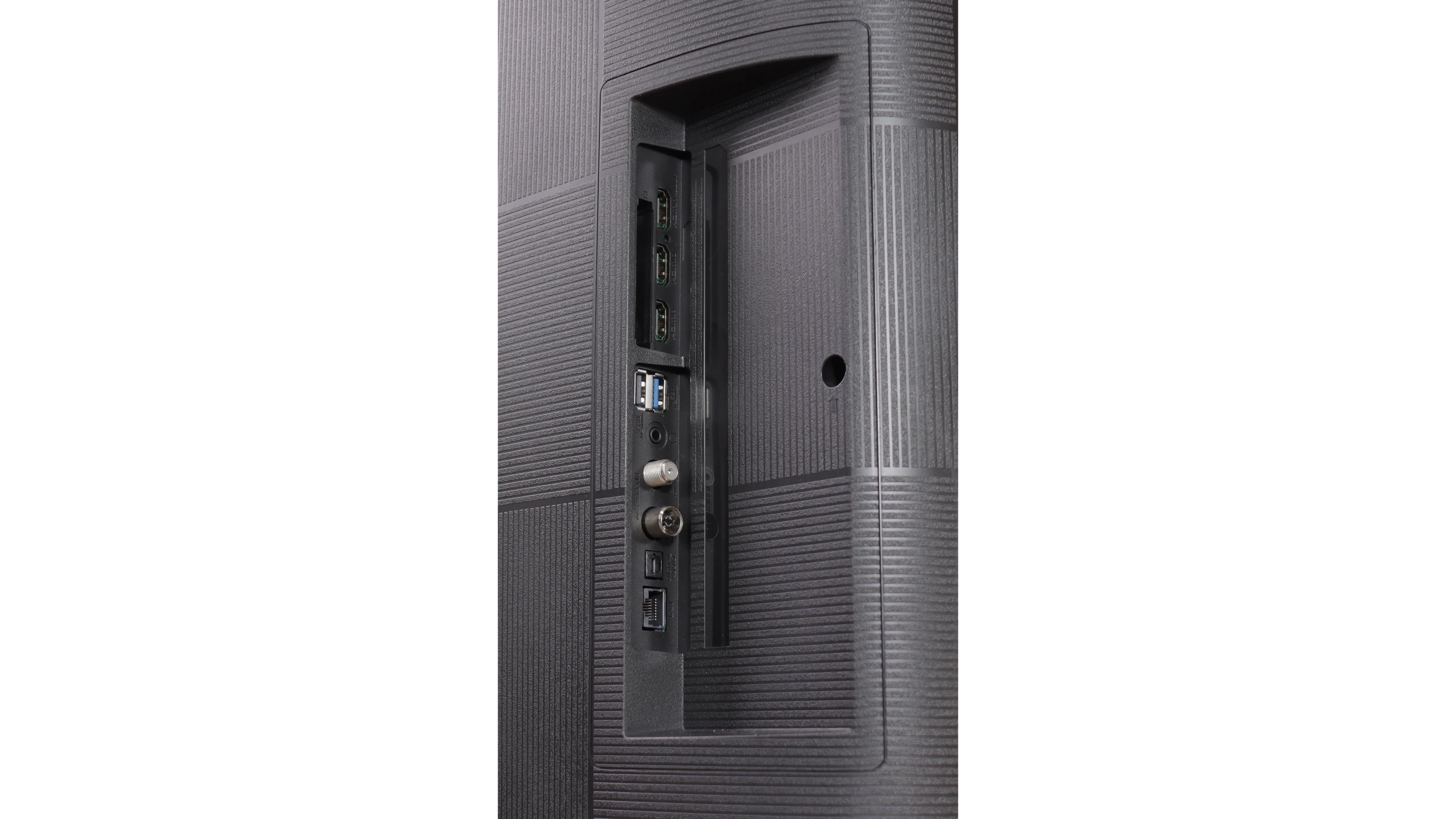
Sound connection options
- HDMI audioeARC (HDMI), ARC (HDMI)eARC (HDMI), ARC (HDMI)
- Other audio outputsToslink (Optical audio), Mini-Jack (Headphones)
- Wireless audio
Supported audio formats (external HDMI eARC audio):
- Dolby Digital Plus 7.1
- Dolby True HD 7.1
- Dolby Atmos in Dolby Digital Plus (JOC)
- Dolby Atmos in Dolby True HD
- DTS:X in DTS-HD MA
- DTS-HD Master Audio
Senior accessibility
- Numeric keyboard on TV
- Font size adjustment
- Audio description
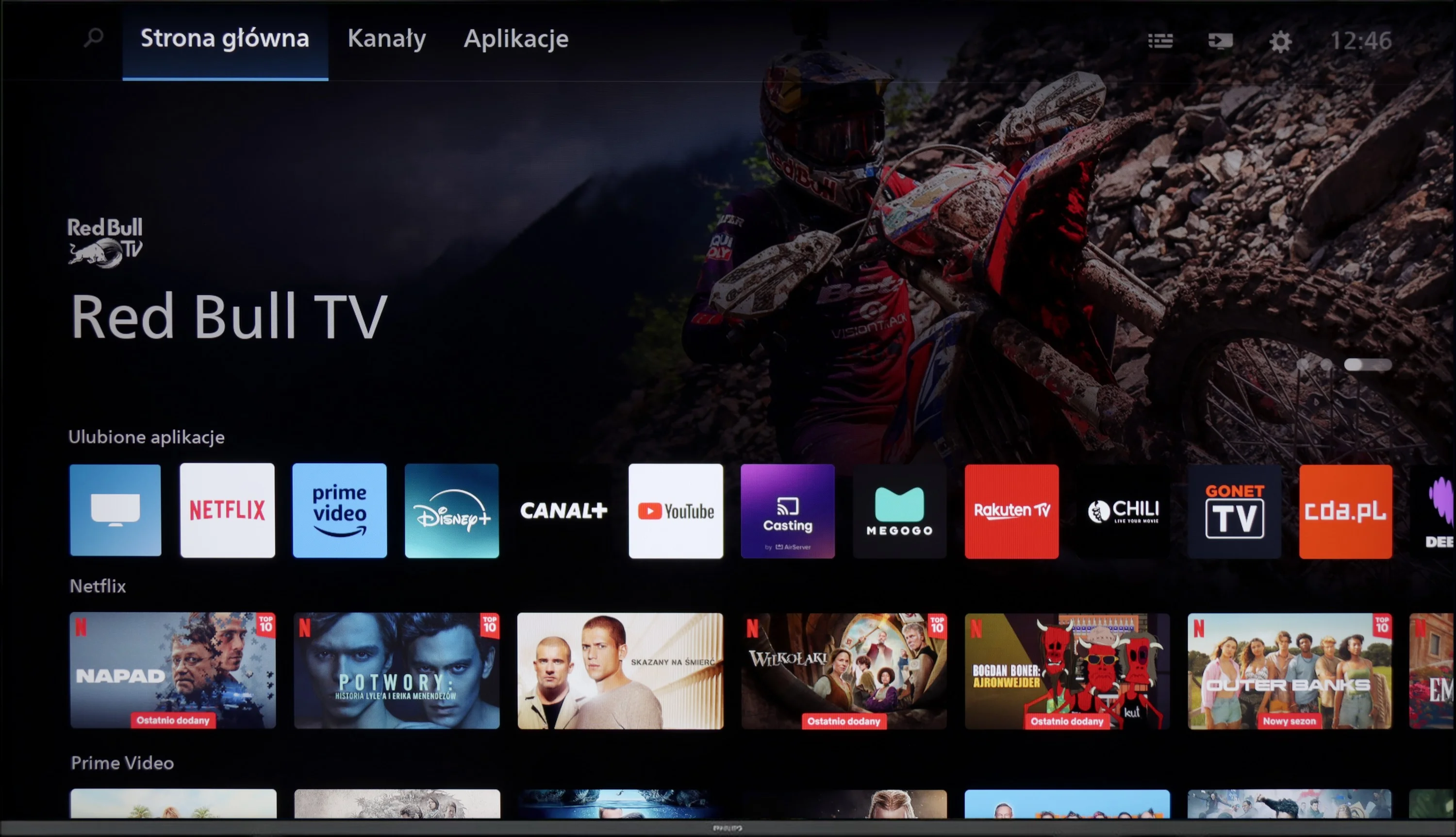
Philips PUS8209 uses the Titan OS operating system, which, while simple to use, remains limited in terms of functionality. The available number of applications is small compared to more developed ecosystems like Google TV, which may be disappointing for users accustomed to broader capabilities. Additionally, the lack of support for AirPlay restricts compatibility with Apple devices, reducing the flexibility of the television in streaming content. The remote, though interesting, requires aiming at the screen, which may not appeal to everyone.
The absence of more advanced features such as PiP (Picture-in-Picture) or program recording further limits the device's capabilities in everyday use.
Philips PUS8209 is a television that catches attention with its interesting feature of a three-sided Ambilight system, which is a dynamic backlighting of the wall behind the television that adjusts its colours and intensity to the content displayed on the screen. This effect creates the impression of greater image depth and enhances immersion, especially in darkened rooms. Unfortunately, its potential is limited by the Titan OS operating system, which leaves much to be desired. The limited number of applications and the lack of support for popular features such as AirPlay can be a significant drawback for more demanding users. While Ambilight distinguishes this model from the competition, shortcomings in the operating system significantly affect the overall functionality of the television.
Google TV
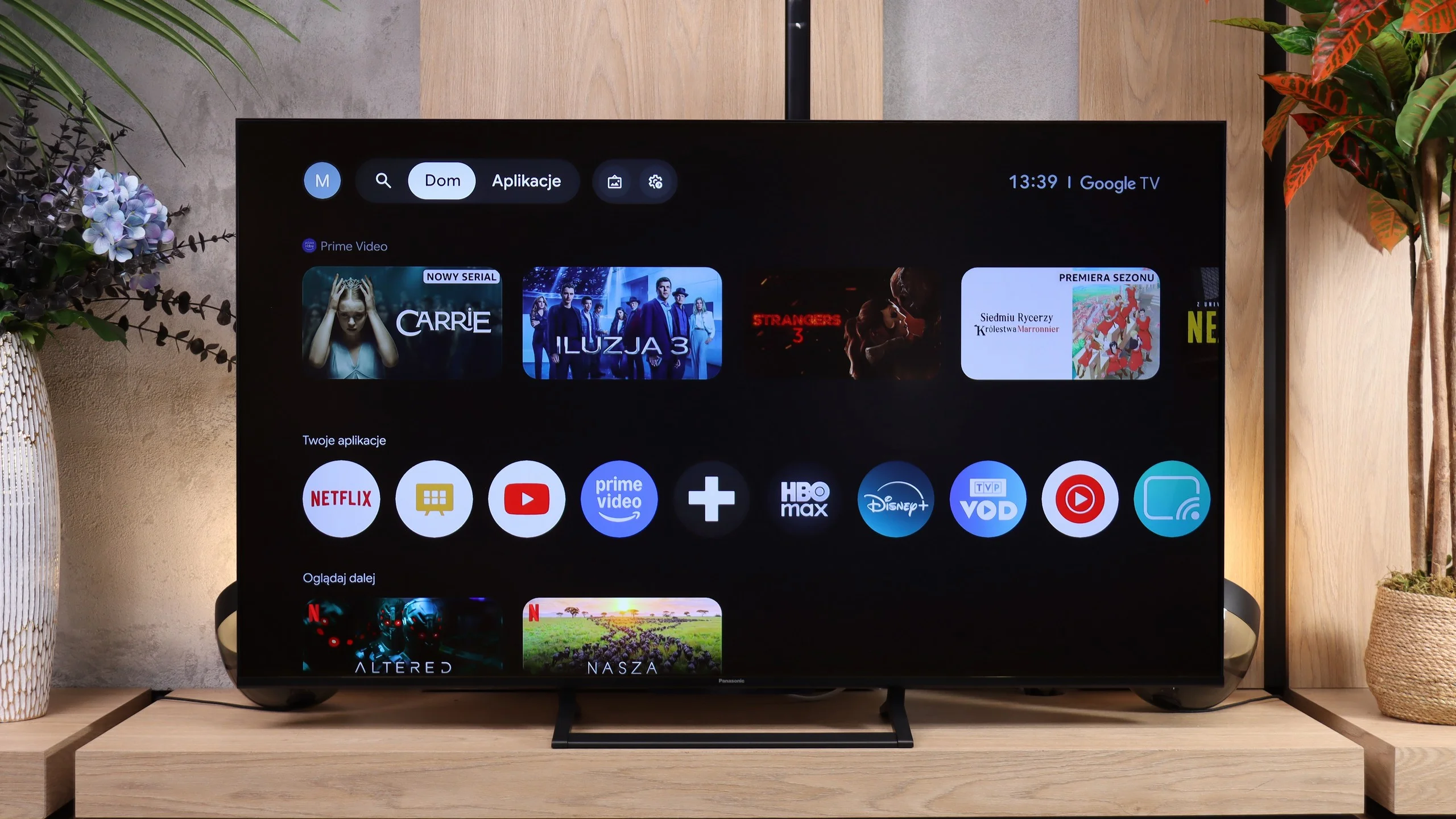
Google TV is a big step forward compared with Panasonic’s older systems, and also improves on the newer Fire TV, which didn’t fully convince us. On the W92C everything runs very smoothly. Navigation through the menus is quick, apps start without long waits, and we found all the services we were interested in. There’s voice search in Polish and Chromecast, which makes casting from your phone easy. It’s a pity there’s no working AirPlay — we couldn’t use it with our newer iPhone.
There were a few minor hiccups. Some Polish translations in the menu sound rather clumsy, and the automatic brightness changes mentioned earlier show the software still needs polishing. Despite that, everyday use is good and the switch to Google TV is definitely one of this model’s strengths.
Classic features
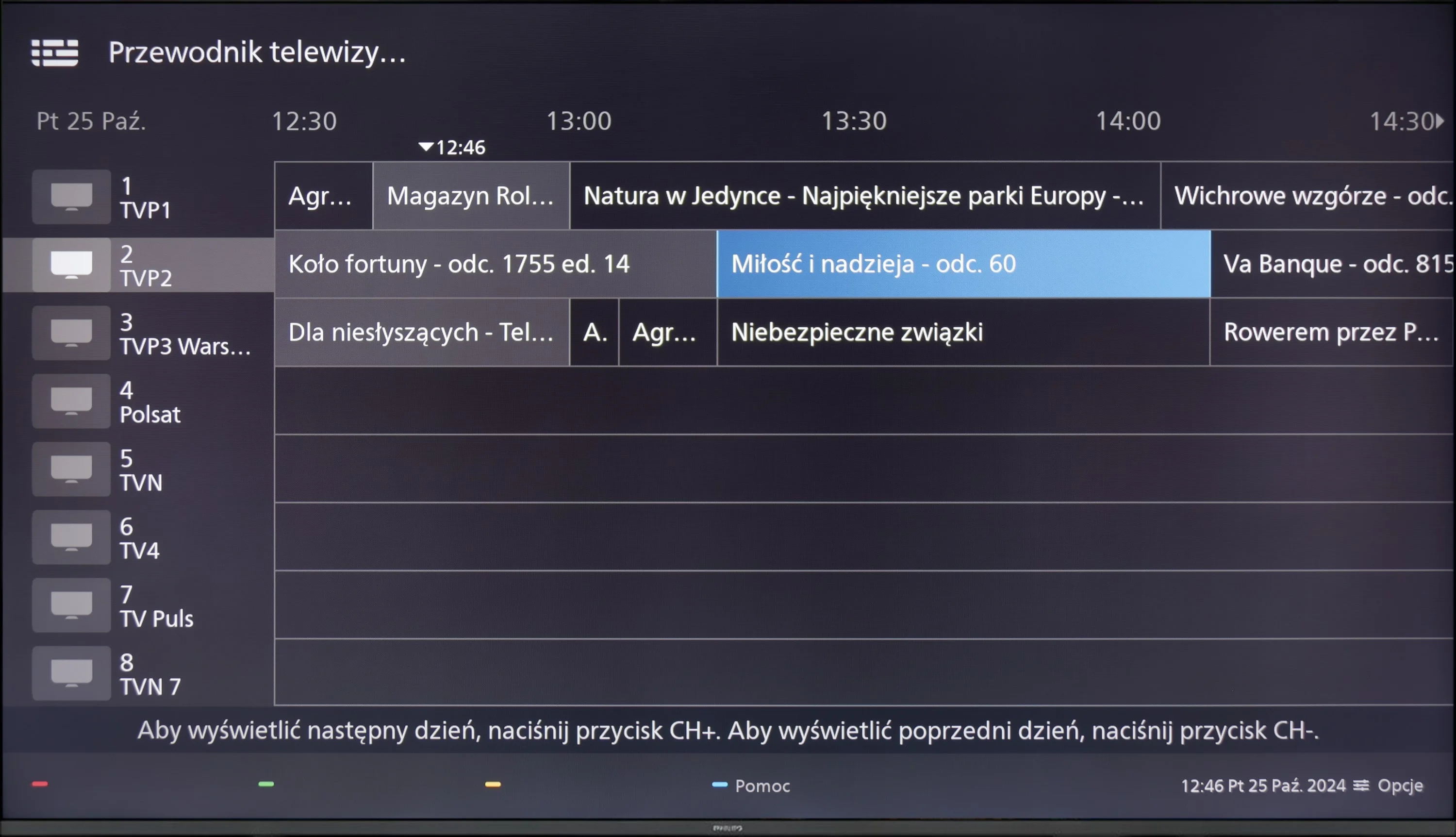
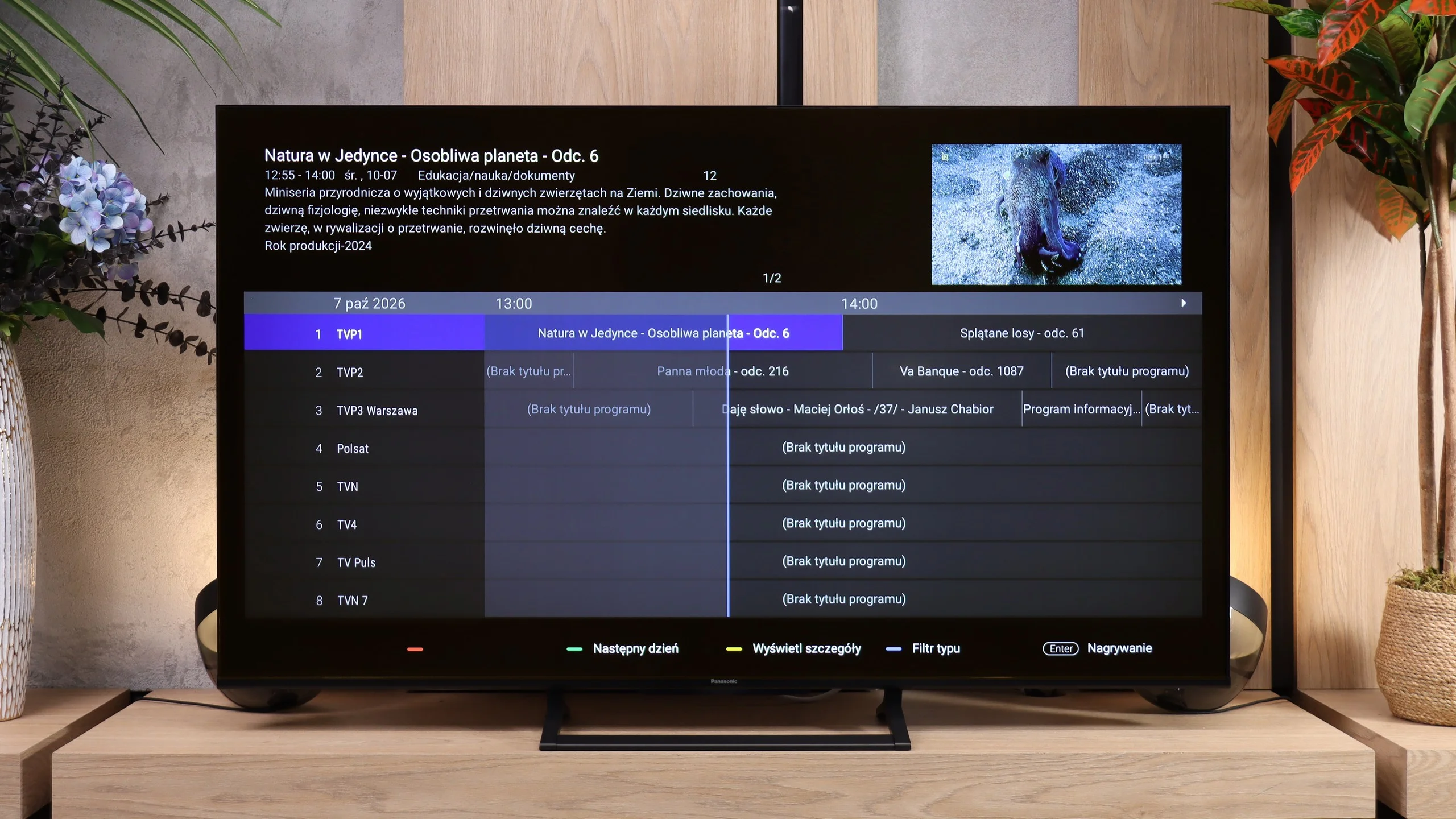
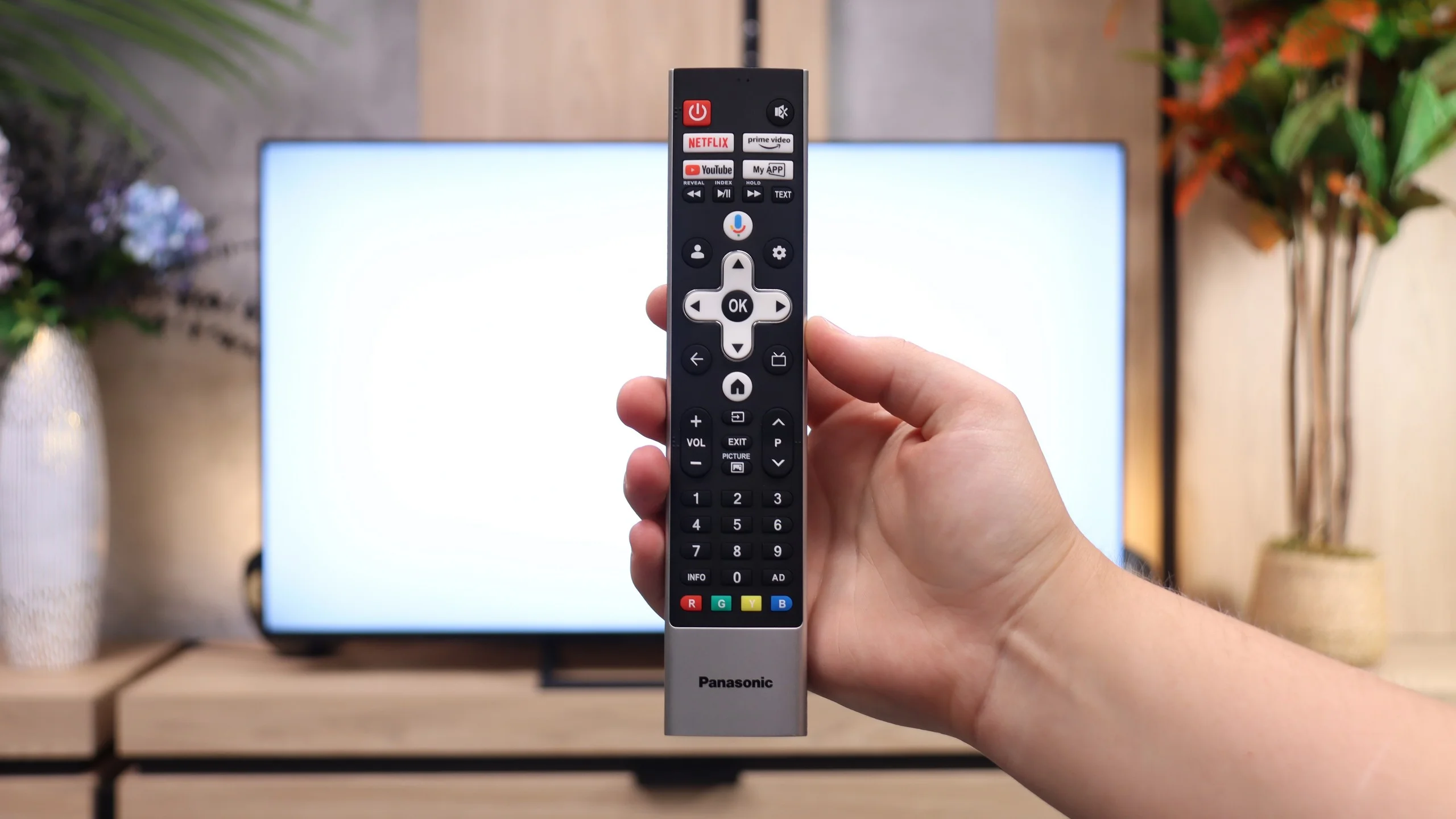
Among the classic features are EPG, teletext and the ability to listen to audio simultaneously through Bluetooth headphones and the TV speakers. Missing, however, are USB recording and picture-in-picture. The remote is simple, has a numeric keypad and doesn’t need to be pointed at the screen. It’s a shame it isn’t backlit, and the build quality could be a bit better. For connecting devices there are three HDMI 2.1 ports with 48 Gb/s bandwidth. There’s also an optical output and eARC, but note the standard 3.5 mm headphone jack. That’s becoming rarer and is useful for wired headphones or older audio systems with analogue inputs.
Apps
6.7/10
9.6/10






















Playing files from USB
8/10
8.7/10
Supported photo formats:
Maximum photo resolution:
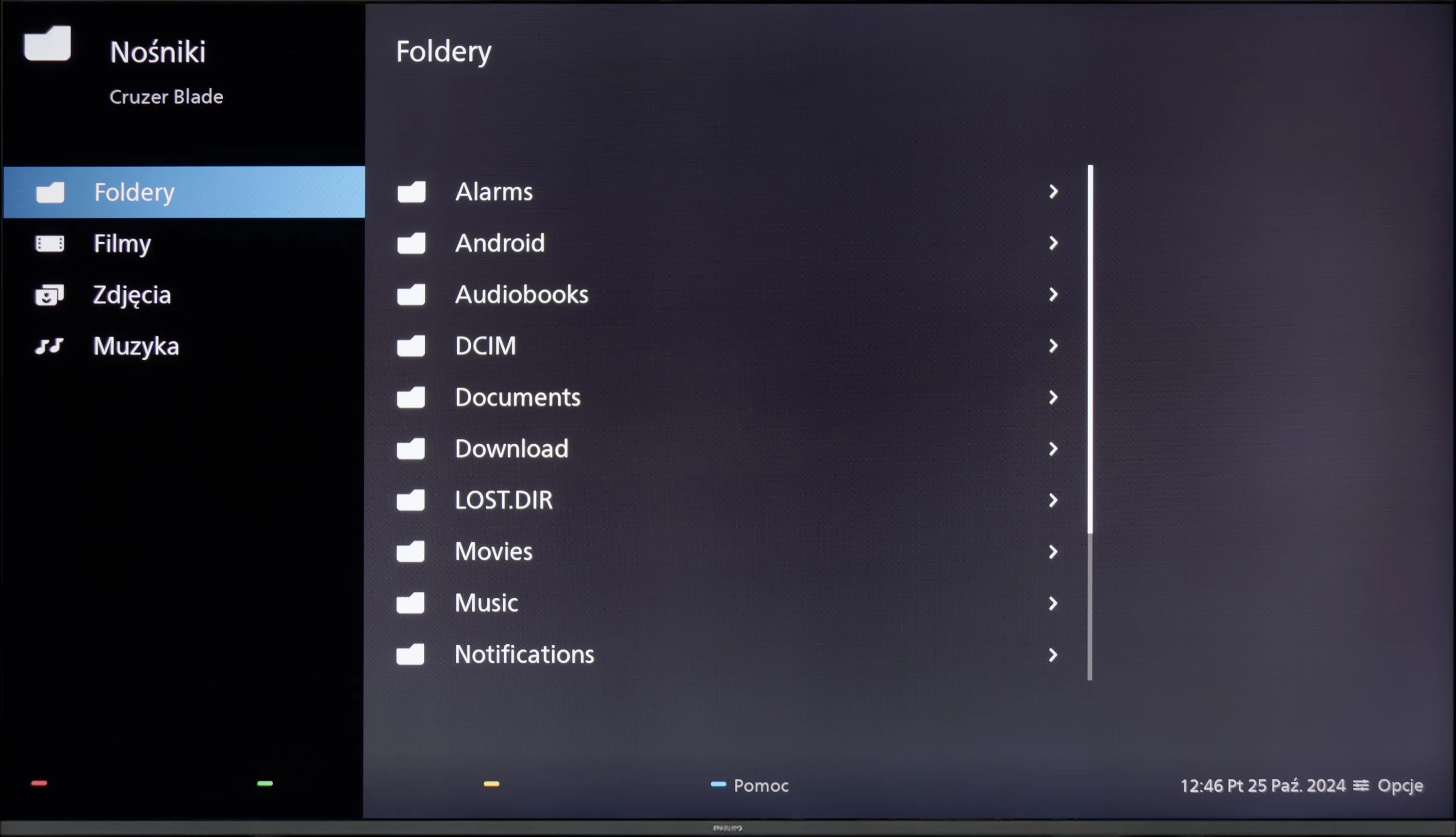
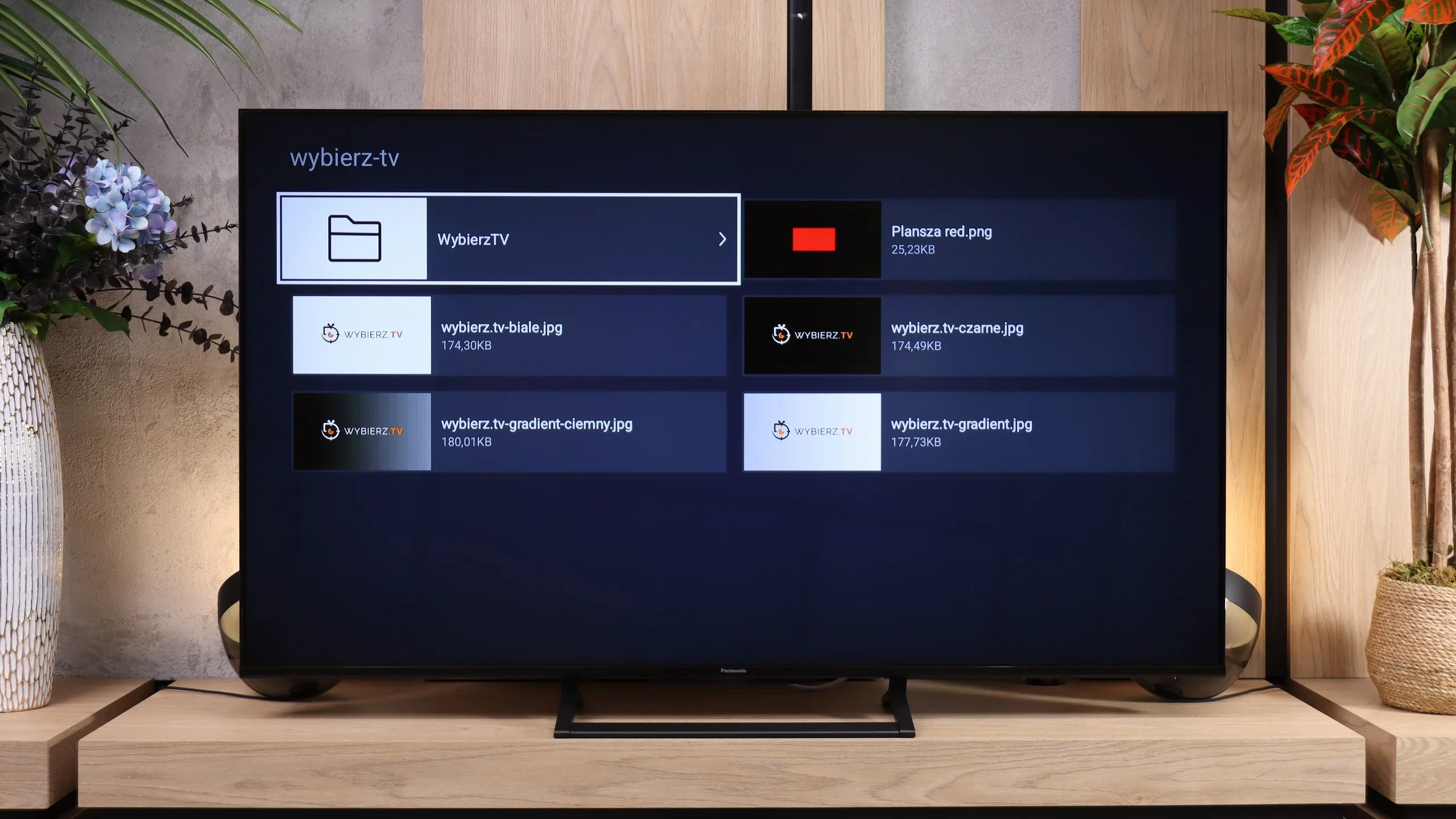
The built-in media player in the Philips PUS8209 performs well in everyday use. It smoothly handles Polish characters in subtitles and allows for adjustments to the colour and size of the font, which significantly enhances the comfort of using this feature. More demanding users may notice some limitations in the supported file formats, however, for most applications in everyday use, this player should be fully sufficient.
Playback of files from USB works smoothly on the W92C. Media load quickly, operation is simple, and the built-in player handles most common video, photo and music files. It's perfectly adequate for an occasional movie or for browsing photos from a USB stick. Just watch out for subtitles. In our tests the TV wouldn't read .sub and .txt files. It's best to convert them beforehand to the .srt format, which worked correctly, including Polish characters.
Sound
5/10
6.7/10
- Maximum volume-94dB
- Dolby Digital Plus 7.1
- Dolby True HD 7.1
- Dolby Atmos in Dolby Digital Plus (JOC)
- Dolby Atmos in Dolby True HD
- DTS:X in DTS-HD MA
- DTS-HD Master Audio
The sound on the Philips PUS8209 can be described as average, typical for televisions in this price range. The 2x10 W speakers do not offer exceptional quality or depth; however, they are sufficient for everyday TV watching. On the plus side, it should be noted that there is a wide range of supported audio codecs, such as Dolby Atmos and DTS, which can significantly enhance audio quality when paired with external sound systems, like soundbars or home theatre setups.
The sound on the Panasonic W92C is rather average. Given the additional rear-mounted subwoofer, we expected a slightly fuller sound. However, the bass is still lacking, which is particularly noticeable in music and in more intense movie scenes. So the subwoofer itself doesn’t deliver as much as one might expect. On the plus side, the volume is impressive. In our measurements the W92C reached about 94 dB, so there’s plenty of headroom. For regular TV viewing this setup will do, but simply turning up the volume won’t make up for the missing low end.
Sound Quality Test
No sound test video
Acoustic Measurements
No acoustic data
94dBC (Max)
75dBC
Reader comments
Comments are provided by the external service Disqus (Zeta Global). Once loaded, Disqus may set cookies and process data about your activity.
We will remember your choice on this device. Provider's privacy policy