 Direct comparison
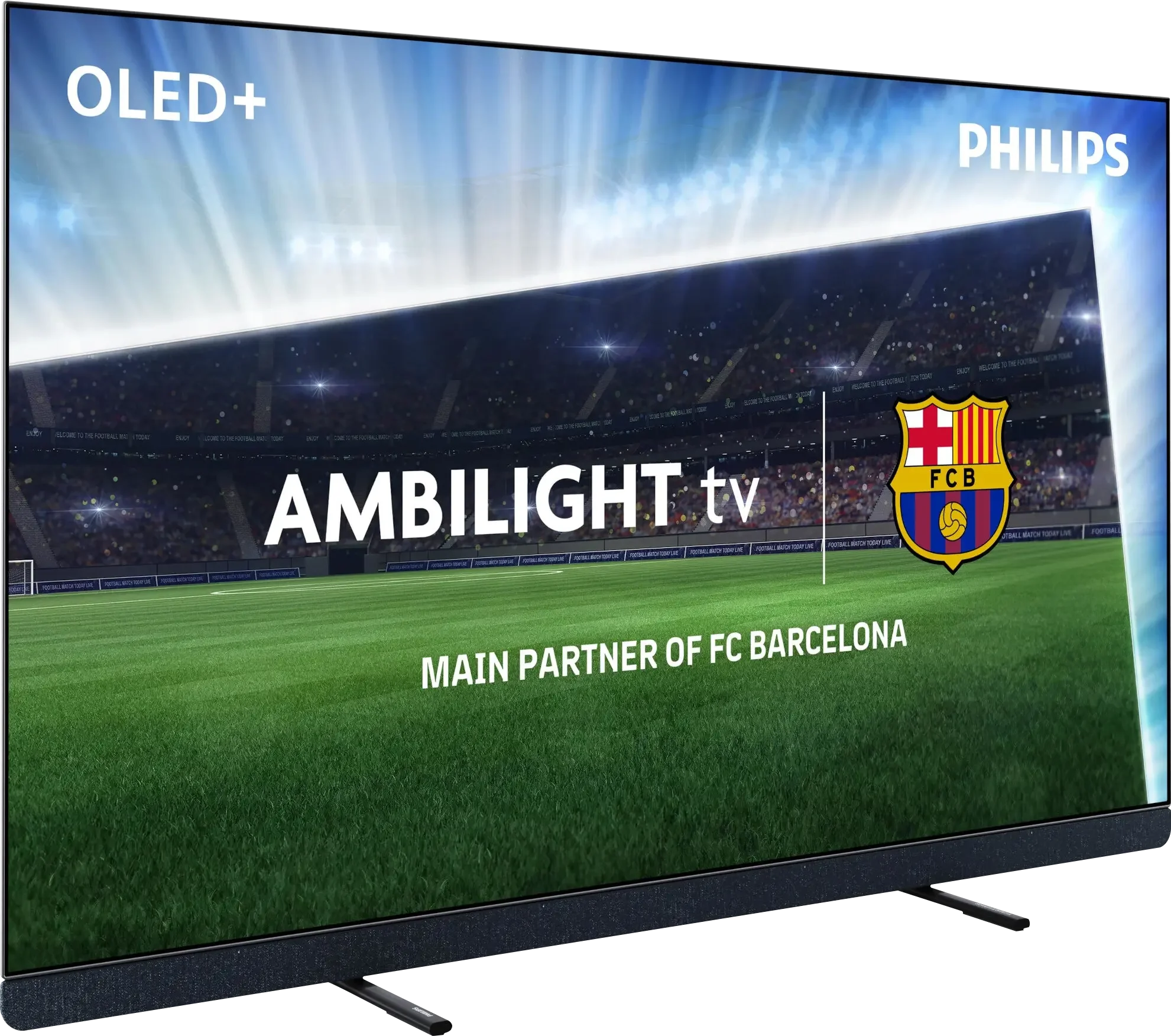
Philips OLED909 is undoubtedly a highlight of engineering from the Dutch manufacturer for 2024. When it comes to picture quality, the television delivers what you can expect from OLED technology – deep blacks and infinite contrast. Additionally, it is equipped with META technology (MLA microlenses), which significantly enhances its brightness and further improves the already excellent viewing angles of organic matrix televisions. This makes HDR effects look phenomenal, and the television will satisfy most users looking for great picture quality in this class of devices. In terms of motion fluidity, the OLED909 does not disappoint either. The 144 Hz panel, combined with a full set of gaming features like HDMI 2.1, ALLM, and VRR, makes it a perfect choice for gaming enthusiasts. Both fast-paced shooters and spectacular racing games will look smooth and responsive. Regarding usability, the television is equipped with the Google TV operating system, just like the model OLED809. This solution is significantly better than TitanOS, which we find in the lower series OLED 769 from the Dutch manufacturer. It provides access to a massive number of applications, easy operation, and support for a voice assistant. Additionally, there's a four-sided Ambilight system that adds magic to every movie night, creating a unique atmosphere. However, it is not a device without flaws. The biggest issue regarding image quality is the average smoothness of tonal transitions – you can see the colour joins in subtle gradients, which may be bothersome to more demanding viewers. In terms of PC compatibility, while this is phenomenal equipment for gamers, it may not be the best choice for text or graphic work due to the lack of 4:4:4 chroma support. From a usability perspective, it’s worth mentioning a few disappointments. The remote control in this model really impressed us – it’s well designed, and the backlit numeric keypad is a great addition, especially when using the television in the evening. Unfortunately, it mainly operates via infrared, so we found ourselves getting irritated a few times when we had to aim precisely at the screen. This seems a bit odd, considering that in this price range we expected more modern solutions. The lack of recording functions or picture-in-picture (PiP) also surprised us – these are features that are often standard in this segment. Despite these flaws, the Philips OLED909 is a television that delights with its picture quality, gaming features, and unique additions like Ambilight. The biggest question to ask oneself is: is it worth it? It’s great equipment, but its high price raises the question of whether it is the best choice in terms of price to quality.
- Matching (Score) |
- Our verdict |
- TV appearance |
- Where to buy |
- Contrast and black detail |
- HDR effect quality |
- Factory color reproduction |
- Color reproduction after calibration |
- Smoothness of tonal transitions |
- Image scaling and smoothness of tonal transitions |
- Blur and motion smoothness |
- Console compatibility and gaming features |
- Input lag |
- Compatibility with PC |
- Viewing angles |
- Daytime performance |
- Panel details |
- TV features |
- Apps |
- Playing files from USB |
- Sound
OLED909
W92C / W94C

Available screen sizes: 55”
Panel type: WRGB OLED
Resolution: 3840x2160
System: Google TV
Model year: 2024
Complete the survey to find out the result
Panel type: LCD IPS
Resolution: 3840x2160
System: Google TV
Model year: 2026
Complete the survey to find out the result
Overall rating
8.1
7.1
 Movies and series in UHD quality
8.2
6.5
 Classic TV, YouTube
8.6
6.7
 Sports broadcasts (TV and apps)
8.8
6.9
 Gaming on console
9.5
7.8
 TV as a computer monitor
6.4
9.0
 Watching in bright light
5.7
6.8
 Utility functions
6.7
6.6
 Apps
9.6
9.6
 Sound quality
8.1
6.7
Complete the survey to find out what fits your preferences
Advantages

Perfect blacks - OLED
High brightness HDR
Support for advanced HDR formats – HDR10, HDR10+, Dolby Vision, HGiG
Good motion fluidity - 144Hz
Great gaming compatibility – ALLM, VRR, low input lag
One of the best viewing angles on the market
Excellent colour reproduction after calibration
Four-sided Ambilight system
GoogleTV operating system – rich selection of apps, voice control, easy operation
Good sound quality – built-in soundbar
Matte screen effectively reduces reflections
Fast Google TV system with plenty of apps and features
Natural colours after calibration
Supports Dolby Vision and HDR10+
Good viewing angles
Very smooth tonal transitions
Effective enhancement of lower-quality content
Good choice for gamers: 144 Hz and low input lag, 3x HDMI 2.1 48 Gbps
Very good text readability from a computer
Disadvantages

Visible tonal transitions
Infrared remote control
Font display issues (PC computer)
Lack of recording features from built-in tuners and PIP
Price compared to competitors
Imprecise local dimming (limited number of zones)
Poor out-of-the-box colour accuracy
Software bugs
Motion handling issues: motion blur and lack of advanced motion interpolation controls
Mediocre sound despite the subwoofer
Our verdict
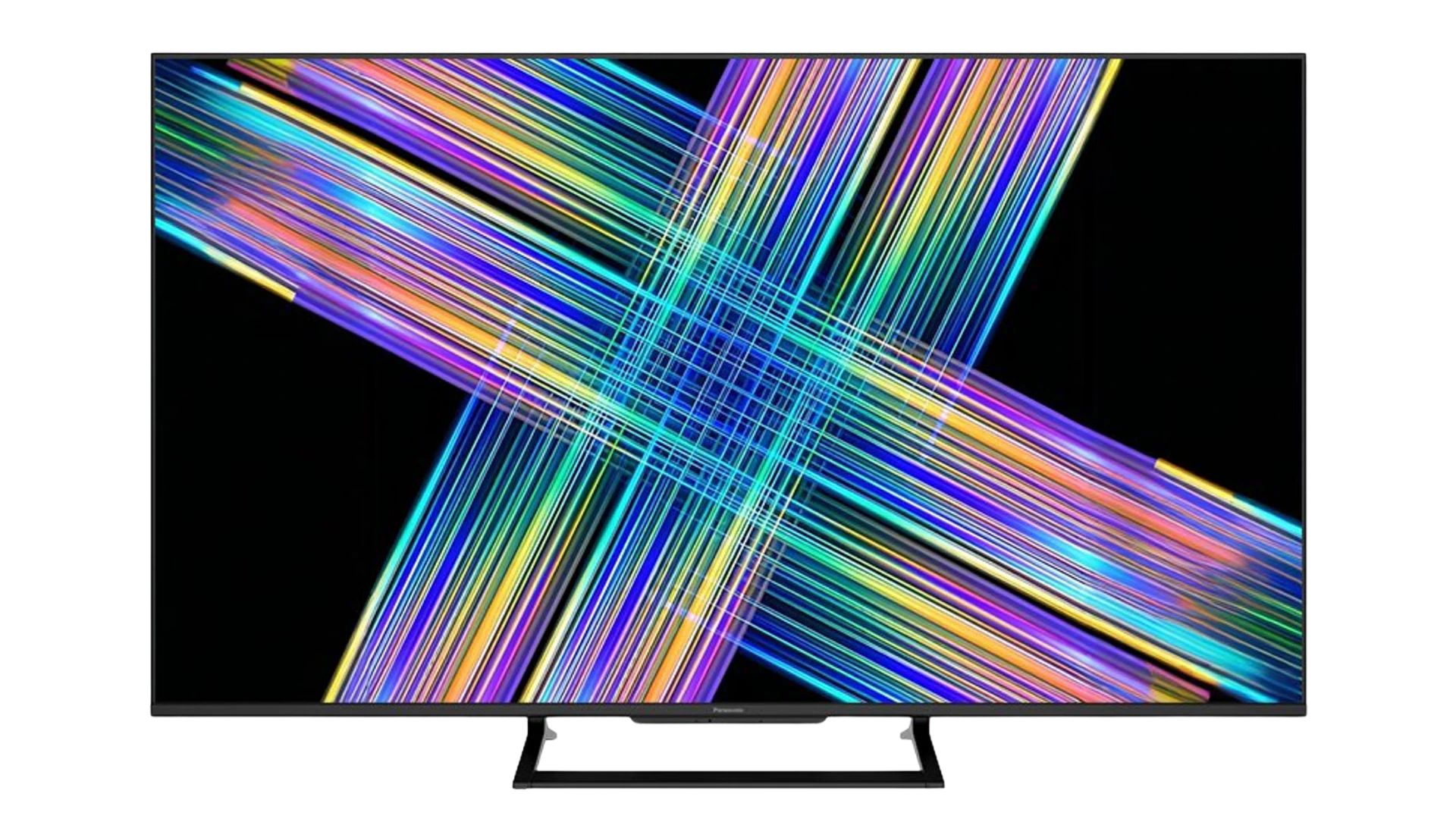
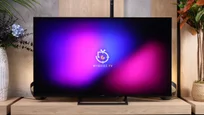
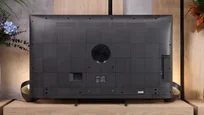
The W92C is the first Panasonic developed in collaboration with Skyworth that we've tested. And it's roughly the change we expected: a bit less of the old Panasonic, but also a few new things that work in its favour. Most welcome is the switch to Google TV. The system runs fast, gives access to the apps you need, and in daily use convinces us more than the previous Fire TV. Paired with a matte screen that handles reflections well, this makes for a comfortable living-room TV where you don't always feel like drawing the curtains before watching.
The longer we used the W92C, the more we appreciated its versatility. It can improve poorer source material quite effectively, and after calibration the picture gains a naturalness that, unfortunately, it lacks on the factory settings, as was the case with older Panasonic models. It also works well for consoles and PCs. It responds quickly to input and the high refresh rate delivers pleasant smooth motion. So the Panasonic makes sense in a home where one screen is used for TV, movies, gaming, and sometimes even... working with text. 🙂
The limitations become more apparent during evening viewing. Black can look good, but a more demanding scene will cause halos around bright objects and the bars above and below the picture to glow. A small number of local dimming zones makes it hard to maintain deep blacks and bright details at the same time. Dolby Vision helps get more out of this screen, but it doesn't remove those limitations. The factory picture tuning is also disappointing, and the automatic brightness shifts we encountered during the review further spoil the user experience. This is where the refinement we expected from the "Panasonic" name is most lacking.
So ultimately the attractiveness of the W92C will come down to price. It's a basic Mini LED and should be priced similarly to competing models with simple local dimming. At that level it would be a sensible proposition, especially for people moving up from a regular LCD. They'll get better blacks, a handy system and a versatile screen that works for both TV and gaming. However, if you have to pay a clear premium for the Panasonic badge, it will be hard to justify. The W92C has enough strengths to hold its own as an inexpensive, versatile TV, but too few advantages to sell itself on the brand alone.
TV appearance





Contrast and black detail
10/10
5.2/10
Local dimming function: Yes, number of zones: 91 (7 x 13)
Contrast:


Result
∞:1

Result
∞:1

Result
∞:1

Result
∞:1

Result
∞:1
Result
24,900:1
Result
5,050:1
Result
9,150:1
Result
2,000:1
Result
900:1
Halo effect and black detail visibility:
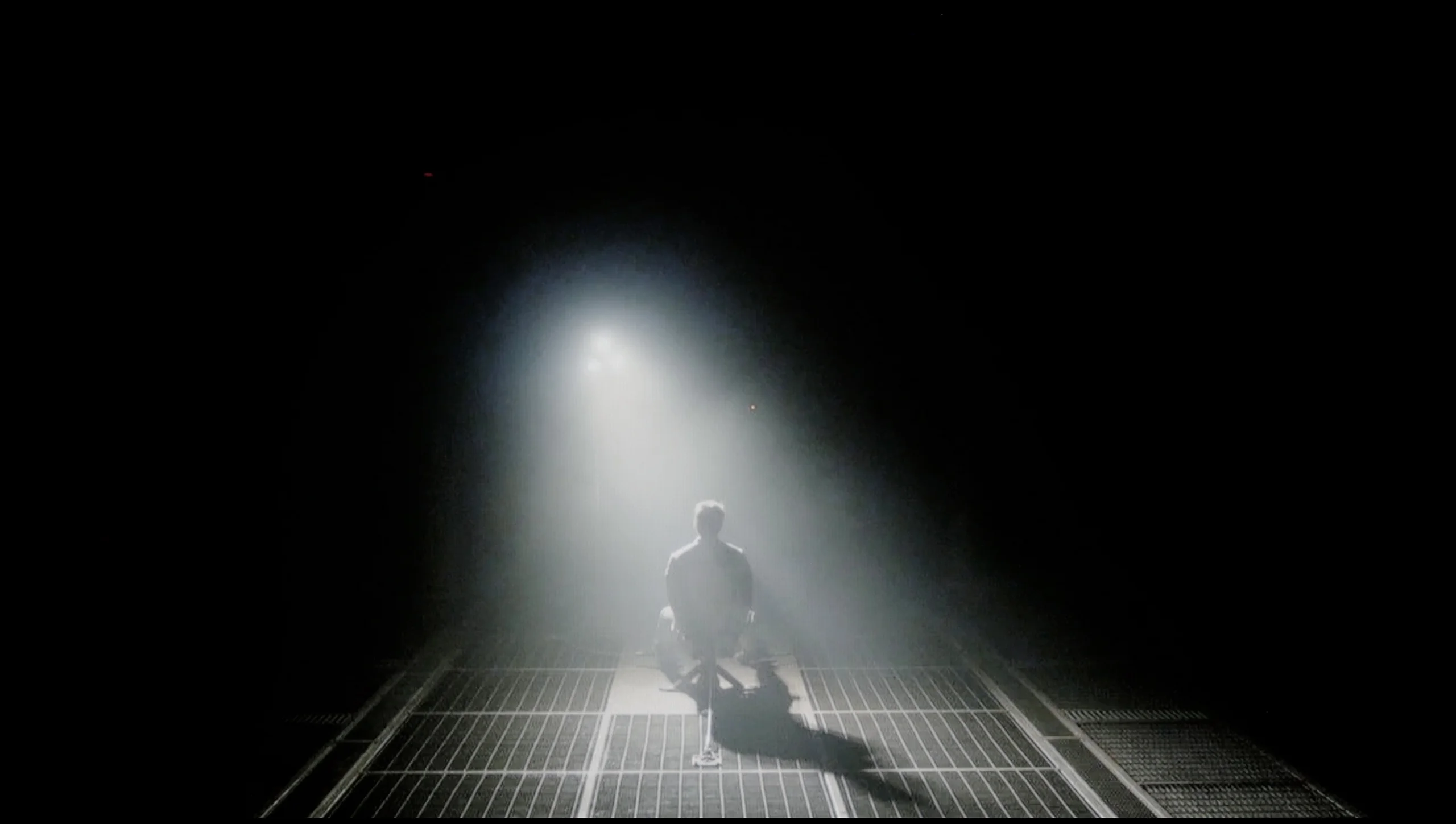
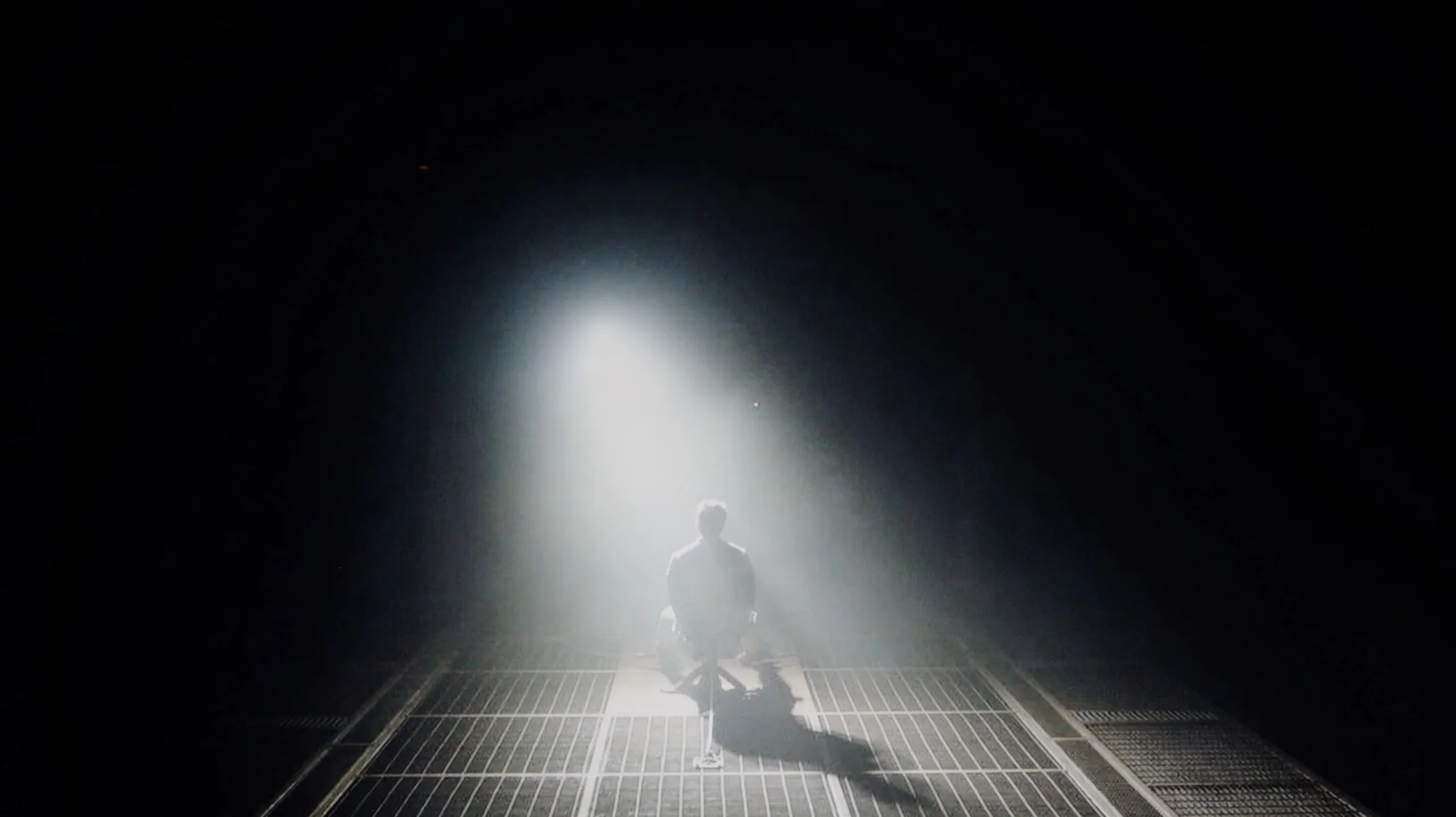
Check the visibility of bright lights on a dark background. Mini-LEDs often struggle with this. The photo does not compare black levels – that’s what the video below is for.
The video accurately shows differences in contrast and black levels between TVs, as well as potential issues: halo around bright objects or Mini-LED zone operation visible as brightness jumps.
The Philips OLED909 sets a standard in contrast and black levels, characteristic of OLED technology. Tests on five screens confirmed infinite contrast, making the TV an ideal choice for film lovers watching in dark rooms. The scene from the movie Oblivion impresses with the excellent separation of light sources, allowing for a full appreciation of the precise rendering of even the smallest details. The scene from Sicario 2 also performs well, with the bright helicopter lights perfectly separated from the dark background. However, in this same scene, a desaturation phenomenon, or loss of colour saturation, is noticeable. Although it is not directly related to the assessment of contrast and black levels, it is worth mentioning, especially if perfect colour reproduction is critical in every situation. Despite this minor flaw, the black levels generated by the Philips OLED909 remain extraordinarily deep and deserve the highest marks.
Black levels on the Panasonic W92C generally look quite good. That's mainly down to local dimming, and the 55-inch sample we tested uses 91 zones. In simpler scenes the TV can effectively darken the background, and in our easiest test it reached almost 25,000:1 contrast. However, to achieve that level of black you need to set dimming to High. Lower settings leave the backlight too bright.
That comes at a cost in bright parts of the picture. The separation of individual lights remains visible, though you have to look closely to notice it. A lower dimming setting lets those details appear more clearly, but the degradation of blacks is too great to call it a better compromise.
Even on the High setting you can see the limits of the small number of zones. What bothered us most were the bright bands above and below the picture, which in HDR material at times took on a nearly navy tint. Small bright objects also show bright outlines, the so‑called halo effect. On the plus side the backlight is stable: in the helicopter scene we didn't notice any erratic brightening and dimming of successive zones. More zones would help, and the control needs refinement. Moving up from a basic LCD without local dimming can still bring a clear improvement, but for a Mini LED the result leaves a fair amount to be desired.
HDR effect quality
7.8/10
4.8/10
Luminance measurements in HDR:

Result
1394 nit

Result
1471 nit

Result
1594 nit

Result
1552 nit

Result
708 nit
Result
508 nit
Result
175 nit
Result
348 nit
Result
169 nit
Result
428 nit
Scene from the movie “Pan” (about 2800 nits)


Scene from the movie “Billy Lynn” (about 1100 nits)


The photos show two HDR10 movies. 'Pan' is one of the brightest productions ever made, while 'Billy Lynn' (soldier) has brightness typical of streaming (Netflix, Prime, HBO MAX). Notice the intensity of effects and detail in whites.
Static HDR10


The photos present the visibility of white details in various HDR formats. They do not show brightness differences between TVs (these can be compared in the previous gallery).
Dynamic: Dolby Vision
Dynamic: Dolby Vision


The photos present the visibility of white details in various HDR formats. They do not show brightness differences between TVs (these can be compared in the previous gallery).
HDR luminance chart:
Panasonic W92C (Google TV)
Philips OLED909
Luminance of RGB colors
Philips OLED909 impresses with its HDR effect quality, achieving up to 1500 nits of peak brightness in tested scenes. This is an excellent result, placing this television among the best OLED models on the market. The MLA panel, also used in models like the Panasonic Z95A and LG G4, plays a crucial role here, allowing for exceptionally bright and detailed reproduction of dynamic scenes. However, it is worth noting that in the most demanding scene from the film The Meg, brightness drops to around 700 nits. This is a typical phenomenon in OLED technology, where intensely bright full-screen images cause a reduction in luminance. Nevertheless, the HDR effect still looks very good, and the television performs better than most competitors under similar conditions. The wide colour gamut coverage also deserves praise. The OLED909 offers 95% coverage of DCI-P3, ensuring that the television guarantees the ability to display vibrant and realistic colours.
Panasonic W92C osiąga szczytowo około 750 nitów przy wygaszaniu ustawionym na poziom wysoki. Taka jasność pozwala już pokazać wyraźny efekt HDR, jednak w filmach telewizor nie zawsze potrafi ją wykorzystać. W jaśniejszych scenach uzyskujemy około 500 nitów, natomiast niewielkie światła na ciemnym tle potrafią spaść do zaledwie 160–250 nitów. W praktyce oznacza to, że słońce w jasnym ujęciu wygląda dość przekonująco, ale latarka czy drobne rozbłyski w nocnej scenie tracą siłę. To kolejny koszt działania lokalnego wygaszania, które przy ograniczonej liczbie stref przyciemnia również jasne elementy, żeby utrzymać czerń wokół nich.
Podczas testów zauważyliśmy też dziwny błąd oprogramowania. Po przejściu do HDR telewizor samoczynnie zmieniał poziom podświetlenia, ustawiając go na przykład na 53 lub 81 zamiast wartości maksymalnej. Obraz był przez to ciemniejszy, niż pozwalają możliwości matrycy. Wszystkie prezentowane pomiary wykonaliśmy po ręcznym przywróceniu maksymalnego podświetlenia.
Kolory
Za szeroką paletę barw w Panasonicu W92C odpowiada luminofor PFS, który daje efekt podobny do kropek kwantowych stosowanych w ekranach QLED. Zmierzyliśmy pokrycie DCI-P3 na poziomie około 94% oraz 74% szerszej palety BT.2020. Co istotne, wyniki w materiałach filmowych były praktycznie identyczne jak na planszach testowych. To dobry rezultat, dzięki któremu filmy HDR mogą pokazać bogatsze, bardziej nasycone kolory niż na podstawowym ekranie LCD.
Nieco gorzej wypada jasność samych barw. W naszych pomiarach czerwień osiągała około 58% wartości docelowej, a zieleń i niebieski około 66–67%. Telewizor potrafi więc wyświetlić szeroki zakres kolorów, ale najjaśniejsze, intensywnie nasycone fragmenty obrazu nie mają takiej siły jak w ekranach RGB.
Factory color reproduction
7.6/10
4.1/10


This gallery shows how colors change after professional TV calibration. If you notice the difference, we recommend ordering this service at SkalibrujTV.com.
Factory Mode
After calibration


This gallery shows how colors change after professional TV calibration. If you notice the difference, we recommend ordering this service at SkalibrujTV.com.
Factory Mode
After calibration
Like other TVs, the Philips OLED909 has been tested for colour reproduction in factory modes. The best mode was found to be Filmmaker Mode; however, despite its name, it is not without faults.
The biggest problem is the white balance. In both HD and 4K HDR content, there is a noticeable dominance of green and red hues, resulting in a clear yellow tint on the screen. This effect is particularly visible in test materials, for example, in a scene with Tom Cruise in the foreground, where the difference compared to a calibrated image is very clear.
As for the brightness characteristic, in HD materials, the gamma was excessively boosted - it was below the reference value of 2.4, giving the image a “milky” filter and impacting overall clarity. For 4K HDR content, we observed the opposite phenomenon – at the beginning of the EOTF curve, there is a noticeable drop, indicating issues with reproducing the smallest details in dark scenes. Although Filmmaker mode offers acceptable quality, noticeable errors in white balance and brightness characteristics show that the TV requires additional calibration to fully realise its potential in colour reproduction.
We measured the factory colours in Film mode. The W92C also has a "Filmmaker" mode, Filmmaker Mode, but it practically locked all picture settings, so for further testing and calibration we chose a Film mode similar to it. It's better than the other available presets, though unfortunately that doesn't mean it's well calibrated. It's one of the weaker film modes we've tested this year. A shame, because Panasonic has usually given us much better out-of-the-box settings. In SDR material a cool tint is immediately apparent. The white balance has too much blue, and an excess of red relative to green gives the whites a slightly pinkish cast. You can see this in faces too, which don't look as natural as they should. An even bigger problem is the significantly low gamma. Instead of the target 2.4, across most of the scale it sits around 1.9–2.0. In practice the image is overly bright, shadows lose depth and almost every scene looks a bit flat. In HDR there's even more blue, especially in the bright parts of the picture. Here, too, the TV lifts the brightness of darker and mid tones, which is shown by the EOTF curve rising above the reference. That makes some shadow detail easier to see, but the scene loses its proper atmosphere. So we have a similar problem as in SDR: colours that are too cool and an image that's overly bright. For a Panasonic, the W92C's factory settings are simply... disappointing.
Color reproduction after calibration
9/10
7.7/10


The photos show how movies look on the TV. Pay attention to black detail visibility, colors, and shadow tint.


The photos show how movies look on the TV. Pay attention to black detail visibility, colors, and shadow tint.
Philips OLED909 offers tools for image calibration, significantly improving its quality. After calibrating the Filmmaker Mode, the television displays a much more natural colour reproduction. The white balance after calibration looks very good. Although we noticed slight blue tint deviations in HD content, the errors fall within acceptable limits, and the picture is significantly better than in factory settings. The brightness characteristics, including gamma and EOTF, have also been clearly improved. The television no longer has issues with excessive brightening or dimming of the image. Both dark and light details are now rendered correctly, making the picture look very good in every scene. After calibration, Filmmaker Mode on the Philips OLED909 offers excellent picture quality that will meet the expectations of even the more demanding users. The calibration fully utilises the potential of this model.
After calibration the W92C looks noticeably better, especially with SDR material. We managed to equalise the white balance and remove the cool blue cast that had been spoiling virtually every scene. Whites are now neutral and faces have a much more natural colour. We also corrected the gamma, which now holds much closer to the target value of 2.4. That restored depth to the picture and it no longer looks so overly brightened. Colour measurements back up this improvement, and errors are small, so it's hard to criticise the SDR performance.
In HDR we also reduced the excess blue, although some imperfections remain in the very brightest shades. A bigger issue is how the TV manages brightness. Shadows and midtones are lifted, while the brightest highlights actually come out darker than they should. This robs the image of some contrast between dark backgrounds and strong light, which is an important part of the HDR effect. Unfortunately we don't have enough control over this behaviour in the settings. Calibration improves the colours but won't fix the tone mapping and backlight control. That's an operating characteristic of the W92C that Panasonic needs to refine.
Smoothness of tonal transitions
4.6/10
9.7/10





These are selected scenes that show smooth tonal transitions from one color to another. If you see distinct banding, it’s the TV panel’s fault.

These are selected scenes that show smooth tonal transitions from one color to another. If you see distinct banding, it’s the TV panel’s fault.

These are selected scenes that show smooth tonal transitions from one color to another. If you see distinct banding, it’s the TV panel’s fault.

These are selected scenes that show smooth tonal transitions from one color to another. If you see distinct banding, it’s the TV panel’s fault.
The Philips OLED909 performs averagely in the category of fluidity of tonal transitions. The WOLED panel used in this model is not known for handling tonal transitions perfectly, and in the case of the OLED909, it appears to be slightly worse than competing models with similar panels. Subtle transitions and colour blends can be noticed in both bright and dark areas of the image, which may be particularly evident in more demanding scenes with subtle gradients. This effect may influence the perception of content, especially for users who pay attention to such details.
The smoothness of tonal transitions on the W92C is outstanding. It's one of the best results we've seen this year. Regardless of the scene, colours blend smoothly into one another and you can barely see any banding separating individual shades. Panasonic handles both bright skies and darker, more demanding parts of the picture well. There's really little to fault here.
Image scaling and smoothness of tonal transitions
6.9/10
7.8/10


Smooth transition function
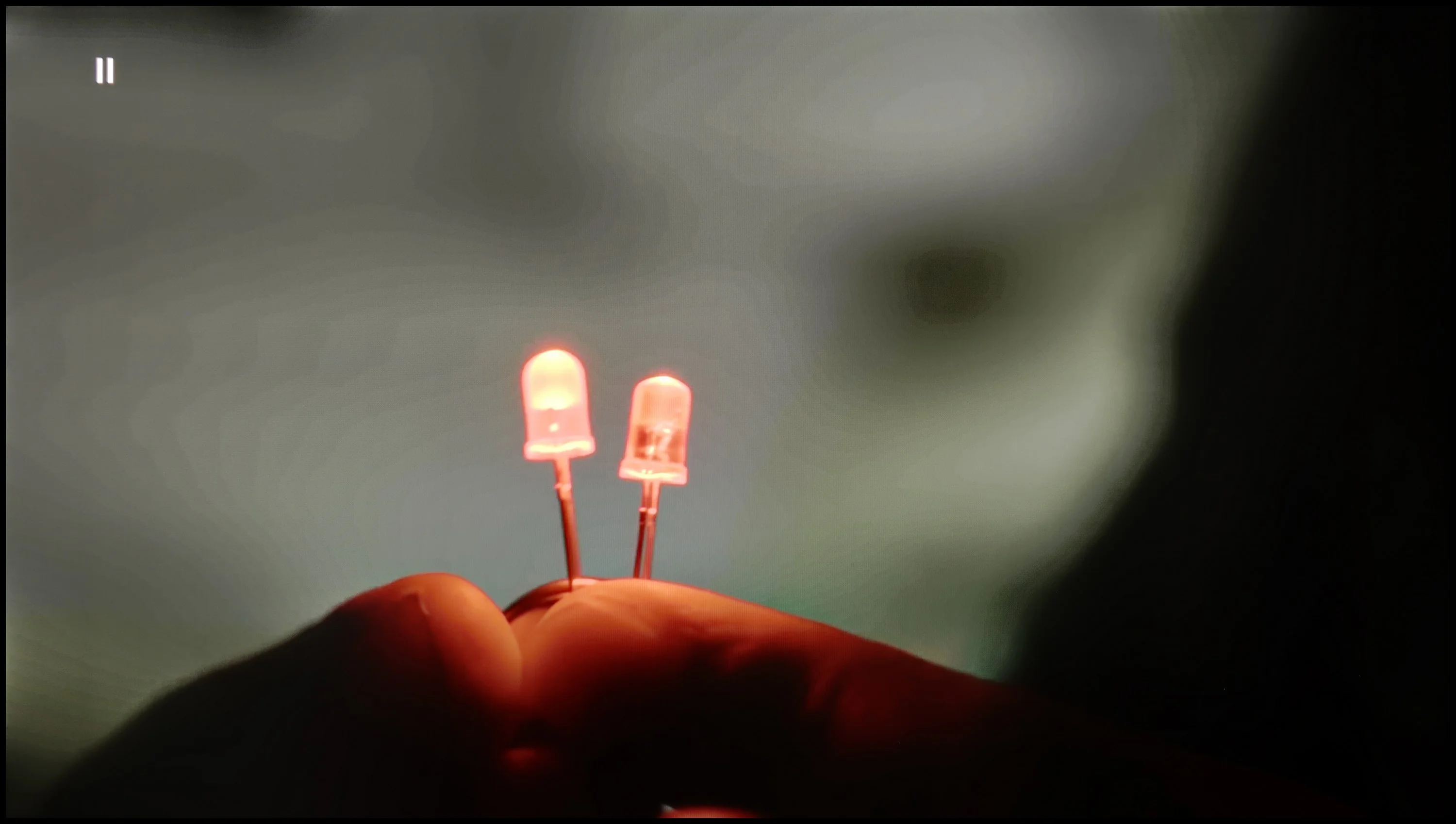
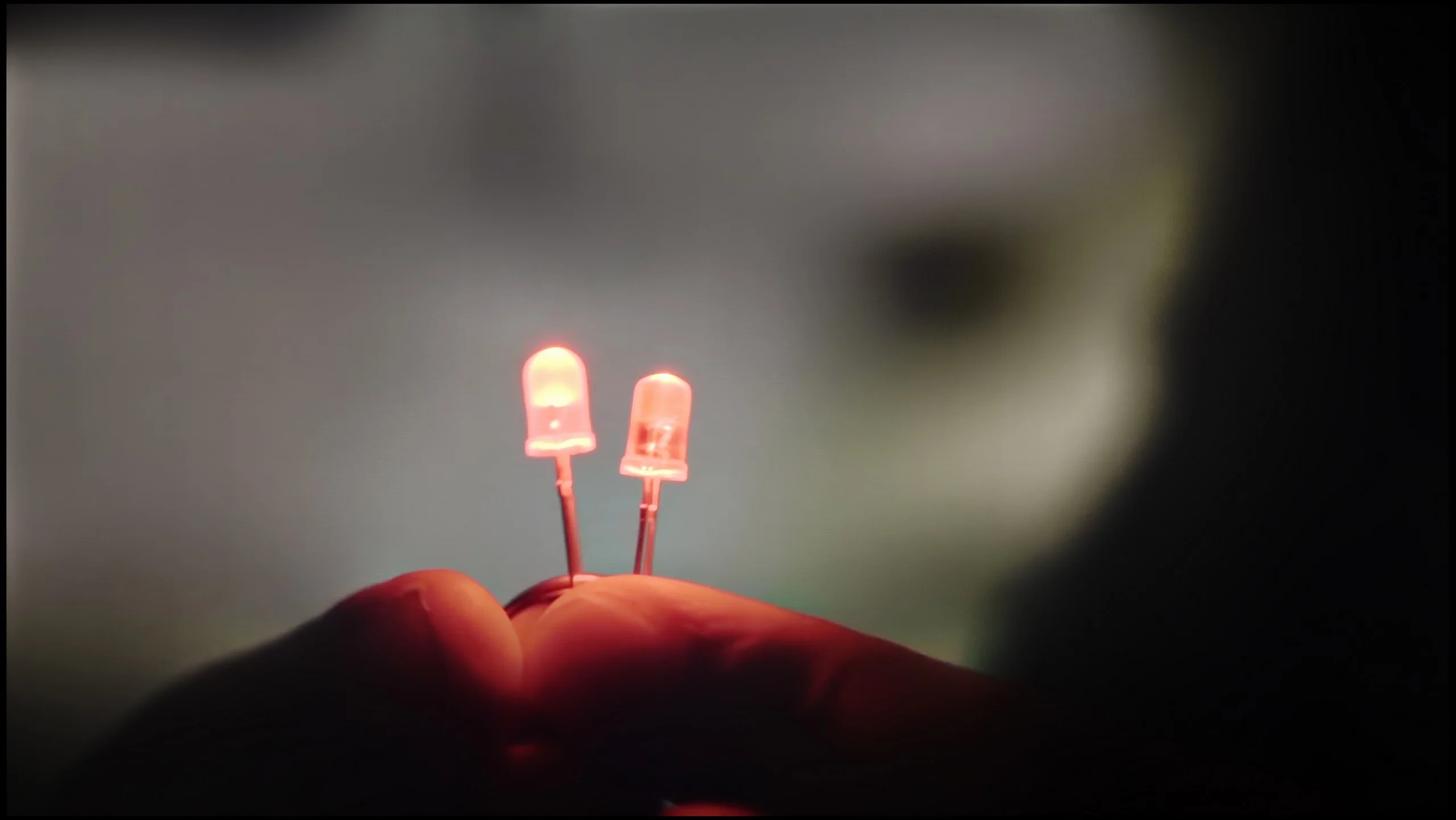
The match photo shows how the TV smooths weak tonal transitions in low-quality video.
Image scaling SD (576i)


The model photo shows how it handles upscaling of SD material.
Philips OLED909 offers a distortion reduction feature designed to smooth tonal transitions. Unfortunately, the effectiveness of this feature leaves much to be desired. Setting it to "Medium" achieves some effects, but it comes with the risk of blurring important details in the image. For this reason, we do not recommend using this option unless you are looking to soften visible artifacts at the expense of detail.
As for image scaling, the TV presents a very pliable image, which may appeal to viewers who prefer a softer picture. Those expecting sharper clarity will also find a solution, as image scaling can be adjusted to individual preferences in the settings.
The "Contour smoothing" function is used to improve tonal transitions in lower-quality material. At the medium level it works very effectively and removes visible banding between shades well. It sometimes loses some fine detail, but these aren't things that stand out. The low setting is more cautious and doesn't affect other image elements, but the smoothing itself is much weaker. We'd stick with the medium setting. Another plus is that the function leaves noise and film grain untouched.
Scaling itself also performs quite well. In our shot with the model the details of the clothing and the tree remain clear, so lower-resolution content looks decent on a large screen. There is, however, one drawback: with an SD signal the TV crops the edges of the image, applying so-called overscan. As a result we lose a small portion of the frame.
Blur and motion smoothness
8.5/10
7/10
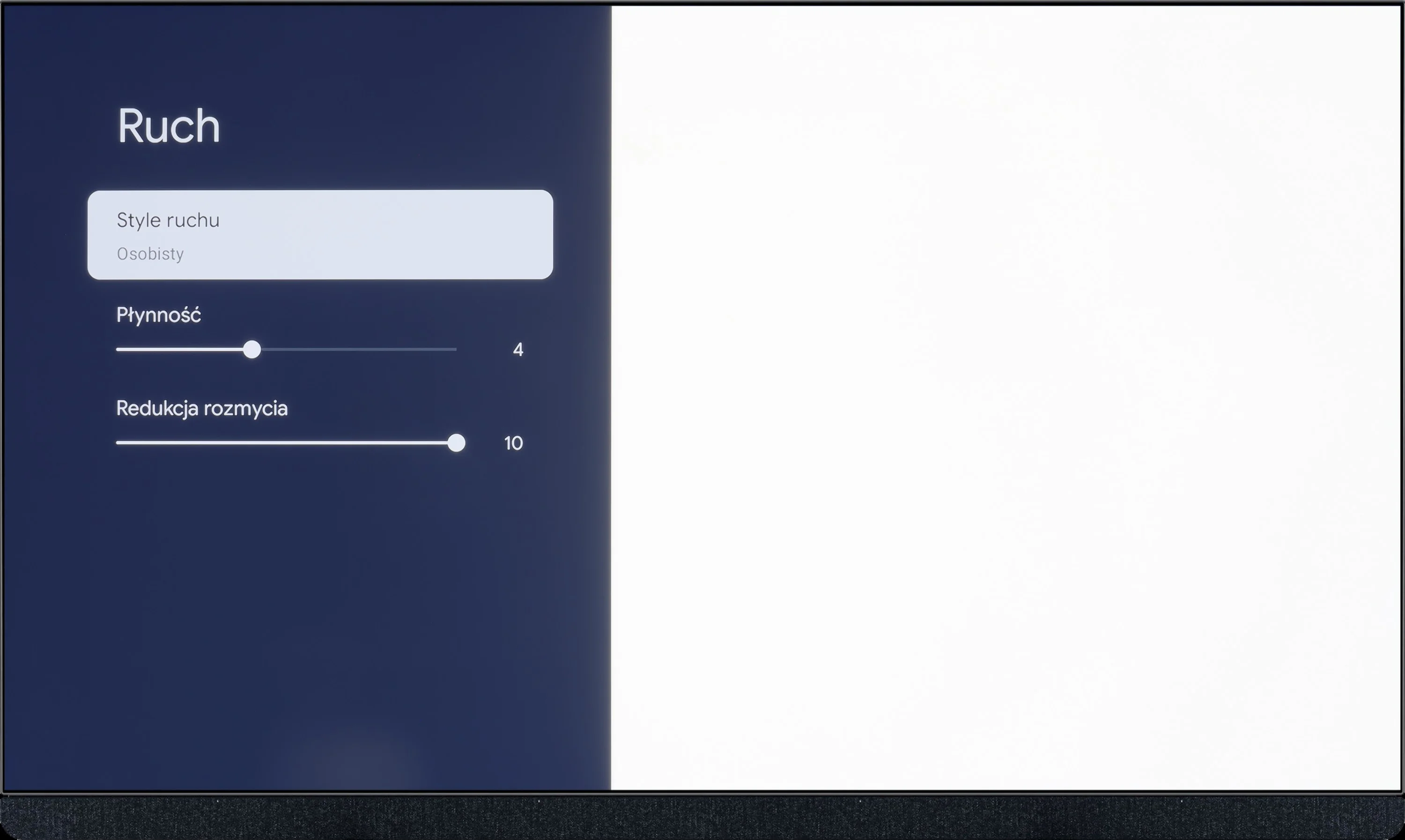
Blur (native resolution, maximum refresh rate):






Blur ():
Blur (4K@144Hz):



The Philips OLED909 with a 144 Hz panel offers excellent image fluidity, which should satisfy both movie lovers and gamers. Additionally, the TV is equipped with a motion smoothing feature called "Motion Style," which allows for precise adjustment of image fluidity according to personal preferences. In the settings, we find two sliders: "Fluidity," which adjusts the smoothness of motion in films, and "Motion Blur Reduction," which helps eliminate minor artifacts and distortions in dynamic scenes. This feature works well, ensuring that even quick movements on the screen are clear and readable.
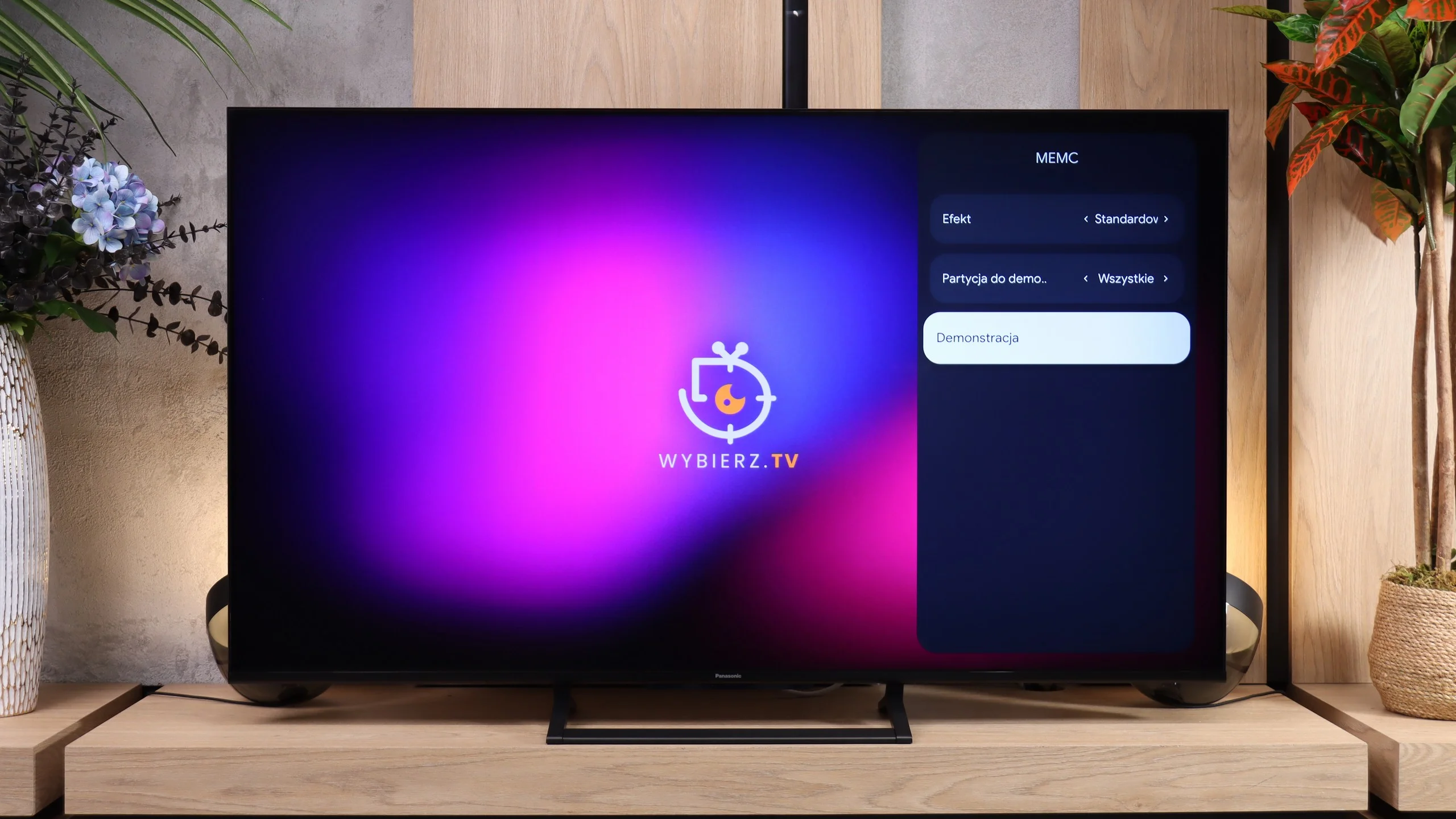
The Panasonic W92C has a 144 Hz panel, which is most useful for PC gaming. For console gaming and sports it's more important how the screen handles 120 Hz. Motion is smooth, though moving objects aren't perfectly sharp. In our UFO test you can see a distinct trail behind it, especially on a dark background. Even so, the W92C is still a better option for fast-paced content than a typical 60 Hz screen. The higher refresh rate gives a noticeable improvement in smoothness, it's just that the panel itself could react faster to colour changes.
Console compatibility and gaming features
10/10
8.1/10
- ALLM
- VRR
- VRR range40 - 144Hz48 - 144Hz
- Dolby Vision Game Mode
- Correct implementation of HGIG
- 1080p@120Hz
- 1440p@120Hz
- 4K@120Hz
- Game bar
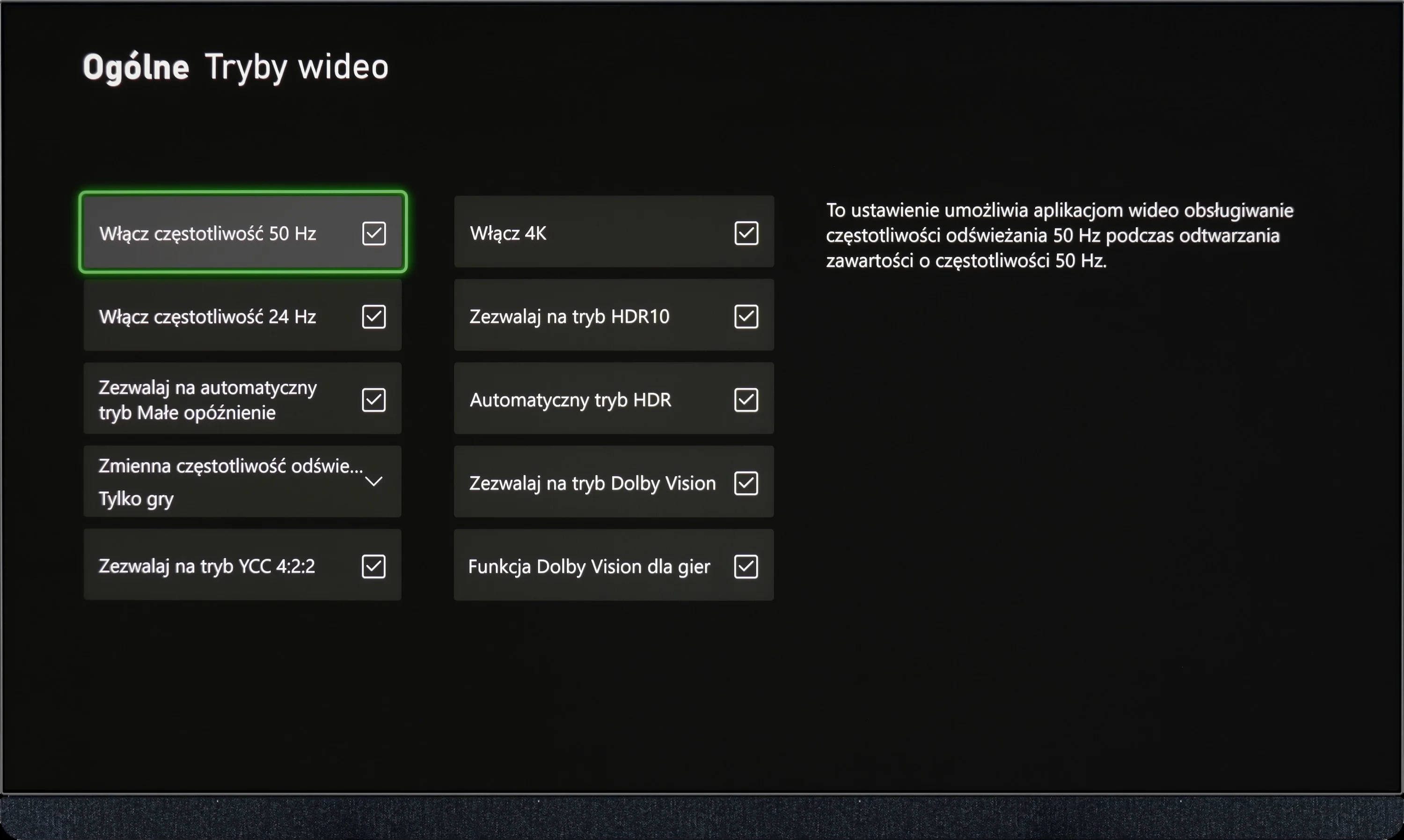
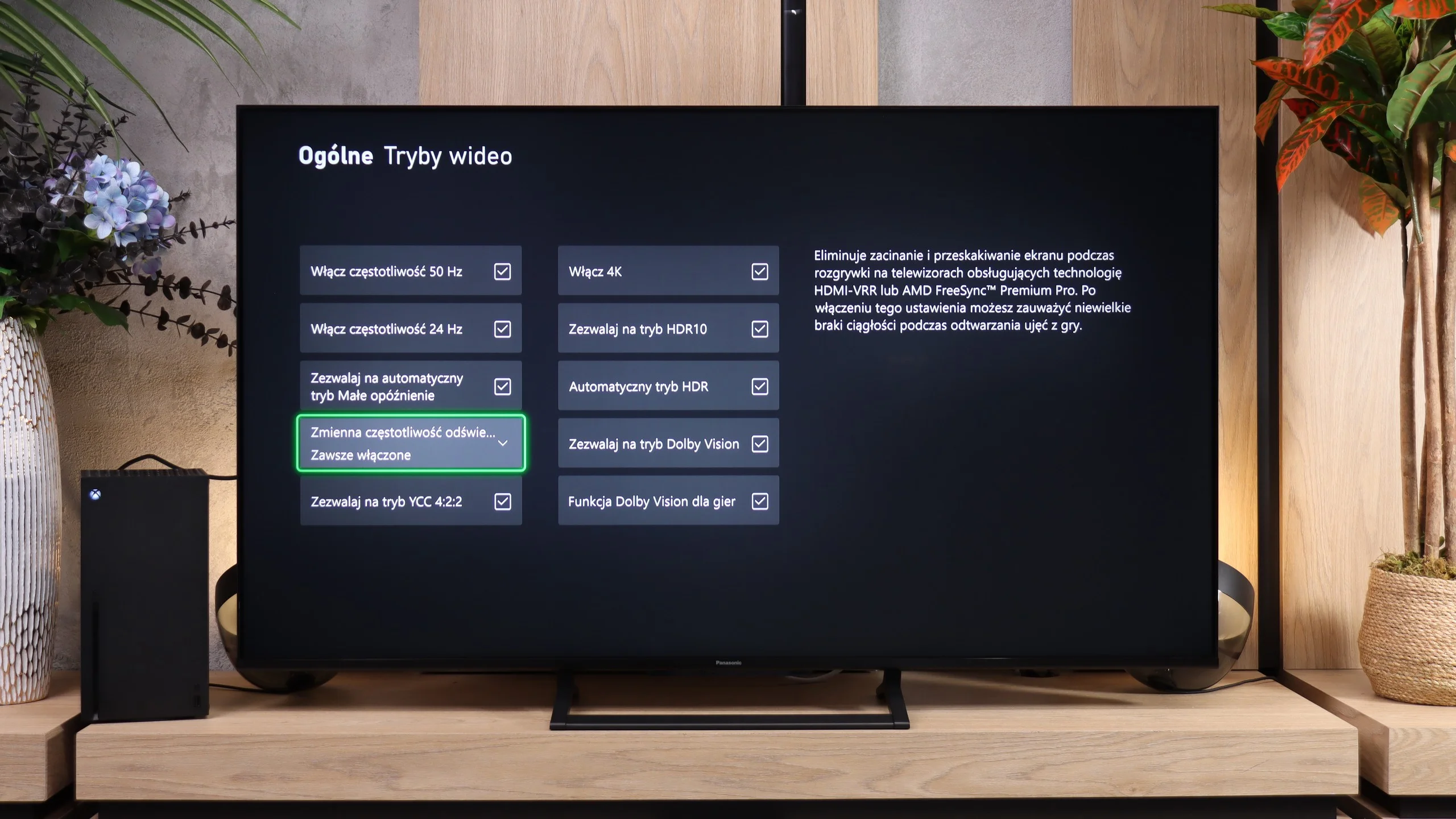
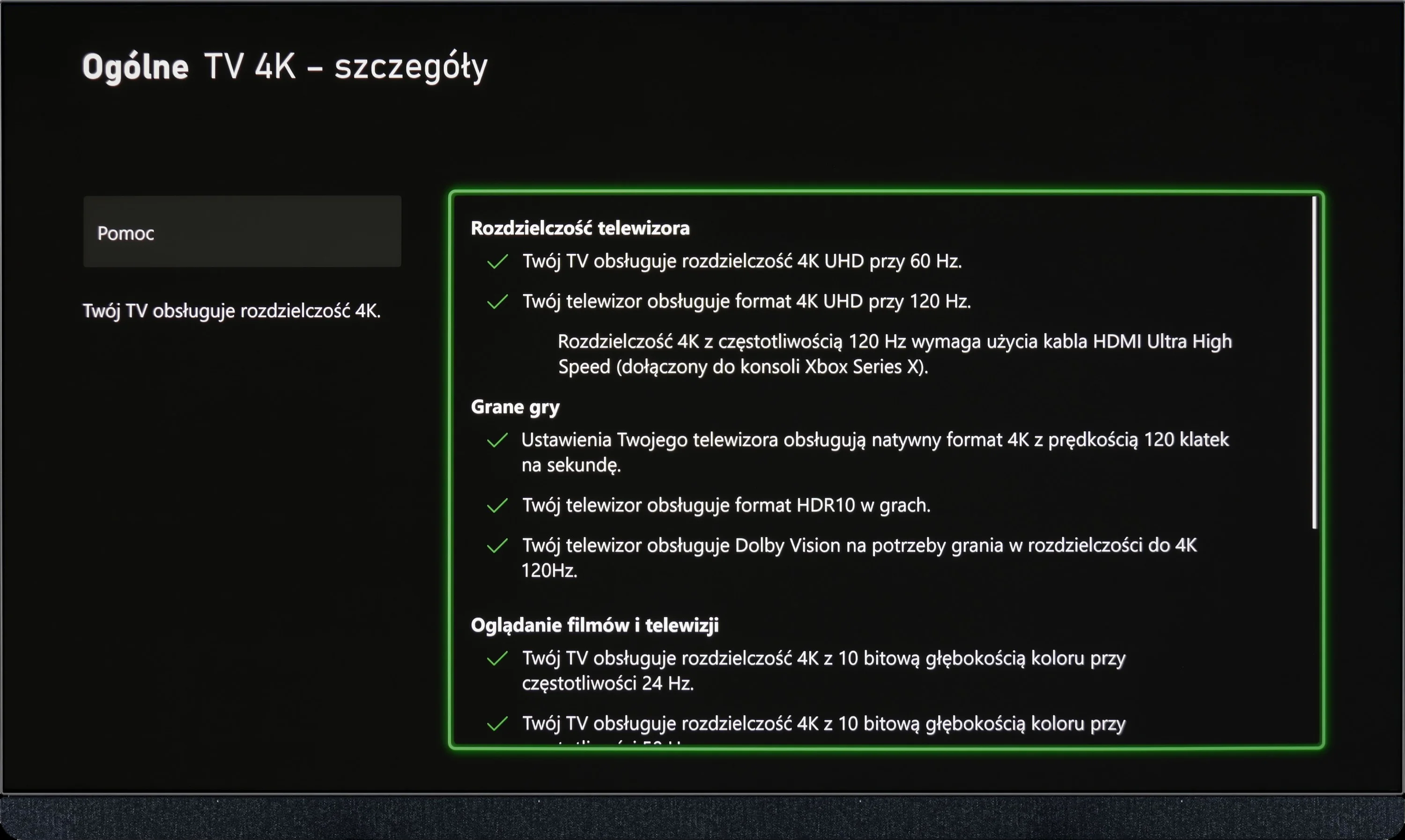
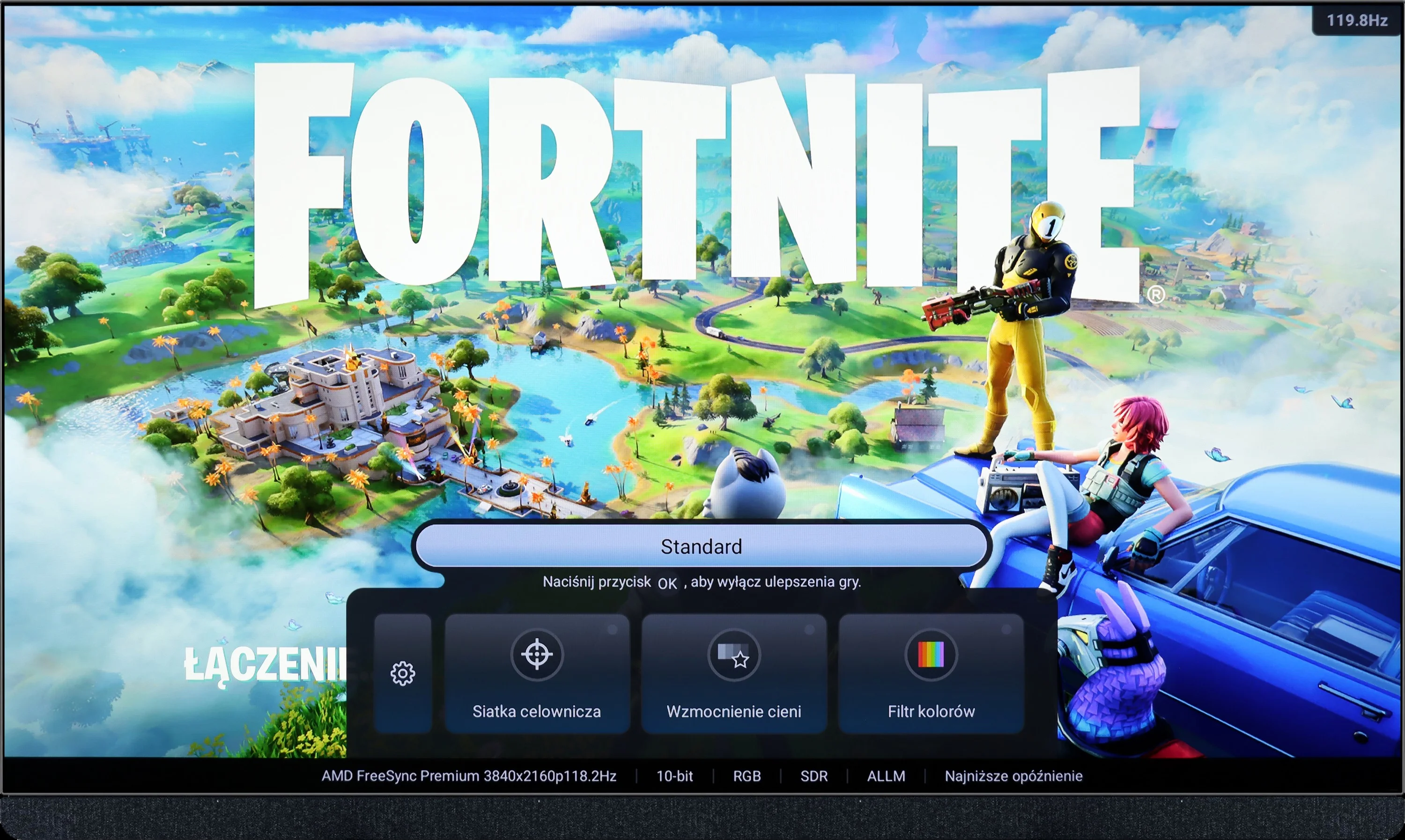
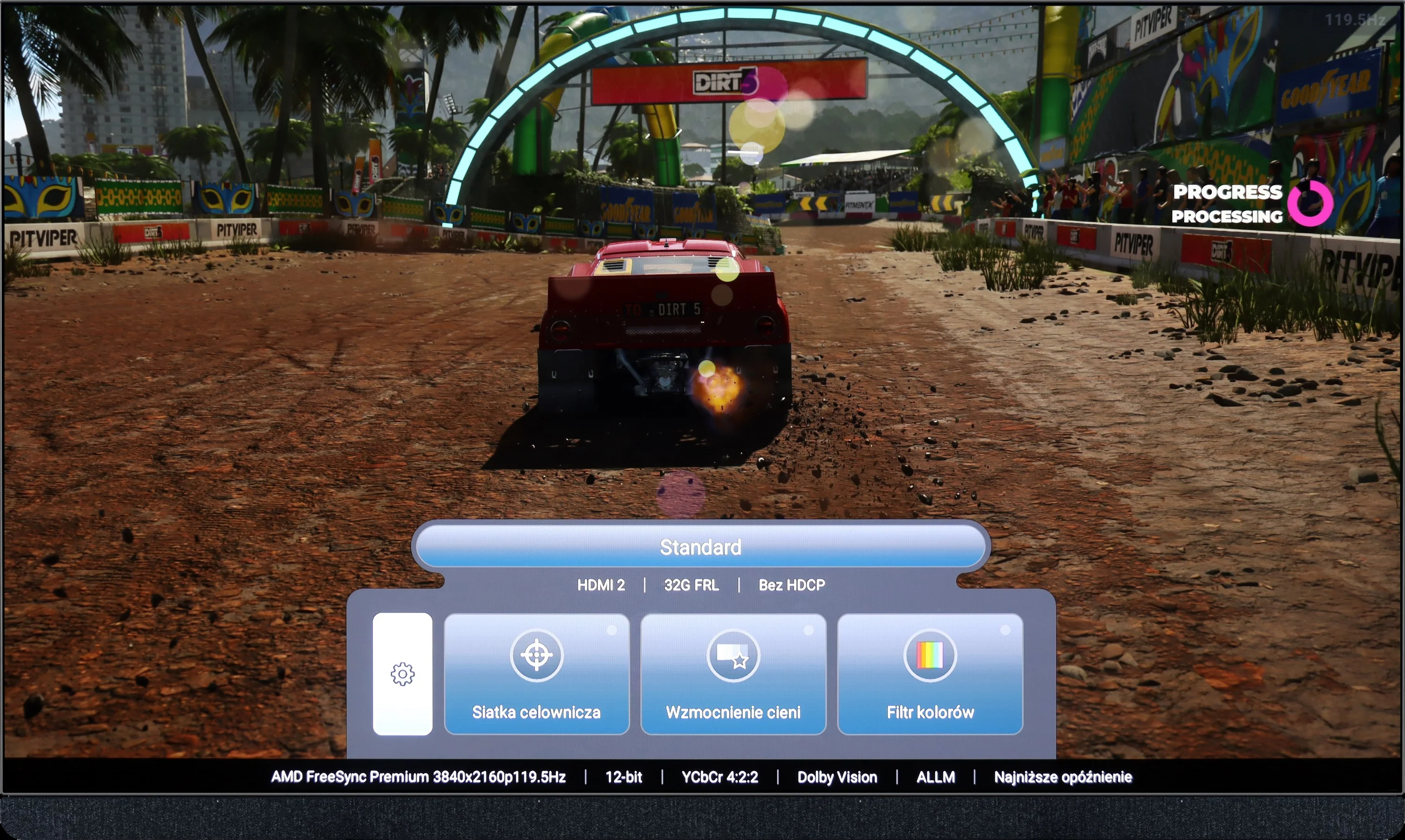
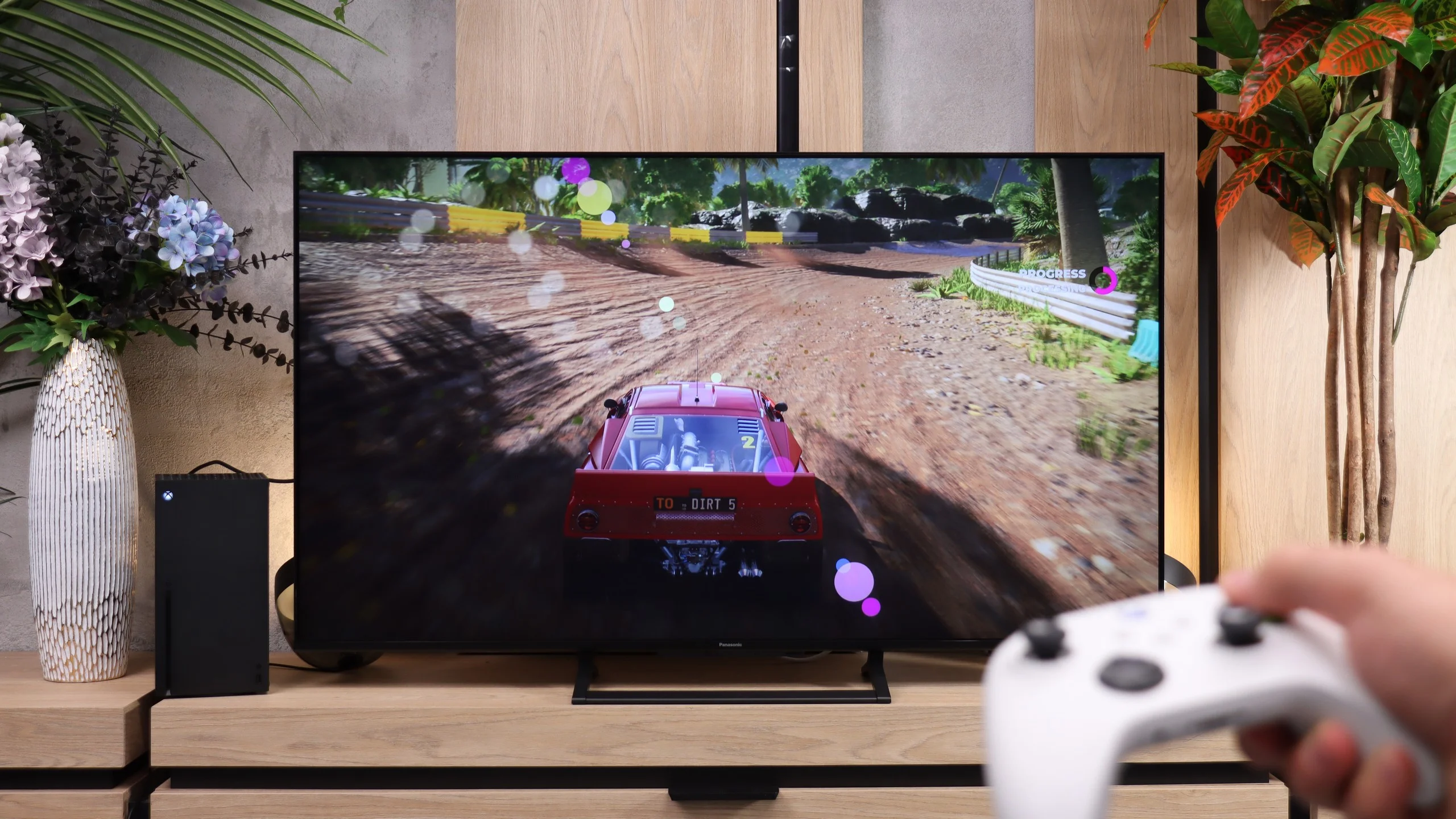
Philips OLED909 is a TV that meets practically all the requirements of gamers. Equipped with ALLM (automatic low latency mode), VRR (variable refresh rate), and support for Dolby Vision, it guarantees an excellent gaming experience. Additionally, the TV offers very low input lag, ensuring that the response to player movements is instantaneous, which fans of dynamic games will particularly appreciate.
The TV effortlessly supports any resolution at 120 Hz, and even higher refresh rates. The HGiG function, responsible for correctly displaying HDR content in games, works as it should, making the picture in game mode balanced and aligned with console manufacturers' guidelines.
The OLED909 is also equipped with a Game Bar feature, which allows for quick preview and adjustment of gaming settings. Although the interface of this solution seems less visually appealing than that of competitors, it serves its purpose by offering all the essential options in one place.
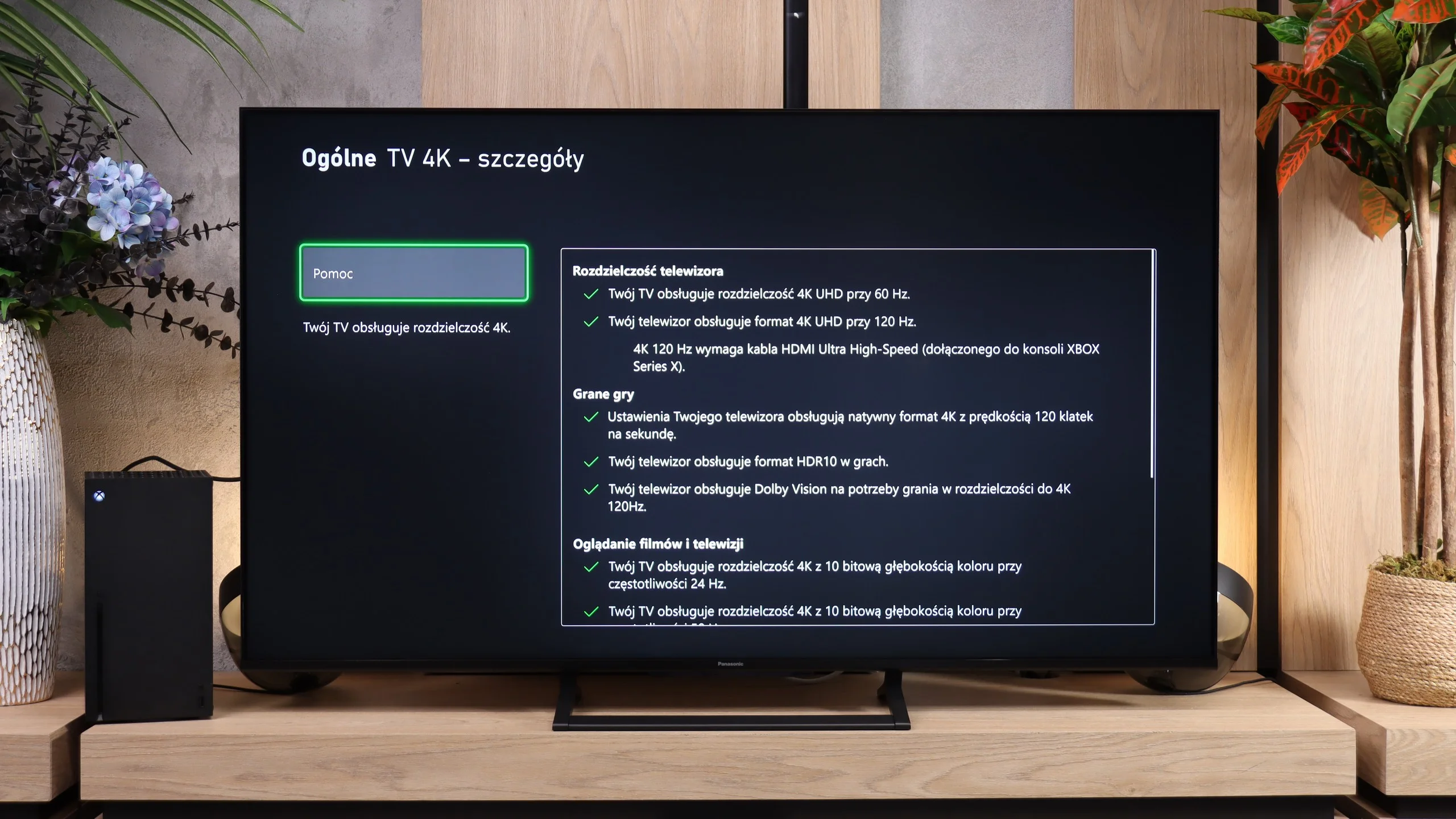
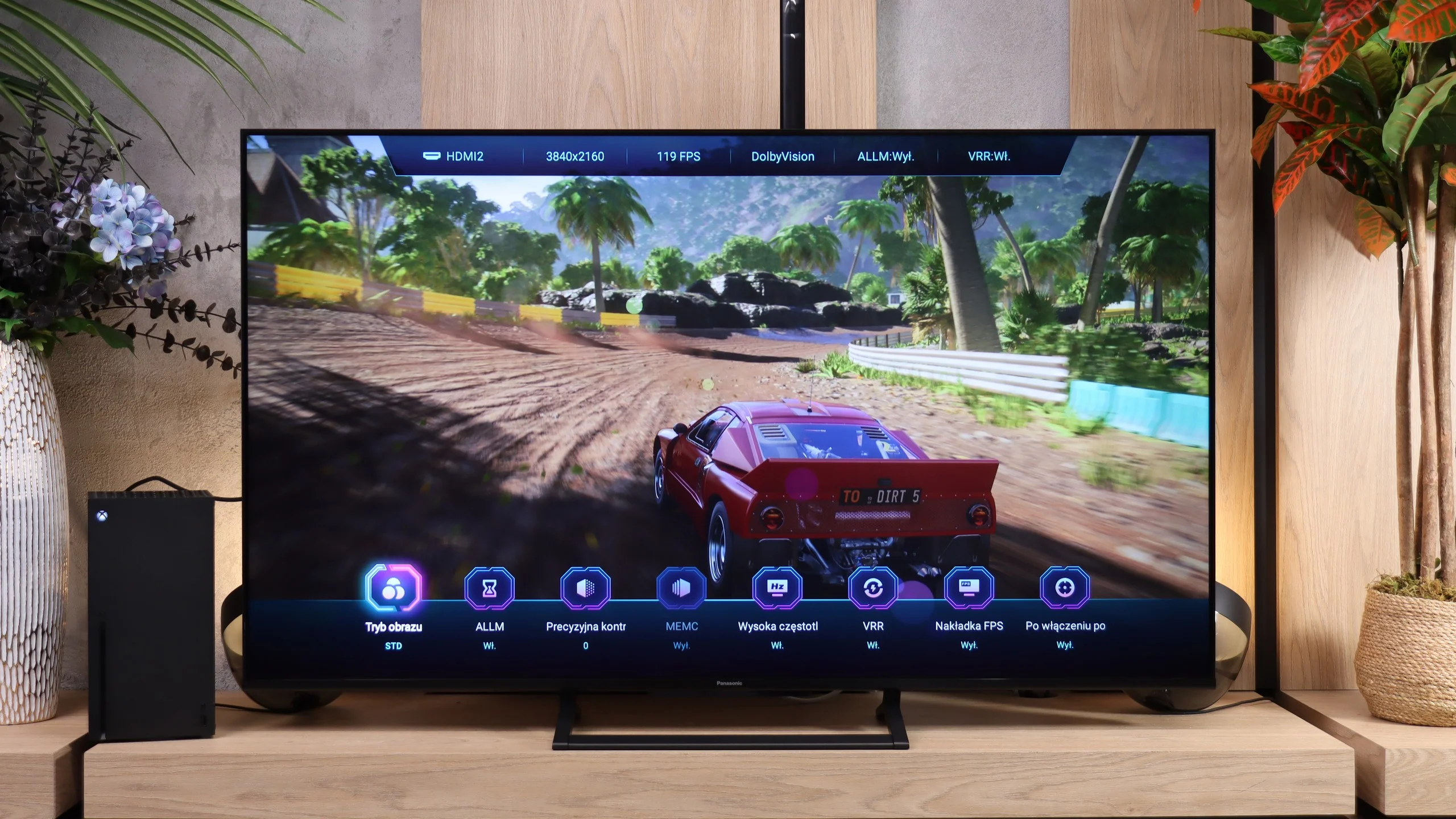
Panasonic W92C has quite a lot to offer gamers. It has three HDMI 2.1 ports with full 48 Gbps bandwidth, supports 4K gaming at 120 Hz, and when connected to a PC allows up to 144 Hz. There’s also VRR from 48 to 144 Hz, which helps keep motion smooth when frame rates vary, and ALLM that automatically switches to low-latency mode. It also supports Dolby Vision for gaming. The new Game Bar deserves special praise. The big circles known from Panasonic TVs with Fire TV have been replaced by a far more organised panel. At the top you see the key signal information, and at the bottom shortcuts to gaming settings. It looks more modern and is much closer to what the biggest competitors offer. Definitely a change for the better. Not everything is in place, though. There’s no properly functioning HGiG, which helps match HDR in games to the screen’s capabilities. The W92C also doesn’t support 1440p at 120 Hz. That’s a shame, because that mode is especially useful on a PC when you want more frames than in 4K but better detail than Full HD.
Input lag
10/10
9.9/10
SDR
HDR
Dolby Vision
Philips OLED909 achieves outstanding results in the input lag category. Values of 13 ms at 60 Hz and 5 ms at 120 Hz are among the best results available on the market. This low input lag ensures immediate response, which is crucial for gamers expecting maximum precision in dynamic games. The performance in Dolby Vision mode deserves special praise, as it also maintains a low input lag. This allows gamers to enjoy not only smooth gameplay but also fully leverage the visual potential of HDR games without any compromises. In this regard, the Philips OLED909 is one of the best choices for gaming enthusiasts.
The input lag on the Panasonic W92C is very low. At 60 Hz we measured around 15-16 ms, and at 120 Hz only 7 ms. Controller response is therefore quick, and even in fast-paced games there's little to criticise. Dolby Vision also performs well: 17 ms at 60 Hz and 9 ms at 120 Hz. You can comfortably use any format without worrying that input will become noticeably slower.
Compatibility with PC
6.4/10
9/10
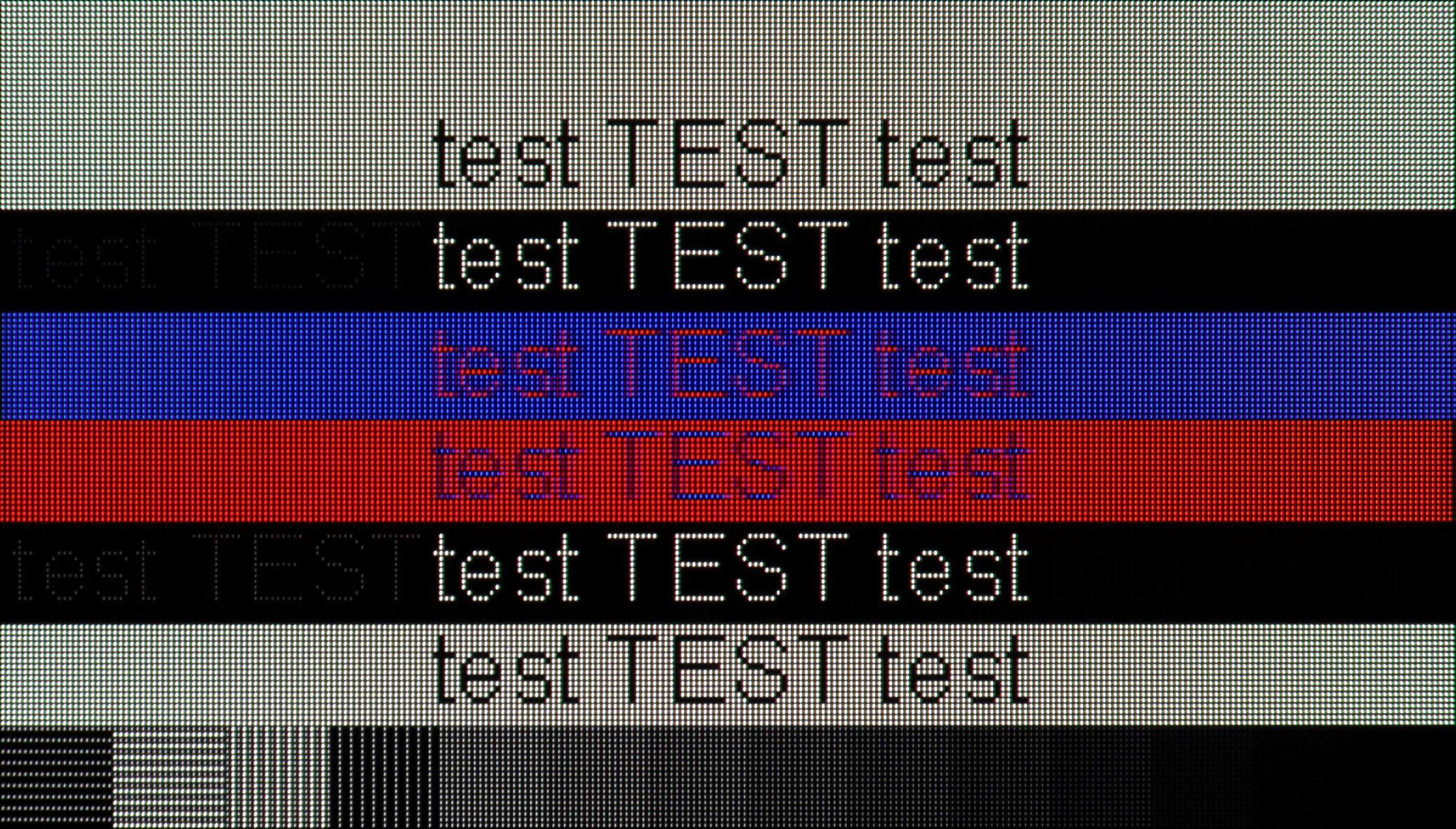
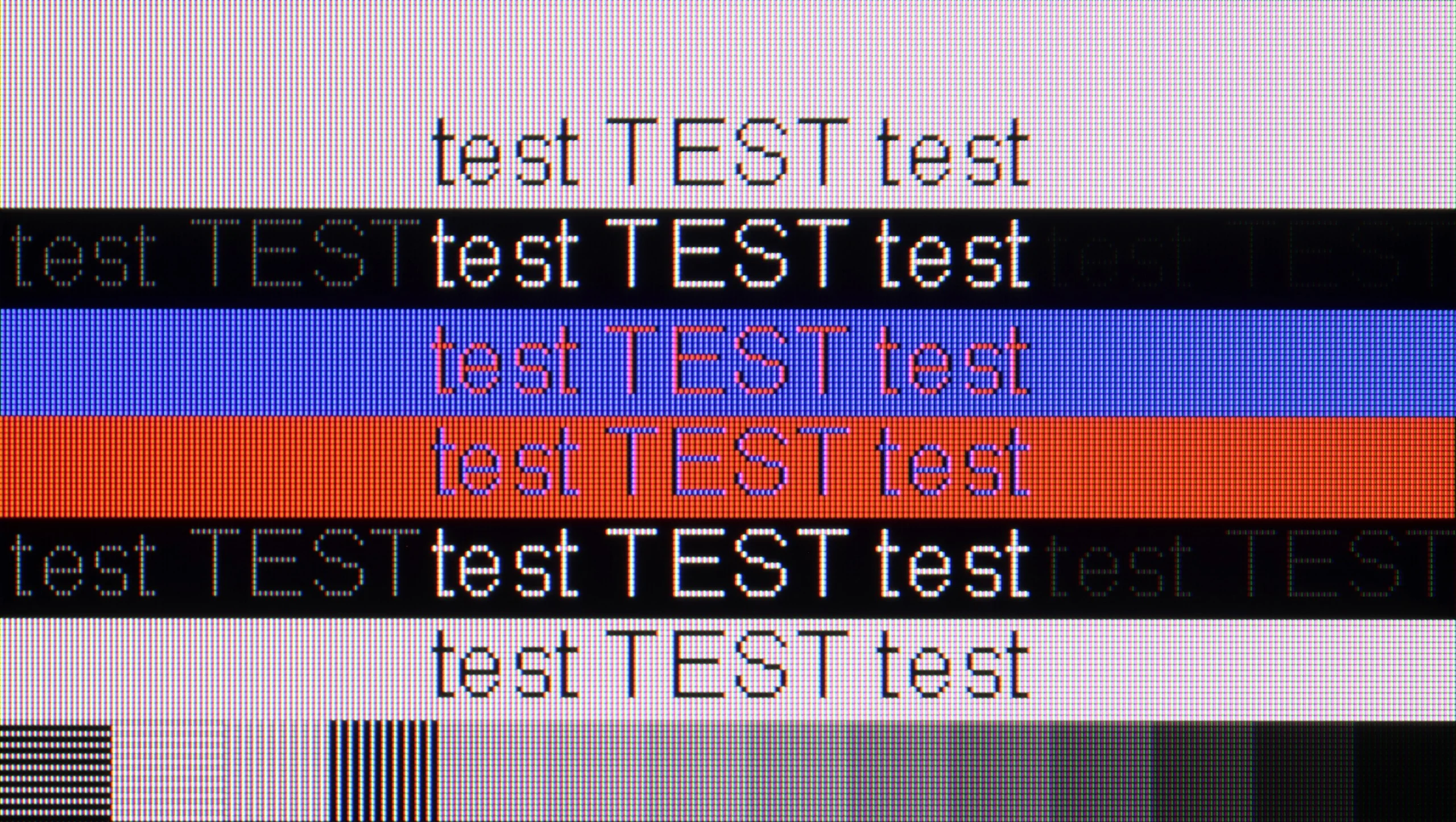
The photo shows the legibility of small fonts. Ideally, lines should be the same thickness on both light and dark text, with minimal pixel gaps.
The Philips OLED909 is a good choice for gaming on the computer. The TV supports G-SYNC, provides very low input lag, and offers a refresh rate of 144 Hz in PC mode, making it an ideal solution for gamers who value smooth and responsive gameplay. However, when it comes to everyday work with text or graphics, the situation is a bit less favourable. While font readability is at an acceptable level, up close one can notice that they appear somewhat blurred. This is due to the lack of full implementation of chroma 4:4:4, which is responsible for perfect sharpness and clarity of fonts.
The OLED909 will work perfectly in gaming applications, but for those planning to use the TV mainly for text work, it may be less suitable. In such cases, it’s worth considering a device with full support for chroma 4:4:4.
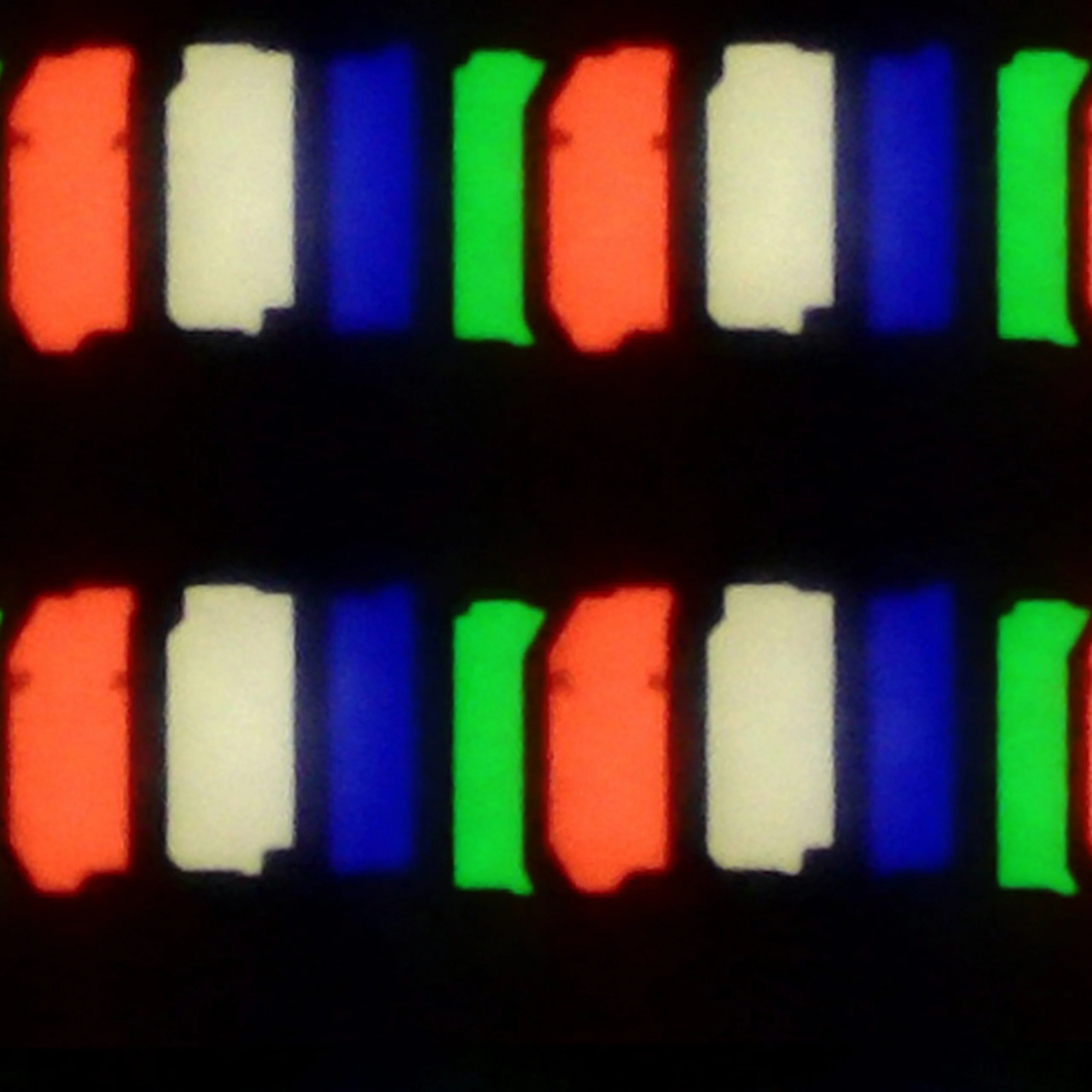
Working with a computer is one of the W92C's stronger points. The fonts look really great. They are sharp, legible and don't lose fine details. This also applies to dark text on a dark background, which some TVs struggle with. It's one of the few panels that handled our font test so well. The RGB subpixel layout and proper support for chroma 4:4:4 help here, even at maximum resolution and refresh rate. There are also plenty of options for gamers. You get 4K at 144 Hz, functioning G-Sync and input lag of 7 ms. So the Panasonic performs well both for working with text and for gaming. You just need to remember the previously mentioned smearing and the lack of support for 1440p at 120 Hz. However, the clarity of the image from a computer is excellent.
Viewing angles
9.7/10
6/10
Philips OLED909 offers some of the best viewing angles available on the market. OLEDs are renowned for their excellent picture quality at various angles, but the use of micro-lens technology further enhances this capability. As a result, the television maintains outstanding colours, contrast, and brightness even when viewing the image at a significant angle. In practice, the OLED909 performs so well that it can compete even with televisions equipped with QD-OLED technology, which also provides wide viewing angles. This makes the television perfect for large rooms and group viewing from different positions, without the worry of losing picture quality.
Panasonic W92C in the 55-inch size offers good viewing angles, which is mainly thanks to the IPS panel used. Because of it, images viewed from the side retain colour and contrast better than on many LCD TVs with Mini LED backlighting that use VA-type panels.
Daytime performance
5.7/10
6.8/10
Panel brightness
Panasonic W92C (Google TV): 555 cd/m2
Philips OLED909: 427 cd/m2
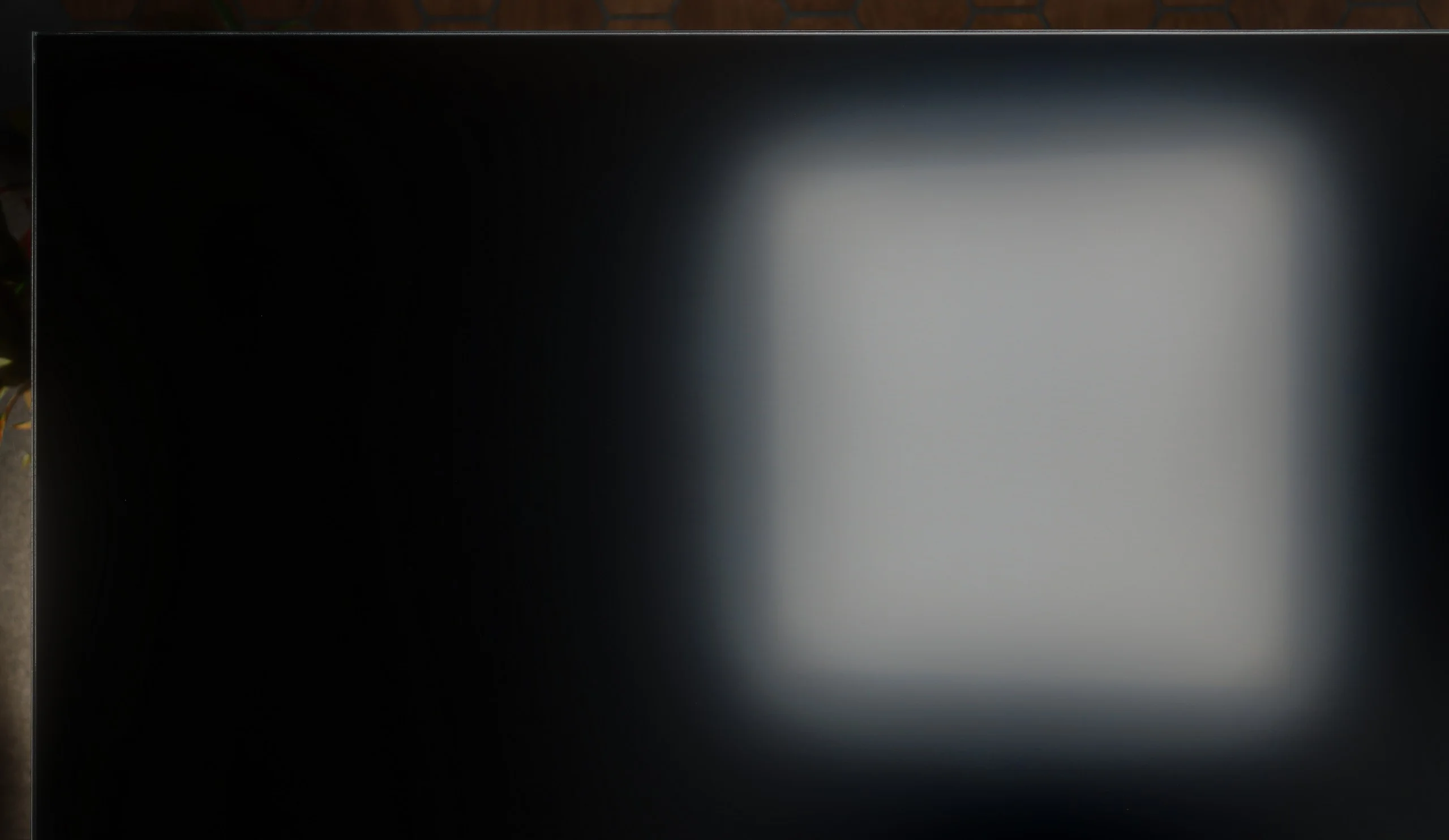
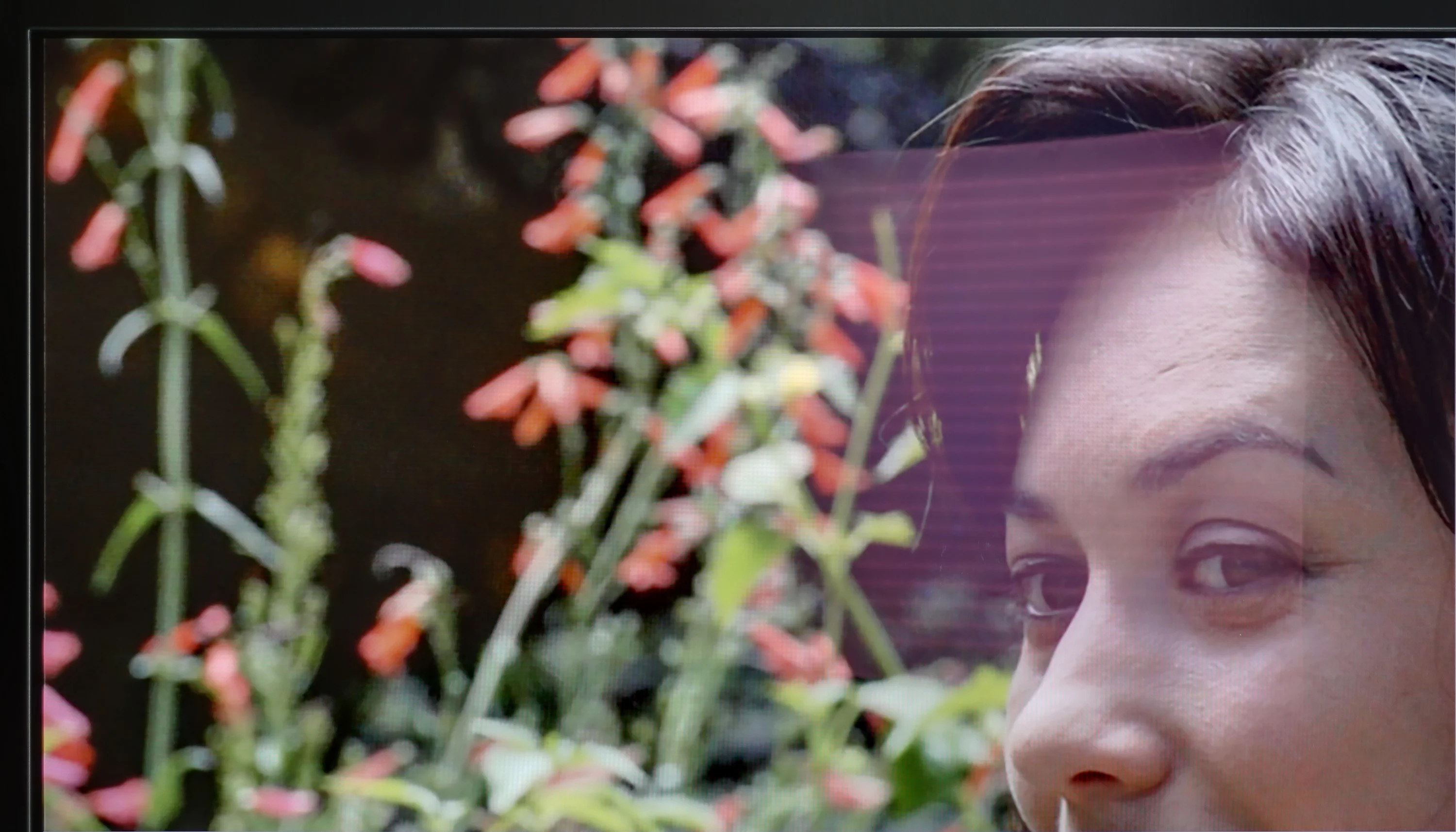
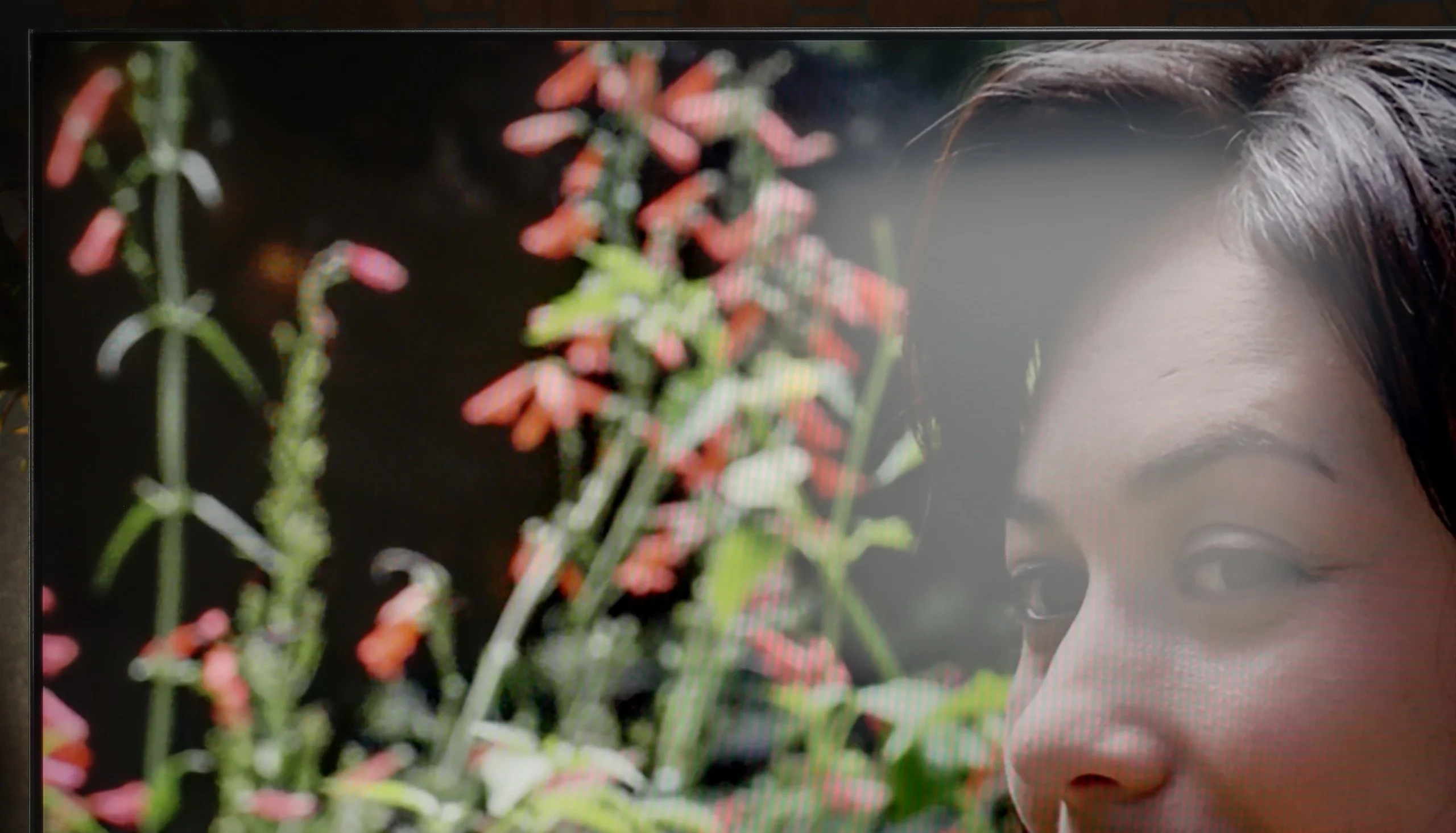
Philips OLED909, despite the glossy surface of the panel, handles the suppression of reflections from direct light hitting the screen quite well. This is particularly useful in brighter rooms where reflections can interfere with viewing. However, the use of microlens technology has its limitations – the blacks during the day take on a slightly pinkish hue. A similar, albeit more noticeable phenomenon can be observed in QD-OLED panels.
When it comes to brightness, the OLED909 achieves an average brightness in SDR of 430 cd/m². This is sufficient for comfortable use of the television even in moderately challenging lighting conditions. Nevertheless, it's worth remembering that the brightness levels of OLEDs still fall behind televisions with mini-LED technology, which can be several times brighter.
A matte panel is a big plus for the W92C when watching during the day. It disperses reflections very well, so instead of a clear image of a window or lamp you see a more blurred glow. There's also an average brightness of around 555 nits, which is more than enough for watching TV in a typically bright living room. That doesn't mean light falling on the screen stops being a nuisance. The matte coating scatters it over a larger area, making blacks look greyish and reducing contrast. It's easiest to notice this in dark scenes. Despite that, the combination of decent brightness and effective reflection suppression means the Panasonic is quite well suited to everyday viewing without having to draw the curtains.
Panel details
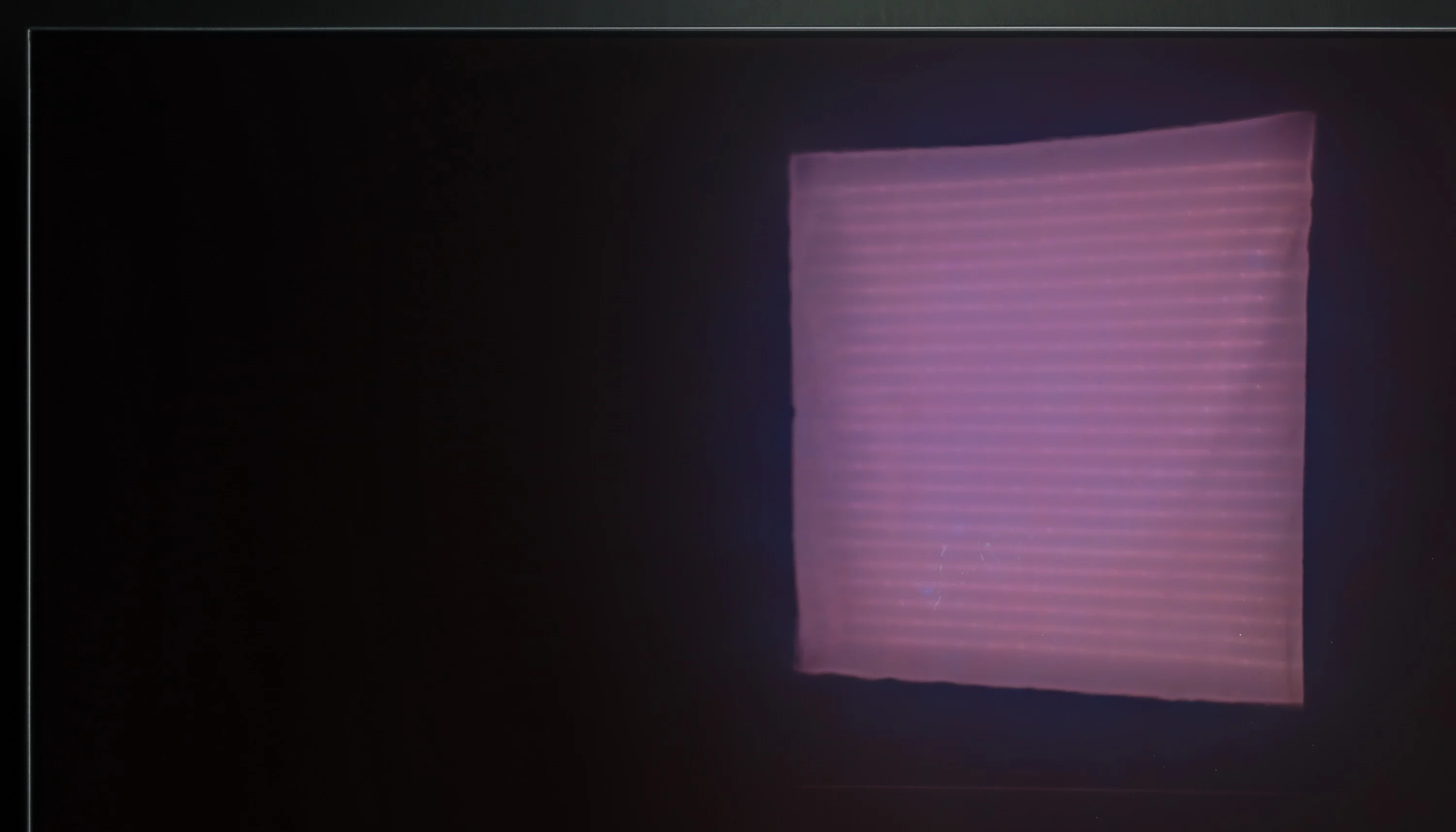
Subpixel Structure:
Panel uniformity and thermal imaging:


Philips OLED909
Panasonic W92C (Google TV)
TV features
6.7/10
6.6/10
- SystemGoogle TVGoogle TV
- System performanceVery goodGood
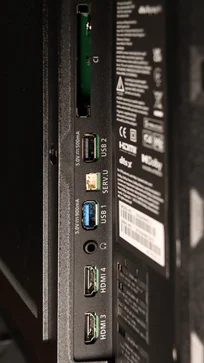
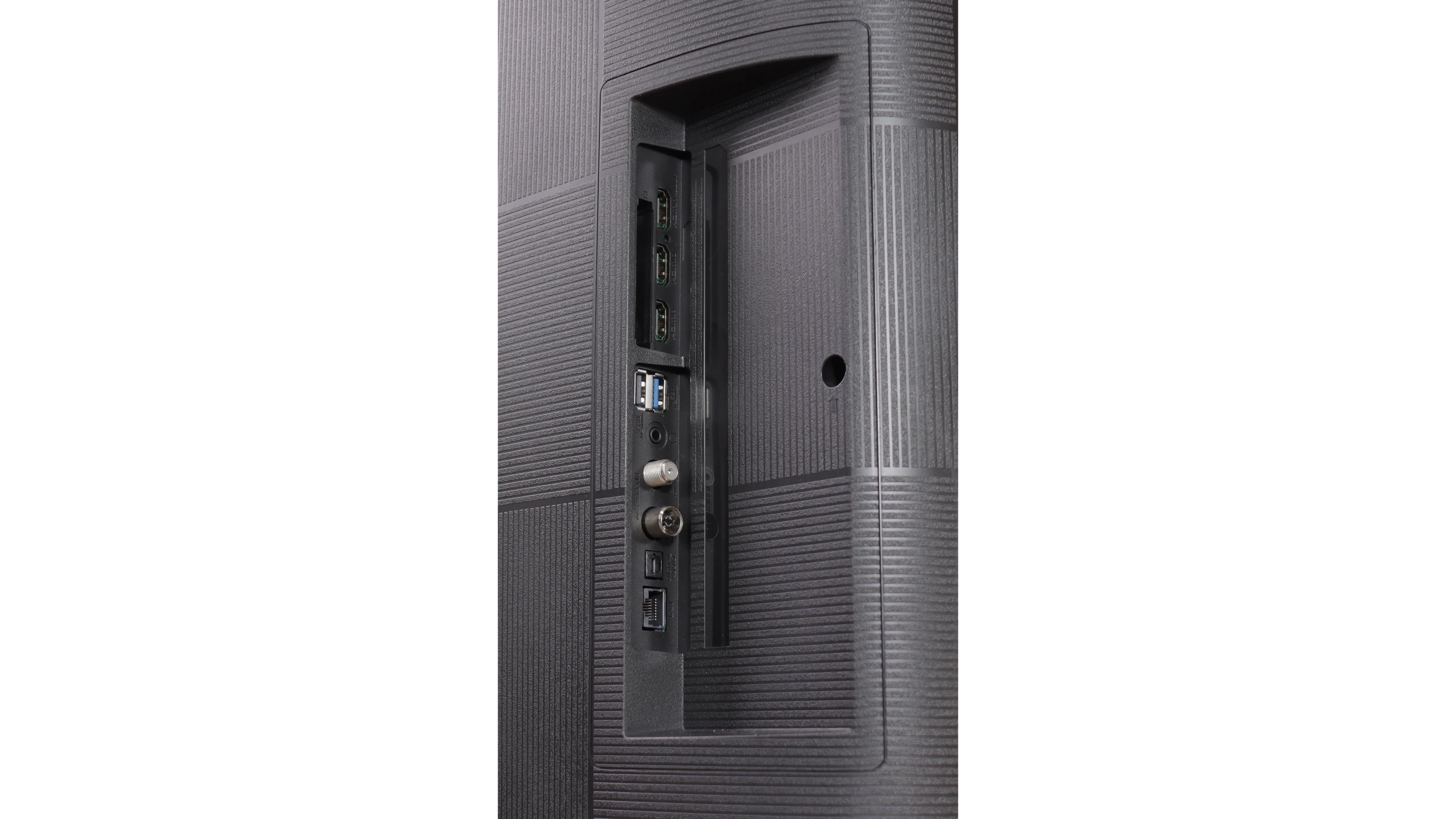
- HDMI inputs2 x HDMI 2.0, 2 x HDMI 2.1 48Gbps0 x HDMI 2.0, 3 x HDMI 2.1 48Gbps
- OutputsToslink (Optical audio), eARC (HDMI), ARC (HDMI), Mini-Jack (Headphones)Toslink (Optical audio), eARC (HDMI), ARC (HDMI), Mini-Jack (Headphones)
- Network InterfacesWi-Fi 2.4GHz, Wi-Fi 5GHz, Ethernet (LAN) 100MbpsWi-Fi 2.4GHz, Wi-Fi 5GHz, Ethernet (LAN) 100Mbps
- TV receptionDVB-T, DVB-T2, DVB-S, DVB-S2, DVB-CDVB-T, DVB-T2, DVB-S, DVB-S2, DVB-C
Classic features:
- Recording to USB (terrestrial TV)
- Recording programming
- Picture in Picture (PiP)
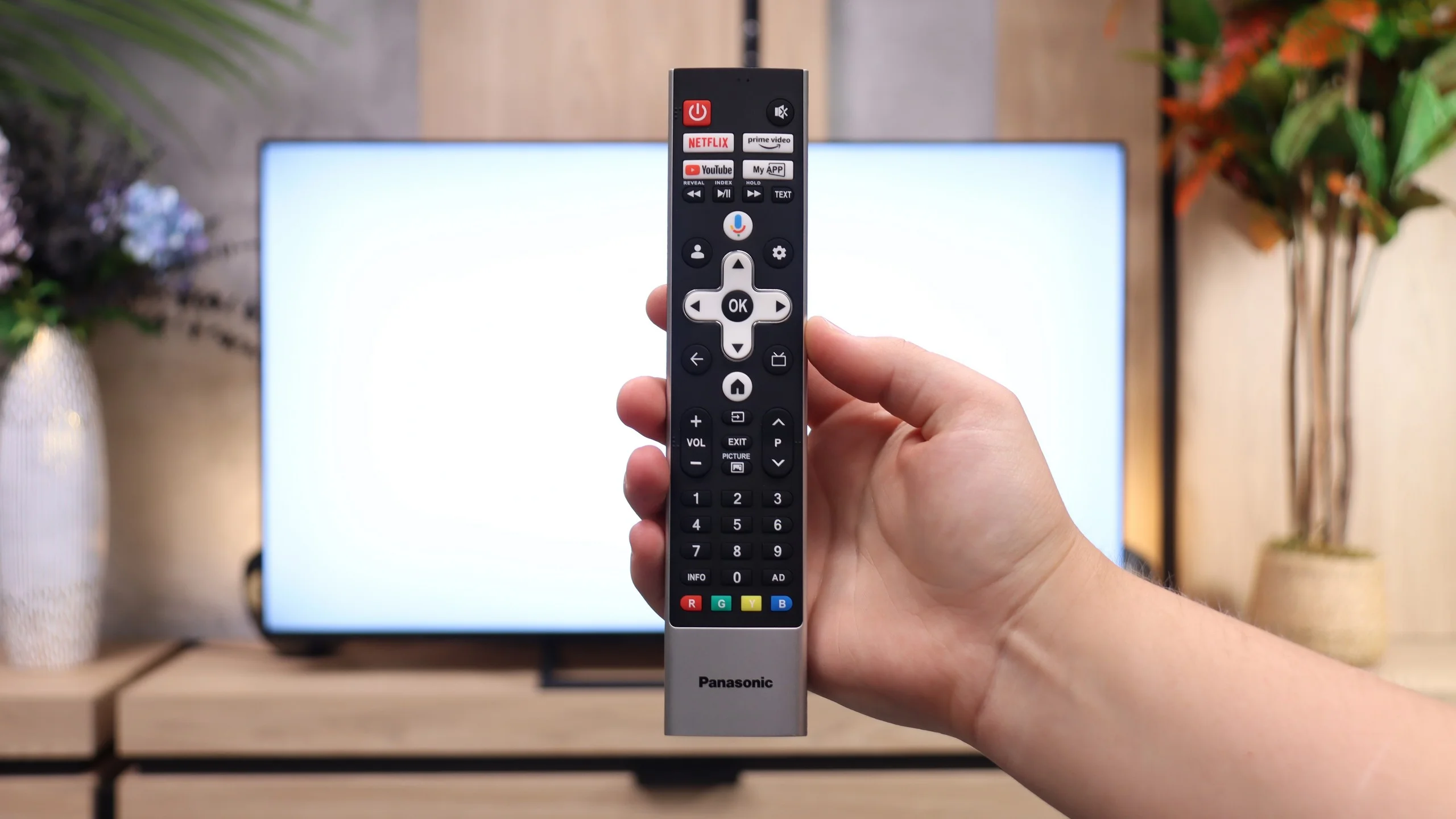
- RF remote control (no need to aim)
- Backlit remote control
- Teletext
- Audio only mode
- Bluetooth headphones support
- Simultaneous Bluetooth headphones & TV audio
Smart features:
- AirPlay
- Screen mirroring (Windows Miracast)
- Voice search
- Voice search in native language
- Ability to connect a keyboard and mouse
Sound connection options
- HDMI audioeARC (HDMI), ARC (HDMI)eARC (HDMI), ARC (HDMI)
- Other audio outputsToslink (Optical audio), Mini-Jack (Headphones)Toslink (Optical audio), Mini-Jack (Headphones)
- Wireless audioBluetoothBluetooth
Supported audio formats (external HDMI eARC audio):
- Dolby Digital Plus 7.1
- Dolby True HD 7.1
- Dolby Atmos in Dolby Digital Plus (JOC)
- Dolby Atmos in Dolby True HD
- DTS:X in DTS-HD MA
- DTS-HD Master Audio
Senior accessibility
- Numeric keyboard on TV
- Font size adjustment
- Audio description
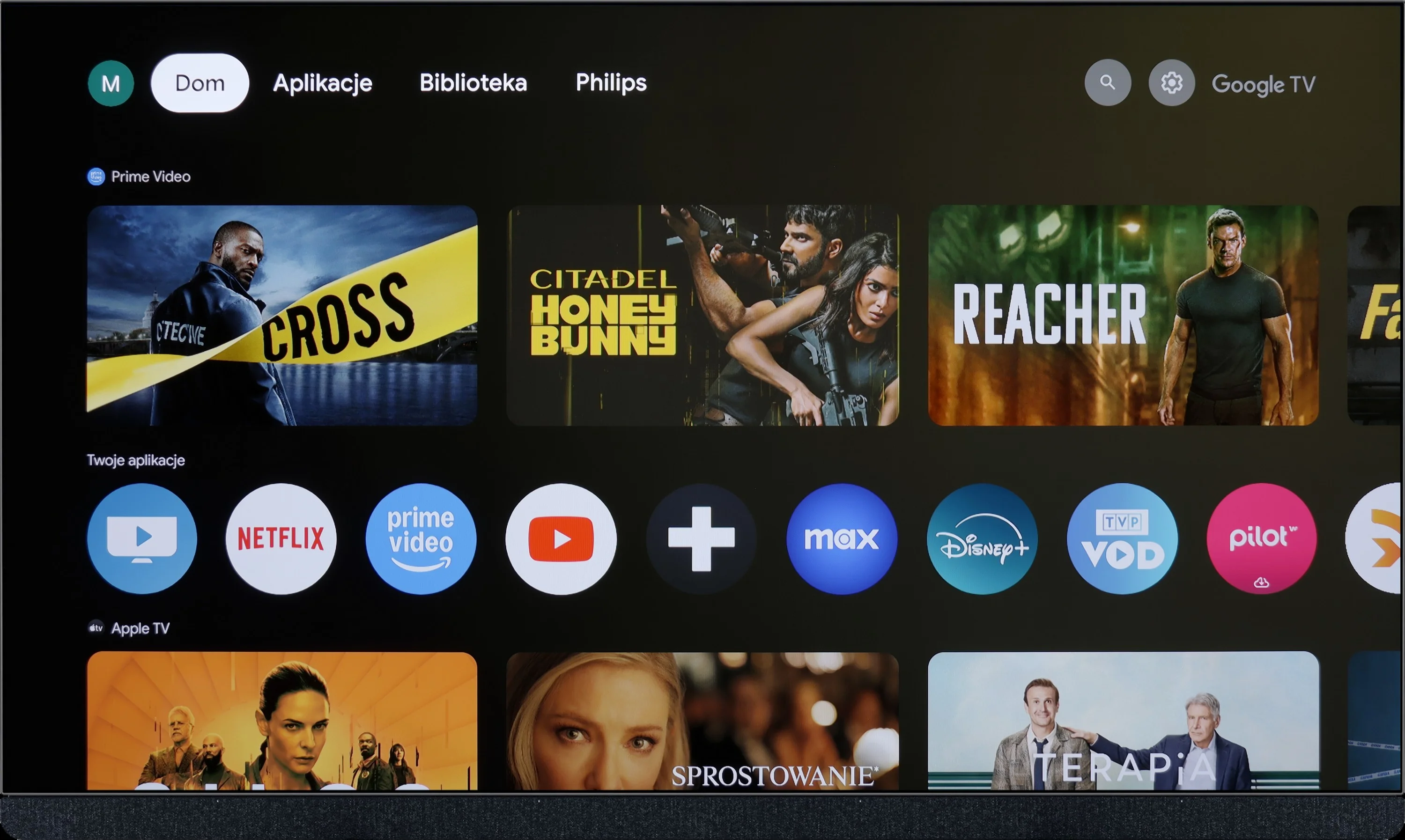
In the OLED909 model, Philips has replaced its proprietary Titan OS with Google TV. This solution provides users with significantly greater opportunities, especially in terms of app availability. Google TV offers a vast library of programs to download, from popular streaming services to tools and games. The system also supports voice commands, making it easier to search for content and manage the device, enhancing everyday user comfort.
In terms of features, the television performs well. Here, we find support for AirPlay and Miracast technologies, which enable easy streaming of video and audio from other devices. Additionally, the television effortlessly supports external accessories like mice and keyboards, allowing it to serve as a more versatile entertainment centre. However, it's worth noting that the OLED909 lacks the PiP (picture-in-picture) function or the ability to record programs from built-in tuners. A novelty in this model is the backlit remote, which looks attractive and operates in hybrid mode – it can function as a smart remote, and when the appropriate button is pressed, the numeric keypad also lights up. Unfortunately, its operation can be annoying, as it relies on standard infrared control, and the only function supporting RF (radio) technology is the handling of voice commands.
The Philips OLED909 also stands out from other models with its four-sided Ambilight system. This allows the television to create dynamic lighting around the screen that adapts to the displayed content. This solution not only enhances the feeling of immersion but also improves viewing comfort in darker rooms. Ambilight remains one of the most distinctive features of Philips televisions, which is hard to find among competitors.
Google TV
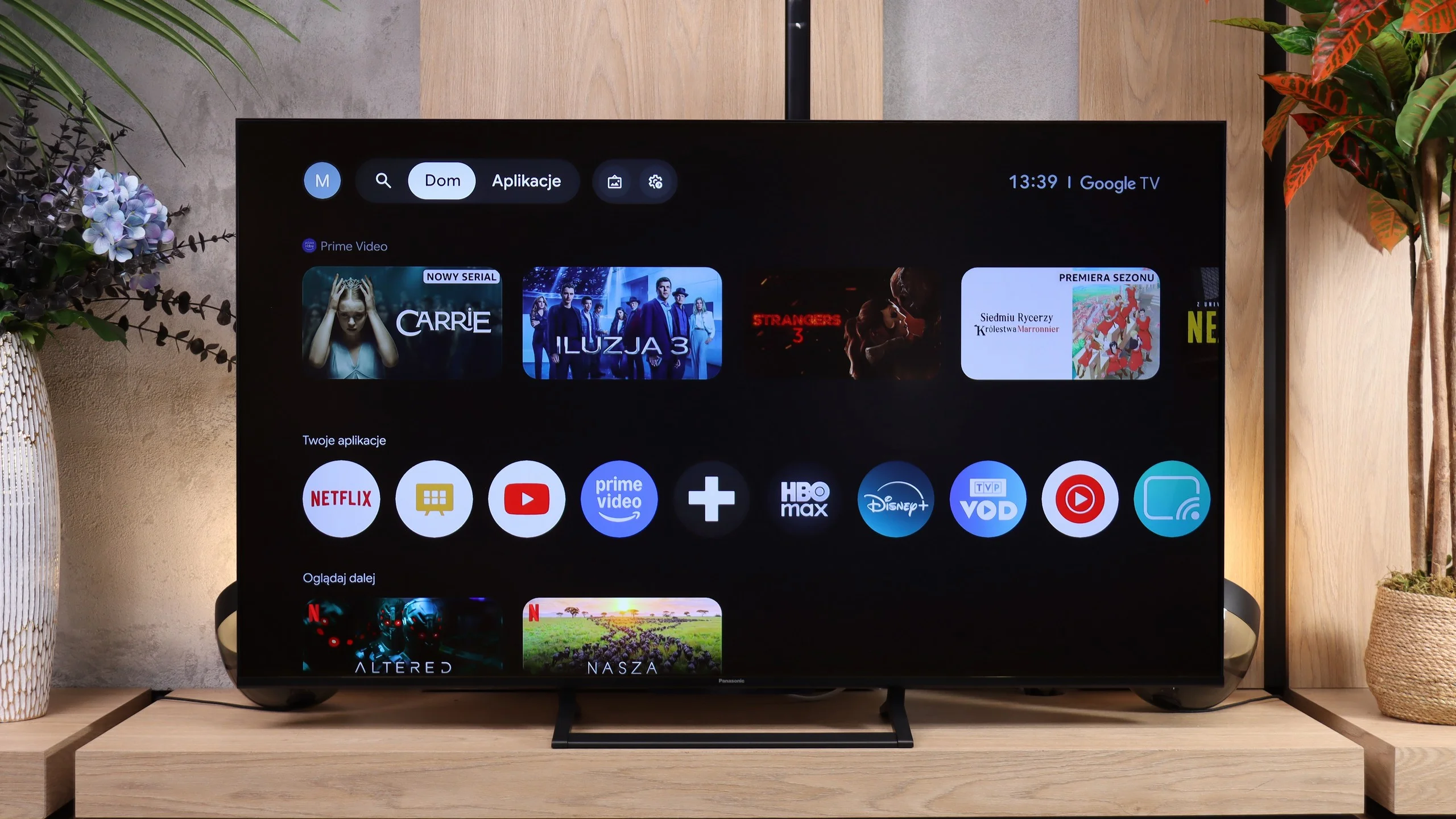
Google TV is a big step forward compared with Panasonic’s older systems, and also improves on the newer Fire TV, which didn’t fully convince us. On the W92C everything runs very smoothly. Navigation through the menus is quick, apps start without long waits, and we found all the services we were interested in. There’s voice search in Polish and Chromecast, which makes casting from your phone easy. It’s a pity there’s no working AirPlay — we couldn’t use it with our newer iPhone.
There were a few minor hiccups. Some Polish translations in the menu sound rather clumsy, and the automatic brightness changes mentioned earlier show the software still needs polishing. Despite that, everyday use is good and the switch to Google TV is definitely one of this model’s strengths.
Classic features
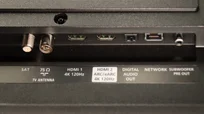
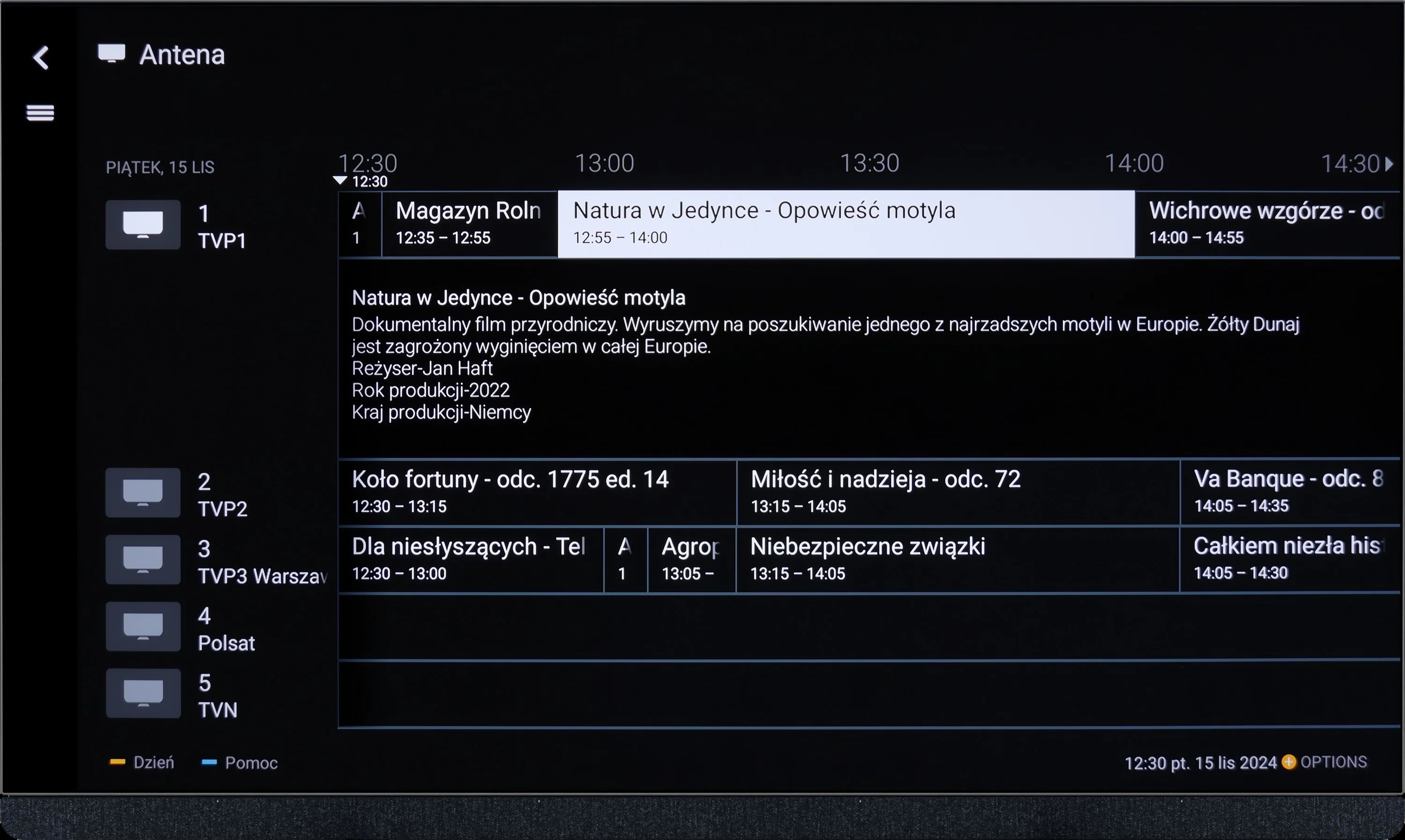
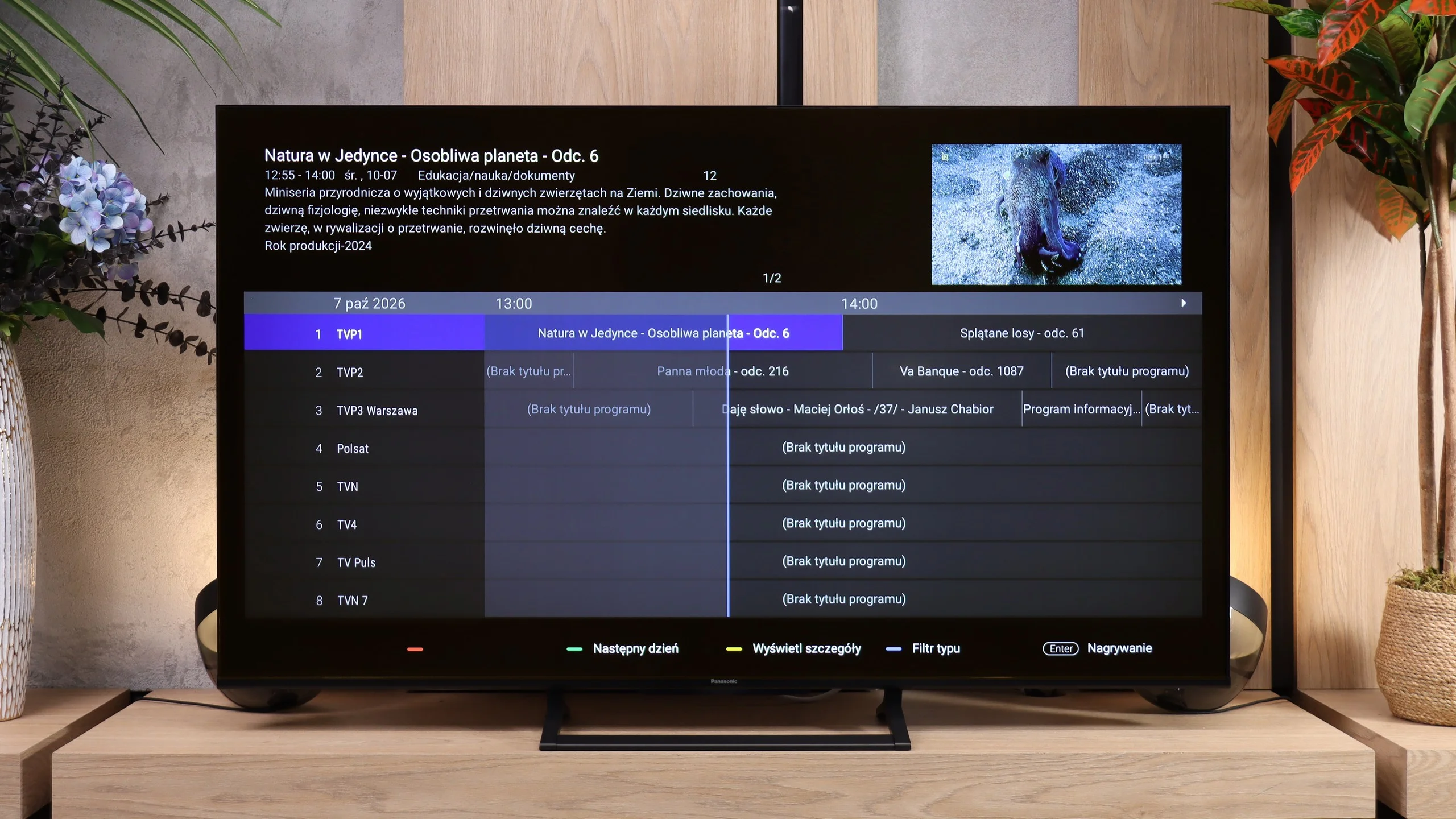
Among the classic features are EPG, teletext and the ability to listen to audio simultaneously through Bluetooth headphones and the TV speakers. Missing, however, are USB recording and picture-in-picture. The remote is simple, has a numeric keypad and doesn’t need to be pointed at the screen. It’s a shame it isn’t backlit, and the build quality could be a bit better. For connecting devices there are three HDMI 2.1 ports with 48 Gb/s bandwidth. There’s also an optical output and eARC, but note the standard 3.5 mm headphone jack. That’s becoming rarer and is useful for wired headphones or older audio systems with analogue inputs.
Apps
9.6/10
9.6/10






















Playing files from USB
7.9/10
8.7/10
Supported photo formats:
Maximum photo resolution:
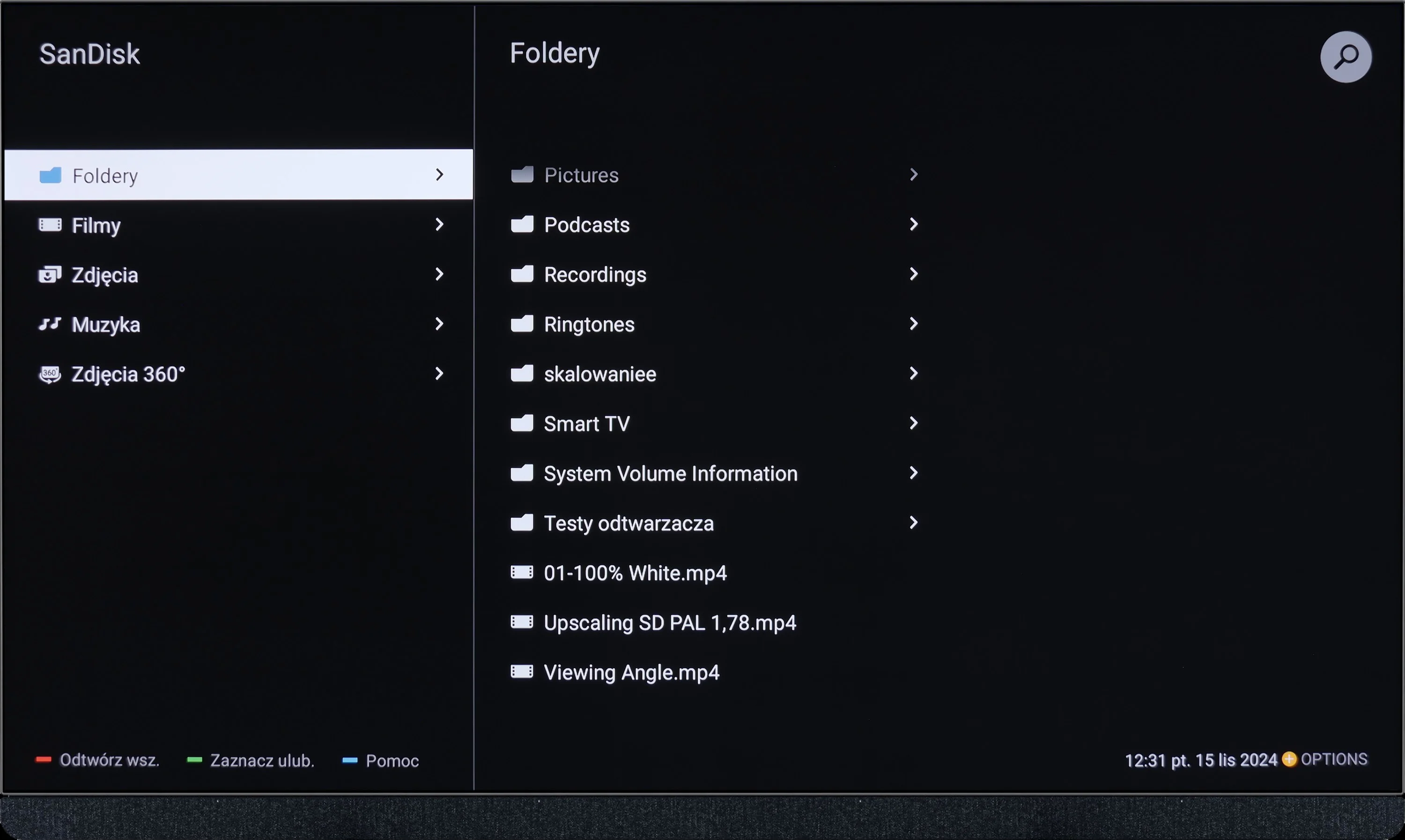
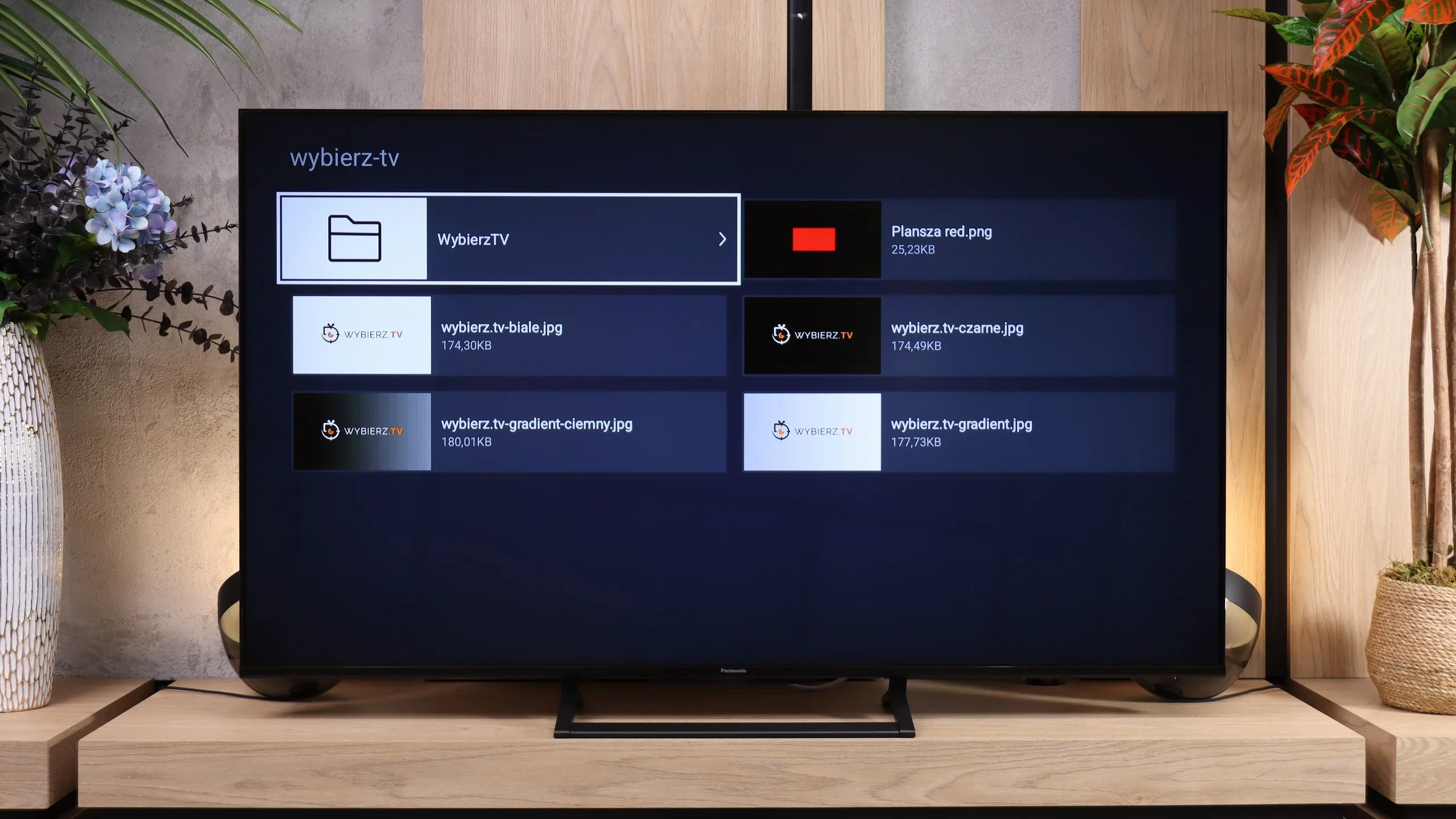
Philips OLED909 has a built-in media player that handles most popular video, audio, and subtitle file formats with ease. However, it is worth noting that the pre-installed player does not support Polish characters in subtitles, which can be a nuisance when watching content from USB. Fortunately, thanks to the Google TV system, this shortcoming can be easily bypassed. You just need to download an alternative player from a wide range of available apps, which will provide full support for Polish characters and additional features such as more advanced subtitle settings or support for less common formats. This means that even minor shortcomings of the factory software are not a major problem for users.
Playback of files from USB works smoothly on the W92C. Media load quickly, operation is simple, and the built-in player handles most common video, photo and music files. It's perfectly adequate for an occasional movie or for browsing photos from a USB stick. Just watch out for subtitles. In our tests the TV wouldn't read .sub and .txt files. It's best to convert them beforehand to the .srt format, which worked correctly, including Polish characters.
Sound
8.1/10
6.7/10
- Maximum volume-94dB
- Dolby Digital Plus 7.1
- Dolby True HD 7.1
- Dolby Atmos in Dolby Digital Plus (JOC)
- Dolby Atmos in Dolby True HD
- DTS:X in DTS-HD MA
- DTS-HD Master Audio
The Philips OLED909 stands out with its built-in soundbar featuring a navy fabric finish, branded by the renowned company Bowers & Wilkins. At the bottom of the screen, we find a solid speaker system, further supported by a built-in subwoofer at the back of the casing. The sound quality is truly impressive for the class of this device. The soundbar delivers clear and detailed sound that handles both dialogues and sound effects in films or games exceptionally well.
The sound on the Panasonic W92C is rather average. Given the additional rear-mounted subwoofer, we expected a slightly fuller sound. However, the bass is still lacking, which is particularly noticeable in music and in more intense movie scenes. So the subwoofer itself doesn’t deliver as much as one might expect. On the plus side, the volume is impressive. In our measurements the W92C reached about 94 dB, so there’s plenty of headroom. For regular TV viewing this setup will do, but simply turning up the volume won’t make up for the missing low end.
Sound Quality Test
No sound test video
Acoustic Measurements
No acoustic data
94dBC (Max)
75dBC
Reader comments
Comments are provided by the external service Disqus (Zeta Global). Once loaded, Disqus may set cookies and process data about your activity.
We will remember your choice on this device. Provider's privacy policy