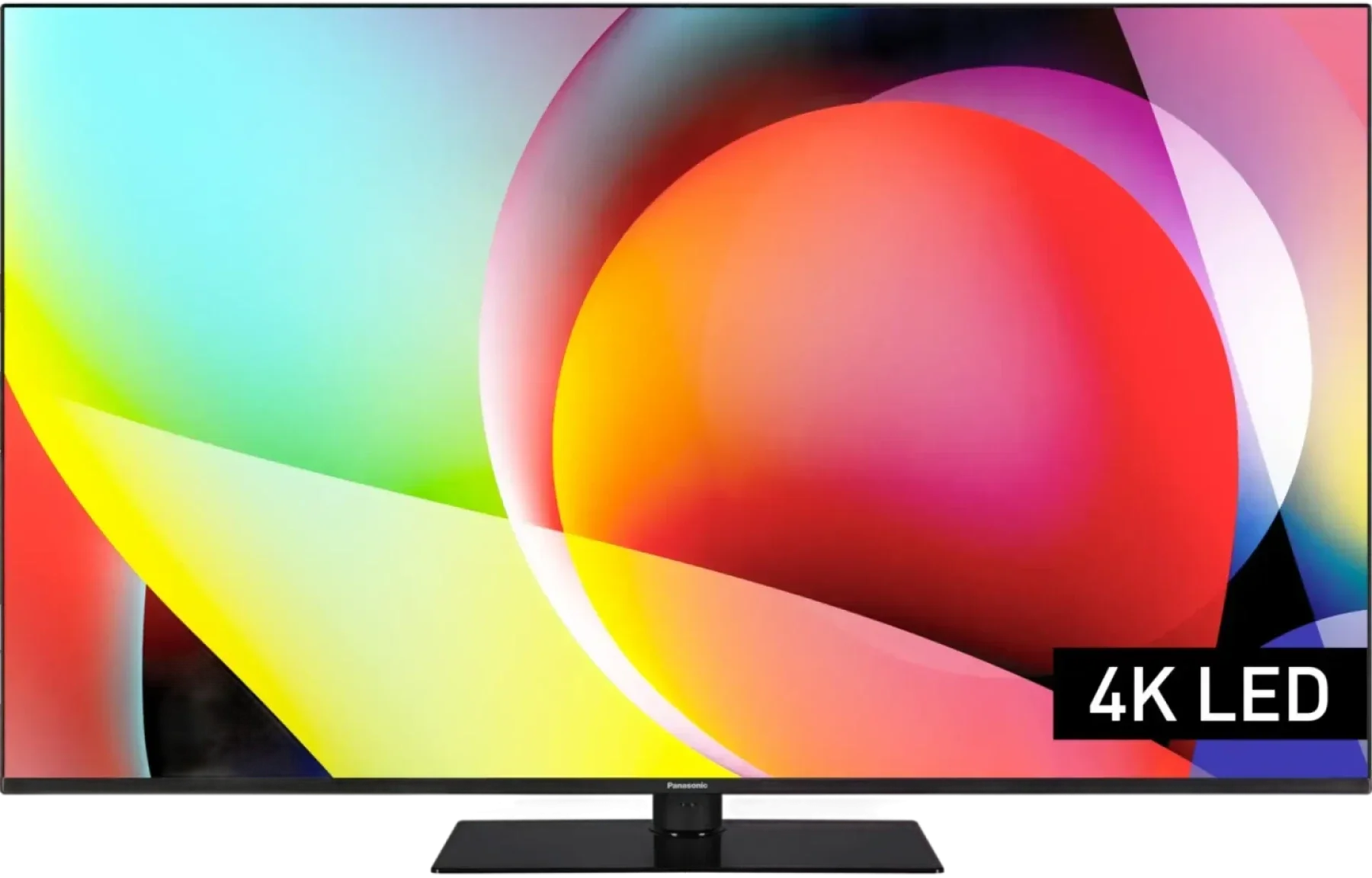
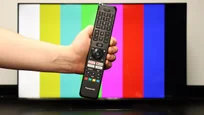
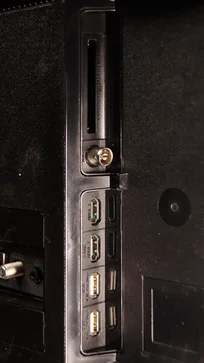
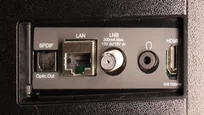
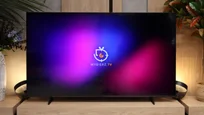
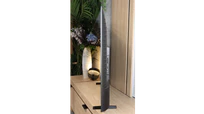
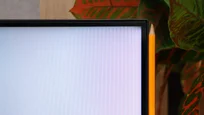
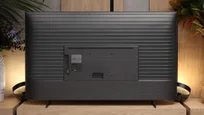
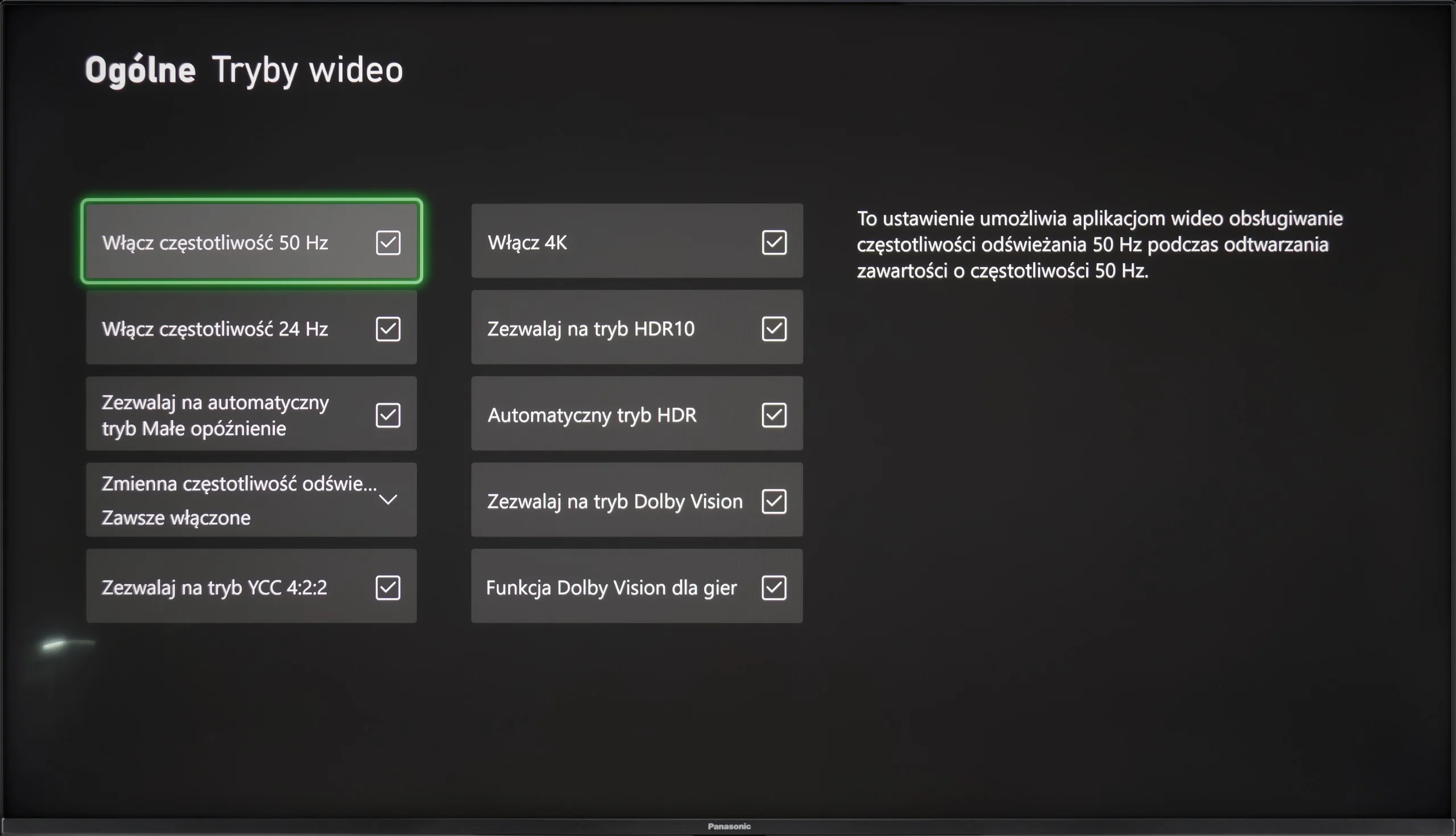
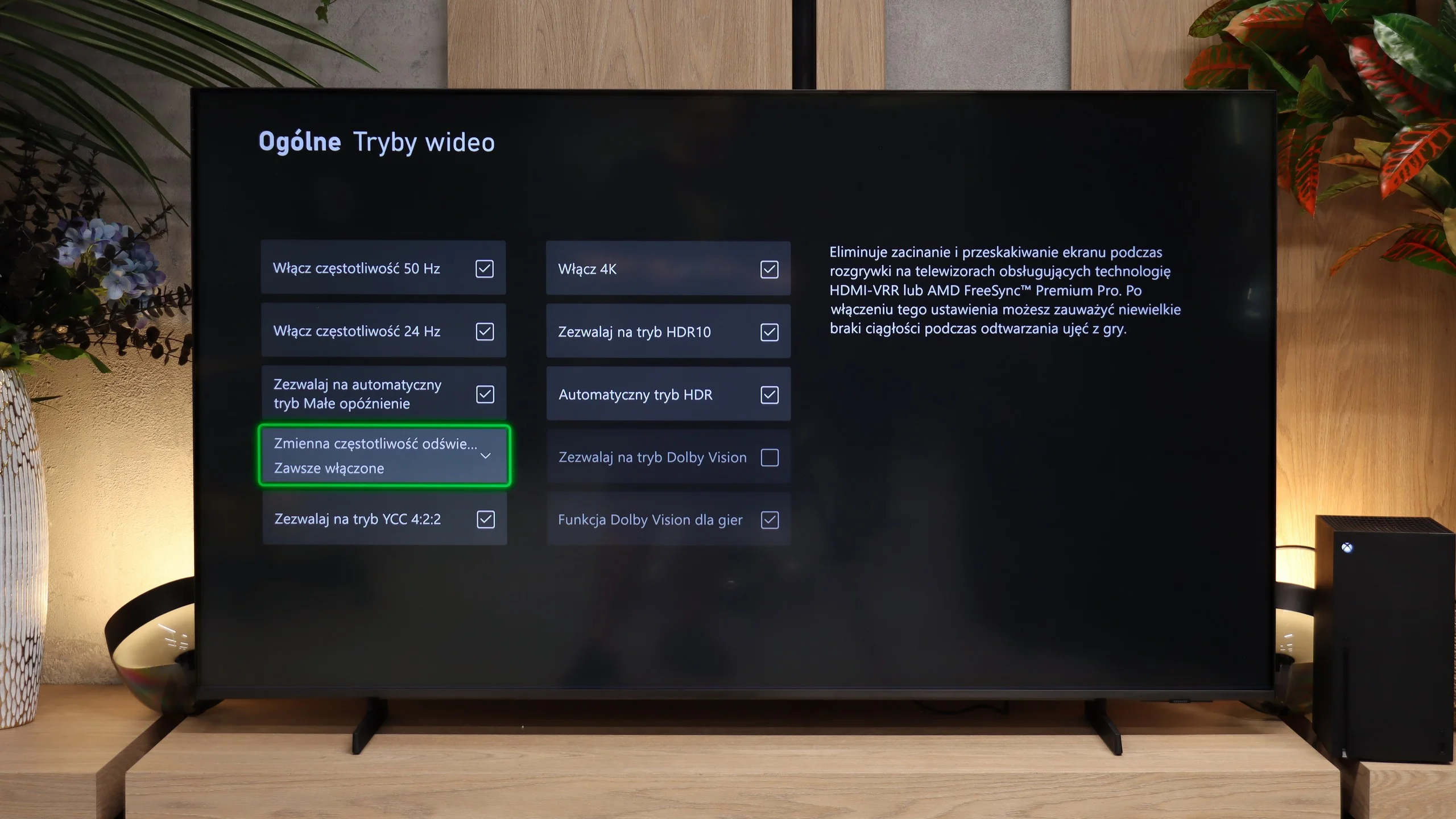
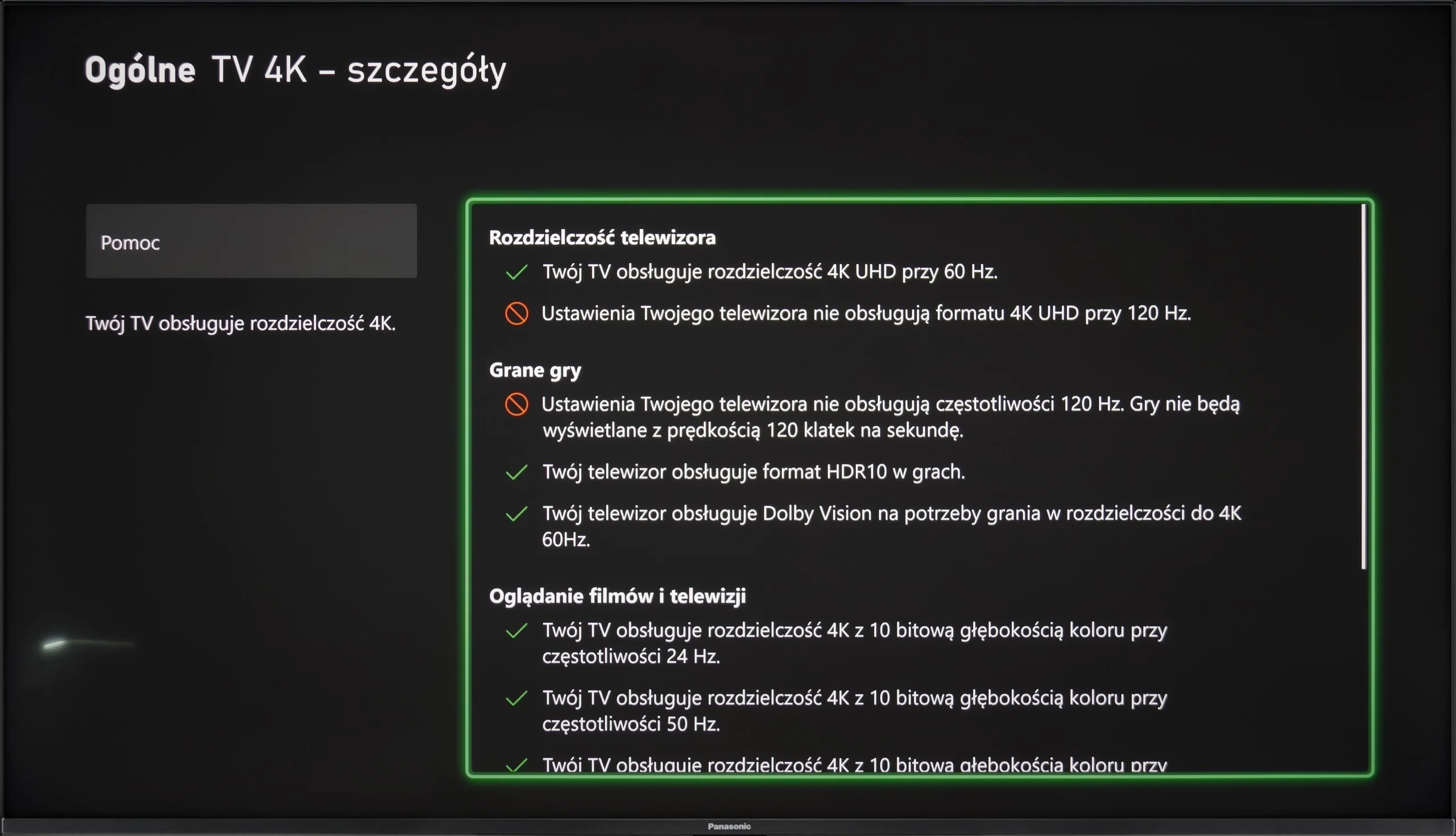
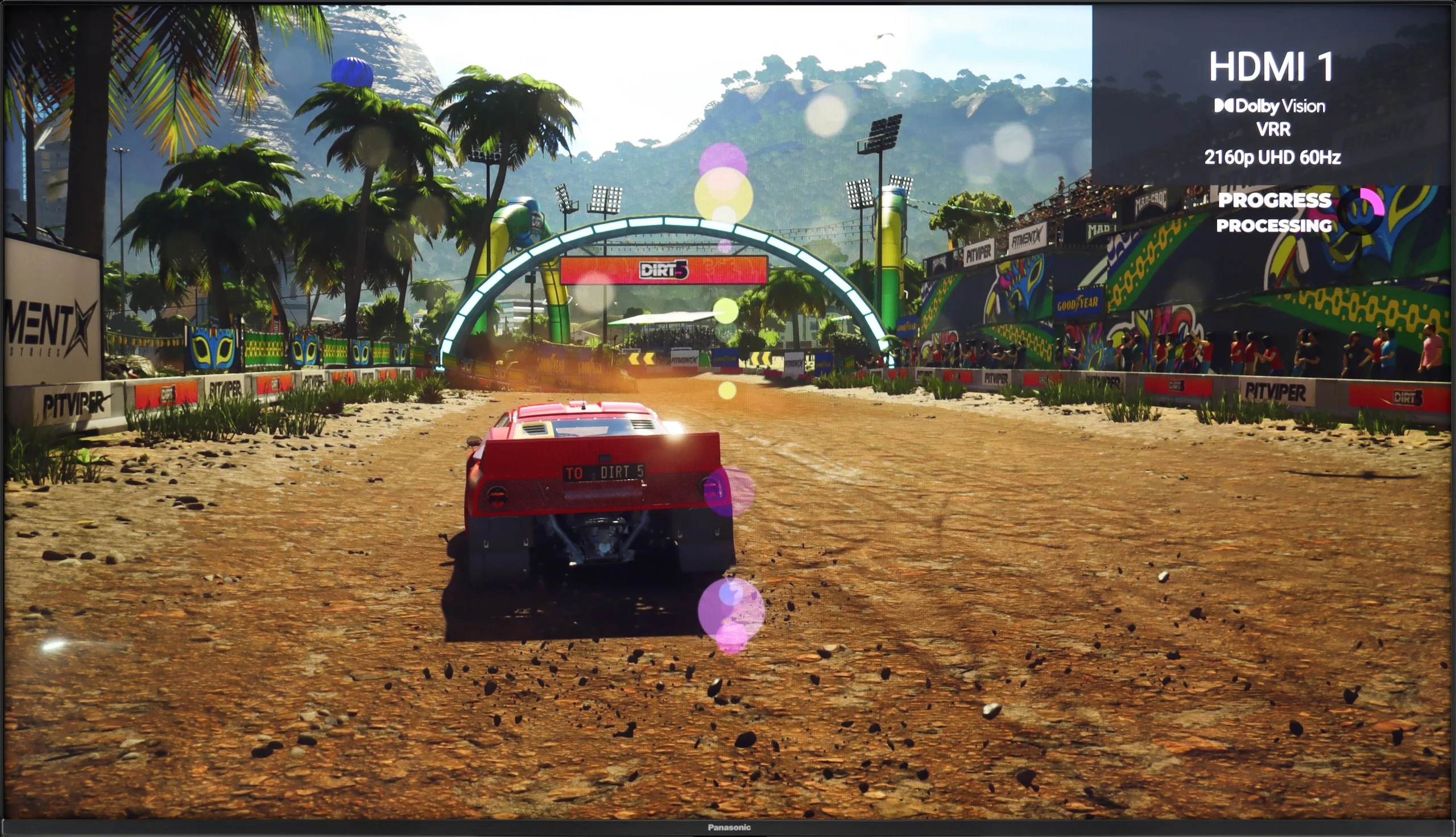
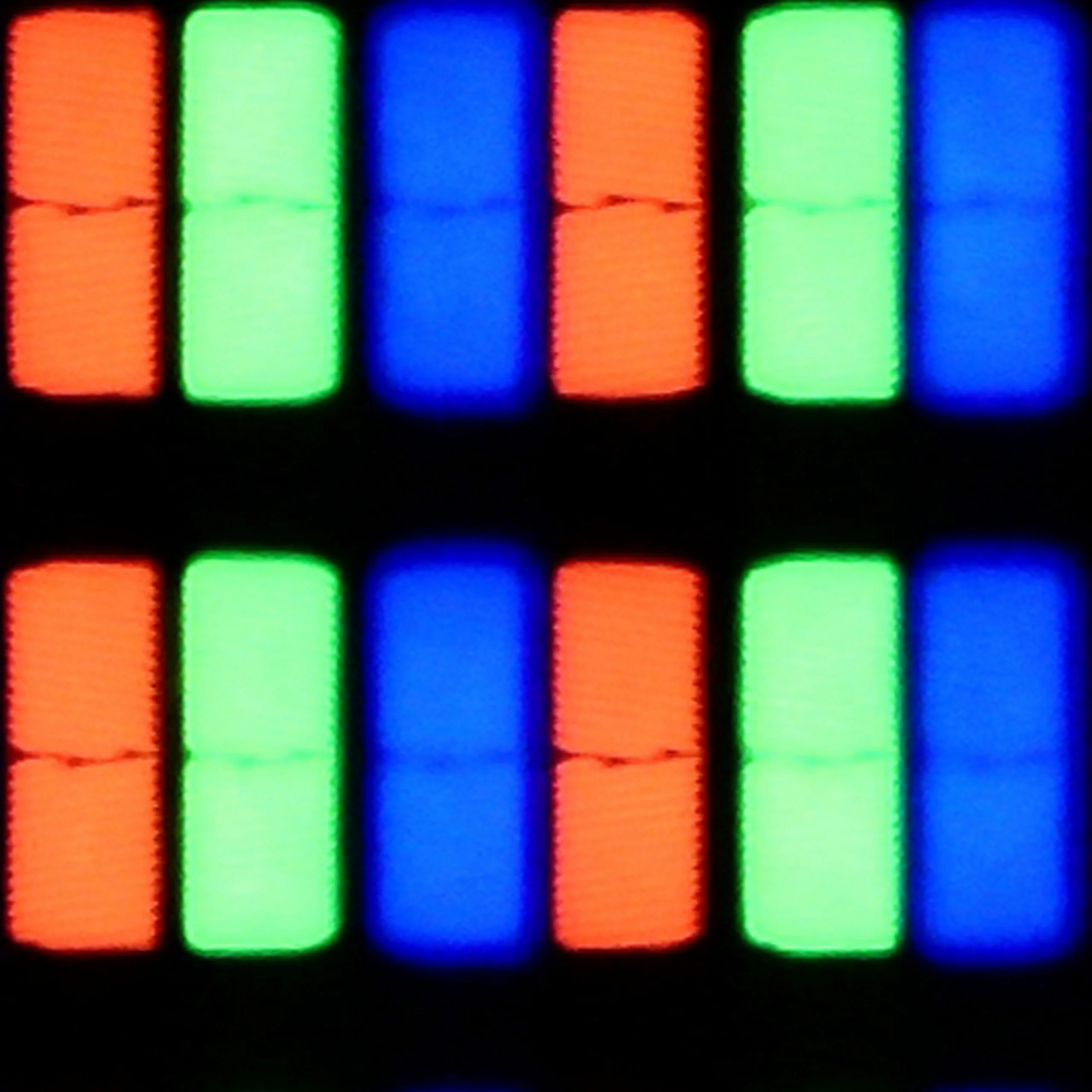
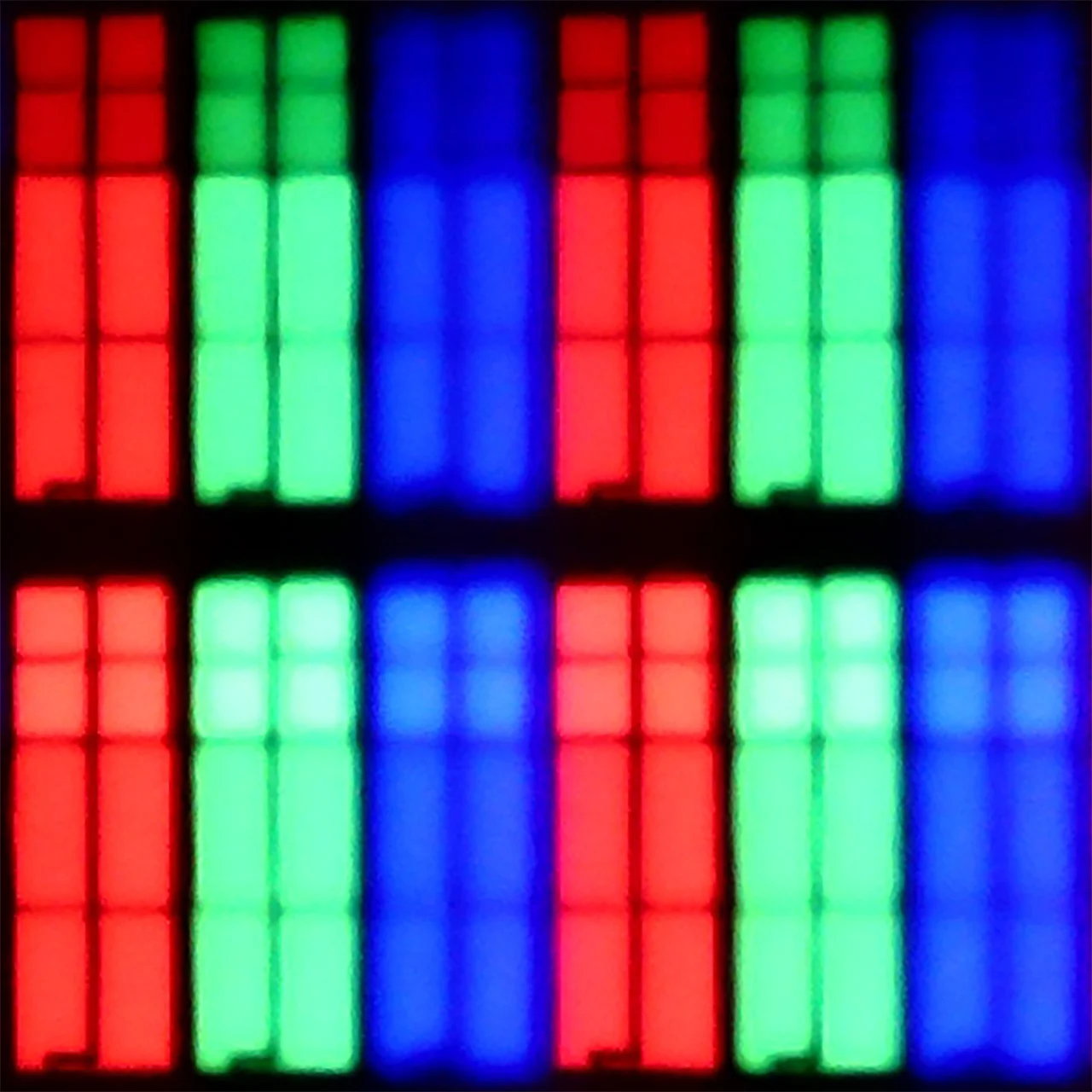
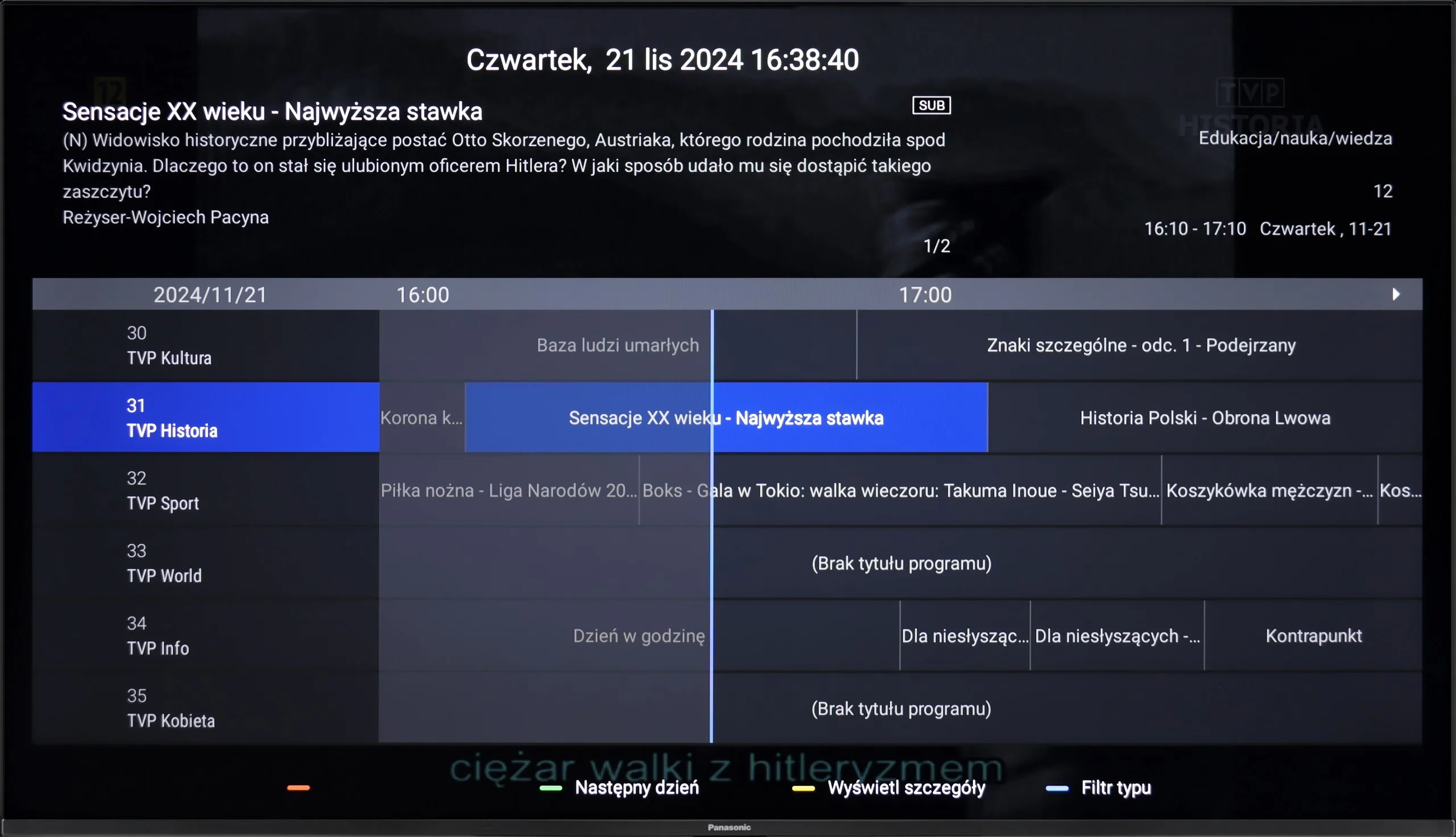
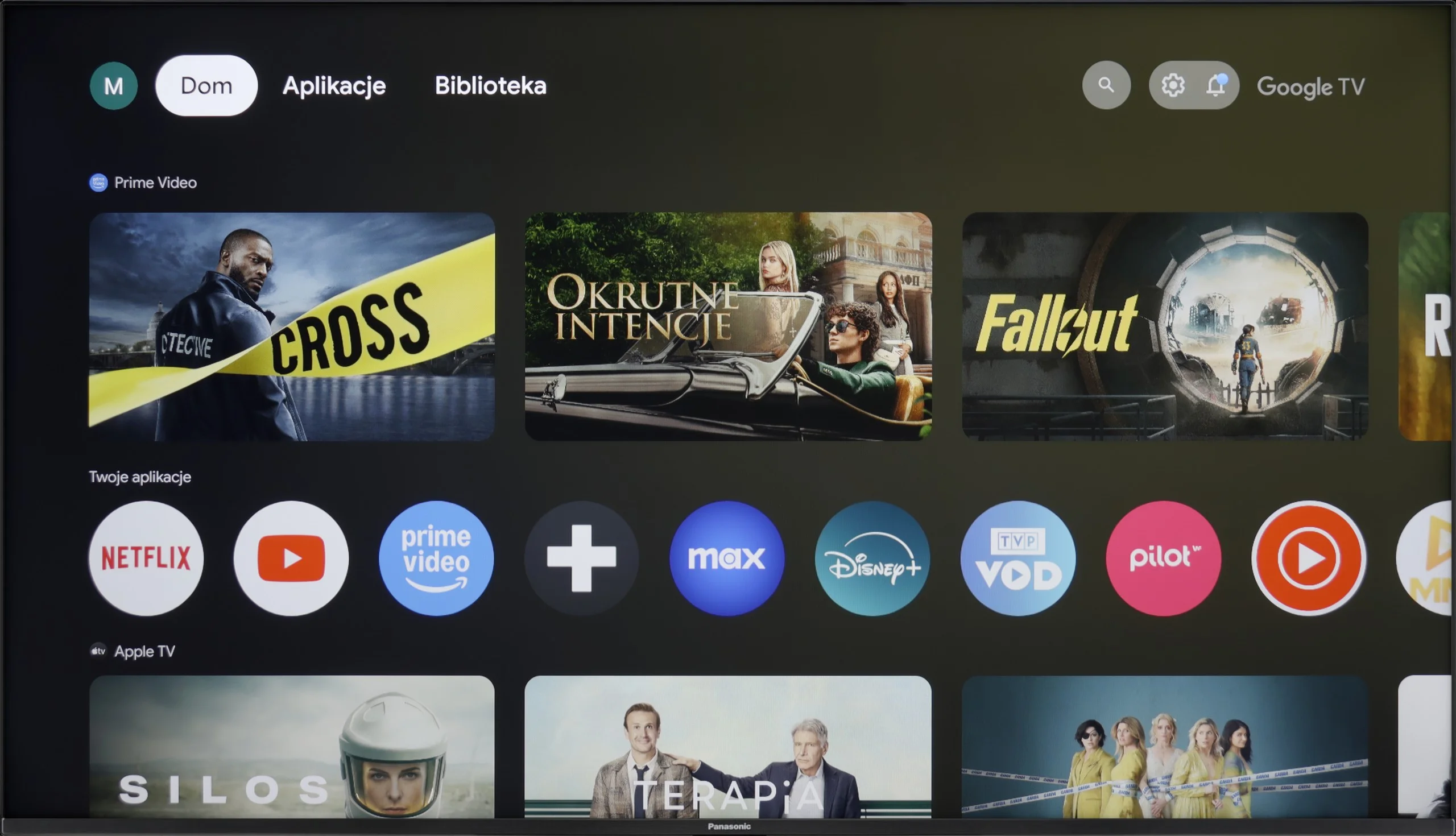
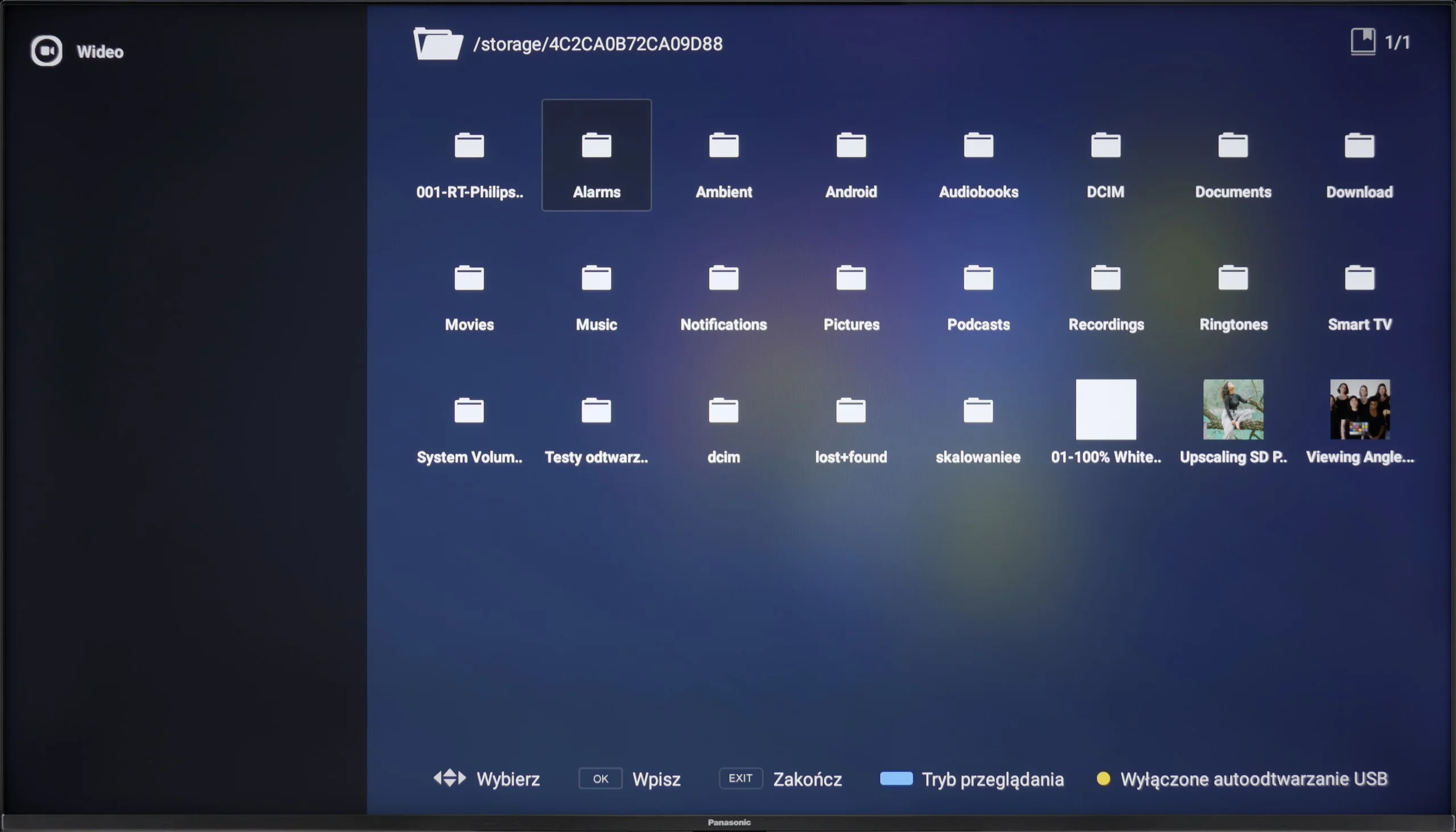
The Panasonic W70A draws attention primarily because of its advanced Google TV operating system, which gives us access to a multitude of popular applications (YouTube, Netflix, Disney+, HBO Max, etc.). In terms of picture quality, the IPS panel offers wide viewing angles, so colours do not lose their intensity even when you watch a film from an angle. Gamers will also not be disappointed, as it features VRR and ALLM, along with low input lag (around 12 ms) – all of this translates to pleasant experiences during occasional gaming, despite the standard 60 Hz refresh rate.
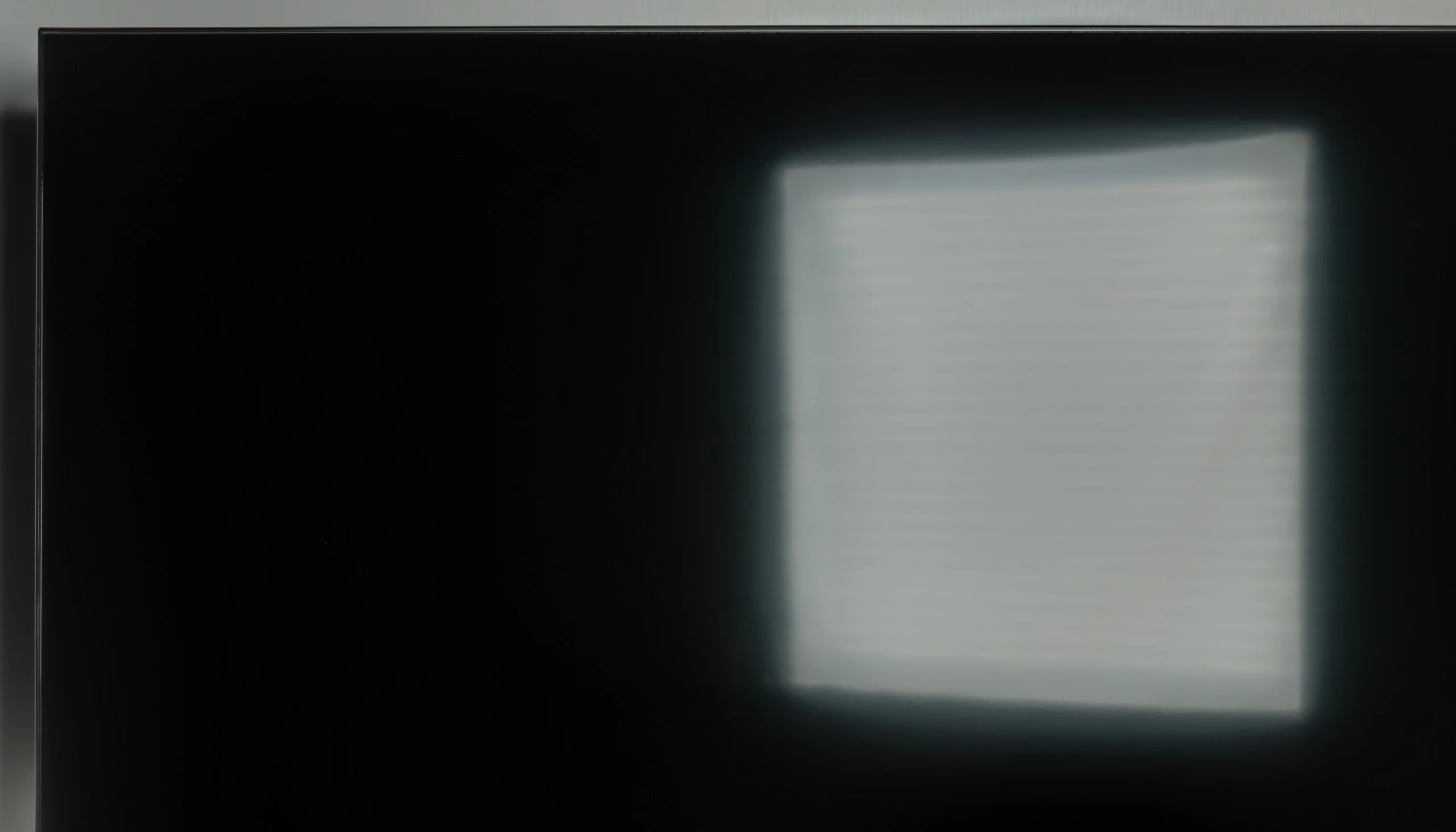
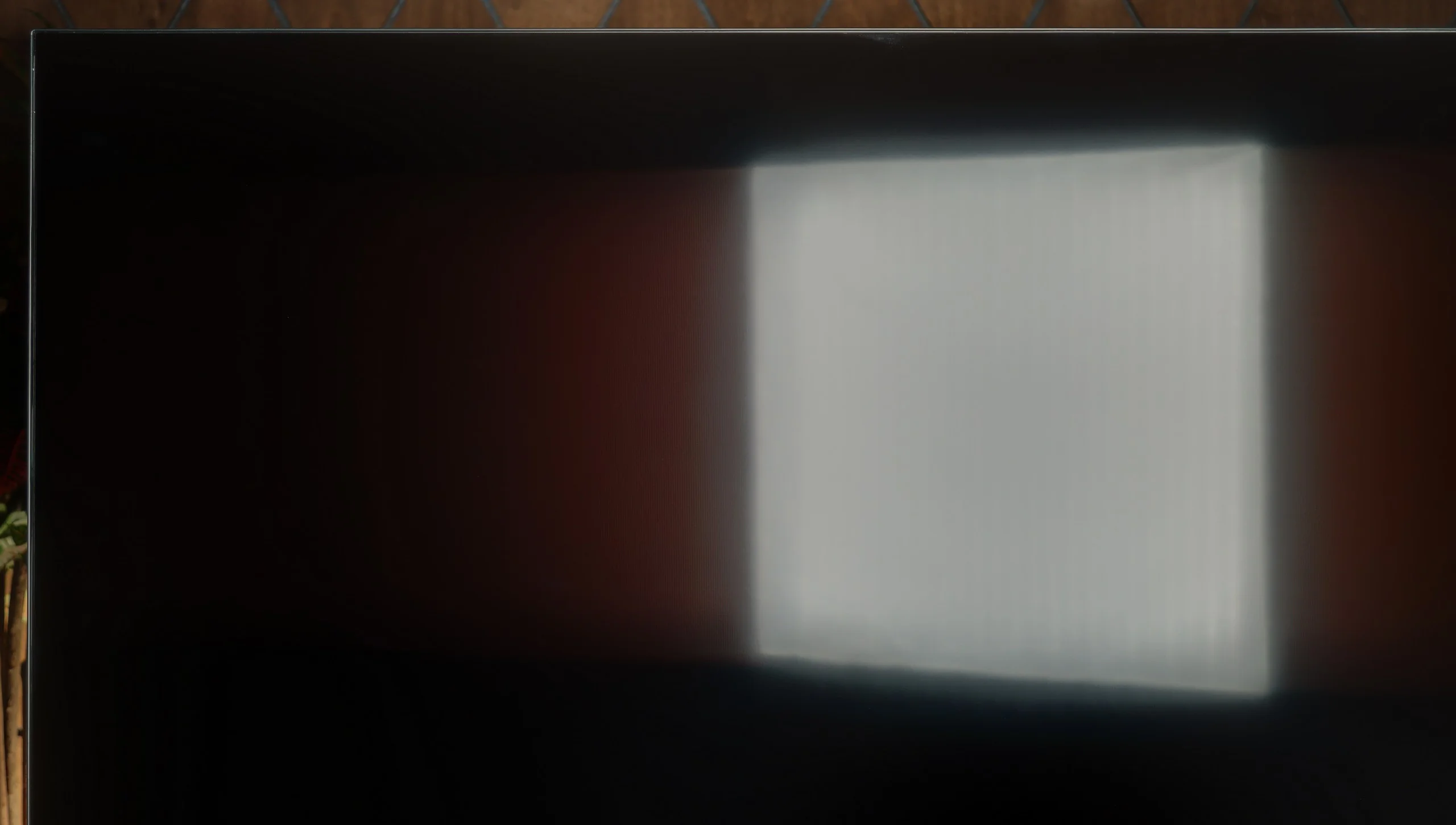
However, it's worth noting that this is rather a basic model and has its limitations. The contrast and blacks are simply weak, which is a typical phenomenon for IPS panels, especially in dark rooms. A brightness level of around 270 cd/m² is also insufficient in heavily sunlit rooms, so the picture can seem washed out. Certain shortcomings in the software itself cannot be overlooked either. Google TV is a great foundation, but sometimes settings are scattered in surprising places, and the quality of translations leaves a lot to be desired.
It must be considered that the competition is offering more and more in a similar (or slightly higher) price range. Can the Panasonic W70A hold its own in such an environment? On one hand, it tempts with a rich app base and decent support for gamers, but on the other – the market is flooded with more polished TVs equipped with better specifications. However, if wide viewing angles and straightforward access to Google TV services are priorities, we can give it a chance. In other cases, it’s worth exploring among competitive models that often offer better blacks, higher brightness, and fewer annoying issues in the menu at a similar price.
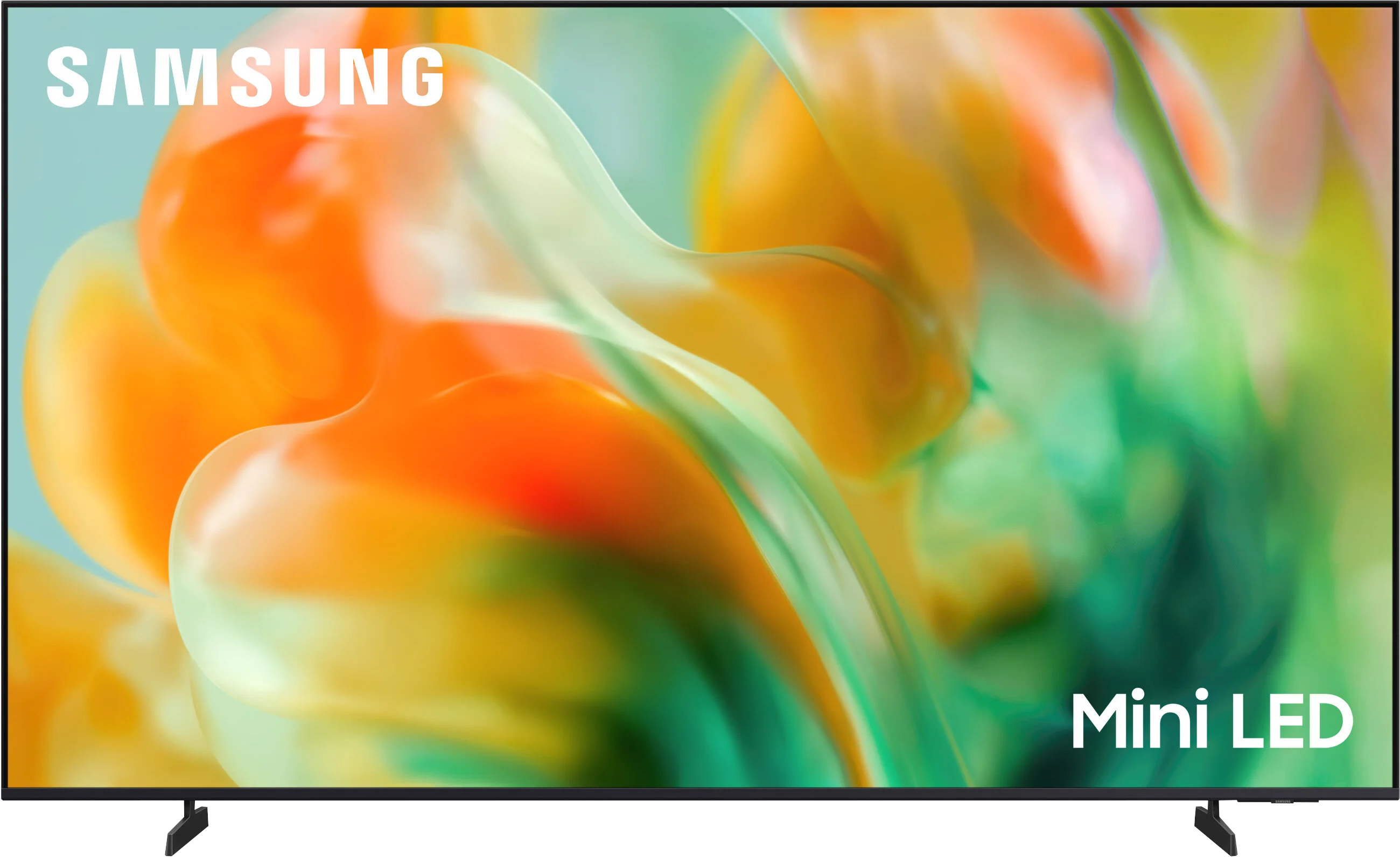
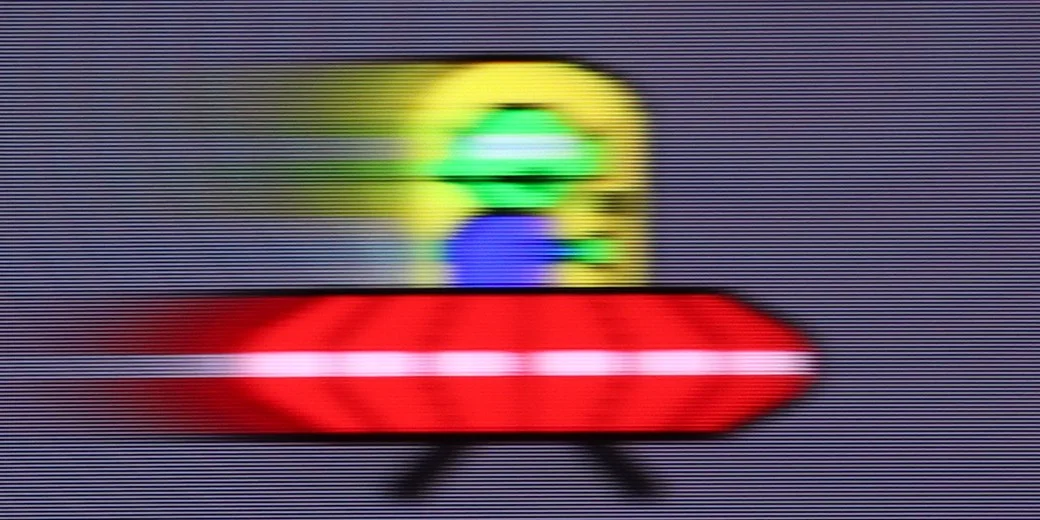
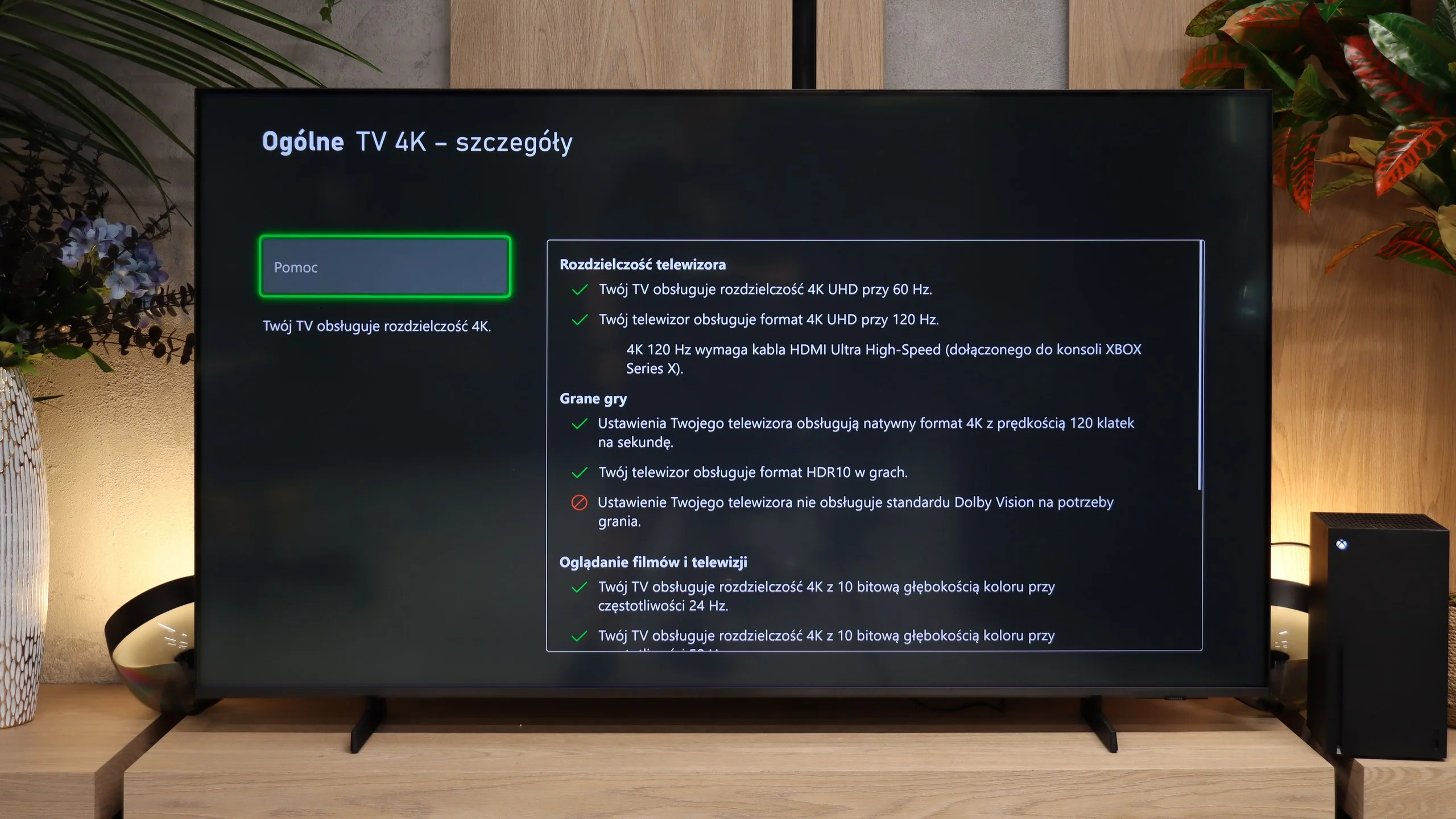
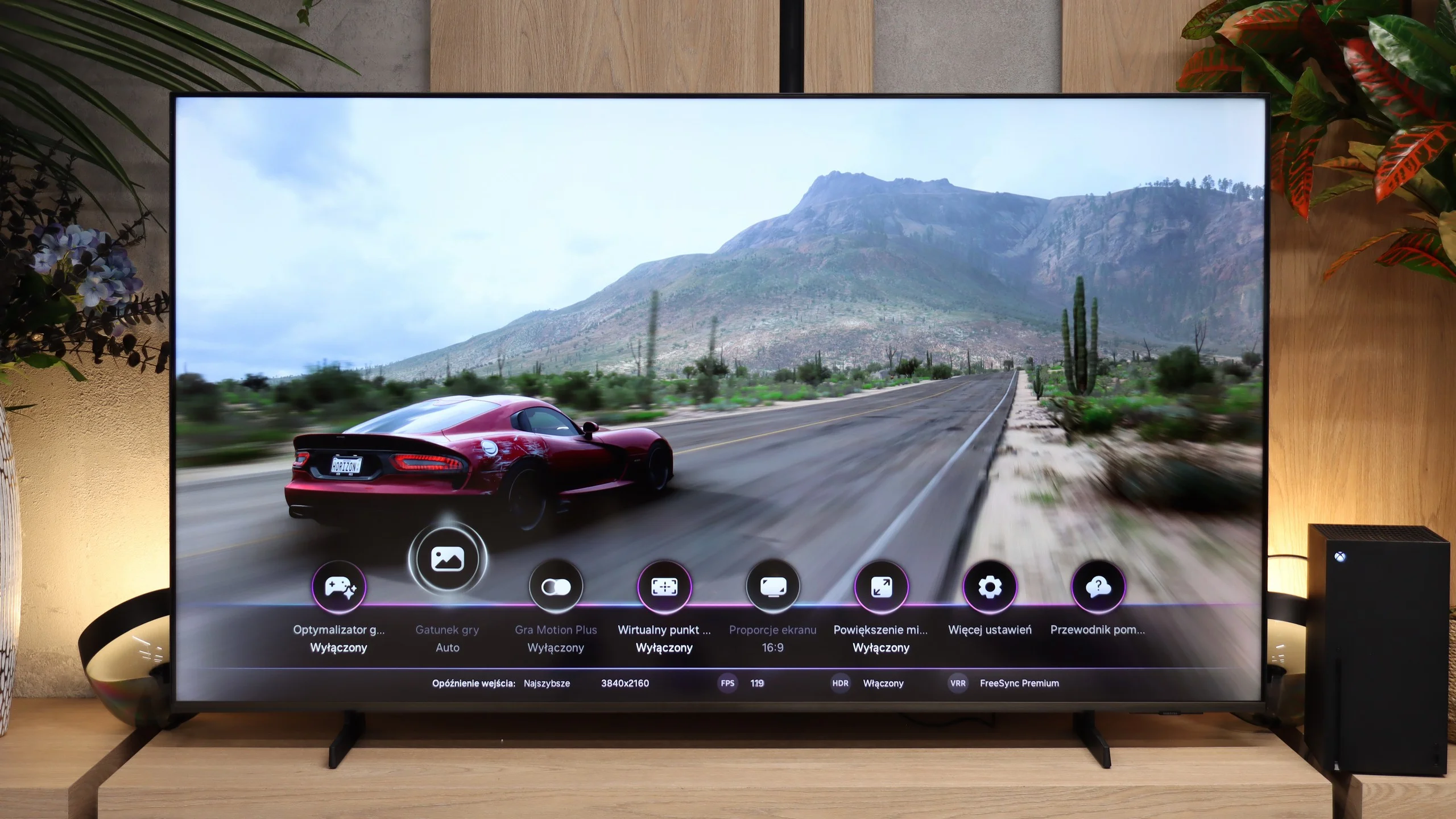
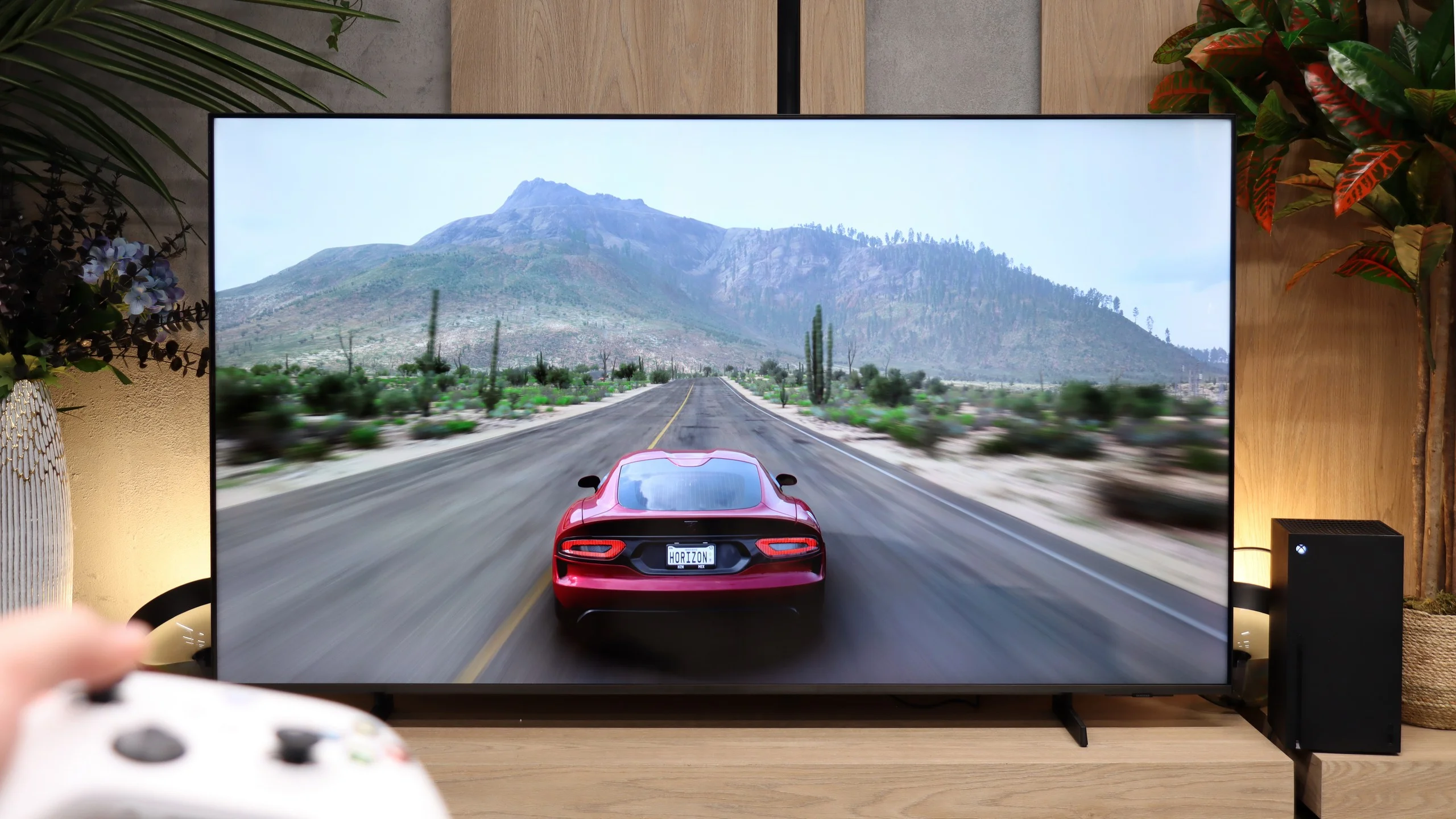
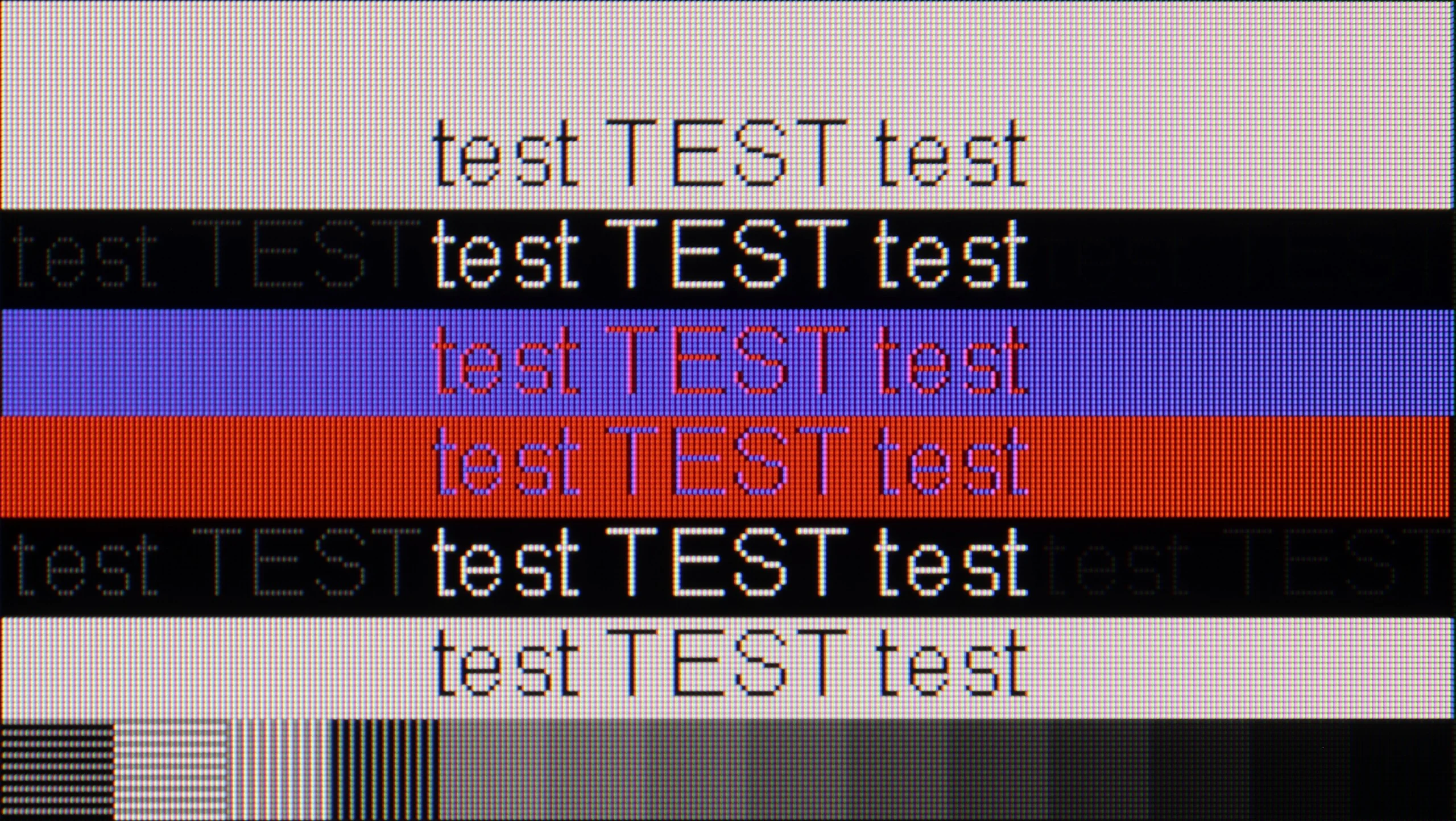
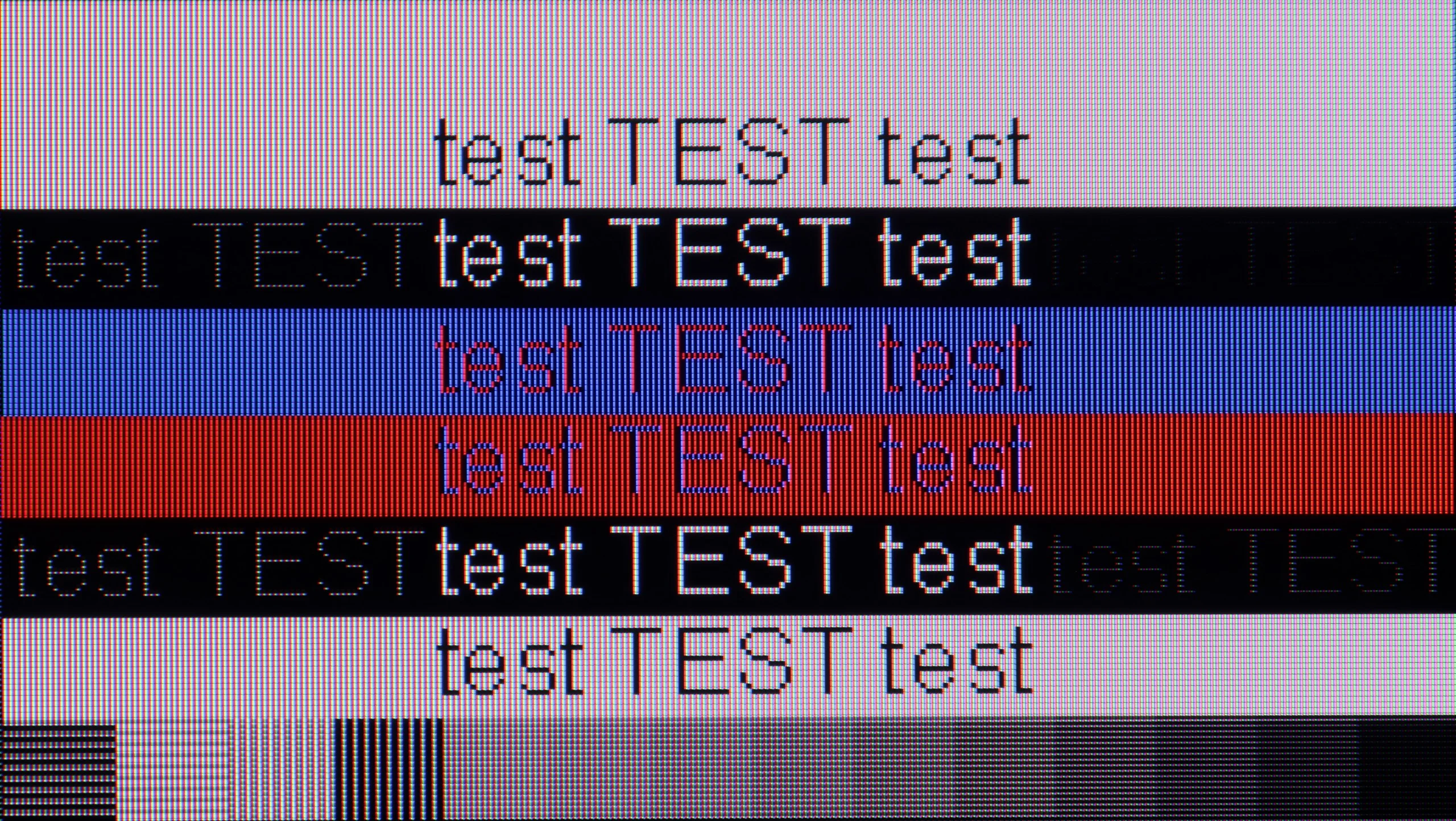
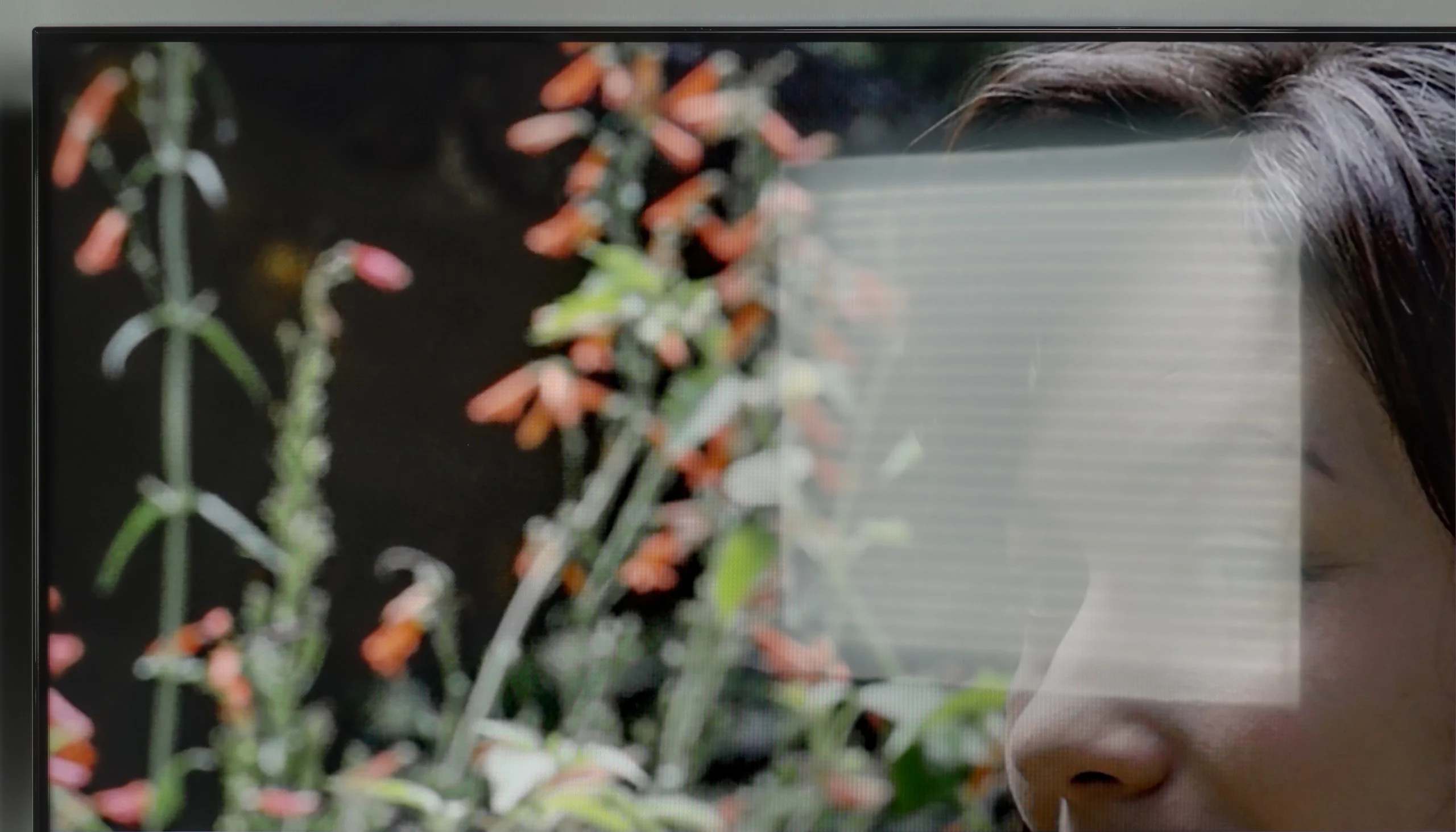
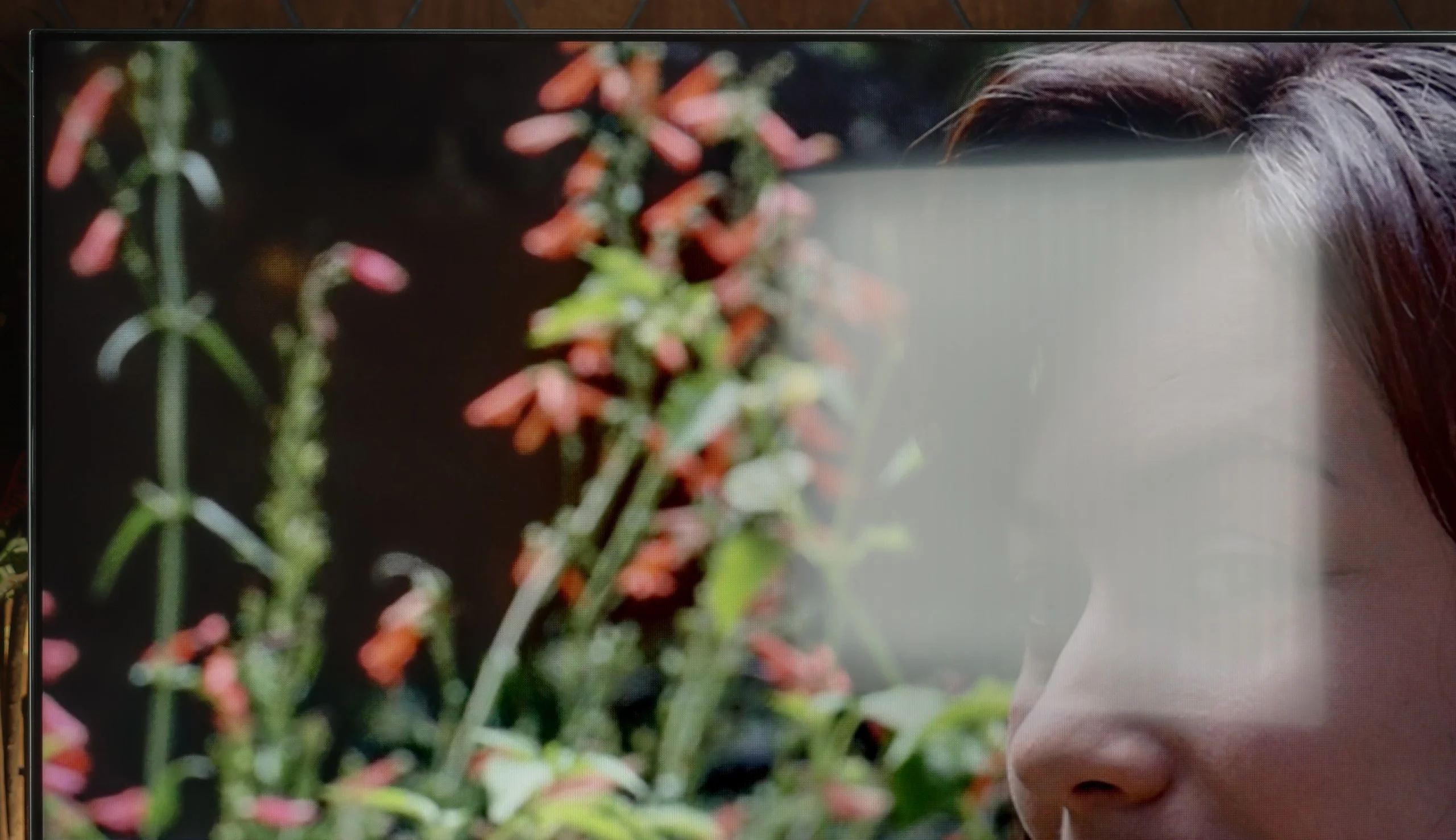
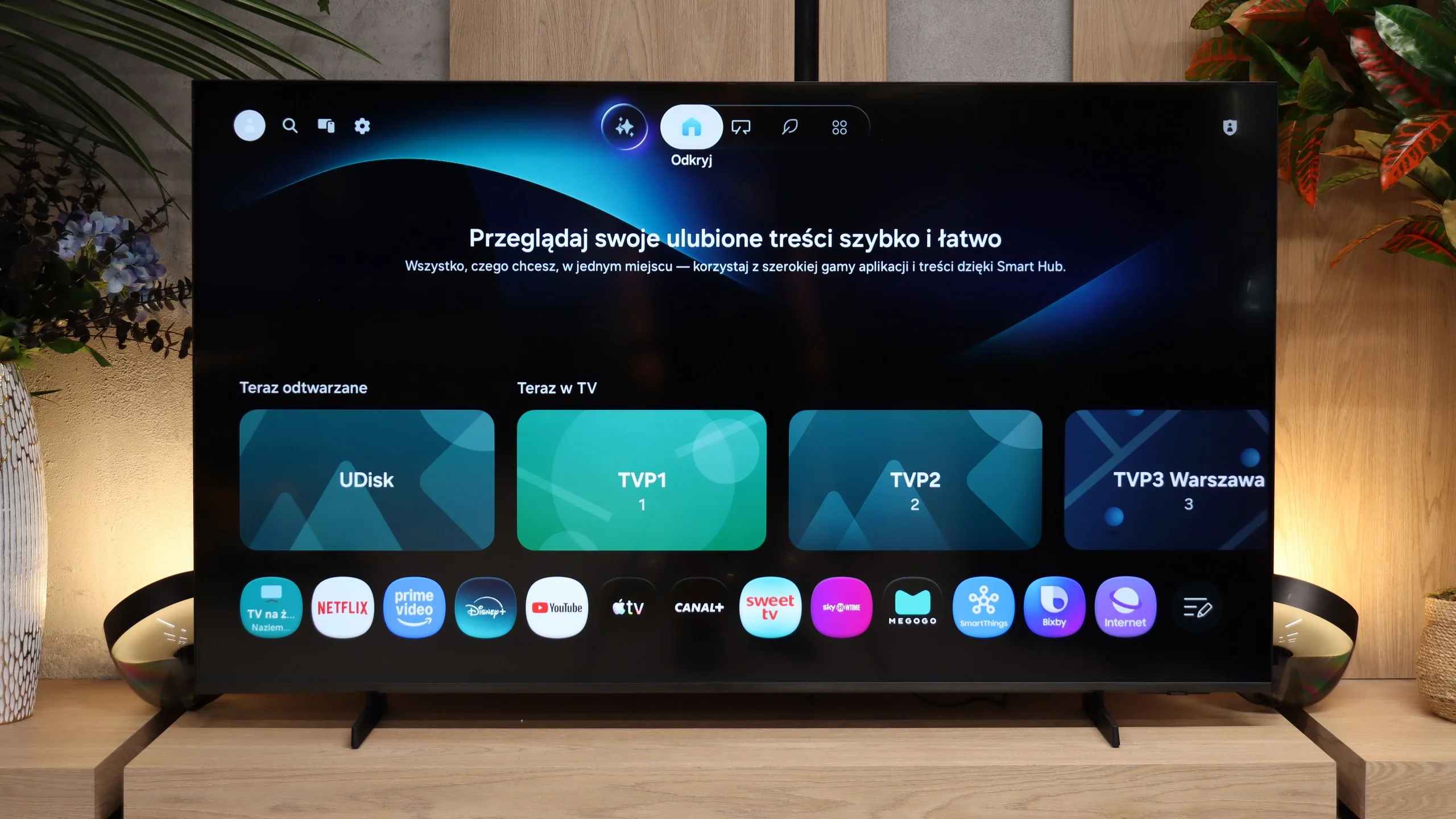
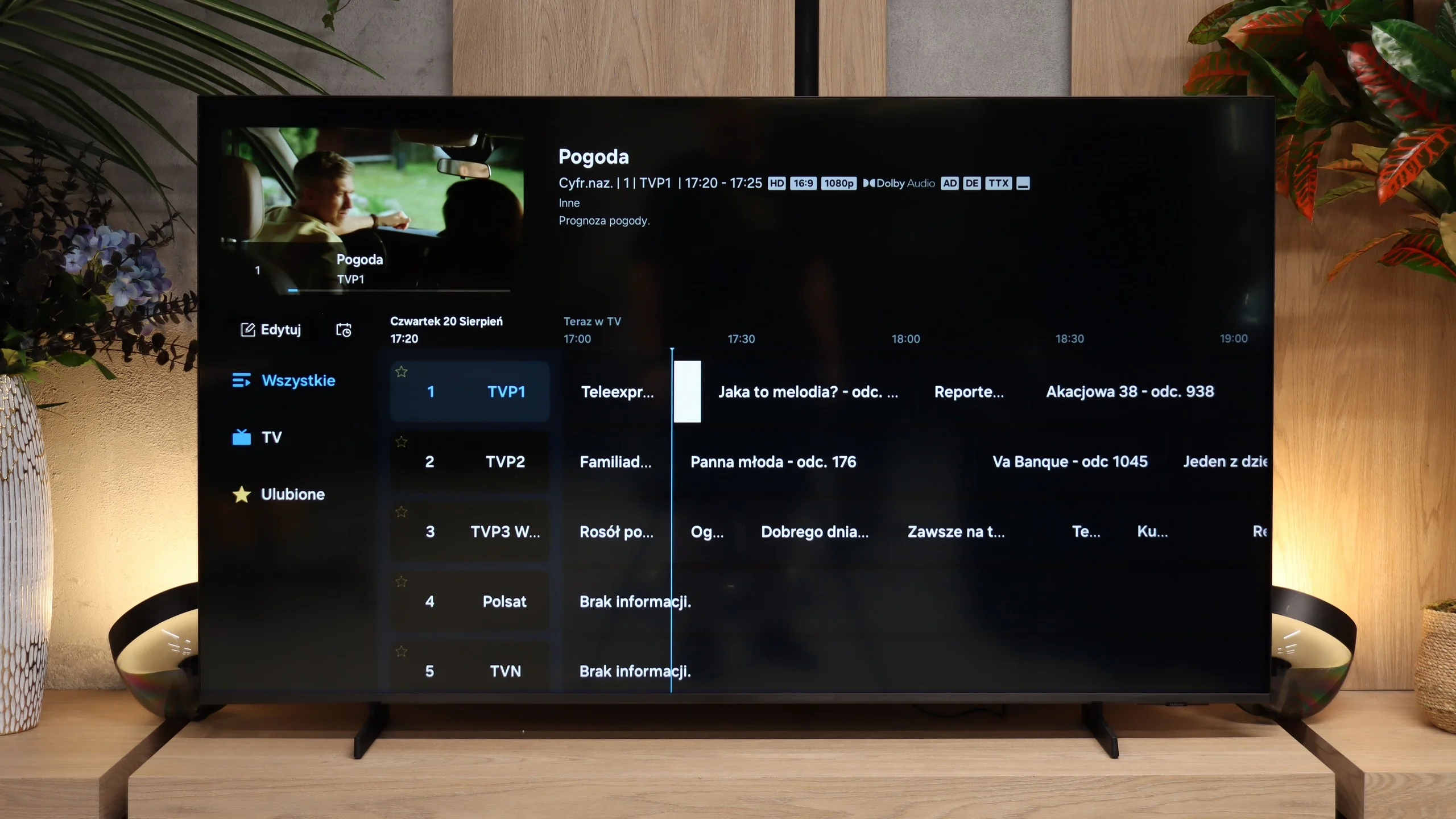
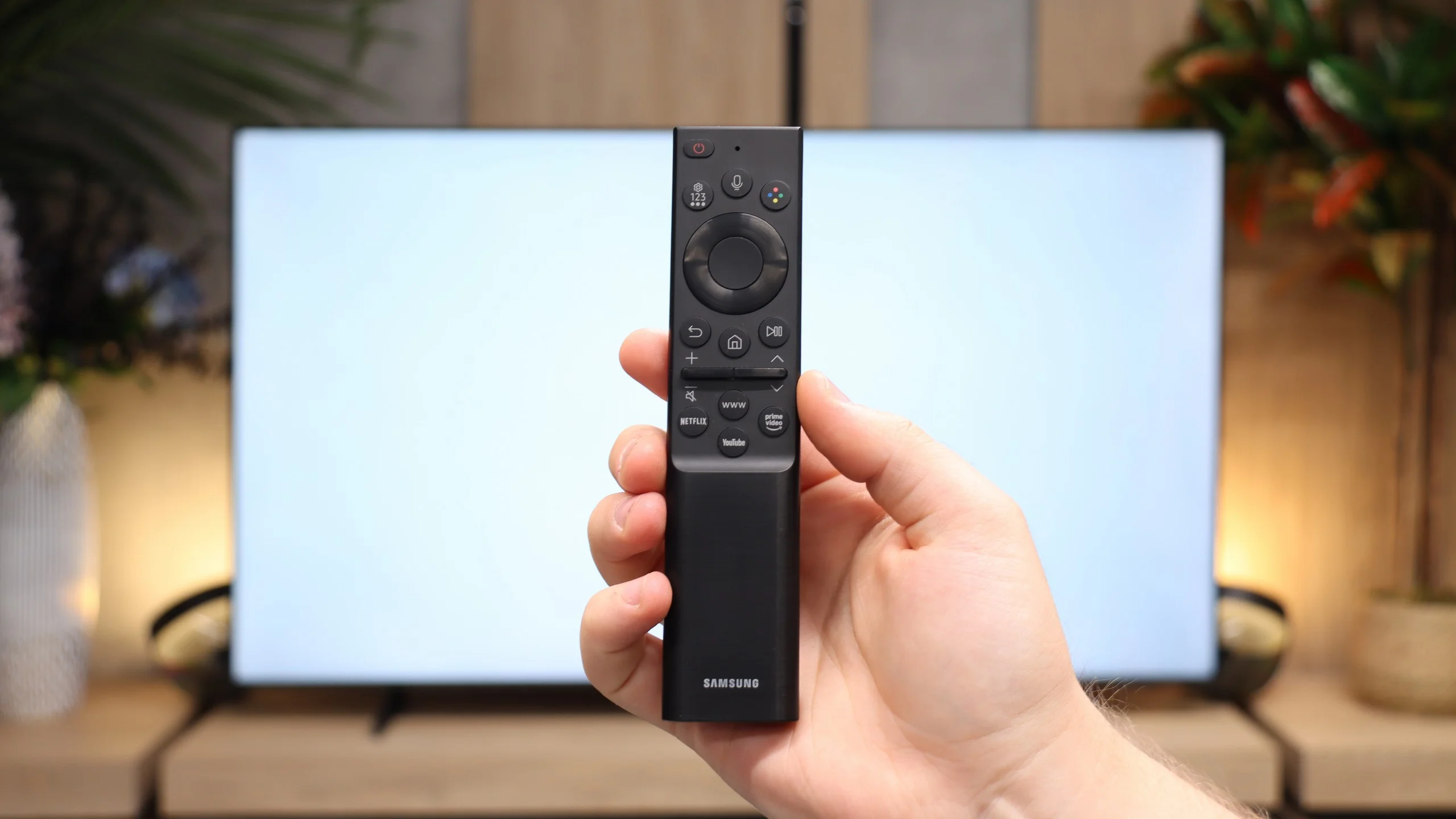
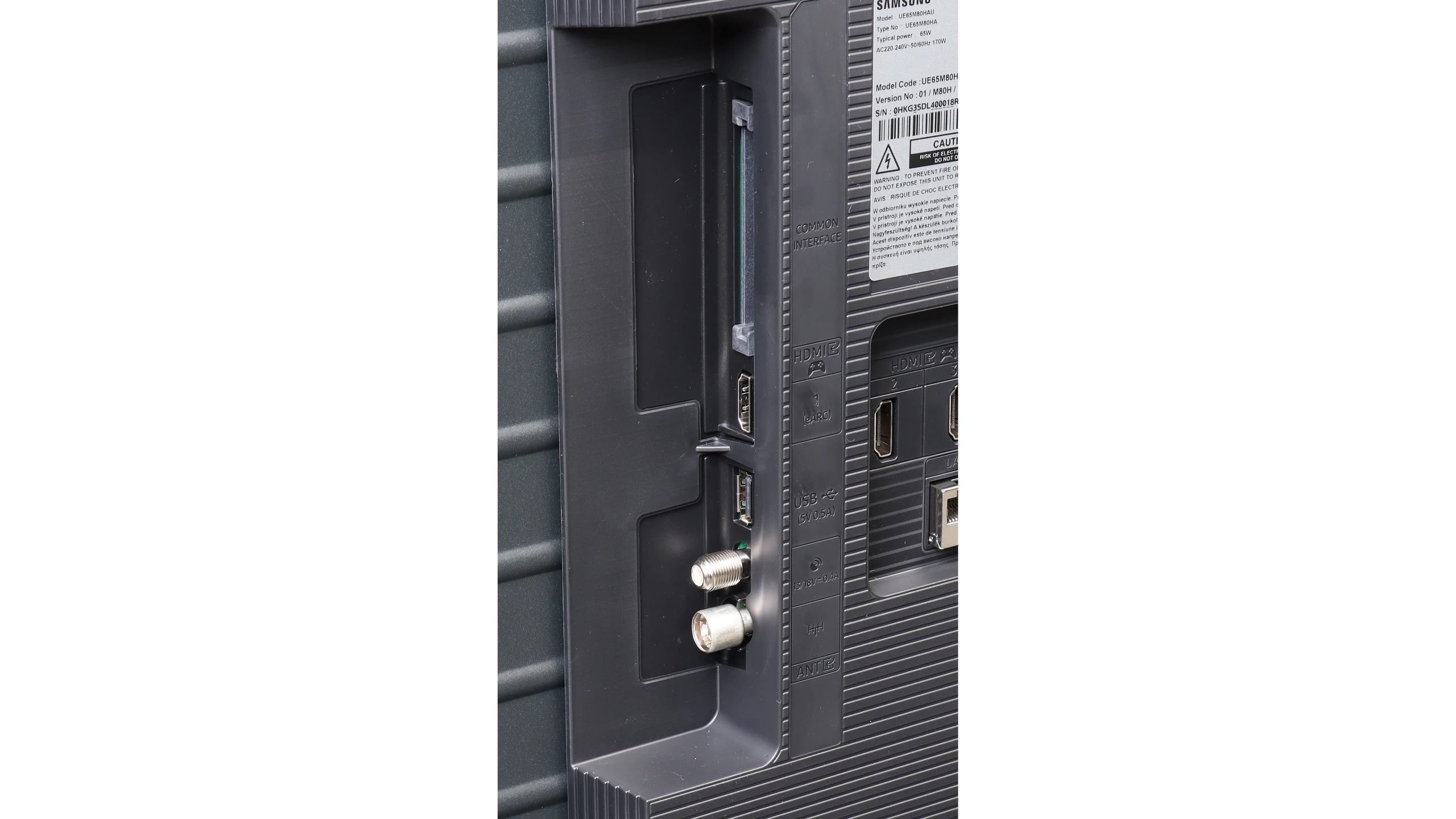
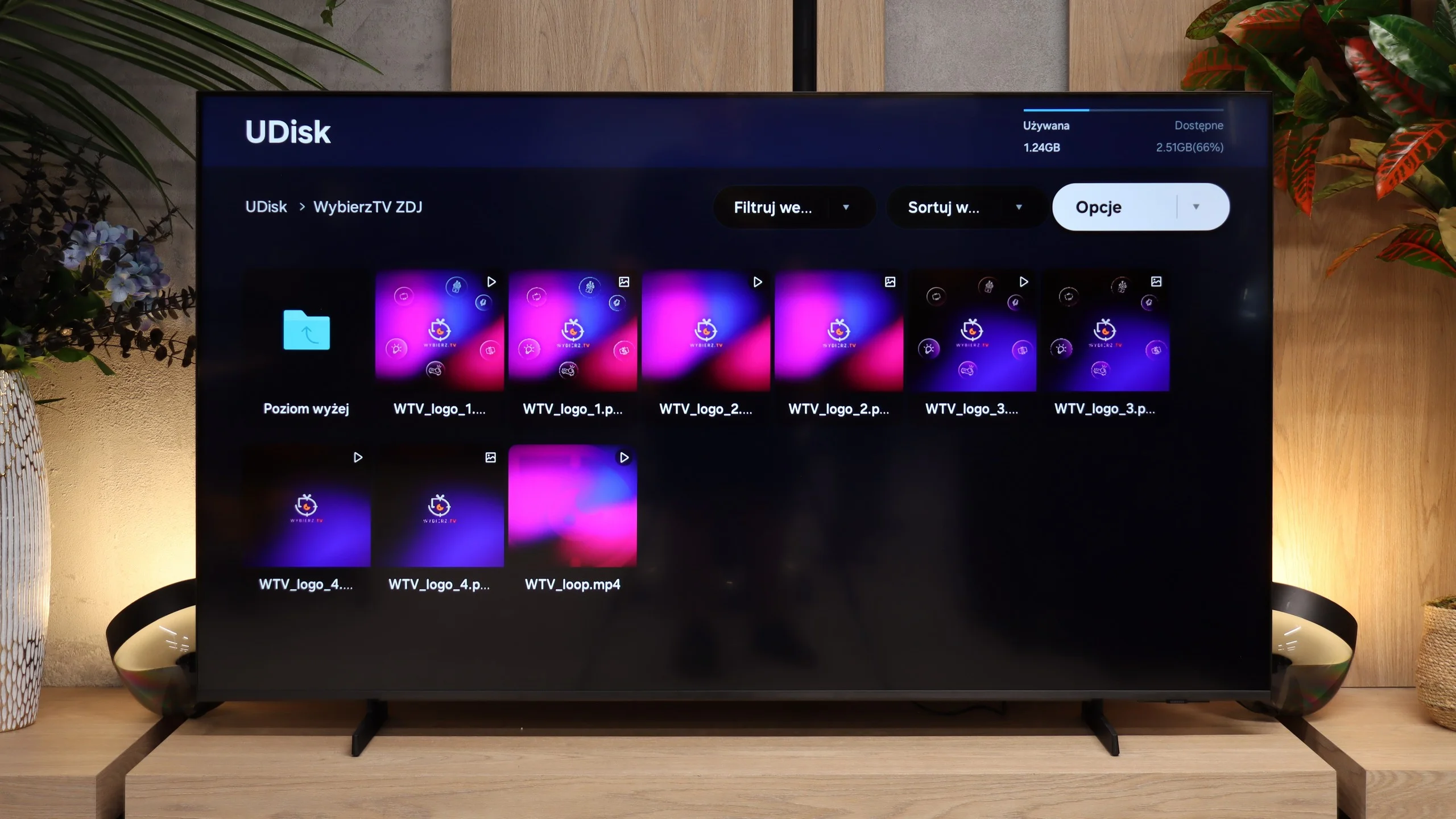
The M80H shows its strengths best where motion matters most. A fast panel, a refresh rate up to 144 Hz and relatively low motion blur make sports and fast-paced games look really good. In this respect the TV can even outperform some significantly more expensive Samsung LCD models. Gamers also get low input lag, three full-bandwidth HDMI 2.1 ports and Game Motion Plus, which can improve the smoothness of games running at 30 or 60 fps. When connected to a PC you can also use a 240 Hz refresh rate, though only at Full HD. A notable advantage of the M80H is its NQ4 AI Gen2 processor, until recently used in higher-tier Samsung ranges. It handles lower-resolution content well and can improve the look of weak sports broadcasts or heavily compressed recordings. The additional picture-enhancing features do produce a noticeable effect, though at higher settings they become too aggressive and start to interfere with a natural image. Still, they’re worth noting as a plus, because in the cheapest TVs similar solutions often have much less impact. The biggest reservations concern calling the M80H a Mini-LED TV. It lacks local dimming, the feature that usually accounts for the main advantage of the technology. A brightness level of around 350 nits also doesn’t allow for particularly impressive HDR. In terms of picture quality the M80H is therefore much closer to basic LCD TVs than to more advanced Neo QLED models like the QN80H. That doesn’t mean films look bad on it. The VA panel provides decent contrast, and the PFS filter delivers attractive, saturated colours. You should be aware, however, that the lack of local dimming noticeably limits the TV’s picture quality potential. So the M80H isn’t a model that demonstrates the full potential of Mini-LED backlighting. It will suit gamers or sports fans much better, for whom panel speed, low input lag and extensive gaming features are the priorities. If its price stays clearly lower than models equipped with local dimming, that compromise could be a sensible choice for that group of users.
 Direct comparison